


Abstract
Acne vulgaris is a prevalent inflammatory disorder of the pilosebaceous unit involving follicular hyperkeratinization, altered sebum production, Cutibacterium acnes proliferation, microbiome imbalance, and immune activation. Although antibiotics, retinoids, benzoyl peroxide, and keratolytic agents remain central to clinical management, their long-term use may be limited by irritation, recurrence, adherence issues, and increasing antimicrobial resistance. This narrative review critically evaluates the dermatological relevance of Melaleuca alternifolia tea tree essential oil (TTEO), Mentha piperita peppermint essential oil (PPEO), and polyhydroxy acids (PHAs), as well as their incorporation into biopolymeric delivery systems for acne-oriented topical applications. Following SANRA principles, evidence from clinical, preclinical, ex vivo, and in vitro studies was synthesized, with emphasis on antimicrobial activity, inflammatory modulation, keratolytic and barrier-supportive effects, formulation stability, and release behavior. TTEO shows the strongest clinical support among the reviewed natural bioactives, including reductions in lesion counts and acne severity when applied as conventional or nanoemulsion-based formulations. PPEO is mainly supported by experimental evidence, particularly antimicrobial activity against acne-associated microorganisms, anti-inflammatory potential, and menthol-related neurocutaneous effects, whereas acne-specific clinical validation remains limited. PHAs, particularly gluconolactone, are better supported for barrier improvement, hydration, tolerability, and seboregulation than for direct acne lesion reduction. Hydrogels, electrospun nanofibers, polymeric films, nanoencapsulation systems, and controlled-release platforms may improve local retention, protect volatile or irritation-prone compounds, and modulate active release at the skin surface. However, most biopolymeric platforms still rely on early-stage or indirect dermatological evidence. Overall, biopolymeric delivery systems offer a rational formulation strategy to improve the stability, tolerability, and localized action of selected acne-relevant bioactives, but their clinical translation requires standardized composition, reproducible fabrication, skin-relevant release assays, safety assessment, and controlled human studies.
1. Introduction
Acne vulgaris is a chronic inflammatory disorder of the pilosebaceous unit and one of the most prevalent dermatological conditions worldwide, particularly affecting adolescents and young adults. Although traditionally associated with puberty, acne frequently persists into adulthood and is increasingly recognized as a long-term condition with significant psychosocial impact, including impaired quality of life, reduced self-esteem, and increased risk of anxiety and depressive symptoms [1,2,3,4].
The pathogenesis of acne is multifactorial and involves increased sebum production, follicular hyperkeratinization, colonization by Cutibacterium acnes, and dysregulated inflammatory responses [5,6,7]. These interconnected mechanisms contribute to lesion development and persistence, making acne a complex disease that often requires prolonged and multifaceted therapeutic approaches.
1.1. Prevalence of Acne and Antimicrobial Resistance
Epidemiological evidence shows that acne vulgaris is highly prevalent during adolescence and progressively decreases with age, although it frequently persists into adulthood. In individuals aged 12–25 years, prevalence reaches approximately 85%, mainly attributed to hormonal changes, increased sebum production, and alterations in follicular keratinization [8,9].
In young adults (20–30 years), acne remains common, with prevalence rates ranging from 43% to 64%, and up to 50.9% in individuals aged 20–29 years, indicating that acne is not exclusively an adolescent condition but rather a chronic disorder influenced by hormonal, inflammatory, and environmental factors [10,11].
With increasing age, prevalence declines to 35.2% in individuals aged 30–39 years and 26.3% in those aged 40–49 years, likely associated with reduced sebaceous gland activity and hormonal stabilization. Acne persists in older populations, affecting 15.3% of individuals aged ≥ 50 years, suggesting the contribution of additional factors such as endocrine alterations, medication use, and changes in cutaneous immunity [11].
At a global level, acne affects approximately 9.4% of the population, ranking among the most prevalent diseases worldwide [10]. This estimate may underestimate its burden in younger populations. Geographic variability has been reported, with higher prevalence in East Asia, Latin America, and the Middle East, and lower rates in Europe and Australia, while no significant differences were observed compared to Africa. Combined acne and rosacea prevalence is higher in Latin America and Africa, supporting the role of environmental, genetic, and lifestyle factors [2].
Recent evidence indicates that acne prevalence in adults is increasing, particularly among women over 25 years of age, supporting the recognition of adult acne as a distinct clinical entity [9,12]. Contemporary data suggest that acne should no longer be considered exclusively an adolescent disease, as its persistence and late onset are increasingly common [9]. Figure 1 illustrates the age-related prevalence of acne, highlighting its peak during adolescence and persistence into adulthood.
Figure 1.
Age-related prevalence of acne vulgaris. The data presented are based on representative epidemiological studies reporting age-stratified prevalence patterns [2,3,4]. (Created using Microsoft Excel from Microsoft Office LTSC Profesional Plus 2021).
Current treatment strategies for acne include topical and systemic antibiotics such as clindamycin, erythromycin, doxycycline, and tetracycline, as well as retinoids derived from vitamin A and keratolytic agents such as benzoyl peroxide, which remain central components of clinical management [12]. Despite their established efficacy, conventional acne treatments require repeated and often prolonged use, which can compromise tolerability and adherence. Topical agents such as retinoids and benzoyl peroxide commonly induce local adverse effects, including dryness, burning, stinging, peeling, erythema, photosensitivity, and irritant dermatitis, particularly during the first weeks of treatment. Benzoyl peroxide is frequently used at 2.5–10%, although higher concentrations may increase irritation without proportional efficacy gains [13]. Prolonged topical or systemic antibiotic use may reduce treatment effectiveness by selecting resistant Cutibacterium acnes strains and disturbing the skin microbiome, thereby reinforcing the need for adjunctive strategies that reduce dependence on conventional antibiotics [14,15,16].
Advanced topical delivery systems, particularly nanocarrier-based platforms, have gained attention because they may improve drug stability, skin retention, and controlled delivery to pilosebaceous units [13]. Liposomes and polymeric or lipid-based nanocarriers are especially relevant as they can support localized exposure of active compounds, potentially improve topical performance while reducing irritation and unnecessary systemic or off-target exposure. Table 1 summarizes the main differences between conventional acne therapies and emerging biopolymeric delivery systems. This comparison emphasizes how delivery platforms may address some limitations of conventional treatments through controlled release, improved local retention, and incorporation of non-antibiotic bioactive agents, while also recognizing their current limitations in clinical validation.
Table 1.
Comparison between conventional acne treatments and biopolymeric delivery systems.
1.2. Natural Bioactive Compounds and Biopolymeric Strategies for Acne Management
The growing limitations of conventional acne therapies, particularly the emergence of antimicrobial resistance and treatment-related adverse effects, have stimulated interest in alternative strategies based on natural bioactive compounds. Among these, plant-derived agents and mild chemical exfoliants have gained attention due to their potential to simultaneously target microbial proliferation, inflammation, and abnormal keratinization, which are key pathogenic factors in acne [19,20,21,22].
However, not all natural compounds are equally relevant for acne management. The selection of bioactive agents should be based on their demonstrated antimicrobial activity against Cutibacterium acnes and their anti-inflammatory properties, as well as their relevance to key pathogenic mechanisms such as follicular hyperkeratinization [19,21]. Considerations related to formulation, including compatibility with acne-prone skin and the ability to be incorporated into stable topical delivery systems, are critical for their clinical application [13].
These bioactive agents offer complementary therapeutic mechanisms. Essential oils primarily contribute antimicrobial and anti-inflammatory effects, whereas polyhydroxy acids promote controlled exfoliation and barrier support. Their integration into biopolymeric delivery systems may enhance physicochemical stability, regulate release kinetics, improve skin retention, and reduce irritation, thereby supporting the development of multifunctional acne therapies with improved tolerability and efficacy [13,19,20,23,24].
These agents are not only effective individually but also exhibit complementary mechanisms of action. While essential oils primarily exert antimicrobial and anti-inflammatory effects, hydroxy acids contribute to exfoliation through the promotion of epidermal turnover. This multifunctional profile supports their potential use in combination strategies for acne management, such as TTEO and PPEO [19,20].
To enhance their therapeutic potential, increasing attention has been directed toward their incorporation into biopolymeric delivery systems. These systems can improve the stability of volatile compounds such as essential oils, regulate release profiles, and enhance skin retention, thereby potentially increasing efficacy while reducing irritation and systemic exposure [13,23,24].
Thus, the integration of selected natural bioactive compounds with advanced delivery platforms represents a promising direction for the development of more effective and safer acne treatments [13,19].
2. Methodology of Literature Selection
This manuscript was developed as a critical narrative review structured according to the SANRA (Scale for the Assessment of Narrative Review Articles) principles, with the aim of improving transparency, methodological consistency, and scientific rigor.
A structured literature search was conducted in PubMed, Scopus, Web of Science, and Google Scholar. Search terms were selected according to the main thematic axes of the review: acne vulgaris pathophysiology, antimicrobial resistance, selected natural bioactive compounds, hydroxy acids, and biopolymeric delivery systems. The search strategy included combinations of the following terms: “acne vulgaris,” “Cutibacterium acnes,” “antimicrobial resistance,” “tea tree oil,” “Melaleuca alternifolia,” “peppermint essential oil,” “Mentha piperita,” “polyhydroxy acids,” “alpha-hydroxy acids,” “biopolymers,” “hydrogels,” “electrospinning,” “nanofibers,” “nanoencapsulation,” “controlled release,” “skin inflammation,” and “topical delivery systems,” combined using Boolean operators (AND/OR).
The search focused primarily on peer-reviewed articles published between 2014 and 2026, with emphasis on studies from the last five years. Earlier references were retained when they were considered foundational, historically relevant, or necessary to support well-established mechanisms, clinical evidence, or classification concepts. The initial exploratory version of the manuscript considered a broader reference pool; however, the final version was refined through critical screening, removal of redundant citations, and prioritization of studies directly relevant to acne management, bioactive compounds, and biopolymeric delivery systems.
Studies were included when they addressed at least one of the following criteria: acne pathophysiology or antimicrobial resistance; antimicrobial or anti-inflammatory activity against acne-associated microorganisms; dermatological effects of tea tree oil, peppermint oil, hydroxy acids, or PHAs; formulation strategies involving hydrogels, electrospun nanofibers, polymeric films, nanoencapsulation, or controlled-release systems; clinical, preclinical, ex vivo, or in vitro evidence relevant to acne-prone skin; and translational or safety considerations for topical dermatological delivery systems.
Studies were excluded when they lacked methodological clarity, were not peer-reviewed, did not address acne-related mechanisms or dermatological relevance, focused on unrelated biomedical applications without translational value for topical delivery, or duplicated information.
Because acne-specific clinical evidence for several biopolymeric systems remains limited, the evidence was organized hierarchically. Clinical trials and systematic reviews were prioritized when available. Preclinical, ex vivo, and in vitro studies were included when they provided relevant mechanistic, antimicrobial, anti-inflammatory, formulation, or controlled-release data. Evidence derived from wound-healing or dermatological repair models was interpreted cautiously and explicitly identified as indirect when not directly evaluated in acne vulgaris.
The final manuscript integrated 103 references selected for their relevance, quality, and contribution to the narrative synthesis. The selected literature was critically analyzed according to SANRA principles, emphasizing justification of the topic, clarity of objectives, adequacy of the search strategy and relevance of references, scientific reasoning, and coherent presentation of data. Particular attention was given to antimicrobial efficacy against Cutibacterium acnes, modulation of inflammatory pathways, formulation stability, release behavior, safety, and suitability for topical application in acne-prone skin.
As this work is a narrative review, the evidence was interpreted according to study type, translational maturity, and direct relevance to acne management.
3. Tea Tree Oil (Melaleuca alternifolia)
3.1. Rationale for Use in Acne Management
TTEO, derived from Melaleuca alternifolia, has emerged as one of the most extensively studied plant-derived antimicrobial agents in dermatology, particularly in acne-related applications. Its antimicrobial activity has been demonstrated against a wide range of microorganisms, including Pseudomonas aeruginosa (Minimum inhibitory concentration (MIC): 0.05–0.1 μL/mL), Escherichia coli and Bacillus subtilis (MIC: ~0.1 μL/mL), as well as E. coli strains with MIC values up to 6.2 μL/mL [25,26]. TTEO has shown relevant activity against Cutibacterium acnes (MIC: 0.39%) and Staphylococcus epidermidis (MIC: 0.45–1.25%), with reported inhibition zones ranging from 15 to 21.7 mm [27,28]. These antimicrobial effects, combined with its well-documented anti-inflammatory properties and compatibility with topical formulations, support its relevance in acne management [28,29,30].
Despite these promising findings, the available evidence remains heterogeneous and relatively limited at the clinical level. Therefore, TTEO should be considered a promising bioactive agent with potential applications in acne management, rather than a fully established therapeutic option [29].
3.2. Principal Bioactive Components and Functional Relevance
The biological activity of TTEO is largely attributed to its terpene composition, with terpinen-4-ol recognized as the principal active component responsible for antimicrobial and anti-inflammatory effects [28,29,30,31]. Other constituents, such as α-terpineol and γ-terpinene, may contribute synergistically to its overall activity, although their specific roles in acne remain less clearly defined, and are summarized in Table 2.
Table 2.
Acne-relevant constituents of TTEO (Melaleuca alternifolia) and their functional roles.
3.3. Antimicrobial and Anti-Inflammatory Mechanisms Relevant to Acne
The antimicrobial activity of TTEO is primarily determined by its complex phytochemical composition, particularly its terpene-rich fraction and, to a lesser extent, associated polyphenolic constituents. Terpenes act as potent membrane-fluidizing agents that disrupt microbial membrane integrity, increasing permeability, collapsing chemiosmotic gradients, and ultimately causing leakage of intracellular components and cell death [28,29,31]. In parallel, bioactive TTEO constituents may interfere with microbial enzymatic systems, including hydrolytic enzymes such as proteases, as well as microbial adhesion processes and cell wall-associated proteins, thereby further compromising microbial viability [25].
Polyphenolic constituents may provide complementary antimicrobial support by crossing microbial membranes and interfering with proton motive force, active transport systems, and intracellular protein coagulation, which together contribute to broad-spectrum microbial inhibition. These physicochemical and biochemical mechanisms support the potent antimicrobial activity of TTEO against acne-associated microorganisms or even Methicillin-Resistant Staphylococcus aureus (MRSA) [25,28]. Experimental studies indicate that terpinen-4-ol, the principal bioactive component of TTEO, directly disrupts C. acnes membrane integrity, leading to increased permeability, intracellular leakage, and bacterial death [28,29,31].
TTEO exhibits significant anti-inflammatory activity through both biochemical and immunomodulatory mechanisms, at the biochemical level, inhibition of protein denaturation may contribute to attenuation of local inflammatory responses, helping to reduce tissue swelling, erythema, and heat generation, has been reported to modulate immune cell activity by reducing IL-2 release from activated lymphocytes and inhibiting peripheral blood mononuclear cell proliferation, thereby limiting inflammatory cell expansion [25], these effects are further reinforced through modulation of key acne-related inflammatory pathways. As well as regulate pro-inflammatory mediators such as TNF-α, IL-1β, and IL-6, while interfering with Toll-like receptor-mediated signaling and downstream NF-κB and MAPK cascades, which are central to the initiation and persistence of acne-associated inflammation [6,29,34].
This dual antimicrobial and anti-inflammatory activity is particularly relevant in acne vulgaris, where microbial colonization by C. acnes and dysregulated inflammatory signaling are closely interconnected pathogenic processes.
3.4. Clinical Evidence for Translational Relevance
TTEO in acne management is increasingly supported by controlled clinical studies demonstrating measurable reductions in lesion burden and acne severity indices, particularly when incorporated into optimized topical delivery systems [35,36]. Most representative placebo-controlled studies, a 5% TTEO gel applied for 45 days, produced a 43.6% reduction in total lesion count (TLC) and a 40.5% decrease in acne severity index (ASI), compared with only 12.0% and 7.0% reductions in the placebo group, respectively. Inflammatory lesions showed marked responsiveness, with papules and pustules decreasing by 46.1% and 47.5%, respectively, while tolerability remained acceptable, with only mild transient pruritus or burning reported in a small proportion of patients [35].
Formulation strategies suggest that delivery architecture substantially amplifies therapeutic outcomes. In a 12-week randomized clinical trial, a TTEO nanoemulsion loaded with adapalene achieved significantly greater reductions in total, inflammatory, and non-inflammatory lesions than marketed adapalene gel alone (p < 0.001). 71.7% of patients reached clear or almost clear skin, compared with only 6.4% in the conventional adapalene group, supporting the hypothesis that nanoscale carriers improve follicular targeting, permeation, and local antimicrobial contact [36].
Combination phytotherapeutic systems also reinforce this trend. A cream containing 3% TTEO, 20% propolis, and 10% Aloe vera reduced ASI by 66.7% and TLC by 63.7% after 30 days, outperforming 3% erythromycin cream, which achieved 49.7% and 46.5% reductions, respectively, this formulation accelerated erythematous scar resolution, with significantly lower scar erythema indices as early as day 15, suggesting added benefits in post-inflammatory repair [37].
These findings establish a clinically relevant framework for comparing conventional, synergistic, and carrier-enhanced TTEO systems, while highlighting the importance of formulation architecture in maximizing therapeutic performance, as shown in Table 3.
Table 3.
Clinical evidence of TTEO in acne management.
3.5. Limitations, Safety, and Formulation Challenges
Despite its promising antimicrobial and anti-inflammatory properties, TTEO presents important safety and formulation limitations for acne-oriented topical applications. Its chemical composition is highly variable and depends on chemotype, origin, extraction, storage, and oxidation status. Commercial TTEO should contain at least 35% terpinen-4-ol and no more than 10% 1,8-cineole, while oils with higher terpinen-4-ol and lower 1,8-cineole contents are generally preferred [41]. Direct topical exposure may induce irritation or allergic contact dermatitis, particularly when TTEO is oxidized or applied at high concentrations. Oxidized TTEO is especially relevant because terpinolene, α-terpinene, and terpinen-4-ol may form reactive electrophilic species under aging or air-exposure conditions; concentrated forms above 10% should be avoided, particularly on damaged skin [41]. Reported adverse reactions include contact dermatitis, erythema, erythema multiforme-like eruptions, linear IgA bullous disease, systemic hypersensitivity reactions, and, rarely, anaphylaxis [41].
Therefore, standardized composition, adequate storage, concentration control, and controlled delivery systems are essential to improve its topical safety profile, such as polymeric encapsulation strategies.
3.6. Relevance for Biopolymeric Delivery Systems
According to its properties and limitations, TTEO is a highly suitable candidate for incorporation into biopolymeric delivery systems as demonstrated in vitro and in silico studies [28,42]. These characteristics provide a strong formulation rationale for polymer-assisted stabilization and localized dermal retention.
Within biopolymeric matrices, TTEO can be protected from premature evaporation and environmental degradation while maintaining prolonged contact with the pilosebaceous unit, a key target site in acne pathophysiology. This localized retention is especially relevant for sustaining antimicrobial exposure against Cutibacterium acnes and prolonging anti-inflammatory activity at inflamed lesions [43].
Compatibility of TTEO with hydrogel, nanofiber, and nanoencapsulated biopolymer platforms supports its integration into multifunctional acne-oriented dressings capable of combining controlled delivery, moisture balance, and barrier-friendly application [42,44]. These formulation characteristics establish the basis for the advanced biomaterial strategies discussed in Section 6.
4. Peppermint Oil (Mentha piperita)
4.1. General Characteristics and Phytochemical Profile
Mentha piperita L. is a hybrid aromatic species widely used in pharmaceutical, cosmetic, and dermatological formulations due to its broad spectrum of bioactive terpenes and its well-established skin-soothing properties [18]. PPEO is characterized by a menthol-rich profile, ranging from 32.6 to 69.1%, followed by menthone, methyl acetate, limonene, and 1,8-cineole [18,45,46,47,48]. This phytochemical composition supports a multifunctional dermatological profile integrating antiseptic, bacteriostatic, antioxidant, and sensory-calming properties [47,49,50,51].
4.2. Antimicrobial Properties Relevant to Acne
In vitro studies indicate that PPEO concentrations ranging from 1 to 5% can suppress Cutibacterium acnes proliferation by more than 70%, supporting its potential as a non-antibiotic antimicrobial alternative for acne-associated dysbiosis [52,53,54]. This level of inhibition approaches the performance of some conventional topical antibiotics, unlike antibiotics, terpene-based compounds primarily act through membrane disruption mechanisms, increased permeability, and disruption of bacterial homeostasis [5], thereby compromising bacterial survival and replication within the pilosebaceous environment, which is generally considered less likely to induce resistance development, although this effect has not been fully established in clinical settings [54,55].
4.3. Anti-Inflammatory, Soothing, and Calming Effects
PPEO provides a distinctive dermatological advantage through its menthol-mediated activation of TRPM8 receptors, which generate a cooling sensation and attenuate nociceptive signaling, which are transient receptor potential melastatin 8-type ion channels. When activated, these receptors cause depolarization of heat-sensitive afferent nerves, producing a cooling sensation without any actual change in temperature. TRPM8 activation exerts an inhibitory effect on nociceptors, helping to mask the sensation of pain [51,56]. This neurocutaneous mechanism is particularly relevant in inflammatory acne, where burning, pain, and erythema contribute to patient discomfort and reduced treatment adherence.
Constituents such as β-caryophyllene, limonene, and 1,8-cineole contribute antioxidant and anti-inflammatory support that may favor lesion resolution and reduction in local irritation [18,45,46,47,48,49,50,57,58]. The soothing and calming properties of PPEO may also reduce the tendency to manipulate inflamed lesions, indirectly lowering the risk of excoriation, secondary infection, and scar formation [51].
4.4. Evidence from In Vitro, Preclinical, and Clinical Studies
Dermatological use of PPEO in acne management currently derives predominantly from in vitro and preclinical studies, with emerging translational relevance for topical applications. In vitro assays consistently demonstrate antimicrobial activity against Cutibacterium acnes, with inhibition rates exceeding 70% at concentrations between 1% and 5% [52,53,54].
Preclinical evidence further suggests that PPEO may contribute to wound-healing support, reduction in local irritation, and attenuation of oxidative and inflammatory responses in damaged skin environments [52,53]. These findings are particularly relevant for inflamed acne lesions and post-inflammatory recovery.
Dermatological and cosmetic formulations containing peppermint-derived bioactives have been associated with reductions in lesion severity, erythema-associated discomfort, and improved patient tolerability, which may in turn enhance treatment adherence, particularly in individuals sensitive to conventional keratolytic or retinoid-based therapies [51,59,60]. The soothing properties of PPEO may reduce the tendency to mechanically manipulate lesions (e.g., scratching or touching), lowering the risk of secondary infections and scar formation [51], promising an adjunctive bioactive that combines antimicrobial activity with symptomatic relief, while also highlighting the need for well-designed acne-specific randomized clinical trials to validate its therapeutic efficacy.
Table 4 summarizes experimentally reported evidence for PPEO and menthol, emphasizing chemical variability, antibacterial activity, 5-lipoxygenase inhibition, activity against acne-associated microorganisms, nanofiber-based local delivery, and menthol-related skin responses.
Table 4.
Chemical constituents of Peppermint Essential oil.
4.5. Limitations and Safety Considerations
The phytochemical composition of PPEO is highly variable depending on cultivation conditions, geographic origin, and extraction procedures, which may directly affect antimicrobial potency and sensory performance [18,55,56,57,58,59,60].
Menthol-rich formulations may induce irritation or excessive cooling sensations in sensitive skin, particularly when used at high concentrations or in compromised skin barriers [51]. While the current scarcity of acne-specific randomized clinical trials, which restricts robust therapeutic positioning relative to first-line conventional treatments [59,60]. These limitations reinforce the need for standardized formulations and clinically validated delivery systems.
5. Polyhydroxy Acids (PHAs)
5.1. Chemical Characteristics and Classification
PHAs are a class of next-generation hydroxy acids structurally related to AHAs, but distinguished by the presence of multiple hydroxyl groups within their molecular structure. These acids are derivatives of carboxylic acids and are considered a subclass of hydroxy acids, which also include AHAs and beta-hydroxy acids (BHAs) [62].
AHAs are a type of carboxylic acid distinguished by having a hydroxyl group attached to the alpha carbon adjacent to the carboxyl group. The simplest is glycolic acid (also known as hydroxyacetic acid), which was the first compound in this category introduced into skincare products. Lactic acid, particularly in its biologically active L-form, is widely used in topical formulations, valued for its exfoliating properties and its ability to provide anti-aging benefits [20,63,64,65]. Lactobionic acid, as PHA, is a carboxylic acid containing two or more hydroxyl groups attached to carbon atoms or an alicyclic chain. It is essential that at least one of these hydroxyl groups is located at the alpha position. The incorporation of a sugar molecule into a PHA structure results in a polysaccharide known as a bionic acid. Multiple skin benefits have been demonstrated for PHAs and bionic acids, making them ideal ingredients in dermatological and cosmetic procedures [20,65].
BHAs are carboxylic acids that contain a hydroxyl group in the beta position relative to the carboxyl group. The most common is β-hydroxybutyric acid. A lipid-soluble BHA is tropic acid (2-phenyl-3-hydroxypropanoic acid). Some BHAs are also classified as AHAs, as they contain a hydroxyl group in the alpha position relative to one carboxyl group and in the beta position relative to another. Malic and citric acids are prominent examples of this dual classification. Citric acid is widely used in topical formulations due to its antioxidant properties, and its anti-aging benefits are documented [20,64].
This feature results in higher molecular weight, increased hydrophilicity, and reduced diffusion through the stratum corneum compared to traditional AHAs. From a physicochemical perspective, these properties translate into slower skin penetration kinetics and a more controlled interaction with the epidermal surface, which is particularly advantageous in acne-prone and sensitive skin. Unlike AHAs such as glycolic acid, which can penetrate rapidly and induce irritation, PHAs provide a gradual exfoliation process with improved tolerability [66].
Multiple hydroxyl groups confer humectant properties, allowing PHAs to attract and retain water molecules within the stratum corneum, contributing to skin hydration and barrier stabilization. This effect is consistent with the behavior of barrier-supportive agents such as dexpanthenol, which has been shown to enhance stratum corneum hydration, increase molecular mobility within lipid lamellae, and promote epidermal repair [67].
Their chemical stability and compatibility with aqueous and polymer-based systems facilitate their incorporation into advanced topical formulations, including hydrogels and controlled-release matrices, expanding their applicability in modern dermatological therapies [68].
5.2. Mechanisms of Action in Acne
The therapeutic effects of PHAs in acne are mediated through a multifactorial mechanism involving the regulation of keratinization, preservation of skin barrier function, and modulation of oxidative and inflammatory pathways, positioning PHAs as multifunctional agents capable of targeting several key aspects of acne pathophysiology.
PHAs act by modulating keratinocyte cohesion and promoting controlled desquamation. By weakening corneocyte adhesion, these compounds facilitate the removal of accumulated keratin within the follicular unit, thereby preventing microcomedone formation and reducing follicular obstruction [66,69]. This effect is particularly relevant, as hyperkeratinization represents one of the earliest events in acne development. In this context, gluconolactone has been shown to reduce corneocyte cohesion and promote exfoliation, contributing to the normalization of epidermal differentiation processes [64,69].
PHAs exert important effects on skin barrier integrity. Acidification of the stratum corneum enhances epidermal barrier homeostasis by increasing the activity of lipid-processing enzymes and reducing corneodesmosome degradation, which collectively improve structural cohesion and barrier resilience [70]. This preservation of barrier function is especially relevant in acne, where barrier disruption is associated with increased inflammation and sensitivity [71]. Restoration of barrier integrity has been associated with improved resistance to external and inflammatory stimuli [70,71], which may complement the reduction in follicular occlusion.
Emerging evidence suggests that PHAs may indirectly influence inflammatory pathways associated with acne. The pathogenesis of acne involves activation of Cutibacterium acnes and subsequent signaling cascades, including NF-κB and MAPK pathways, leading to the release of pro-inflammatory cytokines such as IL-8 and TNF-α. By reducing follicular obstruction and altering the microenvironment within the pilosebaceous unit, PHAs may limit bacterial proliferation and attenuate these downstream inflammatory responses, thereby potentially linking exfoliation with inflammation control [72].
PHAs exhibit antioxidant properties that contribute to their therapeutic profile. Compounds such as gluconolactone are capable of scavenging reactive oxygen species and chelating metal ions, thereby reducing oxidative stress within the skin [73]. Given that oxidative stress has been implicated in the amplification of C. acnes-induced inflammatory responses, this antioxidant activity may further support the reduction in inflammatory lesions and improvement of the cutaneous microenvironment.
PHAs demonstrate slower penetration kinetics compared to AHAs, allowing for sustained activity at the skin surface without significant disruption of deeper layers [66]. This characteristic minimizes irritation while maintaining efficacy, making PHAs particularly suitable for sensitive or barrier-impaired skin. In parallel, their humectant properties promote hydration and support stratum corneum integrity, counteracting the barrier disruption commonly observed in patients undergoing topical acne therapies [71], suggesting that PHAs act through a combination of controlled exfoliation, barrier support, and modulation of oxidative and inflammatory pathways, not only addressing follicular hyperkeratinization but also contributing to improving the overall skin microenvironment. Current evidence remains indirect, highlighting the need for further studies specifically designed to elucidate the molecular mechanisms of PHAs in acne vulgaris.
Table 5 summarizes the mechanisms, dermatological relevance, reported outcomes, evidence level, and limitations of AHA- and PHA-containing formulations relevant to acne-prone skin.
Table 5.
AHAs and PHAs with relevance to acne-prone skin: mechanisms, cosmetic applications, concentration ranges, and evidence level.
5.3. Clinical and Instrumental Evidence for Hydroxy Acids and PHAs in Acne-Prone Skin
The evidence supporting hydroxy acids in acne management differs substantially according to the specific compound evaluated. Direct clinical evidence is strongest for salicylic acid–based interventions. In a clinical microbiome study including 30 patients with acne vulgaris and 10 healthy controls, treatment with 2% supramolecular salicylic acid for 8 weeks significantly reduced total lesion counts from 39.67 ± 7.18 to 25.90 ± 8.40 (≈34.7% reduction) and Global Acne Grading System scores from 14.20 ± 2.71 to 10.37 ± 3.12 (≈27.0% reduction; p < 0.0001). This treatment also increased α-diversity and stabilized β-diversity of the facial microbiota, suggesting that salicylic acid contributes not only to keratolysis but also to partial normalization of acne-associated microbial dysbiosis [74].
The available evidence for PHAs, particularly gluconolactone, is more indirect and primarily reflects improvements in skin physiology rather than direct lesion reduction. In a split-face study involving 16 female subjects, repeated applications of 10% and 30% gluconolactone significantly reduced skin pH, decreased TEWL, and induced seboregulatory changes, although acne lesion counts were not evaluated as a primary endpoint [77]. Consistent findings were reported by Jarząbek-Perz et al. [78], including 21 women, where 10% gluconolactone, combined with cosmetic procedures such as oxybrasion or microneedling, improved hydration and reduced sebum and TEWL, supporting its role in barrier restoration and skin homeostasis, despite the absence of acne-specific endpoints.
Further evidence supports the favorable tolerability profile of PHAs. In an 8-week in vivo study in 30 women with sensitive skin, a peeling serum containing a pool of new-generation acids, including PHAs, significantly improved skin roughness, firmness, elasticity, and wrinkle-related parameters compared with mandelic acid and placebo controls [75].
Formulation-based evidence suggests that combining hydroxy acids with barrier-supportive components may enhance clinical performance in acne-prone skin. In a 28-day study involving 42 subjects, a cleanser containing 2% salicylic acid, 1.1% glucuronolactone, and ceramides produced progressive reductions in sebum (10.30% at day 7, 18.02% at day 14, and 25.64% at day 28), along with decreased TEWL and acute increases in hydration (up to 17.15% within 8 h), without reported adverse events [79]. As this was a multicomponent formulation, the contribution of glucuronolactone cannot be isolated.
5.4. Safety and Tolerability Considerations
Safety and tolerability are critical determinants of therapeutic success in acne management, particularly given the chronic nature of the condition and the need for repeated or long-term application of topical agents. Compared with traditional AHAs, PHAs exhibit reduced irritation potential, primarily due to their higher molecular weight and slower penetration kinetics, which limit rapid diffusion into deeper epidermal layers [80].
Clinical studies included in this review indicate that gluconolactone-based formulations are generally tolerated under repeated application conditions, with no significant adverse effects reported in subjects with sensitive skin [75]. Multicomponent formulations containing hydroxy acids and barrier-supportive agents have demonstrated favorable safety profiles, with minimal irritation observed over short-term use [79].
However, tolerability remains dependent on formulation characteristics, concentration, and frequency of application. The concurrent use of multiple active ingredients, as well as the inclusion of exfoliating procedures, may influence irritation thresholds and should be considered when interpreting clinical outcomes. Furthermore, most available studies are limited to short-term evaluations and relatively small sample sizes, highlighting the need for longer-term and standardized safety assessments.
While PHAs are generally considered safe for topical use in acne-prone or sensitive skin, their safety profile should be interpreted within the context of formulation design and clinical application parameters.
5.5. Clinical Relevance and Therapeutic Positioning
The available evidence supports a differentiated positioning of hydroxy acids in acne-prone skin. Salicylic acid remains the hydroxy acid with the strongest direct acne-related evidence, supported by reductions in lesion counts, Global Acne Grading System scores, and partial stabilization of acne-associated microbial dysbiosis [74]. By contrast, PHAs are better supported by instrumental and cosmetic dermatology outcomes related to barrier function, hydration, seboregulation, skin pH, and tolerability, rather than by direct evidence of acne lesion reduction [75,77,78,79,80].
These findings support a differentiated therapeutic positioning in which salicylic acid acts as the primary anti-acne agent, while PHAs function mainly as adjunctive components that improve tolerability, support skin homeostasis, and facilitate the development of more sophisticated formulation strategies. Further clinical studies are needed to clarify their role within standardized acne treatment protocols.
6. Biopolymeric Delivery Systems for Acne Management
6.1. Biopolymeric Systems in Acne
Biopolymeric delivery systems have emerged as promising platforms to overcome key limitations associated with conventional topical acne treatments, including poor stability of bioactive compounds, limited skin retention, uncontrolled release profiles, and irritation associated with high local concentrations [13,23,24].
Complementary biological mechanisms described provide a platform to improve the stability, localization, and controlled release of TTEO, PPEO, and PHAs, potentially enhancing topical performance while reducing irritation associated with uncontrolled exposure [13,18,20,23,29].
As summarized in Figure 2, the incorporation of selected acne-relevant bioactives into hydrogel-, nanofiber-, and nanoencapsulation-based platforms enables localized delivery supporting the integration of the desirable characteristics for acne treatment.
Figure 2.
Integrated conceptual framework of bioactive compounds and biopolymeric delivery systems in acne management. TTEO, PPEO, and PHAs are incorporated into biopolymeric platforms such as hydrogels, electrospun nanofibers, and nanoencapsulation systems. These delivery systems enable controlled and localized release, enhancing antimicrobial activity against Cutibacterium acnes, modulating inflammatory pathways, promoting keratolysis, and supporting skin barrier function [13,18,20,28]. Created in BioRender.com. Suarez, M. (2026) https://BioRender.com/96yxtl2 (accessed on 26 May 2026).
6.2. Dressing Base Selection and Functional Classification of Biopolymeric Systems
The selection of the dressing base is a critical step in the design of acne-oriented biopolymeric delivery systems because the material is not only a physical support for the active compound, but also a determinant of skin interaction, release behavior, tolerability, and therapeutic performance. In dermatological applications, an appropriate dressing base should maintain a favorable microenvironment at the skin surface, allow gas exchange, control moisture, protect against external contamination, and support localized delivery of active compounds. These criteria are particularly relevant in acne-prone skin, where barrier disruption, inflammation, microbial imbalance, and follicular occlusion frequently coexist [81,82,83].
Traditional dressing materials, such as cotton, gauze, and simple absorbent matrices, are generally classified as passive systems because their main function is to cover the affected area, absorb fluids, and provide mechanical protection. Although these materials are clinically useful for basic protection, they do not actively regulate the cutaneous microenvironment or control the release of therapeutic agents. Therefore, their role in acne management is limited when the objective is to deliver bioactive compounds such as TTEO, PPEO, or PHAs in a sustained and localized manner [81,82,83].
Interactive dressings represent a more advanced category because they are designed to maintain moisture balance, improve adherence to the skin, allow oxygen permeability, and reduce mechanical irritation; hydrogels, hydrocolloids, foams, and some polymeric films belong to this group. Their relevance in acne-oriented systems lies in their capacity to provide prolonged skin contact and modulate the local environment without necessarily releasing a pharmacologically active compound. Hydrogels, for example, are particularly attractive because their hydrated three-dimensional networks can favor skin compatibility and diffusion-controlled release, while also reducing dryness and irritation commonly associated with conventional topical acne treatments [81,82,84].
Bioactive dressings constitute the most relevant category for advanced acne management because they combine the protective and interactive properties of the base material with the capacity to deliver active compounds or participate directly in biological modulation. In this context, biopolymeric matrices such as chitosan, gelatin, hyaluronic acid, alginate, cellulose derivatives, collagen, and silk fibroin can act as functional carriers for antimicrobial, anti-inflammatory, keratolytic, or barrier-supportive compounds. Their performance depends on polymer composition, hydrophilicity, porosity, crosslinking density, mechanical behavior, and compatibility with the incorporated bioactive agent [82,83,85].
Among natural polymers, chitosan is widely used due to its cationic nature, film-forming capacity, biodegradability, and reported antimicrobial activity. Its role should be understood within the broader context of functional dressing design, rather than as an isolated antimicrobial material. Chitosan has been reported to promote wound-healing processes as stimulate formation of granulation tissue, followed by angiogenesis and deposition of collagen fibers to further improve the repair of dermal and epidermal wounds [82,85]. Gelatin-based systems have demonstrated relevance as dissolvable nanofibrous patches for acne-related applications. In a study using gelatin nanofibers enriched with Lavandula angustifolia and PPEO, MIC values against acne-associated bacteria ranged from 5.7 to 9.4 µL/mL, and MBC values ranged from 9.4 to 25.0 µL/mL. Following incorporation into nanofibers, the antimicrobial effect was localized at the application site, supporting the potential of nanofibrous patches as targeted topical systems for acne management [53].
Hyaluronic acid-based systems are also relevant because they combine high hydrophilicity, moisture retention, and tissue-supportive properties. Although most clinical evidence is currently associated with post-procedural acne scar management rather than active acne lesions, a systematic review and meta-analysis of randomized controlled trials showed that fractional CO2 laser combined with hyaluronic acid dressing reduced ECCA (echelle d’évaluation clinique des cicatrices d’acné) scar scores, shortened crust formation and removal times, improved patient satisfaction, and decreased hyperpigmentation compared with fractional CO2 laser alone [86]. These findings support the dermatological value of hyaluronic acid dressings, while also highlighting that their direct anti-acne role remains adjunctive rather than primary [85].
Protein-based materials such as silk fibroin further illustrate how the dressing base can influence performance beyond simple coverage. Silk fibroin films have shown high transparency, favorable fluid handling capacity, moisture vapor permeability, waterproofness, bacterial barrier properties, and biocompatibility in preclinical and clinical wound models [85,87]. Although these data derive from wound-healing studies rather than acne-specific trials, they provide useful design criteria for dermatological dressings intended to maintain skin protection, reduce irritation, and support tissue repair.
From a formulation perspective, the classification of dressing bases into passive, interactive, and bioactive systems is useful because it clarifies the expected therapeutic contribution of each material. Passive systems mainly protect; interactive systems regulate the local skin environment; and bioactive systems deliver active compounds or contribute to antimicrobial, anti-inflammatory, or regenerative effects. For acne management, bioactive and interactive systems are the most relevant because they can address several pathogenic factors simultaneously, including microbial proliferation, inflammation, altered barrier function, and follicular obstruction [81,82,83,88].
To facilitate the understanding of dressing classification and functional design criteria, Figure 3 summarizes dressing complexity, biological interaction, structural presentation, material composition, mechanism of action, and permeability characteristics commonly associated with biopolymeric systems used in dermatological applications.
Figure 3.
Functional classification and design criteria of biopolymeric dressing systems for dermatological applications. Created in BioRender.com, Suarez, M. (2026) https://BioRender.com/mtvzyuk (accessed on 26 May 2026).
While Figure 3 summarizes the functional classification, Figure 4 complements this framework by focusing on material selection. Specifically, it illustrates how representative dressing bases can be organized according to their expected role as passive protective substrates, interactive microenvironment-regulating platforms, or bioactive biopolymeric carriers. This material-oriented perspective supports a foundation for the controlled release and fabrication strategies [81,83].
Figure 4.
Functional classification of dressing base materials for acne-oriented biopolymeric delivery systems. Three hierarchical tiers are represented with increasing biological interaction and therapeutic complexity: passive substrates (cotton, gauze, absorbent pads, and non-woven fabrics), providing physical protection and fluid absorption without active skin modulation; interactive platforms (hydrogels, foams, hydrocolloids, and polymeric films), regulating moisture balance, oxygen permeability, and skin adherence; and bioactive biopolymeric matrices (chitosan, collagen, gelatin, hyaluronic acid, alginate, cellulose derivatives, and silk fibroin), enabling controlled release of antimicrobial, anti-inflammatory, keratolytic, or barrier-supportive compounds and direct participation in biological modulation. Created in BioRender.com, Suarez, M. (2026) https://BioRender.com/3jjweo1 (accessed on 26 May 2026).
6.3. Main Biopolymeric Platforms for Acne-Oriented Delivery
Biopolymeric delivery systems for acne management can be organized into four major platforms: hydrogel-based systems, electrospun nanofibers, polymeric films or bioactive dressings, and nanoencapsulation-based systems. These platforms differ in their physicochemical architecture, interaction with the skin surface, loading capacity, release behavior, and translational maturity. Their relevance for acne treatment lies in their ability to improve the stability, localization, and controlled release of bioactive compounds such as TTEO, PPEO, and PHAs, while potentially reducing irritation associated with conventional topical formulations [13,81,85,89].
6.3.1. Hydrogel-Based Systems
Hydrogels are among the most widely explored polymeric platforms for topical and dermal drug delivery because of their high-water content, biocompatibility, swelling capacity, and ability to provide a hydrated microenvironment. Their three-dimensional crosslinked polymeric networks allow incorporation of hydrophilic and, when properly formulated, poorly soluble bioactive compounds, enabling diffusion- or swelling-controlled release. These properties are particularly relevant for acne-prone skin, where inflammation, barrier disruption, and irritation frequently coexist [81,84,85,89].
From a fabrication perspective, alginate-based hydrogel matrices provide a representative example of how polymer selection, incorporation of nanoparticles, and plasticizer addition can be combined to obtain flexible topical platforms. As illustrated in Figure 5, alginate dispersion in aqueous medium, followed by nanoparticle incorporation, glycerol addition, casting, drying, and final film or hydrogel formation, enables the development of structured matrices with potential relevance for localized delivery. In acne-oriented formulations, this type of workflow may be adapted to incorporate antimicrobial, anti-inflammatory, or keratolytic agents, while modulating hydration, mechanical flexibility, and release behavior [89,90,91,92].
Figure 5.
Fabrication workflow of an alginate-based biopolymeric matrix for topical delivery applications. Alginate is dispersed in water and combined with nanoparticles and glycerol, followed by homogenization, casting, drying, and recovery of the final hydrogel/film system. In acne-oriented delivery systems, similar biopolymeric matrices may be used to incorporate bioactive agents such as essential oils or hydroxy acids, improving their local retention, mechanical flexibility, and controlled release at the skin surface. Created in BioRender.com, Suarez, M. (2026) https://BioRender.com/a6ytjeg (accessed on 26 May 2026).
6.3.2. Electrospun Nanofibers and Nanofibrous Patches
Electrospun nanofibers represent one of the most relevant biopolymeric platforms for acne-oriented delivery due to their high surface area, tunable porosity, drug-loading capacity, and ability to provide localized release. Their fibrous architecture can enhance skin contact, regulate hydration, and deliver active agents directly to the affected area. Compared with conventional creams or gels, nanofibrous patches may provide better dose localization and reduce the spread of active compounds to unaffected skin [93,94]. Yang et al. [93] describe electrospun drug-loaded nanofibers as systems capable of sustained, targeted, biphasic, and combined release, including matrix, core–sheath, and multi-fluid structures.
The general fabrication workflow of electrospun nanofibers involves polymer solution preparation, conditioning of the spinning solution, injection through a syringe or pump system, application of a high-voltage electric field, and fiber deposition on a collector. This process is particularly useful for acne-oriented delivery because it enables the production of porous nanofibrous matrices with high surface area and tunable morphology (Figure 6).
Figure 6.
Schematic workflow of electrospun nanofiber fabrication for topical delivery systems. The process includes polymer solution preparation, conditioning of the electrospinning solution, loading into an injection pump, application of a high-voltage electric field, and collection of electrospun fibers. This approach enables the production of nanofibrous matrices with high surface area, tunable porosity, and potential for localized delivery of antimicrobial, anti-inflammatory, or keratolytic compounds in acne-oriented applications. Created in BioRender.com, Suarez, M. (2026) https://BioRender.com/glcyqlf (accessed on 26 May 2026).
Acne-specific evidence supports the potential of electrospun patches. Tang et al. [76] developed poly(vinyl alcohol)/chitosan electrospun fibrous patches incorporating multiple herbal extracts for the topical treatment of acne vulgaris. These fibers displayed uniform morphology with diameters of approximately 100–300 nm, high drug-loading efficiency, good water absorption, sustained release of polyphenol-rich extracts, and antibacterial activity against Cutibacterium acnes, connecting material design with acne-relevant outcomes: polymer selection, nanofiber morphology, water uptake, sustained release, and antimicrobial activity are integrated within the same topical platform.
Gelatin-based electrospun nanofibers have also been evaluated as dissolvable essential-oil-loaded patches for acne-related applications. Uhlířová et al. [53] developed gelatin nanofibers enriched with Lavandula angustifolia and Mentha piperita essential oils and reported antimicrobial activity against Cutibacterium acnes and Staphylococcus epidermidis. The essential oils showed MIC values of 5.7–9.4 µL/mL and MBC values of 9.4–25.0 µL/mL. After incorporation into nanofibers, the antimicrobial effect was localized at the site of application, supporting the potential of nanofibrous patches for targeted local treatment of acne vulgaris.
These findings provide both mechanistic and formulation-based support for nanofibers as acne-oriented systems. Most available studies remain limited in duration, formulation comparability, and clinical validation. From a translational perspective, electrospinning remains promising but still faces scale-up challenges, since conventional single-needle electrospinning has relatively low productivity and requires technological adaptations for industrial production [94].
6.3.3. Polymeric Films and Bioactive Dressings
For acne management, polymeric films and bioactive dressings should therefore be interpreted as adjunctive platforms rather than stand-alone anti-acne therapies. Their primary value lies in improving local retention, reducing irritation, supporting repair, and enabling controlled exposure to antimicrobial, anti-inflammatory, or keratolytic compounds [81,86,87,89].
6.3.4. Nanoencapsulation-Based Systems
Uncontrolled exposure to free essential oils may increase irritation, whereas encapsulated systems may improve stability and local tolerability [13,43,53]. Figure 7 represents encapsulation workflows that are particularly useful for volatile and poorly water-soluble compounds because they can generate core–wall structures capable of protecting the active fraction and modulating its release. Such systems may be adapted to incorporate bioactive compounds into microspheres, nanoparticles, or polymeric carriers.
Figure 7.
Schematic representation of microencapsulation for bioactive-loaded delivery systems. The process involves emulsion formation, extrusion, curing, filtration, washing, drying, and recovery of microspheres with a core–wall structure. In acne-oriented formulations, this strategy may be adapted to encapsulate essential oils or plant-derived extracts, improving physicochemical stability, reducing uncontrolled volatilization, and enabling gradual release at the skin surface. Created in BioRender.com, Suárez, M. (2026) https://BioRender.com/3mujc59 (accessed on 26 May 2026).
Najafi-Taher et al. [36] evaluated a topical gel of TTEO nanoemulsion containing adapalene and reported superior acne outcomes compared with marketed adapalene gel, suggesting that nanoscale formulation can improve follicular targeting, local bioavailability, and therapeutic performance.
Nanoencapsulation can avoid terpene-rich composition from being altered by light, oxygen, temperature, or high-shear processing, functioning as a physical loading strategy that directly influences chemical stability, release kinetics, and biological performance.
The evidence base in acne remains heterogeneous. Some systems are supported by antimicrobial and formulation-stability data, while others lack direct acne-specific clinical validation. Therefore, nanoencapsulation should be presented as a promising formulation strategy with strong physicochemical rationale but still requiring standardized evaluation of release kinetics, antimicrobial potency, irritation potential, microbiome effects, and clinical outcomes.
6.4. Release Strategies and Drug Administration Examples
The therapeutic performance of biopolymeric systems for acne management also depends on the mechanism by which the active compound is released at the skin surface, including stimuli-responsive and controlled-release systems. This classification is useful because it clarifies whether the formulation acts mainly as a diffusion-based carrier, a stimulus-triggered platform, or an engineered matrix designed to modulate the duration and intensity of bioactive exposure.
Passive release systems rely mainly on concentration gradients, hydration, swelling, and diffusion through the polymeric matrix. Although these systems are simple and useful for topical delivery, they may show burst release or rapid depletion of the active compound. In contrast, active or stimuli-responsive systems are designed to respond to physical, chemical, or biochemical signals, including temperature, pH, redox potential, enzymes, light, ionic strength, or oxidative microenvironmental changes. These systems are particularly relevant for acne-prone skin because local inflammation, altered barrier function, oxidative stress, and pH changes may influence release behavior [90].
Controlled-release systems represent a more refined formulation strategy in which polymer composition, crosslinking density, hydrophilicity, degradation rate, particle size, fiber diameter, shell thickness, or core–shell architecture is used to regulate release kinetics. For acne-oriented bioactives, controlled release may improve local exposure while reducing irritation associated with high peak concentrations. Coaxial electrospinning is particularly relevant because it allows the formation of core–sheath nanofibers, where the active compound can be protected in the core while the external polymeric sheath regulates diffusion and reduces burst release [93].
Representative examples of passive, active, and controlled release systems are summarized in Table 6. The most promising acne-oriented platforms are those that combine biocompatible dressing bases with controlled or stimuli-responsive release, allowing localized delivery of antimicrobial, anti-inflammatory, keratolytic, or barrier-supportive compounds while improving tolerability and adherence.
Table 6.
Comparative analysis of release strategies in biopolymeric delivery systems for acne management.
This comparative analysis highlights that controlled-release and nanoencapsulation-based systems currently offer the strongest translational potential for acne management, particularly when supported by emerging clinical data. In contrast, stimuli-responsive systems remain promising but underexplored in acne-specific contexts, requiring further validation through standardized clinical studies.
6.5. Fabrication Technologies and Dressing Application Methodology
The development of these systems requires an integrated workflow that includes polymer selection, incorporation of bioactive compounds, processing into a defined dosage form, physicochemical characterization, and topical application [85,89].
From a biological perspective, fabrication strategies must be aligned with the underlying mechanisms of acne pathophysiology. As illustrated in Figure 8, Cutibacterium acnes activates Toll-like receptors (TLR2/TLR4), triggering MyD88-dependent signaling cascades that lead to NF-κB and MAPK activation and the production of pro-inflammatory cytokines such as TNF-α, IL-1β, IL-6, and IL-8 [99,100,101]. These pathways are central to inflammation and lesion development [102,103]. Accordingly, fabrication design should prioritize delivery systems capable of modulating these pathways through controlled release and localized exposure, rather than relying solely on passive diffusion.
Figure 8.
Mechanistic overview of acne pathophysiology and modulation by bioactive compounds. TLR-mediated inflammatory pathways activated by Cutibacterium acnes and their modulation by selected bioactive agents. Created in BioRender.com, Suarez, M. (2026) https://BioRender.com/cgm4fmw (accessed on 26 May 2026).
Electrospinning-based systems are constrained by scalability, reproducibility, and solvent-related concerns, which may affect both safety and regulatory approval [93,94]. These limitations underscore that fabrication feasibility is as critical as biological efficacy in acne-oriented systems.
Hydrogel and polymeric film systems, while advantageous due to their biocompatibility and ease of application, are highly sensitive to formulation parameters. Variations in polymer composition and crosslinking density can lead to inconsistent mechanical properties and release profiles, potentially resulting in suboptimal local drug concentrations or increased irritation [84,85]. Their clinical performance, therefore, depends on precise formulation control.
Emerging technologies such as three-dimensional printing (Figure 9) offer opportunities for the development of personalized dermatological systems with controlled geometry and drug distribution [86].
Figure 9.
Schematic representation of the fused deposition modeling (FDM) 3D-printing process. The system consists of a computer connected to the printer control board, which regulates the extrusion parameters and filament deposition. During printing, a thermoplastic filament is melted in the heated nozzle (“hot end”) and deposited layer-by-layer onto the heated bed to fabricate three-dimensional structures. This additive manufacturing approach enables the controlled fabrication of customized polymeric constructs for biomedical and drug delivery applications. Created in BioRender.com, Suarez, M. (2026) https://BioRender.com/6eiiywn (accessed on 26 May 2026).
Fabrication technologies must be evaluated beyond their ability to produce functional materials and consider reproducibility, scalability, and compatibility with sensitive bioactive compounds, which are critical determinants of clinical applicability. Processing conditions, including temperature, shear stress, and solvent exposure, may significantly alter the composition and biological compounds, thereby affecting therapeutic outcomes [13,94].
7. Discussion
The present review highlights the growing relevance of biopolymeric delivery systems as advanced platforms for acne management, particularly when combined with bioactive compounds such as TTEO, PPEO, and PHAs. The integration of these agents into structured delivery systems introduces a functional dimension that directly impacts therapeutic performance, including stability, bioavailability, and local tolerability. A key insight emerging from this review is that the value of biopolymeric systems does not lie merely in combining multiple bioactives, but in aligning their complementary functions with acne pathophysiology. By regulating local exposure, these platforms may connect antimicrobial, anti-inflammatory, keratolytic, and barrier-supportive effects with improved stability, residence time, and tolerability at the skin interface [13,84,85].
The transition from conventional formulations to biopolymer-based systems represents a shift from passive topical treatment toward mechanism-oriented therapeutic modulation. Controlled release systems can regulate local concentration gradients and minimize abrupt exposure to active compounds, which is particularly relevant for essential oils known to cause irritation at high concentrations. This controlled exposure may improve tolerability while maintaining antimicrobial and anti-inflammatory activity, thereby addressing a critical limitation of traditional acne treatments [14].
However, the therapeutic potential of essential oils is strongly influenced by formulation-dependent factors. Variability in chemical composition, associated with plant origin, extraction methods, and storage conditions, can significantly alter biological activity, posing challenges for reproducibility and standardization. Processing conditions such as temperature, solvent exposure, and shear stress may modify the composition of volatile compounds, potentially affecting both efficacy and safety [43,94].
These aspects highlight the necessity of considering formulation design not only as a delivery strategy but as a determinant of the final bioactive profile.
Despite promising preclinical evidence, a critical gap remains in the availability of robust clinical data. Most studies evaluating TTEO, PPEO, and related systems rely on in vitro or animal models, with relatively limited well-controlled human trials. Even when clinical studies are available, outcomes are often influenced by complex formulations, making it difficult to isolate the contribution of individual components. This limitation underscores the need for standardized clinical methodologies, including clearly defined endpoints, controlled formulations, and long-term safety evaluation [102,103].
From a formulation perspective, biopolymeric systems such as hydrogels, electrospun nanofibers, and nanoencapsulation platforms offer distinct advantages, including controlled release, enhanced stability, and improved skin interaction. Nevertheless, their translation into practical dermatological or cosmetic applications is constrained by challenges related to scalability, reproducibility, and regulatory compliance. Advanced fabrication techniques such as electrospinning and 3D printing, while promising, require further optimization to ensure consistent performance and industrial feasibility [86,93].
The balance between efficacy and safety. While essential oils and hydroxy acids exhibit beneficial biological effects, their use at higher concentrations may lead to irritation, barrier disruption, or increased photosensitivity. Controlled delivery systems may mitigate these effects; however, a comprehensive safety evaluation remains essential, particularly in long-term or repeated-use scenarios typical of cosmetic applications [89].
Future research should prioritize the development of multifunctional and standardized systems capable of integrating antimicrobial, anti-inflammatory, and keratolytic effects within a single platform. Emphasis should be placed on correlating formulation parameters with biological outcomes, including microbiome modulation, inflammatory signaling, and skin barrier function. In addition, clinical studies should be designed to evaluate not only efficacy but also tolerability, user adherence, and real-world applicability.
Biopolymeric delivery systems represent a promising and evolving strategy for acne management, particularly when combined with bioactive compounds targeting key pathogenic mechanisms. However, their successful translation into dermatological and cosmetic practice requires a shift from formulation-driven approaches toward mechanism-oriented design, supported by standardized methodologies and robust clinical validation. Bridging this gap will be essential to fully exploit the therapeutic potential of these systems and to enable the development of next-generation acne treatments with improved efficacy, safety, and reproducibility.
8. Conclusions
Biopolymeric delivery systems have emerged as a promising strategy to overcome key limitations associated with conventional acne treatments, particularly when combined with bioactive compounds such as TTEO, PPEO, and PHAs. By enabling controlled, localized, and sustained release, these systems offer the potential to enhance therapeutic efficacy while improving tolerability and reducing adverse effects.
A central contribution of this work is the recognition that the success of these systems depends not only on formulation design, but on their alignment with the underlying biological mechanisms of acne. The integration of antimicrobial, anti-inflammatory, and keratolytic actions within a single delivery platform represents a significant advancement toward more targeted and effective treatments. In this context, biopolymeric systems should be understood not merely as carriers, but as active modulators of skin physiology.
Despite these advances, important challenges remain. Variability in the composition of natural bioactive compounds, limitations in large-scale fabrication, and the lack of standardized clinical validation continue to restrict the translation of these systems into practical dermatological and cosmetic applications. Addressing these challenges will require interdisciplinary approaches that integrate materials science, formulation technology, and clinical research.
Future developments should focus on the design of multifunctional, reproducible, and clinically validated systems that can modulate key inflammatory pathways while maintaining skin barrier integrity. Particular attention should be given to the relationship between formulation parameters and biological outcomes, as well as to the long-term safety and real-world performance of these systems.
The convergence of biopolymeric materials and bioactive compounds represents a promising direction for the development of next-generation acne treatments. Advancing this field will depend on bridging the gap between mechanistic understanding and clinical application, ultimately enabling more effective, safe, and personalized approaches to acne management.
Author Contributions
Conceptualization, O.D.-G., M.S.-P. and A.G.M.-V.; Formal analysis, M.S.-P., O.D.-G., A.G.M.-V., R.V.-R., D.D.-B., K.S.-V., M.R.K., F.A.L.-M., G.L.-G., Á.S.-Á. and G.H.-G. Funding acquisition, O.D.-G., M.S.-P. and A.G.M.-V., Investigation, M.S.-P., O.D.-G., A.G.M.-V., K.S.-V., M.R.K., F.A.L.-M., G.L.-G., Á.S.-Á., G.H.-G., D.D.-B. and R.V.-R. Methodology, M.S.-P., O.D.-G., A.G.M.-V., D.D.-B. and R.V.-R. Project administration, O.D.-G. Resources, M.S.-P., O.D.-G., A.G.M.-V., K.S.-V., M.R.K. Supervision, M.S.-P., O.D.-G., A.G.M.-V., K.S.-V., F.A.L.-M. and G.L.-G. Visualization, M.S.-P., O.D.-G., A.G.M.-V., K.S.-V., M.R.K., F.A.L.-M., G.L.-G., Á.S.-Á., G.H.-G., D.D.-B. and R.V.-R. Writing—original draft, O.D.-G. and A.G.M.-V., Writing—review and editing, M.S.-P., O.D.-G., A.G.M.-V., K.S.-V., M.R.K., F.A.L.-M., G.L.-G., Á.S.-Á. and G.H.-G. All authors have read and agreed to the published version of the manuscript.
Funding
The authors declare that no funds, grants, or other support were received during the preparation of this manuscript.
Institutional Review Board Statement
Not applicable. This is a review article and does not involve human or animal subjects.
Informed Consent Statement
Not applicable.
Data Availability Statement
No new data were created or analyzed in this study. Data sharing is not applicable to this article.
Acknowledgments
Suárez-Pérez Mireya thanks SECIHTI scholarship 1317026. López-García, Morachis-Valdez, López-Medina and Saucedo-Vence would like to thank SECIHTI for scholarship Postdoc. Heredia-García would like to thank COMECyT for the professor scholarship granted to him in “Investigadoras e Investigadores COMECyT-EDOMEX”.
Conflicts of Interest
The authors declare no conflicts of interest.
Abbreviations
| AMR | Antimicrobial Resistance |
| PPEO | Mentha piperita Essential Oil |
| TTEO | Melaleuca alternifolia Essential Oil |
| PHAs | Polyhydroxy Acids |
| MRSA | Methicillin-Resistant Staphylococcus aureus |
| AHAs | Alpha-hydroxy Acids |
| BHAs | Beta-hydroxy Acids |
| MIC | Minimum Inhibitory Concentration |
| MBC | Minimum Bactericidal Concentration |
| EO | Essential oil |
References
- Sharma, R.; Dogra, N.; Arora, M. Psychosocial impact of acne vulgaris on the quality of life among adolescents versus adults. Clin. Med. 2023, 23, 6–35. [Google Scholar] [CrossRef] [Scilit]
- Saurat, J.H.; Halioua, B.; Baissac, C.; Cullell, N.P.; Ben-Hayoun, Y.; Aroman, M.S.; Taieb, C.; Skayem, C. Epidemiology of acne and rosacea: A worldwide global study. J. Am. Acad. Dermatol. 2024, 90, 1016–1018. [Google Scholar] [CrossRef] [Scilit] [PubMed]
- Rajar, U.D.M.; Arain, W.A. Evaluation of Epidemiology, Perceived impact, and overall burden of Acne among Adolescents and its Economic, behavioral, and healthcare utilization implications. Arch. Manag. Soc. Sci. 2025, 2, 72–90. Available online: https://amss.alliednexuspublisher.com/index.php/1/article/view/98 (accessed on 26 May 2026).
- Layton, A.M.; Bettoli, V.; Delore, V.; Puentes, E.; Tan, J.K.L. The Burden of Acne Vulgaris on Health-Related Quality of Life and Psychosocial Well-Being Domains: A Systematic Review. Am. J. Clin. Dermatol. 2026, 27, 17–47. [Google Scholar] [CrossRef] [Scilit]
- Zhao, H.; Ren, S.; Yang, H.; Tang, S.; Guo, C.; Liu, M.; Tao, Q.; Ming, T.; Xu, H. Peppermint essential oil: Its phytochemistry, biological activity, pharmacological effect and application. Biomed. Pharmacother. 2022, 154, 113559. [Google Scholar] [CrossRef] [Scilit]
- Cruz, S.; Vecerek, N.; Elbuluk, N. Targeting inflammation in acne: Current treatments and future prospects. Am. J. Clin. Dermatol. 2023, 24, 681–694. [Google Scholar] [CrossRef] [Scilit]
- Niedźwiedzka, A.; Micallef, M.P.; Biazzo, M.; Podrini, C. The role of the skin microbiome in acne: Challenges and future therapeutic opportunities. Int. J. Mol. Sci. 2024, 25, 11422. [Google Scholar] [CrossRef] [Scilit]
- Hazarika, N. Acne vulgaris: New evidence in pathogenesis and future modalities of treatment. J. Dermatol. Treat. 2021, 32, 277–285. [Google Scholar] [CrossRef] [Scilit]
- Guguluș, D.L.; Vâță, D.; Popescu, I.A.; Pătrașcu, A.I.; Halip, I.A.; Mocanú, M.; Solovăstru, L.G. Acne epidemiology in the current era: Trends and clinical implications. Cosmetics 2025, 12, 106. [Google Scholar] [CrossRef] [Scilit]
- Bhate, K.; Williams, H.C. Epidemiology of acne vulgaris. Br. J. Dermatol. 2013, 168, 474–485. [Google Scholar] [CrossRef] [Scilit]
- Skroza, N.; Tolino, E.; Mambrin, A.; Zuber, S.; Balduzzi, V.; Marchesiello, A.; Bernardini, N.; Proietti, I.; Potenza, C. Adult Acne Versus Adolescent Acne: A Retrospective Study of 1167 Patients. J. Clin. Aesthet. Dermatol. 2018, 11, 21–25. [Google Scholar] [PubMed] [PubMed Central]
- Etgü, F.; Sekerlisoy-Tatar, G. Risk Factors and Epidemiology of Acne Severity and Acne Scar Development: A Comprehensive Clinical Study. Dermatol. Pract. Concept. 2025, 15, 6108. [Google Scholar] [CrossRef] [Scilit] [PubMed]
- Dragicevic, N.; Maibach, H.I. Liposomes and Other Nanocarriers for the Treatment of Acne Vulgaris: Improved Therapeutic Efficacy and Skin Tolerability. Pharmaceutics 2024, 16, 309. [Google Scholar] [CrossRef] [Scilit]
- Dessinioti, C.; Katsambas, A. Antibiotics and Antimicrobial Resistance in Acne: Epidemiological Trends and Clinical Practice Considerations. Yale J. Biol. Med. 2022, 95, 429–443. [Google Scholar] [PubMed] [PubMed Central]
- Beig, M.; Shirazi, O.; Ebrahimi, E.; Banadkouki, A.Z.; Golab, N.; Sholeh, M. Prevalence of antibiotic-resistant Cutibacterium acnes (formerly Propionibacterium acnes) isolates: A systematic review and meta-analysis. J. Glob. Antimicrob. Resist. 2024, 39, 82–91. [Google Scholar] [CrossRef] [Scilit]
- Aslan-Kayiran, M.; Karadag, A.S.; Al-Khuzaei, S.; Chen, W.C.; Charles, L. Antibiotic Resistance in Acne: Mechanisms, Complications and Management. Am. J. Clin. Dermatol. 2020, 21, 813–819. [Google Scholar] [CrossRef] [Scilit]
- Reynolds, R.V.; Yeung, H.; Cheng, C.E.; Cook-Bolden, F.; Desai, S.R.; Druby, K.M.; Esther, E.F.; Knowles, J.E.; Smith, L.F.; Tan, J.K.; et al. Guidelines of care for the management of acne vulgaris. J. Am. Acad. Dermatol. 2024, 90, 1006-e1. [Google Scholar] [CrossRef] [Scilit] [PubMed]
- Hudz, N.; Kobylinska, L.; Pokajewicz, K.; Horčinová-Sedláčková, V.; Fedin, R.; Voloshyn, M.; Myskiv, I.; Brindza, J.; Wieczorek, P.P.; Lipok, J. Mentha piperita: Essential oil and extracts, their biological activities, and perspectives on the development of new medicinal and cosmetic products. Molecules 2023, 28, 7444. [Google Scholar] [CrossRef] [Scilit]
- Das, A.; Ringu, T.; Ghosh, S.; Pramanik, N. A comprehensive review on recent advances in preparation, physicochemical characterization, and bioengineering applications of biopolymers. Polym. Bull. 2023, 80, 7247–7312. [Google Scholar] [CrossRef] [Scilit]
- Karwal, K.; Mukovozov, I. Topical AHA in Dermatology: Formulations, Mechanisms of Action, Efficacy, and Future Perspectives. Cosmetics 2023, 10, 131. [Google Scholar] [CrossRef] [Scilit]
- Nurzyńska-Wierdak, R.; Pietrasik, D.; Walasek-Janusz, M. Essential Oils in the Treatment of Various Types of Acne—A Review. Plants 2023, 12, 90. [Google Scholar] [CrossRef] [Scilit] [PubMed]
- Egli, C.; Min, M.; Afzal, N.; Sivamani, R.K. The hydroxy acids: Where have we been and what’s new? Dermatol. Rev. 2023, 4, 260–267. [Google Scholar] [CrossRef] [Scilit]
- Das, A.; Shetty, S.K.N.C.; Shetty, R.; Suranjan-Salins, S. Electrospun nanofibers: Transformative innovations in biomedical applications and Future prospects in healthcare advancement. Cogent. Eng. 2024, 11, 2433147. [Google Scholar] [CrossRef] [Scilit]
- Bisht, A.; Hemrajani, C.; Upadhyay, N.; Nidhi, P.; Rolta, R.; Rathore, C.; Gupta, G.; Dua, K.; Chellappan, D.K. Azelaic acid and Melaleuca alternifolia essential oil co-loaded vesicular carrier for combinational therapy of acne. Ther. Deliv. 2022, 13, 13–29. [Google Scholar] [CrossRef] [Scilit]
- Sharma, A.D.; Kaur, I.; Kaur, R.; Singh, S.; Kumar, R.; Sharma, M. Essential oil from Melaleuca alternifolia: Aromatic profiling, phytochemical analysis and assessment of diverse biological activities. Russ. Agric. Sci. 2023, 49, 558–574. [Google Scholar] [CrossRef] [Scilit]
- Puvaca, N.; Milenković, J.; Galonja-Coghill, T.; Bursić, V.; Petrović, A.; Tanasković, S.; Pelić, M.; Ljubojević-Pelić, D.; Miljković, T. Antimicrobial activity of selected essential oils against selected pathogenic bacteria: In vitro study. Antibiotics 2021, 10, 546. [Google Scholar] [CrossRef] [Scilit]
- Ardiana, D. The role of tea tree oil as a skin antimicrobial: A literature study. J. Health Med. Sci. 2021, 5, 26–33. [Google Scholar] [CrossRef] [Scilit]
- Carson, C.F.; Hammer, K.A.; Riley, T.V. Melaleuca alternifolia (tea tree) oil: A review of antimicrobial and other medicinal properties. Clin. Microbiol. Rev. 2006, 19, 50–62. [Google Scholar] [CrossRef] [Scilit]
- Nascimento, T.; Gomes, D.; Simões, R.; da Graça Miguel, M. Tea Tree Oil: Properties and the Therapeutic Approach to Acne—A Review. Antioxidants 2023, 12, 1264. [Google Scholar] [CrossRef] [Scilit]
- Jayronia, S.; Kohli, K.; Agarwal, R. Formulation and in vitro Evaluation of Tea Tree Oil-based Tretinoin Nanoemulsion for Antimicrobial and Anti-inflammatory Activity in Acne Management. J. Pharm. Innov. 2026, 21, 61. [Google Scholar] [CrossRef] [Scilit]
- Oliveira, A.S.; Gaspar, C.; Rolo, J.; Palmeira-de-Oliveira, R.; Teixeira, J.P.; Martinez-de-Oliveira, J.; Palmeira-de-Oliveira, A. Comparative efficacy of essential oils against Cutibacterium acnes: Effect upon strains from phylotypes with different virulence patterns. Microb. Pathog. 2025, 199, 107159. [Google Scholar] [CrossRef] [Scilit]
- Rahman, M.A.; Sultana, A.; Khan, M.F.; Boonhok, R.; Afroz, S. Tea tree oil, a vibrant source of neuroprotection via neuroinflammation inhibition: A critical insight into repurposing Melaleuca alternifolia by unfolding its characteristics. J. Zhejiang Univ. Sci. B 2023, 24, 554–573. [Google Scholar] [CrossRef] [Scilit] [PubMed]
- Abers, M.; Schroeder, S.; Goelz, L.; Sulser, A.; St-Rose, T.; Puchalski, K.; Langland, J. Antimicrobial activity of the volatile substances from essential oils. BMC Complement. Med. Ther. 2021, 21, 124. [Google Scholar] [CrossRef] [Scilit] [PubMed]
- Zhao, D.; Wang, Y.; Wu, S.; Ji, X.; Gong, K.; Zheng, H.; Zhu, M. Research progress on the role of macrophages in acne and regulation by natural plant products. Front. Immunol. 2024, 15, 1383263. [Google Scholar] [CrossRef] [Scilit]
- Enshaieh, S.; Jooya, A.; Siadat, A.H.; Iraji, F. The efficacy of 5% topical tea tree oil gel in mild to moderate acne vulgaris: A randomized, double-blind placebo-controlled study. Indian J. Dermatol. Venereol. Leprol. 2007, 73, 22–25. [Google Scholar] [CrossRef] [Scilit]
- Najafi-Taher, R.; Jafarzadeh-Kohneloo, A.; Eslami-Farsani, V.; Mehdizade-Rayeni, N.; Moghimi, H.R.; Ehsani, A.; Amani, A. A topical gel of tea tree oil nanoemulsion containing adapalene versus adapalene marketed gel in patients with acne vulgaris: A randomized clinical trial. Arch. Dermatol. Res. 2022, 314, 673–679. [Google Scholar] [CrossRef] [Scilit] [PubMed]
- Mazzarello, V.; Donadu, M.G.; Ferrari, M.; Piga, G.; Usai, D.; Zanetti, S.; Sotgiu, M.A. Treatment of acne with a combination of propolis, tea tree oil, and Aloe vera compared to erythromycin cream: Two double-blind investigations. Clin. Pharmacol. 2018, 10, 175–181. [Google Scholar] [CrossRef] [Scilit]
- Bassett, I.B.; Barnetson, R.S.C.; Pannowitz, D.L. A comparative study of tea-tree oil versus benzoylperoxide in the treatment of acne. Med. J. Aust. 1990, 153, 455–458. [Google Scholar] [CrossRef] [Scilit]
- Kwon, H.H.; Yoon, J.Y.; Park, S.Y.; Min, S.; Suh, D.H. Comparison of clinical and histological effects between lactobacillus-fermented Chamaecyparis obtusa and tea tree oil for the treatment of acne: An eight-week double-blind randomized controlled split-face study. Dermatology 2014, 229, 102–109. [Google Scholar] [CrossRef] [Scilit]
- Malhi, H.K.; Tu, J.; Riley, T.V.; Kumarasinghe, S.P.; Hammer, K.A. Tea tree oil gel for mild to moderate acne; a 12 week uncontrolled, open-label phase II pilot study. Australas. J. Dermatol. 2017, 58, 205–210. [Google Scholar] [CrossRef] [Scilit]
- de Souza, B.Z.; Facchi, D.P.; Facchi, S.P.; Teodoro, C.F.; de Almeida, D.A.; Popat, K.C.; Kipper, M.J.; Bonafé, E.G.; Martins, A.F. Electrospun fibers of Ecovio® polymer blends with antimicrobial tea tree essential oil: Enhanced chemical and biological properties. Processes 2024, 12, 2330. [Google Scholar] [CrossRef] [Scilit]
- Sankaranarayanan, P.; Parvathy, J.; Sreedevi, A.; Sebastian, D.; Vasu, S.T. In vitro and in silico validation of the therapeutic potential of Tea tree (Melaleuca alternifolia) oil through GC/MS integrated profiling, and molecular dynamic simulation. In Silico Pharmacol. 2026, 14, 105. [Google Scholar] [CrossRef] [Scilit]
- Syryczyk, W.; Bedkowska, K.; Pastrafidou, M.; Avranas, A.; Kartsonakis, I.A. Biodegradable Polymeric Core/Shell Nanoformulations Encapsulating Essential Oils: Physicochemical Design, Controlled Release, and Targeted Acne and Sebum Management. Polymers 2026, 18, 621. [Google Scholar] [CrossRef] [Scilit]
- Mankowska, D. Selected species of medicinal plants as a source of new cosmetic extracts with anti-acne potential. Herb. Pol. 2026, 72, 11–21. [Google Scholar] [CrossRef] [Scilit]
- Crestani, G.; Večeřová, K.; Cunningham, N.; Badmus, U.O.; Urban, O.; Jansen, M.A. Comprehensive modulation of secondary metabolites in terpenoid-accumulating Mentha spicata L. via UV radiation. Plants 2024, 13, 1746. [Google Scholar] [CrossRef] [Scilit]
- Afrokh, M.; El-Mehrach, K.; Chatoui, K.; Bihi, M.A.; Sadki, H.; Zarrouk, A.; Tabyaoui, M.; Tahrouch, S. Quality criteria, chemical composition and antimicrobial activity of the essential oil of Mentha suaveolens Ehrh. Heliyon 2024, 10, e28125. [Google Scholar] [CrossRef] [Scilit]
- Altaf, N.; Ullah, M.I.; Arshad, M.; Afzal, M.; Al-Shuraym, L.A.; Mehmood, N.; Hayat, Z.; Sayed, S.M. The chemical composition and biological activities of plant essential oils against Spodoptera frugiperda (JE Smith) (Lepidoptera: Noctuidae). J. Plant Dis. Prot. 2024, 131, 705–717. [Google Scholar] [CrossRef] [Scilit]
- Saka, A.K.; Uğur, A.; Açıkgöz, M.A. Assessment of agronomic traits and essential oil yield in various local mint (Mentha piperita L.) genotypes. Akad. Ziraat Derg. 2024, 13, 1–12. [Google Scholar] [CrossRef] [Scilit]
- Jamshidi-Kia, F.; Saeidi, K.; Lorigooini, Z.; Samani, B.H. Efficacy of foliar application of Chlorella vulgaris extract on chemical composition and biological activities of the essential oil of spearmint (Mentha spicata L.). Heliyon 2024, 10, e40531. [Google Scholar] [CrossRef] [Scilit]
- Sfaxi, A.; Tavaszi-Sárosi, S.; Flórián, K.; Patonay, K.; Radácsi, P.; Juhász, Á. Comparative evaluation of different mint species based on their in vitro antioxidant and antibacterial effect. Plants 2025, 14, 105. [Google Scholar] [CrossRef] [Scilit] [PubMed]
- Gonçalves, S.; Fernandes, L.; Caramelo, A.; Martins, M.; Rodrigues, T.; Matos, R.S. Soothing the itch: The role of medicinal plants in alleviating pruritus in palliative care. Plants 2024, 13, 3515. [Google Scholar] [CrossRef] [Scilit]
- Javed, S.; Mangla, B.; Salawi, A.; Sultan, M.H.; Almoshari, Y.; Ahsan, W. Essential oils as dermocosmetic agents, their mechanism of action and nanolipidic formulations for maximized skincare. Cosmetics 2024, 11, 210. [Google Scholar] [CrossRef] [Scilit]
- Uhlířová, R.; Langova, D.; Bendová, A.; Bruto, M.; Skoumalová, P.; Márová, I. Antimicrobial activity of gelatin nanofibers enriched by essential oils against Cutibacterium acnes and Staphylococcus epidermidis. Nanomaterials 2023, 13, 844. [Google Scholar] [CrossRef] [Scilit]
- Visan, A.I.; Negut, I. Coatings based on essential oils for combating antibiotic resistance. Antibiotics 2024, 13, 625. [Google Scholar] [CrossRef] [Scilit]
- Namivandi-Zangeneh, R.; Wong, E.H.; Boyer, C. Synthetic antimicrobial polymers in combination therapy: Tackling antibiotic resistance. ACS Infect. Dis. 2021, 7, 215–253. [Google Scholar] [CrossRef] [Scilit]
- Dillon, G.A.; Lichter, Z.S.; Alexander, L.M. Menthol-induced activation of TRPM8 receptors increases cutaneous blood flow across the dermatome. Microvasc. Res. 2022, 139, 104271. [Google Scholar] [CrossRef] [Scilit]
- Kassahun, B.M.; Teixeira da Silva, J.A.; Mekonnen, S.A. Agronomic characters, leaf and essential oil yield of peppermint (Mentha piperita L.) as influenced by harvesting age and row spacing. Med. Aromat. Plant Sci. Biotechnol. 2011, 5, 49–53. [Google Scholar]
- Grulova, D.; De-Martino, L.; Mancini, E.; Salamon, I.; De-Feo, V. Seasonal variability of the main components in essential oil of Mentha piperita L. J. Sci. Food Agric. 2015, 95, 621–627. [Google Scholar] [CrossRef] [Scilit]
- Saeidi, S.; Ghanadian, S.M.; Poostiyan, N.; Soltani, R. Evaluation of the effectiveness of Berberis integerrima Bunge root extract combined with spearmint essential oil in the treatment of acne vulgaris: A randomized controlled clinical trial. J. Cosmet. Dermatol. 2024, 23, 2458–2466. [Google Scholar] [CrossRef] [Scilit]
- Robu, A.; Antoniac, A.; Ciocoiu, R.; Grosu, E.; Rau, J.V.; Fosca, M.; Krasnyuk, I.I.; Porcalaioru, G.G.; Menescu, V. Effect of the antimicrobial agents peppermint essential oil and silver nanoparticles on bone cement properties. Biomimetics 2022, 7, 137. [Google Scholar] [CrossRef] [Scilit]
- Al-Mijalli, S.H.; Mrabti, N.N.; Ouassou, H.; Sheikh, R.A.; Abdallah, E.M.; Assaggaf, H.; Bakrim, S.; Alshahrani, M.M.; Awadh, A.A.A.; Qasem, A.; et al. Phytochemical variability, in vitro and in vivo biological investigations, and in silico antibacterial mechanisms of Mentha piperita essential oils collected from two different regions in Morocco. Foods 2022, 11, 3466. [Google Scholar] [CrossRef] [Scilit]
- Crous, C.; Pretorius, J.; Petzer, A. Overview of popular cosmeceuticals in dermatology. Skin Health Dis. 2024, 4, e340. [Google Scholar] [CrossRef] [Scilit]
- Green, B.A.; Ruey, J.Y.; Van-Scott, E.J. Clinical and cosmeceutical uses of hydroxyacids. Clin. Dermatol. 2009, 27, 495–501. [Google Scholar] [CrossRef] [Scilit] [PubMed]
- Yu, R.J.; Van-Scott, E.J. Alpha-hydroxyacids and carboxylic acids. J. Cosmet. Dermatol. 2004, 3, 76–87. [Google Scholar] [CrossRef] [Scilit]
- Tören, E.; Mazari, A.A.; Buzgo, M. Exploring the efficacy of AHA–BHA infused nanofiber skin masks as a topical treatment for acne vulgaris. J. Appl. Polym. Sci. 2024, 141, e55203. [Google Scholar] [CrossRef] [Scilit]
- Sharad, J. Glycolic acid peel therapy—A current review. Clin. Cosmet. Investig. Dermatol. 2013, 6, 281–288. [Google Scholar] [CrossRef] [Scilit]
- Proksch, E.; de-Bony, R.; Trapp, S.; Boudon, S. Topical use of dexpanthenol: A 70th anniversary article. J. Dermatol. Treat. 2017, 28, 766–773. [Google Scholar] [CrossRef] [Scilit]
- Tang, S.C.; Liao, P.Y.; Hung, S.J.; Ge, J.S.; Chen, S.M.; Lai, J.C.; Hsiao, Y.P.; Yang, J.H. Topical application of glycolic acid suppresses the UVB induced IL-6, IL-8, MCP-1 and COX-2 inflammation by modulating NF-κB signaling pathway in keratinocytes and mice skin. J. Dermatol. Sci. 2017, 86, 238–248. [Google Scholar] [CrossRef] [Scilit] [PubMed]
- Cao, Y.; Ai, Y. Anti-acne and tolerance assessment of a cleanser containing salicylic acid, gluconolactone and niacinamide. Asian J. Beauty Cosmetol. 2024, 22, 383–391. [Google Scholar] [CrossRef] [Scilit]
- Hachem, J.P.; Roelandt, T.; Schürer, N.; Pu, X.; Fluhr, J.; Giddelo, C.; Man, M.Q.; Crumrine, D.; Roseeuw, D.; Feingold, K.R.; et al. Acidification of stratum corneum membrane domains improves lipid processing and inhibits degradation of corneodesmosomes. J. Investig. Dermatol. 2010, 130, 500–510. [Google Scholar] [CrossRef] [Scilit]
- Proksch, E.; Brandner, J.M.; Jensen, J.M. The skin: An indispensable barrier. Exp. Dermatol. 2008, 17, 1063–1072. [Google Scholar] [CrossRef] [Scilit]
- Pretsch, A.; Nagl, M.; Schwendinger, K.; Kreiseder, B.; Wiederstein, M.; Pretsch, D.; Genov, M.; Hollaus, R.; Zinssmeister, D.; Debbab, A.; et al. Antimicrobial and Anti-Inflammatory Activities of Endophytic Fungi Talaromyces wortmannii Extracts against Acne-Inducing Bacteria. PLoS ONE 2014, 9, e97929. [Google Scholar] [CrossRef] [Scilit]
- Bernstein, E.F.; Brown, D.B.; Schwartz, M.D.; Kaidbey, K.; Ksenzenko, S.M. The polyhydroxy acid gluconolactone protects against ultraviolet radiation in an in vitro model of cutaneous photoaging. Dermatol. Surg. 2004, 30, 189–196. Available online: https://journals.lww.com/dermatologicsurgery/abstract/2004/02000/the_polyhydroxy_acid_gluconolactone_protects.15.aspx (accessed on 26 May 2026). [PubMed]
- Bilal, H.; Xiao, Y.; Khan, M.N.; Chen, J.; Wang, Q.; Zeng, Y.; Lin, X. Stabilization of acne vulgaris-associated microbial dysbiosis with 2% supramolecular salicylic acid. Pharmaceutics 2023, 16, 87. [Google Scholar] [CrossRef] [Scilit] [PubMed]
- Gentili, G.; Perugini, P.; Bugliaro, S.; D’Antonio, C. Efficacy and safety of a new peeling formulated with a pool of PHAs for the treatment of all skin types, even sensitive. J. Cosmet. Dermatol. 2023, 22, 517–528. [Google Scholar] [CrossRef] [Scilit] [PubMed]
- Tang, Y.; Liu, L.; Han, J.; Zhang, Z.; Yang, S.; Li, S.; Zhao, H. Fabrication and characterization of multiple herbal extracts-loaded nanofibrous patches for topical treatment of acne vulgaris. Fibers Polym. 2021, 22, 323–333. [Google Scholar] [CrossRef] [Scilit]
- Jarząbek-Perz, S.; Dziedzic, M.; Kołodziejczak, A.; Rotsztejn, H. Split-face evaluation: Gluconolactone plus oxybrasion versus gluconolactone plus microneedling. The effects on skin parameters. Skin Res. Technol. 2023, 29, e13353. [Google Scholar] [CrossRef] [Scilit]
- Jarząbek-Perz, S.; Dziedzic, M.; Rotsztejn, H.; Kołodziejczak, A. Evaluation of the effects of 10% and 30% gluconolactone chemical peel on sebum, pH, and TEWL. J. Cosmet. Dermatol. 2023, 22, 3305–3312. [Google Scholar] [CrossRef] [Scilit]
- Ai-Levin, Y.; Lyu, Y.; He, X. Improvement of Overall Skin Condition in Acne and Oily Prone Skin with an Amino Acid Cleanser Containing Salicylic Acid, Glucuronolactone, and Ceramides. J. Cosmet. Dermatol. 2026, 25, e70759. [Google Scholar] [CrossRef] [Scilit]
- Green, B.A. Cosmeceutical Uses and Benefits of Alpha, Poly and Bionic Hydroxy Acids. In Cosmeceuticals and Cosmetic Practice, 1st ed.; Farris, P.K., Ed.; Wiley Blackwell: Oxford, UK, 2014; pp. 1–7. [Google Scholar]
- Ahmad, N. In Vitro and In Vivo Characterization Methods for Evaluation of Modern Wound Dressings. Pharmaceutics 2023, 15, 42. [Google Scholar] [CrossRef] [Scilit]
- Polverino, G.; Russo, F.; D’Andrea, F. Bioactive dressing: A new algorithm in wound healing. J. Clin. Med. 2024, 13, 2488. [Google Scholar] [CrossRef] [Scilit] [PubMed]
- Moradifar, F.; Sepahdoost, N.; Tavakoli, P.; Mirzapoor, A. Multi-functional dressings for recovery and screenable treatment of wounds: A review. Heliyon 2025, 11, e41465. [Google Scholar] [CrossRef] [Scilit]
- Thang, N.H.; Chien, T.B.; Cuong, D.X. Polymer-Based Hydrogels Applied in Drug Delivery: An Overview. Gels 2023, 9, 523. [Google Scholar] [CrossRef] [Scilit]
- Boateng, J.; Catanzano, O. Advanced therapeutic dressings for effective wound healing—A review. J. Pharm. Sci. 2015, 104, 3653–3680. [Google Scholar] [CrossRef] [Scilit]
- Zhang, J.; Xu, F.; Lin, H.; Ma, Y.; Hu, Y.; Meng, Q.; Zhang, Y. Efficacy of fractional CO2 laser therapy combined with hyaluronic acid dressing for treating facial atrophic acne scars: A systematic review and meta-analysis of randomized controlled trials. Lasers Med. Sci. 2023, 38, 214. [Google Scholar] [CrossRef] [Scilit]
- Zhang, W.; Chen, L.; Chen, J.; Wang, L.; Gui, X.; Ran, J.; Zou, X. Silk fibroin biomaterial shows safe and effective wound healing in animal models and a randomized controlled clinical trial. Adv. Healthc. Mater. 2017, 6, 1700121. [Google Scholar] [CrossRef] [Scilit] [PubMed]
- Dhivya, S.; Padma, V.V.; Santhini, E. Wound dressings—A review. BioMedicine 2015, 5, 22. [Google Scholar] [CrossRef] [Scilit]
- Aderibigbe, B.A. Hybrid-based wound dressings: Combination of synthetic and biopolymers. Polymers 2022, 14, 3806. [Google Scholar] [CrossRef] [Scilit]
- Van Gheluwe, L.; Chourpa, I.; Gaigne, C.; Munnier, E. Polymer-based smart drug delivery systems for skin application and demonstration of stimuli-responsiveness. Polymers 2021, 13, 1285. [Google Scholar] [CrossRef] [Scilit] [PubMed]
- Lagoa, T.; Queiroga, M.C.; Martins, L. An Overview of Wound Dressing Materials. Pharmaceuticals 2024, 17, 1110. [Google Scholar] [CrossRef] [Scilit]
- Alberts, A.; Tudorache, D.I.; Niculescu, A.G.; Grumezescu, A.M. Advancements in wound dressing materials: Highlighting recent progress in hydrogels, foams, and antimicrobial dressings. Gels 2025, 11, 123. [Google Scholar] [CrossRef] [Scilit]
- Yang, Y.; Zhang, R.; Liang, Z.; Guo, J.; Chen, B.; Zhou, S.; Yu, D. Application of electrospun drug-loaded nanofibers in cancer therapy. Polymers 2024, 16, 504. [Google Scholar] [CrossRef] [Scilit]
- Vass, P.; Szabó, E.; Domokos, A.; Hirsch, E.; Galata, D.; Farkas, B.; Nagy, Z.K. Scale-up of electrospinning technology: Applications in the pharmaceutical industry. WIREs Nanomed. Nanobiotechnol. 2020, 12, e1611. [Google Scholar] [CrossRef] [Scilit] [PubMed]
- Nova, B.G.V.; dos Santos Silva, L.; da Silva Andrade, M.; de Santana, A.V.S.; de Silva, L.C.T.; Sá, G.C.; Abreu, A.G. The essential oil of Melaleuca alternifolia incorporated into hydrogel induces antimicrobial and anti-inflammatory effects on infected wounds by Staphylococcus aureus. Biomed. Pharmacother. 2024, 173, 116389. [Google Scholar] [CrossRef] [Scilit] [PubMed]
- Doustdar, F.; Ramezani, S.; Ghorbani, F.M.; Moghadam, M.F. Optimization and characterization of a novel tea tree oil-integrated poly(ε-caprolactone)/soy protein isolate electrospun mat as a wound care system. Int. J. Pharm. 2022, 627, 122218. [Google Scholar] [CrossRef] [Scilit]
- Sathiyaseelan, A.; Zhang, X.; Wang, M.H. Enhancing the antioxidant, antibacterial, and wound healing effects of Melaleuca alternifolia oil by microencapsulating it in chitosan-sodium alginate microspheres. Nutrients 2023, 15, 1319. [Google Scholar] [CrossRef] [Scilit] [PubMed]
- Sinha, P.; Srivastava, S.; Mishra, N.; Singh, D.K.; Luqman, S.; Chanda, D.; Yadav, N.P. Development, optimization, and characterization of a novel tea tree oil nanogel using response surface methodology. Drug Dev. Ind. Pharm. 2016, 42, 1434–1445. [Google Scholar] [CrossRef] [Scilit]
- Kistowska, M.; Meier, B.; Proust, T.; Feldmeyer, L.; Cozzio, A.; Kuendig, T.; French, L.E. Propionibacterium acnes promotes Th17 and Th17/Th1 responses in acne patients. J. Investig. Dermatol. 2015, 135, 110–118. [Google Scholar] [CrossRef] [Scilit]
- Mawardi, P.; Ardiani, I.; Primisawitri, P.P.; Nareswari, A. Dual role of Cutibacterium acnes in acne vulgaris pathophysiology. Bali Med. J. 2021, 10, 486–490. [Google Scholar] [CrossRef] [Scilit]
- O’neill, L.A.; Golenbock, D.; Bowie, A.G. The history of Toll-like receptors—Redefining innate immunity. Nat. Rev. Immunol. 2013, 13, 453–460. [Google Scholar] [CrossRef] [Scilit]
- Dréno, B.; Pécastaings, S.; Corvec, S.; Veraldi, S.; Khammari, A.; Roques, C. Cutibacterium acnes (Propionibacterium acnes) and acne vulgaris: A brief look at the latest updates. J. Eur. Acad. Dermatol. Venereol. 2018, 32, 5–14. [Google Scholar] [CrossRef] [Scilit]
- Zaenglein, A.L.; Pathy, A.L.; Schlosser, B.J.; Alikhan, A.; Baldwin, H.E.; Berson, D.S.; Bhushan, R. Guidelines of care for the management of acne vulgaris. J. Am. Acad. Dermatol. 2016, 74, 945–973. [Google Scholar] [CrossRef] [Scilit]
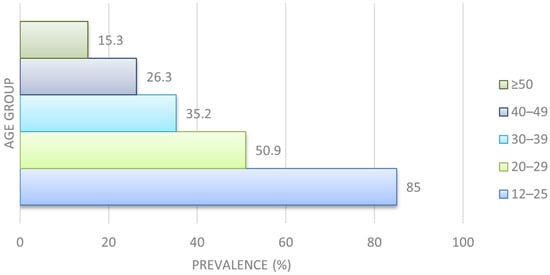
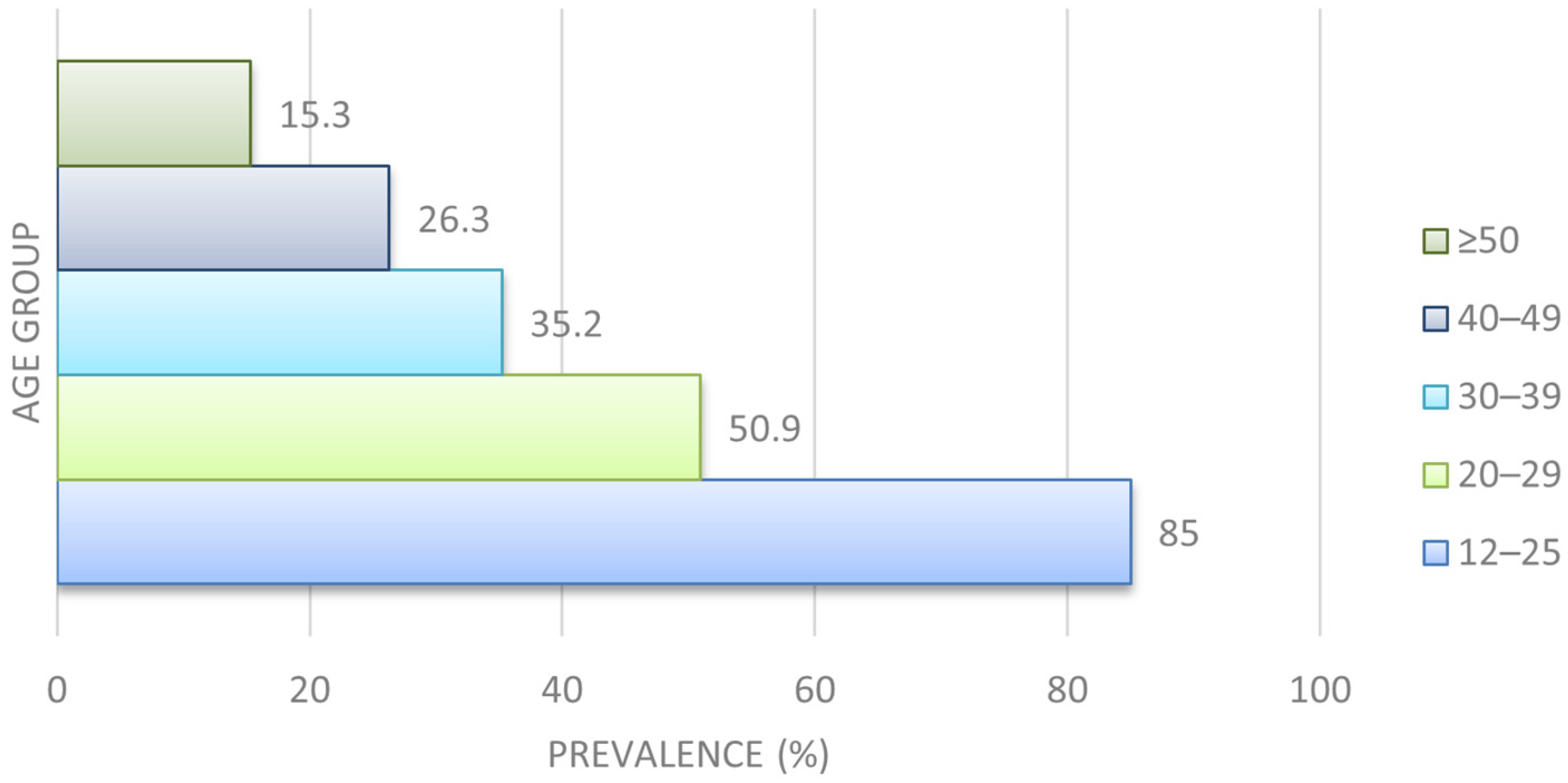
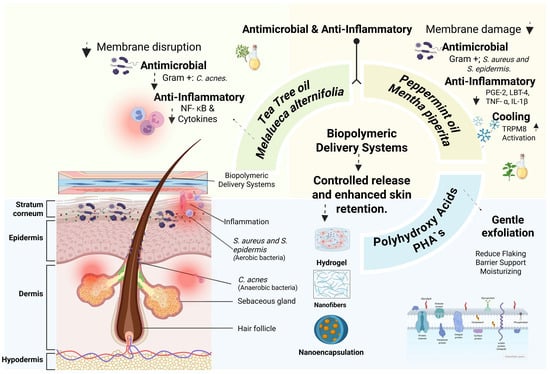
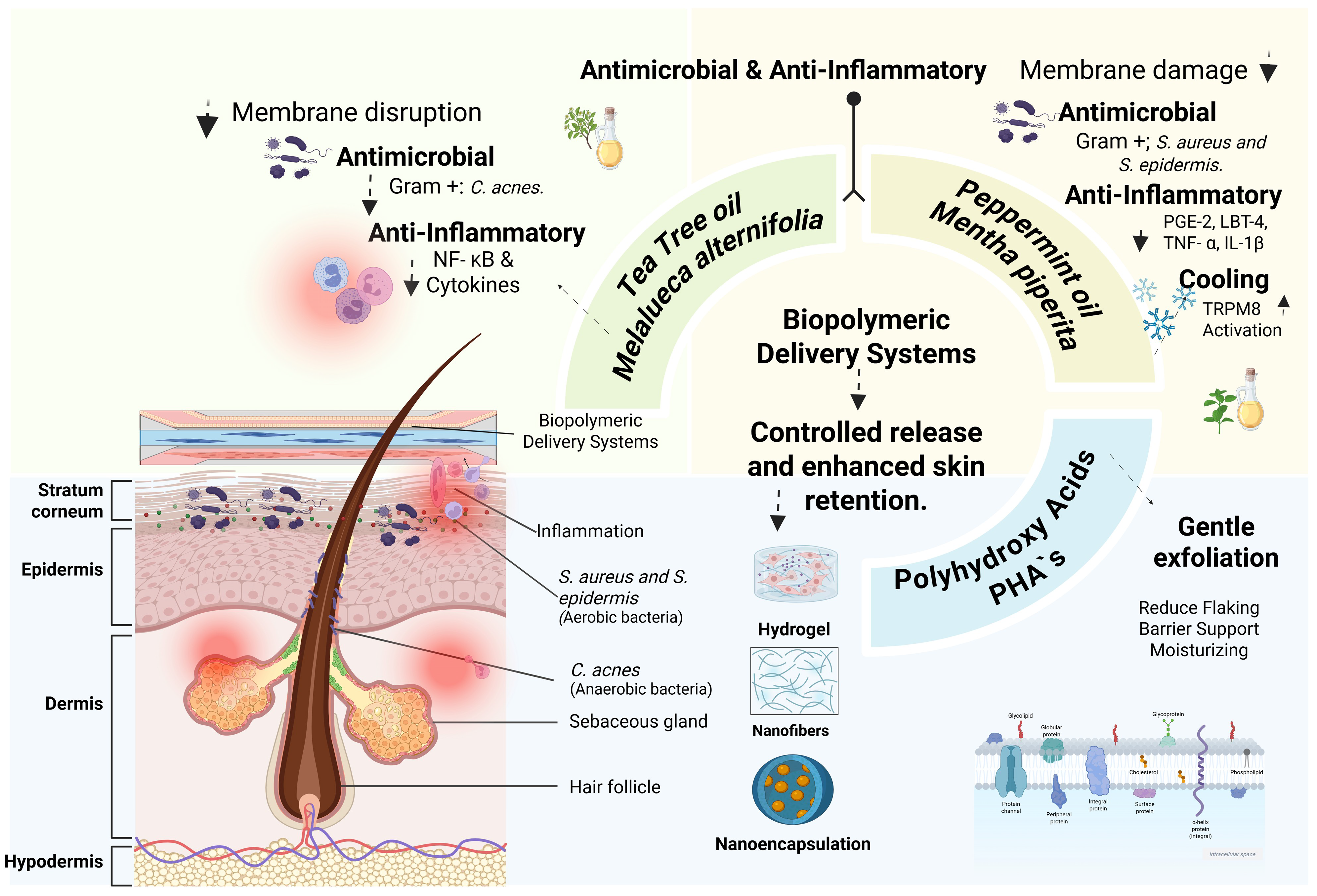
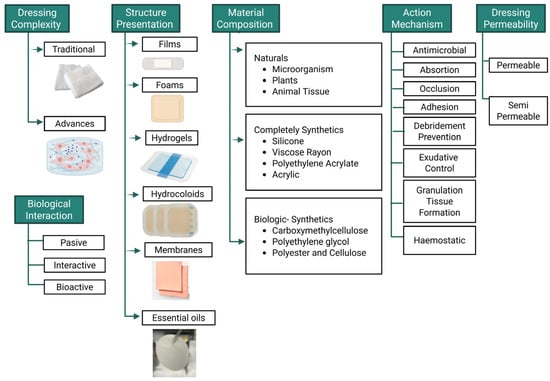
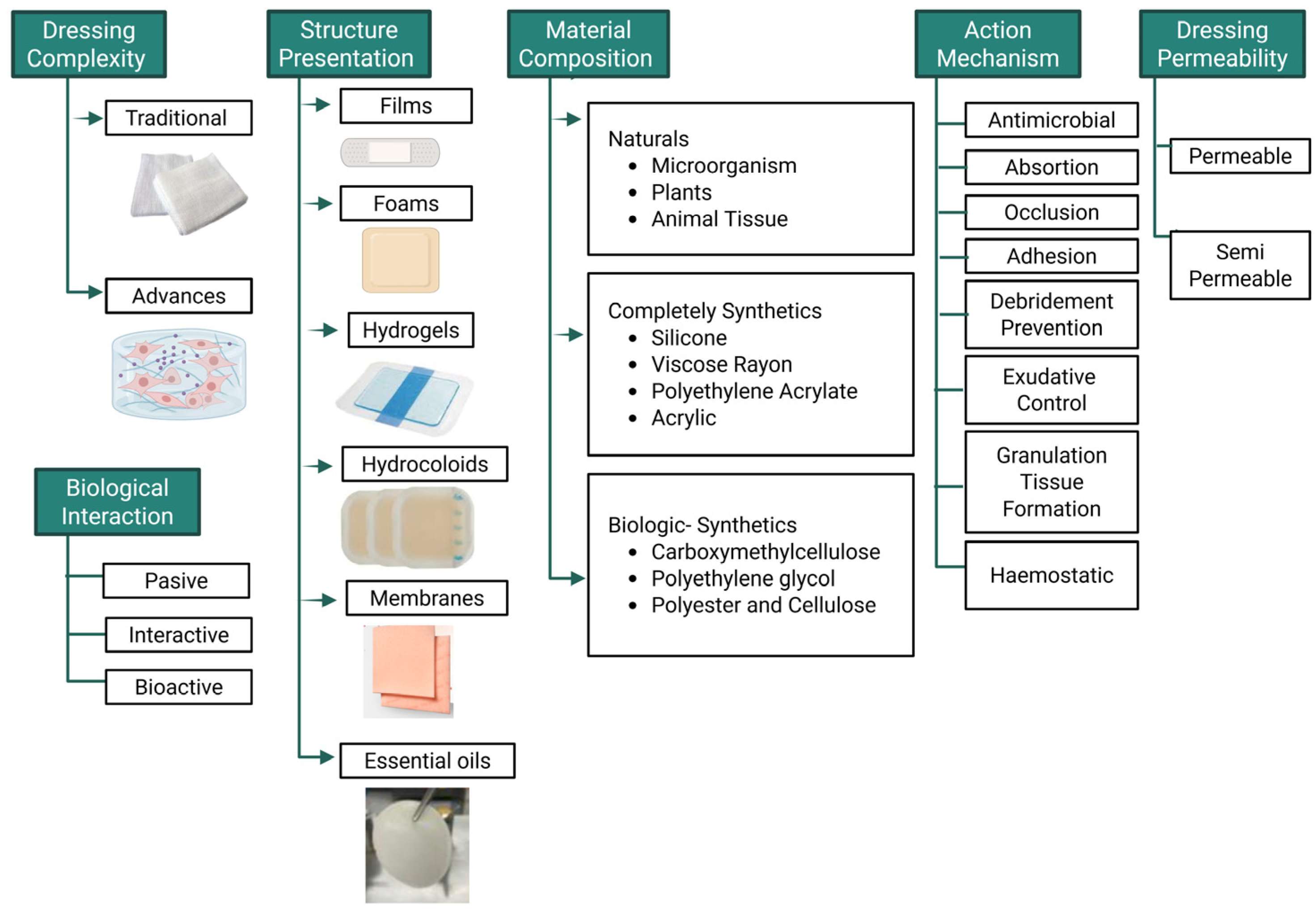
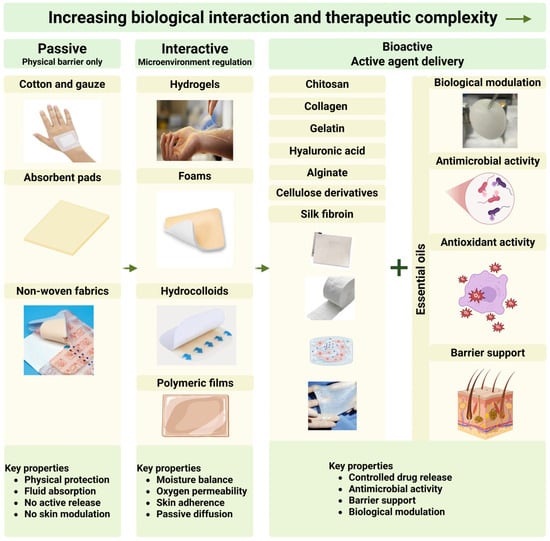
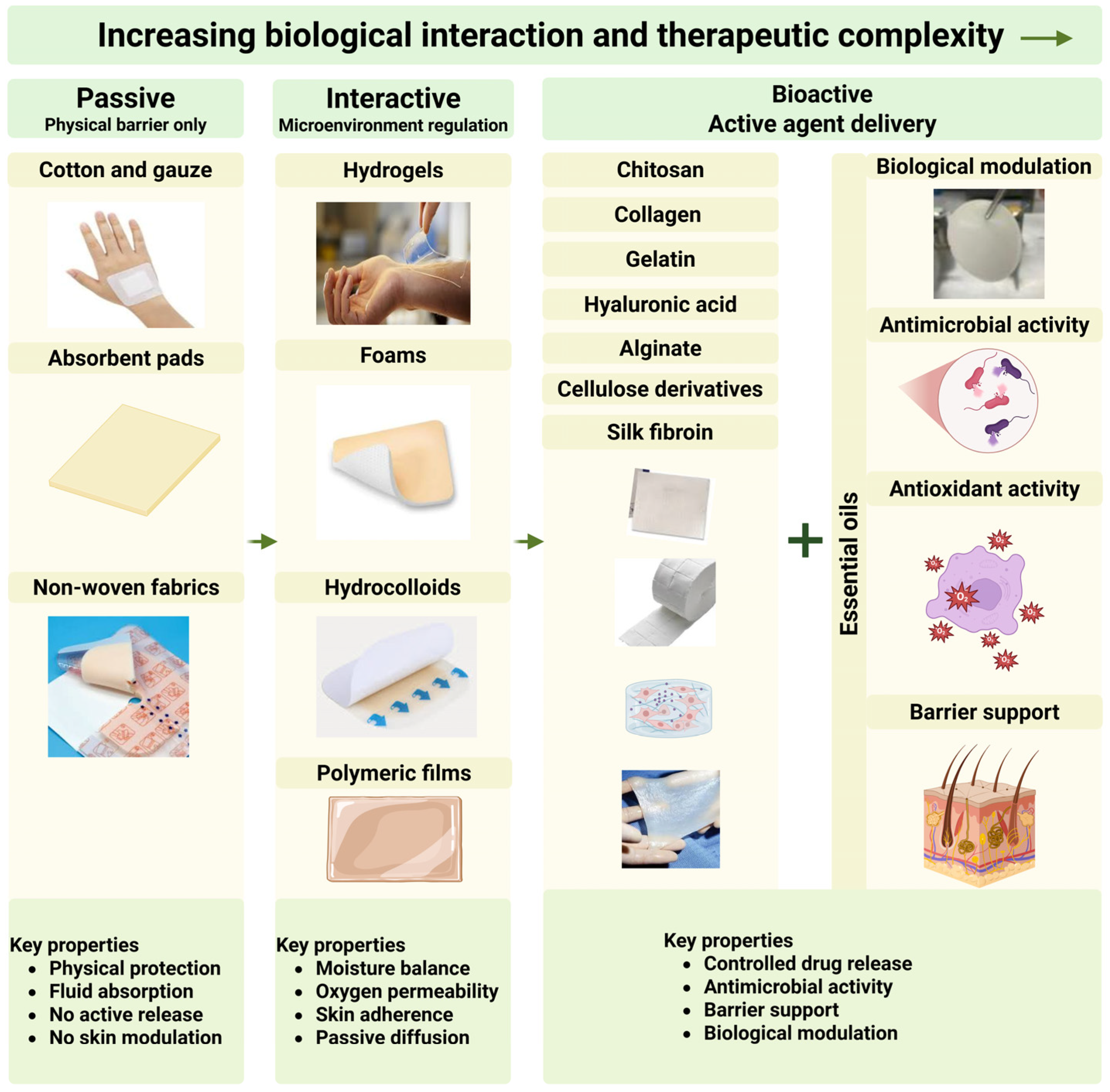
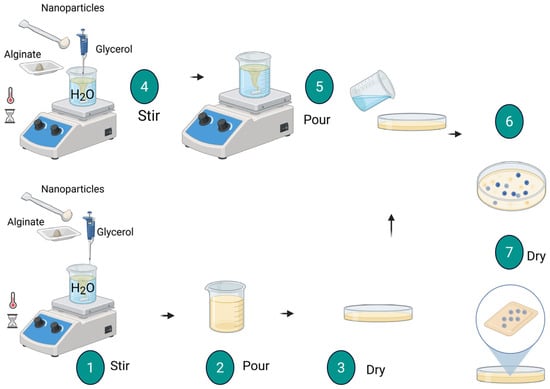
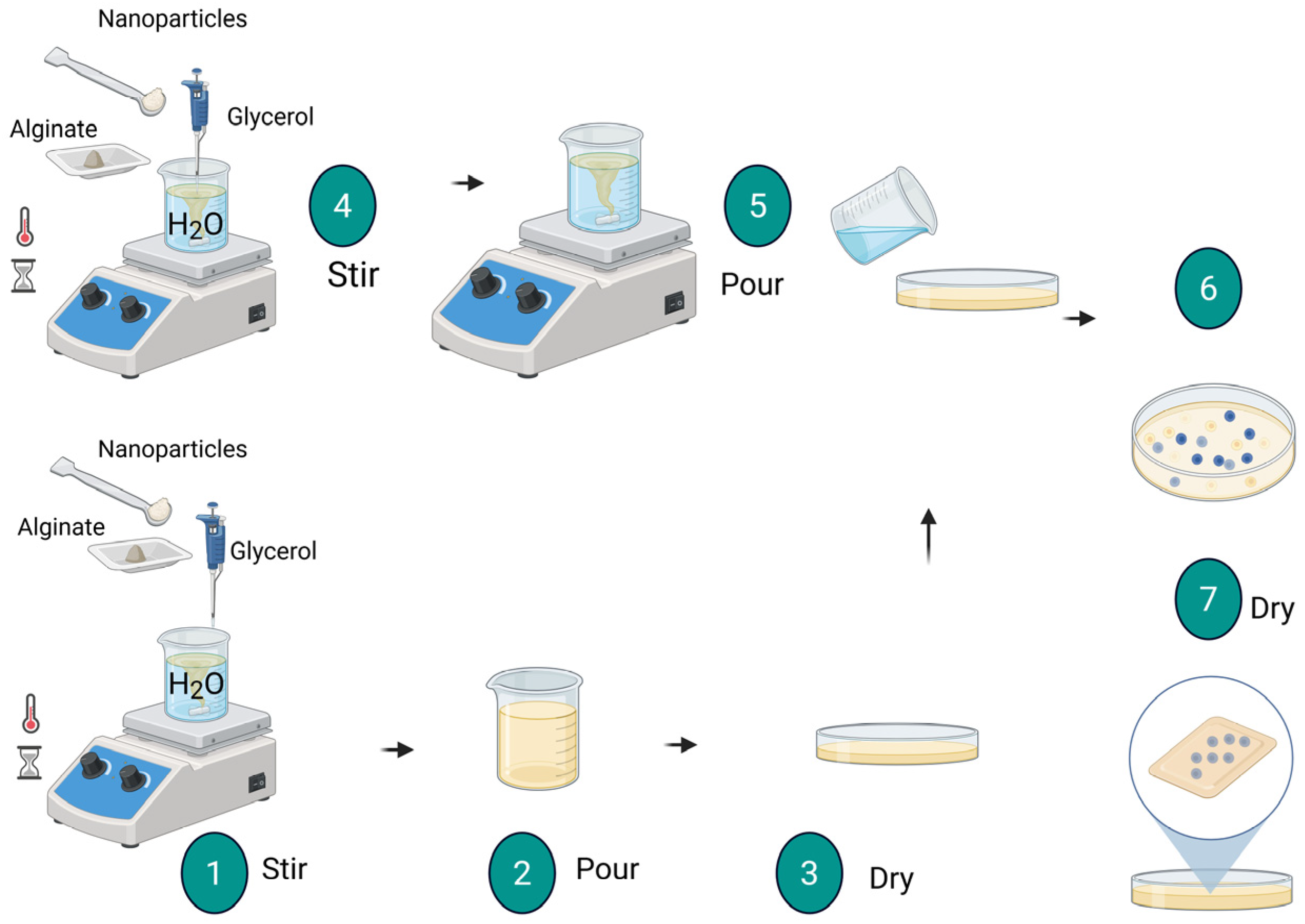
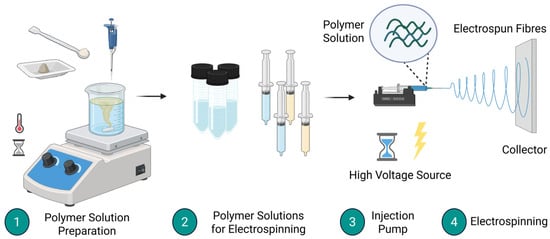
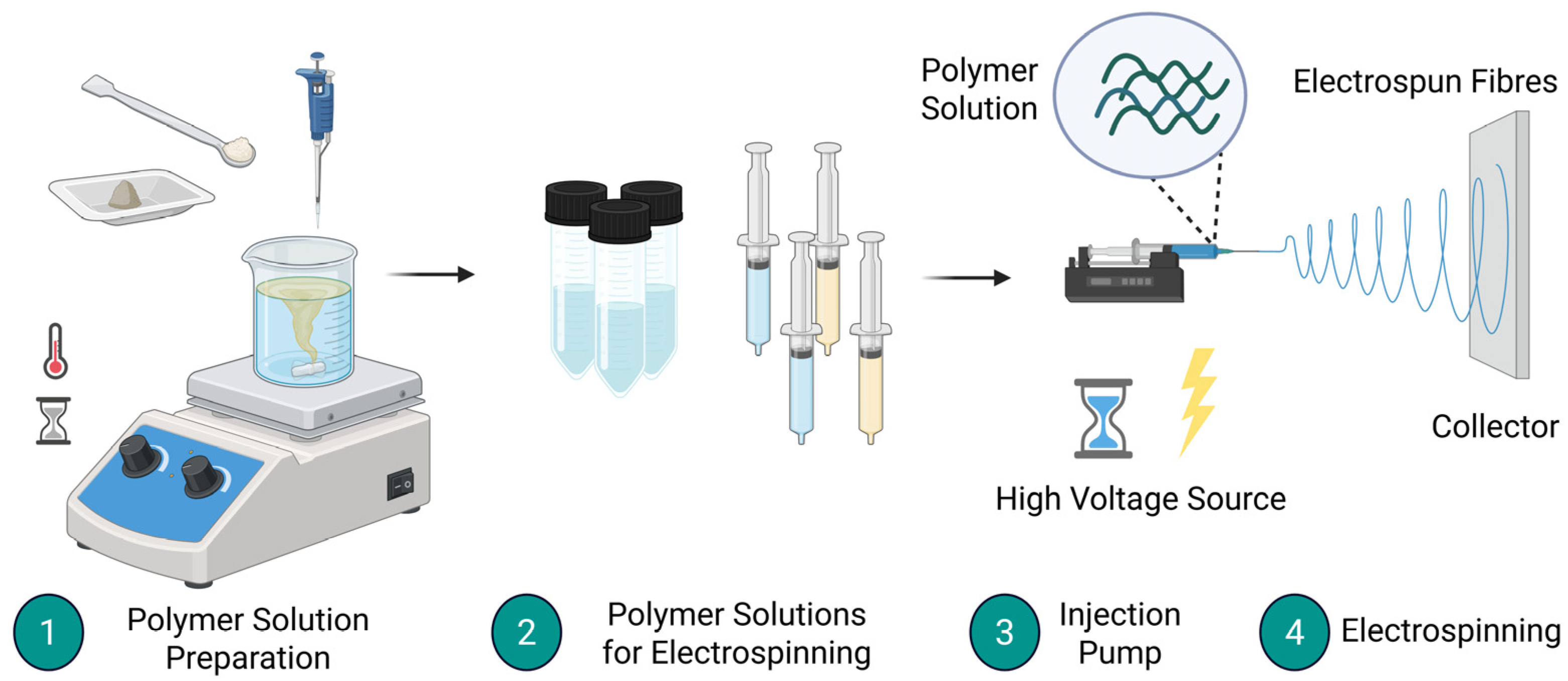
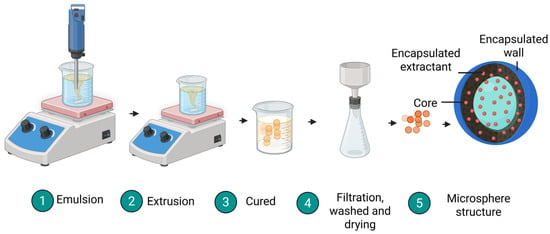
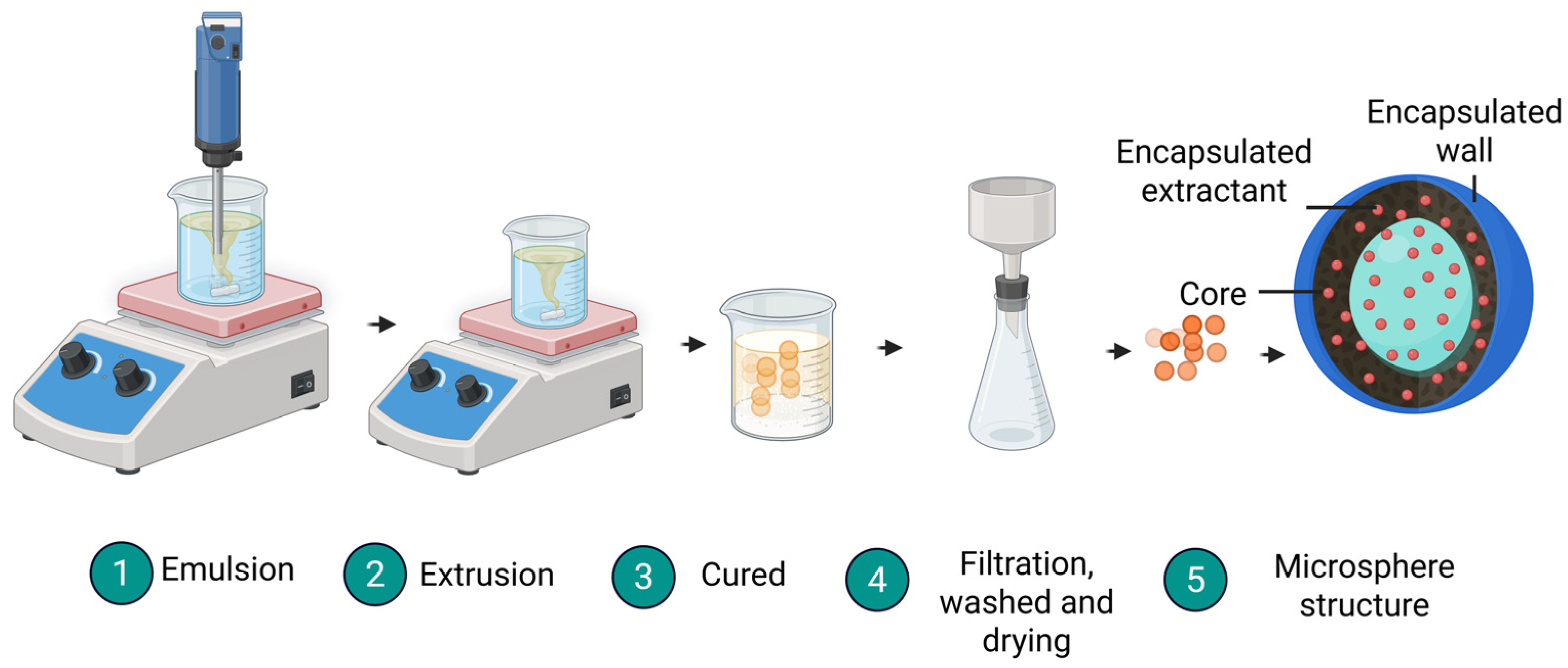
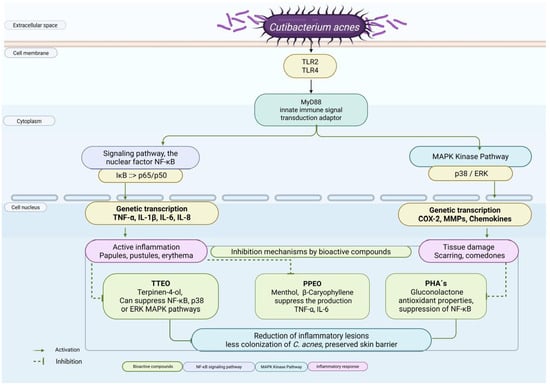
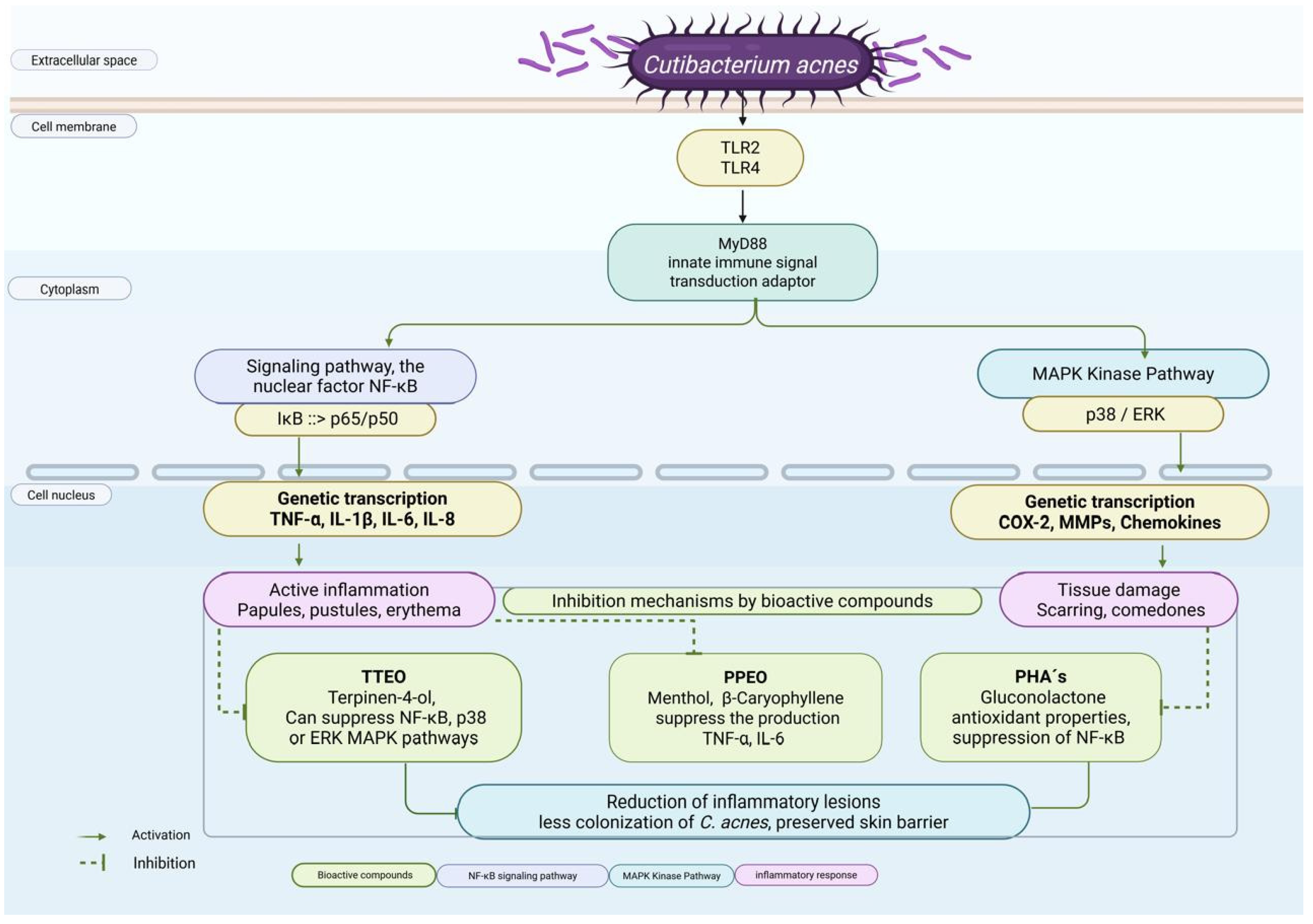
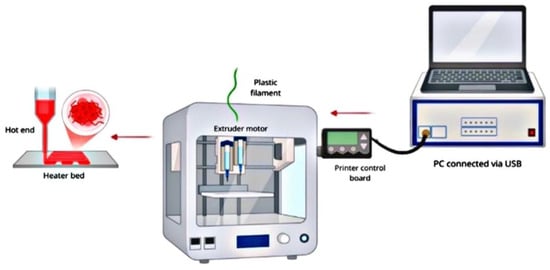
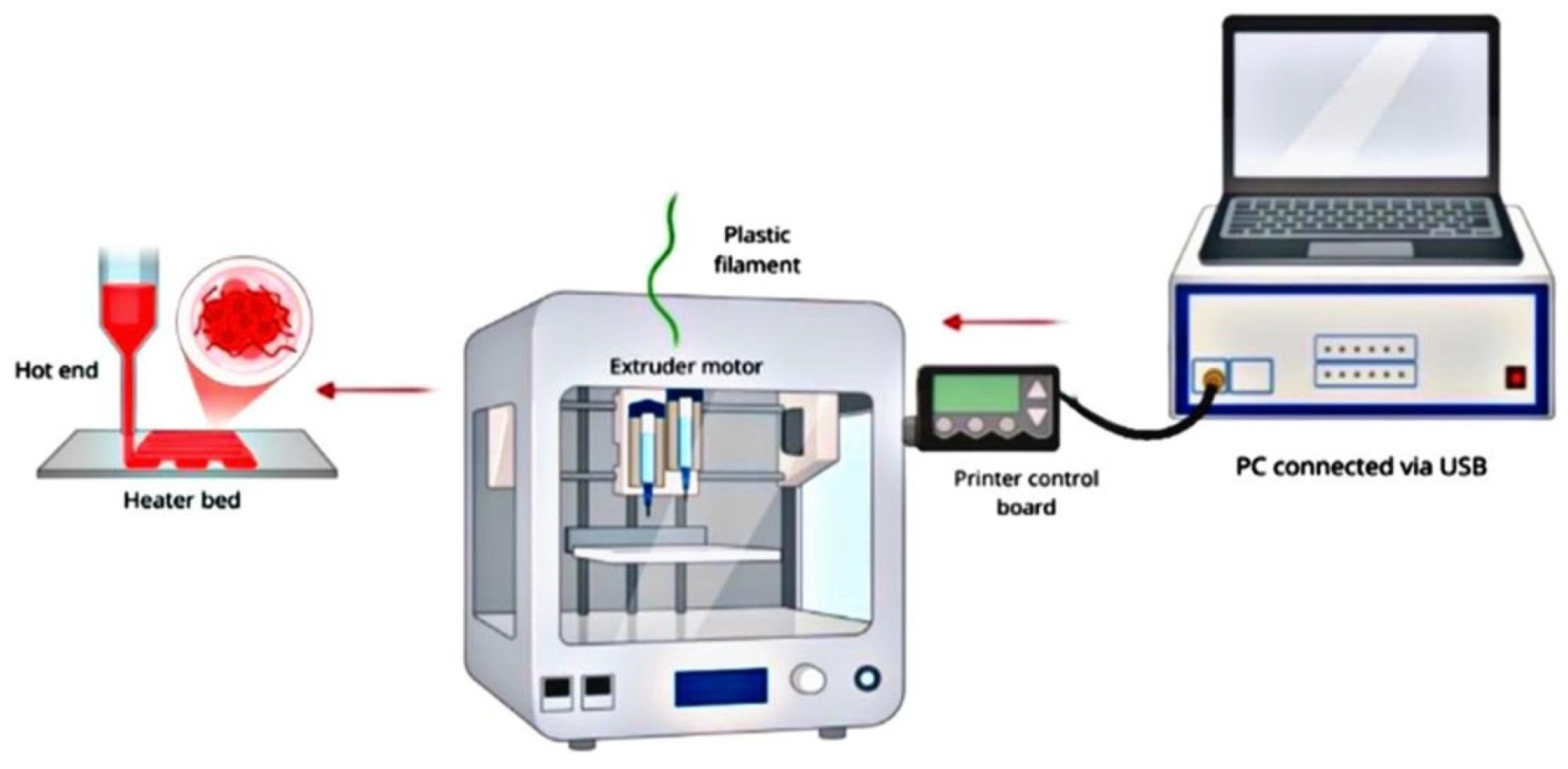

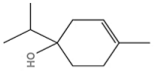
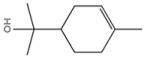
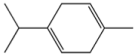
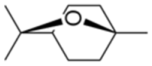
Disclaimer/Publisher’s Note: The statements, opinions and data contained in all publications are solely those of the individual author(s) and contributor(s) and not of MDPI and/or the editor(s). MDPI and/or the editor(s) disclaim responsibility for any injury to people or property resulting from any ideas, methods, instructions or products referred to in the content. |
© 2026 by the authors. Licensee MDPI, Basel, Switzerland. This article is an open access article distributed under the terms and conditions of the Creative Commons Attribution (CC BY) license.