


Abstract
Background: Facial atrophic acne scars have a significant impact on patients’ psychosocial well-being and remain a therapeutic challenge. Existing treatments options are frequently limited by modest efficacy and adverse effects. The combination of Polynucleotide High-Purification Technology (PN HPT™) and hyaluronic acid (HA) represents a novel bioregenerative strategy aimed at improving dermal remodelling and overall skin quality. Methods: This six-month, prospective, real-world study evaluated the efficacy and safety of Newest® (Mastelli S.r.l., Sanremo, Italy), a sterile intradermal gel containing highly purified polynucleotides (10 mg/mL) and HA (10 mg/mL). Eligible participants, aged 20–60 years with moderate-to-severe atrophic facial post-acne scars, underwent four treatment sessions in two-week intervals. Efficacy was assessed using the Acne Scar Assessment Scale (ASAS) and Global Aesthetic Improvement Scale (GAIS) at three and six months, while safety was monitored throughout the study. Results: A total of 62 patients (32 Caucasian, 30 Asian; 19 males, 43 females; mean age: 36.6 years) completed the study. At three and six months, 46.8% showed at least a one-grade reduction in ASAS score with respect to the baseline. Patient-reported GAIS indicated that 54.8% perceived an improvement in scar appearance, aligning with investigator assessments. Only one mild, transient adverse event (wheal formation) occurred, which resolved spontaneously without intervention. Conclusions: In this real-world study, treatment with Polynucleotide High-Purification Technology (10 mg/mL) combined with HA (10 mg/mL) was associated with observable improvementin atrophic facial acne scars, with an excellent safety and tolerability profile. These findings support the potential of polynucleotide-based therapies for use as well-tolerated options for managing moderate-to-severe atrophic acne scarring, while the need for further controlled studies to confirm efficacy is also acknowledged.
1. Introduction
Skin injuries from mechanical trauma, burns, surgeries, infections, or chronic inflammatory conditions such as acne frequently result in scar formation. Globally, an estimated 100 million people each year experience complications related to scarring, which can impair function, alter appearance, and cause substantial psychological distress [1]. Among these conditions, acne vulgaris stands out as a widespread and persistent inflammatory disorder of the pilosebaceous units. It affects individuals across all age groups and geographic regions. According to the Global Burden of Disease Study, acne is among the most prevalent dermatological conditions worldwide, with an estimated overall prevalence of 9.38% across all ages. Although prevalence varies by country and population, it is especially common during adolescence, with studies indicating that between 35% and nearly all teenagers experience some degree of acne during this developmental period [2].
Facial acne scars are among the most challenging forms of scarring, particularly in adolescents and young adults. Atrophic scars—classified as rolling, boxcar, or icepick—arise from dermal matrix loss following inadequately treated inflammatory acne [3]. These scars typically present in multiple forms across the face, contributing to low self-esteem, anxiety, and depression [4,5]. Numerous studies highlight their negative impact on body image and quality of life, highlighting the need for safe and effective treatment options [6].
Conventional interventions for atrophic acne scars include ablative lasers, microneedling, chemical peeling, and subcisions. While often effective, these approaches can entail extended recovery times and risks such as post-inflammatory hyperpigmentation, erythema, and other complications, particularly in individuals with darker skin tones [7,8]. More recently, dermal fillers—including hyaluronic acid (HA), poly L-lactic acid, and calcium hydroxyapatite—have been introduced as less invasive alternatives [9]. However, their volumetric benefits are usually short-lived, and their potential to induce durable dermal remodeling remains limited.
In contrast, highly purified polynucleotides (PN HPT™) derived from trout gonad DNA have gained attention as bioregenerative agents in aesthetic medicine. These compounds exhibit viscoelastic and moisturizing properties that immediately enhance skin turgor and elasticity upon injection while creating a physiological microenvironment that supports fibroblasts vitality and the deposition and organization of the extracellular matrix, favouring the remodelling of tissues [10,11]. Their polyanionic, hydrophilic structures enable the attraction and retention of water molecules, creating a hydrogel that ensures long-lasting isosmotic hydration. This hydrodynamic effect supports tissue elasticity and tone, contributing to overall skin vitality. Experimental studies further suggest that Polynucleotides HPT™-based hydrogels can scavenge oxidative species such as hydrogen peroxide, indicating a protective role against free radicals in the dermal environment [12,13,14]. Recent expert consensus also highlights the role of PN HPT™ in the “priming paradigm,” enhancing skin responsiveness to subsequent aesthetic procedures [15].
Hyaluronic acid (HA) complements the regenerative effects of PN HPT™ by providing immediate volumization and hydration. HA has demonstrated effectiveness in improving atrophic acne scars and patient satisfaction, with favorable safety and tolerability. Both injections and microneedling techniques have been shown to be effective, either as standalone treatments or in combination with other treatments. The choice between cross-linked or non-cross-linked HA may be tailored to scar characteristics such as pore size [16,17,18,19,20,21,22,23].
Based on this rationale, we conducted a prospective, multicentre, real-world clinical data collection to evaluate the efficacy and safety of Newest®, a CE-marked sterile intradermal gel containing PN HPT™ (10 mg/mL) and HA (10 mg/mL). The study aimed to assess improvements in both clinical facial scar severity and perceived aesthetic outcomes following a standardized four-session treatment protocol, using validated outcome measures in a diverse population of Caucasian and Asian patients.
2. Materials and Methods
2.1. Study Design
This six-month, prospective, open-label, independent, multicentre clinical data collection study was conducted as part of a post-market clinical follow-up (PMCF) program. The study was designed to gather real-world clinical evidence on the efficacy and safety of Newest® (Mastelli S.r.l., Sanremo, Italy), a Class III CE-marked medical device. The treatment phase comprised four consecutive administrations at two-week intervals: baseline (T1), 2 weeks (T2), 4 weeks (T3) and 6 weeks (T4).
Clinical evaluations included the assessment of acne scar severity using the Acne Scar Assessment Scale (ASAS) [24], aesthetic outcomes using the Global Aesthetic Improvement Scale (GAIS) questionnaire [25,26], standardized digital photography, and, when available, tridimensional (3D) stereophotogrammetry (Quantificare, www.quantificare.com/clinical-trials-photography) [27]. Assessments were performed at baseline (T1), at the 3-month follow-up visit (F.U. 3), and at the 6-month follow-up visit (F.U. 6), in accordance with the study schedule summarized in Table 1.
Table 1.
Study assessments and follow-up.
2.2. Medical Device Description and Administration Techniques
Newest® (Mastelli S.r.l., Sanremo, Italy) is a sterile, viscoelastic, single-use isotonic gel for intradermal injection, supplied in 2-mL prefilled syringes. Each unit contains highly purified polynucleotides (PN HPT™, 10 mg/mL) and sodium hyaluronate (10 mg/mL) in a buffered solution with mannitol and phosphate salts, formulated for injectable use. The device was classified as a Class III CE-marked medical device.
Intradermal administration was performed with a freehand technique with a fine-gauge needle (typically 30G). Injection protocols were tailored to scar morphology and skin characteristics, employing techniques such as linear threading, serial puncture, cross-hatching, or fan-shaped techniques, individually or in combination [5,15]. To optimize patient comfort, the spare needle included in the packaging was used when replacement was required. Infiltration targeted the base of each atrophic scar, extending to the perilesional dermis to address fibrotic anchoring and promote matrix reorganization. When clinically indicated, broader treatment of adjacent facial areas was undertaken, particularly in cases of diffuse dermal hypotonia or skin thinning [10]. Gentle massage immediately post-injection was permitted to ensure uniform product distribution within the dermal layer and to facilitate integration into the extracellular matrix [12].
2.3. Eligibility Criteria
Eligible participants were adults aged 20–60 years, generally in good health, presenting with moderate-to-severe atrophic facial acne scars, defined as grade 3 or 4 on to the Acne Scar Assessment Scale (ASAS).
Key inclusion criteria required a clinically stable dermatologic condition without evidence of an active acne at baseline and no prior surgical or laser-based interventions for acne scars. Patients were required to have discontinued oral isotretinoin or systemic corticosteroids for at least six months before study initiation. A washout period of two weeks was required for topical therapies, including corticosteroids, antibiotics, benzoyl peroxide, azelaic acid, hydroxy acids, and retinoids, and one month for soft energy-based devices (e.g., radiofrequency or IPL treatments). During the study period, all dermatological or cosmetic treatments were suspended. Written informed consent was obtained from all participants, confirming both their willingness and ability to comply with study procedures.
Exclusion criteria were pregnancy or breastfeeding, systemic or local conditions that could impair wound healing, severe solar elastosis, or diffuse facial scarring unrelated to acne. Additional exclusions were concomitant use of anticoagulants or antiplatelet agents, a history of severe autoimmune disorders, or chronic substance abuse.
2.4. Efficacy Assessments
The primary objective of the efficacy evaluation was to determine the degree of clinical improvement in facial atrophic acne scars following treatment. The principal endpoint was the change in acne scar severity, measured using the Acne Scar Assessment Scale (ASAS), at 3 and 6 months post-treatment compared with baseline. The ASAS is a five-point ordinal scale ranging from 0 (clear, no visible scars), to 4 (severe, prominent, and extensive scars). Descriptive statistics were applied to summarize changes in individual scores over time and to characterize the distribution of response categories across follow-up time points.
Secondary endpoints included the assessment of global aesthetic improvement using the Global Aesthetic Improvement Scale (GAIS), completed independently by investigators and patients at the 3-month and 6-month follow-up visits. The GAIS is a five-point subjective global improvement scale that rates changes in appearance as follows: 0 (no change), 1 (worsened), 2 (improved), 3 (much improved), and 4 (very much improved). As the GAIS does not have a validated Minimal Clinically Important Difference (MCID), the results reflect the investigators’ and patients’ perceptions of change rather than a predefined threshold of clinical significance.
2.5. Safety Assessments
Participant safety was closely monitored throughout the study, with structured evaluations conducted at each scheduled visit. All adverse events (AEs), regardless of their presumed association with the investigational product, were systematically recorded and categorized by the investigator according to intensity (mild, moderate, or severe), based on clinical judgment. For participants who discontinued the study, the reasons for withdrawal—including insufficient therapeutic response or the onset of intolerable signs or symptoms—were documented in detail to preserve the integrity of safety reporting and to enable a comprehensive assessment of tolerability outcomes.
2.6. Statistical Analysis
All statistical analyses were performed using the SPSS Statistics software (version 20.0; IBM Corp., Armonk, NY, USA). The Wilcoxon signed-rank test and McNemar’s test were applied to assess changes in clinical outcomes and patient-reported satisfaction between baseline and follow-up. For continuous variables, comparisons were conducted using paired two-tailed Student’s t-test. Statistical significance was defined as p ≤ 0.05.
2.7. Ethical Considerations
This study was conducted as a post-marketing clinical follow-up (PMCF) data collection initiative for a CE-marked medical device. In accordance with current European regulations, no ethics committee approval was required. All participants provided written informed consent prior to undergoing any procedure related to the study. Baseline demographic data, including age, sex, ethnicity, smoking status, and alcohol consumption, were systematically collected. The study was conducted in accordance with the principles of the Declaration of Helsinki.
3. Results
3.1. Demographic and Baseline Characteristics
A total of 62 patients were enrolled, comprising 32 Caucasian and 30 Asian participants. The cohort included 19 males (30.6%) and 43 females (69.4%), with a mean age of 36.6 years (standard deviation [SD], 10.2). The mean body weight was 65.0 kg (SD 10.5), and the mean height was 166.5 cm (SD 8.2). Baseline characteristics were balanced across the enrolled population, with no clinically relevant differences observed between ethnic groups or sexes.
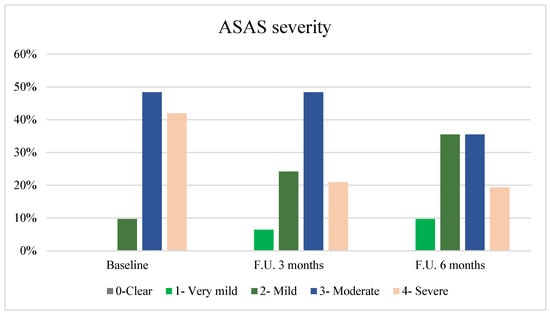
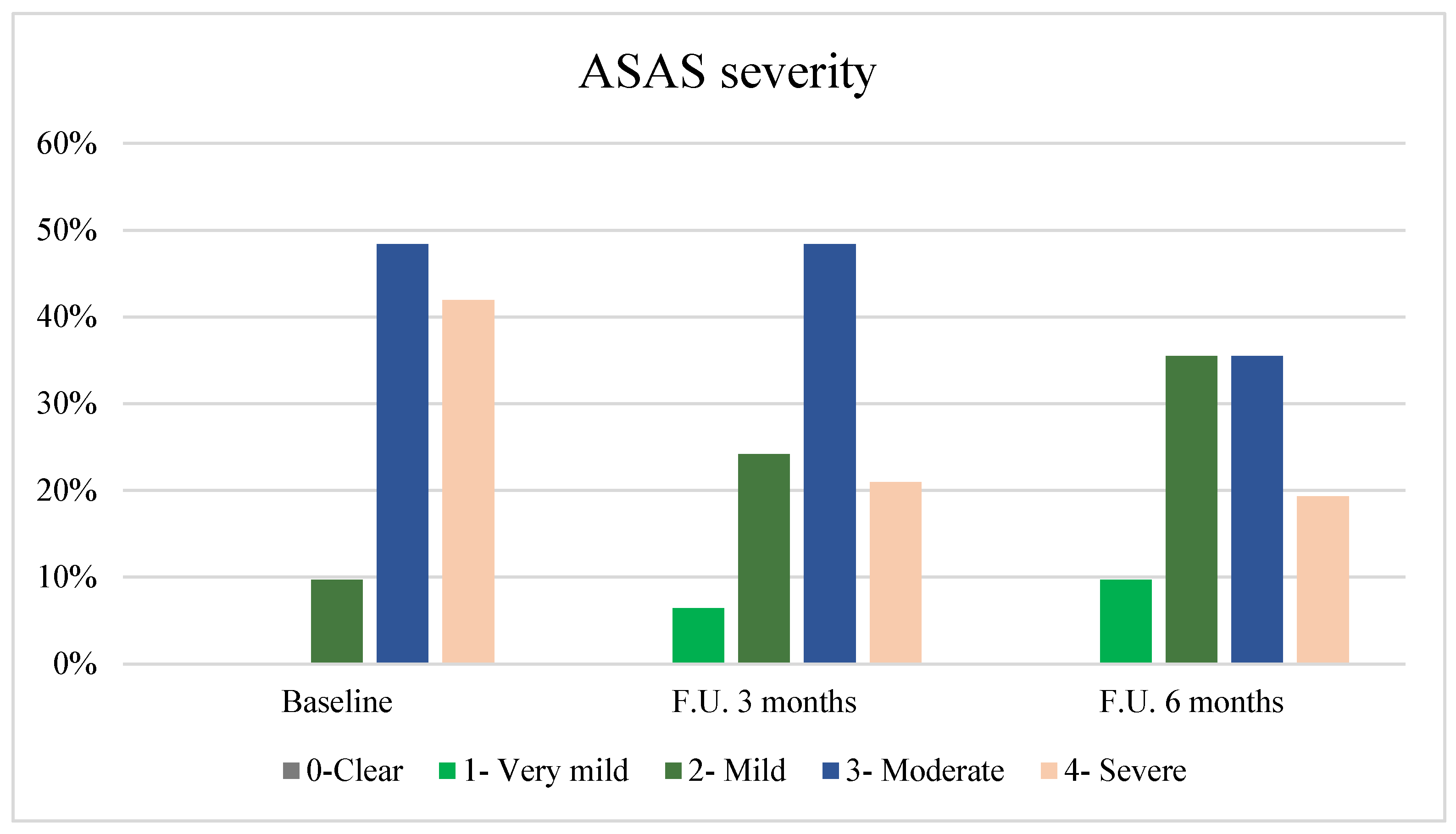
At baseline, acne scarring severity assessed by the ASAS was distributed as follows: 48.4% of subjects were classified with moderate scarring (grade 3), 41.9% with severe scarring (grade 4) and 9.7% with mild scarring (grade 2).
3.2. Efficacy Evaluation
At the three-month follow-up, a shift in scar severity distribution was observed: 48.4% of the patients were assessed as having moderate scarring (grade 3), 24.2% as mild (grade 2), 21.0% as severe (grade 4), 6.5% as very mild (grade 1), with none classified as clear (grade 0).
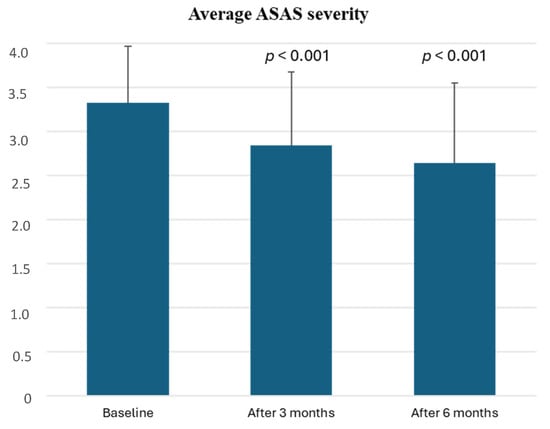
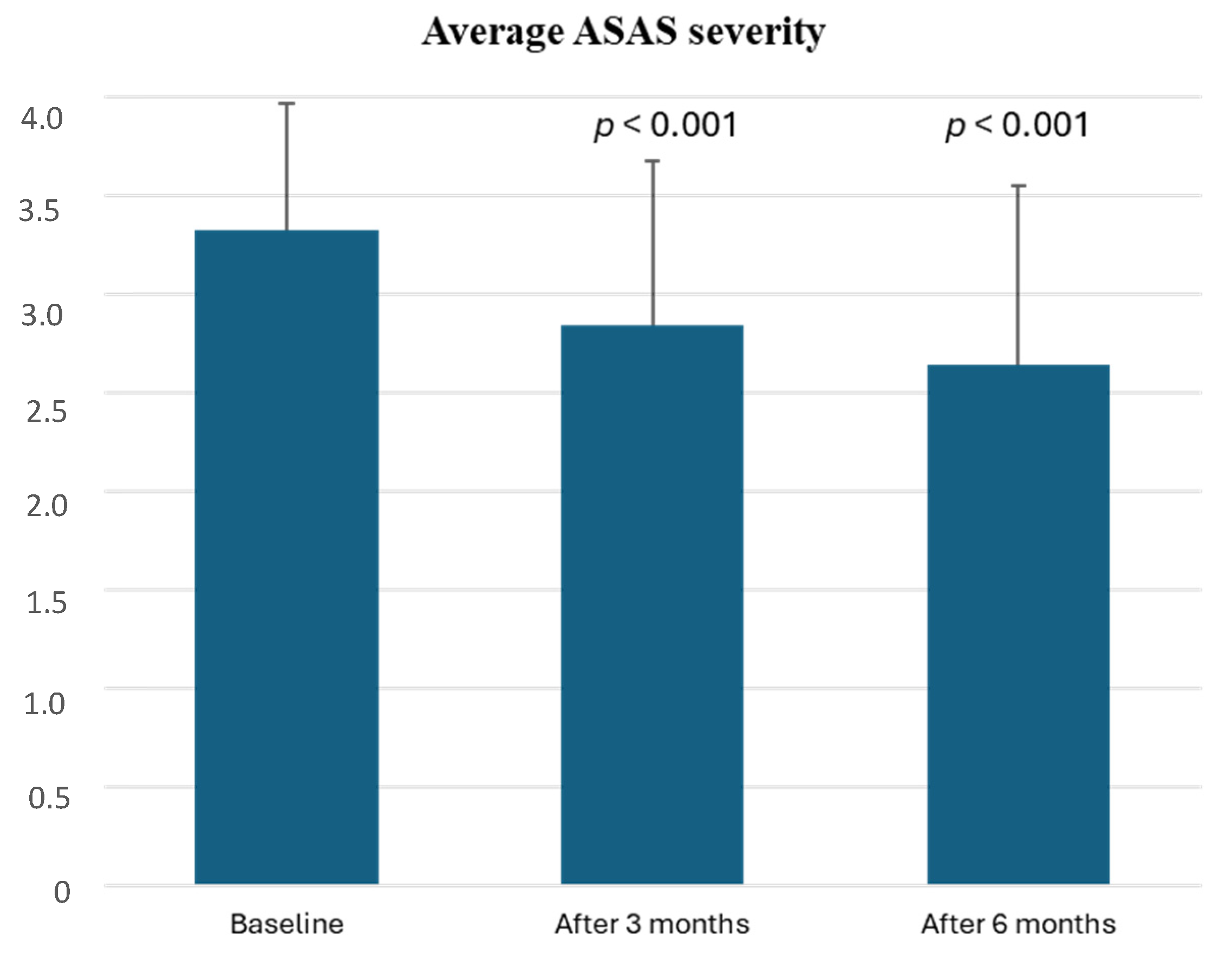
At the six-month follow-up, a continued trend of improvement was documented: 35.5% of patients presented with mild or moderate scarring (grade 2 and 3), 19.4% with severe scarring (grade 4), 9.7% with very mild scarring (grade 1). No patients were rated as clear (grade 0) (Figure 1). Quantitative analysis of ASAS scores confirmed this trend, with mean scores decreasing from 3.32 ± 0.65 at baseline to 2.84 ± 0.83 at three months, and further to 2.65 ± 0.91 at six months, indicating a significant (p <0.05) reduction in scar severity over time (Figure 2).
Figure 1.
Distribution of patients according to Acne Scar Assessment Scale (ASAS) severity grades at baseline, 3-month, and 6-month follow-ups. All five ASAS grades (0 to 4) are represented; however, grade 0 (clear skin) is not visible in the histogram as no patients were classified in this category at any time point.
Figure 2.
Mean ASAS scores at baseline, 3-month, and 6-month follow-ups.
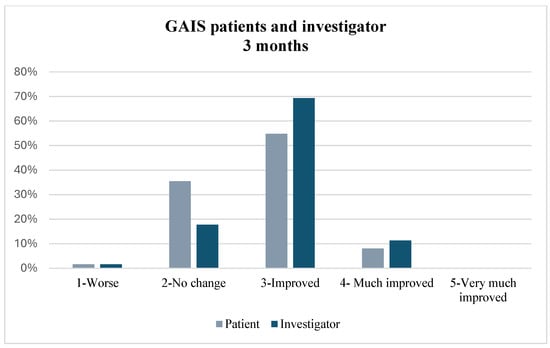
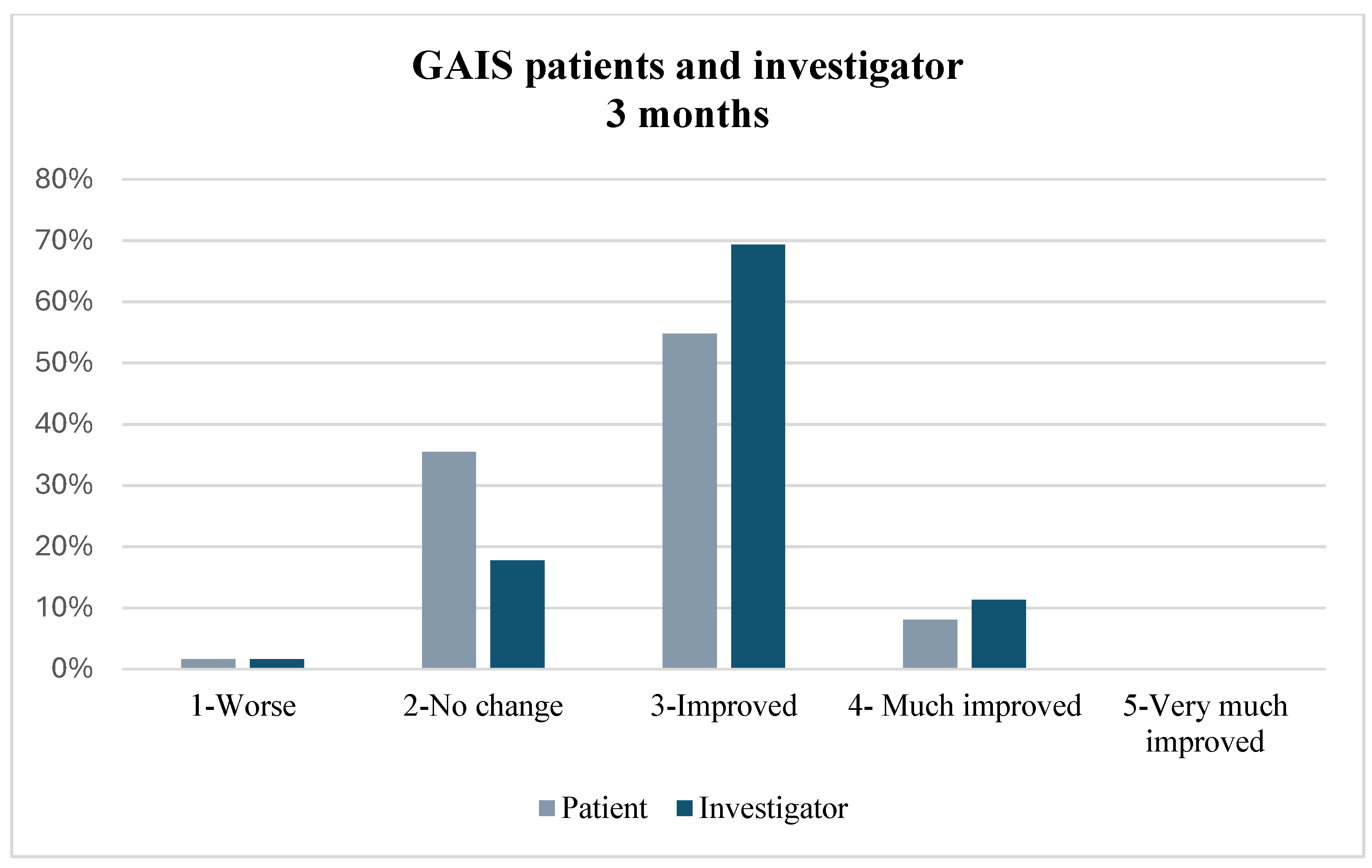
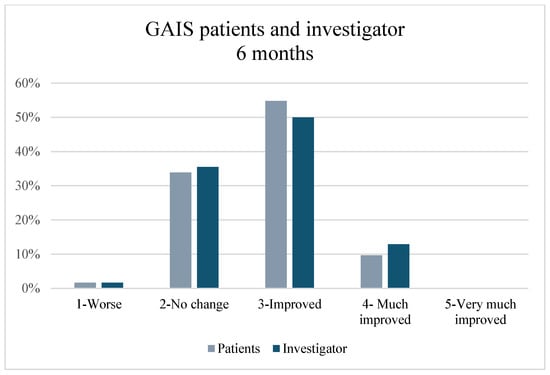
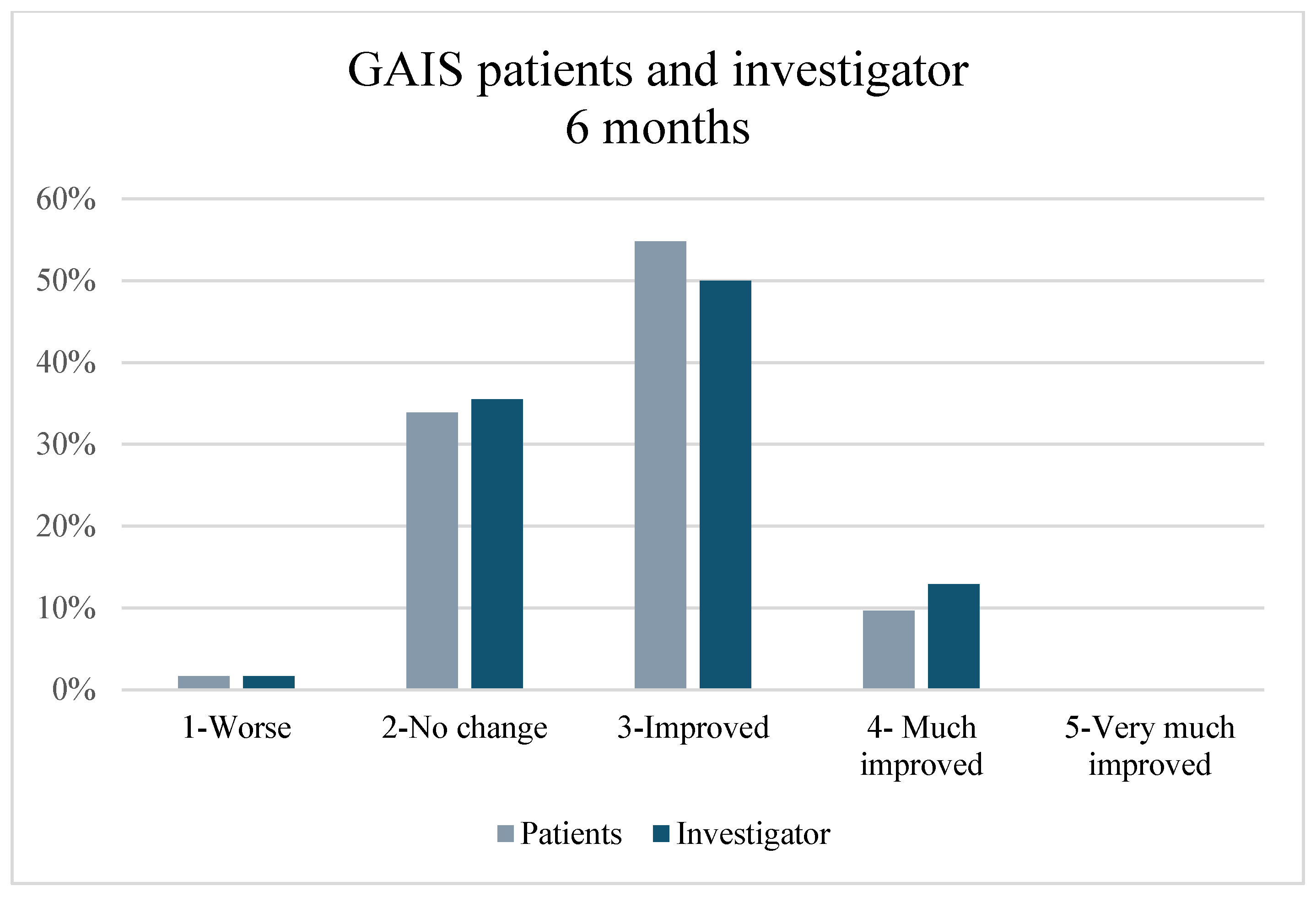
Patient-reported outcomes assessed with the Global Aesthetic Improvement Scale (GAIS) aligned with the observed clinical trends. At the three months, 54.8% of patients rated their scars as “improved,” 8% as “much improved,” while 35.5% as showing “no change,” and 1.6% as “worse.” Investigator assessments at the same time point aligned closely, with 69.3% classified as “improved,” 11.3% as “much improved,” 17.7% as “no change,” and 1.6% as “worse” (Figure 3). At the six months, 54.8% of patients reported their scars as “improved”, 9.7% as “much improved”, 33.9% as “no change,” and 1.6% as “worse.” Investigator evaluations 50% as “improved,” 12.9% as “much improved,” 35.5% as “no change,” and 1.6% as “worse” (Figure 4).
Figure 3.
Global Aesthetic Improvement Scale (GAIS) ratings reported by patients and investigators at the 3-month follow-up.
Figure 4.
Global Aesthetic Improvement Scale (GAIS) ratings reported by patients and investigators at the 6-month follow-up.
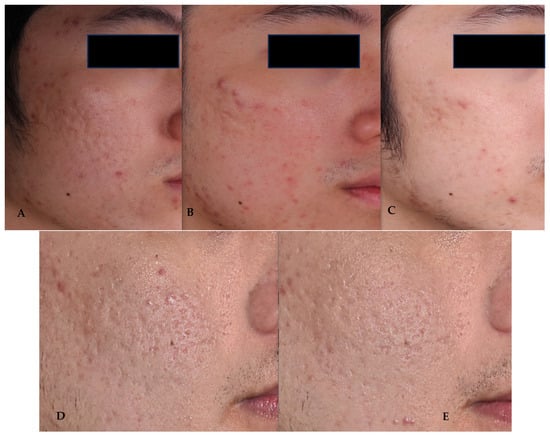
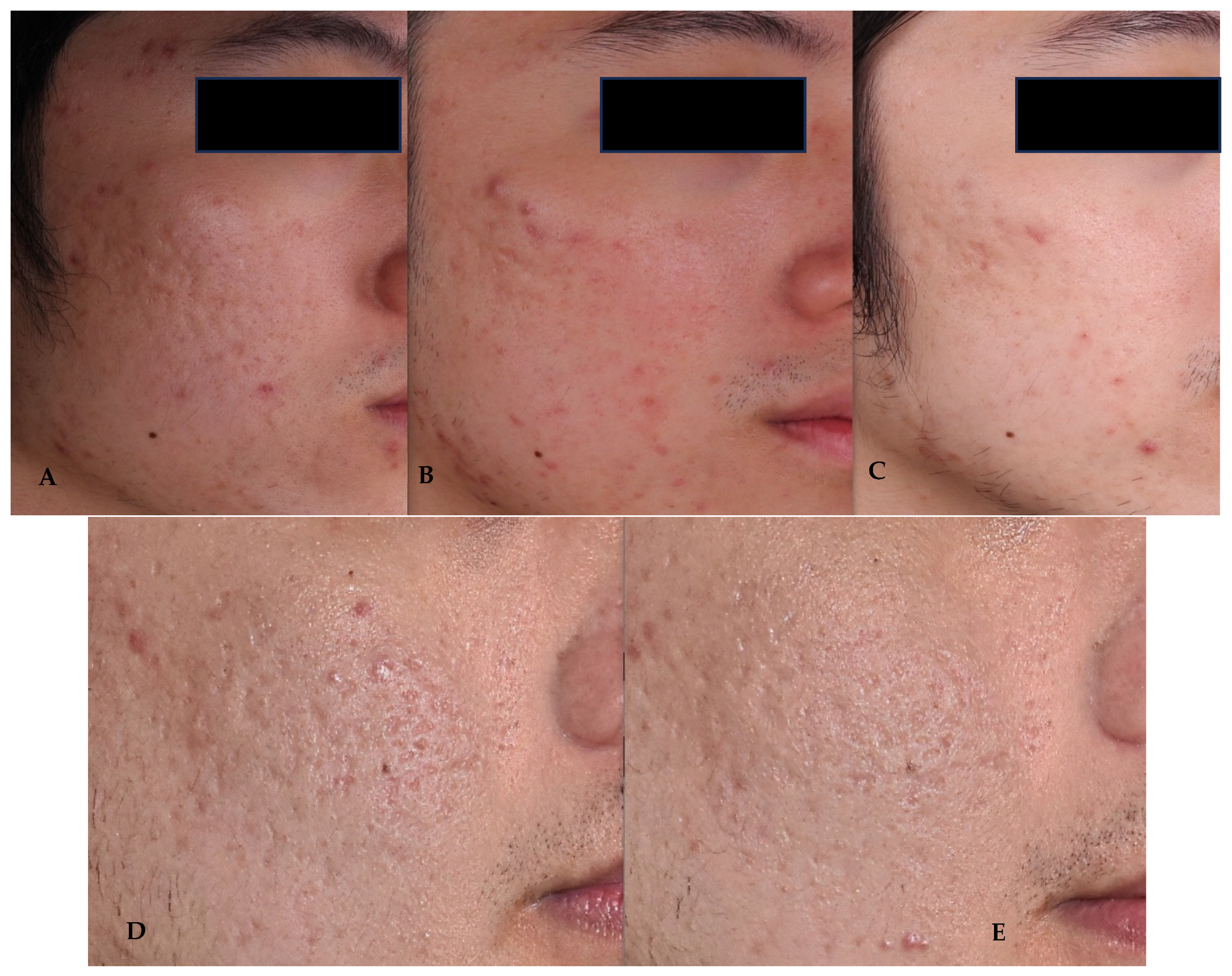
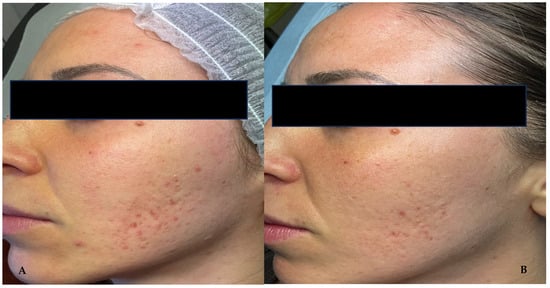
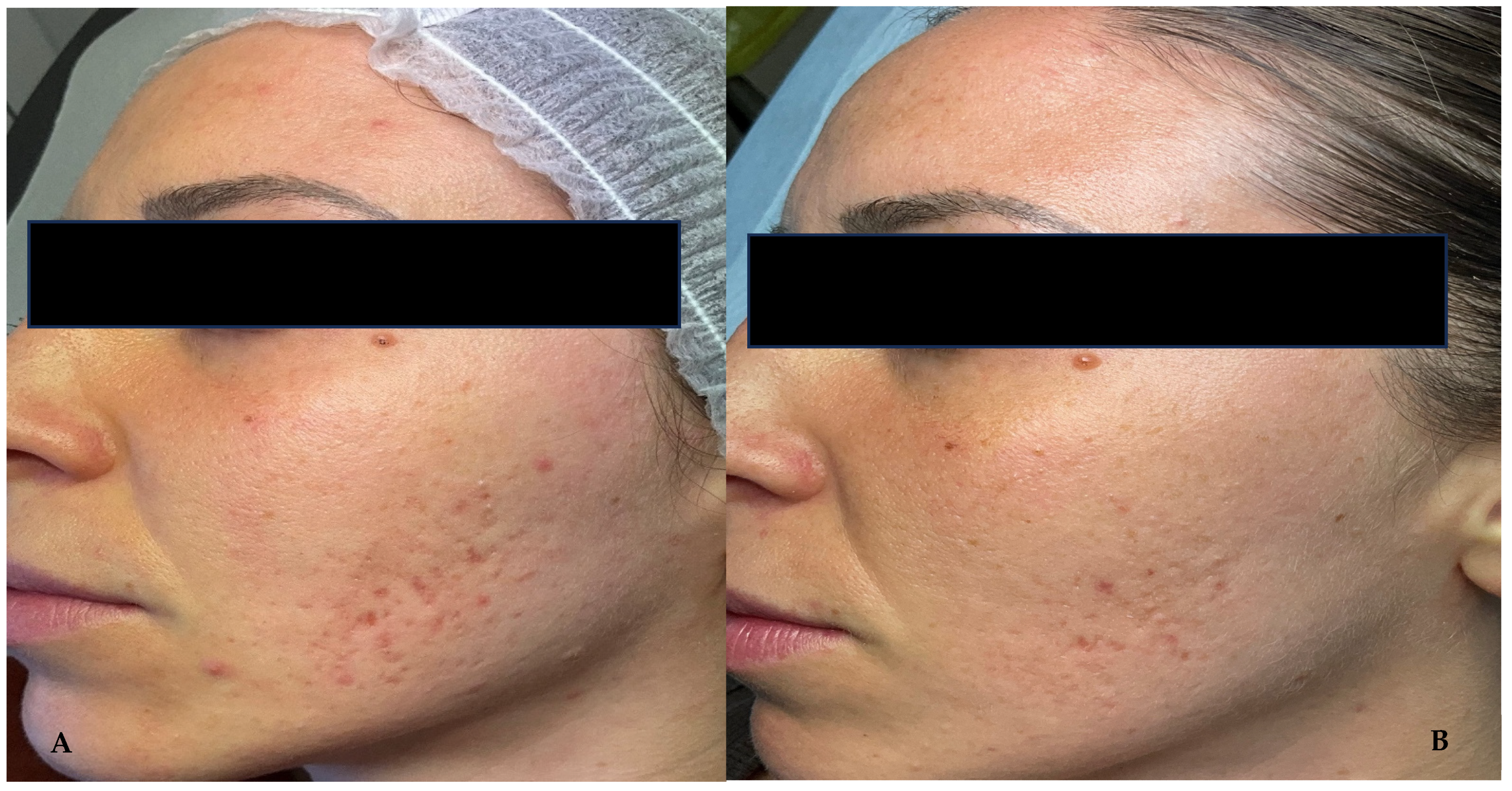
Representative clinical improvements are shown in Figure 5, illustrating progressive reduction in acne scarring of an Asian patient captured by QuantifiCare 3D imaging at baseline (A), at 3-months (B), and at 6-months (C). Figure 6 presents comparative clinical photographs of a Caucasian patient at baseline and at 6-month follow-up, highlighting visible improvement in scar severity.
Figure 5.
Representative clinical photographs showing improvement in acne scarring in an Asian patient at baseline (A), at 3-months (B), and 6-months (C). Panels (D) and (E) show QuantifiCare images from another Asian patient, illustrating a magnified view of the treated area before and after treatment, respectively. All images were provided with the subjects’ written informed consent. Courtesy of Dr. Tristan Tan.
Figure 6.
Representative images showing improvement in acne scarring in a Caucasian patient at baseline (A) and at 6-months (B). The patient has provided written informed consent for the publication of the images. Courtesy of Dr. Carmen De Luca.
3.3. Safety Evaluation
Over the six-month study period, the treatment with Newest® was associated with a favorable safety profile. Only one mild adverse event was reported, consisting of transient wheal formation in a single patient during the second and third treatment sessions. This reaction resolved spontaneously within a few days and did not require medical intervention. No adverse events were recorded at either the three-month or six-month follow-up visits.
4. Discussion
Acne vulgaris is a common chronic inflammatory skin condition and ranks as the eighth most prevalent disease worldwide, affecting approximately 9.4% of the global population [2,28,29]. One of its most persistent complications is scarring, which can substantially affect both physical appearance and psychological well-being [2,28]. Although the exact pathogenesis of acne scarring remains incompletely understood, alterations in inflammatory responses and connective tissue remodeling are thought to play a key role [2,28,29].
The majority of affected individuals develop atrophic scars, while a smaller proportion presents with hypertrophic scars and keloids [29]. Atrophic acne scars—representing 80–90% of all cases, results from the breakdown of dermal collagen during the inflammatory phase of acne. The underlying mechanism involves an imbalance between collagen production and degradation, with a predominance of matrix breakdown leading to dermal atrophy. This process produces permanent depressions in the skin, manifesting as ice picks, boxcars, and rolling scars [30,31,32].
Polynucleotides High Purification Technology (PN HPT™) provide a regenerative therapeutic approach to address collagen deficiency. Composed of highly purified DNA fragments, PN HPT™, through mechanical scaffolding action, stimulate fibroblast vitality when administered intradermally, thereby enhancing the production of type I and type III collagen as well as elastin fibers [13]. This stimulation reorganizes the extracellular matrix, contributing to dermal remodeling and improved skin architecture. In addition, polynucleotides exert moisturizing and viscoelastic effects that support tissue turgor and elasticity, owing to their hydrophilic, polyanionic nature, which promotes sustained isosmotic hydration. In vitro evidence has also demonstrated scavenger properties of Polynucleotides HPT™-based hydrogels, including their ability to neutralize reactive oxygen species, suggesting a protective effect against oxidative stress [11,12]. These mechanisms collectively provide a favorable microenvironment for fibroblast activity and matrix reorganization.
Clinical evidence supports the efficacy of PN HPT™ in treating atrophic scars. For example, Araco et al. (2025) reported notable improvements in scar appearance and skin texture following PN HPT™ treatment, corroborated by histological findings of increased collagen deposition [33]. These results highlight the potential of PN HPT™ as a bioregenerative therapy for atrophic acne scars [13,19,34,35]. The present study builds on these findings by evaluating PN HPT™ in combination with hyaluronic acid (HA). Results suggest that this combination therapy approach not only preserves the favorable safety profile observed in previous studies but also enhances clinical efficacy, suggesting synergistic effects in promoting dermal regeneration and improving scar morphology.
Objective assessments using the ASAS indicated a trend toward improvement at 3 and 6-months post-treatment. A reduction of at least one ASAS grade was observed in 46.8% of patients. While an MCID has not yet been validated for the ASAS, a one-grade reduction is commonly reported in the literature as a marker of an observable improvement in scar appearance. A progressive reduction in severity was observed in 24.2% of patients, across the follow-up period, with all improvements maintained to 6 months. The proportion of patients classified with severe scarring (grade 4) decreased over time. This trend was still apparent at six months, when the proportion of patients with severe scarring further declined to 19.4%, while most subjects were classified with either mild (35.5%) or moderate (35.5%) scarring. Investigator- and patient-reported GAIS scores support these findings, with 62% of the patients reporting aesthetic improvement and physician assessments closely aligned.
The clinical outcomes are consistent with mechanistic and histological demonstrating that Polynucleotides HPT™, providing a favorable microenvironment for fibroblast vitality, indirectly stimulate collagen and elastin production, promote extracellular matrix organization and contribute to tissue remodelling [10]. Additionally, PN HPT™-based hydrogels exhibit scavenger activity, mitigating oxidative stress implicated in both scarring and skin aging [12]. Also, Bartoletti and Trocchi (2021) described protective PN HPT™ role in contributing to the neutralization of reactive oxygen species and supporting long-term tissue regeneration [10], while Cavallini et al. (2020) emphasized its contribution to dermal hydration and elasticity [15]. The addition of HA augments these benefits by rapidly restoring hydration and viscoelastic volume. These synergistic effects provide a plausible scientific rationale for the observed clinical improvements in scar severity and skin quality following treatment with PN HPT™ and HA.
Importantly, safety outcomes in this study were favorable, with only one patient experienced a mild, transient adverse reaction (wheal formation) at treatment sessions two and three, which resolved without requiring intervention. No adverse events were reported during follow-ups. These findings appear favorable when compared with the known complications associated with laser and energy-based treatments, including persistent erythema, dyspigmentation, and scarring, particularly in individuals with higher Fitzpatrick skin phototypes [33,36,37,38,39].
The inclusion of both Caucasian and Asian participants demonstrated comparable efficacy or tolerability across these ethnic subgroups. This finding aligns with findings by Lim et al., who reported significant improvements in skin surface texture, firmness, pigmentation, and radiance among Asian patients treated with PN HPT™, with no early- or late-onset adverse events [35].
This study has several limitations that should be acknowledged. While the findings are encouraging, several methodological considerations should be noted. As a real-world, post-marketing data collection, the study was designed without a control group or randomisation. Although this limits the ability to definitively attribute observed improvements to the intervention alone, the design reflects routine clinical practice and provides valuable insights into real-world effectiveness. Outcomes were assessed using validated tools (ASAS and GAIS) commonly employed in aesthetic dermatology. However, both are subjective or semi-subjective scales, and assessments were conducted by the treating physicians without blinding, which may introduce expectation bias. Moreover, neither scale has a formally established Minimal Clinically Important Difference (MCID), which limits the interpretability of numerical score changes in relation to clinical thresholds. More complex instruments such as the Patient and Observer Scar Assessment Scale (POSAS) were not employed, as they would have required additional training and extended visit durations, potentially disrupting the naturalistic setting of the study. Although patient ethnicity and scar subtype were documented, no stratified analysis was conducted, as the primary aim was to evaluate the general safety and effectiveness of the PN HPT™ and HA combination across a diverse population. Similarly, injection technique and device handling may have varied slightly across centres, despite adherence to the product’s Instructions for Use. The absence of standardised 3D imaging equipment precluded uniform volumetric analysis, and thus objective skin measurements were not included. Finally, the six-month follow-up period may not fully reflect the long-term remodelling potential of bioregenerative treatments. Future prospective controlled trials incorporating longer follow-up, blinded evaluations, subgroup analyses, and objective imaging are warranted to validate and extend these findings.
In conclusion, the combination of PN HPT™ and HA offers a dual mechanism of action: PN HPT™, through viscoelastic support, promotes extracellular matrix remodeling that helps long-term dermal regeneration and, together with HA, provides immediate dermal hydration and short-term improvement in skin texture. This synergistic effect may help generate durable clinical benefits in the treatment of atrophic acne scars, a favorable safety profile, and high patient satisfaction. Taken together, these findings suggest that PN HPT™ combined with HA may represent a valuable addition to the therapeutic landscape for atrophic acne scars, although confirmatory studies with more rigorous design are warranted.
5. Conclusions
In this prospective, real-world clinical data collection study, intradermal administration of PN HPT™ in combination with hyaluronic acid was associated with observable improvement in the severity and aesthetic appearance of moderate-to-severe atrophic facial acne scars. Benefits were consistently observed by both physicians and patients over a six-month follow-up period. The treatment demonstrated a favorable safety and tolerability profile, with only minimal transient reactions reported.
The combined use of highly purified polynucleotides and hyaluronic acid represents a promising regenerative approach to scar management, supporting dermal remodeling and enhancement of skin quality improvement through a minimally invasive procedure. These findings indicate that Newest® (Mastelli S.r.l., Sanremo, Italy) may represent a promising option within the broader therapeutic strategy for acne scars, pending confirmation in future controlled trial.
Author Contributions
T.S.L., C.I., N.A.A., T.T., K.T.O., L.M., M.T., C.D.L., S.P., C.P. and C.B. equally contributed to the conception and design of the study, data collection, analysis and interpretation, as well as drafting and revising the manuscript. All authors have read and agreed to the published version of the manuscript.
Funding
The APC was funded by Mastelli S.r.l., Italy.
Institutional Review Board Statement
The data included in our manuscript derive from post-marketing clinical use of a CE-marked medical device, within its intended purpose and under routine clinical practice by qualified physicians. According to Article 74(1) of Regulation (EU) 2017/745 (MDR) and the Italian national guidance issued by AIFA and the National Coordination Centre for Ethics Committees (22 August 2022), the collection of Post-marketing data within the normal conditions of use of a CE-marked device does not constitute a clinical investigation and therefore does not require prior approval by an Ethics Committee, as no additional invasive or burdensome procedures are performed.
Informed Consent Statement
Informed consent for participation was obtained from all subjects involved in the study. Informed consent for publication was obtained from all identifiable human participants.
Data Availability Statement
The data presented in this study are available on request from the corresponding author. The data are not publicly available due to privacy and ethical restrictions.
Acknowledgments
The authors would like to acknowledge the editorial assistance provided by Osmosia Medical Writing and Consultancy SRL During the preparation of this manuscript, the authors used ChatGPT (OpenAI, GPT-4, 2025 version) for the purposes of text editing (e.g., grammar, structure, spelling, punctuation, and formatting). The authors have reviewed and edited the output and take full responsibility for the content of this publication.
Conflicts of Interest
Authors Ting Song Lim, Chong Ian, and Kuok Tjun Ong were employed by the Clique Clinic (Nurul Ain Abdullah, the Alainn Clinic; Tristan Tan, the Da Vinci Clinic; Leda Moro, the Centro Brazil System Aesthetic Medicine and Surgery Clinic; Maria Tomat, the Studio Medico Tomat; Carmen De Luca, the Carmen De Luca Beauty Clinic; Simona Piscopo Vesuvian Aesthetic Medicine Centre; Carlotta Bortoletti, the Dermacare). The authors declare that the research was conducted in the absence of any commercial or financial relationships that could be construed as a potential conflict of interest. The authors declare that this study received funding from Mastelli S.r.l., Italy, as unconditional support limited to the coverage of Article Processing Charges (APC). The funder did not affect the experimental process and results in the study. The funding relationship does not affect the scientific quality of the manuscript. Abbreviations.
Abbreviations
The following abbreviations are used in this manuscript:
| PN HPT | Polynucleotide High-Purification Technology |
| HA | Hyaluronic Acid |
| PMCF | Post-market clinical follow-up |
| GAIS | Global Aesthetic Improvement Scale |
| ASAS | Acne Scar Assessment Scale |
| AEs | Adverse Events |
References
- Newberry, C.I.; Thomas, J.R.; Cerrati, E.W. Facial Scar Improvement Procedures. Facial Plast. Surg. 2018, 34, 448–457. [Google Scholar] [CrossRef] [Scilit] [PubMed]
- Hay, R.J.; Johns, N.E.; Williams, H.C.; Bolliger, I.W.; Dellavalle, R.P.; Margolis, D.J.; Marks, R.; Naldi, L.; Weinstock, M.A.; Wulf, S.K.; et al. The global burden of skin disease in 2010: An analysis of the prevalence and impact of skin conditions. J. Investig. Dermatol. 2014, 134, 1527–1534. [Google Scholar] [CrossRef] [Scilit] [PubMed]
- Fabbrocini, G.; Cacciapuoti, S. Evaluation, Prevention, and Management of Acne Scars: Issues, Strategies, and Enhanced Outcomes. J. Drugs Dermatol. 2018, 17, s44–s48. [Google Scholar] [PubMed]
- Zaraa, I.; Belghith, I.; Ben Alaya, N.; Trojjet, S.; Mokni, M.; Ben Osman, A. Severity of acne and its impact on quality of life. Skinmed 2013, 11, 148–153. [Google Scholar]
- Araco, A.; Araco, F. Preliminary Prospective and Randomized Study of Highly Purified Polynucleotide vs Placebo in Treatment of Moderate to Severe Acne Scars. Aesthetic Surg. J. 2021, 41, NP866–NP874. [Google Scholar] [CrossRef] [Scilit]
- Bartoletti, E.; Cavallini, M.; Maioli, L.; Massirone, A.; Palmieri, I.P.; Papagni, M.; Trocchi, G. Introduction to polynucleotides highly purified technology. Aesthetic Med. 2020, 6, 43–47. [Google Scholar]
- González, N.; Goldberg, D.J. Update on the Treatment of Scars. J. Drugs Dermatol. 2019, 18, 550–555. [Google Scholar]
- Prohaska, J.; Hohman, M.H. Laser Complications. [Updated 28 August 2023]. In StatPearls [Internet]; StatPearls Publishing: Treasure Island, FL, USA, 2025. Available online: https://www.ncbi.nlm.nih.gov/books/NBK532248/ (accessed on 9 December 2025).
- Kopera, D.; Ivezic-Schoenfeld, Z.; Federspiel, I.G.; Grablowitz, D.; Gehl, B.; Prinz, M. Treatment of facial lipoatrophy, morphological asymmetry, or debilitating scars with the hyaluronic acid dermal filler Princess® FILLER. Clin. Cosmet. Investig. Dermatol. 2018, 11, 621–628. [Google Scholar] [CrossRef] [Scilit]
- Bartoletti, E.; Trocchi, G. Polynucleotides Highly Purified Technology, the new class of body skin biorevitalizing agents. Aesthetic Med. 2021, 7, 41–45. Available online: https://www.agfarma.com/wp-content/uploads/2025/01/2021-NR-4-BARTOLETTI-TROCCHI-AEM-narrative-PN-body-skin.pdf (accessed on 9 December 2025).
- Colangelo, M.T.; Govoni, P.; Belletti, S.; Squadrito, F.; Guizzardi, S.; Galli, C. Polynucleotide biogel enhances tissue repair, matrix deposition and organization. J. Biol. Regul. Homeost. Agents 2021, 35, 355–362. [Google Scholar] [CrossRef] [Scilit]
- Colangelo, M.T.; Belletti, S.; Guizzardi, S.; Galli, C. Polynucleotide HPTTM-Based Hydrogels Exhibit Scavenging Activity Against Reactive Oxygen Species. Antioxidants 2025, 14, 1089. [Google Scholar] [CrossRef] [Scilit]
- Colangelo, M.T.; Guizzardi, S.; Laschera, L.; Meleti, M.; Galli, C. The effects of polynucleotides-based biomimetic hydrogels in tissue repair: A 2D and 3D in vitro study. Regen. Med. 2025, 20, 365–373. [Google Scholar] [CrossRef] [Scilit]
- Mastelli. Instrumental Evaluation of the Skin Hydration Efficacy of Three Products. Data on File; Mastelli: San Remo, Italy, 2022. [Google Scholar]
- Cavallini, M.; Bartoletti, E.; Maioli, L.; Massirone, A.; Palmieri, I.P.; Papagni, M.; Priori, M.; Trocchi, G. Consensus report on the use of PN-HPT™ (polynucleotides highly purified technology) in aesthetic medicine. J. Cosmet. Dermatol. 2021, 20, 922–928. [Google Scholar] [CrossRef] [Scilit] [PubMed]
- Cavallini, M.; Bartoletti, E.; Maioli, L.; Palmieri, I.P.; Papagni, M.; Priori, M.; Trocchi, G. Value and benefits of the polynucleotides HPT™ dermal priming paradigm: A consensus on practice guidance for aesthetic medicine practitioners and future research. Clin. Exp. Dermatol. Ther. 2024, 9, 224. [Google Scholar] [CrossRef] [Scilit]
- Mehrabi, J.; Shehadeh, W.; Gallo, E.S.; Artzi, O.; Horovitz, T. Comparison of 2 Hyaluronic Acid-based Fillers for the Treatment of Acne Scars: Structural Lifting Versus Biostimulatory Effect. Dermatol. Surg. 2023, 49, 581–586. [Google Scholar] [CrossRef] [Scilit] [PubMed]
- Dierickx, C.; Larsson, M.K.; Blomster, S. Effectiveness and Safety of Acne Scar Treatment with Nonanimal Stabilized Hyaluronic Acid Gel. Dermatol. Surg. 2018, 44 (Suppl. 1), S10–S18. [Google Scholar] [CrossRef] [Scilit]
- Artzi, O.; Cohen, S.; Koren, A.; Niv, R.; Friedman, O. Dual-plane hyaluronic acid treatment for atrophic acne scars. J. Cosmet. Dermatol. 2020, 19, 69–74. [Google Scholar] [CrossRef] [Scilit]
- Bano, R.; Brar, B.K.; Kumar, S. Comparative Evaluation of Therapeutic Efficacy and Safety of Microneedling Alone Versus Microneedling with Hyaluronic Acid in Post-Acne Scarring. J. Cutan. Aesthetic Surg. 2023, 16, 279–285. [Google Scholar] [CrossRef] [Scilit]
- Ebrahim, H.M.; Nassar, A.; ElKashishy, K.; Artima, A.Y.M.; Morsi, H.M. A combined approach of subcision with either cross-linked hyaluronic acid or threads in the treatment of atrophic acne scars. J. Cosmet. Dermatol. 2022, 21, 3334–3342. [Google Scholar] [CrossRef] [Scilit]
- Kaminaka, C.; Sakata, M.; Nishiguchi, M.; Kunimoto, K.; Mikita, N.; Jinnin, M.; Uede, K.; Tanioka, K.; Yamamoto, Y. Clinical evaluation of needle-free electronic pneumatic hyaluronic acid injection treatment for facial atrophic acne scars: A prospective, randomized comparative trial. J. Dermatol. 2023, 50, 971–981. [Google Scholar] [CrossRef] [Scilit]
- Behrangi, E.; Dehghani, A.; Sheikhzadeh, F.; Goodarzi, A.; Roohaninasab, M. Evaluation and comparison of the efficacy and safety of cross-linked and non-cross-linked hyaluronic acid in combination with botulinum toxin type A in the treatment of atrophic acne scars: A double-blind randomized clinical trial. Ski Res. Technol. 2024, 30, e13541. [Google Scholar] [CrossRef] [Scilit] [PubMed]
- Goodman, G.J.; Baron, J.A. Postacne scarring: A qualitative global scarring grading system. Dermatol. Surg. 2006, 32, 1458–1466. [Google Scholar] [CrossRef] [Scilit] [PubMed]
- Narins, R.S.; Brandt, F.; Leyden, J.; Lorenc, Z.P.; Rubin, M.; Smith, S. A randomized, double-blind, multicenter comparison of the efficacy and tolerability of Restylane versus Zyplast for the correction of nasolabial folds. Dermatol. Surg. 2003, 29, 588–595. [Google Scholar] [PubMed]
- Jain, R.; Huang, P.; Ferraz, R.M. A new tool to improve delivery of patient-engaged care and satisfaction in facial treatments: The Aesthetic Global Ranking Scale. J. Cosmet. Dermatol. 2017, 16, 132–143. [Google Scholar] [CrossRef] [Scilit] [PubMed]
- Clinical Trials Photography. Quantificare. Available online: https://www.quantificare.com/clinical-trials-photography/ (accessed on 9 June 2025).
- Tan, J.; Beissert, S.; Cook-Bolden, F.; Chavda, R.; Harper, J.; Hebert, A.; Lain, E.; Layton, A.; Rocha, M.; Weiss, J.; et al. Impact of Facial Atrophic Acne Scars on Quality of Life: A Multi-country Population-Based Survey. Am. J. Clin. Dermatol. 2022, 23, 115–123. [Google Scholar] [CrossRef] [Scilit]
- Liu, L.; Xue, Y.; Chen, Y.; Chen, T.; Zhong, J.; Shao, X.; Chen, J. Prevalence and risk factors of acne scars in patients with acne vulgaris. Ski Res. Technol. 2023, 29, e13386. [Google Scholar] [CrossRef] [Scilit]
- Fabbrocini, G.; Annunziata, M.C.; D’Arco, V.; De Vita, V.; Lodi, G.; Mauriello, M.C.; Pastore, F.; Monfrecola, G. Acne scars: Pathogenesis, classification and treatment. Dermatol. Res. Pract. 2010, 2010, 893080. [Google Scholar] [CrossRef] [Scilit]
- Bikash, C.; Sarkar, R. Topical management of acne scars: The uncharted terrain. J. Cosmet. Dermatol. 2023, 22, 1191–1196. [Google Scholar] [CrossRef] [Scilit]
- Petrov, A.; Pljakovska, V. Fractional Carbon Dioxide Laser in Treatment of Acne Scars. Open Access Maced. J. Med. Sci. 2016, 4, 38–42. [Google Scholar] [CrossRef] [Scilit]
- Araco, A.; Araco, F.; Raichi, M. An Exploratory Study of PN HPT for Treating Postsurgical Atrophic and Depressed Scars. J. Cosmet. Dermatol. 2025, 24, e16764. [Google Scholar] [CrossRef] [Scilit]
- Magnani, L.R.; Schweiger, E.S. Fractional CO2 lasers for the treatment of atrophic acne scars: A review of the literature. J. Cosmet. Laser Ther. 2014, 16, 48–56. [Google Scholar] [CrossRef] [Scilit]
- Lim, T.S.; Liew, S.; Tee, X.J.; Chong, I.; Lo, F.J.; Ho, M.J.; Ong, K.; Cavallini, M. Polynucleotides HPT for Asian Skin Regeneration and Rejuvenation. Clin. Cosmet. Investig. Dermatol. 2024, 17, 417–431. [Google Scholar] [CrossRef] [Scilit] [PubMed]
- Nanni, C.A.; Alster, T.S. Complications of carbon dioxide laser resurfacing. An evaluation of 500 patients. Dermatol. Surg. 1998, 24, 315–320. [Google Scholar] [CrossRef] [Scilit] [PubMed]
- Teymour, S.; Kania, B.; Lal, K.; Goldberg, D. Energy-based devices in the treatment of acne scars in skin of color. J. Cosmet. Dermatol. 2023, 22, 1177–1184, Erratum in J. Cosmet. Dermatol. 2025, 24, e70174. https://doi.org/10.1111/jocd.70174. [Google Scholar] [CrossRef] [Scilit]
- Tao, J.; Hashemi, D.A.; Bajaj, S.; Wang, J.V.; Geronemus, R.G. 755-nm Picosecond Laser with Diffractive Lens Array for Acne Scars in Fitzpatrick Skin Types V and VI. Dermatol. Surg. 2025, 51, 171–174. [Google Scholar] [CrossRef] [Scilit] [PubMed]
- Alster, T.S.; West, T.B. Resurfacing of atrophic facial acne scars with a high-energy, pulsed carbon dioxide laser. Dermatol. Surg. 1996, 22, 151–155. [Google Scholar] [CrossRef] [Scilit]

Disclaimer/Publisher’s Note: The statements, opinions and data contained in all publications are solely those of the individual author(s) and contributor(s) and not of MDPI and/or the editor(s). MDPI and/or the editor(s) disclaim responsibility for any injury to people or property resulting from any ideas, methods, instructions or products referred to in the content. |
© 2025 by the authors. Licensee MDPI, Basel, Switzerland. This article is an open access article distributed under the terms and conditions of the Creative Commons Attribution (CC BY) license.