


Abstract
With the continuous embedding of small- and medium-sized manufacturing enterprises (SMMEs) into manufacturing platform ecosystems, selecting the optimal resource reconstruction model has become a critical decision for both platforms and SMMEs. However, the existing literature provides limited insight into how different resource types compare in terms of their efficiency in enabling capability reconstruction. Addressing this gap, this paper constructs asymmetric Stackelberg game-theoretic models for the platform–SMME collaborative system and systematically investigates efficiency differentiation and strategy selection under three resource models: the fund resource model, the knowledge resource model, and the fund and knowledge hybrid model. Drawing on dynamic capability theory, the models formalize the transmission paths through which heterogeneous resources affect SMMEs’ capability reconstruction, and derive the equilibrium conditions governing resource input, pricing, revenue-sharing, and payoff outcomes. The findings reveal three key insights. (1) As dynamic capability matures and price sensitivity rises, the platform’s optimal strategy shifts systematically from fund resource model through hybrid model to knowledge resource model, requiring dynamic model switching aligned with the SMME’s capability path and market conditions. (2) Fund-driven improvement operates through two paths, while knowledge-driven improvement operates through four paths and the upstream paths, creating a win-win zone and downstream paths generating diverging interests. (3) Dynamic capability, particularly conversion efficiency of “information-management,” reduces resource input while increasing both parties’ payoffs, shifting the strategy from a fund resource model to a knowledge resource model. The findings point to a shift from resource provision to capability-driven collaboration, requiring dynamic model switching by platforms, precision matching by SMMEs, and shared investment in dynamic capabilities for sustainable mutual benefit.
1. Introduction
1.1. Background
In recent years, the manufacturing industry has undergone profound digital transformation, and platform-based operation has become a mainstream organizational paradigm [1]. Typical manufacturing platforms such as COSMPlatt, RootCloud, and H-IIP own solid customer bases, professional technical advantages, and sufficient inherent resource endowments [2]. Nevertheless, many SMMEs are constrained by resource shortages and capability bottlenecks, hindering independent digital transformation. This dilemma has become more prominent against the background of the global economic downturn [3].
In this context, relying on resource input from manufacturing platforms has become a vital path for SMMEs to realize capability reconstruction and digital upgrading. Different resource types lead to diverse reconstruction paths and efficiency differentiation. Once the platform’s reconstruction model mismatches the actual development needs of SMMEs, the digital transformation process will face high failure risks.
Embedded in manufacturing platforms, SMMEs can acquire technological and information resources to improve comprehensive manufacturing capabilities. Platforms represented by Haier-Ecosystem and MindSphere provide multi-dimensional resource support for SMMEs’ development [4]. With the continuous growth of SMME participation, platform resource supply has shown a diversified trend. Technology and information resource sharing helps SMMEs optimize management modes and upgrade R&D and manufacturing capabilities [5]. In addition, platforms provide financial support through industrial internet capital alliances, stimulating SMMEs’ R&D motivation and manufacturing potential, accelerating digital transformation, and promoting business model innovation. A win-win outcome can be achieved via order cooperation and optimized revenue-sharing mechanisms.
Even with platform resource empowerment, many SMMEs fail to adapt to transformation trends due to insufficient innovation and management cognition, and mostly adopt passive resource dependence rather than active internal capability iteration [6]. Manufacturing platforms have gradually recognized the value of SMMEs’ learning capacity and the core driving role of knowledge resources in transformation [7]. By delivering knowledge resources, platforms can facilitate SMMEs to evolve into learning organizations and further enhance business optimization and organizational reconstruction capabilities.
In summary, existing research lacks systematic exploration of the efficiency and stability of different resource-driven reconstruction models. First, the optimal resource allocation and matching strategies for SMMEs with heterogeneous dynamic capabilities remain insufficiently studied. Second, the efficiency differences of platform resource types and scale in improving transformation performance have not been fully compared. Third, the quantitative reconstruction strategy under different resource models still lacks rigorous theoretical modeling and equilibrium analysis.
1.2. Research Purposes
SMMEs increasingly rely on manufacturing platforms to facilitate digital transformation [8]. Such platforms deliver valuable information and technical resources, which can improve the overall capabilities of SMMEs to a certain extent [5]. Nevertheless, it remains unclear whether additional platform-supplied resources can further accelerate capability upgrading and whether platforms can offer more comprehensive feedback on SMMEs’ capability evolution. Furthermore, it is necessary to explore how the type and quantity of resources provided by the platform, together with the profit margin set by the platform, jointly affect the efficiency of capability reconstruction and resource selection between the platform and SMMEs. Accordingly, this paper establishes three capability reconstruction models corresponding to the fund resource model (Model I), knowledge resource model (Model II), and fund and knowledge resource model (Model III), and further investigates the efficiency characteristics under different capability reconstruction paths.
The existing literature has explored the role of manufacturing platforms in promoting the capability reconstruction of SMMEs mainly from the perspectives of transformation pathways and implementation effectiveness. Based on this, this paper further expands the research scope by focusing respectively on the efficiency and effectiveness strategies of capability reconstruction paths under different resource types. The results show that under the three proposed capability reconstruction models, both SMMEs and manufacturing platforms can achieve differentiated capability reconstruction levels, and each model exhibits resource advantages within distinct parameter ranges. In particular, compared with fund resources, knowledge resources present higher efficiency in capability reconstruction and benefit feedback for both SMMEs and platforms. The three constructed models link the resource supply process of manufacturing platforms with the hierarchical capability reconstruction process of SMMEs and further propose a hybrid reconstruction model integrating fund and knowledge resources.
This study aims to address three core research questions:
- (1)
- How do resource input hierarchy and platform payoff patterns evolve across different paths, and how should platforms dynamically select among alternative resource models?
- (2)
- Through what transmission paths do heterogeneous resources affect capability reconstruction outcomes, and how do different paths shape the alignment or divergence of interests between the platform and the SMME?
- (3)
- How does dynamic capability serve as a lever for improving resource efficiency and system-wide payoffs, and what is the key factor driving the transition of reconstruction models for both parties?
This paper constructs game-theoretic models between platforms and SMMEs. Considering the influence of dynamic capabilities on the hierarchical learning capability of SMMEs and its role in resource-capability reconstruction, three models based on fund resources, knowledge resources and their combination are formulated to analyze capability reconstruction under diverse resource scenarios [9,10].
The remainder of this paper is organized as follows. Section 2 reviews relevant literature from multiple research streams. Section 3 defines the research problem and clarifies the symbolic notations of the theoretical models. Section 4, Section 5 and Section 6 respectively construct the three capability reconstruction models corresponding to fund resources, knowledge resources, and integrated resources, and calculate their capability reconstruction. Section 7 conducts a comparative analysis on capability reconstruction efficiency and benefit feedback from the dual perspectives of platforms and SMMEs. Finally, Section 8 concludes this study with managerial implications and prospects for future research.
2. Literature Review
This literature review focuses on four core research streams: the development and governance of manufacturing platforms, capability reconstruction of SMMEs, digital collaborative innovation in industrial internet ecosystems, and dynamic capabilities in transformation.
2.1. The Development and Governance of Manufacturing Platforms
In the digital transformation era, manufacturing platforms have evolved into core systemic carriers driving industrial upgrading and cross-organizational collaboration [2]. The development of manufacturing platforms centers on R&D and manufacturing collaboration, which requires platforms to match differentiated market demands and establish stable supply–demand coordination mechanisms [11]. The core competitiveness of manufacturing platforms lies in their scalable manufacturing capacity and ecological governance capability [12].
To attract embedded participants, platforms usually disclose operational and manufacturing information, adjust access thresholds, and optimize ecological entry barriers [13,14]. By empowering manufacturing capability, platforms consolidate the loyalty of upstream and downstream participants and expand the whole supply chain system. Relying on information and technical resource endowments, platforms continuously absorb new participants and iterate R&D and manufacturing capabilities, forming obvious competitive advantages over independent manufacturers [15]. Recent studies have further examined platform ecosystem governance, showing that revenue-sharing contracts and resource allocation rules fundamentally shape participant behavior and system stability. Within industrial internet ecosystems, governance mechanisms must adapt to the specific characteristics of manufacturing contexts. Despite these advances, the comparative governance implications of different resource provision strategies remain insufficiently explored.
Existing studies have also pointed out that internal spontaneous resources of platforms are insufficient to satisfy the dual growth demands of platforms and participants [16]. The internal operation, R&D and manufacturing capabilities of participants are interdependent with platform resource supply, which makes it necessary for platforms to provide supplementary fund and knowledge resources. Different resource types exert heterogeneous effects on organizational reconfiguration and capability growth [17]. Accordingly, it is necessary to further compare how fund and knowledge resources differentially affect the capability reconstruction performance and equilibrium payoffs of both platforms and participants after resource investment.
2.2. Capability Reconstruction of SMMEs
Embedded in manufacturing platforms, SMMEs can acquire cross-organizational information and technical resources to optimize operational layouts. Resource-sharing platforms help to reduce manufacturing costs, accelerate information transmission, and realize internal–external resource integration for capability reconstruction [18,19]. Advanced technical resources can cut manufacturing costs, improve production efficiency and quality, and facilitate open innovation via collaborative R&D and manufacturing activities [20,21].
Providing fund support for a platform directly improves R&D input, optimizes manufacturing performance and enhances profitability [22]. Furthermore, knowledge resource input can upgrade management modes, optimize manufacturing technologies, and strengthen environmental adaptability via internal capability iteration [23,24]. Such resource empowerment promotes organizational learning and reduces transformation risks [25].
A platform’s resources can be divided into spontaneous internal resources and configurable supplementary resources, which generate differentiated reconstruction effects. Under identical resource cost conditions, how different resource types affect system efficiency and capability reconstruction remains underexplored. This motivates the comparative analysis of multi-resource reconstruction models for both platforms and SMMEs.
2.3. Digital Collaborative Innovation in Industrial Internet Ecosystems
Recent research has highlighted the role of industrial internet platforms in enabling digital collaborative innovation among manufacturing firms [26]. Unlike generic digital platforms, industrial internet platforms coordinate complex production networks and facilitate joint R&D, process optimization, and knowledge co-creation among heterogeneous participants [27,28]. Through resource integration and capability reconstruction, the platform can help SMMEs alleviate resource constraints to a certain extent, and collaboratively accomplish synergistic innovation activities that would be difficult for enterprises to achieve when operating independently [29].
The literature on digital collaborative innovation further emphasizes the importance of platform orchestration in aligning diverse participants’ innovation efforts [30,31]. Platforms that effectively manage knowledge flows, intellectual property allocation, and innovation incentives can accelerate the collective innovation cycle and enhance ecosystem-level competitiveness [32,33]. However, the existing research has primarily focused on innovation outcomes rather than the underlying capability reconstruction processes through which SMMEs absorb and transform platform resources into innovation capacity. Moreover, the differential effects of heterogeneous resource inputs, fund resources and knowledge resources, on collaborative innovation efficiency have not been systematically compared.
2.4. Dynamic Capabilities in Transformation (DC)
Dynamic capability theory was initially proposed by Teece et al. [34]. The theory enables organizations to reconstruct internal and external resource portfolios, enhance operational flexibility, and rapidly adapt to the market [35]. Dynamic capabilities also support the efficient integration of internal and external information and effectively mitigate transformation risks [36,37,38].
In platform collaborative systems, dynamic capabilities govern the organizational business model iteration of SMMEs [39]. By absorbing and transforming platform resources into hierarchical organizational capabilities, SMMEs can continuously improve transformation performance [40]. Dynamic capabilities provide a critical theoretical foundation for exploring multi-path resource-capability reconstruction [25,41].
External information and business resources provided by platforms further assist operational optimization based on dynamic capability. Knowledge resources help SMMEs iterate dynamic and hierarchical capabilities and improve the utilization efficiency of R&D and manufacturing resources [42,43]. Platform resources can significantly accelerate the digital transformation process and consolidate competitive advantages [44]. The existing literature confirms that platform-heterogeneous resources play a vital driving role in transformation from the dynamic capability perspective.
2.5. Literature Summary and Research Gaps
Previous studies have verified the feasibility of platform-dependent transformation. Embedding into manufacturing platforms enables SMMEs to integrate external resources, enhance manufacturing capability, and bridge resource and experience gaps in the transformation process.
However, three critical research gaps remain. First, prior literature has paid insufficient attention to the efficiency differentiation and equilibrium payoffs of capability reconstruction under different resource models. While existing studies acknowledge the enabling role of platform resources, few have formally compared how heterogeneous resource types differentially affect the reconstruction efficiency of both platforms and SMMEs. Second, a platform’s resources are subject to cost constraints, and the adaptive matching between external resources and SMMEs’ capability endowments directly determines resource utilization efficiency. Yet, the equilibrium payoffs that define the feasible scope of mutually beneficial capability reconstruction have not been systematically delineated. Third, recent advances in platform ecosystem governance and digital collaborative innovation have not been adequately integrated into the capability reconstruction literature, leaving a disconnect between governance mechanism design and resource-driven capability upgrading.
Addressing these gaps, this paper offers three distinctive contributions. First, we formally delineate the capability reconstruction, the feasible range within which capability reconstruction yields a net positive effect for both the platform and the SMME, thereby providing a novel theoretical construct for evaluating reconstruction feasibility. Second, we present a comparative efficiency analysis of three heterogeneous resource models Model (I), Model (II), and Model (III), systematically revealing how resource type and input intensity jointly determine reconstruction efficiency and equilibrium payoffs. Third, we integrate dynamic capability theory with game-theoretic modeling to establish a structured framework that connects resource heterogeneity, capability hierarchy, and equilibrium boundary conditions. On this basis, this study explores the resource supply threshold of platforms under different models, analyzes the feasible equilibrium of profit margin and SMME pricing, compares the capability reconstruction of different resource models, evaluates the system efficiency of the three models, and provides optimal resource allocation and collaborative governance strategies for manufacturing platforms.
3. Problem and Description of the Models
This paper focuses on the capability reconstruction of SMMEs, with a particular emphasis on the influencing mechanism of resources provided by manufacturing platforms. By analyzing multiple capability reconstruction models and the internal knowledge transfer process, this study explores how platform-endowed resources empower the digital transformation and capability upgrading of SMMEs. In the follow-up modeling and analysis, denotes the manufacturing platform and denotes SMMEs.
3.1. Theoretical Mechanism
Drawing on dynamic capability theory, this section establishes the theoretical rationale for why heterogeneous resources differentially affect specific capabilities in the platform–SMME collaborative system. Two fundamental theoretical distinctions underpin our parameterization: the hierarchical nature of dynamic capabilities and the differential resource intensity of capability development.
- (1)
- Knowledge resources and management capability: Knowledge resources, encompassing technical knowledge, market intelligence, and managerial expertise, are assumed to primarily affect management capability rather than directly entering R&D or manufacturing functions. This assumption is grounded in three theoretical arguments. First, from the perspective of capability hierarchy [45,46], management capability constitutes a higher-order dynamic capability responsible for sensing, orchestrating, and transforming resources. Knowledge resources enhance the cognitive and coordinative processes, strategic decision-making, resource configuration, and organizational learning that define managerial capability, rather than directly generating physical outputs. Second, consistent with resource orchestration theory [47], knowledge resources require management capability as a mediating mechanism to be effectively structured, bundled, and leveraged into innovation and production activities. Without this managerial intermediation, knowledge remains inert and cannot be converted into R&D or manufacturing outcomes. Third, the exclusion of knowledge resources from directly affecting R&D and manufacturing capabilities reflects the theoretical premise that knowledge-driven improvements in operational capabilities are necessarily indirect: they depend on managerial decisions about how knowledge is deployed, which specific technologies are pursued, and how production processes are reorganized. Accordingly, in our model, knowledge resources () enter the production function of management capability (), which subsequently serves as an input shaping R&D capability () and manufacturing capability ().
- (2)
- Fund resources and R&D capabilities: In contrast, fund resources are assumed to directly affect R&D and manufacturing capabilities while being excluded from the production function of management capability. This asymmetric treatment is justified by the distinct nature of these capabilities. R&D activities, such as equipment acquisition, experimental materials, and talent recruitment, and manufacturing activities, such as production line construction, process improvement, and quality control, are inherently capital-intensive, requiring substantial financial outlays for physical assets, technology procurement, and operational scaling. This aligns with the seizing dimension of the dynamic capability framework [45], where fund investment is essential for mobilizing tangible resources to execute R&D and manufacturing operations. Conversely, the exclusion of fund resources from directly enhancing management capability is theoretically grounded in the capability development literature: management capability relies primarily on learning accumulation, experience refinement, and the evolution of organizational routines, processes that are time-dependent and cannot be directly purchased [45,46]. Financial investment alone cannot substitute for the experiential and cognitive foundations of higher-order dynamic capabilities. Consequently, fund resources () directly enter the input functions of R&D capability () and manufacturing capability (), rather than acting through managerial capability. Therefore, the research questions arising from different transmission paths of knowledge and fund resources, along with their corresponding model transformation parameters, are presented in Table 1.Table 1. Mapping of research questions, theoretical rationale, and model parameterization.
This differentiated transmission path reflects the distinct roles that heterogeneous resources play in capability reconstruction and constitutes a core theoretical assumption underpinning our model.
3.2. Models Description
This paper focuses on the capability reconstruction of SMMEs, with a particular emphasis on the influencing mechanism of resources provided by manufacturing platforms. By analyzing multiple-capability reconstruction models and the internal knowledge transfer process, this study explores how platform-endowed resources empower the digital transformation and capability upgrading of SMMEs. In the follow-up modeling and analysis, denotes the manufacturing platform, and denotes SMMEs. We assume that the market demand function is given by , where the retail price consists of two components: the ’s pricing component and the ’s profit margin , such that the retail price is . The decision logic is as follows: the platform first determines its resource input (fund/knowledge) and profit margin, and then the SMME sets its pricing component. The sum of these two components constitutes the retail price.
The platform naturally contributes to the transformation of SMMEs by providing high levels of information about both the internal and external environment in the manufacturing platform, as well as advanced digital technology for manufacturing and production. Let represent the digital technology. This information can greatly enhance the management capability and manufacturing capability of these SMMEs. Let and represent the management and manufacturing capability. Based on the concept of dynamic capabilities deduction [40], the internal information provided by the platform enables SMMEs to effectively reduce manufacturing costs and achieve improved efficiency. They are expressed as and . At the same time, the internal and external environmental information directly contributes to enhancing the management capability of SMMEs [22], resulting in significant improvements; let represent this. When SMMEs undergo overall improvements and reconstruction, the efficiency of R&D will be hierarchically enhanced [48], and there are respective improvements, expressed as and . Additionally, the information of the platform, which influences the management capability of SMMEs, will indirectly impact the order quantity with a coefficient expressed as . The technology of the platform has a direct impact on the manufacturing capability of SMMEs, resulting in an improvement in manufacturing efficiency [49]. In turn, this leads to a reduction in manufacturing costs for these SMMEs, thereby achieving an effect expressed as . When the manufacturing efficiency increases, consumers will also increase the order quantity, so that the original order quantity of SMMEs is and the increase ratio is .
To attract SMMEs to enter the platform, the platform not only utilizes its own resources but also actively provides additional resources [15,16]. The platform offers two options: providing a supporting fund for SMMEs [19] and enhancing their knowledge management capability through learning [23]. Let and respectively represent fund and knowledge. These options have different impacts on SMMEs; they have varying boosting effects and reconstruction capability under the natural boosting effect of the platform. When the platform decides support SMMEs with funding, the fund provided directly impacts their R&D and manufacturing capability. Those resources can all help SMMEs to enhance their R&D and manufacturing equipment, thereby strengthening the path of “R&D–manufacturing” with ratios, expressed as . Clearly, the fund resources aim at enhancing the R&D and manufacturing capability of SMMEs, leading to capability reconstruction through robust manufacturing practices. When the platform chooses knowledge resources, SMMEs strengthen their management capability by embracing the knowledge-sharing and integration capability of the platform, expressed as . In turn, it subtly improves their R&D and manufacturing processes, with influence coefficients expressed as and . Knowledge management indirectly impacts the order quantity by improving the management capability of SMMEs with an influence coefficient expressed as . The capability reconstruction models that include knowledge resources emphasize enhancing the knowledge-integration capability of SMMEs and fostering internal innovation, with the ultimate goal of reconstructing and strengthening their overall capabilities.
Based on the two types of resources, we have developed three comparison models. These models examine the paths of resource flow and capability reconstruction of SMMEs. Table 2 below presents the parameters and their respective meanings as they are used in our models.
Table 2.
Parameters and meanings.
4. Model (I): Fund Resources
The model of funding resources aims to enable SMMEs to enhance their capabilities through the provision of funds and the capability reconstruction of their R&D and manufacturing processes. In this regard, the analysis of the payment functions for both the platform and the SMME is crucial, along with the examination of information and technology resource circulation during the funding process. This section also considers the equilibrium payoffs for both parties when the platform adopts the model of a fund to support SMMEs. Figure 1 illustrates the reconstruction path and the coefficients fund, information, technology resources and SMMEs.
Figure 1.
The reconstruction path of resources for SMME in F-BM.
Drawing on the direct and indirect impacts of platform resources on SMMEs, we examine the path of capability reconstruction for SMMEs [19,21,24]. Primarily, the information resources sourced from platform have a direct impact on SMMEs. Currently, the reconstructed management capability of SMMEs driven by the platform’s resources is given by
And the reconstructed R&D capability of SMMEs driven by the platform’s resources is given by
Additionally, the cost reduction and efficiency enhancement of SMMEs consist of four key components. These include the utilization of the information and technology of the platform and the improvement of the efficiency of the manufacturing process, and the calculation formula is
The enhancement of manufacturing capability leads to a decrease in manufacturing costs for SMMEs. Assuming that capability and cost change uniformly and in opposite directions, the manufacturing costs after the reconstruction of SMMEs are reduced to
Obviously, . After capability reconstruction, the payoff function of SMMEs is significantly improved and optimized, as follows:
After assisting the capability reconstruction of SMMEs, the payoff function of platform is greatly improved and optimized, as follows:
Solution steps in Model (I):
Step 1: Through the backward induction method, the platform first determines the equilibrium resources and equilibrium profit margin in Model (I). Since the Hessian matrix exists , the platform’s equilibrium solution in Model (I) exists and is unique. From this step, through , the response functions for equilibrium resources and equilibrium profit margin are obtained. Substituting the , into Equation (5), the SMME then determines the equilibrium pricing component in step 2.
Step 2: Since , the SMME’s equilibrium solution in Model (I) exists and is unique. Through , the equilibrium pricing is obtained. Substituting the equilibrium pricing back into the , and Equations (5) and (6) yields all equilibrium solutions , , , .
The equilibrium solutions are presented in detail in Theorem 1.
Theorem 1.
In Model (I), the optimal solutions are as follows:
The retail price formed by combining these two price components is calculated as , and the equilibrium demand is calculated as . According to the equilibrium analysis, when the platform provides fund resources, the required profit margin decreases as fund utilization efficiency increases. This inverse relationship arises from an economic substitution mechanism: higher fund utilization efficiency enables the SMME to generate greater capability improvement and revenue per unit of fund input, expanding the total revenue base. The platform can thus maintain its absolute payoff while lowering its per-unit margin, as the larger profit margin compensates for the reduced margin rate. A parallel logic applies to the SMME’s pricing component: as fund utilization efficiency improves, the SMME’s unit reconstruction cost declines, allowing it to reduce its pricing component without eroding its payoff. Consequently, both price components decline, lowering the retail price and stimulating market demand. This mechanism reveals that fund utilization efficiency serves as a strategic lever for aligning both parties’ interests: the platform benefits from expanded revenue volume, the SMME from reduced operational costs, and consumers from lower prices.
Further analysis of the trend in partial derivatives leads to two inferences, Inference 1 and Inference 2.
Inference 1.
In Model (I), the partial derivatives of the price-related optimal solutions with respect to the capability reconstruction coefficient guided by fund resources and price sensitivity coefficient are as follows:
Inference 1 indicates that under Model (I), the platform’s profit margin, the SMME’s pricing component, and the retail price all decrease as the price sensitivity coefficient rises. This trend arises from a profit squeeze effect induced by heightened price sensitivity: when the market becomes more responsive to price changes, the SMME is compelled to lower its pricing to sustain demand, and the platform’s profit margin is simultaneously compressed. The combined effect drives the retail price persistently downward.
Regarding the two capability reconstruction coefficients in the fund resource model, the capability reconstruction coefficient of “fund–R&D” () and the capability reconstruction coefficient of “R&D–manufacturing” () under the fund resource, the SMME’s pricing component increases as both coefficients increase, the platform’s profit margin decreases as both coefficients increase, and the retail price increases as both coefficients increase. This differentiated trend is rooted in the double-edged sword effect of capability improvement: enhanced transmission efficiency in both paths strengthens the SMME’s product value and market competitiveness, supporting an expanded pricing space and driving the SMME’s pricing component and the retail price upward. However, the SMME’s increased pricing power simultaneously enhances its bargaining position, leaving the platform relatively disadvantaged in profit distribution and forcing it to accept a lower profit margin. This asymmetric distribution of benefits reflects a structural contradiction inherent in the fund-driven model: as the SMME’s capabilities grow stronger, the platform’s per-unit profit margin becomes increasingly thin.
Inference 2.
In Model (I), the partial derivatives of the optimal solutions with respect to the capability reconstruction coefficient guided by information and technology are as follows:
Inference 2 indicates that in Model (I), an increase in the capability reconstruction coefficient of the platform’s information and technology resources on the SMME’s manufacturing capability leads to a decrease in the platform’s equilibrium fund, while both the payoffs of both the SMME and the platform increase. This trend arises from the efficiency substitution effect of information and technology resources: when the platform’s information and technology resources can be more effectively converted into the SMME’s manufacturing capability, the SMME’s dependence on fund resources diminishes. The platform can therefore reduce fund input and reallocate resources toward information and technology empowerment, which exerts a greater leverage effect. Simultaneously, the improvement in the SMME’s manufacturing capability directly enhances production efficiency and product competitiveness, expanding the revenue base for both parties and enabling the platform to achieve higher returns despite reduced fund input.
However, as the platform’s technology resources indirectly affect the capability coefficient of retail through manufacturing capability, a chain of reactions emerges across the equilibrium variables. The SMME’s pricing component rises because the improved transmission efficiency from manufacturing to retail enhances product market value and differentiation, providing the SMME with greater pricing space. The platform’s profit margin decreases because the SMME’s strengthened retail-side capability further elevates its bargaining position, weakening the platform’s power in profit distribution. The retail price rises, which reflects the pass-through of added product value generated by dual-efficiency improvements in manufacturing and retail to the final price. The equilibrium fund value declines, indicating that the technology resources’ indirect pull on retail capability further substitutes for the need for fund input. Equilibrium demand decreases, driven by the dampening effect of higher retail prices on price-sensitive consumers. Ultimately, the SMME’s payoff decreases while the platform’s payoff increases. This divergent outcome reveals a benefit transfer effect when technology resources transmit to the retail end: although the SMME gains stronger market capabilities, the demand contraction caused by the retail price increase exerts a greater negative impact on its payoff than the positive effect of pricing enhancement. The platform, by contrast, benefits from the substantial reduction in fund input and its share of the SMME’s sales revenue, achieving a net payoff gain amid this structural adjustment.
Based on a thorough analysis of equilibrium and trends, the following conclusions can be drawn:
Conclusion 1.
Fund utilization efficiency acts as a strategic lever: higher efficiency simultaneously reduces the platform’s profit margin and the SMME’s pricing component while expanding the revenue base, creating a triple-win outcome.
Conclusion 2.
Capability transmission along the chain of “fund–R&D–manufacturing” exhibits a double-edged sword effect: the SMME gains pricing power as capabilities improve, but the platform’s profit margin is progressively compressed by the SMME’s enhanced bargaining position.
Conclusion 3.
Information and technology resources generate an efficiency substitution effect, reducing fund input needs while expanding payoffs; however, their indirect transmission to the retail triggers a benefit transfer from the SMME to the platform.
5. Model (II): Knowledge Resources (L-TM)
This section focuses on the platform’s knowledge-sharing and management mechanism for SMMEs. The platform regards knowledge as its core resource, assisting SMMEs in their transformation and upgrading. In this model, knowledge directly influences the management capability of SMMEs, enhances their manufacturing level, and propels them toward a higher path of development. The flowchart in Figure 2 illustrates the specific capability reconstruction paths and their coefficients during this transformation process.
Figure 2.
The reconstruction path of resources on SMME in L-TM.
In L-TM, the knowledge-sharing and circulation on the platform result in a cost coefficient of knowledge sharing. This cost coefficient increases as the knowledge circulation increases. The calculation formula of management capability of SMME under the direct influence of platform information and knowledge is
The R&D capability is directly influenced by the management capability, resulting in a reconstructed R&D capability, expressed as follows:
The manufacturing capability is influenced by technology, information, and R&D capability. R&D capability, including the indirect factors of knowledge and information, also is one of the key factors. Taking into account these four components, the reconstructed manufacturing capability is
Similarly, in Model (II), the SMME will experience cost reduction due to enhanced manufacturing capability, resulting in a cost reduction in Equation (9) after the capability improvement, as follows:
Obviously, . Under this circumstance, the payoff function of the restructured SMME is as follows:
The payoff function of the platform after implementing knowledge sharing is as follows:
Solution steps in Model (II):
Step 3: Through the backward induction method, the platform first determines the equilibrium resources and equilibrium profit margin in Model (II). Since the Hessian matrix exists , the platform’s equilibrium solution in Model (II) exists and is unique. From this step, through , the response functions for equilibrium resources and equilibrium profit margin are obtained. Substituting the , into Equation (11), the SMME then determines the equilibrium pricing component in step 4.
Step 4: Since , the SMME’s equilibrium solution in Model (II) exists and is unique. Through , the equilibrium pricing is obtained. Substituting the equilibrium pricing back into the , and Equations (11) and (12) yields all equilibrium solutions , , , .
Theorem 2 is derived through equilibrium calculation and analysis.
Theorem 2.
In Model (II), the optimal solutions are as follows:
From the equilibrium results, we can derive the equilibrium retail price and the equilibrium demand order quantity, which are expressed as follows:
From these equilibrium results, we can derive their associated trends. Further analysis of the trend in partial derivatives leads to two additional inferences, namely Inference 3 and Inference 4.
Inference 3.
In Model (II), the partial derivatives of the price-related optimal solutions with respect to the capability reconstruction coefficient guided by knowledge resources, price sensitivity coefficient and dynamic capability are as follows:
Inference 3 indicates that in Model (II), an increase in the price sensitivity coefficient leads to a decrease in the SMME’s pricing component and the retail price, while the platform’s profit margin exhibits a trend of first decreasing and then increasing. This U-shaped trend arises from the threshold effect of knowledge resource accumulation. In the early path of rising price sensitivity, the SMME is compelled to lower its pricing to sustain demand, and the platform’s profit margin is simultaneously compressed. However, once the price sensitivity coefficient surpasses a certain threshold, the knowledge resources continuously invested in the earlier period begin to generate significant efficiency gains. The SMME’s management capability and manufacturing efficiency are substantially improved, and the reduction in unit costs outpaces the decline in pricing, allowing the platform’s profit margin to recover after the initial compression.
The four coefficients along the knowledge resource capability reconstruction paths exhibit similar trends in price equilibrium: when the four coefficients increase, the SMME’s pricing component and the retail price decrease, while the platform’s profit margin increases. This trend is rooted in the cost-saving effect driven by efficiency improvements across the entire knowledge transmission chain. The enhanced transmission efficiency across the four paths, from knowledge to management, management to R&D, R&D to manufacturing, and manufacturing to retail, systematically reduces the SMME’s operational costs, enabling it to lower pricing to expand market demand while maintaining a healthy profit margin. The platform, as the profit margin setter, can raise its margin rate without undermining the SMME’s willingness to participate, benefiting from both the SMME’s improved cost structure and expanded sales volume.
When the dynamic capability-driven reconstruction coefficient of the platform’s information on the SMME’s management capability increases, the SMME’s pricing component and the retail price decrease, while the platform’s profit margin increases. This trend reflects the cost-free efficiency enhancement characteristic of the information to management conversion efficiency. When the SMME can more effectively convert the platform’s information resources into management capability, its internal coordination costs and decision-making efficiency are improved, thereby reducing overall operational costs without relying on additional resource input. This purely efficiency-driven cost reduction allows the SMME to lower pricing while maintaining payoff growth, while the platform achieves higher profit margin returns due to the SMME’s expanded sales volume and optimized cost structure.
Inference 4.
In Model (II), the partial derivatives of the optimal solutions with respect to the capability reconstruction coefficient guided by information and technology are as follows:
Inference 4 indicates that in Model (II), as the coefficient of the platform’s information on the SMME’s manufacturing capability, the coefficient of the platform’s technology on the SMME’s manufacturing capability, and the coefficient of the SMME’s manufacturing indirectly affecting retail under the influence of the platform’s technology all increase, the SMME’s pricing component decreases, the platform’s profit margin increases, the retail price decreases, knowledge resource input increases, demand increases, and both the SMME’s and the platform’s payoffs increase. This synergistic growth trend is rooted in the full-chain efficiency enhancement mechanism driven by knowledge resources. When the platform’s information and technology resources can be more effectively converted into the SMME’s manufacturing capability, the SMME’s production efficiency and product quality improve and unit manufacturing costs decline. This cost advantage enables the SMME to lower pricing to expand market share without sacrificing its own payoff. The improvement in manufacturing capability further enhances retail efficiency indirectly through technology transmission, reducing the distribution costs from manufacturing to market and driving the retail price further downward.
While pricing and the retail price decline, the platform is able to raise its profit margin. This seemingly paradoxical phenomenon arises because the magnitude of cost reduction outpaces the magnitude of price reduction. The SMME’s improved operational efficiency significantly lowers total costs, and even at a lower retail price, the profit space available for sharing between both parties actually expands. Knowledge resource input increases because, within this virtuous cycle, the marginal return on knowledge resources continues to rise. Each unit of knowledge input generates greater output effects through the more efficient manufacturing and retail transmission chain. Demand increases, directly benefiting from the enhanced attractiveness of lower retail prices to consumers. Ultimately, both the SMME’s and the platform’s payoffs increase: the SMME benefits from the dual pull of cost reduction and sales volume expansion, while the platform benefits from a higher profit margin and increased sharing revenue from the SMME’s sales growth. This mechanism reveals the synergistic logic of efficiency improvement and benefit distribution under the knowledge resource model: improvements in full-chain transmission efficiency do not redistribute existing value between the two parties, but rather create incremental value for both to share by reducing costs, expanding the market, and raising resource returns.
Based on a thorough analysis of equilibrium and trends, the following conclusions can be drawn.
Conclusion 4.
Under the knowledge resource model, price sensitivity triggers a U-shaped profit margin recovery: once knowledge accumulation surpasses a threshold, cost reduction outpaces price decline, enabling the platform’s margin to rebound.
Conclusion 5.
Knowledge transmission across the four-path chain generates synergistic growth: efficiency improvements simultaneously lower prices and costs while expanding demand and both parties’ payoffs, creating incremental value rather than redistributing existing value.
6. Model (III): Fund and Knowledge Resources (F and L-BM)
In the context of comprehensive fund and knowledge, leveraging resources can greatly enhance the capability of SMMEs. However, if the cost of providing these two resources separately is equal, collaborating between them becomes too expensive for the platform. Hence, when offering both resources together, the platform cost should be taken into account, as illustrated in Figure 3.
Figure 3.
The effect path of resources on SMME in F&L-BM.
In this model, the management capability of SMME is directly impacted by both information and knowledge resources. The resources further influence the reconstruction of management resulting in management capability; the function is
The R&D capability of SMME is directly impacted by fund resources provided by the platform and indirectly influenced by the reconstructed management capability. As a result, the function of enhanced R&D capability is
The manufacturing capability of SMME is influenced directly by information and technology resources, indirectly by fund through R&D capability, and indirectly by information and knowledge resources through the path of “management–R&D–manufacturing”. The function of reconstructed manufacturing capability of SMME is as follows,
The manufacturing capability of SMME is directly influenced by the four resources provided by the platform. There is a reduction factor, as follows,
Obviously, . Under these circumstances, the payoff function following the capability reconstruction of SMME is as follows:
The payoff function of platform is as follows:
Solution steps in Model (III):
Step 5: Through the backward induction method, the platform first determines the equilibrium resources and equilibrium profit margin in Model (III). Since the Hessian matrix exists , the platform’s equilibrium solutions in Model (III) exists and is unique. From this step, through , the response functions for equilibrium resources , and equilibrium profit margin are obtained. Substituting the , , into Equation (17), the SMME then determines the equilibrium pricing component in step 6.
Step 6: Since , the SMME’s equilibrium solution in Model (III) exists and is unique. Through , the equilibrium pricing is obtained. Substituting the equilibrium pricing back into the , , and Equations (17) and (18) yields all equilibrium solutions , , , , .
Theorem 3 can be derived through calculation and analysis.
Theorem 3.
In Model (III), the optimal solutions are as follows:
Note:
From the equilibrium results, we can derive the equilibrium retail price and the equilibrium demand order quantity, which are expressed as follows:
and from these equilibrium results, we can derive their associated trends. Further analysis of the trend in partial derivatives leads to the following inferences, Inference 5 and Inference 6.
Inference 5.
In Model (III), the partial derivatives of the price-related optimal solutions with respect to the capability reconstruction coefficient guided by knowledge and fund resources, price sensitivity coefficient and dynamic capability are as follows:
Inference 5 indicates that in Model (III), as the price sensitivity coefficient increases, the SMME’s pricing component, the platform’s profit margin, and the retail price all decrease. This trend arises from the dual profit squeeze effect under the hybrid resource model. Rising price sensitivity forces the SMME to lower its pricing to maintain market competitiveness, and the platform’s profit margin is simultaneously compressed. Unlike the fund model or the knowledge model, the simultaneous provision of both resource types in the hybrid model creates a larger cost base, making the erosion of profit space by price declines more direct and comprehensive. An increase in the information to management capability coefficient under the influence of dynamic capabilities leads to an increase in the SMME’s pricing component and the retail price. This trend arises from the value creation effect of dynamic capabilities: when the SMME more efficiently converts the platform’s information resources into managerial capability, its coordination efficiency and decision-making quality improve, and product value added increases, thereby supporting a larger pricing space. This efficiency gain originates from the optimization of the SMME’s internal capabilities and reflects the pass-through of enhanced product value added to the final price, rather than a shift in the bargaining dynamics between the two parties.
As the fund to R&D capability coefficient and the R&D to manufacturing capability coefficient under the influence of fund resources increase, the SMME’s pricing component increases, the platform’s profit margin decreases, and the retail price increases. This trend reflects the capability upgrading and benefit redistribution logic under the fund-driven mechanism. Enhanced fund transmission efficiency in both paths strengthens the SMME’s product development capability and manufacturing level, supporting an expanded pricing space and driving the SMME’s pricing component and the retail price upward. However, the SMME’s enhanced bargaining position resulting from capability improvement leaves the platform relatively disadvantaged in profit distribution. With stronger manufacturing and R&D capabilities, the SMME can demand more favorable cooperation terms, forcing the platform to accept a lower profit margin.
As the four coefficients along the knowledge resource capability reconstruction paths increase, the SMME’s pricing component and the retail price rise, while the platform’s profit margin is only related to the latter two coefficients and decreases as these two coefficients increase. This asymmetric effect reveals the path-specific differentiation of benefit distribution along the knowledge transmission chain. When the first two path coefficients improve, the SMME’s internal management efficiency and innovation conversion capability are enhanced. However, these upstream improvements primarily manifest as internal cost savings and do not directly alter the bargaining dynamics between the SMME and the platform, leaving the platform’s profit margin unaffected. When the latter two path coefficients improve, the SMME’s manufacturing and market-oriented capabilities are significantly strengthened, directly elevating its bargaining position and external market competitiveness. The SMME can therefore demand a greater share of the profit space from the platform, leading to a decline in the platform’s profit margin. This divergence implies that, in the hybrid resource model, the platform can share the gains from efficiency improvements with the SMME at the upstream paths of knowledge transmission, but faces profit distribution pressure at the downstream paths as the SMME’s capabilities grow stronger.
Inference 6.
In Model (III), the partial derivatives of the optimal solutions with respect to the capability reconstruction coefficient guided by information and technology are as follows:
Inference 6 indicates that the “information–manufacturing” and “technology–manufacturing” capability coefficients only affect the equilibrium fund and both parties’ payoffs. As these two coefficients increase, the fund decreases while both the SMME’s and the platform’s payoffs increase. This trend arises from the efficiency substitution and value creation effects: when the platform’s information and technology resources are more efficiently converted into the SMME’s manufacturing capability, the SMME’s dependence on fund input diminishes, while improved production efficiency and product quality expand both parties’ payoffs. Notably, these two coefficients do not directly affect pricing or profit margins, indicating that value creation occurs through internal efficiency gains and resource substitution rather than through redistributing benefits between the parties.
As the manufacturing-to-retail capability coefficient under the influence of information increases, the SMME’s pricing component and the retail price rise, while the platform’s profit margin, fund value, demand, and the SMME’s payoff all decrease. Only the platform’s payoff increases. This chain of reactions reveals a structural benefit transfer at the retail end. When “manufacturing–retail” transmission efficiency improves, the SMME’s products enter the market with higher added value, driving up the pricing component and the retail price. However, the higher retail price suppresses demand from price-sensitive consumers, and the resulting demand contraction outweighs the positive effect of pricing enhancement on the SMME’s total payoff, causing its payoff to decline. The platform, by contrast, benefits from the expanded profit margin base due to the higher retail price and from reduced fund input due to the SMME’s enhanced manufacturing capability. The combined effect of a larger revenue base and lower resource costs enables the platform to achieve a net payoff gain despite a declining profit margin rate. This divergent outcome indicates that the downstream transmission of manufacturing capability, while enhancing the SMME’s market competitiveness, triggers a structural transfer of benefits from the SMME to the platform.
Based on thorough analysis of balance and trend, we can draw the following conclusions:
Conclusion 6.
Under the hybrid model, price sensitivity triggers a dual profit squeeze due to the larger combined cost base, while dynamic capability improvements generate value creation through internal efficiency gains rather than redistributing benefits.
Conclusion 7.
Fund-driven capability transmission strengthens the SMME’s pricing power but compresses the platform’s profit margin through enhanced SMME bargaining position; knowledge-driven transmission exhibits path-specific effects, where upstream paths create shared gains while downstream paths shift bargaining power toward the SMME.
Conclusion 8.
The transmission efficiency of “manufacturing–retail” triggers a structural benefit transfer: the SMME gains pricing power but loses net payoff due to demand contraction, while the platform benefits from reduced fund input and an expanded revenue base.
7. Numerical Simulation Analysis
This section analyzes the relationships between decision variables and the benefits of all parties by assigning values to relevant variables and comparing three resource models, thereby providing a theoretical foundation for model decisions. The model parameters are assigned as shown in Table 3.
Table 3.
Baseline parameters for numerical experiments.
7.1. Comparison of Resource Input in the Three Models
In this subsection, we discuss the investment trends of fund resources and knowledge resources in the three models under the influence of different capability coefficients.
As shown in Figure 4, as the dynamic capability coefficient increases, the resource input levels across the three models exhibit a clear hierarchical pattern. Knowledge resource input under Model (II) remains the highest throughout, followed by that under Model (III), while fund resource input under Model (III) exceeds that under Model (I). This indicates that dynamic capability improvement reinforces the resource input advantages of each model: Model (II) maintains leadership in knowledge provision, while Model (III) compensates for its intermediate positioning through higher fund resource input.
Figure 4.
The impact of dynamic capability coefficients on resource investment under the three models.
This hierarchical structure reflects a fundamental alignment logic between the SMME’s capabilities and the platform’s resource model. The underlying mechanism is revealed through the partial derivative analysis of the equilibrium resource input with respect to the dynamic capability coefficient. As the dynamic capability coefficient increases, the marginal return on knowledge resources rises while the marginal return on fund resources declines. This divergence occurs because dynamic capability governs the SMME’s absorptive capacity: when dynamic capability is low, the SMME’s capability to convert knowledge into capability improvement is limited, making fund resources, which operate through direct investment in equipment and processes, a more reliable driver of near-term gains. This explains the practical viability of fund models like RootCloud’s equipment-centric approach for SMMEs at early capability paths. As dynamic capability matures, the SMME’s absorptive capacity strengthens, raising the marginal return on knowledge resources. Fund resources, by contrast, encounter diminishing returns because their productivity depends on the SMME’s existing operational efficiency, which is increasingly constrained by managerial and innovation bottlenecks that only knowledge can address. The platform’s optimal strategy can therefore be derived from the sign change in the partial derivative of its payoff with respect to the resource model: when the dynamic capability coefficient lies below a critical threshold, the derivative favors Model (I) or Model (III); once the threshold is crossed, it shifts to favor Model (II). This structural shift explains why platforms such as COSMOPlatt, with their deep knowledge repositories, deliver greater value to SMMEs with stronger absorptive capacity, while MindSphere’s hybrid model offers a transitional pathway for SMMEs moving between paths. The practical implication is that the platform’s model choice should not be static but should co-evolve with the SMME’s dynamic capability. The SMME with an early capability path should engage with platforms offering fund or hybrid support to establish operational foundations; as dynamic capability matures, it should progressively transition toward knowledge support to capture the higher marginal returns that knowledge resources offer at advanced capability levels. The platform, in turn, should monitor the dynamic capability coefficient of its SMME base and adjust its service mix accordingly.
As shown in Figure 5, as the price sensitivity coefficient increases, the resource input levels across the three models exhibit clearly differentiated trends. Knowledge resource input under Model (II) rises continuously and remains the highest, while that under Model (III) stays at a moderate level. Regarding fund resource input, when price sensitivity is low, fund input under Model (III) exceeds that under Model (I); however, as price sensitivity rises further, fund input under Model (III) falls slightly below that under Model (I). This reversal indicates that price sensitivity fundamentally reshapes the relative efficiency of hybrid versus pure resource provision.
Figure 5.
The impact of retail price sensitivity coefficient on resource investment under the three models.
The mechanism driving this reversal is revealed through the partial derivative of equilibrium resource input with respect to the price sensitivity coefficient. The derivative analysis shows that the marginal cost of resource diversification, defined as the additional coordination and allocation expense required to maintain both fund and knowledge resources in the hybrid model, increases monotonically with the price sensitivity coefficient. When price sensitivity is low, the market tolerates a wider range of price points, and the SMME can pass through a portion of its costs to customers. Under these conditions, the hybrid model’s dual resource provision creates a portfolio benefit: fund resources support immediate operational needs while knowledge resources build long-term capability, and the costs of maintaining both can be absorbed without severely eroding competitiveness. The sign of the partial derivative indicates that the portfolio benefit outweighs the diversification cost in this range. However, as price sensitivity rises, the market penalizes any cost inefficiency reflected in the retail price. The hybrid model’s dual resource structure, by its nature, carries higher coordination and allocation costs compared with pure models that specialize in a single resource type. These additional costs, when transmitted to the retail price, become increasingly detrimental as customers grow more price-sensitive. The partial derivative changes sign at a critical threshold of the price sensitivity coefficient, marking the point where the diversification cost overtakes the portfolio benefit. This explains the observed shift: at high price sensitivity, the pure models, Model (I) for cost minimization or Model (II) for capability differentiation, outperform the hybrid model because their specialized structures avoid the coordination premium that the hybrid model must bear. The platform can therefore determine the optimal model by evaluating whether the current price sensitivity coefficient lies above or below this threshold. The practical implication is that the hybrid model’s advantage is conditional on moderate market price sensitivity. In markets with consistently low price sensitivity, the hybrid model offers the most versatile support. In highly price-sensitive markets, the platform should unbundle its offerings and guide SMMEs toward the model of a single resource aligned with their strategic priority: cost leadership through Model (I) or differentiation through Model (II). The SMME should accordingly assess its market’s price sensitivity trajectory and pre-emptively align its capability strategy with the model that will prove most efficient as market conditions evolve.
As shown in Figure 6, under Model (I), the growth rate of fund resource input with respect to the capability coefficient of “R&D–manufacturing” is slightly higher than that with respect to the coefficient of “fund–R&D”, indicating that manufacturing-side transmission efficiency exerts a stronger pull on fund input. The three models maintain a stable hierarchical pattern: knowledge input under Model (II) is the highest, followed by knowledge input under Model (III), then fund input under Model (III), while fund input under Model (I) remains the lowest. The stronger pull of the path of “R&D–manufacturing” on fund input is explained by the distinct cost structures of the two transmission paths, which can be formally captured through the partial derivatives of equilibrium fund input with respect to each path-specific coefficient. The derivative with respect to the second-path coefficient exceeds that with respect to the first-path coefficient, reflecting the higher marginal resource requirement of manufacturing capability improvement. The path of “fund–R&D” involves investment in innovation activities, including equipment for experiments, specialized talent, and prototype development, where costs are relatively contained and the output is knowledge-intensive. The path of “R&D–manufacturing”, by contrast, involves scaling proven innovations into production systems: building or reconfiguring production lines, implementing quality control systems, and training manufacturing personnel at scale. These activities are far more fund-intensive because they require physical infrastructure, tooling, and process standardization across entire production facilities. Moreover, the marginal cost of improving transmission of “R&D–manufacturing” is structurally higher because each unit of improvement demands not just incremental adjustments but often discrete investments in new equipment or line reconfiguration. The larger partial derivative for the second path reflects this structural cost differential: the platform must commit disproportionately greater fund resources to move the manufacturing transmission needle compared with the R&D transmission needle.
Figure 6.
The impact of the capability coefficient related to fund resources on resource investment under the three models.
The stable hierarchical pattern across the three models reflects a deeper complementarity logic that follows from the first-order conditions of the platform’s optimization problem. The platform’s optimal resource allocation across models is determined by the relative magnitude of the marginal returns on knowledge versus fund resources at each transmission path. Model (II)’s knowledge dominance addresses the upstream innovation bottleneck, where the marginal return on knowledge is highest; Model (I)’s fund provision targets the downstream scaling bottleneck, where the marginal return on fund input peaks; Model (III) occupies the middle ground by servicing both, though at lower intensity in each, because its marginal returns are distributed across both resource types. This division of labor implies that the platform’s choice among models should be guided by the specific transmission path where the SMME’s bottleneck lies. A bottleneck at the path of “fund–R&D” calls for Model (II) to supply the knowledge necessary for innovation; a bottleneck at the path of “R&D–manufacturing” calls for Model (I) to supply the fund necessary for scaling. The SMME should therefore diagnose its primary capability gap by a transmission path and select the platform model that directs resources toward that specific bottleneck, rather than pursuing generic capability upgrading across all paths simultaneously.
As shown in Figure 7, within the four-path path of knowledge resource transmission to capabilities, improvements in the capability coefficients at different paths exert differentiated effects on the resource input levels of the three models. The partial derivatives of equilibrium knowledge resource input with respect to each path-specific coefficient reveal a declining marginal return along the transmission chain. The derivative with respect to the first-path coefficient is the largest, because the path of “knowledge–management” governs the entry point of the entire chain: improvements here create a multiplier effect that propagates through all downstream paths. The derivative declines progressively, with the path of “manufacturing–retail” exhibiting the smallest marginal effect, because downstream paths operate on knowledge already filtered by upstream processes.
Figure 7.
The impact of the capability coefficient related to knowledge resources on resource investment under the three models.
The path of “R&D–manufacturing” exhibits a threshold-driven reversal. When this coefficient is low, the marginal return on fund resources exceeds that on knowledge resources, giving Model (III) a temporary advantage as its fund component directly addresses the manufacturing bottleneck. As the coefficient rises, the marginal return on fund resources diminishes due to capital saturation, while the marginal return on knowledge resources increases because further improvement depends on process optimization and quality management. Once the coefficient crosses the critical threshold, knowledge resources surpass fund resources in marginal return, causing Model (II) to overtake Model (III).
These trends indicate that at the upstream paths the platform should adopt Model (II) as the dominant model to capture high marginal returns on knowledge investment. At the downstream paths, the Model (III) can compensate for the efficiency attenuation of pure knowledge provision. The platform’s optimal switching point can be identified by comparing the partial derivatives of its payoff under Model (II) and Model (III) with respect to each path-specific coefficient. This logic is reflected in practice: COSMOPlatt’s modularized knowledge repository directly enhances the upstream paths, while MindSphere’s flexible fund-related modules provide a hybrid buffer when SMMEs encounter downstream efficiency bottlenecks. The SMME should therefore align its platform choice with its specific capability gaps along the transmission chain: upstream weaknesses call for knowledge-intensive platforms, while downstream execution challenges benefit from hybrid support.
7.2. The Optimal Strategy of the Platform in the Three Models
In this subsection, we discuss the payoff trends of in the three models under the influence of different capability coefficients.
As shown in Figure 8, as the dynamic capability coefficient increases, the platform’s optimal model shifts systematically from Model (III) at low capability levels to Model (II) at high capability levels. This switching pattern is driven by the changing relative marginal returns of knowledge and fund resources, which can be tracked through the partial derivatives of the platform’s payoff under each model with respect to the dynamic capability coefficient. When dynamic capability is low, the SMME faces limited absorptive capacity and low operational efficiency, depressing the marginal returns on both pure models. Model (III) generates a complementarity premium by jointly relaxing both constraints, yielding the highest payoff for platform. As dynamic capability matures, the SMME’s absorptive capacity strengthens, raising the marginal return on knowledge resources while the marginal return on fund resources declines due to diminishing operational bottlenecks. The platform can identify the optimal switching point by comparing the payoff derivatives under Model (III) and Model (II): when the derivative under Model (II) exceeds that under Model (III), the platform should transition to the knowledge model, as the fund component of the Model (III) now generates diminishing returns. The platform should therefore treat Model (III) as a transitional model and switch to Model (II) once the dynamic capability coefficient crosses this threshold, while the SMME should recognize this transition as a signal of capability maturity and shift toward intensive knowledge absorption.
Figure 8.
The impact of dynamic capability coefficients on payoffs under the three models.
As shown in Figure 9, as the price sensitivity coefficient increases, the platform’s optimal payoff model shifts from Model (I) at low sensitivity to Model (III) at moderate sensitivity, and finally to Model (II) at high sensitivity. This three-path transition is driven by the changing relative marginal returns of fund and knowledge resources, which can be tracked through the partial derivatives of the platform’s payoff under each model with respect to the price sensitivity coefficient. At low sensitivity, the marginal return on fund resources is highest because cost reduction translates directly into revenue gains when consumers are price-insensitive. As sensitivity rises, the marginal return on fund resources declines because cost savings are increasingly passed through to consumers, while the marginal return on knowledge resources rises because product differentiation allows the SMME to compete on value rather than price. Model (III) becomes optimal when its payoff derivative exceeds that of Model (I), balancing cost efficiency with differentiation. At high sensitivity, the marginal return on fund resources approaches zero as any cost savings are competed away, while knowledge-driven internal efficiency gains are retained as profits. Model (II) becomes dominant when its payoff derivative surpasses that of Model (III). The platform should therefore monitor these derivative relationships to time model switches, while the SMME should align its capability priorities with the resource type most valuable at each path: cost efficiency at low sensitivity, differentiation at moderate sensitivity, and operational excellence at high sensitivity.
Figure 9.
The impact of retail price sensitivity coefficient on payoffs under the three models.
As shown in Figure 10, the platform’s payoff decreases across all three models as the two path-specific fund capability coefficients increase, with the rate of decline and payoff ranking varying by transmission path. The partial derivatives of the platform’s payoff with respect to each coefficient reveal the underlying mechanism. Under the path of “fund–R&D”, the derivative under Model (III) is steeper than under the path of “R&D–manufacturing”, indicating greater sensitivity to upstream fund transmission efficiency.
Figure 10.
The impact of the capability coefficient related to fund resources on payoffs under the three models.
The payoff ranking reversal under the path of “fund–R&D” is driven by a threshold effect. When the coefficient is low, the marginal return on fund resources within Model (III) is high, allowing the hybrid model to outperform both pure models. As the coefficient rises, further R&D improvement increasingly depends on knowledge-intensive activities rather than capital investment, causing the marginal return on fund resources to decline. Simultaneously, the hybrid model’s dual-resource coordination costs persist, eroding net payoff. The switching point occurs when the payoff derivative under Model (II) exceeds that under Model (III), signaling that the knowledge model now generates higher marginal returns without the coordination burden.
Under the path of “R&D–manufacturing”, no reversal occurs because manufacturing-side improvement remains inherently fund-intensive. Fund resources retain their productivity as each increment of manufacturing capability demands corresponding fund outlays for production lines and process standardization. The hybrid model’s fund component thus maintains its value, sustaining Model (III)’s advantage across the range.
The platform should therefore switch from Model (III) to Model (II) when the coefficient of “fund–R&D” crosses the fund threshold, but may stably maintain Model (III) under the path of “R&D–manufacturing”. The SMME should anticipate these shifts: when upstream fund efficiency is high, it should strengthen knowledge absorption capabilities in preparation for the platform’s transition to Model (II); when downstream efficiency improves, it can rely on the stable dual support of Model (III).
As shown in Figure 11, as the four path-specific knowledge capability coefficients increase, the platform’s payoff shifts from Model (III) to Model (II), with the overtaking speed varying significantly across paths. The switching point for each path can be identified when the partial derivative of the platform’s payoff under Model (II) exceeds that under Model (III). Under the path of “knowledge–management”, overtaking occurs earliest because improvements at this entry point generate a multiplier effect that propagates through all downstream paths. The marginal return on knowledge within Model (II) rises rapidly, while Model (III)’s return is diluted by its fund component. The platform should switch to Model (II) early to capture this growth dividend. Under the path of “R&D–manufacturing,” overtaking is delayed because manufacturing-side improvements remain capital-intensive, sustaining the marginal return on fund resources within Model (III). The platform may extend Model (III) in this path to achieve a smooth transition. Under the path of “manufacturing–retail”, Model (II)’s growth slope is shallowest because retail-side efficiency depends heavily on market access and distribution networks, where knowledge alone has limited direct impact. The platform should avoid switching prematurely, as the hybrid model’s fund support remains valuable.
Figure 11.
The impact of the capability coefficient related to knowledge resources on payoffs under the three models.
The platform should therefore sequence its transitions: switch early at the path of “knowledge–management,” delay at the path of “R&D–manufacturing”, and proceed cautiously at the path of “manufacturing-retail”. The SMME should anticipate these time windows: upstream gaps call for early alignment with Model (II), while downstream gaps allow extended reliance on Model (III) for capability accumulation before transitioning.
8. Conclusions
By systematically comparing and analyzing the modeling results of the three capability reconstruction models, this study identifies both common characteristics and systematic differences across scenarios. The overall theoretical derivation and numerical equilibrium analysis yield the following integrated conclusions and managerial insights.
8.1. Main Findings
With the continuous embedding of SMMEs into manufacturing platforms, selecting the system-optimal resource reconstruction model has become a common decision concern for both participants. Existing studies primarily verify the enabling effect of platform resources but lack comparative modeling and equilibrium boundary analysis under different resource-cost scenarios. Addressing this gap, this paper constructs game-theoretic models for the platform–SMME collaborative system and systematically investigates efficiency differentiation and boundary characteristics under three paradigms, which are abstracted from and correspond to the resource provision logics observed in representative manufacturing platforms such as COSMOPlatt, RootCloud, and MindSphere, thereby grounding the theoretical framework in practical industrial scenarios. Theoretically, this paper broadens the research boundary of platform-enabled development for SMMEs by exploring platform resource provision modes and resource cost mechanisms, clarifies the action paths of platform resources on SMMEs’ capability reconstruction during digital transformation, and enriches the theoretical system concerning SMME transformation and upgrading. Practically, it sorts out the evolutionary logic of capability reconstruction modes for platform-dependent SMMEs, provides efficient model selection and implementation approaches from the dynamic capabilities perspective, and offers managerial guidance for manufacturing platforms to enhance their competitiveness through cooperation with SMMEs, while comparatively analyzing the heterogeneous impacts of different reconstruction models on platform capability benefit feedback under diverse parametric conditions.
The primary findings, which resonate with practices observed in representative manufacturing platforms, are summarized as follows:
- (1)
- The resource input hierarchy remains stable across models: Model (II) consistently leads in knowledge resource input, Model (I) maintains the lowest fund input, and Model (III) occupies an intermediate position. However, the platform’s optimal payoff model shifts systematically with changing conditions. As the dynamic capability coefficient increases, the optimal model transitions from Model (III) to Model (II); as the price sensitivity coefficient increases, the optimal model follows a three-path shift from Model (I) to Model (III) and finally to Model (II). This implies that platforms should adopt a path-specific resource strategy rather than committing to a single model. COSMOPlatt exemplifies this logic: by consistently maintaining a knowledge-intensive approach, it effectively serves SMMEs with mature dynamic capabilities in innovation-driven sectors. RootCloud, with its equipment-centric fund model, is best suited to SMMEs at early capability paths in capital-intensive manufacturing where operational bottlenecks dominate. MindSphere’s hybrid model offers a transitional pathway for SMMEs moving between paths, particularly in markets with moderate price sensitivity. The platform should therefore assess the capability maturity of its SMME base and market price sensitivity to determine the optimal model: fund-intensive support for early-path SMMEs, hybrid support for those in transition, and knowledge-intensive support for those with mature dynamic capabilities.
- (2)
- Fund resources and knowledge resources follow distinct transmission paths that generate path-specific effects on payoffs and interest alignment. Fund-driven improvement operates through the paths of “fund–R&D” and “R&D–manufacturing”, where the SMME’s enhanced capabilities compress the platform’s profit margin through a double-edged sword effect. Knowledge-driven improvement operates through four paths, with upstream paths creating a win-win zone and downstream paths generating diverging interests. This path-specific logic carries direct implications for platform strategy. COSMOPlatt’s strength in upstream knowledge transfer, through modularized knowledge repositories and collaborative R&D networks, directly enhances the paths of “knowledge–management” and “management–R&D” where both parties’ interests align, enabling SMMEs to achieve faster capability iteration. RootCloud’s equipment-centric fund support primarily targets the path of “R&D- manufacturing,” which is effective for addressing scaling bottlenecks but may lead to diminishing returns if upstream managerial capabilities are not simultaneously developed. MindSphere’s hybrid approach provides a buffer at downstream paths where interests diverge, using flexible fund-related modules to sustain collaboration when knowledge-driven growth alone proves insufficient. The SMME should therefore diagnose its primary capability gap by transmission path and select platforms accordingly: those with upstream weaknesses should engage with knowledge-intensive platforms like COSMOPlatt, while those with downstream bottlenecks benefit from hybrid platforms like MindSphere that can supplement knowledge with targeted fund support.
- (3)
- Dynamic capability serves as the foundational lever for optimizing resource efficiency across all models through the efficiency substitution and cost efficiency enhancement effects. Higher conversion efficiency in the paths of “information–management” and “information–manufacturing” reduces the SMME’s dependence on fund resources while expanding both parties’ payoffs without compressing the platform’s profit margin. The key factor driving model transitions is the changing relative marginal return on knowledge versus fund resources, governed by the SMME’s dynamic capability level. This insight has practical implications for both parties. COSMOPlatt’s open innovation ecosystem exemplifies the capability-intensive approach: by prioritizing the strengthening of SMMEs’ knowledge absorption and managerial conversion capacities over direct financial subsidies, it enables participating SMMEs to achieve autonomous growth with progressively less platform support. For platforms like RootCloud that traditionally emphasize equipment-centric fund provision, the findings suggest a strategic evolution toward incorporating knowledge services as their SMME base matures, avoiding the trap of diminishing returns on continued fund investment. MindSphere’s tiered service model already reflects elements of this transition, allowing SMMEs to migrate from basic fund-related subscriptions toward premium knowledge-intensive packages as their dynamic capabilities develop. The SMME should prioritize dynamic capability building as its core strategy to accelerate its progression through model transitions, while the platform should reallocate resources from direct provision toward cultivating the SMME’s dynamic capabilities, shifting from resource provider to capability enabler to achieve sustainable mutual benefit with progressively less resource input.
8.2. Implications and Limitations
The research findings provide valuable systemic implications and operational guidance for the digital transformation and collaborative governance of both manufacturing platforms and SMMEs.
Firstly, platforms should establish a dynamic, path-specific model selection mechanism rather than committing to a single resource provision strategy. The systematic shifts in the optimal payoff model, from Model (I) through Model (III) to Model (II) as price sensitivity rises, and from Model (III) to Model (II) as dynamic capability matures, indicate that no single model is universally optimal. Industrial platforms should follow the examples of COSMOPlatt, RootCloud, and MindSphere by aligning their resource provision model with the SMME’s capability maturity and market conditions. Specifically, platforms serving early-path SMMEs in capital-intensive sectors should prioritize fund-intensive support to address immediate operational bottlenecks; platforms serving SMMEs in transition should offer hybrid models that balance fund and knowledge provision; and platforms serving SMMEs with mature dynamic capabilities should shift toward knowledge-intensive empowerment. This dynamic switching mechanism enables platforms to maximize returns under resource constraints while avoiding the diminishing returns associated with persisting in a mismatched model.
Secondly, the SMME should precisely select the matching platform model based on the transmission path in which its capability gaps reside. The differentiated moderating effects along the capability transmission paths imply that the SMME’s model choice should not rely solely on overall resource preferences but should focus on its weak links in the chain of “knowledge–management–R&D–manufacturing–retail”. If the gaps lie at the upstream paths, “knowledge–management” and “management–R&D”, the SMME should proactively align with Model (II) to obtain intensive knowledge resource support. If the gaps lie at the downstream paths, “R&D–manufacturing” and “manufacturing–retail”, the SMME can fully utilize the hybrid provision advantage of Model (III) to secure supplementary fund resource support when knowledge resource growth decelerates. This precision-matching strategy enables the SMME to achieve maximum capability improvement with minimal resource dependence.
Thirdly, both parties should prioritize dynamic capability cultivation as the core investment direction of collaborative governance. Dynamic capabilities exhibit a unique cost efficiency-enhancing effect across all models, simultaneously elevating the SMME’s pricing power and both parties’ payoffs while reducing fund resource dependence, without requiring additional resource input or compressing the platform’s profit margin. Therefore, the platform should reallocate resources from direct resource provision toward cultivating the SMME’s dynamic capabilities, leveraging improvements in capability conversion efficiency of “information–management” to generate greater system-wide returns with less input. The SMME, in turn, should make dynamic capability-building its long-term core strategy, substituting resource dependence with capability upgrading, and transitioning from a passive recipient of resource empowerment to an active driver of system optimization. This capability-oriented collaborative governance model represents the fundamental pathway for both parties to achieve sustainable mutual benefit.
This study provides systematic theoretical support and practical decision-making reference for platform resource allocation and SMMEs’ transformation strategies. Nevertheless, several research limitations remain. This paper does not incorporate the manufacturing operation constraints of platforms into the efficiency evaluation of SMMEs’ capability reconstruction. Future research can be extended to explore product cooperative relationships following capability reconstruction and to further analyze the evolutionary adjustment mechanisms of platform commission and pricing strategies within the manufacturing collaborative system.
Author Contributions
Conceptualization, M.W. and Z.Z.; methodology, M.W.; formal analysis, M.W. and Z.Z.; investigation, M.W.; writing—original draft preparation, M.W.; writing—review and editing, Z.Z.; supervision, Z.Z. All authors have read and agreed to the published version of the manuscript.
Funding
This research received no external funding.
Data Availability Statement
No new data were created or analyzed in this study. Data sharing is not applicable to this article.
Conflicts of Interest
We confirm that there are no financial or non-financial competing interests to be reported in this paper.
References
- Sandberg, J.; Holmstrom, J.; Lyytinen, K. Digitization and Phase Transitions in Platform Organizing Logics: Evidence from the Process Automation Industry. MIS Q. 2020, 44, 129–153. [Google Scholar] [CrossRef] [Scilit]
- Mcintyre, D.P.; Srinivasan, A. Networks, Platforms, and Strategy: Emerging Views and Next Steps. Strateg. Manag. J. 2017, 38, 141–160. [Google Scholar] [CrossRef] [Scilit]
- Nambisan, S.; Wright, M.; Feldman, M. The Digital Transformation of Innovation and Entrepreneurship: Progress, Challenges and Key Themes. Res. Policy 2019, 48, 103773. [Google Scholar] [CrossRef] [Scilit]
- Wuli, J.T.; Wang, J.H. Development Path of Industrial Internet of Things: Siemens’ Platform Strategy. Nankai Bus. Rev. 2021, 24, 94–104. [Google Scholar] [CrossRef]
- Li, L.; Su, F.; Zhang, W.; Mao, J.Y. Digital Transformation by SME Entrepreneurs: A Capability Perspective. Inf. Syst. J. 2018, 28, 1129–1157. [Google Scholar] [CrossRef] [Scilit]
- Nzembayie, K.F.; Evers, N.; Urbano, D. Power Dynamics in Transaction Platforms: Adaptive Strategies of Platform-Dependent Entrepreneurs. Technovation 2024, 138, 103114. [Google Scholar] [CrossRef] [Scilit]
- Jacobides, M.G.; Cennamo, C.; Gawer, A. Towards a Theory of Ecosystems. Strateg. Manag. J. 2018, 39, 2255–2276. [Google Scholar] [CrossRef] [Scilit]
- Miao, H.; Hong, W.; Kai, G. The Multiagent Evolutionary Game Research of Enterprise Resource Sharing on a Shared Manufacturing Platform. Discret. Dyn. Nat. Soc. 2022, 9, 2322887. [Google Scholar] [CrossRef] [Scilit]
- Sarwar, Z.; Gao, J.; Khan, A. Nexus of Digital Platforms, Innovation Capability, and Strategic Alignment to Enhance Innovation Performance in the Asia Pacific Region: A Dynamic Capability Perspective. Asia Pac. J. Manag. 2024, 41, 867–901. [Google Scholar] [CrossRef] [Scilit]
- Tian, H.; Yohuno, G.; O’Brien, C. Driving Sustainability-Oriented Innovation Through Digital Transformation: Mediating Roles of Resource Orchestration and Value Co-Creation. Corp. Soc. Responsib. Environ. Manag. 2025, 33, 3598–3614. [Google Scholar] [CrossRef] [Scilit]
- Marin, J.; David, S.; Vinit, P. Co-Evolution of Platform Architecture, Platform Services, and Platform Governance: Expanding the Platform Value of Industrial Digital Platforms. Technovation 2022, 118, 102218. [Google Scholar] [CrossRef] [Scilit]
- Carla, B.; Kari, K.; Ben, E.; Gawer, A. Digital Platforms for Development: Foundations and Research Agenda. Inf. Syst. J. 2021, 31, 869–902. [Google Scholar] [CrossRef] [Scilit]
- Gawer, A. Digital Platforms’ Boundaries: The Interplay of Firm Scope, Platform Sides, and Digital Interfaces. Long. Range Plan. 2021, 54, 102045. [Google Scholar] [CrossRef] [Scilit]
- Cennamo, C. Competing in Digital Markets: A Platform-Based Perspective. Acad. Manag. Perspect. 2021, 35, 265–291. [Google Scholar] [CrossRef] [Scilit]
- Tian, J.M.; Coreynen, W.; Matthyssens, P.; Shen, L. Platform-Based Servitization and Business Model Adaptation by Established Manufacturers. Technovation 2022, 118, 102222. [Google Scholar] [CrossRef] [Scilit]
- Dornelles, J.A.; Ayala, N.F.; Frank, A.G. Smart Working in Industry 4.0: How Digital Technologies Enhance Manufacturing Workers’ Activities. Comput. Ind. Eng. 2022, 163, 107804. [Google Scholar] [CrossRef] [Scilit]
- Bouncken, R.B.; Kraus, S.; Roig-Tierno, N. Knowledge and Innovation-Based Business Models for Future Growth: Digitalized Business Models and Portfolio Considerations. Rev. Manag. Sci. 2021, 15, 1–14. [Google Scholar] [CrossRef] [Scilit]
- Yang, X.; Liu, Y.; Wang, L.; Wei, J. Evolutionary Game Analysis of Manufacturing Resource Sharing in Automotive Supply Chain Based on Cloud Platform. In Proceedings of the 2022 7th International Conference on Computer and Communication Systems (ICCCS), Wuhan, China, 2022; IEEE: New York, NY, USA, 2022; pp. 880–885. [Google Scholar] [CrossRef] [Scilit]
- Xie, X.M.; Wu, Y.H.; Palacios-Marqués, D.; Ribeiro-Navarrete, S. Business Networks and Organizational Resilience Capacity in the Digital Age During COVID-19: A Perspective Utilizing Organizational Information Processing Theory. Technol. Forecast. Soc. Change 2022, 177, 121548. [Google Scholar] [CrossRef] [Scilit]
- Zhang, H.; Wang, M.Y.; Cheng, Z.X.; Wan, L. Technology-Sharing Strategy and Incentive Mechanism for R&D Teams of Manufacturing Enterprises. Phys. A Stat. Mech. Its Appl. 2020, 555, 124546. [Google Scholar] [CrossRef] [Scilit]
- Bereznoy, A.; Meissner, D.; Scuotto, V. The Intertwining of Knowledge Sharing and Creation in the Digital Platform Based Ecosystem: A Conceptual Study on the Lens of the Open Innovation Approach. J. Knowl. Manag. 2021, 25, 2022–2042. [Google Scholar] [CrossRef] [Scilit]
- Xie, X.M.; Han, Y.H.; Anderson, A.; Ribeiro-Navarrete, S. Digital Platforms and SMEs’ Business Model Innovation: Exploring the Mediating Mechanisms of Capability Reconfiguration. Int. J. Inf. Manag. 2022, 65, 102513. [Google Scholar] [CrossRef] [Scilit]
- Suuronen, S.; Ukko, J.; Eskola, R.; Semken, S.R.; Rantanen, H. A Systematic Literature Review for Digital Business Ecosystems in the Manufacturing Industry: Prerequisites, Challenges, and Benefits. CIRP J. Manuf. Sci. Technol. 2022, 37, 414–426. [Google Scholar] [CrossRef] [Scilit]
- Li, H.L.; Yang, Z.Y.; Jin, C.H.; Wang, J.X. How an Industrial Internet Platform Empowers the Digital Transformation of SMEs: Theoretical Mechanism and Business Model. J. Knowl. Manag. 2022, 27, 105–120. [Google Scholar] [CrossRef] [Scilit]
- Khan, A.; Tao, M. Knowledge Absorption Capacity’s Efficacy to Enhance Innovation Performance Through Big Data Analytics and Digital Platform Capability. J. Innov. Knowl. 2022, 7, 100201. [Google Scholar] [CrossRef] [Scilit]
- Luo, X.; Pan, C.; Liu, Z.; Wang, L.; Tang, H.; Zhang, Z.; Zeng, D. TSDRL: A Three-Stage Deep Reinforcement Learning Method for Reliable Collaboration of Manufacturing Service Towards Mass Personalized Production. Expert Syst. Appl. 2024, 257, 124968. [Google Scholar] [CrossRef] [Scilit]
- Huang, H.; Qu, T.; Qiu, X.; Ma, L.; Nie, D.; Li, C.; Huang, G.Q. Industrial Internet Platform-Driven Decentralised Multi-Level Synchronised Reconfiguration of Assembly Supply Chains. Int. J. Prod. Res. 2025, 63, 4328–4350. [Google Scholar] [CrossRef] [Scilit]
- Chen, Z.; Su, Y.; Zhang, J.; Zhou, T.; Cao, Y.; Li, Q.; Zhang, W.; Ma, Y. Smart Product Service Resources Composition Optimization for Smart Product Service System in Context of Industrial IoT Platform. Adv. Eng. Inform. 2024, 62, 102700. [Google Scholar] [CrossRef] [Scilit]
- Sun, J.; Xie, X.; Zhou, M.; Yan, L. How to Drive Green Innovation of Manufacturing SMEs Under Open Innovation Networks-The Role of Innovation Platforms’ Relational Governance. Manag. Decis. 2023, 63, 2825–2847. [Google Scholar] [CrossRef] [Scilit]
- Chen, Z.; Chen, L.; Gao, Z. Shaping the Shared Talent Ecosystem: The Orchestration Role of Industrial Internet Platforms. R&D Manag. 2026, 56, 530–550. [Google Scholar] [CrossRef] [Scilit]
- Prisco, A.; Rey, A.; Sciarelli, M.; Tuccillo, D. Linking Loops: How Digital Platforms Orchestrate Circular Economy Networks. Sustain. Dev. 2026. [Google Scholar] [CrossRef] [Scilit]
- Ma, L.; Zhang, B.; Liang, K.; Cheng, Y.; Yi, C. Digital Enabled Innovation Ecosystems: A Dual Case Study of Knowledge Flows in Intellectual Property Platforms. Eur. J. Innov. Manag. 2024, 28, 2173–2188. [Google Scholar] [CrossRef] [Scilit]
- Jha, S.; Basu, S. Knowledge Spillovers Between R&D-Driven Incumbents and Start-Ups in Open Innovation: A Systematic Review and Nomological Network. J. Knowl. Manag. 2024, 29, 588–638. [Google Scholar] [CrossRef] [Scilit]
- Teece, D.J.; Pisano, G.; Shuen, A. Dynamic Capabilities and Strategic Management. Strateg. Manag. J. 1997, 18, 509–533. [Google Scholar] [CrossRef]
- Helfat, C.E.; Raubitschek, R.S. Dynamic and Integrative Capabilities for Profiting from Innovation in Digital Platform-Based Ecosystems. Res. Policy 2018, 47, 1391–1399. [Google Scholar] [CrossRef] [Scilit]
- Ghobakhloo, M.; Foroughi, B.; Fathi, M.; Al-Emran, M.; Al-Sharafi, M.A.; Mubarak, M.F. Building Antifragile Manufacturing Systems Through Strategic Technology Integration. J. Manuf. Technol. Manag. 2025, 36, 221–242. [Google Scholar] [CrossRef] [Scilit]
- Jafari-Sadeghi, V.; Garcia-Perez, A.; Candelo, E.; Couturier, J. Exploring the Impact of Digital Transformation on Technology Entrepreneurship and Technological Market Expansion: The Role of Technology Readiness, Exploration and Exploitation. J. Bus. Res. 2021, 124, 100–111. [Google Scholar] [CrossRef] [Scilit]
- Lin, Y.N.; Wu, L.Y. Exploring the Role of Dynamic Capabilities in Firm Performance Under the Resource-Based View Framework. J. Bus. Res. 2014, 67, 407–413. [Google Scholar] [CrossRef] [Scilit]
- Ciampi, F.; Demi, S.; Magrini, A.; Marzi, G.; Papa, A. Exploring the Impact of Big Data Analytics Capabilities on Business Model Innovation: The Mediating Role of Entrepreneurial Orientation. J. Bus. Res. 2021, 123, 1–13. [Google Scholar] [CrossRef] [Scilit]
- Constance, E.H.; Margaret, A.P. Managerial Cognitive Capabilities and the Microfoundations of Dynamic Capabilities. Strateg. Manag. J. 2015, 36, 831–850. [Google Scholar] [CrossRef] [Scilit]
- Li, D.Y.; Liu, J. Dynamic Capabilities, Environmental Dynamism, and Competitive Advantage: Evidence from China. J. Bus. Res. 2014, 67, 2793–2799. [Google Scholar] [CrossRef] [Scilit]
- Baker, W.E.; Mukherjee, D.; Perin, M.G. Learning Orientation and Competitive Advantage: A Critical Synthesis and Future Directions. J. Bus. Res. 2022, 144, 863–873. [Google Scholar] [CrossRef] [Scilit]
- Gao, J.; Sarwar, Z. How Do Firms Create Business Value and Dynamic Capabilities by Leveraging Big Data Analytics Management Capability? Inf. Technol. Manag. 2024, 25, 283–304. [Google Scholar] [CrossRef] [Scilit] [PubMed]
- Gnizy, I.; Baker, W.E.; Grinstein, A. Proactive Learning Culture: A Dynamic Capability and Key Success Factor for SMEs Entering Foreign Markets. Int. Mark. Rev. 2014, 31, 477–505. [Google Scholar] [CrossRef] [Scilit]
- Teece, D.J. Explicating Dynamic Capabilities. Strateg. Manag. J. 2007, 28, 1319–1350. [Google Scholar] [CrossRef] [Scilit]
- Helfat, C.E.; Peteraf, M.A. The Dynamic Resource-Based View: Capability Lifecycles. Strateg. Manag. J. 2003, 24, 997–1010. [Google Scholar] [CrossRef] [Scilit]
- Sirmon, D.G.; Hitt, M.A.; Ireland, R.D. Managing Firm Resources in Dynamic Environments to Create Value: Looking Inside the Black Box. Acad. Manag. Rev. 2007, 32, 273–292. [Google Scholar] [CrossRef]
- André, H.; René, B.; David, M.; Cláudia, A.M. A Systematic Review of the Literature on Digital Transformation: Insights and Implications for Strategy and Organizational Change. J. Manag. Stud. 2021, 58, 1159–1197. [Google Scholar] [CrossRef] [Scilit]
- Xiao, L.; Cao, J.R.; Liu, Z.G.; Luo, X.G. Sustainable Business Model Based on Digital Twin Platform Network: The Inspiration from Haier’s Case Study in China. Sustainability 2020, 12, 936. [Google Scholar] [CrossRef] [Scilit]
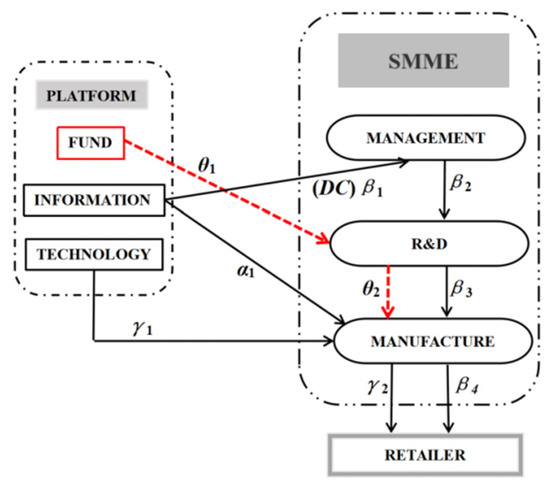
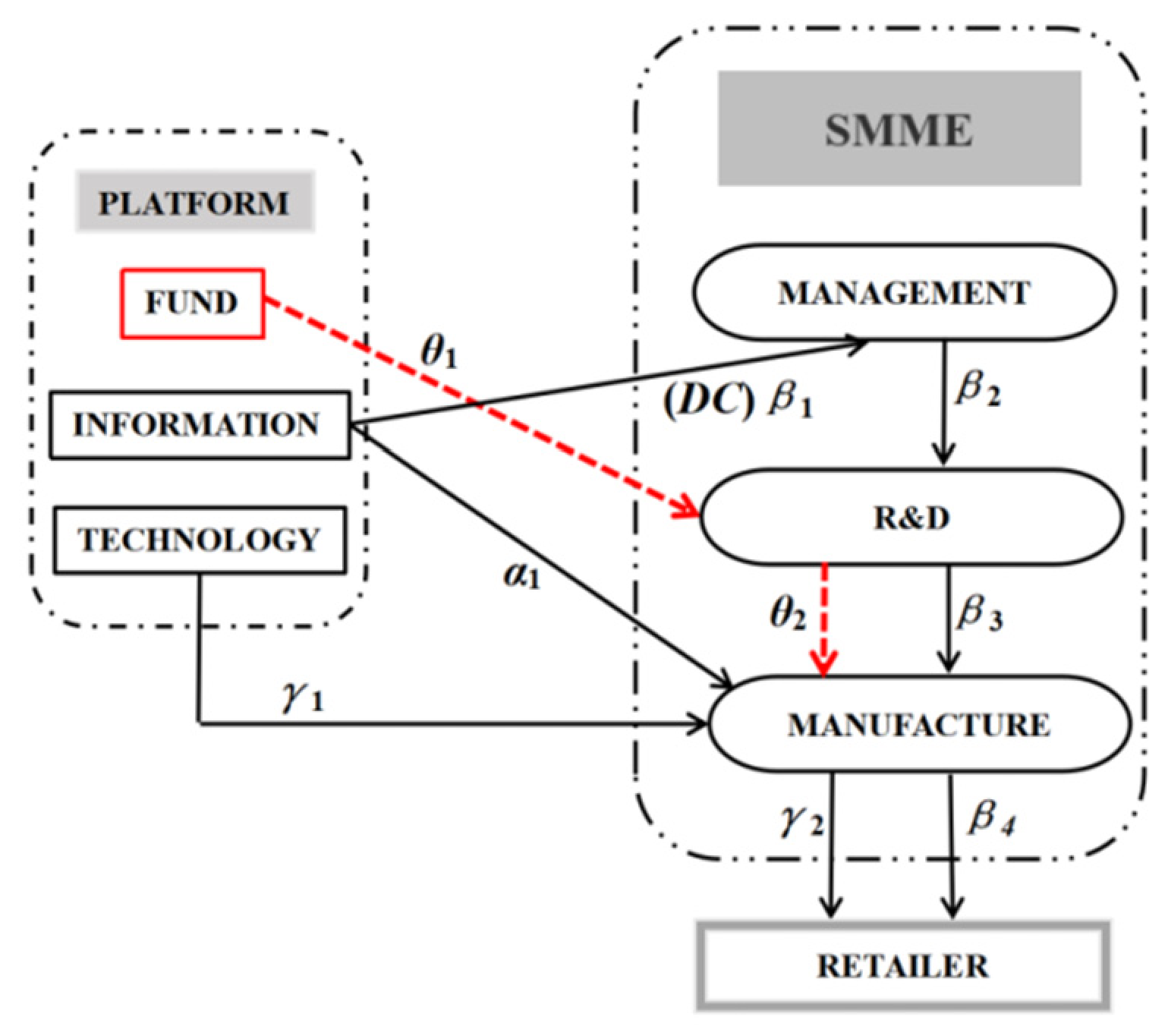
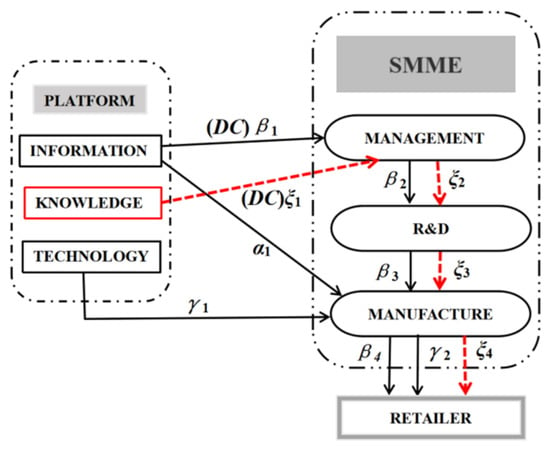
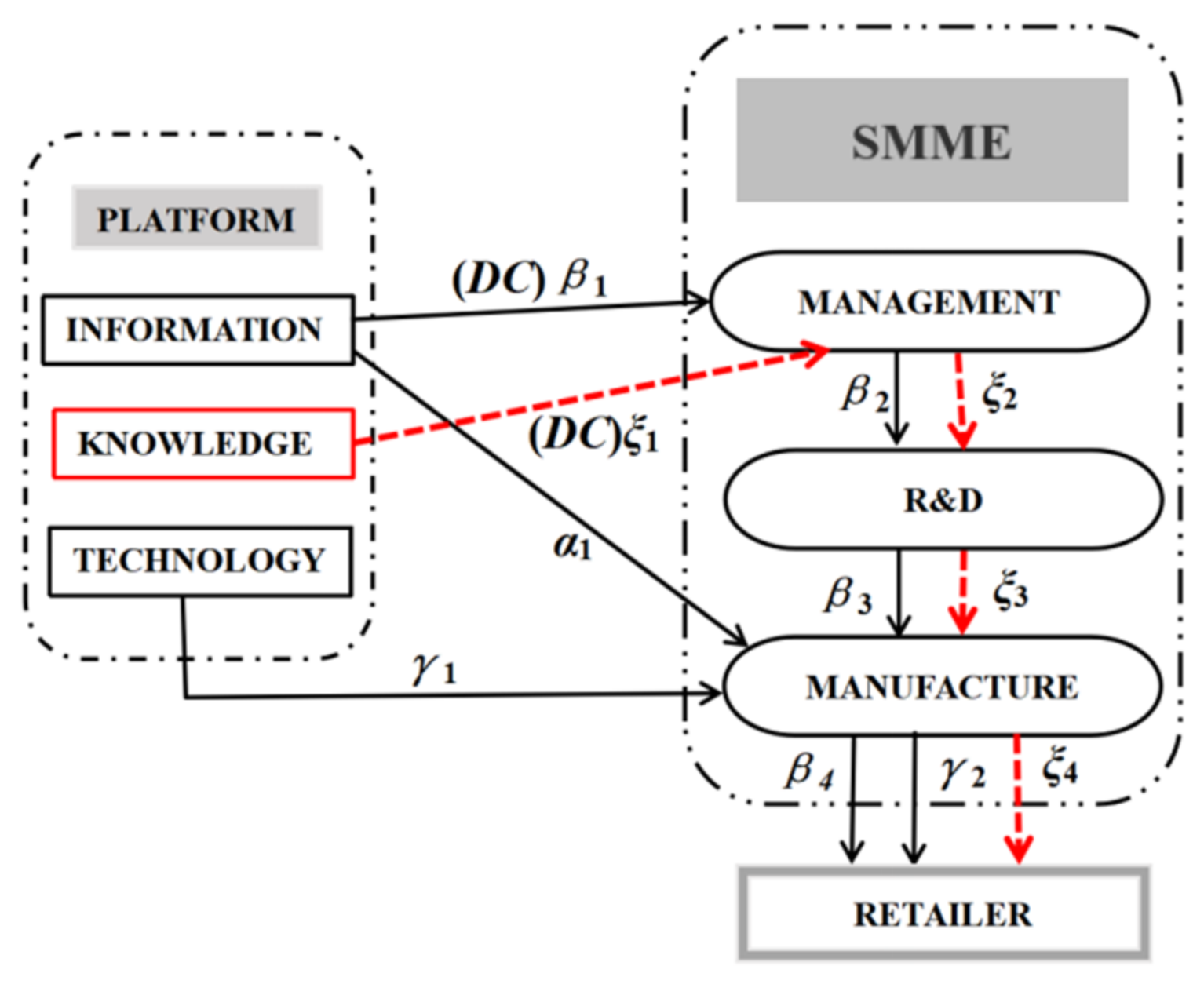
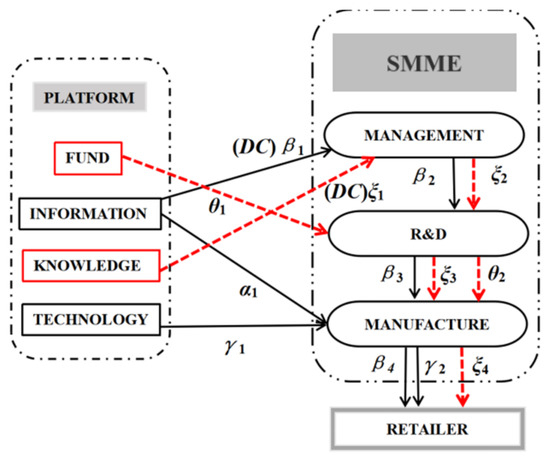
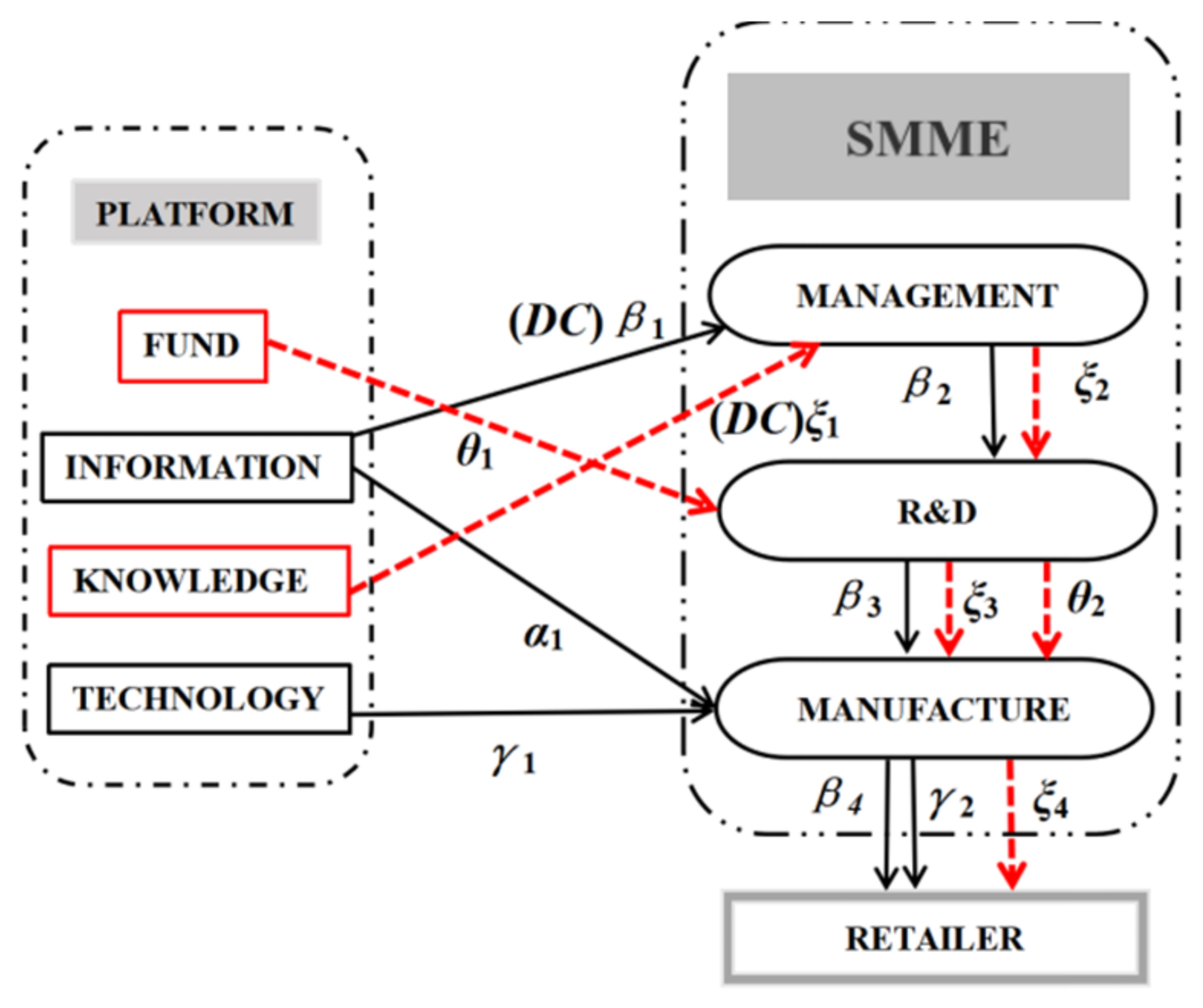
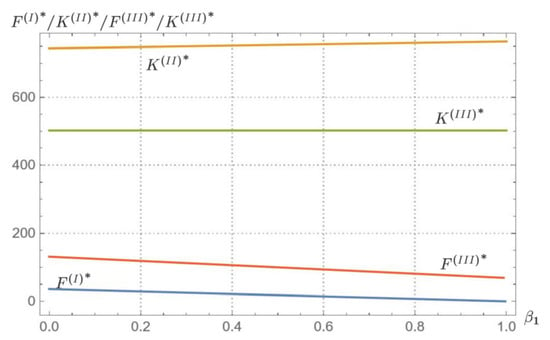
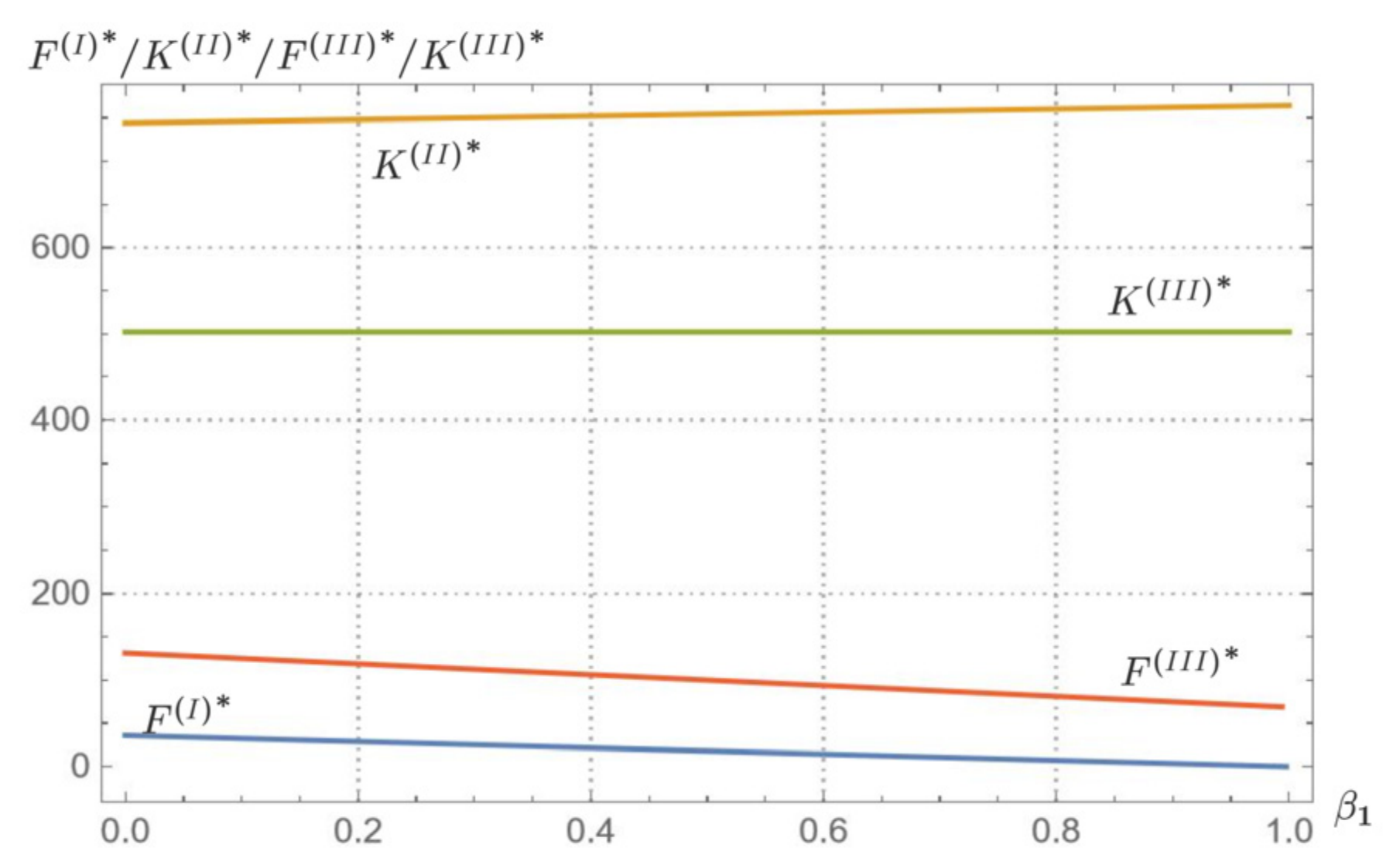
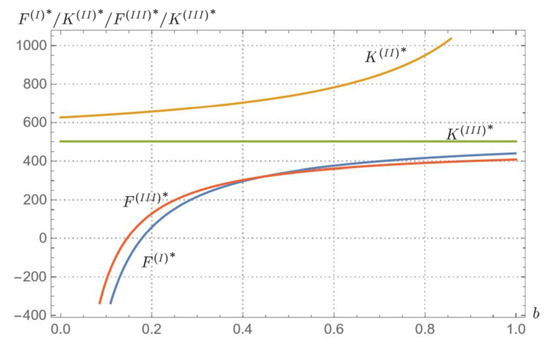
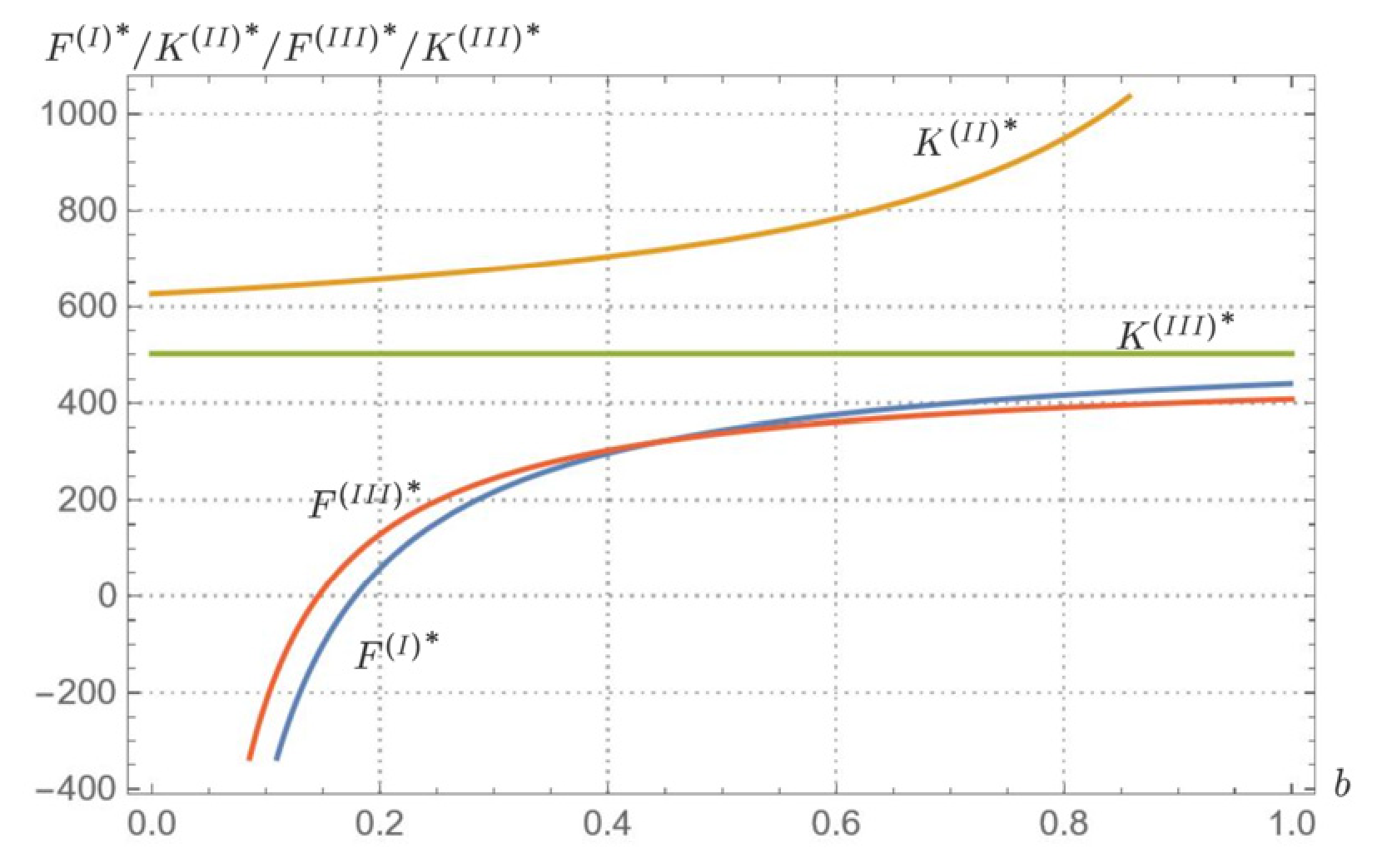
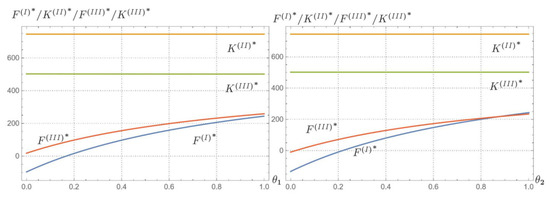
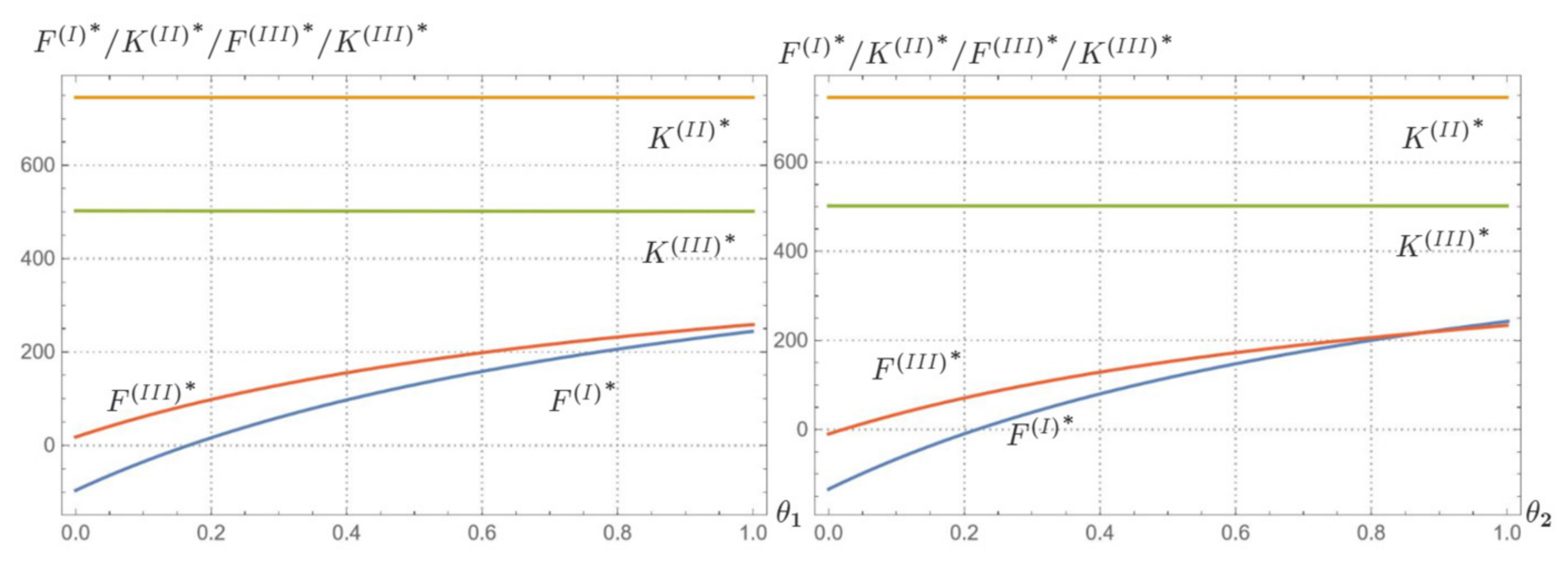
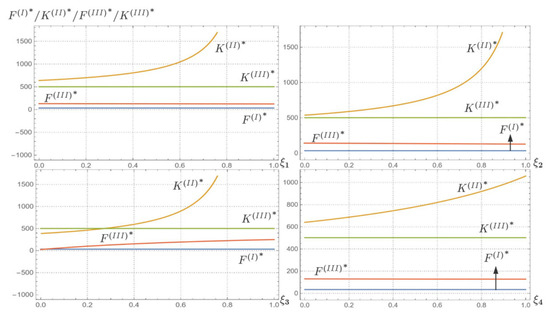
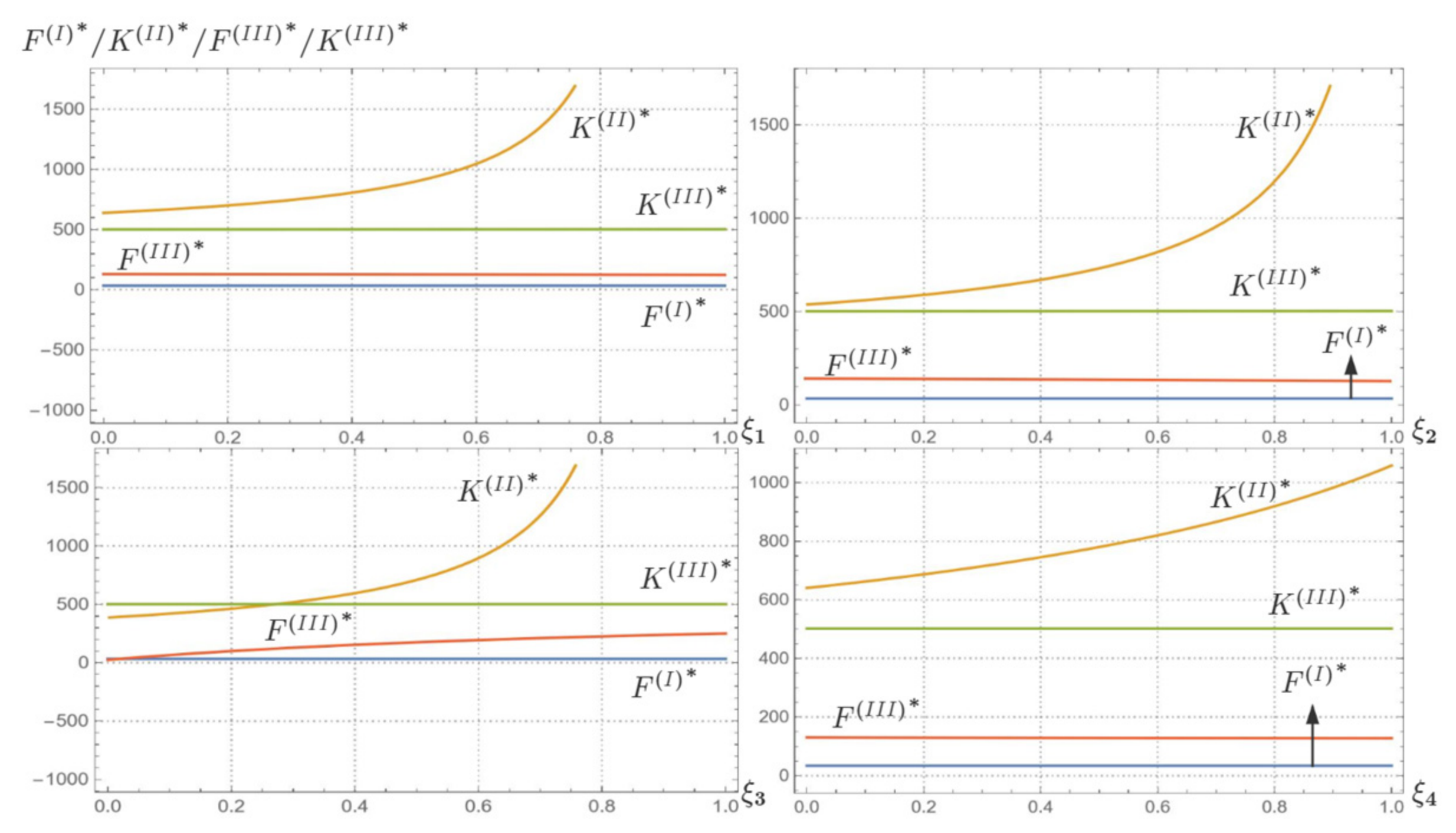
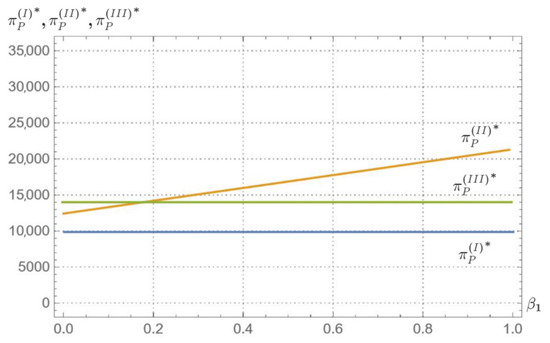
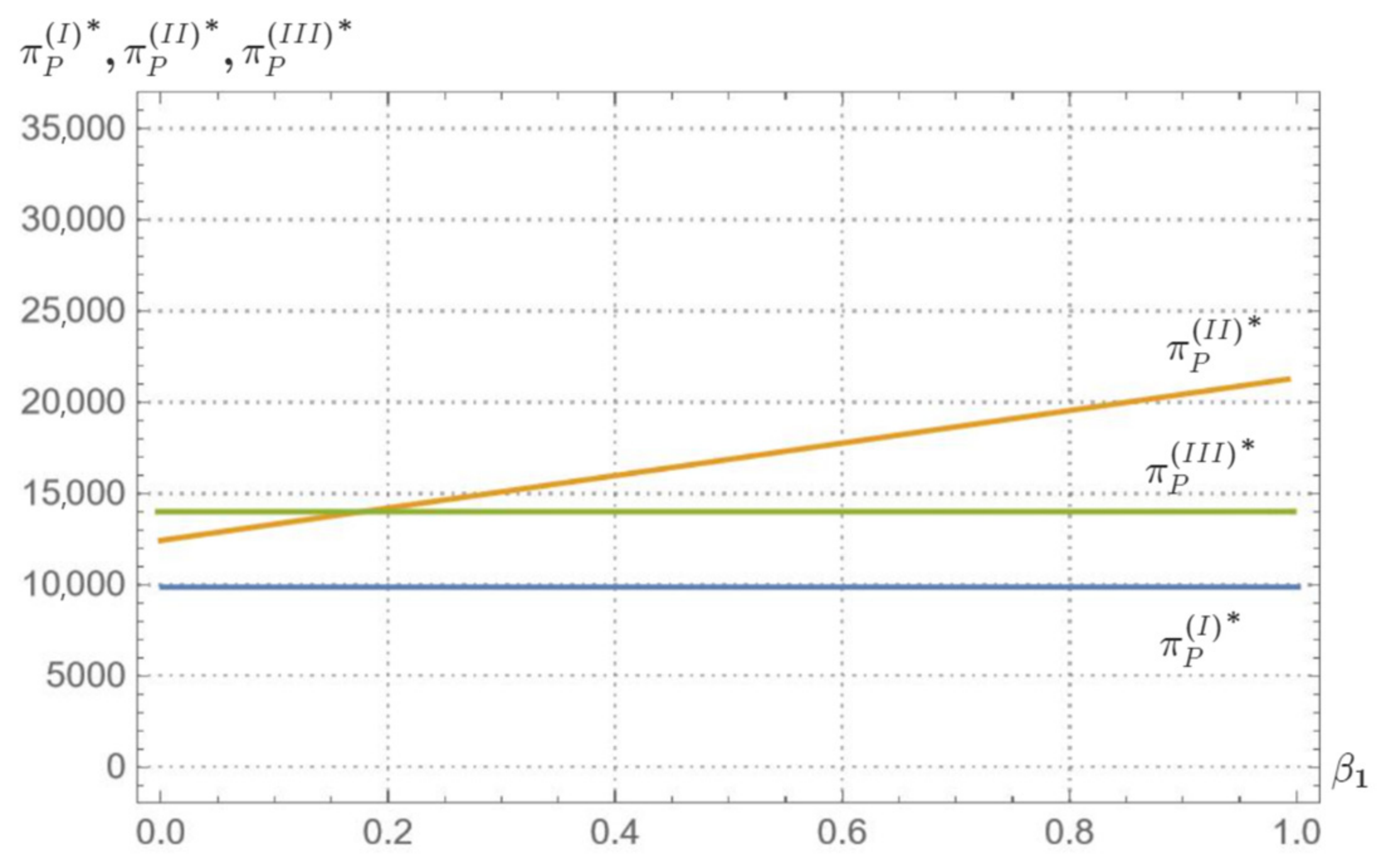
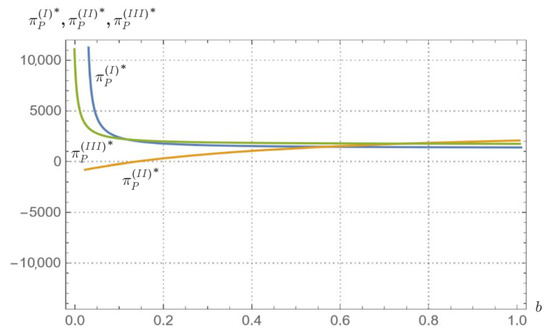
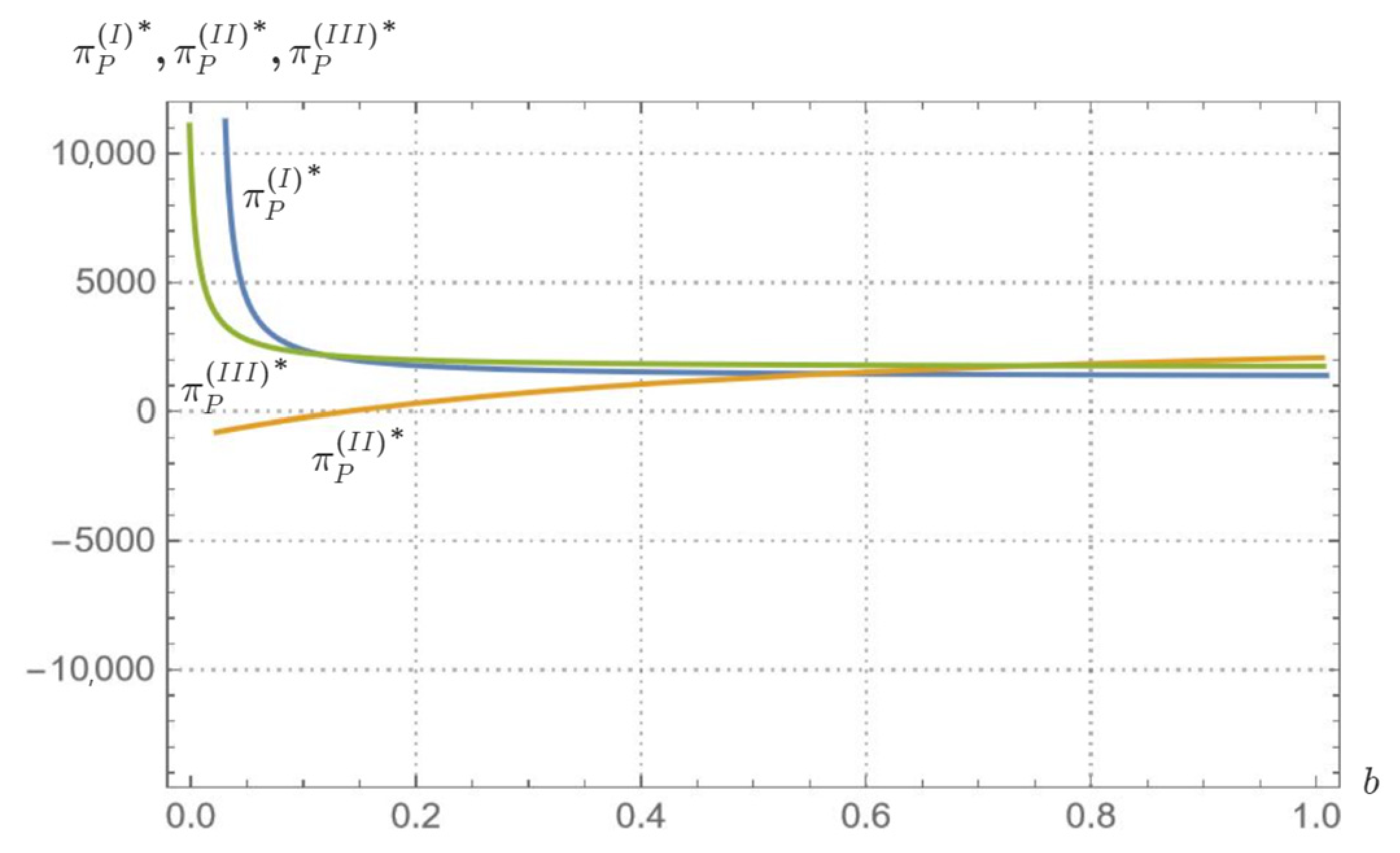
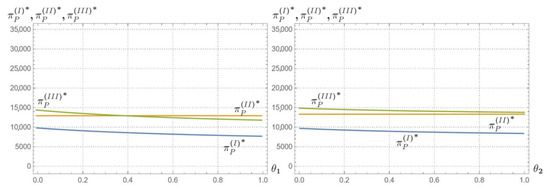
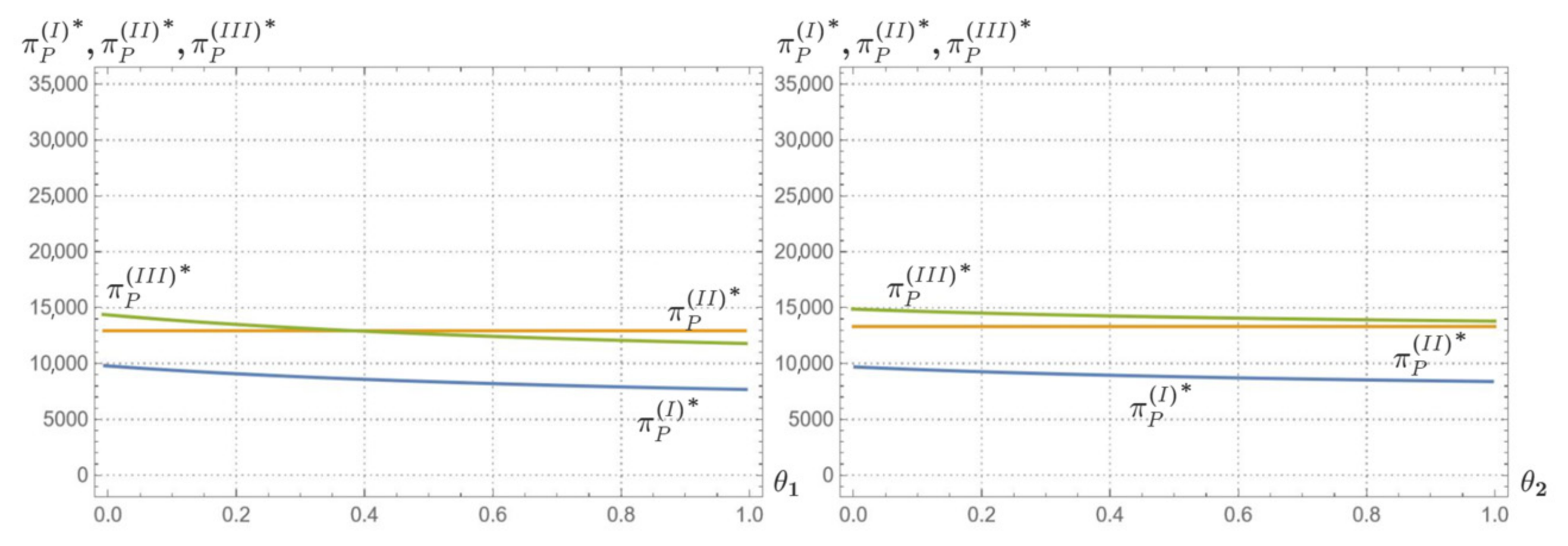
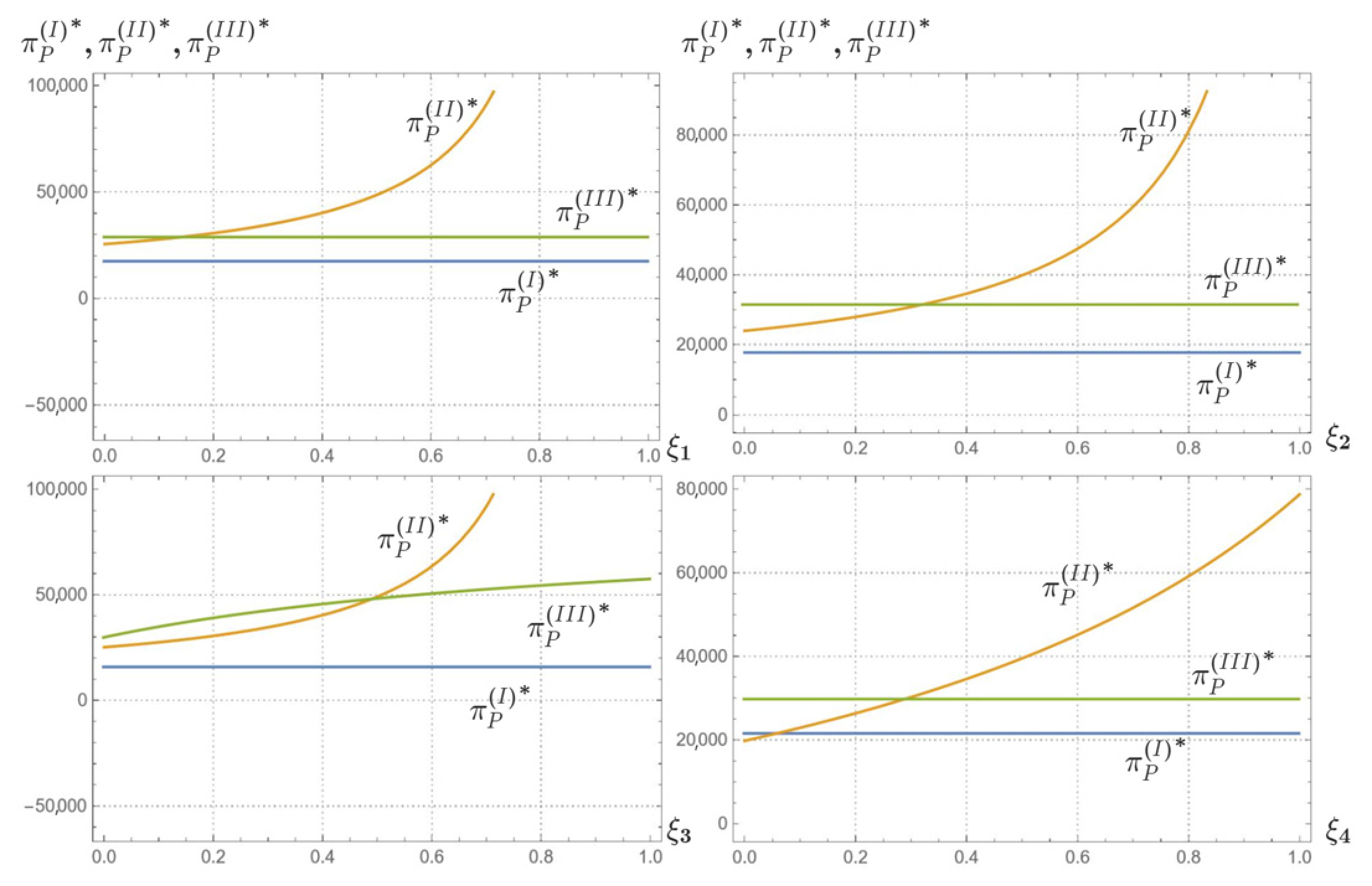

Disclaimer/Publisher’s Note: The statements, opinions and data contained in all publications are solely those of the individual author(s) and contributor(s) and not of MDPI and/or the editor(s). MDPI and/or the editor(s) disclaim responsibility for any injury to people or property resulting from any ideas, methods, instructions or products referred to in the content. |
© 2026 by the authors. Licensee MDPI, Basel, Switzerland. This article is an open access article distributed under the terms and conditions of the Creative Commons Attribution (CC BY) license.