


Abstract
In project-based organizations, novices engaged in project-contextualized learning often struggle to balance sustained project learning with immediate task delivery, creating a tension between developmental sustainability and execution sustainability. While informal support mechanisms such as apprenticeship help alleviate this tension, their effectiveness remains limited. To address this issue, this study adopts a Design Science Research approach to develop a generative AI-driven project scaffolding system prototype. The study contributes design knowledge comprising two core elements. First, based on the task execution process, scaffolding support is organized into three dimensions, namely contextualization, cognitive guidance, and cognitive evolution, which correspond to the progression from task understanding to cognitive construction. Second, a cognition-driven scaffolding mechanism is constructed through prompt-driven and knowledge-augmented generation, enabling human-centered intelligent guidance, augmentation, and automation during task execution. Evaluation in a software implementation firm suggests that the system may improve task output quality and support novices’ application of task-relevant strategies in subsequent tasks. These findings indicate the system’s potential to support the sustainability of both project learning and task execution in project practice. This study provides design insights for embedding GenAI-driven scaffolding in project practice, helping organizations in similar project contexts establish sustainable project support approaches.
1. Introduction
In project-based organizations, project learning has long been recognized as a key mechanism for avoiding repeated unnecessary work and as a critical foundation for organizational learning and long-term sustainability [1,2]. However, under traditional approaches to supporting project learning, much of the knowledge remains difficult to apply directly in situated tasks, often existing as decontextualized and underutilized resources [3]. Accordingly, research has increasingly shifted from focusing on the storage and reuse of knowledge across projects to examining how lessons learned are enacted in practice [4,5,6,7].
Project learning is increasingly viewed as a generative process embedded in task execution, emphasizing that knowledge realizes its value through contextualized understanding and reconstruction in practice [3,8,9]. However, project success still depends on efficient task execution to ensure that projects progress as planned and remain within budget. Therefore, project practitioners, especially novices, are often required to balance two competing priorities: investing resources in learning to support long-term sustainability, or focusing on delivering project outcomes to ensure the sustainability of the current project [10].
To balance the two forms of sustainability discussed above, project-based organizations typically rely on informal social support mechanisms, such as apprenticeship, to provide task guidance and training for novices [11,12]. However, in practice, such informal support mechanisms still exhibit limitations in simultaneously supporting developmental sustainability and execution sustainability.
From the perspective of execution sustainability, informal support mechanisms face challenges in the stability of support provision, the alignment of cognitive guidance, and the timeliness of feedback. Specifically, experts, while undertaking complex project tasks, are often interrupted by informal inquiries or temporarily reassigned, which disrupts the continuity of task execution [13]. Meanwhile, due to the curse of knowledge, the cognitive guidance provided by experts may not align with novices’ needs, leading to increased error rates and inhibited innovation, thereby reducing task efficiency and quality [14,15]. In addition, owing to delays in expert feedback, some forms of support cannot be delivered in a timely manner to match project rhythms, and novices often proceed with tasks before achieving full cognitive clarity, which negatively affects project performance [16,17].
From the perspective of long-term developmental sustainability, informal support mechanisms struggle to facilitate the effective transformation and continuous accumulation of reusable project knowledge. On the one hand, the cognitive support received by novices is often presented in the form of outcome-oriented documents or demonstrations, which still require further interpretation to be translated into actionable information or cognitive frameworks, potentially leading to new misunderstandings or cognitive biases [17,18]. On the other hand, under conditions of time pressure and high workload, cognitive support is often used as an analogical resource for task completion rather than as an opportunity for project learning, resulting in individuals relying on prolonged project experience to develop stable task strategies [19]. At the same time, organizations’ heavy reliance on expert knowledge exposes them to the risk of knowledge loss due to personnel turnover, thereby weakening the sustained accumulation of organizational capabilities [20].
To address the aforementioned gaps, this study introduces the concept of cognitive apprenticeship into the apprenticeship process and develops a generative AI-driven scaffolding system to enhance novices’ task execution and learning within project contexts. Generative AI-driven scaffolding refers to external support provided to learners during the learning process, based on the natural language understanding and generation capabilities of large language models, to help them accomplish tasks that they would otherwise be unable to complete independently, and to gradually enable independent performance through dynamic and progressive feedback [21,22]. Such scaffolding is centered on project novices and can reduce confusion during task execution, support task planning and management, and facilitate reflection and the development of strategies [23], thereby making it suitable for alleviating the tension between project learning and task execution. Building on this, the incorporation of generative AI further enables this support to be structured, timely, and scalable, thereby reducing reliance on individual knowledge holders while addressing the limitations associated with socially dependent support mechanisms [24,25,26].
Based on the above, this study adopts a Design Science Research approach and takes a generative AI-driven scaffolding system that supports novices in completing project tasks while learning within tasks as the research artifact. The design of this system is informed by cognitive apprenticeship and scaffolding theory, which guide the structuring of cognitive support within task execution. Through a design process that balances rigor and relevance, this study identifies the intelligent operational mechanism and functional structure of scaffolding in project contexts, thereby generating corresponding design knowledge.
This design knowledge is embodied in a cognition-driven scaffolding approach that organizes support into contextualization, cognitive guidance, and cognitive evolution, while integrating expert cognitive structures with generative AI in project contexts. This design knowledge further provides design insights for project-based contexts in designing and applying generative AI-driven scaffolding, in order to alleviate the tension between project learning and task execution and to promote the dual sustainability of project learning and project delivery.
Accordingly, this study addresses the following research question:
RQ: How can a generative AI-driven scaffolding system be designed to support learning within task execution in project contexts?
The remainder of this paper is structured as follows. Section 2 reviews research on cognitive apprenticeship and generative AI-driven scaffolding as the theoretical foundation. Section 3 introduces the research methodology. Section 4 provides a detailed account of the design of the generative AI-driven scaffolding system, including the identified design requirements, the description of system functions, and the intelligent operational mechanism of scaffolding. Section 5 reports the demonstration and evaluation in a project-based organization within a software implementation context. Section 6 discusses the theoretical contributions and practical implications of this study, as well as its limitations and directions for future research. Section 7 concludes the paper by summarizing the research content and key findings.
2. Theoretical Foundations
2.1. Cognitive Apprenticeship
The Cognitive Apprenticeship model has been widely applied to understand and design cognitive support tools for learners [27]. It emphasizes making expert thinking visible and embedding it within authentic task contexts, thereby facilitating learners’ cognitive development in real-world problem-solving situations [28].
Within this framework, scaffolding is regarded as a central component, providing structured and gradually fading guidance that enables learners to transition from reliance on support to cognitive independence during task execution [29]. From a process-oriented perspective, effective scaffolding is typically characterized by adaptability, fading, and the transfer of responsibility, reflecting a support mechanism that dynamically adjusts to learners’ progression [30,31].
Accordingly, scaffolding can be understood as a process-oriented cognitive support strategy, whose design should be aligned with the developmental needs of project novices and configured as a human-centered form of support. Building on this understanding, this study further translates scaffolding into an operational design process to guide the development of generative AI-driven scaffolding.
Specifically, drawing on the Cognitive Apprenticeship framework, this study categorizes instructional activities into six interrelated dimensions: modeling, coaching, scaffolding, articulation, reflection, and exploration [28]. Together, these activities constitute a developmental trajectory from expert-led guidance to learner autonomy. In this configuration, scaffolding is not treated as an isolated component but as a regulatory mechanism embedded across all stages, supporting the deepening of understanding and practical engagement [32,33]. Accordingly, modeling and coaching are treated as foundational dimensions of scaffolding support to identify design requirements for cognitive guidance in task execution, while articulation and reflection are considered key dimensions for facilitating cognitive construction and are used to identify design requirements related to project learning. Meanwhile, the scaffolding dimension is represented as a regulatory mechanism within the above analysis and is further elaborated in the subsequent section on Generative AI–driven Scaffolding.
2.2. Generative AI–Driven Scaffolding
Efforts to reduce the resource burden associated with instructor-provided scaffolding have led to the development of Computer-Based Scaffolding, in which digital tools serve as the medium for delivering support [34]. In many early implementations, scaffolding functions were operationalized through rule-based AI. By encoding conditional relations in “IF-THEN” form, these systems linked learners’ behaviors, learning conditions, or analytic indicators with predefined prompts and feedback [35]. Yet their effectiveness was closely tied to the manual specification of rules. Once task situations changed, revising these condition-action structures became costly and labor-intensive, which constrained both adaptability and scalability [36,37].
The emergence of Generative AI, especially Large Language Models (LLMs) such as ChatGPT, has opened new possibilities for scaffolding design by making it possible to generate support directly from natural language inputs [21,22]. Because LLMs can process task descriptions, learner profiles, and instructional goals expressed in ordinary language, they enable more situationally responsive feedback and thus expand the range of scaffolding applications [38]. At the same time, this advantage also introduces new concerns. Since such outputs are produced through statistical regularities in large corpora rather than explicit semantic reasoning or cognitive representation, they may still generate hallucinated or semantically unstable responses in complex learning settings [26,39].
These limitations have prompted recent work to consider how generative AI-based scaffolding can be made more dependable [26,39]. Drawing on this stream of research, the present study derives two design implications. First, it develops a functional framework for generative AI-driven scaffolding in which contextualization, prompt-based guidance, and diagnostic feedback are treated as central design components, with support being generated dynamically in relation to authentic task situations [26]. Second, it incorporates insights from research on cognitive heuristics to examine whether human cognitive mechanisms can be embedded into generative AI as inductive biases [40]. More specifically, expert cognitive processes are externalized into structured prompting schemes so that model outputs become more stable and interpretable, thereby reducing the risks of hallucination and semantic inconsistency associated with purely probabilistic generation [41,42]. From this perspective, expert cognition is rendered into prompt structures that allow large language models to support multiple scaffolding functions across heterogeneous contexts.
3. Design Science Research Methodology
This study adopts the Design Science Research (DSR) methodology. Within the information systems discipline, DSR is commonly employed to address complex, knowledge-intensive challenges arising in real-world settings [43,44]. It focuses on generating practice-oriented artifacts through iterative design and construction processes, with the aim of responding to specific problem contexts [44,45].
The DSR approach is particularly appropriate when existing solutions are insufficient to tackle practical problems, as it enables the development of goal-oriented artifacts tailored to specific contexts [44,46]. In this study, the objective is to develop a generative AI-driven scaffolding tool that alleviates the tension between task execution and learning within project environments. In doing so, it also addresses the limitations of traditional project learning support approaches and informal social support mechanisms, particularly in terms of stability of support provision, alignment of cognitive guidance, and timeliness of feedback. By iteratively building and refining the artifact to respond to these practical challenges, this study seeks to produce a solution that is both prescriptive and operationalizable, in line with the problem-driven and design-oriented principles emphasized in DSR [47]. Furthermore, as generative AI-driven scaffolding represents an emerging form of support that remains underexplored, the DSR approach provides a suitable framework for its design, evaluation, and iterative refinement within real-world contexts [26,39].
3.1. Research Context
This study selects a representative implementation firm in China’s collaborative management software sector as the empirical setting. The firm primarily serves the office automation market and delivers customized collaborative management solutions based on a workflow platform. Its business model relies on project-based implementation to accommodate diverse and continuously evolving client requirements.
In recent years, with the advancement of technologies such as artificial intelligence, the software and information technology services industry has exhibited increasingly knowledge-intensive characteristics. On the one hand, firms are required to continuously invest in learning emerging technologies and updating knowledge bases. On the other hand, client demands have shifted from traditional information system deployment toward more complex requirements, including system integration, data governance, and intelligent applications. This transformation has significantly increased the reliance of project implementation on both human input and cognitive capabilities, leading many firms to face structural pressures characterized by high investment and limited returns. In this context, a key challenge lies in enhancing novices’ competence level while maintaining control over project costs.
During project execution, the firm typically adopts a project-based organizational structure in which temporary teams composed of multiple roles are responsible for tasks spanning the entire lifecycle, from requirements analysis to system delivery. These tasks are highly complex and context-dependent. In particular, during the stages of requirement construction and solution development, practitioners are required to engage in open-ended cognitive processing. However, under constraints imposed by project timelines and delivery pressures, novices often find it difficult to balance systematic learning with ongoing task execution, which further intensifies the tension between performance and project learning.
Although the firm has established various forms of explicit knowledge resources, such as product documentation, case repositories, and standardized templates, these resources remain difficult to apply directly in situated tasks. Novices therefore often rely on informal social support, including seeking experiential insights from communities of practice or consulting experts for guidance. However, such support mechanisms are limited in terms of stability of provision, alignment with novices’ cognitive needs, and responsiveness. This reliance is particularly pronounced in branches with relatively limited experience, where it can negatively affect task efficiency and limit the accumulation of reusable project knowledge.
To address these challenges, the firm introduced the concept of a “Thinking SOP (Standard Operating Procedure),” aiming to formalize and externalize experts’ cognitive processes and decision logic in complex tasks to support novices’ cognitive processing and learning. Building on this initiative, the researchers collaborated with the firm to integrate this concept with generative AI technologies and develop an intelligent collaborative tool based on the Thinking SOP. The tool is designed to provide contextualized and process-oriented cognitive support during task execution. On the one hand, it reduces reliance on experts’ real-time involvement and alleviates resource constraints; on the other hand, it supports novices in gradually developing problem-solving strategies through practice, thereby promoting the sustainability of both project delivery and project learning.
3.2. Design Science Research Process
This study adopts the Design Science Research process model proposed by Peffers [48]. Figure 1 illustrates the six steps of this model, along with the corresponding activities and outputs in this study.
Figure 1.
Design science research process applied to this study.
In Step 1 (problem identification and motivation), this study identifies the core challenges through literature review and field investigation in a case organization. The findings reveal a tension between learning and task execution in project contexts, alongside the limitations of informal support mechanisms in sustaining both execution and developmental sustainability. These issues establish the motivation for developing a structured support approach.
In Step 2 (objectives of a solution), the study defines the objectives of a GenAI-driven scaffolding artifact. The solution aims to support both task execution and learning within tasks by providing structured cognitive support aligned with project contexts.
In Step 3 (design and development), the artifact is designed and iteratively developed through theoretical modeling and practice-based refinement. The outcome is a GenAI-driven scaffolding system comprising contextualization, cognitive guidance, and cognitive evolution modules, supported by cognition-driven intelligent mechanisms.
In Step 4 (demonstration), the artifact is applied in a real enterprise environment to demonstrate its utility. The system is implemented in representative project tasks, showing its applicability in supporting task execution and problem-solving processes.
In Step 5 (evaluation), the study assesses the performance of the artifact through a structured comparative evaluation in a real organizational setting. Expert evaluation and user data are collected to examine their effects on task performance and learning transfer outcomes.
In Step 6 (communication), the research findings are disseminated to both academic and industry communities. This includes promoting the application in new enterprise contexts and presenting the system to collect expert feedback, leading to academic publications and structured design knowledge outputs.
4. System Design and Development
4.1. Design Requirements
Based on the Cognitive Apprenticeship framework, this study conducted two rounds of expert workshops with the case enterprise to identify and synthesize key cognitive support needs in project contexts, thereby deriving the following design requirements (DRs).
Modeling and Coaching dimensions:
- DR1: Externalization of tacit experience. By making highly contextualized tacit experience explicit, a referable expert thinking model can be provided for novice consultants, thereby overcoming the cognitive limitation that core logic cannot be accessed through observation and imitation alone.
- DR2: Context-differentiated cognitive support. By configuring differentiated support mechanisms across varying task contexts, low-risk environments for trial-and-error and cognitive practice can be provided in exploratory contexts, while task-oriented and immediate guidance can be offered in execution contexts, thereby bridging the gap between cognitive construction and practical application.
Scaffolding dimension:
- 3.
- DR3: Context-adaptive cognitive support. By structurally analyzing task contexts, scaffolding can generate guidance and feedback aligned with specific problem situations, thereby enhancing the relevance and effectiveness of cognitive support.
- 4.
- DR4: Problem-oriented cognitive guidance. By providing operational prompts oriented toward problem-solving and embedding metacognitive questioning and relevant cognitive frameworks, practitioners are guided to move from execution-level actions toward the understanding and construction of cognitive pathways.
- 5.
- DR5: Diagnosis-driven feedback mechanisms. By actively filtering and identifying information during interactions, cognitive gaps can be located and targeted feedback and prompts can be provided, thereby supporting timely correction and cognitive refinement.
Articulation and Reflection dimensions:
- 6.
- DR6: Structured reflection on interaction processes. By structurally tagging and extracting interaction data, practitioners are supported in revisiting and reflecting on key cognitive decisions and problem-solving paths, thereby supporting experience consolidation and strategy adjustment.
- 7.
- DR7: Adaptive evolution of cognitive frameworks. By integrating expert guidance and individual experience during interactions, practitioners are supported in constructing and continuously adjusting personalized cognitive scaffolds, enabling a gradual transition from external guidance to collaborative support and then to assistive support, thereby supporting more independent task execution and adaptive use of project knowledge.
4.2. Functional Design
Building on the identified design requirements, this study leverages prior research on scaffolding design in the education domain [49,50,51] to develop a GenAI-driven scaffolding system. It is structured into three core functional modules (contextualization, cognitive guidance, and cognitive evolution) as summarized in Table 1.
Table 1.
Functional Modules and Design Principles of GenAI-Driven Scaffolding.
The contextualization module aims to construct a shared task context by integrating fragmented project information into a unified workspace, as illustrated in Figure 2, thereby establishing a common grounding for both novice understanding and subsequent GenAI-driven collaboration.
Figure 2.
Contextualization module.
In complex project environments, task-related knowledge, communication, and supporting materials are often dispersed, making it difficult for novices to form a coherent understanding of the task. To address this issue, the module organizes project work around task-specific collaborative spaces. Within each space, relevant elements (including domain terminology, knowledge resources, task-related documents, and task assignments) are aggregated to form a coherent representation of the task context. This integrated workspace supports novices in developing a clearer understanding of the task situation through a consolidated and continuously updated representation.
In addition, the cognitive framework is embedded within the workspace and can be accessed on demand, supporting ongoing sensemaking. The framework articulates strategic pathways for task handling and incorporates metacognitive prompts and structured checklists to guide novices in identifying key decision points, understanding problem progression, and attending to potential risks. In this way, experiential knowledge is translated into actionable cognitive structures.
The cognitive guidance module addresses the difficulty novices face in balancing task execution with cognitive understanding. In complex project settings, guidance is often limited to operational instructions, while underlying reasoning processes remain implicit and cognitive gaps are not identified or addressed in a timely manner. To overcome this limitation, the module provides context-aware, dynamic support during task execution by integrating problem-oriented guidance with diagnostic feedback. As shown in Figure 3, this support is organized into two tightly coupled spaces: an execution space and an individual learning space.
Figure 3.
Cognitive guidance module.
Within the execution space, the system delivers real-time, task-oriented guidance to support ongoing work. Drawing on the contextualized task representation established in the previous module, it generates actionable suggestions, highlights key considerations, and surfaces potential risks during task progression. This enables novices to proceed with execution while being guided by structured cognitive cues rather than relying solely on ad hoc instructions.
Complementing this, the individual learning space supports deeper cognitive processing through reflective prompting and knowledge-based diagnosis. It leverages interaction logs generated during task execution to identify cognitive gaps and provide targeted feedback. Through metacognitive questions, explanatory insights, and structured diagnostic prompts, novices are encouraged to reflect on their decisions, understand underlying reasoning patterns, and refine their cognitive strategies.
Importantly, these two spaces are interconnected through shared task logs. The learning space inherits execution data and transforms it into reflective and diagnostic inputs, thereby linking action with understanding. This design enables a continuous interplay between execution and learning, allowing guidance to evolve from immediate task support to deeper cognitive development.
The cognitive evolution module helps novices systematically reflect on and consolidate experiences after task completion, as shown in Figure 4. Often, without structured reflection, novices struggle to update their cognitive structures, relying on prolonged experience accumulation instead of evolving their understanding.
Figure 4.
Cognitive evolution module.
To address this, the system continuously captures interaction data (such as mentor feedback, AI guidance, and self-recorded reflections) and organizes it into a dynamic learning space. This supports the adaptive evolution of cognitive scaffolds, helping novices transition from supported performance to independent task execution.
The system further integrates a cognitive framework that provides strategic pathways, metacognitive prompts, and checklists. By revisiting these tools, novices can refine their decision-making processes, identify cognitive gaps, and build a more effective approach to future tasks. The module supports the adjustment of cognitive scaffolding in tandem with novices’ accumulated task experience, fostering ongoing project learning.
4.3. Operational Mechanisms of GenAI-Driven Scaffolding
In response to the need to embed human cognitive mechanisms as inductive biases in generative artificial intelligence applications [40], this study designs and develops an intelligent scaffolding mechanism driven by generative AI, as illustrated in Figure 5. This mechanism incorporates cognition as prompts to drive LLMs, while integrating scenario-based documents and retrieval-augmented generation (RAG) techniques to ultimately enable intelligent task support and multiple modes of Human-AI collaboration.
Figure 5.
Framework of GenAI-driven scaffolding.
In terms of system implementation, the mechanism is supported by an API-based general-purpose large language model (LLM), which is used for natural language understanding, reasoning, and content generation. The model is not fine-tuned in this study; instead, expert cognitive structures are externalized into structured prompts to guide the generation process.
Specifically, the mechanism is structured along a holistic pathway spanning cognition, knowledge, models, and applications. At the cognitive level, expert human cognitive structures are transformed into multi-layered cognitive scaffolds and embedded into LLMs in the form of prompts. These include explanatory cognitive scaffolds, which provide structured interpretations of task content; procedural strategy scaffolds, which guide task execution processes; heuristic strategy scaffolds, which offer actionable experiential rules; and metacognitive scaffolds, which support self-monitoring and reflection. Together, these scaffolds establish a systematic framework for task understanding and execution.
At the knowledge level, enterprise knowledge bases are integrated with contextualized documents, and RAG is employed to dynamically access external knowledge sources, thereby enabling precise knowledge supplementation and contextual adaptation for specific scenarios.
The knowledge sources used in the RAG module include two types: (1) an enterprise knowledge base, consisting of structured and semi-structured resources such as project planning templates, historical project cases, and implementation documents; and (2) scenario-specific documents, including project-related materials such as meeting records, task descriptions, and contextual documents associated with the current task. During interaction, relevant knowledge is retrieved based on task context and user inputs. The retrieval process combines keyword-based and semantic matching strategies to identify contextually relevant content, which serves as external knowledge input for the LLM-based agent.
At the model level, the LLM-based agent is guided by cognitive prompts derived from expert cognitive structures. The retrieved external knowledge is then used as contextual input for the agent’s reasoning process. In this way, the model performs task comprehension, reasoning, and content generation by combining cognitive guidance with retrieved task-relevant knowledge.
Finally, at the application level, the system supports three modes of human-AI collaboration depending on task requirements and the degree of human involvement: intelligent substitution (AI autonomously executes tasks), intelligent augmentation (AI assists humans in task completion), and intelligent guidance (AI provides process-oriented support). Through these modes, the mechanism enables efficient support and intelligent operation of generative AI in complex task environments.
5. Evaluation Case of GenAI-Driven Scaffolding System
This study adopts a software implementation enterprise as the case organization. The firm operates under a project-based structure, undertaking end-to-end responsibilities ranging from requirements analysis and solution design to project delivery and acceptance. Such project environments are inherently complex and rely heavily on expert knowledge and experiential judgment.
For empirical demonstration and validation, this study focuses on the task of project planning, a critical phase within the project lifecycle. This task involves the integration of multidimensional information and the development of structured plans, resulting in a relatively high cognitive load. At the same time, it is typically conducted under strict time constraints in meeting settings, placing additional demands on decision-making efficiency. Moreover, project planning produces tangible and structured outputs (i.e., planning reports) that are readily assessable. As a mandatory upstream task in project execution, it also exhibits strong potential for cross-context transfer.
Given these characteristics, the project planning task provides an appropriate context for examining both the execution support and learning support functions of the proposed scaffolding mechanism, and is therefore selected as the focal validation scenario in this study.
In addition, the selection of small- to medium-sized enterprise (SME) project contexts is intentional. In the case organization, newly recruited project managers are typically able to independently undertake project planning tasks only within SME projects, whereas in larger or more complex projects (e.g., large-scale or state-owned enterprise projects), novices usually participate in supporting roles rather than leading the planning process. Therefore, SME project planning tasks provide a realistic setting in which comparable independent task outputs can be obtained across participants. Furthermore, using comparable SME project contexts helps reduce variation in project scale, complexity, and organizational constraints, thereby supporting a more controlled comparison in the evaluation and enhancing the interpretability of observed performance differences.
5.1. Demonstration
To demonstrate the role of the generative AI-driven scaffolding in supporting novices in project planning tasks, this study provides an explanation based on the system operation process, including intelligent collaboration for task execution in the execution space and intelligent collaboration for project learning in the individual learning space.
First, within the execution space, project master planning is selected as the task context to illustrate how the system supports complex decision-making tasks, as shown in Figure 6.
Figure 6.
Intelligent substitution and intelligent augmentation in task execution.
During task execution, the system first activates an embedded cognitive framework to provide structured decision support for novices. This cognitive framework centers on key elements and decision pathways of project planning, and is presented in a visualized form that can be accessed on demand, thereby helping novices build an overall understanding of the task structure and identify key decision points and analytical dimensions. On this basis, the system guides novices to form initial judgments through cognitive prompts, reducing cognitive load in complex information environments. In the interaction process, support is delivered through natural language dialogue. For example, the system guides novices to focus on key elements of project planning (such as scope definition, resource allocation, and scheduling) and prompts them to conduct analysis based on the overall structure, thereby facilitating the formation of initial judgments grounded in the cognitive framework.
After initial decisions are formed, the system further intervenes in the task construction process by assisting novices in systematically decomposing the project plan. Specifically, the overall planning task is broken down into multiple subtask modules, and based on task attributes and professional division logic, the system identifies the collaborative roles and responsible actors involved in each subtask. During this process, the system incorporates the novice’s prior decisions and generates task decomposition suggestions through dialogue, clarifying the corresponding collaborative roles and responsibilities for each subtask. Through this process, the system not only supports the clarification of task structure but also promotes the explicit articulation of collaborative relationships, enabling novices to translate overall planning into concrete execution pathways under the guidance of the cognitive framework.
Overall, this demonstration shows how the system achieves continuous intervention from cognitive support to task construction within the execution space. By embedding expert cognitive structures into the task execution process, the system effectively enhances novices’ decision quality in complex project planning tasks.
Second, within the individual learning space, the system’s role in intelligent collaboration during the task learning process is demonstrated, as shown in Figure 7. Specifically, taking a problem-solving scenario in subtask-level resource planning following overall project planning as an example, the mechanism through which the system supports novices’ cognitive development and problem understanding is presented.
Figure 7.
Intelligent guidance in task-based learning.
As task details continue to unfold, novices in resource planning tasks gradually enter concrete problem-solving situations. For example, when a key team member suddenly leaves during project execution, and the existing resource plan does not provide immediately available backup personnel or corresponding knowledge transfer arrangements, the project may face risks such as exposure to single-point dependency and delays in progress. In such situations, the system provides immediate support through natural language dialogue.
On the one hand, the system provides targeted responses to novices’ questions based on contextual knowledge and cognitive frameworks, offering structured explanations and recommendations. On the other hand, the system guides further thinking through a questioning mechanism. For instance, it prompts novices to reflect on key issues such as resource constraints, priority trade-offs, and contingency resource allocation, thereby encouraging deeper analysis of the problem. This questioning process functions not only as a means of cognitive guidance but also enables the system to dynamically identify novices’ existing knowledge base and level of understanding, thereby supporting the proactive detection of cognitive or knowledge gaps.
At the same time, the system provides on-demand access to embedded cognitive frameworks, allowing novices to refer to key decision pathways and analytical dimensions in resource planning during problem-solving. This enables them to situate specific problems within an overall cognitive structure, thereby enhancing their capacity for systematic thinking.
During the learning process, novices can record and organize the system’s responses as well as their own understanding and reflections, forming structured learning materials. Based on these interaction data and learning records, the system continuously updates and optimizes the cognitive scaffolding, enabling it to progressively adapt to novices’ cognitive characteristics and learning progress. Meanwhile, as novices accumulate task experience, the system supports the gradual reduction in scaffolding intensity, facilitating the transition from external support to independent task execution.
Overall, this demonstration shows how the system, within the individual learning space, supports novices’ Project learning in specific task contexts through a continuous process in which problem-solving support, reflective guidance, cognitive diagnosis, and scaffolding evolution are systematically integrated.
5.2. Evaluation
After completing prototype development of the GenAI-driven scaffolding system and applying it to a project planning task in the case company, this study conducted an evaluation. The purpose of the evaluation was to examine the artifact’s utility, contextual fit, and directions for further improvement in an authentic project task setting. Given that the evaluation of a GenAI-driven scaffolding artifact involves multiple aspects, including task outcomes, user experience, learning support, and the quality of AI-generated content, a mixed-methods evaluation approach was considered appropriate. Such an approach can not only reveal overall evaluative tendencies across different dimensions through structured ratings, but also use open-ended feedback to further explain how users and experts understand, use, and assess the artifact [52,53]. Accordingly, this study adopted a mixed-methods evaluation design that integrates quantitative and qualitative evidence, collecting evaluation data from both user and business-expert perspectives through task-output materials, key human–AI interaction records, quantitative questionnaire ratings, and open-ended feedback.
The evaluation was conducted within the context of a project planning task at the case company. Researchers collected project-planning outputs generated under both a traditional apprenticeship support condition and a GenAI scaffolding support condition. In the traditional apprenticeship condition, support primarily relied on case imitation and existing knowledge resources, whereas in the GenAI scaffolding condition, the system provided cognitive prompts and process guidance. Participants were assigned to each support condition according to the company’s actual training schedule and their availability. Task outputs from both conditions served as a descriptive evaluation benchmark for this study. After completing the initial task, participants performed a new project-planning task of a comparable type and complexity without any external support; these outputs were used to observe participants’ performance when completing similar tasks after the removal of external assistance. In addition, researchers compiled key human–AI interaction records generated during the use of the GenAI scaffolding system to assist experts in evaluating the informational quality of the AI-generated guidance.
This study designed two types of evaluation questionnaires. The first was an expert questionnaire, which was used to assess the quality of the current task outputs, participants’ subsequent task performance under the no-support condition, and the information quality of the AI-generated content. The experts were selected and invited by the training management department of the case company. All of them were senior business professionals with more than 15 years of experience in project implementation and management, and had long been responsible for the delivery of million-level projects. The experts conducted their evaluations based on the task-output materials and key human–AI interaction records. The second was a user questionnaire, which was used to evaluate the system’s technology acceptance, perceived learning support, and user experience. The users were newly recruited project managers who had actually used the GenAI scaffolding system. All of them were recent graduates without practical project management experience, which was consistent with the novice user group targeted by the system.
The expert questionnaire consisted of two parts: quantitative evaluation items and open-ended questions. The quantitative items adopted a five-point Likert scale, with the full set of items presented in Appendix A.1. The questionnaire was organized around three evaluation modules.
First, based on the company’s project management standards and the requirements of the project planning task, the questionnaire assessed the planning completeness, logical consistency, feasibility, and risk consideration of the current task outputs [54]. Second, drawing on training transfer theory, it evaluated whether the subsequent task outputs produced under the no support condition demonstrated the retention of task structure, continuity of problem analysis, application of planning strategies, and maintenance of risk identification [55]. Third, referring to the information quality dimension, it assessed the business rationality, semantic consistency, contextual relevance, and actionability of the AI-generated guidance [56]. The open-ended questions were used to provide supplementary explanations of experts’ judgments regarding differences in task outputs under the two support conditions, subsequent performance under the no support condition, and the AI-generated guidance content as well as system improvement needs.
The user questionnaire likewise consisted of two parts: quantitative evaluation items and open-ended questions. The quantitative items were measured using a five-point Likert scale, with the complete set of items presented in Appendix A.2. The questionnaire was organized around two evaluation modules.
First, drawing on the Technology Acceptance Model (TAM), the questionnaire examined users’ technology acceptance, with a particular focus on perceived usefulness, perceived ease of use, attitude toward use, and continuance intention [57]. Second, drawing on Self-Regulated Learning (SRL), it assessed users’ perceived learning support, focusing on support for task planning, process monitoring, strategy adjustment, reflection, and confidence in independent task completion [58]. The open-ended questions were used to provide supplementary explanations of how users perceived the system’s support for task understanding and the project-planning process, as well as the difficulties they encountered during use and their expectations for improvements in AI-generated support.
The evaluation results were compiled based on expert ratings, user questionnaire scores, and open-ended responses. The expert evaluation was completed by four senior business experts. The evaluation objects included the first stage project planning outputs produced under the two support conditions, the second stage task outputs completed under the no support condition, and the key human–AI interaction records generated during the use of the GenAI scaffolding system.
For both the first-stage and second-stage task outputs, each support condition included 13 outputs. Accordingly, each expert evaluation dimension generated 52 ratings for each support condition. The evaluation of AI-generated guidance content was based on 13 key interaction records, with 52 ratings generated for each evaluation dimension. The user questionnaire was completed by 13 participants who had actually used the GenAI scaffolding system. The open-ended responses included eight expert comments, generated by four experts answering two open-ended questions, and 26 user comments, generated by 13 users answering two open-ended questions. In summarizing the results, expert ratings were first averaged at the level of individual outputs or interaction records and then descriptively summarized by support condition. User ratings were descriptively summarized according to the predefined questionnaire items. Open-ended responses were used to further interpret the rating results and identify directions for improvement. The expert rating results are presented in Table 2, and the user questionnaire results are presented in Table 3.
Table 2.
Expert Rating Results.
Table 3.
User Questionnaire Results.
The expert rating results indicate that, under the GenAI scaffolding support condition, the four dimensions of current task-output quality all received relatively high evaluations, with mean scores ranging from 4.10 to 4.40. Among them, planning completeness and logical consistency received particularly high ratings (M = 4.40, SD = 0.24; M = 4.31, SD = 0.27), suggesting that the system performed well in helping novices develop a complete project-planning structure and clear planning logic. Feasibility and risk consideration were also evaluated positively (M = 4.15, SD = 0.22; M = 4.10, SD = 0.26), indicating that the system also supported solution development and risk identification. In contrast, the scores under the traditional apprenticeship support condition reflected the baseline level of task completion supported by case imitation and existing knowledge resources.
In the evaluation of subsequent task performance under the no-external-support condition, participants originally assigned to the GenAI scaffolding support condition obtained mean scores ranging from 3.71 to 4.02 across the four dimensions of task structure retention, continuity of problem analysis, application of planning strategies, and retention of risk identification. This suggests that, when completing a new but similar project-planning task, some participants were able to continue demonstrating a certain degree of planning structure and strategy application without support from either the system or a mentor. However, the relatively higher standard deviations for retention of risk identification and continuity of problem analysis (M = 3.71, SD = 0.47; M = 3.81, SD = 0.42) indicate variation among participants in the extent to which they retained and applied relevant planning strategies under the unsupported condition.
The information quality of the AI-generated guidance was generally evaluated positively. Contextual relevance and semantic consistency received relatively high ratings (M = 4.33, SD = 0.28; M = 4.27, SD = 0.24), suggesting that the system outputs were generally aligned with the project-planning task and maintained relatively stable expression. Actionability received the lowest score among the information-quality dimensions (M = 3.88, SD = 0.38), indicating that, in dynamic project contexts, AI-generated suggestions still require further judgment in relation to specific project conditions and business constraints when being translated from directional guidance into concrete implementation plans.
The user questionnaire results show that the system received relatively high ratings for perceived usefulness (PU1 = 4.54, SD = 0.52; PU2 = 4.46, SD = 0.52), indicating that users generally perceived the tool as helpful for completing project-planning tasks and improving task-output quality. Users’ attitude toward use and continuance intention were also generally positive. The items related to perceived ease of use were rated relatively lower than those related to perceived usefulness. In particular, the item concerning ease of use during actual system operation showed a higher degree of dispersion (PEOU2 = 3.77, SD = 0.73), as reported in Table 3. This suggests that users differed to some extent in their interaction with the system, their understanding of system outputs, and their adaptation to the tool’s mode of use.
Regarding perceived learning support, task planning support received the highest score (TPS = 4.54, SD = 0.52), suggesting that the system provided strong support for task understanding and the formation of initial project plans. Process monitoring support and strategy adjustment support were also evaluated at moderately positive levels. Reflection support received the lowest score (RS = 3.46, SD = 0.52), indicating that the current system provided relatively limited support for post-task reflection and experience consolidation. The score for confidence in independent task completion was 3.92 (SD = 0.64), suggesting that the system contributed to improving novices’ confidence in independently completing similar tasks, although this support still needs to be further strengthened through more systematic reflection and continued practice.
Open-ended feedback further complemented the quantitative results and generated two main implications.
First, the effectiveness of the system may be influenced by different modes of human–AI collaboration. User feedback showed that some users mainly regarded AI outputs as sources of inspiration and reference materials, whereas others emphasized the role of AI in process monitoring, targeted guidance, and plan organization. Expert feedback on the key human–AI interaction records also indicated that users differed in how they handled AI-generated guidance: some tended to directly adopt system outputs, while others developed their own project-planning judgments through follow-up questioning, revision, and reorganization. Together with the relatively high dispersion in users’ ratings of ease of use during actual system operation, these findings suggest that system utility depends not only on the AI-generated content itself, but may also be shaped by how users collaborate with AI. Therefore, future research needs to further distinguish different modes of human–AI collaboration and examine their effects on task performance and learning outcomes.
Second, the stability of learning transfer still requires stronger support from reflection mechanisms. Expert evaluations of the subsequent unsupported task outputs showed that participants originally in the GenAI support condition generally performed well on learning-transfer-related dimensions. However, the relatively high standard deviations for retention of risk identification and continuity of problem analysis indicate that participants varied in how consistently they retained and applied planning strategies. Meanwhile, users gave the lowest rating to reflection support (RS = 3.46, SD = 0.52), and there was still room for improvement in confidence in independent task completion (CIC = 3.92, SD = 0.64). Expert feedback also noted that, although the system already included modules related to cognitive development, it had not yet fully incorporated the reflection-design practices already used in the company’s training programs. These results suggest that the system can support task execution and the initial formation of planning strategies; however, to support more stable subsequent task performance and consolidation of project-planning strategies, it is necessary to further strengthen post-task review, experience consolidation, and reflection mechanism design.
5.3. Communication
In the communication phase, this study disseminated the research outcomes and collected feedback from both industry and academic communities.
At the industry level, the research team engaged in preliminary collaboration with a construction supply chain company to explore the application of the system in demand–supply matching, a knowledge-intensive task that heavily relies on expert experience. An initial agreement has been reached regarding pilot implementation in this domain.
At the academic level, the research team participated in a forum where the GenAI-driven scaffolding system was presented, along with its design logic, underlying principles, and operational mechanism. This engagement enabled researchers to examine the theoretical foundation and assess the rigor of the design, providing valuable feedback for further refinement.
6. Discussion
This study adopts a design science research approach to develop and evaluate a GenAI-driven scaffolding system aimed at supporting novices’ cognitive processing and task execution in project-based contexts. The mixed evaluation results suggest that the artifact received positive expert and user evaluations in terms of task output quality, perceived usefulness, perceived learning support, and AI-generated guidance quality. In addition, the unsupported follow-up task outputs provide descriptive evidence that some participants were able to retain and apply project-planning structures and strategies after external support was removed. Taken together, these findings provide an empirical basis for discussing the artifact’s design plausibility and utility in the case context, and for deriving design-oriented implications for GenAI-driven scaffolding in project task execution.
6.1. Implications for Research
The present study makes four primary theoretical contributions.
First, this study revisits the relationship between project learning and task execution from the perspective of cognitive support. Prior research has predominantly framed the two as a trade-off in resource allocation, often requiring actors to balance competing priorities: investing resources in learning to support long-term sustainability, or focusing on project delivery to ensure the short-term sustainability of ongoing tasks [59,60]. The evaluation results in this study suggest that embedding expert cognitive structures into task execution may provide a way to support task performance while also creating opportunities for novices to retain and apply task-relevant cognitive strategies in subsequent tasks. This suggests a cognitive-level connection between learning and execution and offers a design-oriented understanding of their relationship.
Second, this study proposes a theoretically grounded design explanation of how such synergy may be supported. Compared to informal support mechanisms that rely on individual experts, such as apprenticeship models [11,12], we introduce a generative AI–driven scaffolding approach that transforms experience-dependent cognitive support into a structured, real-time, and scalable system. This design approach is intended to address limitations associated with traditional support mechanisms, offering a theoretically informed explanation of how cognitive support may be structured in project contexts.
Third, this study initially extends scaffolding theory to project contexts by examining its role in complex task execution. Existing scaffolding research has primarily focused on teaching and learning settings [61,62,63]. The design and evaluation of the artifact suggest that scaffolding can be adapted from teaching and learning settings to project task-execution settings as a form of structured cognitive support. In doing so, we interpret scaffolding not only as a pedagogical tool, but also as a cognitive support approach for project task execution, thereby indicating its potential relevance to project-based task environments.
Finally, this study provides a design-oriented explanation of how intelligent scaffolding can be organized in GenAI-supported project task settings. Prior research has largely concentrated on the functions and effects of intelligent scaffolding [26,39], with limited attention to its construction and evolution in specific contexts. By incorporating generative artificial intelligence, this study illustrates how scaffolding support can be configured around task contexts, expert cognitive structures, and organizational knowledge resources. In doing so, it shifts the conceptualization of scaffolding from a static support structure to a dynamically generated form of task support, offering a more explanatory theoretical perspective for future research.
6.2. Implications for Practice
This study provides practical implications for novice practitioners in similar project-based task contexts. By introducing a GenAI-driven scaffolding system, novices receive real-time feedback and reflective support during task execution, which supports the application and retention of task-relevant knowledge in subsequent unsupported tasks. In addition, the system’s progressive guidance and task decomposition functions facilitate a transition from reliance on expert support to independent task execution.
At the organizational level, the proposed GenAI-driven scaffolding system may offer practical benefits for firms facing similar project learning and task execution challenges. First, by providing structured and intelligent cognitive support, the system reduces reliance on individual experts and enables more efficient resource allocation, thereby lowering organizational costs. Second, the system improves knowledge transfer and team collaboration by embedding structured guidance into task execution, supporting effective knowledge sharing across teams and projects. Finally, its potential adaptability across comparable project contexts may support more consistent cognitive support and contribute to organizational capability accumulation. Together, these implications highlight the system’s potential to enhance project execution while supporting long-term organizational development.
6.3. Limitations and Future Work
Although the generative AI-driven intelligent scaffolding system developed in this study provides initial empirical indications of its utility in supporting task execution and learning-related outcomes, several limitations remain and warrant further investigation in future research.
First, the present study does not systematically examine how users’ different ways of engaging with AI-generated guidance may influence learning outcomes. Although the evaluation results and open-ended feedback suggest that users may differ in how they use, interpret, and rely on AI-generated guidance, the current study does not provide sufficient process-level evidence to explain how such differences unfold during interaction. Prior studies also suggest that learners’ engagement patterns and reliance on AI may influence learning outcomes [64,65]. Future research could therefore examine users’ engagement with AI-generated guidance as a process-level phenomenon by incorporating finer-grained process data, such as interaction logs, behavioral sequence analysis, and longitudinal usage records. Such work would help clarify when generative AI supports reflective engagement and when it may lead to excessive reliance on system outputs [66].
Second, the stability of learning transfer requires further investigation. The evaluation results indicate that participants who used the GenAI-driven scaffolding system generally showed positive performance in the unsupported follow-up task, but the retention and application of planning strategies were not equally stable across participants. This suggests that the current evaluation may not fully capture the complexity of learning processes. In addition to individual differences, transfer effectiveness may also be influenced by novices’ reflective activities during the process of updating and applying the scaffolding. Given that reflection constitutes an important component of project learning [67], future research could focus on the design and integration of reflection mechanisms and explore their role in enhancing the stability and effectiveness of learning transfer.
Third, the present study evaluates the GenAI-driven scaffolding system as an integrated artifact and does not further examine the independent or interactive effects of its functional modules. This is consistent with the DSR-oriented purpose of evaluating the artifact’s overall utility in a real organizational task setting [44], but it limits the understanding of how different forms of scaffolding support contribute to task execution and learning-related outcomes. In particular, although the system is designed around contextualization, cognitive guidance, and cognitive evolution, the present evaluation does not distinguish how these modules may respectively support task understanding, process-oriented regulation and reflection. Future research could build on the design knowledge developed in this study and further investigate the influence mechanisms of intelligent scaffolding. For example, researchers could examine different module configurations, staged release of system functions, longitudinal usage data, or process-level interaction records to understand how different scaffolding components independently and jointly shape task performance, self-regulation, and learning transfer [68].
Finally, the current evaluation is bounded by the single organizational setting and the available target-user cohort in the case company. The case organization provides a relevant and authentic project-planning context for demonstrating and evaluating the proposed GenAI-driven scaffolding system, but the evaluation does not yet examine how the artifact may operate across different organizations, project types, or industrial settings. In particular, contextualized learning in project-based work may vary with project scale, task complexity, client requirements, organizational routines, and available expert resources [9]. Although the system is designed to support contextual adaptation through project-related materials, enterprise knowledge resources, and contextualized cognitive guidance, further evaluation is needed to examine how the design knowledge proposed in this study can be adapted and refined across broader project contexts. Future research could therefore extend the evaluation to additional organizations, project types, and industry settings, and compare how the artifact performs under different project conditions. Such work would help further examine the transferability, boundary conditions, and refinement needs of the proposed design knowledge [69].
7. Conclusions
In this study, we adopted a design science research approach to develop a GenAI-driven scaffolding system aimed at supporting practitioners’ task execution and learning within project contexts. The system was applied in a project-based enterprise setting and evaluated in real project-planning tasks. This research generated two key design outputs: (1) a modular scaffolding system that structures cognitive support into contextualization, cognitive guidance, and cognitive evolution as interrelated design dimensions for task context understanding, process-oriented guidance, and the development of cognitive strategies; (2) a cognition-driven intelligent mechanism that integrates expert cognitive structures with generative AI, translating them into prompt-based scaffolds and combining them with knowledge-augmented generation to provide adaptive and context-aware support. The system was implemented in a real project-based enterprise setting and evaluated through a mixed evaluation design involving expert ratings, user questionnaire responses, and open-ended feedback. The evaluation provides descriptive evidence of the artifact’s utility in supporting project planning tasks, perceived learning support, and the quality of AI-generated guidance in the case context.
Overall, the findings suggest that GenAI-driven scaffolding can support novices in carrying out project tasks while providing structured cognitive support during task execution. In practice, by transforming expert-dependent and fragmented support into a more structured, timely, and scalable form of cognitive support, the proposed system may reduce reliance on real-time expert intervention and help practitioners perform complex project tasks more independently. Theoretically, the study provides a design-oriented understanding of how cognitive support can be embedded into task execution. It extends scaffolding from a pedagogical support tool to a cognitive support approach for complex project work and conceptualizes GenAI-driven scaffolding as a dynamically generated form of task support configured around task contexts, expert cognitive structures, and organizational knowledge resources. At the same time, further research is needed to examine different modes of human–AI collaboration and to better incorporate reflection mechanisms into GenAI-driven scaffolding, in order to support more stable post-support task performance.
Author Contributions
Conceptualization, S.H.; methodology, S.H.; software, S.H. and Y.X.; validation, S.H., J.G. and H.G.; formal analysis, S.H.; investigation, S.H., J.G. and H.G.; resources, J.G. and H.G.; data curation, S.H.; writing—original draft preparation, S.H.; writing—review and editing, J.G. and H.G.; visualization, S.H.; supervision, J.G. and H.G.; project administration, J.G. and H.G. All authors have read and agreed to the published version of the manuscript.
Funding
This research was funded by the Key Project of Beijing Education Science “14th Five-Year Plan” (2025) (Grant No. CAEA25050), the National Natural Science Foundation of China (Grant No. 61972029), and the Humanities and Social Sciences Research Project of the Ministry of Education of China (Grant No. 25YJA790018). This research was supported by the Tianjin Philosophy and Social Science Planning Project, Special Program for Tianjin School Culture Studies, “Research on the Inheritance and Innovative Development of Tianjin Shidiao in the Digital Context” (Grant No. TJJWZD06-04).
Institutional Review Board Statement
The study was conducted in accordance with the Declaration of Helsinki, and the protocol was approved by the Ethics Committee of the School of Economics and Management, Beijing Jiaotong University, on 9 April 2026.
Informed Consent Statement
Informed consent for participation was obtained from all subjects involved in the study.
Data Availability Statement
The data presented in this study are available on request from the corresponding author, subject to restrictions due to confidentiality and the nature of qualitative research materials.
Conflicts of Interest
Author Yuhang Xu was employed by the company Beijing Kunzhi Technology Co., Ltd. The remaining authors declare that the research was conducted in the absence of any commercial or financial relationships that could be construed as a potential conflict of interest.
Appendix A
Appendix A.1
Table A1.
Expert Evaluation Questionnaire.
Appendix A.2
Table A2.
User Evaluation Questionnaire.
References
- Duffield, S.M.; Whitty, S.J. Application of the Systemic Lessons Learned Knowledge Model for Organisational Learning through Projects. Int. J. Proj. Manag. 2016, 34, 1280–1293. [Google Scholar] [CrossRef] [Scilit]
- Hadi, A.; Liu, Y.; Li, S. Transcending the Silos through Project Management Office: Knowledge Transactions, Brokerage Roles, and Enabling Factors. Int. J. Proj. Manag. 2022, 40, 142–154. [Google Scholar] [CrossRef] [Scilit]
- Hartmann, A.; Dorée, A. Learning between Projects: More than Sending Messages in Bottles. Int. J. Proj. Manag. 2015, 33, 341–351. [Google Scholar] [CrossRef] [Scilit]
- Carrillo, P.; Ruikar, K.; Fuller, P. When Will We Learn? Improving Lessons Learned Practice in Construction. Int. J. Proj. Manag. 2013, 31, 567–578. [Google Scholar] [CrossRef] [Scilit]
- Duffield, S.; Whitty, S.J. Developing a Systemic Lessons Learned Knowledge Model for Organisational Learning through Projects. Int. J. Proj. Manag. 2015, 33, 311–324. [Google Scholar] [CrossRef] [Scilit]
- Kamudyariwa, X.B.; Osobajo, O.A.; Oke, A.; Adebayo, Y. Application of the Systemic Lessons Learned Knowledge Model to Learning in Complex Projects: How Project Practitioners Are Shaping Their Learning. Manag. Learn. 2025, 57, 120–144. [Google Scholar] [CrossRef] [Scilit]
- McClory, S.; Read, M.; Labib, A. Conceptualising the Lessons-Learned Process in Project Management: Towards a Triple-Loop Learning Framework. Int. J. Proj. Manag. 2017, 35, 1322–1335. [Google Scholar] [CrossRef] [Scilit]
- Berggren, C. The Cumulative Power of Incremental Innovation and the Role of Project Sequence Management. Int. J. Proj. Manag. 2019, 37, 461–472. [Google Scholar] [CrossRef] [Scilit]
- Jugdev, K.; Mathur, G. Bridging Situated Learning Theory to the Resource-Based View of Project Management. Int. J. Manag. Proj. Bus. 2013, 6, 633–653. [Google Scholar] [CrossRef] [Scilit]
- Wiewiora, A. Identifying and Managing Persisting Tensions Affecting Strategic Learning from Projects. Long Range Plan. 2023, 56, 102267. [Google Scholar] [CrossRef] [Scilit]
- Ebekozien, A.; Aigbavboa, C.O.; Samsurijan, M.S.; Thwala, W.D.; Ahmed, M.A.H. The Role of Apprenticeship in Skills Development of Construction Artisans to Achieving Sustainable Development Goal 8: Stakeholders’ Unexplored Approach. Eng. Constr. Archit. Manag. 2024, 31, 411–429. [Google Scholar] [CrossRef] [Scilit]
- Manget, J.; Sutcliffe, A. Development of an Apprenticeship Pathway for CYP Healthcare Support Workers. Arch. Dis. Child. 2018, 103, A42. [Google Scholar]
- Mubarak, N.; Khan, J.; Khan, A.K. Psychological Distress and Project Success: The Moderating Role of Employees’ Resilience and Mindfulness. Int. J. Proj. Manag. 2022, 40, 566–576. [Google Scholar] [CrossRef] [Scilit]
- Birch, S.A.J.; Bloom, P. The Curse of Knowledge in Reasoning About False Beliefs. Psychol. Sci. 2007, 18, 382–386. [Google Scholar] [CrossRef] [Scilit]
- Tullis, J.G.; Feder, B. The “Curse of Knowledge” When Predicting Others’ Knowledge. Mem. Cogn. 2023, 51, 1214–1234. [Google Scholar] [CrossRef] [Scilit] [PubMed]
- Cataldo, M.; Herbsleb, J.D. Coordination Breakdowns and Their Impact on Development Productivity and Software Failures. IEEE Trans. Softw. Eng. 2013, 39, 343–360. [Google Scholar] [CrossRef] [Scilit]
- Love, P.E.D.; Smith, J.; Ackermann, F.; Irani, Z. Making Sense of Rework and Its Unintended Consequence in Projects: The Emergence of Uncomfortable Knowledge. Int. J. Proj. Manag. 2019, 37, 501–516. [Google Scholar] [CrossRef] [Scilit]
- Carlile, P.R. Transferring, Translating, and Transforming: An Integrative Framework for Managing Knowledge across Boundaries. Organ. Sci. 2004, 15, 555–568. [Google Scholar] [CrossRef] [Scilit]
- Khedhaouria, A.; Montani, F.; Thurik, R. Time Pressure and Team Member Creativity within R&D Projects: The Role of Learning Orientation and Knowledge Sourcing. Int. J. Proj. Manag. 2017, 35, 942–954. [Google Scholar] [CrossRef] [Scilit]
- Ajmal, M.M.; Koskinen, K.U. Knowledge Transfer in Project-Based Organizations: An Organizational Culture Perspective. Proj. Manag. J. 2008, 39, 7–15. [Google Scholar] [CrossRef] [Scilit]
- Rudolph, J.; Tan, S.; Tan, S. ChatGPT: Bullshit Spewer or the End of Traditional Assessments in Higher Education? J. Appl. Learn. Teach. 2023, 6, 342–363. [Google Scholar] [CrossRef] [Scilit]
- Tsai, C.-W.; Lee, L.; Yu-Ching Lin, M.; Cheng, Y.-P.; Lin, C.-H.; Tsai, M.-C. Effects of Integrating Self-Regulation Scaffolding Supported by Chatbot and Online Collaborative Reflection on Students’ Learning in an Artificial Intelligence Course. Comput. Educ. 2025, 232, 105305. [Google Scholar] [CrossRef] [Scilit]
- Belland, B.R.; Kim, C.; Hannafin, M.J. A Framework for Designing Scaffolds That Improve Motivation and Cognition. Educ. Psychol. 2013, 48, 243–270. [Google Scholar] [CrossRef] [Scilit] [PubMed]
- Duffy, M.C.; Azevedo, R. Motivation Matters: Interactions between Achievement Goals and Agent Scaffolding for Self-Regulated Learning within an Intelligent Tutoring System. Comput. Hum. Behav. 2015, 52, 338–348. [Google Scholar] [CrossRef] [Scilit]
- Kim, M.K.; Kim, N.J.; Heidari, A. Learner Experience in Artificial Intelligence-Scaffolded Argumentation. Assess. Eval. High. Educ. 2022, 47, 1301–1316. [Google Scholar] [CrossRef] [Scilit]
- Ngu, P.-C.; Chien, C.-C.; Ho, Y.-T.; Hou, H.-T. A Generative AI Educational Game Framework with Multi-Scaffolding Supports Workplace Competency Development. Comput. Educ. 2025, 239, 105421. [Google Scholar] [CrossRef] [Scilit]
- Collins, A. Cognitive Apprenticeship: Teaching the Crafts of Reading, Writing, and Mathematics. In Knowing, Learning, and Instruction; Routledge: London, UK, 1989. [Google Scholar]
- Collins, A.; Brown, J.; Holum, A. Cognitive Apprenticeship: Making Thinking Visible. Am. Educ. Prof. J. Am. Fed. Teach. 1991, 15, 38–46. [Google Scholar]
- Puntambekar, S. Distributed Scaffolding: Scaffolding Students in Classroom Environments. Educ. Psychol. Rev. 2022, 34, 451–472. [Google Scholar] [CrossRef] [Scilit]
- Van De Pol, J.; Volman, M.; Beishuizen, J. Scaffolding in Teacher–Student Interaction: A Decade of Research. Educ. Psychol. Rev. 2010, 22, 271–296. [Google Scholar] [CrossRef] [Scilit]
- Van De Pol, J.; Volman, M.; Oort, F.; Beishuizen, J. The Effects of Scaffolding in the Classroom: Support Contingency and Student Independent Working Time in Relation to Student Achievement, Task Effort and Appreciation of Support. Instr. Sci. 2015, 43, 615–641. [Google Scholar] [CrossRef] [Scilit]
- Mamun, M.A.A. Fostering Self-Regulation and Engaged Exploration during the Learner-Content Interaction Process: The Role of Scaffolding in the Online Inquiry-Based Learning Environment. Interact. Technol. Smart Educ. 2022, 19, 482–509. [Google Scholar] [CrossRef] [Scilit]
- Silva, L.; Mendes, A.; Gomes, A.; Fortes, G. Fostering Regulatory Processes Using Computational Scaffolding. Int. J. Comput.-Support. Collab. Learn. 2023, 18, 67–100. [Google Scholar] [CrossRef] [Scilit] [PubMed]
- Kim, N.J.; Belland, B.R.; Walker, A.E. Effectiveness of Computer-Based Scaffolding in the Context of Problem-Based Learning for Stem Education: Bayesian Meta-Analysis. Educ. Psychol. Rev. 2018, 30, 397–429. [Google Scholar] [CrossRef] [Scilit]
- Lim, L.; Bannert, M.; van der Graaf, J.; Singh, S.; Fan, Y.; Surendrannair, S.; Rakovic, M.; Molenaar, I.; Moore, J.; Gašević, D. Effects of Real-Time Analytics-Based Personalized Scaffolds on Students’ Self-Regulated Learning. Comput. Hum. Behav. 2023, 139, 107547. [Google Scholar] [CrossRef] [Scilit]
- Lim, L.; Bannert, M.; Van Der Graaf, J.; Fan, Y.; Rakovic, M.; Singh, S.; Molenaar, I.; Gašević, D. How Do Students Learn with Real-time Personalized Scaffolds? Br. J. Educ. Technol. 2024, 55, 1309–1327. [Google Scholar] [CrossRef] [Scilit]
- Van Der Graaf, J.; Raković, M.; Fan, Y.; Lim, L.; Singh, S.; Bannert, M.; Gašević, D.; Molenaar, I. How to Design and Evaluate Personalized Scaffolds for Self-Regulated Learning. Metacognition Learn. 2023, 18, 783–810. [Google Scholar] [CrossRef] [Scilit]
- Zhou, R.; He, X.; Fan, Q.; Li, Y.; Li, Y.; Xiao, X.; Fang, J. Exploring ChatGPT-Facilitated Scaffolding in Undergraduates’ Mathematical Problem Solving. J. Comput. Assist. Learn. 2025, 41, e70077. [Google Scholar] [CrossRef] [Scilit]
- Qian, K.; Liu, S.; Li, T.; Raković, M.; Li, X.; Guan, R.; Molenaar, I.; Nawaz, S.; Swiecki, Z.; Yan, L.; et al. Towards Reliable Generative AI-Driven Scaffolding: Reducing Hallucinations and Enhancing Quality in Self-Regulated Learning Support. Comput. Educ. 2026, 240, 105448. [Google Scholar] [CrossRef] [Scilit]
- Jiao, L.; Ma, M.; He, P.; Geng, X.; Liu, X.; Liu, F.; Ma, W.; Yang, S.; Hou, B.; Tang, X. Brain-Inspired Learning, Perception, and Cognition: A Comprehensive Review. IEEE Trans. Neural Netw. Learn. Syst. 2024, 36, 5921–5941. [Google Scholar] [CrossRef] [Scilit]
- Goyal, A.; Bengio, Y. Inductive Biases for Deep Learning of Higher-Level Cognition. Proc. R. Soc. A 2022, 478, 20210068. [Google Scholar] [CrossRef] [Scilit]
- Lake, B.M.; Ullman, T.D.; Tenenbaum, J.B.; Gershman, S.J. Building Machines That Learn and Think like People. Behav. Brain Sci. 2017, 40, e253. [Google Scholar] [CrossRef] [Scilit]
- Baskerville, R. What Design Science Is Not. Eur. J. Inf. Syst. 2008, 17, 441–443. [Google Scholar] [CrossRef] [Scilit]
- Hevner, A.R.; March, S.T.; Park, J.; Ram, S. Design Science in Information Systems Research. MIS Q. 2004, 28, 75–105. [Google Scholar] [CrossRef] [Scilit]
- Arnott, D.; Pervan, G. A Critical Analysis of Decision Support Systems Research Revisited: The Rise of Design Science. J. Inf. Technol. 2014, 29, 269–293. [Google Scholar] [CrossRef] [Scilit]
- Drechsler, A.; Breth, S. How to Go Global: A Transformative Process Model for the Transition towards Globally Distributed Software Development Projects. Int. J. Proj. Manag. 2019, 37, 941–955. [Google Scholar] [CrossRef] [Scilit]
- Gregor, S.; Chandra Kruse, L.; Seidel, S. Research Perspectives: The Anatomy of a Design Principle. J. Assoc. Inf. Syst. 2020, 21, 2. [Google Scholar] [CrossRef] [Scilit]
- Peffers, K.; Tuunanen, T.; Rothenberger, M.A.; Chatterjee, S. A Design Science Research Methodology for Information Systems Research. J. Manag. Inf. Syst. 2007, 24, 45–77. [Google Scholar] [CrossRef] [Scilit]
- Chen, Y.-C.; Hou, H.-T.; Wu, C.-H. Design and Development of a Scaffolding-Based Mindtool for Gamified Learning Classrooms. J. Educ. Comput. Res. 2023, 61, 3–29. [Google Scholar] [CrossRef] [Scilit]
- Diprossimo, L.; Ushakova, A.; Zoski, J.; Gamble, H.; Irey, R.; Cain, K. The Associations between Child and Item Characteristics, Use of Vocabulary Scaffolds, and Reading Comprehension in a Digital Environment: Insights from a Big Data Approach. Contemp. Educ. Psychol. 2023, 73, 102165. [Google Scholar] [CrossRef] [Scilit]
- Kaldaras, L.; Wang, K.D.; Nardo, J.E.; Price, A.; Perkins, K.; Wieman, C.; Salehi, S. Employing Technology-Enhanced Feedback and Scaffolding to Support the Development of Deep Science Understanding Using Computer Simulations. Int. J. STEM Educ. 2024, 11, 30. [Google Scholar] [CrossRef] [Scilit]
- Johnson, R.B.; Onwuegbuzie, A.J.; Turner, L.A. Toward a Definition of Mixed Methods Research. J. Mix. Methods Res. 2007, 1, 112–133. [Google Scholar] [CrossRef] [Scilit]
- Venkatesh, V.; Brown, S.A.; Bala, H. Bridging the Qualitative-Quantitative Divide: Guidelines for Conducting Mixed Methods Research in Information Systems. MIS Q. 2013, 37, 21–54. [Google Scholar] [CrossRef] [Scilit]
- Deephouse, C.; Mukhopadhyay, T.; Goldenson, D.R.; Kellner, M.I. Software Processes and Project Performance. J. Manag. Inf. Syst. 1995, 12, 187–205. [Google Scholar] [CrossRef] [Scilit]
- Baldwin, T.T.; Ford, J.K. Transfer of Training: A Review and Directions for Future Research. Pers. Psychol. 1988, 41, 63–105. [Google Scholar] [CrossRef] [Scilit]
- Wang, R.Y.; Strong, D.M. Beyond Accuracy: What Data Quality Means to Data Consumers. J. Manag. Inf. Syst. 1996, 12, 5–33. [Google Scholar] [CrossRef] [Scilit]
- Davis, F.D. Perceived Usefulness, Perceived Ease of Use, and User Acceptance of Information Technology. MIS Q. 1989, 13, 319–340. [Google Scholar] [CrossRef] [Scilit]
- Zimmerman, B.J. Attaining Self-Regulation: A Social Cognitive Perspective. In Handbook of Self-Regulation; Elsevier: Amsterdam, The Netherlands, 2000; pp. 13–39. [Google Scholar]
- Bakker, R.M.; Cambré, B.; Korlaar, L.; Raab, J. Managing the Project Learning Paradox: A Set-Theoretic Approach toward Project Knowledge Transfer. Int. J. Proj. Manag. 2011, 29, 494–503. [Google Scholar] [CrossRef] [Scilit]
- Ferres, G.M.; Moehler, R.C. Running the Codification Gauntlet: Why Intent Alone Cannot Afford the Codification of Project Learnings. Proj. Manag. J. 2024, 55, 406–422. [Google Scholar] [CrossRef] [Scilit]
- Li, R.; Xiong, M.; Zhao, B.; Ye, H. Lighting the Path: Novice Teachers as Guides in the Journey of Self-Regulated Learning. Acta Psychol. 2025, 260, 105716. [Google Scholar] [CrossRef] [Scilit]
- Yılmaz, İ. Scientific and Academic Achievements of Preservice Science Teachers in Twelve Given-Desired Problem Types. Acta Psychol. 2025, 260, 105592. [Google Scholar] [CrossRef] [Scilit]
- Yu, S.; Li, Y.; Yao, C.; Wang, C. Promoting Primary Students’ Critical Thinking via an Optimized SDOA Model: A Cross-Cultural Study in China and Thailand. Acta Psychol. 2025, 260, 105635. [Google Scholar] [CrossRef] [Scilit]
- Zhang, F.; Gou, J.; Shen, K.N.; Camarinha-Matos, L.M.; Wang, Z. Effects of AI Teammates on Learning Behavior in Human-AI Collaboration Environments: A Perspective on Self-Regulated Learning. Educ. Inf. Technol. 2025, 30, 26801–26825. [Google Scholar] [CrossRef] [Scilit]
- Jose, B.; Joseph, D.; Mohan, V.; Alexander, E.; Varghese, S.K.; Roy, A. Outsourcing Cognition: The Psychological Costs of AI-Era Convenience. Front. Psychol. 2025, 16, 1645237. [Google Scholar] [CrossRef] [Scilit]
- Zheng, Q.; Gou, J.; Camarinha-Matos, L.M.; Zhang, J.Z.; Zhang, X. Digital Capability Requirements and Improvement Strategies: Organizational Socialization of AI Teammates. Inf. Process. Manag. 2023, 60, 103504. [Google Scholar] [CrossRef] [Scilit]
- Hartmann, A.; Vinke-de Kruijf, J.; Van Weesep, R. Asking the Right Questions: The Role of Reflection for Learning in and between Projects. Int. J. Proj. Manag. 2023, 41, 102494. [Google Scholar] [CrossRef] [Scilit]
- Azevedo, R.; Moos, D.C.; Johnson, A.M.; Chauncey, A.D. Measuring Cognitive and Metacognitive Regulatory Processes During Hypermedia Learning: Issues and Challenges. Educ. Psychol. 2010, 45, 210–223. [Google Scholar] [CrossRef] [Scilit]
- Gregor, S.; Hevner, A.R. Positioning and Presenting Design Science Research for Maximum Impact. MIS Q. 2013, 37, 337–355. [Google Scholar] [CrossRef] [Scilit]
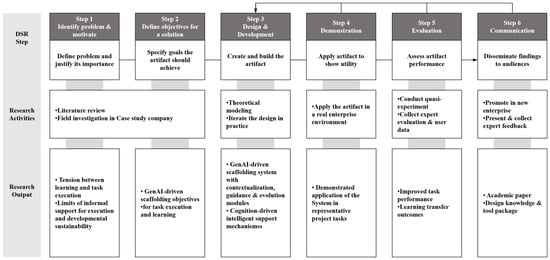
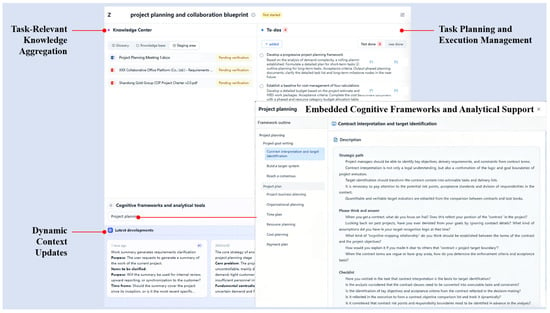
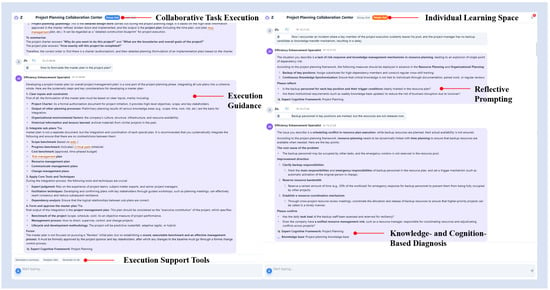
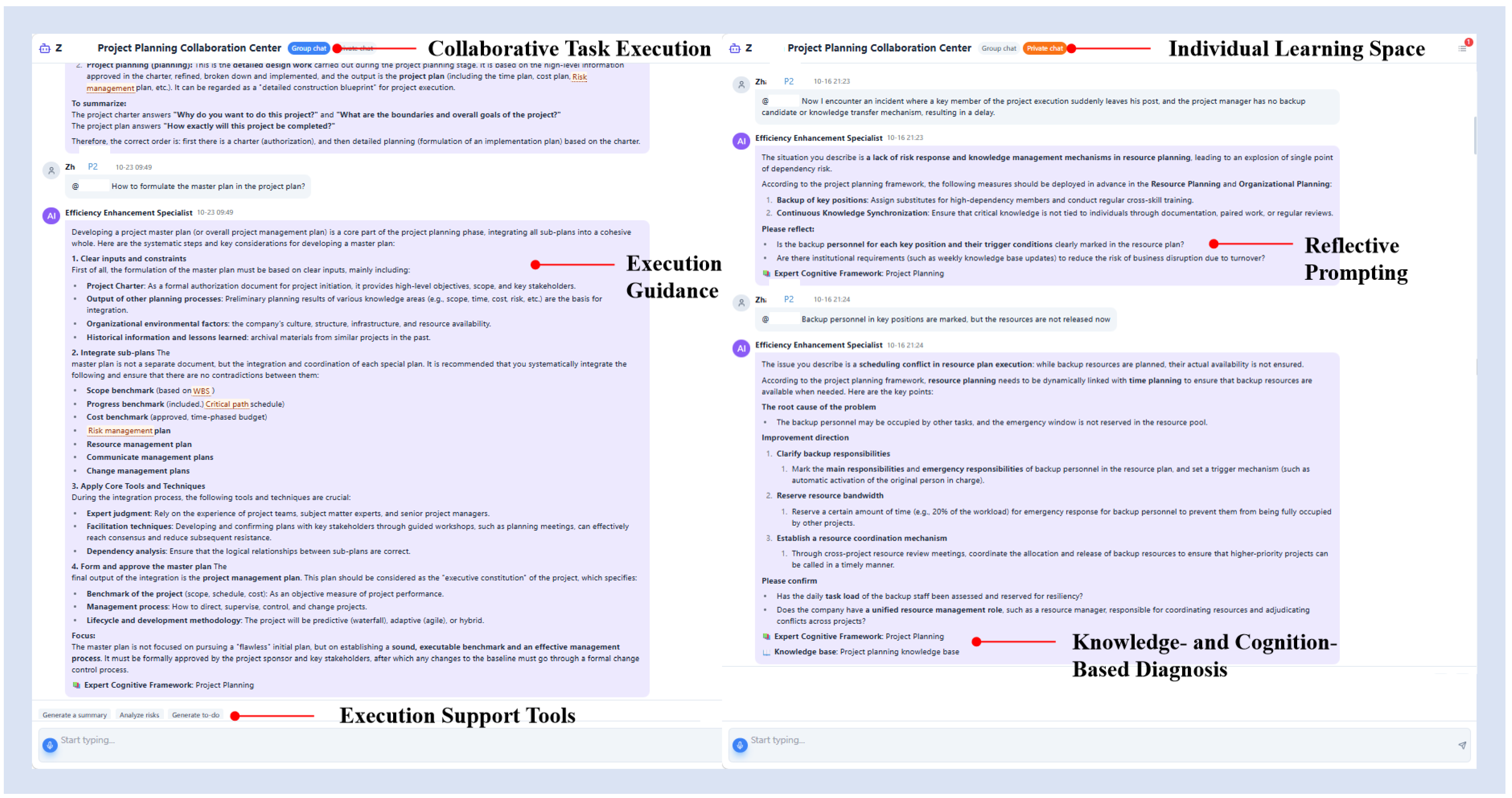
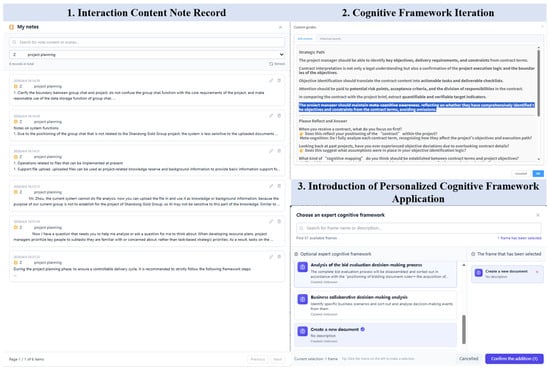
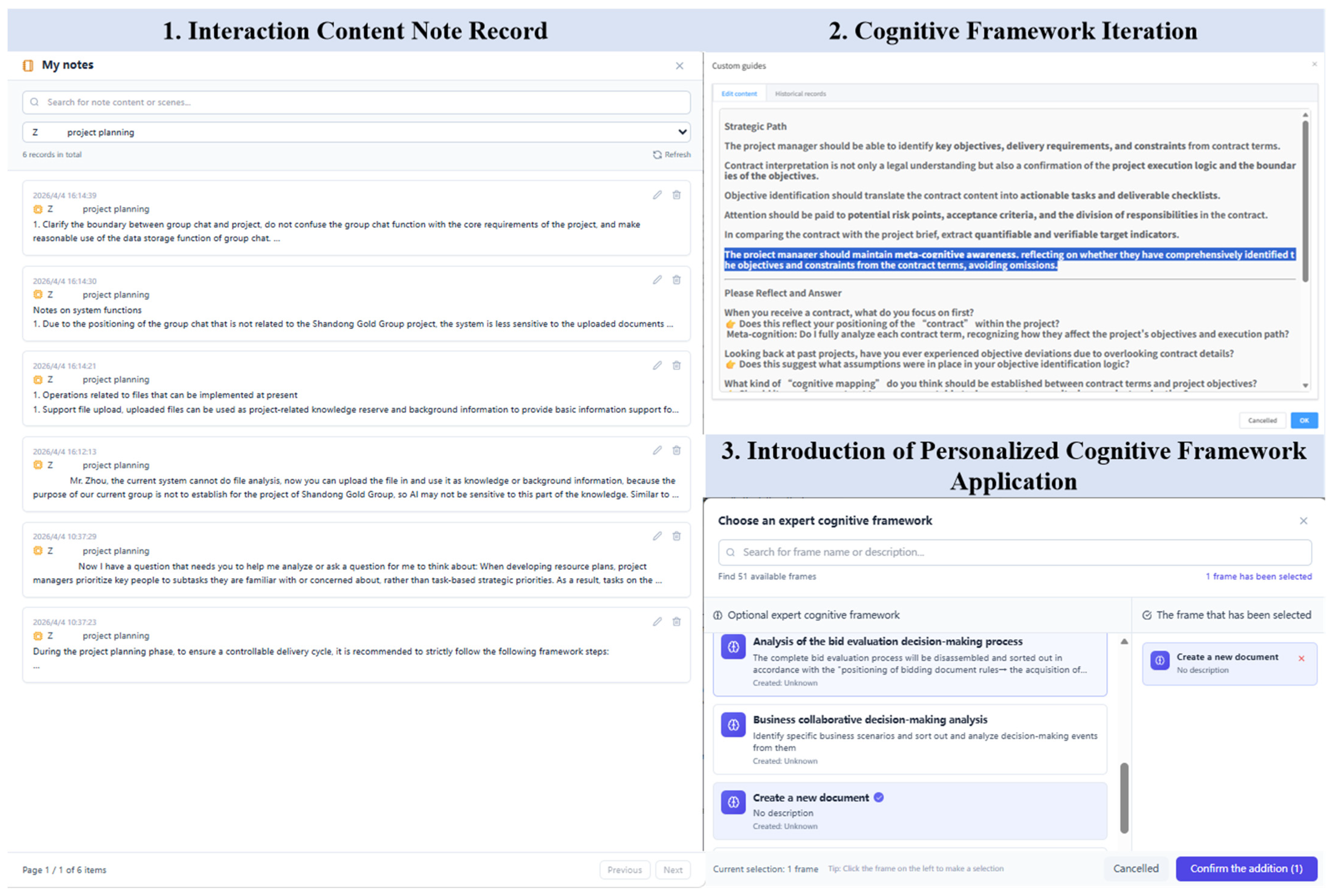
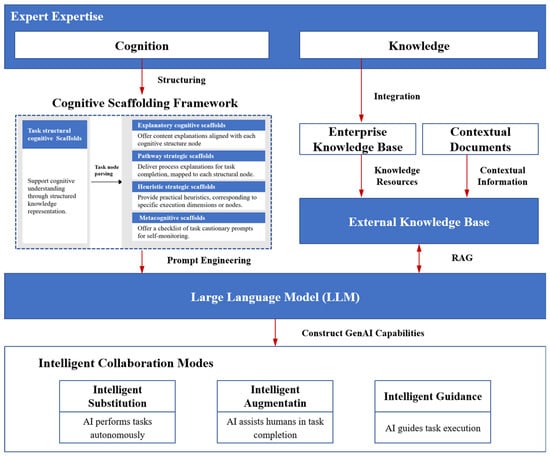
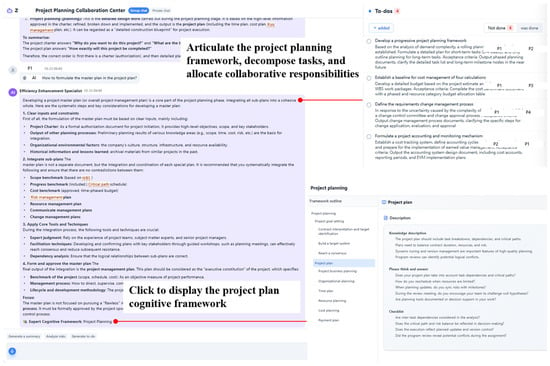
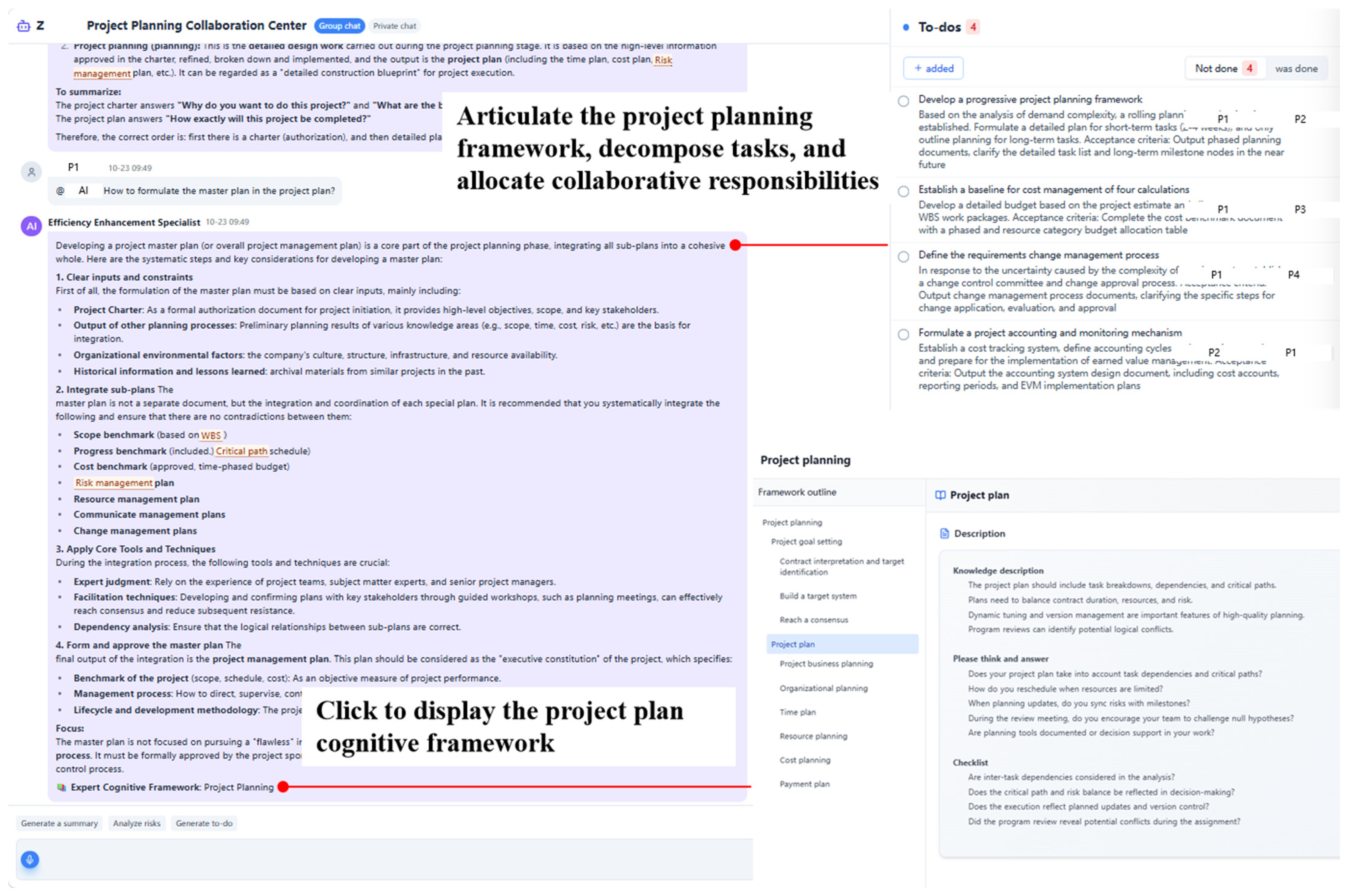
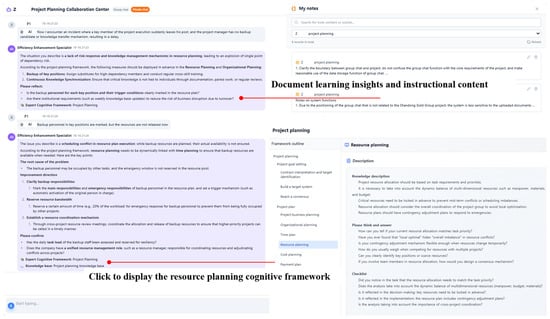
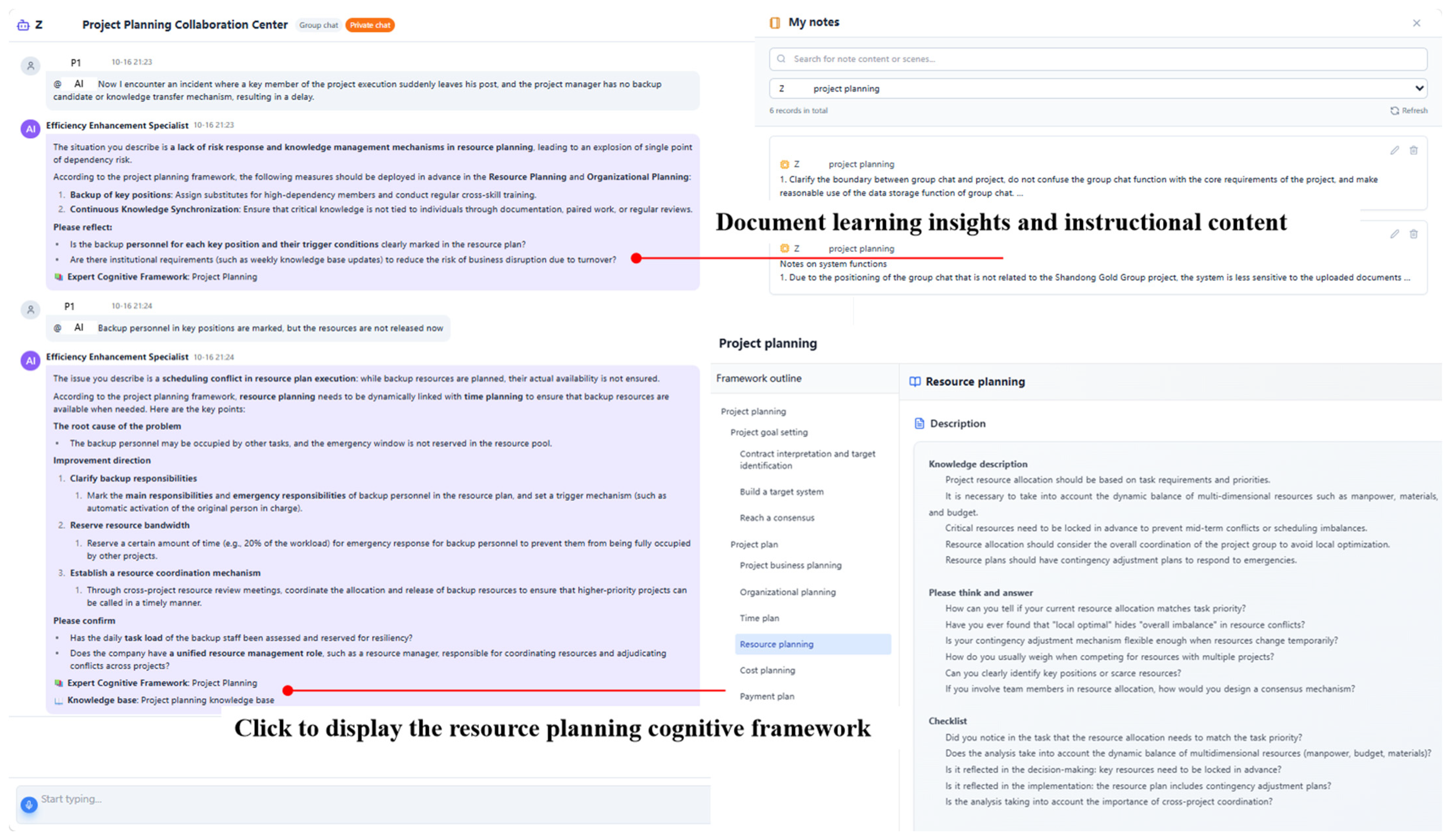

Disclaimer/Publisher’s Note: The statements, opinions and data contained in all publications are solely those of the individual author(s) and contributor(s) and not of MDPI and/or the editor(s). MDPI and/or the editor(s) disclaim responsibility for any injury to people or property resulting from any ideas, methods, instructions or products referred to in the content. |
© 2026 by the authors. Licensee MDPI, Basel, Switzerland. This article is an open access article distributed under the terms and conditions of the Creative Commons Attribution (CC BY) license.