


Abstract
Market-based environmental regulations are increasingly vital for driving green transitions. As a major construction economy and the world’s leading carbon emitter, China launched its Carbon Emission Trading System (CETS) to advance dual-carbon goals and pilot decarbonization in high-emission sectors. Using 2009–2021 data on A-share listed construction enterprises, this study employs a propensity score matching difference-in-differences (PSM-DID) approach to assess CETS’ impact on corporate Environmental, Social, and Governance (ESG) performance. Results show that CETS significantly improves construction enterprises’ ESG performance. Mechanism analysis identifies green technology innovation as a key transmission channel, with government subsidies positively moderating this effect. Heterogeneity analyses reveal stronger policy effects among state-owned enterprises and firms in eastern regions. These findings remain robust under alternative specifications, matching methods, and higher-order fixed effects. This study offers micro-level evidence on how market-based carbon regulations shape corporate sustainability through ESG, informing China’s carbon market refinement and global market-driven decarbonization efforts.
1. Introduction
Since the dawn of the 21st century, rapid urbanization and industrial expansion have driven an ongoing dependence on fossil-fuel-based production, precipitating a dramatic rise in greenhouse gas emissions and an exacerbation of worldwide climatic disruptions [1]. The Sixth Assessment Report of the Intergovernmental Panel on Climate Change (IPCC) indicates that global average temperatures have exceeded pre-industrial levels by 1.1 °C. Subsequently, global carbon dioxide emissions and fossil-fuel-related carbon dioxide emissions both reached record highs in 2023. To address these challenges, global concern over environmental issues has deepened. The United Nations Framework Convention on Climate Change (UNFCCC) was established in 1992 at the United Nations Conference on Environment and Development, enshrining the principle of “common but differentiated responsibilities” and laying the foundation for international climate cooperation [2]. The year 2005 marked the first time mandatory targets for curbing greenhouse gas emissions were imposed on developed nations, when the Kyoto Protocol formally took effect. During the 21st session of the United Nations Climate Change Conference, the Paris Agreement was adopted by 195 signatory nations, articulating concrete climate governance objectives and marking a new phase in global climate governance [3]. Throughout this historical process, China has consistently responded proactively to global climate governance and voluntarily assumed emission reduction responsibilities. At the 75th session of the United Nations General Assembly held in September 2020, the Chinese government formally announced its “dual carbon” objectives, specifically calling for carbon emissions to peak by 2030 and for carbon neutrality to be reached by 2060. These goals represent a key component of China’s sustainable development efforts. In 2011, China launched pilot programs for carbon emission trading in certain provinces and municipalities, marking the beginning of its exploration of market-based mechanisms to control carbon emissions [4]. After over a decade of pilot exploration and experience accumulation, China’s national carbon emission trading market officially commenced trading in July 2021. Covering roughly 4.5 billion tons of CO2 equivalent, it ranks as the world’s largest carbon market in terms of emissions coverage. As a market-based environmental regulatory tool, carbon emission trading guides enterprises to achieve emission reduction targets in the most cost-effective manner by assigning a price to carbon emissions. This offers essential institutional backing for China in achieving its “dual carbon” objectives [5].
Within a broad range of sectors, the construction sector occupies a uniquely significant role in both global and China’s energy use and carbon emission profiles. It is not only a major resource consumer but also one of the most difficult sectors to decarbonize and transform, owing to its fragmented production processes, complex supply chains, and the long-term lock-in effect of its built products. According to the 2020 China Building Energy Consumption and Carbon Emission Research Report released by the China Association of Building Energy Efficiency, the total carbon emissions from China’s building sector throughout its entire lifecycle reached 49.3 billion tons of CO2 in 2018, accounting for 51.3% of the nation’s total carbon emissions [6]. Among this, the building materials production stage contributed 27.2 billion tons (28.3% of national total), the construction stage contributed 1.0 billion tons (1.0%), and the building operation stage contributed 21.1 billion tons (21.9%). The construction industry is not only a major resource consumer but also one of the most difficult sectors to decarbonize. This difficulty stems from three interrelated characteristics: project-based operations where each project is a temporary and unique endeavor; fragmented and multi-tiered supply chains that disperse carbon emissions across numerous subcontractors; and long project cycles coupled with high proportions of indirect emissions from building materials, with steel, cement, and aluminum accounting for over 90% of material-related emissions. These features make internalization of environmental externalities more challenging than in process-based industries such as steel or power generation, and limit the effectiveness of traditional command-and-control regulations. Unlike process-based industries such as steel or power generation, construction projects are temporary and multi-actor, meaning carbon price signals must travel through multiple subcontractors and across several years to affect corporate decisions. This fragmented transmission chain makes the efficiency gains from carbon trading potentially smaller and more heterogeneous, a prediction our empirical findings support. Consequently, the construction sector’s shift toward greener practices has emerged as a critical determinant of sustainable development [7]. Relying solely on technological upgrades or administrative controls is insufficient; a long-term governance mechanism balancing environmental and economic benefits is urgently needed.
Since its formal introduction by the United Nations Environment Programme Finance Initiative in 2004, the ESG framework has rapidly evolved into a globally dominant framework for sustainable development and corporate evaluation. By integrating ESG dimensions, it provides a core tool for measuring and guiding long-term corporate value creation. Recently, ESG has shown a notably substantial influence on promoting environmental stewardship, social accountability, and corporate governance enhancement. It provides critical support for businesses to address climate risks, improve transparency, and gain sustainable competitive advantages [8]. In the construction sector, ESG performance applications span climate resilience and economic efficiency. However, the industry’s long project cycles and fragmented data often pose challenges in measuring and integrating ESG practices [9,10]. Therefore, the implementation of carbon emission trading pilot programs may provide institutional drivers for construction enterprises to enhance their ESG performance, aligning closely with China’s overall “dual carbon” goals.
A substantial body of prior studies has established an essential groundwork for comprehending the environmental and economic implications of carbon emission trading policies. Substantial empirical evidence indicates that carbon trading systems effectively incentivize industrial enterprises to undertake emission reduction activities and green innovation, validating the “innovation compensation” effect proposed by the Porter Hypothesis [11]. In recent years, research perspectives have gradually expanded to service industries such as tourism [12]. However, discussions focused on the construction industry have largely remained at the level of macro energy consumption statistics, individual energy-saving technologies, or low-carbon building certifications. Three critical research gaps persist. First, there is no causal identification of how carbon emission trading affects the comprehensive ESG performance of construction enterprises. Existing studies either examine environmental performance in isolation or focus on manufacturing sectors, leaving the construction industry’s unique response pattern unexamined. Second, the mediating role of construction-specific green innovation, such as prefabricated construction, building information modeling (BIM), and low-carbon building materials, has not been adequately tested. Third, the moderating role of government subsidies in shaping long-term ESG investments within the capital-intensive and long-cycle construction industry remains unexplored. Without a holistic ESG perspective, it becomes difficult to fully grasp the actual effects, pathways, and boundary conditions of carbon policies within the construction industry.
To address these gaps and systematically identify the net policy effects of CETS on the construction industry, this study focuses on the following questions: (1) How does China’s CETS influence the ESG performance of construction enterprises? (2) Does this influence depend on specific regional conditions or enterprise characteristics? (3) Through which mechanisms does China’s CETS affect the ESG performance of construction enterprises? By addressing these questions, this study aims to delve into the extent and underlying mechanisms through which China’s carbon emission trading policy influences the ESG performance of construction enterprises.
Therefore, this study employs China’ s carbon emission trading pilot policy as a quasi-natural experiment. Using a sample of A-share listed construction enterprises from 2009 to 2021, it applies PSM-DID to examine the impact of CETS on the ESG performance of construction enterprises. The primary contributions of this study are as follows. Theoretically, this study integrates market-based environmental regulation, project-based high-emission industries, and enterprise-level comprehensive ESG performance into a unified analytical framework. By testing the Porter Hypothesis and stakeholder theory within the construction context, it extends these theories to account for project-based operations, fragmented supply chains, and long investment cycles. Specifically, this study distinguishes between the weak and strong versions of the Porter Hypothesis, providing nuanced evidence on whether green innovation in construction offsets compliance costs or merely responds to regulatory pressure. Practically, it identifies two actionable policy levers, namely green technology innovation and performance-based government subsidies, and reveals how their effectiveness varies by ownership type, including state-owned versus non-state-owned enterprises, as well as by geographic location, including eastern versus central and western regions. These findings offer targeted guidance for designing a more inclusive and effective national carbon market for the construction sector.
The remainder of this paper is organized as follows: Section 2 presents theoretical analysis and research hypotheses; Section 3 introduces research methods and data; Section 4 conducts empirical analysis, mechanism analysis, and heterogeneity analysis; Section 5 and Section 6 summarize research findings and propose policy recommendations and future research directions.
2. Theoretical Analysis and Research Hypothesis
2.1. Literature Review
2.1.1. CETS and ESG Performance
The connection between environmental policies and corporate sustainable development has attracted considerable academic interest. As a market-based environmental regulation instrument, CETS has been recognized as a crucial mechanism for promoting enterprise green transformation and sustainable development. Existing literature has primarily examined the impact of carbon trading policies on corporate environmental performance, social responsibility, and governance structure from multiple perspectives.
Regarding the environmental dimension, prior studies have demonstrated that CETS can effectively stimulate enterprises’ green innovation enthusiasm and significantly enhance carbon emission reduction performance. Examining Chinese A-share listed firms over the 2011–2019 period, Zhang et al. demonstrated that the CETS policy markedly enhanced corporate ESG performance, with this effect being particularly pronounced in enterprises characterized by high levels of government subsidies and digital transformation [13]. Similarly, research by Hongbin et al. confirmed that CETS enhanced enterprise green total factor productivity, with green innovation and resource allocation efficiency serving as important transmission mechanisms [14]. These findings suggested that market-based environmental regulations can internalize carbon emission costs into corporate production decisions, thereby incentivizing enterprises to adopt cleaner production technologies and reduce environmental externalities.
Viewed through the lens of social responsibility, it has been well established that environmental regulations shape corporate social outcomes through multiple mechanisms. Qiang et al. empirically demonstrated that China’ s CETS increased employment, particularly in energy-intensive sectors undergoing low-carbon transition, highlighting its positive social spillover effects [15]. Furthermore, Chen et al. (2022) found that the carbon emission trading system restrained over-investment and promotes overall investment efficiency, indicating that such market-based mechanisms can create economic value by optimizing micro-level resource allocation [16]. These studies underscored that carbon trading mechanisms address environmental challenges while simultaneously generating positive social impacts through employment creation and economic efficiency gains.
In terms of corporate governance, environmental regulations can promote governance structure optimization by strengthening internal supervision and information disclosure. Enterprises participating in carbon trading markets face greater regulatory pressure and public scrutiny, necessitating improved internal control systems and environmental information disclosure mechanisms [13]. Robust internal control mechanisms help firms adhere to environmental mandates, spur green technological advancement, and curtail managerial opportunism. They also guarantee the release of complete and timely environmental data. This builds stakeholder confidence and thus lifts a firm’s market standing and long-term competitive edge.
However, concerns have been voiced by some academics over the potentially detrimental consequences stemming from environmental regulations. The traditional view posited that environmental regulations imposed additional compliance costs on enterprises, potentially crowding out productive investments and reducing competitiveness [17]. Nonetheless, a growing body of evidence lent credence to the Porter Hypothesis, which posited that appropriately crafted environmental policies can spur innovation capable of offsetting, either partially or in full, the expenses associated with regulatory compliance [18].
2.1.2. The Role of Green Technology Innovation and Government Subsidies
Green technology innovation has been identified as a critical pathway for enterprises to achieve sustainable development under environmental regulation. The Resource-Based View (RBV) suggests that enterprises can establish sustainable competitive advantages by leveraging unique resources and capabilities, with green intellectual capital and technological innovation capabilities serving as vital strategic resources [19]. Green innovation encompasses technological advancements in production methods or outputs that reduce environmental impact, such as energy efficiency, alternative energy generation, waste treatment, and pollution prevention [20].
A substantial and coherent body of literature confirms that green technological advancement is positively associated with firms’ environmental performance. Li et al. specifically demonstrated that ESG created firm value precisely by enhancing innovation capability, positioning green innovation as a central mediating mechanism [21]. Dong et al. highlighted the transformative potential of green innovation for enhancing industry efficiency and promoting sustainability [22]. Carbon trading policies can play a pivotal role in triggering this transformation by commodifying carbon emissions and creating financial incentives for companies to stimulate internal green technology innovation [23]. This market-based mechanism imposes cost pressures on high-emitting enterprises to purchase additional quotas while providing revenue opportunities for low-emission enterprises, thereby driving the enhancement of green innovation capabilities across the industry.
The relationship between green technology innovation and productivity levels has likewise attracted considerable scholarly attention. In a study of Chinese cities, Ma et al. found that green technology innovation played a significant role in influencing green total factor productivity (GTFP), and its moderating effect varies across different types of environmental regulations and spatial contexts [24]. Nevertheless, several studies documented an inverted U-shaped pattern between the intensity of green innovation and productivity gains, as excessive innovation investment may increase production costs and diminish market competitiveness when innovation costs outweigh benefits [25]. This suggests that enterprises must strive to maintain an equilibrium between innovation investment and economic performance in pursuit of sustainable development.
Government financial support has been widely acknowledged as a critical instrument for rectifying market failures in green innovation and stimulating corporate investment in environmental protection. From a theoretical standpoint, the effects of subsidies can be divergent. Signaling theory posits that government subsidies send positive signals to capital markets about the quality and prospects of recipient enterprises, thereby helping them attract external investment and alleviate financing constraints [26]. Conversely, from the perspective of agency theory, government subsidies may give rise to rent-seeking activities and moral hazard concerns, thereby potentially diminishing innovation efficiency [27]. This theoretical dichotomy sets the stage for examining the nuanced empirical evidence that follows.
Empirical findings on government subsidy efficacy remain divided. Supporting the signaling view, Zhang et al. found that government subsidies positively moderated the relationship between CETS and ESG performance, with the effect being stronger in enterprises receiving high subsidies [13]. The study suggested that government subsidies can directly alleviate financial constraints, amplify positive market signals, and thereby mitigate the risks associated with ESG investments. Conversely, and aligned with agency theory concerns, some studies highlighted the potential pitfalls of government subsidies. Excessive subsidies may create dependency, reduce innovation motivation, and lead to inefficient resource allocation. The effectiveness of such government interventions therefore depends on factors such as policy design, enterprise characteristics, and the institutional environment [28]. Well-designed subsidy policies should create appropriate incentives for genuine innovation while avoiding moral hazard problems. Beyond policy evaluation studies, a growing strand of finance literature examines how ESG performance translates into financial efficiency and risk adjusted returns. Using data envelopment analysis on ESG labeled exchange traded funds, Shahrour et al. [29] found that consistently efficient ETFs achieved superior Sharpe and information ratios, showing that multidimensional ESG financial efficiency is achievable in investment portfolios. This study extends this line of inquiry from financial markets to the real economy, examining whether a market based environmental regulation, carbon trading, can push construction firms toward higher ESG efficiency.
Although substantial advances has been made in the existing research, there are still notable research gaps, especially in the critical high-emission sector of the construction industry. Firstly, while certain studies have explored how carbon trading schemes influence the environmental performance of ordinary firms or their comprehensive ESG metrics, empirical evidence specifically for the construction industry is still limited. The construction industry is characterized by unique structural characteristics, including decentralized production processes, limited technological standardization, pronounced regional heterogeneity, and a project-based operational model. These features can substantially moderate policy effectiveness, thereby challenging the applicability of generalized conclusions to this sector. Secondly, the mediating role of green technological innovation between carbon trading and the ESG performance of construction enterprises still requires in-depth exploration, especially the identification of specific green innovation paths related to construction process technology, material innovation, and project management. Thirdly, the regulatory mechanism of government subsidies in the effect of carbon trading policies in the construction sector also deserves further clarification. Considering the capital-intensive nature, long investment return cycle, and high cash flow pressure of this industry, fiscal support policies may have different marginal effects compared to other industries. These gaps highlight the necessity and urgency of in-depth exploration of the specific issue of how CETS affect the ESG performance of construction enterprises in the current context of the “dual carbon” goals and industry green transformation.
2.2. Theoretical Analysis and Research Hypothesis
2.2.1. Stakeholder Theory and ESG Performance
Stakeholder theory provides a robust framework for analyzing how CETS influences corporate ESG performance. It posits that corporate success extends beyond shareholder value to encompass the interests of a diverse set of stakeholders, namely employees, customers, local communities, and the natural environment [30]. ESG offers a practical measurement and reporting framework that aligns directly with this multi-dimensional responsibility. The implementation of CETS fundamentally reshapes the stakeholder landscape: regulatory bodies enforce compliance, investors integrate ESG criteria into financing decisions, and societal actors amplify scrutiny over environmental impacts. This convergence of pressures compels firms to balance diverse interests within a complex operational environment [31].
From a stakeholder perspective, CETS acts as a pivotal external governance mechanism that aligns corporate conduct with broader societal goals. By internalizing the cost of carbon emissions, the policy creates direct economic incentives for firms to mitigate environmental externalities and enhance overall stakeholder value. Enterprises that proactively respond to these evolving expectations through demonstrable improvements in ESG performance are more likely to secure sustained stakeholder support, gain favorable access to capital, and achieve a durable competitive advantage [32]. Thus, stakeholder theory elucidates the pathway through which market-based environmental regulation can drive comprehensive corporate sustainability. However, the application of stakeholder theory to the construction industry faces unique challenges. Unlike discrete manufacturing, construction projects are temporary, multi-actor endeavors where stakeholder interests are highly project-specific. Project owners demand low-carbon certifications such as LEED, directly linking carbon performance to contract awards. Local governments embed environmental clauses into project approvals, creating regulatory gateways. Community residents raise concerns over dust, noise, and ecological impacts. Construction workers’ health and safety depend on on-site emission controls [33]. These interests are often weakly integrated into a firm’s centralized ESG governance. This fragmented project-based organizational form may attenuate the direct transmission of stakeholder pressures to corporate strategic responses, suggesting that the stakeholder-to-ESG pathway is likely mediated by a firm’s ability to standardize environmental and social clauses across contract chains. Acknowledging this boundary condition is critical for interpreting the estimated policy effects in Section 4.
2.2.2. The Porter Hypothesis and Innovation Incentives
The Porter Hypothesis establishes a critical theoretical foundation for analyzing how market-based environmental regulations drive corporate innovation. It challenges the traditional assertion that environmental compliance undermines competitiveness, proposing instead that well-designed policies can stimulate innovations that offset compliance costs [18]. Regulations achieve this by highlighting resource inefficiencies, reducing uncertainty, and creating competitive pressure. A key refinement of this hypothesis is its “narrow” version, which holds that flexible, market-based instruments such as CETS offer stronger innovation incentives than command-and-control approaches. Carbon trading embodies this logic by granting firms autonomy in pursuing cost-effective reductions, thereby sustaining incentives for technological advancement [34].
This theoretical perspective directly supports the core hypotheses of this study. Empirical evidence, including recent meta-analyses, confirms that market-based environmental regulations promote low-carbon innovation [35]. Applied to China’ s CETS, the Porter Hypothesis leads us to expect that the policy will encourage green technological innovation in construction enterprises. It thus provides the conceptual basis for the hypothesis that green innovation acts as a central mediating mechanism through which CETS enhances enterprises’ comprehensive ESG performance, linking regulatory pressure to strategic innovation and sustainable outcomes. Yet the Porter Hypothesis is not monolithic. One widely supported weak version holds that environmental regulation stimulates certain types of innovation, whereas the strong version, which remains contested, claims that such innovation more than offsets compliance costs and thereby improves net competitiveness. For construction enterprises, where project margins are thin and clients’ willingness to pay for green premiums varies considerably, the net profitability effect is ambiguous. The mediation hypothesis H2 therefore tests only the weak version, namely whether CETS stimulates green innovation, without assuming the strong offset effect. Should the mediation be partial or insignificant, it would indicate that innovation-led cost recovery in construction may be constrained by market demand and project-level budget rigidities.
2.2.3. Signaling Theory and Government Subsidies
Signaling theory provides a critical framework for analyzing how government subsidies shape corporate behavior within CETS. The theory holds that in contexts of information asymmetry, observable actions can serve as credible indicators of a enterprise’ s unobservable quality or intent [26]. A government subsidy functions as one such powerful signal. In the specific setting of carbon markets, subsidies for green innovation perform three interconnected roles. First, they act as a certification of technical merit and viability, reducing external stakeholders’ evaluation costs and helping enterprises secure financing. Second, they signal strong and credible government commitment to environmental goals, which stabilizes corporate policy expectations and encourages long-term ESG investments. Third, they initiate a positive reputational cycle, enhancing the enterprise’ s standing with customers, suppliers, and communities, thereby creating a supportive environment for sustained ESG improvement.
However, the strength and clarity of this subsidy signal are not automatic; they are contingent on the institutional design and governance context. The signal’ s credibility depends fundamentally on the transparency, objectivity, and rigor of the government’ s selection process, coupled with effective monitoring to ensure proper fund use. In environments characterized by weak governance, subsidies may be subject to political capture or rent-seeking, eroding their signaling value. Furthermore, poorly calibrated or excessive subsidies can induce moral hazard, potentially dulling a enterprise’ s intrinsic motivation for innovation and leading to inefficient outcomes. Thus, while signaling theory illuminates a potential pathway for subsidies to amplify the ESG incentives inherent in carbon trading, its practical effectiveness is critically moderated by the quality of implementation and the surrounding institutional framework. Thus, signaling theory illuminates a potential pathway for subsidies to amplify the ESG incentives inherent in carbon trading. However, agency theory offers a countervailing perspective: subsidies may be captured by managers for rent-seeking or invested in pet projects with low environmental additionality, diluting the intended synergy [27]. The net moderating effect of subsidies is therefore an empirical question, hinging on design features (e.g., ex ante conditionality, ex post auditing) and the institutional environment (e.g., anti-corruption enforcement). In the construction industry, where government contracts and subsidies are often tied to project approvals, the risk of moral hazard is non-trivial. The moderation test (H3) directly adjudicates between these competing theoretical predictions, providing evidence on whether, on balance, subsidies act as complements to or substitutes for market-based regulation.
Construction firms face three distinctive financing features: large upfront investments, extended project cycles, and thin profit margins. These create persistent working capital constraints, making government subsidies particularly valuable as signals to creditors. However, the same features invite moral hazard: subsidies tied to project approvals may be captured by politically connected firms without genuine environmental benefits. Political incentives in China’s carbon trading have been shown to shift local governance priorities, sometimes reducing social welfare [36]. H3 therefore tests whether subsidies complement or substitute for market-based regulation.
2.3. Research Hypotheses
CETS is a market-based environmental regulatory tool, and its policy effects have been extensively discussed and empirically examined in the literature. Its mechanism mainly relies on two theoretical foundations. Stakeholder theory posits that, within the construction industry, three key pressures compel firms to integrate environmental and social responsibility throughout project life cycles: (a) owners’ demands for low-carbon building certification, (b) local governments’ inclusion of environmental clauses in project approval and permitting processes, and (c) community residents’ concerns over dust, noise, and long-term ecological impacts. These pressures collectively drive enterprises to meet the expectations of a wider range of stakeholders [37]. The second is the Porter hypothesis, which holds that designing appropriate environmental regulations can stimulate the “innovation compensation” effect, driving enterprises to shift from passive compliance to actively seeking process and management innovations, in an effort to reduce compliance costs while improving project efficiency and market competitiveness [38]. Empirical studies have also shown that market-based environmental regulations can significantly drive enterprises to improve their overall performance [13,14], suggesting that the policy may universally advance sustainability among construction firms. Based on these theories and evidence, this study proposes H1:
H1.
The CETS has a significant positive impact on the ESG performance of construction enterprises.
Regarding the path of policy effectiveness, green technological innovation is regarded as a crucial intermediary mechanism. Based on the Porter Hypothesis and the Resource-Based View, CETS helps create a clear carbon emission cost constraint, driving enterprises to seek more cost-effective emission reduction solutions through innovation, thereby transforming environmental pressure into strategic actions for enhancing resource efficiency and establishing green competitive advantages. A large number of empirical studies have shown that market-based environmental policies can significantly motivate enterprises to increase their green innovation capabilities [39,40,41]. Moreover, green innovation has been confirmed by some studies to be an important channel for improving the overall performance of enterprises and enhancing their long-term market value [42,43].
Green technological innovation in the construction industry has distinct characteristics of integration and application. Compared to other industries, it is more manifested as the optimized combination and adaptive re-innovation of mature technologies such as energy-saving materials, prefabricated assembly processes, and smart construction site management systems in specific projects. For example, using high-performance insulation walls or photovoltaic building integration (BIPV) directly reduces building operational carbon emissions; promoting prefabricated construction can significantly reduce on-site pollution, noise, and improve the safety of workers’ working environment; and introducing Building Information Modeling (BIM) for full life cycle carbon management requires enterprises to optimize internal data processes and cross-departmental collaboration, thereby enhancing the refinement and transparency of governance [44,45,46]. Therefore, for construction enterprises, green technological innovation is the core hub connecting external carbon constraints and internal systematic capability improvement, and may play a positive role as an intermediary in the ESG performance of policies. Based on the above theories and evidence, this study proposes H2:
H2.
Green technological innovation plays a mediating role between CETS and the ESG performance of construction enterprises.
The effectiveness of policies does not operate in isolation but is embedded within specific institutional and resource environments. According to signaling theory, government subsidies convey positive signals to the market regarding corporate quality and growth prospects, helping ease the external funding limitations that enterprises encounter during green transitions and boosting their comprehensive performance [47,48]. Construction projects are typically characterized by large investment scales, extended construction cycles, and relatively low profit margins. Enterprises undertaking in-depth research and development of green technologies, procuring low-carbon building materials, or upgrading environmental protection equipment face significant cash flow pressures and elevated financial risks. Against this backdrop, if only cost constraints from carbon trading policies exist without complementary financial support, enterprises may be forced to trade off environmental investments against other operational objectives. This could even divert resources from social and governance dimensions such as employee welfare and supply chain management. Government-provided research and development grants, green building material application subsidies, or dedicated funds for low-carbon demonstration projects can directly offset incremental costs, reduce uncertainty in green transitions, and thereby enhance enterprises’ intrinsic motivation and execution capacity to transform external carbon constraints into comprehensive, systematic ESG practices. Accordingly, this study further proposes H3:
H3.
Government subsidies positively moderate the relationship between CETS and the ESG performance of construction enterprises.
Therefore, CETS functions as an external institutional shock that improves ESG performance through three interconnected pathways. The first pathway is internal cost pressure. Carbon pricing raises the marginal cost of emissions, forcing firms to internalize environmental externalities and seek cost saving measures. This logic is central to stakeholder theory. The second pathway is innovation incentives. To reduce compliance costs, firms invest in green technologies, which directly enhances the environmental and governance dimensions of ESG. This follows the weak version of the Porter Hypothesis, meaning that regulation stimulates innovation regardless of whether the net profitability effect is positive. The third pathway is resource support. Government subsidies signal creditworthiness and alleviate financing constraints, enabling long-term ESG investments. In capital-intensive construction projects with extended cycles, this signaling effect is particularly valuable. However, agency theory suggests that poorly designed subsidies may be captured, a possibility that is explicitly tested in this study. These three pathways work in concert. Cost pressure triggers the need for innovation, while subsidies remove financial barriers, allowing the innovation incentive to materialize. Together, they transform an external regulatory shock into a firm’s endogenous drive for sustainable development. This framework integrates stakeholder theory, the Porter Hypothesis, and signaling theory, and guides the empirical testing of H1, H2, and H3.
3. Research Design and Methodology
3.1. Data Collection
Given the high-emission characteristics of China’s construction industry and the corporate ESG performance evaluation system, this study utilizes firm-level panel data to examine the causal impact of the CETS on construction enterprises’ ESG performance. To accurately assess the net impact of this policy, data are collected separately for enterprises registered in provinces and cities designated as CETS pilot regions by the National Development and Reform Commission (NDRC) and those registered in non-pilot regions [4]. The validity of the DID method requires observable trends in the outcome variable before and after the policy intervention. China’s carbon emission trading pilot program was launched sequentially across seven provinces and municipalities between 2013 and 2014. This study employs a multi-period DID design, disaggregated by city and year, to track the evolving trajectory of corporate ESG performance [49]. Following the China Securities Regulatory Commission (CSRC) industry classification, this study defines construction enterprises as those with primary codes E50 (building construction), E51 (civil engineering construction), and E52 (building installation and decoration). After applying the screening criteria described below, the final sample comprises 167 listed construction firms, which covers a broad cross-section of China’s A-share construction sector and ensures strong representativeness. Furthermore, ESG rating data for Chinese A-share listed companies became systematically available starting in 2009. Accordingly, this study employs panel data from Chinese A-share listed construction enterprises between 2009 and 2021 as the research sample. This ensures a sufficiently long observation period prior to major policy shocks to establish comparable trends across the treatment and control groups [50].
The core data for this study are sourced from established databases: corporate financial and governance information is obtained from the CSMAR database, green patent records are derived from the CNRDS database, and corporate ESG performance is measured using annual Huazheng ESG rating scores. The sample scope covers all A-share listed construction enterprises from 2009 to 2021. To ensure sample quality and robust conclusions, the following standard procedures are applied: (1) Companies labeled ST or *ST and financial enterprises are excluded; (2) All continuous variables are winsorized at the 1st and 99th percentiles to control for extreme values. Following these screening and processing steps, a final unbalanced panel dataset comprising 167 enterprises is obtained, yielding 1277 valid enterprise-year observations. Descriptive statistics for key variables are presented in Table 1. Additionally, to assess potential severe multicollinearity issues, variance inflation factor (VIF) analysis is conducted. All variables exhibit VIF values well below the critical threshold of 10, indicating robust model specification.
Table 1.
Descriptive statistical analysis.
3.2. PSM-DID Approach
The DID method has been widely employed to evaluate the effects of policy interventions. Its core logic rests on comparing the average pre- and post-policy changes in outcomes for the treatment and control group, where the former comprises firms subject to the intervention and the latter consists of firms not subject to it, thereby identifying the net policy effect. An essential condition for this method’s validity is the parallel trends assumption: absent the policy, outcome variables for both treatment and control groups would evolve along similar paths over time.
However, observational studies frequently encounter systematic divergences in observable characteristics across the treatment and control group, including enterprise size, profitability, and governance structure. These differences may themselves lead to divergent time trends in corporate ESG performance, thereby introducing sample selection bias and threatening the consistency of the DID estimator. To mitigate this endogeneity problem arising from observable characteristics, this study adopts a combined approach of PSM-DID [51,52]. Specifically, propensity score matching is first employed to pair each treatment enterprise with the most comparable counterpart from the control group based on a set of observable covariates, thereby constructing a more comparable “counterfactual” sample prior to the policy intervention. Conducting DID analysis on this matched sample allows for a cleaner identification of the policy effect.
3.2.1. Propensity Score Matching
To construct a comparable sample and mitigate selection bias, this study employs propensity score matching. The process follows four rigorous steps, with specific design rationale as follows:
Step 1: Selecting Matching Variables.
Matching variables must simultaneously influence both whether an enterprise receives policy treatment and its outcome variable, namely ESG performance. Based on theories of corporate behavior [27], this study selected a set of pre-observed characteristics that may systematically influence enterprise location choices and ESG performance as covariates. These include enterprise size, enterprise age, ownership type, profitability, financial leverage, corporate governance, operational efficiency, and growth prospects. To assess corporate governance quality, this study adopts two metrics: the share of independent directors and the largest shareholder’s equity stake.
Step 2: Estimating Propensity Scores.
A Logit model is employed to estimate the conditional probability of each enterprise falling into the treatment group, i.e., the propensity score. This model regresses treatment status on the aforementioned covariates, with the specific form as follows:
where denotes the predicted probability that enterprise i is assigned to the treatment group, is the vector of covariates selected in the first step, is the corresponding vector of coefficients, and is the error term.
Step 3: Perform sample matching.
This study employs the “calipers-based nearest neighbor matching” method for pairing. During implementation, each treated firm is matched with a control observation whose propensity score approximates it most closely, with the caliper width specified as 0.2 times the standard deviation of the propensity score.
Step 4: Diagnose matching quality.
After matching, the matching effectiveness is systematically evaluated to ensure comparability. First, the standardized deviation of each covariate before and after matching is calculated, and it is observed whether it has significantly decreased to within the commonly accepted 10% threshold. Second, conduct t-tests for mean differences across variables in the matched sample. Finally, compliance with the common support condition is verified by visually contrasting the density distributions of propensity scores assigned to the treatment and control groups.
3.2.2. Double Difference Model
The phased implementation of China’s CETS pilot program constitutes a quasi-natural experiment. The NDRC launched the first batch of five pilots in 2013 (Beijing, Shanghai, Guangdong, Shenzhen, and Tianjin) and a second batch of two pilots in 2014 (Hubei and Chongqing) [4]. The treatment group consists of construction enterprises registered in these seven pilot regions. For each region, the policy time variable post equals 1 for years from its actual launch year onward (2013 for the first batch, 2014 for the second) and 0 otherwise. This multi-period design accounts for the staggered rollout. Based on the matched sample, a multi-period double difference model is constructed to estimate the net policy effect:
where is the ESG performance score of enterprise i in year t. The core explanatory variable is defined as , where equals 1 if enterprise i is registered in a pilot province or municipality and 0 otherwise, and equals 1 when and , and 0 otherwise. The coefficient of the interaction term is the parameter of interest. A significantly positive indicates that China’s carbon emission trading policy has effectively improved the ESG performance of construction enterprises in pilot regions. denotes a vector of j control variables. and represent enterprise fixed and year fixed effects, controlling for time-invariant unobserved heterogeneity and common macroeconomic shocks, respectively. is the random error term.
The research and analysis process of this study is depicted in Figure 1.
Figure 1.
Research Framework Diagram.
3.2.3. Mechanism Analysis Model
To delve deeper into the specific channels and boundary conditions of the policy impact, this study builds upon the benchmark model by constructing mediation and moderation effect models for mechanism analysis. Two approaches are employed to explore these mechanisms. To verify whether the policy enhances ESG performance by stimulating green technological innovation, the first set of models is specified as follows [53]:
where is the mediating variable, representing the level of green technological innovation of the enterprise. By sequentially testing the significance of coefficient c in Equation (1), coefficient a in Equation (2), and coefficient b in Equation (3), the mediating role of green technological innovation can be determined.
To examine the reinforcing effect of government subsidies on policy outcomes, the second set of models is constructed with the core variables centered prior to estimation [54]:
where serves as the moderating variable, capturing the extent of government subsidies allocated to the enterprise. The coefficient of the interaction term captures the moderating effect. A significantly positive indicates that government subsidies strengthen the enhancing effect of the carbon emission trading policy on ESG performance.
3.3. Model Development
Explained Variable. Corporate ESG performance is the explained variable, measured by the annual Huazheng ESG rating score. As a widely influential ESG assessment tool in China, this rating system evaluates listed companies comprehensively and objectively across environmental, social, and governance dimensions through hundreds of indicators, reflecting corporate non-financial performance and sustainability capacity. This study directly adopts the annual Huazheng ESG rating score as the proxy variable for corporate ESG performance, which is justified by the rating’s long time coverage since 2009, its industry-specific weighting that reflects the project-based and site-driven nature of construction, and its wide acceptance in peer-reviewed studies on Chinese firms. Together, these features provide a stable and transparent basis for analysis.
Core Explanatory Variable. The core explanatory variable is the multi-period difference-in-differences interaction term DID, constructed based on the grouping variable treat and the time variable post. The treat variable is constructed based on whether an enterprise holds registration in any of the initial seven pilot provinces and municipalities for carbon emission trading, as established by China’s National Development and Reform Commission [4]. The post variable is precisely set based on the actual launch year of the CETS market in each pilot region. This variable effectively captures both regional and temporal heterogeneity in policy implementation.
Mechanism Variables. Mechanism variables are key to understanding how China’s CETS affects the ESG performance of construction enterprises. Two such variables are examined in this study. First, the mediating role of green technological innovation is examined. Its measurement takes the form of the natural logarithm of one plus the yearly quantity of green invention patents granted to the firm. Green patents are a direct indicator of corporate green technology R&D output. However, patent counts may undercount process-based improvements common in construction, such as prefabricated assembly methods or on-site waste recycling. This measurement shortfall means the mediation analysis provides a conservative estimate of green innovation’s true role. Despite this conservative bias, the result still show significant partial mediation, confirming the innovation pathway is robust.
Control Variables. To isolate the net policy effect on corporate ESG performance, this study includes a set of enterprise-level and regional-level control variables informed by prior literature. Enterprise size is measured as the natural log of total assets, and enterprise age as the natural log of years since incorporation. Ownership type is captured by a state-owned enterprise dummy. Corporate governance is proxied by the proportion of independent directors and the largest shareholder’s shareholding ratio. Financial and market performance are controlled for using return on assets, leverage ratio, total asset turnover, and Tobin’s Q. At the regional level, economic development is measured as the natural logarithm of GDP per capita in the province of registration, accounting for cross-regional heterogeneity in regulatory stringency, environmental awareness, and resource availability. A potential concern is that some control variables, such as ROA, Turnover, and Tobin’s Q, could themselves be affected by the CETS policy, potentially absorbing part of the policy effect if they are post-treatment outcomes. To address this, the baseline model was re-estimated excluding these variables, and the DID coefficient remained stable (ranging from 0.281 to 0.307) and significant at the 1% level, confirming that the main results are not sensitive to the inclusion of potentially endogenous controls [55]. All variable definitions, measurements, and data sources are detailed in Table 2.
Table 2.
Description of the variables.
4. Results
4.1. Parallel Trend Test
The validity of the DID estimator hinges on the parallel trends assumption, requiring that prior to policy implementation, outcome trajectories for treatment and control groups move in tandem. The results of the parallel trends test based on Model (1) are presented in Figure 2. The horizontal axis represents periods before and after the implementation year of the carbon emissions trading policy (time point 0), while the vertical axis displays the estimated treatment effects for each period along with their 95% confidence intervals.
Figure 2.
Parallel trend test.
The results indicate that for all periods prior to policy implementation (e.g., periods −3, −2, −1), the estimated coefficients show no statistically significant difference from zero, and their confidence intervals all include the value zero. This indicates that prior to the pilot CETS, the trends in ESG performance changes for pilot enterprises and non-pilot enterprises were parallel, satisfying the parallel trends assumption. This provides a foundation for using the difference-in-differences method to identify the policy’s causal effects.
In the year of policy implementation and subsequent periods, the estimated coefficients turned positive and gradually became statistically significant. This indicates that the implementation of the CETS continuously and significantly improved the ESG performance of pilot construction enterprises in subsequent years. This result preliminarily confirms that the CETS is an effective mechanism for driving construction enterprises to enhance their environmental, social, and governance performance.
The parallel trends test supports the validity of the DID design. Nevertheless, a legitimate concern is that China’s carbon trading pilots were not randomly assigned. They were first established in more economically developed regions with stronger institutional capacity and higher baseline ESG awareness. This non random selection could bias DID estimates if pilot and non pilot regions had divergent pre trends in ESG performance. The parallel trends test in Figure 2 directly addresses this concern. It shows that ESG trajectories of treatment and control groups were statistically indistinguishable in all three pre policy periods, periods −3, −2, and −1. Moreover, the PSM procedure matches treatment firms with control firms based on pre treatment covariates including size, profitability, leverage, governance, and regional GDP per capita, mitigating observable selection bias. To further rule out unobserved confounding, the study conducts a placebo test by randomly reassigning treatment status 500 times, reported in Section 4.3.1. The actual DID estimate lies far outside the distribution of placebo estimates, indicating that the observed effect is highly unlikely to be driven by unobserved regional characteristics. While matching cannot eliminate all concerns about unobserved heterogeneity, the combination of parallel trends, PSM, and placebo testing provides strong support for a causal interpretation [56,57].
4.2. Benchmark Regression Results
Table 3 reports the baseline regression results of the CETS (proxied by DID) on the ESG performance of construction enterprises. Column (1) presents the parsimonious specification that includes only the policy variable and controls for enterprise and year fixed effects. Columns (2) to (4) gradually add a series of enterprise- and region-level control variables to Column (1), testing the robustness of the core findings and accounting for potential confounders.
Table 3.
CETS and ESG Performance of Construction Enterprises: Benchmark Results.
Across all specifications, the DID coefficient is positive and statistically significant at least at the 5% level. Specifically, the coefficient is 0.2415 in the parsimonious model (Column 1) and 0.2991 (significant at the 1% level) in the full model with all controls (Column 4). This implies that, ceteris paribus, participation in the carbon emission trading pilot increases the ESG score of construction enterprises by approximately 0.2991 units on average, providing robust support for Hypothesis H1. This 0.2991 point increase corresponds to 6.6% of the sample’s ESG standard deviation (0.871) and 34.3% of the average firm’s annual within-firm ESG improvement, which is approximately 0.87 units. In practical terms, moving a construction firm from the 50th to the 60th percentile of the ESG distribution would require a policy-induced boost roughly equivalent to our estimated effect. This magnitude is substantial enough to be material for investors’ ESG screening and for public procurers using ESG thresholds in bid evaluations. For perspective, recent studies of ESG efficiency in financial markets find that top-performing ESG funds achieve risk-adjusted return advantages of comparable relative magnitude, approximately 0.2 to 0.3 in Sharpe ratio terms, when moving from inefficient to efficient frontiers [29]. The 0.2991 point increase in ESG score, representing 6.6 percent of its standard deviation, thus falls within a range that practitioners would consider economically meaningful.
Among the control variables, Size has a positive and significant coefficient (at the 5% or 10% level), indicating that larger enterprises are better positioned to invest in ESG. ROA is positively significant in the full model, suggesting that more profitable firms achieve stronger ESG performance. Indep also exhibits a significant positive effect, confirming that sound corporate governance facilitates ESG practices. Notably, Age is significantly positive, implying that older enterprises benefit from accumulated experience and resources, leading to superior ESG outcomes. In contrast, TobinQ and Turnover show significantly negative coefficients, likely reflecting a trade-off whereby high-growth and high-efficiency enterprises face short-term profit pressures that constrain ESG investment. The coefficients of Lev, Top1, and lnPGDP are not statistically significant.
4.3. Robustness Testing
4.3.1. Placebo Test
To rule out interference from unobservable random factors or chance, this study conducts a placebo test by randomly assigning treatment status 500 times. Figure 3 plots the distribution of the DID coefficients from these 500 randomized estimations. The estimates for the placebo treatment groups are densely distributed around zero, approximating a normal distribution with mean zero. In contrast, the baseline estimate lies far in the right tail of this distribution, indicating that the observed policy effect is highly unlikely to be driven by random chance. This further confirms that the CETS positively affects the ESG performance of construction enterprises, with the result being statistically reliable.
Figure 3.
Placebo test result. Note: The figure plots the distribution of DID coefficients from 500 simulations with randomly assigned treatment. The vertical dashed line denotes the actual DID estimate from the baseline regression. Its clear deviation from the concentrated region of the placebo distribution suggests that the core finding is unlikely to be driven by chance.
4.3.2. DID Estimation Based on Matched Samples
To alleviate potential sample selection bias, this study further employs PSM to construct a comparable sample for estimation. Columns (1) and (2) of Table 4 report the regression results after 1:1 and 1:3 nearest-neighbor matching, respectively. After matching, the DID coefficients are 0.3045 (t = 2.160) and 0.3535 (t = 3.022), remaining significantly positive at the 5% and 1% levels, respectively. These coefficients are stable relative to the baseline estimate (0.2991), with no fundamental change in significance. This indicates that, after controlling for observable characteristic disparities between treatment and control groups, the analysis reveals that carbon emission trading policy continues to exert a positive influence on construction firms’ ESG performance, thereby eliminating sample imbalance as an explanation for the principal findings.
Table 4.
Robustness test results.
4.3.3. Additional Robustness Checks
This study further verifies the robustness of the findings through two additional tests (Columns (3) and (4) of Table 4). First, the sample period is restricted to 2011–2019 to exclude potential disturbances from the endpoints of the full sample. Second, a classical DID specification is adopted, where only the first batch of pilots launched in 2013 are treated as the policy shock and the policy time is uniformly set to 2014 onward. Under these specifications, the DID coefficients are 0.2482 (t = 2.276) and 0.4146 (t = 3.778), both significantly at least at the 5% level. Collectively, these robustness tests reinforce the reliability of the main findings, confirming that the positive impact of the CETS on the ESG performance of construction enterprises is robust.
4.4. Mechanism Variables Analysis
The benchmark regression confirms the net effect of the policy on ESG, but through which channels does this effect materialize, and under what conditions is it amplified or diminished? To explore the underlying pathways, this study further explores mediating effects and moderating mechanisms.
4.4.1. The Mediating Role of Green Technological Innovation
To test the mediation pathway of “policy pressure → green innovation response → ESG performance improvement”, this study employs green patent counts as the core mediating variable and estimates a mediation model (Table 5).
Table 5.
Impact mechanism test results.
Column (1) replicates the baseline model, showing a total effect (c) of DID on ESG of 0.2991 (p < 0.01). Column (2) reports the effect of DID on the mediator lnGreenPat, with coefficient a = 0.0969 (p < 0.05), indicating that the CETS significantly stimulates low-carbon research and development activities in construction enterprises. Column (3) includes both DID and lnGreenPat. The coefficient b of lnGreenPat is 0.1816 (p < 0.01), and the direct effect c’ of DID remains significant at 0.2815 (p < 0.01). Following the stepwise approach, the significance of a and b together c’ suggests a partial mediation effect of green technology innovation. The proportion of the total effect mediated is 5.9%. This finding supports Hypothesis H2. Economically, it implies that the carbon emission trading policy not only directly incentivizes ESG improvements but also indirectly enhances corporate environmental, social, and governance performance by stimulating green technology research and development.
4.4.2. The Moderating Role of Government Subsidies
Policy effectiveness often hinges on support from the external institutional environment. This study examines whether government subsidies, as a key fiscal instrument, moderate the relationship between the policy and ESG performance. The results are presented in Table 6.
Table 6.
Moderating effects analysis.
The interaction term DID × Sub yields a coefficient of 0.0263 (t = 2.079), significantly positive at the 5% level, while the main effect of DID remains 0.2971 (p < 0.01). This finding supports Hypothesis H3, indicating that government subsidies positively moderate the effect of the CETS. Firms receiving more subsidies exhibit a stronger policy-induced ESG improvement. The underlying logic is that subsidies alleviate financing constraints in the green transition and create an incentive-compatible synergy with the market constraints and cost pressures generated by carbon trading. This combination of market mechanisms and fiscal support can more effectively guide construction enterprises to transform external environmental pressures into long-term and sustainable ESG competitiveness.
4.5. Heterogeneous Effects
As a macro-level institutional arrangement, the carbon emission trading pilot policy may exert heterogeneous micro-level effects depending on firm characteristics and operating environments. The construction industry is characterized by project-based operations, strong regional embeddedness, and complex ownership structures. These features imply systematic differences in resource constraints, policy implementation capacity, and green transition capabilities. To uncover how policy effects diverge within the sector and inform targeted low-carbon transition policies, this study conducts heterogeneity analyses from the perspectives of ownership type and geographic location.
4.5.1. Heterogeneity by Ownership Type
As shown in Table 7, the policy effect differs markedly between state-owned and non-state-owned enterprises. For state-owned construction enterprises, the DID coefficient is 0.3425 (t = 2.633), significantly positive at the 5% level, indicating that the CETS substantially improves their ESG performance. For non-state-owned enterprises, the coefficient is 0.1018 (t = 0.648) and statistically insignificant. This divergence stems from systematic differences between the two groups in project portfolios, resource accessibility, and response logic, as well as the dualistic structure of China’s building sector, where policy-driven and market-driven segments coexist. State-owned construction enterprises are deeply involved in large-scale government-led public projects, aligning their operations closely with policy objectives. For them, carbon trading is not merely an environmental regulation but a binding constraint embedded in project approval, performance evaluation, and corporate assessment. By leveraging institutional resources, credit advantages, and supply chain influence, these firms systematically incorporate carbon costs into their operations and impose environmental standards across their upstream and downstream partners. This approach leads to improved environmental management, labor practices, and governance transparency, thereby boosting their overall ESG ratings. And Gao et al. also found that environmental regulations can mitigate the “political resource curse” in politically connected firms by intensifying market competition and curbing overinvestment, thereby unlocking their innovation potential [58]. Conversely, private construction enterprises primarily compete in highly contested commercial real estate sectors and small-to-medium-scale project markets, segments characterized by narrow profit margins and persistent cash flow constraints throughout the project lifecycle. Without sustained policy support and stable project pipelines, these enterprises prioritize short-term returns and lack sufficient incentives to invest deeply in green technologies or ESG initiatives. Consequently, the policy’s incentive effect remains largely unrealized in this segment. This contrast highlights that policy effectiveness in the construction sector depends not only on ownership but also on the project types, resource networks, and decision-making horizons in which enterprises are embedded, underscoring the critical moderating role of industry characteristics.
Table 7.
Heterogeneity analysis by ownership type.
4.5.2. Heterogeneity by Region
Stratifying the sample by firm registration location into eastern, central, and western regions (Table 8) reveals substantial regional heterogeneity in policy effects. In the eastern region, the DID coefficient is 0.3263 (t = 4.046), significant at the 1% level, indicating that the policy yields its strongest positive effects in regions with the highest levels of marketization and economic advancement. In the central region, the coefficient is 0.2883 (t = 0.987) and not statistically significant (p > 0.1). In the western region, the coefficient is −0.6519 (t = −1.255), also insignificant. This spatial pattern shows significance in the east, muted effects in the central region, and negligible impact in the west. These disparities reflect systematic regional differences in marketization, technological endowments, and regulatory enforcement, along with the multi-tiered development profile of China’s construction industry. The eastern region is not only an economic powerhouse but also the cradle and primary market for green building standards, prefabricated construction technologies, and smart construction practices. Local construction enterprises, long exposed to stringent environmental regulations and vibrant green finance markets, have accumulated considerable low-carbon technology and management expertise. In this context, the carbon trading policy resonates with existing green transition trajectories and translates swiftly into tangible demand for high-performance building materials, energy-efficient processes, and smart site management, thereby significantly boosting ESG performance. The central region’ s construction sector is transitioning from scale expansion to quality-oriented development, with green technology endowments and market commercialization efficiency still evolving, leading to delayed or muted policy effects. The western region lags in construction sector development, and its energy mix and transportation distances inherently entail high embodied carbon emissions in building material production and logistics, imposing substantial marginal costs on green transitions. Moreover, local environmental regulation tends to emphasize approval over process supervision, creating soft constraints. In the absence of complementary technological support and effective enforcement, the cost signal transmitted by the carbon trading policy not only fails to spur innovation but may also crowd out already limited ESG investments due to increased compliance costs, ultimately thwarting the intended policy outcomes. This spatial disparity may also be explained by Sun and Xu, who highlighted that environmental policy performance often involves significant spatial spillover effects, with policy benefits diffusing more readily in economically integrated eastern regions [59].
Table 8.
Heterogeneity analysis by region.
5. Discussion and Implications
This study finds that China’s pilot CETS policy significantly enhances the ESG performance of construction enterprises. This not only confirms the applicability of market-based environmental regulatory tools in complex industries but also reveals their unique mechanism for driving comprehensive corporate sustainability [60]. Although the construction industry is often perceived as exhibiting a time lag in responding to price signals due to characteristics such as rigid cost structures and lengthy project cycles, the findings indicate that carbon quota constraints effectively internalize environmental externalities into clear financial signals. This indicates that when carbon costs become measurable and tradable, they sufficiently motivate construction company management to transcend short-term project profit thinking. From a holistic strategic vantage point, these firms systematically assess and address a full spectrum of ESG risks, consequently enhancing their governance structures and strengthening capacities for sustainable growth.
Regarding the mechanism of action, this study finds that green technological innovation serves as a key mediating pathway for policy-driven improvements in ESG performance, consistent with the “Porter Hypothesis” and findings from industrial enterprise research [61]. However, compared to breakthrough technological innovations often observed in energy-intensive sectors such as power generation, green innovation in construction focuses more on the integrated application and adaptive re-innovation of mature technologies such as energy-saving materials and prefabricated construction methods. This precisely explains why the mediating effect of green innovation is “partially mediating” and not dominant. The mediation analysis shows that green patents explain only 5.9 percent of the total policy effect. This modest share does not indicate that innovation is unimportant; rather, it reflects two industry realities. First, construction green innovation is often process-based, so patent counts understate the true response. Second, fragmented project supply chains mean carbon price signals must travel through multiple subcontractors, diluting the direct impact on any single firm’s ESG performance. Third, a project-level versus corporate-level mismatch also contributes to the modest mediation. Green innovation in construction primarily occurs at the project site, like on-site prefabrication or waste reduction protocols. However, ESG ratings are based on corporate-level annual reports, which rarely aggregate granular project-level innovations in a timely manner. As a result, the ESG score improvement from project-based green innovation is systematically undercounted, further suppressing the measured mediation effect. Recent evidence from China’s carbon trading market confirms that green technology development serves as a transmission channel for market-based environmental regulation, with effect magnitudes varying across industries [62]. A partial mediation of 5.9 percent is therefore consistent with the industry’s structural constraints rather than evidence of a weak mechanism. This Highlights the distinct feature of concurrent technological integration and management optimization in the construction industry’s low-carbon transition.
Concurrently, government subsidies play a crucial positive moderating role. For construction enterprises with large investment scales and long project cycles, the cost pressures stemming from carbon trading policies must be combined with external resource support to effectively translate into long-term ESG investments. Subsidies alleviate financing constraints and reduce transition risks, thereby enhancing enterprises’ willingness and capacity to respond to market signals. Beyond direct funding, subsidies signal creditworthiness to financiers, reducing the risk premium demanded by banks and bond markets in an industry with large upfront investments and extended cycles. This signaling effect complements the cost pressure from carbon trading. The moderation is therefore not merely a fiscal transfer but a strategic tool that enhances firms’ capacity to convert carbon price signals into long-term ESG investments. The finding also implies that performance-based subsidies tied to verified emission reductions or ESG thresholds are likely more effective than unconditional grants. The synergy between carbon trading and fiscal support facilitates a more systematic transformation of external regulations into sustainable endogenous drivers for enterprises [63].
Moreover, heterogeneity analysis reveals a differentiated distribution of policy effects, offering a critical perspective for further understanding the boundary conditions under which policies take effect. On the one hand, the policy’s impact is particularly salient within construction firms under state ownership. This finding contrasts with that of Zhao et al., who reported that “non-state-owned enterprises benefit more from ESG” in the industrial sector. This discrepancy likely stems from the fact that Chinese state-owned construction enterprises predominantly undertake large-scale government-led public projects. Their operations are highly aligned with policy objectives, and they possess systemic advantages in accessing credit resources and navigating administrative evaluations, enabling a more responsive and systematic approach to carbon trading policies [61]. On the other hand, the policy effects exhibit a spatial differentiation pattern of “significant in the east, limited in the central and western regions.” This aligns with Gao et al.’s findings on regional disparities in carbon trading policy efficiency, indicating that the effectiveness of environmental regulations heavily depends on regional marketization levels and regulatory intensity [64]. Therefore, promoting a unified national carbon market necessitates addressing initial disparities in responsiveness across different market participants. Future policy optimization should focus on bridging these gaps through capacity building, technology diffusion, and financial innovation to enhance the inclusivity and overall efficiency of the green transition process.
Based on these conclusions and considering the construction industry’s characteristics, including long project cycles, complex supply chains, and concentrated energy consumption and emissions, this study offers insights for sustainable development in construction.
First, given the construction industry’s long project cycles, fragmented supply chains, and high embodied carbon in materials, policymakers should strengthen the mechanism chain from carbon price to green innovation to ESG improvement. Fiscal support must be both targeted and performance-based. The mediation analysis shows that green patents explain only 5.9 percent of the total policy effect, largely because construction-related green innovation is process-based, such as prefabrication and on-site waste recycling, and is often not patented. Policy should therefore complement patent-based incentives with adoption-based incentives. These include certifying innovative construction methods, providing tax credits for using certified low-carbon materials, and granting public recognition to firms that implement building information modeling for carbon management. Furthermore, our moderation analysis confirms that government subsidies amplify the policy effect. To avoid moral hazard, subsidies should be designed as performance-based instruments rather than input-based ones. For instance, subsidies could be disbursed only upon verified emission reductions or upon achieving third-party ESG score thresholds, thereby reinforcing rather than diluting carbon price signals.
Second, calibrate policy instruments to ownership and regional heterogeneity. The null response of non-state-owned construction enterprises is not merely a compliance cost issue. These firms operate on thin, project-locked margins and lack the long-term capital to pre-finance green technology adoption. For them, flexibility mechanisms such as multi-year compliance averaging or carbon offset credits from using certified green materials are necessary but insufficient. A complementary solution is green supply chain finance, under which banks offer working capital loans at preferential rates to subcontractors that demonstrate low-carbon practices, with loan terms linked to verified project-level emissions. For state-owned enterprises, which already respond strongly, the focus should shift to deepening integration by mandating carbon performance disclosure in public project tenders and linking executive compensation to emission reduction outcomes. Regionally, the east–west gap reflects not just economic development but also the absence of green technology ecosystems in central and western areas. A regionally differentiated carbon floor price should be accompanied by targeted investments, including green technology demonstration zones in central provincial capitals, vocational training for low-carbon construction techniques, and a cross-regional offset mechanism that allows western firms to monetize verified emission reductions by selling credits to eastern emitters.
Third, address construction-specific measurement and disclosure gaps. The industry’s long project cycles and fragmented supply chains mean that carbon emissions are diffusely generated across multiple sites and subcontractors. Current ESG ratings rely on corporate-level disclosures, which often miss project-level violations. Policy should mandate project-level carbon and ESG reporting for public projects above a certain size, using standardized metrics such as embodied carbon per square meter, on-site renewable energy use, and waste diversion rates. These metrics could be integrated into building certification systems, for example, green building labels, and into public procurement criteria, creating a market-driven pull for better ESG performance. To align market incentives with the full carbon footprint of buildings, policymakers should expand carbon market coverage from direct operational emissions to include embodied carbon in building materials such as steel, cement, and aluminum across the entire project lifecycle. Government subsidies for green innovation should be directly targeted to prefabricated construction technologies, certified low-carbon building materials, and BIM-based carbon accounting systems. ESG performance should also be integrated into public project tenders, contractor qualification reviews, and construction loan pricing, making ESG a tangible factor in market access and financing costs. Moreover, the modest 5.9 percent mediation share suggests that non-innovation pathways, such as green supply chain management and project finance covenants, are also at work; future policy pilots could test these channels explicitly.
6. Conclusions
This study employs a PSM-DID approach to systematically examine the impact of China’s pilot CETS policy on the ESG performance of listed construction enterprises from 2009 to 2021. The main empirical findings are threefold. First, the CETS significantly enhances the ESG performance of construction enterprises. Second, this policy partially enhances ESG performance by stimulating green technological innovation, an effect that is positively moderated by government subsidies. Third, the policy’s impact displays variation, proving especially salient for state-owned firms and those based in the eastern region.
Treating China’s CETS pilot policy as a quasi-natural experiment, this study employs a multi-period difference-in-differences model to empirically examine the impact and underlying mechanisms of this market-based environmental regulation on construction enterprises’ ESG performance. The study’s contributions are twofold: Theoretically, it integrates market-based environmental regulation, project-based high-emission industries, and enterprise-level comprehensive non-financial performance into a unified analytical framework, providing new empirical evidence on the micro-level pathways through which environmental regulation mechanisms drive sustainable development in complex industries. Practically, this study not only validates the overall effectiveness of carbon trading policies but also reveals their dependence on green innovation, government subsidies, ownership type, and regional heterogeneity. These findings offer empirical support for policymakers aiming to design more targeted and coordinated industry-specific low-carbon transition policy frameworks.
This study has several limitations that also suggest directions for future research. First, the sample covers only A-share listed construction enterprises, leaving out numerous unlisted small and medium-sized firms that dominate the industry. Future research could use administrative or survey data to test policy responses in unlisted firms and design targeted interventions. Second, ESG performance relies on third-party rating systems (Huazheng) whose criteria evolve over time, and green innovation is measured by patent counts that undercount process-based improvements common in construction. Future studies could develop construction-specific innovation metrics, such as adoption rates of prefabricated technologies or BIM-based carbon management. Third, despite our use of PSM and placebo tests, the non-random selection of pilot regions may still bias estimates if unobserved factors correlated with both pilot status and ESG trends are not fully captured. Fourth, while our event-study design follows standard practice, the dynamic coefficient table is omitted because the parallel trends figure conveys the same information; future research with longer panels could use Callaway & Sant’Anna (2021) to further account for treatment effect heterogeneity [65].
Author Contributions
Conceptualization, R.H. and S.Y.; Methodology, S.Y.; Software, R.H.; Validation, Y.L. and S.Y.; Formal Analysis, R.H.; Investigation, R.H.; Resources, R.H. and S.Y.; Data Curation, R.H.; Writing—Original Draft Preparation, R.H.; Writing—Review & Editing, Y.L. and S.Y.; Visualization, R.H.; Supervision, S.Y.; Project Administration, Y.L. and S.Y.; Funding Acquisition, Y.L. and S.Y. All authors have read and agreed to the published version of the manuscript.
Funding
This research was funded by the National Natural Science Foundation of China (NSFC) (Grant No. 72374182); the Philosophy and Social Science Foundation of Zhejiang Province, China (Grant No. 25NDJC057YBMS); the Research Foundation of Education Bureau of Zhejiang Province, China (Grant No. Y202045460); and Zhejiang Sci-Tech University Internal Startup Fund (Grant No. 24052159-Y).
Data Availability Statement
The data used to support the findings of this study are available from the corresponding author upon request.
Conflicts of Interest
The authors declare no conflicts of interest.
References
- Di Febo, E. Transition Risk in Climate Change: A Literature Review. Risks 2025, 13, 66. [Google Scholar] [CrossRef] [Scilit]
- Kozhagulov, S.; Adambekova, A.; Quadrado, J.C.; Salnikov, V.; Rysmagambetova, A.; Tanybayeva, A. Trends in Atmospheric Emissions in Central Asian Countries Since 1990 in the Context of Regional Development. Climate 2025, 13, 176. [Google Scholar] [CrossRef] [Scilit]
- Mor, S.; Aneja, R.; Madan, S.; Ghimire, M. Kyoto protocol and Paris agreement: Transition from bindings to pledges—A Review. Millenn. Asia 2024, 15, 690–711. [Google Scholar] [CrossRef] [Scilit]
- National Development and Reform Commission. Notice on Launching the Carbon Emission Trading Pilots. 2011. Available online: https://zfxxgk.ndrc.gov.cn/web/iteminfo.jsp?id=1349 (accessed on 29 October 2011).
- Liang, X.; Lin, S.; Bi, X.; Lu, E.; Li, Z. Chinese construction industry energy efficiency analysis with undesirable carbon emissions and construction waste outputs. Environ. Sci. Pollut. Res. 2021, 28, 15838–15852. [Google Scholar] [CrossRef] [Scilit]
- China Association of Building Energy Efficiency. China Building Energy Consumption and Carbon Emission Research Report (2020); China Architecture & Building Press: Beijing, China, 2020. [Google Scholar]
- China Association of Building Energy Efficiency; Institute of Urban and Rural Construction and Development of Chongqing University. China Building Energy Consumption and Carbon Emissions Research Report (2022); China Architecture & Building Press: Beijing, China, 2023. [Google Scholar]
- da Cunha, Í.G.F.; Policarpo, R.V.S.; de Oliveira, P.C.S.; Abdala, E.C.; do Nascimento Rebelatto, D.A. A systematic review of ESG indicators and corporate performance: Proposal for a conceptual framework. Fut. Bus. J. 2025, 11, 106. [Google Scholar] [CrossRef] [Scilit]
- Zhou, M.; Bao, K.; Hu, X.; Gao, C.; Wen, Y.; Zhang, T. Climate-Resilient City Construction and Firms’ ESG Performance: Mechanism Analysis and Empirical Tests. Sustainability 2025, 17, 6252. [Google Scholar] [CrossRef] [Scilit]
- Hu, A.; Yuan, X.; Fan, S.; Wang, S. The impact and mechanism of corporate ESG construction on the efficiency of regional green economy: An empirical analysis based on signal transmission theory and stakeholder theory. Sustainability 2023, 15, 13236. [Google Scholar] [CrossRef] [Scilit]
- Wang, L.; Wang, Z.; Ma, Y. Does environmental regulation promote the high-quality development of manufacturing? A quasi-natural experiment based on China’s carbon emission trading pilot scheme. Socioecon. Plan. Sci. 2022, 81, 101216. [Google Scholar] [CrossRef] [Scilit]
- Sun, Y.; Ding, W.; Yang, G. Green innovation efficiency of China’s tourism industry from the perspective of shared inputs: Dynamic evolution and combination improvement paths. Ecol. Indic. 2022, 138, 108824. [Google Scholar] [CrossRef] [Scilit]
- Zhang, Y.; Zhang, Y.; Sun, Z. The impact of carbon emission trading policy on enterprise ESG performance: Evidence from China. Sustainability 2023, 15, 8279. [Google Scholar] [CrossRef] [Scilit]
- Hongbin, Y.; Hongmei, Y.; Cifuentes-Faura, J.; Rauf, A. The role of carbon trading in enhancing enterprise green productivity and ESG performance: A quasi-natural evidence from China. Bus. Strategy Environ. 2025, 34, 1691–1707. [Google Scholar] [CrossRef] [Scilit]
- Qiang, M.; Lai, H.; Lyu, Z. Carbon Emissions Trading and Employment: Evidence from China. Sustainability 2025, 17, 1404. [Google Scholar] [CrossRef] [Scilit]
- Chen, W.; Zhang, L.; Shi, L.; Shao, Y.; Zhou, K. Carbon emissions trading system and investment efficiency: Evidence from china. J. Clean. Prod. 2022, 358, 12. [Google Scholar] [CrossRef] [Scilit]
- Ambec, S.; Cohen, M.A.; Elgie, S.; Lanoie, P. The Porter hypothesis at 20: Can environmental regulation enhance innovation and competitiveness? Rev. Env. Econ. Policy 2013, 7, 2–22. [Google Scholar] [CrossRef] [Scilit]
- Porter, M.E.; Linde, C.V.D. Toward a new conception of the environment-competitiveness relationship. J. Econ. Perspect. 1995, 9, 97–118. [Google Scholar] [CrossRef] [Scilit]
- Barney, J. Firm resources and sustained competitive advantage. Adv. Strateg. Manag. 1991, 17, 3–10. [Google Scholar] [CrossRef] [Scilit]
- Khaq, A.; Anggaredho, P.P.; Akbar, B.; Sunyoto, E. Green Innovation and Firm Performance: A Systematic Literature Review. KnE Soc. Sci. 2025, 10, 301–314. [Google Scholar] [CrossRef] [Scilit]
- Li, Q.; Zhang, Y.; Yan, J. ESG: Resource or Burden? Evidence from Chinese Listed Firms with Innovation Capability as the Mediating Mechanism. Systems 2025, 13, 831. [Google Scholar] [CrossRef] [Scilit]
- Dong, F.; Zhu, J.; Li, Y.; Chen, Y.; Gao, Y.; Hu, M.; Qin, C.; Sun, J. How green technology innovation affects carbon emission efficiency: Evidence from developed countries proposing carbon neutrality targets. Environ. Sci. Pollut. Res. Int. 2022, 29, 35780–35799. [Google Scholar] [CrossRef] [Scilit] [PubMed]
- Liu, M.; Li, Y. Environmental regulation and green innovation: Evidence from China’s carbon emissions trading policy. Financ. Res. Lett. 2022, 48, 103051. [Google Scholar] [CrossRef] [Scilit]
- Ma, Y.; Lin, T.; Xiao, Q. The relationship between environmental regulation, green-technology innovation and green total-factor productivity—Evidence from 279 cities in China. Int. J. Environ. Res. Public Health 2022, 19, 16290. [Google Scholar] [CrossRef] [Scilit]
- Leyva-De la Hiz, D.I.; Bolívar-Ramos, M.T. The inverted U relationship between green innovative activities and firms’ market-based performance: The impact of firm age. Technovation 2022, 110, 102372. [Google Scholar] [CrossRef] [Scilit]
- Spence, M. Job market signaling. In Uncertainty in Economics; Academic Press: New York, NY, USA, 1978; pp. 281–306. [Google Scholar]
- Jensen, M.C.; Meckling, W.H. Theory of the firm: Managerial behavior, agency costs and ownership structure. J. Finan. Econ. 1976, 3, 305–360. [Google Scholar] [CrossRef] [Scilit]
- Xu, Y.; Liang, J.; Dong, Z.; Shi, M. Can environmental regulation promote green innovation and productivity? The moderating role of government interventions in urban China. Int. J. Environ. Res. Public Health 2022, 19, 13974. [Google Scholar] [CrossRef] [Scilit]
- Shahrour, M.H.; Lemand, R.; Mhadhbi, M.; Arouri, M. Beyond green labels: Efficiency frontiers of ESG ETFs. Res. Int. Bus. Financ. 2026, 83, 103292. [Google Scholar] [CrossRef] [Scilit]
- Freeman, R.E. Strategic Management: A Stakeholder Approach; Cambridge University Press: Cambridge, UK, 2010. [Google Scholar]
- Barney, J.B.; Harrison, J.S. Stakeholder theory at a crossroads. Bus. Soc. 2020, 59, 203–212. [Google Scholar] [CrossRef] [Scilit]
- Harrison, J.S.; Freeman, R.E.; Abreu, M.C.S.D. Stakeholder theory as an ethical approach to effective management: Applying the theory to multiple contexts. Rev. Bras. Gestão Negócios 2015, 17, 858–869. [Google Scholar] [CrossRef] [Scilit]
- Yang, J.; Zuo, Z.; Li, Y.; Guo, H. Manufacturing enterprises move towards sustainable development: ESG performance, market-based environmental regulation, and green technological innovation. J. Environ. Manag. 2024, 372, 123244. [Google Scholar] [CrossRef] [Scilit]
- Jaffe, A.B.; Palmer, K. Environmental regulation and innovation: A panel data study. Rev. Econ. Stat. 1997, 79, 610–619. [Google Scholar] [CrossRef] [Scilit]
- Zhang, W.; Zhu, B.; Li, Y.; Yan, D. Revisiting the Porter hypothesis: A multi-country meta-analysis of the relationship between environmental regulation and green innovation. Humanit. Soc. Sci. Commun. 2024, 11, 232. [Google Scholar] [CrossRef] [Scilit]
- Bai, J.; Ma, W.; Wang, Y.; Jiang, J. Political incentives in market-based environmental regulation: Evidence from China’s carbon emissions trading scheme. Heliyon 2024, 10, e25730. [Google Scholar] [CrossRef] [Scilit]
- Agyemang, E.A.; Musonda, I.; Zulu, S. Stakeholder theory and shareholder theory application in the construction field: A systematic scoping review. Constr. Econ. Build. 2025, 25, 89–111. [Google Scholar] [CrossRef] [Scilit]
- Zhang, F.; Yang, Y.; Ahmad, M.; Shao, J. Would the urban environmental legislation realize the Porter hypothesis? Empirical evidence based on panel data of Chinese prefecture cities. Front. Environ. Sci. 2022, 10, 944383. [Google Scholar] [CrossRef] [Scilit]
- Li, M.; Gao, X. Implementation of enterprises’ green technology innovation under market-based environmental regulation: An evolutionary game approach. J. Environ. Manag. 2022, 308, 114570. [Google Scholar] [CrossRef] [Scilit] [PubMed]
- Qu, F.; Xu, L.; Chen, Y. Can market-based environmental regulation promote green technology innovation? Evidence from China. Front. Environ. Sci. 2022, 9, 823536. [Google Scholar] [CrossRef] [Scilit]
- Lu, H.; Zhang, Y.; Jiang, J.; Cao, G. Do market-based environmental regulations always promote enterprise green innovation commercialization? J. Environ. Manag. 2025, 375, 124183. [Google Scholar] [CrossRef] [Scilit]
- Hao, X.; Chen, F.; Chen, Z. Does green innovation increase enterprise value? Bus. Strat. Environ. 2022, 31, 1232–1247. [Google Scholar] [CrossRef] [Scilit]
- Li, Y.; Huang, N.; Zhao, Y. The impact of green innovation on enterprise green economic efficiency. Int. J. Environ. Res. Public Health 2022, 19, 16464. [Google Scholar] [CrossRef] [Scilit]
- Happle, G.; Shi, Z.; Hsieh, S.; Ong, B.; Fonseca, J.A.; Schlueter, A. Identifying carbon emission reduction potentials of bipv in high-density cities in southeast Asia. J. Phys. Conf. Ser. 2019, 1343, 012077. [Google Scholar] [CrossRef] [Scilit]
- Li, P.; Yan, X.; Dou, Y.; Zhong, L. Multi-governance paths of BIM promotion based on fsQCA. Constr. Innov. 2025, 2, 1129. [Google Scholar] [CrossRef] [Scilit]
- Yan, Y.; Xiang, C. Life cycle carbon footprint and sustainability assessment of building-integrated photovoltaics: A comparative review of technologies and applications. Energy Build. 2025, 350, 116678. [Google Scholar] [CrossRef] [Scilit]
- Zhang, S.; Wu, Z.; Dou, W.; Wang, Y. Do government subsidies promote enterprise green innovation? Evidence from listed companies in China. Appl. Econ. 2025, 57, 1124–1144. [Google Scholar] [CrossRef] [Scilit]
- Liu, Z.; Chen, L.; Jiang, H.; Yan, Z.; Li, T. Corporate innovation and ESG performance: The role of government subsidies. J. Clean. Prod. 2025, 498, 145209. [Google Scholar] [CrossRef] [Scilit]
- Xie, S.; Wang, J. Evaluating the Effect of China’s Carbon Emission Trading Policy on Energy Efficiency of the Construction Industry Based on a Difference-in-Differences Method. Adv. Civ. Eng. 2022, 1, 6096435. [Google Scholar] [CrossRef] [Scilit]
- Wang, M.L.; Phillips-Fein, K. Environmental, Social, and Corporate Governance: A History of ESG Standardization from 1970s to the Present. Bachelor’s Thesis, Columbia University, New York, NY, USA, 2023. [Google Scholar]
- Ying, W.; Mayburov, I.A. The Impact of VAT Preferential Policies on the Profitability of China’s New Energy Power Generation Industry. Energies 2025, 18, 3614. [Google Scholar] [CrossRef] [Scilit]
- Shao, X.; Tian, Y.; He, D. Can a Rural Collective Property Rights System Reform Narrow Income Gaps? An Effect Evaluation and Mechanism Identification Based on Multi-Period DID. Land 2026, 15, 243. [Google Scholar] [CrossRef] [Scilit]
- Xuan, D.; Ma, X.; Shang, Y. Can China’s policy of carbon emission trading promote carbon emission reduction? J. Clean. Prod. 2020, 270, 122383. [Google Scholar] [CrossRef] [Scilit]
- Qiu, S.; Wang, Z.; Liu, S. The policy outcomes of low-carbon city construction on urban green development: Evidence from a quasi-natural experiment conducted in China. Sustain. Cities Soc. 2021, 66, 102699. [Google Scholar] [CrossRef] [Scilit]
- Angrist, J.D.; Pischke, J.S. Mostly Harmless Econometrics: An Empiricist’s Companion; Princeton University Press: Princeton, NJ, USA, 2009. [Google Scholar]
- Zhang, H.; Feng, C.; Zhou, X. Going carbon-neutral in China: Does the low-carbon city pilot policy improve carbon emission efficiency? Sustain. Prod. Consum. 2022, 33, 312–329. [Google Scholar] [CrossRef] [Scilit]
- Luo, C.; Qiang, W.; Lee, H.F. Does the low-carbon city pilot policy work in China? A company-level analysis based on the PSM-DID model. J. Environ. Manag. 2023, 337, 117725. [Google Scholar] [CrossRef] [Scilit] [PubMed]
- Gao, D.; Li, Y.; Tan, L. Can environmental regulation break the political resource curse: Evidence from heavy polluting private listed companies in China. J. Environ. Plan. Manag. 2024, 67, 3190–3216. [Google Scholar] [CrossRef] [Scilit]
- Sun, Y.; Xu, B. Spillover Effects and Performance Optimization of Air Pollution Control Policies: Evidence from the Yangtze River Delta Region, China. Systems 2023, 11, 418. [Google Scholar] [CrossRef] [Scilit]
- Tian, B.; Yu, J.; Tian, Z. The impact of market-based environmental regulation on corporate ESG performance: A quasi-natural experiment based on China’s carbon emission trading scheme. Heliyon 2024, 10, e26687. [Google Scholar] [CrossRef] [Scilit]
- Zhao, C.; Wang, Z.; Tang, Y.; Yang, F. ESG performance, green technology innovation, and corporate value: Evidence from industrial listed companies. Alex. Eng. J. 2025, 123, 369–380. [Google Scholar] [CrossRef] [Scilit]
- Xu, Y.; Yao, H.; Chen, J.; Bao, H. Market-based environmental regulation and carbon emission reduction: Evidence from China’s carbon emission trading market. Ind. Manag. Data Syst. 2026, 126, 865–887. [Google Scholar] [CrossRef] [Scilit]
- He, G.; Liu, Y.; Chen, F. Research on the impact of environment, society, and governance (ESG) on firm risk: An explanation from a financing constraints perspective. Financ. Res. Lett. 2023, 58, 104038. [Google Scholar] [CrossRef] [Scilit]
- Gao, D.; Tan, L.; Mo, X.; Xiong, R. Blue Sky Defense for Carbon Emission Trading Policies: A Perspective on the Spatial Spillover Effects of Total Factor Carbon Efficiency. Systems 2023, 11, 382. [Google Scholar] [CrossRef] [Scilit]
- Callaway, B.; Sant’Anna, P.H. Difference-in-differences with multiple time periods. J. Econom. 2021, 225, 200–230. [Google Scholar] [CrossRef] [Scilit]
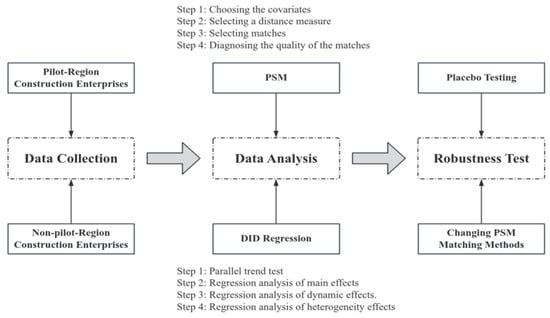
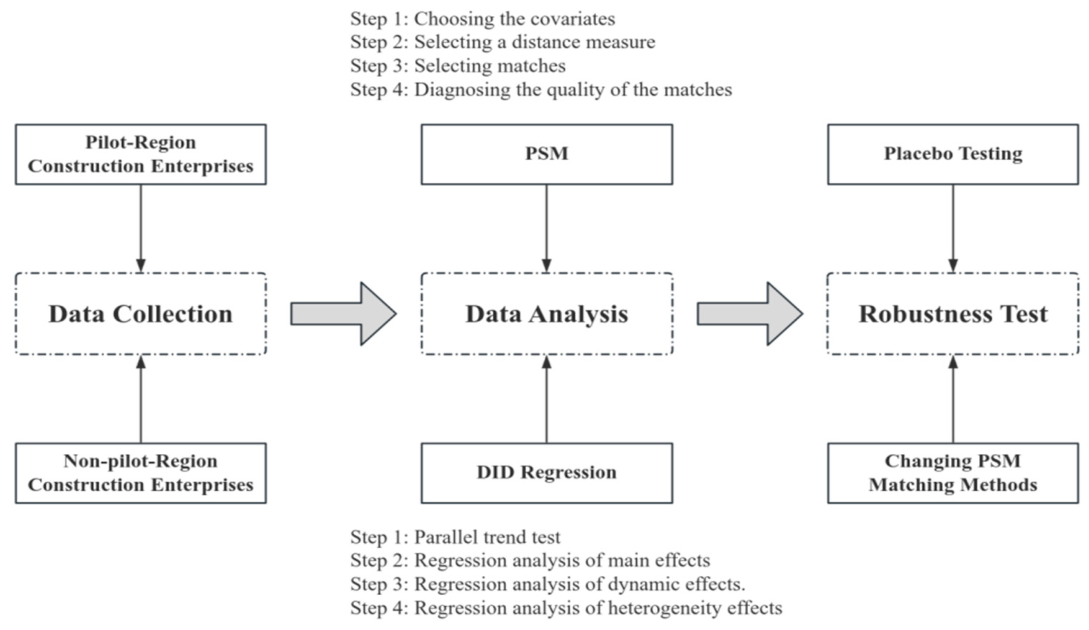
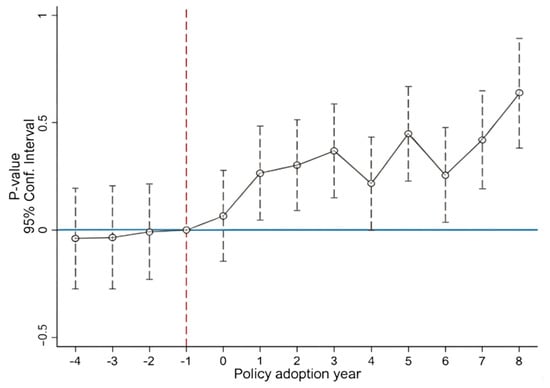
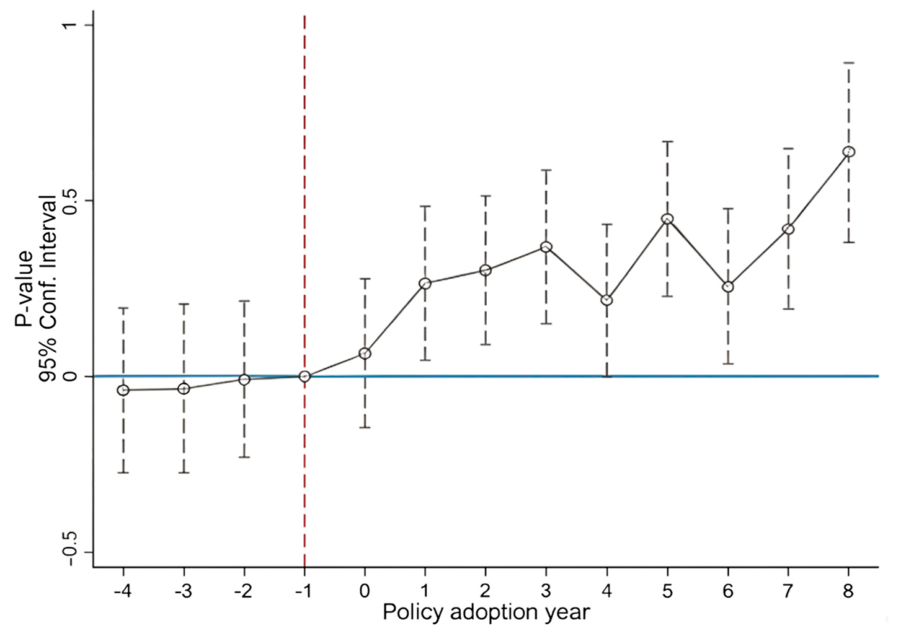
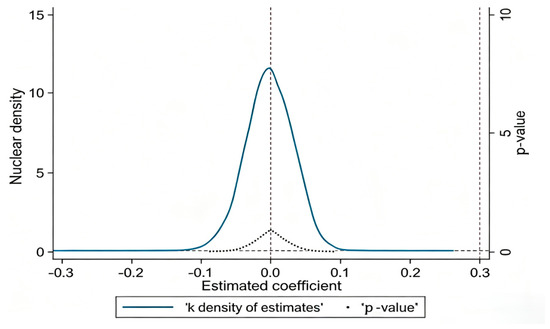
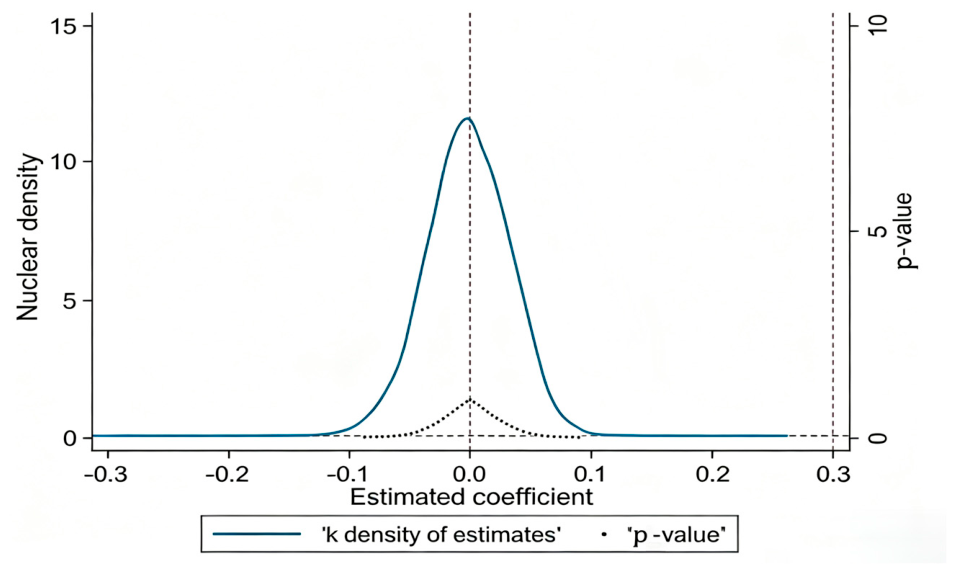

Disclaimer/Publisher’s Note: The statements, opinions and data contained in all publications are solely those of the individual author(s) and contributor(s) and not of MDPI and/or the editor(s). MDPI and/or the editor(s) disclaim responsibility for any injury to people or property resulting from any ideas, methods, instructions or products referred to in the content. |
© 2026 by the authors. Licensee MDPI, Basel, Switzerland. This article is an open access article distributed under the terms and conditions of the Creative Commons Attribution (CC BY) license.