


Abstract
Rising geopolitical risks have become a defining feature of the global business environment, yet how firms—particularly those from latecomer economies—adjust their innovation strategies under such conditions remains insufficiently understood. Integrating resource dependence theory with the innovation ecosystem perspective, we propose that geopolitical risk induce firms to engage in cross-industry innovation as a strategic response to mitigate their reliance on international technological ecosystems, which traditionally provide cross-industry complementarities but are increasingly subject to disruption. Analyzing a panel of 12,354 Chinese listed manufacturing firms from 2012 to 2022, and employing fixed-effects negative binomial regression models implemented in Stata 18, we find that firms exposed to higher levels of perceived geopolitical risk are more likely to pursue innovations beyond their industry’s technological boundaries in subsequent years. This effect is weakened by industry technological complexity but strengthened by the firm’s nationalism, reflecting both reactive responses to external uncertainty and proactive efforts toward technological self-reliance. Our study contributes to innovation research by revealing how geopolitical forces reshape firms’ innovation trajectories and by extending resource dependence theory to the context of ecosystem-based interdependence. From a policy perspective, governments can promote rational and constructive nationalist narratives that encourage firms to commit to innovation in strategically vulnerable technologies.
1. Introduction
Geopolitical risks, which manifested in trade wars, technology sanctions, decoupling, and de-globalization, have exerted substantial impacts on firms’ behaviors and have drawn increasing attention from scholars [1,2,3,4,5,6]. These risks position firms within a global environment characterized by intensifying potential conflicts among political entities and the progressive erosion of interdependence [7,8]. The impact is both extensive and enduring, as firms have been found to adjust their investment decisions [9], supply chain configurations [5], talent management [10], and even sustainability-oriented strategies [4].
Innovation is also a crucial aspect that cannot be overlooked in the context of geopolitical risks. However, existing research on this topic remains relatively limited, and the findings to date are inconsistent. For example, while some studies document the negative effect of geopolitical risk on firm innovation due to increased financing constraints and cash retention [11,12], others report a positive effect, arguing that uncertainty may generate new opportunities for innovative activity [13,14]. These inconsistencies might reflect limitations in prior research. First, although existing studies focus on firm-level innovation, they typically rely on country-level measures of geopolitical risk or event-based grouping [8,11,12,13,14]. Such approaches may obscure firm-level heterogeneity, as the same geopolitical shock may pose a threat to some firms while creating strategic opportunities for others. A more grounded approach thus requires measuring geopolitical risk from the firm’s own strategic perspective. Second, existing studies tend to aggregate all patent-based innovations [11,12,13,14], implicitly assuming that different innovations are strategically homogeneous under geopolitical risk. This approach may overlook the possibility that different types of technological innovation may play distinct strategic roles under geopolitical risk. Addressing these limitations calls for a more nuanced analysis that examines not only whether geopolitical risk promotes or constrains innovation, but also which specific types of innovation are affected and why such responses are strategically significant for firms.
Meanwhile, geopolitical risk appears to disrupt cross-border dependence at the national level, but in technological terms, such shocks are primarily borne by cross-industry dependence relationships. From a theoretical perspective, since dependence is fundamentally rooted in exchange [15,16,17], firms within the same industry are primarily competitors and typically lack systematic exchange relations, whereas dependence arises mainly between firms operating in different industries. Ecosystem studies also highlight that international technology ecosystems have long encouraged firms to focus on within-industry technologies while sourcing complementary cross-industry technologies from ecosystem partners [18,19]. When such dependence is increasingly subject to the threat of geopolitical risk [20], the technologies embedded in the external industries on which firms rely become more critical to their survival. Practical evidence also suggests that firms under heightened geopolitical risk increasingly internalize control over cross-industry technologies. For example, several Chinese smartphone manufacturers, including Huawei, Xiaomi, Vivo, and OPPO, previously relied entirely on Qualcomm and MediaTek for mobile chipsets but have recently begun to develop their own in-house chips [21,22]. Another example concerns United Imaging, a Chinese CT equipment manufacturer, which previously relied on Spellman High Voltage (U.S.), a globally leading advanced electrical technology company, for the design and production of high-voltage generators but has since developed such components in-house [23]. While CT equipment belongs to the medical device industry, the development of high-voltage generators requires technological capabilities from the high-voltage electronics industry. Taken together, this raises a central question for research on geopolitical risk and innovation: whether geopolitical risk reshapes established technological boundaries across industries by encouraging firms to engage in cross-industry innovation, or whether such cross-industry innovation carries distinctive strategic significance under geopolitical risk.
To address this gap, our theoretical perspective draws on resource dependence theory [24,25] and the innovation ecosystem literature [26]. We argue that, amid geopolitical risks, firms are more likely to be pushed beyond the technological boundaries of their industries and to strengthen cross-industry innovation. This is because they have to develop the technologies themselves that were previously obtained through cross-industry complementarities within international technology ecosystems. Moreover, given the potential threat of extraterritorial enforcement embedded in geopolitical shocks and the critical importance of these technologies for firm survival [27,28], firms may place greater emphasis on retaining direct control over such technologies and building their own related technological capabilities, rather than relying solely on domestic substitute partners. Previous geopolitical risk literature has paid limited attention to firms’ dependence on international technology ecosystems for innovation, which may constitute an essential pathway through which geopolitical risks shape their innovative activities. Although existing studies document firms’ responses to geopolitical risk through supply chain reconfiguration and cross-border acquisitions, they have tended to overlook the underlying technological dependence embedded in these responses [1,3,5,6]. International technology ecosystems have fostered cross-border and cross-industry dependence in the years of globalization. Such dependence previously empowered firms by offering access to technological complementarities and co-specialization, but has become a source of vulnerability in the current context of de-globalization, as geopolitical risk is rendering this reliance increasingly unreliable [26]. Through the lens of resource dependence theory, this study highlights that firms’ cross-industry innovations represent a countervailing dependence-managing strategy [29]. That is, firms seek to develop alternative technologies to mitigate potential disruptions to their dependence on international ecosystems. We also highlight that such efforts by firms reflect not only a reactive initiative—hedging against short-term technological risks—but also a proactive one—pursuing long-term technological self-reliance and independence, particularly among firms in latecomer countries. Using a dataset of 12,354 Chinese publicly listed manufacturing firms from 2012 to 2022, our results show that firms with higher perceptions of geopolitical risk are more likely to engage in cross-industry innovation over the subsequent three years, suggesting an effort to counteract their dependence on the cross-industry complementarities that international technology ecosystems have traditionally provided. We also find that this effort is constrained by industry technological complexity but encouraged by firms’ nationalism.
This study makes contributions at both the theoretical and practical levels. Theoretically, it extends the literature on geopolitical risk by identifying a new effect: firms may be pushed beyond their industry’s technological boundaries by geopolitical risk. This finding also complements the divergent research on the relationship between geopolitical risk and innovation by showing that cross-industry innovation carries distinctive strategic significance in safeguarding firms’ technological security and autonomy under geopolitical risk. This study also contributes to resource dependence theory by identifying cross-industry innovation as a novel form of dependence-management strategy. While existing research on geopolitical risk primarily reflects an avoidance logic—reducing exposure to external dependencies—our findings reveal cross-industry innovation as a countervailing approach, through which firms try to build alternative sources of technological capability to mitigate dependence on international ecosystems. This research further contributes to resource dependence theory by examining dependence management from both short-term and long-term perspectives, thereby revealing different constraining factors. In particular, we highlight that some firms—especially those exhibiting stronger nationalism—tend to adopt a long-term strategic orientation and pursue technological independence and self-reliance constraints. Practically, this study informs managers that cross-industry innovation under geopolitical risk is not universally feasible and is shaped by industry-level technological complexity. It highlights the importance of selectively pursuing cross-industry technological development. Our findings also highlight a potential avenue for policymakers to consider how nationalist orientations may affect firms’ technological exploration in geopolitically uncertain environments. Policymakers may leverage nationalism as a mobilizing force to encourage firms’ innovation through proper policy narratives.
2. Theory and Hypotheses
2.1. Resource Dependence Theory and Dependence Solutions
Resource dependence theory (RDT) links firms’ external dependencies to their internal strategic responses [24,25]. RDT highlights that organizations are not autonomous entities but are embedded in an environment characterized by mutual dependence with other organizations [24]. Dependence relationships are grounded in resource exchange, and the necessity of exchange arises from the division of labor [16]. Such external dependencies provide firms with the essential resources for survival. In the context of this study, international technology ecosystems represent a form of cross-industry division of labor based on technological specialization. Specifically, international technology ecosystems provide firms not merely with component supplies but with access to technological complementarities and co-specialized capabilities, through which ecosystem participants sustain a high degree of technological coordination and co-evolution [19,30].
When dependencies confront uncertainty, firms are motivated to take actions to mitigate it [29,31]. Underlying these actions is a strategic intent to enhance the firm’s interorganizational power while simultaneously reducing the counterpart’s [32]. Resource dependence theory posits that the opposite of uncertainty in dependence relationships is routinization, whereby stable dependence is embedded in established routines. Under such conditions, although a focal firm remains dependent on other actors and may occupy a relatively disadvantaged power position, the exchange of critical resources proceeds without disruption [33]. However, when these routines show signs of erosion, firms are compelled to shift their attention toward securing organizational survival and preserving their power positions. In this research setting, geopolitical risk is disrupting the routinized patterns of collaboration that have characterized international technology ecosystems.
To address uncertainty and manage external dependencies, firms typically adopt three strategic approaches: absorption, avoidance, and countervailing [29]. Absorbing dependencies involves firms seeking to enhance the reliability of existing dependency relationships—for example, by consolidating their reliance on government resources through building political connections [34]. Avoiding dependencies refers to the opposite approach: withdrawing from risky or unreliable dependency relationships. Existing research on geopolitical risk primarily represents this avoidance logic. For instance, geopolitical risks have prompted U.S. firms in strategic industries to limit their reliance on Chinese suppliers [5]. Previous research also shows that geopolitical volatility decreases firms’ investments in their foreign subsidiaries [35]. Although avoiding dependencies reduces the uncertainty firms face, this approach does not address the essential question: where firms should continue to obtain the resources they depend on.
When firms cannot consolidate or sever existing dependencies, countervailing dependencies offer an alternative strategy. Firms seek to develop substitute relationships that can offset the uncertainty of their original dependencies [29]. Firms’ reliance on cross-industry technological complementarities in international technology ecosystems is exposed to geopolitical risks. Cross-industry innovation, however, provides firms with a means to maintain strategic control over their survival. Because geopolitical sanctions may involve extraterritorial jurisdiction [27], controlling these technologies in-house, rather than merely relying on domestic partners, constitutes a safer strategy and enhances their power position. Such cross-industry innovations developed in-house can be closely aligned with firms’ own product coordination requirements, thereby serving as viable alternatives in times of crisis. This approach is fundamental in the current geopolitical risk landscape, yet it remains underexplored.
2.2. Ecosystem Dependence Under Geopolitical Risk
While extant RDT studies have explored diverse forms of organizational dependence, including political connections [34], social relationships [36], and equity control [36], their investigation of ecosystem dependence has so far been limited. However, this does not imply that ecosystem dependence is insignificant to RDT; many studies have examined it indirectly by discussing firms’ dependence on partners [37], joint ventures [32], and networks [38]. These studies have indeed recognized the resource exchanges embedded in such symbiotic relationships. However, ecosystem dependence goes beyond this, calling for deeper attention to its underlying technological attributes.
Ecosystems are sets of actors that are linked with each other through non-generic complementarities [19]. Firms in ecosystems are technologically interdependent [39] and hierarchically independent [40]. Ecosystems have become a dominant collaborative paradigm for the development and production of many complex products—for example, machinery [41], computers [42], and semiconductors [43]. Innovation ecosystems encourage firms from multiple complementary industries to establish interdependent relationships around a shared product value proposition [43,44]. Within such ecosystems, firms can innovate and develop new products by integrating existing technologies, thereby avoiding duplicative research and development (R&D) in cross-domain technologies on which they depend. The technologies embedded within the ecosystem also exhibit a high level of co-specialization and are tightly aligned with a specific architecture [18,19]. In such a way, innovation ecosystems simultaneously achieve high collaborative efficiency and deep technological specialization. Therefore, innovation ecosystems significantly improve firms’ innovation efficiency while also rendering them increasingly dependent on cross-industry providers of complementary technologies.
Over the past few decades of globalization, such interdependence has not only been cross-industry but also cross-border, strengthening firms’ global collaboration in innovation and operations [26]. International technological ecosystems integrate the comparative advantages of different countries across diverse technological domains and simultaneously foster the co-specialization of complementary technologies [45], giving rise to stable industrial and technological architectures [30,46,47]. Such ecosystems enable multinational enterprises not only to access the country-specific advantages associated with resource locations but also to capture the economies of co-specialization [45]. This type of advantage is referred to as an ecosystem-specific advantage of multinational enterprises [45]. When such dependence can be sustained, firms and international technology suppliers jointly advance co-specialization and engage in value co-creation. Under these conditions, the constraining aspect of dependence may remain largely latent. However, when technological dependence is exposed to risk, its restrictive effects become increasingly salient.
When ecosystem interdependence is threatened by geopolitical risks, two intrinsic features of such interdependence render ecosystem firms especially vulnerable to disruption: non-generic complementarities and technological path dependence. First, ecosystems highlight the non-generic nature of complementarities—that is, when the focal firm’s products or technologies are combined to produce or use with others’, such complementarities demand specific technological alignment [19]. For example, photo-lithography machines and photoresists must be precisely coordinated to function effectively [28]. As a result, firms’ relationships with cross-industry partners in ecosystems are typically built on prolonged processes of technological co-specialization. Once such dependencies are disrupted, firms are unlikely to identify alternative partners through market mechanisms in the short run. Moreover, the historical international division of labor within ecosystems has, to some extent, tied specific technological domains to particular countries or regions, further constraining firms’ ability to locate suitable technological partners within their home countries. For instance, within the semiconductor technology ecosystem, the most advanced wafer fabrication capacity is concentrated in Taiwan and South Korea, upstream semiconductor materials are largely controlled by Japanese firms, and the most sophisticated lithography equipment is supplied by ASML in the Netherlands. In 2019, tensions between Japan and South Korea over historical disputes led Japan to impose export controls on three advanced semiconductor materials, including photoresists. These measures severely disrupted South Korea’s foundry operations [48].
Second, because firms depend on ecosystems for continuous innovation, they tend to develop technological path dependence [49]—that is, both their past technological choices and future innovation directions have become locked into the ecosystem’s dominant technological trajectory [50,51,52]. Such a situation can be perilous when a single source country controls the technologies underpinning the dominant technological trajectory. For instance, the United States occupies pivotal technological positions across the upstream and downstream segments of the semiconductor value chain [28]. Therefore, when geopolitical risks—exemplified by the U.S. Entity List sanctions—threaten semiconductor firms from latecomer economies, particularly China, these firms face a strategic dilemma.
2.3. Cross-Industry Innovation as a Dependence-Managing Strategy
Against this backdrop, we posit that firms exposed to heightened geopolitical risks are likely to engage in cross-industry innovation as a countervailing strategic response to mitigate their dependence on the international technology ecosystem. We conceptualize cross-industry innovation as R&D outputs whose assigned technology class lies beyond the technological boundary of the innovating firm’s industry. Existing studies on cross-industry innovation are fragmented across multiple academic domains [53]. Our definition differs in focus from those adopted in some existing studies [54,55,56]. Existing studies have primarily examined whether and how firms integrate technologies from other industries—for instance, through inter-industry collaborations [55]—thereby conceptualizing cross-industry innovation as a process. By contrast, our study adopts an outcome-oriented perspective, focusing on whether firms’ technological achievements extend into domains beyond their focal industries. This distinction reflects our research objective: we aim to explore the boundary-reshaping effects of geopolitical risk, rather than how firms can innovate more efficiently.
Consistent with the focus, we also situate our research within China’s publicly listed manufacturing firms. On the one hand, these manufacturing firms are susceptible to geopolitical risks because they rely heavily on the international technology ecosystem. Chinese manufacturing firms often receive global support in design and technology. For example, Apple’s contract manufacturers in China typically rely on many of Apple’s proprietary technologies [57]. On the other hand, the manufacturing sector relies on continuous product innovation and technological iteration to maintain competitiveness. Research shows that manufacturing firms account for approximately one-third of all patents worldwide [58]. Therefore, firms’ innovative behaviors in this sector carry profound strategic significance.
Cross-industry innovation can serve as a dependence-managing strategy to mitigate the uncertainty arising from firms’ dependence on international technology ecosystems. As predicted by RDT, firms must carefully manage their dependence relationships with those actors that provide essential resources for their survival [24]. International technology ecosystems provide firms with cross-industry complementarities [19,26]. Disruptions to such technologies could jeopardize firms’ survival and long-term development. Therefore, when facing geopolitical risks, firms could intensify their cross-industry technological development. In particular, such efforts may be driven by two types of motivation: reactive motivation and proactive motivation.
A reactive motivation to strengthen cross-industry innovation represents firms’ strategic intent to mitigate short-term survival threats arising from geopolitical uncertainties. Firms’ resource demands within technological dependence relationships extend beyond the mere supply of components to encompass the technological complementarity and co-specialization embedded in innovation ecosystems. In other words, firms depend on ecosystems not only because other actors participate in technological division of labor, but also because these actors are able to maintain a high degree of technological coordination and co-evolution [19,30]. Such coordination enables complementary technology iterations to be functionally aligned with firms’ products, which constitutes a fundamental source of competitive advantage derived from international technology ecosystems [45]. Paradoxically, it is precisely this feature that makes firms acutely aware that, once decoupled from the ecosystem—for example, as a result of sanctions (e.g., being placed on the U.S. Entity List)—they are unlikely to identify suitable technological substitutes in the short term [19,26]. Therefore, the greater the geopolitical risk perceived by firms, the stronger their motivation to develop such cross-industry substitute technologies. Although such cross-industry innovations may not lie at the technological frontier, those developed in-house can be closely aligned with firms’ own product coordination requirements, thereby serving as viable alternatives in times of crisis. For instance, Huawei is a leading manufacturer of smart hardware in China. Its core products include smartphones and telecommunications equipment. In the past, it relied heavily on Qualcomm for chip solutions. At the same time, however, Huawei was actively exploring and developing its own chip technologies. Building on these technological explorations, it designed multiple chip solutions—not for immediate deployment but as a strategic reserve. When the United States government placed Huawei on the Entity List, these chip solutions became essential substitutes, enabling the firm to maintain business continuity [22].
Beyond the requirement for close technological alignment, strong survival motives may also prompt firms to internalize control over cross-industry technologies. In principle, firms could rely on domestic suppliers by using long-term procurement contracts to incentivize firms in related fields to develop the required technological components, while positioning themselves merely as long-term buyers. However, resource dependence theory emphasizes that ownership constitutes a critical foundation of control [15,24]. When firms confront existential threats, the strategic value of ownership becomes even more salient. More importantly, geopolitical risk may also affect transactions between domestic firms through mechanisms of extraterritorial enforcement, thereby undermining the reliability of arm’s-length market exchanges [27]. For example, after Huawei adopted its self-developed Kirin chipsets, the United States further restricted the firm’s access to semiconductor foundry services, effectively isolating it from the global semiconductor ecosystem. Although Semiconductor Manufacturing International Corporation (SMIC) is a domestic foundry supplier, its provision of fabrication services to Huawei has likewise been subject to US regulatory constraints [59]. Consequently, direct firm-level control over critical technologies has become particularly important for ensuring technological viability under geopolitical risk.
A proactive motivation that drives firms to transcend their industry’s technological boundaries represents their strategic intent to reduce long-term dependence on unreliable technology ecosystems and to achieve technological self-reliance. The current geopolitical risks not only undermine interdependence among nations but also increasingly reflect ideological divisions [2]. For example, techno-nationalism represents a growing trend that directly links technological capabilities to national security concerns [27]. As frequently observed in geopolitical conflicts, this trend compels firms to recognize that the current turbulence may be more enduring and could fundamentally reshape the future international technological ecosystem. Accordingly, firms may interpret these risks as extending beyond temporary policy disruptions and come to recognize that their organizational identity could gradually become bound to their national identity and geopolitical alignment [60]. Thus, firms may also seek to reduce their long-term dependence on the international technological ecosystem.
On the one hand, firms’ cross-industry technological positioning enables them to preserve the ability to choose among alternative technological trajectories under specific future conditions, rather than becoming locked into existing paths. Resource dependence theory suggests that ownership represents only one dimension of power, while another critical dimension of control lies in actors’ capacity to exercise autonomous choice—that is, their freedom to make independent strategic decisions [15,61]. In the long run, geopolitical risk may lead dominant countries to weaponize the technological trajectories they control, using their advantages in specific technologies to constrain the technological resources on which firms in other countries depend. Owing to historically stable patterns of ecosystem collaboration, firms’ current products are often already tied to these dominant technological paths. If firms lack the ability to select among alternative technological trajectories, they remain persistently exposed to such geopolitical coercion. Cross-industry innovation allows firms to explore alternative technological possibilities associated with the technologies on which they depend, thereby identifying substitute technological pathways and safeguarding long-term technological autonomy.
On the other hand, cross-industry technological innovation may also improve firms’ power positions and provide them with strategic instruments for long-term power contests. Resource dependence theory emphasizes indirect power as an important mechanism of constraint and counterbalance [62,63]. For instance, although Organization A may not be directly interdependent with Organization B, if A can influence B’s resource provider, Organization C, A may thereby acquire indirect power over B. In the present context, geopolitical conflicts are often initiated by governments, and sanctioned firms typically possess limited direct influence over foreign governments. Nevertheless, because these governments must take into account the interests of their domestic firms and voters, sanctioned firms may respond to geopolitical threats indirectly. Specifically, firms can strengthen related actors’ dependence on them by aligning shared interests, thereby counteracting potential sanctions. Benson [64] famously argued that the mission of organizational leaders can be summarized in two objectives: to reduce their organizations’ dependence on others and to increase others’ dependence on their organizations. A salient example is that, as WeChat Pay has become a critical payment infrastructure for Chinese communities in Asia and worldwide, U.S. government restrictions targeting the platform encountered strong opposition from major corporations such as Apple, Disney, and Walmart. Following lawsuits initiated by domestic interest groups, the ban was suspended before taking effect [65]. Accordingly, by engaging in cross-industry innovation and strengthening their autonomous technological capabilities, firms may, over time, reshape the power structure of technological dependence and enhance their bargaining position within international technology ecosystems.
Building on the foregoing arguments, this study posits that firms may engage in cross-industry innovation in response to geopolitical risk, driven by reactive motives, proactive motives, or both, in order to hedge against vulnerabilities arising from cross-industry technological dependence. Accordingly, we propose the following hypothesis:
Hypothesis 1.
There is a positive association between firms’ perceptions of geopolitical risk and their cross-industry innovation.
2.4. Technological Complexity and Firms’ Reactive Motivation
While firms may treat cross-industry innovation as a dependence solution, such an effort may encounter technological challenges, particularly when the industry they operate in is characterized by high technological complexity. Technological complexity refers to the degree of interconnection and interdependence among technological components within a system [66,67]. In general, the more interdependent and tightly coupled the technological components are within an industry, the higher its technological complexity tends to be. High-technology industries are therefore typically characterized by greater technological complexity [68].
Technological complexity hinders firms’ cross-industry innovation in two respects, thereby attenuating the positive association between geopolitical risks and cross-industry innovation. First, firms operating in technologically complex industries tend to depend on cross-industry technologies that are themselves highly advanced, specialized, and protected by substantial technological entry barriers [68,69]. Innovation ecosystems are built upon complementarities among multiple industries targeting a focal product [44]. This implies that the cross-industry technological dependencies that firms seek to hedge against do not stem from arbitrary external industries, but rather from complementary industries within the same ecosystem. Accordingly, the higher the technological complexity of an industry, the more technologically sophisticated and specialized its relevant cross-industry complementary technologies tend to be [30,69]. For instance, the semiconductor ecosystem comprises multiple highly specialized sectors, including semiconductor equipment and materials, chip design, wafer fabrication, and packaging and testing. Consequently, when firms in technologically complex industries attempt to engage in cross-industry innovation, they must overcome substantially higher knowledge barriers and undertake far more demanding processes of technological exploration, learning, and absorption [70]. As the difficulty of cross-industry innovation increases, the likelihood of failure rises accordingly, which in turn dampens firms’ reactive motivation to pursue such innovation as a risk-hedging strategy. Therefore, under the same level of geopolitical risk, the higher the industry’s technological complexity, the less willing firms are to engage in cross-industry technological innovation.
Second, greater technological complexity indicates a tightly coupled structure among different technologies [66]. In such settings, a change in one technological component often necessitates simultaneous adjustments in multiple interdependent components [71]. Minor substitutions of cross-industry complementary technologies may trigger complex modifications to a firm’s own technologies or products [72,73]. On the one hand, this raises the question for firms of whether it is worthwhile to undertake such adjustments merely to cope with short-term geopolitical risks. On the other hand, such adjustments impose considerably higher demands on firms, requiring not only a deeper understanding of the interrelationships among technologies but also strong organizational resolve to undertake these technological changes. Together, these factors further weaken firms’ incentives to pursue cross-industry innovation as a short-term strategic response to geopolitical risk under conditions of high technological complexity. Therefore, we propose that technological complexity, by weakening firms’ reactive motivation, reduces the positive effect of their perceived geopolitical risk on cross-industry innovation.
Hypothesis 2.
The positive association between firms’ perceptions of geopolitical risk and their cross-industry innovation is weaker if the firms operate in industries with higher technological complexity.
2.5. Nationalism and Firms’ Proactive Motivation
While industrial technological complexity may weaken firms’ reactive motivation, we argue that their proactive motivation is likely to be strengthened when they exhibit a strong nationalist tendency. Nationalism refers to the extent to which individuals or organizations identify with and prioritize the interests of their nation [60,74]. Firms exhibiting a high degree of nationalism are more likely to be proactively motivated to pursue cross-industry innovation for the following reasons.
First, firms with stronger nationalism are more strongly motivated to take actions that align with their nations’ collective interests [60,75], and cross-industry innovation under conditions of heightened geopolitical risk fulfills this requirement. Geopolitical risks have increasingly brought ideological divisions to the fore, posing threats not only as policy uncertainty for a few firms but also as identity-based risks for firms associated with particular nations [2]. Therefore, cross-industry innovation that reduces technological dependence not only helps firms mitigate their own uncertainty but also provides technological buffering for other domestic firms facing similar risks, thereby enhancing national industrial security. From a firm’s long-term perspective, cross-industry innovation not only improves its control over critical technological dependencies but also serves the country’s long-term national interests, as the value of such innovation generates specific economic externalities. Therefore, the stronger a firm’s nationalist orientation, the more likely it is to perceive such innovation efforts as aligned with national interests in the long run, which in turn reinforces its proactive motivation to pursue cross-industry innovation.
Second, a core dimension of nationalism lies in the pursuit of autonomy and independence, which is consistent with the underlying spirit of technological independence and self-reliance pursued through firms’ cross-industry innovation [60,75,76]. Rooted in national identification, nationalism emphasizes the political, economic, and cultural self-determination of the nation-state [75]. Accordingly, when firms possess strong nationalist orientations, they are more likely to view “technological autonomy” and “technological self-strengthening” as intrinsic and highly legitimate value pursuits. In the Chinese context, the formation of nationalism is closely intertwined with the historical memory of resisting foreign invasion and colonial oppression over the past century, making nationalist sentiments in Chinese culture particularly sensitive to external intervention [76]. Under conditions of heightened geopolitical risk, when managers in these firms perceive that foreign governments may impose technological sanctions to constrain China’s key industries and weaponize technology to curb China’s development [2], such firms are more likely to respond proactively by promoting cross-industry innovation to explore alternative technological pathways, enhance technological autonomy, and hedge against foreign dependence.
Third, a nationalist orientation may strengthen firms’ perceptions of the enduring nature of geopolitical risk, prompting them to adopt a longer-term strategic horizon and to prioritize resource allocation toward technological self-reliance, which in turn fosters more cross-industry innovation. Political psychology literature suggests that nationalism is characterized by a cognitive emphasis on the distinction between in-groups and out-groups [77]. In particular, prior research conceptualizes nationalism as comprising two core dimensions: ingroup favoritism and anti-foreign sentiment [60]. Such oppositional thinking makes nationalist actors more inclined to interpret international relations through a realist lens. For example, Luo argues that techno-nationalism, as reflected in policies adopted by certain governments, is a result of realist international political thought [27,78]. Realism posits that geopolitical conflicts arise from shifts in hegemonic power and that international competition is driven primarily by relative power rather than by rules [2]. Applied to the current China–U.S. rivalry, a realist perspective implies that conflict and instability are largely unavoidable until a new hegemonic power position is established. Consequently, firms with a stronger nationalism may be more likely to view geopolitical risk as structural and persistent rather than temporary or episodic. Under such conditions, these firms are more inclined to prepare for geopolitical risk in a long-term manner. They are more willing to tolerate the high costs, long payback periods, and substantial technological barriers associated with cross-industry innovation, and they are also more likely to reallocate R&D resources toward cross-industry technological development as part of a strategy aimed at enhancing technological self-reliance.
Based on this reasoning, we argue that firms’ nationalist orientation strengthens the positive effect of geopolitical risk on cross-industry innovation by enhancing firms’ proactive motivation. We therefore propose the following hypothesis:
Hypothesis 3.
The positive association between firms’ perceptions of geopolitical risk and their cross-industry innovation is stronger if the firms exhibit a higher degree of nationalism.
3. Methodology
3.1. Data and Sample
We compiled a comprehensive dataset from multiple sources. First, we obtained a list of publicly listed Chinese manufacturing firms from the Wind database. The Wind database provides extensive statistical information on macroeconomic indicators, industry-level statistics, and firm-level data [79,80,81]. It provides detailed industry classification information for Chinese publicly listed firms. Following China’s Industrial Classification for National Economic Activities (GB/T 4754–2017) issued by the National Bureau of Statistics of China, we selected firms whose industry codes begin with “C,” corresponding to the manufacturing sector [82]. Due to data availability constraints, our analysis focuses on listed firms and does not incorporate non-listed enterprises. Nevertheless, the listed manufacturing firms in China capture a substantial breadth of the manufacturing sector. Specifically, while China’s manufacturing sector consists of 31 sub-industries, our sample of listed firms spans 29 of these sub-industries. Second, we collected the annual reports of these firms from the CNRDS (China Research Data Service Platform) database and conducted content coding of the Management Discussion and Analysis (MD&A) sections to capture firms’ perceived geopolitical risk. The CNRDS database is a platform that provides research-ready datasets for universities and scholars in China and has been widely used in empirical academic research [83,84]. Third, we obtained the complete database of Chinese patents and their citations from the CnOpenData (China Open Data) platform. The CnOpenData platform provides detailed information on all Chinese patents filed between 1990 and 2022, including citation relationships. It is widely utilized by scholars in innovation research [85]. Relying on the complete database of all Chinese patents and their citation relationships provided by this platform, we constructed several key variables, including industry technological complexity, firms’ technological breadth, and firms’ cross-industry innovation. Fourth, we retrieved firm-level and industry-level data from the Wind and CSMAR databases to construct the relevant control variables. The CSMAR (China Stock Market & Accounting Research) database offers data and information on the financial conditions and corporate governance of Chinese publicly listed firms. Along with the Wind database, it has been widely adopted in management research related to Chinese firms [31,80,86]. Finally, the initial dataset covers Chinese listed manufacturing firms from 2012 to 2022. To implement the presample-mean approach for controlling firm fixed effects, we extend the patent data backward to 2009. Observations from 2009 to 2011 are used solely to construct presample means and are excluded from the regression sample. After merging all data sources and excluding observations with missing values, the final estimation sample consists of 12,354 firm-year observations for the period 2012–2022.
3.2. Variables and Measurements
3.2.1. Dependent Variable
We measure our dependent variable, cross-industry innovation, as the three-year average number of a firm’s patent applications that fall into International Patent Classification (IPC) categories outside the firm’s industry boundary.
Defining the industry-specific technological boundaries of patents, i.e., classifying patents by industry, has long been recognized as a major methodological challenge in innovation research [87]. For example, previous research matched International Patent Classification (IPC) codes with the U.S. Standard Industrial Classification (SIC) system [88]. However, because our study is based on a sample of Chinese firms, such an approach is not readily applicable in the present context. Moreover, although the existing literature on cross-industry innovation emphasizes the importance of industry boundaries, there is no well-established method for classifying patent categories by industry [53]. A small number of quantitative studies have measured cross-industry innovation through surveys [89] or indirect indicators, such as whether a firm participates in cross-industry alliances [56] or jointly applies for patents with partners from other industries [54].
To overcome these limitations, we follow the approach proposed in the existing literature and rely on the correspondence table developed by the China National Intellectual Property Administration (CNIPA), which maps IPC technology classes to industries defined in China’s Industrial Classification for National Economic Activities [20,90]. The correspondence table was developed to support official, long-term nationwide statistics on innovation by industry, providing a reliable benchmark for empirical patent research [20]. In practice, we assigned each firm to a three-digit manufacturing industry. A patent is classified as a cross-industry innovation if its technological category does not belong to the firm’s own three-digit industry according to the correspondence table. Given that our research focuses on whether geopolitical risk induces firms to engage in cross-industry innovation—rather than on whether such innovation is ultimately successful—we use firms’ patent applications, rather than granted patents, as the indicator of cross-industry innovation. Following previous patent research [91,92,93], we averaged firms’ cross-industry patent applications over a three-year window following their perception of geopolitical risks to reduce noise in the annual patent data. Specifically, if a firm perceives such risk in year t, its cross-industry innovation captures the average cross-industry patent applications between t + 1 and t + 3.
3.2.2. Independent Variable
In this study, firms’ perceptions of geopolitical risk are operationalized as their articulated perceptions of geopolitical risk as disclosed in corporate annual reports [8]. Specifically, we manually coded sentences in the “Management Discussion and Analysis” (MD&A) section of each firm’s annual report. A sentence was coded as reflecting perceived geopolitical risk if it satisfied the following two criteria: (1) it explicitly expressed uncertainty or risk, and (2) such uncertainty or risk was explicitly attributed to geopolitical factors or events. For example, “Amid the deterioration of the international trade environment caused by China–U.S. trade frictions, the macroeconomy continues to decline” was coded as expressing geopolitical risk. In contrast, “In 2018, the macroeconomic operation showed changes amid stability, with growing concerns and increasing downward pressure under a complex and severe external environment” was not. Because the volume of sentences requiring manual coding is substantial—posing both a significant workload burden and potential challenges to coding consistency—we implemented a five-step procedure to optimize the coding process (See the introduction in the Appendix A). Using this coding procedure, each sentence in the Management Discussion and Analysis (MD&A) sections was coded to indicate whether it expressed perceived geopolitical risk. Finally, we measure firms’ perceived geopolitical risk at the firm-year level as the logarithm of the ratio of sentences expressing geopolitical risk to the total number of sentences in the firm’s MD&A section.
3.2.3. Moderators
The first moderating variable examined in this study is industry technological complexity, which is defined as the extent to which technological components within an industry are interdependent [66,67,73]. Technological components are often operationalized as patent technology classes, and on this basis, we construct an industry-level measure of technological complexity [66,73]. We first calculate the level of interdependence for every single patent belonging to the industries of interest. We adopt the approach developed by previous literature to calculate the level of interdependence for each patent [73]. Let denote the level of interdependence of patent p in industry j:
Existing research has recognized that this approach is especially appropriate for analyzing cross-industry settings [66]. Specifically, denotes the total number of technology classes assigned to patent p, while captures the ease of recombination of the i-th technology class associated with patent p. The computation of is defined as follows:
denotes the number of technology classes that have been recombined with technology class i in the patent pool up to year t, and denotes the total number of patents classified under technology class i up to year t. Next, we follow previous literature to average the interdependence levels of all patents within each industry to obtain an industry-level measure [87]. Thus, industry-level technological complexity, is calculated as follows:
represents the total number of patents in industry j up to and including year t. A higher value of industry-level technological complexity indicates that, on average, patents in the industry exhibit greater interdependence, suggesting a more tightly coupled technological system.
We measure the second moderator—firms’ nationalism—following Yue et al.’s research [60]. They quantify rhetorical nationalism among Chinese listed firms using a machine learning-based text analysis approach. Specifically, their study conducts a weighted word-frequency analysis of firms’ annual reports. It constructs firm-level nationalism scores along four dimensions: national pride, national revival, corporate role, and anti-foreign rhetoric. The overall nationalism score is calculated as the average of these four dimensions. We use their openly available dataset and adjust it to fit our research context [94]. Specifically, since their measure captures rhetorical nationalism based on a single firm-year’s annual report text, whereas firms’ nationalism should reflect a more enduring internal orientation, we compute the average of rhetorical nationalism over the past three years to construct our measure.
3.2.4. Control Variables
We include control variables from three dimensions: innovation-related factors, firm-level factors, and industry-level factors. Regarding innovation-related factors, we control for five variables that may influence firms’ cross-industry innovation. First, we control for a firm’s R&D intensity, calculated as the ratio of R&D expenditure to total revenue [95]. R&D intensity reflects a firm’s willingness to invest resources in innovation actively [96]. Second, we control for firm technological capability, measured as the logarithm of the total number of patents owned by a firm in a given year. Third, we control for firms’ exploratory innovation orientation, as firms may differ in their R&D focus—some being more exploration-oriented while others are more exploitative. Research shows that exploration-oriented firms are more likely to innovate across existing technological boundaries [97]. We measure exploratory innovation as the logarithm of the ratio of exploratory patents to total patents in a given year. A patent is defined as exploratory if its technological category has never been applied by the firm [98]. Fourth, we control for firms’ open innovation orientation. We measure open innovation orientation as the logarithm of the ratio of co-applied patents to total patents in a given year. A co-applied patent is defined as a patent whose assignees include at least one non-natural entity other than the focal firm or its subsidiaries. Prior studies suggest that an open innovation orientation reflects a firm’s capability and willingness to seek innovative breakthroughs through external collaboration [54]. Finally, we control for firms’ technological breadth, measured as one minus the adjusted Herfindahl–Hirschman Index (HHI) calculated from the distribution of a firm’s patents across technological categories [99]. This measure is log-transformed. The indicator captures whether a firm tends to concentrate its research efforts within a few technological categories or to spread them across multiple ones [100]. A lower technological breadth indicates a higher concentration of patents within specific technological domains, suggesting that such firms are less likely to engage in R&D activities that cross industry technological boundaries.
We also control for firm- and industry-related factors. First, we control for firm performance, measured by return on assets (ROA). A firm’s performance level may affect whether it has sufficient resources to support cross-industry innovation. Second, existing research has found that firms with different ownership structures may vary in their innovation efficiency, particularly in the manufacturing sector [101]. Therefore, we control for capital structure by including the proportions of state-owned and foreign-owned capital. We also control for firm age in logarithmic form and firm size measured as the logarithm of total assets. Large firms are more likely to patent their innovations [102]. Regarding industry-level factors, we control for industry competitive intensity, measured by the logarithm of the Herfindahl–Hirschman Index of the industry. Prior studies suggest that higher competition accelerates firms’ knowledge integration and may therefore promote cross-industry innovation [103]. We also control for industry size, measured as the logarithm of total industry capital. Research suggests that industry size reflects the market scale of a specific domain and thus exerts different influences on firms’ innovation incentives [104]. For instance, firms in the pharmaceutical industry tend to invest aggressively in innovation because the market scale is vast. Table 1 provides a summary of the measures and data sources for the above variables.
Table 1.
Variables and measures.
3.3. Estimation Method
Our unit of analysis is the firm-year. The dependent variable, cross-industry innovation, is a count variable measured as the three-year average number of patents. We found significant evidence of overdispersion (α = 0.834, p < 0.001). Therefore, we adopted a negative binomial regression model to produce consistent and unbiased parameter estimates [105]. When estimating negative binomial models with panel data, either random-effects or fixed-effects specifications can be adopted, and the choice between them is typically determined by the Hausman test [105]. In this study, the Hausman test (χ2 = 1272.92, p < 0.000) strongly rejects the random-effects specification. Accordingly, we employ a fixed-effects negative binomial regression model.
Following prior patent research [106,107,108], this study employs the presample-mean approach to control for firm fixed effects [109]. This method offers several advantages. First, compared with conventional fixed-effects specifications based on panel categorical variables (e.g., firm identifiers), it more effectively captures unobserved firm heterogeneity [110]. Second, patent researchers emphasize that this approach is particularly suitable for models analyzing annual patent data [106,109]. Third, it yields consistent estimates without requiring strict exogeneity of the explanatory variables, thereby mitigating potential endogeneity concerns [107]. In our analysis, since our study period spans 2012 to 2022, we first extended the availability of firms’ cross-industry innovation data back to 2009. For each firm, we then calculated the presample-mean term as the average value of its available data over the earliest three years. These three-year observations were subsequently excluded from the main estimation sample, and the presample-mean term was included in all of our models to control for firm fixed effects. Additionally, all continuous variables involved in the interaction terms were mean-centered to mitigate potential multicollinearity. All models were estimated with robust standard errors clustered at the firm level. These regression analyses were conducted using Stata (Version 18).
4. Results
4.1. Hypothesis Test
Table 2 shows the descriptive statistics, and Table 3 presents the correlation matrix for the variables. To assess potential multicollinearity, we examined the variance inflation factors (VIFs) for the independent, moderating, and control variables. The average VIF is 1.38, with firm technological capability—measured as the logarithm of the total number of patents a firm holds in a given year—exhibiting the highest value of 2.55, suggesting that multicollinearity is not a concern.
Table 2.
Descriptive statistics.
Table 3.
Correlation matrix.
Table 4 shows the results of the negative binomial regression analysis. Model 1 reports the baseline specification, whereas Models 2–4 correspond to the moderation models. Hypothesis 1 predicts a positive relationship between firms’ perceptions of geopolitical risk and their cross-industry innovation. The results in Model 1 support Hypothesis 1, as the estimated coefficient is positive and statistically significant (β = 0.843, p = 0.027). The economic implication is that, holding all other variables constant, a 10% increase in a firm’s perceived level of geopolitical risk is associated with an expected increase of approximately 8.8% in the total number of its cross-industry patent applications (=[exp (0.843 × 0.1) − 1] × 100%). Therefore, Hypothesis 1 is supported.
Table 4.
The effect of perceived geopolitical risk on cross-industry innovation: negative binomial regression results.
Subsequently, we examine whether the positive relationship between firms’ perceived geopolitical risk and their cross-industry innovation is contingent on industry technological complexity and firms’ nationalism. Hypothesis 2 predicts that the positive association between firms’ perceptions of geopolitical risk and their cross-industry innovation is weaker when firms operate in industries with higher technological complexity. The results reported in Model 2 are consistent with the expectation outlined in Hypothesis 2. The coefficient of the interaction term between perceived geopolitical risk and industry technological complexity (PGR × ITC) is negative and statistically significant (β = −0.355, p = 0.088). As shown in Figure 1, the slope becomes flatter at higher levels of industry technological complexity, indicating that the positive effect of perceived geopolitical risk on cross-industry innovation weakens as technological complexity increases. Therefore, Hypothesis 2 is supported.
Figure 1.
The weakening effect of industry technological complexity on the positive association between geopolitical risk and cross-industry innovation. Note: The plots are based on Model 2 Table 4 with 95% confidence intervals.
Hypothesis 3 proposes that the positive linkage between firms’ perceived geopolitical risk and their cross-industry innovation intensifies as firms exhibit greater nationalism. Model 3 provides empirical support for this hypothesis. The coefficient of the interaction term between perceived geopolitical risk and firms’ nationalism (PGR × NS) is positive and statistically significant (β = 0.936, p = 0.041). As shown in Figure 2, the slope becomes steeper at higher levels of nationalism, indicating that the positive effect of perceived geopolitical risk on cross-industry innovation strengthened as firms’ nationalism increases. The results of both moderation analyses also converge in Model 4. Model 4 shows that both interaction effects are consistently significant, with the interaction between geopolitical risk and industry technological complexity being negative (β = –0.410, p = 0.040), and the interaction between geopolitical risk and firm nationalism being positive (β = 1.174, p = 0.030). Therefore, Hypothesis 3 is supported.
Figure 2.
The enhancing effect of firms’ nationalism on the positive association between geopolitical risk and cross-industry innovation. Note: The plots are based on Model 3 Table 4 with 95% confidence intervals.
4.2. Robustness Analyses
To address potential endogeneity bias, we employed a two-stage residual inclusion (2SRI) approach, in which the first-stage residuals were included as controls in the second stage. Because our independent variable—the firm’s perceived geopolitical risk—is measured based on textual disclosures in annual reports, we selected a specific policy shock year as our instrumental variable. Operationally, we construct an instrumental variable, post Securities Law shock, which takes a value of 1 for the years following the comprehensive revision of China’s Securities Law in 2019, and 0 otherwise.
In the institutional evolution of China’s capital market, the comprehensive revision of the Securities Law in 2019 (implemented in March 2020) marked a critical institutional breakpoint [111]. Prior to this reform, disclosure requirements for listed firms were often criticized for being largely symbolic, with minimal enforcement and weak penalties. The 2019 revision substantially increased the severity of penalties—raising fine ceilings, strengthening market access bans, and enhancing criminal referral mechanisms. This reform required firms to disclose information in a more transparent, specific, and evidence-based manner [111]. Under stronger punitive pressure, firms began to approach risk-related disclosures more seriously. Consequently, they became more likely to provide detailed accounts of the geopolitical risks they faced, which made such risks more observable through our text-based measurement approach. Empirical evidence also supports this behavioral shift among firms: for instance, studies have found that following the 2019 Securities Law revision, audit fees rose significantly and the turnover rate of independent directors increased, reflecting firms’ heightened compliance efforts and internal governance adjustments in response to the strengthened regulatory environment [111,112]. Therefore, the revision of the Securities Law is expected to affect our independent variable, perceived geopolitical risk, but to exert no direct influence on firms’ cross-industry innovation.
We evaluate the relevance of this instrument using the first-stage F-statistic. The obtained F-statistic of 41.88 exceeds the conventional threshold value of 10 [113], suggesting that the post Securities Law shock serves as a strong and relevant instrument for firms’ perceived geopolitical risk. As presented in Table 5, after including the residuals from the first-stage estimation, the results remain consistent with our baseline findings, indicating that potential endogeneity does not materially affect our conclusions.
Table 5.
The results of two-stage residual inclusion (2SRI) analysis.
We also conduct several robustness checks to verify the stability of our findings. First, we vary the time window used to construct the dependent variable. In the baseline specification, our dependent variable, cross-industry innovation, is measured within a three-year window following the year when a firm perceives geopolitical risk. Specifically, if a firm perceives such risk in year t, the dependent variable captures its averaged cross-industry innovation between t + 1 and t + 3. We then re-estimate our models using alternative windows of two, four, and five years to test our models. As shown in Table 6, our results remain statistically significant across all model specifications, except for the five-year window. This attenuation may be due to the longer time span, which introduces greater noise and weakens the observable causal relationship between perceived geopolitical risk and cross-industry innovation. Second, we employ an alternative measure of the moderating variable, industry technological complexity, using a dummy variable indicating whether a firm operates in a high-technology industry, as such industries are typically characterized by higher levels of technological complexity [68]. As shown in Table 7, our findings remain robust when employing this alternative specification. Third, we adopt an alternative proxy for a firm’s nationalism—a dummy variable indicating whether the firm is a central state-owned enterprise (SOE). The developers of the nationalism measure [60] suggest that central state-owned enterprises exhibit a particularly strong sense of nationalism, stemming from their political representation of national interests and their privileged access to state resources, which enables them to advance strategic national objectives. As shown in Table 8, the findings remain robust under this alternative specification.
Table 6.
The robustness analysis with different time windows.
Table 7.
The robustness analysis with the proxy for industry technology complexity.
Table 8.
The robustness analysis with the proxy for firm nationalism.
5. Discussion
Our results suggest that geopolitical risk reshapes established technological boundaries across industries by encouraging firms to engage in cross-industry innovation. From a resource dependence perspective [24,25,29,31], firms’ reliance on cross-industry technological complementarities has historically been stabilized through repeated exchange and co-specialization within international ecosystems. Such ecosystem dependence, while efficiency-enhancing under conditions of geopolitical stability, becomes increasingly fragile when geopolitical risk introduces the threat of sudden technological sanctions. Under these conditions, cross-industry innovation emerges as a countervailing dependence-management mechanism. By developing cross-industry technological capabilities, firms create in-house substitutes for the technological coordination previously provided by international ecosystems. Cross-industry innovation implies an effort to retain direct control over key technological inputs. Over the long run, mastery of cross-industry technologies enables firms to maintain greater autonomy over their technological trajectories, enhance their bargaining power within international innovation ecosystems, and counterbalance potential risks arising from external technological dependencies. Importantly, this also highlights the distinct strategic significance of cross-industry innovation under geopolitical risk. While prior studies primarily emphasize cross-industry innovation as a means to enhance novelty or creativity [53,54,55,56], our findings suggest that in geopolitically uncertain environments, it plays a critical role in safeguarding firms’ technological security and autonomy.
The results of this study also reveal technological complexity as an important boundary condition shaping firms’ innovation responses to geopolitical risk. Specifically, the positive association between geopolitical risk and cross-industry innovation is weaker in industries characterized by higher technological complexity. In technologically complex industries, critical technologies are often highly specialized and tightly coupled with firms’ existing technological architectures. Developing cross-industry innovation in such contexts requires substantial investments in learning, coordination, and system-level integration. As a result, even when geopolitical risk heightens firms’ awareness of dependence-related vulnerabilities, technological complexity constrains their motivation to adopt cross-industry innovation as a short-term strategic response. We note that the moderating effect of technological complexity is only marginally significant. This may also raise the question of whether technological complexity might strengthen firms’ longer-term motivation for cross-industry innovation. Over longer horizons, technological complexity may cease to function as a binding constraint in firms’ strategic considerations as feasibility challenges are gradually alleviated. This, however, does not alter the fact that technological complexity continues to entail substantial difficulty and cost, and therefore is unlikely to constitute a positive motivation on its own. One possible explanation for the marginal significance of our results is that technologically complex industries tend to encompass a greater share of high-tech sectors that are subject to heightened national strategic attention. Over time, such industries are more likely to attract sustained state investment and policy support, which in turn may facilitate firms’ engagement in cross-industry technological development. Evidence consistent with this interpretation emerges from our robustness checks: when a five-year window is adopted, the negative moderating effect of technological complexity is no longer statistically significant. A longer time horizon thus allows greater scope for governmental intervention to offset feasibility constraints in technologically complex industries.
Our results further indicate that firms’ nationalism serves as an important enabling force that strengthens the relationship between geopolitical risk and cross-industry innovation, by reshaping how firms interpret geopolitical uncertainty and evaluate the strategic meaning of innovation. Nationalist firms are more likely to interpret cross-industry innovation as aligned not only with firm-level survival but also with broader national interests. Under geopolitical risk, reducing technological dependence on foreign ecosystems generates positive externalities for domestic industries and contributes to national industrial security. Consistent with the core tenets of nationalism, firms that strongly identify with national autonomy are more likely to extend this identity into the technological domain. In this context, cross-industry innovation becomes an expression of the pursuit of technological self-reliance rather than a purely efficiency-driven choice. This normative framing legitimizes firms’ efforts to internalize cross-industry technologies and strengthens their willingness to absorb the organizational and technological challenges such efforts entail. Importantly, firms with stronger nationalist orientations are more likely to perceive geopolitical risk as structural rather than temporary, prompting them to adopt a longer-term strategic outlook. This long-term orientation allows nationalist firms to tolerate higher costs, longer payback periods, and greater uncertainty associated with cross-industry innovation. As a result, even when such innovation entails substantial technological or organizational challenges, nationalist firms are more willing to commit resources to developing alternative technological capabilities.
The current research makes the following contributions to the literature. First, it extends the literature on geopolitical risk by identifying a new effect [1,3,4,5,6]: firms may be pushed beyond the existing technological boundaries of their industries. Prior research has reported inconsistent findings on the relationship between geopolitical risk and innovation and tends to assume firm innovation as strategically homogeneous under geopolitical risk [11,12,13]. By introducing firms’ dependence on innovation ecosystems as a key explanatory lens, our study shows that amid geopolitical risks, innovation tends to become more cross-industry in nature. Under geopolitical uncertainty, firms do not merely adjust the scale of innovation; instead, they may redirect innovation toward technological domains that mitigate dependence and enhance strategic autonomy.
Second, this study contributes to resource dependence theory by identifying cross-industry innovation as a novel form of dependence-management strategy. Prior research on RDT highlights three major strategic responses to external dependence: absorption, avoidance, and countervailing [29]. Under geopolitical risk, however, absorbing dependencies—strengthening the reliability of existing interorganizational ties—is inherently difficult, because geopolitical tensions often carry ideological overtones that foster mutual suspicion rather than trust [2]. Avoiding dependencies, which much of the existing literature on geopolitical risk reflects, can indeed reduce environmental uncertainty, yet it leaves unanswered the question of where firms can continue to secure the critical resources on which they rely [5,35]. Therefore, countervailing dependence becomes essential, and our study adds to this line of research. Firms need to prepare substitutes for the technology resources on which they depend, in case these become inaccessible. In this context, firms’ cross-industry innovation functions as a preventive substitute for the cross-industry complementarities that were previously provided by the international technology ecosystem.
Third, this study also contributes to resource dependence theory by examining dependence management from both short-term and long-term perspectives, thereby revealing different constraining factors. Specifically, when firms pursue short-term risk-hedging considerations, our findings indicate that industry technological complexity hinders cross-industry innovation. In the short run, the substantial costs required to overcome technological barriers across industries may not be worthwhile. However, this logic does not apply to all firms—particularly those adopting a long-term strategic orientation. In the context of geopolitical risk, firms’ nationalism may strengthen a long-term nonmarket strategic logic. From this perspective, firms are more willing to overcome various constraints and pursue technological independence and self-reliance despite the immediate costs.
This study also offers important practical implications. For managers, our findings highlight the natural constraints imposed by technological complexity. We find that industry technological complexity weakens firms’ cross-industry innovation. This finding implies that managers should not treat cross-industry innovation as a universally viable response to geopolitical risk. In highly complex technological environments, firms face greater coordination costs and higher risks of implementation failure, suggesting the need for more selective and staged innovation strategies. Rather than pursuing broad cross-industry expansion, managers may benefit from prioritizing critical technologies, investing in modular or complementary domains, and aligning innovation scope with their firms’ absorptive capacity and organizational resources. For policy-makers, our study indicates that nationalism strengthens firms’ innovation responses to geopolitical risk, highlighting its role as an enabling institutional force. This suggests that firms’ innovation behavior under geopolitical uncertainty is shaped not only by material incentives but also by cognitive and identity-based orientations. Policymakers may therefore leverage nationalism as a mobilizing force to encourage firms’ technological exploration, especially when innovation relies on collective action and trust within ecosystems. Nationalistic sentiment may, in such contexts, enhance mutual commitment and coordination among domestic actors. However, such mobilization is most effective when combined with concrete policy support—such as funding, infrastructure, and coordination mechanisms—that lowers the practical barriers firms face in pursuing cross-industry innovation.
Our paper has several limitations that suggest avenues for future research. First, our analysis is based on Chinese firms, which may limit the generalizability of the findings. As firms from a latecomer economy, Chinese firms often operate under technological catch-up conditions and face stronger dependence on international innovation ecosystems, potentially amplifying their sensitivity to geopolitical risk. Future research could apply our framework to firms in developed economies to examine whether cross-industry innovation plays a similar role when firms possess stronger technological endowments. Cross-country comparative studies may further explore how institutional environments and nationalist orientations shape firms’ innovation responses, thereby enhancing the cross-cultural external validity of our conclusions. Second, because our analysis relies on publicly listed firms, which are typically larger, more resource-rich, and subject to greater regulatory scrutiny than non-listed firms, the observed relationships may not fully capture the innovation responses of smaller or privately held enterprises. These firms may face different resource constraints and strategic trade-offs when responding to geopolitical risk. Future research could extend this analysis to non-listed firms, particularly small and medium-sized enterprises, to assess whether similar dependence-management logics apply. Qualitative methods, such as case studies or interviews, may be especially useful for uncovering the underlying strategic reasoning in these contexts. Third, our sample is restricted to manufacturing firms. This focus is adopted to ensure three conditions: that the sampled firms exhibit ecosystem characteristics, are sensitive to geopolitical pressures, and are highly innovation-oriented. However, this does not imply that only manufacturing sectors merit attention. Future studies could investigate how firms in the information transmission, software, and IT services industries manage technological dependence under geopolitical tensions. This topic is becoming increasingly relevant, as recent events—such as the forced divestment pressure on TikTok [114]—illustrate the heightened vulnerability of digital sectors to geopolitical influences [115]. In particular, future research could examine how firms in digital industries manage their dependence on digital technology ecosystems amid geopolitical uncertainty. Finally, although we theorize both reactive and proactive motivations for cross-industry innovation, our empirical analysis relies primarily on indirect validation. Reactive motivation reflects defensive responses to external dependence and survival threat, whereas proactive motivation emphasizes strategic efforts to enhance technological autonomy. While we capture these mechanisms indirectly through technological complexity and nationalism, future research could develop more direct measures—such as surveys, interviews, or experimental designs—to assess firms’ motivational preferences under geopolitical risk. Multi-method approaches may further help disentangle the distinct effects of reactive and proactive motivations on firms’ cross-industry innovation behavior.
6. Conclusions
This study examines how rising geopolitical risk reshapes firms’ innovation strategies, particularly whether such risks motivate firms to transcend their industry’s technological boundaries. Drawing on resource dependence theory and an innovation ecosystem perspective, we argue that heightened geopolitical tensions may weaken firms’ access to international technological complementarities, thereby encouraging technological boundary spanning. Using data on Chinese listed manufacturing firms, we find evidence consistent with a positive association between geopolitical risk and cross-industry innovation. The results indicate that this association is generally robust, but its strength varies across specifications. In particular, the moderating effects of industry technological complexity may be sensitive to model specification, such as the implementation of short-term time windows. Our findings should also be viewed in light of their contextual boundaries, focusing on Chinese listed manufacturing firms. The conclusions may be most applicable to settings with similar levels of state involvement and geopolitical contexts. Despite these limitations, this study offers empirical insights into how geopolitical risk may shape firms’ technological boundary-spanning behavior and adds nuance to resource dependence theory by highlighting cross-industry innovation as a potential response to disrupted ecosystem interdependencies.
Author Contributions
Conceptualization, Q.S., J.S. and T.Z.; methodology, Q.S. and T.Z.; software, Q.S.; validation, Q.S.; formal analysis, Q.S.; resources, J.S.; data curation, Q.S. and T.Z.; writing—original draft preparation, Q.S.; writing—review and editing, J.S. and T.Z.; visualization, Q.S.; project administration, J.S.; funding acquisition, J.S. All authors have read and agreed to the published version of the manuscript.
Funding
This research was funded by the National Natural Science Foundation of China, grant number 72372031, and Fundamental Research Funds for The Central Universities of Donghua University, grant number 2232024E-05.
Data Availability Statement
The raw data supporting the conclusions of this article will be made available by the authors on request.
Acknowledgments
During the preparation of this manuscript/study, the author(s) used ChatGPT-4 to assist with synonym generation in the construction of the initial version of “necessary-term dictionary” for coding firms’ perceived geopolitical risk in annual reports, as described in the Appendix. The authors have reviewed and edited the output and take full responsibility for the content of this publication.
Conflicts of Interest
The authors declare no conflicts of interest.
Appendix A
Five-Step Process for Coding Geopolitical Risk Perceptions
Given the massive volume of sentences requiring manual coding—which posed both a substantial workload burden and potential threats to coding consistency—we implemented the following five-step procedure to optimize the coding process.
Step 1: Building an initial Necessary-Term Dictionary
We first constructed a preliminary “necessary-term dictionary” through a combination of news text retrieval, a review of the existing geopolitical risk literature, and AI-assisted semantic association. This initial dictionary contained 128 Chinese terms that are necessary for identifying expressions of geopolitical risk. These terms serve as necessary but not sufficient conditions for determining whether a sentence in the Management Discussion and Analysis (MD&A) section reflects geopolitical risk perception. That is, if a sentence expresses perceived geopolitical risk, it must contain at least one term from the dictionary; however, whether a sentence truly reflects geopolitical risk perception still requires subsequent manual verification.
Step 2: Iterative expansion through manual review
We then manually reviewed randomly sampled MD&A texts to expand the initial dictionary. Three core researchers (including the authors) independently read the MD&A texts and supplemented additional terms that could reflect firms’ perceptions of geopolitical risk. Through this process, the dictionary was iteratively refined and expanded to 247 Chinese terms (corresponding to 202 distinct English terms after translation in Table A1). This procedure followed the principle of theoretical saturation: iteration ceased when no new necessary terms could be identified from newly reviewed MD&A texts. The final version of the necessary-term dictionary (translated) is presented as follows.
Table A1.
Necessary-Term Dictionary (translated from Chinese terms).
Step 3: Algorithmic screening of Candidate Sentences
Based on the finalized necessary-term dictionary, we algorithmically screened for “candidate sentences.” Specifically, all MD&A texts in the full sample were segmented into individual sentences. We then applied an automated filtering procedure to retain only those sentences containing at least one term from the dictionary, yielding a total of 204,664 candidate sentences.
Step 4: Joint coding and development of the Coding Book
From the candidate pool, 20,000 sentences were randomly drawn for joint coding by the three authors. Each author independently coded the sentences in multiple batches. A sentence was coded as reflecting perceived geopolitical risk if it satisfied the following two criteria: (1) it explicitly expressed uncertainty or risk, and (2) such uncertainty or risk was explicitly attributed to geopolitical factors or events. For cases with inconsistent coding judgments, the authors conducted collective discussions to resolve discrepancies and formally documented the agreed-upon criteria in a Coding Book. This process involved repeated iterations of the Coding Book. After 12,000 sentences had been jointly evaluated, the three authors achieved complete consistency in their coding decisions when applying the manual.
Step 5: Large-scale coding by trained assistants
We subsequently recruited nine undergraduate students majoring in management as research assistants to code the remaining candidate sentences manually. Before formal coding, the authors provided systematic training, including detailed explanations of the Coding Book with illustrative examples, as well as trial coding exercises. Each assistant coded approximately 20,000 sentences. The authors conducted random quality checks on 5% of the coded sentences and detected no coding errors.
References
- Vertinsky, I.; Kuang, Y.; Zhou, D.; Cui, V. The political economy and dynamics of bifurcated world governance and the decoupling of value chains: An alternative perspective. J. Int. Bus. Stud. 2023, 54, 1351–1377. [Google Scholar] [CrossRef] [Scilit]
- Luo, Y.; Van Assche, A. The rise of techno-geopolitical uncertainty: Implications of the United States CHIPS and Science Act. J. Int. Bus. Stud. 2023, 54, 1423–1440. [Google Scholar] [CrossRef] [Scilit]
- Li, J.; Shapiro, D.M.; Ufimtseva, A.; Zhang, P. Techno-nationalism and cross-border acquisitions in an age of geopolitical rivalry. J. Int. Bus. Stud. 2024, 55, 1190–1203. [Google Scholar] [CrossRef] [Scilit]
- Kim, J.H.; Kwak, J.; Park, H.-K. Esg as a nonmarket strategy to cope with geopolitical tension: Empirical evidence from multinationals’ esg performance. Strateg. Manag. J. 2025, 46, 693–722. [Google Scholar] [CrossRef] [Scilit]
- Yang, B.; Song, J.; Wei, Y.; Li, J. Navigating geopolitical risks: How U.S. firms adjust supply chains amid U.S.–China rivalry. J. Int. Bus. Stud. 2025, 56, 937–949. [Google Scholar] [CrossRef] [Scilit]
- Bai, X.; Zhou, K.Z.; Zhang, B.; Xie, E. The dual effects of geopolitical risk on MNCs’ first-tier supply base: A political economy perspective. J. Int. Bus. Stud. 2025, 56, 1125–1149. [Google Scholar] [CrossRef] [Scilit]
- Witt, M.; Lewin, A.; Li, P.; Gaur, A. Decoupling in international business: Evidence, drivers, impact, and implications for IB research. J. World Bus. 2023, 58, 11. [Google Scholar] [CrossRef] [Scilit]
- Caldara, D.; Iacoviello, M. Measuring geopolitical risk. Am. Econ. Rev. 2022, 112, 1194–1225. [Google Scholar] [CrossRef] [Scilit]
- Wang, C.; Tian, X.; Tong, L.; Xiao, Y.; Zhang, Y. Investing from the heart: The influence of home country political sentiment on cross-border venture capital investment. In Management and Organization Review; Cambridge University Press: Cambridge, UK, 2025; pp. 1–34. [Google Scholar] [CrossRef] [Scilit]
- Latukha, M.; Alon, I.; Kuleshov, N.; Vaiman, V. The effect of sanctions on macro talent management: The case of Russia. J. World Bus. 2024, 59, 101570. [Google Scholar] [CrossRef] [Scilit]
- Zhang, J.; Wu, W.; Yang, J.; Xiao, Y. Trade policy uncertainty and corporate innovation —Evidence from the US-China trade war. Pac. Basin Financ. J. 2025, 89, 102590. [Google Scholar] [CrossRef] [Scilit]
- Chen, T.; Gao, H.; Wang, Y. Tariff uncertainty and firm innovation: Evidence from the U.S.–China Permanent Normal Trade Relation. J. Empir. Financ. 2021, 62, 12–27. [Google Scholar] [CrossRef] [Scilit]
- Wang, X.; Wang, M. Geopolitical risk and corporate innovation: Evidence from risk preference and risk-taking capacity perspectives. Econ. Lett. 2024, 241, 111820. [Google Scholar] [CrossRef] [Scilit]
- Jia, S.; Yang, L.; Zhou, F. Geopolitical risk and corporate innovation: Evidence from China. J. Multinatl. Financ. Manag. 2022, 66, 100772. [Google Scholar] [CrossRef] [Scilit]
- Wry, T.; Cobb, J.A.; Aldrich, H.E. More than a metaphor: Assessing the historical legacy of resource dependence and its contemporary promise as a theory of environmental complexity. Acad. Manag. Ann. 2013, 7, 441–488. [Google Scholar] [CrossRef]
- Blau, P.M. Exchange and Power in Social Life; Routledge: Abingdon, UK, 1964. [Google Scholar]
- Emerson, R.M. Power-dependence relations. Am. Sociol. Rev. 1962, 27, 31–41. [Google Scholar] [CrossRef] [Scilit]
- Teece, D. Explicating dynamic capabilities: The nature and microfoundations of (sustainable) enterprise performance. Strateg. Manag. J. 2007, 28, 1319–1350. [Google Scholar] [CrossRef] [Scilit]
- Jacobides, M.G.; Cennamo, C.; Gawer, A. Towards a theory of ecosystems. Strateg. Manag. J. 2018, 39, 2255–2276. [Google Scholar] [CrossRef] [Scilit]
- Han, P.; Jiang, W.; Mei, D. Mapping US-China technology decoupling: Policies, innovation, and firm performance. Manag. Sci. 2024, 70, 8386–8413. [Google Scholar] [CrossRef] [Scilit]
- Reuters. Xiaomi Has Started Mass Producing Self-Developed Xring O1 Chip. Available online: https://www.reuters.com/business/media-telecom/xiaomi-has-started-mass-producing-self-developed-xring-o1-chip-2025-05-20 (accessed on 25 December 2025).
- Takano, A. Inside Huawei’s First 5G Phone: Teardown Reveals Rush to Innovate. Available online: https://www.ft.com/content/95df633a-f63d-11e9-a79c-bc9acae3b654 (accessed on 10 October 2025).
- Yicai. Profits Fell By 320%, What Happened to United Imaging Medical? Available online: https://www.yicaiglobal.com/star50news/2024_11_136759231273622831110 (accessed on 26 January 2025).
- Pfeffer, J.; Gerald, R.S. The External Control of Organizations: A Resource Dependence Perspective; Harper & Row: New York, NY, USA, 1978. [Google Scholar]
- Tolbert, P. Institutional environments and resource dependence: Sources of administrative structure in institutions of higher education. Adm. Sci. Q. 1985, 30, 1–13. [Google Scholar] [CrossRef] [Scilit]
- Nambisan, S.; Zahra, S.; Luo, Y. Global platforms and ecosystems: Implications for international business theories. J. Int. Bus. Stud. 2019, 50, 1464–1486. [Google Scholar] [CrossRef] [Scilit]
- Luo, Y. Illusions of techno-nationalism. J. Int. Bus. Stud. 2022, 53, 550–567. [Google Scholar] [CrossRef] [Scilit]
- Sun, J.; Shu, Q. Strategic flexibility and dual ecosystem: How high-tech MNEs face techno-geopolitical uncertainty. In Academy of Management Proceedings; Academy of Management: Valhalla, NY, USA, 2024. [Google Scholar]
- Jiang, H.; Luo, Y.; Xia, J.; Hitt, M.; Shen, J. Resource dependence theory in international business: Progress and prospects. Glob. Strategy J. 2023, 13, 3–57. [Google Scholar] [CrossRef] [Scilit]
- Baldwin, C.Y. Bottlenecks, Modules and Dynamic Architectural Capabilities; Harvard Business School Finance Working Paper 15-028; Harvard Business School: Boston, MA, USA, 2015. [Google Scholar]
- Xia, J.; Ma, X.; Lu, J.; Yiu, D. Outward foreign direct investment by emerging market firms: A resource dependence logic. Strateg. Manag. J. 2014, 35, 1343–1363. [Google Scholar] [CrossRef] [Scilit]
- Hillman, A.; Withers, M.; Collins, B. Resource Dependence Theory: A Review. J. Manag. 2009, 35, 1404–1427. [Google Scholar] [CrossRef] [Scilit]
- Hickson, D.J.; Hinings, C.R.; Lee, C.A.; Schneck, R.E.; Pennings, J.M. A strategic contingencies’ theory of intraorganizational power. Adm. Sci. Q. 1971, 16, 216–229. [Google Scholar] [CrossRef] [Scilit]
- Fu, J.; Sun, P. Closing the Revolving Door: What if Board Political Connections Are Permanently Broken? J. Manag. 2024, 50, 2534–2570. [Google Scholar] [CrossRef] [Scilit]
- Adarkwah, G.K.; Dorobantu, S.; Sabel, C.A.; Zilja, F. Geopolitical volatility and subsidiary investments. Strateg. Manag. J. 2024, 45, 2275–2306. [Google Scholar] [CrossRef] [Scilit]
- Peng, M.W.; Luo, Y. Managerial Ties and Firm Performance in a Transition Economy: The Nature of a Micro-Macro Link. Acad. Manag. J. 2000, 43, 486–501. [Google Scholar]
- Bryan Jean, R.-J.; Sinkovics, R.R.; Kim, D. Antecedents and outcomes of supplier innovativeness in international customer–supplier relationships: The role of knowledge distance. Manag. Int. Rev. 2017, 57, 121–151. [Google Scholar] [CrossRef] [Scilit]
- Goerzen, A. Small firm boundary-spanning via bridging ties: Achieving international connectivity via cross-border inter-cluster alliances. Glob. Innov. Netw. Organ. People 2018, 24, 153–164. [Google Scholar] [CrossRef] [Scilit]
- Wareham, J.; Fox, P.B.; Giner, J.L.C. Technology ecosystem governance. Organ. Sci. 2014, 25, 1195–1215. [Google Scholar] [CrossRef] [Scilit]
- Thomas, L.D.W.; Ritala, P. Ecosystem legitimacy emergence: A collective action view. J. Manag. 2022, 48, 515–541. [Google Scholar] [CrossRef] [Scilit]
- Stonig, J.; Schmid, T.; Muller-Stewens, G. From product system to ecosystem: How firms adapt to provide an integrated value proposition. Strateg. Manag. J. 2022, 43, 1927–1957. [Google Scholar] [CrossRef] [Scilit]
- Jacobides, M.G.; Tae, C.J. Kingpins, bottlenecks, and value dynamics along a sector. Organ. Sci. 2015, 26, 889–907. [Google Scholar] [CrossRef] [Scilit]
- Adner, R.; Kapoor, R. Value creation in innovation ecosystems: How the structure of technological interdependence affects firm performance in new technology generations. Strateg. Manag. J. 2010, 31, 306–333. [Google Scholar] [CrossRef]
- Adner, R. Ecosystem as structure: An actionable construct for strategy. J. Manag. 2017, 43, 39–58. [Google Scholar] [CrossRef] [Scilit]
- Li, J.; Chen, L.; Yi, J.; Mao, J.; Liao, J. Ecosystem-specific advantages in international digital commerce. J. Int. Bus. Stud. 2019, 50, 1448–1463. [Google Scholar] [CrossRef] [Scilit]
- Ganco, M.; Kapoor, R.; Lee, G.K. From rugged landscapes to rugged ecosystems: The structure of interdependencies and firms’ innovative search. Acad. Manage. Rev. 2020, 45, 646–674. [Google Scholar] [CrossRef] [Scilit]
- Jacobides, M.; Knudsen, T.; Augier, M. Benefiting from innovation: Value creation, value appropriation and the role of industry architectures. Res. Policy 2006, 35, 1200–1221. [Google Scholar] [CrossRef] [Scilit]
- USITC. The South Korea-Japan Trade Dispute in Context: Semiconductor Manufacturing, Chemicals, and Concentrated Supply Chains. 2019. Available online: https://papers.ssrn.com/sol3/papers.cfm?abstract_id=3470271 (accessed on 20 December 2025).
- Thrane, S.; Blaabjerg, S.; Moller, R. Innovative path dependence: Making sense of product and service innovation in path dependent innovation processes. Res. Policy 2010, 39, 932–944. [Google Scholar] [CrossRef] [Scilit]
- Dosi, G. Technological paradigms and technological trajectories: A suggested interpretation of the determinants and directions of technical change. Res. Policy 1982, 11, 147–162. [Google Scholar] [CrossRef] [Scilit]
- Garud, R.; Karnoe, P. Bricolage versus breakthrough: Distributed and embedded agency in technology entrepreneurship. Res. Policy 2003, 32, 277–300. [Google Scholar] [CrossRef] [Scilit]
- Hoppmann, J.; Peters, M.; Schneider, M.; Hoffmann, V.H. The two faces of market support-How deployment policies affect technological exploration and exploitation in the solar photovoltaic industry. Res. Policy 2013, 42, 989–1003. [Google Scholar] [CrossRef] [Scilit]
- Carmona-Lavado, A.; Gimenez-Fernandez, E.M.; Vlaisavljevic, V.; Cabello-Medina, C. Cross-industry innovation: A systematic literature review. Technovation 2023, 124, 102743. [Google Scholar] [CrossRef] [Scilit]
- Belderbos, R.; Cassiman, B.; Faems, D.; Leten, B.; Van Looy, B. Co-ownership of intellectual property: Exploring the value-appropriation and value-creation implications of co-patenting with different partners. Open Innov. New Insights Evid. 2014, 43, 841–852. [Google Scholar] [CrossRef] [Scilit]
- Enkel, E.; Heil, S. Preparing for distant collaboration: Antecedents to potential absorptive capacity in cross-industry innovation. Technovation 2014, 34, 242–260. [Google Scholar] [CrossRef] [Scilit]
- Filiou, D.; Massini, S. Industry cognitive distance in alliances and firm innovation performance. RD Manag. 2018, 48, 422–437. [Google Scholar] [CrossRef] [Scilit]
- McGee, P. Apple in China: The Capture of the World’s Greatest Company; Simon and Schuster: New York, NY, USA, 2025. [Google Scholar]
- TSE. Global Patent Filings: By Region, by Industry, Over Time. Available online: https://thundersaidenergy.com/downloads/one-hundred-years-of-innovation-global-patent-filings-from-1920/ (accessed on 10 October 2025).
- Gallagher, J.C. U.S. Restrictions on Huawei Technologies: National Security, Foreign Policy, and Economic Interests. 2025. Available online: https://www.congress.gov/crs-product/R47012 (accessed on 10 October 2025).
- Yue, L.Q.; Zheng, J.; Mao, K. Firms’ rhetorical nationalism: Theory, measurement, and evidence from a computational analysis of Chinese public firms. Manag. Organ. Rev. 2024, 20, 161–203. [Google Scholar] [CrossRef] [Scilit]
- Mintzberg, H. Power in and Around Organizations; SAGE Publications: Thousand Oaks, CA, USA, 1983. [Google Scholar]
- Gargiulo, M. Two-step leverage: Managing constraint in organizational politics. Adm. Sci. Q. 1993, 38, 1–19. [Google Scholar] [CrossRef] [Scilit]
- Lang, J.R.; Lockhart, D.E. Increased environmental uncertainty and changes in board linkage patterns. Acad. Manag. J. 1990, 33, 106–128. [Google Scholar] [CrossRef] [Scilit]
- Benson, J.K. The interorganizational network as a political economy. Adm. Sci. Q. 1975, 20, 229–249. [Google Scholar] [CrossRef] [Scilit]
- McKinnon, J.D.; Wei, L. Corporate America Worries WeChat Ban Could Be Bad for Business. Wall Str. J. 2020. Available online: https://www.wsj.com/articles/corporate-america-worries-wechat-ban-could-be-bad-for-business-11597311003 (accessed on 20 December 2025).
- Ganco, M. NK model as a representation of innovative search. Res. Policy 2017, 46, 1783–1800. [Google Scholar] [CrossRef] [Scilit]
- Kapoor, R.; Agarwal, S. Sustaining Superior Performance in Business Ecosystems: Evidence from Application Software Developers in the iOS and Android Smartphone Ecosystems. Organ. Sci. 2017, 28, 531–551. [Google Scholar] [CrossRef] [Scilit]
- Lenox, M.; Rockart, S.; Lewin, A. Does interdependency affect firm and industry profitability? An empirical test. Strateg. Manag. J. 2010, 31, 121–139. [Google Scholar] [CrossRef] [Scilit]
- Teece, D.J. Reflections on “profiting from innovation”. Res. Policy 2006, 35, 1131–1146. [Google Scholar] [CrossRef] [Scilit]
- Sorenson, O.; Rivkin, J.; Fleming, L. Complexity, networks and knowledge flow. Res. Policy 2006, 35, 994–1017. [Google Scholar] [CrossRef] [Scilit]
- Ganco, M.; Agarwal, R. Performance differentials between diversifying entrants and entrepreneurial start-ups: A complexity approach. Acad. Manage. Rev. 2009, 34, 228–252. [Google Scholar] [CrossRef] [Scilit]
- Ethiraj, S.; Levinthal, D. Modularity and innovation in complex systems. Manag. Sci. 2004, 50, 159–173. [Google Scholar] [CrossRef] [Scilit]
- Fleming, L.; Sorenson, O. Technology as a complex adaptive system: Evidence from patent data. Res. Policy 2001, 30, 1019–1039. [Google Scholar] [CrossRef] [Scilit]
- Ertug, G.; Cuypers, I.R.P.; Dow, D.; Edman, J. The effect of nationalism on governance choices in cross-border collaborations. J. Manag. 2024, 50, 2597–2640. [Google Scholar] [CrossRef] [Scilit]
- Smith, A.D. Ethno-Symbolism and Nationalism: A Cultural Approach; Routledge: Abingdon, UK, 2009. [Google Scholar]
- Callahan, W.A. History, identity, and security: Producing and consuming nationalism in China. Crit. Asian Stud. 2006, 38, 179–208. [Google Scholar] [CrossRef] [Scilit]
- Searle-White, J. What We Know About Nationalism. In The Psychology of Nationalism; Palgrave Macmillan US: New York, NY, USA, 2001; pp. 9–26. [Google Scholar]
- Luo, Y. Paradigm shift and theoretical implications for the era of global disorder. J. Int. Bus. Stud. 2024, 55, 127–135. [Google Scholar] [CrossRef] [Scilit]
- Meyer, K.E.; Ding, Y.; Li, J.; Zhang, H. Overcoming distrust: How state-owned enterprises adapt their foreign entries to institutional pressures abroad. J. Int. Bus. Stud. 2014, 45, 1005–1028. [Google Scholar] [CrossRef] [Scilit]
- Liang, H.; Ren, B.; Sun, S.L. An anatomy of state control in the globalization of state-owned enterprises. J. Int. Bus. Stud. 2015, 46, 223–240. [Google Scholar] [CrossRef] [Scilit]
- Lin, Z.; Peng, M.W.; Yang, H.; Sun, S.L. How do networks and learning drive M&As? An institutional comparison between China and the United States. Strateg. Manag. J. 2009, 30, 1113–1132. [Google Scholar] [CrossRef] [Scilit]
- GB/T 4754–2017; Industrial Classification for National Economic Activities. National Bureau of Statistics of China: Beijing, China, 2017.
- Li, J.; Kim, Y.H.; Uribe, J. Learning by helping: Evidence from Chinese brokerages’ community CSR. Strateg. Manag. J. 2025, 46, 2166–2198. [Google Scholar] [CrossRef] [Scilit]
- Yang, J.Y.; Kim, M.; Li, J.; Lu, J.W. Information voids and cross-border bandwagons of foreign direct investment into an emerging economy. Strateg. Manag. J. 2023, 44, 2751–2782. [Google Scholar] [CrossRef] [Scilit]
- Hsu, D.H.; Hsu, P.-H.; Zhou, K.; Zhou, T. Industry-University Collaboration and Commercializing Chinese Corporate Innovation. Manag. Sci. 2024, 71, 5351–5375. [Google Scholar] [CrossRef] [Scilit]
- Krause, R.; Li, W.; Ma, X.; Bruton, G.D. The board chair effect across countries: An institutional view. Strateg. Manag. J. 2019, 40, 1570–1592. [Google Scholar] [CrossRef] [Scilit]
- Lee, G.K.; Alnahedh, M.A. Industries’ potential for interdependency and profitability: A panel of 135 industries, 1988–1996. Strategy Sci. 2016, 1, 285–308. [Google Scholar] [CrossRef] [Scilit]
- Silverman, B.S. Technological resources and the direction of corporate diversification: Toward an integration of the resource-based view and transaction cost economics. Manag. Sci. 1999, 45, 1109–1124. [Google Scholar] [CrossRef] [Scilit]
- Heil, S.; Enkel, E. Exercising opportunities for cross-industry innovation: How to support absorptive capacity in distant knowledge processing. Int. J. Innov. Manag. 2015, 19, 1550048. [Google Scholar] [CrossRef] [Scilit]
- CNIPA. Correspondence Table between the International Patent Classification (IPC) and the National Economic Industry Classification. 2018. Available online: https://www.cnipa.gov.cn/2018-10/20181008142028142317.pdf (accessed on 1 September 2022).
- Bhaskarabhatla, A.; Hegde, D. An organizational perspective on patenting and open innovation. Organ. Sci. 2014, 25, 1744–1763. [Google Scholar] [CrossRef] [Scilit]
- Bai, J.; Jin, W.; Zhou, S. Proximity and knowledge spillovers: Evidence from the introduction of new airline routes. Manag. Sci. 2024, 70, 7464–7485. [Google Scholar] [CrossRef] [Scilit]
- Carnabuci, G.; Kovács, B. Catalyzing categories: Category contrast and the creation of groundbreaking inventions. Acad. Manag. J. 2025, 68, 1084–1107. [Google Scholar] [CrossRef] [Scilit]
- Corporate Rhetorical Nationalism. Available online: https://sites.google.com/view/firms-rhetorical-nationalism (accessed on 11 November 2024).
- Cohen, W.M.; Klepper, S. The anatomy of industry research-and-development intensity distributions. Am. Econ. Rev. 1992, 82, 773–799. [Google Scholar]
- Ugur, M.; Trushin, E.; Solomon, E.; Guidi, F. R&d and productivity in oecd firms and industries: A hierarchical meta-regression analysis. Res. Policy 2016, 45, 2069–2086. [Google Scholar] [CrossRef] [Scilit]
- Gupta, A.K.; Smith, K.G.; Shalley, C.E. The interplay between exploration and exploitation. Acad. Manag. J. 2006, 49, 693–706. [Google Scholar] [CrossRef] [Scilit]
- Kang, J.; Kim, S.J. Performance implications of incremental transition and discontinuous jump between exploration and exploitation. Strateg. Manag. J. 2020, 41, 1083–1111. [Google Scholar] [CrossRef] [Scilit]
- Tzabbar, D. When does scientist recruitment affect technological repositioning? Acad. Manag. J. 2009, 52, 873–896. [Google Scholar] [CrossRef] [Scilit]
- Tzabbar, D.; Margolis, J. Beyond the startup stage: The founding team’s human capital, new venture’s stage of life, founder–CEO duality, and breakthrough innovation. Organ. Sci. 2017, 28, 857–872. [Google Scholar] [CrossRef] [Scilit]
- Zhou, K.Z.; Gao, G.Y.; Zhao, H. State ownership and firm innovation in China: An integrated view of institutional and efficiency logics. Adm. Sci. Q. 2017, 62, 375–404. [Google Scholar] [CrossRef] [Scilit]
- Moreira, S.; Klueter, T.; Tasselli, S. Competition, Technology Licensing-in and Innovation. Organ. Sci. 2020, 31, 1012–1036. [Google Scholar] [CrossRef] [Scilit]
- Lyu, C.; Zhang, F.; Ji, J.; Teo, T.S.H.; Wang, T.; Liu, Z. Competitive intensity and new product development outcomes: The roles of knowledge integration and organizational unlearning. J. Bus. Res. 2022, 139, 121–133. [Google Scholar] [CrossRef] [Scilit]
- Acemoglu, D.; Linn, J. Market size in innovation: Theory and evidence from the pharmaceutical industry. Q. J. Econ. 2004, 119, 1049–1090. [Google Scholar] [CrossRef] [Scilit]
- Hausman, J.; Hall, B.H.; Griliches, Z. Econometric models for count data with an application to the patents-R & D relationship. Econometrica 1984, 52, 909–938. [Google Scholar] [CrossRef] [Scilit]
- Runge, S.; Schwens, C.; Schulz, M. The invention performance implications of coopetition: How technological, geographical, and product market overlaps shape learning and competitive tension in R&D alliances. Strateg. Manag. J. 2022, 43, 266–294. [Google Scholar] [CrossRef] [Scilit]
- Boone, C.; Lokshin, B.; Guenter, H.; Belderbos, R. Top management team nationality diversity, corporate entrepreneurship, and innovation in multinational firms. Strateg. Manag. J. 2019, 40, 277–302. [Google Scholar] [CrossRef] [Scilit]
- Li, K.; Qiu, J.; Wang, J. Technology conglomeration, strategic alliances, and corporate innovation. Manag. Sci. 2019, 65, 5065–5090. [Google Scholar] [CrossRef] [Scilit]
- Blundell, R.; Griffith, R.; Windmeijer, F. Individual effects and dynamics in count data models. J. Econom. 2002, 108, 113–131. [Google Scholar] [CrossRef] [Scilit]
- Bloom, N.; Schankerman, M.; Van Reenen, J. Identifying technology spillovers and product market rivalry. Econometrica 2013, 81, 1347–1393. [Google Scholar] [CrossRef] [Scilit]
- Liu, H.; Wang, Y.; Yi, Z.; Liu, Z. Personal liability and independent directors: Evidence from China. J. Account. Public Policy 2025, 51, 107325. [Google Scholar] [CrossRef] [Scilit]
- Zhang, L.; Balia, S.S.B. Legal liability, institutional environment and audit pricing: Insights from China’s securities law revision. Int. J. Econ. Financ. Issues 2024, 14, 46–54. [Google Scholar] [CrossRef] [Scilit]
- Staiger, D.; Stock, J.H. Instrumental variables regression with weak instruments. Econometrica 1997, 65, 557–586. [Google Scholar] [CrossRef] [Scilit]
- Kerr, D. Trump Extends Deadline for TikTok Sale to Non-Chinese Buyer to Avoid Ban. Available online: https://www.theguardian.com/us-news/2025/apr/04/tik-tok-ban-trump-extension (accessed on 16 November 2025).
- Nambisan, S.; Luo, Y. Toward a loose coupling view of digital globalization. J. Int. Bus. Stud. 2021, 52, 1646–1663. [Google Scholar] [CrossRef] [Scilit]
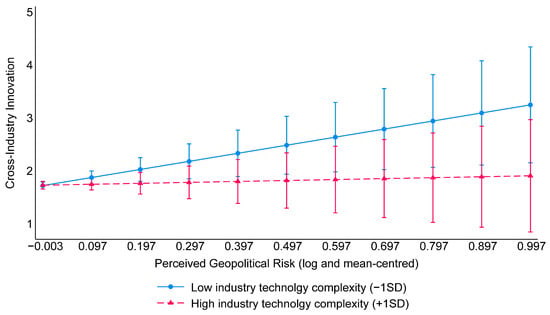
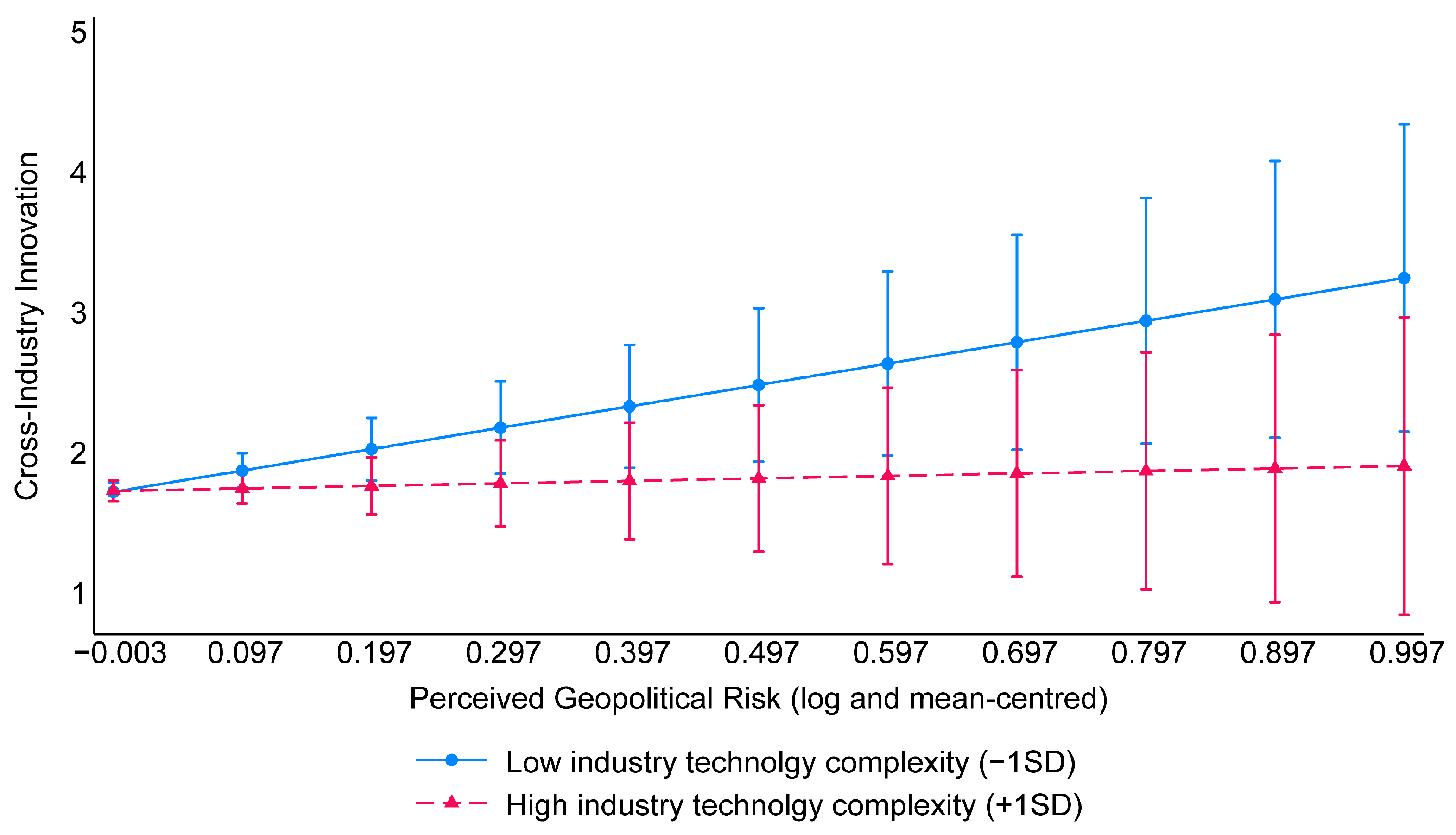
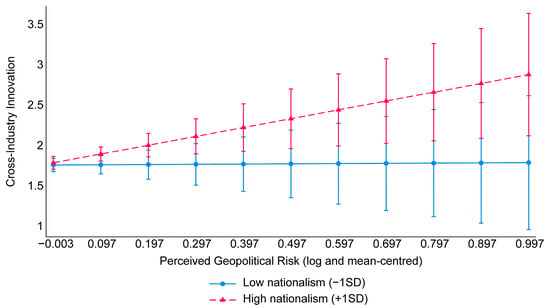
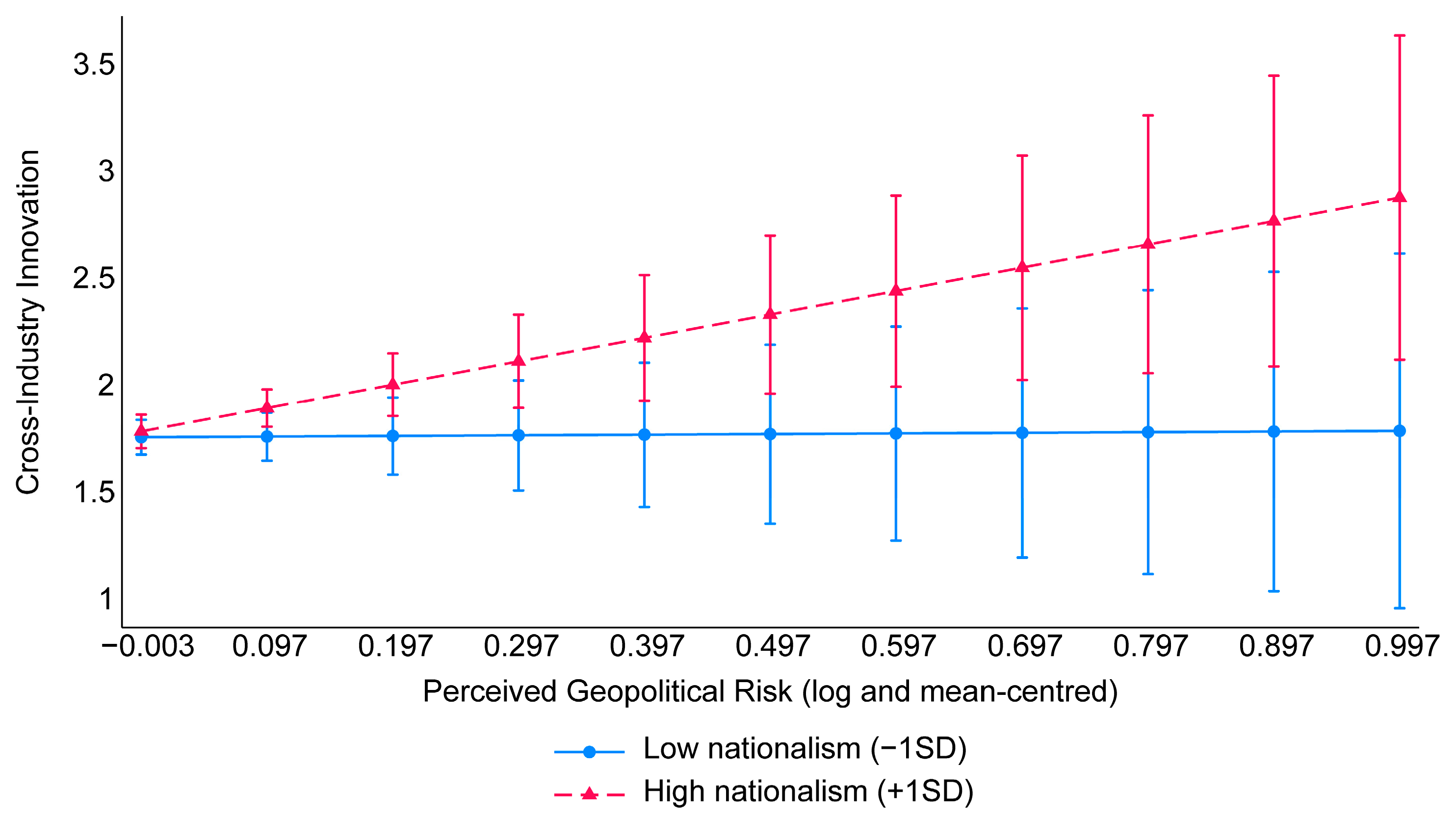

Disclaimer/Publisher’s Note: The statements, opinions and data contained in all publications are solely those of the individual author(s) and contributor(s) and not of MDPI and/or the editor(s). MDPI and/or the editor(s) disclaim responsibility for any injury to people or property resulting from any ideas, methods, instructions or products referred to in the content. |
© 2026 by the authors. Licensee MDPI, Basel, Switzerland. This article is an open access article distributed under the terms and conditions of the Creative Commons Attribution (CC BY) license.