


Abstract
The replacement of synthetic dyes with natural food colorants has become a priority for the food industry, as emerging evidence from in vitro and animal studies on the potential neurotoxic and pro-inflammatory effects of certified dyes converges with consumer pressure for clean-label formulations. Yet despite this, the industrial uptake of natural pigments remains uneven, held back by stability limitations that differ considerably from one pigment class to the next and from one food matrix to another. This review covers the chemistry, industrial applications, and stabilization approaches of the main natural colorant groups: carotenoids, anthocyanins, betalains, chlorophylls, curcuminoids, phycocyanin, and genipin-derived pigments, with particular attention to the physicochemical reasons behind their instability and the practical tools available to address it. Among stabilization strategies, spray-drying microencapsulation with composite protein–polysaccharide wall materials is often the most scalable and cost-effective option, whereas freeze drying may be preferable for high-value pigments or applications in which maximum pigment retention is the priority. Whether the encapsulating matrix remains in a glassy or rubbery state stands out as a key factor governing oxidative degradation across all pigment categories, which makes water activity management a non-negotiable element of any serious formulation effort. Anthocyanins require more than physical encapsulation alone: copigmentation and structural approaches such as acylation and pyranoanthocyanin formation hold degradation routes that no shell material can prevent on its own. For hydrophobic pigments like carotenoids and curcuminoids, lipid-based delivery systems consistently deliver higher bioaccessibility than aqueous or dried formats. pH control, antioxidant incorporation, and modified atmosphere packaging add a useful but ultimately incomplete third line of defense. One development worth attention is the use of pH-responsive pigments in biopolymer packaging films, where color instability, long treated as a drawback, becomes a real-time indicator of food freshness. Bridging the remaining performance gap with synthetic dyes will call for stabilization platforms that tackle the molecular, physical, and environmental dimensions of degradation together, built around the particular chemistry of each pigment and the demands of each application.
1. Introduction
Color is one of the most powerful sensory signals in food perception, shaping consumer expectations before any other attribute can be evaluated. For example, color modulates perceived flavor intensity. The addition of the appropriate colorant can increase perceived sweetness by up to 10%, opening the possibility of using colorants to partially offset sugar reductions in food formulations. These effects are not universal: the same color can elicit qualitatively different flavor expectations across cultural groups, a finding with direct implications for global food product development [1]. FD&C-certified dyes, particularly Red No. 40 (Allura Red), are present in a wide range of foods routinely consumed by children. Although a single daily serving typically does not exceed current Acceptable Daily Intakes (ADIs), cumulative exposure from multiple colored food categories, over-the-counter medications, and dietary supplements can represent a real risk that existing regulatory assessments do not adequately capture [2,3].
At the mechanistic level, several reviewed synthetic dyes have been associated with common neurotoxic pathways, including oxidative stress, mitochondrial dysfunction, neurotransmitter imbalance, and neuroinflammation. These effects are of particular concern during early brain development and may propagate across generations via epigenetic modifications [4]. Azo dyes, tartrazine foremost among them, also elicit measurable pro-inflammatory cellular responses in vitro, suggesting potential risks in chronic inflammatory conditions [5], though in vitro responses do not necessarily translate into equivalent risk across all certified dyes or exposure scenarios. Regulatory action does not always rest on this mechanistic evidence base: for instance, the FDA’s revocation of FD&C Red No. 3 was based on the Delaney Clause following carcinogenicity data in animal models, and the agency explicitly noted that available data did not support certain claims of direct human risk for this specific dye [6] illustrating that hazard, dose, and level of evidence differ meaningfully across certified colorants and should not be treated as equivalent.
Consumer awareness of the potential health risks associated with synthetic colorants has steadily pushed the food industry to explore naturally derived alternatives. Artificial dyes, most of which originate from petrochemical precursors, have drawn regulatory attention across multiple jurisdictions owing to documented links with hypersensitivity reactions, mutagenic activity, and neurobehavioral effects in children [7,8]. Against this backdrop, plant- and microorganism-derived pigments, carotenoids, anthocyanins, betalains, chlorophylls, curcuminoids, and phycocyanin, have emerged as functionally attractive replacements, not only for their chromatic properties but also for the bioactive, antioxidant, and health-promoting attributes they confer to food products [9]. Regulatory developments have further accelerated this shift. First, FD&C Red No. 3 was revoked as a matter of law through an independent FDA order based on the Delaney Clause, with compliance deadlines of January 2027 for foods and January 2028 for ingested drugs [10]. Second, in April 2025, the U.S. Food and Drug Administration (FDA) and the Department of Health and Human Services (HHS) jointly announced broader initiative under which industry made voluntary commitments to phase out the six remaining certified petroleum-based dyes, Green No. 3, Yellow Nos. 5 and 6, and Blue Nos. 1 and 2, by the end of 2027 [10]; this is a voluntary industry commitment rather than a legal ban. Third, the FDA has concurrently advanced transition pathways for alternative natural colorants: beetroot red and an expanded use of spirulina extract were approved in February 2026, although their effective dates were subsequently delayed pending review of stakeholder objections (U.S. FDA, 2026), a development directly relevant to the betalain and phycocyanin sections of this review. In parallel, clean-label demand has prompted leading manufacturers such as PepsiCo, Tyson, and Nestlé to undertake large-scale product reformulation, replacing synthetic dyes with nature-derived colorants [11]. Taken together, these pressures have made the stabilization of natural pigments in processed food matrices one of the most actively pursued challenges in current food science and technology.
Natural pigments derived from plant, animal, and microbial sources offer safety profiles that are generally more favorable than those of their synthetic counterparts, though not without limitations of their own, including the allergenic potential of carmine and the pro-oxidant behavior of β-carotene in smokers at high doses. Their industrial adoption requires advances in stabilization technologies, colloidal formulation, cost reduction, and rigorous individual toxicological assessment [12,13].
Natural colorants are classified by solubility into water-soluble pigments, such as anthocyanins and betalains, and lipid-soluble or amphiphilic pigments, such as carotenoids, chlorophylls, and curcumin, the latter being predominantly hydrophobic despite its two polar hydroxyl groups. For clarity, this review distinguishes among: natural pigments (compounds extracted directly from plant, animal, or microbial sources); nature-derived color additives (purified or chemically modified natural colorants, e.g., carminic acid, curcumin preparations); coloring foods (fruit/vegetable concentrates regulated as foods rather than additives); certified synthetic dyes (petroleum-derived, batch-certified colorants such as FD&C Red No. 3); lakes (insoluble pigments made by precipitating synthetic dyes, not natural pigments, onto an aluminum substrate); and clean-label colorants (a marketing rather than regulatory term for any of the above perceived as more natural). Commercially, natural colorants are sold as water-soluble concentrates, oil-dispersible/emulsified preparations, or blended formulations [14]. The most industrially relevant natural colorants include carminic acid (E-120), annatto (E-160b), curcumin (E-100), anthocyanins, betalains (E-162), and carotenoids such as lutein (E-161b) and astaxanthin (E-161j) [15,16]. An overview of the chemical structures of the major natural colorants is provided in Table 1.
Table 1.
Chemical structures, molecular formulas, main natural sources and characteristic colors of the major natural food colorants.
A key challenge shared by all natural pigments is their lower stability relative to synthetic dyes. Sensitivity to light, heat, pH shifts, and oxidation restricts their applicability across many industrial processes. Biopolymer encapsulation and non-thermal processing technologies, high hydrostatic pressure (HPP), cold plasma, and ultrasound represent promising strategies to extend their functional stability [25].
Search Strategy
This work is a narrative, expert-guided review rather than a systematic review; no formal protocol was registered, and study selection was based on editorial judgment of relevance and quality rather than a predefined systematic screening process. Relevant literature was identified through structured searches in Scopus, Web of Science, PubMed, and ScienceDirect, covering publications from 2018 to 2026, with additional manual screening of reference lists from key reviews to capture earlier foundational studies where relevant. Search terms combined pigment-specific keywords (carotenoids, anthocyanins, betalains, chlorophylls, curcuminoids, phycocyanin, genipin) with terms related to stability and stabilization strategies (microencapsulation, spray drying, freeze drying, copigmentation, encapsulation efficiency, bioaccessibility, water activity, glass transition). Priority was given to peer-reviewed original research articles and systematic reviews published in the last five years, supplemented by regulatory documents and industry reports for sections addressing market and policy context. An initial pool of approximately 300 records was identified across these databases; after removing duplicates and screening for relevance to pigment stability and industrial applications, 104 sources were retained and are cited in this review. Given the narrative nature of this review, the conclusions drawn should be interpreted as a synthesis of the current evidence base rather than as a formal, quantitatively pooled assessment of comparative efficacy.
2. Stability of Natural Colorants
The stability of natural pigments during food processing and storage is one of the foremost challenges limiting their industrial adoption. Each pigment class exhibits specific sensitivities to pH, temperature, light, oxygen, water activity (Aw), and reactive components of the food matrix [26,27].
Water activity is a critical stability determinant for several pigments. Curcumin yields vibrant lemon-yellow hues in low-Aw products such as hard candies but decolorizes rapidly in the presence of free water. Powdered betalain preparations at low aw are substantially more stable than aqueous systems [28]. Anthocyanin stability is tightly coupled to pH: hues are red and stable only at pH ≤ 3.5, progressively shifting toward blue with concurrent stability loss at higher pH values [27,28]. Given that aqueous food products typically have shelf lives of 9–12 months, natural colorants are routinely challenged near the limits of their stability windows.
Conventional thermal treatments can significantly degrade both the physicochemical and bioactive properties of natural pigments. Non-thermal technologies, cold plasma, high hydrostatic pressure (HPP), high-power ultrasound, and pulsed light, have proven effective at preserving colorant activity and biological function during processing. HPP inactivates degradative enzymes with minimal impact on pigment structure, making it one of the most industrially viable non-thermal options [25,29].
3. Industrial Applications of Natural Colorants
Carotenoids are practically insoluble in water, making their direct incorporation into aqueous food matrices, beverages, juices, and confectionery, unfeasible without prior formulation. Interfacial stabilizers are essential for preparing stable colloidal systems: sucrose esters, polysorbates, and amphiphilic biopolymers such as modified starches, pectin, gelatin, and plant proteins [30]. Preparation processes include high-throughput wet milling, high-pressure homogenization or microfluidization, solvent-displacement precipitation to obtain nanoparticles with narrow size distributions, and supercritical fluid technology using CO2 as a sustainable solvent.
The color of carotenoids in colloidal formulations depends on the state of aggregation, particle size, and E/Z isomer ratio. These properties enable a diverse color palette from a single pigment: β-carotene formulations can range from yellow-green to reddish hues depending on the predominant physical state and lipid loading. The bioavailability of formulated carotenoids is determined by the physical state of the pigment (solubilized > crystalline), the carrier oil type, and particle size [30].
The principal pigments used in non-alcoholic beverages are carotenes, anthocyanins, carmine, caramel colors, safflower, and copper chlorophyllin. Carotenes (E160a) require emulsification and careful emulsifier selection to prevent the ‘neck ring’ defect, a colored band resulting from droplet coalescence at the bottle shoulder. Anthocyanins (E163) provide stable red hues at pH ≤ 3.5, but can react with ascorbic acid added as an antioxidant, producing brown discoloration. Caramel colors (E150) are highly stable brown colorants; sulfite-ammonia caramel (E150d) is used in cola beverages and accounts for approximately 75% of caramel colorant consumption worldwide [27].
Colorant selection for confectionery matrices must account for required hue and color intensity, the characteristically low pH of many products, thermal stability requirements that can reach 145 °C during hard candy production, and storage conditions. For yellow hues, safflower provides a bright greenish-yellow with excellent heat and light stability, while curcumin delivers greater brilliance but marked photosensitivity that can be overcome by hydrocolloidal encapsulation. For red hues, carmine is the most stable natural option; anthocyanins are a viable alternative in gummy candies due to the low water activity and acidic pH of these matrices [26].
Ice cream presents specific coloring challenges: fat and protein content produce a whitening effect on final color through light scattering and refraction; pH varies from near-neutral in dairy ice cream to acidic in sorbets; and air incorporation (overrun) reduces perceived color intensity. For red hues in neutral-pH dairy ice cream, most anthocyanins are unusable. Beet generates bright pink-red tones but with limited heat and light stability. Lycopene produces more intense hues, but its maximum permitted level in the EU (40 ppm) is frequently insufficient for adequate color impact. The EU ban on carmine lakes in ice cream since 2014 has created further pressure to develop effective alternatives [31].
The color of meat products is fundamentally governed by myoglobin and the oxidation state of its central iron: deoxymyoglobin (Fe2+) imparts a purple-red color; oxymyoglobin (Fe2+ + O2) is bright red; metmyoglobin (Fe3+) produces brown discoloration; and nitrosylmyoglobin, formed by the reaction of nitrite with myoglobin, generates the characteristic red of cured meat. Carmine is applied in merguez and salami sausages, showing excellent thermal stability. Beet betalains are the most used natural colorants in plant-based meat analogs due to their pink hue stability at pH 5.5–7.0. Monascus pigments are widely used across Asia, where red yeast rice has been approved since 1982 as a food additive for meat applications [32].
Cereal-based products present particular coloring challenges due to the high temperatures involved. During extrusion, orange and red-orange carotenes partially isomerize from trans to cis; beet undergoes significant degradation with a red-to-orange-red shift; black carrot anthocyanins demonstrate good heat resistance with a stable red-blue hue; and carmine remains the most thermostable option for pink or red tones in extruded cereals [33,34]. In fine bakery, achieving the red hue of red velvet cake is problematic: anthocyanins are unfeasible at the neutral pH of the dough; stabilized beet formulations can improve color retention; and copper chlorophyllin delivers bright blue-green hues for green-toned products.
4. Stabilization of Natural Colorants for Industrial Use in the Food Industry
The incorporation of natural pigments into processed foods requires overcoming a central obstacle: their tendency to degrade under conditions that are unavoidable in real production chains, namely heat, oxygen, light, pH fluctuations, and interactions with other components of the food matrix [35]. Against this backdrop, recent literature recognizes a set of approaches that act at different levels, physical, chemical, and environmental, whose efficacy depends on both the pigment class and the food system in which they are intended to be applied [36]. Table 2 summarizes the stability of the main natural food colorants under the conditions most relevant to food processing and storage, together with the principal degradation products reported for each pigment class.
Table 2.
Stability of the main natural food colorants against pH, temperature, light, oxygen and water activity, with the principal degradation products of each pigment class.
The following sections address the main strategies for the stabilization of natural colorants in food systems, encompassing microencapsulation, copigmentation, structural modification, emulsification, and environmental control (Figure 1).
Figure 1.
Main strategies for the stabilization of natural colorants in food systems.
4.1. Microencapsulation
Among physical stabilization technologies, microencapsulation holds a predominant place. Broadly defined, it is a process by which one or more core materials, solid, liquid, or gaseous, are surrounded or immobilized within a continuous shell of one or more wall materials, producing discrete particles in the micrometer-to-millimeter range [49]. Its operating principle is the interposition of that polymeric shell between the pigment and the aggressive environmental factors, reducing the rate of degradation without the need to modify the colorant molecule or the conditions of the food process [50]. In this configuration, the wall material serves multiple roles at once: it limits the diffusion of molecular oxygen toward the pigment, reduces the photonic energy reaching the chromophore, and attenuates the thermal impact on the encapsulated molecule. By restricting access of the main degradation agents to the core surface, the shell extends the effective half-life of the pigment well beyond what is achievable in free, unprotected form [36,51]. Protection, however, is not the only reason the food industry has embraced this technology. Microencapsulation also converts liquid or hygroscopic pigment extracts into free-flowing powders that are considerably easier to handle, dose, and incorporate into dry food matrices; in some formulations it masks the off-flavors or bitter notes characteristic of crude plant extracts; and it opens the possibility of releasing the colorant at a specific point during processing or digestion, with the trigger being a change in pH, temperature, moisture content, or enzymatic activity [49,50]. The wall material that makes all of this possible is drawn from a relatively narrow group of food-grade polymers: polysaccharides, maltodextrin, gum arabic, pectin, starch, chitosan, and proteins, whey protein, soy protein isolate, gelatin, whose film-forming capacity, solubility, and surface charge collectively determine how well the pigment is protected and under what conditions it will eventually be released [52]. That convergence of protective, handling, and delivery functions within a single processing step is what sets microencapsulation apart from simpler stabilization strategies and explains its central role in the industrial formulation of natural colorants.
4.2. Copigmentation
Copigmentation is a spontaneous phenomenon in which anthocyanin chromophores associate non-covalently with colorless or pale-yellow organic molecules, the copigments, to form supramolecular complexes that stabilize and intensify color [53]. The driving forces behind these associations are a combination of hydrophobic π–π stacking, hydrogen bonding, electrostatic interactions, and van der Waals forces, which together favor the colored flavylium cation form of the anthocyanin and limit its conversion to the colorless hemiketal and chalcone species that tend to accumulate at near-neutral pH. In practical terms, this translates into a bathochromic shift, the absorption maximum moves toward longer wavelengths, accompanied by a hyperchromic effect, meaning a deeper and more saturated color in the final product [54,55].
Literature distinguishes two main forms of copigmentation. In the intermolecular modality, the copigment is an exogenous molecule, a phenolic acid, flavonoid, amino acid, organic acid, polysaccharide, or protein that associates non-covalently with the anthocyanin in solution [55]. In the intramolecular modality, the copigment moiety is covalently bound to the anthocyanin itself, typically through acylation with hydroxycinnamic acids or glycosylation; the substituent folds over the chromophore and establishes an intramolecular π-stack that physically blocks the C2 and C4 positions from nucleophilic attack by water, the primary mechanism of reversible decolorization [56]. A third process, self-association, involves the stacking of anthocyanin molecules with one another at higher concentrations, providing additional chromatic reinforcement without the involvement of a separate copigment molecule [53,55]. What makes copigmentation particularly attractive from an applied standpoint is that it achieves color stabilization without requiring chemical transformation of the pigment or reformulation of the food matrix, and when combined with encapsulation, it has been shown to provide synergistic protection that neither strategy achieves independently [56].
4.3. Structural Modification
When the required stability cannot be achieved through physical strategies or copigmentation, covalent modification of the anthocyanin structure offers a more durable solution. Acylation; the esterification of glycosidic hydroxyl groups with aromatic or aliphatic acids, reduces the vulnerability of position C4 to nucleophilic attack by water, the principal mechanism of reversible decolorization in aqueous media, by stacking the acyl groups over the pyrylium ring through intramolecular copigmentation, creating both steric hindrance and a hydrophobic shield that prevents water access to the chromophore [57]. The magnitude of this protective effect depends on the type, number, and spatial arrangement of the acyl units: diacylation consistently outperforms monoacylation, and aromatic acyl donors such as hydroxycinnamic acids provide greater protection than aliphatic equivalents [58].
4.4. Emulsification and Lipid-Based Systems
Lipid-based delivery systems represent a diverse group of colloidal structures that share a common characteristic: the active compound is incorporated within a lipid environment, whether dissolved, dispersed, or physically entrapped. This category includes emulsions, nanoemulsions, microemulsions, liposomes, solid lipid nanoparticles, and nanostructured lipid carriers, each differing in their internal architecture and release behavior, but all exploiting the natural affinity between lipophilic molecules and the oil phase as the fundamental basis for protection and delivery. In this lipid environment, bioactive compounds find a physicochemically compatible medium that increases their apparent solubility, shields them from aqueous pro-oxidant species, and positions them favorably for absorption across the intestinal epithelium through micellarization during the digestive process [59,60]. For natural pigments characterized by pronounced hydrophobicity, such as carotenoids and curcuminoids, these advantages are particularly meaningful: the bioaccessibility achieved in lipid-based matrices consistently exceeds what is attainable with aqueous dispersions or conventional dry encapsulates, making these systems the preferred choice when the formulation goal extends beyond stability to encompass the optimization of effective delivery in vivo [61].
4.5. Environmental Control, Antioxidants, and Active Packaging
No molecular stabilization strategy reaches its full potential without adequate control of the environmental conditions prevailing during processing and storage. Among the extrinsic factors requiring systematic management, pH stands out as particularly consequential for anthocyanins and betalains. In anthocyanins, the balance between the vivid flavylium cation, the colorless carbinol pseudobase, and the yellow chalcone shifts continuously with acidity: below pH 3 the colored form predominates, while increasing pH drives the equilibrium toward colorless or degraded species at rates that accelerate markedly above pH 5. Betalains, by contrast, maintain comparatively stable color across pH 3–7, though they remain sensitive to temperature and oxidative conditions within that range [35].
Oxidative degradation represents a second axis of environmental control that cuts across all pigment categories. The incorporation of natural antioxidants, ascorbic acid, tocopherols, rosemary extracts, and metal ion chelators such as citric acid or EDTA into the food matrix reduces both direct oxidative attack on chromophoric bonds and the indirect metal trace-catalyzed bleaching that affects particularly anthocyanins and carotenoids. The combination of both types of additives consistently outperforms either strategy applied in isolation, since they address different mechanistic pathways of the same degradation process [36].
At the packaging level, the physical exclusion of oxygen and light constitutes the most straightforward intervention available. Vacuum packaging, modified atmosphere with nitrogen or carbon dioxide, and UV-barrier materials have each been shown to preserve color intensity, with retentions in the range of 50–80% reported under optimized conditions across multiple pigment classes [36]. Beyond passive barrier function, a more sophisticated application has emerged from the observation that the pH-dependent color transitions of anthocyanins and betalains, long regarded as a stability liability, can be deliberately exploited in intelligent packaging systems. Incorporated into biopolymer matrices such as cassava starch, chitosan, or carrageenan, these pigments respond visibly and reversibly to the pH changes generated by microbial spoilage metabolites, providing real-time freshness indication without additional sensors or indicators. This dual role, simultaneously chromatic ingredient and functional detector, represents one of the more compelling recent convergences between natural colorant science and active packaging technology [35,62]. The main stabilization strategies for natural food colorants, together with their mechanisms, advantages, limitations and suitable food matrices, are compiled in Table 3.
Table 3.
Comparison of stabilization strategies for natural food colorants, indicating mechanism, advantages, limitations and recommended food matrices. Level of evidence: Industrial = in current commercial use; Pilot = demonstrated at pilot scale; Laboratory = bench-scale evidence only.
5. Stabilization Strategies Depending on Pigment Chemical Properties
Table 4 compiles the encapsulation and stabilization studies reviewed, together with the colorant assessed, the stabilization method applied, the wall or carrier material used and the main findings obtained.
5.1. Carotenoids
Carotenoids are lipid-soluble pigments ubiquitous in nature, responsible for yellow, orange, and red colors in fruits, vegetables, flowers, and animals. Their biosynthesis occurs primarily in plants, algae, yeasts, fungi, archaea, and eubacteria; animals obtain them exclusively through diet. The characteristic C40 isoprenoid backbone and its varied derivatizations generate a broad spectrum of physicochemical and biological properties. Structurally, carotenoids are divided into carotenes, pure hydrocarbons such as β-carotene and lycopene and xanthophylls, oxygenated derivatives including lutein, zeaxanthin, astaxanthin, and capsanthin [17].
The major food-relevant carotenoids are β-carotene (E160a), lycopene (E160d), lutein (E161b), capsanthin/capsorubin (E160c), and annatto/bixin (E160b). Their biosynthesis follows the terpenoid pathway: successive condensation of C5 isoprene units forms geranylgeranyl diphosphate, four sequential desaturation steps yield the parent lycopene, and cyclases catalyze ring formation at one or both ends of the chain [17]. In chloroplasts of green leaves, the predominant carotenoids are β-carotene (25–30%), lutein (40–50%), violaxanthin (15%), and neoxanthin (15%). Colored fruits and vegetables follow defined distribution patterns: acyclic derivatives dominate in red fruits, β-carotene and its hydroxylated derivatives prevail in orange fruits, yellow fruits are rich in epoxides, and red peppers present a specific profile characterized by capsanthin and capsorubin.
Beyond their coloring function, carotenoids are widely reported to have antioxidant, provitamin A, and photoprotective activity, and epidemiological associations suggest a link between higher plasma carotenoid levels and reduced risk of certain cancers and age-related macular degeneration [17,76]. It is worth noting, however, that these associations do not always translate into clinical benefit: at high doses under elevated oxidative stress, β-carotene has instead acted as a pro-oxidant in randomized trials such as ATBC and CARET, underscoring the limits of extrapolating from epidemiological data alone [77]. Readers interested in the bioactive and health-related properties of carotenoids in greater depth are referred to specialized reviews on the topic.
For carotenoids, kinetic studies carried out on encapsulates obtained by spray drying and freeze drying from carrot waste extracts demonstrate that degradation follows zero-order kinetics with temperature-dependent rates, yielding half-lives ranging from 8–12 months at 21 °C to 1.5–2 months at 37 °C. An initial lag phase with no or very limited degradation was observed, extending from one week at 37 °C to three months or more at 21 °C depending on the technique employed, with freeze drying proving more effective than spray drying in preserving carotene integrity. Activation energies ranged from 66.6 to 79.5 kJ/mol, with values tending to be higher in freeze-dried than in spray-dried encapsulates [37]. This behavior is consistent with preferential oxidation of the surface fraction of the encapsulate during the initial stage, while the core remains protected for a longer period. In systematic reviews on β-carotene encapsulates in dehydrated systems, first-order kinetics have proven to fit experimental data adequately, and the choice of wall material, proteins, polysaccharides, or combinations of both is decisive for the magnitude of the degradation rate constant, as oxidation kinetics are markedly dependent on the glassy or collapsed state of the encapsulating matrix [38]. Spray drying with protein and polysaccharide based wall materials is the most widely applied industrial technique for carotenoid encapsulation. Its prevalence stems from a combination of attributes that other drying methods cannot match simultaneously: continuous operation at industrial scale, short residence time of the feed emulsion at high temperature, and the capacity to fine-tune particle morphology, moisture content, and pigment retention by adjusting a relatively small set of process variables [63].
Systematic optimization through response surface methodology has shown that, for gum arabic as wall material, the combination of 11.9% polymer concentration and an inlet temperature of 173 °C maximizes β-carotene content, encapsulation efficiency, and drying yield simultaneously, producing particles with smooth surfaces and diameters predominantly below 10 μm. At these conditions, the wall material concentration determines the thickness and continuity of the shell around the lipid droplets, while the inlet temperature governs the rate of moisture evaporation and the extent to which surface oil the fraction most vulnerable to oxidation is minimized in the final powder [63].
The choice of wall material is at least as consequential as the process parameters themselves. Polysaccharides, maltodextrin, gum arabic, and modified starches are the most frequently employed carriers owing to their film-forming capacity and ability to form a glassy matrix upon drying that restricts oxygen diffusion to the encapsulated pigment; proteins such as whey protein isolate and soy protein isolate complement them by contributing interfacial adsorption properties and additional oxidative protection through their sulfhydryl and disulfide groups [64]. Composite matrices combining both types consistently outperform single-component walls, as demonstrated by Drosou & Krokida [78] who reported that spray drying outperforms freeze drying for the encapsulation of β-carotene in pullulan/whey protein isolate matrices, yielding higher encapsulation efficiency (≈85% vs. 70%), a longer photostability half-life (336 h vs. 102 h under UV–Vis irradiation), and first-order degradation kinetics with maximum vulnerability at intermediate water activity (a~w~ = 0.53), advantages explained by the denser and more continuous morphology of spray-dried particles.
The protective capacity of the wall is not limited to β-carotene. Spray-dried lutein-rich extract from Chlorella vulgaris encapsulated in a multicomponent matrix of OSA-modified starch, low-molecular-weight inulin, and lecithin retained approximately 65% of the pigment after 12 months of storage, roughly twice the retention of the raw unencapsulated extract, with bioactive dissolution remaining above 80% [79]. Multilayer systems combining an OSA-modified starch inner wall with an outer chitosan layer provide additional diffusion barriers and have demonstrated improved storage stability for β-carotene compared with single-layer encapsulates, attributed to the electrostatic interactions and hydrogen bonding that thicken the interfacial film around the oil droplets [80]. Amorphous encapsulating matrices based on trehalose have demonstrated effective β-carotene protection through first-order retention kinetics, with approximately 80% retention over six months in non-crystallized samples; however, exposure to water activity of 0.75 triggered matrix crystallization and near-complete pigment loss, confirming that preservation of the glassy state is critical for carotenoid stability in dried encapsulates [81]. Collectively, these findings confirm that spray drying with composite wall matrices, when operated under optimized conditions, is not merely a drying method but an integrated stabilization platform that can be tailored to the specific oxidative sensitivity, polarity, and intended application of each carotenoid [63,70].
For carotenoids, whose lipophilic nature limits compatibility with aqueous matrices, emulsification and nanoemulsion systems constitute a functional alternative that combines stabilization with improved bioaccessibility. Nanoemulsions reduce droplet size to submicrometric ranges, increasing the surface area exposed to lipid digestion while simultaneously protecting the pigment against oxidation through the lipid interface. Hybrid systems that couple ultrasonic-assisted extraction with calcium alginate ionic gelation have achieved encapsulation efficiencies up to 85% [68], while ultrasonic-assisted high-pressure homogenization of β-carotene nanoemulsions has demonstrated improvements of 15–20% in encapsulation efficiency over conventional emulsification. Both findings are systematically reviewed in Arshad et al. [59]. Matrices based on liposomes and nanostructured lipid carriers offer additional protection by housing carotenoids within lipid bilayers that act as barriers against light and oxygen, with the added advantage of mimicking the physiological environment of lipid digestion and thereby enhancing bioaccessibility in vivo [70,71].
5.2. Anthocyanins
Anthocyanins are a subgroup of flavonoids present in nearly all higher plants, characterized by their C6-C3-C6 skeleton and a color range spanning from orange-red through purple to blue. Over 700 structures have been identified, though six anthocyanidins predominate in foods: pelargonidin, cyanidin, delphinidin, peonidin, petunidin, and malvidin, differing in the hydroxylation and methylation pattern of the B-ring [16,39]. In plant cells, anthocyanidins accumulate in vacuoles primarily as glycosides; saccharide substituents can be esterified with aliphatic or aromatic organic acids to yield acylated anthocyanins, which account for more than 60% of anthocyanin structures reported in the literature. pH is the single most determinant factor governing the chromatic behavior and stability of anthocyanins. Only under strongly acidic conditions (pH ≈ 1) does the intensely red flavylium cation predominate. As pH increases, nucleophilic attack by water converts the flavylium cation into colorless hemiacetal forms; subsequent ring opening produces yellowish chalcones, and deprotonation of hydroxyl groups generates neutral quinoidal bases (purple) and anionic quinoidal bases (blue) [39]. This behavior directly determines the hue of processed foods across different pH ranges.
Anthocyanins bearing a catechol moiety on the B-ring, cyanidin, delphinidin, petunidin, form complexes with divalent and trivalent cations at mildly acidic pH, producing blue hues through bathochromic and hyperchromic shifts. Achieving blue shades at pH 3 with aluminum ions requires a molar excess of >100:1, whereas iron(III) ions can produce the same effect at 1:1 or 2:1 ratios at pH ≥ 4.5 [82]. The most promising anthocyanin sources for blue complexation include red cabbage, black carrot, Japanese eggplant, and blackcurrant, although citric, lactic, and ascorbic acids compete with anthocyanins for metal cations, abolishing the blue complex.
Copigmentation is a mechanism unique to anthocyanins that markedly enhances chromatic stability. Intramolecular copigmentation occurs when the aromatic acyl fractions of acylated anthocyanins stack over the chromophoric nucleus, sterically hindering nucleophilic attack by water; anthocyanins with two or more acyl groups form sandwich-type structures with superior protective efficiency [39]. Intermolecular copigmentation involves colored or colorless co-pigments interacting with the flavylium cation through Van der Waals forces. Additionally, anthocyanins with two or more vicinal hydroxyl groups can complex metal cations (Fe3+, Al3+, Mg2+), generating bathochromic shifts and pigment stabilization. The principal degradation factors include thermal treatment, whose first-order kinetics typically drives degradation, together with oxygen, light, sugars and their degradation products (particularly hydroxymethylfurfural, HMF), ascorbic acid, and sulfites. Innovative processing techniques such as ohmic heating, ultrasound, and pulsed electric fields cause less degradation than conventional thermal processes. Spray-drying microencapsulation with wall materials such as maltodextrins, pectins, and whey proteins significantly improves anthocyanin stability in processed products.
Regarding anthocyanin encapsulation, the selection of wall material directly affects pigment retention during storage. Recent work on purple corn anthocyanins with maltodextrin, alone or combined with gum arabic or whey protein isolate, improved both storage and digestion stability relative to the free pigment, with all formulations showing low hygroscopicity and good water solubility. The best-performing wall material varied with storage conditions: maltodextrin alone was most effective at 25 °C, the maltodextrin–gum arabic combination provided superior protection at 40 °C and under light exposure, and the maltodextrin–whey protein isolate combination conferred the greatest stability under high relative humidity and during gastrointestinal digestion, albeit with lower resistance to heat and light than the other two formulations [83]. Blueberry anthocyanin microcapsules produced by spray drying with a combination of soy protein isolate (4% SPI) and high-methyl pectin (2% HMP) outperformed formulations with SPI alone, yielding higher encapsulation efficiency, higher glass transition temperature, smaller particle size, and lower hygroscopicity. During simulated gastrointestinal digestion, both formulations showed continuous anthocyanin release following biphasic first-order kinetics, but the SPI/HMP combination exhibited the longest half-life and lowest degradation rate at 25 °C and 35 °C over six months of storage [84]. These results underscore that the protective function of the encapsulant is not uniform but depends on the specific interactions between the wall material and the pigment molecule.
Intermolecular copigmentation plays a decisive role in the chromatic stability of anthocyanins in fruits and their derived products. Among five phenolic acids tested as copigments, rosmarinic acid produced the strongest immediate bathochromic shift (19 nm) and a 260% increase in color intensity with malvidin 3-glucoside, yet its complexes degraded rapidly during storage; ferulic and caffeic acids, by contrast, provided more durable color protection over six months. These findings highlight that industrial copigment selection should prioritize long-term complex stability over initial color intensity [85].
Azman et al. [72] evaluated intermolecular copigmentation of blackcurrant pomace anthocyanins with four phenolic acids at two pH values. Rosmarinic acid produced the most intense initial color effect but proved unstable during storage, whereas chlorogenic and ferulic acids offered more durable protection, the former at acidic pH, the latter at near-neutral conditions, extending half-life, retaining color, and preserving antioxidant activity. The results suggest that copigment selection should be guided by the pH of the target food matrix, and that chlorogenic and ferulic acids hold practical promise as natural stabilizers for anthocyanin-based colorants in commercial applications.
Zhu et al. [73] showed that ferulic, sinapic, and syringic acids all enhanced the color and thermal stability of Chinese bayberry anthocyanins through spontaneous, exothermic non-covalent interactions, without generating new anthocyanin derivatives. Sinapic acid formed the most stable complexes, as indicated by its highest equilibrium constant, making it the most effective of the three copigments evaluated.
Enzymatic acylation has gained preference over chemical acylation for its regioselectivity: biocatalysts such as Candida antarctica lipase B can direct the reaction toward specific hydroxyl groups without compromising the phenolic groups responsible for antioxidant activity, a limitation inherent to chemical approaches [57,58].
The formation of pyranoanthocyanins, compounds bearing an additional pyran D-ring formed between positions C4 and C5, represents the structural modification documented as most stable against temperature and pH. Pyranoanthocyanins derived from cyanidin-3-glucoside exhibited absorbance half-lives 2.1–8.6 times greater than the parent anthocyanin under thermal stress (90 °C, pH 3.0), with 15–52% of the original pigment retained after 12 h of heating. The substitution at position C10 of the D-ring critically modulates this stability: methyl-substituted pyranoanthocyanins showed the greatest thermal resistance, while catechyl-substituted derivatives contributed additional colored degradation products that extend apparent color retention [74]. Color stability across a wide pH range (1–11), superior to that of conventional anthocyanins, has been separately documented for malvidin-derived pyranoanthocyanins [75].
5.3. Betalains
Betalains are nitrogen-containing, water-soluble pigments distributed exclusively among 17 plant families within the order Caryophyllales; no species is known to accumulate both betalains and anthocyanins simultaneously [86]. They are subdivided into betacyanins (red-violet, λmax 530–540 nm) and betaxanthins (yellow-orange, λmax 480 nm). Betanin, the most widely distributed betanidin glucoside, is the commercially dominant betacyanin and the only betalain pigment with legislated use in the European Union (E162) [18,40]. The principal sources of betacyanins are red beet (Beta vulgaris) and red pitaya (Hylocereus polyrhizus), while betaxanthins predominate in prickly pear (Opuntia ficus-indica) and yellow beet [41].
A key advantage of betalains over anthocyanins is their ability to maintain color independently of vacuolar pH changes; color stability across pH 3–7 makes them particularly valuable for coloring low-acid foods such as dairy products, where anthocyanins produce undesirable hues. Their high molar extinction coefficients confer a coloring power competitive with synthetic dyes [87].
The main degradation pathways under food processing include isomerization, deglycosylation, hydrolysis of the aldimine bond, decarboxylation, and dehydrogenation of betanin to neobetanin, a yellow compound that contributes to the red-to-yellow chromatic shift observed during heating [40,87]. Temperature is the dominant extrinsic factor; below 10 °C, betanin regeneration is observed at pH 5. Spray-drying microencapsulation with xanthan–maltodextrin combinations achieves retention rates up to 65% higher than maltodextrin alone [88].
Betalains possess well-documented bioactive properties, including antioxidant and anti-inflammatory activity, inhibition of lipid peroxidation, antiradical activity, and cytotoxic effects against melanoma cells. Betanin can activate phase-II enzymes and antioxidant defense mechanisms, and may prevent LDL oxidation and DNA damage. Studies in rodents have confirmed the gastrointestinal absorption of betacyanins, with detection of native compounds and metabolites in physiological fluids. Both betalains and anthocyanins show low bioavailability (urinary excretion < 1%), and the full elucidation of their in vivo mechanisms of action remains an active area of research [40,89].
Among the encapsulating agents evaluated for red beet betalains, the combination of xanthan gum with maltodextrin yielded approximately 65% greater pigment recovery than the unencapsulated control, while freeze drying provided 1.3-fold higher recovery than spray drying, though spray-dried powders showed greater lightness [90].
Protein-based wall materials have also demonstrated effectiveness for betalain stabilization. Encapsulation of red beet betalains in chickpea protein isolate by spray drying and freeze drying preserved pigment integrity over six weeks of storage across a wide temperature range (4–40 °C), with spray-dried particles achieving greater betalain loading (9.30 vs. 4.40 mg/g) and superior stability compared to the freeze-dried counterpart, which showed slight degradation after four weeks associated with increased water activity. An interesting finding was the differential behavior of betalain subclasses during in vitro digestion: while betaxanthins showed complete recovery, betacyanin bioaccessibility reached only 25%, suggesting that the wall material interacts differently with each pigment fraction [91].
Yousefi et al. [92] determined that systematic optimization by response surface methodology of a ternary wall system combining maltodextrin (15%), gum arabic (7.5%), and whey protein isolate (10%) for spray-drying microencapsulation of beetroot extract yielded the highest total phenolic content and antioxidant activity retention, while increasing maltodextrin and gum arabic concentrations additionally reduced powder hygroscopicity, confirming that composite protein–polysaccharide matrices outperform single-component walls for betalain stabilization.
5.4. Chlorophylls
Chlorophylls are the only naturally occurring green pigments biosynthesized in large quantities, and are ubiquitous in photosynthetic algae, bacteria, and higher plants. They are chlorin-type tetrapyrroles in which pyrrole subunits are linked by methine bridges. In higher plants, only chlorophylls a and b are present, in ratios ranging from 3:1 to 1:1 depending on maturation stage, species, and environmental factors. Within the chloroplast, chlorophylls are embedded in thylakoid membranes as part of pigment-protein complexes known as Photosystem I and II [20]. Although highly stable within their native biological environment, isolated chlorophylls are extremely sensitive to physical and chemical changes during food processing. The most common modification is pheophytinization, in which the central magnesium atom is replaced by two hydrogen atoms under acidic conditions or moderate heating, producing an olive-brown discoloration. The formation of copper chlorophyll complexes (E141), copper chlorophylls and copper chlorophyllins, is the main strategy employed to stabilize the green color of chlorophylls as food additives [16,20,93].
Chlorophylls exert potent antioxidant activity through a hydrogen-transfer mechanism. Their capacity to form molecular complexes can also limit the bioavailability of co-ingested carcinogens such as benzo[α]pyrene, heterocyclic mutagenic amines, and aflatoxin-B1. The structural similarity between the porphyrin ring of chlorophylls and the ferroproto porphyrin of hemoglobin suggests a potential mechanism for inhibiting the intestinal generation of cytotoxic factors derived from heme metabolism [20].
Microencapsulation has proven effective for chlorophyll stabilization, a pigment highly susceptible to degradation by heat, light, and pH changes. Chlorophyll microcapsules produced with maltodextrin and whey protein isolate by freeze drying exhibited smaller particle sizes, higher zeta potential, and a higher melting point (150 °C vs. 125 °C for spray drying) than their spray-dried counterparts, and provided superior protection against pH variation (49.67–91.28% retention across pH 2–8) and light exposure (38.12% retention), establishing freeze drying as the more protective encapsulation method for this pigment [66].
Similarly, complex coacervation of soy protein isolate and chitosan optimized by Box–Behnken design yielded chlorophyll-loaded nanoparticles (273–373 nm) with encapsulation efficiencies of 94.9–96.1%, retaining 58.3–62.3% of the pigment after 21 days of sunlight exposure and near-complete integrity (97.7–100%) under mildly acidic conditions, confirming the protective capacity of protein–polysaccharide composite matrices for this pigment [42].
In agreement with these findings, response surface methodology optimization of chlorophyll encapsulation from Ulva intestinalis algae with maltodextrin and whey protein isolate showed that freeze drying achieved higher encapsulation efficiency (91.2%), chlorophyll content (85.85 μg/mL), and antioxidant activity (79.1%) than spray drying, while spray drying produced powders with superior solubility (95.32%) and lower moisture content (3.7%), establishing a complementary relationship between both techniques depending on the target application [65].
5.5. Curcuminoids
Turmeric (Curcuma longa L.), a member of the Zingiberaceae family native to South Asia, has been used for approximately 4000 years as a colorant, condiment, and medicinal agent. Its rhizomes contain three curcuminoids: curcumin (77%), demethoxycurcumin (19%), and bisdemethoxycurcumin (4%), with curcumin being the most abundant and bioactive. Curcumin is recognized as a safe food additive by the FDA, WHO, and EFSA, and its global market currently exceeds 50 million USD annually [43].
The yellow hue of curcumin arises from its extended system of conjugated double bonds. Despite containing two polar hydroxyl groups, the molecule is predominantly hydrophobic and behaves as a lipophilic compound at neutral pH, making poor aqueous solubility one of its principal limitations in food applications. Curcumin can also chelate metal ions such as copper, aluminum, and iron, forming complexes that range in color from yellow-orange to dark brown-black. The main degradation mechanisms are autoxidation, photooxidation, and alkaline hydrolysis. Encapsulation in colloidal systems, micelles, liposomes, emulsions, and biopolymer hydrogels, represents a promising approach to improve dispersibility and bioavailability [18].
Curcumin is recognized for broad health-promoting activity in vitro and in vivo, including anti-inflammatory effects via inhibition of inflammatory enzymes and cytokines, antioxidant, antimicrobial, antiviral, and anticancer activities. However, limited oral bioavailability, resulting from poor aqueous solubility, rapid metabolism, and efficient tissue clearance, is the primary reason for the modest in vivo efficacy of curcuminoids administered without pharmaceutical optimization [94].
For curcuminoids, spray-drying microencapsulation with composite biopolymer wall systems has proven effective in simultaneously improving encapsulation efficiency and bioaccessibility. A ternary combination of maltodextrin, gum arabic, and konjac glucomannan hydrolysate in equal proportions yielded the best overall performance, with encapsulation efficiency of 85.52% and bioaccessibility of 78.83%, outperforming single-component formulations: gum arabic alone produced higher encapsulation efficiency but lower bioaccessibility due to its strong surface-active binding, while maltodextrin and konjac glucomannan hydrolysate offered comparable bioaccessibility but differed in their encapsulation capacity [95].
Building on the evidence that composite wall systems enhance curcumin protection, a comparative evaluation of spray drying and freeze drying across twelve ternary-composite wall material combinations, including modified starch, gelatin, maltodextrin, tamarind gum, pectin, inulin, and β-cyclodextrin, demonstrated that freeze drying yielded higher microencapsulation efficiency while spray drying produced smaller, more regular particles with smoother surfaces. Both methods improved curcumin stability against heat and acidity, though to different extents depending on the wall material: modified starch provided greater protection against acidity than inulin, while inulin performed better in carbonated beverages owing to its stronger coating capacity. These findings provide a rational basis for selecting encapsulation method and wall material combination according to the target food application [67].
Comparative encapsulation of curcumin in alginate and chickpea protein submicron particles, prepared by ionic gelation and isoelectric precipitation respectively, both achieved encapsulation efficiencies above 90% and exhibited pH-dependent controlled release kinetics; however, alginate particles proved superior by providing greater protection at gastric pH, with bioaccessibility of approximately 50% after intestinal digestion compared to only 18% for free curcumin, establishing alginate-based ionic gelation as a promising platform for engineering curcumin-enriched food products with enhanced oral delivery performance [96].
In a complementary approach, Liu et al. [97] demonstrated that conjugation of chickpea protein isolate with citrus pectin produced an emulsion delivery system achieving 86.15% encapsulation efficiency for curcumin, with enhanced stability under thermal, UV, and oxidative stress conditions. In vitro digestion confirmed that the conjugate matrix preserved interfacial film integrity during gastric digestion, facilitating targeted delivery to the small intestine and increasing curcumin bioaccessibility from 50.60% to 85.60%. In vivo results further demonstrated alleviation of hepatic oxidative stress and modulation of gut microbiota toward increased short-chain fatty acid production, establishing protein polysaccharide conjugate emulsions as a multifunctional platform for curcumin stabilization and delivery.
Building on the evidence that composite wall systems improve curcumin encapsulation performance, spray-drying microencapsulation with resistant starch and whey protein isolate, optimized by Taguchi design at 185 °C inlet temperature, achieved 82.42% encapsulation efficiency and produced spherical particles thermally stable up to 200 °C with sustained in vitro release and preserved DPPH scavenging activity (61.43%), with successful incorporation into fortified milk without adverse effects on sensory properties [44].
In a systematic evaluation of wall material combinations, Hamad et al. [95] demonstrated that spray-drying microencapsulation of curcumin with a ternary combination of maltodextrin, gum arabic, and konjac glucomannan hydrolysate in equal proportions yielded the best overall performance, with encapsulation efficiency of 85.52% and bioaccessibility of 78.83%, outperforming single-component formulations: gum arabic alone produced higher encapsulation efficiency but lower bioaccessibility due to its strong surface-active binding, while maltodextrin and konjac glucomannan hydrolysate offered comparable bioaccessibility but differed in their encapsulation capacity, with all formulations maintaining statistically equivalent ferric-reducing antioxidant power.
5.6. Phycocyanin
Blue colorants are scarce in nature; most naturally blue hues originate from anthocyanins and are largely confined to flowers, while fruits and vegetables tend toward purple or black tones. Approved synthetic blue food dyes include indigo carmine (E132), brilliant blue FCF (E133), and patent blue V (E131, EU only). The growing consumer preference for clean-label products has driven demand for natural blue alternatives, but while red, orange, and yellow natural colorants offer a broad palette, the options for blue and green remain considerably more limited [98,99].
Phycocyanin, the blue pigment of the cyanobacterium Arthrospira platensis, is currently the most commercially relevant clean-label blue colorant. It is a phycobiliprotein: a light-harvesting apoprotein covalently bound to open-chain tetrapyrrole (phycocyanobilin) as a prosthetic group. C-phycocyanin (C-PC) exhibits λmax = 620 nm (gentian blue), while allophycocyanin (A-PC) absorbs at λmax = 650 nm (turquoise blue) [46].
Phycocyanin is soluble in both cold and hot water, with maximum solubility around pH 7. Below pH 3, it precipitates immediately due to protein denaturation. Thermal stability is moderate: heating at 70 °C for 30 min results in 60–75% color loss. Sugar concentrations above 40% (w/w) are the most effective food-grade stabilizer, while UV light is particularly detrimental to pigment stability [45].
Ilter et al. [100] demonstrated that the choice of wall material proves equally decisive in phycocyanin microencapsulation. Spray-drying microencapsulation of Arthrospira platensis extract with various combinations of maltodextrin, gum arabic, whey protein isolate, and sodium caseinate showed that wall material type and ratio significantly influenced solubility, color, and encapsulation efficiency, while moisture content and water activity remained comparable across formulations. The highest encapsulation efficiency (91.19%) was achieved with the gum arabic–whey protein isolate combination, whereas the maltodextrin–whey protein isolate combination yielded the highest blueness index, indicating that the optimal wall material depends on whether the priority is pigment retention or color expression in the final powder.
Complementarily, double encapsulation of phycocyanin from Spirulina sp. with an optimized maltodextrin–sodium alginate matrix (8.5%:1.5%) achieved an encapsulation efficiency of 99.8%, with thermal stability retained for 30 min at 60 °C and antioxidant activity of 90.2% after the same period. In vitro release studies confirmed effective protection under acidic conditions with targeted release potential in the small intestine, establishing this composite polysaccharide matrix as a highly effective system for phycocyanin stabilization as a functional food colorant [69].
Ionic gelation with complex polysaccharide matrices represents an alternative encapsulation platform for phycocyanin stabilization and controlled release. Londoño-Moreno et al. [69] formulated four matrices of increasing complexity combining alginate, agavins, κ-carrageenan, and carboxymethylcellulose, finding that encapsulation efficiency increased progressively with matrix complexity: the four-component matrix (M4) achieved 98% encapsulation efficiency, with each polysaccharide contributing a distinct functional role, carboxymethylcellulose enhanced retention through hydrophobic interactions, κ-carrageenan enabled controlled diffusive release, and agavins provided protection under simulated gastrointestinal conditions, though bioaccessibility after in vitro digestion remained limited at 10.65%.
5.7. Genipin-Derived Pigments
Genipin, an iridoid aglycone from the fruits of Genipa americana L. and Gardenia jasminoides Ellis, reacts with primary amino groups of amino acids or proteins, followed by oxidative polymerization, to generate water-soluble blue polymeric pigments with λmax around 580–610 nm. The optimal pH for blue color formation ranges from 4.5 to 6.0, and the reaction is accelerated at 60–85 °C. The final hue depends on the amino acid employed: glycine and lysine produce blue; tryptophan, green; and proline, black [23,101]. Compared with phycocyanin and anthocyanin-metal chelates, genipin-derived pigments exhibit superior thermal and storage stability, although their principal vulnerability is the low pH characteristic of many beverages [23].
Efforts to stabilize genipin-derived blue pigments have centered on one recurring weak point: their susceptibility to color loss at the acidic pH values found in many commercial beverages and processed foods. Protein matrices have proven the most chemically logical stabilization scaffold, since the blue polymerization reaction itself proceeds through nucleophilic attack of primary amine groups supplied by amino acids, peptides, or intact proteins, on the iridoid backbone, yielding macromolecular pigment complexes whose covalent architecture confers resistance that the free genipin precursor simply does not possess. Neves et al. [102] systematically evaluated the crosslinking reaction between genipin and primary amine groups across substrates of increasing complexity, from pure amino acids to milk proteins, identifying reaction kinetics, optimal genipin-to-amino acid ratios, and pH as the key variables governing blue color intensity and formation rate. Milk emerged as a particularly attractive industrial substrate, combining a naturally favorable pH with an amino acid composition conducive to crosslinking at a fraction of the cost of purified amine donors. Expanding on this, a subsequent study developed two whey protein-based processing routes for producing genipin-derived blue pigments from unripe Genipa americana fruits. Route A coupled thermal extraction with direct crosslinking, while Route B compared thermal and ultrasound-mediated crosslinking following mechanical extraction; the latter accelerated pigment formation and yielded slightly deeper blue hues. Notably, all first-cycle pigments retained more than 95% of their absorbance across pH 2–7, covering most commercial beverage applications, with sustainability metrics scoring both routes positively [47]. Collectively, these findings position genipin-derived blue pigments as technically promising candidates for food industry applications, combining scalable protein-based production, broad pH stability, and a favorable regulatory safety profile.
5.8. Carmine
Carmine (E120), derived from carminic acid extracted from dried females of the insect Dactylopius coccus Costa, has been for decades the most versatile and stable natural red colorant available commercially. Its advantages include a long history of use, broad regulatory approval, color stability across pH 3.5–8, solubility in aqueous formulations, and excellent thermal and light stability compared to other natural red pigments. Peru accounts for 80–90% of global supply, though production is subject to price volatility driven by climatic conditions and political instability [103,104,105].
Public awareness of carmine’s insect origin crystallized with the 2012 Starbucks controversy, which triggered widespread consumer rejection. Health concerns include allergenic risks, documented cases of anaphylaxis, occupational asthma, and urticaria attributed to both insect proteins and carminic acid acting as a hapten, aluminum exposure from chelated forms, and potential microbiological contamination during processing. Societal rejection extends to vegans, vegetarians, and Jewish and Muslim consumers whose ethical or dietary frameworks are incompatible with insect-derived ingredients [13,29,104,106].
Natural substitutes for carmine include plant-derived anthocyanins, from black carrot, red radish, red cabbage, and purple/red sweet potato, whose acylated forms offer greater stability than fruit-source anthocyanins. Betalains from red beet, prickly pear, and pitaya provide orange-to-purple hues particularly suited to neutral-pH products such as dairy. Red carotenoids including lycopene and capsanthin are promising alternatives, though their lipophilic nature requires emulsification for aqueous applications. Microbial colorants, particularly fungal azaphilones, are emerging candidates that still face significant regulatory hurdles [13].
What sets carmine apart from competing natural red pigments is not merely its breadth of regulatory approval but the molecular architecture that underlies its performance. Chelation of carminic acid with aluminum and calcium locks the anthraquinone chromophore into a coordination complex that sterically and electronically resists both nucleophilic hydration and oxidative attack, the two degradation pathways that undermine most plant-derived red pigments under typical processing temperatures [13]. That resilience, however, is conditional. When carmine is incorporated into fortified products containing Fe2+, the iron displaces aluminum from the complex and triggers a bathochromic shift toward violet at neutral pH; Cu2+ produces distinct but equally undesirable spectral changes, as confirmed across surimi, minced meat, and milk matrices [107]. Photostability follows a similar pattern of qualified reliability. Head-to-head comparisons with betanin and Red 40 in both aqueous and carbonated beverage systems placed carminic acid at the stable end of the spectrum under soft drink conditions, with first-order degradation kinetics and measurable anoxic stabilization; betanin, by contrast, faded rapidly regardless of medium, underscoring the gap between the two pigment classes in light-exposed applications [108]. Deeper photophysical characterization reveals a more nuanced picture: the excited-state carminic acid molecule channels most absorbed energy into non-radiative thermal dissipation, yet does so alongside low-level generation of singlet oxygen and hydrogen peroxide a detail that matters when carmine is co-formulated with lipid-containing or ascorbic acid-rich systems vulnerable to secondary oxidation [48]. Taken together, alkaline conditions above pH 8, prolonged atmospheric oxidation, and SO2-mediated bleaching mark the practical boundaries of carmine’s stability window, and formulation decisions that push beyond any of these thresholds reliably translate into color loss [13].
Table 4.
Summary of the encapsulation and stabilization studies reviewed, indicating colorant, stabilization method, wall or carrier material, main findings and reference.
6. Future Perspectives
A recurring problem throughout this review is that stability data for different pigments and wall materials are rarely comparable. Degradation kinetics, encapsulation efficiency, and bioaccessibility are each measured under whatever conditions a given laboratory happens to use, so a claim that one wall material outperforms another is hard to evaluate without knowing whether the test conditions were actually equivalent. Lan et al. [112] raised much the same concern in their systematic review of pigment stabilization methods, and something closer to a shared testing protocol, along the lines of what already exists for synthetic dye certification, would make results across studies genuinely comparable rather than merely juxtaposed.
There is also a persistent gap between what gets published and what gets manufactured. Spray-dried composite microcapsules, copigmented anthocyanin systems, pH-responsive packaging films, all of these have been demonstrated convincingly at bench scale, but very little is known about how they behave once processing conditions, equipment, and cost constraints of an actual production line are introduced. Lobel et al. [113], in a broader review of microencapsulation across industrial sectors, point to energy cost and sustainability requirements as two of the main obstacles that lab-scale formulations rarely have to reckon with, and colorant-specific research has largely left this side of the problem unexamined. Narrowing that gap will probably depend less on further laboratory optimization and more on academic groups working directly with manufacturers willing to pilot these formulations under real conditions.
Formulation design in this field has also remained largely a matter of trial and error, though that is beginning to change. Bilenler Koç et al. [111] recently trained an artificial neural network to predict the degradation kinetics of microencapsulated beetroot anthocyanins, and the model outperformed the conventional first-order kinetic approach by a wide margin (R2 above 0.98). If similar data-driven methods were applied to other pigment classes, the formulation development cycle that currently slows this field down could shrink considerably.
Microbial and fermentation-derived pigments received comparatively little attention in this review, mainly because the production technology behind them is still catching up with plant-derived alternatives. Rather et al. [114] describe both sides of this picture: a supply that, unlike agricultural pigments, does not depend on growing season or geography, set against production costs and yields that remain a genuine obstacle at industrial scale. As fermentation-based production improves, these pigments could eventually ease the kind of raw-material dependency discussed earlier in the case of carmine and its near-total reliance on Peruvian cochineal.
None of these four issues, standardization, scale-up, computational formulation, and pigment source diversification, is really separate from the others; they are different symptoms of the same underlying fact, that this is a technically mature field which has not yet figured out how to reliably become an industrial one.
7. Conclusions
The evidence compiled throughout this review points to a field that has made substantial technical progress but has not yet solved its central problem. Natural pigments are no longer experimental alternatives to synthetic dyes, the science underpinning their extraction, formulation, and stabilization has matured considerably, yet their industrial adoption continues to be held back by stability limitations that differ meaningfully from one pigment class to the next and from one food system to another. That heterogeneity is itself a key conclusion: there is no universal fix, and attempts to treat natural colorant stabilization as a single engineering problem invariably underestimate it.
What the evidence does reveal across carotenoids, anthocyanins, betalains, chlorophylls, curcuminoids, and phycocyanin is a consistent pattern: composite wall systems that combine polysaccharides and proteins generally outperform single-component matrices across most stability metrics examined, from degradation rate constants and glass transition temperatures to bioaccessibility and resistance to gastrointestinal digestion. Spray drying with these composite matrices currently represents the most scalable option for most applications, though freeze drying reliably achieves higher encapsulation efficiencies and better antioxidant retention in several of the cases discussed in this review, restricting spray drying’s advantage mainly to cost and throughput rather than absolute performance. Cutting across all pigment classes, the physical state of the encapsulating matrix, whether it remains glassy or collapses into a rubbery state, emerges as a determinant of oxidative stability that is as important as the choice of wall material itself, which places water activity control at the center of any credible stabilization strategy.
For anthocyanins specifically, encapsulation alone is insufficient. Copigmentation and structural modification through acylation or pyranoanthocyanin formation address degradation mechanisms that physical barriers cannot block, and the combination of chemical and physical strategies has produced synergistic protection that neither achieves on its own. This points toward integrated formulation design as the direction with the most realistic prospect of closing the performance gap with synthetic dyes. Environmental interventions, pH control, antioxidant and chelator addition, modified atmosphere packaging, and UV-barrier materials, add a necessary but insufficient third layer that amplifies the efficacy of molecular and physical strategies rather than substituting for them.
One development worth highlighting separately is the emerging dual-function role of natural colorants in intelligent packaging. The pH sensitivity that makes anthocyanins and betalains difficult to work with in conventional applications turns into an asset when these pigments are incorporated into biopolymer films that change color in response to spoilage-related pH shifts, providing real-time freshness indication. This inversion of a traditional liability into a functional advantage is perhaps the clearest illustration of where the field is heading: toward formulation platforms that exploit, rather than simply tolerate, the reactive chemistry of natural pigments.
The distance between natural and synthetic colorants in functional performance terms has narrowed, but it has not closed. Closing it will depend less on incremental optimization of individual techniques and more on the development of integrated stabilization platforms in which molecular, physical, and environmental strategies are designed together around the specific chemistry of each pigment and the real constraints of each food system.
Author Contributions
L.A.-E.: writing—original draft preparation; writing—review and editing; visualization.; project administration. P.E.: Writing—review & editing, Investigation, Validation, Supervision, Conceptualization. All authors have read and agreed to the published version of the manuscript.
Funding
This research was financed by University of Costa Rica [project C5-125].
Data Availability Statement
No new data were created or analyzed in this study.
Conflicts of Interest
The authors declare no conflict of interest.
References
- Spence, C. On the psychological effects of food color. In Handbook on Natural Pigments in Food and Beverages, 2nd ed.; Schweiggert, R.M., Ed.; Elsevier: Amsterdam, The Netherlands, 2024; pp. 33–60. [Google Scholar]
- Lehmkuhler, A.; Miller, M.D.; Bradman, A.; Castorina, R.; Chen, M.-A.; Xie, T.; Mitchell, A.E. Levels of FD&C certified food dyes in foods commonly consumed by children. J. Food Compos. Anal. 2022, 112, 104649. [Google Scholar] [CrossRef] [Scilit]
- Thilakaratne, R.; Castorina, R.; Gillan, M.; Han, D.; Pattabhiraman, T.; Nirula, A.; Miller, M.D.; Marty, M.; Lehmkuhler, A.; Mitchell, A.; et al. Exposures to FD&C synthetic color additives from over-the-counter medications and vitamins in United States children and pregnant women. J. Expo. Sci. Environ. Epidemiol. 2023, 33, 787–793. [Google Scholar] [CrossRef] [Scilit] [PubMed]
- Damotharan, K.; Sudhakaran, G.; Ramu, M.; Krishnan, M.; Namasivayam, K.R.S.; Arockiaraj, J. Biochemical processes mediating neurotoxicity induced by synthetic food dyes: A review of current evidence. Chemosphere 2024, 364, 143295. [Google Scholar] [CrossRef] [Scilit] [PubMed]
- Leo, L.; Loong, C.; Ho, X.L.; Raman, M.F.B.; Suan, M.Y.T.; Loke, W.M. Occurrence of azo food dyes and their effects on cellular inflammatory responses. Nutrition 2018, 46, 36–40. [Google Scholar] [CrossRef] [Scilit] [PubMed]
- FDA. FDA to Revoke Authorization for the Use of Red No. 3 in Food and Ingested Drugs; FDA: Silver Spring, MD, USA, 2025. Available online: https://www.fda.gov/food/hfp-constituent-updates/fda-revoke-authorization-use-red-no-3-food-and-ingested-drugs (accessed on 9 July 2026).
- Dey, S.; Nagababu, B.H. Applications of food color and bio-preservatives in the food and its effect on the human health. Food Chem. Adv. 2022, 1, 100019. [Google Scholar] [CrossRef] [Scilit]
- Miller, M.D.; Steinmaus, C.; Golub, M.S.; Castorina, R.; Thilakartne, R.; Bradman, A.; Marty, M.A. Potential impacts of synthetic food dyes on activity and attention in children: A review of the human and animal evidence. Environ. Health 2022, 21, 45. [Google Scholar] [CrossRef] [Scilit] [PubMed]
- Luzardo-Ocampo, I.; Ramírez-Jiménez, A.K.; Yañez, J.; Mojica, L.; Luna-Vital, D.A. Technological applications of natural colorants in food systems: A review. Foods 2021, 10, 634. [Google Scholar] [CrossRef] [Scilit] [PubMed]
- U.S. Food and Drug Administration. HHS, FDA to Phase out Petroleum-Based Synthetic Dyes in Nation’s Food Supply. 2025. Available online: https://www.hhs.gov/press-room/hhs-fda-food-dyes-food.html (accessed on 11 June 2026).
- U.S. Food and Drug Administration. Tracking Food Industry Pledges to Remove Petroleum Based Food Dyes. 2026. Available online: https://www.fda.gov/food/color-additives-information-consumers/tracking-food-industry-pledges-remove-petroleum-based-food-dyes (accessed on 11 June 2026).
- Cooperstone, J.L.; Schwartz, S.J. Recent Insights into the health benefits of carotenoids. In Handbook on Natural Pigments in Food and Beverages; Carle, R., Schweiggert, R.M., Eds.; Woodhead Publishing: Cambridge, UK, 2016; pp. 473–497. [Google Scholar] [CrossRef] [Scilit]
- Gras, C.; Müller-Maatsch, J. The “carmine problem” and its potential alternatives. In Handbook on Natural Pigments in Food and Beverages; Carle, R., Schweiggert, R.M., Eds.; Woodhead Publishing: Cambridge, UK, 2016; pp. 385–428. [Google Scholar]
- Wu, L.; Zhang, C.; Long, Y.; Chen, Q.; Zhang, W.; Liu, G. Food additives: From functions to analytical methods. Crit. Rev. Food Sci. Nutr. 2022, 62, 8497–8517. [Google Scholar] [CrossRef] [Scilit] [PubMed]
- Luiza Koop, B.; Nascimento da Silva, M.; Diniz da Silva, F.; Thayres dos Santos Lima, K.; Santos Soares, L.; José de Andrade, C.; Ayala Valencia, G.; Rodrigues Monteiro, A. Flavonoids, anthocyanins, betalains, curcumin, and carotenoids: Sources, classification and enhanced stabilization by encapsulation and adsorption. Food Res. Int. 2022, 153, 110929. [Google Scholar] [CrossRef] [Scilit] [PubMed]
- Singh, T.; Pandey, V.K.; Dash, K.K.; Zanwar, S.; Singh, R. Natural bio-colorant and pigments: Sources and applications in food processing. J. Agric. Food Res. 2023, 12, 100628. [Google Scholar] [CrossRef] [Scilit]
- Weber, F.; Schieber, A. Carotenoids. In Handbook on Natural Pigments in Food and Beverages, 2nd ed.; Schweiggert, R.M., Ed.; Elsevier: Amsterdam, The Netherlands, 2024; pp. 169–191. [Google Scholar]
- Novais, C.; Molina, A.K.; Abreu, R.M.V.; Santo-Buelga, C.; Ferreira, I.C.F.R.; Pereira, C.; Barros, L. Natural food colorants and preservatives: A review, a demand, and a challenge. J. Agric. Food Chem. 2022, 70, 2789–2805. [Google Scholar] [CrossRef] [Scilit] [PubMed]
- Kong, J.-M.; Chia, L.-S.; Goh, N.-K.; Chia, T.-F.; Brouillard, R. Analysis and biological activities of anthocyanins. Phytochemistry 2003, 64, 923–933. [Google Scholar] [CrossRef] [Scilit] [PubMed]
- Humphrey, A.M. Chlorophyll as a Color and Functional Ingredient. J. Food Sci. 2004, 69, C422–C425. [Google Scholar] [CrossRef] [Scilit]
- Nardo, L.; Andreoni, A.; Masson, M.; Haukvik, T.; Tønnesen, H.H. Studies on Curcumin and Curcuminoids. XXXIX. Photophysical Properties of Bisdemethoxycurcumin. J. Fluoresc. 2011, 21, 627–635. [Google Scholar] [CrossRef] [Scilit] [PubMed]
- Fernández-Rojas, B.; Hernández-Juárez, J.; Pedraza-Chaverri, J. Nutraceutical properties of phycocyanin. J. Funct. Foods 2014, 11, 375–392. [Google Scholar] [CrossRef] [Scilit]
- Ahmed, R.; Ul Ain Hira, N.; Wang, M.; Iqbal, S.; Yi, J.; Hemar, Y. Genipin, a natural blue colorant precursor: Source, extraction, properties, and applications. Food Chem. 2024, 434, 137498. [Google Scholar] [CrossRef] [Scilit] [PubMed]
- Kim, S.; Chen, J.; Cheng, T.; Gindulyte, A.; He, J.; He, S.; Li, Q.; Shoemaker, B.A.; Thiessen, P.A.; Yu, B.; et al. PubChem 2023 update. Nucleic Acids Res. 2023, 51, D1373–D1380. [Google Scholar] [CrossRef] [Scilit] [PubMed]
- Laroque, D.A.; Sá, A.G.A.; Moraes, J.O.; Ayala Valencia, G.; Laurindo, J.B.; Carciofi, B.A.M. Effect of Nonthermal Treatments on the Properties of Natural Food Additives. In Natural Additives in Foods; Ayala Valencia, G., Ed.; Springer: Cham, Switzerland, 2023; pp. 269–302. [Google Scholar]
- Hubbermann, E.M. Coloring of low moisture and jellied products. In Handbook on Natural Pigments in Food and Beverages, 2nd ed.; Schweiggert, R.M., Ed.; Elsevier: Amsterdam, The Netherlands, 2024; pp. 205–228. [Google Scholar]
- Kendrick, A. Coloring aqueous-based foods. In Handbook on Natural Pigments in Food and Beverages, 2nd ed.; Schweiggert, R.M., Ed.; Elsevier: Amsterdam, The Netherlands, 2024; pp. 179–204. [Google Scholar]
- von Elbe, J.H. Influence of water activity on pigment stability in food products. In Water Activity; Routledge: London, UK, 2017; pp. 55–73. [Google Scholar]
- Ayala Valencia, G. (Ed.) Natural Additives in Foods; Springer: Cham, Switzerland, 2023. [Google Scholar] [CrossRef] [Scilit]
- Schex, R.; Schäfer, C. Technical formulation of hydrophobic pigments. In Handbook on Natural Pigments in Food and Beverages, 2nd ed.; Schweiggert, R.M., Ed.; Elsevier: Amsterdam, The Netherlands, 2024; pp. 369–389. [Google Scholar]
- Krahl, T.; Fuhrmann, H.; Dräger, S. Ice creams and frozen desserts. In Handbook on Natural Pigments in Food and Beverages, 2nd ed.; Schweiggert, R.M., Ed.; Elsevier: Amsterdam, The Netherlands, 2024; pp. 229–252. [Google Scholar]
- Pöhnl, H.; Pöhnl, T. Applications of different curing approaches and natural colorants in meat products. In Handbook on Natural Pigments in Food and Beverages, 2nd ed.; Schweiggert, R.M., Ed.; Elsevier: Amsterdam, The Netherlands, 2024. [Google Scholar]
- Krahl, T.; Fuhrmann, H.; Dräger, S. Coloring of cereal-based products. In Handbook on Natural Pigments in Food and Beverages, 2nd ed.; Schweiggert, R.M., Ed.; Elsevier: Amsterdam, The Netherlands, 2024. [Google Scholar]
- Purewal, S.; Singh, R.S. Colored Cereals: Properties, Processing, Health Benefits, and Industrial Uses, 1st ed.; CRC Press: Boca Raton, FL, USA, 2025. [Google Scholar] [CrossRef] [Scilit]
- Wijesekara, T.; Xu, B. A critical review on the stability of natural food pigments and stabilization techniques. Food Res. Int. 2024, 179, 114011. [Google Scholar] [CrossRef] [Scilit] [PubMed]
- Divya; Joshi, S.; Appukuttan, J.; Chandrapala, J.; Majzoobi, M. Impact of conventional and advanced techniques on stability of natural food colourants. Foods 2025, 14, 3187. [Google Scholar] [CrossRef] [Scilit] [PubMed]
- Šeregelj, V.; Estivi, L.; Brandolini, A.; Ćetković, G.; Tumbas Šaponjac, V.; Hidalgo, A. Kinetics of carotenoids degradation during the storage of encapsulated carrot waste extracts. Molecules 2022, 27, 8759. [Google Scholar] [CrossRef] [Scilit] [PubMed]
- Lavelli, V.; Sereikaitė, J. Kinetic Study of Encapsulated β-Carotene Degradation in Dried Systems: A Review. Foods 2022, 11, 437. [Google Scholar] [CrossRef] [Scilit] [PubMed]
- Kammerer, D.R. Anthocyanins. In Handbook on Natural Pigments in Food and Beverages, 2nd ed.; Schweiggert, R.M., Ed.; Elsevier: Amsterdam, The Netherlands, 2024; pp. 127–146. [Google Scholar]
- Esquivel, P. Betalains. In Handbook on Natural Pigments in Food and Beverages, 2nd ed.; Schweiggert, R.M., Ed.; Elsevier: Amsterdam, The Netherlands, 2024; pp. 147–167. [Google Scholar]
- Stintzing, F.C.; Carle, R. Betalains—Emerging prospects for food scientists. Trends Food Sci. Technol. 2007, 18, 514–525. [Google Scholar] [CrossRef] [Scilit]
- Agarry, I.E.; Wang, Z.; Cai, T.; Kan, J.; Chen, K. Chlorophyll encapsulation by complex coacervation and vibration nozzle technology: Characterization and stability study. Innov. Food Sci. Emerg. Technol. 2022, 78, 103017. [Google Scholar] [CrossRef] [Scilit]
- Zheng, B.; Zanders, F.; Engwerda, A.H.J.; Hemmelgarn, L. Curcuminoids. In Handbook on Natural Pigments in Food and Beverages, 2nd ed.; Schweiggert, R.M., Ed.; Elsevier: Amsterdam, The Netherlands, 2024; pp. 227–247. [Google Scholar]
- Patel, S.S.; Pushpadass, H.A.; Franklin, M.E.E.; Battula, S.N.; Vellingiri, P. Microencapsulation of curcumin by spray drying: Characterization and fortification of milk. J. Food Sci. Technol. 2022, 59, 1326–1340. [Google Scholar] [CrossRef] [Scilit] [PubMed]
- Morya, S.; Kumar Chattu, V.; Khalid, W.; Zubair Khalid, M.; Siddeeg, A. Potential protein phycocyanin: An overview on its properties, extraction, and utilization. Int. J. Food Prop. 2023, 26, 3160–3176. [Google Scholar] [CrossRef] [Scilit]
- Ma, J.; Hu, J.; Sha, X.; Meng, D.; Yang, R. Phycobiliproteins, the pigment-protein complex form of natural food colorants and bioactive ingredients. Crit. Rev. Food Sci. Nutr. 2024, 64, 2999–3017. [Google Scholar] [CrossRef] [Scilit] [PubMed]
- Martins Strieder, M.; Silva, E.K. Eco-friendly genipin-derived blue food colorants via exhaustive extraction of unripe genipap and ultrasound-assisted whey protein cross-linking. ACS Food Sci. Technol. 2025, 5, 2870–2876. [Google Scholar] [CrossRef] [Scilit]
- Zucchelli, M.; Villarruel, F.D.; David-Gara, P.; Costante, M.R.; Tascon, M.; Marte, F.; Einschlag, F.S.G.; Cabrerizo, F.M. Photophysics and photochemistry of carminic acid and related natural pigments. Phys. Chem. Chem. Phys. 2020, 22, 9534–9542. [Google Scholar] [CrossRef] [Scilit] [PubMed]
- Choudhury, N.; Meghwal, M.; Das, K. Microencapsulation: An overview on concepts, methods, properties and applications in foods. Food Front. 2021, 2, 426–442. [Google Scholar] [CrossRef] [Scilit]
- Su, L.; Nian, Y.; Li, C.; Su, L.; Nian, Y.; Li, C. Microencapsulation to improve the stability of natural pigments and their applications for meat products. Food Mater. Res. 2023, 3, 10. [Google Scholar] [CrossRef] [Scilit]
- Calderón-Oliver, M.; Ponce-Alquicira, E. The role of microencapsulation in food application. Molecules 2022, 27, 1499. [Google Scholar] [CrossRef] [Scilit] [PubMed]
- Emon, D.D.; Islam, M.S.; Mazumder, M.A.R.; Aziz, M.G.; Rahman, M.S. Recent applications of microencapsulation techniques for delivery of functional ingredient in food products: A comprehensive review. Food Chem. Adv. 2025, 6, 100923. [Google Scholar] [CrossRef] [Scilit]
- Trouillas, P.; Sancho-García, J.C.; De Freitas, V.; Gierschner, J.; Otyepka, M.; Dangles, O. Stabilizing and modulating color by copigmentation: Insights from theory and experiment. Chem. Rev. 2016, 116, 4937–4982. [Google Scholar] [CrossRef] [Scilit] [PubMed]
- Lv, X.; Li, L.; Lu, X.; Wang, W.; Sun, J.; Liu, Y.; Mu, J.; Ma, Q.; Wang, J. Effects of organic acids on color intensification, thermodynamics, and copigmentation interactions with anthocyanins. Food Chem. 2022, 396, 133691. [Google Scholar] [CrossRef] [Scilit] [PubMed]
- Wang, J.; Zhao, Y.; Sun, B.; Yang, Y.; Wang, S.; Feng, Z.; Li, J. The structure of anthocyanins and the copigmentation by common micromolecular copigments: A review. Food Res. Int. 2024, 176, 113837. [Google Scholar] [CrossRef] [Scilit] [PubMed]
- Gençdağ, E.; Özdemir, E.E.; Demirci, K.; Görgüç, A.; Yılmaz, F.M. Copigmentation and stabilization of anthocyanins using organic molecules and encapsulation techniques. Curr. Plant Biol. 2022, 29, 100238. [Google Scholar] [CrossRef] [Scilit]
- Li, Z.; Teng, W.; Xie, X.; Bao, Y.; Xu, A.; Sun, Y.; Yang, B.; Tian, J.; Li, B. Enzymatic acylation of cyanidin-3-O-glucoside with aromatic and aliphatic acid methyl ester: Structure–stability relationships of acylated derivatives. Food Res. Int. 2024, 192, 114824. [Google Scholar] [CrossRef] [Scilit] [PubMed]
- Leonarski, E.; Cesca, K.; de Oliveira, D.; Zielinski, A.A.F. A review on enzymatic acylation as a promising opportunity to stabilizing anthocyanins. Crit. Rev. Food Sci. Nutr. 2023, 63, 6777–6796. [Google Scholar] [CrossRef] [Scilit] [PubMed]
- Arshad, M.T.; Maqsood, S.; Ikram, A.; Khan, A.A.; Raza, A.; Ahmad, A.; Gnedeka, K.T. Encapsulation techniques of carotenoids and their multifunctional applications in food and health: An overview. Food Sci. Nutr. 2025, 13, e70310. [Google Scholar] [CrossRef] [Scilit] [PubMed]
- Gali, L.; Pirozzi, A.; Donsì, F. Biopolymer- and lipid-based carriers for the delivery of plant-based ingredients. Pharmaceutics 2023, 15, 927. [Google Scholar] [CrossRef] [Scilit] [PubMed]
- Molteni, C.; La Motta, C.; Valoppi, F. Improving the bioaccessibility and bioavailability of carotenoids by means of nanostructured delivery systems: A comprehensive review. Antioxidants 2022, 11, 1931. [Google Scholar] [CrossRef] [Scilit] [PubMed]
- Ndwandwe, B.K.; Malinga, S.P.; Kayitesi, E.; Dlamini, B.C. Recent developments in the application of natural pigments as pH-sensitive food freshness indicators in biopolymer-based smart packaging: Challenges and opportunities. Int. J. Food Sci. Technol. 2024, 59, 2148–2161. [Google Scholar] [CrossRef] [Scilit]
- Griep, P.; Gayeski, L.; Colet, R.; Zeni, J.; Valduga, E. Recent updates of carotenoid encapsulation by spray-drying technique. J. Microencapsul. 2025, 42, 26–46. [Google Scholar] [CrossRef] [Scilit] [PubMed]
- Díaz-Montes, E. Wall materials for encapsulating bioactive compounds via spray-drying: A review. Polymers 2023, 15, 2659. [Google Scholar] [CrossRef] [Scilit] [PubMed]
- Ledari, S.A.; Milani, J.M.; Shahidi, S.-A.; Golkar, A. Fabrication and optimization of ultra-long stable microencapsulated chlorophyll using combinations of wall material via response surface methodology. Heliyon 2024, 10, e40161. [Google Scholar] [CrossRef] [Scilit] [PubMed]
- Ledari, S.A.; Milani, J.M.; Shahidi, S.-A.; Golkar, A. Comparative analysis of freeze drying and spray drying methods for encapsulation of chlorophyll with maltodextrin and whey protein isolate. Food Chem. X 2024, 21, 101156. [Google Scholar] [CrossRef] [Scilit] [PubMed]
- Guo, J.; Li, P.; Kong, L.; Xu, B. Microencapsulation of curcumin by spray drying and freeze drying. LWT 2020, 132, 109892. [Google Scholar] [CrossRef] [Scilit]
- Savic Gajic, I.M.; Savic, I.M.; Gajic, D.G.; Dosic, A. Ultrasound-assisted extraction of carotenoids from orange peel using olive oil and its encapsulation in Ca-alginate beads. Biomolecules 2021, 11, 225. [Google Scholar] [CrossRef] [Scilit] [PubMed]
- Athiyappan, K.D.; Chaudhuri, R.; Paramasivan, B. Enhancing phycocyanin stability through encapsulation: Optimization of maltodextrin and sodium alginate ratios. J. Food Meas. Charact. 2025, 19, 1112–1123. [Google Scholar] [CrossRef] [Scilit]
- Ashfaq, R.; Rasul, A.; Asghar, S.; Kovács, A.; Berkó, S.; Budai-Szűcs, M. Lipid nanoparticles: An effective tool to improve the bioavailability of nutraceuticals. Int. J. Mol. Sci. 2023, 24, 15764. [Google Scholar] [CrossRef] [Scilit] [PubMed]
- Xia, S.; Tan, C.; Zhang, Y.; Abbas, S.; Feng, B.; Zhang, X.; Qin, F. Modulating effect of lipid bilayer–carotenoid interactions on the property of liposome encapsulation. Colloids Surf. B Biointerfaces 2015, 128, 172–180. [Google Scholar] [CrossRef] [Scilit] [PubMed]
- Azman, E.M.; Yusof, N.; Chatzifragkou, A.; Charalampopoulos, D. Stability enhancement of anthocyanins from blackcurrant (Ribes nigrum L.) pomace through intermolecular copigmentation. Molecules 2022, 27, 5489. [Google Scholar] [CrossRef] [Scilit] [PubMed]
- Zhu, Y.; Chen, H.; Lou, L.; Chen, Y.; Ye, X.; Chen, J. Copigmentation effect of three phenolic acids on color and thermal stability of Chinese bayberry anthocyanins. Food Sci. Nutr. 2020, 8, 3234–3242. [Google Scholar] [CrossRef] [Scilit] [PubMed]
- Voss, D.M.; Miyagusuku-Cruzado, G.; Giusti, M.M. Comparing the thermal stability of 10-carboxy-, 10-methyl-, and 10-catechyl-pyranocyanidin-3-glucosides and their precursor, cyanidin-3-glucoside. npj Sci. Food 2022, 6, 16. [Google Scholar] [CrossRef] [Scilit] [PubMed]
- Sun, J.; Li, X.; Luo, H.; Ding, L.; Jiang, X.; Li, X.; Jiao, R.; Bai, W. Comparative study on the stability and antioxidant activity of six pyranoanthocyanins based on malvidin-3-glucoside. J. Agric. Food Chem. 2020, 68, 2783–2794. [Google Scholar] [CrossRef] [Scilit] [PubMed]
- Cooperstone, J.L.; Schwartz, S.J. Insights into the health benefits of carotenoids. In Handbook on Natural Pigments in Food and Beverages, 2nd ed.; Schweiggert, R.M., Ed.; Elsevier: Amsterdam, The Netherlands, 2024; pp. 555–575. [Google Scholar]
- Saini, R.K.; Prasad, P.; Lokesh, V.; Shang, X.; Shin, J.; Keum, Y.-S.; Lee, J.-H. Carotenoids: Dietary sources, extraction, encapsulation, bioavailability, and health benefits—A review of recent advancements. Antioxidants 2022, 11, 795. [Google Scholar] [CrossRef] [Scilit] [PubMed]
- Drosou, C.; Krokida, M. A comparative study of encapsulation of β-carotene via spray-drying and freeze-drying techniques using pullulan and whey protein isolate as wall material. Foods 2024, 13, 1933. [Google Scholar] [CrossRef] [Scilit] [PubMed]
- Sansone, F.; Esposito, T.; Mencherini, T.; Del Prete, F.; Cannoniere, A.L.; Aquino, R.P. Exploring microencapsulation potential: Multicomponent spray dried delivery systems for improvement of Chlorella vulgaris extract preservation and solubility. Powder Technol. 2023, 429, 118882. [Google Scholar] [CrossRef] [Scilit]
- Fang, S.; Zhao, X.; Liu, Y.; Liang, X.; Yang, Y. Fabricating multilayer emulsions by using OSA starch and chitosan suitable for spray drying: Application in the encapsulation of β-carotene. Food Hydrocoll. 2019, 93, 102–110. [Google Scholar] [CrossRef] [Scilit]
- Elizalde, B.E.; Herrera, M.L.; Buera, M.P. Retention of β-carotene encapsulated in a trehalose-based matrix as affected by water content and sugar crystallization. J. Food Sci. 2002, 67, 3039–3045. [Google Scholar] [CrossRef] [Scilit]
- Buchweitz, M.; Brauch, J.; Carle, R.; Kammerer, D.R. Colour and stability assessment of blue ferric anthocyanin chelates in liquid pectin-stabilised model systems. Food Chem. 2013, 138, 2026–2035. [Google Scholar] [CrossRef] [Scilit] [PubMed]
- Deng, W.; Li, X.; Ren, G.; Bu, Q.; Ruan, Y.; Feng, Y.; Li, B. Stability of purple corn anthocyanin encapsulated by maltodextrin, and its combinations with gum arabic and whey protein isolate. Foods 2023, 12, 2393. [Google Scholar] [CrossRef] [Scilit] [PubMed]
- Pan, L.-H.; Chen, L.-P.; Wu, C.-L.; Wang, J.-F.; Luo, S.-Z.; Luo, J.-P.; Zheng, Z. Microencapsulation of blueberry anthocyanins by spray drying with soy protein isolates/high methyl pectin combination: Physicochemical properties, release behavior in vitro and storage stability. Food Chem. 2022, 395, 133626. [Google Scholar] [CrossRef] [Scilit] [PubMed]
- Eiro, M.J.; Heinonen, M. Anthocyanin color behavior and stability during storage: Effect of intermolecular copigmentation. J. Agric. Food Chem. 2002, 50, 7461–7466. [Google Scholar] [CrossRef] [Scilit] [PubMed]
- Strack, D.; Vogt, T.; Schliemann, W. Recent advances in betalain research. Phytochemistry 2003, 62, 247–269. [Google Scholar] [CrossRef] [Scilit] [PubMed]
- Herbach, K.M.; Stintzing, F.C.; Carle, R. Betalain stability and degradation—Structural and chromatic aspects. J. Food Sci. 2006, 71, R41–R50. [Google Scholar] [CrossRef] [Scilit]
- Moßhammer, M.R.; Stintzing, F.C.; Carle, R. Development of a process for the production of a betalain-based colouring foodstuff from cactus pear. Innov. Food Sci. Emerg. Technol. 2005, 6, 221–231. [Google Scholar] [CrossRef] [Scilit]
- Fu, Y.; Shi, J.; Xie, S.-Y.; Zhang, T.-Y.; Soladoye, O.P.; Aluko, R.E. Red beetroot betalains: Perspectives on extraction, processing, and potential health benefits. J. Agric. Food Chem. 2020, 68, 11595–11611. [Google Scholar] [CrossRef] [Scilit] [PubMed]
- Ravichandran, K.; Palaniraj, R.; Saw, N.M.M.T.; Gabr, A.M.M.; Ahmed, A.R.; Knorr, D.; Smetanska, I. Effects of different encapsulation agents and drying process on stability of betalains extract. J. Food Sci. Technol. 2014, 51, 2216–2221. [Google Scholar] [CrossRef] [Scilit] [PubMed]
- Grace, M.H.; Hoskin, R.T.; Alghamdi, M.; Lila, M.A.; Chalova, V.I. Betalain–chickpea protein particles produced by freeze drying and spray drying: Physicochemical aspects, storage stability, and in vitro digestion. Foods 2025, 14, 281. [Google Scholar] [CrossRef] [Scilit] [PubMed]
- Yousefi, S.; Kavyanirad, M.; Aminifar, M.; Weisany, W.; Mousavi Khaneghah, A. Yogurt fortification by microencapsulation of beetroot extract (Beta vulgaris L.) using maltodextrin, gum arabic, and whey protein isolate. Food Sci. Nutr. 2022, 10, 1875–1887. [Google Scholar] [CrossRef] [Scilit] [PubMed]
- Roca, M.; Chen, K.; Pérez-Gálvez, A. Chlorophylls. In Handbook on Natural Pigments in Food and Beverages, 2nd ed.; Schweiggert, R.M., Ed.; Elsevier: Amsterdam, The Netherlands, 2024; pp. 193–226. [Google Scholar]
- Amalraj, A.; Pius, A.; Gopi, S.; Gopi, S. Biological activities of curcuminoids, other biomolecules from turmeric and their derivatives—A review. J. Tradit. Complement. Med. 2017, 7, 205–233. [Google Scholar] [CrossRef] [Scilit] [PubMed]
- Hamad, A.; Suriyarak, S.; Devahastin, S.; Chiewchan, N.; Borompichaichartkul, C. Enhancement of encapsulation efficiency and in vitro bioaccessibility of spray-dried curcumin microcapsules by selected bio-coating materials. J. Food Sci. 2025, 90, e70085. [Google Scholar] [CrossRef] [Scilit] [PubMed]
- Shakoor, I.F.; Pamunuwa, G.K.; Karunaratne, D.N. Efficacy of alginate and chickpea protein polymeric matrices in encapsulating curcumin for improved stability, sustained release and bioaccessibility. Food Hydrocoll. Health 2023, 3, 100119. [Google Scholar] [CrossRef] [Scilit]
- Liu, Y.; Fan, X.; Yu, X.; Liu, T.; Guo, X.; Zhang, J. Enhancing curcumin stability and bioavailability through chickpea protein isolate-citrus pectin conjugate emulsions: Targeted delivery and gut microecology modulation. Int. J. Biol. Macromol. 2025, 300, 140295. [Google Scholar] [CrossRef] [Scilit] [PubMed]
- Buchweitz, M. Natural solutions for blue food colorations. In Handbook on Natural Pigments in Food and Beverages, 2nd ed.; Schweiggert, R.M., Ed.; Elsevier: Amsterdam, The Netherlands, 2024; pp. 419–450. [Google Scholar]
- Houghton, A.; Appelhagen, I.; Martin, C. Natural Blues: Structure Meets Function in Anthocyanins. Plants 2021, 10, 726. [Google Scholar] [CrossRef] [Scilit] [PubMed]
- İlter, I.; Koç, M.; Demirel, Z.; Conk Dalay, M.; Kaymak Ertekin, F. Improving the stability of phycocyanin by spray dried microencapsulation. J. Food Process. Preserv. 2021, 45, e15646. [Google Scholar] [CrossRef] [Scilit]
- Neri-Numa, I.A.; Pessoa, M.G.; Paulino, B.N.; Pastore, G.M. Genipin: A natural blue pigment for food and health purposes. Trends Food Sci. Technol. 2017, 67, 271–279. [Google Scholar] [CrossRef] [Scilit]
- Neves, M.I.L.; Valdés, A.; Silva, E.K.; Meireles, M.A.A.; Ibáñez, E.; Cifuentes, A. Study of the reaction between genipin and amino acids, dairy proteins, and milk to form a blue colorant ingredient. Food Res. Int. 2022, 157, 111240. [Google Scholar] [CrossRef] [Scilit] [PubMed]
- Dapson, R. The history, chemistry and modes of action of carmine and related dyes. Biotech. Histochem. 2007, 82, 173–187. [Google Scholar] [CrossRef] [Scilit] [PubMed]
- EFSA Panel on Food Additives and Nutrient Sources added to Food (ANS). Scientific Opinion on the re-evaluation of cochineal, carminic acid, carmines (E 120) as a food additive. EFSA J. 2015, 13, 4288. [CrossRef] [Scilit] [PubMed]
- Svensson Grape, E.; Willhammar, T.; Inge, A.K. Brilliantly red: The structure of carmine. Cryst. Growth Des. 2025, 25, 4100–4105. [Google Scholar] [CrossRef] [Scilit]
- Gomez-Sierra, T.; Hernandez-Cruz, E.Y.; Ortega-Lozano, A.J.; Jimenez-Uribe, A.P.; Pedraza Chaverri, J.; Medina-Reyes, E.I. Toxicological Aspects of Natural Food Additives. In Natural Additives in Foods; Ayala Valencia, G., Ed.; Springer: Cham, Switzerland, 2023; pp. 303–324. [Google Scholar]
- Liu, Q.; He, Z.; Zeng, M.; Qin, F.; Wang, Z.; Liu, G.; Chen, J. Effects of different food ingredients on the color and absorption spectrum of carminic acid and carminic aluminum lake. Food Sci. Nutr. 2021, 9, 36–43. [Google Scholar] [CrossRef] [Scilit] [PubMed]
- Boyles, C.; Sobeck, S.J.S. Photostability of organic red food dyes. Food Chem. 2020, 315, 126249. [Google Scholar] [CrossRef] [Scilit] [PubMed]
- Corrêa-Filho, L.C.; Lourenço, M.M.; Moldão-Martins, M.; Alves, V.D. Microencapsulation of β-carotene by spray drying: Effect of wall material concentration and drying inlet temperature. Int. J. Food Sci. 2019, 2019, 8914852. [Google Scholar] [CrossRef] [Scilit] [PubMed]
- Londoño-Moreno, A.; Mundo-Franco, Z.; Franco-Colin, M.; Buitrago-Arias, C.; Arenas-Ocampo, M.L.; Jiménez-Aparicio, A.R.; Cano-Europa, E.; Camacho-Díaz, B.H. Controlled release of phycocyanin in simulated gastrointestinal conditions using alginate-agavins-polysaccharide beads. Foods 2023, 12, 3272. [Google Scholar] [CrossRef] [Scilit] [PubMed]
- Bilenler Koc, T.; Fırat, I.; Karabulut, I.; Boztepe, C.; Topalcengiz, Z. Microencapsulation of Beetroot Anthocyanins: Investigation of Degradation Kinetics and Modeling by Using Artificial Neural Networks. ACS Omega 2026, 11, 2270–2284. [Google Scholar] [CrossRef] [Scilit] [PubMed]
- Lan, T.; Qian, S.; Song, T.; Zhang, H.; Liu, J. The chromogenic mechanism of natural pigments and the methods and techniques to improve their stability: A systematic review. Food Chem. 2023, 407, 134875. [Google Scholar] [CrossRef] [Scilit] [PubMed]
- Lobel, B.T.; Baiocco, D.; Al-Sharabi, M.; Routh, A.F.; Zhang, Z.; Cayre, O.J. Current Challenges in Microcapsule Designs and Microencapsulation Processes: A Review. ACS Appl. Mater. Interfaces 2024, 16, 40326–40355. [Google Scholar] [CrossRef] [Scilit] [PubMed]
- Rather, L.J.; Mir, S.S.; Ganie, S.A.; Islam, S.; Li, Q. Research progress, challenges, and perspectives in microbial pigment production for industrial applications—A review. Dye. Pigment. 2023, 210, 110989. [Google Scholar] [CrossRef] [Scilit]
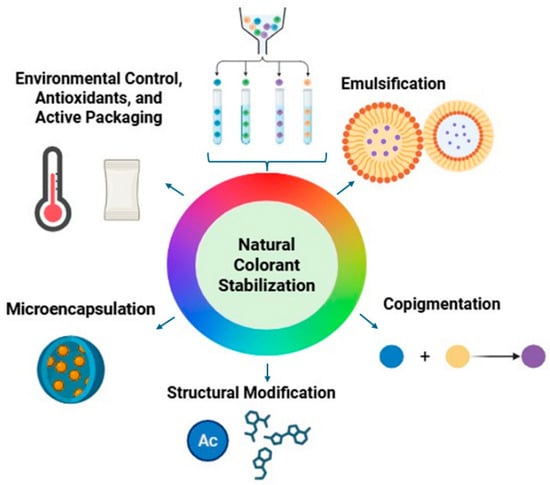






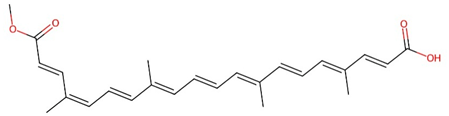
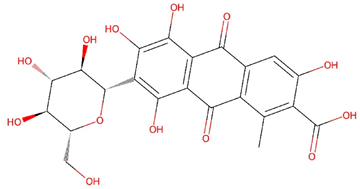
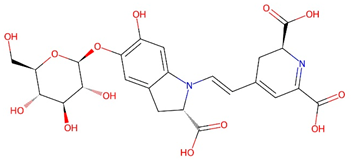
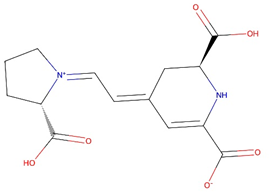
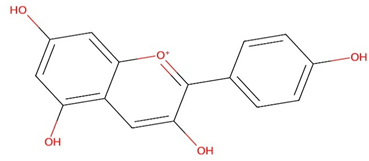
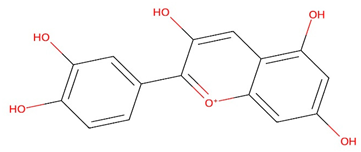
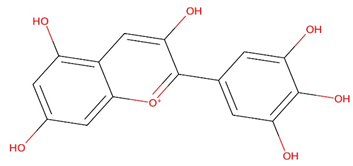
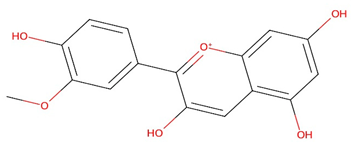
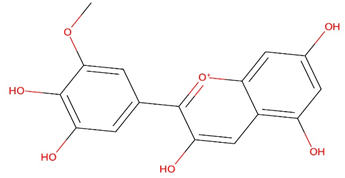
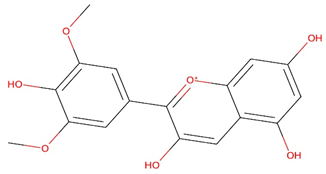
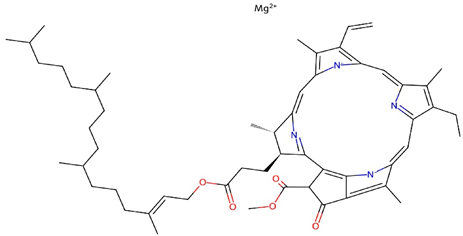
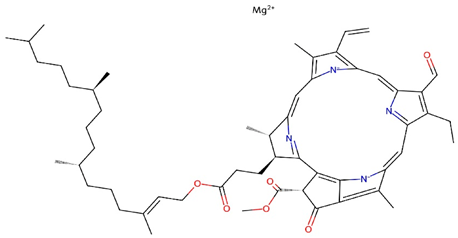
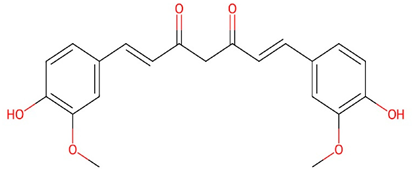
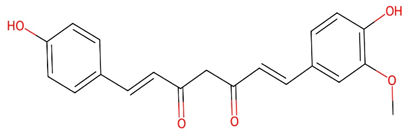
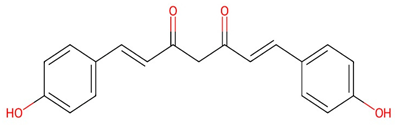
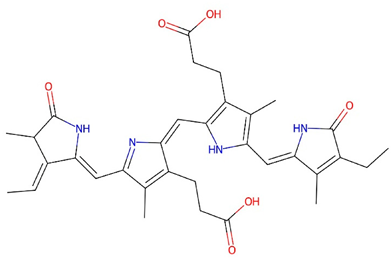
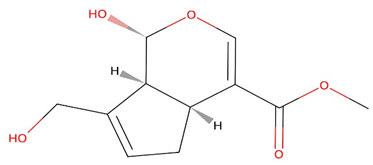
Disclaimer/Publisher’s Note: The statements, opinions and data contained in all publications are solely those of the individual author(s) and contributor(s) and not of MDPI and/or the editor(s). MDPI and/or the editor(s) disclaim responsibility for any injury to people or property resulting from any ideas, methods, instructions or products referred to in the content. |
© 2026 by the authors. Licensee MDPI, Basel, Switzerland. This article is an open access article distributed under the terms and conditions of the Creative Commons Attribution (CC BY) license.