


Abstract
This study aimed to develop unique heat-resistant polymers with very high-intensity blue photoluminescence (PL), particularly by maximizing the PL efficiencies (ΦPL) of fluorophore-incorporated polyimides (PIs) while maintaining their PL color. A bifunctional amide-linked fluorophore (HTA-BAPA) was synthesized from a hydrogenated trimellitic anhydride (HTA) derivative and 9,10-bis(4-aminophenyl)anthracene (BAPA) to covalently incorporate into the main chains of PIs. The dependence of the ΦPL on the HTA-BAPA content was investigated using a wholly cycloaliphatic PI matrix, derived from 1,2,3,4-cyclobutanetetracarboxylic dianhydride (CBDA) with 4,4′-methylenebis(cyclohexylamine) (MBCHA), without charge-transfer (CT) interactions, which mask the desired PL. The ΦPL in the PI precursor film significantly decreased after thermal imidization while maintaining the PL spectral profile (spectral shape and position = PL color). This is likely related to low-level (two-molecular) fluorophore aggregation during thermal imidization, which is responsible for concentration quenching (CQ). Then, the effect of the chemical imidization process (Route-C) on ΦPL was investigated. Route-C provided PI films via a simple solution coating and drying process without thermal imidization. However, when CBDA/MBCHA was used as the PI matrix, gelation/precipitation occurred during chemical imidization, which inhibited subsequent solution casting. To solve this problem, an alternative cycloaliphatic tetracarboxylic dianhydride, derived from the HTA derivative and 4,4′-biphenol (44′BP), was used to combine with 2,2′-bis(trifluoromethyl)benzidine. This matrix PI exhibited Route-C compatibility, excellent solubility, and high heat resistance (Tg = 263 °C), while maintaining a CT-inhibiting function. The PI cast film incorporating HTA-BAPA (2 mol%) exhibited a highly intense blue PL with an exceedingly high ΦPL of 0.68 (68%) and a color coordinate, CIE (x = 0.151, y = 0.074), corresponding to deep-blue PL. The impact of casting solvent type on the ΦPL was also investigated. A clear correlation between the boiling points (Tb) of the casting solvents and ΦPL of the resulting PI cast films was observed, where ΦPL monotonically increased with decreasing Tb. These results probably suggest that faster evaporation (solidification) related to the lower Tb during the first soft-drying step at 60 °C kinetically overcame the two-molecular fluorophore aggregation responsible for CQ. Solution casting from tetrahydrofuran (with the lowest Tb) afforded a maximum ΦPL of 0.84 (84%). Thus, unique polymeric materials with excellent solubility, high Tg, relatively high thermal stability and acceptable film ductility along with highly intense pure-blue PL were obtained, broadening the scope of photoluminescent PI applications, such as heat-resistant fluorescent QR codes.
1. Introduction
Optically transparent (colorless) heat-resistant polymers have recently been recognized as key materials in optoelectronics [1]. In terms of heat resistance, colorless polyimides (PIs) are the most valuable among this class of polymers. Therefore, studies on their various optical and optoelectronic applications are ongoing [2,3,4]. However, conventional wholly aromatic PIs, such as KAPTON®H [5] and UPILEX®-S films [6], unlike common polymers, are intensely colored owing to intra- and intermolecular charge-transfer (CT) interactions arising from their electron donor (D)–acceptor (A) alternating chain sequences, which generate absorption bands in the visible wavelength range [7,8]. This limits the optical and optoelectronic applications of conventional PI films. A limited exception is a fluorinated PI derived from a tetracarboxylic dianhydride (TCDA), 4,4′-(hexafluoroisopropylidene)diphthalic anhydride (6FDA), with a diamine, 2,2′-bis(trifluoromethyl)benzidine (TFMB) [9]. The use of aliphatic monomers (usually cycloaliphatic monomers to ensure sufficient heat resistance) for either TCDAs [10,11,12,13,14,15,16,17,18,19,20,21,22,23,24,25,26,27,28,29,30,31,32,33,34] or diamines [35,36,37,38], or for both [39,40,41], is highly effective in suppressing CT interactions [7,8] and consequently in improving the optical transparency of PI films. The synthesis, properties, characterization, and applications of numerous colorless PIs have attracted considerable attention [42,43,44,45,46]. In addition to the numerous traditional studies focusing simply on their optical transparency, in recent years, researchers have focused on specific optical properties, for example, enhancing the refractive indices of PI films [47,48], simultaneously lowering the coefficient of thermal expansion (CTE) and thickness-direction birefringence [46], and reducing the wavelength dispersion in birefringence [20,22]. Other important photo- or optical functionalities of PIs have been investigated, such as photoconductivity [49,50], electrochromic behavior [51], and practically useful photolithography using colorless, photosensitive PIs [52,53,54]. In addition, the photoluminescence (PL) [55] and photosensor/fluorescence probe functionalities of PIs [56,57,58] are of great interest. The application scope of photoluminescent heat-resistant resins has been expanded to include organic light-emitting diode displays (OLEDs), lighting equipment, color-conversion emission layers, sensors, fluorescent QR codes, and heat-resistant markers [59]. The greatest advantage of using heat-resistant matrix resins such as PIs for these applications is their effectiveness in suppressing over-time chemical decomposition and/or migration/bleeding-out of the dispersed organic fluorophores, which are the major factors in the degradation of these devices.
Highly photoluminescent PIs [60,61,62,63,64,65,66,67,68,69,70,71], fluorescence emission mechanisms [7,8,69,72] and phosphorescence [73,74,75,76] in PIs, PL-wavelength control [77,78], and intrinsic photoreaction mechanisms [7,73,79,80,81] have so far been studied in detail. The recent progress in luminescent PIs has been reviewed [55,56,82]. These optical and spectroscopic properties are all closely related to CT interactions in PI matrix resins; for example, using PIs without CT interactions as matrix resins is essential to obtain the desired intense PLs.
For many years, we have investigated CT mechanisms [7,8,74] and photochemical reaction mechanisms in PIs [81] and developed new colorless PIs [18,20,21,22,27,31,32,33,34,37,42,46] and highly fluorescent heat-resistant polymers [69]. As an extension of these previous studies, the present study proposes unique solution-processable PI materials with intense pure-blue PL functionality using new bifunctional fluorophores based on the suppression of CT interactions. We also discuss the unexpectedly important parameters influencing the PL efficiencies; that is, the film preparation routes and casting solvent type.
2. Experimental Section
2.1. Materials
2.1.1. Monomer Synthesis
The following monomers used in this study were synthesized using the raw materials listed in Table S1.
- (a)
- 2,3,6,7-Anthracenetetracarboxylic dianhydride (ACDA)
ACDA was synthesized according to the reaction scheme (Figure 1), as described in a previous paper [83]. First, the methyl groups of durene were octa-brominated as follows: in a three-neck 200 mL flask equipped with a condenser, dropping funnel, and UV light inlet, durene (2.26 g, 16.82 mmol) was dissolved in CCl4 (78.5 mL). To this solution, liquid bromine (23 g, 143.9 mmol) dissolved in CCl4 (12.4 mL) in the dropping funnel was gradually added over 4 h at 80 °C with continuous magnetic stirring and UV irradiation through a quartz fiber cable using a non-filtered ultrahigh-pressure mercury lamp (100 W, Harison-Toshiba Lighting, Imabari, Ehime, Japan, Toscure 100) (Figure S1). The reaction mixture was additionally refluxed at 80 °C up to the reaction endpoint (typically for 40 h), while monitoring by thin layer chromatography and neutralizing the HBr by-product with the equivalent NaOH aqueous solution containing an indicator. The pale orange precipitate yielded was collected by decantation, washed with chloroform, and dried at room temperature under vacuum.
Figure 1.
Reaction scheme for the synthesis of 2,3,6,7-anthracenetetracarboxylic dianhydride (ACDA).
To the entire amount of the brominated product obtained, N-phenylmaleimide (5.81 g, 33.53 mmol) and NaI (27.82 g, 185.63 mmol) dissolved in N,N-dimethylacetamide (DMAc, 179 mL) were added and refluxed at 80 °C for 10 h. After standing at room temperature for 24 h, the yellow precipitate yielded was collected by filtration, washed with water and 1,4-dioxane (DOX), and dried at 100 °C for 12 h under vacuum (yield: 48%). The product formed was insoluble in any solvents. The melting point (Tm) of this product determined from a sharp endothermic peak temperature on differential scanning calorimetry (DSC) was 565 °C. FT-IR (KBr, cm−1): 3070 (Carom–H stretching vibration), 1766/1716 (imide, C=O), 1502 (phenyl group), 1372 (imide, N–Carom), 755 (imide ring, deformation). The product was completely insoluble in any solvents.
To this product (0.635 g, 1.35 mmol), a 20 wt% NaOH aqueous solution (100 mL) was added in a three-neck flask. The suspended reaction mixture was refluxed at 140 °C for 8 h in a N2 atmosphere. The resulting solution was neutralized by adding conc. HCl in one portion, and the yellow precipitate yielded was repeatedly washed with water and dried at 100 °C for 12 h under vacuum (yield: 76%). FT-IT (KBr plate method, cm−1): 2672 (hydrogen-bonded COOH, O–H stretching), 1708 (hydrogen-bonded COOH, C=O). Cyclodehydration of this product was conducted by heating at 220 °C for 12 h under vacuum. FT-IT (KBr, cm−1): 3070 (Carom–H), 1836/1794 (acid anhydride, C=O) with the complete disappearance of 2672 (hydrogen-bonded COOH, O–H) and 1708 (hydrogen-bonded COOH, C=O). 1H-NMR [400 MHz, dimethyl sulfoxide (DMSO)-d6, δ, ppm]: 9.43 [s, 2H (relative integrated intensity: 2.00H), 9,10-protons of the anthracene (ANT) unit], 9.11 [s, 4H (4.39H), 1,4,5,8-protons of ANT]. The results confirm that the final product is the desired TCDA (2,3,6,7-anthracenetetracarboxylic dianhydride (ACDA)) shown in Scheme 1.
Scheme 1.
Molecular structure of ACDA with numbering.
- (b)
- HTA-X
HTA-44′BP. An ester-linked cycloaliphatic TCDA, p-biphenylenebis(1,2,4-cyclohexanetricarboxylate 1,2-anhydride (HTA-44′BP (Scheme 2)), was synthesized from 1-exo,2-exo,4-exo-cyclohexanetricarboxylic anhydride chloride (HTAC) and 4,4′-biphenol (44′BP) in anhydrous tetrahydrofuran (THF) in the presence of pyridine according to the reaction scheme (Figure 2), as described in our previous paper [18]. Other analogs of HTA-44′BP, i.e., HTA-MHQ (Scheme 3) and HTA-44′BCH without any aromatic units (Scheme 4) were also synthesized using methylhydroquinone (MHQ) and 4,4′-bicyclohexanol (44′BCH), respectively, instead of 44′BP in a similar manner [18].
Scheme 2.
Molecular structure of HTA-44′BP.
Figure 2.
Reaction scheme for the synthesis of HTA-Xs and steric structure of HTAC.
Scheme 3.
Molecular structure of HTA-MHQ.
Scheme 4.
Molecular structure of HTA-44′BCH.
- (c)
- HTA-BAPA
A bifunctional fluorophore, HTA-BAPA, was synthesized according to the reaction scheme shown in Figure 3b through the following intermediate.
Figure 3.
Reaction schemes for the synthesis of HTA-BAPA: (a) an ordinary pathway [R = alkyl groups in the intermediate (diimide compound, HTI-BAPA)] and (b) the simplified pathway applied in this study.
9,10-bis(4-aminophenyl)anthracene (BAPA): BAPA (Scheme 5) was synthesized according to the procedures described in the literature [69,84,85]. In a three-neck flask, the mixture of anthraquinone (1.90 g, 9.12 mmol), anilinium chloride (4.76 g, 36.70 mmol), and aniline (9.3 mL) was heated at 185 °C for 3 h in a nitrogen atmosphere and cooled to room temperature. To the black precipitate formed, a mixed solution of acetone (60 mL), methanol (60 mL), and conc. HCl (10 mL) was added, and the mixture was stirred in an ice bath for several hours. The precipitate was collected by filtration and washed with methanol. The precipitate was added in a mixed solution of acetone (70 mL) and conc. HCl (10 mL), and the mixture was stirred for 3 h to wash the precipitate thoroughly. The precipitate was collected by filtration and washed with acetone and neutralized with a NaOH aqueous solution, followed by washing with water. The crude product was dried at 100 °C for 12 h under vacuum (yield: 31%). The green solid obtained was recrystallized from benzene (recrystallization yield: 57%). The analytical data of the green crystal are as follows. Melting point (DSC, heating rate: 5 °C/min): 323 °C (very sharp endothermic peak). FT-IR (KBr plate method, cm−1): 3436/3357/3217 (NH2, N–H stretching vibration), 3061/3028 (Carom–H), 1619 (NH2, in-plane deformation), 1519 (1,4-phenylene group). 1H-NMR (400 MHz, DMSO-d6, δ, ppm): 7.72 [d, 4H (3.96H), J = 9.9 Hz, 1,4,5,8-protons of ANT], 7.37 [d, 4H (4.09H), J = 9.9 Hz, 2,3,6,7-protons of ANT], 7.07 [d, 4H (4.03H), J = 7.7 Hz, 2,2′,6,6′-protons of the aniline (AN) unit], 6.81 (d, 4H (3.91H), J = 8.0 Hz, 3,3′,5,5′-protons of AN], 5.33 [s, 4H(4.00H), NH2]. Elemental analysis, Anal. Calcd (%) for C26H20N2 (360.46): C, 86.64; H, 5.59; N, 7.77. Found: C, 86.65; H, 5.52; N, 7.62. The results confirm that the product is the desired diamine (BAPA) shown in Scheme 5.
Scheme 5.
Molecular structure of BAPA with numbering.
HTA-BAPA: First, 1-exo,2-exo,4-exo-cyclohexanetricarboxylic acid (HTCA, 100 mmol) dissolved in a mixed solvent of anhydrous 1,4-dioxane (188 mL) and acetic anhydride (Ac2O, 10.4 mL, 110 mmol) was converted to the corresponding acid anhydride, i.e., hydrogenated trimellitic anhydride (HTA) by refluxing at 120 °C for 4 h in a N2 atmosphere. The HTA obtained was then converted to its acid chloride form (hydrogenated trimellitic anhydride chloride, HTAC) via chlorination of the COOH group of HTA with a large excess of thionyl chloride by refluxing at 80 °C for 2 h without catalysts (although several drops of N,N-dimethylformamide (DMF) as the catalyst are usually added) to avoid coloration of the product, as mentioned in our previous paper [18].
In a septum cap-sealed flask, HTAC (1.024 g, 4.472 mmol) was dissolved in anhydrous THF (1.73 mL). In another septum cap-sealed flask, BAPA (0.721 g, 2.000 mmol) was dissolved in THF in the presence of propylene oxide (PO, 0.61 mL, 4.5 mmol) as an HCl acceptor. To the HTAC solution cooled in an ethanol–ice bath (~−20 °C), the BAPA solution was gradually added with a syringe, and the reaction mixture was stirred for 3 h and additionally stirred at room temperature for 12 h. We have previously elucidated that the NH2 groups of aromatic diamines (e.g., TFMB) preferentially react with the acid anhydride group (COCl) of trimellitic anhydride chloride (TMAC) in the presence of PO at −20 °C [86]. This combined condition was applied to the present reaction system, and it was effective in suppressing the undesirable side reaction between the acid anhydride group of HTAC and the NH2 groups of BAPA. The pale-blue precipitate formed was collected by filtration, washed with toluene and n-hexane, and dried at 60 °C for 12 h under vacuum (yield: 44%). The analytical data of this product are as follows. Melting point (DSC): not detected. FT-IR spectrum (Figure 4, KBr plate method, cm−1): 3335 (amide, N–H), 3065 (Carom–H), 2946/2866 (Caliph–H), 1863/1786 (acid anhydride, C=O), 1665/1522 (amide, C=O). The 1H-NMR spectrum is shown in Figure 5 (400 MHz, DMSO-d6, δ, ppm): 10.21 [s, 2H (2.00H), NHCO], 7.86 [d, 4H (3.99H), J = 8.5 Hz, 1,4,5,8-protons of ANT], 7.61 [d, 4H (4.04H), not fully resolved, 2,3,6,7-protons of ANT], 7.39 [m, 8H (7.95H), 2,2′,3,3′,5,5′,6,6′-protons of the aniline unit], 3.60 [quintet, 2H (2.05H), not well-resolved, 4,4′-protons of the terminal 1,2-cyclohexanedicarboxyimide (CHCI) unit], 2.25–1.46 [m, 12H (11.59H), 3,3,3′,3′,5,5,5′,5′,6,6,6′,6′-protons of CHCI]. The 1,1′,2,2′-protons of CHCI (4H) at ~3.4 ppm overlapped with the H2O proton signal (3.33 ppm) in DMSO-d6. The lack of both proton signals at ~10 ppm (NHCO proton) and ~12–13 ppm (COOH proton) indicates the absence of a partially formed by-product due to hydrolysis of the terminal acid anhydride ring. The results confirm that the product is the desired TCDA (HTA-BAPA) shown in Scheme 6.
Figure 4.
FT-IR spectrum (KBr plate method) of HTA-BAPA monomer.
Figure 5.
1H-NMR spectrum (DMSO-d6) of HTA-BAPA monomer.
Scheme 6.
Molecular structure of HTA-BAPA with numbering.
2.1.2. Commercially Available Monomers
The molecular structures of the commercially available monomers used in this study are shown in Figure 6. Their commercial sources, abbreviations, pre-drying conditions, and melting points are listed in Table S2.
Figure 6.
Molecular structures and abbreviations of the commercially available monomers used in this study.
2.1.3. Polymerization, Imidization, and PI Film Preparation
Polymerization, imidization, and film preparation were conducted through the following two processes (Figure 7). Route-T: conventional two-step process consisting of low-temperature equimolar polyaddition, coating/drying of the resulting PI precursor [poly(amic acid) (PAA)] solutions at 60 °C (for DMAc solution) or 80 °C (for N-methyl-2-pyrrolidone (NMP) solution) for 2 h in an air-convection oven, and thermal imidization of the non-sticky PAA cast films typically at 200 °C for 1 h + 250 °C for 1 h on a glass substrate under vacuum and additional annealing at 320 °C for 1 h without the substrate under vacuum. Route-C: chemical imidization by adding a cyclodehydration reagent [acetic anhydride (Ac2O)/pyridine (7/3, v/v)] with a fixed molar ratio of [Ac2O]/[COOH]PAA = 5 to the PAA solutions (diluted as appropriate), and stirring for 24 h at room temperature, isolation of PIs by gradually pouring into a large quantity of poor solvent (typically methanol), redissolution of the isolated/dried fibrous PI powder in a fresh solvent, and coating/drying of the resulting homogeneous PI solutions. The chemical imidization process must be conducted in a sealed vessel while maintaining a homogeneous state to ensure complete imidization. Gelation or precipitation during chemical imidization also inhibits the subsequent solution casting process using homogeneous PI solutions. Thus, Route-C is applicable only to highly soluble PI systems.
Figure 7.
Schemes of polymerization, imidization, and film preparation processes via different routes: (T) conventional two-step process consisting of PAA polymerization and thermal imidization of the PAA cast films and (C) chemical imidization process.
The progress of polymerization and completion of imidization were confirmed by FT-IR spectra. A typical transmission-mode FT-IR spectrum of a PI thin film prepared via Route-C is shown in Figure 8. The spectrum included the specific bands (cm−1): 3040 (Carom–H), 2948/2870 (Caliph–H), 1750 (imide, C=O), 1719 (imide, C=O + ester, C=O), 1492 (1,4-phenylene group), 1374 (imide, N–Carom), 1312/1169 (C–F). In addition, the PAA-specific bands at ~2600 cm−1 (hydrogen-bonded COOH, O–H stretching) and 1680/1530 cm−1 (amide, C=O) were not observed.
Figure 8.
Transmission-mode FT-IR spectrum of a thin PI cast film (#13C).
The PI films (typical thickness: 20 μm) used for the measurements of thermal properties, UV–visible absorption, and PL spectra were prepared as follows. The above-mentioned isolated fibrous PI powder (via Route-C) was re-dissolved in a fresh solvent at a high solid content (typically, 15 or 20 wt%), and the resulting homogeneous PI solution was coated on a glass substrate and soft-dried at 60 °C (for DMAc solution) or 80 °C (for NMP solution) for 2 h in an air-convection oven. Then, the non-sticky PI cast films were heated typically at 200 °C for 1 h on the substrates under vacuum to completely remove the solvents. These thermal conditions were adjusted as appropriate to obtain better-quality films.
In this study, the PAA and PI systems were represented using the symbols of the monomers [tetracarboxylic dianhydrides (X) and diamines (Y)] as X/Y for homopolymers and X1;X2/Y1;Y2 for copolymers.
2.2. Measurements
2.2.1. Characterization of the Monomers Synthesized
The molecular structures of the monomers and their intermediates synthesized in this study were characterized by FT-IR (JASCO, Tokyo, Japan, FT/IR350 infrared spectrometer) and 1H-NMR spectra in DMSO-d6 or CDCl3 (JEOL, Tokyo, Japan, JMN-ECP400), and elemental analysis (J-Science Lab, Kyoto, Japan, Micro Corder JM10). The completion of imidization for the PIs obtained via chemical imidization was confirmed by the 1H-NMR spectra in DMSO-d6 (only for highly soluble systems) and/or transmission-mode FT-IR spectra using their thin films (~5 μm thick) with an intentionally roughened surface to suppress interference fringes. The melting points of the monomers and intermediates were determined by DSC (NETZSCH Japan, Yokohama, Japan, DSC3100) from the endothermic peak temperatures in the DSC thermograms measured at a heating rate of 5 °C/min in a nitrogen atmosphere.
2.2.2. Reduced Viscosities (ηred)
The ηred values of PAAs and/or chemically imidized PIs as an index of their molecular weights were measured at a polymer content of 0.5 wt% at 30 °C on an Ostwald viscometer because it was difficult to determine the inherent viscosities (ηinh) by the extrapolation to zero PAA concentration owing to a polyelectrolyte effect of PAAs. The measurements were conducted promptly after dilution of the as-polymerized PAA solutions to 0.5 wt% because dilution of PAA solutions to a low concentration (<1 wt%) often accelerates their molecular weight decrease. High ηred values (>~1.0 dL/g) can be empirically regarded as being PAAs or PIs with sufficiently high molecular weights for ensuring film-forming ability.
2.2.3. Glass Transition Temperatures (Tg)
The Tgs of the PI films as physical (short-term) heat resistance were measured by dynamic mechanical thermal analysis (DMA) on a thermomechanical analyzer (NETZSCH Japan, Yokohama, Japan, TMA 4000). The storage modulus (E′) and loss energy (E″) as a function of temperature were measured in the range of 30–450 °C at a heating rate of 5 °C/min in a N2 atmosphere under a sinusoidal strain frequency of 0.1 Hz (amplitude: 0.1%). The Tgs were determined from the peak temperatures in the E″ curve, unless otherwise noted. In some cases, the Tgs were measured by thermomechanical analysis (TMA) from an inflection point in the TMA curve, which was determined from an intersection of two tangential lines.
2.2.4. Thermal Decomposition Temperatures (5% Weight Loss Temperatures, Td5)
The Td5 values of the PI films, as a parameter representing thermal stability (in N2) and thermo-oxidative stability (in air) (chemical (long-term) heat resistance) were measured by thermogravimetric analysis (TGA) at a heating rate of 10 °C/min in a dry N2 and/or air atmosphere on a thermo-balance (NETZSCH Japan, Yokohama, Japan, TG-DTA2000). A small weight loss due to desorption of adsorbed water at 100 °C during the TGA heating runs was compensated by offsetting at 150 °C to 0% weight loss for the data analysis.
2.2.5. Linear Coefficients of Thermal Expansion (CTE)
The XY-direction CTEs, as a parameter representing thermal dimensional stability of the PI films, were measured by TMA using PI specimens (length: 20 mm, width: 5 mm, typical thickness: 20 μm, chuck-to-chuck distance: 15 mm) on a thermomechanical analyzer (NETZSCH Japan, Yokohama, Japan, TMA 4000). TMA was conducted at a heating rate of 5 °C/min with a fixed load (0.5 g per unit film thickness in μm, i.e., a 10 g load for 20 μm thick specimens) in a dry nitrogen atmosphere. The CTE values were calculated from the slope of the TMA straight line in the range of 100–200 °C (glassy temperature region, T < Tg) during the 2nd heating run ranging from 30 to 450 °C, before which the preliminary 1st run was conducted in the range of 30–150 °C to remove adsorbed water on the mounted specimens and subsequent cooling to 30 °C with a continuous dry N2 flow in the sealed TMA chamber.
Before the TMA measurements, residual strain included in the film specimens as prepared on the substrates was removed by annealing without substrates at temperatures identical to the final imidization temperatures (for non-thermoplastic samples) or at ~20 °C lower temperatures than the Tg (to avoid crucial film deformation for thermoplastic samples).
2.2.6. Ultraviolet (UV)–Visible Absorption Spectra
The UV–visible absorption spectra of the monomers in solutions and PI films (typical thickness: 20 μm) were measured at room temperature in the wavelength (λ) range of 200–800 nm with a bandpass of 0.5 nm using a UV–visible spectrophotometer (JASCO, Tokyo, Japan, V-530). The light transmittance at 400 nm (T400) and cut-off wavelength (λ0) as indices of optical transparency were determined from the UV–visible absorption spectra.
2.2.7. Photoluminescence (PL) Spectra, Excitation Spectra, and PL Quantum Yields
The photoluminescence (PL) spectra of the monomers in solutions were measured at room temperature in a fluorescence-free quartz cell at a standard right-angle arrangement using a fluorescence spectrometer (Hitachi High-Tech, Tokyo, Japan, F-4500). The PL spectra of the film specimens, sandwiched between fluorescence-free quartz plates and mounted on a film sample holder (Hitachi High-Tech, Tokyo, Japan, 650-0161), were measured in front-face reflection geometry at room temperature. An adequate sharp-cut filter, which does not deform the spectra, was selected and placed in front of the emission-side monochromator to remove unnecessary scattered light. PL spectra were measured at a bandpass of 5 nm for both the emission- and excitation-side monochromators. The PL spectra in the range of 200–600 nm were corrected for the λ-dependent detector sensitivity using a light diffuser (Hitachi High-Tech, Tokyo, Japan, 650-1576) by simultaneously sweeping the wavelengths of the excitation and emission monochromators. A sub-standard tungsten light source (Hitachi High-Tech, Tokyo, Japan, 250-0123) was also used for the spectral correction in a longer wavelength range (500–900 nm). These procedures allowed PL spectrum corrections in the range of 200–900 nm.
The excitation spectra in the range of 200–600 nm were corrected for the λ-dependence of the light intensity from the Xe lamp using a rhodamine B screen solution (FUJIFILM Wako Pure Chemical, Tokyo, Japan) in a triangular quartz cell (Hitachi High-Tech, Tokyo, Japan, 650-1640). The corrected excitation spectra of film specimens were measured at a bandpass of 2.5 nm for both the emission- and excitation-side monochromators using an adequate sharp-cut filter placed in front of the emission-side monochromator.
The PL quantum yields (ΦPL) of the solution samples were determined by the following relationship in the standard right-angle measurement mode:
where If and If st denote the integrated PL intensities of the sample and standard solutions; A and Ast, adjusted to an adequate value (0.05–0.1), represent the absorbance of the samples and standard solutions at the excitation wavelength (λEX); and n and nst are the average refractive indices of the solvents for the sample and standard solutions, respectively. A 1.0 N sulfuric acid aqueous solution of quinine sulfate dihydrate (Table S2) was used as the standard solution with a known ΦPL value (ΦPLst = 0.55 [87]).
The ΦPL values of the film samples were estimated from the following relationship in the front-face reflection measurement mode:
The parameters of this equation are the same as those in Equation (1). In this case, a dye-dispersed standard film with ΦPLst was prepared as follows. N,N′-bis(2,4-di-tert-butylphenyl)perylene-3,4,9,10-tetracarboxydiimide (DBu-PEDI, Table S2), which exhibits an extremely high ΦPL value close to unity in chloroform (ΦPL = 0.95) [88], and poly(methyl methacrylate) (PMMA) pellets (FUJIFILM Wako Pure Chemical) were separately dissolved in chloroform, and these solutions were mixed at an established ratio. The homogeneous mixed solution was coated on a glass plate and dried at 60 °C for 1 h in an air-convection oven. The DBu-PEDI concentration in the cast films was adjusted to 1.0 × 10⁻⁴ M. This DBu-PEDI concentration (cref) in the PMMA film was very important to avoid undesirable PL spectral deformation due to dye aggregation and/or a self-reabsorption effect of the PL, which was actually observed in the DBu-PEDI-dispersed films with higher dye concentrations than cref. The DBu-PEDI-dispersed PMMA film exhibited virtually the same normalized If value as its poly(vinyl chloride) (PVC) counterpart. This suggests that the PMMA film is similarly regarded as an inert matrix, as well as the film of PVC with a similar structure to chloroform. Therefore, the ΦPL of the DBu-PEDI-dispersed PMMA film (=ΦPLst) was reasonably assumed to be virtually equivalent to that of the chloroform solution (ΦPL = 0.95).
2.2.8. PL Image
The film specimens were photographed in the dark while irradiating the upper face of the films at an adequate tilt angle using a broadband UV lamp (Topcon, Tokyo, Japan, PUV-1A) with a continuous spectral distribution over the range of 250–405 nm.
2.2.9. Solubility Test
The solubility of the PIs was qualitatively estimated using chemically imidized powder samples or thermally imidized film samples by observing whether the samples (10 mg) were completely dissolved in various solvents (1 mL) in a test tube at room temperature (1st step). The insoluble samples were heated at established temperatures for each solvent (2nd step). For the samples that were dissolved by heating, the solution homogeneity was monitored after cooling to room temperature.
3. Results and Discussion
3.1. Matrix Polymer Structures and Photophysical Processes Influencing PL from Fluorophore
Figure 9 shows a Jablonski diagram representing the photophysical processes of neat wholly aromatic PIs and fluorophore-incorporated PIs. Wholly aromatic PIs, consisting of an electron donor (D)–acceptor (A) alternating chain sequence (⋯D–A–D–A⋯), have a broad CT absorption band in the wide visible wavelength range owing to intra- and intermolecular CT interactions [7,8], thereby direct light absorption (excitation) of the structural units of the PIs is almost shielded, as shown in process (c) in Figure 9. Even if direct excitation is partially allowed by slightly passing excitation light through the CT absorption band (processes (a) and (b)), subsequent ultrafast internal conversion (process (d)) occurs from the higher singlet local excited (LE) state of the PI structural units, S2(PI, LE), to the lowest singlet excited state S1(PI, LE). This is followed by an ultrafast electron (charge) transfer (process (e)) with an extremely high rate constant (kCT > 5 × 10¹¹ s−1) [74] to the excited CT(D+A−, PI) state and subsequent effective non-radiative (thermal) deactivation from the CT(D+A−, PI) state to the ground state [S0(PI)] (process (f)) with a high rate constant (kdCT ~ 5 × 10⁸ s−1) [74]). Therefore, wholly aromatic PIs usually emit only a very weak CT fluorescence or almost no fluorescence, as exemplified by a PI derived from pyromellitic dianhydride (PMDA) with 4,4′-oxydianiline (4,4′-ODA) (i.e., PMDA/4,4′-ODA PI film) [7], and neither fluorescence from the S1(PI, LE) state nor phosphorescence from the T1(PI, LE) state are observed. The outstanding UV stability of wholly aromatic PI films can be ascribed to this highly effective sequential deactivation process [7].
Figure 9.
A presumed schematic Jablonski diagram for fluorophore (F)-incorporated wholly aromatic polyimides (PIs) consisting of electron donor (D)–acceptor (A) alternating main-chain sequence. a and b: UV absorption by the PI structural units (partial direct excitation of the PI structural units from the ground state S0(PI) to the local singlet excited state [S2(PI, LE) or S1(PI, LE)] respectively); c: weakened direct excitation of the PI structural units by a masking effect due to the broad charge-transfer absorption band [CT (D+A−, PI)]; d: internal conversion; e: photo-induced CT from S1(PI, LE) to the excited CT state; f: non-radiative deactivation; g: direct excitation of the incorporated F units; h: direct excitation of the F units shielded by CT absorption; i: internal conversion or intra-/intermolecular excitation energy transfer from the singlet local excited state of F [S1(F, LE)]; j: fluorescence of F. The thicker arrows represent higher relative transition efficiencies (or rates).
Figure 9 shows a Jablonski diagram representing the photophysical processes of neat wholly aromatic PIs and fluorophore-incorporated PIs. Wholly aromatic PIs, consisting of an electron donor (D)–acceptor (A) alternating chain sequence (⋯D–A–D–A⋯), have a broad CT absorption band in the wide visible wavelength range owing to intra- and intermolecular CT interactions [7,8], thereby direct light absorption (excitation) of the structural units of the PIs is almost shielded, as shown in process (c) in Figure 9. Even if direct excitation is partially allowed by slightly passing excitation light through the CT absorption band (processes (a) and (b)), subsequent ultrafast internal conversion (process (d)) occurs from the higher singlet local excited (LE) state of the PI structural units, S2(PI, LE), to the lowest singlet excited state S1(PI, LE). This is followed by an ultrafast electron (charge) transfer (process (e)) with an extremely high rate constant (kCT > 5 × 10¹¹ s−1) [74] to the excited CT(D+A−, PI) state and subsequent effective non-radiative (thermal) deactivation from the CT(D+A−, PI) state to the ground state [S0(PI)] (process (f)) with a high rate constant (kdCT ~ 5 × 10⁸ s−1) [74]). Therefore, wholly aromatic PIs usually emit only a very weak CT fluorescence or almost no fluorescence, as exemplified by a PI derived from pyromellitic dianhydride (PMDA) with 4,4′-oxydianiline (4,4′-ODA) (i.e., PMDA/4,4′-ODA PI film) [7], and neither fluorescence from the S1(PI, LE) state nor phosphorescence from the T1(PI, LE) state are observed. The outstanding UV stability of wholly aromatic PI films can be ascribed to this highly effective sequential deactivation process [7].
Similarly in fluorophore (F)-incorporated PIs (Figure 9), the direct excitation (process (g)) of the introduced fluorophore is shielded by the CT absorption of the PI matrix (process (h)). Even if the S1(F, LE) state is generated by the partial excitation light passing through the CT absorption, it undergoes a very fast transition to the CT(D+A−, PI) state (process (i)), followed by fast non-radiative (thermal) deactivation (process (f)). Thus, as long as the CT interactions in the PI matrix resins are maintained, the desired fluorophore PL will be completely quenched via the very effective sequential process (h→i→f). Therefore, the CT interactions in PI matrix resins must be suppressed to realize intense PL from the introduced fluorophores, suggesting the importance of designing matrix PI structures.
The light transmittance of PI films over a wider wavelength range can serve as an indicator for selecting optimal matrix PIs in terms of removing their undesirable excitation-light shielding effect. For example, a PI film (~20 μm thick) of the PMDA/4,4′-ODA system (Scheme 7), as a typical wholly aromatic PI, has a cut-off wavelength (λ0) of 419 nm [89]. On the other hand, the PMDA/4,4′-methylenebis(cyclohexylamine) (MBCHA) system (Scheme 7), as a typical semi-aliphatic PI (A-type, aromatic TCDAs + aliphatic diamines), showed λ0 = 330 nm [89]; the 1,2,3,4-cyclobutanetetracarboxylic dianhydride (CBDA)/4,4′-ODA system (Scheme 7), as a typical semi-aliphatic PI (B-type, aliphatic TCDAs + aromatic diamines), exhibited λ0 = 298 nm; and the CBDA/MBCHA system (Scheme 7), as a typical wholly aliphatic PI, showed λ0 = 258 nm [21].
Scheme 7.
Examples of four types of PIs.
Therefore, the light transmittance of the PI films over a wider wavelength range increases in the order shown in Scheme 8.
Scheme 8.
The order of light transmittance over the UV–visible wavelength range for four types of PIs.
This suggests that wholly aliphatic PIs have an optimal matrix PI structure that minimizes undesirable shielding effects. Therefore, in our initial attempt, wholly aliphatic PIs were applied to the matrix polymers for fluorophores.
Commercially available aliphatic TCDAs and diamines are shown in Figure 10. The combination of these TCDAs and diamines is essential for obtaining PAAs with sufficiently high molecular weights and, consequently, sufficient film-forming ability without cracks in the films. The polyaddition reactivity of cycloaliphatic TCDAs with diamines strongly depends on their structures. The highly reactive cycloaliphatic TCDAs are virtually limited to CBDA [18,31]. On the other hand, the polyaddition reactivity of aliphatic diamines with TCDAs usually does not depend significantly on their structures. Among the diamines shown in Figure 10b, MBCHA ensures both film ductility and heat resistance of the resulting PIs, as well as a low cost. Therefore, in our initial attempt, the CBDA/MBCHA system (Scheme 9) was applied to the matrix polymer.
Figure 10.
Molecular structures and abbreviations of commercially available common aliphatic monomers: (a) tetracarboxylic dianhydrides (TCDAs) and (b) diamines.
Scheme 9.
Molecular structure of CBDA/MBCHA polyimide as a matrix resin.
However, as in semi-aliphatic PI systems using aliphatic diamines (A-type), insoluble salt was formed in the initial reaction stage during the polyaddition, disrupting the smooth progress of PAA polymerization [42]. Fortunately, by combining CBDA and MBCHA, the initially formed salt gradually dissolved during prolonged stirring (several days) at room temperature, and finally a homogeneous and viscous solution of the PAA with a high molecular weight was obtained [21]. This is because the initially formed salt was not considerably robust, probably owing to the sterically distorted structure of MBCHA and the mixture of several isomers (Scheme 9). A non-tacky PAA cast film obtained from a homogeneous PAA solution was thermally imidized on a glass substrate (Route-T, Figure 7) to form a high-quality colorless PI film. This PI film maintained not only excellent light transmittance over the wide wavelength range but also a very high Tg (326 °C) [21].
3.2. Properties of ACDA-Incorporated CBDA/MBCHA PI Films Prepared via Route-T
We demonstrated that when bifunctional fluorophores were covalently incorporated into wholly cycloaliphatic PI main chains, their PL underwent non-negligible concentration quenching (CQ), even at a minor fluorophore content in the copolymers, such as 10 mol%. However, the CQ problem was almost solved by lowering the fluorophore content to 2 mol% [69]. Indeed, the BAPA (2 mol%)-copolymerized CBDA/MBCHA-based PI film (#0T in Table 1) exhibited an intense blue PL with a relatively high ΦPL of 0.17 (17%) [69], which had room for improvement.
Table 1.
PL, optical, and thermal properties of ACDA-incorporated CBDA/MBCHA-based PI and related systems.
In this study, we investigated the effects of a bifunctional fluorophore alternative to BAPA: 2,3,6,7-anthracenetetracarboxylic dianhydride (ACDA). The thermal and PL properties of the CBDA/MBCHA-based PI film (Route-T) with a controlled ACDA content (2 mol%) are summarized in Table 1. This PI film (#1T) exhibited equivalent thermal properties to those of the pristine system (neat CBDA/MBCHA), including a considerably high Tg of 328 °C and relatively high thermal stability (Td5 (N2) = 428 °C), although its CTE value (64.2 ppm/K) was typical for common polymers. The observed high CTE is attributed to the lack of the XY-direction main-chain alignment (called in-plane orientation), induced upon thermal imidization [90], which was inhibited by its distorted (poorly linear) main-chain structures based on the above-mentioned MBCHA structure (Scheme 9), corresponding to the quite low thickness-direction birefringence (∆nth = 0.0047), which reflects an almost three-dimensionally (3D) random chain orientation distribution.
The UV–visible absorption and PL spectra of the PI film (#1T), which contains the 2,3,6,7-anthracenetetracarboxydiimide (ACDI) unit in the PI main chains, are shown in Figure 11. Both of these spectra had distinct vibronic structures with a clear mirror image between them, as is often observed in fused polycyclic aromatic hydrocarbons (PAHs) with symmetric and planar structures (e.g., naphthalene, anthracene, pyrene, perylene [91], and their derivatives [69]). The PL spectrum of #1T was distinctly red-shifted compared with the corresponding PL spectrum of the central unit of ACDA (i.e., anthracene) [91]. This suggests that the two 2,3,6,7-substituted imide cyclic groups in the ACDA-based diimide (ACDI) unit participate in the electronic conjugation with the central anthracene unit. A similar red-shift was observed in the UV–visible absorption spectrum of #1T compared with that of neat anthracene. The PI film (#1T) also displayed a quite strong blue PL with a central peak wavelength of 451 nm (Figure 11 and its inset). The ΦPL (0.36 (36%)) of #1T was approximately twofold higher than that of #0T (ΦPL = 0.17). Thus, the use of ACDA instead of BAPA was effective in enhancing the ΦPL while maintaining its blue fluorescence color.
Figure 11.
UV–visible (red solid line) and PL spectra (blue solid line) of ACDA (2 mol%)-incorporated CBDA/MBCHA PI film (#1T). For comparison, PL spectrum of the PAA film (green dotted curve) is also shown here. Inset: PL image of #1T.
Owing to their chemical instability [92,93], PAAs themselves have no practical use as materials. Therefore, the properties of the PAA films were beyond the scope of this study. Nonetheless, we examined only the PL spectrum of the ACDA (2 mol%)-incorporated PAA film. As shown in Figure 11, this PAA film [#1(PAA)] exhibited a somewhat broad PL spectrum without a vibronic structure, in contrast to the corresponding thermally imidized film (#1T). The major difference observed in the PL spectral shapes before [#1(PAA)] and after [(#1T)] thermal imidization probably reflects the fact that ACDA was covalently incorporated into the PAA and PI main chains in different chemical forms; that is, a ring-closed (diimide) form of ACDA in the PI matrix (Figure 12a) and a ring-opened amic acid form of ACDA in the PAA matrix (Figure 12b). The disappearance of the vibronic structure in the PL spectrum of the ACDA-incorporated PAA can be related to the presence of many different energetic states of the ring-opened mixed isomers (Figure 12b) and/or many different hydrogen-bonded states between the amide groups directly bound to the anthracene unit and the surrounding amide groups of the PAA matrix. The significant PL spectral change upon thermal imidization also indicated that ACDA was surely covalently inserted into the PAA and PI main chains.
Figure 12.
Different forms of ACDA-based fluorophore (surrounded by red-dotted lines) incorporated into the CBDA/MBCHA main chains: (a) ring-closed imide form of the fluorophore in the PI and (b) ring-opened amic acid forms of the fluorophore in the PAA.
The PI film (#1T) was completely insoluble in all the solvents tested in this study at both room temperature and elevated temperatures except for NMP (Table 2), as confirmed by the lack of blue PL after UV irradiation of each solvent phase after the solubility test. This confirmed the absence of ACDA extraction from the matrix resin, indicating that ACDA was indeed covalently bound to the polymer main chains. On the other hand, this PI film (#1T) was slightly soluble only in NMP at room temperature, as evidenced by the blue PL from the NMP solution, although it did not completely dissolve even in hot NMP at 150 °C (Table 2).
Table 2.
Results of qualitative solubility test at about 1 wt% using PI powder samples obtained via Route-C (PI film sample for #1T).
For comparison, a monofunctional dicarboxylic anhydride (DCA), 2,3-anthracencedicarboxylic anhydride (23ACA) as an analog of ACDA, was bound to the chain ends of CBDA/MBCHA. This PI film (#2T) showed thermal properties equivalent to those of #1T (Table 1) and an intense blue PL spectrum (λmax = 441 nm) without vibronic structure with a quite high ΦPL of 0.39 (Figure 13 and its inset) as high as that of #1T (ΦPL = 0.36).
Figure 13.
UV–visible (red curve) and PL spectrum (blue curve) of 23ACA-incorporated CBDA/MBCHA polyimide film (#2T). Inset: Photograph of the PL image of #2T.
Thus, ACDA and 23ACA were effective in imparting intense blue PL functionality to the wholly cycloaliphatic PIs with very high Tg values. However, to further enhance the blue PL, a more sophisticated molecular design of bifunctional fluorophores was required.
3.3. Bifunctional Blue-PL Fluorophore: HTA-BAPA
Next, we focused on the new bifunctional fluorophore, HTA-BAPA (Figure 3). This idea was inspired by the unexpected results for the BAPA (2 mol%)-incorporated CBDA/MBCHA-based system; in the comparison between #0 (PAA) and #0T, the PL of the PAA matrix (ΦPL = 0.56) was much higher than that of the corresponding PI matrix (ΦPL = 0.17), as shown in Figure 14b and Table 1. This result can be attributed to the fact that the terminal groups of the incorporated BAPA depend on the matrix, and the terminal amino groups (–NH2) of BAPA are converted to amide groups (R–CONH–) in the PAA matrix during copolymerization, whereas they become cyclic imide groups (O=C–N–C=O) after thermal imidization, as shown in Figure 15. This hinted that if a new bifunctional fluorophore containing an amide-terminated BAPA unit was applied to the modification of CBDA/MBCHA, a significant enhancement of the ΦPL could be expected compared with using the neat BAPA. Based on this reasoning, we designed a new bifunctional fluorophore, HTA-BAPA (Figure 3).
Figure 14.
UV–visible (red curve) and PL spectra (blue curve) of BAPA (2 mol%)-incorporated CBDA/MBCHA PI film (#0T) (a) and the comparison of the PL spectra for the PAA (green dotted line) and PI films (blue solid line) (b).
Figure 15.
The different terminal groups of BAPA-based fluorophore units (surrounded by red-dotted lines) covalently incorporated into the CBDA/MBCHA main chains: (a) PI and (b) PAA stages.
We previously proposed a series of ester-linked cycloaliphatic TCDAs (HTA-X, Figure 2) that can be easily synthesized from HTAC and various bisphenols (X) [18]. HTA-BAPA structurally corresponds to a compound replacing the X portion with BAPA and is expected to be effective in eliminating undesirable quenching owing to through-bond CT even when combined with aromatic diamines. This is because the cycloaliphatic HTA portions of HTA-BAPA can act as a non-conjugated “spacer/separator”.
However, the reaction of HTAC and BAPA resulted in the by-production of an adduct between the NH2 groups of BAPA and the acid anhydride group of HTAC, unlike the simple reaction between HTAC and HTA-X (Figure 2). Therefore, for example, a more complicated synthetic route involving protection/deprotection of the acid anhydride of HTA (Figure 3a) via the corresponding diimide compound (HTI-BAPA, R = alkyl groups) is usually adopted to obtain the desired pure amide-linked HTA-BAPA. Alternatively, in this study, the reaction was conducted through a simple route (Figure 3b) under optimized conditions using propylene oxide (PO) as the acid acceptor under cooling at −20 °C while suppressing the side reaction.
By applying this bifunctional fluorophore (HTA-BAPA) instead of BAPA and ACDA, the resulting PL color (PL spectral profile, i.e., spectral shape and position) is expected to become substantially fixed, regardless of whether the matrix polymers are PAA or PI. This is due to the electronic conjugation-blocking cyclohexyl spacer, by which the sub-structure (=fluorophore electronic state) of HTA-BAPA incorporated into the main chains is fixed in both stages of PI and PAA, as depicted in Figure 16.
Figure 16.
The fixed sub-structure (surrounded by red-dotted lines) of HTA-BAPA incorporated into CBDA/MBCHA: (a) PI and (b) PAA stages.
3.4. HTA-BAPA-Incorporated CBDA/MBCHA PI System (Route-T)
3.4.1. PL Profile
Figure 17a exhibits the UV–visible absorption and PL spectra of the HTA-BAPA (2 mol%)-incorporated CBDA/MBCHA PI film prepared via Route-T. This PL spectrum showed no vibronic structure, whereas the corresponding UV–visible absorption spectrum did, and consequently, no mirror image between them was observed. The mechanism by which the vibronic structure disappears only in the PL spectrum while maintaining an extremely high ΦPL has not yet been fully elucidated. In this study, we explore the following possible explanations, for which direct supporting data are currently unavailable. Table S3 summarizes the spectral profiles of a series of anthracene derivatives. Three patterns in the appearance of vibronic structure in UV–visible absorption and fluorescence spectra were observed: (1) it appears in both spectra with a mirror image, (2) it appears only in the absorption spectrum, and (3) it appears in neither spectrum. As mentioned in Section 3.2, a symmetric and planar structure of anthracene [Table S3(a)], as well as the ACDI [Table S3(b) and Figure 11], clearly showed a vibronic structure in both UV–visible and PL spectra with a mirror image between them [pattern (1)] [91], reflecting the lack of internally rotatable units in these fused PAH structures, i.e., the absence of any structural changes at both the ground state and the singlet excited state. In contrast, the vibronic structure in the PL of HTA-BAPA-based diimide [Table S3(f)], as in the BAPA unit incorporated in the PI main chains [Table S3(e)], disappeared [pattern (2)] (Table S3, Figure 14 and Figure 17). This is likely due to a similar mechanism as that of BAPA [Table S3(d)] in solution [69] (Figure S2), where numerous “short-lived conformers” can be formed via internal rotation of the dimethylaniline groups of BAPA during the singlet excited state. In the HTA-BAPA-incorporated PI, a similar rotational (or wagging) motion of the 9,10-phenylene groups on the anthracene unit can occur locally during the singlet excited state [Figure 17b] with constraints in the solid state.
Figure 17.
UV–visible absorption (red curve) and PL spectra (blue curve) of HTA-BAPA (2 mol%)-incorporated CBDA/MBCHA PI film (a) and a schematic drawing of possible conformational change in the 9,10-diphenyl groups on BAPA during the singlet excited state (b).
On the other hand, in 9,10-diphenylanthracene (DPA) [Table S3(c)] without NH2 groups, a vibronic structure emerged in both the PL and UV–visible absorption spectra [94]. This can be interpreted as follows; the internal rotation of the 9,10-diphenyl groups of DPA does not produce energetically significantly different conformers at both the ground state and the singlet excited state, unlike BAPA [Table S3(d)] and its derivatives (e and f).
In contrast, the 3,3″,4,4″-terphenyltetracarboxydiimide [TPDI, Table S3(g)] exhibited no vibronic structures in both the PL and UV–visible absorption spectra [pattern (3)] [69]. This result probably reflects that energetically significantly different numerous conformers are generated through the internal rotation of the phenylene units in TPDI at both the ground state and singlet excited state.
3.4.2. Film Properties
Table 3 summarizes the thermal and PL properties of the HTA-BAPA (2 mol%)-incorporated CBDA/MBCHA PI film prepared via Route-T. This PI film (#3T) showed high heat resistance (Tg and Td5) and a common level of CTE equivalent to those of #0T, #1T, and #2T. The film (#3T) also exhibited blue PL (Figure 17a) with an expectedly increased ΦPL (0.28), compared with that of the corresponding imide-linked BAPA-containing system (#0T, ΦPL = 0.17).
Table 3.
PL and thermal properties of HTA-BAPA-incorporated wholly or semi-cycloaliphatic PI films prepared via Route-C or Route-T.
Table 3 and Figure 18 show the dependence of the PL properties on the HTA-BAPA content of the CBDA/MBCHA-based PIs. With an increase in the fluorophore content from 2 mol% (#3T) to 5 mol% (#4T) and 10 mol% (#5T) in the PIs, a gradual reduction in ΦPL was observed (red bars in Figure 18). This tendency can be reasonably assumed to reflect that the site of fluorophore aggregation (probably low-level aggregation between only two fluorophores), which is closely related to CQ, gradually increased with increasing fluorophore content.
Figure 18.
Influence of HTA-BAPA content in CBDA/MBCHA-based system (PAA and PI) on ΦPL.
Additionally, using this bifunctional fluorophore (HTA-BAPA), the PAA/PI matrix effect on the ΦPL could be compared, on the assumption that the substantial fluorophore structure (i.e., electronic state) in the main chains remains constant regardless of whether the matrix is PAA or PI, as mentioned in Section 3.3 and Figure 16. This assumption was confirmed by the fact that the PL profile (spectral shape and position) indeed did not depend on the matrix (PAA/PI), as shown in Figure S3. Figure 18 shows that the ΦPL values for the PI matrix (red bars) are consistently lower than those of the PAA matrix (blue bars) at each fluorophore content. This suggests that the population of CQ sites (two-molecular fluorophore aggregation sites) also increased during thermal imidization.
Therefore, as long as the HTA-BAPA-incorporated PI films are prepared via Route-T, the significant ΦPL decrease due to the increased CQ site during thermal imidization was unavoidable. We then investigated the effect of Route-C, which enables us to prepare the PI films via simple solution casting/drying without thermal imidization.
3.5. Impact of HTA-X-Based Matrix PIs on Their Thermal and PL Properties (Route-C)
3.5.1. HTA-MHQ-Based Matrix PIs
HTA-MHQ/MBCHA system (#6CT): Based on the superiority of the HTA-X-based PIs (excellent solubility, Route-C compatibility, high optical transparency, and distinct thermo-plasticity [18]), CBDA (Figure 6) was replaced with HTA-MHQ (Figure 2), and this useful TCDA was combined with MBCHA (Figure 6) to suppress the overall aromaticity of the PIs with the expectation of suppressing an unexpected interaction contributable to fluorophore PL quenching.
In the HTA-BAPA (2 mol%)-incorporated HTA-MHQ/MBCHA-based system (#6CT), a homogeneous state was maintained during chemical imidization without gelation and/or precipitation owing to the prominent solubility-improving effect of HTA-derived TCDAs (HTA-X), which arises from the highly distorted steric structure at the HTA portion (Figure 2). However, its isolated PI powder form contained a non-imidized portion, as is often the case for PI systems using aliphatic diamines. Therefore, after solution casting, the resultant soft-dried film was additionally heat-treated at 250 °C for 1 h under vacuum to complete imidization. The resulting PI film (#6CT) exhibited a very high ΦPL of 0.53 (53%), as listed in Table 3. This high ΦPL value was difficult to achieve using the above-mentioned CBDA/MBCHA-based PI film via Route-T. Thus, Route-C was effective in enhancing the ΦPL. However, this PI film (#6CT) was so brittle that property evaluations, except for PL measurements, were difficult to conduct.
HTA-MHQ/HFBAPP system (#7C): To ensure complete chemical imidization while avoiding gelation/precipitation during chemical imidization, aromatic diamines, instead of cycloaliphatic MBCHA, were needed to combine with HTA-MHQ. For this purpose, 2,2-bis[4-(4-aminophenoxy)phenyl]hexafluoropropane (HFBAPP, Figure 6) was chosen to improve film ductility owing to its flexible ether groups while maintaining excellent solubility due to the CF3 groups in this diamine. HTA-MHQ showed sufficiently high polyaddition reactivity, as suggested by a very high ηred value (>2 dL/g), thereby sufficient film-forming ability was ensured. As expected, chemical imidization was completed in the HTA-BAPA (2 mol%)-incorporated HTA-MHQ/HFBAPP-based system (#7C) without gelation. The chemically imidized powder was soluble at room temperature in various solvents, including non-amide solvents (Table 2). Solution casing from its homogeneous and stable DMAc solution with a high solid content (15 wt%) led to a high-quality almost colorless PI cast film with a T400 of 31%.
As summarized in Table 3, this PI film (#7C) showed a significantly decreased Tg (212 °C) compared to that of CBDA/MBCDA-based PI (328 °C for #1T) owing to the introduction of the two ether groups from HFBAPP with a low rotational barrier, although the Tg of #7C was still much higher than those of many common glassy polymers (Tg ~ 70–150 °C [95]). The Δnth was almost zero, reflecting the lack of in-plane chain orientation (3D-random orientation) resulting from its highly distorted and flexible main-chain structure. The CTE of #7C was considerably high (75.0 ppm/K), as is typical of common polymers [95], corresponding to its almost 3D-random chain orientation. The PI film (#7C) also exhibited an exceedingly high ΦPL of 0.60 (60%), reflecting the beneficial effect of Route-C. This ΦPL value was comparable to or slightly higher than that of the HTA-MHQ/MBCHA-based system (#6CT, ΦPL = 0.53) featuring cycloaliphatic diamine (MBCHA). This suggests that the aromatic unit from HFBAPP in this semi-cycloaliphatic PI (B-type) was “harmless” or “inert” to the PL from the incorporated HTA-BAPA units. Furthermore, in a similar comparison with the HTA-44′BCH/HFBAPP-based counterpart (#18C, ΦPL = 0.62) using a TCDA including no aromatic units (HTA-44′BCH (Figure 2)), these close ΦPL values suggest that the aromatic methylhydroquinone (MHQ) unit of HTA-MHQ also behaved as an inert unit to the PL. Thus, the “isolated” aromatic units with less extensive electronic conjugation in the PI chains, which do not participate in CT interactions, did not adversely affect the PL. This emphasizes again the important role of the HTA spacer of HTA-MHQ in dividing the D–A sequence.
HTA-MHQ/TFMB system (#8C): The flexible HFBAPP was replaced with an ether-free rigid diamine (TFMB) to improve the heat resistance (Tg) of #7C. This system (#8C) was compatible with Route-C, and the chemically imidized powder was highly soluble in various solvents, including non-amide solvents, at room temperature (Table 2). The PI film (#8C) cast from its homogeneous and stable DMAc solution with a quite high solid content (20 wt%) exhibited an enhanced Tg (241 °C), along with other properties equivalent to those of its HFBAPP-derived counterpart (#7C), as shown in Table 3. This PI film (#8C) also produced a quite intense blue PL (ΦPL = 0.56), close to that of #6CT, using MBCHA (ΦPL = 0.53), suggesting that the aromatic unit from TFMB, as well as that from HFBAPP, also behaved as an inert unit to the PL from the incorporated fluorophore.
HTA-MHQ/4,4′-ODA (#9C): We also investigated the HTA-BAPA (2 mol%)-incorporated system using a common aromatic diamine, 4,4′-ODA. The use of CF3-free 4,4′-ODA instead of HFBAPP or TFMB did not reduce compatibility with Route-C while maintaining good solubility in polar aprotic solvents (NMP, DMAc, DMF, DMSO, and hot cyclopentanone (CPN)), although this PI (#9C) was poorly soluble in other less polar solvents (Table 2), in contrast to its HFBAPP-derived (#7C) and TFMB-derived (#8C) counterparts. Taking into account the fact that 4,4′-ODA-derived common PIs such as PMDA/4,4′-ODA and CBDA/4,4′-ODA are essentially insoluble in aprotic polar organic solvents, the observed good solubility of #9C proved the outstanding solubility-improving effect of HTA-X, which has a sterically distorted structure.
As shown in Table 3, the PI film (#9C) cast from a DMAc solution (15 wt%) showed a somewhat decreased Tg (219 °C), compared with that of its TFMB-derived counterpart (#8C, Tg = 241 °C), owing to the flexible ether group of 4,4′-ODA, although the former was still much higher than those of common polymers. The CTE and ∆nth of #9C were equivalent to those of its HFBAPP-based (#7C) and TFMB-based counterparts (#8C). The PI film (#9C) also exhibited a quite intense blue PL with an exceedingly high ΦPL of 0.60, which was identical to that of its HFBAPP-derived counterpart (#7C), suggesting that the “isolated” diphenyl ether unit from 4,4′-ODA was also inert to the PL.
3.5.2. HTA-44′BP-Based Matrix PIs and Related Systems
We directed our efforts toward improving the Tg values of the above-mentioned HTA-MHQ-based PIs by replacing the central methylhydroquinone (MHQ) unit of HTA-X with the more rigid p-biphenylene (44′BP) unit. No deterioration in the solubility owing to the use of this TCDA (HTA-44′BP) was observed; the fluorophore (2 mol%)-incorporated HTA-44′BP/HFBAPP system (#12C) remained compatible with Route-C and its chemically imidized powder form maintained excellent solubility in various solvents (Table 2). As expected, the PI cast film (#12C) obtained from the DMAc solution (15 wt%) exhibited a slightly increased Tg (228 °C) compared with that of its HTA-MHQ-based counterpart (#7C, Tg = 212 °C). This PI film (#12C) was almost colorless (T400 = 35.4%) and showed an exceedingly strong blue PL (ΦPL = 0.64) with a peak wavelength (λmax) of 437 nm, as shown in Figure 19a. Because this ΦPL value was almost identical to that of its HTA-44′BCH-based counterpart (#18C, ΦPL = 0.62), the central 4,4′-biphenol unit of HTA-X, as well as the MHQ unit, is also deemed to be inert to the PL.
Figure 19.
PL spectra of HTA-BAPA (2 mol%)-incorporated HTA-44′BP/TFMB (#13C, blue curve) and HTA-44′BP/HFBAPP films (#12C, red curve). Inset: Photographs of PI film (#13C) with UV-lamp OFF and ON (a) and comparison of the UV–visible absorption spectrum (red curve) and the corrected excitation spectrum (blue curve, λEM = 470 nm) of #13C (b).
To further improve the Tg, the diamine was changed from flexible HFBAPP to rigid TFMB. The resulting PI film (#13C) exhibited a distinctly increased Tg (263 °C) compared with that of its HFBAPP-derived counterpart (#12C, Tg = 228 °C) while maintaining Route-C applicability and excellent solubility (Table 2). The Tg of #13C (Tg = 263 °C) was the highest among those of the PI films (Route-C) examined in this study. In addition, this PI film (#13C) displayed an exceedingly strong blue PL (ΦPL = 0.68 (68%)) with a λmax of 442 nm, as shown in Figure 19a and its inset. No mirror image between the PL and UV–visible absorption spectrum (Figure 19b) was observed in #13C, as in the other above-mentioned HTA-BAPA-incorporated systems. In this case, the lack of a mirror-image relationship does not mean that this strong PL originates from unknown impurities, as is evident from the fact that the UV–visible absorption spectrum completely coincides with the excitation spectrum, apart from the difference in the spectral resolution (Figure 19b).
This ΦPL value of #13C was slightly higher than that of its HTA-44′BCH-based counterpart (#19C, ΦPL = 0.56). Thus, the central 4,4′-biphenol (44′BP) aromatic unit of HTA-44′BP was reconfirmed to be inert to the PL from the incorporated fluorophore.
The HTA-44′BCH-based systems (#18C, #19C) possessed equivalent properties to those of their HTA-MHQ-based counterparts (#7C, #8C), except for the optically estimated dielectric constant (εopt); #19C exhibited a very low εopt (2.61), which was the lowest among those of the PIs examined in this study. This undoubtedly results from the combined effect of the absence of π electrons in HTA-44′BCH and the presence of less polarized and bulky CF3 groups in TFMB.
The highly fluorescent PI films developed in this study (except for #6CT) did not break during the convenient folding test at a virtually zero curvature radius, suggesting that these PI films essentially maintain the minimum-required ductility.
3.5.3. Impact of Fluorophore Content on ΦPL
The increase in the HTA-BAPA content from 2 (#13C) to 100 mol% (#17C) resulted in a simple decrease in the PL intensity (ΦPL) (Table 3) without the appearance of excimer fluorescence. The difficulty in the excimer formation likely originates from the combined effect of the highly twisted 9,10-diphenyl units on the anthracene unit in this fluorophore [96] and a highly distorted steric structure of the HTA moieties [18], which disturbs sandwich-like face-to-face close stacking, necessary for the excimer formation.
Figure 20a exhibits a semi-logarithmic plot for representing the impact of the bifunctional fluorophore (HTA-BAPA) content over a wide range (2–100 mol%) in the fluorophore-incorporated HTA-44′BP/TFMB-based PIs (#13C–#17C). An approximately linear relationship between log ΦPL and the fluorophore content was observed. This suggests that the observed ΦPL change fits the Perrin’s static fluorescence quenching model between 3D-random-distributed fluorophores and quenchers (Q) in non-fluid media, as represented by Equation (3):
where ΦPL and ΦPL0 denote PL quantum efficiencies in the presence and absence of Q, [Q] is the molar concentration of Q, and Kp represents a quenching constant (a molar volume of quenching sphere) [97].
Figure 20.
Influence of HTA-BAPA content on ΦPL for the PI films prepared via Route-C: (a) semi-logarithmic plot for HTA-44′BP/TFMB-based systems (●, #13C–#17C) over the wide [HTA-BAPA] range (2–100 mol%) and (b) linear plot for HTA-44′BP/TFMB-based systems (●, #13C–#15C) and HTA-MHQ/4,4′-ODA-based systems (□, #9C–#11C) (enlarged view of the narrow [HTA-BAPA] range (2–10 mol%).
As discussed above, in our fluorophore-incorporated HTA-X/aromatic diamine-based PIs prepared via Route-C, the “isolated” aromatic units bound into these PI main chains were essentially inert units to the PL. In addition, no quenchers were intentionally added to the PI matrices. Accordingly, the exponential PL quenching behavior depicted in Figure 20a likely results from the static quenching between the “frozen-state” incorporated fluorophores; that is, concentration quenching (CQ), which probably occurs by “low-level” (two-molecular) fluorophore aggregation during solution casting.
Similar low-level fluorophore aggregation and concomitant CQ were also observed during solution casting of PAA at 60 °C. This was suggested by the decreasing ΦPL of the fluorophore-incorporated CBDA/MBCHA-based PAA cast films with increasing fluorophore content (Figure 18, blue bars).
Figure 20b shows a linear plot in a narrow fluorophore content range (2–10 mol%) to compare the changes in ΦPL under magnification for different matrix PI systems (HTA-44′BP/TFMB and HTA-MHQ/4,4′-ODA). With increasing fluorophore content, the ΦPL of these systems almost linearly decreased with similar slopes. These results suggest that the PL quenching occurs via the same mechanism (i.e., two-molecular fluorophore aggregation during solution casting).
Further dilution of the fluorophore is likely to completely suppress the fluorophore aggregation-induced CQ during solution casting and maximize ΦPL. However, this is not realistic, because further fluorophore dilution causes a significant decrease in the absolute PL intensity. Upon reexamination of Figure 20b, where the height of the ΦPL–fluorophore content curves depended on the matrix PI structures, we noticed that this result likely reflects the difference in “miscibility” of the incorporated fluorophore and the matrix PIs (i.e., the “dispersibility” of the fluorophore), as these matrix PIs are both essentially inert to the PL. This hinted at an alternative approach to maximize the ΦPL without further dilution of the fluorophore; that is, to control the fluorophore dispersibility in the PI matrices by optimizing the cast film processing conditions.
First, we examined the effect of the initial solid contents (10, 15, 20, 25, and 30 wt%) of PI solutions used for solution casting on the ΦPL of the resulting PI films using a fixed PI system, HTA-BAPA (2 mol%)-incorporated HTA-44′BP/TFMB (#13C). Our initial expectation was that the ΦPL may be improved by decreasing the initial solid contents, assuming that the fluorophore should be more homogeneously dispersed in lower initial solid contents of solutions before drying. However, in fact, the ΦPL of the resulting PI cast films remained almost unchanged (ΦPL ~ 0.67), regardless of the initial solid content. We interpreted this to mean that there was no difference in the initial fluorophore dispersion state (with perfect dispersion) even when the initial solid content differed (10–30 wt%). In addition, the coated solution (coating) on the substrate using a 10 wt% solution was passed through a solution with 30 wt% solid content during solvent evaporation. Subsequently, the 10 wt–started coating likely underwent a similar evaporation process toward solidification as its counterpart using originally the 30 wt–solution. Based on this assumption, low-level fluorophore aggregation emerges at a later drying stage (coating solid content >> 30 wt%).
3.6. Impact of Casting Solvent Type on ΦPL
The effect of casting solvent type, as an alternative modifiable processing condition, was investigated using a fixed system, HTA-BAPA (2 mol%)-incorporated HTA-44′BP/TFMB with Route-C applicability, excellent solubility, and the highest Tg and ΦPL among the systems (Route-C) examined in this study. The PI solutions comprising various solvents were coated on substrates and soft-dried at 60 °C in an air-convection oven as the first step, and the resulting non-sticky PI films were additionally dried under vacuum at a slightly higher temperature than the boiling point (Tb) of each solvent to remove the residual solvents.
The PL profiles (shape and position) did not depend on the casting solvent used (Figure 21). On the other hand, a clear correlation between the Tb of the solvents and the ΦPL of the resulting PI cast films was observed (Figure 22), except for the plot for chloroform (×). The observed clear trend, where the ΦPL monotonically increased with decreasing Tb, is probably related to the solvent evaporation rates in these coatings; faster evaporation (i.e., faster solidification) during the first soft-drying step at 60 °C is kinetically more advantageous in overcoming the competition with fluorophore aggregation.
Figure 21.
PL spectra of HTA-BAPA (2 mol%)-incorporated HTA-44′BP/TFMB-based PI films prepared by solution casting using different solvents (THF and NMP).
Figure 22.
Impact of casting solvent on ΦPL for HTA-BAPA (2 mol%)-incorporated HTA-44′BP/TFMB films prepared via Route-C: (×) CF, (1) THF, (2) DOX, (3) CPN, (4) DMAc, (5) NMP. The coatings were dried initially at 60 °C for 2 h in an air-convection oven, and subsequently, at the following established temperatures (Tdry), i.e., a slightly higher temperature than the boiling point of each casting solvent for 1 h under vacuum: Tdry = 70 °C (CF), 75 °C (THF), 110 °C (DOX), 140 °C (CPN), 175 °C (DMAc), and 210 °C (NMP).
The obvious downward deviation from the fitted curve for the plot of chloroform (×) can be reasonably explained by an emerging fluorophore aggregation effect owing to the lower dissolution power of chloroform than that of the other casting solvents. Judging from the column of #13C in Table 2, it was ambiguous whether chloroform indeed has an inferior dissolution ability; however, this was evident for #15C, which is the same series as #13C. This interpretation is consistent with the ΦPL–fluorophore aggregation relationship discussed in Section 3.5.3. Therefore, the plot (×) of chloroform is excluded from the present discussion. Solution casting using THF, which has the lowest Tb among the solvents used in this study, resulted in a maximized ΦPL of 0.84 (84%) (Figure 22).
The impact of solvent dissolution power on ΦPL was also discussed using the Kamlet–Taft (K-T) parameters (π* as the polarity index and β as the hydrogen-bond basicity index [98,99,100]), which represent a solvent’s dissolution ability. Figure 23 exhibits the correlations between the ΦPL and the K-T parameters. Assuming that increases in these parameters promote the solvation of the incorporated fluorophore units, consequently inhibiting fluorophore aggregation, a positive correlation is expected to emerge between ΦPL and these parameters. However, no positive correlations were observed in both the ΦPL–π* plot (Figure 23a) and the ΦPL–β plot (Figure 23b). Thus, the solvation effect of these solvents on the ΦPL disappeared, probably because solvents with sufficiently high dissolution power were compared. Ultimately, the K-T parameter-based solvation ability of these good solvents was not an overwhelmingly strong factor in overcoming the kinetic factors related to solvent volatility.
Figure 23.
Correlation between ΦPL for HTA-BAPA (2 mol%)-incorporated HTA-44′BP/TFMB films prepared via Route-C and Kamlet–Taft parameters of the casting solvents: (a) π* and (b) β. Casting solvents: (×) CF, (1) THF, (2) DOX, (3) CPN, (4) DMAc, and (5) NMP.
3.7. Color Coordinates of PL for the Fluorophore-Modified PI Films
The international commission on illumination (CIE) color coordinates [CIE (x, y)] [101] of the PL for the HTA-BAPA (2 mol%)-incorporated HTA-44′BP/TFMB PI film were determined. This PL appeared deep blue, with CIE (0.151, 0.074) (×, Figure 24), similar to previously reported blue-luminescent π-conjugated polymers [102], reflecting its λmax (442 nm) close to an ideal blue wavelength (467 nm) and a relatively narrow full width at half maximum (FWHM = 58 nm) of this PL spectrum.
Figure 24.
Color coordinate (x = 0.151, y = 0.074, (×)) for the PL spectrum of HTA-BAPA (2 mol%)-incorporated HTA-44′BP/TFMB-based PI film (#13C). Inset: Photograph of the PL image of #13C.
4. Conclusions
This study aimed to develop new heat-resistant polymers with exceedingly intense pure-blue PL functionality. We initially attempted to covalently incorporate ACDA (2 mol%) into the main chains of the wholly cycloaliphatic CBDA/MBCHA PI (#1T). The UV–visible and PL (fluorescence) spectra showed distinct vibronic structures with a clear mirror image. This PI film (#1T) exhibited an intense blue PL with a high ΦPL of 0.36 (36%), which was approximately twofold that of the ΦPL (0.17) for the previously reported BAPA-incorporated counterpart (#0T).
Instead of ACDA, a monofunctional DCA, 23ACA, was introduced at the chain ends of CBDA/MBCHA. This PI film (#2T) also exhibited an intense and vibronically structureless blue PL with a λmax of 441 nm and a high ΦPL (0.39) equivalent to that of the ACDA-incorporated counterpart (#1T, ΦPL = 0.36). Thus, ACDA and 23ACA were effective in imparting intense blue-PL functionality to the fully cycloaliphatic PI film with a very high Tg.
A new bifunctional amide-linked fluorophore, HTA-BAPA, was developed with the expectation to dramatically enhance ΦPL. This idea was inspired by the fact that the PL from BAPA incorporated into the main chains was significantly enhanced particularly in the PAA matrix of CBDA/MBCHA (#0 (PAA)), compared with that in the corresponding PI matrix (#0T). As expected, the HTA-BAPA (2 mol%)-incorporated CBDA/MBCHA PI film (#3T) prepared via Route-T exhibited an intensified PL (ΦPL = 0.28 (28%)), compared with that of its BAPA-incorporated counterpart (#0T, ΦPL = 0.17).
A comparison of the PLs of the HTA-BAPA-incorporated CBDA/MBCHA before and after thermal imidization revealed a significant decrease in ΦPL after thermal imidization, without a change in the PL spectral profile (shape and position). This could be related to the CQ arising from two-molecular fluorophore aggregation during thermal imidization. Based on this result, we investigated the effect of Route-C on ΦPL, which can produce PI films via simple solution casting and drying without thermal imidization.
The PIs obtained from HTA-X and aromatic diamines were optimal matrix polymers. Specifically, the HTA-BAPA (2 mol%)-incorporated HTA-44′BP/TFMB-based PI system (#13C) ensured Route-C compatibility and excellent solubility in various polar solvents, including non-amide solvents, while retaining the CT-inhibiting function. Its excellent solubility was based on the great contribution of the sterically distorted structure of the HTA unit to the inhibition of close chain stacking. The PI film (#13C) cast from its homogeneous and stable DMAc solution with a high solid content (20 wt%) achieved the highest Tg (263 °C) among those examined in this study (Route-C), a relatively high thermal stability (Td5(N2) = 434 °C), and a common level of CTE (70.0 ppm/K), which was inevitable due to the poor in-plane chain orientation arising from its highly distorted PI main chains. This PI film (#13C) also displayed a considerably strong blue PL (ΦPL = 0.68 (68%)) with a λmax of 442 nm.
Using this PI system (#13C) with the highest Tg, the impact of casting solvent (type) on the ΦPL of the resulting PI cast films was investigated. A good correlation between the Tb of the casting solvents and the ΦPL of the resulting PI cast films was observed; the ΦPL increased monotonically with decreasing Tb. The results suggest that faster evaporation, related to the lower Tb, during the first soft-drying step at 60 °C kinetically overcame the two-molecular fluorophore aggregation responsible for the CQ. Solution casting from THF with the lowest Tb afforded a maximized ΦPL of 0.84 (84%).
The impact of the solvent dissolution power, expressed by the K-T parameters, on the ΦPL was also investigated. However, positive correlations were observed neither in the π*–ΦPL plot nor the β–ΦPL plot. This suggests that the ΦPL-improving effect of the solvation power was masked by the kinetic effect, such as the solvent evaporation rate.
The PL of this PI film (#13C) exhibited a color coordinate of CIE (x = 0.151, y = 0.074), corresponding to a deep-blue PL with a peak wavelength (442 nm) close to the ideal blue PL (467 nm), and a relatively narrow FWHM (58 nm).
Thus, we successfully developed fluorophore-incorporated PI films (typically HTA-44′BP/TFMB-based systems) that combined Route-C compatibility, excellent solubility in various organic solvents, including non-amide solvents, a high Tg, a relatively high Td5 (N2), acceptable film ductility, and an outstandingly intense pure-blue PL. Together, these attributes broaden the scope of their applications, such as heat-resistant fluorescent QR codes.
Supplementary Materials
The following supporting information can be downloaded at: https://www.mdpi.com/article/10.3390/colorants5030028/s1, Table S1: Abbreviations, commercial sources, and melting points of the raw materials used in this study. Table S2: Abbreviations, sources, vacuum-drying conditions, and melting points of the commercially available monomers and standard fluorescent dyes used in this study. Table S3: The presence or absence of vibronic structures in the UV–visible absorption and fluorescence spectra and the mirror images between them for anthracene (a), its non-functional derivatives: 9,10-diphenylanthracene [DPA (c) and BAPA (d)] in solution, and those covalently incorporated into cycloaliphatic PI main chains [ACDA (b), BAPA (e), HTA-BAPA (f), and TPDA (g)] in the solid state. Figure S1: Schematic diagram of the setup used for bromination of durene. Figure S2: UV–visible absorption (red curve) and PL spectra (blue curve) of BAPA in chloroform (1.00 × 10⁻⁵ M) (a) and a schematic drawing of conformational change in the terminal dimethyl aniline units of BAPA during the singlet excited state (b). Figure S3: PL spectra of HTA-BAPA (2 mol%)-incorporated CBDA/MBCHA for the PAA and PI film.
Author Contributions
Conceptualization, project administration, and writing of original draft, M.H.; Experimental investigation, H.N. and S.H. All authors have read and agreed to the published version of the manuscript.
Funding
This research received no external funding.
Institutional Review Board Statement
Not applicable.
Data Availability Statement
The original contributions presented in this study are included in the article/Supplementary Materials.
Acknowledgments
We would like to thank S. Inoue, formerly of Manac Inc., for his advice on the bromination of durene and J. Ishii, formerly of Sony Chemical & Information Device Corp., for supplying a program for estimating the color coordinates of PLs. We are also grateful to T. Kawaguchi and H. Karukomi of our research group for their partial experimental support.
Conflicts of Interest
The authors declare no conflicts of interest.
References
- Liu, J.; Ni, H.; Wang, Z.; Yang, S.; Zhou, W. Colorless and Transparent High-Temperature-Resistant Polymer Optical Films—Current Status and Potential Applications in Optoelectronic Fabrications. In Optoelectronics—Materials and Devices; Pyshkinand, S.L., John Ballato, J., Eds.; IntechOpen: London, UK, 2015; Chapter 3. [Google Scholar]
- Ni, H.; Liu, J.; Wang, Z.; Yang, S. A review on colorless and optically transparent polyimide films: Chemistry, process and engineering applications. J. Ind. Eng. Chem. 2015, 28, 16–27. [Google Scholar] [CrossRef] [Scilit]
- Tsai, C.L.; Yen, H.J.; Liou, G.S. Highly transparent polyimide hybrids for optoelectronic applications. React. Funct. Polym. 2016, 108, 2–30. [Google Scholar] [CrossRef] [Scilit]
- Chen, W.; Ding, H.; Yu, J.; Zhang, Y.; Sun, X.; Chen, B.; Jin, Y.; Fu, R.; Zhou, Z. Design, fabrication, and application of colorless polyimide film for transparent and flexible electronics. In Polyimide for Electronic and Electrical Engineering Applications; Diaham, S., Ed.; IntechOpen: London, UK, 2021; Chapter 3. [Google Scholar]
- KAPTON® H Data Sheet. Available online: https://www.tkap.jp/download/pdf/kapton2007r.pdf (accessed on 28 July 2026).
- UPILEX®-S Data Sheet. Available online: https://www.ube.com/upilex/catalog/pdf/upilex_s.pdf (accessed on 28 July 2026).
- Hasegawa, M.; Horie, K. Photophysics, photochemistry, and optical properties of polyimides. Prog. Polym. Sci. 2001, 26, 259–335. [Google Scholar] [CrossRef] [Scilit]
- Ando, S.; Matsuura, T.; Sasaki, S. Coloration of aromatic polyimides and electronic properties of their source materials. Polym. J. 1997, 29, 69–76. [Google Scholar] [CrossRef] [Scilit]
- Matsuura, T.; Hasuda, Y.; Nishi, S.; Yamada, N. Polyimide derived from 2,2′-bis(trifluoromethyl)-4,4′-diaminobiphenyl. 1. Synthesis and characterization of polyimides prepared with 2,2′-bis(3,4-dicarboxyphenyl)hexafluoropropane dianhydride or pyromellitic dianhydride. Macromolecules 1991, 24, 5001–5005. [Google Scholar] [CrossRef] [Scilit]
- Kusama, M.; Matsumoto, T.; Kurosaki, T. Soluble polyimides with polyalicyclic structure. 3. Polyimides from (4arH,8acH)-decahydro-1t,4t:5c,8c-dimethanonaphthalene-2t,3t,6c,7c-tetracarboxylic 2,3:6,7-dianhydride. Macromolecules 1994, 27, 1117–1123. [Google Scholar] [CrossRef] [Scilit]
- Matsumoto, T.; Kurosaki, T. Soluble and colorless polyimides from bicyclo[2.2.2]octane-2,3,5,6-tetracarboxylic 2,3:5,6-dianhydrides. Macromolecules 1997, 30, 993–1000. [Google Scholar] [CrossRef] [Scilit]
- Tsuda, Y.; Etou, K.; Hiyoshi, N.; Nishikawa, M.; Matsuki, Y.; Bessho, N. Soluble copolyimides based on 2,3,5-tricarboxycyclopentyl acetic dianhydride and conventional aromatic tetracarboxylic dianhydrides. Polym. J. 1998, 30, 222–228. [Google Scholar] [CrossRef] [Scilit]
- Matsumoto, T. Nonaromatic polyimides derived from cycloaliphatic monomers. Macromolecules 1999, 32, 4933–4939. [Google Scholar] [CrossRef] [Scilit]
- Suzuki, H.; Abe, T.; Takaishi, K.; Narita, M.; Hamada, F. The synthesis and X-ray structure of 1,2,3,4-cyclobutanetetracarboxylic dianhydride and the preparation of a new type of polyimide showing excellent transparency and heat resistance. J. Polym. Sci. Part A Polym. Chem. 2000, 38, 108–116. [Google Scholar] [CrossRef]
- Li, J.; Kato, J.; Kudo, K.; Shiraishi, S. Synthesis and properties of novel soluble polyimides having an unsymmetric spiro tricyclic dianhydride unit. Macromol. Chem. Phys. 2000, 201, 2289–2297. [Google Scholar] [CrossRef] [Scilit]
- Shiotani, A.; Shimazaki, H.; Matsuo, M. Preparation of transparent polyimides derived from cis- and trans-dicyclohexyl-3,3′,4,4′-tetracarboxylic dianhydrides. Macromol. Mater. Eng. 2001, 286, 434–441. [Google Scholar] [CrossRef] [Scilit]
- Fang, X.; Yang, Z.; Zhang, S.; Gao, L.; Ding, M. Synthesis and properties of polyimides derived from cis- and trans-1,2,3,4-cyclohexanetetracarboxylic dianhydrides. Polymer 2004, 45, 2539–2549. [Google Scholar] [CrossRef] [Scilit]
- Hasegawa, M.; Kasamatsu, K.; Koseki, K. Colorless poly(ester imide)s derived from hydrogenated trimellitic anhydride. Eur. Polym. J. 2012, 48, 483–498. [Google Scholar] [CrossRef] [Scilit]
- Guo, Y.; Song, H.; Zhai, L.; Liu, J.; Yang, S. Synthesis and characterization of novel semi-alicyclic polyimides from methyl-substituted tetralin dianhydride and aromatic diamines. Polym. J. 2012, 44, 718–723. [Google Scholar] [CrossRef] [Scilit]
- Hasegawa, M.; Hirano, D.; Fujii, M.; Haga, M.; Takezawa, E.; Yamaguchi, S.; Ishikawa, A.; Kagayama, T. Solution-processable colorless polyimides derived from hydrogenated pyromellitic dianhydride with controlled steric structure. J. Polym. Sci. Part A Polym. Chem. 2013, 51, 575–592. [Google Scholar]
- Hasegawa, M.; Horiuchi, M.; Kumakura, K.; Koyama, J. Colorless polyimides with low coefficient of thermal expansion derived from alkyl-substituted cyclobutanetetracarboxylic dianhydrides. Polym. Int. 2014, 63, 486–500. [Google Scholar]
- Hasegawa, M.; Fujii, M.; Ishii, J.; Yamaguchi, S.; Takezawa, E.; Kagayama, T.; Ishikawa, A. Colorless polyimides derived from 1S,2S,4R,5R-cyclohexanetetracarboxylic dianhydride, self-orientation behavior during solution casting, and their optoelectronic applications. Polymer 2014, 55, 4693–4708. [Google Scholar] [CrossRef] [Scilit]
- Yu, H.C.; Kumar, S.V.; Lee, J.H.; Oh, S.Y.; Chung, C.M. Preparation of robust, flexible, transparent films from partially aliphatic copolyimide. Macromol. Res. 2015, 23, 566–573. [Google Scholar] [CrossRef] [Scilit]
- Hu, X.; Yan, J.; Wang, Y.; Mu, H.; Wang, Z.; Cheng, H.; Zhao, F.; Wang, Z. Colorless polyimides derived from 2R,5R,7S,10S-naphthanetetracarboxylic dianhydride. Polym. Chem. 2017, 8, 6165–6172. [Google Scholar] [CrossRef] [Scilit]
- Hu, X.; Mu, H.; Wang, Y.; Wang, Z.; Yan, J. Colorless polyimides derived from isomeric dicyclohexyl-tetracarboxylic dianhydrides for optoelectronic applications. Polymer 2018, 134, 8–19. [Google Scholar] [CrossRef] [Scilit]
- Liu, H.; Zhai, L.; Bai, L.; He, M.; Wang, C.; Mo, S.; Fan, L. Synthesis and characterization of optically transparent semi-aromatic polyimide films with low fluorine content. Polymer 2019, 163, 106–114. [Google Scholar] [CrossRef] [Scilit]
- Hasegawa, M.; Takahashi, S.; Tsukuda, S.; Hirai, T.; Ishii, J.; Yamashina, Y.; Kawamura, Y. Symmetric and asymmetric spiro-type colorless poly(ester imide)s with low coefficients of thermal expansion, high glass transition temperatures, and excellent solution-processability. Polymer 2019, 169, 167–184. [Google Scholar] [CrossRef] [Scilit]
- Abdulhamid, M.A.; Ma, X.; Ghanem, B.S.; Pinnau, I. Synthesis and characterization of organo-soluble polyimides derived from alicyclic dianhydrides and a dihydroxyl-functionalized spirobisindane diamine. ACS Appl. Polym. Mater. 2019, 1, 63–69. [Google Scholar]
- Jiang, G.; Wang, D.; Du, H.; Wu, X.; Zhang, Y.; Tan, Y.; Wu, L.; Liu, J.; Zhang, X. Reduced coefficients of linear thermal expansion of colorless and transparent semi-alicyclic polyimide films via incorporation of rigid-rod amide moiety. Preparation and properties. Polymers 2020, 12, 413. [Google Scholar] [CrossRef] [Scilit] [PubMed]
- Ozawa, H.; Ishiguro, E.; Kyoya, Y.; Kikuchi, Y.; Matsumoto, T. Colorless polyimides derived from an alicyclic tetracarboxylic dianhydride, CpODA. Polymers 2021, 13, 2824. [Google Scholar] [CrossRef] [Scilit] [PubMed]
- Hasegawa, M.; Ichikawa, K.; Takahashi, S.; Ishii, J. Solution-processable colorless polyimides derived from hydrogenated pyromellitic dianhydride: Strategies to reduce the coefficients of thermal expansion by maximizing the spontaneous chain orientation behavior during solution casting. Polymers 2022, 14, 1131. [Google Scholar] [CrossRef] [Scilit] [PubMed]
- Hasegawa, M.; Sato, H.; Hoshino, K.; Arao, Y.; Ishii, J. Colorless polyimides derived from octahydro-2,3,6,7-anthracenetetracarboxylic dianhydride. Macromol 2023, 3, 175–199. [Google Scholar] [CrossRef] [Scilit]
- Hasegawa, M.; Miyama, T.; Ishii, J.; Watanabe, D.; Uchida, A. Colorless polyimides derived from 5,5′-bis(2,3-norbornanedicarboxylic anhydride). Strategies to reduce the linear coefficients of thermal expansion and improve the film toughness. Polymers 2023, 15, 3838. [Google Scholar] [CrossRef] [Scilit] [PubMed]
- Hasegawa, M.; Shinoda, T.; Nakadai, K.; Ishii, J.; Okuyama, T.; Tokuda, K.; Wakui, H.; Watanabe, N.; Kitamura, K. Colorless polyimides with low linear coefficients of thermal expansion and their controlled soft adhesion/easy removability on glass substrates. Role of modified one-pot polymerization method. Polymers 2025, 17, 1887. [Google Scholar] [CrossRef] [Scilit] [PubMed]
- Volksen, W.; Cha, H.J.; Sanchez, M.I.; Yoon, D.Y. Polyimides derived from nonaromatic monomers: Synthesis, characterization and potential applications. React. Funct. Polym. 1996, 30, 61–69. [Google Scholar] [CrossRef] [Scilit]
- Tang, Y.; Li, L.; Ma, K.; Chen, G.; Wang, W.; Fang, X. Transparent and organosoluble cardo polyimides with different trans/cis ratios of 1,4-diaminocyclohexane via aromatic nucleophilic substitution polymerization. Polym. Int. 2018, 67, 598–605. [Google Scholar] [CrossRef] [Scilit]
- Hasegawa, M.; Fujii, M.; Wada, Y. Approaches to improve the film ductility of colorless cycloaliphatic polyimides. Polym. Adv. Technol. 2018, 29, 921–933. [Google Scholar]
- Miao, J.; Hu, X.; Wang, X.; Meng, X.; Wang, Z.; Yan, J. Colorless polyimides derived from adamantane-containing diamine. Polym. Chem. 2021, 11, 6009–6016. [Google Scholar]
- Zhang, M.; Miao, J.; Xu, Y.; Zhen Wang, Z.; Yan, J. Colorless polyimides from fluorinated ladder diamines containing norbornyl benzocyclobutene segments. Macromolecules 2022, 55, 7992–8001. [Google Scholar] [CrossRef] [Scilit]
- Seino, H.; Sasaki, T.; Mochizuki, A.; Ueda, M. Synthesis of fully aliphatic polyimides. High Perform. Polym. 1999, 11, 255–262. [Google Scholar] [CrossRef] [Scilit]
- Mathews, A.S.; Kim, I.; Ha, C.S. Synthesis, characterization, and properties of fully aliphatic polyimides and their derivatives for microelectronics and optoelectronics applications. Macromol. Res. 2007, 15, 114–128. [Google Scholar] [CrossRef] [Scilit]
- Hasegawa, M. Development of solution-processable, optically transparent polyimides with ultra-low linear coefficients of thermal expansion. Polymers 2017, 9, 520. [Google Scholar] [CrossRef] [Scilit] [PubMed]
- Zhuang, Y.; Seong, J.G.; Lee, Y.M. Polyimides containing aliphatic/alicyclic segments in the main chains. Prog. Polym. Sci. 2019, 92, 35–88. [Google Scholar] [CrossRef] [Scilit]
- Tapaswi, P.K.; Ha, C.S. Recent trends on transparent colorless polyimides with balanced thermal and optical properties: Design and synthesis. Macromol. Chem. Phys. 2019, 220, 1800313. [Google Scholar] [CrossRef] [Scilit]
- Liu, Y.; Wang, Y.; Wu, D. Synthetic strategies for highly transparent and colorless polyimide film. J. Appl. Polym. Sci. 2022, 139, 1–24. [Google Scholar] [CrossRef] [Scilit]
- Hasegawa, M.; Terada, Y.; Nagahaba, K.; Tsukuda, S.; Ikuma, T.; Sugihara, H.; Masaka, R.; Takahashi, S.; Ishii, J.; Miwa, T. Colorless polyimides derived from novel role-dividing spiro-type monomers: Strategies to overcome the trade-off between low linear coefficients of thermal expansion and low thickness-direction birefringence without fillers. Polymers 2026, 18, 1108. [Google Scholar] [CrossRef] [Scilit] [PubMed]
- Liu, J.; Nakamura, Y.; Shibasaki, Y.; Ando, S.; Ueda, M. High refractive index polyimides derived from 2,7-bis(4-aminophenylenesulfanyl)thianthrene and aromatic dianhydrides. Macromolecules 2007, 40, 4614–4620. [Google Scholar] [CrossRef] [Scilit]
- Afzal, M.A.F.; Haghighatlari, M.; Ganesh, S.P.; Cheng, C.; Hachmann, J. Accelerated discovery of high-refractive-index polyimides via first-principles molecular modeling, virtual high-throughput screening, and data mining. J. Phys. Chem. C 2019, 123, 14610–14618. [Google Scholar] [CrossRef] [Scilit]
- Freilich, S.C. Photoconductivity of donor-loaded polyimides. Macromolecules 1987, 20, 973–978. [Google Scholar] [CrossRef] [Scilit]
- Jeong, K.M.; Tapaswi, P.K.; Kambara, T.; Ishige, R.; Ando, S.; Ha, C.S. Photoconductive polyimides derived from a novel imidazole-containing diamine. High Perform. Polym. 2020, 32, 620–630. [Google Scholar] [CrossRef] [Scilit]
- Zhang, Q.; Tsai, C.Y.; Li, L.J.; Liaw, D.J. Colorless-to-colorful switching electrochromic polyimides with very high contrast ratio. Nat. Commun. 2019, 10, 1239. [Google Scholar] [CrossRef] [Scilit] [PubMed]
- Fukukawa, K.; Ueda, M. Recent progress of photosensitive polyimides. Polym. J. 2008, 40, 281–296. [Google Scholar] [CrossRef] [Scilit]
- Tomikawa, M. Polyimides for micro-electronics applications. In Polyimides; Nandeshwarappa, B.P., Chandrashekharappa, S., Eds.; IntechOpen: London, UK, 2022; Chapter 5. [Google Scholar]
- Yamashita, T.; Horie, K. (Eds.) Photosensitive Polyimides: Fundamentals and Applications; Technomic Publishing: Lancaster, PA, USA, 1995. [Google Scholar]
- Lian, M.; Tian, L.; Huang, G.; Liang, S.; Zhang, Y.; Yi, N.; Fan, L.; Wu, Q.; Gan, F.; Wu, Y. Recent advances in fluorescent polyimides. Molecules 2024, 29, 4072. [Google Scholar] [CrossRef] [Scilit] [PubMed]
- Rajendran, P.; Nagarajan, E.R. Fluorescent polyimide in sensing applications. In Polyimides; Nandeshwarappa, B.P., Chandrashekharappa, S., Eds.; IntechOpen: London, UK, 2022; Chapter 4. [Google Scholar]
- Hasegawa, M.; Ishii, J.; Shindo, Y. Unique fluorescence behavior of perylenetetracarboxydimides in polyimide systems. J. Polym. Sci. Part B Polym. Phys. 1998, 36, 827–840. [Google Scholar] [CrossRef] [Scilit]
- Hasegawa, M.; Ishii, J.; Shindo, Y. Polyimide/Polyimide blend miscibility probed by perylenetetracarboxydiimide fluorescence. Macromolecules 1999, 32, 6111–6119. [Google Scholar] [CrossRef] [Scilit]
- Kim, D.Y.; Cho, H.N.; Kim, C.Y. Blue light emitting polymers. Prog. Polym. Sci. 2000, 25, 1089–1139. [Google Scholar] [CrossRef] [Scilit]
- Ghassemi, H.; Zhu, J.H. Fluorescence of perylene- and naphthalene-containing polyimides: Evidence of molecular aggregation and chain coiling in chloroform solution. J. Polym. Sci. Part B Polym. Phys. 1995, 33, 1633–1639. [Google Scholar] [CrossRef] [Scilit]
- Li, W.; Fox, M.A. Photophysical and photochemical properties of anthryl-labeled polyimides: Fluorescence, electron transfer, and photoreaction. J. Phys. Chem. B 1997, 101, 11068–11076. [Google Scholar] [CrossRef] [Scilit]
- Pyo, S.M.; Kim, S.I.; Shin, T.J.; Ree, M.; Park, K.H.; Kang, J.S. Synthesis and blue light-emitting characteristic of rod-like poly(4,4′-biphenylene pyromellitimide) with furyl side groups. Polymer 1998, 40, 125–130. [Google Scholar] [CrossRef] [Scilit]
- Pyo, S.M.; Kim, S.I.; Shin, T.J.; Park, H.K.; Ree, M.; Park, K.H.; Kang, J.S. Synthesis and characterization of a new blue-light-emitting polyimide. Macromolecules 1998, 31, 4777–4781. [Google Scholar] [CrossRef] [Scilit] [PubMed]
- Mal’tsev, E.I.; Brusentseva, M.A.; Lypenko, D.A.; Berendyaev, V.I.; Kolesnikov, V.A.; Kotov, B.V.; Vannikov, A.V. Electroluminescent properties of anthracene-containing polyimides. Polym. Adv. Technol. 2000, 11, 325–329. [Google Scholar] [CrossRef] [Scilit]
- Huang, W.; Yan, D.; Lu, Q.; Huang, Y. Synthesis and characterization of highly soluble fluorescent main chain copolyimides containing perylene units. Eur. Polym. J. 2003, 39, 1099–1104. [Google Scholar] [CrossRef] [Scilit]
- Kudo, K.; Imai, T.; Hamada, T.; Sakamoto, S. Synthesis of blue emitting alicyclic polyimides using one-pot alternating copolymerization method. High Perform. Polym. 2006, 18, 749–759. [Google Scholar] [CrossRef] [Scilit]
- Ishizaka, T.; Kasai, H.; Oikawa, H.; Nakanishi, H. Unique luminescence properties of Eu3+-doped polyimide. J. Photochem. Photobiol. A Chem. 2006, 183, 280–284. [Google Scholar] [CrossRef] [Scilit]
- Wu, J.H.; Liou, G.S. High-efficiency fluorescent polyimides based on locally excited triarylamine-containing dianhydride moieties. Polym. Chem. 2015, 6, 5225–5232. [Google Scholar] [CrossRef] [Scilit]
- Hasegawa, M.; Horii, S. Heat-resistant polymers with intense, visible photoluminescence functionality and fluorescence probing application. Macromol 2023, 3, 245–274. [Google Scholar] [CrossRef] [Scilit]
- Kim, H.; Kwak, G. Fluorescent polyimide films with covalently incorporated perylenediimide. ACS Appl. Polym. Mater. 2024, 6, 7311–7319. [Google Scholar] [CrossRef] [Scilit]
- Hou, M.C.; Shao, Y.J.; Lin, C.H.; Lin, P.Y.; Sun, W.; Tsai, Y.Y.; Chou, P.T.; Gao, T.T.; Satoh, T.T.; Liou, G.S. Enabling Wholly aromatic triphenylamine-based polyimides to realize bathochromic emission. Adv. Opt. Mater. 2025, 13, 2500570. [Google Scholar] [CrossRef] [Scilit]
- Wakita, J.; Sekino, H.; Sakai, K.; Urano, Y.; Ando, S. Molecular design, synthesis, and properties of highly fluorescent polyimides. J. Phys. Chem. B 2009, 113, 15212–15224. [Google Scholar] [CrossRef] [Scilit] [PubMed]
- Scaiano, J.C.; Becknell, A.F.; Small, R.D. Photochemistry of a benzophenone-containing bisimide: A model for inherently photosensitive polyimides. J. Photochem. Photobiol. A 1988, 44, 99–110. [Google Scholar] [CrossRef] [Scilit]
- Hasegawa, M.; Shindo, Y.; Sugimura, T.; Ohshima, S.; Horie, K.; Kochi, M.; Yokota, R.; Mita, I. Photophysical processes in aromatic polyimides. Studies with model compounds. J. Polym. Sci. Part B Polym. Phys. 1993, 31, 1617–1625. [Google Scholar] [CrossRef] [Scilit]
- Kanosue, K.; Hirata, S.; Vacha, M.; Augulis, R.; Gulbinas, V.; Ishige, R.; Ando, S. A colorless semi-aromatic polyimide derived from a sterically hindered bromine-substituted dianhydride exhibiting dual fluorescence and phosphorescence emission. Mater. Chem. Front. 2019, 3, 39–49. [Google Scholar] [CrossRef] [Scilit]
- Liu, H.; Isoda, R.; Doi, M.; Muto, K.; Ando, S. Pressure-induced enhancement of room-temperature phosphorescence in heavy halogen-containing imide and polyimide. J. Phys. Chem. B 2024, 128, 7690–7701. [Google Scholar] [CrossRef] [Scilit] [PubMed]
- Liang, N.; Fujiwara, E.; Nara, M.; Ishige, R.; Ando, S. Colorless copolyimide films exhibiting large stokes-shifted photoluminescence applicable for spectral conversion. ACS Appl. Polym. Mater. 2021, 3, 3911–3921. [Google Scholar] [CrossRef] [Scilit]
- Tabuchi, A.; Hayakawa, T.; Kuwata, S.; Ishige, R.; Ando, S. Synthesis and characterization of white-light luminescent end-capped polyimides based on FRET and excited state intramolecular proton transfer. Polymers 2021, 13, 4050. [Google Scholar] [CrossRef] [Scilit] [PubMed]
- Creed, D.; Hoyle, C.E.; Subramanian, P.; Nagarajan, R.; Pandey, C.; Anzures, E.T.; Cane, K.M.; Cassidy, P.E. Photodegradation of polyimides. 6. Effect of donor–acceptor groups on the photooxidative stability of polyimides and model compounds. Macromolecules 1994, 27, 832–837. [Google Scholar] [CrossRef] [Scilit]
- Higuchi, H.; Yamashita, T.; Horie, K.; Mita, I. Photo-cross-linking reaction of benzophenone-containing polyimide and its model compounds. Chem. Mater. 1991, 3, 188–194. [Google Scholar] [CrossRef] [Scilit]
- Hasegawa, M.; Sonobe, Y.; Shindo, Y.; Sugimura, T.; Karatsu, T.; Kitamura, A. Photophysical processes in aromatic polyimides (II). Photoreduction of benzophenone-containing polyimide model compounds. J. Phys. Chem. 1994, 98, 10771–10778. [Google Scholar] [CrossRef] [Scilit]
- Ando, S. Characteristic changes in the structures and properties of polyimides induced by very high pressures up to 8 GPa. Polym. J. 2023, 55, 645–652. [Google Scholar] [CrossRef] [Scilit]
- Morris, J.L.; Becker, C.L.; Fronczek, F.R.; Daly, W.H.; McLaughlin, M.L. Synthesis of extended linear aromatics using tandem Diels-Alder aromatization reactions. J. Org. Chem. 1994, 59, 6484–6486. [Google Scholar] [CrossRef] [Scilit]
- Etienne, A.; Arcos, J.C. ms-Bis(aminophenyl)anthradiols. I. ms-bis(p-dialkylaminophenyl)anthradiols. Bull. Soc. Chim. Fr. 1951, 236, 727–732. [Google Scholar]
- Nardello, V.; Aubry, J.M. Synthesis and properties of a new cationic water-soluble trap of singlet molecular oxygen. Tetrahedron Lett. 1997, 38, 7361–7364. [Google Scholar] [CrossRef] [Scilit]
- Hasegawa, M.; Ishigami, T.; Ishii, J.; Sugiura, K.; Fujii, M. Solution-processable transparent polyimides with low coefficients of thermal expansion and self-orientation behavior induced by solution casting. Eur. Polym. J. 2013, 49, 3657–3672. [Google Scholar] [CrossRef] [Scilit]
- Birks, J.B. Fluorescence quantum yield measurements. J. Res. Natl. Bur. Stand. Sect. A Phys. Chem. 1976, 80, 389–399. [Google Scholar] [CrossRef] [Scilit] [PubMed]
- Ford, W.E.; Kamat, P.V. Photochemistry of 3,4,9,10-perylenetetracarboxylic dianhydride dyes. 3. Singlet and triplet excited-state properties of the bis(2,5-di-tert-butylphenyl)imide derivative. J. Phys. Chem. 1987, 91, 6373–6380. [Google Scholar] [CrossRef] [Scilit]
- Hasegawa, M.; Horii, S. Low-CTE polyimides derived from 2,3,6,7-naphthalenetetracarboxylic dianhydride. Polym. J. 2007, 39, 610–621. [Google Scholar] [CrossRef] [Scilit]
- Hasegawa, M.; Matano, T.; Shindo, Y.; Sugimura, T. Spontaneous molecular orientation of polyimides induced by thermal imidization (2). In-plane orientation. Macromolecules 1996, 29, 7897–7909. [Google Scholar] [CrossRef] [Scilit]
- Turro, N.J. Modern Molecular Photochemistry; The Benjamin/Cummings Publishing: Menlo Park, CA, USA, 1978. [Google Scholar]
- Young, P.R.; Davis, J.R.J.; Chang, A.C.; Richardson, J.N. Characterization of a thermally imidized polyimide film. J. Polym. Sci. Part A Polym. Chem. 1990, 28, 3107–3122. [Google Scholar] [CrossRef] [Scilit]
- Pryde, C.A. IR studies of polyimides. I. Effects of chemical and physical changes during cure. J. Polym. Sci. Part A Polym. Chem. 1989, 27, 711–724. [Google Scholar] [CrossRef] [Scilit]
- Hamai, S.; Hirayama, F. Actinometric determination of absolute fluorescence quantum yields. J. Phys. Chem. 1983, 87, 83–89. [Google Scholar] [CrossRef] [Scilit]
- Brandrup, J.; Immergut, E.H.; Grulke, E.A. (Eds.) Polymer Handbook, 4th ed.; John Wiley: New York, NY, USA, 1999. [Google Scholar]
- Liu, X.; Zhu, T.; Hu, Q.; Dong, L.; Tan, Z. Structure, optical, and thermal properties of 9, 10-diphenylanthracene crystals. Crystals 2019, 9, 512. [Google Scholar] [CrossRef] [Scilit]
- Valeur, B. Molecular Fluorescence: Principles and Applications; WILEY-VCH: Weinheim, Germany, 2002; p. 84. [Google Scholar]
- Kamlet, M.J.; Taft, R.W. The solvatochromic comparison method. I. The β-scale of solvent hydrogen-bond acceptor (HBA) basicities. J. Am. Chem. Soc. 1976, 98, 377–383. [Google Scholar] [CrossRef] [Scilit]
- Kamlet, M.J.; Abboud, J.L.; Taft, R.W. The solvatochromic comparison method. 6. The π* scale of solvent polarities. J. Am. Chem. Soc. 1977, 99, 6027–6038. [Google Scholar] [CrossRef] [Scilit]
- Marcus, Y. The Properties of Solvents; John Wiley & Sons: London, UK, 1998. [Google Scholar]
- The International Commission on Illumination Color Coordinates. Available online: https://www.cie.co.at (accessed on 28 July 2026).
- Li, M.; Liu, P.; Wang, J.; Pu, C.; Miao, Y.; Ren, H.; Gao, R.; Sun, Z.; Lu, Q.; Liu, J.; et al. Printable deep-blue fluorescent light-emitting π-conjugated polymers for all-organic RGB visible light communication. Adv. Mater. 2026, 38, e14881. [Google Scholar] [CrossRef] [Scilit] [PubMed]
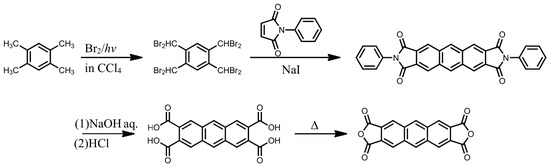
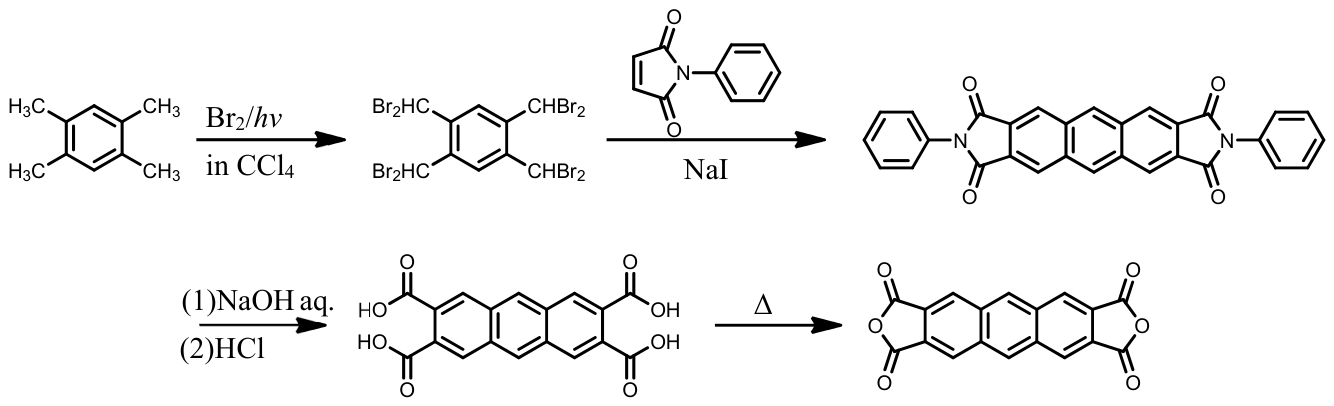
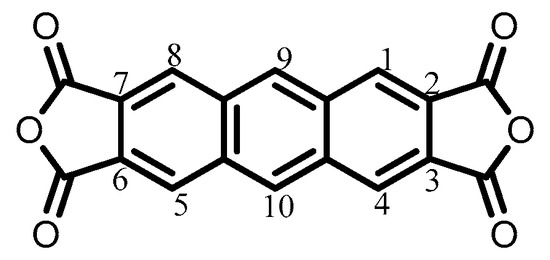
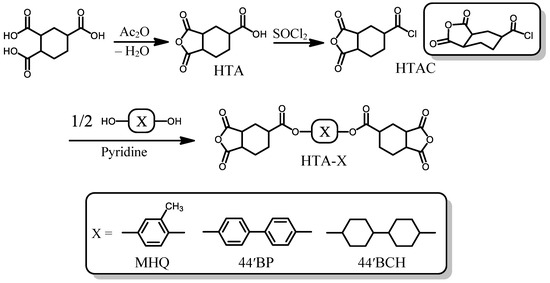
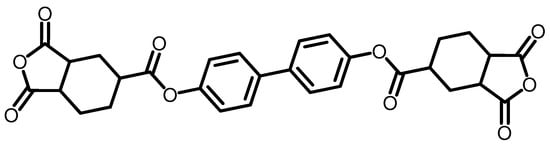
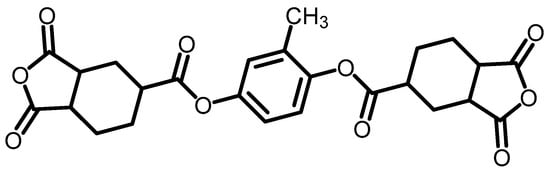
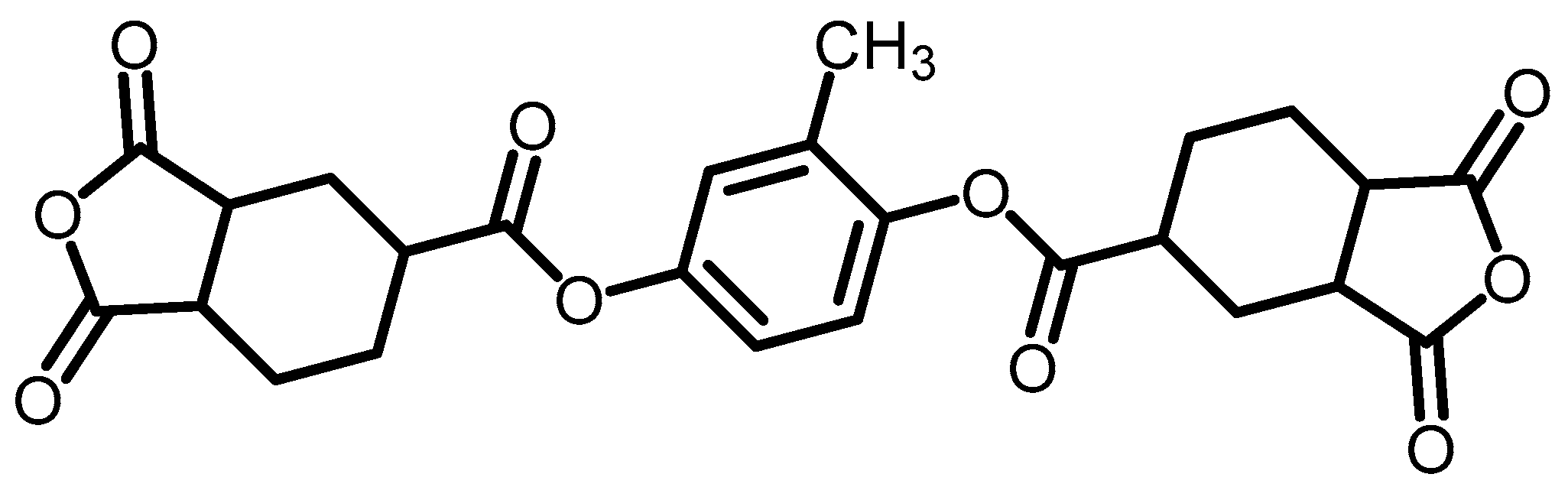
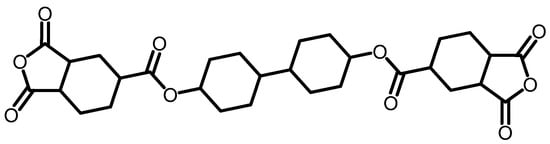
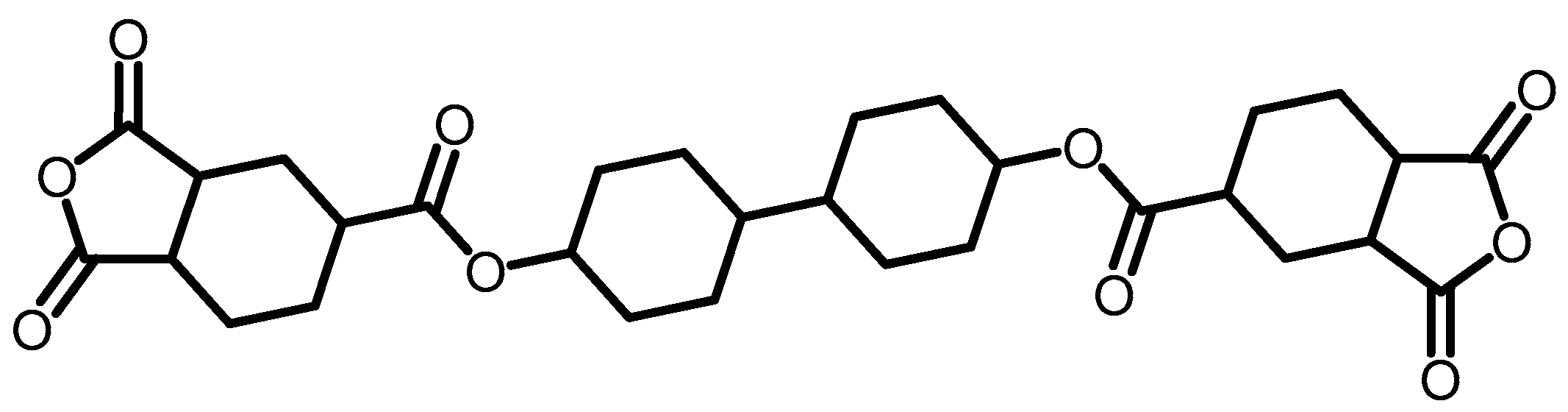
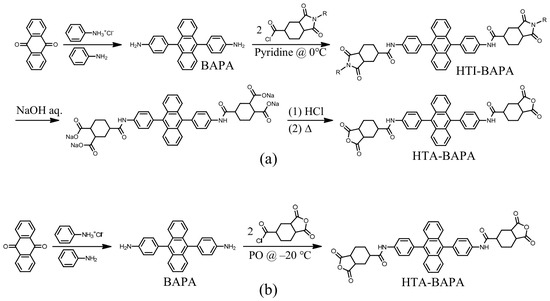
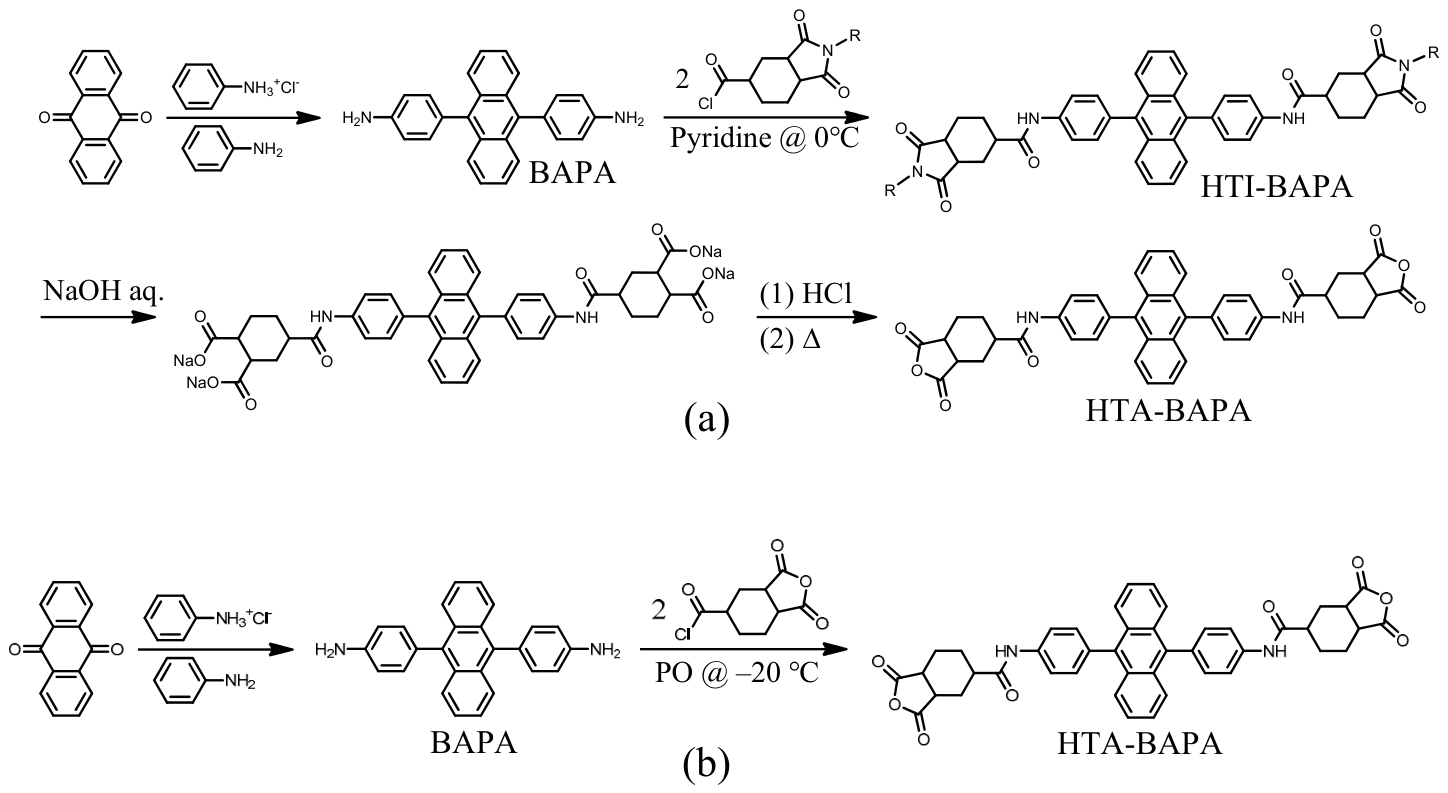
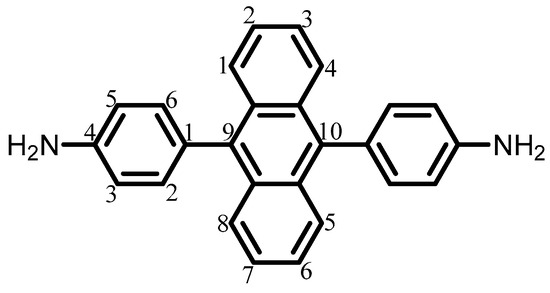
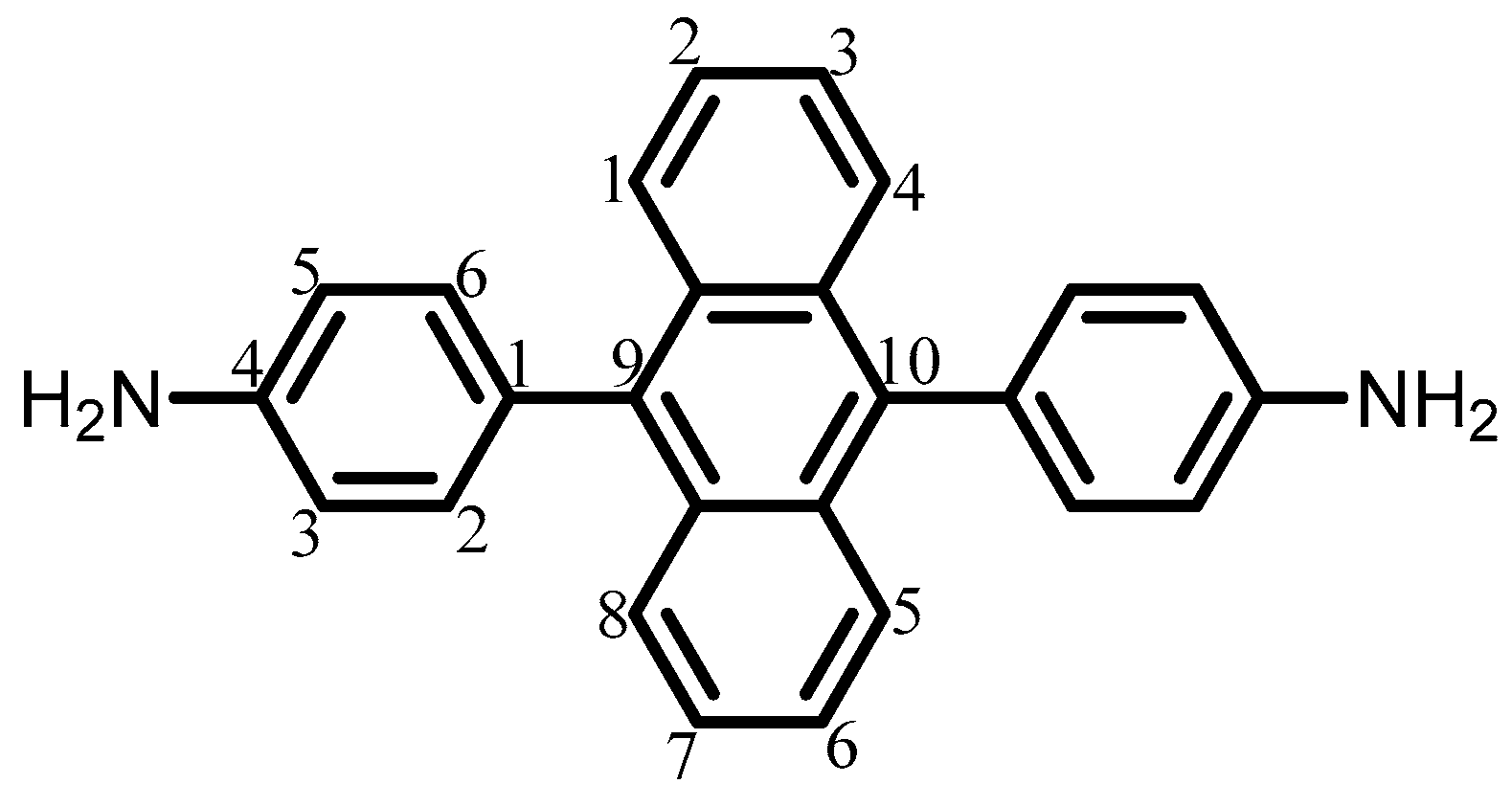
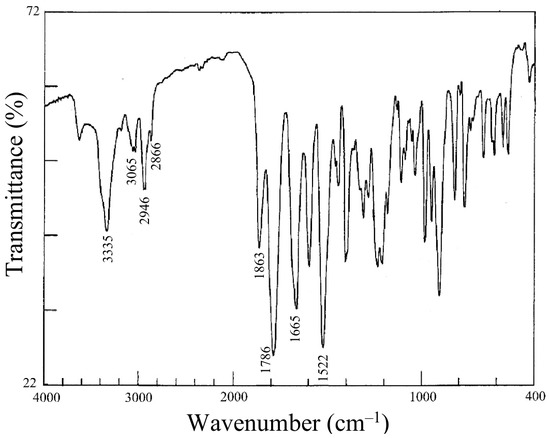
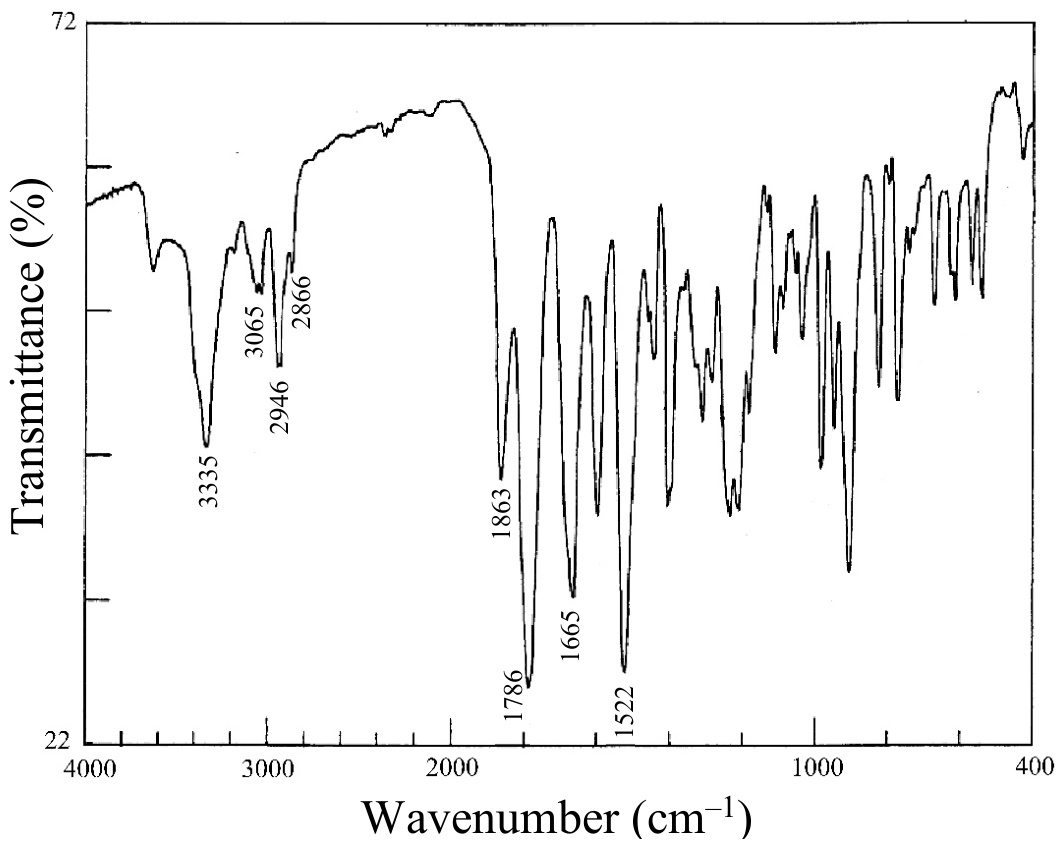
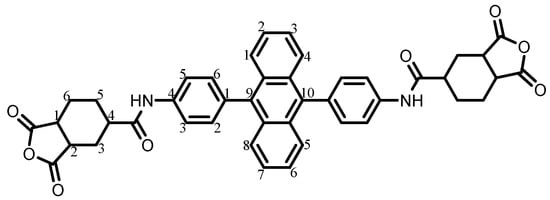
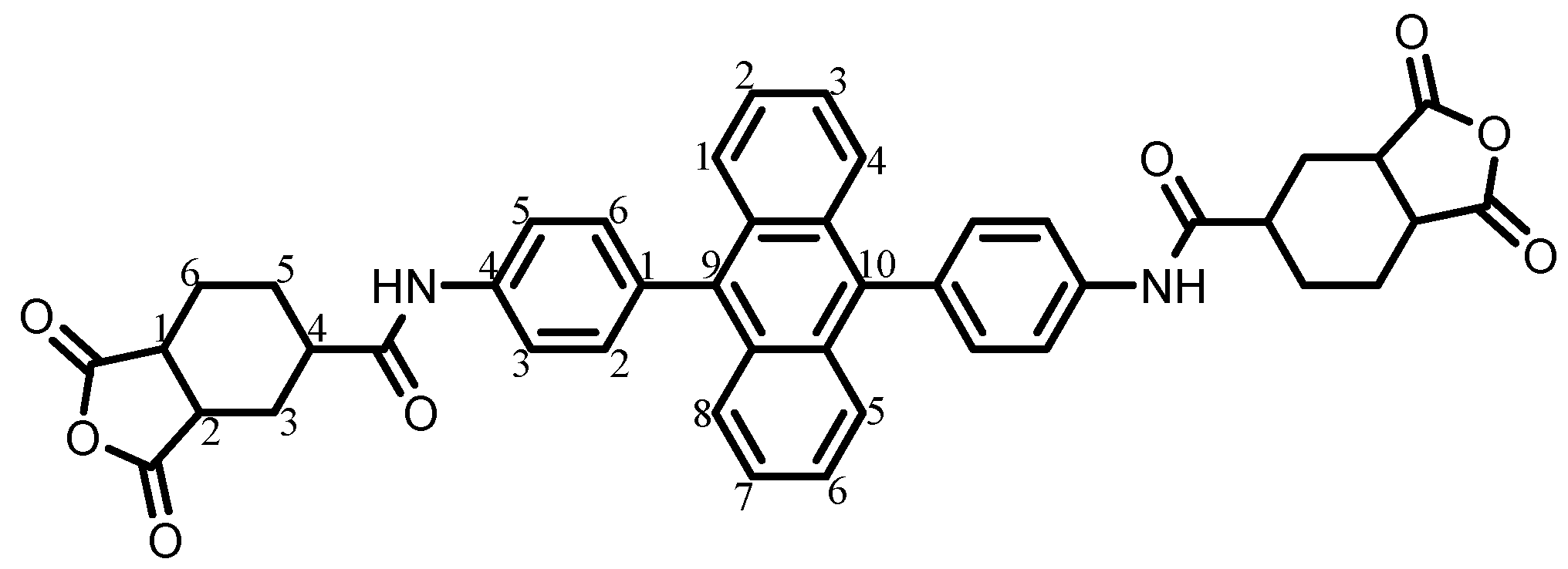
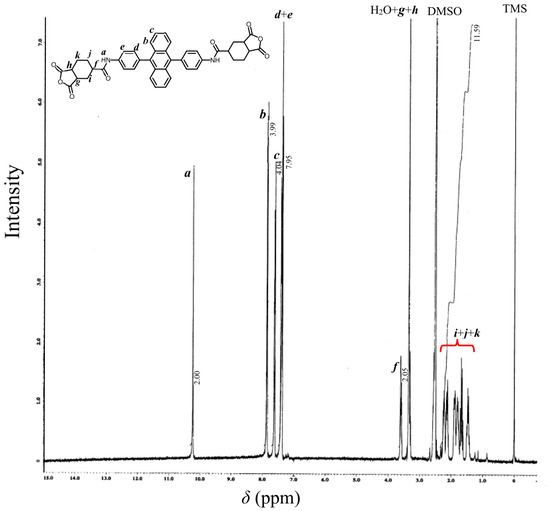
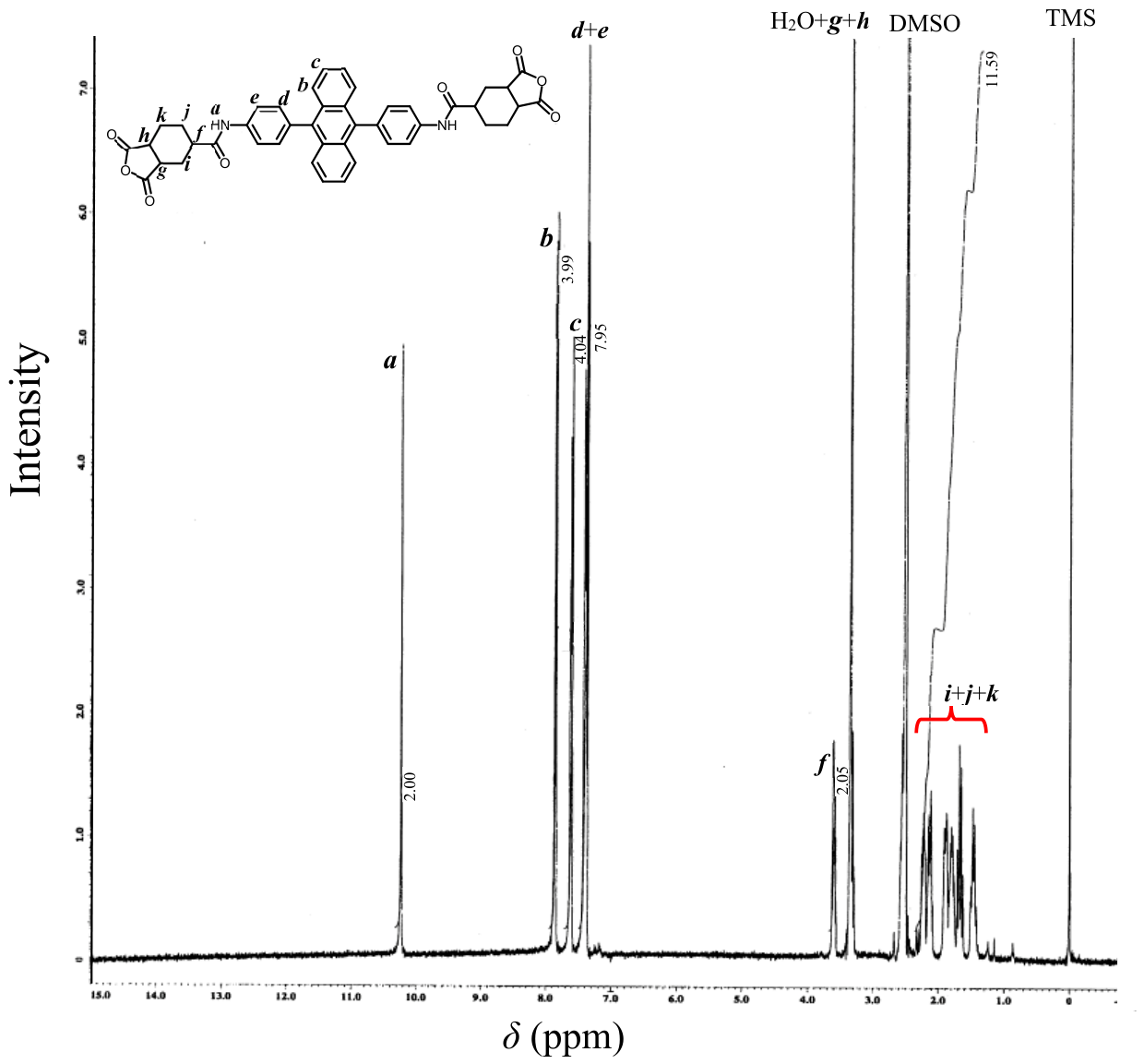
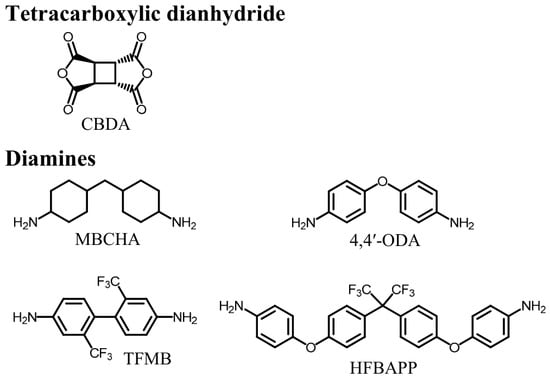
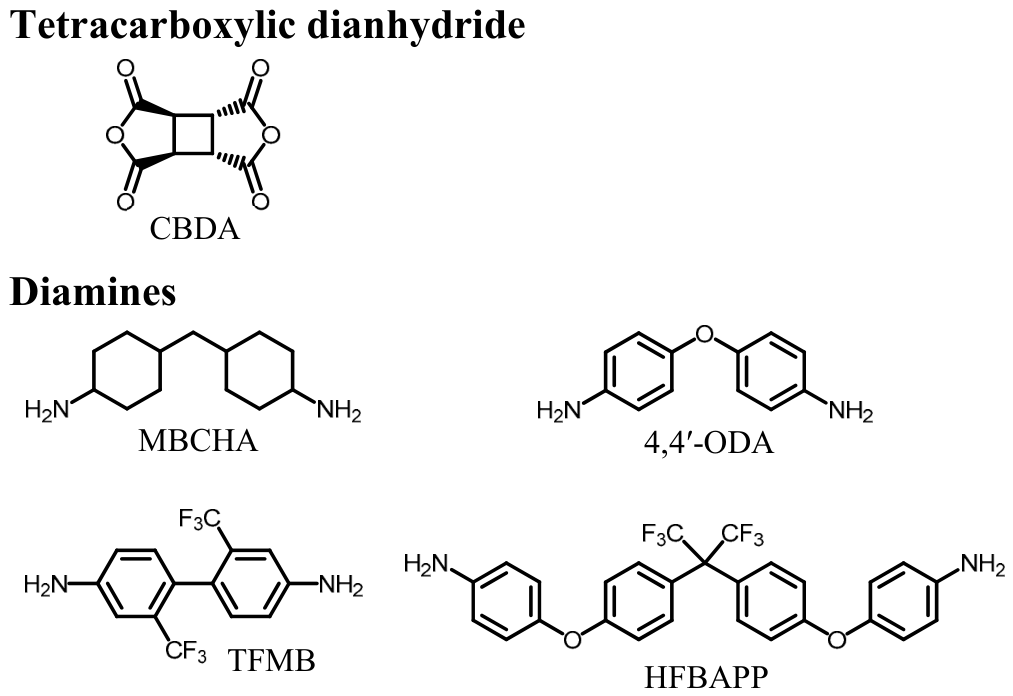
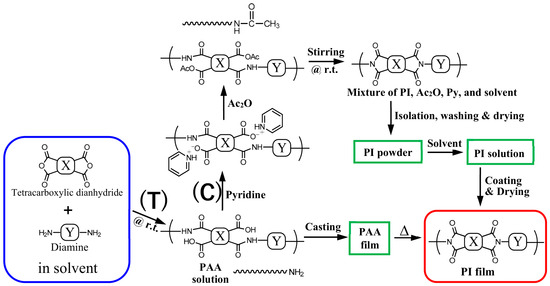
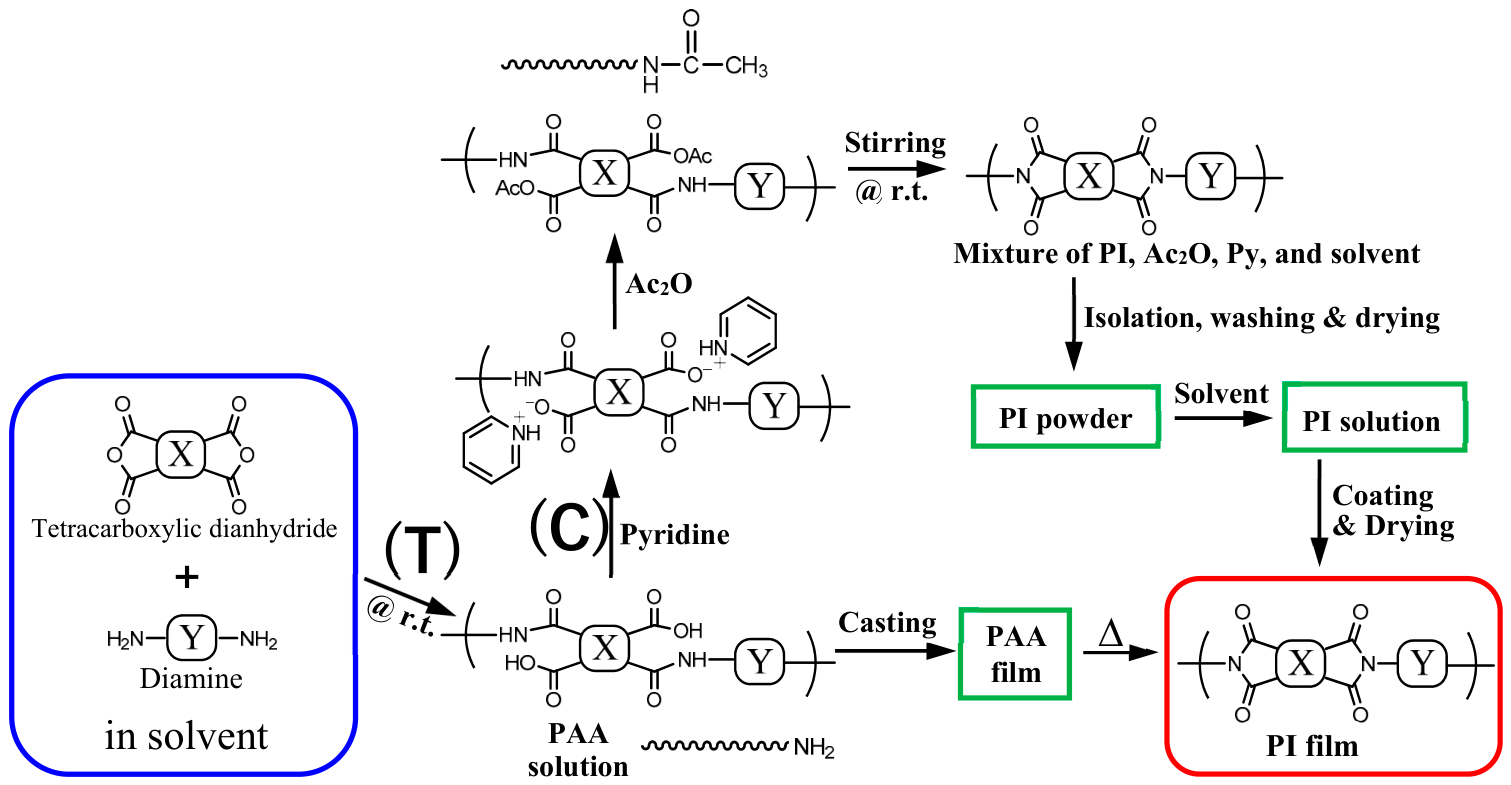
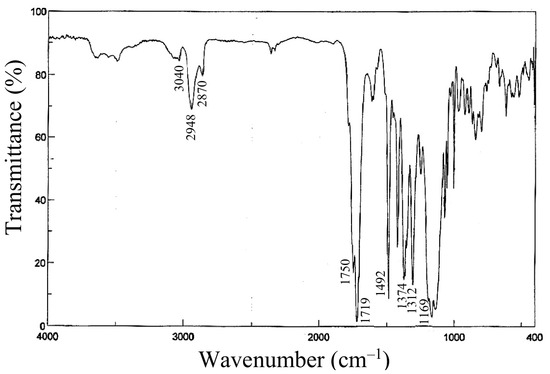
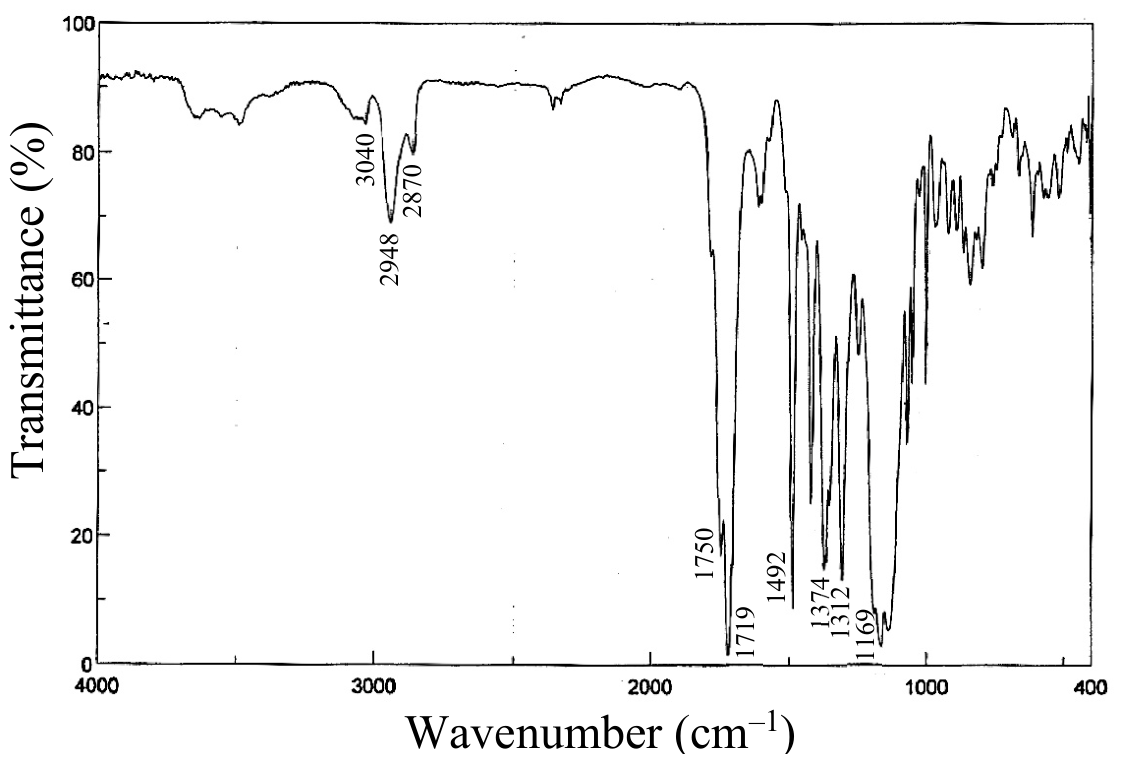
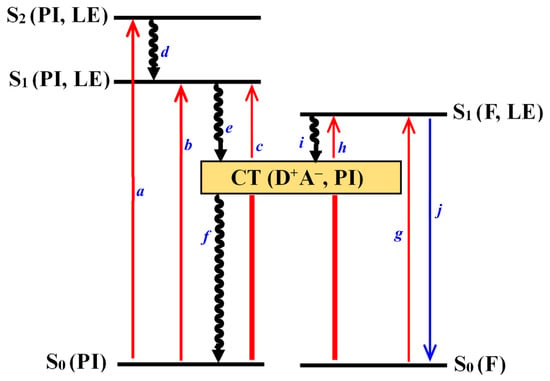
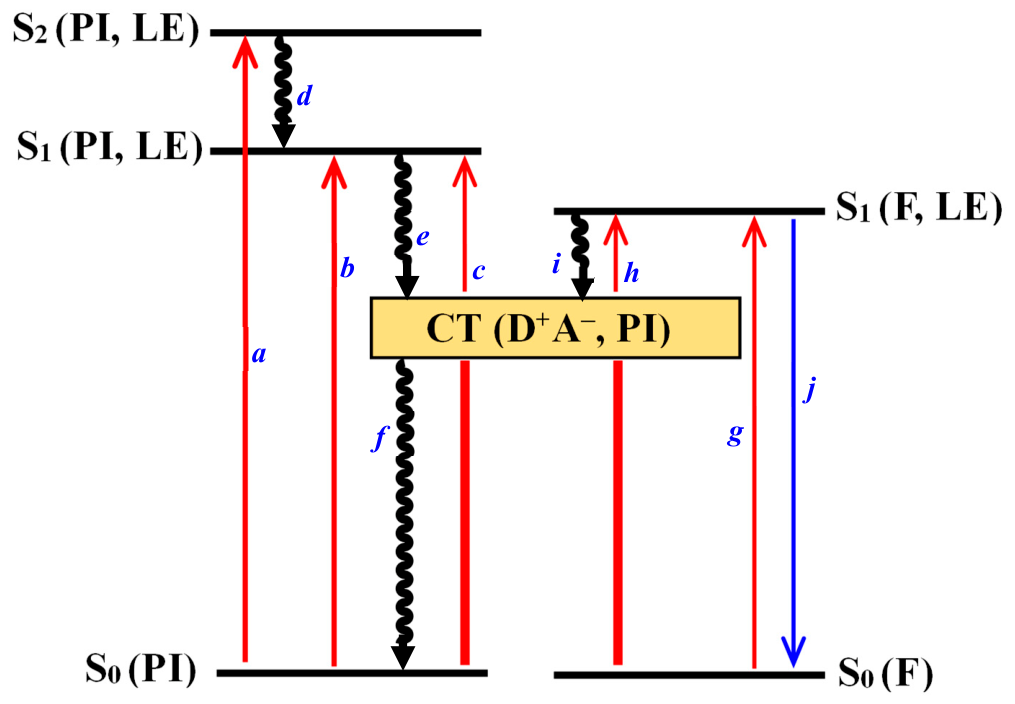
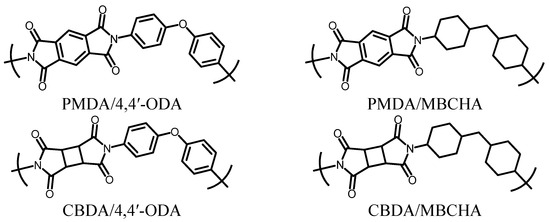
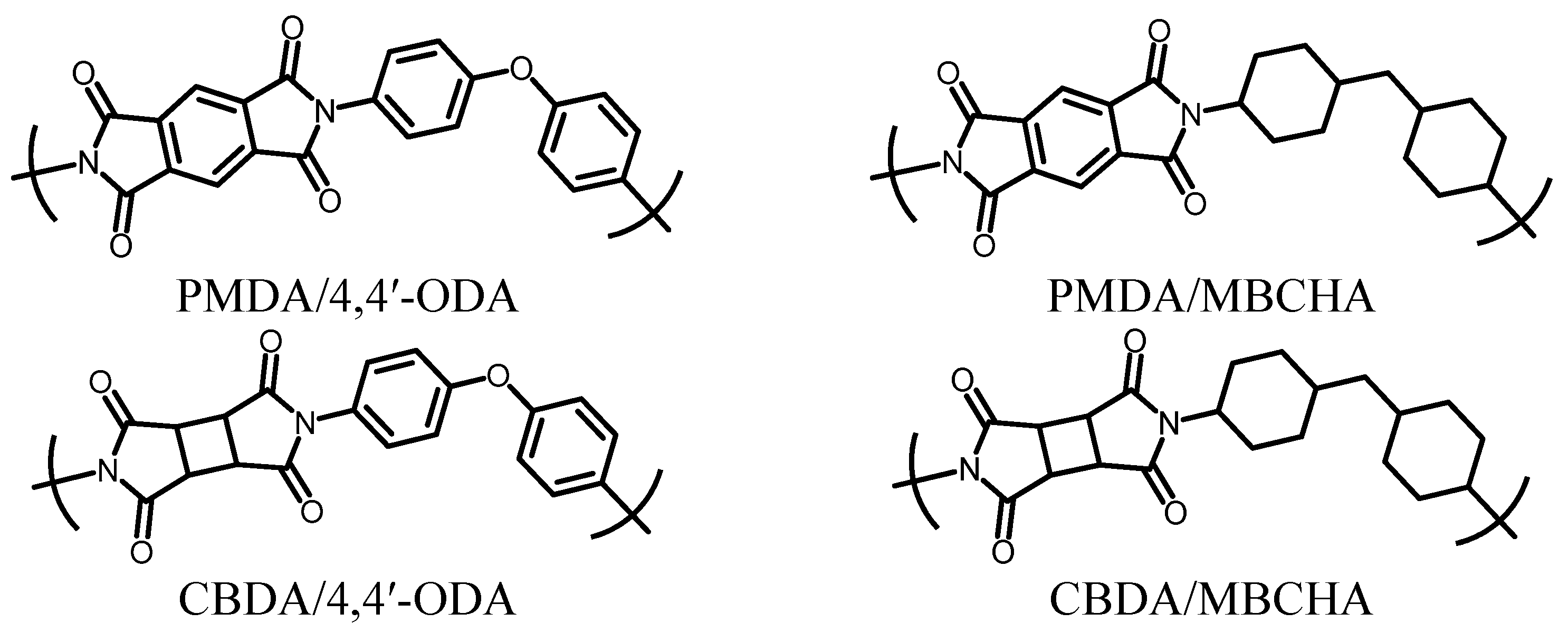


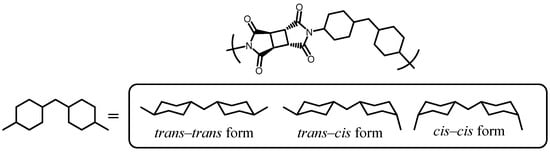
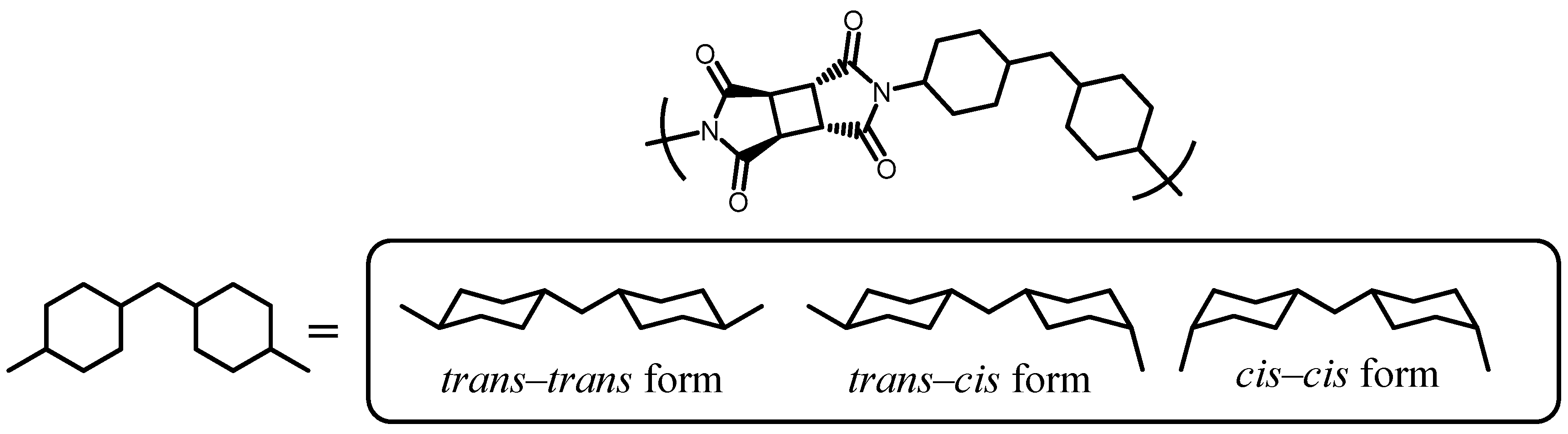
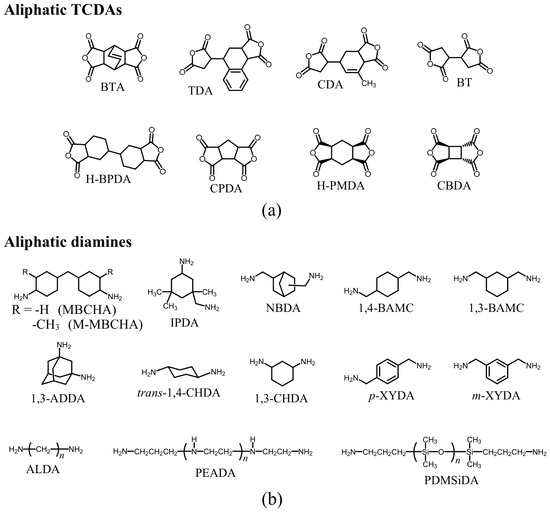
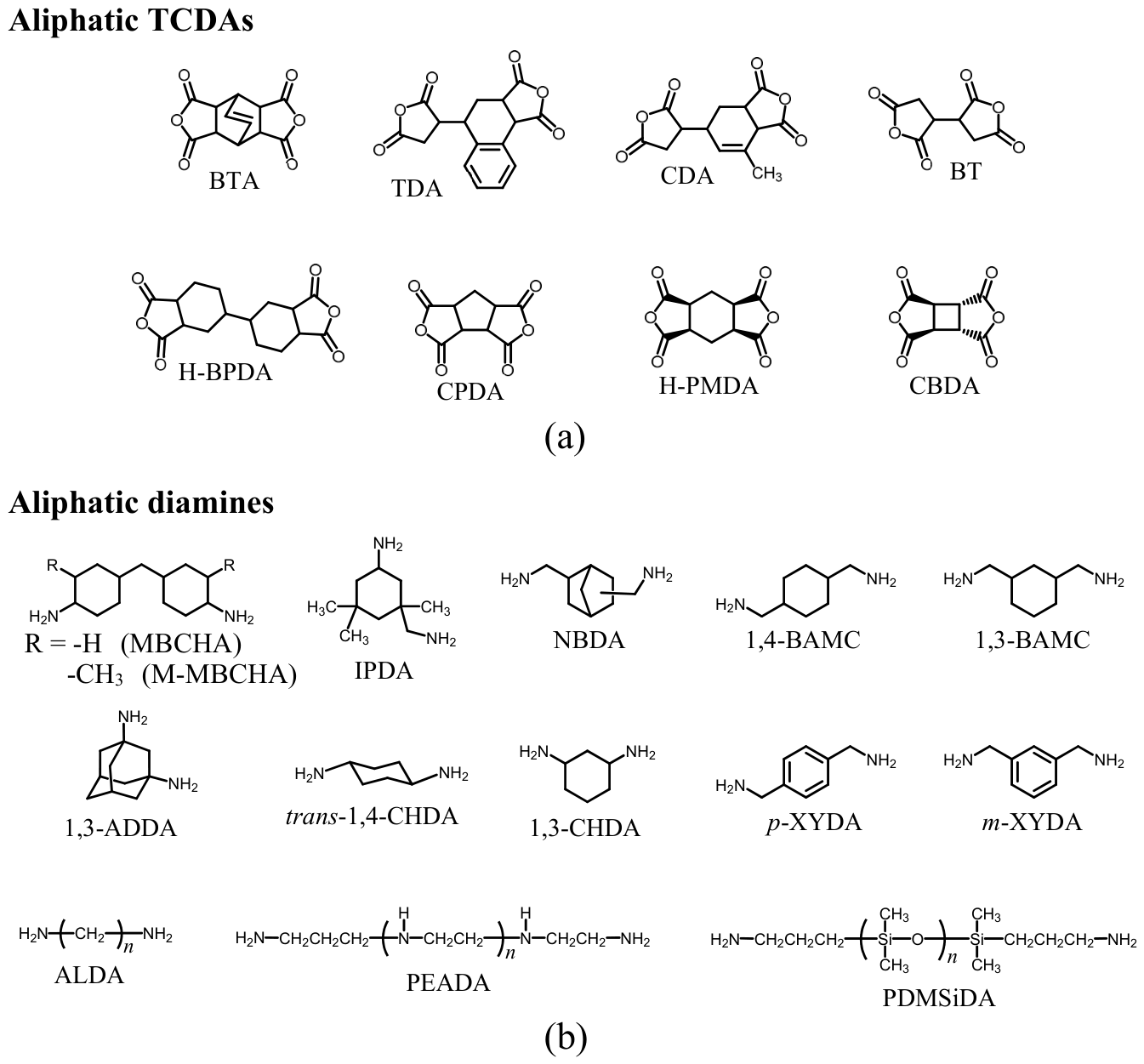
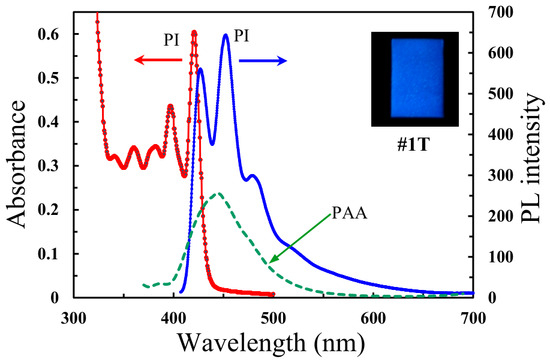
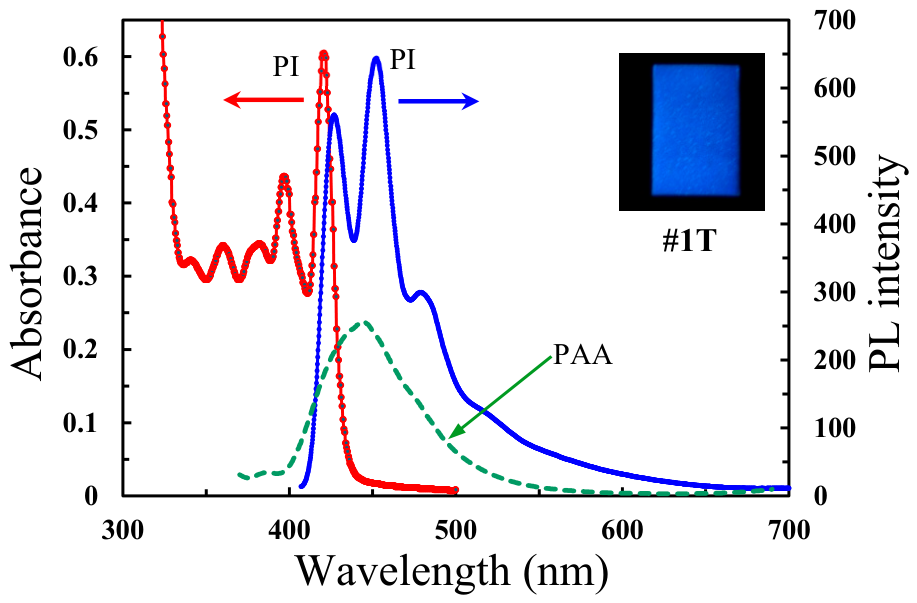
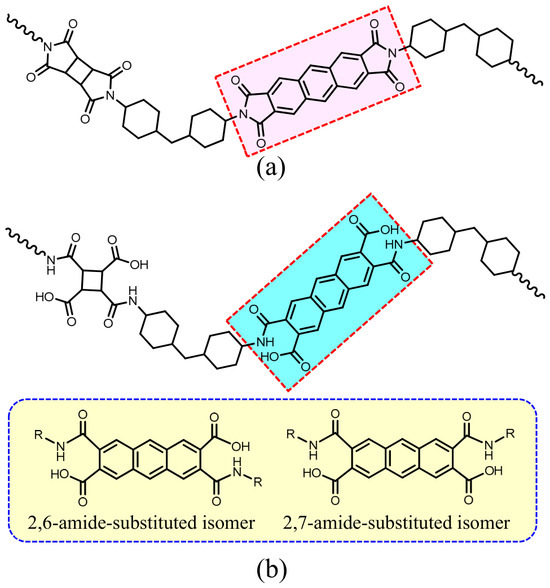
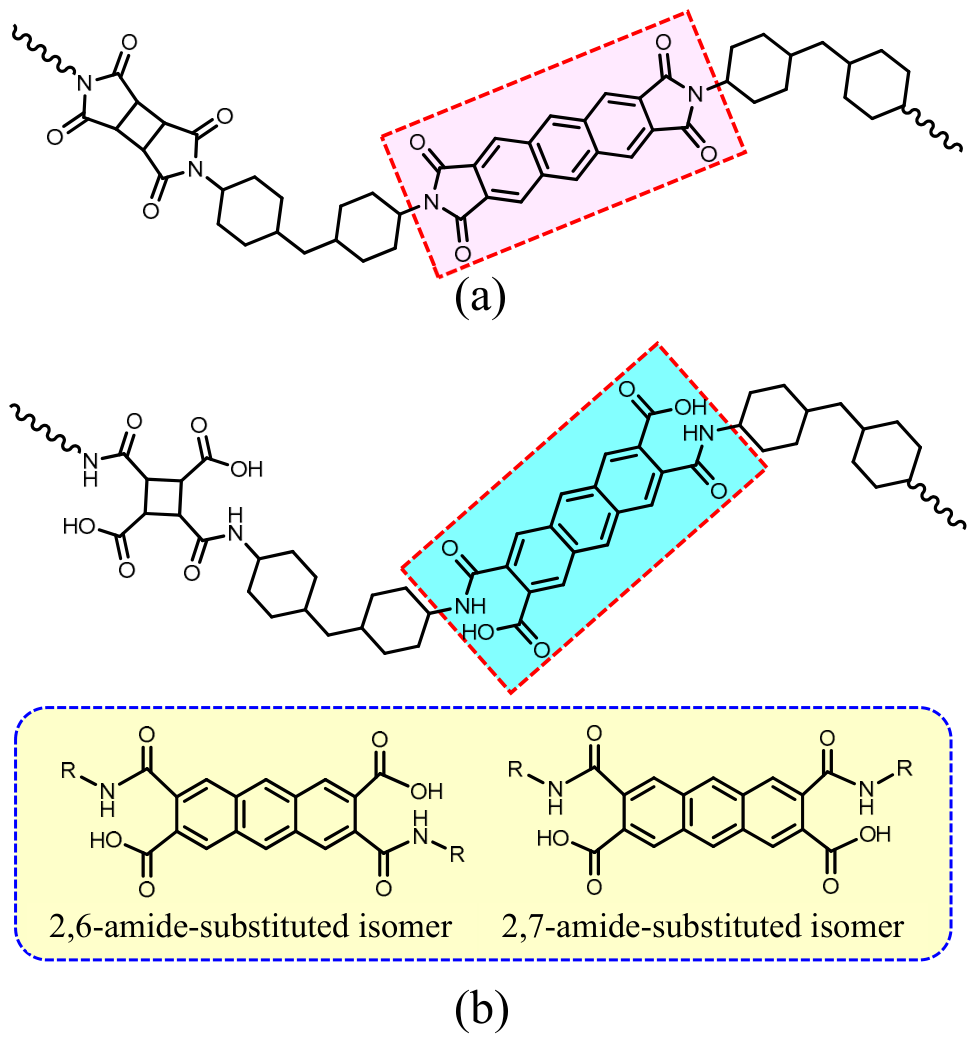
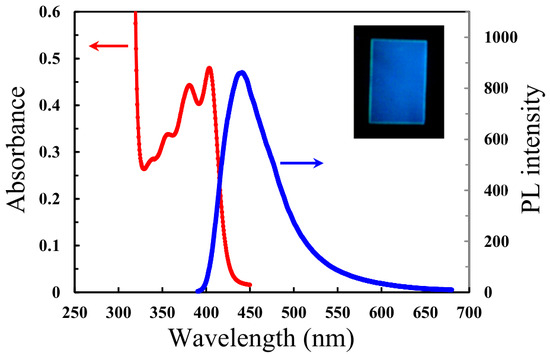
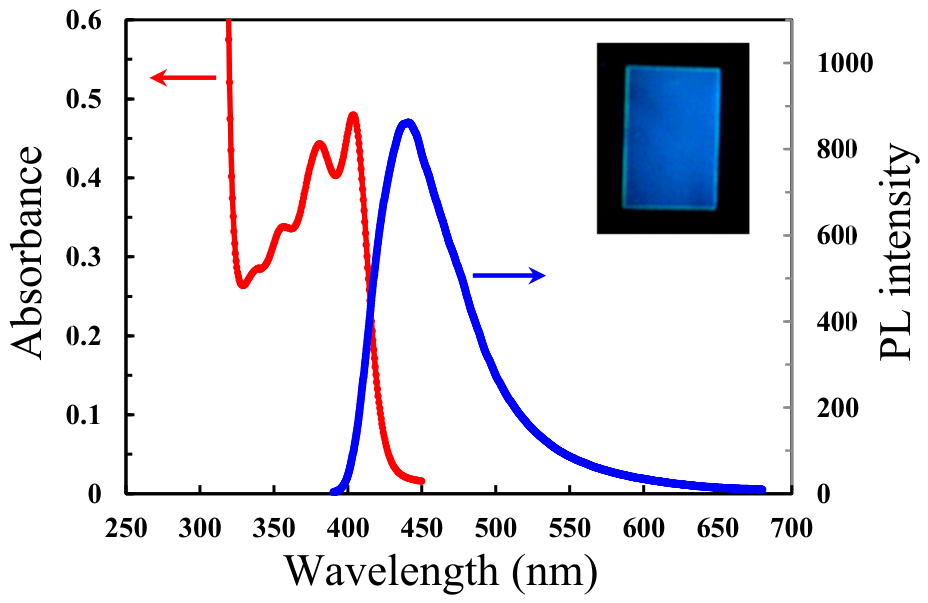
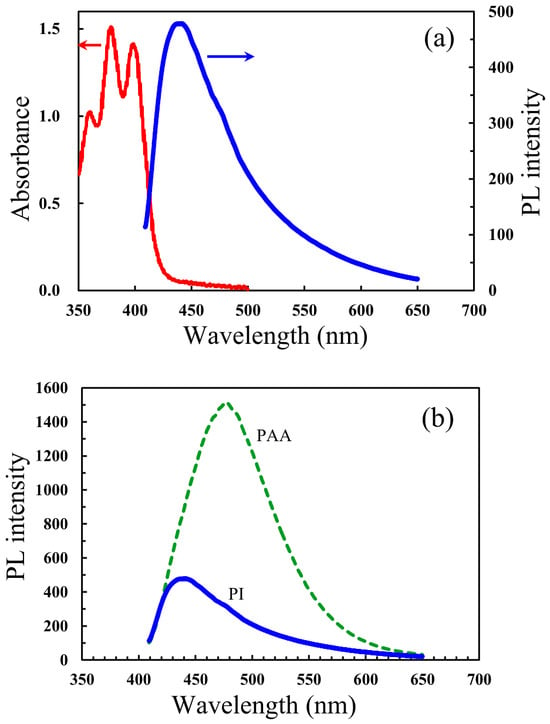
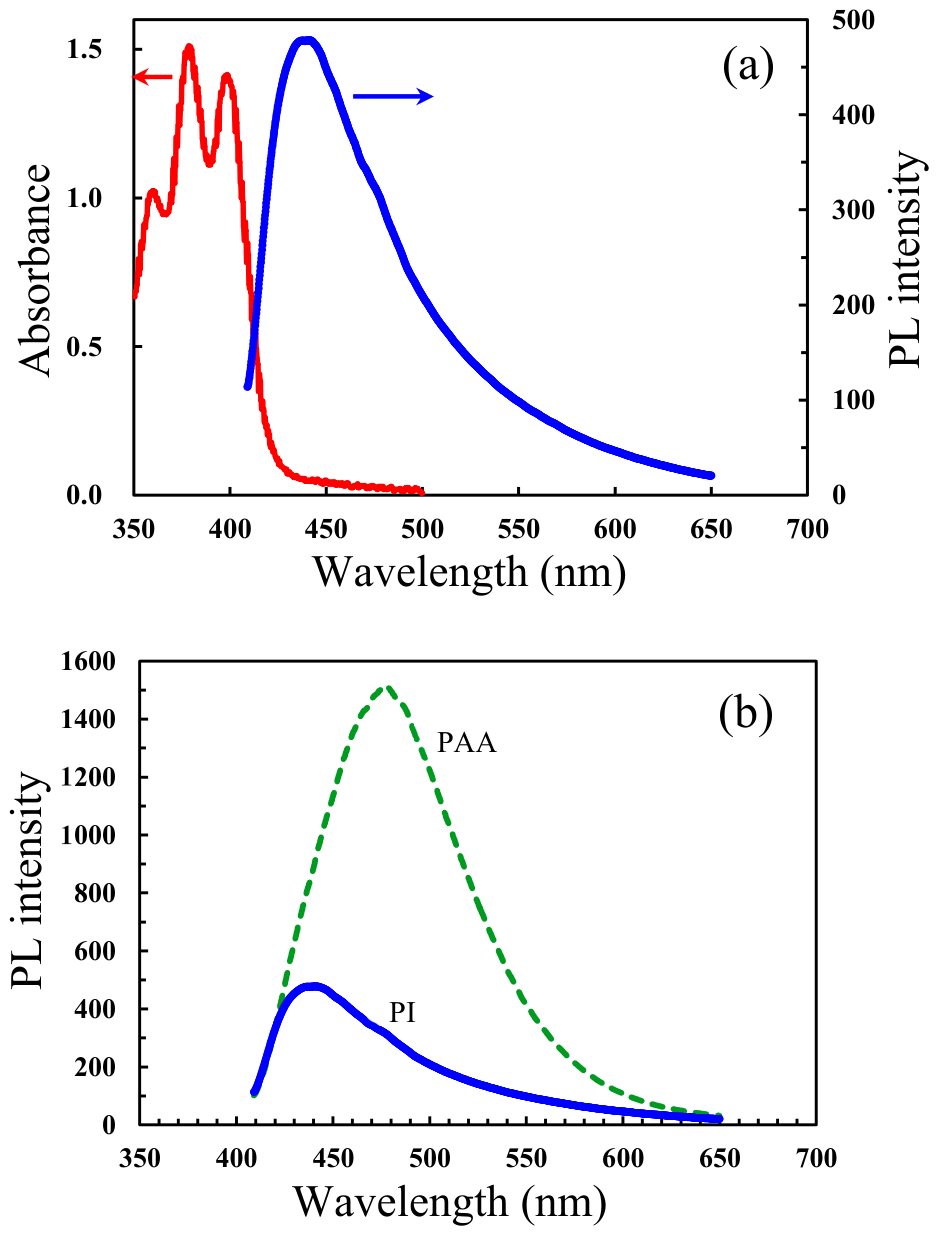
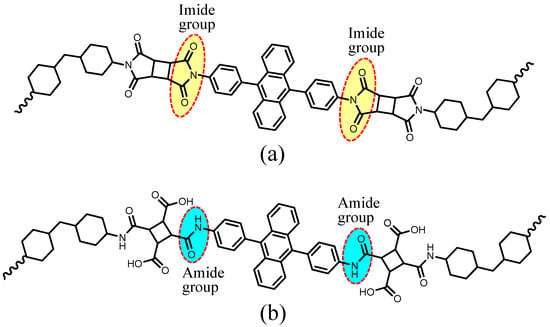
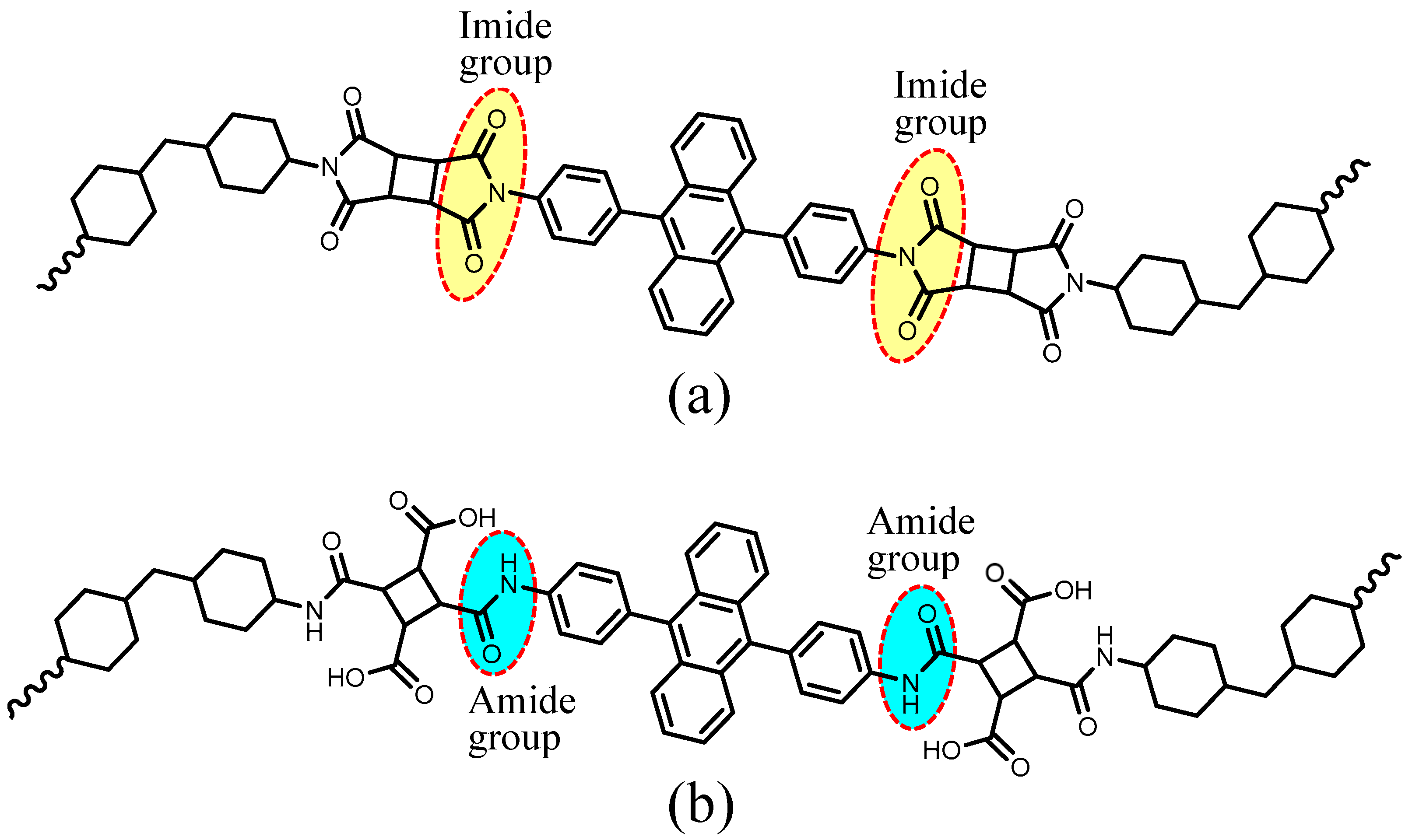
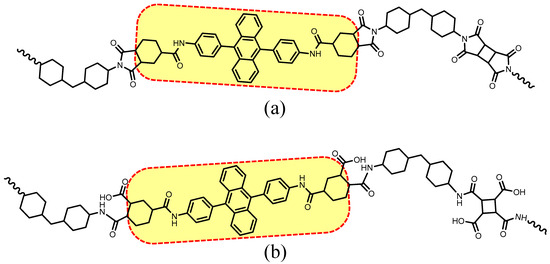
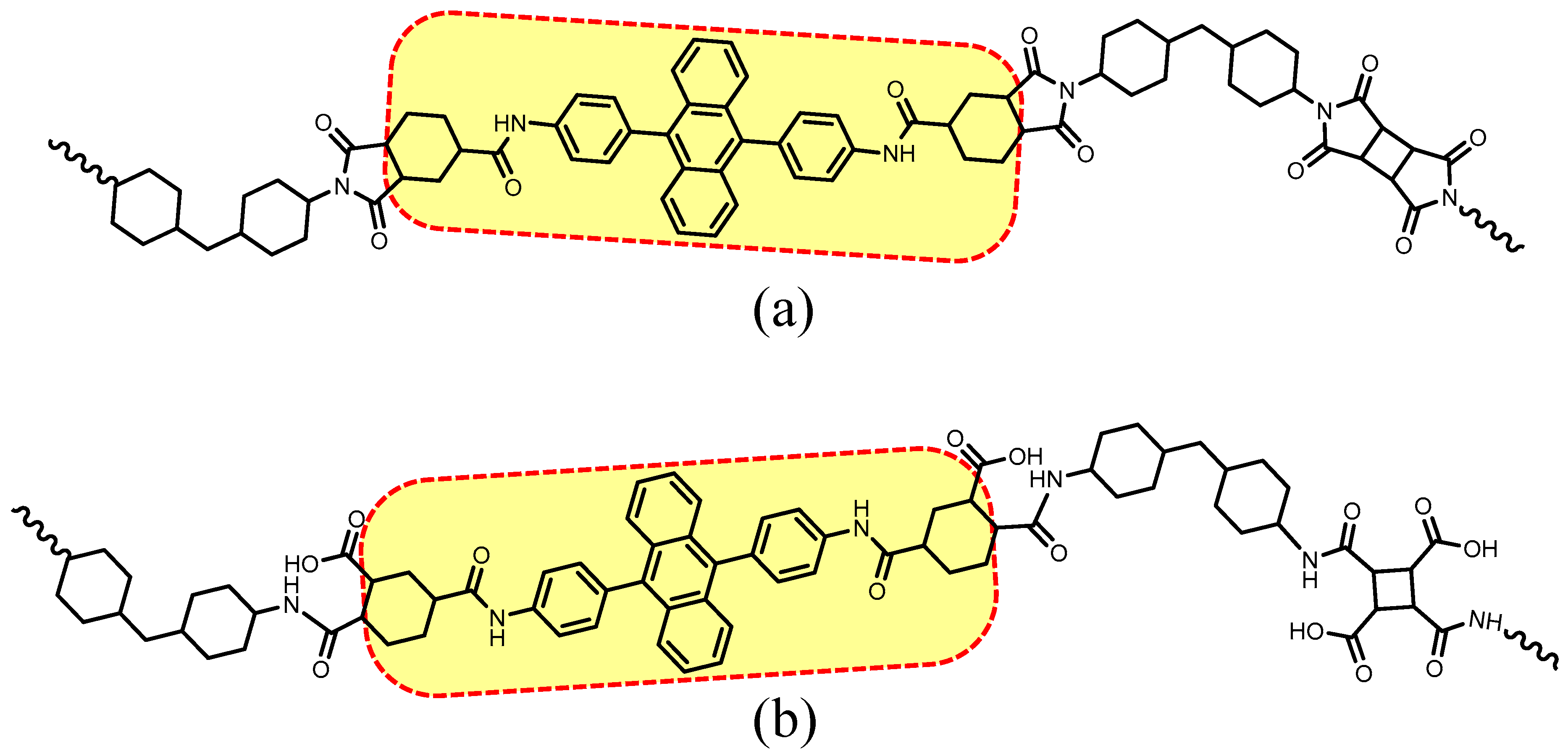
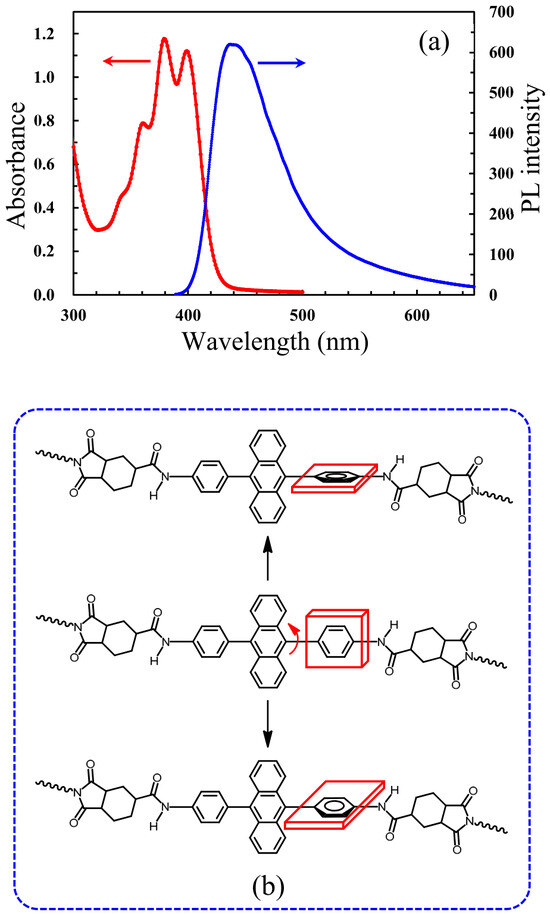
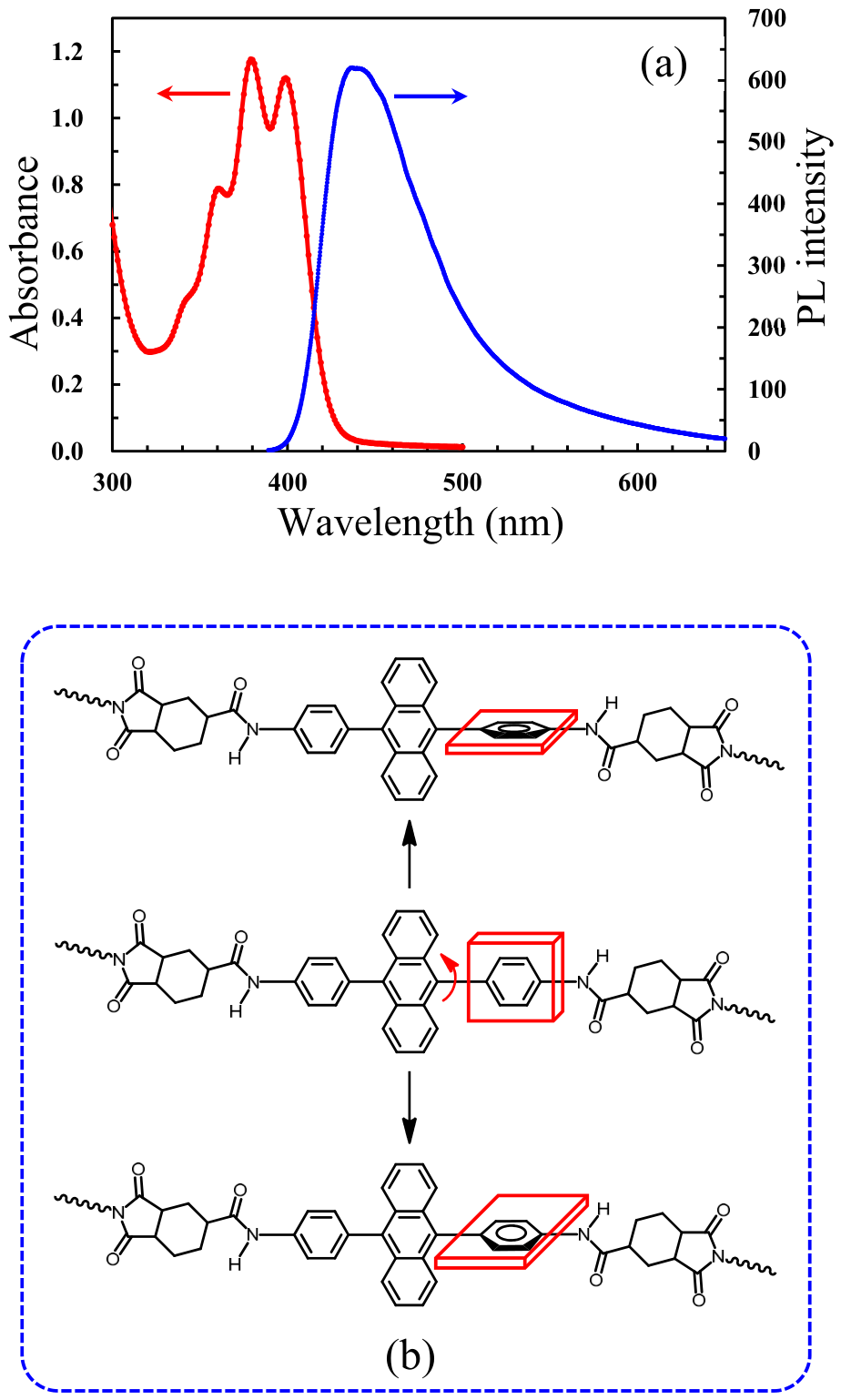
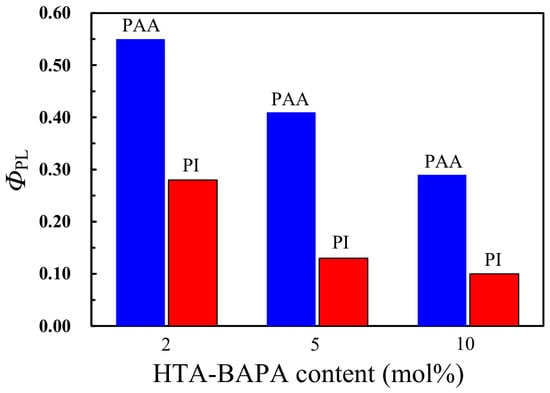
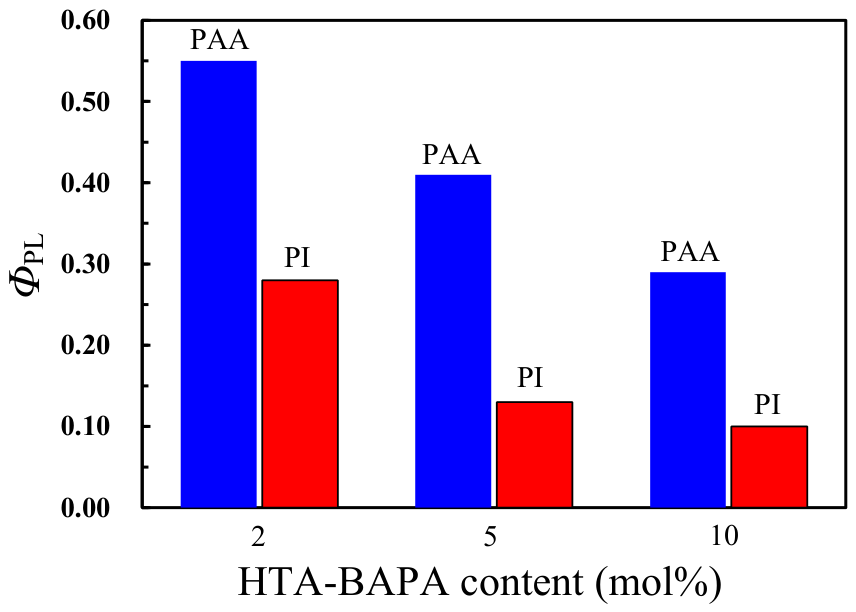
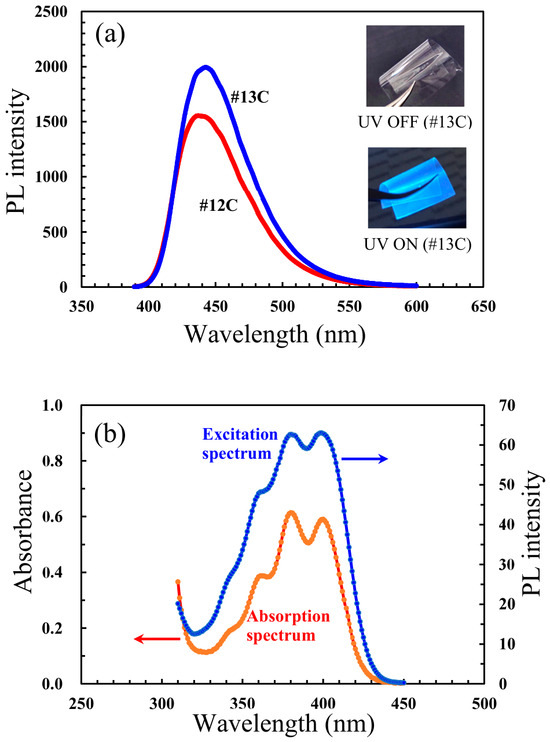
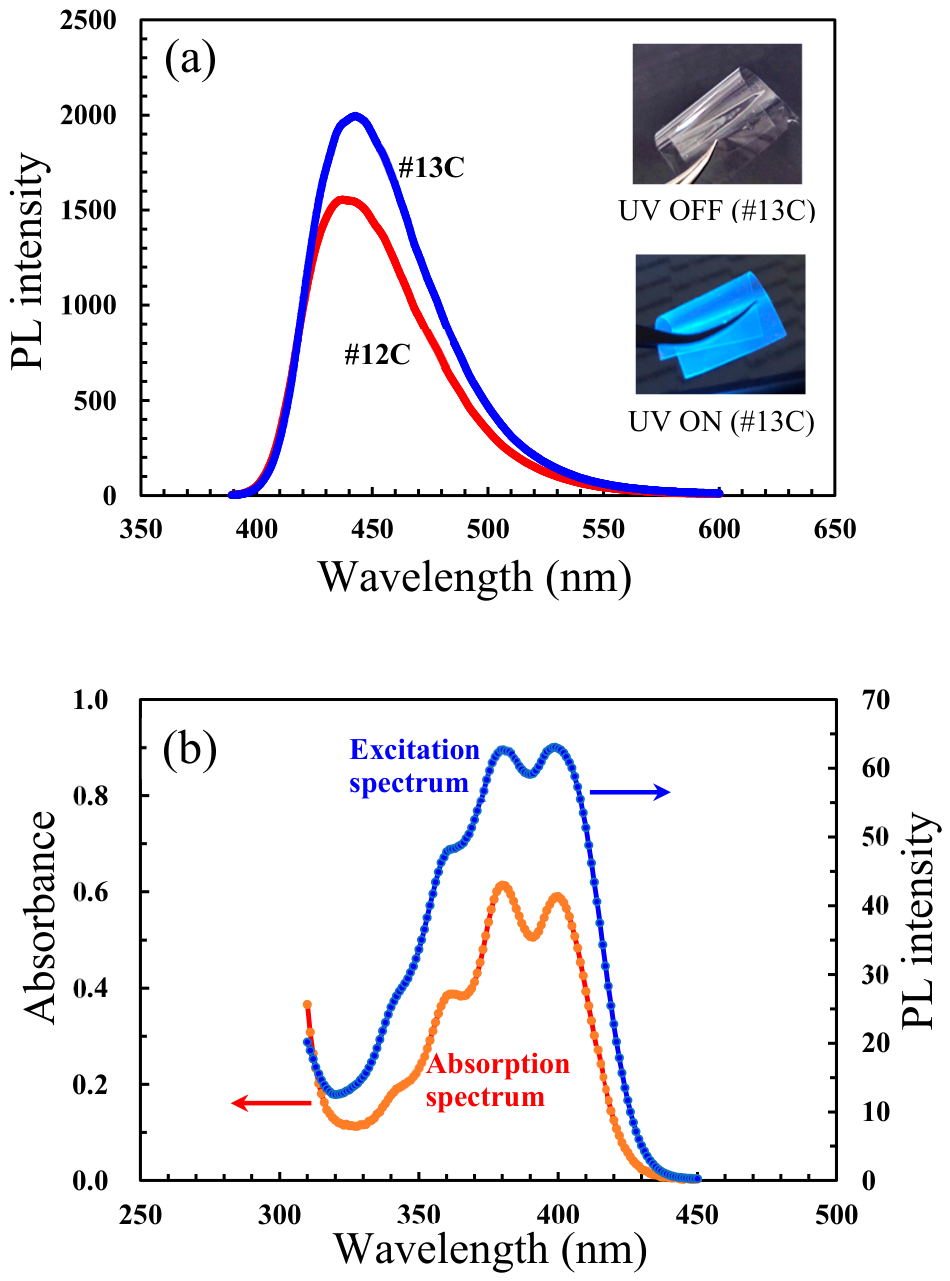
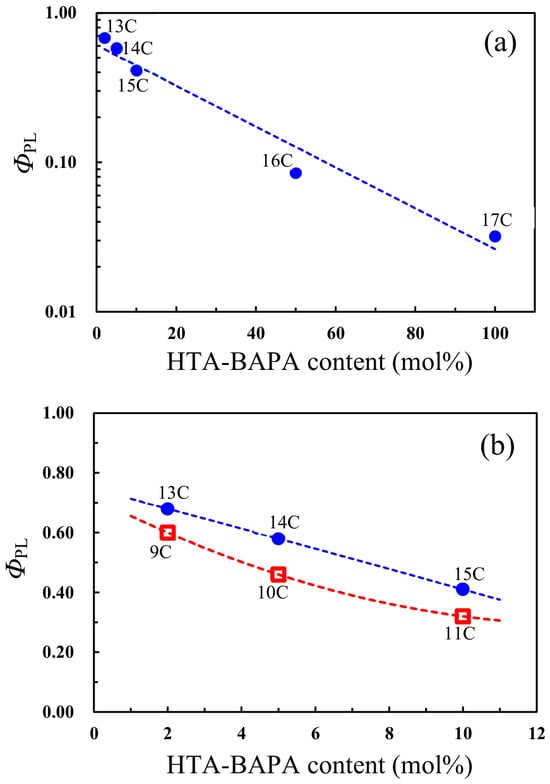
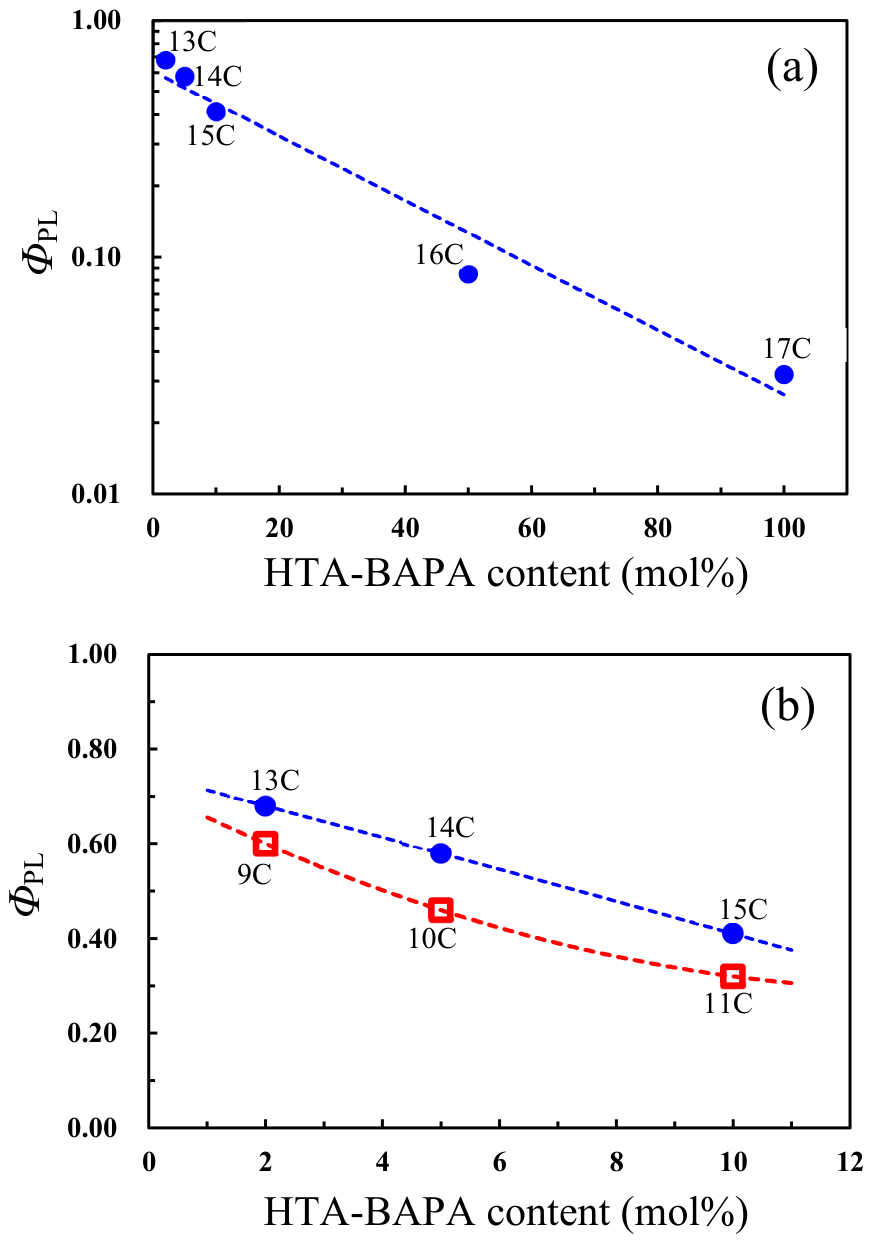
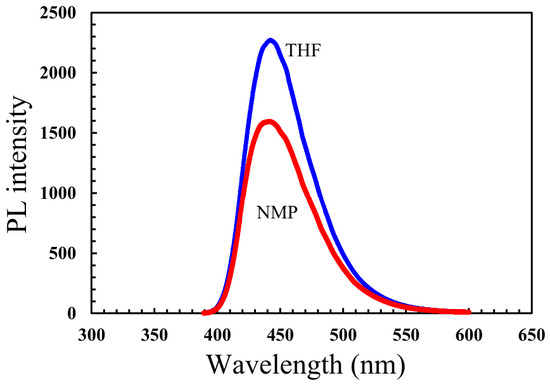
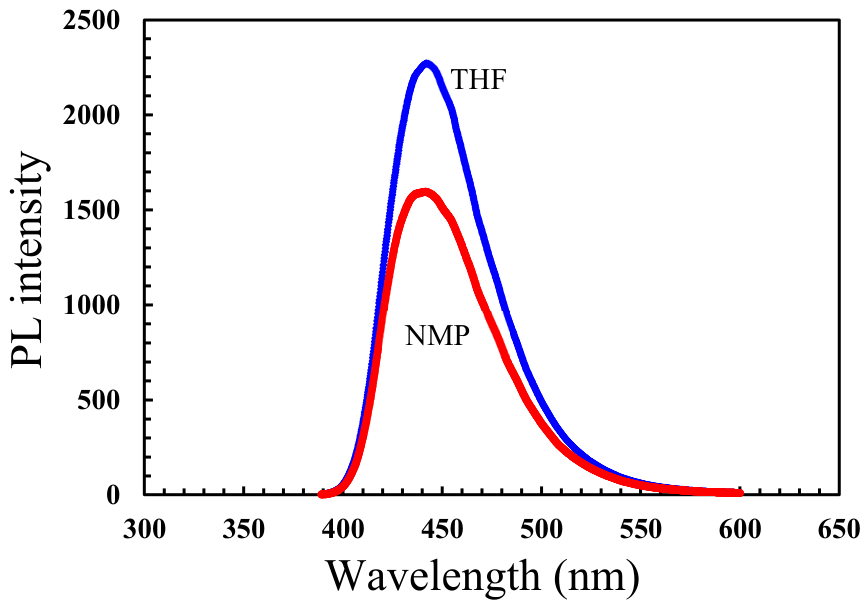
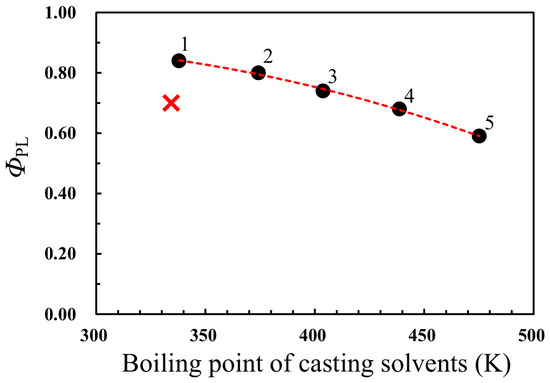
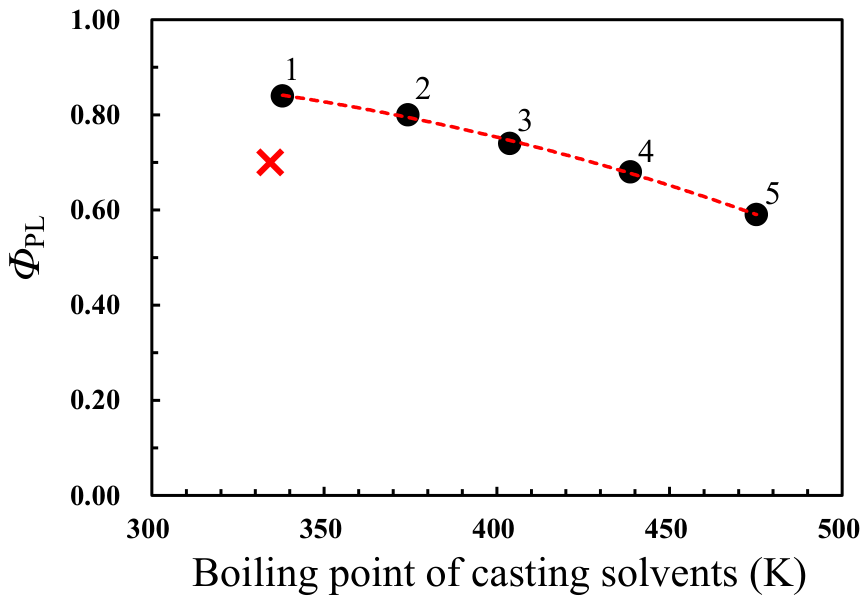
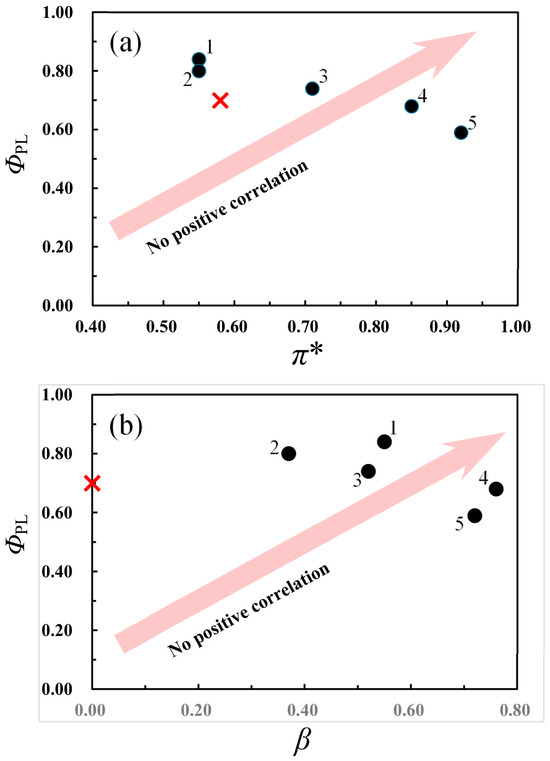
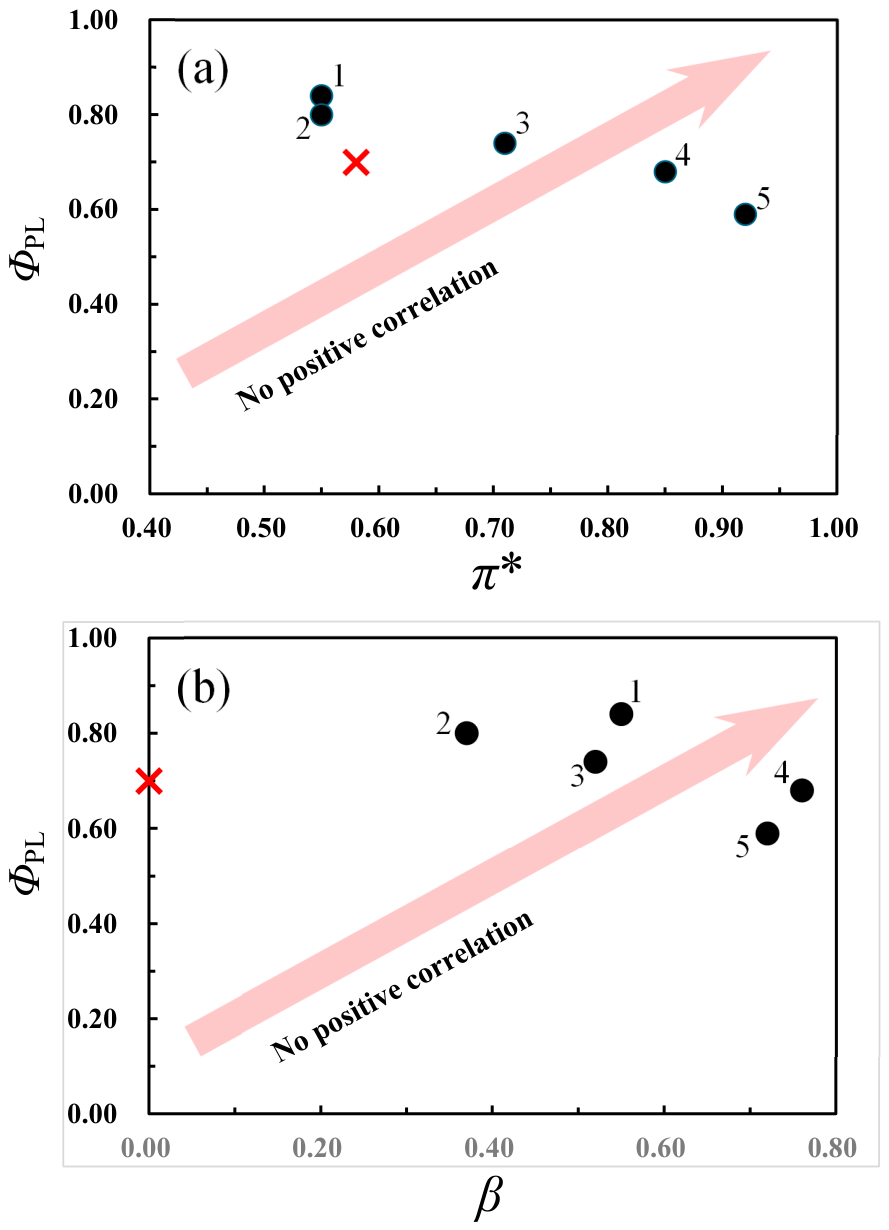
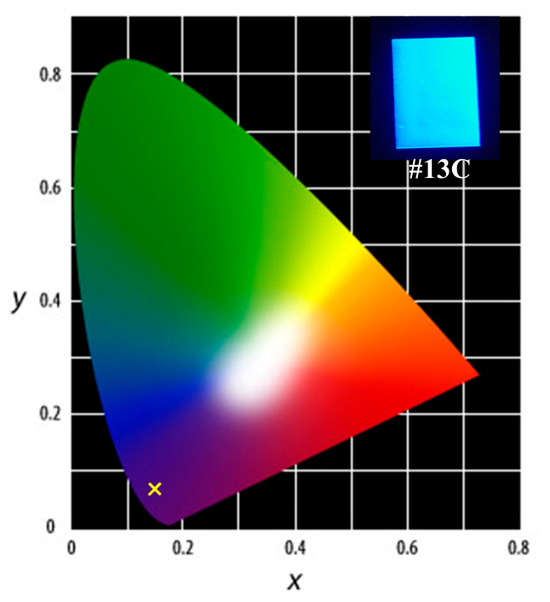
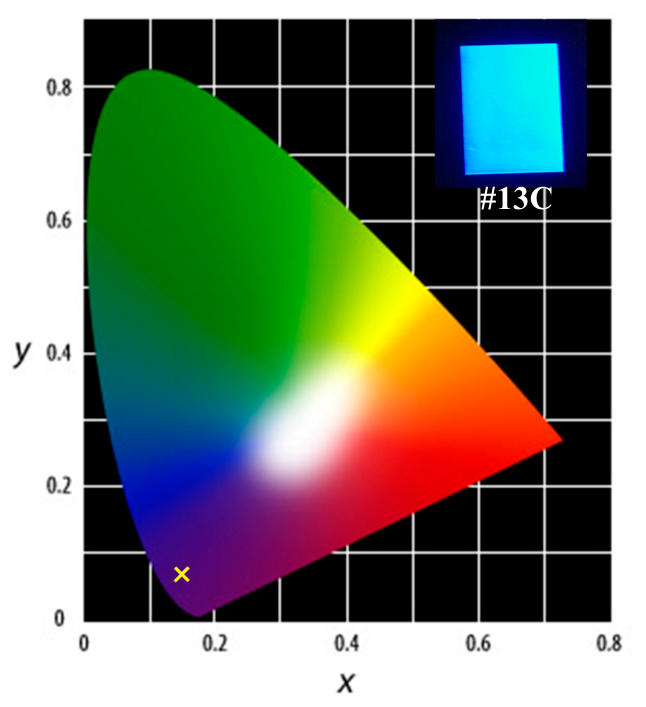

Disclaimer/Publisher’s Note: The statements, opinions and data contained in all publications are solely those of the individual author(s) and contributor(s) and not of MDPI and/or the editor(s). MDPI and/or the editor(s) disclaim responsibility for any injury to people or property resulting from any ideas, methods, instructions or products referred to in the content. |
© 2026 by the authors. Licensee MDPI, Basel, Switzerland. This article is an open access article distributed under the terms and conditions of the Creative Commons Attribution (CC BY) license.