


Highlights
What are the main findings?
- •
- Fiber preparation, particularly the combing process, significantly improved sliver regularity by reducing the proportion of short fibers and enhancing fiber alignment.
- •
- Compact spinning reduced yarn hairiness and improved fiber integration within the yarn structure compared with conventional ring spinning.
- •
- Residual defects such as neps and fiber clusters were identified as the primary causes of yarn breakage and spinning instability.
What are the implications of the main findings?
- •
- The study establishes a practical spinnability criterion for fine cashmere yarns based on industrial yarn breakage thresholds.
- •
- The results demonstrate that optimizing spinning technology alone is insufficient to fully improve yarn performance when intrinsic fiber variability and residual defects remain present.
- •
- The work highlights the dominant role of fiber preparation quality in achieving stable spinning conditions and producing high-quality fine cashmere yarns.
Abstract
Cashmere is recognized as one of the most valuable natural fibers due to its softness, fineness, and valuable properties. However, the production of fine cashmere yarns remains technically challenging due to the intrinsic variability of fiber characteristics and the presence of coarse guard hairs within the fleece. This study investigates the optimization of spinning conditions for the production of fine cashmere yarns by analyzing the influence of fiber preparation and spinning technology on yarn structure and performance. Cashmere fibers with an average diameter of approximately 16 µm were processed through several preparation stages to improve fiber alignment and reduce the proportion of short fibers. Yarns with linear densities ranging from 10 to 12.9 tex were produced using both conventional ring spinning and compact spinning systems. Yarn quality was evaluated through measurements of irregularity, yarn defects, tensile properties, and hairiness. The results indicate that improved fiber preparation significantly enhances sliver regularity and spinning stability, while compact spinning technology reduces yarn hairiness. However, the results also show that residual defects such as neps remain the main limiting factor for spinning performance, even under optimized conditions. The findings highlight the importance of optimizing both fiber preparation and spinning technology to enhance the spinnability and overall quality of fine cashmere yarns.
1. Introduction
Cashmere is considered one of the most prestigious natural textile fibers due to its remarkable softness, lightweight, excellent thermal insulation, and comfort properties. The global production of raw cashmere is relatively limited compared with other textile fibers. Current annual production is estimated to be approximately 3800 tons of raw cashmere from approximately 10.8 million goats of various breeds and strains [1]. The majority of this production originates from Central Asia, particularly Mongolia and China, which together account for the largest share of the global supply [2].
Among the major producing countries, Mongolia occupies a particularly important position in the global cashmere industry. The country’s harsh continental climate and traditional pastoral livestock practices provide favorable conditions for raising cashmere goats capable of producing high-quality fibers. Mongolian goats typically develop a double fleece composed of two distinct fiber types: a fine undercoat consisting of soft down fibers and a layer of longer, coarser guard hairs. The down fibers constitute the valuable component used in textile production, while the guard hairs and short fibers are usually removed during processing [2,3]. The technological processing of cashmere fibers is particularly complex due to the intrinsic variability of the raw material. Natural animal fibers exhibit considerable variability in their physical and mechanical properties, including fiber diameter, fiber length, crimp characteristics, and tensile behavior. This variability significantly affects the technological behavior of the fibers during textile processing, particularly during spinning operations [4,5].
The production of fine yarns from animal fibers is highly sensitive to fiber properties such as fineness, length distribution, and strength. For example, fibers with smaller diameters generally provide softer and lighter yarns but may also exhibit lower resistance to breakage during spinning. Similarly, the presence of short fibers in the fiber assembly can negatively affect yarn formation by reducing fiber cohesion and increasing the probability of yarn breakage during spinning [6].
In previous research [7], the physical and mechanical properties of Mongolian cashmere fibers were investigated in detail. That study demonstrated that fiber diameter, fiber length, and tensile properties vary significantly among different goat strains and populations. The mean fiber diameter was found to range between approximately 13.2 µm and 16.7 µm depending on the goat strain, while the average fiber length (expressed as “Hauteur”, representing the mean length adjusted for the fiber cross-section) varied between approximately 25.5 mm and 43 mm. In addition, the tensile stress of individual fibers was found to range between approximately 167 MPa and 225 MPa. These results highlight the importance of understanding fiber variability when optimizing technological processes such as spinning.
Although a significant body of research has focused on the biological and physical characteristics of cashmere fibers, relatively few studies have investigated the technological aspects of transforming these fibers into fine yarns. In particular, the relationship between fiber preparation processes, sliver structure, and spinning performance has not been extensively explored for Mongolian cashmere. Fiber preparation represents a critical stage in the transformation of raw fibers into yarns. Preparation processes such as carding, drawing, and combing are designed to align fibers, remove impurities and short fibers, and improve the homogeneity of the fiber assembly. These operations directly influence the structure of the sliver, which in turn affects yarn formation during spinning [8,9].
The elimination of short fibers during combing is particularly important in the production of fine yarns. Short fibers tend to reduce fiber cohesion within the yarn structure and may lead to increased yarn irregularity and higher breakage rates during spinning. Consequently, effective fiber preparation plays a key role in ensuring stable spinning conditions and producing yarns with acceptable structural and mechanical properties [10].
In addition to fiber preparation, the choice of spinning technology also plays an important role in determining yarn quality. Conventional ring spinning remains the most widely used method for producing fine yarns due to its versatility and ability to produce strong yarn structures. However, ring spinning presents certain limitations when processing very fine fibers, particularly with respect to yarn hairiness and fiber integration within the yarn body [11]. In recent decades, compact spinning technology has been developed as an alternative approach to improving yarn structure. In compact spinning systems, the spinning triangle formed during conventional ring spinning is reduced through the use of aerodynamic or mechanical compacting devices. This process improves fiber alignment and enhances fiber integration within the yarn body, leading to yarns with reduced hairiness and improved structural compactness [12,13,14]. Several studies have demonstrated that compact spinning can significantly reduce yarn hairiness and improve yarn strength compared with conventional ring spinning [15,16].
However, despite these technological improvements, the production of fine cashmere yarns remains limited by intrinsic fiber variability and the presence of residual defects, which can significantly affect spinning stability and yarn quality.
The objective of the present study is to investigate the technological conditions required for the production of fine cashmere yarns and to evaluate the influence of fiber preparation and spinning technology on yarn structure and performance. Particular emphasis is placed on defining a practical spinnability limit based on yarn breakage behavior and on analyzing the role of defects in limiting spinning performance. Fine yarns with linear densities ranging from 10 tex to 12.9 tex were produced using both conventional ring spinning and compact spinning technologies. The resulting yarns were evaluated in terms of mass irregularity, yarn defects, tensile properties, and hairiness in order to assess the influence of spinning technology on yarn quality. By analyzing the relationships between fiber preparation, sliver structure, and yarn formation, this study aims to provide a deeper understanding of the technological processing of Mongolian cashmere fibers. The results may contribute to optimizing spinning conditions and improving the production of high-quality cashmere yarns suitable for high-value textile applications.
Beyond the well-established effects of fiber preparation and spinning technology, this study aims to provide new insights into the spinnability limits of fine cashmere fibers. In particular, it proposes a practical evaluation of spinnability based on yarn breakage rate under industrial conditions, and highlights the dominant role of residual defects such as neps and fiber clusters in limiting spinning performance, even after optimized preparation and compact spinning. This work therefore contributes to a better understanding of the process–structure–performance relationship governing the production of fine cashmere yarns.
2. Materials and Methods
2.1. Raw Material
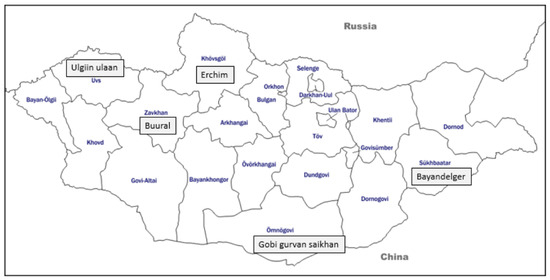
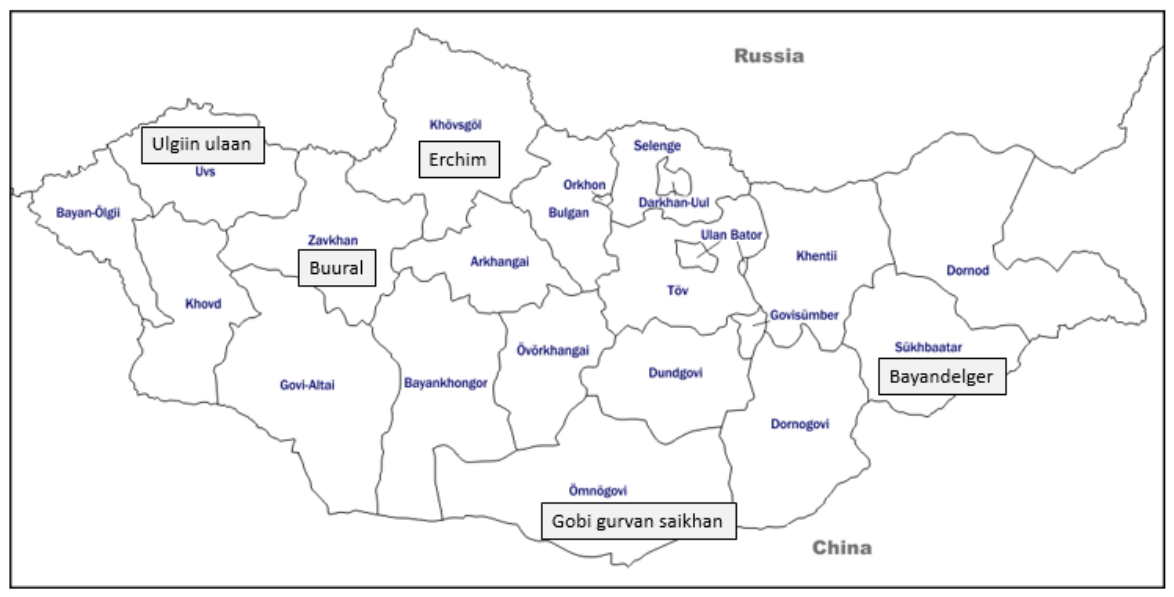
The raw material used in this study consisted of Mongolian cashmere fibers obtained from the industrial processing of raw goat fleece. The fleece of Mongolian goats typically consists of a double coat composed of fine down fibers and coarse guard hairs. The fine down fibers are the valuable component used for textile production, while guard hairs and other impurities are removed during the dehairing process. The samples analyzed in this study were collected from different Mongolian goat breeds including Buural, Bayandelger, Ulgin Ulaan, Erchim, and the crossbreed Gobi Gurvan Saikhan (Figure 1). These breeds were selected based on their geographical distribution, population density, and importance in the Mongolian cashmere industry. The samples were obtained from goats raised in different regions of Mongolia under traditional pastoral breeding systems.
Figure 1.
Breeding areas of selected goats [7].
After collection, the raw cashmere fibers were subjected to preliminary cleaning in order to remove vegetal matter, animal dandruff, and other contaminants. A laboratory scouring process was then performed in order to eliminate grease and wax components while preserving the structural integrity of the fibers.
The scouring process was performed using a laboratory washing procedure with a mild detergent solution followed by successive rinsing steps. The fibers were treated in a bath at approximately 30 °C under controlled agitation to ensure effective removal of grease and impurities while preserving fiber integrity. After scouring, the fibers were thoroughly rinsed with distilled water and dried under controlled conditions until constant mass was achieved.
After washing, the samples were dried under controlled temperature conditions until constant weight was achieved. This procedure ensured that the mechanical properties of the fibers were preserved while eliminating surface contaminants. Following the scouring process, the fibers were conditioned under standard atmospheric conditions (20 ± 2 °C and 65 ± 2% relative humidity) for a period of at least 48 h before testing.
The physical and mechanical properties were previously investigated and reported in detail in our previous study [7]. In that work, a comprehensive characterization of Mongolian cashmere fibers was conducted, including fiber diameter, fiber length distribution, and tensile properties. The results highlighted the significant variability of fiber properties depending on goat breed and origin. In the present study, these previously characterized fibers are used as a reference material in order to investigate their behavior during fiber preparation and spinning processes. This approach allows establishing a direct relationship between intrinsic fiber properties and their spinnability, as well as the resulting yarn structure and performance.
The main physical characteristics of the fibers were determined using standard textile testing methods. Fiber diameter was measured using the projection microscope method according to the ISO 137 standard. Approximately one thousand fiber snippets were analyzed in order to obtain statistically representative measurements. The average fiber diameter of the analyzed samples ranged between approximately 13.2 µm and 16.7 µm depending on the goat strain. Fiber length was determined using an Almeter Peyer texLab AL100 instrument (Peyer TexLab Ltd., Zurich, Switzerland), which allows the measurement of fiber length distributions in terms of two parameters: Barbe and Hauteur [17]. The parameter Barbe represents the mean fiber length weighted by fiber mass, while Hauteur represents the mean fiber length weighted by fiber linear density. These parameters provide valuable information regarding the length distribution of fibers and their technological suitability for spinning. For each sample, five fiber bundles containing a large number of individual fibers were analyzed in order to obtain statistically representative fiber length distributions. The average fiber length expressed as Hauteur ranged between approximately 25.5 mm and 43 mm depending on the goat breed. The tensile properties of individual fibers were also evaluated using a tensile testing machine in accordance with ISO 5079 standards. Approximately fifty fibers were tested for each sample in order to obtain reliable statistical results. The gauge length used for tensile testing was 10 mm, and the extension rate was set to 100% per minute. The measured tensile stress of the fibers ranged between approximately 167 MPa and 225 MPa depending on the sample. The elongation at break was found to exceed 40% for most samples, indicating the relatively high extensibility of Mongolian cashmere fibers.
These physical and mechanical properties are consistent with those reported in previous studies on cashmere fibers and confirm the suitability of the analyzed fibers for spinning applications.
2.2. Fiber Preparation and Characterization
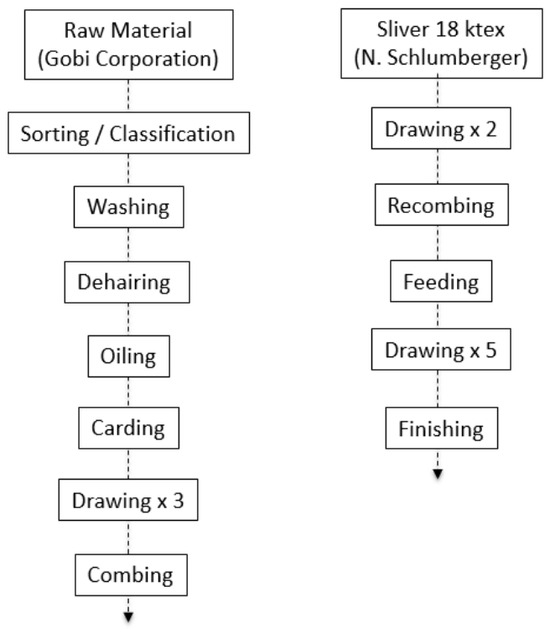
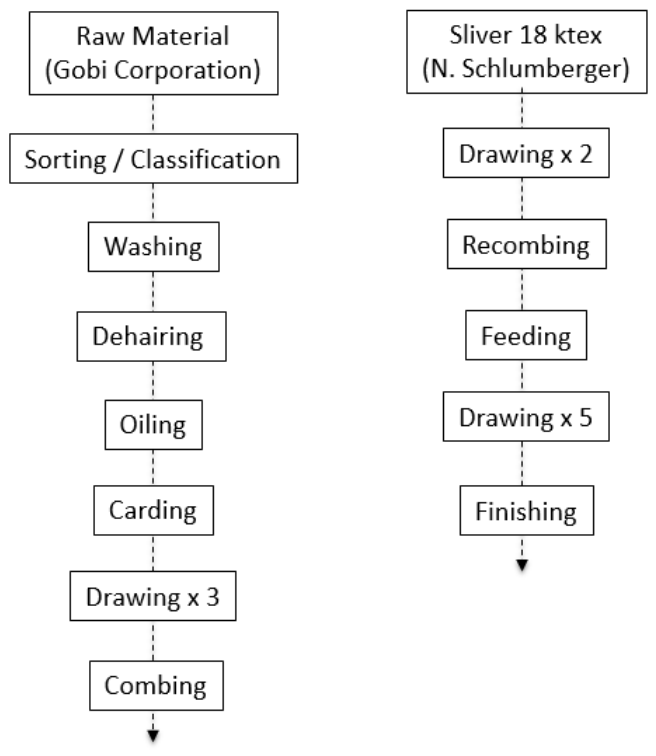
Before spinning, the raw cashmere fibers underwent a series of preparation processes designed to improve fiber alignment, eliminate short fibers, and produce a homogeneous fiber assembly suitable for yarn formation. The preparation sequence included the following main operations: washing, carding, drawing, combing, and finishing. Figure 2 illustrates the technological process for the production of fine cashmere yarns.
Figure 2.
Technological process for the production of fine cashmere yarns. The raw fiber preparation stages were carried out at Gobi Corporation spinning mill, UlaanBaatar, Mongolia. The subsequent top processing was performed at N. Schlumberger, Guebwiller, France. The process includes successive steps leading to a homogeneous fiber assembly suitable for spinning.
The carding process was carried out to open fiber tufts, individualize the fibers, and remove residual impurities. During this stage, the fibers were partially aligned and formed into a continuous sliver. Carding plays a crucial role in transforming the disordered fiber mass into an organized structure suitable for further processing. Following carding, the slivers were subjected to several drawing passages. The drawing process aims to improve fiber parallelization and reduce mass irregularity within the sliver. During this operation, multiple slivers are combined and drafted, which allows the redistribution of fibers and the homogenization of the fiber assembly. This step is essential for improving the regularity of the sliver and ensuring stable spinning conditions.
The combing operation represents a key stage in the preparation process, particularly for the production of fine yarns. Combing removes short fibers, neps, and remaining impurities while significantly improving fiber alignment. This process enhances fiber length uniformity and reduces the proportion of short fibers, which are known to negatively affect yarn cohesion and increase the risk of breakage during spinning. The finishing stage was applied in order to adjust the fiber assembly to the requirements of the spinning process, including the preparation of a suitable roving structure [7,18,19].
The evolution of fiber properties during the preparation process was evaluated by measuring the percentage of short fibers, fiber length distribution, and sliver irregularity at different stages. These measurements allowed the assessment of the effectiveness of each preparation step in improving the structural homogeneity of the fiber assembly and its suitability for spinning.
2.3. Sliver Preparation and Characterization
After fiber preparation, the fibers were assembled into slivers suitable for spinning. The structural quality of the sliver plays a fundamental role in determining yarn properties, as the distribution and arrangement of fibers within the sliver directly influence yarn formation and spinning stability.
Sliver regularity was evaluated through mass irregularity measurements expressed as the coefficient of variation in mass (CV%). These measurements were performed using an Uster Tester (Uster Technologies AG, Uster, Switzerland) allowing continuous analysis of linear mass variation along the sliver length.
From a theoretical standpoint, the irregularity of a fibrous assembly can be described using the concept of an ideal sliver, in which fibers are assumed to be randomly distributed and parallel [20]. In such a case, the number of fibers in a given cross-section follows a Poisson distribution. According to this model, the theoretical irregularity is given by:
where n represents the average number of fibers within the cross-section of the sliver.
However, real slivers always exhibit higher irregularity than the theoretical value due to several factors, including fiber length variability, fiber diameter variability, and technological imperfections introduced during processing. Martindale [20,21,22] demonstrated that the limit irregularity of a yarn or sliver can be expressed as a function of the number of fibers in the cross-section and the variability of fiber fineness. The theoretical coefficient of variation is given by
where KM is the Martindale coefficient, which depends on the variability of fiber fineness.
The coefficient KM can be expressed as
where CVl,a represents the coefficient of variation in fiber section weighted by their length.
This formulation shows that even in an ideal fiber assembly, irregularity cannot be eliminated, as it is intrinsically linked to the natural variability of fiber properties. For natural fibers such as cashmere, this variability is generally higher than for synthetic fibers, resulting in higher theoretical irregularity.
However, the Martindale approach does not take into account the influence of fiber length distribution. For long fibers, Huberty [20,23] introduced a modified coefficient KH, which incorporates the effect of fiber length and drafting conditions:
where H represents the average fiber length, CVH the coefficient of variation in fiber length, F(l) the fiber length distribution function, and Δc a parameter related to machine resolution.
This formulation highlights that yarn irregularity depends not only on fiber fineness but also on fiber length distribution and processing conditions.
To evaluate the deviation of a real sliver or yarn from the ideal structure, a regularity index I can be defined as
This index provides a direct measure of the quality of the fiber assembly. A value of I close to unity indicates that the structure approaches the theoretical limit, whereas higher values reflect the presence of technological imperfections. In practice, the irregularity of real slivers is always higher than the theoretical limit due to drafting waves, imperfect fiber control, and machine-related disturbances. Therefore, reducing technological irregularities remains a key objective in fiber preparation and spinning processes.
2.4. Spinning Process
Cashmere yarns were produced using two different spinning technologies: conventional ring spinning and compact spinning. The spinning experiments were carried out using a Zinser 800 ring spinning frame (Saurer, Uebach-Palenberg, Germany) for conventional spinning and a Zinser 800 AirComTex system (Saurer, Uebach-Palenberg, Germany)for compact spinning. Both systems were operated under controlled industrial conditions to ensure the reproducibility of the results and to enable a reliable comparison between the two spinning technologies.
All spinning experiments were carried out under controlled environmental conditions, with a temperature of approximately 20 ± 2 °C and a relative humidity of 65 ± 2%. These conditions were maintained in order to ensure stable fiber behavior, limit electrostatic effects, and promote adequate fiber cohesion during spinning.
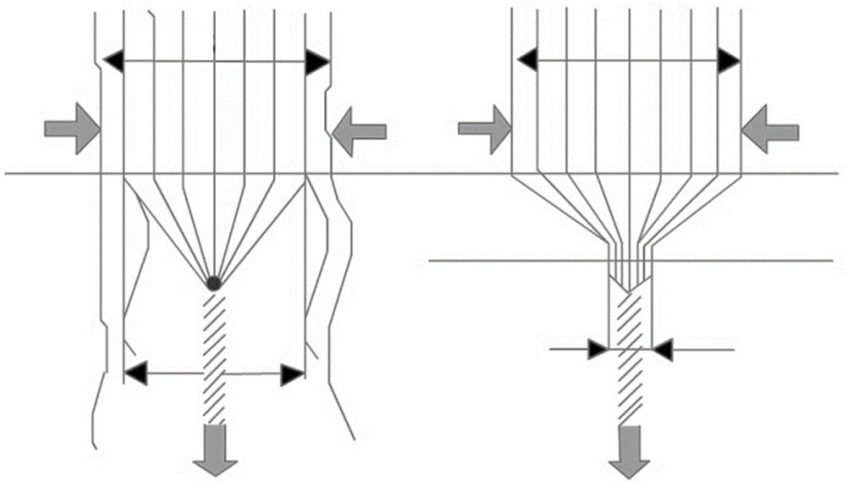
In conventional ring spinning, yarn formation is achieved by twisting a drafted fiber strand, resulting in the formation of a spinning triangle between the front rollers and the yarn formation point. This spinning triangle is associated with a partial loss of fiber control, leading to fiber spreading and incomplete integration of peripheral fibers into the yarn structure. Consequently, ring-spun yarns generally exhibit higher hairiness and less compact fiber packing.
In contrast, compact spinning technology reduces or eliminates the spinning triangle by condensing the fiber strand prior to twist insertion. In the AirComTex system, aerodynamic suction is applied to gather the fibers into a compact strand, thereby improving fiber alignment and enhancing fiber integration within the yarn body. This results in yarns with a more compact structure, reduced hairiness, and improved mechanical performance.
The comparison between conventional ring spinning and compact spinning systems is illustrated in Figure 3.
Figure 3.
Comparison of spinning triangles in conventional ring spinning (left) and compact spinning (right), illustrating the reduction in the spinning triangle and improved fiber control.
In order to investigate the spinnability limits of fine cashmere fibers, a structured experimental spinning plan was implemented. Starting from a roving of 200 tex, yarns were produced using both spinning technologies. The experimental spinning plan is summarized in Table 1.
Table 1.
Experimental spinning plan used for the production of cashmere yarns.
Yarns with linear densities of 10 tex and 12.5 tex were produced under different twist levels (α = 115 and α = 95), allowing the evaluation of the influence of twist intensity on yarn cohesion and mechanical behavior. Twisting is calculated using the following equation:
In total, five different yarn configurations were manufactured, providing a comprehensive dataset for the analysis of spinning performance.
2.5. Yarn Testing Methods
The quality of the produced cashmere yarns was evaluated through a comprehensive set of physical and mechanical tests in order to characterize yarn structure, performance, and spinning stability in relation to fiber preparation and spinning technology.
Yarn irregularity was measured using an Uster Tester (Uster Technologies AG, Switzerland) under standard testing conditions. The parameters analyzed included the coefficient of variation in mass (CV%), as well as the number of thin places, thick places, and neps per unit length. These parameters provide quantitative information on yarn uniformity and reflect the structural quality of the fiber assembly, particularly in relation to sliver regularity and drafting conditions.
In addition to global irregularity, the distribution of mass variation along the yarn was analyzed in order to detect potential periodic faults associated with drafting waves or machine-induced disturbances. This analysis allows distinguishing between random irregularity and process-induced irregularity, in accordance with the theoretical framework described in Section 2.3.
The tensile properties of the yarns were determined using a tensile testing machine in accordance with the ISO 2062 standard. The measured parameters included tensile strength (cN/tex), elongation at break (%), and energy to rupture. These properties reflect the cohesion between fibers within the yarn structure and are directly influenced by fiber length distribution, fiber alignment, and twist level.
Yarn hairiness was evaluated using an Uster Tester (Uster Technologies AG, Switzerland) equipped with a hairiness measurement module. This method quantifies the number and length of fibers protruding from the yarn surface. Yarn hairiness is strongly influenced by spinning technology, particularly the presence or reduction in the spinning triangle, and therefore constitutes a key parameter for comparing ring spinning and compact spinning systems.
Microscopic observations were carried out using optical microscopy in order to analyze the internal structure of the yarns. These observations allowed the evaluating fiber packing density, fiber orientation, and the degree of fiber integration within the yarn body, providing qualitative support to the mechanical and irregularity measurements.
3. Results and Discussions
3.1. Characteristics of Cashmere Fibers
The intrinsic properties of cashmere fibers play a fundamental role in determining their behavior during fiber preparation and spinning processes. These properties were previously investigated and reported in detail in our previous study [7]. In the present work, only the key parameters influencing spinnability are highlighted and discussed in relation to yarn formation.
Cashmere fibers originate from a double fleece structure typical of cashmere goats, consisting of fine down fibers and coarser guard hairs. This dual structure is a natural adaptation to harsh climatic conditions: the down fibers provide thermal insulation, while the guard hairs form a protective outer layer. This intrinsic heterogeneity of the raw material represents a major challenge for fiber processing and yarn formation.
From a processing perspective, these fiber characteristics are not only descriptive parameters but constitute the initial conditions governing spinning behavior. In particular, fiber diameter determines the number of fibers in the yarn cross-section and thus influences yarn cohesion, while fiber length distribution controls fiber overlap and the efficiency of stress transfer within the yarn. The presence of short fibers and residual coarse fibers is expected to reduce cohesion and increase the probability of fiber slippage during drafting and twisting. Consequently, these fiber properties play a key role in determining spinning stability and yarn quality. Therefore, in the following sections, these fiber properties are considered as key input parameters to interpret spinning performance, yarn regularity, and mechanical behavior.
3.1.1. Morphological Characteristics
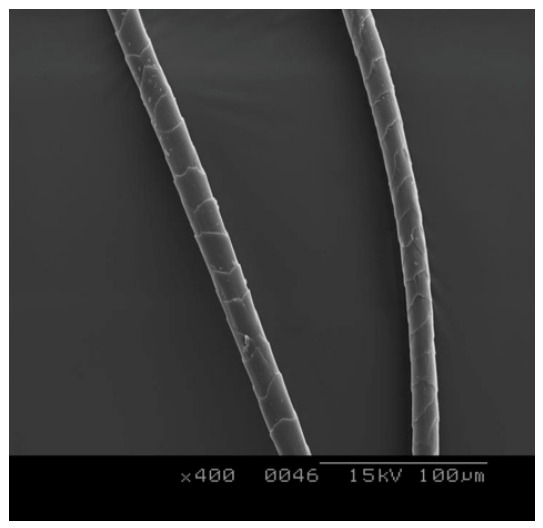
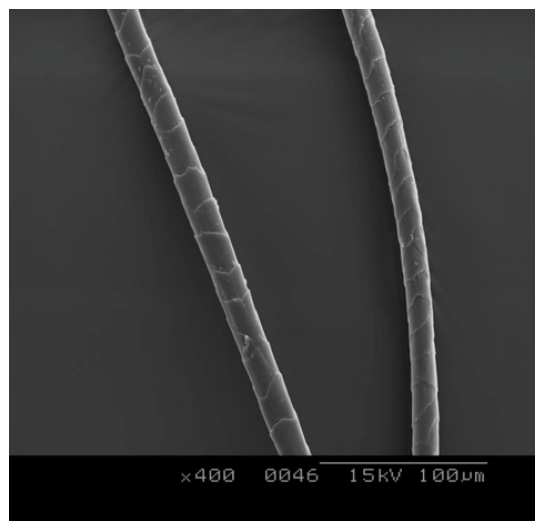
The morphology of cashmere fibers plays a fundamental role in determining their technological behavior during textile processing. Microscopic observations were performed in order to analyze the morphological characteristics of the fibers. SEM images revealed significant differences between down fibers and guard hairs, as shown in Figure 4.
Figure 4.
SEM micrograph of a fine down fiber (in the right) and a guard hair (in the left).
The fine down fibers exhibited relatively regular and well-defined cuticle scales with smooth edges and uniform spacing. These scales contribute to the softness and flexibility of the fibers and facilitate fiber cohesion during yarn formation. In contrast, the guard hairs displayed a much coarser structure with irregular and widely spaced cuticle scales. The presence of guard hairs in the raw fleece represents a significant technological challenge in cashmere processing. Guard hairs are considerably thicker than down fibers and may negatively affect yarn uniformity and fabric appearance. Therefore, the removal of guard hairs during fiber preparation is an essential step in the production of high-quality cashmere yarns.
3.1.2. Fiber Diameter Distribution
Fiber diameter is one of the most critical parameters influencing spinnability, as it directly affects fiber flexibility and the number of fibers present in the yarn cross-section. The detailed distribution of fiber diameters was previously reported in [7]. The average fiber diameter ranged between approximately 13.2 µm and 16.7 µm depending on the goat breed. The coefficient of variation in fiber diameter remained below 22%, indicating a moderate level of variability. The diameter distribution follows a log-normal distribution, which is typical for natural animal fibers. However, the presence of coarser fibers, mainly associated with residual guard hairs, may negatively affect yarn quality by increasing hairiness and generating irregular fiber packing within the yarn structure.
From a spinning standpoint, this diameter range ensures a sufficient number of fibers in the yarn cross-section, which is essential for maintaining cohesion. However, the observed variability may locally affect fiber packing and contribute to irregular stress distribution during spinning.
3.1.3. Fiber Length Characteristics
Fiber length is another key parameter governing the spinnability of cashmere fibers. The detailed fiber length distributions were previously reported in [7]. The measured Hauteur values ranged between approximately 25.5 mm and 43 mm, indicating relatively favorable conditions for spinning. However, the variability of fiber length remains significant, reflecting the natural heterogeneity of the raw material. In particular, the presence of short fibers plays a critical role in yarn formation. Short fibers contribute less effectively to fiber cohesion and increase the risk of fiber slippage during spinning.
In the raw material, the proportion of short fibers was approximately 12%. This high proportion represents a major limitation for spinning and justifies the importance of the combing process, which significantly reduces short fiber content and improves fiber assembly quality.
This variability in fiber length is expected to directly influence spinning stability, as shorter fibers contribute less effectively to load transfer, increase the risk of fiber slippage, and yarn breakage. As a result, fiber length distribution plays a key role in determining both yarn cohesion and spinning performance.
3.1.4. Tensile Properties of Individual Fibers
The tensile properties of individual fibers influence their ability to withstand the mechanical stresses applied during drafting and twisting. In this study, the tensile stress ranged between approximately 167 MPa and 225 MPa, while elongation at break varied between 40% and 52%. These values indicate that Mongolian cashmere fibers possess relatively high extensibility and sufficient strength for spinning applications.
This variability in tensile properties may result in a heterogeneous stress distribution within the yarn, which can contribute to local weak points during spinning. This effect may increase the sensitivity of the yarn structure to defects and promote yarn breakage under stress.
3.2. Spinnability of Cashmere Fibers
3.2.1. Influence of Fiber Properties on Sliver Regularity and Spinnability
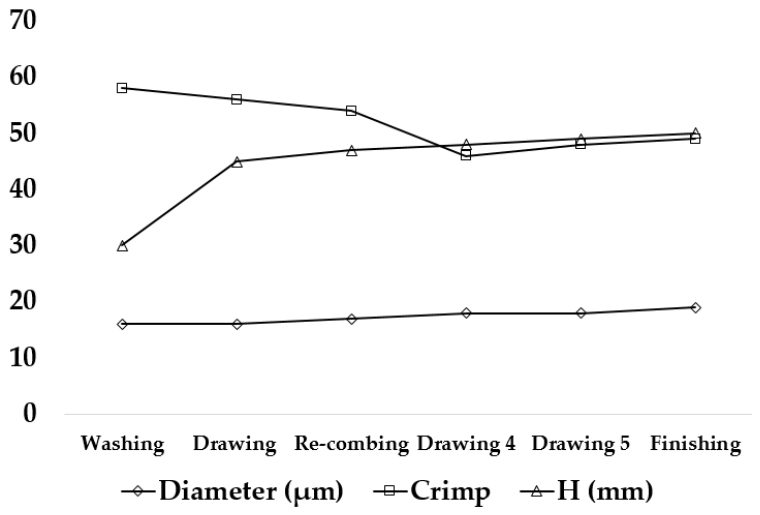
After washing, the raw material consisted of approximately 72% down fibers, 20% guard hairs, and 8% impurities. The average fiber diameter was about 16.1 µm with a coefficient of variation of 18%, while the mean fiber length (Hauteur) was approximately 30 mm. During the preparation process, significant changes in fiber characteristics were observed, particularly after the combing stage.
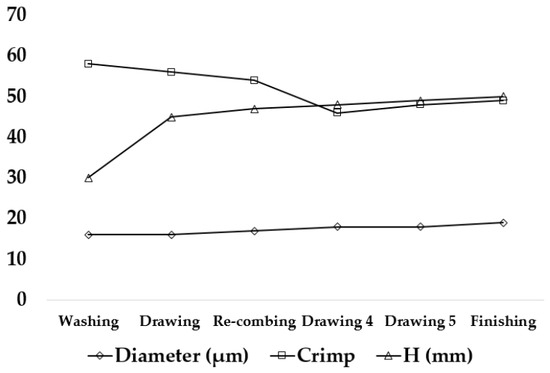
As shown in Figure 5, the combing operation led to a marked increase in mean fiber length and a reduction in length variability. This improvement is primarily due to the elimination of short fibers, which are unable to be retained by the combing process. This increase in effective fiber length contributes to improved fiber overlap and enhances cohesion within the sliver.
Figure 5.
Evolution of fiber properties (diameter, crimp, and length) during the preparation process.
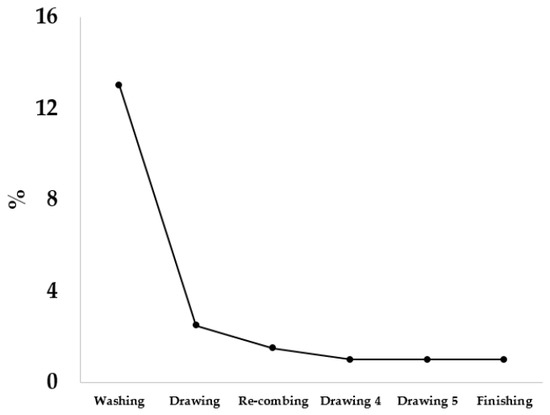
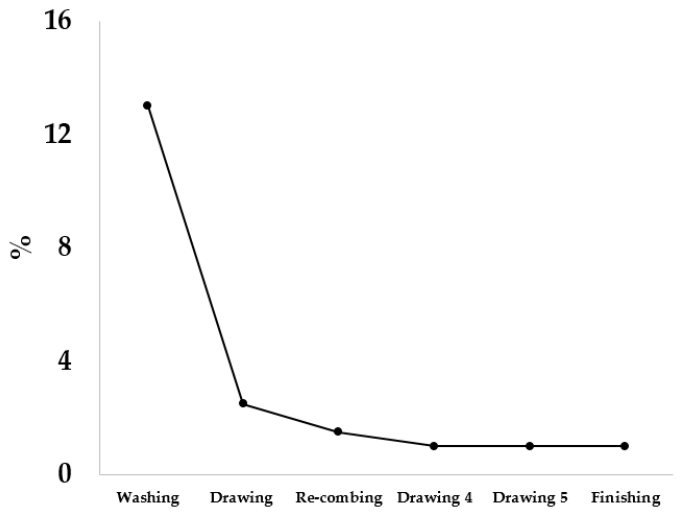
The evolution of short fiber content is presented in Figure 6. The results indicate a sharp decrease in the proportion of short fibers after combing, followed by a stabilization during subsequent drawing and finishing stages. This reduction in short fibers is essential for improving fiber cohesion within the sliver and enhancing spinnability, as short fibers are known to promote fiber slippage and yarn breakage during spinning.
Figure 6.
Evolution of short fiber content during the preparation process.
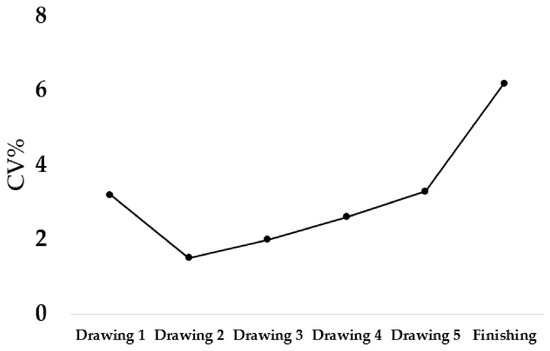
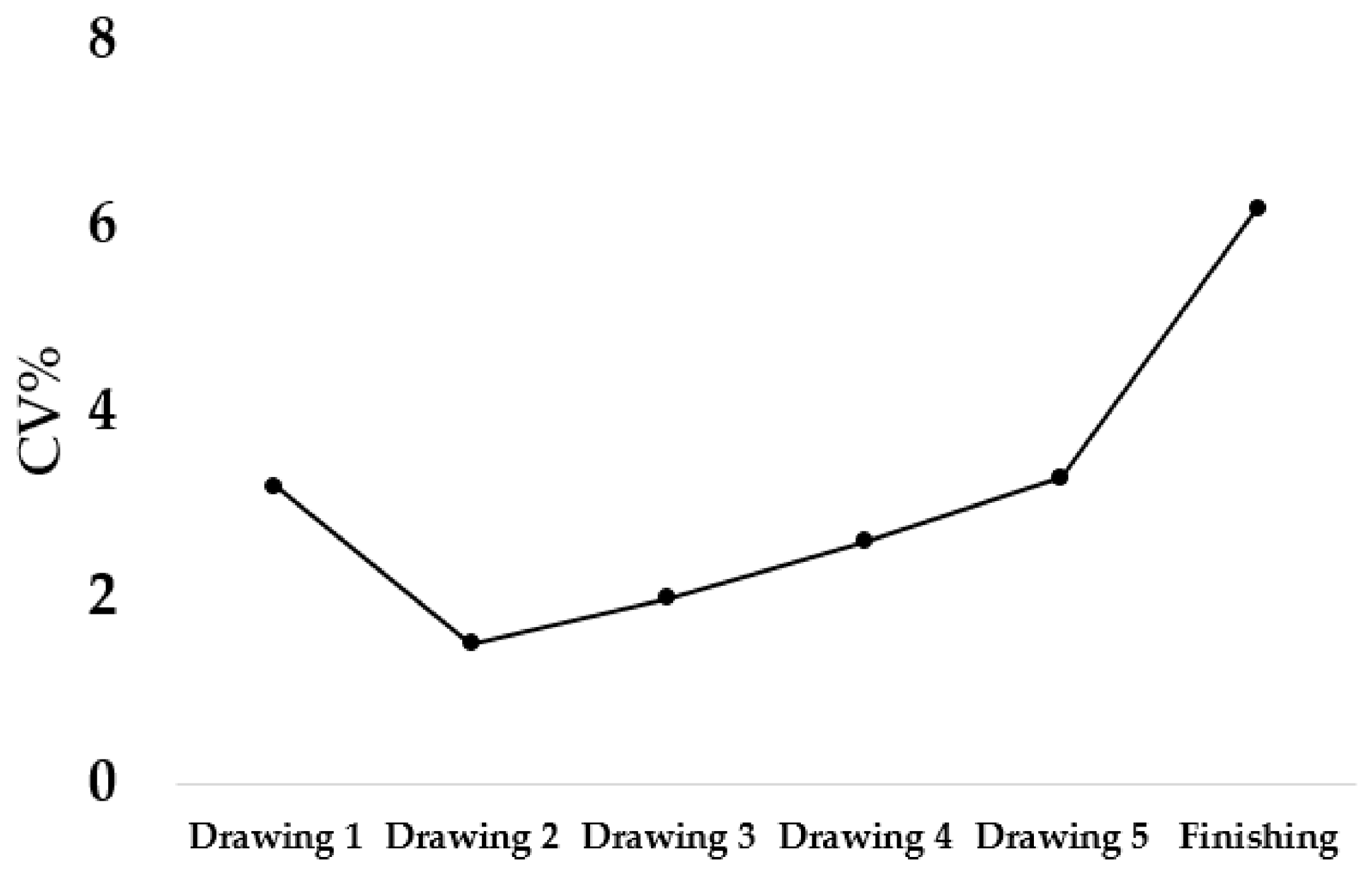
The evolution of the coefficient of variation in mass is presented in Figure 7. After two drawing passages, the sliver reaches a plateau of regularity, and further drawing operations mainly contribute to fiber parallelization without significantly improving mass uniformity. This observation suggests that the initial stages of the preparation process are the most critical for controlling sliver irregularity.
Figure 7.
Evolution of mass irregularity (CV%) during the preparation process.
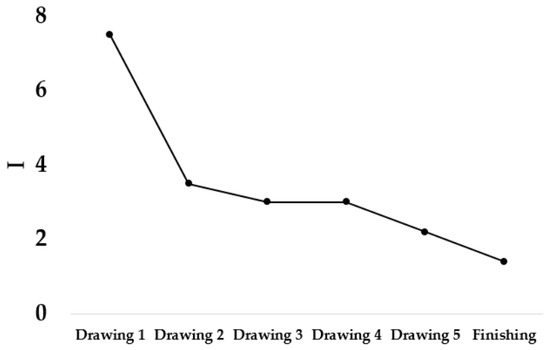
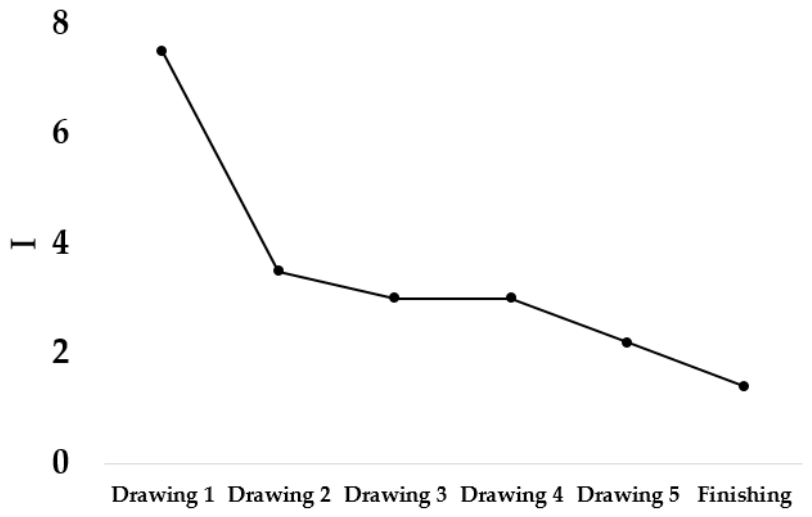
The regularity index I, shown in Figure 8, confirms this behavior. A progressive decrease in I indicates that the sliver structure approaches the theoretical limit defined by the ideal fiber assembly. However, even after finishing, the sliver does not reach the ideal structure, reflecting the unavoidable influence of technological imperfections and fiber variability. This residual deviation from the theoretical limit highlights the presence of structural imperfections that may influence spinning stability.
Figure 8.
Evolution of the regularity index (I) during the preparation process.
Overall, these results demonstrate that fiber preparation plays a decisive role in improving the spinnability of cashmere fibers. The elimination of short fibers, combined with the control of sliver irregularity during drawing, allows the production of a more homogeneous fiber assembly, which is essential for achieving stable spinning conditions and producing high-quality yarns. However, the persistence of residual irregularities indicates that preparation alone cannot fully eliminate structural defects, which may still affect yarn performance during spinning.
3.2.2. Spinning Performance and Yarn Quality
The spinning performance of cashmere yarns was evaluated through yarn regularity, defect analysis, tensile behavior, and structural observations.
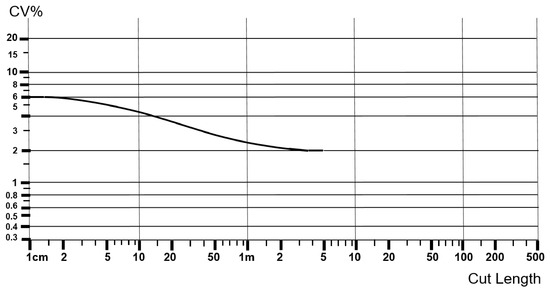
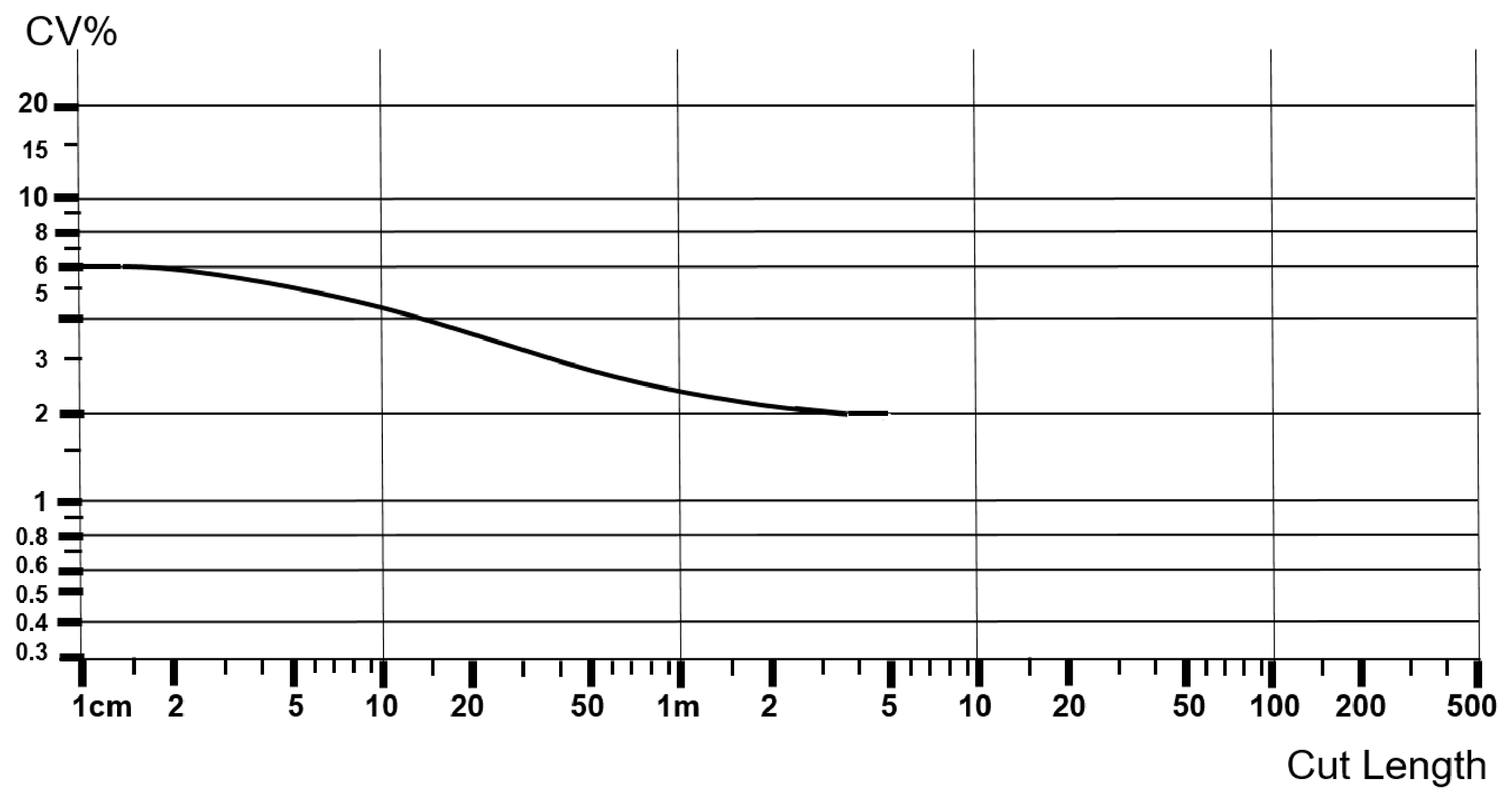
The analysis of mass variation as a function of length (Figure 9) shows a continuous decrease in CV% with increasing cut length. This behavior is characteristic of a random fiber assembly, where short-length variations are progressively averaged over longer lengths. The absence of distinct peaks or irregular fluctuations in the curve indicates that no periodic faults are present, confirming stable drafting conditions and the absence of machine-induced disturbances. This confirms that the input roving provides a stable and homogeneous starting structure for spinning.
Figure 9.
Evolution of mass irregularity (CV%) as a function of cut length for the input roving.
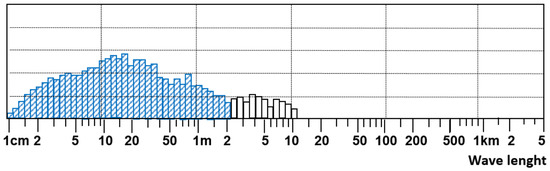
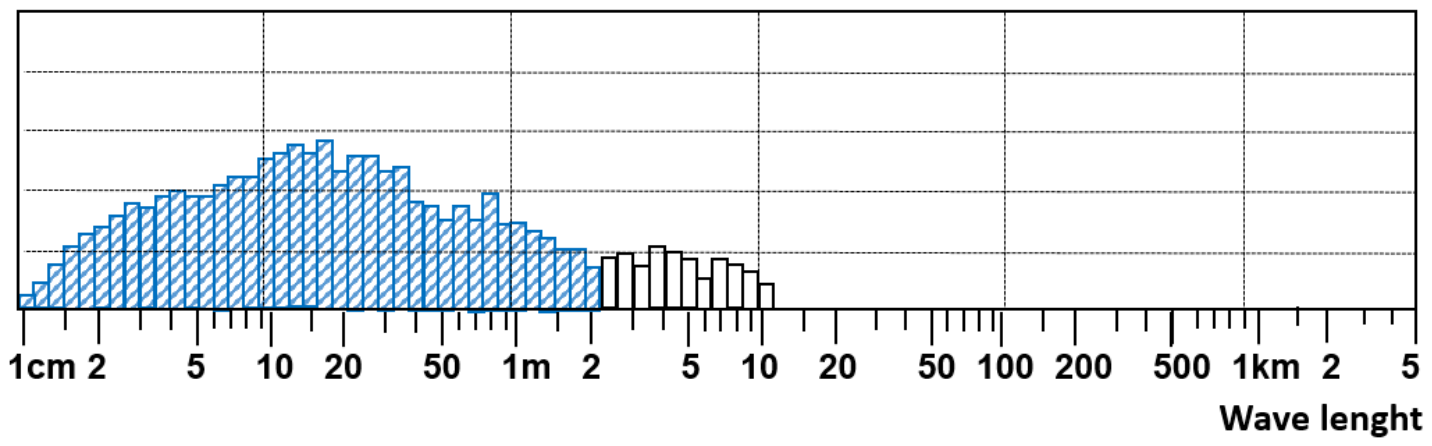
The spectrogram (Figure 10) further supports this observation. The mass variation is mainly concentrated in the short wavelength range (below approximately 1 m), which is typical of random fiber distribution. No dominant wavelengths are observed, confirming that the irregularity is essentially random rather than process-related.
Figure 10.
Spectrogram of mass variation showing the distribution of irregularities as a function of wavelength.
Overall, these results demonstrate that the input roving exhibits a well-randomized structure with no detectable periodic irregularities. This confirms that the fiber preparation process provides suitable conditions for stable spinning and that subsequent yarn irregularities are primarily governed by intrinsic fiber characteristics rather than drafting defects.
Yarn breakage rate was used as a key indicator of spinnability. The results are presented in Table 2. Significant variations were observed depending on yarn type and spinning conditions. While acceptable industrial values are typically around 50 breaks per 1000 spindles per hour, some yarns exhibited much higher breakage rates, reaching up to 232 breaks. These results indicate that the spinnability limit was reached under certain conditions. This threshold-based interpretation provides a practical criterion for evaluating spinnability under industrial conditions.
Table 2.
Yarn breakage rate during spinning for different yarn configurations.
The main cause of yarn breakage was identified as the presence of neps and fiber clusters within the roving. The number of neps ranged between 3 and 6 per meter of roving, corresponding to approximately 150 to 300 neps per 1000 m of yarn after drafting. These defects create local stress concentrations and significantly increase the probability of yarn rupture during spinning.
From a mechanistic perspective, the effect of neps on yarn breakage can be explained by several interacting phenomena. First, neps and fiber clusters act as local rigid zones within the fiber assembly, leading to stress concentration during drafting and twisting. These localized stress peaks increase the probability of rupture initiation. Second, neps disturb the uniform flow of fibers during drafting, creating transient instabilities and uneven fiber tension distribution along the strand. Third, the presence of poorly integrated fibers around these defects promotes fiber slippage under tensile load, reducing the effective load transfer between fibers. As a result, yarn breakage occurs preferentially at these structurally weak points, explaining the strong correlation between defect content and spinning instability. This analysis highlights the dominant role of local structural defects over global fiber properties in controlling spinning performance.
This behavior confirms that spinning stability is not only controlled by global fiber properties but also by local structural heterogeneities within the fiber assembly.
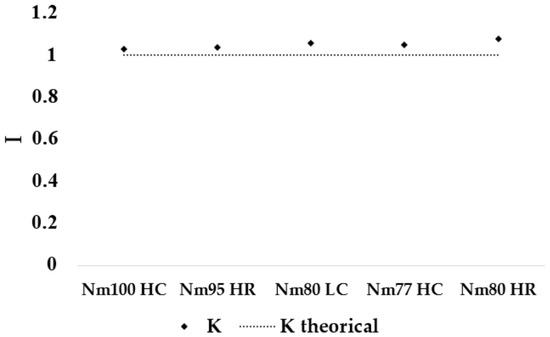
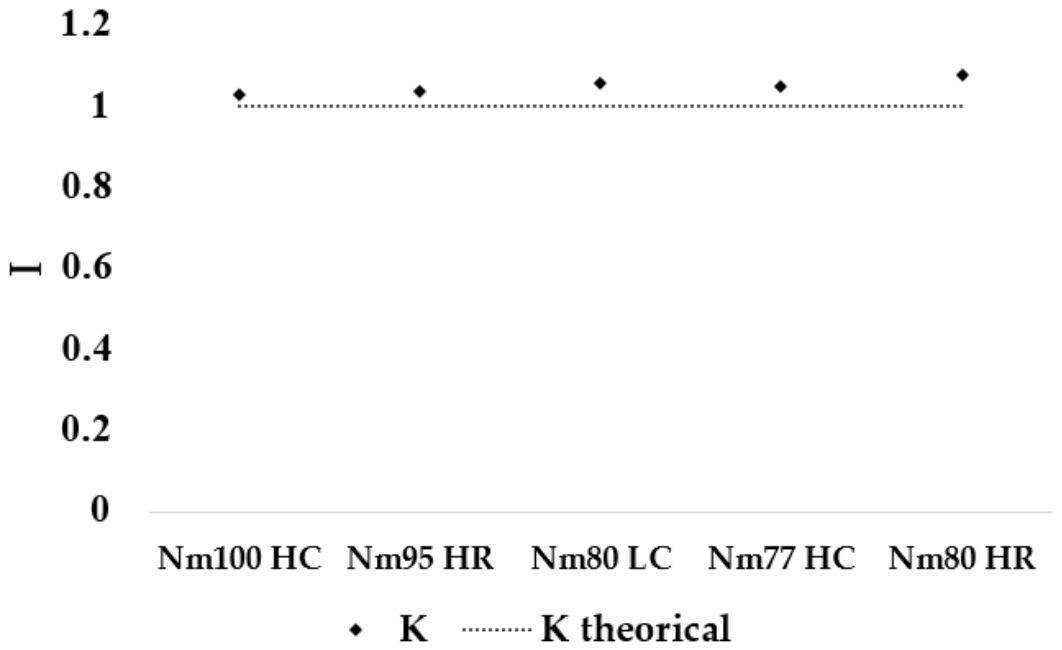
Yarn regularity was further analyzed using the irregularity index I and the coefficient K. The irregularity index ranged between 1.03 and 1.08 (Figure 11), indicating that the yarn structure approaches the theoretical limit defined by the ideal fiber assembly.
Figure 11.
Evolution of the yarn irregularity index (I) for different yarn samples.
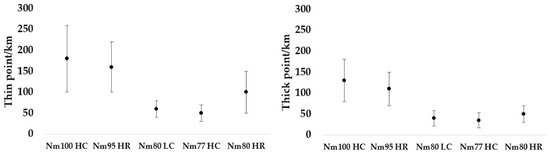
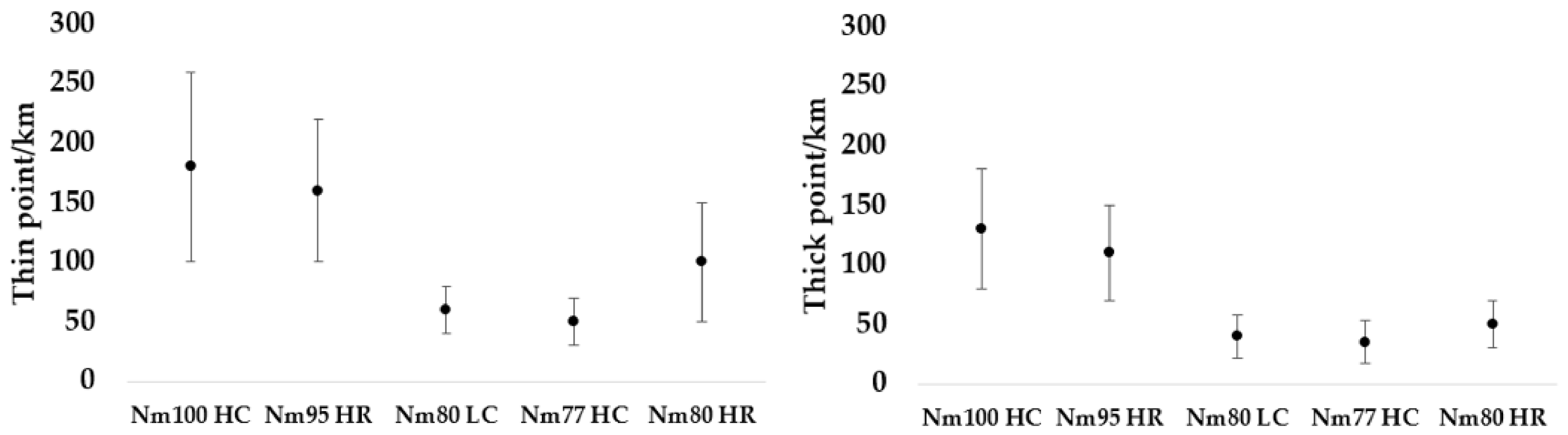
Despite this overall good regularity, yarn defects were observed. The number of thin points and thick points per 1000 m increased as yarn linear density decreased (Figure 12). This behavior is attributed to the reduction in the number of fibers in the yarn cross-section, which increases sensitivity to local mass variations.
Figure 12.
Number of thin and thick places per 1000 m of yarn.
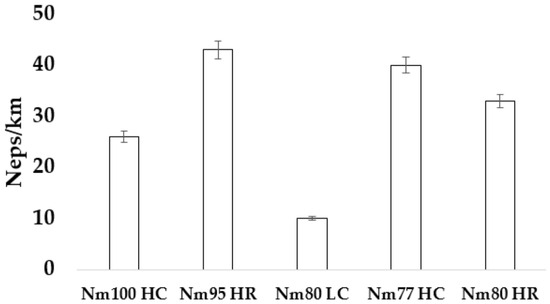
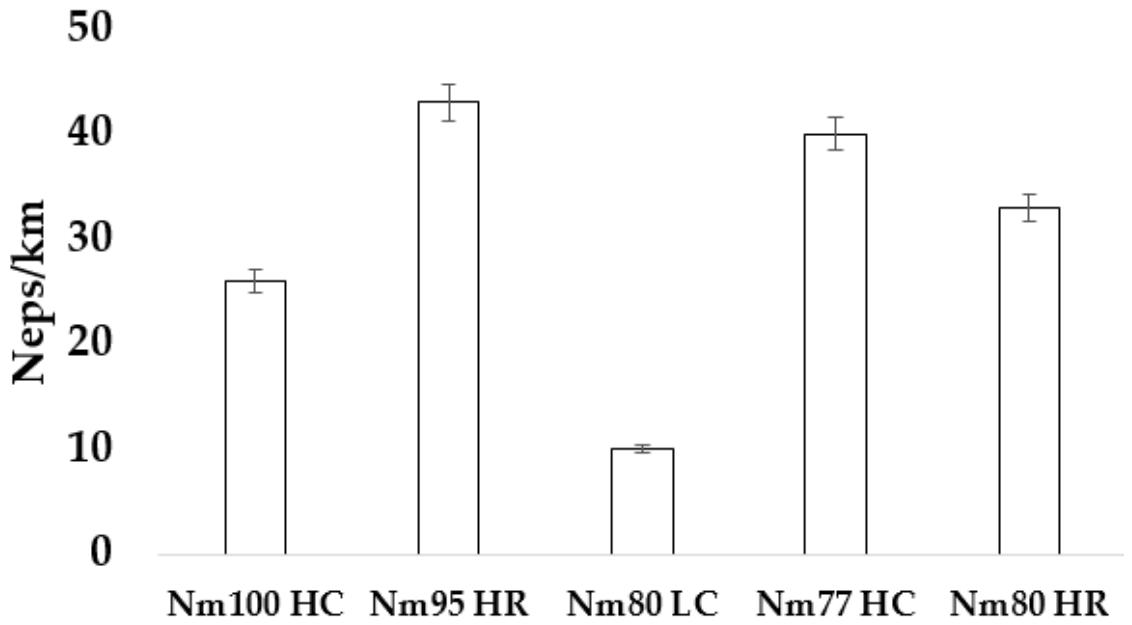
The number of neps ranged between approximately 10 and 42 per 1000 m (Figure 13), reflecting the presence of residual fiber clusters and incomplete fiber individualization during preparation.
Figure 13.
Number of neps per 1000 m of yarn.
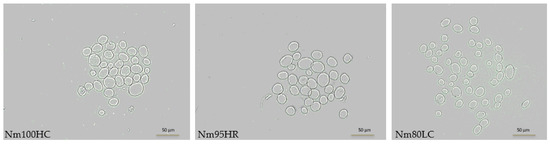
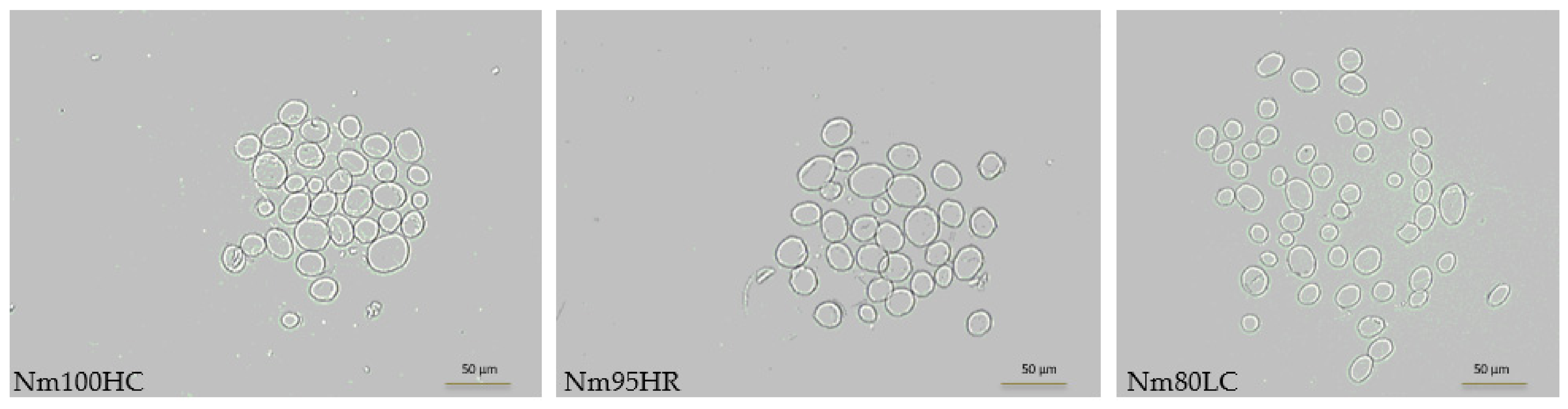
Microscopic observations of yarn cross-sections revealed variability in fiber packing (Figure 14). The figure presents cross-sectional micrographs of the Nm100HC, Nm95HR, and Nm80LC yarns. The Nm100HC yarn exhibits a relatively compact and well-organized structure, whereas the Nm95HT and Nm80LC yarns show more heterogeneous fiber distribution. These structural differences may lead to local mechanical weaknesses and influence yarn performance. These observations are consistent with the variability observed in mechanical properties and defect distribution.
Figure 14.
Cross-sectional micrographs of cashmere yarns (Nm100HC, Nm95HR, and Nm80LC) showing differences in fiber packing and structural organization.
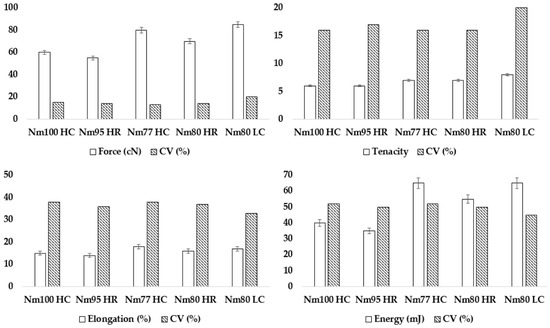
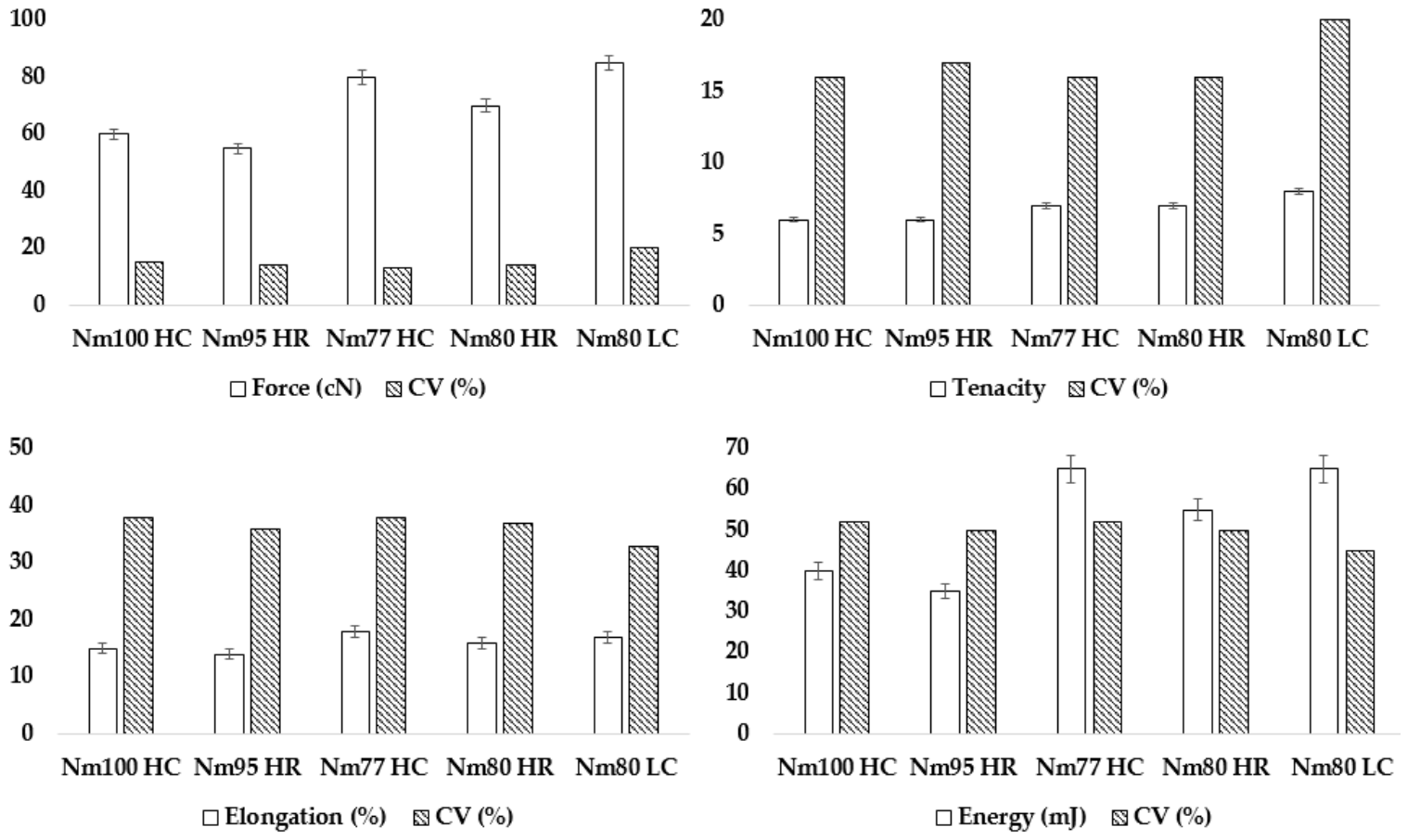
The tensile properties of the yarns are presented in Figure 15. The results show noticeable differences in tensile behavior depending on yarn structure and processing conditions. Yarns with higher fiber cohesion and better structural organization tend to exhibit higher tensile strength and energy to rupture. In contrast, variations in fiber arrangement and packing lead to moderate differences in elongation at break.
Figure 15.
Tensile properties of cashmere yarns: breaking force and CV, tenacity and CV, elongation at break and CV, and energy to rupture and CV.
Despite these variations, the overall mechanical performance of the yarns remains relatively consistent across the different samples. This indicates that, although the number of fibers in the yarn cross-section and their distribution may vary, the global yarn structure remains sufficiently coherent to ensure stable mechanical behavior. The coefficient of variation associated with tensile properties highlights a certain level of variability, which can be attributed to local irregularities in fiber distribution and the presence of defects.
Overall, these results demonstrate that, although fiber preparation significantly improves sliver quality and fiber alignment, residual defects such as neps and fiber clusters remain the main limiting factors for spinning performance. These defects induce local stress concentrations, which can weaken the yarn and increase the risk of breakage during processing. Therefore, controlling defect formation remains a key challenge for improving the spinnability of fine cashmere yarns.
3.3. Influence of Spinning Technology
Comparison Between Ring Spinning and Compact Spinning
The influence of spinning technology on yarn quality was evaluated by comparing conventional ring spinning and compact spinning systems under similar processing conditions. Compact spinning is characterized by the elimination of the spinning triangle through the aerodynamic condensation of the fiber strand prior to twist insertion. This modification improves fiber alignment and enhances fiber integration within the yarn structure. In contrast, conventional ring spinning involves a wider spinning triangle, leading to less controlled fiber cohesion and a higher probability of fiber protrusion at the yarn surface. The results indicate that compact-spun yarns generally exhibit improved structural characteristics compared to ring-spun yarns. In particular, compact yarns show better fiber packing and a more homogeneous structure, which contributes to enhanced fiber cohesion and reduced fiber migration toward the yarn surface.
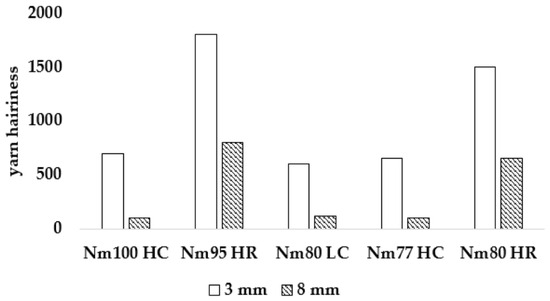
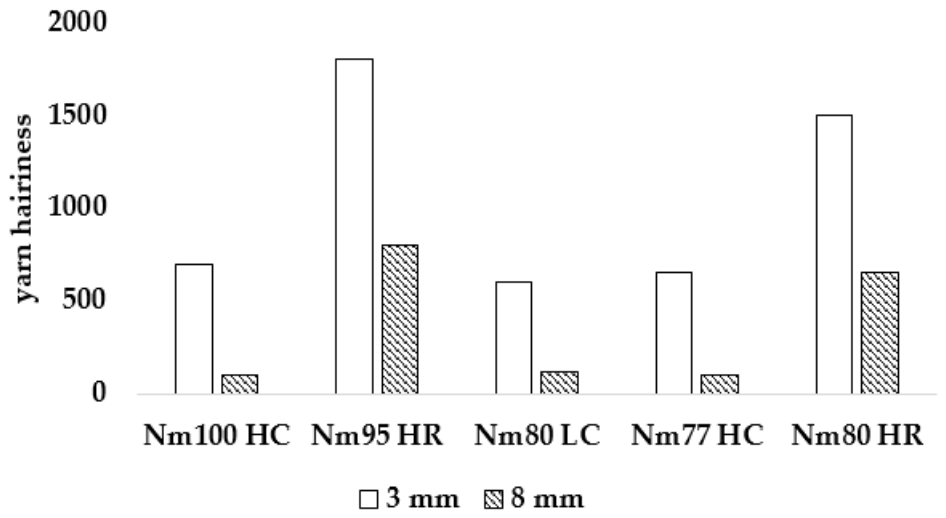
The influence of spinning technology on yarn hairiness is clearly illustrated in Figure 16. The results show that compact-spun yarns systematically exhibit lower hairiness values compared to ring-spun yarns for both measurement lengths (3 mm and 8 mm). The difference is particularly pronounced for longer protruding fibers (8 mm), which are significantly reduced in compact yarns. This indicates that compact spinning is especially effective in limiting the presence of long fibers protruding from the yarn surface, which are known to negatively affect yarn appearance and performance. In contrast, ring-spun yarns exhibit higher levels of hairiness, especially for coarser yarns, reflecting a greater presence of loosely bound surface fibers.
Figure 16.
Yarn hairiness measured at 3 mm and 8 mm for ring-spun and compact-spun cashmere yarns.
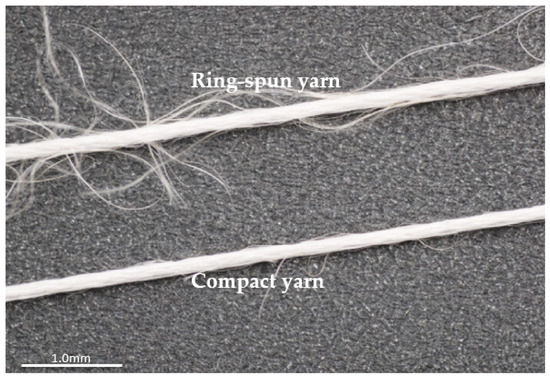
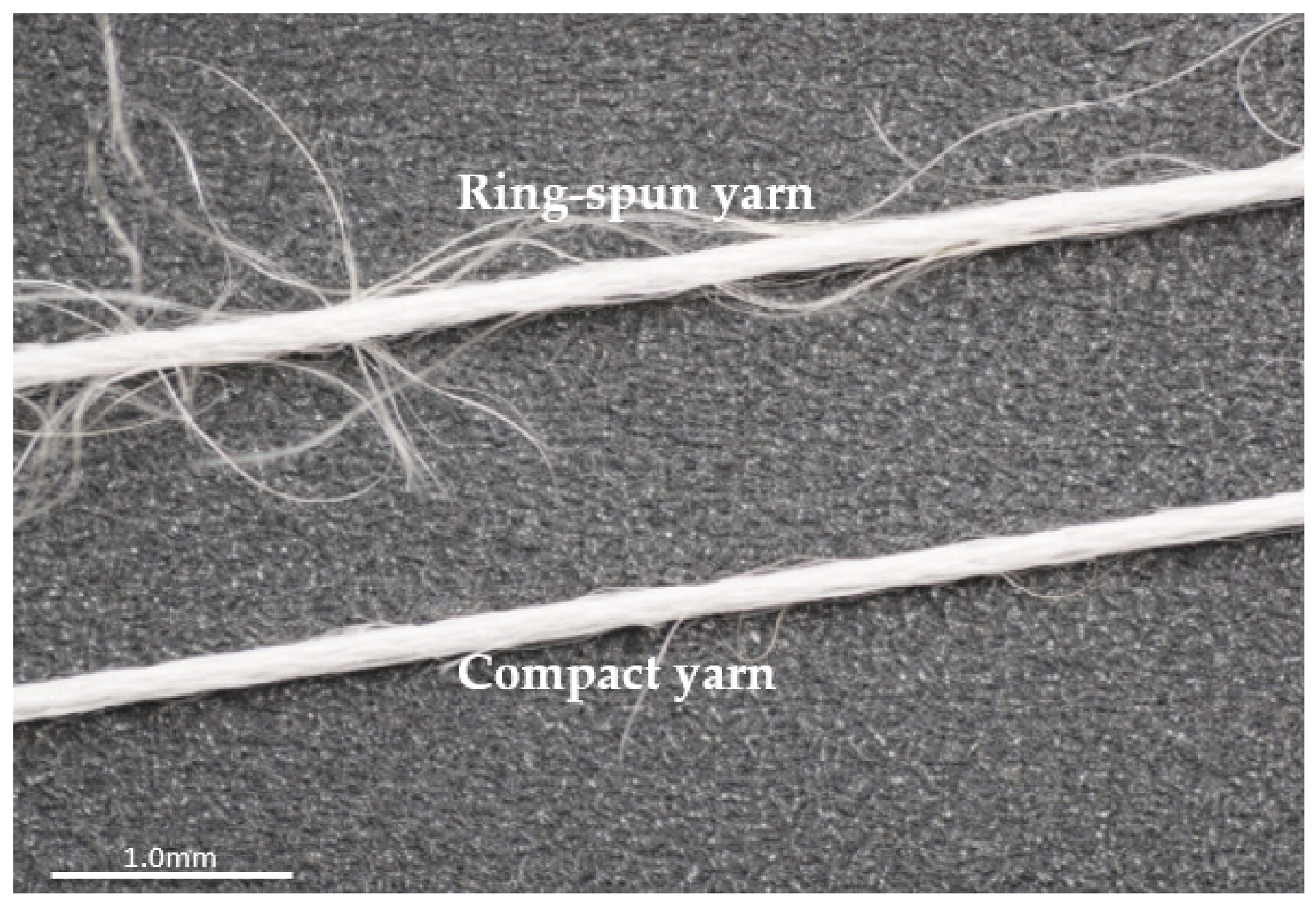
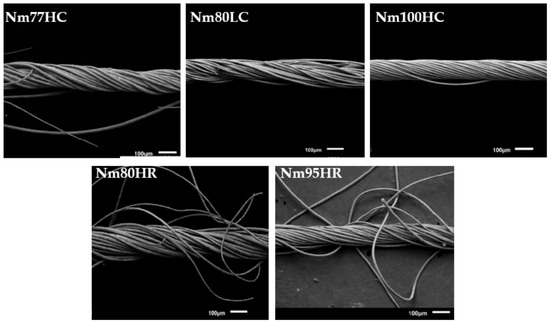
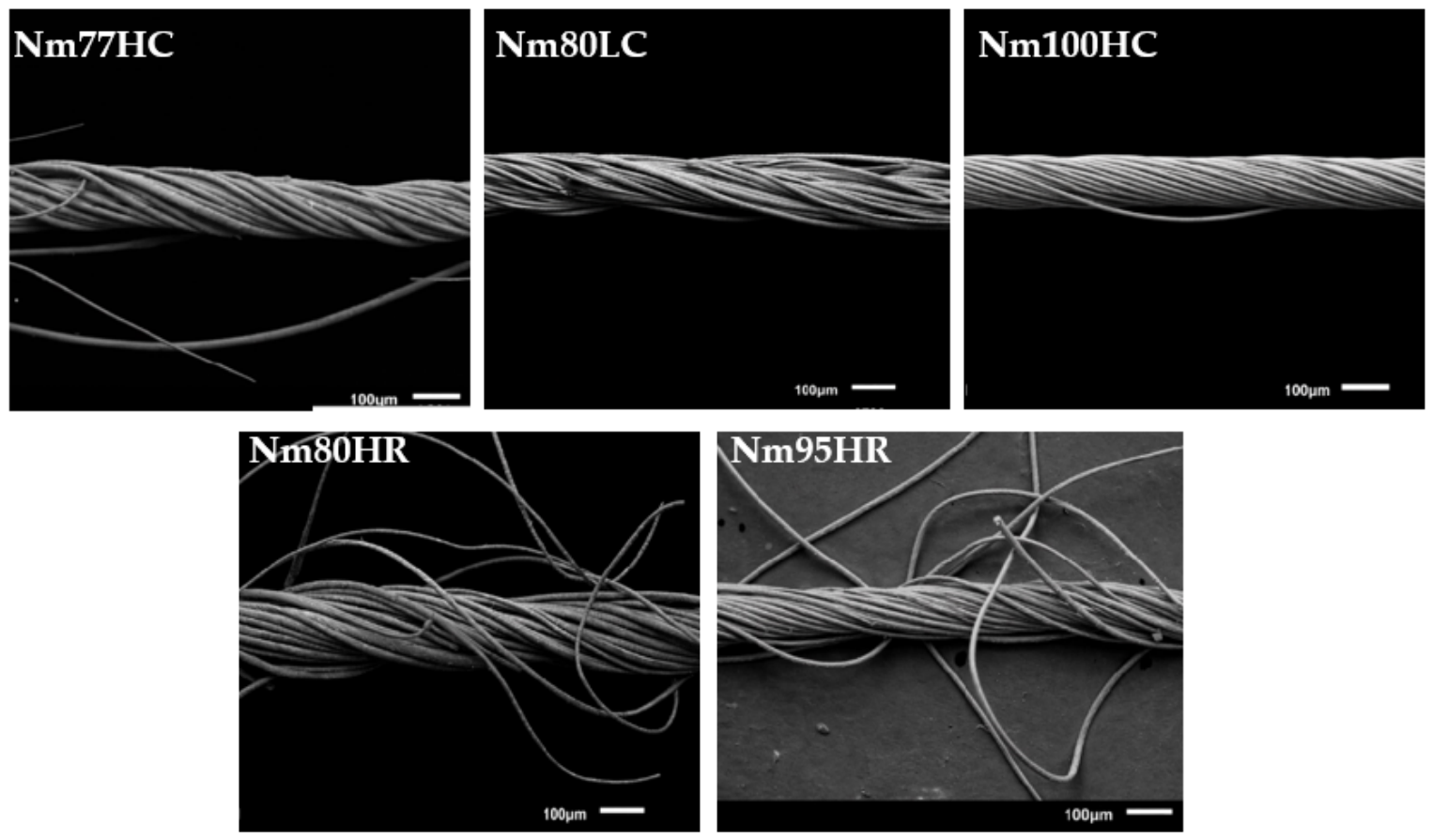
These structural differences are also visible in the yarn surface morphology (Figure 17 and Figure 18), where compact-spun yarns exhibit a smoother and more uniform surface, while ring-spun yarns show a higher degree of fiber protrusion.
Figure 17.
Surface appearance of ring-spun and compact-spun cashmere yarns showing differences in fiber protrusion.
Figure 18.
SEM images of yarn surface showing improved fiber integration and reduced fiber protrusion in compact-spun yarns compared to ring-spun yarns.
In terms of yarn regularity, both spinning systems produce relatively comparable results, as indicated by similar values of irregularity index and coefficient of variation. However, compact spinning tends to provide slightly more stable yarn structures due to improved control of fiber arrangement during drafting and twisting. The analysis of yarn defects shows that both spinning systems remain affected by the presence of neps and fiber clusters. These defects originate primarily from fiber preparation and are not fully eliminated during spinning, highlighting the importance of upstream processing in determining final yarn quality. From a mechanical standpoint, compact-spun yarns exhibit slightly improved tensile performance compared to ring-spun yarns (Figure 15), particularly in terms of tenacity and energy to rupture. This improvement can be attributed to better fiber alignment and stronger inter-fiber cohesion. However, the differences remain moderate, indicating that intrinsic fiber properties and preparation conditions still play a dominant role in determining yarn mechanical behavior.
Although compact spinning improves fiber alignment and reduces hairiness, the magnitude of these improvements remains relatively limited in the case of fine cashmere fibers. This behavior can be explained by intrinsic material constraints. First, the significant variability in fiber length reduces the effectiveness of fiber condensation, as short fibers cannot be fully integrated into the yarn structure. Second, the presence of residual defects such as neps and fiber clusters introduces local structural heterogeneities that are not eliminated by the spinning technology. These defects disrupt fiber alignment and limit the benefits of compact spinning. Finally, the relatively low bending rigidity and high flexibility of fine cashmere fibers reduce internal cohesion, making fiber slippage more likely even in a compacted structure. These combined effects explain why the improvements provided by compact spinning remain moderate despite enhanced fiber control. As a result, the improvements provided by compact spinning remain moderate, highlighting the dominant role of fiber characteristics over spinning technology in determining yarn performance.
Overall, compact spinning provides clear advantages in terms of yarn compactness, reduced hairiness, and slightly improved mechanical performance. Nevertheless, the quality of the final yarn remains strongly dependent on the initial fiber characteristics and the efficiency of the preparation process. Therefore, optimizing fiber preparation remains essential for fully exploiting the benefits of compact spinning in the production of fine cashmere yarns. This result reinforces the conclusion that technological improvements alone cannot fully compensate for intrinsic material limitations.
4. Conclusions
This study provides a practical framework for evaluating the spinnability of fine cashmere yarns based on industrial breakage-rate thresholds. The results demonstrate that, even under optimized fiber preparation and compact spinning conditions, residual defects such as neps and fiber clusters remain the primary limiting factor. This finding highlights a fundamental limitation in the processing of fine cashmere fibers and explains why improvements in spinning technology alone lead to only moderate gains in yarn performance.
The results demonstrate that fiber preparation plays a critical role in improving spinnability. In particular, the combing process significantly reduces the proportion of short fibers and enhances fiber alignment, leading to improved sliver regularity and more stable spinning conditions. However, despite these improvements, residual defects such as neps and fiber clusters remain present and constitute the main limiting factor for spinning performance. The analysis of yarn properties shows that fine cashmere yarns with linear densities ranging from 10 to 12.9 tex can be successfully produced under controlled conditions. The yarns exhibit relatively low irregularity levels, with irregularity indices close to the theoretical limit, indicating a well-organized fiber assembly. Nevertheless, the presence of defects continues to influence yarn quality, particularly in terms of breakage rate and structural variability.
The comparison between conventional ring spinning and compact spinning highlights the advantages of compact spinning technology. Compact-spun yarns exhibit reduced hairiness, particularly for longer protruding fibers, as well as improved fiber integration within the yarn structure. These structural improvements lead to slightly enhanced mechanical properties, including higher tenacity and energy to rupture. However, the differences between the two spinning systems remain moderate, indicating that fiber characteristics and preparation processes still play a dominant role in determining yarn performance.
The limited improvement observed with compact spinning confirms that fiber-related constraints, such as length variability and residual defects, play a dominant role and cannot be fully compensated by spinning technology alone. This result clearly indicates that the spinnability of fine cashmere fibers is primarily governed by intrinsic material characteristics rather than by processing technology.
Overall, this study demonstrates that the production of high-quality fine cashmere yarns requires a combined optimization of fiber preparation and spinning technology. While compact spinning provides clear benefits in terms of yarn structure and surface quality, its effectiveness is strongly dependent on the initial quality of the fiber assembly. Therefore, improving fiber preparation remains a key factor for achieving optimal spinning performance and producing yarns suitable for high-value textile applications. These findings provide useful guidelines for optimizing industrial spinning conditions and highlight the practical limits of processing fine cashmere fibers.
Author Contributions
W.M.: Methodology, Software, Formal analysis, Investigation, Writing—Original Draft, Writing—Review and Editing, Visualization. S.U.: Methodology, Formal analysis, Investigation, Original Draft, Visualization. J.-Y.D.: Methodology, Investigation, Validation, Resources, Editing, Supervision, Project administration. O.H.: Validation, Writing—Review and Editing, Supervision. All authors have read and agreed to the published version of the manuscript.
Funding
This research received no external funding.
Data Availability Statement
The data presented in this study are available on request from the corresponding author. (The data are not publicly available due to privacy or ethical restrictions).
Acknowledgments
The authors gratefully acknowledge Eric Hequet (Fiber and Biopolymer Research Institute, Lubbock, TX, USA) for his invaluable assistance in the preparation and cutting of spun yarn samples.
Conflicts of Interest
The authors declare no conflicts of interest.
References
- FAO. FAOSTAT. Live Animals and Production Data. Food and Agriculture Organization of the United Nations. 2025. Available online: https://www.fao.org/faostat/en/#home (accessed on 6 May 2026).
- Upton, C. Introduction: Focus on Mongolia. Cent. Asian Surv. 2010, 29, 243–249. [Google Scholar] [CrossRef] [Scilit]
- Sergelen, B.; Sölkner, J.; Gebre, K.T.; Mészáros, G.; Crooijmans, R.; Periasamy, K.; Pichler, R.; Manaljav, B.; Baatar, N.; Purevdorj, M. Genetic characterization of cashmere goat (Capra hircus) populations in Mongolia. Front. Genet. 2024, 15, 1421529. [Google Scholar] [CrossRef] [Scilit]
- Hunter, L. Mohair, cashmere and other animal hair fibres. In Handbook of Natural Fibres; Woodhead Publishing: Cambridge, UK, 2020; pp. 279–383. [Google Scholar]
- Morton, J.; Kotyza, P.; Vigne, M.; Dashbaal, B. Cashmere value chain analysis in Mongolia. In Value Chain Analysis for Development Project; European Union: Brussels, Belgium, 2024. [Google Scholar]
- Dolanbay Dogan, S.; Kılınc, N. Thermal comfort properties of 100% cashmere knitted fabrics. Fibers Polym. 2024, 25, 1137–1147. [Google Scholar] [CrossRef] [Scilit]
- Mahjoub, W.; Ukhnaa, S.; Drean, J.Y.; Harzallah, O. Influence of genetic and non-genetic factors on the physical and mechanical properties of Mongolian Cashmere fiber properties. Fibers 2024, 12, 84. [Google Scholar] [CrossRef] [Scilit]
- Saravanan, D.; Gopalakrishnan, M. Preprocessing of wool fibers. In The Wool Handbook; Woodhead Publishing: Cambridge, UK, 2024; pp. 101–121. [Google Scholar]
- Mahjoub, W.; Harzallah, O. Physical and mechanical characterization of flax fibers: From elementary fiber to yarn. Fibers 2025, 13, 87. [Google Scholar] [CrossRef] [Scilit]
- Chen, Y.; Gao, W.; Ren, J.; Guo, M.; Wang, J. Theoretical and experimental study on the formation mechanism of fiber bundle hooks in the combing process. Text. Res. J. 2025, 95, 1956–1975. [Google Scholar] [CrossRef] [Scilit]
- Fraser, W.B. On the theory of ring spinning. Philos. Trans. R. Soc. London. Ser. A Phys. Eng. Sci. 1993, 342, 439–468. [Google Scholar] [CrossRef] [Scilit]
- Feng, J.; Xu, B.G.; Tao, X.M.; Hua, T. Theoretical study of a spinning triangle with its application in a modified ring spinning system. Text. Res. J. 2010, 80, 1456–1464. [Google Scholar] [CrossRef] [Scilit]
- Kumar, A.; Ishtiaque, S.M.; Salhotra, K.R. Compact spinning: A critical review. In ASME International Mechanical Engineering Congress and Exposition; American Society of Mechanical Engineers (ASME): New York, NY, USA, 2003; Volume 37297, pp. 59–68. [Google Scholar]
- El-Sayed, M.A.M.; Sanad, S.H. Compact spinning technology. In Advances in Yarn Spinning Technology; Woodhead Publishing: Cambridge, UK, 2010; pp. 237–260. [Google Scholar]
- Lesjak, F.; Štritof, A. Compact spinning for improved quality of ring-spun yarns. Fibres Text. East. Eur. 2003, 11, 43. [Google Scholar]
- Islam, Z. Comparing quality parameters of yarn produced by ring, rotor, and compact spinning system. Eur. Sci. J. 2019, 15, 1857–7881. [Google Scholar] [CrossRef] [Scilit]
- ASTM D 1440-90; Standard Test Method of Length and Length Distribution of Cotton Fibers (Array Method), Section Seven, Textiles. ASTM: West Conshohocken, PA, USA, 1997.
- Basu, A. Developments in worsted spinning systems. In Developments in Yarn Spinning Technologies; Elsevier Science Ltd.: Amsterdam, The Netherlands, 2025; pp. 209–230. [Google Scholar]
- McGregor, B.A.; Naebe, M. Effect of fibre, yarn and knitted fabric attributes associated with wool comfort properties. J. Text. Inst. 2013, 104, 606–617. [Google Scholar] [CrossRef] [Scilit]
- Monfort, F. Aspects Scientifiques de l’Industrie Lainière; Dunod: Paris, France, 1960. [Google Scholar]
- Martindale, J.G. 4—A new method of measuring the irregularity of yarns with some observations on the origin of irregularities in worsted slivers and yarns. J. Text. Inst. Trans. 1945, 36, T35–T47. [Google Scholar] [CrossRef] [Scilit]
- Martindale, J.G. Cotton sliver or roving: Measurement of drafting force. J. Text. Inst. 1947, 38, T151–T166. [Google Scholar] [CrossRef] [Scilit]
- Linhart, H. On Huberty’s Coefficient of Irregularity of Yarns and its Estimators. Text. Res. J. 1965, 35, 1055–1060. [Google Scholar] [CrossRef] [Scilit]

Disclaimer/Publisher’s Note: The statements, opinions and data contained in all publications are solely those of the individual author(s) and contributor(s) and not of MDPI and/or the editor(s). MDPI and/or the editor(s) disclaim responsibility for any injury to people or property resulting from any ideas, methods, instructions or products referred to in the content. |
© 2026 by the authors. Licensee MDPI, Basel, Switzerland. This article is an open access article distributed under the terms and conditions of the Creative Commons Attribution (CC BY) license.