


Highlights
What are the main findings?
- MOF coatings integrate tunable pores, compositing capability, and dual passive–active protection for biosensing interfaces.
- Defect engineering, MOF-on-MOF, and interface-assisted methods differ in active-site control, functional synergy, and scalability.
- MOF coatings serve as enrichment carriers, catalytic transducers, protective shells, and smart gates in five biosensor types.
- Trade-offs between MOF crystallinity, porosity, and practical biosensing performance are critically examined.
What are the implications of the main findings?
- The strategy-selection framework guides rational coating design based on substrate, functionality, and throughput requirements.
- Standardized durability testing and failure evaluation protocols are urgently needed to bridge the lab-to-device gap.
- AI-driven interface engineering can accelerate discovery and enable adaptive, self-responsive coating functions.
- Flexible, multi-parameter integrated platforms represent the next frontier for clinical and wearable biosensing applications.
Abstract
Conventional biosensor coatings face considerable challenges in reconciling high loading capacity, antifouling performance, and long-term stability. Metal–organic frameworks (MOFs), with their ultrahigh surface areas, tunable pores, and abundant unsaturated metal sites, have become important functional coating materials for advanced sensing interfaces. This review focuses on interface engineering strategies for MOF-based biosensor coatings and systematically compares three core construction approaches, namely defect engineering, MOF-on-MOF heterostructures, and interface-assisted fabrication, examining their distinct interfacial regulation logics and applicability under engineering constraints including substrate compatibility, film uniformity, and scalability. The multifaceted interfacial roles of MOF coatings are then categorized across electrochemical, photoelectrochemical, colorimetric, optical fiber, and dual-signal biosensors, covering enrichment-confinement, catalytic transduction, biorecognition protection, and smart gating. Notably, most reported systems remain at the proof-of-concept stage, with insufficient validation in complex biofluids, ambiguous signal transduction mechanisms, and a notable deficiency in systematic assessments of coating adhesion and durability. Future efforts should focus on establishing standardized failure evaluation protocols, adopting AI-driven rational design, and advancing toward multi-target integrated and flexible wearable platforms to bridge the gap between laboratory research and practical diagnostic applications.
1. Introduction
The core performance metrics of biosensors, namely sensitivity, selectivity, response speed, and long-term stability, are highly dependent on the physicochemical properties of the sensing interface [1]. With the rapid development of wearable health monitoring, point-of-care diagnostics, and multimodal integrated sensing technologies, biosensors are transitioning from rigid laboratory devices to flexible, miniaturized, and long-term implantable systems [2]. This transition imposes stringent requirements on the reliability of sensing interface coatings. Traditional coating materials have limited specific surface area and cannot simultaneously satisfy the dual demands of high loading of biorecognition elements and long-term antifouling stability [3]. Therefore, the development of novel functional coatings that combine high specific surface area, tunable surface chemistry, excellent biocompatibility, and long-term mechanical and chemical stability has become a core research direction in this field.
MOFs, by virtue of their ultrahigh specific surface area, highly ordered tunable pores, abundant unsaturated metal sites, and zeolite-like sieving effects, are regarded as promising materials for constructing next-generation high-performance biosensor functional coatings [4]. MOF coatings can not only achieve efficient enrichment and selective sieving of target molecules through pore confinement effects, but also provide protective barriers for enzymes or nucleic acid probes against external disturbances through their rigid frameworks. In recent years, breakthroughs in strategies including defect engineering, MOF-on-MOF heterostructure construction, and interface-assisted electrodeposition have made it possible to controllably assemble crystalline MOF thin films on conductive substrates or optical fibers, providing process routes for precise regulation of coating thickness, orientation, and defect density [5,6,7]. However, the application of MOFs as practical coatings in biosensors still faces several challenges. Increasing coating thickness helps improve loading capacity, but it significantly prolongs the diffusion path of analytes, leading to response delays. Lattice mismatch between MOF crystals and flexible substrates can easily induce microcracks or even delamination, while the rigid framework, although protecting the encapsulated biorecognition elements, may also inhibit their conformational changes and catalytic activity owing to spatial confinement [8]. These issues represent the key engineering challenges that must be overcome for MOF coatings to move from laboratory concepts to device applications. Although previous reviews have extensively summarized MOF-based biosensors from the perspectives of material design and sensing mechanisms [9], and some have begun to address MOF coating techniques [10], systematic discussions specifically focusing on MOFs as functional coatings for biosensor construction, particularly from the standpoints of interface engineering, fabrication strategies, and coating-specific performance, remain relatively limited.
This review provides a new perspective on the latest advances in MOFs as functional coatings for biosensor construction from an interface engineering angle, complementing previous reviews that primarily emphasize material design or sensing mechanisms. As shown in Figure 1, the unique advantages of MOF coatings over conventional interface materials are first discussed. Subsequently, from three strategic perspectives: defect engineering, MOF-on-MOF heterostructure construction, and interface-assisted thin-film fabrication, these approaches are compared with currently prevalent biosensor coatings. The correlation between microstructure regulation and interfacial performance is then analyzed. Furthermore, the interfacial mechanisms of MOF coatings in electrochemical (EC), photoelectrochemical (PEC), colorimetric (CM), optical fiber, and dual-signal biosensors are classified and elaborated. Finally, prospects for long-term stability under practical conditions, AI-driven adaptive interface engineering, and multi-parameter integrated device applications are presented, providing new theoretical perspectives for functional coating design, interfacial adhesion enhancement, and scalable fabrication.
Figure 1.
Construction of MOF functional coatings and biosensor design and applications.
Most MOF-coated biosensor studies still benchmark their performance almost exclusively against limit of detection (LOD), a metric that, while conveniently comparable, captures little of what determines practical utility, such as adhesion durability under mechanical stress or signal stability in complex biofluids. As the trade-offs documented in Section 4.7 illustrate, several properties conventionally prized in MOF chemistry, including high crystallinity, dense defect populations, and ultrahigh porosity, often introduce penalties in stability, response speed, or mechanical integrity that laboratory-scale LOD measurements routinely overlook. This review therefore poses a question that its findings compel: are we currently optimizing the right parameters for biosensor translation?
To provide a transparent basis for this review, the Web of Science Core Collection was searched using combinations of keywords including “Metal–Organic Frameworks” (or “MOFs”), “biosensor”, “coating”, “thin film”, “interface”, and “functional coating”. The search mainly covered publications from 2022 to July 2026, with the aim of capturing recent advances while maintaining a manageable scope. Retrieved records were manually screened, with priority given to studies that reported MOFs as functional coatings or interfacial layers specifically for biosensor construction, particularly those involving defect engineering, MOF-on-MOF heterostructures, or interface-assisted fabrication. Studies were excluded if they dealt only with gas-phase sensing, lacked clear biosensing relevance, or used MOFs merely as loose powders without meaningful coating integration. Through this process, a representative set of peer-reviewed articles was selected for discussion, with the goal of reflecting the current state and emerging trends in this field rather than achieving exhaustive enumeration.
2. Unique Advantages of MOFs as Interfacial Coatings
MOFs offer several distinct advantages as interfacial materials. In recent years, three aspects have attracted particular research interest: tunable pore structures with in-pore functionalization, composite capability with diverse interface materials, and coating support/protection functions.
2.1. Tunable Pores and In-Pore Modification
The pore tunability of MOFs has been further advanced in recent years. Unlike traditional interface materials, MOFs exhibit dynamic interfacial behavior that has garnered increasing attention [4]. For example, Ce-based materials, with reversible Ce3+/Ce4+ redox chemistry, oxygen vacancy formation, and strong Ce-O interactions, can dynamically control oxygen mobility and interfacial reactivity, representing an attractive catalyst design platform. Key crystal engineering strategies for Ce-MOFs, including modulator-controlled defect generation, topological control, and heterometallic interface engineering, have been elucidated [6]. In-pore modification strategies have also continuously emerged. Traditional pore regulation mainly relied on changing the organic linker length or metal node type, but in recent years, strategies such as postsynthetic modification, defect engineering, ligand exchange and insertion, and cluster metallization have allowed researchers to actively reorganize the pore size, geometry, surface chemistry, and flexibility of MOFs [5]. Furthermore, the study by Chari and colleagues systematically investigated the effects of epoxide size, solvent polarity, and concentration on the competitive pathways of ammonolysis and hydrolysis during the epoxy modification of UiO-66-NH2, revealing that aprotic solvents favor selective ammonolysis to maintain open pores, while protic solvents aggravate hydrolysis to generate diols that block pores, and increased steric hindrance further suppresses modification efficiency and aggravates pore blockage, thus providing key experimental evidence for precise regulation of in-pore chemical functionalization of MOFs [11]. These pore-tuning and in-pore modification strategies enable MOFs to provide stable attachment sites for enzymes in biosensors; however, modification with certain functional groups may be cytotoxic and cause enzyme inactivation. How to leverage this unique advantage of MOFs while preserving the viability of bioenzymes in biosensors still requires further research. Currently, biomimetic mineralization synthesis of MOFs is an effective means to address this issue. Some researchers argue that biomimetic mineralization compromises the activity of the original bioenzymes, thus proposing more optimized schemes [12]. It is important to distinguish biomimetic mineralization from thin film deposition: the former typically yields powder-form composites, whereas the latter aims to produce continuous thin films on device surfaces. Powders require additional immobilization steps and often suffer from poor adhesion and uneven coverage, while continuous films demand precise control over nucleation and growth on the substrate. Even though biomimetic mineralization preserves enzyme activity and enhances biosensor stability, its extension to MOF functional coatings is not straightforward. Most biomimetic mineralization protocols, including the Mn-MOF@Cas12a system reported by Wu and colleagues, yield powder-form composites rather than continuous thin films [13]. The mild aqueous conditions that favor enzyme survival often compromise MOF crystallinity and coating uniformity. Translating this bio-friendly approach into device-compatible coatings therefore remains an open challenge.
2.2. Compositing Capability with Multiple Coating Materials
The hybridization of MOFs with various coating materials has recently become a major research focus. Polymer composite coatings have gained attention in wearable electrochemical biosensors owing to their biodegradability [14]. Researchers have noted that MOF-polymer hybridization opens new avenues for preparing multifunctional nanocomposites with enhanced performance, effectively overcoming the inherent mechanical brittleness of MOFs [15] and rendering them suitable for flexible wearable biosensors. Furthermore, the integration of highly porous MOFs with conductive transition metal carbides/nitrides (MXenes) has garnered considerable interest owing to favorable interfacial synergistic effects that markedly enhance electrochemical performance [16], making such composites highly promising as interface materials for electrochemical sensors. Moreover, compositing MOFs with metal oxide nanoparticles significantly increases defect density, thereby generating additional interfacial binding sites [17]. Meanwhile, owing to the photoelectric conversion properties of oxides, their application in photoelectrochemical biosensors has also been well demonstrated [18]. Thus, the diverse properties of MOFs offer extensive possibilities for compositing with other interface materials and provide highly compatible signal-generating interfaces for various types of biosensors.
2.3. Coating Support and Protection Functions
Beyond their use in forming composite coatings, MOFs have recently gained increasing attention as coating support materials. Chen and colleagues found that MOF crystals can seal the pores of micro-arc oxidation coatings on magnesium alloys, capture corrosive ions, and form insoluble chelates, significantly improving the corrosion resistance of magnesium alloys [19]. This dual mechanism of physical sealing and chemical capture clearly demonstrates the composite advantages of MOFs with inorganic substrate materials. Building on this, Zhu and colleagues hydrophobically modified ZIF-7@ZnG nanoparticles and incorporated them into epoxy resin to construct a superhydrophobic composite coating [20]. This coating maintains excellent physical barrier performance; upon coating damage causing localized acidification, the ZIF-7 framework collapses and releases zinc gluconate as a corrosion inhibitor, which adsorbs onto the metal surface to form a protective film, thereby achieving active self-repair of scratched areas. Su and colleagues loaded nano-TiO2 onto the surface of Cu-BTC and doped it into epoxy resin, utilizing the sustained release of Cu2+ from Cu-BTC for efficient antibacterial performance, while TiO2 generates reactive oxygen species under light to further enhance antibacterial performance, and the effective filling of epoxy resin microporous defects by MOFs increased the coating impedance value by an order of magnitude [21]. These studies show that MOF coatings have evolved from simple physical barriers to synergistic protection systems integrating barrier, capture, active response, and self-healing functions. Subsequently, this feature was also applied in biosensors, where MOF-based coatings can not only stabilize the sensing interface but also exert molecular sieving effects. Xu and colleagues proposed a composite antifouling coating strategy based on the combination of zwitterionic MOFs and acrylamide hydrogel [8]. The three-dimensional porous structure of the hydrogel combined with the unique microporous structure of Z-MOF ensures effective sieving of interfering macromolecules while maintaining efficient small-molecule and electron transport. Ji and colleagues used a modulated MOF-NU-902 support to immobilize horseradish peroxidase, then coated polydopamine on magnetic nanoparticles for encapsulation, significantly reducing antibody consumption by 80% [22] and improving biosensor stability and cost-effectiveness.
The robust capability of MOFs to form functional coatings through integration with various materials, combined with their passive and active protection functions, enables their wide application [23]. More importantly, enhanced coating protection often compromises the activity of biological components within the biosensor. This trade-off is a critical issue that warrants attention. The effective integration of the excellent physicochemical and biocompatible protective properties of MOF coatings with biosensor detection mechanisms therefore constitutes a key direction for future research. Specifically, the rigid coordination network, while effectively shielding against external disturbances, may restrict the polypeptide backbone dynamics of encapsulated enzymes within its microporous confined space, thereby suppressing the conformational changes essential for substrate docking and product release [8]. To circumvent this biocatalytic bottleneck, two synergistic strategies can be devised from the coating engineering perspective: (i) constructing hierarchical porosity through defect modulation. Introducing missing-linker or missing-cluster defects generates mesoporous cavities large enough to accommodate enzyme domain movements, thereby restoring a substantial fraction of native turnover rates [24,25]. (ii) employing flexible MOF matrices. Such frameworks can undergo structural changes in response to external stimuli, allowing the encapsulated enzyme to maintain the necessary conformational rearrangements for coordinating with substrate influx [26,27]. These strategies underscore that rational coating design must balance framework rigidity against structural flexibility for biocatalytic function.
3. Construction Strategies for MOF Interface Materials and Comparison Among Major Strategies
The construction strategy of MOFs significantly influences their interfacial functions [4]. As shown in Figure 2, defect engineering and MOF-on-MOF construction have seen significant recent advances, while interface-assisted methods have also yielded breakthroughs in biosensing applications.
Figure 2.
Schematic illustration of three major MOF coating construction strategies, each with distinct advantages and limitations: (A) defect engineering (highly tunable active sites but limited aqueous stability), (B) MOF-on-MOF heterostructures (maximal functional integration but susceptibility to interfacial delamination), and (C) interface-assisted methods (good reproducibility and device compatibility but restricted to conductive substrates.
3.1. Defect Engineering
Defect engineering introduces structural imperfections into MOF frameworks, thereby generating additional interfaces that offer new binding and reaction sites for molecules [28]. In recent years, this approach has become a major strategy for constructing MOF-based interfacial coatings.
3.1.1. Reaction Condition Regulation
Regulating these defects to generate more active interfaces has become a major research focus. Researchers employed missing-linker defect engineering through temperature and reaction time regulation to induce the aggregation of point defects into connected hierarchical pore systems in a twofold interpenetrated Bi-TATAB framework, while exposing numerous coordinatively unsaturated Bi3+ acidic sites and polar N sites within the framework, thereby significantly increasing interfacial binding sites and converting an originally non-porous material into a highly active porous platform [29]. Beyond conventional solvothermal condition adjustments, researchers have also precisely controlled irradiation doses to introduce Zn vacancies and coordination defects, demonstrating that electron beam irradiation is an efficient and scalable approach for generating stable defects in MOFs for high-performance photocatalysts [30]. However, electron beam irradiation of MOFs is constrained by the trade-off between accelerated crystallization and radiation damage. Researchers used MOF-76 as a model and achieved material retention of high crystallinity while displaying the maximum concentration of beneficial defects through dose control mechanisms [31]. Researchers also exploited the water instability of ZIF to achieve precise and controllable defect types and concentrations through water treatment, with defect sites improving gas adsorption and sensing performance [24]. However, these sensing tests were conducted exclusively in the gas phase at elevated temperatures; the long-term stability of such defects in biological media (aqueous environments, room temperature) remains unverified. This becomes a critical knowledge gap for biosensing applications. Furthermore, excessive defect introduction, particularly ligand defects, induces mesopore formation and even framework collapse, directly compromising the structural integrity and mechanical durability of MOF coatings. Thus, while defect engineering offers a powerful route for performance enhancement, the trade-off between activity gains and coating durability must be carefully weighed in biosensor design.
3.1.2. Modulator Competition During Synthesis
The approach of modulator competition for MOF crystal sites has gained attention in recent years. Researchers used formic acid as a modulator to systematically regulate the content of missing-linker defects in UiO-66(Ce) and constructed defective UiO-66(Ce)-supported Ni nanoparticles for dicyclopentadiene hydrogenation reactions [32]. Chowdhury and colleagues introduced both chemical and structural defects into UiO-66 crystals by using thioglycolic acid during synthesis, forming a novel bifunctional MOF that achieved efficient adsorption of aqueous Hg2+ [33]. Although these studies were not directly applied to biosensors, the enhanced loading capacity of nanoparticles and high efficiency for specific ions resulting from modulator-induced defects are key properties for constructing biosensor interfacial functions.
The mechanisms of modulator action in MOFs are also being progressively elucidated. Researchers used trifluoroacetic acid as a modulator and discovered the potential of modulator-induced radical formation in tuning the optical and photophysical properties of MOFs for optoelectronic and sensing applications [34]. Based on this, Zhao and colleagues used benzoic acid as a modulator to introduce missing-linker defects into Zr-based MOF frameworks [25]. By increasing specific surface area and narrowing the bandgap, they significantly reduced the hole injection barrier at the electrode-electrolyte interface, accelerated interfacial charge transfer and radiative recombination, and thereby achieved efficient anodic electrochemiluminescence without the need for exogenous coreactants. The interfacial sensing platform constructed on this basis, combined with aptamer-triggered nucleic acid amplification, achieved trace detection of perfluorooctanoic acid. Despite these advantages, modulator-based defect engineering has notable drawbacks for biosensing applications. Residual modulator molecules frequently remain trapped inside the MOF pores [35] and can leach out during sensing operations, potentially disrupting target recognition or inducing cytotoxicity to biorecognition elements [36].
Particularly, while defect engineering enhances sensing activity, it often comes at the cost of reduced water stability of the MOF framework. A significant gap between theoretical predictions and experimental observations suggests that point defects, which are ubiquitous in real MOF materials, are a key factor causing lower-than-expected water stability [37]. It has been demonstrated that insights from such water stability experiments can be used to infer the presence of local defects in MOFs [37]. This finding indicates that defect engineering inevitably introduces structural vulnerabilities while enhancing performance. Therefore, when deploying defect-engineered MOF coatings for aqueous-phase biosensing, their long-term structural stability must be carefully evaluated. Nevertheless, recent studies have successfully introduced oxygen vacancies and unsaturated metal sites into water-stable UiO-66, achieving enhanced sensing performance (18-fold sensitivity improvement, LOD of 0.108 μM for 5-HIAA) while still maintaining excellent water stability [38]. This suggests that through the rational selection of MOF platforms (e.g., highly connected Zr-MOFs with strong coordination bonds), a balance between activity and stability may be achievable. Furthermore, achieving precise control over the type of defects, whether missing-linker or missing-node, and their spatial distribution across the coating thickness is inherently difficult, which complicates the rational design and optimization of sensing performance. The introduction of modulators effectively reshapes the local chemical environment and electronic density of states within a single MOF system, and this interface optimization approach based on internal perturbations forms a strategic complement to the interface engineering based on external hetero-assembly in MOF-on-MOF structures.
3.2. MOF-on-MOF Composite Coating Construction
Unlike single MOF materials or simply mixed composites, the core of MOF-on-MOF heterostructures lies in achieving tight interfacial integration (via coordination/chemical bonding or strong intermolecular forces such as hydrogen bonding and van der Waals interactions) and functional coupling between two different MOFs at the microscopic scale through interface engineering. The advantage is that both sides of the interface are MOFs, with higher lattice matching, making it easier to form tight and ordered contacts [39]. Around this interface construction, researchers have developed multiple differentiated synthesis strategies.
Based on the driving forces and growth directions of interface formation, these strategies can be roughly categorized into lattice-matching-driven epitaxial growth, chemical-exchange-mediated interface reconstruction, inside-out interface growth, and room-temperature self-assembly for multilayer interface construction.
3.2.1. Epitaxial Growth Method
Epitaxial growth is the most established interface construction strategy. Its key lies in exploiting lattice parameter matching between two MOFs, enabling the guest MOF to nucleate and grow directionally on the host MOF surface along specific crystallographic orientations, thereby forming an atomically flat heterointerface. Guo and colleagues used an in situ epitaxial growth method to coat amorphous Fe-MOF nanosheets on the surface of NH2-MIL-101 nanospheres, constructing a core–shell MOF-on-MOF heterostructure [40]. Utilizing hydrogen bonding between flavomycin and the Fe-MOF surface and the photoinduced electron transfer mechanism, they achieved a ratiometric fluorescence response and loaded the sensing material into an aerogel, combined with smartphone RGB reading to achieve visual, portable quantitative detection of flavomycin. Furthermore, Panda and colleagues focused on the spatial arrangement of interfacial functions and reported a method for constructing highly oriented UiO-66-type MOF thin films and their epitaxial MOF-on-MOF heterostructures through stepwise self-assembly of metal nodes and linkers at room temperature. The interfacial feature lies in the formation of a continuous and dense heterointerface through covalent bonds between the bottom and top MOFs, while chemical functional groups (-NH2, -Br) exhibit anisotropic distribution along the film thickness direction. This functionalized interface endows the material with differential diffusion selectivity for isomeric molecules [41]. On this basis, Pan and colleagues mixed the synthesized MOF-on-MOF powder with the polymer polyacrylonitrile and used electrospinning technology to directly spin the mixture onto the working electrode surface of screen-printed carbon electrodes, forming a uniform nanofiber membrane, and successfully achieved application in electrochemical sensors [42]. However, for biosensors relying on biological activity, epitaxially grown MOF-on-MOF structures must strike a balance between structural stability and the preservation of biological activity. In addition to applications in powder electrospinning and immunosensing, MOF-on-MOF heterostructures constructed by epitaxial growth also exhibit unique interfacial advantages in whole-cell pathogen detection. Jiang and colleagues epitaxially grew a boronic acid-functionalized Eu-MOF shell on the surface of ZrFe-MOF, constructing a bifunctional heterointerface with both peroxidase-like catalytic activity and ligand fluorescence. In this design, the interface engineering introduced boronic acid groups as interfacial recognition functional groups, efficiently anchoring Acinetobacter baumannii surface glycolipids rich in cis-diols through reversible covalent bonds, achieving ultrasensitive capture of bacteria in complex environmental samples [43]. This study extends the function of MOF-on-MOF coatings from simple signal transduction to an integrated interface of recognition, enrichment, and catalysis, providing a new paradigm for on-site monitoring of pathogenic microorganisms. As a mainstream construction strategy, MOF-on-MOF has demonstrated powerful multifunctional integration capability across various fields, making it a promising approach for functional MOF coatings.
3.2.2. Emerging MOF-on-MOF Construction Methods
Traditional epitaxial growth is limited by the strict lattice matching requirements between two MOFs, making it difficult to form stable interfaces when topological structures differ significantly. To overcome this limitation, Mao and colleagues proposed an exchange expansion growth method. Its interface construction mechanism lies in utilizing the partial exchange reaction between the organometallic compound cobalt acetate and Cu2+ on the nodes of the carboxylic acid type MOF (CuBDC) to in situ generate a chemically bonded CuCoBDC transition layer on the surface of the parent MOF. This transition layer simultaneously serves as a lattice mismatch buffer layer, effectively reducing the interfacial energy between two different topological MOFs, thereby inducing stable epitaxial growth of ZIF-67 on its surface, successfully breaking through the dependence on lattice matching in traditional methods [44]. In contrast to the above outside-in growth pathway, Fang and colleagues adopted an internal expansion growth method, where the guest MOF (MIL-88B) does not deposit layer by layer on the surface of the host MOF (UiO-66-NH2), but extends outward from the interior of the host MOF octahedral core, forming a star-shaped three-dimensional core–shell structure. This internally originated interface possesses stronger mechanical interlocking effects and structural stability. The composite material was constructed as an electrochemical impedance immunosensor, achieving ultrasensitive detection of target biomarkers [45].
Distinct from the above chemically bonded epitaxial routes, some researchers have also focused on constructing MOF-on-MOF structures using intermolecular forces. Chen and colleagues’ research demonstrated that surface-tunable charge distribution, polarity, and functional groups can directly anchor lattice-mismatched secondary MOF particles through intermolecular forces, especially hydrogen bonds and van der Waals forces, achieving controllable construction of heterointerfaces, thereby endowing composite materials with synergistic functions and effectively breaking through the strict limitations of traditional epitaxial growth on lattice matching [46]. This strategy clearly demonstrates the flexibility and universality of MOF interfaces in non-covalent-driven assembly. Moreover, the mechanical stability of MOFs assembled via these intermolecular forces requires further verification, and this remains a major factor limiting their development as functional coatings for biosensor applications. Moreover, MOF-on-MOF assemblies constructed via intermolecular forces (hydrogen bonds and van der Waals interactions) face a fundamental mechanical stability challenge: these non-covalent interactions are significantly weaker than the coordination bonds within individual MOF crystals. Under the shear stresses encountered during sensor operation, particularly in wearable or implantable devices subject to repeated mechanical deformation, thus interfacial delamination becomes a serious concern. To date, few studies have systematically evaluated the adhesion strength (e.g., via scratch testing or peel testing) of MOF-on-MOF coatings, representing a critical knowledge gap that must be addressed before these architectures can be reliably deployed in practical biosensing devices.
3.3. Interface-Assisted MOF Thin Film Fabrication
Interface-assisted methods have become important approaches for MOF thin film fabrication in recent years. Compared with conventional solvothermal routes, interface-assisted growth strategies exploit the confinement effects of gas–liquid, liquid–liquid, and liquid-solid interfaces to precisely control MOF crystal nucleation and growth, yielding high-quality, large-area, and thickness-controllable crystalline MOF thin films. Based on differences in interface types and growth driving forces, interface-assisted methods can be further subdivided into electrochemical deposition, in situ growth, liquid–liquid interface synthesis, and other technical routes. Among them, electrochemical deposition and in situ growth have made significant progress in the sensing field in recent years [7]. Electrochemical deposition, owing to its mild reaction conditions, controllable film thickness adjustment, and good compatibility with conductive substrates, has become an important route for integrating MOF-based electronic and sensor devices; while in situ growth, due to its ability to directly construct tightly bonded MOF coatings on functional substrates or nanoparticle surfaces, exhibits unique advantages in improving gas sensing selectivity and biosensing specificity.
3.3.1. Electrochemical Deposition Method
Constructing MOF thin films on solid substrates through electrochemical deposition is an important route for realizing MOF-based electronic and sensor devices. Usman and colleagues used conductive glass fluorine-doped tin oxide (FTO) as a substrate to prepare three-dimensional Sr-based MOF thin films by cathodic electrodeposition, systematically investigating the effects of deposition cycle number on film thickness and surface coverage, confirming that this method can obtain uniform and dense crystalline MOF thin films in a relatively short time, laying the foundation for integrating MOF materials in microelectronic circuits [47]. Liu and colleagues developed a cathodic electrodeposition strategy, in situ generating OH− at the electrode surface by applying a potential, inducing coordination between the functionalized ligand Ru(dcbpy)32+ and Zn2+, while using pyrazine as a structure-directing agent to achieve one-step room-temperature aqueous deposition of two-dimensional luminescent MOF nanosheets. This method directly embeds the luminescent center into the framework, eliminating post-modification steps and providing a convenient route for rapid construction of functionalized MOF sensing thin films [48]. Although the above cathodic electrodeposition strategies have achieved controllable preparation of functionalized MOF thin films, their growth mechanisms still largely follow the classical pathway of local surface pH increase leading to ligand deprotonation followed by coordination crystallization, with insufficient understanding of nucleation kinetics and solution-phase intermediates. To investigate the crystallization kinetics during electrodeposition synthesis of MOF coatings, in 2026 Krishna and colleagues adopted an anodic electrodeposition route, using the conductive MOF Cu3(HHTP)2 as a model system to achieve thin film growth on copper-modified FTO substrates. Unlike the aforementioned cathodic systems, this work releases Cu2+ through anodic oxidation of the copper layer while oxidizing the HHTP ligand, thereby forming transient Cu-HHTP coordination intermediates in solution [49]. Using the Scharifker–Hills nucleation model, operando UV–Vis spectroscopy, and time-resolved GIXRD, they revealed a solution-mediated two-site growth mechanism distinct from the conventional surface-confined model. Nucleation was found to occur not only in the copper source region but also on remote bare FTO surfaces via solution-phase diffusion. This finding extends the research perspective on electrodeposited MOFs from thin-film preparation processes to the deep connection between solution-phase coordination chemistry and interfacial crystallization kinetics, also providing a new regulatory dimension for the spatially selective integration of conductive MOFs in electronic devices.
In view of the above studies, anodic and cathodic electrodeposition differ markedly in their driving forces, interfacial growth modes, and applicable systems. The former relies on anodic dissolution to supply metal ions as the metal source, whereas the latter utilizes the alkaline microenvironment generated at the cathode interface to trigger ligand deprotonation [10]. Regarding mechanistic depth, the nucleation-growth kinetics of cathodic deposition have been relatively systematically elucidated [50]. In contrast, the coupling mechanism between solution-phase coordination chemistry and interfacial crystallization kinetics in anodic deposition remains under active investigation [51]. From the engineering perspective of biosensor functional coatings, the core advantages of electrochemical deposition lie in its good compatibility with conductive substrates, mild film formation conditions, and the ability to precisely control film thickness by tuning deposition parameters such as current density and deposition time. However, the suitability of different MOF systems for a given electrode polarity varies considerably. For instance, cathodic electrodeposition of materials such as ZIF-8 may induce crystal degradation due to excessive local alkalinity, whereas anodic deposition faces challenges in balancing metal ion supply and film uniformity [10]. Consequently, in practical sensing interface construction, the choice between anodic and cathodic routes must be carefully weighed against the coordination chemistry of the target MOF and substrate requirements, while optimizing key deposition parameters to achieve controllable fabrication of high-quality functional coatings.
3.3.2. In Situ Growth Method
In addition to growth on conductive substrates or optical fiber surfaces, in situ encapsulation of MOFs on functional nanoparticle surfaces is also an important strategy for constructing high-performance sensing coatings. Duan and colleagues constructed WO3/ZIF-8 heterojunction composites by in situ growth of ZIF-8 coatings on the surface of WO3 nanosheets. In this design, the ZIF-8 coating, on the one hand, utilizes its unique microporous structure as a gas-selective permeation layer, significantly improving the response selectivity toward lung cancer/breast cancer exhaled breath markers. On the other hand, the heterojunction formed between ZIF-8 and WO3 effectively promotes interfacial charge transfer and exhibits good long-term stability [26]. Wang and colleagues used in situ growth to encapsulate ZIF-8 on the surface of CuOx nanoparticles, constructing a photoacoustic sensing coating for in vivo H2S detection. This coating utilizes the molecular sieving effect of ZIF-8’s ultra-small pores to effectively exclude non-specific responses from high-concentration interfering macromolecules, specifically glutathione, in biological systems, achieving highly specific near-infrared II photoacoustic imaging of H2S elevation caused by metformin-induced liver injury [52]. Although the detection targets and signal transduction modes of the above two studies are quite different, both confirm that MOF coatings constructed by in situ growth can serve as dual-functional layers combining molecular recognition/sieving and interfacial electron/reaction regulation, providing a general and efficient solution paradigm for overcoming the inherent bottleneck of poor selectivity in traditional inorganic sensing materials. In addition, liquid–liquid interface in situ growth has also been studied. Askarisarvestani and colleagues adopted an in situ synchronous synthesis strategy at the toluene/water interface, where the reduction of Pt precursors and the coordination self-assembly of ZIF-8 occurred simultaneously, obtaining Pt@ZIF-8 nanorod thin films with a specific surface area as high as 1643 m2/g [53]. This work systematically compared the growth results of MOF coatings under different strategies, demonstrating the unique advantages of the in situ synchronous synthesis method in regulating coating morphology and interfacial performance, providing new insights for high-throughput screening and rational design of sensing coatings.
3.4. Adhesion and Mechanical Performance of MOF Coatings for Flexible/Wearable Applications
For flexible or wearable applications, the structural integrity of MOF coatings under mechanical deformation represents an engineering issue that warrants further investigation. In terms of adhesion evaluation, Guo et al. [54] adopted a pre-anchored strategy by pre-depositing MOF particles as anchors on the substrate, enabling anodic electrodeposited HKUST-1 films to reach thicknesses exceeding 40 μm, with nanoscratch tests indicating enhanced adhesion compared to non-modified substrates. Regarding flexibility, MIL-53(Al) coatings on polyimide films showed no significant cracks or peeling after 1000 bending cycles, with cross-cut tape testing confirming good bonding properties, which may be attributed to the breathing effect and negative linear compressibility [27]. Similarly, a wireless wearable NH3 gas sensor patch based on a bilayer Cu/Co-HHTP MOF/zeolite film demonstrated excellent mechanical stability, with less than 6.2% response attenuation and less than 6.2% surface roughness variation after 90 repeated bending cycles at 120°, while exhibiting no visible delamination, cracking, or deformation, confirming robust interfacial adhesion between the MOF and zeolite layers as well as to the underlying substrate [55]. Encouraging as these results are in the context of gas sensing, it should be noted that such systematically quantified bending tests, with well-defined bending angles, cycle numbers, and corresponding performance retention metrics, remain largely absent in the biosensor literature. This disparity underscores a critical gap. While MOF-based gas sensors have begun to adopt rigorous mechanical evaluation protocols, the biosensing community has yet to establish analogous standards for assessing coating integrity under repeated mechanical stress, despite the fact that wearable biosensors are equally subjected to complex deformations during daily activities, if not more. For biosensing applications, a flexible self-supporting Zr-MOF@graphene electrode maintained electrochemical performance under mechanical deformation with RSD below 3% and 30-day stability [56]; a Cu-HHTP conductive MOF electrode enabled 24 h stable monitoring in sweat detection [57]. Although these studies suggest that MOF coatings, through rational interfacial engineering, may meet the basic requirements of flexible wearable devices, systematic mechanical evaluation standards, such as standardized parameters including bending cycles, bending radius, and strain rate, have yet to be established. Moreover, quantitative adhesion data, such as critical load from scratch testing or peel strength, remain relatively scarce in the biosensor literature, and this direction deserves further attention in future research.
3.5. Comparison Among Three Construction Strategies and Differences from Mainstream Biosensor Coatings
The three construction strategies described above are compared with one another, and the resulting MOF functional coatings are further compared with mainstream biosensor coatings, to highlight the advantages and limitations of MOFs in biosensor applications.
3.5.1. Horizontal Comparison of the Three Approaches
Among the three MOF coating construction strategies, defect engineering excels in active site regulation, MOF-on-MOF is advantageous in functional synergy and integration, and interface-assisted methods are most compatible with device requirements (Table 1).
Table 1.
Core characteristics and applicability comparison of three MOF coating construction strategies.
Beyond the mechanistic differences summarized in Table 1, the three strategies also diverge in their practical implementability for biosensor fabrication. Interface-assisted methods, particularly electrodeposition, offer the best batch-to-batch reproducibility, since film thickness is governed by charge density rather than stochastic nucleation [7]; however, they are largely limited to conductive substrates. Defect engineering is substrate-independent and can be applied post-synthetically, but its reproducibility is hampered by the extreme sensitivity of defect concentration to subtle variations in temperature, modulator ratio, and reaction time. MOF-on-MOF heterostructures provide the greatest functional tunability, yet each additional layer introduces new risks of interface mismatch and delamination, making scalability to large-area coatings challenging. From the perspective of flexible/wearable devices, both MOF-on-MOF and defect-engineered coatings suffer from intrinsic brittleness [58], whereas interface-assisted growth on polymer-supported metal films may offer better mechanical compliance if the MOF thickness is maintained below the critical cracking thickness. Therefore, no single strategy is universally superior; the choice must be guided by the target substrate, the desired functionality, and the required production throughput.
To further assess these strategies from a coating engineering perspective, reported fabrication approaches in terms of adhesion evaluation, durability testing, and scalability potential are summarized in Table 2.
Table 2.
Engineering-oriented assessment of MOF coating fabrication strategies.
As shown in Table 2, quantitative adhesion testing and long-term durability evaluation are rarely reported in biosensor-oriented MOF coating studies. While electrodeposition has demonstrated promising adhesion in some contexts, such characterization remains exceptional. The majority of studies employ drop-coating, where adhesion is neither quantified nor optimized. Notable exceptions include flexible MOF-on-MOF coatings subjected to bending tests and wrinkled MOF films with high strain tolerance. Scalability also remains a key barrier, as electrodeposition is largely limited to conductive substrates. These engineering considerations, routinely addressed in other coating fields, are conspicuously underrepresented in the biosensor literature.
3.5.2. Comparison Between MOF Coatings and Mainstream Biosensor Coatings
Polydopamine coatings provide a rapid interface for conjugating biomolecules and altering their biocatalytic capabilities, rapidly transferring electrons, and providing a range of electrochemical signals for designing unique diagnostic tools [66]. Polymer coatings can enhance biocompatibility by reducing inflammation and tissue damage while lowering electrode impedance to improve signal quality [14]. These advantages make them mainstream coating materials for electrochemical biosensors. Among them, stimuli-responsive poly(N-isopropylacrylamide) and its polymers have been well applied in sensing and biosensing fields [67]. In comparison, the core advantages of MOF coatings lie in their ordered, tunable pores and unsaturated metal sites, enabling simultaneous target enrichment and molecular sieving, such as ZIF-8 excluding macromolecular interference [52] and enzyme/probe protection [13], as well as their beneficial active and passive bioprotective performance [23]. These are difficult for PDA, polymers, and carbon materials to simultaneously achieve. These characteristics make them significantly advantageous among biosensor functional coatings. Nevertheless, the shortcomings of MOF coatings are equally evident. Most MOFs exhibit poor intrinsic conductivity and require compositing with conductive materials. Their crystalline brittleness renders them less adaptable to flexible substrates than polymers. Even with toughening strategies, the critical strain limits of MOF coatings remain far below the repeated bending requirements of flexible electronic devices [58]. Furthermore, most MOF coating preparations rely on organic solvents and high-temperature or high-pressure conditions, making their scalability and environmental footprint less favorable than water-processable alternatives such as PDA. The scalability of organic solvent preparation processes is inferior to PDA, and long-term stability in aqueous phase still needs improvement.
Given the distinct strengths of each MOF strategy and their complementary position relative to polymer/PDA coatings, material selection for biosensor interfaces should follow a tiered decision logic. Substrate compatibility and mechanical flexibility serve as the primary filter: rigid conductive substrates favor electrodeposition, whereas flexible platforms prefer polymer-MOF composites or ultrathin in situ films. Once this basic constraint is satisfied, the dominant functional need determines the strategy: defect engineering maximizes active-site density and mass transfer; MOF-on-MOF suits synergistic demands (enrichment, catalysis, and transduction); interface-assisted methods excel when scalability, film uniformity, and device integration are paramount. These performance considerations, especially, must ultimately be weighed against cost, throughput, and environmental footprint, which often exclude overly complex layer-by-layer assembly from industrial practice. This hierarchical framework clarifies that MOF coatings are not universal substitutes for conventional polymers, but targeted enablers for complex sensing scenarios requiring concurrent analyte enrichment, molecular sieving, biorecognition protection, and multi-signal integration. For simpler applications where flexibility, low cost, and water-processability dominate, traditional PDA or hydrogel coatings remain more practical choices.
4. Interfacial Functions of MOFs in Various Types of Biosensors
Sensitivity, selectivity, and long-term stability, as the core performance metrics of biosensors, depend largely on the microstructure and chemical microenvironment of the sensing interface [1]. MOFs, with their highly ordered pore structures, ultrahigh specific surface area, precisely tunable composition, and abundant surface active sites, provide a highly promising platform for constructing high-performance sensing interfaces. At the interfacial level, the functional mechanisms of MOFs are diverse: they can serve as enrichment and confinement platforms, with porous frameworks efficiently loading signal molecules or enriching target analytes to enhance local concentration; they can also perform catalysis and signal transduction, where MOFs themselves or their derivatives can mimic enzyme activity or generate photoelectric signals, directly participating in physical/chemical signal conversion; they can also achieve protection and anchoring, with rigid frameworks providing protective structures for enzymes or nucleic acid probes against external interference while immobilizing biorecognition elements through coordination or electrostatic interactions; and they can serve as smart responsive gates, with stimuli-responsive disintegration or conformational changes in the framework enabling controlled release of signal molecules. In recent years, based on different signal readout modes, researchers have classified MOF-based biosensors into multiple types. This chapter will systematically elaborate on the interfacial action mechanisms and design strategies of MOFs in different types of biosensors from the main directions of electrochemistry, photoelectrochemistry, colorimetry, optical fiber, and dual-signal integration.
4.1. Electrochemical Biosensors
The performance of electrochemical biosensors is intrinsically tied to the design of the electrode–sensing interface. MOFs, with their tunable pore architectures, high specific surface areas, and abundant surface-active sites, offer a versatile platform for constructing such interfaces. Depending on the primary interfacial function, MOF-based electrochemical biosensors reported to date can be grouped into several design paradigms.
One prevailing paradigm exploits MOF pores as nanocontainers for electroactive signal molecules. Cheng and colleagues used UiO-66-NH2 as a host for methylene blue, with surface-grafted DNA probes serving as gatekeepers. Target p53 gene triggered Exo III hydrolysis, releasing the encapsulated MB to the electrode surface for electrochemical readout. This design achieves high loading capacity and stimuli-responsive signal release, yet the reliance on exogenous probes and the kinetic complexity of the release process remain underexplored in terms of quantitative control [61]. A complementary strategy uses MOFs as protective shields for biocatalytic components. Wu and colleagues encapsulated CRISPR-Cas12a complexes within Mn-MOFs through biomimetic mineralization. The rigid framework provides physical barriers against heat, organic solvents, and proteolytic degradation, while the Mn2+ ions gradually released from the framework further enhance Cas12a trans-cleavage activity via proximity effects, achieving amplification-free ctDNA detection [13]. Despite the elegant synergy, this mineralization route typically yields powder-form composites rather than continuous coatings, complicating its direct translation to planar electrode interfaces.
In a distinct strategy, energy-level engineering of MOFs has been exploited to boost electrochemiluminescence (ECL) signals. Su and colleagues constructed a series of Pd-MOFs using organic linkers bearing varying numbers of amino groups (from 2 to 6) and loaded them with Ru(bpy)32+. They found that the Pd-HAB variant (six amino groups) achieved optimal HOMO/LUMO alignment with the luminophore, improving photogenerated electron transfer and boosting ECL efficiency by 3.8-fold. This platform enabled competitive immunoassay of the liver cancer marker GPC-3 [68]. This work explicitly correlates linker functionalization with energy-band regulation, yet the requirement for precise band alignment restricts such designs to ECL-specific configurations.
Beyond serving as carriers or energy mediators, certain MOF architectures function as active signal transducers. Xu and colleagues deposited Cu-TCPP MOFs directly on glassy carbon electrodes, utilizing the porphyrin linkers‘ visible-light absorption to generate photocurrents for uric acid detection, thereby integrating electrochemical and photoelectrochemical readouts in a single platform [62]. Arul and colleagues used Ag-MOF as a nanozyme layer, replacing natural enzymes to catalyze the redox reactions of superoxide and nitric oxide, and combined it with a conductive polydopamine layer to enhance electron transfer and antifouling performance [69]. Going a step further, Tungtrakarnkul and colleagues covalently functionalized Ce-UiO-66-NH2 with ferrocene to create an endogenous redox tag, eliminating the need for exogenous probes entirely. This all-in-one coating, embedded in a crosslinked bovine serum albumin matrix with polyaniline nanowires, demonstrated stable antifouling performance in simulated serum and urine [70]. To further address the conductivity and stability limitations of single-component MOF coatings, multicomponent hybrids have been explored. Dezhakam and colleagues electrodeposited a MIL-156@COF core–shell composite on glassy carbon electrodes, followed by gold nanoparticle deposition, achieving improved interface uniformity and antibody anchoring efficiency [63]. Fredj and colleagues extended the MOF-on-MOF strategy to wearable platforms, modifying screen-printed carbon electrodes with CuMOF@InMOF heterostructures combined with electrodeposited gold nanoparticles for simultaneous detection of dopamine, serotonin, and epinephrine in artificial sweat [59]. Despite this architectural diversity, electrochemical implementations of MOF coatings face several persistent challenges. The poor conductivity of most MOFs necessitates hybridization with conductive materials, which adds interfacial complexity and may compromise pore accessibility [9]. Future efforts should therefore prioritize conductive composite formulation, protective overcoating strategies, and standardized testing protocols in real biological environments.
4.2. Photoelectrochemical Biosensors
Photoelectrochemical (PEC) biosensors, which couple optical excitation with electrical readout, offer the dual advantages of high sensitivity and inherently low background noise. The rational design of the photoactive interface is central to device performance, and MOFs have become increasingly attractive platform materials in this domain owing to their tunable band structures, abundant active sites, and good affinity for biomolecules. A survey of the recent literature reveals three distinct design philosophies according to the interfacial role played by the MOF component.
In one common philosophy, the MOF serves as an energy-band matching layer to promote charge carrier separation. Zhao and colleagues modified Cu-MOF nanoflower coatings onto Cu2O nanorod arrays to form a heterojunction photocathode. The Cu-MOF layer, positioned as a band-alignment modifier on the Cu2O surface, effectively suppresses bulk recombination of photogenerated carriers, boosting the photocurrent output to 1.5 times that of bare Cu2O. Building upon this heterojunction, the same composite coating further acts as an immobilization substrate for bifunctional peptides. Peptide modification decreases the interfacial water contact angle markedly and increases hydrophilicity, effectively reducing nonspecific protein adsorption in serum [71]. This design shows that MOF coatings can simultaneously address photoelectric conversion efficiency and anti-interference functionality at the same interface. A more direct approach employs the MOF itself as the photoactive signal source. Xu and colleagues synthesized Zn-MOFs with a nanoflower morphology that exhibit stable photoelectric conversion performance, owing to their porous crystalline structure, large specific surface area, and suitable band positions. In this interface design, Zn-MOFs not only generate the photocurrent signal but also anchor DNA hairpin probes through abundant surface carboxyl sites, providing a high-loading biocompatible interface for subsequent DNA circuit cascades. The sensor achieved dual signal amplification on the MOF interface by coupling entropy-driven DNA circuits with hybridization chain reactions. MnO2 nanoflowers were introduced as in situ quenchers to reduce background signals through catalytic consumption of ascorbic acid. This system enabled ultrasensitive detection of telomerase activity in serum samples [64]. In this configuration, the MOF simultaneously fulfills the roles of photoactive material, probe immobilization matrix, and signal-amplification substrate. This degree of functional integration simplifies the interface architecture compared to multi-component assemblies, representing a notable advantage of this approach.
A more recent line of work exploits MOFs as smart responsive coatings that actively reconfigure the interfacial energy landscape in response to biochemical events. Hu and colleagues applied a Zr-MOF coating onto Bi4O5I2/BiOBr Z-scheme heterojunction gates to construct an organic photoelectrochemical transistor (OPECT)-PEC-colorimetric three-mode sensing platform. The Zr-MOF catalyzes the hydrolysis of Na3SPO3 to generate H2S, which converts the gate in situ into a Bi2S3/Bi4O5I2/BiOBr dual type-II heterojunction. This conversion achieves photocurrent polarity flipping from cathodic to anodic, matching the depletion-mode PEDOT: PSS organic transistor. Simultaneously, the same MOF coating catalyzes the hydrolysis of colorless PNPP to yellow PNP, providing colorimetric signal output [72]. The research illustrates a direction that moves beyond static signal enhancement toward dynamic responsiveness, showcasing the potential of MOF coatings as adaptive interfaces capable of integrating multimodal signal transduction with in situ polarity switching.
4.3. Colorimetric Biosensors
Colorimetric biosensors, owing to their simple operation, instrument-free nature, and naked-eye visual readout, have attracted considerable attention for rapid analysis. As novel nanozyme materials, MOFs provide an ideal platform for constructing highly active and stable colorimetric sensing interfaces. Pang and colleagues coordinated γ-cyclodextrin with K+ to construct green and safe γ-CD-MOFs, finding that they possess peroxidase-like activity and can catalyze the typical blue colorimetric reaction of the TMB/H2O2 system. Further investigation revealed that sucralose can significantly enhance the enzyme-like activity of γ-CD-MOFs. This enhancement is attributed to sucralose increasing the nanozyme’s affinity for the substrate while promoting the generation of hydroxyl radicals during catalysis, thereby accelerating chromophore color development. Based on this, the γ-CD-MOFs were constructed as a colorimetric sensor for quantitative detection of sucralose in e-cigarettes and successfully applied to real sample analysis [73]. In contrast, Song and colleagues adopted a strategy of using MOFs as nanozyme carriers, in situ reducing and loading AuPt bimetallic nanozymes onto Zr-based porphyrin MOFs (PCN-224) to construct a sea-cucumber-like composite nanozyme interface. The high specific surface area and mesoporous structure of PCN-224 effectively confined AuPt nanoparticle growth and prevented aggregation, ensuring accessibility of abundant active sites. This resulted in Michaelis constants toward TMB superior to those of natural horseradish peroxidase. Further integration with aptamer-functionalized magnetic beads enabled a capture-separation-detection system for trimodal colorimetric quantitative detection of Escherichia coli. The platform was further developed into a paper-based test strip combined with smartphone RGB analysis for on-site visual detection [74]. The above studies demonstrate that the roles of MOF-based nanozyme interfaces in colorimetric sensing can be either direct catalytic units or high-performance carrier platforms for signal amplification. These two paradigms jointly expand the design space and application scenarios of colorimetric sensors.
4.4. Optical Fiber Biosensors
Optical fiber surface plasmon resonance (SPR) biosensors, owing to their label-free detection, high sensitivity, anti-electromagnetic interference, and miniaturization, have attracted much attention in biomolecule detection. Nevertheless, conventional optical fiber SPR sensors exhibit limited sensitivity toward low-concentration biomarkers, primarily constrained by the sparse active binding sites on the fiber surface and the small refractive index changes induced by target molecules. MOFs provide an ideal approach to address the above bottlenecks. Studies have shown that modifying MOF thin films on optical fiber SPR sensing interfaces can not only effectively enrich target analytes through porous structures and enhance local refractive index changes but also promote electron transfer using their metal nodes and organic linkers, thereby significantly amplifying SPR signal responses. Zhang and colleagues used ZIF-8 MOFs as functional interfacial thin films, in situ growing them on the gold film surface of optical fiber surface plasmon resonance sensors to form a uniform, dense, and stably bonded composite thin film layer. This ZIF-8 thin film plays a dual role in the sensing interface: its three-dimensional porous structure and high specific surface area provide an ideal immobilization matrix for lipase, effectively encapsulating enzyme molecules and restricting their conformational changes, thereby maintaining the enzyme’s catalytic activity. Meanwhile, the thin film serves as a protective barrier, significantly enhancing the enzyme’s tolerance to external environments and improving the long-term stability of the enzyme on the sensing interface. At the same time, the porous nature of ZIF-8 helps enrich substrate molecules, enhancing local refractive index changes and thus amplifying sensing signals. With the protection and enrichment effects of this interfacial thin film, the constructed optical fiber biosensor achieved specific detection of tributyrin, demonstrating good selectivity, repeatability, and accuracy. This work demonstrates that ZIF-8 thin films not only simplify the functionalization steps of optical fiber sensors but also effectively protect biorecognition elements through their structural advantages, providing a feasible strategy for developing stable, efficient label-free optical fiber biosensing platforms [60]. Furthermore, water-stable MOFs, especially UIO-66-NH2, have been successfully used in optical fiber SPR sensors, achieving highly sensitive detection of biomolecules, notably DNA, verifying the feasibility and superiority of MOF-based optical fiber SPR platforms in liquid-phase biodetection [75].
4.5. Dual-Signal Biosensors
Single-signal biosensors are often limited by background interference or false-positive risks. Integrating MOF interfaces with multiple signal transduction modes can achieve mutual validation and signal complementarity, significantly improving detection accuracy and reliability [76]. Liu and colleagues designed a ZIF-8 interface integrating signal encapsulation, smart gating, active carrier, and mode partitioning functions. Its porous framework encapsulates thionine within the pores to maintain low background signals, while the surface-anchored MnO2 nanozyme maintains high catalytic activity due to the framework’s dispersion effect. When acetylcholinesterase catalyzes substrate hydrolysis to generate acetic acid and thiocholine, the ZIF-8 acidifies and releases thionine, switching on the electrochemical signal, while MnO2 is reduced to Mn2+ ions, losing its oxidase-like activity and turning off the colorimetric signal [77]. The same biorecognition event drives two signals in opposite directions, constructing a signal-complementary dual-mode sensing system, fully demonstrating the core value of MOFs as smart responsive interface coatings in constructing high-reliability biosensors. In the work by Ru and colleagues, Hf-MOFs assume triple roles as ECL signal sources, probe immobilization platforms, and signal switching interfaces. Hf-MOFs are constructed from Hf6O8 clusters coordinated with triphenylamine tricarboxylate linkers containing tertiary nitrogen atoms. The tertiary nitrogen atoms in the linkers endow the MOF with self-coreactant properties, enabling oxidation at the electrode surface to generate cation radicals without exogenous coreactants, which undergo annihilation reactions with the framework to produce ECL emission. The rigid MOF framework restricts intramolecular rotation of linkers through coordination-induced effects, reducing non-radiative transitions and increasing ECL efficiency by 2.66 times compared to free linker aggregates. Hf-MOFs also serve as the immobilization substrate for DNA probes, providing a high specific surface area interface for subsequent DNA assembly. When Au@Pt nanoflower-labeled DNA substrate strands are brought to the interface by DNA walkers, their UV absorption overlaps with the ECL emission spectrum of Hf-MOFs, quenching the ECL signal through resonance energy transfer, while the Au@Pt nanoflowers themselves generate significant electrochemical signals. Target-triggered DNAzyme-driven bipedal DNA walkers initiate walking, cleaving the Au@Pt nanoflower-carrying substrate strands to detach them from the interface, at which point the ECL signal recovers while the electrochemical signal decreases, achieving synchronous reverse output and mutual validation of the two signals [65]. This work demonstrates the unique advantages of MOFs as direct ECL emitters in dual-mode sensing. Similarly, the reverse output conversion between fluorescence and colorimetric modes has also attracted attention. Zhao and colleagues coated Fe/Eu-MOF as a peroxidase-like coating on the surface of upconversion nanoparticles (UCNP@MOF) to construct a fluorescence and colorimetric dual-mode sensing platform. In this system, alkaline phosphatase ALP or glucose regulates the generation of oxTMB through cascade reactions, producing visible-region colorimetric signals while quenching upconversion fluorescence. As target concentration increases, the colorimetric signal continuously increases while the fluorescence signal continuously decreases, with the two signals changing in opposite directions and mutually calibrating [78]. This work simultaneously demonstrates the dual functions of MOFs as artificial enzyme coatings in signal generation and response interfaces, further validating the generality and flexibility of MOF coatings in constructing high-reliability dual-mode sensors. Furthermore, dual-mode spatially resolved detection based on magnetic separation strategies has also been used for live bacteria detection. After the ZrFe-MOF@Eu-MOF-BA probes designed by Jiang and colleagues form sandwich complexes with aptamer magnetic beads, they also achieve reverse output of colorimetric and fluorescence dual-signals [43], effectively overcoming the drawback of high background interference of single colorimetric methods in turbid biological matrices, demonstrating the practical potential of MOF coatings in constructing high-reliability infection control sensors.
4.6. Critical Assessment of Current MOF-Based Biosensor Interfaces
While the preceding sections have highlighted the remarkable versatility of MOF coatings across five major biosensor types, a critical examination of the current literature reveals several common limitations that transcend individual sensing modalities.
One pervasive issue is that the vast majority of reported MOF-based biosensors remain at the proof-of-concept stage, with evaluations confined to buffer solutions or spiked serum samples. Wearable sensors operating in artificial sweat have indeed been demonstrated [59], yet systematic assessments in undiluted whole blood, urine, or other highly complex biofluids remain scarce. The long-term stability of these interfaces under continuous operation or repeated use is rarely documented. Another concern relates to signal transduction mechanisms. Many studies attribute their sensing performance to a combination of MOF properties—such as pore confinement, catalytic activity, and energy band matching—without rigorously deconvoluting the contribution of each factor. This issue arises because even within a single fabrication method such as electrodeposition, recent work has revealed that solution-mediated two-site growth pathways can operate in parallel with conventional surface-confined models [49]. The coexistence of multiple mechanisms makes it inherently difficult to identify which factor is actually driving the observed performance, and this ambiguity complicates any rational effort to design improved interfaces.
To properly deconvolute these overlapping interfacial mechanisms, more rigorous experimental controls should be incorporated into the primary literature. Ideal control systems include the following: (i) non-porous analog controls, which involve synthesizing MOF analogs with identical chemical composition but without permanent porosity (e.g., interpenetrated MOF structures [29]) and comparing them with porous MOFs to distinguish the contributions of pore-confinement effects from the intrinsic chemical activity of the MOF itself; (ii) defect concentration gradient controls, which involve systematically tuning the concentration of missing linkers or metal nodes in MOFs to establish quantitative relationships between defect density and sensing performance, thereby clarifying the genuine contribution of defect sites to signal enhancement [38]; and (iii) crystalline versus amorphous controls, which involve comparing the crystalline and amorphous forms of the same MOF to reveal the influence of ordered lattice structures and pore regularity on enzyme conformation retention and catalytic activity. For example, Su and colleagues systematically compared AChE encapsulated in amorphous MOF-74 versus crystalline MOF-74, revealing that the amorphous framework preserved 3.4-fold higher enzymatic activity while maintaining protective functions, highlighting the critical role of structural order in biocatalytic performance [79].
A third limitation, and perhaps the most consequential for translation, is the field’s predominant focus on detection limits. Sensitivity is undoubtedly important, but it often overshadows other equally critical metrics, particularly dynamic range, response time, batch-to-batch reproducibility, device-to-device variability, and mechanical robustness. The intrinsic brittleness and poor processability of MOF coatings further compound this issue [58]. This tendency, while understandable, has skewed the literature toward sensitivity-focused demonstrations at the expense of comprehensive performance evaluations. Consequently, there is an urgent need for standardized evaluation protocols that encompass selectivity, stability, reproducibility, and validation in complex biological matrices. Addressing these gaps would facilitate the translation of MOF-based biosensors from laboratory prototypes to practical diagnostic devices. Furthermore, these limitations are closely linked to the engineering challenges discussed in the following section, namely long-term stability, scalable fabrication, and device integration.
As summarized in Table 3, quantitative data for the four practical operational parameters remain sparse and unevenly distributed. Long-term stability has received the most attention; however, storage stability is far more frequently reported than operational durability under continuous sensing, with test durations rarely exceeding 60 days [80,81,82]. Batch-to-batch reproducibility has been moderately addressed, with RSD values generally below 3% [80,83], though some studies indicate deterioration across multiple batches or extended timeframes. Response latency values span from sub-second to tens of minutes [84,85], but systematic optimization of coating thickness, pore architecture, and mass transport kinetics remains lacking. Shear tolerance is the most underrepresented parameter, with no quantitative bending test data reported for MOF-based biosensor coatings to date. Unlike LOD, which benefits from a standardized reporting framework, these four parameters lack harmonized evaluation protocols, complicating fair comparisons across sensing platforms. Future studies would benefit from unified testing protocols that address response latency, batch-to-batch reproducibility, operational stability under continuous use, and mechanical robustness with quantifiable metrics.
Table 3.
Summary of quantitative assessments for four practical operational parameters in MOF-based biosensor coatings.
The above limitations, particularly the scarcity of mechanical robustness data and the overemphasis on LOD, stem from a deeper mismatch. The field often optimizes material-centric parameters such as crystallinity, defect density, and porosity while undervaluing device-centric metrics that ultimately determine practical success. This mismatch is precisely what the following section illustrates through counterexamples where “superior” MOF properties fail to translate into better biosensing performance.
4.7. Performance Trade-Offs and Counterexamples: When “Superior” MOF Properties Do Not Translate to Better Biosensing
The field’s prevailing evaluation framework disproportionately rewards material-centric metrics such as crystallinity, defect density, and porosity, while device-centric parameters like adhesion durability, operational stability, and response speed receive far less attention. This imbalance gives rise to recurring mismatches between laboratory demonstrations and practical biosensing requirements. One such mismatch is structure–function: crystallographic order, typically pursued for structural integrity, can paradoxically constrain the conformational dynamics of encapsulated enzymes. Another is activity–stability: defect engineering enhances signal transduction but often compromises framework resilience in aqueous media, although the outcome is strongly platform-dependent. A third, equally consequential, is interface–device: interfacial architectures optimized in the laboratory often sacrifice mechanical robustness, substrate compatibility, or response kinetics in ways that are acceptable for proof-of-concept studies but fatal for practical devices. These mismatches, as the counterexamples below illustrate, are not isolated anomalies but symptoms of a systemic bias in how the field defines and evaluates “high-performance” MOF biosensors.
- (i)
- Crystallinity versus enzymatic activity. Amorphous MOF-74 preserved 3.4-fold higher acetylcholinesterase activity than its crystalline analog, as the rigid crystalline framework imposed conformational constraints that elevated the Michaelis–Menten constant from 0.04645 mM to 0.2015 mM [79]. This challenges the assumption that high crystallinity equates to superior coating quality for biocatalytic interfaces.
- (ii)
- Defect engineering: activity gains versus aqueous instability. Water-induced defects in ZIF-8 and ZIF-67 enhance gas-phase sensing up to 3.96-fold but introduce structural vulnerabilities, with excessive treatment causing framework collapse [24]. Crucially, these validations were performed at elevated temperatures in the gas phase, a condition irrelevant to aqueous biosensing. This disconnection reflects a broader tendency to prioritize “novel phenomena” over “application viability” [37].
- (iii)
- A counterexample: defect-engineered UiO-66. Defective UiO-66 exhibited an 18-fold luminescence enhancement toward 5-HIAA (versus 1.2-fold for the pristine form) while maintaining excellent water stability over five cycles, owing to the strong Zr–O coordination bonds [38]. This highlights that the outcome of defect engineering depends on the MOF platform’s coordination chemistry.
- (iv)
- MOF-on-MOF via intermolecular forces and delamination risk. Heterostructures assembled via hydrogen bonds and van der Waals interactions overcome lattice-matching limitations but exhibit intrinsically weak interlayer adhesion [46]. Systematic mechanical evaluations for such architectures remain absent from the literature, exposing a significant gap in assessing their compatibility with wearable devices. The intrinsic brittleness of MOF materials further compounds this concern [58].
- (v)
- Adhesion enhancement with substrate limitations. Pre-embedding HKUST-1 particles into copper substrates enables films exceeding 40 μm with enhanced adhesion, but this approach requires an additional pre-deposition step and is restricted to metallic substrates, limiting its translation to polymer-based flexible platforms [51].
- (vi)
- Target size and recognition mechanism versus response latency. An Ag-Bi-BDC MOF electrode detected H2O2 in less than 1.8 s through direct electrocatalytic reduction [84], whereas a Ni3(BTC)2 MOF-based MIP-aptasensor required 20 min for SARS-CoV-2 detection [85]. This disparity reflects the fundamental difference between small-molecule analytes that access the electrode surface directly and large virus particles that must diffuse through both the MOF layer and the MIP recognition matrix. Therefore, it indicates a basic but often overlooked design rule: the pore architecture and coating thickness must be tailored to the analyte size, rather than solely optimized for maximum loading capacity.
- (vii)
- Laboratory performance versus practical viability. The Pd-MOF platform achieves an LOD of 20.0 fg/mL through systematic ligand tuning that boosts ECL efficiency 3.8-fold [68], and the Hf-MOF aptasensor attains sub-pg/mL sensitivity via self-enhanced CIECL emission [65]. Both rely on intricate interfacial designs that demand precise control over energy alignment and DNA-mediated amplification, tolerances acceptable for proof-of-concept but challenging for scalable production. The Fe-MOF-525/ITO electrode, a benchmark study with comprehensive stability data, demonstrates clear size-dependent sensing enhancement [80]. Yet even this work reports no data on mechanical robustness under bending or shear stress, leaving a gap for wearable translation. This disparity exposes a publication-driven versus application-driven divide: the parameters that impress reviewers are not necessarily those that ensure real-world success.
In summary, crystallinity, defect density, porosity, and layer count do not always align with biosensing priorities. The predominant reliance on LOD as a primary success metric is problematic; mechanical robustness, operational stability, and response speed are equally critical for practical translation. A balanced evaluation framework must explicitly report and optimize these practical parameters alongside sensitivity.
5. Future Perspectives and Outlook
Although the preceding sections have systematically demonstrated the significant advantages of MOF coatings across various sensing interfaces, several key bottlenecks remain to be overcome in transitioning from laboratory research to practical clinical applications. The long-term operational stability of coatings is the primary prerequisite for device implementation. AI-driven interface engineering is expected to break through the efficiency bottleneck of traditional trial-and-error screening. Multi-parameter integration and flexible device compatibility represent the key goal of moving from single-analyte detection to intelligent diagnostic platforms. The following sections provide prospects for the future development of MOF coatings from these three perspectives.
5.1. Long-Term Stability and Failure Mechanisms of MOF Coatings
Although the preceding sections have demonstrated the excellent short-term sensing performance of MOF coatings, their long-term behavior under actual working conditions, namely aqueous biological fluids, enzymatic environments, and mechanical deformation, remains a core bottleneck restricting industrialization. Existing studies are mostly limited to laboratory validation of hours to days, but the structural evolution, such as coordination bond hydrolysis, metal leaching, organic ligand degradation, and performance degradation trajectories of coatings over weeks to months, still requires further validation. Future efforts should focus on establishing accelerated aging test standards and failure evaluation systems, combined with in situ characterization techniques to track coating degradation processes, and developing strategies, particularly crosslinking post-modification, hydrophobic passivation, or polymer composite multilayer coatings, to significantly extend service life while maintaining biorecognition activity. Beyond coating failure itself, the potential toxicity of degradation products must also be considered, particularly for flexible wearable devices and implantable biosensors. MOF degradation in physiological environments can release metal ions and organic ligands, whose biocompatibility and safety profiles remain insufficiently characterized. This concern is especially critical for skin-contact wearables and implantable systems, where prolonged exposure or chronic release may occur, as the biocompatibility of MOF materials is essential for their application in wearable sensing platforms [3]. Therefore, the biological safety of degradation byproducts should be incorporated into the coating evaluation framework alongside structural stability.
Additionally, the impact of coating degradation products on the biocompatibility and signal integrity of the sensing interface should be incorporated into the evaluation framework. Indeed, it has been directly demonstrated that ZIF-type MOFs undergo coordination bond breakage upon water treatment, leading to the formation of metal or ligand defects and even partial framework collapse [24]. While that study harnessed this effect to construct gas-sensing defect sites, it also reveals a sobering fact: the risk of structural degradation in aqueous environments, which are essential for biosensing, is inherent and non-negligible. Therefore, developing in situ characterization techniques to track coating degradation trajectories under real operating conditions, and establishing accelerated aging test standards, are prerequisites for translating MOF coatings into practical applications.
5.2. AI-Driven Interface Engineering and Smart Adaptive Coatings
Current design of MOF coatings still heavily relies on experimental data analysis and trial-and-error approaches. The synthesis parameter space for defect engineering and MOF-on-MOF heterostructures is vast, and traditional screening is inefficient. Benefiting from the powerful real-time analysis capabilities of AI-related technologies, their application in dynamic monitoring of MOF-based coatings is gaining attention [86]. In biosensor research, the introduction of AI has also brought significant advances [3,87]. On this basis, AI interface engineering in the design of MOF composite interface materials will also become a major research direction [86]. The introduction of AI technology is expected to transform this paradigm toward target sensing performance-oriented design, using generative models and multi-objective optimization algorithms to reversely derive optimal interface structural parameters and synthesis routes. For MOF-on-MOF systems, AI can systematically establish structure–activity relationships between top and bottom layer combinations, interface connection modes, and electronic energy band arrangements. Furthermore, AI-empowered coatings can achieve dynamic adaptive functions: by real time analysis of sensor output signals, assessing coating interface status, and applying external stimuli on demand to regulate pore hydrophilicity/hydrophobicity, trigger defect healing, or activate gated release, forming a closed loop intelligent system from perception to decision to response, transforming MOF functional coatings toward intelligent, adaptive dynamic response systems, as shown in Figure 3.
Figure 3.
Schematic diagram of AI-driven interface engineering strategy, which aims to overcome the traditional trial-and-error bottleneck in MOF coating design and enable dynamic adaptation to changing operating environments.
Nevertheless, two caveats should be considered. First, the overwhelming dominance of published successful syntheses, while failed trials remain largely unreported, introduces survivorship bias into training datasets, which may cause AI models to overestimate the feasibility of certain design strategies. Second, the current lack of standardized reporting protocols across research groups hampers data interoperability, thereby limiting the generalizability and transferability of AI-derived predictive rules between different laboratories. Addressing these issues will require community-wide efforts in data sharing, negative-result publication, and harmonized performance metrics.
5.3. Multi-Parameter Integration and Device Applications
While the LOD remains an important indicator of biosensor performance, the evaluation of engineering parameters such as response latency, shear tolerance, batch-to-batch reproducibility, and long-term dynamic range stability is equally critical for practical applications. In the current literature on MOF-coated sensors, however, the assessment of these metrics remains relatively limited: systematic optimization of response time is lacking, mechanical durability data are scarce, inter-batch consistency requires further validation, and operational stability under continuous use has seldom been reported. Therefore, as research efforts advance toward multi-parameter integrated platforms and flexible wearable devices, it would be beneficial to establish standardized testing protocols that incorporate these practical parameters into routine evaluation, thereby facilitating the translation of MOF-coated biosensors from laboratory prototypes to practical diagnostic applications. Representative MOF-based biosensor systems enabled by interface engineering and their analytical performance are summarized in Table 4. Currently, the vast majority of MOF sensors target only a single analyte, whereas clinical diagnostics and environmental monitoring often require multi-parameter combined analysis. In the future, spatially partitioned functionalization of MOF coatings or time-resolved signal strategies can be utilized to integrate multiple recognition elements on the same interface, combined with machine learning-assisted signal decoupling to achieve simultaneous multi-target detection. Meanwhile, the scalable preparation of coatings and their compatibility with flexible wearable substrates still require improvement [3], necessitating the development of coating processes with high batch-to-batch consistency and standardized interfaces with readout devices. To further enhance the application capability of MOFs, AI has also been introduced in their industrialization process [88], but further research is needed for the industrial application of MOF functional thin films. Ultimately, with continued efforts in addressing the stability and scalability challenges discussed above, MOF coatings may become more widely integrated with wireless transmission technologies, potentially serving as the core sensing interface of next-generation wearable health monitoring systems [59].
Table 4.
Representative MOF-based biosensor systems based on interface engineering and their analytical performance summary.
6. Conclusions
This review systematically summarizes the frontier advances in MOFs as functional coatings for biosensor construction. The core advantages of MOF coatings over traditional materials lie in their combination of ordered pores, precisely modifiable chemical microenvironments, and protective effects of rigid frameworks, enabling simultaneous target enrichment and sieving, high-loading protection of biorecognition elements, and controlled signal release, providing a unique solution to break through the bottleneck of balancing sensitivity, selectivity, and stability in sensing interfaces. In terms of construction strategies, defect engineering significantly increases active interfaces and optimizes energy band structures by introducing missing linkers or metal nodes; MOF-on-MOF heterostructures achieve chemical bonding and synergistic coupling of different functional MOFs; while interface-assisted methods, owing to their compatibility with conductive substrates and mild film formation conditions, represent the most feasible process route for device implementation. The three strategies need to be comprehensively weighed according to specific sensing scenarios. At the application level, MOF coatings exhibit diverse and highly adaptable interfacial action mechanisms in electrochemical, photoelectrochemical, colorimetric, optical fiber, and dual-signal sensors.
Despite notable progress, practical translation remains hindered by challenges in stability, scalability, and mechanical robustness. Critically, properties traditionally regarded as advantageous, such as high crystallinity, dense defects, and ultrahigh porosity, do not always translate into improved biosensing performance and may compromise aqueous stability, enzymatic activity, or mechanical integrity. Future efforts must move beyond sensitivity-centric evaluation, establishing frameworks in which adhesion, durability, and operational stability are accorded equal weight as independent design criteria. Incorporating a broader set of evaluation conditions that reflect the demands of real-world operating environments, while leveraging composite post-modification and AI-driven design to achieve rational and adaptive coating engineering. Only through such integrated efforts can MOF coatings evolve into intelligent, multi-parameter platforms for next-generation biosensing.
Author Contributions
Conceptualization, D.L., L.Q. and J.S.; Methodology, D.L., W.Z. and L.Q.; Investigation, D.L., M.H., J.H. and Y.L.; Resources, W.Z., W.L., L.Q. and J.S.; Data Curation, D.L., M.H. and J.H.; Writing—Original Draft Preparation, D.L.; Writing—Review and Editing, W.Z., W.L., L.Q. and J.S.; Visualization, D.L., M.H. and J.H.; Supervision, L.Q. and J.S.; Project Administration, L.Q. and J.S.; Funding Acquisition, L.Q. and J.S. All authors have read and agreed to the published version of the manuscript.
Funding
This work was supported by the Student Research Training Program (SRTP) of the University of Science and Technology Beijing (Grant No. 2026220022).
Institutional Review Board Statement
Not applicable.
Informed Consent Statement
Not applicable.
Data Availability Statement
No new data were created or analyzed in this study. Data sharing is not applicable to this article.
Acknowledgments
During the preparation of this work, the authors used DeepSeek-V3.2 to assist with linguistic refinement and phrasing. The authors reviewed and edited the content as needed and take full responsibility for the content of the published article.
Conflicts of Interest
The authors declare no conflicts of interest.
References
- Chen, X.; Li, X.; Tilley, R.D.; Gooding, J.J. The importance of nano-bio interfacial design in the sensing performance of nanoparticle-based affinity biosensors. Chem. Soc. Rev. 2026, 55, 6182–6220. [Google Scholar] [CrossRef] [Scilit] [PubMed]
- Jia, Y.; Chen, S.; Wang, Q.; Li, J. Recent progress in biosensor regeneration techniques. Nanoscale 2024, 16, 2834–2846. [Google Scholar] [CrossRef] [PubMed]
- Rabiee, N. Wearable MOF biosensors: A new frontier in real-time health monitoring. Trac-Trends Anal. Chem. 2025, 184, 118156. [Google Scholar] [CrossRef] [Scilit]
- Cao, Y.; Abazari, R.; Li, Q.; Qian, J. Dynamic interfaces in metal-organic frameworks. Chem. Soc. Rev. 2026, 55, 5227–5268. [Google Scholar] [CrossRef] [Scilit] [PubMed]
- Mondal, A.; Festus, K.; Muangsopa, P.; Mandal, S.; Ghosh, A.; Sarkar, A.; Wang, Q.; Zhou, H.-C. Reprogramming Porosity: The Synthetic Evolution of Pore Engineering in Metal-Organic Frameworks. ACS Mater. Lett. 2026, 8, 1571–1592. [Google Scholar] [CrossRef] [Scilit] [PubMed]
- Singh, S.; Khan, S.; Al Tarawneh, M.; Polychronopoulou, K. Crystal-engineered Ce-MOF-derived catalysts: Defects and interfaces as drivers of catalysis. CrystEngComm 2026, 28, 3938–3965. [Google Scholar] [CrossRef] [Scilit]
- Zhang, Y.; Zhang, J.; Wang, F.; Xu, G.; Zheng, R. Interface-assisted preparation of conductive MOF membrane/films. Chem. Commun. 2025, 61, 8984–9004. [Google Scholar] [CrossRef] [Scilit] [PubMed]
- Xu, X.; Lu, S.; Zhang, Z. Hydrogel/MOF Dual-Modified Photoelectrochemical Biosensor for Antibiofouling and Biocompatible Dopamine Detection. Langmuir 2024, 40, 10718–10725. [Google Scholar] [CrossRef] [Scilit] [PubMed]
- Leoi, M.W.N.; Zheng, X.T.; Yu, Y.; Gao, J.; Ong, D.H.S.; Koh, C.Z.H.; Chen, P.; Yang, L. Redefining Metal Organic Frameworks in Biosensors: Where Are We Now? ACS Appl. Mater. Interfaces 2025, 17, 13246–13278. [Google Scholar] [CrossRef] [Scilit] [PubMed]
- Hasan, M.Z.; Dipti, T.T.; Liu, L.; Wan, C.; Feng, L.; Yang, Z. Coating Metal-Organic Frameworks (MOFs) and Associated Composites on Electrodes, Thin Film Polymeric Materials, and Glass Surfaces. Nanomaterials 2025, 15, 1187. [Google Scholar] [CrossRef] [Scilit] [PubMed]
- Chari, A.; Jorgensen, K.; Chavan, S. Steric and solvent effects on epoxide reactivity in post-synthetic modification of UiO-66-NH2. Particuology 2026, 113, 210–217. [Google Scholar] [CrossRef] [Scilit]
- Gao, P.; Zhang, Q.; Sun, J.; Su, Z.; Chang, Q.; Li, L.; Li, W. Flexible multi-enzyme biosensor based on MOF-74/Argdot biomimetic mineralization for dynamic multi-analyte monitoring in sweat. Bioelectrochemistry 2026, 168, 109144. [Google Scholar] [CrossRef] [Scilit] [PubMed]
- Wu, S.; Liu, Y.; Zeng, T.; Zhou, T.; Sun, Y.; Deng, Y.; Zhang, J.; Li, G.; Yin, Y. Enhanced the Trans-Cleavage Activity of CRISPR-Cas12a Using Metal-Organic Frameworks as Stimulants for Efficient Electrochemical Sensing of Circulating Tumor DNA. Adv. Sci. 2025, 12, e2417206. [Google Scholar] [CrossRef] [Scilit] [PubMed]
- Alizadeh, N.; Georgas, A.; Argirusis, C.; Sourkouni, G.; Argirusis, N. Polymer Coatings for Electrochemical Biosensors. Coatings 2026, 16, 164. [Google Scholar] [CrossRef] [Scilit]
- Ramezanian, S.; Babazadeh-Mamaqani, M.; Mohammadi-Jorjafki, M.; Roghani-Mamaqani, H.; Moghaddas, J.; Zare, E.N.; Khonakdar, H.A. Smart metal-organic framework/polymer composites: Different stimuli and applications. Adv. Colloid Interface Sci. 2026, 356, 103974. [Google Scholar] [CrossRef] [Scilit] [PubMed]
- Kitchamsetti, N.; Cho, J. A roadmap of recent advances in MXene@MOF hybrids, its derived composites: Synthesis, properties, and their utilization as an electrode for supercapacitors, rechargeable batteries and electrocatalysis. J. Energy Storage 2024, 80, 110293. [Google Scholar] [CrossRef] [Scilit]
- Sudhakar, M.; Ganesh Kumar, K.; Usha, R.; Arunkumar, R.; Mohamed Abbas, M. Interface engineering in metal oxide@metal-organic framework composites: Synthesis strategies, structure-property relationships, and energy-environmental applications. Inorg. Chem. Commun. 2026, 187, 116416. [Google Scholar] [CrossRef] [Scilit]
- Zhou, M.; Xu, H.; Zhang, Y.; Zhou, S.; Cui, K.; Zhang, Y.; Lv, Y.; Zhang, J.; Yan, M. The construction of yolk-shell CuO-Co3O4@Co3O4 with high carrier separation efficiency and apply for sensitive detection of miRNA-21. Biosens. Bioelectron. 2026, 304, 118646. [Google Scholar] [CrossRef] [Scilit] [PubMed]
- Wu, C.; Zhang, N.; Li, H.; Wang, H.; Han, L.; Wang, Y.; Li, F.; Tian, F. Preparation of immobilized xanthine oxidase with magnetic metal-organic framework and its application in screening of active ingredients in traditional Chinese medicine. Microchim. Acta 2025, 192, 319. [Google Scholar] [CrossRef] [Scilit] [PubMed]
- Zhu, G.; Su, J.; Yin, C.; Li, H.; Yao, Y.; Zhang, L.; Yao, X.; Zhang, X.; Liu, F.-Q. Constructing a robust ZIF-7 based superhydrophobic coating with the excellent performance in self-cleaning, anti-icing, anti-biofouling and anti-corrosion. Appl. Surf. Sci. 2023, 622, 156907. [Google Scholar] [CrossRef] [Scilit]
- Su, J.; Kang, F.-Y.; Zhao, Z.-L.; Liu, F.-Q. Antimicrobial and corrosion protection of coatings by copper metal organic frameworks loaded with titanium dioxide nanoparticles. J. Cent. South Univ. 2025, 32, 882–893. [Google Scholar] [CrossRef] [Scilit]
- Ji, Z.; Li, X.; Dong, Y.; Wen, J.; Feng, N.; Chen, Y. Immobilization of enzyme with MOF enhances colorimetric performance for fast, sensitive, and economical detection of chloramphenicol. J. Hazard. Mater. 2025, 497, 139617. [Google Scholar] [CrossRef] [Scilit] [PubMed]
- Sun, X.; Wei, J.; Cao, W.; Li, W. Metal-organic frameworks-based smart anti-corrosion composite coatings: Recent advances, mechanisms, and future perspectives. Prog. Org. Coat. 2026, 213, 109902. [Google Scholar] [CrossRef] [Scilit]
- Qin, Z.; Zhang, P.; Chang, B.; Bao, L.; Wang, Q.; Zhou, W.; Zeng, D.; Lu, X. Water-induced defect engineering in metal-organic frameworks toward enhanced gas-sensing performance. Sci. China-Chem. 2026, 69, 197–205. [Google Scholar] [CrossRef] [Scilit]
- Zhao, L.; Yang, G.; Li, R.; Yang, J.; Yuan, R.; Chen, S. Defect engineering enhanced coreactant-free electrochemiluminescence of metal-organic frameworks for perfluorooctanoic acid analysis. Sens. Actuators B-Chem. 2025, 445, 138589. [Google Scholar] [CrossRef] [Scilit]
- Duan, L.; Liu, H.; Xia, K.; Guo, Z.; Li, Y.; Deng, S.; Sun, L.; Hou, Z. Gas sensing performance regulating of ZIF-8 encapsulated WO3 nanosheets. Ceram. Int. 2024, 50, 50989–51001. [Google Scholar] [CrossRef] [Scilit]
- Sun, R.; Gu, H.; Zhang, Y.; Li, H.; Tang, D.; Xu, M.; Ma, J.; Song, L. Flexible and gradually bonded metal organic framework coatings for atomic oxygen protection of polyimide films. Appl. Surf. Sci. 2023, 641, 158490. [Google Scholar] [CrossRef] [Scilit]
- Qiu, X.; Wang, R. From construction strategies to applications: Multifunctional defective metal-organic frameworks. Coord. Chem. Rev. 2025, 526, 216356. [Google Scholar] [CrossRef] [Scilit]
- Mohamed, W.A.; Chakraborty, J.; Bourda, L.; Lavendomme, R.; Liu, C.; Morent, R.; De Geyter, N.; Van Hecke, K.; Kaczmarek, A.M.; Van Der Voort, P. Engineering Porosity and Functionality in a Robust Twofold Interpenetrated Bismuth-Based MOF: Toward a Porous, Stable, and Photoactive Material. J. Am. Chem. Soc. 2024, 146, 13113–13125. [Google Scholar] [CrossRef] [Scilit] [PubMed]
- Li, X.; Yu, Z.; Qian, L.; Zeng, C.; Li, X.; Chen, C.; Liu, Z.; Tang, X.; Zhang, D.; Li, H.; et al. Electron beam-induced synthesis of defect-containing ZIF-8 for enhanced photocatalytic reduction performance. Int. J. Hydrogen Energy 2026, 214, 153885. [Google Scholar] [CrossRef] [Scilit]
- Yan, M.; Chen, B.; You, Y.; Duan, L.; Wang, T.; Wang, X.; Jiang, Y.; Zhao, S.; Zhang, S.; Ji, G.; et al. In Situ Synthesis and Defect Engineering of MOF-76 by Electron Beam Irradiation: Balancing Crystallinity and Defects for Uranyl Capture. Inorg. Chem. 2026, 65, 7488–7496. [Google Scholar] [CrossRef] [Scilit] [PubMed]
- Li, R.; Ban, T.; Zhao, D.; Hu, F.; Lin, J.; Huang, X.; Tao, Z.; Wang, G. Defective UiO-66(Ce) supported Ni nanoparticles with optimized microenvironment and electronic state for efficient olefin hydrogenation reaction. Chin. J. Catal. 2025, 72, 344–358. [Google Scholar] [CrossRef] [Scilit]
- Chowdhury, S.S.; Bera, B.; De, S. In-situ synthesis of dual functionalized MOF by engineering modulator induced defect for efficient remediation of aqueous mercury through adsorption. J. Environ. Chem. Eng. 2023, 11, 111332. [Google Scholar] [CrossRef] [Scilit]
- Bai, Y.; Yang, J.; Yang, L.; Lu, H.; Ma, J.; Qiu, J.; Wang, Y.; Lin, J. Identical Metal-Organic Frameworks with Distinct Colors: The Role of Modulator in Directing Photophysical Properties. ACS Mater. Lett. 2025, 7, 2445–2450. [Google Scholar] [CrossRef] [Scilit]
- Lázaro, I.A.; Popescu, C.; Cirujano, F.G. Controlling the molecular diffusion in MOFs with the acidity of monocarboxylate modulators. Dalton Trans. 2021, 50, 11291–11299. [Google Scholar] [CrossRef] [Scilit] [PubMed]
- Azadvar, S.; Saate, H.; Khalilzadeh-Iranighadam, M.M.; Samadi, N.; Sotoudegan, F. Toxicity and biocompatibility of Metal-organic frameworks: A comprehensive review of biomedical applications. J. Drug Deliv. Sci. Technol. 2026, 123, 108476. [Google Scholar] [CrossRef] [Scilit]
- Jamdade, S.; Yu, Z.; Boulfelfel, S.E.; Cai, X.; Thyagarajan, R.; Fang, H.; Sholl, D.S. Probing Structural Defects in MOFs Using Water Stability. J. Phys. Chem. C 2024, 128, 3975–3984. [Google Scholar] [CrossRef] [Scilit] [PubMed]
- Wang, S.; Du, S.; Liu, X.; Wang, L.; Sun, Y.; Zhang, Y.; Zhu, M.; Wu, S. Luminescent MOFs with defect-induced abundant recognition sites and macropores for highly sensitive detection of carcinoid biomarker. Inorg. Chem. Commun. 2026, 184, 115902. [Google Scholar] [CrossRef] [Scilit]
- Ha, J.; Moon, H. Synthesis of MOF-on-MOF architectures in the context of interfacial lattice matching. CrystEngComm 2021, 23, 2337–2354. [Google Scholar] [CrossRef] [Scilit]
- Guo, Y.; Li, L.; Zhang, M.; Xu, S.; Jiang, C. A Self-Assembly MOF-on-MOF Heterostructure-Driven Fluorescence Sensor for Aerogel-Based Visualization Detection of Flavomycin. Small 2025, 21, e2410911. [Google Scholar] [CrossRef] [Scilit] [PubMed]
- Panda, S.; Kundu, S.; Malik, P.; Haldar, R. Leveraging metal node-linker self-assembly to access functional anisotropy of zirconium-based MOF-on-MOF epitaxial heterostructure thin films. Chem. Sci. 2024, 15, 2586–2592. [Google Scholar] [CrossRef] [Scilit] [PubMed]
- Pan, Y.; Zhang, T.; Hu, J.; Jin, Y.; Li, L. An electrospinning fiber-integrated MOF-on-MOF sensing platform for simultaneous and sensitive detection of furazolidone and dimetridazole. Microchem. J. 2026, 225, 117967. [Google Scholar] [CrossRef] [Scilit]
- Jiang, C.; Wang, Y.; Chen, X.; Yu, S.; Zhu, J.; Fan, H. Aptamer-assisted MOF-on-MOF fluorescence-colorimetric dual-mode sensor for ultrasensitive detection of Acinetobacter baumannii in ICU environments. Microchem. J. 2026, 227, 118637. [Google Scholar] [CrossRef] [Scilit]
- Mao, J.; Meng, Q.; Xu, Z.; Xu, L.; Fan, Z.; Zhang, G. MOF-on-MOF heterojunction-derived Co3O4-CuCo2O4 microflowers for low-temperature catalytic oxidation. Chem. Commun. 2022, 58, 13600–13603. [Google Scholar] [CrossRef] [Scilit] [PubMed]
- Fang, W.-Z.; Palanisamy, S.; Vijayaraghavan, P.; Chen, C.-Y.; Weng, S.-L.; Yang, C.-S.; Wang, Y.-M. Construction of in situ modulated controlled growth of MOF-on-mof impedimetric assembly for the practical minimal level assessment of anti-mullerian hormone. Biosens. Bioelectron. 2025, 272, 117113. [Google Scholar] [CrossRef] [Scilit] [PubMed]
- Chen, J.; Hang, X.; Du, M.; Yang, Z.; Li, R.; An, Y.; Pang, H. Intermolecular Forces-Oriented Growth of MOF-on-MOF Heterostructures. Chem.-Eur. J. 2025, 31, e202403746. [Google Scholar] [CrossRef] [Scilit] [PubMed]
- Usman, M.; Yang, A.; Inamdar, A.I.; Kamal, S.; Hsu, J.; Kang, D.; Tseng, T.; Hung, C.; Lu, K. Thin Film Growth of 3D Sr-based Metal-Organic Framework on Conductive Glass via Electrochemical Deposition. ChemistryOpen 2022, 11, e202100295. [Google Scholar] [CrossRef] [Scilit] [PubMed]
- Liu, B.; Li, X.; Chen, H.; Chen, J.; Wang, W.; Deng, S.; Yang, X.; Wang, B.; Su, Z.; Qin, X. Electrochemical deposition of Pyrazine-Templated 2D Ru@MOFs nanosheets for sensitive electrochemiluminescent immunoassay of classical swine fever virus. Microchem. J. 2023, 194, 109301. [Google Scholar] [CrossRef] [Scilit]
- Krishna, S.S.; Kattoor, V.; Kannankutty, K.; Wei, T.-C. A Solution-Mediated Anodic Growth of Copper Hexahydroxytriphenylene-Based Conductive Metal-Organic Framework Thin Films on Copper-Decorated Conducting Glass. J. Electrochem. Soc. 2026, 173, 072504. [Google Scholar] [CrossRef] [Scilit]
- Xie, S.; Zhou, Z.; Zhang, X.; Fransaer, J. Cathodic deposition of MOF films: Mechanism and applications. Chem. Soc. Rev. 2023, 52, 4292–4312. [Google Scholar] [CrossRef] [Scilit] [PubMed]
- Guo, W.; Han, N.; Wang, S.; Zhou, Z.; Pan, H.; Zhang, W.; Zhang, X.; Fransaer, J. Anodic deposition of metal-organic framework films: From fundamentals to applications. Coord. Chem. Rev. 2025, 544, 216955. [Google Scholar] [CrossRef] [Scilit]
- Wang, S.; Luo, Y.; Tian, J.; Ye, F.; Luo, Z.; Zhao, S. A mart-responsive photoacoustic sensor based on metal-organic framework as bioreactor for in situ visualization of hydrogen sulfide and tracking of drug-induced liver injury by NIR-II imaging. Sens. Actuators B-Chem. 2024, 408, 135561. [Google Scholar] [CrossRef] [Scilit]
- Askarisarvestani, G.; Hoseini, S.J.; Bahrami, M.; Nabavizadeh, S.M.; De Giglio, E.; Chen, W. Pt@Metal-Organic Framework (ZIF-8) Thin Films Obtained at a Liquid/Liquid Interface as Anode Electrocatalysts for Methanol Fuel Cells: Different Approaches in the Synthesis. Inorg. Chem. 2022, 61, 12219–12236. [Google Scholar] [CrossRef] [Scilit] [PubMed]
- Guo, W.; Monnens, W.; Zhang, W.; Xie, S.; Han, N.; Zhou, Z.; Chanut, N.; Vanstreels, K.; Ameloot, R.; Zhang, X.; et al. Anodic electrodeposition of continuous metal-organic framework films with robust adhesion by pre-anchored strategy. Microporous Mesoporous Mater. 2023, 350, 112443. [Google Scholar] [CrossRef] [Scilit]
- Jiang, Y.; Wang, Y.; Wang, T.; Zhao, L.; Li, D.; Kou, X.; Sun, P.; Lu, G. Wireless Wearable MOF-Based NH3 Gas Sensor Patch with a Zeolite Overlayer for Suppressing NO2 Interference. ACS Sens. 2026, 11, 2656–2667. [Google Scholar] [CrossRef] [Scilit] [PubMed]
- Dey, B.; Niaz, A.; Khan, H.; Hossain, S.S.; Yang, D.-J.; Choudhury, A. Flexible and bendable zirconium metal organic framework-graphene film based electrochemical sensing platform for naproxen detection in human urine. Inorg. Chem. Commun. 2026, 187, 116388. [Google Scholar] [CrossRef] [Scilit]
- Liang, C.; Liu, J.; Zhang, H.; Zhang, Z.; Liu, Y.; Zhang, K.; Wang, T. Mitigating lipid biofouling in wearable sweat sensors: A study on conductive MOF-based electrodes with tuned hydrophilicity. Chem. Eng. J. 2025, 518, 164477. [Google Scholar] [CrossRef] [Scilit]
- Guo, T.; Mashhadimoslem, H.; Choopani, L.; Salehi, M.M.; Maleki, A.; Elkamel, A.; Yu, A.; Zhang, Q.; Song, J.; Jin, Y.; et al. Recent Progress in MOF-Aerogel Fabrication and Applications. Small 2024, 20, e2402942. [Google Scholar] [CrossRef] [Scilit] [PubMed]
- Fredj, Z.; Marvi, F.; Ullah, F.; Sawan, M. A wearable electrochemical aptasensor based MOF on MOF heterostructure for multi-neurotransmitters monitoring. Microchim. Acta 2025, 192, 384. [Google Scholar] [CrossRef] [Scilit] [PubMed]
- Zhang, H.; Li, X.; Zhou, X.; Zhang, Y.; Zhao, Y. Sensitive and Label-Free Optical Fiber Biosensor Based on ZIF-8/Lipase Composite Material and Its Application in Tributyrin Detection. IEEE Trans. Instrum. Meas. 2024, 73, 4006108. [Google Scholar] [CrossRef] [Scilit]
- Cheng, W.; Wang, C.; Miao, Y.; Zu, Y.; Li, J. A novel DNA detection-based tumor diagnosis method using DNA-gated metal-organic frameworks. Chem. Eng. J. 2025, 509, 161264. [Google Scholar] [CrossRef] [Scilit]
- Xu, X.; Zhang, H.; Li, C.-H.; Guo, X.-M. Multimode determination of uric acid based on porphyrinic MOFs thin films by electrochemical and photoelectrochemical methods. Microchem. J. 2022, 175, 107198. [Google Scholar] [CrossRef] [Scilit]
- Dezhakam, E.; Vayghan, R.F.; Dehghani, S.; Kafili-Hajlari, T.; Naseri, A.; Dadashpour, M.; Khalilzadeh, B.; Kanberoglu, G.S. Highly efficient electrochemical biosensing platform in breast cancer detection based on MOF-COF@Au core-shell like nanostructure. Sci. Rep. 2024, 14, 29850. [Google Scholar] [CrossRef] [Scilit] [PubMed]
- Xu, H.; Chen, N.; Zhang, S.; Zeng, S.; Song, Y.; Wang, P.; Qi, Y. An in situ quenching photoelectrochemical biosensor sensitized with dual-amplification DNA circuit for telomerase activity detection in HeLa cells. Sens. Actuators B-Chem. 2026, 447, 138813. [Google Scholar] [CrossRef] [Scilit]
- Ru, Z.; Chen, J.; Lv, L.; Gao, N.; Ren, X.; Du, Y.; Yang, L.; Wei, Q. Hafnium metal-organic frameworks coupling with DNAzyme-driven bipedal DNA walkers as dual-mode aptasensing platform for sensitive detection of ochratoxin A. Chem. Eng. J. 2025, 519, 165379. [Google Scholar] [CrossRef] [Scilit]
- Bisht, N.; Dwivedi, N.; Khosla, A.; Mondal, D.P.; Srivastava, A.K.; Dhand, C. Review-Recent Advances in Polydopamine-based Electrochemical Biosensors. J. Electrochem. Soc. 2022, 169, 107505. [Google Scholar] [CrossRef] [Scilit]
- Das, A.; Babu, A.; Chakraborty, S.; Van Guyse, J.F.R.; Hoogenboom, R.; Maji, S. Poly(N-isopropylacrylamide) and Its Copolymers: A Review on Recent Advances in the Areas of Sensing and Biosensing. Adv. Funct. Mater. 2024, 34, 2402432. [Google Scholar] [CrossRef] [Scilit]
- Su, L.-Y.; Liu, W.; Bao, J.-Y.; Wang, A.-J.; Yuan, P.-X.; Feng, J.-J. Enhancing ECL efficiency of tris (bipyridine) ruthenium via amino-group-tuned Pd-MOFs for competitive detection of glypican-3. Anal. Chim. Acta 2025, 1371, 344392. [Google Scholar] [CrossRef] [Scilit] [PubMed]
- Arul, P.; Huang, S.-T.; Nandhini, C.; Huang, C.-H.; Gowthaman, N.S.K.; Huang, C.-H. Development of a nanozyme-based electrochemical catalyst for real-time biomarker sensing of superoxide and nitric oxide anions released from living cells and exogenous donors. Biosens. Bioelectron. 2024, 261, 116485. [Google Scholar] [CrossRef] [Scilit] [PubMed]
- Tungtrakarnkul, P.; Kumar, R.R.; Bharti, A.M.; Lawaniya, S.D.; Hu, W.-C.; Chuang, C.-H.; Huang, S.-F.; Wu, K.C.-W.; Lertanantawong, B. Nanocomposite-based all-in-one electrode coating towards affinity-based electrochemical biosensing platform. Chem. Eng. J. 2026, 537, 175986. [Google Scholar] [CrossRef] [Scilit]
- Zhao, Y.; Li, W.; Song, Z.L.; Fan, G.C.; Luo, X. Integrating Bifunctional Peptide on a Cu-MOF/Cu2O Photocathode: Toward an Anti-Interference and Sensitive Photoelectrochemical Protein Biosensor. Anal. Chem. 2025, 97, 14700–14708. [Google Scholar] [CrossRef] [Scilit] [PubMed]
- Hu, Y.; Zhou, Y.; Yin, H.; Yin, Z.; Li, Q.; Liu, X.; Li, X. Zr-MOF Mediated Gate Polarity Switching in Organic Photoelectrochemical Transistor-Photoelectrochemical-Colorimetric Three-Mode Biosensor for m6A RNA Detection. Adv. Funct. Mater. 2026, 36, e15488. [Google Scholar] [CrossRef] [Scilit]
- Pang, Q.; Dong, Z.; Deng, Z.; Yang, D.; Li, J.; Yang, Y.; Chen, Z. Facile colorimetric sensor using peroxidase-like activity of γ-CD-MOF for highly selective detection of sucralose in e-cigarettes. J. Food Meas. Charact. 2026, 20, 8637–8646. [Google Scholar] [CrossRef] [Scilit]
- Song, Y.; Zhao, L.; Li, W.; Xu, X.; Xu, Q.; Xu, H. Sea cucumber-inspired self-assembly nanozyme for ultrasensitive and tri-modal colorimetric quantification of pathogenic bacteria. Sens. Actuators B-Chem. 2025, 431, 137314. [Google Scholar] [CrossRef] [Scilit]
- Li, L.; Yu, S.; Jing, C.; Chen, L.; Zhou, A. Metal-Organic Frameworks Modified Optical Fiber SPR Biosensor for DNA Detection. IEEE Sens. J. 2024, 24, 17387–17394. [Google Scholar] [CrossRef] [Scilit]
- Huang, Y.; Sun, X.; Zhang, Z.; Huang, C.; Wu, L.; Tan, W.; Chai, H.; Zhang, G. Metal-organic framework-based dual-mode biosensors: Mechanisms and applications. Coord. Chem. Rev. 2025, 545, 217006. [Google Scholar] [CrossRef] [Scilit]
- Liu, J.; Bao, C.; Guan, Z.; Li, X.; Yang, M.; Wu, J. MnO@Thi/ZIF-8 composite-driven complementary dual-mode biosensor: Integration of oxidase-mimetic activity and electroactive signal for sensitive detection of organophosphorus pesticides. Microchim. Acta 2026, 193, 8. [Google Scholar] [CrossRef] [Scilit] [PubMed]
- Zhao, T.; Dong, Y.; Chen, K.; Lyu, H. A dual-mode biosensor based on metal organic framework-coated upconversion composites with near-infrared luminescence and peroxidase-like activity for the detection of alkaline phosphatase and glucose. Talanta 2025, 284, 127252. [Google Scholar] [CrossRef] [Scilit] [PubMed]
- Su, C.; Zhai, X.; Zhang, M.; Li, M.; Zhang, X.; Sun, C.; Yan, X.; Li, H. Enhanced Recognition via Defect Engineered Amorphous Metal-Organic Framework for Sensitive and Stable Pesticide Biosensor. Adv. Sci. 2026, 13, e17919. [Google Scholar] [CrossRef] [Scilit] [PubMed]
- Zhou, Z.; Wang, J.; Hou, S.; Mukherjee, S.; Fischer, R.A. Room Temperature Synthesis Mediated Porphyrinic NanoMOF Enables Benchmark Electrochemical Biosensing. Small 2023, 19, e2301933. [Google Scholar] [CrossRef] [Scilit] [PubMed]
- Tian, G.; Zhou, Z.; Li, M.; Li, X.; Xu, T.; Zhang, X. Oriented Antibody-Assembled Metal-Organic Frameworks for Persistent Wearable Sweat Cortisol Detection. Anal. Chem. 2023, 95, 13250–13257. [Google Scholar] [CrossRef] [Scilit] [PubMed]
- Zheng, X.T.; Leoi, M.W.N.; Yu, Y.; Tan, S.C.L.; Nadzri, N.; Goh, W.P.; Jiang, C.; Ni, X.P.; Wang, P.; Zhao, M.; et al. Co-Encapsulating Enzymes and Carbon Dots in Metal-Organic Frameworks for Highly Stable and Sensitive Touch-Based Sweat Sensors. Adv. Funct. Mater. 2024, 34, 2310121. [Google Scholar] [CrossRef] [Scilit]
- Song, Y.; Chen, K.; Li, S.; He, L.; Wang, M.; Zhou, N.; Du, M. Impedimetric aptasensor based on zirconium-cobalt metal-organic framework for detection of carcinoembryonic antigen. Microchim. Acta 2022, 189, 338. [Google Scholar] [CrossRef] [Scilit] [PubMed]
- Mathew, G.; Daniel, M.; Peramaiah, K.; Ganesh, M.-R.; Neppolian, B. Real-time electrochemical quantification of H2O2 in living cancer cells using Bismuth based MOF. J. Electroanal. Chem. 2022, 914, 116255. [Google Scholar] [CrossRef] [Scilit]
- Rahmati, Z.; Roushani, M. SARS-CoV-2 virus label-free electrochemical nanohybrid MIP-aptasensor based on Ni3(BTC)2 MOF as a high-performance surface substrate. Microchim. Acta 2022, 189, 287. [Google Scholar] [CrossRef] [Scilit] [PubMed]
- Hussain, I.; Al Mahmud, A.; Amna, R.; Pato, A.H.; Sajjad, U.; Ajmal, Z.; Zhang, K. Interface and surface engineering: The nexus of MXenes, MOFs, and AI in hybrid material design for energy storage/conversion. Mater. Today 2025, 89, 344–373. [Google Scholar] [CrossRef] [Scilit]
- Al-Suhaimi, E.A.; Cabrera-Fuentes, H.A.; AlJafary, M.; Sharma, I.; Kotb, E.; Alharbi, G.; Alyami, R.; Alqarni, J.; Aldossary, H.A.; González, E.E.J.; et al. Next-generation nanotechnology strategies for infection-resistant and bio-integrative implants. J. Drug Deliv. Sci. Technol. 2026, 115, 107686. [Google Scholar] [CrossRef] [Scilit]
- Zhou, B.; Hu, T.; Lin, G.; Wang, S.; Xia, H.; Zhang, L.; Wang, C. Ultrasonic synthesis of metal-organic frameworks: Mechanistic insights, structural modulation, and industrial prospects. Coord. Chem. Rev. 2026, 553, 217559. [Google Scholar] [CrossRef] [Scilit]
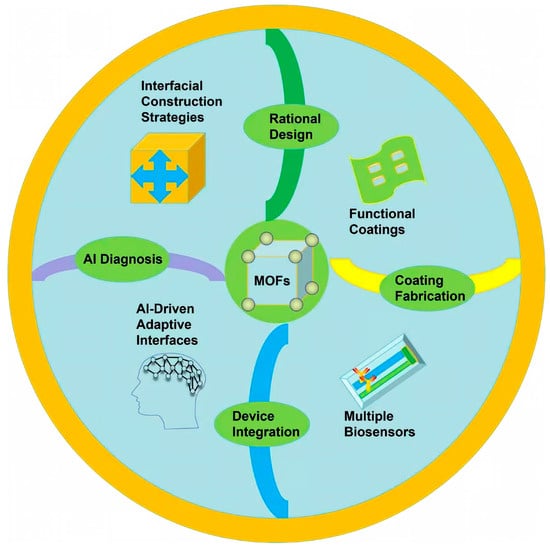

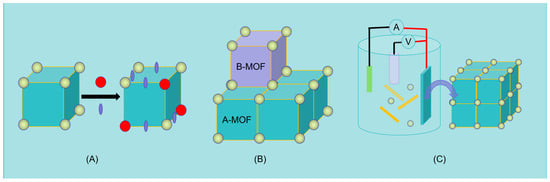
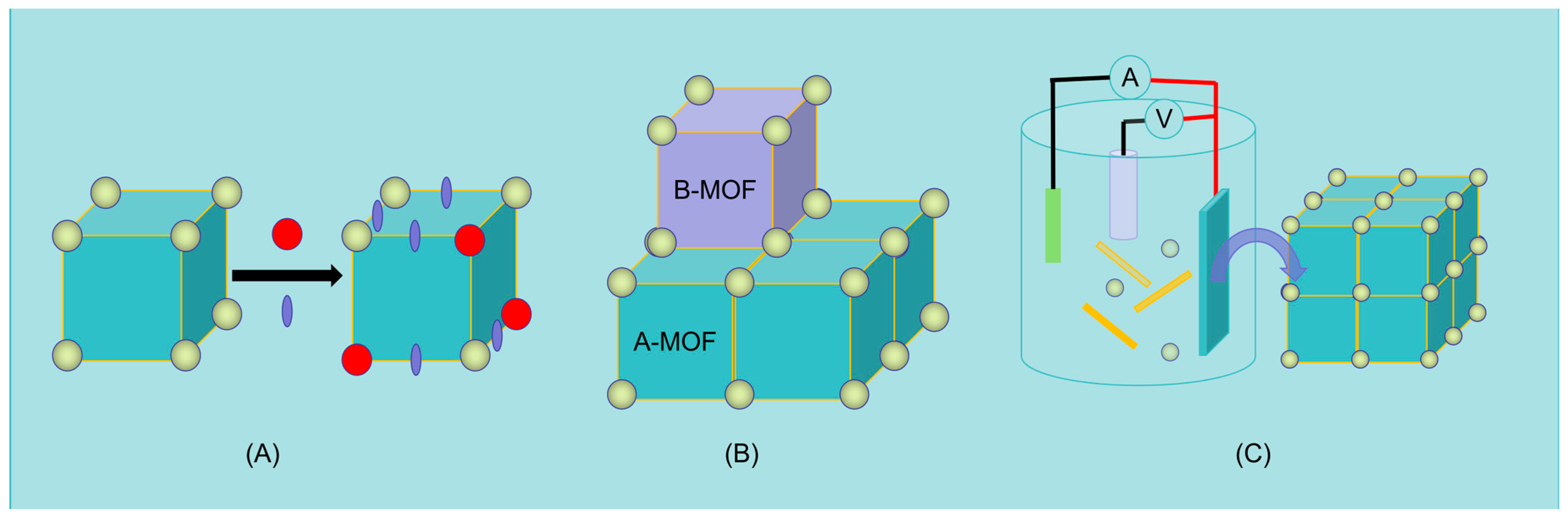
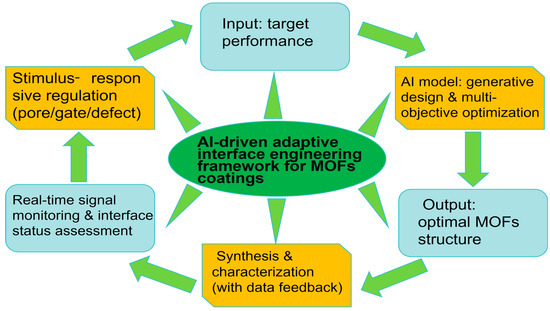
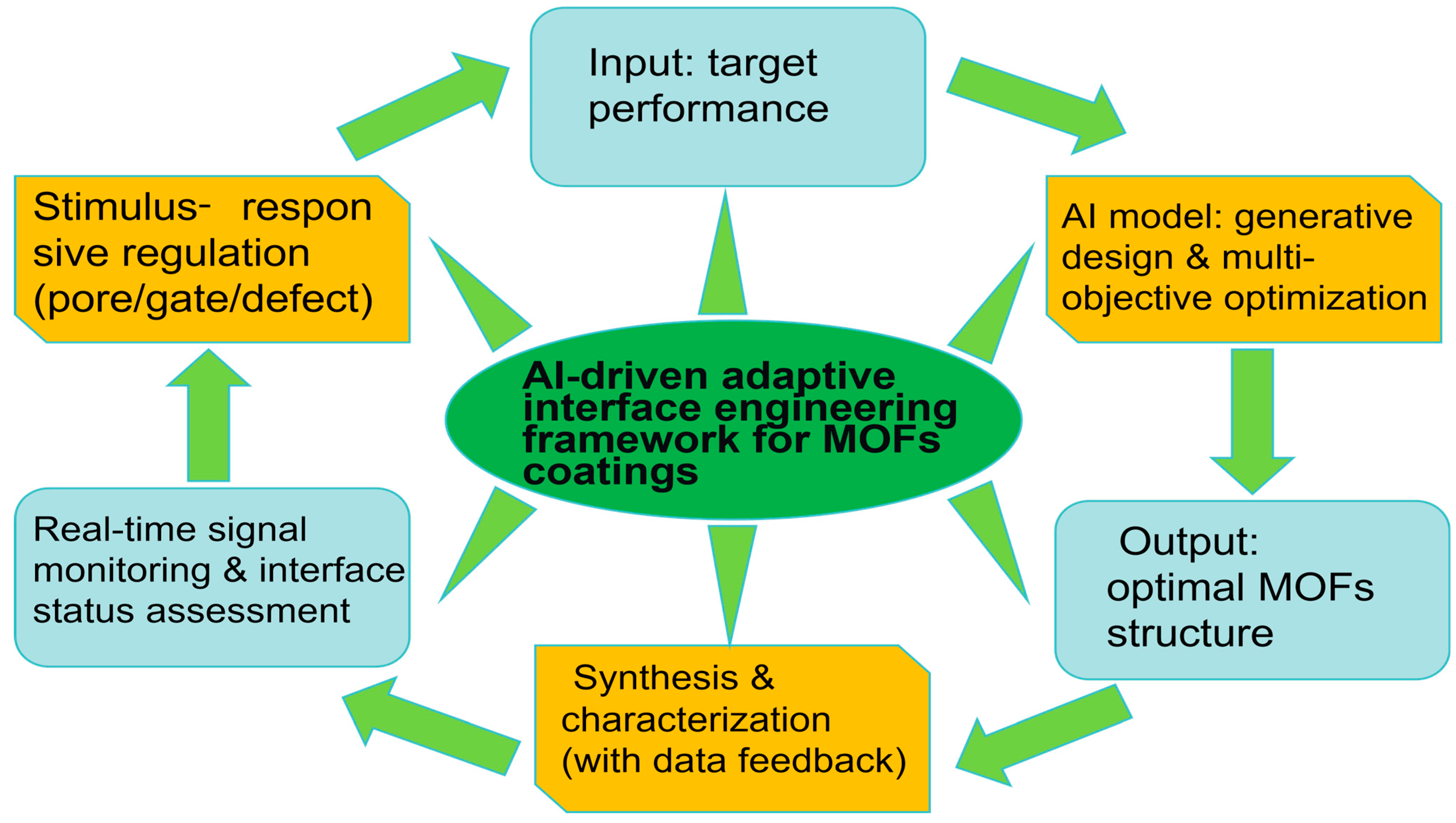

Disclaimer/Publisher’s Note: The statements, opinions and data contained in all publications are solely those of the individual author(s) and contributor(s) and not of MDPI and/or the editor(s). MDPI and/or the editor(s) disclaim responsibility for any injury to people or property resulting from any ideas, methods, instructions or products referred to in the content. |
© 2026 by the authors. Licensee MDPI, Basel, Switzerland. This article is an open access article distributed under the terms and conditions of the Creative Commons Attribution (CC BY) license.