


Abstract
Ultrafast laser processing enables the creation of functional surfaces in metals, semiconductors, ceramics, polymers and other materials through spatially controlled nonequilibrium energy deposition. However, the resulting surface functionality cannot be explained solely by laser parameters or geometric features. Femtosecond irradiation induces a sequence of coupled processes, including nanoscale structuring, phase transformation, chemical modification, defect formation, and relaxation, which define the final surface state. This review introduces the Surface-by-Design concept, where functional surfaces are considered as engineered material states formed through controlled laser–matter interaction rather than as predefined patterns. Representative examples including laser-induced periodic surface structures, hierarchical micro/nanotextures, modified oxide layers, and laser-generated functional interfaces are analyzed in relation to wettability, tribological behavior, corrosion resistance, optical response, and other properties. The review further examines how advanced characterization, digital engineering, beam shaping, in situ diagnostics, and data-driven methods contribute to controlling surface evolution. Remaining challenges include reproducibility, scalability, and reliable prediction of functional behavior during service conditions. Future progress in femtosecond laser surface engineering will depend on the ability to control not only the generated morphology but also the evolving structural and physicochemical state of functional interfaces.
1. Introduction
The functional characteristics of engineering components are largely determined by their near-surface region, where processes such as friction, wear, corrosion, wetting, heat transfer, adhesion, icing and interaction with biological entities take place. Unlike bulk modification approaches, surface engineering enables the adjustment of interfacial properties without changing the entire material system, providing an effective route for improving component performance and durability. Among advanced surface modification technologies, ultrashort-pulse laser processing offers unique capabilities for localized energy deposition and the fabrication of micro- and nanostructured surfaces with controlled morphology, composition, and functional response [1,2].
Ultrafast laser processing has enabled the fabrication of metallic surfaces with tailored wettability, tribological characteristics, corrosion resistance, and other application-specific functionalities. Periodic laser-induced structures, hierarchical micro/nanotopographies, and laser-modified near-surface layers can significantly alter interactions between materials and their surrounding environment. However, the relationship between laser processing conditions and the resulting functional performance remains strongly dependent on material properties, irradiation strategy, and operational conditions [3,4].
Despite extensive experimental progress, laser surface engineering is still predominantly based on empirical optimization. In many studies, laser fluence, pulse duration, repetition rate, scanning parameters, and related processing variables are systematically varied, followed by characterization of the resulting structures and properties. Although this approach has generated a large knowledge base, it mainly identifies suitable processing conditions rather than establishing transferable principles for designing surfaces with predefined functionality [5]. Existing models describing ultrafast laser structuring have demonstrated the importance of connecting laser energy deposition with material response and structure formation; however, predictive relationships between processing, evolving surface states, and functional performance remain limited [6].
A fundamental challenge arises from the observation that similar surface morphologies can lead to substantially different functional responses when produced on different materials or under different processing conditions. Surface performance is determined not only by geometrical features but also by the coupled evolution of structural, chemical, and mechanical states, including phase transformations, compositional redistribution, oxidation processes, defect formation, and environmental aging. Therefore, morphology-based correlations alone cannot provide universal design principles for functional surfaces, since their performance depends on the coupled evolution of structural, chemical, and interfacial states [7]. The current field remains characterized by numerous application-oriented solutions rather than a unified methodology connecting laser–matter interaction, surface evolution, and functional performance [8].
The transition from empirical optimization toward rational materials design has become a major direction in modern materials science. Concepts such as Integrated Computational Materials Engineering (ICME), Materials-by-Design, and intelligent materials design aim to establish predictive relationships between processing, structure, and properties through the integration of physical models, simulations, and experimental data [9,10,11]. However, extending these concepts to laser-engineered surfaces remains challenging because laser-modified interfaces represent open and dynamic systems continuously affected by oxidation, adsorption, contamination, mechanical loading, and environmental exposure [12].
Consequently, functional surfaces should not be considered as static structures generated during laser processing. Their performance depends on the continuous evolution of morphology, composition, phase state, and interfacial properties during fabrication and service. This requires a design approach in which the surface is treated as the primary engineered object rather than as a passive consequence of bulk material processing [13].
Recent advances in ultrafast laser technologies provide new opportunities for such a transition. Micro- and nanoengineering of surfaces using short- and ultrashort-pulse lasers has demonstrated that controlled manipulation of laser energy deposition can generate complex architectures with multifunctional responses [14]. Diffractive beam management and laser interference approaches enable controlled spatial distribution of deposited energy, allowing predefined periodic and hierarchical structures to be produced rather than identified solely through parameter screening [15]. Furthermore, structured light and dynamic beam-shaping strategies provide additional control over the spatial and temporal characteristics of laser irradiation, expanding the possibilities for controlled surface fabrication [16,17].
The development of adaptive optical systems, digital holography, and programmable beam-shaping technologies represents a further step toward deterministic laser manufacturing. These approaches transform the laser field into an adjustable processing parameter, enabling spatially selective energy delivery and efficient fabrication of complex surface architectures [18,19]. Such capabilities are particularly important for industrial implementation, where reproducibility, scalability, and process stability are essential requirements [20].
Within this context, laser surface engineering can be reconsidered as an interface design approach based on the concept of Surface-by-Design. The central principle is that functional performance should not be interpreted as a direct consequence of isolated laser parameters or individual structural features. Instead, it emerges from a controlled sequence of interconnected processes, including optical energy delivery, ultrafast electron and lattice dynamics, material redistribution, phase and chemical transformations, structure formation, and subsequent interaction with the environment [21]. This perspective establishes a causal relationship between processing conditions, evolving surface state, and functional performance.
The Surface-by-Design concept proposed in this review considers the desired functional response together with the evolution of the surface state as the basis for surface development. The required combination of structural organization, chemical state, and interfacial properties defines the necessary material transformations and laser processing strategy. Recent developments in intelligent materials design and predictive engineering demonstrate the potential of moving beyond trial-and-error optimization toward knowledge-based approaches [22]. Moreover, understanding the mechanical and functional behavior of laser-engineered surfaces provides the basis for incorporating long-term reliability into the design process rather than treating it only as a final evaluation criterion [23].
The objective of this review is to propose a Surface-by-Design framework for laser-engineered functional surfaces by analyzing causal relationships between ultrafast laser–matter interactions, material evolution, surface architecture formation, and resulting performance. Rather than presenting a classification of laser processing methods or individual applications, this work identifies common physical principles governing the formation and evolution of functional surfaces across different material systems.
2. Fundamentals of Ultrafast Laser–Alloy Interaction
The interaction of ultrashort laser pulses with metallic alloys is a hierarchical nonequilibrium process in which absorbed optical energy is initially transferred to the electronic subsystem and subsequently redistributed to the lattice through electron–phonon coupling. Under femtosecond excitation, electrons are driven into highly nonequilibrium states that deviate significantly from classical thermal diffusion assumptions, requiring the use of the two-temperature model (TTM). Within this framework, electron–phonon coupling depends on electron temperature and local thermodynamic conditions, resulting in nonlinear energy exchange and defining the characteristic timescales of energy relaxation and lattice heating [24,25,26,27].
Subsequent extensions of the TTM framework have aimed to provide more physically consistent descriptions of coupled electronic and atomic dynamics during ultrafast excitation. These models incorporate temperature-dependent electron–phonon coupling coefficients and transient variations in material properties, revealing pronounced spatial and temporal heterogeneity in energy transfer. Hybrid atomistic–continuum approaches combining TTM with molecular dynamics simulations enable atomic-scale analysis of phase transitions, defect generation, and structural rearrangement induced by femtosecond irradiation [28]. Time-dependent Boltzmann transport approaches extend this description by explicitly considering nonequilibrium electron and phonon kinetics beyond the assumption of independent quasi-equilibrium subsystems [29]. These modelling approaches are complementary, with their applicability determined by the characteristic temporal and spatial scales of the investigated phenomena and by the required balance between physical accuracy and computational efficiency.
The dynamics of energy transfer after ultrafast excitation are strongly influenced by excitation density, electronic structure, and material composition. Variations in electron–phonon coupling modify the temporal evolution of energy redistribution and determine the conditions for phase transformation and material modification. Ultrafast diffraction studies have shown that electron–phonon coupling may exhibit pronounced momentum dependence, resulting in preferential energy transfer to specific phonon modes rather than uniform lattice heating [30,31]. As illustrated in Figure 1, femtosecond laser excitation initially produces a highly nonequilibrium electronic state. During the subsequent picosecond evolution, energy is transferred from hot electrons to strongly coupled phonon modes, including high-q phonons near the Brillouin zone boundary. At intermediate times, phonon–phonon scattering redistributes energy among vibrational modes, while at longer times the electron and lattice subsystems approach quasi-equilibrium. These results indicate that ultrafast laser irradiation should be described as a dynamic evolution of coupled electronic, vibrational, and structural states rather than as a simple thermal process.
Figure 1.
Evolution of nonequilibrium electron–phonon energy transfer following femtosecond laser excitation. The phonon dispersion is shown along the high-symmetry direction of the Brillouin zone from Γ to H, including the intermediate 0.5 H position; the vertical axis represents phonon frequency. (A) At Δt = 1 ps, hot electrons (Te ≫ Ti) transfer energy preferentially to strongly coupled high-q phonon modes. (B) At Δt = 3 ps, phonon–phonon scattering redistributes energy among different vibrational modes. (C) At Δt = 20 ps, the electron and lattice subsystems approach quasi-equilibrium with bidirectional energy exchange. Dashed and solid curves denote longitudinal acoustic (LA) and transverse acoustic (TA1,2) phonon branches, respectively (adapted from Ref. [30]).
To describe the earliest stages of laser–metal interaction, extended two-temperature models (eTTM) have been developed, in which the initially excited nonthermal electron population is treated as an additional nonequilibrium subsystem coupled to the thermalized electron population and the lattice. These models describe transient electronic evolution before thermalization and provide a more accurate representation of ultrafast energy redistribution preceding material modification under intense optical excitation [32]. The subsequent evolution of the irradiated region involves nonequilibrium heat transport, for which conventional Fourier-based descriptions become insufficient. Hyperbolic and nonlocal transport models account for finite propagation velocities of thermal disturbances and memory effects associated with ultrafast energy transfer [33]. Three-dimensional simulations further indicate that reliable prediction of femtosecond laser ablation requires consideration of spatially heterogeneous energy deposition and complex transport phenomena within the irradiated volume [34].
Ultrafast laser processing involves strongly coupled energy transport, phase transformation, and mechanical response. Rapid energy deposition generates transient thermal stresses and mechanical instabilities that influence the geometry of the modified region and the pathways of surface transformation [35]. Molecular dynamics simulations of ultrafast laser irradiation of metallic alloys have revealed atomic-scale structural rearrangement, defect formation, and phase evolution induced by these processes [36]. In multicomponent alloys, nonequilibrium electronic excitation is particularly important because it modifies local thermodynamic conditions and affects subsequent mass transport. As a consequence, selective evaporation of alloying elements, redistribution of chemical species, and compositionally heterogeneous surface states may develop during irradiation [37].
The spatial distribution of deposited laser energy provides an additional parameter for controlling surface transformation. Tailored intensity distributions, including flat-top and structured focal profiles, modify the local excitation conditions and thermal gradients and thereby influence the resulting surface modification [38]. Laser-induced oxidation also contributes to surface state modification, as transient thermal and chemical processes promote the formation of oxide-containing structures during ultrashort-pulse irradiation [39]. These mechanisms establish the physical basis of the Surface-by-Design framework, in which functional surface states are generated through controlled nonequilibrium material evolution rather than through morphology modification alone. The modelling and process design approaches relevant to these mechanisms are compared in Table 1.
Table 1.
Critical comparison of modelling and process design approaches.
The comparison shows that the available approaches describe different stages and scales of ultrafast laser–material interaction rather than providing interchangeable descriptions of the same process. TTM and Boltzmann-based models are primarily suited to the early stages of energy redistribution, whereas molecular dynamics provides access to atomic-scale structural transformations and hydrodynamic approaches describe the subsequent evolution of material redistribution and surface morphology. Their predictive capabilities are consequently constrained by the spatial and temporal scales represented by each approach, as well as by the material parameters required for quantitative modelling. An important challenge is therefore to establish experimentally validated links between these scale-specific descriptions and the evolution of the surface state under realistic processing conditions.
3. Surface Structure Formation
The formation of surface structures under ultrashort laser irradiation results from the coupled evolution of energy deposition, nonequilibrium excitation, transient material redistribution, and chemical modification over multiple temporal and spatial scales. The resulting morphology is not determined by a single mechanism but emerges from the interaction of processes occurring over timescales ranging from femtoseconds to milliseconds and length scales from nanometers to hundreds of micrometers. Laser wavelength, pulse duration, fluence, pulse accumulation, repetition rate, surrounding environment, and material composition define the relative contribution of these processes and determine the transition from periodic nanostructures to complex hierarchical micro-/nanostructures and chemically modified surface layers. Such structural evolution directly influences the optical, tribological, catalytic, corrosion-related, and wetting behavior of laser-processed materials [40,41].
Within the hierarchy of laser-induced surface morphologies, laser-induced periodic surface structures (LIPSS) are among the most extensively studied morphologies formed during laser surface treatment. Their formation is determined by the combined effects of electromagnetic excitation, transient material redistribution and the evolution of the surface state, rather than by a single universal mechanism [42]. LIPSS are usually classified as low-spatial-frequency (LSFL) and high-spatial-frequency (HSFL) structures, depending on their spatial period relative to the wavelength of the laser radiation. The formation of LSFLs is often associated with the interference between incident radiation and surface electromagnetic waves or scattered light, whereas the formation of HSFLs may additionally involve nonlinear absorption, local amplification of the electromagnetic field, and changes in the optical properties of the material [43,44]. The relative contribution of these mechanisms depends on the parameters of the laser irradiation, the properties of the material and the stage of surface evolution. There is no universal threshold in energy density or pulse number that allows LSFL and HSFL to be unambiguously distinguished; both structures may coexist or form sequentially (Figure 2).
Figure 2.
Evolution of laser-induced periodic surface structures on silicon during femtosecond laser irradiation with increasing pulse number. SEM images obtained after irradiation with (a) N = 5, (b) N = 10, (c) N = 20, and (d) N = 200 pulses (τ = 78 fs, F = 0.7 J cm−2) demonstrate the transition from initial LSFL/HSFL coexistence to well-developed quasi-periodic morphologies with increasing pulse accumulation (adapted from Ref. [44]).
Current understanding of LIPSS formation emphasizes the role of positive feedback between the laser field and the evolving surface. Initial nanoscale perturbations modify the local electromagnetic field distribution, resulting in spatially nonuniform energy absorption and further amplification of surface modulation. Numerical simulations and in situ observations indicate that this feedback contributes to the transition from initial periodic structures toward quasiperiodic and hierarchical morphologies. Local field enhancement associated with subsurface nanocavities can promote LSFL splitting and contribute to the development of homogeneous HSFL patterns [45].
The evolution of LIPSS strongly depends on laser fluence and accumulated pulse number, progressing from weak periodic modulation to pronounced grooves and three-dimensional surface architectures. This transformation involves sequential and coupled processes including energy absorption, electronic excitation, transient melting or ablation, and hydrodynamic redistribution of modified material [46]. Variation of these parameters allows modification of periodicity, structural organization, and related functional responses. However, practical implementation requires simultaneous preservation of nanoscale precision and processing throughput. Diffractive optical elements (DOEs) provide an effective strategy by converting a single ultrafast laser beam into multiple parallel sub-beams, enabling simultaneous processing of large surface areas. A 51 × 51 beam matrix containing 2601 sub-beams was demonstrated for parallel LIPSS fabrication on stainless steel, highlighting the potential of DOE-based approaches for scalable ultrafast nanostructuring (Figure 3) [47].
Figure 3.
Experimental realization of a DOE-generated multi-beam pattern for parallel LIPSS fabrication. (a) Full view of the homogeneous 51 × 51 sub-beam matrix generated by the diffractive element. (b) Magnified view of the central region showing the uniform intensity distribution of the sub-beam array (adapted from Ref. [47]).
With increasing fluence and pulse accumulation, laser-induced structures evolve beyond regular ripples toward complex three-dimensional hierarchical architectures. Spatial variations in energy deposition, transient stress generation, and ultrafast material redistribution promote the formation of elongated microcones and spike-like structures, which can subsequently develop additional nanoscale features during continued irradiation (Figure 4) [48]. The resulting multiscale architectures increase effective surface area and modify macroscopic responses, including optical absorption, friction, and wetting behavior. Such structures provide the basis for engineering surfaces with tailored wetting states ranging from superhydrophobic to superhydrophilic regimes [49].
Figure 4.
SEM images of hierarchical LIPSS formed by stationary underwater persistent bubble-assisted femtosecond laser ablation at a scanning speed of 500 μm s−1 and a line interval of 10 μm. (a,b) Top-view images at different magnifications; (c,d) tilted-view images showing the multiscale organization of LSFL and HSFL/UHSFL structures. The arrow E indicates the laser polarization direction (adapted from Ref. [48]). The scale bars in (a–d) are 5, 1, 3 and 1 μm, respectively.
Surface structural evolution during ultrashort laser processing is frequently accompanied by chemical modification resulting from interactions between the laser-activated region and the surrounding environment. In transitional irradiation regimes, oxide formation and growth depend on local temperature distribution, chemical activity, and oxygen availability. In multicomponent alloys, including Cu–Zn, Mg-, Ni-, and Al-based systems, additional complexity arises from selective evaporation and redistribution of alloying elements. These processes modify local composition and can produce spatially heterogeneous oxide-containing layers with different phase compositions and functional characteristics [50,51].
The development of oxide-containing surface states is closely coupled with the underlying laser-generated morphology. Surface geometry influences local heat distribution, chemical reactivity, and subsequent laser absorption, while chemical modification alters optical and thermodynamic conditions during further irradiation. This reciprocal interaction between structural and chemical evolution demonstrates that laser-functionalized surfaces should be considered as dynamically evolving material states rather than static geometrical patterns [52]. This coupling between morphology and chemical evolution is therefore a key element in developing predictive strategies for laser-functionalized surfaces.
4. Laser Processing Strategies: From Parameter Optimization to Surface Architecture Control
Surface architecture produced by ultrashort laser processing is governed by the distribution of deposited energy in space and time. Laser parameters, beam characteristics, and scanning strategies determine the local excitation conditions and, consequently, the evolution of the modified surface state. Therefore, control of surface structures requires consideration of the combined effect of these parameters rather than independent optimization of individual processing variables. Such approaches define transitions between different interaction regimes, including periodic structure formation, material redistribution, ablation, and laser-induced chemical modification [53].
Manipulation of the electromagnetic field at the material interface through polarization control, interference effects, and temporal pulse shaping provides additional possibilities for modifying energy deposition and structural evolution [54]. Double-pulse femtosecond irradiation is an example of spatiotemporal control of laser–matter interaction, where the delay between pulses determines the stage of transient material evolution affected by the second pulse. By varying this delay, the resulting morphology and hierarchical organization of the surface can be modified (Figure 5) [55]. This approach demonstrates that the material’s transitional states can serve as an additional parameter for controlling surface architecture and functional response. Complementary strategies involve controlled combination and delivery of multiple laser beams, providing additional flexibility in the spatial distribution of deposited energy and processing conditions [56].
Figure 5.
Surface architecture control by double-pulse femtosecond laser processing. (A–C) SEM images of laser-generated two-dimensional surface morphologies under different irradiation conditions. (A′,C′) High-magnification SEM images with fast Fourier transform (FFT) analysis of structural periodicity and symmetry. Optical response changes during azimuthal rotation of the sample (120°–320°) are shown (adapted from Ref. [55]).
The energy density (fluence) and pulse duration determine the balance between electronic excitation, lattice heating and material ablation. The femtosecond regime limits the influence of thermal diffusion beyond the irradiated region, enabling localized modification of the material’s near-surface layer. In scanning processes, the overlap between adjacent tracks determines energy accumulation, thermal history, and structural evolution. Variation in scanning-line overlap can induce transitions between periodic nanostructures, uniform textures, and more developed microstructured morphologies depending on the applied fluence (Figure 6) [57]. Thus, the scanning strategy affects not only the resulting morphology but also process stability and reproducibility by altering the conditions under which the material is repeatedly irradiated.
Figure 6.
Effect of scanning-line overlap on femtosecond laser-induced surface architectures. SEM images of Ti6Al4V morphologies as a function of laser fluence (F) and scanning-line overlap (LO). Scale bar: 10 μm (adapted from Ref. [57]).
Temporal control of laser irradiation provides an additional means of modifying surface evolution. Burst-mode irradiation, in which a sequence of closely spaced sub-pulses interacts with a transiently modified surface, changes energy accumulation and ablation dynamics compared with single-pulse processing [58]. In GHz burst excitation, interpulse intervals become comparable with characteristic electron–lattice relaxation times, affecting the balance between excitation, heat transport, and material redistribution. This temporal control can influence structural ordering and reduce variations associated with stochastic energy accumulation effects. The transition from one-dimensional toward two-dimensional LIPSS with increasing intra-burst pulse number demonstrates the role of pulse sequence in controlling nanoscale surface organization (Figure 7) [59].
Figure 7.
GHz burst-mode femtosecond laser formation of hierarchical micro-/nanostructures on single-crystal silicon. A comparison of surface architectures formed with different numbers of pulses per burst. Panels (a–e) correspond to the N = 50 pulse condition, whereas panels (f–j) correspond to the N = 200 pulse condition. For each condition, the number of pulses within a burst was further varied with p values of 1, 2, 3, 5 and 10. Scale bar: 5 μm (Adapted from Ref. [59]).
Polarization control provides another degree of freedom by modifying the symmetry of excited electromagnetic modes and the interference conditions between incident radiation and laser-induced surface waves. As a result, polarization affects the orientation, morphology, and spatial organization of laser-generated nanostructures. For example, elliptically polarized femtosecond laser irradiation of ZnO substrates produced ordered nanopillar arrays, whereas linear polarization resulted in nanostrip structures, demonstrating the possibility of polarization-controlled surface morphogenesis [60] (Figure 8).
Figure 8.
Effect of polarization control on femtosecond laser-induced ZnO surface structures. SEM images of nanopillar arrays produced by elliptically polarized irradiation at 1030 nm (A) and 515 nm (B). Tilted (C) and cross-sectional (D) views show the three-dimensional morphology of the structures (adapted from Ref. [60]).
Scanning strategies extend localized laser modification toward larger-area surface engineering by controlling energy accumulation, thermal history, and repeated irradiation effects. Parameters such as trajectory, hatch distance, and overlap influence structural uniformity and defect formation during processing. Optimization of these parameters is therefore important for transferring ultrafast laser texturing from laboratory-scale experiments toward scalable manufacturing approaches [61,62].
Spatial beam shaping enables additional control over the distribution of laser intensity and supports the transition from sequential processing toward parallel fabrication strategies. Liquid-crystal spatial light modulators (SLMs) allow dynamic modification of intensity profiles in the target plane and have been applied for fabrication of functional optical structures [63]. Further development of ultrafast laser modulation methods provides additional control over exposure geometry and supports scalable microstructuring processes [64]. In related manufacturing areas, beam engineering has demonstrated the ability to control melt-pool geometry and thermal gradients, highlighting the importance of spatial energy management for material modification [65,66]. Integration of such approaches with adaptive monitoring and feedback control may provide opportunities for improving process stability in future laser manufacturing systems. Optimization of scanning strategies, pulse overlap, and energy deposition conditions remains essential for improving processing efficiency and structural quality [67]. Non-diffracting Bessel beams represent another beam control approach, maintaining localized intensity distributions over extended propagation distances and enabling uniform femtosecond modification in depth. Such beams have been used to form internal microstructures with a high aspect ratio in transparent materials, utilizing subsequent selective etching processes [68].
Overall, laser beam shaping, burst-mode processing, polarization control and adaptive scanning are complementary methods for controlling surface evolution during ultrafast laser processing. In this context, surface morphology is regarded not as a direct consequence of a single laser exposure parameter, but as the result of the interaction between energy input, material response and processing history. This approach links ultrafast laser processing to the Surface-by-Design concept, establishing a connection between controlled irradiation conditions, the resulting surface architecture, chemical state, and functional characteristics.
5. Structure–Property Relationships
Multiscale architectures produced by ultrashort laser irradiation provide a basis for tailoring surface functionality. The relationship between surface morphology and functional performance is often more complex than simple structure–property correlations indicate, since laser processing modifies not only surface geometry but also the associated chemical and structural states. Similar structural patterns may lead to different functional responses because laser processing simultaneously affects chemical composition, phase state, and defect population. Therefore, structure–property relationships in ultrafast laser processing should be understood through the coupled evolution of surface morphology, chemical composition, phase state, and defects, which collectively influence functional characteristics such as wettability, tribological behavior, corrosion resistance, and optical properties [69,70].
Establishing such relationships requires correlating the final surface state with the sequence of transformations occurring during laser irradiation. Electromagnetic excitation, energy redistribution, phase transitions, material transport, and defect formation collectively define the morphology and physicochemical state of the modified layer. Multiscale modelling approaches combining electromagnetic simulations, two-temperature models, hydrodynamic descriptions, and atomistic simulations allow processing conditions to be correlated with structural evolution and functional response (Figure 9) [71]. Such approaches are important for developing predictive descriptions of laser-engineered surfaces, where functional properties are associated with the evolution of material states rather than with morphology alone.
Figure 9.
Multiscale model describing the evolution of laser-induced surface structures during ultrashort laser irradiation. Electromagnetic excitation, electron–lattice energy transfer, hydrodynamic evolution, atomic rearrangement, and surface relaxation represent interconnected stages that determine the formation of hierarchical architectures and their resulting functional properties (adapted from Ref. [71]).
Hierarchical morphology provides a versatile basis for tailoring surface functionality, with its effects depending on the material, structural scale, and associated surface state. In tissue engineering applications, hierarchical micro-/nanotopographies have been used to control cell morphology, adhesion, migration, and bacterial colonization on zirconia surfaces [72]. In ultrashort-pulse laser-processed poly-lactic acid, variations in fluence and scanning velocity produced different hierarchical surface microstructures and enabled substantial changes in wettability and cellular behavior [73]. For wettability control, the functional effect arises from the coupled influence of multiscale topography and surface chemistry: micro- and nanostructures modify the effective liquid–solid contact area and droplet spreading, while trapped gas regions can promote the Cassie–Baxter regime and reduce droplet adhesion. The influence of material properties, laser processing conditions, surface morphology, and chemical modification on wettability-functional surfaces has been systematically discussed in [74]. Beyond wettability, such coupled surface states can provide multiple functional properties simultaneously, as demonstrated by nano-hierarchical LIPSS combining anti-corrosion and anti-icing performance [75].
Tribological performance of laser-engineered surfaces depends on changes in surface morphology, hardness, residual stress, and subsurface microstructure. Hierarchical textures can reduce direct contact and support lubricant retention, thereby affecting friction and wear [76,77,78]. In AISI 9310 gear steel, femtosecond laser shock peening reduced the wear rate by 10.1%–61.7% while simultaneously increasing hardness, compressive residual stress, and work-hardening depth [79]. Similarly, femtosecond laser peening of AA2024 aluminum increased compressive residual stress and hardness and improved fatigue life by up to 38-fold [80]. These results demonstrate the functional relevance of the modified surface state, but do not establish the independent contribution of any single parameter because the relevant surface state variables changed simultaneously.
Ultrafast laser processing enables simultaneous modification of surface morphology and near-surface chemical composition, providing additional control over functional surface properties. The formation of LIPSS is affected not only by electromagnetic energy redistribution and transient material response but also by laser-induced chemical transformations. In particular, the formation and evolution of oxide layers during femtosecond irradiation can alter local optical properties, energy absorption characteristics and surface stability, thereby influencing the formation and final characteristics of laser-formed periodic structures [81]. Furthermore, the combination of laser-generated hierarchical architectures with the principles of biomimetic design has been investigated to create multifunctional surfaces with specified wetting, optical, mechanical and biological properties [82]. Broader multifunctional applications of laser-processed surface architectures, including combinations of wetting, optical, tribological and other functional responses, have also been systematically demonstrated [83].
Corrosion resistance of laser-engineered surfaces depends on both surface morphology and chemistry. Changes in morphology can alter the pathways for electrolyte penetration, while laser-induced chemical changes can modify the protective oxide layer [84]. Therefore, topography alone is insufficient to explain the corrosion response. This is clearly demonstrated by femtosecond laser treatment of microarc-oxidized 6061 aluminum, which transformed a porous oxide coating into a denser alumina layer and substantially improved its electrochemical corrosion resistance [85]. The example shows that laser processing can improve corrosion protection by modifying the coupled structure and chemistry of an existing surface layer, rather than simply changing its topography. Similar structure–chemistry coupling also affects biological responses, including antibacterial and cellular behavior [86].
Optical properties of laser-fabricated surfaces are determined by the interaction between electromagnetic radiation and hierarchical architectures. Multiple scattering, increased optical path length, and light-trapping effects modify reflection and absorption behavior, enabling the fabrication of broadband absorptive and antireflective surfaces [87]. In addition, variations in surface morphology and chemical composition affect emissivity and radiative heat transfer, indicating that controlled laser-induced architectures can be used to design optical and radiative properties.
Overall, structure–property relationships in ultrafast laser surface engineering should be considered as dynamic interactions between laser-induced architectures and evolving material states. The functional performance of a modified surface therefore cannot be attributed solely to its final morphology but results from the complete sequence of laser–matter interaction, structural formation, chemical evolution, and environmental adaptation. This perspective provides the basis for the Surface-by-Design concept, in which functional surfaces are developed by controlling their formation pathways rather than by selecting surface structures after fabrication.
6. Comprehensive Characterization and Reconstruction of Laser-Modified Surface States
The final state of a surface after femtosecond laser processing is determined by a combination of structural, chemical, and phase-related changes; therefore, its proper interpretation requires comprehensive analysis using complementary characterization methods. Morphology, chemical composition, phase constitution, and defect structure are formed through a sequence of non-equilibrium processes occurring during and after laser irradiation. Consequently, characterization should not be limited to recording the resulting structures but should aim at establishing relationships between processing conditions, material state evolution, and the resulting functional properties [88].
Femtosecond laser irradiation leads to the formation of a complex surface state, in which topography, chemical environment of elements, and local material structure are simultaneously modified. The formation of laser-induced periodic surface structures is accompanied by redistribution of surface components, oxidation, and changes in the chemical state of the near-surface layer. For example, studies of LIPSS formation on titanium alloys have demonstrated that laser processing parameters influence not only the geometry of periodic structures but also the chemical heterogeneity of the modified region [89]. Similar effects have been observed during the formation of periodic arrays on hard materials, where variations in processing conditions result in changes in microstructure and surface characteristics [90].
Reconstruction of the surface state requires consideration of several levels of information obtained by different experimental techniques. Electron microscopy provides information on the resulting morphology and local features of the modified layer, whereas spectroscopic and diffraction methods complement these observations by revealing the chemical and structural state of the material. XPS enables identification of changes in the chemical state, including the formation of oxygen vacancies, Raman spectroscopy reveals local structural rearrangements and defect states, and XRD provides information on changes in crystal structure and residual stresses induced by femtosecond laser treatment [91]. The interpretation of these data requires consideration of differences in the depth of analysis and the spatial heterogeneity of laser-modified regions, since each technique provides information on different levels of the material’s structural and chemical state.
Comprehensive studies of laser-modified materials demonstrate that structural changes cannot be considered independently from chemical evolution of the surface. During femtosecond processing of metallic materials, morphological transformation is accompanied by changes in the composition of the surface layer, oxidation state, and wettability characteristics, which determine the subsequent functional response of the surface [92]. In multicomponent systems, these processes may result in chemically heterogeneous regions caused by oxidation, elemental redistribution, and changes in phase composition. Additional insight into such systems can be obtained using depth-resolved chemical analysis methods, including the development of XPS profiling approaches for laser-modified thin films and multilayer structures [93].
However, characterization of the final surface state alone is insufficient for a complete understanding of the mechanisms governing the formation of functional properties. The sequence of processes occurring during laser irradiation must also be considered, including energy redistribution, temperature evolution, structural rearrangements, and defect formation. Studies of ultrafast laser-induced processes indicate that the transition from material excitation to the formation of a stable structure involves a series of intermediate states that influence the final properties of the modified region [94,95]. In addition, processing parameters such as pulse repetition rate can lead to heat accumulation and simultaneous changes in morphological, chemical, and crystallographic characteristics of the surface [96].
Laser-modified surfaces may also continue to evolve after completion of the treatment due to interaction with the surrounding environment and relaxation processes. Changes in chemical composition, surface energy, and wettability may occur over extended periods after structure formation. It has been demonstrated that additional chemical treatment of laser-induced periodic surface structures can modify both residual surface chemistry and nanoscale morphology, resulting in changes in functional performance [97]. The influence of post-processing chemistry is further illustrated by femtosecond-laser-structured Ti6Al4V surfaces, for which different cleaning solvents produced different wetting states and different changes in water contact angle during subsequent aging, despite the use of the same laser-structured surface [98]. This result shows that the functional evolution of a laser-modified surface cannot be attributed to its initial morphology alone, because subsequent chemical treatment can modify the surface state and its evolution over time. Similarly, the role of oxygen in the formation and stabilization of wetting states after femtosecond laser treatment of metals demonstrates that chemical evolution of the surface is an important factor determining long-term behavior [99].
Functional characteristics of laser-modified surfaces result from the interaction between the generated architecture, chemical state, and operating conditions. For example, biological and catalytic properties of femtosecond laser-treated titanium surfaces are determined not only by the created morphology but also by changes in surface chemical composition [100]. In tribological systems, the effectiveness of laser texturing is associated with changes in real contact area, stress distribution, and the formation of interfacial layers during sliding [101].
A similar multiparametric behavior is observed for surfaces designed to control interactions with liquids and ice. Hierarchical laser-generated structures enable regulation of wetting processes, reduction of ice adhesion, and improvement of surface functional stability. Studies of multiscale laser-induced topographies show that anti-icing performance is governed by the combined influence of surface geometry, trapped air regions, and liquid transport characteristics [102]. At the same time, long-term stability of superhydrophobic states requires consideration of chemical changes and structural durability under environmental exposure. The reliability of laser technology is also an important factor in the transition from laboratory-scale surface fabrication to reproducible manufacturing of functional structures. In particular, the stability of optical components, spatial energy distribution, and consistency of processing parameters determine the ability to obtain identical surface states during repeated fabrication processes [103].
Thus, surface characterization after femtosecond laser processing should be considered not as a sequential measurement of individual parameters, but as a reconstruction of an interconnected structural and chemical state of the material. Morphology, chemical composition, phase structure, defects, and subsequent surface evolution collectively determine the functional response of laser-created architectures. This approach provides the basis for the Surface-by-Design concept, in which surface engineering is associated not only with selecting a final structure but also with controlling the processes responsible for its formation and subsequent transformation.
7. Industrial Translation and Emerging Technologies
The transition of femtosecond laser surface engineering from laboratory-scale studies to industrial technologies depends on the development of scalable processing strategies, increased throughput, and reliable control of the resulting functional surface states. Current advances in ultrafast laser processing are gradually moving beyond the demonstration of individual surface structures toward manufacturing approaches capable of producing tailored surface characteristics over large areas and on complex components. Studies on industrially oriented femtosecond laser processing of metallic surfaces demonstrate that productivity improvements can be achieved through optimized scanning strategies, more efficient use of pulse energy, and dedicated processing approaches [104,105]. High-throughput surface engineering strategies based on parallel processing concepts and controlled laser energy distribution provide additional opportunities for increasing processing efficiency [106].
Maintaining controlled structure formation during the transition to larger processed areas and higher production rates remains a critical requirement for industrial applications. Spatial control of laser irradiation, including intensity profile shaping, multi-beam processing, and adaptive energy distribution, provides effective approaches for improving processing uniformity and expanding the fabrication of complex hierarchical surfaces while preserving their functional characteristics [107,108]. Interference-based beam-shaping provides an additional route to control the spatial uniformity and characteristic scale of laser-induced nanostructures; for example, interference of square flat-top femtosecond laser pulses has been used to generate homogeneous nanostructures with controlled spatial characteristics [109]. Parallel multibeam fabrication and active beam-shaping techniques provide a practical route to increasing the throughput of ultrafast laser processing to levels required for industrial applications [110].
Industrial application of femtosecond laser processing also requires a transition from empirical parameter adjustment toward digitally assisted process control. Machine learning approaches enable the identification of relationships between laser parameters, material responses, and resulting surface properties, which is particularly valuable for complex multiparameter systems. Physics-informed approaches further improve the reliability of predictive models by incorporating fundamental constraints associated with energy deposition, structural evolution, and functional performance [111,112]. In this context, digital engineering becomes an integral element of the Surface-by-Design concept by combining process modelling, experimental data analysis, and optimization of manufacturing conditions [113]. An emerging extension of this approach is the use of femtosecond laser processing to generate functional nanomaterials rather than only structured bulk surfaces. For example, femtosecond laser generation of LaCoO3 nanoparticles produced defect-rich catalysts with high CO oxidation activity [114]. Such examples broaden the scope of Surface-by-Design from surface structuring toward laser-controlled functional material synthesis.
Processing components with complex geometries represents a further step toward industrial application, as conventional scanning strategies often provide insufficient control over surface uniformity on non-planar structures. Advanced trajectory planning, surface decomposition methods, and adaptive process control expand the applicability of femtosecond lasers beyond flat samples and laboratory-scale experiments [115]. Recent approaches for producing three-dimensional and geometrically complex surface architectures demonstrate the potential of ultrafast laser processing for manufacturing functional components with predefined surface characteristics [116,117].
Industrial implementation of femtosecond laser surface processing still depends on further improvements in processing speed, stability over large areas, and control of the long-term evolution of generated surface states. These requirements are being addressed through the combination of higher-power ultrafast laser sources, high-throughput structuring strategies, adaptive diagnostics, and intelligent process control [118,119]. The industrial realization of the Surface-by-Design concept therefore requires a transition from controlling individual laser parameters toward managing the complete evolution of the surface state, including spatial energy distribution, structural formation, chemical transformation, environmental interactions, and long-term stability of functional performance.
8. Discussion and Outlook
The analysis presented in this review indicates that femtosecond laser surface engineering is undergoing a transition from fabrication of predefined surface architectures toward deterministic engineering of evolving surface states. Conventional approaches have primarily focused on optimizing laser parameters to generate specific morphologies and subsequently correlate these structures with functional properties. Although this strategy has enabled the development of numerous functional surfaces, it remains insufficient for predicting long-term performance because laser-generated surfaces are not defined solely by geometry, but by the coupled evolution of morphology, chemistry, phase composition, defects, and residual stresses during processing and operation [26,49,70,96].
Within this context, the Surface-by-Design concept proposed in this review considers the evolving surface state as the primary design object rather than the final geometric structure alone. As outlined in the Surface-by-Design Framework (Figure 10), functional surface design can be described as an integrated process linking controllable processing parameters, surface state evolution, functional characteristics, and feedback-driven optimization. In this framework, femtosecond laser processing parameters—including pulse duration, wavelength, fluence, pulse repetition rate, polarization, laser beam shaping, scanning strategy, processing conditions, and the initial material state—define the conditions under which the surface state evolves. The resulting surface state can be represented as a coupled function of morphology, chemical composition, phase and structural state, defects, and residual stresses, which collectively determine the final functional response.
Figure 10.
Surface-by-Design Framework illustrating the relationship between controllable femtosecond laser processing parameters, surface state evolution, functional performance, and feedback-driven optimization.
A significant limitation of current approaches to laser surface engineering is the insufficient understanding of how laser processing parameters determine the resulting surface state and how this state, in turn, governs the long-term functional response of the surface. Laser irradiation does not alter a single structural parameter in isolation; it can simultaneously modify surface morphology, chemical composition, phase constitution, and defect structure [70,89,92,96]. These changes are interrelated. For example, morphological modification may be accompanied by changes in surface area and oxidation conditions; oxide formation may be coupled with elemental redistribution and the formation of new phases; and defect populations and residual stresses may evolve together with the microstructure. Consequently, the surface state measured after laser treatment represents a set of interrelated characteristics rather than a set of independent variables.
This coupling has a direct bearing on functional performance. Wettability, tribological behavior, anti-icing performance, and corrosion resistance depend on the resulting surface state, while also being affected by the history of laser processing and the subsequent interaction of the surface with its environment [97,99,101,102]. During aging, cleaning, abrasive wear, or service, the chemical composition, oxidation state, defect structure, and other surface characteristics may change, leading to corresponding changes in functional response. Thus, even surfaces with similar geometric architectures do not necessarily exhibit similar functional properties: differences in oxide chemistry, defect density, metastable phase content, residual stress, or aging state may result in substantially different functional responses [70,81,88,97].
Accordingly, the causal relationship governing a laser-engineered surface cannot be adequately described by a simple structure–property relationship. Processing parameters generate a coupled surface state that determines the functional response, while subsequent environmental interactions may further modify this state and its performance over time. Because morphology, chemistry, phase constitution, defects, and residual stresses often change simultaneously, observed functional improvements cannot automatically be attributed to a single surface characteristic. The representative studies summarized in Table 2 compare processing conditions, resulting surface states, and functional responses, highlighting both demonstrated functionalities and the strength of the available causal evidence. The comparison is selective rather than exhaustive, and concomitantly varying surface characteristics are not treated as independently established causal factors.
Table 2.
Representative comparative evidence linking femtosecond-laser-induced surface states to functional responses.
Table 2 illustrates both the functional potential of femtosecond laser surface engineering and the difficulty of separating the contributions of individual surface state variables. In most studies, morphology, chemistry, phase composition, defects, and residual stresses change simultaneously, so the measured functional response can be linked to the resulting surface state, but not necessarily to a single characteristic. This limitation is particularly clear for residual stress. In Ref. [80], compressive residual stress was accompanied by increased hardness and a fatigue life improvement of up to 38-fold. Similarly, Ref. [79] reported simultaneous increases in compressive stress, hardness, work-hardening depth, grain refinement, and changes in surface topography and oxides, together with a reduction in wear rate. Although multiple linear regression identified work-hardening depth as the most significant factor, these studies do not independently isolate residual stress from other surface state changes. They therefore provide quantitative evidence for the functional relevance of the modified surface state, but not for an independent causal effect of residual stress.
The same distinction applies to the other functional responses summarized in Table 2. For example, the NiTi study [70] shows that wettability changes together with surface morphology and Ni/Ti chemistry, whereas the Ti study [100] demonstrates that photocatalytic and antibacterial responses vary among states that differ simultaneously in roughness, oxide phase constitution, and oxygen content. These studies are therefore valuable as comparative evidence of functional response to laser-generated surface states, but they should not be interpreted as quantitative evidence that one specific surface characteristic dominates the response. Establishing such causal contributions requires experimental designs in which candidate state variables are independently varied or statistically identifiable, supported by matched processing series and depth-resolved, multimodal characterization.
This distinction is central to the Surface-by-Design concept. The objective is not simply to replace the conventional structure–property relationship with another descriptive framework, but to describe how a laser-defined surface state is formed, how its coupled characteristics determine the initial functional response, and how subsequent environmental interactions modify that state and its performance. In this sense, the relevant design relationship is dynamic: processing conditions determine the initial surface state; the surface state determines the functional response; and ageing, cleaning, wear, oxidation, or other service conditions can subsequently modify the surface state and thereby change the functional response. The experimental evidence in Table 2 demonstrates why these stages should be considered together rather than treated as independent processing–structure–property relationships.
Against this background, the reported application classes can be compared in terms of how different laser processing strategies generate coupled surface states and how these states are used to achieve specific functions. The representative studies shown in Table 3 cover the main application classes, including wettability control, anti-icing, tribological and anti-wear properties, corrosion protection, catalytic and photocatalytic activity, antibacterial and biological responses, optical functionality, and multifunctional surfaces. Across these application classes, a general shift can be observed from texturing primarily aimed at producing a specific geometry toward the control of a coupled surface state encompassing topography, chemical and phase composition, defect structure, and residual stresses. The comparison therefore emphasizes applicability and trade-offs rather than a universal parameter window: direct, localized processing provides broad flexibility in tailoring surface states, but transfer between materials remains limited by aging, durability, and incomplete separation of interacting mechanisms.
Table 3.
Comparative technological map of femtosecond-laser-engineered functional surfaces.
The data summarized in Table 3 reveal a consistent trade-off between the specialization of a surface’s functional properties and the manufacturability of that surface. Hierarchical or defect-rich states can improve performance, yet the same coupled features complicate reproducibility and mechanistic attribution; parallel processing improves throughput but adds thermal and uniformity constraints. Thus, the main shortcoming lies not in the absence of potentially realizable functional properties, but in the lack of standardized protocols for assessing durability and predictive correlations that could be applied across different materials and processing conditions, and which would link the complete history of surface formation to its performance characteristics. Direct comparison of throughput, cost, reliability, standardization, and process qualification across studies is also limited by inconsistent reporting and non-equivalent processing and service conditions.
Surface-by-Design is used here not as a replacement for ICME or the processing–structure–property paradigm, but as a surface-specific framework that applies this logic to laser-modified interfaces, where morphology, chemistry, phase state, defects, residual stress, and environmental history evolve in a coupled manner [5,6,7,49,71,96,97]. Its present contribution is therefore not a validated universal inverse design workflow, but a framework for organizing evidence and identifying the measurements and models required to establish predictive relationships between processing, evolving surface state, and functional performance [111,112,113].
Realization of this concept requires integration of multiscale characterization, in situ monitoring, and data-driven methodologies into a closed-loop engineering strategy. Multiscale characterization techniques, including electron microscopy, atomic force microscopy, X-ray photoelectron spectroscopy, energy-dispersive spectroscopy, diffraction-based methods, and spectroscopic analysis, provide essential information on the evolution of surface state variables [70,88,89,90,91,92,93,94,95,96]. However, ex situ characterization alone cannot fully capture transient processes occurring during ultrafast irradiation. Therefore, integration of in situ and operando diagnostics, such as thermal monitoring, reflectometry, interferometry, plasma diagnostics, and acoustic emission analysis, is required for real-time understanding and control of surface evolution [46,47,61,62].
Studies investigating artificial intelligence, physics-informed machine learning, inverse design, and digital engineering provide promising opportunities to establish predictive relationships between laser processing parameters, material responses, and functional performance. These approaches may help move laser surface engineering from empirical parameter optimization toward more predictive process design. However, their transfer across different materials and processing histories remains challenging because laser–matter interactions are highly nonlinear and strongly depend on material composition, initial surface condition, and processing history. Broader application of such methods will therefore require larger and more consistently structured datasets, standardized reporting of processing and surface state characteristics, and explicit assessment of prediction uncertainty. In addition, machine learning models should be combined with physically constrained descriptions of laser-induced transformations so that predictions remain meaningful beyond the range of experimentally investigated processing conditions [23,111,112,113].
Although femtosecond laser surface engineering has achieved substantial progress, a number of important limitations remain unresolved. The reproducibility of ultrashort laser processing is fundamentally constrained by the stochastic nature of laser–material interactions and by the sensitivity of the process to variations in the initial microstructure of the material. The absence of unified frameworks linking surface state characteristics to long-term functional behavior further limits the ability to verify and ensure consistent functional outcomes. These factors complicate the reliable transfer of laboratory-scale processing conditions to different materials, geometries, and processing environments. Further progress will therefore require more stable and adaptive laser platforms, improved multiscale characterization, standardized evaluation procedures, and predictive models validated across different materials and processing conditions.
The future development of femtosecond laser surface engineering will depend on the convergence of three interconnected directions. First, physics-informed learning approaches should be developed to predict surface state evolution under complex laser excitation conditions [112,113]. Second, adaptive laser systems combining dynamic beam shaping, multimodal diagnostics, and closed-loop control should enable real-time regulation of energy deposition and surface transformation pathways [9,46,61]. Third, standardized multiscale evaluation protocols should be established to correlate surface state characteristics with functional performance, environmental stability, and operational lifetime [82,100,111].
Overall, femtosecond laser surface engineering is evolving toward an integrated manufacturing science in which optical energy delivery, nonequilibrium material transformation, surface state evolution, and functional performance are considered as interconnected stages of a single dynamic process. The objective of Surface-by-Design is therefore not simply to create increasingly complex surface architectures, but to establish predictive and adaptive strategies for designing functional surfaces with controlled evolution throughout their operational lifecycle. In this sense, Surface-by-Design provides a conceptual bridge between ultrafast laser physics, materials intelligence, and functional manufacturing, enabling a transition from experimentally optimized surfaces toward predictable and application-oriented surface systems.
9. Conclusions
This review has demonstrated that femtosecond laser surface engineering is evolving from an empirical, parameter-driven approach toward a multiscale, physics-informed, and data-integrated framework for functional surface design. Within the proposed Surface-by-Design framework, laser-generated surfaces are considered as evolving material systems in which processing conditions, surface state evolution, and functional performance are interconnected. The analysis of structural, chemical, and functional evolution shows that laser–matter interaction generates hierarchical and history-dependent surface states whose formation and performance cannot be fully described by isolated processing parameters or equilibrium-based models.
A central conclusion is that the functionality of laser-engineered surfaces originates from the coupled evolution of morphology, chemical composition, phase and structural state, defects, and residual stresses during processing and subsequent environmental exposure. Therefore, conventional linear process–structure–property relationships should be extended toward state-aware descriptions that incorporate processing history, material response, and temporal evolution of functional behavior.
Although substantial progress has been achieved in predictive modeling, multiscale characterization, in situ diagnostics, and AI-assisted analysis and optimization, their integration into transferable manufacturing strategies remains incomplete. The major challenge is therefore not the creation of increasingly complex micro/nanostructures, but the establishment of reliable causal frameworks capable of predicting and controlling surface state evolution and functional performance under realistic operating conditions.
Future advances will depend on the convergence of physics-based models, artificial intelligence, adaptive beam and process control, and standardized multiscale evaluation methodologies. Such integration will enable a transition from fabrication of static laser-generated textures toward deterministic engineering of dynamically evolving functional surface states with predictable long-term performance, providing a pathway toward scalable and application-oriented surface manufacturing.
Funding
This research received no external funding.
Institutional Review Board Statement
Not applicable.
Informed Consent Statement
Not applicable.
Data Availability Statement
No new data were created or analyzed in this study. Data sharing is not applicable to this article.
Conflicts of Interest
The author declares no conflicts of interest.
References
- Chen, Z.; Yang, J.; Liu, H.; Zhao, Y.; Pan, R. A Short review on functionalized metallic surfaces by ultrafast laser micromachining. Int. J. Adv. Manuf. Technol. 2022, 119, 6919–6948. [Google Scholar] [CrossRef] [Scilit]
- Yu, K.; Shi, H.; Zhang, P.-L.; Yu, Z.; Yan, H.; Lu, Q. Micro/nanoengineering of functionalized metal surfaces based on short/ultra-short-pulsed lasers: A review. J. Mater. Sci. 2024, 59, 1819–1866. [Google Scholar] [CrossRef] [Scilit]
- Mao, B.; Siddaiah, A.; Liao, Y.; Menezes, P. Laser surface texturing and related techniques for enhancing tribological performance of engineering materials: A review. J. Manuf. Process. 2020, 53, 153–173. [Google Scholar] [CrossRef] [Scilit]
- Michalek, A.; Batal, A.; Qi, S.; Penchev, P.; Bruneel, D.; See, T.L.; Dimov, S. Modelling ultrafast laser structuring/texturing of freeform surfaces. Appl. Surf. Sci. Adv. 2020, 2, 100036. [Google Scholar] [CrossRef] [Scilit]
- Wang, W.; Li, J.; Liu, W.; Liu, Z.-K. Integrated computational materials engineering for advanced materials: A brief review. Comput. Mater. Sci. 2019, 158, 42–48. [Google Scholar] [CrossRef] [Scilit]
- Doghri, I.; Lemoine, G.; Martiny, P.; Mathieu, S.; Wucher, B.; Adam, L. Multiscaling-based integrated computational materials engineering: From academia to industry. Int. J. Multiscale Comput. Eng. 2021, 19, 1–40. [Google Scholar] [CrossRef] [Scilit]
- Zhang, R.; Xu, T.; Yao, B.; Liu, Z. Perspectives in the new era of materials intelligent design. Mater. Lab. 2022, 1, 220017. [Google Scholar] [CrossRef] [Scilit]
- Zhou, Y.; Zhang, Q.; Li, X.; Wang, Y.; Guan, Y. Mechanical performance of laser-textured metallic surface. J. Mater. Res. Technol. 2024, 33, 6073–6095. [Google Scholar] [CrossRef] [Scilit]
- Schmidt, M.; Cvecek, K.; Duflou, J.; Vollertsen, F.; Arnold, C.B.; Matthews, M.J. Dynamic beam shaping—Improving laser materials processing via feature synchronous energy coupling. CIRP Ann. 2024, 73, 533–559. [Google Scholar] [CrossRef] [Scilit]
- Flamm, D.; Grossmann, D.G.; Sailer, M.; Kaiser, M.; Zimmermann, F.; Chen, K.; Jenne, M.; Kleiner, J.; Hellstern, J.; Tillkorn, C.; et al. Structured light for ultrafast laser micro- and nanoprocessing. Opt. Eng. 2020, 60, 025105. [Google Scholar] [CrossRef] [Scilit]
- Salter, P.; Booth, M. Adaptive optics in laser processing. Light Sci. Appl. 2019, 8, 110. [Google Scholar] [CrossRef] [Scilit] [PubMed]
- Lutz, C.; Roth, G.; Rung, S.; Esen, C.; Hellmann, R. Efficient Ultrashort pulsed laser processing by dynamic spatial light modulator beam shaping for industrial use. J. Laser Micro/Nanoeng. 2021, 16, 62–67. [Google Scholar] [CrossRef] [Scilit]
- Ouyang, W.; Xu, X.; Lu, W.; Zhao, N.; Han, F.; Chen, S. Ultrafast 3D nanofabrication via digital holography. Nat. Commun. 2023, 14, 1716. [Google Scholar] [CrossRef] [Scilit] [PubMed]
- Pan, H.; Sapkota, D.; McIlvenny, A.; Lu, A.; Picksley, A.; Woodley, A.; Zorba, V.; Gonsalves, A.; Zhou, T.; Van Tilborg, J. High-throughput homogenization of a quasi-gaussian ultrafast laser beam using a combined refractive beam shaper and spatial light modulator. Opt. Eng. 2024, 63, 094103. [Google Scholar] [CrossRef] [Scilit]
- Klein-Wiele, J.-H.; Blumenstein, A.; Simon, P.; Ihlemann, J. Laser interference ablation by ultrashort UV laser pulses via diffractive beam management. Adv. Opt. Technol. 2020, 9, 41–52. [Google Scholar] [CrossRef] [Scilit]
- Häfner, T.; Strauss, J.; Roider, C.; Heberle, J.; Schmidt, M. Tailored laser beam shaping for efficient and accurate microstructuring. Appl. Phys. A 2018, 124, 111. [Google Scholar] [CrossRef] [Scilit]
- Ackermann, L.; Roider, C.; Schmidt, M. Uniform and efficient beam shaping for high-energy lasers. Opt. Express 2021, 29, 17997–18009. [Google Scholar] [CrossRef] [Scilit] [PubMed]
- Qu, Z.; Sun, S.; Wang, J.; Jiang, M.; Zhang, F.; Wang, X.; Shao, J.; Liang, G.; Wang, P. Application of ultrafast laser beam shaping in micro-optical elements. J. Laser Appl. 2023, 35, 031202. [Google Scholar] [CrossRef] [Scilit]
- Li, J.; Yan, J.; Jiang, L.; Yu, J.; Guo, H.; Qu, L. Nanoscale multi-beam lithography of photonic crystals with ultrafast laser. Light Sci. Appl. 2023, 12, 164. [Google Scholar] [CrossRef] [Scilit] [PubMed]
- Sabet, R.A.; Ishraq, A.; Saltik, A.; Bütün, M.; Tokel, O. Laser nanofabrication inside silicon with spatial beam modulation and anisotropic seeding. Nat. Commun. 2024, 15, 5786. [Google Scholar] [CrossRef] [Scilit] [PubMed]
- Stoian, R. Volume photoinscription of glasses: Three-dimensional micro- and nanostructuring with ultrashort laser pulses. Appl. Phys. A 2020, 126, 438. [Google Scholar] [CrossRef] [Scilit]
- Grunwald, R.; Jurke, M.; Bock, M.; Liebmann, M.; Bruno, B.P.; Gowda, H.; Wallrabe, U. High-flexibility control of structured light with combined adaptive optical systems. Photonics 2022, 9, 42. [Google Scholar] [CrossRef] [Scilit]
- Miller, K.G.; Gutierrez, T.E.; Joglekar, A.S.; Elliott, A.; Froula, D.H.; Palastro, J.P. Spatiotemporal control of laser intensity using differentiable programming. Mach. Learn. Sci. Technol. 2025, 7, 025014. [Google Scholar] [CrossRef] [Scilit]
- Medvedev, N.; Milov, I. Electron–phonon coupling in metals at high electronic temperatures. Phys. Rev. B 2020, 102, 064302. [Google Scholar] [CrossRef] [Scilit]
- Singh, N. Hot electron relaxation: A review of the two temperature model for ultrafast non-equilibrium phenomena in metals. APL Quantum 2025, 2, 021502. [Google Scholar] [CrossRef] [Scilit]
- Sun, H.; Li, J.; Liu, M.; Yang, D.; Li, F. A review of effects of femtosecond laser parameters on metal surface properties. Coatings 2022, 12, 1596. [Google Scholar] [CrossRef] [Scilit]
- Akhmetov, F.; Medvedev, N.; Makhotkin, I.; Ackermann, M.; Milov, I. Effect of atomic-temperature dependence of the electron–phonon coupling in two-temperature model. Materials 2022, 15, 5193. [Google Scholar] [CrossRef] [Scilit] [PubMed]
- Chen, C.-L.; Galitskiy, S.; Mishra, A.; Dongare, A.M. Modeling laser interactions with aluminum and tantalum targets using a hybrid atomistic–continuum model. J. Appl. Phys. 2023, 133, 105901. [Google Scholar] [CrossRef] [Scilit]
- Caruso, F.; Novko, D. Ultrafast dynamics of electrons and phonons: From the two-temperature model to the time-dependent Boltzmann equation. Adv. Phys. X 2022, 7, 2095925. [Google Scholar] [CrossRef] [Scilit]
- Mo, M.; Tamm, A.; Metsanurk, E.; Chen, Z.; Wang, L.; Frost, M.; Hartley, N.; Ji, F.; Pandolfi, S.; Reid, A.; et al. Direct observation of strong momentum-dependent electron–phonon coupling in a metal. Sci. Adv. 2024, 10, eadk9051. [Google Scholar] [CrossRef] [Scilit] [PubMed]
- Zahn, D.; Seiler, H.; Windsor, Y.W.; Ernstorfer, R. Ultrafast lattice dynamics and electron–phonon coupling in platinum extracted with a global fitting approach for time-resolved polycrystalline diffraction data. Struct. Dyn. 2021, 8, 064301. [Google Scholar] [CrossRef] [Scilit] [PubMed]
- Uehlein, M.; Weber, S.; Rethfeld, B. Influence of electronic non-equilibrium on energy distribution and dissipation in aluminum. Nanomaterials 2021, 12, 1655. [Google Scholar] [CrossRef] [Scilit] [PubMed]
- Sobolev, S. Local nonequilibrium electron transport in metals after femtosecond laser pulses. Nanoscale Microscale Thermophys. Eng. 2021, 25, 153–165. [Google Scholar] [CrossRef] [Scilit]
- Vanwersch, P.; Schildermans, S.; Nagarajan, B.; Van Bael, A.; Castagné, S. Three-dimensional modelling of femtosecond laser ablation of metals. Lasers Manuf. Mater. Process. 2022, 9, 515–531. [Google Scholar] [CrossRef] [Scilit]
- Rethfeld, B.; Ivanov, D.S.; Garcia, M.E.; Anisimov, S.I. Modelling ultrafast laser ablation. J. Phys. D 2017, 50, 193001. [Google Scholar] [CrossRef] [Scilit]
- Iabbaden, D.; Amodeo, J.; Fusco, C.; Garrelie, F.; Colombier, J.-P. Molecular dynamics simulation of structural evolution in crystalline and amorphous CuZr alloys upon ultrafast laser irradiation. Phys. Rev. Mater. 2022, 6, 126001. [Google Scholar] [CrossRef] [Scilit]
- Iabbaden, D.; Tsaturyan, A.; Raulot, J.; Colombier, J. Nonequilibrium electronic properties in metallic alloys under ultrafast laser excitation. J. Alloys Compd. 2025, 1010, 177175. [Google Scholar] [CrossRef] [Scilit]
- Schlutow, H.; Fuchs, U.; Müller, F.A.; Gräf, S. Squared focal intensity distributions for applications in laser material processing. Materials 2021, 14, 4981. [Google Scholar] [CrossRef] [Scilit] [PubMed]
- Florian, C.; Déziel, J.-L.; Kirner, S.V.; Siegel, J.; Bonse, J. Femtosecond laser-induced oxidation in the formation of periodic surface structures. In Conference on Lasers and Electro-Optics Europe & European Quantum Electronics Conference (CLEO/Europe-EQEC 2021), Munich, Germany, 21–25 June 2021; Optica Publishing Group: Washington, DC, USA, 2021. [Google Scholar]
- Bonse, J.; Gräf, S. Maxwell meets Marangoni—A Review of theories on laser-induced periodic surface structures. Laser Photonics Rev. 2020, 14, 2000215. [Google Scholar] [CrossRef] [Scilit]
- Gräf, S. Formation of laser-induced periodic surface structures on different materials: Fundamentals, properties and applications. Adv. Opt. Technol. 2020, 9, 11–39. [Google Scholar] [CrossRef] [Scilit]
- Liu, B.; Wang, C.; Mi, G. Simulation of the removal mechanism of thermo-oxidized layer and surface morphological evolution on TA15 alloy under nanosecond pulsed laser ablation by multiphase flow model. J. Manuf. Process. 2021, 69, 69–83. [Google Scholar] [CrossRef] [Scilit]
- Terekhin, P.; Oltmanns, J.; Blumenstein, A.; Ivanov, D.S.; Kleinwort, F.; Garcia, M.E.; Rethfeld, B.; Ihlemann, J.; Simon, P. Key role of surface plasmon polaritons in generation of periodic surface structures following single-pulse laser irradiation of a gold step edge. Nanophotonics 2022, 11, 359–367. [Google Scholar] [CrossRef] [Scilit] [PubMed]
- Ali, A.; Piątkowski, P.; Alnaser, A. Study on the origin and evolution of femtosecond laser-induced surface structures: LIPSS, quasi-periodic grooves, and aperiodic micro-ridges. Materials 2023, 16, 2184. [Google Scholar] [CrossRef] [Scilit] [PubMed]
- Han, R.; Zhang, Y.; Jiang, Q.; Chen, L.; Cao, K.; Zhang, S.; Feng, D.; Sun, Z.; Jia, T. Ultrafast dynamics of femtosecond laser-induced high spatial frequency periodic structures on silicon surfaces. Opto-Electron. Sci. 2024, 3, 230013. [Google Scholar] [CrossRef] [Scilit]
- Huang, J.; Liu, Y.; Jin, S.; Wang, Z.; Qi, Y.; Zhang, J.; Wang, K.; Qiu, R. Uniformity control of laser-induced periodic surface structures. Front. Phys. 2022, 10, 932284. [Google Scholar] [CrossRef] [Scilit]
- Hauschwitz, P.; Martan, J.; Bičišťová, R.; Beltrami, C.; Moskal, D.; Brodsky, A.; Kaplan, N.; Mužík, J.; Štěpánková, D.; Brajer, J.; et al. LIPSS-based functional surfaces produced by multi-beam nanostructuring with 2601 beams and real-time thermal processes measurement. Sci. Rep. 2021, 11, 778. [Google Scholar] [CrossRef] [Scilit] [PubMed]
- Zhang, D.; Ranjan, B.; Tanaka, T.; Sugioka, K. Underwater persistent bubble-assisted femtosecond laser ablation for hierarchical micro/nanostructuring. Int. J. Extrem. Manuf. 2020, 2, 015001. [Google Scholar] [CrossRef] [Scilit]
- Reif, J. Dynamics and processes on laser-irradiated surfaces. Nanomaterials 2023, 13, 379. [Google Scholar] [CrossRef] [Scilit] [PubMed]
- Park, J.; Han, H.-S.; Park, J.; Seo, H.; Edwards, J.; Kim, Y.-C.; Ok, M.-R.; Seok, H.-K.; Jeon, H. Corrosion behavior of biodegradable Mg-based alloys via femtosecond laser surface melting. Appl. Surf. Sci. 2018, 448, 424–434. [Google Scholar] [CrossRef] [Scilit]
- Murzin, S.P.; Liedl, G.; Pospichal, R.; Melnikov, A.A. Study of the action of a femtosecond laser beam on samples of a Cu-Zn alloy. J. Phys. Conf. Ser. 2019, 1096, 012138. [Google Scholar] [CrossRef] [Scilit]
- Lasemi, N.; Wicht, T.; Bernardi, J.; Liedl, G.; Rupprechter, G. Defect-rich CuZn nanoparticles for model catalysis produced by femtosecond laser ablation. ACS Appl. Mater. Interfaces 2024, 16, 38163–38176. [Google Scholar] [CrossRef] [Scilit] [PubMed]
- Sedao, X.; Lenci, M.; Rudenko, A.; Faure, N.; Pascale-Hamri, A.; Colombier, J.; Mauclair, C. Influence of pulse repetition rate on morphology and material removal rate of ultrafast laser ablated metallic surfaces. Opt. Lasers Eng. 2019, 116, 68–74. [Google Scholar] [CrossRef] [Scilit]
- Almeida, F.U.M.; Voisiat, B.; Tabares, I.; Ränke, F.; Lasagni, A. Influence of polarization angle on LIPSS formation and ablation efficiency in direct laser interference patterning of metals. Sci. Rep. 2025, 15, 20285. [Google Scholar] [CrossRef] [Scilit] [PubMed]
- Fraggelakis, F.; Mincuzzi, G.; Lopez, J.J.; Manek-Hönninger, I.; Kling, R. Controlling 2D laser nano structuring over large area with double femtosecond pulses. Appl. Surf. Sci. 2019, 470, 677–686. [Google Scholar] [CrossRef] [Scilit]
- Wang, J.; Chen, C.; Wang, G.; Cheng, K.; Zhang, W. Efficient coupling of dual beam combined laser into micro water jet for deep processing. Sci. Rep. 2025, 15, 1083. [Google Scholar] [CrossRef] [Scilit] [PubMed]
- Schnell, G.; Duenow, U.; Seitz, H. Effect of laser pulse overlap and scanning line overlap on femtosecond laser-structured Ti6Al4V surfaces. Materials 2020, 13, 969. [Google Scholar] [CrossRef] [Scilit] [PubMed]
- Jia, X.; Zhang, W.; Jansma, R.; Pei, Y. Ultrashort pulsed laser ablation of stainless steel using MHz bursts. J. Micro/Nanopatterning Mater. Metrol. 2025, 24, 014802. [Google Scholar] [CrossRef] [Scilit]
- Kawabata, S.; Bai, S.; Obata, K.; Miyaji, G.; Sugioka, K. Two-dimensional laser-induced periodic surface structures formed on crystalline silicon by GHz burst mode femtosecond laser pulses. Int. J. Extrem. Manuf. 2023, 5, 015004. [Google Scholar] [CrossRef] [Scilit]
- Bai, S.; Li, Z.; Obata, K.; Kawabata, S.; Sugioka, K. λ/20 surface nanostructuring of ZnO by mask-less ultrafast laser processing. Nanophotonics 2023, 12, 1499–1510. [Google Scholar] [CrossRef] [Scilit] [PubMed]
- Holder, D.; Hensel, S.; Peter, A.; Weber, R.; Graf, T. Beam shaping for uniform and energy-efficient surface structuring of metals with ultrashort laser pulses in the mJ range. J. Laser Micro/Nanoeng. 2022, 17, 35–41. [Google Scholar] [CrossRef] [Scilit]
- Gnilitskyi, I.; Chukova, O.; Jeromin, A.; Keller, T.F.; Apostolova, T. Periodic surface structure formation on silicon surfaces by irradiation of single and multiple femtosecond laser pulses. Appl. Surf. Sci. Adv. 2026, 21, 100947. [Google Scholar] [CrossRef] [Scilit]
- Kaiser, M.; Hellstern, J.; Kimmich, F.; Kleiner, J.; Heimes, A.; Mayer, J.; Tillkorn, C.; Flamm, D. High-throughput Ultrafast Laser Surface Texturing with Flexible Multi-spot Patterns. In Optica Advanced Photonics Congress 2022 Technical Digest Series; Paper LM5B.4; Optica Publishing Group: Washington, DC, USA, 2022. [Google Scholar]
- Tan, M.; Wu, S.; Wu, H.; Rao, X.; Chen, B.; Tao, Y.; Ni, J. Development of femtosecond-laser-modulation technology based on spatial light modulators and its applications in the field of additive manufacturing. Opto-Electron. Eng. 2025, 52, 250187. [Google Scholar]
- Lamprecht, B.; Satzinger, V.; Schmidt, V.; Peharz, G.; Wenzl, F.P. Spatial light modulator based laser microfabrication of volume optics inside solar modules. Opt. Express 2018, 26, A227–A239. [Google Scholar] [CrossRef] [Scilit] [PubMed]
- Žemaitis, A.; Gaidys, M.; Gečys, P.; Račiukaitis, G.; Gedvilas, M. Rapid high-quality 3D micro-machining by optimised efficient ultrashort laser ablation. Opt. Lasers Eng. 2019, 114, 83–89. [Google Scholar] [CrossRef] [Scilit]
- Žemaitis, A.; Gaidys, M.; Brikas, M.; Gečys, P.; Račiukaitis, G.; Gedvilas, M. Advanced laser scanning for highly-efficient ablation and ultrafast surface structuring: Experiment and model. Sci. Rep. 2018, 8, 17376. [Google Scholar] [CrossRef] [Scilit] [PubMed]
- Song, Y.; Xu, J.; Liu, Z.; Zhang, A.; Yu, J.; Qi, J.; Chen, W.; Cheng, Y. Fabrication of high-aspect-ratio fused silica microstructures with large depths using Bessel-beam femtosecond laser-assisted etching. Opt. Laser Technol. 2024, 170, 110305. [Google Scholar] [CrossRef] [Scilit]
- Arakelian, S.; Evstyunin, G.; Kucherik, A.; Bukharov, D.; Khudaberganov, T.A.; Zhirnova, S.; Shamanskaya, E.; Butkovsky, O. Topological layered nanostructures with controlled functional characteristics induced by laser radiation on a solid surface. IOP Conf. Ser. Mater. Sci. Eng. 2020, 896, 012133. [Google Scholar] [CrossRef] [Scilit]
- Biffi, C.; Fiocchi, J.; Rancan, M.; Gambaro, S.; Cirisano, F.; Armelao, L.; Tuissi, A. Ultrashort laser texturing of superelastic NiTi: Effect of laser power and scanning speed on surface morphology, composition and wettability. Metals 2023, 13, 381. [Google Scholar] [CrossRef] [Scilit]
- Bonse, J.; Gräf, S. Ten open questions about laser-induced periodic surface structures. Nanomaterials 2021, 11, 3326. [Google Scholar] [CrossRef] [Scilit] [PubMed]
- García-De-Albeniz, N.; Müller, D.; Mücklich, F.; Ginebra, M.P.; Jiménez-Piqué, E.; Mas-Moruno, C. Multiscale hierarchical surface structuring of zirconia using femtosecond laser and chemical etching. Mater. Today Bio 2025, 36, 102648. [Google Scholar] [CrossRef] [Scilit] [PubMed]
- Daskalova, A.; Angelova, L.; Filipov, E.; Aceti, D.; Mincheva, R.; Carrete, X.; Kerdjoudj, H.; Dubus, M.; Chevrier, J.; Trifonov, A.; et al. Biomimetic hierarchical structuring of PLA by ultra-short laser pulses for tissue engineered matrices. Polymers 2021, 13, 2577. [Google Scholar] [CrossRef] [Scilit] [PubMed]
- Chen, Z.; Zhou, J.; Cen, W.; Yan, Y.; Guo, W. Femtosecond laser fabrication of wettability-functional surfaces: A review of materials, structures, processing, and applications. Nanomaterials 2025, 15, 573. [Google Scholar] [CrossRef] [Scilit] [PubMed]
- Wang, G.; Wang, J.; Cheng, K.; Yang, K.; Zhang, W. Nano hierarchical hill-like structure with TA1 surface manufactured by LIPSS for anti-corrosion and anti-icing. J. Mater. Res. Technol. 2025, 35, 3655–3667. [Google Scholar] [CrossRef] [Scilit]
- Lorenz, P.; Himmerlich, M.; Ehrhardt, M.; Bez, E.; Bogdanowicz, K.; Taborelli, M.; Zimmer, K. Secondary electron yield reduction of copper after laser ablation. Laser Mater. Process. 2022, 9, 135–150. [Google Scholar] [CrossRef] [Scilit]
- Müller, D.; Fox, T.; Grützmacher, P.; Suárez, S.; Mücklich, F. Applying ultrashort pulsed direct laser interference patterning for functional surfaces. Sci. Rep. 2020, 10, 3647. [Google Scholar] [CrossRef] [Scilit] [PubMed]
- Müller, F.A.; Kunz, C.; Gräf, S. Bio-inspired functional surfaces based on laser-induced periodic surface structures. Materials 2016, 9, 476. [Google Scholar] [CrossRef] [Scilit] [PubMed]
- Yang, F.; Zhao, T.; He, P.; Zhou, L.; Pan, X.; Liang, X.; Jia, W.; An, Z.; Liu, P.; Zhang, H. Effect of pulsed femtosecond laser shock peening surface modification on anti-wear failure properties of AISI 9310 gear steel. Eng. Fail. Anal. 2024, 159, 108146. [Google Scholar] [CrossRef] [Scilit]
- Sano, T.; Eimura, T.; Kashiwabara, R.; Matsuda, T.; Isshiki, Y.; Hirose, A.; Tsutsumi, S.; Arakawa, K.; Hashimoto, T.; Masaki, K.; et al. Femtosecond laser peening of 2024 aluminum alloy without a sacrificial overlay under atmospheric conditions. J. Laser Appl. 2017, 29, 012005. [Google Scholar] [CrossRef] [Scilit]
- Florian, C.; Déziel, J.-L.; Kirner, S.V.; Siegel, J.; Bonse, J. The role of the laser-induced oxide layer in the formation of laser-induced periodic surface structures. Nanomaterials 2020, 10, 147. [Google Scholar] [CrossRef] [Scilit] [PubMed]
- Stratakis, E.; Bonse, J.; Heitz, J.; Siegel, J.; Tsibidis, G.D.; Skoulas, E.; Papadopoulos, A.; Mimidis, A.; Joel, A.-C.; Comanns, P.; et al. Laser engineering of biomimetic surfaces. Mater. Sci. Eng. R Rep. 2020, 141, 100562. [Google Scholar] [CrossRef] [Scilit]
- Wang, H.; Deng, D.; Zhai, Z.; Yao, Y. Laser-processed functional surface structures for multi-functional applications—A review. J. Manuf. Process. 2024, 116, 247–283. [Google Scholar] [CrossRef] [Scilit]
- Zhu, D.; Zuo, P.; Li, F.; Tian, H.; Liu, T.; Hu, L.; Huang, H.; Liu, J.; Qian, X. Fabrication and applications of surface micro/nanostructures by femtosecond laser. Colloids Interfaces Sci. Commun. 2024, 59, 100770. [Google Scholar] [CrossRef] [Scilit]
- Hu, L.; Yan, D.; Zou, T.; Xu, J.; Li, L.; Zhang, R.; Yang, J. Ultra-corrosion-resistant aluminum alloys achieved by femtosecond laser complete remediation of microarc oxidation defects. Appl. Surf. Sci. 2024, 663, 160160. [Google Scholar] [CrossRef] [Scilit]
- Yang, L.; Wei, J.; Ma, Z.; Song, P.; Ma, J.; Zhao, Y.; Huang, Z.; Zhang, M.; Yang, F.; Wang, X. The fabrication of micro/nano structures by laser machining. Nanomaterials 2019, 9, 1789. [Google Scholar] [CrossRef] [Scilit] [PubMed]
- Wang, H.; Zhang, F.; Duan, J. Bioinspired broadband and mechanically-durable infrared antireflective subwavelength array by temporal-spatial shaping femtosecond laser micromachining. Chem. Eng. J. 2025, 506, 159928. [Google Scholar] [CrossRef] [Scilit]
- Florian, C.; Wonneberger, R.; Undisz, A.; Kirner, S.; Wasmuth, K.; Spaltmann, D.; Krüger, J.; Bonse, J. Chemical effects during the formation of various types of femtosecond laser-generated surface structures on titanium alloy. Appl. Phys. A 2020, 126, 266. [Google Scholar] [CrossRef] [Scilit]
- Müller, K.; Mirabella, F.; Knigge, X.; Mezera, M.; Weise, M.; Sahre, M.; Wasmuth, K.; Voss, H.; Hertwig, A.; Krüger, J.; et al. Chemical and topographical changes upon sub-100-nm laser-induced periodic surface structure formation on titanium alloy: The influence of laser pulse repetition rate and number of over-scans. Phys. Status Solidi A 2024, 221, 2300719. [Google Scholar] [CrossRef] [Scilit]
- Zhang, R.; Huang, C.; Wang, J.; Wang, Q.; Feng, S.; Zhao, W.; Tang, A. Analysis of the microscopic characteristics of periodic structure arrays on silicon carbide fabricated by femtosecond laser. Ceram. Int. 2024, 50, 1193–1204. [Google Scholar] [CrossRef] [Scilit]
- Bajla, A.; Majumder, S.; Mubassira, S.; Xu, K.; Sheng, X.; Medina, J.A.; Jani, H.; McMillen, C.; Jacobsohn, L.G.; Wang, H.; et al. Toughening of TiO2 via femtosecond laser shock peening. J. Am. Ceram. Soc. 2026, 109, e71037. [Google Scholar] [CrossRef] [Scilit]
- Ronoh, K.; Novotný, J.; Mrňa, L.; Knápek, A.; Šulák, I.; Sobola, D. Ultrafast laser-induced surface modification of Kanthal® AF: Morphology, chemistry, and wettability under ambient conditions. Mater. Charact. 2026, 224, 116196. [Google Scholar] [CrossRef] [Scilit]
- Baker, M.A.; Bacon, S.R.; Sweeney, S.J.; Hinder, S.J.; Bushell, A.; Nunney, T.S.; White, R.G. Femtosecond laser ablation (fs-LA)—A novel XPS depth profiling technique for thin films, coatings and multi-layered structures. Appl. Surf. Sci. 2024, 654, 159405. [Google Scholar] [CrossRef] [Scilit]
- Umm-i-Kalsoom; Ali, N.; Bashir, S.; Begum, N.; Rafique, M.S.; Husinsky, W. Morphological, elemental and hardness analysis of femtosecond laser irradiated Al targets. Opt. Laser Technol. 2018, 108, 107–115. [Google Scholar] [CrossRef] [Scilit]
- Wolff, M.; Wonneberger, R.; Freiberg, K.E.; Hertwig, A.; Bonse, J.; Giebeler, L.; Koitzsch, A.; Kunz, C.; Weber, H.; Hufenbach, J.K.; et al. Formation of laser-induced periodic surface structures on Zr-based bulk metallic glasses with different chemical composition. Surf. Interfaces 2023, 42, 103305. [Google Scholar] [CrossRef] [Scilit]
- Schnell, G.; Lund, H.; Bartling, S.; Polley, C.; Riaz, A.; Senz, V.; Springer, A.; Seitz, H. Heat accumulation during femtosecond laser treatment at high repetition rate—A morphological, chemical and crystallographic characterization of self-organized structures on Ti6Al4V. Appl. Surf. Sci. 2021, 570, 151115. [Google Scholar] [CrossRef] [Scilit]
- Lorenz, P.; Ehrhardt, M.; Lotnyk, A.; Griebel, J.; Zimmer, K.; Zajadacz, J.; Himmerlich, M.; Bez, E.; Taborelli, M.; Rosenow, S.; et al. Cleaning of laser-induced periodic surface structures on copper by gentle wet chemical processing. Appl. Surf. Sci. 2024, 678, 161115. [Google Scholar] [CrossRef] [Scilit]
- Schnell, G.; Polley, C.; Bartling, S.; Seitz, H. Effect of chemical solvents on the wetting behavior over time of femtosecond laser structured Ti6Al4V surfaces. Nanomaterials 2020, 10, 1241. [Google Scholar] [CrossRef] [Scilit] [PubMed]
- Ialyshev, V.; Alnaser, A.S. Determining the role of oxygen in obtaining long-term stable superhydrophilic surfaces on metals treated with a femtosecond laser. ACS Omega 2023, 8, 33904–33911. [Google Scholar] [CrossRef] [Scilit] [PubMed]
- Barylyak, A.; Wojnarowska-Nowak, R.; Kus-Liśkiewicz, M.; Krzemiński, P.; Płoch, D.; Cieniek, B.; Bobitski, Y.; Kisała, J. Photocatalytic and antibacterial activity properties of Ti surface treated by femtosecond laser–a prospective solution to peri-implant disease. Sci. Rep. 2024, 14, 20926. [Google Scholar] [CrossRef] [Scilit] [PubMed]
- Bonse, J.; Kirner, S.V.; Griepentrog, M.; Spaltmann, D.; Krüger, J. Femtosecond laser texturing of surfaces for tribological applications. Materials 2018, 11, 801. [Google Scholar] [CrossRef] [Scilit] [PubMed]
- Gaddam, A.; Sharma, H.; Karkantonis, T.; Dimov, S. Anti-icing properties of femtosecond laser-induced nano and multiscale topographies. Appl. Surf. Sci. 2021, 552, 149443. [Google Scholar] [CrossRef] [Scilit]
- Ramousse, L.; Femy, V.; Claudet, C.; Chériaux, G.; Forget, N.; Jullien, A. Femtosecond laser-induced damage threshold of a thermo-optically addressed spatial light modulator due to giant third-harmonic generation. Appl. Opt. 2025, 64, 2238–2244. [Google Scholar] [CrossRef] [Scilit] [PubMed]
- Nemickas, G.; Kontenis, G.; Žemaitis, A.; Purlys, V.; Jonušauskas, L. Industrial-grade processing of metal surfaces via femtosecond laser. J. Phys. Photonics 2020, 2, 041004. [Google Scholar] [CrossRef] [Scilit]
- Nemickas, G.; Kontenis, G.; Žemaitis, A.; Čereška, D. Femtosecond laser texturing of surfaces: Applications in industrial scale production. Proc. SPIE 2021, 11768, 117680L. [Google Scholar] [CrossRef] [Scilit]
- Mottay, E.P. Femtosecond lasers for high throughput surface engineering. Proc. SPIE 2021, 11768, 1176807. [Google Scholar] [CrossRef] [Scilit]
- Li, J.; Tang, Y.; Kuang, Z.; Schille, J.; Loeschner, U.; Perrie, W.; Liu, D.; Dearden, G.; Edwardson, S. Multi imaging-based beam shaping for ultrafast laser-material processing using spatial light modulators. Opt. Lasers Eng. 2019, 112, 59–67. [Google Scholar] [CrossRef] [Scilit]
- Stoian, R.; Colombier, J.-P. Advances in ultrafast laser structuring of materials at the nanoscale. Nanophotonics 2020, 9, 4665–4688. [Google Scholar]
- Sumimoto, T.; Miyaji, G. Formation of homogeneous nanostructure via interference of square flattop femtosecond laser pulses. Nanomaterials 2025, 15, 355. [Google Scholar] [CrossRef] [Scilit] [PubMed]
- Malinauskas, M.; Žukauskas, A.; Hasegawa, S.; Hayasaki, Y.; Mizeikis, V.; Buividas, R.; Juodkazis, S. Ultrafast laser processing of materials: From science to industry. Light Sci. Appl. 2016, 5, e16133. [Google Scholar] [CrossRef] [Scilit] [PubMed]
- McDonnell, M.; Arnaldo, D.; Pelletier, É.; Grant-Jacob, J.; Praeger, M.; Karnakis, D.; Eason, R.; Mills, B. Machine learning for multi-dimensional optimisation and predictive visualisation of laser machining. J. Intell. Manuf. 2021, 32, 1471–1483. [Google Scholar] [CrossRef] [Scilit]
- Banna, F.A.; Colombier, J.-P.; Emonet, R.; Sebban, M. Physics-informed machine learning for better understanding laser–matter interaction. In Proceedings of the 2024 IEEE 36th International Conference on Tools with Artificial Intelligence (ICTAI), San Antonio, TX, USA, 28–30 October 2024. [Google Scholar]
- Murzin, S.P. Digital engineering in photonics: Optimizing laser processing. Photonics 2024, 11, 935. [Google Scholar] [CrossRef] [Scilit]
- Lasemi, N.; Yigit, N.; Liedl, G.; Fleig, J.; Rupprechter, G. Femtosecond laser generation of LaCoO3 perovskite nanocatalysts for preferential CO oxidation. ACS Appl. Nano Mater. 2025, 8, 21948–21963. [Google Scholar] [CrossRef] [Scilit] [PubMed]
- Batal, A.; Michalek, A.; Penchev, P.; Kupisiewicz, A.; Dimov, S. Laser processing of freeform surfaces: A new approach based on efficient workpiece partitioning strategy. Int. J. Mach. Tools Manuf. 2020, 156, 103593. [Google Scholar] [CrossRef] [Scilit]
- Mincuzzi, G.; Bourtereau, A.; Gemini, L.; Parareda, S.; Rzepa, S.; Koukolíková, M.; Konopík, P.; Kling, R. Through the forming process of femtosecond-laser nanotextured sheets for production of complex 3D parts. Appl. Sci. 2023, 13, 12500. [Google Scholar] [CrossRef] [Scilit]
- Petelin, J.; Kočica, J.J.; Mur, J.; Petkovšek, R. 2.5D femtosecond laser microstructuring of complex surface patterns. Surf. Interfaces 2025, 61, 106099. [Google Scholar] [CrossRef] [Scilit]
- Lei, S.; Zhao, X.; Yu, X.; Hu, A.; Vukelic, S.; Jun, M.B.G.; Joe, H.-E.; Yao, Y.L.; Shin, Y.C. Ultrafast laser applications in manufacturing processes: A state-of-the-art review. J. Manuf. Sci. Eng. 2020, 142, 031005. [Google Scholar] [CrossRef] [Scilit]
- Gao, L.; Zhang, Q.; Gu, M. Femtosecond laser micro/nano processing: From fundamental to applications. Int. J. Extrem. Manuf. 2024, 7, 022010. [Google Scholar] [CrossRef] [Scilit]
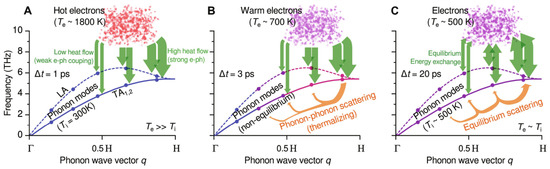
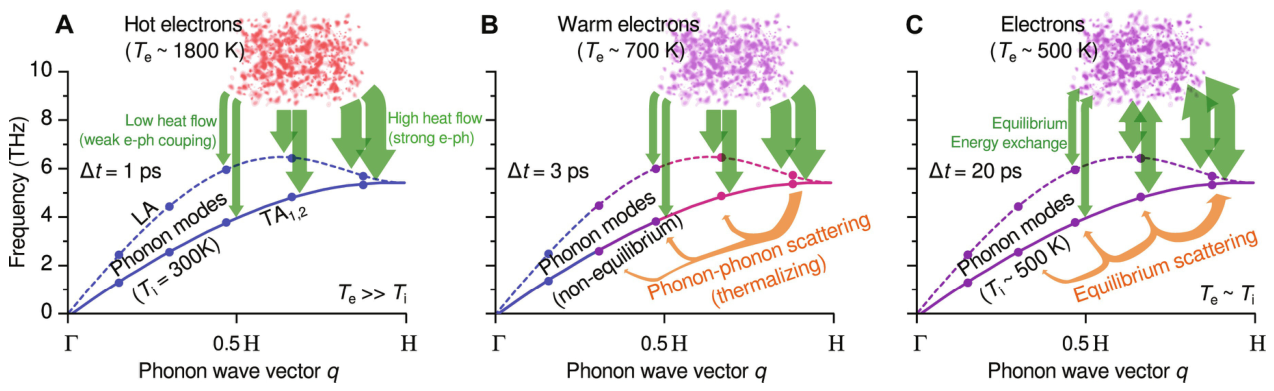
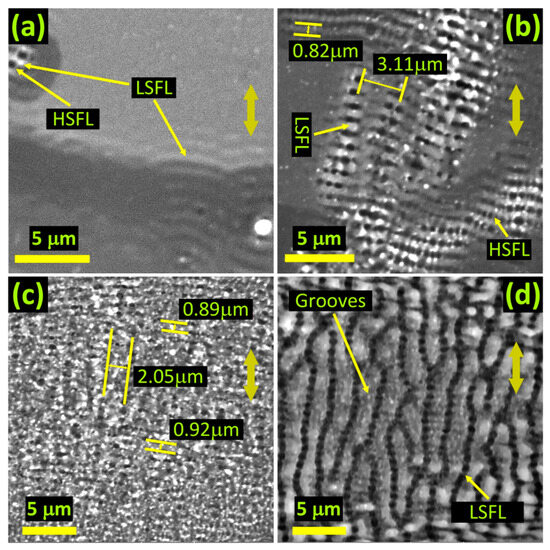
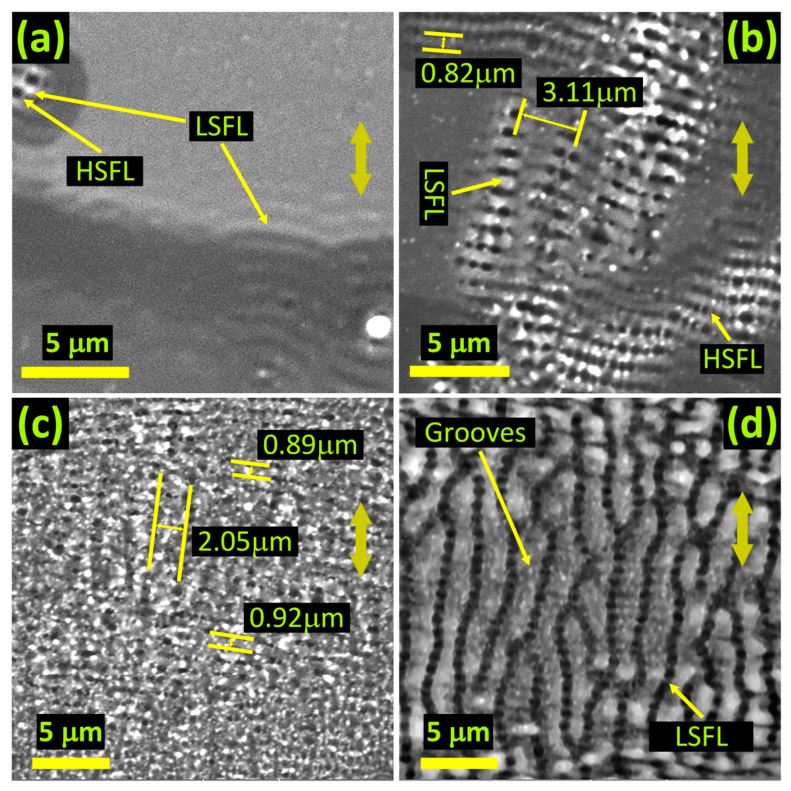
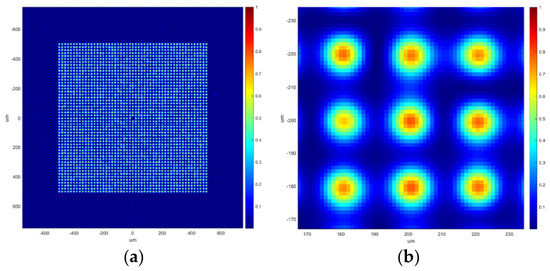
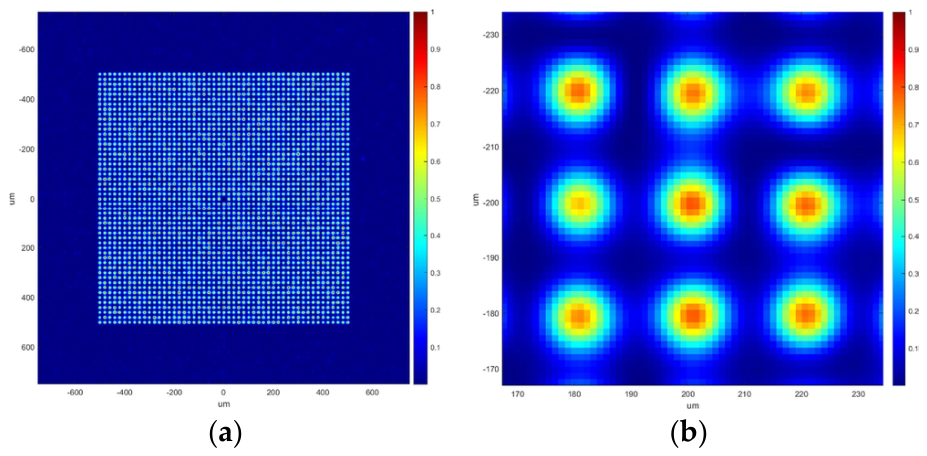
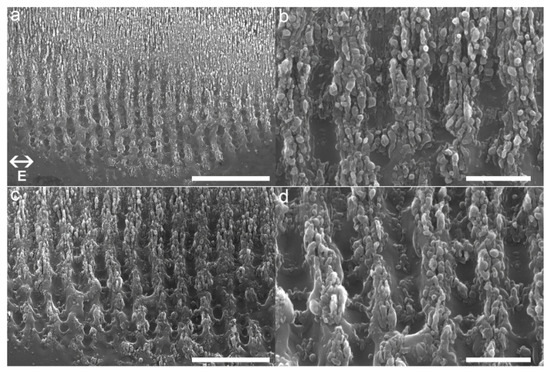
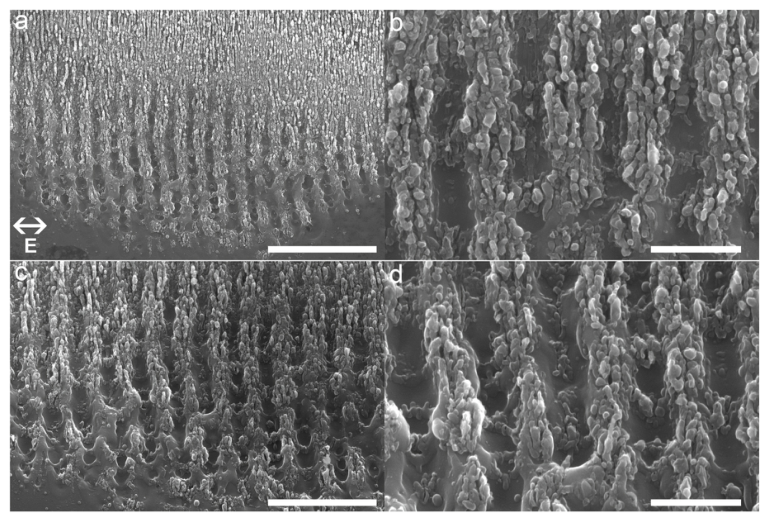
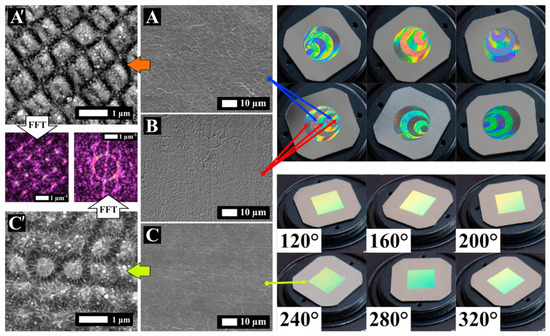
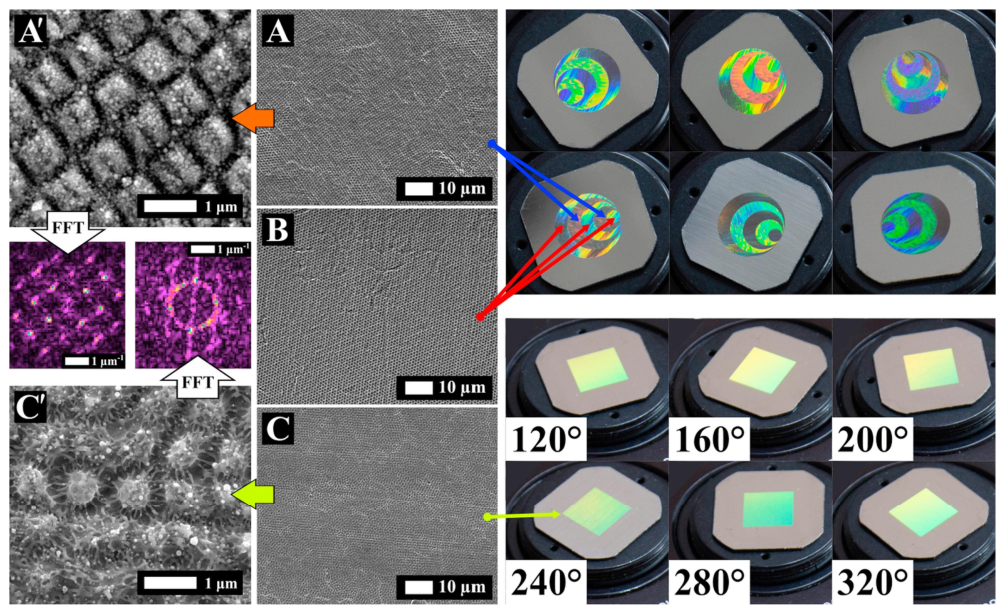
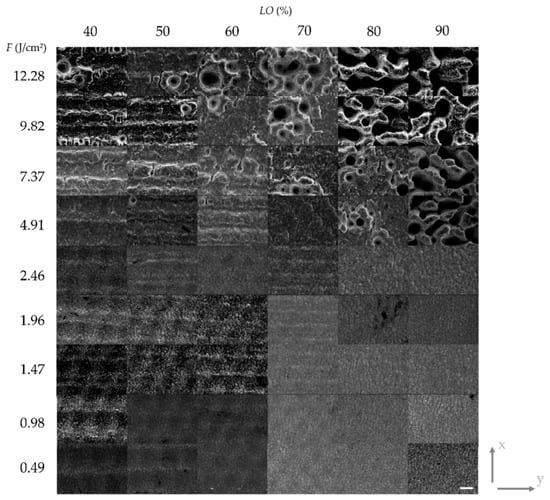
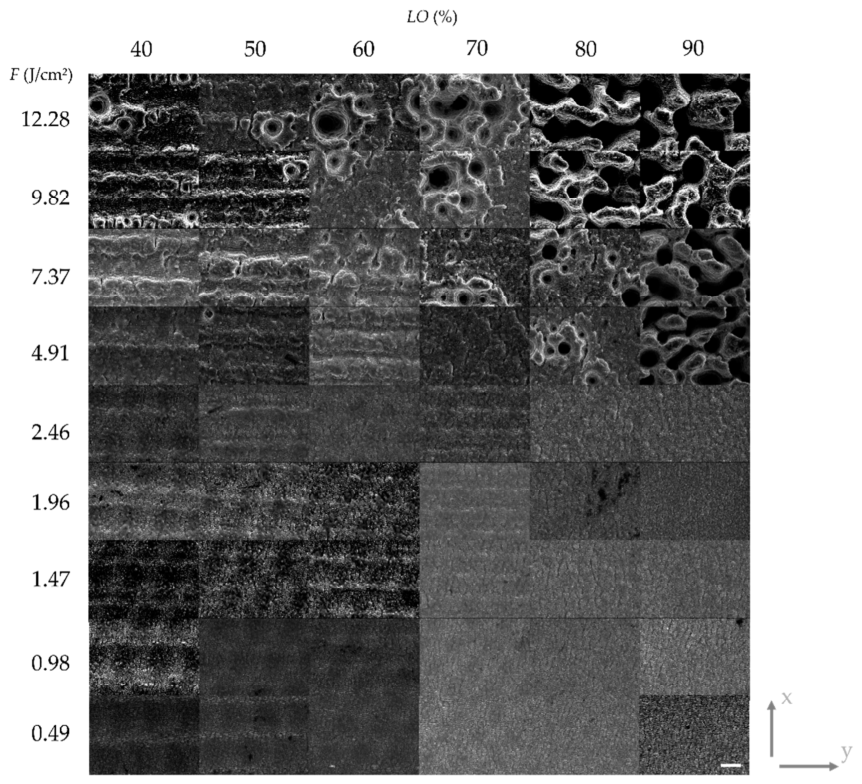
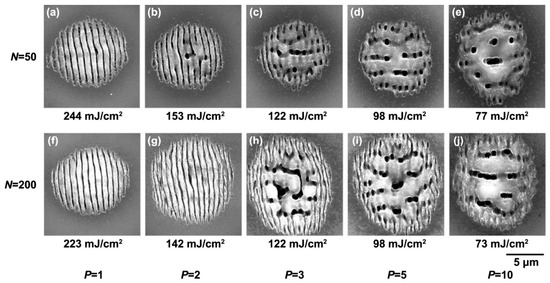
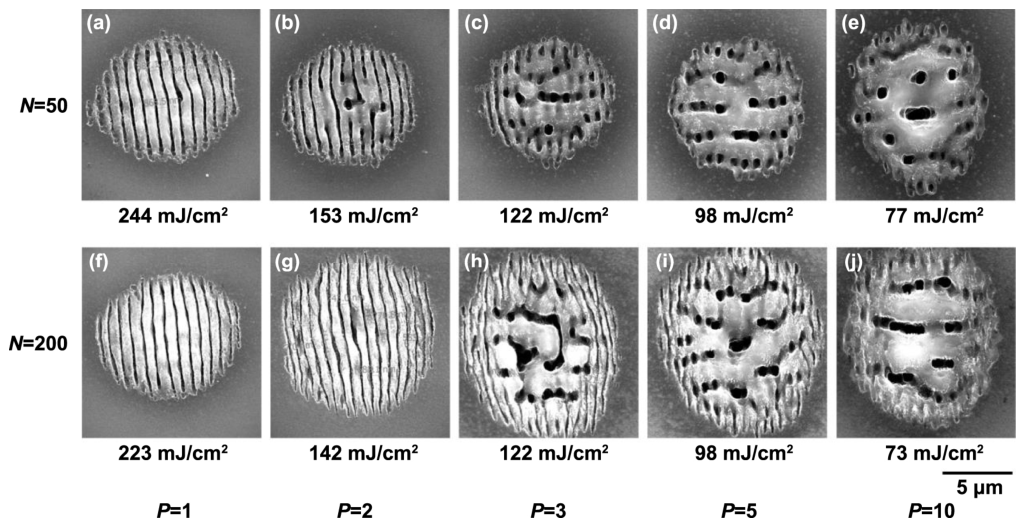
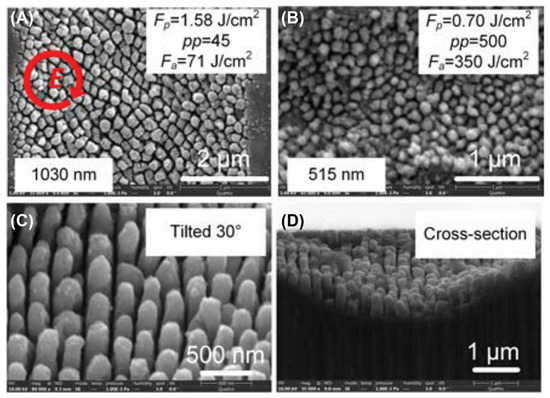
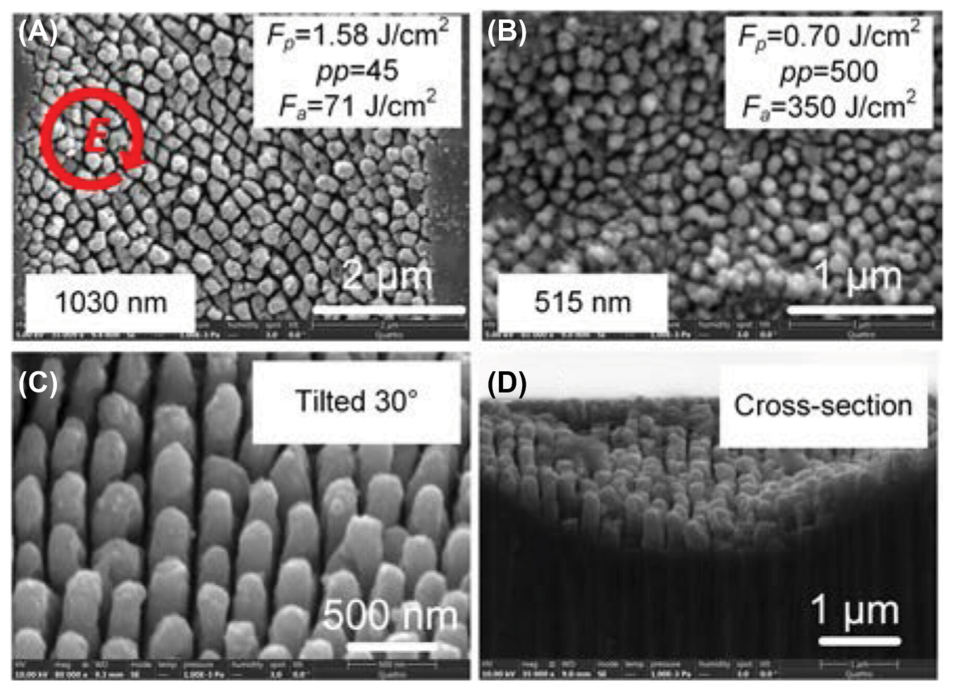
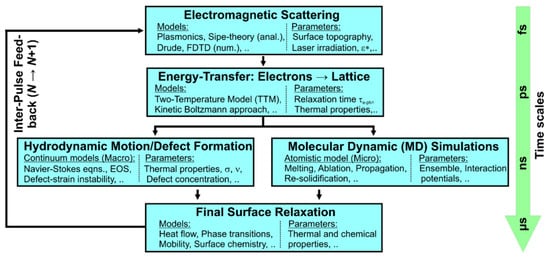
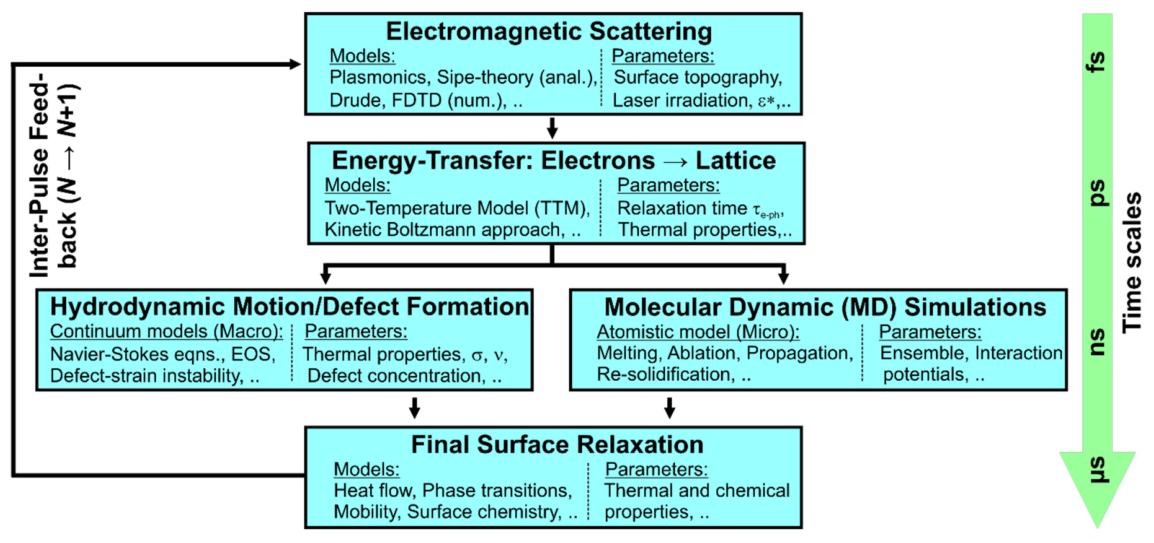
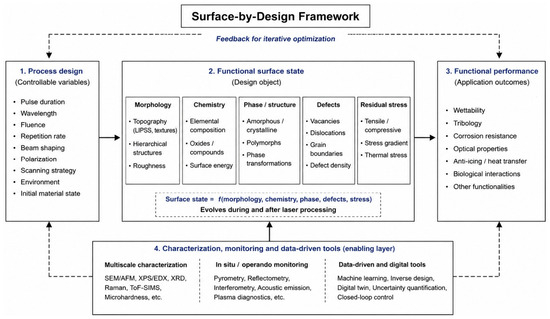
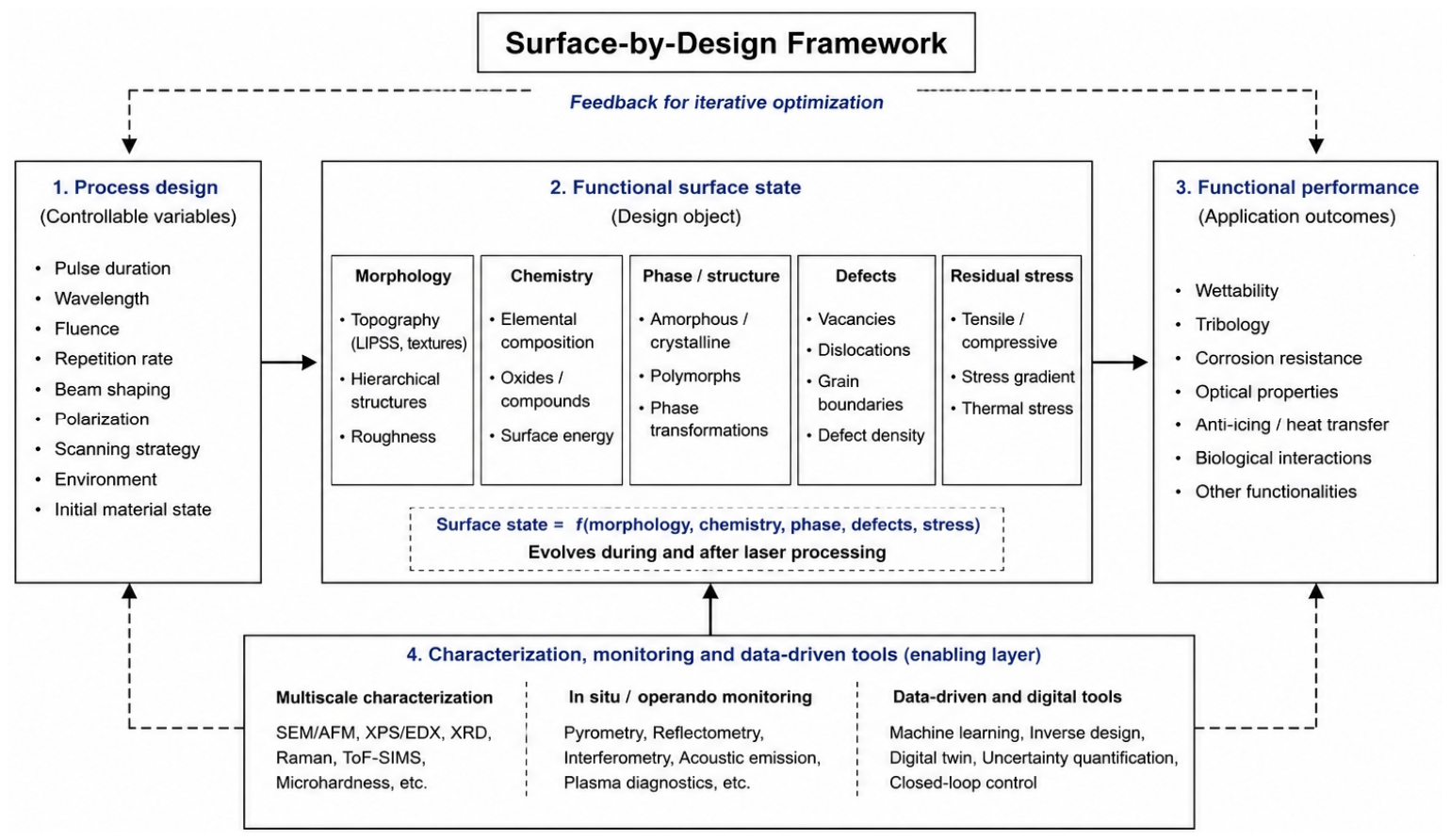

Disclaimer/Publisher’s Note: The statements, opinions and data contained in all publications are solely those of the individual author(s) and contributor(s) and not of MDPI and/or the editor(s). MDPI and/or the editor(s) disclaim responsibility for any injury to people or property resulting from any ideas, methods, instructions or products referred to in the content. |
© 2026 by the author. Licensee MDPI, Basel, Switzerland. This article is an open access article distributed under the terms and conditions of the Creative Commons Attribution (CC BY) license.