


Highlights
What are the main findings?
- Thermal, restraint, and organizational stresses correspond to TGM, MCM, and PTM, while process, material, and geometric factors jointly govern residual stress and deformation.
- Four prediction approaches and four mitigation routes are systematically compared in terms of accuracy, efficiency, applicability, and control effectiveness.
What are the implications of the main findings?
- The findings clarify the formation and evolution of residual stress and deformation and support systematic control of process, material, and geometric variables.
- The review guides the selection of suitable measurement, prediction, and mitigation methods to reduce residual stress and improve dimensional accuracy.
Abstract
Metal additive manufacturing (MAM) enables the fabrication of geometrically complex and high-performance components but is accompanied by steep thermal gradients, repeated thermal cycling, phase transformation, residual stress, and deformation. These effects can reduce dimensional accuracy, manufacturing stability, fatigue resistance, and service reliability. This review systematically examines residual-stress and deformation behavior in MAM from the perspectives of formation mechanisms, influencing factors, measurement and prediction methods, mitigation strategies, and service-related consequences. The temperature gradient, mechanical constraint, and phase transition mechanisms are discussed as quantitatively coupled rather than independent processes. Comparative attention is given to process-specific differences, alloy-dependent thermophysical and metallurgical behavior, multi-track and multi-material interactions, and complex geometries. Destructive and non-destructive measurement techniques are compared in terms of penetration depth, spatial resolution, uncertainty, and cross-validation. Thermo-mechanical finite element, inherent strain, analytical, reduced-order, machine-learning, physics-informed, and digital-twin approaches are evaluated according to accuracy, efficiency, transferability, and applicability. Mitigation strategies are further compared considering residual-stress reduction, deformation control, manufacturing cost, and mechanical-property retention. Finally, challenges associated with uncertainty quantification, service environments, post-machining stress redistribution, and closed-loop control are identified. This review provides an integrated framework for selecting measurement, prediction, and mitigation approaches for reliable and high-precision MAM.
1. Introduction
Additive manufacturing (AM) is an advanced manufacturing technology that directly fabricates parts based on digital three-dimensional models through layer-by-layer material deposition [1,2]. Compared with traditional manufacturing methods such as casting, forging, and machining, AM offers several advantages, including high design freedom, high material utilization, short manufacturing cycles, and strong near-net-shape forming capability [3,4]. This technology enables the fabrication of complex internal cavities, lightweight lattice structures, topology-optimized components, and functionally graded structures, thereby overcoming the limitations of traditional manufacturing methods [5,6]. Therefore, AM has attracted extensive attention in aerospace, biomedicine, energy equipment, automotive manufacturing, and other fields [7,8,9,10]. With the increasing demand for lightweight, high-performance, and highly reliable components in advanced equipment, AM is gradually evolving from rapid prototyping toward the manufacturing of high-performance structural components.
Metal additive manufacturing (MAM) is an important branch of AM for the fabrication of metallic components [11]. The heat sources used in MAM processes include lasers, electron beams, arc, and ultrasonic energy, while the feedstock materials are supplied in the forms of powder, wire, and laminates. Different combinations of heat sources and feedstock forms can be used to further distinguish MAM processes [12,13]. As shown in Figure 1a, MAM processes can be broadly classified into powder bed fusion (PBF), directed energy deposition (DED), and sheet lamination according to the energy source and feedstock form. Figure 1b,c illustrate powder-fed and wire-fed DED processes, respectively, whereas Figure 1d,e present the equipment configuration and forming principle of laser powder bed fusion (L-PBF).
Figure 1.
Classification and representative processes of MAM: (a) classification of MAM processes; (b) powder-fed DED [14]; (c) wire-fed DED [15]; (d) L-PBF system [16]; (e) SLM process [17].
Recent studies have demonstrated that residual stress, deformation, and the resulting mechanical performance are strongly dependent on the MAM process and material system. In L-PBF, rapid localized heating and cooling generally produce steep temperature gradients and high residual stresses, whereas the larger melt pool and repeated layer-by-layer thermal cycles in DED and wire arc additive manufacturing (WAAM) result in different heat-accumulation and deformation characteristics. Studies of titanium alloys, steels, aluminum alloys, and nickel-based alloys fabricated by WAAM have shown that heat input, deposition strategy, interlayer temperature, material properties, and post-processing significantly affect thermal history, microstructural anisotropy, residual stress, and mechanical performance [15]. Thangamani et al. [18] investigated laser shock peening of DED-arc-fabricated SS308L and found that this treatment refined the grain structure, reduced porosity, and improved the ultimate tensile strength, yield strength, and hardness, with the bidirectional deposition condition exhibiting the greatest improvement. These findings demonstrate that residual stress, deformation, and their mitigation must be considered in relation to specific processes, materials, deposition strategies, and post-processing conditions.
Although MAM offers advantages in the fabrication of complex metallic components, its forming process still faces a series of quality-control challenges. Among them, residual stress accumulation and the resulting component deformation are key bottlenecks limiting the high-precision fabrication of MAM components. During MAM, localized high-energy heat sources cause materials to undergo rapid melting, solidification, and repeated thermal cycling within a short period, resulting in significant temperature gradients inside the components [19]. Influenced by thermal expansion mismatch, solidification shrinkage, substrate constraint, interlayer thermal cycling, and solid-state phase transformations, substantial residual stresses can develop within the components [20,21,22]. When residual stresses progressively accumulate beyond the component’s capacity to maintain mechanical equilibrium, structural deformation may occur [23]. Structural deformation reduces dimensional accuracy, surface quality, fatigue life, and long-term service stability [24,25]. Therefore, a thorough understanding of the formation mechanisms of residual stress and deformation, together with their effective prediction and mitigation, is essential for improving the manufacturing quality of MAM components.
Several reviews have summarized residual stress and deformation in MAM from different perspectives. Chen et al. [12] reviewed residual-stress formation mechanisms, parameter dependencies, prediction methods, and control approaches. Xie et al. [19] focused on the evolution and mitigation of distortion and residual stress across different AM processes. Bastola et al. [22] provided qualitative and quantitative analyses of residual-stress formation, distribution, measurement, and prevention. More recently, Bian et al. [20] reviewed the evolution of residual stress in selective laser melting, with particular emphasis on process-dependent stress development. These studies have established an important foundation for understanding residual stress and deformation in MAM.
However, several gaps remain. First, residual stress and deformation are often reviewed as separate outcomes, and their coupled evolution from thermal history and mechanical constraint to dimensional instability and component performance has not been sufficiently integrated. Second, the applicability and interaction of the temperature gradient mechanism, mechanical constraint mechanism, and phase transition mechanism across different MAM processes and alloy systems remain unclear. Third, measurement techniques and prediction approaches are frequently discussed independently, with limited comparison of their accuracy, efficiency, spatial resolution, and applicability. Finally, emerging data-driven prediction, physical-field-assisted regulation, and pre-deformation compensation methods have not been systematically connected within a unified framework for residual-stress and deformation control.
To address these gaps, this review establishes an integrated framework linking the formation mechanisms, influencing factors, measurement and prediction methods, mitigation strategies, and performance effects of residual stress and deformation in MAM. The main contributions of this review are as follows. First, the coupled roles and applicability of the temperature gradient mechanism, mechanical constraint mechanism, and phase transition mechanism are systematically examined rather than treating them as independent mechanisms. Second, the effects of process conditions, material properties, microstructure, and geometric constraints are compared across different MAM processes and alloy systems. Third, destructive and non-destructive measurement techniques are evaluated together with thermo-mechanical finite element models, inherent strain methods, analytical and semi-analytical approaches, and emerging machine-learning-based models in terms of accuracy, efficiency, and applicability. Finally, process optimization, material regulation, physical-field assistance, and pre-deformation compensation are integrated into a unified mitigation framework, and future directions involving uncertainty quantification, digital closed-loop control, artificial intelligence, and multi-physics modeling are identified. Figure 2 illustrates the overall framework of this review.
Figure 2.
Overall framework of this review on residual stress and deformation in MAM.
2. Formation and Effects
2.1. Residual Stress
During MAM, rapid localized heating and cooling induce intense thermal cycling within the component, resulting in substantial residual stresses [26]. When these residual stresses progressively accumulate to a level that can no longer be balanced by the internal mechanical constraints of the component, macroscopic deformation, including bending, warping, and twisting, may occur [27]. In general, residual stresses can be classified into three main categories according to their origins: thermal stress, restraint stress, and organizational stress [28].
2.1.1. Thermal Stress
In MAM, the formation of thermal stress mainly originates from the differences in elastic modulus and coefficient of thermal expansion between the substrate and coating materials. This property mismatch leads to non-uniform deformation of the coating during thermal expansion and contraction upon cooling [29]. When a temperature gradient exists within the coating, the thermal expansion and contraction of different regions are mutually constrained, thereby generating thermal stress [30]. Thermal stress can be estimated using Equation (1) [28]:
where E is the elastic modulus of the coating material, Δα is the difference in thermal expansion coefficient between the coating and substrate materials, ΔT is the difference between coating temperature and room temperature, and ν is Poisson’s ratio of the coating material.
This equation indicates that thermal stress is governed by the combined effects of elastic modulus, thermal expansion coefficient mismatch, temperature variation, and mechanical constraint. During heating, regions with a higher coefficient of thermal expansion tend to expand more, whereas they undergo greater contraction during cooling. When this free thermal deformation is restricted by the surrounding solidified material, substrate, or adjacent material, incompatible thermal strains are converted into elastic or plastic stresses. For a deposited material with a higher coefficient of thermal expansion than the substrate, constrained contraction during cooling generally promotes tensile residual stress in the deposited region and compressive stress in the adjacent substrate. The opposite tendency may occur when the deposited material has a lower coefficient of thermal expansion, although the actual stress distribution is also affected by temperature-dependent plasticity, geometry, and phase transformation.
The influence of the thermal expansion coefficient is particularly important in multi-material AM, functionally graded structures, and dissimilar substrate–deposit systems. A large mismatch in thermal expansion coefficients increases interfacial stress concentration and may promote distortion, delamination, and crack initiation during fabrication or subsequent thermal cycling. These defects reduce dimensional stability and provide preferential sites for fatigue-crack initiation, thereby decreasing the service reliability of AM components. Therefore, compatibility of thermal expansion coefficients should be considered in material selection and composition-gradient design, together with appropriate preheating, interlayer temperature control, and post-build heat treatment.
2.1.2. Restraint Stress
During MAM, the coating is constrained by the substrate and the surrounding solidified regions during thermal expansion and contraction upon cooling, thereby generating restraint stress [31]. Restraint stress mainly includes two forms. The first occurs at the initial stage of molten pool formation, when the molten region undergoes thermal expansion but its free expansion is restricted by the surrounding cooler substrate, resulting in compressive stress. The second occurs during solidification and cooling, when the molten metal shrinks but is constrained by the substrate and surrounding solidified material, leading to tensile stress. The continuous accumulation of such stress intensifies stress concentration within the coating and further promotes component deformation [32].
2.1.3. Organizational Stress
During the solidification and crystallization of liquid metal in the molten pool, phase-structure reorganization, crystallographic orientation evolution, and non-uniform microstructural transformation occur within the material, thereby inducing organizational stress [33,34]. As repeated thermal cycling proceeds during MAM, organizational stress continuously accumulates and may gradually approach or exceed the yield strength of the material. When local stress concentration reaches a critical level, microstructural damage is likely to occur within the coating, leading to microscopic defects such as micropores and microcracks. These micropores and microcracks are associated with stress redistribution and degradation of structural integrity. Crystallographic texture evolution is also related to organizational stress because directional heat flow and repeated thermal cycling promote orientation-dependent grain growth. The resulting texture causes the elastic modulus, thermal expansion, yield response, and slip resistance to vary with direction, thereby producing heterogeneous elastic and plastic strain and modifying the local residual-stress field. Columnar or epitaxially grown grains may transmit orientation-dependent strain across successive layers and promote directional stress accumulation, whereas a finer and more equiaxed grain structure generally distributes deformation among a larger number of grain boundaries.
2.2. Deformation
During MAM, component deformation is generally the result of the combined effects of multiple types of residual stresses. Under the coupled action of thermal stress, restraint stress, and organizational stress, the internal stress distribution within the component gradually becomes unbalanced, thereby inducing macroscopic deformation. As shown in Figure 3, according to the dominant type of residual stress and its underlying mechanism, deformation mechanisms in MAM can be classified into three categories: the temperature gradient mechanism (TGM) dominated by thermal stress, the mechanical constraint mechanism (MCM) dominated by restraint stress, and the phase transition mechanism (PTM) dominated by organizational stress. Although these mechanisms are classified separately for clarity, they are not independent during MAM; rather, they may operate simultaneously, and their relative contributions depend on the material system, thermal history, component geometry, and boundary conditions.
Figure 3.
Schematic diagram of deformation mechanisms in MAM.
Within a small-strain thermo-mechanical framework, their coupling can be described by decomposing the total strain increment as [35]:
where Δεe, Δεp, Δεth, and Δεtr denote the elastic, plastic, thermal, and phase-transformation strain increments, respectively. In this framework, TGM determines the non-uniform thermal-strain field, MCM governs the restriction of thermal expansion and contraction, and PTM introduces additional strain associated with solid-state phase transformation. These equations provide a general coupling framework rather than a newly calibrated constitutive model; quantitative application still requires temperature-dependent material properties, phase-transformation kinetics, phase fractions, plasticity parameters, and realistic boundary conditions.
Experimental observations of temperature evolution, deformation, phase constitution, and residual-stress distribution provide mutually consistent evidence for the simultaneous action of TGM, MCM, and PTM. During deposition, steep temperature gradients generate non-uniform thermal strain; the substrate and previously deposited material constrain thermal contraction; and, where applicable, solidification and solid-state phase transformations introduce additional volumetric and plastic strains. The final residual-stress state is therefore the accumulated result of these coupled processes rather than the outcome of a single mechanism.
2.2.1. Temperature Gradient Mechanism
Kruth et al. [36,37,38] proposed the classical TGM to explain deformation and residual stress formation in MAM. As shown in Figure 3, under this mechanism, intense localized heating generates a steep temperature difference between the molten region and the surrounding cooler substrate. Driven by thermal stress, the heated region tends to expand but is constrained by the adjacent substrate, resulting in compressive stress during the heating stage. After the heat source moves away, this region begins to cool and shrink; however, its contraction is restricted by the surrounding material, leading to the formation of tensile residual stress. TGM is broadly applicable to fusion-based MAM because localized heat input inevitably produces spatial and temporal temperature gradients. However, its relative contribution is not identical for all metallic alloys. It is generally more pronounced in materials with low thermal conductivity and under processing conditions involving rapid localized heating and cooling, whereas high thermal conductivity or intensive preheating can reduce the temperature gradient. In transformation-sensitive alloys, thermal strain may also be intensified or partly compensated by phase-transformation strain. Therefore, TGM is a general mechanism, but its magnitude and dominance are material- and process-dependent.
2.2.2. Mechanical Constraint Mechanism
As shown in Figure 3, the MCM mainly involves the thermal expansion of upper layers and their shrinkage during cooling in the layer-by-layer deposition process [39,40]. When a newly deposited layer undergoes thermal expansion, its free expansion is constrained by the underlying solidified layer or substrate, thereby generating compressive stress in the direction opposite to the expansion. During subsequent cooling and contraction, the free shrinkage of the newly deposited layer is also restricted by the underlying coating or substrate, resulting in the formation of tensile residual stress. As the number of deposited layers increases, repeated thermal cycling and restraint stress progressively accumulate layer by layer, eventually leading to macroscopic deformation of the component. The relative contribution of MCM increases when thermal contraction is strongly restricted by a thick or high-stiffness substrate, dense support structures, rigid clamping, large deposited cross-sections, or previously solidified neighboring tracks and layers. Under these conditions, even a moderate temperature gradient may generate substantial residual stress because free shrinkage is prevented. In contrast, TGM becomes relatively prominent when localized heating produces a steep temperature gradient while the structural constraint remains comparatively weak. TGM and MCM therefore act cooperatively: the temperature gradient generates incompatible thermal strain, whereas mechanical constraint determines how much of this strain is converted into residual stress or macroscopic deformation.
2.2.3. Phase Transition Mechanism
As shown in Figure 3, the PTM mainly operates during heating and cooling stages involving solid-state phase transformations, such as the transformation from austenite to martensite in steel [41,42]. Such phase transformations generally involve crystal structure rearrangement and changes in specific volume, thereby causing local volume expansion or contraction in the coating. When this volume change is constrained by the surrounding material, additional transformation stress is generated. With the non-uniform distribution of transformed regions and the continuous progression of thermal cycling, transformation stress gradually accumulates, further altering the residual stress state within the component and potentially inducing local deformation or microstructural damage. The contribution of PTM is strongly alloy-dependent. In alloys undergoing pronounced solid-state transformations, such as steels and titanium alloys, transformation strain can significantly modify the residual-stress distribution. In predominantly FCC alloys such as many Al, Cu, and Ni alloys, martensitic-type transformation strain is generally limited and may be neglected as a first approximation under conventional MAM conditions. Nevertheless, PTM should not be excluded solely according to the room-temperature crystal structure because precipitation, ordering reactions, or metastable phase transformations may still occur during repeated thermal cycling.
Solidification shrinkage initially produces contraction during the liquid-to-solid transition, whereas subsequent solid-state transformations may introduce either expansion or contraction; consequently, the transformation strain may intensify or partially compensate for the tensile stress generated during solidification. Transformation-induced plasticity (TRIP) provides an additional coupling pathway because irreversible strain may develop when phase transformation occurs under an existing stress field, even when the applied stress is below the conventional yield strength [43]. In a detailed constitutive model, this contribution can be incorporated as an additional transformation-plastic strain component.
2.3. Component Performance
Thermal and mechanical residual stresses generated during metal additive manufacturing present highly complex coupled effects that severely degrade component service stability, service life and long-term reliability; thus, systematic elaboration on how residual stress drives various service failure behaviors is required to clarify the performance deterioration mechanism of MAM parts [24,25]. Tensile residual stress is the core driving factor for two typical environmental failure modes of MAM alloys: hydrogen-assisted cracking and stress corrosion cracking.
For hydrogen-sensitive MAM alloys, residual tensile stress significantly elevates their susceptibility to hydrogen-assisted cracking [22]. Hydrogen sources widely cover raw powder contamination, shielding gas impurities, absorbed moisture, in-situ processing atmosphere, post-treatment environments and long-term service media. Tensile residual stress raises local hydrostatic stress fields, accelerates hydrogen enrichment at dislocations, grain boundaries, pores and phase interfaces, and ultimately facilitates microcrack initiation and continuous propagation. The severity of hydrogen embrittlement is jointly governed by alloy strength, hydrogen concentration, microstructural morphology, defect density, residual stress distribution, service temperature and cyclic loading history. Therefore, hydrogen embrittlement evaluation cannot rely solely on residual stress magnitude, but requires coupled analysis of hydrogen transport behavior, microstructural hydrogen trapping, internal residual stress and external applied load [7,25].
Meanwhile, tensile residual stress also greatly accelerates stress corrosion cracking (SCC) when MAM components are exposed to aggressive service environments [15]. Even under low external loads, residual tensile stress provides intrinsic crack driving force, triggering passive film rupture, localized metal dissolution, hydrogen permeation and rapid crack-tip extension. Surface and subsurface tensile residual stress plays a dominant role in SCC initiation, as surface pits, printing roughness and machining marks all act as preferential crack nucleation sites. In contrast, properly introduced surface compressive residual stress can effectively suppress SCC incubation. Nevertheless, SCC is a synergistic result of alloy corrosion susceptibility, corrosive medium, stress magnitude/distribution and exposure duration; residual stress only acts as one critical component of the total effective stress field rather than an independent controlling factor [13,24].
The relationship among mechanical constraint, structural stability, and service life involves an inherent trade-off. Strong constraints imposed by the substrate, support structures, fixtures, or previously solidified layers can suppress macroscopic deformation during fabrication, but they also restrict thermal contraction and promote the retention of residual stress. Conversely, reducing the constraint may facilitate stress release but increase the risk of warping and dimensional deviation. During service, the retained residual stress is superimposed on the externally applied stress, thereby changing the local effective stress and fatigue-crack driving force. Therefore, constraint design should balance deformation control and stress release to maintain dimensional stability, fatigue life, and overall component performance.
3. Influencing Factors
In MAM, the three deformation mechanisms (TGM, MCM, PTM) are associated with the generation and development of three types of residual stress: thermal stress, restraint stress, and organizational stress, respectively. Under the influence of these residual stresses, fabricated components may undergo severe deformation and consequently become unusable. To fundamentally control residual stress and deformation in the components, it is necessary to investigate the factors affecting both phenomena. This review summarizes the effects of process parameters, layer thickness, scanning strategy, material properties, and substrate shape on residual stress and deformation.
3.1. Process Parameters
Process parameters, especially laser power and scanning speed, are among the most direct factors affecting the deformation behavior of MAM components. They mainly regulate the formation and distribution of residual stress by altering the heat input, melt pool size, and cooling rate. In general, higher laser power and lower scanning speed increase the heat input per unit length, leading to a larger melt pool and a lower cooling rate. This can, to some extent, alleviate the non-uniform shrinkage induced by rapid solidification and reduce the residual stress on the surface of the deposited layer [44,45,46,47]. Levkulich et al. [48] investigated the effects of laser power and scanning speed on residual stress evolution and deformation behavior during L-PBF processing of Ti6Al4V. Their results showed that decreasing laser power and increasing scanning speed increased residual stress. In contrast, appropriately increasing laser power or decreasing scanning speed enlarged the melt pool cross-sectional area, reduced the cooling rate, and promoted more uniform shrinkage, thereby contributing to residual stress reduction. Ali et al. [49] also studied the effects of process parameters on residual stress and mechanical properties during SLM processing of Ti6Al4V. Their study indicated that the melt pool size increased with increasing energy input, while reducing laser power decreased the melt pool size and increased the cooling rate. In addition, decreasing the scanning speed reduced the temperature gradient and cooling rate, thereby mitigating residual stress and deformation.
The relationship between laser power and residual stress is generally non-monotonic rather than universally inverse. Within an appropriate process window, increasing laser power may enlarge the melt pool, reduce the cooling rate, and promote more uniform contraction, thereby decreasing residual stress. However, excessive laser power increases the peak temperature, remelting, and heat accumulation and may consequently aggravate residual stress, distortion, or cracking. Conversely, insufficient laser power can generate steep local thermal gradients and lack-of-fusion defects. Laser power should therefore be evaluated together with scanning speed, hatch spacing, layer thickness, material properties, and component geometry [44,45,46,47,48,49].
In addition to nominal heat input, melt-pool fluid dynamics influence residual-stress evolution by redistributing heat and altering melt-pool geometry, solidification conditions, and local thermal gradients. Surface-tension-driven Marangoni convection is generally important under stable conduction-mode melting, whereas recoil pressure and vapor-induced flow become increasingly influential as energy density increases. These flow mechanisms do not directly generate residual stress; instead, they modify heat and mass transfer and thereby affect thermal strain, solidification shrinkage, and the subsequent mechanical response.
The stage and dominant source of residual stress are process-dependent. In fusion-based processes, residual stress mainly develops during localized melting, solidification, and repeated thermal cycling, whereas in Binder Jetting it primarily arises during debinding and non-uniform sintering shrinkage. The principal differences among representative MAM processes are summarized in Table 1.
Table 1.
Process-specific characteristics affecting residual stress and deformation in representative MAM processes.
Under conduction-mode melting, the melt pool is generally shallow and relatively stable, producing a comparatively smooth temperature distribution and more uniform thermal contraction. In the transition regime, increased penetration and intensified circulation produce stronger spatial and temporal variations in the temperature field. Under keyhole-mode melting, recoil pressure and vaporization generate a deep and dynamically unstable melt pool, which may promote localized thermal gradients, non-uniform solidification shrinkage, pore formation, and stress concentration. Nevertheless, this relationship is not strictly monotonic because elevated heat input may also facilitate high-temperature plastic deformation and local stress relaxation. The influence of melting mode should therefore be evaluated through the coupled evolution of melt-pool flow, temperature distribution, solidification behavior, and mechanical constraint [42].
Hatch spacing determines the overlap between adjacent melt tracks and thus influences local remelting, heat accumulation, bonding quality, and stress uniformity. Excessive hatch spacing may cause insufficient overlap, lack-of-fusion defects, and non-uniform contraction, whereas an excessively small spacing increases repeated heating and heat accumulation. The nominal volumetric energy density is commonly expressed as Ev = P/(vht), where P, v, h, and t denote laser power, scanning speed, hatch spacing, and layer thickness, respectively. Although Ev is useful for comparing energy input, different parameter combinations can produce the same Ev but different melt-pool geometries, cooling rates, and residual-stress states. Therefore, hatch spacing should be considered independently, while Ev should be regarded as a comparative indicator rather than a universal predictor of residual stress [44].
3.2. Layer Thickness
In addition to laser power and scanning speed, layer thickness is also an important factor affecting residual stress and deformation. For the same build height, a smaller layer thickness generally means a larger number of deposited layers and more frequent thermal cycling. The remelting and reheating processes induced by subsequent layers can help locally release the residual stress that has already formed and weaken the non-uniform shrinkage during single-layer deposition [50]. However, an excessively small layer thickness may also prolong the fabrication time and increase the thermal exposure duration and heat accumulation, thereby potentially intensifying the overall deformation of the component. In contrast, although a larger layer thickness can improve forming efficiency, it increases the deposited volume and solidification shrinkage of each layer, making the interlayer temperature gradient and mechanical constraint more pronounced. This can easily lead to residual stress concentration and dimensional deviation. Therefore, layer thickness should be comprehensively optimized by balancing residual stress control, deformation suppression, forming efficiency, and mechanical properties. Ali et al. [49] studied the effect of layer thickness on residual stress and mechanical properties in SLM of Ti6Al4V. Their results indicated that changes in layer thickness significantly affected the residual stress level. Although increasing the layer thickness could reduce residual stress, it impaired the mechanical properties of the material, suggesting that layer thickness optimization should consider both stress control and forming quality.
Repeated reheating by subsequently deposited layers can induce thermal softening, plastic strain accumulation, and partial stress relaxation in the previously solidified material. However, the resulting stress redistribution is not necessarily monotonic: moderate reheating may reduce local tensile residual stress, whereas excessive heat accumulation may enlarge the high-temperature region and increase overall distortion. Under the conditions investigated by Mukherjee et al. [35], increasing the number of deposited layers from two to four reduced the maximum longitudinal and through-thickness residual stresses by approximately 20% and 30%, respectively. These values are nevertheless specific to the investigated material, geometry, and processing conditions.
Accordingly, no universal optimum layer thickness can be specified for balancing productivity and residual-stress reduction. A smaller layer thickness generally reduces the deposited volume and shrinkage per layer but increases the number of thermal cycles and fabrication time. A larger layer thickness improves productivity but may intensify interlayer thermal gradients, solidification shrinkage, surface roughness, and defect susceptibility. The optimum value should therefore be determined within the qualified process window for a specific material–machine–geometry combination through multi-objective optimization of residual stress, distortion, density, mechanical properties, surface quality, and build efficiency [35,49,50].
3.3. Scanning Strategy
Different scanning paths alter the direction travel of the laser heat source, scan vector length, interlayer rotation angle, and local heat accumulation behavior, thereby affecting the temperature gradient, melt pool overlap, and solidification shrinkage direction [51,52]. When the scan vector is excessively long or scanning proceeds continuously in a single direction, heat and residual stress tend to accumulate along a specific direction, resulting in non-uniform stress distribution and greater component deformation [53,54]. In contrast, strategies such as partition scanning, staggered scanning, rotational scanning, and spiral scanning can shorten the single scan vector, disperse heat input, and weaken the directional accumulation of stress, thereby improving residual stress distribution and reducing deformation [55,56]. Wang et al. [57] investigated the effects of different partition scanning strategies on the density, residual stress distribution, and deformation behavior of 316L stainless steel parts fabricated by SLM. The results showed that the spiral partition scanning strategy could effectively improve residual stress distribution and control part deformation, with the in-plane residual stresses σx and σy controlled within 204 MPa and 103 MPa, respectively. Strantza et al. [58] studied the effects of island scanning and continuous scanning strategies on the three-dimensional residual stress state in L-PBF of Ti6Al4V. Their results revealed that different scanning strategies significantly changed the residual stress distribution, and higher residual stress appeared near the edge regions of the island-scanned samples, indicating that scanning strategy has a direct effect on local stress concentration.
During multi-track deposition, residual stress does not accumulate independently within each track. After the first track solidifies and cools, deposition of an adjacent track reheats the previously formed material and may partially remelt or thermally soften the overlap region. This reheating can release or redistribute the residual stress generated by the preceding track. Subsequent cooling and constrained contraction of the newly deposited track then generate additional tensile stress, particularly near the overlap boundary and heat-affected region. Repeated track overlap therefore produces a spatially non-uniform and path-dependent residual-stress field. The extent of redistribution depends on overlap ratio, hatch spacing, scan-vector length, inter-track time, melt-pool dimensions, and scanning direction. Insufficient overlap may cause weak bonding and localized stress concentration, whereas excessive overlap increases repeated heat input, remelting, and heat accumulation. An appropriate overlap can improve thermal continuity and reduce abrupt stress gradients, although no universally optimum value can be defined independently of the process, material, and component geometry [57].
Scan vector length affects residual-stress accumulation by changing the duration of continuous heat input and the directionality of thermal contraction. Longer scan vectors generally promote directional heat and tensile-stress accumulation, whereas shorter vectors interrupt continuous heating and distribute contraction among smaller regions. Nevertheless, a universal quantitative relationship has not been established because the effect is coupled with laser power, scanning speed, hatch spacing, island size, interlayer rotation, component dimensions, and boundary constraints. Scan vector length should therefore be evaluated relative to the characteristic dimensions of the scanned region rather than as an isolated absolute value [51,52,53,54,55,56].
Island-size optimization and interlayer rotation control different aspects of thermal-stress accumulation. Reducing island size shortens the continuous scan vector and limits local heat accumulation, whereas interlayer rotation redistributes the principal heat-flow and contraction directions between successive layers. Neither strategy is universally superior. Excessively small islands can introduce frequent starts and stops, local reheating, and stress concentration at island boundaries, while rotation alone may be insufficient when scan vectors remain excessively long. A combined optimization of island size, scanning sequence, and interlayer rotation is therefore preferable [55,56,57,58].
3.4. Material Properties
Unlike process parameters, which mainly regulate the external heat input, material properties such as thermal conductivity, specific heat capacity, density, coefficient of thermal expansion, elastic modulus, and yield strength determine heat transfer, temperature gradient formation, and the degree of thermal expansion/contraction [59]. Wu et al. [60] investigated the effects of different materials and thermo-mechanical variables on residual stress in WAAM, and ranked the influencing factors based on 243 residual stress datasets and machine learning methods. The results showed that, among the thermo-mechanical variables, the difference between solidus temperature and preheating temperature, the product of elastic modulus and coefficient of thermal expansion, molten-pool volume, substrate stiffness, and heat input were the main factors governing residual stress evolution. Park et al. [61] studied the influence of material properties on angular distortion in WAAM. Their results indicated that the coefficient of thermal expansion, density, specific heat capacity, thermal conductivity, elastic modulus, and yield strength all affected angular distortion under different heat input conditions. Among them, density and specific heat capacity had relatively significant effects on angular distortion, while the coefficient of thermal expansion played an important role in deformation under lower-heat-input conditions.
In addition to classification by manufacturing process, residual-stress behavior can be compared according to alloy system because thermal conductivity, coefficient of thermal expansion, high-temperature strength, phase stability, and transformation kinetics determine the relative contributions of TGM, MCM, and PTM. Representative alloy-dependent tendencies are summarized in Table 2. These tendencies are qualitative rather than universal because the final stress state also depends on process conditions, geometry, and constraint.
Table 2.
Representative alloy-dependent characteristics affecting residual stress and deformation in MAM.
At the microstructural scale, crystallographic texture and grain morphology further modify the alloy-dependent stress response. Directional solidification commonly produces columnar and epitaxial grains aligned with the heat-flow direction. Because elastic stiffness, thermal expansion, yield behavior, and slip activity may be crystallographically anisotropic, neighboring grains can develop different elastic and plastic strains under the same thermal cycle. This incompatibility promotes residual-stress localization near grain boundaries, texture-transition regions, and columnar-to-equiaxed transition zones. Epitaxial continuity across layers can also transmit directional deformation over a larger distance, whereas grain refinement and orientation dispersion generally reduce the spatial coherence of strain localization [34].
In functionally graded and compositionally graded materials, spatial variations in thermal conductivity, coefficient of thermal expansion, elastic modulus, transformation temperature, and phase constitution produce position-dependent thermal and transformation strains. A gradual compositional transition can reduce the abrupt mismatch found at a sharp dissimilar-material interface, but repeated changes in local composition and thermal history may still generate asymmetric stress accumulation and distortion. Consequently, residual-stress evolution in graded materials must be evaluated as a coupled function of composition gradient, deposition sequence, local phase evolution, and structural constraint [12].
3.5. Substrate Shape
The substrate not only serves as the supporting structure for the deposited material but also directly affects heat conduction paths, boundary constraint conditions, and the overall structural stiffness. When the substrate is thicker or has higher stiffness, it imposes stronger constraints on the cooling shrinkage of the deposited layer. Although this can suppress macroscopic deformation to some extent, it also makes residual stress more likely to be retained near the deposited layer/substrate interface [62]. In contrast, thinner or less stiff substrates can release part of the thermal stress through bending deformation, but they may increase the risk of dimensional deviation. In addition, complex geometries, such as asymmetric substrates or structures with sharp corners, curved features, and abrupt cross-sectional changes, can lead to non-uniform local heat dissipation and heat accumulation, causing residual stress to concentrate at corners, edges, or regions with sudden changes in cross section. Therefore, substrate design should balance structural stiffness, heat dissipation capacity, constraint intensity, and deformation release. Corbin et al. [63] investigated the effects of substrate thickness and preheating conditions on deformation behavior during laser deposition of Ti6Al4V. The results showed that substrate thickness significantly changed the deformation tendency during deposition: preheating could reduce deformation accumulation in thin substrates, but it might increase the deformation of thick substrates during the deposition and cooling stages. Lu et al. [64] studied residual stress and deformation behavior in rectangular and S-shaped Ti6Al4V components fabricated by DED. Their results indicated that complex or asymmetric geometries significantly affected the mechanical response of the components. The asymmetry of the S-shaped structure induced transverse deformation and changes in residual stress. Meanwhile, large residual stress concentrations were likely to form at the wall corners of the rectangular structure due to local heat accumulation and higher thermal gradients.
Lattice structures and topology-optimized components exhibit residual-stress and deformation behavior different from that of solid components. Their thin struts, curved surfaces, overhangs, junctions, and high surface-to-volume ratios produce non-uniform heat dissipation and rapidly changing local constraint conditions. Residual stress can concentrate at nodes, strut intersections, thickness transitions, and support-connection regions, while the relatively low global stiffness of lightweight structures increases their sensitivity to warping and springback after support or substrate removal. Consequently, equivalent bulk-material assumptions may be insufficient, and local scan-path planning, support design, geometry-aware simulation, and post-removal deformation prediction should be considered [5].
In summary, residual stress and deformation in MAM result from the combined effects of multiple factors, including process parameters, scanning strategy, layer thickness, material properties, and substrate shape. These factors mainly alter the formation and release of residual stress by affecting heat input, temperature gradients, heat accumulation, and constraint conditions. Figure 4 shows the effects of various influencing factors on residual stress and deformation. Table 3 summarizes the main factors affecting residual stress and deformation in MAM and their corresponding mechanisms.
Figure 4.
Factors affecting residual stress and deformation: (a) Laser power [44]; (b) Scanning speed [65]; (c) Layer thickness [65]; (d) Scanning strategy [55]; (e) Material properties [66]; (f) Substrate shape [62].
Table 3.
Factors affecting residual stress and deformation.
4. Prediction Methods
4.1. Measurement Methods
Residual stress measurement methods are generally classified into destructive and non-destructive techniques according to the degree of damage introduced to the specimen [74,75]. Destructive methods mainly include the sectioning method, layer removal method, crack compliance method, contour method, and hole drilling method, as shown in Figure 5a–e. Their basic principle is to release the internal residual stress of a component by cutting or removing material, and then infer the original stress state from the deformation after stress release [76]. These methods can provide residual stress distributions over relatively large depths or cross-sectional regions, but they inevitably damage the specimen and usually involve relatively complex testing procedures [77]. Non-destructive measurement methods mainly include X-ray diffraction, neutron diffraction, magnetic noise, and ultrasonic methods [22,78], as shown in Figure 5f–i. Among them, X-ray diffraction calculates residual stress based on changes in lattice spacing and is suitable for high-accuracy surface stress measurement, but its penetration depth is relatively shallow. Neutron diffraction has strong penetration capability and can be used to characterize internal residual stress, but it relies on large-scale testing facilities and involves high testing costs. Magnetic noise and ultrasonic methods are suitable for rapid, large-area non-destructive testing, but their measurement accuracy is easily affected by material microstructure, phase composition, and calibration conditions. Therefore, in residual stress measurement of MAM components, factors such as measurement depth, spatial resolution, material type, component geometry, testing cost, and whether specimen damage is allowed should be comprehensively considered. Table 4 compares the characteristics of various residual stress measurement methods and Figure 6 illustrates the spatial resolution and penetration depth of residual stress measurement methods.
Figure 5.
Schematic diagrams of various residual stress measurement methods: (a) Sectioning method [79]; (b) Layer removal method [80]; (c) Crack compliance method [81]; (d) Contour method [82]; (e) Hole drilling method [83]; (f) X-ray diffraction method [84]; (g) Neutron diffraction method [85]; (h) Magnetic noise method [86]; (i) Ultrasonic method [87].
Table 4.
Comparison of residual stress measurement methods.
Figure 6.
Spatial resolution and penetration depth of residual stress measurement methods.
No universal residual stress measurement method can satisfy all test demands, so complementary multi-technique characterization is recommended according to penetration depth, spatial resolution, component geometry and allowable specimen damage; XRD suits surface stress testing while neutron diffraction enables deep internal non-destructive measurement, and the contour method provides cross-sectional stress fields via destructive cutting, with standardized cross-validation rules required when comparing diffraction data from different instruments [74,84,85]. Digital image correlation (DIC) cooperates with stress-relief destructive tests to acquire full-field strain data for complex AM parts, yet its precision relies on speckle quality and inverse mechanical models [78]. Synchrotron-based micro-Laue diffraction achieves micrometer-scale microstress characterization near melt pools and defects but is limited by synchrotron equipment and cannot replace full-component measurement [7]. In addition, standardized uncertainty budgets covering instrument error, microstructural heterogeneity and spatial averaging must be reported alongside residual stress test results to guarantee reliable comparative analysis [90].
Compared with measurement methods, residual stress and deformation prediction models can estimate potential stress concentrations and dimensional deviations before component fabrication. Therefore, they play an important role in process optimization and structural design for MAM. At present, the main methods for predicting residual stress and deformation include thermo-mechanical finite element models, inherent strain methods, analytical/semi-analytical models, and machine learning/data-driven models [50,94,95,96,97,98,99].
4.2. Thermo-Mechanical Finite Element Model
The thermo-mechanical finite element model is one of the most commonly used numerical methods for predicting residual stress and deformation in MAM. This model usually first calculates the transient temperature field during the layer-by-layer deposition process using a moving heat source, and then transfers the temperature field to the mechanical analysis as a thermal load to further calculate the thermal strain, plastic strain, residual stress, and component deformation [100]. Its typical workflow is shown in Figure 7. A key advantage is its ability to realistically describe the effects of heat source movement, material melting and solidification, interlayer thermal cycling, and temperature-dependent material properties on residual stress evolution, thereby providing relatively high prediction accuracy. However, this method is sensitive to the heat source model, thermophysical material parameters, boundary conditions, and mesh size. In addition, it involves high computational cost when simulating large-scale components or multi-layer and multi-track deposition processes, making it difficult to meet the requirements of rapid process optimization [59]. In terms of heat source models, commonly used models mainly include the Gaussian surface flux model, hemispherical power density model, ellipsoidal power density model, double ellipsoidal model, conical heat source model, and line heat input model [101,102]. Table 5 summarizes the mathematical expressions of various heat source models.
Figure 7.
Thermo-mechanical finite element analysis in ABAQUS: (a) Boundary conditions; (b) Geometry and mesh design; (c) Flow chart; (d) Results [103].
Table 5.
Common heat source models and corresponding mathematical expressions.
Based on thermo-mechanical finite element models, researchers have carried out extensive studies on the effects of process parameters, scanning strategies, and material systems on residual stress and deformation. Mukherjee et al. [35] established a computational framework combining a three-dimensional transient heat transfer/fluid flow model with a thermo-mechanical model to predict residual stress and deformation in laser-assisted additive manufacturing. The results showed that an accurate transient temperature field is crucial for predicting residual stress and deformation, while layer thickness, material type, and processing parameters significantly affect stress accumulation and component distortion. Ganeriwala et al. [108] developed a thermo-mechanical model for the L-PBF of Ti6Al4V, compared the residual stress distributions under continuous and island scanning strategies, and validated the results using X-ray diffraction measurements. Their study demonstrated that the thermo-mechanical finite element model can effectively predict the residual stress state in L-PBF components; however, more accurate material models and thermal history descriptions are still required to capture local stress concentrations caused by complex scanning strategies.
Reduced-order models can substantially decrease the computational cost of full thermo-mechanical FEM by projecting high-dimensional temperature, displacement, or stress fields onto a lower-dimensional representation. They are particularly suitable for repeated parameter evaluation, process optimization, real-time prediction, and digital-twin applications. However, their accuracy generally depends on snapshots or calibration data generated within a predefined process and geometry domain and may deteriorate for new materials, geometries, boundary conditions, phase transformations, or highly localized stress concentrations. Therefore, reduced-order modeling cannot currently replace full thermo-mechanical FEM in general applications; instead, it should be used as a rapid surrogate supported by high-fidelity simulation and experimental validation [99].
4.3. Inherent Strain Method
The inherent strain method (ISM) is a commonly used equivalent modeling approach for the rapid prediction of residual stress and deformation in MAM. This method treats the irreversible strain induced by non-uniform plastic deformation, thermal gradients, phase transformation, and other factors during the forming process as inherent strain, which is then introduced into a macroscale finite element model as initial strain to calculate the residual stress and deformation of the component [109,110]. Compared with the full thermo-mechanical finite element models, ISM does not require accurate track-by-track and layer-by-layer simulation of laser scanning, melt pool evolution, and transient temperature fields. Therefore, it has higher computational efficiency and is suitable for rapid deformation prediction and process optimization of large and complex components [111]. However, the prediction accuracy of this method strongly depends on the extraction and calibration of inherent strain parameters, which are often affected by material type, scanning strategy, layer thickness, geometric size, and boundary constraint conditions. When the component geometry or process conditions change significantly, the calibrated inherent strain parameters may be difficult to transfer directly. Therefore, this method still has certain limitations in describing complex thermal histories, local stress concentrations, and the accurate prediction of residual stress [112].
Based on ISM, researchers have mainly focused on rapid deformation prediction, residual stress estimation, and model accuracy improvement. Li et al. [113] proposed a multiscale finite element modeling method for the rapid prediction of deformation behavior in SLM components and validated the model against experimental results under different scanning strategies. The results showed that ISM could significantly reduce computational cost and effectively predict the overall deformation trend of components. Dong et al. [95] proposed a modified inherent strain (MIS) method, as shown in Figure 8, to improve the prediction accuracy of residual stress and deformation in L-PBF. Their study indicated that applying inherent strain to a part-scale layer-by-layer finite element model and introducing high-temperature mechanical properties related to the inherent strain extraction process could improve residual stress prediction while maintaining deformation prediction efficiency.
Figure 8.
MIS-based part-scale simulation: (a) Geometry and mesh design; (b) Heat source model; (c) Boundary conditions; (d) Analysis workflow [95].
The direct transferability of inherent strain parameters between different machines is generally limited. Even when the nominal laser power, scanning speed, hatch spacing, and layer thickness are identical, differences in laser calibration, beam diameter, energy distribution, scanning dynamics, shielding-gas flow, substrate fixation, preheating conditions, and powder-bed characteristics can produce different thermal histories and inherent strains. Machine-specific recalibration is therefore usually required. Transferability may be improved by normalizing the parameters using physically meaningful quantities, such as effective energy input, melt-pool dimensions, cooling rate, and constraint stiffness, followed by calibration using a limited number of representative experiments [94].
4.4. Analytical/Semi-Analytical Model
Analytical/semi-analytical models represent another important category of methods for the rapid prediction of residual stress and deformation. These models are generally based on fundamental physical relationships, such as moving heat source theory, heat conduction equations, thermo-elastoplastic relations, and force and moment equilibrium conditions, to simplify the solution of temperature fields, thermal stresses, residual stresses, or deformation during MAM [96,114]. Among them, analytical models mainly establish the relationships among process parameters, material properties, and stress/deformation responses through closed-form solutions or explicit mathematical expressions. In contrast, semi-analytical models usually combine analytical temperature fields, simplified heat source solutions, or empirical correction terms with numerical stress-solving procedures to improve model applicability and computational efficiency [115], and their algorithmic workflow is shown in Figure 9. Compared with thermo-mechanical finite element models, analytical/semi-analytical models offer faster computational and clearer physical interpretation. They can readily reveal the effects of laser power, scanning speed, layer thickness and material thermophysical parameters on residual stress and deformation, making them suitable for parameter sensitivity analysis, preliminary process optimization, and rapid evaluation of large-scale components [116]. However, these models usually require certain simplifications of geometric structures, boundary conditions, material behavior, melt pool morphology, and scanning paths. Therefore, they cannot accurately describe the three-dimensional transient thermal history, local stress concentration, multi-track remelting, and non-uniform microstructural evolution in complex components. As a result, their prediction accuracy and applicability still depend on model assumptions and experimental/numerical validation [97].
Figure 9.
Semi-analytical model: (a) Heat source model; (b) Boundary conditions; (c) Algorithm flow; (d) Result verification [117].
Based on analytical/semi-analytical models, researchers have mainly focused on rapid residual stress estimation, analysis of process parameter effects, and prediction of stress distributions in large-scale components. Fergani et al. [96] proposed a physics-based analytical model to evaluate residual stress in MAM. This model considered the multi-track deposition characteristics, first predicted the temperature response induced by the thermal process, and then calculated residual stress through thermal stress analysis; the model was further validated using experimental results. Mirkoohi et al. [114] developed an analytical residual stress model for L-PBF. In their model, a transient moving point heat source was used to calculate the temperature field, and the thermal stress induced by the high temperature gradient near the melt pool was further considered for the rapid prediction of residual stress inside L-PBF components. Khan et al. [116] further developed a part-scale analytical model for L-PBF to calculate the through-thickness longitudinal residual stress distribution in components made of different alloys. The results showed that this model could predict residual stress distributions in both small and large components at a relatively low computational cost, and could serve as a tool for rapid design and process parameter screening. Yang et al. [115] proposed an efficient residual stress prediction method based on a semi-analytical solution. By simplifying the analytical solution of the heat conduction equation and establishing a new temperature field model, the temperature field was directly input into the stress field model, thereby avoiding the numerical solution of the temperature field in full thermo-mechanical coupled simulations and improving the efficiency of residual stress simulation.
4.5. Machine Learning/Data-Driven Model
Machine learning/data-driven models have recently emerged as methods for rapidly predicting residual stress and deformation in MAM. These models usually take experimental measurement data, finite element simulation data, process parameters, material properties, geometric features, or in situ monitoring signals as inputs, and establish nonlinear mapping relationships between input variables and residual stress/deformation responses using algorithms such as artificial neural networks, random forests, gradient boosting regression, support vector machines, deep learning, and physics-informed neural networks [98,118]. Compared with traditional thermo-mechanical finite element models, machine learning models do not require repeated complex track-by-track and layer-by-layer thermo-mechanical calculations for each prediction. Therefore, they offer advantages such as rapid prediction, suitability for multi-parameter optimization, and potential for online prediction [119]. In addition, these models can process multi-source data and complex nonlinear relationships, providing a new approach for rapid residual stress evaluation, deformation compensation, and digital twin manufacturing. However, the reliability of machine learning models strongly depends on the quantity, quality, and coverage of training data, while their generalization capability and physical interpretability remain relatively limited. When the material system, component geometry, or process window changes significantly, the model may need to be retrained or recalibrated. Therefore, integrating machine learning with finite element simulation, experimental measurement, and physical constraints is an important direction for improving model prediction accuracy [98,99].
Based on machine learning/data-driven models, researchers have mainly focused on rapid residual stress prediction, identification of key influencing factors, and deformation compensation optimization. Wu et al. [60] investigated residual stress in WAAM by combining mechanistic models and machine learning methods. They analyzed 243 residual stress datasets and used random forest and neural network algorithms to rank the importance of process parameters and thermo-mechanical variables. The results showed that this method could effectively identify the key variables affecting residual stress evolution, providing guidance for process parameter optimization and residual stress control. Hajializadeh and Ince [120] integrated artificial neural networks with finite element analysis to predict the residual stress distribution in the direct metal deposition process, thereby improving computational efficiency while maintaining prediction accuracy. Zhou et al. [121] proposed a three-level data-driven method for continuous tool paths in WAAM to rapidly predict residual thermal stress fields in components with arbitrary geometries, demonstrating the application potential of data-driven models in stress prediction for complex paths and large-scale components. Zhang et al. [99] further combined simplified finite element models, contour-method residual stress measurements, and machine learning algorithms for rapid simulation of residual stress and deformation as well as deformation compensation in L-PBF, as shown in Figure 10. The results showed that this method not only improved the prediction efficiency of residual stress and deformation, but also significantly reduced component warping deformation through inverse compensation of the CAD model.
Figure 10.
Rapid prediction of residual stress assisted by machine learning [99].
Novel data-driven surrogate models including PINNs and GNNs offer distinct advantages for residual stress prediction yet possess inherent limitations: PINNs embed physical governing equations to cut labeled data demand but are mainly limited to melt-pool thermal prediction and face multi-scale, phase-transformation modeling obstacles, only serving as auxiliary tools rather than full thermo-mechanical model replacements, while GNNs excel at irregular geometric field prediction via graph node information transfer but underperform simple parameter regression tasks [98]. Hybrid FEM-machine learning frameworks integrate the physical rigor of finite element simulation with the fast computation of data models by fusing multi-source simulation and experimental data, yet their reliability relies on model fidelity and sufficient training datasets [99]. Digital twin platforms unify multi-physics models, in-situ sensing and adaptive process control for online residual stress monitoring, though real-time synchronization and cross-material model transfer remain bottlenecks [119]. In addition, uncertainty quantification (UQ via Bayesian inference, Gaussian regression and ensemble learning) is indispensable to provide probabilistic prediction intervals instead of single deterministic values, yet high computational cost and scarce calibrated experimental data restrict its widespread application in current MAM research [60].
In summary, the four residual stress/deformation prediction models have different focuses in terms of accuracy, efficiency, and applicability. The thermo-mechanical finite element model provides relatively high accuracy, but involves high computational cost, making it suitable for mechanistic analysis and local high-fidelity simulation. The inherent strain model has higher computational efficiency and is suitable for rapid prediction of large-scale components, but it depends on parameter calibration. Analytical/semi-analytical models offer fast calculation and clear physical meaning, but their prediction accuracy is limited for complex structures. Machine learning/data-driven models provide the fastest predictions and are suitable for parameter optimization and deformation compensation, but they are limited by data quality and generalization capability. In the future, residual stress and deformation prediction models should be further developed toward multi-model fusion, stronger physical constraints and improved interpretability, experiment-simulation-monitoring integration, and engineering-oriented applications. To provide a more direct comparison, Table 6 summarizes the prediction accuracy, computational efficiency, main advantages, limitations, and suitable applications of the four major prediction approaches. A further visual comparison of the four prediction methods in terms of prediction accuracy, computational efficiency, physical interpretability, and engineering applicability is presented in Figure 11.
Table 6.
Comparison of residual stress and deformation prediction methods in MAM.
Figure 11.
Comparison of four residual stress/deformation prediction models: Thermo-Mechanical Finite Element Model [104]; Inherent Strain Method [95]; Analytical/Semi-Analytical Model [117]; Machine Learning/Data-Driven Model [121].
5. Mitigation Strategies
To address residual stress concentration and uncontrolled deformation in MAM, extensive studies have been conducted from the perspectives of process parameter optimization, material system regulation, physical-field assistance, and pre-deformation compensation, and considerable progress has been achieved [122,123,124,125].
5.1. Process Parameter Optimization
Process parameter optimization is one of the fundamental approaches for suppressing residual stress and deformation in MAM. It involves regulating key parameters such as laser power, scanning speed, powder feeding rate, and overlap rate to optimize the heat input, cooling rate, temperature gradient, and thermal cycling behavior of the molten pool, thereby reducing thermal strain accumulation, alleviating residual stress concentration, and suppressing deformation of fabricated components [126]. At present, researchers have mainly carried out studies from two aspects: traditional optimization methods and intelligent optimization methods. Traditional optimization methods mainly include single-factor experiments, theoretical-empirical models, orthogonal experiments, and response surface methodology (RSM). With the development of data-driven methods, intelligent optimization approaches such as artificial neural network (ANN) models, genetic algorithms (GA), backpropagation neural networks (BPNN), non-dominated sorting genetic algorithm II (NSGA-II), and grey wolf optimization (GWO) have also been gradually applied to process parameter optimization. Table 7 summarizes several process parameter optimization methods, evaluation indices, and their corresponding optimal process parameters.
Table 7.
Optimization methods and optimal process parameters.
In terms of traditional optimization methods, Srisungsitthisunti et al. [135] used infrared imaging technology to monitor the effects of single factors, such as laser power, scanning speed, and powder feeding rate, on coating temperature and molten-pool characteristics in real time. Reddy et al. [127] established predictive relationships between process parameters and deposition efficiency, dilution rate, and porosity through a theoretical-empirical model. To improve optimization efficiency, Fan et al. [128] designed an orthogonal experiment and investigated the optimized parameters of the laser cladding process by using coating hardness and dilution rate as comprehensive evaluation indices. Similar to orthogonal experiments, Deng et al. [129] adopted the Taguchi method to analyze the mapping relationships between laser power, spot diameter, overlap rate, scanning speed, and coating microhardness, as well as the effects of interactions among process parameters. To investigate the influence of multiple objectives on coating quality, Gao et al. [130] established mathematical models between laser process parameters and dilution rate, porosity, and microhardness using RSM, and obtained the optimal parameter combination of a laser power of 2700 W, a powder feeding rate of 8 g/min, and a scanning speed of 3 mm/s.
In terms of intelligent optimization methods, Li et al. [131] used a BPNN to establish a prediction model between laser power, scanning speed, powder feeding rate, and the dilution rate of AlCoCrFeNi high-entropy alloy coatings. The results showed that the model exhibited good predictive ability for the dilution rate, with an average relative error of only 5.89%. To further improve prediction accuracy and achieve defect control, Yu et al. [132] combined a GA with a neural network to establish a nonlinear mapping relationship between powder feeding rate, overlap rate, scanning speed, and crack density in nickel-based coatings. The results showed that the overlap rate had the greatest influence on crack sensitivity. For multi-objective optimization, Xiang et al. [133] proposed a GABP-NSGA-II optimization method and investigated the effects of B4C content, laser power, scanning speed, and their interactions on the aspect ratio, cladding angle, and dilution rate of Ti-B4C coatings. They found that the interaction between B4C content and laser power was the most significant. Zhou et al. [134] used GWO-BPNN to establish a prediction model between laser power, scanning speed, powder feeding rate, and the geometric quality of 15-5PH coatings, and further combined it with a genetic algorithm for process parameter optimization.
5.2. Material System Regulation
In terms of material system regulation, researchers have mainly focused on composition optimization, rare-earth modification, and the addition of functionally graded materials (FGMs) [136]. For composition optimization, Tamanna et al. [137] used a thermo-mechanical coupled model to investigate the temperature field, cooling rate, and residual stress distribution of ceramic materials such as Al2O3 and TiC deposited on a Ti6Al4V substrate, as shown in Figure 12a. The results showed that the thermophysical compatibility between the coating material and the substrate has an important influence on residual stress. Lee et al. [138] studied the residual stress and crack initiation behavior of Co-based alloy/WC+NiCr composite laser cladding layers, and pointed out that the differences in microstructure and properties between ceramic reinforcements and the metallic matrix can lead to local stress concentration, as shown in Figure 12c. Zhou et al. [139] investigated the cracking behavior of Ni-based WC composite coatings and found that cracks mainly originated from the coating/substrate interface and were associated with WC particle dissolution, carbide precipitation, and temperature gradients. Ghoussoub et al. [140] further studied the additive manufacturability of Ni-based superalloys in L-PBF from the perspective of alloy composition, and the results indicated that alloy composition significantly affects the susceptibility to solidification cracking and solid-state cracking.
Figure 12.
Schematic diagram of material system regulation: (a,c) Composition optimization: Residual stress distribution in TiC/Ti6Al4V (a), non-clad (c1), 100% stellite#6 overlaid specimen (c2) and 55% Co-based alloy + 45% technolase40s overlaid specimens (c3) [137,138]; (b) Rare earth regulation [141]; (d) Addition of FGMs: Ternary plots representing the feasibility (d1,d2), transition from a predominantly FCC phase to a predominantly BCC phase in FGMs (d3−d7) [142].
For rare-earth modification, Gong et al. [143] investigated the effects of CeO2 on the crack sensitivity and tribological properties of Ni60A coatings. The results showed that an appropriate amount of CeO2 could improve the compatibility between the coating and the substrate, promote grain refinement, and release part of the residual stress during solidification. Feng et al. [141] introduced LaB6 into laser-cladded (Ti3Al + TiB)/Ti composite coatings and found that an appropriate amount of LaB6 could generate in situ nano-La2O3 particles, refine the microstructure, and promote the uniform distribution of secondary reinforcing phases, as shown in Figure 12b. Liu et al. [144] studied the effects of CeO2 on the microstructure and properties of TiC/Ti2Ni-reinforced Ti-based composite coatings, demonstrating that rare-earth addition can improve the microstructural uniformity and overall properties of ceramic-reinforced composite coatings. Xu et al. [145] compared the effects of rare-earth oxides such as CeO2, La2O3, and Y2O3 on the microstructure and properties of laser-cladded layers on 316L stainless steel, further confirming the positive role of rare-earth oxides in grain refinement, molten-pool purification, and coating quality improvement.
For the incorporation of FGMs, Wang et al. [72] investigated the residual stress distribution in laser-cladded functionally graded layers on Ti6Al4V surfaces, and pointed out that material properties such as the coefficient of thermal expansion and elastic modulus have an important influence on residual stress formation. Shah et al. [146] fabricated a 316L/Inconel 718 FGM by laser direct metal deposition, achieving a continuous transition in composition, microstructure, and properties between dissimilar metals. Bobbio et al. [147] prepared FGM from Ti6Al4V to Invar and combined thermodynamic calculations to analyze the harmful phases that may form during the gradient transition, providing a basis for designing gradient pathways for dissimilar materials. Subsequently, Bobbio et al. [142] further designed a gradient transition pathway from 316 stainless steel to Ti6Al4V by introducing intermediate compositions such as Ni-20Cr, Cr, and V, thereby reducing compatibility problems during direct joining, as shown in Figure 12d. Zuback et al. [148] fabricated functionally graded transition joints between ferritic and austenitic alloys, and the results showed that compositional gradients could mitigate abrupt elemental diffusion and improve the joining stability of dissimilar materials.
In multi-material additive manufacturing, residual-stress evolution is governed by spatial variations in thermal conductivity, coefficient of thermal expansion, elastic modulus, yield strength, solidification temperature, and phase-transformation behavior [122]. During heating and cooling, incompatible expansion and contraction between adjacent materials generate interfacial shear and normal stresses. Repeated deposition causes these stresses to accumulate and redistribute across the composition-transition region, while brittle intermetallic phases may further reduce the ability of the interface to accommodate strain. Functionally graded composition paths can alleviate abrupt property mismatches, but their effectiveness depends on gradient length, intermediate composition, deposition sequence, dilution, and interfacial geometry. Accurate analysis therefore requires composition-dependent thermo-mechanical properties and metallurgical transformation models.
Overall, material system regulation is an important approach for suppressing residual stress and deformation. Its core lies in improving the thermophysical properties and microstructural compatibility among the coating, reinforcing phases, and substrate. Composition optimization can improve the microstructure of coatings, but excessive addition of reinforcing phases should be avoided because it may lead to thermal expansion mismatch and stress concentration. The introduction of rare-earth elements can promote molten-pool purification, grain refinement, and uniform distribution of secondary phases, thereby reducing residual stress concentration and improving coating quality. The addition of FGM enables continuous transitions in composition, microstructure, and properties, alleviating mismatches in the coefficient of thermal expansion and elastic modulus between the coating and substrate, thereby reducing interfacial residual stress as well as the risk of deformation and cracking.
5.3. Physical-Field Assistance
In terms of physical-field assistance, researchers mainly introduce thermal fields, ultrasonic fields, electromagnetic fields, and hybrid physical fields to regulate the temperature distribution, flow behavior, solidification microstructure, and stress evolution of the molten pool. Tan et al. [149] systematically summarized the mechanisms of physical fields, such as magnetic, acoustic, thermal, and mechanical fields, in MAM. They pointed out that external fields can alter the heat and mass transfer behavior of the molten pool and the microstructural evolution process, thereby providing a new regulatory approach for residual stress and deformation control. For thermal-field assistance, Fan et al. [150] investigated the effect of synchronous induction heating on the residual stress of thin-walled structures fabricated by DED, as shown in Figure 13a. The results showed that synchronous induction heating can reduce thermal stress during the deposition process, but may increase the local temperature gradient during the cooling stage; therefore, its effect on residual stress regulation is jointly governed by the deposition and cooling stages. Ramineni et al. [151] used X-ray diffraction to investigate the residual stress distribution of IN718 fabricated by heat-bed-assisted L-PBF. In their experiments, the build plate was maintained at 250 °C throughout fabrication. The results demonstrated that the residual-stress state was jointly affected by the build-plate temperature, laser power, and scanning strategy. However, this temperature should be regarded as a process-specific condition rather than a universal threshold for residual-stress reduction.
Figure 13.
Schematic diagram of physical-field assistance: (a) Thermal fields: integrating synchronous induction heating into DED (a1), effect of synchronous induction heating on the thermal stress (a2) and formation mechanism of residual stress (a3) [150]; (b) Ultrasonic fields [152]; (c) Electromagnetic fields: schematic diagram of laser cladding process assisted by ECF (c1), cross-sectional morphologies of coatings (c2) and schematic diagram of the evolution mechanism of the WCP distribution (c3) [153]; (d) Ultrasonic and electromagnetic composite field [154].
For ultrasonic-field assistance, Lai et al. [152] investigated the effects of ultrasonic vibration power and frequency on the residual stress of Fe-based alloy claddings. A representative residual-stress response at one measurement location is shown in Figure 13b. Under their experimental conditions, the minimum residual stress was obtained at an ultrasonic power of 240 W. Increasing the power to 300 W caused the residual stress to increase again. When the ultrasonic power was fixed, a frequency of 28 kHz produced the lowest residual stress, whereas further increasing the frequency to 40 kHz weakened the stress-reduction effect. These results indicate that ultrasonic assistance has an effective parameter window rather than a universally applicable threshold. For electromagnetic-field assistance, Wang et al. [155] studied electromagnetic-field-assisted laser cladding of Fe-based hard alloy coatings. The results showed that electromagnetic stirring could promote the uniform distribution of solute and heat within the molten pool, refine grains, and significantly reduce surface residual stress. Huo et al. [153] prepared IN718/WC composite coatings using electromagnetic compound field-assisted laser cladding and found that the electromagnetic field enhanced Marangoni convection in the molten pool, leading to a more uniform distribution of WC particles, which helped alleviate local microstructural inhomogeneity and stress concentration, as shown in Figure 13c.
With the continuous development of single-field regulation, hybrid field-assisted methods have gradually become a research hotspot. Hu et al. [156] used RSM to investigate electromagnetic-ultrasonic hybrid field-assisted laser cladding, and analyzed the effects of different physical field parameters on cladding quality, providing a basis for parameter optimization of hybrid physical fields. Zhang et al. [154] proposed an ultrasonic-electromagnetic hybrid field-assisted laser cladding method and investigated the effects of the hybrid field on porosity, cracks, surface roughness, microstructural evolution, and mechanical properties of Inconel 718 coatings, as shown in Figure 13d. Their results demonstrated that hybrid physical fields can improve coating quality by synergistically regulating molten-pool flow and solidification microstructure.
Overall, physical-field assistance can reduce temperature gradients, improve molten-pool flow, refine microstructures, and alleviate residual stress concentration from the perspective of process regulation. However, its effectiveness is closely related to field intensity, operating frequency, coupling mode, and material system. In the future, multi-physics simulation, in situ monitoring, and experimental validation should be further combined to reveal the coupled regulation mechanisms of external fields on temperature fields, flow fields, and stress fields.
Substrate preheating delivers uniform bulk thermal regulation while induction heating enables localized dynamic temperature control for residual stress reduction, yet each method has distinct drawbacks and applicable scenarios [150]; there is no universal optimal preheating temperature, and recommended temperature windows for Al, Ti, steel, and Ni alloys are only empirical references, as excessive heating triggers grain coarsening and phase deterioration, requiring multi-objective optimization for specific material-process combinations [151]. In addition, residual stress mitigation conflicts with mechanical performance improvement: high-temperature thermal treatments relieve tensile stress but degrade strength via microstructural coarsening, while retained surface compressive stress benefits fatigue resistance, so residual stress control must be a multi-objective optimization task balancing deformation, microstructure, and service properties [122].
5.4. Pre-Deformation Compensation
Pre-deformation compensation is a feedforward compensation method for deformation control in MAM. Its basic idea is to apply reverse geometric correction to the original CAD/STL model before fabrication according to the predicted or measured deformation trend, so that the fabricated component can approach the target shape as closely as possible after thermal cycling, residual stress release, and cooling shrinkage. According to the compensation basis and modeling strategy, existing methods can mainly be divided into three categories: empirical compensation based on scanning/measurement, compensation based on physical models, and compensation based on data-driven methods.
5.4.1. Compensation Based on Scanning/Measurement
Empirical compensation based on scanning/measurement is one of the most representative technical routes in pre-deformation compensation research. This method improves the dimensional accuracy of subsequent manufacturing by measuring the deviation between the fabricated component and the designed model and then applying reverse correction to the initial geometry. Afazov et al. [157] previously proposed a compensation method for powder bed additive manufacturing based on 3D optical scanning data, as shown in Figure 14a. By measuring the deformation of fabricated components and establishing a pre-deformation mathematical model, they reduced the deformation of Inconel 718 blade and impeller-like parts from approximately ±300 μm to ±65 μm, demonstrating the effectiveness of scan-feedback compensation. Subsequently, Afazov et al. [158] further optimized the calculation method of distortion vectors between two aligned surface meshes and applied it to the compensation of Inconel 718 thin-walled components fabricated by L-PBF. The distortion was reduced from approximately ±400 μm to ±100 μm, while the compensation accuracy in complex feature regions, such as sharp corners and small fillets, was also improved. Jadayel and Khameneifar [159] proposed a compensation strategy based on 3D metrology feedback from multiple sacrificial parts and mesh deformation, pointing out that multiple scans are required to distinguish random errors from systematic errors. The results showed that the compensation model established from the average deviation field of five samples reduced the final component deviation to approximately one-third of that of the original component. Hartmann et al. [160] also adopted a measurement-driven non-rigid geometric transformation method and developed a data-driven framework for geometric deviation compensation in batch production. They indicated that systematic deviations can be corrected through geometric compensation, whereas random scatter should be separated at the statistical level.
Figure 14.
Flowchart of pre-deformation compensation: (a) Geometric compensation based on 3D optical scanning [157]; (b) NURBS-based geometric compensation model [161]; (c) Physical model compensation [162]; (d) Data-driven deformation compensation [163].
5.4.2. Compensation Based on Physical Models
In addition to empirical compensation based on scanning/measurement, feedforward geometric compensation methods combined with physical prediction models have also received extensive attention. Such methods usually first predict component deformation using an inherent strain model or other rapid simulation approaches, and then inversely map the predicted results to the initial CAD geometry to realize pre-compensation design before fabrication. Zhang et al. [161] proposed a compensation method for native NURBS geometry based on a rapid distortion prediction model using the inherent strain approach, as shown in Figure 14b. Compared with direct compensation of STL meshes, this method is better suited to maintaining the accuracy of CAD features, and its improvement in geometric tolerances, such as flatness and cylindricity, was verified in two case studies. Afazov et al. [164] proposed a right-first-time compensation strategy for Inconel 718 thin-walled manifold structures. They predicted L-PBF-induced deformation using the inherent strain method and mapped it back to the initial manufacturing geometry. The results showed that this method could effectively correct deformation in most regions through a single compensation iteration. Makeen et al. [165] used a modified inherent strain method to investigate distortion prediction and geometric compensation of Ti6Al4V components, considering both as-built deformation and release deformation after substrate removal. The results showed that the maximum deformation was reduced from 0.68 mm to 0.28 mm, while the average deformation decreased from 0.15 mm to 0.05 mm, indicating that a single geometric compensation step can achieve significant deformation suppression. Paudel et al. [162] and Li et al. [166] further extended physics-simulation-driven compensation to the sintering process in binder jetting, as shown in Figure 14c. The former combined sintering simulation, reduced-order modeling, and Gaussian process regression to predict compensated geometries, while the latter achieved prediction and compensation of sintering distortion in complex geometries based on a thermo-elastic-viscoplastic constitutive model and an inverse pre-compensation model.
5.4.3. Compensation Based on Data-Driven Methods
Data-driven compensation methods usually use finite element simulations, inherent strain analysis, or experimental measurement results as training data, and employ machine learning models to learn the nonlinear mapping relationship among the target geometry, deformed geometry, and compensated geometry. Dong et al. [163] proposed a data-driven compensation framework for L-PBF that combines Gaussian process regression with the inherent strain method, as shown in Figure 14d. In this framework, an experimentally calibrated inherent strain model was used to generate training data, and Gaussian process regression was then employed to directly predict the compensated geometry. As a result, the maximum deformation of lattice structures and typical components was reduced by 82.5% and 77.8%, respectively. Paudel et al. [162] adopted a similar strategy in the field of binder jetting by combining Gaussian process regression with sintering simulation and reduced-order modeling, achieving dimensional errors within 3% after compensation. Overall, data-driven compensation methods offer significant advantages in modeling complex nonlinear deformation relationships, while also providing high prediction efficiency and good engineering applicability.
5.5. Future Development Directions
Although current research has achieved considerable progress in process parameter optimization, material system regulation, physical-field assistance, and pre-deformation compensation, high-precision fabrication of MAM components still faces many challenges. Future research should focus on the following directions, as shown in Figure 15:
Figure 15.
Future development directions for deformation and residual stress control in MAM.
- (1)
- Digital Closed-Loop Control
By integrating high-precision sensors, thermal imagers, and optical scanning systems, the temperature field, stress field, and geometric evolution during the deposition process can be monitored in real time, providing essential data for dynamic compensation and intelligent control [167,168,169]. On this basis, closed-loop feedback regulation of laser power, scanning path, and deposition strategy is expected to further reduce residual stress accumulation and suppress deformation.
- (2)
- Artificial Intelligence (AI)-Driven Process Optimization
Machine learning and deep learning methods can extract complex patterns from large-scale experimental and simulation data and be used to predict the evolution of residual stress and deformation [170,171]. AI-based optimization frameworks are expected to enable coupled multi-parameter regulation and generate intelligent process strategies or pre-deformation compensation schemes for complex geometries and multi-material systems [172].
- (3)
- Multi-physics Coupling Modeling
Introducing thermo-mechanical-microstructural coupling, multiscale residual stress simulation, and phase transformation analysis can more accurately reveal the intrinsic relationship between microstructural evolution and macroscopic deformation [173,174]. Further integration of finite element, crystal plasticity, and phase-field models will help elucidate and regulate the geometric stability of additively manufactured components at the mechanistic level.
In summary, future research will place greater emphasis on digitalization, intelligence, and multi-physics coupling, aiming to integrate mechanistic understanding systematically with process regulation and to provide strong support for the engineering application of high-precision MAM components.
6. Conclusions
MAM components experience localized heating, rapid cooling, repeated thermal cycling, mechanical constraint, and, for some alloys, solid-state phase transformation. These phenomena produce complex residual-stress fields and deformation and affect dimensional accuracy, manufacturing stability, mechanical performance, and service reliability. Based on the comparative analysis presented in this review, the following conclusions can be drawn:
- (1)
- The temperature gradient mechanism, mechanical constraint mechanism, and phase transition mechanism should be regarded as coupled rather than independent processes. Their relative contributions depend on the transient temperature field, structural constraint, alloy system, transformation kinetics, and deposition history. A unified interpretation therefore requires thermo-mechanical-metallurgical coupling and experimental validation.
- (2)
- Residual stress and deformation are jointly affected by laser power, scanning speed, hatch spacing, layer thickness, scanning strategy, material properties, substrate conditions, component geometry, and repeated thermal cycling. Most parameter effects are non-monotonic and strongly coupled. Consequently, no universal optimum parameter combination, scan-vector length, island size, or layer thickness can be specified independently of the material–machine–geometry combination.
- (3)
- Alloy systems and structural characteristics produce distinct residual-stress responses. Aluminum, copper, titanium, steel, and nickel-based alloys differ in heat transfer, thermal expansion, high-temperature strength, and transformation behavior. Multi-material interfaces, lattice structures, and topology-optimized geometries introduce additional property mismatches and localized constraints. During service, residual stress may interact with fatigue, hydrogen-assisted cracking, stress corrosion cracking, creep, and machining-induced stress redistribution.
- (4)
- Measurement and prediction methods should be selected according to the required spatial resolution, penetration depth, accuracy, computational efficiency, and component scale. Complementary measurements and consistent uncertainty reporting are necessary for reliable validation. Thermo-mechanical FEM provides high-fidelity predictions, whereas inherent strain, analytical, reduced-order, and data-driven models provide higher computational efficiency. Hybrid FEM–ML, PINNs, GNNs, and digital twins show considerable potential but still require improved physical consistency, uncertainty quantification, transferability, and experimental validation.
- (5)
- Residual-stress mitigation is inherently a multi-objective problem. Process and scanning optimization generally provide high cost-effectiveness, while preheating, heat treatment, and physical-field assistance can provide stronger stress regulation at the expense of additional energy, time, equipment, or microstructural changes. Pre-deformation compensation can improve dimensional accuracy but does not necessarily eliminate the internal residual-stress field. Complete stress elimination is neither always feasible nor always beneficial, particularly when compressive surface stress contributes to fatigue resistance.
- (6)
- Future research should focus on standardized multi-source datasets, uncertainty-aware prediction, in situ stress-sensitive monitoring, transferable surrogate models, thermo-mechanical-metallurgical coupling, and digital closed-loop control. Integrating experimental measurements, high-fidelity simulations, machine learning, and process feedback will be essential for achieving reliable residual-stress control and high-precision manufacturing of complex MAM components.
Funding
This research was funded by the National Natural Science Foundation of China [52405176], the Liaoning Province Natural Science Foundation [2025-MS-047], the Fundamental Research Funds for the Central Universities [2026GFZD03], and the Tribology Science Fund of the State Key Laboratory of Tribology in Advanced Equipment [SKLTKF24B15].
Institutional Review Board Statement
Not applicable.
Informed Consent Statement
Not applicable.
Data Availability Statement
No new data were created or analyzed in this study. Data sharing is not applicable to this article.
Conflicts of Interest
Author Guanglei Liu was employed by the company Jianlong Beiman Special Steel Co., Ltd. The remaining authors declare that the research was conducted in the absence of any commercial or financial relationships that could be construed as a potential conflict of interest.
Abbreviations
| AM | Additive Manufacturing |
| PBF | Powder Bed Fusion |
| DED | Directed Energy Deposition |
| SLM | Selective Laser Melting |
| WAAM | Wire Arc Additive Manufacturing |
| TGM | Temperature Gradient Mechanism |
| PTM | Phase Transition Mechanism |
| ISM | Inherent Strain Method |
| XRD | X-ray Diffraction |
| ANN | Artificial Neural Network |
| GA | Genetic Algorithm |
| NSGA-II | Non-dominated Sorting Genetic Algorithm II |
| CAD | Computer-Aided Design |
| NURBS | Non-Uniform Rational B-Splines |
| MAM | Metal Additive Manufacturing |
| L-PBF | Laser Powder Bed Fusion |
| DMD | Direct Metal Deposition |
| EBM | Electron Beam Melting |
| UAM | Ultrasonic Additive Manufacturing |
| MCM | Mechanical Constraint Mechanism |
| FEM | Finite Element Method |
| MIS | Modified Inherent Strain |
| RSM | Response Surface Methodology |
| BPNN | Backpropagation Neural Network |
| GWO | Grey Wolf Optimization |
| FGM | Functionally Graded Material |
| STL | Standard Tessellation Language |
| AI | Artificial Intelligence |
References
- Yue, W.; Zhang, Y.; Zheng, Z.; Lai, Y. Hybrid laser additive manufacturing of metals: A review. Coatings 2024, 14, 315. [Google Scholar] [CrossRef] [Scilit]
- Qu, S.; Wang, L.; Zhang, S.; Yang, C.; Chia, H.Y.; Wu, G.; Hu, Z.; Ding, J.; Yan, W.; Zhang, Y.; et al. Oxide-dispersion-enabled laser additive manufacturing of high-resolution copper. Nat. Commun. 2025, 16, 3234. [Google Scholar] [CrossRef] [Scilit] [PubMed]
- De Leon, E.; Riensche, A.; Bevans, B.D.; Billings, C.; Siddique, Z.; Liu, Y. A review of modeling, simulation, and process qualification of additively manufactured metal components via the laser powder bed fusion method. J. Manuf. Mater. Process. 2025, 9, 22. [Google Scholar] [CrossRef] [Scilit]
- Khan, N.; Riccio, A. A systematic review of design for additive manufacturing of aerospace lattice structures: Current trends and future directions. Prog. Aerosp. Sci. 2024, 149, 101021. [Google Scholar] [CrossRef] [Scilit]
- Chen, L.; Liang, S.; Liu, Y.; Zhang, L. Additive manufacturing of metallic lattice structures: Unconstrained design, accurate fabrication, fascinated performances, and challenges. Mater. Sci. Eng. R Rep. 2021, 146, 100648. [Google Scholar] [CrossRef] [Scilit]
- Xiang, D.; Liu, Y.; Yu, T.; Wang, D.; Leng, X.; Wang, K.; Liu, L.; Pan, J.; Sun, Y.; Chen, Z. Review on wear resistance of laser cladding high-entropy alloy coatings. J. Mater. Res. Technol. 2024, 28, 911–934. [Google Scholar] [CrossRef] [Scilit]
- Careri, F.; Khan, R.H.U.; Todd, C.; Attallah, M.M. Additive manufacturing of heat exchangers in aerospace applications: A review. Appl. Therm. Eng. 2023, 235, 121387. [Google Scholar] [CrossRef] [Scilit]
- Sarzyński, B.; Śnieżek, L.; Grzelak, K. Metal additive manufacturing (MAM) applications in production of vehicle parts and components—A review. Metals 2024, 14, 195. [Google Scholar] [CrossRef] [Scilit]
- Wu, C.L.; Xie, W.J.; Man, H.C. Laser additive manufacturing of biodegradable Mg-based alloys for biomedical applications: A review. J. Magnes. Alloys 2022, 10, 915–937. [Google Scholar] [CrossRef] [Scilit]
- Aufa, A.N.; Hassan, M.Z.; Ismail, Z.; Ramlie, F.; Jamaludin, K.R.; Daud, M.Y.M.; Ren, J. Current trends in additive manufacturing of selective laser melting for biomedical implant applications. J. Mater. Res. Technol. 2024, 31, 213–243. [Google Scholar] [CrossRef] [Scilit]
- Tebianian, M.; Aghaie, S.; Razavi Jafari, N.S.; Elmi Hosseini, S.R.; Pereira, A.B.; Fernandes, F.A.O.; Farbakhti, M.; Chen, C.; Huo, Y. A review of the metal additive manufacturing processes. Materials 2023, 16, 7514. [Google Scholar] [CrossRef] [Scilit] [PubMed]
- Chen, S.; Gao, H.; Zhang, Y.; Wu, Q.; Gao, Z.; Zhou, X. Review on residual stresses in metal additive manufacturing: Formation mechanisms, parameter dependencies, prediction and control approaches. J. Mater. Res. Technol. 2022, 17, 2950–2974. [Google Scholar] [CrossRef] [Scilit]
- Patel, S.; Liu, Y.; Siddique, Z.; Ghamarian, I. Metal additive manufacturing: Principles and applications. J. Manuf. Process. 2024, 131, 1179–1201. [Google Scholar] [CrossRef] [Scilit]
- Xiang, D.; Yan, L.; Leng, X.; Wang, D.; Wang, Y.; Wang, S.; Xu, Y.; Zhou, X. Synergistic improvement of HA and LaB6 on the bio-tribological properties of Ti6Al4V alloy fabricated by laser direct energy deposition. Ceram. Int. 2025, 51, 26003–26013. [Google Scholar] [CrossRef] [Scilit]
- Singh, S.R.; Khanna, P. Wire arc additive manufacturing (WAAM): A new process to shape engineering materials. Mater. Today Proc. 2021, 44, 118–128. [Google Scholar] [CrossRef] [Scilit]
- Chowdhury, S.; Yadaiah, N.; Prakash, C.; Ramakrishna, S.; Dixit, S.; Gupta, L.R.; Buddhi, D. Laser powder bed fusion: A state-of-the-art review of the technology, materials, properties & defects, and numerical modelling. J. Mater. Res. Technol. 2022, 20, 2109–2172. [Google Scholar] [CrossRef] [Scilit]
- Wu, Y.; Sun, K.; Yu, S.; Zuo, L. Modeling the selective laser melting-based additive manufacturing of thermoelectric powders. Addit. Manuf. 2021, 37, 101666. [Google Scholar] [CrossRef] [Scilit]
- Thangamani, G.; Anand, P.I.; Sahu, A.; Singh, I.; Gianchandani, P.K.; Tamang, S.K. Enhance the microstructure and mechanical properties of directed energy deposition-Arc (DED-Arc) stainless steel 308L using laser shock peening process. Prog. Addit. Manuf. 2025, 10, 8537–8555. [Google Scholar] [CrossRef] [Scilit]
- Xie, D.; Lv, F.; Yang, Y.; Shen, L.; Tian, Z.; Shuai, C.; Chen, B.; Zhao, J. A review on distortion and residual stress in additive manufacturing. Chin. J. Mech. Eng. Addit. Manuf. Front. 2022, 1, 100039. [Google Scholar] [CrossRef] [Scilit]
- Bian, P.; Jammal, A.; Xu, K.; Ye, F.; Zhao, N.; Song, Y. A review of the evolution of residual stresses in additive manufacturing during selective laser melting technology. Materials 2025, 18, 1707. [Google Scholar] [CrossRef] [Scilit] [PubMed]
- Li, X.; Zhang, M.; Qi, J.; Yang, Z.; Jiao, Z. A simulation study on the effect of residual stress on the multi-layer selective laser melting processes considering solid-state phase transformation. Materials 2022, 15, 7175. [Google Scholar] [CrossRef] [Scilit] [PubMed]
- Bastola, N.; Jahan, M.P.; Rangasamy, N.; Rakurty, C.S. A review of the residual stress generation in metal additive manufacturing: Analysis of cause, measurement, effects, and prevention. Micromachines 2023, 14, 1480. [Google Scholar] [CrossRef] [Scilit] [PubMed]
- Lu, X.; Cervera, M.; Chiumenti, M.; Lin, X. Residual stresses control in additive manufacturing. J. Manuf. Mater. Process. 2021, 5, 138. [Google Scholar] [CrossRef] [Scilit]
- Patterson, E.A.; Lambros, J.; Magana-Carranza, R.; Sutcliffe, C.J. Residual stress effects during additive manufacturing of reinforced thin nickel–Chromium plates. Int. J. Adv. Manuf. Technol. 2022, 123, 1845–1857. [Google Scholar] [CrossRef] [Scilit]
- Moquin, E.; Letenneur, M.; Kreitcberg, A.; Poulin-Masson, J.R.; Brailovski, V. High cycle fatigue resistance of laser powder bed fused Ti–6Al–4V alloys with processing-induced porosity: Towards damage-tolerant design of printed components. Mater. Sci. Eng. A 2023, 884, 145509. [Google Scholar] [CrossRef] [Scilit]
- Yan, Z.; Liu, W.; Tang, Z.; Liu, X.; Zhang, N.; Li, M.; Zhang, H. Review on thermal analysis in laser-based additive manufacturing. Opt. Laser Technol. 2018, 106, 427–441. [Google Scholar] [CrossRef] [Scilit]
- Lu, X.; Chiumenti, M.; Cervera, M.; Tan, H.; Lin, X.; Wang, S. Warpage analysis and control of thin-walled structures manufactured by laser powder bed fusion. Metals 2021, 11, 686. [Google Scholar] [CrossRef] [Scilit]
- Li, M.; Huang, K.; Yi, X. Crack formation mechanisms and control methods of laser cladding coatings: A review. Coatings 2023, 13, 1117. [Google Scholar] [CrossRef] [Scilit]
- Williams, R.J.; Davies, C.M.; Hooper, P.A. A pragmatic part scale model for residual stress and distortion prediction in powder bed fusion. Addit. Manuf. 2018, 22, 416–425. [Google Scholar] [CrossRef] [Scilit]
- Zhang, Z.; Kovacevic, R. A thermo-mechanical model for simulating the temperature and stress distribution during laser cladding process. Int. J. Adv. Manuf. Technol. 2019, 102, 457–472. [Google Scholar] [CrossRef] [Scilit]
- Zhou, Z.; Di, X.; Li, C.; Wu, S. Effect of restraint stress on martensite transformation in low transformation temperature weld metal. J. Mater. Sci. 2019, 55, 2202–2214. [Google Scholar] [CrossRef] [Scilit]
- Denlinger, E.R.; Gouge, M.; Irwin, J.; Michaleris, P. Thermomechanical model development and in situ experimental validation of the laser powder-bed fusion process. Addit. Manuf. 2017, 16, 73–80. [Google Scholar] [CrossRef] [Scilit]
- Tian, J.; Xu, P.; Liu, Q. Effects of stress-induced solid phase transformations on residual stress in laser cladding a Fe-Mn-Si-Cr-Ni alloy coating. Mater. Des. 2020, 193, 108824. [Google Scholar] [CrossRef] [Scilit]
- Mirkoohi, E.; Li, D.; Garmestani, H.; Liang, S.Y. Residual stress modeling considering microstructure evolution in metal additive manufacturing. J. Manuf. Process. 2021, 68, 383–397. [Google Scholar] [CrossRef] [Scilit]
- Mukherjee, T.; Zhang, W.; DebRoy, T. An improved prediction of residual stresses and distortion in additive manufacturing. Comput. Mater. Sci. 2017, 126, 360–372. [Google Scholar] [CrossRef] [Scilit]
- Kruth, J.; Deckers, J.; Yasa, E.; Wauthlé, R. Assessing and comparing influencing factors of residual stresses in selective laser melting using a novel analysis method. Proc. Inst. Mech. Eng. Part B J. Eng. Manuf. 2012, 226, 980–991. [Google Scholar] [CrossRef] [Scilit]
- Kruth, J.P.; Froyen, L.; Van Vaerenbergh, J.; Mercelis, P.; Rombouts, M.; Lauwers, B. Selective laser melting of iron-based powder. J. Mater. Process. Technol. 2004, 149, 616–622. [Google Scholar] [CrossRef] [Scilit]
- Mercelis, P.; Kruth, J.P. Residual stresses in selective laser sintering and selective laser melting. Rapid Prototyp. J. 2006, 12, 254–265. [Google Scholar] [CrossRef] [Scilit]
- Prakash, R.; Kumar, B. Residual stress in metal additive manufacturing: Influencing parameters, measurements, and control approaches. J. Mater. Sci. 2026, 61, 1399–1437. [Google Scholar] [CrossRef] [Scilit]
- Fang, Z.; Wu, Z.; Huang, C.; Wu, C. Review on residual stress in selective laser melting additive manufacturing of alloy parts. Opt. Laser Technol. 2020, 129, 106283. [Google Scholar] [CrossRef] [Scilit]
- Shen, Z.; Dong, R.; Li, J.; Su, Y.; Long, X. Determination of gradient residual stress for elastoplastic materials by nanoindentation. J. Manuf. Process. 2024, 109, 359–366. [Google Scholar] [CrossRef] [Scilit]
- Chen, S.; Zhang, Y.; Wu, Q.; Gao, H.; Gao, Z.; Li, X. Effect of solid-state phase transformation on residual stress of selective laser melting Ti6Al4V. Mater. Sci. Eng. A 2021, 819, 141299. [Google Scholar] [CrossRef] [Scilit]
- Leblond, J.B.; Devaux, J.; Devaux, J.C. Mathematical modelling of transformation plasticity in steels I: Case of ideal-plastic phases. Int. J. Plast. 1989, 5, 551–572. [Google Scholar] [CrossRef] [Scilit]
- Oliveira, J.P.; LaLonde, A.D.; Ma, J. Processing parameters in laser powder bed fusion metal additive manufacturing. Mater. Des. 2020, 193, 108762. [Google Scholar] [CrossRef] [Scilit]
- Qi, S.; Huang, G.; Xu, X.; Zhang, H.; Dai, D.; Xi, L.; Lin, K.; Gu, D. Effect of laser process parameters on thermal behavior and residual stress of high-strength aluminum alloy processed by laser powder bed fusion. J. Mater. Res. Technol. 2024, 33, 3756–3768. [Google Scholar] [CrossRef] [Scilit]
- Romanenko, D.; Prakash, V.J.; Kuhn, T.; Moeller, C.; Hintze, W.; Emmelmann, C. Effect of DED process parameters on distortion and residual stress state of additively manufactured Ti-6Al-4V components during machining. Procedia CIRP 2022, 111, 271–276. [Google Scholar] [CrossRef] [Scilit]
- Liu, Y.; Li, Q.; Ren, Z.; Jiang, Z.; Luo, H.; Zhang, X. Effect of process parameters on stress field of laser additive manufacturing. Machines 2022, 10, 1197. [Google Scholar] [CrossRef] [Scilit]
- Levkulich, N.C.; Semiatin, S.L.; Gockel, J.E.; Middendorf, J.R.; DeWald, A.T.; Klingbeil, N.W. The effect of process parameters on residual stress evolution and distortion in the laser powder bed fusion of Ti-6Al-4V. Addit. Manuf. 2019, 28, 475–484. [Google Scholar] [CrossRef] [Scilit]
- Ali, H.; Ghadbeigi, H.; Mumtaz, K. Processing parameter effects on residual stress and mechanical properties of selective laser melted Ti6Al4V. J. Mater. Eng. Perform. 2018, 27, 4059–4068. [Google Scholar] [CrossRef] [Scilit] [PubMed]
- Zhang, Z.; Ibhadode, O.; Shahabad, S.I.; Zhai, X.; Yu, D.; Gao, T.; Zhu, J.; Zhang, W. High-resolution inherent strain method using actual layer thickness in laser powder bed fusion additive manufacturing with experimental validations. J. Mater. Res. Technol. 2024, 30, 6576–6595. [Google Scholar] [CrossRef] [Scilit]
- Serrano-Munoz, I.; Mishurova, T.; Thiede, T.; Sprengel, M.; Kromm, A.; Nadammal, N.; Nolze, G.; Saliwan-Neumann, R.; Evans, A.; Bruno, G. The Residual stress in as-built laser powder bed fusion IN718 alloy as a consequence of the scanning strategy induced microstructure. Sci. Rep. 2020, 10, 14645. [Google Scholar] [CrossRef] [Scilit] [PubMed]
- Chen, Y.; Rong, P.; Men, X.; Deng, A.; Liu, Y.; Chen, H.; Zhang, Z.; Liu, Y.; Ren, L. An experimental investigation into residual stress control of 24CrNiMo alloy steel by selective laser melting. Coatings 2023, 13, 321. [Google Scholar] [CrossRef] [Scilit]
- Schröder, J.; Fritsch, T.; Luzin, V.; Ferrari, B.; Simón-Muzás, J.; Evans, A.; Bruno, G. Impact of scan strategy on principal stresses in laser powder bed fusion. Mater. Des. 2024, 244, 113171. [Google Scholar] [CrossRef] [Scilit]
- Ramos, D.; Belblidia, F.; Sienz, J. New scanning strategy to reduce warpage in additive manufacturing. Addit. Manuf. 2019, 28, 554–564. [Google Scholar] [CrossRef] [Scilit]
- Abdelgawad, A.; Barsoum, I.; Al-Rub, R.K.A. Influence of scanning patterns on residual stresses and mechanical properties in LPBF-manufactured cellular structures. Mater. Des. 2025, 258, 114607. [Google Scholar] [CrossRef] [Scilit]
- Zhang, W.; Tong, M.; Harrison, N.M. Scanning strategies effect on temperature, residual stress and deformation by multi-laser beam powder bed fusion manufacturing. Addit. Manuf. 2020, 36, 101507. [Google Scholar] [CrossRef] [Scilit]
- Wang, D.; Wu, S.; Yang, Y.; Dou, W.; Deng, S.; Wang, Z.; Li, S. The effect of a scanning strategy on the residual stress of 316L steel parts fabricated by selective laser melting (SLM). Materials 2018, 11, 1821. [Google Scholar] [CrossRef] [Scilit] [PubMed]
- Strantza, M.; Ganeriwala, R.K.; Clausen, B.; Phan, T.Q.; Levine, L.E.; Pagan, D.C.; Ruff, J.P.C.; King, W.E.; Johnson, N.S.; Martinez, R.M.; et al. Effect of the scanning strategy on the formation of residual stresses in additively manufactured Ti-6Al-4V. Addit. Manuf. 2021, 45, 102003. [Google Scholar] [CrossRef] [Scilit]
- Gurmesa, F.D.; Lemu, H.G. Literature review on thermomechanical modelling and analysis of residual stress effects in wire arc additive manufacturing. Metals 2023, 13, 526. [Google Scholar] [CrossRef] [Scilit]
- Wu, Q.; Mukherjee, T.; De, A.; DebRoy, T. Residual stresses in wire-arc additive manufacturing—Hierarchy of influential variables. Addit. Manuf. 2020, 35, 101355. [Google Scholar] [CrossRef] [Scilit]
- Park, S.; Bang, H.; Seong, W. Effects of material properties on angular distortion in wire arc additive manufacturing: Experimental and computational analyses. Materials 2020, 13, 1399. [Google Scholar] [CrossRef] [Scilit] [PubMed]
- Ge, Y.; Yang, A.; Chang, Z.; Ma, N.; Wang, Q. Effect of substrate shape on residual stress in laser powder bed fusion forming parts. Mater. Charact. 2025, 221, 114765. [Google Scholar] [CrossRef] [Scilit]
- Corbin, D.J.; Nassar, A.R.; Reutzel, E.W.; Beese, A.M.; Michaleris, P. Effect of substrate thickness and preheating on the distortion of laser deposited Ti-6Al-4V. J. Manuf. Sci. Eng. 2018, 140, 061009. [Google Scholar] [CrossRef] [Scilit]
- Lu, X.; Lin, X.; Chiumenti, M.; Cervera, M.; Hu, Y.; Ji, X.; Ma, L.; Yang, H.; Huang, W. Residual stress and distortion of rectangular and S-shaped Ti-6Al-4V parts by directed energy deposition: Modelling and experimental calibration. Addit. Manuf. 2019, 26, 166–179. [Google Scholar] [CrossRef] [Scilit]
- Mukherjee, T.; Manvatkar, V.; De, A.; DebRoy, T. Mitigation of thermal distortion during additive manufacturing. Scr. Mater. 2017, 127, 79–83. [Google Scholar] [CrossRef] [Scilit]
- Shen, X.; He, X.; Gao, L.; Su, G.; Xu, C.; Xu, N. Study on crack behavior of laser cladding ceramic-metal composite coating with high content of WC. Ceram. Int. 2022, 48, 17460–17470. [Google Scholar] [CrossRef] [Scilit]
- Palmeri, D.; Pollara, G.; Licari, R.; Micari, F. Finite element method in L-PBF of Ti-6Al-4V: Influence of laser power and scan speed on residual stress and part distortion. Metals 2023, 13, 1907. [Google Scholar] [CrossRef] [Scilit]
- Yao, F.; Fang, L. Thermal stress cycle simulation in laser cladding process of Ni-based coating on H13 steel. Coatings 2021, 11, 203. [Google Scholar] [CrossRef] [Scilit]
- Mohammadkamal, H.; Caiazzo, F. Numerical study to analyze the influence of process parameters on temperature and stress field in powder bed fusion of Ti-6Al-4V. Materials 2025, 18, 368. [Google Scholar] [CrossRef] [Scilit] [PubMed]
- Kaess, M.; Werz, M.; Weihe, S. Residual stress formation mechanisms in laser powder bed fusion-A numerical evaluation. Materials 2023, 16, 2321. [Google Scholar] [CrossRef] [Scilit] [PubMed]
- Ge, Y.; Yang, A.; Chang, Z.; Ma, N.; Wang, Q. Enhancing reliability in laser powder bed fusion through substrate modification: Microstructure, mechanical properties and residual stress. Opt. Laser Technol. 2025, 181, 111612. [Google Scholar] [CrossRef] [Scilit]
- Wang, Q.; Shi, J.; Zhang, L.; Tsutsumi, S.; Feng, J.; Ma, N. Impacts of laser cladding residual stress and material properties of functionally graded layers on titanium alloy sheet. Addit. Manuf. 2020, 35, 101303. [Google Scholar] [CrossRef] [Scilit]
- Zhang, X.; Kornmeier, J.R.; Hofmann, M.; Langebeck, A.; Alameddin, S.; Alessio, R.P.; Fritzen, F.; Bunn, J.R.; Cabeza, S. Residual stresses in Cu matrix composite surface deposits after laser melt injection. Strain 2023, 59, e12457. [Google Scholar] [CrossRef] [Scilit]
- Withers, P.J.; Bhadeshia, H.K.D.H. Residual stress. part 1–Measurement techniques. Mater. Sci. Technol. 2001, 17, 355–365. [Google Scholar] [CrossRef] [Scilit]
- Gong, P.; Zhang, Y.; Wang, C.; Cui, X.; Li, R.; Sharma, S.; Liu, M.; Gao, T.; Zhou, Z.; Wang, X.; et al. Residual stress generation in grinding: Mechanism and modeling. J. Mater. Process. Technol. 2024, 324, 118262. [Google Scholar] [CrossRef] [Scilit]
- Prime, M.B. Cross-sectional mapping of residual stresses by measuring the surface contour after a cut. J. Eng. Mater. Technol. 2000, 123, 162–168. [Google Scholar] [CrossRef] [Scilit]
- Ghasemi, A.R.; Tabatabaeian, A. A unified comparative study on the classical lamination theory, hole drilling, slitting, and curvature measurement methods for assessment of residual stress in laminated polymeric composites. Mech. Mater. 2022, 167, 104267. [Google Scholar] [CrossRef] [Scilit]
- Li, X.; Liu, J.; Wu, H.; Miao, K.; Wu, H.; Li, R.; Liu, C.; Fang, W.; Fan, G. Research progress of residual stress measurement methods. Heliyon 2024, 10, e28348. [Google Scholar] [CrossRef] [Scilit] [PubMed]
- Tebedge, N.; Alpsten, G.; Tall, L. Residual-stress measurement by the sectioning method. Exp. Mech. 1973, 13, 88–96. [Google Scholar] [CrossRef] [Scilit]
- Savaria, V.; Bridier, F.; Bocher, P. Computational quantification and correction of the errors induced by layer removal for subsurface residual stress measurements. Int. J. Mech. Sci. 2012, 64, 184–195. [Google Scholar] [CrossRef] [Scilit]
- Zhao, L.; Macías, J.G.S.; Dolimont, A.; Simar, A.; Rivière-Lorphèvre, E. Comparison of residual stresses obtained by the crack compliance method for parts produced by different metal additive manufacturing techniques and after friction stir processing. Addit. Manuf. 2020, 36, 101499. [Google Scholar] [CrossRef] [Scilit]
- Pagliaro, P.; Prime, M.B.; Swenson, H.; Zuccarello, B. Measuring multiple residual-stress components using the contour method and multiple cuts. Exp. Mech. 2009, 50, 187–194. [Google Scholar] [CrossRef] [Scilit]
- Halabuk, D.; Návrat, T. Universal procedure for correction of plasticity effect in hole-drilling uniform residual stress measurement. Exp. Mech. 2022, 62, 1267–1287. [Google Scholar] [CrossRef] [Scilit]
- Sarmast, A.; Schubnell, J.; Preußner, J.; Hinterstein, M.; Carl, E. Residual stress analysis in industrial parts: A comprehensive comparison of XRD methods. J. Mater. Sci. 2023, 58, 16905–16929. [Google Scholar] [CrossRef] [Scilit]
- Kim, S.; Kim, J.; Lee, W. Numerical prediction and neutron diffraction measurement of the residual stresses for a modified 9Cr-1Mo steel weld. J. Mater. Process. Technol. 2009, 209, 3905–3913. [Google Scholar] [CrossRef] [Scilit]
- Yelbay, H.İ.; Gür, C.H. Non-destructive determination of surface residual stresses in electron beam welded AISI 410 martensitic stainless steel using the magnetic barkhausen noise technique. Metals 2025, 15, 305. [Google Scholar] [CrossRef] [Scilit]
- Yan, X.L.; Pang, J.C.; Jing, Y.L. Ultrasonic measurement of stress in SLM 316L stainless steel forming parts manufactured using different scanning strategies. Materials 2019, 12, 2719. [Google Scholar] [CrossRef] [Scilit] [PubMed]
- Wang, Y.; Li, G.; Chen, S. The assessment of residual stresses in welded high strength steel box sections. J. Constr. Steel Res. 2012, 76, 93–99. [Google Scholar] [CrossRef] [Scilit]
- Nervi, S.; Szabó, B.A. On the estimation of residual stresses by the crack compliance method. Comput. Methods Appl. Mech. Eng. 2007, 196, 3577–3584. [Google Scholar] [CrossRef] [Scilit]
- Olson, M.D.; DeWald, A.T.; Prime, M.B.; Hill, M.R. Estimation of uncertainty for contour method residual stress measurements. Exp. Mech. 2014, 55, 577–585. [Google Scholar] [CrossRef] [Scilit]
- Alami, A.H.; Olabi, A.G.; Alashkar, A.; Alasad, S.; Aljaghoub, H.; Rezk, H.; Abdelkareem, M.A. Additive manufacturing in the aerospace and automotive industries: Recent trends and role in achieving sustainable development goals. Ain Shams Eng. J. 2023, 14, 102516. [Google Scholar] [CrossRef] [Scilit]
- Dive, V.; Lakade, S. Recent research progress on residual stress measurement using non-destructive testing. Mater. Today Proc. 2021, 47, 3282–3287. [Google Scholar] [CrossRef] [Scilit]
- Gautam, N.; Kumar, A.S.; Mondi, P.R. Evaluation methods for residual stress measurement in large components. Mater. Today Proc. 2021, 44, 4239–4244. [Google Scholar] [CrossRef] [Scilit]
- Bugatti, M.; Semeraro, Q. Limitations of the inherent strain method in simulating powder bed fusion processes. Addit. Manuf. 2018, 23, 329–346. [Google Scholar] [CrossRef] [Scilit]
- Dong, W.; Liang, X.; Chen, Q.; Hinnebusch, S.; Zhou, Z.; To, A.C. A new procedure for implementing the modified inherent strain method with improved accuracy in predicting both residual stress and deformation for laser powder bed fusion. Addit. Manuf. 2021, 47, 102345. [Google Scholar] [CrossRef] [Scilit]
- Fergani, O.; Berto, F.; Welo, T.; Liang, S.Y. Analytical modelling of residual stress in additive manufacturing. Fatigue Fract. Eng. Mater. Struct. 2016, 40, 971–978. [Google Scholar] [CrossRef] [Scilit]
- Mirkoohi, E.; Tran, H.; Lo, Y.; Chang, Y.; Lin, H.; Liang, S.Y. Analytical modeling of residual stress in laser powder bed fusion considering part’s boundary condition. Crystals 2020, 10, 337. [Google Scholar] [CrossRef] [Scilit]
- Wu, S.; Tariq, U.; Joy, R.; Sparks, T.; Flood, A.; Liou, F. Experimental, computational, and machine learning methods for prediction of residual stresses in laser additive manufacturing: A Critical review. Materials 2024, 17, 1498. [Google Scholar] [CrossRef] [Scilit] [PubMed]
- Zhang, R.; Strickland, J.; Hou, X.; Yang, F.; Li, X.; de Oliveira, J.A.; Li, J.; Zhang, S. Rapid residual stress simulation and distortion mitigation in laser additive manufacturing through machine learning. Addit. Manuf. 2025, 102, 104721. [Google Scholar] [CrossRef] [Scilit]
- Bayraktar, C.; Demir, E. A thermomechanical finite element model and its comparison to inherent strain method for powder-bed fusion process. Addit. Manuf. 2022, 54, 102708. [Google Scholar] [CrossRef] [Scilit]
- Goldak, J.; Chakravarti, A.; Bibby, M. A new finite element model for welding heat sources. Metall. Mater. Trans. B 1984, 15, 299–305. [Google Scholar] [CrossRef] [Scilit]
- Nain, V.; Engel, T.; Carin, M.; Boisselier, D.; Seguy, L. Development of an elongated ellipsoid heat source model to reduce computation time for directed energy deposition process. Front. Mater. 2021, 8, 747389. [Google Scholar] [CrossRef] [Scilit]
- Lee, K.; Yun, G.J. Prediction of melt pool dimension and residual stress evolution with thermodynamically-consistent phase field and consolidation models during re-melting process of SLM. Comput. Mater. Contin. 2020, 66, 87–112. [Google Scholar] [CrossRef] [Scilit]
- Li, T.; Zhang, L.; Chang, C.; Wei, L. A uniform-gaussian distributed heat source model for analysis of residual stress field of S355 steel T welding. Adv. Eng. Softw. 2018, 126, 1–8. [Google Scholar] [CrossRef] [Scilit]
- Rashid, A.; Gopaluni, A. A review of residual stress and deformation modeling for metal additive manufacturing processes. Chin. J. Mech. Eng. Addit. Manuf. Front. 2023, 2, 100102. [Google Scholar] [CrossRef] [Scilit]
- Irwin, J.; Michaleris, P. A line heat input model for additive manufacturing. J. Manuf. Sci. Eng. 2016, 138, 111004. [Google Scholar] [CrossRef] [Scilit]
- Bayat, M.; Mohanty, S.; Hattel, J.H. A systematic investigation of the effects of process parameters on heat and fluid flow and metallurgical conditions during laser-based powder bed fusion of Ti6Al4V alloy. Int. J. Heat Mass Transf. 2019, 139, 213–230. [Google Scholar] [CrossRef] [Scilit]
- Ganeriwala, R.K.; Strantza, M.; King, W.E.; Clausen, B.; Phan, T.Q.; Levine, L.E.; Brown, D.W.; Hodge, N.E. Evaluation of a thermomechanical model for prediction of residual stress during laser powder bed fusion of Ti-6Al-4V. Addit. Manuf. 2019, 27, 489–502. [Google Scholar] [CrossRef] [Scilit]
- Mohammadtaheri, H.; Sedaghati, R.; Molavi-Zarandi, M. Inherent strain approach to estimate residual stress and deformation in the laser powder bed fusion process for metal additive manufacturing—A state-of-the-art review. Int. J. Adv. Manuf. Technol. 2022, 122, 2187–2202. [Google Scholar] [CrossRef] [Scilit]
- Du, T.; Yan, P.; Liu, Q.; Dong, L. A process-based inherent strain method for prediction of deformation and residual stress for wire-arc directed energy deposition. Comput. Mech. 2023, 73, 1053–1075. [Google Scholar] [CrossRef] [Scilit]
- Bellet, M.; Tematio, J.K.; Zhang, Y. The inherent strain method for simulation of additive manufacturing–A critical assessment based on a new variant of the method. Int. J. Numer. Methods Eng. 2023, 125, e7378. [Google Scholar] [CrossRef] [Scilit]
- Lin, H.; Chen, C.; Dong, P.; Li, Q.; Yang, Y. A novel inherent strain method for predicting residual stresses and deformations in metal additive manufacturing. Comput. Mech. 2025, 76, 677–693. [Google Scholar] [CrossRef] [Scilit]
- Li, C.; Fu, C.H.; Guo, Y.B.; Fang, F.Z. Fast prediction and validation of part distortion in selective laser melting. Procedia Manuf. 2015, 1, 355–365. [Google Scholar] [CrossRef] [Scilit]
- Mirkoohi, E.; Li, D.; Garmestani, H.; Liang, S.Y. Analytical modeling of residual stress in laser powder bed fusion considering volume conservation in plastic deformation. Modelling 2020, 1, 242–259. [Google Scholar] [CrossRef] [Scilit]
- Yang, M.; Wu, G.; Li, X.; Zhang, R.; Zhang, S.; Wang, H. Efficient prediction of residual stress in additive manufacturing based on semi-analytical solution. Weld. World 2023, 68, 107–116. [Google Scholar] [CrossRef] [Scilit]
- Khan, K.; Mohan, L.S.; De, A.; DebRoy, T. Rapid calculation of part scale residual stress—Powder bed fusion of stainless steel, and aluminum, titanium, nickel alloys. Addit. Manuf. 2022, 60, 103240. [Google Scholar] [CrossRef] [Scilit]
- Nandi, S.K.; Kumar, R.; Agrawal, A. Computationally inexpensive semi-analytical thermal model to predict melt-pool dimensions for a single-track in selective laser melting. J. Manuf. Process. 2022, 80, 469–479. [Google Scholar] [CrossRef] [Scilit]
- Xiang, D.; Wang, S.; Wang, D.; Hu, Y.; Yan, L.; Sim, R.K.; Tan, X.; Zhang, Z. Applications of machine learning in tribo-informatics: Current status and future perspective. Wear 2026, 598, 206757. [Google Scholar] [CrossRef] [Scilit]
- Polyzos, E.; Pulju, H.; Mäckel, P.; Hinderdael, M.; Ertveldt, J.; Van Hemelrijck, D.; Pyl, L. Measuring and predicting the effects of residual stresses from full-field data in laser-directed energy deposition. Materials 2023, 16, 1444. [Google Scholar] [CrossRef] [Scilit] [PubMed]
- Hajializadeh, F.; Ince, A. Integration of artificial neural network with finite element analysis for residual stress prediction of direct metal deposition process. Mater. Today Commun. 2021, 27, 102197. [Google Scholar] [CrossRef] [Scilit]
- Zhou, Z.; Shen, H.; Liu, B.; Du, W.; Jin, J.; Lin, J. Residual thermal stress prediction for continuous tool-paths in wire-arc additive manufacturing: A three-level data-driven method. Virtual Phys. Prototyp. 2021, 17, 105–124. [Google Scholar] [CrossRef] [Scilit]
- Mukherjee, T.; Zuback, J.S.; Zhang, W.; DebRoy, T. Residual stresses and distortion in additively manufactured compositionally graded and dissimilar joints. Comput. Mater. Sci. 2018, 143, 325–337. [Google Scholar] [CrossRef] [Scilit]
- Smith, W.L.; Roehling, J.D.; Strantza, M.; Ganeriwala, R.K.; Ashby, A.S.; Vrancken, B.; Clausen, B.; Guss, G.M.; Brown, D.W.; McKeown, J.T.; et al. Residual stress analysis of in situ surface layer heating effects on laser powder bed fusion of 316L stainless steel. Addit. Manuf. 2021, 47, 102252. [Google Scholar] [CrossRef] [Scilit]
- Zhang, R.Y.; Li, X.W.; Hou, X.D.; Mo, J.H.; de Oliveira, J.A.; Wang, F.; Zhang, Y.Z.; Li, J.; Paddea, S.; Dong, H.B.; et al. Residual stress mapping in additively manufactured steel mould parts using asymmetric and multiple cuts contour method. J. Manuf. Process. 2023, 102, 1000–1009. [Google Scholar] [CrossRef] [Scilit]
- Long, Z.Y.; Zhang, Y.H.; Jiang, C.; Wang, P.X.; Zhao, J.Z.; Huang, Y.Y.; Liu, Z.W.; Feng, W.; Xie, H.M. Review on in-situ active modulation technology in metal additive manufacturing processes. Sci. China Mater. 2026, 69, 3034–3083. [Google Scholar] [CrossRef] [Scilit]
- Wang, K.; Liu, W.; Hong, Y.; Sohan, H.; Tong, Y.; Hu, Y.; Zhang, M.; Zhang, J.; Xiang, D.; Fu, H.; et al. An overview of technological parameter optimization in the case of laser cladding. Coatings 2023, 13, 496. [Google Scholar] [CrossRef] [Scilit]
- Reddy, L.; Preston, S.P.; Shipway, P.H.; Davis, C.; Hussain, T. Process parameter optimisation of laser clad iron based alloy: Predictive models of deposition efficiency, porosity and dilution. Surf. Coat. Technol. 2018, 349, 198–207. [Google Scholar] [CrossRef] [Scilit]
- Fan, P.; Zhang, G. Study on process optimization of WC-Co50 cermet composite coating by laser cladding. Int. J. Refract. Met. Hard Mater. 2020, 87, 105133. [Google Scholar] [CrossRef] [Scilit]
- Deng, Z.; Chen, T.; Wang, H.; Li, S.; Liu, D. Process parameter optimization when preparing Ti(C, N) ceramic coatings using laser cladding based on a neural network and quantum-behaved particle swarm optimization algorithm. Appl. Sci. 2020, 10, 6331. [Google Scholar] [CrossRef] [Scilit]
- Gao, Q.; Liu, H.; Chen, P.; Liu, X.; Yang, H.; Hao, J. Multi-objective optimization for laser cladding refractory MoNbTiZr high-entropy alloy coating on Ti6Al4V. Opt. Laser Technol. 2023, 161, 109220. [Google Scholar] [CrossRef] [Scilit]
- Li, Y.; Wang, K.; Fu, H.; Zhi, X.; Guo, X.; Lin, J. Prediction for dilution rate of AlCoCrFeNi coatings by laser cladding based on a BP neural network. Coatings 2021, 11, 1402. [Google Scholar] [CrossRef] [Scilit]
- Yu, J.; Sun, W.; Huang, H.; Wang, W.; Wang, Y.; Hu, Y. Crack sensitivity control of nickel-based laser coating based on genetic algorithm and neural network. Coatings 2019, 9, 728. [Google Scholar] [CrossRef] [Scilit]
- Xiang, D.; Wang, D.; Wang, S.; Yan, L.; Chen, Y. Analysis and optimization of laser cladding Ti-B4C composite coatings based on the interaction and GABP-NSGAII algorithm. Surf. Coat. Technol. 2024, 493, 131186. [Google Scholar] [CrossRef] [Scilit]
- Zhou, Z.; Du, Y.; He, G.; Xu, L.; Shu, L. Optimization and characterization of laser cladding of 15-5PH coating on 20Cr13 stainless steel. J. Mater. Eng. Perform. 2022, 32, 962–977. [Google Scholar] [CrossRef] [Scilit]
- Srisungsitthisunti, P.; Kaewprachum, B.; Yang, Z.; Gao, G. Real-time quality monitoring of laser cladding process on rail steel by an infrared camera. Metals 2022, 12, 825. [Google Scholar] [CrossRef] [Scilit]
- Xiang, D.; Leng, X.; Yan, L.; Wang, Y.; Wang, D.; Wang, S.; Chen, Z.; Zhou, X. Improvement of forming quality, microstructure, and bio-tribological properties of additive manufactured Ti6Al4V with LaB6 addition. J. Rare Earths 2025, 43, 2844–2856. [Google Scholar] [CrossRef] [Scilit]
- Tamanna, N.; Kabir, I.R.; Naher, S. Thermo-mechanical modelling to evaluate residual stress and material compatibility of laser cladding process depositing similar and dissimilar material on Ti6Al4V alloy. Therm. Sci. Eng. Prog. 2022, 31, 101283. [Google Scholar] [CrossRef] [Scilit]
- Lee, C.; Park, H.; Yoo, J.; Lee, C.; Woo, W.; Park, S. Residual stress and crack initiation in laser clad composite layer with Co-based alloy and WC + NiCr. Appl. Surf. Sci. 2015, 345, 286–294. [Google Scholar] [CrossRef] [Scilit]
- Zhou, S.; Zeng, X.; Hu, Q.; Huang, Y. Analysis of crack behavior for Ni-based WC composite coatings by laser cladding and crack-free realization. Appl. Surf. Sci. 2008, 255, 1646–1653. [Google Scholar] [CrossRef] [Scilit]
- Ghoussoub, J.N.; Tang, Y.T.; Dick-Cleland, W.J.B.; Németh, A.A.N.; Gong, Y.; McCartney, D.G.; Cocks, A.C.F.; Reed, R.C. On the influence of alloy composition on the additive manufacturability of Ni-based superalloys. Metall. Mater. Trans. A 2022, 53, 962–983. [Google Scholar] [CrossRef] [Scilit]
- Feng, Y.; Feng, K.; Yao, C.; Li, Z. Effect of LaB6 addition on the microstructure and properties of (Ti3Al + TiB)/Ti composites by laser cladding. Mater. Des. 2019, 181, 107959. [Google Scholar] [CrossRef] [Scilit]
- Bobbio, L.D.; Bocklund, B.; Simsek, E.; Ott, R.T.; Kramer, M.J.; Liu, Z.; Beese, A.M. Design of an additively manufactured functionally graded material of 316 stainless steel and Ti-6Al-4V with Ni-20Cr, Cr, and V intermediate compositions. Addit. Manuf. 2022, 51, 102649. [Google Scholar] [CrossRef] [Scilit]
- Gong, Y.; Wu, M.; Miao, X.; Cui, C. Effect of CeO2 on crack sensitivity and tribological properties of Ni60A coatings prepared by laser cladding. Adv. Mech. Eng. 2021, 13, 168781402110131. [Google Scholar] [CrossRef] [Scilit]
- Liu, Y.; Sun, R.; Niu, W.; Zhang, T.; Lei, Y. Effects of CeO2 on microstructure and properties of TiC/Ti2Ni reinforced Ti-based laser cladding composite coatings. Opt. Lasers Eng. 2019, 120, 84–94. [Google Scholar] [CrossRef] [Scilit]
- Xu, Z.; Wang, Z.; Chen, J.; Qiao, Y.; Zhang, J.; Huang, Y. Effect of rare earth oxides on microstructure and corrosion behavior of laser-cladding coating on 316L stainless steel. Coatings 2019, 9, 636. [Google Scholar] [CrossRef] [Scilit]
- Shah, K.; Haq, I.U.; Khan, A.; Shah, S.A.; Khan, M.; Pinkerton, A.J. Parametric study of development of inconel-steel functionally graded materials by laser direct metal deposition. Mater. Des. 2014, 54, 531–538. [Google Scholar] [CrossRef] [Scilit]
- Bobbio, L.D.; Otis, R.A.; Borgonia, J.P.; Dillon, R.P.; Shapiro, A.A.; Liu, Z.; Beese, A.M. Additive manufacturing of a functionally graded material from Ti-6Al-4V to invar: Experimental characterization and thermodynamic calculations. Acta Mater. 2017, 127, 133–142. [Google Scholar] [CrossRef] [Scilit]
- Zuback, J.S.; Palmer, T.A.; DebRoy, T. Additive manufacturing of functionally graded transition joints between ferritic and austenitic alloys. J. Alloys Compd. 2019, 770, 995–1003. [Google Scholar] [CrossRef] [Scilit]
- Tan, C.; Li, R.; Su, J.; Du, D.; Du, Y.; Attard, B.; Chew, Y.; Zhang, H.; Lavernia, E.J.; Fautrelle, Y.; et al. Review on field assisted metal additive manufacturing. Int. J. Mach. Tools Manuf. 2023, 189, 104032. [Google Scholar] [CrossRef] [Scilit]
- Fan, W.; Tan, H.; Zhang, F.; Feng, Z.; Wang, Y.; Hu, Y.; Lin, X.; Huang, W. Effect of synchronous induction heating on residual stress for laser-based directed energy deposition of thin-walled structures. Mater. Today Commun. 2023, 35, 105702. [Google Scholar] [CrossRef] [Scilit]
- Ramineni, L.; Almotari, A.; Ali, M.; Algamal, A.; Qattawi, A. Residual stress mapping in heat-assisted additive manufacturing of IN 718: An X-ray diffraction study. J. Mater. Eng. Perform. 2024, 33, 4124–4135. [Google Scholar] [CrossRef] [Scilit]
- Lai, Y.; Yue, W.; Zhang, Y. Effect of ultrasonic vibration on residual stress in plasma cladding of iron-based alloy. Front. Mater. 2023, 10, 1092526. [Google Scholar] [CrossRef] [Scilit]
- Huo, K.; Zhou, J.; Dai, F.; Xu, J. Particle distribution and microstructure of IN718/WC composite coating fabricated by electromagnetic compound field-assisted laser cladding. Appl. Surf. Sci. 2021, 545, 149078. [Google Scholar] [CrossRef] [Scilit]
- Zhang, T.; Zhou, J.; Lv, J.; Meng, X.; Li, P.; Huang, S. A novel hybrid ultrasonic and electromagnetic field assisted laser cladding: Experimental study and synergistic effects. J. Mater. Process. Technol. 2022, 307, 117658. [Google Scholar] [CrossRef] [Scilit]
- Wang, Z.; Gui, W.; Fu, J.; Zhu, P.; Lu, Y. Microstructure and properties of electromagnetic field-assisted laser-clad Norem02 iron-based cemented carbide coating. Materials 2023, 16, 6774. [Google Scholar] [CrossRef] [Scilit] [PubMed]
- Hu, G.; Yang, Y.; Lu, X.; Li, J. A study on the influence mechanism and optimization of physical field parameters of electromagnetic-ultrasonic compound field-assisted laser cladding technology. Weld. World 2021, 65, 1687–1700. [Google Scholar] [CrossRef] [Scilit]
- Afazov, S.; Okioga, A.; Holloway, A.; Denmark, W.; Triantaphyllou, A.; Smith, S.; Bradley-Smith, L. A methodology for precision additive manufacturing through compensation. Precis. Eng. 2017, 50, 269–274. [Google Scholar] [CrossRef] [Scilit]
- Afazov, S.; Semerdzhieva, E.; Scrimieri, D.; Serjouei, A.; Kairoshev, B.; Derguti, F. An improved distortion compensation approach for additive manufacturing using optically scanned data. Virtual Phys. Prototyp. 2021, 16, 1–13. [Google Scholar] [CrossRef] [Scilit]
- Jadayel, M.; Khameneifar, F. Improving geometric accuracy of 3D printed parts using 3D metrology feedback and mesh morphing. J. Manuf. Mater. Process. 2020, 4, 112. [Google Scholar] [CrossRef] [Scilit]
- Hartmann, C.; Lechner, P.; Himmel, B.; Krieger, Y.; Lueth, T.C.; Volk, W. Compensation for geometrical deviations in additive manufacturing. Technologies 2019, 7, 83. [Google Scholar] [CrossRef] [Scilit]
- Zhang, B.; Li, L.; Anand, S. Distortion prediction and NURBS based geometry compensation for reducing part errors in additive manufacturing. Procedia Manuf. 2020, 48, 706–717. [Google Scholar] [CrossRef] [Scilit]
- Paudel, B.J.; Deng, H.; To, A.C. A Physics-based data-driven distortion compensation model for sintered binder jet parts considering size effects. Addit. Manuf. 2023, 68, 103517. [Google Scholar] [CrossRef] [Scilit]
- Dong, W.; Paudel, B.J.; Deng, H.; Garner, S.; To, A.C. Data-driven distortion compensation for laser powder bed fusion process using gaussian process regression and inherent strain method. Mater. Des. 2024, 243, 113063. [Google Scholar] [CrossRef] [Scilit]
- Afazov, S.; Rahman, H.; Serjouei, A. Investigation of the right first-time distortion compensation approach in laser powder bed fusion of a thin manifold structure made of Inconel 718. J. Manuf. Process. 2021, 69, 621–629. [Google Scholar] [CrossRef] [Scilit]
- Makeen, R.; Joshi, K.; Jhon, M.H.; Promoppatum, P. Distortion prediction and geometry compensation using modified inherent strain method for additively manufactured Ti-6Al-4V. J. Manuf. Process. 2024, 131, 1334–1347. [Google Scholar] [CrossRef] [Scilit]
- Li, Z.; Xiao, P.; Dai, H.; Yao, Y.; Luo, W. Modelling of geometrical deformation and compensation during sintering of binder jetting. Virtual Phys. Prototyp. 2025, 20, e2443958. [Google Scholar] [CrossRef] [Scilit]
- McCann, R.; Obeidi, M.A.; Hughes, C.; McCarthy, É.; Egan, D.S.; Vijayaraghavan, R.K.; Joshi, A.M.; Garzon, V.A.; Dowling, D.P.; McNally, P.J.; et al. In-situ sensing, process monitoring and machine control in laser powder bed fusion: A review. Addit. Manuf. 2021, 45, 102058. [Google Scholar] [CrossRef] [Scilit]
- Wang, R.; Standfield, B.; Dou, C.; Law, A.C.; Kong, Z.J. Real-time process monitoring and closed-loop control on laser power via a customized laser powder bed fusion platform. Addit. Manuf. 2023, 66, 103449. [Google Scholar] [CrossRef] [Scilit]
- Li, Y.; Wang, Z.; Liu, C.; Chen, F.; Bi, G. From geometric precision to performance: Improved online monitoring system for thin-walled parts by fine wire laser directed energy deposition. Addit. Manuf. Front. 2025, 4, 200201. [Google Scholar] [CrossRef] [Scilit]
- Du, Y.; Mukherjee, T.; Li, R.; Hou, Z.; Dutta, S.; Arnold, C.B.; Elwany, A.; Kung, S.; Tang, J.; DebRoy, T. A review of deep learning in metal additive manufacturing: Impact on process, structure, and properties. Prog. Mater. Sci. 2026, 157, 101587. [Google Scholar] [CrossRef] [Scilit]
- Inayathullah, S.; Buddala, R. Review of machine learning applications in additive manufacturing. Results Eng. 2025, 25, 103676. [Google Scholar] [CrossRef] [Scilit]
- Bai, R.; Liang, G.; Cheng, H.; Naceur, H.; Coutellier, D.; Zhao, J.; Luo, J.; Pu, H.; Yi, J. Optimizing additive manufacturing path pattern for Ti-6Al-4V thin rods using a combinatorial radial basis function surrogate-assisted genetic algorithm. Mater. Des. 2023, 236, 112447. [Google Scholar] [CrossRef] [Scilit]
- Ali, B.; Heider, Y.; Markert, B. Predicting residual stresses in SLM additive manufacturing using a phase-field thermomechanical modeling framework. Comput. Mater. Sci. 2024, 231, 112576. [Google Scholar] [CrossRef] [Scilit]
- Lindroos, M.; Pinomaa, T.; Antikainen, A.; Lagerbom, J.; Reijonen, J.; Lindroos, T.; Andersson, T.; Laukkanen, A. Micromechanical modeling approach to single track deformation, phase transformation and residual stress evolution during selective laser melting using crystal plasticity. Addit. Manuf. 2021, 38, 101819. [Google Scholar] [CrossRef] [Scilit]
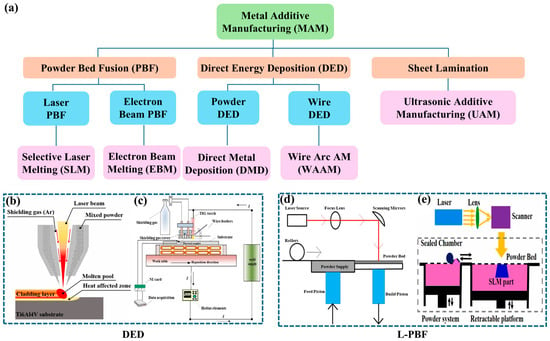
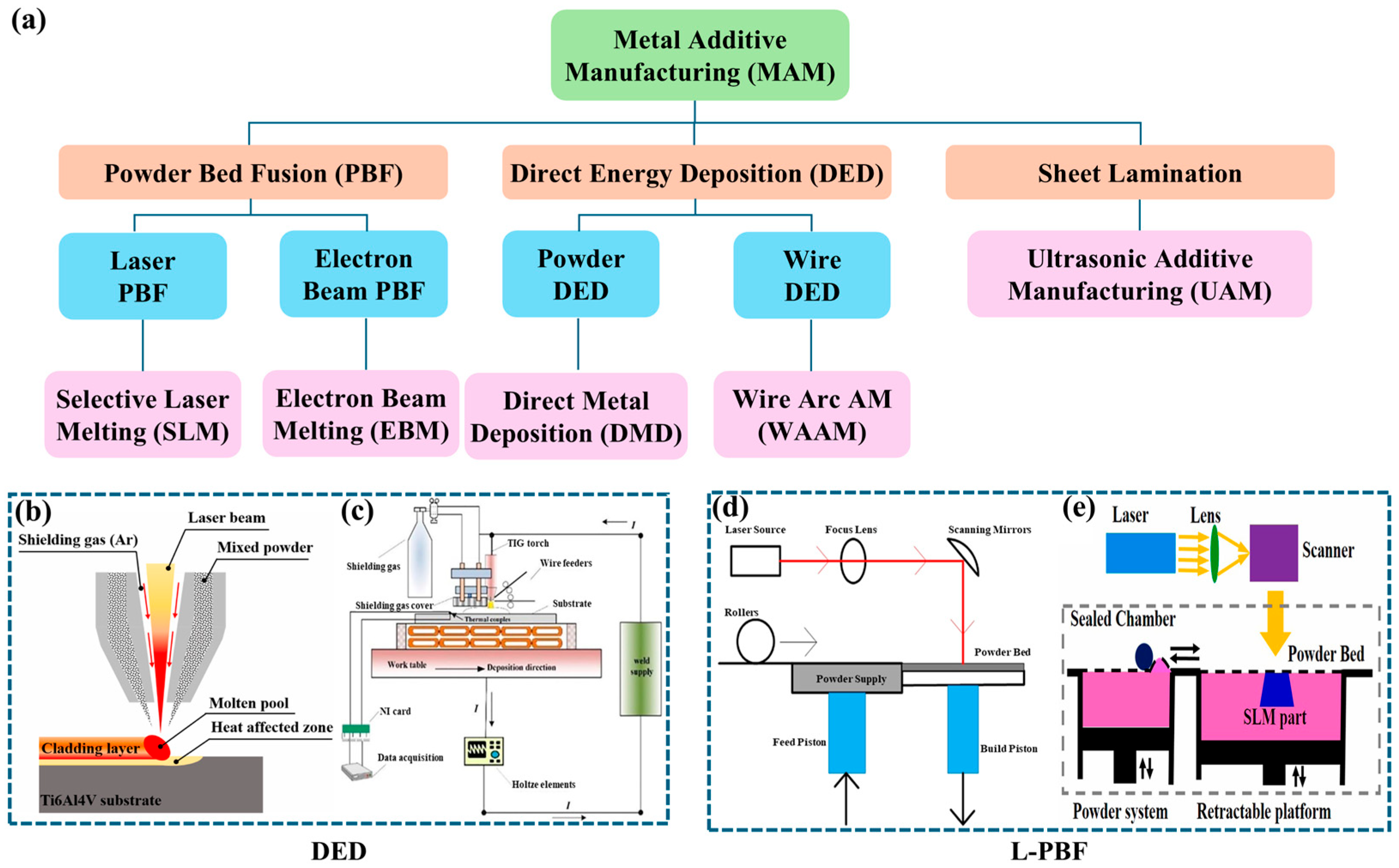
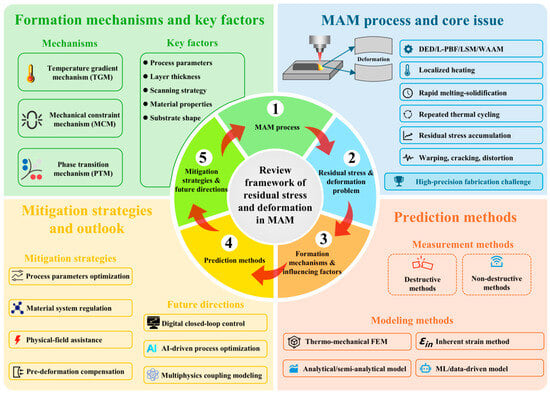
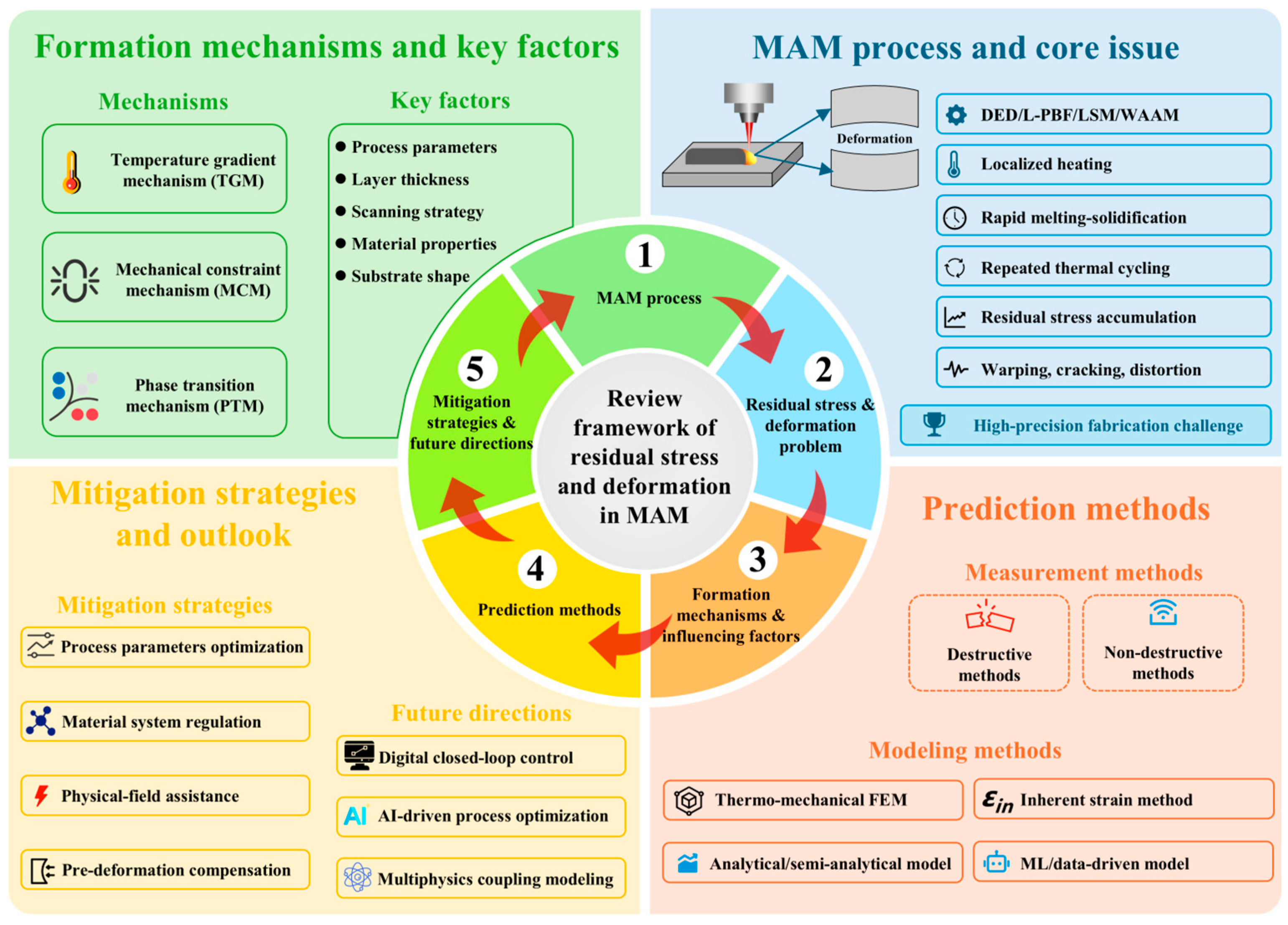
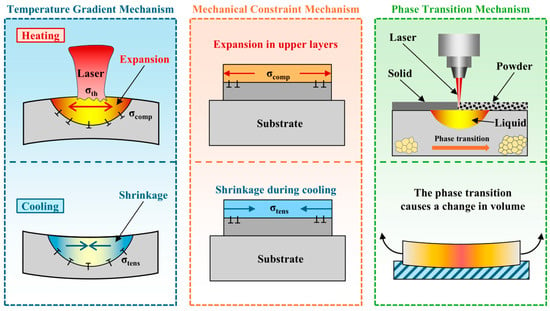
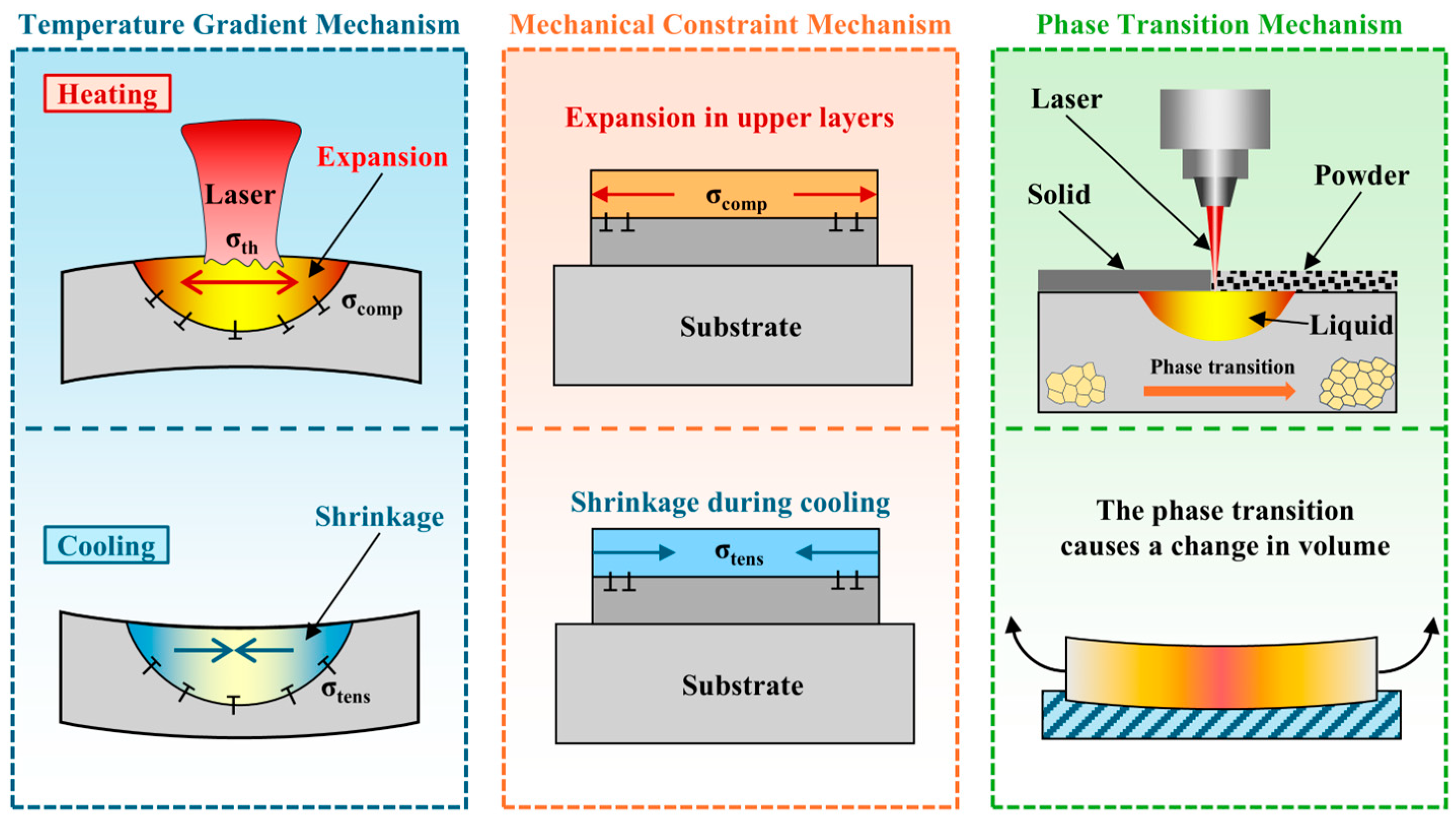
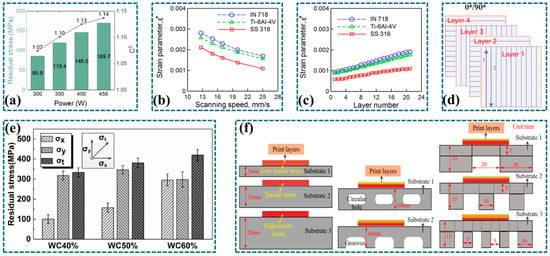
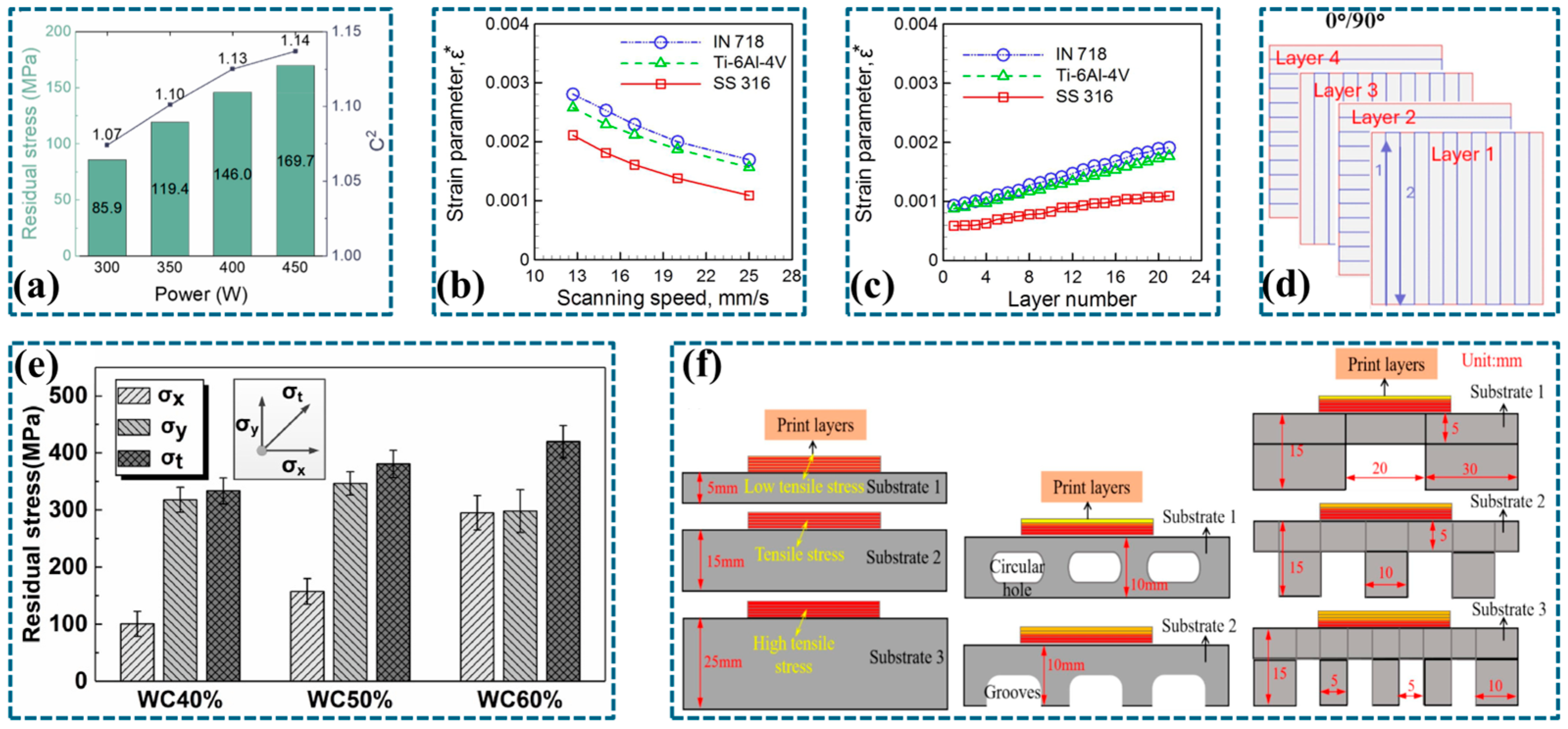
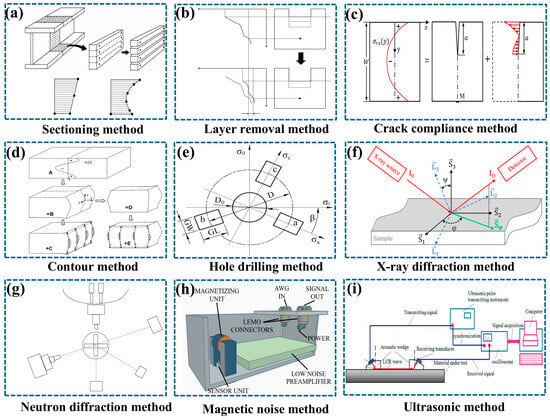
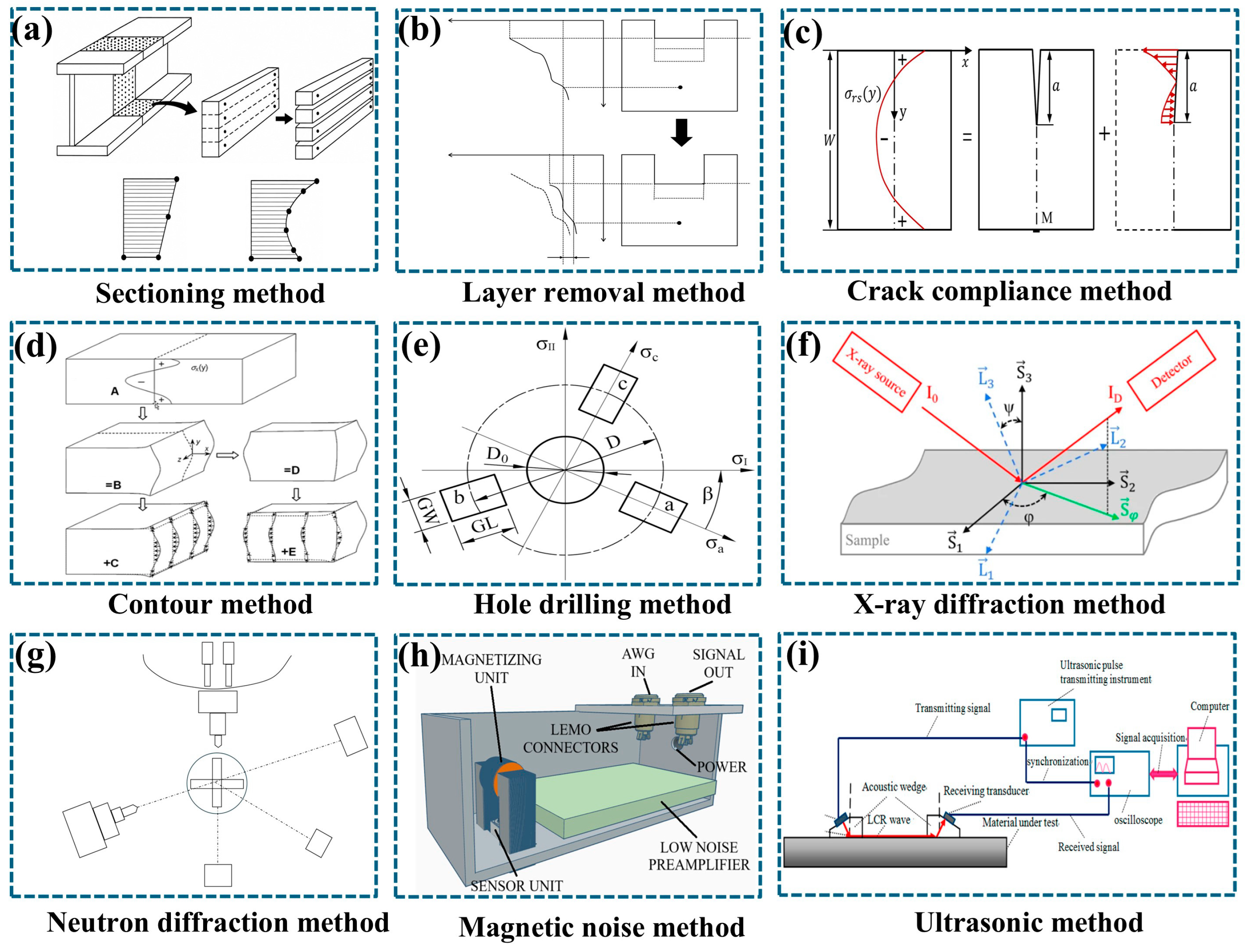
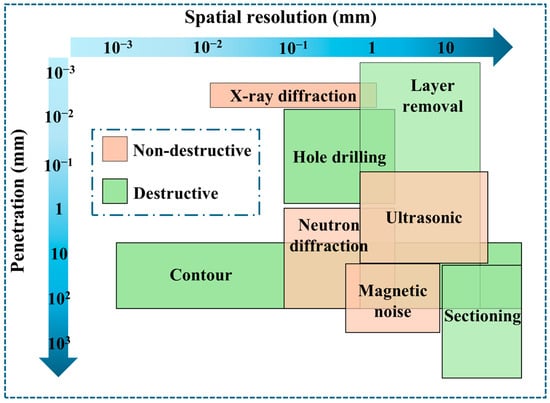
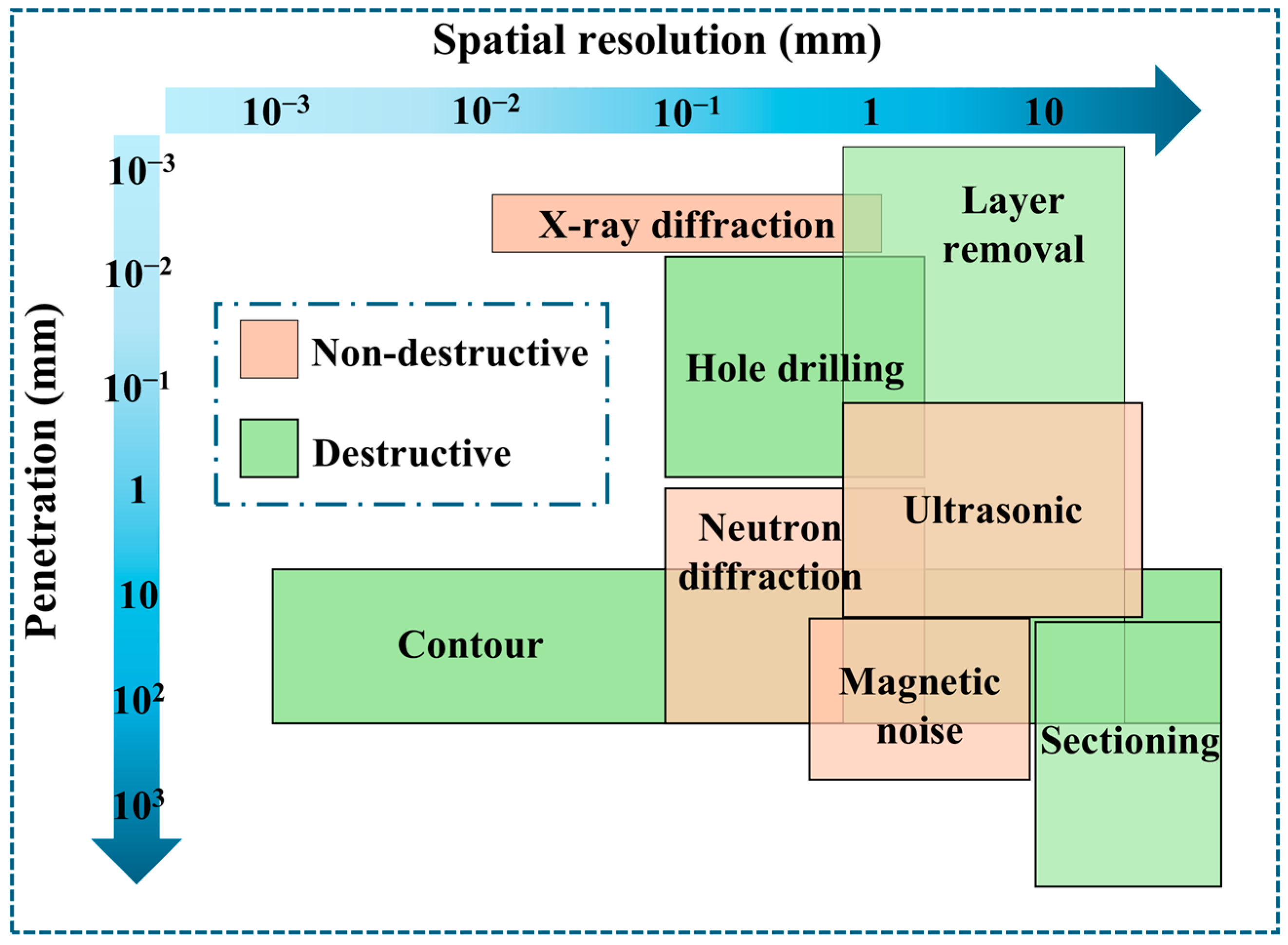
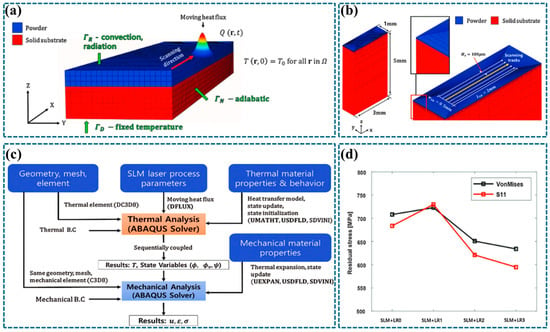
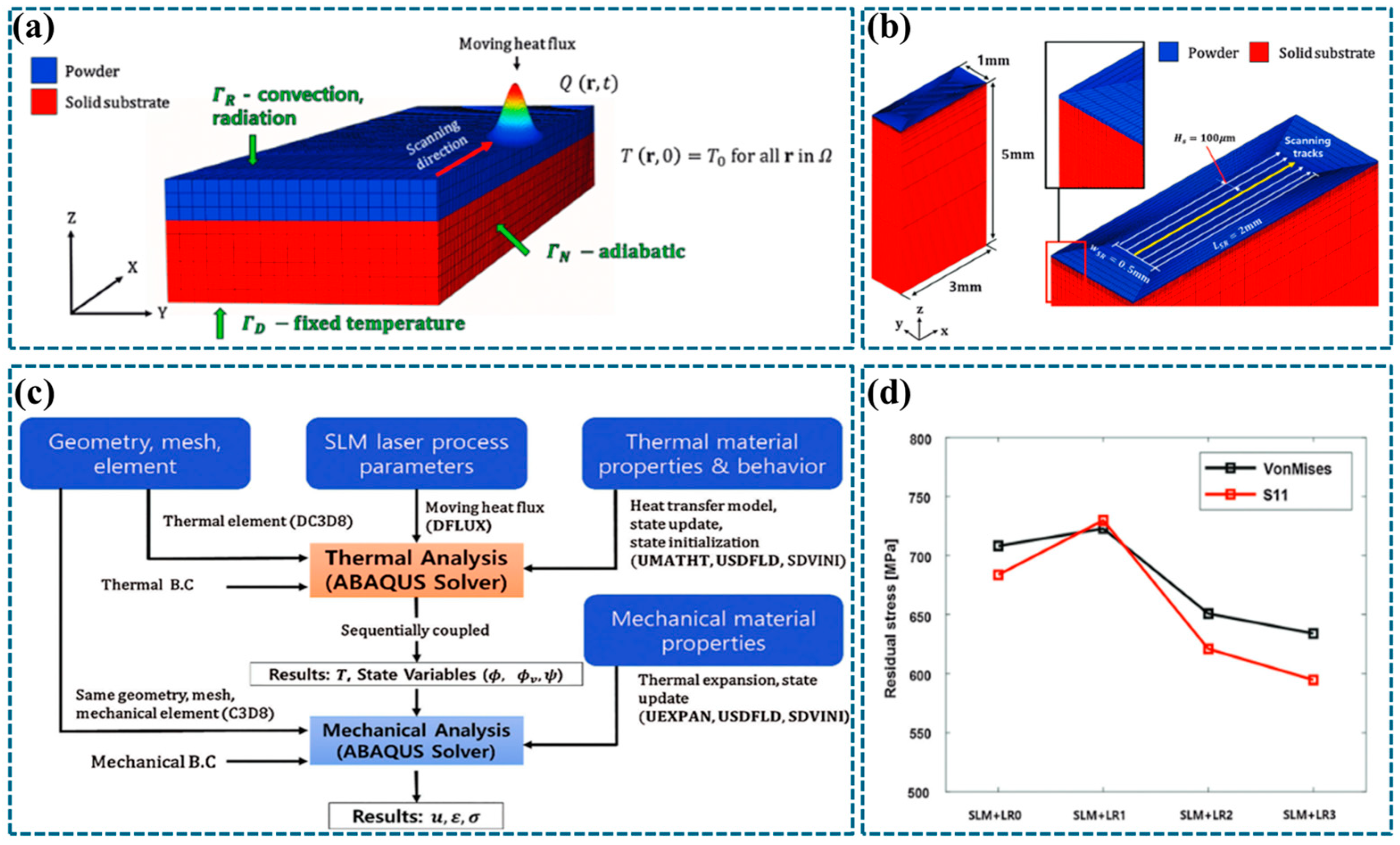
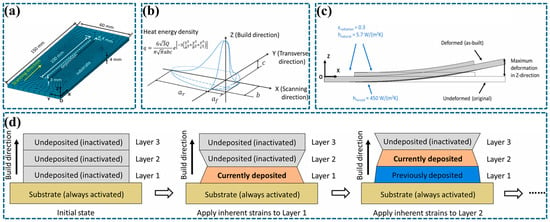
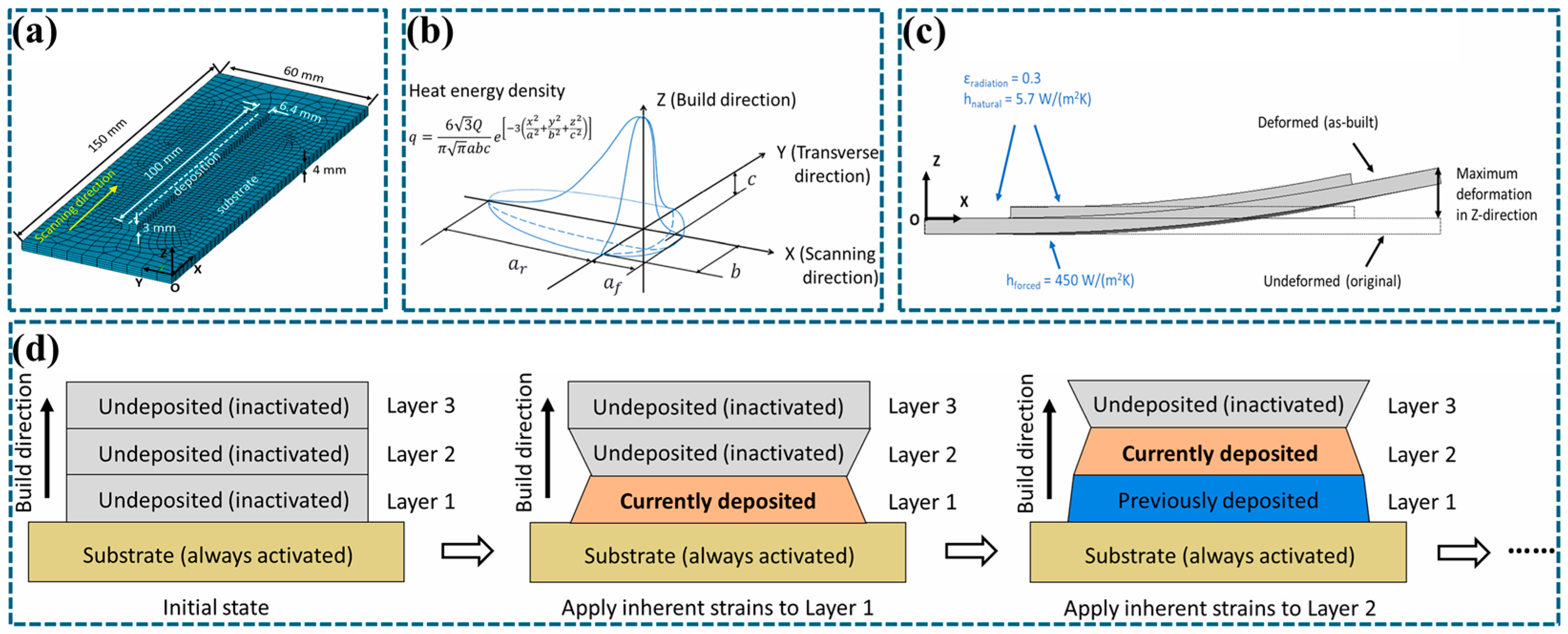
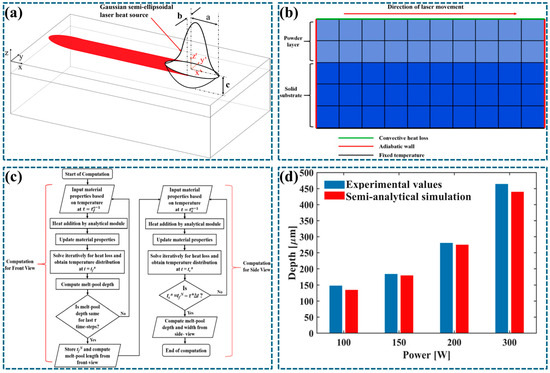
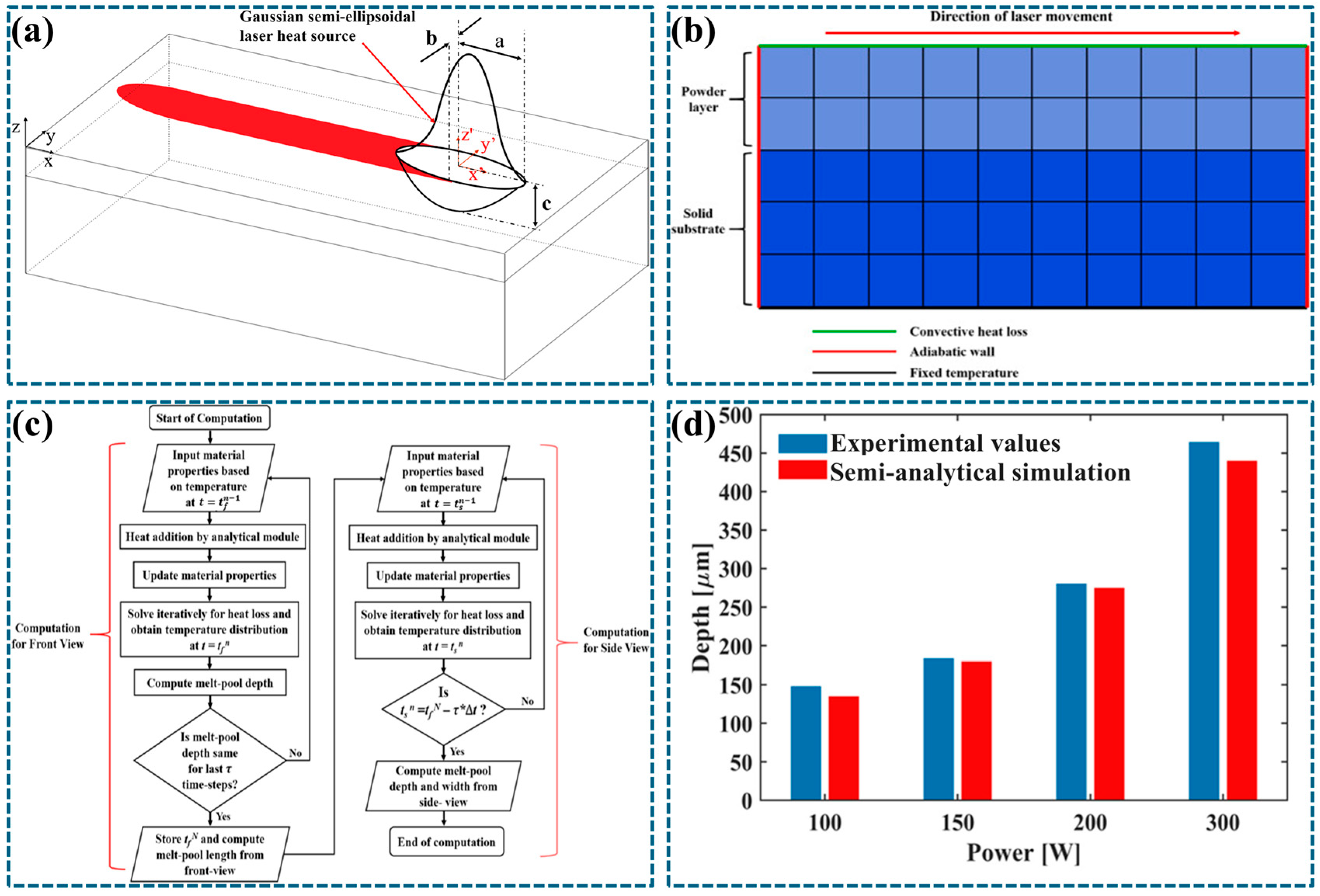
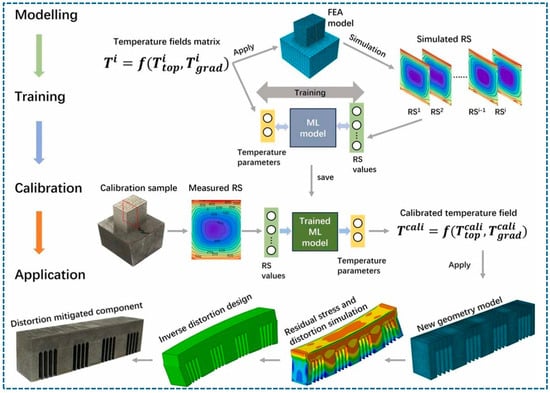
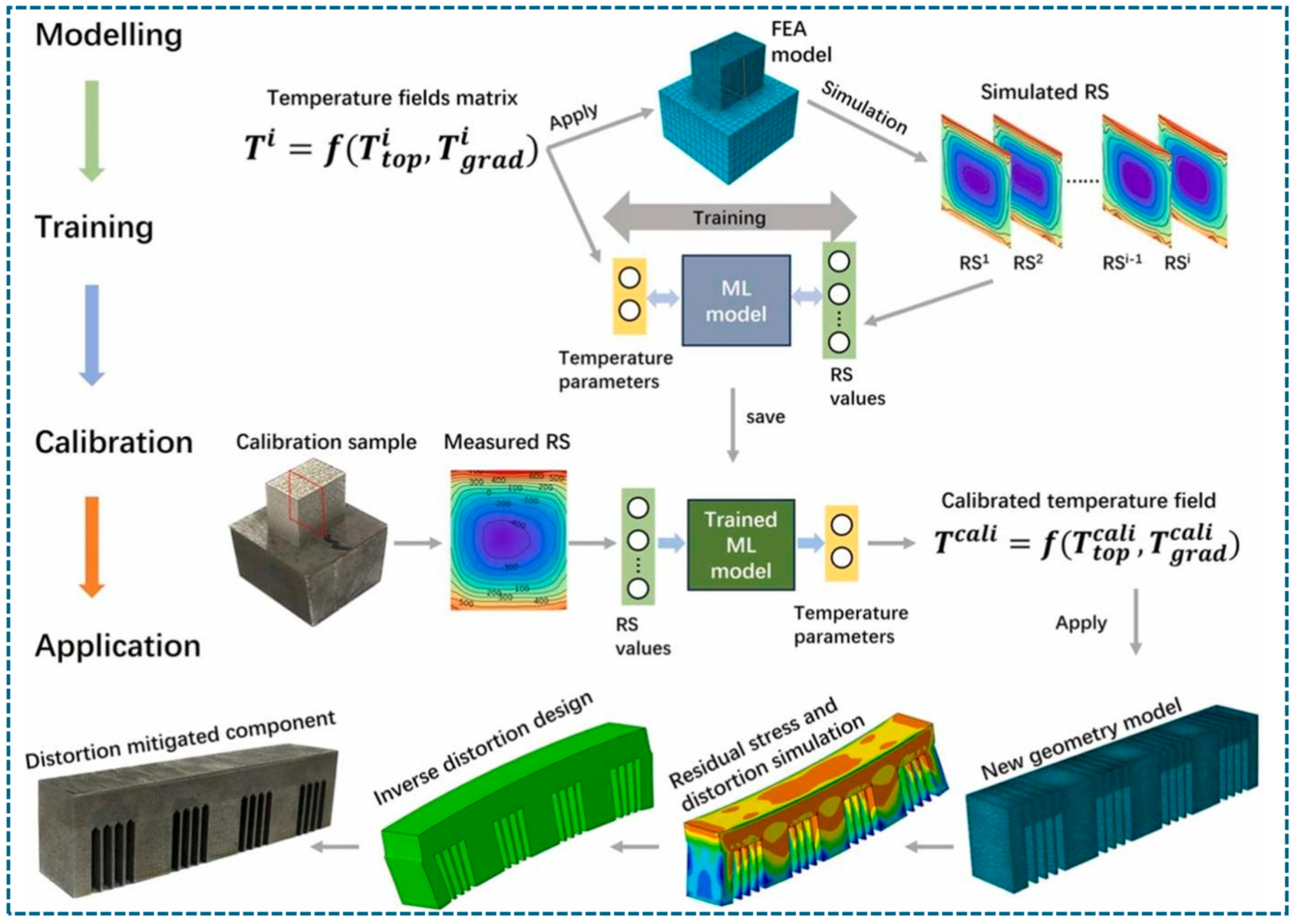
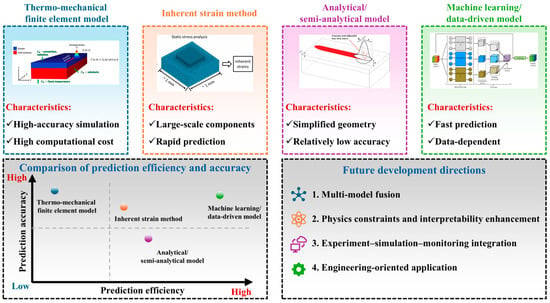
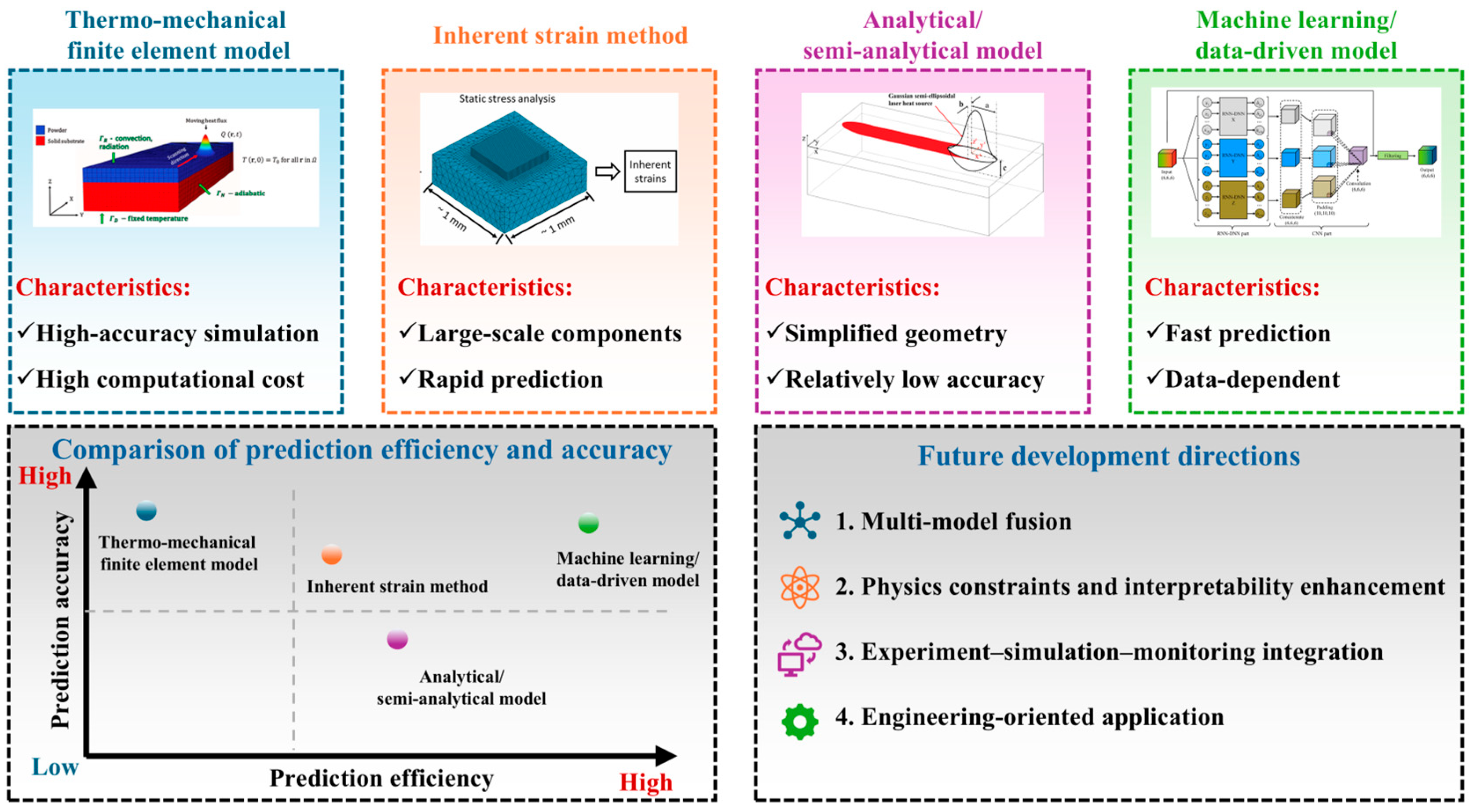
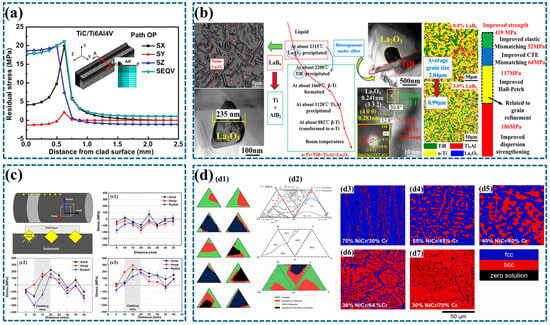
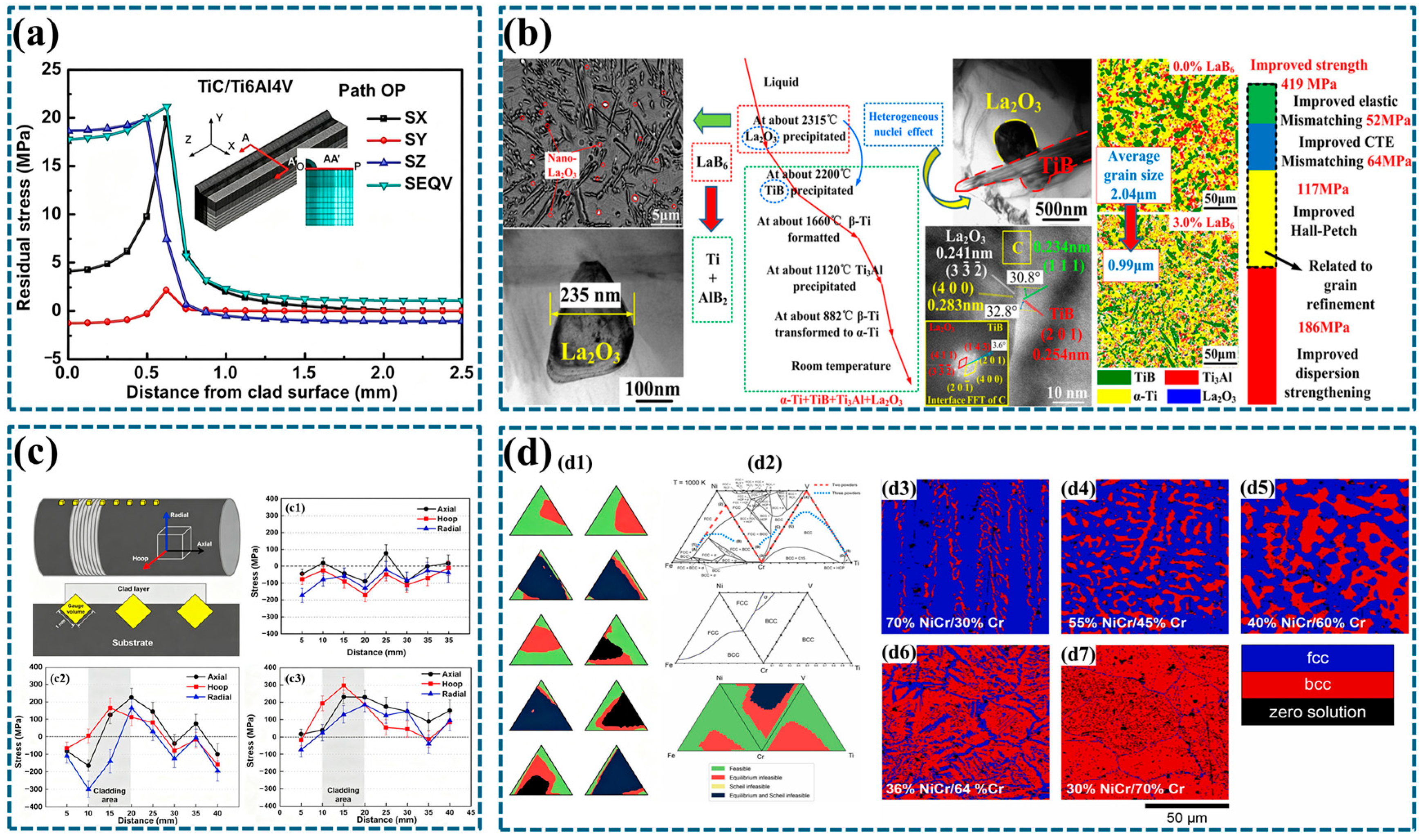
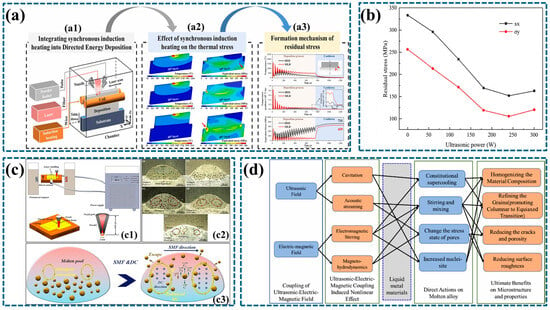
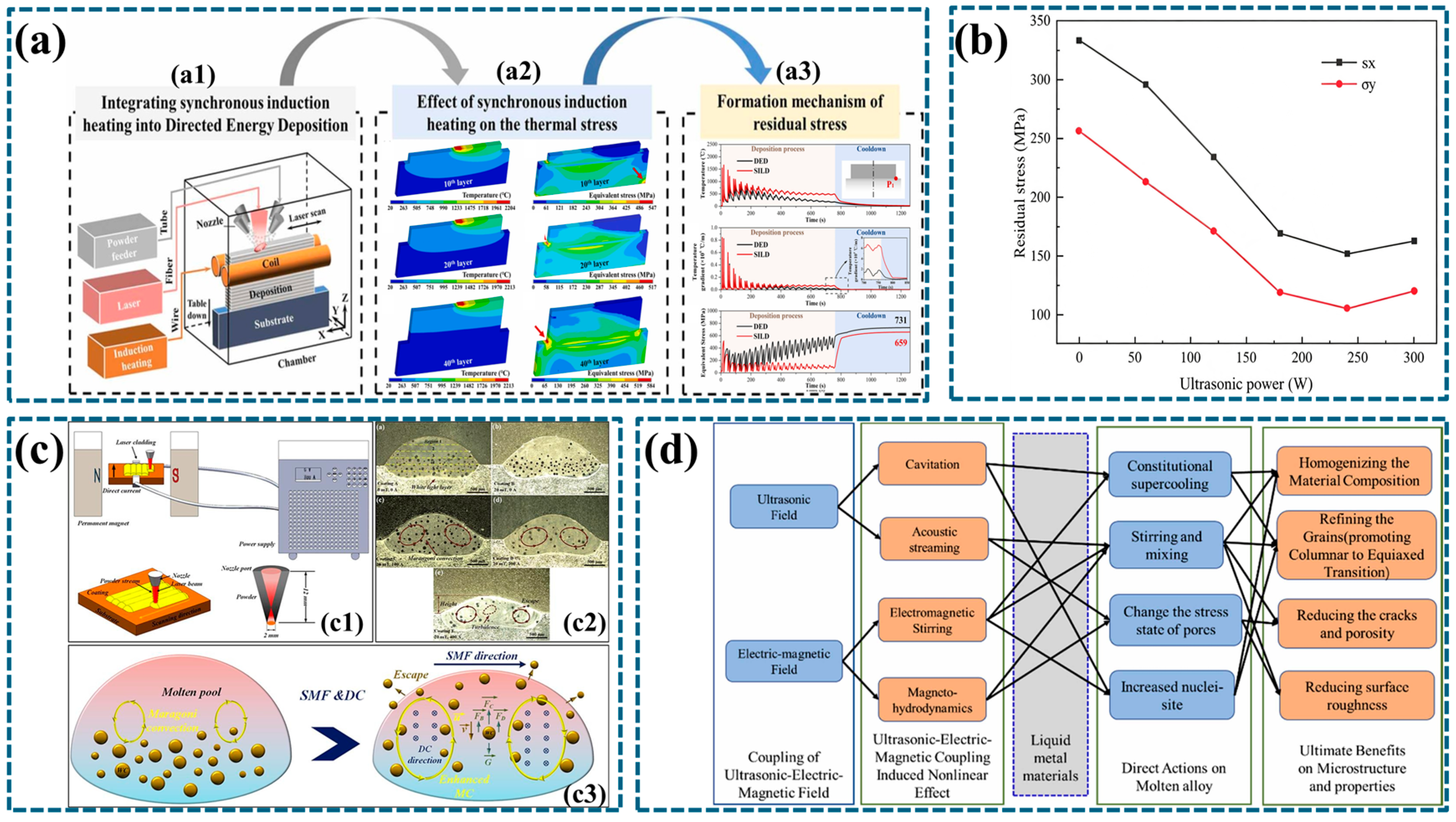
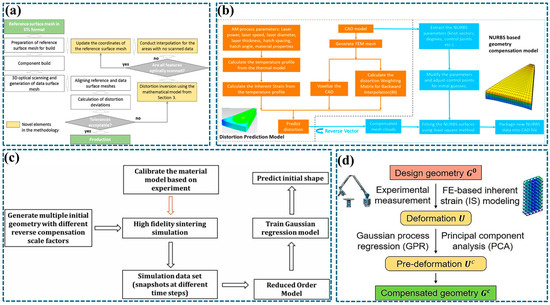
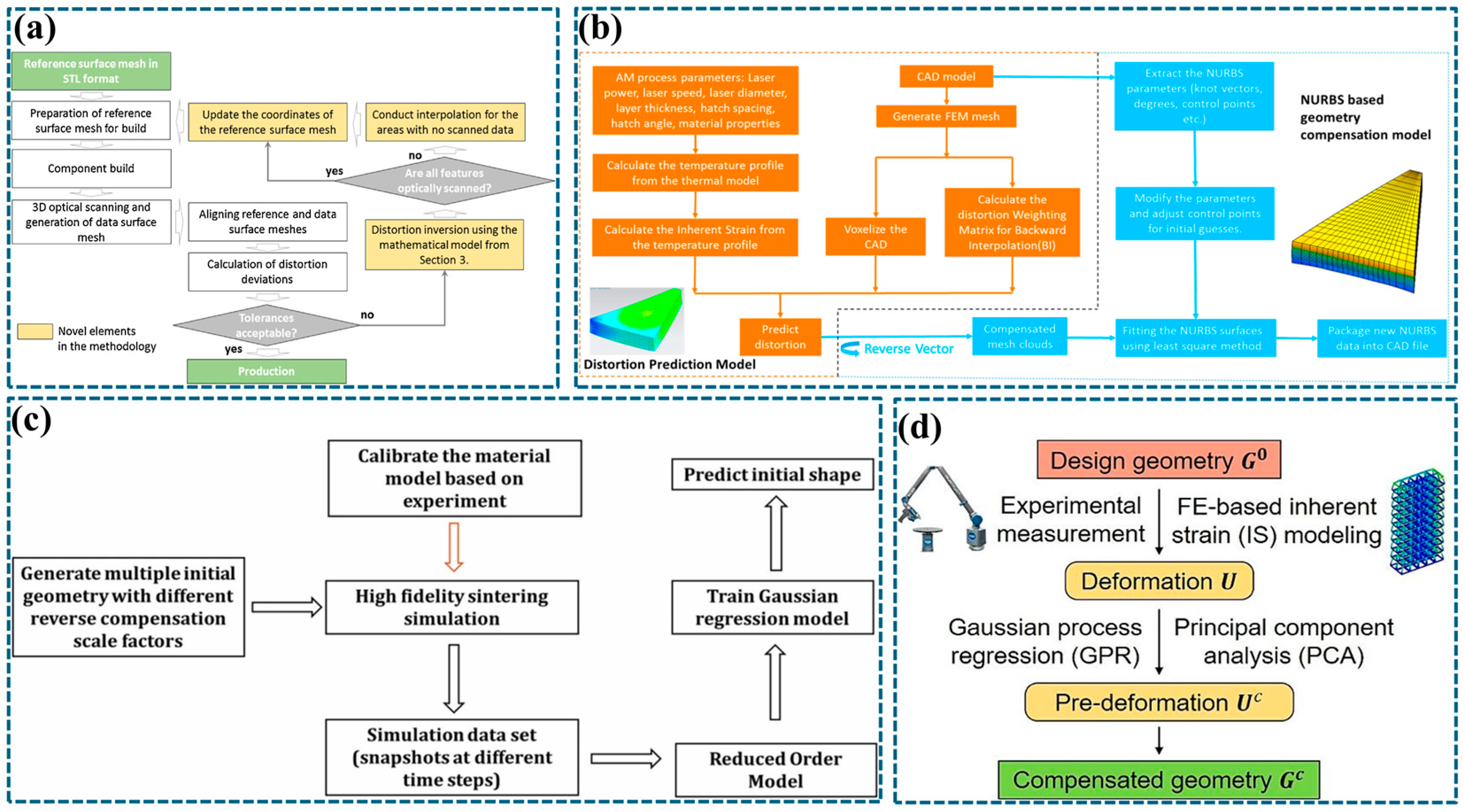
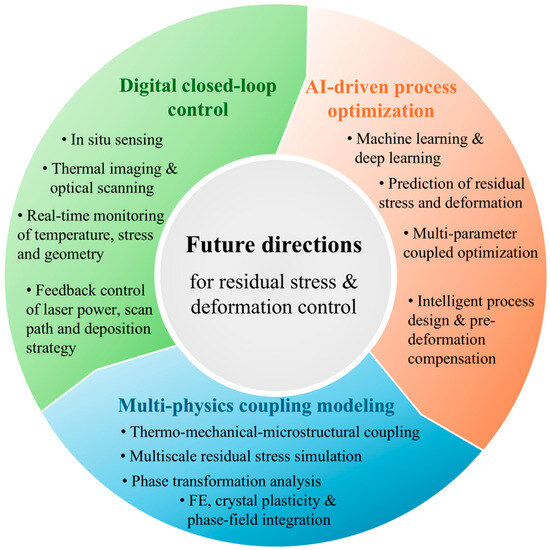
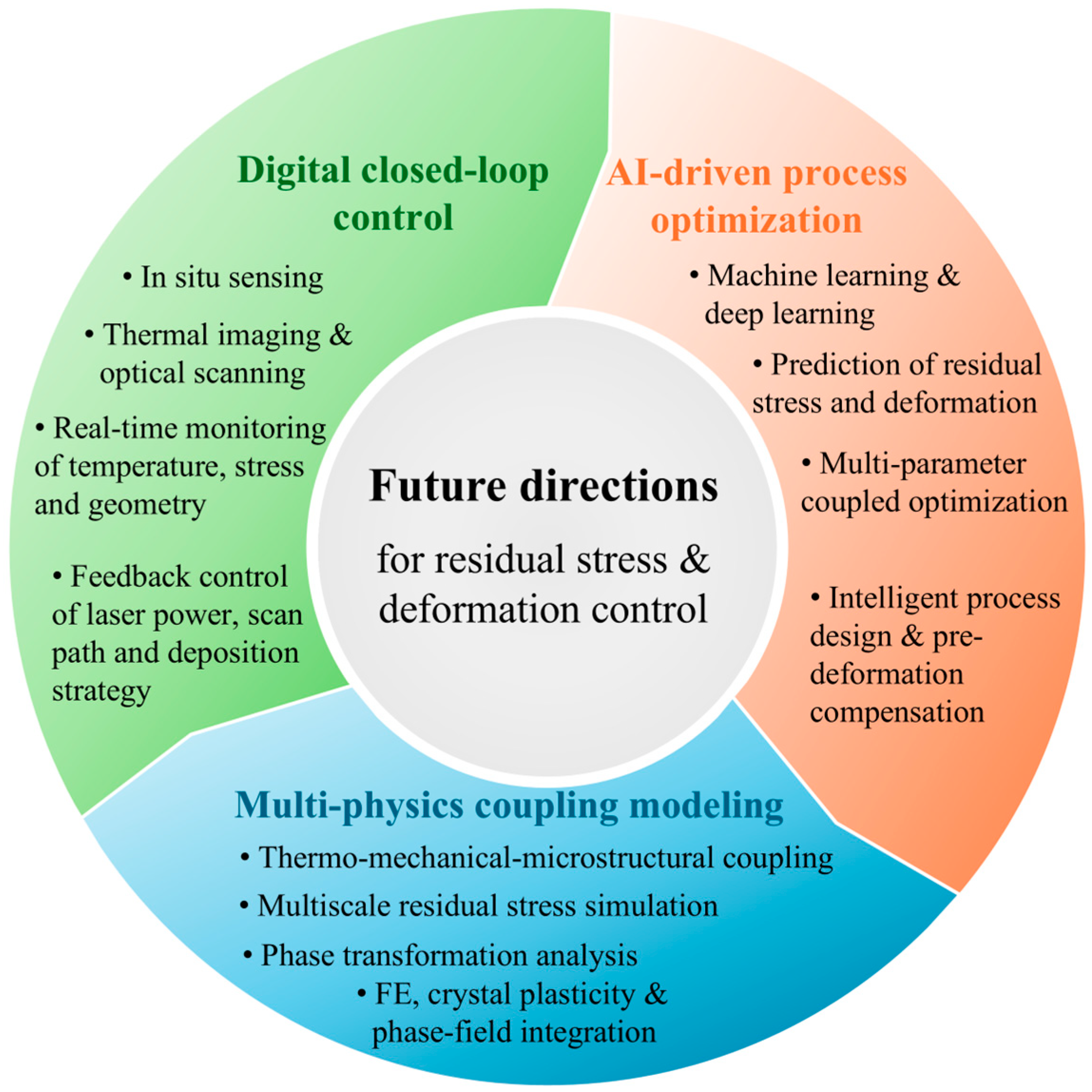

Disclaimer/Publisher’s Note: The statements, opinions and data contained in all publications are solely those of the individual author(s) and contributor(s) and not of MDPI and/or the editor(s). MDPI and/or the editor(s) disclaim responsibility for any injury to people or property resulting from any ideas, methods, instructions or products referred to in the content. |
© 2026 by the authors. Licensee MDPI, Basel, Switzerland. This article is an open access article distributed under the terms and conditions of the Creative Commons Attribution (CC BY) license.