


Highlights
What are the main findings?
- Functional fillers of different sizes improve the properties of polyurethanes.
- Macro-fillers provide load-bearing and robust reinforcement for polyurethanes.
- Micro-fillers bring balance between the mechanical properties and cost-efficiency of polyurethanes.
- Nano-fillers unlock smart functionalities and enhance the application possibilities of polyurethanes.
What are the implications of the main findings?
- Focus on optimizing filler–polyurethane interfacial compatibility through surface modification.
- Reduction of ecological footprints by integrating alternative sources as fillers.
- Advanced polyurethane composites can fulfill future demands.
Abstract
Polyurethanes have attracted significant and constant attention since their initial introduction by Otto Bayer in 1937, primarily due to their inherent versatility. To expand their application potential and overcome limitations under extreme industrial conditions, the performance of pure polyurethanes is frequently enhanced through the incorporation of adequate fillers. This review provides a comprehensive analysis of recent advancements in the field of polyurethane composites, focusing on the role of functional fillers in improving the properties of the polyurethane matrix. Special attention is given to the classification and effects of various types and sizes of the most commonly applied and promising fillers, including both individual and hybridized systems.
Keywords:
polyurethane; composites; macro-fillers; micro-fillers; nano-fillers; properties; application 1. Introduction
Due to a steadily increasing demand, global polymer consumption reached 398 million tons in 2025, with the market size estimated at USD 598.24 billion [1]. Among this estimate, polyurethanes (PUs) held a notably large market share of USD 96.11 billion [2]. The main reason for such an impressive number lies in the versatility and outstanding properties of PUs, which enable their use in biomedicine and a wide variety of industries, such as electronics, automotive, furniture, construction, etc. (Figure 1). According to the literature, the projected global market share of polyurethanes by application in 2026 is furniture at 27%, construction 19%, automotive 16%, electronics 10%, footwear 8%, packaging 5%, and other 15% [2].
Figure 1.
Schematic classification of polyurethane types and their primary industrial applications.
The idea for the synthetic procedure of PUs and polyureas primarily came from Otto Bayer and his team at I. G. Farben (Leverkusen, Germany) back in 1937. The patent that arose from their pioneering work can practically be considered the beginning of PU chemistry [3,4]. PUs are synthesized via a polyaddition reaction between isocyanates (containing two or more NCO groups) and polyols (polyesters, polyethers, polycarbonates, polysiloxanes, etc.). This reaction is driven by the nucleophilic attack of the oxygen from the hydroxyl group on the electrophilic carbon of the isocyanate group, resulting in the formation of a polar urethane linkage (–NH–CO–O–), which connects the isocyanate and polyol components. If a diisocyanate and a bifunctional polyol are used, the final product will be a linear PU, while a crosslinked PU would be produced if multi-functional polyols or isocyanates are applied instead of bifunctional ones.
The macroscopic physical properties of PUs are intrinsically dictated by their unique architecture. The typical molecular architecture of a PU formed during synthesis is a basically segmented block copolymer, composed of alternating blocks of hard segments (HSs) and soft segments (SSs). The rigid HSs are created in a reaction of short-chain isocyanates and chain extenders (low-molecular-weight diols or diamines). On the other hand, SSs are formed from long-chain flexible polyols. The thermodynamic incompatibility between these two blocks represents the driving force for the appearance of phase separation in PUs, i.e., the segregation of HSs into distinct microdomains dispersed within the continuous SS. This phenomenon is known as microphase separation. Due to the intense intermolecular hydrogen bonding, the phase-separated hard domains simultaneously act as physical crosslinks and a reinforcing agent, providing, in this manner, mechanical strength and high modulus, rigidity, and thermal stability. Meanwhile, the continuous soft domains give the polymer elasticity, flexibility, and impact resistance. The degree of microphase separation is influenced by different factors, such as the polarity and molecular weight of polyols, the chemical structure and ratio of the monomers, the HS content, etc., and its control is essential for their high adaptability and for tailoring the performance of PUs to meet the demands of different industrial applications [5,6,7,8]. By precise manipulation of the stoichiometric ratio, chemical composition, and functionality of the reactants, the synthesis of PUs can be designed to yield an exceptionally broad spectrum of materials, ranging from soft elastomers and flexible foams to rigid foams, waterborne PU (WBPU), thermoplastic PU (TPU), high-performance coatings, adhesives, binders, biomedical engineering materials, etc. (Figure 1), for both commercial and military applications [9,10,11,12,13,14,15,16,17]. Furthermore, in order to reduce reliance on fossil-based raw materials, bio-based PUs derived from vegetable oils were also developed [18,19,20,21,22,23]. Therefore, it is fair to say that PUs have had quite a dynamic evolutionary trajectory in the area of industrial polymers.
Despite the broad spectrum of properties that place PUs among the most widely utilized polymers globally, when subjected to extreme environments, they may face some critical property limitations. Namely, neat PUs show relatively low thermal stability and flame retardancy, a high coefficient of thermal expansion, and a propensity to creep under continuous mechanical loads and temperature increases [24,25]. In other words, the mechanical integrity of PUs may significantly drop at higher temperatures due to the thermal disruption of the hydrogen-bonded hard segments. In applications that include continuous load-bearing, high-temperature aerospace or automotive environments, these shortcomings can restrict the use of PUs. To overcome these material boundaries and meet the strict performance thresholds of modern engineering sectors, the development of PU composites (PUCs) has become a standard approach in manufacturing advanced materials. PUCs synergistically combine the tailorable chemistry of PUs with the performance of organic or inorganic fillers with sizes from macro to nano and beyond. The addition of such compounds can significantly modify or enhance the material’s properties and shift the application area of PUs toward high-technology engineering, i.e., to the forefront of materials science. The available literature data offer valuable insights into specific PUCs, such as PUCs based on TPUs and renewable and sustainable fillers [26], or PU foams reinforced with carbon and inorganic nano-fillers for high-performance applications [27]. Kaur et al. recently provided an overview compiling literature data on how some families of fillers, such as carbon-based, bio-based, and clays, influence the properties of PUs [28]. While the recent literature provides valuable classifications based primarily on specific filler chemical families, isolated shapes and properties, specific applications, or the type of PUC material, there remains a critical gap in understanding how the baseline PUC engineering philosophy changes across distinct spatial scales. To address this, the current review introduces a novel multi-scale dimensional roadmap that systematically tracks the filler sizing evolution from macro-scale industrial byproducts to micro-scale fillers, up to advanced nano-structural and hybrid nano-fillers. Unlike traditional chemistry-driven catalogs that often compile conflicting polymer topologies under overgeneralized conclusions, this work enforces a rigorous, standardized comparison based strictly on localized matrix-filler interfaces, processing conditions, and functionalization boundaries. By mapping out how the filler dimension dictates the composite’s final performance, this review establishes a distinct, trend-driven compilation that bridges the gap between fundamental PUC material engineering and practical industrial scalability.
2. Chemistry of Polyurethane Building Blocks
Properties of PUs are directly dependent on their constituents: polyols, isocyanates, and chain extenders. Polyols form the SSs that govern the material’s elasticity, i.e., elastic recovery, and control the flexibility and elongation of PUs and their properties at low temperatures [5,9,12,13]. By increasing the SS content, the overall hardness of the polymer decreases, making the final product softer. The physical state of the PU is influenced by the molecular weight and functionality of the applied polyols, shifting it from a flexible elastomer to a rigid material with decreasing molecular weight or increasing polyol functionality. The most common types of polyols used for PU production are:
- Polyesters (polyadipates, polycaprolactone (PCL))—these provide excellent tensile strength, toughness, mechanical resistance, as well as good thermooxidative stability and high oil and solvent resistance [29,30,31];
- Polyethers (polyethylene glycol (PEG), polypropylene glycol, polytetramethylene ether glycol)—these provide excellent elasticity, flexibility at low temperatures, and hydrolytic stability, as well as easier processing and inherent resistance to microbial attacks [32,33];
- Polycarbonates—these provide resistance under extreme environmental conditions and have outstanding hydrolytic stability, thermooxidative resistance, mechanical strength, and hardness [34,35];
- Polysiloxanes—these provide excellent biocompatibility, high hydrophobicity, exceptional low-temperature flexibility, and thermal and UV resistance [36,37,38,39];
- Bio-based polyols (derived from renewable sources such as sunflower, castor, or soybean oil)—these provide high thermooxidative stability, inherent hydrophobicity and water resistance, good low-temperature flexibility, and a reduced carbon footprint [40,41,42,43].
A comparison of the most important material features influenced by the type of polyol is summarized in Table 1, while types of PU building blocks, alongside an illustration of PU HSs and SSs, are presented in Figure 2. According to the literature, polyethers are the most utilized type of polyol—with a global market share of 61% (in 2025)—due to their wide application in the production of flexible and rigid PU foams [2]. Polyesters (24%), bio-based (10%), and other polyols (5%) are trailing behind polyethers [2].
Table 1.
Comparison of the most important polyurethane features influenced by the type of polyol.
Figure 2.
Schematic relationship between polyurethane building blocks (diisocyanates, chain extenders, and polyols) and the resulting segmented block copolymer morphology.
Isocyanates represent the second most important constituent block of PUs, and they are responsible for the mechanical properties and thermal stability of PUs. The selection of isocyanates is governed by the end-use performance of PUs, i.e., the prerequisites for a specific application. The most frequently used diisocyanates can be divided into three groups (Figure 2):
- Aromatic diisocyanates (MDI—methylene diphenyl diisocyanate, TDI—toluene diisocyanate, 1,5-naphthalene diisocyanate): these provide excellent mechanical properties thanks to the rigid benzene rings [33,34,35]. However, aromatic isocyanates are prone to yellowing upon exposure to UV radiation;
- Aliphatic diisocyanates (HDI—hexamethylene diisocyanate, IPDI—isophorone diisocyanate): these provide color stability, excellent weatherability, and UV resistance [30,31,38,39];
- Bio-based diisocyanates (1,7-heptamethylene diisocyanate, 1,9-diisocyanatononadecane, 1,8-octamethylene diisocyanate): these provide a reduced carbon footprint [44,45,46].
The list and chemical structure of some common diisocyanates are given in Table 2. Despite the fact that MDI and TDI are classified as carcinogenic, mutagenic, and reprotoxic (CMR), aromatic diisocyanates remain the most frequently applied for industrial PU production. In 2025, their global market share was distributed as follows: MDI 46%, TDI 34%, aliphatic 15%, and bio-based diisocyanates 5% [2,47]. The fundamental reason for this CMR classification lies in the fact that the industrial manufacturing of conventional isocyanates relies on phosgene, a highly toxic and lethal gas. Consequently, strict environmental mandates and occupational health regulations have aggressively driven contemporary research toward mitigating these structural hazards. While deploying bio-based monomers successfully scales down the carbon footprint, it is insufficient for bypassing the intrinsic toxicity of isocyanates. To overcome this critical bottleneck, non-isocyanate PUs (NIPUs), synthesized via the reaction of cyclic carbonates and amines, have emerged as a safer alternative [48,49,50]. In this way, the environmental and healthcare hazards associated with conventional monomers are eliminated, thereby offering a highly sustainable platform for future composite matrices. However, since the overwhelming majority of compiled primary literature on multi-scale filler integration evaluates traditional polymer matrices, the core structural scope of this review remains focused on conventional PUs.
Table 2.
Diisocyanates and their chemical structure.
And finally, the third constituent applied for the synthesis of PUs is the chain extender. These compounds are applied to react with a PU prepolymer with end NCO groups, formed in the reaction between a polyol and an excess of isocyanate. Together with isocyanates, they form and promote HSs, and they are simultaneously involved in increasing the molecular weight of the polymer chains. They can be used to control the HS content, the distribution of SSs and HSs, the crosslinking density, the degree of microphase separation, and the degree of crystallization [51]. Chain extenders are usually short-chain, low-molecular-weight compounds and can be divided into:
- Diol chain extenders (1,4-butanediol, 1,4-cyclohexanediol, ethylene glycol)—these are involved in the formation of urethane linkages and have an influence on the flexibility and processability of PUs [9,13,51];
- Diamine chain extenders (1,4-butanediamine, 1,6-hexamethylenediamine)—these are involved in the formation of urea bonds and provide strong intermolecular hydrogen bonding due to the formation of a poly(urethane-urea) structure [13,51];
- Crosslinkers (trimethylolpropane, glycerol, hyperbranched polymers of low pseudo generation)—these provide good mechanical and thermal properties, good dimensional stability, and high chemical resistance due to the formation of a PU network (thermosetting PU) [30,31].
From the above list, diol chain extenders are the most frequently used (55%) for the preparation of PUs, followed by diamine chain extenders (25%), while the least used are crosslinking agents (20%) [2].
3. Classes of Fillers for Polyurethanes
In order to improve the properties and/or cost-efficiency of the PUs by expanding their operational limits, various kinds of reinforcing agents or fillers can be embedded in the PU structure. The resulting PUC provides the targeted synergy of the performances of all its constituents required for the final material to meet the high demands of the market and to simultaneously remain indispensable in key industrial sectors. Fillers are applied to modify or enhance mechanical and thermal properties, flame retardancy, dimensional stability, electrical conductivity, biocompatibility, and antimicrobial properties, as well as to reduce the costs of neat PU (Figure 3). Categorization of fillers can be performed in several different manners, i.e., depending on their size, dimension (0D, 1D, 2D, and 3D), shape (fibers, sheets, particles, etc.), nature, origin, specific properties, morphology, etc. The concept is quite broad and obviously depends on the reader’s interests and concerns. Here, in order to be consistent with the title of this review, fillers for PUs are divided according to their size into macro- (>100 μm), micro- (0.1–100 μm) and nano-fillers (1–100 nm) (Figure 3). The filler’s potential to have a positive impact on a certain property of the pure polymer mostly depends on the interfacial adhesion with the matrix, as well as on its size and shape. For example, it is well known that fillers with smaller sizes and a higher aspect ratio have a greater reinforcement effect. In the following text, the most frequently used fillers and their influence on the properties of PUs are discussed. It should be noted that direct quantitative comparisons between different PUC literature data must be interpreted with caution, as the reinforcing efficiency is strictly dependent on the specific PU matrix formulation and processing conditions.
Figure 3.
Categorization of fillers according to their size and their impact on PU matrix.
3.1. Macro-Fillers for Polyurethanes
In the production line of PUCs, macro-fillers are usually applied to provide load-bearing performance of the final material, including high strength, rigidity, stiffness, and dimensional stability, driven primarily by industrial scalability and cost-efficiency. However, they typically require a high weight content, often ranging from 10 to over 40 wt.%. Consequently, a major challenge discussed in the literature is the accompanying loss of material ductility, increased density and, in some cases, a decline in tensile strength due to poor interfacial adhesion between the filler surfaces and the PU or due to the hydrophilic nature of the applied fillers. Despite these disadvantages, macro-fillers can still find their place in advanced PUC synthesis, thanks to the fact that they are mostly obtained from waste materials. Namely, scientists all over the world have put significant efforts into finding sustainable solutions and developing adequate recycling and valorization methods to convert all kinds of growing industrial waste into valuable, advanced materials, such as macro-fillers for PUs. In this manner, the application of this class of fillers simultaneously contributes to waste management and environmental preservation. Therefore, from an engineering and sustainability perspective, macro-fillers derived from industrial and agricultural waste are primarily preferred for applications where volume cost-efficiency, acoustic insulation, and vibration damping outweigh the need for high tensile strength. The key structural trend in these composites is that these fillers mainly act as macroscopic bulk extenders and physical anchors. A large amount of literature data shows that the incorporation of these macro-fillers improves compression, flexural, and tensile strength, and provides a sound absorption coefficient, while simultaneously decreasing the impact strength of the PU. Consequently, these filler systems are highly recommended for large-scale civil engineering, structural blocks, soundproofing panels, and eco-friendly flooring materials where mechanical elasticity must be balanced with strict raw material cost reductions. Some frequently applied macro-fillers and their effect on the PU matrix are listed in Table 3.
3.1.1. Natural Fibers as Macro-Fillers
The most utilized macro-fillers in PU engineering consist of fibers from diverse origins, including natural, glass, and carbon variants. Due to their lightweight nature, exceptional corrosion resistance, and ease of processing into targeted fabrics or molded geometries, these macro-structures are widely applied across the marine, automotive, aerospace, and construction sectors [52]. Among these, natural fibers stand out as highly cost-efficient and environmentally viable candidates due to their inherent biodegradability and widespread global accessibility [53,54,55,56,57,58,59,60,61,62]. However, from a physical–chemical standpoint, the performance of natural fiber-reinforced composites is dictated by a strict compromise between fiber dimensions and interfacial compatibility with the PU matrix. Due to their highly hydrophilic nature, these fillers are preferably recommended for indoor thermal or acoustic insulation panels, where their moisture-induced interfacial incompatibility with the hydrophobic PU can be controlled or mitigated via target surface functionalization.
To systematically evaluate these structure–property variables, Rozman et al. investigated empty fruit bunch (EFB) fibers from the oil palm tree (comprising 65% holocellulose and 25% lignin) as macro-fillers within PU based on PEG and MDI [53]. To trace the effect of size, the fibers were fractionated into several groups: 53–149 μm, 149–177 μm, 177–250 μm, and 250–500 μm. During synthesis, the -OH groups from both the EFB fibers and PEG actively competed in the reaction with MDI. The mechanical properties profile of the final PUC was strongly governed by the accessibility of these fiber-bound -OH groups, reaching a strict reinforcement threshold at 60 wt.% of EFB content (corresponding to 60% accessible -OH groups). Crucially, a distinct physical trend was observed: composites containing smaller EFB fiber dimensions exhibited a lower tensile strength. This behavior was attributed to the higher initial specific surface area of smaller fibers, which, after the reaction with MDI, leaves a larger fraction of unreacted surface with localized stress concentration points. In a subsequent study, the same research group confirmed that the flexural and tensile strength and toughness of PUCs were based on a PEG increase with an increasing NCO/OH ratio and adequate chemical modification of EFB fibers [54].
Beyond solid PU, these oil palm tree byproducts have been implemented to reinforce PU foams. The addition of EFB fibers (5 to 20 wt.%) during the synthesis of PU foams based on PEG induced a substantial 29% upgrade in compressive strength, shifting it from 5.07 ± 0.23 MPa to 6.54 ± 0.24 MPa [55]. A broad spectrum of other natural fibers, including bamboo, wood, flax, rice plant waste, and turkey feathers (Table 3), has been documented in studies as highly efficient amplifiers for mechanical, thermal, and acoustic absorption properties.
Despite these clear environmental and mechanical advantages, natural fibers have some intrinsic drawbacks that restrict their raw industrial efficiency. As mentioned above, natural fibers are usually hydrophilic, have low dimensional and thermal stability, and are often incompatible with PU; therefore, an adequate surface physical or chemical treatment is needed [60,62]. The comprehensive review considering natural fibers as fillers for PU foams and the effect of their chemical modification on the improvement of the interfacial adhesion between the PU and fibers is written by Kuranchie et al. [62]. Silane or alkali chemical treatments are essential to improve the interfacial adhesion between hydrophilic fibers and the hydrophobic PU matrix. Alkaline treatment is mainly applied for surface roughness, while silane coupling is for chemical bridging. In addition, the moisture resistance of natural fibers can be achieved by acetylation, and adhesion can be enhanced by an isocyanate treatment.
3.1.2. Synthetic Macro-Fibers as Macro-Fillers
Due to their exceptional resistance to extreme temperatures and high mechanical forces, synthetic macro-fibers are mainly used in specialized applications, including earthquake-resistant structural building PU foams and cryogenic storage tanks in the marine shipping industry. In order to explore these high-performance properties, the dispersion of chopped E-glass fibers (2.5 to 10.0 wt.%) in a blowing-agent mixture composed of polyol, polymeric MDI, and distilled water was demonstrated by Yu et al. to provide exceptional cryogenic reliability down to −150 °C for marine environments [63]. Under these extreme conditions, the compressive strength of the resulting composites increased by 35% compared to the neat PU, proving that the reinforcement efficiency of glass fibers is significantly more pronounced at cryogenic scales than at room temperature. At the maximum content of 10.0 wt.%, the tensile strength escalated by 117% at ambient and 108% at cryogenic temperatures, while the corresponding fracture toughness exhibited a remarkable increase of 290% and 360%, respectively.
When expanding the analytical scope to compare different fiber categories, Sak et al. evaluated the distinct structural contributions of glass, carbon, and basalt fibers (1, 3, and 5 wt.%) targeted for reducing dead loads in earthquake-prone building zones [64]. By systematically blending these chopped fibers into a commercial two-component PU (1:1 polyol-to-isocyanate ratio), their comparative findings revealed that PU reinforced with glass and basalt fibers possesses substantially better flexural and compressive properties than those formulated with carbon fibers. Specifically, the flexural force peak reached 144.63 ± 15.1 N for 1 wt.% of 12 mm glass fibers and 160.10 ± 11.4 N for 3 wt.% of 12 mm basalt fibers and compressive force reached 2460.15 ± 326.2 N for 1 wt.% of 12 mm glass fibers and 2490.21 ± 210.2 N for 3 wt.% of 12 mm basalt fibers. Whereas the carbon fiber counterparts recorded lower compressive force (2055.05 ± 74.6 N for 1 wt.% of 3 mm carbon fibers) and a flexural force peak (149.30 ± 18.6 N for 5 wt.% of 12 mm carbon fibers). This discrepancy in fiber performance was directly tied to relatively weak interfacial bonding between the carbon fibers and the PU, as well as the formation of fiber clusters. In addition, maximizing the length of the macro-fillers remains the key operational parameter for delivering the highest structural load-carrying performance.
3.1.3. Recycled Polymers and Industrial Waste as Macro-Fillers
A prominent approach in materials engineering involves the integration of recycled macro-byproducts, including expandable polystyrene beads (EPS), ground tire rubber (GTR), and industrial laminate packaging, to diminish reliance on virgin raw materials while simultaneously upgrading the properties of PU, such as thermal insulation, mechanical strength, and acoustic absorption [65,66,67,68,69,70]. Owing to the complex and heterogeneous surface characteristics of these fillers, they are ideally suited for heavy-duty applications like industrial flooring, athletic surfaces, and structural insulation, where extreme mechanical properties can be balanced with low-cost production.
Table 3.
The most used macro-fillers and their effect on the polyurethane matrix.
Various polymeric and industrial recycling scraps have been utilized as macro-fillers for PUs. For example, Malewska et al. modified rigid PU foam with EPS, proving that the properties of PU foam can be enhanced in this manner [65,66]. A comprehensive evaluation of GTR reinforcement within flexible PU foam was conducted by Nezili et al. through a series of investigations [68,69]. To optimize the matrix-filler compatibility, GTR powder obtained via water jet pulverization was chemically pre-treated using NaOH, KMNO4, or H2O2 before being dispersed into the isocyanate component of a commercial two-component PU system [68]. Their findings revealed that the incorporation of 15 wt.% of treated GTR particles improved the thermal stability of the PU, increasing the onset degradation temperature (corresponding to a 3 wt.% mass loss) of the pure PU foam from 139 °C to 264 °C for NaOH-treated, 196 °C for KMnO4-treated, and 184 °C for H2O2-treated GTR particles. Concurrently, substantial mechanical upgrades were documented at 15 wt.% GTR content, highlighted by a Young’s modulus increase from 14.2 kPa (pure PU) to 38.5 kPa (for the composite with 15 wt.% of H2O2-treated GTR particles). An increase in ultimate compressive strength from 0.48 MPa to 0.56 MPa for both NaOH- and H2O2-treated GTR particles was observed. In terms of acoustic properties, the same research group demonstrated that a content of 5 wt.% of NaOH-treated GTR yielded the best low-frequency sound absorption peak (~0.98) due to reduced porosity and increased airflow resistance. When evaluating the overall performance spectrum, the authors concluded that a 20 wt.% loading of NaOH-treated GTR provided the optimum balance between thermal insulation, mechanical strength, and acoustic absorption of PU.
Recycling of laminated packaging Tetra Pak has emerged as another promising pathway to obtain useful macro-fillers. For example, unprocessed Tetra Pak scraps in the form of rounded shreds and stripes can be used to reinforce a bio-based PU foam [70]. PUC prepared with 20 wt.% of rounded Tetra Pak filler has better thermal stability than pure PU, raising the 5 wt.% mass loss temperature from 290.5 °C (pure PU) to 318 °C. The same filler content triggered significant mechanical reinforcement, pushing the compressive modulus from 5.5 ± 0.8 kPa to 12.4 ± 1.0 kPa, while the alternative application of 5 wt.% Tetra Pak stripes successfully upgraded the flexural modulus of PU foam from 0.67 ± 0.08 kPa to 1.48 ± 0.10 kPa.
3.2. Micro-Fillers for Polyurethanes
Despite the clear economic and structural benefits of macro-fillers, their structural limits prevent them from interacting effectively with the PU backbone. This has driven the adoption of micro-sized fillers. The integration of micro-fillers serves as a critical bridge between cost reduction and targeted functional reinforcement. The overarching trend for micro-fillers (such as microcellulose, calcium carbonate, or industrial co-products) is their ability to enhance mechanical and thermal properties without causing severe processing issues. Therefore, micro-fillers are often the preferred choice for anti-wear surfaces, structural foams, and automotive interior parts, where maintaining PU processability and cost-efficiency is just as vital as achieving stable dimensional and mechanical improvements. Most previously discussed fillers are also used in their micro-sized version, showing, of course, a much higher impact on the properties of the polymer matrix due to their smaller dimensions and consequently higher contact surface (Table 4).
3.2.1. Microcellulose
Microcellulose has emerged as a promising sustainable filler for optimizing both the mechanical integrity and thermal insulation profiles of (especially) PU foams. Literature data indicates that the microcellulose content typically ranges between 0.5 and 5 wt.%, though the resulting reinforcement efficiency is highly sensitive to the type of PU matrix and filler dispersion [71,72,73,74]. For instance, specific investigations demonstrated that a minimal addition of 0.5 wt.% yielded the optimum cell structure and mechanical performance in PU foams [71]. Conversely, other studies reported a linear positive trend up to 5 wt.%, where the progressive inclusion of microcellulose systematically enhanced the tensile properties of solid PU [72]. However, these findings conflict with alternative literature where filler contents in open-cell viscoelastic PU foams exceeding 1 wt.% induced particle agglomeration, causing a sharp deterioration of mechanical properties [73]. To reconcile these discrepancies, recent strategies have focused on filler chemistry, i.e., surface modification of microcellulose to improve homogenization and interfacial adhesion within the PU. This strategy allows researchers to achieve the maximum of the composite’s performance limits.
To demonstrate the potential of minimal filler loadings, Yang et al. improved the heat-insulating properties of a lignin-based PU foam by blending different contents of micro-sized cellulose fibers (bleached softwood kraft pulp fibers, lengths: 3–4 mm, width: around 50 µm) with a lignin polyol before synthesis [71]. According to their findings, the mechanical and thermal insulation properties of the PU foam can be enhanced even when incorporating chemically untreated fibers and/or lignin into PU. The reinforcing efficiency strongly depended on the fiber content, with the optimum performance recorded at a minimal threshold of 0.5 wt.%. Specifically, the incorporation of 0.5 wt.% of cellulose fibers triggered an increase in compressive, flexural, and tensile strength of the lignin-based PU foam by 72.3, 154.5 and 244.1%, respectively. Simultaneously, the thermal conductivity of the PU foam decreased from 0.0413 W/mK to 0.0378 W/mK, whereas any higher fiber contents introduced a negative effect on the investigated properties.
In contrast to low-threshold implementations in PU foam, alternative strategies have evaluated higher filler contents within solid PU. Solid PUCs have been successfully synthesized using a rapeseed oil-based polyol together with glycerol and commercial microcellulose (average length 8 µm and thickness 2 µm; applied content: 1–5 wt.%) and a hydraulic press under a controlled temperature regime [72]. The presence of glycerol increased the crosslinking density, PU rigidity, and glass transition temperature (Tg). Interestingly, while the addition of 2 wt.% of microcellulose reduced the overall crosslinking density and induced a decrease in Tg values, the tensile performance followed a strictly positive trend up to the maximum fiber content. At 5 wt.% content of microcellulose, the tensile modulus of PUC increased from 430 ± 17 MPa to 502 ± 21 MPa, the tensile strength shifted from 36.9 ± 1.3 MPa to 38.8 ± 0.7 MPa, and the elongation at break improved from 19.5 ± 1.9% to 25.9 ± 4.9%, compared to the pure PU.
This continuous reinforcing trend, however, conflicts with open-cell PU systems. Open-cell viscoelastic PU foams were synthesized by combining a rapeseed oil-based polyol and three different types of microcellulose [73]. The inclusion of various types and quantities (0.5–2.0 wt.%) of microcellulose prolonged the foaming time without deterioration of the acoustic and mechanical properties. However, a strict performance ceiling was observed at 1 wt.% of microcellulose, yielding peak values for elongation at break (510% vs. 420% for pure PU) and tensile strength (204 kPa vs. 159 kPa for pure PU). Beyond this 1 wt.% filler content, a decline in mechanical performance occurred, directly contradicting the continuous improvements reported in solid PUs [72].
To reconcile these property drops and prevent premature structural defects, surface functionalization remains the primary engineering strategy. Sture and coworkers revealed that the interfacial adhesion and compatibility of microcellulose with a rigid PU foam can be significantly upgraded by using silanes as coupling agents [74]. Their testing confirmed that silanized fibers were more homogeneously dispersed throughout the PU matrix, whereas the PUCs prepared with untreated fibers had certain defects.
3.2.2. Other Micro-Fibers and Hybridized Biomass as Micro-Fillers
Beyond the application of microcellulose, contemporary research has extensively explored the integration of other micro-scale fiber typologies to tailor the properties of PUs [75,76,77]. While proper fiber length configuration shifts the composite behavior from brittle to ductile fracture, further structural tuning can be achieved through multi-component hybridization with industrial biomass. Consequently, these tailored fiber and dual-filler systems are highly valuable for structural engineering components and automotive damping panels, where both load-sharing and sound dissipation can be optimized.
To analyze these structural and acoustic benefits, micro-fibers of diverse origins have been widely integrated into both TPUs and PU foams [75,76]. For instance, the influence of fiber length, content, and surface treatment on the mechanical performance of a TPU was investigated by Haghighatnia et al. using alkali-treated hemp fibers (average diameter 30.5 µm) [75]. By systematically varying the fiber length (6, 15 and 40 mm) and content (10–40 vol.%), they demonstrated that the incorporation of 40 wt.% of fibers with a 15 mm length increased the tensile strength of the TPU from 26.52 MPa to 27.23 MPa. Flexural tests revealed a critical structural trend: PUCs prepared with 6 and 40 mm hemp fibers suffered from brittle failure, whereas the 15 mm fibers induced a ductile failure mode. With increasing fiber content, the flexural strength progressively scaled (from 7.55 ± 0.05 MPa for the pure PU to 22.14 ± 0.48 MPa for the 40 wt.% fiber content), confirming the establishment of strong filler-matrix interfacial adhesion.
Moving from standalone fiber reinforcement to multi-component architecture, recent literature highlights that combining micro-fibers with particulate agricultural or synthetic waste can trigger synergistic performance enhancements. Specifically, Akay et al. introduced a dual-filler strategy to enhance the acoustic and mechanical properties of flexible PU foams by combining hemp fibers and hazelnut shell powder (particle size < 100 µm) [76]. While the individual addition of 3.0 wt.% of hazelnut shell powder raised the sound absorption coefficient of the PU foam from 0.595 to 0.700 at 1000 Hz, the hybrid application of 1.5 wt.% of both fillers achieved a sound absorption coefficient of 0.735, proving that dual-filler networks create a more tortuous airflow path within the cellular matrix.
3.2.3. Mineral Fillers and Industrial Waste as Micro-Fillers
As a solution to the constant increase in the use of natural resources and the negative consequences of waste accumulation, significant research efforts are focused on developing methods to apply various wastes as raw materials in the production line of PUCs. To investigate filler stabilization pathways, both mineral fillers and industrial residues have been evaluated to maximize their dispersion in PU and prevent clustering.
The application of calcium carbonate (CaCO3) as a mineral micro-filler for PUs has been prominently investigated. It has been demonstrated that the systematic surface functionalization of CaCO3 with aminopropyltriethoxysilane (APTES) improves the thermal degradation profile of a water-soluble PU based on hydroxyl-terminated polybutadiene-PEG [78]. When applied at a 10 or 20 wt.% content, the silane-modified CaCO3 shifted the thermal degradation temperature, corresponding to a 50 wt.% mass loss from 350 °C for the pure PU up to 385 °C for the PUC. Field-emission scanning electron microscopy confirmed that, unlike the silane-treated filler, untreated CaCO3 was highly prone to aggregate in the polymer matrix.
The importance of expanding this methodology to agricultural residues, specifically from the environmental waste management point of view, has been studied by Chethana et al. [79]. This group utilized ginger spent as a filler for an eco-friendly PU, since after the extraction from functional food, more than 95% of the ginger spent is categorized as waste. The fine, dry powder (≈75 µm) of ginger spent was treated with TDI and then added to an isocyanate-terminated prepolymer, formulated from castor oil and TDI. Through this route, a series of green PUCs was fabricated based on different amounts of ginger spent (2.5–10 wt.%), revealing a notable improvement in mechanical performance (tensile modulus, tensile strength, elongation at break, and surface hardness) with an increasing filler content up to 7.5 wt.%. This reinforcement was governed by a strong physical interaction between the filler and PU. Additionally, dynamic mechanical analysis confirmed an increase in Tg from 15.3 °C for the pure PU to 23.2 °C for the PUC prepared with 10 wt.% of filler. Due to the hydrophilic nature of the ginger spent, both the water uptake capacity and biodegradation weight loss were directly proportional to the filler content in the PU.
Following similar waste-valorization frameworks, mineral and industrial byproducts have been combined to systematically target PU optimizations. For example, salt clay waste and a combination of different industrial waste materials, such as Kirka clay waste, colemanite, fly ash, tincal (borax), ulexite, colemanite clay (70% water), and ulexite clay (70% water), were used to improve the performance of a PU prepared from a commercial polyol and MDI [80]. This multi-filler integration disclosed an increase of 300%–500% in the compressive strength and a 25%–40% increase in the hardness of the PU through the inclusion of salt clay, while colemanite, ulexite and fly ash took part in the overall mechanical enhancement. By combining these waste materials, the thermal conductivity of the PU was also improved, indicating the possible application of such PUCs as lightweight structures for thermal insulation in buildings, capable of taking moderate loads.
Table 4.
The most used micro-fillers and their effect on the polyurethane matrix.
The critical necessity of controlling the filler concentration was further highlighted by Członka et al., who reported the influence of different contents (0.1–5 wt.%) of buffing dust (a waste product from the leather industry, composed of synthetic fat, collagen, tanning agents, oil, and dyes) on the properties of rigid PU foam [81]. Their morphology results showed that the optimum reinforcement effect was achieved strictly at a 0.1 wt.% threshold, where the compressive strength measured parallel to the direction of the foam rise increased from 189 ± 6 kPa to 216 ± 8 kPa. Beyond this 0.1 wt.% limit, a higher filler content exerted a negative influence due to severe particle aggregation and heterogeneous distribution within the PU.
Among industrial combustion byproducts, fly ash represents the largest volume of waste produced during coal combustion (around 70%). From the total amount of the produced fly ash, which is mostly composed of SiO2 and Al2O3, around 30% is not being used further. As noted in the aforementioned co-filler study, fly ash provides a highly positive influence on PU compressive parameters. Consequently, several independent investigations have focused on validating this trend, establishing the viability of utilizing micro-sized fly ash as a sustainable, standalone mechanical and thermal stabilizer for diverse PUC configurations [82,83,84].
3.3. Nano-Fillers for Polyurethanes
While conventional macro- and micro-fillers considerably enhance rigidity or reduce formulation costs at higher concentrations, they often lead to issues such as a loss of ductility and an increase in the weight of the final PUC. To overcome these limitations, research over the last few decades has shifted toward nanoscale fillers, which offer unique functional properties to PUCs at much lower content levels. The primary distinction between micro- and nano-fillers lies in their dimensional scale, which notably alters their interaction with the PU. While micro-fillers have a particle size in the micrometer range, nano-fillers have at least one dimension smaller than 100 nm. This reduction in size provides nano-fillers with a significantly higher specific surface area compared to their micro-scale counterparts. As a consequence, nano-fillers achieve much stronger interfacial bonding with the PU matrix and can change the PU morphology by selectively interacting with either the HS or SS, allowing stress transfer at a considerably lower weight content than in the case of micro-fillers. Their presence in PU can restrict the mobility of polymer chains, leading to remarkable simultaneous improvements in thermal stability, mechanical and barrier properties, etc. However, the embedding of nano-fillers in mostly hydrophobic PUs represents a great challenge due to their strong tendency to agglomerate in order to decrease surface free energy. The appearance of agglomerates reduces the specific surface area of nanoparticles (NPs) and their efficiency as nano-fillers and can additionally cause the appearance of defect points and compromise the PU elasticity. Simple blending of a previously prepared powder of NPs and a PU melt unavoidably leads to the agglomeration of NPs. Other approaches for the synthesis of PU nanocomposites (PUNCs) are based on the “grafting-to” (modification of the PU to achieve covalent bonding between the end groups and NP surfaces) or the “grafting-from” technique (surface modification of NPs to achieve covalent bonding with PU segments during in situ polymerization). Consequently, contemporary research on PUNCs heavily focuses on optimizing interfacial compatibility through surface modification and achieving uniform dispersion of nano-fillers in the PU.
Generally, nanomaterials, as a key factor of nanotechnology, can be categorized into four main groups based on their dimensions (Figure 4) [85]:
Figure 4.
Categorization of nanomaterials/nano-fillers based on their dimensions.
- Zero-dimensional (0D)—these have all three spatial dimensions within the nanoscale and can be spherical or irregularly shaped (nanoparticles (NPs), fullerenes, quantum dots, etc.);
- One-dimensional (1D)—these have one dimension larger than the nanoscale range (nanofibers, nanowires, nanotubes, nanorods, nanohorns, etc.);
- Two-dimensional (2D)—these have two spatial dimensions that exceed the nanoscale range (nanolayers, nanosheets, nanofilms, etc.);
- Three-dimensional (3D)—these have a lack of nanoscale confinement in any spatial dimension but have nanoscale structural properties or clusters (arrays of nanowires, arrays of nanotubes, dispersions of NPs, etc.).
As schematically illustrated in Figure 4, the spatial dimensionality of nano-fillers (0D, 1D, 2D, and 3D) fundamentally dictates their specific surface area and aspect ratio, which, in turn, govern the interfacial interactions within the PU. For instance, 0D nanoparticles provide isotropic reinforcement but are highly prone to localized aggregation due to high surface energy. Conversely, 1D nano-fillers (such as carbon nanotubes) and 2D nano-sheets exhibit exceptionally high aspect ratios, lowering the percolation threshold required to form continuous networks that restrict the mobility of PU SSs or HSs. Furthermore, 3D structures offer multi-directional and complex tortuous pathways that significantly enhance the barrier and thermal degradation properties of the resulting composite. Therefore, understanding these geometric baselines is critical, as the nano-filler dimensionality directly influences the PU properties. However, the categorization of nano-fillers by chemical nature into organic, carbon-based, and inorganic is more common and will be used in the following text (Figure 5). Besides these three groups, a fourth group, hybrid nano-fillers, should also be considered. Namely, hybrid nano-fillers, such as core–shell NPs, polymer-grafted nanotubes, etc., are increasingly utilized, since they can provide multi-functionality by the combination of organic, carbon-based, and inorganic materials.
Figure 5.
Categorization of nano-fillers.
3.3.1. Organic Nano-Fillers for Polyurethanes
To support the principles of green chemistry and the values of a circular bioeconomy and sustainability, recent research focuses on embedding organic nano-fillers into PUs. This approach replaces synthetic additives with renewable resources like cellulose, chitin, chitosan, lignin, organoclay, silk, etc., offering biodegradability as well as a reduction in the carbon footprint.
Nanocellulose and Chitin-Derived Nano-Fillers
Nanocellulose and chitin-derived materials represent highly prominent eco-friendly nano-fillers that are utilized to enhance the performance profiles of PUs. The incorporation of these polysaccharides, typically achieved via aqueous casting due to their hydrophilic nature, improves the thermal and thermooxidative stability, mechanical properties, barrier properties, and microphase separation of the host PU. Extensive research demonstrates that strong intermolecular hydrogen bonding between the filler functional groups and the polar segments of PU drives these structural improvements [86,87,88,89,90,91,92,93,94]. However, performance optimization heavily relies on filler concentration, as a low content (typically 1–7 wt.%) often yields peak mechanical and barrier enhancements, whereas higher contents lead to adverse particle agglomeration. Beyond pristine forms, chemical modifications such as carboxymethylation or succinylation further intensify interfacial interactions, preventing early degradation and facilitating a higher filler content. Consequently, these versatile bio-NCs exhibit great potential for advanced applications, ranging from long-term corrosion shields and ion-adsorption filters to water-responsive shape-memory devices.
Nanocellulose can be applied in the form of cellulose nanocrystals (CNC), cellulose nanofibrils (CNF), cellulose nanowhiskers (CNW), or cellulose halloysite. Cellulose nanocrystals are typically produced by acid hydrolysis of plant-derived microcrystalline fibers, and due to their highly hydrophilic character, the most direct route to incorporate them into the PU matrix is via aqueous casting. Following this method, Cao et al. prepared a series of PCL-based WBPU/flax CNC composites across a 5–30 wt.% content [86]. Their findings confirmed that the CNC were uniformly dispersed inside the WBPU films. Strong intermolecular hydrogen bonding between the cellulose -OH groups and the polar groups of the WBPU induced a strategic drop of the SS Tg from −51.4 °C to −54.1 °C at 30 wt.% CNC content, validating a clear enhancement in microphase separation. Concurrently, a remarkable mechanical upgrade was recorded, with Young’s modulus increasing from 0.5 ± 0.1 MPa for the pure WBPU up to 334.4 ± 10.9 MPa for the 30 wt.% CNC content PUC.
To trace the PU performance boundaries of lower nano-filler content, Rahmatian et al. evaluated narrow CNC concentrations between 0.5 and 2 wt.% [87]. In contrast to the continuous property degradation observed at high contents, a minimal inclusion up to 1 wt.% shifted both the SS and HS Tg values upward (from −50.9 °C to −47.0 °C for the SS, and from 177.1 °C to 184.1 °C for the HS Tg), reflecting a uniform dispersion of CNC within the WBPU. Beyond this 1 wt.% content limit, the nano-filler suffered from severe aggregation in the polymer matrix. At the optimal 1 wt.% content, the NCs displayed enhanced thermal stability, improved crystallinity, and a tensile strength boost from 50 ± 1.8 MPa to 82 ± 1.2 MPa, balancing the corresponding decline in elongation at break (from 1100 ± 86% to 550 ± 77%). This specific content was also ideal for achieving long-term corrosion protection, showing minimal electrochemical activity even after a 70-day exposure period. To further fortify these secondary chemical interactions, surface modification strategies have been widely implemented. For instance, when carboxymethylated CNF (c-CNF) was applied within a polypropylene glycol-based WBPU, the hydrogen bonding interactions became even more pronounced as the carboxymethyl groups actively took part in the interactions with the HS of the WBPU [88]. The thermal and thermooxidative stability of the WBPU scaled significantly with rising c-CNF content, pushing the SS thermal decomposition temperature under nitrogen from 389.5 °C (pure WBPU) to 411.0 °C (50 wt.% c-CNF) and from 355.3 °C to 409.8 °C under an air atmosphere. Meanwhile, the storage modulus peaked at 7 wt.% content before dropping due to c-CNF aggregation, the SS Tg steadily decreased from −37.5 °C to −41.5 °C at 50 wt.%, while the HS Tg increased from −2.2 °C to 42.9 °C at 7 wt.% c-CNF, proving that modified nanofibrils allow for far more efficient incorporation in WBPU than pristine counterparts [87].
Beyond structural and protective functions, these polysaccharides can be customized for targeted ecological and smart applications. Silva and Oréfice investigated the heavy-metal adsorption efficiency of a castor oil-based PU foam filled with 5 and 10 wt.% of cellulose halloysite, achieving a complete 100% removal of nickel, manganese, and cobalt ions from contaminated water after 120 h at 10 wt.% content of nanocellulose [89]. Additionally, integrating CNW into shape-memory PU (SMPU) has proven to be an efficient methodology for manufacturing dual (thermal and water) responsive shape-memory materials [90].
When comparing the reinforcing efficiency of nanocellulose against alternative organic nanofibers, chitin and chitosan variants introduce distinct molecular interactions. Jang et al. evaluated WBPU reinforced with 1–10 wt.% of cellulose vs. chitin nanofibers (ChNF) modified with succinic anhydride, concluding that succinylated chitin serves as a superior filler for mechanical upgrades due to the formation of additional hydrogen bonding with the WBPU through the acetylamino groups [91]. A similar structural trend regarding the chitin-matrix interaction was verified by Kim et al. within polytetramethylene glycol-based WBPU [92]. They identified multiple hydrogen bonding interactions between the -OH, acetylamino, and ammonium groups of ChNF and the urethane or protonated amino groups of the WBPU HS. Interestingly, unlike the polypropylene glycol systems filled with c-CNF [88], increasing the ChNF fraction up to 50 wt.% left the SS thermal decomposition temperature completely unaltered under a nitrogen atmosphere, while driving the HS decomposition temperature from 330 °C to 353 °C. Finally, chitosan, as a deacetylated derivative of chitin, is frequently utilized as a functional nano-filler to systematically upgrade the thermal stability, mechanical strength, and antibacterial properties of PU [93,94].
Organoclay Nano-Fillers
The effective incorporation and uniform dispersion of silicate layers of organically modified clays (organoclays) within PU are heavily dictated by synthesis methods and specific modification techniques, with achieving an exfoliated structure being critical to maximize performance enhancements [95,96,97]. Processing methods like melt blending demonstrate superior capacity in inducing fully exfoliated structures, resulting in significantly reduced gas permeability and water vapor transmission rates. Furthermore, functionalizing nanoclays with bio-based modifiers has proven highly effective in elevating the thermal and thermomechanical stability of the resulting PU foams. Because fully delaminated silicate sheets create an exceptionally tortuous pathway that restricts gas and moisture migration, these PUNCs are recommended for advanced packaging films, gas-barrier membranes, anti-static layers, and flame-retardant structural foams.
Since the most significant impact on the PU’s properties can be achieved when the clay structure is exfoliated (delaminated), i.e., when the contact surface between the silicate layers and the PU is the largest, research has been mainly directed toward finding an adequate synthetic route to accomplish that goal. Ercan et al. compared the performances of PUNCs based on TPU and 2–8 wt.% of commercial Cloisite 30B prepared by the melt-blending and solution mixing methods [95]. Based on the obtained results, they concluded that the melt-blending method led to the formation of an exfoliated PUNC structure, while the solution mixing method produced an intercalated layout. Consequently, due to the better dispersion of the organoclay in the TPU, the O2, N2, and CO2 permeabilities were reduced by 19%, 21%, and 9%, respectively. The water vapor transmission rate decreased from 209 g/m2 day for the pure TPU to 95 g/m2 day for the PUNC prepared with 8 wt.% of the organoclay. Following similar modification principles, Onder and Sarier modified natural sodium montmorillonite nanoclay with the sodium salt of octadecanoic acid and then applied 1–2 wt.% of the so-prepared organoclay as a nano-filler for a PU foam [96]. They found that the simple modification of the nanoclay with a low-cost, bio-based fatty acid can significantly improve the thermal and thermomechanical properties of the neat PU or the PU containing unmodified nanoclay. Specifically, the thermal decomposition temperatures of the HS and SS for the PU foam filled with 2 wt.% of the organoclay were 345 °C and 351 °C, respectively, while for the pure PU foam, they were 319 °C for the HS and 338 °C for the SS. In an attempt to expand the list of valuable renewable sources, other bio-based materials such as lignin, starch, silk, etc., were also the subjects of research for their potential use as nano-fillers for PUs [98,99,100]. Table 5 lists some examples of the most often applied organic nano-fillers and their effect on PUs.
Table 5.
The most used organic nano-fillers and their effect on the polyurethane matrix.
3.3.2. Carbon-Based Nano-Fillers for Polyurethanes
The application of carbon-based nano-fillers has opened new frontiers in the development of multi-functional and smart PUC materials. Fillers such as single-walled (SWCNT) and multi-walled (MWCNT) carbon nanotubes (CNT), graphene, graphene derivatives, fullerenes, and carbon black (CB) have excellent mechanical, electrical, and thermal properties that can be transferred to the host PU (Figure 6). In PU matrices, these zero-, one-, and two-dimensional nanostructures are particularly effective since they can create percolation networks at a quite low percolation threshold (<1 wt.%). In this manner, the advanced application of PUNCs in electronics and electromagnetic interference (EMI) shielding has been enabled. Although metal NPs have a higher electrical conductivity than carbon-based nano-fillers, their usage in PUNCs is compromised by their high cost, poor processability, toxic nature, high weight, etc. Besides imparting electrical conductivity into inherently insulating PUs, carbon-based nano-fillers also improve the mechanical properties of PUs through efficient stress transfer, as well as the barrier properties and flame retardancy, since their presence in the PU matrix acts as a physical barrier.
Figure 6.
Carbon-based nano-fillers.
Carbon Nanotubes
The integration of CNTs into PUs enables the fabrication of advanced conductive NCs with tailored electrical and mechanical properties [101,102,103,104,105,106]. The literature demonstrates that conductive network formation is highly dependent on processing conditions, with factors such as viscosity, shear flow, and thermal parameters controlling the percolation threshold and final conductivity. Optimizing these parameters allows for significant improvements in mechanical properties, structural recovery, and fracture energy, even at a low filler content. Furthermore, the functionalization of CNTs and their incorporation in PUs produce materials with enhanced sensitivity and self-healing abilities. These advancements render the composites highly effective for applications in flexible wearable strain sensors and shape-memory systems.
To optimize these conductivity networks, the processing methodology dictates the final percolation boundaries. For instance, Bilotti et al. demonstrated the fabrication of TPU/CNT NCs by using a continuous extrusion procedure, confirming that the composite conductivity can be adjusted by controlling the TPU viscosity, which directly influences the dynamic percolation of the filler fibers in the TPU melt [101]. Using dynamic oscillatory rheology and dynamic percolation experiments, they found that the formation of a conductive network is strictly time–temperature dependent. They established a master curve through the superposition of time–temperature conductivity plots under different heating conditions, which can be successfully applied to predict final conductivity values and define the optimal processing parameters necessary for desired sensing abilities.
To directly contrast how manufacturing methods alter these network formations, a series of comparative investigations by Zhang et al. evaluated extrusion versus static hot-pressing techniques [102,103]. In their first work, they compared TPU/MWCNT NC strands prepared by extrusion against hot-pressed films, revealing that the percolation threshold is substantially lower for the hot-pressed systems (0.13 wt.% compared to 5 wt.% for the extruded strands) [102]. This discrepancy proved that a high shear flow in the melt is inherently unfavorable for the creation of a continuous conductive network, though the concentration of MWCNTs necessary for dynamic percolation in extruded strands can be systematically lowered by increasing the processing temperature. To bypass these shear limitations, Zhang et al. prepared TPU/MWCNT NC films via solution casting using a commercial polyurethane–urea matrix combined with amino-functionalized MWCNTs [103]. This approach yielded an exceptionally low percolation threshold (~0.35 wt.%) and excellent recoverability under cyclic loading, establishing these materials as superb candidates for flexible sensors.
Beyond conventional elastomers, these conductive paths have been successfully applied to design smart, multi-functional sensors [104]. The integration of 3 wt.% of CNTs into a PU possessing dynamic boronic ester bonds led to the formation of a highly sensitive, self-healing strain sensor characterized by high conductivity, good tensile strength (15.4 MPa), high fracture energy (90.6 kJ/m2), and an elongation at break of 420%. To generalize these multi-variable profiles, comprehensive predictive models have been introduced in the literature by coupling percolation theory with shear mechanics and nanotube aspect ratio reduction, allowing for a straightforward engineering correlation between extrusion conditions and final electrical output [105]. Furthermore, CNTs have been widely applied to extend the performance boundaries of SMPUs [106,107,108]. Chen et al. fabricated TPU/CNT NCs within a 0.5 to 5 wt.% content range, triggering a sharp drop in electrical resistivity with a strict percolation threshold at a 0.39 wt.% content [106]. Crucially, the shape recovery kinetics of the matrix was highly sensitive to the filler content; lower CNT contents (≤2 wt.%) induced a distinct delay in shape recovery despite a homogeneous dispersion, whereas a dense, fully percolated network at 5 wt.% accelerated the macrostructural recovery process.
Graphene as Nano-Filler
Graphene, characterized by a monoatomic sheet of carbon atoms tightly packed into a two-dimensional, hexagonal, honeycomb-like lattice (Figure 6), represents a powerful nano-filler for upgrading the performance profiles of PUs. However, its strong tendency to agglomerate due to a large number of π-π interactions between the graphene sheets requires careful chemical functionalization to ensure uniform dispersion. This modification must be kept as minimal as possible to prevent the appearance of larger defects on graphene’s sp2 carbon network. Utilizing derivatives like graphene oxide or sulfonated graphene effectively enhances interfacial compatibility with the PU matrix and enables mechanisms such as chain-sliding crosslinking to mitigate interfacial stress. These structural optimizations lead to extraordinary improvements, including multi-fold increases in tensile strength, Young’s modulus, and overall fracture toughness of PUs. Furthermore, the resulting NCs display outstanding stretchability, moisture barrier efficiency, and self-healing capabilities. Consequently, these advanced formulations are highly recommended for high-performance applications such as infrared-triggered actuators and flexible electronic devices.
Following this approach, Liang et al. synthesized three PUNCs based on a commercial TPU and three modified variants: sulfonated graphene with a highly conjugated sp2 carbon network, isocyanate-treated graphene oxide with a partially damaged sp2 carbon network, and completely reduced graphene sheets with a highly restored sp2 carbon network [109]. The presence of just 1 wt.% of sulfonated graphene in the TPU notably improved the mechanical properties of the neat matrix (the tensile strength increased by 75% and Young’s modulus by 120%), while simultaneously displaying advanced infrared-triggered actuation due to the superior integrity of the carbon network and homogeneous dispersion in TPU compared to the other two variants.
To push the boundaries of mechanical performance even further, molecular-level stress relief mechanisms have been introduced at the PU–filler interface. Wang et al. developed flexible electronic devices based on ultra-tough PU/sulfonated graphene NC [110]. Their strategy utilized a unique chain-sliding crosslinking mechanism at the polymer–filler interface, where α-cyclodextrin rings act as movable crosslinks that slide along PEG chains to actively release stress when the nanosheets undergo tensile strain. This reversible slippage allowed the fabricated layered NCs to achieve a high self-healing ability (99.7%), extreme stretchability (>1900%), high tensile strength (22.33 MPa), and exceptional toughness (219.08 MJ/m3) without any nano-filler agglomeration. Similarly, Yousefi et al. reported a procedure for fabricating a layered architecture based on individually dispersed graphene sheets inside a WBPU, yielding enhanced electrical, mechanical, and moisture barrier properties [111]. For instance, the inclusion of 3 wt.% of reduced graphene oxide into the WBPU increased the tensile modulus by 21 times and the tensile strength by 9 times compared to the pure polymer.
Fullerene and Carbon Black as Nano-Fillers
Fullerene and CB represent distinct classes of carbon-based reinforcements utilized to tailor the functional profiles of PUs. Structurally, fullerenes consist of unique closed, hollow cage-like structures, which require surface acid treatments to enhance their interfacial bonding with the host polymer. The incorporation of functionalized fullerenes leads to significant advancements in both the mechanical stiffness and the upper thermal degradation thresholds of the composites, albeit at the expense of material elongation [112]. Concurrently, CB stands out as a highly cost-effective, lightweight alternative primarily used to impart electrical and thermal conductivity [113,114]. When homogeneously dispersed, CB successfully elevates the glass transition temperature, tensile strength, and heat transport efficiency of the PU. Consequently, these tailored formulations are highly effective for developing conductive coatings, thermally stable components, and structurally reinforced industrial materials.
Buckminsterfullerene (C60), as the most stable form, comprises 60 C atoms organized into a framework of 12 pentagonal and 20 hexagonal rings (Figure 6). Using acid-treated fullerene, Kausar prepared PUNCs based on a PCL, demonstrating progressive upgrades in thermal stability and mechanical properties [112]. With an increasing C60 content from 0 to 10 wt.%, the tensile strength of the PU increased from 19.2 ± 0.1 MPa to 54.2 ± 0.1 MPa, while the corresponding tensile modulus increased from 10.5 ± 0.05 GPa to 30.2 ± 0.05 GPa. However, the rigidity of the PU increased significantly with the incorporation of C60, which was evident from a corresponding decrease in elongation at break (from 50.1 ± 0.01% for the pure PU to 33.2 ± 0.01% after the incorporation of 10 wt.% of C60). The initial thermal degradation temperature of the neat PU (333 °C) was notably increased for the PUNC prepared with 10 wt.% of C60 (378 °C).
Dong et al. reported the fabrication of TPU/CB NCs via a coordinated co-coagulation process followed by hot pressing across a range of filler concentrations [113]. Due to the homogeneous dispersion of CB within the TPU, the fabricated PUNCs displayed a steady upward shift in Tg (from 27 °C for the pure TPU to 30 °C for the PUNC prepared with 12 wt.% of CB). This structural integration also triggered a mechanical increase in tensile strength from 4.688 MPa (pure matrix) to 5.576 MPa for the sample optimized with 8 wt.% of CB. Furthermore, both the thermal stability (evaluated at a 5% mass loss) and the thermal conductivity scaled positively, expanding from 279 °C to 295 °C and from 0.27 W/mK to 0.36 W/mK, respectively, upon the addition of 12 wt.% of the CB. A comprehensive summary of the most prominent carbon-based nano-fillers and their specific impacts on PUs is compiled in Table 6.
Table 6.
The most used carbon-based nano-fillers and their effect on the polyurethane matrix.
3.3.3. Inorganic Nano-Fillers for Polyurethanes
The synergistic combination of inorganic nano-fillers and PUs has opened up new frontiers in advanced materials science. Metal NPs, as probably the largest part of this group of nano-fillers, represent robust and effective reinforcing agents, especially for improving the thermal, mechanical, barrier, and antimicrobial performance of PUs (Figure 7). As in the case of other fillers, tailoring the interfacial interactions between metal NPs and PUs is certainly a key strategy for optimizing PUC properties. Adequate integration of metal NPs in the PU matrix helps exploit all the benefits that emerge by bridging the gap between inorganic materials and PUs.
Figure 7.
Schematic pathways for the preparation of individual PU/metal NP NCs, highlighting separate systems based on (a) Ag, (b) Cu, and (c) Au NPs.
Silver Nanoparticles and Nanowires
Silver nanoparticles and nanowires represent exceptional functional additives for PUs due to their high surface-area-to-volume ratios compared to bulk Ag. The encapsulation of these metallic nanostructures into both linear and hyperbranched PUs triggers a continuous release of Ag ions, which effectively destroys bacterial and fungal cells on the material surface while maintaining low overall toxicity. Beyond imparting robust antimicrobial activity against both Gram-negative and Gram-positive microorganisms, their incorporation significantly modifies the mechanical performance of the host polymer. Depending on the filler geometry and stabilization method, these composites exhibit substantial increases in tensile strength, compression moduli, impact resistance, and dielectric constant, though high loadings may compromise material elongation. Furthermore, the resulting NCs can be engineered via in situ or freeze-drying techniques to achieve high electrical conductivity. Consequently, these multi-functional formulations are highly effective for advanced applications in biomedical coatings, protective antimicrobial surfaces, and flexible electromagnetic shielding materials.
To evaluate these multi-functional properties across different PU topologies, a comprehensive study by Deka et al. investigated the incorporation of AgNPs within both hyperbranched and linear biodegradable PUs using a solution casting method with 1–5 wt.% of a silver nitrate solution in N,N′-dimethylformamide [115]. Their unified findings demonstrated that the in situ-formed AgNPs successfully induced broad-spectrum antimicrobial behavior against Escherichia coli, Staphylococcus aureus, and Candida albicans, while systematically upgrading the mechanical and thermal baselines of PUs. Specifically, increasing the AgNP content from 0 to 5 wt.% drove the tensile strength of the hyperbranched matrix from 6.80 ± 1.2 MPa to 11.51 ± 1.5 MPa, expanded its Shore A hardness from 72 ± 1.0 to 76 ± 0.8, and nearly doubled its impact resistance from 35 ± 2.0 cm to 65 ± 1.4 cm. For the linear PU counterpart, the optimum reinforcement ceiling was observed at a lower content of 2.5 wt.%, which successfully elevated the tensile strength from 5.31 ± 0.95 MPa to 9.60 ± 1.1 MPa, shifted the Shore A hardness from 69 ± 1.0 to 74 ± 1.0, and increased the impact resistance from 42 ± 2.2 cm to 59 ± 1.4 cm. To streamline production under green synthesis principles, Saleem et al. reported in situ microwave-promoted continuous flow synthesis of TPU/Ag NCs, achieving a highly uniform dispersion of spherical AgNPs (~5 nm) under mild, reducing agent-free conditions [116]. The resulting PUNCs displayed excellent antimicrobial resistance against both Gram-negative and Gram-positive bacteria.
When transitioning from zero-dimensional spherical NPs to one-dimensional Ag nanowires, the structural contribution of the filler shifts the mechanical properties of PUs dramatically. Mi et al. used polyvinylpyrrolidone-stabilized Ag nanowires (0.01–1.5 vol.%) to reinforce a commercial TPU [117]. Their structural evaluations revealed that the high aspect ratio of the nanowires substantially restricted the mobility of polymer chain segments, increasing Young’s modulus from 7.57 MPa to 11.89 MPa alongside an increase in storage modulus and dielectric constant. However, in direct contrast to spherical NP performance, the tensile strength and strain at break of the nanowire composites decreased from 12.69 MPa to 9.72 MPa and from 534.9% to 301.1%, respectively, as the filler content increased. To exploit these high-aspect-ratio benefits within WBPUs, Ag nanowires have been successfully implemented to fabricate flexible WBPU/Ag NCs via a facile freeze-drying procedure [118]. These structures exhibited outstanding mechanical performance, highlighted by a 777% increase in compressive modulus upon embedding 9.1 wt.% of Ag nanowires, paired with excellent electrical conductivity for targeted shielding applications. Finally, utilizing alternative stabilization techniques, Li and Qu reported a procedure for WBPU/Ag NC manufacturing based on dopamine-stabilized AgNPs via an in situ emulsification method [119]. Their characterization revealed exceptional interfacial binding, where the incorporation of just 0.1 wt.% of functionalized Ag NPs upgraded the tensile strength of the WBPU by nine times, while ensuring strong antibacterial activity against E. coli and S. aureus.
Gold and Copper Nano-Fillers
The incorporation of a minor fraction of these metallic nanostructures induces significant structural rearrangements within both the HS and SS of PUs. This structural evolution is largely driven by enhanced intermolecular hydrogen bonding among the HSs, which subsequently elevates the material’s thermal degradation thresholds and storage modulus. Beyond structural and mechanical reinforcement, tailoring PUs with Au nanotubes or nanowires imparts unique optical properties, enabling photoinduced shape-memory effects. Furthermore, the inclusion of Cu counterparts simultaneously introduces robust antimicrobial behavior alongside improvements in heat resistance. Consequently, these stimuli-responsive NCs hold great promise for the design of smart biomedical devices, adaptive optical components, and functional protective coatings.
Gold NPs (AuNPs) have emerged as highly efficient noble metal nano-fillers for PUs. For instance, through a series of systematic investigations, Hsu et al. observed that the presence of a small amount of AuNPs in the WBPU induces notable changes in surface morphology, directly altering the phase organization of HSs and SSs [120,121]. By monitoring a polytetramethylene oxide-based WBPU, they concluded that the subsequent enhancement of thermal and mechanical profiles was driven by an increased hydrogen bonding density within the hard domain blocks. The highest thermal upgrade (shifting the 5% mass loss degradation temperature from 323.20 ± 0.50 °C for the neat WBPU to 329.19 ± 0.33 °C for the NCs) and mechanical reinforcement (boosting the storage modulus from 139.9 ± 0.45 MPa to 228.2 ± 0.30 MPa) were achieved at an optimal concentration of just 43.5 ppm of AuNPs.
When shifting the structural geometry from spherical particles to one-dimensional anisotropic paths, similar reinforcement trends are observed at parts-per-million scales. Ganji et al. reported a steady increase in storage modulus from 0.237 MPa for a pure PU based on PEG, castor oil, and HDI, up to 0.262 MPa for the PUNC prepared with 50 ppm of Au nanotube/nanowire [122]. Beyond conventional mechanical load-sharing, these noble metal nano-fillers can be leveraged to introduce smart, stimuli-responsive characteristics. The influence of AuNPs (0–1.3 wt.%) on the thermal and optical properties of TPU based on poly(butylene adipate)diol was studied by Abukaev et al., revealing that the incorporation of Au nanostructures successfully promotes a photo-induced shape-memory effect [123]. This light-sensitive actuation opens promising pathways for designing advanced stimuli-responsive devices. Finally, mirroring the multi-functional behavior of the discussed noble metals, transition-metal networks based on Cu NPs have been documented in recent literature as highly effective co-agents for simultaneously upgrading the thermal stability, mechanical resistance, and intrinsic antimicrobial performance of the PU matrix [124,125].
Metal Oxide Nano-Fillers
Metal oxide nano-fillers stand out as highly diverse inorganic compound groups whose elevated nanoscale specific surface area dramatically enhances their chemical reactivity with PU matrices. When used as nano-fillers for PUs, metal oxides unlock additional application possibilities for these polymers by adapting and enhancing some of their properties (Figure 8). The strategic selection of specific crystalline phases, such as rutile or anatase forms of TiO2 NPs, dictates whether the resulting NCs function as robust ultraviolet-light shields or active photocatalytic and self-cleaning coatings. Incorporating these functional oxides markedly upgrades the mechanical durability, thermal stability, and dielectric response of the PU, while surface modifications with silane or bio-based agents are essential to suppress particle agglomeration and enhance interfacial compatibility. Furthermore, integrating specialized oxides allows for the creation of smart, self-healing PUNCs driven by reversible covalent or non-covalent bonding mechanisms. This structural adaptability also enables advanced stimuli-responsive behaviors, rendering the materials premier candidates for magnetic-field-triggered shape-memory devices, microwave-absorbent coatings, self-cleaning antimicrobial hospital surfaces, UV-stable packaging, and anticorrosive barriers.
Figure 8.
Metal oxides used as nano-fillers for PU.
For instance, TiO2 NPs are strategically incorporated into PUs in either their anatase or rutile crystalline forms, depending on the targeted functional profile. The rutile form of TiO2 NPs is usually applied to achieve high UV protection due to its strong photosensitivity, whereas anatase TiO2 NPs target the photocatalytic mechanisms required for the manufacturing of antibacterial or self-cleaning coatings. The influence of different contents of rutile TiO2 NPs on the microstructure, shape-memory effects, crystallization, thermal, mechanical, optical, and interfacial properties of an SMPU was investigated by Shi et al. [126]. They revealed that an adequate amount of rutile TiO2 NPs increases visible-light reflectivity (from 85% to 95% at 3 wt.% filler content) and amplifies UV absorption, effectively suppressing the photoaging of the polymer. While the 3 wt.% TiO2 NP content optimized the tensile strength and shape-memory efficiency, it simultaneously reduced the SMPU crystallinity and microphase separation. To bypass traditional dispersion limits, Reid et al. reported in situ synthesis of PU/TiO2 NCs by directly synthesizing TiO2 NPs within a solution of a hydroxyl-terminated polybutadiene prepolymer, followed by the addition of IPDI [127]. This route delivered an outstanding, uniform filler distribution that drastically increased catalytic activity. Pushing the performance limits into smart materials, Wu et al. successfully produced self-healing PU/TiO2 NCs via an in situ polymerization approach based on the Diels–Alder reaction [128]. Due to the good dispersion of NPs and strong covalent bonding between the NPs and the polymer matrix, the resulting PUNCs displayed a significant increase in dielectric constant (from 8.7 to 13.7 at 1 kHz for 5 wt.% TiO2 NPs content), alongside a Young’s modulus increase from 5.51 ± 0.43 MPa to 10.04 ± 1.53 MPa. Crucially, the integration of these reversible covalent bonds allowed for an almost complete, microwave-assisted recovery of the mechanical and dielectric properties after damage.
Beyond reversible covalent bonds, the self-healing mechanism of PUs can also be activated through reversible non-covalent bonding, such as hydrogen bonds (free and associated). To strengthen the hydrogen bonds in PUs and simultaneously increase the self-healing efficiency, SiO2 NPs have been widely investigated. However, as noted by Zhang et al., the strong ability of these NPs to agglomerate led to PUNCs with deteriorated mechanical properties compared to those of pure PU [129]. To resolve this issue, they modified the applied nano-filler with 3-aminopropyltriethoxysilane (KH-550) and 2-ureido-4(1H)-pyrimidinone groups (UPy). When blended into the matrix alongside unmodified SiO2 NPs, the surface-bound silane molecules drastically enhanced the matrix-filler compatibility, suppressed particle clustering, and systematically accelerated the overall self-healing efficiency. This positive trend of improving the mechanical properties and thermal stability of PUs reinforced with SiO2 NPs modified with silane coupling agents is strongly corroborated across numerous independent investigations in the literature [130,131,132].
In a similar manner, ZnO NPs serve as a prominent group of reinforcing agents that are frequently applied to enhance the thermo-mechanical baselines, UV screening, corrosion protection, and antimicrobial characteristics of PUs [133,134,135,136]. For example, Wang et al. prepared a PCL-based SMPU, demonstrating that the inclusion of ZnO NPs significantly widened the gap between the Tg of the SS and HS. This behavior verified a major increase in microphase separation, which directly optimized both the shape-memory characteristics and the overall biocompatibility of the material [135]. To target surface protection, Christopher et al. used ZnO NPs surface-modified with oleic acid to prepare a high-utility WBPU coating with good corrosion resistance [136].
Finally, when transitioning from static protection to field-responsive smart actuation, iron oxide and magnetic nanoparticles introduce distinct physical phenomena. Soto et al. observed that incorporating magnetite (Fe3O4) NPs into an SMPU induced strong magnetic properties within the PUNC [137]. This magnetic susceptibility allows the polymer to rapidly recover its original shape when exposed to an alternating magnetic field, as the internal inductive forces trigger localized temperature increases that cross the thermal trigger threshold. To leverage these networks for biological and structural environments, Mohammadi et al. fabricated highly biocompatible PU/Fe3O4 NCs via the in situ polymerization method [138], while Yang et al. developed hydrophobic magnetic PUNC using amino-functionalized Fe3O4 NPs in the WBPU [139]. Their findings confirmed an advanced thermal degradation shift alongside a tensile strength boost from 29.87 MPa to 34.13 MPa at 1 wt.% filler content, validating their potential application as an advanced microwave-absorbing coating. Furthermore, embedding Fe2O3 NPs that are surface-modified with 3-amino propyl trimethoxy silane into the PU has proven to be an exceptionally efficient route to systematically maximize the mechanical resilience and durability of functional PU protective coatings [140].
MXene Nanosheets
MXenes represent a rapidly expanding family of two-dimensional hexagonal transition metal carbides and nitrides that are characterized by unique hollow and multi-layered geometries. The presence of tunable, hydrophilic surface-terminating groups allows these advanced sheets to be easily processed in aqueous solutions while retaining excellent metallic electrical conductivity and exceptional mechanical strength. To fully exploit their reinforcement potential, surface engineering with specialized modifiers is critical to suppress sheet agglomeration and promote exfoliated networks within the PUs. The uniform dispersion of these two-dimensional barriers drives multi-functional improvements, including simultaneous increases in tensile strength, structural elongation, and thermal transport efficiency of PUs. Furthermore, these interconnected nanosheets serve as highly effective mass and heat transport barriers, significantly reducing peak heat release rates and smoke production during thermal decomposition. Consequently, these tailored composites are highly effective for advanced applications in high-efficiency thermal energy storage, catalytic systems, and advanced flame-retardant structural materials.
MXenes are obtained by selectively removing layers of an A-group (III or IV) element from Mn+1AXn-phase precursors [141]. The general formula of MXenes is expressed as Mn+1XnTx, where M represents an early transition metal, X is C or N, Tx is a surface-terminating group (-O, -F, -OH), and n is 1, 2, or 3. Within this group, titanium carbide (Ti3C2Tx) represents the most extensively investigated MXene structure [142,143,144,145,146]. To maximize the exfoliation efficiency of these 2D layers, target chemical modifications are typically coupled with mechanical processing. For instance, He et al. developed a route to simultaneously functionalize and exfoliate the MXene sheets by using poly(diallyldimethylammonium chloride) (PDDA) as a positively charged surface modifier and a ball-milling procedure [142]. The electrostatic attachment of PDDA successfully prevented the exfoliated MXene layers from undergoing detrimental restacking or agglomeration. When embedded at a 3 wt.% content into a commercial TPU, the modified nano-fillers triggered a 31.2% increase in tensile strength alongside an 88.6% increase in thermal conductivity. Simultaneously, the composite displayed a 50% reduction in the peak heat release rate and a 47% drop in smoke production, validating the high-efficiency barrier function of the fully dispersed MXene nanosheets. Following similar structural safety objectives, Shi et al. achieved excellent fire retardancy and mechanical properties of the TPU by establishing interfacial hydrogen bonding networks using a Ti3C2Tx surface modified with melamine cyanurate [143]. To explore bio-based functionalization pathways, Luo et al. prepared bio-based TPU/MXene NCs by modifying the MXene surface with phosphorylated chitosan [145]. The inclusion of just 0.5 wt.% of this modified hybrid filler prompted a concurrent increase in both tensile strength and ductility, shifting from 24.2 MPa to 36.5 MPa and from 586.5% to 693.7%, respectively. Furthermore, a 3 wt.% loading of the phosphorylated chitosan–MXene network successfully suppressed the peak heat release rate by 66.7% and restricted total smoke production by 27.7%, demonstrating a highly scalable approach for developing ultra-tough, flame-retardant PU systems. A comprehensive, comparative compilation of the most prominently utilized inorganic nano-fillers and their specific physical-chemical effects on PU matrices is presented in Table 7.
Table 7.
The most used inorganic nano-fillers and their effect on the polyurethane matrix.
3.3.4. Hybrid Nano-Fillers for Polyurethanes
Hybrid nano-fillers represent another interesting class of reinforcing agents for PUs. Generally, hybrids combine the facilities of two or more constituents, which individually usually show different physical and/or chemical performances. When this concept is applied to produce hybrid nano-fillers for polymers, a synergistic combination of two or more different nano-fillers, or one nano-filler and another adequate compound/material, can be used as a convenient shortcut to design various combinations of properties in one NC for a specific application. In this manner, the limitations of a single filler can be overcome. Taking this into account, all nano-fillers that are functionalized/modified in order to improve their distribution and compatibility with the polymer matrix can be considered as hybrids. In the literature, it is possible to find numerous combinations of individual nano-fillers that form various types of hybrids, and the number of these combinations increases every day and is practically unlimited. At this point, it is even hard to make an adequate classification of hybrid nano-fillers that covers all possible variations in individual specifications. Some of these variations in hybrid nano-fillers for flame-retardant TPU NCs are discussed in the review paper by Qiu et al. [147]. For example, the constituents of a hybrid nano-filler may have a matching or mismatching chemical nature, matching or mismatching dimensions/shapes, the same composition but different dimensions or shapes, or conversely, they can be hydrogen- or covalently bonded. They can be combined by a specific, targeted strategy, etc. We can safely say that the classification of hybrid nano-fillers goes beyond the scope of this review paper. Therefore, in the following text, a few examples of hybrid nano-fillers for PUs will be briefly discussed.
Polyhedral Oligomeric Silsesquioxanes
The perfect platform to create an organic–inorganic hybrid filler for PUs is nanoporous polyhedral oligomeric silsesquioxane (POSS). It represents a unique type of hybrid material composed of a silicon- and oxygen-atom-based inorganic cage, with Si atoms placed at the corners and covalently bonded to functional organic side groups, available for targeted chemical modification. The general formula of POSS is (RSiO1.5)n, where R is H or an organic group, and n can be 6, 8, 10, or 12. Usually, when used as nano-fillers for polymers, n = 8 and the diameter of POSS is 1–3 nm [148]. By adequate functionalization of POSS, it is possible to achieve covalent bonding with the PU matrix [149]. The critical engineering trend when utilizing POSS involves exploiting their hybrid cubic cage architecture to form precise covalent nodes that alter the macromolecular entanglement of the matrix. Because these nanoscale silicon–oxygen cores allow for tailorable multi-functional side groups that simultaneously govern viscosity and surface free energy, they are recommended for highly stable hydrophobic coatings, moisture-resistant protective barriers, and multi-functional structural elastomers.
Following this route, Song et al. demonstrated that when 3-amino-POSS is used to prepare WBPU-based NCs, it induces lower viscosity, promotes higher dispersion stability, and yields substantial improvements in thermal and hydrophobic stability across a filler content ranging from 0 to 13.19 wt.% [150]. Specifically, the water contact angle increased from 80.2° for the pure WBPU to 84.5° for the PUNC. To expand this cage-like architecture into anisotropic systems, Wu et al. applied amino-functionalized POSS for the surface decoration of halloysite nanotubes (HNT, Al2Si2O3(OH)4·2H2O), which were further implemented to prepare TPU NCs characterized by excellent mechanical properties and high flame retardancy [151].
Metal–Organic Frameworks
MOFs (metal–organic frameworks) NPs, obtained through the precise coordination of metals with organic ligands, represent a powerful tool for manufacturing advanced PUNCs. The dominant engineering focus when incorporating MOFs into PUS relies on leveraging their exceptional internal porosity and dynamic ligand coordination to design smart, sacrificial char-forming structures and release gates. Because these hybrid arrays can encapsulate specific functional molecules or establish highly compatible silanized interfaces, they can be applied for controlled drug-delivery biomedical implants, fire-retardant industrial plastics, and self-healing superhydrophobic surfaces.
For instance, recent literature proves that superhydrophobic coatings characterized by high structural strength, excellent substrate adhesion, and rapid self-healing capabilities can be fabricated through the silanization of a donor-acceptor self-assembled PU and a hydrophobic alkyl-functionalized zirconium-based MOF [152]. Beyond surface protection, the porous architecture of MOFs, such as Cu3(benzene-1,3,5-tricarboxylate)2, can be deployed as an efficient vessel to encapsulate therapeutic drugs, achieving highly controlled drug release curves when embedded inside biocompatible PUs [153].
To simultaneously address mechanical and fire safety boundaries, He et al. reported that encapsulating a flame retardant inside a bio-derived MOF produces a multi-functional hybrid nano-filler that systematically optimizes TPUs [154]. Upon adding 2 wt.% of this hybrid framework, the baseline tensile strength (28.47 MPa) and elongation at break (686%) of the TPU increased by 16.2% and 11.5%, respectively. The presence of phosphorous groups within the bio-derived MOF drastically accelerated the internal char-forming capacity, which is essential for enhancing fire retardancy alongside advanced UV shielding of the TPU. Shifting from elastomeric matrices to cellular networks, Yu et al. utilized a dopamine-modified zeolitic imidazolate framework-8 (ZIF-8) to fabricate microcellular, high-hardness PU foams [155]. This integration delivered a highly uniform cell-size distribution, improved CO2 solubility during processing, and yielded outstanding cyclic compression performance.
Carbon-Based and Mineral Hybrid Nano-Fillers
The advantage of using carbon-based or mineral hybrid nano-fillers lies in the possibility of constructing continuous co-percolation lines that lower processing viscosity while maximizing structural and thermal transport currents. Because these multi-dimensional networks establish interconnected pathways for electrons and phonons across the PU, they are recommended for advanced battery thermal management systems, anti-static electronics, and self-sterilizing medical coatings.
To exploit these transport synergies, combining multiple carbon allotropes has emerged as an efficient route to bypass the economic and processing limits of single-filler configurations. For example, Arun et al. reported the distinct advantage of utilizing a hybrid filler system composed of MWCNTs and low-cost CB rather than expensive MWCNTs alone to synthesize SMPU NCs [156]. When prepared with this co-filler layout, the PUNCs displayed superior mechanical, thermal, and electrical performance compared to binary composites containing solely CB or MWCNTs. Crucially, they verified that the percolation threshold dropped to a minimal 5% CB–0.15% MWCNT content, which is significantly lower than that for the corresponding binary NCs. To activate a highly efficient thermally or electrically triggered shape-memory effect, the optimal formulation was defined at 5% CB–0.25% MWCNT, utilizing five times less CB content than the equivalent binary setups. Corroborating this behavior, Bilotti et al. demonstrated that the inclusion of a secondary carbonaceous nano-filler accelerates the dynamic percolation of MWCNTs within the PU matrix, enabling a lower overall nanotube concentration during processing [157].
Beyond simple particle blending, advanced assembly techniques can be implemented to weld distinct nanostructures into integrated hybrid matrices. Chen et al. grafted CNTs onto the surface of graphene sheets using a bionic layer-by-layer assembly technique [158]. Integrating this interconnected carbon network into a WBPU matrix produced NC films with outstanding thermal conductivity, targeted for advanced battery thermal management systems. Finally, combining mineral tubules with metallic clusters can merge structural mechanics with biological functions. Recent studies confirmed that the thermal, mechanical, and antimicrobial performance of a castor oil-based WBPU can be simultaneously upgraded by embedding a silver–halloysite hybrid into the matrix [159]. Increasing this hybrid nano-filler content from 0 to 3 wt.% forced the Tg of the SS and HS to shift upward from −10.8 °C to 1.3 °C and from 58.4 °C to 80.7 °C, respectively. Concurrently, Young’s modulus increased from 0.9 ± 0.1 MPa to 12.7 ± 0.5 MPa, and the tensile strength rose from 2.13 ± 0.1 MPa to 8.41 ± 0.3 MPa, while the corresponding elongation at break decreased from 459 ± 12.6% to 182 ± 6.2%. Simultaneously, these PUNCs showed remarkably strong antibacterial activity against S. aureus and E. coli, establishing their high potential for a self-sterilizing industrial coating.
A comprehensive overview of the most prominently applied hybrid nano-fillers and their structural effects on PUs is compiled in Table 8. To provide a structural summary of the entire multi-scale roadmap, Figure 9 visually illustrates the engineering transition from macro-fillers (engineered primarily for volume mechanical gains) to micro-fillers (focused on cost-efficiency and localized stiffness) and finally to nano-scale and hybrid systems (which impart multi-functional thermal, barrier, electrical, mechanical, and optical traits). Furthermore, Figure 9 contrasts the key advantages against the primary operational limitations, such as induced brittleness, particle aggregation, or high processing costs, inherent to each scale, highlighting the emerging role of hybrid fillers as the future perspective for overcoming single-filler constraints.
Table 8.
The most used hybrid nano-fillers and their effect on the polyurethane matrix.
Figure 9.
Dimensional evolution of fillers for polyurethanes.
4. Environmental, Health, and Safety Perspectives of Polyurethane Nanocomposites
The expanding utilization of PUNCs, particularly in biomedical applications and antimicrobial coatings, requires a thorough evaluation of their environmental, health, and safety (EHS) impacts. While nano-fillers significantly enhance various properties of PUs, their intrinsic physical and chemical properties pose unique toxicological challenges [160]. In biomedical and antimicrobial coatings, the primary concern revolves around cytotoxicity and NP toxicology. From a strict materials engineering perspective, evaluating the EHS lifecycle profiles of PUNCs requires a comprehensive understanding of the polymer degradation process rather than just generalized risk assessments. The primary critical challenge in EHS compliance remains the long-term, dynamic migration and leaching of embedded nano-fillers into surrounding environmental compartments. Throughout the operational life of PUNCs, the PU matrix is consistently subjected to outdoor stressors, including mechanical friction, chemical hydrolysis, and photo-oxidative UV weathering [161,162,163]. These factors collectively trigger chain scission within the polymer backbone, inducing micro-cracking and mass loss that gradually expose formerly encapsulated nano-fillers. Nano-fillers have high surface-area-to-volume ratios, which can lead to inadvertent leaching from the PU matrix into biological environments [161]. Once exposed at the PU boundary, the release kinetics and subsequent ecotoxicity of these free nanostructures are strictly dictated by their specific surface energy, oxidation states, and geometric aspect ratios. After escaping the macrostructural constraints of the PU matrix, free NPs can engage in adverse pathways within biological systems. Previous toxicology and exposure models have confirmed that free metallic ions and high-aspect-ratio carbonaceous particles can easily penetrate cellular membranes via endocytosis, subsequently triggering the generation of intracellular reactive oxygen species (ROS), induced oxidative stress, lipid peroxidation, and irreversible DNA damage [164,165]. Therefore, understanding the threshold limits and immobilization stability of these nano-fillers within the PU is essential to ensuring biocompatibility.
Furthermore, end-of-life considerations and ecotoxicity represent critical gaps in the lifecycle management of PUNCs. Upon disposal, these materials also undergo mechanical-, thermal-, or UV-induced degradation in landfills and aquatic systems [166]. This degradation process can lead to the fragmentation of the matrix into micro- and nano-plastics, accompanied by the systemic release of persistent nano-fillers into the environment [167]. These released nanomaterials can accumulate in soil and water, leading to long-term ecotoxicological risks for organisms that live in water and can enter the food chain through bioaccumulation [166,167].
To mitigate these risks, strict adherence to established regulatory frameworks is mandatory. In the European Union, the commercialization and handling of these materials are tightly governed by the REACH (Registration, Evaluation, Authorization, and Restriction of Chemicals) framework [168]. The REACH guidelines enforce rigorous testing protocols for chemical substances in the nanoscale to monitor their manufacturing volumes, exposure pathways, and potential environmental hazards [168]. Future research must prioritize “safety-by-design” principles, optimizing the chemical bonding between the PU matrix and nano-fillers to eliminate leaching, while simultaneously developing biodegradable PU alternatives to address the end-of-life environmental footprint. Contemporary research must transition toward interfacial control pathways without compromising the performance of the PUNCs. Future formulation strategies must focus on establishing robust chemical interfaces via covalent anchoring, bridging protocols, or direct polymer chain functionalization. Securely locking the nano-filler surface into the PU block segments systematically suppresses particle migration, even during severe matrix degradation, thereby minimizing environmental leaching and ensuring full alignment with strict chemical safety frameworks, such as the REACH regulations.
5. Conclusions
Today, the legacy of Otto Bayer’s PU chemistry persists as these materials remain indispensable across numerous sectors, continually adapting, especially through PUCs, to meet contemporary sustainability and high-performance requirements. By the application of fillers of different sizes, PUCs transition from conventional materials into highly engineered, multi-functional materials. While macro-fillers provide robust reinforcement, micro-fillers balance improved mechanical properties with cost efficiency. On the other hand, nano-fillers unlock smart functionalities and significantly enlarge the application possibilities of PUs.
However, moving toward a complete fulfillment of future demands requires overcoming current obstacles in the production of PUCs. The tendency of fillers, particularly nano-fillers, to agglomerate restricts performance and limits the application of PUCs. Also, a weak interfacial interaction between the PU matrix and the filler undermines almost all the benefits of filler integration. These problems can be solved by the adequate functionalization/modification of the applied fillers in order to improve compatibility with the PU, prevent filler agglomeration, and optimize dispersion. However, scaling these complex manufacturing techniques from the laboratory to large-scale industrial production still remains a profound engineering challenge. In addition, the next generation of advanced PUC materials should heavily focus on separation from fossil fuel resources. The integration of alternative sources as PU reactants or fillers, like agricultural bio-waste and industrial byproducts, must be prioritized in the future. Utilizing these sources not only reduces the ecological footprint but also converts unwanted waste into high-value products.
Consequently, the insights compiled in this comprehensive review may serve as a strategic pointer for optimizing, developing, and designing future innovative PUC materials.
Author Contributions
Writing—original draft preparation, J.V.D.; writing—review and editing, E.S.D. and I.S.S. All authors have read and agreed to the published version of the manuscript.
Funding
This research was funded by the Ministry of Science, Technological Development, and Innovation of the Republic of Serbia (Grant No. 451-03-33/2026-03/200026 and 451-03-34/2026-03/200135).
Data Availability Statement
No new data were created or analyzed in this study. Data sharing is not applicable to this article.
Acknowledgments
This research was supported by the Ministry of Science, Technological Development, and Innovation of the Republic of Serbia (Grant No. 451-03-33/2026-03/200026 and 451-03-34/2026-03/200135).
Conflicts of Interest
The authors declare no conflicts of interest.
Abbreviations
The following abbreviations are used in this manuscript:
| PU | Polyurethane |
| HS | Hard segment |
| SS | Soft segment |
| WBPU | Waterborne polyurethane |
| TPU | Thermoplastic polyurethane |
| PUC | Polyurethane composite |
| PCL | Polycaprolactone |
| MDI | Methylene diphenyl diisocyanate |
| TDI | Toluene diisocyanate |
| HDI | Hexamethylene diisocyanate |
| IPDI | Isophorone diisocyanate |
| CMR | Carcinogenic, mutagenic and reprotoxic |
| NIPU | Non-isocyanate polyurethane |
| NDI | 1,5-Naphthalene diisocyanate |
| 0D | Zero-dimensional |
| 1D | One-dimensional |
| 2D | Two-dimensional |
| 3D | Three-dimensional |
| EFB | Empty fruit bunch |
| PEG | Polyethylene glycol |
| EPS | Expandable polystyrene beads |
| GTR | Ground tire rubber |
| APTES | Aminopropyltriethoxysilane |
| NP | Nanoparticle |
| NC | Nanocomposite |
| CNC | Cellulose nanocrystals |
| CNF | Cellulose nanofibrils |
| CNW | Cellulose nanowhiskers |
| c-CNF | Carboxy methylated cellulose nanofibrils |
| SMPU | Shape-memory polyurethane |
| ChNF | Chitin nanofibers |
| CNT | Carbon nanotube |
| SWCNT | Single-walled carbon nanotubes |
| MWCNT | Multi-walled carbon nanotube |
| CB | Carbon black |
| KH-550 | 3-Aminopropyltriethoxysilane |
| UPy | 2-Ureido-4(1H)-pyrimidinone |
| Tg | Glass transition temperature |
| EMI | Electromagnetic interference |
| PDDA | Poly(diallyldimethylammonium chloride) |
| POSS | Polyhedral oligomeric silsesquioxane |
| HNT | Halloysite nanotube |
| MOF | Metal–organic framework |
| ZIF-8 | Zeolitic imidazolate framework-8 |
| EHS | Environmental, health and safety |
| ROS | Reactive oxygen species |
| REACH | Registration, evaluation, authorization and restriction of chemicals |
References
- Plastics Market Size & Share Trends, 2033 Plastics Market Size, Share, Growth, and Industry Analysis, by Type (Thermoplastics, Thermosets, Bioplastics), by Application (Packaging, Automotive, Consumer Goods, Electronics), Regional Insights and Forecast to 2033. Available online: https://www.marketreportsworld.com/market-reports/plastics-market-14721101 (accessed on 12 May 2026).
- Polyurethane Market Size, Share & Industry Analysis, by Product Type (Rigid Foam, Flexible Foam, Molded Foam, Elastomers, Adhesives & Sealants, Coatings, and Others), by Application (Furniture, Construction, Electronics, Automotive, Packaging, Footwear, and Others), and Regional Forecast, 2026–2034. Available online: https://www.fortunebusinessinsights.com/industry-reports/polyurethane-pu-market-101801 (accessed on 12 May 2026).
- Bayer, O.; Rinke, H.; Siefken, W.; Orthner, L.; Schild, H. A Process for the Production of Polyurethanes and Polyureas. Patent DRP 728981, 13 November 1937. [Google Scholar]
- Bayer, O. Das Di-Isocyanat-Polyadditionsverfahren (Polyurethane). Angew. Chem. 1947, 59, 257–272. [Google Scholar] [CrossRef] [Scilit]
- Petrović, Z.; Ferguson, J. Polyurethane elastomers. Prog. Polym. Sci. 1991, 16, 695–836. [Google Scholar] [CrossRef] [Scilit]
- Nierzwicki, W. Microphase separation in urethane elastomers as seen through NMR measurements. J. Appl. Polym. Sci. 1984, 29, 1203–1213. [Google Scholar] [CrossRef] [Scilit]
- Chu, B.; Gao, T.; Li, Y.; Wang, J.; Desper, C.R.; Byrne, C.A. Microphase separation kinetics in segmented polyurethanes: Effects of soft segment length and structure. Macromolecules 1992, 25, 5724–5729. [Google Scholar] [CrossRef] [Scilit]
- Garrett, J.T.; Runt, J.; Lin, J.S. Microphase separation of segmented poly(urethaneurea) block copolymers. Macromolecules 2000, 33, 6353–6359. [Google Scholar] [CrossRef] [Scilit]
- Chattopadhyay, D.K.; Raju, K.V.S.N. Structural engineering of polyurethane coatings for high performance applications. Prog. Polym. Sci. 2007, 32, 352–418. [Google Scholar] [CrossRef] [Scilit]
- Engels, H.-W.; Pirkl, H.-G.; Albers, R.; Albach, R.W.; Krause, J.; Hoffmann, A.; Casselmann, H.; Dormish, J. Polyurethanes: Versatile materials and sustainable problem solvers for today’s challenges. Angew. Chem. Int. Ed. 2013, 52, 9422–9441. [Google Scholar] [CrossRef] [Scilit] [PubMed]
- Du, J.; Zhao, X.; Li, Y.; Lei, W.; Zhou, X. Development of self-healing polyurethane and applications in flexible electronic devices: A review. Polymers 2025, 17, 2274. [Google Scholar] [CrossRef] [Scilit] [PubMed]
- Akindoyo, J.O.; Beg, M.D.H.; Ghazali, S.; Islam, M.R.; Jeyaratnam, N.; Yuvaraj, A.R. Polyurethane types, synthesis and applications—A review. RSC Adv. 2016, 6, 114453–114482. [Google Scholar] [CrossRef] [Scilit]
- Król, P. Synthesis methods, chemical structures and phase structures of linear polyurethanes. Properties and applications of linear polyurethanes in polyurethane elastomers, copolymers and ionomers. Prog. Mat. Sci. 2007, 52, 915–1015. [Google Scholar] [CrossRef] [Scilit]
- Gama, N.V.; Ferreira, A.; Barros-Timmons, A. Polyurethane foams: Past, present, and future. Materials 2018, 11, 1841. [Google Scholar] [CrossRef] [Scilit] [PubMed]
- Das, A.; Mahanwar, P. A brief discussion on advances in polyurethane applications. Adv. Ind. Eng. Polym. Res. 2020, 3, 93–101. [Google Scholar] [CrossRef] [Scilit]
- Azarmgin, S.; Torabinejad, B.; Kalantarzadeh, R.; Garcia, H.; Velazquez, C.A.; Lopez, G.; Vazquez, M.; Rosales, G.; Heidari, B.S.; Davachi, S.M. Polyurethanes and their biomedical applications. ACS Biomater. Sci. Eng. 2024, 10, 6828−6859. [Google Scholar] [CrossRef] [Scilit] [PubMed]
- Somarathna, H.M.C.C.; Raman, S.N.; Mohotti, D.; Mutalib, A.A.; Badri, K.H. The use of polyurethane for structural and infrastructural engineering applications: A state-of-the-art review. Constr. Build. Mater. 2018, 190, 995–1014. [Google Scholar] [CrossRef] [Scilit]
- Paraskar, P.M.; Prabhudesai, M.S.; Hatkar, V.M.; Kulkarni, R.D. Vegetable oil based polyurethane coatings—A sustainable approach: A review. Prog. Org. Sci. 2021, 156, 106267. [Google Scholar] [CrossRef] [Scilit]
- Lligadas, G.; Ronda, J.C.; Galià, M.; Cádiz, V. Plant oils as platform chemicals for polyurethane synthesis: Current state-of-the-art. Biomacromolecules 2010, 11, 2825–2835. [Google Scholar] [CrossRef] [Scilit] [PubMed]
- Mo, Y.; Huang, X.; Hu, C. Recent advances in the preparation and application of bio-based polyurethanes. Polymers 2024, 16, 2155. [Google Scholar] [CrossRef] [Scilit] [PubMed]
- Sawpan, M.A. Polyurethanes from vegetable oils and applications: A review. J. Polym. Res. 2018, 25, 184. [Google Scholar] [CrossRef] [Scilit]
- Xia, L.; Gui, T.; Wang, J.; Tian, H.; Wang, Y.; Ning, L.; Wu, L. Bio-based coatings: Progress, challenges and future perspectives. Polymers 2025, 17, 3266. [Google Scholar] [CrossRef] [Scilit] [PubMed]
- Noreen, A.; Zia, K.M.; Zuber, M.; Tabasum, S.; Zahoor, A.F. Bio-based polyurethane: An efficient and environment friendly coating systems: A review. Prog. Org. Sci. 2016, 91, 25–32. [Google Scholar] [CrossRef] [Scilit]
- Chattopadhyay, D.K.; Webster, D.C. Thermal stability and flame retardancy of polyurethanes. Prog. Polym. Sci. 2009, 34, 1068–1133. [Google Scholar] [CrossRef] [Scilit]
- Briody, C.; Duignan, B.; Jerrams, S.; Ronan, S. Prediction of compressive creep behaviour in flexible polyurethane foam over long time scales and at elevated temperatures. Polym. Test. 2012, 31, 1019–1025. [Google Scholar] [CrossRef] [Scilit]
- Khalifa, M.; Anandhan, S.; Wuzella, G.; Lammer, H.; Mahendran, A.R. Thermoplastic polyurethane composites reinforced with renewable and sustainable fillers–a review. Polym.-Plast. Technol. Mater. 2020, 59, 1751–1769. [Google Scholar] [CrossRef] [Scilit]
- Kausar, A. Polyurethane composite foams in high-performance applications: A review. Polym.-Plast. Technol. Eng. 2018, 57, 346–369. [Google Scholar] [CrossRef] [Scilit]
- Kaur, R.; Verma, S.K.; Mehta, R. Tailoring the properties of polyurethane composites: A comprehensive review. Polym.-Plast. Technol. Mater. 2025, 64, 2004–2018. [Google Scholar]
- Parcheta, P.; Datta, J. Environmental impact and industrial development of biorenewable resources for polyurethanes. Crit. Rev. Environ. Sci. Technol. 2017, 47, 1986–2016. [Google Scholar] [CrossRef] [Scilit]
- Stefanović, I.S.; Džunuzović, J.V.; Džunuzović, E.S.; Dapčević, A.; Šešlija, S.I.; Balanč, B.D.; Dobrzyńska-Mizera, M. Composition-property relationship of polyurethane networks based on polycaprolactone diol. Polym. Bull. 2021, 78, 7103–7128. [Google Scholar] [CrossRef] [Scilit]
- Stefanović, I.S.; Džunuzović, J.V.; Džunuzović, E.S.; Stevanović, S.; Dapčević, A.; Savić, S.I.; Lama, G.C. The impact of the polycaprolactone content on the properties of polyurethane networks. Mater. Today Commun. 2023, 35, 105721. [Google Scholar] [CrossRef] [Scilit]
- Datta, J.; Kasprzyk, P. Thermoplastic polyurethanes derived from petrochemical or renewable resources: A comprehensive review. Polym. Eng. Sci. 2018, 58, E14–E35. [Google Scholar] [CrossRef] [Scilit]
- Kasprzyk, P.; Głowińska, E.; Datta, J. Structure and properties comparison of poly(ether-urethane)s based on nonpetrochemical and petrochemical polyols obtained by solvent free two-step method. Eur. Polym. J. 2021, 157, 110673. [Google Scholar] [CrossRef] [Scilit]
- Wu, C.H.; Chen, C.W.; Chen, P.H.; Chen, Y.S.; Chuan, F.S.; Rwei, S.P. Characteristics of polycarbonate soft segment-based thermoplastic polyurethane. Appl. Sci. 2021, 11, 5359. [Google Scholar] [CrossRef] [Scilit]
- Kim, S.M.; Park, S.A.; Hwang, S.Y.; Kim, E.S.; Jegal, J.; Im, C.; Jeon, H.; Oh, D.X.; Park, J. Environmentally friendly synthesis of carbonate-type macrodiols and preparation of transparent self-healable thermoplastic polyurethanes. Polymers 2017, 9, 663. [Google Scholar] [CrossRef] [Scilit] [PubMed]
- Adhikari, R.; Gunatillake, P.A.; McCarthy, S.J.; Meijs, G.F. Mixed macrodiol-based siloxane polyurethanes: Effect of the comacrodiol structure on properties and morphology. J. Appl. Polym. Sci. 2000, 78, 1071–1082. [Google Scholar] [CrossRef] [Scilit]
- Stanciu, A.; Bulacovschi, V.; Lungu, M.; Vlad, S.; Balint, S.; Oprea, S. Mechanical behaviour of crosslinked poly(ester-siloxane) urethanes. Eur. Polym. J. 1999, 35, 2039–2044. [Google Scholar] [CrossRef] [Scilit]
- Stefanović, I.S.; Džunuzović, J.V.; Džunuzović, E.S.; Brzić, S.J.; Jasiukaitytė-Grojzdek, E.; Basagni, A.; Marega, C. Tailoring the properties of waterborne polyurethanes by incorporating different content of poly(dimethylsiloxane). Prog. Org. Coat. 2021, 161, 106474. [Google Scholar] [CrossRef] [Scilit]
- Džunuzović, J.V.; Stefanović, I.S.; Džunuzović, E.S.; Basagni, A.; Marega, C. Study on thermal stability of water-based polyurethanes derived from hydroxypropyl terminated poly(dimethylsiloxane). J. Polym. Res. 2024, 31, 139. [Google Scholar] [CrossRef] [Scilit]
- Zhao, X.; Shou, T.; Liang, R.; Hu, S. Bio-based thermoplastic polyurethane derived from polylactic acid with high-damping performance. Ind. Crops Prod. 2020, 154, 112619. [Google Scholar] [CrossRef] [Scilit]
- Petrović, Z.S.; Milić, J.; Zhang, F.; Ilavsky, J. Fast-responding bio-based shape memory thermoplastic polyurethanes. Polymer 2017, 121, 26–37. [Google Scholar] [CrossRef] [Scilit] [PubMed]
- Kasprzyk, P.; Benes, H.; Donato, R.K.; Datta, J. The role of hydrogen bonding on tuning hard-soft segments in biobased thermoplastic poly(ether-urethane)s. J. Clean. Prod. 2020, 274, 122678. [Google Scholar] [CrossRef] [Scilit]
- Backes, E.H.; Harb, S.V.; Pinto, L.A.; de Moura, N.K.; de Melo Morgado, G.F.; Marini, J.; Passador, F.R.; Pessan, L.A. Thermoplastic polyurethanes: Synthesis, fabrication techniques, blends, composites, and applications. J. Mater. Sci. 2024, 59, 1123–1152. [Google Scholar] [CrossRef] [Scilit]
- Li, S.; Jose, J.; Bouzidi, L.; Leao, A.L.; Narine, S.S. Maximizing the utility of bio-based diisocyanate and chain extenders in crystalline segmented thermoplastic polyester urethanes: Effect of polymerization protocol. Polymer 2014, 55, 6764–6775. [Google Scholar] [CrossRef] [Scilit]
- More, A.S.; Lebarbe, T.; Maisonneuve, L.; Gadenne, B.; Alfos, C.; Cramail, H. Novel fatty acid based di-isocyanates towards the synthesis of thermoplastic polyurethanes. Eur. Polym. J. 2013, 49, 823–833. [Google Scholar] [CrossRef] [Scilit]
- Tawade, B.V.; Shingte, R.D.; Kuhire, S.S.; Sadavarte, N.V.; Garg, K.; Maher, D.; Ichake, A.; More, A.; Wadgaonkar, P. Bio-based di-/poly-isocyanates for polyurethanes: An overview. Polyurethanes Today 2017, 11, 41–46. [Google Scholar]
- Bello, D.; Herrick, C.A.; Smith, T.J.; Woskie, S.R.; Streicher, R.P.; Cullen, M.R.; Liu, Y.; Redlich, C. Skin exposure to isocyanates: Reasons for concern. Environ. Health Perspect. 2007, 115, 328–335. [Google Scholar] [CrossRef] [Scilit] [PubMed]
- Cornille, A.; Auvergne, R.; Figovsky, O.; Boutevin, B.; Caillol, S. A perspective approach to sustainable routes for non-isocyanate polyurethanes. Eur. Polym. J. 2017, 87, 535–552. [Google Scholar] [CrossRef] [Scilit]
- Kathalewar, M.S.; Joshi, P.B.; Sabnis, A.S.; Malshe, V.C. Non-isocyanate polyurethanes: From chemistry to applications. RSC Adv. 2013, 3, 4110–4129. [Google Scholar] [CrossRef] [Scilit]
- Stachak, P.; Łukaszewska, I.; Hebda, E.; Pielichowski, K. Recent advances in fabrication of non-isocyanate polyurethane-based composite materials. Materials 2021, 14, 3497. [Google Scholar] [CrossRef] [Scilit] [PubMed]
- Orgiles-Calpena, E.; Aran-Ais, F.; Torro-Palau, A.M.; Orgiles-Barcelo, C. Characterization of polyurethanes containing different chain extenders. Prog. Rubber Plast. Recycl. Technol. 2011, 27, 145−160. [Google Scholar] [CrossRef] [Scilit]
- Shinoj, S.; Visvanathan, R.; Panigrahi, S.; Kochubabu, M. Oil palm fiber (OPF) and its composites: A review. Ind. Crops Prod. 2011, 33, 7–22. [Google Scholar] [CrossRef] [Scilit]
- Rozman, H.D.; Tay, G.S.; Abubakar, A.; Kumar, R.N. Tensile properties of oil palm empty fruit bunch-polyurethane composites. Eur. Polym. J. 2001, 37, 1759–1765. [Google Scholar] [CrossRef] [Scilit]
- Rozman, H.D.; Ahmad Hilme, K.R.; Abubakar, A. Polyurethane composites based on oil palm empty fruit bunches: Effect of isocyanate/hydroxyl ratio and chemical modification of empty fruit bunches with toluene diisocyanate and hexamethylene diisocyanate on mechanical properties. J. Appl. Polym. Sci. 2007, 106, 2290–2297. [Google Scholar] [CrossRef] [Scilit]
- Tay, G.S.; Ong, L.N.; Rozman, H.D. Mechanical properties and fire retardant behavior of polyurethane foam reinforced with oil palm empty fruit bunch. J. Appl. Polym. Sci. 2012, 125, 158–164. [Google Scholar] [CrossRef] [Scilit]
- Amin, K.A.M.; Badri, K.H. Palm-based bio-composites hybridized with kaolinite. J. Appl. Polym. Sci. 2007, 105, 2488–2496. [Google Scholar] [CrossRef] [Scilit]
- Lopes, M.D.M.; de Souza Pádua, M.; de Carvalho, J.P.R.G.; Simonassi, N.T.; Lopez, F.P.D.; Colorado, H.A.; Vieira, C.M.F. Natural based polyurethane matrix composites reinforced with bamboo fiber waste for use as oriented strand board. J. Mater. Res. Technol. 2021, 12, 2317–2324. [Google Scholar] [CrossRef] [Scilit]
- Gu, R.; Sain, M.M. Effects of wood fiber and microclay on the performance of soy based polyurethane foams. J. Polym. Environ. 2013, 21, 30–38. [Google Scholar] [CrossRef] [Scilit]
- Kurańska, M.; Aleksander, P.; Mikelis, K.; Ugis, C. Porous polyurethane composites based on bio-components. Compos. Sci. Technol. 2013, 75, 70–76. [Google Scholar] [CrossRef] [Scilit]
- Olcay, H.; Kocak, E.D. Rice plant waste reinforced polyurethane composites for use as the acoustic absorption material. Appl. Acoust. 2021, 173, 107733. [Google Scholar] [CrossRef] [Scilit]
- Akdogan, E.; Soykan, U. Sustainable rigid polyurethane foam composites based on used palm oil and turkey feather fiber: Structural, morphological, thermal, insulation and mechanical properties. Clean Technol. Environ. Policy 2025, 27, 3969–3984. [Google Scholar]
- Kuranchie, C.; Yaya, A.; Bensah, Y.D. The effect of natural fibre reinforcement on polyurethane composite foams—A review. Sci. Afr. 2021, 11, e00722. [Google Scholar] [CrossRef] [Scilit]
- Yu, Y.H.; Choi, I.; Nam, S.; Lee, D.G. Cryogenic characteristics of chopped glass fiber reinforced polyurethane foam. Compos. Struct. 2014, 107, 476–481. [Google Scholar] [CrossRef] [Scilit]
- Sak, Ö.F.; Demir, S.; Şentürk, B.G. Development of lightweight structural brick with polyurethane and composite fibers to increase mechanical performance. Sci. Rep. 2026, 16, 11171. [Google Scholar] [CrossRef] [Scilit] [PubMed]
- Malewska, E.; Sabanowska, A.; Polaczek, J.; Prociak, A. Physical and mechanical properties of rigid polyurethane foams modified with polystyrene beads. e-Polymers 2012, 12, 055. [Google Scholar] [CrossRef] [Scilit]
- Malewska, E.; Prociak, A.; Świdzínska-Grela, N.; Kurańska, M. The polyurethane-polystyrene composite—Influence of the blowing agent type on the foaming process, the structure and the properties. J. Compos. Sci. 2024, 8, 135. [Google Scholar] [CrossRef] [Scilit]
- Selvaraj, V.K.; Subramanian, J.; Narayanan, S.A.; Kannammaraju, N.V.; Rajendran, V. Development of sustainable polyurethane composites from e-waste and tire rubber for low-velocity impact applications in automotive structures. J. Thermoplast. Compos. Mater. 2026, 39, 2668–2694. [Google Scholar] [CrossRef] [Scilit]
- Nezili, Y.; El Aboudi, I.; He, D.; Mdarhri, A.; Brosseau, C.; Zaghrioui, M.; Mougin, K.; Vaulot, C.; Bai, J. Flexible polyurethane foams reinforced with recycled waste tire material. Polym. Eng. Sci. 2025, 65, 5491–5506. [Google Scholar] [CrossRef] [Scilit]
- Nezili, Y.; El Aboudi, I.; Mdarhri, A.; He, D.; Zaghrioui, M.; Brosseau, C.; Bai, J. Effect of a pre-treatment on the mechanical and acoustic properties of recycled ground tire rubber/polyurethane foam composites. Polym. Eng. Sci. 2026, 65, 3258–3270. [Google Scholar] [CrossRef] [Scilit]
- Recupido, F.; Lama, G.C.; Lavorgna, M.; Buonocore, G.G.; Marzella, R.; Verdolott, L. Post-consumer recycling of Tetra Pak®: Starting a “new life” as filler in sustainable polyurethane foams. Food Packag. Shelf Life 2023, 40, 101175. [Google Scholar] [CrossRef] [Scilit]
- Yang, C.; Tian, G.; Wang, C.; Wang, B.; Zhang, Y.; Li, Z.; Zhuang, J.; Geng, C.; Wang, Z. Reinforced lignin-based polyurethane foams with improved heat-insulating performance by using cellulose fibers. RSC Adv. 2026, 16, 3121–3128. [Google Scholar] [CrossRef] [Scilit] [PubMed]
- Rojek, P.; Aranguren, M.I.; Prociak, A.; Mosiewicki, M.A. Solid “green” polyurethanes based on rapeseed oil polyol and modified with glycerol and microcellulose. J. Renew. Mater. 2016, 4, 266–274. [Google Scholar] [CrossRef] [Scilit]
- Prociak, T.; Bogdal, D.; Kuranska, M.; Dlugosz, O.; Kubik, M. The effect of rapeseed oil biopolyols and cellulose biofillers on selected properties of viscoelastic polyurethane foams. Materials 2024, 17, 3357. [Google Scholar] [CrossRef] [Scilit] [PubMed]
- Sture, B.; Vevere, L.; Kirpluks, M.; Godina, D.; Fridrihsone, A.; Cabulis, U. Polyurethane foam composites reinforced with renewable fillers for cryogenic insulation. Polymers 2021, 13, 4089. [Google Scholar] [CrossRef] [Scilit] [PubMed]
- Haghighatnia, T.; Abbasian, A.; Morshedian, J. Hemp fiber reinforced thermoplastic polyurethane composite: An investigation in mechanical properties. Ind. Crops Prod. 2017, 108, 853–886. [Google Scholar] [CrossRef] [Scilit]
- Akay, E.; Erturk, H.O.; Ozveren-Ucar, N.; Alyamac-Seydibeyoğlu, E.; Seydibeyoğl, M.O. Raising acoustic, mechanical, and thermal properties of flexible polyurethane foams via hazelnut shell and hemp fiber hybrid fillers. Polym. Adv. Technol. 2025, 36, e70272. [Google Scholar] [CrossRef] [Scilit]
- Pandey, P.; Bajwa, D.; Ulven, C.; Bajwa, S. Influence of hybridizing flax and hemp-agave fibers with glass fiber as reinforcement in a polyurethane composite. Materials 2016, 9, 390. [Google Scholar] [CrossRef] [Scilit] [PubMed]
- Wondu, E.; Lule, Z.C.; Kim, J. Fabrication of aliphatic water-soluble polyurethane composites with silane treated CaCO3. Polymers 2020, 12, 747. [Google Scholar] [CrossRef] [Scilit] [PubMed]
- Chethana, M.; Prashantha, K.; Siddaramaiah. Studies on thermal behavior, moisture absorption, and biodegradability of ginger incorporated polyurethane green composites. J. Appl. Polym. Sci. 2015, 132, 41614. [Google Scholar] [CrossRef] [Scilit]
- Dağ, M.; Aydoğmuş, E.; Arslanoğlu, H.; Yalcin, Z.G.; Barlak, S. Development of polyurethane-based composites with salt clay and industrial wastes as fillers: Corrosion, mechanical properties, and machine learning insights. J. Vinyl Addit. Technol. 2025, 31, 1440–1454. [Google Scholar] [CrossRef] [Scilit]
- Członka, S.; Bertino, M.F.; Strzelec, K.; Strąkowska, A.; Masłowski, M. Rigid polyurethane foams reinforced with solid waste generated in leather industry. Polym. Test. 2018, 69, 225–237. [Google Scholar] [CrossRef] [Scilit]
- Kuźnia, M.; Magiera, A.; Pielichowska, K.; Ziąbka, M.; Benko, A.; Szatkowski, P.; Jerzak, W. Fluidized bed combustion fly ash as filler in composite polyurethane materials. Waste Manag. 2019, 92, 115–123. [Google Scholar] [CrossRef] [Scilit] [PubMed]
- Kuźnia, M. A review of coal fly ash utilization: Environmental, energy, and material assessment. Energies 2025, 18, 52. [Google Scholar] [CrossRef] [Scilit]
- Li, X.; Li, M.; Jia, P.; Zhang, S.; Jia, L.; Zhang, Z.; Zhu, F.; Yu, W. Interfacial chemistry and reinforcement mechanisms of polyurethane composites via epoxy-modified fly ash. Polym. Test. 2025, 151, 108955. [Google Scholar] [CrossRef] [Scilit]
- Joudeh, N.; Linke, D. Nanoparticle classification, physicochemical properties, characterization, and applications: A comprehensive review for biologists. J. Nanobiotechnol. 2022, 20, 262. [Google Scholar] [CrossRef] [Scilit] [PubMed]
- Cao, X.; Gong, H.; Li, C.M. New nanocomposite materials reinforced with flax cellulose nanocrystals in waterborne polyurethane. Biomacromolecules 2007, 8, 899–904. [Google Scholar] [CrossRef] [Scilit] [PubMed]
- Rahmatian, S.; Jafari, S.H.; Ranjbar, Z. Toward greener coating technologies: CNC-enhanced waterborne polyurethanes for robust barrier and corrosion resistance. J. Mater. Res. Technol. 2026, 41, 2691–2703. [Google Scholar] [CrossRef] [Scilit]
- Kim, M.S.; Ryu, K.M.; Lee, S.H.; Choi, Y.C.; Jeong, Y.G. Influences of cellulose nanofibril on microstructures and physical properties of waterborne polyurethane-based nanocomposite films. Carbohydr. Polym. 2019, 225, 115233. [Google Scholar] [CrossRef] [Scilit] [PubMed]
- Silva, P.A.P.; Oréfice, R.L. Bio-sorbent from castor oil polyurethane foam containing cellulose-halloysite nanocomposite for removal of manganese, nickel and cobalt ions from water. J. Hazard. Mater. 2023, 454, 131433. [Google Scholar] [CrossRef] [Scilit] [PubMed]
- Memiş, N.K.; Kaplan, S. Production of thermal and water responsive shape memory polyurethane nanocomposite filaments with cellulose nanowhisker incorporation. Cellulose 2021, 28, 7075–7096. [Google Scholar] [CrossRef] [Scilit]
- Jang, S.; Go, E.M.; Kim, J.-K.; Kwak, S.K.; Jin, J. Optically transparent, ultra-tough, aerosol-sprayable, waterborne polyurethane composite reinforced with natural polymer nanofibers. Compos. Part B Eng. 2022, 247, 110353. [Google Scholar] [CrossRef] [Scilit]
- Kim, M.S.; Ryu, K.M.; Lee, S.H.; Choi, Y.C.; Rho, S.; Jeong, Y.G. Chitin nanofiber-reinforced waterborne polyurethane nanocomposite films with enhanced thermal and mechanical performance. Carbohydr. Polym. 2021, 258, 117728. [Google Scholar] [CrossRef] [Scilit] [PubMed]
- Javaid, M.A.; Rizwan, M.; Khera, R.A.; Zia, K.M.; Saito, K.; Zuber, M.; Iqbal, J.; Langer, P. Thermal degradation behavior and X-ray diffraction studies of chitosan based polyurethane bio-nanocomposites using different diisocyanates. Int. J. Biol. Macromol. 2018, 117, 762–772. [Google Scholar] [CrossRef] [Scilit] [PubMed]
- Jafari, A.; Hassanajili, S.; Karimi, M.B.; Emami, A.; Ghaffari, F.; Azarpira, N. Effect of organic/inorganic nanoparticles on performance of polyurethane nanocomposites for potential wound dressing applications. J. Mech. Behav. Biomed. Mater. 2018, 88, 395–405. [Google Scholar] [CrossRef] [Scilit] [PubMed]
- Ercan, N.; Durmus, A.; Kaşgöz, A. Comparing of melt blending and solution mixing methods on the physical properties of thermoplastic polyurethane/organoclay nanocomposite films. J. Thermoplast. Compos. Mater. 2017, 30, 950–970. [Google Scholar] [CrossRef] [Scilit]
- Onder, E.; Sarier, N. Thermomechanical behavior of polyurethane nanocomposite foams containing organoclay particles modified with bio-based fatty acid. Thermochim. Acta 2024, 733, 179693. [Google Scholar] [CrossRef] [Scilit]
- Barick, A.K.; Tripathy, D.K. Effect of organically modified layered silicate nanoclay on the dynamic viscoelastic properties of thermoplastic polyurethane nanocomposites. Appl. Clay Sci. 2011, 52, 312–321. [Google Scholar] [CrossRef] [Scilit]
- Gonzalez, M.N.G.; Levi, M.; Turri, S.; Griffini, G. Lignin nanoparticles by ultrasonication and their incorporation and their incorporation. J. Appl. Polym. Sci. 2017, 134, 45318. [Google Scholar] [CrossRef] [Scilit]
- Chen, G.; Wei, M.; Chen, J.; Huang, J.; Dufresne, A.; Chang, P.R. Simultaneous reinforcing and toughening: New nanocomposites of waterborne polyurethane filled with low loading level of starch nanocrystals. Polymer 2008, 49, 1860–1870. [Google Scholar] [CrossRef] [Scilit]
- Tao, Y.; Hasan, A.; Deeb, G.; Hu, C.; Han, H. Rheological and mechanical behavior of silk fibroin reinforced waterborne polyurethane. Polymers 2016, 8, 94. [Google Scholar] [CrossRef] [Scilit] [PubMed]
- Bilotti, E.; Zhang, R.; Deng, H.; Baxendale, M.; Peijs, T. Fabrication and property prediction of conductive and strain sensing TPU/CNT nanocomposite fibre. J. Mater. Chem. 2010, 20, 9449–9455. [Google Scholar] [CrossRef] [Scilit]
- Zhang, R.; Dowden, A.; Deng, H.; Baxendale, M.; Peijs, T. Conductive network formation in the melt of carbon nanotube/thermoplastic polyurethane composite. Compos. Sci. Technol. 2009, 69, 1499–1504. [Google Scholar] [CrossRef] [Scilit]
- Zhang, R.; Deng, H.; Valenca, R.; Jin, J.; Fu, Q.; Bilotti, E.; Peijs, T. Strain sensing behaviour of elastomeric composite films containing carbon nanotubes under cyclic loading. Compos. Sci. Technol. 2013, 74, 1–5. [Google Scholar] [CrossRef] [Scilit]
- Dong, F.; Yang, X.; Guo, L.; Qian, Y.; Sun, P.; Huang, Z.; Xua, X.; Liu, H. A tough, healable, and recyclable conductive polyurethane/carbon nanotube composite. J. Colloid Interface Sci. 2023, 631, 239–248. [Google Scholar] [CrossRef] [Scilit] [PubMed]
- Mena, V.D.; Sánchez-Romate, X.X.F.; Martínez, M.S. Identifying the most critical parameters for an optimized design through electrical conductivity in TPU/CNT nanocomposites obtained by extrusion: Theoretical modeling and experimental findings. J. Manuf. Process. 2025, 155, 323–336. [Google Scholar] [CrossRef] [Scilit]
- Chen, J.; Zhang, Z.X.; Huang, W.B.; Li, J.L.; Yang, J.H.; Wang, Y.; Zhou, Z.W.; Zhang, J.H. Carbon nanotube network structure induced strain sensitivity and shape memory behavior changes of thermoplastic polyurethane. Mater. Des. 2015, 69, 105–113. [Google Scholar] [CrossRef] [Scilit]
- Teymouri, M.; Kokabi, M.; Alamdarnejad, G. Conductive shape-memory polyurethane/multiwall carbon nanotube nanocomposite aerogels. J. Appl. Polym. Sci. 2019, 137, 48602. [Google Scholar] [CrossRef] [Scilit]
- Wang, X.; Sparkman, J.; Gou, J. Electrical actuation and shape memory behavior of polyurethane composites incorporated with printed carbon nanotube layers. Compos. Sci. Technol. 2017, 141, 8–15. [Google Scholar] [CrossRef] [Scilit]
- Liang, J.; Xu, Y.; Huang, Y.; Zhang, L.; Wang, Y.; Ma, Y.; Li, F.; Guo, T.; Chen, Y. Infrared-triggered actuators from graphene-based nanocomposites. J. Phys. Chem. C 2009, 113, 9921–9927. [Google Scholar] [CrossRef] [Scilit]
- Wang, Y.; Shu, R.; Zhang, X. Strong, supertough and self-healing biomimetic layered nanocomposites enabled by reversible interfacial polymer sliding. Angew. Chem. Int. Ed. 2023, 62, e202303446. [Google Scholar] [CrossRef] [Scilit] [PubMed]
- Yousefi, N.; Gudarzi, M.M.; Zheng, Q.; Lin, X.; Shen, X.; Jia, J.; Sharif, F.; Kim, J.K. Highly aligned, ultralarge-size reduced graphene oxide/polyurethane nanocomposites: Mechanical properties and moisture permeability. Compos. Part A-Appl. S. 2013, 49, 42–50. [Google Scholar] [CrossRef] [Scilit]
- Kausar, A. Estimation of thermo-mechanical and fire resistance profile of epoxy coated polyurethane/fullerene composite films. Fuller. Nanotub. Carbon Nanostruct. 2016, 24, 391–399. [Google Scholar] [CrossRef] [Scilit]
- Dong, M.; Li, Q.; Liu, H.; Liu, C.; Wujcik, E.K.; Shao, Q.; Ding, T.; Mai, X.; Shen, C.; Guo, Z. Thermoplastic polyurethane-carbon black nanocomposite coating: Fabrication and solid particle erosion resistance. Polymer 2018, 158, 381–390. [Google Scholar] [CrossRef] [Scilit]
- Yadav, G.; Gupta, S.K.; Singh, K.; Jaiswal, R.; Zacharia, T.J.; Agarwal, K. High thermally stable polyurethane nanocomposite foam containing polydimethylsiloxane and carbonaceous nanofillers. Silicon 2023, 15, 2869–2878. [Google Scholar] [CrossRef] [Scilit]
- Deka, H.; Karak, N.; Kalita, R.D.; Buragohain, A.K. Bio-based thermostable, biodegradable and biocompatible hyperbranched polyurethane/Ag nanocomposites with antimicrobial activity. Polym. Degrad. Stab. 2010, 95, 1509–1517. [Google Scholar] [CrossRef] [Scilit]
- Saleem, Q.; Torabfam, M.; Kurt, H.; Yüce, M.; Bayazit, M.K. Microwave-promoted continuous flow synthesis of thermoplastic polyurethane–silver nanocomposites and their antimicrobial performance. React. Chem. Eng. 2022, 7, 1510–1524. [Google Scholar] [CrossRef] [Scilit]
- Mi, H.Y.; Li, Z.; Turng, L.S.; Sun, Y.; Gong, S. Silver nanowire/thermoplastic polyurethane elastomer nanocomposites: Thermal, mechanical, and dielectric properties. Mater. Des. 2014, 56, 398–404. [Google Scholar] [CrossRef] [Scilit]
- Zeng, Z.; Chen, M.; Pei, Y.; Shahabadi, S.I.S.; Che, B.; Wang, P.; Lu, X. Ultralight and flexible polyurethane/silver nanowire nanocomposites with unidirectional pores for highly effective electromagnetic shielding. ACS Appl. Mater. Interfaces 2017, 9, 32211–32219. [Google Scholar] [CrossRef] [Scilit] [PubMed]
- Li, H.; Qu, J. Mussel-inspired synthesis of silver nanoparticles as fillers for preparing waterborne polyurethane/Ag nanocomposites with excellent mechanical and antibacterial properties. Polym. Int. 2022, 71, 146–153. [Google Scholar] [CrossRef] [Scilit]
- Hsu, S.; Tang, C.; Tseng, H.J. Gold nanoparticles induce surface morphological transformation in polyurethane and affect the cellular response. Biomacromolecules 2008, 9, 241–248. [Google Scholar] [CrossRef] [Scilit] [PubMed]
- Hsu, S.; Chou, C.W. Enhanced biostability of polyurethane containing gold nanoparticles. Polym. Degrad. Stab. 2004, 85, 675–680. [Google Scholar] [CrossRef] [Scilit]
- Ganji, Y.; Kasra, M.; Kordestani, S.S.; Hariri, M.B. Synthesis and characterization of gold nanotube/nanowire-polyurethane composite based on castor oil and polyethylene glycol. Mater. Sci. Eng. C 2014, 42, 341–349. [Google Scholar] [CrossRef] [Scilit] [PubMed]
- Abukaev, A.F.; Sineva, L.O.; Akhkiamova, A.F.; Gorbunova, M.A.; Ivantcova, P.M.; Subcheva, E.N.; Anokhin, D.V.; Ivanov, D.A. Photothermally induced shape memory effects in thermoplastic polyurethanes with gold nanoparticles. Phys. Chem. Chem. Phys. 2026, 28, 11839–11847. [Google Scholar] [CrossRef] [Scilit] [PubMed]
- Miranda, M.; Castaño, J.; Valdebenito-Rolack, E.; Sanhueza, F.; Toro, R.; Bello-Toledo, H.; Uarac, P.; Saez, L. Copper-polyurethane composite materials: Particle size effect on the physical-chemical and antibacterial properties. Polymers 2020, 12, 1934. [Google Scholar] [CrossRef] [Scilit] [PubMed]
- Chen, Y.; Luo, Y.; Jia, Z.; Jia, D.; Wang, J. Preparation and characterization of polyurethane/nanocopper composites and their application in intrauterine devices. J. Nanomater. 2013, 2013, 782139. [Google Scholar] [CrossRef] [Scilit]
- Shi, S.; Shen, D.; Xu, T.; Zhang, Y. Thermal, optical, interfacial and mechanical properties of titanium dioxide/shape memory polyurethane nanocomposites. Compos. Sci. Technol. 2018, 164, 17–23. [Google Scholar] [CrossRef] [Scilit]
- Reid, D.L.; Draper, R.; Richardson, D.; Demko, A.; Allen, T.; Petersenc, E.L.; Seal, S. In situ synthesis of polyurethane–TiO2 nanocomposite and performance in solid propellants. J. Mater. Chem. A 2014, 2, 2313–2322. [Google Scholar] [CrossRef] [Scilit]
- Wu, X.; Huang, J.; Yu, S.; Ruan, P.; Sun, R.; Wong, C.P. Thermally self-healable titanium dioxide/polyurethane nanocomposites with recoverable mechanical and dielectric properties. Macromol. Res. 2020, 28, 373–381. [Google Scholar] [CrossRef] [Scilit]
- Zhang, A.; Huang, Q.; Du, X.; Wang, Y.; Yang, J.; Li, S.; Zhu, M.; Nie, Y. Regulation of mechanical properties and self-healing performance of polyurethane nanocomposites by tuning the contents of free and associated hydrogen bonds. Polym. Chem. 2024, 15, 384–396. [Google Scholar] [CrossRef] [Scilit]
- Wang, C.; Xu, F.; He, M.; Ding, L.; Li, S.; Wei, J. Castor oil-based polyurethane/silica nanocomposites: Morphology, thermal and mechanical properties. Polym. Compos. 2018, 39, E1800–E1806. [Google Scholar] [CrossRef] [Scilit]
- Ding, X.; Wang, X.; Zhang, H.; Liu, T.; Hong, C.; Ren, Q.; Zhou, C. Preparation of waterborne polyurethane-silica nanocomposites by a click chemistry method. Mater. Today Commun. 2020, 23, 100911. [Google Scholar] [CrossRef] [Scilit]
- Wu, G.; He, X.; Xu, L.; Zhang, H.; Yan, Y. Synthesis and characterization of biobased polyurethane/SiO2 nanocomposites from natural Sapium sebiferum oil. RSC Adv. 2015, 5, 27097–27106. [Google Scholar] [CrossRef] [Scilit]
- Zahra, M.; Ullah, H.; Javed, M.; Iqbal, S.; Ali, J.; Alrbyawi, H.; Samia; Alwadai, N.; Basha, B.I.; Waseem, A.; et al. Synthesis and characterization of polyurethane/zinc oxide nanocomposites with improved thermal and mechanical properties. Inorg. Chem. Commun. 2022, 144, 109916. [Google Scholar] [CrossRef] [Scilit]
- Kumar, S.; Rahman, M.M.; Yoon, S.; Kim, S.; Oh, N.; Hong, K.H.; Koh, J. Synthesis, characterization, and functional properties of ZnO-based polyurethane nanocomposite for textile applications. Fibers Polym. 2021, 22, 2227–2237. [Google Scholar] [CrossRef] [Scilit]
- Wang, Y.; Zhang, P.; Zhao, Y.; Dai, R.; Huang, M.; Liu, W.; Liu, H.; He, S.; Zhu, C. Shape memory composites composed of polyurethane/ZnO nanoparticles as potential smart biomaterials. Polym. Compos. 2020, 41, 2094–2107. [Google Scholar] [CrossRef] [Scilit]
- Christopher, G.; Kulundainathan, M.A.; Harichandran, G. Highly dispersive waterborne polyurethane/ZnO nanocomposites for corrosion protection. J. Coat. Technol. Res. 2015, 12, 657–667. [Google Scholar] [CrossRef] [Scilit]
- Soto, G.D.; Meiorin, C.; Actis, D.; Zélis, P.M.; Mosiewicki, M.A.; Marcovich, N.A. Nanocomposites with shape memory behavior based on a segmented polyurethane and magnetic nanostructures. Polym. Test. 2018, 65, 360–368. [Google Scholar] [CrossRef] [Scilit]
- Mohammadi, A.; Barikani, M.; Barmar, M. Synthesis and investigation of thermal and mechanical properties of in situ prepared biocompatible Fe3O4/polyurethane elastomer nanocomposites. Polym. Bull. 2015, 72, 219–234. [Google Scholar] [CrossRef] [Scilit]
- Yang, L.; Fu, Q.; Fu, H. Preparation of novel hydrophobic magnetic Fe3O4/waterborne polyurethane nanocomposites. J. Appl. Polym. Sci. 2020, 137, 48546. [Google Scholar] [CrossRef] [Scilit]
- Palimi, M.J.; Rostami, M.; Mahdavian, M.; Ramezanzadeh, B. Surface modification of Fe2O3 nanoparticles with 3-aminopropyltrimethoxysilane (APTMS): An attempt to investigate surface treatment on surface chemistry and mechanical properties of polyurethane/Fe2O3 nanocomposites. Appl. Surf. Sci. 2014, 320, 60–72. [Google Scholar] [CrossRef] [Scilit]
- Naguib, M.; Kurtoglu, M.; Presser, V.; Lu, J.; Niu, J.; Heon, M.; Hultman, L.; Gogotsi, Y.; Barsoum, M.W. Two-dimensional nanocrystals produced by exfoliation of Ti3AlC2. Adv. Mater. 2011, 23, 4248–4253. [Google Scholar] [CrossRef] [Scilit] [PubMed]
- He, L.; Wang, J.; Wang, B.; Wang, X.; Zhou, X.; Cai, W.; Mu, X.; Hou, Y.; Hu, Y.; Song, L. Large-scale production of simultaneously exfoliated and Functionalized Mxenes as promising flame retardant for polyurethane. Compos. Part B Eng. 2019, 179, 107486. [Google Scholar] [CrossRef] [Scilit]
- Shi, Y.; Liu, C.; Duan, Z.; Yu, B.; Liu, M.; Song, P. Interface engineering of MXene towards super-tough and strong polymer nanocomposites with high ductility and excellent fire safety. Chem. Eng. J. 2020, 399, 125829. [Google Scholar] [CrossRef] [Scilit]
- Yu, B.; Tawiah, B.; Wang, L.Q.; Yuend, A.C.Y.; Zhang, Z.C.; Shen, L.L.; Lin, B.; Fei, B.; Yang, W.; Li, A.; et al. Interface decoration of exfoliated MXene ultra-thin nanosheets for fire and smoke suppressions of thermoplastic polyurethane elastomer. J. Hazard. Mater. 2019, 374, 110–119. [Google Scholar] [CrossRef] [Scilit] [PubMed]
- Luo, Y.; Xie, Y.; Geng, W.; Dai, G.; Sheng, X.; Xie, D.; Wu, H.; Mei, Y. Fabrication of thermoplastic polyurethane with functionalized MXene towards high mechanical strength, flame-retardant, and smoke suppression properties. J. Colloid Interface Sci. 2022, 606, 223–235. [Google Scholar] [CrossRef] [Scilit] [PubMed]
- Yuan, Y.; Lin, W.; Xu, L.; Wang, W. Recent progress in thermoplastic polyurethane/MXene nanocomposites: Preparation, flame-retardant properties and applications. Molecules 2024, 29, 3880. [Google Scholar] [CrossRef] [Scilit] [PubMed]
- Qiu, X.; Wang, Y.; Wu, C.; Ding, L.; Lin, J.; Gao, W.; Chi, Y.; Ma, M.; Huang, W. Flame-retardant thermoplastic polyurethane-bases nanocomposites: Research status, prospects and challenges. Polym. Adv. Technol. 2025, 36, e70227. [Google Scholar] [CrossRef] [Scilit]
- Blanco, I.; Abate, L.; Bottino, F.A. Preparation and thermal characterization of three different series of novel polyhedral oligomeric silsesquioxanes/polystyrene nanocomposites. J. Macromol. Sci. Part B Phys. 2016, 55, 1111–1123. [Google Scholar] [CrossRef] [Scilit]
- Ozimek, J.; Pielichowski, K. Recent Advances in Polyurethane/POSS Hybrids for Biomedical Applications. Molecules 2022, 27, 40. [Google Scholar] [CrossRef] [Scilit] [PubMed]
- Song, H.; Zhang, Q.; Zhang, Y.; Wang, Y.; Zhou, Z.; Zhang, P.; Yuan, B. Waterborne polyurethane/3-amino-polyhedral oligomeric silsesquioxane (NH2-POSS) nanocomposites with enhanced properties. Adv. Compos. Hybrid Mater. 2021, 4, 629–638. [Google Scholar] [CrossRef] [Scilit]
- Wu, W.; Zhao, W.; Gong, X.; Sun, Q.; Cao, X.; Su, Y.; Yu, B.; Li, R.K.Y.; Vellaisamy, R.A.L. Surface decoration of Halloysite nanotubes with POSS for fire-safe thermoplastic polyurethane nanocomposites. J. Mater. Sci. Technol. 2022, 101, 107–117. [Google Scholar] [CrossRef] [Scilit]
- Zhang, J.; Singh, V.; Huang, W.; Mandal, P.; Tiwari, M.K. Self-healing, robust, liquid-repellent coatings exploiting the donor−acceptor self-assembly. ACS Appl. Mater. Interfaces 2023, 15, 8699–8708. [Google Scholar] [CrossRef] [Scilit] [PubMed]
- Souza, B.E.; Donà, L.; Titov, K.; Bruzzese, P.; Zeng, Z.; Zhang, Y.; Babal, A.S.; Möslein, A.F.; Frogley, M.D.; Wolna, M.; et al. Elucidating the drug release from metal−organic framework nanocomposites via in situ synchrotron microspectroscopy and theoretical modelling. ACS Appl. Mater. Interfaces 2020, 12, 5147–5156. [Google Scholar] [CrossRef] [Scilit] [PubMed]
- He, N.; Zheng, S.; Gong, P.; Lei, L.; Lu, J.; Li, K.; Fei, X. Robust and fire-safe thermoplastic polyurethane via guest-host confinement in bio-derived metal-organic frameworks. Compos. Part A-Appl. S. 2026, 209, 110005. [Google Scholar] [CrossRef] [Scilit]
- Yu, W.; Li, C.; Zhai, W.; Wang, J. Microcellular foaming of high-hardness TPU/MOF nanocomposites through combined heterogenous nucleation and gas enrichment effects. Compos. Part A-Appl. S. 2025, 190, 108672. [Google Scholar] [CrossRef] [Scilit]
- Arun, D.I.; Chakravarthy, P.; Kumar, K.S.S. Synergy studies on polyurethane-carbon black, multi-walled carbon nanotube-based heterogeneous electroactive shape memory nanocomposite system. Bull. Mater. Sci. 2020, 43, 219. [Google Scholar] [CrossRef] [Scilit]
- Bilotti, E.; Zhang, H.; Deng, H.; Zhang, R.; Fu, Q.; Peijs, T. Controlling the dynamic percolation of carbon nanotube based conductive polymer composites by addition of secondary nanofillers: The effect on electrical conductivity and tuneable sensing behaviour. Compos. Sci. Technol. 2013, 74, 85–90. [Google Scholar] [CrossRef] [Scilit]
- Chen, Q.; Wu, J.; Wang, S.; Zhu, K.; Wang, Y.; Wang, T.; Zeng, X.; Xu, H.; Zheng, R.; Huang, G.; et al. Low-cost, scalable, thermally conductive polymer nanocomposite films for dual-mode battery thermal management. J. Mater. Sci. Technol. 2026, 254, 145–155. [Google Scholar] [CrossRef] [Scilit]
- Fu, H.; Wang, Y.; Li, X.; Chen, W. Synthesis of vegetable oil-based waterborne polyurethane-silver-halloysite antibacterial nanocomposite. Compos. Sci. Technol. 2016, 126, 86–93. [Google Scholar] [CrossRef] [Scilit]
- Bondarenko, O.; Juganson, K.; Ivask, A.; Kasemets, K.; Mortimer, M.; Kahru, A. Toxicity of CuO, ZnO and Ag nanoparticles to bacteria, yeast, algae, nematodes and crustaceans: Safe-by-design. Arch. Toxicol. 2013, 87, 1181–1200. [Google Scholar] [PubMed]
- Al-Kattan, A.; Wichser, A.; Vonbank, R.; Brunner, S.; Ulrich, A.; Zuin, S.; Nowack, B. Release of TiO2 from paints containing pigment-TiO2 or nano-TiO2 by weathering. Environ. Sci. Process. Impacts 2013, 15, 2186–2193. [Google Scholar] [CrossRef] [Scilit] [PubMed]
- Radhakrishnan, K.; Kumar, J.V.; Suriyaprakash, R. 24—Biodegradability, life cycle assessment, toxicity, recycling and disposal, environmental and health impact of polyurethane nanocomposites. In Woodhead Publishing Series in Composites Science and Engineering, Polyurethane Nanocomposites; Deshmukh, K., Pandey, M., Eds.; Woodhead Publishing: Sawston, Cambridge, UK, 2026; pp. 1071–1103. [Google Scholar] [CrossRef] [Scilit]
- Jacobs, D.S.; Huang, S.R.; Cheng, Y.L.; Rabb, S.A.; Gorham, J.M.; Krommenhoek, P.J.; Yu, L.L.; Nguyen, T.; Sung, L. Surface degradation and nanoparticle release of a commercial nanosilica/polyurethane coating under UV exposure. J. Coat. Technol. Res. 2016, 13, 735–751. [Google Scholar] [CrossRef] [Scilit] [PubMed]
- Sharifi, S.; Behzadi, S.; Laurent, S.; Forrest, M.L.; Stroeve, P.; Mahmoudi, M. Toxicity of nanomaterials. Chem. Soc. Rev. 2012, 41, 2323–2343. [Google Scholar] [CrossRef] [Scilit] [PubMed]
- Yu, Z.; Li, Q.; Wang, J.; Yu, Y.; Wang, Y.; Zhou, Q.; Li, P. Reactive oxygen species-related nanoparticle toxicity in the biomedical field. Nanoscale Res. Lett. 2020, 15, 115. [Google Scholar] [CrossRef] [Scilit] [PubMed]
- Mitrano, D.M.; Motellier, S.; Clavaguera, S.; Nowack, B. Review of nanomaterial aging and release from polymer matrix composites: Fate and transport in the environment. Environ. Int. 2015, 77, 132–147. [Google Scholar] [PubMed]
- Wohlleben, W.; Neubauer, N. Quantitative rates of release from weathered nanocomposites are determined across 5 orders of magnitude by the matrix, modulated by the embedded nanomaterial. NanoImpact 2016, 1, 39–45. [Google Scholar] [CrossRef] [Scilit]
- REACH Regulation. Available online: https://environment.ec.europa.eu/topics/chemicals/reach-regulation_en (accessed on 15 July 2026).
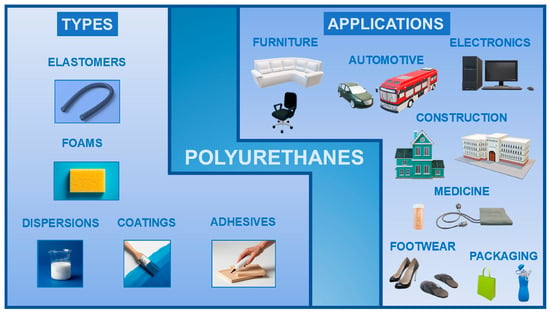
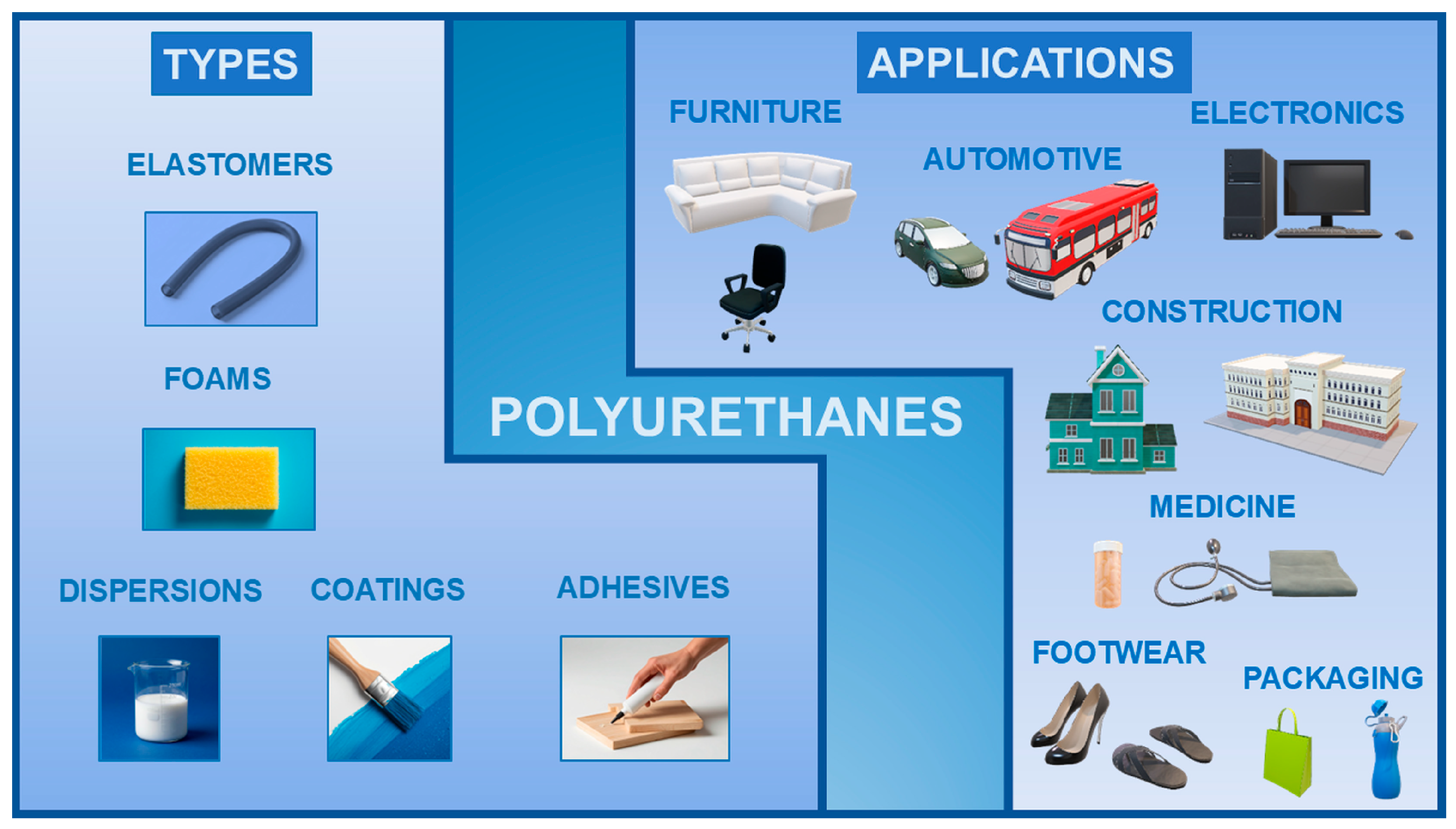
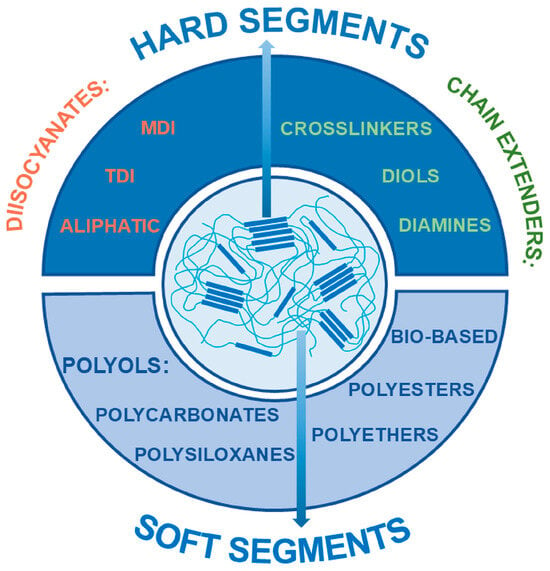
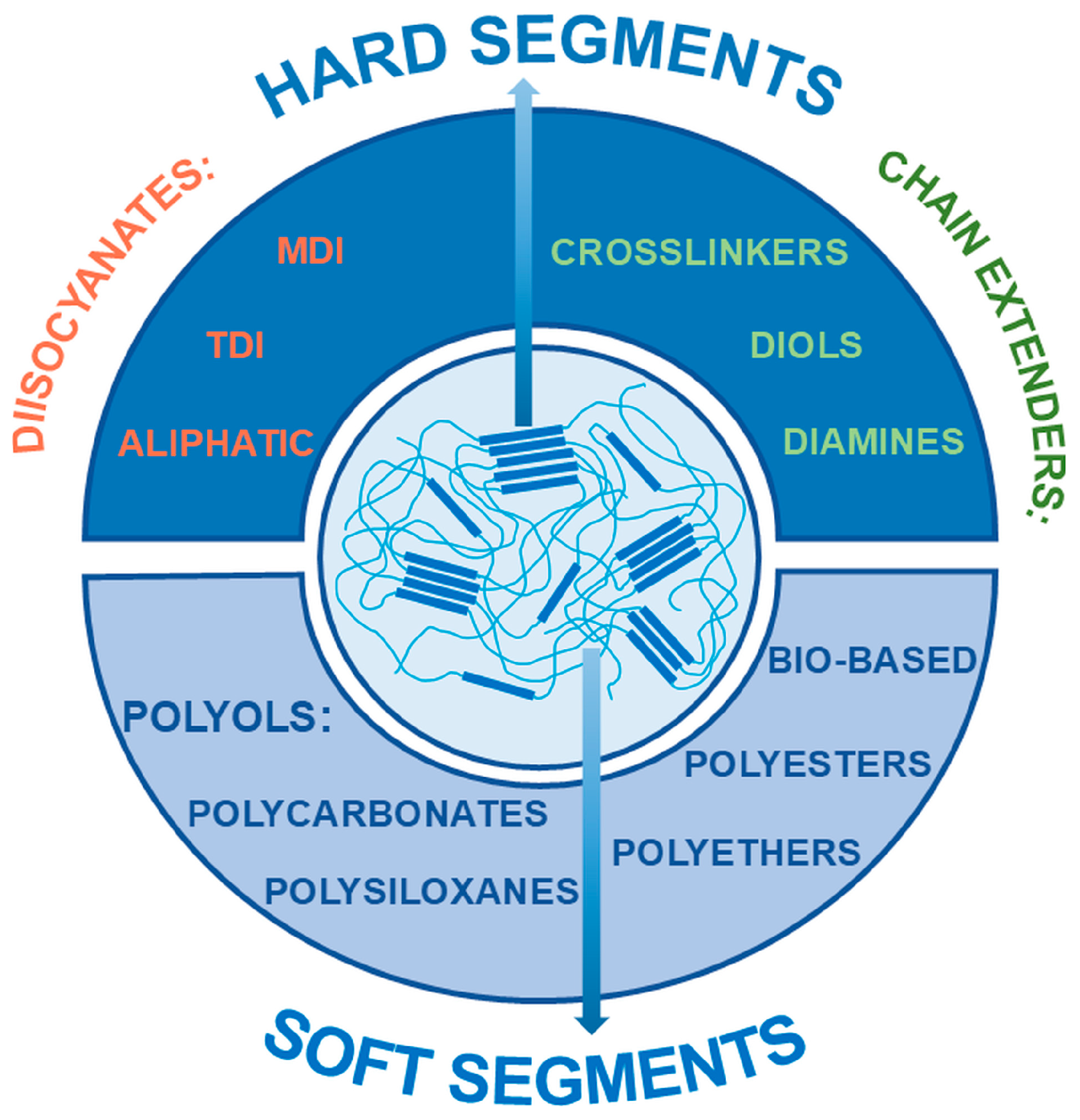
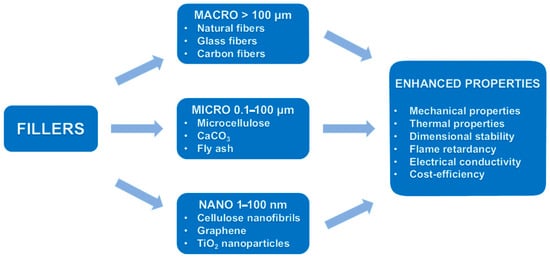
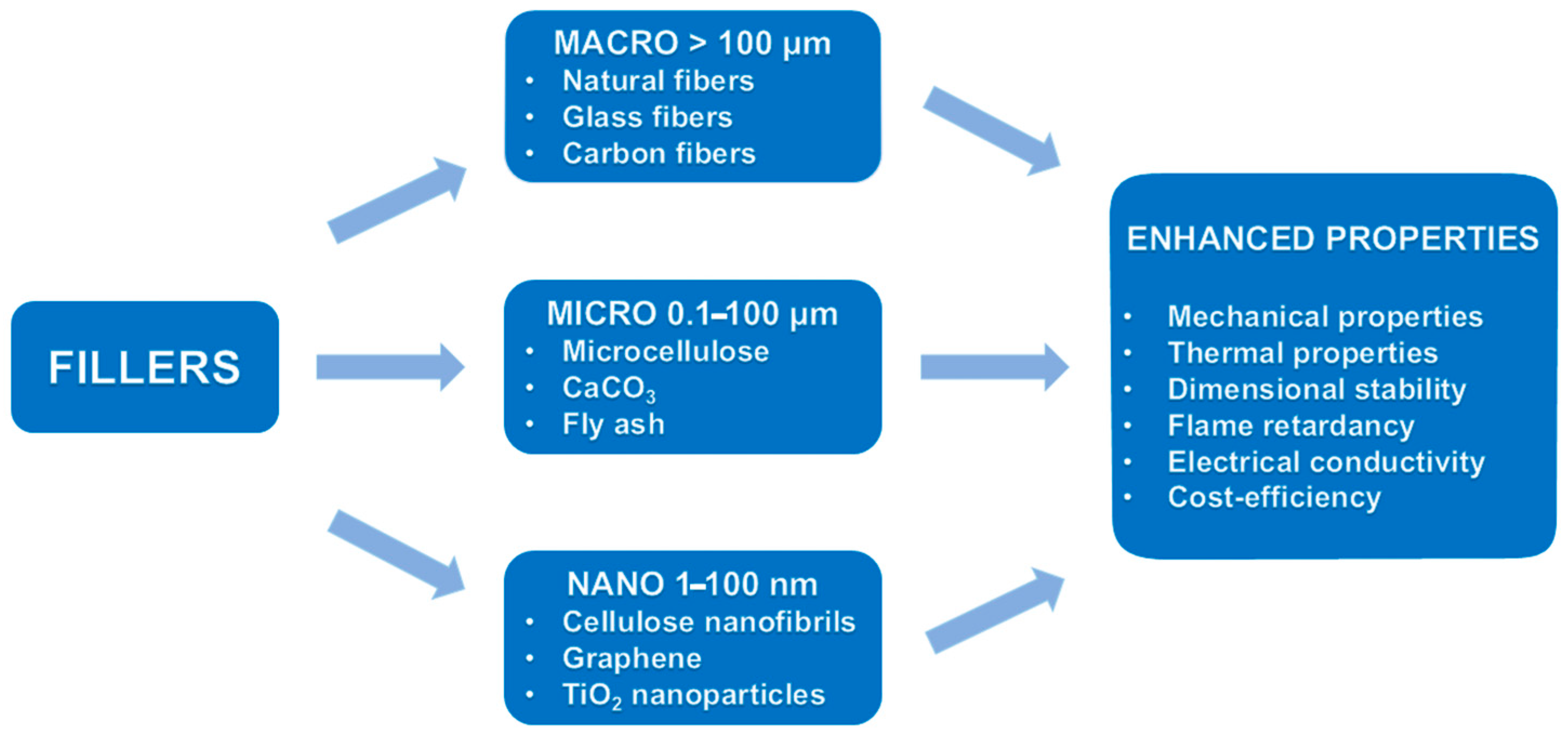
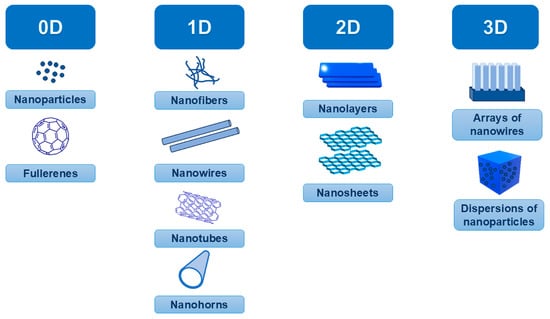
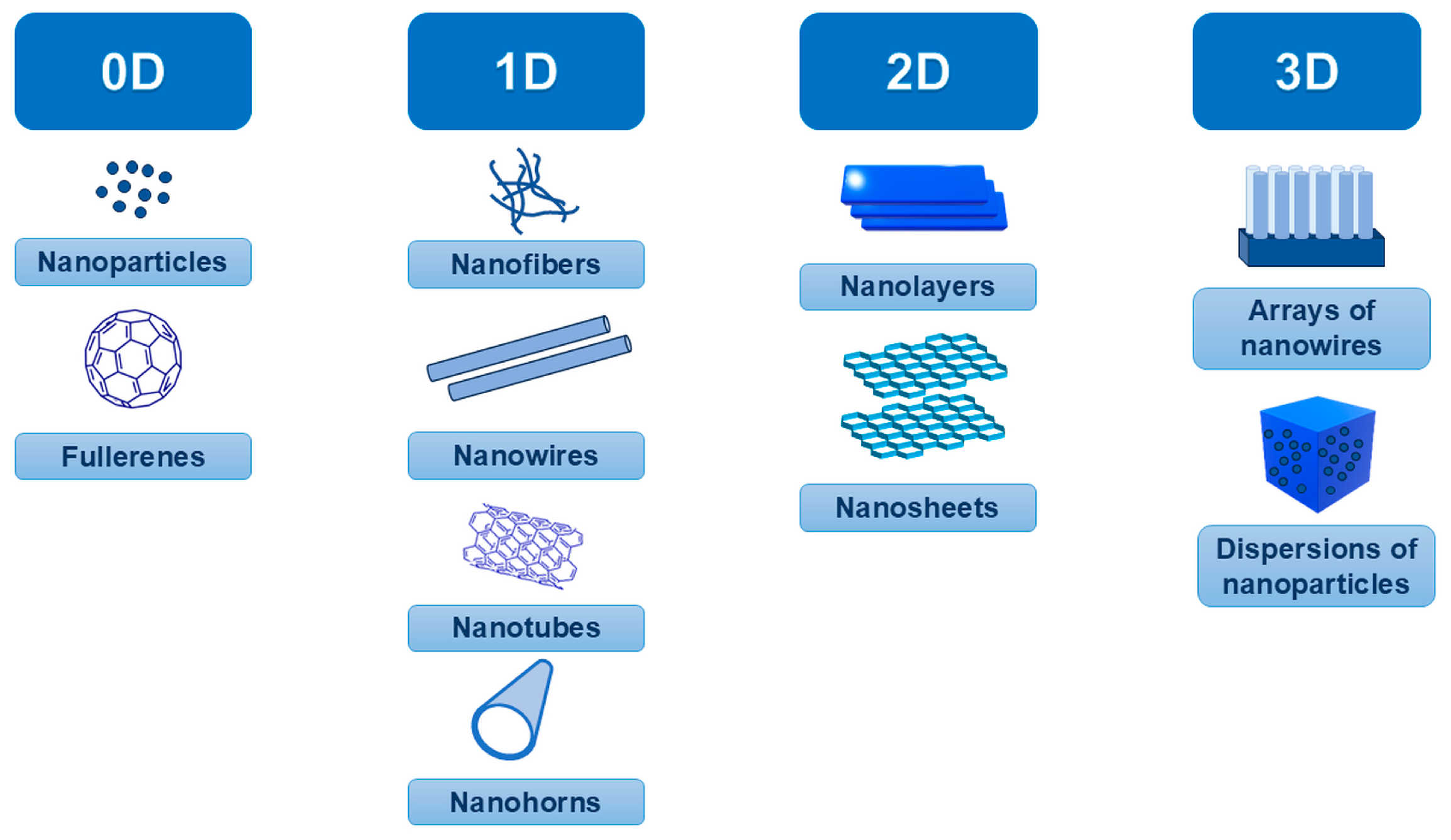
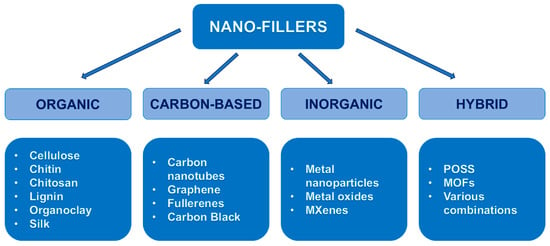
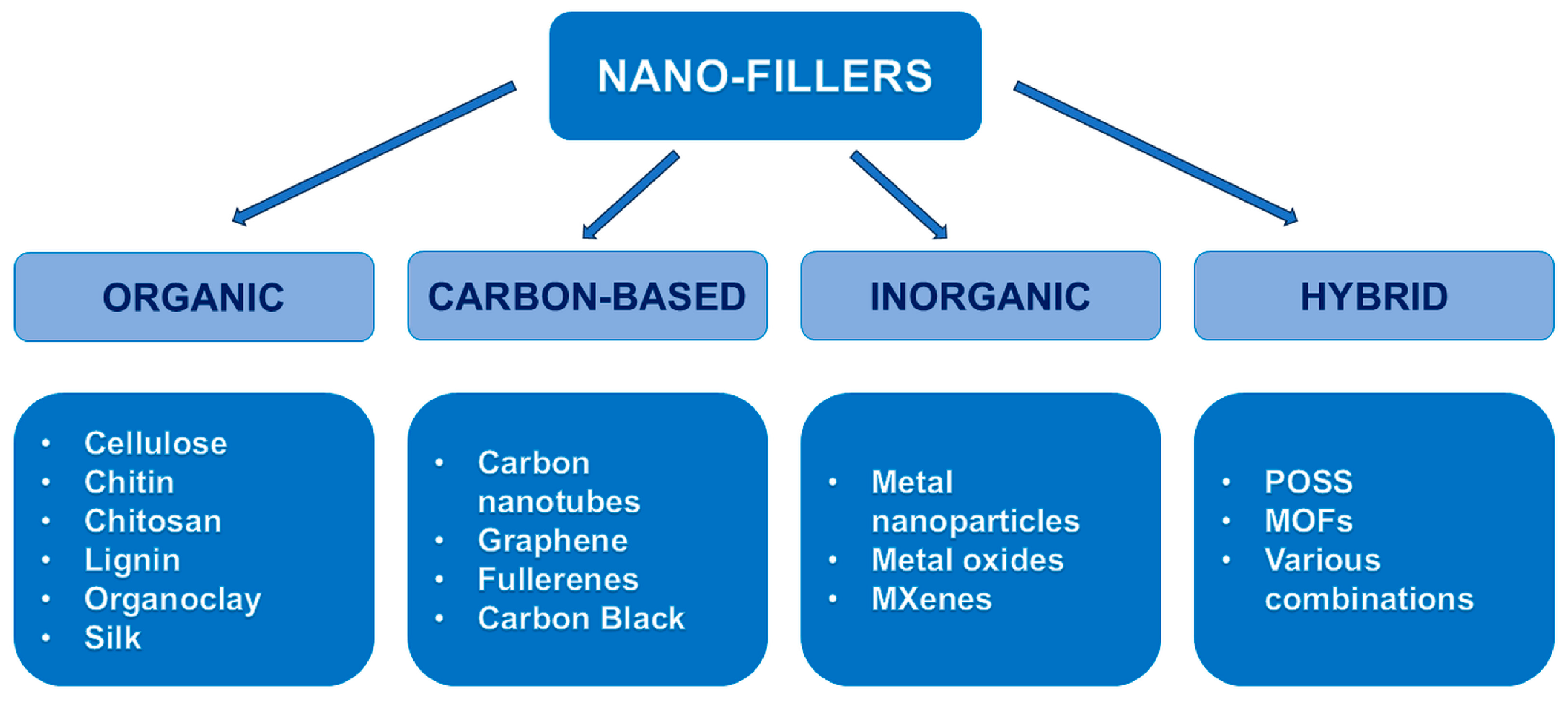
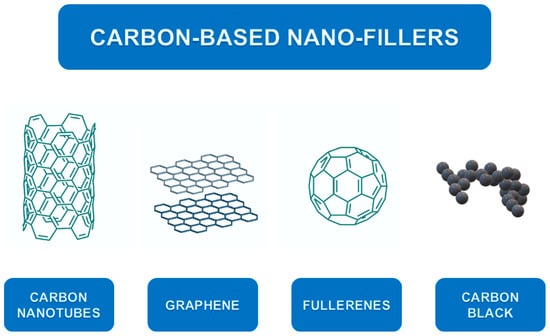
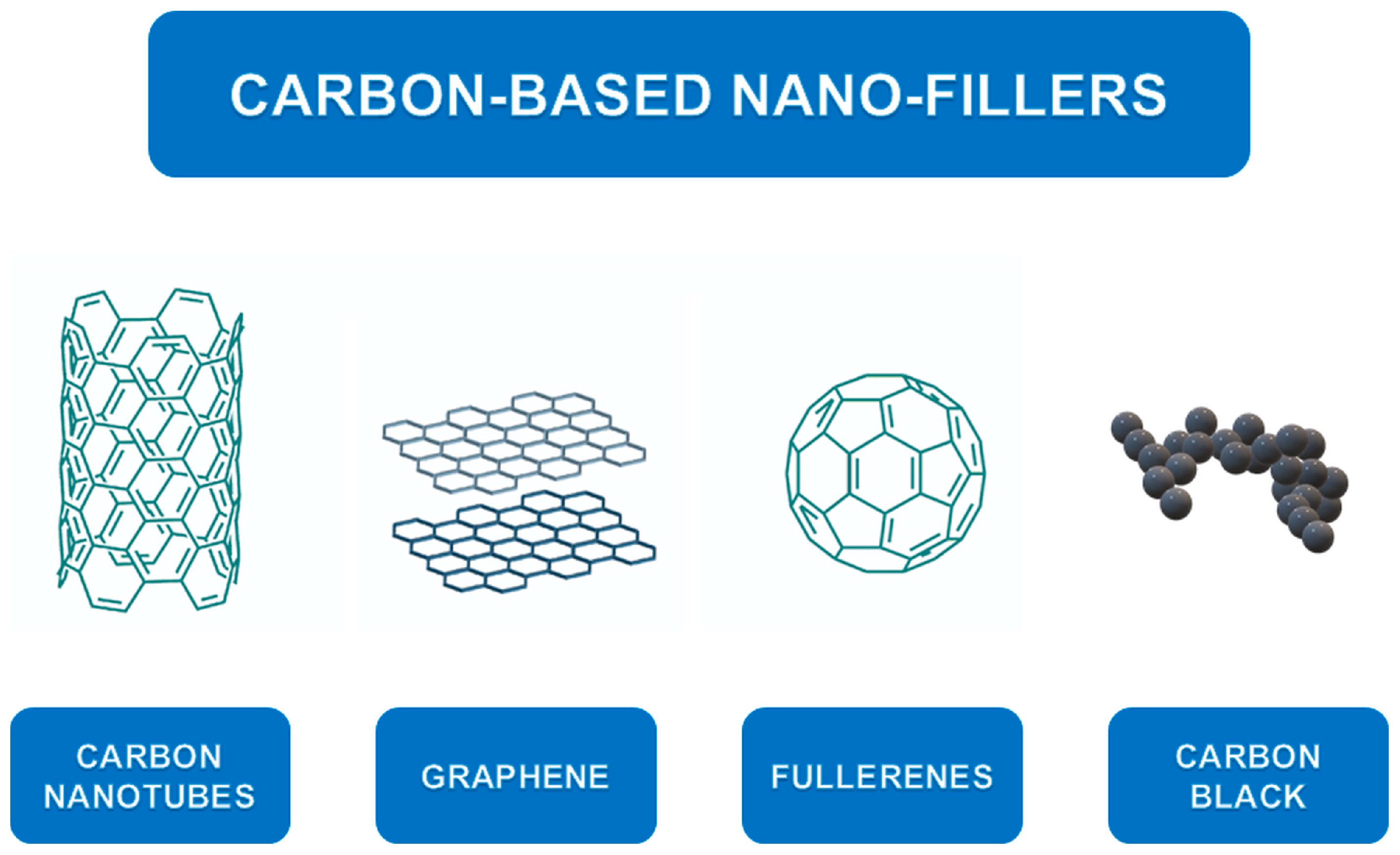
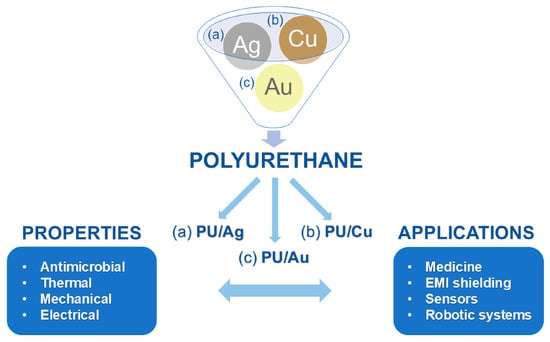
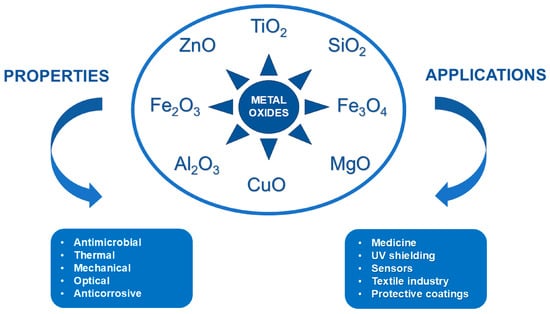
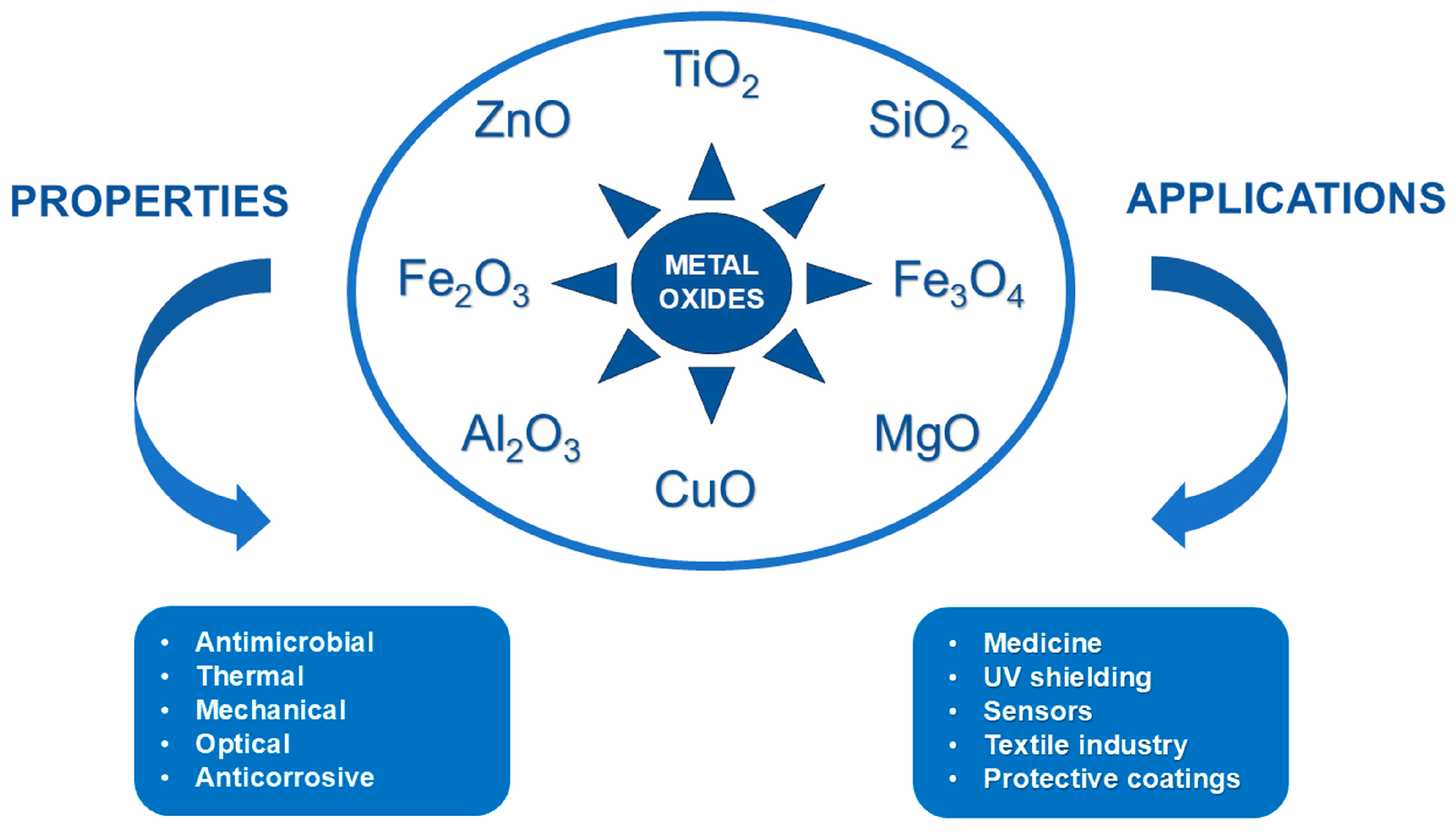
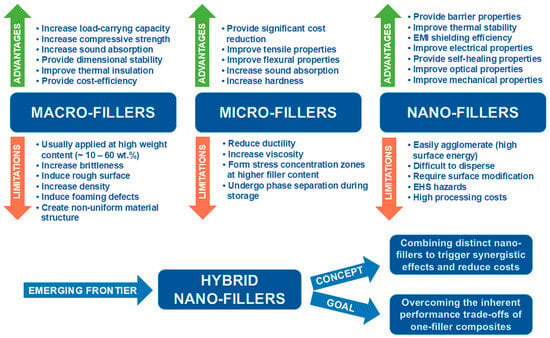
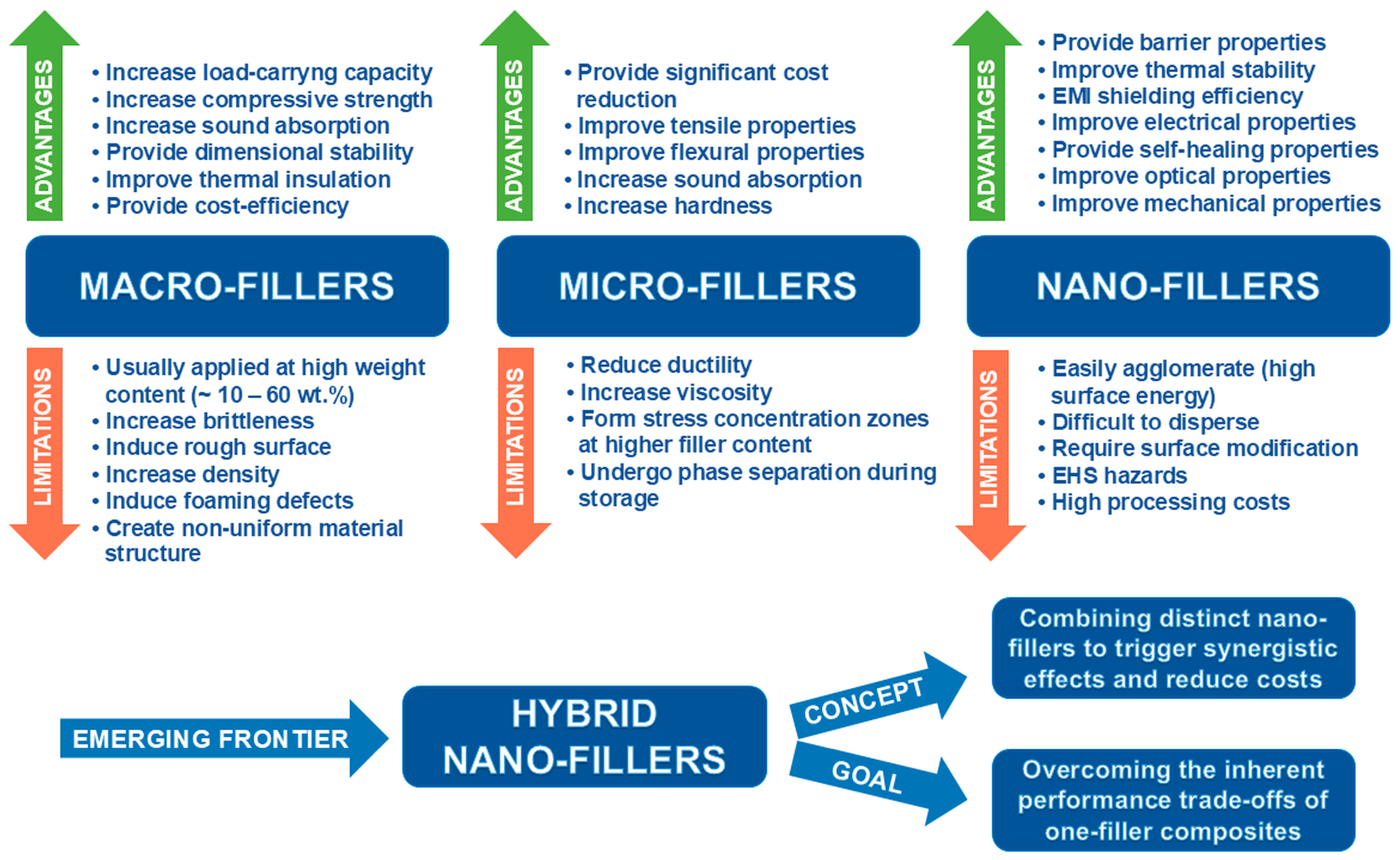

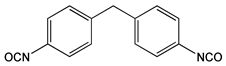
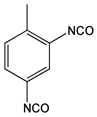
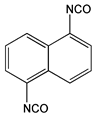
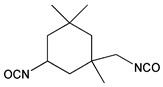



Disclaimer/Publisher’s Note: The statements, opinions and data contained in all publications are solely those of the individual author(s) and contributor(s) and not of MDPI and/or the editor(s). MDPI and/or the editor(s) disclaim responsibility for any injury to people or property resulting from any ideas, methods, instructions or products referred to in the content. |
© 2026 by the authors. Licensee MDPI, Basel, Switzerland. This article is an open access article distributed under the terms and conditions of the Creative Commons Attribution (CC BY) license.