


Abstract
To explore the high-value utilization of liquid recovery products from waste wind turbine blades in road binders, a liquid-rich fraction obtained from subcritical acetic acid degradation and subsequent vacuum distillation of waste wind turbine blade epoxy composites was introduced into styrene–butadiene–styrene (SBS)-modified asphalt to prepare composite-modified asphalt. Conventional property tests, dynamic shear rheological tests, bending beam rheological tests, steady shear tests, master curve analysis, Fourier transform infrared spectroscopy (FTIR), and gel permeation chromatography (GPC) were conducted to systematically evaluate the influence of the liquid-rich fraction on the properties and structural characteristics of the composite-modified asphalt. The results showed that, with increasing liquid-rich fraction content, the softening point increased, while penetration and ductility decreased, and the rotational viscosity at 135 °C increased, indicating enhanced overall stiffness and high-temperature flow resistance. High-temperature rheological results showed that the liquid-rich fraction increased the storage modulus, loss modulus, and rutting factor, while decreasing the phase angle improved the high-temperature deformation resistance of the composite-modified asphalt. Low-temperature rheological results indicated that the creep stiffness S increased, the m-value decreased, and the S/m ratio increased, suggesting weakened stress relaxation capacity and reduced cracking resistance at low temperature. Fatigue factor and steady shear results revealed that the liquid-rich fraction enhanced structural stability and flow resistance but also increased fatigue damage sensitivity at intermediate temperature. Master curves, Black diagram, and Cole–Cole plots further demonstrated that the liquid-rich fraction increased the modulus level over a wide frequency domain and strengthened the structural stability of the asphalt system. FTIR and GPC results indicated that the introduction of the liquid-rich fraction increased the relative contents of aromatic structures and polar oxygen-containing groups and promoted molecular association and increased the apparent molecular weight level of the system. Overall, the liquid-rich fraction acted as a structure-enhancing modifier in SBS-modified asphalt, improving its high-temperature performance while causing a certain trade-off in low-temperature and fatigue properties. Therefore, the dosage should be selected by balancing high-temperature stability, low-temperature cracking resistance, and fatigue durability, and the practical sustainability of this recycling route still requires dedicated economic and environmental evaluation.
1. Introduction
With the rapid development of the wind power industry, the number of retired wind turbine blades has continued to increase, making the resource utilization of waste blades an increasingly important issue. Wind turbine blades are typically made of glass-fiber-reinforced thermosetting resin composites, which are insoluble, infusible, and difficult to remold. Conventional disposal methods, such as landfilling and incineration, exhibit low resource utilization efficiency and may impose environmental burdens. Therefore, the development of high-value recycling technologies for waste wind turbine blades is of great significance. Studies have shown that, compared with mechanical recycling and pyrolysis, chemical recycling can achieve directional depolymerization of thermosetting resins under relatively mild conditions while better preserving fiber properties, making it one of the most promising recycling routes for retired wind turbine blades [1,2].
Among various chemical recycling systems, subcritical acetic acid has shown good degradation performance for amine-cured epoxy resin/glass fiber composites [3]. Previous studies demonstrated that, under suitable conditions, subcritical acetic acid can efficiently degrade epoxy resin in glass-fiber-reinforced polymer (GFRP) composites and yield liquid degradation products represented by bisphenol A and bisphenol A diacetate. Meanwhile, acetic acid can be further separated and recovered through vacuum distillation, indicating good process feasibility. However, existing studies have mainly focused on degradation processes and recovery efficiency, whereas the high-value utilization of liquid recovery products derived from degraded epoxy resin remains insufficiently explored. More broadly, the conversion of industrial waste streams into high-value functional materials has become an important research direction within the framework of circular economy and sustainable materials engineering. Previous studies have shown that waste-derived resources can be transformed into engineered materials with targeted technological and environmental applications. Previous studies have also shown that resin-based or epoxy-related modifiers can effectively improve the modulus level and high-temperature stability of asphalt binders, thereby providing a relevant technical background for exploring recycled epoxy-derived fractions in asphalt systems [4]. In particular, the direct application of epoxy resin-derived liquid fractions from waste wind turbine blades in styrene–butadiene–styrene (SBS)-modified asphalt systems has rarely been reported, and the corresponding rheological effects and structural evolution mechanisms remain unclear.
As the most widely used binder in pavement engineering, asphalt is highly dependent on its high-temperature rutting resistance, low-temperature cracking resistance, and storage stability for long-term service performance [5]. Previous studies on polymer modification have shown that resinous components with certain rigid and polar structural characteristics can improve the overall modulus and structural stability of asphalt systems, although they may also lead to reduced low-temperature flexibility [6]. Recovered epoxy resin-related products contain aromatic structures and polar functional groups and therefore theoretically have the potential to be used as rigid organic modifying components in asphalt systems. Previous studies have shown that resin-based or rigid organic modifiers can improve the modulus level and high-temperature stability of asphalt systems, although their influence on low-temperature flexibility and compatibility must also be considered. Meanwhile, the modification of SBS asphalt using waste-derived polymeric materials has also attracted increasing attention in recent years, especially in the context of recycling-oriented pavement materials. However, compared with thermoplastic recycled polymers, the application of recycled products derived from thermosetting epoxy composites in bituminous binders is still rarely reported. Therefore, the present work focuses on the binder-level response of an epoxy resin-derived liquid-rich fraction obtained from waste wind turbine blade degradation, with the aim of providing an exploratory reference for the utilization of thermoset recycling products in asphalt materials.
However, the effect of epoxy resin-derived recycled liquid fractions from waste wind turbine blades on the rheological performance and structural evolution of SBS-modified asphalt has not yet been systematically clarified. Based on this, in this study, the liquid-rich fraction derived from subcritical acetic acid degradation of waste wind turbine blade epoxy composites was introduced into an SBS-modified asphalt system to prepare composite-modified asphalt. Through conventional property tests, rheological characterization, and microstructural analyses, including Fourier transform infrared spectroscopy (FTIR) and gel permeation chromatography (GPC), the effects of the liquid-rich fraction on the conventional properties, wide-temperature rheological behavior, and mechanism of the composite-modified asphalt were systematically investigated [7]. Therefore, this study aims to evaluate the influence of the epoxy resin-derived liquid-rich fraction on the conventional properties, rheological behavior, and structural characteristics of SBS-modified asphalt and to further reveal its modification mechanism from the perspectives of FTIR and GPC. The novelty of this work lies in introducing a recycled liquid fraction derived from waste wind turbine blade epoxy composites directly into an SBS-modified asphalt system and systematically clarifying its performance effect and structure–property relationship. Broad-frequency rheological tools, including time–temperature superposition and Black-diagram analysis, are commonly used to describe the viscoelastic response of modified asphalt binders [8,9]. Previous studies have also examined the storage stability and thermal degradation of SBS binders, FTIR- and rheology-based SBS characterization, regeneration of aged SBS-modified asphalt, and interfacial behavior of recycled SBS binders [10,11,12,13,14,15]. The present study mainly focuses on the material feasibility and binder-level performance response of this recycled fraction, whereas a dedicated economic and environmental assessment of the proposed recycling route was beyond the scope of this work.
2. Materials and Methods
In this study, recycled epoxy resin-related products obtained from subcritical acetic acid degradation of waste wind turbine blade epoxy composites were used as modifying components for asphalt preparation, and their effects on the conventional properties, rheological properties, and microstructural characteristics of the modified asphalt were investigated. The experimental program mainly included the preparation of recycled epoxy resin-related products, the preparation of modified asphalt, and the corresponding performance tests.
2.1. Raw Materials
SBS-modified asphalt produced by Tianjin Zhonghang Lutong Co., Ltd. (Tianjin, China) was used as the base binder in this study. The material was a commercial road SBS-modified asphalt with a nominal SBS content of about 4.5%. Its measured basic properties were as follows: penetration at 25 °C of 56 (0.1 mm), softening point of 72 °C, ductility at 5 °C of 40 cm, and rotational viscosity at 135 °C of 1.20 Pa·s. The binder exhibited the typical property level of an SBS-modified road asphalt with relatively high softening point and moderate penetration.
The recycled raw material was waste wind turbine blade composite obtained from dismantled wind turbine blades, which mainly consisted of glass-fiber-reinforced epoxy resin composite. Analytical-grade glacial acetic acid was used as the degradation medium. After subcritical acetic acid degradation and subsequent vacuum distillation, a dark viscous recycled liquid fraction derived from epoxy resin degradation was obtained and used as a composite-modifying component in the subsequent experiments. The basic information of the raw materials is listed in Table 1.
Table 1.
Raw materials and their sources.
2.2. Preparation of Recycled Epoxy Resin-Related Products
To obtain an epoxy resin-derived liquid-rich fraction suitable for asphalt modification, waste wind turbine blade composites were degraded using subcritical acetic acid. Previous studies have shown that subcritical acetic acid exhibits superior degradation performance for epoxy resin composites among various subcritical/supercritical fluid systems, producing a dark liquid phase with good fluidity and clean, fluffy recycled glass fibers. Under optimized conditions, namely a reaction temperature of 280 °C, a holding time of 60 min, and a solid-to-liquid ratio of 3 g/50 mL, the epoxy resin degradation rate reached 99.81%, while the tensile strength retention rate of the recovered glass fibers reached 96.49%.
After degradation, the liquid products were separated from the solid glass fibers. The liquid phase was then further subjected to vacuum distillation to separate and recover acetic acid and high-boiling resin degradation components. According to previous process optimization results, the suitable vacuum distillation conditions were a system pressure of 25 mmHg, a distillation temperature of 55 °C, a condensation temperature of −10 °C, and a flask rotation speed of 100 rpm. Under these conditions, the recovered acetic acid was nearly colorless and transparent, and no obvious organic impurities were observed in the distilled fraction. The residue obtained after distillation was dark and viscous and was defined in this study as the epoxy resin-derived liquid-rich fraction. This fraction mainly represented the high-boiling retained products after acetic acid recovery and was therefore used as the recycled modifying component in the subsequent asphalt preparation. According to previous degradation and separation results, the retained liquid-phase products were mainly associated with bisphenol A-related derivatives, phenolic compounds, ester compounds, and other oxygen-containing organic components. Therefore, in the present study, the obtained liquid-rich fraction was described as a high-boiling retained fraction likely enriched in aromatic and oxygen-containing structures after acetic acid recovery. However, the complete quantitative verification of residual acetic acid or trace low-boiling by-products in the final liquid-rich fraction was not carried out in the present study. Accordingly, the present study treats the final liquid-rich fraction mainly as a retained recycled organic fraction with inferred structural characteristics from previous separation results, rather than as a fully independently characterized modifier.
2.3. Preparation of Modified Asphalt
The base SBS-modified asphalt was first heated to 175 °C until it became fully fluid and was then maintained at this temperature. Subsequently, the epoxy resin-derived liquid-rich fraction was added according to the designed dosage. The blend was subjected to high-speed shearing at 3000 rpm for 30 min at 175 °C to promote the dispersion of the liquid-rich fraction in the SBS-modified asphalt system. After shearing, the binder was further stirred at 500 rpm under 175 °C for 90 min to allow sufficient development and homogenization of the composite system. The preparation was carried out in a 1 L asphalt preparation container. In this way, epoxy resin-derived liquid-rich fraction/SBS composite-modified asphalt was prepared.
To investigate the influence of the liquid-rich fraction on the properties of SBS-modified asphalt, its dosage was set at 0%, 1%, 2%, 3%, 4%, and 5%. The sample with 0% liquid-rich fraction was used as the SBS-modified asphalt control, while the remaining samples were composite-modified asphalt binders with different liquid-rich fraction contents. After preparation, all samples were used for subsequent conventional property tests, rheological tests, and microstructural characterization. In this study, the epoxy resin-derived liquid-rich fraction was directly introduced into the SBS-modified asphalt system as a recycled modifying component, and no curing agent was additionally added during the preparation process. To minimize the influence of thermal history, all binders were prepared under the same temperature and mixing procedure before testing. In addition, all binders were prepared using the same batch size, temperature control procedure, shearing/stirring sequence, and mixing duration to improve process reproducibility, and the subsequent low-speed development step was used to promote the dispersion and homogenization of the liquid-rich fraction in the SBS-modified asphalt system.
The selected dosage range was determined mainly from preliminary experimental considerations and practical feasibility at the binder level. On the one hand, a relatively low-to-moderate dosage range was adopted to allow the dosage-dependent variation in binder properties to be clearly observed. On the other hand, considering that the liquid-rich fraction could increase the viscosity and stiffness of the binder, excessively high contents were not used in this initial study to avoid excessively strong adverse effects on workability and low-temperature flexibility. Therefore, the range of 0%–5% was used in the present work as an exploratory dosage interval for evaluating the binder-level response of the SBS composite-modified asphalt system.
2.4. Test Methods
2.4.1. Conventional Property Tests
To evaluate the effects of the epoxy resin-derived liquid-rich fraction on the basic properties of composite-modified asphalt, penetration, softening point, ductility, and rotational viscosity at 135 °C were tested for all samples. The penetration, ductility, softening point, and rotational viscosity tests were conducted according to JTG 3410—2025, Test T0604, T0605, T0606, and T0625, respectively. Penetration was used to characterize the hardness of asphalt, softening point was used to evaluate high-temperature stability, ductility was used to reflect low-temperature deformability, and rotational viscosity at 135 °C was used to evaluate construction flowability. For the conventional property tests, penetration, softening point, ductility, and rotational viscosity were measured using at least three parallel measurements for each binder, and the reported values were expressed as mean values. The error bars shown in the corresponding figures represent the standard deviation of the repeated measurements.
2.4.2. Rheological Tests
A dynamic shear rheometer (DSR; DHR-2, TA Instruments, New Castle, DE, USA) was used to characterize the rheological properties of the samples with different liquid-rich fraction contents according to the corresponding rheological test procedures in JTG 3410—2025. For the temperature sweep test, an 8 mm parallel plate with a 2 mm gap was used. The test was conducted at a constant frequency of 10 rad/s and a strain level of 1%, which was within the linear viscoelastic range of the binders. The temperature range was set from 46 °C to 82 °C with an interval of 6 °C. Before each temperature point was measured, the sample was equilibrated for 3 min at the target temperature. The test temperature was increased stepwise according to the preset temperature interval. The complex modulus, storage modulus, loss modulus, and phase angle were obtained, and the rutting factor G*/sinδ was further calculated to evaluate the high-temperature viscoelastic behavior and deformation resistance of the composite-modified asphalt. The selected geometry and testing conditions were kept consistent for all binders to ensure comparability of the measured trends in the present study.
For the frequency sweep test, the binders were tested at 30 °C using an 8 mm parallel plate with a 2 mm gap at a strain level of 1%. The angular frequency range was set from 0.1 to 100 rad/s. The fatigue factor G*sinδ was used to characterize the fatigue damage sensitivity of the composite-modified asphalt at intermediate temperature.
For the steady shear test, the binders were tested at 60 °C, and the shear rate ranged from 0.1 to 100 s−1 to obtain the steady-state flow curves of viscosity as a function of shear rate.
A bending beam rheometer (BBR; AR 2000ex, TA Instruments, New Castle, DE, USA) was used to test the samples at −18 °C and −24 °C according to the corresponding low-temperature rheological test procedures in JTG 3410—2025. Beam specimens were prepared for low-temperature creep testing and conditioned at the target temperature before loading. During the test, the creep-related parameter S and m-value were recorded as a function of loading time, and the values at 60 s were adopted as the main basis for comparative analysis. The S/m ratio was further calculated only as an auxiliary comparative index for evaluating the relatively low-temperature cracking resistance of the binders.
Furthermore, based on the time–temperature superposition principle, complex modulus master curves were constructed at reference temperatures of 30 °C and 60 °C. Frequency sweep tests for master curve construction were conducted at 10, 20, 30, 40, 50, 60, and 70 °C using an 8 mm parallel plate with a 2 mm gap at a strain level of 1%. The fitted parameters of the Williams–Landel–Ferry (WLF) shift factor model and sigmoidal master curve model are summarized in Table 2. The angular frequency range was 0.1–100 rad/s, and the sample was equilibrated for 3 min at each target temperature before measurement. The shift factors were obtained by horizontal shifting of the frequency sweep data along the frequency axis, and the reduced frequency was defined as . The shift factor relationship was described using the Williams–Landel–Ferry (WLF) equation, as shown in Equation (1):
Table 2.
Fitting parameters of the sigmoidal master curve model and Williams–Landel–Ferry (WLF) shift factor model.
The master curves of complex modulus were fitted using a sigmoidal model, as shown in Equation (2):
where is the horizontal shift factor, is the reference temperature, is the reduced frequency, and , , , and are fitting parameters of the sigmoidal model. The model fitting was carried out through nonlinear least-squares regression, and the goodness of fit was evaluated using the coefficient of determination . The shift factor, Black diagram, and Cole–Cole plot were further used to comparatively analyze the viscoelastic behavior of the composite-modified asphalt over a wide frequency domain [8,9].
The DSR- and BBR-based results presented in this study reflect the measured binder-level responses under the same preparation and testing protocol, and were mainly used for comparative trend analysis among binders with different liquid-rich fraction contents.
2.4.3. Microstructural Characterization
Fourier transform infrared spectroscopy (FTIR; ALPHA II, Bruker Optics GmbH & Co. KG, Ettlingen, Germany) was used to analyze the functional groups of the different samples according to the conventional infrared characterization procedure for asphalt materials [16,17,18]. The spectra were collected over the wavenumber range of 400–4000 cm−1 with a resolution of 4 cm−1 and 16 scans for each sample. The samples were prepared using the transmission method. Combined with enlarged characteristic peak regions and the variation in characteristic peak intensity ratios, the changes in the chemical structural characteristics of the composite-modified asphalt after the introduction of the liquid-rich fraction were analyzed. For the FTIR analysis, the spectra were compared after baseline correction, and the characteristic peak ratios were calculated based on the relative peak height method. The absorption band near 2972 cm−1 was used as the reference peak because it remained relatively stable among the tested binders and was therefore suitable for comparative normalization of the characteristic bands.
Gel permeation chromatography (GPC; Alliance e2695 separations module equipped with a 2414 refractive index detector, Waters Corporation, Milford, MA, USA) was used to characterize the apparent molecular weight distribution of the different samples according to the conventional gel permeation chromatographic procedure for asphalt molecular size analysis [6]. Tetrahydrofuran (THF) was used as the eluent and sample solvent. The asphalt samples were dissolved in THF at a concentration of 2 mg/mL and filtered before testing. The chromatographic separation was carried out using a Styragel HR 5E column (7.8 mm × 300 mm, 5 μm; Waters Corporation, Milford, MA, USA), with a flow rate of 1.0 mL/min at 35 °C. The Waters 2414 refractive index detector was used for signal acquisition, and polystyrene standards were used for calibration. The number-average molecular weight, weight-average molecular weight, and polydispersity index (PDI) were further calculated to analyze the effects of the liquid-rich fraction on the molecular weight distribution and molecular association characteristics of the composite-modified asphalt.
Similarly, the FTIR peak ratio analysis and GPC results were mainly used to support comparative structural interpretation of the tested binders under the present experimental conditions.
3. Results and Discussion
3.1. Basic Characteristics of the Epoxy Resin-Derived Liquid-Rich Fraction
After subcritical acetic acid degradation and subsequent vacuum distillation of waste wind turbine blade epoxy composites, an epoxy resin-derived liquid-rich fraction was obtained as the retained high-boiling residue after acetic acid recovery. This fraction exhibited an overall dark and viscous appearance, indicating that it was not a single pure compound but rather a concentrated recycled fraction composed of multiple relatively high-boiling organic substances. Figure 1 shows the appearance of the obtained liquid-rich fraction. Based on its appearance and source characteristics, the obtained fraction can be described as a retained recycled organic fraction derived from epoxy resin degradation. Its actual influence on the conventional properties, rheological behavior, and structural characteristics of SBS-modified asphalt is further evaluated in the following sections.
Figure 1.
Appearance of the epoxy resin-derived liquid-rich fraction.
3.2. Conventional Property Analysis of Composite-Modified Asphalt
3.2.1. Variation in Penetration, Softening Point, and Ductility
Table 3 presents the original test results of penetration, softening point, and ductility of SBS composite-modified asphalt with different liquid-rich fraction contents. With increasing content of the epoxy resin-derived liquid-rich fraction, the softening point of the modified asphalt gradually increased, whereas penetration and ductility gradually decreased. This indicates that the introduction of the liquid-rich fraction increased the overall stiffness of the system and improved the softening-point-related thermal resistance of the binder, while exerting a certain adverse effect on the low-temperature deformability of the material.
Table 3.
Conventional properties of SBS composite-modified asphalt with different liquid-rich fraction contents.
Since penetration, softening point, and ductility differ in dimension and numerical range, direct comparison of their original values in a unified coordinate system is not intuitive. Therefore, taking the SBS-modified asphalt with 0% liquid-rich fraction as the reference, the three conventional indices were normalized, and the normalized results are shown in Figure 2.
Figure 2.
Normalized conventional properties of styrene–butadiene–styrene (SBS) composite-modified asphalt with different liquid-rich fraction contents. Error bars represent the standard deviation of repeated measurements (n = 3).
As shown in Figure 2, with increasing liquid-rich fraction content, the normalized softening point continuously increased, whereas the normalized penetration and ductility continuously decreased, indicating that the modification effect of the liquid-rich fraction on SBS-modified asphalt was mainly characterized by increased stiffness, higher softening-point-related thermal resistance, and reduced low-temperature flexibility [7]. This may be attributed to the fact that the liquid-rich fraction contains a considerable amount of aromatic rigid structures and high-boiling organic components. After entering the asphalt system, these components may strengthen the internal structural constraint, making the material less prone to viscous flow and permanent deformation under thermal loading [6,17]. Meanwhile, the polar components in the liquid-rich fraction may enhance intermolecular interactions within the system and restrict the coordinated movement of molecular chains and light fractions at low temperature, thereby reducing the ductility of the material [6,17].
Overall, the epoxy resin-derived liquid-rich fraction exhibited a typical “stiffening and softening point enhancement–low-temperature deterioration” effect on SBS-modified asphalt at the level of conventional properties. This trend became more pronounced with increasing content, indicating that the liquid-rich fraction can serve as a recycled stiffening and structure-adjusting component for tuning the performance of SBS-modified asphalt; however, its strengthening effect is accompanied by a reduction in low-temperature flexibility.
3.2.2. Variation in Rotational Viscosity
To further evaluate the effects of the epoxy resin-derived liquid-rich fraction on the construction performance and high-temperature flow characteristics of SBS-modified asphalt, the rotational viscosity of the binders with different liquid-rich fraction contents was measured at 135 °C, and the results are shown in Figure 3. It can be seen that, with increasing liquid-rich fraction content, the rotational viscosity of the composite-modified asphalt gradually increased, from 1.20 Pa·s at 0% content to 1.72 Pa·s at 5% content, indicating that the introduction of the epoxy resin-derived liquid-rich fraction increased the flow resistance and viscosity level of SBS-modified asphalt under the test condition of 135 °C.
Figure 3.
Rotational viscosity of SBS composite-modified asphalt with different liquid-rich fraction contents at 135 °C. Error bars represent the standard deviation of repeated measurements (n = 3).
From the variation trend, a relatively good linear relationship was observed between liquid-rich fraction content and rotational viscosity at 135 °C, suggesting that the influence of the liquid-rich fraction on system viscosity was relatively stable within the investigated dosage range. This may be attributed to the fact that the liquid-rich fraction is rich in high-boiling organic components, aromatic rigid structures, and polar oxygen-containing groups. After entering the SBS-modified asphalt system, these components not only improve the compactness of the binder structure, but also enhance intermolecular interactions among the constituents, thereby suppressing the free flow of the material at high temperature.
The rotational viscosity results are consistent with the previously observed increase in softening point and decrease in penetration, further indicating that the epoxy resin-derived liquid-rich fraction can increase the viscosity level and flow resistance of SBS-modified asphalt under elevated temperature conditions [19,20]. The broader high-temperature rheological implications are further discussed in the subsequent DSR analysis. However, the continuous increase in rotational viscosity also suggests that excessive liquid-rich fraction content may have a certain adverse effect on construction workability. Therefore, in evaluating the composite modification effect of the liquid-rich fraction, both the improvement in high-temperature performance and the increase in construction viscosity should be comprehensively considered.
Overall, with increasing liquid-rich fraction content, the viscosity level and resistance to flow under elevated temperature conditions continuously increased. This indicates that the potential improvement in structural stability should be considered together with the corresponding increase in construction viscosity. Nevertheless, within the investigated dosage range, the rotational viscosity at 135 °C remained within a relatively moderate binder-level range (1.20–1.72 Pa·s), suggesting that the modified binders still retained basic practical workability at the binder level. However, whether this viscosity range is fully suitable for actual pavement mixing, transportation, paving, and compaction still requires further verification in mixture-level and engineering application studies.
3.3. Rheological Performance Analysis of the Epoxy Resin-Derived Liquid-Rich Fraction/SBS Composite-Modified Asphalt
3.3.1. Analysis of High-Temperature Viscoelasticity and Deformation Resistance
To systematically evaluate the influence of the epoxy resin-derived liquid-rich fraction on the high-temperature rheological behavior of the composite-modified asphalt, temperature sweep tests were conducted using a dynamic shear rheometer for samples with different liquid-rich fraction contents. The rutting factor G*/sinδ was further calculated. The variations in storage modulus G′ and loss modulus G″ with temperature are shown in Figure 4, while the corresponding results for phase angle and rutting factor are presented in Figure 5 and Figure 6, respectively. Overall, as the test temperature increased, the G′, G″, and G*/sinδ values of all samples continuously decreased, whereas the phase angle generally increased [5]. This indicates that increasing temperature weakened the structural stability of all binders and gradually shifted them from a relatively structured state toward a state with more pronounced viscous flow characteristics. In other words, this trend reflects the common temperature-dependent softening behavior of asphalt binders rather than the comparative effect of liquid-rich fraction dosage.
Figure 4.
Variations in storage modulus G′ and loss modulus G″ of SBS composite-modified asphalt with different liquid-rich fraction contents as a function of temperature.
Figure 5.
Phase angle δ of SBS composite-modified asphalt with different liquid-rich fraction contents as a function of temperature.
Figure 6.
Rutting factor G*/sinδ of SBS composite-modified asphalt with different liquid-rich fraction contents as a function of temperature.
From the variation in storage modulus G′, after the introduction of the liquid-rich fraction, the G′ values of all composite-modified asphalt samples were generally higher than those of the SBS-modified asphalt control over the entire test temperature range. Moreover, G′ generally increased with increasing liquid-rich fraction content. This indicates that the addition of the liquid-rich fraction enhanced the elastic response and structural load-bearing capacity of the system, enabling the composite-modified asphalt to maintain relatively high structural integrity under high-temperature conditions [19]. This may be attributed to the fact that the liquid-rich fraction contains abundant aromatic rigid structures and high-boiling organic components, which strengthen the interactions among structural units in the SBS-modified asphalt system and thus improve the energy storage capacity of the material under loading.
The results for the loss modulus G″ show that the G″ values of all samples also continuously decreased with increasing temperature. However, after the addition of the liquid-rich fraction, the overall G″ values also increased, indicating that the liquid-rich fraction not only enhanced the elastic component of the material but also increased the capability of the system to dissipate external energy. For composite-modified asphalt, an increase in G″ means that the material still retains a certain viscous response during loading. However, the simultaneous increase in both G′ and G″ indicates that the role of the liquid-rich fraction is not simply to increase viscous flow, but rather to enhance the overall viscoelastic structural characteristics of the material.
The variation in phase angle δ further reflects the adjustment of the viscoelastic composition of the composite-modified asphalt. With increasing temperature, the phase angle of all samples generally increased, indicating that the viscous component gradually became more dominant at high temperature. However, compared with the control, the phase angle of all composite-modified asphalt samples decreased after the addition of the liquid-rich fraction, indicating that the liquid-rich fraction suppressed the viscous flow tendency of the material to a certain extent and enabled the system to exhibit stronger elastic or structural recovery characteristics. This suggests that the introduction of the liquid-rich fraction did not damage the original modification basis of the SBS-modified asphalt, but instead further strengthened the high-temperature structural stability of the system.
To further evaluate the high-temperature deformation resistance of the composite-modified asphalt, the rutting factor G*/sinδ was calculated based on the temperature sweep results of G′ and G″. The results show that the rutting factor of all samples continuously decreased with increasing temperature, indicating that the resistance of the material to permanent deformation gradually weakened under high-temperature conditions. Compared with the SBS-modified asphalt control, the rutting factor of all composite-modified asphalt samples was higher over the entire test temperature range after the addition of the liquid-rich fraction, demonstrating that the introduction of the liquid-rich fraction effectively enhanced the resistance of the material to shear deformation and permanent deformation accumulation under high-temperature loading. It should be noted that this conclusion is based on binder-level rheological evaluation using G*/sinδ, which provides an indirect indication of rutting resistance, whereas the actual pavement rutting performance under complex traffic and environmental conditions still requires further verification by mixture-level or engineering-scale testing. In particular, the differences among samples with different liquid-rich fraction contents became more obvious in the medium to high-temperature range, suggesting that the strengthening effect of the liquid-rich fraction on the high-temperature structural stability of the system was more pronounced at elevated temperatures.
From the overall variation trend with content, as the liquid-rich fraction dosage increased, the G′, G″, and rutting factor of the composite-modified asphalt generally increased, while the phase angle generally decreased. This indicates that, although all binders became less structurally stable with increasing temperature, the liquid-rich fraction still improved the high-temperature stiffness and rutting resistance of the SBS-modified asphalt system when compared with the control at the same test temperature and reduced its viscous flow tendency.
Overall, based on the variation in G′, G″, phase angle, and rutting factor, the epoxy resin-derived liquid-rich fraction can improve the high-temperature viscoelastic properties and binder-level deformation resistance of the composite-modified asphalt. However, the present interpretation is still based on rheological indicators of the binder itself, and the actual rutting performance under complex traffic loading and pavement service conditions should be further verified through mixture-level testing. Therefore, the effect of temperature and the effect of liquid-rich fraction dosage should be interpreted separately: the former governs the overall softening trend of all binders, whereas the latter determines the relative structural strength among different binders at a given temperature.
3.3.2. Analysis of Low-Temperature Rheological Properties
In the present study, the low-temperature rheological indices S, m-value, and S/m were compared mainly based on their values at 60 s, to evaluate the relative variation in low-temperature stiffness and stress relaxation capacity caused by the liquid-rich fraction.
To evaluate the influence of the epoxy resin-derived liquid-rich fraction on the low-temperature performance of the composite-modified asphalt, bending beam rheometer (BBR) tests were conducted on samples with different liquid-rich fraction contents at −18 °C and −24 °C.
Figure 7 presents the BBR response curves of the composite-modified asphalt at −18 °C. In the present study, the low-temperature evaluation mainly focused on the values of S and m at 60 s, as summarized in Table 4. Compared with the SBS-modified asphalt control, the binders containing the liquid-rich fraction generally exhibited higher values and lower values, indicating a stiffer low-temperature response and weaker stress relaxation capacity after the incorporation of the liquid-rich fraction.
Figure 7.
Variations in creep stiffness S and m-value of SBS composite-modified asphalt with different liquid-rich fraction contents at −18 °C.
Table 4.
Bending beam rheometer (BBR) parameters at 60 s of SBS composite-modified asphalt with different liquid-rich fraction contents.
Figure 8 presents the corresponding BBR response curves at −24 °C. Like the trend observed at −18 °C, the binders containing the liquid-rich fraction generally exhibited higher values and lower values than the control. Compared with the results at −18 °C, the 60 s stiffness values at −24 °C were markedly higher and the m-values were generally lower, indicating that the low-temperature embrittlement of the composite-modified asphalt became more pronounced as the temperature further decreased. For clarity, the BBR parameters at 60 s are summarized in Table 4.
Figure 8.
Variations in creep stiffness S and m-value of SBS composite-modified asphalt with different liquid-rich fraction contents at −24 °C.
The variation in m-value further indicates that the introduction of the liquid-rich fraction weakened the stress relaxation capacity of the composite-modified asphalt under low-temperature loading. This may be attributed to the fact that the aromatic rigid structures and polar components in the liquid-rich fraction enhanced the internal interactions within the system and restricted the coordinated movement of asphalt molecular chains and light fractions at low temperature, making it difficult for the material to release stress in a timely manner. This result is consistent with the previously observed decrease in ductility, further indicating that while the liquid-rich fraction improves high-temperature performance, it also exerts a certain adverse effect on low-temperature flexibility [7].
Figure 9 further shows the variation in the S/m ratio at 60 s as a function of liquid-rich fraction content. The results indicate that the S/m ratio continuously increased with increasing liquid-rich fraction dosage at both −18 °C and −24 °C. Specifically, the S/m ratio at −18 °C increased from 1475.41 to 1918.92, while that at −24 °C increased from 3478.26 to 4448.48. These results demonstrate that, although the liquid-rich fraction increased the stiffness of the system, it also weakened the stress relaxation capacity of the binder, thereby reducing its overall low-temperature cracking resistance. In addition, the S/m-values at −24 °C were markedly higher than those at −18 °C, further confirming that the adverse effect of the liquid-rich fraction on low-temperature performance became more severe at lower temperatures. It should also be noted that the S/m ratio was used here only as an auxiliary comparative index, rather than as a replacement for the individual S and m-value criteria commonly used in BBR-based low-temperature evaluation.
Figure 9.
Variation in the S/m ratio of SBS composite-modified asphalt with different liquid-rich fraction contents at 60 s.
Overall, the low-temperature rheological results indicate that the epoxy resin-derived liquid-rich fraction mainly increases the stiffness of the composite-modified asphalt while weakening its stress relaxation capacity, leading to reduced low-temperature cracking resistance. As the liquid-rich fraction content increases, this trend becomes more pronounced, suggesting that the strengthening effect of the liquid-rich fraction on the composite-modified asphalt is established based on overall stiffening and structural reinforcement. Therefore, the high-temperature strengthening effect of the liquid-rich fraction should not be considered independently from its adverse influence on low-temperature performance, and such structural enhancement is converted into flexibility loss and increased cracking sensitivity under low-temperature conditions.
It should be noted that the present analysis mainly focuses on the comparative variation in low-temperature rheological indices among binders with different liquid-rich fraction contents. A more rigorous low-temperature grading or performance qualification should be interpreted together with the corresponding specification criteria. In addition, the present conclusion regarding low-temperature cracking susceptibility is based mainly on indirect rheological indicators from BBR testing. A more direct confirmation of fracture resistance would require dedicated low-temperature fracture-based mechanical tests, which were beyond the scope of the present study. According to commonly used BBR acceptance criteria, lower S and higher m-value are generally favorable for low-temperature cracking resistance. Therefore, the observed increase in and decrease in after the incorporation of the liquid-rich fraction suggest a less favorable low-temperature response of the binders. However, the present study did not include a complete performance-grading procedure for aged binders, and the present comparison should therefore be understood mainly at the binder response level.
3.3.3. Analysis of Fatigue and Viscous Flow Properties
To further evaluate the influence of the epoxy resin-derived liquid-rich fraction on the intermediate-temperature service behavior and flow characteristics of the composite-modified asphalt, frequency sweep and steady shear tests were conducted using a dynamic shear rheometer.
Figure 10 shows the variation in fatigue factor G*sinδ with angular frequency at 30 °C. The fatigue factor of all samples continuously increased with increasing angular frequency, indicating that the modulus level of the composite-modified asphalt increased as the loading frequency increased and that its response to cyclic loading became more pronounced. Compared with the SBS-modified asphalt control, the fatigue factor of the composite-modified asphalt increased after the introduction of the liquid-rich fraction, and the increase became more obvious at medium to high liquid-rich fraction contents. Among all samples, the binder containing 4% liquid-rich fraction generally exhibited the highest fatigue factor over the whole frequency range, followed by those containing 3% and 5%, whereas the increases for the 1% and 2% samples were relatively limited.
Figure 10.
Variation in fatigue factor G*sinδ of SBS composite-modified asphalt with different liquid-rich fraction contents at 30 °C.
According to the evaluation principle of fatigue factor, a higher G*sinδ corresponds to weaker resistance to fatigue cracking [21]. Therefore, the above results indicate that although the liquid-rich fraction enhanced the structural integrity and modulus level of the system, it also increased the fatigue damage sensitivity of the binder under repeated loading at intermediate temperature, especially at relatively high dosages. It should be noted that the response of fatigue performance to structural changes does not necessarily remain fully consistent with that of high-temperature deformation resistance. While high-temperature indices mainly reflect the ability of a material to resist permanent deformation, fatigue performance is simultaneously governed by stiffness, strain coordination ability, and energy dissipation characteristics. In other words, the influence of the liquid-rich fraction on fatigue performance is essentially the result of the combined action of structural enhancement and flexibility loss. It should be noted that the present fatigue-related discussion is based mainly on the comparative variation in the conventional binder-level parameter G*sinδ, which was used here as a preliminary indicator of intermediate temperature fatigue sensitivity. For polymer-modified and recycled-material-containing binders, more advanced approaches such as linear amplitude sweep (LAS) testing or viscoelastic continuum damage (VECD)-based analysis would provide a more comprehensive evaluation of fatigue behavior and should be considered in future work.
Figure 11 presents the steady shear flow curves of viscosity as a function of shear rate at 60 °C. All samples exhibited an obvious shear thinning characteristic, that is, the viscosity continuously decreased with increasing shear rate, indicating that the composite-modified asphalt behaved as a typical non-Newtonian fluid [20]. Compared with the SBS-modified asphalt control, the viscosities of all composite-modified asphalt samples were higher over the entire shear rate range after the addition of the liquid-rich fraction, indicating that the liquid-rich fraction markedly enhanced the internal structural interactions of the system and increased the flow resistance. In particular, the viscosity differences among different samples were more pronounced in the low shear rate region, suggesting that this range is more sensitive to the reinforcing effect of the liquid-rich fraction on the internal structural network.
Figure 11.
Steady shear flow curves of SBS composite-modified asphalt with different liquid-rich fraction contents at 60 °C.
From the variation with dosage, the steady flow behavior of the composite-modified asphalt did not show a simple monotonic relationship but rather exhibited an obvious staged characteristic. The sample containing 4% liquid-rich fraction showed the highest measured viscosity in the low shear rate region under the present test conditions. However, in the absence of repeat measurements, microscopic evidence, or direct storage stability evaluation, this result should be interpreted only as an observed rheological trend rather than as definitive evidence that the 4% binder possessed the internal structural network. The samples containing 3% and 5% followed, whereas the 1% and 2% samples, although higher than the control, were still lower than the medium- to high-content samples as a whole. This indicates that, with increasing liquid-rich fraction content, the internal structure of the composite-modified asphalt was gradually enhanced and the flow resistance continuously increased. However, when the dosage further increased, the increment in viscosity tended to level off, implying that the structural enhancement effect of the liquid-rich fraction exhibited a certain marginal effect. The non-monotonic behavior observed between the 4% and 5% binders suggests that the high-dosage effect of the liquid-rich fraction is not simply cumulative. This may be related to the gradual saturation of structural enhancement, possible compatibility limitations between the recycled fraction and the SBS-modified asphalt matrix, or partial reorganization of the internal network structure at relatively high dosage. In addition, the influence of experimental variability should also be considered when interpreting relatively close differences between the 4% and 5% binders. Meanwhile, in the high shear rate region, the viscosity differences among the samples became smaller, indicating that the external shear action gradually disrupted the internal structure of the system and caused the flow characteristics of the different samples to become closer.
Overall, the results of fatigue factor and steady shear flow curves indicate that the liquid-rich fraction exerts both consistent and differentiated effects on the composite-modified asphalt. On the one hand, its introduction enhances the structural integrity, viscosity level, and flow resistance of the system, enabling the binder to exhibit better stability under high-temperature and low-shear conditions. On the other hand, the overall stiffening of the system also increases the fatigue factor at intermediate temperature, thereby weakening the cracking resistance of the material under repeated loading. These results suggest that the liquid-rich fraction can effectively strengthen the structural network and flow resistance of the composite-modified asphalt, but such enhancement is achieved to a certain extent at the expense of fatigue flexibility. Therefore, its dosage cannot be defined as optimal based on a single index in the present study and should instead be comprehensively evaluated by balancing high-temperature stability, viscous flow characteristics, low-temperature flexibility, and fatigue durability.
3.3.4. Master Curves and Comprehensive Rheological Discussion
To further evaluate the influence of the epoxy resin-derived liquid-rich fraction on the viscoelastic behavior of the composite-modified asphalt over a wide frequency domain, complex modulus master curves at 30 °C and 60 °C were constructed based on the time–temperature superposition principle using the frequency sweep data obtained at multiple test temperatures.
Figure 12 shows the complex modulus master curves and corresponding shift factors of the composite-modified asphalt at 30 °C. The complex modulus G* of all samples continuously increased with increasing reduced frequency, indicating that the binders exhibited higher stiffness under equivalent high-frequency or low-temperature conditions, whereas they became softer under equivalent low-frequency or high-temperature conditions. This is consistent with the typical wide-frequency viscoelastic response of asphalt binders. In general, the differences among samples with different liquid-rich fraction contents became more obvious in the medium to high-reduced-frequency range, suggesting that the introduction of the liquid-rich fraction altered the modulus level and structural stability of the composite-modified asphalt over a wide frequency domain. Compared with the control, the composite-modified asphalt samples containing the liquid-rich fraction generally exhibited higher-modulus levels in the medium- to high-frequency region, indicating that the liquid-rich fraction enhanced the structural strength and deformation resistance of the binder at intermediate temperature. The corresponding shift factor curves showed a monotonic decrease in log at with increasing temperature, which is consistent with the basic law of the time–temperature superposition principle. The shift factor relationship could be reasonably described by the WLF equation, and the fitted parameters are summarized in Table 2. In addition, the sigmoidal model provided a good fit for the master curves of all binders, with high R2 values under the present fitting framework. The relatively close WLF parameters and fitting quality suggest that the liquid-rich fraction changed the modulus level of the asphalt system without causing an obvious disruption of the overall time–temperature superposition behavior within the investigated range.
Figure 12.
Complex modulus master curves and shift factors of SBS composite-modified asphalt with different liquid-rich fraction contents at 30 °C: (a) complex modulus master curves; (b) shift factors.
Figure 13 presents the complex modulus master curves and shift factors at 60 °C. Similar to the results at 30 °C, the complex modulus of all samples increased continuously with increasing reduced frequency, and the overall shape of the master curves remained relatively consistent. This indicates that the time–temperature superposition principle is applicable to the present system under different reference temperatures. Meanwhile, the modulus differences among samples with different liquid-rich fraction contents still existed, suggesting that the influence of the liquid-rich fraction on the structural level of the composite-modified asphalt did not disappear with the change in reference temperature. Overall, with increasing liquid-rich fraction content, the modulus level of the composite-modified asphalt over a wide frequency domain generally increased; however, when the dosage became relatively high, the increment gradually leveled off, implying that the structural enhancement effect of the liquid-rich fraction exhibited a certain marginal effect.
Figure 13.
Complex modulus master curves and shift factors of SBS composite-modified asphalt with different liquid-rich fraction contents at 60 °C: (a) complex modulus master curves; (b) shift factors.
Figure 14 shows the Black diagram of the composite-modified asphalt with different liquid-rich fraction contents [7]. As the phase angle decreased, the complex modulus of all samples generally increased, indicating that the binders gradually shifted from a state dominated by viscous response toward a state with stronger elastic and structural response. Compared with the SBS-modified asphalt control, the curves of the composite-modified asphalt containing the liquid-rich fraction moved overall toward the higher-modulus region, indicating that the introduction of the liquid-rich fraction enhanced the structural characteristics and elastic contribution of the binder. In particular, the samples with medium to high liquid-rich fraction contents were distributed more obviously in the high-modulus region, further demonstrating that the liquid-rich fraction improved the overall structural load-bearing capacity of the binder under different rheological states.
Figure 14.
Black diagram of SBS composite-modified asphalt with different liquid-rich fraction contents.
Figure 15 presents the Cole–Cole plots of the composite-modified asphalt with different liquid-rich fraction contents [7]. The Cole–Cole curves of all samples were relatively smooth, and the different samples exhibited good continuity, suggesting that no obvious abnormal rheological discontinuity was observed within the investigated dosage range. However, this result should be regarded only as an indirect rheological indication, rather than direct evidence of storage stability or compatibility during prolonged thermal storage. In terms of the curve positions, both the storage modulus G′ and the loss modulus G″ generally increased after the addition of the liquid-rich fraction, indicating that the energy storage capacity and energy-dissipation capacity of the material were enhanced simultaneously. This suggests that the liquid-rich fraction increased the modulus-related response of the system and affected the coordinated viscoelastic behavior within the tested rheological range. In the absence of direct storage stability tests or fluorescence microscopy evidence, the long-term thermal storage stability and compatibility of the composite-modified asphalt still require further verification. Therefore, the possibility of phase separation or compatibility-related instability during prolonged high-temperature storage cannot be completely excluded at the present stage.
Figure 15.
Cole–Cole plots of SBS composite-modified asphalt with different liquid-rich fraction contents.
Overall, the master curves, shift factors, Black diagram, and Cole–Cole plots consistently indicate that the introduction of the liquid-rich fraction increased the modulus level of the composite-modified asphalt over a wide frequency domain and modified its viscoelastic response characteristics under the present binder-level testing conditions. These results are in good agreement with the previously observed trends in high-temperature rheology, low-temperature rheology, and fatigue and viscous flow behavior, indicating that the liquid-rich fraction exerts an overall coordinated effect on the rheological behavior of the composite-modified asphalt. Its specific mechanism will be further analyzed in the next section based on chemical structure and molecular weight distribution results. However, the differences between the 4% and 5% binders also suggest that the structural enhancement effect at high dosage may not remain strictly monotonic, which may reflect the combined influence of saturation tendency, compatibility limitation, and internal structural reorganization.
3.4. Structure-Related Interpretation
To further clarify the intrinsic reason for the macroscopic performance changes in the composite-modified asphalt induced by the liquid-rich fraction, the structure-related interpretation was discussed from the perspectives of chemical structural characteristics and molecular weight distribution based on FTIR, characteristic peak intensity ratios, and GPC results, and was further correlated with the previously obtained rheological results. It should be noted that the present structural interpretation was mainly based on indirect evidence from previous degradation/separation results together with FTIR and GPC analyses of the modified binders, rather than on a full stand-alone chemical characterization of the recycled liquid-rich fraction itself.
Figure 16 shows the FTIR spectra of the composite-modified asphalt with different liquid-rich fraction contents together with the enlarged views of the characteristic peak regions [16,17]. As shown in Figure 16a, the overall spectral profiles of all samples were basically similar, and no obvious new strong characteristic peaks appeared after the introduction of the liquid-rich fraction. This suggests that no clear evidence of a significant new chemical reaction was observed in the system and that the modification effect of the liquid-rich fraction was mainly associated with physical blending and enhanced intermolecular interactions. However, the absence of obvious new FTIR peaks does not completely exclude the possibility of weak secondary interactions or subtle structural modifications that cannot be distinctly resolved by FTIR alone. In other words, after being introduced into the SBS-modified asphalt system, the liquid-rich fraction did not appear to alter the material properties through the generation of a large number of new chemical bonds, but rather through the adjustment of the original system by its inherent aromatic structural units and polar oxygen-containing groups.
Figure 16.
Fourier transform infrared spectroscopy (FTIR) spectra of SBS composite-modified asphalt with different liquid-rich fraction contents: (a) overall spectra; (b) enlarged 1700–1400 cm−1 region; (c) enlarged 1300–950 cm−1 region. The shaded bands in (a) indicate the selected characteristic absorption regions used for comparison.
The enlarged characteristic peak regions in Figure 16b,c further show that the characteristic absorptions near 1600 cm−1, 1260 cm−1, and 1045 cm−1 exhibited a certain enhancement tendency with increasing liquid-rich fraction content. Among them, the absorption near 1600 cm−1 is generally associated with the skeletal vibration of aromatic rings, whereas the bands near 1260 cm−1 and 1045 cm−1 can reflect ether bonds, C–O groups, and other polar oxygen-containing structures [16,17]. The enhancement of these characteristic absorptions indicates that the relative contribution of aromatic structures and polar oxygen-containing groups in the composite-modified asphalt increased after the addition of the liquid-rich fraction. This suggests that the liquid-rich fraction introduced more rigid aromatic structural units and polar functional groups capable of strengthening intermolecular interactions into the asphalt system, thereby increasing the internal structural interaction intensity of the composite-modified asphalt.
To further compare the structural variation in different binders, the relative peak intensity ratios of the characteristic bands were calculated using the band near 2972 cm−1 as the reference peak, and the results are shown in Figure 17. It can be seen that , , and generally increased with increasing liquid-rich fraction content, and the increase in was the most pronounced. This suggests that the liquid-rich fraction was associated with a greater relative contribution of polar oxygen-containing components in the composite-modified asphalt system. These results are generally consistent with the FTIR spectra and the enlarged characteristic peak regions. However, because no repeat FTIR-based variability analysis was included in the present study, the peak ratio variation should be understood mainly as a comparative structural indication rather than as definitive evidence of a newly formed network or a confirmed chemical reaction.
Figure 17.
Relative peak intensity ratios of characteristic FTIR bands of SBS composite-modified asphalt with different liquid-rich fraction contents. The absorption band near 2972 cm−1 was used as the reference peak for comparative normalization.
Figure 18 shows the GPC results of the composite-modified asphalt with different liquid-rich fraction contents. As shown in Figure 18a, compared with the control, the molecular weight distribution curve of the composite-modified asphalt shifted slightly toward the high-molecular weight region after the introduction of the liquid-rich fraction, and the tail in the high-molecular weight region became more obvious. This suggests that the apparent molecular weight distribution of the system shifted toward the high-molecular weight region after the incorporation of the liquid-rich fraction. In other words, after entering the asphalt system, the liquid-rich fraction not only changed the proportion of polar and aromatic components but also enhanced molecular association and structural interaction within the composite-modified asphalt.
Figure 18.
Gel permeation chromatography (GPC) results for SBS composite-modified asphalt with different liquid-rich fraction contents: (a) molecular weight distributions; (b) number-average molecular weight (Mn), weight-average molecular weight (Mw), and polydispersity index (PDI).
Figure 18b further indicates that, with increasing liquid-rich fraction content, the number-average molecular weight Mn and the weight-average molecular weight Mw generally increased, and the increase in Mw was more pronounced. This suggests that the liquid-rich fraction exerted a more significant influence on the apparent high-molecular weight region and large-molecule associated structures. Meanwhile, the increase in PDI indicates that the molecular weight distribution range became wider, suggesting that the internal structure of the composite-modified asphalt became more complex and that intermolecular interactions became stronger after the introduction of the liquid-rich fraction. It should be noted that the GPC results reflect the apparent molecular weight distribution in solution, and the observed changes may be related not only to relatively heavier introduced components, but also to molecular association effects and redistribution among different binder fractions. Therefore, the present GPC results do not allow a strict distinction between a true increase in molecular size and enhanced physical association among heavy and polar components, but rather indicate an overall increase in the apparent molecular weight level of the system. This result is consistent with the FTIR finding that the polar oxygen-containing groups were enhanced, indicating that the liquid-rich fraction strengthened the intermolecular association tendency within the system through the combined action of polar interactions and aromatic rigid structures. In addition, because no repeat GPC-based variability analysis was included in the present study, the observed variation in the GPC parameters should be interpreted mainly as a comparative molecular-distribution trend under the present experimental framework.
By combining the conventional property results and rheological results, it can be concluded that the modification effect of the liquid-rich fraction on the composite-modified asphalt is essentially a typical structure-enhancing regulation process. On the one hand, the aromatic rigid structures and polar oxygen-containing groups in the liquid-rich fraction strengthened the intermolecular interactions within the composite-modified asphalt, increased the apparent molecular weight level and degree of structural association of the system, and enabled the binder to exhibit higher modulus, higher steady-state viscosity, and stronger deformation resistance under high-temperature and medium-to-high-frequency conditions.
In addition, the variation in the FTIR peak intensity ratios and GPC parameters indicates that the structure-enhancing effect of the liquid-rich fraction does not increase indefinitely with dosage but gradually exhibits a marginal effect at relatively high contents. This is consistent with the trends observed in the master curves, steady shear flow curves, and fatigue factor results, indicating that the regulation effect of the liquid-rich fraction on the composite-modified asphalt is dosage-dependent, and the performance balance changes progressively with increasing content. Overall, the liquid-rich fraction mainly enhances the structural network of the composite-modified asphalt by introducing aromatic rigid structures, increasing polar oxygen-containing groups, promoting molecular association, and increasing the apparent molecular weight distribution level. At the present stage, this behavior is more appropriately described as a stiffening and structure-enhancing effect caused by the introduction of a rigid recycled organic fraction, rather than as a strictly demonstrated resin-like effect comparable to that of conventional commercial resin modifiers. This structural enhancement contributes to improved high-temperature performance, but it is simultaneously accompanied by reduced low-temperature flexibility and higher fatigue damage sensitivity. Therefore, its dosage should be comprehensively balanced among high-temperature stability, low-temperature cracking resistance, and fatigue durability. Therefore, the dosage-dependent effect of the liquid-rich fraction should not be interpreted as a purely linear strengthening process, especially at relatively high dosage levels, where saturation-like behavior and possible compatibility effects may become more important. It should also be noted that the present study mainly focused on the rheological and structural characteristics of the unaged binders, while the aging behavior of the liquid-rich fraction/SBS composite-modified asphalt was not evaluated in this work. Considering that the recycled liquid-rich fraction contains aromatic and oxygen-containing components, its possible influence on the short-term and long-term oxidative aging behavior of the binder still requires dedicated investigation. Therefore, the relationship between the inferred structural characteristics of the liquid-rich fraction and the observed rheological enhancement should be understood as a structure–property correlation supported by indirect evidence, rather than as a fully established one-to-one chemical confirmation. Further confirmation of the detailed interaction mechanism would require more advanced characterization techniques, such as X-ray photoelectron spectroscopy (XPS), solid-state nuclear magnetic resonance (NMR) spectroscopy, or other complementary interfacial/chemical analyses. Therefore, the present discussion focuses mainly on the macroscopic performance and indirect structural interpretation of the retained liquid-rich fraction, while the possible influence of trace residual acetic acid or other minor by-products still requires dedicated chemical verification in future work. A formal determination of the optimum dosage would require a dedicated multi-criteria evaluation framework incorporating rutting resistance, low-temperature cracking resistance, fatigue durability, and workability, which was beyond the scope of the present study. Because the final liquid-rich fraction itself was not subjected to full stand-alone compositional characterization in the present study, the present discussion should be understood as an indirect structure–property interpretation rather than as a direct demonstration of the exact active chemical species in the modifier.
4. Conclusions
Based on the above experimental results and analysis, the main conclusions of this study can be summarized as follows.
- (1)
- The epoxy resin-derived liquid-rich fraction can be incorporated into the SBS-modified asphalt system as a functional component to prepare composite-modified asphalt at the laboratory binder level. The present results indicate that the liquid recovery products obtained from the degradation of waste wind turbine blades can affect binder-level properties and therefore show potential for exploratory utilization in road binders.
- (2)
- In terms of conventional properties, the introduction of the liquid-rich fraction increased the softening point and rotational viscosity while decreasing the penetration, indicating that the overall stiffness and high-temperature flow resistance of the binder were improved. The enhancement effect became more pronounced at medium to high dosages, whereas the improvement gradually leveled off at higher contents, indicating a certain marginal effect.
- (3)
- In terms of high-temperature rheological properties, the liquid-rich fraction increased the storage modulus, loss modulus, and rutting factor, while decreasing the phase angle. The master curves and Black diagram further demonstrated that the liquid-rich fraction improved the modulus level and structural stability of the binder over a wide frequency domain. These results indicate that the liquid-rich fraction can strengthen the internal structural interactions of the system and enhance the high-temperature deformation resistance of the composite-modified asphalt at the binder level, although further mixture-level verification is still needed for practical pavement performance.
- (4)
- In terms of low-temperature rheological properties, with increasing liquid-rich fraction content, the creep stiffness S increased, the m-value decreased, and the S/m ratio increased, indicating that the stress relaxation capacity of the binder weakened and that its cracking resistance at low temperature was adversely affected. This suggests that the structure-enhancing effect of the liquid-rich fraction, while improving the high-temperature performance, also causes a certain loss of low-temperature flexibility.
- (5)
- In terms of fatigue and viscous flow properties, the liquid-rich fraction increased the fatigue factor of the composite-modified asphalt and improved its steady shear viscosity at 60 °C, indicating enhanced structural integrity and flow resistance of the system. However, the fatigue damage sensitivity of the binder under repeated loading at intermediate temperature also increased. This indicates that the modification effect of the liquid-rich fraction is not simply “the higher the content, the better,” but rather involves a performance trade-off between high-temperature stability and fatigue flexibility.
- (6)
- FTIR and GPC results suggest that the introduction of the liquid-rich fraction was associated with an increased relative contribution of aromatic structures and polar oxygen-containing groups in the composite-modified asphalt system, together with enhanced molecular association and a higher apparent molecular weight level. Overall, the effect of the epoxy resin-derived liquid-rich fraction on SBS-modified asphalt is essentially a structure-enhancing modification, and its dosage should be selected by comprehensively balancing high-temperature stability, low-temperature cracking resistance, and fatigue durability, rather than by relying on any single performance indicator.
In addition, the storage stability and long-term compatibility of the liquid-rich fraction/SBS composite-modified asphalt were not directly evaluated in the present study, and the possibility of phase separation during prolonged high-temperature storage still requires further investigation.
Moreover, the present study was limited to unaged binders, and the short-term and long-term aging behavior of the composite-modified asphalt, especially the possible influence of the recycled oxygen-containing fraction on oxidative aging sensitivity, should be further examined in future work. In addition, although the present study demonstrates the binder-level feasibility of using the recycled liquid-rich fraction in asphalt modification, a dedicated assessment of cost, energy consumption, acetic acid recovery efficiency, and overall environmental impact is still required to fully evaluate the sustainability advantage of the proposed route.
Author Contributions
Conceptualization, Y.R., Y.L. and Y.Q.; methodology, Y.L.; validation, Y.R., R.W. and J.H.; formal analysis, Y.W.; investigation, Y.R., Y.L. and R.W.; resources, L.Z.; data curation, Y.W.; writing—review and editing, L.Z. and Y.B.; visualization, M.Z.; supervision, Y.Q.; project administration, M.Z., J.H. and Y.B. All authors have read and agreed to the published version of the manuscript.
Funding
This research was funded by National Key R&D Program of China, grant number [2022YFC3902405] and Science and Technology Project of China Huaneng Group Co., Ltd., grant number [HNKJ24-H111].
Data Availability Statement
The data presented in this study are available from the corresponding author upon reasonable request.
Conflicts of Interest
Authors Yu Ru, Yuzhe Li, Ruixin Wang, Yikun Wang, Li Zhong, Maolong Zhang were employed by Beijing Huaneng Yangtze Environmental Technology Research Institute Co., Ltd. Author Yifan Bao was employed by BHuaneng Yangtze Environmental Technology Co., Ltd. The remaining authors declare that the research was conducted in the absence of any commercial or financial relationships that could be construed as a potential conflict of interest.
References
- Branfoot, C.; Folkvord, H.; Keith, M.; Leeke, G.A. Recovery of chemical recyclates from fibre-reinforced composites: A review of progress. Polym. Degrad. Stab. 2023, 215, 110447. [Google Scholar] [CrossRef] [Scilit]
- Muzyka, R.; Sobek, S.; Korytkowska-Wałach, A.; Drewniak, Ł.; Sajdak, M. Recycling of both resin and fibre from wind turbine blade waste via small molecule-assisted dissolution. Sci. Rep. 2023, 13, 9270. [Google Scholar] [CrossRef] [Scilit] [PubMed]
- Shetty, S.; Pinkard, B.R.; Novosselov, I.V. Recycling of carbon fiber reinforced polymers in a subcritical acetic acid solution. Heliyon 2022, 8, e12242. [Google Scholar] [CrossRef] [Scilit] [PubMed]
- Cong, P.; Luo, W.; Xu, P.; Zhang, Y. Chemical and physical properties of hot mixing epoxy asphalt binders. Constr. Build. Mater. 2019, 198, 1–9. [Google Scholar] [CrossRef] [Scilit]
- Wang, Y.; Sun, L.; Qin, Y. Aging mechanism of SBS modified asphalt based on chemical reaction kinetics. Constr. Build. Mater. 2015, 91, 47–56. [Google Scholar] [CrossRef] [Scilit]
- Ma, J.; Sun, G.; Sun, D.; Yu, F.; Hu, M.; Lu, T. Application of gel permeation chromatography technology in asphalt materials: A review. Constr. Build. Mater. 2021, 278, 122386. [Google Scholar] [CrossRef] [Scilit]
- Chen, M.; Geng, J.; Xia, C.; He, L.; Liu, Z. A review of phase structure of SBS modified asphalt: Affecting factors, analytical methods, phase models and improvements. Constr. Build. Mater. 2021, 294, 123610. [Google Scholar] [CrossRef] [Scilit]
- Zhu, J.; Lundberg, J.; He, L.; Li, G. Extending the Black diagram of bitumen to three dimensions. Constr. Build. Mater. 2022, 349, 128727. [Google Scholar] [CrossRef] [Scilit]
- Hernandez-Fernandez, N.; Ossa-Lopez, A. Validation of partial time-temperature superposition principle in thermorheologically complex asphalts. Constr. Build. Mater. 2021, 276, 122224. [Google Scholar] [CrossRef] [Scilit]
- Zhou, Z.; Wang, J.; Cong, P. Investigation of thermal degradation of asphalt binders during storage and transportation. Constr. Build. Mater. 2020, 231, 117196. [Google Scholar] [CrossRef] [Scilit]
- Luo, S.; Tian, J.; Liu, Z.; Lu, Q.; Zhong, K.; Yang, X. Rapid determination of styrene-butadiene-styrene (SBS) content in modified asphalt based on Fourier transform infrared (FTIR) spectrometer and linear regression analysis. Measurement 2020, 151, 107204. [Google Scholar] [CrossRef] [Scilit]
- Xu, S.; Fan, Y.; Feng, Z.; Ke, Y.; Zhang, C.; Huang, H. Comparison of quantitative determination for SBS content in SBS modified asphalt. Constr. Build. Mater. 2021, 282, 122733. [Google Scholar] [CrossRef] [Scilit]
- Zhao, W.; Geng, J.; Chen, M.; Li, X.; Niu, Y. Analysis of SBS content quantitative determination and rheological properties of aged, modified asphalt binder. Constr. Build. Mater. 2023, 403, 133024. [Google Scholar] [CrossRef] [Scilit]
- Dong, F.; Wang, J.; Yu, X.; Jiang, M.; Guo, Y.; Wang, S.; Zu, Y.; Ren, S. Regeneration mechanisms of aged SBS modified asphalt from RAP materials: Molecule structure, morphology, phase transition, and interface adhesion characteristics. Constr. Build. Mater. 2023, 388, 131689. [Google Scholar] [CrossRef] [Scilit]
- Ji, H.; Li, B.; Li, A.; Li, Z.; Han, J.; Liu, Z. Adhesion mechanism of warm-mixed recycled SBS modified asphalt binder: Surface free energy, microstructure and chemical compositions. Case Stud. Constr. Mater. 2023, 19, e02426. [Google Scholar] [CrossRef] [Scilit]
- Zhao, P.; Liang, H.; Wu, W.; Yang, Y.; Liu, Y.; Li, C.; Meng, W.; Zhang, R.; Song, X.; Wang, C.; et al. Rheological properties of high-asphalt-content emulsified asphalt. Constr. Build. Mater. 2024, 419, 135511. [Google Scholar] [CrossRef] [Scilit]
- Zhang, H.; Zheng, F.; Zhang, J.; Hu, D.; Minelli, M.; Pei, J.; Sangiorgi, C. Contributions of Fourier-transform infrared spectroscopy technologies to the research of asphalt materials: A comprehensive review. Fuel 2024, 371, 132078. [Google Scholar] [CrossRef] [Scilit]
- Yao, H.; Dai, Q.; You, Z. Fourier Transform Infrared Spectroscopy characterization of aging-related properties of original and nano-modified asphalt binders. Constr. Build. Mater. 2015, 101, 1078–1087. [Google Scholar] [CrossRef] [Scilit]
- Cong, P.; Wang, J.; Luo, W.; Zhang, Y. Effects of aging on the properties of SBS modified asphalt binders containing anti-aging agents. Constr. Build. Mater. 2021, 302, 124413. [Google Scholar] [CrossRef] [Scilit]
- Singh, S.K.; Kumar, Y.; Ravindranath, S.S. Thermal degradation of SBS in bitumen during storage: Influence of temperature, SBS concentration, polymer type and base bitumen. Polym. Degrad. Stab. 2018, 147, 64–75. [Google Scholar] [CrossRef] [Scilit]
- Hasan, M.A.; Hasan, M.M.; Bairgi, B.K.; Mannan, U.A.; Tarefder, R.A. Utilizing Simplified Viscoelastic Continuum Damage Model to characterize the fatigue behavior of Styrene-Butadiene-Styrene (SBS) modified binders. Constr. Build. Mater. 2019, 200, 159–169. [Google Scholar] [CrossRef] [Scilit]
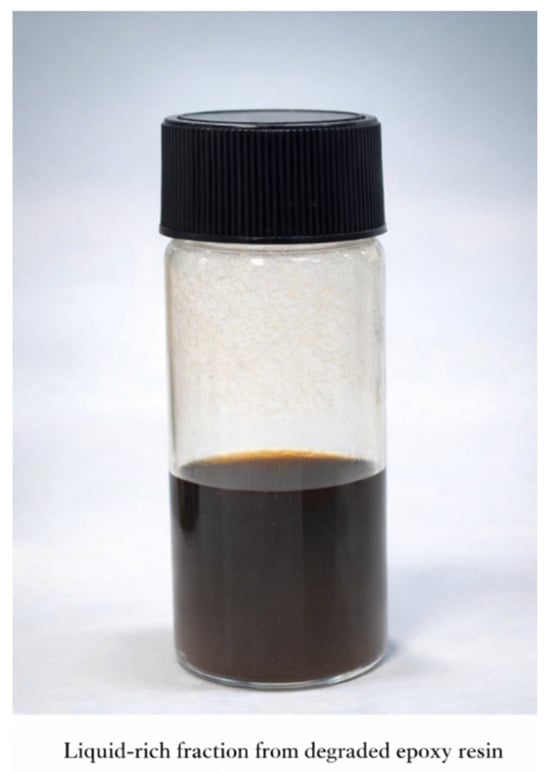
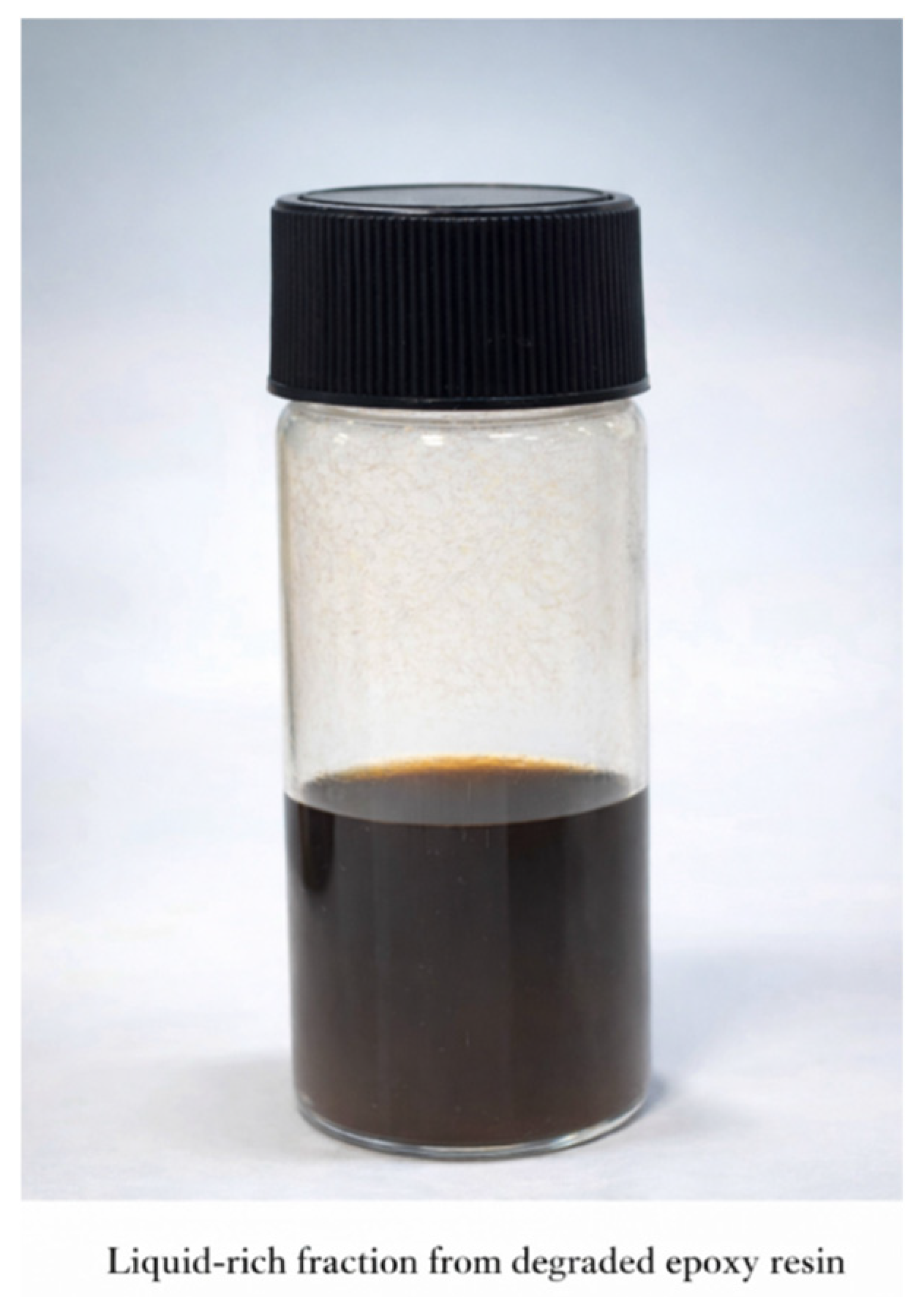
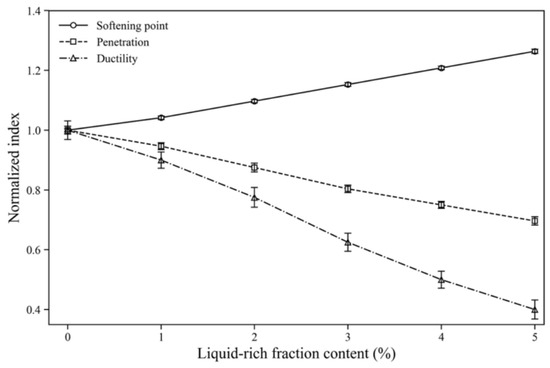
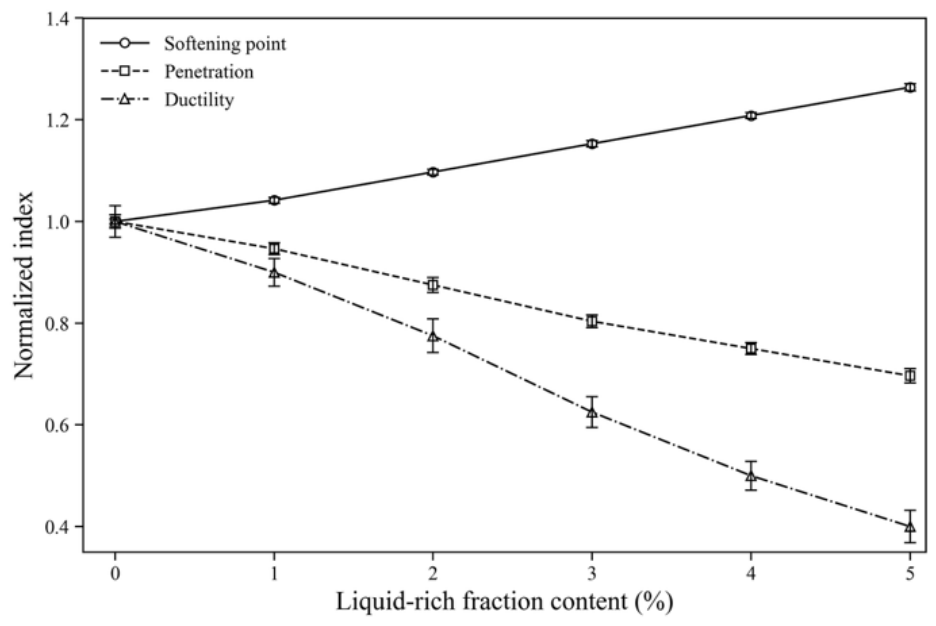
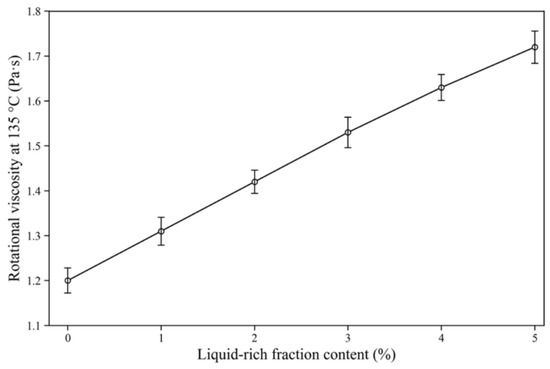
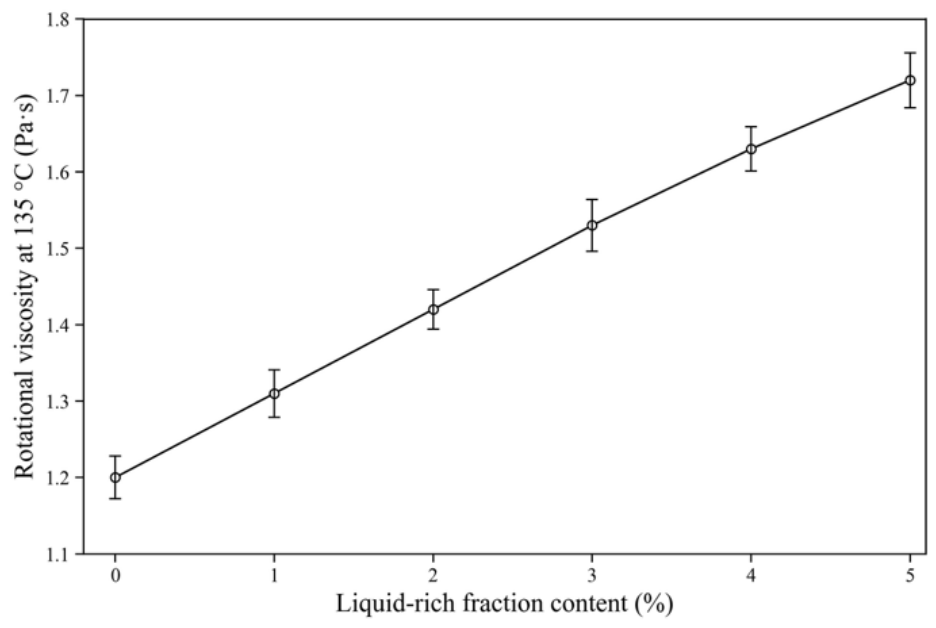
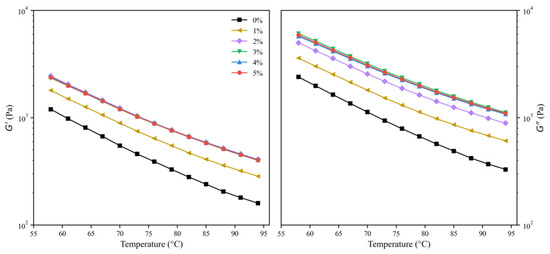
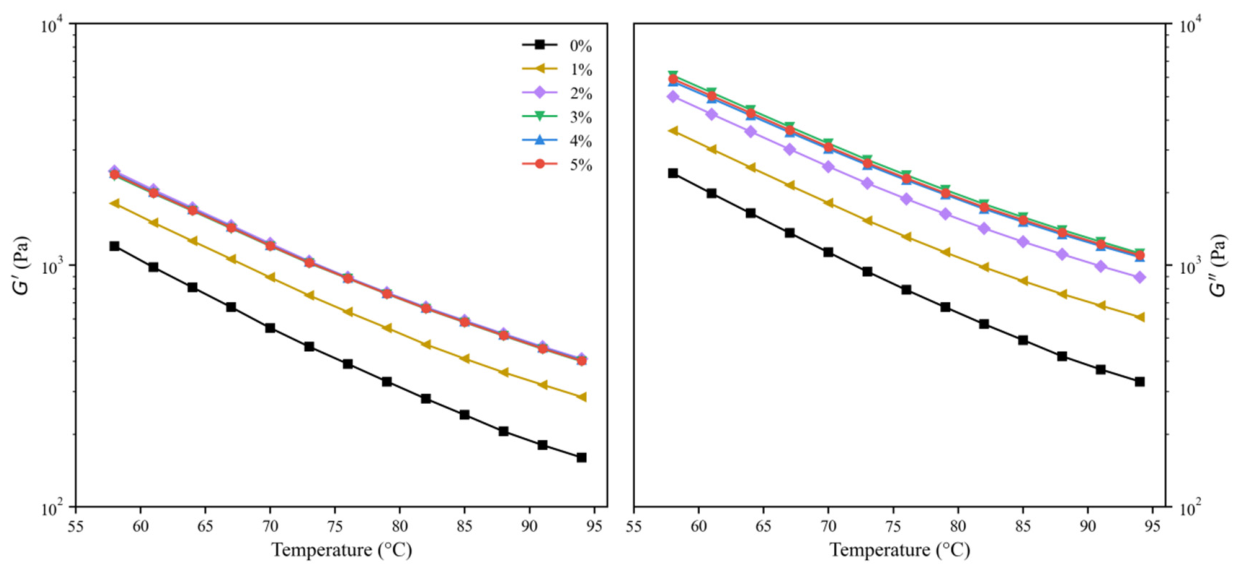
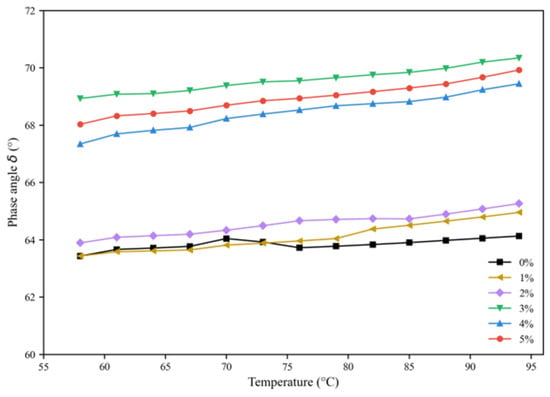
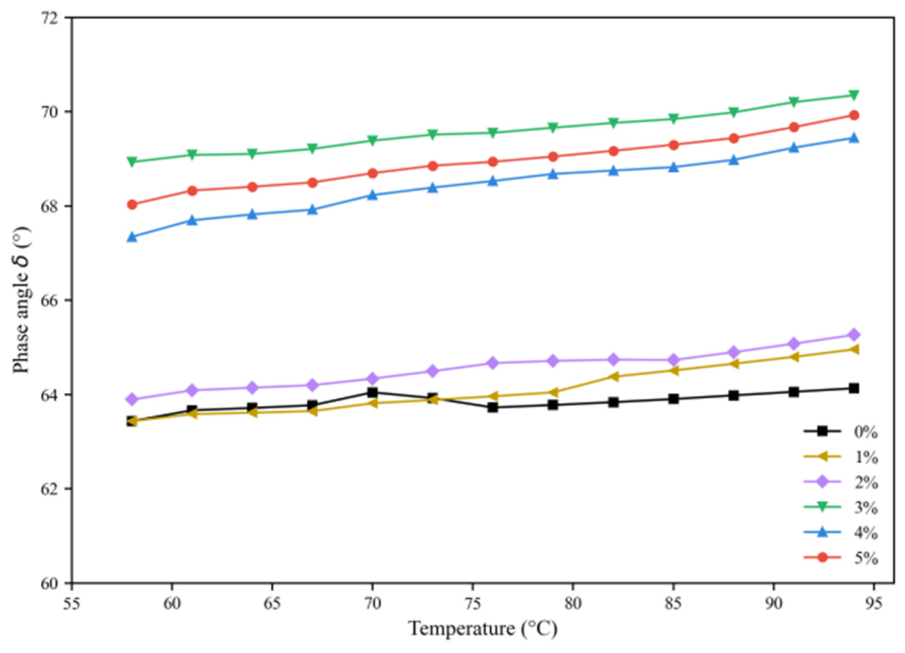
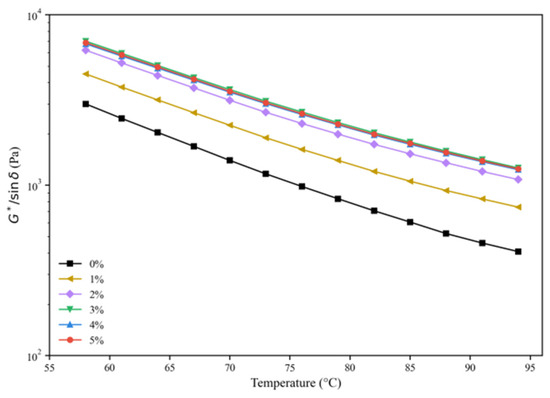
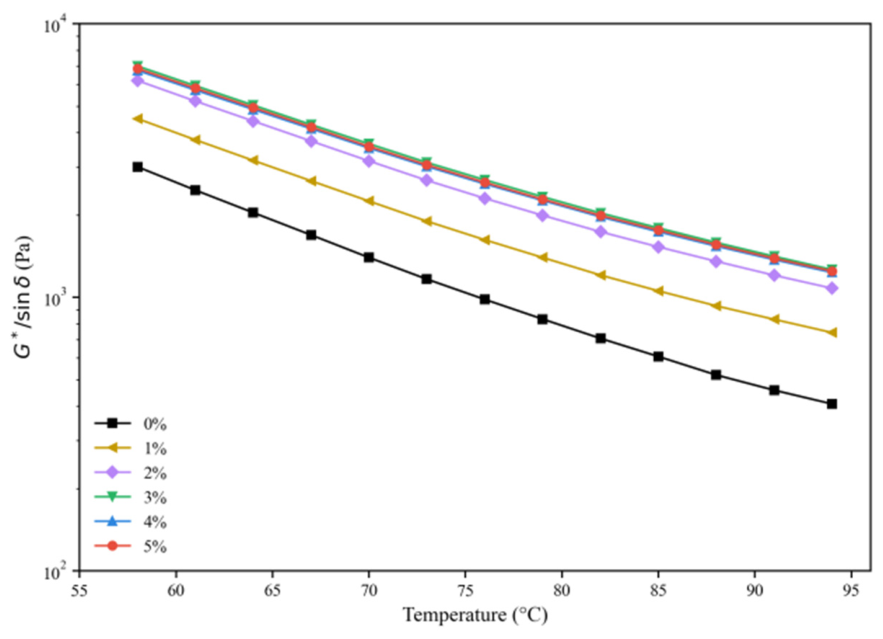
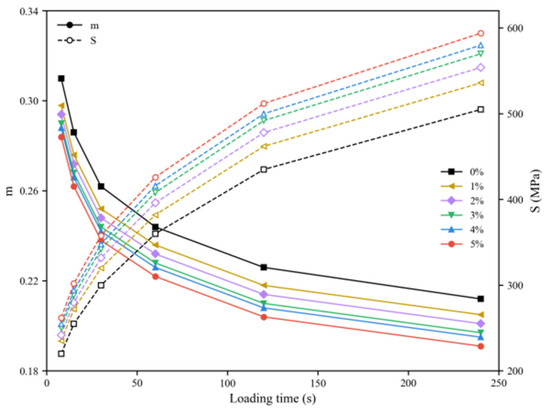
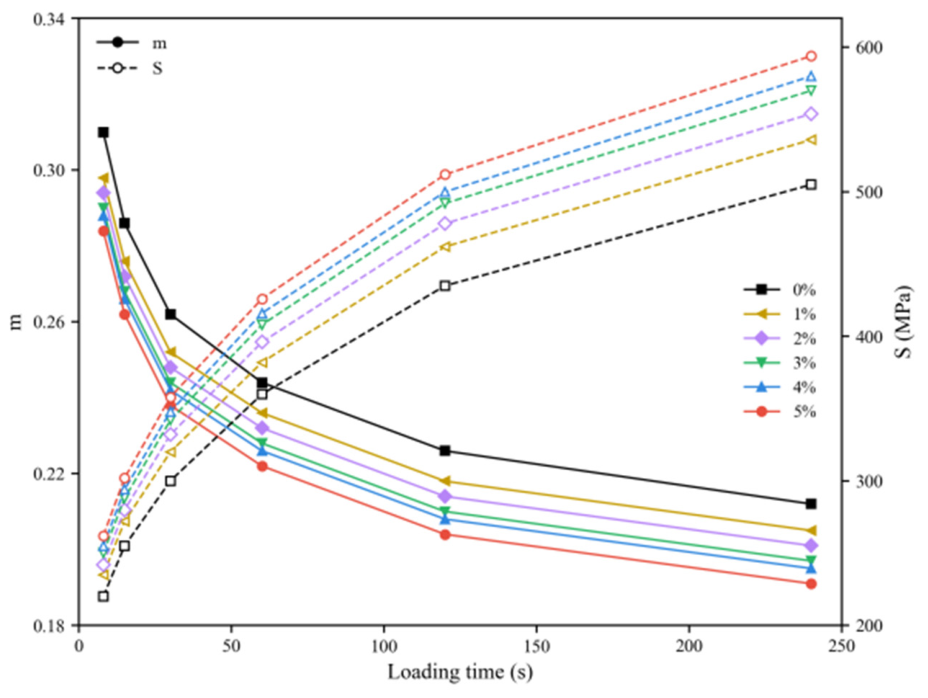
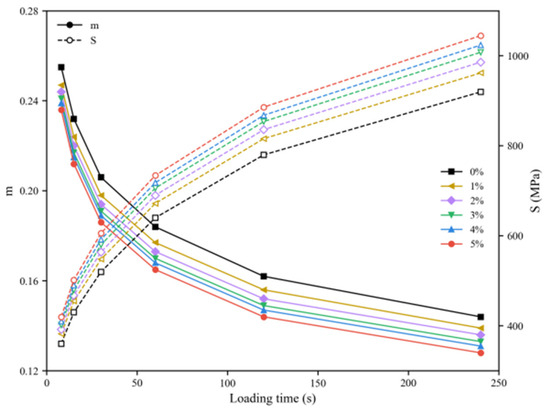
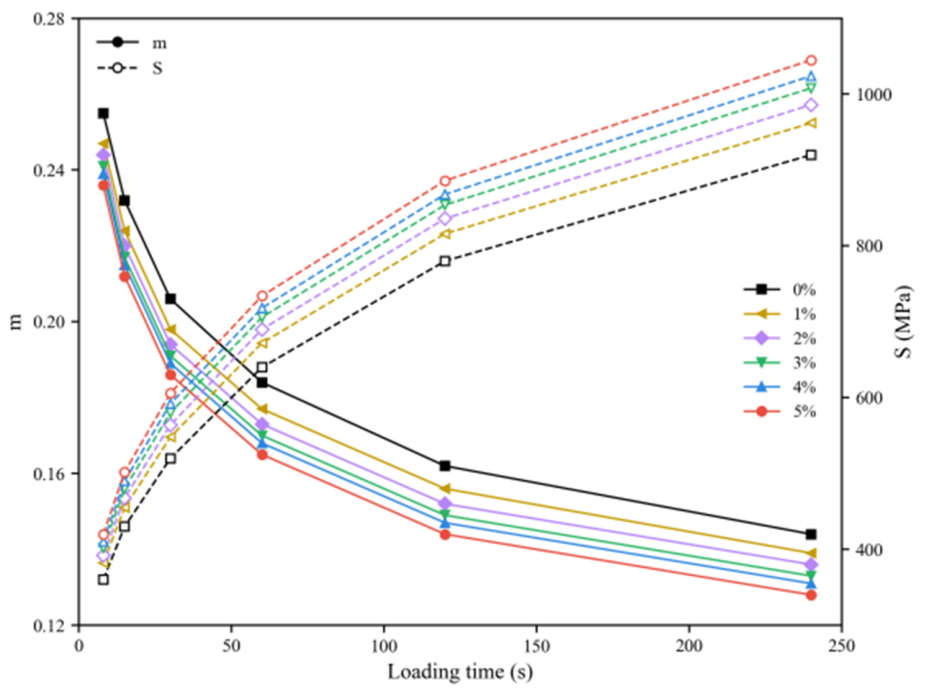
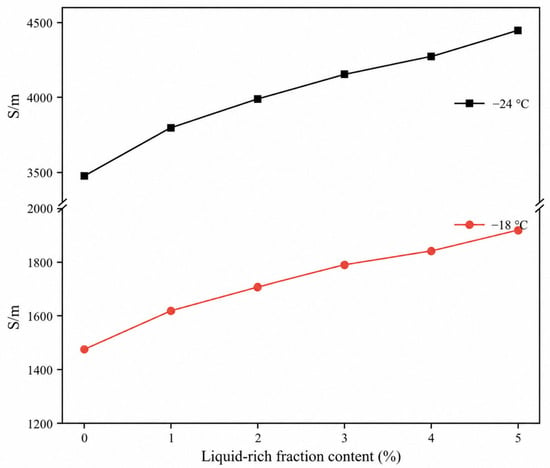
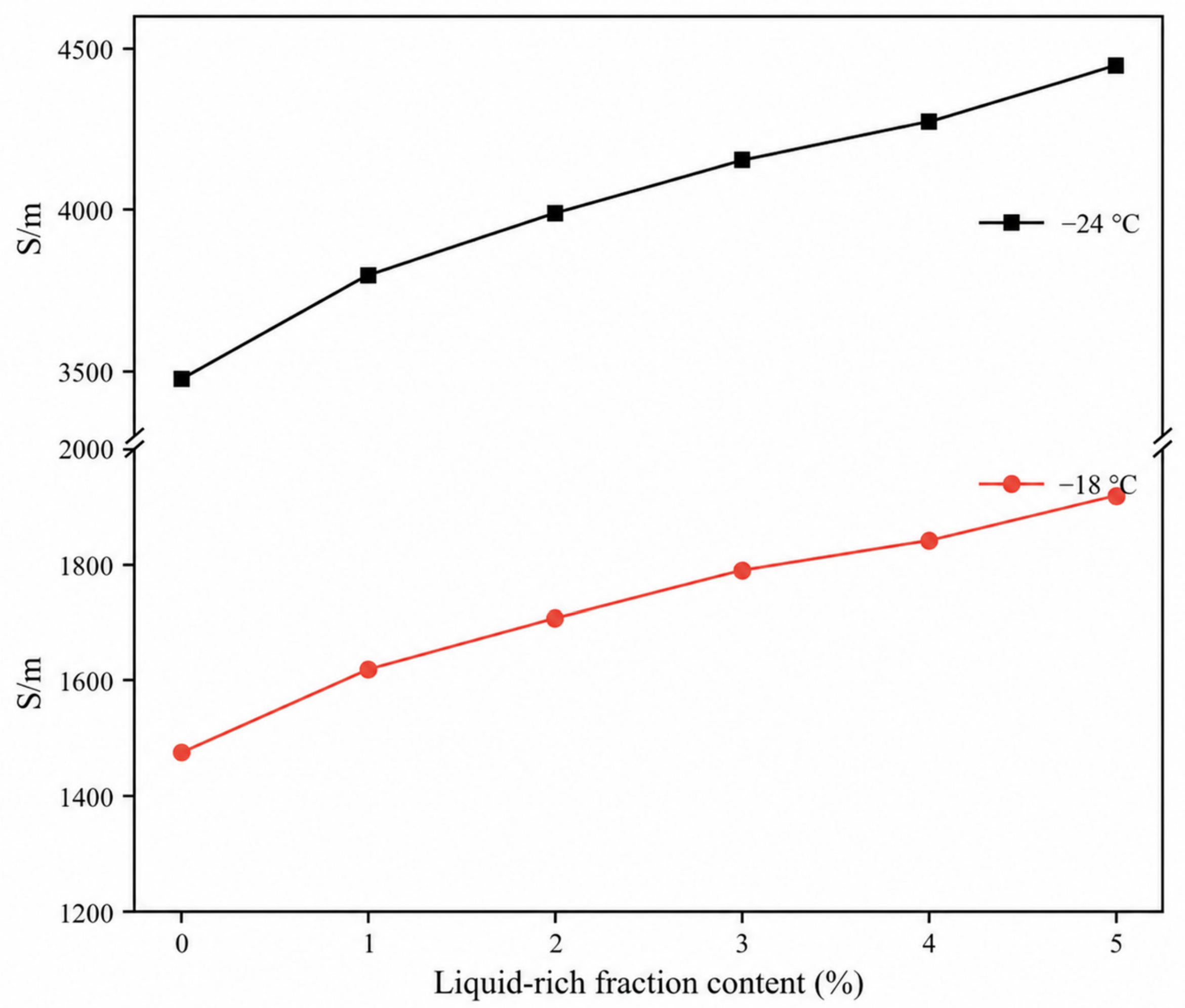
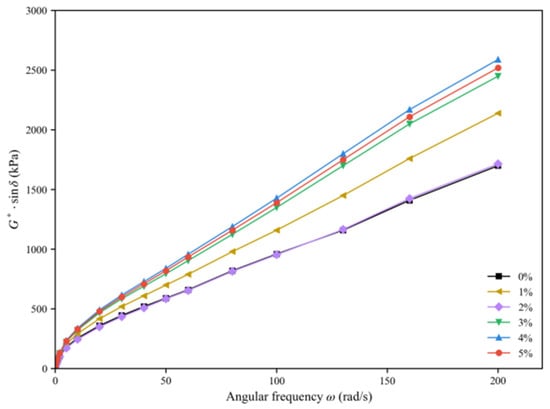
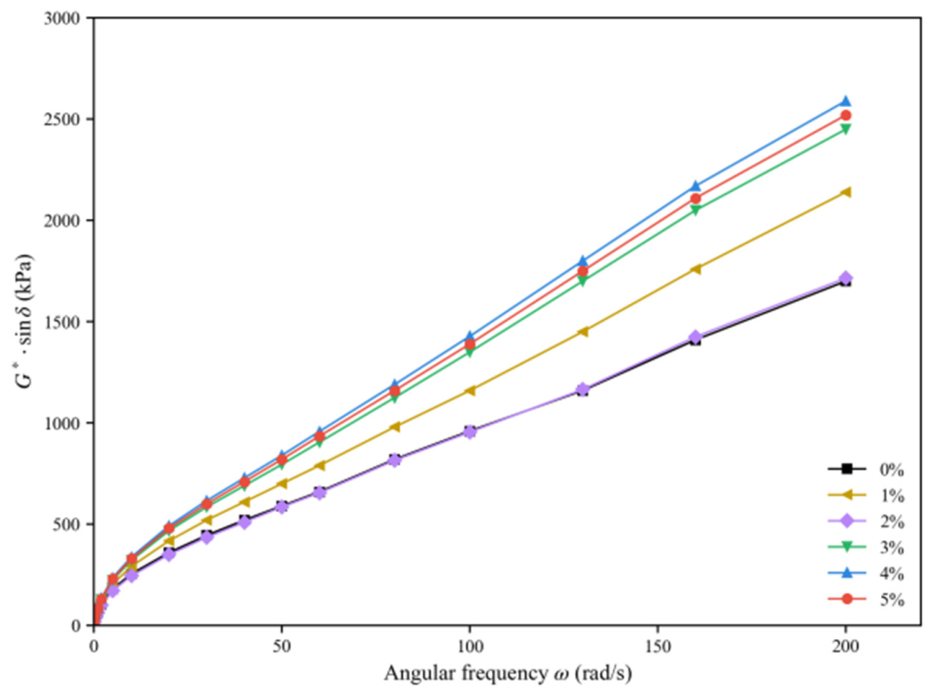
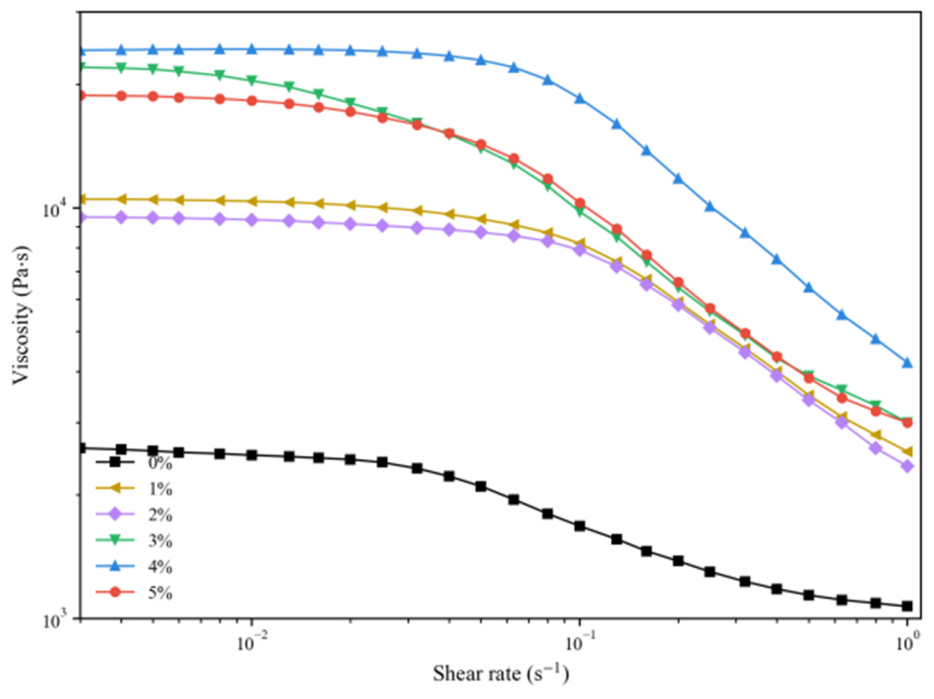
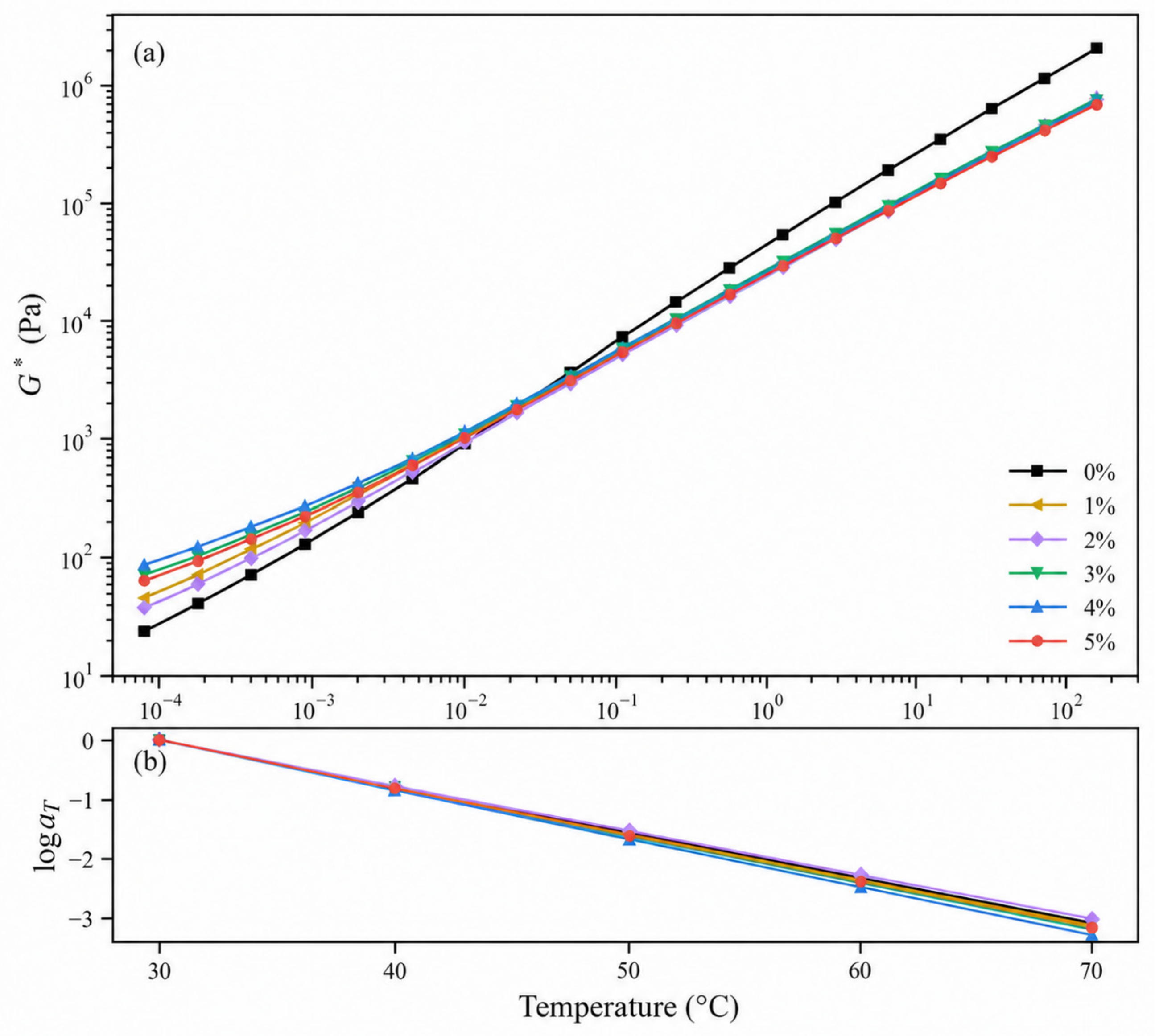
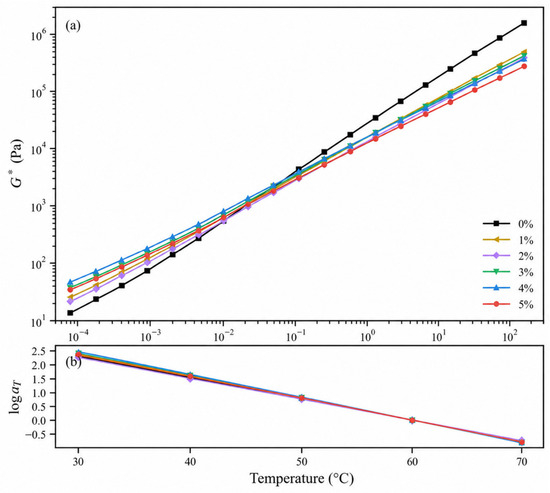
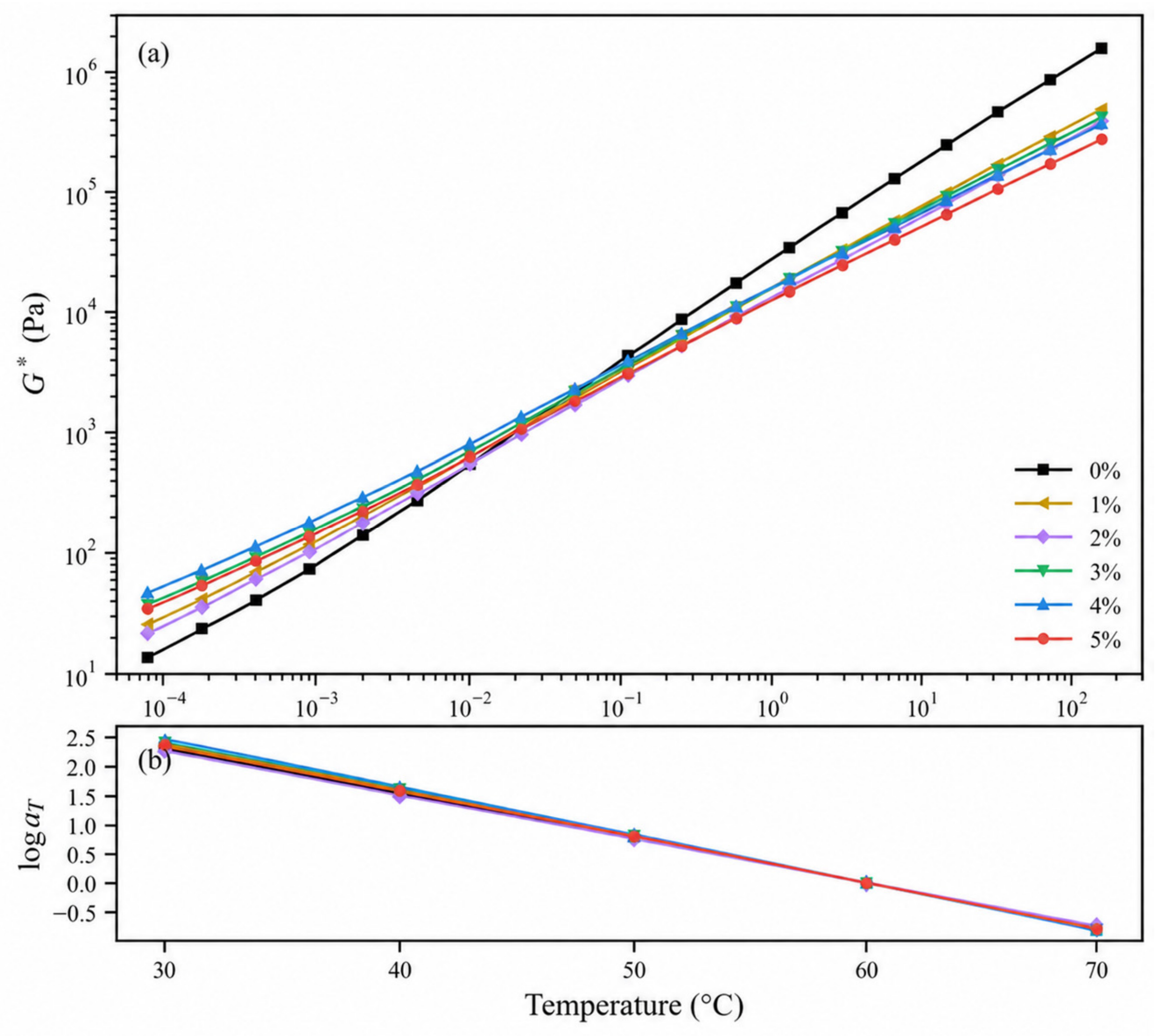
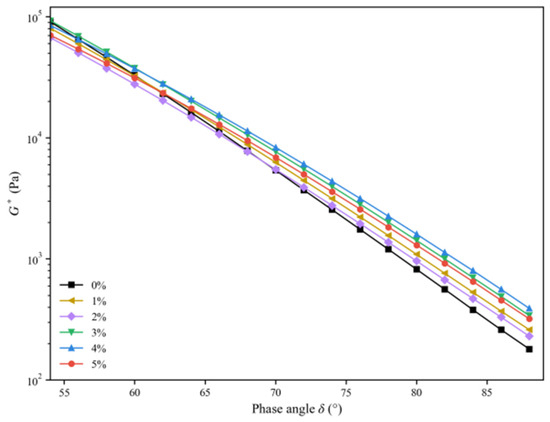
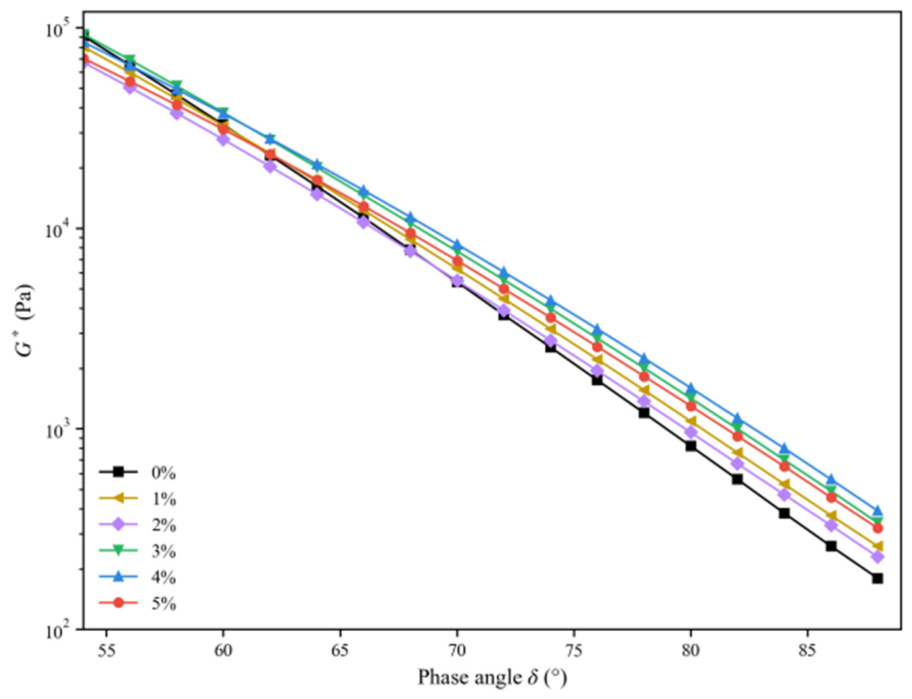
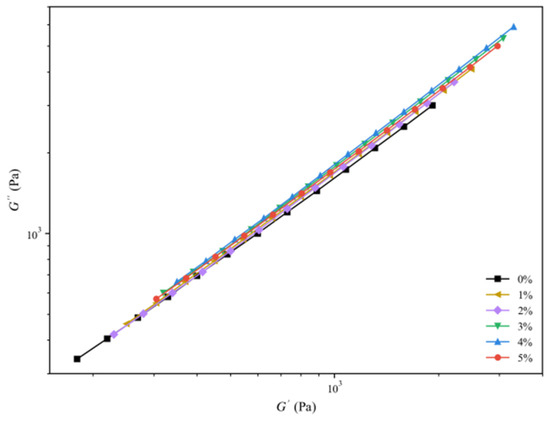
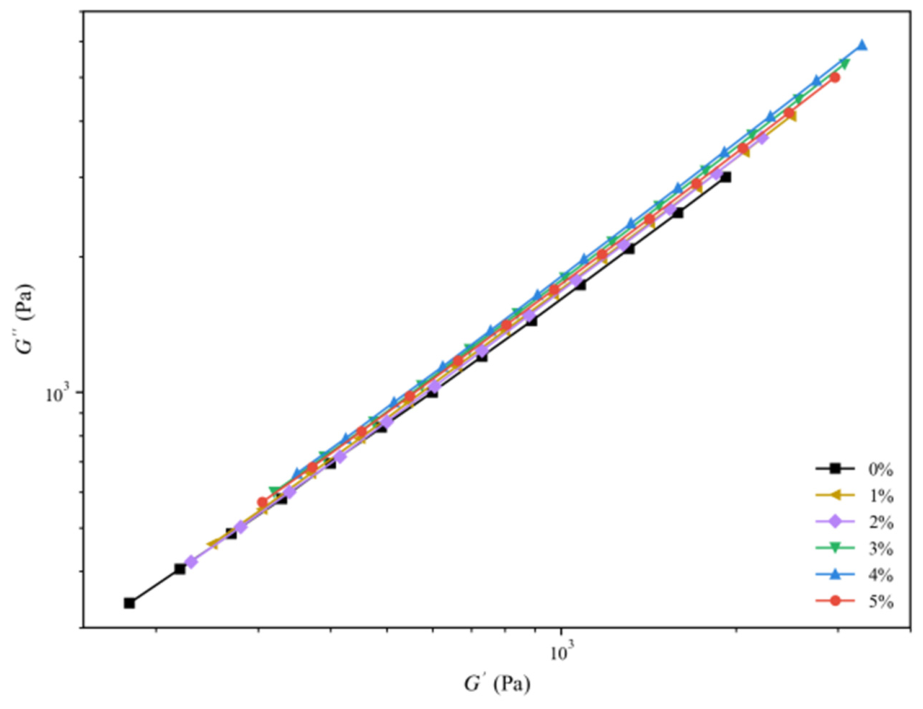
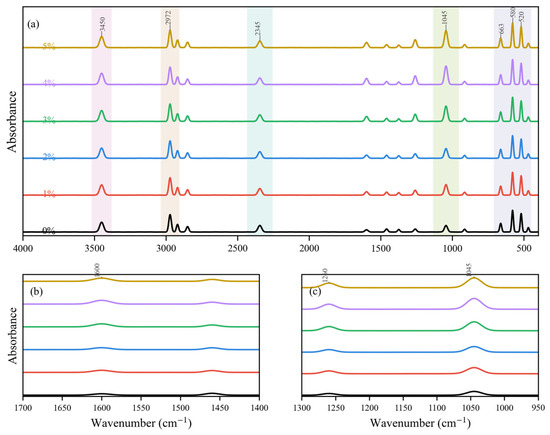
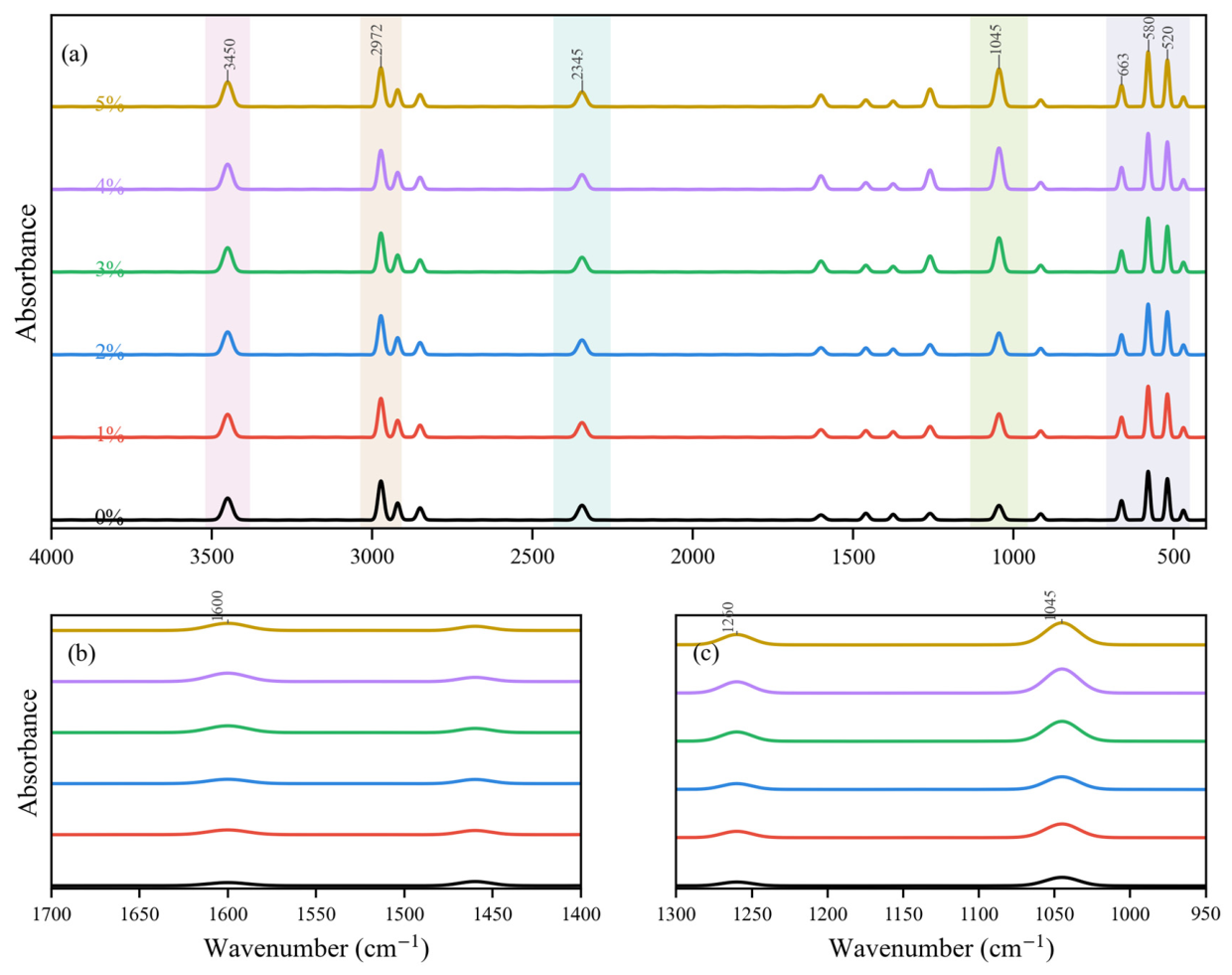
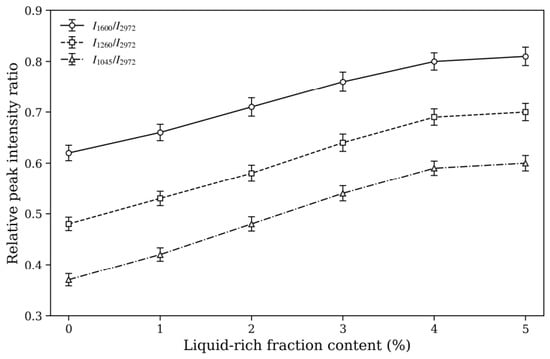
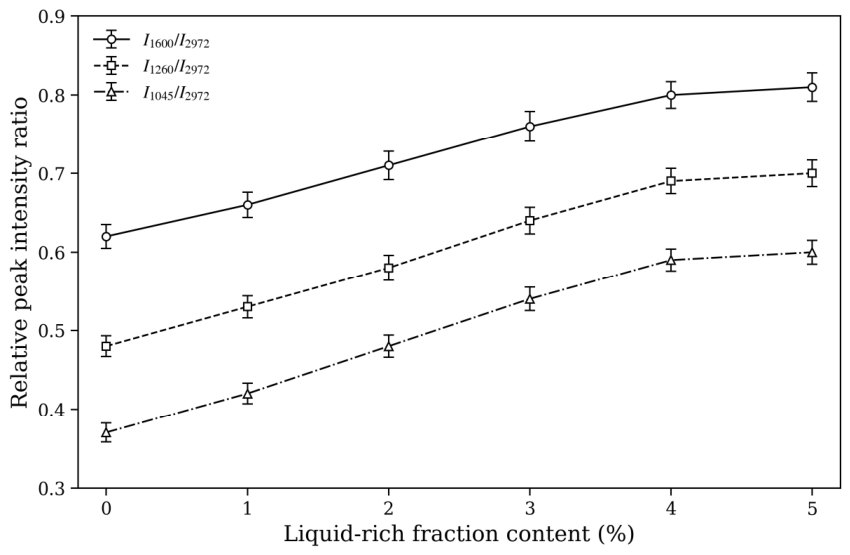
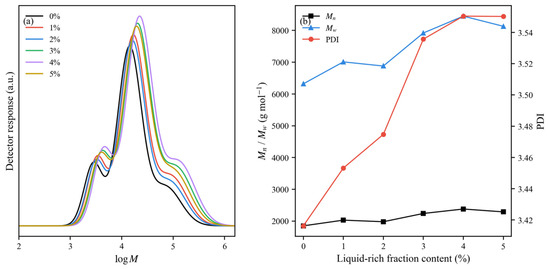
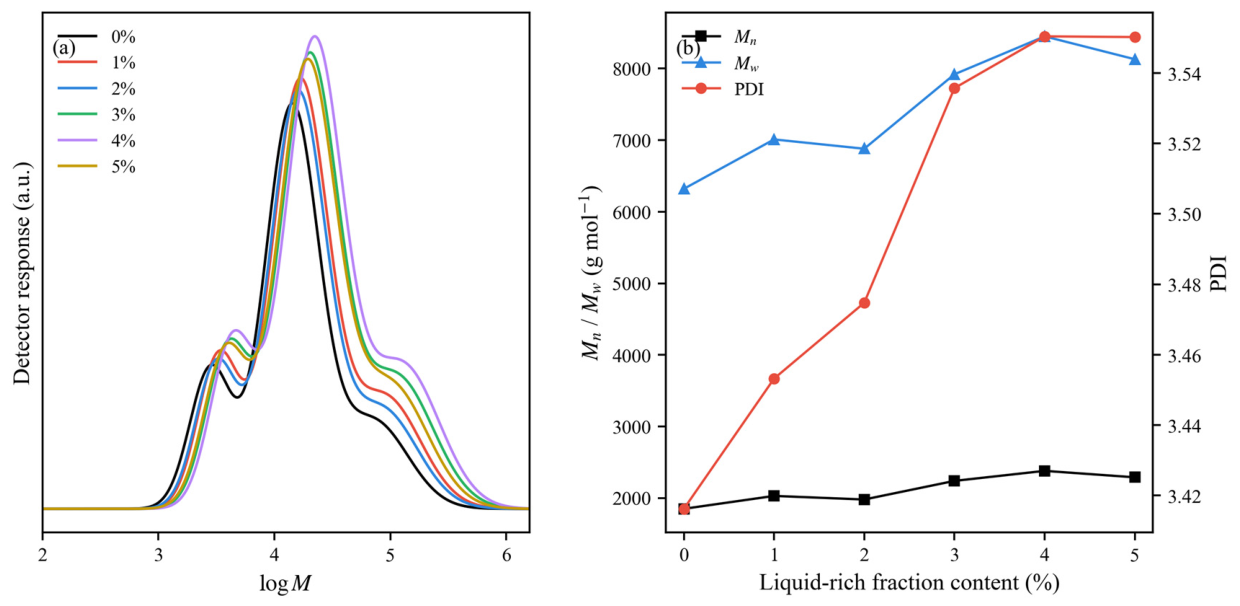

Disclaimer/Publisher’s Note: The statements, opinions and data contained in all publications are solely those of the individual author(s) and contributor(s) and not of MDPI and/or the editor(s). MDPI and/or the editor(s) disclaim responsibility for any injury to people or property resulting from any ideas, methods, instructions or products referred to in the content. |
© 2026 by the authors. Licensee MDPI, Basel, Switzerland. This article is an open access article distributed under the terms and conditions of the Creative Commons Attribution (CC BY) license.