


Highlights
What are the main findings?
- Production route determines the scale-up bottlenecks in biopolymer packaging.
- Cost, regulation, and end-of-life systems remain interdependent barriers.
- Sustainability depends on feedstock, material performance, and disposal route.
What are the implications of the main findings?
- Early integration of TEA and LCA can reduce commercialization risks.
- Existing infrastructure and biorefineries offer strong near-term scale-up potential.
- Packaging must be designed for verified safety and realistic end-of-life routes.
Abstract
Bio-based origin, biodegradability, and compostability represent distinct concepts, and promising laboratory results do not always translate biopolymer-based food packaging into industrial implementation. This review adopts a value-chain perspective to critically assess the transition of biopolymer-based food packaging from renewable feedstocks to commercial products and end-of-life management. It evaluates key stages of the entire value chain, including polymer production, processing technologies, economic feasibility, regulatory requirements, environmental performance, and waste-management strategies. Major barriers to commercialization include feedstock and material variability, production and purification costs, processing limitations, performance gaps, certification challenges, and insufficient recycling or composting infrastructure. Evidence from techno-economic and life cycle assessments indicate that successful implementation depends on integrated production systems, process optimization, co-product valorization, and realistic end-of-life scenarios. Advancing biopolymer packaging therefore requires coordinated development across the entire value chain rather than isolated improvements in polymer design.
1. Introduction
The reliance on petroleum-derived plastics has led to serious environmental issues, as non-degradable materials persist in ecosystems for centuries [1,2]. With global consumption of fossil-fuel-based polymers projected to nearly triple by 2060, an urgent translation toward sustainable alternatives has become a priority for the packaging sector [3]. In response to these environmental challenges, biopolymers derived from renewable sources and biodegradable materials that break down into natural components are increasingly recognized as suitable substitutes [4,5]. Their biological origin and ability to undergo microbial degradation effectively reduces the environmental footprint associated with conventional synthetic plastics [6,7].
Depending on their chemical structure and production route, biopolymer-based materials may provide film-forming ability, biocompatibility, barrier functionality and the possibility of incorporating active compounds, antimicrobial agents, antioxidants, or nanostructured reinforcements [8,9,10,11]. In the context of packaging, these materials provide several important advantages, including reduced dependence on fossil resources [12], lower greenhouse gas emissions [13], potential compatibility with composting systems [14], and opportunities for valorization of agricultural and industrial residues [15]. Furthermore, their chemical versatility enables the design of multifunctional packaging systems with tailored gas and moisture barrier properties, improved mechanical performance, and active functionalities for food preservation [9,16]. The integration of biodegradable biopolymers with nanofillers, natural extracts, or antimicrobial compounds has further expanded their potential in advanced food packaging technologies [17].
Despite this potential, the transition from biopolymer-based materials to commercially viable food packaging remains a critical bottleneck. Many materials show promising properties under laboratory conditions, yet their industrial implementation is limited by the need to simultaneously satisfy performance, processing, safety, regulatory, economic, market, and end-of-life requirements. Therefore, the central issue is not only whether biopolymer-based materials can be converted into packaging materials, but whether such materials can meet the combined demands required for real commercial adoption. This review addresses this gap by critically examining the main barriers that determine whether biopolymer packaging can move beyond a sustainable concept and become an industrially scalable material solution.
Unlike previous review articles that focus primarily on biopolymer sources, synthesis pathways, material properties, or packaging performance, this review adopts a value-chain perspective. It integrates raw material origins, polymer production methods, processing technologies, techno-economic assessment, functional and market constraints, regulatory requirements, and post-use material management within a unified framework. By combining technological, economic, regulatory, and commercial aspects, this paper provides a comprehensive overview of the key factors determining the successful industrial application of biopolymer-based food packaging.
2. Terminology
A clear distinction between terms biopolymer, bio-based polymer, biodegradable polymer is essential for the proper interpretation of material properties and sustainability claims [18]. According to the IUPAC recommendations the term biopolymer should be reserved for “substance composed of one type of biomacromolecule” [19]. Although the IUPAC definition restricts the term biopolymer to polymers synthesized by living organisms, in the field of sustainable packaging the term is frequently used in a broader sense to include naturally occurring polymers, microbially synthesized polymers, and bio-based polymers obtained by chemical synthesis. Throughout this review, the terms “biopolymer” is used in this broader context, while the terms bio-based, biodegradable, and compostable are employed whenever distinctions between material origin and end-of-life behavior are relevant. This approach is consistent with the terminology commonly adopted in the contemporary packaging literature.
A bio-based polymer is defined by the origin of its carbon, namely “composed or derived in whole or in part of biological products issued from the biomass (including plant, animal, and marine or forestry materials” [19]. This term encompasses naturally occurring polymers isolated from biomass, polymers biosynthesized by microorganisms, and polymers chemically synthesized from bio-derived monomers [12]. Bio-based origin does not imply biodegradability. For example, bio-PE is chemically identical to conventional polyethylene and exhibits comparable environmental persistence despite being produced from renewable feedstocks [18,20].
The term biodegradable polymer refers to the material’s “capability of being degraded by biological activity” [19], resulting in its conversion into naturally occurring products such as carbon dioxide, water, methane under anaerobic conditions, inorganic compounds, and biomass [21]. Biodegradability is therefore an end-of-life property that depends not only on the chemical structure of the polymer but also on environmental conditions (temperature, humidity, oxygen availability, microbial activity, and exposure time). Consequently, biodegradability is independent of feedstock origin [22]; both fossil-derived polymers (e.g., polybutylene adipate terephthalate, PBAT) and bio-based polymers (e.g., PLA or PHA) may be biodegradable, whereas some bio-based polymers are not biodegradable at all [23,24].
A “compostable polymer” represents a specific subset of biodegradable polymers. Besides being biodegradable, compostable materials must satisfy internationally recognized standards, such as EN 13432, ISO 17088, or ASTM D6400, which specify requirements for biodegradation rate, disintegration during composting, absence of ecotoxicity, and acceptable levels of heavy metals under controlled composting conditions [25]. While every compostable polymer is biodegradable, the reverse is not necessarily true, since many biodegradable polymers require environmental conditions that differ from those prescribed for industrial/home composting [18].
The term “bioplastic” should be applied with caution because it encompasses both bio-based and biodegradable plastics, regardless of whether a material belongs to one category, the other, or both [12,25]. This relationship is schematically illustrated in Figure 1.
Figure 1.
Relationship between bio-based and biodegradable plastics. Adapted from https://www.european-bioplastics.org/bioplastics/ (accessed on 1 June 2026).
3. Classification of Biopolymers According to Renewable Carbon Source
3.1. Renewable Feedstock Categories
Biopolymers can be classified according to several criteria, including origin (feedstock), chemical structure, production route, biodegradability, application, etc. [26]. Biopolymer feedstocks include agricultural crops, lignocellulosic biomass, marine resources, animal-derived by-products, and various fermentation substrates and organic waste streams (Table 1). The increasing use of renewable carbon sources is sustained by the need to reduce dependence on fossil resources, lower greenhouse gas emissions, and promote the development of a circular bioeconomy [27]. The sustainability of a feedstock depends on its renewability, land use, competition with food production, water consumption, and overall life cycle impacts [12].
Feedstocks that include crops rich in sugars, starch, or vegetable oils can be efficiently converted into platform chemicals but raise concerns regarding competition with food production [28]. Feedstocks originating from non-food lignocellulosic biomass, including agricultural residues, forestry by-products, and dedicated energy crops, offer improved sustainability while requiring more complex pretreatment and fractionation technologies [29]. Industrial use of feedstocks that include rapidly renewable aquatic biomass, which do not compete directly for arable land and exhibit high biomass productivity, is still limited by technological and economic constraints [30]. More recently, organic waste streams, food waste, and industrial by-products have also emerged as promising feedstocks within circular bioeconomy strategies [31,32].
Feedstock classification provides information on the origin of the renewable carbon, whereas the manufacturing pathway describes the technological route used to transform this carbon into the final polymer. Distinguishing these two concepts is essential for establishing a consistent terminology and for understanding the diversity of biopolymer landscape. Biomass-derived carbon can be converted into biopolymer materials through fundamentally different production pathways: direct extraction from natural biomass, microbial biosynthesis, or chemical polymerization of bio-based platform molecules.
Table 1.
Classification of biopolymers according to renewable carbon source (feedstock origin), with representative feedstocks, production pathways, packaging applications and main limitations.
3.2. Conversion of Biomass-Derived Carbon into Polymer Precursors
Not all biomass-derived carbon sources are converted directly into polymers. In some production routes, biomass is first transformed into platform molecules or renewable intermediates that serve as monomer precursors for polymer synthesis. Examples include lactic acid, succinic acid, 2,5-furandicarboxylic acid (FDCA), bio-based 1,4-butanediol, and bioethylene glycol, which are used for the production of polymers such as PLA, PBS, PEF, and other bio-based polyesters. The use of these intermediates enables the production of bio-based polymers that are chemically equivalent or structurally comparable to conventional petroleum-derived materials while integrating renewable carbon into existing polymer manufacturing pathways.
4. Classification of Biopolymers According to Processing Pathways—From Polymer Production to Packaging Manufacture
While feedstock-based classification describes the origin of renewable carbon resources, it does not fully reflect the technological processes required to produce biopolymers and convert them into functional packaging materials. There are three major processing pathways for biopolymer production from renewable feedstocks, as shown in Figure 2. In this section, processing pathways, considering the sequence of polymer synthesis, material processing, and final packaging manufacture will be briefly discussed in light of the technical challenges and scale-up barriers that currently limit their broader industrial commercialization.
Figure 2.
Major processing pathways for biopolymer production from renewable feedstocks. Note: AI-assisted tools were used exclusively for the graphical design of this figure. The conceptual framework and scientific content were created and verified by the authors.
4.1. Isolation and Purification of Natural Polymers
Natural polymers are obtained by isolation and purification of macromolecules already present in biological materials, including starch, cellulose, hemicellulose, pectin, chitin, chitosan, gelatin, and collagen. Depending on the biomass source and target polymer, recovery may involve mechanical, chemical, enzymatic, or combined treatments to remove non-polymeric fractions and obtain materials suitable for subsequent processing [33]. The sustainability of these biopolymers depends strongly on extraction efficiency, chemical consumption, water and energy requirements, and the preservation of molecular characteristics necessary for packaging applications. Conventional alkaline, acidic, and solvent-assisted extraction methods may require substantial resource inputs, generate wastewater streams, and alter the macromolecular structure of the recovered polymers [49]. Intensive treatments can improve polymer purity but may cause molecular-weight reduction or chain degradation, whereas milder extraction approaches may reduce environmental impacts but introduce challenges related to process control and reproducibility [50,51].
The quality of isolated natural polymers is influenced by residual impurities and feedstock variability. Compounds such as salts, acids, solvents, pigments, proteins, or low-molecular-weight substances may affect thermal stability, melt behavior, color, odor, migration potential, and food-contact suitability during subsequent processing [52,53]. In addition, feedstocks may vary across species or cultivar, geographical origin, season, storage conditions, and previous processing history, affecting polymer yield, purity, composition, and functional properties [54]. Industrial scale-up requires well-defined feedstock specifications, reproducible extraction procedures, adequate purification strategies, and quality-control criteria to ensure consistent polymer properties.
The polymer isolation is only the first stage in the development of a packaging material. Due to their inherent hydrophilicity, limited thermal stability, and low melt processability, many natural polymers require further modification through plasticization, blending, chemical modification, or incorporation into composite systems before conversion into packaging products [55,56]. Consequently, isolated natural polymers are frequently used as coatings, edible films, barrier layers, fillers, or reinforcing phases rather than as direct replacements for conventional melt-processed plastics.
4.2. Chemical Synthesis of Bio-Based Polymers
Bio-based polymers synthesized through chemical routes are produced from renewable monomers obtained from biomass-derived intermediates. Unlike directly extracted natural polymers, these materials are formed through controlled polymerization reactions that generate new polymer structures. Representative examples include polylactic acid (PLA), polybutylene succinate (PBS), polybutylene succinate-co-adipate (PBSA), and polyethylene furanoate (PEF) [57,58,59,60]. Production involves three stages: conversion of biomass into platform molecules, synthesis and purification of monomers, and polymerization. For example, carbohydrates are converted into lactic acid, which is subsequently polymerized into PLA, while succinic acid, FDCA, and bio-based diols serve as precursors for renewable polyesters. Bio-based PBS can be synthesized from biomass-derived succinic acid and 1,4-butanediol through esterification and subsequent transesterification or polycondensation [60]. Similarly, PEF can be produced from 2,5-furandicarboxylic acid or its ester derivatives and ethylene glycol [59].
Chemically synthesized bio-based polymers generally have an important processing advantage over many directly isolated natural biopolymers because they can be formulated as thermoplastic materials and converted using extrusion, injection molding, thermoforming, film blowing, or related technologies. Still, monomer purification and production cost remain important challenges. Monomer purity is one of the principal determinants of polymerization efficiency and final polymer quality. Residual water, salts, proteins, sugars, fermentation metabolites, and inhibitors may interfere with microbial monomer production and downstream purification processes [61]. If these impurities are not adequately removed, they may affect catalyst activity, stoichiometric balance, and molecular-weight development during subsequent polymerization [59,60].
4.3. Microbial Production of Biopolymers
Microbial biosynthesis involves the conversion of renewable carbon sources into polymers through the metabolic activity of microorganisms. Representative examples include polyhydroxyalkanoates (PHA), polyhydroxybutyrate (PHB), bacterial cellulose, pullulan, curdlan, and xanthan gum [62,63,64]. The production pathway involves inoculum preparation, medium formulation, sterilization in terms of contamination control, fermentation, separation of biomass or extracellular product, polymer recovery, purification, and drying [62]. PHA and PHB are typically accumulated intracellularly and therefore require biomass harvesting, cell disruption or digestion of non-polymeric cellular material, polymer extraction, purification, and solvent recovery [65,66]. In contrast, extracellular products require different recovery strategies. Bacterial cellulose commonly forms as a cellulose-rich pellicle or suspended fibrous network that can be mechanically separated and washed to remove cells and culture-medium residues. Pullulan is released into the fermentation medium and can be recovered through clarification, concentration, precipitation, washing, and drying. Carbon sources used for microbial polymer production may include refined glucose or sucrose, vegetable oils, glycerol, molasses, whey, lignocellulosic hydrolysates, food-processing side streams, and selected wastewater-derived substrates [67].
The use of agro-industrial and food-processing residues can reduce reliance on refined fermentation substrates but introduces variability in composition and the presence of potential inhibitors. So pretreatment, hydrolysis, detoxification, sterilization, or nutrient adjustment may be required before fermentation, which can diminish the economic benefits of low-cost feedstocks [68]. In addition, downstream processing remains a major bottleneck in microbial polymer production, particularly for intracellular PHA, requiring biomass harvesting, cell disruption, polymer extraction, purification, and solvent recovery [69]. The commercial feasibility of microbial production depends on the combined performance of feedstock pretreatment, microbial conversion, fermentation productivity, downstream recovery, polymer purity, and subsequent packaging processing.
5. Conversion into Packaging Products
In the next step, the biopolymers must be processed into the desired final products. Common processing methods for biopolymer-based products include injection molding, extrusion, blow molding, and thermoforming, each requiring specific rheological and thermal material properties [70]. Unlike conventional plastics, many waste-derived and bio-based polymers have narrower processing windows because their molecular weight, melt viscosity, melt strength, and final performance are highly sensitive to temperature, shear stress, residence time, and moisture content. Moisture control is particularly important because hygroscopic biopolymers and residual hydrophilic compounds from extraction or purification may accelerate hydrolytic degradation during melt processing, especially in ester-containing polymers such as PLA and PHA. This can reduce molecular weight, lower melt viscosity, and destabilize extrusion or molding performance. In injection molding, sufficient flowability is required for complete mold filling, whereas extrusion and blow molding require adequate melt strength and melt elasticity to maintain shape stability. Thermoforming mainly depends on controlled softening of polymer sheets above the glass transition temperature. Selecting a processing method for biopolymers depends on balancing flow behavior, thermal stability and resistance to degradation [52]. Processing aids such as plasticizers, compatibilizers, stabilizers, chain extenders, or nucleating agents may improve processability, but their use introduces additional trade-offs related to food-contact safety, biodegradability, recyclability, and end-of-life performance.
5.1. Extrusion
Extrusion is a continuous biopolymer processing technique in which the material (initially in the form of granules, powder or mixture) is transported through a heated cylinder using a rotating screw. In this process, the material is melted, mixed, homogenized and shaped by passing it through a matrix of the desired geometric shape [71]. Elevated temperature, pressure and shear forces act on the biopolymer during the processing. Extrusion is considered the most widespread biopolymer processing technology due to continuous operation, high production capacity and the possibility of direct production of films, foils, sheets, fibers, tubes and granules [72,73]. Among the biopolymers that are successfully processed by extrusion are biopolyesters such as PLA [74], PHA/PHB [75], PBS [76], PBSA [77], thermoplastic starch (TPS) [77,78], cellulose derivatives [78,79], lignin-polymer composites [80], as well as certain systems based on chitosan [81] and gelatin [82] after appropriate modification or plasticization.
The main advantages of extrusion include high productivity, relatively low production costs, easy integration with other processes (e.g., thermoforming or blow molding), the possibility of continuous operation, good homogenization of composite systems and easy scaling from laboratory to industrial level [83]. The disadvantages are related to the thermal and mechanical degradation of biopolymers due to the effect of temperature, shear stresses and residence time in the extruder [84,85]. In addition, some natural biopolymers show limited thermoplasticity and require the addition of plasticizers or blending with other polymers to be successfully processed by extrusion [86]. Having control over crystallization behavior is an important aspect of polymer engineering [52].
5.2. Injection Molding
Injection molding is a procedure in which melted material is injected under high pressure into a closed mold cavity, where it cools, hardens and takes the final shape. Unlike extrusion, injection molding is a cyclical process intended for the production of individual three-dimensional products of complex geometry [87]. Although both processes use a screw to melt and transport the polymer, the main difference is in the way the product is shaped. Biopolymers behave differently than conventional polymers during injection molding due to their greater sensitivity to temperature and hydrolytic degradation [52]. During the processing of PLA, the molecular mass may decrease due to the combined effect of temperature, shear stress and the presence of moisture. In the case of PHA the injection molding affects its crystallization [88], while TPS often requires the addition of plasticizers and compatibilizers to ensure sufficient melt fluidity. Crystallization behavior is particularly important for PLA- and PHA-based materials because it affects cooling time, dimensional stability, brittleness, and long-term mechanical performance. In PHB and related PHA systems, slow nucleation and secondary crystallization may contribute to material aging and increased brittleness during storage [89,90]. Lignin is most often processed as a filler or component of composites with PLA, PBS or PBAT matrices [91]. Cellulose, nanocellulose and chitosan are mainly used as reinforcing or functional phases in biocomposites intended for injection molding [92,93].
5.3. Thermoforming
Thermoforming is an important “secondary shaping process” in packaging production, as it is commonly applied to previously extruded polymer. Thermoforming of biopolymers is a process in which a heated biopolymer sheet is softened and shaped in a mold using vacuum or pressure, often using bio-based polyesters such as PLA and PBS for packaging and disposable products [53]. Biopolymers often have lower extensibility and a narrower process window compared to conventional plastics, so cracking or poor formability can occur with higher proportions of fillers or fibers [94]. During thermoforming, biopolymers show extreme temperature sensitivity because the process takes place between the glass transition temperature and the melting point, which directly affects their processability and the quality of the formed product [95]. Depending on the type of biopolymer and additives, the process parameters of thermoforming (temperature, heating time and vacuum pressure) must be carefully optimized in order to achieve a stable form and good mechanical properties.
5.4. Blow Molding
Blow molding is a process in which melted biopolymer is molded into a hollow body using compressed air inside a mold, forming a product such as bottles or containers [52]. During this process, biopolymers such as PLA and PHA exhibit limitations due to low melt strength and susceptibility to thermal degradation, which can lead to uneven walls thickness, parison instability, or tearing during inflation. Because of the narrow processing window, biopolymers require precise control of temperature, extrusion speed, residence time, and inflation conditions to prevent tearing, overstretching, or degradation of the material during molding [96].
6. Key Barriers to Industrial Implementation and Market Adoption
6.1. Economic Challenges
Techno-economic analysis (TEA) represents a bridge between laboratory-scale scientific results and marketable products, as it evaluates whether a new technology or material can be transferred to commercially viable production [97]. It integrates process-technological data with financial indicators, including raw material costs, process design, capital investment, operating costs, mass and energy balances, energy demand, labor, maintenance, waste treatment, purification, minimum selling price, payback period, net present value, and internal rate of return [98]. For biopolymer materials, TEA is commonly intersected with life cycle assessment (LCA), since the biopolymers’ economic profitability cannot be separated from emissions, land use, water consumption, final waste treatment and comparison with fossil polymers [98]. The purpose of TEA is the identification of technological bottlenecks that affect the price and risk of commercialization. In the case of biopolymer-based materials, TEA is particularly important for identifying scale-up bottlenecks related to feedstock availability and variability, extraction and purification yield, energy intensity, process productivity, material quality stability, and compatibility with existing plastic-processing equipment [99,100].
Scientific development and the market are not developing at the same speed. The number of research papers on biopolymers is growing rapidly, while the growth of commercial products is much slower. Schick et al. [99] explain this as a consequence of barriers that occur in the entire value chain: from the raw materials choice, through production and processing, to standardization, end use, waste collection and consumer trust. Market data also confirm the growth of the sector, but limited capacity utilization. European Bioplastics states that the global production capacity of bioplastics was about 2.47 million tons in 2024, with a projection of growth to about 5.73 million tons by 2029, while the actual production in 2024 was about 1.44 million tons, or approximately 58% of capacity [101]. This indicates that capacity expansion does not automatically mean stable market absorption. Börner and Zinn [100] conclude that bio-based and biodegradable plastics have been developed for decades, but that their maturity and market acceptance are not yet competitive with conventional plastics. The problem is not only in the price of a kilogram of polymer, but in insufficient alignment of technology, market, regulation and infrastructure. Table 2 shows the main barriers for biopolymer materials and their impact on TEA results through examples presented in research papers.
Table 2.
Main techno-economic barriers to the industrialization of biopolymers.
In most TEA studies, the raw material parameters are among the most sensitive parameters since production price depends on source availability, seasonal stability, logistics, pretreatment and conversion yield [104,108,109]. A typical example is the study of Manikandan et al. [108], which evaluated producing PHB from carob pods; TEA found that replacing pure sugars with low-cost agro-industrial residue significantly shortens the payback period from 12.6 years in the pure sugars scenario to 6.8 years when carob pod extract is used, while additional optimization of the bioreactor and separation reduced the payback period to 4.8 years.
Amponsah et al. [102] identified high production cost as the main barrier to the commercialization of macroalgal biopolymer films. This was mainly associated with costly macroalgae cultivation and processing, as well as energy-demanding steps in the process chain, including biomass processing and integration with a CO2 capture system. These factors resulted in less favorable TEA indicators compared to conventional materials. The study suggests that this limitation could be mitigated by integrating biopolymer production with CO2 capture and by optimizing biomass utilization, thereby improving both economic and environmental performance. This example confirms that the feasibility of waste- or biomass-derived biopolymers depends not only on feedstock renewability, but also on process integration and energy efficiency.
When dealing with new sources, such as microalgae, TEA shows the importance of co-products’ valorization. Application of the concept of co-production (biorefinery approach)—the same biomass is used for the production of edible bioplastics and Spirulina powder as a food supplement—can solve the problem of insufficient economic sustainability of Spirulina production for only one product [105]. In this way, higher biomass utilization and multiple revenue streams resulted in a ROI of 38.5% and a payback period of 2.6 years. However, these favorable indicators depended on the combined value of both the bioplastic and the food/nutraceutical co-product. Biopolymers often enter the market more easily as part of a multi-product biorefinery than as a single product that has to compete directly with bulk petrochemical polymers.
The commercialization of PLA is also strongly influenced by economic factors [103]. Although integration with an existing sugarcane biorefinery allows for a competitive minimum selling price ($1.58/kg) and a high internal rate of return (IRR = 29.4%), profitability remains dependent on raw material costs and capital expenditures. This example shows that biopolymer can become competitive when fitted into an existing industrial system with energy integration, local feedstock and co-product use, thereby reducing capital and operational costs through infrastructure sharing, energy integration and more efficient use of raw materials. However, such positive results are not universal. The same concept may be significantly less profitable in regions with more expensive biomass, weaker logistics, smaller scale and lack of existing biorefinery infrastructure [98,104].
Manandhar & Shah [104] analyzed a biorefinery with a capacity of 100,000 t per year based on corn straw and miscanthus. Biomass pretreatment, chemical consumption, enzymatic hydrolysis, and lactic acid recovery were identified as major cost drivers. The minimum selling price of lactic acid was calculated as 1243–1390 USD/t for bacterial fermentation, 1250–1392 USD/t for fungal fermentation and 993–1123 USD/t for yeast-based fermentation. The use of genetically modified yeasts tolerant to low pH reduced the need for neutralization and subsequent lactic acid recovery, thereby decreasing chemical, equipment, and energy costs. The same study showed that economic performance was highly sensitive to sugar-to-lactic-acid conversion, feedstock price, plant size, operating time, and hydrolysis cost.
In the work of Okoro et al. [106], the main focus was on the production of chitin from crab waste and the comparison of chemical, enzymatic–chemical and microbiological processes. The authors concluded that there were significant barriers related to process efficiency and economic viability. The main barriers have been identified as the high costs and environmental disadvantages of conventional chemical extraction of chitin. Microbiological extraction showed better techno-economic potential because it reduced chemical use, waste generation, and capital costs, while achieving the most favorable economic indicators among the analyzed technologies. This example illustrates that extraction strategy is not only a technical choice, but also a major economic determinant in waste-derived biopolymer production.
The economic barrier is not limited to the cost of the biopolymer itself, but results from the cumulative impact of feedstock availability, biomass pretreatment, extraction, purification, downstream processing, quality control, and the possibility of integration within existing industrial infrastructure. Across different biopolymer systems, profitability is improved when production is integrated into existing biorefinery platforms, utilizes low-cost waste streams and generates multiple revenue sources through co-products. Therefore, waste-derived biopolymers are more likely to become economically viable when they are developed as part of integrated circular value chains rather than as isolated substitutes for conventional plastics.
Analyses of techno-economic studies indicate that the economic viability of biopolymer production depends on a combination of interconnected factors. Across various systems including PHB production from agro-industrial residues, PLA integrated into sugarcane biorefineries, algae and Spirulina-based biopolymer production platforms, and chitosan production from crustacean waste, the key economic factors are consistently the cost and availability of raw materials, conversion efficiency, downstream processing requirements, energy needs, and the potential for co-product valorization. Although the use of low-cost biomass residues can reduce raw material costs and improve profitability, this advantage may be offset by additional costs associated with pretreatment, purification, quality control, and process integration. Reviewed studies also indicate that economically competitive biopolymer production is rarely achieved through a single-product approach; instead, greater cost-effectiveness is generally associated with integrated biorefinery concepts, existing industrial infrastructure, and multi-value product streams. The results of techno-economic analyses must not be interpreted solely as indicators of production costs, but rather as comprehensive assessments of the entire value chain—from raw material procurement to processing, market integration, and end-of-life product management.
End-of-life management also has direct economic implications. An important challenge is also the proper labeling of biopolymer materials and bioplastics. Incorrect labeling increases the risk of incorrect disposal and contamination of recycling or composting streams. The labels “biobased”, “biodegradable” and “compostable” are often confused in communication with consumers, and have various consequences for waste collection and treatment [99,107]. Mhaddolkar et al. [107] concluded that a large number of different types and, at the same time, relatively small amounts of biodegradable materials make it difficult to develop a cost-effective infrastructure for waste management. Therefore, TEA should not stop at polymer production, but should also include certification, labeling, logistics, separate collection, industrial composting, mechanical recycling, or chemical recycling, depending on the intended end-of-life route.
6.2. Functional and Market Limitations
In the field of food packaging, biopolymers must meet several simultaneous requirements including mechanical strength, oxygen and water barrier properties, thermal stability, compatibility with industrial processing methods such as extrusion, blow molding and thermoforming processes, food-contact safety, and competitive pricing [110]. Therefore, functional and market limitations of biopolymeric materials are interconnected (Table 3). Hydrophilicity, moisture sensitivity, aging, and processing instability limit their functional performance [111,112], while simultaneously, greenwashing, unclear labeling, consumer confusion, insufficient composting infrastructure, and higher costs restrict market acceptance [113,114].
Table 3.
Key functional and market barriers to broader use of biopolymer materials.
The main functional limitations related to biopolymer materials’ wider application are their moisture sensitivity, aging, and sensitivity to processing conditions. Hydrophilicity and moisture sensitivity are particularly pronounced in polysaccharide- and protein-based films, such as starch, cellulose derivatives, chitosan, alginate, gelatin and pectin. These materials contain abundant hydroxyl, amino or carboxyl groups, which increase their affinity for water, water-vapor permeability, swelling, plasticization and very often structural disintegration under moist conditions. Hydrophobic modification [125], blending [126], nanocomposite formation [127] and incorporation of waxes, fatty acids and essential oils [128,129] are therefore frequently proposed as necessary technological interventions rather than optional improvements. However, these strategies involve inherent trade-offs between improved functionality and practical limitations. Perera et al. [17] describe biopolymer-based sustainable packaging as a promising but technically demanding field, because the same chemical structures that make natural polymers biodegradable and renewable also often make them mechanically weaker and more sensitive to water. For high-barrier packaging, multilayer fossil-based materials may still outperform many biopolymer systems unless advanced coatings or composites are used.
Many biopolymers are sensitive to processing conditions, including elevated temperature, moisture content, and shear stress during extrusion, injection molding, film blowing, or thermoforming [130,131]. Starch-based materials require plasticizers, but plasticizers can increase water sensitivity and reduce mechanical stability [132]. In PLA, elevated temperature, moisture content, and shear stress can induce chain scission and molecular weight reduction, ultimately affecting its mechanical, thermal, and barrier properties [133]. PHA also suffers from poor thermal stability since thermal degradation occurs near its melting temperature during conventional melt-processing processes [134]. Very often, laboratory-scale improvements are not always transferable to the industrial scale. For example, nanofillers or hydrophobic coatings can improve barrier or mechanical properties but, on the other hand, they may introduce regulatory, migration, toxicity, cost or recyclability concerns when scaled to food-contact materials. The technological limitation is not simply that biopolymers have weaker properties, but that each improvement strategy can create a new compromise.
Another drawback of biopolymers is their tendency to lose functional properties during storage and application as a result of aging. When exposed to humidity, temperature variation, ultraviolet radiation, mechanical stress, various degradation processes occur in biopolymer matrices that can change their properties. PLA is considered one of the most commercially mature bio-based polymers, but still suffers from brittleness, low impact resistance, slow crystallization and sensitivity to hydrolytic and physical aging [135,136]. PLAs’ limitations require modification through copolymerization, blending, additives or composite design [137]. In practical terms, PLA cannot simply replace conventional plastics in every application without redesigning the formulation and processing route. Experimental evidence confirms that aging can significantly change the mechanical performance of PLA-based materials indicating that the market cannot rely only on initial mechanical values measured immediately after processing but should consider long-term stability [138]. For industrial adoption, biopolymer materials must prove predictable long-term performance under real conditions (e.g., storage, transport, sterilization, humidity and temperature variation).
Available data indicate that the main obstacle to the widespread adoption of biopolymer packaging lies not in the individual shortcomings of the materials, but rather in the inevitable trade-offs between various functional properties. For instance, plasticization increases flexibility but often results in greater water sensitivity, whereas nanofillers, hydrophobic coatings, or multilayer structures improve barrier properties but simultaneously increase the complexity of manufacturing processes and regulatory assessments, complicate recycling, or raise production costs. Similarly, the processing conditions required for industrial production can simultaneously trigger molecular degradation, thereby compromising the long-term stability needed for packaging applications. Consequently, optimization cannot rely on maximizing individual material properties; instead, it requires striking a balance between barrier performance, processability, durability, safety, and cost-effectiveness within a single formulation. This explains why many formulations developed in the laboratory (which initially show promising properties) fail to be successfully implemented on an industrial scale.
Further, biodegradable and compostable plastics require appropriate waste-management systems including collection, sorting, and treatment infrastructure. If these systems are not available or are poorly implemented, the environmental advantages of such materials may be reduced or lost. The presence of biodegradable polymers in conventional plastic recycling streams can significantly reduce the quality of recyclate and cause process inefficiencies, highlighting the importance of separate waste collection systems [139]. Considerable confusion also exists regarding the correct disposal route for biodegradable plastics [140]. Biodegradable plastic waste management remains unresolved challenges, including collection, sorting, contamination, treatment conditions and mismatch between material claims and available infrastructure [107]. This is crucial because a compostable material is not environmentally effective if it enters mechanical recycling streams, landfill or uncontrolled natural environments. The United Nations Environment Programme (UNEP, 2023) [141] emphasizes that without proper end-of-life infrastructure, biodegradable plastics can contribute to pollution in the same way as conventional plastics.
Market limitations are equally important as functional impediments. Although consumers often express positive attitudes toward sustainable products, these attitudes frequently fail to act as stable purchasing behavior due to convenience considerations and uncertainty regarding environmental claims [142]. Consumers must understand what the material is, how it should be disposed of, and whether its environmental claims are credible. Important phrases like “bio-based,” “biodegradable,” and “compostable” are still frequently misunderstood, while unclear labeling, fragmented waste-management systems, and exposure to greenwashing can undermine proper disposal practices and consumer trust [143]. Lin et al. [144] emphasize that consumer perception of bioplastic food packaging is influenced not only by sustainability expectations, but also by practical concerns such as price, functionality, safety, disposal and trust in environmental claims. Greenwashing is one of the most serious market risks for biopolymer materials. In public communication, biopolymers are sometimes marketed using claims such as “eco-friendly”, “green”, “natural”, “zero waste” or “biodegradable”, without specifying feedstock origin, composting standard, degradation conditions, carbon footprint, additive content or end-of-life route. It makes it difficult to assess the actual sustainable characteristics of the product [145]. Furthermore, consumers frequently confuse bio-based plastics with biodegradable plastics, although the two concepts are not synonymous. A material can be bio-based without being biodegradable, while some biodegradable plastics may be produced from fossil resources [143]. Such communication can create short-term marketing benefits but long-term distrust. Greenwashing decreases consumer attitude, and purchase intention toward eco-friendly products, highlighting the importance of transparent and verifiable claims [146]. For biopolymer producers poor communication is not only an ethical problem but also a commercial risk: exaggerated sustainability claims endanger consumer acceptance.
The literature indicates that market constraints are largely systemic in nature rather than dependent solely on the materials themselves. The commercial success of biopolymer packaging is influenced by the alignment of product design, certification, waste-management infrastructure, regulatory frameworks, and consumer awareness. Consequently, the mere superiority of material properties does not guarantee market success if consumers cannot distinguish between bio-based, biodegradable, and compostable materials, or if appropriate collection and treatment systems are lacking. In this context, “greenwashing” represents more than just a communication issue; it undermines trust in genuinely sustainable materials and can reduce public willingness to accept the biopolymer sector as a whole. These findings suggest that future commercialization strategies should integrate technological innovations with standardized labeling, transparent information regarding environmental impact, and end-of-life product management.
Based on the analyzed literature, it can be concluded that functional and market limitations are closely interconnected. Materials with inadequate moisture resistance, thermal stability or long-term performance require additional modifications. This increases production costs and introduces new regulatory and/or recyclability challenges. In addition, consumer acceptance is affected by product performance, price competitiveness, disposal convenience and trust in sustainability claims. Therefore, biopolymer packaging can achieve broader market adoption only when material functionality, economic feasibility, transparent sustainability claims, and realistic end-of-life management are addressed as interconnected requirements rather than separate challenges.
6.3. Regulatory and Safety Issues
Regulatory and safety requirements are among the most critical factors determining whether biopolymer materials can progress from laboratory development to commercial food-packaging applications. A renewable, biodegradable, or agro-industrial origin does not automatically imply food-contact safety, regulatory compliance, or consumer acceptability. On the contrary, waste-derived biopolymer systems may be more difficult to assess than conventional materials because their composition can be influenced by biomass origin, seasonal variability, extraction and purification efficiency, residual impurities, additives, degradation products, and interactions between matrix components. Bio-based polymers that are chemically identical to their fossil-based counterparts, such as bio-PE and bio-PET, can often be evaluated within established regulatory frameworks [147]. However, novel biopolymer systems, particularly those containing natural extracts, antioxidants, antimicrobials, nanomaterials, or other functional additives, require more comprehensive safety assessment [148,149]. For example, chitosan derived from crustacean by-products may contain residual proteins, minerals, and pigments [150], whereas plant-derived biopolymer matrices may retain naturally occurring phenolic compounds and other extractives that can provide antioxidant functionality but require evaluation regarding variability and migration [151,152]. In these materials, risk evaluation must consider not only intentionally added substances, but also unintentionally present substances (NIAS), migration into food, toxicity of degradation products, and chemical changes occurring during processing, storage, and use [153]. Nanomaterials represent an additional regulatory concern because their behavior, migration, and biological effects may differ from those of conventional additives and therefore require specific authorization for food-contact applications [154]. Consequently, regulatory approval should not be treated as a final administrative step, but as a design requirement that must be integrated from the earliest stages of biopolymer material development.
6.3.1. Regulatory and Safety Landscape Worldwide and in Europe
The regulatory landscape for biopolymer materials differs considerably across regions, reflecting differences in environmental policies, food-contact legislation, waste-management infrastructure, certification systems, and industrial maturity [155]. This fragmentation creates an additional barrier to commercialization because materials that meet requirements in one market may require further testing, certification, or labeling adjustments before entering another (Table 4). In the European Union, the regulatory framework is relatively developed, with initiatives such as the European Green Deal [156] and the Circular Economy Action Plan [157] encouraging sustainable production and consumption, although challenges remain in terms of standardization and infrastructure for recycling and composting [158]. In Asia and North America, although interest and production of bioplastics is growing, the regulatory landscape is often fragmented, which can lead to inconsistencies in waste management and make it difficult to transition to circular models [159].
In Asia, regulatory conditions differ between countries with advanced industries such as Japan and China, which have introduced their own regulatory and incentive measures, and those with less developed regulation, complicating effective enforcement. Legal aspects of biopolymer usage in Asia are primarily driven by sweeping anti-plastic legislation, Extended Producer Responsibility (EPR) mandates, and strict new biodegradability standards designed to curb environmental pollution. Because single-use plastics are increasingly banned, biopolymers are in high demand [160,161]. In 2024, the Japanese government revised the national bioeconomy strategy. One of the five priority areas became “Biomanufacturing and Bio-derived Products”, which directly includes bioplastics and other materials of biological origin. Opinions on Further Strengthening Plastic Pollution Control [162] is the document that launched China’s transition to alternatives to single-use plastics. It provides for bans and restrictions on certain plastic products, as well as the promotion of biodegradable and bio-based alternatives.
The US Department of Agriculture (USDA) and the US Department of Energy (US DOE) offer a variety of programs to assist and fund advancements in bioplastics research, development, and consumer awareness [163]. The Food, Conservation and Energy Act of 2008 (FarmBill) reauthorized the USDA’s BioPreferred Program, which was established by the Farm Security and Rural Investment Act of 2002 (FSRIA) and aims to promote the use and purchase of bio-based plastic products through federal procurement and a certification and labeling program [164,165].
Table 4.
Main regulations for biopolymer materials represented on different continents.
The regulation of biopolymer materials in the European Union promotes the circular economy and reduces the impact of packaging on the environment. It started with Directive 94/62/EC (1994) on packaging, packaging waste and recycling. This document does not specifically regulate biopolymers, but the directive lays the foundation for biodegradable packaging, compostable materials, “recovery” and “organic recycling”. Subsequent regulations, Regulation (EC) No 1935/2004 [168] for materials in contact with food and the REACH regulation (Regulation (EC) No 1907/2006) for chemical safety, further expanded the scope, including biopolymers used in food packaging and additives. The first becomes important for biopolymers used in food packaging, foils, and bio-based containers, and the second becomes important for plasticizers, additives, bio-based resins, and nanobiomaterials.
Directive 2008/98/EC-Waste Framework Directive introduces the waste hierarchy, circular economy principles and defines extended producer responsibility (EPR), which directly affects bioplastics, compostable packaging and biopolymer recycling. In 2011, specific rules for plastics in contact with food were introduced with the adoption of Regulation (EU) No 10/2011 [169], which regulates in detail plastic materials, permitted monomers, migration limits. It is also applicable to PLA packaging, bio-based plastics, and multilayer biopolymer systems.
In 2015, the Packaging Directive was amended due to the focus on plastic bags and the circular economy. The EU started to regulate single-use plastics, lightweight plastic bags and waste reduction more seriously. In this period, interest in biodegradable plastics, compostable packaging and bio-based materials was growing. In 2018, major reforms of the European waste system are taking place. By introducing Circular Economy Package, higher recycling goals, eco-design concept, stricter EPR systems were introduced as preparation for new regulation on plastics. At that moment, biopolymers were viewed more through the prism of sustainability, recyclability and LCA analysis.
A key moment for bioplastics is the adoption of the Single-Use Plastics Directive (Directive (EU) 2019/904). This document clearly defines: bio-based plastic is still plastic, biodegradable plastic is not automatically exempted; oxo-degradable plastic is prohibited. This directive significantly changed the biopolymer market. The European Green Deal and the Circular Economy Action Plan (2020–2022) encouraged the development of sustainable biopolymers and the reduction in primary plastic use, as well as the transition to climate-neutral packaging, mandatory recyclability and the reduction in virgin plastics.
The latest reform, the Packaging and Packaging Waste Regulation (EU) 2025/40 (PPWR), comes into force in 2025 and replaces the old directive 94/62/EC. The PPWR stipulates that all packaging must be recyclable by 2030, introduces stricter requirements for compostability, mandatory labeling and digital passports of products in order to track materials throughout the entire life cycle. Limitations on single-use packaging and requirements for increased content of recycled material in products are also introduced.
Currently, the most important documents for biopolymer materials are Regulation (EU) 2025/40, Regulation (EC) No 1907/2006 (REACH), Directive (EU) 2019/904 and Regulation (EU) No 10/2011. All together regulate the safety, recyclability, biodegradation, labeling and marketing of biopolymer products in the European Union.
Although there is a clear trend towards stricter regulation, several critical aspects and challenges weigh on the effective implementation and perception of biopolymers. The first one is the perception and regulatory treatment of bioplastics. Directive (EU) 2019/904 clearly states that bioplastics are still considered plastics. This raises the question of whether bio-based and biodegradable plastics are really the solution to the problem of plastic pollution or just alternative materials that require similar management. In addition, biodegradable plastics present challenges in waste-management systems, including sorting and establishing adequate composting infrastructure. Mixing biodegradable plastics with traditional plastics can contaminate recycling streams and complicate waste processing processes [107].
Another challenge relates to the limitations of standards for biodegradability and compostability. Although standards such as EN 13432 provide a framework for industrial compostability, they do not guarantee biodegradability in all natural environments. There is a criticism that these standards do not always reflect the real conditions in which the waste is found, which can lead to an incorrect perception of the environmental profile of the material. Research indicates the need for the development and application of standard and research methods for assessing the biodegradability of bioplastics in different environmental conditions [170]. Further, there are regulatory gaps for food-contact materials. Although there are regulations such as Regulation (EU) No 10/2011 for plastics in contact with food, policy gaps are still identified that would effectively guide the development and application of bio-based plastics in the food industry [171]. And finally, the new PPWR, although ambitious, introduces complex requirements for recyclability, compostability and digital passports of products, which can represent a significant burden for manufacturers and require significant investments in technology and infrastructure.
From a commercialization perspective, current regulatory requirements impact the development of biopolymers by increasing the time, costs, and technical complexity involved in obtaining market authorization. Unlike conventional polymers with established safety profiles, novel biopolymer systems require extensive characterization of chemical composition, potential migrants, degradation products, and interactions between polymer matrices and functional additives before they can be used in food-contact applications. Furthermore, compliance with diverse regional regulations, certification systems, labeling requirements, and criteria regarding the post-use phase of products can delay market entry and increase investment risks. Consequently, regulatory frameworks serve not only as mechanisms for ensuring safety but also as key factors shaping the commercialization pathways for biopolymer packaging.
6.3.2. Overview of Standards for Biopolymer Materials (ISO/ASTM/EN)
Standards for biopolymer materials have been developed to define requirements for biodegradability, compostability, mechanical properties, safety and test methods for bioplastics and bio-based materials. These standards are used in industry, scientific research, product certification and regulatory procedures.
The European standard EN 13432 is considered the most important standard for compostable packaging [172]. This European standard applies to compostable packaging, biodegradable plastics, and industrial composting. It is the basis for certification of products such as PLA, PHA and starch biopolymers. A certified material gets labelled EN 13432 [173] compliant but previously has to pass five tests. First of all, it must be biodegradable, i.e., capable of being biologically decomposed into biomass, water and carbon dioxide, whereby at least 90% of the material must be decomposed within six months. Also, its disintegration during the composting process is necessary, so that after 12 weeks less than 10% of the initial mass remains in the form of residues, and all remaining fragments are smaller than 2 mm. The content of heavy metals, such as zinc, copper, nickel, lead and mercury, must be within strictly prescribed limits to prevent soil toxicity. In addition, the compost created by the decomposition of the material must not have a negative impact on the growth of plants or on the composting process itself, which is a requirement in terms of ecotoxicity. Finally, the chemical and physical parameters of the material, including pH value, salt content, volatile matter, as well as nitrogen, phosphorus and magnesium concentrations, must comply with the prescribed reference values.
EN 14995 [174] evaluates the compostability and biodegradability of plastics; EN 16640 [175] and EN 16785-1 [176] deal with the determination of bio-based carbon content and determination of the bio-based content in natural products wholly derived from biomass. ISO standards, such as ISO 17088 [177] for compostable plastics and ISO 14855 [178] for aerobic biodegradability under controlled composting conditions, provide internationally recognized test methods. ASTM standards, particularly ASTM D6400, are applied for labeling compostable plastics and ASTM D6868 for biodegradable packaging. In practice, a combination of all these standards is commonly used to demonstrate compliance of biopolymer materials with regulatory requirements and sustainability criteria.
The regulatory environment indicates that safety and compliance are the most important factors influencing the commercialization of biopolymer materials. Although regulations increasingly support the transition to sustainable packaging, challenges remain in terms of harmonization of standards, certification processes, biodegradability claims and food-contact safety requirements. For example, new biopolymer systems containing active compounds or nanomaterials must meet additional testing requirements. Manufacturers must concurrently adhere to regulations pertaining to environmental claims, food-contact safety, biodegradability, compostability, and recyclability, frequently through a number of certification processes. This increases time-to-market and raises costs, especially for innovative materials, active packaging systems, and feedstocks sourced from waste. The practical advantages of certification may also be diminished by discrepancies between waste-management infrastructure, certification requirements, and customer expectations. So, successful industrial implementation requires the integration of regulatory, safety and certification factors from the early stages of the material development strategy.
7. Life Cycle Assessment of Biopolymers and Polymers—Key Differences and Comparative Overview
Life cycle assessment (LCA) is a key methodology for objectively evaluating the environmental impacts of biopolymer and conventional polymer materials throughout their entire life cycle, from raw materials to end of life management. A comprehensive assessment requires a clear definition of system boundaries, functional units, and end-of-life scenarios [179]. The most frequently analyzed impact categories include Global Warming Potential, Ozone Depletion Potential, Acidification Potential, Eutrophication Potential, Photochemical Ozone Formation Potential, Fossil Fuel Depletion Potential, Human Toxicity Potential, Eco-toxicity Potential, Water Depletion Potential and land occupation potential [180]. Conventional polymers, such as PET, PP, PS, and PE, are predominantly produced from fossil sources and are associated with high greenhouse gas emissions, high energy consumption, and depletion of fossil resources. In contrast, biopolymers such as PLA, PHA/PHB, and starch polymers are produced from renewable biomass sources, including corn, sugarcane, cellulose, and other biological feedstocks, which is why they are considered a potentially more sustainable alternative to conventional plastics [181]. However, their environmental advantage is not automatic because it depends on biomass origin, agricultural inputs, conversion efficiency, energy mix, material performance, and the selected end-of-life route [182].
One of the main advantages of biopolymers is their potential for biodegradation and industrial composting, which enables the closure of the natural carbon cycle. In particular, PHA materials are notable for their excellent biodegradation performance, even in marine environments, while PLA is effective under the controlled conditions of industrial composting [25]. Therefore, biodegradability should not be interpreted as an intrinsic guarantee of environmental benefit. Composting, recycling, or other end-of-life routes can improve the environmental profile of biopolymer packaging only when suitable collection, sorting, and treatment infrastructure are available [180].
Numerous LCA studies indicate that biopolymers often perform better in terms of fossil fuel consumption and greenhouse gas emissions compared to conventional plastics, particularly when renewable energy, efficient conversion technologies, and appropriate end-of-life systems are considered. However, these benefits are not consistent across all impact categories [179]. In some cases, biopolymers may show higher impacts related to eutrophication, acidification, water consumption, land occupation, or human toxicity, especially when intensive agricultural biomass production or energy-demanding conversion processes are involved. Systematic reviews show that PLA frequently has lower CO2 emissions than PET and PS, while the use of renewable energy sources and efficient biotechnological processes can further reduce the carbon footprint of biopolymers. Also, the combination of biopolymers with circular strategies, such as chemical recycling and depolymerization, represents one of the most promising directions for the development of sustainable materials.
The studies summarized in Table 5 indicate that the environmental performance of biopolymers is highly dependent on the selected feedstock, production route, energy input, system boundaries, and end-of-life scenario. Although biopolymers offer significant environmental benefits, their actual sustainability remains debated, as overall impacts depend on the origin of the biomass, production processes, and end-of-life scenarios [183,184]. Therefore, LCA should not be used to confirm that biopolymers are inherently sustainable, but to identify the specific conditions under which they provide measurable environmental advantages over conventional plastics.
Table 5.
Selected LCA studies comparing biopolymers and conventional polymers.
Life cycle assessment studies must therefore consider not only the potential reduction in fossil resource use and greenhouse gas emissions, but also possible burdens associated with intensive biomass production, including fertilizer and pesticide use, eutrophication, acidification, water consumption, and land occupation [179,194,195]. In addition, biodegradability should not be treated as a universal environmental advantage, because degradation depends strongly on material type, disposal route, and available waste-management infrastructure [25]. PLA shows very limited degradation under natural conditions, so unless it is processed in industrial composting or specialized recycling systems, its environmental benefits can be significantly reduced. Another problem is that global production of bioplastics still accounts for less than 1% of total plastic production due to high research and development costs [180]. In addition, the production of certain biopolymers, such as PHB, can be more energy intensive than the production of PLA and some conventional polymers.
LCA studies show that biopolymers are not environmentally superior to conventional plastics under all conditions. Their environmental impact depends on the origin of raw materials, production technology, energy mix, transportation, product lifespan, and end-of-life management. Consequently, certain biopolymers may have a greater impact in categories such as eutrophication, acidification, water consumption, or land use, despite resulting in lower greenhouse gas emissions or reduced consumption of fossil resources. This is particularly important for biopolymers derived from waste, where additional processes—collection, pretreatment, purification, or recovery—can negate some of the environmental benefits associated with using secondary raw materials. Environmental superiority cannot be assumed solely based on renewable origin; rather, it must be demonstrated through a specific life cycle assessment (LCA) that takes into account the entire production chain and end-of-life scenarios.
Another major challenge in LCA interpretation is a lack of standardized methodologies and the high variability of data on raw materials and production processes often lead to different results in LCA analyses [196]. Comparative studies show that no single material is universally ecologically superior across all impact categories [197]. A particular challenge is the end-of-life stage of biopolymers. If biodegradable polymers are disposed of in landfills without landfill gas collection, methane emissions may occur, reducing or even negating the benefit of lowering greenhouse gas emissions [198]. The results of LCA analyses also depend on methodological approaches, including the calculation of biogenic carbon, allocation methods, and the impacts of land use change associated with biomass production [198]. Therefore, LCA studies indicate that biopolymers have significant potential to reduce dependence on fossil resources and greenhouse gas emissions, but to identify the specific conditions under which they provide measurable environmental advantages over conventional plastics.
8. Future Trends and Emerging Technologies for Scalable Biopolymer Packaging
The previous sections show that the commercialization of biopolymer-based packaging is limited by interconnected technical, economic, regulatory, and end-of-life challenges. Future development should therefore move beyond isolated material innovation and focus on integrated strategies that improve processability, performance, safety, cost-effectiveness, and system compatibility. The key question is not only how to create new biopolymer materials, but how to design them for industrial processing, regulatory compliance, market acceptance, and realistic end-of-life management. This section summarizes emerging directions that may accelerate the transition from laboratory-scale research to commercially viable biopolymer packaging systems, including data-driven material optimization, active and intelligent packaging, additive manufacturing, industrial biorefineries, composite design, and early integration of LCA, TEA, and policy-oriented assessment.
8.1. Artificial Intelligence, Machine Learning and Data-Driven Material Optimization
Main problem: Slow trial-and-error formulation and process optimization.
Main contribution: Faster formulations screening, processing parameters and performance profiles.
Traditional experimental optimization is slow when several properties must be balanced at the same time (e.g., tensile strength, elongation, water-vapor barrier, oxygen barrier, thermal stability, biodegradation rate and cost). Machine learning has been applied as a tool for analyzing complex datasets, identifying patterns that are difficult to detect experimentally, and optimizing production and processing parameters [199]. In biopolymer production machine learning has been imposed as a promising approach for improving production efficiency, reducing costs and improving product quality [200]. AI can shorten the route from laboratory formulation to industrial product by using predictive models to screen combinations of PLA, PHA, PBS, PBAT, starch, cellulose, chitosan, plasticizers, fibers and nanofillers before experimental validation [201,202]. However, AI cannot automatically solve commercialization problems as many biopolymer datasets are still fragmented, generated under non-standardized conditions and not directly comparable between laboratories. Therefore, the successful use of AI in this field will also require developing harmonized testing protocols, shared databases and experimentally validated predictive models.
8.2. Smart, Active and Intelligent Packaging
Main problem: Biopolymers often underperform as simple plastic substitutes.
Main contribution: Adds value through shelf-life extension, freshness monitoring and food-waste reduction.
Biopolymer packaging can achieve higher market relevance when it offers functions beyond simply replacing conventional plastic. Biopolymer packaging is aiming to offer additional value so recent research focuses on active films. These films may contain antioxidants, antimicrobials [10], essential oils [203], enzymes or bioactive compounds [204], while intelligent systems can monitor food freshness through color change, pH response, gas sensing or spoilage indicators [205,206]. Recent studies on PLA, pullulan, chitosan-gelatin, and cellulose acetate/poly(caprolactone diol)-based systems demonstrate that plant extracts and essential oils can be incorporated into biopolymer matrices to provide antimicrobial or preservative functionality, while encapsulation, blending, and green chemistry-based formulation strategies may improve stability, matrix compatibility, and controlled release [207,208,209,210]. Smart biodegradable packaging films have been developed to extend shelf life, preserve food safety and monitor food quality in real time [211]. This direction is strategically important for market adoption as it translates biopolymers from the role of green substitutes toward higher-value functional materials. However, in this case there is a retreat: the more functional the material becomes, the more complex its regulatory and safety assessment becomes. Active compounds, natural extracts, nanoparticles, color indicators and multilayer coatings create new questions about migration, toxicity, food-contact approval, consumer acceptance and end-of-life compatibility.
8.3. 3D Printing and Additive Manufacturing
Main problem: Need for customized high-value applications.
Main contribution: Enables rapid prototyping, biomedical uses and complex bio-based composites.
The commercial relevance of 3D printing is development of high-value applications where customization, small-batch production, or complex geometry is important [212]. These applications include biomedical scaffolds, wound dressings, personalized implants, agricultural devices, controlled-release systems, prototype packaging, lightweight components and bio-based composites [195,213]. Natural polymers and fibers such as cellulose, alginate, starch, collagen, silk, chitosan, gelatin, hemp, jute, flax and bamboo are being investigated as printing constituents or reinforcements [214]. Although 3D printing research is increasingly focused on biodegradable, biocompatible and recyclable materials, while maintaining functionality and adaptability in production [215], many natural biopolymers have poor printability, weak melt strength, high moisture sensitivity or insufficient mechanical performance [216]. The future progress depends on optimizing material composition, processing parameters and post-processing techniques in order to achieve required properties and performance [214]. In the context of food packaging, 3D printing may be most useful for prototyping, customized packaging elements, and high-value functional components rather than for large-scale replacement of conventional packaging production.
8.4. The Development of Industrial Biorefineries
Main problem: High production cost and feedstock dependence.
Main contribution: Uses waste and residue streams, co-product valorization to reduce cost.
According to De Mello et al. [217] biorefineries can contribute low-waste and potentially more cost-efficient production of biodegradable bioplastics in circular bioeconomy systems. The reasoning behind the biorefinery strategy is that biopolymers should be made as part of integrated value chains, where several outputs are obtained from a single biomass stream, rather than as standalone and expensive product [218]. In this way, biopolymer production can be combined with the recovery of biofuels, platform chemicals, functional ingredients, animal feed, fertilizers, or energy carriers, improving biomass utilization and creating additional revenue streams. This is particularly important for waste-derived systems, where feedstock heterogeneity and low-value residues may become economically viable only when several fractions are valorized within the same process chain. Still, biorefineries confront scale-up problems despite their potential due to seasonal and geographic variations in biomass content, energy-intensive and costly treatments. Thus, integrated process optimization, resilient microbial strains, low-cost extraction, solvent reduction, continuous processing, and life cycle evaluation of various feedstock routes are the main areas of current research [219,220,221].
8.5. Composite Design, Blending and Compatibilization
Main problem: Poor toughness, barrier properties or moisture resistance.
Main contribution: Improves functional properties and compatibility with existing applications.
Since many biopolymers have individual weaknesses, they could be combined with other polymers, fibers and nanoparticles [222,223]. For example, cellulose acetate/poly(caprolactone diol)-based films prepared according to green chemistry principles illustrate how blending and incorporation of active compounds can be used to tune material properties and introduce preservative functionality in biopolymer-based packaging systems [208]. Biopolymers are more likely to enter the market if their properties can be tuned for specific applications using existing processing equipment. However, the critical issue is that every additional component increases complexity [224]. A blend may perform better mechanical properties, but becomes harder to recycle or compost. Biopolymer decomposition can be tailored by changing process parameters so that “degradation by design” approach can support product development and commercialization [99]. A nanocomposite may improve oxygen barrier properties, but raise regulatory concerns [225]. A natural extract may provide antimicrobial activity, but alter migration mechanism, color, odor or consumer perception [226]. Therefore, a conclusion is simple—it is not about just adding more components, but designing simpler, safer and scalable formulations with clearly demonstrated regulatory feasibility.
8.6. The Integration of LCA, TEA and Policy-Oriented Research at Early Stages of Material Development
Main problem: “Green” claims not supported by full system assessment.
Main contribution: Identification of economically, environmentally, and regulatory viable applications.
Some biopolymers might perform well in the laboratory but may still fail during the up-scale if economic feasibility, environmental performance, regulatory requirements, and end-of-life management are considered too late in the development process. Challenges for bio-based and biodegradable plastics occur across the whole value chain: sustainable feedstocks, efficient production, recycling and waste infrastructure, product requirements, LCA comparison with conventional plastics, policy frameworks, terminology and communication [100]. Research should be encouraged to design materials with end-of-life situations, regulatory constraints, industrial processing routes, and consumer communication in mind, rather than creating novel material and then examining whether is scalable, safe, and compostable. In order to avoid greenwashing and to find applications where biopolymers actually perform better than traditional plastics, this kind of integrative study is crucial.
Transitioning from promising laboratory results to industrial production presents a challenge due to a range of practical limitations. Large-scale implementation requires consistent raw material quality, reproducible material properties, compatibility with existing production equipment, stable supply chains, and cost-effective production processes. Additional challenges include obtaining regulatory approvals for new formulations and establishing appropriate procedures for end-of-life material treatment. Addressing these challenges will require closer collaboration among materials scientists, process engineers, industry representatives, and regulatory bodies.
The technologies expected to have the most immediate impact on industrial commercialization are those that can be integrated into existing production chains and enhance the performance of currently available biopolymers. In this context, AI-assisted material optimization, composite design, material blending, and industrial biorefinery concepts appear particularly promising for the near future, as they address current limitations regarding formulation efficiency, processability, cost reduction, and feedstock utilization. On the other hand, highly advanced approaches such as fully intelligent packaging systems or large-scale additive manufacturing can offer significant added value, but they require longer development periods due to regulatory, technological, and economic hurdles. Therefore, near-term commercialization will depend more on the optimization, integration, and scaling up of existing biopolymer platforms.
By strengthening the proposed directions for facilitating the transition of biopolymers toward commercialization, production at sufficient scale with predictable quality, acceptable cost, verified safety, and clear end-of-life routes may become more achievable. Each of these approaches addresses different aspects of commercialization, from process optimization and cost reduction to improved functionality, resource efficiency, and regulatory alignment. However, none of these directions are sufficient alone. Only through the joint, cross-functional interaction of these research directions can biopolymers become industrially credible.
9. Conclusions
This review adopts a value-chain perspective to assess the industrial transition of biopolymer-based food packaging—spanning renewable resources, commercial solutions, and end-of-life management. The analysis demonstrates that the diversity of biopolymers including naturally isolated polymers, chemically synthesized bio-based polymers, and microbially produced polymers requires assessments specific to each type, rather than generalized assumptions based solely on biological origin or biodegradability. At the production stage, commercialization is influenced by the availability and consistency of raw materials, polymer purity, production efficiency, and the ability to achieve reproducible material properties. Processing technologies serve as a crucial link between polymer development and industrial application, with processing limitations, moisture sensitivity, and performance trade-offs remaining key challenges. From a commercialization perspective, material optimization—whether through blending, coating, composite fabrication, or the incorporation of active functionalities—must align with economic viability, food-contact safety, regulatory compliance, and requirements regarding recyclability and compostability. Techno-economic analyses and life cycle assessments further confirm that sustainability and competitiveness depend on the entire value chain, including resource utilization, energy consumption, packaging performance, and realistic end-of-life scenarios. Future progress will depend on integrated approaches combining raw material standardization, industrial infrastructure, regulatory compliance, and improved waste-management systems. Successful commercialization requires the coordinated design of entire packaging value chains, backed by validated technical, economic, environmental, and regulatory characteristics.
Author Contributions
Conceptualization, D.Š., M.K. and A.S.; methodology, D.Š., M.K. and A.S.; validation, D.Š., M.K. and A.S.; investigation, D.Š., M.K. and A.S.; writing—original draft preparation, D.Š., M.K. and A.S.; writing—review and editing, D.Š., M.K. and A.S.; visualization, D.Š., M.K. and A.S.; supervision, D.Š., M.K. and A.S. All authors have read and agreed to the published version of the manuscript.
Funding
This research was supported by the Ministry of Education, Science and Technological Development of the Republic of Serbia, grant numbers 451-03-33/2026-03/200134 (D.Š.), and 451-03-33/2026-03/200222 (A.S.).
Institutional Review Board Statement
Not applicable.
Informed Consent Statement
Not applicable.
Data Availability Statement
The original data presented in the study are openly available from the cited sources.
Conflicts of Interest
The authors declare no conflicts of interest.
Abbreviations
| Bio-PE | Bio-based polyethylene |
| Bio-PET | Bio-based polyethylene terephthalate |
| PBAT | Poly(butylene adipate-co-terephthalate) |
| PBSA | Poly(butylene succinate-co-adipate) |
| PBS | Poly(butylene succinate) |
| PCL | Polycaprolactone |
| PE | Polyethylene |
| PEF | Poly(ethylene furanoate) |
| PET | Poly(ethylene terephthalate) |
| PHA | Polyhydroxyalkanoates |
| PHB | Poly(3-hydroxybutyrate) |
| PHBH | Poly(3-hydroxybutyrate-co-3-hydroxyhexanoate) |
| PHBV | Poly(3-hydroxybutyrate-co-3-hydroxyvalerate) |
| PLA | Polylactic acid (poly(lactic acid)) |
| PMMA | Poly(methyl methacrylate) |
| PP | Polypropylene |
| PS | Polystyrene |
| PTT | Poly(trimethylene terephthalate) |
| PVC | Poly(vinyl chloride) |
| TPS | Thermoplastic starch |
References
- Yin, Y.; Woo, M.V. Transitioning of petroleum-based plastic food packaging to sustainable bio-based alternatives. Sustain. Food Technol. 2024, 2, 548–566. [Google Scholar] [CrossRef] [Scilit]
- Dhanraj, N.D.; Hatha, A.A.M.; Jisha, M.S. Biodegradation of petroleum based and bio-based plastics: Approaches to increase the rate of biodegradation. Arch. Microbiol. 2022, 204, 258. [Google Scholar] [CrossRef] [Scilit] [PubMed]
- Stoica, M.; Bichescu, C.I.; Crețu, C.-M.; Dragomir, M.; Ivan, A.S.; Podaru, G.M.; Stoica, D.; Stuparu-Crețu, M. Review of Bio-Based Biodegradable Polymers: Smart Solutions for Sustainable Food Packaging. Foods 2024, 13, 3027. [Google Scholar] [CrossRef] [Scilit] [PubMed]
- Nilsen-Nygaard, J.; Fernández, E.N.; Radusin, T.; Rotabakk, B.T.; Sarfraz, J.; Sharmin, N.; Sivertsvik, M.; Sone, I.; Pettersenet, M.K. Current status of biobased and biodegradable food packaging materials: Impact on food quality and effect of innovative processing technologies. Compr. Rev. Food Sci. Food Saf. 2021, 20, 1333–1380. [Google Scholar] [CrossRef] [Scilit] [PubMed]
- Shah, M.Z.; Quraishi, M.; Sreejith, A.; Pandit, S.; Roy, A.; Khandaker, M.U. Sustainable degradation of synthetic plastics: A solution to rising environmental concerns. Chemosphere 2024, 352, 141451. [Google Scholar] [CrossRef] [Scilit] [PubMed]
- Fiandra, E.F.; Shaw, L.; Starck, M.; McGurk, C.J.; Mahon, C.S. Designing biodegradable alternatives to com-modity polymers. Chem. Soc. Rev. 2023, 52, 8085–8105. [Google Scholar] [CrossRef] [Scilit] [PubMed]
- Jha, S.; Akula, B.; Enyioma, H.; Novak, M.; Amin, V.; Liang, H. Biodegradable Biobased Polymers: A Review of the State of the Art, Challenges, and Future Directions. Polymers 2024, 16, 2262. [Google Scholar] [CrossRef] [Scilit] [PubMed]
- Abdullah; Cai, J.; Hafeez, M.A.; Wang, Q.; Farooq, S.; Huang, Q.; Tian, W.; Xiao, J. Biopolymer-based functional films for packaging applications: A review. Front. Nutr. 2022, 9, 1000116. [Google Scholar] [CrossRef] [Scilit] [PubMed]
- Westlake, J.R.; Tran, M.W.; Jiang, Y.; Zhang, X.; Burrows, A.D.; Xie, M. Biodegradable biopolymers for active packaging: Demand, development and directions. Sustain. Food Technol. 2023, 1, 50–72. [Google Scholar] [CrossRef] [Scilit]
- Periyasamy, T.; Asrafali, S.P.; Lee, J. Recent Advances in Functional Biopolymer Films with Antimicrobial and Antioxidant Properties for Enhanced Food Packaging. Polymers 2025, 17, 1257. [Google Scholar] [CrossRef] [Scilit] [PubMed]
- Priyadarshi, R.; Roy, S.; Ghosh, T.; Biswas, D.; Rhim, J.-W. Antimicrobial nanofillers reinforced biopolymer composite films for active food packaging applications—A review. Sustain. Mater. Technol. 2022, 32, e00353. [Google Scholar] [CrossRef] [Scilit]
- Rosenboom, J.G.; Langer, R.; Traverso, G. Bioplastics for a circular economy. Nat. Rev. Mater. 2022, 7, 117–137. [Google Scholar] [CrossRef] [Scilit] [PubMed]
- Ali, S.S.; Abdelkarim, E.A.; Elsamahy, T.; Al-Tohamy, R.; Li, F.; Kornaros, M.; Zuorro, A.; Zhu, D.; Sun, J. Bio-plastic Production in Terms of Life Cycle Assessment: A State-of-the-Art Review. Environ. Sci. Ecotechnol. 2023, 15, 100254. [Google Scholar] [CrossRef] [Scilit] [PubMed]
- Sokač Cvetnić, T.; Debeaufort, F.; Benbettaieb, N.; Pavlinić Prokurica, I.; Kurek, M. Composting of Biode-gradable Packaging Materials: A Review of Available Technology for Biopolymer Degradation. Processes 2026, 14, 850. [Google Scholar] [CrossRef] [Scilit]
- Carvalho, A.C.F.; Ghosh, S.; Hoffmann, T.G.; Prudêncio, E.S.; Krebs de Souza, C.; Roy, S. Valuing Agro-Industrial Waste in the Development of Sustainable Food Packaging Based on the System of a Circular Bioeconomy: A Review. Clean. Waste Syst. 2025, 11, 100275. [Google Scholar] [CrossRef] [Scilit]
- Zhang, L.; Zhang, J.; Cui, M.; Qi, W.; Huang, R.; Su, R.; Zhang, K. Multifunctional Bio-Based Packaging for Perishable Foods: Structural Design, Scalable Fabrication, and Versatile Applications. Adv. Mater. 2026, 38, e21880. [Google Scholar] [CrossRef] [Scilit] [PubMed]
- Perera, K.Y.; Jaiswal, A.K.; Jaiswal, S. Biopolymer-Based Sustainable Food Packaging Materials: Challenges, Solutions, and Applications. Foods 2023, 12, 2422. [Google Scholar] [CrossRef] [Scilit] [PubMed]
- Lambert, S.; Wagner, M. Environmental performance of bio-based and biodegradable plastics: The road ahead. Chem. Soc. Rev. 2017, 46, 6855–6871. [Google Scholar] [CrossRef] [Scilit] [PubMed]
- Vert, M.; Doi, Y.; Hellwich, K.-H.; Hess, M.; Hodge, P.; Kubisa, P.; Rinaudo, M.; Schué, F. Terminology for Biorelated Polymers and Applications (IUPAC Recommendations 2012). Pure Appl. Chem. 2012, 84, 377–410. [Google Scholar] [CrossRef] [Scilit]
- Trucillo, P.; Rizzo, M.; Errico, D.; Di Maio, E. Social, Economic, and Environmental Impacts of Bio-Based Versus Fossil-Derived Polyethylene Production. Adv. Sustain. Syst. 2025, 9, 2400392. [Google Scholar] [CrossRef] [Scilit]
- Folino, A.; Karageorgiou, A.; Calabrò, P.S.; Komilis, D. Biodegradation of Wasted Bioplastics in Natural and Industrial Environments: A Review. Sustainability 2020, 12, 6030. [Google Scholar] [CrossRef] [Scilit]
- Mecking, S. Nature or petrochemistry?—Biologically degradable materials. Angew. Chem. Int. Ed. 2004, 43, 1078–1085. [Google Scholar] [CrossRef] [Scilit]
- Kapoor, D.D.; Madaan, P.; Kumar, J.; Tiwari, S.K.; Gupta, K.K.; Gupta, R.K. Transition towards renewable and biodegradable polymers: A comprehensive review. J. Polym. Res. 2025, 32, 345. [Google Scholar] [CrossRef] [Scilit]
- Garrison, T.F.; Murawski, A.; Quirino, R.L. Bio-Based Polymers with Potential for biodegradability. Polymers 2016, 8, 262. [Google Scholar] [CrossRef] [Scilit] [PubMed]
- Di Bartolo, A.; Infurna, G.; Dintcheva, N.T. A Review of Bioplastics and Their Adoption in the Circular Economy. Polymers 2021, 13, 1229. [Google Scholar] [CrossRef] [Scilit] [PubMed]
- Dutta, D.; Sit, N. A comprehensive review on types and properties of biopolymers as sustainable bio-based alternatives for packaging. Food Biomacromol. 2024, 1, 58–87. [Google Scholar] [CrossRef] [Scilit]
- Isikgor, F.H.; Becer, C.R. Lignocellulosic biomass: A sustainable platform for the production of bio-based chemicals and polymers. Polym. Chem. 2015, 6, 4497–4559. [Google Scholar] [CrossRef] [Scilit]
- Bradhan, S.K.; Gupta, S.; Gorman, M.E.; Ali Haider, M. Biorenewable chemicals: Feedstocks, technologies and the conflict with food production. Renew. Sustain. Energy Rev. 2015, 51, 506–520. [Google Scholar] [CrossRef] [Scilit]
- Pandey, A.; Verma, N.; Jain, S.; Kumar Bose, S.; Yadava, P. Valorisation of lignocellulosic biomass: A new generation in biorefinery and biomaterials. Biotechnol. Sustain Mater. 2025, 2, 20. [Google Scholar] [CrossRef] [Scilit]
- Amulya, K.; Morris, S.; Lens, P.N.L. Aquatic Biomass as Sustainable Feedstock for Biorefineries. Biofuels Bioprod. Bioref. 2023, 17, 1012–1029. [Google Scholar] [CrossRef] [Scilit]
- Tsegaye, B.; Jaiswal, S.; Jaiswal, A.K. Food Waste Biorefinery: Pathway towards Circular Bioeconomy. Foods 2021, 10, 1174. [Google Scholar] [CrossRef] [Scilit] [PubMed]
- Yaashikaa, P.R.; Senthil Kumar, P.; Varjani, S. Valorization of agro-industrial wastes for biorefinery process and circular bioeconomy: A critical review. Bioresour. Technol. 2022, 343, 126126. [Google Scholar] [CrossRef] [Scilit] [PubMed]
- Kumari, S.V.G.; Pakshirajan, K.; Pugazhenthi, G. Recent advances and future prospects of cellulose, starch, chitosan, polylactic acid and polyhydroxyalkanoates for sustainable food packaging applications. Int. J. Biol. Macromol. 2022, 221, 163–182. [Google Scholar] [CrossRef] [Scilit] [PubMed]
- Teixeira-Costa, B.E.; Andrade, C.T. Natural Polymers Used in Edible Food Packaging—History, Function and Application Trends as a Sustainable Alternative to Synthetic Plastic. Polysaccharides 2022, 3, 32–58. [Google Scholar] [CrossRef] [Scilit]
- Thuppahige, V.T.W.; Karim, M.A. A comprehensive review on the properties and functionalities of biodegradable and semibiodegradable food packaging materials. Compr. Rev. Food Sci. Food Saf. 2022, 21, 689–718. [Google Scholar] [CrossRef] [Scilit] [PubMed]
- Jiang, Z.; Ngai, T. Recent Advances in Chemically Modified Cellulose and Its Derivatives for Food Packaging Applications: A Review. Polymers 2022, 14, 1533. [Google Scholar] [CrossRef] [Scilit] [PubMed]
- Liu, Y.; Ahmed, S.; Sameen, D.E.; Wang, Y.; Lu, R.; Dai, J.; Li, S.; Qin, W. A review of cellulose and its derivatives in biopolymer-based for food packaging application. Trends Food Sci. Technol. 2021, 112, 532–546. [Google Scholar] [CrossRef] [Scilit]
- Diyana, Z.N.; Jumaidin, R.; Selamat, M.Z.; Ghazali, I.; Julmohammad, N.; Huda, N.; Ilyas, R.A. Physical Properties of Thermoplastic Starch Derived from Natural Resources and Its Blends: A Review. Polymers 2021, 13, 1396. [Google Scholar] [CrossRef] [Scilit] [PubMed]
- Amaraweera, S.M.; Gunathilake, C.; Gunawardene, O.H.P.; Fernando, N.M.L.; Wanninayaka, D.B.; Dassa-nayake, R.S.; Rajapaksha, S.M.; Manamperi, A.; Fernando, C.A.N.; Kulatunga, A.K.; et al. Development of Starch-Based Materials Using Current Modification Techniques and Their Applications: A Review. Molecules 2021, 26, 6880. [Google Scholar] [CrossRef] [Scilit] [PubMed]
- Nath, P.C.; Sharma, R.; Mahapatra, U.; Mohanta, Y.K.; Rustagi, S.; Sharma, M.; Mahajan, S.; Nayak, P.K.; Sridhar, K. Sustainable production of cellulosic biopolymers for enhanced smart food packaging: An up-to-date review. Int. J. Biol. Macromol. 2024, 273, 133090. [Google Scholar] [CrossRef] [Scilit] [PubMed]
- As’ad Mahpuz, A.S.; Muhamad Sanusi, N.A.S.; Jusoh, A.N.C.; Amin, N.J.M.; Musa, N.F.; Sarabo, Z.; Othman, N.Z. Manifesting sustainable food packaging from biodegradable materials: A review. Environ. Qual. Manag. 2022, 32, 379–396. [Google Scholar] [CrossRef] [Scilit]
- Kumar, A.V.; Hasan, M.; Mangaraj, S.; Pravitha, M.; Verma, D.K.; Srivastav, P.P. Trends in Edible Packaging Films and its Prospective Future in Food: A Review. Appl. Food Res. 2022, 2, 100118. [Google Scholar] [CrossRef] [Scilit]
- Stublić, K.; Ranilović, J.; Ocelić Bulatović, V.; Kučić Grgić, D. Advancing Sustainability: Utilizing Bacterial Polyhydroxyalkanoate for Food Packaging. Processes 2024, 12, 1886. [Google Scholar] [CrossRef] [Scilit]
- Guerrero, B.G.; Santos, K.d.L.; Kamimura, E.S.; de Oliveira, C.A.F. Application of microbial exopolysaccha-rides in packaging films for the food industry: A review. Int. J. Food Sci. Technol. 2024, 59, 17–29. [Google Scholar] [CrossRef] [Scilit]
- Cazón, P.; Vázquez, M. Bacterial cellulose as a biodegradable food packaging material: A review. Food Hydrocoll. 2021, 113, 106530. [Google Scholar] [CrossRef] [Scilit]
- Shahaban, O.P.S.; Khasherao, B.Y.; Shams, R.; Dar, A.H.; Dash, K.K. Recent advancements in development and application of microbial cellulose in food and non-food systems. Food Sci. Biotechnol. 2024, 33, 1529–1540. [Google Scholar] [CrossRef] [Scilit] [PubMed]
- Hong, S.J.; Ahn, K.; Kim, J.T.; Kim, Y.-T. Polyhydroxyalkanoates for sustainable food packaging: A compre-hensive review on production, applications, and end-of-life scenarios for food packaging. Trends Food Sci. Technol. 2025, 165, 105294. [Google Scholar] [CrossRef] [Scilit]
- Mahato, R.P.; Kumar, S.; Singh, P. Production of polyhydroxyalkanoates from renewable resources: A review on prospects, challenges and applications. Arch. Microbiol. 2023, 205, 172. [Google Scholar] [CrossRef] [Scilit] [PubMed]
- Banerjee, P.; Ray, S.S. Sustainability and Life Cycle Assessment of Thermoplastic Polymers for Packaging: A Review on Funda-mental Principles and Applications. Macromol. Mater. Eng. 2022, 307, 2100794. [Google Scholar] [CrossRef] [Scilit]
- Wang, X.; Chen, Q.; Lü, X. Pectin Extracted from Apple Pomace and Citrus Peel by Subcritical Water. Food Hydrocoll. 2014, 38, 129–137. [Google Scholar] [CrossRef] [Scilit]
- Tan, Y.N.; Lee, P.P.; Chen, W.N. Microbial Extraction of Chitin from Seafood Waste Using Sugars Derived from Fruit Waste-Stream. AMB Express 2020, 10, 17. [Google Scholar] [CrossRef] [Scilit] [PubMed]
- Cruz, R.M.S.; Krauter, V.; Krauter, S.; Agriopoulou, S.; Weinrich, R.; Herbes, C.; Scholten, P.B.V.; Uysal-Unalan, I.; Sogut, E.; Kopacic, S.; et al. Bioplastics for Food Packaging: Environmental Impact, Trends and Regulatory Aspects. Foods 2022, 11, 3087. [Google Scholar] [CrossRef] [Scilit] [PubMed]
- Barletta, M.; Genovesi, A.; Desole, M.P.; Gisario, A. Melt processing of biodegradable poly(butylene suc-cinate) (PBS)—A critical review. Clean Technol. Environ. Policy 2025, 27, 683–725. [Google Scholar] [CrossRef] [Scilit]
- Yan, J.; Oyedeji, O.; Leal, J.H.; Donohoe, B.S.; Semelsberger, T.A.; Li, C.; Hoover, A.N.; Webb, E.; Bose, E.A.; Zeng, Y.; et al. Characterizing Variability in Lignocellulosic Biomass: A Review. ACS Sustain. Chem. Eng. 2020, 8, 8059–8085. [Google Scholar] [CrossRef] [Scilit]
- Ponnusamy, P.G.; Mani, S. Material and Environmental Properties of Natural Polymers and Their Composites for Packaging Applications—A Review. Polymers 2022, 14, 4033. [Google Scholar] [CrossRef] [Scilit] [PubMed]
- González-López, M.E.; Calva-Estrada, S.J.; Gradilla-Hernández, M.S.; Barajas-Álvarez, P. Current trends in biopolymers for food packaging: A review. Front. Sustain. Food Syst. 2023, 7, 1225371. [Google Scholar] [CrossRef] [Scilit]
- Shekhar, N.; Mondal, A. Synthesis, Properties, Environmental Degradation, Processing, and Applications of Polylactic Acid (PLA): An Overview. Polym. Bull. 2024, 81, 11421–11457. [Google Scholar] [CrossRef] [Scilit]
- Nath, D.; Misra, M.; Al-Daoud, F.; Mohanty, A.K. Studies on Poly(Butylene Succinate) and Poly(Butylene Succinate-co-Adipate)-Based Biodegradable Plastics for Sustainable Flexible Packaging and Agricultural Applications: A Comprehensive Review. RSC Sustain. 2025, 3, 1267–1302. [Google Scholar] [CrossRef] [Scilit]
- Stanley, J.; Terzopoulou, Z.; Klonos, P.A.; Zamboulis, A.; Xanthopoulou, E.; Koltsakidis, S.; Tzetzis, D.; Fras Zemljič, L.; Lambropoulou, D.A.; Kyritsis, A.; et al. Effect of Monomer Type on the Synthesis and Properties of Poly(Ethylene Furanoate). Polymers 2023, 15, 2707. [Google Scholar] [CrossRef] [Scilit] [PubMed]
- Olivas-Alonso, C.; Flores, Y.; Martínez de Ilarduya, A.; Chiralt, A.; Torres-Giner, S. Synthesis and Characterization of Fully Bio-Based Butylene Succinate Oligomers with Varying Molecular Weights for Sustainable Food Packaging Applications. Polymers 2025, 17, 1276. [Google Scholar] [CrossRef] [Scilit] [PubMed]
- Jiang, T.; Qiao, H.; Zheng, Z.; Chu, Q.; Li, X.; Yong, Q.; Ouyang, J. Lactic Acid Production from Pretreated Hydrolysates of Corn Stover by a Newly Developed Bacillus coagulans Strain. PLoS ONE 2016, 11, e0149101. [Google Scholar] [CrossRef] [Scilit] [PubMed]
- Koller, M. Advances in Polyhydroxyalkanoate (PHA) Production. Bioengineering 2017, 4, 88. [Google Scholar] [CrossRef] [Scilit] [PubMed]
- Hussain, Z.; Sajjad, W.; Khan, T.; Wahid, F. Production of Bacterial Cellulose from Industrial Wastes: A Review. Cellulose 2019, 26, 2895–2911. [Google Scholar] [CrossRef] [Scilit]
- Choi, S.Y.; Cho, I.J.; Lee, Y.; Kim, Y.-J.; Kim, K.-J.; Lee, S.Y. Microbial Polyhydroxyalkanoates and Nonnatural Polyesters. Adv. Mater. 2020, 32, 1907138. [Google Scholar] [CrossRef] [Scilit] [PubMed]
- Loan, T.T.; Trang, D.T.Q.; Huy, P.Q.; Ninh, P.X.; Thuoc, D.V. A Fermentation Process for the Production of Poly(3-Hydroxybutyrate) Using Waste Cooking Oil or Waste Fish Oil as Inexpensive Carbon Substrate. Biotechnol. Rep. 2022, 33, e00700. [Google Scholar] [CrossRef] [Scilit] [PubMed]
- de Souza Reis, G.A.; Michels, M.H.A.; Fajardo, G.L.; Lamot, I.; de Best, J.H. Optimization of Green Extraction and Purification of PHA Produced by Mixed Microbial Cultures from Sludge. Water 2020, 12, 1185. [Google Scholar] [CrossRef] [Scilit]
- Pagliano, G.; Ventorino, V.; Panico, A.; Pepe, O. Integrated systems for biopolymers and bioenergy production from organic waste and by-products: A review of microbial processes. Biotechnol. Biofuels 2017, 10, 113. [Google Scholar] [CrossRef] [Scilit] [PubMed]
- Zytner, P.; Kumar, D.; Elsayed, A.; Mohanty, A.; Ramarao, B.V.; Misra, M. A Review on Polyhydroxyalkanoate (PHA) Production through the Use of Lignocellulosic Biomass. RSC Sustain. 2023, 1, 2120–2134. [Google Scholar] [CrossRef] [Scilit]
- de Melo, R.N.; Hassemer, G.S.; Steffens, J.; Junges, A.; Valduga, E. Recent Updates to Microbial Production and Recovery of Polyhydroxyalkanoates. 3Biotech 2023, 13, 204. [Google Scholar] [CrossRef] [Scilit] [PubMed]
- Polychronopoulos, N.D.; Vlachopoulos, J. Polymer Processing and Rheology. In Functional Polymers; Mazumder, M.A.J., Sheardown, H., Al-Ahmed, A., Eds.; Springer: Cham, Switzerland, 2019; pp. 133–180. [Google Scholar] [CrossRef] [Scilit]
- Giannakas, A.E. Extrusion of Biopolymers for Food Applications. In Advances in Biopolymers for Food Science and Technology; Pal, K., Sarkar, P., Cerqueira, M.Á., Eds.; Elsevier: Amsterdam, The Netherlands, 2024; pp. 137–169. [Google Scholar] [CrossRef] [Scilit]
- Fabijański, M. Study of the Single-Screw Extrusion Process Using Polylactide. Polymers 2023, 15, 3878. [Google Scholar] [CrossRef] [Scilit] [PubMed]
- Augé, M.-O.; Roncucci, D.; Bourbigot, S.; Bonnet, F.; Gaan, S.; Fontaine, G. Recent advances on reactive extrusion of Poly(lactic acid). Eur. Polym. J. 2023, 184, 111727. [Google Scholar] [CrossRef] [Scilit]
- Aversa, C.; Barletta, M.; Gisario, A.; Pizzi, E.; Prati, R.; Vesco, S. Corotating twin-screw extrusion of poly(lactic acid) PLA/poly(butylene succinate) PBS/ micro-lamellar talc blends for extrusion blow molding of biobased bottles for alcoholic beverages. J. Appl. Polym. Sci. 2021, 138, e51294. [Google Scholar] [CrossRef] [Scilit]
- Bugnicourt, E.; Cinelli, P.; Lazzeri, A.; Alvarez, V. Polyhydroxyalkanoate (PHA): Review of Synthesis, Char-acteristics, Processing and Potential Applications in Packaging. eXPRESS Polym. Lett. 2014, 8, 791–808. [Google Scholar] [CrossRef] [Scilit]
- Monika; Pal, A.K.; Bhasney, S.M.; Bhagabati, P.; Katiyar, V. Effect of Dicumyl Peroxide on a Poly(lactic acid) (PLA)/Poly(butylene succinate) (PBS)/Functionalized Chitosan-Based Nanobiocomposite for Packaging: A Reac-tive Extrusion Study. ACS Omega 2018, 3, 13298–13312. [Google Scholar] [CrossRef] [Scilit] [PubMed]
- Gisario, A.; Barletta, M.; Genovesi, A. Ternary Blends of Thermoplastic Starch (TPS) with Poly(lactic acid) (PLA) and Poly(butylene succinate-co-adipate) (PBSA): Design and Processing. J. Reinf. Plast. Compos. 2025, 41, 448–482. [Google Scholar] [CrossRef] [Scilit]
- Hietala, M.; Mathew, A.P.; Oksman, K. Bionanocomposites of thermoplastic starch and cellulose nanofibers manufactured using twin-screw extrusion. Eur. Polym. J. 2013, 49, 950–956. [Google Scholar] [CrossRef] [Scilit]
- Frone, A.N.; Batalu, D.; Chiulan, I.; Oprea, M.; Gabor, A.R.; Nicolae, C.-A.; Raditoiu, V.; Trusca, R.; Panaitescu, D.M. Morpho-Structural, Thermal and Mechanical Properties of PLA/PHB/Cellulose Biodegradable Nanocomposites Obtained by Compression Molding, Extrusion, and 3D Printing. Nanomaterials 2020, 10, 51. [Google Scholar] [CrossRef] [Scilit] [PubMed]
- Kun, D.; Pukánszky, B. Polymer/lignin blends: Interactions, properties, applications. Eur. Polym. J. 2017, 93, 618–641. [Google Scholar] [CrossRef] [Scilit]
- Mendes, J.F.; Paschoalin, R.T.; Carmona, V.B.; Sena Neto, A.R.; Marques, A.C.P.; Marconcini, J.M.; Mattoso, L.H.C.; Medeiros, E.S.; Oliveira, J.E. Biodegradable polymer blends based on corn starch and thermoplastic chi-tosan processed by extrusion. Carbohydr. Polym. 2015, 137, 452–458. [Google Scholar] [CrossRef] [Scilit] [PubMed]
- Krishna, M.; Nindo, C.I.; Min, S.C. Development of fish gelatin edible films using extrusion and compression molding. J. Food Eng. 2012, 108, 337–344. [Google Scholar] [CrossRef] [Scilit]
- Choton, S.; Gupta, N.; Bandral, J.D.; Anjum, N.; Choudary, A. Extrusion technology and its application in food processing: A review. Pharma Innov. J. 2020, 9, 162–168. [Google Scholar] [CrossRef] [Scilit]
- Salehiyan, R.; Soleymani Eil Bakhtiari, S. A review on rheological approaches as a perfect tool to monitor thermal degradation of biodegradable polymers. Korea-Aust. Rheol. J. 2024, 36, 295–317. [Google Scholar] [CrossRef] [Scilit]
- Ceretti, D.V.A.; Edeleva, M.; Cardon, L.; D’hooge, D.R. Molecular Pathways for Polymer Degradation during Conventional Processing, Additive Manufacturing, and Mechanical Recycling. Molecules 2023, 28, 2344. [Google Scholar] [CrossRef] [Scilit] [PubMed]
- Kosmalska, D.; Janczak, K.; Raszkowska-Kaczor, A.; Stasiek, A.; Ligor, T. Polylactide as a Substitute for Conventional Polymers—Biopolymer Processing under Varying Extrusion Conditions. Environments 2022, 9, 57. [Google Scholar] [CrossRef] [Scilit]
- Fu, H.; Xu, H.; Liu, Y.; Yang, Z.; Kormakov, S.; Wu, D.; Sun, J. Overview of Injection Molding Technology for Processing Polymers and Their Composites. ES Mater. Manuf. 2020, 8, 3–23. [Google Scholar] [CrossRef] [Scilit]
- Naser, A.Z.; Deiab, I.; Defersha, F.; Yang, S. Expanding Poly(lactic acid) (PLA) and Polyhydroxyalkanoates (PHAs) Applications: A Review on Modifications and Effects. Polymers 2021, 13, 4271. [Google Scholar] [CrossRef] [Scilit] [PubMed]
- McAdam, B.; Brennan Fournet, M.; McDonald, P.; Mojicevic, M. Production of Polyhydroxybutyrate (PHB) and Factors Impacting Its Chemical and Mechanical Characteristics. Polymers 2020, 12, 2908. [Google Scholar] [CrossRef] [Scilit] [PubMed]
- Gigante, V.; Cinelli, P.; Seggiani, M.; Alavarez, V.A.; Lazzeri, A. Processing and Thermomechanical Properties of PHA. In The Handbook of Polyhydroxyalkanoates; Koller, M., Ed.; CRC Press: Boca Raton, FL, USA, 2020; pp. 91–118. [Google Scholar] [CrossRef] [Scilit]
- Shojaeiarani, J.; Bajwa, D.S.; Ryan, C.; Kane, S. Enhancing UV-shielding and mechanical properties of polylactic acid nanocomposites by adding lignin coated cellulose nanocrystals. Ind. Crops Prod. 2022, 183, 114904. [Google Scholar] [CrossRef] [Scilit]
- Ilyas, R.A.; Aisyah, H.A.; Nordin, A.H.; Ngadi, N.; Zuhri, M.Y.M.; Asyraf, M.R.M.; Sapuan, S.M.; Zainudin, E.S.; Sharma, S.; Abral, H.; et al. Natural-Fiber-Reinforced Chitosan, Chitosan Blends and Their Nanocomposites for Various Advanced Applications. Polymers 2022, 14, 874. [Google Scholar] [CrossRef] [Scilit] [PubMed]
- Forsgren, L.; Berglund, J.; Thunberg, J.; Rigdahl, M.; Boldizar, A. Injection Molding and Appearance of Cellulose-Reinforced Composites. Polym. Eng. Sci. 2020, 60, 5–12. [Google Scholar] [CrossRef] [Scilit]
- Morcillo-Martín, R.; Rabasco-Vílchez, L.; Jiménez-Jiménez, F.; Espinosa, E.; Tarres, Q.; Rodriguez, A. Thermoformed Fiber-Polyethylene Biocomposites: A Circular Food Packaging on Cherry Tomatoes. Food Bioprocess Technol. 2025, 18, 2447–2461. [Google Scholar] [CrossRef] [Scilit]
- Subramanian, M.N. Thermoforming: Processing and Technology; John Wiley & Sons: Hoboken, NJ, USA, 2024. [Google Scholar]
- Pelgrims, I.; Verberckmoes, A.; Efimov, I.; Van Steenberge, P.H.M.; D’hooge, D.R.; Edeleva, M. Structural Defects and Processing Limitations for Polymer Film Blowing Applications: A Comprehensive Review of Conventional and Emerging Sustainable Technologies. Polymers 2025, 17, 3314. [Google Scholar] [CrossRef] [Scilit] [PubMed]
- Lynch, M.D. The bioprocess TEA calculator: An online technoeconomic analysis tool to evaluate the commercial competitiveness of potential bioprocesses. Metab. Eng. 2021, 65, 42–51. [Google Scholar] [CrossRef] [Scilit] [PubMed]
- Mousavi-Avval, S.H.; Sahoo, K.; Nepal, P.; Runge, T.; Bergman, R. Environmental impacts and techno-economic assessments of biobased products: A review. Renew. Sustain. Energy Rev. 2023, 180, 113302. [Google Scholar] [CrossRef] [Scilit]
- Schick, S.; Heindel, J.; Groten, R.; Seide, G.H. Overcoming Challenges in the Commercialization of Biopolymers: From Research to Applications—A Review. Polymers 2024, 16, 3498. [Google Scholar] [CrossRef] [Scilit] [PubMed]
- Börner, T.; Zinn, M. Key challenges in the advancement and industrialization of biobased and biodegradable plastics: A value chain overarching perspective. Front. Bioeng. Biotechnol. 2024, 12, 1406278. [Google Scholar] [CrossRef] [Scilit] [PubMed]
- European Bioplastics. Bioplastics Market Development Update 2024. Published 10 December 2024. Available online: https://www.european-bioplastics.org/bioplastics-market-development-update-2024/ (accessed on 1 June 2026).
- Amponsah, L.; Jones, E.; Davies, J.; Shokri, S.; Parsons, S.; Chuck, C.J. Life cycle assessment and techno-economic analysis of a macroalgal-derived biopolymer film coupled with carbon capture. Sustain. Sci. Technol. 2026, 3, 024001. [Google Scholar] [CrossRef] [Scilit]
- Bressanin, J.M.; Sampaio, I.L.M.; Geraldo, V.C.; Klein, B.C.; Chagas, M.F.; Bonomi, A.; Maciel Filho, R.; Cavalett, O. Techno-economic and environmental assessment of polylactic acid production integrated with the sugarcane value chain. Sustain. Prod. Consum. 2022, 34, 244–262. [Google Scholar] [CrossRef] [Scilit]
- Manandhar, A.; Shah, A. Techno-Economic Analysis of the Production of Lactic Acid from Lignocellulosic Biomass. Fermentation 2023, 9, 641. [Google Scholar] [CrossRef] [Scilit]
- Chalermthai, B.; Charoensuppanimit, P.; Nootong, K.; Olsen, B.D.; Assabumrungrat, S. Techno-economic assessment of co-production of edible bioplastic and food supplements from Spirulina. Sci. Rep. 2023, 13, 10190. [Google Scholar] [CrossRef] [Scilit] [PubMed]
- Okoro, O.V.; Nie, L.; Gunduz, O.; Ulag, S.; Hamidi, M.; Shavandi, A. Technoeconomic Assessment of Biopolymer Production from Crustacean Waste with the UK as a Case Study. Sustainability 2023, 15, 2280. [Google Scholar] [CrossRef] [Scilit]
- Mhaddolkar, N.; Astrup, T.F.; Tischberger-Aldrian, A.; Pomberger, R.; Vollprecht, D. Challenges and opportunities in managing biodegradable plastic waste: A review. Waste Manag. Res. 2025, 43, 911–934. [Google Scholar] [CrossRef] [Scilit] [PubMed]
- Manikandan, N.A.; Pakshirajan, K.; Pugazhenthi, G. Techno-economic assessment of a sustainable and cost-effective bioprocess for large scale production of polyhydroxybutyrate. Chemosphere 2021, 284, 131371. [Google Scholar] [CrossRef] [Scilit] [PubMed]
- García, A.; Aguirre, C.; Pérez, A.; Bahamonde, S.S.; Urtuvia, V.; Díaz-Barrera, A.; Peña, C. Recent Trends in the Production and Recovery of Bioplastics Using Polyhydroxyalkanoates Copolymers. Microorganisms 2024, 12, 2135. [Google Scholar] [CrossRef] [Scilit] [PubMed]
- Ghasemlou, M.; Barrow, C.J.; Adhikari, B. The future of bioplastics in food packaging: An industrial perspective. Food Packag. Shelf Life 2024, 42, 101279. [Google Scholar] [CrossRef] [Scilit]
- Sachdev, D.; Gupta, S.; Bhullar, N.K.; Verma, G. Recent Progress on the Correlation Between Hydrophobicity and the Water Absorption of Different Materials. J. Inorg. Organomet. Polym. Mater. 2025, 35, 5261–5286. [Google Scholar] [CrossRef] [Scilit]
- Antunes e Sousa, G.J.; Silva, S.P.; Fernandes, F.A.O.; Alves de Sousa, R.J. Cork-Based Composite Materials for Multifunctional Engineering Applications: Processing, Performance and Research Challenges. Appl. Compos. Mater. 2026, 33, 86. [Google Scholar] [CrossRef] [Scilit]
- Daou, L.; Sayegh, E.; Atallah, E.; Jabbour Al Maalouf, N.; Sarkis, N. Greenwashing as a Barrier to Sustainable Marketing: Expectation Disconfirmation, Confusion, and Brand–Consumer Relationships. Sustainability 2025, 17, 9979. [Google Scholar] [CrossRef] [Scilit]
- Raźniewska, M. Compostable Packaging Waste Management—Main Barriers, Reasons, and the Potential Directions for Development. Sustainability 2022, 14, 3748. [Google Scholar] [CrossRef] [Scilit]
- Reichert, C.L.; Bugnicourt, E.; Coltelli, M.-B.; Cinelli, P.; Lazzeri, A.; Canesi, I.; Braca, F.; Martínez, B.M.; Alonso, R.; Agostinis, L.; et al. Bio-Based Packaging: Materials, Modifications, Industrial Applications and Sus-tainability. Polymers 2020, 12, 1558. [Google Scholar] [CrossRef] [Scilit] [PubMed]
- Jicsinszky, L.; Bucciol, F.; Chaji, S.; Cravotto, G. Mechanochemical Degradation of Biopoly-mers. Molecules 2023, 28, 8031. [Google Scholar] [CrossRef] [Scilit] [PubMed]
- Negrete-Bolagay, D.; Guerrero, V.H. Opportunities and Challenges in the Application of Bioplastics: Per-spectives from Formulation, Processing, and Performance. Polymers 2024, 16, 2561. [Google Scholar] [CrossRef] [Scilit] [PubMed]
- Nagaraja, S.; Bindiganavile Anand, P.; Mahadeva Naik, R.N.; Gunashekaran, S. Effect of aging on the bi-opolymer composites: Mechanisms, modes and characterization. Polym. Compos. 2022, 43, 4115. [Google Scholar] [CrossRef] [Scilit]
- Buffum, K.; Pacheco, H.; Shivkumar, S. Environmental Effects on the Properties of Biopolymer Ser-vice-ware Products. Polym.-Plast. Technol. Eng. 2015, 54, 506–514. [Google Scholar] [CrossRef] [Scilit]
- Taneepanichskul, N.; Purkiss, D.; Miodownik, M. A Review of Sorting and Separating Technologies Suitable for Compostable and Biodegradable Plastic Packaging. Front. Sustain. 2022, 3, 901885. [Google Scholar] [CrossRef] [Scilit]
- Dzreke, S.S. Beyond the eco-label: Consumer psychology, greenwashing traps, and supply chain transparency in sustainable material communication. Contemp. Perspect. 2025, 2, 1–20. [Google Scholar] [CrossRef] [Scilit]
- Ketelsen, M.; Janssen, M.; Hamm, U. Consumers’ response to environmentally-friendly food packaging—A systematic review. J. Clean. Prod. 2020, 254, 120123. [Google Scholar] [CrossRef] [Scilit]
- Nazareth, M.C.; Marques, M.R.C.; Pinheiro, L.M.; Castro, I.B. Key issues for bio-based, biodegradable and compostable plastics governance. J. Environ. Manag. 2022, 322, 116074. [Google Scholar] [CrossRef] [Scilit] [PubMed]
- Fletcher, C.A.; Niemenoja, K.; Hunt, R.; Adams, J.; Dempsey, A.; Banks, C.E. Addressing Stakeholder Concerns Regarding the Effective Use of Bio-Based and Biodegradable Plastics. Resources 2021, 10, 95. [Google Scholar] [CrossRef] [Scilit]
- Mathew, S.S.; Jaiswal, A.K.; Jaiswal, S. A comprehensive review on hydrophobic modification of biopolymer composites for food packaging applications. Food Packag. Shelf Life 2025, 48, 101464. [Google Scholar] [CrossRef] [Scilit]
- Paul, V.; Rai, S.; Vikranta, U.; Nandan, A.; Agarwal, A.; Tripathi, A.D. Starch-PHA Blend-Based Biopolymers with Potential Food Applications. Starch 2024, 76, 2300131. [Google Scholar] [CrossRef] [Scilit]
- Makarova, A.O.; Bogdanova, L.R.; Zueva, O.S. Use of Natural Biopolymers to Create Nanocomposite Materials. Solid State Phenom. 2020, 299, 299–304. [Google Scholar] [CrossRef] [Scilit]
- Gheorghita Puscaselu, R.; Lobiuc, A.; Sirbu, I.O.; Covasa, M. The Use of Biopolymers as a Natural Matrix for Incorporation of Essential Oils of Medicinal Plants. Gels 2022, 8, 756. [Google Scholar] [CrossRef] [Scilit] [PubMed]
- Zhang, Y.; Zhang, W. Application of Natural Wax in Biopolymer Food Packaging Film. In Biomaterials for Sustainable Food Packaging. Environmental Footprints and Eco-Design of Products and Processes; Roy, S., Shahid, M., Eds.; Springer: Cham, Switzerland, 2026. [Google Scholar] [CrossRef] [Scilit] [PubMed]
- Amrutha, S.R.; Rejimon, P.K.; Suja, N.R.; Mart, A. Thermal Properties of Biopolymers. In Handbook of Biopolymers; Thomas, S., Ajitha, A.R., Chirayil, C.J., Thomas, B., Eds.; Springer: Singapore, 2023. [Google Scholar] [CrossRef] [Scilit]
- Shojaeiarani, J.; Bajwa, D.S.; Rehovsky, C.; Bajwa, S.G.; Vahidi, G. Deterioration in the Physico-Mechanical and Thermal Properties of Biopolymers Due to Reprocessing. Polymers 2019, 11, 58. [Google Scholar] [CrossRef] [Scilit] [PubMed]
- Mohammed, A.A.B.A.; Hasan, Z.; Omran, A.A.B.; Elfaghi, A.M.; Khattak, M.A.; Ilyas, R.A.; Sapuan, S.M. Effect of Various Plasticizers in Different Concentrations on Physical, Thermal, Mechanical, and Structural Properties of Wheat Starch-Based Films. Polymers 2023, 15, 63. [Google Scholar] [CrossRef] [Scilit] [PubMed]
- Velghe, I.; Buffel, B.; Vandeginste, V.; Thielemans, W.; Desplentere, F. Review on the Degradation of Poly(lactic acid) during Melt Processing. Polymers 2023, 15, 2047. [Google Scholar] [CrossRef] [Scilit] [PubMed]
- Montano-Herrera, L.; Pratt, S.; Arcos-Hernandez, M.V.; Halley, P.J.; Lant, P.A.; Werker, A.; Laycock, B. In-line monitoring of thermal degradation of PHA during melt-processing by Near-Infrared spectroscopy. New Biotechnol. 2014, 31, 357–363. [Google Scholar] [CrossRef] [Scilit] [PubMed]
- Nofar, M.; Salehiyan, R.; Sinha Ray, S. Rheology of poly (lactic acid)-based systems. Polym. Rev. 2019, 59, 465–509. [Google Scholar] [CrossRef] [Scilit]
- Cui, L.; Imre, B.; Tátraaljai, D.; Pukánszky, B. Physical ageing of Poly(Lactic acid): Factors and consequences for practice. Polymers 2020, 186, 122014. [Google Scholar] [CrossRef] [Scilit]
- Hussain, M.; Khan, S.M.; Shafiq, M.; Abbas, N. A review on PLA-based biodegradable materials for biomedical applications. Giant 2024, 18, 100261. [Google Scholar] [CrossRef] [Scilit]
- Golubović, Z.; Bojović, B.; Kirin, S.; Milovanović, A.; Petrov, L.; Anđelković, B.; Sofrenić, I. Effect of Aging on Tensile and Chemical Properties of Polylactic Acid and Polylactic Acid-Like Polymer Materials for Additive Manufacturing. Polymers 2024, 16, 1035. [Google Scholar] [CrossRef] [Scilit] [PubMed]
- Staplevan, M.J.; Ansari, A.J.; Ahmed, A.; Hai, F.I. Impact of bioplastic contamination on the mechanical recycling of conventional plastics. Waste Manag. 2024, 185, 1–9. [Google Scholar] [CrossRef] [Scilit] [PubMed]
- Mhaddolkar, N.; Tischberger-Aldrian, A.; Astrup, T.F.; Vollprecht, D. Consumers confused “Where to dispose biodegradable plastics?” A study of three waste streams. Waste Manag. Res. 2024, 42, 776–787. [Google Scholar] [CrossRef] [Scilit] [PubMed]
- United Nations Environment Programme (UNEP). Turning off the Tap: How the World Can End Plastic Pollution and Create a Circular Economy; UNEP: Nairobi, Kenya, 2023; Available online: https://www.unep.org/resources/turning-off-tap-end-plastic-pollution-create-circular-economy (accessed on 27 May 2026).
- Margariti, K.; Hatzithomas, L.; Boutsouki, C. Elucidating the Gap between Green Attitudes, Intentions, and Behavior through the Prism of Greenwashing Concerns. Sustainability 2024, 16, 5108. [Google Scholar] [CrossRef] [Scilit]
- Veziroglu-Bicer, P.; Chrysochou, P.; Uysal-Unalan, I. Bioplastics in food packaging: A systematic review of consumer perceptions, systemic and communication challenges, and future research directions. Food Res. Int. 2026, 233, 118911. [Google Scholar] [CrossRef] [Scilit] [PubMed]
- Lin, J.; Jaiswal, A.K.; Jaiswal, S. A Critical Review of Consumer Perception and Environmental Impacts of Bioplastics in Sustainable Food Packaging. Sustainability 2025, 17, 1358. [Google Scholar] [CrossRef] [Scilit]
- Gazeau, B.; Zaman, A.; Pacini, H.; Khan, M.A. Clarifying the Taxonomy of Plastics and Bioplastics: Toward a ‘Zero-Trace Plastic’ (ZTP) Material Framework. Sustainability 2025, 17, 6763. [Google Scholar] [CrossRef] [Scilit]
- Barbosa, B.; Oliveira, Z.; Coelho, A.M.R. Perceived greenwashing and its impact on eco-friendly product purchase. Tour. Manag. Stud. 2024, 20, 1–12. [Google Scholar] [CrossRef] [Scilit]
- Siracusa, V.; Blanco, I. Bio-Polyethylene (Bio-PE), Bio-Polypropylene (Bio-PP) and Bio-Poly(ethylene terephthalate) (Bio-PET): Recent Developments in Bio-Based Polymers Analogous to Petroleum-Derived Ones for Packaging and Engineering Applications. Polymers 2020, 12, 1641. [Google Scholar] [CrossRef] [Scilit] [PubMed]
- Maraveas, C.; Angeli, G.K.; Vatsanidou, A.; Kotzabasaki, M.I. Biopolymer-Based Nanopesticides for Pesticide Degradations. In Biopolymeric Nanoparticles for Agricultural Applications. Nanotechnology in the Life Sciences; Abd-Elsalam, K.A., Hashim, A.F., Ahmed, F.K., Thomas, S., Eds.; Springer: Cham, Switzerland, 2024. [Google Scholar] [CrossRef] [Scilit]
- Lestido-Cardama, A.; Barbosa-Pereira, L.; Sendón, R.; Bustos, J.; Losada, P.P.; de Quirós, A.R.B. Chemical safety and risk assessment of bio-based and/or biodegradable polymers for food contact: A review. Food Res. Int. 2025, 202, 115737. [Google Scholar] [CrossRef] [Scilit] [PubMed]
- Zhang, Z.; Ma, Z.; Song, L.; Farag, M.A. Maximizing Crustaceans (Shrimp, Crab, and Lobster) By-Products Value for Optimum Valorization Practices: A Comparative Review of Their Active Ingredients, Extraction, Bio-processes and Applications. J. Adv. Res. 2024, 57, 59–76. [Google Scholar] [CrossRef] [Scilit] [PubMed]
- Nogueira, G.F.; Oliveira, R.A.d.; Velasco, J.I.; Fakhouri, F.M. Methods of Incorporating Plant-Derived Bioactive Compounds into Films Made with Agro-Based Polymers for Application as Food Packaging: A Brief Review. Polymers 2020, 12, 2518. [Google Scholar] [CrossRef] [Scilit] [PubMed]
- Hamed, I.; Jakobsen, A.N.; Lerfall, J. Sustainable edible packaging systems based on active com-pounds from food processing byproducts: A review. Compr. Rev. Food Sci. Food Saf. 2022, 21, 198–226. [Google Scholar] [CrossRef] [Scilit] [PubMed]
- Kato, L.S.; Conte-Junior, C.A. Safety of Plastic Food Packaging: The Challenges about Non-Intentionally Added Substances (NIAS) Discovery, Identification and Risk Assessment. Polymers 2021, 13, 2077. [Google Scholar] [CrossRef] [Scilit] [PubMed]
- Jokar, M.; Pedersen, G.A.; Loeschner, K. Six open questions about the migration of engineered nano-objects from polymer-based food-contact materials: A review. Food Addit. Contam. Part A 2017, 34, 434–450. [Google Scholar] [CrossRef] [Scilit] [PubMed]
- Bayeroju, O.F.; Aransi, A.N.; Nwokediegwu, Z.Q.S. Bio-Based Materials for Construction: A Global Review of Sustainable Infrastructure Practices. Iconic Res. Eng. J. 2019, 2, 376–393. [Google Scholar]
- European Commission. The European Green Deal. Communication From the Commission to the European Parliament, the European Council, the Council, the European Economic and Social Committee and the Committee of the Regions. COM/2019/640 Final; Publications Office of the European Union: Luxembourg, 2019; Available online: https://eur-lex.europa.eu/resource.html?uri=cellar:b828d165-1c22-11ea-8c1f-01aa75ed71a1.0002.02/DOC_1&format=PDF (accessed on 2 June 2026).
- European Commission. A New Circular Economy Action Plan for a Cleaner and More Competitive Europe. Communication From the Commission to the European Parliament, the Council, the European Economic and Social Committee and the Committee of the Regions. COM/2020/98 Final; European Commission: Brussels, Belgium, 2020; Available online: https://eur-lex.europa.eu/resource.html?uri=cellar:9903b325-6388-11ea-b735-01aa75ed71a1.0017.02/DOC_1&format=PDF (accessed on 5 June 2026).
- Dragomir, V.D.; Dumitru, M. The state of the research on circular economy in the European Union: A bibliometric review. Clean. Waste Syst. 2024, 7, 100127. [Google Scholar] [CrossRef] [Scilit]
- Pacheco Torgal, F. Bio-Based Construction Materials in the Context of the EU Bioeconomy: Overcoming Systemic Barriers to Mainstream Adoption. Resources 2026, 15, 72. [Google Scholar] [CrossRef] [Scilit]
- Tun, T.Z.; Nurlatifah; Htwe, A.T.; Than, N.N.; Khine, M.M.; Chavanich, S.; Viyakarn, V.; Isobe, A.; Nakata, H. Polymer types and additive concentrations in single-use plastic products collected from Indonesia, Japan, Myanmar, and Thailand. Sci. Total Environ. 2023, 889, 163983. [Google Scholar] [CrossRef] [Scilit] [PubMed]
- Jakrawatana, N.; Ngammuangtueng, P.; Vorayos, N.; Gheewala, S.H. Replacing single-use plastics with biomaterial packaging in Thailand and impacts on the water-energy-climate Nexus. Sustain. Prod. Consum. 2023, 39, 506–520. [Google Scholar] [CrossRef] [Scilit]
- National Development and Reform Commission; Ministry of Ecology and Environment. Opinions on Further Strengthening Plastic Pollution Control; The State Council of the People’s Republic of China: Beijing, China, 2020. Available online: https://cwrrr.org/regulation/opinions-on-further-enhancing-the-pollution-control-of-plastics/ (accessed on 29 May 2026).
- Lewis, K. A New Industrial Revolution for Plastics. 2021. Available online: https://www.usda.gov/media/blog/2018/09/19/new-industrial-revolution-plastics (accessed on 10 June 2026).
- USDA. Voluntary Labeling Program for Biobased Products. Federal Register. 2011. Available online: https://www.federalregister.gov/documents/2011/01/20/ (accessed on 25 May 2026).
- Department of Agriculture. Voluntary labeling program for biobased products. In Federal Register; USDA: Washington, DC, USA, 2011; Volume 76, pp. 3790–3813. Available online: https://www.federalregister.gov/documents/2011/01/20/2011-968/voluntary-labeling-program-for-biobased-products (accessed on 1 June 2026).
- ASTM D6400-26; Standard Specification for Labeling of Plastics Designed to Be Aerobically Composted in Municipal or Industrial Facilities. ASTM International: West Conshohocken, PA, USA, 2026.
- ASTM D6868-21; Standard Specification for Labeling of End Items that Incorporate Plastics and Polymers as Coatings or Additives with Paper and Other Substrates Designed to be Aerobically Composted in Municipal or Industrial Facilities. ASTM International: West Conshohocken, PA, USA, 2021.
- European Parliament; Council of the European Union. Regulation (EC) No 1935/2004 of the European Parliament and of the Council of 27 October 2004 on Materials and Articles Intended to Come into Contact with Food and Repealing Directives 80/590/EEC and 89/109/EEC; Official Journal of the European Union: Brussels, Belgium, 2004. [Google Scholar]
- European Commission. Commission Regulation (EU) No 10/2011 of 14 January 2011 on Plastic Materials and Articles Intended to Come into Contact with Food; Official Journal of the European Union: Brussels, Belgium, 2011. [Google Scholar]
- Folino, A.; Pangallo, D.; Calabrò, P.S. Assessing bioplastics biodegradability by standard and research methods: Current trends and open issues. J. Environ. Chem. Eng. 2023, 11, 109424. [Google Scholar] [CrossRef] [Scilit]
- Leal Filho, W.; Barbir, J.; Venkatesan, M.; Lange Salvia, A.; Dobri, A.; Bošković, N.; Eustachio, J.H.P.P.; Ingram, I.; Dinis, M.A.P. Policy Gaps and Opportunities in Bio-Based Plastics: Implications for Sustainable Food Packaging. Foods 2025, 14, 1955. [Google Scholar] [CrossRef] [Scilit] [PubMed]
- Zhang, W.; Heaven, S.; Banks, C.J. Degradation of some EN13432 compliant plastics in simulated mesophilic anaerobic digestion of food waste. Polym. Degrad. Stab. 2018, 147, 76–88. [Google Scholar] [CrossRef] [Scilit]
- EN 13432:2000; Packaging—Requirements for Packaging Recoverable Through Composting and Biodegradation—Test Scheme and Evaluation Criteria for the Final Acceptance of Packaging. European Committee for Standardization (CEN): Brussels, Belgium, 2000.
- EN 14995:2006; Plastics—Evaluation of Compostability—Test Scheme and Specifications. European Committee for Standardization (CEN): Brussels, Belgium, 2006.
- EN 16640:2017; Bio-Based Products—Bio-Based Carbon Content—Determination of the Bio-Based Carbon Content Using the Radiocarbon Method. European Committee for Standardization (CEN): Brussels, Belgium, 2017.
- EN 16785-1:2015; Bio-Based Products—Bio-Based Content—Part 1: Determination of the Bio-Based Content Using the Radiocarbon Analysis and Elemental Analysis. European Committee for Standardization (CEN): Brussels, Belgium, 2015.
- ISO 17088:2021; Plastics—Organic Recycling—Specifications for Compostable Plastics. International Organization for Standardization (ISO): Geneva, Switzerland, 2021.
- ISO 14855:2012; Determination of the Ultimate Aerobic Biodegradability of Plastic Materials Under Controlled Composting Conditions—Method by Analysis of Evolved Carbon Dioxide—Part 1: General Method. International Organization for Standardization (ISO): Geneva, Switzerland, 2012.
- Ramesh, P.; Vinodh, S. State of art review on Life Cycle Assessment of polymers. Int. J. Sustain. Eng. 2020, 13, 411–422. [Google Scholar] [CrossRef] [Scilit]
- Tamburini, E.; Costa, S.; Summa, D.; Battistella, L.; Fano, E.A.; Castaldelli, G. Plastic (PET) vs bioplastic (PLA) or refillable aluminium bottles—What is the most sustainable choice for drinking water? A life-cycle (LCA) analysis. Environ. Res. 2021, 196, 110974. [Google Scholar] [CrossRef] [Scilit] [PubMed]
- Velasquez, S.T.R.; Hu, Q.; Kramm, J.; Santin, V.C.; Völker, C.; Wurm, F.R. Plastics of the Future? An Interdisciplinary Review on Biobased and Biodegradable Polymers: Progress in Chemistry, Societal Views, and Environmental Implications. Angew. Chem. Int. Ed. 2025, 64, e202423406. [Google Scholar] [CrossRef] [Scilit] [PubMed]
- Šuput, D.; Popović, S.; Ugarković, J.; Hromiš, N. Application of Life Cycle Assessment in the Packaging Sector for the Environmental Assessment of Polymer and Biopolymer Based Materials: A Review. J. Process. Energy Agric. 2022, 26, 75–78. [Google Scholar] [CrossRef] [Scilit]
- Paul-Pont, I.; Ghiglione, J.-F.; Gastaldi, E.; Ter Halle, A.; Huvet, A.; Bruzaud, S.; Lagarde, F.; Galgani, F.; Duflos, G.; George, M.; et al. Discussion about suitable applications for biodegradable plastics regarding their sources, uses and end of life. Waste Manag. 2023, 157, 242–248. [Google Scholar] [CrossRef] [Scilit] [PubMed]
- Shanmugam, V.; Kaynak, E.; Das, O.; Padhye, L.P. Environmental performance of bioplastics: Degradation pathways, chemical leaching, and life-cycle implications. npj Mater. Sustain. 2026, 4, 9. [Google Scholar] [CrossRef] [Scilit]
- Fonseca, A.; Ramalho, E.; Gouveia, A.; Figueiredo, F.; Nunes, J. Life Cycle Assessment of PLA Products: A Systematic Literature Review. Sustainability 2023, 15, 12470. [Google Scholar] [CrossRef] [Scilit]
- Borda, F.; Conte, R.; Ambrogio, G.; Gagliardi, F. Environmental performance of PET and biopolymers: A comparative LCA of end-of-life scenarios. Int. J. Adv. Manuf. Technol. 2026, 142, 2599–2613. [Google Scholar] [CrossRef] [Scilit]
- Wojnarowska, M.; Rychwalski, M.; Witko, T. Environmental Life Cycle Assessment of Poly(3-hydroxybutyrate) (PHB): A Comparative Study with Petrochemical and Bio-Based Polymers. Resources 2025, 14, 162. [Google Scholar] [CrossRef] [Scilit]
- Yates, M.R.; Barlow, C.Y. Life cycle assessments of biodegradable, commercial biopolymers—A critical review. Resour. Conserv. Recycl. 2013, 78, 54–66. [Google Scholar] [CrossRef] [Scilit]
- Schwarz, A.; Ferjan, Š.; Kunst, J. Life cycle assessment of advanced grade PLA product with novel end-of-life treatment through depolymerization. Sci. Total Environ. 2023, 905, 167020. [Google Scholar] [CrossRef] [Scilit] [PubMed]
- Garcia-Velasquez, C.; van der Meer, Y. Can we improve the environmental benefits of biobased PET production through local biomass value chains?—A life cycle assessment perspective. J. Clean. Prod. 2021, 380, 135039. [Google Scholar] [CrossRef] [Scilit]
- Rezvani Ghomi, E.; Khosravi, F.; Saedi Ardahaei, A.; Dai, Y.; Neisiany, R.E.; Foroughi, F.; Wu, M.; Das, O.; Ramakrishna, S. The Life Cycle Assessment for Polylactic Acid (PLA) to Make It a Low-Carbon Material. Polymers 2021, 13, 1854. [Google Scholar] [CrossRef] [Scilit] [PubMed]
- Yanat, M.; Voortman, E.; Buijsse, C.; Schroën, K. Life cycle assessment (LCA) of chitin nanocrystal reinforced polylactic acid (ChNC/PLA) and polyethylene terephthalate (PET) packaging material. Carbohydr. Polym. 2025, 348, 122927. [Google Scholar] [CrossRef] [Scilit] [PubMed]
- Moretti, C.; Hamelin, L.; Jakobsen, L.G.; Junginger, M.H.; Steingrimsdottir, M.M.; Høibye, L.; Shen, L. Cradle-to-grave life cycle assessment of single-use cups made from PLA, PP and PET. Resour. Conserv. Recycl. 2021, 169, 105508. [Google Scholar] [CrossRef] [Scilit]
- Priya, A.K.; Alagumalai, A.; Balaji, D.; Song, H. Bio-based agricultural products: A sustainable alternative to agrochemicals for promoting a circular economy. RSC Sustain. 2023, 1, 746–762. [Google Scholar] [CrossRef] [Scilit]
- Abdulsalam, L.; Abubakar, S.; Permatasari, I.; Lawal, A.A.; Uddin, S.; Ullah, S.; Ahmad, I. Advanced Biocompatible and Biodegradable Polymers: A Review of Functionalization, Smart Systems, and Sustainable Applications. Polymers 2025, 17, 2901. [Google Scholar] [CrossRef] [Scilit] [PubMed]
- Maranghi, S.; Tosti, L.; Domiński, A.; Rydz, J. Life cycle assessment of (bio)degradable polymers as a tool to achieve the goals of the circular economy. Packag. Rev. 2023, 1, 13–21. [Google Scholar] [CrossRef] [Scilit] [PubMed]
- Walker, S.; Rothman, R. Life cycle assessment of bio-based and fossil-based plastic: A review. J. Clean. Prod. 2020, 261, 121158. [Google Scholar] [CrossRef] [Scilit]
- Morão, A.; De Bie, F. Life cycle impact assessment of polylactic acid (PLA) produced from sugarcane in Thailand. J. Polym. Environ. 2019, 27, 2523–2539. [Google Scholar] [CrossRef] [Scilit]
- Weichert, D.; Link, P.; Stoll, A.; Rüping, S.; Ihlenfeldt, S.; Wrobel, S. A review of machine learning for the optimization of production processes. Int. J. Adv. Manuf. Technol. 2019, 104, 1889–1902. [Google Scholar] [CrossRef] [Scilit]
- Malashin, I.; Martysyuk, D.; Tynchenko, V.; Gantimurov, A.; Semikolenov, A.; Nelyub, V.; Borodulin, A. Machine Learning-Based Process Optimization in Biopolymer Manufacturing: A Review. Polymers 2024, 16, 3368. [Google Scholar] [CrossRef] [Scilit] [PubMed]
- Dahl, J.F.; Schlangen, M.; van der Goot, A.J.; Corredig, M. Predicting rheological parameters of food biopolymer mixtures using machine learning. Food Hydrocoll. 2025, 160, 110786. [Google Scholar] [CrossRef] [Scilit]
- Bin Abu Sofian, A.D.A.; Sun, X.; Kumar Gupta, V.; Berenjian, A.; Xia, A.; Ma, Z.; Show, P.L. Advances, Synergy, and Perspectives of Machine Learning and Biobased Polymers for Energy, Fuels, and Biochemicals for a Sustainable Future. Energy Fuels 2024, 38, 1593–1617. [Google Scholar] [CrossRef] [Scilit]
- Tian, B.; Liu, J.; Yang, W.; Wan, J.-B. Biopolymer Food Packaging Films Incorporated with Essential Oils. J. Agric. Food Chem. 2023, 71, 1325–1347. [Google Scholar] [CrossRef] [Scilit] [PubMed]
- Ejaz, U.; Rashid, R.; Ahmed, S.; Narejo, K.K.; Qasim, A.; Sohail, M.; Ali, S.T.; Althakafy, J.T.; Alanazi, A.K.; Abo-Dief, H.M.; et al. Synthesis of methylcellulose-polyvinyl alcohol composite, biopolymer film and thermostable enzymes from sugarcane bagasse. Int. J. Biol. Macromol. 2023, 235, 123903. [Google Scholar] [CrossRef] [Scilit] [PubMed]
- Wang, D.; Zhang, M.; Jiang, Q.; Mujumdar, A.S. Intelligent System/Equipment for Quality Deterioration Detection of Fresh Food: Recent Advances and Application. Foods 2024, 13, 1662. [Google Scholar] [CrossRef] [Scilit] [PubMed]
- Mohammadian, E.; Alizadeh-Sani, M.; Jafari, S.M. Smart monitoring of gas/temperature changes within food packaging based on natural colorants. Compr. Rev. Food Sci. Food Saf. 2020, 19, 2885–2931. [Google Scholar] [CrossRef] [Scilit] [PubMed]
- Radusin, T.; Torres-Giner, S.; Stupar, A.; Ristic, I.; Miletic, A.; Novakovic, A.; Lagaron, J.M. Preparation, characterization and antimicrobial properties of electrospun polylactide films containing Allium ursinum L. extract. Food Packag. Shelf Life 2019, 21, 100357. [Google Scholar] [CrossRef] [Scilit]
- Erceg, T.; Vukić, N.; Šovljanski, O.; Stupar, A.; Šergelj, V.; Aćimović, M.; Baloš, S.; Ugarković, J.; Šuput, D.; Popović, S.; et al. Characterization of Films Based on Cellulose Acetate/Poly(caprolactone diol) Intended for Active Packaging Prepared by Green Chemistry Principles. ACS Sustain. Chem. Eng. 2022, 10, 9141–9154. [Google Scholar] [CrossRef] [Scilit]
- Erceg, T.; Šovljanski, O.; Stupar, A.; Ugarković, J.; Aćimović, M.; Pezo, L.; Tomić, A.; Todosijević, M. A Comprehensive Approach to Chitosan-Gelatine Edible Coating with β-Cyclodextrin/Lemongrass Essential Oil Inclusion Complex—Characterization and Food Application. Int. J. Biol. Macromol. 2023, 228, 400–410. [Google Scholar] [CrossRef] [Scilit] [PubMed]
- Erceg, T.; Šovljanski, O.; Tomić, A.; Aćimović, M.; Stupar, A.; Baloš, S. Comparison of the Properties of Pullulan-Based Active Edible Coatings Implemented for Improving Sliced Cheese Shelf Life. Polymers 2024, 16, 178. [Google Scholar] [CrossRef] [Scilit] [PubMed]
- Kumar, A.; Kumar, A.; Wei, S.; Chopra, S.; Rudra, S.G.; Rabbani, A. Biodegradable and smart packaging films for food quality and safety: A review. Appl. Food Res. 2025, 5, 101491. [Google Scholar] [CrossRef] [Scilit]
- Keung, K.L.; Lee, C.K.M.; Tsang, T.T.; Liu, C.; Misbah, I. The impact of customisation experience and co-design value on the 3D printed specimen. J. Eng. Des. 2024, 35, 1153–1184. [Google Scholar] [CrossRef] [Scilit]
- Singh, S.; Kumari, R.; Kamble, Z. Sustainable bio-based smart and intelligent composites: A review. J. Reinf. Plast. Compos. 2025. [CrossRef] [Scilit]
- Siddiqui, M.A.S.; Rabbi, M.S.; Ahmed, R.U.; Billah, M.M. Biodegradable natural polymers and fibers for 3D printing: A holistic perspective on processing, characterization, and advanced applications. Clean. Mater. 2024, 14, 100275. [Google Scholar] [CrossRef] [Scilit]
- Agrawal, K.; Bhat, A.R. Advances in 3D printing with eco-friendly materials: A sustainable approach to manufacturing. RSC Sustain. 2025, 3, 4992–5026. [Google Scholar] [CrossRef] [Scilit]
- Jiang, Z.; Diggle, B.; Tan, M.L.; Viktorova, J.; Bennett, C.W.; Connal, L.A. Extrusion 3D Printing of Polymeric Materials with Advanced Properties. Sci. Adv. 2020, 7, 2001379. [Google Scholar] [CrossRef] [Scilit] [PubMed]
- de Mello, A.F.M.; Machado, C.M.B.; Neyra, L.C.R.; Ocán-Torres, D.Y.; Barros, R.N.; Medeiros, M.C.; Soccol, C.R.; Vandenberghe, L.P.S. Biorefinery-based production of biodegradable bioplastics: Advances an challenges in circular bioeconomy. npj Mater. Sustain. 2025, 3, 42. [Google Scholar] [CrossRef] [Scilit]
- Akinsemolu, A.A.; Idowu, A.M.; Onyeaka, H.N. Recycling Technologies for Biopolymers: Current Challenges and Future Directions. Polymers 2024, 16, 2770. [Google Scholar] [CrossRef] [Scilit] [PubMed]
- Cooreman, E.; Vangeel, T.; Van Aelst, K.; Van Aelst, J.; Lauwaert, J.; Thybaut, J.W.; Van den Bosch, S.; Sels, B.F. Perspective on Overcoming Scale-Up Hurdles for the Reductive Catalytic Fractionation of Lignocellulose Biomass. Ind. Eng. Chem. Res. 2020, 59, 17035–17045. [Google Scholar] [CrossRef] [Scilit]
- Asghar, A.; Sairash, S.; Hussain, N.; Baqar, Z.; Sumrin, A.; Bilal, M. Current challenges of biomass refinery and prospects of emerging technologies for sustainable bioproducts and bioeconomy. Biofuels Bioprod. Biorefining 2022, 16, 1478–1494. [Google Scholar] [CrossRef] [Scilit]
- Venkatraman, S.; Rajendran, D.S.; Vaidyanathan, V.K. Development and Scale-Up of the Bioreactor System in Biorefinery: A Significant Step Toward a Green and Bio-Based Economy. In Biotechnological Advances in Biorefinery. Interdisciplinary Biotechnological Advances; Agrawal, K., Verma, P., Eds.; Springer: Singapore, 2024. [Google Scholar] [CrossRef] [Scilit]
- Strassburg, S.; Mayer, K.; Scheibel, T. Functionalization of biopolymer fibers with magnetic nanoparticles. Phys. Sci. Rev. 2022, 7, 1091–1117. [Google Scholar] [CrossRef] [Scilit]
- Silvestre, A.J.D.; Freire, C.S.R.; Vilela, C. Advanced Biopolymer-Based Nanocomposites and Hybrid Materials. Materials 2021, 14, 493. [Google Scholar] [CrossRef] [Scilit] [PubMed]
- Joye, I.J.; McClements, D.J. Biopolymer-Based Delivery Systems: Challenges and Opportunities. Curr. Top. Med. Chem. 2016, 16, 1026–1039. [Google Scholar] [CrossRef] [Scilit] [PubMed]
- Alzahrania, A.S.; Alamry, K.A.; Hussein, M.A. Advanced biopolymer nanocomposites for real-time biosurveillance and defense against antimicrobial resistance and viral threats. RSC Adv. 2025, 15, 32431–32463. [Google Scholar] [CrossRef] [Scilit] [PubMed]
- Ciobanu, M.-M.; Flocea, E.-I.; Boișteanu, P.-C. The Impact of Artificial and Natural Additives in Meat Products on Neurocognitive Food Perception: A Narrative Review. Foods 2024, 13, 3908. [Google Scholar] [CrossRef] [Scilit] [PubMed]
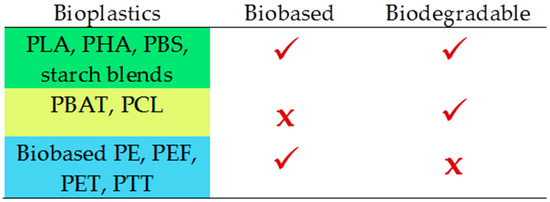
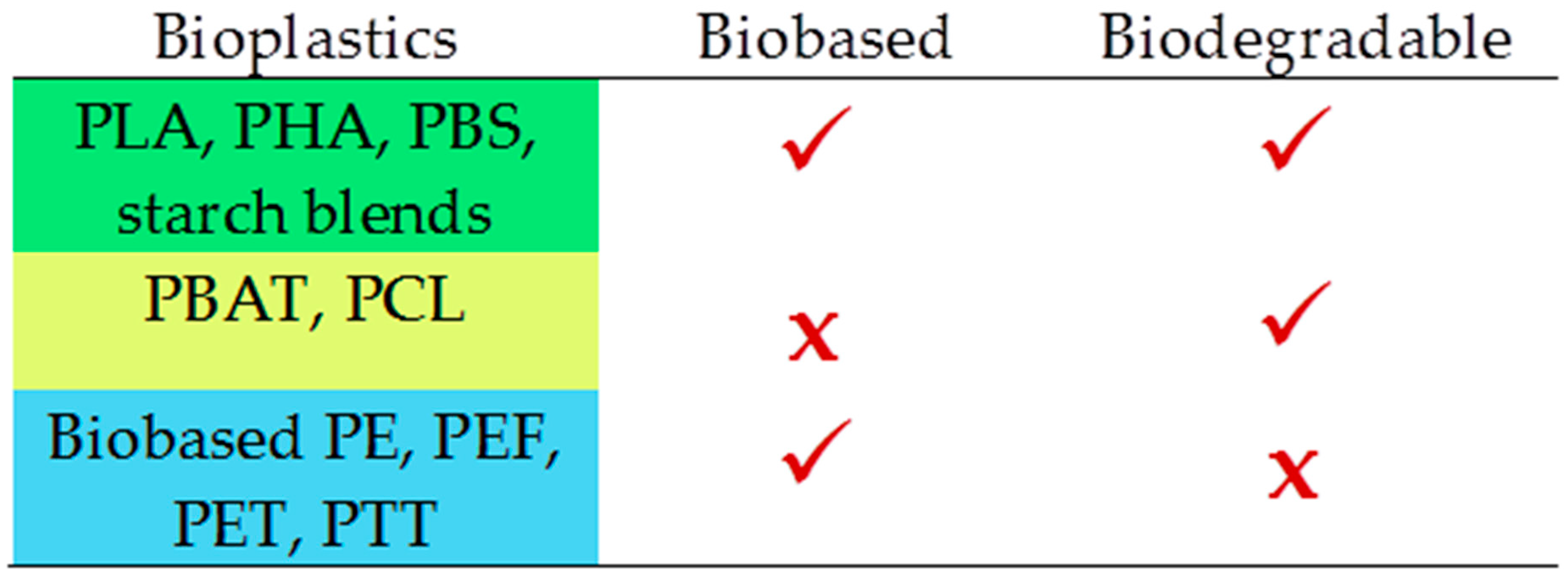
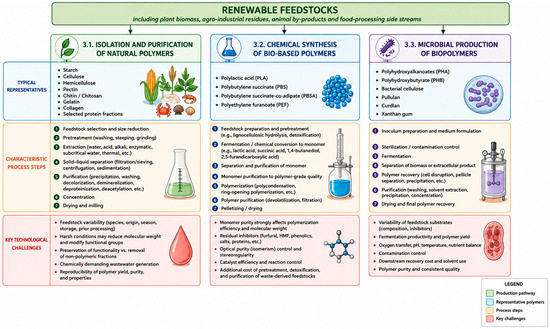
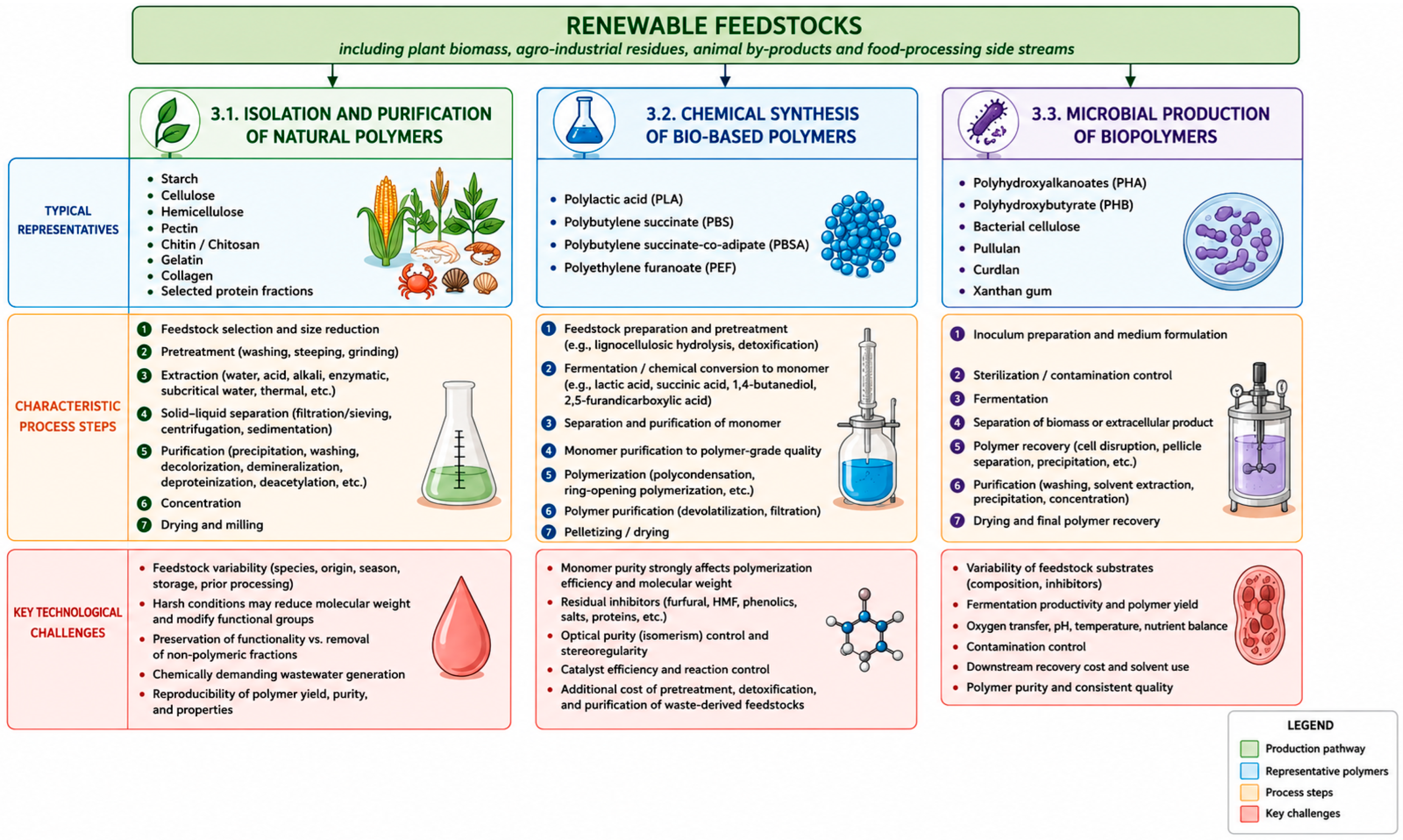

Disclaimer/Publisher’s Note: The statements, opinions and data contained in all publications are solely those of the individual author(s) and contributor(s) and not of MDPI and/or the editor(s). MDPI and/or the editor(s) disclaim responsibility for any injury to people or property resulting from any ideas, methods, instructions or products referred to in the content. |
© 2026 by the authors. Licensee MDPI, Basel, Switzerland. This article is an open access article distributed under the terms and conditions of the Creative Commons Attribution (CC BY) license.