


Abstract
Shear Thickening Fluid (STF), as a typical intelligent material, offers a novel approach for developing adaptive protective equipment due to its unique “shear thickening” effect. This review examines STF-based composite materials, encompassing both surface coatings (where STF is dispersed in a polymer matrix applied as a layer) and impregnated structures (where STF is integrated into porous fabric or foam substrates via saturation). It elaborates on design principles, preparation methods, mechanical property modulation, and applications in adaptive protectors for knees, elbows, wrists, ankles, and sports equipment. The review emphasizes how composite strategies overcome STF encapsulation and processing challenges, facilitating laboratory-to-market transition. The core mechanisms underlying the “flexible under normal conditions, rigid upon impact” behavior are discussed at molecular and rheological levels. Key limitations—including fluid leakage, long-term aging, and temperature sensitivity—are critically examined alongside future development trends toward multifunctional, intelligent protective systems.
1. Introduction
Shear Thickening Fluid (STF) is a class of non-Newtonian fluid characterized by a reversible, sharp increase in viscosity when the applied shear rate exceeds a critical threshold [1]. This “shear thickening” phenomenon arises from the transition of dispersed particles from a lubricated state to a frictional contact network under high shear stress, resulting in a rapid transformation from fluid-like to solid-like behavior [2,3]. Unlike conventional materials whose mechanical properties are strain-rate independent, STF exhibits an intrinsic “intelligent” response: it remains soft and compliant under low shear rates (e.g., during normal joint movement) but instantaneously stiffens under high shear rates (e.g., during impact), making it an ideal candidate for adaptive protective applications [4].
This strain-rate-dependent behavior is particularly relevant to human joint protection. Joints such as the knee and elbow undergo complex, multi-axial movements during daily activities, requiring protective gear that maintains flexibility and comfort under normal conditions while providing high stiffness and energy absorption upon sudden impact [5]. Traditional rigid protectors offer reliable protection but restrict joint mobility and can cause discomfort during prolonged wear, whereas soft protectors provide comfort but lack sufficient impact resistance [6]. The unique rheological properties of STF offer a potential solution to this long-standing trade-off between mobility and protection.
Despite its promising characteristics, pure STF in its native fluid state suffers from several practical limitations that hinder direct application in protective gear. These include susceptibility to leakage, difficulty in maintaining structural integrity, particle sedimentation over time, and sensitivity to environmental conditions such as temperature [7]. To overcome these challenges, researchers have developed composite strategies that integrate STF with solid matrices—either as surface coatings on fabrics or as impregnated fillers within porous foams—thereby encapsulating the fluid while preserving its shear-thickening functionality [8,9]. These composite systems not only address the encapsulation and stability issues but also create synergistic effects between the STF’s rate-dependent response and the matrix’s mechanical properties, such as elasticity and energy dissipation [10].
This review provides a comprehensive overview of STF-based composite materials for adaptive joint protection. We examine two primary composite architectures: surface coatings, where STF is dispersed within a polymer matrix and applied as a layer onto textile substrates; and impregnated structures, where STF is infused into the porous network of open-cell foams or woven fabrics. The design principles, preparation methods, and mechanical characterization of these composites are discussed, with particular emphasis on the molecular interactions and rheological mechanisms that govern the “flexible under normal conditions, rigid upon impact” behavior. We then survey current applications in knee, elbow, wrist, and ankle protectors, as well as integration into sports equipment. Key engineering challenges—including long-term durability, temperature sensitivity, and performance customization—are critically analyzed. Finally, we outline future directions toward multifunctional, intelligent protective systems that integrate sensing capabilities and biomimetic design principles. The overall structure of this review is illustrated in Figure 1, providing readers with a clear roadmap to navigate the subsequent sections.
Figure 1.
Structural framework of this review.
2. Design Principles and Preparation Methods of STF Composites
2.1. Composition, Shear-Thickening Mechanisms, and Regulatory Factors of STF
STF are typically composed of rigid nano- or microparticles dispersed at high volume fractions in polar media [8]. For example, fumed silica (FS) particles dispersed in polyethylene glycol (PEG) constitute a common STF system [8]. The composition and rheological properties of STF are shown in Figure 1. The concentration, shape, size, and surface modification of the particles, as well as the viscosity of the dispersion medium, are key factors in precisely controlling critical rheological parameters of STFs, such as the critical shear rate and peak viscosity [8]. Studies have shown that increasing particle loading can significantly enhance the viscosity of STFs [8]. Additionally, the molecular weight of the dispersion medium profoundly influences the shear-thickening behavior of STFs. For instance, in PEG systems, varying the number of ethylene oxide repeat units affects the strength of the solvation layer around the particles, thereby regulating the formation of frictional contacts and consequently modulating the intensity of shear thickening and even shear jamming [9].
At the molecular level, the interactions between particles and the dispersion medium are crucial. Silica particles possess surface silanol groups (Si–OH) that can form hydrogen bonds with the ether oxygen atoms in PEG chains. This hydrogen bonding creates a bound solvation layer around each particle, which at low shear rates keeps particles separated by a lubricating film, resulting in low viscosity. The polarity of PEG (with a dielectric constant ε ≈ 2.2 at room temperature for molecular weights ranging from 1000 to 6000 g/mol. When particles are surface-modified with hydrophobic groups (e.g., via silane coupling agents), this solvation layer is weakened, altering the critical shear rate and thickening magnitude. These molecular-level interactions form the foundation for understanding how STF transitions from flexible to rigid behavior.
The shear-thickening behavior of STFs is primarily attributed to a transition between two mechanisms. At low shear rates, lubrication forces dominate between the dispersed particles in STF, resulting in low system viscosity and easy fluid flow [11]. When the shear rate exceeds a critical value, the hydrodynamic lubrication layer between particles is disrupted, and particles form “particle clusters” or “hydroclusters” dominated by frictional contacts [12]. The formation of these cluster structures leads to a dramatic increase in flow resistance, causing a sharp rise in system viscosity and even exhibiting solid-like behavior [11]. For colloids with rough surfaces, due to enhanced rotational constraints, geometric friction effects are more pronounced; to achieve the same shear-thickening intensity, rough particles on average require fewer contacts than smooth particles [12]. This transition from a lubricated to a frictional state forms the basis of the energy absorption capability of STFs.
The transition from a lubricated to a frictional state can be understood at the molecular scale as follows: at low shear rates ( < c), the hydrogen-bonded solvation layers remain intact, and hydrodynamic lubrication forces dominate. As the shear rate increases, the hydrodynamic stress disrupts the solvation layer around the particles by overcoming the energy barrier associated with hydrogen bonding (typically 10–40 kJ/mol for O–H···O bonds). This disruption enables direct particle–particle contact, leading to the formation of frictional hydroclusters. The resulting frictional contacts generate “hydroclusters” that percolate through the suspension, dramatically increasing viscosity. This molecular mechanism explains why STF exhibits fluid-like behavior during gentle joint movements (low shear) but solid-like behavior upon impact (high shear): the hydrogen bonds that maintain separation at low stress are broken at high stress, enabling particle jamming and energy dissipation.
Definition of shear rate. The shear rate, denoted by (unit: s−1), is a fundamental kinematic quantity that quantifies the rate of angular deformation of a fluid element under applied shear stress. For a simple shear flow between two parallel plates separated by a distance dy with a velocity difference dv, the shear rate is defined as = dv/dy, representing the velocity gradient perpendicular to the flow direction. In the context of shear thickening fluids (STF), the magnitude of directly determines the rheological response: low shear rates (e.g., < 101 s−1) correspond to gentle deformations during normal joint movements, while high shear rates (e.g., > 102–103 s−1) occur during sudden impacts, triggering the shear-thickening transition. The critical shear rate c marks the threshold above which the viscosity begins to increase dramatically. Constitutive modeling of shear-thickening behavior. The strain-rate-dependent viscosity of STF can be quantitatively described using a non-Newtonian constitutive model. A widely used empirical model capturing the shear-thickening regime is the power-law model: \eta(\dot{\gamma}) = K \dot{\gamma}^{,n − 1} where η is the apparent viscosity (Pa·s), K is the consistency index (Pa·sn), and *n* is the flow behavior index (dimensionless). The value of *n* determines the type of rheological response: *n* < 1: shear-thinning (viscosity decreases with increasing ); *n* = 1: Newtonian (constant viscosity); *n* > 1: shear-thickening (viscosity increases with increasing ). For a typical STF, at low shear rates ( < c), *n* ≈ 0.8–1.0, indicating near-Newtonian or weakly shear-thinning behavior. When the shear rate exceeds c, the behavior transitions to *n* > 1 (typically 1.2–2.0), leading to a sharp viscosity increase (As shown in Table 1). This transition corresponds to the formation of frictional hydroclusters as described above [8,9].
Key parameters such as critical shear rate and peak viscosity are precisely regulated by the system composition. In addition to particle concentration and the properties of the dispersion medium, the morphological structure of the particles is also crucial. For example, silica particle clusters (SPCs) constructed via chemical reactions can produce faster and stronger shear-thickening responses compared to original silica particles [13]. The dispersion state of the particles similarly affects rheological behavior. Research indicates that the conformation and dispersion behavior of xylan significantly influence the rheology of STFs; well-dispersed xylan nanocrystals can substantially lower the critical shear rate and significantly increase the peak viscosity [14]. Under extremely high shear stress, STFs may undergo shear jamming, forming a network of frictional contacts spanning the rheometer gap. At this point, unique flow instabilities can occur, such as jet oscillations [15], or the formation of propagating “frictional solitons” in high-stress regions [16]. A deep understanding of these microscopic mechanisms and macroscopic behaviors provides a theoretical foundation for designing STF composite materials with tunable performance.
Table 1.
Composition and key rheological properties of representative STF systems.
2.2. Advantages and Limitations of STFs as Intelligent Protective Materials
STF, as a typical smart material, has its core advantage in its exceptional dynamic responsiveness, which gives it great potential in the field of adaptive joint protectors. This responsiveness stems from its non-Newtonian fluid properties, meaning its viscosity or modulus changes significantly with variations in the externally applied shear rate [18]. During daily low-intensity activities of human joints, where the shear rate is low, STF remains in a soft, low-modulus fluid state, ensuring comfort during wear and flexibility in joint movement. When subjected to sports impacts or accidental collisions, the instantaneously generated high shear rate triggers the “shear-thickening” effect of STF, causing its viscosity to rise sharply or even harden instantly, transforming into a solid-like state. This provides high stiffness to effectively disperse and absorb impact energy, playing a crucial protective role [19]. This intelligent “stronger under greater force” response mechanism allows it to seamlessly switch between flexibility and rigidity based on the actual mechanical environment, offering an ideal material foundation for developing adaptive protectors that combine both comfort and high protective performance.
Despite its outstanding advantages in dynamic responsiveness, the practical application of STF still faces a series of limitations that urgently need to be addressed. The primary challenge lies in the encapsulation difficulties and leakage issues caused by its liquid form. As a fluid, pure STF is difficult to stably integrate with fabrics or protector substrates. Improper encapsulation can lead to leakage, resulting in the failure of protective performance [18]. Secondly, the interfacial bonding stability between STF and substrate materials is another critical issue. Untreated STF struggles to form durable and strong bonds between fabric fibers, limiting its full performance potential and long-term reliability. Additionally, as a suspension, STF may experience sedimentation of its solid particles under prolonged static conditions due to gravity, leading to uneven distribution of internal components and affecting the uniformity and reproducibility of its performance. This is a significant drawback for industrial products [20]. To overcome these limitations, current research focuses on compounding STF with porous substrate materials, such as open-cell foams or high-performance fabrics. For example, integrating STF into aramid or open-cell polyurethane foam through impregnation processes can effectively encapsulate STF within the three-dimensional network structure of the substrate. This not only prevents leakage but also significantly enhances the overall mechanical properties of the composite material, such as puncture resistance and energy absorption efficiency, through the interaction between STF and fibers or cell walls [19,21]. This compounding strategy is a key pathway for advancing STF from the laboratory to practical engineering applications, particularly in the field of intelligent protective equipment.
Critical analysis of current limitations. While the challenges of leakage, sedimentation, and temperature sensitivity have been widely acknowledged, the literature lacks systematic solutions. Most studies report STF performance only within a narrow temperature range (20–40 °C) and under idealized laboratory conditions (e.g., single-impact, fresh samples). Real-world scenarios—such as repeated low-energy impacts in volleyball knee pads, or sub-zero temperatures in winter sports—remain largely unexplored. Moreover, the proposed remedies, such as surface modification of particles or encapsulation in foams, have been tested only at the prototype scale, and their long-term reliability (>1000 cycles, >1 year aging) has not been demonstrated. This gap between laboratory demonstration and field durability represents a critical barrier to commercialization.
2.3. Design Strategies and Preparation Processes for Polymer-Based Composite Coatings
Polymer-based STF composite coatings are an important direction in current research on flexible protective materials. The core concept involves compounding STF as a functional filler with a flexible polymer matrix. Such composite systems typically use thermoplastic polyurethane, silicone rubber, or epoxy resin as the matrix material, achieving effective integration through methods such as solution blending, melt blending, or in situ polymerization [22]. This strategy aims to combine the unique strain-rate sensitivity of STF with the flexibility and processability of the polymer matrix, creating an intelligent material that is soft under normal conditions but rapidly hardens upon high-speed impact. Research indicates that such materials offer new possibilities for developing lightweight, wearable protective equipment, especially in application scenarios that require a balance between wearing comfort and protective performance, such as stab-resistant vests or joint protectors [22].
The choice of polymer matrix significantly influences the molecular interactions within the composite. Thermoplastic polyurethane (TPU), a common matrix material, contains both hard (isocyanate-based) and soft (polyol-based) segments. The hard segments provide physical crosslinking through hydrogen bonding between urethane groups (–NH–C=O···H–N–), while the soft segments impart flexibility. When STF is dispersed in TPU, the polar groups in both components interact: the ether oxygens in PEG can form hydrogen bonds with the urethane N–H groups, and the silica surface silanols can interact with the carbonyl groups. These interfacial interactions enhance stress transfer between the STF filler and polymer matrix, enabling the shear-thickening response of STF to be effectively coupled with the viscoelastic energy dissipation of the polymer. Silicone rubber, by contrast, with its hydrophobic –Si–O–Si– backbone and methyl side groups, exhibits weaker polar interactions with STF, leading to different interfacial behavior and mechanical response.
When designing such composite coatings, the key lies in precisely balancing the ratio between the STF loading and the polymer matrix. Excessive STF loading may cause the composite slurry to become overly viscous, affecting the uniform application and final curing of the coating, and may even compromise the overall mechanical properties of the coating, Conversely, if the STF loading is too low, it may fail to induce a sufficiently strong shear-thickening effect when the material is subjected to impact, thereby weakening its core protective function [22]. To optimize this balance, researchers often perform surface modification treatments on the dispersed particles in STF to improve their dispersion within the polymer matrix and enhance the interfacial bonding between the filler and the matrix. Good dispersion and interfacial bonding are fundamental to ensuring effective stress transfer and fully leveraging the energy dissipation capabilities of STF particles, which is crucial for enhancing the dynamic mechanical properties of composite coatings, such as puncture resistance and impact resistance [22].
Surface modification of silica particles with silane coupling agents (e.g., 3-aminopropyltriethoxysilane, APTES) introduces functional groups that can covalently bond with the polymer matrix. The reaction mechanism involves hydrolysis of the silane ethoxy groups to silanols, which then condense with silica surface silanols to form stable Si–O–Si bonds. The terminal amino groups on APTES can further react with isocyanate groups in TPU to form urea linkages. This covalent bonding replaces weak physical adsorption with strong chemical interfaces, significantly improving dispersion stability and stress transfer efficiency. The degree of surface coverage and the chain length of the grafted molecules also affect the interparticle distance and the critical shear rate, providing molecular-level control over the shear-thickening response.
In terms of preparation processes, various mature coating techniques have been developed to uniformly and stably load STF/polymer composite slurries onto flexible substrates. Common methods include blade coating, dip-rolling, and spraying, which can apply the composite slurry to the surfaces of high-strength fabrics such as aramid or ultra-high molecular weight polyethylene, or flexible foam materials, followed by curing through heating or chemical means to form a durable functional coating [22]. The process flow for preparing STF composite coating materials by the impregnation method is shown in Figure 2. In recent years, advancements in additive manufacturing technology have made it possible to produce polymer protective structures with customized shapes, opening new technical pathways for manufacturing adaptive joint protectors with complex shapes that conform to the curves of the human body [22]. The common goal of these preparation processes is to achieve uniform distribution and strong adhesion of the STF/polymer composite system on the substrate, ensuring that the coating can be effectively activated to provide reliable instantaneous protection when the final product is subjected to dynamic loads.
Figure 2.
Process flow chart for the preparation of STF composite coating materials by impregnation method [23].
2.4. Design Philosophy and Impregnation Process of STF-Foam Composite Structures
STF-foam composite structures typically employ porous elastomers such as open-cell polyurethane foam or melamine foam as three-dimensional skeletons, with STF fully infiltrating their interconnected pores through impregnation processes [24]. The SEM images of ordinary foam and STF-filled foam are shown in Figure 3. This impregnation technique, such as simple dip-coating, has been proven to be an effective method for preparing multifunctional composite foams [25,26]. The schematic diagram of the preparation of STF-foam by the impregnation method is shown in Figure 4. This structural design cleverly encapsulates STF within the pores of the foam network, effectively preventing fluid leakage during operation, while utilizing the foam skeleton itself to provide initial elasticity, shape retention, and excellent compressibility [27]. Under dynamic impact or compression, the STF confined within the pores exhibits significant shear-thickening effects due to its non-Newtonian fluid properties, with its viscosity increasing sharply. This synergizes with the elastically deforming foam skeleton to collectively dissipate impact energy [24,28]. Research indicates that this synergistic energy dissipation mechanism can significantly enhance the structure’s force attenuation performance. For example, in sandwich structures with XPS foam cores filled with STF, drop-weight impact tests (impact energy 15 J, using a 5 kg impactor) demonstrated peak force attenuation improvements of up to 24.8% compared to unfilled XPS foam cores of identical density and thickness [29]. Furthermore, mixing STF with polymers such as polyurethane and impregnating it into auxetic structures (fabricated from high-tenacity polyester) can increase impact energy absorption capacity by up to 76% under low-velocity impact testing (drop weight 2.5 kg, impact velocity 2 m/s) compared to non-impregnated auxetic reference structures, further demonstrating the potential of STF and porous skeletons to synergistically enhance protective capabilities [28]. Various parameters of the foam matrix, including density, porosity, pore size distribution, and STF impregnation saturation, are key to precisely regulating the static comfort and dynamic protective performance of this composite structure [24]. The pore structure of the foam directly determines the filling state of the STF and its confined flow environment. Studies point out that the pore size distribution of the foam is a crucial model parameter, leading to shear rate gradients of the internal suspension during compression of the composite, thereby affecting its overall mechanical response and energy dissipation [24]. For instance, by designing the geometric structure of the foam core, such as specifically arranged pores or columnar structures, the encapsulation effect of STF can be optimized to achieve better force attenuation performance [29]. Simultaneously, the impregnation saturation determines the volume fraction of STF within the pores, directly influencing the threshold and intensity of the shear-thickening effect. Beyond basic mechanical properties, introducing functional fillers such as carbon nanotubes or nano-SiO2 can endow STF-foam composites with additional characteristics like conductivity, superhydrophobicity, or piezoresistive effects. This expands their application in smart protective gear, enabling the integration of multiple functions such as impact protection, real-time status monitoring, or electromagnetic wave absorption [25,26,30]. This strategy of combining the intelligent mechanical response of STF with the designability of foam skeletons provides a solid technical foundation for developing next-generation adaptive, high-performance joint protectors.
Figure 3.
SEM images of (a) foam and (b) STF-filled foam [21].
Figure 4.
Schematic diagram of STF-foam preparation.
2.5. Surface and Structural Characterization of STF Materials
Comprehensive characterization of STF and its composite coatings is essential to establish the correlation between their chemical composition, micro/nanostructure and macroscopic shear thickening behavior. A suite of complementary analytical techniques provides insights at the molecular, particle and composite levels.
X-ray photoelectron spectroscopy (XPS) is widely employed to assess the success of surface functionalization treatments. For STF systems, XPS analysis reveals the elemental composition of nanoparticle surfaces as well as the oxidation states of constituent atoms, confirming the chemical nature of surface functional groups such as silanes, organosilanes or bonding agents grafted onto silica particles [31]. This technique is particularly valuable for evaluating the extent of surface coverage when tuning STF rheology through chemical modification [32].
Small-angle X-ray scattering (SAXS) has been successfully applied to study thermal stability [33]. SAXS can detect the formation of physical networks in silica/PEG systems during temperature-induced sol–gel transitions, revealing the reduction of solvation layers that precede gelation. In combination with X-ray diffraction (XRD), which can examine the crystalline or amorphous nature of particle phases, the interplay between particle structure and shear thickening response can be interrogated. Further structural information can be obtained from solid-state nuclear magnetic resonance (NMR) spectroscopy, which has been used to probe the molecular environments of surface functional groups and the nature of bonding between particles and dispersion media, providing direct evidence of the chemical structure that governs interparticle interactions [31].
Vibrational spectroscopy techniques, including Fourier transform infrared spectroscopy (FTIR) in attenuated total reflectance mode, are routinely used to confirm the chemical identity of functional groups present on modified particle surfaces. The appearance or disappearance of characteristic absorption peaks (e.g., Si–O–Si stretching, C–H vibrations, or N–H bending from silane agents) provides qualitative and semi-quantitative evidence of successful surface modification [17,34].
Morphological characterization of particles and their dispersion in polymer matrices relies on electron microscopy. Transmission electron microscopy (TEM) reveals primary particle size, shape, aggregation state and the core–shell morphology of surface-modified or composite structures, while scanning electron microscopy (SEM) visualizes the distribution of particles within foam or fabric substrates as well as fracture surfaces of composite coatings under impact. For STF/foam composites, cross-sectional SEM imaging of gold-sputtered samples can be correlated with mechanical performance [21,24,34].
Dynamic light scattering provides complementary information on particle size distribution and aggregation state in the dispersion medium, while zeta potential measurements assess the surface charge of suspended particles, offering indirect insight into colloidal stability and electrostatic contributions to the thickening mechanism. Thermogravimetric analysis and differential scanning calorimetry are used to quantify the thermal stability of STF composite coatings and to evaluate filler content, solvent evaporation and thermal degradation profiles of the polymer matrix. The integration of these characterization techniques provides a multi-scale understanding of how molecular-level modifications (e.g., surface functionalization) and microstructural features (e.g., particle size, porosity, interfacial bonding) translate into the macroscopic strain-rate-sensitive performance of STF-based composite coatings for adaptive joint protection.
3. Characterization of Mechanical Properties and Response Mechanisms of Composite Coatings
3.1. Mechanical Properties and Response Mechanisms
Quasi-static mechanical property testing is a crucial step in evaluating the fundamental performance of STF composite coatings, typically conducted using universal material testing machines for tensile, compression, and other tests. These tests aim to obtain baseline parameters such as modulus, strength, and toughness of the coating under low strain rates, which directly determine the comfort and long-term durability of adaptive joint protectors made from them during daily wear. (As shown in Figure 5) For example, in research on STF-impregnated aramid fabrics for puncture-resistant applications, quasi-static puncture tests revealed that the maximum spike puncture resistance reached 267.62 N, which is 17.14 times that of the pure fabric (15.61 N), and the maximum knife puncture resistance was 115.02 N, 5.01 times that of the pure aramid fabric (22.97 N) [34]. These quasi-static strength data indicate that the STF composite coating, by increasing the friction between yarns, enables more yarns to participate in dissipating energy, thereby providing excellent protective performance under static or slow-loading conditions [34,35]. Furthermore, quasi-static testing methods are continuously evolving. One study proposed a novel quasi-static multifunctional characterization method for simultaneously evaluating the compressive and conductive properties of additively manufactured continuous carbon fiber composites [36,37], offering a testing approach for assessing additional functions that composite coatings may serve in protectors beyond protection, such as sensing.
Figure 5.
(a) Spike puncture force-displacement curve, (b) maximum spike puncture force, (c) spike puncture dissipated energy and peak force multiplier, (d) knife stab resistance-displacement curve, (e) maximum knife stab resistance; and (f) knife stab dissipated energy and peak force multiplier. Photographs of pure aramid fabric (g) and aramid composite (h) after quasi-static puncture testing [34].
To accurately quantify the protective efficacy of composite coatings under impact conditions, dynamic mechanical property testing is essential. This typically involves using equipment such as drop-weight impact testers, Hopkinson bars, or dynamic mechanical analyzers to apply medium-to-high strain rate loading to the material, simulating actual collisions or fall impacts. The core objective of these tests is to precisely measure the force-displacement curve, energy absorption efficiency, and peak force of the coating under dynamic loading, thereby quantifying the “hardening” response induced by its shear-thickening effect. The rheological properties of the STF itself form the basis of this dynamic response. Studies have shown that two-phase STFs prepared with SiO2 and conductive SiO2@Ag core–shell microspheres as the dispersed phase exhibit good and reversible shear-thickening behavior [17,38]. Their critical shear rate decreases with increasing core–shell microsphere concentration, meaning that by adjusting the formulation, the strain rate threshold at which the coating begins to “harden” can be controlled to suit application scenarios with different impact intensities [17,39]. Upon impact, the STF in the coating rapidly undergoes a shear-thickening transition, exhibiting a reversible solid-like behavior, and the force-displacement curve displays a unique plateau region, indicating its ability to efficiently absorb impact energy through sustained deformation while limiting the peak force transmitted to human joints within a safe range. This dynamic energy absorption mechanism is the core advantage of adaptive joint protectors over traditional rigid protectors.
The energy dissipation mechanisms during impact can be traced to molecular-level processes. When the shear rate exceeds c, the disruption of hydrogen bonds between particles and the dispersion medium absorbs energy (typically 10–40 kJ per mole of bonds). Simultaneously, the formation of frictional contacts between particles converts kinetic energy into heat through sliding friction. In polymer matrix composites, additional energy dissipation occurs through chain segment motion: polymer chains undergo conformational changes, with internal friction (hysteresis) dissipating energy as heat. The entanglement network of polymer chains also contributes through chain pull-out and disentanglement processes. These multiple molecular mechanisms operate synergistically: the shear-thickening transition triggers rapid stiffening, while the polymer matrix provides continuous energy dissipation through viscoelasticity, together achieving efficient impact protection.
By systematically comparing performance data across different strain rates, from quasi-static to dynamic impact, the strain rate sensitivity threshold of composite coatings and their enhancement effects can be clearly defined. This comparative analysis reveals the critical transition point of the material from “flexible” to “rigid,” which is crucial for the intelligent design of protective gear. For example, for STF-based coatings, their performance enhancement effect is closely related to the strain rate. At low strain rates, the material remains soft, ensuring wearing comfort and freedom of joint movement. Once the loading strain rate exceeds its critical threshold, the material’s modulus and strength increase sharply, providing instantaneous protection [17,40]. In the study of two-phase STF, it was found that when the mass fractions of SiO2 and SiO2@Ag core–shell microspheres were 45% and 20%, respectively, its thickening rate reached 325% [17]. This data quantifies its strain rate enhancement effect under a specific formulation. By combining dynamic impact test results with quasi-static performance analysis, the comprehensive performance of protective gear can be fully evaluated: daily activities rely on the toughness and durability of the coating matrix [34], while sudden impacts rely on the rapid response and energy dissipation capabilities of STF [17]. Clarifying this threshold enables designers to customize and optimize coating formulations for specific sports or risk levels, thereby achieving the best balance between comfort and protection, realizing true “intelligent strain.”
3.2. Analysis of Microstructural Evolution and Multiple Toughening Mechanisms
The intelligent protective performance of composite coatings is closely related to their microstructural evolution and intrinsic toughening mechanisms under dynamic loads. Observing the micro-morphology of coatings or composite structures before and after impact using scanning electron microscopy is a key method for revealing their damage behavior. For STF-impregnated aramid fabrics, SEM analysis has shown that STF fills the inter-fiber gaps and forms a uniform coating on fiber surfaces, which enhances inter-yarn friction and promotes energy dissipation through fiber sliding and pull-out [19,21]. In STF-foam composite structures, SEM images reveal that STF occupies the open-cell pores and adheres to the cell walls, as shown in Figure 3. Under impact loading, deformation of the foam pore walls occurs, accompanied by aggregation of STF particle clusters into localized jammed regions, which act as energy dissipation hotspots [24,28]. Additionally, studies on STF–polymer matrix composites have demonstrated that impact-induced microstructural changes include particle rearrangement, formation of frictional contact networks, and potential micro-cracking at the particle–matrix interface, all contributing to the overall energy absorption capacity [17,22]. These microstructural observations provide direct evidence for the shear-thickening mechanism and its role in impact protection.
To intuitively verify the core role of shear thickening effects in impact protection, in situ observation techniques such as high-speed photography or synchrotron radiation X-ray imaging are required to dynamically capture the flow and jamming processes of STF within coatings or foam pores. Although existing references directly applying these techniques to STF composites are limited, studies on model suspensions have demonstrated the feasibility of such approaches [15,16]. For STF systems, high-speed photography can record the rapid transition of STF from a low-viscosity fluid to a highly viscous, jammed state during impact, while synchrotron radiation X-ray imaging can penetrate materials to non-destructively reveal the flow paths, particle rearrangement, and formation of localized frictional contact networks of STF within complex porous structures. This rapid transition from “flow” to “jammed” is the physical basis for STF’s intelligent response to impact, dispersing and absorbing energy. By comparing microstructures under static and dynamic loads, the influence of shear rate on the particle network formation can be clarified, providing direct evidence for optimizing STF performance in adaptive protective gear.
Comprehensive analysis indicates that the intelligent protection of STF-based composite coatings is not the result of a single mechanism but rather the synergistic interaction of multiple mechanisms, including the shear thickening effect of STF, the viscoelastic energy dissipation of the polymer matrix, and the compressive energy absorption of the foam structure. First, the shear thickening effect of STF is the core intelligent response mechanism, which rapidly increases viscosity and forms frictional contact networks under high strain rates, converting impact kinetic energy into heat and dispersing stress through particle interlocking [2,3,12]. Second, the polymer matrix itself exhibits viscoelasticity, generating internal dissipation through molecular chain slippage, friction, and hysteresis during deformation, further dissipating energy [6,22]. For example, in TPU-based STF composites, the elastomeric matrix contributes to energy absorption through hysteresis loops under cyclic loading [34]. Furthermore, if the STF composite coating is combined with a porous foam substrate, the foam structure undergoes plastic deformation such as cell wall buckling and fracture during compression, absorbing substantial impact energy [24,28]. These three mechanisms do not operate independently: the shear thickening transition of STF enhances the overall stiffness and strength of the composite system, limiting excessive deformation; the polymer matrix ensures the material’s integrity and toughness, preventing brittle fracture; and the foam structure provides initial cushioning and the primary deformation space. They work synergistically, allowing the composite coating to remain flexible and comfortable under normal conditions while instantly responding to sudden impact to provide exceptional protection, thereby achieving truly “intelligent strain” protection.
4. Biomechanics and Application Design of Adaptive Joint Protectors
4.1. Biomechanical Principles of Joint Protection: The Knee Joint as a Model
The knee joint, as one of the largest and most complex synovial joints, provides an ideal model for understanding the biomechanical demands that adaptive protectors must meet. The knee joint, as one of the largest and most complex joints in the human body, bears extremely high dynamic loads during daily activities and sports due to its biomechanical characteristics. The knee joint experiences complex multi-axial loads, with vertical ground reaction forces reaching 3–5 times body weight during running and landing, and strain rates exceeding 102 s−1 during sudden direction changes or impact [41,42,43]. Consequently, the protective requirements for the knee present a paradox: on one hand, during normal flexion, extension, and rotation, protective gear must maintain low constraint to allow a full range of joint motion, avoiding impacts on athletic performance or muscle atrophy; on the other hand, during sudden lateral impacts or excessive torsion, the gear must rapidly provide sufficient rigid support to limit abnormal joint displacement and protect structures like ligaments and cartilage [44].
Traditional knee braces can be broadly categorized into rigid and soft types, yet neither perfectly balances the conflict between mobility and protection. Rigid braces, such as certain sports knee pads or postoperative braces, typically employ metal or hard plastic frames to effectively restrict abnormal joint movement in specific directions, providing stable support for injured ligaments [45]. However, this rigid structure significantly limits the normal range of knee motion, affecting gait and athletic function, and long-term wear may lead to muscle weakness due to stress shielding [41]. In contrast, soft braces, such as elastic bandages or sleeve-style knee supports, offer good fit and comfort with minimal restriction on joint movement, but their inherent material properties limit their mechanical performance. When faced with high-energy impacts or severe torsion, they often fail to provide sufficient mechanical support to prevent injuries [46]. Research indicates that soft materials alone have limited effectiveness in dispersing impact forces and restricting abnormal joint angles, failing to meet the protective demands of high-risk sports scenarios [47].
The STF-based composite coating technology offers a novel solution for developing next-generation adaptive knee braces, aiming to fundamentally resolve the inherent contradiction of traditional braces that cannot simultaneously provide both dynamic flexibility and static stability. The core characteristic of STF materials lies in their unique rheological behavior: under low shear rates, such as during daily walking or jogging, it behaves as a viscous fluid, soft and compliant, imposing minimal constraint on joint movement. However, when subjected to high-speed impacts or shear forces, such as during lateral slips or sudden stops and directional changes, its viscosity increases dramatically within milliseconds, even undergoing “solidification,” instantly transforming into a solid-like state that provides high rigidity and energy dissipation capabilities [41]. By combining STF with flexible fabrics or foam, intelligent coatings can be created and applied to key stress-bearing areas of the brace. The design philosophy of this adaptive brace is “soft under normal conditions, rigid upon impact.” During routine flexion and extension of the knee joint, the STF remains in a fluid state, allowing the brace to function like ordinary elastic fabric, ensuring flexibility and comfort. Once rapid lateral displacement or excessive rotation that could lead to injury is detected, the STF instantly thickens and solidifies, absorbing impact energy through material phase change and restricting abnormal joint movement before excessive stress is placed on ligaments and the meniscus, thereby providing immediate and efficient dynamic protection [47]. This intelligent response mechanism, based on biomechanical principles, makes STF composite-coated braces a promising ideal choice for balancing freedom of movement with injury protection performance, particularly suitable for sports such as soccer, basketball, and skiing, which place extremely high demands on knee joint flexibility and stability [44].
Quantitative analysis of synergistic mechanisms. Although the combination of STF thickening, polymer viscoelasticity, and foam crushing is conceptually appealing, existing studies have not deconvoluted the individual contributions of each mechanism. For instance, it remains unclear whether the observed 50% increase in energy absorption [48] originates primarily from STF jamming or from altered foam deformation modes. Without a mechanistic model that partitions energy dissipation among components, rational design of optimized composites is hindered. Future work should employ systematic variation of STF concentration and matrix properties to isolate each contribution.
4.2. Anatomical and Kinematic Specificities of Elbow Joint Protection
As a critical pivot connecting the upper and lower parts of the upper limb, the elbow joint has a complex anatomical structure and refined functionality, necessitating that its protective design fully account for its unique biomechanical characteristics and injury patterns. The elbow joint faces two distinct injury mechanisms: (i) axial impact from falls, risking radial head and olecranon fractures, and (ii) repetitive valgus overload during throwing, leading to medial collateral ligament damage [49,50]. For adaptive protectors, the key challenge is conforming to the elbow’s large flexion range (>140°) without wrinkling or localized stiffening. An STF coating applied to a pre-curved, directionally elastic textile substrate can accommodate skin stretch and compression during flexion–extension while remaining strain-rate-sensitive [50,51]. This design ensures that daily activities (low ) experience minimal constraint, whereas sudden hyperextension or valgus stress (high ) triggers instantaneous stiffening to protect ligaments and bony prominences. optimizing functional recovery and minimizing the risk of joint stiffness [52,53].
In terms of application form, the design of adaptive protective gear based on STF must overcome the unique morphological and kinematic challenges of the elbow. Similar to the knee joint, elbow protectors require the integration of smart materials into the support structure, but their design must place greater emphasis on conforming to the dynamic morphology of the elbow during flexion and extension. As the elbow joint moves from full extension to high flexion, which can exceed 140°, significant wrinkling and stretching of the skin and soft tissues occur [54]. Therefore, the design of the coating and the selection of the substrate must ensure that during arm bending, the smart material layer does not develop excessive wrinkles, peeling, or localized hard spots, as these factors can severely impact wearing comfort, freedom of movement, and even protective efficacy. The ideal design should allow the coating to adapt to the complex deformation of the elbow joint during flexion, where the posterior skin is compressed and the anterior skin is stretched. For example, in the treatment of severe post-traumatic elbow stiffness, postoperative rehabilitation emphasizes minimizing joint stiffness while protecting soft tissue healing, which requires braces or protective devices to have excellent fit and dynamic adaptability [55]. A study on elbow airbag protective devices also noted that such devices significantly improve comfort in patients with upper limb fractures, indirectly highlighting the critical role of fit and comfort in elbow protection [56]. To achieve this dynamic fit, pre-formed curved padding, fabric substrates with directional elasticity, or patterned application of STF may be necessary. This would intelligently redistribute stress during joint movement, avoid localized pressure concentration, and ensure continuous protection and user compliance.
The biomechanical analyses of knee and elbow joints reveal common principles—strain-rate-dependent loading, the need for mobility during normal activity, and rigidity under impact—as well as joint-specific requirements dictated by anatomical structure. These insights directly inform the design of STF-based protective gear. In the following section, we discuss how these biomechanical requirements are translated into structural design parameters and performance evaluation criteria for STF composite protectors.
4.3. STF-Based Protector Design: Structural Strategies and Performance Metrics
In the structural design of adaptive joint protective gear, applying STF-polymer composite coatings onto flexible textile substrates is a common strategy for constructing smart protective padding or sleeves. This design aims to wrap and protect vulnerable areas such as the knee joint, including the patella and collateral ligaments. The core principle lies in leveraging the strain-rate sensitivity of STF, allowing the material to remain soft and flexible during low-strain-rate activities while rapidly thickening and hardening upon high-strain-rate impacts, providing instantaneous rigid support. This dynamic response mechanism mimics the protective principles of biological armor found in nature, such as the scale structures of certain fish and armadillos, which effectively dissipate impact energy through geometric overlap and interlocking while maintaining overall flexibility [57]. Similarly, STF composite coatings can be regarded as functional biomimetic materials, applied to textile substrates to form an intelligent interface that combines softness and hardness. Another design approach involves compounding STF with foam materials, which are then cut into specific shapes and embedded into key areas of the protective gear. This STF-foam composite material combines the cushioning and energy-absorbing properties of foam with the smart hardening capability of STF, enabling more precise reinforcement of localized high-stress areas. The rise of additive manufacturing technology offers possibilities for the personalized customization of such complex structural protective gear. By designing lattice structures with spatial gradient variations, the stiffness and energy absorption capacity of different regions can be precisely controlled, better adapting to anatomical features and specific protective needs [58,59]. Whether through coatings or composite material embedding, the goal is to achieve low constraint and high mobility under normal conditions, along with instant high protection during hazardous moments.
To scientifically evaluate the enhancement effect of STF-based adaptive joint protectors on knee joint stability, it is essential to conduct simulated impact experiments using a biomechanical testing platform. Such tests typically simulate lateral impacts or excessive varus/valgus movements that the knee joint may encounter during sports or accidents. For example, in studies evaluating STF-impregnated foam knee protectors, impact tests are often conducted at strain rates ranging from 102 to 103 s−1, corresponding to impact energies of 5–50 J, which simulate falls from standing height or low-velocity sports collisions [29,60]. The protectors typically have thicknesses of 5–15 mm and areal densities of 1–3 kg/m2, depending on the foam density and STF loading [24,28]. By securing a human model wearing the protector or a biomechanical prosthetic limb to the testing platform, controlled impact loads are applied, and key biomechanical parameters are measured simultaneously. Core evaluation metrics include the displacement of the tibia relative to the femur, angular acceleration, and the moment acting on the joint, both before and after wearing the protector.
In addition to protective performance under extreme impacts, the successful application of adaptive joint protectors highly depends on their wearability during daily activities, which must be validated through systematic ergonomic testing. The testing focuses on the protector’s performance during typical daily movements such as walking, ascending and descending stairs, and squatting, with core evaluation dimensions including flexibility, breathability, and long-term wearing comfort. Flexibility requires the protector material to be sufficiently pliable at low strain rates, not restricting the normal range of joint motion, and avoiding movement hindrance or muscle fatigue. Breathability relates to the user’s thermal and moisture comfort; since protectors are typically worn close to the skin, good breathability and moisture-wicking capabilities are crucial for maintaining skin health and preventing overheating. This necessitates that material selection and structural design balance protection with breathability. Comfort is a comprehensive perception involving multiple aspects such as the protector’s weight, whether its edges cause skin friction, fit, and ease of wearing. A study on healthcare workers’ use of personal protective equipment noted that ill-fitting equipment can affect work performance and compliance, emphasizing the importance of ergonomic and comfortable design [61,62]. For knee protectors designed for athletes or rehabilitation patients, their design must further consider comfort during prolonged, high-intensity use scenarios. For example, research on firefighters’ protective clothing compared the performance of different materials after simulated task exposure, including tear strength and comfort-related indicators, to ensure that the equipment maintains basic functionality and user experience in harsh environments [63]. Therefore, conducting ergonomic testing on STF adaptive protectors is a critical step in ensuring their transition from the laboratory to practical application. Only by balancing protective performance with wearing comfort can user acceptance and compliance be improved, truly realizing their clinical and sports protection value.
While the design principles discussed above have been primarily exemplified through knee and elbow protectors, the same strain-rate-sensitive strategy can be extended to other synovial joints with distinct anatomical and kinematic characteristics. The wrist and ankle joints present unique challenges due to their complex multi-axial movements and high vulnerability in both sports and daily activities.
Critique of durability studies. The current literature focuses almost exclusively on single-impact performance. Only a handful of studies have examined cyclic loading, with preliminary data showing 10%–30% degradation in energy absorption after just 10–100 cycles [48,60]. The degradation mechanisms—whether particle migration, interfacial delamination, or foam cell fatigue—remain uncharacterized. Furthermore, no standardized accelerated aging protocol exists for STF composites. Without such data, predicting service life in real applications (e.g., a knee pad used several times per week for two years) is impossible. Addressing this gap requires coordinated efforts in cyclic mechanical testing and in situ microstructural characterization.
4.4. Application to Other Synovial Joints: Wrist and Ankle Protectors
The wrist joint requires dynamic stabilization that preserves fine motor function. Traditional rigid braces restrict grasping, while soft sleeves provide insufficient protection against sudden hyperextension. An STF composite coating applied as a thin layer (0.5–2 mm) on a stretchable fabric remains flexible during slow wrist movements ( < 101 s−1) but rapidly stiffens upon high-speed impact ( > 102 s−1), limiting abnormal joint angles and preventing ligament sprains [64]. This adaptive response is particularly valuable for chronic stroke patients needing controlled resistance against involuntary wrist flexion [65]. For the ankle joint—the most frequently sprained joint in sports—STF technology offers dynamic support against inversion/eversion. Applying an STF coating to the lateral region of an ankle-foot orthosis generates a shear-thickening response during the stance phase when the foot tends to invert, providing a corrective moment without impeding normal gait [66]. In patients with multiple sclerosis or post-fracture recovery, such adaptive orthoses can reduce joint load while promoting physiological gait patterns [67,68]. Unlike active powered orthoses, STF-based devices achieve this passively, eliminating the need for batteries, sensors, or control algorithms.
4.5. Integration into High-Performance Sports Equipment: From Motorcycle Suits to Ski Protection
Beyond individual joint protection, STF composite coating technology is actively being integrated into full-body protective systems for high-risk sports and occupational applications. Beyond the traditional field of medical rehabilitation, STF composite coating technology is actively exploring applications in high-performance sports equipment such as motorcycle riding suits and ski hip protectors. The core requirement for these types of equipment is to provide excellent, adaptive impact protection in areas prone to impact. During low-speed, routine movements, the equipment must maintain sufficient flexibility and comfort to ensure the athlete’s freedom of movement and wearing experience. However, during high-speed collisions or falls, the equipment must instantly stiffen to disperse and absorb significant impact energy, protecting the user’s key areas such as the hips, buttocks, and elbows. STF technology perfectly meets this demand. Its shear-thickening characteristic means that the protective performance is directly related to the impact speed—the more severe the impact, the stiffer the material becomes. For example, integrating STF composite materials into the ischial tuberosity area of ski hip protectors can effectively cushion the impact force on the coccyx and hips when a skier falls at high speed [69]. This principle shares similarities with the design considerations for prosthetic simulators used in individuals with high-level hip amputations, where materials or structures must adapt to and safely handle dynamic loads [70]. By combining STF coatings with the fabric substrates of sports equipment, an intelligent material system can be created that is both lightweight and flexible while providing top-tier protection at critical moments. This represents an important direction in the evolution of personal protective equipment from static, passive protection to dynamic, adaptive protection, with the potential to significantly reduce injury rates in high-risk sports and enhance athlete safety performance.
5. Engineering Challenges and Industrialization Pathways
5.1. Long-Term Stability, Durability, and Temperature Sensitivity
Additionally, changes in environmental temperature significantly affect the rheological behavior of STF, particularly its critical shear rate for shear thickening and its ultimate response strength. Studies have shown that for silica-PEG-based STFs, the operational temperature window is typically −20 °C to 60 °C, beyond which performance degrades significantly [7,71]. At low temperatures (<−10 °C), the PEG medium approaches its glass transition temperature, increasing base viscosity by 10–100-fold and raising the critical shear rate, leading to a sluggish or absent shear-thickening response. At high temperatures (>50 °C), reduced medium viscosity and weakened hydrogen bonding between particles can decrease the peak thickening magnitude by 30%–50%, compromising impact protection [9,71]. This temperature sensitivity creates uncertainty in the performance of protectors under different climatic conditions, limiting their applicability in extreme environments.
To address the aforementioned challenges, researchers have proposed solutions from multiple perspectives, including material design, process optimization, and performance evaluation. In terms of material interface engineering, developing STF–polymer interfaces with stronger chemical bonding is a core strategy for enhancing long-term stability. For instance, modifying the surface of STF particles with silane coupling agents can introduce functional groups capable of chemically reacting with the polymer matrix. This replaces weaker physical adsorption with covalent bonding, effectively inhibiting particle migration and aggregation while enhancing interfacial adhesion. At the process level, optimizing the curing process of coatings is crucial for improving their cohesive strength. By precisely controlling the curing process, full cross-linking of the polymer matrix can be promoted, forming a dense and uniform network structure that reduces internal defects, thereby enhancing the coating’s resistance to delamination and peeling. To address temperature sensitivity, developing STF formulations with stability across a wide temperature range is an important direction. This includes exploring novel dispersion media, developing particles with special surface properties, or incorporating temperature-compensating additives to broaden the operational temperature range over which STF maintains efficient shear-thickening performance. Finally, conducting systematic accelerated aging tests and mechanical fatigue tests on finished protective gear incorporating STF composite coatings is a necessary step to verify their durability. By simulating long-term use, extreme temperature cycling, hygrothermal aging, and repeated impact conditions, the degradation patterns of coating performance can be scientifically assessed, providing a basis for product lifespan prediction and quality control, and ensuring that the protective gear delivers reliable adaptive protection throughout its service life.
5.2. Performance Customization and Adjustability Design Strategies
The core advantage of STF-based adaptive joint protectors lies in the customizable and adjustable nature of their protective performance, enabling them to meet the diverse needs of different individuals regarding sport type, body weight, and injury risk. Different sports scenarios impose varying demands on impact intensity and frequency. For example, the impact dynamics from a basketball player’s landing jump are fundamentally different from those of a collision in soccer [72]. Similarly, an individual’s body weight directly influences the magnitude of impact energy, while a history of prior injuries or specific anatomical weaknesses defines different levels of injury risk. These factors collectively determine the required “trigger threshold” for the protector—the critical impact intensity at which the STF begins to shear-thicken and significantly increase stiffness—as well as its capacity to dissipate impact energy, i.e., the “hardening degree.” Therefore, an ideal protector system should allow for precise adjustment based on these variables to achieve optimal personalized protection.
To achieve this high degree of customizability, material and structural design strategies are paramount. One effective approach is designing composite coatings with a gradient in STF concentration. For instance, areas of the protector at higher risk can be coated with STF of higher concentration or specific rheological properties to provide a stronger localized hardening response, while areas requiring greater flexibility can utilize STF of lower concentration to maintain joint mobility [14]. Another strategy involves zoning composites with materials of different properties, combining STF coatings with traditional elastic foams, gels, or textile materials to construct a functionally zoned composite structure. This zonal design allows engineers to integrate multiple functions such as cushioning, energy dissipation, and rigid support onto a single protector based on biomechanical analysis and pressure distribution maps, effectively “programming” the protective performance [73]. For example, traditional materials can be used in areas requiring low-frequency vibration absorption and comfort, while high-performance STF can be integrated in areas needing to resist high-velocity impacts.
Beyond static structural design, developing dynamic and adjustable STF composites capable of responding to external stimuli is a key direction for achieving truly “adaptive” protective gear in the future. Research indicates that by incorporating components sensitive to external fields, such as electric or magnetic fields, the rheological behavior of STF can be adjusted in real-time [74]. For example, dispersing nanoparticles with electromagnetic responsiveness into STF allows the alteration of inter-particle interaction forces through the application of external electric or magnetic fields, thereby macroscopically adjusting the fluid’s shear thickening threshold and maximum viscosity. This technology enables the protective performance of gear to no longer be fixed but dynamically adjustable based on real-time monitored motion states or preset programs. For instance, upon detecting an impending high-intensity impact, the system can instantly enhance the “hardening” degree of local STF areas, while maintaining lower stiffness during daily activities to ensure comfort [75]. This design, which integrates smart materials, sensing technology, and feedback control systems, represents the cutting-edge trend in the development of adaptive protective equipment toward high performance, personalization, and intelligence.
5.3. Bottlenecks in Transitioning from Laboratory to Market
Applying STF-based composite coatings to adaptive joint protective gear, transitioning from laboratory prototypes to large-scale production and market application, faces multiple conversion bottlenecks. The primary challenge lies in cost control. The core components of STF, such as high-purity, monodisperse silica nanoparticles, involve complex synthesis and purification processes with high costs [71]. Additionally, to ensure the stability and response performance of the protective fluid under complex stress, specific polymer matrices or additives are often required, and the costs of these specialty materials also constitute major obstacles to product commercialization [71]. Therefore, developing low-cost, high-performance large-scale preparation processes, such as optimizing nanoparticle synthesis pathways or exploring more economical alternative materials, is a key prerequisite for achieving market transformation. This requires close collaboration between materials scientists and chemical engineers to significantly reduce the costs of raw materials and production processes while ensuring shear thickening performance.
Beyond raw material costs, the intrinsic rheological behavior of STF itself poses a significant challenge to scalable manufacturing. The shear-thickening effect, which is desirable for the final protective function, becomes a major obstacle during the mixing and production of large volumes. As the solid particle concentration increases to reach the optimal thickening regime, the fluid’s viscosity rises dramatically under the high shear forces generated by industrial mixers. This can lead to excessive torque demands, inadequate mixing, localized overheating, and even mechanical failure of the equipment. Consequently, producing a homogeneous, large-scale batch of STF is not a straightforward scale-up of a lab-scale process; it requires specialized mixing protocols, such as stepwise addition of particles or the use of low-shear geometry, to avoid premature thickening during production []. This processing difficulty adds another layer of complexity and cost to the industrial translation of STF-based composites.
The stability and consistency of production processes present another significant challenge. The performance of STF highly depends on nanoparticle concentration, size distribution, surface chemical properties, and the characteristics of the dispersion medium [71]. In small-scale laboratory preparations, these parameters can be finely controlled. However, when scaling up to industrial production, ensuring that each batch of fluid possesses identical rheological properties is a major challenge. Minor fluctuations in the production process can lead to variations in the protective performance of the final gear products, affecting product reliability and reputation [71]. This necessitates the establishment of a strict process quality control system and the development of online monitoring technologies to track key physical property parameters in real-time, ensuring that every step from raw materials to finished protective gear meets established performance standards, thereby guaranteeing the uniformity and reliability of each product leaving the factory.
In addition, consumer education and market acceptance are crucial soft factors that determine whether a product can be successfully commercialized. For sports enthusiasts and professionals in the medical rehabilitation field, the principles and effectiveness of traditional protective gear are widely understood. However, the “intelligent adaptive” protective principle of STF-based adaptive gear is a novel and unfamiliar concept for most potential users [71]. Therefore, it is necessary to popularize its intelligent protective principle to the target user groups through various channels such as science communication, clinical data comparisons, and user experience sharing, while clearly demonstrating its advantages over traditional gear in terms of flexibility, comfort, and dynamic protective performance [71]. Only when users understand and trust the value of this technology will they be willing to pay a premium that may be higher than that of traditional products, thereby truly opening up the market.
5.4. Industry Chain Construction and Multi-Domain Application Prospects
Composite coating technology based on STF, leveraging its unique mechanical response characteristics, is demonstrating broad application prospects, with its core market covering multiple key fields from professional sports to industrial protection. The key application areas of STF composite coating materials are shown in Figure 6. In professional sports protection, such as high-impact sports like rugby and skiing, there are extremely high demands for the energy absorption and impact attenuation capabilities of protective gear. Research shows that by applying carbon nanotube/shear thickening gel and nano-silica/shear thickening gel composite coatings to polyurethane foam, multifunctional composite materials can be prepared that combine lightweight properties, high compressibility, conductivity, and excellent impact resistance [25]. When used as soft body armor or helmet liners, this material achieves an impact force attenuation rate of up to 81%, effectively protecting the wearer from injury [25]. In the fields of mass fitness protective gear and fall-prevention equipment for the elderly, higher requirements are placed on the comfort, flexibility, and adaptive protection capabilities of the gear. Flexible composite materials with strain-sensing capabilities provide a solution for this. For example, flexible strain sensors based on iron nanowire/graphene/PEDOT:PSS porous structures exhibit stability over up to 3500 cycles and 98.8% local linearity, enabling precise monitoring of human movements such as joint bending [76]. Similarly, one-dimensional flexible capacitive sensors, with a strain range of up to 140%, can stably monitor physiological signals ranging from large-scale joint movements to subtle ones like breathing and coughing, making them highly suitable for integration into smart wearable devices for health management [77]. In the field of industrial labor protection products, in addition to impact resistance, there are also requirements for material durability and reliability in harsh environments. SCS@PU composite foam with superhydrophobicity, featuring a water contact angle as high as 154°, can resist hazardous liquids such as strong acids and alkalis, ensuring its service reliability under severe working conditions [25]. Furthermore, in the military protection field, there is not only a focus on physical impact protection but also a demand for electromagnetic interference shielding. Silver-coated hollow glass microsphere/polydimethylsiloxane composites developed through interfacial engineering strategies combine high impact resistance with excellent conductivity, achieving an electromagnetic interference shielding effectiveness of up to 92.5 dB at a thickness of just 2 mm, providing a material foundation for the next generation of adaptive protective equipment [78].
Figure 6.
Applications of STF composite coating material SCS@PU composite foam in different fields [25].
The construction of a complete industrial chain is crucial for advancing STF-based adaptive joint protectors from the laboratory to the market. This involves multiple stages, from upstream raw materials to end products, requiring deep interdisciplinary and cross-industry collaboration. The upstream segment of the industrial chain focuses on the production and modification of STF raw materials, as well as the development of various functional fillers. For instance, the performance of magnetorheological elastomers heavily depends on the type, concentration, and coating of carbonyl iron particles. Studies have shown that using rigid and coated CIP can achieve a higher magnetorheological effect [79]. The midstream segment includes the processing of composite coatings and the manufacturing design of protectors. This requires the effective integration of functional materials with substrates, such as coating polyurethane foam with CNT/STG composites via dip-coating methods [25], or employing shear deposition processes to firmly assemble polymer-attached liquid metal particles onto fibers to produce durable, conductive, and stretchable one-dimensional electronic devices [80]. The design and manufacturing of protectors must integrate materials science, ergonomics, and electronic engineering. For example, the development of artificial muscle materials based on polypyrrole nanofiber scaffolds, which exhibit strain changes of up to 20% and a stress of 0.14 MPa, similar to skeletal muscle performance, offers potential for biomimetic-driven protectors [81]. The downstream segment of the industrial chain encompasses rigorous testing, certification, and brand marketing. Testing and certification require the establishment of standardized performance evaluation systems, such as systematically characterizing the sensitivity, linearity, durability, and environmental impact of flexible sensors [76,82]. The development of smart textiles serves as a typical example, requiring the combination of conductive coatings with textile substrates and systematic evaluation of their resistance changes under different strains to determine their suitability as strain sensors [83]. Ultimately, certified products with multifunctional capabilities, such as adaptive protection, health monitoring, and even antibacterial properties, are brought to market through brand marketing [84,85]. The success of the entire industrial chain relies on close collaboration among materials scientists, chemical engineers, product designers, biomedical engineers, and marketing experts to collectively achieve the value transformation from “smart materials” to “smart protectors.”
Representative commercial products. Beyond laboratory prototypes, several commercial products based on STF or STF-like non-Newtonian materials have entered the market for impact protection. The most widely recognized example is D3O®, a dilatant material developed by D3O Lab (UK). D3O exhibits “strain rate sensitivity”: soft and flexible under normal conditions, it instantly hardens upon impact. It is used in a wide range of applications including motorcycle gear, sports knee and elbow pads, helmet liners, industrial workwear and military limb protectors. D3O has been incorporated into competition equipment used by the US and Canadian ski teams at the Winter Olympics, and the material has been certified to EN 1621-1 (motorcyclists’ limb joint impact protectors) standards. Another notable material is RHEON®, a reactive polymer that stiffens under high strain rates. RHEON pads are used in sports apparel and protective equipment, offering breathable, lightweight impact protection while maintaining flexibility during normal movement. In the sports equipment market, EVOC has introduced the Liteshield Flex technology in its knee and elbow pads, which EN 1621-1 Level 2 (knee) and Level 1 (elbow) certifications. Similarly, G-Form manufactures pre-curved RE ZRO pads that are fully biodegradable and EN 1621-1 Level 2 Type B certified, used in mountain bike knee and elbow protectors. In the research prototype domain, Wang et al. developed an imitation knee joint structure (IKJS) consisting of a 3D-printed shell with an STF-filled flexible capsule, achieving over 85% impact energy absorption under low-speed impact. Furthermore, the Taiwan Textile Research Institute has developed an STF/PU foam composite that passes EN 1621-1 impact testing, targeting applications in sports protectors, ski wear, and industrial protective clothing. These existing and emerging commercial products demonstrate that STF-based adaptive protection has already moved beyond the laboratory and into real-world applications, validating the material’s commercial viability.
5.5. Usage Safety and Failure Mechanisms
STF-based composite coatings in adaptive joint protectors come into direct contact with the skin, requiring all components—particles, dispersion media, and polymer matrices—to meet strict biocompatibility standards. Although common STF constituents (e.g., silica, PEG) are generally regarded as safe, systematic assessments of long-term skin contact, potential particle release, and allergic responses remain lacking for most formulations. Drawing from related biomedical coating research [86,87,88,89,90,91,92,93,94,95], future STF composites should incorporate biocompatible polymers (e.g., chitosan, pectin) or bioactive additives to mitigate irritation risks.
Beyond material biocompatibility, the structural integrity of protective gear under extreme impact is critical for preventing secondary injuries. STF inherently hardens upon impact, dissipating energy, but when integrated into composite coatings, the entire system may fail through several modes: (i) coating delamination from the textile/foam substrate, (ii) tearing or puncture of the coating layer itself, (iii) STF leakage from edge seals or ruptured pores, and (iv) catastrophic fracture of the foam skeleton. The current literature lacks systematic characterization of these failure thresholds. For example, it is unknown at what impact energy (10 J? 50 J?) delamination initiates, or how many cycles of compression lead to STF seepage.
To ensure safe operation, future work must define the safe operating envelope for each protector design—i.e., the range of impact energies and strain rates within which the protector remains fully functional. Beyond this envelope, failure should be gradual and benign (e.g., progressive energy absorption without fragment ejection) rather than catastrophic. Drawing on concepts from battery safety where shear-thickening electrolytes prevent short circuits [96,97,98,99], STF composite coatings can be engineered with multi-layer or gradient structures to provide graceful failure modes. Addressing these safety and failure mechanisms is a prerequisite for regulatory approval and clinical adoption of adaptive joint protectors [100,101].
6. Intelligent Integration and Standardized Development
6.1. Integration with Flexible Sensing Technology: Perception-Response Integrated Systems
Integrating flexible stress/strain sensors with STF composite coatings or protectors is a critical step toward the intelligentization of adaptive joint protectors. This integration aims to monitor the mechanical loads on joints during movement or accidental impacts in real time and with high accuracy, including the intensity, frequency, and spatial distribution of impacts. By embedding sensors directly into STF composite materials or attaching them to key stress-bearing areas of protectors, a dynamic impact event recording and early warning system can be established [102]. For example, in knee protectors, embedded sensors can capture strain signals generated during running, jumping, or accidental sprains. These signals, when processed, can quantify impact energy and issue warnings to users or monitoring systems upon detecting high-risk impact patterns that may cause injury [103]. This real-time monitoring capability holds significant value in fields such as sports protection, rehabilitation training, and fall prevention for the elderly. To achieve this, the selection and integration methods of sensors are crucial. Flexible, stretchable sensors, such as strain sensors based on conductive polymer composites or nanomaterials, are ideal choices due to their excellent mechanical compliance and electrical properties [104,105]. These sensors can conform to joint surfaces or the interior of STF coatings like “electronic skin,” enabling sensitive responses to mechanical stimuli without compromising the original protective performance and wearing comfort of the protectors [106].
Furthermore, by integrating a microprocessor unit, the aforementioned “sensing” system can be upgraded into a complete “sensing-response” integrated intelligent system. In this system, embedded sensors serve as front-end data acquisition units, continuously converting the mechanical state information of the joint into electrical signals [107]. The microprocessor is responsible for real-time analysis, processing, and interpretation of these signals, identifying the characteristic patterns of impacts and assessing their risk levels through pre-set algorithmic models [102]. When the system detects an impact event that matches high-risk characteristics, the microprocessor can not only trigger warnings but also actively control certain enhancement mechanisms within the protective gear to achieve dynamic adjustment of protective performance [108]. For example, when anticipating a high-energy impact, the system can actively trigger a miniature solenoid valve or shape memory alloy element to instantly alter the constraint conditions or flow channel structure of the STF composite material, thereby actively inducing its shear-thickening effect to occur at a lower strain rate, “hardening” in advance to provide stronger energy dissipation capabilities [109]. This active response mechanism transcends the scope of traditional passive protection, endowing the protective gear with reflexive protective capabilities akin to living organisms. Additionally, by integrating wireless communication modules, the system can upload monitoring data to the cloud for long-term sports data analysis, injury risk assessment, and personalized rehabilitation program development, providing data support for sports medicine and health management [110]. Therefore, deep integration with sensing technology not only grants STF-based joint protectors the core capability of “intelligent adaptation” but also opens up broad application prospects in the fields of personalized medicine and smart wearable devices in the future.
6.2. Multi-Material Composites and Biomimetic Structural Innovation
To construct ultra-adaptive systems with multiple response modes, hybridizing STF with other smart materials is a significant current research direction. For instance, combining STF with shape memory polymers can create composite materials that possess both energy dissipation and shape recovery functions. Upon impact, the STF component rapidly thickens to absorb energy, while after the impact, the SMP component can recover its original shape under specific stimuli, thereby endowing joint protectors with self-healing or morphological reconfiguration capabilities while providing high-strength protection [111]. This composite system draws inspiration from the adaptive characteristics of biological tissues, enabling dynamic adjustment of mechanical properties based on external environments or physiological needs. Furthermore, exploring the combination of STF with magnetorheological fluids holds great potential. The rheological properties of MRF can be precisely controlled via an external magnetic field. Combining it with STF holds promise for developing smart materials that respond to both shear rate and magnetic fields. Such materials can be pre-adjusted for stiffness via a magnetic field to provide basic support under static or low-speed motion conditions. When subjected to high-speed impacts, the shear-thickening effect of STF is triggered, enabling instantaneous and efficient energy dissipation [75]. This multi-response mechanism allows adaptive joint protectors to more precisely match the protective requirements of different scenarios, ranging from daily activities to high-intensity sports, achieving a leap from passive protection to active adaptation.
Inspired by bionics, designing composite coatings with hierarchical or porous gradient structures is another key pathway to optimize the performance of STF-based protective gear. In nature, many biological materials achieve a perfect balance of lightweight and high strength–toughness through ingenious hierarchical and porous structures. Applying this concept to STF composite coatings allows for the directional regulation of energy transfer and dissipation pathways by constructing ordered structures at the micro- or meso-scale [112]. For example, designing foam or sponge structures with gradient porosity as carriers for STF, where porosity gradually changes from the surface layer to the inner layer. This gradient structure not only effectively reduces overall weight, meeting the lightweight requirements of protective gear, but also enables graded stress buffering during impact. The larger pores in the surface layer help disperse the initial impact force, while the denser inner structure works synergistically with the STF to absorb residual energy through more intense shear-thickening effects [113]. Additionally, mimicking the layered structure of wood or bone, STF can be alternately stacked with fibers or films of different moduli to form biomimetic hierarchical composite materials. This structure leverages interfacial effects and the synergistic deformation of different components to dissipate energy across multiple scales, thereby significantly enhancing the overall energy absorption efficiency of the coating [114]. More importantly, porous or hierarchical structures typically exhibit good resilience, which helps the STF quickly return to its initial state after the impact load is unloaded. This ensures the stability of the protective performance of the gear under continuous or multiple impacts, meeting the requirements for rapid recovery characteristics in dynamic activities [115]. Through such structural innovations, STF composite coatings can effectively address issues such as the bulkiness and poor breathability of traditional protective materials while maintaining or even enhancing their core protective functions, providing new insights for the development of next-generation adaptive joint protectors.
6.3. Establishment of Standardized Testing Systems and Biocompatibility Assessment
Currently, there is a lack of unified, standardized industry performance evaluation systems for STF-based adaptive protective materials. This directly hinders the application, promotion, and performance comparison of such materials in fields like joint protectors. Therefore, establishing a set of standardized testing protocols is crucial. First, it is necessary to develop impact testing fixtures that can accurately simulate the biomechanical environment of human joints, replacing the general-purpose testing platforms commonly used in current research. For example, when evaluating biomimetic cushioning soles for paratrooper boots, studies have employed drop hammer tests and drop landing tests from specific heights to simulate landing impacts and measure ground reaction forces [116]. This indicates that standardized testing protocols should clearly specify the loading waveforms for simulating impacts, the strain rate ranges, and key quantitative performance indicators. These indicators should include, but not be limited to, energy absorption rate, peak force attenuation percentage, and the stiffness change ratio of the material under dynamic loading. For instance, in the field of ballistic protection, when evaluating STF-impregnated fabrics, initial and residual velocities, energy absorption, ballistic limit, and backface signature are common metrics for assessing protective performance [23]. Standardizing these indicators facilitates objective comparisons across different studies.
Promoting research on the correlation between laboratory test results and biomechanical data from real sports injuries is a crucial step in making performance evaluation more clinically and practically meaningful. Current performance assessments primarily focus on the mechanical responses at the material level, such as the hardness, elastic modulus, wear resistance, or corrosion resistance of composite coatings [117,118,119]. However, these data must be correlated with the mechanical environment experienced by the human body during sports injuries. For example, research on the ergonomic design of AI-powered lower limb assistive braces for the elderly emphasizes the importance of design evaluation based on the biomechanics of human lower limb movement and gait patterns to ensure the efficiency, health, and safety of assistive devices [120]. This suggests that for adaptive joint protectors, performance evaluation should go beyond mere “material protection” and be integrated into the “human-machine-environment system” for consideration. Future research should focus on establishing a mapping relationship between laboratory-measured energy absorption data and clinically recognized impact energy levels that may cause joint injuries, or correlating the dynamic stiffness changes of coatings with the stability requirements of joints during movement. Through such interdisciplinary correlation studies, the excellent laboratory performance of materials can be translated into predictable clinical protective efficacy for specific injury patterns, thereby providing a solid foundation for developing more effective personalized protection solutions.
7. Conclusions and Outlook
This review has examined the current state of STF-based composite materials for adaptive joint protection, covering their design principles, preparation methods, mechanical characterization, and applications in knee, elbow, wrist, and ankle protectors. The fundamental mechanism underlying the “flexible under normal conditions, rigid upon impact” behavior is the reversible transition from a lubricated particle state to a frictional contact network under high shear rates, which can be tuned through particle concentration, surface chemistry, and matrix selection. Composite strategies—either as surface coatings on textiles or as impregnated fillers in porous foams—have successfully addressed the encapsulation and processing challenges of pure STF, enabling the development of prototype protective devices that demonstrate strain-rate-dependent stiffening and enhanced energy absorption.
Despite these advances, several critical limitations remain unresolved and warrant explicit acknowledgment:
- Long-term durability under cyclic loading. Current studies predominantly report single-impact performance, with limited data on behavior under repeated impacts. Preliminary cyclic tests (10–100 cycles) show 10%–30% degradation in energy absorption, but the mechanisms—particle migration, interfacial delamination, foam cell fatigue—are not fully characterized, and no standardized durability protocols exist [48,60].
- Temperature sensitivity. The rheological response of STF is intrinsically temperature-dependent, with performance degradation outside the −20 °C to 60 °C window for silica-PEG systems [7,71]. This limits applicability in extreme environments (e.g., winter sports, industrial settings) and necessitates the development of temperature-stable formulations.
- Encapsulation integrity and leakage risk. While impregnation into porous matrices reduces leakage compared to bulk STF, long-term sealing against fluid migration under repeated deformation remains unproven. Edge sealing and interfacial bonding are critical failure points not systematically addressed in the literature.
- Lack of standardized testing protocols. The absence of consensus on impact energy, strain rate ranges, sample dimensions, and performance metrics prevents meaningful comparison across studies and hinders industrial adoption. A unified framework linking laboratory measurements to real-world injury biomechanics is urgently needed.
- Uncharacterized failure modes under extreme loading. The behavior of STF composites beyond their design limits—such as catastrophic matrix fracture, STF ejection, or loss of reversibility—has received little attention, yet is essential for safety certification.
- Biocompatibility and skin-contact safety. Although preliminary studies suggest biocompatibility of common STF components, systematic assessment of long-term skin contact, potential particle release, and allergic responses is lacking for most formulations.
Future research should prioritize addressing these unresolved mechanisms through systematic experimental characterization and multi-scale modeling. Key directions include: (i) developing temperature-insensitive STF formulations through novel dispersion media or additives; (ii) establishing standardized cyclic impact protocols with defined failure criteria; (iii) integrating flexible sensors for real-time monitoring of protector state and impact events; (iv) exploring biomimetic and graded architectures to optimize the balance between flexibility, breathability, and protection; and (v) conducting rigorous biocompatibility and safety assessments following medical device standards.
In conclusion, STF-based composite coatings represent a scientifically sound and technologically promising approach to adaptive joint protection, with demonstrated potential to overcome the traditional mobility-protection trade-off. However, the translation from laboratory prototypes to reliable commercial products requires sustained, interdisciplinary effort to address the fundamental durability, reliability, and safety challenges outlined above. Progress in these areas will determine whether this intelligent material technology can achieve its full potential in sports medicine, rehabilitation engineering, and beyond.
Author Contributions
Y.H. methodology, writing—original draft preparation; B.L. Investigation. resources, supervision. All authors have read and agreed to the published version of the manuscript.
Funding
This research received no external funding.
Institutional Review Board Statement
Not applicable.
Informed Consent Statement
Not applicable.
Data Availability Statement
The data for this article are available.
Acknowledgments
The authors have reviewed and edited the output and take full responsibility for the content of this publication.
Conflicts of Interest
The authors declare no conflicts of interest.
References
- Bentor, J.; Gabbard, C.; Bostwick, J.B.; Xuan, X. Nonlinear Electrophoresis of Microparticles in Shear Thinning Fluids. Langmuir 2024, 40, 20113–20119. [Google Scholar] [CrossRef] [Scilit]
- Desai, S.; Chakrapani, S.K. Nonlinear resonant vibration of a partially immersed beam in viscous fluid. J. Acoust. Soc. Am. 2025, 157, 3922–3929. [Google Scholar] [CrossRef] [Scilit]
- Coutinho, Í.M.; Dias, E.O.; Miranda, J.A. Effect of interfacial rheology on fingering patterns in rotating Hele-Shaw cells. Phys. Rev. E 2023, 107, 025105. [Google Scholar] [CrossRef] [Scilit]
- Brandão, R.; Carvalho, G.D.; Miranda, J.A. Mode-coupling approach to near-cuspidal patterns in planar fluid flows. Phys. Rev. E 2021, 103, 063102. [Google Scholar] [CrossRef] [Scilit]
- Park, J.; Kohn, B.; Messinger, R.J.; Scheler, U. Simultaneous Effects of Thermal Cycling and Shear on Flow Instabilities of Phase-Change Nanoemulsions Measured by Rheo-NMR and MRI Velocimetry. J. Phys. Chem. Lett. 2025, 16, 3316–3325. [Google Scholar] [CrossRef] [Scilit]
- Abbaspur, A.; Norouzi, M.; Akbarzadeh, P.; Vaziri, S.A.; Sharghi, M.M.; Kim, K.C.; Kim, M. An analytical study on nonlinear viscoelastic lubrication in journal bearings. Sci. Rep. 2023, 13, 16836. [Google Scholar] [CrossRef] [Scilit]
- Patel, P.; Yadav, S.R. Physics informed neural networks simulation of fingering instabilities arising during immiscible and miscible multiphase flow in oil recovery processes. Chaos Interdiscip. J. Nonlinear Sci. 2025, 35, 073123. [Google Scholar] [CrossRef] [Scilit]
- Hao, J.; Ding, J.; Rutledge, G.C. Shape-Stable Composites of Electrospun Nonwoven Mats and Shear-Thickening Fluids. ACS Appl. Mater. Interfaces 2022, 14, 8373–8383. [Google Scholar] [CrossRef] [Scilit]
- Van Der Naald, M.; Zhao, L.; Jackson, G.L.; Jaeger, H.M. The role of solvent molecular weight in shear thickening and shear jamming. Soft Matter 2021, 17, 3144–3152. [Google Scholar] [CrossRef] [Scilit]
- Lim, J.; Kim, S.-W. Enhanced damping characteristics of carbon fiber reinforced polymer–based shear thickening fluid hybrid composite structures. J. Intell. Mater. Syst. Struct. 2020, 31, 2291–2303. [Google Scholar] [CrossRef] [Scilit]
- Ovarlez, G.; Vu Nguyen Le, A.; Smit, W.J.; Fall, A.; Mari, R.; Chatté, G.; Colin, A. Density waves in shear-thickening suspensions. Sci. Adv. 2020, 6, eaay5589. [Google Scholar] [CrossRef] [Scilit]
- Pradeep, S.; Nabizadeh, M.; Jacob, A.R.; Jamali, S.; Hsiao, L.C. Jamming Distance Dictates Colloidal Shear Thickening. Phys. Rev. Lett. 2021, 127, 158002. [Google Scholar] [CrossRef] [Scilit]
- Zhang, X.; Zheng, J.; Pan, J.; Zhang, X.; Fang, J.; Min, J.; Yu, C. Construction of nano-silica particle clusters and their effects on the shear thickening properties of liquids. Soft Matter 2024, 20, 255–265. [Google Scholar] [CrossRef] [Scilit]
- Shen, H.; Dai, Y.; Hao, X.; Peng, F. Xylan Conformation and Dispersion Govern Shear-Thickening Fluid Rheology. Biomacromolecules 2026, 27, 1375–1386. [Google Scholar] [CrossRef] [Scilit]
- Liard, M.; Sato, A.; Sautel, J.; Lootens, D.; Hébraud, P. Jet instability of a shear-thickening concentrated suspension. Eur. Phys. J. E 2020, 43, 69. [Google Scholar] [CrossRef] [Scilit]
- Bougouin, A.; Metzger, B.; Forterre, Y.; Boustingorry, P.; Lhuissier, H. A frictional soliton controls the resistance law of shear-thickening suspensions in pipes. Proc. Natl. Acad. Sci. USA 2024, 121, e2321581121. [Google Scholar] [CrossRef] [Scilit]
- He, C.; Wang, Q.; Jia, X.; Liu, J.; Sun, R.; Chen, M. Synthesis and properties of SiO2/SiO2@Ag two-phase STFs. RSC Adv. 2023, 13, 3112–3122. [Google Scholar] [CrossRef] [Scilit]
- Liu, J.; Sheng, Z.; Zhang, M.; Li, J.; Zhang, Y.; Xu, X.; Yu, S.; Cao, M.; Hou, X. Non-Newtonian fluid gating membranes with acoustically responsive and self-protective gas transport control. Mater. Horiz. 2023, 10, 899–907. [Google Scholar] [CrossRef] [Scilit]
- Wei, R.; Dong, B.; Zhai, W.; Li, H. Stab-Resistant Performance of the Well-Engineered Soft Body Armor Materials Using Shear Thickening Fluid. Molecules 2022, 27, 6799. [Google Scholar] [CrossRef] [Scilit]
- Santos, T.F.; Santos, C.M.; Rangappa, S.M.; Siengchin, S.; Nascimento, J.H.O. Statistical approach on the inter-yarn friction behavior of the dual-phase STF/ρ-Aramid impregnated fabrics via factorial design and 3D-RSM. Heliyon 2023, 9, e18805. [Google Scholar] [CrossRef] [Scilit] [PubMed]
- Li, J.; Zhou, Y.; Sheikhi, M.R.; Gürgen, S. Enhanced Compression Properties of Open-Cell Foams Reinforced with Shear-Thickening Fluids and Shear-Stiffening Polymers. Polymers 2025, 17, 1218. [Google Scholar] [CrossRef] [Scilit]
- Panneke, N.; Ehrmann, A. Stab-Resistant Polymers—Recent Developments in Materials and Structures. Polymers 2023, 15, 983. [Google Scholar] [CrossRef] [Scilit] [PubMed]
- Ribeiro, M.P.; Da Silveira, P.H.P.M.; De Oliveira Braga, F.; Monteiro, S.N. Fabric Impregnation with Shear Thickening Fluid for Ballistic Armor Polymer Composites: An Updated Overview. Polymers 2022, 14, 4357. [Google Scholar] [CrossRef] [Scilit]
- Livermore, S.M.; Pelosse, A.; Van Der Naald, M.; Kim, H.; Atis, S.; Jaeger, H.M. Shear thickening inside elastic open-cell foams under dynamic compression. Soft Matter 2025, 21, 1192–1202. [Google Scholar] [CrossRef] [Scilit]
- Zhixiang, C.; Yue, F.; Xiaolong, L.; Junhui, S.; Qianting, W. Fabrication and characteristic of 3-D porous thermoplastic polyurethane/deacetylated cellulose acetate composite foam with outstanding mechanical property and oil/water separation performance. J. Appl. Polym. Sci. 2022, 139, 22. [Google Scholar] [CrossRef] [Scilit]
- Hang, T.; Xu, C.; Shen, J.; Zheng, J.; Zhou, L.; Li, M.; Li, X.; Jiang, S.; Yang, P.; Zhou, W.; et al. Ultra-flexible silver/iron nanowire decorated melamine composite foams for high-efficiency electromagnetic wave absorption and thermal management. J. Colloid Interface Sci. 2024, 654, 945–954. [Google Scholar] [CrossRef] [Scilit] [PubMed]
- Liu, Y.; Zhu, Y.; Xu, Z.; Xu, X.; Xue, P.; Jiang, H.; Zhang, Z.; Gao, M.; Liu, H.; Cheng, B. Nanocellulose based ultra-elastic and durable foams for smart packaging applications. Carbohydr. Polym. 2024, 327, 121674. [Google Scholar] [CrossRef] [Scilit]
- Barros, D.; Mota, C.; Bessa, J.; Cunha, F.; Oliveira, N.; Fangueiro, R. Study of the Absorption Energy of Auxetic Structures with Non-Newtonian Fluids. Materials 2025, 18, 1263. [Google Scholar] [CrossRef] [Scilit]
- Sheikhi, M.R.; Bayrak, K.; Ozdemir, E.; Gürgen, S. Force attenuation performance in sandwich structures with STF and M-STF encapsulation. Heliyon 2024, 10, e27186. [Google Scholar] [CrossRef] [Scilit]
- Poirot, A.; Bedrici, N.; Walrick, J.-C.; Arrigoni, M. Piezoresistive Behavior of a Conductive Polyurethane Based-Foam for Real-Time Structural Monitoring. Sensors 2023, 23, 5161. [Google Scholar] [CrossRef] [Scilit]
- Sahoo, S.K.; Mishra, S.; Islam, E.; Nebhani, L. Tuning shear thickening behavior via synthesis of organically modified silica to improve impact resistance of Kevlar fabric. Mater. Today Commun. 2020, 23, 100892. [Google Scholar] [CrossRef] [Scilit]
- Katiyar, A.; Nandi, T.; Katiyar, P.; Dhar, P.; Prasad, N.E. Enhanced cluster order–disorder transition-induced dilatancy in silane-functionalized nanosilica colloids. Soft Matter 2019, 15, 2092–2102. [Google Scholar] [CrossRef] [Scilit]
- Chen, Z.; Jing, Y.; Wang, H.; Zhang, X.; Long, S.; Yao, X. Fluid-Structure Interaction Mechanism in Shear Thickening Fluid/Foam Composite for Advanced Protective Structures. Mater. Today Commun. 2024, 41, 110662. [Google Scholar] [CrossRef] [Scilit]
- Chu, S.; Sun, Y.; Hu, X.; Ren, H.-T.; Li, T.-T.; Lou, C.-W.; Lin, J.-H. Flexible Puncture-Resistant Composites for Antistabbing Applications: Silica and Silicon Carbide Nanoparticle-/TPU-Coated Aramid Fabrics. Langmuir 2023, 39, 14638–14651. [Google Scholar] [CrossRef] [Scilit] [PubMed]
- Feng, M.; Ma, Y.; Tian, Y.; Cao, H. Microstructure and Wear Resistance of Ti6Al4V Titanium Alloy Laser-Clad Ni60/WC Composite Coating. Materials 2024, 17, 264. [Google Scholar] [CrossRef] [Scilit]
- Ghimire, R.; Liou, F. Quasi-Static Multifunctional Characterization of 3D-Printed Carbon Fiber Composites for Compressive-Electrical Properties. Polymers 2022, 14, 328. [Google Scholar] [CrossRef] [Scilit] [PubMed]
- Jiang, H.; Zhikai, Z.; Wenqing, S.; Yang, Z.; Tianwen, J.; Kaiyue, L. Microstructure and properties analysis of Ni60-based/WC composite coatings prepared by laser cladding. Heliyon 2024, 10, e24494. [Google Scholar] [CrossRef] [Scilit]
- Xie, C.; Shi, Y.; Wu, P.; Sun, B.; Yue, Y. Influence of Dilution on the Mechanical Properties and Microstructure of Polyurethane-Cement Based Composite Surface Coating. Polymers 2024, 16, 146. [Google Scholar] [CrossRef] [Scilit]
- Major, L.; Kopp, D.F.; Major, R.; Lackner, J.M. Microstructural and micromechanical characteristics of composite osteoconductive coatings deposited by the atmospheric pressure plasma technique. J. Microsc. 2024, 295, 177–190. [Google Scholar] [CrossRef] [Scilit] [PubMed]
- Dong, Y.; Yu, D.; Yu, H.-Y.; Yan, L.; Zou, Z.; Hu, H.; Jin, M.; Ke, Y. Conductive cellulose nanofibers tailored poly(propylene carbonate) island structure and synergistic reinforcement-toughening mechanism of high-performance poly(lactic acid) composites. Int. J. Biol. Macromol. 2025, 310, 143421. [Google Scholar] [CrossRef] [Scilit]
- Zhang, L.; Liu, G.; Han, B.; Wang, Z.; Yan, Y.; Ma, J.; Wei, P. Knee Joint Biomechanics in Physiological Conditions and How Pathologies Can Affect It: A Systematic Review. Appl. Bionics Biomech. 2020, 2020, 7451683. [Google Scholar] [CrossRef] [Scilit]
- Krafft, F.C.; Stetter, B.J.; Stein, T.; Ellermann, A.; Flechtenmacher, J.; Eberle, C.; Sell, S.; Potthast, W. Deficient knee joint biomechanics in bilateral jumping after anterior cruciate ligament reconstruction. Clin. Biomech. 2020, 77, 105048. [Google Scholar] [CrossRef] [Scilit]
- Olson, M.W. Static loading of the knee joint results in modified single leg landing biomechanics. PLoS ONE 2020, 15, e0219648. [Google Scholar] [CrossRef] [Scilit] [PubMed]
- Jiang, T.; Tian, S.; Fan, X.; Chen, T.; Luo, C.; Yao, J.; Wang, L. Kinematics and kinetics of lower-extremity joints in parachuting landing with backpack and knee brace. Med. Eng. Phys. 2020, 86, 1–7. [Google Scholar] [CrossRef] [Scilit]
- Park, J.-G.; Han, S.-B.; Lee, C.-S.; Jeon, O.H.; Jang, K.-M. Anatomy, Biomechanics, and Reconstruction of the Anterolateral Ligament of the Knee Joint. Medicina 2022, 58, 786. [Google Scholar] [CrossRef] [Scilit]
- Maneekhiew, S.; Kovitwanawong, N.; Raweekul, S.; Kijkunasathian, C.; Panuwannakorn, M.; Uampornvanich, P.; Chuansumrit, A.; Wongwerawattanakoon, P.; Sirachainan, N. Comparison between natural rubber knee support and sponge knee support on the protection of knee joint: A crossover randomized controlled study among patients with bleeding disorders. Health Sci. Rep. 2024, 7, e2003. [Google Scholar] [CrossRef] [Scilit] [PubMed]
- Zheng, L.; Wu, J.Z.; Moore, K.D.; Hawke, A.L.; Carey, R.E.; Warren, C.M.; Breloff, S.P. Biomechanical Analysis of the Effects of Knee Savers on Knee Joint Loading During High Knee-Flexion Tasks. Ann. Biomed. Eng. 2025, 54, 181–194. [Google Scholar] [CrossRef] [Scilit] [PubMed]
- Adel, M.; Fathy, D.S.; El-Eneen, O.A. Environmentally sustainable epoxy nanocomposite coating reinforced with chitosan derived nitrogen doped graphene for enhanced corrosion resistance and mechanical performance. Sci. Rep. 2025, 15, 30617. [Google Scholar] [CrossRef] [Scilit]
- Wang, J.C.; Qin, S.; Wang, Z.P. Elbow Dislocation with Irretrievable Rotating-Rope Injury of the Forearm: Case Report and Literature Review. Orthop. Surg. 2022, 14, 769–774. [Google Scholar] [CrossRef] [Scilit]
- Hattori, H.; Akasaka, K.; Otsudo, T.; Hall, T.; Sakaguchi, K. Weakening and factors of medial elbow dynamic stabilizers against elbow valgus laxity after repetitive pitching in high school baseball players. J. Shoulder Elb. Surg. 2024, 33, 1131–1137. [Google Scholar] [CrossRef] [Scilit] [PubMed]
- Gong, M.F.; Wilps, T.J.; Abrams, J.G.; Dorn, S.; Parekh, J.N.; Hughes, T.H.; Robertson, C.M.; Meunier, M.J.; Ward, S.R. An ultrasound and shear wave elastography study: Effect of grip on medial elbow joint morphology during valgus stress. BMC Musculoskelet. Disord. 2025, 26, 199. [Google Scholar] [CrossRef] [Scilit]
- Rubinstein, M.; Hirway, P.; Zonfrillo, M.R. Identifying Risk Factors for Elbow Injury in Children Presenting to the Emergency Department With Distal Forearm Fractures. Pediatr. Emerg. Care 2021, 37, 352–356. [Google Scholar] [CrossRef] [Scilit] [PubMed]
- Kim, H.; Koh, K.H.; Jeon, I.-H. Postoperative Rehabilitation of Elbow Pain. Ewha Med. J. 2023, 46, e16. [Google Scholar] [CrossRef] [Scilit]
- Wang, C.-Y.; Chiu, Y.-C.; Wu, C.-H.; Liu, C.-C.J.; Tsai, K.-L.; Jou, I.M.; Tu, Y.-K.; Ma, C.-H. Utilising an internal joint stabilizer to ensure post-release elbow stability for patients with severe post-traumatic elbow stiffness: A retrospective cohort study. Orthop. Traumatol. Surg. Res. 2025, 104393. [Google Scholar] [CrossRef] [Scilit]
- Marinelli, A.; Graves, B.R.; Bain, G.I.; Pederzini, L. Treatment of elbow instability: State of the art. J. ISAKOS 2021, 6, 102–115. [Google Scholar] [CrossRef] [Scilit] [PubMed]
- Shao, L.; Yu, J.; Yan, C.; Yang, L. Protection Effect of Elbow Joint Airbag on Patients with Upper Limb Fractures: A Quasi-Randomized Controlled Trial. Altern. Ther. Health Med. 2023, 29, 348–353. [Google Scholar]
- Pantano, A.; Baiamonte, V. Mechanics of Bio-Inspired Protective Scales. Biomimetics 2025, 10, 75. [Google Scholar] [CrossRef] [Scilit] [PubMed]
- Dwyer, C.M.; Carrillo, J.G.; De La Peña, J.A.D.; Santiago, C.C.; Macdonald, E.; Rhinehart, J.; Williams, R.M.; Burhop, M.; Yelamanchi, B.; Cortes, P. Impact Performance of 3D Printed Spatially Varying Elastomeric Lattices. Polymers 2023, 15, 1178. [Google Scholar] [CrossRef] [Scilit]
- Meng, S.; Ivarsson, P.; Lubbe, N. Evaluation of full-face, open-face, and airbag-equipped helmets for facial impact protection. Accid. Anal. Prev. 2023, 191, 107181. [Google Scholar] [CrossRef] [Scilit] [PubMed]
- Parveez, B.; Jamal, N.A.; Aabid, A.; Baig, M. Microstructure and Strengthening Effect of Coated Diamond Particles on the Porous Aluminum Composites. Materials 2023, 16, 3240. [Google Scholar] [CrossRef] [Scilit] [PubMed]
- Leidemann, J.; Dias, J.P.; Al-Nasra, M. Design of customizable personal protective equipment for 3-D printing: Performance evaluation of N95 respirators using computational fluid dynamics. J. Occup. Environ. Hyg. 2024, 21, 169–188. [Google Scholar] [CrossRef] [Scilit]
- Wendt, B.; Huisman-De Waal, G.; Bakker-Jacobs, A.; Hautvast, J.L.A.; Huis, A. Exploring infection prevention practices in home-based nursing care: A qualitative observational study. Int. J. Nurs. Stud. 2022, 125, 104130. [Google Scholar] [CrossRef] [Scilit]
- Mazumder, N.-U.-S.; Lu, J.; Hall, A.S.; Kasebi, A.; Girase, A.; Masoud, F.; Stull, J.O.; Ormond, R.B. Toward the future of firefighter gear: Assessing fluorinated and non-fluorinated outer shells following simulated on-the-job exposures. J. Ind. Text. 2023, 53. [Google Scholar] [CrossRef] [Scilit]
- Mahmoud, W.; Haugland, M.; Ramos-Murguialday, A.; Hultborn, H.; Ziemann, U. Measuring resistance to externally induced movement of the wrist joint in chronic stroke patients using an objective hand-held dynamometer. Clin. Neurophysiol. Pract. 2023, 8, 97–110. [Google Scholar] [CrossRef] [Scilit] [PubMed]
- Wheeler, C.A. Bracing. Phys. Med. Rehabil. Clin. N. Am. 2021, 32, 509–526. [Google Scholar] [CrossRef] [Scilit] [PubMed]
- Hoshi, A.; Murayama, M. Prototyping and evaluation of adaptability of a soft plastic T-strap for ankle-foot orthosis. J. Phys. Ther. Sci. 2025, 37, 221–225. [Google Scholar] [CrossRef] [Scilit]
- Iziumov, A.; Hussein, T.S.; Kosenko, E.; Nazarov, A. Adaptive Exoskeleton Device for Stress Reduction in the Ankle Joint Orthosis. Sensors 2025, 25, 832. [Google Scholar] [CrossRef] [Scilit]
- Gunaratne, P.N.; Tamura, H. A Review: Developments in Hardware Systems of Active Ankle Orthoses. Sensors 2024, 24, 8153. [Google Scholar] [CrossRef] [Scilit] [PubMed]
- Keyvani Hafshejani, A. Design and Preliminary Evaluation of a New Ankle Foot Orthosis on Kinetics and Kinematics parameters for Multiple Sclerosis Patients. J. Biomed. Phys. Eng. 2020, 10, 783–792. [Google Scholar] [CrossRef] [Scilit]
- Fanous, A.; Botros, M.; Gholizadeh, H.; Baddour, N.; Lemaire, E.D. Design and evaluation of a hip prosthesis simulator: A technical note. Prosthet. Orthot. Int. 2023, 47, 443–446. [Google Scholar] [CrossRef] [Scilit] [PubMed]
- Serra, G.F.; Oliveira, L.; Gürgen, S.; De Sousa, R.J.A.; Fernandes, F.A.O. Shear thickening fluid (STF) in engineering applications and the potential of cork in STF-based composites. Adv. Colloid Interface Sci. 2024, 327, 103157. [Google Scholar] [CrossRef] [Scilit]
- Fletcher, J.R.; Strzalkowski, N.D.J. The neuromechanics of the soleus for fall prevention in aging. Front. Physiol. 2026, 16, 1743559. [Google Scholar] [CrossRef] [Scilit]
- Azizmalayeri, R.; Rostami, P.; Witzmann, T.; Klein, C.O.; Auernhammer, G.K. Dynamic wetting by concentrated granular suspensions. Soft Matter 2026, 22, 892–906. [Google Scholar] [CrossRef] [Scilit] [PubMed]
- Wu, Y.; Yu, Y.; Zhao, Y.; Xu, Q.; Yu, T.X.; Zhang, X.; Yang, J. A Shear Thickening Colloidal Suspension Functioning via Progressive Impact Jamming with Persistent Lubrication Layer. Adv. Sci. 2026, 13, e19754. [Google Scholar] [CrossRef] [Scilit]
- Noordhuis, P.H.H.; Jutte, P.C.; Kottapalli, A.G.P.; Lamoth, C.J.C.; Roossien, C.C.C. Advancements in Biomedical Sensors for Early Detection of Failure in Hip and Knee Implants: Scoping Review on Potential Sensors for Implant Integration. Ann. Biomed. Eng. 2025, 53, 2392–2407. [Google Scholar] [CrossRef] [Scilit] [PubMed]
- Yang, P. Highly Sensitive and Selective Multidirectional Flexible Strain Sensors with Cross-shaped Structure Based on Fe NWs/Graphene/Interlock Knit Fabric for Human Activity Monitoring. IEEE Sens. J. 2023, 23, 23440–23447. [Google Scholar] [CrossRef] [Scilit]
- Yue, X.; Wang, X.; Shao, J.; Wang, H.; Chen, Y.; Zhang, K.; Han, X.; Hong, J. One-Dimensional Flexible Capacitive Sensor with Large Strain and High Stability for Human Motion Monitoring. ACS Appl. Mater. Interfaces 2024, 16, 59412–59423. [Google Scholar] [CrossRef] [Scilit] [PubMed]
- Yu, J.; Liu, S.; Wang, P.; Li, Z.; Duan, S.; Sang, M.; Wang, S.; Gong, X. Interface Engineering Assisted 3D Printing of Silicone Composites with Synergistically Optimized Impact Resistance and Electromagnetic Interference Shielding Effectiveness. Small 2025, 21, e2500323. [Google Scholar] [CrossRef] [Scilit]
- Salem, A.M.H.; Ali, A.; Ramli, R.B.; Muthalif, A.G.A.; Julai, S. Effect of Carbonyl Iron Particle Types on the Structure and Performance of Magnetorheological Elastomers: A Frequency and Strain Dependent Study. Polymers 2022, 14, 4193. [Google Scholar] [CrossRef] [Scilit]
- Lee, G.-H.; Lee, D.H.; Jeon, W.; Yoon, J.; Ahn, K.; Nam, K.S.; Kim, M.; Kim, J.K.; Koo, Y.H.; Joo, J.; et al. Conductance stable and mechanically durable bi-layer EGaIn composite-coated stretchable fiber for 1D bioelectronics. Nat. Commun. 2023, 14, 4173. [Google Scholar] [CrossRef] [Scilit]
- Harjo, M.; Järvekülg, M.; Tamm, T.; Otero, T.F.; Kiefer, R. Concept of an artificial muscle design on polypyrrole nanofiber scaffolds. PLoS ONE 2020, 15, e0232851. [Google Scholar] [CrossRef] [Scilit]
- Jung, Y.-J.; Jang, S.-H. Crack Detection of Reinforced Concrete Structure Using Smart Skin. Nanomaterials 2024, 14, 632. [Google Scholar] [CrossRef] [Scilit] [PubMed]
- Klinkhammer, K.; Nolden, R.; Brendgen, R.; Niemeyer, M.; Zöll, K.; Schwarz-Pfeiffer, A. Coating of Silicone Monofilaments with Elastic Carbon Black-Silver-Silicone Layers and Their Characterization Especially with Regard to the Change of the Electrical Resistance in Dependence on Strain. Polymers 2022, 14, 806. [Google Scholar] [CrossRef] [Scilit]
- Edis, Z.; Bloukh, S.H. Facile Synthesis of Antimicrobial Aloe Vera-“Smart” Triiodide-PVP Biomaterials. Biomimetics 2020, 5, 45. [Google Scholar] [CrossRef] [Scilit]
- Das, P.; Sherazee, M.; Marvi, P.K.; Ahmed, S.R.; Gedanken, A.; Srinivasan, S.; Rajabzadeh, A.R. Waste-Derived Sustainable Fluorescent Nanocarbon-Coated Breathable Functional Fabric for Antioxidant and Antimicrobial Applications. ACS Appl. Mater. Interfaces 2023, 15, 29425–29439. [Google Scholar] [CrossRef] [Scilit]
- Li, Y.; Guo, P.; Qu, K.; Du, W.; Wang, Y.; Chen, G. Study on Carboxymethylation Modification of Konjac Gum and Its Effect in Drilling Fluid and Fracturing Fluid. Gels 2025, 11, 792. [Google Scholar] [CrossRef] [Scilit]
- Obulapuram, P.K.; Arfin, T.; Mohammad, F.; Kumari, K.; Khiste, S.K.; Al-Lohedan, H.A.; Chavali, M. Surface-Enhanced Biocompatibility and Adsorption Capacity of a Zirconium Phosphate-Coated Polyaniline Composite. ACS Omega 2021, 6, 33614–33626. [Google Scholar] [CrossRef] [Scilit]
- Nalbantoğlu, A.M.; Eren, K.; Yanik, D.; Toker, H.; Tuncer, E. Biocompatibility of fiber-reinforced composite (FRC) and woven-coated FRC: An in vivo study. Clin. Oral Investig. 2022, 27, 1023–1033. [Google Scholar] [CrossRef] [Scilit]
- Chi, Y.; An, S.; Xu, Y.; Liu, M.; Zhang, J. In vitro biocompatibility of a sandblasted, acid-etched HA composite coating on ultrafine-grained titanium. RSC Adv. 2021, 11, 6124–6130. [Google Scholar] [CrossRef] [Scilit] [PubMed]
- Ghasemi, S.; Ghomi, H. Investigation of applying chitosan coating on antibacterial and biocompatibility properties of bredigite/titanium dioxide composite scaffolds. J. Biomater. Appl. 2021, 36, 406–418. [Google Scholar] [CrossRef] [Scilit]
- Kumar, A.M.; Adesina, A.Y.; Hussein, M.A.; Umoren, S.A.; Ramakrishna, S.; Saravanan, S. Preparation and characterization of Pectin/Polypyrrole based multifunctional coatings on TiNbZr alloy for orthopaedic applications. Carbohydr. Polym. 2020, 242, 116285. [Google Scholar] [CrossRef] [Scilit]
- Dong, J.; Zhong, J.; Hou, R.; Hu, X.; Chen, Y.; Weng, H.; Zhang, Z.; Liu, B.; Yang, S.; Peng, Z. Polymer bilayer-Micro arc oxidation surface coating on pure magnesium for bone implantation. J. Orthop. Transl. 2023, 40, 27–36. [Google Scholar] [CrossRef] [Scilit]
- Long, S.; Wang, X.; Jing, Y.; He, S.; Chen, T.; Liu, Y.; Pan, Y.; Li, J.; Cheng, L.; He, Y. Enhanced surface antimicrobial, biocompatible and mechanical properties of 3D printed titanium alloys by electrophoretic deposition of chitosan/ZnO. Colloids Surf. B Biointerfaces 2025, 245, 114274. [Google Scholar] [CrossRef] [Scilit]
- Ling, L.; Cai, S.; Zuo, Y.; Tian, M.; Meng, T.; Tian, H.; Bao, X.; Xu, G. Copper-doped zeolitic imidazolate frameworks-8/hydroxyapatite composite coating endows magnesium alloy with excellent corrosion resistance, antibacterial ability and biocompatibility. Colloids Surf. B Biointerfaces 2022, 219, 112810. [Google Scholar] [CrossRef] [Scilit]
- Cao, W.; Zhu, S.; Wang, W.; Wang, Y.; Yang, S.; Sun, H. Microarc oxidation-PBAT composite coating on EK30 biodegradable magnesium alloys to enhance corrosion resistance and cytocompatibility. Colloids Surf. B Biointerfaces 2025, 253, 114720. [Google Scholar] [CrossRef] [Scilit] [PubMed]
- Chen, Z.; Chao, Y.; Xu, Y.; Liu, H.; Wallace, G.G.; Ding, J.; Wang, C. A Highly Impact-Tolerant Textile-Based Lithium-Ion Battery. ACS Appl. Mater. Interfaces 2025, 17, 3289–3297. [Google Scholar] [CrossRef] [Scilit]
- Słojewska, M.; Czerwiński, A.; Kaczorowski, M.; Zygadło-Monikowska, E. Shear Thickening, Star-Shaped Polymer Electrolytes for Lithium-Ion Batteries. Molecules 2024, 29, 3782. [Google Scholar] [CrossRef] [Scilit]
- Dong, H.; Hu, X.; He, G. A shear-thickening colloidal electrolyte for aqueous zinc-ion batteries with resistance on impact. Nanoscale 2022, 14, 14544–14551. [Google Scholar] [CrossRef] [Scilit]
- Jia, T.; Wei, L.; Zhu, Z.; Guo, X. Multifunctional “liquid-solid” interconvertible electrolytes for aqueous zinc-ion batteries with dendrite suppression and impact resistance capabilities. J. Colloid Interface Sci. 2025, 700, 138469. [Google Scholar] [CrossRef] [Scilit]
- Ding, J.; Zhao, H.; Yu, H. Bio-inspired Multifunctional Graphene–Epoxy Anticorrosion Coatings by Low-Defect Engineered Graphene. ACS Nano 2022, 16, 710–720. [Google Scholar] [CrossRef] [Scilit]
- Qi, L.; Cai, W.; Zhang, W.; Wang, B.; Li, W.; Jin, X.; Chen, L.; Yu, B.; Hu, Y.; Xing, W. Application of Silver-Loaded Halloysite Nanotubes in Flame Retardant and Smoke-Suppressive Coating for Polyester-Cotton Fabric. ACS Appl. Mater. Interfaces 2023, 15, 23725–23735. [Google Scholar] [CrossRef] [Scilit]
- Sohn, W.; Sohn, M.H.; Son, J. Insights into motor impairment assessment using myographic signals with artificial intelligence: A scoping review. Biomed. Eng. Lett. 2025, 15, 693–716. [Google Scholar] [CrossRef] [Scilit]
- D’ambrosi, R.; Di Maria, F.; Ursino, C.; Ursino, N.; Di Feo, F.; Formica, M.; Kambhampati, S.B.S. Magnetic resonance imaging shows low sensitivity but good specificity in detecting ramp lesions in children and adolescents with ACL injury: A systematic review. J. ISAKOS 2024, 9, 371–377. [Google Scholar] [CrossRef] [Scilit]
- Pei, Z.; Zhang, Q.; Liu, Y.; Zhao, Y.; Dong, X.; Zhang, Y.; Zhang, W.; Sang, S. A high gauge-factor wearable strain sensor array via 3D printed mold fabrication and size optimization of silver-coated carbon nanotubes. Nanotechnology 2020, 31, 305501. [Google Scholar] [CrossRef] [Scilit]
- Jeong, S.-Y.; Lee, J.-U.; Hong, S.-M.; Lee, C.-W.; Hwang, S.-H.; Cho, S.-C.; Shin, B.-S. Highly Skin-Conformal Laser-Induced Graphene-Based Human Motion Monitoring Sensor. Nanomaterials 2021, 11, 951. [Google Scholar] [CrossRef] [Scilit]
- Wang, X.; Gao, X.; Wang, Y.; Niu, X.; Wang, T.; Liu, Y.; Qi, F.; Jiang, Y.; Liu, H. Development of High-Sensitivity Piezoresistive Sensors Based on Highly Breathable Spacer Fabric with TPU/PPy/PDA Coating. Polymers 2022, 14, 859. [Google Scholar] [CrossRef] [Scilit]
- Hammad, A.S.; Tajammul, A.; Dergaa, I.; Al-Asmakh, M. Machine learning applications in the analysis of sedentary behavior and associated health risks. Front. Artif. Intell. 2025, 8, 1538807. [Google Scholar] [CrossRef] [Scilit]
- Yang, Y.; Xu, B.; Gao, Y.; Li, M. Conductive Composite Fiber with Customizable Functionalities for Energy Harvesting and Electronic Textiles. ACS Appl. Mater. Interfaces 2021, 13, 49927–49935. [Google Scholar] [CrossRef] [Scilit] [PubMed]
- Chun, Y.; Kim, E.-H.; Lee, C.-S.; Chang, H.; Kang, C.-S. Sustainable and Elastic Carbon Aerogel by Polydimethylsiloxane Coating for Organic Solvent Absorption and Potential Application for Sensors (Infections, Environmental, Wearable Sensors, etc.). Materials 2023, 16, 4560. [Google Scholar] [CrossRef] [Scilit]
- Cheng, W.; Dong, J.; Sun, R. Self-Powered Sensors Made with Fabric-Based Electrodes and a Conductive Coating. ACS Appl. Mater. Interfaces 2024, 16, 35516–35524. [Google Scholar] [CrossRef] [Scilit]
- Vieira De Souza, T.; Malmonge, S.M.; Santos, A.R. Development of a chitosan and hyaluronic acid hydrogel with potential for bioprinting utilization: A preliminary study. J. Biomater. Appl. 2021, 36, 358–371. [Google Scholar] [CrossRef] [Scilit]
- Neuer, A.L.; Geck, D.; Gogos, A.; Kissling, V.M.; Balfourier, A.; Herrmann, I.K. Nanoanalytical Insights into the Stability, Intracellular Fate, and Biotransformation of Metal–Organic Frameworks. ACS Appl. Mater. Interfaces 2023, 15, 38367–38380. [Google Scholar] [CrossRef] [Scilit]
- Gašparović Babić, S.; Paver, I.; Rukavina, T.; Batičić, L. Sociodemographic and Lifestyle Determinants of HIF-1α Response to Blood Donation and Hematopoietic Factors: Epidemiological and Public Health Perspectives from Voluntary Donors. Epidemiologia 2026, 7, 9. [Google Scholar] [CrossRef] [Scilit]
- Wang, M.; Wu, J.; Yan, H. The effect of horticultural therapy on older adults in pension institutions: A systematic review. Geriatr. Nurs. 2023, 51, 25–32. [Google Scholar] [CrossRef] [Scilit]
- Lang, H.; Peng, C.; Wu, K.; Chen, X.; Jiang, X.; He, L.; Chen, N. Efficacy and safety of onabotulinumtoxinA in the treatment of medication overuse headache: A systematic review. Front. Neurol. 2024, 15, 1453183. [Google Scholar] [CrossRef] [Scilit]
- Xiao, Y.; Hu, D.; Zhang, Z.; Pei, B.; Wu, X.; Lin, P. A 3D-Printed Sole Design Bioinspired by Cat Paw Pad and Triply Periodic Minimal Surface for Improving Paratrooper Landing Protection. Polymers 2022, 14, 3270. [Google Scholar] [CrossRef] [Scilit]
- Murtada, K.; Nazdrajić, E.; Pawliszyn, J. Performance Evaluation of Extraction Coatings with Different Sorbent Particles and Binder Composition. Anal. Chem. 2023, 95, 12745–12753. [Google Scholar] [CrossRef] [Scilit]
- Li, W.; Chen, K.; Liu, L.; Yang, Y.; Zhu, S. Effect of SiO2–Al2O3 Glass Composite Coating on the Oxidation Behavior of Ti60 Alloy. Materials 2020, 13, 5085. [Google Scholar] [CrossRef] [Scilit] [PubMed]
- Feng, Y.; Li, X.; Dong, H. The Development of Novel Cu/GO Nano-Composite Coatings by Brush Plating with High Wear Resistance for Potential Brass Sliding Bearing Application. Materials 2024, 17, 2623. [Google Scholar] [CrossRef] [Scilit]
- Yu, Z. Study on Ergonomic Design of Artificial Intelligence Lower Limb Assist Brace for the Elderly. Comput. Intell. Neurosci. 2022, 2022, 3304513. [Google Scholar] [CrossRef] [Scilit]
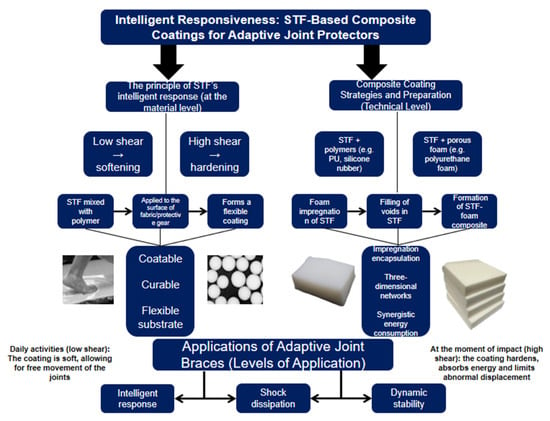
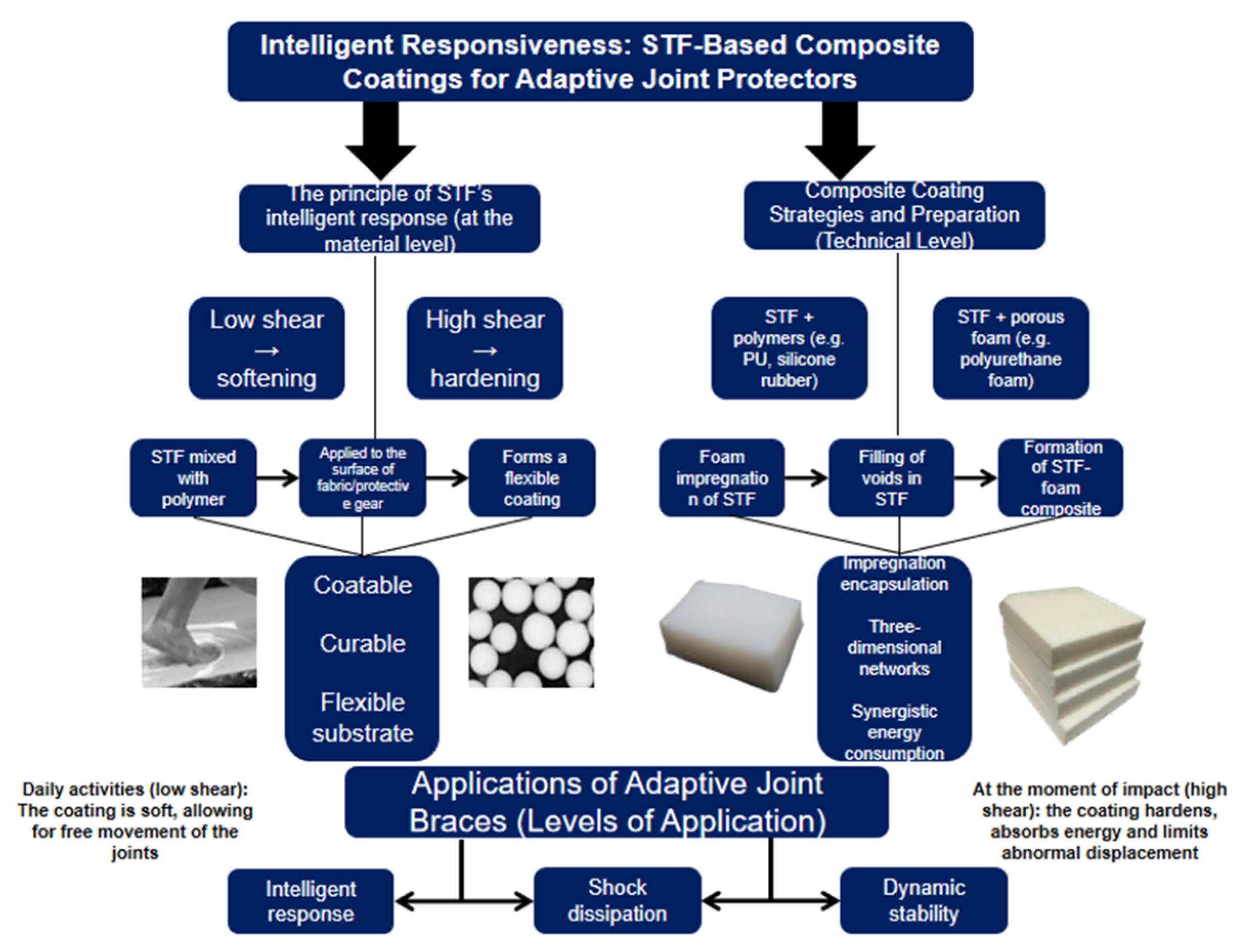
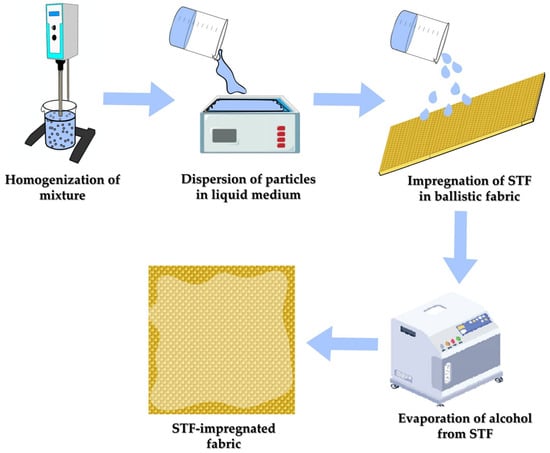
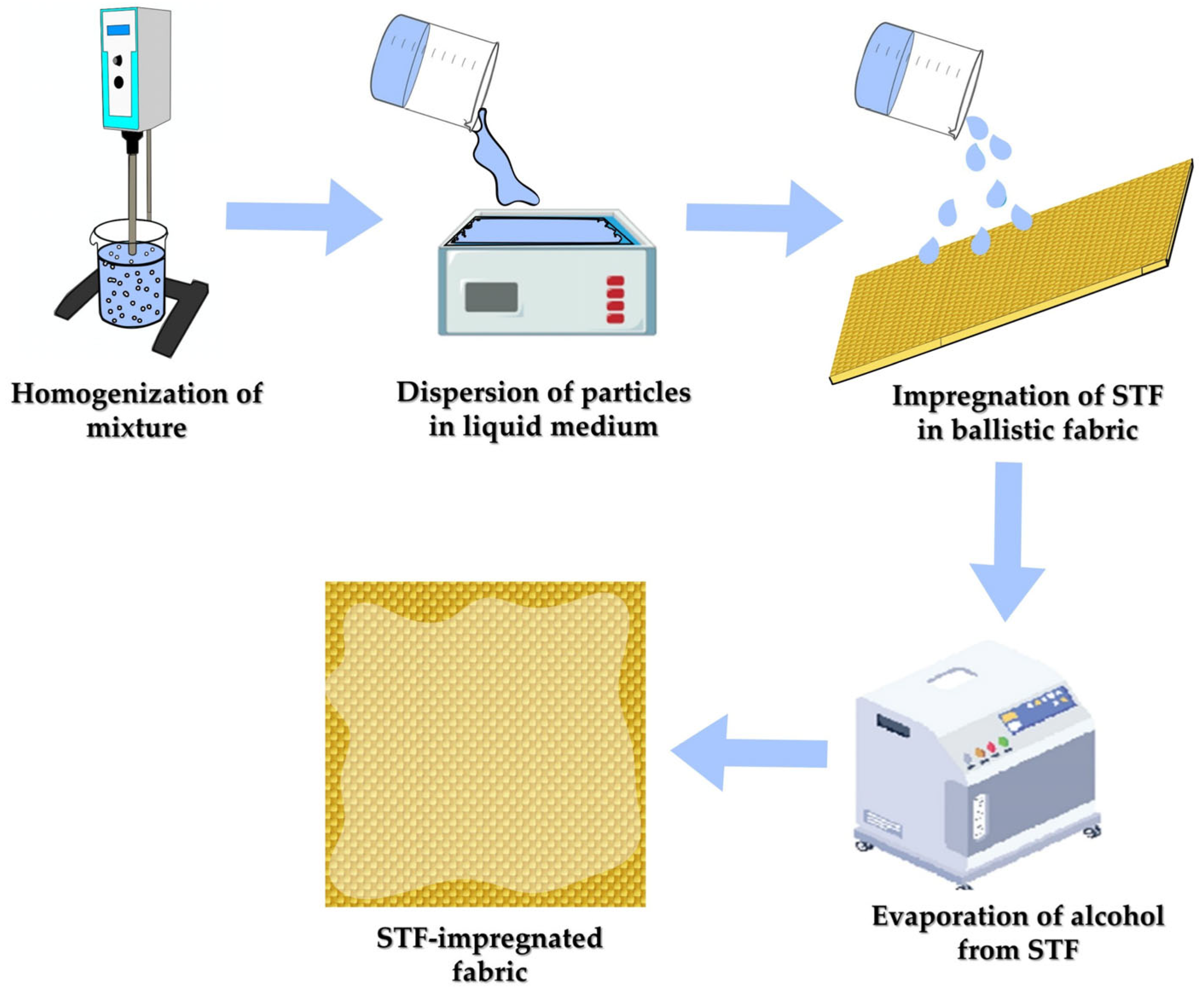
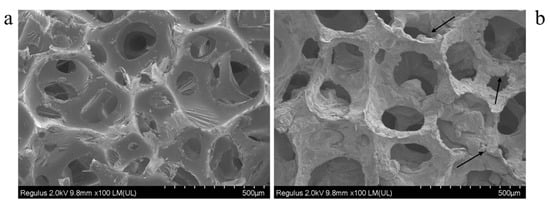
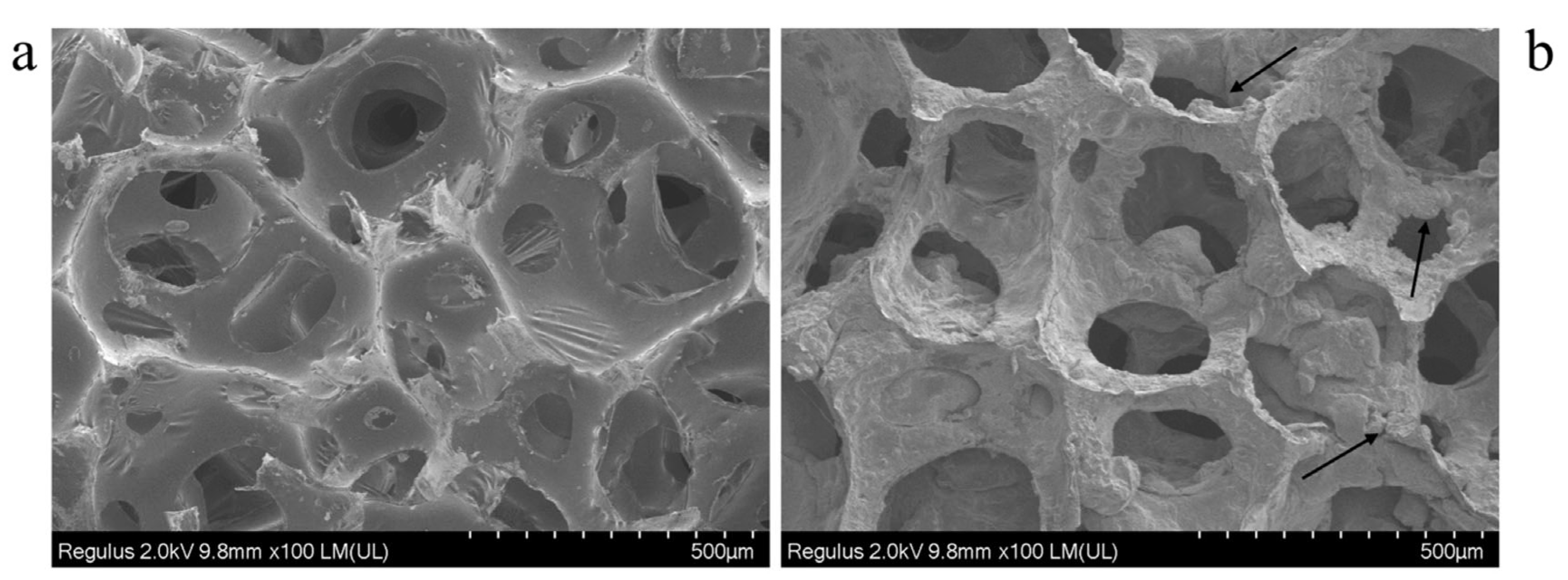
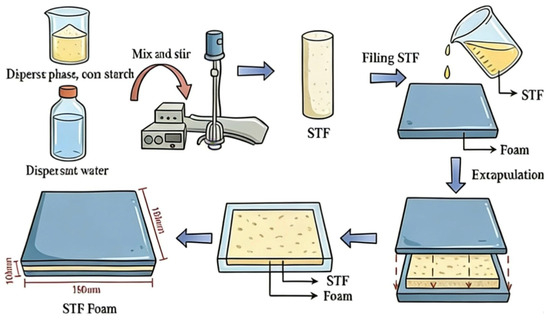
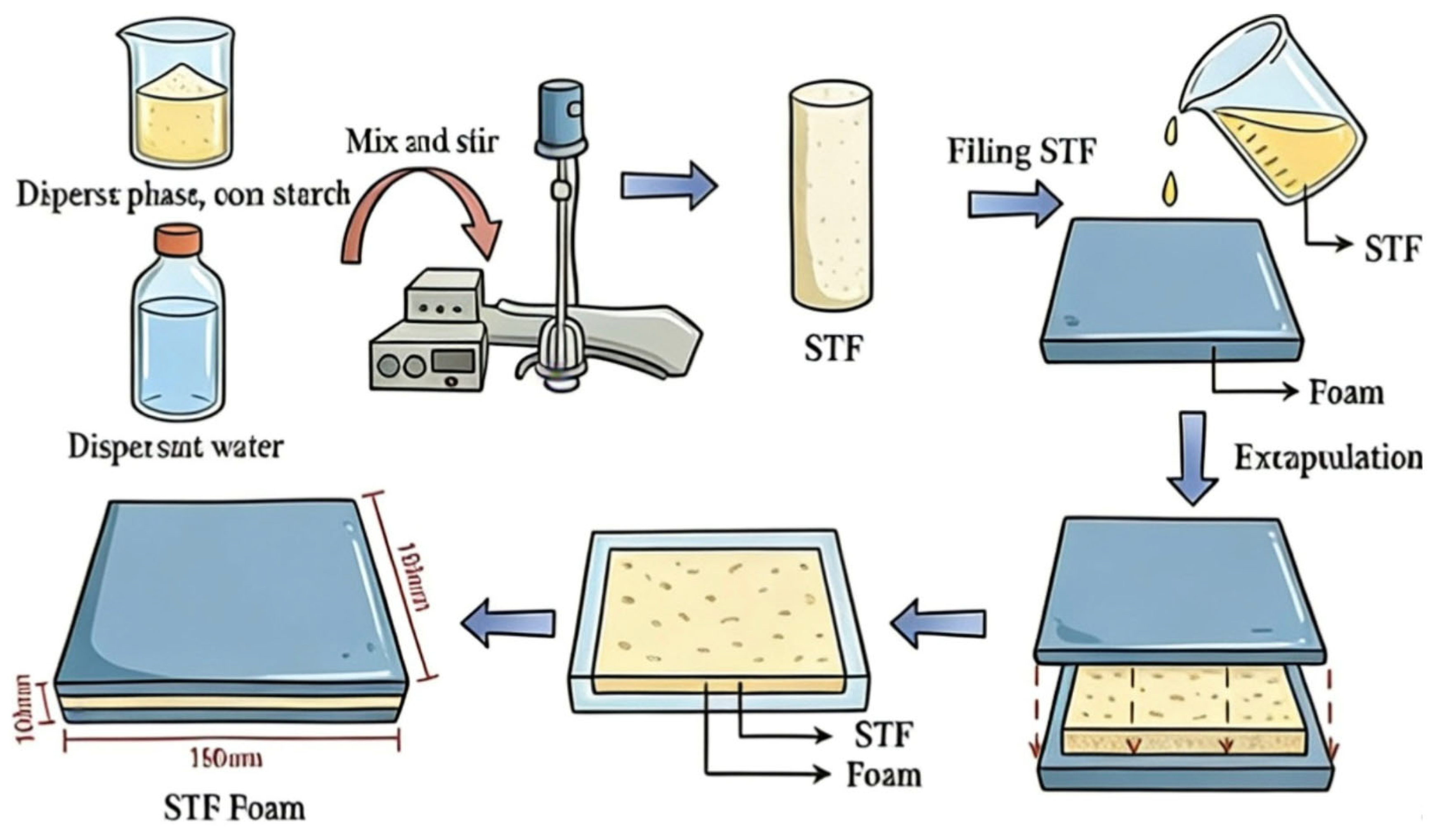
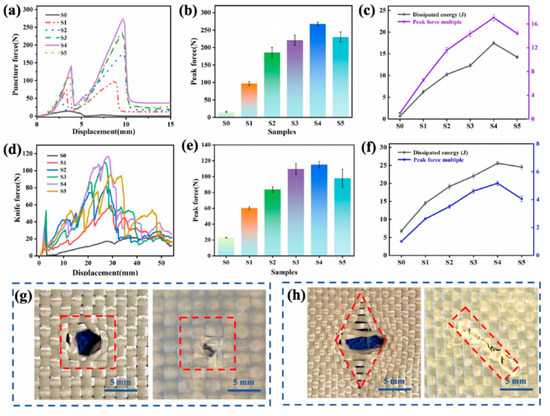
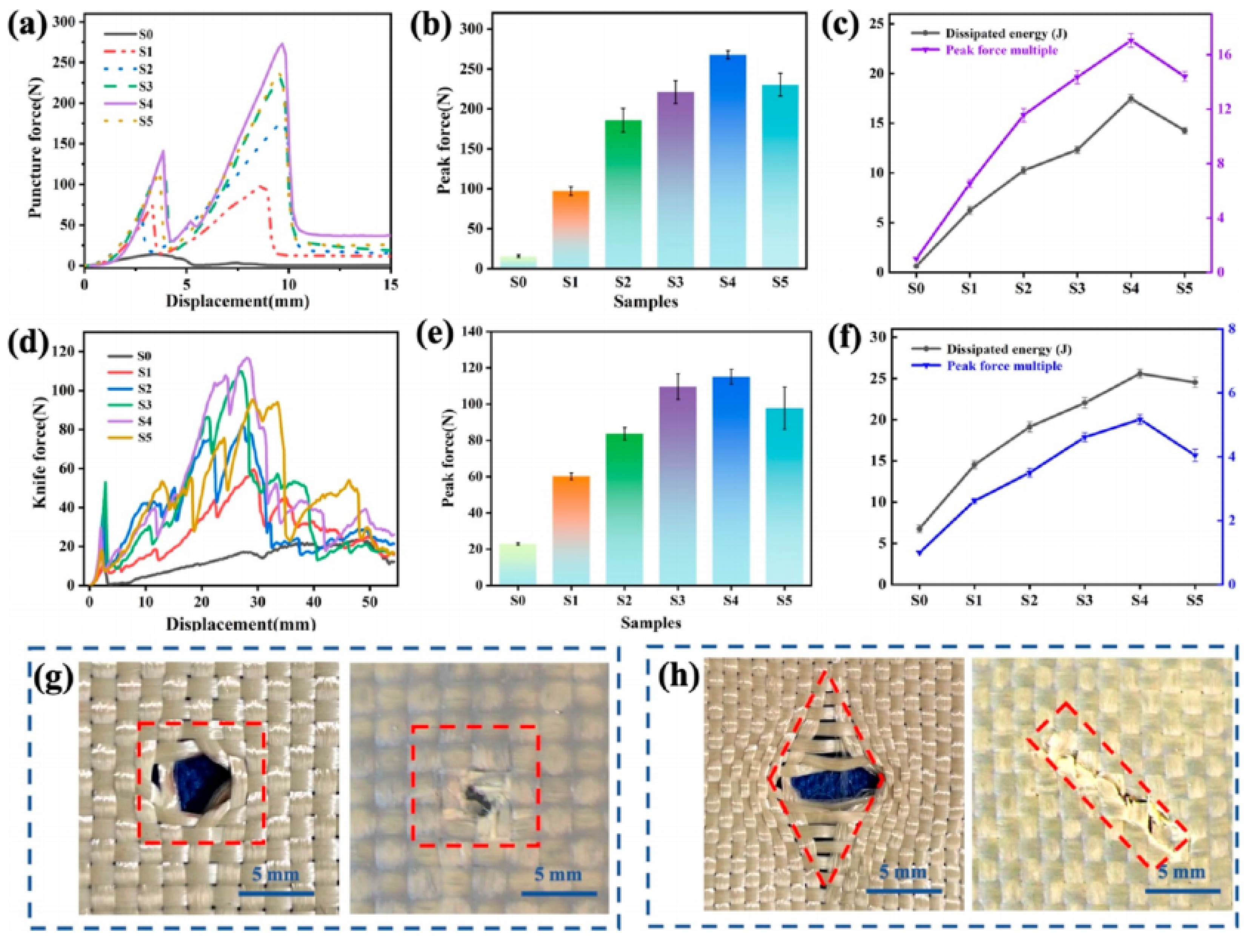
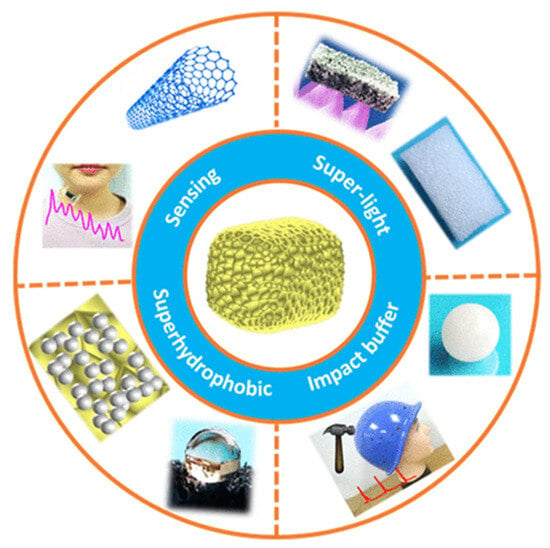
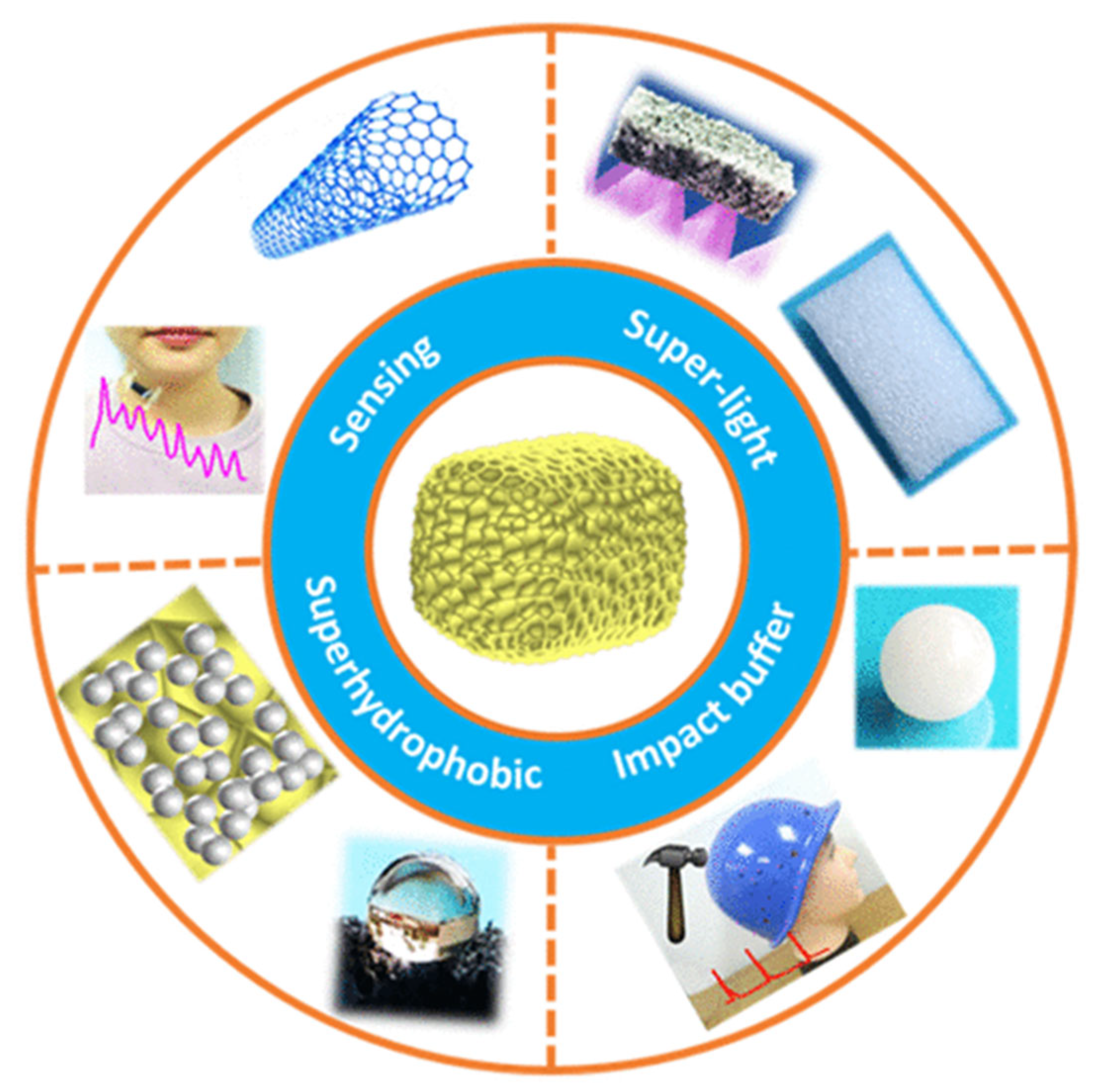
Disclaimer/Publisher’s Note: The statements, opinions and data contained in all publications are solely those of the individual author(s) and contributor(s) and not of MDPI and/or the editor(s). MDPI and/or the editor(s) disclaim responsibility for any injury to people or property resulting from any ideas, methods, instructions or products referred to in the content. |
© 2026 by the authors. Licensee MDPI, Basel, Switzerland. This article is an open access article distributed under the terms and conditions of the Creative Commons Attribution (CC BY) license.