Article

Stiffness Degradation of Expansive Soil Stabilized with Construction and Demolition Waste Under Wetting–Drying Cycles

School of Civil Engineering, Central South University, Changsha 410075, China
*
Author to whom correspondence should be addressed.
Coatings 2025, 15(10), 1154; https://doi.org/10.3390/coatings15101154

Submission received: 8 September 2025 / Revised: 26 September 2025 / Accepted: 29 September 2025 / Published: 3 October 2025
(This article belongs to the Special Issue Novel Cleaner Materials for Pavements)

Abstract

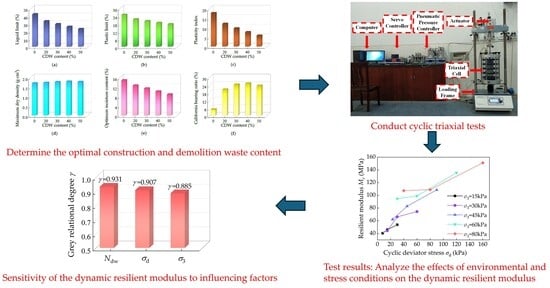
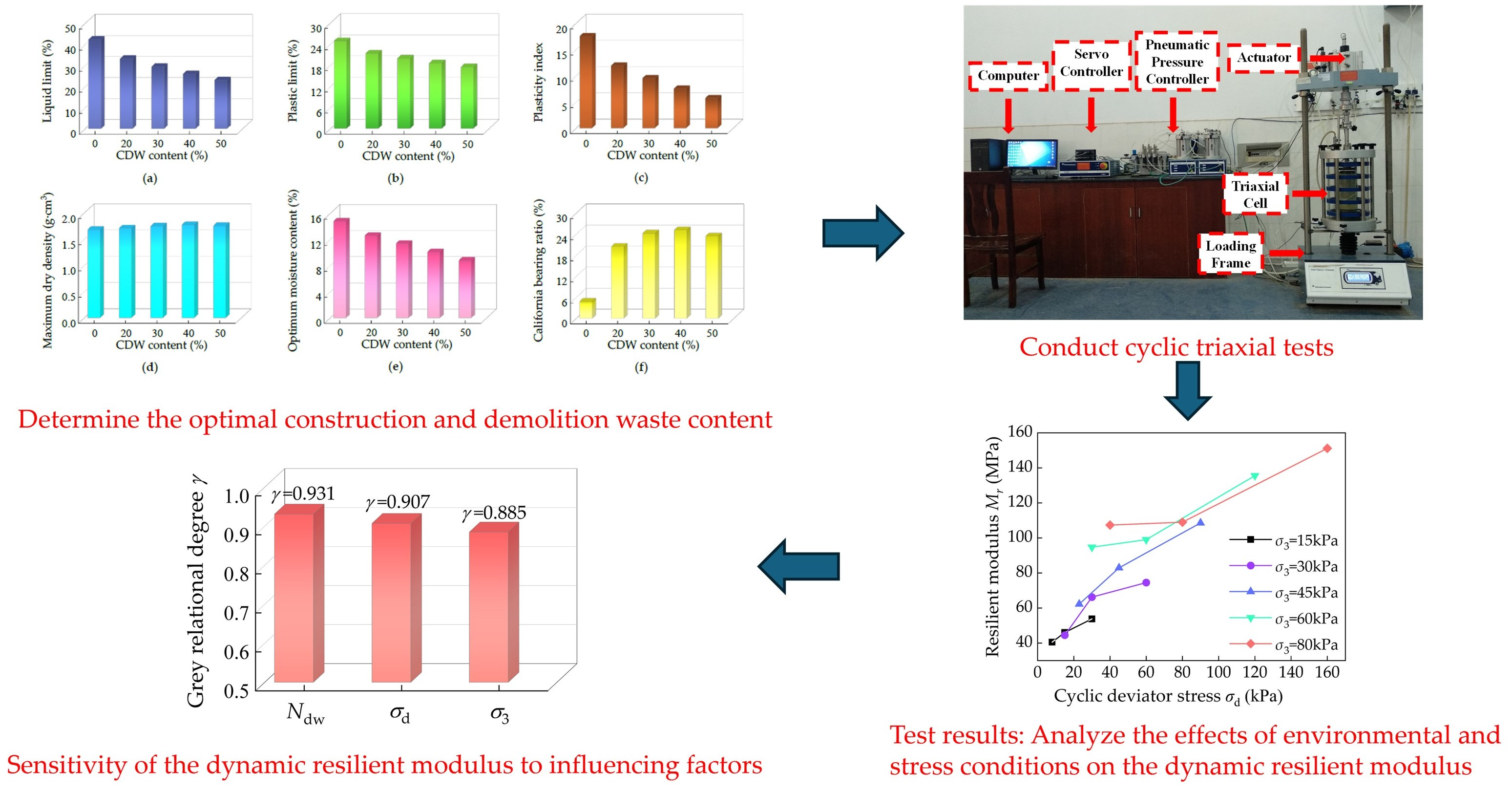
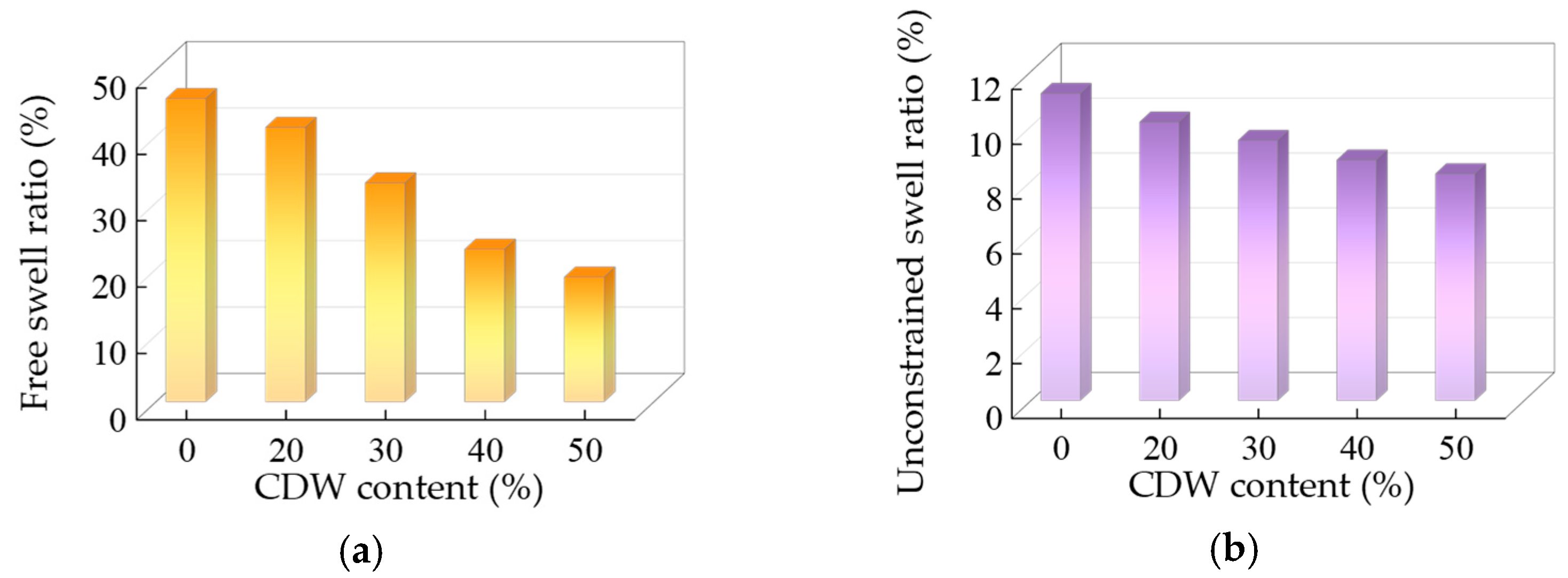
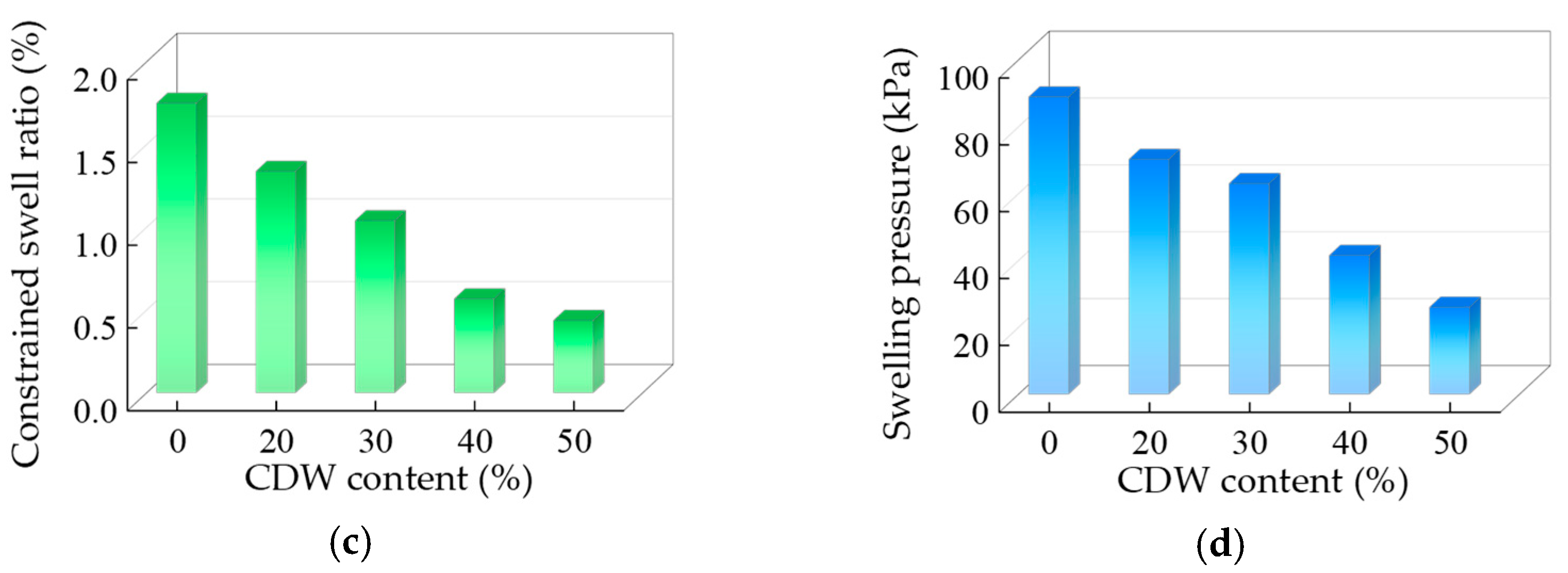
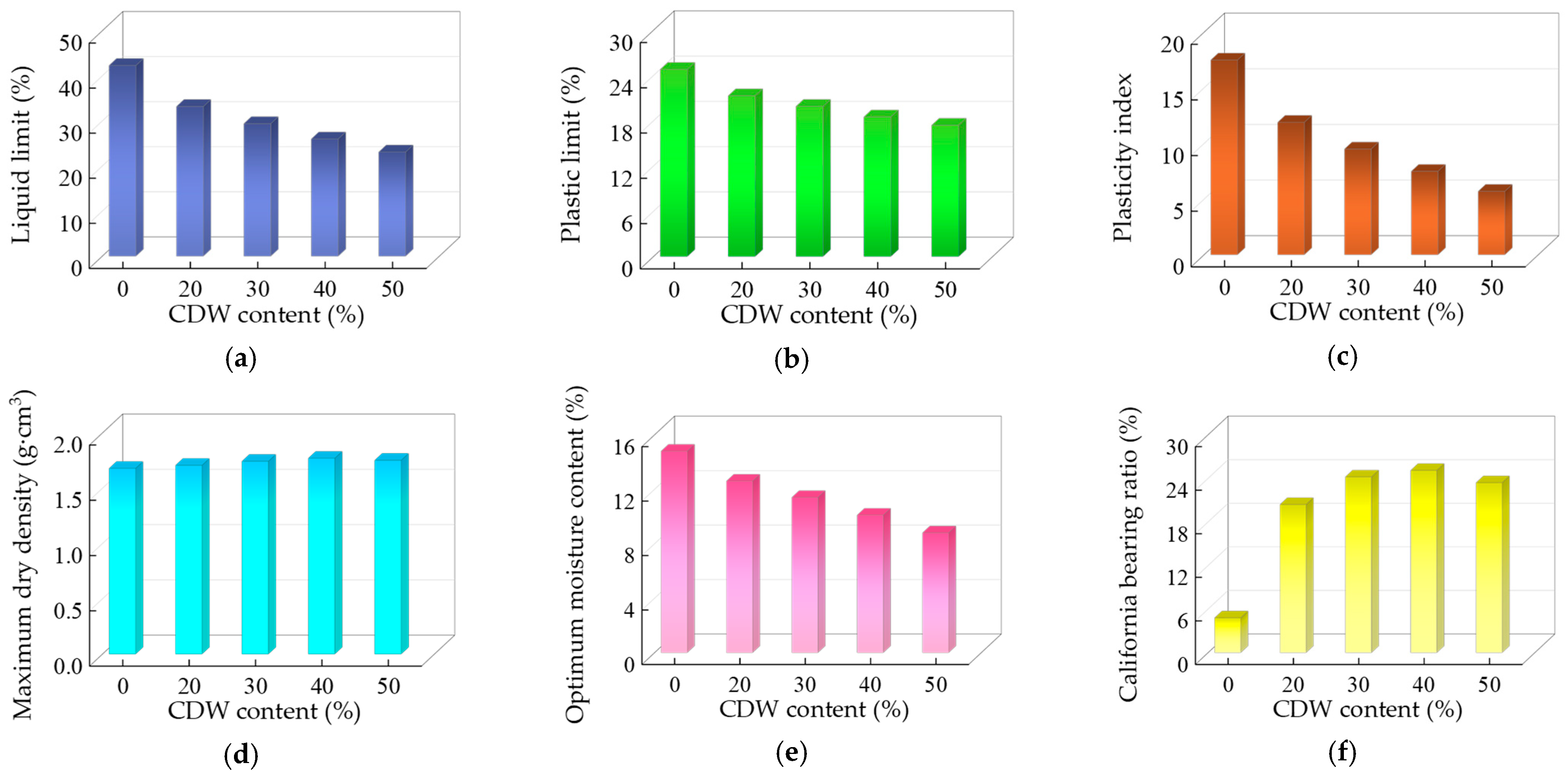
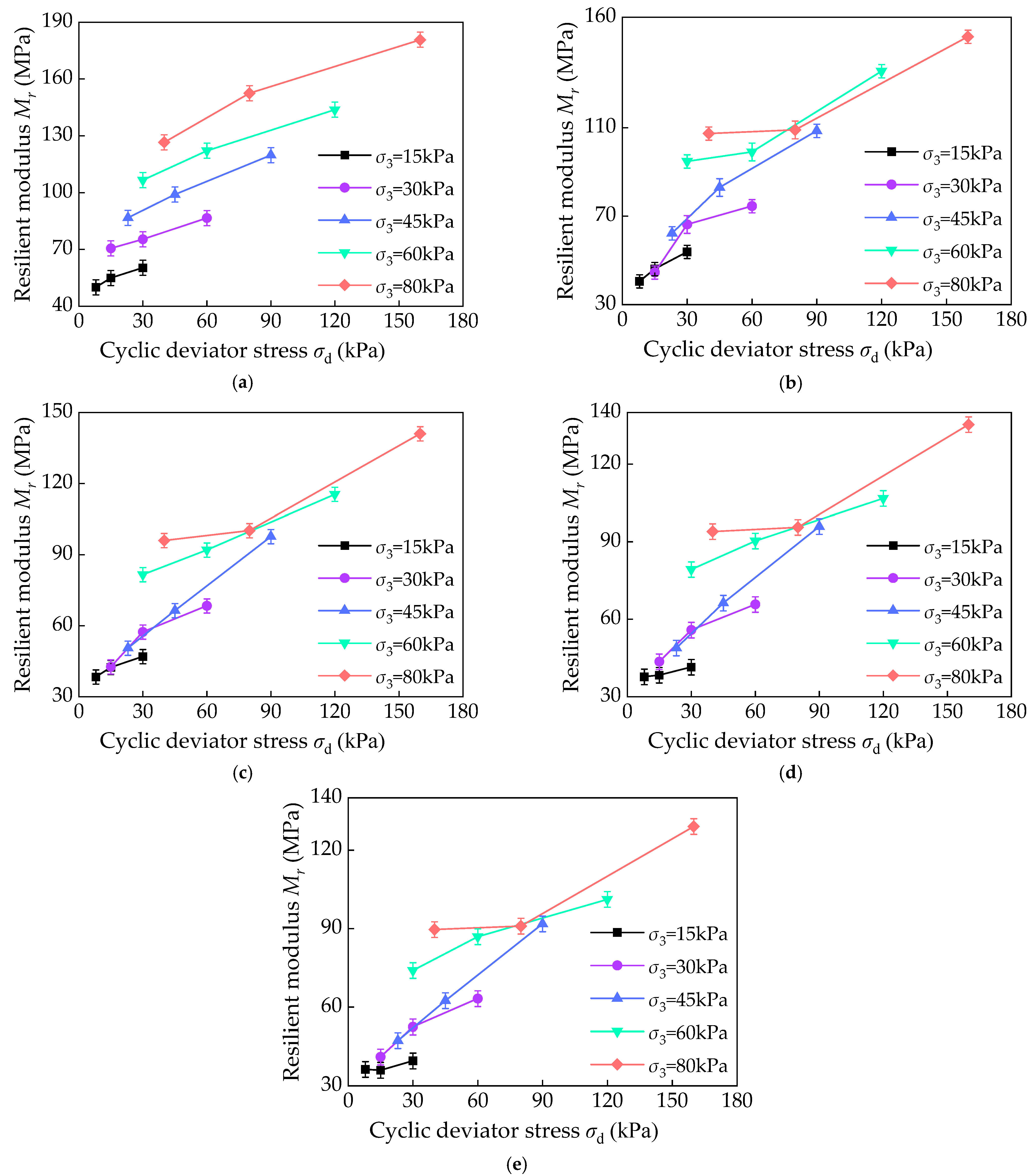
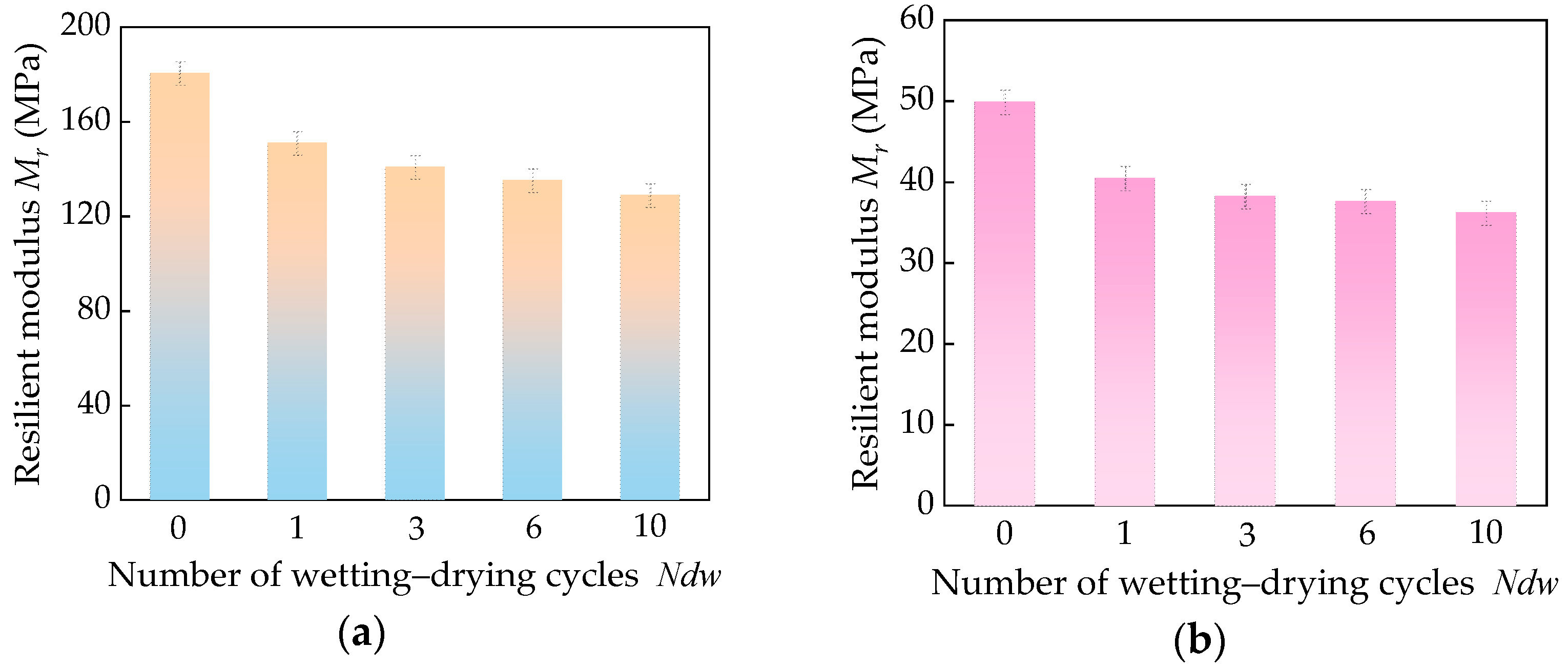
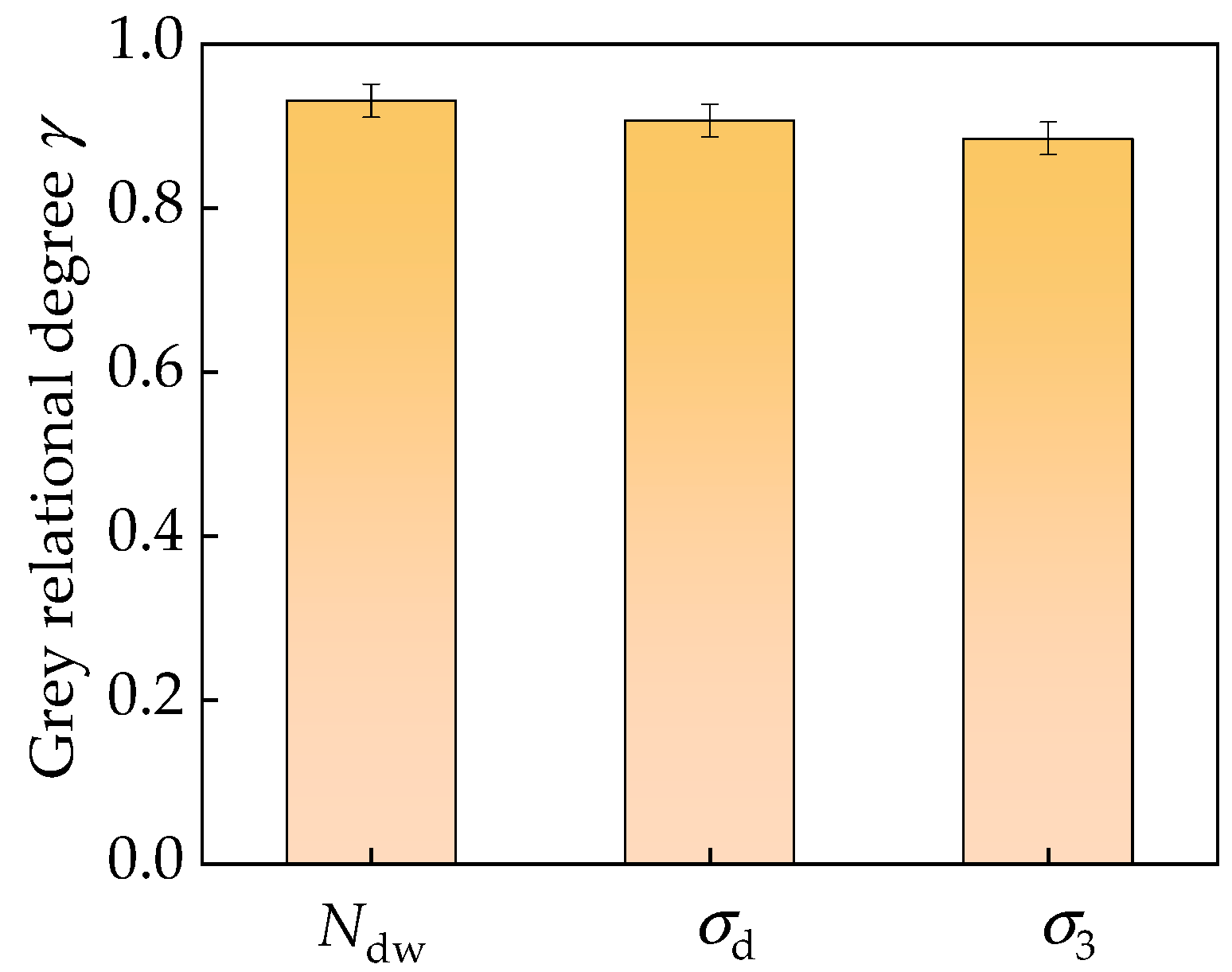
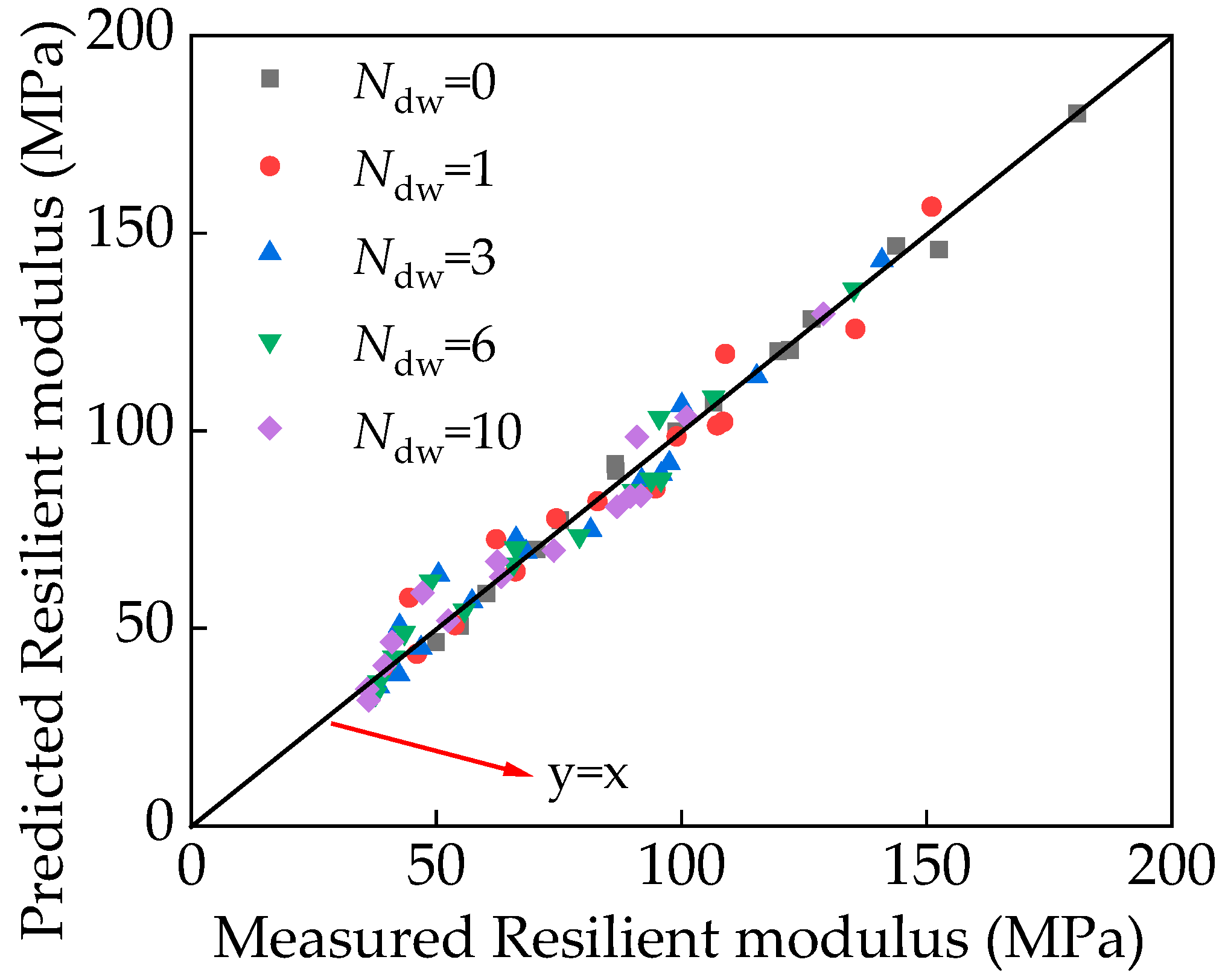
To address the challenge of long-term stiffness retention of subgrades in humid–hot climates, this study evaluates expansive soil stabilized with construction and demolition waste (CDW), focusing on the resilient modulus (Mr) under coupled stress states and wetting–drying histories. Basic physical and swelling tests identified an optimal CDW incorporation of about 40%, which was then used to prepare specimens subjected to controlled. Wetting–drying cycles (0, 1, 3, 6, 10) and multistage cyclic triaxial loading across confining and deviatoric stress combinations. Mr increased monotonically with both stresses, with stronger confinement hardening at higher deviatoric levels; with cycling, Mr exhibited a rapid then gradual degradation, and for most stress combinations, the ten-cycle loss was 20%–30%, slightly mitigated by higher confinement. Grey relational analysis ranked influence as follows: the number of wetting–drying cycles > deviatoric stress > confining pressure. A Lytton model, based on a modified prediction method, accurately predicted Mr across conditions (R2 ≈ 0.95–0.98). These results integrate stress dependence with environmental degradation, offering guidance on material selection (approximately 40% incorporation), construction (adequate compaction), and maintenance (priority control of early moisture fluctuations), and provide theoretical support for durable expansive soil subgrades in humid–hot regions.
Keywords: subgrade; construction and demolition waste; stabilized expansive soil; wetting–drying cycles; resilient modulus subgrade; construction and demolition waste; stabilized expansive soil; wetting–drying cycles; resilient modulus
Graphical Abstract