


Abstract
Background: Novel therapeutic compounds with strong efficacy and low resistance potential are urgently needed to combat life-threatening infections caused by antibiotic-resistant ESKAPEE pathogens. These pathogens contribute globally to a large share of bloodstream, respiratory, urinary, and wound infections, and often have levels of high antimicrobial resistance. This review examined the antimicrobial efficacy of different plant essential oils (EOs) against Gram-negative ESKAPEE pathogens and their cytotoxic effects and calculated selectivity indices in cancer and normal cell lines. Methods: This review was developed using studies retrieved from PubMed, Scopus, and Web of Science, covering publications between 2013 and 2024 using the search terms: “essential oils”, “plant extracts”, “safety”, “cytotoxicity”, “cell lines”, “human”, “in-vitro”, antimicrobial”, “antibacterial” and “antibiotic” with Boolean operators (“AND”, “OR”, “NOT”). Only studies that reported both antimicrobial inhibitory concentrations and concentrations causing toxicity to mammalian cells were included in the final review. These data were then used to calculate the selectivity indices of the EOs (toxic concentration/antimicrobial inhibitory concentration) to give an initial assessment of safety. Results: Ocimum basilicum EOs had strong antibacterial effects against the Gram-negative ESKAPEE pathogens Escherichia coli, Pseudomonas aeruginosa, and Klebsiella pneumoniae, with minimum inhibitory concentrations (MICs) as low as 1 μg/mL and high selectivity indices of >80.4. Likewise, Satureja nabateorum EOs had potent antibacterial activity, with a low MIC of 0.1 μg/mL against K. pneumoniae, 2.3 μg/mL against E. coli, and 12.5 μg/mL against P. aeruginosa, along with a very high selectivity index (>100). Other EOs such as those from Eucalyptus spp., Thymus spp., Mentha spp., Cinnamomum spp., Artemisia spp., and Aquilaria crassna also had broad-spectrum antibacterial potential and minimal toxicity toward mammalian cells, making them promising candidates for safe and effective antimicrobial agents in clinical and industrial applications. However, several EOs had selectivity indices of <10, indicating that at their MIC they would also be potentially highly cytotoxic. EOs tended to show increased toxicity to cells derived from cancers. Conclusions and recommendations: Certain EOs are highly active against Gram-negative ESKAPEE pathogens. They are also toxic to cancer-derived mammalian cells. Additional studies using normal cell lines and clinical trials are warranted to further validate their safety and therapeutic potential.
1. Introduction
Plants produce EOs as a part of their secondary metabolism, where they play a key role in plant defense or mediating the interactions of plants with the environment. They are usually in low concentrations but can be extracted from various structures, including bark, leaves, flowers, buds, seeds, roots, and fruits, and concentrated [1]. A single EO can contain ≥400 different compounds depending on the extraction method employed, with the majority of compounds present at concentrations of less than 1% [2].
Due to the emergence of new and severe diseases such as cancer, anxiety, obesity, bronchial asthma, aged related conditions and immunodeficiency syndromes, the use of herbal medicines has recently increased in industrialized countries [3]. In developed countries, approximately 10–50% of people regularly use herbal medicines, often valued for their perceived immune-boosting effects. They can be some of the most accessible and affordable treatments for common conditions such as colds, gastrointestinal issues, and joint pain [4]. However, several challenges hinder their clinical translation, including variability in plant material quality, absence of standardized dosing, risk of contamination, inadequate regulatory oversight, limited support from healthcare professionals, and a scarcity of well-designed scientific studies [3,5].
EOs are rich complex mixtures of therapeutic molecules, with volatile terpenes and terpenoids often being their principal bioactive compounds. Due to these bioactive compounds, EOs can have a wide range of biological and pharmacological activities as well as industrial applications, as illustrated in Figure 1.
Figure 1.
Overview of EO applications in health and industries [6,7,8,9,10,11,12,13,14]. Therapeutic potential: Some EOs in topical formulations are used for wound healing, medicated shampoos and scrubs for the treatment of fungal and bacterial infections, and preparations used for conditions such as acne and asthma. Pain and immune modulation: Oils such as frankincense and others have been reported to exert immunomodulatory effects. EOs are also commonly used for pain relief, particularly through massage applications. Neurological and psychological effects: Some EOs also play important roles in neurological and psychological effects, particularly when administered through inhalation or vapor exposure. Metabolic and cardiovascular: EOs, such as cinnamon, have been reported to exhibit antidiabetic effects by enhancing insulin secretion or improving insulin activity. Digestive and reproduction: Several EOs are currently under investigation for their ability to promote relaxation and emotional comfort during labor. Industrial applications: EOs are used as flavorings, such as peppermint in chewing gum, and EOs are used to reduce mold build up in air-conditioning units. As EOs have gained immense popularity in recent years, the global market for these products has also seen significant growth. An analysis of global trade in medicinal and aromatic plants from 2010 to 2023 [4] found that China and India were the primary exporters, while the United States, Germany, and Japan were the main importers. Down arrows represent decreases in the relevant criteria.
Gram-Negative ESKAPEE Pathogens
The growing prevalence of antibiotic resistance and the declining development of new antimicrobials, particularly to combat ESKAPEE pathogens (Enterococcus faecium, Staphylococcus aureus, Klebsiella pneumoniae, Acinetobacter baumannii, Pseudomonas aeruginosa, Enterobacter sp. and Escherichia coli), have been identified as major emerging threats to global public health [15]. According to the World Health Organization (WHO) 2025 surveillance report, the rising trend of antibiotic resistance among Gram-negative bacterial pathogens within ESKAPEE pathogens represents an escalating global threat [16]. This resistance is linked to severe clinical consequences and a lack of effective treatment options, particularly in low-income countries, which increases the urgent demand for novel and fast-acting alternatives.
ESKAPEE bacteria are high-priority pathogens because of high morbidity, mortality and rapidly evolving resistance to last-line antibiotics such as carbapenems and polymyxins [17]. Within Gram-negative ESKAPEE pathogens, carbapenem-resistant K pneumoniae has been identified as the top-ranked pathogen because of its high resistance levels, association with hospital-acquired infections, and limited treatment options. K. pneumoniae’s multi-drug resistance (MDR) nature and high mortality rates, especially among immunocompromised individuals, make it a serious threat capable of causing a wide range of infections, including abscesses, respiratory and urinary tract infections, intestinal and soft tissue infections, and sepsis [18].
According to the three-tier WHO priority classification (critical, high, and medium), carbapenem-resistant A. baumannii and carbapenem- and third-generation cephalosporin-resistant Enterobacterales (that include E. coli) are classified under the critical priority tier, while carbapenem-resistant P. aeruginosa is placed in the high-priority category [19]. A. baumannii has emerged as a major global health concern in hospital environments, with extensive resistance to commonly used antibiotics through MDR, extensively drug-resistant (XDR), and pandrug-resistant (PDR) strains [20]. P. aeruginosa is an opportunistic pathogen with multiple inherent resistance mechanisms, including reduced drug permeability and a diverse set of multidrug efflux pumps [21]. Although E. coli was only recently incorporated into the expanded ESKAPEE group, its escalating AMR and frequent involvement in hospital-acquired infections have positioned E. coli as a major and rising threat to global public health [22].
Due to the prevalence of MDR in the ESKAPEE group, new antimicrobial agents are urgently needed. The antibacterial activities of various EOs against Gram-positive ESKAPE pathogens, along with their safety and selectivity indices (SI), have recently been described [23]. In addition, EOs from species such as Melaleuca alternifolia (tea tree), Thymus vulgaris (thyme), Ocimum basilicum (basil), Eucalyptus spp., Lavandula spp. (lavender), and clove can be inhibitory against a range of Gram-negative bacteria, including P. aeruginosa, E. coli, Acinetobacter spp., and K. pneumoniae [24,25,26].
EOs and their derivatives can overcome bacterial defenses by disrupting cell membranes, coagulating cytoplasmic contents, inhibiting efflux pumps, preventing biofilm formation, interfering with metabolic pathways, inducing oxidative stress, and ultimately causing cell lysis [23]. They can exert antibacterial activity against Gram-negative bacteria through several complementary mechanisms. Many EO components, such as carvacrol or thymol, disrupt the integrity and permeability of bacterial cell membranes, leading to leakage of ions and metabolites and ultimately cell death [27,28]. EOs also interfere with key resistance-associated pathways, including inhibition of efflux pumps, disruption of quorum-sensing (QS) communication [29], and suppression of biofilm formation [30]. In addition, some EOs enhance antibiotic susceptibility by increasing membrane permeability and synergizing with conventional antibiotics. For example, carvacrol has been shown to potentiate tobramycin activity via enhanced membrane disruption [27]. Collectively, these mechanisms highlight the multifaceted antimicrobial potential of EOs against Gram-negative bacteria and support their relevance as promising adjunct or alternative therapeutic agents.
Although many spices and their major constituents are listed as Generally Recognized as Safe (GRAS) by the United States Food and Drug Administration (FDA) for use as flavoring agents and food preservatives [13], their safety profile in therapeutic applications remains a subject of active investigation. A recent comprehensive study on the antimicrobial and cytotoxic properties of various EOs and their derivatives demonstrated that EOs derived from Eucalyptus spp., Cinnamomum, Mentha, Thymus, Syzygium aromaticum, and Stachys parviflora, among others, exhibit strong antibacterial activity against Gram-positive ESKAPE pathogens [23]. Notably, these EOs showed no significant cytotoxic effects on cell lines. These findings highlight the promising potential of these natural compounds for further development as safe and effective therapeutic agents against Gram-positive ESKAPE pathogens.
The aims of this review were to evaluate the antimicrobial efficacy, cytotoxicity and safety profiles of EOs in reducing the spread of Gram-negative ESKAPEE pathogens. A novel aspect of this review is the inclusion of calculated SI values, which provide critical insight into the therapeutic potential and clinical applicability of EOs against infectious diseases. Furthermore, the review explores a broad range of EOs derived from food spices and traditional medicinal sources that are currently available in the market, highlighting their potential role in combating MDR pathogens.
2. Results and Discussion
Study selection:
A total of 1920 records were identified through database searches. After removal of duplicates, 1573 articles were screened by title and abstract, of which 680 underwent full-text assessment. Following full-text review, 549 articles were excluded for several reasons, including reporting MIC data without corresponding cytotoxicity results (or vice versa), as well as studies conducted using non-mammalian cell models, which limited direct comparison with human cell data. Ultimately, 131 studies were included in the final review for evaluating the effectiveness, cytotoxicity, and safety of EOs against Gram-negative ESKAPEE pathogens (Figure 2).
Figure 2.
Flowchart of database search and study selection for evaluating the antibacterial and cytotoxic effects of various EOs.
Most of the studies included in this review employed American Type Culture Collection (ATCC) reference strains for antimicrobial testing. Two studies [31,32] employed the Microbial Type Culture Collection (MTCC), one study [33] used the Agricultural Culture Collection of China (ACCC) and three studies [34,35,36] used the Persian Type Culture Collection (PTCC). In contrast, only a limited number of studies (n = 3) evaluated clinical isolates or MDR strains [37,38,39].
- Efficacy and safety of EOs against K. pneumoniae and A. baumannii.
As shown in Table 1, several EOs had strong antibacterial activity against K. pneumoniae while having minimal cytotoxicity toward tested mammalian cells, indicating selective toxicity against bacterial cells over mammalian cells. For instance, S. nabateorum showed an exceptionally low MIC of 0.1 µg/mL against K. pneumoniae with a high maximum SI of 8074.1 [40]. as Additionally, Artemisia sp. had MICs of 2.5–25 µg/mL and an SI of 6164 [41,42], reflecting a very wide safety margin. Similarly, Thymus sp. had MICs of 1.6–12.5 µg/mL and an SI of 86.8 [38], and Ocimum basilicum had an MIC of 1 µg/mL with a maximum SI of 80.4 [43].
In addition to its strong antibacterial activity against K. pneumoniae, S. nabateorum had good effectiveness against other clinically important Gram-negative pathogens. It demonstrated substantial inhibitory activity against P. aeruginosa, with a reported MIC of 12.5 μg/mL (Table 2). Even more notably, this EO exhibited pronounced potency against E. coli, achieving an MIC as low as 2.3 μg/mL (Table 3). These findings highlight the broad-spectrum antibacterial potential of S. nabateorum as well as its potential safety, underscoring its value as a promising natural antimicrobial candidate. These findings align with previous studies that have reported potent antibacterial activities and a favorable SI for Satureja intermedia [44,45].
Studies on Thymus vulgaris EOs have shown its broad-spectrum antibacterial activity and low cytotoxicity, reinforcing its potential for clinical applications [46]. Ocimum basilicum, S. nabateorum and Thymus vulgaris EOs not only had good antimicrobial potency against Gram-negative ESKAPE pathogens but also show potential antibacterial activity against Gram-positive ESKAPE pathogens, including S. aureus, E. faecium, and even methicillin-resistant S. aureus (MRSA) strains [23]. These results highlight that these EOs possess potent antibacterial effects while maintaining safety toward mammalian cells, making them promising candidates for further in vivo studies and potential clinical applications against both Gram-positive and Gram-negative ESKAPE pathogens.
However, some EOs, including those from Citrus sp. (SImax = 0.01) [47], Diospyros discolor (SImax = 0.3) [48], Momordica charantia (SImax = 0.04) [37], Rose oil (SImax = 0.1) [49], and others, had concentrations required to inhibit K. pneumoniae higher than those that killed mammalian cells, indicating toxicity risks. This indicates that the concentration required to effectively inhibit bacterial growth may also cause adverse effects on mammalian cells. In addition to the in vitro evidence, a clinical trial demonstrated that Citrus reticulata (tangerine; 86% d-limonene) EO exhibited dose-dependent cytotoxicity and significantly enhanced skin penetration when applied at higher concentrations compared with Melaleuca and lavender oils [50]. Consequently, the interpretation of SI values derived from in vitro studies for clinical safety and efficacy is influenced by methodological heterogeneity, including differences in MIC determination (microbial strains, inoculum size, growth media, incubation time, and endpoint definition), heterogeneity in cytotoxicity assays (cell type, assay platforms, exposure duration, and viability thresholds), and different solvents and solvent concentrations [51,52]. Clinical studies provide more relevant evidence of EO safety than in vitro models alone.
The chemical constituents of EOs are the primary determinants of their biological and pharmacological activities, and the composition of each EO is summarized in each table. However, even EOs derived from the same plant species can differ between studies due to regional variations, differences in plant parts used, seasonal and environmental factors, and the extraction methods employed. Only a few studies have simultaneously assessed the antimicrobial effects of EOs against A. baumannii or Enterobacter spp. alongside their cytotoxicity profiles. Artemisia turanica had high safety toward normal lymphocyte cells (IC50 = 3291.49 μg/mL) compared to cancerous HeLa cancer cells (IC50 = 17.7 μg/mL), resulting in a maximum SI of 285.6 [53], suggesting its potential as a safe natural antibacterial agent (Table 1). In contrast, Momordica charantia, Pimenta dioica, and Rosmarinus officinalis had MICs against A. baumannii exceeding the IC50 of the tested cells, indicating that these oils may not be safe for future antibacterial applications, at least without further formulations to reduce toxicity but maintain efficacy.
Table 1.
Summary of mammalian cell inhibitory concentration (IC50), MIC and corresponding SI values for EOs (arranged alphabetically, A–Z) tested against K. pneumoniae and A. baumannii.
- 2.
- Efficacy and safety of EOs against P. aeruginosa.
The data represented in Table 2 show that EOs derived from Eucalyptus cinerea (MIC 0.4 μg/mL; SI 1658.2) [73], Artemisia sp. (SI: 5711.7) [74], S. nabateorum (MIC 12.5 μg/mL; SI: 148.8) [40], Ocimum basilicum (MIC 1 μg/mL; SI: 80.4) [43], and others, demonstrated remarkable antibacterial activity against P. aeruginosa while maintaining low cytotoxicity across a range of cell lines.
Eucalyptus cinerea is among the Eucalyptus species with the highest reported concentrations of 1,8-cineole (also called eucalyptol), and the presence of this compound may explain the species’ antibacterial activity, as it can increase membrane permeability, dissipate the proton motive force, cause leakage of cellular contents and prevent bacterial cell growth [75]. The activity of Eucalyptus oil has been shown to be concentration-dependent [76]. It has the potential to be used as an alternative drug in treatment as an external ointment for wound infection by P. aeruginosa and perhaps for other P. aeruginosa-related infections, including scarlet fever, upper respiratory tract infections, and food poisoning [76,77].
Artemisia sp. is a widely distributed genus found across the globe, except in Antarctica [78], and it exhibits a broad spectrum of pharmacological activities, including antibacterial, antiulcer, anticancer, hepatoprotective, antidiabetic, antioxidant, anti-inflammatory, antiepileptic, and antimalarial effects, as well as therapeutic potential against asthma, gastritis, coughs, colds and fever [79]. EOs from Artemisia sp. exhibit broad-spectrum antibacterial activity through multiple mechanisms, including the induction of potassium and phosphate ion leakage, disruption of the cell wall, and alterations in cell morphology leading to cell shrinkage [80,81]. These effects are primarily attributed to major constituents such as 1,8-cineole and α/β-pinene [82].
Table 2.
Mammalian cell inhibitory concentration (IC50), MIC and corresponding SI values for EOs (arranged alphabetically, A–Z) tested against P. aeruginosa and Enterobacter sp.
- 3.
- Efficacy and safety of EOs used against E. coli.
E. coli is frequently used as a standard test organism in antimicrobial screening assays to evaluate the general antibacterial potential of new compounds before testing on more clinically relevant or MDR strains. This is because E. coli serves as a representative Gram-negative bacterium that is well-characterized, easily cultured, and widely available in microbial culture collections as well as having well-defined susceptibility or resistance profiles [128]. Hence, a larger number of in vitro studies focussed on E. coli compared to other bacterial species in this review.
The antimicrobial effectiveness and safety profiles of EOs tested against E. coli varied significantly across plant species. Based on their MIC and SImax values, several Eos, including Mentha sp. (MIC 0.13–789.3 μg/mL; SImax 845.4) [129,130], S. nabateorum (MIC 2.3 μg/mL; SImax 484.4) [40] Cinnamomum sp. (MIC 0.49–6.3 μg/mL; SImax 116.9) [88], and Foeniculum vulgare (MIC 128 μg/mL; SImax 109.8) [131], and Ocimum basilicum (MIC 1 μg/mL; SImax 80.3) [43], demonstrated good antibacterial activity against E. coli with wide therapeutic margins, indicating their strong potential for safe use as antimicrobial agents in clinical and industrial applications.
EOs from various Mentha sp. exhibited notable inhibitory activity against Gram-negative bacteria, particularly E. coli. These inhibitory effects are primarily attributed to their major constituents, such as menthol and menthone in peppermint (M. piperita), carvone in spearmint (M. spicata), and pulegone in pennyroyal (M. pulegium) [62,132].
EOs extracted from Cinnamomum sp., commonly used as a food spice, have been identified as highly effective antibacterial agents against several Gram-negative ESKAPEE pathogens. Notably, these oils exhibit strong inhibitory activity against E. coli, with reported MIC values ranging from 0.49 to 6.3 μg/mL (Table 3). Cinnamon extracts and their EOs rich in eucalyptol, cinnamaldehyde, and eugenol exhibit strong antimicrobial effects [88,89] through multiple mechanisms, including disruption of the cell membrane, alterations in lipid composition, inhibition of ATPase activity and cell division, and interference with motility and biofilm formation, as well as anti-quorum sensing actions [133].
Ocimum basilicum (sweet basil, holy basil) is a widely cultivated aromatic herb traditionally used in many cultures for its therapeutic properties and that has gained considerable interest in modern pharmacological research. Its EOs and extracts exhibit remarkable antibacterial activity, particularly against Gram-negative ESKAPEE pathogens such as E. coli, P. aeruginosa, and K. pneumoniae, with MIC values as low as 1 μg/mL [43] (Table 1, Table 2 and Table 3). In addition, O. basilicum demonstrates potent inhibitory effects against a range of Gram-positive ESKAPPE pathogens, including MRSA [23], highlighting its broad-spectrum antimicrobial potential.
Table 3.
Inhibitory concentration (IC50), MIC and corresponding SI values for EOs (arranged alphabetically, A–Z) tested against E. coli.
Cell lines used in cytotoxicity assessment of EOs:
As shown in Figure 3, the cytotoxicity effects of EOs have been predominantly assessed using human-derived cancer cell lines, with 68% of the studies using these. In contrast, only a relatively small number of investigations have employed non-cancerous human cell lines, indicating limited evaluation of EO effects on more normal human cell models. Some studies also utilized mouse-derived cancerous and immortalized cell lines (Figure 3). Hence, comprehensive assessments of selectivity and potential toxicity toward normal cells are still limited, and this makes it difficult to draw conclusions about the safety and cytotoxicity of most EOs. Often, low SI values were attributable to the higher sensitivity of cancer cells compared to normal cells, as cancer cells typically exhibit altered metabolic pathways, compromised regulatory mechanisms, reduced protective mechanisms, and increased membrane permeability, making them more vulnerable to cytotoxic agents even at lower concentrations [159]. Growing evidence suggests that EOs display cancer-cell-selective cytotoxicity, characterized by lower IC50 values in cancer cells compared with healthy counterparts [160,161].
Figure 3.
Trends in the types of cells used for cytotoxicity evaluation in the studies included in this review (normal versus cancer cells). Note: “Others” includes sheep blood and monkey blood cells.
As examples, EOs from Artemisia species demonstrated pronounced cytotoxicity against human cervical carcinoma cells (HeLa) while remaining largely non-toxic to normal lymphocytes, reflecting an exceptionally high safety margin (max SI: 5711.7). At just 28 µg/mL, these oils inactivated 62.5% of HeLa cells, whereas a much higher concentration of 5600 µg/mL was needed to achieve 60.6% inactivation of lymphocytes [53]. Similarly, Nepeta species EOs showed minimal cytotoxicity toward healthy immune cells, with an IC50 of 5267.87 µg/mL, but they were markedly more toxic to cancer cell lines, achieving IC50 values below 430 µg/mL, even at the lowest tested concentrations [63]. Dracocephalum kotschyi Boiss further exemplifies this selectivity, exhibiting strong cytotoxicity toward HeLa cells (IC50 = 26.4 µg/mL) while sparing normal lymphocytes (IC50 = 4266.7 µg/mL) [97]. Cinnamomum extract shows potent and selective cytotoxicity toward major cancer cell lines (IC50 < 57.3 µg/mL for HCT-116, HepG2, and MCF-7) while exerting negligible toxicity on normal adipose-derived mesenchymal stem cells (AD-MSCs), which have an IC50 of 83,510 µg/mL [88,89]. Similarly, EOs from Mentha species combine effective antibacterial activity with strong selectivity for cancer cells. They exhibit IC50 values below 64 µg/mL for malignant cell lines, while their effect on normal HUVEC cells is much weaker (IC50 = 214 µg/mL), approximately four times higher than for cancer cells [62].
Many commonly studied spice- or herb-derived EOs (such as those from Cuminum cyminum (cumin; SI 0.1), Curcuma sp. (turmeric; SI 0.7), Pimenta dioica (allspice; SI 0.1), Piper nigrum (black pepper; SI 0.1), Rosmarinus officinalis (rosemary; SI 0), Thymus spp. (thyme; SI 0.2), and Zingiber spp. (ginger; SI 0.5)) have been tested against cancer cell lines (Table 2). Because normal cells were limited in these assessments (Figure 3), the reported SI values are often low, suggesting that antibacterial concentrations may overlap with cytotoxic thresholds. However, when normal cells are considered, many EOs exhibit far higher SI values, indicating a favorable safety margin.
These data underscore not only the need to carefully choose cell lines that are used for cytotoxicity testing but also highlight a potential use of EOs in the treatment of cancer cells. The reason for the selectivity towards cancer cells can be due to several factors, and these are highlighted in Table 4. These include elevated reaction oxygen species (ROS) in cancer cells that may lead to cell death responses, compromised antioxidant capacity, leaky mitochondria, and activation of signaling pathways.
It is possible that the over-reliance on the use of cancer-derived cells in toxicity studies is a reason why some EOs in clinical studies perform well, even though they have been shown in other studies to be toxic to cancer-derived cell lines. This is supported by a clinical study of 40 participants evaluating Melaleuca alternifolia (tea tree; 41% terpinen-4-ol), Lavandula angustifolia (lavender; 38% linalyl acetate), and Eucalyptus globulus (83% 1,8-cineole) for topical use over 90 days, in which single or combined application at appropriate doses was well tolerated, with no adverse effects reported [50]. Similarly, a randomized, double-blind, placebo-controlled clinical trial in 84 patients showed that the consumption of ginger was safe [162]. Furthermore, no adverse effects were reported in a study evaluating the safety of TTO and lavender oil exposure among 556 children aged 2–15 years, indicating that these oils are safe ingredients for use in personal care products formulated for children [163].
Table 4.
Summary of possible reasons why cancer cells may be more prone to toxic effects of EOs.
3. Methods
The current study follows a methodology consistent with a previous study [23]. Relevant papers were retrieved from electronic searches of PubMed, Medline, ScienceDirect, Scopus, Scientific Electron Library and Cochrane Library using the terms: “essential oils”, “plant extracts”, “safety”, “cytotoxicity”, “toxi*”, “antimicrobial”, “antibacterial”, “antibiotic”, “cell lines”, “human”, “animal”, “in-vitro”, covering publications from 2013–2024. These terms were used alone or in combination using Boolean operators (“AND”, “OR”, “NOT”). Only studies that reported both the MIC and the toxicity (which could be the hemolytic, cell-cidal or cell-growth-inhibitory concentrations) of EOs were included. Furthermore, the studies had to have evaluated the antimicrobial efficacy against the Gram-negative strains of the ESKAPEE pathogens K. pneumonia, A. baumannii, P. aeruginosa, Enterobacter sp., and E. coli. Studies that did not evaluate antimicrobial activity or that examined the effects of EOs on human physiology (including psychology and inflammatory responses) or their use in agriculture or food were excluded. The complete study selection process is presented in Figure 2.
Calculation of selectivity index:
The safety of EOs is commonly assessed using SI, which quantifies the balance between antimicrobial potency and cytotoxicity toward host cells. The SI is defined as the ratio of the 50% mammalian cell inhibitory concentration (IC50) or cytotoxicity concentration 50% (CC50) on mammalian cells to the minimum inhibitory concentration (MIC) against target microorganisms (e.g., SI = IC50/MIC). A higher SI indicates a greater therapeutic margin and lower toxicity to mammalian cells.
Operational definitions of safety of EOs based on SI can be divided into four categories:
- A.
- Very high SI (maximum SI value ≥ 100): These EOs possess a wide safety margin, meaning that their MIC value is significantly lower than the cytotoxic dose. Such oils may be relatively safe for use under proper guidance and are less likely to cause adverse effects even when small dosing variations occur.
- B.
- High SI (maximum SI value between 10 and 99): EOs within this range are also regarded as relatively safe, though they have a narrower margin of safety compared to those in the very high SI category. Careful dosage control may be important to prevent potential side effects. This has also been confirmed by previous studies, which state that EOs with an SI > 10 are more toxic to various bacteria and fungi with minimal harm to human cells.
- C.
- Low SI (maximum SI value between 1–9): EOs with a low SI present a limited safety margin. The MIC dose is closer to the toxic dose, so even minor increases in concentration or exposure duration can result in harmful effects. These oils would require cautious handling and should probably be used under strict supervision, especially in clinical or therapeutic contexts.
- D.
- Very low SI (maximum SI value < 1): EOs in this category are considered potentially hazardous, as their toxic dose is equal to or even lower than the MIC value. Such oils pose a significant risk of toxicity, and they are recommended not to be used. If used at all, they should be used with extreme caution, supported by strong clinical evidence and administered by qualified professionals.
This categorization has been used previously [23], and this approach has been adopted because the included studies encompassed multiple plant species and diverse cell types, resulting in SI values that varied markedly from very low to extremely high. While the majority of reported SI values fall within the 10–99 range, several studies reported SI values greater than 100, whereas others reported very low SI values (<1).
The calculated SI values from studies involving different concentrations, cell types, and plant species were ranked to define the minimum selectivity index (SImin) and maximum selectivity index (SImax), representing as the lowest and highest calculated ratios of cytotoxic to antimicrobial effective concentration observed for each EO across all tested cell lines and target microorganisms. For clinical applicability, EOs with SImax > 10 are safe and promising alternatives to do further work, whereas an SImax value < 9 indicates them being not selective to bacterial and toxic to mammalian cells.
4. Conclusions and Recommendations
To the authors’ knowledge, this is the first literature review to analyze EO safety using calculated SI values derived from Gram-negative ESKAPEE pathogens. The findings show that several EOs exhibit broad-spectrum antibacterial activity against Gram-negative ESKAPEE pathogens but demonstrate cytotoxic effects against diverse cancer cell lines while maintaining a high safety margin for normal cells. These characteristics warrant further investigation into their potential applications for treating infectious diseases and various types of cancer, with minimal impact on healthy cells.
However, because most EOs have been evaluated primarily on cancer cell lines and show SI values below 10, they may appear to pose safety risks. Nevertheless, these SI values are not definitive indicators of toxicity. Additional evidence from studies using normal cell lines and well-designed clinical investigations is needed to more accurately assess their safety profile.
5. Strength and Limitations of the Review
A key strength of this review is the classification of a wide range of EOs derived from food spices and traditional medicinal plants based on their safety profiles using calculated SI values. However, the study does not consider factors such as plant origin, extraction methods, or storage conditions, all of which can substantially alter the chemical composition of EOs. Such variations as well as bacterial strains and cytotoxicity assay types may subsequently affect their antibacterial activity, overall efficacy, and potential toxicity. Another limitation of this review is the use of a limited dataset comparing the cytotoxic effects of EOs on normal versus cancer cells.
Future directions:
Further comparative studies involving normal and cancer cell lines, together with clinical trials, are crucial for a more accurate assessment of the safety, selectivity, and potential risks of EOs.
Supplementary Materials
The following supporting information can be downloaded at: https://www.mdpi.com/article/10.3390/antibiotics15030274/s1, Table S1: Full names of cells used for toxicity study.
Author Contributions
Conceptualization: B.B.B., M.W., P.K. and J.O.; Extraction and analysis: B.B.B., M.Y., P.K. and M.W.; Original draft preparation: B.B.B., M.W., J.O. and P.K.; Writing, review and editing: B.B.B., M.W., P.K. M.Y. and J.O. All authors have read and agreed to the published version of the manuscript.
Funding
This research received no external funding.
Institutional Review Board Statement
Not applicable.
Informed Consent Statement
Not applicable.
Data Availability Statement
No new data were created or analyzed in this study. Data sharing is not applicable to this article.
Acknowledgments
We would like to thank all members of Willcox’s lab who helped with the initial screening of articles (Tanzina Akter, Heba Alenezi, Abdullah Aziz, Srikanth Dumpati, Geroge Enninful, Mukesh Kumar, Shyam Mishra, Hari Peguda, Binod Rayamajhee, Manjulatha Sara, Sidra Sarwat, Shakeel Shahzad, Mst Umme Urmi, Ajay Vijay).
Conflicts of Interest
The authors declare no conflicts of interest.
Abbreviations
| AMR | Antimicrobial Resistance |
| EOs | Essential Oils |
| ESKAPEE | Enterococcus faecium, Staphylococcus aureus, Klebsiella pneumoniae, Acinetobacter baumannii, Pseudomonas aeruginosa, Enterobacter sp. and Escherichia coli. |
| GRAS | Generally Recognized as Safe |
| HMGECs | Human Meibomian Gland Epithelial Cells |
| IC50 | 50% Inhibitory Concentration |
| MDR | Multi-Drug Resistance |
| MIC | Minimum Inhibitory Concentration |
| MRSA | Methicillin-Resistant S. aureus |
| ROs | Reactive Oxygen Species |
| SI | Selectivity Indices |
| T4O | Terpinen-4-ol |
| TTO | Tea Tree Oil |
| WHO | World Health Organization |
References
- Silva, E.F.D.; Santos, F.; Pires, H.M.; Bastos, L.M.; Ribeiro, L.N.M. Lipid Nanoparticles Carrying Essential Oils for Multiple Applications as Antimicrobials. Pharmaceutics 2025, 17, 178. [Google Scholar] [CrossRef] [Scilit]
- Ramsey, J.T.; Shropshire, B.C.; Nagy, T.R.; Chambers, K.D.; Li, Y.; Korach, K.S. Essential Oils and Health. Yale J. Biol. Med. 2020, 93, 291–305. [Google Scholar]
- Yadav, N.; Singh Chandel, S.; Venkatachalam, T.; Fathima, S.N. Herbal Medicine Formulation, Standardization, and Commercialization Challenges and Sustainable Strategies for Improvement. In Herbal Medicine Phytochemistry: Applications and Trends; Springer International Publishing: Cham, Switzerland, 2024; pp. 1769–1795. [Google Scholar]
- Zamani, S.; Fathi, M.; Ebadi, M.-T.; Máthé, Á. Global trade of medicinal and aromatic plants. A review. J. Agric. Food Res. 2025, 21, 101910. [Google Scholar] [CrossRef] [Scilit]
- Ali, S.; Ekbbal, R.; Salar, S.; Yasheshwar; Ali, S.A.; Jaiswal, A.K.; Singh, M.; Yadav, D.K.; Kumar, S.; Gaurav. Quality Standards and Pharmacological Interventions of Natural Oils: Current Scenario and Future Perspectives. ACS Omega 2023, 8, 39945–39963. [Google Scholar] [CrossRef] [Scilit] [PubMed]
- Masyita, A.; Mustika Sari, R.; Dwi Astuti, A.; Yasir, B.; Rahma Rumata, N.; Emran, T.B.; Nainu, F.; Simal-Gandara, J. Terpenes and terpenoids as main bioactive compounds of essential oils, their roles in human health and potential application as natural food preservatives. Food Chem. X 2022, 13, 100217. [Google Scholar] [CrossRef] [Scilit] [PubMed]
- Kifle, Z.D.; Bayleyegn, B.; Yimer Tadesse, T.; Woldeyohanins, A.E. Prevalence and associated factors of herbal medicine use among adult diabetes mellitus patients at government hospital, Ethiopia: An institutional-based cross-sectional study. Metab. Open 2021, 11, 100120. [Google Scholar] [CrossRef] [Scilit]
- Sandner, G.; Heckmann, M.; Weghuber, J. Immunomodulatory Activities of Selected Essential Oils. Biomolecules 2020, 10, 1139. [Google Scholar] [CrossRef] [Scilit]
- Her, J.; Cho, M.-K. Effect of aromatherapy on sleep quality of adults and elderly people: A systematic literature review and meta-analysis. Complement. Ther. Med. 2021, 60, 102739. [Google Scholar] [CrossRef] [Scilit]
- Lopes, L.d.S.; Bündchen, D.; Modesto, F.C.; Quintão, M.; Chermont, S.; Cavalcanti, A.C.D.; Mesquita, E.T. Aromatherapy in Patients with Cardiovascular Diseases: A Systematic Review. Int. J. Cardiovasc. Sci. 2020, 34, 74–80. [Google Scholar] [CrossRef] [Scilit]
- Corasaniti, M.T.; Bagetta, G.; Morrone, L.A.; Tonin, P.; Hamamura, K.; Hayashi, T.; Guida, F.; Maione, S.; Scuteri, D. Efficacy of Essential Oils in Relieving Cancer Pain: A Systematic Review and Meta-Analysis. Int. J. Mol. Sci. 2023, 24, 7085. [Google Scholar] [CrossRef] [Scilit]
- Kaya, A.; Yeşildere Sağlam, H.; Karadağ, E.; Gürsoy, E. The effectiveness of aromatherapy in the management of labor pain: A meta-analysis. Eur. J. Obs. Gynecol. Reprod. Biol. 2023, 20, 100255. [Google Scholar] [CrossRef] [Scilit]
- Hyldgaard, M.; Mygind, T.; Meyer, R.L. Essential oils in food preservation: Mode of action, synergies, and interactions with food matrix components. Front. Microbiol. 2012, 3, 12. [Google Scholar] [CrossRef] [Scilit]
- Falleh, H.; Ben Jemaa, M.; Saada, M.; Ksouri, R. Essential oils: A promising eco-friendly food preservative. Food Chem. 2020, 330, 127268. [Google Scholar] [CrossRef] [Scilit]
- Miller, W.R.; Arias, C.A. ESKAPE pathogens: Antimicrobial resistance, epidemiology, clinical impact and therapeutics. Nat. Rev. Microbiol. 2024, 22, 598–616. [Google Scholar] [CrossRef] [Scilit]
- WHO. Global antibiotic resistance surveillance report 2025. In WHO Global Antimicrobial Resistance and Use Surveillance System (GLASS); World Health Organization: Geneva, Switzerland, 2025. [Google Scholar]
- De Oliveira, D.M.P.; Forde, B.M.; Kidd, T.J.; Harris, P.N.A.; Schembri, M.A.; Beatson, S.A.; Paterson, D.L.; Walker, M.J. Antimicrobial Resistance in ESKAPE Pathogens. Clin. Microbiol. Rev. 2020, 33, e00181-19. [Google Scholar] [CrossRef] [Scilit]
- Mohammadpour, D.; Memar, M.Y.; Leylabadlo, H.E.; Ghotaslou, A.; Ghotaslou, R. Carbapenem-Resistant Klebsiella pneumoniae: A comprehensive review of phenotypic and genotypic methods for detection. Microbe 2025, 6, 100246. [Google Scholar] [CrossRef] [Scilit]
- Sati, H.; Carrara, E.; Savoldi, A.; Hansen, P.; Garlasco, J.; Campagnaro, E.; Boccia, S.; Castillo-Polo, J.A.; Magrini, E.; Garcia-Vello, P.; et al. The WHO Bacterial Priority Pathogens List 2024: A prioritisation study to guide research, development, and public health strategies against antimicrobial resistance. Lancet Infect. Dis. 2025, 25, 1033–1043. [Google Scholar] [CrossRef] [Scilit] [PubMed]
- Sharma, R.; Lakhanpal, D. Acinetobacter baumannii: A comprehensive review of global epidemiology, clinical implications, host interactions, mechanisms of antimicrobial resistance and mitigation strategies. Microb. Pathog. 2025, 204, 107605. [Google Scholar] [CrossRef] [Scilit] [PubMed]
- Langendonk, R.F.; Neill, D.R.; Fothergill, J.L. The Building Blocks of Antimicrobial Resistance in Pseudomonas aeruginosa: Implications for Current Resistance-Breaking Therapies. Front. Cell. Infect. Microbiol. 2021, 11, 665759. [Google Scholar] [CrossRef] [Scilit]
- Bereanu, A.S.; Bereanu, R.; Mohor, C.; Vintilă, B.I.; Codru, I.R.; Olteanu, C.; Sava, M. Prevalence of Infections and Antimicrobial Resistance of ESKAPE Group Bacteria Isolated from Patients Admitted to the Intensive Care Unit of a County Emergency Hospital in Romania. Antibiotic 2024, 13, 400. [Google Scholar] [CrossRef] [Scilit]
- Belete, B.B.; Ozkan, J.; Kalaiselvan, P.; Willcox, M. Clinical Potential of Essential Oils: Cytotoxicity, Selectivity Index, and Efficacy for Combating Gram-Positive ESKAPE Pathogens. Molecular 2025, 30, 3873. [Google Scholar] [CrossRef] [Scilit]
- Bugarcic, A.; Bowles, E.J.; Summer, K.; Agnew, T.; Barkla, B.; Lauche, R. Australian Tea Tree (Melaleuca alternifolia) oil: An updated review of antimicrobial and other medicinal properties. Phytomedicine Plus 2025, 5, 100846. [Google Scholar] [CrossRef] [Scilit]
- Carson, C.F.; Hammer, K.A.; Riley, T.V. Melaleuca alternifolia (Tea Tree) oil: A review of antimicrobial and other medicinal properties. Clin. Microbiol. Rev. 2006, 19, 50–62. [Google Scholar] [CrossRef] [Scilit] [PubMed]
- Patterson, J.E.; McElmeel, L.; Wiederhold, N.P. In Vitro Activity of Essential Oils Against Gram-Positive and Gram-Negative Clinical Isolates, Including Carbapenem-Resistant Enterobacteriaceae. Open Forum Infect. Dis. 2019, 6, ofz502. [Google Scholar] [CrossRef] [Scilit]
- Tao, L.; Liang, Y.; Xia, Z.; Wang, X.; Wang, X.; Chao, Z.; Guo, J. Antibacterial activities of oregano essential oils and their active components. Front. Pharmacol. 2025, 16, 1579283. [Google Scholar] [CrossRef] [Scilit] [PubMed]
- Trombetta, D.; Castelli, F.; Sarpietro, M.G.; Venuti, V.; Cristani, M.; Daniele, C.; Saija, A.; Mazzanti, G.; Bisignano, G. Mechanisms of antibacterial action of three monoterpenes. Antimicrob. Agents Chemother. 2005, 49, 2474–2478. [Google Scholar] [CrossRef] [Scilit]
- Wei, S.Y.; Sun, Y.; Lu, Q.; Liang, Z.; Zhu, T.; Li, Y.L.; Xu, D.H.; Li, C.Y.; Feng, F.L.; Zeng, H. Harnessing Plant Essential Oils to Combat Acinetobacter baumannii: Research Progress in Antimicrobial Mechanisms and Therapeutic Prospects. Curr. Microbiol. 2025, 82, 560. [Google Scholar] [CrossRef] [Scilit] [PubMed]
- Qureshi, K.A.; Parvez, A.; Ismatullah, H.; Almahasheer, H.; Al Rugaie, O. Exploring the antimicrobial and antibiofilm potency of four essential oils against selected human pathogens using in vitro and in silico approaches. PLoS ONE 2025, 20, e0315663. [Google Scholar] [CrossRef] [Scilit]
- Dahham, S.S.; Tabana, Y.M.; Iqbal, M.A.; Ahamed, M.B.; Ezzat, M.O.; Majid, A.S.; Majid, A.M. The Anticancer, Antioxidant and Antimicrobial Properties of the Sesquiterpene β-Caryophyllene from the Essential Oil of Aquilaria crassna. Molecular 2015, 20, 11808–11829. [Google Scholar] [CrossRef] [Scilit]
- Dash, K.T.; Jena, S.; Ray, A.; Sahoo, A.; Kar, S.K.; Sahoo, R.K.; Subudhi, E.; Panda, P.C.; Nayak, S. Chemical Composition of Carvacrol Rich Leaf Essential Oil of Thymus vulgaris from India: Assessment of Antimicrobial, Antioxidant and Cytotoxic Potential. J. Essent. Oil-Bear. Plants 2021, 24, 1134–1145. [Google Scholar] [CrossRef] [Scilit]
- Wang, H.; Quan, H.; Sun, T.; Wang, Z.; Yang, Y. Chemical composition, antimicrobial, and antioxidant cytotoxic activities of essential oil from Actinidia arguta. Arch. Microbiol. 2022, 204, 239. [Google Scholar] [CrossRef] [Scilit] [PubMed]
- Taghizadeh, S.F.; Rezaee, R.; Mehmandoust, M.; Madarshahi, F.S.; Tsatsakis, A.; Karimi, G. Coronatine elicitation alters chemical composition and biological properties of cumin seed essential oil. Microb. Pathog. 2019, 130, 253–258. [Google Scholar] [CrossRef] [Scilit]
- Taghizadeh, S.F.; Davarynejad, G.; Asili, J.; Riahi-Zanjani, B.; Nemati, S.H.; Karimi, G. Chemical composition, antibacterial, antioxidant and cytotoxic evaluation of the essential oil from pistachio (Pistacia khinjuk) hull. Microb. Pathog. 2018, 124, 76–81. [Google Scholar] [CrossRef] [Scilit] [PubMed]
- Shakeri, A.; D’Urso, G.; Taghizadeh, S.F.; Piacente, S.; Norouzi, S.; Soheili, V.; Asili, J.; Salarbashi, D. LC-ESI/LTQOrbitrap/MS/MS and GC-MS profiling of Stachys parviflora L. and evaluation of its biological activities. J. Pharm. Biomed. Anal. 2019, 168, 209–216. [Google Scholar] [CrossRef] [Scilit]
- Svobodova, B.; Barros, L.; Calhelha, R.C.; Heleno, S.; Alves, M.J.; Walcott, S.; Bittova, M.; Kuban, V.; Ferreira, I.C.F.R. Bioactive properties and phenolic profile of Momordica charantia L. medicinal plant growing wild in Trinidad and Tobago. Ind. Crops Prod. 2017, 95, 365–373. [Google Scholar] [CrossRef] [Scilit]
- Preljević, K.; Pašić, I.; Vlaović, M.; Matić, I.Z.; Krivokapić, S.; Petrović, N.; Stanojković, T.; Živković, V.; Perović, S. Comparative analysis of chemical profiles, antioxidant, antibacterial, and anticancer effects of essential oils of two Thymus species from Montenegro. Fitoterapia 2024, 174, 105871. [Google Scholar] [CrossRef] [Scilit] [PubMed]
- Xavier, V.; Finimundy, T.C.; Heleno, S.A.; Amaral, J.S.; Calhelha, R.C.; Vaz, J.; Pires, T.; Mediavilla, I.; Esteban, L.S.; Ferreira, I.; et al. Chemical and Bioactive Characterization of the Essential Oils Obtained from Three Mediterranean Plants. Molecular 2021, 26, 7472. [Google Scholar] [CrossRef] [Scilit]
- Al-Maharik, N.; Jaradat, N. Phytochemical Profile, Antimicrobial, Cytotoxic, and Antioxidant Activities of Fresh and Air-Dried Satureja nabateorum Essential Oils. Molecular 2021, 27, 125. [Google Scholar] [CrossRef] [Scilit]
- Jaradat, N.; Qneibi, M.; Hawash, M.; Al-Maharik, N.; Qadi, M.; Abualhasan, M.N.; Ayesh, O.; Bsharat, J.; Khadir, M.; Morshed, R.; et al. Assessing Artemisia arborescens essential oil compositions, antimicrobial, cytotoxic, anti-inflammatory, and neuroprotective effects gathered from two geographic locations in Palestine. Ind. Crops Prod. 2022, 176, 114360. [Google Scholar] [CrossRef] [Scilit]
- Jaradat, N. Phytochemical Profile and In Vitro Antioxidant, Antimicrobial, Vital Physiological Enzymes Inhibitory and Cytotoxic Effects of Artemisia jordanica Leaves Essential Oil from Palestine. Molecular 2021, 26, 2831. [Google Scholar] [CrossRef] [Scilit]
- Eid, A.M.; Jaradat, N.; Shraim, N.; Hawash, M.; Issa, L.; Shakhsher, M.; Nawahda, N.; Hanbali, A.; Barahmeh, N.; Taha, B.; et al. Assessment of anticancer, antimicrobial, antidiabetic, anti-obesity and antioxidant activity of Ocimum Basilicum seeds essential oil from Palestine. BMC Complement. Med. Ther. 2023, 23, 221. [Google Scholar] [CrossRef] [Scilit]
- Sadeghi, I.; Yousefzadi, M.; Behmanesh, M.; Sharifi, M.; Moradi, A. In vitro Cytotoxic and Antimicrobial Activity of Essential Oil From Satureja Intermedia. Iran. Red Crescent Med. J. 2013, 15, 70–74. [Google Scholar] [CrossRef] [Scilit]
- Huwaimel, B.; Mohammed, H.A.; Elkashlan, A.M.; Alnajjar, R.; Altamimi, O.A.; Alorainan, M.M.; Altuwayhir, M.K.; Algharby, S.F.; Almahmoud, S.A.; Abouzied, A.S. Unraveling the therapeutic potential of Satureja nabateorum extract: Inducing apoptosis and cell cycle arrest through p53, Bax/Bcl-2, and caspase-3 pathways in human malignant cell lines, with in silico insights. J. Biomol. Struct. Dyn. 2024, 1–18. [Google Scholar] [CrossRef] [Scilit] [PubMed]
- Akermi, S.; Smaoui, S.; Fourati, M.; Elhadef, K.; Chaari, M.; Chakchouk Mtibaa, A.; Mellouli, L. In-Depth Study of Thymus vulgaris Essential Oil: Towards Understanding the Antibacterial Target Mechanism and Toxicological and Pharmacological Aspects. BioMed Res. Int. 2022, 2022, 3368883. [Google Scholar] [CrossRef] [Scilit]
- Hamdan, M.; Jaradat, N.; Al-Maharik, N.; Ismail, S.; Qadi, M. Chemical composition, cytotoxic effects and antimicrobial activity of combined essential oils from Citrus meyeri, Citrus paradise, and Citrus sinensis leaves. Ind. Crops Prod. 2024, 210, 118096. [Google Scholar] [CrossRef] [Scilit]
- Su, Y.C.; Hsu, K.P.; Wang, E.I.; Ho, C.L. Composition, in vitro Cytotoxic, and Antimicrobial Activities of the Flower Essential Oil of Diospyros discolor from Taiwan. Nat. Prod. Commun. 2015, 10, 1311–1314. [Google Scholar] [CrossRef] [Scilit]
- Vejselova Sezer, C.; İZGÖRDÜ, H.; İşcan, G.; İşcan, A.; Kutlu, H.M. Cytotoxic and Antimicrobial Activities of Turkish Rose Oil and its Major Metabolite S-(-)-Citronellol. J. Res. Pharm. 2025, 28, 899–911. [Google Scholar] [CrossRef] [Scilit]
- Infante, V.H.P.; Maia Campos, P.; Gaspar, L.R.; Darvin, M.E.; Schleusener, J.; Rangel, K.C.; Meinke, M.C.; Lademann, J. Safety and efficacy of combined essential oils for the skin barrier properties: In vitro, ex vivo and clinical studies. Int. J. Cosmet. Sci. 2022, 44, 118–130. [Google Scholar] [CrossRef] [Scilit]
- Kumar, D.; Sukapaka, M.; Babu, G.D.; Padwad, Y. Chemical Composition and In Vitro Cytotoxicity of Essential Oils from Leaves and Flowers of Callistemon citrinus from Western Himalayas. PLoS ONE 2015, 10, e0133823. [Google Scholar] [CrossRef] [Scilit]
- Van de Vel, E.; Sampers, I.; Raes, K. A review on influencing factors on the minimum inhibitory concentration of essential oils. Crit. Rev. Food Sci. Nutr. 2019, 59, 357–378. [Google Scholar] [CrossRef] [Scilit]
- Taherkhani, M. Tyrosinase Inhibition, In vitro Antimicrobial, Antioxidant, Cytotoxicity and Anticancer activities of the Essential Oil from the Leaves of Artemisia turanica, Growing Wild in Iran. J. Essent. Oil-Bear. Plants 2016, 19, 1141–1154. [Google Scholar] [CrossRef] [Scilit]
- Albayrak, S.; Silahtarlıoğlu, N. Determination of biological activities of essential oil and extract obtained from Achillea coarctata Poir. Adv. Tradit. Med. 2020, 20, 77–88. [Google Scholar] [CrossRef] [Scilit]
- Jaradat, N.; Hawash, M.; Abualhasan, M.N.; Qadi, M.; Ghanim, M.; Massarwy, E.; Ammar, S.A.; Zmero, N.; Arar, M.; Hussein, F.; et al. Spectral characterization, antioxidant, antimicrobial, cytotoxic, and cyclooxygenase inhibitory activities of Aloysia citriodora essential oils collected from two Palestinian regions. BMC Complement. Med. Ther. 2021, 21, 143. [Google Scholar] [CrossRef] [Scilit] [PubMed]
- Salimi-Sabour, E.; Shirazi, F.H.; Mahboubi, A.; Mojab, F.; Irani, M. Biological Activities and the Essential Oil Analysis of Cousinia harazensis and C. calocephala. Iran. J. Pharm. Res. IJPR 2021, 20, 140–150. [Google Scholar] [CrossRef] [Scilit]
- Ni, J.; Mahdavi, B.; Ghezi, S. Chemical Composition, Antimicrobial, Hemolytic, and Antiproliferative Activity of Essential Oils from Ephedra intermedia Schrenk & Mey. J. Essent. Oil-Bear. Plants 2019, 22, 1562–1570. [Google Scholar] [CrossRef] [Scilit]
- Tavakoli, S.; Yassa, N.; Delnavazi, M.; Akhbari, M.; Hadjiakhoondi, A.; Hajimehdipoor, H.; Khalighi-Sigaroodi, F.; Hajiaghaee, R. Chemical composition and biological activities of the essential oils from different parts of Ferulago trifida Boiss. J. Essent. Oil Res. 2017, 29, 407–419. [Google Scholar] [CrossRef] [Scilit]
- Alqub, M.; Hawash, M.; Al-Maharik, N.; Masri, O.; Arafat, M.; Jamous, A.; Ghanim, M. Exploring the Essential Oil of Illicium verum from Palestine: An Investigation into Composition, Antimicrobial Properties, and Anticancer Potential. PMPJ 2024, 9, 401–409. [Google Scholar] [CrossRef] [Scilit]
- Jaradat, N.; Qneibi, M.; Hawash, M.; Qadi, M.; Al-Maharik, N.; Bdir, S.; Bdair, M.; Bshir, J.; Saleh, N.; Ighbarieh, M. Exploring the Iris haynei essential oil: Analysis of phytochemical composition, evaluation of cytotoxicity, antimicrobial properties, and AMPA receptor modulation. Chem. Biol. Technol. Agric. 2024, 11, 117. [Google Scholar] [CrossRef] [Scilit]
- Jaradat, N.; Hawash, M.; Qaoud, M.T.; Al-Maharik, N.; Qadi, M.; Hussein, F.; Issa, L.; Saleh, A.; Saleh, L.; Jadallah, A. Biological, phytochemical and molecular docking characteristics of Laurus nobilis L. fresh leaves essential oil from Palestine. BMC Complement. Med. Ther. 2024, 24, 223. [Google Scholar] [CrossRef] [Scilit]
- Ranjbar, M.; Kiani, M.; Gholami, F. Phytochemical profiling and biocidal activity of four Iranian Mentha (Lamiaceae) species. S. Afr. J. Bot. 2023, 155, 110–117. [Google Scholar] [CrossRef] [Scilit]
- Ashrafi, B.; Rashidipour, M.; Gholami, E.; Sattari, E.; Marzban, A.; Kheirandish, F.; Khaksarian, M.; Taherikalani, M.; Soroush, S. Investigation of the phytochemicals and bioactivity potential of essential oil from Nepeta curvidens Boiss. & Balansa. S Afr. J. Bot. 2020, 135, 109–116. [Google Scholar] [CrossRef] [Scilit]
- Jaradat, N.; Al-Maharik, N.; Hawash, M.; Abualhasan, M.N.; Qadi, M.; Ayesh, O.; Marar, R.a.A.; Kharroub, H.; Abu-Hait, T.; Arar, M.; et al. Essential Oil Composition, Antimicrobial, Cytotoxic, and Cyclooxygenase Inhibitory Areas of Activity of Pistacia lentiscus from Palestine. Arab. J. Sci. Eng. 2022, 47, 6869–6879. [Google Scholar] [CrossRef] [Scilit]
- Ayromlou, A.; Masoudi, S.; Mirzaie, A. Chemical Composition, Antioxidant, Antibacterial, and Anticancer Activities of Scorzonera calyculata Boiss. and Centaurea irritans Wagenitz. Extracts, Endemic to Iran. J. Rep. Pharm. Sci. 2020, 9, 118–127. [Google Scholar] [CrossRef] [Scilit]
- Salem, N.; Boulares, M.; Zarrouk, Y.; Kammoun, S.e.e.; Essid, R.; Jemai, M.; Djebbi, S.; Belloumi, S.; Jalouli, S.; Limam, F.; et al. Preservation of poultry meat using Tetraclinis articulata essential oil during refrigerated storage. Food Sci. Technol. Int. = Cienc. Y Tecnol. De Los Aliment. Int. 2023, 29, 696–709. [Google Scholar] [CrossRef] [Scilit] [PubMed]
- Bourhia, M.; Alyousef, A.A.; Doumane, G.; Saghrouchni, H.; Giesy, J.P.; Ouahmane, L.; Gueddari, F.E.; Al-Sheikh, Y.A.; Aboul-Soud, M.A.M. Volatile Constituents in Essential Oil from Leaves of Withania adpressa Coss. Ex Exhibit Potent Antioxidant and Antimicrobial Properties against Clinically-Relevant Pathogens. Molecules 2023, 28, 2839. [Google Scholar] [CrossRef] [Scilit]
- Alolga, R.N.; Chávez León, M.; Osei-Adjei, G.; Onoja, V. GC-MS-based metabolomics, antibacterial and anti-inflammatory investigations to characterize the quality of essential oil obtained from dried Xylopia aethiopica fruits from Ghana and Nigeria. J. Pharm. Pharmacol. 2019, 71, 1544–1552. [Google Scholar] [CrossRef] [Scilit]
- Taherkhani, M. Chemical Constituents, Total Phenolic Content, Antimicrobial, Antioxidant and Radical Scavenging Properties, Chelating Ability, Tyrosinase Inhibition and In Vitro Cytotoxic Effects of Artemisia Aucheri Herbs. Pharm. Chem. J. 2017, 50, 736–745. [Google Scholar] [CrossRef] [Scilit]
- Taherkhani, M. Chemical Constituents, Antimicrobial, Cytotoxicity, Mutagenic and Antimutagenic Effects of Artemisia ciniformis. Iran. J. Pharm. Res. IJPR 2016, 15, 471–481. [Google Scholar]
- Taherkhani, M. In vitro Cytobiological Effects of Phytochemicals from Artemisia turanica. J. Rep. Pharm. Sci. 2019, 8, 106–113. [Google Scholar] [CrossRef] [Scilit]
- Lorenzo-Leal, A.C.; Palou, E.; López-Malo, A.; Bach, H. Antimicrobial, Cytotoxic, and Anti-Inflammatory Activities of Pimenta dioica and Rosmarinus officinalis Essential Oils. BioMed Res. Int. 2019, 2019, 1639726. [Google Scholar] [CrossRef] [Scilit]
- Pauzer, M.S.; Borsato, T.d.O.; Almeida, V.P.d.; Raman, V.; Justus, B.; Pereira, C.B.; Flores, T.B.; Maia, B.H.L.N.S.; Meneghetti, E.K.; Kanunfre, C.C. Eucalyptus cinerea: Microscopic profile, chemical composition of essential oil and its antioxidant, microbiological and cytotoxic activities. Braz. Arch. Biol. Technol. 2021, 64, e21200772. [Google Scholar] [CrossRef] [Scilit]
- Ornano, L.; Venditti, A.; Ballero, M.; Sanna, C.; Donno, Y.; Quassinti, L.; Bramucci, M.; Vitali, L.A.; Petrelli, D.; Tirillini, B.; et al. Essential oil composition and biological activity from Artemisia caerulescens subsp. densiflora (Viv.) Gamisans ex Kerguélen & Lambinon (Asteraceae), an endemic species in the habitat of La Maddalena Archipelago. Nat. Prod. Res. 2016, 30, 1802–1809. [Google Scholar] [CrossRef] [Scilit]
- Silva, S.M.; Abe, S.Y.; Murakami, F.S.; Frensch, G.; Marques, F.A.; Nakashima, T. Essential Oils from Different Plant Parts of Eucalyptus cinerea F. Muell. ex Benth. (Myrtaceae) as a Source of 1,8-Cineole and Their Bioactivities. Pharmaceuticals 2011, 4, 1535–1550. [Google Scholar] [CrossRef] [Scilit]
- Khalaf, R.J.; Hussein, A.R. Antibiogram of Eucalyptus and Sesame seed oil against clinical isolates of Pseudomonas aeruginosa. Revis. Bionatura 2022, 7, 61. [Google Scholar] [CrossRef] [Scilit]
- Soliman, F.M.; Fathy, M.M.; Salama, M.M.; Saber, F.R. Chemical composition and bioactivity of the volatile oil from leaves and stems of Eucalyptus cinerea. Pharm. Biol. 2014, 52, 1272–1277. [Google Scholar] [CrossRef] [Scilit]
- Vallès, J.; Garcia, S.; Hidalgo, O.; Martín, J.; Pellicer, J.; Sanz, M.; Garnatje, T. Chapter 7—Biology, Genome Evolution, Biotechnological Issues and Research Including Applied Perspectives in Artemisia (Asteraceae). In Advances in Botanical Research; Kader, J.-C., Delseny, M., Eds.; Academic Press: Cambridge, MA, USA, 2011; Volume 60, pp. 349–419. [Google Scholar]
- Sharifi-Rad, J.; Herrera-Bravo, J.; Semwal, P.; Painuli, S.; Badoni, H.; Ezzat, S.M.; Farid, M.M.; Merghany, R.M.; Aborehab, N.M.; Salem, M.A.; et al. Artemisia spp.: An Update on Its Chemical Composition, Pharmacological and Toxicological Profiles. Oxidative Med. Cell. Longev. 2022, 2022, 5628601. [Google Scholar] [CrossRef] [Scilit] [PubMed]
- Yang, C.; Hu, D.H.; Feng, Y. Antibacterial activity and mode of action of the Artemisia capillaris essential oil and its constituents against respiratory tract infection-causing pathogens. Mol. Med. Rep. 2015, 11, 2852–2860. [Google Scholar] [CrossRef] [Scilit] [PubMed]
- Huang, J.; Qian, C.; Xu, H.; Huang, Y. Antibacterial activity of Artemisia asiatica essential oil against some common respiratory infection causing bacterial strains and its mechanism of action in Haemophilus influenzae. Microb. Pathog. 2018, 114, 470–475. [Google Scholar] [CrossRef] [Scilit]
- Pandey, A.K.; Singh, P. The Genus Artemisia: A 2012–2017 Literature Review on Chemical Composition, Antimicrobial, Insecticidal and Antioxidant Activities of Essential Oils. Medicines 2017, 4, 68. [Google Scholar] [CrossRef] [Scilit] [PubMed]
- Feng, L.; Xu, F.; Qiu, S.; Sun, C.; Lai, P. Chemical Composition and Antibacterial, Antioxidant, and Cytotoxic Activities of Essential Oils from Leaves and Stems of Aeschynomene indica L. Molecular 2024, 29, 3552. [Google Scholar] [CrossRef] [Scilit]
- Hafez Ghoran, S.; Rahimi, H.; Kazemi, A.; Scognamiglio, M.; Naderian, M.; Iraji, A.; Bordbar, F. Allium hooshidaryae (Alliaceae); Chemical compositions, biological and ethnomedicine uses. J. Ethnopharmacol. 2021, 274, 113918. [Google Scholar] [CrossRef] [Scilit]
- Da Silva, J.K.R.; Maia, J.G.S.; Dosoky, N.S.; Setzer, W.N. Antioxidant, Antimicrobial, and Cytotoxic Properties of Aniba parviflora Essential Oils from the Amazon. Nat. Prod. Commun. 2016, 11, 1025–1028. [Google Scholar] [CrossRef] [Scilit] [PubMed]
- Bay, M.; Souza de Oliveira, J.V.; Sales Junior, P.A.; Fonseca Murta, S.M.; Rogério Dos Santos, A.; Dos Santos Bastos, I.; Puccinelli Orlandi, P.; Teixeira de Sousa Junior, P. In Vitro Trypanocidal and Antibacterial Activities of Essential Oils from Four Species of the Family Annonaceae. Chem. Biodivers. 2019, 16, e1900359. [Google Scholar] [CrossRef] [Scilit]
- Ngobeni, B.; Mashele, S.S.; Malebo, N.J.; van der Watt, E.; Manduna, I.T. Disruption of microbial cell morphology by Buxus macowanii. BMC Complement. Med. Ther. 2020, 20, 266. [Google Scholar] [CrossRef] [Scilit] [PubMed]
- Taha, A.M.; Eldahshan, O.A. Chemical Characteristics, Antimicrobial, and Cytotoxic Activities of the Essential Oil of Egyptian Cinnamomum glanduliferum Bark. Chem. Biodivers. 2017, 14, e1600443. [Google Scholar] [CrossRef] [Scilit] [PubMed]
- Alizadeh Behbahani, B.; Falah, F.; Lavi Arab, F.; Vasiee, M.; Tabatabaee Yazdi, F. Chemical Composition and Antioxidant, Antimicrobial, and Antiproliferative Activities of Cinnamomum zeylanicum Bark Essential Oil. Evid.-Based Complement. Altern. Med. 2020, 2020, 5190603. [Google Scholar] [CrossRef] [Scilit]
- Nur Onal, F.; Ozturk, I.; Aydin Kose, F.; Der, G.; Kilinc, E.; Baykan, S. Comparative Evaluation of Polyphenol Contents and Biological Activities of Five Cistus L. Species Native to Turkey. Chem. Biodivers. 2023, 20, e202200915. [Google Scholar] [CrossRef] [Scilit]
- Job, J.T.; Visakh, N.U.; Pathrose, B.; Alfarhan, A.; Rajagopal, R.; Thayyullathil, J.; Thejass, P.; Ramesh, V.; Narayanankutty, A. Chemical Composition and Biological Activities of the Essential Oil from Citrus reticulata Blanco Peels Collected from Agrowastes. Chem. Biodivers. 2024, 21, e202301223. [Google Scholar] [CrossRef] [Scilit]
- Nikolić, M.M.; Jovanović, K.K.; Marković, T.L.; Marković, D.L.; Gligorijević, N.N.; Radulović, S.S.; Kostić, M.; Glamočlija, J.M.; Soković, M.D. Antimicrobial synergism and cytotoxic properties of Citrus limon L., Piper nigrum L. and Melaleuca alternifolia (Maiden and Betche) Cheel essential oils. J. Pharm. Pharmacol. 2017, 69, 1606–1614. [Google Scholar] [CrossRef] [Scilit]
- Raji, P.; Samrot, A.V.; Dharani, D.; Alexander, B. In vitro and in silico approaches to study the bioactivity of Citrus limon leaf extracts. J. Young Pharm. 2017, 9, 290. [Google Scholar]
- Zhang, L.; Yang, Z.; Chen, D.; Huang, Z.; Li, Y.; Lan, X.; Su, P.; Pan, W.; Zhou, W.; Zheng, X.; et al. Variation on Composition and Bioactivity of Essential Oils of Four Common Curcuma Herbs. Chem. Biodivers. 2017, 14, e1700280. [Google Scholar] [CrossRef] [Scilit]
- Zhang, L.; Yang, Z.; Chen, F.; Su, P.; Chen, D.; Pan, W.; Fang, Y.; Dong, C.; Zheng, X.; Du, Z. Composition and bioactivity assessment of essential oils of Curcuma longa L. collected in China. Ind. Crops Prod. 2017, 109, 60–73. [Google Scholar] [CrossRef] [Scilit]
- Nikolić, M.; Marković, T.; Marković, D.; Calhelha, R.; Fernandes, Â.; Ferreira, I.; Stojković, D.; Ćirić, A.; Glamočlija, J.; Soković, M. Chemical composition and biological properties of Pelargonium graveolens, Leptospermum petersonii and Cymbopogon martinii var. motia essential oils and of Rosa centifolia absolute. J. Serb. Chem. Soc. 2021, 86, 1291–1303. [Google Scholar] [CrossRef] [Scilit]
- Ashrafi, B.; Ramak, P.; Ezatpour, B.; Talei, G.R. Investigation on chemical composition, antimicrobial, antioxidant, and cytotoxic properties of essential oil from dracocephalum kotschyi boiss. Afr. J. Tradit. Complement. Altern. Med. 2017, 14, 209–217. [Google Scholar] [CrossRef] [Scilit] [PubMed]
- Azadmanesh, R.; Tatari, M.; Asgharzade, A.; Taghizadeh, S.F.; Shakeri, A. GC/MS Profiling and Biological Traits of Eucalyptus globulus L. Essential Oil Exposed to Solid Lipid Nanoparticle (SLN). J. Essent. Oil-Bear. Plants 2021, 24, 863–878. [Google Scholar] [CrossRef] [Scilit]
- Ben Salem, S.; Znati, M.; Jabrane, A.; Casanova, J.; Ben Jannet, H. Chemical Composition, Antimicrobial, Anti-acetylcholinesterase and Cytotoxic Activities of the Root Essential oil from the Tunisian Ferula lutea (Poir.) Maire (Apiaceae). J. Essent. Oil-Bear. Plants 2016, 19, 897–906. [Google Scholar] [CrossRef] [Scilit]
- Baccari, W.; Saidi, I.; Filali, I.; Znati, M.; Tounsi, M.; Ascrizzi, R.; Flamini, G.; Ben Jannet, H. The root essential oil from the Tunisian endemic plant Ferula tunetana: Chemical composition, biological evaluation, molecular docking analysis and drug-likeness prediction. Arab. J. Chem. 2023, 16, 105044. [Google Scholar] [CrossRef] [Scilit]
- Tian, M.; Zhao, X.; Wu, X.; Hong, Y.; Chen, Q.; Liu, X.; Zhou, Y. Chemical composition, antibacterial and cytotoxic activities of the essential oil from Ficus tikoua Bur. Rec. Nat. Prod. 2020, 14, 219–224. [Google Scholar] [CrossRef] [Scilit]
- Tian, M.; Wu, X.; Lu, T.; Zhao, X.; Wei, F.; Deng, G.; Zhou, Y. Phytochemical Analysis, Antioxidant, Antibacterial, Cytotoxic, and Enzyme Inhibitory Activities of Hedychium flavum Rhizome. Front. Pharmacol. 2020, 11, 572659. [Google Scholar] [CrossRef] [Scilit] [PubMed]
- Hong, Y.; Liu, X.; Wang, H.; Zhang, M.; Tian, M. Chemical Composition, Antibacterial, Enzyme-Inhibitory, and Anti-Inflammatory Activities of Essential Oil from Hedychium puerense Rhizome. Agronomy 2021, 11, 2506. [Google Scholar] [CrossRef] [Scilit]
- Mennai, I.; Lamera, E.; Slougui, N.; Benaicha, B.; Gasmi, S.; Samai, Z.; Rahmouni, N.; Bensouici, C.; Pinto, D.C.G.A. Chemical Composition and Antioxidant, Antiparasitic, Cytotoxicity and Antimicrobial Potential of the Algerian Limonium Oleifolium Mill. Essential Oil and Organic Extracts. Chem. Biodivers. 2021, 18, e2100278. [Google Scholar] [CrossRef] [Scilit]
- Đurović, S.; Micić, D.; Pezo, L.; Radić, D.; Bazarnova, J.G.; Smyatskaya, Y.A.; Blagojević, S. Influence of the mowing and drying on the quality of the peppermint (Mentha x piperita L.) essential oil: Chemical profile, thermal properties, and biological activity. Ind. Crops Prod. 2022, 177, 114492. [Google Scholar] [CrossRef] [Scilit]
- Saikia, S.; Tamuli, K.J.; Narzary, B.; Banik, D.; Bordoloi, M. Chemical characterization, antimicrobial activity, and cytotoxic activity of Mikania micrantha Kunth flower essential oil from North East India. Chem. Pap. 2020, 74, 2515–2528. [Google Scholar] [CrossRef] [Scilit]
- Saikia, S.; Tamuli, K.J.; Narzary, B.; Bordoloi, M.; Banik, D. Chemical composition, antimicrobial activity and cytotoxicity of Murraya paniculata (L.) Jack leaf essential oil from Assam, India: The effect of oil on cellular morphology of micro-organisms. Arch. Microbiol. 2021, 204, 99. [Google Scholar] [CrossRef] [Scilit]
- El-Tantawy, M.E.; Shams, M.M.; Afifi, M.S. Chemical composition and biological evaluation of the volatile constituents from the aerial parts of Nephrolepis exaltata (L.) and Nephrolepis cordifolia (L.) C. Presl grown in Egypt. Nat. Prod. Res. 2016, 30, 1197–1201. [Google Scholar] [CrossRef] [Scilit]
- da Silva, V.D.; Almeida-Souza, F.; Teles, A.M.; Neto, P.A.; Mondego-Oliveira, R.; Mendes Filho, N.E.; Taniwaki, N.N.; Abreu-Silva, A.L.; Calabrese, K.d.S.; Mouchrek Filho, V.E. Chemical composition of Ocimum canum Sims. essential oil and the antimicrobial, antiprotozoal and ultrastructural alterations it induces in Leishmania amazonensis promastigotes. Ind. Crops Prod. 2018, 119, 201–208. [Google Scholar] [CrossRef] [Scilit]
- Da Silva, J.K.; Da Trindade, R.; Moreira, E.C.; Maia, J.G.S.; Dosoky, N.S.; Miller, R.S.; Cseke, L.J.; Setzer, W.N. Chemical Diversity, Biological Activity, and Genetic Aspects of Three Ocotea Species from the Amazon. Int. J. Mol. Sci. 2017, 18, 1081. [Google Scholar] [CrossRef] [Scilit] [PubMed]
- Chahdoura, H.; Barreira, J.C.M.; Barros, L.; Dias, M.I.; Calhelha, R.C.; Flamini, G.; Soković, M.; Achour, L.; Ferreira, I.C.F.R. Bioactivity, hydrophilic, lipophilic and volatile compounds in pulps and skins of Opuntia macrorhiza and Opuntia microdasys fruits. LWT 2019, 105, 57–65. [Google Scholar] [CrossRef] [Scilit]
- Coccimiglio, J.; Alipour, M.; Jiang, Z.H.; Gottardo, C.; Suntres, Z. Antioxidant, Antibacterial, and Cytotoxic Activities of the Ethanolic Origanum vulgare Extract and Its Major Constituents. Oxidative Med. Cell. Longev. 2016, 2016, 1404505. [Google Scholar] [CrossRef] [Scilit]
- Khruengsai, S.; Sripahco, T.; Rujanapun, N.; Charoensup, R.; Pripdeevech, P. Chemical composition and biological activity of Peucedanum dhana A. Ham essential oil. Sci. Rep. 2021, 11, 19079. [Google Scholar] [CrossRef] [Scilit]
- Son, N.T.; Le, T.A.; Thuy, D.T.T.; Nguyen, D.L.; Tuyen, T.T.; Thi, M.D.H.; Nguyen, M.H. Essential Oils of the Leaf and Stem of Polyalthia viridis Craib and Their Biological Activities. Nat. Prod. Commun. 2021, e16, 1–6. [Google Scholar] [CrossRef] [Scilit]
- Mourabiti, F.; Derdak, R.; El Amrani, A.; Momen, G.; Timinouni, M.; Soukri, A.; El Khalfi, B.; Zouheir, Y. The antimicrobial effectiveness of Rosmarinus officinalis, Lavandula angustifolia, and Salvia officinalis essential oils against Klebsiella pneumoniae and Pseudomonas aeruginosa in vitro and in silico. S. Afr. J. Bot. 2024, 168, 112–123. [Google Scholar] [CrossRef] [Scilit]
- Alimpić, A.; Knežević, A.; Milutinović, M.; Stević, T.; Šavikin, K.; Stajić, M.; Marković, S.; Marin, P.D.; Matevski, V.; Duletić-Laušević, S. Biological activities and chemical composition of Salvia amplexicaulis Lam. extracts. Ind. Crops Prod. 2017, 105, 1–9. [Google Scholar] [CrossRef] [Scilit]
- Asadollahi, M.; Firuzi, O.; Heidary Jamebozorgi, F.; Alizadeh, M.; Jassbi, A.R. Ethnopharmacological studies, chemical composition, antibacterial and cytotoxic activities of essential oils of eleven Salvia in Iran. J. Herb. Med. 2019, 17–18, 100250. [Google Scholar] [CrossRef] [Scilit]
- Jaderi, Z.; Tabatabaei Yazdi, F.; Mortazavi, S.A.; Koocheki, A. Investigation of the composition, antimicrobial, antioxidant, and cytotoxicity properties of Salvia abrotanoides essential oil. Evid.-Based Complement. Altern. Med. 2022, 2022, 9304977. [Google Scholar] [CrossRef] [Scilit] [PubMed]
- Abou Baker, D.H.; Al-Moghazy, M.; ElSayed, A.A.A. The in vitro cytotoxicity, antioxidant and antibacterial potential of Satureja hortensis L. essential oil cultivated in Egypt. Bioorganic Chem. 2020, 95, 103559. [Google Scholar] [CrossRef] [Scilit]
- Behbahani, B.A.; Noshad, M.; Falah, F. Study of chemical structure, antimicrobial, cytotoxic and mechanism of action of Syzygium aromaticum essential oil on foodborne pathogens. Potravin. Slovak J. Food Sci. 2019, 13, 875–883. [Google Scholar] [CrossRef] [Scilit]
- Ersoy, E.; Tanaman, I.; Ozkan, E.E.; Karahan, S.; Şahin, H.; Cinar, E.; Canturk, Y.Y.; Kara, E.M.; Zengin, G.; Boga, M. Phytochemical analysis of essential oils and the extracts of an ethnomedicinal plant, Teucrium multicaule collected from two different locations with focus on their important biological activities. S. Afr. J. Bot. 2023, 153, 124–135. [Google Scholar] [CrossRef] [Scilit]
- Zeghib, A.; Kabouche, A.; Laggoune, S.; Calliste, C.-A.; Simon, A.; Bressolier, P.; Aouni, M.; Duroux, J.-L.; Kabouche, Z.J.N.P.C. Antibacterial, antiviral, antioxidant and antiproliferative activities of Thymus guyonii essential oil. Nat. Prod. Commun. 2017, 12, 1934578X1701201032. [Google Scholar] [CrossRef] [Scilit]
- Diep, T.T.; Dung, L.V.; Trung, P.V.; Hoai, N.T.; Thao, D.T.; Uyen, N.T.T.; Linh, T.T.H.; Ha, T.H.N.; Truc, H.T. Chemical Composition, Antimicrobial, Nitric Oxide Inhibition and Cytotoxic Activity of Essential Oils from Zanthoxylum acanthopodium DC. Leaves and Stems from Vietnam. Chem. Biodivers. 2023, 20, e202300649. [Google Scholar] [CrossRef] [Scilit]
- Pintatum, A.; Laphookhieo, S.; Logie, E.; Berghe, W.V.; Maneerat, W. Chemical Composition of Essential Oils from Different Parts of Zingiberkerrii Craib and Their Antibacterial, Antioxidant, and Tyrosinase Inhibitory Activities. Biomolecules 2020, 10, 228. [Google Scholar] [CrossRef] [Scilit]
- Tian, M.; Liu, T.; Wu, X.; Hong, Y.; Liu, X.; Lin, B.; Zhou, Y. Chemical composition, antioxidant, antimicrobial and anticancer activities of the essential oil from the rhizomes of Zingiber striolatum Diels. Nat. Prod. Res. 2020, 34, 2621–2625. [Google Scholar] [CrossRef] [Scilit]
- Kostić, M.; Ivanov, M.; Markovic, T.; Sanković Babić, S.; Barros, L.; Calhelha, R.; Sokovic, M.; Ciric, A. An in vitro study of the origanum minutiflorum O. Schwarz & P. H. Davis and Coriandrum sativum L. essential oils as chronic tonsillitis therapeutics: Antibacterial, antibiofilm, antioxidant, and cytotoxic activities. J. Essent. Oil Res. 2022, 34, 533–543. [Google Scholar] [CrossRef] [Scilit]
- Okoh, S.O.; Iweriegbor, B.C.; Okoh, O.O.; Nwodo, U.U.; I.OKoh, A. Bactericidal and antioxidant properties of essential oils from the fruits Dennettia tripetala G. Baker. BMC Complement. Altern. Med. 2016, 16, 486. [Google Scholar] [CrossRef] [Scilit] [PubMed]
- Anjum, M.F.; Schmitt, H.; Börjesson, S.; Berendonk, T.U.; Donner, E.; Stehling, E.G.; Boerlin, P.; Topp, E.; Jardine, C.; Li, X.; et al. The potential of using E. coli as an indicator for the surveillance of antimicrobial resistance (AMR) in the environment. Curr. Opin. Microbiol. 2021, 64, 152–158. [Google Scholar] [CrossRef] [Scilit]
- Bukhari, A.; Abdulrashid, D. Antimicrobial Activity and Multi-therapeutic Potential of Salvia officinalis and Mentha longifolia Essential Oils in Leaves. J. Pure Appl. Microbiol. 2023, 17, 826–837. [Google Scholar] [CrossRef] [Scilit]
- Bardaweel, S.K.; Bakchiche, B.; HA, A.L.; Rezzoug, M.; Gherib, A.; Flamini, G. Chemical composition, antioxidant, antimicrobial and Antiproliferative activities of essential oil of Mentha spicata L. (Lamiaceae) from Algerian Saharan atlas. BMC Complement. Altern. Med. 2018, 18, 201. [Google Scholar] [CrossRef] [Scilit]
- Ghasemian, A.; Al-Marzoqi, A.H.; Mostafavi, S.K.S.; Alghanimi, Y.K.; Teimouri, M. Chemical Composition and Antimicrobial and Cytotoxic Activities of Foeniculum vulgare Mill Essential Oils. J. Gastrointest. Cancer 2020, 51, 260–266. [Google Scholar] [CrossRef] [Scilit] [PubMed]
- Altun, M. In vitro evaluation of the antioxidant, antibacterial, antibiofilm, and cytotoxic activity of mentha piperita essential oil. J. Microbiol. Biotechnol. Food Sci. 2023, 12, e6206. [Google Scholar] [CrossRef] [Scilit]
- Vasconcelos, N.G.; Croda, J.; Simionatto, S. Antibacterial mechanisms of cinnamon and its constituents: A review. Microb. Pathog. 2018, 120, 198–203. [Google Scholar] [CrossRef] [Scilit]
- Marinas, I.C.; Oprea, E.; Gaboreanu, D.M.; Gradisteanu Pircalabioru, G.; Buleandra, M.; Nagoda, E.; Badea, I.A.; Chifiriuc, M.C. Chemical and Biological Studies of Achillea setacea Herba Essential Oil-First Report on Some Antimicrobial and Antipathogenic Features. Antibiotic 2023, 12, 371. [Google Scholar] [CrossRef] [Scilit] [PubMed]
- Gong, H.; Li, S.; He, L.; Kasimu, R. Microscopic identification and in vitro activity of Agastache rugosa (Fisch. et Mey) from Xinjiang, China. BMC Complement. Altern. Med. 2017, 17, 95. [Google Scholar] [CrossRef] [Scilit]
- Oukerrou, M.A.; Tilaoui, M.; Mouse, H.A.; Leouifoudi, I.; Jaafari, A.; Zyad, A. Chemical Composition and Cytotoxic and Antibacterial Activities of the Essential Oil of Aloysia citriodora Palau Grown in Morocco. Adv. Pharmacol. Sci. 2017, 2017, 7801924. [Google Scholar] [CrossRef] [Scilit] [PubMed]
- Thabet, A.A.; Youssef, F.S.; El-Shazly, M.; AN, B.S. GC-MS and GC-FID analyses of the volatile constituents of Brachychiton rupestris and Brachychiton discolor, their biological activities and their differentiation using multivariate data analysis. Nat. Prod. Res. 2020, 34, 590–594. [Google Scholar] [CrossRef] [Scilit]
- Zarka, M.; Al Gendy, A. Phytochemical Biological and Cytotoxic Activities of Calothamnus quadrifidus Leaves Cultivated in Egypt. Indian J. Pharm. Sci. 2021, 83, 648–662. [Google Scholar] [CrossRef] [Scilit]
- Belkacem, N.; Khettal, B.; Hudaib, M.; Bustanji, Y.; Abu-Irmaileh, B.; Amrine, C.S.M. Antioxidant, antibacterial, and cytotoxic activities of Cedrus atlantica organic extracts and essential oil. Eur. J. Integr. Med. 2021, 42, 101292. [Google Scholar] [CrossRef] [Scilit]
- Touma, J.; Navarro, M.; Sepúlveda, B.; Pavon, A.; Corsini, G.; Fernández, K.; Quezada, C.; Torres, A.; Larrazabal-Fuentes, M.J.; Paredes, A.; et al. The Chemical Compositions of Essential Oils Derived from Cryptocarya alba and Laurelia sempervirens Possess Antioxidant, Antibacterial and Antitumoral Activity Potential. Molecular 2020, 25, 5600. [Google Scholar] [CrossRef] [Scilit]
- Zhang, L.; Yang, Z.; Huang, Z.; Zhao, M.; Li, P.; Zhou, W.; Zhang, K.; Zheng, X.; Lin, L.; Tang, J.; et al. Variation in Essential Oil and Bioactive Compounds of Curcuma kwangsiensis Collected from Natural Habitats. Chem. Biodivers. 2017, 14, e1700020. [Google Scholar] [CrossRef] [Scilit]
- Sun, J.; Wang, X.; Wang, P.; Li, L.; Qu, W.; Liang, J. Antimicrobial, antioxidant and cytotoxic properties of essential oil from Dictamnus angustifolius. J. Ethnopharmacol. 2015, 159, 296–300. [Google Scholar] [CrossRef] [Scilit]
- Wang, D.; Shi, Z.; Liu, C.; Wang, Q.; Liu, H.; He, J.; Zhao, H.; Zhang, C.E. globulus leaf EO exhibits anti-inflammatory effects by regulating GSDMD-mediated pyroptosis, thereby alleviating neurological impairment and neuroinflammation in experimental stroke mice. J. Ethnopharmacol. 2024, 319, 117367. [Google Scholar] [CrossRef] [Scilit] [PubMed]
- Liang, S.; Wei, Q.; Xue, J.; Sun, Y.; Chen, Z.; Kuang, H.; Wang, Q. Chemical composition and biological activities of essential oil from Filifolium sibiricum (L.) Kitam. Nat. Prod. Res. 2016, 30, 2861–2863. [Google Scholar] [CrossRef] [Scilit]
- Verdi, C.M.; Machado, V.S.; Machado, A.K.; Klein, B.; Bonez, P.C.; de Andrade, E.N.C.; Rossi, G.; Campos, M.M.; Wagner, R.; Sagrillo, M.R.; et al. Phytochemical characterization, genotoxicity, cytotoxicity, and antimicrobial activity of Gautheria procumbens essential oil. Nat. Prod. Res. 2022, 36, 1327–1331. [Google Scholar] [CrossRef] [Scilit] [PubMed]
- Tang, Y.; Hu, X.; Xu, F.; Xing, X. Chemical composition, antibacterial, synergistic antibacterial and cytotoxic properties of the essential oil from Gelsemium elegans (Gardner & Champ.) Benth. J. Rec. Nat. Prod. 2023, 17, 1074–1079. [Google Scholar]
- Ding, F.; Wu, X.; Yang, N.; Niu, J.; Hong, Y.; Tian, M. Exploring the Composition and Bioactivity of Hedychium flavum Leaf and Stem Essential Oil: In Vitro Assessment of Antibacterial, Antioxidant, Cytotoxicity, and Enzyme Inhibitory Activities. J. Chem. 2024, 2024, 6643335. [Google Scholar] [CrossRef] [Scilit]
- Usjak, L.; Petrović, S.; Drobac, M.; Soković, M.; Stanojković, T.; Ćirić, A.; Niketić, M. Chemical Composition and Bioactivity of the Essential Oils of Heracleum pyrenaicum subsp. pollinianum and Heracleum orphanidis. Nat. Prod. Commun. 2016, 11, 529–534. [Google Scholar] [CrossRef] [Scilit] [PubMed]
- Ušjak, L.; Petrović, S.; Drobac, M.; Soković, M.; Stanojković, T.; Ćirić, A.; Niketić, M. Edible wild plant Heracleum pyrenaicum subsp. orsinii as a potential new source of bioactive essential oils. J. Food Sci. Technol. 2017, 54, 2193–2202. [Google Scholar] [CrossRef] [Scilit]
- Ušjak, L.J.; Petrović, S.D.; Drobac, M.M.; Soković, M.D.; Stanojković, T.P.; Ćirić, A.D.; Grozdanić, N.; Niketić, M.S. Chemical Composition, Antimicrobial and Cytotoxic Activity of Heracleum verticillatum Pančić and H. ternatum Velen. (Apiaceae) Essential Oils. Chem. Biodivers. 2016, 13, 466–476. [Google Scholar] [CrossRef] [Scilit]
- Liu, X.-Y.; Ou, H.; Xiang, Z.-B.; Gregersen, H. Optimization, chemical constituents and bioactivity of essential oil from Iberis amara seeds extracted by ultrasound-assisted hydro-distillation compared to conventional techniques. J. Appl. Res. Med. Aromat. Plants 2019, 13, 100204. [Google Scholar] [CrossRef] [Scilit]
- Mannoubi, I.E.; Bashir, S.H.; Alghamdi, N.M.; Nazreen, S.; Zabin, S.A. Chemical composition, antimicrobial, antioxidant and anti-cancer activities of Nepeta deflersiana Schweinf. Ex Hedge and Marrubium vulgare L. essential oils: A comparative study. J. Essent. Oil-Bear. Plants 2023, 26, 1101–1122. [Google Scholar] [CrossRef] [Scilit]
- Shakeri, A.; Khakdan, F.; Soheili, V.; Sahebkar, A.; Shaddel, R.; Asili, J. Volatile composition, antimicrobial, cytotoxic and antioxidant evaluation of the essential oil from Nepeta sintenisii Bornm. Ind. Crops Prod. 2016, 84, 224–229. [Google Scholar] [CrossRef] [Scilit]
- Morsy, N.F.S.; Abd El-Salam, E.A. Antimicrobial and Antiproliferative Activities of Black Pepper (Piper nigrum L.) Essential Oil and Oleoresin. J. Essent. Oil-Bear. Plants 2017, 20, 779–790. [Google Scholar] [CrossRef] [Scilit]
- Zaïri, A.; Nouir, S.; Khalifa, M.A.; Ouni, B.; Haddad, H.; Khelifa, A.; Trabelsi, M. Phytochemical Analysis and Assessment of Biological Properties of Essential Oils Obtained from Thyme and Rosmarinus Species. Curr. Pharm. Biotechnol. 2020, 21, 414–424. [Google Scholar] [CrossRef] [Scilit]
- Wajs-Bonikowska, A.; Szoka, Ł.; Kwiatkowski, P.; Meena, S.N.; Stojakowska, A. Bioprospecting of the Telekia speciosa: Uncovering the Composition and Biological Properties of Its Essential Oils. Appl. Sci. 2023, 13, 5674. [Google Scholar] [CrossRef] [Scilit]
- Tuyen, T.T.; Quan, P.M.; Thu Le, V.T.; Toan, T.Q.; Nghi, D.H.; Bach, P.C.; Inh, C.T.; Hanh, N.P.; Vien, T.A.; Hong Minh, P.T. Chemical composition, antimicrobial, and cytotoxic activities of leaf, fruit, and branch essential oils obtained from Zanthoxylum nitidum grown in Vietnam. Nat. Prod. Commun. 2021, 16, 1–7. [Google Scholar] [CrossRef] [Scilit]
- Tian, M.; Wu, X.; Hong, Y.; Wang, H.; Deng, G.; Zhou, Y. Comparison of Chemical Composition and Bioactivities of Essential Oils from Fresh and Dry Rhizomes of Zingiber zerumbet (L.) Smith. BioMed Res. Int. 2020, 2020, 9641284. [Google Scholar] [CrossRef] [Scilit]
- Tufail, M.; Jiang, C.H.; Li, N. Altered metabolism in cancer: Insights into energy pathways and therapeutic targets. Mol. Cancer 2024, 23, 203. [Google Scholar] [CrossRef] [Scilit] [PubMed]
- Mohamed, H.R.H.; Ibrahim, E.G.S.; El-Sherif, A.A. Frankincense oil nanoemulsion induces selective cytotoxicity and over ROS-mediated oxidative stress and apoptotic DNA damage in Hep-G2 hepatic cancer cells. Sci. Rep. 2025, 15, 32457. [Google Scholar] [CrossRef] [Scilit]
- Oliveira, P.F.d.; Alves, J.M.; Damasceno, J.L.; Oliveira, R.A.M.; Dias, H.J.; Crotti, A.E.M.; Tavares, D.C. Cytotoxicity screening of essential oils in cancer cell lines. Rev. Bras. Farm. 2015, 25, 183–188. [Google Scholar] [CrossRef] [Scilit]
- Ameri, A.; Farashahinejad, M.; Davoodian, P.; Safa, O.; Hassaniazad, M.; Parsaii, M.; Heidari, B.; Hassanipour, S.; Akhlaghi, B.; Fathalipour, M. The efficacy and safety of ginger (Zingiber officinale) rhizome extract in outpatients with COVID-19: A randomized double-blind placebo-control clinical trial. Medicine 2024, 103, e38289. [Google Scholar] [CrossRef] [Scilit] [PubMed]
- Hawkins, J.; Hires, C.; Dunne, E.; Keenan, L. Prevalence of endocrine disorders among children exposed to Lavender Essential Oil and Tea Tree Essential Oils. Int. J. Pediatr. Adolesc. Med. 2022, 9, 117–124. [Google Scholar] [CrossRef] [Scilit]
- Brandl, N.; Seitz, R.; Sendtner, N.; Müller, M.; Gülow, K. Living on the Edge: ROS Homeostasis in Cancer Cells and Its Potential as a Therapeutic Target. Antioxidants 2025, 14, 1002. [Google Scholar] [CrossRef] [Scilit] [PubMed]
- Snezhkina, A.V.; Kudryavtseva, A.V.; Kardymon, O.L.; Savvateeva, M.V.; Melnikova, N.V.; Krasnov, G.S.; Dmitriev, A.A. ROS Generation and Antioxidant Defense Systems in Normal and Malignant Cells. Oxidative Med. Cell. Longev. 2019, 2019, 6175804. [Google Scholar] [CrossRef] [Scilit] [PubMed]
- Mohamed Abdoul-Latif, F.; Ainane, A.; Houmed Aboubaker, I.; Mohamed, J.; Ainane, T. Exploring the Potent Anticancer Activity of Essential Oils and Their Bioactive Compounds: Mechanisms and Prospects for Future Cancer Therapy. Pharmaceuticals 2023, 16, 1086. [Google Scholar] [CrossRef] [Scilit] [PubMed]
- Di Martile, M.; Garzoli, S.; Ragno, R.; Del Bufalo, D. Essential Oils and Their Main Chemical Components: The Past 20 Years of Preclinical Studies in Melanoma. Cancers 2020, 12, 2650. [Google Scholar] [CrossRef] [Scilit]
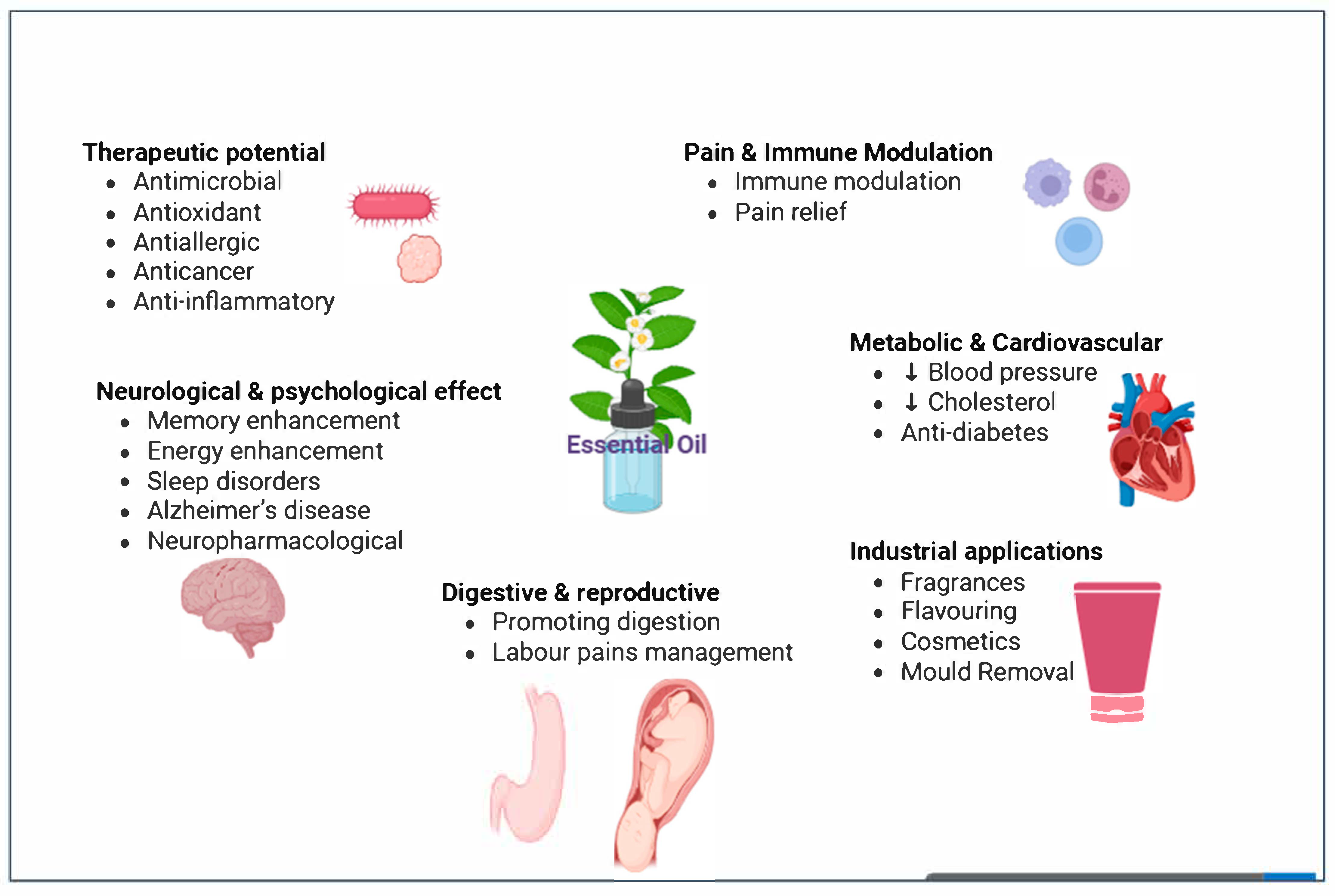
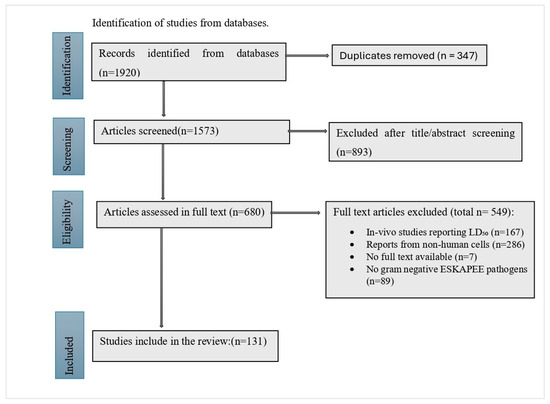
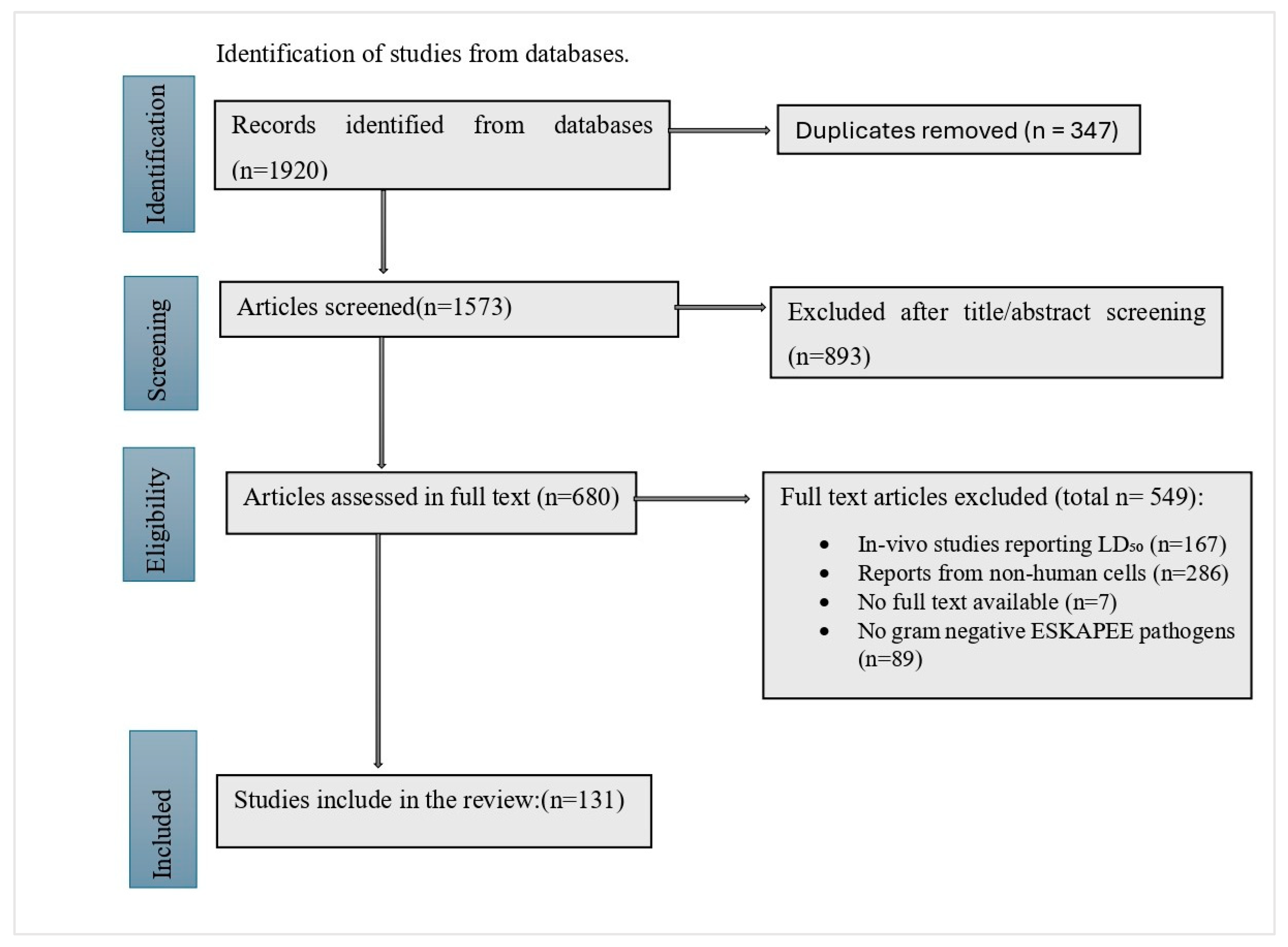
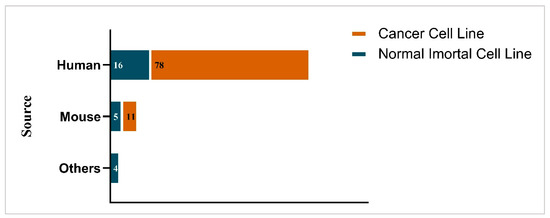
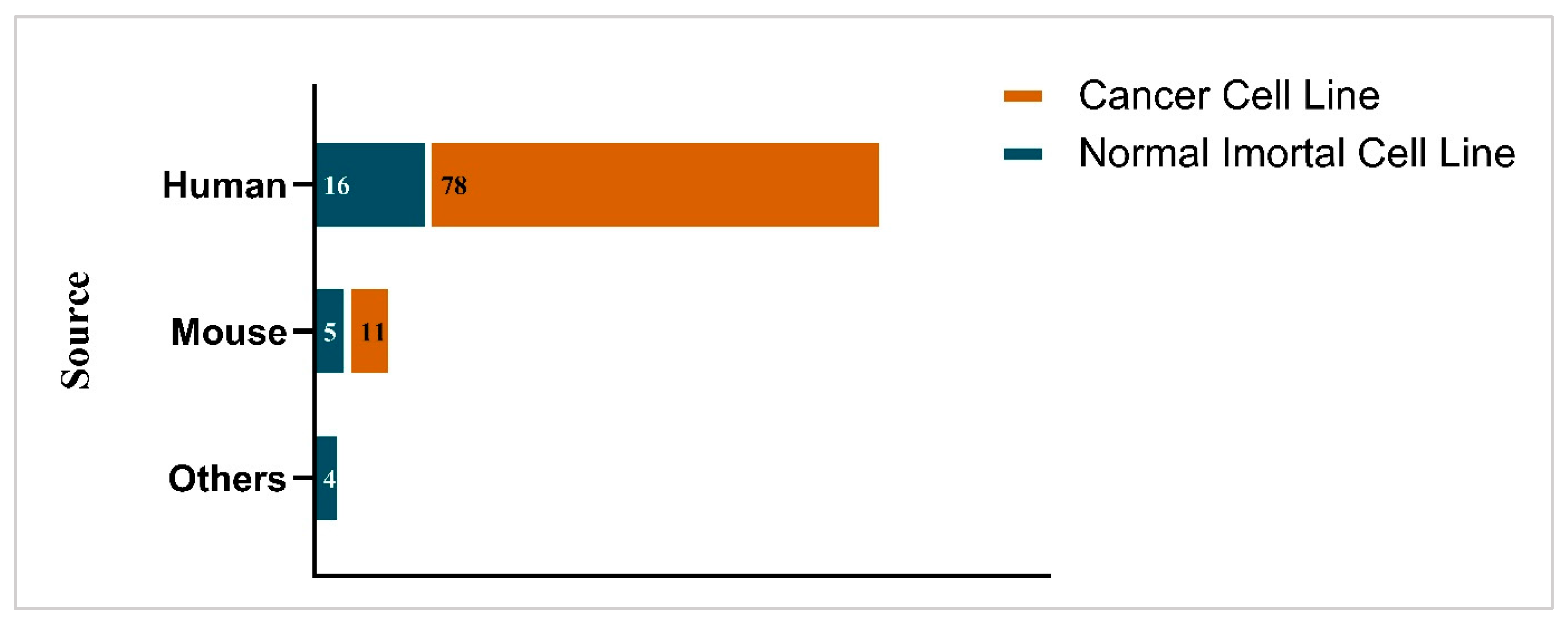
Disclaimer/Publisher’s Note: The statements, opinions and data contained in all publications are solely those of the individual author(s) and contributor(s) and not of MDPI and/or the editor(s). MDPI and/or the editor(s) disclaim responsibility for any injury to people or property resulting from any ideas, methods, instructions or products referred to in the content. |
© 2026 by the authors. Licensee MDPI, Basel, Switzerland. This article is an open access article distributed under the terms and conditions of the Creative Commons Attribution (CC BY) license.