


Abstract
Smart greenhouses (SGHs) are controlled-environment agricultural systems that leverage digital technologies to optimize crop production and resource management. In particular, recent advances in artificial intelligence (AI) and the Internet of Things (IoT) have enabled the development of intelligent monitoring, predictive modeling, and automated decision-support systems within these environments. Against this backdrop, this comprehensive review synthesizes over 130 studies published between 2020 and 2025, with a focus on AI-driven monitoring, predictive modeling, and decision-support frameworks in SGH environments. More specifically, key application domains include microclimate regulation, crop growth assessment, disease and pest detection, yield estimation, and robotic harvesting. Moreover, particular attention is given to the interplay between AI methodologies and their data sources, encompassing IoT sensor networks, RGB, multispectral, and hyperspectral imaging, as well as multimodal data-fusion approaches. In addition, publicly available datasets, model architectures, and performance metrics are consolidated to support reproducibility and cross-study comparison. Nevertheless, persistent challenges are critically discussed, including data heterogeneity, limited model generalization across sites, interpretability constraints, and practical barriers to deployment. Finally, emerging research directions are identified, notably multimodal learning, edge-AI integration, standardized benchmarks, and scalable system architectures, with the overarching objective of guiding the development of robust, sustainable, and operationally feasible AI-enabled SGH systems.
1. Introduction
Ongoing climate change exerts growing pressure on the agriculture sector [1]. According to the World Meteorological Organization (WMO), the past eleven years from 2015 to 2025 present the warmest period on record, as well as the temperature from January to August 2025 was approximately 1.42 °C ± 0.12 °C above pre-industrial levels [2,3].
In parallel, the frequency and intensity of extreme events, including heatwaves, droughts, and heavy rainfall, have increased, disrupting crop schedules and exacerbating yield instability [4]. Over the past five decades, heat and drought have reduced global yields of key crops such as maize, wheat, and barley by 4–13% [5].
Furthermore, abiotic stressors have been shown to exacerbate biotic risks; Heat and water deficits can accelerate pest and pathogen life cycles and broaden their geographic ranges, thereby amplifying crop losses [6]. The FAO (2021) estimates that pests and diseases account for about 40% of global crop losses annually, resulting in economic losses of approximately 220 billion USD [7]. A 2025 review reported that warming of around 2 °C may increase pest-related yield damage by up to 46% in wheat and by more than 30% in maize [6].
Moreover, farming labor availability is declining due to urbanization, coupled with an aging population and a reduced participation of young workers as well [8,9]. For example, in Europe, less than 5% of workers are employed in agriculture, and globally, the proportion of young workers in agrifood systems in most countries has declined by around 10% in 2023 [9,10]. Meanwhile, projections indicate that the global population will peak at roughly 10.3 billion in the mid-2080s [11].
The aforementioned challenges highlight the vulnerability of the conventional open-field agricultural sector in the face of climate change, pest and disease pressure, and labor shortages [1,7,10]. Consequently, many sustainable strategies increasingly aim to ensure stable yield and quality under resource constraints and climatic uncertainty [12]. Thus, controlled-environment agriculture (CEA), specifically SGHs, offers a practical route to mitigate these challenges [12,13].
On the one hand, CEA is being more widely adopted, especially in developed countries, and serves as a strategy to support open-field agriculture and mitigate its vulnerability to climatic stress [13,14]. Previous studies highlight the capacity of CEA to deliver more consistent yields under climatic unpredictability [13], and describe CEA as an important approach for enhancing food security [12,13]. On the other hand, the integration of information and communication technologies (ICT) has become a predominant means in modern agriculture [15]. SGHs have appeared as an innovative technological solution that promises efficiency, precision, and sustainability [16].
Beyond that, recent advances in IoT-enabled sensing, high-resolution imaging, GPU-accelerated computing, and artificial intelligence (AI), including machine learning (ML) and deep learning (DL), have catalyzed the evolution of SGHs, where continuous data acquisition is coupled with data-driven analytics and automated actuation. In this paradigm, SGHs enable continuous monitoring of crop growth and health, regulation of internal variables such as humidity, temperature, CO2, and light intensity, and robotic harvesting [16,17]. Figure 1 presents a conceptual overview of the main components of AI-driven smart greenhouse systems discussed in this review, including sensing, processing, and application domains.
Figure 1.
Conceptual overview of AI-driven smart greenhouse systems, highlighting the main sensing, processing, and application components discussed in this review.
Numerous studies have investigated the integration of AI and IoT techniques in smart greenhouses (SGHs). Escamilla-García et al. (2020) [18] reviewed artificial neural network (ANN) applications for microclimate prediction, energy optimization, and plant growth modeling. Liu et al. (2024) [19] focused on machine learning–based time-series forecasting of greenhouse environmental parameters. Akbar et al. (2024) [20] surveyed deep learning–based computer vision techniques for greenhouse agriculture. Yu et al. (2025) [21] reviewed AI- and IoT-enabled sensing technologies for tomato production. Al-Najadi et al. (2025) [16] examined the integration of IoT, AI, and robotics in autonomous greenhouse systems, while Al-Qudah et al. (2025) [22] surveyed AI applications and sensory data utilization in SGHs for sustainable agriculture. The most relevant surveys are summarized in Table 1; further details are presented in Table A1 provided in Appendix A.
Table 1.
Compact summary of related survey papers on smart greenhouse (SGH) systems.
Although existing surveys provide valuable perspectives, they often focus on a single task (e.g., microclimate prediction), a specific technology (e.g., vision-based DL), or a particular crop. A consolidated, data-centric synthesis that jointly examines (i) multi-sensor data acquisition, (ii) multimodal data fusion across IoT and imaging modalities (RGB/MSI/HSI), and (iii) AI models for the full range of SGH applications remains limited.
To address this gap, this review makes four contributions: (i) Comprehensive coverage (2020–2025): synthesis of 133 peer-reviewed studies spanning microclimate prediction, crop growth and yield estimation, pest and disease monitoring, and robotic harvesting; (ii) model-centric analysis: structured comparison of single, hybrid, and ensemble ML/DL architectures across sensing modalities; (iii) reproducibility support: consolidation of publicly available datasets and commonly used evaluation metrics; and (iv) critical outlook: discussion of deployment barriers, generalization challenges, and future research directions for scalable and sustainable SGH systems.
The remainder of this paper is organized as follows: Section 2 describes the PRISMA-based review methodology and study selection process. Section 3 reviews the major SGH application domains covered in this review, including microclimate modeling, crop health monitoring and diagnosis, crop growth, yield estimation, and robotics harvesting, and consolidates the evaluation metrics used in the reviewed studies. Section 4 synthesizes HSI and MSI imaging in SGHs, Section 5 emphasizes multi-data source and multimodal data fusion in SGHs, Section 6 is dedicated to work incorporating AI and IoT in SGHs, Section 7 and Section 8 discuss recurring challenges and future research directions, Section 9 presents the discussion, and Section 10 concludes the review.
2. Literature Search Methodology
This literature review was conducted in accordance with the PRISMA guidelines. The review process consisted of three main phases: identification, screening, and eligibility, within the present research.
2.1. Identification and Selection Criteria
To identify recent and relevant research on SGHs, we performed a structured literature search in various well-established international academic databases, including Google Scholar, Scopus, IEEE Xplore, Springer, MDPI, and ScienceDirect.
The search strategy was developed using well-defined search strings to capture a broad range of studies relevant to SGHs. In the first stage, each of these following keywords: “disease detection,” “pest detection,” “insect detection,” “climate control,” “weed detection,” “hyperspectral imaging,” “multispectral imaging,” “synthetic images,” “artificial intelligence,” “machine learning,” “deep learning,” “computer vision,” and “multimodal fusion” were combined with “smart greenhouses” using the boolean operator AND (e.g., “disease detection“ AND “smart greenhouses”). To broaden the search and capture additional relevant studies, we grouped semantically related keywords with the OR operator and linked these groups with AND. This procedure yielded search queries, for example, for the form: “synthetic images” AND “smart greenhouses” AND (“disease detection” OR “weed detection”) AND (“deep learning” OR “computer vision”).
Selection criteria were then incorporated to determine which articles should be included or excluded. Studies were selected to be included in this review based on their publication years, so an eligible article had to be published in the last five years (2020–2025), written in English, and published in peer-reviewed journals.
Only advanced SGH applications were considered. In particular, we included research that reported concrete implementations of technologies such as AI, ML, DL, and IoT. The selected articles were required to address at least one of the following topics: disease detection, pest/insect detection, climate prediction, robotic harvesting, yield estimation, crop growth, HSI, MSI, and data fusion.
Whereas articles were excluded if they focused exclusively on open field agriculture or other controlled environments rather than SGHs, if they were not written in English or if they were not peer-reviewed articles.
2.2. Screening
Upon removing duplicate studies from the search results, the screening process was carried out based on two stages; the initial stage involved an examination of the titles and the abstracts, followed by the second stage, where the full-texts were examined to confirm the selection of studies. The quality of each selected article is evaluated using the inclusion and exclusion criteria.
2.3. Results
The digital search libraries returned around 327 records in the initial search, including n = 200 from Google Scholar, from Scopus, from IEEE Xplore, from Springer, from ScienceDirect, and from MDPI.
The first screening resulted in removing duplicates , then titles and abstracts were screened to exclude clearly irrelevant studies, resulting in the elimination of 60 studies at this stage. Finally, the full texts of the remaining 147 articles were then assessed for eligibility based on the predefined inclusion and exclusion criteria. Finally, 133 research articles published between 2020 and 2025 were selected for the present review. An overview of the flowchart following PRISMA guidelines is presented in Figure 2.
Figure 2.
PRISMA diagram of the study selection process.
The articles reviewed in this study are on the accompanying GitHub repository (https://github.com/WiamElouaham1998/SGHs_review_studies, accessed on 15 February 2026), which is actively maintained. The selected papers were classified into different domains such as objective of the study, climate control, disease, pest and insect detection, weed management, growth evaluation, or yield estimation. Figure 3 illustrates the percentages of each application type among the included papers.
Figure 3.
Distribution of included studies across application domains.
3. AI Applications in SGHs
3.1. Microclimate Prediction and Climate Control in SGHs
Microclimate prediction in SGHs is most often formulated as a time-series regression (forecasting) problem, where key indoor variables such as air temperature, relative humidity, and CO2 concentration are forecast from historical sensor data. Accordingly, the literature has investigated a broad spectrum of data-driven models, ranging from classical statistical formulations to machine-learning predictors and, more recently, deep sequence architectures for multi-step forecasting.
In early work, statistical time-series techniques were extensively adopted as competitive baselines, particularly for temperature prediction, including autoregressive with exogenous input (ARX), autoregressive integrated moving average (ARIMA), and seasonal autoregressive integrated moving average (SARIMA) [26,27,28]. For instance, Frausto et al. [26] compared ARX and ARMAX for greenhouse air-temperature prediction and reported that ARX achieved a higher coefficient of determination = 0.965 than ARMAX = 0.888. Nevertheless, despite their effectiveness in capturing linear trends in historical data, purely statistical models often exhibit limited capacity to represent the nonlinear, coupled, and regime-dependent dynamics that characterize greenhouse microclimates [23,29].
Classical machine learning methods and neural network predictors have been increasingly employed to model complex nonlinear relationships and to exploit larger datasets [30,31]. In this vein, García-Vázquez et al. [32] proposed support vector regression (SVR) for temperature forecasting and demonstrated that a polynomial-kernel SVR reduced error relative to linear baselines, achieving in summer an RMSE of 0.0549 °C and an MAE of 0.0422 °C, outperforming PLS-based regression, OLS multiple linear regression, and an SVR with an RBF kernel. Similarly, shallow neural predictors, including LM-trained RBF networks, have been repeatedly investigated to improve short-term temperature forecasts by incorporating exogenous drivers [33,34]. Beyond temperature, NARX-type models have also been explored for humidity forecasting; moreover, comparisons among LM, BR, and SCG training procedures indicate that optimization choices can materially affect convergence and generalization [35].
Importantly, the transition from one-step prediction to multi-step forecasting is more directly aligned with scheduling and closed-loop control objectives. However, the key bottleneck is capturing longer temporal dependencies under non-stationarity. Therefore, recent studies have increasingly evaluated recurrent architectures while explicitly acknowledging deployment constraints. For example, Codeluppi et al. [36] compared ANN, RNN, and LSTM models for greenhouse air temperature forecasting and underscored that operational utility depends not only on accuracy but also on computational feasibility for IoT/edge execution. In the same context, GRU-based predictors have been reported to outperform classical machine learning, including random forest (RF), support vector machine (SVM) and multiple linear regression (MLR) for temperature forecasting [37], supporting the recurring claim that gated recurrence is better suited to delayed and regime-dependent greenhouse dynamics, which further supports the view that gated recurrence is well-suited to delayed responses and regime-dependent greenhouse dynamics. For longer horizons and sequence-to-sequence configurations, attention mechanisms are frequently introduced to alleviate the encoder–decoder information bottleneck and to selectively emphasize relevant historical information. For instance, Luong-attention-based seq2seq models have been explored for temperature and humidity forecasting [38], whereas feed-forward attention mechanisms combined with LSTM, reported as FAM-LSTM, have been reported to maintain competitive accuracy across horizons up to 48 h in solar greenhouses [39]. Taken together, existing evidence suggests a horizon-dependent modeling strategy: gated recurrent models are often adequate for moderate horizons, while attention-enhanced sequence modeling becomes increasingly advantageous as the forecast horizon lengthens and the relevant history expands.
Furthermore, ensemble learning has been adopted to improve accuracy and, in some cases, reduce the cost of retraining; notably, LightGBM has been reported to provide strong predictive performance while substantially reducing training time when compared with baseline models such as Back-Propagation (BP) neural networks, recurrent neural network (RNN) models, Extreme Gradient Boosting (XGBoost), and Stochastic Gradient Boosting (SGB) [40]. In parallel, hybrid approaches go further by coupling mechanistic structure with data-driven correction. A representative pipeline combines a process-based greenhouse climate–crop model built from GreenLight and TOMSIM with particle-filter calibration, then applies a DNN correction stage to further reduce forecast error [41,42,43,44], aiming to preserve physical plausibility while absorbing unmodeled nonlinearities. Complementary multimodel combinations, including DF, RF, and ANN, have also been reported to enhance multivariable microclimate prediction [45]. Moreover, Variable-weight ensembles optimized by PSO further aim to adaptively fuse predictors across horizons from 30 to 120 min [46]. Table 2 synthesizes the reviewed studies and reports additional methodological and experimental details; further details are presented in Table A2 provided in Appendix A.
Table 2.
Summary of data-driven microclimate forecasting studies in SGHs.
3.2. Disease Detection in SGHs
Crop disease detection represents a challenging task for achieving an optimal crop yield production, as outbreaks may progress rapidly once initiated. Traditional manual crop disease monitoring is typically slow and subjective, whereas laboratory-based crop disease monitoring provides objective results but is often time-consuming and costly. Due to these limitations, AI-based approaches have been increasingly applied to crop disease detection. Early methods utilized traditional ML based on handcrafted features, while the recent DL-based approaches enable more automated disease detection. In RGB-based detection methods, transfer learning has been widely adopted to improve the model accuracy and precision, particularly when only limited labeled data are available. For instance, Zhang et al. [65] fine-tuned EfficientNetB0–B7 for multiclass cucumber leaf disease classification and reported optimizer-driven improvements for separating difficult classes. Related work has also explored multi-task transfer learning using EfficientNetB4 across rust diseases and multiple crops [66].
For disease localization, real-time detectors are commonly strengthened through lightweight backbones and improved box regression. In this context, MobileNetV2-YOLOv3 replaces the Darknet-53 backbone to reduce computation while enhancing localization via GIoU loss, and it preserves multi-scale detection to better capture small lesions in complex greenhouse scenes [67]. Precision under small, occluded, and multi-scale symptoms has been further improved by redesigning the feature reuse and training strategy. For example, YOLO-Dense, which substitutes dense connections for residual blocks, refines anchors with improved K-means clustering, and adopts multi-scale training to raise mAP while maintaining low latency [68]. Robust recognition in cluttered backgrounds has also been addressed through attention-guided region focusing and progressive learning. PRP-Net introduces an attention proposal mechanism to localize discriminative lesion regions without manual bounding boxes and employs channel attention to emphasize symptom-relevant features [69]. Similarly, SE attention has been integrated into YOLOv5 backbones to amplify disease symptoms and suppress irrelevant background information while maintaining real-time feasibility [70].
In strawberry disease monitoring, deployment-oriented designs explicitly trade architecture efficiency for edge readiness, with DAC-YOLOv4 compressing the backbone and neck using depthwise blocks, adding CBAM, re-estimating anchors with K-means, and adopting CIoU loss and DIoU-NMS to support real-time inference on Jetson devices [71]; two-stage pipelines also benefit from multi-scale feature fusion and attention, where a ResNet-FPN backbone augmented with CBAM and a dedicated multi-scale feature fusion module improves detection under greenhouse background complexity [72]. A lightweight YOLOv5 variants further demonstrate that accuracy and speed can be improved simultaneously by combining efficient operators and attention, as in YOLO-GIC-C, which integrates GhostConv, involution, CBAM, and CARAFE upsampling to reduce parameters and FLOPs while increasing mAP and FPS [73].
Beyond detection and classification, severity estimation is increasingly treated as a decision-relevant output. Accordingly, two-stage designs have been proposed that first identify diseased leaves and then segment diseased tissue using a U-Net-style model, thereby computing severity as a diseased-area ratio [74]. Table 3 synthesizes the RGB-based disease detection models in SGHs adopted by researchers; further details are presented in Table A3 provided in Appendix A.
Table 3.
Summary of RGB-based disease detection in SGHs.
3.3. Pest and Insect Detection and Counting in SGHs
In smart greenhouse systems, computer-vision-based pest monitoring is increasingly used to replace manual scouting by converting image data into quantitative estimates of pest presence, species, and population density, thereby supporting timely interventions and reducing excessive pesticide application [88].
The literature generally categorizes pest detection according to acquisition scenarios, including insects on sticky traps, insects on plant surfaces, and insects on trap baseplates, as each scenario presents distinct detection challenges such as small target size, specular reflections, motion blur, and background complexity [88].
For sticky-trap monitoring, where small-object detection and counting are primary objectives, early approaches improved reliability under limited computational resources by combining saliency-based candidate extraction with color feature descriptors and SVM classification for pests such as whiteflies and thrips [89,90]. Recent deep learning models have further enhanced detection performance by explicitly addressing small-target characteristics. For example, TPest-RCNN improves anchor design and RoI feature alignment to preserve fine pest details, enabling robust detection across varying pest densities on reflective trap surfaces [91].
Deployment constraints have also driven the development of accuracy–efficiency trade-offs. Lightweight architectures such as SSD-Lite with a MobileNetV2 backbone enable real-time on-device inference on embedded platforms, including Raspberry Pi systems [92]. In parallel, resolution-preserving inference strategies based on high-resolution image tiling have been proposed to prevent the loss of small pest features during downsampling, as demonstrated by a cascade detection framework built on a tiny YOLOv3 model [93].
For on-plant pest detection, where visual variability and insect movement are more pronounced, deep learning pipelines have incorporated mobile-to-cloud architectures. Faster R-CNN-based systems have been used not only for pest recognition but also for linking detection outputs to decision-support recommendations for pest management [94]. In multi-species greenhouse environments characterized by dense clustering and occlusion, performance improvements have increasingly relied on data augmentation and post-processing techniques. Copy–paste augmentation enhances the representation of small pests in training datasets, while DIoU-based non-maximum suppression improves detection accuracy in crowded scenes, resulting in substantial performance gains over baseline YOLOv5 models [95].
Table 4 synthesizes the reviewed papers for insect and pest detection models in SGHs.
Table 4.
Overview of insect and pest detection models in SGHs.
3.4. Plant Growth Monitoring and Yield Prediction in SGHs
Plant growth monitoring and yield estimation in smart greenhouses increasingly leverage complementary data streams. Vision-based phenotyping provides interpretable proxies such as fruit presence, maturity state, and size-related measurements derived from detection or segmentation outputs. Time-series forecasting links historical production records with environmental variables to predict short-term yield trajectories. Combining these approaches enhances robustness, as image-derived proxies provide direct agronomic meaning while temporal models reduce variability caused by occlusion and intermittent sensing.
In vision-based monitoring, lightweight detection models have been integrated into IoT-enabled greenhouse pipelines for continuous tomato observation, demonstrating practical feasibility for in situ decision support [96]. Context-aware growth monitoring couples image recognition with environmental and temporal reasoning to stabilize interpretation under variable greenhouse conditions [97]. Dense segmentation has been used to convert organ-level pixel measurements into growth curves, with Gompertz fitting providing stable trend estimation for mini-tomato growth [98]. Similar machine learning–based monitoring approaches have been applied to other protected crops, including mushrooms, where stage-aware recognition supports operational harvest planning [99].
For yield and growth forecasting from sensor time series, deep temporal models predict short-horizon tomato yield from greenhouse environmental factors, with temporal convolution and recurrent architectures improving accuracy compared to single-sequence models [100]. Process-informed learning has been achieved by fusing a reduced biophysical crop model with CNN–RNN predictors, yielding higher predictive performance than either component alone [101]. Multi-step crop growth state prediction has been addressed using SVR Seq2Seq formulations, enhancing stability and generalization across prediction steps and crop datasets [102]. Table 5 summarizes the reviewed studies on plant growth monitoring and yield estimation in SGH systems; further details are presented in Table A4 provided in Appendix A.
Table 5.
Summary of plant growth monitoring and yield estimation studies in SGHs.
3.5. Robotic Harvesting in SGHs
Robotic harvesting in smart greenhouse systems has emerged as a key technology for automating labor-intensive crop management operations, including fruit picking, pruning, and maturity monitoring. These systems aim to reduce labor dependence, address workforce shortages, and improve operational efficiency in controlled-environment agriculture. Most robotic harvesting platforms integrate four core modules: autonomous navigation, environmental mapping, automatic control, and machine vision-based perception. Autonomous navigation enables robots to determine their precise location within greenhouse environments, plan collision-free paths, and adapt motion to dynamic conditions. Positioning and mapping are typically achieved through multi-sensor data fusion, combining inputs from vision sensors, LiDAR, radar, and infrared modules. These data are processed using control and localization algorithms to generate accurate spatial maps and support real-time motion adjustment. Machine vision represents the central component of robotic harvesting systems, supporting perception tasks such as fruit detection, ripeness assessment, key-point localization, and three-dimensional pose estimation. Early systems relied on conventional image processing methods, whereas recent approaches increasingly employ deep learning–based detectors, including YOLOv4, YOLOv5, Mask R-CNN, and YOLACT++, often enhanced through attention mechanisms, multi-scale feature fusion, and stereo vision for depth estimation. For instance, strawberry harvesting robots using DHN-YOLO models achieved an mAP50 of 91.8% and processing speeds of 71.6 FPS on images captured using mobile devices [104]. In tomato harvesting applications, YOLOv5 integrated with stereo depth cameras reached detection accuracies of up to 94.1% while enabling real-time three-dimensional fruit localization [105]. Similarly, multi-joint robotic manipulators equipped with RGB-D sensors have demonstrated successful detection of flowers and sweet peppers, with harvesting success rates ranging from 57% to 93.3%, depending on crop type and occlusion levels [106,107]. Table 6 summarizes key robotic harvesting systems in smart greenhouses, including their sensing technologies, perception tasks, and reported performance; further details are presented in Table A5 provided in Appendix A.
Table 6.
Summary of vision-based robotic harvesting systems in SGHs.
3.6. Evaluation Metrics for AI Applications in SGHs
Classification papers typically use accuracy together with precision, recall, and F1, and may add AUC or TSS when class imbalance is a concern. Detection and instance-segmentation studies mainly rely on IoU and AP-based scores, most commonly mAP with fixed or COCO-style IoU thresholds. Regression and forecasting are usually assessed with MAE and RMSE, sometimes complemented by percentage errors and fit indicators such as . For edge and real-time deployments, latency, throughput, model size, and compute cost are increasingly reported to support accuracy efficiency comparisons. Table 7 consolidates the most commonly used metrics in the reviewed SGH literature.
Table 7.
Common evaluation metrics reported in AI-enabled SGH studies, grouped by task type.
3.7. Data Types and Acquisition Tools in SGHs
Across the reviewed SGH studies, data collection is dominated by three sources, as summarized in Table 8. First, proximal imaging, mainly RGB, is the most widely used due to its low cost and its direct relevance for monitoring and phenotyping. Second, proximal spectral sensing, including multispectral, hyperspectral, and thermal sensing, is adopted when the aim is to capture early physiological responses that may appear before visible symptoms. Third, distributed IoT/WSN sensing enables continuous monitoring of the greenhouse microclimate.
Table 8.
SGHs acquisition platforms and typical input modalities reported in the reviewed SGH literature.
Accordingly, the collected data in SGH studies largely fall into two families. The first family is spatial observations, including RGB, RGB-D, thermal, multispectral, and hyperspectral imagery, commonly used for detection, segmentation, and phenotyping. The second family is sensor time series, including temperature, humidity, CO2, and light or radiation, and when available, root-zone and fertigation variables such as moisture, pH, and EC, which are mainly used for forecasting and optimization. Table 8 provides a consolidated view linking acquisition sources to the resulting data types, while the public datasets used in the reviewed papers and their access links are reported in Table 9.
Table 9.
Summary of publicly available datasets.
4. Spectral Sensing in SGHs: HSI and MSI with ML and DL
Advances in sensor technologies have enabled crop monitoring across a broad range of electromagnetic wavelengths beyond the visible spectrum [112]. Spectral imaging captures reflectance information in non-visible bands that contains more discriminative physiological signals than RGB imaging, particularly for detecting early biochemical and structural plant changes induced by biotic stress [113].
Multispectral imaging and hyperspectral imaging provide complementary characteristics. Hyperspectral imaging offers dense narrow-band spectral information that is highly sensitive to subtle pre-symptomatic plant responses, whereas multispectral imaging provides fewer spectral bands but higher spatial resolution, which is advantageous once symptoms become spatially visible [114,115].
The integration of spectral imaging with machine learning and deep learning has significantly improved plant monitoring capabilities. In disease detection, hyperspectral imaging is effective for identifying early physiological responses prior to visible symptoms, while multispectral imaging is more suitable for detecting spatially expressed lesions. This complementarity was demonstrated in Dutch elm disease detection, where hyperspectral data enabled earlier discrimination, whereas multispectral data improved identification of symptomatic leaf regions [116]. However, model performance can be affected by spectral variability across genotypes. In Potato Virus Y detection, artificial neural network classifiers achieved high accuracy when trained on a single variety but showed substantial performance decline when applied to multiple genotypes [117]. In pest detection applications, multispectral imaging combined with deep learning commonly follows a spectral–spatial detection framework. Incorporating non-visible channels such as near-infrared bands improves lesion detection performance compared with RGB-only models, as demonstrated by multichannel Faster R-CNN architectures that integrate RGB and near-infrared features [118].
For weed monitoring and herbicide resistance detection, studies frequently employ wavelength selection and vegetation index development. Spectral reflectance data combined with feature selection methods enables identification of discriminative wavelengths associated with herbicide-induced biochemical changes. Optimized spectral weed indices derived from selected wavelengths have demonstrated high classification accuracy in detecting glyphosate-resistant weed species under greenhouse conditions [119,120].
A similar approach has been applied to early pest infestation detection. Hyperspectral imaging combined with preprocessing and wavelength selection has enabled accurate classification of infestation severity levels in cotton leaves, with near-infrared wavelengths showing strong sensitivity to mite-induced plant damage [121,122].
Table 10 summarizes the reviewed HSI and MSI studies, and Table 11 reports the key effective wavelengths and vegetation indices.
Table 10.
Overview of hyperspectral and multispectral imaging studies applied in smart greenhouse environments.
Table 11.
Key effective wavelengths and vegetation indices reported in spectral imaging studies.
5. Multimodal Data Fusion in SGHs
Multimodal data fusion has emerged as a promising way for SGH applications, as the state of crops and the greenhouse itself is naturally multimodal in nature. A single modality may not be able to completely represent the context of the crops and the greenhouse. The RGB images may provide some visual cues for symptoms and morphology, but it is easily affected by changes in illumination, occlusion, and backgrounds. Spectral images may detect changes in crops before symptoms appear, which is useful, although it may be costly and time-consuming. The environmental sensors continuously monitor temperature, humidity, CO2, and soil status, etc., but cannot directly reflect the appearance of crops and abnormalities in organs. Therefore, data fusion in multiple modalities may help improve the robustness and relevance of decisions by effectively making use of multiple information sources.
In SGHs, multimodal fusion is particularly interesting since there is a strong coupling between plant environment interactions. For example, disease occurrence, water stress, growth rate, and pest occurrences are generally not caused by vision or environmental sensing alone. Instead, they are often a function of coupled effects between plant physiology, microclimate, temporal history, and spatial information. This makes SGHs an interesting setting for multimodal AI, where vision, spectral, IoT, and temporal information can be combined within a unified framework. From a methodological point of view, multimodal fusion in SGHs can be classified into three types: data-level fusion, feature-level fusion, and decision-level fusion. At the data level, multiple sources of data are integrated before feature extraction. This is a popular choice in spectral research, where VIS/NIR and NIR signals are often combined into a unified space. The advantage of this method lies in its ability to preserve low-level information, which might allow the model to directly capture cross-modal correlations. Nevertheless, this method requires careful calibration, normalization, and synchronization, as noise or scale issues in one modality might affect the quality of the integrated data. Feature-level fusion is more commonly used, as it allows the separate processing of the different modality inputs by a specific encoder before their fusion. This type of fusion is most appropriate when the different modalities significantly differ from one another, as in the case of RGB images, environmental data, and temporal variables. Decision-level fusion involves integrating predictions from different unimodal or partially fused models. This approach is advantageous when there are differences in rates of information capture, when a single modality is absent, or when a module-based approach is necessary. Although it is less expressive than learning a joint representation, it is also potentially more robust. In practical greenhouse deployments, this advantage is important because missing values, intermittent connectivity, and calibration drift are common. A second important aspect is temporal fusion. The information captured by a sensor in a greenhouse is often temporal, with a signal’s usefulness depending on its history rather than its instantaneous value. For example, environmental conditions before a disease or pest outbreak are often critical. Temporally informed fusion combines multimodal information with sequence information. This is achieved through a variety of techniques, including recurrent neural networks, temporal convolutional networks, and attention-based approaches. These benefits have been demonstrated across several greenhouse tasks.
In disease detection, multimodal approaches integrating RGB imagery with spatio-temporal and environmental metadata consistently outperform single-modality models, providing higher accuracy under variable greenhouse conditions [131]. Spectral disease diagnosis also benefits from cross-sensor fusion, merging visible and near-infrared bands either at the raw-data or feature level, achieving high classification accuracy when regions of interest are properly aligned [132]. Similarly, in stress assessment and phenotyping illustrate additional benefits. Combining RGB and thermal data with growth indicators increases robustness to environmental variability [133]. Multi-sensor phenotyping that incorporates calibrated three-dimensional representations, such as camera-LiDAR alignment, enables more precise structural measurements [134]. For continuous monitoring, early fusion with ensemble models balances accuracy and computational efficiency [135]. Temporally aware fusion pipelines using one-dimensional convolutional feature extraction followed by sequence modeling reduce forecasting error for pest early-warning applications [136]. Overall, multimodal fusion is a key enabler of operationally reliable AI in smart greenhouses. By integrating complementary modalities, models achieve greater resilience to environmental variability, improved early detection, and more accurate monitoring, supporting scalable and data-driven greenhouse management.
As summarized in Table 12, multimodal fusion approaches in smart greenhouses vary in sensor types, data modalities, and learning methods.
Table 12.
Summary of multimodal fusion approaches in smart greenhouses.
6. AI- and IoT-Enabled Intelligent Greenhouse Systems
The Internet of Things (IoT) constitutes the core digital infrastructure of smart greenhouse systems by interconnecting sensors, imaging devices, communication modules, gateways, computing platforms, and actuators within an integrated monitoring and control architecture. In IoT-based SGHs, real-time data on key greenhouse variables—such as air temperature, relative humidity, light intensity, CO2, and, where relevant, substrate or soil conditions, together with camera-based observations—are acquired and transmitted through communication networks for visualization, decision support, and automated actuation. This connectivity layer is essential because it enables continuous monitoring, remote supervision, and closed-loop control [137,138].
The integration of artificial intelligence with IoT infrastructures has further transformed smart greenhouses into data-driven production systems. Heterogeneous sensing streams, including microclimate, substrate and water variables, and imaging data, can be processed at the edge, in fog layers, or in the cloud according to latency, bandwidth, and energy constraints. This distributed computing paradigm helps overcome the limitations of cloud-only architectures while preserving scalability, and it has encouraged deployment-aware learning strategies that remain feasible under constrained computational resources.
From a control and decision-support perspective, AI translates sensor streams into actuation policies. For instance, adaptive particle swarm optimization combined with artificial neural networks has been applied for irrigation and fertilization management [139], whereas multilayer perceptron-based forecasters coupled with fuzzy logic have been employed to mitigate frost risk in tomato production [140]. Similarly, regression-based approaches using support vector machines or multilayer perceptrons provide accurate routine actuation under varying environmental conditions [141], while lightweight convolutional neural networks optimized through metaheuristic strategies have been demonstrated to detect operational anomalies directly at the edge without relying on continuous cloud connectivity [142].
For plant monitoring and production operations, vision-enabled IoT nodes complement scalar sensors by providing spatial information on crop health and phenotyping. Specifically, convolutional neural network-based classification combined with instance segmentation has been utilized to estimate fruit ripeness stages [143]. Extending this approach, visual detection models integrated with lightweight temporal predictors have been adopted to forecast harvest dates, demonstrating the combination of perception and temporal modeling [144]. In early-stage growth monitoring, RGB-D and multi-sensor setups coupled with advanced deep learning architectures enable detection of growth points and estimation of seedling height, highlighting the need for edge–cloud partitioning when three-dimensional perception increases computational demand [145]. For longer-horizon crop-state prediction, dynamic Bayesian networks have been employed to forecast leaf area index and evapotranspiration [146], while simpler learners such as k-nearest neighbors remain effective when the feature space is dominated by routine nutrient and water indicators [147].
Table 13 consolidates the reviewed AI and IoT systems in smart greenhouses with respect to sensing modalities, communication architecture, and reported performance, further details are presented in Table A6 provided in Appendix A.
Table 13.
Overview of AI and IoT implementations in smart greenhouses.
7. Current Challenges and Research Gaps in Smart Greenhouse Applications: Opportunities and Improvement Strategies
Supervised AI models depend strongly on the quality of the training dataset. In the realm of SGH’s research, there is a lack of publicly standardized benchmark datasets. Furthermore, the existing ones are associated with one or more of the following limitations:
- Small-scale datasets: The utilized datasets are often cropped in a short time, such as a limited season, containing a small number of images or short sensor logs.
- Single-modality: Many datasets contain either vision data, such as leaf/fruit pest images, or sensor data such as temperature, humidity, CO2
- Restricted crop and stage diversity. Many datasets only focus on one crop or a narrow window of phenological stages, limiting the variation in cultivar, canopy structure, and appearance of symptoms.
- Insufficient temporal coverage: Sensor datasets are often limited to a single growing cycle and therefore only represent a subset of the environmental variability, increasing their risk of seasonal drift and unusual occurrences.
To tackle these limitations, researchers rely on data augmentation techniques, transfer learning models, and Synthetic data generation models. Data augmentation expands the effective training distribution by simulating plausible variations in geometry, illumination, noise, and occlusion. In SGH robotic harvesting, ref. [105] employed geometric and photometric transformations together with occlusion simulation, demonstrating enhanced robustness under occlusion and strong detection performance, with mAP@0.5 reported as 0.947. Similarly, ref. [149] used simple augmentation strategies and reported substantial gains in recall and F1-score after augmentation and enhancement. These findings indicate that augmentation remains a practical and effective strategy when collecting additional real greenhouse data is difficult. In parallel, transfer learning is frequently adopted when SGH datasets are too limited to support deep network training from scratch. By initializing models with weights pretrained on large-scale datasets such as ImageNet, it becomes possible to reuse low-level and mid-level features, thereby improving downstream performance. For example, ref. [150] fine-tuned a pretrained YOLOv9 pipeline for pest and disease imagery. Likewise, refs. [105,149] reported improved outcomes when leveraging pretrained weights in harvesting and aquaponic detection tasks. Taken together, these studies suggest that transfer learning is an effective means of compensating for limited SGH-specific data availability. Synthetic data approaches further aim to reduce labeling costs and improve coverage of challenging conditions, such as class imbalance, extreme occlusion, and variations in illumination. For example, ref. [151] used SMOTE to address minority-class actuator states. For greenhouse pest imagery, Karam et al. [152] combined Copy-Paste-Blend with GAN-generated masks to synthesize realistic infestations across crops, reporting improved detection performance when training data were limited. For heavy occlusion scenarios, Son et al. [153] generated condition-controlled synthetic occlusions and illumination variants to train models that are more robust to canopy clutter, again reporting improved performance under challenging settings. Accordingly, synthetic data generation appears to be a promising complementary strategy for addressing data scarcity in SGHs, particularly when rare or difficult cases are underrepresented in real datasets.
Beyond dataset scarcity, a major challenge lies in the limited generalization of models across greenhouse environments. Machine learning models trained in one greenhouse often degrade when deployed in another due to differences in cultivar, camera optics, illumination, substrates, layout, and management practices. Despite the practical importance of this issue, external validation across multiple sites remains uncommon, and domain adaptation methods are not yet sufficiently mature for SGH-specific conditions. As a result, cross-site robustness continues to represent a key obstacle to large-scale deployment.
Another important challenge concerns forecasting reliability under imperfect sensing conditions. In practical SGH deployments, sensor streams frequently contain missing values due to communication dropouts, calibration drift, and sensor faults. Many studies address missing data using simple ad hoc preprocessing steps, such as interpolation or forward filling; however, they often omit the missing-data rate and do not evaluate how the selected imputation method affects forecast accuracy. To improve robustness, future forecasting pipelines should treat missingness as part of the learning problem by reporting missing-data statistics, describing missingness patterns, and adopting models that either perform imputation jointly with forecasting or explicitly account for sensor reliability. Greenhouse-oriented imputation approaches provide a strong foundation [154], and edge-side imputation has also been explored to prevent corrupted measurements from propagating through the pipeline [155]. Therefore, handling missingness explicitly is not only a preprocessing concern but also a central requirement for reliable forecasting in operational SGHs.
In addition to data and forecasting issues, perception in greenhouse environments remains particularly challenging under overlapping structures, occlusion, clutter, and small targets. In real greenhouse imagery, tomato disease and pest symptoms are frequently affected by lighting variation, shadows, branch or leaf occlusion, and dense leaf overlap, making small targets easy to miss and reducing detection performance. To address these issues, Wang et al. [156] enhanced YOLOv3-tiny with an inverse-residual block (IRB) backbone, together with foreground-region training and multi-scale strategies. In their comparison, YOLOv3-tiny-IRB achieved mAP = 93.1% and F1 = 0.922, outperforming YOLOv3-tiny (88.1%, 0.893) and YOLOv3 (88.8%, 0.897), as well as other baselines such as SSD, Mask R-CNN, and Faster R-CNN, while maintaining real-time speed. These results highlight the importance of designing perception models that explicitly account for greenhouse-specific visual complexity.
Amodal segmentation also represents a relevant direction for handling hidden structures in SGH imagery, as it seeks to recover object extent beyond visible regions and is therefore well aligned with fruit and organ delineation under occlusion. Although promising, amodal methods remain underrepresented in SGH benchmarks and real deployment reports. Sungjay Kim et al. [157] addressed heavy leaf and fruit occlusions by training an amodal instance segmentation pipeline built on Mask R-CNN combined with a reconstruction network, first tested with an autoencoder and later with a U-Net reconstruction network, using synthetic leaf patches to simulate occlusion. Their best U-Net variant achieved AP = 50.06 and AP50 = 82.43 with an inference time of approximately 220 ms per image. Jing Yang et al. [158] proposed a Transformer-based amodal segmentation model (ACBET) using a Swin Transformer U-Net backbone with boundary estimation and a GAN-based reconstruction loss, trained largely from modal masks to reduce the cost of amodal annotation. On a dataset collected from two greenhouses, they reported 96.07% average pairwise accuracy, 94.13% mIoU, and 57.79% invisible mIoU for recovering hidden regions. Moreover, by using the generated pseudo-amodal masks to train Mask R-CNN, they obtained AP = 63.91% and AP50 = 86.91%. Collectively, these findings suggest that amodal segmentation can provide a useful direction for improving perception under severe occlusion in SGHs.
Related to this, condition-controlled synthetic occlusions provide targeted training samples that better reflect canopy clutter in greenhouse scenes. Son et al. [153] illustrated this approach by generating structured occlusion ratios and lighting variants. Similarly, GAN-assisted synthesis can densify crowded scenes for tiny-pest detection [152]. In this respect, synthetic occlusion modeling complements conventional augmentation by enabling more controlled exposure to difficult visual conditions. Likewise, small-object detection in cluttered scenes often benefits from multi-scale feature fusion and attention mechanisms embedded within detector backbones and heads. Such enhancements are particularly relevant in SGHs, where pest symptoms, fruit structures, and leaf abnormalities may occupy only a small fraction of the image and may appear under strong background interference.
Finally, beyond perception accuracy, SGH monitoring and control often require low-latency inference under constrained computation, limited power budgets, and intermittent connectivity. Energy-aware scheduling, which jointly optimizes sensing, communication, and inference, is also becoming increasingly relevant for sustainable deployment. Consequently, practical SGH AI systems must be evaluated not only in terms of predictive performance but also with respect to their deployability under real-time and resource-constrained operating conditions.
8. Future Research Directions
To address the gaps above, future SGH research should prioritize several complementary directions. Establishing standardized open datasets is essential. High-value benchmarks should include multiple crops, cultivars, phenological stages, camera types, and microclimates, collected across seasons and sites to enable robust external validation. In parallel, synthetic data generation, such as GANs, can help address class imbalance and rare conditions, but its utility must be demonstrated rigorously through (i) realism assessment, (ii) controlled ablations, and (iii) deployment tests that quantify synthetic-to-real transfer.
Another important priority is the development of fusion-ready multimodal datasets that provide synchronized imagery and sensor data, including temperature, humidity, CO2, light, and irrigation, together with consistent timestamps and reliable ground truth. Such resources would support context-aware monitoring and promote more stable performance under visual noise and domain shift. At the same time, greater attention should be given to deployment-oriented AI systems tailored to embedded hardware and real operational constraints, including limitations in computation, power, and connectivity. Beyond initial deployment, research should also consider the full model lifecycle, including monitoring for drift, safe model updates, and calibration under changing operational conditions.
In this context, federated learning represents a promising strategy for collaborative model training across multiple greenhouses without centralizing raw data, thereby potentially improving cross-site generalization under privacy and bandwidth constraints. Likewise, active learning offers a practical mechanism for reducing annotation cost by prioritizing the most informative samples for labeling. Although both paradigms show clear potential for SGH AI, systematic investigations under real operational greenhouse conditions remain limited, highlighting a significant research opportunity. Finally, future work should also aim to balance predictive accuracy with reliable communication and low-latency actuation in IoT-enabled SGHs. In such settings, models intended for edge deployment may benefit from compression, quantization, and distillation to support efficient and real-time execution while maintaining practical utility.
9. Discussion
This review synthesizes AI-enabled SGH studies across different data modalities, including environmental time-series, RGB, and spectral sensing. In doing so, it clarifies how methodological choices in the reviewed studies are shaped by sensor availability, task definition, and deployment constraints [36,67,113,131].
Table 14 shows that prior smart-greenhouse reviews are mostly fragmented, focusing on subsets such as microclimate modeling and optimization, control strategies, and time-series forecasting or deep-learning computer vision. In contrast, our 2026 review delivers an end-to-end synthesis that unifies sensing (deep-learning computer vision and multispectral, hyperspectral, or thermal sensing), multimodal data fusion, microclimate modeling and optimization, time-series forecasting, control strategies, and edge or embedded deployment with robotic harvesting, providing a clearer roadmap for deployable autonomous smart-greenhouse systems.
Table 14.
Comparison of smart-greenhouse review papers. MMO: microclimate modeling/optimization; CTRL: control strategies; TSF: time-series forecasting; CV: deep-learning computer vision; SPEC: multispectral/hyperspectral/thermal; IOT: IoT/WSN; DATA: multimodal fusion; EDGE: edge/embedded deployment; ROB: robotics harvesting.
Across the reviewed studies, crop coverage is imbalanced. Most of the studies focus on tomatoes, while fewer ones address peppers, cucumbers, and other crops [32,39,47]. Within climate-focused research, temperature is the most frequently modeled variable, followed by relative humidity, which is consistent with their central role in greenhouse operation and their routine availability in sensor networks. This trend is evident from the dominant targets reported in Table 2 [32,36,39,40,46].
A key difficulty in evidence synthesis is the limited comparability across studies. The reviewed papers differ in targets, sensing configurations, acquisition settings, and evaluation protocols, and they often report different metrics. In addition, computational efficiency is not consistently reported in terms of inference time, and model size, which weakens the strength of cross-study comparisons. This issue is visible in the uneven reporting of deployment-related fields in [36,68,71].
Regarding model families, the reviewed evidence supports a cautious and task-dependent interpretation. Deep learning is frequently selected for high-dimensional perception problems and for strongly nonlinear dynamics, while classical machine learning and ensemble approaches remain competitive when data are limited, inputs are structured, or efficiency and interpretability are prioritized. This is supported by the continued use of SVR and gradient-boosting methods for microclimate prediction in Table 2 [32,38,39,40]. Moreover, ensemble and hybrid pipelines appear repeatedly in the reviewed studies, indicating an emphasis on robustness through complementary predictors, including stacking ensembles and process-guided hybrid models [41,45,46,48].
For computer-vision applications, deep learning dominates the reviewed SGH literature. YOLO-family detectors are widely used because they provide a practical balance between accuracy and throughput, as shown by the many detection-oriented entries in the summarized tables. At the same time, the reviewed studies also show that performance is sensitive to greenhouse-specific factors such as small targets, occlusion, variable illumination, and dataset and annotation choices, which motivates architectural modifications and task-specific training strategies [67,68,70,88,93].
At the sensing level, RGB imaging is the most widely used modality in the reviewed studies due to its low cost and ease of acquisition, including smartphone-based collection, for tasks such as disease recognition, pest monitoring, harvesting perception, and growth-stage assessment [70,71,88]. In contrast, MSI and HSI provide richer spectral information and can support stress detection and earlier disease discrimination by capturing reflectance changes in red-edge and near-infrared regions [113,114,115,116]. However, the reviewed evidence also highlights practical constraints for spectral pipelines, including calibration demands and sensitivity to sensor properties, illumination conditions, acquisition protocols, and plant surface properties [114,115,117].
Finally, the reviewed studies indicate that multimodal data fusion can improve robustness by combining complementary information sources such as imagery with environmental context. Table 12 summarizes representative fusion designs and performance gains, including feature-level fusion for disease detection, sensor-level fusion for stress assessment, and temporally aware fusion for early pest warning [131,133,135,136]. In the reviewed SGH settings, common contextual signals include temperature and humidity, as well as soil moisture and light intensity, which can support earlier and more stable inference when combined with vision [32,39,40,46,55].
10. Conclusions
This review synthesizes research progress on the integration of IoT and ML/DL using diverse data modalities in major smart greenhouse applications, including disease detection, pest and insect monitoring, yield estimation, plant growth analysis, and robotic harvesting. It highlights that data fusion approaches are emerging as a promising direction for improving model robustness and enabling the use of complementary information for more reliable decision-making. Despite these advances, several challenges persist. The lack of large-scale, publicly available, and standardized datasets limits model generalization, and this limitation is further compounded by the sensitivity of smart greenhouse models to site- and structure-specific characteristics, such as greenhouse geometry, construction typology, covering material, dimensions, and orientation. In addition, most proposed models remain insufficiently validated in real smart greenhouse environments, while computational constraints of embedded systems hinder real-time deployment. Furthermore, environmental conditions such as occlusion, object overlap, and missing data continue to affect model performance, and the limited use of synthetic data generation techniques represents an additional gap. Overall, although AI and IoT technologies demonstrate strong potential for enabling automation in smart greenhouses, further improvements are required to address these limitations.
Author Contributions
Writing—original draft preparation, W.E.O., M.S. and A.E.; writing—review and editing, M.S., A.E., Y.M., H.O. and S.E. All authors have read and agreed to the published version of the manuscript.
Funding
This research received no external funding.
Institutional Review Board Statement
Not applicable.
Informed Consent Statement
Not applicable.
Data Availability Statement
No new data were created or analyzed in this study. Data sharing is not applicable.
Acknowledgments
The authors also sincerely acknowledge the AI tool ChatGPT, (OpenAI, GPT-5.2) for its assistance in improving and correcting grammar/spelling in parts of the manuscript, and we are grateful to the reviewers for their work and valuable comments that helped us improve its quality.
Conflicts of Interest
The authors declare no conflicts of interest.
Abbreviations
The following abbreviations are used in this manuscript:
| SGHs | smart greenhouses |
| ARX | autoregressive with exogenous input |
| ARIMA | autoregressive integrated moving average |
| SARIMA | seasonal autoregressive integrated moving average |
| AIC | the Akaike information criterion |
| ML | machine learning |
| SVM | support vector machines |
| MAPE | mean absolute percentage error |
| RNN | recurrent neural networks |
| LSTM | long short-term memory |
| GRUs | gated recurrent units |
| MLR | regression |
| RF | random forest |
| GBDT | gradient boost decision tree |
| XGBoost | extreme gradient boosting |
| SGB | stochastic gradient boosting |
| BP | back propagation |
| PCA | principal component analysis |
| VCPA | variable combination population analysis |
| IRIV | iterative retention of informative variables |
| CWSI | crop water stress index |
| TRI | thermal images |
| RH | relative humidity |
| Ta | air temperature |
| ViT | vision transform |
| EIS | electrical impedance spectroscopy |
| VPD | vapor pressure deficit |
Appendix A. Detailed Tables of the Reviewed Studies
Table A1.
Overview of architectures and resources for SGHs applications.
Table A2.
Summary of data-driven microclimate forecasting studies in SGHs.
Table A3.
Summary of RGB-based Disease Detection in SGHs.
Table A4.
Summary of Plant Growth Monitoring and Yield Estimation studies in SGHs.
Table A5.
Summary of vision-based robotic harvesting systems in SGHs.
Table A6.
Overview of AI and IoT implementations in smart greenhouses.
References
- Intergovernmental Panel on Climate Change (IPCC). AR6 Synthesis Report: Climate Change 2023; IPCC: Geneva, Switzerland, 2023; Available online: https://www.ipcc.ch/report/ar6/syr/downloads/report/IPCC_AR6_SYR_LongerReport.pdf (accessed on 21 January 2026).
- World Meteorological Organization (WMO). WMO Confirms 2025 Was One of Warmest Years on Record. 14 January 2026. Available online: https://wmo.int/news/media-centre/wmo-confirms-2025-was-one-of-warmest-years-record (accessed on 21 January 2026).
- European Centre for Medium-Range Weather Forecasts (ECMWF). 2025 Was the Third-Warmest Year on Record, Copernicus Data Show. 14 January 2026. Available online: https://www.ecmwf.int/en/about/media-centre/news/2025/2025-third-warmest-year (accessed on 21 January 2026).
- Intergovernmental Panel on Climate Change (IPCC). Climate Change 2021: The Physical Science Basis. Chapter 11: Weather and Climate Extreme Events in a Changing Climate; IPCC: Geneva, Switzerland, 2021; Available online: https://www.ipcc.ch/report/ar6/wg1/downloads/report/IPCC_AR6_WGI_Chapter11.pdf (accessed on 21 January 2026).
- Lobell, D.B.; Di Tommaso, S. A Half-Century of Climate Change in Major Agricultural Regions: Trends, Impacts, and Surprises. Proc. Natl. Acad. Sci. USA 2025, 122, e2502789122. [Google Scholar] [CrossRef] [Scilit] [PubMed]
- Ma, C.S.; Wang, B.X.; Wang, X.J.; Lin, Q.C.; Zhang, W.; Yang, X.F.; van Baaren, J.; Bebber, D.P.; Eigenbrode, S.D.; Zalucki, M.P.; et al. Crop Pest Responses to Global Changes in Climate and Land Management. Nat. Rev. Earth Environ. 2025, 6, 264–283. [Google Scholar] [CrossRef] [Scilit]
- Food and Agriculture Organization of the United Nations (FAO). Plant Production and Protection: About. Available online: https://www.fao.org/plant-production-protection/about/en (accessed on 21 January 2026).
- Food and Agriculture Organization of the United Nations (FAO). The State of Food and Agriculture 2022: Leveraging Automation in Agriculture for Transforming Agrifood Systems; Food and Agriculture Organization of the United Nations: Rome, Italy, 2022; Available online: https://openknowledge.fao.org/server/api/core/bitstreams/6fa56152-c232-4bc6-8eee-7d413261ad64/content (accessed on 21 January 2026).
- Food and Agriculture Organization of the United Nations (FAO). Youth Engagement and Quality of Work in Agrifood Systems; Food and Agriculture Organization of the United Nations: Rome, Italy, 2025; Available online: https://openknowledge.fao.org/server/api/core/bitstreams/67b8017e-9138-4bea-ac85-b71f7f30f908/content/youth-agrifood-systems-2025/youth-engagement-quality-work-agrifood-systems.html (accessed on 21 January 2026).
- Food and Agriculture Organization of the United Nations (FAO). Employment Indicators 2000–2023 (July 2025 Update). 24 July 2025. Available online: https://www.fao.org/statistics/highlights-archive/highlights-detail/employment-indicators-2000-2023-%28july-2025-update%29/en (accessed on 21 January 2026).
- United Nations, Department of Economic and Social Affairs, Population Division. World Population Prospects 2024: Summary of Results; United Nations: New York, NY, USA, 2024; Available online: https://population.un.org/wpp/assets/Files/WPP2024_Summary-of-Results.pdf (accessed on 21 January 2026).
- United Nations Development Programme (UNDP). Controlled Environment Agriculture for Sustainable Development. 13 January 2025. Available online: https://www.undp.org/sites/g/files/zskgke326/files/2025-01/controlled_environment_agriculture_for_sustainable_development.pdf (accessed on 21 January 2026).
- Wang, L.; Norford, L.; Arkin, A.; Niu, G.; Valle de Souza, S.; Zahid, A.; Shih, P.M.; Piette, M.A.; Ganapathysubramanian, B. Finding Sustainable, Resilient, and Scalable Solutions for Future Indoor Agriculture. npj Sci. Plants 2025, 1, 5. [Google Scholar] [CrossRef] [Scilit]
- Burritt, M.; Valle de Souza, S.; Peterson, H.C. When Will Controlled Environment Agriculture in Its Vertical Form Fulfill Its Potential? Sustainability 2025, 17, 2957. [Google Scholar] [CrossRef] [Scilit]
- Friha, O.; Ferrag, M.A.; Shu, L.; Maglaras, L.; Wang, X. Internet of Things for the Future of Smart Agriculture: A Comprehensive Survey of Emerging Technologies. IEEE/CAA J. Autom. Sin. 2021, 8, 718–752. [Google Scholar] [CrossRef] [Scilit]
- Al-Najadi, R.; Al-Mulla, Y.; Goher, K. Advances in Intelligent and Autonomous Greenhouse Systems: A Comprehensive Review of Internet of Things, Artificial Intelligence, and Robotics Integration. Smart Agric. Technol. 2026, 13, 101670. [Google Scholar] [CrossRef] [Scilit]
- Sánchez-Molina, J.A.; Rodríguez, F.; Moreno, J.C.; Sánchez-Hermosilla, J.; Giménez, A. Robotics in Greenhouses. Scoping Review. Comput. Electron. Agric. 2024, 219, 108750. [Google Scholar] [CrossRef] [Scilit]
- Escamilla-García, A.; Soto-Zarazúa, G.M.; Toledano-Ayala, M.; Rivas-Araiza, E.; Gastélum-Barrios, A. Applications of Artificial Neural Networks in Greenhouse Technology and Overview for Smart Agriculture Development. Appl. Sci. 2020, 10, 3835. [Google Scholar] [CrossRef] [Scilit]
- Liu, G.; Zhong, K.; Li, H.; Chen, T.; Wang, Y. A State-of-Art Review on Time Series Forecasting with Machine Learning for Environmental Parameters in Agricultural Greenhouses. Inf. Process. Agric. 2024, 11, 143–162, Correction in Inf. Process. Agric. 2025, 12, 595. https://doi.org/10.1016/j.inpa.2025.09.004. [Google Scholar] [CrossRef] [Scilit]
- Akbar, J.U.M.; Kamarulzaman, S.F.; Muzahid, A.J.M.; Rahman, M.A.; Uddin, M. A Comprehensive Review on Deep Learning Assisted Computer Vision Techniques for Smart Greenhouse Agriculture. IEEE Access 2024, 12, 4485–4522. [Google Scholar] [CrossRef] [Scilit]
- Yu, J.; Liu, J.; Sun, C.; Wang, J.; Ci, J.; Jin, J.; Ren, N.; Zheng, W.; Wei, X. Sensing Technology for Greenhouse Tomato Production: A Systematic Review. Smart Agric. Technol. 2025, 11, 101020. [Google Scholar] [CrossRef] [Scilit]
- Al-Qudah, R.; Almuhajri, M.; Suen, C.Y. Unveiling the Potential of Sustainable Agriculture: A Comprehensive Survey on the Advancement of AI and Sensory Data for Smart Greenhouses. Comput. Electron. Agric. 2025, 229, 109721. [Google Scholar] [CrossRef] [Scilit]
- Guo, Y.; Zhao, H.; Zhang, S.; Wang, Y.; Chow, D. Modeling and Optimization of Environment in Agricultural Greenhouses for Improving Cleaner and Sustainable Crop Production. J. Clean. Prod. 2021, 285, 124843. [Google Scholar] [CrossRef] [Scilit]
- Chen, S.; Liu, A.; Tang, F.; Hou, P.; Lu, Y.; Yuan, P. A Review of Environmental Control Strategies and Models for Modern Agricultural Greenhouses. Sensors 2025, 25, 1388. [Google Scholar] [CrossRef] [Scilit] [PubMed]
- Li, K.; Shi, J.; Hu, C.; Xue, W. The Intelligentization Process of Agricultural Greenhouse: A Review of Control Strategies and Modeling Techniques. Agriculture 2025, 15, 2135. [Google Scholar] [CrossRef] [Scilit]
- Frausto, H.U.; Pieters, J.G. Modelling Greenhouse Temperature Using ARMAX and ARX Systems. Meded. Rijksuniv. Gent. Fak. Landbouwkd. Toegep. Biol. Wet. 2001, 66, 253–256. [Google Scholar] [PubMed]
- Hasni, A.; Chikr-el-Mezouar, Z.; Draoui, B.; Boulard, T. Applying Time Series Analysis Model to Temperature Data in Greenhouses. Sens. Transducers 2011, 126, 119–124. [Google Scholar]
- Baptista, F.J.; Bailey, B.J.; Navas, L.M.; Meneses, J.F. Validation of a Dynamic Greenhouse Climatic Model in Portugal. Acta Hortic. 2000, 534, 163–170. [Google Scholar] [CrossRef] [Scilit]
- Seba, D.; Berkani, A.; Mekhloufi, B. Hybrid Approach for Prediction of Temperature and Moisture in Greenhouses Using ARIMA, ARTFIMA and SVM Methods. Appl. Ecol. Environ. Res. 2023, 21, 5737–5751. [Google Scholar] [CrossRef] [Scilit]
- El Alaoui, M.; Ouazzani Chahidi, L.; Rougui, M.; Mechaqrane, A.; Allal, S. Evaluation of CFD and machine learning methods on predicting greenhouse microclimate parameters with the assessment of seasonality impact on machine learning performance. Sci. Afr. 2023, 19, e01578. [Google Scholar] [CrossRef] [Scilit]
- Elanchezhian, A.; Basak, J.K.; Park, J.; Khan, F.; Okyere, F.G.; Lee, Y.; Bhujel, A.; Lee, D.; Sihalath, T.; Kim, H.T. Evaluating different models used for predicting the indoor microclimatic parameters of a greenhouse. Appl. Ecol. Environ. Res. 2020, 18, 2141–2161. [Google Scholar] [CrossRef] [Scilit]
- García-Vázquez, F.; Ponce-González, J.R.; Guerrero-Osuna, H.A.; Carrasco-Navarro, R.; Luque-Vega, L.F.; Mata-Romero, M.E.; Martínez-Blanco, M.d.R.; Castañeda-Miranda, C.L.; Díaz-Flórez, G. Prediction of Internal Temperature in Greenhouses Using the Supervised Learning Techniques: Linear and Support Vector Regressions. Appl. Sci. 2023, 13, 8531. [Google Scholar] [CrossRef] [Scilit]
- Bolandnazar, E.; Sadrnia, H.; Rohani, A.; Marinello, F.; Taki, M. Application of Artificial Intelligence for Modeling the Internal Environment Condition of Polyethylene Greenhouses. Agriculture 2023, 13, 1583. [Google Scholar] [CrossRef] [Scilit]
- Hosseini Monjezi, P.; Taki, M.; Abdanan Mehdizadeh, S.; Rohani, A.; Ahamed, M.S. Prediction of Greenhouse Indoor Air Temperature Using Artificial Intelligence (AI) Combined with Sensitivity Analysis. Horticulturae 2023, 9, 853. [Google Scholar] [CrossRef] [Scilit]
- Dada, C.; Hamidane, H.; Guerbaoui, M.; Ed-Dahhak, A.; Lachhab, A. An Artificial Neural Network Model Based on Non-linear Autoregressive Exogenous for Predicting the Humidity of a Greenhouse System. In Digital Technologies and Applications: Proceedings of ICDTA’23, Fez, Morocco, Volume 1; Motahhir, S., Bossoufi, B., Eds.; Lecture Notes in Networks and Systems; Springer: Cham, Switzerland, 2023; Volume 668, pp. 13–22. [Google Scholar] [CrossRef] [Scilit]
- Codeluppi, G.; Davoli, L.; Ferrari, G. Forecasting Air Temperature on Edge Devices with Embedded AI. Sensors 2021, 21, 3973. [Google Scholar] [CrossRef] [Scilit]
- He, Z.; Jiang, T.; Jiang, Y.; Luo, Q.; Chen, S.; Gong, K.; He, L.; Feng, H.; Yu, Q.; Tan, F.; et al. Gated recurrent unit models outperform other machine learning models in prediction of minimum temperature in greenhouse based on local weather data. Comput. Electron. Agric. 2022, 202, 107416. [Google Scholar] [CrossRef] [Scilit]
- Setiawan, K.E.; Elwirehardja, G.N.; Pardamean, B. Indoor Climate Prediction Using Attention-Based Sequence-to-Sequence Neural Network. Civ. Eng. J. 2023, 9, 1105–1120. [Google Scholar] [CrossRef] [Scilit]
- Yang, Y.; Gao, P.; Sun, Z.; Wang, H.; Lu, M.; Liu, Y.; Hu, J. Multistep ahead prediction of temperature and humidity in solar greenhouse based on FAM-LSTM model. Comput. Electron. Agric. 2023, 213, 108261. [Google Scholar] [CrossRef] [Scilit]
- Cai, W.; Wei, R.; Xu, L.; Ding, X. A method for modelling greenhouse temperature using gradient boost decision tree. Inf. Process. Agric. 2022, 9, 343–354. [Google Scholar] [CrossRef] [Scilit]
- Zhou, X.; Liu, Q.; Katzin, D.; Qian, T.; Heuvelink, E.; Marcelis, L.F.M. Boosting the prediction accuracy of a process-based greenhouse climate-tomato production model by particle filtering and deep learning. Comput. Electron. Agric. 2023, 211, 107980. [Google Scholar] [CrossRef] [Scilit]
- Katzin, D.; van Mourik, S.; Kempkes, F.; van Henten, E.J. GreenLight—An open source model for greenhouses with supplemental lighting: Evaluation of heat requirements under LED and HPS lamps. Biosyst. Eng. 2020, 194, 61–81. [Google Scholar] [CrossRef] [Scilit]
- Heuvelink, E. Dry matter partitioning in tomato: Validation of a dynamic simulation model. Ann. Bot. 1996, 77, 71–80. [Google Scholar] [CrossRef] [Scilit]
- Heuvelink, E.; Li, T.; Dorais, M. Crop Growth and Yield. In Tomatoes, 2nd ed.; Heuvelink, E., Ed.; Crop Production Science in Horticulture Series; CABI: Wallingford, UK, 2018; Volume 27, pp. 89–136. [Google Scholar] [CrossRef] [Scilit]
- Sun, W.; Chang, F.-J. Empowering Greenhouse Cultivation: Dynamic Factors and Machine Learning Unite for Advanced Microclimate Prediction. Water 2023, 15, 3548. [Google Scholar] [CrossRef] [Scilit]
- Mao, X.; Ren, N.; Dai, P.; Jin, J.; Wang, B.; Kang, R.; Li, D. A variable weight combination prediction model for climate in a greenhouse based on BiGRU-Attention and LightGBM. Comput. Electron. Agric. 2024, 219, 108818. [Google Scholar] [CrossRef] [Scilit]
- Guesbaya, M.; García-Mañas, F.; Rodríguez, F.; Megherbi, H. A Soft Sensor to Estimate the Opening of Greenhouse Vents Based on an LSTM-RNN Neural Network. Sensors 2023, 23, 1250. [Google Scholar] [CrossRef] [Scilit]
- Melal, S.R.; Aminian, M.; Shekarian, S.M. A machine learning method based on stacking heterogeneous ensemble learning for prediction of indoor humidity of greenhouse. J. Agric. Food Res. 2024, 16, 101107. [Google Scholar] [CrossRef] [Scilit]
- Esparza-Gómez, J.M.; Luque-Vega, L.F.; Guerrero-Osuna, H.A.; Carrasco-Navarro, R.; García-Vázquez, F.; Mata-Romero, M.E.; Olvera-Olvera, C.A.; Carlos-Mancilla, M.A.; Solís-Sánchez, L.O. Long Short-Term Memory Recurrent Neural Network and Extreme Gradient Boosting Algorithms Applied in a Greenhouse’s Internal Temperature Prediction. Appl. Sci. 2023, 13, 12341. [Google Scholar] [CrossRef] [Scilit]
- Oussous, S.A.; Lail, D.M.; Bouayadi, R.E.; Amine, A. Deep Learning Innovations for Greenhouse Climate Prediction: Insights from a Spanish Case Study. IEEE Access 2025, 13, 64810–64821. [Google Scholar] [CrossRef] [Scilit]
- Tung, Y.; Syahputri, N.W.; Diputra, I.G.N.A.S. Greenhouse Environment Sentinel with Hybrid LSTM–SVM for Proactive Climate Management. AgriEngineering 2025, 7, 96. [Google Scholar] [CrossRef] [Scilit]
- Ahn, J.Y.; Kim, Y.; Park, H.; Park, S.H.; Suh, H.K. Evaluating Time-Series Prediction of Temperature, Relative Humidity, and CO2 in the Greenhouse with Transformer-Based and RNN-Based Models. Agronomy 2024, 14, 417. [Google Scholar] [CrossRef] [Scilit]
- Zhou, W.; Liu, S.; Guo, J.; Liu, N.; Li, Z.; Xie, C. ARIMA-Kriging and GWO-BiLSTM Multi-Model Coupling in Greenhouse Temperature Prediction. Agriculture 2025, 15, 900. [Google Scholar] [CrossRef] [Scilit]
- Xia, T.; Sun, D.; Lin, T.; He, M.; Li, Y.; Liu, X.; Li, T. Study on Winter Climatic Characteristics and Temperature Prediction Model for Solar Greenhouses in Cold Regions. Energy 2025, 338, 138780. [Google Scholar] [CrossRef] [Scilit]
- Jiang, Y.; Zou, J.; Sui, X.; Zheng, Z.; Pang, X. RIME-CNN-BiLSTM for Data-Driven Precision Agriculture: A Hybrid Model for Adaptive Temperature and Humidity Forecasting in Solar Greenhouses. Comput. Electron. Agric. 2025, 238, 110838. [Google Scholar] [CrossRef] [Scilit]
- Yan, C.; Na, T.; Zhen, Q.; Sun, Y.; Liu, K. Prediction of Air Temperature and Humidity in Greenhouses via Artificial Neural Network. PLoS ONE 2025, 20, e0325650. [Google Scholar] [CrossRef] [Scilit]
- Jia, W.; Wei, Z. Short-Term Prediction Model of Environmental Parameters in Typical Solar Greenhouse Based on Deep Learning Neural Network. Appl. Sci. 2022, 12, 12529. [Google Scholar] [CrossRef] [Scilit]
- Yu, J.; Zhao, J.; Sun, C.; Zhang, R.; Zheng, W.; Xu, L.; Wei, X. A Dual Deep Learning Approach for Winter Temperature Prediction in Solar Greenhouses in Northern China. Comput. Electron. Agric. 2024, 229, 109807. [Google Scholar] [CrossRef] [Scilit]
- Liu, T.; Qiao, X.; Liu, S.; Qi, S. Research on Greenhouse Environment Prediction Based on GCAKF-CNN-LSTM. Appl. Eng. Agric. 2024, 40, 181–187. [Google Scholar] [CrossRef] [Scilit]
- Liang, L.; Shi, H.; Wang, Z.; Wang, S.; Li, C.; Diao, M. Research on Time Series Prediction Model for Multi-Factor Environmental Parameters in Facilities Based on LSTM-AT-DP Model. Front. Plant Sci. 2025, 16, 1652478. [Google Scholar] [CrossRef] [Scilit]
- Xiong, Y.; Su, Y. Hybrid Modeling Approaches for Accurate Greenhouse Climate Prediction: Combining Mechanistic Models and LSTM Neural Networks. Ecol. Model. 2025, 503, 111059. [Google Scholar] [CrossRef] [Scilit]
- Shi, D.; Yuan, P.; Liang, L.; Gao, L.; Li, M.; Diao, M. Integration of Deep Learning and Sparrow Search Algorithms to Optimize Greenhouse Microclimate Prediction for Seedling Environment Suitability. Agronomy 2024, 14, 254. [Google Scholar] [CrossRef] [Scilit]
- Lin, Y.; Fang, S.; Kang, L.; Chen, C.; Yao, M.; Kuo, B. Combining Recurrent Neural Network and Sigmoid Growth Models for Short-Term Temperature Forecasting and Tomato Growth Prediction in a Plastic Greenhouse. Horticulturae 2024, 10, 230. [Google Scholar] [CrossRef] [Scilit]
- Oh, K.C.; Park, S.; Kim, S.J.; Cho, L.H.; Lee, C.G.; Kim, D.H. Data-Driven Optimization Method for Recurrent Neural Network Algorithm: Greenhouse Internal Temperature Prediction Model. Agronomy 2024, 14, 2545. [Google Scholar] [CrossRef] [Scilit]
- Zhang, P.; Yang, L.; Li, D. EfficientNet-B4-Ranger: A Novel Method for Greenhouse Cucumber Disease Recognition under Natural Complex Environment. Comput. Electron. Agric. 2020, 176, 105652. [Google Scholar] [CrossRef] [Scilit]
- Shahoveisi, F.; Taheri Gorji, H.; Shahabi, S.; Hosseinirad, S.; Markell, S.; Vasefi, F. Application of Image Processing and Transfer Learning for the Detection of Rust Disease. Sci. Rep. 2023, 13, 5133. [Google Scholar] [CrossRef] [Scilit]
- Liu, J.; Wang, X. Early Recognition of Tomato Gray Leaf Spot Disease Based on MobileNetv2-YOLOv3 Model. Plant Methods 2020, 16, 83, Correction in Plant Methods 2021, 17, 19. https://doi.org/10.1186/s13007-021-00708-7. [Google Scholar] [CrossRef] [Scilit]
- Wang, X.; Liu, J. Tomato Anomalies Detection in Greenhouse Scenarios Based on YOLO-Dense. Front. Plant Sci. 2021, 12, 634103. [Google Scholar] [CrossRef] [Scilit]
- Zhou, J.; Li, J.; Wang, C.; Wu, H.; Zhao, C.; Wang, Q. A Vegetable Disease Recognition Model for Complex Background Based on Region Proposal and Progressive Learning. Comput. Electron. Agric. 2021, 184, 106101. [Google Scholar] [CrossRef] [Scilit]
- Qi, J.; Liu, X.; Liu, K.; Xu, F.; Guo, H.; Tian, X.; Li, M.; Bao, Z.; Li, Y. An Improved YOLOv5 Model Based on Visual Attention Mechanism: Application to Recognition of Tomato Virus Disease. Comput. Electron. Agric. 2022, 194, 106780. [Google Scholar] [CrossRef] [Scilit]
- Li, Y.; Wang, J.; Wu, H.; Yu, Y.; Sun, H.; Zhang, H. Detection of Powdery Mildew on Strawberry Leaves Based on DAC-YOLOv4 Model. Comput. Electron. Agric. 2022, 202, 107418. [Google Scholar] [CrossRef] [Scilit]
- Zhao, S.; Liu, J.; Wu, S. Multiple Disease Detection Method for Greenhouse-Cultivated Strawberry Based on Multiscale Feature Fusion Faster R_CNN. Comput. Electron. Agric. 2022, 199, 107176. [Google Scholar] [CrossRef] [Scilit]
- Chen, S.; Liao, Y.; Lin, F.; Huang, B. An Improved Lightweight YOLOv5 Algorithm for Detecting Strawberry Diseases. IEEE Access 2023, 11, 54080–54092. [Google Scholar] [CrossRef] [Scilit]
- Wspanialy, P.; Moussa, M. A Detection and Severity Estimation System for Generic Diseases of Tomato Greenhouse Plants. Comput. Electron. Agric. 2020, 178, 105701. [Google Scholar] [CrossRef] [Scilit]
- Afzaal, U.; Bhattarai, B.; Pandeya, Y.R.; Lee, J. An Instance Segmentation Model for Strawberry Diseases Based on Mask R-CNN. Sensors 2021, 21, 6565. [Google Scholar] [CrossRef] [Scilit] [PubMed]
- Macdonald, W.; Sari, Y.A.; Pahlevani, M. Grow-Light Smart Monitoring System Leveraging Lightweight Deep Learning for Plant Disease Classification. Artif. Intell. Agric. 2024, 12, 44–56. [Google Scholar] [CrossRef] [Scilit]
- Tripathi, A.; Gohokar, V.; Kute, R. Comparative Analysis of YOLOv8 and YOLOv9 Models for Real-Time Plant Disease Detection in Hydroponics. Eng. Technol. Appl. Sci. Res. 2024, 14, 17269–17275. [Google Scholar] [CrossRef] [Scilit]
- Wang, X.; Liu, J. Vegetable Disease Detection Using an Improved YOLOv8 Algorithm in the Greenhouse Plant Environment. Sci. Rep. 2024, 14, 4261. [Google Scholar] [CrossRef] [Scilit]
- Huang, J.; Ma, Z.; Wu, Y.; Bao, Y.; Wang, Y.; Su, Z.; Guo, L. YOLOv8-DDS: A Lightweight Model Based on Pruning and Distillation for Early Detection of Root Mold in Barley Seedling. Inf. Process. Agric. 2025, 12, 581–594. [Google Scholar] [CrossRef] [Scilit]
- Tang, R.; Aridas, N.K.; Abu Talip, M.S.; Yang, J.; Tang, J. High-Precision Pest and Disease Detection in Greenhouses Using the Novel IM-AlexNet Framework. npj Sci. Food 2025, 9, 68. [Google Scholar] [CrossRef] [Scilit]
- Liu, J.; Wang, X.; Chen, Q.; Yan, P.; Guo, D. Intelligent Deep Learning Architecture for Precision Vegetable Disease Detection Advancing Agricultural New Quality Productive Forces. Front. Plant Sci. 2025, 16, 1611865. [Google Scholar] [CrossRef] [Scilit]
- Wang, X.; Liu, J.; Chen, Q. An Advanced Deep Learning Method for Pepper Diseases and Pests Detection. Plant Methods 2025, 21, 70. [Google Scholar] [CrossRef] [Scilit]
- Liu, J.; Wang, X.; Chen, Q.; Yan, P.; Liu, X. Deep Learning Method for Cucumber Disease Detection in Complex Environments for New Agricultural Productivity. BMC Plant Biol. 2025, 25, 888. [Google Scholar] [CrossRef] [Scilit] [PubMed]
- Wang, X.; Liu, J. Detection of Small Targets in Cucumber Disease Images through Global Information Perception and Feature Fusion. Front. Sustain. Food Syst. 2024, 8, 1366387. [Google Scholar] [CrossRef] [Scilit]
- Wang, X.; Liu, J. An Efficient Deep Learning Model for Tomato Disease Detection. Plant Methods 2024, 20, 61. [Google Scholar] [CrossRef] [Scilit] [PubMed]
- Kaur, M.; Singh, R.; Alirezaee, S.; Hussain, I. Visual-Language Transformer-Based Tomato Leaf Disease Detection for Portable Greenhouse Monitoring Device. Plant Methods 2025, 21, 139. [Google Scholar] [CrossRef] [Scilit]
- Kim, B.; Han, Y.; Park, J.; Lee, J. Improved Vision-Based Detection of Strawberry Diseases Using a Deep Neural Network. Front. Plant Sci. 2021, 11, 559172. [Google Scholar] [CrossRef] [Scilit]
- Li, W.; Zheng, T.; Yang, Z.; Li, M.; Sun, C.; Yang, X. Classification and Detection of Insects from Field Images Using Deep Learning for Smart Pest Management: A Systematic Review. Ecol. Inform. 2021, 66, 101460. [Google Scholar] [CrossRef] [Scilit]
- Li, W.; Yang, Z.; Lv, J.; Zheng, T.; Li, M.; Sun, C. Detection of Small-Sized Insects in Sticky Trapping Images Using Spectral Residual Model and Machine Learning. Front. Plant Sci. 2022, 13, 915543. [Google Scholar] [CrossRef] [Scilit]
- Ciampi, L.; Zeni, V.; Incrocci, L.; Canale, A.; Benelli, G.; Falchi, F.; Amato, G.; Chessa, S. A Deep Learning-Based Pipeline for Whitefly Pest Abundance Estimation on Chromotropic Sticky Traps. Ecol. Inform. 2023, 78, 102384. [Google Scholar] [CrossRef] [Scilit]
- Li, W.; Wang, D.; Li, M.; Gao, Y.; Wu, J.; Yang, X. Field Detection of Tiny Pests from Sticky Trap Images Using Deep Learning in Agricultural Greenhouse. Comput. Electron. Agric. 2021, 183, 106048. [Google Scholar] [CrossRef] [Scilit]
- Thao, L.Q.; Cuong, D.D.; Anh, N.T.; Minh, N.; Tam, N.D. Pest Early Detection in Greenhouse Using Machine Learning. Rev. Intell. Artif. 2022, 36, 209–214. [Google Scholar] [CrossRef] [Scilit]
- Rustia, D.J.A.; Chao, J.-J.; Chiu, L.-Y.; Wu, Y.-F.; Chung, J.-Y.; Hsu, J.-C.; Lin, T.-T. Automatic Greenhouse Insect Pest Detection and Recognition Based on a Cascaded Deep Learning Classification Method. J. Appl. Entomol. 2021, 145, 206–222. [Google Scholar] [CrossRef] [Scilit]
- Karar, M.E.; Alsunaydi, F.; Albusaymi, S.; Alotaibi, S. A New Mobile Application of Agricultural Pests Recognition Using Deep Learning in Cloud Computing System. Alex. Eng. J. 2021, 60, 4423–4432. [Google Scholar] [CrossRef] [Scilit]
- Zhang, X.; Bu, J.; Zhou, X.; Wang, X. Automatic Pest Identification System in the Greenhouse Based on Deep Learning and Machine Vision. Front. Plant Sci. 2023, 14, 1255719. [Google Scholar] [CrossRef] [Scilit] [PubMed]
- Saxena, A.; Agarwal, A.; Nagrath, B.; Jayavanth, C.S.; Thulasidoss, S.; Maheswari, S.; Sasikumar, P. Deep learning-driven IoT solution for smart tomato farming. Sci. Rep. 2025, 15, 31092. [Google Scholar] [CrossRef] [Scilit]
- Rahman, F.A.; Takanayagi, M.; Eguchi, T.; Yeoh, W.L.; Yamaguchi, N.; Okumura, H.; Tanaka, M.; Inaba, S.; Fukuda, O. Growth Monitoring of Greenhouse Tomatoes Based on Context Recognition. AgriEngineering 2024, 6, 2043–2056. [Google Scholar] [CrossRef] [Scilit]
- Abreu, F.F.; Rodrigues, L.H.A. Monitoring Mini-Tomatoes Growth: A Non-Destructive Machine Vision-Based Alternative. J. Agric. Eng. 2022, 53, 1366. [Google Scholar] [CrossRef] [Scilit]
- Moysiadis, V.; Kokkonis, G.; Bibi, S.; Moscholios, I.; Maropoulos, N.; Sarigiannidis, P. Monitoring Mushroom Growth with Machine Learning. Agriculture 2023, 13, 223. [Google Scholar] [CrossRef] [Scilit]
- Gong, L.; Yu, M.; Jiang, S.; Cutsuridis, V.; Pearson, S. Deep Learning-Based Prediction on Greenhouse Crop Yield Combined TCN and RNN. Sensors 2021, 21, 4537. [Google Scholar] [CrossRef] [Scilit]
- Gong, L.; Yu, M.; Cutsuridis, V.; Kollias, S.; Pearson, S. A Novel Model Fusion Approach for Greenhouse Crop Yield Prediction. Horticulturae 2022, 9, 5. [Google Scholar] [CrossRef] [Scilit]
- Wu, C.; Zhou, Z.; Qiu, H.; Duan, G.; Peng, Y. Multi-Step Prediction of Greenhouse Crop Growth Based on the SVR_Seq2Seq Model. Smart Agric. Technol. 2025, 11, 100986. [Google Scholar] [CrossRef] [Scilit]
- Moon, T.; Park, J.; Son, J.E. Prediction of the Fruit Development Stage of Sweet Pepper (Capsicum annuum var. annuum) by an Ensemble Model of Convolutional and Multilayer Perceptron. Biosyst. Eng. 2021, 210, 171–180. [Google Scholar] [CrossRef] [Scilit]
- Hao, H.; Xi, J.; Dai, J.; Wang, G.; Liu, D.; Zhu, L. DHN-YOLO: A Joint Detection Algorithm for Strawberries at Different Maturity Stages and Key Harvesting Points. Plants 2025, 14, 3439. [Google Scholar] [CrossRef] [Scilit] [PubMed]
- Zhao, J.; Bao, W.; Mo, L.; Li, Z.; Liu, Y.; Du, J. Design of Tomato Picking Robot Detection and Localization System Based on Deep Learning Neural Networks Algorithm of YOLOv5. Sci. Rep. 2025, 15, 6180. [Google Scholar] [CrossRef] [Scilit] [PubMed]
- Giang, T.T.H.; Ryoo, Y.-J. Autonomous Robotic System to Prune Sweet Pepper Leaves Using Semantic Segmentation with Deep Learning and Articulated Manipulator. Biomimetics 2024, 9, 161. [Google Scholar] [CrossRef] [Scilit] [PubMed]
- Rong, J.; Dai, G.; Wang, P. A peduncle detection method of tomato for autonomous harvesting. Complex Intell. Syst. 2022, 8, 2955–2969. [Google Scholar] [CrossRef] [Scilit]
- Taddei Dalla Torre, F.; Melgani, F.; Pertot, I.; Furlanello, C. Artificial Intelligence Vision Methods for Robotic Harvesting of Edible Flowers. Plants 2024, 13, 3197. [Google Scholar] [CrossRef] [Scilit]
- Chang, C.-L.; Huang, C.-C. Design and Implementation of an AI-Based Robotic Arm for Strawberry Harvesting. Agriculture 2024, 14, 2057. [Google Scholar] [CrossRef] [Scilit]
- Liu, L.; Yang, Q.; He, W.; Yang, X.; Zhou, Q.; Addy, M.M. Design and Experiment of Nighttime Greenhouse Tomato Harvesting Robot. J. Eng. Technol. Sci. 2024, 56, 340–352. [Google Scholar] [CrossRef] [Scilit]
- Haggag, S.; Veres, M.; Tarry, C.; Moussa, M. Object Detection in Tomato Greenhouses: A Study on Model Generalization. Agriculture 2024, 14, 173. [Google Scholar] [CrossRef] [Scilit]
- ElMasry, G.; Sun, D.-W. Principles of Hyperspectral Imaging Technology. In Hyperspectral Imaging for Food Quality Analysis and Control; Sun, D.-W., Ed.; Elsevier: Amsterdam, The Netherlands, 2010; pp. 3–43. [Google Scholar]
- Zahra, A.; Qureshi, R.; Sajjad, M.; Sadak, F.; Nawaz, M.; Khan, H.A.; Uzair, M. Current Advances in Imaging Spectroscopy and Its State-of-the-Art Applications. Expert Syst. Appl. 2023, 238, 122172. [Google Scholar] [CrossRef] [Scilit]
- Lu, B.; Dao, P.; Liu, J.; He, Y.; Shang, J. Recent Advances of Hyperspectral Imaging Technology and Applications in Agriculture. Remote. Sens. 2020, 12, 2659. [Google Scholar] [CrossRef] [Scilit]
- Gallagher, J.E.; Oughton, E.J. Surveying You Only Look Once (YOLO) Multispectral Object Detection Advancements, Applications and Challenges. IEEE Access 2025, 13, 7366–7395. [Google Scholar] [CrossRef] [Scilit]
- Wei, X.; Zhang, J.; Conrad, A.O.; Flower, C.E.; Pinchot, C.C.; Hayes-Plazolles, N.; Chen, Z.; Song, Z.; Fei, S.; Jin, J. Machine Learning-Based Spectral and Spatial Analysis of Hyper- and Multispectral Leaf Images for Dutch Elm Disease Detection and Resistance Screening. Artif. Intell. Agric. 2023, 10, 26–34. [Google Scholar] [CrossRef] [Scilit]
- Griffel, L.; Delparte, D.; Whitworth, J.; Bodily, P.; Hartley, D. Evaluation of Artificial Neural Network Performance for Classification of Potato Plants Infected with Potato Virus Y Using Spectral Data on Multiple Varieties and Genotypes. Smart Agric. Technol. 2022, 3, 100101. [Google Scholar] [CrossRef] [Scilit]
- Georgantopoulos, P.; Papadimitriou, D.; Constantinopoulos, C.; Manios, T.; Daliakopoulos, I.; Kosmopoulos, D. A Multispectral Dataset for the Detection of Tuta absoluta and Leveillula taurica in Tomato Plants. Smart Agric. Technol. 2022, 4, 100146. [Google Scholar] [CrossRef] [Scilit]
- Martins, G.D.; Santos, L.C.S.; Carmo, G.J.D.S.; Da Silva Neto, O.F.; Castoldi, R.; Machado, A.I.M.R.; De Oliveira Charlo, H.C. Multispectral Images for Estimating Morphophysiological and Nutritional Parameters in Cabbage Seedlings. Smart Agric. Technol. 2023, 4, 100211. [Google Scholar] [CrossRef] [Scilit]
- Shirzadifar, A.; Bajwa, S.; Nowatzki, J.; Shojaeiarani, J. Development of Spectral Indices for Identifying Glyphosate-Resistant Weeds. Comput. Electron. Agric. 2020, 170, 105276. [Google Scholar] [CrossRef] [Scilit]
- Cazaux, M.; Navarro, M.; Bruinsma, K.A.; Zhurov, V.; Negrave, T.; Van Leeuwen, T.; Grbic, V.; Grbic, M. Application of Two-Spotted Spider Mite Tetranychus urticae for Plant-Pest Interaction Studies. J. Vis. Exp. 2014, 89, 51738. [Google Scholar] [CrossRef] [Scilit] [PubMed] [PubMed Central]
- Yamada, M.; Thiesen, L.V.; Filho, F.H.I.; Yamamoto, P.T. Hyperspectral Imaging and Machine Learning: A Promising Tool for the Early Detection of Tetranychus urticae Koch Infestation in Cotton. Agriculture 2024, 14, 1573. [Google Scholar] [CrossRef] [Scilit]
- Ghiat, I.; Govindan, R.; Bermak, A.; Yang, Y.; Al-Ansari, T. Hyperspectral-Physiological Based Predictive Model for Transpiration in Greenhouses under CO2 Enrichment. Comput. Electron. Agric. 2023, 213, 108255. [Google Scholar] [CrossRef] [Scilit]
- Soto, M.; Poncet, A.M.; Roma-Burgos, N.; France, O.W.; Velasquez, J.C.; Ashworth, A.J.; Brye, K.R.; Koparan, C. Hyperspectral Indicators and Characterization of Glyphosate-Induced Stress in Common Lambsquarters (Chenopodium album L.). Smart Agric. Technol. 2025, 11, 100890. [Google Scholar] [CrossRef] [Scilit]
- Pane, C.; Manganiello, G.; Nicastro, N.; Cardi, T.; Carotenuto, F. Powdery Mildew Caused by Erysiphe cruciferarum on Wild Rocket (Diplotaxis tenuifolia): Hyperspectral Imaging and Machine Learning Modeling for Non-Destructive Disease Detection. Agriculture 2021, 11, 337. [Google Scholar] [CrossRef] [Scilit]
- Navarro, A.; Nicastro, N.; Costa, C.; Pentangelo, A.; Cardarelli, M.; Ortenzi, L.; Pallottino, F.; Cardi, T.; Pane, C. Sorting Biotic and Abiotic Stresses on Wild Rocket by Leaf-Image Hyperspectral Data Mining with an Artificial Intelligence Model. Plant Methods 2022, 18, 45. [Google Scholar] [CrossRef] [Scilit] [PubMed]
- Rehman, T.U.; Ma, D.; Wang, L.; Zhang, L.; Jin, J. Predictive Spectral Analysis Using an End-to-End Deep Model from Hyperspectral Images for High-Throughput Plant Phenotyping. Comput. Electron. Agric. 2020, 177, 105713. [Google Scholar] [CrossRef] [Scilit]
- Tian, L.; Xue, B.; Wang, Z.; Li, D.; Yao, X.; Cao, Q.; Zhu, Y.; Cao, W.; Cheng, T. Spectroscopic Detection of Rice Leaf Blast Infection from Asymptomatic to Mild Stages with Integrated Machine Learning and Feature Selection. Remote Sens. Environ. 2021, 257, 112350. [Google Scholar] [CrossRef] [Scilit]
- Wei, X.; Johnson, M.A.; Langston, D.B.; Mehl, H.L.; Li, S. Identifying Optimal Wavelengths as Disease Signatures Using Hyperspectral Sensor and Machine Learning. Remote Sens. 2021, 13, 2833. [Google Scholar] [CrossRef] [Scilit]
- Hassanzadeh, A.; Van Aardt, J.; Murphy, S.P.; Pethybridge, S.J. Yield Modeling of Snap Bean Based on Hyperspectral Sensing: A Greenhouse Study. J. Appl. Remote Sens. 2020, 14, 024519. [Google Scholar] [CrossRef] [Scilit]
- Liu, J.; Wang, X. Multisource Information Fusion Method for Vegetable Disease Detection. BMC Plant Biol. 2024, 24, 738. [Google Scholar] [CrossRef] [Scilit]
- Zhao, X.; Liu, Y.; Huang, Z.; Li, G.; Zhang, Z.; He, X.; Du, H.; Wang, M.; Li, Z. Early Diagnosis of Cladosporium fulvum in Greenhouse Tomato Plants Based on Visible/Near-Infrared (VIS/NIR) and Near-Infrared (NIR) Data Fusion. Sci. Rep. 2024, 14, 20176. [Google Scholar] [CrossRef] [Scilit]
- Choi, J.W.; Cho, S.B.; Hidayat, M.S.; Hwang, W.; Cho, Y.; Lee, H.; Cho, B.; Kim, G. Application of Multimodal Data Fusion and Explainable AI for Classifying Water Stress in Sweet Potatoes. Front. Plant Sci. 2025, 16, 1681915. [Google Scholar] [CrossRef] [Scilit]
- Tan, X.; Li, Y.; Gou, W.; Yang, S.; Wen, W.; Zuo, Q.; Xing, X.; Liang, D.; Huang, L.; Guo, X. Design and Application of a Multi-Source Sensor Data Fusion System Based on a Robot Phenotype Platform. Fruit Res. 2025, 5, frures-0025-0023. [Google Scholar] [CrossRef] [Scilit]
- Garg, D.; Singh, H.; Shacham-Diamand, Y. ADApTree: Data-Driven Approach to Assessing Plant Stress through the AI-Sensor Synergy. Sensors 2025, 25, 3149. [Google Scholar] [CrossRef] [Scilit] [PubMed]
- Li, X.; Wang, L.; Dai, M.; Zhang, Y.; Su, W.; Wang, M.; Miao, H. Two-Level Distributed Multi-Source Information Fusion Model for Aphid Monitoring and Forecasting in the Greenhouse. Agronomy 2025, 15, 1044. [Google Scholar] [CrossRef] [Scilit]
- Singh,, N.; Sharma, A.K.; Sarkar, I.; Prabhu, S.; Chadaga, K. IoT-based greenhouse technologies for enhanced crop production: A comprehensive study of monitoring, control, and communication techniques. Syst. Sci. Control. Eng. 2024, 12, 2306825. [Google Scholar] [CrossRef] [Scilit]
- Maraveas, C.; Bartzanas, T. Application of Internet of Things (IoT) for Optimized Greenhouse Environments. AgriEngineering 2021, 3, 954–970. [Google Scholar] [CrossRef] [Scilit]
- Tawfeek, M.A.; Alanazi, S.; El-Aziz, A.A.A. Smart Greenhouse Based on ANN and IoT. Processes 2022, 10, 2402. [Google Scholar] [CrossRef] [Scilit]
- Castañeda-Miranda, A.; Castaño-Meneses, V.M. Smart Frost Measurement for Anti-Disaster Intelligent Control in Greenhouses via Embedding IoT and Hybrid AI Methods. Measurement 2020, 164, 108043. [Google Scholar] [CrossRef] [Scilit]
- Rokade, A.; Singh, M.; Malik, P.K.; Singh, R.; Alsuwian, T. Intelligent Data Analytics Framework for Precision Farming Using IoT and Regressor Machine Learning Algorithms. Appl. Sci. 2022, 12, 9992. [Google Scholar] [CrossRef] [Scilit]
- Joe, S.S.A.; Jereesha Mary, S.J.; Cordova, R.S.; Kalash, H.; Al-Badi, A. Convolutional Neural Network Based Raspberry Controller for the Greenhouse Monitoring System. J. Theor. Appl. Inf. Technol. 2023, 101, 6. [Google Scholar]
- Farooqui, N.A.; Mishra, A.K.; Mehra, R. IoT Based Automated Greenhouse Using Machine Learning Approach. Intell. Syst. Appl. Eng. 2022, 10, 226–231. [Google Scholar]
- Lee, U.; Islam, M.P.; Kochi, N.; Tokuda, K.; Nakano, Y.; Naito, H.; Kawasaki, Y.; Ota, T.; Sugiyama, T.; Ahn, D. An Automated, Clip-Type, Small Internet of Things Camera-Based Tomato Flower and Fruit Monitoring and Harvest Prediction System. Sensors 2022, 22, 2456. [Google Scholar] [CrossRef] [Scilit]
- Wang, B.; Ding, Y.; Wang, C.; Li, D.; Wang, H.; Bie, Z.; Huang, Y.; Xu, S. G-ROBOT: An Intelligent Greenhouse Seedling Height Inspection Robot. J. Robot. 2022, 2022, 9355234. [Google Scholar] [CrossRef] [Scilit]
- Kocian, A.; Carmassi, G.; Cela, F.; Incrocci, L.; Milazzo, P.; Chessa, S. Bayesian Sigmoid-Type Time Series Forecasting with Missing Data for Greenhouse Crops. Sensors 2020, 20, 3246. [Google Scholar] [CrossRef] [Scilit]
- Mamatha, V.; Kavitha, J. Machine Learning Based Crop Growth Management in Greenhouse Environment Using Hydroponics Farming Techniques. Meas. Sens. 2023, 25, 100665. [Google Scholar] [CrossRef] [Scilit]
- Contreras-Castillo, J.; Guerrero-Ibañez, J.A.; Santana-Mancilla, P.C.; Anido-Rifón, L. SAGric-IoT: An IoT-Based Platform and Deep Learning for Greenhouse Monitoring. Appl. Sci. 2023, 13, 1961. [Google Scholar] [CrossRef] [Scilit]
- Aini, M.A.B.; Leong, S.H.; Yong, Y.T.; Lee, B.Y.; Zhao, X.; Manaf, S.R.; Abdullah, F.; Khong, H.Y. Image Enhancement for Detection of Underwater Moulted Crabs in Greenhouse Soft-Shell Crab Farming Using Deep Learning. Smart Agric. Technol. 2025, 12, 101223. [Google Scholar] [CrossRef] [Scilit]
- Awesta, O.; Hollink, V.; Gallo, M. Flapping-Wings Drones for Pests and Diseases Detection in Horticulture. IEEE Trans. Agrifood Electron. 2025, 1–10. [Google Scholar] [CrossRef] [Scilit]
- Airlangga, G.; Bata, J.; Nugroho, O.I.A.; Lim, B.H.P. Hybrid CNN–LSTM Model with Custom Activation and Loss Functions for Predicting Fan Actuator States in Smart Greenhouses. AgriEngineering 2025, 7, 118. [Google Scholar] [CrossRef] [Scilit]
- Karam, C.; Awad, M.; Jawdah, Y.A.; Ezzeddine, N.; Fardoun, A. GAN-Based Semi-Automated Augmentation Online Tool for Agricultural Pest Detection: A Case Study on Whiteflies. Front. Plant Sci. 2022, 13, 813050. [Google Scholar] [CrossRef] [Scilit]
- Son, J.; Song, H.; Song, C.; Ha, M.; Kang, D.; Ha, Y. Condition-Based Synthetic Dataset for Amodal Segmentation of Occluded Cucumbers in Agricultural Images. Comput. Electron. Agric. 2025, 238, 110800. [Google Scholar] [CrossRef] [Scilit]
- Moon, T.; Lee, J.W.; Son, J.E. Accurate Imputation of Greenhouse Environment Data for Data Integrity Utilizing Two-Dimensional Convolutional Neural Networks. Sensors 2021, 21, 2187. [Google Scholar] [CrossRef] [Scilit]
- Erhan, L.; Di Mauro, M.; Anjum, A.; Bagdasar, O.; Song, W.; Liotta, A. Embedded Data Imputation for Environmental Intelligent Sensing: A Case Study. Sensors 2021, 21, 7774. [Google Scholar] [CrossRef] [Scilit]
- Wang, X.; Liu, J.; Liu, G. Diseases Detection of Occlusion and Overlapping Tomato Leaves Based on Deep Learning. Front. Plant Sci. 2021, 12, 792244. [Google Scholar] [CrossRef] [Scilit]
- Kim, S.; Hong, S.-J.; Ryu, J.; Kim, E.; Lee, C.-H.; Kim, G. Application of amodal segmentation on cucumber segmentation and occlusion recovery. Comput. Electron. Agric. 2023, 210, 107847. [Google Scholar] [CrossRef] [Scilit]
- Yang, J.; Deng, H.; Zhang, Y.; Zhou, Y.; Miao, T. Application of amodal segmentation for shape reconstruction and occlusion recovery in occluded tomatoes. Front. Plant Sci. 2024, 15, 1376138. [Google Scholar] [CrossRef] [Scilit]
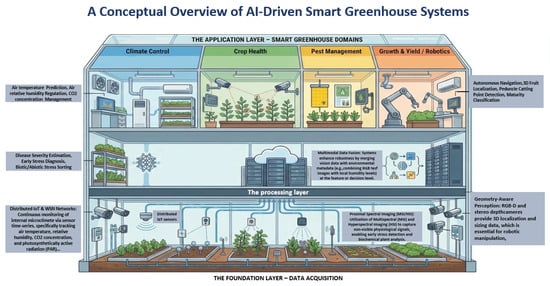
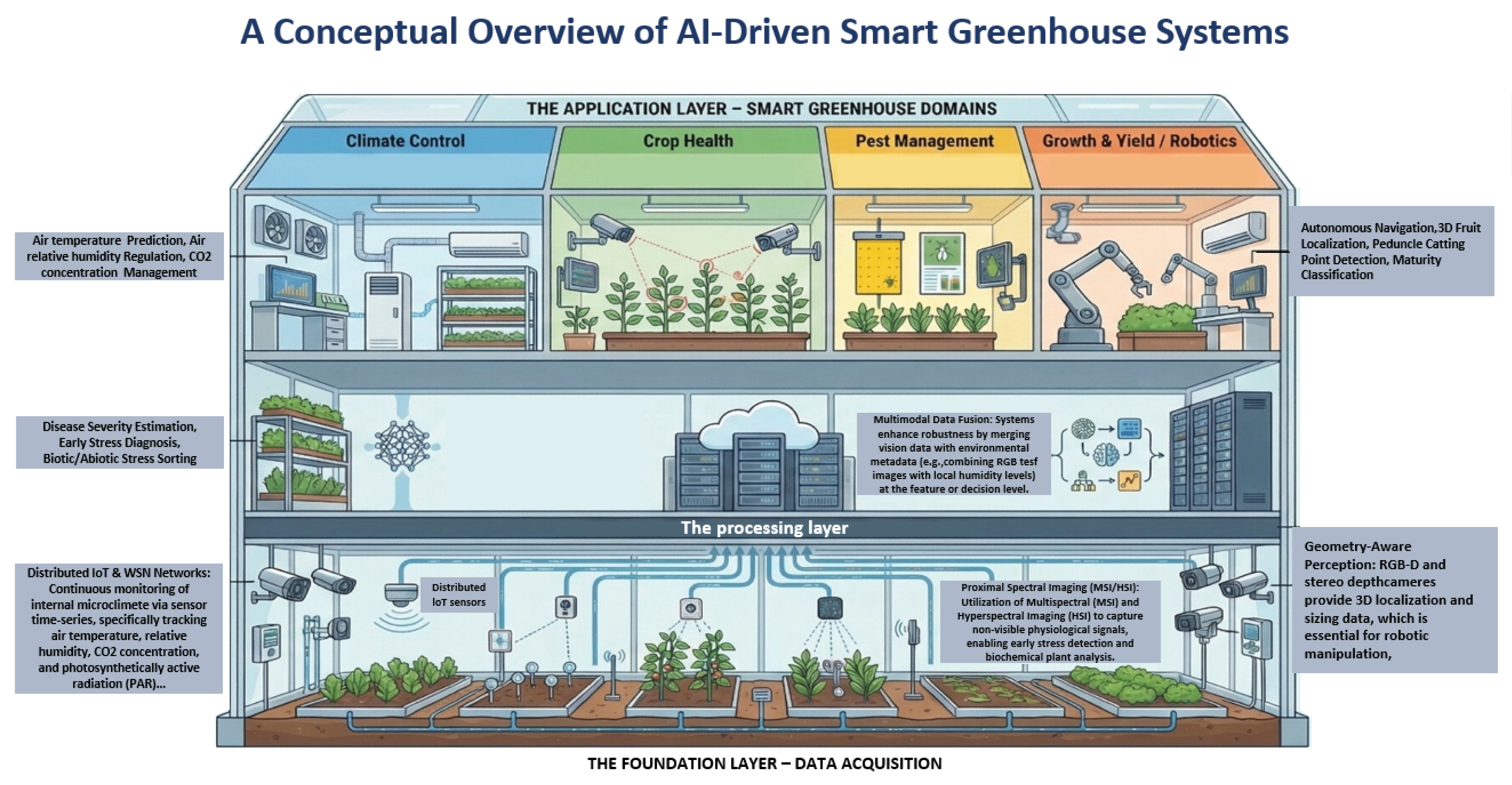
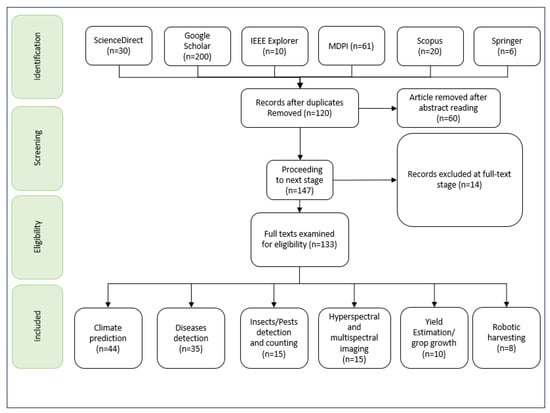
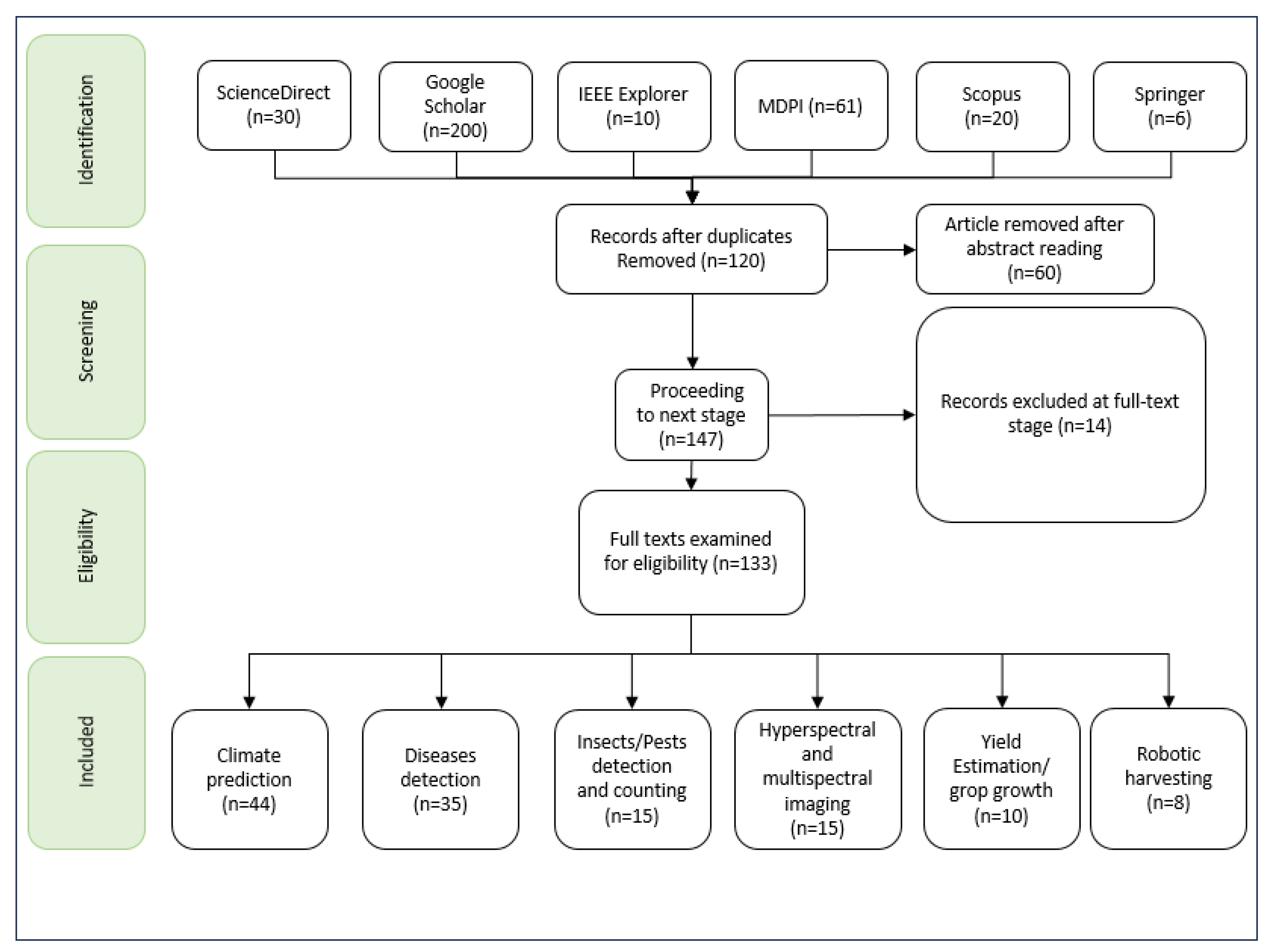
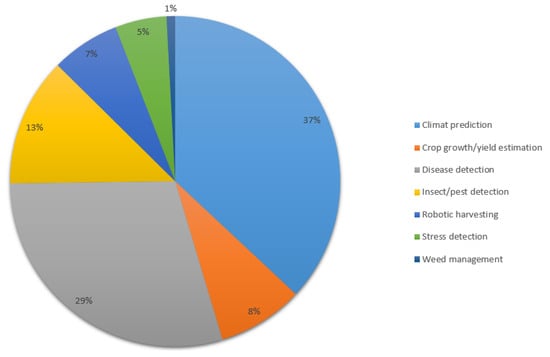

Disclaimer/Publisher’s Note: The statements, opinions and data contained in all publications are solely those of the individual author(s) and contributor(s) and not of MDPI and/or the editor(s). MDPI and/or the editor(s) disclaim responsibility for any injury to people or property resulting from any ideas, methods, instructions or products referred to in the content. |
© 2026 by the authors. Licensee MDPI, Basel, Switzerland. This article is an open access article distributed under the terms and conditions of the Creative Commons Attribution (CC BY) license.