


Abstract
The use of antibiotics as growth promoters in livestock production has contributed to the emergence and spread of antimicrobial resistance (AMR), posing a significant global public health threat specifically from the projected mortality burden. Although many countries have restricted the non-therapeutic use of antibiotics, practical and effective alternatives are still required to maintain livestock productivity. This scoping review examines the current evidence on non-antibiotic compounds evaluated as growth-promoting agents in livestock production. The primary objective of this search was to generate a comprehensive list of commonly applied alternatives to antibiotics used as growth promoters in livestock systems. A search was conducted in the CAB Abstracts, Web of Science Core Collection, and AGRICOLA databases. Prior to the scoping review, an initial list of alternatives to antibiotic components was generated through a screening of selected scientific sources and subsequently verified using Google Scholar for the period 2010–2025. This list included brief descriptions of each component, which were used to inform the keyword strategy for the scoping review. Eligible studies were screened in accordance with PRISMA-ScR guidelines, and data were extracted on compound type, livestock species, geographic region, and reported performance outcomes. The alternatives identified included probiotics and prebiotics, phytogenic compounds and essential oils, enzymes and organic acids, vaccines and immunostimulants, bacteriophages, and competitive exclusion products. A total of 1230 records were retrieved and imported into Zotero for reference management. After removal of duplicate records using Zotero’s built-in deduplication tool, 377 unique records remained for screening. Overall, these compounds demonstrated variable effects on feed efficiency, weight gain, and gut health. However, most studies were limited in scale, duration, and methodological consistency. As a result, comprehensive comparative trials and large-scale field evaluations are needed to support evidence-based policy recommendations and the sustainable implementation of alternatives to antibiotics in livestock production systems. Our findings identified six major categories that represent the most frequently reported alternatives to antibiotic growth promoters. Although probiotics, phytogenic, and organic acids were the most extensively studied, substantial heterogeneity in trial design, dosage, and production systems limited meaningful cross-comparisons. In addition, most studies focused on poultry and swine, with comparatively fewer investigations involving ruminant species. This scoping review was not intended to evaluate the efficacy or practical applicability of these alternatives; such assessments require further standardized and extensive studies before recommendations for their widespread application can be made.
1. Introduction
Antibiotics have revolutionized medicine and animal health by controlling bacterial infections and improving productivity of food producing animals. However, their widespread and often indiscriminate use—particularly as growth promoters in livestock—has raised significant public health and environmental concerns. The subtherapeutic use of antibiotics in animal feed began in the 1950s, following observations that treated food animals exhibited improved feed efficiency and growth rates [1]. These effects were largely attributed to modulation of the gut microbiota and suppression of subclinical infections, resulting in enhanced nutrient utilization.
Despite their economic benefits, prolonged exposure to low concentrations of antibiotics promotes the selection of resistant bacteria. These resistant organisms, or their resistance genes, can be transmitted to humans through the food chain, direct animal–human contact, or environmental dissemination. In recognition of this threat, international agencies—including the Food and Agriculture Organization of the United Nations (FAO), the World Organisation for Animal Health (WOAH), the World Health Organization (WHO), and the United Nations Environment Programme (UNEP)—have repeatedly warned that the continued misuse of antibiotics in agriculture undermines global health security specifically the burden of global mortality burden due to AMR [2].
In response, several countries have implemented regulatory measures to restrict non-therapeutic antibiotic use. For example, the European Union banned antibiotic growth promoters in 2006, and the United States introduced the Food and Drug Administration’s Veterinary Feed Directive, which mandates veterinary oversight for the use of medically important antibiotics in animal feed. Nonetheless, enforcement remains inconsistent worldwide, particularly in regions facing economic and regulatory constraints. Furthermore, antibiotics were still used for growth promotion in 34 countries worldwide in 2023 [2].
Concurrently, innovation in human and veterinary medicine has driven the development of promising alternatives to antibiotics, including bacteriophage therapy, antimicrobial peptides, vaccines, nanotechnology-based interventions, and Clustered Regularly Interspaced Short Palindromic Repeats (CRISPR)–based tools [3]. Advances in rapid diagnostic technologies have also contributed to reductions in inappropriate antibiotic use by improving the efficiency and accuracy of pathogen identification. Within this context, livestock production systems are increasingly seeking safe, effective, and economically feasible non-antibiotic growth-promoting strategies.
To date, no single, coherent, or universally accepted definition of “alternatives to antibiotic growth promoters” has been established. The term is used inconsistently across literature to describe a broad range of compounds, feed additives, biological products, and management strategies, often without a clear distinction between productivity-related effects and disease prevention or therapeutic claims.
For the purposes of this scoping review, alternatives to antibiotic growth promoters are defined as non-antibiotic compounds or biological products, including vaccines, that are intentionally administered to livestock and evaluated for their ability to support growth performance, feed efficiency, or related productivity indicators in the absence of antibiotic growth promoters. This definition is operational rather than regulatory and does not imply therapeutic, prophylactic, or health claims, nor does it assume equivalence to antibiotics in disease control. Instead, it reflects how these interventions are assessed in scientific literature, where outcomes such as body weight gain, feed conversion ratio, and nutrient utilization are commonly reported. Broader non-compound interventions—such as biosecurity, housing, hygiene, and management practices, while recognized as critical components of antimicrobial-use reduction strategies, are outside the scope of this review. Growth promoters are defined as compounds or combinations of ingredients that are currently used as substitutes for antibiotics. Modifications in livestock management or husbandry practices aimed at enhancing body growth are not considered within the scope of this research.
2. Objectives
This scoping review aims to synthesize existing literature and technical reports on alternatives to antibiotics used as growth promoters in livestock species. The specific objectives are to:
- Identify non-antibiotic compound types studied as alternatives to growth-promoting antibiotics;
- Describe the animal species and geographic regions represented in the literature; and
- Summarize reported performance outcomes, including feed efficiency (aka feed conversion) and weight gain.
Based on these findings, the review highlights knowledge gaps and proposes future research directions, including priority areas for investment, specifically in recognizing the list of the most frequently studied alternatives to antibiotics as growth promoters.
3. Methods
3.1. Research Question
What non-antibiotic compounds have been studied as alternatives to antibiotics for promoting growth in livestock, and what outcomes have been reported?
For this study, a growth promoter is any agent or component that enhances growth performance, feed efficiency, or production traits in livestock, with effects measurable through improvements in weight gain, feed conversion, carcass quality, health indicators, and economic return.
3.2. Scoping Review
To address this research question, database searches were conducted covering the period from 2010 through June 2025 using selected bibliographic databases (see Section 3.2.1). A set of carefully developed keywords (see Section 3.2.2) was applied. The search strategy was refined iteratively by the co-author team (MDS, AA, SR, and SUKB) in collaboration with a library specialist (Evidence Synthesis Librarian) to improve precision and ensure comprehensive coverage of studies addressing alternatives to antibiotics in livestock and poultry production.
The search yielded 1230 records, which were imported into the Zotero v7.0.30 (https://www.zotero.org/) for reference management. After duplicate removal using Zotero’s internal tool, 377 unique records remained for screening.
The first screening stage involved title and abstract review based on predefined exclusion criteria (see below). Studies were retained if they evaluated a non-antibiotic alternative, involved livestock or poultry species, and reported at least one measurable growth-related outcome. Following this screening, 301 studies met the initial inclusion criteria. Full-text availability was then assessed, and studies that could not be accessed were excluded.
The remaining articles underwent full-text evaluation to confirm that they were experimental studies directly examining growth-promoting interventions. This review was conducted by one co-author (AA) and independently confirmed by MDS. However, no inter-rater reliability was estimated. Following this process, 203 studies were deemed eligible for data extraction. Exclusion criteria applied during the screening and review stages included:
- Duplication—Duplicate records were removed prior to screening.
- Title and Abstract Screening—Studies were excluded if they involved therapeutic antibiotic use, were non-English publications, were unrelated to livestock or poultry species, lacked accessible full texts, or were editorials or theoretical papers.
- Full-Text Review—Additional exclusions included non-experimental studies, studies lacking reported sample sizes, and reviews or commentaries without original data.
This multistep process resulted in a final set of 203 studies included for data extraction.
From these studies, information was extracted primarily from the materials and methods sections, including animal species, alternative interventions applied, and reported growth-related outcomes. This structured approach enhanced consistency, minimized redundancy, and supported transparent organization of the data for subsequent synthesis.
To support keyword development and compound classification, a short descriptive list of components was generated using the Wikipedia encyclopedia (https://en.wikipedia.org/wiki/Encyclopedia) (accessed on 6 February 2025). Wikipedia was used solely for descriptive purposes and was not a source of included studies or evidence. Supplementary Materials containing the raw extracted data is provided with this submission for review by independent reviewers.
This scoping review followed the PRISMA Extension for Scoping Reviews (PRISMA-ScR) guidelines, including the recommended methodological steps and checklist items [4].
3.2.1. Data Sources
Three electronic databases were searched: CAB Abstracts, Web of Science Core Collection, and AGRICOLA. Our search aimed to capture publications from conferences, books, and other proceedings; therefore, CAB and Google Scholar were more suitable sources than Scopus or PubMed for our purpose. It is because Google Scholar indexes most of the content covered by Scopus, whereas Scopus excludes a substantial number of items indexed by Google Scholar, particularly non-journal and non-English publications. The search relied on free-text keywords only, not on controlled vocabularies (e.g., MeSH, CAB Thesaurus).
3.2.2. Search Strategy
An initial search strategy for abstracts incorporated the following keywords and subject headings:
- “growth promoter” OR “growth promotion” OR “growth performance” AND
- “non-antibiotic” OR “antibiotic alternative” OR “alternative to antibiotic” OR “antibiotic-free” AND
- “poultry” OR “chicken*” OR “hen*” OR “pig*” OR “swine” OR “cattle” OR “cow*” OR “sheep” OR “goat*” OR “livestock”
Database-specific syntax and filters were applied as appropriate. The strategy was refined iteratively to improve both precision and recall. Studies were included if they (1) evaluated a non-antibiotic alternative, (2) involved livestock species, and (3) reported at least one measurable growth-related outcome. Publications from 2010 through June 2025 were eligible for inclusion.
3.2.3. Data Extraction
From eligible studies, the following data were extracted:
- Compound category (e.g., probiotics, essential oils, enzymes, phytogenic)
- Animal species (poultry, pigs, cattle, sheep, goats)
- Geographic region (reported or inferred)
- Sample size
- Performance outcomes (e.g., body weight gain, feed conversion ratio/feed efficiency)
- Identified gaps or study limitations
All records were managed using Zotero, and the study selection process was summarized using a PRISMA flow diagram (Figure 1).
Figure 1.
PRISMA flow diagram showing the stages of the review process and the number of studies identified at each stage. Source: Tricco, A.C.; Lillie, E.; Zarin, W.; O’Brien, K.K.; Colquhoun, H.; Levac, D.; Moher, D.; Peters, M.D.; Horsley, T.; Weeks, L. PRISMA extension for scoping reviews (PRISMA-ScR): Checklist and explanation. Ann. Intern. Med. 2018, 169, 467–473. [4] and Page, M.J.; McKenzie, J.E.; Bossuyt, P.M.; Boutron, I.; Hoffmann, T.C.; Mulrow, C.D.; Shamseer, L.; Tetzlaff, J.M.; Akl, E.A.; Brennan, S.E.; Chou, R. The PRISMA 2020 statement: an updated guideline for reporting systematic reviews. BMJ, 2021, 372, n71, https://doi.org/10.1136/bmj.n71. [5] This work is licensed under CC BY 4.0. To view a copy of this license, visit https://creativecommons.org/licenses/by/4.0/.
During manuscript preparation, ChatGPT version 2 was used to assist in categorizing and summarizing the included literature according to growth-promoting compound categories and their applications across livestock species. ChatGPT Plus was subsequently used to generate draft tables aligned with the study objectives. All AI-generated outputs were independently reviewed, verified against the original sources, and edited by the authors prior to final inclusion. The authors take full responsibility for the content of this publication.
4. Results
4.1. Identified Categories of Alternatives
The following list of alternatives to antibiotics, along with brief descriptions, was compiled during the initial literature search. Items were initially grouped based on our professional judgment. We then reviewed the most current definitions available on Wikipedia (https://en.wikipedia.org/wiki/Encyclopedia) (accessed on 1 March 2025) to refine the classifications. Although Wikipedia is an unstable source for scientific taxonomy, our purpose in using it was to organize the literature into clearly related categories. Additionally, we recognize that definitions sourced from Wikipedia are time-sensitive and subject to change.
4.1.1. Probiotics and Prebiotics
Probiotics (live beneficial microorganisms) and prebiotics (non-digestible substrates that stimulate beneficial gut bacteria) enhance intestinal health, nutrient absorption, and immune competence. Their use in poultry and swine has yielded moderate improvements in growth and feed efficiency, though effects vary with strain, dosage, and feed formulation.
4.1.2. Phytogenic and Essential Oils
Phytogenic and essential oils include plant-derived bioactives, such as herbal extracts, essential oils (e.g., oregano, thyme, garlic), which exert antimicrobial, antioxidant, and anti-inflammatory products. They can improve gut function and feed conversion rates. Effectiveness depends on compound purity, stability, and administration methods.
4.1.3. Enzymes and Organic Acids
Exogenous enzymes and organic acids improve digestion and suppress pathogenic bacteria. Organic acids (e.g., formic, propionic, butyric) lower intestinal pH, limiting pathogen survival. Enzyme supplementation, especially in poultry, improves nutrient digestibility and reduces undigested substrates that support harmful microbes.
4.1.4. Vaccines and Immunostimulants
Vaccines and immunostimulants are biological interventions that strengthen the host’s immune system. Advances in recombinant and vector-based vaccines reduce the need for prophylactic antibiotics. Immunostimulants such as beta-glucans and nucleotides also enhance innate and adaptive immunity, improving resilience against infections.
4.1.5. Bacteriophages
Bacteriophages are viruses that target specific bacterial species and can offer a targeted, eco-friendly approach for pathogen control. Despite challenges in formulation stability and regulatory approval, their potential for precision microbial management is increasingly recognized.
4.1.6. Competitive Exclusion Products
Competitive exclusion products employ non-pathogenic bacterial strains to colonize the gut and block pathogen establishment. This approach has shown success in reducing Salmonella spp. colonization in poultry and may be extendable to other livestock systems.
4.2. Literature Findings Using Scoping Review
Database Search and Screening Process
A total of 1230 records were retrieved and imported into Zotero v7.0.30 for reference management. Duplicate records were removed using Zotero’s built-in deduplication tool, resulting in 377 unique studies for screening [6,7,8,9,10,11,12,13,14,15,16,17,18,19,20,21,22,23,24,25,26,27,28,29,30,31,32,33,34,35,36,37,38,39,40,41,42,43,44,45,46,47,48,49,50,51,52,53,54,55,56,57,58,59,60,61,62,63,64,65,66,67,68,69,70,71,72,73,74,75,76,77,78,79,80,81,82,83,84,85,86,87,88,89,90,91,92,93,94,95,96,97,98,99,100,101,102,103,104,105,106,107,108,109,110,111,112,113,114,115,116,117,118,119,120,121,122,123,124,125,126,127,128,129,130,131,132,133,134,135,136,137,138,139,140,141,142,143,144,145,146,147,148,149,150,151,152,153,154,155,156,157,158,159,160,161,162,163,164,165,166,167,168,169,170,171,172,173,174,175,176,177,178,179,180,181,182,183,184,185,186,187,188,189,190,191,192,193,194,195,196,197,198,199,200,201,202,203,204,205,206,207,208]. Figure 1 depicts the entire steps in the screening process with the actual number that were included and excluded for each of these steps as summarized below.
The first stage of screening involved assessing titles and abstracts against predefined selection process and exclusion criteria. A total of 301 studies met the inclusion criteria at this stage.
Subsequently, the availability of full-text articles was confirmed, and inaccessible papers were excluded. During the final screening stage, the remaining studies were re-evaluated to ensure they were experimental in design and directly assessed interventions aimed at enhancing growth performance. This process yielded a final dataset of 203 studies for data extraction. Six of those articles published after June 2025 were included, because they were available online prior to the finalization of specific journal issues.
For each included study, data were systematically extracted including information on animal species, type of alternative intervention, and growth performance indicators. This structured data extraction process ensured consistency across studies, minimized redundancy, and supported a transparent and reproducible synthesis in the subsequent stages of the review.
Table 1 shows the frequency of the repeated compounds with their context. The most frequent proportions repeated compounds are probiotics with 47% of the total.
Table 1.
Most Frequently Occurring Terms in Published Articles (n = 203) on Alternatives to Antibiotics as Growth Promoters in Livestock: Scoping Review (2010–2025).
Table 2 is a thematic summary of 203 reviewed studies, organized by growth promoters and animal species. Avian species including broiler chickens, ducks, turkeys, and layers are the most applications of the growth promoters with diversity in their uses.
Table 2.
Thematic Summary of Growth Performance and Health Benefits of non-Antibiotic Growth Promoters by Species (n = 203): Scoping Review (2010–2025).
Table 3 depicts the thematic summary of purposes of growth promoters across livestock species. The table shows that probiotics, phytogenic, essential oils, organic acids, and peptides are the most effective alternatives (as per the 203 selected papers) to antibiotics for body weight gain which are used in broiler chickens and piglets.
Table 3.
Summary of Growth Performance and Health Outcomes of Growth Promoters Across Species: A Scoping Review (2010–2025; n = 203).
5. Discussion
As with any literature review, this study is limited to published articles and reports addressing the use of alternatives to antibiotics as growth promoters. Unpublished data, including practices currently employed by livestock producers, were not captured and may introduce bias into the findings. Although the included literature was sourced from reputable databases and peer-reviewed journals, variability in study quality is expected. As a scoping review, rather than a systematic review, this study did not assess the methodological rigor or strength of evidence of individual studies. Consequently, the results should be interpreted as a broad overview of available alternatives to antibiotic growth promoters, rather than a critical evaluation of their efficacy. Further research is required to address the latter.
Although the involvement of multiple reviewers can increase precision, it may also introduce variability related to individual interpretation. Therefore, a single co-author (AA) was assigned to manually screen the retrieved literature using predefined inclusion and exclusion criteria. The senior author (MDS) subsequently reviewed the complete raw-data spreadsheet to ensure consistency, completeness, and accuracy of the extracted records.
This review stratified six major categories of alternatives to antibiotic growth promoters based on their distinct mechanisms of action and associated limitations. Probiotics, phytogenic, and organic acids were the most extensively studied; however, substantial variation in experimental design, dosage, and production context limits direct cross-comparison among studies. Moreover, the majority of research focused on poultry and swine, with relatively few studies addressing ruminant species, likely reflecting prevailing industry practices. Rumen growth promoters require further investigation beyond the scope of this study due to microbial complexity, variations in antibiotic use patterns, and differences between grazing-based systems and confined feeding operations. Economic feasibility, regulatory harmonization, and producer adoption remain critical barriers to implementation. While laboratory and small-scale trials often report promising outcomes, validation under commercial production conditions is frequently lacking. In addition, the long-term impacts of these alternatives on microbial ecology, animal productivity, and food safety require further investigation.
Future research should prioritize multifactorial study designs that compare different classes of alternatives, standardize outcome measures, and evaluate potential synergistic effects, such as probiotic–phytogenic combinations. field-scale validation in commercial settings; long-term longitudinal studies; meta-analytic quantification of effect sizes and variability; and comparative cross-species research, particularly in underrepresented ruminant systems. Collaborative international studies could strengthen the evidence base and support the development of harmonized regulatory frameworks among countries stratified by their AGPs.
The potential risk of resistance development to certain alternatives also warrants careful consideration. For example, resistance to bacteriophages has long been recognized, and adaptive responses to antimicrobial peptides and essential oils—such as membrane modification—have also been reported. Additionally, the possibility of horizontal gene transfer of antimicrobial resistance determinants from resistant bacteria to probiotic strains represents a critical knowledge gap. Accordingly, future studies should explicitly investigate resistance dynamics and the potential for horizontal gene transfer associated with the use of non-antibiotic growth-promoting alternatives.
6. Conclusions
Reducing antibiotic use in livestock production is essential for mitigating antimicrobial resistance. Numerous non-antibiotic compounds, including probiotics, phytogenics, enzymes, and bacteriophages, were reported to have potential growth-promoting effects. However, variability in efficacy, limited field validation, and inconsistent regulatory oversight continue to hinder their widespread adoption. A coordinated, evidence-based approach involving academia, industry and the private sector, and policymakers is required to ensure the sustainable, safe, and effective implementation of these alternatives. Additional efforts are also needed to strengthen knowledge dissemination and raise awareness among stakeholders. This study represents an initial step toward identifying the most frequently reported and commonly applied substitutes for antibiotics as growth promoters, thereby providing a foundation for large-scale, scientifically rigorous evaluation of these substitutes.
Supplementary Materials
The following supporting information can be downloaded at: https://www.mdpi.com/article/10.3390/agriculture16050559/s1, Literature Review Data-Alternative AB. PRISMA-ScR-Fillable-Checklist.
Author Contributions
Conceptualization, M.D.S. and S.R.; methodology, M.D.S., S.U.K.B., S.R., M.H. and J.S.; software, A.A.; validation, S.R., M.H. and J.S.; formal analysis, M.D.S., S.R. and S.U.K.B.; investigation, S.U.K.B. and A.A.; resources, A.A., S.R. and S.U.K.B.; data curation, A.A.; writing—original draft preparation, M.D.S.; writing—review and editing, S.R., M.H., J.S. and S.U.K.B.; visualization, M.D.S.; supervision, M.D.S.; project administration, M.D.S.; funding acquisition, M.D.S. All authors have read and agreed to the published version of the manuscript.
Funding
This research received no external funding. The authors conducted the review independently, and funder had no role in study design, data collection, analysis, interpretation, or manuscript preparation.
Institutional Review Board Statement
Not applicable.
Informed Consent Statement
Not applicable.
Data Availability Statement
No new data were created or analyzed in this study. Data sharing is not applicable to this article.
Acknowledgments
During the preparation of this manuscript, we used ChatGPT version 2 for the purposes of categorizing and summarizing all included literature based on specific growth-promoting compounds and their applications across species. ChatGPT Plus was then asked to generate specific tables to achieve the aim of this study. All AI-generated outputs for both steps were independently reviewed, verified against the original sources, and edited by the authors prior to final inclusion. The authors have reviewed and edited the output and take full responsibility for the content of this publication.
Conflicts of Interest
The authors declare no conflict of interest.
References
- Jukes, T.H.; Stokstad, E.L.R.; Taylor, R.R.; Cunha, T.J.; Edwards, H.M.; Meadows, G.B. Growth-promoting effect of aureomycin on pigs. Science 1950, 112, 309–310. [Google Scholar]
- World Organisation for Animal Health. Annual Report on Antimicrobial Agents Intended for Use in Animals; 9th Report; World Organisation for Animal Health: Paris, France, 2025; 49p. [Google Scholar] [CrossRef] [Scilit]
- Rahman, M.R.T.; Fliss, I.; Biron, E. Insights in the development and uses of alternatives to antibiotic growth promoters in poultry and swine production. Antibiotics 2022, 11, 766. [Google Scholar] [CrossRef] [Scilit] [PubMed]
- Tricco, A.C.; Lillie, E.; Zarin, W.; O’Brien, K.K.; Colquhoun, H.; Levac, D.; Moher, D.; Peters, M.D.; Horsley, T.; Weeks, L. PRISMA extension for scoping reviews (PRISMA-ScR): Checklist and explanation. Ann. Intern. Med. 2018, 169, 467–473. [Google Scholar] [CrossRef] [Scilit] [PubMed]
- Page, M.J.; McKenzie, J.E.; Bossuyt, P.M.; Boutron, I.; Hoffmann, T.C.; Mulrow, C.D.; Shamseer, L.; Tetzlaff, J.M.; Akl, E.A.; Brennan, S.E.; et al. The PRISMA 2020 statement: An updated guideline for reporting systematic reviews. BMJ 2021, 372, n71. [Google Scholar] [CrossRef] [Scilit]
- Aristimunha, P.C.; Rosa, A.P.; Boemo, L.S.; Garcez, D.C.; Rosa, D.P.; Londero, A.; Scher, A.; Forgiarini, J. A blend of benzoic acid and essential oil compounds as an alternative to antibiotic growth promoters in broiler diets. J. Appl. Poult. Res. 2016, 25, 455–463. [Google Scholar] [CrossRef] [Scilit]
- Johnson, C.A.; Duong, T.; Smith, K.A.; Augspurger, N.R.; Lee, J.T. Administration of Bacillus cultures as direct-fed microorganisms improves growth performance and reduces mortality of broilers raised under performance-reducing stress challenge. J. Appl. Poult. Res. 2020, 29, 798–807. [Google Scholar] [CrossRef] [Scilit]
- Attia, Y.A.; Basiouni, S.; Abdulsalam, N.M.; Bovera, F.; Aboshok, A.A.; Shehata, A.A.; Hafez, H.M. Alternative to antibiotic growth promoters: Beneficial effects of Saccharomyces cerevisiae and/or Lactobacillus acidophilus supplementation on the growth performance and sustainability of broilers’ production. Front. Vet. Sci. 2023, 10, 1259426. [Google Scholar] [CrossRef] [Scilit]
- Stanley, V.G.; Gray, C.; Daley, M.; Krueger, W.F.; Sefton, A.E. An alternative to antibiotic-based drugs in feed for enhancing performance of broilers grown on Eimeria spp.-infected litter. Poult. Sci. 2004, 83, 39–44. [Google Scholar] [CrossRef] [Scilit]
- Liu, Y.; Liu, S.; Wan, S.; Li, Z.; Li, H.; Tang, S. Anti-inflammatory properties of Bacillus pumilus TS1 in lipopolysaccharide-induced inflammatory damage in broilers. Anim. Biotechnol. 2024, 35, 2418516. [Google Scholar] [CrossRef] [Scilit]
- Guo, S.; Ma, J.; Xing, Y.; Xu, Y.; Jin, X.; Yan, S.; Shi, B. Artemisia annua L. aqueous extract as an alternative to antibiotics improving growth performance and antioxidant function in broilers. Ital. J. Anim. Sci. 2020, 19, 399–409. [Google Scholar] [CrossRef] [Scilit]
- Zou, C.; Zhao, W.; Yin, S.; Xiang, X.; Tang, J.; Jia, G.; Che, L.; Liu, G.; Chen, X.; Tian, G.; et al. Artificial parasin I protein (API) supplementation improves growth performance and intestinal health in weaned piglets challenged with enterotoxigenic Escherichia coli. Anim. Nutr. 2024, 18, 154–165. [Google Scholar] [CrossRef] [Scilit]
- Manafi, M.; Hedayati, M.; Khalaji, S.; Kamely, M. Assessment of a natural, non-antibiotic blend on performance, blood biochemistry, intestinal microflora, and morphology of broilers challenged with Escherichia coli. Rev. Bras. Zootec. 2016, 45, 745–754. [Google Scholar] [CrossRef] [Scilit]
- Layter, J.R.; Buzim, R.; Fonseca, G.; Schuroff, J.S.; Glaeser, L.P.d.S.; Fernandes, J.I.M. Association of sodium butyrate and phytase on the performance, bone quality and intestinal development in broilers. Czech, J. Anim. Sci. 2021, 66, 368–380. [Google Scholar] [CrossRef] [Scilit]
- Yang, C.M.; Han, Q.J.; Wang, K.L.; Xu, Y.L.; Lan, J.H.; Cao, G.T. Astragalus and ginseng polysaccharides improve developmental, intestinal morphological, and immune functional characters of weaned piglets. Front. Physiol. 2019, 10, 418. [Google Scholar] [CrossRef] [Scilit] [PubMed]
- Sahu, J.; Koley, K.M.; Sahu, B.D. Attribution of antibacterial and antioxidant activity of Cassia tora extract toward its growth promoting effect in broiler birds. Vet. World 2017, 10, 221–226. [Google Scholar] [CrossRef] [Scilit] [PubMed]
- Zeng, Y.; Wang, Z.; Zou, T.; Chen, J.; Li, G.; Zheng, L.; Li, S.; You, J. Bacteriophage as an alternative to antibiotics promotes growth performance by regulating intestinal inflammation, intestinal barrier function and gut microbiota in weaned piglets. Front. Vet. Sci. 2021, 8, 623899. [Google Scholar] [CrossRef] [Scilit]
- Ferdous, M.d.F.; Arefin, M.d.S.; Rahman, M.d.M.; Ripon, M.M.R.; Rashid, M.H.; Sultana, M.R.; Hossain, M.T.; Ahammad, M.U.; Rafiq, K. Beneficial effects of probiotic and phytobiotic as growth promoter alternative to antibiotic for safe broiler production. J. Adv. Vet. Anim. Res. 2019, 6, 409–415. [Google Scholar] [CrossRef] [Scilit] [PubMed]
- Chen, Y.; Zhu, F.; Yu, G.; Peng, N. Bifidobacterium bifidum postbiotics prevent Salmonella Pullorum infection in chickens by modulating pyroptosis and enhancing gut health. Poult. Sci. 2025, 104, 104968. [Google Scholar] [CrossRef] [Scilit]
- Zhuang, S.; Jiang, F.B.; Jia, Z.X.; Yan, R. Clostridium butyricum can be used as a potential alternative for the antibiotic in Cherry Valley ducks. JAPS J. Anim. Plant Sci. 2015, 25, 1227–1232. [Google Scholar]
- Hossain, M.T.; Sardar, D.; Afsana, S.; Datta, M.; Habib, M.A. Comparative analysis between multi-strain probiotics and antibiotic as starter feed supplement of poultry on growth performance, serum metabolites and meat quality. Vet. Anim. Sci. 2024, 24, 100346. [Google Scholar] [CrossRef] [Scilit]
- Joysowal, M.; Saikia, B.N.; Tamuly, S.; Kalita, D. Comparative Effect of Probiotics (Swine and Dairy Origin) on Growth Performance, Nutrient Digestibility, Blood Biochemical Profile, Immune Status and Faecal Microbial Count of Early-weaned Grower-finisher Crossbred Pigs. Indian, J. Anim. Res. 2021, 55, 1308–1314. [Google Scholar] [CrossRef] [Scilit]
- Shraddha Nety, S.N.; Koley, K.M.; Choudhary, M.; Durga Chourasia, D.C.; Veerendra Kumar, V.K. Comparative study of immunomodulatory effect of Tinospora cordifolia stem and Azadirachta indica leaf extract in broiler chicks. Vet. Pract. 2017, 18, 286–288. [Google Scholar]
- Andriyanto, A.; Sanoesi, T.B.T.; Putra, A.A.; Subangkit, M.; Fadholly, A.; Putra, H.Y.; Rotinsulu, D.A. Comparison of DL-Methionine and L-Methionine levels in liver metabolism activity in commercial broilers fed a diet without antibiotic growth promoters. Vet. World 2025, 18, 598–605. [Google Scholar] [CrossRef] [Scilit]
- Manafi, M. Comparison Study of a Natural Non-Antibiotic Growth Promoter and a Commercial Probiotic on Growth Performance, Immune Response and Biochemical Parameters of Broiler Chicks. J. Poult. Sci. 2015, 52, 274–281. [Google Scholar] [CrossRef] [Scilit]
- Mohammadrezaei, M.; Navidshad, B.; Gheisari, A.; Toghyani, M. Cottonseed meal bioactive peptides as an alternative to antibiotic growth promoters in broiler chicks. Int. J. Pept. Res. Ther. 2020, 27, 329–340. [Google Scholar] [CrossRef] [Scilit]
- Wang, H.; Zhao, H.; Tai, B.; Wang, S.; Ihsan, A.; Hao, H.; Cheng, G.; Tao, Y.; Wang, X. Development and evaluation of non-antibiotic growth promoters for food animals. Vet. Sci. 2024, 11, 672. [Google Scholar] [CrossRef] [Scilit] [PubMed]
- Zhang, B.; Tian, M.; Yang, Y.; Qiu, Y.; Wang, L.; Xiao, H.; Zhu, X.; Qin, L.; Yang, X.; Jiang, Z. Dietary bile acid supplementation improves the intestinal health and growth performance of piglets partially through the FXR/AQPs pathway. Porc. Health Manag. 2025, 11, 28. [Google Scholar] [CrossRef] [Scilit]
- Rehman, A.; Arif, M.; Sajjad, N.; Al-Ghadi, M.Q.; Alagawany, M.; Abd El-Hack, M.E.; Alhimaidi, A.R.; Elnesr, S.S.; Almutairi, B.O.; Amran, R.A.; et al. Dietary effect of probiotics and prebiotics on broiler performance, carcass, and immunity. Poult. Sci. 2020, 99, 6946–6953. [Google Scholar] [CrossRef] [Scilit]
- Sardar, D.; Afsana, S.; Habib, A.; Hossain, T. Dietary effects of multi-strain probiotics as an alternative to antibiotics on growth performance, carcass characteristics, blood profiling and meat quality of broilers. Vet. Integr. Sci. 2024, 23, 1–17. [Google Scholar] [CrossRef] [Scilit]
- Ding, Y.; Hu, Y.; Yao, X.; He, Y.; Chen, J.; Wu, J.; Wu, S.; Zhang, H.; He, X.; Song, Z. Dietary essential oils improves the growth performance, antioxidant properties and intestinal permeability by inhibiting bacterial proliferation, and altering the gut microbiota of yellow-feather broilers. Poult. Sci. 2022, 101, 102087. [Google Scholar] [CrossRef] [Scilit]
- Xue, G.D.; Barekatain, R.; Wu, S.B.; Choct, M.; Swick, R.A. Dietary L-glutamine supplementation improves growth performance, gut morphology, and serum biochemical indices of broiler chickens during necrotic enteritis challenge. Poult. Sci. 2018, 97, 1334–1341. [Google Scholar] [CrossRef] [Scilit] [PubMed]
- Zha, P.; Chen, Y.; Wang, S.; Wang, A.; Zhou, Y. Dietary palygorskite-based antibacterial agent supplementation as an alternative to antibiotic improves growth performance, intestinal mucosal barrier function, and immunity in broiler chickens. Poult. Sci. 2022, 101, 101640. [Google Scholar] [CrossRef] [Scilit]
- Srinivas, G.; Chinni, P.V.; Vijaya, L.K.; Raju, M.V.L.N.; Venkateshwarlu, M. Dietary supplementation of chicory root powder as an alternative to antibiotic growth promoter in broiler chickens. Indian J. Poult. Sci. 2021, 56, 123–129. [Google Scholar] [CrossRef] [Scilit]
- Liu, C.; Huang, H.; Chen, Y.; Zhou, Y.; Meng, T.; Tan, B.; He, W.; Fu, X.; Xiao, D. Dietary supplementation with mulberry leaf flavonoids and carnosic acid complex enhances the growth performance and antioxidant capacity via regulating the p38 MAPK/Nrf2 pathway. Front. Nutr. 2024, 11, 1428577. [Google Scholar] [CrossRef] [Scilit]
- Chen, Y.; Wen, C.; Zhou, Y. Dietary synbiotic incorporation as an alternative to antibiotic improves growth performance, intestinal morphology, immunity and antioxidant capacity of broilers. J. Sci. Food Agric. 2018, 98, 3343–3350. [Google Scholar] [CrossRef] [Scilit]
- Chowdhury, S.; Mandal, G.P.; Patra, A.K.; Kumar, P.; Samantha, I.; Pradhan, S.; Samantha, A.K. Different essential oils in diets of broiler chickens: 2. Gut microbes and morphology, immune response, and some blood profile and antioxidant enzymes. Anim. Feed Sci. Technol. 2018, 236, 39–47. [Google Scholar] [CrossRef] [Scilit]
- Chowdhury, S.; Mandal, G.P.; Patra, A.K. Different essential oils in diets of chickens: 1. growth performance, nutrient utilisation, nitrogen excretion, carcass traits and chemical composition of meat. Anim. Feed Sci. Technol. 2018, 236, 86–97. [Google Scholar] [CrossRef] [Scilit]
- Mushtaq, M.; Ali, B.; Ali, M.; BiBi, N.; Raut, R.; Suliman, G.M.; Swelum, A.A. Different levels of single-strain probiotic (Bacillus subtilis) with proteolytic enzyme (serratiopeptidase) can be used as an alternative to antibiotic growth promoters in broiler. Poult. Sci. 2024, 103, 103400. [Google Scholar] [CrossRef] [Scilit]
- Wen, L.F.; He, J.G. Dose-response effects of an antimicrobial peptide, a cecropin hybrid, on growth performance, nutrient utilisation, bacterial counts in the digesta and intestinal morphology in broilers. Br. J. Nutr. 2012, 108, 1756–1763. [Google Scholar] [CrossRef] [Scilit] [PubMed]
- Dang, D.X.; Chung, Y.H.; Kim, I.H. E. coli-expressed human lysozyme supplementation improves growth performance, apparent nutrient digestibility, and fecal microbiota in weaning pigs. Livest. Sci. 2022, 263, 105004. [Google Scholar] [CrossRef] [Scilit]
- Cai, L.; Zhao, Y.; Chen, W.; Li, Y.; Han, Y.; Zhang, B.; Pineda, L.; Li, X.; Jiang, X. Effect of an organic acid blend as an antibiotic alternative on growth performance, antioxidant capacity, intestinal barrier function and fecal microbiota in weaned piglets. J. Anim. Sci. 2024, 102, skae149. [Google Scholar] [CrossRef] [Scilit]
- Camy, M.L.Y.; Redoy, M.R.A.; Shuvo, A.A.S.; Ray, B.C.; Rahman, M.A.; Al-Mamun, M. Effect of aqueous herbal extracts on growth, plasma metabolites and meat characteristics of broiler. Bangladesh J. Anim. Sci. 2019, 48, 108–115. [Google Scholar] [CrossRef] [Scilit]
- Lei, X.; Piao, X.; Ru, Y.; Zhang, H.; Péron, A.; Zhang, H. Effect of Bacillus amyloliquefaciens-based direct-fed microbial on performance, nutrient utilization, intestinal morphology and cecal microflora in broiler chickens. Asian-Australas. J. Anim. Sci. 2015, 28, 239–246. [Google Scholar] [CrossRef] [Scilit]
- Hossain, M.M.; Begum, M.; Kim, I.H. Effect of Bacillus subtilis, Clostridium butyricum and Lactobacillus acidophilus endospores on growth performance, nutrient digestibility, meat quality, relative organ weight, microbial shedding and excreta noxious gas emission in broilers. Vet. Med. 2015, 60, 77–86. [Google Scholar] [CrossRef] [Scilit]
- Wang, H.F.; Wang, J.L.; Wang, C.; Zhang, W.M.; Liu, J.X.; Dai, B. Effect of bamboo vinegar as an antibiotic alternative on growth performance and fecal bacterial communities of weaned piglets. Livest. Sci. 2012, 144, 173–180. [Google Scholar] [CrossRef] [Scilit]
- Alghirani, M.M.; Chung, E.L.T.; Kassim, N.A.; Ong, Y.L.; Jesse, F.F.A.; Sazili, A.Q.; Loh, T.C. Effect of Brachiaria decumbens as a novel supplementation on the production performance of broiler chickens. Trop. Anim. Health Prod. 2022, 54, 386. [Google Scholar] [CrossRef] [Scilit] [PubMed]
- Solanki, D.M.; Dave, C.J.; Bhanderi, B.B.; Sheth, A.L.; Ghodasara, D.J. Effect of cinnamon (Cinnamomum zeylanicum) essential oil as an alternative to antibiotic growth promoter in broilers. Indian, J. Vet. Sci. Biotechnol. 2022, 18, 73–80. [Google Scholar] [CrossRef] [Scilit]
- Agbai, K.N.; Afolayan, M.; Obianwuna, U.E. Effect of commercially blended synbiotic product as a replacement for antibiotic growth promoters on growth performance and villi morphology of broiler chicks in dry hot season. Niger. J. Anim. Prod. 2022, 49, 13–19. [Google Scholar] [CrossRef] [Scilit]
- Denlİ, M.; Cankaya, S.; Sİlİcİ, S.; Okan, F.; Uluocak, A.N. Effect of dietary addition of Turkish propolis on the growth performance, carcass characteristics and serum variables of quail (Coturnix coturnix japonica). Asian-Australas. J. Anim. Sci. 2005, 18, 848–854. [Google Scholar] [CrossRef] [Scilit]
- Ashayerizadeh, A.; Dabiri, N.; Ashayerizadeh, O.; Mirzadeh, K.H.; Roshanfekr, H.; Mamooee, M. Effect of dietary antibiotic, probiotic and prebiotic as growth promoters, on growth performance, carcass characteristics and hematological indices of broiler chickens. Pak. J. Biol. Sci. 2009, 12, 52–57. [Google Scholar] [CrossRef] [Scilit] [PubMed]
- Mahanta, J.D.; Sapcota, D. Effect of dietary growth promoter on the productive performance of commercial layers. Indian, J. Anim. Sci. 2007, 77, 1039–1040. [Google Scholar]
- Zhen, W.; Zhu, T.; Wang, P.; Guo, F.; Zhang, K.; Zhang, T.; Jalukar, S.; Zhang, Y.; Bai, D.; Zhang, C.; et al. Effect of dietary Saccharomyces-derived prebiotic refined functional carbohydrates as antibiotic alternative on growth performance and intestinal health of broiler chickens reared in a commercial farm. Poult. Sci. 2023, 102, 102671. [Google Scholar] [CrossRef] [Scilit]
- Park, I.; Oh, S.; Goo, D.; Celi, P.; Lillehoj, H.S. Effect of dietary sophorolipids on growth performance and gastrointestinal functionality of broiler chickens infected with Eimeria maxima. Poult. Sci. 2022, 101, 101944. [Google Scholar] [CrossRef] [Scilit]
- Zhang, J.Y.; Baek, D.H.; Kim, I.H. Effect of dietary supplemental medium chain fatty acids instead of antibiotics on the growth performance, digestibility and blood profiles in growing pigs. J. Anim. Physiol. Anim. Nutr. 2019, 103, 1946–1951. [Google Scholar] [CrossRef] [Scilit]
- Iqbal, J.; Sharif, M.; Suleman, M.N.; Saeed, M.; Ahamd, F.; Ali kamboh, A.; Ayaşan, T.; Arslan, M. Effect of Dietary Supplementation of a Non-antibiotic Growth Promoter on Growth Performance and Intestinal Histomorphology in Broilers. Pak. J. Zool. 2022, 54, 1629–1635. [Google Scholar] [CrossRef] [Scilit]
- Srinivas, G.; Chinni, P.V.; Vijaya, L.K.; Raju, M.V.L.N.; Venkateshwarlu, M. Effect of dietary supplementation of coriander seed powder on performance, nutrient digestibility, immunity, antioxidant activity and serum parameters of broilers. Indian J. Anim. Sci. 2022, 92, 341–346. [Google Scholar] [CrossRef] [Scilit]
- Karangiya, V.K.; Savsani, H.H.; Patil, S.S.; Garg, D.D.; Murthy, K.S.; Ribadiya, N.K.; Vekariya, S.J. Effect of dietary supplementation of garlic, ginger and their combination on feed intake, growth performance and economics in commercial broilers. Vet. World 2016, 9, 245–250. [Google Scholar] [CrossRef] [Scilit] [PubMed]
- Dieumou, F.E.; Teguia, A.; Kuiate, J.R.; Tamokou, J.D.; Doma, U.D.; Abdullahi, U.S.; Chiroma, A.E. Effect of diets fortified with garlic organic extract and streptomycin sulphate on growth performance and carcass characteristics of broilers. Int. J. Livest. Prod. 2012, 3, 36–42. [Google Scholar] [CrossRef] [Scilit]
- Elkloub, K.; Moustafa, M.E.; Ismail, Z.S.H.; Hassan, H.A.; Mona, E.A.A. Effect of dried moringa leaves as antibiotic alternative on performance of weaning Californian rabbits. Egypt. Poult. Sci. J. 2018, 38, 241–254. [Google Scholar]
- Singh, J.; Sethi, A.P.S.; Singh, P.; Sikka, S.S. Effect of dual herb combinations on the growth performance, benefit cost ratio, blood profile, meat sensory qualities of broiler chickens. Indian J. Anim. Sci. 2021, 91, 492–498. [Google Scholar] [CrossRef] [Scilit]
- Chahar, G.; Deshmukh, S.; Banga, H.S.; Kaur, P. Effect of feeding chitosan and blend of essential organic acids on growth performance, haematological parameters and innate immunity in early aged male layer chicks. Trop. Anim. Health Prod. 2024, 56, 251. [Google Scholar] [CrossRef] [Scilit] [PubMed]
- Kairalla, M.A. Effect of graded levels of (Mannan oligosaccharide and β-glucans) as a growth promoter on productive performance and physiological performance of broiler chickens. Egypt. Poult. Sci. J. 2022, 42, 549–559. [Google Scholar] [CrossRef] [Scilit]
- Lee, J.S.; Awji, E.G.; Lee, S.J.; Tassew, D.D.; Park, Y.B.; Park, K.S.; Kim, M.K.; Kim, B.; Park, S.C. Effect of Lactobacillus plantarum CJLP243 on the growth performance and cytokine response of weaning pigs challenged with enterotoxigenic Escherichia coli. J. Anim. Sci. 2012, 90, 3709–3717. [Google Scholar] [CrossRef] [Scilit]
- Yang, K.M.; Jiang, Z.Y.; Zheng, C.T.; Wang, L.; Yang, X.F. Effect of Lactobacillus plantarum on diarrhea and intestinal barrier function of young piglets challenged with enterotoxigenic Escherichia coli K88. J. Anim. Sci. 2014, 92, 1496–1503. [Google Scholar] [CrossRef] [Scilit]
- Jin, Y.; Lv, H.; Wang, M.; Cho, C.S.; Shin, J.; Cui, L.; Yan, C. Effect of microencapsulation of egg yolk immunoglobulin Y by sodium alginate/chitosan/sodium alginate on the growth performance, serum parameters, and intestinal health of broiler chickens. Anim. Biosci. 2023, 36, 1241–1251. [Google Scholar] [CrossRef] [Scilit]
- Adewole, D.; Macisaac, J.; Fraser, G.; Rathgeber, B. Effect of oat hulls incorporated in the diet or fed as free choice on growth performance, carcass yield, gut morphology and digesta short chain fatty acids of broiler chickens. Sustainability 2020, 12, 3744. [Google Scholar] [CrossRef] [Scilit]
- Jeong, J.S.; Kim, I.H. Effect of probiotic bacteria-fermented medicinal plants (Gynura procumbens, Rehmannia glutinosa, Scutellaria baicalensis) as performance enhancers in growing pigs. Anim. Sci. J. 2015, 86, 603–609. [Google Scholar] [CrossRef] [Scilit]
- Helmy, Y.A.; Closs, G., Jr.; Jung, K.; Kathayat, D.; Vlasova, A.; Rajashekara, G. Effect of probiotic E. coli Nissle 1917 supplementation on the growth performance, immune responses, intestinal morphology, and gut microbes of Campylobacter jejuni infected chickens. Infect. Immun. 2022, 90, e0033722. [Google Scholar] [CrossRef] [Scilit]
- Shende, K.; Dhuria, R.K.; Meel, M.; Nagar, M.K.; Jediya, H.K. Effect of turmeric (Curcuma longa) powder and synbiotic as alternative to antibiotic growth promoter on haemato-biochemical parameters, comparative economics and mortality of broiler chicks. Int. J. Bio-Resour. Stress Manag. 2021, 12, 125–130. [Google Scholar] [CrossRef] [Scilit]
- Manafi, M.; Hedayati, M.; Khalaji, S. Effectiveness of phytogenic feed additive as alternative to bacitracin methylene disalicylate on hematological parameters, intestinal histomorphology and microbial population and production performance of Japanese quails. Asian-Australas. J. Anim. Sci. 2016, 29, 1300–1308. [Google Scholar] [CrossRef] [Scilit] [PubMed]
- Nameghi, A.H.; Edalatian, O.; Bakhshalinejad, R. Effects of a blend of thyme, peppermint and eucalyptus essential oils on growth performance, serum lipid and hepatic enzyme indices, immune response and ileal morphology and microflora in broilers. J. Anim. Physiol. Anim. Nutr. 2019, 103, 1388–1398. [Google Scholar] [CrossRef] [Scilit]
- Shiva Kumar, S.K.; Sharadamma, K.C.; Radhakrishna, P.M. Effects of a garlic active based growth promoter on growth performance and specific pathogenic intestinal microbial counts of broiler chicks. Int. J. Poult. Sci. 2010, 9, 244–246. [Google Scholar] [CrossRef] [Scilit]
- Zhao, Z.; Liswaniso, S.; Qin, N.; Cao, S.; Wu, X.; Ma, C.; Yan, C.; Xu, R.; Sun, X. Effects of a novel synbiotics-enzyme complex as a replacement for antibiotics on growth performance, slaughter and meat characteristics, immune organ index, and intestinal morphology of broilers. Front. Vet. Sci. 2024, 11, 1468847. [Google Scholar] [CrossRef] [Scilit]
- Liao, J.; Shen, X.; Yu, S.; Wang, G.; Long, W.; Wang, Y.; Yang, W.; Peng, F.; Fan, Y.; Liang, Z. Effects of allicin on the immune performance and expression of immune-related genes in Muchuan Black-bone chickens. Indian, J. Anim. Res. 2024, 58, 1088–1095. [Google Scholar] [CrossRef] [Scilit]
- Dai, Z.; Shang, L.; Wang, F.; Zeng, X.; Yu, H.; Liu, L.; Zhou, J.; Qiao, S. Effects of antimicrobial peptide microcin C7 on growth performance, immune and intestinal barrier functions, and cecal microbiota of broilers. Front. Vet. Sci. 2022, 8, 813629. [Google Scholar] [CrossRef] [Scilit] [PubMed]
- Wang, X.; Farnell, Y.Z.; Kiess, A.S.; Peebles, E.D.; Wamsley, K.G.S.; Zhai, W. Effects of Bacillus subtilis and coccidial vaccination on cecal microbial diversity and composition of Eimeria-challenged male broilers. Poult. Sci. 2019, 98, 3839–3849. [Google Scholar] [CrossRef] [Scilit] [PubMed]
- Rouissi, A.; Alfonso-Avila, A.R.; Guay, F.; Boulianne, M.; Létourneau-Montminy, M.P. Effects of Bacillus subtilis, butyrate, mannan-oligosaccharide, and naked oat (ß-glucans) on growth performance, serum parameters, and gut health of broiler chickens. Poult. Sci. 2021, 100, 101506. [Google Scholar] [CrossRef] [Scilit]
- Pu, J.; Chen, D.; Tian, G.; He, J.; Zheng, P.; Mao, X.; Yu, J.; Huang, Z.; Luo, J.; Luo, Y.; et al. Effects of benzoic acid, Bacillus coagulans and oregano oil combined supplementation on growth performance, immune status and intestinal barrier integrity of weaned piglets. Anim. Nutr. 2020, 6, 152–159. [Google Scholar] [CrossRef] [Scilit]
- Roh, S.; Kimura, N.; Sakamoto, K.; Nishihara, K.; Suzuki, K.; Katoh, K. Effects of butyrate supplementation in antibiotic-free milk replacer and starter on growth performance in suckling calves. Anim. Sci. J. 2018, 89, 1486–1491. [Google Scholar] [CrossRef] [Scilit]
- Ke, Y.L.; Jiao, L.F.; Song, Z.H.; Xiao, K.; Lai, T.M.; Lu, J.J.; Hu, C.H. Effects of cetylpyridinium-montmorillonite, as alternative to antibiotic, on the growth performance, intestinal microflora and mucosal architecture of weaned pigs. Anim. Feed Sci. Technol. 2014, 198, 257–262. [Google Scholar] [CrossRef] [Scilit]
- Hossain, S.; Biswas, B.K.; Das, S.; Pory, F.S.; Raut, R.; Yeasmin, F.; Khan, S.U.; Dipta, P.M.; Shuvo, S.A.; Yeasmin, T.; et al. Effects of citric acid, synbiotic, and probiotic supplementation through drinking water on growth performance, carcass yield, and blood biochemistry of broiler chickens. Animals 2025, 15, 1168. [Google Scholar] [CrossRef] [Scilit]
- Yang, T.; Du, M.; Zhang, J.; Ahmad, B.; Cheng, Q.; Wang, X.; Abbas, Z.; Tong, Y.; Li, J.; Zhou, Y.; et al. Effects of Clostridium butyricum as an antibiotic alternative on growth performance, intestinal morphology, serum biochemical response, and immunity of broilers. Antibiotics 2023, 12, 433. [Google Scholar] [CrossRef] [Scilit]
- Song, J.; Li, Y.; Hu, C. Effects of copper-exchanged montmorillonite, as alternative to antibiotic, on diarrhea, intestinal permeability and proinflammatory cytokine of weanling pigs. Appl. Clay Sci. 2013, 77–78, 52–55. [Google Scholar] [CrossRef] [Scilit]
- Gabriel, G.O.; Chukwudi, P.; Sodipe, O.G.; Folayan, T.A.; Tella, A.; Kehinde, O.A.; Odumboni, A.A.; Ogunlade, J.T.; Babalola, T.O. Effects of Crinum glaucum bulb extract on growth performance, carcass and organ traits, haemato-biochemistry parameters, and oxidative enzyme markers in broiler chickens. Iran. J. Appl. Anim. Sci. 2025, 15, 119–128. [Google Scholar]
- Zhong, J.F.; Wu, W.G.; Zhang, X.Q.; Tu, W.; Liu, Z.X.; Fang, R.J. Effects of dietary addition of heat-killed Mycobacterium phlei on growth performance, immune status and anti-oxidative capacity in early weaned piglets. Arch. Anim. Nutr. 2016, 70, 249–262. [Google Scholar] [CrossRef] [Scilit]
- Lee, Y.; Lee, S.H.; Lee, S.J.; Gadde, U.D.; Oh, S.T.; Han, H.; Lillehoj, H.S. Effects of dietary Allium hookeri root on growth performance and antioxidant activity in young broiler chickens. Res. Vet. Sci. 2018, 118, 345–350. [Google Scholar] [CrossRef] [Scilit] [PubMed]
- Shahir, M.H.; Afsarian, O.; Ghasemi, S.; Tellez, G. Effects of dietary inclusion of probiotic or prebiotic on growth performance, organ weight, blood parameters and antibody titers against influenza and Newcastle in broiler chickens. Int. J. Poult. Sci. 2014, 13, 70–75. [Google Scholar] [CrossRef] [Scilit]
- Xia, Y.; Kong, J.; Zhang, G.; Zhang, X.; Seviour, R.; Kong, Y. Effects of dietary inulin supplementation on the composition and dynamics of cecal microbiota and growth-related parameters in broiler chickens. Poult. Sci. 2019, 98, 6942–6953. [Google Scholar] [CrossRef] [Scilit]
- Suthongsa, S.; Pichyangkura, R.; Kalandakanond-Thongsong, S.; Thongsong, B. Effects of dietary levels of chito-oligosaccharide on ileal digestibility of nutrients, small intestinal morphology and crypt cell proliferation in weaned pigs. Livest. Sci. 2017, 198, 37–44. [Google Scholar] [CrossRef] [Scilit]
- Du, M.; Chen, Y.; Wang, S.; Zhao, H.; Wen, C.; Zhou, Y. Effects of dietary palygorskite supplementation on the growth performance, oxidative status, immune function, intestinal barrier and cecal microbial community of broilers. Front. Microbiol. 2022, 13, 985784. [Google Scholar] [CrossRef] [Scilit]
- Yoon, J.H.; Ingale, S.L.; Kim, J.S.; Kim, K.H.; Lee, S.H.; Park, Y.K.; Kwon, I.K.; Chae, B.J. Effects of dietary supplementation of antimicrobial peptide-A3 on growth performance, nutrient digestibility, intestinal and fecal microflora and intestinal morphology in weanling pigs. Anim. Feed Sci. Technol. 2012, 177, 98–107. [Google Scholar] [CrossRef] [Scilit]
- Franco-Robles, E.; Hernández-Granados, M.J. Effects of dietary supplementation of cobiotic based on Agave fructans on growth performance, blood parameters, oxidative damage and immune status of broiler. Trop. Anim. Health Prod. 2024, 56, 215. [Google Scholar] [CrossRef] [Scilit]
- Mishra, R.K.; Rajalekshmi, C.; Savaliya, F.P.; Patel, A.B.; Lunagariya, P.M.; Bhagora, N.J. Effects of dietary supplementation of essential oils as an alternative to antibiotic growth promoter on performance of commercial broilers. Indian, J. Vet. Sci. Biotechnol. 2020, 16, 11–16. [Google Scholar] [CrossRef] [Scilit]
- Zhou, H.; Wang, C.; Ye, J.; Chen, H.; Tao, R. Effects of dietary supplementation of fermented Ginkgo biloba L. residues on growth performance, nutrient digestibility, serum biochemical parameters and immune function in weaned piglets. Anim. Sci. J. 2015, 86, 790–799. [Google Scholar] [CrossRef] [Scilit] [PubMed]
- Zhang, L.; Zhang, L.; Zhan, X.A.; Zeng, X.; Zhou, L.; Cao, G.; Chen, A.G.; Yang, C. Effects of dietary supplementation of probiotic, Clostridium butyricum, on growth performance, immune response, intestinal barrier function, and digestive enzyme activity in broiler chickens challenged with Escherichia coli K88. J. Anim. Sci. Biotechnol. 2016, 7, 3. [Google Scholar] [CrossRef] [Scilit]
- Min, Y.N.; Yang, H.L.; Xu, Y.X.; Gao, Y.P. Effects of dietary supplementation of synbiotics on growth performance, intestinal morphology, sIgA content and antioxidant capacities of broilers. J. Anim. Physiol. Anim. Nutr. 2016, 100, 1073–1080. [Google Scholar] [CrossRef] [Scilit]
- Zhu, C.; Luo, Y.; Xu, K.; Li, Y.; Han, Y.; Liu, Z.; Li, X.; Xu, D.; Tian, Y.; Huang, Y.; et al. Effects of dietary supplementation with Bacillus subtilis and bacteriophage on growth performance, intestinal morphology and microbiota structure in 0-90 d MaGang geese. Front. Nutr. 2025, 12, 1537724. [Google Scholar] [CrossRef] [Scilit]
- Huang, Y.; Yoo, J.S.; Kim, H.J.; Wang, Y.; Chen, Y.J.; Cho, J.H.; Kim, I.H. Effects of dietary supplementation with blended essential oils on growth performance, nutrient digestibility, blood profiles and fecal characteristics in weanling pigs. Asian-Australas. J. Anim. Sci. 2010, 23, 607–613. [Google Scholar] [CrossRef] [Scilit]
- Mehdipour, Z.; Afsharmanesh, M.; Sami, M. Effects of dietary synbiotic and cinnamon (Cinnamomum verum) supplementation on growth performance and meat quality in Japanese quail. Livest. Sci. 2013, 154, 152–157. [Google Scholar] [CrossRef] [Scilit]
- Chen, Y.; Cheng, Y.; Wen, C.; Kang, Y.; Wang, A.; Zhou, Y. Effects of dietary synbiotic supplementation as an alternative to antibiotic on the growth performance, carcass characteristics, meat quality, immunity, and oxidative status of Cherry Valley ducks. J. Poult. Sci. 2018, 55, 182–189. [Google Scholar] [CrossRef] [Scilit]
- Qu, H.; Cheng, Y.; Chen, Y.; Li, J.; Zhao, Y.; Zhou, Y. Effects of dietary zeolite supplementation as an antibiotic alternative on growth performance, intestinal integrity, and cecal antibiotic resistance genes abundances of broilers. Animals 2019, 9, 909. [Google Scholar] [CrossRef] [Scilit]
- Wang, Y.; Yang, Z.; Zhou, Y.; Tan, J.; Sun, H.; Sun, D.; Mu, Y.; Peng, J.; Wei, H. Effects of different amino acid levels and a carvacrol-thymol blend on growth performance and intestinal health of weaned pigs. J. Anim. Sci. Biotechnol. 2022, 13, 22. [Google Scholar] [CrossRef] [Scilit]
- Flores, C.A.; Duong, T.; Askelson, T.E.; Dersjant-Li, Y.; Gibbs, K.; Awati, A.; Lee, J.T. Effects of Direct Fed-Microorganisms and Enzyme Blend Co-Administration on Growth Performance in Broilers Fed Diets With or Without Antibiotics. J. Appl. Poult. Res. 2019, 28, 1181–1188. [Google Scholar] [CrossRef] [Scilit]
- Askelson, T.E.; Flores, C.A.; Dunn-Horrocks, S.L.; Dersjant-Li, Y.; Gibbs, K.; Awati, A.; Lee, J.T.; Duong, T. Effects of direct-fed microorganisms and enzyme blend co-administration on intestinal bacteria in broilers fed diets with or without antibiotics. Poult. Sci. 2018, 97, 54–63. [Google Scholar] [CrossRef] [Scilit]
- Zhang, L.; Said, L.B.; Hervé, N.; Zirah, S.; Diarra, M.S.; Fliss, I. Effects of drinking water supplementation with Lactobacillus reuteri, and a mixture of reuterin and microcin J25 on the growth performance, caecal microbiota and selected metabolites of broiler chickens. J. Anim. Sci. Biotechnol. 2022, 13, 34. [Google Scholar] [CrossRef] [Scilit]
- Ashayerizadeh, A.; Shirazi, M.R.J.; Moradi, H.R.; Kazemi, K.; Akbarabadi, Z.K.; Jazi, V. Effects of drinking water supplemented with apple vinegar, essential oils, or colistin sulfate on growth performance, blood lipids, antioxidant status, intestinal morphology, and gut microflora of broiler chickens. Poult. Sci. 2025, 104, 104801. [Google Scholar] [CrossRef] [Scilit]
- Scott, M.F.; Dorton, K.L.; Henry, D.L.; Belknap, C.R.; Hanson, D.L.; Depenbusch, B.E. Effects of feeding a Saccharomyces cerevisiae fermentation prototype on performance, carcass characteristics, and liver abscess prevalence of beef heifers at a commercial feedlot. Prof. Anim. Sci. 2017, 33, 320–326. [Google Scholar] [CrossRef] [Scilit]
- Heo JungMin, H.J.; Kim JaeCheol, K.J.; Hansen, C.F.; Mullan, B.P.; Hampson, D.J.; Pluske, J.R. Effects of feeding low protein diets to piglets on plasma urea nitrogen, faecal ammonia nitrogen, the incidence of diarrhoea and performance after weaning. Arch. Anim. Nutr. 2008, 62, 343–358. [Google Scholar] [CrossRef] [Scilit] [PubMed]
- Wang, W.; Xie, R.; Cao, Q.; Ye, H.; Zhang, C.; Dong, Z.; Feng, D.; Zuo, J. Effects of glucose oxidase on growth performance, clinical symptoms, serum parameters, and intestinal health in piglets challenged by enterotoxigenic Escherichia coli. Front. Microbiol. 2022, 13, 994151. [Google Scholar] [CrossRef] [Scilit] [PubMed]
- Song, W.J.; Song, Q.L.; Chen, X.L.; Liu, G.H.; Zou, Z.H.; Tan, J.; Liu, L.X.; Zeng, Y.B. Effects of honeycomb extract on the growth performance, carcass traits, immunity, antioxidant function and intestinal microorganisms of yellow bantam broilers. Poult. Sci. 2022, 101, 101811. [Google Scholar] [CrossRef] [Scilit] [PubMed]
- Insawake, K.; Songserm, T.; Songserm, O.; Plaiboon, A.; Homwong, N.; Adeyemi, K.D.; Rassmidatta, K.; Ruangpanit, Y. Effects of isoquinoline alkaloids as an alternative to antibiotic on oxidative stress, inflammatory status, and cecal microbiome of broilers under high stocking density. Poult. Sci. 2025, 104, 104671. [Google Scholar] [CrossRef] [Scilit]
- Lan, R.; Koo, J.; Kim, I. Effects of Lactobacillus acidophilus supplementation on growth performance, nutrient digestibility, fecal microbial and noxious gas emission in weaning pigs. J. Sci. Food Agric. 2017, 97, 1310–1315. [Google Scholar] [CrossRef] [Scilit]
- Mmereole, F.U.C. Effects of lemmon grass (Cymbopogon citratus) leaf meal feed supplement on growth performance of broiler chicks. Int. J. Poult. Sci. 2010, 9, 1107–1111. [Google Scholar] [CrossRef] [Scilit]
- Mudalal, S.; Zaazaa, A.; Omar, J.A. Effects of medicinal plants extract with antibiotic free diets on broilers growth performance and incidence of muscles abnormalities. Braz. J. Poult. Sci. 2021, 23, eRBCA-2020. [Google Scholar] [CrossRef] [Scilit]
- Huang, J.; Guo, F.; Abbas, W.; Hu, Z.; Liu, L.; Qiao, J.; Bi, R.; Xu, T.; Zhang, K.; Huang, J.; et al. Effects of microencapsulated essential oils and organic acids preparation on growth performance, slaughter characteristics, nutrient digestibility and intestinal microenvironment of broiler chickens. Poult. Sci. 2024, 103, 103655. [Google Scholar] [CrossRef] [Scilit] [PubMed]
- Qin, S.; Li, J.; Huang, W.; Wang, H.; Qin, S.; Pei, W.; Yang, M.; Shi, Z. Effects of montmorillonite on the growth performance, immunity, intestinal morphology and caecal microflora of broilers. Anim. Prod. Sci. 2021, 61, 1546–1552. [Google Scholar] [CrossRef] [Scilit]
- Zhang, Z.F.; Kim, I.H. Effects of multistrain probiotics on growth performance, apparent ileal nutrient digestibility, blood characteristics, cecal microbial shedding, and excreta odor contents in broilers. Poult. Sci. 2014, 93, 364–370. [Google Scholar] [CrossRef] [Scilit]
- Zhang, L.Y.; Peng, Q.Y.; Liu, Y.R.; Ma, Q.G.; Zhang, J.Y.; Guo, Y.P.; Xue, Z.; Zhao, L.H. Effects of oregano essential oil as an antibiotic growth promoter alternative on growth performance, antioxidant status, and intestinal health of broilers. Poult. Sci. 2021, 100, 101163. [Google Scholar] [CrossRef] [Scilit]
- Darabighane, B.; Gheshlagh, F.M.A.; Navidshad, B.; Mahdavi, A.; Zarei, A.; Nahashon, S. Effects of peppermint (Mentha piperita) and aloe vera (Aloe barbadensis) on ileum microflora population and growth performance of broiler chickens in comparison with antibiotic growth promoter. Iran. J. Appl. Anim. Sci. 2017, 7, 101–108. [Google Scholar]
- Aljumaah, M.R.; Suliman, G.M.; Abdullatif, A.A.; Abudabos, A.M. Effects of phytobiotic feed additives on growth traits, blood biochemistry, and meat characteristics of broiler chickens exposed to Salmonella typhimurium. Poult. Sci. 2020, 99, 5744–5751. [Google Scholar] [CrossRef] [Scilit]
- Ren, J.; Ren, S.; Yang, H.; Ji, P. Effects of phytogenic feed additive on production performance, slaughtering performance, meat quality, and intestinal flora of white-feathered broilers. Vet. Sci. 2025, 12, 396. [Google Scholar] [CrossRef] [Scilit]
- Theurer, M.E.; Woerner, D.R.; Johnson, B.J.; Wilson, R.; Sarturi, J.O.; Amachawadi, R.G.; Nagaraja, T.G.; Simpson, J.; Fox, J.T.; Adams, P.; et al. Effects of Saccharomyces cerevisiae CNCM i-1077 and calcium clinoptilolite zeolite compared with tylosin phosphate and negative control on health, performance, carcass outcomes, and liver abscesses of dairy-beef cross feedlot cattle. Appl. Anim. Sci. 2024, 40, 317–328. [Google Scholar] [CrossRef] [Scilit]
- Khan, D.; Chand, N.; Saeed, M.; Tahir, M.; Zeb, A.; Khan, R.U. Effects of silver nitrate as alternative to antibiotic on production performance, bacterial count and intestinal histological features of broiler under Escherichia coli challenge. Pak. J. Zool. 2023, 55, 1701–1708. [Google Scholar] [CrossRef] [Scilit]
- Hong, J.C.; Steiner, T.; Aufy, A.; Lien, T.F. Effects of supplemental essential oil on growth performance, lipid metabolites and immunity, intestinal characteristics, microbiota and carcass traits in broilers. Livest. Sci. 2012, 144, 253–262. [Google Scholar] [CrossRef] [Scilit]
- Ali, U.; Qaisrani, S.N.; Mahmud, A.; Hayat, Z.; Toyomizu, M. Effects of supplemented coriander, ajwain, and dill seed essential oils on growth performance, carcass characteristics, gut health, meat quality, and immune status in broilers. J. Poult. Sci. 2024, 61, 2024006. [Google Scholar] [CrossRef] [Scilit] [PubMed]
- Cason, E.E.; Hakeem, W.G.A.; Adams, D.; Shanmugasundaram, R.; Selvaraj, R. Effects of synbiotic supplementation as an antibiotic growth promoter replacement on cecal Campylobacter jejuni load in broilers challenged with C. jejuni. J. Appl. Poult. Res. 2023, 32, 100315. [Google Scholar] [CrossRef] [Scilit]
- Ali, M.Z.; Islam, M.M.; Zaman, S. Effects of turmeric powder on Clostridium perfringens load in broiler chickens. SAARC J. Agric. 2020, 18, 209–218. [Google Scholar] [CrossRef] [Scilit]
- Wang, L.; Tan, X.; Wang, H.; Wang, Q.; Huang, P.; Li, Y.; Li, J.; Huang, J.; Yang, H.; Yin, Y. Effects of varying dietary folic acid during weaning stress of piglets. Anim. Nutr. 2021, 7, 101–110. [Google Scholar] [CrossRef] [Scilit]
- Shang, Q.H.; Liu, S.J.; He, T.F.; Liu, H.S.; Mahfuz, S.; Ma, X.K.; Piao, X.S. Effects of wheat bran in comparison to antibiotics on growth performance, intestinal immunity, barrier function, and microbial composition in broiler chickens. Poult. Sci. 2020, 99, 4929–4938. [Google Scholar] [CrossRef] [Scilit]
- Yakhkeshi, S.; Rahimi, S.; Matin, H.R.H. Effects of yarrow (Achillea millefolium L.), antibiotic and probiotic on performance, immune response, serum lipids and microbial population of broilers. J. Agric. Sci. Technol. 2012, 14, 799–810. [Google Scholar]
- Shen, Y.B.; Piao, X.S.; Kim, S.W.; Wang, L.; Liu, P.; Yoon, I.; Zhen, Y.G. Effects of yeast culture supplementation on growth performance, intestinal health, and immune response of nursery pigs. J. Anim. Sci. 2009, 87, 2614–2624. [Google Scholar] [CrossRef] [Scilit]
- Angkanaporn, K.; Nampimoon, T.; Sirirut, S. Efficacy of a capsicum extract on growth, blood parameters and intestinal bacterial population of broilers. Anim. Prod. Sci. 2024, 64, AN23272. [Google Scholar] [CrossRef] [Scilit]
- Nuengjamnong, C.; Angkanaporn, K. Efficacy of dietary chitosan on growth performance, haematological parameters and gut function in broilers. Ital. J. Anim. Sci. 2018, 17, 428–435. [Google Scholar] [CrossRef] [Scilit]
- Hai, P.V.; Dung, H.T.; Hung, P.H.S. Efficacy of Lactobacillus plantarum 1582-fermented chive (Allium schoenoprasum) as a natural antibiotic against Eimeria acervulina in broiler chicken. Trop. Anim. Sci. J. 2025, 48, 287–297. [Google Scholar] [CrossRef] [Scilit]
- Kazemi, S.A.; Ahmadi, H.; Torshizi, M.A.K. Evaluating two multistrain probiotics on growth performance, intestinal morphology, lipid oxidation and ileal microflora in chickens. J. Anim. Physiol. Anim. Nutr. 2019, 103, 1399–1407. [Google Scholar] [CrossRef] [Scilit]
- Abdel-Wahab, A.A.; Abdel-Kader, I.A.; Ahmad, E.A.M. Evaluation of dried peppermint leaves as natural growth promoters alternative to antibiotics on Japanese quail. Egypt. Poult. Sci. J. 2018, 38, 943–958. [Google Scholar] [CrossRef] [Scilit]
- Shang, L.; Zhou, J.; Tu, J.; Zeng, X.; Qiao, S. Evaluation of effectiveness and safety of Microcin C7 in weaned piglets. Animals 2022, 12, 3267. [Google Scholar] [CrossRef] [Scilit] [PubMed]
- Broderick, T.J.; Gutierrez, O.; Lee, J.T.; Duong, T. Evaluation of functional feed additive administration in broiler chickens to 21 d. J. Appl. Poult. Res. 2021, 30, 100121. [Google Scholar] [CrossRef] [Scilit]
- Thirumeignanam, D.; Chellapandian, M.; Arulnathan, N.; Sivamurthy, P.; Kumar, V.; Vijayakumar, M.P.; Chauhan, S. Evaluation of natural antimicrobial substances blend as a replacement for antibiotic growth promoters in broiler chickens: Enhancing growth and managing intestinal bacterial diseases. Curr. Microbiol. 2024, 81, 55. [Google Scholar] [CrossRef] [Scilit] [PubMed]
- Ren, Y.; Tian, Y.; Hou, M.; Zhao, Y.; Li, J.; Aftab, U.; Rousseau, X.; Jiang, R.; Kang, X.; Tian, Y.; et al. Evaluation of stimbiotic on growth performance and intestinal development of broilers fed corn- or wheat-based diets. Poult. Sci. 2023, 102, 103094. [Google Scholar] [CrossRef] [Scilit]
- Mmereole, F.U.C. Evaluation of the dietary inclusion of aloe vera as an alternative to antibiotic growth promoter in broiler production. Pak. J. Nutr. 2011, 10, 1–5. [Google Scholar] [CrossRef] [Scilit]
- Paul, S.S.; Ramasamy, K.T.; Vantharam Venkata, H.G.R.; Rama Rao, S.V.; Lakshmi Narasimha Raju, M.V.; Ramanan, S.; Nori, S.S.; Suryanarayan, S.; Narender Reddy, G.; Phani Kumar, P.S.; et al. Evaluation of the potential of extract of seaweed Eucheuma denticulatum as an alternative to antibiotic growth promoter in broiler chickens. Heliyon 2024, 10, e25219. [Google Scholar] [CrossRef] [Scilit] [PubMed]
- Moon, S.G.; Kothari, D.; Kim, W.-L.; Lee, W.-D.; Kim, K.-I.; Kim, J.-I.; Kim, E.-J.; Kim, S.-K. Feasibility of sodium long chain polyphosphate as a potential growth promoter in broilers. J. Anim. Sci. Technol. 2021, 63, 1286–1300. [Google Scholar] [CrossRef] [Scilit] [PubMed]
- Saied, A.M.; Attia, A.I.; El-Kholy, M.S.; El Nagar, A.G.; Reda, F.M. Feeding Nigella sativa oil to broilersaffects their performance, serum constituentsand cecum microbiota. S. Afr. J. Anim. Sci. 2022, 52, 34–43. [Google Scholar] [CrossRef] [Scilit]
- Kahindi, R.K.; Regassa, A.; Htoo, J.K.; Nyachoti, C.M. Growth performance and expression of genes encoding enzymes involved in methionine and cysteine metabolism in piglets fed increasing sulphur amino acid to lysine ratio during enterotoxigenic Escherichia coli challenge. Can. J. Anim. Sci. 2018, 98, 333–340. [Google Scholar] [CrossRef] [Scilit]
- Mohammadigheisar, M.; Shirley, R.B.; Barton, J.; Welsher, A.; Thiery, P.; Kiarie, E. Growth performance and gastrointestinal responses in heavy Tom turkeys fed antibiotic free corn-soybean meal diets supplemented with multiple doses of a single strain Bacillus subtilis probiotic (DSM29784). Poult. Sci. 2019, 98, 5541–5550. [Google Scholar] [CrossRef] [Scilit]
- Kim, E.; Leung, H.; Akhtar, N.; Li, J.; Barta, J.R.; Wang, Y.; Yang, C.; Kiarie, E. Growth performance and gastrointestinal responses of broiler chickens fed corn-soybean meal diet without or with exogenous epidermal growth factor upon challenge with Eimeria. Poult. Sci. 2017, 96, 3676–3686. [Google Scholar] [CrossRef] [Scilit]
- Mohamed, M.A.; El-Daly, E.F.; El-Azeem, N.A.A.; Youssef, A.W.; Hassan, H.M.A. Growth performance and histological changes in ileum and immune related organs of broilers fed organic acids or antibiotic growth promoter. Int. J. Poult. Sci. 2014, 13, 602–610. [Google Scholar] [CrossRef] [Scilit]
- Zhao, J.; Harper, A.F.; Estienne, M.J.; Webb, K.E., Jr.; McElroy, A.P.; Denbow, D.M. Growth performance and intestinal morphology responses in early weaned pigs to supplementation of antibiotic-free diets with an organic copper complex and spray-dried plasma protein in sanitary and nonsanitary environments. J. Anim. Sci. 2007, 85, 1302–1310. [Google Scholar] [CrossRef] [Scilit]
- Neijat, M.; Shirley, R.B.; Welsher, A.; Barton, J.; Thiery, P.; Kiarie, E. Growth performance, apparent retention of components, and excreta dry matter content in Shaver White pullets (5 to 16 week of age) in response to dietary supplementation of graded levels of a single strain Bacillus subtilis probiotic. Poult. Sci. 2019, 98, 3777–3786. [Google Scholar] [CrossRef] [Scilit]
- Geravand, M.; Sharifi, S.D.; Yaghobfar, A.; Mohammadi, A.; Hosseini, S.A.; Ghazanfari, S. Growth performance, ascites sensitivity, and ileal microbiota as affected by licorice essential oil in broiler chicken diets. Livest. Sci. 2021, 251, 104670. [Google Scholar] [CrossRef] [Scilit]
- de Souza, T.C.R.; Barreyro, A.A.; Rubio, S.R.; González, Y.M.; García, K.E.; Soto, J.G.; Mariscal-Landín, G. Growth performance, diarrhoea incidence, and nutrient digestibility in weaned piglets fed an antibiotic-free diet with dehydrated porcine plasma or potato protein concentrate. Ann. Anim. Sci. 2019, 19, 159–172. [Google Scholar] [CrossRef] [Scilit]
- Mnisi, C.M.; Matshogo, T.B.; van Niekerk, R.; Mlambo, V. Growth performance, haemo-biochemical parameters and meat quality characteristics of male Japanese quails fed a Lippia javanica-based diet. S. Afr. J. Anim. Sci. 2017, 47, 661–671. [Google Scholar] [CrossRef] [Scilit]
- Tu, W.; Nie, W.; Yao, X.; Zhang, J.; Zhang, H.; Di, D.; Li, Z. Growth performance, lipid metabolism, and systemic immunity of weaned piglets were altered by buckwheat protein through the modulation of gut microbiota. Mol. Genet. Genom. 2024, 299, 15. [Google Scholar] [CrossRef] [Scilit]
- Abonyi, F.O.; Njoga, E.O.; Njoga, U.J.; Ozioko, I.E.; Aronu, C.J.; Bernard, S.N.; Ugwuoke, C.U. Gut balance booster as a viable alternative to antibiotic growth promoter in swine production: Evaluation of the effects on growth and health parameters. Not. Sci. Biol. 2022, 14, 11115. [Google Scholar] [CrossRef] [Scilit]
- ElSheikh, S.M.; Abd-Elalim, A.F.; Moursi, M.K.; Ali, E.A.; Helal, M.S. Immunopharmacological evaluation of synbiotics and enramycin in broilers. Zagazig Vet. J. 2019, 47, 68–77. [Google Scholar] [CrossRef] [Scilit]
- Yu, H.; Rahman, A.; Sadique, M.A.; Batool, T.; Imtiaz, B.; Zaman, M.A.; Riaz, T.; Anwar, M.Z.; Waqas, M. Impact of Bacillus subtilis probiotic on growth performance, bone health, intestinal morphology, and cecal microbiota in Cobb broiler chicks. Pak. Vet. J. 2024, 44, 1243–1248. [Google Scholar]
- Alqahtani, F.S.; Bahshwan, S.M.A.; Al-Qurashi, M.M.; Allohibi, A.; Beyari, E.A.; Alghamdi, M.A.; Baty, R.S.; Al-Hoshani, N.; Dablool, A.S.; Alkhulaifi, F.M.; et al. Impact of Dietary Bacillus toyonensis M44 as an Antibiotic Alternative on Growth, Blood Biochemical Properties, Immunity, Gut Microbiota, and Meat Quality of IR Broilers. Pak. Vet. J. 2024, 44, 637–646. [Google Scholar] [CrossRef] [Scilit]
- Fadl, S.E.; El-Gammal, G.A.; Sakr, O.A.; Salah, A.A.B.S.; Atia, A.A.; Prince, A.M.; Hegazy, A.M. Impact of dietary mannan-oligosaccharide and β-glucan supplementation on growth, histopathology, E-coli colonization and hepatic transcripts of TNF-α and NF- κB of broiler challenged with E. coli O78. BMC Vet. Res. 2020, 16, 204. [Google Scholar] [CrossRef] [Scilit]
- Adil, S.; Banday, M.T.; Hussain, S.A.; Wani, M.A.; Al-Olayan, E.; Patra, A.K.; Rasool, S.; Gani, A.; Sheikh, I.U.; Muzamil, S. Impact of nanoencapsulated rosemary essential oil as a novel feed additive on growth performance, nutrient utilization, carcass traits, meat quality and gene expression of broiler chicken. Foods 2024, 13, 1515. [Google Scholar] [CrossRef] [Scilit] [PubMed]
- Escuredo, J.A.M.; van der Horst, Y.; Carr, J.; Maes, D. Implementing drinking water feed additive strategies in post-weaning piglets, antibiotic reduction and performance impacts: Case study. Porc. Health Manag. 2016, 2, 25. [Google Scholar] [CrossRef] [Scilit]
- Kim, E.; Akhtar, N.; Li, J.; Hui, Q.; Dong, B.; Yang, C.; Kiarie, E.G. In ovo feeding of epidermal growth factor: Embryonic expression of intestinal epidermal growth factor receptor and posthatch growth performance and intestinal development in broiler chickens. Poult. Sci. 2020, 99, 5736–5743. [Google Scholar] [CrossRef] [Scilit]
- Kousar, S.; Chand, N.; Naz, S.; Alhidary, I.A.; Sifa, D.; Ayasan, T.; Khan, R.U.; Tufarelli, V. In vitro and in vivo effects of methanolic extract of dietary ginger (Zingiber officinale) and onion (Allium cepa) supplementation on growth performance and fecal microbiota in Escherichia coli infected broiler chickens. Livest. Sci. 2024, 281, 105416. [Google Scholar] [CrossRef] [Scilit]
- Dehghani, N.; Afsharmanesh, M.; Salarmoini, M.; Ebrahimnejad, H. In vitro and in vivo evaluation of thyme (Thymus vulgaris) essential oil as an alternative for antibiotic in quail diet. J. Anim. Sci. 2019, 97, 2901–2913. [Google Scholar] [CrossRef] [Scilit]
- Yulianto, A.B.; Lokapirnasari, W.P.; Najwan, R.; Wardhani, H.C.P.; Rahman, N.F.N.; Huda, K.; Ulfah, N. Influence of Lactobacillus casei WB 315 and crude fish oil (CFO) on growth performance, EPA, DHA, HDL, LDL, cholesterol of meat broiler chickens. Iran. J. Microbiol. 2020, 12, 148–155. [Google Scholar] [CrossRef] [Scilit] [PubMed]
- Hassan, R.A.; Shafi, M.E.; Attia, K.M.; Assar, M.H. Influence of oyster mushroom waste on growth performance, immunity and intestinal morphology compared with antibiotics in broiler chickens. Front. Vet. Sci. 2020, 7, 333. [Google Scholar] [CrossRef] [Scilit]
- Beyari, E.A.; Alshammari, N.M.; Alamoudi, S.A.; Mohamed, A.S.; Altarjami, L.R.; Baty, R.S.; Alqadri, N.; Al-Nazawi, A.M.; Saad, A.M.; Taha, T.F.; et al. Influences of Bacillus pumilus SA388 as an environmentally friendly antibiotic alternative on growth performance, blood biochemistry, immunology, cecal microbiota, and meat quality in broiler chickens. Poult. Sci. 2024, 103, 104115. [Google Scholar] [CrossRef] [Scilit]
- Ghazanfari, S.; Moradi, M.A.; Bardzardi, M.M. Intestinal morphology and microbiology of broiler chicken fed diets containing myrtle (Myrtus communis) essential oil supplementation. Iran. J. Appl. Anim. Sci. 2014, 4, 549–554. [Google Scholar]
- Fonseca, A.; Kenney, S.; van Syoc, E.; Bierly, S.; Dini-Andreote, F.; Silverman, J.; Boney, J.; Ganda, E. Investigating antibiotic free feed additives for growth promotion in poultry: Effects on performance and microbiota. Poult. Sci. 2024, 103, 103604. [Google Scholar] [CrossRef] [Scilit] [PubMed]
- Chang, H.M.; Loh, T.C.; Foo, H.L.; Lim, E.T.C. Lactiplantibacillus plantarum postbiotics: Alternative of antibiotic growth promoter to ameliorate gut health in broiler chickens. Front. Vet. Sci. 2022, 8, 883324. [Google Scholar] [CrossRef] [Scilit] [PubMed]
- Wan, F.; Deng, F.L.; Chen, L.; Zhong, R.Q.; Wang, M.Y.; Yi, B.; Liu, L.; Zhao, H.B.; Zhang, H.F. Long-term chemically protected sodium butyrate supplementation in broilers as an antibiotic alternative to dynamically modulate gut microbiota. Poult. Sci. 2022, 101, 102221. [Google Scholar] [CrossRef] [Scilit]
- Xu, D.; Wang, X.; Shi, W.; Bao, Y. Lonicera flos and Curcuma longa L. extracts improve growth performance, antioxidant capacity and immune response in broiler chickens. Front. Vet. Sci. 2024, 11, 1388632. [Google Scholar] [CrossRef] [Scilit]
- Yin, Y.; Wang, F.; Yang, M.; Tan, B.; Yin, Y.; Chen, J.; Yang, Z. Lycium barbarum polysaccharides as antibiotic substitutes improve growth performance, serum immunity, antioxidant status, and intestinal health for weaned piglets. Front. Microbiol. 2022, 12, 819993. [Google Scholar] [CrossRef] [Scilit]
- Islam, R.; Sultana, N.; Bhakta, S.; Haque, Z.; Hasan, A.; Siddique, M.P.; Islam, M.R. Modulation of growth performance, gut morphometry, and cecal microbiota in broilers by clove (Syzygium aromaticum) and tulsi (Ocimum sanctum) supplementation. Poult. Sci. 2023, 102, 102266. [Google Scholar] [CrossRef] [Scilit] [PubMed]
- Dewanti, R.; Martien, R.; Ariyadi, B. Nano-emulsified black soldier fly oil concerning performance traits, health, and immunity of broilers. Poult. Sci. 2024, 103, 104116. [Google Scholar] [CrossRef] [Scilit] [PubMed]
- Bahshwan, S.M.A. Olive leaves’ extract as an antibiotic alternative enhances the growth, oxidative stress, molecular markers, and histological variation in Salmonella-challenged Japanese quails (Coturnix japonica). Pak. Vet. J. 2025, 45, 592–604. [Google Scholar]
- Agustono, B.; Yunita, M.N.; Lokapirnasari, W.P.; Warsito, S.H.; Marbun, T.D.; Windria, S. Optimizing male layer chicken performance and health with probiotic supplementation: A sustainable alternative to antibiotic growth promoters. Open Vet. J. 2025, 15, 668–679. [Google Scholar] [CrossRef] [Scilit]
- Tiwari, M.R.; Jha, P.K.; Sah, B.; Kunwar, G.; Jha, A.K. Performance of lemongrass (Cymbopogon citrates) oil as growth promoter in broiler lemongrass oil in broiler diet. Bangladesh, J. Anim. Sci. 2018, 47, 85–91. [Google Scholar] [CrossRef] [Scilit]
- Murugesan, G.R.; Syed, B.; Haldar, S.; Pender, C. Phytogenic feed additives as an alternative to antibiotic growth promoters in broiler chickens. Front. Vet. Sci. 2015, 2, 21. [Google Scholar]
- Ji, F.; Yang, H.; Wang, Q.; Li, J.; Zhou, H.; Liu, S. Porcine intestinal antimicrobial peptide as an in-feed antibiotic alternative improves intestinal digestion and immunity by shaping the gut microbiota in weaned piglets. Anim. Nutr. 2023, 14, 43–55. [Google Scholar] [CrossRef] [Scilit] [PubMed]
- Cao, G.; Tao, F.; Hu, Y.; Li, Z.; Zhang, Y.; Deng, B.; Zhan, X. Positive effects of a Clostridium butyricum-based compound probiotic on growth performance, immune responses, intestinal morphology, hypothalamic neurotransmitters, and colonic microbiota in weaned piglets. Food Funct. 2019, 10, 2926–2934. [Google Scholar] [CrossRef] [Scilit]
- Abosede, A.T.; Omolola, O.I.; Olutimehin, A.J.; Matthias, O.K. Prebiotic potential of xylanase enzyme supplemented wheat offal in broiler chickens. J. Agric. Sci. Belgrade 2017, 62, 265–285. [Google Scholar] [CrossRef] [Scilit]
- Bortoluzzi, C.; Ghanbari, M.; Gonzáles, J.C.; Bohórquez, J.O.; Paredes, R.; Mauri, Y.; Lozano-Poveda, C.A. Precision biotic as an effective replacement of hydrolyzed yeast and butyrate in antibiotic free diets of broiler chickens raised under field conditions. Poult. Sci. 2025, 104, 104664. [Google Scholar] [CrossRef] [Scilit] [PubMed]
- Erinle, T.J.; Boulianne, M.; Adewole, D. Red osier dogwood extract versus Trimethoprim- sulfadiazine (Part 1). Effects on the growth performance, blood parameters, gut histomorphometry, and Salmonella excretion of broiler chickens orally challenged with Salmonella Enteritidis. Poult. Sci. 2023, 102, 102723. [Google Scholar] [CrossRef] [Scilit] [PubMed]
- McConn, B.R.; Duttlinger, A.W.; Kpodo, K.R.; Eicher, S.D.; Richert, B.T.; Johnson, J.S. Replacing dietary antibiotics with 0.20% L-glutamine and synbiotics following weaning and transport in pigs. J. Anim. Sci. 2020, 98, skaa272. [Google Scholar] [CrossRef] [Scilit]
- Magnoli, A.P.; Parada, J.; de la Torre, F.C.; Watson, S.; Poloni, V.; Fochesato, A.; Martínez, M.P.; Coniglio, M.V.; Ortiz, M.E.; Cavaglieri, L. Respiratory tract clinometry, fat thickness, haematology and productive parameters associated with direct-fed microbials used as growth promoter antibiotic alternative in weaned piglets. Vet. Anim. Sci. 2022, 16, 100246. [Google Scholar] [CrossRef] [Scilit]
- Chinni Preetam, V.; Vijaya Lakshmi, K.; Raju, M.V.L.N.; Venkateshwarlu, M.; Gurram, S.; Bora, S. Supplementation of chicory root powder as an alternative to antibiotic growth promoter on gut pH, gut microflora and gut histomorphometery of male broilers. PLoS ONE 2021, 16, e0260923. [Google Scholar]
- Salim, H.M.; Kang, H.K.; Akter, N.; Kim, D.W.; Kim, J.H.; Kim, M.J.; Na, J.C.; Jong, H.B.; Choi, H.C.; Suh, O.S.; et al. Supplementation of direct-fed microbials as an alternative to antibiotic on growth performance, immune response, cecal microbial population, and ileal morphology of broiler chickens. Poult. Sci. 2013, 92, 2084–2090. [Google Scholar] [CrossRef] [Scilit]
- Youssef, S.F.; Abdelatif, H.A.; Abdel-Kafy, E.M.; Mohamed, H.S.; Badr, H.; Mohamed, M.S.; Abd El-Halim, H.A.H. Supplementing fresh lemon to growing Japanese quail diet as a safe alternative to antibiotic, synthetic vitamins and prebiotic under hot climate. Egypt. Poult. Sci. J. 2020, 40, 867–881. [Google Scholar] [CrossRef] [Scilit]
- Huang, P.; Zhang, Y.; Xiao, K.; Jiang, F.; Wang, H.; Tang, D.; Liu, D.; Liu, B.; Liu, Y.; He, X.; et al. The chicken gut metagenome and the modulatory effects of plant-derived benzylisoquinoline alkaloids. Microbiome 2018, 6, 211. [Google Scholar] [CrossRef] [Scilit]
- Perz, K.; Kaczmarek, S.; Józefiak, D.; Nowaczewski, S.; Bogucka, J.; Ziółkowska, E.; Górecki, M.; Hejdysz, M. The effect of different medium-chain fatty acids, calcium butyrate, and salinomycin on performance, nutrient utilization and gastrointestinal tract of chicken of Polish Green-Legged Partridge hen. Ann. Anim. Sci. 2022, 22, 687–699. [Google Scholar] [CrossRef] [Scilit]
- Choi, W.; Son, D.B.; Hong, J.; Kim, S.H.; Kim, Y.J.; Lee, J.H.; Kim, I.H. The effect of fermented kefir as functional feed additive in post-weaned pigs. Fermentation 2021, 7, 23. [Google Scholar] [CrossRef] [Scilit]
- Salarmoini, M.; Salajegheh, A.; Salajegheh, M.H.; Afsharmanesh, M. The effect of lavender (Lavandula angustifolia) extract in comparison to antibiotic on growth performance, intestinal morphology, ileal microflora, antioxidant status and meat quality of broilers. Iran. J. Appl. Anim. Sci. 2019, 9, 717–725. [Google Scholar]
- Parks, C.W.; Grimes, J.L.; Ferket, P.R.; Fairchild, A.S. The effect of mannanoligosaccharides, bambermycins, and virginiamycin on performance of Large White male market turkeys. Poult. Sci. 2001, 80, 718–723. [Google Scholar] [CrossRef] [Scilit]
- Hoffman-Pennesi, D.; Wu, C. The effect of thymol and thyme oil feed supplementation on growth performance, serum antioxidant levels, and cecal Salmonella population in broilers. J. Appl. Poult. Res. 2010, 19, 432–443. [Google Scholar] [CrossRef] [Scilit]
- Buchanan, N.P.; Hott, J.M.; Cutlip, S.E.; Rack, A.L.; Asamer, A.; Moritz, J.S. The Effects of a Natural Antibiotic Alternative and a Natural Growth Promoter Feed Additive on Broiler Performance and Carcass Quality. J. Appl. Poult. Res. 2008, 17, 202–210. [Google Scholar] [CrossRef] [Scilit]
- Sun, W.; Sun, J.; Li, M.; Wang, Y.; Ding, X.; Liu, Y.; Zeng, X.; Zhang, Q. The effects of dietary sodium butyrate supplementation on the growth performance, carcass traits and intestinal microbiota of growing-finishing pigs. J. Appl. Microbiol. 2020, 128, 1613–1623. [Google Scholar] [CrossRef] [Scilit] [PubMed]
- Huang, S.; Yang, L.; Wang, L.; Li, Y.; Zhang, X.; Liu, H.; Chen, J.; Wu, Y.; Zhou, Q. The effects of octapeptin supplementation on growth performance, serum biochemistry, serum immunity, and gut microbiota in weaned piglets. Animals 2024, 14, 2546. [Google Scholar] [CrossRef] [Scilit]
- El-Husseiny, O.M.; Abdallah, A.G.; Abdel-Latif, K.O. The influence of biological feed additives on broiler performance. Int. J. Poult. Sci. 2008, 7, 862–871. [Google Scholar] [CrossRef] [Scilit]
- Melaku, M.; Su, D.; Zhao, H.; Zhang, L.; Wang, J.; Li, Y.; Liu, X.; Chen, Y.; Wu, Z. The New Buffer Salt-Protected Sodium Butyrate Promotes Growth Performance by Improving Intestinal Histomorphology, Barrier Function, Antioxidative Capacity, and Microbiota Community of Broilers. Biology 2024, 13, 317. [Google Scholar] [CrossRef] [Scilit]
- Munoz, L.R.; Krehling, J.T.; Bailey, M.A.; Wamsley, K.G.S.; McDaniel, C.D.; Kiess, A.S. The role of dietary supplementation of yeast cell walls in response to a Campylobacter jejuni inoculation in broiler chickens. Avian Dis. 2023, 67, 245–253. [Google Scholar] [CrossRef] [Scilit]
- Zheng, W.; Zhao, Z.; Yang, Y.; Ding, L.; Yao, W. The synbiotic mixture of lactulose and Bacillus coagulans protects intestinal barrier dysfunction and apoptosis in weaned piglets challenged with lipopolysaccharide. J. Anim. Sci. Biotechnol. 2023, 14, 80. [Google Scholar] [CrossRef] [Scilit] [PubMed]
- Khosravi, A.; Boldaji, F.; Dastar, B.; Hasani, S. The use of some feed additives as growth promoter in broilers nutrition. Int. J. Poult. Sci. 2008, 7, 1095–1099. [Google Scholar] [CrossRef] [Scilit]
- Attia, Y.A.; Al-Harthi, M.A.; Hassan, S.S. Turmeric (Curcuma longa Linn.) as a phytogenic growth promoter alternative for antibiotic and comparable to mannan oligosaccharides for broiler chicks. Rev. Mex. Cienc. Pecu. 2017, 8, 11–21. [Google Scholar] [CrossRef] [Scilit]
- Abdel-Kader, I.A.; Abdel-Wahab, A.A.; Ahmad, E.A.M. Turmeric as an effective alternative to antibiotics for promoting growth of Japanese quail. Egypt. Poult. Sci. J. 2018, 38, 1083–1098. [Google Scholar] [CrossRef] [Scilit]
- Sun, X.X.; Chen, D.D.; Deng, S.Q.; Zhang, G.M.; Peng, X.; Sa, R.N. Using combined Lactobacillus and quorum quenching enzyme supplementation as an antibiotic alternative to improve broiler growth performance, antioxidative status, immune response, and gut microbiota. Poult. Sci. 2022, 101, 101997. [Google Scholar] [CrossRef] [Scilit]
- Ji, F.; Gu, L.; Rong, G.; Hu, C.; Sun, W.; Wang, D.; Peng, W.; Lin, D.; Liu, Q.; Wu, H.; et al. Using extract from the stems and leaves of Yizhi (Alpiniae oxyphyllae) as feed additive increases meat quality and intestinal health in ducks. Front. Vet. Sci. 2022, 8, 793698. [Google Scholar] [CrossRef] [Scilit]
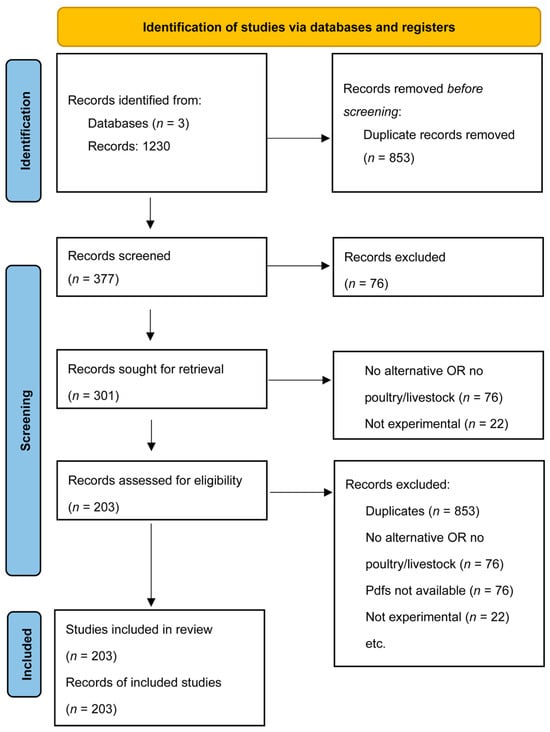

Disclaimer/Publisher’s Note: The statements, opinions and data contained in all publications are solely those of the individual author(s) and contributor(s) and not of MDPI and/or the editor(s). MDPI and/or the editor(s) disclaim responsibility for any injury to people or property resulting from any ideas, methods, instructions or products referred to in the content. |
© 2026 by the authors. Licensee MDPI, Basel, Switzerland. This article is an open access article distributed under the terms and conditions of the Creative Commons Attribution (CC BY) license.