


Abstract
Melatonin is a bioactive indoleamine produced primarily by the pineal gland in vertebrates as the body’s natural response to the perception of darkness in the environment; it is also known as the “darkness hormone” or “sleep hormone” due to its role in regulating the circadian rhythm and promoting good-quality sleep. In addition to being secreted by the pineal gland, melatonin is also produced extrapineally in numerous tissues of vertebrates, as well as by other living organisms, including plants and various microorganisms. Melatonin is also present in varying amounts in food products, including milk. In this systematic review, the authors set out to critically evaluate the influence of feeding strategies and housing conditions for dairy cows on melatonin levels in the animals’ blood and milk. The paper also includes an analysis of the possible effects of milk processing technologies on melatonin concentrations in the final products. A systematic review of the scientific literature was conducted using the PubMed/MEDLINE, Web of Science, and ScienceDirect databases. We have identified the circadian rhythm as the main factor for melatonin content; milk collected in the early morning hours have significantly higher melatonin concentrations than milk collected in the afternoon, while the bioavailability of tryptophan is a secondary factor that nevertheless contributes to the total amount of melatonin in the milk. The use of tryptophan for melatonin synthesis is limited by the physiological state of the bovine organism and its metabolic priorities. Under stressful conditions, tryptophan is preferentially directed toward the metabolic pathways involved in the response to this physiological state, a situation that may limit its availability for melatonin synthesis. Milk processing methods, particularly high-temperature heat treatment, can affect the stability of melatonin to a certain extent and, consequently, the levels of this molecule present in food.
1. Introduction
Melatonin (MLT) is a molecule derived from the essential amino acid tryptophan [1,2,3,4], which has been reported to perform multiple functions and roles in living organisms [5,6,7,8,9,10,11,12,13,14,15,16,17,18,19,20,21,22,23,24,25,26,27,28,29]. Melatonin is produced primarily by the pineal gland of vertebrates in response to darkness; it is the vertebrate body’s sole biochemical response to the perception of darkness. However, at the cellular level, melatonin is also produced by mitochondria [30,31,32] and chloroplasts [33,34], making it a molecule that is widely distributed.
Vertebrates have two main sources of melatonin: endogenous sources (pineal melatonin, extrapineal melatonin, and intestinal melatonin) and exogenous sources (dietary melatonin). The pineal gland, also known as the epiphysis, produces melatonin only in the dark, when the hypothalamus activates the enzyme arylalkylamine N-acetyltransferase (AANAT), which enables the conversion of serotonin into N-acetylserotonin, thereby triggering the synthesis of melatonin. After synthesis, the melatonin produced by the pineal gland is released into the bloodstream and the cerebrospinal fluid so that it can reach every part of the body, signaling to the body the time of day and simultaneously preparing every cell for the onset of the physiological state of sleep. Melatonin production outside the pineal gland is not limited by photoperiod and can occur at any time of day in response to stress or inflammatory factors (the only exception is retinal melatonin, which follows a synthesis rhythm identical to that of melatonin produced by the pineal gland) [1]. Extrapineal melatonin is not released into the bloodstream after synthesis, as is the case with melatonin produced by the pineal gland, but acts locally in the area where it is synthesized [1]. Because mitochondria are capable of producing melatonin in response to stress, many researchers have proposed the idea that extrapineal melatonin is produced throughout the body by all cells, tissues, and organs. However, by 2026, it has been confirmed that, outside the pineal gland, melatonin is produced by the skin [35,36], brain [37,38], liver [39,40], kidneys [41], lungs [42], retina [43,44], gastrointestinal tract [45,46], testicles [47,48], the ovaries [49,50], the bone marrow [51,52], the cochlea [53,54], the thyroid gland [55,56], lymphocytes and immune cells [57,58], the thymus [59], the spleen [60], and others. In vertebrates, multiple sites of extrapineal melatonin production have been identified, with the most extensive evidence reported in studies conducted on humans and mice. Although the distribution and functional role of these sites have been characterised to varying degrees for each species reported, their presence is considered to be widely conserved amongst vertebrates, including cattle reared for milk production.
Melatonin is also known in the scientific literature by the scientific names N-acetyl-5-methoxytryptamine [61,62] and 5-methoxy-N-acetyltryptamine [63,64], and is primarily recognized for its roles in vertebrates in regulating the physiological state of sleep [5,6] and in regulating the circadian rhythm [7,8], as well as for its role as a powerful antioxidant, which is universally present in all life forms capable of producing melatonin [9,10,11,12]. However, the results of several specialized studies have increasingly highlighted the complexity and importance of this molecule in maintaining optimal health in both animals and humans, through the multiple roles and functions it performs, such as its anti-inflammatory role [13,14], anti-apoptotic effects [15,16], anticancer effects [17,18], anti-aging effects [19,20], its role in seasonal signaling and in mediating seasonal reproductive function [21], its role in regulating body temperature [22], its role in modulating endocrine system activity [23,24,25], its immunomodulatory role [26,27], and its role in the development and functioning of the nervous system [28,29].
The action of melatonin is mediated by two membrane receptors, known as MT1 [65,66] and MT2 [67,68]. The MT1 receptor is expressed in the suprachiasmatic nucleus (SCN) of the hypothalamus, and when melatonin binds to this receptor, the activity of SCN neurons is reduced, thereby slowing the brain’s wakefulness signal and helping the body initiate sleep by lowering its arousal level [69]. The binding of melatonin to the MT2 receptor helps reset the body’s internal clock, regulate sleep–wake cycles, and synchronize the internal clock with the day–night cycle [70].
Melatonin is the body’s only biochemical signal, produced only at night in response to the photoperiod [71]. The light signal travels along a complex neural pathway, involving several stages of information capture, conversion, transfer, and decoding, starting in the retina and eventually reaching the pineal gland [72]. The process of melatonin synthesis begins when the retina detects light and converts it into a biological signal [73]. The light beam is detected by a series of photosensitive ganglion cells that contain melanopsin and are responsible for regulating circadian rhythms [74]. After converting the light signal, the retina transmits the biological information to the suprachiasmatic nucleus (part of the hypothalamus) via the reticohypothalamic tract [75]. The suprachiasmatic nucleus (the body’s biological clock) receives information from the retina and, based on light intensity, determines whether it is night or day in the external environment, then transmits the decoded information to the paraventricular nucleus of the hypothalamus, from where it is subsequently transmitted to the upper thoracic region of the spinal cord [76]. From this point, the sympathetic chain continues by transmitting the signal to the superior cervical ganglion, and finally, the sympathetic fibers release norepinephrine at the pineal gland, which positively regulates the activity of the enzyme AANAT and, consequently, the synthesis of melatonin [77].
The biochemical synthesis of pineal melatonin begins with the uptake of tryptophan (Trp) from the bloodstream and the hydroxylation of this essential amino acid, resulting in 5-hydroxytryptophan (5-HTP) [78]. The hydroxylation process is carried out by the enzyme tryptophan hydroxylase (TPH) [78]. The next step involves the production of serotonin through the decarboxylation of 5-hydroxytryptophan as a result of the action of the enzyme 5-hydroxytryptophan decarboxylase, also known as L-aromatic amino acid decarboxylase (AADC) [79]. In the next stage, the type of photoperiod is the sole factor influencing the conversion of serotonin (5-HT), since the activity of the enzyme AANAT, which is responsible for converting serotonin to N-acetylserotonin (NAS) through acetylation, is inhibited by light and stimulated by darkness [80]. Finally, the enzyme hydroxyindole-O-methyltransferase (HIOMT), also known as acetylserotonin O-methyltransferase (ASMT), methylates N-acetylserotonin and converts it into melatonin [81]. After synthesis, pineal melatonin is released into the bloodstream and the cerebrospinal fluid to signal to the entire body the time of day [82].
The release of melatonin into the bloodstream, as well as this molecule’s ability to easily cross all of the body’s cellular barriers, due to its amphiphilic nature [83], are the factors that allow melatonin to reach the mammary gland, where it is then transferred into breast milk. The presence of melatonin in milk has been confirmed in numerous studies, and the possibility of producing milk with higher melatonin levels has been investigated either solely from a nutritional perspective (supplementing feed rations with protected L-tryptophan) or solely from an environmental perspective (controlling the photoperiod), but these two categories of factors had not been studied together in any study until 2026.
Night milk, or milk with a high melatonin content, has been proposed as a chronofunctional food product designed to address melatonin deficiency in the human body, a deficiency caused either by the aging process (pineal calcification resulting from aging) [84,85], or as a result of the body’s exposure to excessive artificial light (a situation that contributes to circadian rhythm disruption) [86,87]. Some authors have reported that drinking additional milk containing higher levels of melatonin before bedtime improved sleep quality and the degree of rest in several groups of consumers [88,89,90,91,92,93,94,95].
In the studies available in the specialist literature concerning the influence of various nutritional, technological, livestock management, environmental and cow’s milk processing factors on the melatonin content of raw milk and derived dairy products, the individual effects of a single category of factors have generally been analysed [96,97,98,99,100,101,102,103,104,105,106,107,108,109,110,111]. No studies have been identified in the literature that have assessed, in an integrated and directly correlated manner, the combined impact of several categories of factors on the melatonin content of cow’s milk and derived dairy products.
In this systematic review, we set out to conduct a critical analysis of the scientific literature in order to identify the nutritional, technological, environmental, and genetic factors that influence the synthesis of pineal melatonin, with the aim of determining the most effective strategy for producing cow’s milk with a higher melatonin content. At the same time, we set out to determine the impact of each factor on the process of pineal melatonin synthesis, thereby identifying which factor is the primary limiting factor (these factors govern the melatonin synthesis process, and failure to meet these conditions halts MLT production) and which factors are secondary limiting factors (these factors are dependent on the primary ones).
As a result of a systematic review of the scientific literature, 16 studies were identified [96,97,98,99,100,101,102,103,104,105,106,107,108,109,110,111] that evaluated either the impact of various strategies for supplementing the feed rations of dairy cattle with the protected form of the amino acid L-tryptophan, or the impact of various environmental and technological factors on serum and milk melatonin concentrations. The 16 studies identified were included in the subsequent analysis.
2. Methodology
This systematic review adheres to the PRISMA (Preferred Reporting Items for Systematic Reviews and Meta-Analyses) framework [112] and the Cochrane Handbook for Systematic Reviews [113], and is reported in accordance with the PRISMA 2020 statement [112]. The completed PRISMA checklist is provided in the Supplementary Materials as Supplementary Table S1.
2.1. Search Strategy
The strategy for searching for scientific articles was organized into three thematic groups of terms, corresponding to the main topics analyzed in this systematic review. The responsibility for identifying and selecting the most relevant studies corresponding to the three groups of terms was shared among the four authors, with each author contributing to one thematic group. Only the first author contributed to all three thematic groups, ensuring the overall coherence and consistency of the search strategy.
The first set of terms was developed to identify studies that evaluated the impact of nutritional factors on melatonin levels in blood and cow’s milk. The topics covered by this group of terms included diet, supplements, tryptophan, and feed types. The specific terms for the first group of terms were: melatonin, cow’s milk, bovine milk, animal nutrition, animal feeding, diet, tryptophan, feed composition, and feed supplementation.
The second set of terms was developed to identify studies that evaluated the impact of technological factors and livestock management conditions on melatonin concentrations in the bloodstream and in the milk of cows. The areas covered by this group of terms included the time of milking, the amount of milk produced by each individual animal, the duration of the photoperiod, and the season. The specific search terms for group two were: melatonin, cow’s milk, bovine milk, milking time, nighttime milking, light exposure, photoperiod, circadian rhythm, livestock management, rearing system, and housing system.
The third group of terms was developed to identify studies that evaluated the impact of milk processing technologies on the melatonin content found in finished dairy products. The areas covered by this research group included dairy products, heat treatment, industrial milk processing, and storage. The specific terms for group three were: melatonin, cow’s milk, bovine milk, dairy products, heat-treated milk, UHT milk, storage life, and shelf life.
After identifying and selecting the most relevant studies that fell within the topics of the three thematic groups, the results were combined and duplicates were removed using Zotero software (version 8.0.1). The articles that passed this stage were screening on the basis of their title and abstract. The remaining studies following the completion of the screening process were assessed in full, and those that did not meet the eligibility criteria were excluded from the final analysis.
A systematic search of the scientific literature was conducted in the digital databases PubMed/METLINE, Web of Science, and ScienceDirect. An additional search was conducted in Google Scholar to identify potential articles containing information relevant to the topic of this systematic review but that were not indexed in the main databases consulted for this study.
The search for studies in the selected databases, the collation of the records identified for each database, their consolidation into a single database, and the removal of duplicate records were carried out independently by the first and last authors of this systematic review. Subsequently, the final list of unique records, compiled after removing duplicates, was distributed to all four authors. Each author was responsible for screening the studies relevant to their assigned thematic group of terms, in accordance with the objectives and eligibility criteria established for the review.
The literature review for the introduction was conducted separately by only the first and last authors of this paper and involved identifying the most relevant and well-studied information on melatonin, with the aim of providing an overview of melatonin’s roles and functions, its synthesis processes, and the importance of melatonin in dairy products. The study included review articles and original research articles containing information relevant to the topic addressed in this paper. Studies that were not directly relevant to the objectives of this paper were excluded. The selection of studies used to draft the introduction was not subject to the inclusion and exclusion criteria applied in the systematic review.
2.2. Common Eligibility Criteria
The general eligibility criteria were applied to all three groups of terms and included original in vivo studies conducted on cows raised and maintained for milk production. Only articles published in English that examined the impact of nutritional and/or technological factors on melatonin concentrations in cow’s milk were included. Reviews, in vitro studies, conference presentations, and studies conducted on other animal species were excluded. As part of the systematic literature search, no time limit was imposed on eligibility; consequently, the year of publication of an article was not taken into account when deciding whether to include or exclude it. However, the systematic review was carried out up to 30 April 2026, and only those studies that were available by that date were included in this review.
2.3. Specific Criteria for Each Group
Each group of terms included a set of specific criteria for identifying the most relevant studies in the field of interest associated with the search terms. The first group of terms, which focused on nutritional factors, included general eligibility criteria and criteria specific to this group, identifying studies that analyzed ration composition, feeding strategies, and the supplementation of feed rations with various doses of protected or unprotected L-tryptophan (pure L-tryptophan), and the determination of melatonin levels in the blood and milk of cows, before and after tryptophan supplementation. The second group of terms, which focused on technological factors, additionally included criteria specific to this field, identifying, based on both general criteria and specific criteria unique to this group of terms, studies that analyzed the impact of the time of day when milk was collected, the number of milkings performed in a day, the duration of light and dark photoperiods, the type and intensity of artificial light, and the season in which the research was conducted, on the melatonin concentrations measured in the blood and milk of cows. The third group of terms, which focused on the effect of milk processing technologies on melatonin concentrations in finished products, included additional selection criteria aimed at identifying studies that determined the melatonin content in finished dairy products that had undergone various processing methods such as pasteurization, UHT heat treatment, microfiltration, and dehydration/drying.
2.4. Data Extraction
The data extraction process was carried out using a standardized form designed by the first author and reviewed and approved by the rest of the research team that contributed to this study. The data extraction was performed by the same authors who conducted the systematic literature search. The form was structured into 6 sections: (1) identifying characteristics of the studies and characteristics of the samples studied; (2) analyzing nutritional and technological factors, including milk processing methods; (3) determination of melatonin in blood/serum/plasma and sample processing conditions; (4) determination of melatonin in milk and sample processing conditions; (5) results and observations relevant to melatonin content in blood/serum/plasma; and (6) results and observations relevant to melatonin content in milk. Each documented study was coded using an identical numbering system across all 6 tables so that they could be cross-referenced. The complete tables are presented in the Supplementary Materials (Supplementary Tables S2–S7). Variables that were not applied were marked as N/A, and missing information as NR. The studies were grouped into tables based on the factor analyzed (nutritional factors, technological factors, milk processing methods), according to the type of sample analyzed (blood/serum/plasma, raw milk, processed milk/other finished dairy products), and according to the year the study was published (in descending order, from the oldest published study to the most recent).
2.5. Assessment of the Risk of Bias
The risk of bias in the studies included in this systematic review was assessed by the same four authors who conducted the study selection, and each article selected for this review was classified as having a low, moderate, or high risk of bias based on the criteria analyzed. As part of the bias risk assessment process, the laboratory methods used to determine melatonin concentrations in the biological fluids studied and the experimental protocol under which the research was conducted were analyzed.
The assessment of the risk of bias in the methodologies used to determine melatonin concentrations in blood and milk was conducted by taking into account the type of method used, method validation, specificity, sensitivity, and the reproducibility of the measurements. With regard to the experimental protocol, the following factors were analyzed: the timing of blood and milk sample collection, the stage of lactation and the age of the cows, feeding and supplementation with protected or unprotected L-tryptophan, the duration of photoperiods, light intensity, milk processing procedures, and the number of samples analyzed. The discrepancies that arose in the evaluations conducted by the four authors were resolved through joint discussions. The results of the risk of bias assessment are presented in the Supplementary Materials (Table S8).
2.6. Data Preparation, Presentation and Synthesis
The data extracted from the included studies were used in the form in which they were reported in the original publications, without any further conversions, recalculations or transformations of the reported values. The results of the studies were organised and presented in tabular and graphical form, supplemented by a narrative summary of the information identified. The studies were grouped according to the category of factors investigated, and the results were analysed and discussed separately for each category, with the aim of determining the direction and consistency of the reported effects on the melatonin content in blood, raw milk and dairy products.
Given the heterogeneity of the included studies in terms of the factors investigated, the experimental characteristics and the conditions under which the research was conducted, no meta-analysis was carried out. The results were summarised in narrative form, by comparing the findings of the individual studies and identifying the similarities and differences between them. Possible explanations for the differences observed between the study results were analysed and discussed in relation to the specific characteristics and conditions of each study. To assess the robustness of the conclusions reached, a sensitivity analysis was carried out by excluding studies assessed as having a high risk of bias. The results obtained after excluding these studies were compared with the results of the main synthesis, based on all eligible studies, to determine whether the inclusion of studies with a high risk of bias affects the overall conclusions of the review.
2.7. Assessment of Certainty
Given both the nature of this systematic review and the high degree of heterogeneity among the included studies, the certainty of the evidence was assessed using a qualitative approach. The methodological quality of the studies included in this systematic review was analyzed based on predefined criteria inspired by the principles of the tool developed by SYRCLE (Systematic Review Center for Laboratory Animal Experimentation) [114] for the purpose of assessing the risk of bias in animal studies. The following aspects were analyzed: the randomization of the studies, the control of the factors under study, the quality of the experimental design, and the validation of the analytical method used to determine melatonin concentrations. The overall strength of the available evidence for each category of factors was assessed by considering the number of available studies, the consistency of the results, the precision of the estimates, and the risk of bias. The level of certainty was assessed as high, moderate, or low.
2.8. Subgroup Analysis
Subgroup analyses were conducted to explore possible sources of heterogeneity among the studies. The subgroups were classified based on milking time, season or photoperiod, nutritional interventions, stage of lactation, and the analytical method used to determine melatonin concentrations in the biological fluids analyzed (blood, serum, plasma, raw milk, or finished dairy products). Subgroup analyses were conducted only after at least two studies had been identified for each category analyzed. Due to the high degree of variability identified between the research protocols of the 16 studies, which were grouped and analysed on the basis of nutritional, technological and milk-processing factors, only a comparative and narrative analysis of the results reported by subgroup was carried out. No statistical analysis by subgroup was carried out because the studies analysed in this paper were not conducted under the same experimental conditions from a methodological point of view, and most of the parameters studied, as well as the datasets reported by each group of authors, differ across almost all 16 studies.
2.9. Systematic Review Protocol
Before commencing the process of identifying, selecting and analysing the studies, a methodological protocol was drawn up for this systematic review. The purpose of drawing up the protocol was to set out in advance the main methodological stages of the review and to ensure a consistent and reproducible approach throughout the review process. The protocol included details regarding the research objectives and questions, the eligibility criteria for studies, the sources of information and strategies for searching the specialist literature, the study selection process, the methods for data extraction and synthesis, the assessment of risk of bias, and the methods planned for the synthesis and presentation of the results.
The methodology set out in the protocol formed the basis for carrying out the identification, selection and analysis stages of the studies included in this review. The protocol has not been published as a scientific paper and has not been registered in a public register of protocols for systematic reviews. The version of the protocol used to plan and conduct this systematic review is available in the “Supplementary Materials”, to ensure methodological transparency and to enable a comparison between the planned methodology and the procedures applied in the review. No changes were made to the protocol after the study search and selection process had begun. Consequently, the methodology set out in Section 2 reflects the procedures set out in the protocol drawn up prior to the start of the review.
3. Results
This section presents the results of the systematic literature review that was conducted, as well as a description of the 16 studies included in the subsequent analysis. The 16 studies that met all the selection criteria were analyzed separately according to the category of factors studied in each study (nutritional factors; technological factors; and processing factors).
3.1. Search Results
As a result of the systematic search carried out across the three main databases, a total of 2204 records were identified, of which 187 were in PubMed/MEDLINE, 1024 in Web of Science and 993 in ScienceDirect. The records were then merged, and duplicates were removed using the Zotero software. After removing duplicates, 1651 unique records remained, with 553 duplicate records having been identified and removed.
The unique records were screened on the basis of their title and abstract. At this stage, 1651 records were analysed, of which 1631 were excluded because they did not meet the pre-defined criteria for relevance and eligibility. Following this stage, 20 articles were selected for full-text evaluation. The full texts of the 20 articles were assessed against the eligibility criteria set out previously. At this stage, four articles were excluded; the main reasons for exclusion were the lack of measurements of melatonin concentration in the blood or milk of the animals. Following the selection process, 16 studies met all the eligibility criteria and were included in the subsequent analysis.
The additional search carried out in Google Scholar was of a complementary nature, being used to review the literature and to identify potentially relevant sources that had not been retrieved through the search of the main databases. Given the very large volume of results returned for the combinations of search terms used, which were not quantified exhaustively, the Google Scholar results were not included in the total number of records used for the main selection process. Figure 1 shows the PRISMA flowchart for the literature search, as well as the results obtained.
Figure 1.
PRISMA flowchart of the study identification, screening, and selection process. *—Indicates the main databases consulted (PubMed/MEDLINE, Web of Science, ScienceDirect); **—This outlines the reasons for excluding studies following screening based on the title and abstract: review articles, in vitro studies, studies in which melatonin was added exogenously to the cows’ feed, studies in which melatonin was administered via subcutaneous, intravenous or intramuscular injections, and studies in which melatonin was administered via an implant were excluded.
Table 1 presents and describes the 16 studies that met the inclusion criteria established for this systematic review, and Table 2 presents the overall strength of the available evidence for each individual study. The studies were grouped into two categories based on the research area: Category 1—the influence of nutritional factors; Category 2—the influence of technological factors.
Table 1.
Summary of the studies included in the systematic review.
Table 2.
Assessment of the methodological quality of the included studies.
The overall risk of bias for the 16 studies analyzed is classified as low to moderate for most of the studies, as shown in Table 2. In most of the studies included in this systematic review, randomization procedures, adequate sample sizes, and valid analytical methods (ELISA, RIA, and LC-MS/MS) were used, which increases the reliability of the results obtained. The main sources of bias identified were incomplete control of the photoperiod in some studies on nutritional interventions, the lack of randomization in some observational or comparative studies, and small sample sizes in certain studies on technological factors. Overall, the available evidence can be considered to be of satisfactory methodological quality; however, the heterogeneity of the experimental designs and the methodological limitations of some studies warrant a cautious interpretation of the results and highlight the need for future research using standardized protocols and more rigorous control of experimental variables.
3.2. Nutritional Factors
The nutritional strategies that can be used in livestock production to increase melatonin levels in cow’s milk, which were identified as a result of the systematic review conducted by the authors of this study, were divided into two broad categories: direct methods and indirect methods.
The direct method involves supplementing the feed rations of dairy cattle with the protected form of the essential amino acid L-tryptophan, which resists ruminal degradation and is absorbed by the body in the small intestine, where it is transferred into the bloodstream, and subsequently transported to the pineal gland, where it is converted in stages into serotonin and ultimately into melatonin. Protected L-tryptophan can be incorporated as a supplementary ingredient in animal feed, administered orally in capsule form, or administered by subcutaneous or intravenous injection.
The indirect method involves incorporating natural ingredients into animal feed that contain higher-than-normal levels of tryptophan or phytomelatonin in their chemical structure. Both methods have advantages and disadvantages based on their economic impact and efficiency, as shown in Table 3.
Table 3.
Differences between the two methods of increasing melatonin levels in the animal’s body through dietary intake.
Tryptophan protected from ruminal degradation is the pure form of this amino acid, which is coated with one or more outer layers consisting of various substances designed to protect the amino acid from degradation by symbiotic microorganisms in the rumen of cows. Table 4 presents various strategies for protecting tryptophan against ruminal degradation, which were formulated based both on the ratio of pure tryptophan to the protective substrate(s) and on the percentage of ruminal degradation.
Table 4.
Forms of protected tryptophan.
Numerous researchers have studied the effects of supplementing cattle feed rations with varying amounts of protected or even unprotected L-tryptophan to determine the effects of this amino acid under different physiological conditions (heat stress, gestation) and at different stages of the animals’ lives (heifers, cows). Based on the five studies analyzed in which tryptophan was supplemented in animal feed in either a protected or unprotected form, we found that the doses of protected L-tryptophan used by the authors of those studies ranged from 14 to 125 g/cow/day, while the doses of unprotected L-tryptophan were 50 and 100 g/cow/day, respectively. A wide range of effects have been reported, and the recommended doses depend on the desired outcome and the animal’s physiological condition.
Table 5 presents the experimental conditions under which the five studies included in this systematic review were conducted, in which cows’ feed was supplemented with L-tryptophan in either a protected or unprotected form; Table 6 presents the timing and method of L-tryptophan supplementation, and Table 7 presents the L-tryptophan doses used in two of the five studies, as well as the effects of those doses on melatonin concentrations in the animals’ milk.
Table 5.
The experimental conditions under which the studies under review were conducted.
Table 6.
The timing and form of tryptophan administration.
Table 7.
Melatonin concentrations measured in the milk of cows that received supplementation with protected L-tryptophan.
Supplementing the feed rations of dairy cattle with the protected form of the essential amino acid L-tryptophan (Figure 2) has proven to be a useful practice for improving cattle health and increasing milk production efficiency. Of the 16 studies included in this systematic review, 5 were selected based on the nutritional factor involving the supplementation of feed rations with L-tryptophan in a protected form [96,101,106,109] or an unprotected form [108].
Figure 2.
A schematic representation of how protected L-tryptophan is added to cattle feed rations. Trp—Tryptophan; RP-Trp—Ruminal Protected L-tryptophan; MLT—Melatonin.
Tryptophan is the main precursor involved in melatonin synthesis, and numerous scientific studies have shown that supplementation with protected L-tryptophan can increase serum and breast milk melatonin concentrations [96,101,106,108,109]. However, based on the results reported in the five studies analyzed [96,101,106,108,109], we observed that this effect of stimulating pineal melatonin synthesis depends on the interaction of several factors, such as photoperiod, tryptophan dose, the form of administration of the amino acid, stage of lactation, and environmental conditions (temperature and humidity).
Based on the results and observations reported in the five studies included in this systematic review [96,101,106,108,109], we found that L-tryptophan supplementation primarily led to an increase in milk quantity and quality, as well as a reduction in the animals’ physiological stress levels. Heat stress (HS) is a major problem for cattle, especially in light of the climate change facing society in the 21st century. In the context of summer heat stress, which is caused by natural environmental factors such as temperature and humidity, several studies have been conducted involving the supplementation of feed rations for dairy cattle with various doses of protected L-tryptophan, administered daily, with the aim of determining the effects of this amino acid in combating heat stress [101,109].
Dairy cows can suffer from various conditions and diseases that can impair their quality of life and the quality of the milk they produce. The use of essential amino acids as dietary supplements in animal nutrition and feeding has been, and continues to be, a beneficial strategy that offers numerous advantages in terms of both improving the animals’ quality of life and enhancing the quality of milk production. Tryptophan is one of the essential amino acids that is of particular interest to the scientific community in the field of animal science, due to its many beneficial effects on the bovine organism.
Melatonin concentrations in cows’ blood follow a well-defined circadian rhythm in relation to the time of day, and melatonin levels in milk may reflect this circadian rhythm, albeit with a delay, because the melatonin released by the pineal gland into the bloodstream must first reach the peripheral parts of the body, specifically the mammary gland, before it can be released into the milk. Thus, the concentration of melatonin in milk collected in the morning serves as a circadian marker for determining the rate at which the pineal gland produced melatonin during the previous night. Of the 5 studies identified in the literature in which cattle feed was supplemented with protected or unprotected L-tryptophan, we identified the following findings: (1) in 4 of the 5 studies, the concentration of melatonin in the animals’ blood was measured [96,101,106,108]; (2) in 3 of the 5 studies, the concentration of melatonin in milk was measured [96,108,109]; and (3) in two studies, melatonin was measured only in blood [101,106], while in a single study, melatonin concentration was measured only in milk [109]. In order to present a comparison between serum melatonin concentration and the quantitative levels of this hormone released into milk, we created two graphs based on data reported in the scientific literature. Figure 3 shows the melatonin concentrations measured in the blood of cows whose feed rations were supplemented with protected or unprotected L-tryptophan, and Figure 4 shows the melatonin concentrations measured in the milk of cows whose feed was supplemented with L-tryptophan in protected or unprotected form.
Figure 3.
Comparison of serum melatonin levels in cows that consumed protected or unprotected L-tryptophan. (*) Approximate values from the graphs; 14 and 28 g—Ma et al. [106]; 125 g—Kollmann et al. [96].
Figure 4.
Comparison of melatonin levels in milk collected from cows that consumed L-tryptophan. M1, M2, M3—number of the month of supplementation with protected L-tryptophan; DM—daytime milk; NM—nighttime milk; 20 g—Kim et al. [109]; 125 g—Kollmann et al. [96].
The form in which L-tryptophan is administered may be an important factor in this amino acid’s impact on cattle productivity and overall health. The dose of protected tryptophan supplemented in the diet of dairy cattle, in conjunction with the animals’ production level and physiological condition, are the main factors that determine the effects of this amino acid on the bovine organism. Table 8 shows the effects of protected [96,101,106,109] and unprotected [108] L-tryptophan on cattle, in relation to the daily supplemental dose.
Table 8.
Doses of protected and unprotected L-tryptophan used and reported effects.
The supplementation of feed rations for dairy cattle using varying doses of protected L-tryptophan has been extensively studied as a nutritional factor capable of modulating melatonin levels both in plasma and in the milk produced by animals that received supplementation with this essential amino acid. The studies included in this analysis, the results of which are presented in Table 8, highlight the fact that tryptophan acts as a rate-limiting factor in the serotonin-melatonin metabolic pathway, thereby influencing neuroendocrine regulation and the physiological responses of animals.
Administration of protected L-tryptophan resulted in a significant increase in plasma tryptophan concentrations, as well as changes in serum concentrations of melatonin, prolactin, and insulin-like growth factor-1. However, the extent of these effects varies depending on the form in which tryptophan is administered and the intestinal bioavailability of this amino acid. An important finding highlighted in two of the five studies selected based on nutritional factors [101,109] is the effect of protected L-tryptophan on reducing stress in cattle. Thus, it has been reported that under conditions of moderate or severe heat stress, supplementation with protected L-tryptophan was associated with increases in serum melatonin levels and reductions in cortisol concentrations, thus indicating an adaptive effect on the hypothalamic–pituitary–adrenocortical axis. At the same time, these hormonal changes have been associated with improvements in other physiological parameters, such as body temperature, respiratory rate, and productive performance, suggesting that melatonin plays a central role in mediating the response to heat stress [101,109].
The reduction in physiological stress and the alleviation of the discomfort caused by these situations are due to both tryptophan and melatonin. Tryptophan is an amino acid that has the ability to distribute body heat evenly across the entire surface of the skin, which enhances the process of heat dissipation. However, tryptophan also helps reduce heat stress indirectly, thanks to melatonin, which is, first and foremost, a tryptophan derivative and, secondarily, a cortisol antagonist. Thus, the presence of higher levels of melatonin in the bovine body will inhibit cortisol synthesis and, consequently, reduce overall stress levels.
Subsequent research has extended these observations to lactation, demonstrating that supplementation with protected L-tryptophan can increase the concentration of melatonin in milk. This effect indicates either an increased transfer of melatonin from the systemic circulation to the mammary gland or even a possible local regulation of melatonin synthesis within the mammary gland. Increased melatonin concentrations in milk were associated with a decrease in stress biomarkers and with the maintenance of dry matter intake as well as milk production under heat stress conditions, suggesting physiological and technological implications.
Supplementation with protected L-tryptophan in lactating cows has proven to be a useful practice, both in terms of its direct effects on melatonin metabolism and in terms of certain indirect mechanisms through which tryptophan can influence this hormone. Supplementation with unprotected L-tryptophan during the prepartum transition period was associated with an increase in the body’s antioxidant capacity, through a reduction in oxidative stress and a decrease in systemic inflammation, as well as with an improvement in postpartum metabolic status. Given the well-documented antioxidant effects of melatonin and the results of supplementation with protected L-tryptophan on the body’s antioxidant system, we suggest that there is a bidirectional interaction between tryptophan metabolism and the regulation of oxidative homeostasis.
3.3. Technological Factors
Proper management of the technological factors applied on livestock farms, along with animal nutrition and feeding, is the main strategy for achieving higher-quality and higher-quantity livestock production. Optimally balancing nutritional factors with technological factors is the ideal approach to producing milk with a higher melatonin content. This is because pineal melatonin and melatonin introduced into the body through the diet and absorbed in the intestines are the only types of melatonin that enter the bloodstream and, consequently, reach the mammary glands of mammals, where they are released into milk. From a biological standpoint, neither the pineal gland nor the other extrapineal organs and tissues can produce melatonin if there is no bioavailability of tryptophan at the cellular level. However, in the pineal gland, even if tryptophan is present, this amino acid will only follow the serotonin pathway if the environmental condition, specifically, the absence of light, is not met. The limitation of pineal melatonin synthesis during the day is due to the enzyme AANAT, which facilitates the conversion of serotonin to NAS, and whose action is inhibited by the presence of light. Up until 2026, several studies were conducted to examine the impact of certain technological factors (such as the type, intensity, and color of light; the duration of photoperiods; season; and milk production) on the process of pineal melatonin synthesis, with the aim of identifying the influence of these factors on melatonin concentrations in the blood and/or milk of cows. Table 9 presents the main characteristics of the studies conducted in the field of research on the impact of technological factors on serum and milk melatonin concentrations, as well as the production characteristics of the animals included in the studies.
Table 9.
The experimental conditions under which the analyzed studies were conducted.
Specialized studies on the impact of management practices involving technological factors applied on livestock farms on melatonin concentrations in cow’s milk have been conducted using two different approaches: an experimental approach and a conventional approach. From a technological standpoint, any changes made to farm equipment and the infrastructure of the production facilities on farms will result in additional costs for farmers, an aspect that is always taken into account in research, so that the new solutions offered to farmers do not generate additional costs but, on the contrary, improve the efficiency of production in terms of quantity, quality, and economic performance.
3.3.1. Natural Photoperiod
Environmental conditions are the most reliable factor in determining the impact of photoperiod on melatonin concentrations measured in the blood and milk of animals. Numerous researchers have measured melatonin concentrations in milk collected both at different times of the day (day vs. night) and at different times of the year (summer vs. winter). Table 10 presents data on melatonin concentrations measured in daytime milk samples compared with nighttime milk samples, collected during different seasons, and reported in studies that investigated only the effect of natural environmental conditions, without any intervention in farm management.
Table 10.
Melatonin concentrations measured in daytime milk compared to nighttime milk.
Schaper et al. [98] determined the melatonin concentrations in milk samples collected individually from 10 Holstein cows at two time points over a two-week period. The authors’ primary objective in that study was to determine the individual variation in melatonin concentrations in the animals’ milk and to observe changes over time in the body’s ability to produce melatonin, and as a secondary objective, they compared melatonin levels in raw milk with melatonin concentrations determined in five dairy products that had undergone various types of processing (these aspects are presented in detail in Section 3.4). The authors reported significant individual differences in melatonin content among the milk samples collected from the 10 Holstein cows, with the lowest melatonin concentration being 1.3 pg/mL and the highest being 25.0 pg/mL.
The circadian rhythm of cows influences not only the hormonal content of milk but also its overall chemical composition, suggesting the existence of a well-defined circadian pattern that significantly distinguishes daytime milk from nighttime milk, classifying them as two completely different products. In this regard, studies on the metabolic properties of milk provide evidence that milk collected at different times of the day exhibits considerable differences in its biochemical profile [105]. In all 11 studies selected for this systematic review, which examined the impact of technological factors on serum and milk melatonin levels, “night milk” was defined as the milk collected in the early morning hours, and the chemical composition of this product differed significantly from that of daytime milk, not only in terms of melatonin concentration but also in terms of the levels of certain metabolites such as lipids, amino acids, and compounds involved in energy metabolism [105], as well as the somatic cell count, which was lower in nighttime milk compared to daytime milk [111]. These variations reflect circadian fluctuations in cattle metabolism, fluctuations that are independent of production or management factors.
3.3.2. Artificially Controlled Photoperiod
Circadian rhythms can be controlled by intentionally extending one of the two photoperiods (light or dark), so that the physiological responses of cattle can be monitored in relation to the light regimens applied. Manipulating the photoperiod involves both altering the duration of the alternation between the time the organism spends under the direct influence of light and darkness, and controlling the intensity, wavelength, and color of the light.
The artificial extension of the daytime photoperiod using ALAN (Artificial Light at Night) was also studied by Asher et al. [99], who reported lower melatonin levels in both daytime and nighttime milk collected from cows subjected to the ALAN lighting regimen (3.30 pg/mL in daytime milk and 17.81 pg/mL in nighttime milk), compared to animals kept in natural darkness (5.36 pg/mL in daytime milk and 30.70 pg/mL in nighttime milk).
Extending the duration of light exposure for cows has been shown to be a practice that, in most cases, increases milk production, especially when milk is collected at least three times a day, but it also leads to a decrease in melatonin concentrations in both the blood [103] and the milk of the animals [99,105,107]. Furthermore, exposing cows to artificial light at night results in lower melatonin concentrations in both nighttime and daytime milk [99], an observation that suggests circadian disruption has effects throughout the day, not just at night.
The synthesis of pineal melatonin is directly influenced by the natural light characteristic of the daytime photoperiod, and is thus inhibited during the day and stimulated at night. However, based on the results and observations drawn from several specialized studies, it has been noted that when an animal’s body is exposed to artificial light, the process of pineal melatonin synthesis is affected differently depending on the type and intensity of the light. Thus, under blue light at intensities of 1, 75, 125, and 175 lx, it was reported that circulating melatonin levels decrease as light intensity increases, and at 225 lx, melatonin levels in the cows’ blood are as low as those typical of the diurnal photoperiod [102]. Another study reported that exposing cows to low-intensity artificial light at night suppressed pineal melatonin production to a limited extent, but not entirely, with the body’s response depending more on light intensity than on the presence of the light source [103].
Photoperiod control can also be achieved by more clearly distinguishing the two photoperiods that make up a light–dark cycle. Light is the primary factor that synchronizes the circadian rhythms of mammals, exerting direct effects on the retina–suprachiasmatic nucleus–pineal gland axis, and consequently on the natural rhythms of melatonin synthesis. In cattle, melatonin exhibits a characteristic circadian profile, with higher levels at night and lower levels during the day, particularly in the blue light spectrum with wavelengths ranging from 460 to 480 nm, which is considered to be the most effective light spectrum for inhibiting pineal melatonin synthesis. However, the relationship between circulating melatonin and the amount of melatonin released into milk does not follow an identical circadian rhythm between the two mechanisms (pineal synthesis and mammary release). This is because the transfer of melatonin from the blood into breast milk is influenced by the temporal dynamics of secretion, the timing of collection, and tissue diffusion processes. In this context, Lim et al. [104] demonstrated that changes in light intensity, ranging from 50 to 200 lx, and in photoperiod can reduce plasma melatonin concentrations without necessarily resulting in a proportional change in milk, where variations may reflect cumulative and circadian phase effects rather than instantaneous levels. This association suggests that milk is an indirect biomarker of circadian signaling, and this observation should be interpreted in relation to the temporal architecture of hormonal secretion, not as a direct reflection of blood levels.
3.3.3. The Impact of Technological Factors on Melatonin Concentrations in the Blood and Milk of Cows
Extending the daylight photoperiod is a livestock management practice that has been reported to increase milk production per animal. Some researchers have hypothesized that pineal melatonin may be involved in regulating milk production through its effects on both the hormones responsible for initiating and maintaining lactation and the synchronization of the udder’s circadian rhythm. Consequently, several studies have been conducted to determine the type and intensity of artificial light that can inhibit melatonin synthesis when artificial light is used at night as a source of illumination in cattle barns. The concentrations of melatonin in the bloodstream are not equivalent to those in milk, but the ratio of melatonin content between the two biological fluids is directly proportional (the higher the melatonin levels in the blood, the greater the concentration of melatonin released into the milk).
The approaches presented and adopted by the authors who studied the potential impact of technological factors on the process of producing milk with a higher-than-normal melatonin content differed in terms of the level or degree of the researchers’ intervention in the management conditions at the farms where the practical experiments were conducted. Thus, some researchers have conducted studies based solely on the natural environmental conditions characteristic of a particular geographic region and for a specific time of year (the duration of photoperiods and temperature variations between the warm and cool seasons), while other researchers have designed more complex studies in which they modified the duration of photoperiods using special shelters to create the necessary experimental conditions.
From a physiological standpoint, the pineal gland’s nocturnal production of melatonin allows for the accumulation of a much larger amount of melatonin in cow’s milk during the night, thus making it possible to obtain a 100% natural functional food product.
Light is the main technological factor that inhibits melatonin synthesis. Thus, in this context, some researchers have conducted several specialized studies aimed at determining the impact of different types of light on melatonin concentrations in the blood and milk of cows. Table 11 shows the effects of various types of artificial light treatments on melatonin concentrations measured in the blood and milk of the animals.
Table 11.
The effects of treatments using different types of artificial light on melatonin concentration in the blood and milk of cows.
Producing milk with a higher melatonin content also requires managing certain technological factors, such as adjusting the photoperiod and reducing factors that can cause stress in the animals. In this context, several researchers have proposed various methods for managing photoperiods so that the chemical composition of milk can be improved without compromising the animals’ health.
With regard to the synthesis of pineal melatonin in vertebrates, it has been hypothesized that changes in light–dark cycles, in conjunction with the animals’ exposure to high-intensity artificial light, could contribute to the production of cow’s milk with a higher melatonin content. At the same time, this strategy could help reduce the stress the animals are subjected to.
The effects of yellow light on melatonin concentrations in the blood and milk of postpartum cows were also investigated by Shen et al. [110]. The authors selected 80 Holstein cows of approximately the same age, body weight, and stage of lactation, which they exposed to yellow light at night (from 8:30 p.m. to 5:30 a.m.). The experiment was conducted until the animals’ next calving to determine the effects of yellow light on their reproductive performance. Treatment with yellow light improved milk quality by increasing the levels of melatonin, protein, fat, and lactose, and also resulted in an increase in average daily milk production. At the same time, decreases in urea nitrogen levels and somatic cell counts were reported. The authors also reported several positive correlations between higher concentrations of melatonin in the animals’ blood and various milk quality parameters and immunological indicators. These correlations are presented in Table 12 and Table 13.
Table 12.
Reported correlations between increased serum melatonin levels and immunological parameters related to cows’ productive, antioxidant, anti-inflammatory, and reproductive capacity.
Table 13.
Reported correlations between increased serum melatonin levels and milk quality parameters.
Light intensity and the duration of an animal’s exposure to natural or artificial light are the main environmental and technological factors that influence the process of pineal melatonin synthesis. However, wavelength is a critical factor in the regulation of melatonin synthesis in cattle. Shen et al. [110] demonstrated that nocturnal exposure of cattle to artificial light with different spectra can induce different endocrine responses, sometimes contrary to the classical notion that light inhibits melatonin production. In particular, exposure of animals to yellow light with a wavelength ranging from 570 to 600 nm has been associated with an increase in melatonin concentrations both in the blood and in the animals’ milk, an increase that has also been linked to improvements in both the quantity and quality of milk production. Figure 5 presents a comparison of the melatonin concentrations measured in the blood of cows exposed to different types of artificial light, and Figure 6 shows the melatonin concentrations measured in daytime and nighttime milk collected from cows.
Figure 5.
A comparison of serum melatonin levels in cows exposed to different artificial light treatments. St1—Murphy et al. [102]; S2—Lindkvist et al. [103]; St3—Lim et al. [104]; St4—Shen et al. [110]; St1—blue LED light for all intensities; St2 (1668 lx)—white LED light; St2 (1674 lx)—blue LED light; St2 (676 lx)—red LED light; St2 (W-B)—mixed light (combination of white and blue light); St3—white LED light; St4—yellow LED light.
Figure 6.
A comparison of milk melatonin levels in cows based on circadian rhythm and time of milk collection. St1—Milagres et al. [97]; St2—Asher et al. [99]; St3—Romanini et al. [100]; St4—Teng et al. [105]; St5—Boztepe et al. [107]; St6—Dall’Olio et al. [111]; a—representative values for cows exposed to a natural photoperiod; b—representative values for cows exposed to an artificial photoperiod with an increasing light period; *— comparative studies in which no changes were made to farm management conditions.
The high degree of variability observed in the reported results on melatonin concentrations in cow’s milk is due to several factors stemming from the experimental protocols used by each individual research group. According to the results shown in Figure 6, the circadian rhythm and the time of milk collection were the main factors influencing melatonin concentrations in cow’s milk.
3.4. The Impact of Milk Processing on Melatonin Concentrations in Finished Products
There are few studies available in the scientific literature on the impact of the various technological stages of milk processing on melatonin concentrations in finished dairy products, and the reported results are limited by the lack of traceability of the samples analyzed. As a result of our systematic search, we identified only two studies in which the melatonin content of various dairy products was determined and compared with the melatonin levels in raw milk.
Schaper et al. [98] determined the melatonin concentration in raw milk collected from 10 Holstein cows, reporting a value of 13.6 pg/mL of melatonin as the average of all raw milk samples, and compared this value with the melatonin concentrations determined in 5 other types of commercially available dairy products, as follows: ultra-high-temperature (UHT)-treated milk (4.5 pg/mL); high-temperature, short-time (HTST) pasteurized milk (7.6 pg/mL); extended-shelf-life pasteurized milk (7.0 pg/mL); extended-shelf-life microfiltered milk (6.5 pg/mL); and a commercial milk powder claiming to be rich in melatonin (12.4 pg/mL).
Romanini et al. [100] compared the melatonin concentrations measured in three types of milk samples, as follows: raw milk samples collected individually from 30 cows; raw milk samples collected from temporary storage tanks at 16 different farms; and UHT-treated milk samples from 12 different brands of manufacturers located in the same geographic area as the farms where the raw milk samples were collected. The average melatonin concentration determined in the milk samples was 6.98 pg/mL for raw milk samples collected directly from cows, 4.71 pg/mL for raw milk samples collected from temporary storage tanks, and 5.62 pg/mL for UHT milk samples.
4. Methodological Limitation
An analysis of the 16 studies included in this systematic review allowed us to identify a number of limitations in the experimental protocols used in studies on melatonin concentrations in milk.
The most common limitation identified in all 16 studies analyzed is the lack of a correlation between photoperiod and feeding. In the available studies that were analyzed, the research focused either solely on the photoperiod or the type of artificial light used in the animal housing, or solely on the effects of supplementation with protected L-tryptophan on the animals’ metabolism and physiology. The synthesis of pineal melatonin depends primarily on the photoperiod. However, the bioavailability of tryptophan also contributes significantly to the total amount of melatonin produced by the pineal gland and released into the bloodstream. Therefore, further studies are needed in which environmental factors are correlated with technological factors (farm management) and nutritional factors.
The methodology used to determine melatonin concentrations in milk samples is another limiting factor due to the variations inherent in each individual technique. Kollmann et al. [96] were the first to standardize the method for determining melatonin in milk, proposing a fat-separation step to obtain the most accurate results possible. They reported that the use of the ELISA method to determine melatonin in milk requires skim milk, since the fat in milk can interfere with the ELISA antibodies, compromising the quality and accuracy of the results. At the same time, the use of skim milk samples has proven to be a much more useful approach for obtaining more accurate results regarding melatonin concentrations in milk, even when compared to other methods such as RIA, HPLC, or LC-MS/MS, because they provide a high degree of homogeneity and greater stability of the milk sample [115,116,117,118,119,120]. The method proposed by Kollmann et al. [96] in 2008 for determining melatonin levels in milk has also been used by other authors who have conducted similar subsequent studies. However, some studies have reported that the method proposed by Kollmann et al. [96] was used, but without separating the fat content from the milk sample. This situation poses a limitation when comparing the results reported in the studies analyzed, due to the existence of significant methodological variation.
The melatonin content in the blood and milk of cows is also influenced by the time of sample collection, so the absence of a circadian schedule for collecting biological samples results in findings that cannot be compared. In each study, sample collection times were reported based on a circadian pattern (day vs. night, or collection around the time when melatonin synthesis peaks). However, a comparison of the selected studies reveals a discrepancy in the timing of blood and milk sample collection, due to the experimental protocols used by each research team. For this reason, it is very important to establish a standard for circadian milk collection that will enable dairy farmers to obtain nighttime milk with a high melatonin content.
5. Discussion
This section presents and discusses the most relevant information drawn from the 16 practical studies analyzed, which form the central focus of this systematic review. In order to conduct and present an accurate analysis, based on which we can determine the influence of nutritional and technological factors on the melatonin concentrations found in cow’s milk, we have presented our discussion from three perspectives, namely: a perspective focused solely on nutritional factors; a perspective focused solely on technological factors; and a perspective that encompasses both nutritional and technological factors. This section also presents discussions regarding the impact of milk processing on the melatonin levels found in finished dairy products.
5.1. Discussions on Nutritional Factors
The strategy of supplementing cattle feed rations with varying amounts of protected L-tryptophan has proven to be the most effective technique for increasing melatonin levels in the animals’ milk [96,101,106,108,109], compared to the use of protected ascorbic acid [109]. However, both with regard to tryptophan used as a supplemental ingredient in cattle feed and with regard to the procedures for organizing and conducting the five studies that met the selection criteria established in this systematic review, there are certain issues that need to be discussed, either to fully justify the benefits of using tryptophan as a nutritional supplement for cattle or to realistically determine tryptophan’s potential to improve milk production in cows, thereby identifying the extent to which tryptophan itself, and not other factors, is responsible for these effects.
The costs of raising farm animals must always be justified by the quantity and quality of the produce obtained. The ongoing purchase of tryptophan represents an additional expense for farmers, especially when it is used in ruminant feed, as a form of this amino acid that is protected from ruminal degradation is required. This results in additional costs that are higher than those incurred when using the unprotected form for monogastric. In 3 studies [101,108,109], out of the 5 analyzed [96,101,106,108,109], the primary purpose was not to produce milk with higher melatonin levels; thus, the determination of melatonin concentrations in the animals’ blood and milk was, in most cases, a secondary objective that was not fully analyzed or discussed. Most of the studies analyzed in this systematic review focused on tryptophan’s ability to reduce naturally or artificially/experimentally induced heat stress in cattle. The researchers who conducted the practical experiments analyzed and presented in this systematic review reported numerous beneficial effects of tryptophan, which were evident both in the animals’ health and in the quality and quantity of the milk produced. Tryptophan has been shown to be beneficial primarily in combating heat stress in cattle, a factor that, from a physiological standpoint, triggered several chain reactions that improved both the quality and quantity of milk production through more efficient dry matter assimilation and the utilization of dietary nitrogen to produce milk proteins. Thus, based on numerous observations and findings that demonstrate the benefits of using tryptophan as a supplement in the diets of dairy cattle, the cost of purchasing this essential amino acid can be justified.
5.1.1. Milk Production and Feed Utilization Rates
In the study conducted by Kim et al. [109], a decrease in DMI and concentrate intake was observed in all three treatment groups (control, supplemented with protected L-tryptophan, supplemented with protected L-ascorbic acid); this decrease occurred in response to rising ambient temperatures. However, the authors reported that in the two groups of animals that received supplements of either protected L-tryptophan or protected L-ascorbic acid, the decrease in DMI intake and concentrate intake was much smaller, particularly in the cows that consumed protected tryptophan. These observations reinforce the idea that tryptophan has the ability to indirectly improve milk production by combating heat stress and enhancing feed utilization. The authors also reported an increase in SCC and a decrease in FCM as experience accumulated over time and ambient temperature rose. However, supplementation with protected L-tryptophan resulted in a decrease in SCC compared to the control group and the group that received supplementation with protected L-ascorbic acid. Tryptophan has also been shown to be beneficial for FCM; for this milk quality indicator, a smaller decrease was observed in animals that received 20 g/cow/day of protected L-tryptophan. The levels of fatty acids measured in the animals’ milk showed varying trends of increase or decrease depending on when the samples were collected. In August, when the THI reached its highest levels, a general decline in PUFA was observed, and in September, PUFA tended to increase only in the control group. For SFA and UFA, an increase was observed in both experimental groups; this increase was directly proportional to the rise in ambient temperature.
Ma et al. [106] reported that, at the conclusion of the study, no significant differences were observed among the three groups analyzed (control; supplementation with 14 g/cow/day of protected L-tryptophan; and supplementation with 28 g/cow/day of protected L-tryptophan) in terms of dry matter intake. This may be due primarily to the absence of heat stress, given that the temperature of approximately +25 °C, which was also the highest temperature recorded during the study period, represents the upper limit at which cattle can tolerate heat. Second, Ma et al. [106] noted that the areas where the animals were housed throughout the experiment were well ventilated and cooled using a water-spraying system, thereby preventing heat stress. Milk quality was improved with doses of 14 and 28 g/cow/day of protected L-tryptophan, administered by Ma et al. [106], through increases in milk protein content, milk protein yield, and SNF.
5.1.2. The Relationship Between Serum Melatonin Levels and Serum Concentration of Other Hormones
The increase in serum melatonin concentrations, as a response by cattle to supplementation with protected L-tryptophan, was associated with quantitative changes in several hormones present in the animals’ blood, such as cortisol, prolactin, and insulin-like growth factor-1.
Ma et al. [106] analyzed only the levels of various hormones found in the animals’ blood. In the case of serotonin, no quantitative changes were observed as a result of supplementation with doses of protected L-tryptophan of 14 and 28 g/cow/day, respectively. There are several possible physiological and metabolic explanations for why no quantitative differences in blood serotonin levels were observed between cows that received supplementation with protected L-tryptophan and those in the control group. First of all, serotonin levels in the blood do not reflect the levels of serotonin produced by the pineal gland, because serotonin produced in the central nervous system cannot cross the blood–brain barrier. Second, tryptophan can be metabolized through other pathways, such as the melatonin pathway, the niacin pathway, the kynurenine pathway, and protein synthesis. Ma et al. [106] reported significant increases in serum prolactin concentrations (12.13 ± 0.72 ng/mL in the control group, 13.51 ± 0.83 ng/mL in the group supplemented with 14 g/cow/day of RP-Trp, and 14.08 ± 0.85 pg/mL in the group supplemented with 28 g/cow/day of RP-Trp) and of IGF-1 (176.18 ± 11.64 ng/mL in the control group, 183.06 ± 13.23 ng/mL in the group supplemented with 14 g/cow/day of RP-Trp, and 204.98 ± 13.71 pg/mL in the group supplemented with 28 g/cow/day of RP-Trp) as a response of the animal’s organism to supplementation with protected L-tryptophan and to pineal melatonin synthesis (this information is presented in detail in Table 8).
Under the influence of heat stress naturally induced by exposing cows to high temperatures and humidity, Kim et al. [109] reported higher cortisol concentrations in the cows’ blood, during the period when ambient temperature and humidity reached their highest levels (in August, the blood cortisol levels was 36.33 ± 0.74 ng/ml for the control group and 35.22 ± 1.61 ng/ml for the group receiving supplementation with RP-Trp), indicating that under the influence of heat stress, the cows’ bodies activate the hypothalamic–pituitary–adrenal axis, thereby producing and releasing more cortisol into the bloodstream. The two treatments used in that study (supplementation with protected L-tryptophan and supplementation with protected L-ascorbic acid) had different effects on the melatonin concentration in the milk of Holstein cows. Compared to the control group, the animals in the group that received a supplement of protected L-tryptophan had higher concentrations of melatonin in their milk throughout the study period (6.86 vs. 3.63 pg/mL in July, 5.28 vs. 4.45 pg/mL in August and 13.53 vs. 6.60 pg/mL in September). However, under the influence of heat stress, melatonin concentrations in the milk of Holstein cows in August were lower than those measured in July. This suggests that heat stress and the release of cortisol drastically inhibit pineal melatonin synthesis, most likely because the body uses tryptophan first to regulate body temperature and only then for other physiological processes, such as milk protein production or melatonin synthesis. At the same time, the inhibition of melatonin synthesis under stressful conditions is also due to the antagonistic relationship between cortisol and melatonin. In September, when the ambient temperature was lower and the period of darkness was longer, melatonin concentrations in milk were about twice as high as those measured in milk samples collected in July.
5.1.3. Dose–Response Relationship
Supplementing the feed rations of dairy cattle with the protected form of the essential amino acid L-tryptophan at doses ranging from 14 to 125 g/cow/day has proven to be an effective practice for achieving higher concentrations of serum and milk melatonin. However, the supplemental dose of tryptophan must be carefully determined to avoid any potential adverse effects that tryptophan may have on the animal’s body. Several specialized studies have suggested that a dose of at least 15 g/cow/day of protected L-tryptophan is needed to achieve significant physiological responses and improvements in production performance, although the dose cannot be standardized because it is influenced by diet composition, the efficiency of tryptophan protection, and the stress factors to which the animals are subjected. Ma et al. [106] reported significant physiological and productive responses, particularly in terms of melatonin levels in milk, when Holstein cows raised under optimal conditions were supplemented with 14 g/cow/day. Choi et al. [101] reported that a dose of 60 g/cow/day of protected L-tryptophan supplemented to Holstein cows represents the maximum safe threshold, and any amount exceeding this limit may have adverse effects on the bovine organism. Kollmann et al. [96] supplemented the cows’ feed rations with 125 g/cow/day of protected L-tryptophan, which is more than double the amount supplemented by Choi et al. [101]. However, the differences between the two studies [96] and [101] lie in the breed of the animals (Swiss Brown vs. Holstein) and the duration of the experiment (7 days vs. 6 weeks), which was most likely the factor that prevented tryptophan from causing adverse effects in the animals at a dose of 125 g/cow/day.
Liu et al. [108] supplemented the feed rations of Holstein cows with 50 and 100 g/cow/day of unprotected L-tryptophan, respectively, and reported only positive effects on the cows. However, Liu et al. [108] used the pure form of the essential amino acid tryptophan and supplemented it during the transition period. Thus, the absence of adverse effects may be due, first, to the transition period during which the cows included in the experiment conducted by Liu et al. [108] were in, and second, to the high rate of tryptophan degradation in the rumen. At the same time, in this context, where special physiological conditions arise, such as the transition period, which causes metabolic stress, oxidative imbalances, and inflammation in cows, the functional requirement for tryptophan also increases. Thus, higher levels of tryptophan, exceeding the conventionally recommended doses, do not appear to induce adverse effects in the classically recognized manner; on the contrary, they support the animals’ adaptive metabolic and immunological responses, suggesting that the safety limits proposed by Choi et al. [101] are not absolute but rather context-dependent.
A comparative analysis of the studies included in this paper, concerning the supplementation of dairy cows with protected L-tryptophan, in which pooled milk samples from each group were analysed, reveals a melatonergic response that depends on the experimental context, the form of the supplement and the physiological category of the animals. In the study conducted by Ma et al. [106], supplementation with rumen-protected L-tryptophan, at doses of 14 and 28 g/cow/day respectively, led to an increase in serum melatonin concentrations from 42.89 ± 1.62 pg/mL in the control group to 48.73 ± 1.82 pg/mL in the group receiving 14 g/cow/day of RP-Trp and to 50.20 ± 2.01 pg/mL in the group receiving 28 g/cow/day of RP-Trp, 16 days after the start of supplementation. These figures correspond to increases of 13.60% and 17.04% compared with the control group, with the differences between the groups being statistically significant. As a result of supplementing with 20 g/cow/day of RP-Trp, Kim et al. [109] reported increases in melatonin concentrations in cow’s milk of 84.02% in July (6.68 pg/mL compared with 3.63 pg/mL), 18.65% in August (5.28 pg/mL compared with 4.45 pg/mL) and 105.00% in September (13.53 pg/mL compared with 6.60 pg/mL). The concentration of melatonin in the milk analysed by Kim et al. [109] varied in inverse proportion to serum cortisol levels (as shown in Table 8).
5.2. Discussion on Technological Factors
Livestock production can be optimised by implementing effective management strategies that do not incur additional costs for farmers. Studies into the manipulation of photoperiods have demonstrated that the correct management of the duration of animals’ exposure to natural or artificial light, as well as light intensity, has a direct effect on melatonin synthesis patterns in the pineal gland and, consequently, on the concentrations of melatonin released into the animals’ milk.
Milking twice a day (once in the evening and once in the morning), and storing the milk in separate storage tanks, is a practice that can help to produce milk with a melatonin content at least twice as high as the levels found in daytime milk. This approach is the simplest and most cost-effective way of obtaining night-time milk rich in melatonin.
5.2.1. The Type, Intensity and Colour of Light
Pineal melatonin is the only type of melatonin produced by the vertebrate body that is released into the bloodstream following synthesis, and, as reported in numerous scientific papers, the synthesis of this substance is governed primarily by photoperiod and the body’s bioavailability of tryptophan, and secondarily by other conditions relating to the animals’ genetics and environmental factors. In the case of dairy cows kept in indoor and semi-indoor housing, there are several factors to take into account if the aim is to produce milk with a high melatonin content. One such issue is the exposure of animals to artificial light during the hours when night-time milking takes place. It would therefore be necessary to use a light that does not adversely affect the pineal gland’s melatonin synthesis process.
The varying endocrine responses of the pineal gland depending on the type, intensity and colour of artificial light are explained by the different spectral sensitivity of the retinal photoreceptors, in particular the photosensitive ganglion cells containing melanopsin, which respond predominantly to short wavelengths characteristic of blue light [102], and which mediate the inhibition of pineal synthesis. Conversely, longer wavelengths, such as those in the yellow-orange spectrum [103,110], exhibit a lesser inhibitory effect or may even, under certain conditions, facilitate the synthesis of pineal melatonin by altering neuronal signalling in the suprachiasmatic nucleus. At the same time, the use of artificial lighting sources emitting light in the yellow-orange spectrum in animal housing during night-time milking shows great potential for producing night-time milk with higher melatonin levels, as this type of light mimics the photic conditions characteristic of a sunset, to which the pineal gland is physiologically adapted [103,110].
Blue light has been shown to inhibit melatonin synthesis, and the amount of melatonin present in the blood of cows appears to depend on light intensity, being inversely proportional to increasing light intensity (at 1 lx, serum MLT concentrations of 9.40 pg/mL were reported; at 70 lx, MLT concentrations of 5.00 pg/mL were reported; at 125 lx, the serum MLT concentration was 4.40 pg/mL; at 175 lx, a concentration of 3.30 pg/mL of serum MLT was reported; and at 225 lx, the MLT concentration was 1.70 pg/mL) [102]. Lim et al. [104] reported an increase in the concentration of melatonin in cow’s milk from 19.36 pg/mL in the control group to 19.78, 24.62 and 28.20 pg/mL under a photoperiod of 16 h of light and 8 h of darkness, with light intensities of 50, 100 and 200 lx. The in-creases in melatonin concentrations corresponded to percentage values of 2.17%, 27.17% and 45.66% respectively. These results suggest an association between the lighting regime and the concentration of melatonin in milk, although the independent contribution of light intensity cannot be distinguished from that of the photoperiod. Lindkvist et al. [103] highlighted marked circadian variations in plasma melatonin, with concentrations reaching 28.6 pg/mL at 04:00 and falling to 8.2 pg/mL at 16:00, representing a difference of approximately 249% relative to the minimum value. This profile confirms the importance of the timing of biological sample collection in the assessment of melatonin concentrations. In the study by Shen et al. [110], nocturnal exposure to yellow light was associated with an increase in serum melatonin concentration from 36.30 to 59.48 pg/mL, representing a percentage increase of 63.86%. At the same time, Shen et al. [110] also reported an increase in melatonin concentrations in cow’s milk, from 20.49 to 29.22 pg/mL, representing a 42.61% increase.
5.2.2. Photoperiod Duration and Season
The season in which the milk is collected is a major factor that directly and significantly influences the chemical composition of the final product. Building shelters in which the length of the photoperiods can be controlled represents an additional cost for farmers, which in most cases is not justified in terms of profit, particularly given the multiple climate control systems that would be required to maintain the cows’ welfare. However, to obtain milk with a higher melatonin content than normal, it is sufficient to manage milk collection activities in relation to the time of milking and the season in which the milk is collected. In line with the findings of Asher et al. [99] and Romanini et al. [100], the concentration of melatonin is much higher in milk collected in the early morning, as this allows the animals to produce melatonin during the night, which they then release in certain proportions into their milk. Furthermore, the longer the period of darkness, the more melatonin the animals exposed to this period will produce, which the body can then release into their milk. Furthermore, Romanini et al. [100] also reported that during winter (a period when the period of darkness was naturally longer), the highest concentrations of melatonin were found in cows’ milk. In the study conducted by Romanini et al. [100], the melatonin concentration in pooled milk samples was higher in winter milk (5.35 pg/mL) than in summer milk (4.08 pg/mL).
The melatonin present in cow’s milk is a functional biomarker of the animals’ circadian rhythm; it is transported via the bloodstream to the mammary gland, where it is released into the milk in a photoperiod-dependent pattern. Numerous researchers [97,99,100,105,107] have highlighted the fact that melatonin in milk follows a tightly regulated circadian profile, thus reflecting the endocrine fluctuations in pineal secretion. However, the circadian fluctuations in melatonin concentrations in milk are not instantaneous, as the transfer of melatonin from the blood into milk involves a certain time lag; this makes milk more of an integrative indicator than a point-in-time indicator of circulating melatonin concentrations.
5.2.3. Animal Productivity
Studies such as that carried out by Romanini et al. [100] provide the practical basis for demonstrating that there is considerable variation in melatonin concentrations in milk, which is influenced primarily by the season and, to an equal extent, by the quantity of milk produced by each individual cow. Romanini et al. [100] reported significant differences in melatonin concentration measured exclusively in night-time milk, compared with milk samples representative of total daily production, as well as in relation to the animals’ milk yield. The authors of that study reported higher concentrations of melatonin in milk collected during the winter season (13.89 ± 8.38 pg/mL), when the animals’ milk yield was also lower, compared with the melatonin concentration measured in the overall sample (7.95 ± 3.45 pg/mL). At the same time, higher concentrations of melatonin were also reported in milk collected from low-yielding cows (11.75 ± 8.34 pg/mL) compared with those from high-yielding cows (10.10 ± 5.40 pg/mL). These results suggest that a larger quantity of milk has a diluting effect on melatonin concentrations. According to the results reported by Romanini et al. [100], the best combination for obtaining milk with a higher melatonin content than normal, without interfering with farm management, is to collect milk from low-yielding cows, during winter and only at night (in this case, the authors determined a melatonin concentration of 21.93 ± 11.06 pg/mL in the milk).
5.3. Discussions on the Correlations Between Nutritional and Technological Factors
The relationship between nutritional and technological factors has not been sufficiently explored in the specialist literature; consequently, it is not yet possible to determine with certainty to what extent the correlation between photoperiod, tryptophan bioavailability and the absence of stress can significantly increase serum and lactate melatonin concentrations. From a biological perspective, appropriate regulation of the photoperiod, in which the period of darkness predominates, combined with high levels of tryptophan in the animal’s body and the absence of stress, creates the conditions under which the pineal gland will produce and release the greatest amount of melatonin into the bloodstream. However, the physiology of the pineal gland presents certain limitations in the synthesis of melatonin, with the exception of the activity of the enzyme AANAT. During the day, the pineal gland converts tryptophan into serotonin, thereby building up a reserve that can be used for the production of melatonin once darkness is detected. However, the amount of serotonin produced can reach a peak during the day, which leads to the excess serotonin being metabolised and released into the bloodstream. So the maximum amount of melatonin is also influenced by the pineal gland’s ability to store serotonin during the day. Thus, the timing and dose of the tryptophan supplement are factors that will result in either maximum synthesis or compensation in cases where the amount of tryptophan supplemented is insufficient to produce the maximum amount of serotonin that can be stored in the pineal gland during the day.
5.4. Discussions on the Influence of Milk Processing on Melatonin Content of Finished Dairy Products
The studies that met the inclusion criteria set out in this systematic review, which reported information on the influence of milk processing on melatonin concentrations in finished dairy products, are the fewest in number and have several methodological limitations. However, they were included in this analysis for the following three reasons: (1) determining melatonin concentrations in processed milk/finished dairy products was a secondary objective of the research, as the studies were primarily designed to investigate the influence of technological factors applied on livestock farms on melatonin concentrations in raw milk; (2) the two studies identified and selected in this systematic review represent, up to 2026, the only findings regarding the impact that milk processing methods may have on melatonin concentrations in finished products; and (3) correlating the data from the two selected studies provides an accurate overview of how heat treatment and other milk processing techniques can influence the amount of melatonin in finished products.
The main methodological limitation identified in the two studies analysed [98,100] is the lack of transferability of the milk samples. In the two studies analysed [98,100], a complete production process for the milk batches was not followed; all the authors reported that the processed dairy products analysed had been purchased from shops.
Romanini et al. [100] collected milk samples from the same geographical area during two different seasons, with the aim of comparing the melatonin content in raw milk and UHT milk. However, even though the raw milk samples were collected from local farms and the heat-treated milk samples were purchased from local shops, the chances of the milk from the farms and the milk bought from shops having come from the same batch are very slim. However, when comparing the melatonin concentrations determined in UHT milk samples, as reported by Schaper et al. (4.5 pg/mL) [98], with those reported by Romanini et al. (5.62 pg/mL) [100], and with the values reported by the same authors but for raw milk samples, a significant difference can be observed between the melatonin levels in the two types of milk. This finding provides evidence of a potential negative impact of extreme heat treatments on the melatonin contents of milk.
6. Summary of the Final Findings
Supplementing the feed rations of dairy cattle with the protected form of the essential amino acid L-tryptophan is an effective nutritional strategy for helping the animals cope with periods of heat stress and transitional phases. The effects of tryptophan on the bovine organism help, firstly, to improve the animal’s health and, secondly, to increase both the quantity and quality of milk produced. Supplementing with protected tryptophan outside periods of stress enables higher milk yields in terms of both quantity and quality, as tryptophan is utilised more efficiently due to the reduced activity of the body’s stress-fighting systems and mechanisms.
Tryptophan acts differently depending on the body’s condition, so that under conditions typical of periods of heat stress or transition, higher doses of tryptophan (for example, 100 g per cow per day, or more) may be necessary to regulate the animals’ metabolism and physiological functions, without causing adverse reactions or symptoms. However, if supplementation is carried out during periods when the animals are in optimal comfort, stricter control of the dosage is required, as quantities of tryptophan that have been reported in numerous studies to be safe during periods of stress may cause adverse effects on the bovine organism.
Variability in melatonin concentrations in milk is influenced by numerous factors, such as the bioavailability of tryptophan, the breed of the animals, the circadian rhythm, the type and intensity of artificial light, the genetics of each individual animal, the season, and individual physiological and productive characteristics. These observations support the idea that milk is not only a nutritious product, but also an indicator of the body’s circadian status. This characteristic of milk gives it the potential to be a functional food with real implications for improving human health, particularly in the context of dairy products obtained through night-time milking.
The presence of natural or artificial light is the main environmental signal for the vertebrate organism that stimulates the inhibition of pineal melatonin synthesis. However, in the case of artificial light, the spectral quality of the light beam plays a key role in regulating the circadian rhythm, as well as in determining the levels of circulating and lactate-bound melatonin.
If not all the factors and parameters that may influence melatonin synthesis in the pineal gland are taken into account, it is not possible to establish a pattern of how melatonin concentrations in raw milk change over time.
Milk is not a static biological fluid, but a dynamic one, whose chemical composition is influenced by the time of day and, consequently, by the body’s internal clock, which is represented by the suprachiasmatic nucleus. These observations support the emerging concept of chronofunctional milk, which specifies that the time of day at which the milk is collected, as well as the avoidance of diluting batches of product corresponding to different circadian collection times, significantly influence the biological and functional properties of the product. There is therefore a relationship between circadian rhythms that goes beyond endocrine physiology, involving primarily biological and biochemical differences between certain animal products obtained at different times of the day or even under conditions of artificially altered photoperiod.
The optimal strategy for producing a chronofunctional food known as “night milk” or “melatonin milk” involves correctly balancing and managing two types of factors: technological and nutritional. Optimal control of the photoperiod and optimisation of the feed ration through supplementation with protected L-tryptophan is the process by which the animal’s body can efficiently utilise most of the components in the feed, thereby supporting the animal’s health and the efficient functioning of metabolic processes necessary to support production, such as the reduction in heat stress.
The synthesis of melatonin in the pineal gland is a process governed by several factors, which we have outlined schematically in Figure 7. As the main observation we have drawn from the results of this systematic review, we confirm, in line with previous studies, that photoperiod (lack of light) is the main limiting factor that determines and influences pineal melatonin production.
Figure 7.
Nutritional and technological factors influencing the melatonin contents of cow’s milk.
In the conventional view of the specialist literature, light has been classified as a factor that inhibits the synthesis of melatonin. However, more recent studies have reported that, in the case of artificial light, and LED light in particular, the pineal gland’s responses vary depending on the intensity, colour and even the duration of a vertebrate’s exposure to the artificial light spectrum. Thus, natural light is the main factor that halts and inhibits the synthesis of melatonin in the pineal gland, and is also the main limiting factor preventing the pineal gland from producing melatonin under any conditions other than the absence of light. However, in the case of artificial light, the body’s response is different, and in some situations, certain types of light, linked to a well-defined circadian rhythm, may even help to stimulate and maintain the synthesis of pineal melatonin.
Light and the circadian rhythm have a direct effect on the regulation of melatonin produced by the pineal gland. Thus, this category of influence encompasses several factors that affect or stimulate the hypothalamus to activate the enzyme AANAT in order to unblock the melatonin pathway in the pineal gland. These factors are: the duration of photoperiods/the circadian rhythm (the alternation between day and night, as reflected in the duration of each photoperiod); the season; and the type, intensity and colour of artificial light (the colour spectrum).
The body’s bioavailability of tryptophan is the second most significant factor affecting the amount of melatonin produced by the pineal gland. We have identified the nutritional factor as a secondary factor in melatonin synthesis, because if the environmental condition (absence of light) is not met, the pineal gland will convert tryptophan only as far as serotonin, meaning that the bioavailability of the synthesis substrate becomes a secondary limiting factor. However, if the environmental condition is met but the substrate is present in insufficient quantities, the bioavailability of tryptophan becomes the main limiting factor.
The third factor that directly influences the synthesis of pineal melatonin, and which is just as important as photoperiod and the bioavailability of tryptophan, is the regulation of the physiological stress response. Creating conditions that cause discomfort in the animal’s body, leading to various forms of stress such as heat stress or metabolic stress, are situations that can disrupt the natural pattern of melatonin production. The impact of stress on melatonin synthesis can be both direct and indirect. Melatonin and cortisol are two biomarkers of the circadian rhythm and two natural antagonists, due to the synthesis processes of the two hormones, which take place at different times of the day (melatonin is produced at night, whilst cortisol is produced during the day). Increased cortisol production, resulting from stress, will inhibit melatonin synthesis; this represents the direct impact of stress on the pattern of melatonin synthesis. However, there are also indirect effects of stress on the levels of melatonin produced in the pineal gland, such as the mobilisation of tryptophan to combat or alleviate heat stress. Tryptophan also plays a role in reducing heat stress, thanks to this amino acid’s ability to distribute heat evenly across the entire surface of the skin. Consequently, the mobilisation of tryptophan to combat heat stress will reduce the bioavailability of this amino acid, and therefore also the amount of melatonin produced.
Melatonin is also known for its powerful antioxidant properties, which is the molecule’s ancestral function. For these reasons, melatonin produced by the pineal gland and released into the bloodstream may help to reduce oxidative stress in cases where melatonin produced locally in various organs, tissues and cells fails to neutralise oxygen and nitrogen free radicals effectively. This situation leads to the breakdown of certain amounts of circulating melatonin, and ultimately to the release of smaller amounts of melatonin into the animals’ milk.
According to the correlations identified in this systematic review, linking the photoperiod to the body’s bioavailability of tryptophan and to a reduction in physiological stress (Figure 8) represents the best approach for producing milk with a high melatonin content.
Figure 8.
Correlating technological factors with nutritional factors to produce milk with a high melatonin content.
Producing milk with a high melatonin content involves managing a number of technical factors. The time of milk collection is one of the factors associated with the photoperiod and is the main strategy for achieving the desired results. According to the results presented in this systematic review, expressing milk at two different times of the day (in the evening and in the morning) results in two different products (daytime milk and night-time milk) which differ in their basic chemical composition and circadian signature (night milk contains more melatonin than day milk). However, collecting milk at different times of the day according to a circadian rhythm is not sufficient to produce night-time milk containing melatonin. According to the results reported by Romanini et al. [100], the amount of milk produced by each individual animal contributes directly to the degree of dilution of melatonin in the biological fluid (the more milk the animals produce, the more the same amount of melatonin is diluted in a larger volume of fluid). Thus, milk production after collection must be managed according to the same principle, whereby night-time milk must be stored in separate tanks and transported and processed either on different production lines or on the same production lines used for processing daytime milk, but at different times, thereby avoiding any mixing of the batch of milk collected in the morning with the batch collected in the evening, in accordance with the process flow diagram shown in Figure 9.
Figure 9.
The separate collection and processing of day milk and night milk.
The season is another key factor in the process of producing milk with a higher melatonin content. Proper management of circadian milk collection patterns, in line with the times of year when the night photoperiod is longer than the natural daylight photoperiod, enables milk to be obtained with the highest concentration of melatonin, without the need for additional investment in farm equipment or infrastructure. At the same time, this time of year is also positively linked to other factors that contribute to the production of milk with a high melatonin content. During the winter season, the natural period of darkness is longer than the period of light; the ambient temperature is lower than in summer, which reduces the negative impact of heat stress; and milk yield per animal is lower, and all these factors combined contribute positively to the production of night-time milk with higher melatonin levels, as shown in the diagram in Figure 10. When cattle feed rations are supplemented with RP-Trp during periods of heat stress, this amino acid can help to reduce stress and promote the synthesis of larger quantities of melatonin, and if supplementation takes place during the cold season, a greater quantity of RP-Trp is mobilised by the cattle’s body to produce more melatonin for release into the milk.
Figure 10.
Producing night-time milk with a higher melatonin content in line with the environmental conditions typical of different times of the year.
Genetics is another important factor that influences the amount of melatonin produced by an animal’s body. According to the results reported by Schaper et al. [98], there are significant differences in the melatonin content measured in the milk of cows of the same breed kept under the same husbandry conditions (the melatonin content in the cows’ milk in that study ranged from 1.3 to 25.0 pg/mL). At the same time, Boztepe et al. [107] reported different concentrations of melatonin in night-time milk collected from Holstein cows (11.314 pg/mL) and Jersey cows (6.954 pg/mL).
7. Future Prospects
This systematic review was conducted with the aim of providing an overview of the processes and strategies for the natural and controlled increase in melatonin content in cow’s milk. The study represents a continuation of the authors’ research into melatonin in milk, complementing two previous papers which outlined the biological roles and functions of melatonin in vertebrates [121] and the impact of dietary patterns based on night-time milk containing melatonin, or on dairy products in general, on the architecture and quality of sleep in humans [122].
The systematic analysis presented in this paper has enabled us to supplement the literature review on the subject, with the aim of understanding the mechanisms through which we can positively or negatively influence the concentration of melatonin in cow’s milk. The future objectives of this research are to carry out practical experiments on dairy cows, with the aim of answering the following questions, which have not been clearly answered in this systematic review:
- ⮚
- Q1: What are the optimal doses of protected L-tryptophan that can be added to the feed of dairy cows in order to achieve the highest possible level of melatonin in the milk, without adversely affecting the animals’ health?
- ⮚
- Q2: To what extent does the cow’s body utilise tryptophan for the synthesis of mela-tonin under conditions of heat stress?
- ⮚
- Q3: When is the best time of year for cows to produce the highest levels of melatonin in their milk, under natural environmental conditions?
- ⮚
- Q4: What factors in milk processing affect the stability of melatonin in finished dairy products?
- ⮚
- Q5: To what extent do milk processing factors reduce the amount of melatonin in finished dairy products?
The authors aim, through new nutritional strategies and the proper management of dairy cows, to help improve animal health in the face of climate change, and to produce milk with a high melatonin content, which may serve as a chronofunctional food that will help improve sleep quality.
8. Conclusions
Nutritional strategies involving the supplementation of rations with the protected form of the essential amino acid tryptophan contribute both to the synthesis of melatonin in milk and to improving animal welfare by combating heat stress. At the same time, managing lighting regimes using different intensities and colour spectra of artificial light has proven to be a far more effective method for producing milk with higher melatonin levels, with positive effects also reported in terms of increased milk production and improved quality of this animal product.
Correlating nutritional factors with technological factors is the strategy most likely to yield the best results in producing milk with a high melatonin content. However, in the 16 studies presented and analysed in this paper, there were no experimental protocols in which tryptophan supplementation was studied in conjunction with different lighting regimes or other technological factors; further research is therefore required in this area.
Nutritional strategies and the management of rearing and maintenance conditions for dairy cows, aimed at increasing serum and milk melatonin concentrations, also contribute to improving the animals’ health, enhancing milk production efficiency and reducing pollution of the natural environment. Supplementation with protected L-tryptophan helps to increase milk production by stimulating melatonin synthesis, which is associated with the stimulation of prolactin synthesis. At the same time, tryptophan contributes to the synthesis of milk proteins, and the additional melatonin produced as a result of tryptophan’s bioavailability is either released into the milk or plays a role in other physiological processes, such as reducing stress or alleviating inflammation. Proper management of lighting regimes is an important factor in the rearing of dairy cows, as it influences feed intake, the animals’ health and behaviour, as well as milk production, thereby contributing to improved livestock performance and animal welfare.
Supplementary Materials
The following supporting information can be downloaded at https://www.mdpi.com/article/10.3390/agriculture16212352/s1, Supplementary Table S1. The PRISMA 2020 checklist for reporting systematic review; Supplementary Table S2. Study identification characteristics and sample characteristics; Supplementary Table S3. Analyzed factors; Supplementary Table S4. Determination of melatonin in blood/serum/plasma and the condition under which the samples were collected and stored; Supplementary Table S5. Determination of melatonin in milk and the conditions under which the samples were collected and stored; Supplementary Table S6. Results and observations relevant to melatonin concentrations in blood/serum/plasma; Supplementary Table S7. Results and observations relevant to melatonin concentrations in milk; Supplementary Table S8. Risk of bias assessment.
Author Contributions
Conceptualization, V.-C.A. and D.S.; methodology, V.-C.A., C.-G.R.-R., R.-M.R.-R. and D.S.; software, V.-C.A. and R.-M.R.-R.; validation, V.-C.A. and D.S.; formal analysis, V.-C.A. and C.-G.R.-R.; investigation, V.-C.A.; data curation, V.-C.A. and R.-M.R.-R.; writing—original draft preparation, V.-C.A. and C.-G.R.-R.; writing—review and editing, V.-C.A. and D.S.; visualization, V.-C.A.; supervision, D.S.; project administration, V.-C.A. and D.S. All authors have read and agreed to the published version of the manuscript.
Funding
This research received no external funding.
Institutional Review Board Statement
Ethical review and approval were waived for this study because it is a systematic review that analyzed and synthesized data exclusively from previously published studies, without involving the collection of new data from human participants or animals.
Data Availability Statement
All the data and information on which this systematic review is based can be found in the paper and in the “Supplementary Materials” Section.
Conflicts of Interest
The authors declare no conflicts of interest.
Abbreviations
The following abbreviations are used in this manuscript:
| MLT | Melatonin |
| AANAT | Arylalkylamine N-acetyltransferase |
| SCN | Suprachiasmatic Nucleus |
| Trp | Tryptophan |
| 5-HTP | 5-Hydroxytryptophan |
| TPH | Tryptophan hydroxylase |
| AADC | Aromatic L-amino acid decarboxylase |
| 5-HT | Serotonin |
| NAS | N-Acetylserotonin |
| HIOMT | Hydroxyindole-O-methyltransferase |
| ASMT | Acetylserotonin O-methyltransferase |
| UHT | Ultra-High Temperature |
| N/A | Not applicable |
| NR | Not reported |
| ELISA | Enzyme-Linked Immunosorbent Assay |
| RIA | Radioimmunoassay |
| LC-MS/MS | Liquid Chromatography-Tandem Mass Spectometry |
| RP-Trp | Ruminal protected L-tryptophan |
| PRL | Prolactin |
| IGF-1 | Insulin-like Growth Factor 1 |
| GH | Growth Hormone |
| ALAN | Artificial Light at Night |
| HS | Head Stress |
| SNF | Solids-Not-Fat |
| pg/mL | Picograms per milliliter |
| FCM | Fat-corrected milk |
| ECM | Energy-corrected milk |
| UFA | Unsaturated fatty acids |
| MUFA | Monounsaturated fatty acids |
| PUFA | Polyunsaturated fatty acids |
| ng/mL | Nanograms per milliliter |
| SCC | Somatic Cell Count |
| SOD | Superoxide dismutase |
| LH | Luteinizing hormone |
| MDA | Malondialdehyde |
| IL-6 | Interleukin-6 |
| IL-10 | Interleukin-10 |
| FSH | Follicle-stimulating hormone |
| IgA | Immunoglobulin A |
| IgG | Immunoglobulin G |
| IgM | Immunoglobulin M |
| lx | Lux |
| U/mL | Units per milliliter |
| TNF-α | Tumor necrosis factor-alpha |
| mlU/mL | Milli-International units per milliliter |
| μlU/mL | Micro-International units per milliliter |
| St | Study |
| mg/dL | Milligrams per deciliter |
| mL | Milliliter |
| HTST | High-Temperature Short-Time |
| HPLC | High-Performance Liquid Chromatography |
| HSP70 | Heat Shock Protein 70 |
| HSP90 | Heat Shock Protein 90 |
| DMI | Dry matter intake |
| THI | Temperature-Humidity Index |
| SFA | Saturated Fatty Acids |
| CV | Coefficient of Variation |
| AUC | Area Under of Curve |
| ng/L | Nanograms per liter |
| LOD | Limit of Detection |
| E | Experience |
| S | Supplementation |
References
- Reiter, R.J.; Sharma, R.; Tan, D.-X.; Chuffa, L.G.d.A.; da Silva, D.G.H.; Slominski, A.T.; Steinbrink, K.; Kleszczynski, K. Dual sources of melatonin and evidence for different primary functions. Front. Endocrinol. 2024, 15, 1414463. [Google Scholar] [CrossRef] [Scilit]
- Xie, X.; Ding, D.; Bai, D.; Zhu, Y.; Sun, W.; Sun, Y.; Zhang, D. Melatonin biosynthesis pathways in nature and its production in engineered microorganisms. Synth. Syst. Biotechnol. 2022, 7, 544–553. [Google Scholar] [CrossRef] [Scilit]
- Wang, L.; Deng, Y.; Gao, J.; Wang, B.; Han, H.; Li, Z.; Zhang, W.; Wang, Y.; Fu, X.; Peng, R.; et al. Biosynthesis of melatonin from L-tryptophan by an engineered microbial cell factory. Biotechnol. Biofuels 2024, 17, 27. [Google Scholar] [CrossRef] [Scilit]
- Zhong, J.; Lu, Z.; Zhou, Z.; Ma, N.; Li, Y.; Hu, J.J.; Wan, B.; Lu, W. Melatonin biosynthesis and regulation in reproduction. Front. Endocrinol. 2025, 16, 1630164. [Google Scholar] [CrossRef] [Scilit]
- Michałek, M.; Ogrodowicz, P.; Kempa, M.; Kuczyńska, A.; Mikołajczak, K. Melatonin in crop plants: From biosynthesis through pleiotropic effects to enhanced stress resilience. J. Appl. Genet. 2025, 66, 471–491. [Google Scholar] [CrossRef] [Scilit]
- Drăgoi, C.M.; Dumitrescu, I.-B.; Nicolae, A.C. Rhythms of life: Melatonin, nutrition, sleep, and antioxidant strategies for healthy aging. Front. Neurosci. 2026, 20, 1736978. [Google Scholar] [CrossRef] [Scilit]
- Moon, E.; Kim, K.; Partonen, T.; Linnaranta, O. Role of Melatonin in the Management of Sleep and Circadian Disorders in the Context of Psychiatric Illness. Curr. Psychiatry Rep. 2022, 24, 623–634. [Google Scholar] [CrossRef] [Scilit]
- Mendes, L.; Queiroz, M.; Sena, C.M. Melatonin and Vascular Function. Antioxidants 2024, 13, 747. [Google Scholar] [CrossRef] [Scilit]
- Monteiro, K.K.A.C.; Shiroma, M.E.; Damous, L.L.; Simões, M.d.J.; Simões, R.d.S.; Cipolla-Neto, J.; Baracat, E.C.; Soares-Jr., J.M. Antioxidant Actions of Melatonin: A Systematic Review of Animal Studies. Antioxidants 2024, 13, 439. [Google Scholar] [CrossRef] [Scilit]
- Kołodziejska, R.; Woźniak, A.; Bilski, R.; Wesołowski, R.; Kupczyk, D.; Porzych, M.; Wróblewska, W.; Pawluk, H. Melatonin-A Powerful Antioxidant in Neurodegenerative Diseases. Antioxidants 2025, 14, 819. [Google Scholar] [CrossRef] [Scilit]
- Rodriguez, C.; Mayo, J.C.; Sainz, R.M.; Antolín, I.; Herrera, F.; Martín, V.; Reiter, R.J. Regulation of antioxidant enzymes: A significant role for melatonin. J. Pineal Res. 2004, 36, 1–9. [Google Scholar] [CrossRef] [Scilit]
- Tan, D.-X.; Manchester, L.C.; Esteban-Zubero, E.; Zhou, Z.; Reiter, R.J. Melatonin as a Potent and Inducible Endogenous Antioxidant: Synthesis and Metabolism. Molecules 2015, 20, 18886–18906. [Google Scholar] [CrossRef] [Scilit]
- Chitimus, D.M.; Popescu, M.R.; Voiculescu, S.E.; Panaitescu, A.M.; Pavel, B.; Zagrean, L.; Zagrean, A.-M. Melatonin’s Impact on Antioxidative and Anti-Inflammatory Reprogramming in Homeostasis and Disease. Biomolecules 2020, 10, 1211. [Google Scholar] [CrossRef] [Scilit]
- Bantounou, M.; Plascevic, J.; Galley, H.F. Melatonin and Related Compounds: Antioxidant and Anti-Inflammatory Actions. Antioxidants 2022, 11, 532. [Google Scholar] [CrossRef] [Scilit]
- Hardeland, R. Melatonin and Microglia. Int. J. Mol. Sci. 2021, 22, 8296. [Google Scholar] [CrossRef] [Scilit]
- Kopustinskiene, D.M.; Bernatoniene, J. Molecular Mechanisms of Melatonin-Mediated Cell Protection and Signaling in Health and Disease. Pharmaceutics 2021, 13, 129. [Google Scholar] [CrossRef] [Scilit]
- Mehrzadi, S.; Pourhanifeh, M.H.; Mirzaei, A.; Morandi, F.; Hosseinzadeh, A. An updated review of mechanistic potentials of melatonin against cancer: Pivotal roles in angiogenesis, apoptosis, autophagy, endoplasmic reticulum stress and oxidative stress. Cancer Cell Int. 2021, 21, 188. [Google Scholar] [CrossRef] [Scilit]
- Cao, Y.; Zhang, H.; Chen, X.; Li, C.; Chen, J. Melatonin: A natural guardian in cancer treatment. Front. Pharmacol. 2025, 16, 1617508. [Google Scholar] [CrossRef] [Scilit]
- Martín Giménez, V.M.; de las Heras, N.; Lahera, V.; Tresguerres, J.A.F.; Reiter, R.J.; Manucha, W. Melatonin as an Anti-Aging Therapy for Age-Related Cardiovascular and Neurodegenerative Diseases. Front. Aging Neurosci. 2022, 14, 888292. [Google Scholar] [CrossRef] [Scilit]
- Hardeland, R. Aging, Melatonin, and the Pro- and Anti-Inflammatory Networks. Int. J. Mol. Sci. 2019, 20, 1223. [Google Scholar] [CrossRef] [Scilit]
- ViviD, D.; Bentley, G.E. Seasonal Reproduction in Vertebrates: Melatonin Synthesis, Binding, and Functionality Using Tinbergen’s Four Questions. Molecules 2018, 23, 652. [Google Scholar] [CrossRef] [Scilit]
- López-Canul, M.; Min, S.H.; Posa, L.; De Gregorio, D.; Bedini, A.; Spadoni, G.; Gobbi, G.; Comai, S. Melatonin MT1 and MT2 Receptors Exhibit Distinct Effects in the Modulation of Body Temperature across the Light/Dark Cycle. Int. J. Mol. Sci. 2019, 20, 2452. [Google Scholar] [CrossRef] [Scilit]
- Amaral, F.G.D.; Cipolla-Neto, J. A brief review about melatonin, a pineal hormone. Arch. Endocrinol. Metab. 2018, 62, 472–479. [Google Scholar] [CrossRef] [Scilit]
- Hardeland, R. Chronobiology of Melatonin beyond the Feedback to the Suprachiasmatic Nucleus—Consequences to Melatonin Dysfunction. Int. J. Mol. Sci. 2013, 14, 5817–5841. [Google Scholar] [CrossRef] [Scilit]
- Boutin, J.A.; Kennaway, D.J.; Jockers, R. Melatonin: Facts, Extrapolations and Clinical Trials. Biomolecules 2023, 13, 943. [Google Scholar] [CrossRef] [Scilit]
- Bondy, S.C.; Campbell, A. Melatonin and Regulation of Immune Function: Impact on Numerous Diseases. Curr. Aging Sci. 2020, 13, 92–101. [Google Scholar] [CrossRef] [Scilit]
- Muñoz-Jurado, A.; Escribano, B.M.; Caballero-Villarraso, J.; Galván, A.; Agüera, E.; Santamaría, A.; Túnez, I. Melatonin and multiple sclerosis: Antioxidant, anti-inflammatory and immunomodulator mechanism of action. Inflammopharmacology 2022, 30, 1569–1596. [Google Scholar] [CrossRef] [Scilit]
- Feybesse, C.; Chokron, S.; Tordjman, S. Melatonin in Neurodevelopmental Disorders: A Critical Literature Review. Antioxidants 2023, 12, 2017. [Google Scholar] [CrossRef] [Scilit]
- Melhuish Beaupre, L.M.; Brown, G.M.; Gonçalves, V.F.; Kennedy, J.L. Melatonin’s neuroprotective role in mitochondria and its potential as a biomarker in aging, cognition and psychiatric disorders. Transl. Psychiatry 2021, 11, 339. [Google Scholar] [CrossRef] [Scilit]
- Tan, D.-X.; Manchester, L.C.; Liu, X.; Rosales-Corral, S.A.; Acuna-Castroviejo, D.; Reiter, R.J. Mitochondria and chloroplasts as the original sites of melatonin synthesis: A hypothesis related to melatonin’s primary function and evolution in eukaryotes. J. Pineal Res. 2013, 54, 127–138. [Google Scholar] [CrossRef] [Scilit]
- Reiter, R.J.; Tan, D.X.; Rosales-Corral, S.; Galano, A.; Zhou, X.J.; Xu, B. Mitochondria: Central Organelles for Melatonin′s Antioxidant and Anti-Aging Actions. Molecules 2018, 23, 509. [Google Scholar] [CrossRef] [Scilit]
- Reiter, R.J.; Sharma, R.N.; Almieda Chuffa, L.G.d.; Silva, D.G.H.d.S.; Rosales Corral, S. Intrinsically synthesized melatonin in mitochondria and factors controlling its production. Histol. Histopathol. 2025, 40, 271–282. [Google Scholar] [CrossRef] [Scilit]
- Song, R.; Ritonga, F.N.; Yu, H.; Ding, C.; Zhao, X. Plant Melatonin: Regulatory and Protective Role. Horticulturae 2022, 8, 810. [Google Scholar] [CrossRef] [Scilit]
- Pan, Y.; Xu, X.; Li, L.; Sun, Q.; Wang, Q.; Huang, H.; Tong, Z.; Zhang, J. Melatonin-mediated development and abiotic stress tolerance in plants. Front. Plant Sci. 2023, 14, 1100827. [Google Scholar] [CrossRef] [Scilit]
- Bocheva, G.; Slominski, R.M.; Janjetovic, Z.; Kim, T.-K.; Böhm, M.; Steinbrink, K.; Reiter, R.J.; Kleszczyński, K.; Slominski, A.T. Protective Role of Melatonin and Its Metabolites in Skin Aging. Int. J. Mol. Sci. 2022, 23, 1238. [Google Scholar] [CrossRef] [Scilit]
- Slominski, A.T.; Hardeland, R.; Zmijewski, M.A.; Slominski, R.M.; Reiter, R.J.; Paus, R. Melatonin: A Cutaneous Perspective on its Production, Metabolism, and Functions. J. Investig. Dermatol. 2018, 138, 490–499. [Google Scholar] [CrossRef] [Scilit]
- Sanchez-Hidalgo, M.; de la Lastra, C.A.; Carrascosa-Salmoral, M.P.; Naranjo, M.C.; Gomez-Corvera, A.; Caballero, B.; Guerrero, J.M. Age-related changes in melatonin synthesis in rat extrapineal tissues. Exp. Gerontol. 2009, 44, 328–334. [Google Scholar] [CrossRef] [Scilit]
- Biggio, G.; Biggio, F.; Talani, G.; Mostallino, M.C.; Aguglia, A.; Aguglia, E.; Palagini, L. Melatonin: From Neurobiology to Treatment. Brain Sci. 2021, 11, 1121. [Google Scholar] [CrossRef] [Scilit]
- Markowska, M.; Niemczyk, S.; Romejko, K. Melatonin Treatment in Kidney Diseases. Cells 2023, 12, 838. [Google Scholar] [CrossRef] [Scilit]
- Terziev, D.; Terzieva, D. Experimental Data on the Role of Melatonin in the Pathogenesis of Nonalcoholic Fatty Liver Disease. Biomedicines 2023, 11, 1722. [Google Scholar] [CrossRef] [Scilit]
- Tang, H.; Yang, M.; Liu, Y.; Zhu, X.; Liu, S.; Liu, H.; Sun, L.; Song, P. Melatonin alleviates renal injury by activating mitophagy in diabetic nephropathy. Front. Endocrinol. 2022, 13, 889729. [Google Scholar] [CrossRef] [Scilit]
- Sato, K.; Meng, F.; Francis, H.; Wu, N.; Chen, L.; Kennedy, L.; Zhou, T.; Franchitto, A.; Onori, P.; Gaudio, E.; et al. Melatonin and Circadian Rhytms in Liver Diseases: Functional Roles and Potential Therapies. J. Pineal Res. 2020, 68, e12639. [Google Scholar] [CrossRef] [Scilit]
- Korf, H.W. Photoneuroendocrine, circadian and seasonal systems: From photoneuroendocrinology to circadian biology and medicine. Cell Tissue Res. 2024, 400, 217–240. [Google Scholar] [CrossRef] [Scilit]
- Wu, P.; Zhao, L.; Du, Y.; Lu, J.; He, Y.; Shu, Q.; Peng, H.; Wang, X. Melatonin protects retinal pigment epithelium cells against ferroptosis in AMD via the PI3K/AKT/MDM2/P53 pathway. Front. Pharmacol. 2025, 16, 1543575. [Google Scholar] [CrossRef] [Scilit]
- Acuña-Castroviejo, D.; Escames, G.; Venegas, C.; Díaz-Casado, M.E.; Lima-Cabello, E.; López, L.C.; Rosales-Corral, S.; Tan, D.-X.; Reiter, R.J. Extrapineal melatonin: Sources, regulation, and potential functions. Cell. Mol. Life Sci. 2014, 71, 2997–3025. [Google Scholar] [CrossRef] [Scilit]
- Vaccaro, R.; Casini, A.; Severi, C.; Lamazza, A.; Pronio, A.; Palma, R. Serotonin and Melatonin in Human Lower Gastrointestinal Tract. Diagnostics 2023, 13, 204. [Google Scholar] [CrossRef] [Scilit]
- Ndinganire, G.; Ntamukunzi, G.; Alagbonsi, A.I. Physiological relevance of autocrine melatonin signalling in pineal and extrapineal sites: A systematic review. Function 2025, 7, e101-2025. [Google Scholar] [CrossRef] [Scilit]
- Yu, K.; Deng, S.-L.; Sun, T.-C.; Li, Y.-Y.; Liu, Y.-X. Melatonin Regulates the Synthesis of Steroid Hormones on Male Reproduction: A Review. Molecules 2018, 23, 447. [Google Scholar] [CrossRef] [Scilit]
- He, J.; Ye, T.; Xu, K.; Liu, Y.; Ren, L. Melatonin: A potential. target for regulating ovarian function. Arch. Gynecol. Obstet. 2025, 312, 721–731. [Google Scholar] [CrossRef] [Scilit]
- Basini, G.; Grasselli, F. Role of Melatonin in Ovarian Function. Animals 2024, 14, 644. [Google Scholar] [CrossRef] [Scilit]
- Conti, A.; Conconi, S.; Hertens, E.; Skwarlo-Sonta, K.; Markowska, M.; Maestroni, J.M. Evidence for melatonin synthesis in mouse and human bone marrow cells. J. Pineal Res. 2000, 28, 193–202. [Google Scholar] [CrossRef] [Scilit]
- Liu, J.; Huang, F.; He, H.-W. Melatonin Effects on Hard Tissues: Bone and Tooth. Int. J. Mol. Sci. 2013, 14, 10063–10074. [Google Scholar] [CrossRef] [Scilit]
- Bonmati-Carrion, M.-A.; Tomas-Loba, A. Melatonin and Cancer: A Polyhedral Network Where the Source Matters. Antioxidants 2021, 10, 210. [Google Scholar] [CrossRef] [Scilit]
- Orsolic, M.; Diensthuber, M.; Stöver, T.; Geißler, C. Upregulated Expression and Shifted Distribution of Melatonin and Its Synthesizing Enzymes From Postnatal to Young Adult Rat Cochleae. Dev. Neurobiol. 2025, 85, e22979. [Google Scholar] [CrossRef] [Scilit]
- García-Marín, R.; de Miguel, M.; Fernández-Santos, J.M.; Carrillo-Vico, A.; Utrilla, J.C.; Morillo-Bernal, J.; Díaz-Parrado, E.; Rodríguez-Prieto, I.; Guerrero, J.M.; Martín-Lacave, I. Melatonin-synthesizing enzymes and melatonin receptor in rat thyroid cells. Histol. Histopathol. 2012, 27, 1429–1438. [Google Scholar] [CrossRef] [Scilit]
- Garcia-Marin, R.; Fernandez-Santos, J.M.; Morillo-Bernal, J.; Gordillo-Martinez, F.; Vazquez-Roman, V.; Utrilla, J.C.; Carrillo-Vico, A.; Guerrero, J.M.; Martin-Lacave, I. Melatonin in the thyroid gland: Regulation by thyroid-stimulating hormone and role in thyroglobulin gene expression. J. Physiol. Pharmacol. 2015, 66, 643–652. [Google Scholar]
- Markus, R.P.; Cecon, E.; Pires-Lapa, M.A. Immune-Pineal Axis: Nuclear Factor κB (NF-kB) Mediates the Shift in the Melatonin Source from Pinealocytes to Immune Competent Cells. Int. J. Mol. Sci. 2013, 14, 10979–10997. [Google Scholar] [CrossRef] [Scilit]
- Pires-Lapa, M.A.; Carvalho-Sousa, C.E.; Cecon, E.; Fernandes, P.A.; Markus, R.P. β-Adrenoceptors Trigger Melatonin Synthesis in Phagocytes. Int. J. Mol. Sci. 2018, 19, 2182. [Google Scholar] [CrossRef] [Scilit]
- Rezzani, R.; Franco, C.; Hardeland, R.; Rodella, L.F. Thymus-Pineal Gland Axis: Revisiting Its Role in Human Life and Ageing. Int. J. Mol. Sci. 2020, 21, 8806. [Google Scholar] [CrossRef] [Scilit]
- Córdoba-Moreno, M.O.; de Souza, E.D.S.; Quiles, C.L.; Dos Santos-Silva, D.; Kinker, G.S.; Muxel, S.M.; Markus, R.P.; Fernandes, P.A. Rhythmic expression of the melatonergic biosynthetic pathway and its differential modulation in vitro by LPS and IL10 in bone marrow and spleen. Sci. Rep. 2020, 10, 4799. [Google Scholar] [CrossRef] [Scilit]
- Murch, S.J.; Erland, L.A.E. A Systematic Review of Melatonin in Plants: An Example of Evolution of Literature. Front. Plant. Sci. 2021, 12, 683047. [Google Scholar] [CrossRef] [Scilit]
- Yang, H.; Zhang, X.; Gao, Y.; Peng, Z.; Su, B.; Li, K.; Zhang, C. Detection of melatonin and 5-HTP in dietary supplements based on multiple spectra. Front. Nutr. 2025, 12, 1532092. [Google Scholar] [CrossRef] [Scilit]
- Tordjman, S.; Chokron, S.; Delorme, R.; Charrier, A.; Bellissant, E.; Jaafari, N.; Fougerou, C. Melatonin: Pharmacology, Functions and Therapeutic Benefits. Curr. Neuropharmacol. 2017, 15, 434–443. [Google Scholar] [CrossRef] [Scilit]
- Himanshu; Sharma, S.; Rana, V.S.; Ankit; Thakur, V.; Prachi; Arun, K.; Thakur, S.; Sharma, N. Unlocking the sustainable role of melatonin in fruit production and stress tolerance: A review. CABI Agric. Biosci. 2024, 5, 103. [Google Scholar] [CrossRef] [Scilit]
- Cecon, E.; Boutin, J.A.; Jockers, R. Molecular Characterization and Pharmacology of Melatonin Receptors in Animals. Receptors 2023, 2, 127–147. [Google Scholar] [CrossRef] [Scilit]
- Nikolaev, G.; Robeva, R.; Konakchieva, R. Membrane Melatonin Receptors Activated Cell Signaling in Physiology and Disease. Int. J. Mol. Sci. 2022, 23, 471. [Google Scholar] [CrossRef] [Scilit]
- Comai, S.; Gobbi, G. Melatonin, Melatonin Receptors and Sleep: Moving Beyond Traditional View. J. Pineal Res. 2024, 76, e13011. [Google Scholar] [CrossRef] [Scilit]
- Gobbi, G.; Comai, S. Differential Function of Melatonin MT1 and MT2 Receptors in REM and NREM Sleep. Front. Endocrinol. 2019, 10, 87. [Google Scholar] [CrossRef] [Scilit]
- Wang, Q.; Lu, Q.; Guo, Q.; Teng, M.; Gong, Q.; Li, X.; Du, Y.; Liu, Z.; Tao, Y. Structural basis of the ligand binding and signaling mechanism of melatonin receptors. Nat. Commun. 2022, 13, 454. [Google Scholar] [CrossRef] [Scilit]
- Feng, Y.; Jiang, X.; Liu, W.; Lu, H. The location, physiology, pathology of hippocampus Melatonin MT2 receptor and MT2-selective modulators. Eur. J. Med. Chem. 2023, 262, 115888. [Google Scholar] [CrossRef] [Scilit]
- Claustrat, B.; Leston, J. Melatonin: Physiological effects in humans. Neurochirurgie 2015, 61, 77–84. [Google Scholar] [CrossRef] [Scilit]
- José, C.-N.; Fernanda, G.d.A. Melatonin as a Hormone: New Physiological and Clinical Insights. Endocr. Rev. 2018, 39, 990–1028. [Google Scholar] [CrossRef] [Scilit]
- Pfeffer, M.; von Gall, C.; Wicht, H.; Korf, H.-W. The Role of the Melatoninergic System in Circadian and Seasonal Rhythms—Insights From Different Mouse Strains. Front. Physiol. 2022, 13, 883637. [Google Scholar] [CrossRef] [Scilit]
- St Hilaire, M.A.; Ámundadóttir, M.L.; Rahman, S.A.; Rajaratnam, S.M.W.; Rüger, M.; Brainard, G.C.; Czeisler, C.A.; Andersen, M.; Gooley, J.J.; Lockley, S.W. The spectral sensitivity of human circadian phase resetting and melatonin suppression to light changes dynamically with light duration. Proc. Natl. Acad. Sci. USA 2022, 119, e2205301119. [Google Scholar] [CrossRef] [Scilit]
- Paditz, E. Postnatal Development of the Circadian Rhythmicity of Human Pineal Melatonin Synthesis and Secretion (Systematic Review). Children 2024, 11, 1197. [Google Scholar] [CrossRef] [Scilit]
- Lee, B.H.; Hille, B.; Koh, D.S. Serotonin modulates melatonin synthesis as an autocrine neurotransmitter in the pineal gland. Proc. Natl. Acad. Sci. USA 2021, 118, e2113852118. [Google Scholar] [CrossRef] [Scilit]
- Lu, Q.; Kim, J.Y. Mammalian circadian networks mediated by the suprachiasmatic nucleus. FEBS J. 2021, 289, 6589–6604. [Google Scholar] [CrossRef] [Scilit]
- Mannino, G.; Pernici, C.; Serio, G.; Gentile, C.; Bertea, C.M. Melatonin and Phytomelatonin: Chemistry, Biosynthesis, Metabolism, Distribution and Bioactivity in Plants and Animals—An Overview. Int. J. Mol. Sci. 2021, 22, 9996. [Google Scholar] [CrossRef] [Scilit]
- Peng, X.; Ai, Z.; Liu, H.; Tan, W.; Cui, Z.; Pang, J.; Xu, Y.; Yang, Z.; Sun, Z. Biological Function of Melatonin in the Gut and Its Systemic Effects in Swine Production: A Review. Agriculture 2026, 16, 632. [Google Scholar] [CrossRef] [Scilit]
- Zhao, D.; Yu, Y.; Shen, Y.; Liu, Q.; Zhao, Z.; Sharma, R.; Reiter, R.J. Melatonin Synthesis and Function: Evolutionary History in Animals and Plants. Front. Endocrinol. 2019, 10, 249. [Google Scholar] [CrossRef] [Scilit]
- Zeng, W.; Mostafa, S.; Lu, Z.; Jin, B. Melatonin-Mediated Abiotic Stress Tolerance in Plants. Front. Plant Sci. 2022, 13, 847175. [Google Scholar] [CrossRef] [Scilit]
- Back, K.; Tan, D.-X.; Reiter, R.J. Melatonin biosynthesis in plants: Multiple pathways catalyze tryptophan to melatonin in the cytoplasm or chloroplasts. J. Pineal Res. 2016, 61, 426–437. [Google Scholar] [CrossRef] [Scilit]
- Yu, H.; Dickson, E.J.; Jung, S.R.; Koh, D.S.; Hille, B. High membrane permeability for melatonin. J. Gen. Physiol. 2016, 147, 63–76. [Google Scholar] [CrossRef] [Scilit]
- Scholtens, R.M.; van Munster, B.C.; van Kempen, M.F.; de Rooij, S.E. Physiological melatonin levels in healthy older people: A systematic review. J. Psychosom. Res. 2016, 86, 20–27. [Google Scholar] [CrossRef] [Scilit]
- Tan, D.X.; Xu, B.; Zhou, X.; Reiter, R.J. Pineal Calcification, Melatonin Production, Aging, Associated Health Consequences and Rejuvenation of the Pineal Gland. Molecules 2018, 23, 301. [Google Scholar] [CrossRef] [Scilit]
- Lu, J.; Zou, R.; Yang, Y.; Bai, X.; Wei, W.; Ding, R.; Hua, X. Association between nocturnal light exposure and melatonin in humans: A meta-analysis. Environ. Sci. Pollut. Res. 2024, 31, 3425–3434. [Google Scholar] [CrossRef] [Scilit]
- Gooley, J.J.; Chamberlain, K.; Smith, K.A.; Khalsa, S.B.; Rajaratnam, S.M.; Van Reen, E.; Zeitzer, J.M.; Czeisler, C.A.; Lockley, S.W. Exposure to room light before bedtime suppresses melatonin onset and shortens melatonin duration in humans. J. Clin. Endocrinol. Metab. 2011, 96, E463–E472. [Google Scholar] [CrossRef] [Scilit]
- Komada, Y.; Okajima, I.; Kuwata, T. The Effects of Milk and Dairy Products on Sleep: A Systematic Review. Int. J. Environ. Res. Public Health 2020, 17, 9440. [Google Scholar] [CrossRef] [Scilit]
- Kinoshita, T.; Maruyama, K.; Suyama, K.; Nishijima, M.; Akamatsu, K.; Jogamoto, A.; Katakami, K.; Saito, I. Consumption of OLL1073R-1 yogurt improves psychological quality of life in women healthcare workers: Secondary analysis of a randomized controlled trial. BMC Gastroenterol. 2021, 21, 237. [Google Scholar] [CrossRef] [Scilit]
- Schaafsma, A.; Mallee, L.; van den Belt, M.; Floris, E.; Kortman, G.; Veldman, J.; van den Ende, D.; Kardinaal, A. The Effect of A Whey-Protein and Galacto-Oligosaccharides Based Product on Parameters of Sleep Quality, Stress, and Gut Microbiota in Apparently Healthy Adults with Moderate Sleep Disturbances: A Randomized Controlled Cross-Over Study. Nutrients 2021, 13, 2204. [Google Scholar] [CrossRef] [Scilit]
- Xu, J.; Lao, J.; Jiang, Q.; Lin, W.; Chen, X.; Zhu, C.; He, S.; Xie, W.; Wang, F.; Yang, B.; et al. Associations between Milk Intake and Sleep Disorders in Chinese Adults: A Cross-Sectional Study. Nutrients 2023, 15, 4079. [Google Scholar] [CrossRef] [Scilit]
- Yang, R.Z.; Lin, S.Z.; Xie, X.Y.; Tang, Y.J.; Zheng, J.X.; Yuan, C.M.; Lin, Y.Y.; Wu, X.D.; Zeng, K. Association between yogurt and dietary supplements containing probiotic consumption with sleep disturbance in US adults: Results from NHANES, 2009-2018. Heliyon 2024, 10, e35609. [Google Scholar] [CrossRef] [Scilit]
- Sasaki, M.; Oba, C.; Nakamura, K.; Takeo, H.; Toya, H.; Furuichi, K. Milk-based culture of Penicillium camemberti and its component oleamide affect cognitive function in healthy elderly Japanese individuals: A multi-arm randomized, double-blind, placebo-controlled study. Front. Nutr. 2024, 11, 1357920. [Google Scholar] [CrossRef] [Scilit]
- Peres, A.P.; Domingues, Y.O.; Beserra, B.T.S.; Sernizon Guimarães, N.; Bento, J.A.C.; Porto, Y.D.; Vieira, B.S.; Morzelle, M.C. The Consumption of Milk or Dairy Products and Sleep Quality: A Systematic Review and Meta-Analysis. Cureus 2025, 17, e92556. [Google Scholar] [CrossRef] [Scilit]
- Guyonnet, E.; Andreeva, V.A.; St-Onge, M.P. Total dairy consumption is associated with healthy sleep patterns in U.S. adults. J. Clin. Sleep. Med. 2026, 22, 10. [Google Scholar] [CrossRef] [Scilit]
- Kollmann, M.T.; Locher, M.; Hirche, F.; Eder, K.; Meyer, H.H.; Bruckmaier, R.M. Effects of tryptophan supplementation on plasma tryptophan and related hormone levels in heifers and dairy cows. Domest. Anim. Endocrinol. 2008, 34, 14–24. [Google Scholar] [CrossRef] [Scilit]
- Milagres, M.P.; Minim, V.P.R.; Minim, L.A.; Simiqueli, A.A.; Moraes, L.E.S.; Martino, H.S.D. Night milking adds value to cow’s milk. J. Sci. Food Agric. 2013, 94, 1688–1692. [Google Scholar] [CrossRef] [Scilit]
- Schaper, C.; Koethe, M.; Braun, P.G. Comparison of melatonin concentrations in raw and processed cow’s milk. J. Food Saf. Food Qual. 2015, 66, 149–153. [Google Scholar] [CrossRef] [Scilit]
- Asher, A.; Shabtay, A.; Brosh, A.; Eitam, H.; Agmon, R.; Cohen-Zinder, M.; Zubidat, A.E.; Haim, A. “Chrono-functional milk”: The difference between melatonin concentrations in night-milk versus day-milk under different night illumination conditions. Chronobiol. Int. 2015, 32, 1409–1416. [Google Scholar] [CrossRef] [Scilit]
- Romanini, E.B.; Volpato, A.M.; dos Santos, J.S.; de Santana, E.H.W.; de Souza Ludovico, A. Melatonin concentration in cow’s milk and sources of its variation. J. Appl. Anim. Res. 2019, 47, 140–145. [Google Scholar] [CrossRef] [Scilit]
- Choi, W.T.; Nejad, J.G.; Moon, J.O.; Lee, H.G. Dietary supplementation of acetate-conjugated tryptophan alters feed intake, milk yield and composition, blood profile, physiological variables, and heat shock protein gene expression in heat-stressed dairy cows. J. Therm. Biol. 2021, 98, 102949. [Google Scholar] [CrossRef] [Scilit]
- Murphy, B.A.; Herlihy, M.M.; Nolan, M.B.; O’Brien, C.; Furlong, J.G.; Butler, S.T. Identification of the blue light intensity administered to one eye required to suppress bovine plasma melatonin and investigation into effects on milk production in grazing dairy cows. J. Dairy Sci. 2021, 104, 12127–12138. [Google Scholar] [CrossRef] [Scilit]
- Lindkvist, S.; Ternman, E.; Ferneborg, S.; Bånkestad, D.; Lindqvist, J.; Ekesten, B.; Agenäs, S. Effects of achromatic and chromatic lights on pupillary response, endocrinology, activity, and milk production in dairy cows. PLoS ONE 2021, 16, e0253776. [Google Scholar] [CrossRef] [Scilit]
- Lim, D.-H.; Kim, T.-I.; Park, S.-M.; Ki, K.-S.; Kim, Y. Effects of photoperiod and light intensity on milk production and milk composition of dairy cows in automatic milking system. J. Anim. Sci. Technol. 2021, 63, 626–639. [Google Scholar] [CrossRef] [Scilit]
- Teng, Z.W.; Yang, G.Q.; Wang, I.F.; Fu, T.; Lian, H.X.; Sun, Y.; Han, L.Q.; Zhang, L.Y.; Gao, T.Y. Effects of the Circadian Rhythm on Milk Composition in Dairy Cows: Does Day Milk Differ from Night Milk? J. Dairy Sci. 2021, 104, 8301–8313. [Google Scholar] [CrossRef] [Scilit]
- Ma, H.; Yao, S.; Bai, L.; Bai, S.; Liu, G. The effects of rumen-protected tryptophan (RPT) on production performance and relevant hormones of dairy cows. PeerJ 2022, 10, e13831. [Google Scholar] [CrossRef] [Scilit]
- Boztepe, S.; Keskin, I.; Semacan, A.; Akyürek, F.; Aytekin, I.; Sahin, Ö. Melatonin Differences Between Day and Night Milk in Primiparous Holstein Friesian and Jersey Dairy Cattle. Selcuk. J. Agric. Food Sci. 2022, 36, 27–30. [Google Scholar] [CrossRef] [Scilit]
- Liu, X.; Yao, S.; Liu, Y.; Han, H.; Wang, W.; Yi, Q.; Yan, L.; Ji, P.; Zhang, L.; Liu, G. Effects of Prepartum L-Tryptophan Supplementation on the Postpartum Performance of Holstein Cows. Animals 2024, 14, 1278. [Google Scholar] [CrossRef] [Scilit]
- Kim, Y.-L.; Lee, S.-H.; Son, G.-H.; Shin, J.-S.; Kim, M.-J.; Park, B.-K. Effect of Rumen-Protected L-Tryptophan or L-Ascorbic Acid on Plasma Metabolites and Milk Production Characteristics of Lactating Holstein Cows during Summer Conditions. Animals 2024, 14, 1820. [Google Scholar] [CrossRef] [Scilit]
- Shen, Z.; Wang, W.; Liu, X.; Shan, X.; Wu, H.; Li, G.; Yao, S.; Liu, Y.; Yan, L.; Ji, P.; et al. Yellow light improves milk quality, antioxidant capacity, immunity, and reproductive ability in dairy cows by elevating endogenous melatonin. Front. Vet. Sci. 2026, 12, 1730661. [Google Scholar] [CrossRef] [Scilit]
- Dall’Olio, E.; Cipolat-Gotet, C.; Andrani, M.; Cavalli, V.; Ferri, G.; Baratta, M.; Saleri, R.; De Rensis, F. Nighttime or daytime? How milk melatonin levels relate to differential and somatic cell count in dairy cow milk. Thai J. Vet. Med. 2026, 56, 1–6. [Google Scholar] [CrossRef] [Scilit]
- Page, M.J.; McKenzie, J.E.; Bossuyt, P.M.; Boutron, I.; Hoffmann, T.C.; Mulrow, C.D.; Shamseer, L.; Tetzlaff, J.M.; Akl, E.A.; Brennan, S.E.; et al. The PRISMA 2020 statement: An updated guideline for reporting systematic reviews. BMJ 2021, 372, n71. [Google Scholar] [CrossRef] [Scilit]
- Higgins, J.P.T.; Thomas, J.; Chandler, J.; Cumpston, M.; Li, T.; Page, M.J.; Welch, V.A. (Eds.) Cochrane Handbook for Systematic Reviews of Interventions; Version 6.5; Cochrane: London, UK, 2024; Available online: https://training.cochrane.org/handbook (accessed on 14 August 2026).
- Systematic Review Centre for Laboratory Animal Experimentation (SYRCLE) Database for Animal Intervention Studies. Available online: https://drive.google.com/file/d/1O7KD-1vuzlM-k56wD7--XpGKBveAUhH-/view (accessed on 20 June 2026).
- Karunanithi, D.; Radhakrishna, A.; Sivaraman, K.P.; Nair Biju, V.M. Quantitative determination of melatonin in milk by LC-MS/MS. J. Food Sci. Technol. 2014, 51, 805–812. [Google Scholar] [CrossRef] [Scilit]
- Cortese, M.; Gigliobianco, M.R.; Magnoni, F.; Censi, R.; Di Martino, P. Compensate for or Minimize Matrix Effects? Strategies for Overcoming Matrix Effects in Liquid Chromatography-Mass Spectrometry Technique: A Tutorial Review. Molecules 2020, 25, 3047. [Google Scholar] [CrossRef] [Scilit]
- Yao, S.; Liu, Y.; Liu, X.; Liu, G. Effects of SNPs in AANAT and ASMT Genes on Milk and Peripheral Blood Melatonin Concentrations in Holstein Cows (Bos taurus). Genes 2022, 13, 1196. [Google Scholar] [CrossRef] [Scilit]
- Yao, S.; Liu, X.; Fu, Y.; Guan, S.; Liu, Y.; Yan, L.; He, P.; Liu, G. A rapid method to measure melatonin in biological fluids (milk and serum) with liquid chromatography-tandem mass spectrometry. Food Chem. 2023, 404, 134606. [Google Scholar] [CrossRef] [Scilit]
- Acquavia, M.A.; Villone, A.; Rubino, R.; Bianco, G. A Comprehensive Review of Milk Components: Recent Developments on Extraction and Analysis Methods. Molecules 2025, 30, 1994. [Google Scholar] [CrossRef] [Scilit]
- Zhang, Y.; Jiang, Q.; Zhao, W.; Wang, Y.; Wei, X.; Zhang, Y.; Wang, X.; Huang, J. Analytical Technologies for Milk Component Analysis: A Review of Progress and Challenges. Foods 2026, 15, 2752. [Google Scholar] [CrossRef] [Scilit]
- Andronachi, V.-C.; Simeanu, C.; Matei, M.; Radu-Rusu, R.-M.; Simeanu, D. Melatonin: An Overview on the Synthesis Processes and on Its Multiple Bioactive Roles Played in Animals and Humans. Agriculture 2025, 15, 273. [Google Scholar] [CrossRef] [Scilit]
- Andronachi, V.-C.; Matei, M.; Lup, F.G.; Radu-Rusu, R.-M.; Simeanu, D. Impact of Diets Rich in Dairy Foods on Circulating Melatonin Levels and Sleep Quality. Sci. Study Res. Chem. Chem. Eng. Biotechnol. Food Ind. 2025, 26, 377–400. [Google Scholar] [CrossRef] [Scilit]
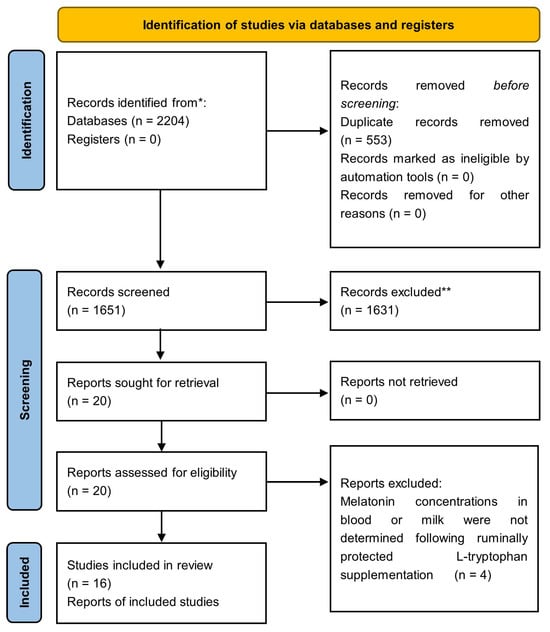
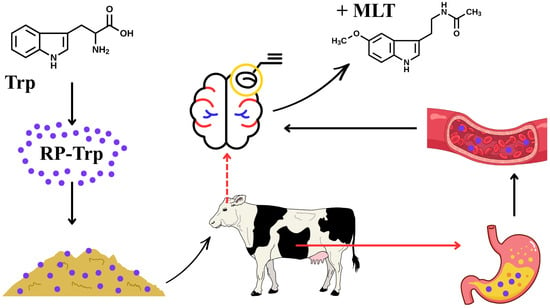
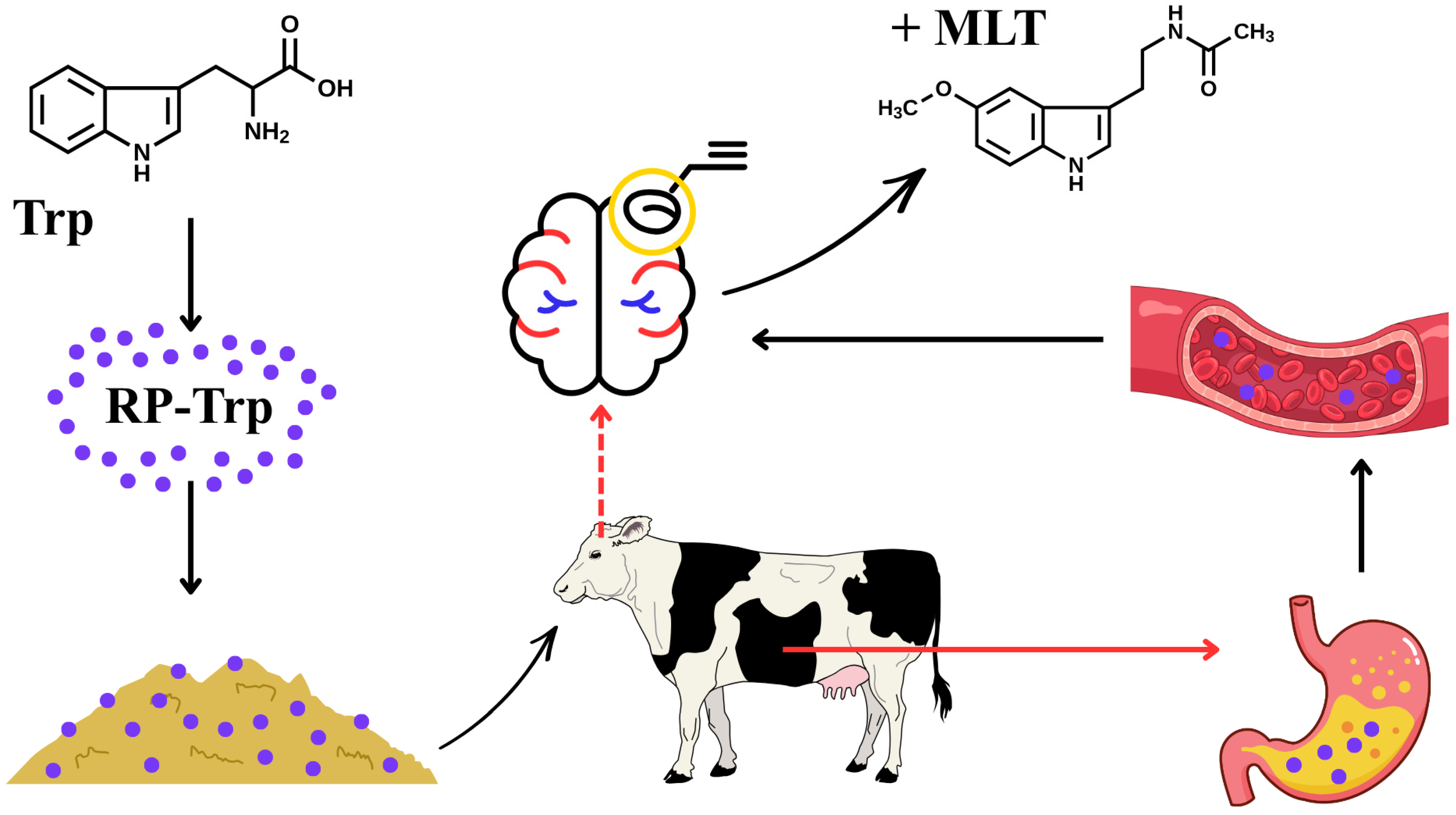
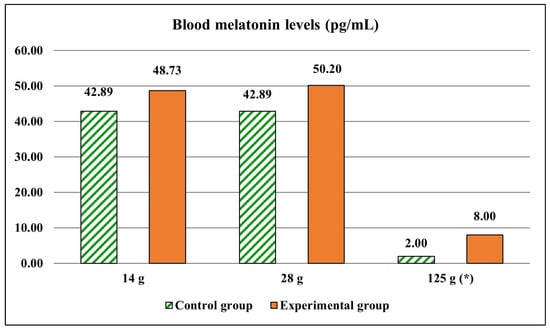
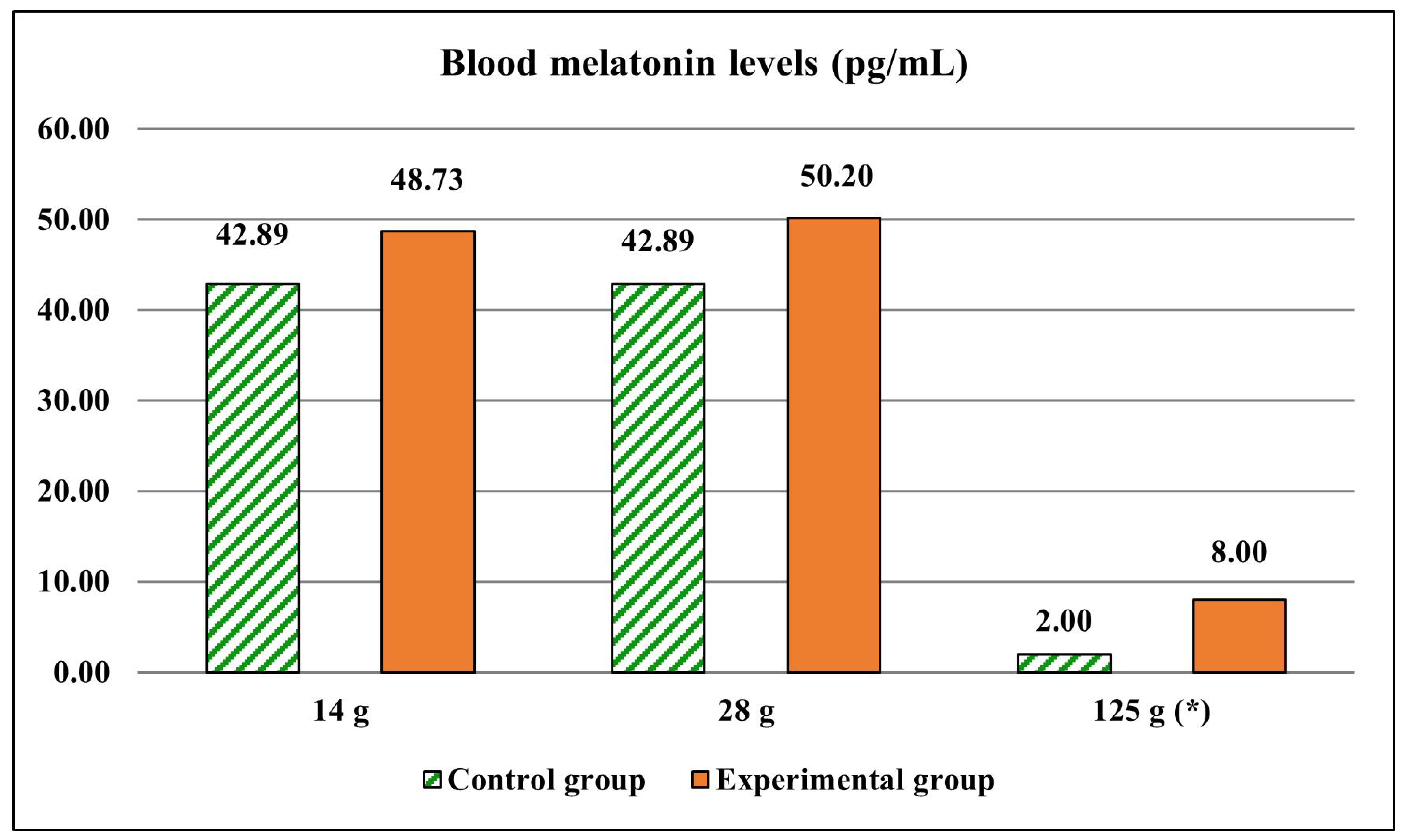
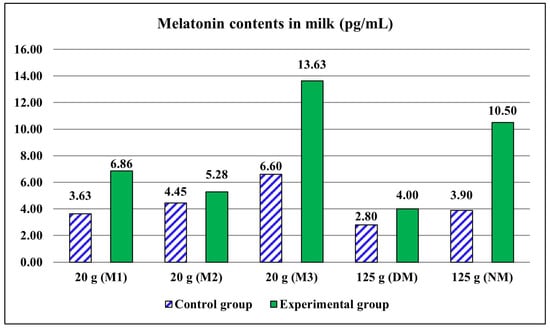
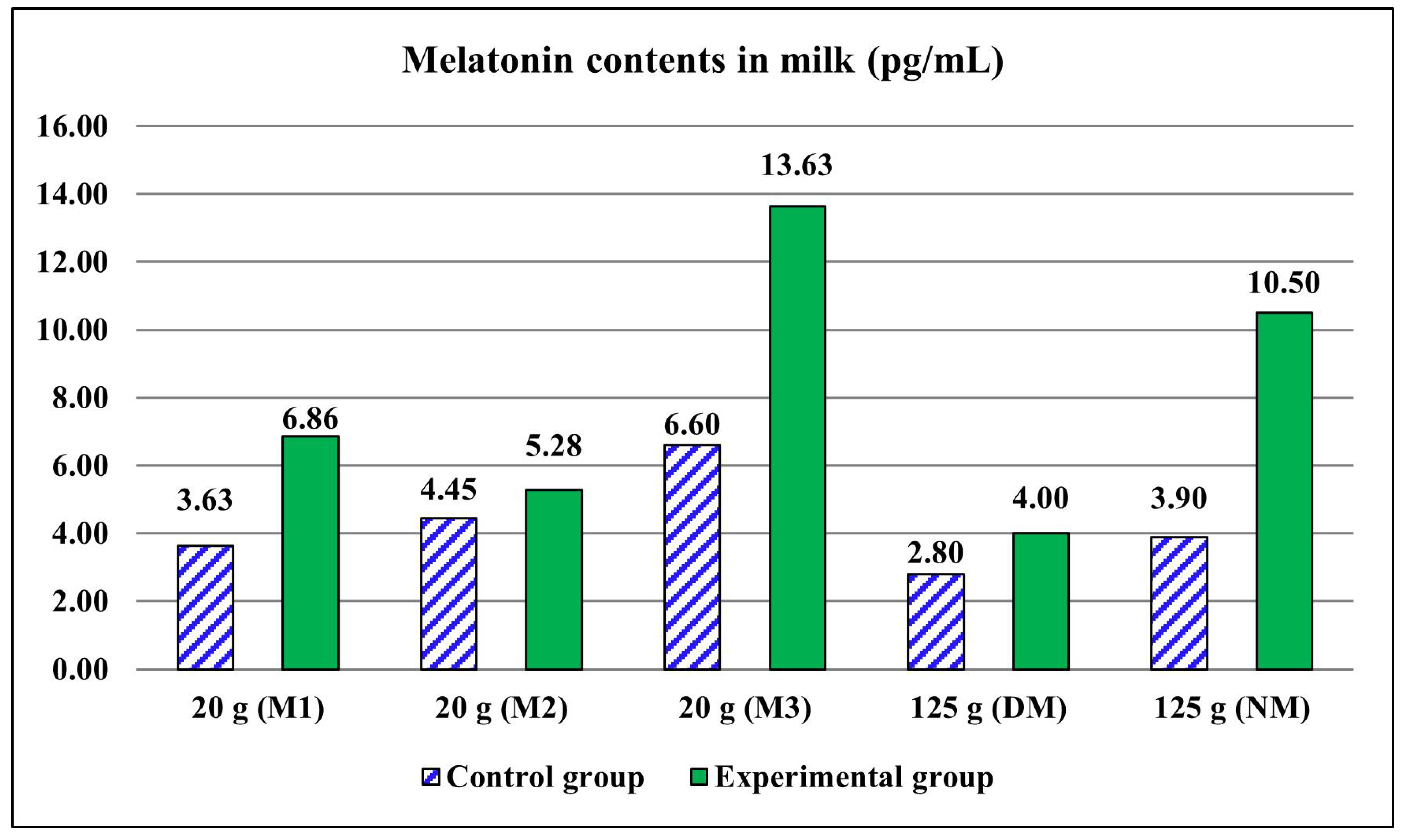
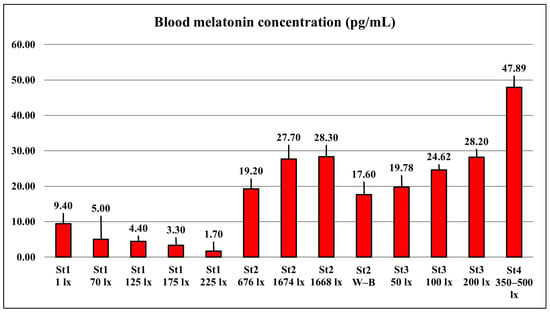
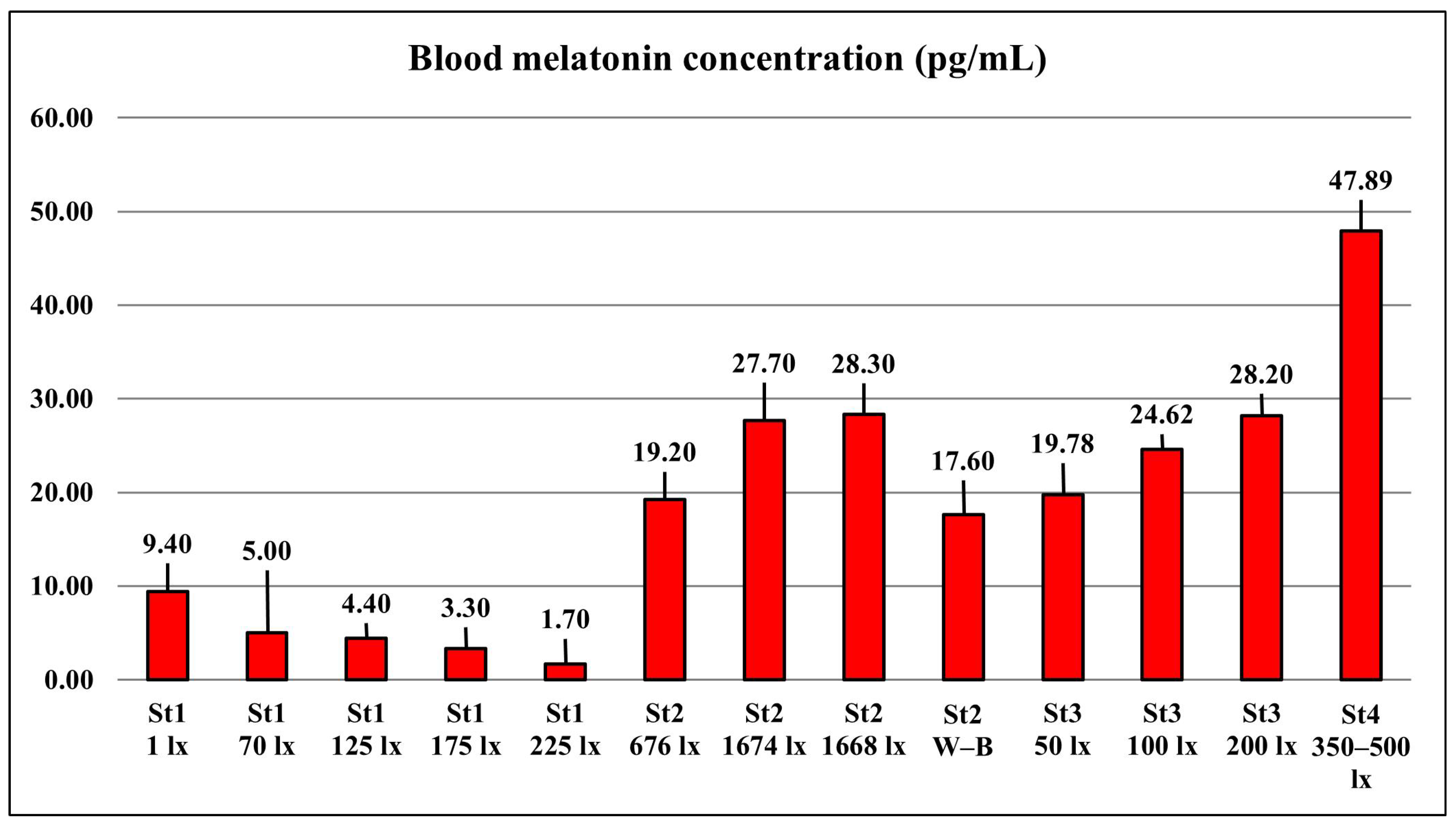
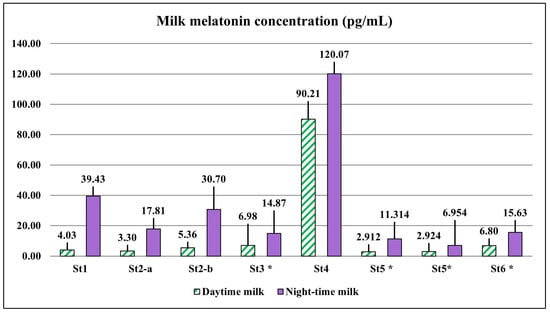
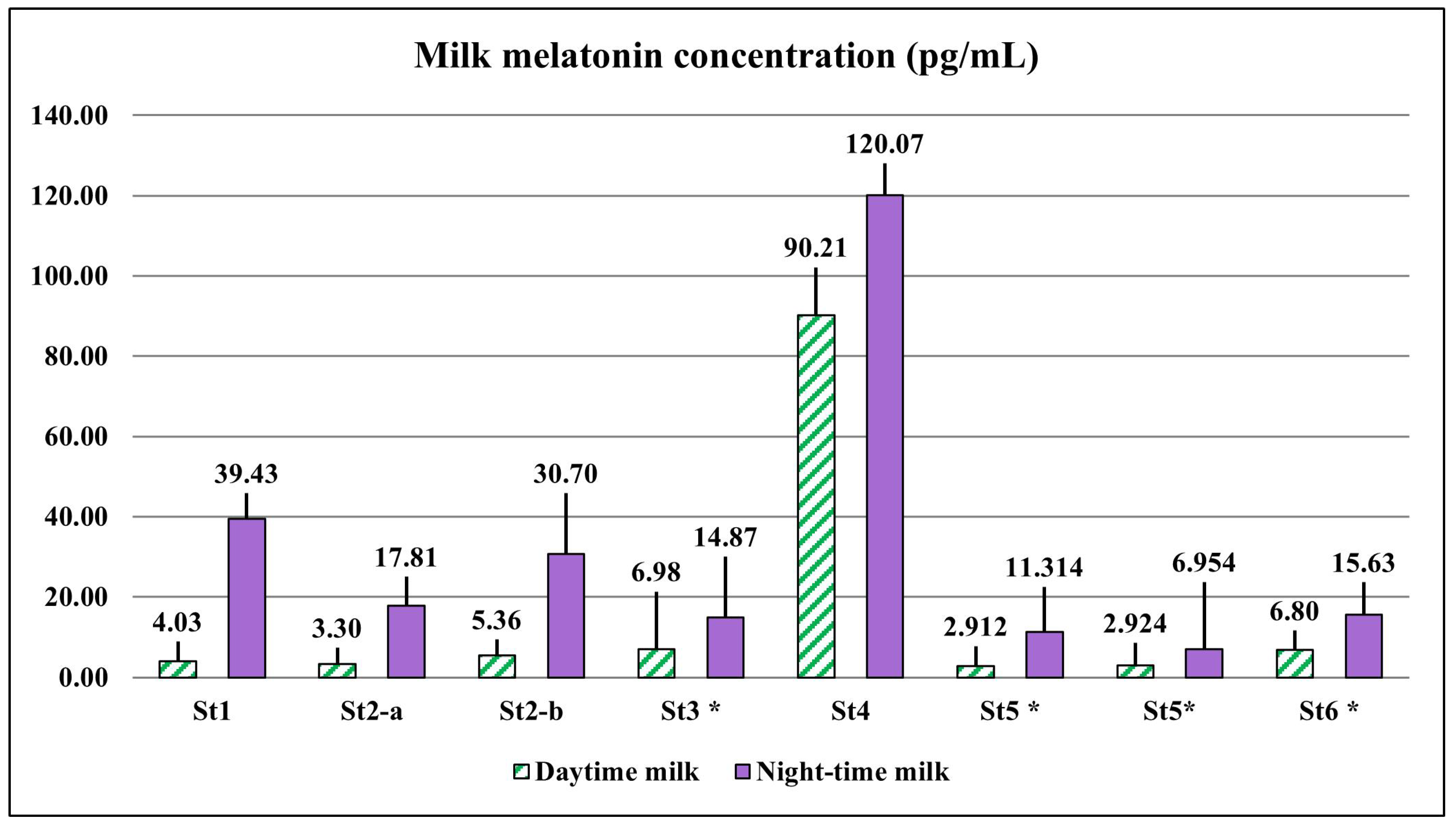
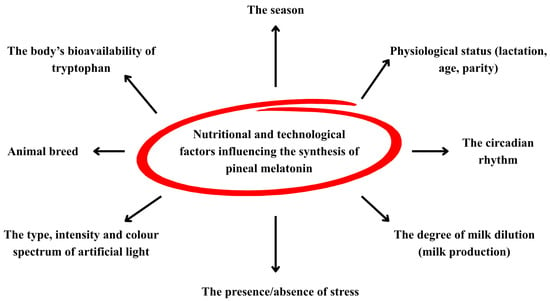
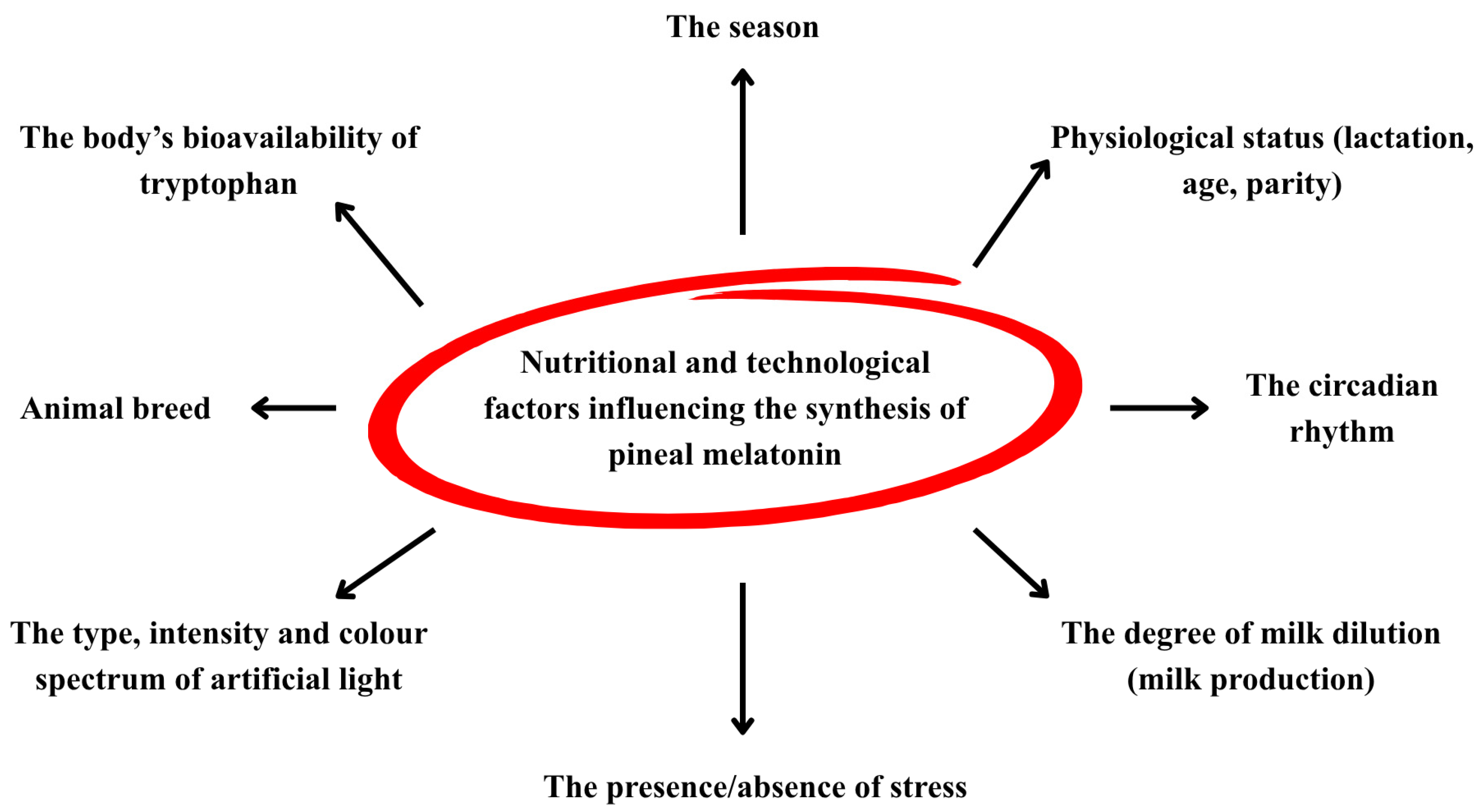
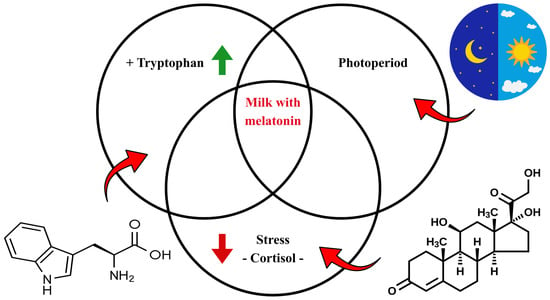
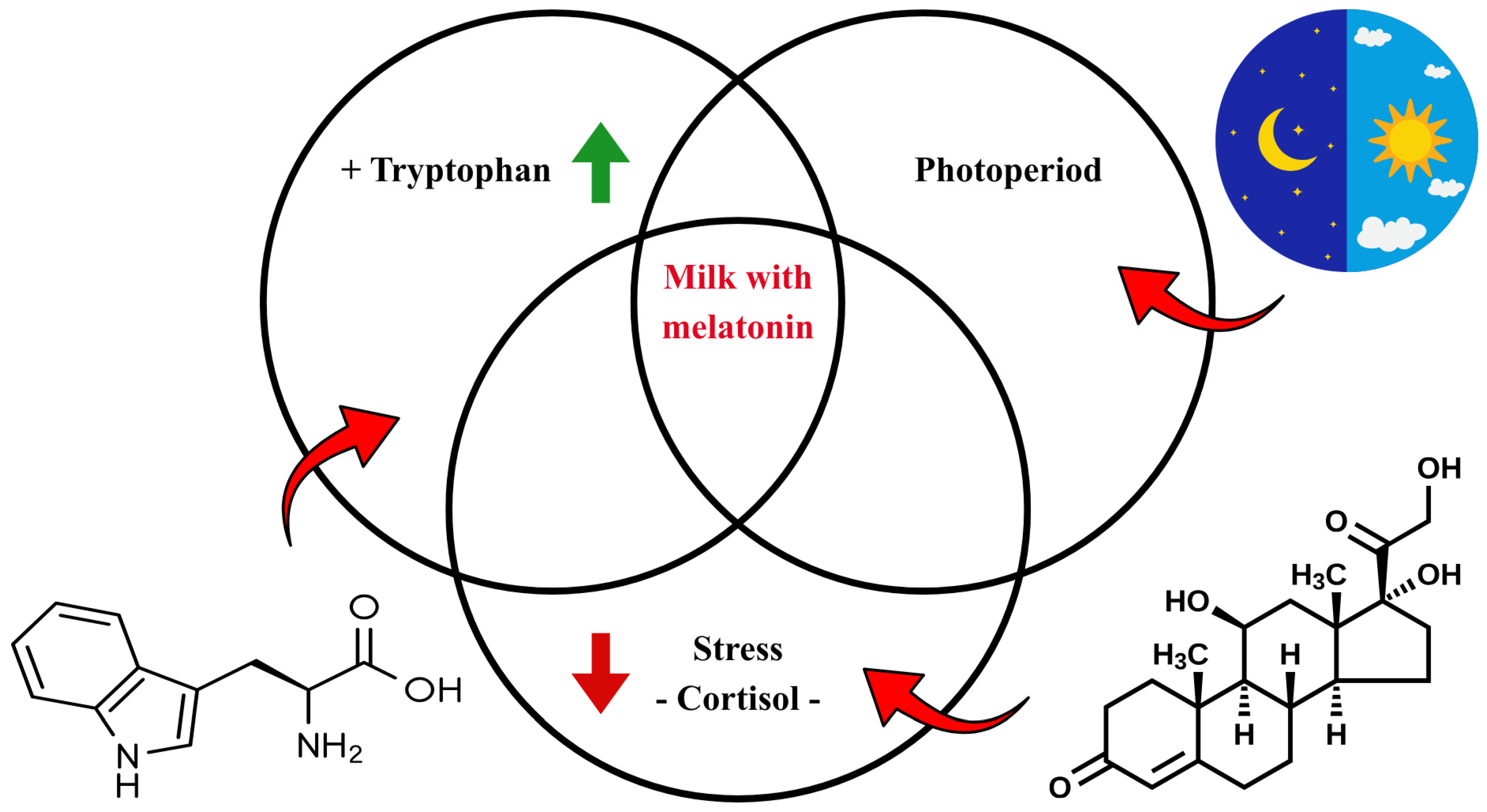
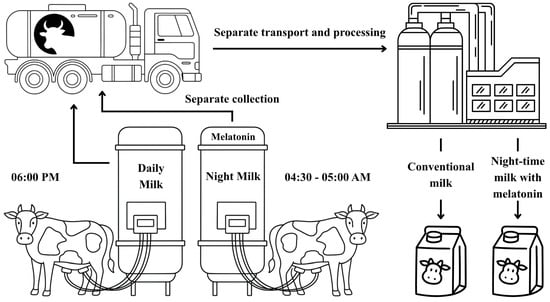
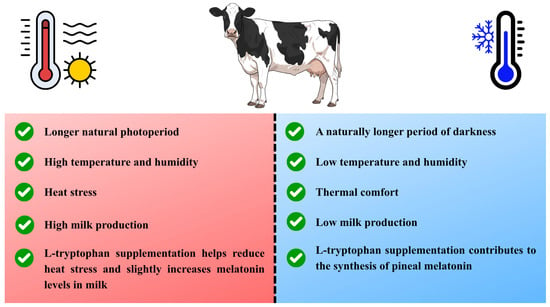
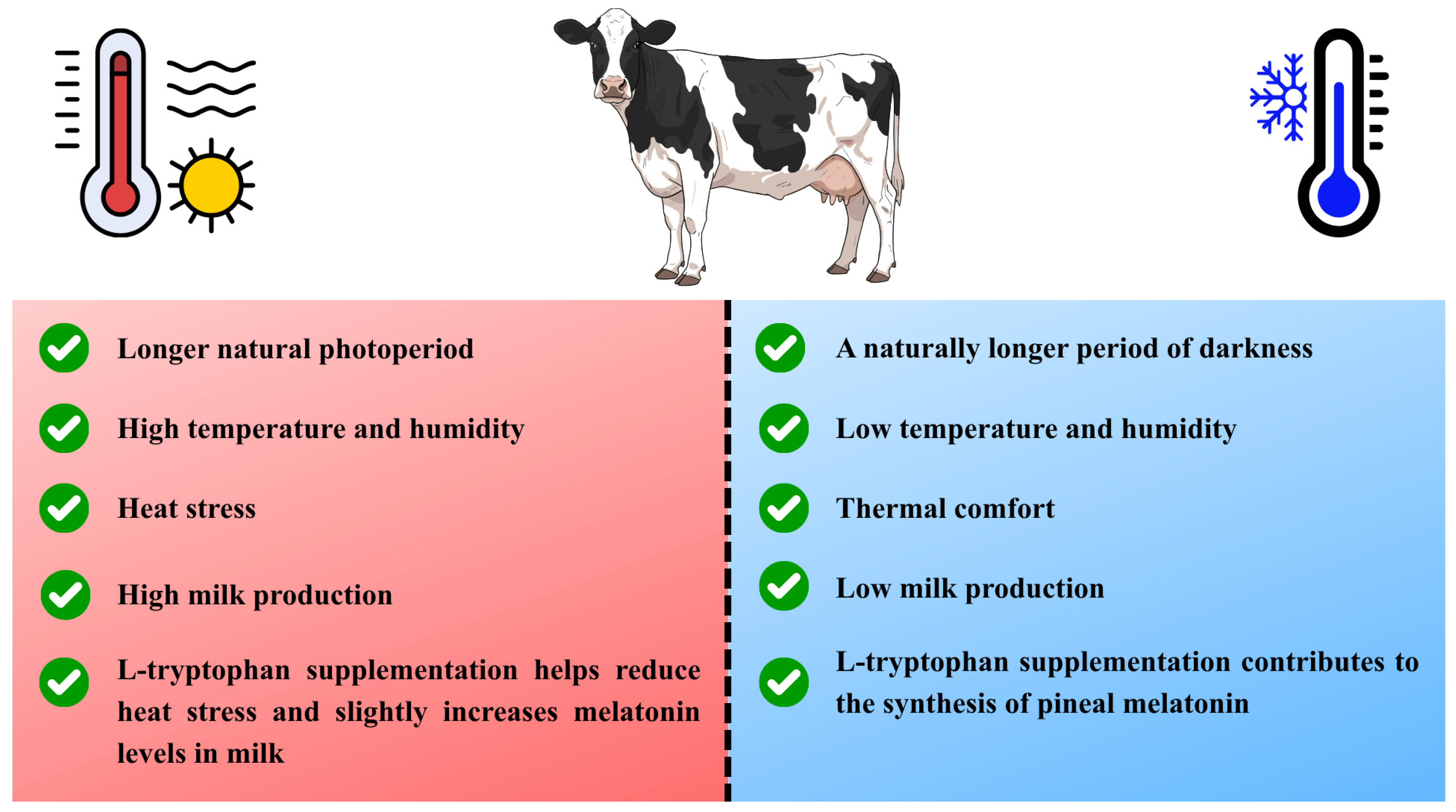

Disclaimer/Publisher’s Note: The statements, opinions and data contained in all publications are solely those of the individual author(s) and contributor(s) and not of MDPI and/or the editor(s). MDPI and/or the editor(s) disclaim responsibility for any injury to people or property resulting from any ideas, methods, instructions or products referred to in the content. |
© 2026 by the authors. Licensee MDPI, Basel, Switzerland. This article is an open access article distributed under the terms and conditions of the Creative Commons Attribution (CC BY) license.