


Abstract
As one of the basic disciplines of agricultural, natural resource, and environmental science, soil science has played a critical role in global food security and socio-economic and ecological sustainability. The number of soil science journals and publications has increased remarkably with the development of soil science. However, there is a lack of systematic and comprehensive studies on the developmental trends of soil science based on journals and publications. In this study, 39 journals included under the soil science category in the 2022 Journal Citation Reports, and 112,911 publications in these journals from 1992 to 2022 were subjected to scientometric/bibliometric analysis to determine trends in publication, journal metrics, co-authorship, and research topics, in addition to general journal information. The results show that soil science ushered in a renaissance period with the number of publications, citations, impact factors, and CiteScore demonstrating an increasing trend. America and the Chinese Academy of Sciences had the most publications and citations. The most productive author published more than 400 articles. Soil science research focused mostly on its fundamental impact on the ecological environment based on the strongest citation bursts analysis of keywords. The analysis indicated that open access has increased in popularity. Current soil science journals still face a few common challenges, including an urgent need for a fairer evaluation mechanism on journal quality compared to the traditional use of single metrics as well as equity, diversity, and inclusion (EDI) in the whole editorial process. Artificial intelligence may bring new tools and more changes to the development of soil science. This study will help soil science researchers to better understand the development status and future trends of soil science. It will also guide authors in journal selection.
1. Introduction
Soil is composed of organic matter, minerals, organisms, gases, and water, which are formed through a series of complex biogeochemical and physical processes [1,2]. Soil is a dynamic and diversified natural system, which is considered to be the most complex porous medium on Earth [3]. Soil supports major life activities on Earth, maintains the balance of ecosystems, and provides important services, such as water purification, carbon sequestration, and climate regulation. It supports nutrient cycling, plant growth, and the production of food, fiber, fuel, and construction materials, as well as cultural heritage and infrastructure foundations [4,5]. Soil is, therefore, extremely important for life on Earth [6].
Soil science is the study of soil as a natural phenomenon and resource. It provides an understanding of the physical, hydrological, chemical, biogeological, and mechanical mechanisms that control soil processes and spatial distribution, as well as various functional changes caused by human interference [7]. Soil science also provides the scientific basis for the rational utilization and management of land resources.
Although the importance of soil has long been recognized, soil science only started gradually developing into a solid scientific discipline during the early years of the 20th century, largely supported by international conferences [8]. The first person to recognize the need for a soil science journal was V.V. Dokuchaev, who is widely considered to be the founder of soil science. The first journal devoted exclusively to soil science (Pochvovedenie) was founded by soil hydrologist P.V. Ototskii from the University of St. Petersburg in Russia [9]. The first issue of the journal was published in 1899.
Following the rapid growth of the soil science knowledge base in the mid-20th century, a number of journals (including Plant and Soil, European Journal of Soil Science, Journal of Soil and Water Conservation, Clays and Clay Minerals, Archives of Agronomy and Soil Science, Soil Science and Plant Nutrition, Acta Agriculturae Scandinavica Section B-Soil and Plant Science, Agrochimica, and Journal of Plant Nutrition and Soil Science) were founded to accommodate the growing volume of research on different aspects of soil science. The increase in soil science knowledge has greatly promoted the development of agricultural production [10]. Concurrently, soil science output has also begun to increase substantially, with soil science journals becoming more international [11]. The development and scientific status of soil science have continued to improve since the 21st century. In December 2013, the 68th United Nations General Assembly adopted a resolution designating December 5th as World Soil Day and 2015 as the “International Year of Soils” [12], which fully reflects the increasing importance of soil science. Influenced by the continuous development and improvement of other traditional disciplines, numerous new research ideas, research methods, and techniques have been introduced [13] and interdisciplinary research is being widely performed in soil science [14].
One indicator of the growing importance of soil science is the huge increase in the number of relevant journals and publications [15]. In order to reveal the evolution of soil science, studies have been carried out based on the number of journals and publications. Hartemink et al. [9] analyzed 2079 articles from 100 volumes of the journal Geoderma, outlined the geographic origins of the research and authors, and discussed changes in thematic trends in soil science. Their research showed that the number of soil physics papers has increased significantly while soil chemistry has declined, reflecting some of the changes that have occurred in soil science as a whole. Minasny et al. [16] surveyed citations in 31 major soil science journals, analyzing self-citations by individuals, countries, and journals. They concluded that the self-citation rate of journals is positively correlated with their impact factor ranking, and the distribution of self-citation rates by country follows a power law trend, with China having a high self-citation rate. The self-citation rate of soil science is reasonable and comparable to other sciences [16]. Hartemink [17] collated relevant journals in soil science to investigate publication trends in soil science and open access. They found that there are about 42,000 soil science papers published annually, of which 5–20% are open access, and that the cost of publishing an open-access paper in 25 soil science journals ranges from USD $750 to 4000. Many other studies investigated the research status and development characteristics of specific themes of soil science, including soil health [18], soil nutrients/contaminants [19,20,21], arid soils [22], unfrozen soil water content [23,24], soil erosion modeling [25], measurement methods/techniques [26,27,28,29], machine learning in soil science and hydrology [30,31,32], and digital soil mapping [33]. However, most of these studies were limited to a single research element, a particular journal, or a specific research topic, which makes it difficult to accurately discern the overall development trends of soil science. Therefore, there is a need to systematically and comprehensively analyze major soil science journals.
The objective of this study was, therefore, to collate publications in 39 core soil science journals archived in the Web of Science between 1992 and 2022 and to summarize and analyze the development, influence, and trends in soil science using bibliometric analysis. The study provides soil scientists with various different soil science journals with an insight into assisting them in selecting appropriate journals for their articles. The aim of the study is to provide the reader with a reference and better understanding of the historical progress, current status, and research hotspots of soil science research.
2. Materials and Methods
The Web of Science Core Collection (WoSCC) has been widely recognized as the most authoritative scientific literature source in the world, because it comes with the required details for bibliometric analysis [26,29,34]. The 39 soil science journals selected in this study were listed in the 2022 Journal Citation Reports (JCR) of the Web of Science (Table 1). Although it may be controversial whether some journals belong to soil science, it is undeniable that they do publish papers related to soil science, so this paper uses the 2022 JCR as a criterion to consider all 39 journals listed therein as soil science journals. The journals were divided into four quartiles (i.e., Q1–Q4; Q1 is occupied by the top 25% of journals in the list, while Q2–Q4 are occupied by the 25–50%, 50–75%, and 75–100% groups, respectively) based on the up-to-date impact factor (IF, the ratio of citations of a journal in a recent 2- or 5-year window to the number of its publications in the same time window). The corresponding CiteScore (similar to IF, but for a 3-year window) for each journal was obtained from Scopus, while journal information such as publication cycles and editorial board compositions was collected from the official websites of the journals. WoSCC data for the period 1992–2022 were retrieved on 15 February 2023 for analysis. Document types selected for this study were proceedings papers, articles, and review articles, including formally indexed and early-access copies of these publications based on WOS. The “full record and citation data” of the retrieved results were exported in the BibTex and plain text file formats for bibliometric analysis. The R language package Bibliometrix [35], which uses the BibTex format, and the VOSviewer (version 1.6.19) [36] and CiteSpace (version 6.1.R6) [37] software, which utilize the plain text file format, were used to analyze and visualize the data.
Table 1.
Selected information from 39 journals under the Journal Citation Report (JCR) soil science category †.
The H-index, global total citations (TCs), and local total citations (LCs) were calculated using the R language package Bibliometrix [38] based on the collected data. The H-index is a hybrid quantitative evaluation of scholarly achievement, indicating that H of the published publications have been cited at least H times, and is often used to evaluate the scholarly impact of a journal or individual [39]. Global total citations indicate the number of total citations of a publication or journal cited by all other publications. The local total citations indicate the number of citations by the 39 journals investigated, which to some extent reflect the quality and impact of a research paper or a journal [40]. VOSviewer [36] was used to construct and visualize bibliometric networks by country, organization, author cooperation, and keyword co-occurrence. Keywords with the strongest citation bursts were calculated and analyzed using CiteSpace [37,41].
3. Results and Discussion
3.1. General Information of the 39 Soil Science Journals
The selected general information of the 39 soil science journals is presented in Table 1. The first soil science journal entitled “Soil Science” was launched in January 1916 with subsequent issues published monthly. A few other soil science journals have been in existence for over 50 years (e.g., European Journal of Soil Science and Soil Science Society of America Journal). Over 112,000 publications have been published over the last 30 years. The long history and high volume reflect the importance of the soil science discipline.
It is noteworthy that most of the 39 soil science journals published by Elsevier present review speeds and acceptance rates on their official websites. These indicators are good references for authors when choosing a target journal for their submissions. The average time until the first decision ranges from few to 28.9 weeks, and the average time until publication ranges from 0.3 to 12.9 weeks (Table 1), which are generally longer than other disciplines. For example, the average time from the first submission to the first editorial decision after formal peer review is 5.1 ± 6.0 weeks in the field of “conservation biology” [42]. However, it should be noted that these data vary from year to year and will likely increase because the soaring submission volume will inevitably increase the burden on the review process [43]. The same difficulty will likely affect the acceptance rate, including desk-rejected papers (i.e., manuscripts rejected without entering the review process). This means more submissions may have to be rejected in order to maintain acceptable journal metrics [44]. This is especially true for top-tier journals with high IF as they are generally more attractive to authors, whereas other journals may be inclined to opt for a smaller publication volume to maintain or increase their IF and CiteScore [45].
The processing time taken by the editorial board members also significantly determines the time for the review process as most of the editorial work is the volunteer work of researchers or a part-time job paid with a small honorarium. Therefore, a highly motivated editorial board is key. This is similar to reviewers who volunteer to review for journals but are generally not paid at all. This is not unique to soil science journals. To motivate the reviewers and editorial board, many incentive strategies have been adopted by journals: (1) Acknowledge reviewers or editorial board members by awarding them with excellent performance certificates or similar; (2) some open-access journals (not soil science journals) offer a discount voucher for publication fees for each review or waive the publication fee of one or two papers yearly for editorial board members. Sometimes, poor-quality review reports may be provided by discount voucher-driven reviewers; (3) most journals in China for example allocate a small budget to pay reviewers for each review report [46]. However, no report was found on how this would speed up the review process and guarantee the review quality; (4) some journals (e.g., MDPI journals, Heliyon) have full-time assistant editors (AEs) or reviewer selection editors (RSEs) to invite reviewers on behalf of associate editors by matching the submissions with reviewers’ keywords/publications through reviewers’ recommendation services of the editorial system. This reduces the time spent by associate editors in finding reviewers and the editors only need to make decisions based on the review reports, and the publication cycle is generally shorter. However, AEs and RSEs may not have enough knowledge of a reviewer’s expertise, experience, conflicts of interests, and background, so inappropriate reviewers and review reports may be included; (5) many journals have allowed readers to comment on research papers prior to or at the same time as sending them out for review [47], while other journals (e.g., eLife) choose an open publishing model to skip the peer review process [48]; (6) a multi-journal submission instead of the traditional single-journal submission system would save a lot of time for authors to avoid serial rounds of review after being rejected by previous journals. Multi-journal submission is considered to be plagiarism but also unfairly hoards the submissions and prevents quick dissemination [49]. For instance, Cell Press has launched the “Multi-Journal Submission” initiative (previously, “Community Review”) for authors to find the right fit among 26 journals of its press for their research papers. This is a good start, and it would further benefit the authors if a cross-publisher choice of journals is available. However, authors are also expected to work together with publishers for academic integrity; and (7) Preprints, Facebook, blogs, WeChat, Threads, and other social media promotion can also effectively reduce the impact of delayed publication of papers and help to disseminate results quickly [50]. Many soil science journals, such as Geoderma (GeoD), Vadose Zone Journal (VZJ), and Soil Science Society of America Journal (SSSAJ), have dedicated editorial board members who are responsible for promoting and publicizing journal articles. Except for the first and last strategy, the others are generally not adopted by any of the 39 soil science journals but they may help if adopted.
In addition, most soil science journals use a hybrid model that allows authors to choose subscriptions and open access when publishing. Newly established journals generally choose the gold open-access model (e.g., Soil, International Soil and Water Conservation Research, and Biochar), which allows the published article to be freely available for online access. Some top-tier soil science journals (e.g., Geoderma, Vadose Zone Journal) have flipped from the subscription or hybrid model to the gold open-access model and more journals are planning to do so. This may indicate an increasing trend toward open access [51], partly because of the cOAlition S program [52] in Europe that requires research funded by national, regional, and international funding bodies to be published in open-access mode. A similar policy was implemented in the USA and Canada, where scientific publications and supporting data resulting from federally funded research are required to be publicly accessible upon publication [53]. As indicated by the OA2020, the implementation of open access may eventually decrease the cost of publication [54], but in the short to medium term, the article processing charge (APC, ranging from USD 600 to USD 4800, Table 1) may increase the financial burden on researchers who have limited funding opportunities, especially those from developing countries. Some society-funded journals, such as the European Journal of Soil Science and the Soil Science Society of America Journal, stick to hybrid or subscription mode, which appeal to authors who cannot afford APCs. The cost of open-access publication may change from year to year due to various factors. In general, journals with high selectivity and higher impact factor tend to charge higher APCs (Table 1), because accepted articles usually defray the cost of rejected articles [55]. Open access may lead to more citations and higher journal metrics (e.g., IF and CiteScore), and more reads or downloads. However, there is no direct research to show that OA increases the journal metrics, as there has been a decline in IF for the Vadose Zone Journal and Geoderma immediately after they switched to OA, as indicated in Section 3.3; however, the IF is affected by many factors and should not be directly linked to OA mode.
3.2. Publication Volume and Citation Metrics
There was a total of 112,911 publications in the 39 major soil science journals during 1992 and 2022 (Table 2). These included 105,106 research articles, 4786 proceedings papers, and 2108 reviews that were already published, and 858 articles plus 53 reviews that were in early access. Overall, the annual total publication volume of the journals increased over the years, averaging 2557 during 1992–2002, 3445 publications during 2003–2012, and 5034 publications during 2013–2022. Plant and Soil is the only journal that published over 10,000 papers during 1992–2022. Seven journals (i.e., Soil Biology and Biochemistry, Geoderma, Catena, Plant and Soil, Soil Science Society of America Journal, Communications in Soil Science and Plant Analysis, and Eurasian Soil Science) each published more than 5000 articles during the same period. It is noteworthy that the publication volumes for JCR Q1 and Q2 journals generally increased over the 30 years. The increase in the number of published articles, the number of journals, and the number of citations may partly reflect the demographic explosion of the last 50 years and the entry of scientists from many developing countries into the scientific market. The opposite trend was observed for Q3 and Q4 journals, although the total citations for each journal showed an increasing trend (Figure 1). Nine journals had over 100,000 citations, with Soil Biology and Biochemistry, Plant and Soil, and Geoderma ranking highest, as shown by their TCs (Table 2). A large portion of TCs was from the 39 journals, as indicated by the corresponding LCs. The average number of citations per article can reflect the quality or impact of the publications of the journal. Soil Biology and Biochemistry had the highest TC per article (TC/N = 58.5), whereas the Soil Science Society of America Journal had the highest LC per article (LC/N = 28.3), indicating that the journal’s published articles are well recognized by their soil scientist peers. In addition, 11 journals each had over 100 publications cited more than 100 times, with the top 5 journals being Soil Biology and Biochemistry (241), Plant and Soil (206), Soil Science Society of America Journal (191), Geoderma (183), and Soil and Tillage Research (151).
Table 2.
Citation metrics of the 39 journals under the Journal Citation Report (JCR) category of soil science between 1992 and 2022 +.
Figure 1.
Annual trends of total publication volume (a,c,e,g) and total citations (b,d,f,h) for 39 soil science journals according to the rankings of Journal Citation Report (JCR) Q1–Q4 indexed by the Web of Science.
3.3. Journal Impact Factor and CiteScore Trends
Although controversial, the 2-year IF (usually called IF), 5-year IF, and CiteScores of journals are considered to be key metrics used to assess the quality and influence of journals [56]. The first two metrics are based on the Web of Science, whereas CiteScore is based on the Scopus database [57,58,59]. CiteScore and IF have a strong positive correlation [60] because their calculation methods are very similar. A 2-year IF can be highly influenced by a few highly cited articles. In addition, the IF is also affected by the calculation method. For instance, citations of early-access articles were first counted for the IF released in 2022, which resulted in a significant IF increase for many of the journals [61]. A 5-year IF and CiteScore on the other hand are steadier compared to 2-year IF, which may indicate that a 5-year IF and CiteScore could be better indicators of a journal’s impact [58]. The same was found in other disciplines such as hydrology [62].
Overall, metrics for all the journals showed an increasing trend (Figure 2, Figure 3 and Figure 4), with Q1 journals growing faster (Figure 2a, Figure 3a and Figure 4a), indicating an increase in the overall quality of soil science journals. Soil Biology and Biochemistry ranked highest among the 39 journals for all three metrics over the 30-year period, followed by Geoderma (GeoD) and Biology and Fertility of Soils (BFS). Notably, the recently launched journals, Biochar (BioC), International Soil and Water Conservation Research (ISWCR), and Soil already attained high metrics in 2022.
Figure 2.
Annual trends in the impact factor (IF) of the 39 soil science journals with the ranks of Journal Citation Report (JCR) Q1–Q4 (a–d) indexed by the Web of Science.
Figure 3.
Annual 5-year impact factor (IF) trends of the 39 soil science journals with the ranks of Journal Citation Report (JCR) Q1–Q4 (a–d) indexed by the Web of Science.
Figure 4.
Annual CiteScore trends for the 39 soil science journals with the ranks of Journal Citation Report (JCR) Q1–Q4 (a–d) indexed by the Web of Science.
3.4. Bibliometric Analysis
3.4.1. Countries and Organizations
A total of 185 countries and 29,356 organizations published in the 39 soil science journals from 1992 to 2022. Among them, the USA had the greatest number of publications (22,243), followed by China (19,436), and Germany (9197) (Figure 5a). The three countries accounted for 45% of all publications in the 39 journals. Citation rankings for the top three highly cited countries were the same as those for publication volume, i.e., the USA (839,263 citations), China (454,932), and Germany (356,501) (Figure 5b). The per-article citation tally for the USA was almost double that for China and Germany, which to some extent may indicate that the USA is still the leader in soil science research. Although Vinkler [63] reported that that is no direct relationship between gross domestic product (GDP) and the information production of countries, but it is assumed that bigger economies like the USA, China, and Germany can afford to spend more on scientific research compared to other small economies.
Figure 5.
Number of publications by countries and organizations: (a) top 10 countries based on number of publications; (b) top 10 countries based on total citations; and (c) top 20 organizations based on the number of publications and citations, where the blue boxes are the number of publications (top X-axis), and the orange boxes are the total citations (bottom X-axis).
The Chinese Academy of Sciences (CAS) was the most productive organization, contributing 7634 publications, followed by the United States Department of Agriculture–Agricultural Research Service (USDA-ARS, 2703) and the University of Chinese Academy of Science (UCAS, 2281), which is part of CAS. CAS and USDA-ARS also gained the most total citations (Figure 5c), while Institut National de la Recherche Agronomique (INRA) ranked third in total citations and sixth in publication volume. The total citations of publishing organizations are positively related to the number of publications, so it is difficult to truly and objectively assess the research impact of the publishing organizations. The number of citations per publication is more reasonable than the total number of publications and citations. Among the 20 organizations, The University of California, Davis had the greatest number of citations per publication at 54.8.
More frequent international collaborations between countries and organizations are also evident (Figure 6). The USA and Germany remained the leaders in soil science research as they collaborated with the most countries, while researchers from China and the USA had the strongest ties with the largest number of co-authored publications (Figure 6a). The eight cooperation networks of organizations, indicated by eight colored clusters in Figure 6, show strong zonality, which indicates that collaborations with organizations from the same countries remained prevalent (Figure 6b).
Figure 6.
Cooperation networks of countries (a) and organizations (b). Using a full count in VOSviewer, each publication is restricted to a maximum of 25 countries or organizations, and each country and organization is restricted to a minimum number of 500 and 300 publications, respectively, with a total of 42 countries and 107 organizations eligible. Countries or organizations in a collaborative network are linked based on the number of co-published articles. The size of the circles and fonts reflects the number of publications, and the thickness of the connecting lines indicates the strength of cooperation. Some fonts are not shown in the figure due to overlapping labels.
3.4.2. Co-Authorship and Most Influential Publications
Out of a total of 206,161 authors, 202 published over 50 papers each. The largest linked project consisted of 150 authors (Figure 7). Each colored cluster in Figure 7 represents a group of soil scientists from similar research fields who had strong collaborations. Yakov Kuzyakov, Rattan Lal, and Qirong Shen were among the leading figures of different research groups. The authors of the green cluster represented by Dr. Rattan Lal (the Ohio State University) mainly focused on soil ecology, soil fertility, land degradation, and soil erosion [64,65,66]. The authors represented by Dr. Qirong Shen (Nanjing Agricultural University) in the red cluster had soil biology, fertilizers, composting, and soil fertility as their main focal areas [67,68,69]. The blue cluster, represented by Dr. Petra Marschner (University of Adelaide), had research interests in soil environment, rhizosphere, phosphorus, and nutrient analysis [70,71,72]. In the brown cluster, researchers represented by Dr. Yakov Kuzyakov (Georg-August University Gottingen) worked mostly on soil microorganisms, nutrient cycling, greenhouse gases, and litter decomposition [73,74,75]. The cyan cluster, represented by Dr. Robert Horton (Iowa State University) and Dr. Tusheng Ren (China Agricultural University), among others, had research interests mainly in soil physics, soil thermal properties, and the coupling of soil water and heat transport [27,28,76,77,78,79]. The yellow and purple clusters represented by Dr. Rainer Horn (Kiel University) and Dr. Davey L. Jones (Murdoch University), respectively, were associated with research interests in hydrology, hydraulics, hydrological modeling, and soil conservation [80,81,82], and as carbon cycling, soil inter-root biology, and isotope labeling, respectively [83,84,85].
Figure 7.
Co-authorship network map. The full counting method was selected in VOSviewer. Each publication is limited to a maximum of 25 authors, and each author is limited to a minimum of 50 publications; a total of 202 soil scientists met this threshold. Authors are linked according to the number of joint publications. The largest connection item consists of 150 authors (some author names are not shown in the figure due to overlapping labels). The size of circles and fonts reflects the number of publications, and the thickness of connecting lines indicates the strength of cooperation.
Dr. Yakov Kuzyakov had the most publications in the 39 soil science journals from 1992 to 2022 and also garnered the most total citations. Sixteen of his 400+ articles were among the most highly cited publications. Dr. Rattan Lal (359) and Dr. Davey L. Jones (233) ranked second and third, respectively, in the number of publications, of which five and eight, respectively, were among the most highly cited papers. The publication with the most total citations (2765) was a review paper authored by Lehmann et al. [86] and published in Soil Biology and Biochemistry (SBB) (Table 3). Lehmann, Rillig, Thies, Masiello, Hockaday, and Crowley [86] mainly discussed the influence of biochar on soil microorganisms, animals, and plants; studied the relationship between biochar characteristics and biological reactions; and discussed the influence of biochar on biogeochemical processes in soil. Six et al. [87] was the most locally cited paper (1198 citations) during the 30-year period. Six, Bossuyt, Degryze, and Denef [87] reviewed the research on the relationship between soil (micro)aggregates, soil biota, and soil organic matter dynamics; described the development history of relevant theories; and clarified the influence and interaction of major factors. Other highly cited articles focused mainly on the turnover and stabilization mechanisms of soil organic matter [66,73,88,89,90,91,92,93,94,95], soil structure [96,97], physical and chemical properties [98,99,100,101,102,103,104,105], soil carbon and total nitrogen [106,107,108], soil carbon sequestration [109,110,111,112,113], digital soil mapping [114], soil microorganisms [115,116,117,118,119,120,121,122], soil enzymes [123,124], soil rhizosphere [125,126,127], biochar [128,129,130], methane [131], and soil zinc [132]. Soil carbon, both organic and inorganic, plays a critical role in restoring soil carbon sink and preventing carbon dioxide emissions that contribute to climate change mitigation. Soil carbon studies, especially soil organic carbon (SOC, mostly related to soil organic matter, humus, microbial biomass, etc.), have, therefore, been the hotspot in soil science, because the protection of and increase in SOC storage can (1) maintain or increase soil fertility, which increases crop growth and productivity; (2) increase soil’s water-holding capacity and infiltration while reducing soil erosion; and (3) increase resilience to climate change and extremes, which are all in line with the goals of United Nations Sustainable Development, the United Nations Framework Convention on Climate Change, and the United Nations Convention on Combating Desertification [133].
Table 3.
Top 50 most cited publications +.
Based on the statistics from the Web of Science, there were 624 highly cited papers and 10 hot papers in soil science journals as of 20 July 2023. Q1 journals published the majority of highly cited and hot papers, with Soil Biology and Biochemistry (SBB) and Catena ranking highest in both categories (Figure 8). It is also noteworthy that Plant and Soil (P & S) had more highly cited articles compared to all the other Q2–Q4 journals.
Figure 8.
Journal distribution of (a) highly cited (top 1%) and (b) hot (top 0.1%) papers. Note: The X-axis is the average number of citations per highly cited/hot paper in each soil science journal based on Web of Science data, and the Y-axis is the percentage of highly cited/hot papers in each journal relative to the total number of highly cited/hot papers.
3.4.3. Co-Authorship and Most Influential Publications
From 1992 to 2022, all publications in the 39 journals contributed 160,449 keywords in the titles, abstracts, and keyword lists, of which 149 had a frequency of more than 1000 (Figure 9). These keywords consisted of five major clusters/fields, with yellow representing soil microbiology and biogeochemistry disciplines as indicated by “biodiversity” and “community structure” of “microbial community” (e.g., “fungi” and “bacteria”) in the “rhizosphere” and “colonization” relationship with “root”. The green cluster refers to soil chemistry, with a focus on “kinetics”/“adsorption”/“resistance” to “heavy metals” (e.g., “cadmium”, “zinc”, and “copper”), salinity, and phosphorus and their effects on “plant”, “growth” (e.g., “wheat”, “rice”, and “maize”). The red cluster is related to soil management and conservation and soil physics, “land use”, “management” or “tillage” effects on “physical properties” and “transport” processes, including “aggregate stability”, “runoff”, “infiltration”, “erosion”, and “model”. The blue cluster represents soil nutrients, with research investigating soil carbon and “nitrogen”, “turnover”, “dynamics”, or cycling, including “microbial biomass”, “soil organic matter”, “decomposition”, “carbon sequestration”, and “temperature” effects. These areas are related to soil “degradation”, and strategies related to “biochar” and “fertilization” are usually adopted to solve these challenges.
Figure 9.
Density visualization of keyword co-occurrence. A total of 149 keywords had frequencies of ≥1000. A larger font size indicates a greater total link strength and a closer distance between keywords indicates greater relevance of the topic. Each point on the map has a color depicting the density of the surrounding elements: the greater the density, the more intense the color.
However, the research hotspots and trends may change over time (Table 4). The keywords with the strongest intensity of the early outbreaks were “aluminum” (strength of 263.34, duration of 1992–2005); “soil” (strength of 223.71, duration of 1992–2000); “nitrogen fixation” (strength of 214.72, duration of 1992–2003); “extraction” (strength of 258.23, duration of 1992–2009); “nitrification” (strength of 200.12, duration of 1992–2006); “nitrogen mineralization” (strength of 216.23, duration of 1994–2011); and “population” (strength of 217.24, duration of 1995–2010), suggesting that researchers at the time were more concerned with issues relating to soil fertility and the population. In the 21st century, the keywords “climate change” (strength of 242.51, duration of 2016–2022); “microbial community” (strength of 184.58, duration of 2016–2022); “loess plateau” (strength of 265.78, duration of 2017–2022); “bacterial community” (strength of 229.87, duration of 2017–2022); and “use efficiency” (strength of 184.81, duration of 2019–2022) are gradually becoming new research hotspots. He et al. [40] also noted a significant increase in the frequency of the keywords “loess plateau” and “climate change” since 2015 through a bibliometric analysis.
Table 4.
Top 100 keywords with the strongest citation bursts +.
Soil is a natural “medium” for the growth and reproduction of microorganisms. The study of microbial communities in soils has been a hot research topic in recent years. In addition, the development of molecular genetic methods and their application to soils have also been an important factor in driving these research topics. Understanding the factors that influence the structural and functional diversity of inter-root microbial communities is crucial for ecosystem function and nutrient cycling. In the early stages of soil science, farmland soil research dominated by soil fertility gradually developed into problem-oriented research with the ecological environment as the core, and there has been increasing interest in soil process research dominated by soil organisms.
3.5. Emerging Issues on Soil Science Publications
3.5.1. Research Performance Assessment in Countries and Organizations
In the context of today’s research performance assessment, the evaluation of journal quality has become even more important [135]. Researchers need to know the rankings of journals in order to choose the top-ranked journals. Publishers and editors also pay attention to journal rankings because top journals are more likely to attract submissions from senior authors. Over many years, the IF has been the most commonly used metric for assessing the quality of journals, albeit with controversy [136]. The 5-year IF, CiteScore [137], H-index [138], Scimago Journal Rank (SJR) [139], Source Normalized Impact per Paper (SNIP) [140], Eigenfactor [141], Almetrics [142], and the Chinese Academy of Sciences quartiles (average three-year IF and divided journals into four quartiles, with Q1 occupied by top 5% journals, Q2 by 6–20%, Q3 by 21–50%, and Q4 by 51–100%) have been developed to give more reliable and stable journal metrics. These metrics take into account different factors and, therefore, have their own pros and cons; the singular use of any one as an assessment criterion would be controversial if universities, research institutes, and other organizations relied too much on these metrics to assess researchers’ career development and grant applications, etc. As a result, there is a lack of a more recognized evaluation mechanism for assessing the quality of journals today. Related studies have shown that most metrics, while appearing to be highly correlated, can actually make a large difference in the ranking of journals and that none of the metrics so far is superior [135].
Therefore, the research community needs to recognize the limitations of these indicators and adopt a more diverse and integrated evaluation approach in order to assess the quality and impact of journals in a more comprehensive and unbiased way. The Declaration on Research Assessment (DORA) is an initiative that aims to improve the fairness and science of research assessment [143]. DORA emphasizes that assessment should be based on a variety of metrics and methodologies rather than relying solely on a single metric such as IF. It advocates a change in the culture of research assessment and encourages a more holistic and unbiased approach to evaluation. Ten years since its launch, DORA has become a global initiative covering all disciplines and all stakeholders [144]. DORA may be an effective solution to the current problem of assessing the quality of journals.
3.5.2. Equity, Diversity, and Inclusion
In addition to considering the country of origin and affiliations of authors, equity, diversity, and inclusion (EDI) are also important issues for scientific publications, contributing authors, reviewers, the journal editorial board, as well as journals and publishers. Previous studies have discussed EDI in soil science [145,146,147] and concluded that there was a persistent lack of EDI in soil science, including instances of racism [148] and a lack of gender equality [146].
In addition, APCs associated with the OA journals present inequities for researchers from underdeveloped countries or less funded scientists [149]; although, generally there is a special policy for them. The APC limits the accessibility and visibility of their research results by their research peers [150,151]. Publishers may charge significantly higher fees required to operate the OA journals and make profits because they do not pay extra to the authors, the editorial board, and reviewers. In addition, there is still a need to maintain subscription-mode journals so that researchers can make choices.
Moreover, peer review plays a key role in publications [152]. However, doubts about the objectivity, fairness, and integrity of the search for reviewers have made “peer review” controversial [153]. Therefore, EDI should be taken into account when seeking reviewers. On the other hand, journals have more difficulty in finding reviewers because most reviewers are volunteer reviewers and have a heavy workload [154], especially when the volume of submissions increased during and after the COVID-19 pandemic outbreak.
Furthermore, journals should also diversify their editorial board members by considering EDI [155]. Among the 39 soil science journals, only some journals from Elsevier give the gender ratio and country of origin of their editorial board members (Table 5). It can be seen that current soil science journals have realized the importance of EDI, but female scientists are still underrepresented [156], which may reflect the lower populations of female scientists engaged in soil science research and work [157]. In addition, editors are mainly from developed countries, and underdeveloped countries are underrepresented according to the Elsevier report.
Table 5.
Gender and country composition of editorial board members of nine soil science journals published by Elsevier.
The 39 journals come from 15 different countries and are issued by 15 different publishers (Table 1). It is important to note that there is not an exact one-to-one correspondence between these publishers and countries, as journals from some countries do not necessarily choose their own publishers for distribution. The United States, The Netherlands, Germany, and England are the major research centers in the field of soil science, and they have founded two-thirds of the high-quality soil science journals. Elsevier (The Netherlands), Springer (Germany), and Wiley (USA) are the three most recognized international publishers in the field of soil science, with more than half of the journals published by them. They also promote the development and exchange of soil science research in different countries through international cooperation, academic exchanges, and peer review [158]. The impact of these factors on the authors’ publications was not taken into account because information such as the gender and ethnicity of the authors could not be identified in all publications based on the Web of Science search, and the languages were all in English.
3.5.3. Artificial Intelligence-Based Research in Soil Science
Artificial intelligence (AI), including machine learning (ML) and deep learning, has rapidly increased its application in various scientific fields over the past decade [159]. A total of 680 articles related to AI were found in the 39 soil science journals over the past three decades and it shows a significant increasing trend in the number of publications, especially in the last decade (Figure 10). With the rapid development of AI, we can foresee its great potential and importance in solving soil-related questions pertaining to soil management [160], digital soil mapping [161], predicting soil quality [162], assessing soil contamination, and optimizing agricultural production [163]. Researchers are able to utilize large amounts of soil data and models to make soil management decisions, solve soil-related problems, and improve the accuracy of agricultural production and soil quality assessments, for example, with AI. It is expected that the future may see more applications of AI in the field of soil science.
Figure 10.
Annual trends in the number of publications and average citation frequency per article (MeanTCperYear) about artificial Intelligence (AI) and machine learning (ML) in 39 soil science journals.
Traditionally, non-English-speaking authors would turn to language editing services or academic writing tools and applications to refine scientific presentation or proofreading [164]. However, these services are usually expensive. AI-based writing tools (e.g., ChatGPT, GPT4, LLaMA series, ChatGLM series, PaLM series, Gemini, AlphaGo, Inflection, and Falcon) can facilitate scientific writing [165,166] but it is important to note that AI-based tools should not replace real authors or human creativity. As a result, journals such as Nature and Science have banned the inclusion of these AI tools as co-authors or their direct use for generating papers or assignments [167].
4. Conclusions and Perspectives
We performed a scientometric analysis of 39 soil science journals with 112,911 relevant publications from 1992 to 2022 archived in the Web of Science Core Collection to reveal the developmental history and research trends of soil science. The results showed an increase in high-quality publication volume and citations for Q1 and Q2 journals of the 2022 Journal Citation Report, while there was a decreasing trend for publication volume for Q3 and Q4 journals, although the cumulative citations were increasing. Journals operating under the open-access model are increasing, but journals should provide authors with the option to publish their work for free (subscription mode) in order to reduce the financial burden on authors with limited funding. Single journal metrics may not well represent a journal’s quality and impact, and more comprehensive assessment measures, such as the Declaration on Research Assessment (DORA) are encouraged. The USA and Germany are the research leaders for soil science, together with China contributing 45% of the publications. Collaborations in soil science also increased but mainly remained intranational or intracontinental, although international collaborations are also booming. We identified the most productive contributors (i.e., authors, organizations, and countries), 50 highly cited papers, five major research areas, and the research trends over the past 30 years based on a keyword analysis. It is also suggested that Journals, publishers, editorial boards, and reviewers should give due consideration to equity, diversity, and inclusion.
Author Contributions
Conceptualization, H.H. and L.J.; methodology, L.J.; software, L.J.; validation, W.W., H.H. and F.Z.; data curation, W.W.; writing—original draft preparation, L.J.; writing—review and editing, L.J., H.H. and F.Z.; visualization, L.J.; supervision, H.H. All authors have read and agreed to the published version of the manuscript.
Funding
This research received no external funding.
Institutional Review Board Statement
Not applicable.
Data Availability Statement
The datasets used or analyzed during the current study are available from the corresponding author upon reasonable request.
Acknowledgments
The authors thank Jiahui Yang for the advice and help given with writing and graphing. The authors also greatly appreciate the valuable and insightful comments by the editor and anonymous reviewers.
Conflicts of Interest
The authors declare no conflicts of interest.
References
- Abrahams, P.W. Soils: Their implications to human health. Sci. Total Environ. 2002, 291, 1–32. [Google Scholar] [CrossRef] [Scilit] [PubMed]
- Totsche, K.U.; Amelung, W.; Gerzabek, M.H.; Guggenberger, G.; Klumpp, E.; Knief, C.; Lehndorff, E.; Mikutta, R.; Peth, S.; Prechtel, A.; et al. Microaggregates in soils. J. Plant Nutr. Soil Sci. 2018, 181, 104–136. [Google Scholar] [CrossRef] [Scilit]
- Young, I.M.; Crawford, J.W. Interactions and Self-Organization in the Soil-Microbe Complex. Science 2004, 304, 1634–1637. [Google Scholar] [CrossRef] [Scilit]
- Pronk, G.J.; Heister, K.; Vogel, C.; Babin, D.; Bachmann, J.; Ding, G.-C.; Ditterich, F.; Gerzabek, M.H.; Giebler, J.; Hemkemeyer, M.; et al. Interaction of minerals, organic matter, and microorganisms during biogeochemical interface formation as shown by a series of artificial soil experiments. Biol. Fertil. Soils 2017, 53, 9–22. [Google Scholar] [CrossRef] [Scilit]
- Andrea, F.; Bini, C.; Amaducci, S. Soil and ecosystem services: Current knowledge and evidences from Italian case studies. Appl. Soil Ecol. 2018, 123, 693–698. [Google Scholar] [CrossRef] [Scilit]
- Doula, M.K.; Sarris, A. Chapter 4—Soil Environment. In Environment and Development; Poulopoulos, S.G., Inglezakis, V.J., Eds.; Elsevier: Amsterdam, The Netherlands, 2016; pp. 213–286. [Google Scholar]
- Wilding, L.P.; Lin, H. Advancing the frontiers of soil science towards a geoscience. Geoderma 2006, 131, 257–274. [Google Scholar] [CrossRef] [Scilit]
- van Baren, H.; Hartemink, A.E.; Tinker, P.B. 75 years The International Society of Soil Science. Geoderma 2000, 96, 1–18. [Google Scholar] [CrossRef] [Scilit]
- Hartemink, A.E.; McBratney, A.B.; Cattle, J.A. Developments and trends in soil science: 100 volumes of Geoderma (1967–2001). Geoderma 2001, 100, 217–268. [Google Scholar] [CrossRef] [Scilit]
- Tinker, P.B. Soil science in a changing world. J. Soil Sci. 1985, 36, 1–8. [Google Scholar] [CrossRef] [Scilit]
- Brevik, E.C.; Hartemink, A.E. Early soil knowledge and the birth and development of soil science. Catena 2010, 83, 23–33. [Google Scholar] [CrossRef] [Scilit]
- Rojas, R.V.; Caon, L. The international year of soils revisited: Promoting sustainable soil management beyond 2015. Environ. Earth Sci. 2016, 75, 1184. [Google Scholar] [CrossRef] [Scilit]
- Brevik, E.C.; Calzolari, C.; Miller, B.A.; Pereira, P.; Kabala, C.; Baumgarten, A.; Jordán, A. Soil mapping, classification, and pedologic modeling: History and future directions. Geoderma 2016, 264, 256–274. [Google Scholar] [CrossRef] [Scilit]
- Landa, E.R.; Brevik, E.C. Soil science and its interface with the history of geology community. Earth Sci. Hist. 2015, 34, 296–309. [Google Scholar] [CrossRef] [Scilit]
- Hartemink, A.E.; McBratney, A. A soil science renaissance. Geoderma 2008, 148, 123–129. [Google Scholar] [CrossRef] [Scilit]
- Minasny, B.; Hartemink, A.E.; McBratney, A. Individual, country, and journal self-citation in soil science. Geoderma 2010, 155, 434–438. [Google Scholar] [CrossRef] [Scilit]
- Hartemink, A.E. Open access publishing and soil science—Trends and developments. Geoderma Reg. 2019, 18, e00231. [Google Scholar] [CrossRef] [Scilit]
- Liu, Y.; Wu, K.; Zhao, R. Bibliometric analysis of research on soil health from 1999 to 2018. J. Soils Sediments 2020, 20, 1513–1525. [Google Scholar] [CrossRef] [Scilit]
- Zhang, D.; Dyck, M.; Filipović, L.; Filipović, V.; Lv, J.; He, H. Hyperaccumulators for Potentially Toxic Elements: A Scientometric Analysis. Agronomy 2021, 11, 1729. [Google Scholar] [CrossRef] [Scilit]
- Pan, X.Y.; Lv, J.L.; Dyck, M.; He, H.L. Bibliometric Analysis of Soil Nutrient Research between 1992 and 2020. Agriculture 2021, 11, 223. [Google Scholar] [CrossRef] [Scilit]
- He, D.; Bristow, K.; Filipović, V.; Lv, J.; He, H. Microplastics in Terrestrial Ecosystems: A Scientometric Analysis. Sustainability 2020, 12, 8739. [Google Scholar] [CrossRef] [Scilit]
- Oliveira, J.D.; Pereira, M.G. Global soil science research on drylands: An analysis of research evolution, collaboration, and trends. J. Soils Sediments 2021, 21, 3856–3867. [Google Scholar] [CrossRef] [Scilit]
- Feng, S.N.; Zhang, H.; Lv, J.L.; Dyck, M.; Wu, Q.B.; He, H.L. A Scientometric Review of Research Status on Unfrozen Soil Water. Water 2021, 13, 708. [Google Scholar] [CrossRef] [Scilit]
- Feng, S.; Chen, J.; Jones, S.B.; Flerchinger, G.; Dyck, M.; Filipovic, V.; Hu, Y.; Si, B.; Lv, J.; Wu, Q.; et al. Miscellaneous methods for determination of unfrozen water content in frozen soils. J. Hydrol. 2024, 631, 130802. [Google Scholar] [CrossRef] [Scilit]
- Bezak, N.; Mikos, M.; Borrelli, P.; Alewell, C.; Alvarez, P.; Anache, J.A.A.; Baartman, J.; Ballabio, C.; Biddoccu, M.; Cerda, A.; et al. Soil erosion modelling: A bibliometric analysis. Environ. Res. 2021, 197, 111087. [Google Scholar] [CrossRef] [Scilit] [PubMed]
- Zhang, H.; He, H.; Gao, Y.; Mady, A.; Filipović, V.; Dyck, M.; Lv, J.; Liu, Y. Applications of Computed Tomography (CT) in environmental soil and plant sciences. Soil Tillage Res. 2023, 226, 105574. [Google Scholar] [CrossRef] [Scilit]
- He, H.; Dyck, M.F.; Horton, R.; Ren, T.; Bristow, K.L.; Lv, J.; Si, B. Development and Application of the Heat Pulse Method for Soil Physical Measurements. Rev. Geophys. 2018, 56, 567–620. [Google Scholar] [CrossRef] [Scilit]
- He, H.; Dyck, M.F.; Horton, R.; Li, M.; Jin, H.; Si, B. Chapter Five—Distributed Temperature Sensing for Soil Physical Measurements and Its Similarity to Heat Pulse Method. In Advances in Agronomy; Sparks, D.L., Ed.; Academic Press: Cambridge, MA, USA, 2018; Volume 148, pp. 173–230. [Google Scholar]
- He, H.; Dyck, M.; Lv, J. The Heat Pulse Method for Soil Physical Measurements: A Bibliometric Analysis. Appl. Sci. 2020, 10, 6171. [Google Scholar] [CrossRef] [Scilit]
- Li, K.; Horton, R.; He, H. Application of machine learning algorithms to model soil thermal diffusivity. Int. Commun. Heat Mass Transf. 2023, 149, 107092. [Google Scholar] [CrossRef] [Scilit]
- Wang, X.W.; Yang, Y.Z.; Lv, J.L.; He, H.L. Past, present and future of the applications of machine learning in soil science and hydrology. Soil Water Res. 2023, 18, 67–80. [Google Scholar] [CrossRef] [Scilit]
- Zhao, T.; Liu, S.; Xu, J.; He, H.; Wang, D.; Horton, R.; Liu, G. Comparative analysis of seven machine learning algorithms and five empirical models to estimate soil thermal conductivity. Agric. For. Meteorol. 2022, 323, 109080. [Google Scholar] [CrossRef] [Scilit]
- Agyeman, P.C.; Ahado, S.K.; Boruvka, L.; Biney, J.K.M.; Sarkodie, V.Y.O.; Kebonye, N.M.; Kingsley, J. Trend analysis of global usage of digital soil mapping models in the prediction of potentially toxic elements in soil/sediments: A bibliometric review. Environ. Geochem. Health 2021, 43, 1715–1739. [Google Scholar] [CrossRef] [Scilit] [PubMed]
- Yang, J.H.; Wu, G.L.; Jiao, J.Y.; Dyck, M.; He, H.L. Freeze-thaw induced landslides on grasslands in cold regions. Catena 2022, 219, 106650. [Google Scholar] [CrossRef] [Scilit]
- Aria, M.; Cuccurullo, C. bibliometrix: An R-tool for comprehensive science mapping analysis. J. Informetr. 2017, 11, 959–975. [Google Scholar] [CrossRef] [Scilit]
- van Eck, N.J.; Waltman, L. Software survey: VOSviewer, a computer program for bibliometric mapping. Scientometrics 2010, 84, 523–538. [Google Scholar] [CrossRef] [Scilit] [PubMed]
- Chen, C.M. CiteSpace II: Detecting and visualizing emerging trends and transient patterns in scientific literature. J. Am. Soc. Inf. Sci. Technol. 2006, 57, 359–377. [Google Scholar] [CrossRef] [Scilit]
- Rodríguez-Soler, R.; Uribe-Toril, J.; De Pablo Valenciano, J. Worldwide trends in the scientific production on rural depopulation, a bibliometric analysis using bibliometrix R-tool. Land Use Policy 2020, 97, 104787. [Google Scholar] [CrossRef] [Scilit]
- Durieux, V.; Gevenois, P.A. Bibliometric Indicators: Quality Measurements of Scientific Publication. Radiology 2010, 255, 342–351. [Google Scholar] [CrossRef] [Scilit]
- He, Z.; Gong, K.; Zhang, Z.; Dong, W.; Feng, H.; Yu, Q.; He, J. What is the past, present, and future of scientific research on the Yellow River Basin?—A bibliometric analysis. Agric. Water Manag. 2022, 262, 107404. [Google Scholar] [CrossRef] [Scilit]
- Chen, C.; Ibekwe-SanJuan, F.; Hou, J. The structure and dynamics of cocitation clusters: A multiple-perspective cocitation analysis. J. Am. Soc. Inf. Sci. Technol. 2010, 61, 1386–1409. [Google Scholar] [CrossRef] [Scilit]
- Nguyen, V.M.; Haddaway, N.R.; Gutowsky, L.F.G.; Wilson, A.D.M.; Gallagher, A.J.; Donaldson, M.R.; Hammerschlag, N.; Cooke, S.J. How Long Is Too Long in Contemporary Peer Review? Perspectives from Authors Publishing in Conservation Biology Journals. PLoS ONE 2015, 10, e0132557. [Google Scholar] [CrossRef] [Scilit]
- Kovanis, M.; Porcher, R.; Ravaud, P.; Trinquart, L. The Global Burden of Journal Peer Review in the Biomedical Literature: Strong Imbalance in the Collective Enterprise. PLoS ONE 2016, 11, e0166387. [Google Scholar] [CrossRef] [Scilit]
- Cicchetti, D.V. The reliability of peer review for manuscript and grant submissions: A cross-disciplinary investigation. Behav. Brain Sci. 1991, 14, 119–135. [Google Scholar] [CrossRef] [Scilit]
- Fang, H. A modification of citation-based journal indexes. Scientometrics 2023, 128, 1119–1132. [Google Scholar] [CrossRef] [Scilit]
- Zhang, X. Effect of reviewer’s origin on peer review: China vs. non-China. Learn. Publ. 2012, 25, 265–270. [Google Scholar] [CrossRef] [Scilit]
- Qeios. Qeios Publishing Policy. Available online: https://www.qeios.com/publishing-policy#how-reviewing-process-works (accessed on 29 May 2023).
- Mulligan, A.; Hall, L.; Raphael, E. Peer review in a changing world: An international study measuring the attitudes of researchers. J. Am. Soc. Inf. Sci. Technol. 2013, 64, 132–161. [Google Scholar] [CrossRef] [Scilit]
- Gruda, D. Dear journals: Stop hoarding our papers. Nature Careers Community, 10 October 2023. [CrossRef] [Scilit]
- Donahue, M.Z. An Avid New Audience for Preprints—Extremists: Preprints can speed scientific communication but offer fuel for nefarious agendas. BioScience 2021, 71, 1004–1010. [Google Scholar] [CrossRef] [Scilit]
- Flury, M.; Lakshmi, V.; Lu, N.; Vanderborght, J. Editorial: Open Access on the move. Vadose Zone J. 2023, 22, e20237. [Google Scholar] [CrossRef] [Scilit]
- European Science Foundation. Plan S: Making Full and Immediate Open Access a Reality. Available online: https://www.coalition-s.org (accessed on 29 May 2023).
- The White House. Breakthroughs for All: Delivering Equitable Access to America’s Research [Office of Science and Technology Policy Blog]. Available online: https://www.whitehouse.gov/ostp/news-updates/2022/08/25/breakthroughs-for-alldelivering-equitable-access-to-americas-research (accessed on 29 May 2023).
- Schimmer, R.; Geschuhn, K.K.; Vogler, A. Disrupting the Subscription Journals’ Business Model for the Necessary Large-Scale Transformation to Open Access; ScienceOpen Research: Burlington, MA, USA, 2015; pp. 1–7. [Google Scholar] [CrossRef] [Scilit]
- Siler, K. Demarcating spectrums of predatory publishing: Economic and institutional sources of academic legitimacy. J. Assoc. Inf. Sci. Technol. 2020, 71, 1386–1401. [Google Scholar] [CrossRef] [Scilit]
- Roldan-Valadez, E.; Salazar-Ruiz, S.Y.; Ibarra-Contreras, R.; Rios, C. Current concepts on bibliometrics: A brief review about impact factor, Eigenfactor score, CiteScore, SCImago Journal Rank, Source-Normalised Impact per Paper, H-index, and alternative metrics. Ir. J. Med. Sci. 2019, 188, 939–951. [Google Scholar] [CrossRef] [Scilit] [PubMed]
- Van Noorden, R. Controversial impact factor gets a heavyweight rival. Nature 2016, 540, 325–326. [Google Scholar] [CrossRef] [Scilit]
- Atayero, A.A.; Popoola, S.I.; Egeonu, J.; Oludayo, O. Citation analytics: Data exploration and comparative analyses of CiteScores of Open Access and Subscription-Based publications indexed in Scopus (2014–2016). Data Brief 2018, 19, 198–213. [Google Scholar] [CrossRef] [Scilit] [PubMed]
- Fang, H. Analysis of the new scopus CiteScore. Scientometrics 2021, 126, 5321–5331. [Google Scholar] [CrossRef] [Scilit]
- Okagbue, H.I.; Teixeira da Silva, J.A. Correlation between the CiteScore and Journal Impact Factor of top-ranked library and information science journals. Scientometrics 2020, 124, 797–801. [Google Scholar] [CrossRef] [Scilit]
- Quaderi, N. The Road to Journal Citation Reports 2021: New Content and a New Metric. Available online: https://clarivate.com/blog/the-road-to-journal-citation-reports-2021-new-content-and-a-new-metric/ (accessed on 29 May 2023).
- Clark, M.P.; Hanson, R.B. The citation impact of hydrology journals. Water Resour. Res. 2017, 53, 4533–4541. [Google Scholar] [CrossRef] [Scilit]
- Vinkler, P. Correlation between the structure of scientific research, scientometric indicators and GDP in EU and non-EU countries. Scientometrics 2008, 74, 237–254. [Google Scholar] [CrossRef] [Scilit]
- Lal, R. Soil carbon sequestration impacts on global climate change and food security. Science 2004, 304, 1623–1627. [Google Scholar] [CrossRef] [Scilit] [PubMed]
- Minasny, B.; Malone, B.P.; McBratney, A.B.; Angers, D.A.; Arrouays, D.; Chambers, A.; Chaplot, V.; Chen, Z.S.; Cheng, K.; Das, B.S.; et al. Soil carbon 4 per mille. Geoderma 2017, 292, 59–86. [Google Scholar] [CrossRef] [Scilit]
- Six, J.; Conant, R.T.; Paul, E.A.; Paustian, K. Stabilization mechanisms of soil organic matter: Implications for C-saturation of soils. Plant Soil 2002, 241, 155–176. [Google Scholar] [CrossRef] [Scilit]
- Shen, Q.R.; Ran, W.; Cao, Z.H. Mechanisms of nitrite accumulation occurring in soilnitrification. Chemosphere 2003, 50, 747–753. [Google Scholar] [CrossRef] [Scilit]
- Whalen, J.K.; Chang, C.; Clayton, G.W.; Carefoot, J.P. Cattle manure amendments can increase the pH of acid soils. Soil Sci. Soc. Am. J. 2000, 64, 962–966. [Google Scholar] [CrossRef] [Scilit]
- Liu, M.Q.; Hu, F.; Chen, X.Y.; Huang, Q.R.; Jiao, J.G.; Zhang, B.; Li, H.X. Organic amendments with reduced chemical fertilizer promote soil microbial development and nutrient availability in a subtropical paddy field: The influence of quantity, type and application time of organic amendments. Appl. Soil Ecol. 2009, 42, 166–175. [Google Scholar] [CrossRef] [Scilit]
- Marschner, P.; Yang, C.H.; Lieberei, R.; Crowley, D.E. Soil and plant specific effects on bacterial community composition in the rhizosphere. Soil Biol. Biochem. 2001, 33, 1437–1445. [Google Scholar] [CrossRef] [Scilit]
- Lambers, H.; Raven, J.A.; Shaver, G.R.; Smith, S.E. Plant nutrient-acquisition strategies change with soil age. Trends Ecol. Evol. 2008, 23, 95–103. [Google Scholar] [CrossRef] [Scilit]
- Rengel, Z. Availability of Mn, Zn and Fe in the rhizosphere. J. Soil Sci. Plant Nutr. 2015, 15, 397–409. [Google Scholar] [CrossRef] [Scilit]
- Kuzyakov, Y.; Friedel, J.K.; Stahr, K. Review of mechanisms and quantification of priming effects. Soil Biol. Biochem. 2000, 32, 1485–1498. [Google Scholar] [CrossRef] [Scilit]
- He, J.; Shen, J.; Zhang, L.; Zhu, Y.G.; Zheng, Y.; Xu, M.; Di, H.J. Quantitative analyses of the abundance and composition of ammonia-oxidizing bacteria and ammonia-oxidizing archaea of a Chinese upland red soil under long-term fertilization practices. Environ. Microbiol. 2007, 9, 2364–2374. [Google Scholar] [CrossRef] [Scilit] [PubMed]
- Frouz, J. Effects of soil macro- and mesofauna on litter decomposition and soil organic matter stabilization. Geoderma 2018, 332, 161–172. [Google Scholar] [CrossRef] [Scilit]
- Ge, N.N.; Wei, X.R.; Wang, X.; Liu, X.T.; Shao, M.A.; Jia, X.X.; Li, X.Z.; Zhang, Q.Y. Soil texture determines the distribution of aggregate-associated carbon, nitrogen and phosphorous under two contrasting land use types in the Loess Plateau. Catena 2019, 172, 148–157. [Google Scholar] [CrossRef] [Scilit]
- Lu, S.; Ren, T.S.; Gong, Y.S.; Horton, R. An improved model for predicting soil thermal conductivity from water content at room temperature. Soil Sci. Soc. Am. J. 2007, 71, 8–14. [Google Scholar] [CrossRef] [Scilit]
- Ochsner, T.E.; Horton, R.; Ren, T.H. A new perspective on soil thermal properties. Soil Sci. Soc. Am. J. 2001, 65, 1641–1647. [Google Scholar] [CrossRef] [Scilit]
- Ren, T.S.; Ochsner, T.E.; Horton, R. Development of Thermo-Time Domain Reflectometry for Vadose Zone Measurements. Vadose Zone J. 2003, 2, 544–551. [Google Scholar] [CrossRef] [Scilit]
- Horn, R.; Peng, X.H.; Fleige, H.; Dorner, J. Pore rigidity in structured soils-only a theoretical boundary condition for hydraulic properties? Soil Sci. Plant Nutr. 2014, 60, 3–14. [Google Scholar] [CrossRef] [Scilit]
- Vereecken, H.; Huisman, J.A.; Bogena, H.; Vanderborght, J.; Vrugt, J.A.; Hopmans, J.W. On the value of soil moisture measurements in vadose zone hydrology: A review. Water Resour. Res. 2008, 44, W00D06. [Google Scholar] [CrossRef] [Scilit]
- Vanderborght, J.; Vereecken, H. Review of dispersivities for transport modeling in soils. Vadose Zone J. 2007, 6, 29–52. [Google Scholar] [CrossRef] [Scilit]
- Jones, D.L.; Nguyen, C.; Finlay, R.D. Carbon flow in the rhizosphere: Carbon trading at the soil-root interface. Plant Soil 2009, 321, 5–33. [Google Scholar] [CrossRef] [Scilit]
- Zhu, Z.K.; Zeng, G.J.; Ge, T.D.; Hu, Y.J.; Tong, C.L.; Shibistova, O.; He, X.H.; Wang, J.; Guggenberger, G.; Wu, J.S. Fate of rice shoot and root residues, rhizodeposits, and microbe-assimilated carbon in paddy soil—Part 1: Decomposition and priming effect. Biogeosciences 2016, 13, 4481–4489. [Google Scholar] [CrossRef] [Scilit]
- Yuan, H.Z.; Zhu, Z.K.; Liu, S.L.; Ge, T.D.; Jing, H.Z.; Li, B.Z.; Liu, Q.; Lynn, T.M.; Wu, J.S.; Kuzyakov, Y. Microbial utilization of rice root exudates: C-13 labeling and PLFA composition. Biol. Fertil. Soils 2016, 52, 615–627. [Google Scholar] [CrossRef] [Scilit]
- Lehmann, J.; Rillig, M.C.; Thies, J.; Masiello, C.A.; Hockaday, W.C.; Crowley, D. Biochar effects on soil biota—A review. Soil Biol. Biochem. 2011, 43, 1812–1836. [Google Scholar] [CrossRef] [Scilit]
- Six, J.; Bossuyt, H.; Degryze, S.; Denef, K. A history of research on the link between (micro)aggregates, soil biota, and soil organic matter dynamics. Soil Tillage Res. 2004, 79, 7–31. [Google Scholar] [CrossRef] [Scilit]
- von Lutzow, M.; Kogel-Knabner, I.; Ekschmitt, K.; Matzner, E.; Guggenberger, G.; Marschner, B.; Flessa, H. Stabilization of organic matter in temperate soils: Mechanisms and their relevance under different soil conditions—A review. Eur. J. Soil Sci. 2006, 57, 426–445. [Google Scholar] [CrossRef] [Scilit]
- Cambardella, C.A.; Elliott, E.T. Particulate soil organic-matter changes across a grassland cultivation sequence. Soil Sci. Soc. Am. J. 1992, 56, 777–783. [Google Scholar] [CrossRef] [Scilit]
- Kalbitz, K.; Solinger, S.; Park, J.H.; Michalzik, B.; Matzner, E. Controls on the dynamics of dissolved organic matter in soils: A review. Soil Sci. 2000, 165, 277–304. [Google Scholar] [CrossRef] [Scilit]
- Kogel-Knabner, I. The macromolecular organic composition of plant and microbial residues as inputs to soil organic matter. Soil Biol. Biochem. 2002, 34, 139–162. [Google Scholar] [CrossRef] [Scilit]
- Kuzyakov, Y. Priming effects: Interactions between living and dead organic matter. Soil Biol. Biochem. 2010, 42, 1363–1371. [Google Scholar] [CrossRef] [Scilit]
- Six, J.; Elliott, E.T.; Paustian, K.; Doran, J.W. Aggregation and soil organic matter accumulation in cultivated and native grassland soils. Soil Sci. Soc. Am. J. 1998, 62, 1367–1377. [Google Scholar] [CrossRef] [Scilit]
- Fontaine, S.; Mariotti, A.; Abbadie, L. The priming effect of organic matter: A question of microbial competition? Soil Biol. Biochem. 2003, 35, 837–843. [Google Scholar] [CrossRef] [Scilit]
- Sollins, P.; Homann, P.; Caldwell, B.A. Stabilization and destabilization of soil organic matter: Mechanisms and controls. Geoderma 1996, 74, 65–105. [Google Scholar] [CrossRef] [Scilit]
- Bronick, C.J.; Lal, R. Soil structure and management: A review. Geoderma 2005, 124, 3–22. [Google Scholar] [CrossRef] [Scilit]
- Hamza, M.A.; Anderson, W.K. Soil compaction in cropping systems—A review of the nature, causes and possible solutions. Soil Tillage Res. 2005, 82, 121–145. [Google Scholar] [CrossRef] [Scilit]
- Cambardella, C.A.; Moorman, T.B.; Novak, J.M.; Parkin, T.B.; Karlen, D.L.; Turco, R.F.; Konopka, A.E. Field-scale variability of soil properties in central iowa soils. Soil Sci. Soc. Am. J. 1994, 58, 1501–1511. [Google Scholar] [CrossRef] [Scilit]
- Glaser, B.; Lehmann, J.; Zech, W. Ameliorating physical and chemical properties of highly weathered soils in the tropics with charcoal—A review. Biol. Fertil. Soils 2002, 35, 219–230. [Google Scholar] [CrossRef] [Scilit]
- Saxton, K.E.; Rawls, W.J. Soil water characteristic estimates by texture and organic matter for hydrologic solutions. Soil Sci. Soc. Am. J. 2006, 70, 1569–1578. [Google Scholar] [CrossRef] [Scilit]
- Rossel, R.A.V.; Walvoort, D.J.J.; McBratney, A.B.; Janik, L.J.; Skjemstad, J.O. Visible, near infrared, mid infrared or combined diffuse reflectance spectroscopy for simultaneous assessment of various soil properties. Geoderma 2006, 131, 59–75. [Google Scholar] [CrossRef] [Scilit]
- Liang, B.; Lehmann, J.; Solomon, D.; Kinyangi, J.; Grossman, J.; O’Neill, B.; Skjemstad, J.O.; Thies, J.; Luizao, F.J.; Petersen, J.; et al. Black Carbon increases cation exchange capacity in soils. Soil Sci. Soc. Am. J. 2006, 70, 1719–1730. [Google Scholar] [CrossRef] [Scilit]
- Chang, C.W.; Laird, D.A.; Mausbach, M.J.; Hurburgh, C.R. Near-infrared reflectance spectroscopy-principal components regression analyses of soil properties. Soil Sci. Soc. Am. J. 2001, 65, 480–490. [Google Scholar] [CrossRef] [Scilit]
- Lehmann, J.; da Silva, J.P.; Steiner, C.; Nehls, T.; Zech, W.; Glaser, B. Nutrient availability and leaching in an archaeological Anthrosol and a Ferralsol of the Central Amazon basin: Fertilizer, manure and charcoal amendments. Plant Soil 2003, 249, 343–357. [Google Scholar] [CrossRef] [Scilit]
- Vonuexkull, H.R.; Mutert, E. Global extent, development and economic impact of acid soils. Plant Soil 1995, 171, 1–15. [Google Scholar] [CrossRef] [Scilit]
- Batjes, N.H. Total carbon and nitrogen in the soils of the world. Eur. J. Soil Sci. 2014, 65, 10–21. [Google Scholar] [CrossRef] [Scilit]
- Kirschbaum, M.U.F. The temperature dependence of soil organic matter decomposition, and the effect of global warming on soil organic C storage. Soil Biol. Biochem. 1995, 27, 753–760. [Google Scholar] [CrossRef] [Scilit]
- Wrage, N.; Velthof, G.L.; van Beusichem, M.L.; Oenema, O. Role of nitrifier denitrification in the production of nitrous oxide. Soil Biol. Biochem. 2001, 33, 1723–1732. [Google Scholar] [CrossRef] [Scilit]
- Lal, R. Soil carbon sequestration to mitigate climate change. Geoderma 2004, 123, 1–22. [Google Scholar] [CrossRef] [Scilit]
- Six, J.; Elliott, E.T.; Paustian, K. Soil macroaggregate turnover and microaggregate formation: A mechanism for C sequestration under no-tillage agriculture. Soil Biol. Biochem. 2000, 32, 2099–2103. [Google Scholar] [CrossRef] [Scilit]
- West, T.O.; Post, W.M. Soil organic carbon sequestration rates by tillage and crop rotation: A global data analysis. Soil Sci. Soc. Am. J. 2002, 66, 1930–1946. [Google Scholar] [CrossRef] [Scilit]
- Six, J.; Frey, S.D.; Thiet, R.K.; Batten, K.M. Bacterial and fungal contributions to carbon sequestration in agroecosystems. Soil Sci. Soc. Am. J. 2006, 70, 555–569. [Google Scholar] [CrossRef] [Scilit]
- Rasse, D.P.; Rumpel, C.; Dignac, M.F. Is soil carbon mostly root carbon? Mechanisms for a specific stabilisation. Plant Soil 2005, 269, 341–356. [Google Scholar] [CrossRef] [Scilit]
- McBratney, A.B.; Santos, M.L.M.; Minasny, B. On digital soil mapping. Geoderma 2003, 117, 3–52. [Google Scholar] [CrossRef] [Scilit]
- Frostegard, A.; Baath, E. The use of phospholipid fatty acid analysis to estimate bacterial and fungal biomass in soil. Biol. Fertil. Soils 1996, 22, 59–65. [Google Scholar] [CrossRef]
- Zelles, L. Fatty acid patterns of phospholipids and lipopolysaccharides in the characterisation of microbial communities in soil: A review. Biol. Fertil. Soils 1999, 29, 111–129. [Google Scholar] [CrossRef] [Scilit]
- Giller, K.E.; Witter, E.; McGrath, S.P. Toxicity of heavy metals to microorganisms and microbial processes in agricultural soils: A review. Soil Biol. Biochem. 1998, 30, 1389–1414. [Google Scholar] [CrossRef] [Scilit]
- Nannipieri, P.; Ascher, J.; Ceccherini, M.T.; Landi, L.; Pietramellara, G.; Renella, G. Microbial diversity and soil functions. Eur. J. Soil Sci. 2003, 54, 655–670. [Google Scholar] [CrossRef] [Scilit]
- Fierer, N.; Schimel, J.P.; Holden, P.A. Variations in microbial community composition through two soil depth profiles. Soil Biol. Biochem. 2003, 35, 167–176. [Google Scholar] [CrossRef] [Scilit]
- Lauber, C.L.; Strickland, M.S.; Bradford, M.A.; Fierer, N. The influence of soil properties on the structure of bacterial and fungal communities across land-use types. Soil Biol. Biochem. 2008, 40, 2407–2415. [Google Scholar] [CrossRef] [Scilit]
- Compant, S.; Clement, C.; Sessitsch, A. Plant growth-promoting bacteria in the rhizo- and endosphere of plants: Their role, colonization, mechanisms involved and prospects for utilization. Soil Biol. Biochem. 2010, 42, 669–678. [Google Scholar] [CrossRef] [Scilit]
- Frostegard, A.; Baath, E.; Tunlid, A. Shifts in the structure of soil microbial communities in limed forests as revealed by phospholipid fatty-acid analysis. Soil Biol. Biochem. 1993, 25, 723–730. [Google Scholar] [CrossRef] [Scilit]
- Burns, R.G.; DeForest, J.L.; Marxsen, J.; Sinsabaugh, R.L.; Stromberger, M.E.; Wallenstein, M.D.; Weintraub, M.N.; Zoppini, A. Soil enzymes in a changing environment: Current knowledge and future directions. Soil Biol. Biochem. 2013, 58, 216–234. [Google Scholar] [CrossRef] [Scilit]
- Saiya-Cork, K.R.; Sinsabaugh, R.L.; Zak, D.R. The effects of long term nitrogen deposition on extracellular enzyme activity in an Acer saccharum forest soil. Soil Biol. Biochem. 2002, 34, 1309–1315. [Google Scholar] [CrossRef] [Scilit]
- Jones, D.L. Organic acids in the rhizosphere—A critical review. Plant Soil 1998, 205, 25–44. [Google Scholar] [CrossRef] [Scilit]
- Vessey, J.K. Plant growth promoting rhizobacteria as biofertilizers. Plant Soil 2003, 255, 571–586. [Google Scholar] [CrossRef] [Scilit]
- Hinsinger, P. Bioavailability of soil inorganic P in the rhizosphere as affected by root-induced chemical changes: A review. Plant Soil 2001, 237, 173–195. [Google Scholar] [CrossRef] [Scilit]
- Atkinson, C.J.; Fitzgerald, J.D.; Hipps, N.A. Potential mechanisms for achieving agricultural benefits from biochar application to temperate soils: A review. Plant Soil 2010, 337, 1–18. [Google Scholar] [CrossRef] [Scilit]
- Van Zwieten, L.; Kimber, S.; Morris, S.; Chan, K.Y.; Downie, A.; Rust, J.; Joseph, S.; Cowie, A. Effects of biochar from slow pyrolysis of papermill waste on agronomic performance and soil fertility. Plant Soil 2010, 327, 235–246. [Google Scholar] [CrossRef] [Scilit]
- Chan, K.Y.; Van Zwieten, L.; Meszaros, I.; Downie, A.; Joseph, S. Agronomic values of greenwaste biochar as a soil amendment. Aust. J. Soil Res. 2007, 45, 629–634. [Google Scholar] [CrossRef] [Scilit]
- Le Mer, J.; Roger, P. Production, oxidation, emission and consumption of methane by soils: A review. Eur. J. Soil Biol. 2001, 37, 25–50. [Google Scholar] [CrossRef] [Scilit]
- Cakmak, I. Enrichment of cereal grains with zinc: Agronomic or genetic biofortification? Plant Soil 2008, 302, 1–17. [Google Scholar] [CrossRef] [Scilit]
- Bossio, D.A.; Cook-Patton, S.C.; Ellis, P.W.; Fargione, J.; Sanderman, J.; Smith, P.; Wood, S.; Zomer, R.J.; von Unger, M.; Emmer, I.M.; et al. The role of soil carbon in natural climate solutions. Nat. Sustain. 2020, 3, 391–398. [Google Scholar] [CrossRef] [Scilit]
- Westoby, M. A leaf-height-seed (LHS) plant ecology strategy scheme. Plant Soil 1998, 199, 213–227. [Google Scholar] [CrossRef] [Scilit]
- Mingers, J.; Yang, L. Evaluating journal quality: A review of journal citation indicators and ranking in business and management. Eur. J. Oper. Res. 2017, 257, 323–337. [Google Scholar] [CrossRef] [Scilit]
- Mingers, J.; Leydesdorff, L. A review of theory and practice in scientometrics. Eur. J. Oper. Res. 2015, 246, 1–19. [Google Scholar] [CrossRef] [Scilit]
- Teixeira da Silva, J.A.; Memon, A.R. CiteScore: A cite for sore eyes, or a valuable, transparent metric? Scientometrics 2017, 111, 553–556. [Google Scholar] [CrossRef] [Scilit]
- Engqvist, L.; Frommen, J.G. The h-index and self-citations. Trends Ecol. Evol. 2008, 23, 250–252. [Google Scholar] [CrossRef] [Scilit]
- Falagas, M.E.; Kouranos, V.D.; Arencibia-Jorge, R.; Karageorgopoulos, D.E. Comparison of SCImago journal rank indicator with journal impact factor. FASEB J. 2008, 22, 2623–2628. [Google Scholar] [CrossRef] [Scilit]
- Leydesdorff, L.; Opthof, T. Scopus’s source normalized impact per paper (SNIP) versus a journal impact factor based on fractional counting of citations. J. Am. Soc. Inf. Sci. Technol. 2010, 61, 2365–2369. [Google Scholar] [CrossRef] [Scilit]
- Fersht, A. The most influential journals: Impact Factor and Eigenfactor. Proc. Natl. Acad. Sci. USA 2009, 106, 6883–6884. [Google Scholar] [CrossRef] [Scilit]
- Brown, M. Is Almetrics an Acceptable Replacement for Citation Counts and the Impact Factor? Ser. Libr. 2014, 67, 27–30. [Google Scholar] [CrossRef] [Scilit]
- Gagliardi, A.R.; Chen, R.H.C.; Boury, H.; Albert, M.; Chow, J.; DaCosta, R.S.; Hoffman, M.; Keshavarz, B.; Kontos, P.; Liu, J.; et al. DORA-compliant measures of research quality and impact to assess the performance of researchers in biomedical institutions: Review of published research, international best practice and Delphi survey. PLoS ONE 2023, 18, e0270616. [Google Scholar] [CrossRef] [Scilit]
- Boufarss, M.; Laakso, M. Open Sesame? Open access priorities, incentives, and policies among higher education institutions in the United Arab Emirates. Scientometrics 2020, 124, 1553–1577. [Google Scholar] [CrossRef] [Scilit]
- Grunwald, S.; Daroub, S. A 360° perspective of women in soil science focused on the U.S. Front. Soil Sci. 2023, 3, 1072758. [Google Scholar] [CrossRef] [Scilit]
- Dawson, L.; Brevik, E.C.; Reyes-Sánchez, L.B. International gender equity in soil science. Eur. J. Soil Sci. 2021, 72, 1929–1939. [Google Scholar] [CrossRef] [Scilit]
- Carter, T.L.; Jennings, L.L.; Pressler, Y.; Gallo, A.C.; Berhe, A.A.; Marín-Spiotta, E.; Shepard, C.; Ghezzehei, T.; Vaughan, K.L. Towards diverse representation and inclusion in soil science in the United States. Soil Sci. Soc. Am. J. 2021, 85, 963–974. [Google Scholar] [CrossRef] [Scilit]
- Berhe, A.A.; Ghezzehei, T.A. Race and racism in soil science. Eur. J. Soil Sci. 2021, 72, 1292–1297. [Google Scholar] [CrossRef] [Scilit]
- Kurt, S. Why do authors publish in predatory journals? Learn. Publ. 2018, 31, 141–147. [Google Scholar] [CrossRef] [Scilit]
- Klebel, T.; Ross-Hellauer, T. The APC-barrier and its effect on stratification in open access publishing. Quant. Sci. Stud. 2023, 4, 22–43. [Google Scholar] [CrossRef] [Scilit]
- Maqsood, A.; Akbar Sial, T.; Iqbal, Q. Researchers’ Accessibility to the Library Resources: A Comparative Study of Developed and Developing Countries. J. Inf. Manag. Pract. JIMP 2023, 3, 39–58. [Google Scholar] [CrossRef]
- Ali, P.A.; Watson, R. Peer review and the publication process. Nurs. Open 2016, 3, 193–202. [Google Scholar] [CrossRef] [Scilit] [PubMed]
- Resnik, D.B.; Elmore, S.A. Ensuring the Quality, Fairness, and Integrity of Journal Peer Review: A Possible Role of Editors. Sci. Eng. Ethics 2016, 22, 169–188. [Google Scholar] [CrossRef] [Scilit] [PubMed]
- Golden, M.; Schultz, D.M. Quantifying the Volunteer Effort of Scientific Peer Reviewing. Bull. Am. Meteorol. Soc. 2012, 93, 337–345. [Google Scholar] [CrossRef] [Scilit]
- Wolbring, G.; Nguyen, A. Equity/Equality, Diversity and Inclusion, and Other EDI Phrases and EDI Policy Frameworks: A Scoping Review. Trends High. Educ. 2023, 2, 168–237. [Google Scholar] [CrossRef] [Scilit]
- Ceci, S.J.; Williams, W.M. Understanding current causes of women’s underrepresentation in science. Proc. Natl. Acad. Sci. USA 2011, 108, 3157–3162. [Google Scholar] [CrossRef] [Scilit]
- Vaughan, K.; Van Miegroet, H.; Pennino, A.; Pressler, Y.; Duball, C.; Brevik, E.C.; Berhe, A.A.; Olson, C. Women in Soil Science: Growing Participation, Emerging Gaps, and the Opportunities for Advancement in the USA. Soil Sci. Soc. Am. J. 2019, 83, 1278–1289. [Google Scholar] [CrossRef] [Scilit]
- Keesstra, S.D.; Bouma, J.; Wallinga, J.; Tittonell, P.; Smith, P.; Cerdà, A.; Montanarella, L.; Quinton, J.N.; Pachepsky, Y.; van der Putten, W.H.; et al. The significance of soils and soil science towards realization of the United Nations Sustainable Development Goals. SOIL 2016, 2, 111–128. [Google Scholar] [CrossRef] [Scilit]
- Cioffi, R.; Travaglioni, M.; Piscitelli, G.; Petrillo, A.; De Felice, F. Artificial Intelligence and Machine Learning Applications in Smart Production: Progress, Trends, and Directions. Sustainability 2020, 12, 492. [Google Scholar] [CrossRef] [Scilit]
- Liakos, K.G.; Busato, P.; Moshou, D.; Pearson, S.; Bochtis, D. Machine Learning in Agriculture: A Review. Sensors 2018, 18, 2674. [Google Scholar] [CrossRef] [Scilit]
- Nabiollahi, K.; Taghizadeh-Mehrjardi, R.; Shahabi, A.; Heung, B.; Amirian-Chakan, A.; Davari, M.; Scholten, T. Assessing agricultural salt-affected land using digital soil mapping and hybridized random forests. Geoderma 2021, 385, 114858. [Google Scholar] [CrossRef] [Scilit]
- Fathizad, H.; Ardakani, M.A.H.; Heung, B.; Sodaiezadeh, H.; Rahmani, A.; Fathabadi, A.; Scholten, T.; Taghizadeh-Mehrjardi, R. Spatio-temporal dynamic of soil quality in the central Iranian desert modeled with machine learning and digital soil assessment techniques. Ecol. Indic. 2020, 118, 106736. [Google Scholar] [CrossRef] [Scilit]
- Padarian, J.; Minasny, B.; McBratney, A.B. Machine learning and soil sciences: A review aided by machine learning tools. SOIL 2020, 6, 35–52. [Google Scholar] [CrossRef] [Scilit]
- Strobl, C.; Ailhaud, E.; Benetos, K.; Devitt, A.; Kruse, O.; Proske, A.; Rapp, C. Digital support for academic writing: A review of technologies and pedagogies. Comput. Educ. 2019, 131, 33–48. [Google Scholar] [CrossRef] [Scilit]
- Dong, Y.; Yu, X.; Alharbi, A.; Ahmad, S. AI-based production and application of English multimode online reading using multi-criteria decision support system. Soft Comput. 2022, 26, 10927–10937. [Google Scholar] [CrossRef] [Scilit]
- Teubner, T.; Flath, C.M.; Weinhardt, C.; van der Aalst, W.; Hinz, O. Welcome to the Era of ChatGPT et al. Bus. Inf. Syst. Eng. 2023, 65, 95–101. [Google Scholar] [CrossRef] [Scilit]
- Editorials, N. Tools such as ChatGPT threaten transparent science; here are our ground rules for their use. Nature 2023, 613, 10–38. [Google Scholar]
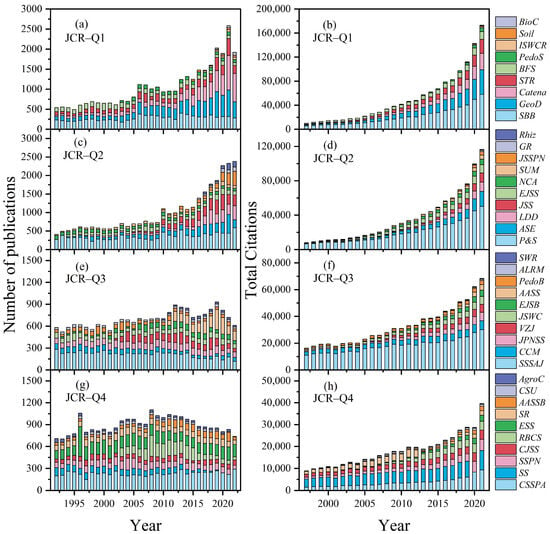
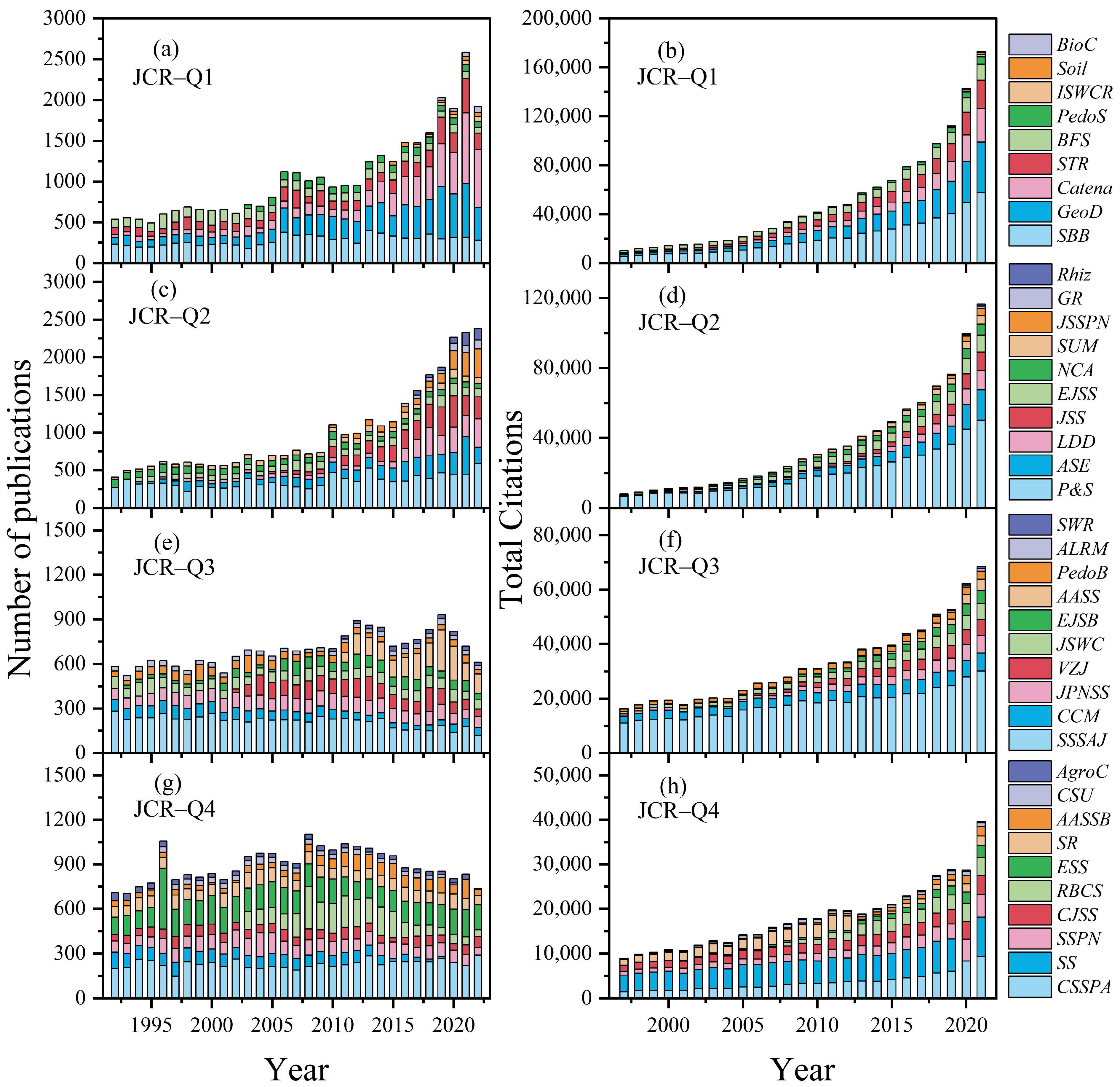
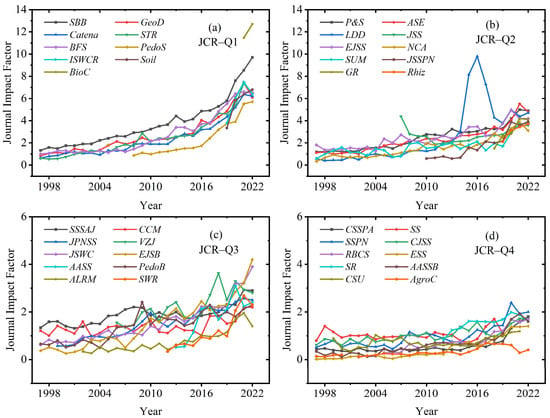
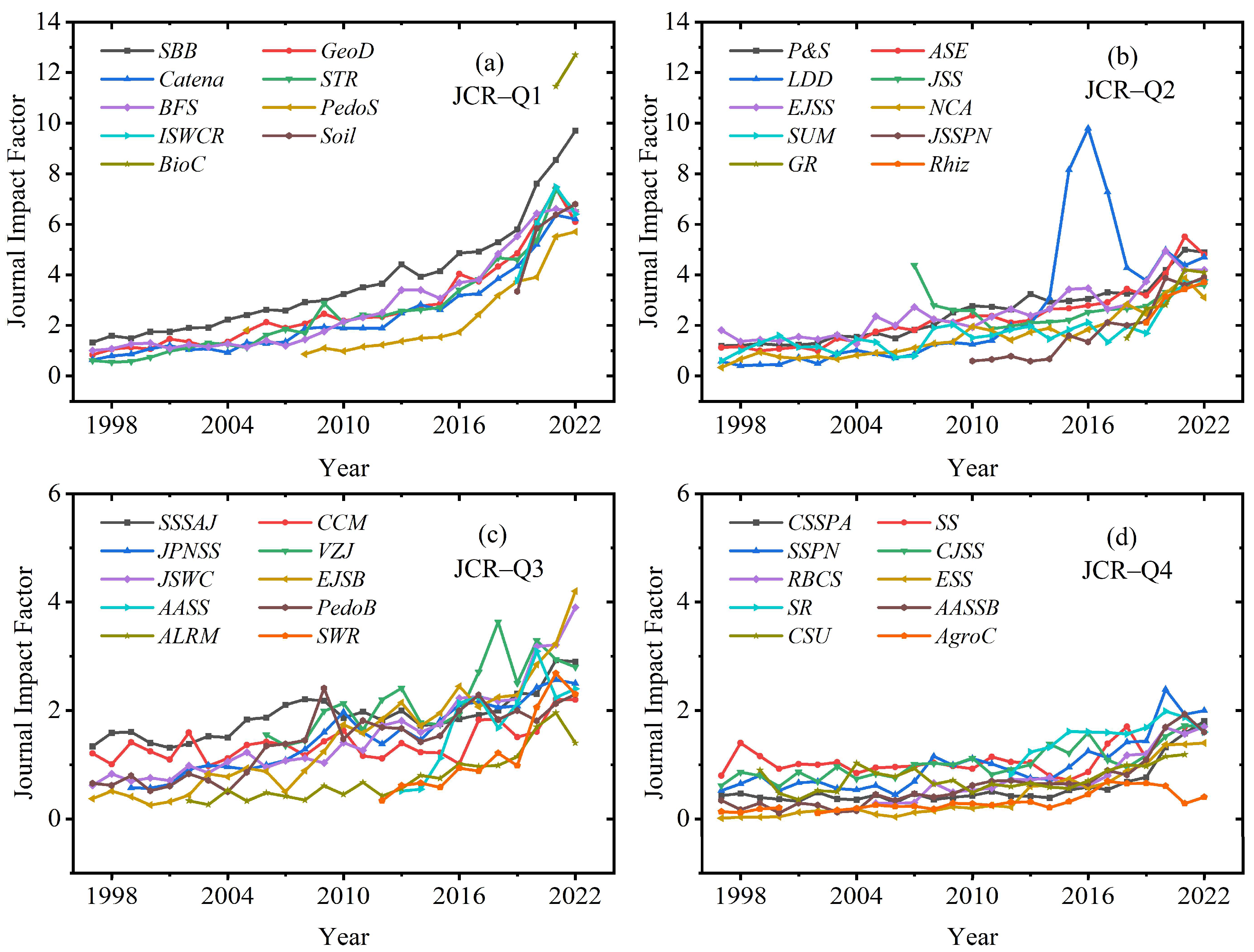
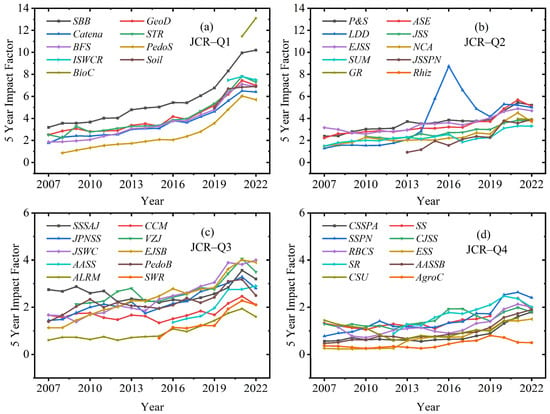
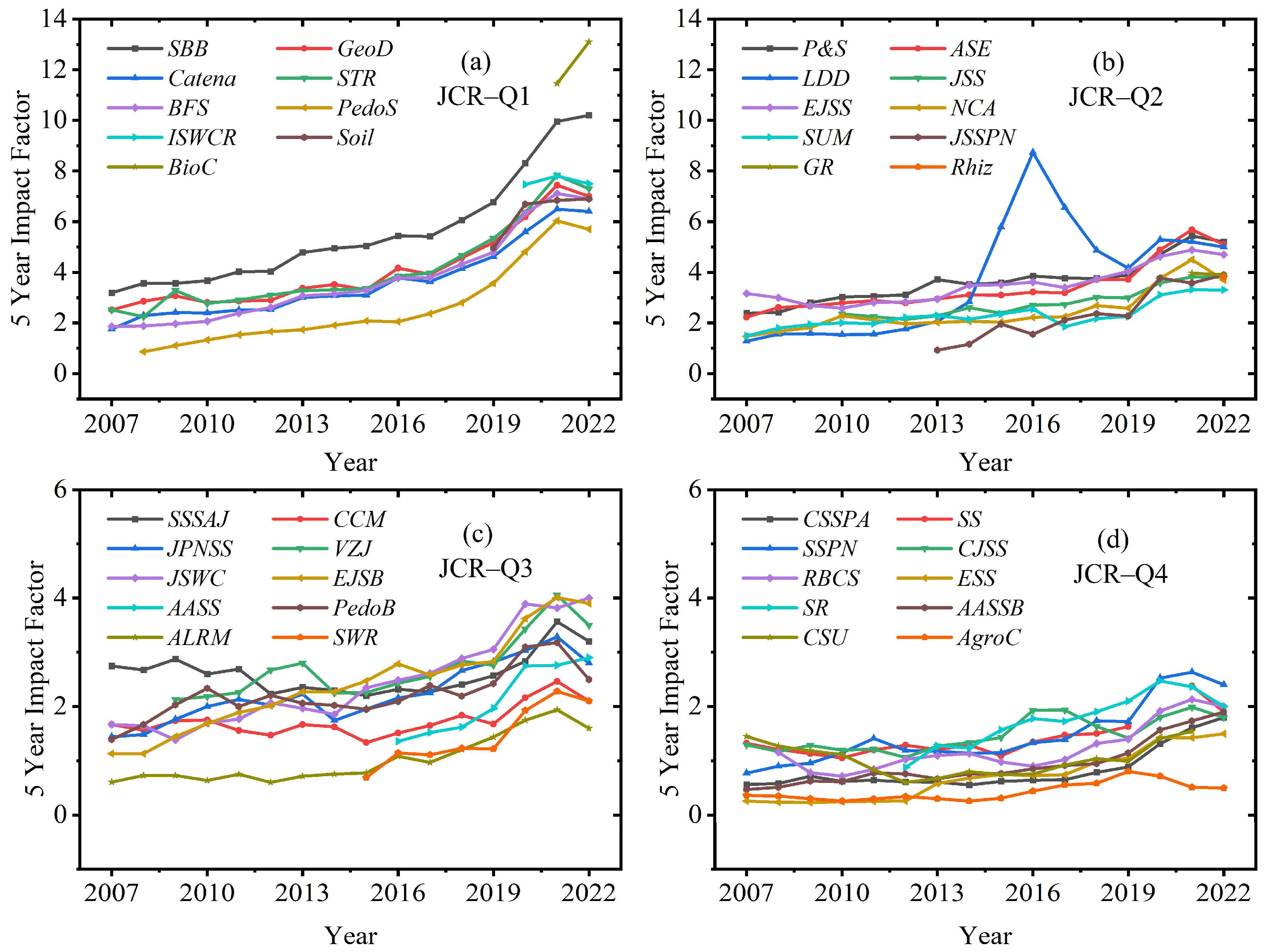
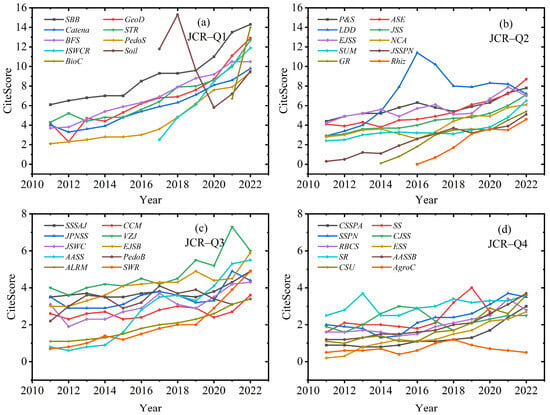
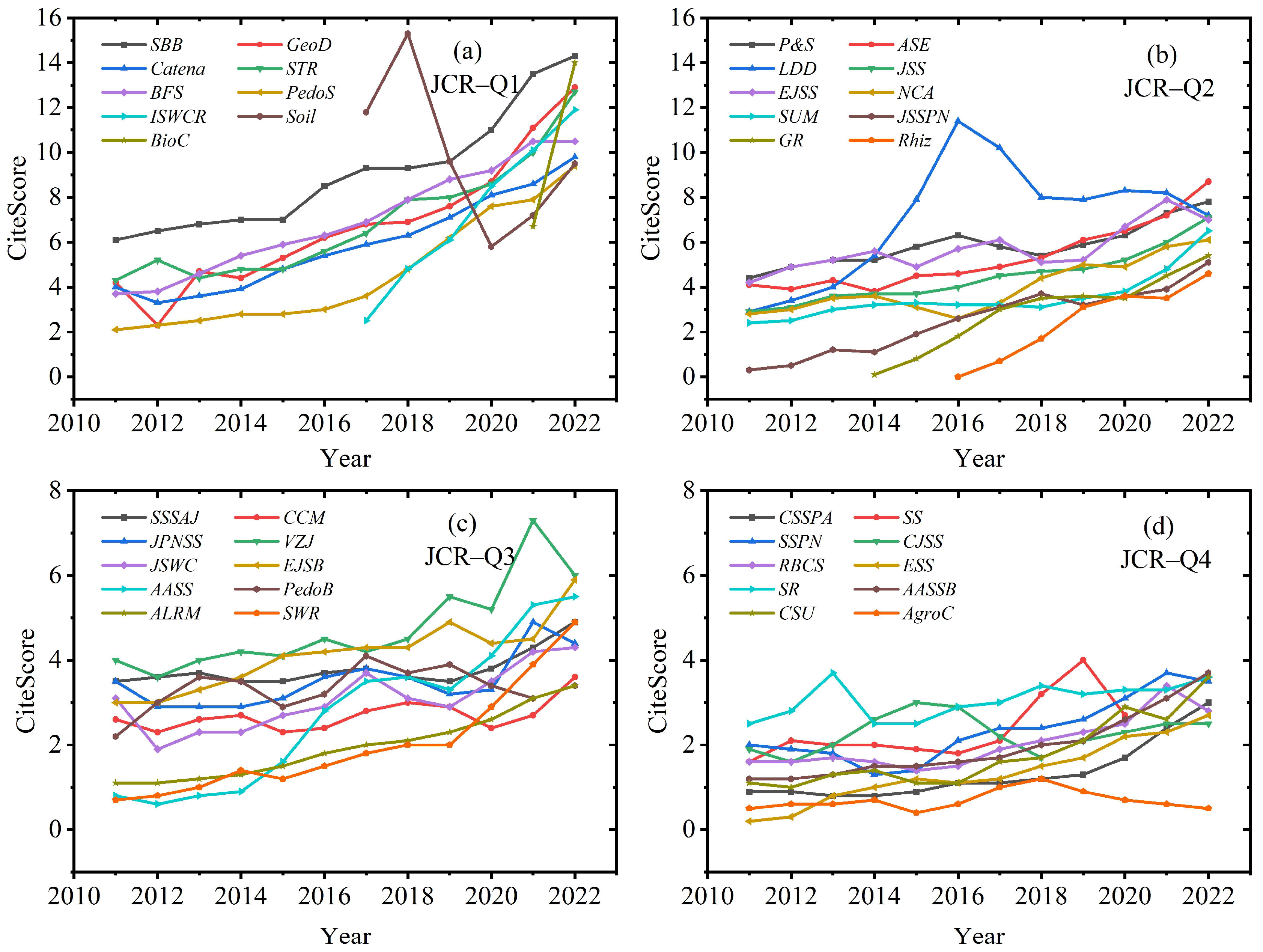
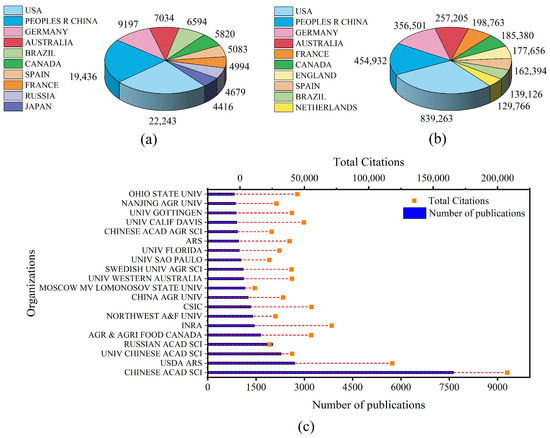
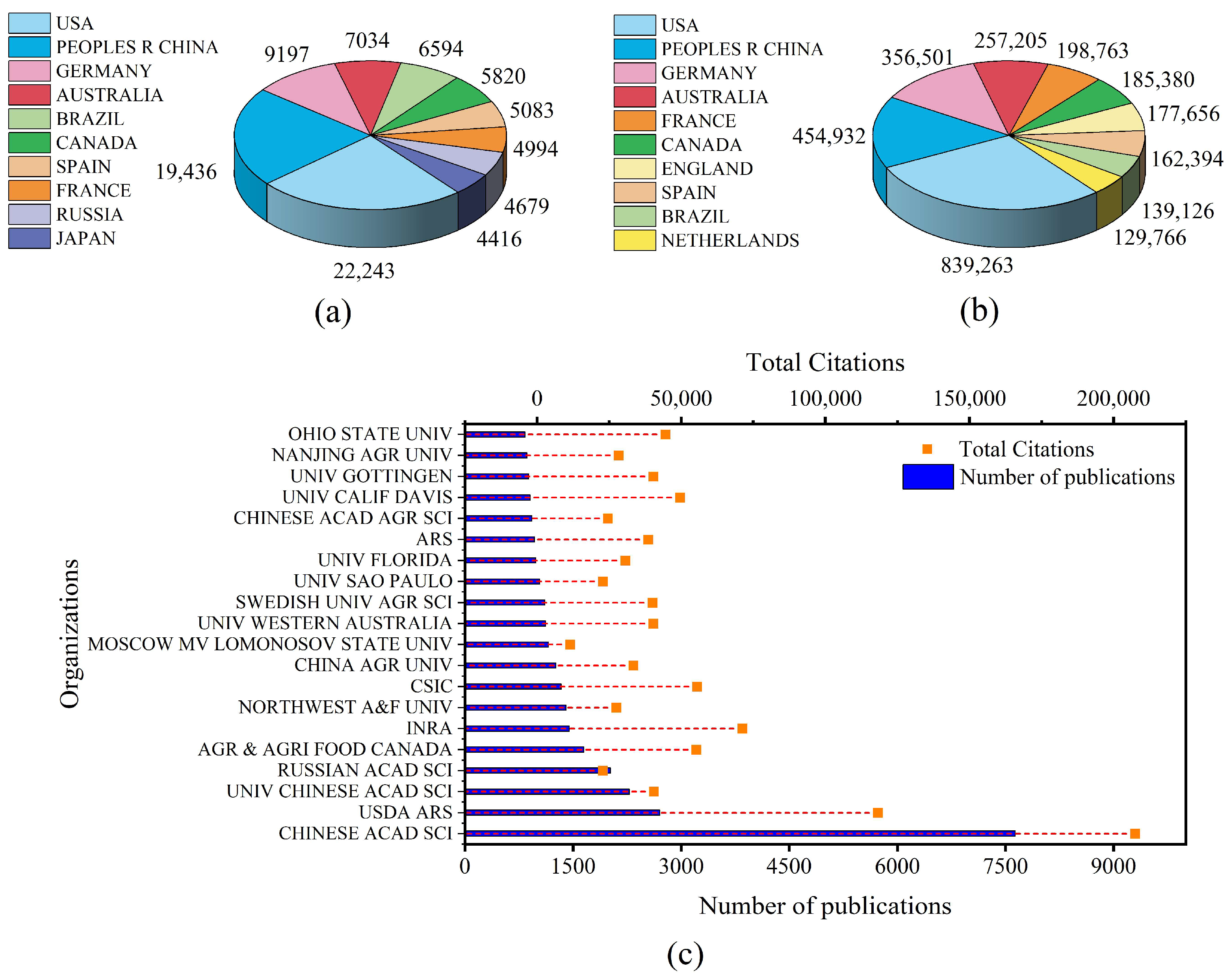
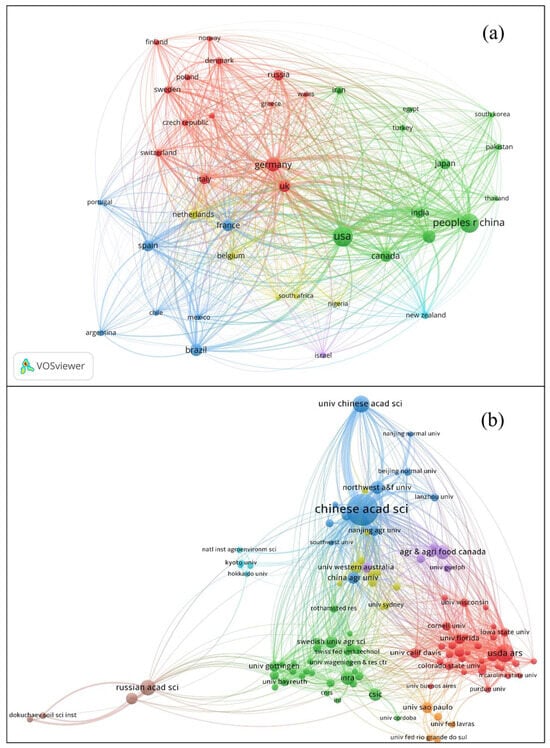
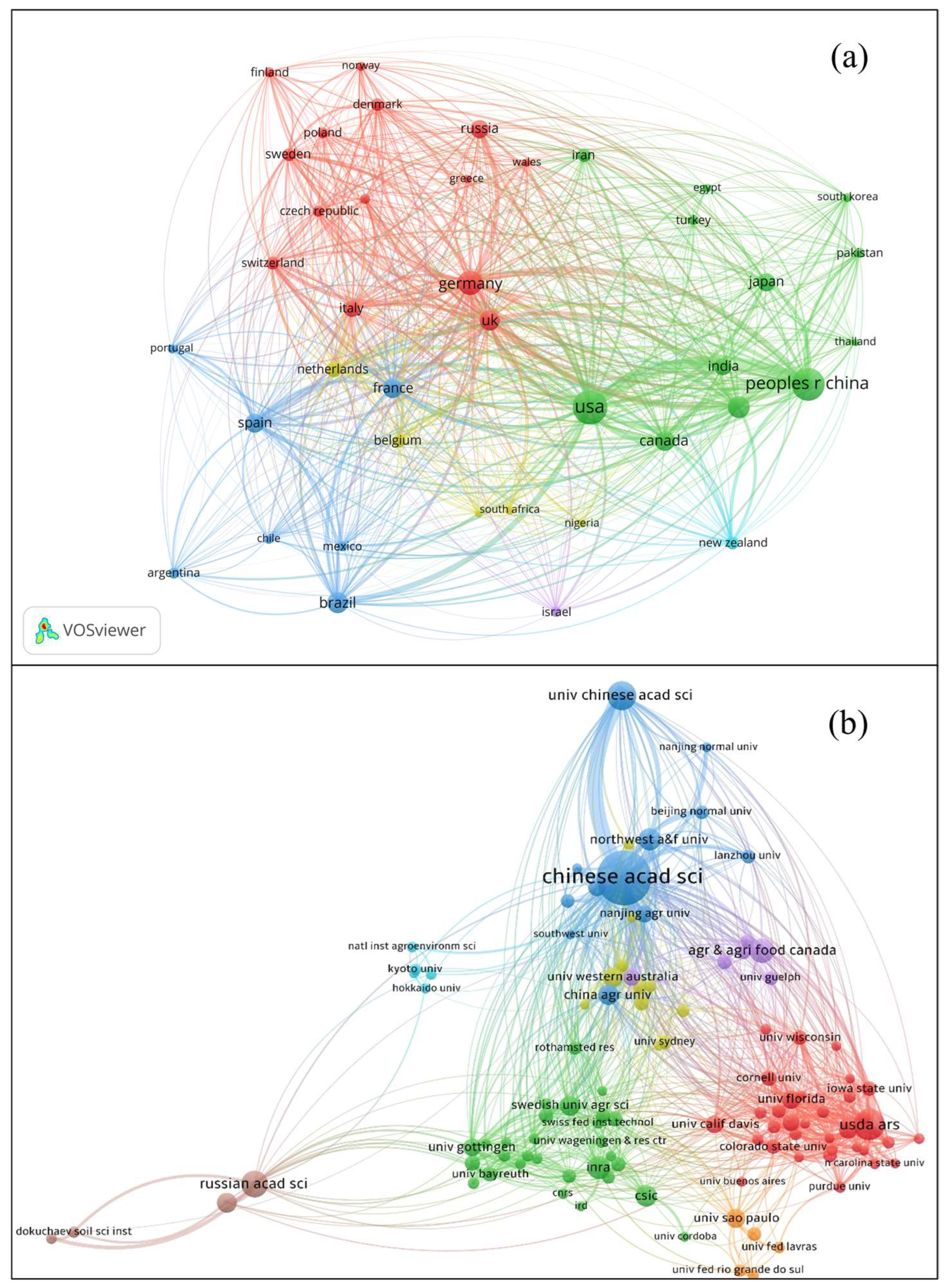
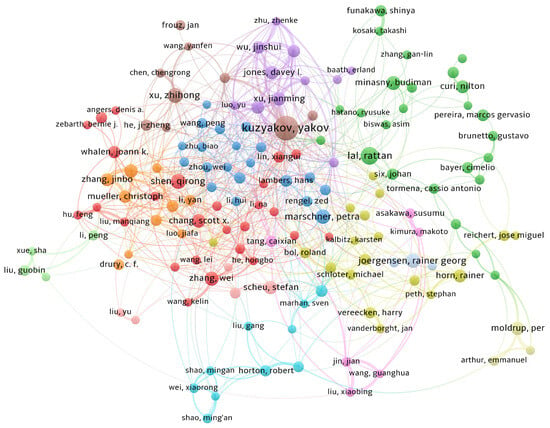
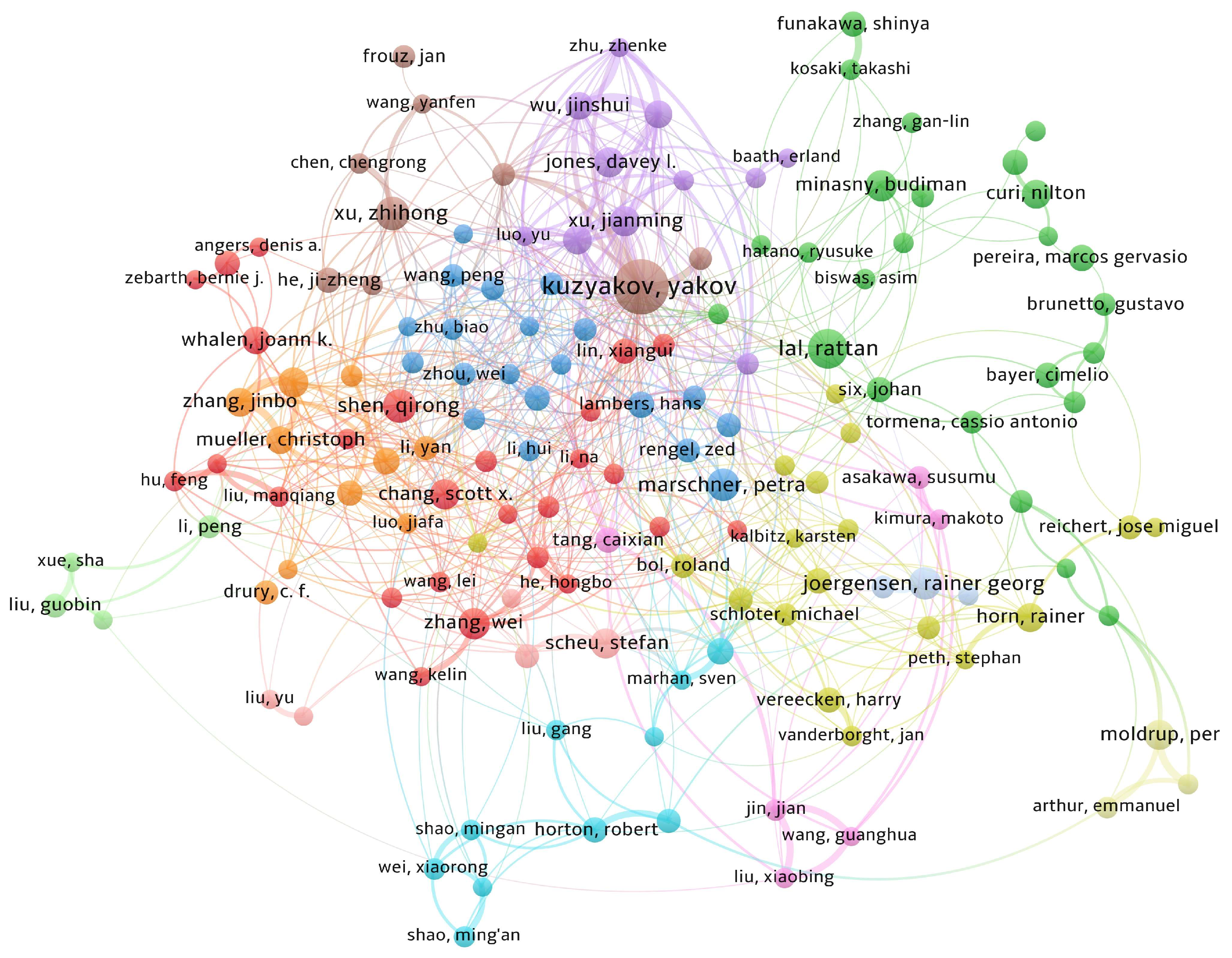
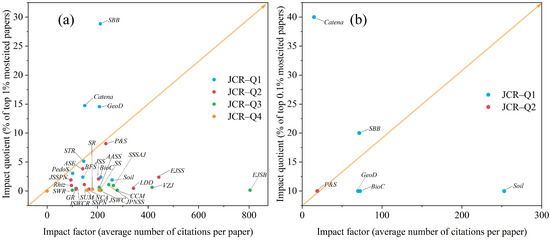
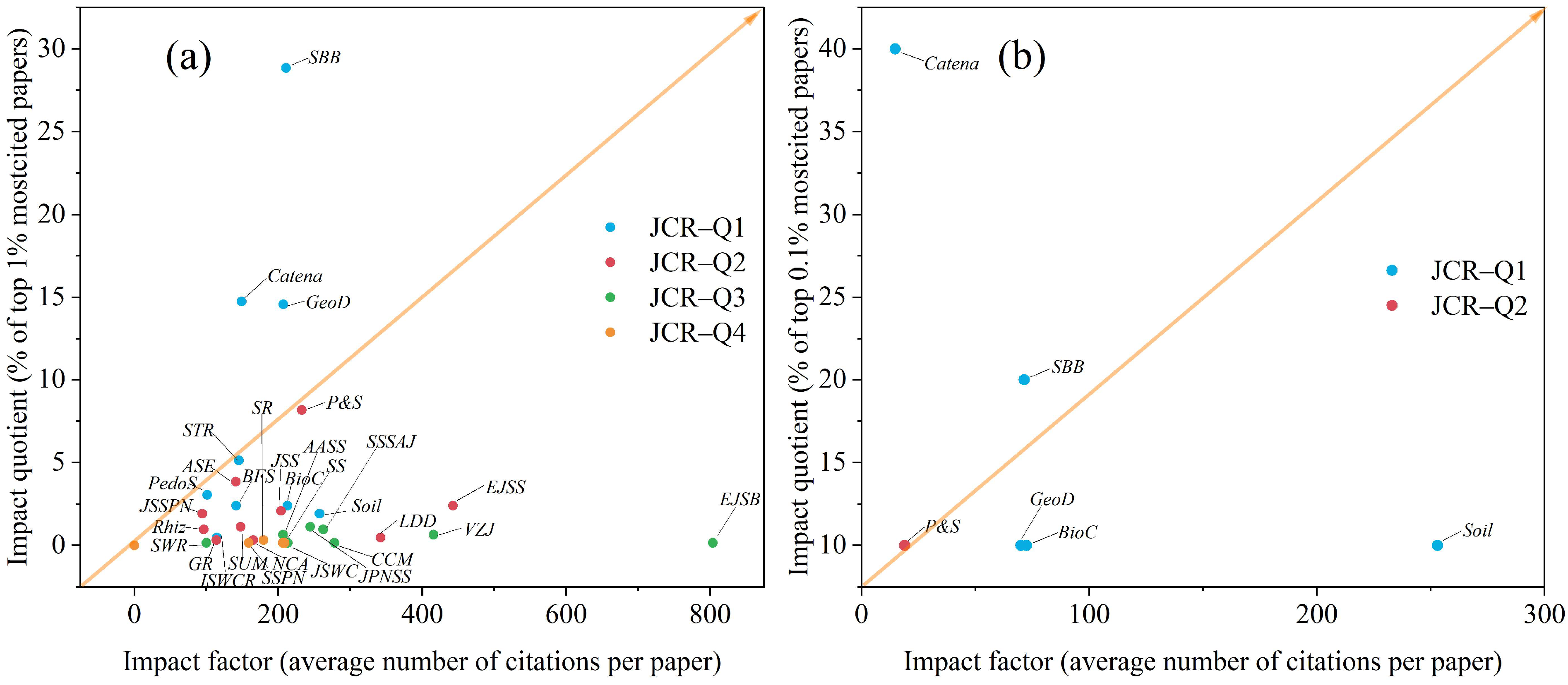
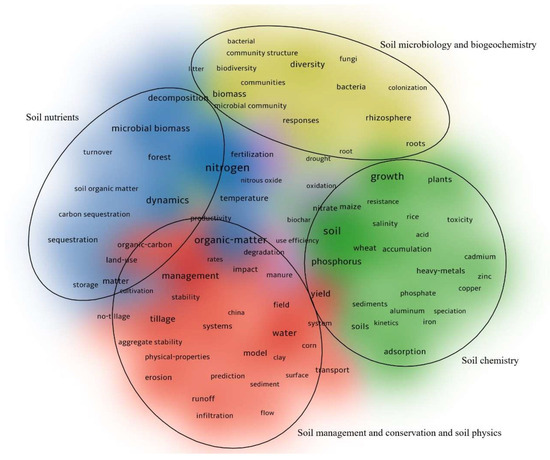
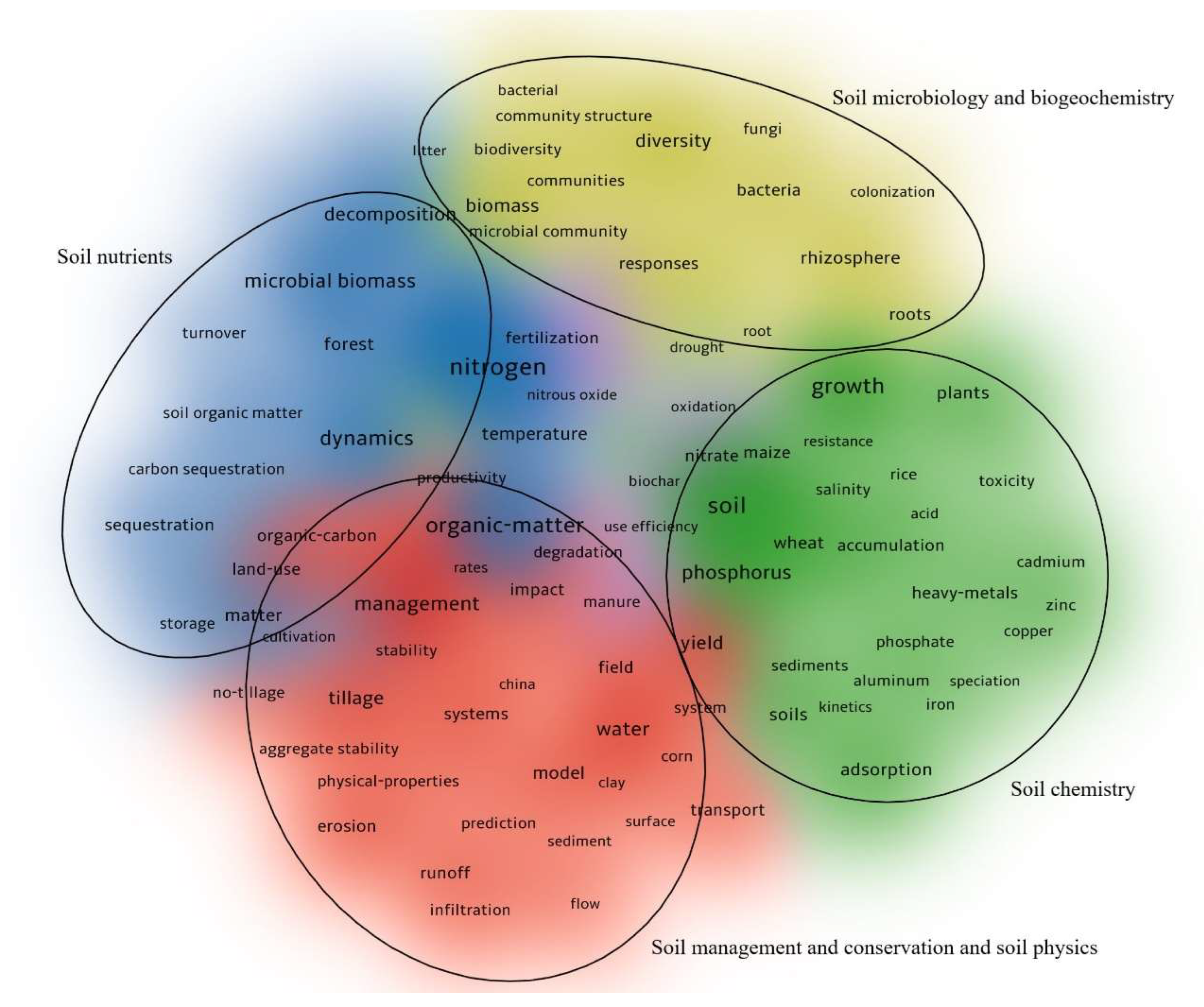
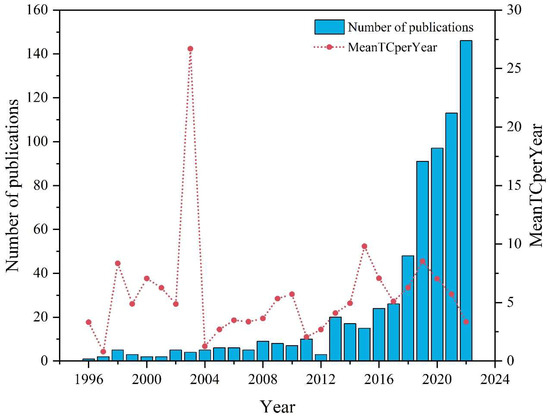
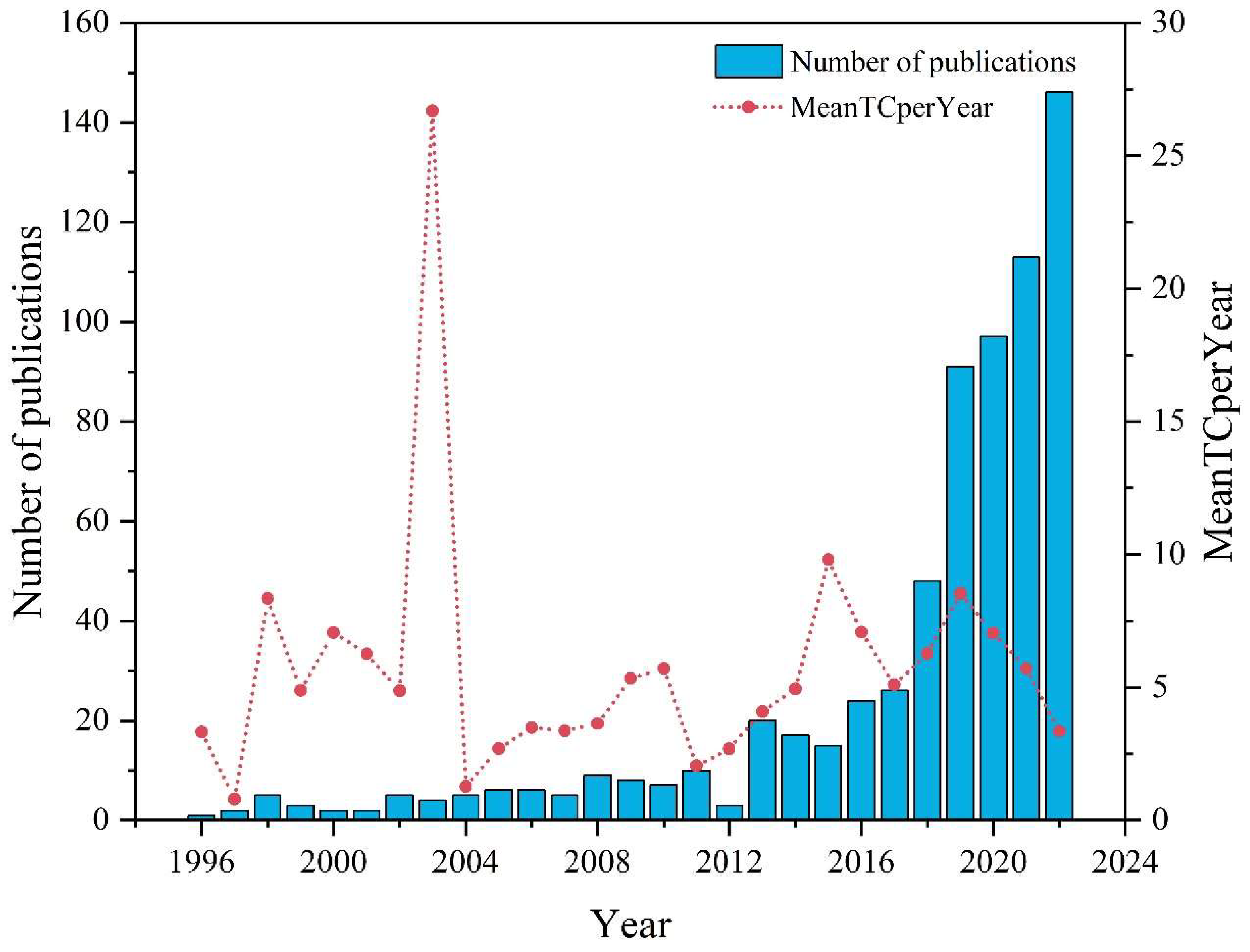

Disclaimer/Publisher’s Note: The statements, opinions and data contained in all publications are solely those of the individual author(s) and contributor(s) and not of MDPI and/or the editor(s). MDPI and/or the editor(s) disclaim responsibility for any injury to people or property resulting from any ideas, methods, instructions or products referred to in the content. |
© 2024 by the authors. Licensee MDPI, Basel, Switzerland. This article is an open access article distributed under the terms and conditions of the Creative Commons Attribution (CC BY) license (https://creativecommons.org/licenses/by/4.0/).