


Abstract
Cardiovascular diseases (CVDs), including coronary artery disease (CAD), are the main causes of mortality and morbidity worldwide. The pathophysiology of CAD includes atherosclerosis, a chronic process leading to atherosclerotic plaque development. Clinical manifestations could be chronic, such as in the chronic coronary syndrome (CCS) scenario, or acute, such as acute coronary syndrome (ACS). The risk of subsequent cardiovascular (CV) events depends on the risk category defined by international guidelines. In particular, patients who have experienced a CV event requiring percutaneous coronary intervention (PCI) remain at heightened residual risk for subsequent events, despite advancements in standard-of-care strategies. Therefore, comprehensive residual risk management is essential in this population to mitigate ischemic risk. Secondary prevention includes different targets of treatments—hypertension, dyslipidemia, diabetes mellitus, body weight control, smoking habit reduction, and healthy lifestyle promotion. Nevertheless, there is a critical, unmet need for therapeutic strategies for this high-risk population. Growing evidence shows that atherogenic lipids and vascular inflammation drive residual risk after PCI, despite guideline-directed therapy. This review summarizes more recent evidence about secondary prevention focusing on optimal medical therapy (OMT), targeting lipids and inflammation for patients undergoing PCI.
1. Introduction
Cardiovascular diseases (CVDs), including coronary artery disease (CAD), are the principal cause of mortality and morbidity worldwide despite the improvement of invasive and non-invasive management [1]. CAD is mainly caused by atherosclerosis, a complex pathophysiological process characterized by lipid deposition and inflammation, leading to atherosclerotic plaque formation in the epicardial vessels [2]. Specifically, atherosclerosis is caused by the progressive deposition of low-density lipoprotein cholesterol (LDL-C) and other apolipoprotein-B (ApoB)-containing lipoproteins within the artery wall, which triggers a cascade of inflammatory responses determining the formation and progression of atherosclerotic plaque. It is well-established that LDL-C is not only a risk factor but also a direct cause of atherosclerosis; thus, lowering plasma LDL-C levels has become the main focus for preventing atherosclerotic CV events, for both primary and secondary prevention [3].
The CAD spectrum includes chronic coronary syndrome (CCS) and acute coronary syndrome (ACS). The European Society of Cardiology (ESC) guidelines define CCS as the clinical presentation of CAD during stable periods, including structural and/or functional alterations affecting the epicardial or microvascular compartment, causing hypoperfusion and ischemia. ACS refers to the acute event caused by the destabilization of atherosclerotic plaque with its complications, such as rupture, erosion, or thrombosis, leading to myocardial infarction (MI) [4].
Medical therapy, including antithrombotic, anti-inflammatory, lipid-lowering, anti-diabetic, and anti-obesity drugs, is crucial to optimize clinical outcomes and prevent CV events. This review focuses on recent evidence on secondary prevention in patients with CAD, specifically focusing on lipids and inflammation as targets for secondary prevention in patients undergoing PCI, highlighting opportunities to improve prescription (Figure 1). Metabolic status will be addressed in a subsequent review, while antithrombotic therapy in secondary prevention is outside our scope.
Figure 1.
Atherosclerosis is a complex and chronic process leading to atherosclerotic plaque development. From atherosclerosis, CVDs develop, including CAD, which are the main causes of mortality and morbidity worldwide. Clinical manifestations of CAD could be chronic in the CCS scenario or acute such as ACS and could lead to PCI. Patients undergoing PCI need careful residual risk management to knock down the risk of a secondary event. There are effective and safe medical treatments that can be used in combination. ACS: Acute Coronary Syndrome; CAD: Coronary Artery Disease; CCS: Chronic Coronary Syndrome; CVD: Cardiovascular Disease; PCI: Percutaneous Coronary Intervention.
Residual Cardiovascular Risk
Medical therapy improves clinical outcomes in patients with CCS [5]. Coronary revascularization in patients affected by CAD demonstrated effects on symptoms, reducing the incidence of MI and CV death [6,7,8,9,10,11]. PCI is considered the standard of care in patients with ACS [12,13]. In CCS, the chosen modality of revascularization between coronary artery bypass graft (CABG) and PCI depends on multiple factors [14]. Secondary prevention after PCI is mandatory to reduce major adverse cardiovascular events (MACEs) [15]. Following PCI, patients remain at heightened residual risk for subsequent events, despite advancements in standard-of-care strategies [16]. The main determinants of CV residual risk include lipids, inflammation, an unhealthy lifestyle, metabolic diseases (such as diabetes and obesity), and thrombotic risk [17]. The residual CV risk is multifactorial, extending beyond revascularization. Antithrombotic therapy is fundamental in all patients undergoing PCI and reduces ischemic events [18,19,20,21,22,23,24,25,26,27,28]. However, it does not fully mitigate the long-term risk of MACEs. A subanalysis from the COMPASS (Cardiovascular Outcomes for People Using Anticoagulation Strategies) trial including patients with prior PCI demonstrated a 4% risk of MACEs at 3 years despite dual-pathway inhibition therapy with aspirin and low-dose rivaroxaban, and the risk was even higher (5%) in those receiving single antiplatelet therapy with aspirin alone [29]. High rates of MACEs were also observed in other studies evaluating antithrombotic therapies. In the TRITON–TIMI (Trial to Assess Improvement in Therapeutic Outcomes by Optimizing Platelet Inhibition with Prasugrel–Thrombolysis in Myocardial Infarction) 38 study, a MACE occurred in 12.1% of patients receiving clopidogrel and in 9.9% of those receiving prasugrel after 1.2 years of follow-up [30]. Similarly, in the PLATO (Platelet inhibition and patient Outcomes) trial, ischemic events, including death from vascular causes, MI, or stroke, occurred in 9.8% of patients treated with ticagrelor compared to 11.7% with clopidogrel at 1 year [31]. More recently, the ISAR-REACT (Rapid Early Action for Coronary Treatment) 5 study further confirmed the substantial risk of MACEs at 1 year, with event rates of 9.3% in the ticagrelor group and 6.9% in the prasugrel group [32]. Different trials have demonstrated that even with optimal antiplatelet regimens, residual risk remains largely driven by atherogenic dyslipidemia, particularly elevated levels of LDL-C, lipoprotein(a) (Lp-a), and triglyceride (TG)-rich lipo-proteins, as well as chronic metabolic disorders such as Type 2 Diabetes Mellitus (T2DM) and insulin resistance. A recent study conducted on 15,494 subjects investigated the impact of residual cholesterol and inflammatory risk in patients on statin therapy undergoing PCI. Intriguingly, it showed that residual inflammation, but not residual cholesterol risk, was associated with an increased risk of MACEs during 1-year follow-up, with a hazard ratio (HR) for inflammation at 1.78, 95% confidence interval (CI) of 1.36–2.33, and cholesterol HR at 1.01, 95% CI of 0.76–1.35 [33]. A study from the UK Biobank including 32,537 Atherosclerotic Cardiovascular Disease (ASCVD) patients demonstrated a higher risk of 1-year MACEs in those with elevated Lp(a) compared to normal values (41.2% vs. 35.6%; p < 0.001), with a consistent trend observed throughout the 5-year follow-up [34]. The residual CV risk was also considerable in studies assessing high-intensity lipid-lowering therapy (LLT) such as Proprotein Convertase Subtilisin/Kexin type 9 Inhibitors (PCSK9-i), and monoclonal antibodies, including evolocumab and alirocumab. In the FOURIER (Further Cardiovascular Outcomes Research With PCSK9 Inhibition in Subjects With Elevated Risk) trial, the risk of ischemic events, including CV death, MI, stroke, hospitalization for unstable angina, or coronary revascularization, remained high, with event rates of 9.8% in the evolocumab arm and 11.3% in the placebo arm at 48 weeks [35]. Similarly, in the ODYSSEY Outcomes (Evaluation of Cardiovascular Outcomes After an Acute Coronary Syndrome During Treatment With Alirocumab) trial, the incidence of the primary endpoint, including death from coronary heart disease, nonfatal MI, fatal or nonfatal ischemic stroke, or unstable angina requiring hospitalization, was 9.5% with alirocumab and 11.1% with placebo after 2.8 years of follow-up [36]. Hence, the residual CV risk is not solely attributable to lipid levels but also involves other concomitant factors, including persistent inflammation and endothelial dysfunction, leading to atherosclerotic progression and its complications [37]. The CANTOS (Canakinumab Anti-Inflammatory Thrombosis Outcomes Study) trial investigated the relationship between inflammation and atherosclerosis comparing canakinumab, an interleukin-1β (IL-1β) inhibitor, versus placebo. The study enrolled patients with prior MI and elevated high-sensitivity C-reactive protein (hsCRP) (≥2 mg/L) [38]. More than 90% of patients at baseline were treated with guideline-directed medical therapy (GDMT) including LLT, antithrombotic, and anti-ischemic therapies. The incidence of MACEs was 4.50 events per 100 patient-year in the placebo group, compared with 4.11, 3.86, and 3.90 events per 100 person-year in the 50 mg, 150 mg, and 300 mg canakinumab groups, respectively. HRs comparing canakinumab versus placebo were 0.93 (95% CI, 0.80–1.07) for the 50 mg dose, 0.85 (95% CI, 0.74–0.98) for the 150 mg dose, and 0.86 (95% CI, 0.75–0.99) for the 300 mg dose [38]. The study demonstrated that canakinumab 150 mg significantly reduced MACEs independent of lipid levels, confirming inflammation as a modifiable causal factor of atherothrombosis and highlighting the importance of residual inflammatory risk, which encompasses the risk of CV events in patients who achieved optimal LDL-C levels and concomitant elevated markers of inflammation, such as hsCRP [39]. Atherosclerosis is not solely driven by lipids but also by inflammation. Data from the PROVE-IT (Pravastatin or Atorvastatin Evaluation International Trial) and IMPROVE-IT (Improved Reduction of Outcomes: Vytorin Efficacy International Trial) studies demonstrated that achieving both low LDL-C and low hsCRP levels results in greater CV risk reduction [39]. Nevertheless, real-world data show the suboptimal prescription of guideline-directed medical therapy (GDMT) in patients affected by CAD [40,41,42]. Altogether, this highlights the need for a comprehensive, multi-targeted approach combining LLT, metabolic control, anti-inflammatory, and antithrombotic strategies to reduce residual CV risk after PCI.
2. Pathophysiology
2.1. Pathophysiology of Lipids
Lipids are essential to cellular integrity, energy storage, and signaling. TG serves as a principal energy source, cholesterol maintains membrane structure and supports steroid synthesis, and lipoproteins ensure lipid transport within the circulation. Lipid metabolism occurs through two major pathways: exogenous and endogenous. In the exogenous route, dietary lipids absorbed by enterocytes are incorporated into chylomicrons, which enter the lymphatic system and subsequently the bloodstream. Chylomicrons deliver TG to peripheral tissues via lipoprotein lipase (LPL), becoming cholesterol-rich remnants that are cleared by the liver. The endogenous pathway begins in the liver, where very low-density lipoproteins (VLDLs) are synthesized to transport endogenously produced TG and cholesterol. Sequential lipolysis of VLDLs generates intermediate-density lipoproteins (IDLs) and, eventually, LDL-C, the main carriers of cholesterol to peripheral tissues. High-density lipoproteins (HDLs) mediate reverse cholesterol transport, removing excess cholesterol from tissues back to the liver [43].
Excess circulating LDL-C is central to the pathogenesis of atherosclerosis. ApoB-containing lipoproteins smaller than 70 nm, including LDL, VLDL remnants, IDL, and Lp(a), penetrate the arterial intima in proportion to plasma concentration. Retained lipoproteins bind to intimal proteoglycans and undergo oxidative modification by NADH/NADPH oxidases. Oxidized LDL-C is internalized by macrophage scavenger receptors, forming foam cells and fatty streaks, the earliest lesions of atherosclerosis. This process triggers the recruitment of inflammatory cells and release of cytokines that stimulate smooth muscle cell (SMC) proliferation and extracellular matrix deposition, contributing to mature atherosclerotic plaque formation. Ultimately, inflammatory cells can lead to plaque destabilization through apoptosis of SMC, endothelial cells, and macrophages [44].
LDL-C is the principal therapeutic target in LLT. According to current ESC guidelines, patients with established ASCVD should achieve LDL-C <1.4 mmol/L (<55 mg/dL), or <1.0 mmol/L (<40 mg/dL) if they experience recurrent vascular events or in case of polyvascular arterial disease [3,12,16]. However, large registries such as the EUROASPIRE (European Action on Secondary and Primary Prevention by Intervention to Reduce Events) V, ICLPS (International ChoLesterol management Practice Study), and DA VINCI (Do stAtins faVourably modify atherosclerotIc plaque in patients with differeNt levels of polygenic Cardiovascular rIsk?) studies reveal substantial gaps in target achievement, with less than one-third of very-high-risk patients reaching recommended LDL-C levels [45,46,47].
HDL, conversely, exerts atheroprotective effects through reverse cholesterol transport, anti-inflammatory, and antioxidant mechanisms [48]. Yet, despite strong epidemiologic associations, Mendelian randomization and interventional trials have failed to demonstrate a causal or therapeutic benefit from HDL-raising strategies, underscoring the complexity of HDL functionality [49,50].
Hypertriglyceridemia is increasingly recognized as an independent contributor to atherogenesis [3,16]. While large TG-rich lipoproteins such as chylomicrons and VLDL cannot cross the endothelium, their remnants, the smaller TG-rich lipoproteins, are thought to be equally or more atherogenic than LDL-C. They can penetrate and become retained within the subendothelial space through electrostatic interactions between apolipoprotein B and proteoglycans. TGRL remnants deliver more cholesterol per particle than LDL-C and induce oxidative stress, cytokine release (TNF-α, IL-1β), endothelial dysfunction, and coagulation activation via upregulation of plasminogen activator inhibitor-1, collectively fostering inflammation and thrombosis [51,52]. Mendelian randomization studies support a causal role of remnant cholesterol in both inflammation and ischemic heart disease, highlighting that all ApoB-containing lipoproteins contribute similarly to ASCVD risk [53].
Lp(a) is an LDL-C particle with an Apo(a) protein covalently bound to its ApoB component [54]. It is <70 nm in diameter and can freely flux across the endothelial barrier, with a similar action to LDL-C, and may have pro-atherogenic effects. Its role in increasing CV risk has also been attributed to pro-coagulant effects, given the similar structure of plasminogen. The pro-inflammatory effects of Lp(a) are most likely related to the oxidized phospholipid [55]. Elevated Lp(a) levels are largely genetically determined and confer a lifetime ASCVD risk comparable to that observed in heterozygous familial hypercholesterolemia when exceeding 180 mg/dL (430 nmol/L) [56]. Although modest Lp(a) reductions with niacin or CETP inhibitors failed to improve outcomes, emerging data suggest that the more profound reductions achievable with PCSK9 inhibitors may confer incremental benefit [57]. Mendelian randomization analyses confirm a causal relationship between Lp(a) concentration and ASCVD risk, proportional to the absolute degree of elevation 92. For these reasons, the recent update to the ESC guidelines about the management of dyslipidemias considers Lp(a) as a CV-risk enhancing factor, with a linear association between its levels and CV risk, from a concentration of 50 mg/dl (150 nmol/L). Furthermore, Lp(a) assessment should be considered at least once in every adult’s lifetime [58].
Finally, through IntraVascular Ultrasound (IVUS) and Near-Infrared Spectroscopy (NIRS) assessment, the PROSPECT (Identification of vulnerable plaques and patients by intracoronary near-infrared spectroscopy and ultrasound) II study demonstrated that elevated LDL-C, TG, and Lp(a) levels are closely associated with lipid-rich plaques, while high Lp(a) particularly predicts focal plaque vulnerability [59,60].
These findings reinforce the multifaceted role of lipoproteins, not only in the initiation and progression of coronary atherosclerosis but also in determining plaque instability and clinical outcomes, leading to the conclusion that LLT represents one of the most impactful therapeutic arms for the treatment of atherosclerotic diseases.
2.2. Pathophysiology of Inflammation
The inflammatory nature of atherosclerosis, first proposed by Rudolph Virchow in the 19th century, was empirically validated only a century later. In the 1980s, Goran and colleagues demonstrated, through immunofluorescence studies of carotid plaques, a dense accumulation of macrophages and monocytes within necrotic cores, together with CD3+ T cells and, to a lesser extent, B cells in the fibrous cap and shoulder regions. Importantly, they identified the strong expression of HLA-DR, an MHC class II antigen, in both immune cells and SMCs, revealing not only immune cell activity but also the potential for SMC phenotypic modulation, and establishing inflammation as a central mechanism in atherogenesis. Subsequent experimental work confirmed this concept: hyperlipidemic mice lacking T and B cells developed markedly less atherosclerosis than immunocompetent counterparts, highlighting the critical role of adaptive immunity in plaque formation [61].
Inflammation drives every phase of atherosclerosis, from the earliest endothelial dysfunction to plaque rupture and thrombosis. Clinical evidence has reinforced this paradigm. A pooled analysis of three randomized trials (PROMINENT, REDUCE-IT, and STRENGHT) showed that hsCRP, a biomarker of systemic inflammation, predicted cardiovascular events more strongly than LDL-C levels in statin-treated patients [62]. Likewise, persistent inflammation despite LLT has been linked to residual cardiovascular risk in patients undergoing PCI [33].
Some studies have reported IL-1ꞵ and IL-6 as promoting factors in atherosclerosis. Moreover, inflammation status is responsible for increasing soluble inflammatory mediators that perpetuate the activation of inflammatory pathways, playing a significant role in the progression of the disease [63].
Among the key mediators, IL-1β and interleukin-6 (IL-6) are pivotal in sustaining vascular inflammation [63]. Modified lipids internalized by macrophages activate the NLRP3 inflammasome, leading to caspase-1 activation and cleavage of pro-IL-1β into its mature form. IL-1β promotes endothelial adhesion of leukocytes, SMC proliferation, and vessel remodeling, while simultaneously stimulating IL-6 release, amplifying the inflammatory cascade [64]. Experimental inhibition or genetic deletion of NLRP3 and IL-6 reduces atherosclerotic burden, supporting its causal role in plaque development [65].
IL-6 is markedly upregulated, by up to 40-fold, in atherosclerotic lesions compared to healthy vessels. Through JAK/STAT signaling, IL-6 enhances hepatic synthesis of CRP and fibrinogen, activates endothelial cells, and promotes leukocyte recruitment. It also increases macrophage expression of LDL receptors and monocyte chemoattractant protein-1 (MCP-1), augmenting foam cell formation. Furthermore, IL-6 upregulates vascular cell adhesion molecule-1 (VCAM-1) and intercellular adhesion molecule-1 (ICAM-1), facilitates T-cell differentiation, and enhances angiotensin II type 1 receptor expression in SMCs, exacerbating oxidative stress and endothelial dysfunction. By inducing matrix metalloproteinases (MMPs) and plasminogen activator inhibitor-1 (PAI-1), IL-6 contributes to extracellular matrix degradation, plaque instability, and thrombosis. A self-amplifying feedback loop driven by IL-6–induced CD44 overexpression perpetuates this chronic inflammatory state, ultimately linking vascular inflammation to the clinical manifestations of coronary atherosclerosis [66].
Considering these findings, with a pivotal role of acute and persistent inflammation in the pathogenesis of atherosclerosis, there is growing evidence surrounding anti-inflammatory therapies for secondary cardiovascular prevention [67].
3. Secondary Prevention
3.1. Targeting Lipids
3.1.1. Statin, Ezetimibe, and Combination Therapy
Statins are the cornerstone of LLT in patients undergoing PCI (Figure 2). Statins inhibit the synthesis of endogenous cholesterol by acting on the enzyme hydroxymethylglutaryl-CoA (HMG Co-A) reductase, which converts the 3-hydroxy-3-methylglutaryl-CoA molecule into mevalonic acid, a precursor of cholesterol. The reduction in intracellular cholesterol increases the expression of LDL-R on the surface of hepatocytes, enhancing the uptake of LDL-C from the bloodstream and lowering plasma concentrations of LDL-C and other ApoB-containing lipoproteins, including TGRLs [68].
Figure 2.
Focus on the mechanism of action of cholesterol-lowering drugs. Statins inhibit the synthesis of endogenous cholesterol by acting on the enzyme HMG Co-A reductase, which converts the 3-hydroxy-3-methylglutaryl-CoA molecule into mevalonate, a precursor of cholesterol. The reduction in intracellular cholesterol increases the expression of LDL-R on the surface of hepatocytes, enhancing the uptake of LDL-C from the bloodstream and lowering plasma concentrations of LDL-C and other ApoB-containing lipoproteins. Ezetimibe reduces cholesterol absorption through interaction with the NPC1L1 included in the small intestine. This causes a reduction in LDL-C transit in the liver and the increased expression of LDL-R on liver cell surfaces with a reduction in LDL-C levels due to the increased uptake of LDL-C in the cells. PCSK9-i can be monoclonal antibodies (alirocumab, evolocumab) or a small interfering ribonucleic acid (inclisiran) that target PCSK9 in the liver. PCSK9 promotes the degradation of LDL-C receptors on the hepatic cell surface. By inhibiting PCSK9, these agents increase the availability of LDL-R, thereby enhancing LDL-C clearance and significantly reducing circulating LDL-C levels. Bempedoic acid inhibits ATP citrate lyase, reducing acetyl CoA formation and reducing cholesterol levels. Olpasiran is a small interfering RNA presently under investigation that was demonstrated to reduce Lp(a) synthesis in the liver. Pelacarsen is a hepatocyte-directed antisense oligonucleotide demonstrated to reduce Lp(a) through interruption of the translation of apo(a) mRNA. Apo: Apolipoprotein; HMG Co-A: Hydroxymethylglutaryl-CoA; IDL: Intermediate-Density Lipoprotein; LDL-C: Low-Density Lipoprotein; LDL-R: Low-Density Lipoprotein Receptor; NPC1L1: Niemann–Pick C1-like protein 1; PCSK9-i: Proprotein Convertase Subtilisin/Kexin type 9 Inhibitor; VLDL: Very-Low-Density Lipoprotein, Lp(a): Lipoprotein(a). x indicates inhibition by the drug.
The lipid-lowering effect occurs in a dose-dependent manner, with the magnitude of reduction determined by the intrinsic potency of the statin. A high-intensity regimen is defined as the dose of a statin that, on average, reduces LDL-C plasma levels by ≥50%, regardless of interindividual variation in LDL-C reduction [69,70,71].
Statins also reduce TG levels by 10–20% [72]. The mechanism of the TG-lowering effect has not been fully elucidated, but it seems to be partly independent from the classic HMG-CoA pathway. It may involve the upregulation of VLDL uptake by hepatocytes, as well as a reduction in the production rate of VLDL. Statins seem to have other beneficial effects, so-called pleiotropic effects [73]. Among these, the most notable are the anti-inflammatory and antioxidant actions that result in atherosclerotic plaque stabilization and endothelial function improvement. These effects have been shown in vitro and in experimental systems, but their clinical relevance remains unproven [74,75]. In the specific setting of PCI patients, statins have also been demonstrated to reduce the risk of contrast-induced acute kidney injury [76]. The benefits of statins in reducing CV risk is mainly driven by lowering plasma LDL-C levels [77,78,79]. As discussed before, patients undergoing PCI are at a very high risk of ASCVD, and statin therapy concurs to mitigate the ischemic risk.
Several studies have shown that early use of statins in patients with ACS provides significant benefits in reducing the recurrence of MACEs [80,81,82,83,84,85]. The SECURE PCI (Statins Evaluation in Coronary Procedures and Revascularization) randomized, placebo-controlled trial assessed the impact of peri-procedural loading with atorvastatin (i.e., two loading doses of 80 mg, before and 24 h after the planned PCI) on MACEs at 30 days in 4191 patients with ACS and planned invasive management, compared to placebo [85]. All patients received atorvastatin 40 mg/die starting 24 h after the second loading dose. The authors found no significant treatment benefit in the overall study population [at 30 days: in the atorvastatin group, 130 patients had a MACE (6.2%), and in the placebo group 149 patients had a MACE (7.1%), with an absolute difference of 0.85%; 95% CI, −0.70% to 2.41%; HR, 0.88; 95% CI, 0.69–1.11; p = 0.27)]. In a pre-specified analysis, a significant 28% relative risk reduction in MACEs was observed among patients who underwent PCI (65% of all patients). The benefit was even more pronounced (46% relative risk reduction) in a post hoc analysis including 865 ST-elevation MI (STEMI) patients undergoing primary PCI. In a meta-analysis of randomized trials including individual data from 3341 patients undergoing PCI, both pre-treatment with high-intensity statins in statin-naïve patients and statin loading in those already on therapy significantly reduced the risk of peri-procedural MI and 30-day CV events by over 40%. Event rates were 7.0% vs. 11.9% (p < 0.0001) for statin-naïve patients and 7.4% vs. 12.6% (p = 0.05) for those already on statins [86]. PCI was performed in the setting of stable angina or in a non-emergency setting in Non-ST-elevation MI (NSTEMI). One of the studies that was included in the meta-analysis showed an improvement in coronary flow when primary PCI was used for the treatment of STEMI [87].
The LIPS (Lescol Intervention Prevention Study) study demonstrated that treatment with fluvastatin 80 mg/day led to significant reductions in MACEs following PCI in patients with stable and unstable angina with average cholesterol levels. Fluvastatin reduced the risk of MACEs by 28% compared with placebo (p = 0.03) among patients with unstable angina; no difference between patients with stable and patients with unstable angina was observed (relative risk 1.07, 95% CI 0.87 to 1.30, p = 0.53); and fluvastatin reduced MACEs, excluding restenosis, by 36% (p = 0.006) among patients with unstable angina and 31% (p = 0.02) among patients with stable angina [88].
Patients undergoing PCI, according to ESC guidelines, need to achieve LDL-C plasma levels <1.4 mmol/L (<55 mg/dL) and a reduction by at least 50% from baseline. For patients who experience a second CV event within 2 years while taking maximum tolerated statin-based therapy, an even lower LDL-C goal of <1.0 mmol/L (40 mg/dL) may be considered [4]. It is therefore a rational approach to start directly with high-intensity statin therapy to reach this target. The SPACE ROCKET (Secondary Prevention of Acute Coronary Events—Reduction Of Cholesterol to Key European Targets) Trial Group has shown that rosuvastatin (high-intensity statin) reduced LDL-C levels more effectively than simvastatin (moderate-intensity statin) in patients with hyperlipidemia and acute MI, reaching the recommended target in a greater percentage of patients (OR: 1.16; 95% CI: 0.88–1.53; p = 0.29) [89]. Similarly, the PROVE-IT (Pravastatin or Atorvastatin Evaluation International Trial) trial enrolled 4162 patients who had been hospitalized for an ACS within 10 days comparing 40 mg of pravastatin daily (standard therapy) versus 80 mg of atorvastatin daily (intensive therapy). The primary end point was a composite of death from any cause, MI, documented unstable angina requiring rehospitalization, revascularization (performed at least 30 days after randomization), and stroke. Follow-up lasted 18 to 36 months (mean, 24). Kaplan–Meier estimates of the rates of the primary end point at two years were 26.3% in the pravastatin group and 22.4% in the atorvastatin group, reflecting a 16% relative reduction in the risk in favor of atorvastatin (95% CI, 5–26%, p = 0.005). The study did not meet the prespecified criterion for equivalence but did identify the superiority of the more intensive regimen [90].
The IDEAL (High-Dose Atorvastatin vs. Usual-Dose Simvastatin for Secondary Prevention after Myocardial Infarction) study showed that, in patients with a history of MI, intensive LDL-C lowering did not significantly reduce the primary outcome of the MACEs (HR 0.89; 95% CI, 0.78–1.01; p = 0.07). However, it was associated with a reduction in certain secondary composite endpoints, including nonfatal acute MI. No differences were observed in CV or all-cause mortality [91].
Ezetimibe reduces cholesterol absorption through interaction with the Niemann–Pick C1-like protein 1 (NPC1L1) included in the small intestine. This causes reduction in LDL-C transit in the liver and an increased expression of LDL-R on liver cell surfaces, with a reduction in LDL-C levels due to the increased uptake of LDL-C in the cells [92]. Ezetimibe was demonstrated to be safe and effective in reducing LDL-C blood levels [93,94,95]. In monotherapy, ezetimibe was demonstrated to reduce LDL-C levels by about 19% [94].
IMPROVE-IT (Improved Reduction of Outcomes: Vytorin Efficacy International Trial) was a randomized clinical trial involving 18,144 patients hospitalized for ACS, which demonstrated that combination therapy with simvastatin (40 mg) and ezetimibe, compared to simvastatin plus placebo, led to further LDL-C reduction and improved CV outcomes (absolute risk difference, 2.0 percentage points; HR 0.936; 95% CI, 0.89 to 0.99; p = 0.016) without an increase in adverse events [96].
In the RACING (Randomized Controlled Trial of Moderate-intensity Statin with Ezetimibe Combination Therapy) trial, it was discovered that in patients with ASCVD, moderate-intensity statin with ezetimibe combination therapy was not inferior to high-intensity statin monotherapy. The primary endpoint occurred in 172 patients (9.1%) in the combination therapy group and in 186 patients (9.9%) in the high-intensity statin monotherapy group with an absolute difference of −0.78% (90% CI −2.39 to 0.83). There was a lower intolerance-related drug discontinuation with a higher rate of patients who reached LDL-C <70 mg/dL. The large CONNECT DES (A Whole Population-based Study on COreaN NationwidE Claims daTa on Drug-Eluting Stent) registry evaluated that in clinical practice, LLT with ezetimibe and moderate-intensity statins was associated with favorable clinical outcomes and drug compliance in patients who underwent PCI with drug eluting stent (DES) implantation. In particular, with combination LLT, a lower occurrence of the primary endpoint was observed (11.6% vs. 15.2% for those with high-intensity statin monotherapy; HR: 0.75; 95% CI: 0.70–0.79; p < 0.001). Compared with high-intensity statin monotherapy, with combination LLT, fewer statin discontinuations occurred (6.5% vs. 7.6%; HR: 0.85; 95% CI: 0.78–0.94: p < 0.001), and there was a lower occurrence of new-onset diabetes requiring medications (7.7% vs. 9.6%; HR: 0.80; 95% CI: 0.72–0.88; p < 0.001) [97,98,99].
Presently, combination LLT with high-intensity statins (rosuvastatin 20 mg or 40 mg; atorvastatin 40 mg and 80 mg) and ezetimibe (10 mg) are increasing. LLT including a combination of high–moderate-intensity statins and ezetimibe achieves better LDL-C management in CAD patients, and it has been associated with a significant improvement in patient compliance [100,101,102,103,104,105,106,107,108].
However, some data showed that statins in monotherapy continue to be the more prescribed treatment compared with combination therapies, despite guideline recommendations [47].
3.1.2. Proprotein Convertase Subtilisin/Kexin Type 9 Inhibitors
PCSK9-i evolocumab and alirocumab are monoclonal antibodies that target PCSK9 in the liver. PCSK9 promotes the degradation of LDL-R on the hepatic cell surface. By inhibiting PCSK9, these agents increase the availability of LDL-R, thereby enhancing LDL-C clearance and significantly reducing circulating LDL-C levels [109,110,111,112] [Table 1].
Table 1.
Main randomized trials of treatment with PCSK9-I in patients with CVD and high CV risk.
In the FOURIER (Further Cardiovascular Outcomes Research With PCSK9 Inhibition in Subjects With Elevated Risk) trial, 27,564 patients with ASCVD were enrolled. The study demonstrated that adding evolocumab to statin therapy led to a significant reduction in the relative risk of the primary endpoint (a composite of CV death, MI, stroke, hospitalization for unstable angina, or coronary revascularization) (1344 patients 9.8% vs. 1563 patients 11.3%; HR, 0.85; 95% CI, 0.79 to 0.92; p < 0.001) [35]. Moreover, evolocumab was shown to significantly reduce the risk in patients at a high risk for MACEs (i.e., patients closer to the most recent MI, with multiple prior MIs, or with residual multivessel CAD) leading to lower LDL-C levels [118]. In a subanalysis of the FOURIER (Further Cardiovascular Outcomes Research With PCSK9 Inhibition in Subjects With Elevated Risk) trial, the authors highlighted that patients who achieved the lowest LDL-C cholesterol levels under evolocumab treatment experienced the lowest risk of MACEs, with no safety concerns observed even at VLDL levels (as low as 0.2 mmol/L) over a median follow-up of 2.2 years [117]. The FOURIER-OLE (Further Cardiovascular Outcomes Research With PCSK9 Inhibition in Subjects With Elevated Risk Open-Label Extension) study demonstrated that early and long-term LDL-C lowering with evolocumab resulted in further reductions in CV events compared with delayed treatment initiation. Additionally, the rate of adverse events remained consistently low over more than 8 years of follow-up [122].
A study testing early initiation of evolocumab in older patients (≥75 years) demonstrated that older patients with ASCVD derived cardiovascular benefits from treatment that were at least comparable to those observed in younger patients (HR: 0.79; 95% CI: 0.64–0.97). Notably, the number needed to treat to reduce the composite endpoint was more favorable in older patients. No significant adverse events were observed, supporting the safety of treatment across age groups. These findings may help inform future clinical recommendations [123,130].
The ODYSSEY Outcomes (Evaluation of Cardiovascular Outcomes After an Acute Coronary Syndrome During Treatment With Alirocumab) trial evaluated alirocumab in patients with a recent ACS (in the previous year) in addition to statin therapy in comparison to placebo in addition to statin. In this trial, 18,924 participants were enrolled, with the findings demonstrating that the risk of recurrent ischemic CV was lower in the alirocumab group than in the placebo group (HR, 0.85; 95% CI, 0.78 to 0.93; p < 0.001) [36].
Notably, the treatment with PCSK9-i demonstrated favorable changes in CAD in terms of stabilization and regression of atherosclerotic plaques with the support of invasive imaging, using both IVUS and Optical Coherence Tomography (OCT) [113,115,121].
According to the 2019 ESC guidelines, PCSK9-i introduction in lipid-lowering therapy in patients post ACS should be stepwise. This means that in patients naïve to LLT, PCSK9-i should be introduced if the LDL-C target is not achieved after a second evaluation of lipid levels after 4–6 weeks on the maximum tolerated dose of statin and ezetimibe combined. In addition, if patients are already on the maximum tolerated dose of statin and ezetimibe without achieving the LDL-C target, PCSK9-i can be started earlier with a class I recommendation and level A evidence [12]. The most recent 2025 focused update of the ESC guidelines stresses the concept of initiating the combination therapy early during ACS hospitalization in order to strike early and strongly impact LDL-C levels [3].
The degree of LDL-C reduction achieved with various LLT is well established. Moderate-intensity statins reduce LDL by approximately 30%, while high-intensity statins achieve about a 50% reduction. Adding ezetimibe to a high-intensity statin increases the reduction to around 65%. PCSK9-i alone lowers LDL-C by about 60%, which increases to approximately 75% when combined with a statin, and up to 85% when combined with both a statin and ezetimibe [58]. This suggests that an optimal combination therapy should be considered upfront, even in patients naïve to LLT, to achieve LDL-C targets as early as possible. The fast-track approach could be sustained by the efficacious and safe results already demonstrated in the EVOPACS (Evolocumab for Early Reduction of LDL-C Levels in Patients With Acute Coronary Syndromes) trial, where evolocumab was administrated in-hospital early after ACS and after 4 weeks in addition to statin therapy with 40 mg of atorvastatin in most patients (about 80% of participants), who had not been on previous statin treatment (0.79 mmol/L vs. 2.06 mmol/L; −40.7%, CI 95%, 45.2–36.2; p < 0.001)] [119]. Similar results were observed in the EVACS (Evolocumab in Acute Coronary Syndrome) study where evolocumab was administered early in patients with NSTEMI and in EPIC-STEMI (The Effects of Acute, Rapid Lowering of Low Density Lipoprotein Cholesterol with Alirocumab in Patients with ST Segment Elevation Myocardial Infarction Undergoing Primary PCI), a randomized trial enrolling patients with STEMI who received early alirocumab administration (35.9 ± 24 vs. 64.5 ± 27; p < 0.01) [114,120]. There is a need to define an ideal LDL-C threshold to initiate a fast-track treatment approach. According to a consensus document from the Italian Society of Interventional Cardiology (SICI-GISE), this cut off could be LDL-C >140 mg/dL [131]. The AT-TARGET-IT (Efficacy, safety, adherence and persistence of PCSK9-I in clinical practice: a single country, multicenter, observational study) registry is an investigator-initiated, multicenter, single-country study evaluating the use of PCSK9-i in routine clinical practice in Italy. It included 771 patients hospitalized for ACS who received early administration of a PCSK9-i, either during hospitalization or at discharge, to manage lipid levels [132]. This reflects an intensive and early LLT strategy, consistent with the “strike early–strike strong” approach [133]. The strike early–strike strong approach proved to be safe and effective, achieving the LDL-C target recommended by the ESC and American College of Cardiology/American Heart Association (ACC/AHA) guidelines in the majority of patients [12,132,134]. Reduction in residual CV risk in clinical practice was observed [132]. The strategy of early administration of PCSK9-i after an MI event has quickly become an intensive field of research and there are two ongoing trials aiming to investigate the efficacy of evolocumab in this clinical scenario: the EVOLVE-MI (EVOLocumab Very Early After Myocardial Infarction) trial (NCT05284747) and the AMUNDSEN (Evolocumab or Normal Strategies to Reach LDL-C Objectives in Acute Myocardial Infarction Upbound to PCI) trials (NCT04951856).
Furthermore, PCSK9-i is safe and effective, even as an alternative to statins in patients with statin intolerance. In the GAUSS-3 (Goal Achievement After Utilizing an Anti-PCSK9 Antibody in Statin Intolerant Subjects-3) trial, 511 adult patients with LDL-C not at target and a history of intolerance (muscle-related) to ≥2 or statins were enrolled and randomized to PCSK9-i or ezetimibe. Among patients with muscle-related statin intolerance, therapy with evolocumab resulted in a significantly greater reduction in LDL-C levels compared with ezetimibe after 24 weeks—at 24 weeks, ezetimibe vs. evolocumab: −16.7% (95% CI, −20.8% to −12.5%); absolute change, −31.2 mg/dL vs. −52.8% (95% CI, −55.8% to −49.8%) [116]. Additional beneficial effects of PCSK9-i may include their ability to reduce Lp(a) levels and exert anti-inflammatory actions.
Enlicitide decanoate is an oral, small-molecule peptide inhibitor of PCSK9, able to decrease LDL-C through a mechanism similar to that of monoclonal antibodies against PCSK9. In the recent phase 3 CORALreef HeFH randomized trial, the statin-added treatment with enlicitide was well tolerated and significantly reduced levels of LDL-C, apolipoprotein B, non-HDL-C, and lipoprotein(a) in 303 adult patients with HeFH [124].
Inclisiran is a small interfering ribonucleic acid that inhibits hepatic synthesis of PCSK9. Inclisiran lowers LDL-C levels considerably [126]. Inclisiran efficacy and safety has been analyzed in the ORION (A Study of Inclisiran in Participants With Homozygous Familial Hypercholesterolemia) program [125]. ORION-1 (Trial to Evaluate the Effect of ALN-PCSSC Treatment on Low Density Lipoprotein Cholesterol) A was the first trial in the ORION program to demonstrate that inclisiran significantly reduced PCSK9 and LDL-C levels in patients with a high CV risk with elevated baseline LDL-C, achieving a sustained lipid-lowering effect over time (−27.9% vs. −41.9%; −35.5% vs. −52.6%; p < 0.001) [127,128,135,136]. In ORION-10 (Inclisiran for Participants With Atherosclerotic Cardiovascular Disease and Elevated Low-density Lipoprotein Cholesterol) and ORION-11 (Inclisiran for Subjects with ASCVD or ASCVD-Risk Equivalents and Elevated Low-density Lipoprotein Cholesterol) trials, 1561 and 1617 patients, respectively, were randomly assigned to a placebo group or an inclisiran group, with inclisiran administered subcutaneously at a dose of 284 mg at day 1, day 90, and every 6 months on top of statin therapy. A reduction in LDL-C levels of approximately 50% was achieved with inclisiran in both ORION-10 and ORION-11 cohorts [126]. Inclisiran reduced LDL-C levels by approximately 50%, even in Japanese patients [137]. More injection-site adverse events occurred with inclisiran than with placebo [126]. Results were confirmed by a pooled analysis of seven clinical trials [138]. ORION-4 (A Randomized Trial Assessing the Effects of Inclisiran on Clinical Outcomes Among People With Cardiovascular Disease) (NCT03705234), which aims to evaluate CV outcomes in patients who already had a cardiac or cerebral vascular accident or who were already exposed to obstructive artery treatment, and VICTORION-2 PREVENT (Study of Inclisiran to Prevent Cardiovascular (CV) Events in Participants With Established Cardiovascular Disease) (NCT05030428), which aims to evaluate MACEs in patients with established ASCVD who are treated with inclisiran versus placebo therapy in adjunction to statin therapy, will provide further information on the protective effects of inclisiran in high-risk patients [127].
Of note, on the basis of the ORION-2 (A Study of ALN-PCSSC in Participants With Homozygous Familial Hypercholesterolemia) pilot study and the promising results of ORION-9 (Trial to Evaluate the Effect of Inclisiran Treatment on LDL-C in Subjects With HeFH) regarding the efficacy of inclisiran in Homozygous Familial Hypercholesterolemia (HoFH) and HeFH, ORION-5 (Study of Inclisiran in Participants With Homozygous Familial Hypercholesterolemia) was conducted, but inclisiran was not shown to significantly reduce LDL-C in HoFH, despite the great reduction in PCSK9 and the safety profile [139,140,141].
A recent report on the 1-year (part 1) results of the double-blind, placebo-controlled phase 3 study ORION-13 (Study to Evaluate Efficacy and Safety of Inclisiran in Adolescents With Homozygous Familial Hypercholesterolemia) in adolescents with HoFH showed that inclisiran was effective in lowering LDL-C in adolescents with HoFH and was well tolerated, suggesting that it could be a potentially useful addition to the treatment of adolescents with HoFH and achieving a minimum of LDLR residual activity [129].
3.1.3. Bempedoic Acid
Bempedoic acid is a first-in-class ATP citrate lyase inhibitor. It acts on the cholesterol synthesis pathway, inhibiting cholesterol synthesis, and was demonstrated to lower LDL-C by approximately 23% in monotherapy, 18% when administered as a background of statin therapy, and 38% when combined with ezetimibe [142,143] [Table 2]. Indeed, a study evaluated the efficacy of 180 mg of oral bempedoic acid in combination with ezetimibe in patients with ASCVD and hypercholesterolemia on maximally tolerated statin therapy. The study demonstrated that the fixed-dose combination significantly reduced LDL-C levels compared to placebo or individual oral monotherapies and was well tolerated, showing a favorable safety profile in this high-CV-risk population [142]. Furthermore, in the CLEAR (Cholesterol Lowering via Bempedoic Acid, an ACL-Inhibiting Regimen) Outcomes trial, 13,970 statin-intolerant patients were randomly assigned to receive bempedoic acid or placebo in addition to the maximum tolerated statin dose. Bempedoic acid treatment was associated with a lower rate of MACEs and a higher rate of gout and cholelithiasis (819 patients (11.7%) vs. 927 (13.3%); HR, 0.87; 95% CI, 0.79 to 0.96; p = 0.004) [144]. After 58 weeks of treatment, bempedoic acid added to statin therapy was demonstrated to significantly reduce LDL-C in patients with ASCVD, with no observations of a higher rate of overall adverse events with respect to placebo [143]. Consistent results have been observed in a population at a high risk of CV in the CLEAR Wisdom (Effect of Bempedoic Acid vs. Placebo Added to Maximally Tolerated Statins on Low-Density Lipoprotein Cholesterol in Patients at High Risk for Cardiovascular Disease) trial [145]. Ongoing randomized clinical trials evaluating early intensive LLT with statin plus ezetimibe plus bempedoic acid will provide further evidence in patients with ACS (ES-BempeDACS; EudraCT 2021-006550-31) [146]. According to the most recent 2025 ESC focused update on dyslipidemias, bempedoic acid is recommended in patients that cannot take statin, to achieve LDL-C goals with a class I recommendation and level B evidence [3]. Moreover, the addition of bempedoic acid to the maximally tolerated dose of a statin in association or not with ezetimibe should be considered in patients at a high or very high risk, to achieve the LDL-C target with a class IIa recommendation and level C evidence [3,4].
Table 2.
Main randomized trials of treatment with bempedoic acid in secondary prevention.
3.1.4. Obicetrapib
Obicetrapib is a new LLT drug that inhibits Cholesteryl Ester Transfer Protein (CETP). In the BROADWAY (The Randomized Study to Evaluate the Effect of Obicetrapib on Top of Maximum Tolerated Lipid-Modifying Therapies) trial, in patients with ASCVD or HeFH receiving maximum tolerated doses of LLT, it reduced LDL-C levels by almost 30% (obicetrapib group: LDL-C cholesterol level was −29.9%; 95% CI, −32.1 to −27.8), as compared with the placebo group (2.7%; 95% CI, −0.4 to 5.8), resulting in a between-group difference of −32.6 percentage points (95% CI, −35.8 to −29.5; p < 0.001) [147]. Moreover, in the TANDEM (Fixed-dose combination of obicetrapib and ezetimibe for LDL-C reduction) trial, fixed-dose combination (FDC) therapy of obicetrapib and ezetimibe in a single-pill formulation significantly reduced LDL-C in patients with pre-existing ASCVD or at a high risk for ASCVD (LDL-C reduction with FDC −48.6%; 95% CI −58.3 to −38.9 versus placebo, −27.9%; −37.5 to −18.4 versus ezetimibe, and −16.8%; −26.4 to −7.1 versus obicetrapib [148]. Intriguingly, obicetrapib was demonstrated to reduce about 57% of Lp(a) levels in the ROSE trial (Randomized Study of Obicetrapib as an Adjunct to Statin Therapy) [149,150]. More data are needed.
3.1.5. Omega-3 Fatty Acids and Icosapent Ethyl
Eicosapentaenoic acid (EPA), a member of the omega-3 fatty acid family, is used at pharmacological doses of 2–4 g/day to lower TG levels. It primarily affects serum lipid and lipoprotein concentrations, particularly by reducing VLDL levels. Its mechanism of action is probably linked to the interaction with Peroxisome Proliferator-Activated Receptors (PPARs) and consequently reduction in the secretion of ApoB [16] [Table 3]. Moreover, it seems it has a pleiotropic effect with anti-inflammatory action, modulating the atherosclerotic process [151].
Table 3.
Main randomized trials of treatment with EPA, PUFA, and IPE in patients with CVD.
The efficacy of omega-3 fatty acids in lowering TG serum levels has been reported in different clinical studies: ANCHOR (Efficacy and Safety of Eicosapentaenoic Acid Ethyl Ester Therapy in Statin-Treated Patients with Persistent High Triglycerides), MARINE (Multi-Center, plAcebo-Controlled, Randomized, Double-blINd, 12-Week Study with an Open-Label Extension), EVOLVE (The EpanoVa fOr Lowering Very High triglyceridEs), EVOLVE II [159,160,161,162].
Despite the promising findings from the JELIS (Effects of eicosapentaenoic acid on major coronary events in hypercholestero laemic patients) trial (using 1.8 g/day of EPA) and the study by Nosaka et al. [153] (also using 1.8 g/day of EPA), which demonstrated a reduction in MACEs among patients with established CAD and post-ACS, the STRENGTH (Effect of High-Dose Omega-3 Fatty Acids vs. Corn Oil on Major Adverse Cardiovascular Events in Patients at High Cardiovascular Risk) trial, conducted in 13,078 patients with high CV risk and hypertriglyceridemia, showed no significant difference in outcomes between high-dose EPA (4 g/day) and a corn oil placebo (12% vs. 12.2%; HR, 0.99; CI 95%, 0.90–1.09; p = 0.84). These results do not support the routine use of EPA in patients at high risk of CV [152,153,154].
The OMEMI (Omega-3 Fatty acids in Elderly with Myocardial Infarction) trial is a randomized clinical trial that added 1.8 g of n-3 Polyunsaturated Fatty Acids (PUFAs), 930 mg EPA, and 660 mg docosohexaenoic acid versus placebo daily to the standard of care in patients from 70 to 82 years of age who experimented a recent (2–8 weeks) MI. A significant reduction in MACEs in patients treated with 1.8 g n-3 PUFA daily for 2 years was not observed (21.4% vs. 20%; HR, 1.08; CI 95%, 0.82–1.41, p = 0.60) [156,157]. These results are consistent with the previous OMEGA (Effect of Omega-3 fatty acids on the reduction in sudden cardiac death after MI) trial and those derived from another study, both conducted in patients after MI [163]. Results of meta-analyses are discordant regarding the CV benefits of EPA/PUFAs [164,165,166,167].
Icosapent ethyl (IPE) is a highly purified and stable EPA ethyl ester that has been shown to lower TG levels [159,160].
In fact, the REDUCE-IT (Cardiovascular Risk Reduction with Icosapent Ethyl for Hypertriglyceridemia) study evaluated the benefits of Icosapent Ethyl (IPE) on ASCVD outcomes in more than 8000 patients with elevated levels of TG, demonstrating that high doses (at least 2 g/Day) of IPE reduced about 25% of the relative risk of MACEs compared to placebo (17.2% vs. 22%; HR, 0.75; CI 95%, 0.68–0.83; p < 0.001) [158].
The RESPECT-EPA (Randomized Trial for Evaluation in Secondary Prevention Efficacy of Combination Therapy—Statin and Eicosapentaenoic Acid) trial assessed the clinical benefits of 1.8 g/day of IPE and statin treatment in patients with CAD. A numerical reduction in CV events in the IPE group was observed, even if not statistically significant [9.1% vs. 12.6%; HR, 0.79; CI 95%, 0.62–1.00; p = 0.055) [155].
There is a clear discordance between data. This could be related to several reasons, and probably the most relevant regards the different doses of omega-3 used among the trials. It seems that the omega-3 fatty acids were administered at the same dose used in previous trials (above 1 g/day), which appears to be insufficient to affect plasma lipids, as the dose required to decrease plasma TG is >2 g/day [16]. IPE is the only member of the omega-3 fatty acid family that has been shown to lower TG levels [159,160].
3.1.6. Lipoprotein(a)
Lipoprotein(a) [Lp(a)] is an LDL-C particle with an Apo(a) protein covalently bound to its ApoB component [54]. There are currently no approved drugs that have demonstrated a reduction in CV events related to lowering blood Lp(a) levels. Among the available medications, PCKS9-i has been shown to reduce Lp(a) levels by approximately 20–30% [168,169,170].
Olpasiran is a small interfering RNA presently under investigation that has been demonstrated to reduce Lp(a) synthesis in the liver. The OCEAN(a)-DOSE TRIAL (Small Interfering RNA to Reduce Lp(a) in Cardiovascular Disease) enrolled 281 ASCVD patients randomly assigned to placebo or olpasiran and showed that olpasiran significantly reduced Lp(a) concentrations. Doses of 10 mg, 75 mg, and 225 were investigated. At 36 weeks, the mean percent change in the Lp(a) concentration in the placebo group was an increase of 3.6% (95% confidence interval [CI], −0.1 to 7.3), while there were significant reductions in the Lp(a) concentration in all olpasiran groups. Specifically, the placebo-adjusted mean percent change in the Lp(a) levels was −70.5% (95% CI, −75.1 to −65.9) for the 10 mg dose every 12 weeks, −97.4% (95%, CI, −102.0 to −92.8) for the 75 mg dose every 12 weeks, −101.1% (95% CI, −105.8 to −96.5) for the 225 mg dose every 12 weeks, and −100.5% (95% CI, −105.2 to −95.8) for the 225 mg dose every 24 weeks (p < 0.001 for all comparisons with baseline). At 48 weeks follow-up, the placebo-adjusted mean percent change in the Lp(a) concentration with olpasiran was −68.5% (95% CI, −74.3 to −62.7) for the 10 mg dose every 12 weeks, −96.1% (95% CI, −101.9 to −90.3) for the 75 mg dose every 12 weeks, −100.9% (95% CI, −106.7 to −95.0) for the 225 mg dose every 12 weeks, and −85.9% (95% CI, −91.8 to −80.1) for the 225 mg dose every 24 weeks [171].
Another approach under investigation is the selective reduction in Lp(a) concentrations. RNA-based therapies, including antisense oligonucleotides, are currently being evaluated in clinical settings. In particular, the hepatocyte-directed antisense oligonucleotide pelacarsen was demonstrated to reduce Lp(a) levels in a dose-dependent manner in patients with elevated Lp(a) levels and established ASCVD. Compared with placebo, pelacarsen resulted in dose-dependent decreases in Lp(a) (2% vs. −29% to −67%; p = 0.001-<0.0001) [172,173]. Studies in patients with both normal and elevated Lp(a) levels have shown reductions greater than 90% [174].
Obicetrapib, a CETP inhibitor, was demonstrated to reduce Lp(a) levels of about 57% [149,150].
These strategies have been tested in different trials, and an outcome trial is planned to assess whether Lp(a) lowering translates into a reduction in CV risk [172,175,176,177,178].
3.2. Targeting Inflammation
3.2.1. Colchicine
Colchicine is a drug known since ancient times. It is extracted from Colchinum autumnale, and in ancient Egypt, it was used as an antirheumatic and antigout plant-based remedy [179,180]. Today, in cardiology, it is commonly used to treat acute and chronic pericardial diseases, given its anti-inflammatory properties (Figure 3) [181,182,183].
Figure 3.
Focus on the mechanism of action of anti-inflammatory drugs. Colchicine disrupts tubulin polymerization, thereby interfering with multiple inflammatory pathways and components of innate immunity. In particular, colchicine inhibits neutrophil activity and cytokine release, including IL-1 and IL-6, inhibiting the inflammasome. Canakinumab is a fully human monoclonal antibody that inhibits IL-1ꞵ. Goflikicept (RPH-104) is a hybrid protein that selectively binds and inactivates circulating IL-1ß and circulating IL-1α. Anakinra is an IL-1R antagonist. Ziltivekimab is a human monoclonal antibody that targets the IL-6 ligand. Colchicine, canakinumab, and ziltivekimab have been tested in phase 3 trials; goflikicept, anakinra, and tocilizumab have been tested in phase 2 trials. Inflammation plays a crucial role from the early formation of atherosclerotic plaque until its destabilization; these drugs contribute to the reduction in hs-CRP levels, thus reducing the residual inflammatory risk in patients with ASCVD. AMI: Acute Myocardial Infarction; ASCVD: Atherosclerotic Cardiovascular Disease; Hs-CRP: High-sensitivity C-Reactive Protein; IL: Interleukin; LDL-C: Low-Density Lipoprotein Cholesterol. X indicates inhibition by the drug.
The anti-inflammatory role of colchicine is related to its effects on tubulin. Colchicine disrupts tubulin polymerization, thereby interfering with multiple inflammatory pathways and components of innate immunity. In particular, colchicine inhibits neutrophil activity and cytokine release, including IL-1 and IL-6 [179,180].
In a pilot study, colchicine was demonstrated to reduce infarct size in STEMI patients, suggesting a potential beneficial role of colchicine after PCI [184]. The first studies trying to demonstrate the beneficial effects of colchicine in ACS after PCI were not sufficiently powered and needed further evidence [185,186]. The COPS (Colchicine in Patients With Acute Coronary Syndrome) trial pointed out that colchicine in addiction to standard of care did not significantly reduce CV events compared to placebo in patients with ACS. A higher rate of non-CV death was observed [187]. In the COVERT-MI (Colchicine for Left Ventricular Infarct Size Treatment in Acute Myocardial Infarction) trial, the acute effects of colchicine in 192 patients with STEMI undergoing cardiac magnetic resonance imaging were investigated [188]. At 5 days and again at 3 months, no significant differences were observed between colchicine and placebo in terms of infarct size (IS) or left ventricular remodeling.
COLCOT (Colchicine CV outcomes) was a larger trial conducted in 4745 patients randomized to colchicine or placebo groups within 30 days after myocardial infarction, to receive colchicine at a dose of 0.5 mg/die orally or placebo. Colchicine treatment demonstrated a 23% relative reduction in ischemic cardiovascular events in comparison to placebo, although a major incidence of pneumonia was observed in patients administered colchicine in comparison to placebo [189] [Table 4].
Table 4.
Main randomized trials of treatment with colchicine in ACS.
In stable CAD, colchicine was also demonstrated to reduce the risk of cardiovascular events [194] [Table 5]. In the randomized, controlled, double-blind LoDoCo2 (Low Dose Colchicine) trial, involving 5522 patients with CCS, the risk of cardiovascular events was significantly lower among those who received 0.5 mg of colchicine once daily than those who received placebo (incidence, 2.5 vs. 3.6 events per 100 person-years; HR, 0.69; 95% CI, 0.57 to 0.83; p < 0.001) [195].
Table 5.
Main randomized trials of treatment with colchicine in CCS.
Interestingly, considering the known vascular inflammation status that occurs after PCI, in the COLCHINE-PCI (Effects of Acute Colchicine Administration Prior to Percutaneous Coronary Intervention) trial, administration of a high dose of colchicine (1.8 mg) before PCI was demonstrated to significantly reduce inflammation markers (57.3% vs. 64.2; p = 0.19). Nevertheless, the trial did not show a reduction in the risk of PCI-related myocardial injury compared to placebo [191].
In the recent CLEAR (Cholesterol Lowering via Bempedoic Acid, an ACL-Inhibiting Regimen) trial, a multicenter, randomized trial, 7062 patients with a recent MI were randomly assigned to receive colchicine or placebo or spironolactone or placebo. The primary efficacy outcome was a composite of death from CV causes, MI, stroke, or unplanned ischemia-driven coronary revascularization. The drug was administered soon after the ACS and continued for a median of three years. Colchicine did not significantly reduce the primary outcome (HR, 0.99; 95% CI, 0.85 to 1.16; p = 0.93). A higher incidence of diarrhea was observed with colchicine compared to placebo, consistent with findings from previous studies. Additionally, a reduction in CRP levels was noted (95% CI, −1.81 to −0.75) [193].
A recent meta-analysis demonstrated the potential benefit of colchicine in secondary prevention [196]. Nine trials were included, with a total of 30,695 patients with known CAD or stroke (15,255 patients treated with colchicine versus 15,404 without). Compared with patients who did not receive colchicine, patients administered colchicine had a relative risk (RR) of 0.88 [95% CI 0.81–0.95, p = 0.002] for the primary composite outcome, including an RR of 0.94 for CV death (95% CI 0.78–1.13, p = 0.5), an RR of 0.84 for MI (95% CI 0.73–0.97, p = 0.016), and an RR of 0.90 for stroke (95% CI 0.80–1.02, p = 0.09). Colchicine was associated with an RR of 1.35 for hospitalization for gastrointestinal events (95% CI 1.10–1.66, p = 0.004) with no increase in hospitalization for pneumonia, newly diagnosed cancers, or non-CV death. It was demonstrated that colchicine reduced the composite of CV death, MI, or stroke by 12% in patients with prior CAD or stroke [196].
The effects of colchicine on atherosclerotic plaque using computerized tomography evaluation have been analyzed. In an observational trial involving 80 patients with ACS within the previous 30 days, it was found that adding 0.5 mg of colchicine to OMT improved the morphology of potentially vulnerable atherosclerotic plaques. This benefit may be attributed to colchicine’s anti-inflammatory action on plaque components [190]. COLOCT (Colchicine Cardiovascular Outcomes Trial) was a prospective, single-center, randomized, double-blind clinical trial analyzing the morphology of plaque at OCT in patients affected by ACS at the moment of acute event and at 12 months. In total, 128 patients with ACS with OCT evidence of a lipid-rich plaque (lipid pool arc >90°) were included. They were randomly assigned to receive colchicine at a dosage of 0.5 mg once daily or a placebo for 12 months. The primary endpoint evaluated the change in minimal fibrous cap thickness. Colchicine significantly improved plaque stability with the inhibition of vascular inflammation (51.9 µm; 95% CI, 32.8–71 vs. 87.2 µm; CI 95%, 69.9–104.5). This suggests colchicine could be considered as an addition to medical therapy in patients in secondary prevention [192]. Nevertheless, the previously described studies based on imaging were conducted on a small sample size. Further data are needed to confirm the effectiveness and security of colchicine in ACS patients.
The most recent ESC guidelines recommend that low-dose colchicine at 0.5 mg daily should be considered to reduce the risk of MI, stroke, and need for revascularization in secondary prevention for patients with atherosclerotic CAD, with a class IIa recommendation and level A evidence [4]. However, these guidelines were released prior to the CLEAR (Cholesterol Lowering via Bempedoic Acid, an ACL-Inhibiting Regimen) trial results.
There are ongoing trials that are expected to advance our current knowledge regarding the role of colchicine in ACS: the large-scale TACTIC (Treatment of ACuTe Coronary Syndromes With Low-dose colchicine, NCT06215989) trial, COL-BE PCI (Colchicine in Belgium in Patients With Coronary Artery Disease, NCT06095765), and COLCARDIO-ACS (Colchicine Cardiovascular Outcomes in Acute Coronary Syndrome Study, ACTRN12616000400460).
3.2.2. Methotrexate
Methotrexate (MTX) is an antimetabolite commonly used for the management of auto-immune illness, such as rheumatoid arthritis, chronic bowel disease, psoriasis, and cancer. Moreover, it can be used in patients subjected to organ transplantation due to its strong immunomodulatory activity [197].
According to its use, MTX performs a different mechanism of action. When used for autoimmune disease, it inhibits the AICAR enzyme, disrupting the metabolism of adenosine and guanine. Accumulation of adenosine causes a reduction in T- and B-cell activity, thus exerting an anti-inflammatory effect [198].
Observational studies have observed that use of a low dose of MTX in patients affected by rheumatoid arthritis or psoriatic rheumatoid arthritis had fewer CV events in comparison to patients who received other therapies or placebo [199,200].
Considering the marked anti-inflammatory activity of MTX, a role for MTX in atherosclerosis was hypothesized. Ferrari and colleagues have suggested that a formulation of MTX incorporated into a lipid nano-emulsion (LDE-MTX) could be beneficial and safe [201]. In this small study, 32 patients after a first anterior STEMI were randomized to receive LDE-MTX (40 mg/m2 intravenous infusion) or LDE-placebo for 6 weeks. At 90 days, there was no difference in left ventricle end-diastolic volume (LVEDV) between the groups. The CIRT trial was a double-blind trial in which 4786 patients with previous ACS or multivessel CAD were randomized to low-dose MTX or matching placebo. Patients were additionally affected by T2DM or metabolic syndrome. In patients with stable CAD, a low dose of MTX did not reduce CV events nor did it significantly reduce IL-1ꞵ, IL-6, or CRP in comparison to placebo. Moreover, patients treated with MTX experienced a higher frequency of cell basal skin cancer than those who were administered a placebo. This is an unexpected effect that needs further investigation [202]. The authors explain the difference between the results of the CIRT (Cardiovascular Inflammation Reduction Trial) and the results of the CANTOS trial, considering the populations examined. Indeed, in CIRT (Cardiovascular Inflammation Reduction Trial), patients with stable CAD and T2DM or metabolic syndrome independent from CRP levels at baseline were included, while in the CANTOS (Anti-inflammatory Therapy with Canakinumab for Atherosclerotic Disease) trial, patients with elevated residual inflammatory risk with persistently high levels of hsCRP (≥2 mg/L) were included [38]. This could explain the difference between the results of the two studies. In the THETYS (The Effects of mETHotrexate Therapy on ST Segment Elevation MYocardial InfarctionS) trial, 84 patients with STEMI were randomly assigned to receive either MTX or placebo. There was no significant reduction in infarct size; rather, LVEF was lower, and there was a higher median serum glutamic–pyruvic transaminase level in patients who received MTX [203].
MTX has been shown to reduce CRP levels in inflammatory conditions characterized by elevated CRP, such as rheumatoid arthritis [204] [Table 6].
Table 6.
Main randomized trials of treatment with non-colchicine anti-inflammatory drugs.
3.2.3. Canakinumab
IL-1ꞵ is an inflammatory interleukin involved in atheroma development and growth. Furthermore, IL-1ꞵ activates the IL-6 signaling pathway [66]. Canakinumab is a fully human monoclonal antibody that targets IL-1ꞵ, and it has already been approved as a medical treatment in rheumatological disorders [208,209,210]. Ridker and colleagues showed the anti-inflammatory effect of canakinumab in a phase 2 randomized placebo-controlled trial on diabetic patients with a high CV risk. Canakinumab significantly reduced IL-6 and CRP. No lipid reduction was observed [205]. Considering these results, Ridker and colleagues tested its potential as an anti-inflammatory therapy in the CANTOS (Anti-inflammatory Therapy with Canakinumab for Atherosclerotic Disease) trial. CANTOS (Anti-inflammatory Therapy with Canakinumab for Atherosclerotic Disease) was a randomized, double-blind trial on canakinumab involving 10,061 patients with previous MI and high plasma levels of hsCRP (≥2 mg/L) despite the use of concomitant medical therapy for secondary prevention. The CANTOS (Anti-inflammatory Therapy with Canakinumab for Atherosclerotic Disease) trial compared three doses of canakinumab, 50 mg, 150 mg, and 300 mg, with placebo. All treatments were administered subcutaneously once every three months. The primary endpoint included nonfatal MI, nonfatal stroke, or CV death. Only the 150 mg dose of canakinumab met the primary endpoint, as well as the secondary endpoint, which included the components of the primary endpoint plus hospitalization for unstable angina requiring urgent revascularization. No significant LDL-C reduction was observed with any dose of the drug. A total of 150 mg of canakinumab administered subcutaneously every three months led to a significant reduction in CV events compared to the placebo, independent of LLT. Additionally, reductions in hsCRP and IL-6 levels were observed. However, treatment with canakinumab was associated with an increased risk of infections, including a significantly higher incidence of fatal infections and sepsis compared to placebo [38]. Intriguingly, an additional analysis of the CANTOS (Anti-inflammatory Therapy with Canakinumab for Atherosclerotic Disease) trial hypothesized the possibility that anti-inflammatory therapy targeting IL-1ꞵ with canakinumab could reduce lung cancer incidence and mortality [206]. In conclusion, the CANTOS (Anti-inflammatory Therapy with Canakinumab for Atherosclerotic Disease) trial directly tested the hypothesis of inflammation in atherosclerosis, demonstrating a possible beneficial effect of reduction in inflammatory levels in patients at a high risk of CV events. Nonetheless, more evidence is needed to find the right drug with the best balance between beneficial effect and adverse events [Table 6].
3.2.4. Ziltivekimab, Anakinra, Goflikicept
Ziltivekimab is a human monoclonal antibody that targets the IL-6 ligand. The RESCUE trial was a double-blind, placebo-controlled, phase II study conducted in patients with chronic kidney disease and a high risk of CV. Available data from the trial support the finding that monthly administration of ziltivekimab reduces plasma levels of hsCRP more effectively than canakinumab [38]. Moreover, ziltivekimab reduces Lp(a) levels. Adverse events were not significant. Above all, no fatal infections or sepsis were recorded. Although promising, the RESCUE trial showed several limitations; it was interrupted earlier due to the COVID-19 pandemic, and the number of patients and months of follow-up were modest. Data on a larger sample and for a longer time is needed [207]. Based on the RESCUE (Trial to Evaluate Reduction in Inflammation in Patients With Advanced Chronic Renal Disease Utilizing Antibody Mediated IL-6 Inhibition) results, Ridker and colleagues are conducting a new trial, ARTEMIS (A Research Study to Look at How Ziltivekimab Works Compared to Placebo in People With a Heart Attack) (NCT06118281), to evaluate whether ziltivekimab can reduce recurrent cardiovascular events in patients with CAD. Specifically, ARTEMIS (A Research Study to Look at How Ziltivekimab Works Compared to Placebo in People With a Heart Attack) is an ongoing interventional, randomized, parallel-group, double-blind, placebo-controlled, multicenter, multi-national cardiovascular outcome trial on the effects of ziltivekimab compared to placebo in patients after ACS, added to the standard of care in approximately 10,000 patients. It is estimated to be completed in 2026. Patients administered ziltivekimab will receive a loading dose subcutaneously as soon as possible after ACS; then, they will receive a maintenance dose once monthly.
Other molecules are under investigation to reduce inflammation in patients in secondary prevention.
Phase II clinical trials, the VCUART trials (Virginia Commonwealth University Anakinra Response Trials), demonstrated that anakinra inhibits the acute inflammatory response and prevention of HF after STEMI [211,212,213,214,215].
Goflikicept (RPH-104) is a hybrid protein that selectively binds and inactivates circulating IL-1ß and circulating IL-1α [216]. In a recent phase II randomized trial, goflikicept at 80 mg or 160 mg reduced hs-CRP levels in patients with STEMI compared to placebo [217].
Even if promising results come from anti-interleukin drugs, more data are necessary to investigate their safety and efficacy.
4. Conclusions
Patients undergoing PCI remain at a very high risk for residual CV despite revascularization, highlighting the need for comprehensive secondary prevention strategies. Reducing the risk of MACEs requires early and effective pharmacological interventions, including aggressive lipid-lowering and anti-inflammatory agents, alongside lifestyle modifications. Specifically, LLT is strongly recommended, and LDL-C targets need to be increasingly monitored and reached through the use of high-dose potent statins and ezetimibe and eventually integrated in triple therapy with bempedoic acid or PCSK9-inhibitors based on the basal value, the clinical context, and the distance from the target. Also, triglyceride levels are associated with CV risk independently of LDL-C levels; thus, high-dose icosapent ethyl (2 × 2 g/day) should be considered in combination with a statin in high-risk or very-high-risk patients with elevated triglyceride levels (fasting triglyceride level 135–499 mg/dL) to reduce the risk of cardiovascular events. On the other hand, despite the fact that growing evidence supports the role of inflammation after PCI, from plaque progression and destabilization to the expansion of myocardial injury and adverse left ventricular remodeling, the current data on anti-inflammatory agents are still limited and conflicting. Colchicine represents the only anti-inflammatory agent recommended by guidelines, although the recent CLEAR trial has generated skepticism due to its findings contradicting previous evidence. Importantly, individualized risk assessment based on clinical profile, comorbidities, and biomarkers should guide the OMT to improve outcomes and mitigate adverse effects. Ongoing and future studies will assess some of these strategies, and these new important data will advance our current knowledge and could change our current recommendations and practice.
Author Contributions
Conceptualization, I.F., D.F. and G.G. (Giuseppe Gargiulo); methodology, I.F., D.F., D.S.C. and M.E.C.; software not applicable; validation, G.G. (Giuseppe Gargiulo); formal analysis not applicable; investigation, I.F., D.F. and G.G. (Giuseppe Gargiulo); resources not applicable; data curation, I.F., V.N. and G.G. (Giuseppe Gargiulo); writing—original draft preparation, I.F., D.F., M.E.C. and G.G. (Giuseppe Gargiulo); writing—review and editing, I.F., D.F., V.N., M.E.C., D.S.C., L.M., R.P., S.C., A.S., D.M.V., D.D., F.S., G.G. (Giuseppe Giugliano), A.C., F.G., P.C. and G.E.; Visualization, I.F. and V.N.; supervision, G.G. (Giuseppe Gargiulo) and G.E.; project administration, G.G. (Giuseppe Gargiulo); funding acquisition not applicable. All authors have read and agreed to the published version of the manuscript.
Funding
This research received no external funding.
Institutional Review Board Statement
Not applicable.
Informed Consent Statement
Not applicable.
Data Availability Statement
All data underlying this article will be shared upon reasonable request to the corresponding author.
Acknowledgments
Domenico Simone Castiello is supported by a research grant provided by the Cardiopath PhD program at the University Federico II of Naples. Domenico Florimonte is student of the Cardiopath PhD program. Lina Manzi is support by a research grant provided by the Medicina Clinica e Sperimentale PhD program at the University Federico II of Naples.
Conflicts of Interest
The authors declare no conflicts of interest.
Abbreviations
The following abbreviations are used in this manuscript:
| AA | Arachidonic Acid |
| ACC | American College of Cardiology |
| ACS | Acute Coronary Syndrome |
| AGE | Advanced Glycation End products |
| AHA | American Heart Association |
| ASCVD | Atherosclerotic Cardiovascular Disease |
| BMI | Body Mass Index |
| CAD | Coronary Artery Disease |
| CABG | Coronary Artery Bypass Graft |
| CCS | Chronic Coronary Syndrome |
| CETP | Cholesteryl Ester Transfer Protein |
| CI | Confidence Interval |
| CPK-MB | Creatine Kinase-Myocardial brain fraction |
| CV | Cardiovascular |
| CVD | Cardiovascular Disease |
| DES | Drug Eluting Stent |
| EAS | European Atherosclerosis Society |
| eLDL-TG | Estimating Low-Density Lipoprotein-Triglycerides |
| EPA | Eicosapentaenoic Acid |
| ESC | European Society of Cardiology |
| FFAs | Free Fatty Acids |
| FPG | Fasting Plasma Glucose |
| GDMT | Guideline Directed Medical Therapy |
| GISE | Italian Society of Interventional Cardiology |
| HbA1c | Glycated Hemoglobin |
| HDL | High-Density Lipoprotein |
| HeFH | Heterozygous familial hypercholesterolemia |
| HMG Co-A | Hydroxymethylglutaryl-CoA |
| HoFH | Homozygous Familial Hypercholesterolemia |
| HR | Hazard Ratio |
| Hs-CRP | High-sensitivity C-Reactive Protein |
| ICAM-1 | Intercellular Adhesion Molecule-1 |
| IDL | Intermediate-Density Lipoprotein |
| IL | Interleukin |
| IPE | Icosapent Ethyl |
| IQR | Interquartile range |
| IS | Infarct Size |
| IVUS | Intravascular Ultrasound |
| LDE-MTX | Lipid Nanoemulsion-Methotrexate |
| LDL-C | Low-Density Lipoprotein |
| LDL-R | Low-Density Lipoprotein Receptors |
| LLT | Lipid-Lowering Therapy |
| LPL | Lipoprotein Lipase |
| Lp(a) | Lipoprotein A |
| LVR | Left Ventricular Remodeling |
| MACE | Major Adverse Cardiovascular Event |
| MCP | Monocyte Chemotactic Protein |
| MI | Myocardial Infarction |
| MMP | Matrix Metalloproteinases |
| MTX | Methotrexate |
| NADH/NADPH | Nicotinamide adenine dinucleotide reduced form/Nicotinamide adenine dinucleotide phosphate reduced |
| NET | Neutrophil Extracellular Traps |
| NIRS | Near-Infrared Spectroscopy |
| NLRP3 | NACHT, LRR and PYD domains-containing protein 3 |
| NPC1L1 | Niemann-Pick C1-like protein 1 |
| NSTEMI | No-ST-up Elevation Myocardial Infarction |
| NYHA | New York Heart Association |
| OCT | Optical Coherence Tomography |
| OGTT | Oral Glucose Tolerance Test |
| OMT | Optimal Medical Therapy |
| OR | Odds Ratio |
| PAI | Plasma fibrinogen Activator Inhibitor |
| PCI | Percutaneous Coronary Intervention |
| PCSK9-i | Proprotein Convertase Subtilisin/Kexin type 9 Inhibitor |
| PUFA | Polyunsaturated Fatty Acids |
| ROS | Reactive Oxygen Species |
| RR | Relative Risk |
| SIL2r | Soluble IL-2 receptor |
| SMCs | Smooth Muscle Cells |
| STEMI | ST-up Elevation Myocardial Infarction |
| T2DM | Type 2 Diabetes Mellitus |
| TG | Triglycerides |
| TGRLs | Triglyceride-Rich Lipoproteins |
| TNF | Tumor Necrosis Factor |
| TyG | Triglyceride-Glucose |
| VCAM-1 | Vascular Cell Adhesion Molecule-1 |
| VLDL | Very-Low-Density Lipoprotein |
References
- Gill, P.; Uthman, O.A.; Alam, K.; GBD 2017 Causes of Death Collaborators. Global, Regional, and National Age-Sex-Specific Mortality for 282 Causes of Death in 195 Countries and Territories, 1980–2017: A Systematic Analysis for the Global Burden of Disease Study 2017. Lancet 2018, 392, 1736–1788. [Google Scholar] [CrossRef] [Scilit]
- Lawler, P.R.; Bhatt, D.L.; Godoy, L.C.; Lüscher, T.F.; Bonow, R.O.; Verma, S.; Ridker, P.M. Targeting Cardiovascular Inflammation: Next Steps in Clinical Translation. Eur. Heart J. 2021, 42, 113–131. [Google Scholar] [CrossRef] [Scilit]
- Mach, F.; Koskinas, K.C.; Roeters van Lennep, J.E.; Tokgözoğlu, L.; Badimon, L.; Baigent, C.; Benn, M.; Binder, C.J.; Catapano, A.L.; De Backer, G.G.; et al. 2025 Focused Update of the 2019 ESC/EAS Guidelines for the Management of Dyslipidaemias. Eur. Heart J. 2025, 46, 4359–4378. [Google Scholar] [CrossRef] [Scilit] [PubMed]
- Vrints, C.; Andreotti, F.; Koskinas, K.C.; Rossello, X.; Adamo, M.; Ainslie, J.; Banning, A.P.; Budaj, A.; Buechel, R.R.; Chiariello, G.A.; et al. 2024 ESC Guidelines for the Management of Chronic Coronary Syndromes. Eur. Heart J. 2024, 45, 3415–3537. [Google Scholar] [CrossRef] [Scilit] [PubMed]
- Maron, D.J.; Hochman, J.S.; Reynolds, H.R.; Bangalore, S.; O’Brien, S.M.; Boden, W.E.; Chaitman, B.R.; Senior, R.; López-Sendón, J.; Alexander, K.P.; et al. Initial Invasive or Conservative Strategy for Stable Coronary Disease. N. Engl. J. Med. 2020, 382, 1395–1407. [Google Scholar] [CrossRef] [Scilit]
- Boden, W.E.; O’Rourke, R.A.; Teo, K.K.; Hartigan, P.M.; Maron, D.J.; Kostuk, W.J.; Knudtson, M.; Dada, M.; Casperson, P.; Harris, C.L.; et al. Optimal Medical Therapy with or without PCI for Stable Coronary Disease. N. Engl. J. Med. 2007, 356, 1503–1516. [Google Scholar] [CrossRef] [Scilit]
- De Bruyne, B.; Pijls, N.H.J.; Kalesan, B.; Barbato, E.; Tonino, P.A.L.; Piroth, Z.; Jagic, N.; Möbius-Winkler, S.; Rioufol, G.; Witt, N.; et al. Fractional Flow Reserve-Guided PCI versus Medical Therapy in Stable Coronary Disease. N. Engl. J. Med. 2012, 367, 991–1001. [Google Scholar] [CrossRef] [Scilit] [PubMed]
- Spertus, J.A.; Jones, P.G.; Maron, D.J.; O’Brien, S.M.; Reynolds, H.R.; Rosenberg, Y.; Stone, G.W.; Harrell, F.E.; Boden, W.E.; Weintraub, W.S.; et al. Health-Status Outcomes with Invasive or Conservative Care in Coronary Disease. N. Engl. J. Med. 2020, 382, 1408–1419. [Google Scholar] [CrossRef] [Scilit]
- Velazquez, E.J.; Lee, K.L.; Deja, M.A.; Jain, A.; Sopko, G.; Marchenko, A.; Ali, I.S.; Pohost, G.; Gradinac, S.; Abraham, W.T.; et al. Coronary-Artery Bypass Surgery in Patients with Left Ventricular Dysfunction. N. Engl. J. Med. 2011, 364, 1607–1616. [Google Scholar] [CrossRef] [Scilit]
- Hochman, J.S.; Anthopolos, R.; Reynolds, H.R.; Bangalore, S.; Xu, Y.; O’Brien, S.M.; Mavromichalis, S.; Chang, M.; Contreras, A.; Rosenberg, Y.; et al. Survival After Invasive or Conservative Management of Stable Coronary Disease. Circulation 2023, 147, 8–19. [Google Scholar] [CrossRef] [Scilit]
- Ilardi, F.; Ferrone, M.; Avvedimento, M.; Servillo, G.; Gargiulo, G. Complete Revascularization in Acute and Chronic Coronary Syndrome. Cardiol. Clin. 2020, 38, 491–505. [Google Scholar] [CrossRef] [Scilit]
- Byrne, R.A.; Rossello, X.; Coughlan, J.J.; Barbato, E.; Berry, C.; Chieffo, A.; Claeys, M.J.; Dan, G.-A.; Dweck, M.R.; Galbraith, M.; et al. 2023 ESC Guidelines for the Management of Acute Coronary Syndromes. Eur. Heart J. 2023, 44, 3720–3826. [Google Scholar] [CrossRef] [Scilit]
- Rao, S.V.; O’Donoghue, M.L.; Ruel, M.; Rab, T.; Tamis-Holland, J.E.; Alexander, J.H.; Baber, U.; Baker, H.; Cohen, M.G.; Cruz-Ruiz, M.; et al. 2025 ACC/AHA/ACEP/NAEMSP/SCAI Guideline for the Management of Patients With Acute Coronary Syndromes: A Report of the American College of Cardiology/American Heart Association Joint Committee on Clinical Practice Guidelines. Circulation 2025, 151, e771–e862. [Google Scholar] [CrossRef] [Scilit]
- Thuijs, D.J.F.M.; Kappetein, A.P.; Serruys, P.W.; Mohr, F.-W.; Morice, M.-C.; Mack, M.J.; Holmes, D.R.; Curzen, N.; Davierwala, P.; Noack, T.; et al. Percutaneous Coronary Intervention versus Coronary Artery Bypass Grafting in Patients with Three-Vessel or Left Main Coronary Artery Disease: 10-Year Follow-up of the Multicentre Randomised Controlled SYNTAX Trial. Lancet 2019, 394, 1325–1334. [Google Scholar] [CrossRef] [Scilit]
- De Luca, L.; Di Fusco, S.A.; Iannopollo, G.; Mistrulli, R.; Rizzello, V.; Aimo, A.; Navazio, A.; Bilato, C.; Corda, M.; Di Marco, M.; et al. ANMCO Scientific statement on combination therapies and polypill in secondary prevention. G. Ital. Cardiol. 2006 2024, 25, 367–381. [Google Scholar] [CrossRef] [Scilit]
- Mach, F.; Baigent, C.; Catapano, A.L.; Koskinas, K.C.; Casula, M.; Badimon, L.; Chapman, M.J.; De Backer, G.G.; Delgado, V.; Ference, B.A.; et al. 2019 ESC/EAS Guidelines for the Management of Dyslipidaemias: Lipid Modification to Reduce Cardiovascular Risk. Eur. Heart J. 2020, 41, 111–188. [Google Scholar] [CrossRef] [Scilit]
- Gomez-Delgado, F.; Raya-Cruz, M.; Katsiki, N.; Delgado-Lista, J.; Perez-Martinez, P. Residual Cardiovascular Risk: When Should We Treat It? Eur. J. Intern. Med. 2024, 120, 17–24. [Google Scholar] [CrossRef] [Scilit] [PubMed]
- Gargiulo, G.; Piccolo, R.; Park, D.-W.; Nam, G.-B.; Okumura, Y.; Esposito, G.; Valgimigli, M. Single vs. Dual Antithrombotic Therapy in Patients with Oral Anticoagulation and Stabilized Coronary Artery Disease: A Systematic Review and Meta-Analysis of Randomized-Controlled Trials. J. Cardiovasc. Med. 2025, 26, 258–265. [Google Scholar] [CrossRef] [Scilit] [PubMed]
- Castiello, D.S.; Buongiorno, F.; Manzi, L.; Narciso, V.; Forzano, I.; Florimonte, D.; Sperandeo, L.; Canonico, M.E.; Avvedimento, M.; Paolillo, R.; et al. Procedural and Antithrombotic Therapy Optimization in Patients with Atrial Fibrillation Undergoing Percutaneous Coronary Intervention: A Narrative Review. J. Cardiovasc. Dev. Dis. 2025, 12, 142. [Google Scholar] [CrossRef] [Scilit] [PubMed]
- Canonico, M.E.; Avvedimento, M.; Piccolo, R.; Hess, C.N.; Bardi, L.; Ilardi, F.; Giugliano, G.; Franzone, A.; Gargiulo, G.; Berkowitz, S.D.; et al. Long-Term Antithrombotic Therapy in Patients With Chronic Coronary Syndrome: An Updated Review of Current Evidence. Clin. Ther. 2025, 47, 511–518. [Google Scholar] [CrossRef] [Scilit]
- Galli, M.; Gragnano, F.; Berteotti, M.; Marcucci, R.; Gargiulo, G.; Calabrò, P.; Terracciano, F.; Andreotti, F.; Patti, G.; De Caterina, R.; et al. Antithrombotic Therapy in High Bleeding Risk, Part I: Percutaneous Cardiac Interventions. JACC Cardiovasc. Interv. 2024, 17, 2197–2215. [Google Scholar] [CrossRef] [Scilit]
- Manzi, L.; Florimonte, D.; Forzano, I.; Buongiorno, F.; Sperandeo, L.; Castiello, D.S.; Paolillo, R.; Giugliano, G.; Giacoppo, D.; Sciahbasi, A.; et al. Antiplatelet Therapy in Patients Requiring Oral Anticoagulation and Undergoing Percutaneous Coronary Intervention. Interv. Cardiol. Clin. 2024, 13, 527–541. [Google Scholar] [CrossRef] [Scilit]
- Gargiulo, G.; Valgimigli, M.; Capodanno, D.; Bittl, J.A. State of the Art: Duration of Dual Antiplatelet Therapy after Percutaneous Coronary Intervention and Coronary Stent Implantation-Past, Present and Future Perspectives. EuroIntervention 2017, 13, 717–733. [Google Scholar] [CrossRef] [Scilit]
- Giacoppo, D.; Matsuda, Y.; Fovino, L.N.; D’Amico, G.; Gargiulo, G.; Byrne, R.A.; Capodanno, D.; Valgimigli, M.; Mehran, R.; Tarantini, G. Short Dual Antiplatelet Therapy Followed by P2Y12 Inhibitor Monotherapy vs. Prolonged Dual Antiplatelet Therapy after Percutaneous Coronary Intervention with Second-Generation Drug-Eluting Stents: A Systematic Review and Meta-Analysis of Randomized Clinical Trials. Eur. Heart J. 2021, 42, 308–319. [Google Scholar] [CrossRef] [Scilit] [PubMed]
- Gargiulo, G.; Windecker, S.; Vranckx, P.; Gibson, C.M.; Mehran, R.; Valgimigli, M. A Critical Appraisal of Aspirin in Secondary Prevention: Is Less More? Circulation 2016, 134, 1881–1906. [Google Scholar] [CrossRef] [Scilit]
- Capodanno, D.; Gargiulo, G.; Buccheri, S.; Giacoppo, D.; Capranzano, P.; Tamburino, C. Meta-Analyses of Dual Antiplatelet Therapy Following Drug-Eluting Stent Implantation: Do Bleeding and Stent Thrombosis Weigh Similar on Mortality? J. Am. Coll. Cardiol. 2015, 66, 1639–1640. [Google Scholar] [CrossRef] [Scilit]
- Giacoppo, D.; Gragnano, F.; Watanabe, H.; Kimura, T.; Kang, J.; Park, K.-W.; Kim, H.-S.; Pettersen, A.-Å.; Bhatt, D.L.; Pocock, S.; et al. P2Y12 Inhibitor or Aspirin after Percutaneous Coronary Intervention: Individual Patient Data Meta-Analysis of Randomised Clinical Trials. BMJ 2025, 389, e082561. [Google Scholar] [CrossRef] [Scilit]
- Faggioni, M.; Baber, U.; Sartori, S.; Giustino, G.; Cohen, D.J.; Henry, T.D.; Farhan, S.; Ariti, C.; Dangas, G.; Gibson, M.; et al. Incidence, Patterns, and Associations Between Dual-Antiplatelet Therapy Cessation and Risk for Adverse Events Among Patients With and Without Diabetes Mellitus Receiving Drug-Eluting Stents: Results From the PARIS Registry. JACC Cardiovasc. Interv. 2017, 10, 645–654. [Google Scholar] [CrossRef] [Scilit]
- Bainey, K.R.; Welsh, R.C.; Connolly, S.J.; Marsden, T.; Bosch, J.; Fox, K.A.A.; Steg, P.G.; Vinereanu, D.; Connolly, D.L.; Berkowitz, S.D.; et al. Rivaroxaban Plus Aspirin Versus Aspirin Alone in Patients With Prior Percutaneous Coronary Intervention (COMPASS-PCI). Circulation 2020, 141, 1141–1151. [Google Scholar] [CrossRef] [Scilit] [PubMed]
- Wiviott, S.D.; Braunwald, E.; McCabe, C.H.; Montalescot, G.; Ruzyllo, W.; Gottlieb, S.; Neumann, F.-J.; Ardissino, D.; De Servi, S.; Murphy, S.A.; et al. Prasugrel versus Clopidogrel in Patients with Acute Coronary Syndromes. N. Engl. J. Med. 2007, 357, 2001–2015. [Google Scholar] [CrossRef] [Scilit] [PubMed]
- Wallentin, L.; Becker, R.C.; Budaj, A.; Cannon, C.P.; Emanuelsson, H.; Held, C.; Horrow, J.; Husted, S.; James, S.; Katus, H.; et al. Ticagrelor versus Clopidogrel in Patients with Acute Coronary Syndromes. N. Engl. J. Med. 2009, 361, 1045–1057. [Google Scholar] [CrossRef] [Scilit]
- Schüpke, S.; Neumann, F.-J.; Menichelli, M.; Mayer, K.; Bernlochner, I.; Wöhrle, J.; Richardt, G.; Liebetrau, C.; Witzenbichler, B.; Antoniucci, D.; et al. Ticagrelor or Prasugrel in Patients with Acute Coronary Syndromes. N. Engl. J. Med. 2019, 381, 1524–1534. [Google Scholar] [CrossRef] [Scilit]
- Bay, B.; Tanner, R.; Gao, M.; Oliva, A.; Sartori, S.; Vogel, B.; Gitto, M.; Smith, K.F.; Di Muro, F.M.; Hooda, A.; et al. Residual Cholesterol and Inflammatory Risk in Statin-Treated Patients Undergoing Percutaneous Coronary Intervention. Eur. Heart J. 2025, 46, 3167–3177. [Google Scholar] [CrossRef] [Scilit]
- Welsh, P.; Al Zabiby, A.; Byrne, H.; Benbow, H.R.; Itani, T.; Farries, G.; Costa-Scharplatz, M.; Ferber, P.; Martin, L.; Brown, R.; et al. Elevated Lipoprotein(a) Increases Risk of Subsequent Major Adverse Cardiovascular Events (MACE) and Coronary Revascularisation in Incident ASCVD Patients: A Cohort Study from the UK Biobank. Atherosclerosis 2024, 389, 117437. [Google Scholar] [CrossRef] [Scilit]
- Sabatine, M.S.; Giugliano, R.P.; Keech, A.C.; Honarpour, N.; Wiviott, S.D.; Murphy, S.A.; Kuder, J.F.; Wang, H.; Liu, T.; Wasserman, S.M.; et al. Evolocumab and Clinical Outcomes in Patients with Cardiovascular Disease. N. Engl. J. Med. 2017, 376, 1713–1722. [Google Scholar] [CrossRef] [Scilit] [PubMed]
- Schwartz, G.G.; Steg, P.G.; Szarek, M.; Bhatt, D.L.; Bittner, V.A.; Diaz, R.; Edelberg, J.M.; Goodman, S.G.; Hanotin, C.; Harrington, R.A.; et al. Alirocumab and Cardiovascular Outcomes after Acute Coronary Syndrome. N. Engl. J. Med. 2018, 379, 2097–2107. [Google Scholar] [CrossRef] [Scilit]
- Patel, K.V.; Pandey, A.; de Lemos, J.A. Conceptual Framework for Addressing Residual Atherosclerotic Cardiovascular Disease Risk in the Era of Precision Medicine. Circulation 2018, 137, 2551–2553. [Google Scholar] [CrossRef] [Scilit] [PubMed]
- Ridker, P.M.; Everett, B.M.; Thuren, T.; MacFadyen, J.G.; Chang, W.H.; Ballantyne, C.; Fonseca, F.; Nicolau, J.; Koenig, W.; Anker, S.D.; et al. Antiinflammatory Therapy with Canakinumab for Atherosclerotic Disease. N. Engl. J. Med. 2017, 377, 1119–1131. [Google Scholar] [CrossRef] [Scilit]
- Ridker, P.M. Residual Inflammatory Risk: Addressing the Obverse Side of the Atherosclerosis Prevention Coin. Eur. Heart J. 2016, 37, 1720–1722. [Google Scholar] [CrossRef] [Scilit]
- De Luca, L.; Piscione, F.; Colivicchi, F.; Lucci, D.; Mascia, F.; Marinoni, B.; Cirillo, P.; Grosseto, D.; Mauro, C.; Calabrò, P.; et al. Contemporary Management of Patients Referring to Cardiologists One to Three Years from a Myocardial Infarction: The EYESHOT Post-MI Study. Int. J. Cardiol. 2018, 273, 8–14. [Google Scholar] [CrossRef] [Scilit]
- Yusuf, S.; Islam, S.; Chow, C.K.; Rangarajan, S.; Dagenais, G.; Diaz, R.; Gupta, R.; Kelishadi, R.; Iqbal, R.; Avezum, A.; et al. Use of Secondary Prevention Drugs for Cardiovascular Disease in the Community in High-Income, Middle-Income, and Low-Income Countries (the PURE Study): A Prospective Epidemiological Survey. Lancet 2011, 378, 1231–1243. [Google Scholar] [CrossRef] [Scilit]
- Komajda, M.; Cosentino, F.; Ferrari, R.; Kerneis, M.; Kosmachova, E.; Laroche, C.; Maggioni, A.P.; Rittger, H.; Steg, P.G.; Szwed, H.; et al. Profile and Treatment of Chronic Coronary Syndromes in European Society of Cardiology Member Countries: The ESC EORP CICD-LT Registry. Eur. J. Prev. Cardiol. 2021, 28, 432–445. [Google Scholar] [CrossRef] [Scilit]
- Chandel, N.S. Lipid Metabolism. Cold Spring Harb. Perspect. Biol. 2021, 13, a040576. [Google Scholar] [CrossRef] [Scilit]
- Ference, B.A.; Ginsberg, H.N.; Graham, I.; Ray, K.K.; Packard, C.J.; Bruckert, E.; Hegele, R.A.; Krauss, R.M.; Raal, F.J.; Schunkert, H.; et al. Low-Density Lipoproteins Cause Atherosclerotic Cardiovascular Disease. 1. Evidence from Genetic, Epidemiologic, and Clinical Studies. A Consensus Statement from the European Atherosclerosis Society Consensus Panel. Eur. Heart J. 2017, 38, 2459–2472. [Google Scholar] [CrossRef] [Scilit]
- Kotseva, K.; De Backer, G.; De Bacquer, D.; Rydén, L.; Hoes, A.; Grobbee, D.; Maggioni, A.; Marques-Vidal, P.; Jennings, C.; Abreu, A.; et al. Lifestyle and Impact on Cardiovascular Risk Factor Control in Coronary Patients across 27 Countries: Results from the European Society of Cardiology ESC-EORP EUROASPIRE V Registry. Eur. J. Prev. Cardiol. 2019, 26, 824–835. [Google Scholar] [CrossRef] [Scilit]
- Danchin, N.; Almahmeed, W.; Al-Rasadi, K.; Azuri, J.; Berrah, A.; Cuneo, C.A.; Karpov, Y.; Kaul, U.; Kayıkçıoğlu, M.; Mitchenko, O.; et al. Achievement of Low-Density Lipoprotein Cholesterol Goals in 18 Countries Outside Western Europe: The International ChoLesterol Management Practice Study (ICLPS). Eur. J. Prev. Cardiol. 2018, 25, 1087–1094. [Google Scholar] [CrossRef] [Scilit]
- Stock, J.K. DA VINCI Study: Change in Approach to Cholesterol Management Will Be Needed to Reduce the Implementation Gap between Guidelines and Clinical Practice in Europe. Atherosclerosis 2020, 314, 74–76. [Google Scholar] [CrossRef] [Scilit]
- Rader, D.J.; Hovingh, G.K. HDL and Cardiovascular Disease. Lancet 2014, 384, 618–625. [Google Scholar] [CrossRef] [Scilit]
- REVEAL Collaborative Group; Bowman, L.; Chen, F.; Sammons, E.; Hopewell, J.C.; Wallendszus, K.; Stevens, W.; Valdes-Marquez, E.; Wiviott, S.; Cannon, C.P.; et al. Randomized Evaluation of the Effects of Anacetrapib through Lipid-Modification (REVEAL)-A Large-Scale, Randomized, Placebo-Controlled Trial of the Clinical Effects of Anacetrapib among People with Established Vascular Disease: Trial Design, Recruitment, and Baseline Characteristics. Am. Heart J. 2017, 187, 182–190. [Google Scholar] [CrossRef] [Scilit]
- AIM-HIGH Investigators; Boden, W.E.; Probstfield, J.L.; Anderson, T.; Chaitman, B.R.; Desvignes-Nickens, P.; Koprowicz, K.; McBride, R.; Teo, K.; Weintraub, W. Niacin in Patients with Low HDL Cholesterol Levels Receiving Intensive Statin Therapy. N. Engl. J. Med. 2011, 365, 2255–2267. [Google Scholar] [CrossRef] [Scilit]
- Rosenson, R.S.; Davidson, M.H.; Hirsh, B.J.; Kathiresan, S.; Gaudet, D. Genetics and Causality of Triglyceride-Rich Lipoproteins in Atherosclerotic Cardiovascular Disease. J. Am. Coll. Cardiol. 2014, 64, 2525–2540. [Google Scholar] [CrossRef] [Scilit]
- Nordestgaard, B.G.; Varbo, A. Triglycerides and Cardiovascular Disease. Lancet 2014, 384, 626–635. [Google Scholar] [CrossRef] [Scilit]
- Ference, B.A.; Kastelein, J.J.P.; Ray, K.K.; Ginsberg, H.N.; Chapman, M.J.; Packard, C.J.; Laufs, U.; Oliver-Williams, C.; Wood, A.M.; Butterworth, A.S.; et al. Association of Triglyceride-Lowering LPL Variants and LDL-C-Lowering LDLR Variants With Risk of Coronary Heart Disease. JAMA 2019, 321, 364–373. [Google Scholar] [CrossRef] [Scilit]
- Nordestgaard, B.G.; Langsted, A. Lipoprotein (a) as a Cause of Cardiovascular Disease: Insights from Epidemiology, Genetics, and Biology. J. Lipid Res. 2016, 57, 1953–1975. [Google Scholar] [CrossRef] [Scilit]
- van der Valk, F.M.; Bekkering, S.; Kroon, J.; Yeang, C.; Van den Bossche, J.; van Buul, J.D.; Ravandi, A.; Nederveen, A.J.; Verberne, H.J.; Scipione, C.; et al. Oxidized Phospholipids on Lipoprotein(a) Elicit Arterial Wall Inflammation and an Inflammatory Monocyte Response in Humans. Circulation 2016, 134, 611–624. [Google Scholar] [CrossRef] [Scilit]
- Burgess, S.; Ference, B.A.; Staley, J.R.; Freitag, D.F.; Mason, A.M.; Nielsen, S.F.; Willeit, P.; Young, R.; Surendran, P.; Karthikeyan, S.; et al. Association of LPA Variants With Risk of Coronary Disease and the Implications for Lipoprotein(a)-Lowering Therapies: A Mendelian Randomization Analysis. JAMA Cardiol. 2018, 3, 619–627. [Google Scholar] [CrossRef] [Scilit]
- O’Donoghue, M.L.; Fazio, S.; Giugliano, R.P.; Stroes, E.S.G.; Kanevsky, E.; Gouni-Berthold, I.; Im, K.; Lira Pineda, A.; Wasserman, S.M.; Češka, R.; et al. Lipoprotein(a), PCSK9 Inhibition, and Cardiovascular Risk. Circulation 2019, 139, 1483–1492. [Google Scholar] [CrossRef] [Scilit]
- Visseren, F.L.J.; Mach, F.; Smulders, Y.M.; Carballo, D.; Koskinas, K.C.; Bäck, M.; Benetos, A.; Biffi, A.; Boavida, J.-M.; Capodanno, D.; et al. 2021 ESC Guidelines on Cardiovascular Disease Prevention in Clinical Practice. Eur. Heart J. 2021, 42, 3227–3337. [Google Scholar] [CrossRef] [Scilit]
- Erlinge, D.; Maehara, A.; Ben-Yehuda, O.; Bøtker, H.E.; Maeng, M.; Kjøller-Hansen, L.; Engstrøm, T.; Matsumura, M.; Crowley, A.; Dressler, O.; et al. Identification of Vulnerable Plaques and Patients by Intracoronary Near-Infrared Spectroscopy and Ultrasound (PROSPECT II): A Prospective Natural History Study. Lancet 2021, 397, 985–995. [Google Scholar] [CrossRef] [Scilit]
- Erlinge, D.; Tsimikas, S.; Maeng, M.; Maehara, A.; Larsen, A.I.; Engstrøm, T.; Kjøller-Hansen, L.; Matsumura, M.; Ben-Yehuda, O.; Bøtker, H.E.; et al. Lipoprotein(a), Cholesterol, Triglyceride Levels, and Vulnerable Coronary Plaques: A PROSPECT II Substudy. J. Am. Coll. Cardiol. 2025, 85, 2011–2024. [Google Scholar] [CrossRef] [Scilit]
- Shoaran, M.; Maffia, P. Tackling Inflammation in Atherosclerosis. Nat. Rev. Cardiol. 2024, 21, 442. [Google Scholar] [CrossRef] [Scilit]
- Ridker, P.M.; Bhatt, D.L.; Pradhan, A.D.; Glynn, R.J.; MacFadyen, J.G.; Nissen, S.E.; PROMINENT, REDUCE-IT, and STRENGTH Investigators. Inflammation and Cholesterol as Predictors of Cardiovascular Events among Patients Receiving Statin Therapy: A Collaborative Analysis of Three Randomised Trials. Lancet 2023, 401, 1293–1301. [Google Scholar] [CrossRef] [Scilit]
- Raggi, P.; Genest, J.; Giles, J.T.; Rayner, K.J.; Dwivedi, G.; Beanlands, R.S.; Gupta, M. Role of Inflammation in the Pathogenesis of Atherosclerosis and Therapeutic Interventions. Atherosclerosis 2018, 276, 98–108. [Google Scholar] [CrossRef] [Scilit]
- Dinarello, C.A.; Simon, A.; van der Meer, J.W.M. Treating Inflammation by Blocking Interleukin-1 in a Broad Spectrum of Diseases. Nat. Rev. Drug Discov. 2012, 11, 633–652. [Google Scholar] [CrossRef] [Scilit]
- van der Heijden, T.; Kritikou, E.; Venema, W.; van Duijn, J.; van Santbrink, P.J.; Slütter, B.; Foks, A.C.; Bot, I.; Kuiper, J. NLRP3 Inflammasome Inhibition by MCC950 Reduces Atherosclerotic Lesion Development in Apolipoprotein E-Deficient Mice-Brief Report. Arterioscler. Thromb. Vasc. Biol. 2017, 37, 1457–1461. [Google Scholar] [CrossRef] [Scilit]
- Interleukin-6 Receptor Mendelian Randomisation Analysis (IL6R MR) Consortium; Swerdlow, D.I.; Holmes, M.V.; Kuchenbaecker, K.B.; Engmann, J.E.L.; Shah, T.; Sofat, R.; Guo, Y.; Chung, C.; Peasey, A.; et al. The Interleukin-6 Receptor as a Target for Prevention of Coronary Heart Disease: A Mendelian Randomisation Analysis. Lancet 2012, 379, 1214–1224. [Google Scholar] [CrossRef] [Scilit]
- Imbesi, A.; Greco, A.; Spagnolo, M.; Laudani, C.; Raffo, C.; Finocchiaro, S.; Mazzone, P.M.; Landolina, D.; Mauro, M.S.; Cutore, L.; et al. Targeting Inflammation After Acute Myocardial Infarction. J. Am. Coll. Cardiol. 2025, 86, 1146–1169. [Google Scholar] [CrossRef] [Scilit]
- Yang, C.; Wu, Y.-J.; Qian, J.; Li, J.-J. Landscape of Statin as a Cornerstone in Atherosclerotic Cardiovascular Disease. Rev. Cardiovasc. Med. 2023, 24, 373. [Google Scholar] [CrossRef] [Scilit]
- Ridker, P.M.; Mora, S.; Rose, L.; JUPITER Trial Study Group. Percent Reduction in LDL Cholesterol Following High-Intensity Statin Therapy: Potential Implications for Guidelines and for the Prescription of Emerging Lipid-Lowering Agents. Eur. Heart J. 2016, 37, 1373–1379. [Google Scholar] [CrossRef] [Scilit]
- Boekholdt, S.M.; Hovingh, G.K.; Mora, S.; Arsenault, B.J.; Amarenco, P.; Pedersen, T.R.; LaRosa, J.C.; Waters, D.D.; DeMicco, D.A.; Simes, R.J.; et al. Very Low Levels of Atherogenic Lipoproteins and the Risk for Cardiovascular Events: A Meta-Analysis of Statin Trials. J. Am. Coll. Cardiol. 2014, 64, 485–494. [Google Scholar] [CrossRef] [Scilit]
- Chasman, D.I.; Giulianini, F.; MacFadyen, J.; Barratt, B.J.; Nyberg, F.; Ridker, P.M. Genetic Determinants of Statin-Induced Low-Density Lipoprotein Cholesterol Reduction: The Justification for the Use of Statins in Prevention: An Intervention Trial Evaluating Rosuvastatin (JUPITER) Trial. Circ. Cardiovasc. Genet. 2012, 5, 257–264. [Google Scholar] [CrossRef] [Scilit]
- Reiner, Z. Managing the Residual Cardiovascular Disease Risk Associated with HDL-Cholesterol and Triglycerides in Statin-Treated Patients: A Clinical Update. Nutr. Metab. Cardiovasc. Dis. 2013, 23, 799–807. [Google Scholar] [CrossRef] [Scilit]
- Oesterle, A.; Laufs, U.; Liao, J.K. Pleiotropic Effects of Statins on the Cardiovascular System. Circ. Res. 2017, 120, 229–243. [Google Scholar] [CrossRef] [Scilit]
- Mortensen, M.B.; Falk, E.; Li, D.; Nasir, K.; Blaha, M.J.; Sandfort, V.; Rodriguez, C.J.; Ouyang, P.; Budoff, M. Statin Trials, Cardiovascular Events, and Coronary Artery Calcification: Implications for a Trial-Based Approach to Statin Therapy in MESA. JACC Cardiovasc. Imaging 2018, 11, 221–230. [Google Scholar] [CrossRef] [Scilit]
- Pedersen, T.R. Pleiotropic Effects of Statins: Evidence against Benefits beyond LDL-Cholesterol Lowering. Am. J. Cardiovasc. Drugs 2010, 10 (Suppl. S1), 10–17. [Google Scholar] [CrossRef] [Scilit]
- Giacoppo, D.; Gargiulo, G.; Buccheri, S.; Aruta, P.; Byrne, R.A.; Cassese, S.; Dangas, G.; Kastrati, A.; Mehran, R.; Tamburino, C.; et al. Preventive Strategies for Contrast-Induced Acute Kidney Injury in Patients Undergoing Percutaneous Coronary Procedures: Evidence From a Hierarchical Bayesian Network Meta-Analysis of 124 Trials and 28 240 Patients. Circ. Cardiovasc. Interv. 2017, 10, e004383. [Google Scholar] [CrossRef] [Scilit]
- Cholesterol Treatment Trialists’ (CTT) Collaboration; Baigent, C.; Blackwell, L.; Emberson, J.; Holland, L.E.; Reith, C.; Bhala, N.; Peto, R.; Barnes, E.H.; Keech, A.; et al. Efficacy and Safety of More Intensive Lowering of LDL Cholesterol: A Meta-Analysis of Data from 170,000 Participants in 26 Randomised Trials. Lancet 2010, 376, 1670–1681. [Google Scholar] [CrossRef] [Scilit]
- Baigent, C.; Keech, A.; Kearney, P.M.; Blackwell, L.; Buck, G.; Pollicino, C.; Kirby, A.; Sourjina, T.; Peto, R.; Collins, R.; et al. Efficacy and Safety of Cholesterol-Lowering Treatment: Prospective Meta-Analysis of Data from 90,056 Participants in 14 Randomised Trials of Statins. Lancet 2005, 366, 1267–1278. [Google Scholar] [CrossRef] [Scilit]
- Genser, B.; März, W. Low Density Lipoprotein Cholesterol, Statins and Cardiovascular Events: A Meta-Analysis. Clin. Res. Cardiol. 2006, 95, 393–404. [Google Scholar] [CrossRef] [Scilit]
- de Lemos, J.A.; Blazing, M.A.; Wiviott, S.D.; Lewis, E.F.; Fox, K.A.A.; White, H.D.; Rouleau, J.-L.; Pedersen, T.R.; Gardner, L.H.; Mukherjee, R.; et al. Early Intensive vs a Delayed Conservative Simvastatin Strategy in Patients with Acute Coronary Syndromes: Phase Z of the A to Z Trial. JAMA 2004, 292, 1307–1316. [Google Scholar] [CrossRef] [Scilit]
- Navarese, E.P.; Kowalewski, M.; Andreotti, F.; van Wely, M.; Camaro, C.; Kolodziejczak, M.; Gorny, B.; Wirianta, J.; Kubica, J.; Kelm, M.; et al. Meta-Analysis of Time-Related Benefits of Statin Therapy in Patients with Acute Coronary Syndrome Undergoing Percutaneous Coronary Intervention. Am. J. Cardiol. 2014, 113, 1753–1764. [Google Scholar] [CrossRef] [Scilit]
- Ray, K.K.; Cannon, C.P.; McCabe, C.H.; Cairns, R.; Tonkin, A.M.; Sacks, F.M.; Jackson, G.; Braunwald, E.; PROVE IT-TIMI 22 Investigators. Early and Late Benefits of High-Dose Atorvastatin in Patients with Acute Coronary Syndromes: Results from the PROVE IT-TIMI 22 Trial. J. Am. Coll. Cardiol. 2005, 46, 1405–1410. [Google Scholar] [CrossRef] [Scilit]
- Schwartz, G.G.; Fayyad, R.; Szarek, M.; DeMicco, D.; Olsson, A.G. Early, Intensive Statin Treatment Reduces “hard” Cardiovascular Outcomes after Acute Coronary Syndrome. Eur. J. Prev. Cardiol. 2017, 24, 1294–1296. [Google Scholar] [CrossRef] [Scilit]
- Schwartz, G.G.; Olsson, A.G.; Ezekowitz, M.D.; Ganz, P.; Oliver, M.F.; Waters, D.; Zeiher, A.; Chaitman, B.R.; Leslie, S.; Stern, T.; et al. Effects of Atorvastatin on Early Recurrent Ischemic Events in Acute Coronary Syndromes: The MIRACL Study: A Randomized Controlled Trial. JAMA 2001, 285, 1711–1718. [Google Scholar] [CrossRef] [Scilit]
- Berwanger, O.; Santucci, E.V.; de Barros e Silva, P.G.M.; Jesuíno, I.d.A.; Damiani, L.P.; Barbosa, L.M.; Santos, R.H.N.; Laranjeira, L.N.; Egydio, F.d.M.; Borges de Oliveira, J.A.; et al. Effect of Loading Dose of Atorvastatin Prior to Planned Percutaneous Coronary Intervention on Major Adverse Cardiovascular Events in Acute Coronary Syndrome. JAMA 2018, 319, 1331–1340. [Google Scholar] [CrossRef] [Scilit]
- Patti, G.; Cannon, C.P.; Murphy, S.A.; Mega, S.; Pasceri, V.; Briguori, C.; Colombo, A.; Yun, K.H.; Jeong, M.H.; Kim, J.-S.; et al. Clinical Benefit of Statin Pretreatment in Patients Undergoing Percutaneous Coronary Intervention: A Collaborative Patient-Level Meta-Analysis of 13 Randomized Studies. Circulation 2011, 123, 1622–1632. [Google Scholar] [CrossRef] [Scilit]
- Kim, J.-S.; Kim, J.; Choi, D.; Lee, C.J.; Lee, S.H.; Ko, Y.-G.; Hong, M.-K.; Kim, B.-K.; Oh, S.J.; Jeon, D.W.; et al. Efficacy of High-Dose Atorvastatin Loading before Primary Percutaneous Coronary Intervention in ST-Segment Elevation Myocardial Infarction: The STATIN STEMI Trial. JACC Cardiovasc. Interv. 2010, 3, 332–339. [Google Scholar] [CrossRef] [Scilit]
- Lee, C.H.; de Feyter, P.; Serruys, P.W.; Saia, F.; Lemos, P.A.; Goedhart, D.; Soares, P.R.; Umans, V.A.W.M.; Ciccone, M.; Cortellaro, M. Beneficial Effects of Fluvastatin Following Percutaneous Coronary Intervention in Patients with Unstable and Stable Angina: Results from the Lescol Intervention Prevention Study (LIPS). Heart 2004, 90, 1156–1161. [Google Scholar] [CrossRef] [Scilit]
- Hall, A.S.; Jackson, B.M.; Farrin, A.J.; Efthymiou, M.; Barth, J.H.; Copeland, J.; Bailey, K.M.; Romaine, S.P.R.; Balmforth, A.J.; McCormack, T.; et al. A Randomized, Controlled Trial of Simvastatin versus Rosuvastatin in Patients with Acute Myocardial Infarction: The Secondary Prevention of Acute Coronary Events—Reduction of Cholesterol to Key European Targets Trial. Eur. J. Cardiovasc. Prev. Rehabil. 2009, 16, 712–721. [Google Scholar] [CrossRef] [Scilit]
- Cannon, C.P.; Braunwald, E.; McCabe, C.H.; Rader, D.J.; Rouleau, J.L.; Belder, R.; Joyal, S.V.; Hill, K.A.; Pfeffer, M.A.; Skene, A.M.; et al. Intensive versus Moderate Lipid Lowering with Statins after Acute Coronary Syndromes. N. Engl. J. Med. 2004, 350, 1495–1504. [Google Scholar] [CrossRef] [Scilit]
- Pedersen, T.R.; Faergeman, O.; Kastelein, J.J.P.; Olsson, A.G.; Tikkanen, M.J.; Holme, I.; Larsen, M.L.; Bendiksen, F.S.; Lindahl, C.; Szarek, M.; et al. High-Dose Atorvastatin vs Usual-Dose Simvastatin for Secondary Prevention after Myocardial Infarction: The IDEAL Study: A Randomized Controlled Trial. JAMA 2005, 294, 2437–2445. [Google Scholar] [CrossRef] [Scilit]
- Phan, B.A.P.; Dayspring, T.D.; Toth, P.P. Ezetimibe Therapy: Mechanism of Action and Clinical Update. Vasc. Health Risk Manag. 2012, 8, 415–427. [Google Scholar] [CrossRef] [Scilit] [PubMed]
- Gazi, I.F.; Daskalopoulou, S.S.; Nair, D.R.; Mikhailidis, D.P. Effect of Ezetimibe in Patients Who Cannot Tolerate Statins or Cannot Get to the Low Density Lipoprotein Cholesterol Target despite Taking a Statin. Curr. Med. Res. Opin. 2007, 23, 2183–2192. [Google Scholar] [CrossRef] [Scilit] [PubMed]
- Pandor, A.; Ara, R.M.; Tumur, I.; Wilkinson, A.J.; Paisley, S.; Duenas, A.; Durrington, P.N.; Chilcott, J. Ezetimibe Monotherapy for Cholesterol Lowering in 2722 People: Systematic Review and Meta-Analysis of Randomized Controlled Trials. J. Intern. Med. 2009, 265, 568–580. [Google Scholar] [CrossRef] [Scilit]
- Gagné, C.; Bays, H.E.; Weiss, S.R.; Mata, P.; Quinto, K.; Melino, M.; Cho, M.; Musliner, T.A.; Gumbiner, B.; Ezetimibe Study Group. Efficacy and Safety of Ezetimibe Added to Ongoing Statin Therapy for Treatment of Patients with Primary Hypercholesterolemia. Am. J. Cardiol. 2002, 90, 1084–1091. [Google Scholar] [CrossRef] [Scilit]
- Cannon, C.P.; Blazing, M.A.; Giugliano, R.P.; McCagg, A.; White, J.A.; Theroux, P.; Darius, H.; Lewis, B.S.; Ophuis, T.O.; Jukema, J.W.; et al. Ezetimibe Added to Statin Therapy after Acute Coronary Syndromes. N. Engl. J. Med. 2015, 372, 2387–2397. [Google Scholar] [CrossRef] [Scilit]
- Lee, S.-J.; Joo, J.H.; Park, S.; Kim, C.; Choi, D.-W.; Hong, S.-J.; Ahn, C.-M.; Kim, J.-S.; Kim, B.-K.; Ko, Y.-G.; et al. Combination Lipid-Lowering Therapy in Patients Undergoing Percutaneous Coronary Intervention. J. Am. Coll. Cardiol. 2023, 82, 401–410. [Google Scholar] [CrossRef] [Scilit]
- Kim, B.-K.; Hong, S.-J.; Lee, Y.-J.; Hong, S.J.; Yun, K.H.; Hong, B.-K.; Heo, J.H.; Rha, S.-W.; Cho, Y.-H.; Lee, S.-J.; et al. Long-Term Efficacy and Safety of Moderate-Intensity Statin with Ezetimibe Combination Therapy versus High-Intensity Statin Monotherapy in Patients with Atherosclerotic Cardiovascular Disease (RACING): A Randomised, Open-Label, Non-Inferiority Trial. Lancet 2022, 400, 380–390. [Google Scholar] [CrossRef] [Scilit]
- Lee, S.-J.; Cha, J.-J.; Choi, W.G.; Lee, W.-S.; Jeong, J.-O.; Choi, S.; Cho, Y.-H.; Park, W.; Yoon, C.-H.; Lee, Y.-J.; et al. Moderate-Intensity Statin With Ezetimibe Combination Therapy vs High-Intensity Statin Monotherapy in Patients at Very High Risk of Atherosclerotic Cardiovascular Disease: A Post Hoc Analysis From the RACING Randomized Clinical Trial. JAMA Cardiol. 2023, 8, 853–858. [Google Scholar] [CrossRef] [Scilit]
- Hong, S.J.; Jeong, H.S.; Ahn, J.C.; Cha, D.-H.; Won, K.H.; Kim, W.; Cho, S.K.; Kim, S.-Y.; Yoo, B.-S.; Sung, K.C.; et al. A Phase III, Multicenter, Randomized, Double-Blind, Active Comparator Clinical Trial to Compare the Efficacy and Safety of Combination Therapy With Ezetimibe and Rosuvastatin Versus Rosuvastatin Monotherapy in Patients With Hypercholesterolemia: I-ROSETTE (Ildong Rosuvastatin & Ezetimibe for Hypercholesterolemia) Randomized Controlled Trial. Clin. Ther. 2018, 40, 226–241.e4. [Google Scholar] [CrossRef] [Scilit]
- Calabrò, P.; Spaccarotella, C.; Cesaro, A.; Andò, G.; Piccolo, R.; De Rosa, S.; Zimarino, M.; Mancone, M.; Gragnano, F.; Moscarella, E.; et al. Lipid-Lowering Therapy in Patients with Coronary Artery Disease Undergoing Percutaneous Coronary Interventions in Italy: An Expert Opinion Paper of Interventional Cardiology Working Group of Italian Society of Cardiology. J. Cardiovasc. Med. 2023, 24 (Suppl. S1), e86–e94. [Google Scholar] [CrossRef] [Scilit] [PubMed]
- Kim, K.-J.; Kim, S.-H.; Yoon, Y.W.; Rha, S.-W.; Hong, S.-J.; Kwak, C.-H.; Kim, W.; Nam, C.-W.; Rhee, M.-Y.; Park, T.-H.; et al. Effect of Fixed-Dose Combinations of Ezetimibe plus Rosuvastatin in Patients with Primary Hypercholesterolemia: MRS-ROZE (Multicenter Randomized Study of ROsuvastatin and eZEtimibe). Cardiovasc. Ther. 2016, 34, 371–382. [Google Scholar] [CrossRef] [Scilit]
- Masuda, J.; Tanigawa, T.; Yamada, T.; Nishimura, Y.; Sasou, T.; Nakata, T.; Sawai, T.; Fujimoto, N.; Dohi, K.; Miyahara, M.; et al. Effect of Combination Therapy of Ezetimibe and Rosuvastatin on Regression of Coronary Atherosclerosis in Patients with Coronary Artery Disease. Int. Heart J. 2015, 56, 278–285. [Google Scholar] [CrossRef] [Scilit]
- Wang, X.; Zhao, X.; Li, L.; Yao, H.; Jiang, Y.; Zhang, J. Effects of Combination of Ezetimibe and Rosuvastatin on Coronary Artery Plaque in Patients with Coronary Heart Disease. Heart Lung Circ. 2016, 25, 459–465. [Google Scholar] [CrossRef] [Scilit]
- Ueki, Y.; Itagaki, T.; Kuwahara, K. Lipid-Lowering Therapy and Coronary Plaque Regression. J. Atheroscler. Thromb. 2024, 31, 1479–1495. [Google Scholar] [CrossRef] [Scilit]
- Ballantyne, C.M.; Weiss, R.; Moccetti, T.; Vogt, A.; Eber, B.; Sosef, F.; Duffield, E.; EXPLORER Study Investigators. Efficacy and Safety of Rosuvastatin 40 Mg Alone or in Combination with Ezetimibe in Patients at High Risk of Cardiovascular Disease (Results from the EXPLORER Study). Am. J. Cardiol. 2007, 99, 673–680. [Google Scholar] [CrossRef] [Scilit]
- Ballantyne, C.M.; Hoogeveen, R.C.; Raya, J.L.; Cain, V.A.; Palmer, M.K.; Karlson, B.W.; GRAVITY Study Investigators. Efficacy, Safety and Effect on Biomarkers Related to Cholesterol and Lipoprotein Metabolism of Rosuvastatin 10 or 20 Mg plus Ezetimibe 10 Mg vs. Simvastatin 40 or 80 Mg plus Ezetimibe 10 Mg in High-Risk Patients: Results of the GRAVITY Randomized Study. Atherosclerosis 2014, 232, 86–93. [Google Scholar] [CrossRef] [Scilit]
- Jang, J.-Y.; Kim, S.; Cho, J.; Chun, S.-Y.; You, S.C.; Kim, J.-S. Comparative Effectiveness of Moderate-Intensity Statin with Ezetimibe Therapy versus High-Intensity Statin Monotherapy in Patients with Acute Coronary Syndrome: A Nationwide Cohort Study. Sci. Rep. 2024, 14, 838. [Google Scholar] [CrossRef] [Scilit]
- Gallego-Colon, E.; Daum, A.; Yosefy, C. Statins and PCSK9 Inhibitors: A New Lipid-Lowering Therapy. Eur. J. Pharmacol. 2020, 878, 173114. [Google Scholar] [CrossRef] [Scilit] [PubMed]
- Agnello, F.; Mauro, M.S.; Rochira, C.; Landolina, D.; Finocchiaro, S.; Greco, A.; Ammirabile, N.; Raffo, C.; Mazzone, P.M.; Spagnolo, M.; et al. PCSK9 Inhibitors: Current Status and Emerging Frontiers in Lipid Control. Expert Rev. Cardiovasc. Ther. 2024, 22, 41–58. [Google Scholar] [CrossRef] [Scilit] [PubMed]
- Gragnano, F.; Natale, F.; Concilio, C.; Fimiani, F.; Cesaro, A.; Sperlongano, S.; Crisci, M.; Limongelli, G.; Calabrò, R.; Russo, M.; et al. Adherence to Proprotein Convertase Subtilisin/Kexin 9 Inhibitors in High Cardiovascular Risk Patients: An Italian Single-Center Experience. J. Cardiovasc. Med. 2018, 19, 75–77. [Google Scholar] [CrossRef] [Scilit]
- Cesaro, A.; Gragnano, F.; Fimiani, F.; Moscarella, E.; Diana, V.; Pariggiano, I.; Concilio, C.; Natale, F.; Limongelli, G.; Bossone, E.; et al. Impact of PCSK9 Inhibitors on the Quality of Life of Patients at High Cardiovascular Risk. Eur. J. Prev. Cardiol. 2020, 27, 556–558. [Google Scholar] [CrossRef] [Scilit]
- Chiang, C.-E.; Schwartz, G.G.; Elbez, Y.; Szarek, M.; Bhatt, D.L.; Bittner, V.A.; Diaz, R.; Erglis, A.; Goodman, S.G.; Hagström, E.; et al. Alirocumab and Cardiovascular Outcomes in Patients With Previous Myocardial Infarction: Prespecified Subanalysis From ODYSSEY OUTCOMES. Can. J. Cardiol. 2022, 38, 1542–1549. [Google Scholar] [CrossRef] [Scilit] [PubMed]
- Mehta, S.R.; Pare, G.; Lonn, E.M.; Jolly, S.S.; Natarajan, M.K.; Pinilla-Echeverri, N.; Schwalm, J.-D.; Sheth, T.N.; Sibbald, M.; Tsang, M.; et al. Effects of Routine Early Treatment with PCSK9 Inhibitors in Patients Undergoing Primary Percutaneous Coronary Intervention for ST-Segment Elevation Myocardial Infarction: A Randomised, Double-Blind, Sham-Controlled Trial. EuroIntervention 2022, 18, e888–e896. [Google Scholar] [CrossRef] [Scilit]
- Räber, L.; Ueki, Y.; Otsuka, T.; Losdat, S.; Häner, J.D.; Lonborg, J.; Fahrni, G.; Iglesias, J.F.; van Geuns, R.-J.; Ondracek, A.S.; et al. Effect of Alirocumab Added to High-Intensity Statin Therapy on Coronary Atherosclerosis in Patients With Acute Myocardial Infarction: The PACMAN-AMI Randomized Clinical Trial. JAMA 2022, 327, 1771–1781. [Google Scholar] [CrossRef] [Scilit]
- Nissen, S.E.; Stroes, E.; Dent-Acosta, R.E.; Rosenson, R.S.; Lehman, S.J.; Sattar, N.; Preiss, D.; Bruckert, E.; Ceška, R.; Lepor, N.; et al. Efficacy and Tolerability of Evolocumab vs Ezetimibe in Patients With Muscle-Related Statin Intolerance: The GAUSS-3 Randomized Clinical Trial. JAMA 2016, 315, 1580–1590. [Google Scholar] [CrossRef] [Scilit]
- Giugliano, R.P.; Pedersen, T.R.; Park, J.-G.; De Ferrari, G.M.; Gaciong, Z.A.; Ceska, R.; Toth, K.; Gouni-Berthold, I.; Lopez-Miranda, J.; Schiele, F.; et al. Clinical Efficacy and Safety of Achieving Very Low LDL-Cholesterol Concentrations with the PCSK9 Inhibitor Evolocumab: A Prespecified Secondary Analysis of the FOURIER Trial. Lancet 2017, 390, 1962–1971. [Google Scholar] [CrossRef] [Scilit]
- Sabatine, M.S.; De Ferrari, G.M.; Giugliano, R.P.; Huber, K.; Lewis, B.S.; Ferreira, J.; Kuder, J.F.; Murphy, S.A.; Wiviott, S.D.; Kurtz, C.E.; et al. Clinical Benefit of Evolocumab by Severity and Extent of Coronary Artery Disease: Analysis From FOURIER. Circulation 2018, 138, 756–766. [Google Scholar] [CrossRef] [Scilit] [PubMed]
- Koskinas, K.C.; Windecker, S.; Pedrazzini, G.; Mueller, C.; Cook, S.; Matter, C.M.; Muller, O.; Häner, J.; Gencer, B.; Crljenica, C.; et al. Evolocumab for Early Reduction of LDL Cholesterol Levels in Patients With Acute Coronary Syndromes (EVOPACS). J. Am. Coll. Cardiol. 2019, 74, 2452–2462. [Google Scholar] [CrossRef] [Scilit] [PubMed]
- Leucker, T.M.; Blaha, M.J.; Jones, S.R.; Vavuranakis, M.A.; Williams, M.S.; Lai, H.; Schindler, T.H.; Latina, J.; Schulman, S.P.; Gerstenblith, G. Effect of Evolocumab on Atherogenic Lipoproteins During the Peri- and Early Postinfarction Period: A Placebo-Controlled, Randomized Trial. Circulation 2020, 142, 419–421. [Google Scholar] [CrossRef] [Scilit] [PubMed]
- Nicholls, S.J.; Kataoka, Y.; Nissen, S.E.; Prati, F.; Windecker, S.; Puri, R.; Hucko, T.; Aradi, D.; Herrman, J.-P.R.; Hermanides, R.S.; et al. Effect of Evolocumab on Coronary Plaque Phenotype and Burden in Statin-Treated Patients Following Myocardial Infarction. JACC Cardiovasc. Imaging 2022, 15, 1308–1321. [Google Scholar] [CrossRef] [Scilit]
- O’Donoghue, M.L.; Giugliano, R.P.; Wiviott, S.D.; Atar, D.; Keech, A.; Kuder, J.F.; Im, K.; Murphy, S.A.; Flores-Arredondo, J.H.; López, J.A.G.; et al. Long-Term Evolocumab in Patients with Established Atherosclerotic Cardiovascular Disease. Circulation 2022, 146, 1109–1119. [Google Scholar] [CrossRef] [Scilit]
- Al Said, S.; O’Donoghue, M.L.; Ran, X.; Murphy, S.A.; Atar, D.; Keech, A.; Flores-Arredondo, J.H.; Wang, B.; Sabatine, M.S.; Giugliano, R.P. Long-Term Lipid Lowering With Evolocumab in Older Individuals. J. Am. Coll. Cardiol. 2025, 85, 504–512. [Google Scholar] [CrossRef] [Scilit] [PubMed]
- Ballantyne, C.M.; Gellis, L.; Tardif, J.-C.; Banka, P.; Navar, A.M.; Asprusten, E.A.; Scott, R.; Stroes, E.S.G.; Froman, S.; Mendizabal, G.; et al. Efficacy and Safety of Oral PCSK9 Inhibitor Enlicitide in Adults With Heterozygous Familial Hypercholesterolemia: A Randomized Clinical Trial. JAMA 2025, e2520620. [Google Scholar] [CrossRef] [Scilit]
- Stoekenbroek, R.M.; Kallend, D.; Wijngaard, P.L.; Kastelein, J.J. Inclisiran for the Treatment of Cardiovascular Disease: The ORION Clinical Development Program. Future Cardiol. 2018, 14, 433–442. [Google Scholar] [CrossRef] [Scilit]
- Ray, K.K.; Wright, R.S.; Kallend, D.; Koenig, W.; Leiter, L.A.; Raal, F.J.; Bisch, J.A.; Richardson, T.; Jaros, M.; Wijngaard, P.L.J.; et al. Two Phase 3 Trials of Inclisiran in Patients with Elevated LDL Cholesterol. N. Engl. J. Med. 2020, 382, 1507–1519. [Google Scholar] [CrossRef] [Scilit]
- Ray, K.K.; Troquay, R.P.T.; Visseren, F.L.J.; Leiter, L.A.; Scott Wright, R.; Vikarunnessa, S.; Talloczy, Z.; Zang, X.; Maheux, P.; Lesogor, A.; et al. Long-Term Efficacy and Safety of Inclisiran in Patients with High Cardiovascular Risk and Elevated LDL Cholesterol (ORION-3): Results from the 4-Year Open-Label Extension of the ORION-1 Trial. Lancet Diabetes Endocrinol. 2023, 11, 109–119. [Google Scholar] [CrossRef] [Scilit] [PubMed]
- Wright, R.S.; Raal, F.J.; Koenig, W.; Landmesser, U.; Leiter, L.A.; Vikarunnessa, S.; Lesogor, A.; Maheux, P.; Talloczy, Z.; Zang, X.; et al. Inclisiran Administration Potently and Durably Lowers LDL-C over an Extended-Term Follow-up: The ORION-8 Trial. Cardiovasc. Res. 2024, 120, 1400–1410. [Google Scholar] [CrossRef] [Scilit] [PubMed]
- Wiegman, A.; Peterson, A.L.; Hegele, R.A.; Bruckert, E.; Schweizer, A.; Lesogor, A.; Wang, Y.; Defesche, J. Efficacy and Safety of Inclisiran in Adolescents With Genetically Confirmed Homozygous Familial Hypercholesterolemia: Results From the Double-Blind, Placebo-Controlled Part of the ORION-13 Randomized Trial. Circulation 2025, 151, 1758–1766. [Google Scholar] [CrossRef] [Scilit]
- Gencer, B.; Mach, F.; Murphy, S.A.; De Ferrari, G.M.; Huber, K.; Lewis, B.S.; Ferreira, J.; Kurtz, C.E.; Wang, H.; Honarpour, N.; et al. Efficacy of Evolocumab on Cardiovascular Outcomes in Patients With Recent Myocardial Infarction: A Prespecified Secondary Analysis From the FOURIER Trial. JAMA Cardiol. 2020, 5, 952–957. [Google Scholar] [CrossRef] [Scilit]
- Masiero, G.; Franzone, A.; Silvestri, T.; Castiglioni, B.; Greco, F.; La Manna, A.G.; Limbruno, U.; Longoni, M.; Marchese, A.; Mattesini, A.; et al. PCSK9 inhibitor use in high cardiovascular risk patients: An interventionalist’s overview on efficacy, current recommendations and factual prescription. G. Ital. Cardiol. 2020, 21, 264–270. [Google Scholar] [CrossRef] [Scilit]
- Gargiulo, P.; Basile, C.; Galasso, G.; Bellino, M.; D’Elia, D.; Patti, G.; Bosco, M.; Prinetti, M.; Andò, G.; Campanella, F.; et al. Strike Early-Strike Strong Lipid-Lowering Strategy with Proprotein Convertase Subtilisin/Kexin Type 9 Inhibitors in Acute Coronary Syndrome Patients: Real-World Evidence from the AT-TARGET-IT Registry. Eur. J. Prev. Cardiol. 2024, 31, 1806–1816. [Google Scholar] [CrossRef] [Scilit]
- Canonico, M.E.; Hess, C.N.; Cannon, C.P. In-Hospital Use of PCSK9 Inhibitors in the Post ACS Patient: What Does the Evidence Show? Curr. Atheroscler. Rep. 2023, 25, 381–389. [Google Scholar] [CrossRef] [Scilit]
- Grundy, S.M.; Stone, N.J.; Bailey, A.L.; Beam, C.; Birtcher, K.K.; Blumenthal, R.S.; Braun, L.T.; de Ferranti, S.; Faiella-Tommasino, J.; Forman, D.E.; et al. 2018 AHA/ACC/AACVPR/AAPA/ABC/ACPM/ADA/AGS/APhA/ASPC/NLA/PCNA Guideline on the Management of Blood Cholesterol: Executive Summary: A Report of the American College of Cardiology/American Heart Association Task Force on Clinical Practice Guidelines. J. Am. Coll. Cardiol. 2019, 73, 3168–3209. [Google Scholar] [CrossRef] [Scilit]
- Ray, K.K.; Landmesser, U.; Leiter, L.A.; Kallend, D.; Dufour, R.; Karakas, M.; Hall, T.; Troquay, R.P.T.; Turner, T.; Visseren, F.L.J.; et al. Inclisiran in Patients at High Cardiovascular Risk with Elevated LDL Cholesterol. N. Engl. J. Med. 2017, 376, 1430–1440. [Google Scholar] [CrossRef] [Scilit]
- Ray, K.K.; Stoekenbroek, R.M.; Kallend, D.; Leiter, L.A.; Landmesser, U.; Wright, R.S.; Wijngaard, P.; Kastelein, J.J.P. Effect of an siRNA Therapeutic Targeting PCSK9 on Atherogenic Lipoproteins: Prespecified Secondary End Points in ORION 1. Circulation 2018, 138, 1304–1316. [Google Scholar] [CrossRef] [Scilit] [PubMed]
- Yamashita, S.; Kiyosue, A.; Maheux, P.; Mena-Madrazo, J.; Lesogor, A.; Shao, Q.; Tamaki, Y.; Nakamura, H.; Akahori, M.; Kajinami, K. Efficacy, Safety, and Pharmacokinetics of Inclisiran in Japanese Patients: Results from ORION-15. J. Atheroscler. Thromb. 2024, 31, 876–903. [Google Scholar] [CrossRef] [Scilit]
- Wright, R.S.; Koenig, W.; Landmesser, U.; Leiter, L.A.; Raal, F.J.; Schwartz, G.G.; Lesogor, A.; Maheux, P.; Stratz, C.; Zang, X.; et al. Safety and Tolerability of Inclisiran for Treatment of Hypercholesterolemia in 7 Clinical Trials. J. Am. Coll. Cardiol. 2023, 82, 2251–2261. [Google Scholar] [CrossRef] [Scilit] [PubMed]
- Hovingh, G.K.; Lepor, N.E.; Kallend, D.; Stoekenbroek, R.M.; Wijngaard, P.L.J.; Raal, F.J. Inclisiran Durably Lowers Low-Density Lipoprotein Cholesterol and Proprotein Convertase Subtilisin/Kexin Type 9 Expression in Homozygous Familial Hypercholesterolemia: The ORION-2 Pilot Study. Circulation 2020, 141, 1829–1831. [Google Scholar] [CrossRef] [Scilit]
- Raal, F.; Durst, R.; Bi, R.; Talloczy, Z.; Maheux, P.; Lesogor, A.; Kastelein, J.J.P. ORION-5 Study Investigators Efficacy, Safety, and Tolerability of Inclisiran in Patients With Homozygous Familial Hypercholesterolemia: Results From the ORION-5 Randomized Clinical Trial. Circulation 2024, 149, 354–362. [Google Scholar] [CrossRef] [Scilit] [PubMed]
- Raal, F.J.; Kallend, D.; Ray, K.K.; Turner, T.; Koenig, W.; Wright, R.S.; Wijngaard, P.L.J.; Curcio, D.; Jaros, M.J.; Leiter, L.A.; et al. Inclisiran for the Treatment of Heterozygous Familial Hypercholesterolemia. N. Engl. J. Med. 2020, 382, 1520–1530. [Google Scholar] [CrossRef] [Scilit] [PubMed]
- Ballantyne, C.M.; Laufs, U.; Ray, K.K.; Leiter, L.A.; Bays, H.E.; Goldberg, A.C.; Stroes, E.S.; MacDougall, D.; Zhao, X.; Catapano, A.L. Bempedoic Acid plus Ezetimibe Fixed-Dose Combination in Patients with Hypercholesterolemia and High CVD Risk Treated with Maximally Tolerated Statin Therapy. Eur. J. Prev. Cardiol. 2020, 27, 593–603. [Google Scholar] [CrossRef] [Scilit] [PubMed]
- Ray, K.K.; Bays, H.E.; Catapano, A.L.; Lalwani, N.D.; Bloedon, L.T.; Sterling, L.R.; Robinson, P.L.; Ballantyne, C.M.; CLEAR Harmony Trial. Safety and Efficacy of Bempedoic Acid to Reduce LDL Cholesterol. N. Engl. J. Med. 2019, 380, 1022–1032. [Google Scholar] [CrossRef] [Scilit]
- Nissen, S.E.; Lincoff, A.M.; Brennan, D.; Ray, K.K.; Mason, D.; Kastelein, J.J.P.; Thompson, P.D.; Libby, P.; Cho, L.; Plutzky, J.; et al. Bempedoic Acid and Cardiovascular Outcomes in Statin-Intolerant Patients. N. Engl. J. Med. 2023, 388, 1353–1364. [Google Scholar] [CrossRef] [Scilit] [PubMed]
- Goldberg, A.C.; Leiter, L.A.; Stroes, E.S.G.; Baum, S.J.; Hanselman, J.C.; Bloedon, L.T.; Lalwani, N.D.; Patel, P.M.; Zhao, X.; Duell, P.B. Effect of Bempedoic Acid vs Placebo Added to Maximally Tolerated Statins on Low-Density Lipoprotein Cholesterol in Patients at High Risk for Cardiovascular Disease: The CLEAR Wisdom Randomized Clinical Trial. JAMA 2019, 322, 1780–1788. [Google Scholar] [CrossRef] [Scilit]
- Raposeiras-Roubín, S.; Abu-Assi, E.; Pérez Rivera, J.Á.; Jorge Pérez, P.; Ayesta López, A.; Viana Tejedor, A.; Corbí Pascual, M.J.; Carrasquer, A.; Jiménez Méndez, C.; González Cambeiro, C.; et al. Efficacy and Safety of Bempedoic Acid in Acute Coronary Syndrome. Design of the Clinical Trial ES-BempeDACS. Rev. Espanola Cardiol. Engl. Ed. 2025, 78, 56–63. [Google Scholar] [CrossRef] [Scilit]
- Nicholls, S.J.; Nelson, A.J.; Ditmarsch, M.; Kastelein, J.J.P.; Ballantyne, C.M.; Ray, K.K.; Navar, A.M.; Nissen, S.E.; Harada-Shiba, M.; Curcio, D.L.; et al. Safety and Efficacy of Obicetrapib in Patients at High Cardiovascular Risk. N. Engl. J. Med. 2025, 393, 51–61. [Google Scholar] [CrossRef] [Scilit]
- Sarraju, A.; Brennan, D.; Hayden, K.; Stronczek, A.; Goldberg, A.C.; Michos, E.D.; McGuire, D.K.; Mason, D.; Tercek, G.; Nicholls, S.J.; et al. Fixed-dose combination of obicetrapib and ezetimibe for LDL cholesterol reduction (TANDEM): A phase 3, randomised, double-blind, placebo-controlled trial. Lancet. 2025, 405, 1757–1768. [Google Scholar] [CrossRef] [Scilit]
- Nicholls, S.J.; Ditmarsch, M.; Kastelein, J.J.; Rigby, S.P.; Kling, D.; Curcio, D.L.; Alp, N.J.; Davidson, M.H. Lipid Lowering Effects of the CETP Inhibitor Obicetrapib in Combination with High-Intensity Statins: A Randomized Phase 2 Trial. Nat. Med. 2022, 28, 1672–1678. [Google Scholar] [CrossRef] [Scilit]
- Nicholls, S.J.; Nelson, A.J.; Ditmarsch, M.; Kastelein, J.J.P.; Ballantyne, C.M.; Ray, K.K.; Navar, A.M.; Nissen, S.E.; Goldberg, A.C.; Brunham, L.R.; et al. Obicetrapib on Top of Maximally Tolerated Lipid-Modifying Therapies in Participants with or at High Risk for Atherosclerotic Cardiovascular Disease: Rationale and Designs of BROADWAY and BROOKLYN. Am. Heart J. 2024, 274, 32–45. [Google Scholar] [CrossRef] [Scilit]
- Kaur, G.; Mason, R.P.; Steg, P.G.; Bhatt, D.L. Omega-3 Fatty Acids for Cardiovascular Event Lowering. Eur. J. Prev. Cardiol. 2024, 31, 1005–1014. [Google Scholar] [CrossRef] [Scilit]
- Yokoyama, M.; Origasa, H.; Matsuzaki, M.; Matsuzawa, Y.; Saito, Y.; Ishikawa, Y.; Oikawa, S.; Sasaki, J.; Hishida, H.; Itakura, H.; et al. Effects of Eicosapentaenoic Acid on Major Coronary Events in Hypercholesterolaemic Patients (JELIS): A Randomised Open-Label, Blinded Endpoint Analysis. Lancet 2007, 369, 1090–1098. [Google Scholar] [CrossRef] [Scilit] [PubMed]
- Nosaka, K.; Miyoshi, T.; Iwamoto, M.; Kajiya, M.; Okawa, K.; Tsukuda, S.; Yokohama, F.; Sogo, M.; Nishibe, T.; Matsuo, N.; et al. Early Initiation of Eicosapentaenoic Acid and Statin Treatment Is Associated with Better Clinical Outcomes than Statin Alone in Patients with Acute Coronary Syndromes: 1-Year Outcomes of a Randomized Controlled Study. Int. J. Cardiol. 2017, 228, 173–179. [Google Scholar] [CrossRef] [Scilit]
- Nicholls, S.J.; Lincoff, A.M.; Garcia, M.; Bash, D.; Ballantyne, C.M.; Barter, P.J.; Davidson, M.H.; Kastelein, J.J.P.; Koenig, W.; McGuire, D.K.; et al. Effect of High-Dose Omega-3 Fatty Acids vs. Corn Oil on Major Adverse Cardiovascular Events in Patients at High Cardiovascular Risk: The STRENGTH Randomized Clinical Trial. JAMA 2020, 324, 2268–2280. [Google Scholar] [CrossRef] [Scilit]
- Miyauchi, K.; Iwata, H.; Nishizaki, Y.; Inoue, T.; Hirayama, A.; Kimura, K.; Ozaki, Y.; Murohara, T.; Ueshima, K.; Kuwabara, Y.; et al. Randomized Trial for Evaluation in Secondary Prevention Efficacy of Combination Therapy-Statin and Eicosapentaenoic Acid (RESPECT-EPA). Circulation 2024, 150, 425–434. [Google Scholar] [CrossRef] [Scilit] [PubMed]
- Risk and Prevention Study Collaborative Group; Roncaglioni, M.C.; Tombesi, M.; Avanzini, F.; Barlera, S.; Caimi, V.; Longoni, P.; Marzona, I.; Milani, V.; Silletta, M.G.; et al. N-3 Fatty Acids in Patients with Multiple Cardiovascular Risk Factors. N. Engl. J. Med. 2013, 368, 1800–1808. [Google Scholar] [CrossRef] [Scilit] [PubMed]
- Kalstad, A.A.; Myhre, P.L.; Laake, K.; Tveit, S.H.; Schmidt, E.B.; Smith, P.; Nilsen, D.W.T.; Tveit, A.; Fagerland, M.W.; Solheim, S.; et al. Effects of n-3 Fatty Acid Supplements in Elderly Patients After Myocardial Infarction: A Randomized, Controlled Trial. Circulation 2021, 143, 528–539. [Google Scholar] [CrossRef] [Scilit]
- Bhatt, D.L.; Steg, P.G.; Miller, M.; Brinton, E.A.; Jacobson, T.A.; Ketchum, S.B.; Doyle, R.T.; Juliano, R.A.; Jiao, L.; Granowitz, C.; et al. Cardiovascular Risk Reduction with Icosapent Ethyl for Hypertriglyceridemia. N. Engl. J. Med. 2019, 380, 11–22. [Google Scholar] [CrossRef] [Scilit]
- Ballantyne, C.M.; Bays, H.E.; Kastelein, J.J.; Stein, E.; Isaacsohn, J.L.; Braeckman, R.A.; Soni, P.N. Efficacy and Safety of Eicosapentaenoic Acid Ethyl Ester (AMR101) Therapy in Statin-Treated Patients with Persistent High Triglycerides (from the ANCHOR Study). Am. J. Cardiol. 2012, 110, 984–992. [Google Scholar] [CrossRef] [Scilit]
- Bays, H.E.; Ballantyne, C.M.; Kastelein, J.J.; Isaacsohn, J.L.; Braeckman, R.A.; Soni, P.N. Eicosapentaenoic Acid Ethyl Ester (AMR101) Therapy in Patients with Very High Triglyceride Levels (from the Multi-Center, plAcebo-Controlled, Randomized, Double-blINd, 12-Week Study with an Open-Label Extension [MARINE] Trial). Am. J. Cardiol. 2011, 108, 682–690. [Google Scholar] [CrossRef] [Scilit]
- Kastelein, J.J.P.; Maki, K.C.; Susekov, A.; Ezhov, M.; Nordestgaard, B.G.; Machielse, B.N.; Kling, D.; Davidson, M.H. Omega-3 Free Fatty Acids for the Treatment of Severe Hypertriglyceridemia: The EpanoVa fOr Lowering Very High triglyceridEs (EVOLVE) Trial. J. Clin. Lipidol. 2014, 8, 94–106. [Google Scholar] [CrossRef] [Scilit]
- Stroes, E.S.G.; Susekov, A.V.; de Bruin, T.W.A.; Kvarnström, M.; Yang, H.; Davidson, M.H. Omega-3 Carboxylic Acids in Patients with Severe Hypertriglyceridemia: EVOLVE II, a Randomized, Placebo-Controlled Trial. J. Clin. Lipidol. 2018, 12, 321–330. [Google Scholar] [CrossRef] [Scilit] [PubMed]
- Rauch, B.; Schiele, R.; Schneider, S.; Diller, F.; Victor, N.; Gohlke, H.; Gottwik, M.; Steinbeck, G.; Del Castillo, U.; Sack, R.; et al. OMEGA, a Randomized, Placebo-Controlled Trial to Test the Effect of Highly Purified Omega-3 Fatty Acids on Top of Modern Guideline-Adjusted Therapy after Myocardial Infarction. Circulation 2010, 122, 2152–2159. [Google Scholar] [CrossRef] [Scilit]
- Kwak, S.M.; Myung, S.-K.; Lee, Y.J.; Seo, H.G.; Korean Meta-analysis Study Group. Efficacy of Omega-3 Fatty Acid Supplements (Eicosapentaenoic Acid and Docosahexaenoic Acid) in the Secondary Prevention of Cardiovascular Disease: A Meta-Analysis of Randomized, Double-Blind, Placebo-Controlled Trials. Arch. Intern. Med. 2012, 172, 686–694. [Google Scholar] [CrossRef] [Scilit]
- Khan, S.U.; Lone, A.N.; Khan, M.S.; Virani, S.S.; Blumenthal, R.S.; Nasir, K.; Miller, M.; Michos, E.D.; Ballantyne, C.M.; Boden, W.E.; et al. Effect of Omega-3 Fatty Acids on Cardiovascular Outcomes: A Systematic Review and Meta-Analysis. EClinicalMedicine 2021, 38, 100997. [Google Scholar] [CrossRef] [Scilit]
- Doshi, R.; Kumar, A.; Thakkar, S.; Shariff, M.; Adalja, D.; Doshi, A.; Taha, M.; Gupta, R.; Desai, R.; Shah, J.; et al. Meta-Analysis Comparing Combined Use of Eicosapentaenoic Acid and Statin to Statin Alone. Am. J. Cardiol. 2020, 125, 198–204. [Google Scholar] [CrossRef] [Scilit]
- Yan, J.; Liu, M.; Yang, D.; Zhang, Y.; An, F. Efficacy and Safety of Omega-3 Fatty Acids in the Prevention of Cardiovascular Disease: A Systematic Review and Meta-Analysis. Cardiovasc. Drugs Ther. 2024, 38, 799–817. [Google Scholar] [CrossRef] [Scilit] [PubMed]
- Gaudet, D.; Kereiakes, D.J.; McKenney, J.M.; Roth, E.M.; Hanotin, C.; Gipe, D.; Du, Y.; Ferrand, A.-C.; Ginsberg, H.N.; Stein, E.A. Effect of Alirocumab, a Monoclonal Proprotein Convertase Subtilisin/Kexin 9 Antibody, on Lipoprotein(a) Concentrations (a Pooled Analysis of 150 Mg Every Two Weeks Dosing from Phase 2 Trials). Am. J. Cardiol. 2014, 114, 711–715. [Google Scholar] [CrossRef] [Scilit]
- Raal, F.J.; Giugliano, R.P.; Sabatine, M.S.; Koren, M.J.; Langslet, G.; Bays, H.; Blom, D.; Eriksson, M.; Dent, R.; Wasserman, S.M.; et al. Reduction in Lipoprotein(a) with PCSK9 Monoclonal Antibody Evolocumab (AMG 145): A Pooled Analysis of More than 1300 Patients in 4 Phase II Trials. J. Am. Coll. Cardiol. 2014, 63, 1278–1288. [Google Scholar] [CrossRef] [Scilit]
- Raal, F.J.; Giugliano, R.P.; Sabatine, M.S.; Koren, M.J.; Blom, D.; Seidah, N.G.; Honarpour, N.; Lira, A.; Xue, A.; Chiruvolu, P.; et al. PCSK9 Inhibition-Mediated Reduction in Lp(a) with Evolocumab: An Analysis of 10 Clinical Trials and the LDL Receptor’s Role. J. Lipid Res. 2016, 57, 1086–1096. [Google Scholar] [CrossRef] [Scilit] [PubMed]
- O’Donoghue, M.L.; Rosenson, R.S.; Gencer, B.; López, J.A.G.; Lepor, N.E.; Baum, S.J.; Stout, E.; Gaudet, D.; Knusel, B.; Kuder, J.F.; et al. Small Interfering RNA to Reduce Lipoprotein(a) in Cardiovascular Disease. N. Engl. J. Med. 2022, 387, 1855–1864. [Google Scholar] [CrossRef] [Scilit]
- Yeang, C.; Karwatowska-Prokopczuk, E.; Su, F.; Dinh, B.; Xia, S.; Witztum, J.L.; Tsimikas, S. Effect of Pelacarsen on Lipoprotein(a) Cholesterol and Corrected Low-Density Lipoprotein Cholesterol. J. Am. Coll. Cardiol. 2022, 79, 1035–1046. [Google Scholar] [CrossRef] [Scilit]
- Tsimikas, S.; Karwatowska-Prokopczuk, E.; Gouni-Berthold, I.; Tardif, J.-C.; Baum, S.J.; Steinhagen-Thiessen, E.; Shapiro, M.D.; Stroes, E.S.; Moriarty, P.M.; Nordestgaard, B.G.; et al. Lipoprotein(a) Reduction in Persons with Cardiovascular Disease. N. Engl. J. Med. 2020, 382, 244–255. [Google Scholar] [CrossRef] [Scilit] [PubMed]
- Viney, N.J.; van Capelleveen, J.C.; Geary, R.S.; Xia, S.; Tami, J.A.; Yu, R.Z.; Marcovina, S.M.; Hughes, S.G.; Graham, M.J.; Crooke, R.M.; et al. Antisense Oligonucleotides Targeting Apolipoprotein(a) in People with Raised Lipoprotein(a): Two Randomised, Double-Blind, Placebo-Controlled, Dose-Ranging Trials. Lancet 2016, 388, 2239–2253. [Google Scholar] [CrossRef] [Scilit]
- O’Donoghue, M.L.; G López, J.A.; Knusel, B.; Gencer, B.; Wang, H.; Wu, Y.; Kassahun, H.; Sabatine, M.S. Study Design and Rationale for the Olpasiran Trials of Cardiovascular Events And lipoproteiN(a) Reduction-DOSE Finding Study (OCEAN(a)-DOSE). Am. Heart J. 2022, 251, 61–69. [Google Scholar] [CrossRef] [Scilit] [PubMed]
- Nicholls, S.J.; Ni, W.; Rhodes, G.M.; Nissen, S.E.; Navar, A.M.; Michael, L.F.; Haupt, A.; Krege, J.H. Oral Muvalaplin for Lowering of Lipoprotein(a): A Randomized Clinical Trial. JAMA 2025, 333, 222–231. [Google Scholar] [CrossRef] [Scilit]
- Nissen, S.E.; Linnebjerg, H.; Shen, X.; Wolski, K.; Ma, X.; Lim, S.; Michael, L.F.; Ruotolo, G.; Gribble, G.; Navar, A.M.; et al. Lepodisiran, an Extended-Duration Short Interfering RNA Targeting Lipoprotein(a): A Randomized Dose-Ascending Clinical Trial. JAMA 2023, 330, 2075–2083. [Google Scholar] [CrossRef] [Scilit]
- Nissen, S.E.; Wolski, K.; Watts, G.F.; Koren, M.J.; Fok, H.; Nicholls, S.J.; Rider, D.A.; Cho, L.; Romano, S.; Melgaard, C.; et al. Single Ascending and Multiple-Dose Trial of Zerlasiran, a Short Interfering RNA Targeting Lipoprotein(a): A Randomized Clinical Trial. JAMA 2024, 331, 1534–1543. [Google Scholar] [CrossRef] [Scilit] [PubMed]
- Leung, Y.Y.; Yao Hui, L.L.; Kraus, V.B. Colchicine—Update on Mechanisms of Action and Therapeutic Uses. Semin. Arthritis Rheum. 2015, 45, 341–350. [Google Scholar] [CrossRef] [Scilit]
- Michalkova, R.; Mirossay, L.; Gazdova, M.; Kello, M.; Mojzis, J. Molecular Mechanisms of Antiproliferative Effects of Natural Chalcones. Cancers 2021, 13, 2730. [Google Scholar] [CrossRef] [Scilit]
- Adler, Y.; Charron, P.; Imazio, M.; Badano, L.; Barón-Esquivias, G.; Bogaert, J.; Brucato, A.; Gueret, P.; Klingel, K.; Lionis, C.; et al. 2015 ESC Guidelines for the Diagnosis and Management of Pericardial Diseases: The Task Force for the Diagnosis and Management of Pericardial Diseases of the European Society of Cardiology (ESC)Endorsed by: The European Association for Cardio-Thoracic Surgery (EACTS). Eur. Heart J. 2015, 36, 2921–2964. [Google Scholar] [CrossRef] [Scilit]
- Imazio, M.; Brucato, A.; Cemin, R.; Ferrua, S.; Maggiolini, S.; Beqaraj, F.; Demarie, D.; Forno, D.; Ferro, S.; Maestroni, S.; et al. A Randomized Trial of Colchicine for Acute Pericarditis. N. Engl. J. Med. 2013, 369, 1522–1528. [Google Scholar] [CrossRef] [Scilit]
- Imazio, M.; Belli, R.; Brucato, A.; Cemin, R.; Ferrua, S.; Beqaraj, F.; Demarie, D.; Ferro, S.; Forno, D.; Maestroni, S.; et al. Efficacy and Safety of Colchicine for Treatment of Multiple Recurrences of Pericarditis (CORP-2): A Multicentre, Double-Blind, Placebo-Controlled, Randomised Trial. Lancet 2014, 383, 2232–2237. [Google Scholar] [CrossRef] [Scilit]
- Deftereos, S.; Giannopoulos, G.; Angelidis, C.; Alexopoulos, N.; Filippatos, G.; Papoutsidakis, N.; Sianos, G.; Goudevenos, J.; Alexopoulos, D.; Pyrgakis, V.; et al. Anti-Inflammatory Treatment With Colchicine in Acute Myocardial Infarction: A Pilot Study. Circulation 2015, 132, 1395–1403. [Google Scholar] [CrossRef] [Scilit]
- Akodad, M.; Lattuca, B.; Nagot, N.; Georgescu, V.; Buisson, M.; Cristol, J.-P.; Leclercq, F.; Macia, J.-C.; Gervasoni, R.; Cung, T.-T.; et al. COLIN Trial: Value of Colchicine in the Treatment of Patients with Acute Myocardial Infarction and Inflammatory Response. Arch. Cardiovasc. Dis. 2017, 110, 395–402. [Google Scholar] [CrossRef] [Scilit]
- Hennessy, T.; Soh, L.; Bowman, M.; Kurup, R.; Schultz, C.; Patel, S.; Hillis, G.S. The Low Dose Colchicine after Myocardial Infarction (LoDoCo-MI) Study: A Pilot Randomized Placebo Controlled Trial of Colchicine Following Acute Myocardial Infarction. Am. Heart J. 2019, 215, 62–69. [Google Scholar] [CrossRef] [Scilit] [PubMed]
- Tong, D.C.; Quinn, S.; Nasis, A.; Hiew, C.; Roberts-Thomson, P.; Adams, H.; Sriamareswaran, R.; Htun, N.M.; Wilson, W.; Stub, D.; et al. Colchicine in Patients With Acute Coronary Syndrome: The Australian COPS Randomized Clinical Trial. Circulation 2020, 142, 1890–1900. [Google Scholar] [CrossRef] [Scilit]
- Mewton, N.; Roubille, F.; Bresson, D.; Prieur, C.; Bouleti, C.; Bochaton, T.; Ivanes, F.; Dubreuil, O.; Biere, L.; Hayek, A.; et al. Effect of Colchicine on Myocardial Injury in Acute Myocardial Infarction. Circulation 2021, 144, 859–869. [Google Scholar] [CrossRef] [Scilit]
- Tardif, J.-C.; Kouz, S.; Waters, D.D.; Bertrand, O.F.; Diaz, R.; Maggioni, A.P.; Pinto, F.J.; Ibrahim, R.; Gamra, H.; Kiwan, G.S.; et al. Efficacy and Safety of Low-Dose Colchicine after Myocardial Infarction. N. Engl. J. Med. 2019, 381, 2497–2505. [Google Scholar] [CrossRef] [Scilit] [PubMed]
- Vaidya, K.; Arnott, C.; Martínez, G.J.; Ng, B.; McCormack, S.; Sullivan, D.R.; Celermajer, D.S.; Patel, S. Colchicine Therapy and Plaque Stabilization in Patients With Acute Coronary Syndrome: A CT Coronary Angiography Study. JACC Cardiovasc. Imaging 2018, 11, 305–316. [Google Scholar] [CrossRef] [Scilit] [PubMed]
- Shah, B.; Pillinger, M.; Zhong, H.; Cronstein, B.; Xia, Y.; Lorin, J.D.; Smilowitz, N.R.; Feit, F.; Ratnapala, N.; Keller, N.M.; et al. Effects of Acute Colchicine Administration Prior to Percutaneous Coronary Intervention: COLCHICINE-PCI Randomized Trial. Circ. Cardiovasc. Interv. 2020, 13, e008717. [Google Scholar] [CrossRef] [Scilit]
- Yu, M.; Yang, Y.; Dong, S.-L.; Zhao, C.; Yang, F.; Yuan, Y.-F.; Liao, Y.-H.; He, S.-L.; Liu, K.; Wei, F.; et al. Effect of Colchicine on Coronary Plaque Stability in Acute Coronary Syndrome as Assessed by Optical Coherence Tomography: The COLOCT Randomized Clinical Trial. Circulation 2024, 150, 981–993. [Google Scholar] [CrossRef] [Scilit]
- Jolly, S.S.; d’Entremont, M.-A.; Lee, S.F.; Mian, R.; Tyrwhitt, J.; Kedev, S.; Montalescot, G.; Cornel, J.H.; Stanković, G.; Moreno, R.; et al. Colchicine in Acute Myocardial Infarction. N. Engl. J. Med. 2025, 392, 633–642. [Google Scholar] [CrossRef] [Scilit]
- Nidorf, S.M.; Eikelboom, J.W.; Budgeon, C.A.; Thompson, P.L. Low-Dose Colchicine for Secondary Prevention of Cardiovascular Disease. J. Am. Coll. Cardiol. 2013, 61, 404–410. [Google Scholar] [CrossRef] [Scilit]
- Nidorf, S.M.; Fiolet, A.T.L.; Mosterd, A.; Eikelboom, J.W.; Schut, A.; Opstal, T.S.J.; The, S.H.K.; Xu, X.-F.; Ireland, M.A.; Lenderink, T.; et al. Colchicine in Patients with Chronic Coronary Disease. N. Engl. J. Med. 2020, 383, 1838–1847. [Google Scholar] [CrossRef] [Scilit]
- d’Entremont, M.-A.; Poorthuis, M.H.F.; Fiolet, A.T.L.; Amarenco, P.; Boczar, K.E.; Buysschaert, I.; Chan, N.C.; Cornel, J.H.; Jannink, J.; Jansen, S.; et al. Colchicine for Secondary Prevention of Vascular Events: A Meta-Analysis of Trials. Eur. Heart J. 2025, 46, 2564–2575. [Google Scholar] [CrossRef] [Scilit]
- Bedoui, Y.; Guillot, X.; Sélambarom, J.; Guiraud, P.; Giry, C.; Jaffar-Bandjee, M.C.; Ralandison, S.; Gasque, P. Methotrexate an Old Drug with New Tricks. Int. J. Mol. Sci. 2019, 20, 5023. [Google Scholar] [CrossRef] [Scilit]
- Hanoodi, M.; Mittal, M. Methotrexate. In StatPearls; StatPearls Publishing: Treasure Island, FL, USA, 2025. [Google Scholar]
- Westlake, S.L.; Colebatch, A.N.; Baird, J.; Kiely, P.; Quinn, M.; Choy, E.; Ostor, A.J.K.; Edwards, C.J. The Effect of Methotrexate on Cardiovascular Disease in Patients with Rheumatoid Arthritis: A Systematic Literature Review. Rheumatology 2010, 49, 295–307. [Google Scholar] [CrossRef] [Scilit] [PubMed]
- Micha, R.; Imamura, F.; Wyler von Ballmoos, M.; Solomon, D.H.; Hernán, M.A.; Ridker, P.M.; Mozaffarian, D. Systematic Review and Meta-Analysis of Methotrexate Use and Risk of Cardiovascular Disease. Am. J. Cardiol. 2011, 108, 1362–1370. [Google Scholar] [CrossRef] [Scilit] [PubMed]
- Ferrari, A.G.; Maranhão, R.C.; Salsoso, R.; Baldo, V.M.G.T.F.; Furtado, R.H.M.; Dalçóquio, T.F.; Nakashima, C.A.K.; Baracioli, L.M.; Lima, F.G.; Morikawa, A.T.; et al. Effect of Intravenous Methotrexate Carried by Lipid Nanoemulsion in Patients with Anterior ST-Elevation Myocardial Infarction. Int. J. Cardiol. Heart Vasc. 2025, 60, 101771. [Google Scholar] [CrossRef] [Scilit] [PubMed]
- Ridker, P.M.; Everett, B.M.; Pradhan, A.; MacFadyen, J.G.; Solomon, D.H.; Zaharris, E.; Mam, V.; Hasan, A.; Rosenberg, Y.; Iturriaga, E.; et al. Low-Dose Methotrexate for the Prevention of Atherosclerotic Events. N. Engl. J. Med. 2019, 380, 752–762. [Google Scholar] [CrossRef] [Scilit]
- Moreira, D.M.; Lueneberg, M.E.; da Silva, R.L.; Fattah, T.; Gottschall, C.A.M. MethotrexaTE THerapy in ST-Segment Elevation MYocardial InfarctionS: A Randomized Double-Blind, Placebo-Controlled Trial (TETHYS Trial). J. Cardiovasc. Pharmacol. Ther. 2017, 22, 538–545. [Google Scholar] [CrossRef] [Scilit]
- Chan, E.S.L.; Cronstein, B.N. Methotrexate—How Does It Really Work? Nat. Rev. Rheumatol. 2010, 6, 175–178. [Google Scholar] [CrossRef] [Scilit]
- Ridker, P.M.; Howard, C.P.; Walter, V.; Everett, B.; Libby, P.; Hensen, J.; Thuren, T.; CANTOS Pilot Investigative Group. Effects of Interleukin-1β Inhibition with Canakinumab on Hemoglobin A1c, Lipids, C-Reactive Protein, Interleukin-6, and Fibrinogen: A Phase IIb Randomized, Placebo-Controlled Trial. Circulation 2012, 126, 2739–2748. [Google Scholar] [CrossRef] [Scilit]
- Ridker, P.M.; MacFadyen, J.G.; Thuren, T.; Everett, B.M.; Libby, P.; Glynn, R.J.; CANTOS Trial Group. Effect of Interleukin-1β Inhibition with Canakinumab on Incident Lung Cancer in Patients with Atherosclerosis: Exploratory Results from a Randomised, Double-Blind, Placebo-Controlled Trial. Lancet 2017, 390, 1833–1842. [Google Scholar] [CrossRef] [Scilit]
- Ridker, P.M.; Devalaraja, M.; Baeres, F.M.M.; Engelmann, M.D.M.; Hovingh, G.K.; Ivkovic, M.; Lo, L.; Kling, D.; Pergola, P.; Raj, D.; et al. IL-6 Inhibition with Ziltivekimab in Patients at High Atherosclerotic Risk (RESCUE): A Double-Blind, Randomised, Placebo-Controlled, Phase 2 Trial. Lancet 2021, 397, 2060–2069. [Google Scholar] [CrossRef] [Scilit]
- Lachmann, H.J.; Kone-Paut, I.; Kuemmerle-Deschner, J.B.; Leslie, K.S.; Hachulla, E.; Quartier, P.; Gitton, X.; Widmer, A.; Patel, N.; Hawkins, P.N.; et al. Use of Canakinumab in the Cryopyrin-Associated Periodic Syndrome. N. Engl. J. Med. 2009, 360, 2416–2425. [Google Scholar] [CrossRef] [Scilit]
- Ruperto, N.; Brunner, H.I.; Quartier, P.; Constantin, T.; Wulffraat, N.; Horneff, G.; Brik, R.; McCann, L.; Kasapcopur, O.; Rutkowska-Sak, L.; et al. Two Randomized Trials of Canakinumab in Systemic Juvenile Idiopathic Arthritis. N. Engl. J. Med. 2012, 367, 2396–2406. [Google Scholar] [CrossRef] [Scilit] [PubMed]
- Wang, B.; Zhang, Y.; Zhao, Z.; Ping, J.; Zhou, L.; Wang, Y.; Zhang, Y. Comparative Efficacy and Safety of Different Drugs in Patients with Systemic Juvenile Idiopathic Arthritis: A Systematic Review and Network Meta-Analysis. Medicine 2024, 103, e38002. [Google Scholar] [CrossRef] [Scilit] [PubMed]
- Abbate, A.; Wohlford, G.F.; Del Buono, M.G.; Chiabrando, J.G.; Markley, R.; Turlington, J.; Kadariya, D.; Trankle, C.R.; Biondi-Zoccai, G.; Lipinski, M.J.; et al. Interleukin-1 Blockade with Anakinra and Heart Failure Following ST-Segment Elevation Myocardial Infarction: Results from a Pooled Analysis of the VCUART Clinical Trials. Eur. Heart J. Cardiovasc. Pharmacother. 2022, 8, 503–510. [Google Scholar] [CrossRef] [Scilit] [PubMed]
- Denicolai, M.; Morello, M.; Golino, M.; Corna, G.; Del Buono, M.G.; Agatiello, C.R.; Van Tassell, B.W.; Abbate, A. Interleukin-1 Blockade in Patients with ST-Segment Elevation Myocardial Infarction Across the Spectrum of Coronary Artery Disease Complexity. J. Cardiovasc. Pharmacol. 2025, 85, 200–210. [Google Scholar] [CrossRef] [Scilit] [PubMed]
- Abbate, A.; Kontos, M.C.; Grizzard, J.D.; Biondi-Zoccai, G.G.L.; Van Tassell, B.W.; Robati, R.; Roach, L.M.; Arena, R.A.; Roberts, C.S.; Varma, A.; et al. Interleukin-1 Blockade with Anakinra to Prevent Adverse Cardiac Remodeling after Acute Myocardial Infarction (Virginia Commonwealth University Anakinra Remodeling Trial [VCU-ART] Pilot Study). Am. J. Cardiol. 2010, 105, 1371–1377.e1. [Google Scholar] [CrossRef] [Scilit] [PubMed]
- Abbate, A.; Van Tassell, B.W.; Biondi-Zoccai, G.; Kontos, M.C.; Grizzard, J.D.; Spillman, D.W.; Oddi, C.; Roberts, C.S.; Melchior, R.D.; Mueller, G.H.; et al. Effects of Interleukin-1 Blockade with Anakinra on Adverse Cardiac Remodeling and Heart Failure after Acute Myocardial Infarction [from the Virginia Commonwealth University-Anakinra Remodeling Trial (2) (VCU-ART2) Pilot Study]. Am. J. Cardiol. 2013, 111, 1394–1400. [Google Scholar] [CrossRef] [Scilit] [PubMed]
- Abbate, A.; Trankle, C.R.; Buckley, L.F.; Lipinski, M.J.; Appleton, D.; Kadariya, D.; Canada, J.M.; Carbone, S.; Roberts, C.S.; Abouzaki, N.; et al. Interleukin-1 Blockade Inhibits the Acute Inflammatory Response in Patients With ST-Segment-Elevation Myocardial Infarction. J. Am. Heart Assoc. 2020, 9, e014941. [Google Scholar] [CrossRef] [Scilit]
- Samsonov, M.; Bogin, V.; Van Tassell, B.W.; Abbate, A. Interleukin-1 Blockade with RPH-104 in Patients with Acute ST-Elevation Myocardial Infarction: Study Design and Rationale. J. Transl. Med. 2021, 19, 169. [Google Scholar] [CrossRef] [Scilit]
- Abbate, A.; Van Tassell, B.; Bogin, V.; Markley, R.; Pevzner, D.V.; Cremer, P.C.; Meray, I.; Privalov, D.V.; Taylor, A.; Grishin, S.A.; et al. Results of International, Double-Blind, Randomized, Placebo-Controlled, Phase IIa Study of Interleukin-1 Blockade With RPH-104 (Goflikicept) in Patients With ST-Segment-Elevation Myocardial Infarction (STEMI). Circulation 2024, 150, 580–582. [Google Scholar] [CrossRef] [Scilit]
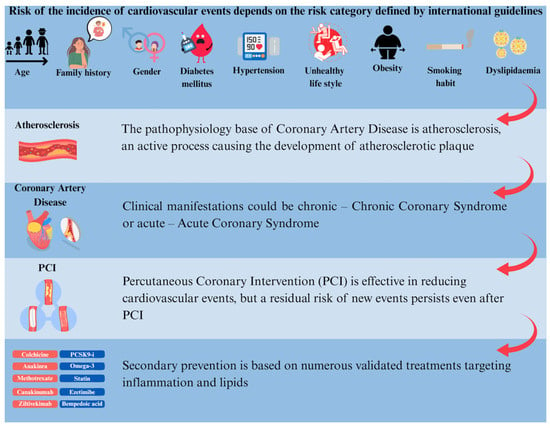
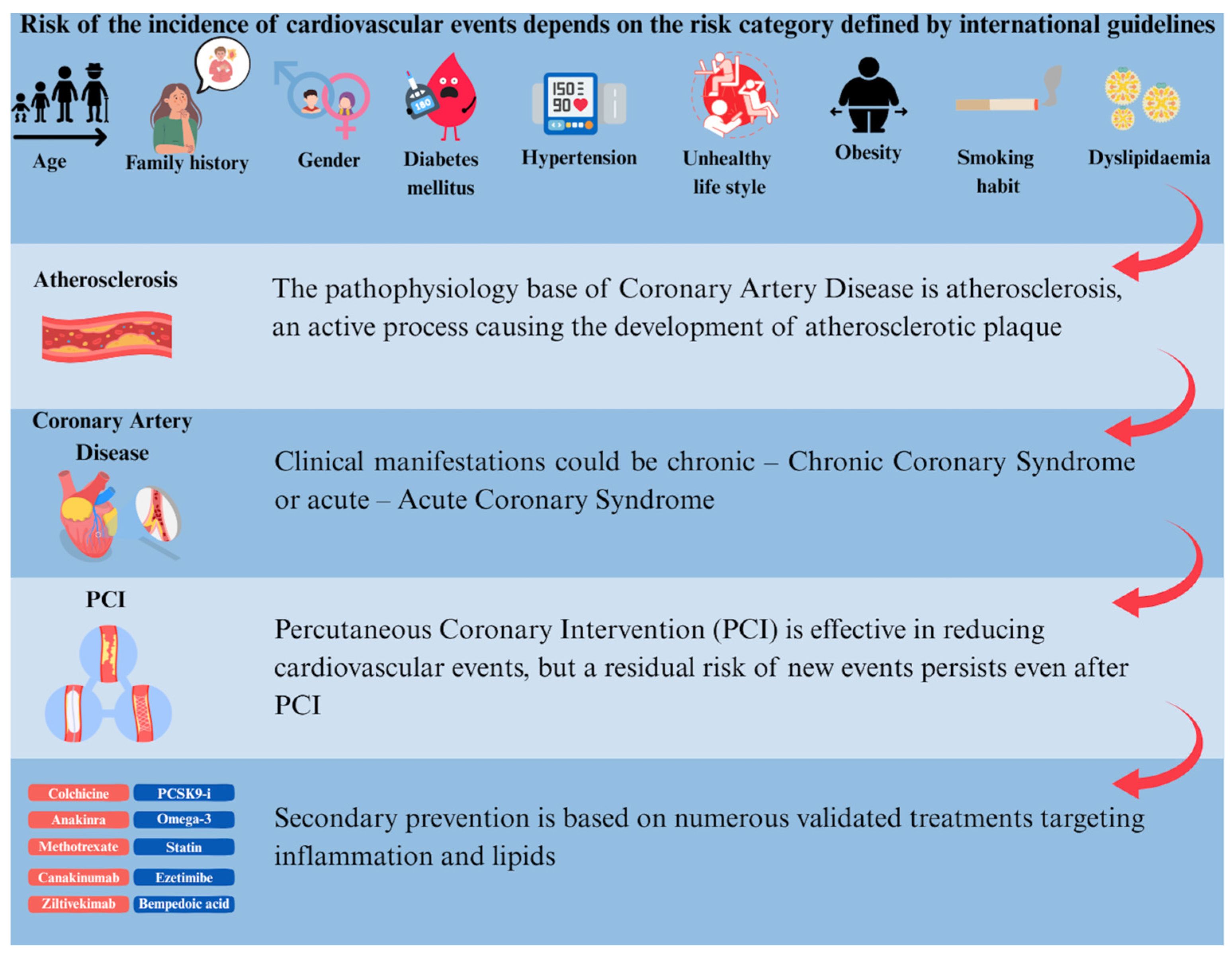
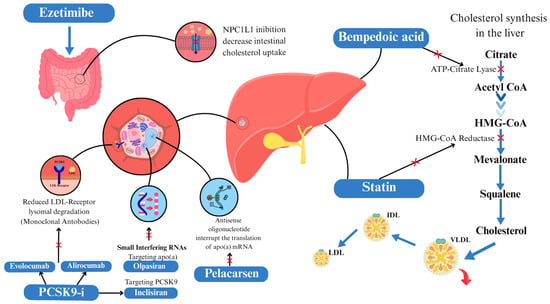
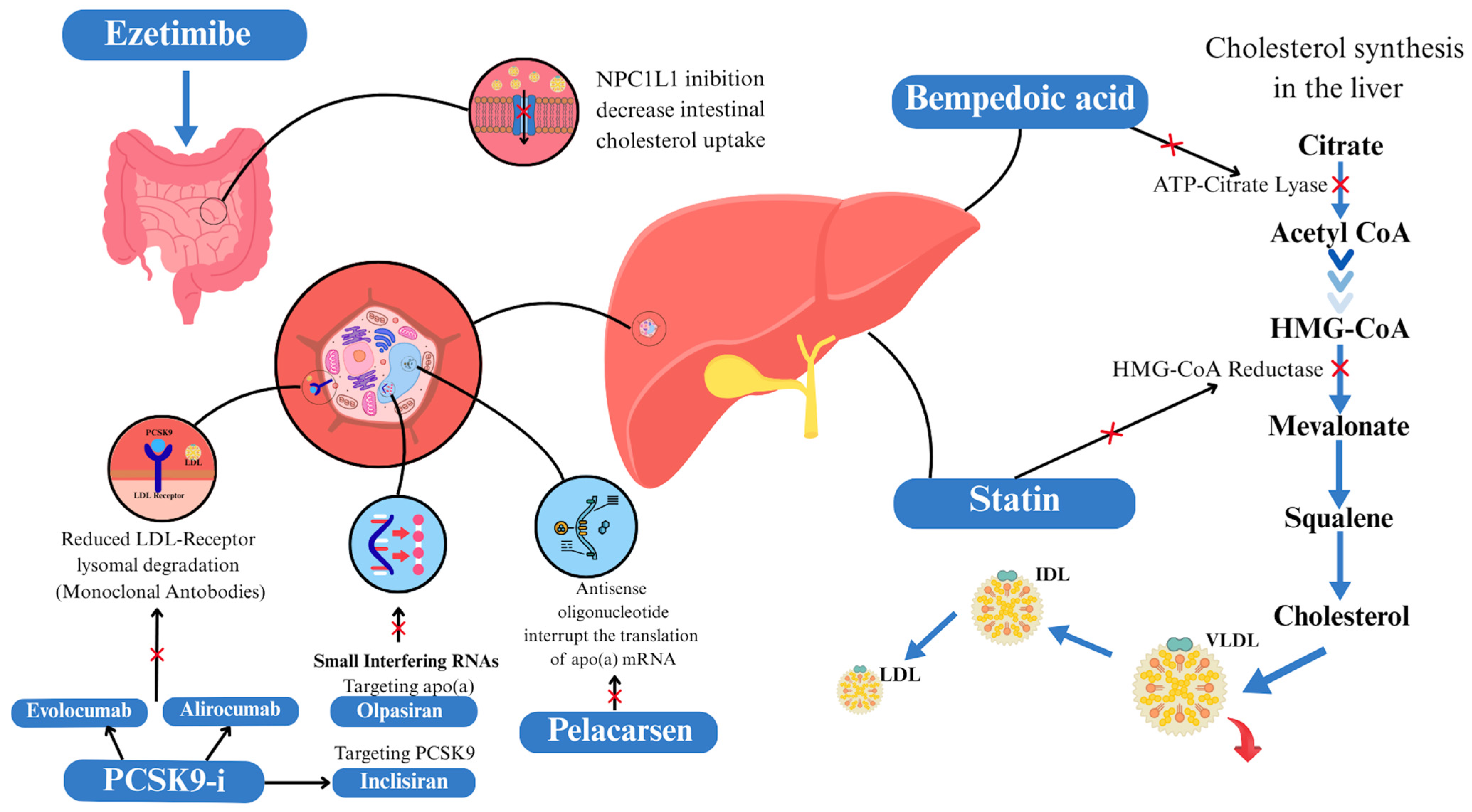
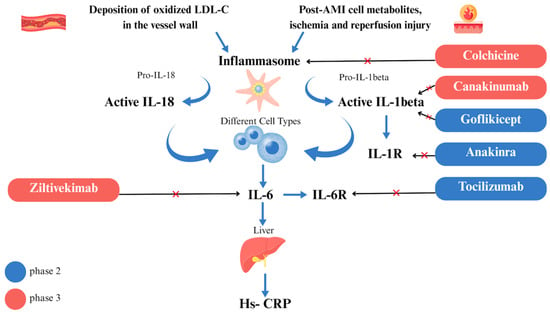
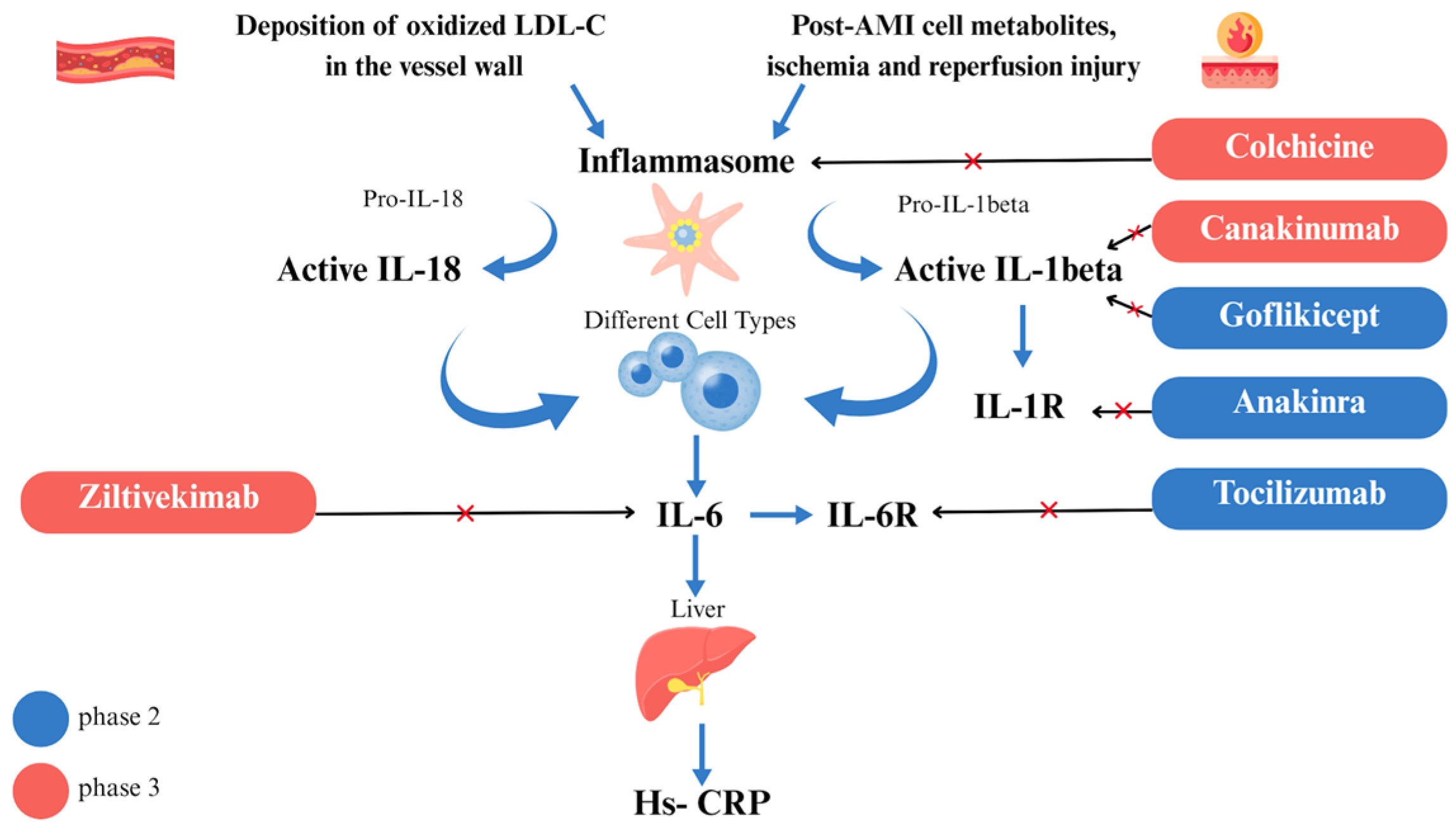

Disclaimer/Publisher’s Note: The statements, opinions and data contained in all publications are solely those of the individual author(s) and contributor(s) and not of MDPI and/or the editor(s). MDPI and/or the editor(s) disclaim responsibility for any injury to people or property resulting from any ideas, methods, instructions or products referred to in the content. |
© 2025 by the authors. Licensee MDPI, Basel, Switzerland. This article is an open access article distributed under the terms and conditions of the Creative Commons Attribution (CC BY) license (https://creativecommons.org/licenses/by/4.0/).