


Highlights
What are the main findings?
- The specified author-keyword network is centred on neuroeconomics and neuromarketing, while neurorobotics occupies a more peripheral technological position.
- The analytical corpus contains a small and methodologically heterogeneous neurotourism core, whereas tourism-related neuroscience extends mainly through consumer neuroscience and neuromarketing.
What are the implications of the main findings?
- The four neuroscience-based domains are connected but should not be treated as conceptually or methodologically interchangeable.
- Distinguishing scientific-domain membership from tourism application clarifies how related domains may support the development of neurotourism.
Abstract
Background/Objectives: Neuroscience-based research has expanded across neuromarketing and consumer neuroscience, neuroeconomics, neurotourism and neurorobotics, but these domains differ in disciplinary orientation, levels of consolidation and methodological traditions. This study examines the scientific and thematic evolution represented within the analytical corpus across these domains, the position of neurotourism within this broader landscape, and differences in methodological approaches, key constructs and reported research needs. Methods: A scoping review combined structural evidence mapping with structured abstract-level data charting of 981 English-language articles indexed in Scopus. Bibliometric procedures examined scientific production, citation patterns, author-keyword co-occurrence and thematic evolution, while rule-based and human-validated classification supported cross-domain comparison. Abstracts were available for 972 publications. Results: Scientific production increased substantially over time, while the specified author-keyword network remained centred on neuroeconomics and neuromarketing, with neurorobotics occupying a more peripheral technological position. Thematic evolution showed continuity in these domains alongside increasing specialisation in neuroimaging, machine learning, memory, embodiment and spiking neural networks. Within the analytical corpus, the neurotourism-related core comprised eight publications and was methodologically heterogeneous, with only one primary empirical study involving human participants and direct psychophysiological measurement. A broader body of tourism and hospitality research was located mainly within neuromarketing and consumer neuroscience, with more limited contributions from neuroeconomics and neurorobotics. Reported research needs differed, ranging from methodological consistency and conceptual refinement to technological robustness and empirical consolidation. Conclusions: The four domains are connected but are not conceptually or methodologically interchangeable. Distinguishing scientific-domain membership from application context clarifies how tourism-related neuroscience extends beyond the neurotourism label and how related domains may strengthen its empirical and interdisciplinary development.
1. Introduction
Neuroscience has progressively extended beyond its traditional biomedical foundations into research on consumer behaviour, economic choice, tourism experiences and human interaction with intelligent and robotic systems. This expansion has given rise to several interdisciplinary domains that share an interest in the neural and cognitive mechanisms underlying behaviour but differ in their disciplinary traditions and levels of consolidation. Neuromarketing and consumer neuroscience integrate neuroscience, psychology and marketing research to investigate consumer responses [1,2,3]. Neuroeconomics focuses more specifically on the neural and cognitive foundations of valuation, reward, risk and economic decision-making [4,5,6]. Neurotourism has emerged through the application of neuroscience and related behavioural disciplines to tourism research [7,8], whereas neurorobotics has developed around neuro-inspired systems, embodied interaction and interfaces connecting neural processes with robotic behaviour [9,10].
These domains have also generated a substantial body of synthesis research. Neuromarketing and consumer neuroscience have been examined through conceptual, systematic, methodological, bibliometric and meta-analytical reviews [2,3,8,9,10,11,12,13,14]. Neuroeconomics has an established review tradition centred on decision-making, reward, risk and economic behaviour [5,6,15,16,17]. Neurotourism has more recently been examined through conceptual, systematic and bibliometric approaches [12,18,19,20,21,22], whereas reviews in neurorobotics tend to address specialised technological, sensorimotor or interface-related problems [9,10,11]. The gap therefore does not lie in an absence of previous reviews. These synthesis efforts have largely developed within separate disciplinary, methodological or application-specific streams, leaving a limited comparative understanding of how these neighbouring neuroscience-based domains have evolved scientifically and thematically relative to one another. This raises the first question addressed in the study: what scientific and thematic patterns of development are represented within the analytical corpus across neuromarketing, neuroeconomics, neurotourism and neurorobotics over time?
The consequences of these disciplinary boundaries are particularly visible in neurotourism. Neuroscience-based tourism research has developed comparatively slowly and with limited interdisciplinarity, leading previous reviews to draw explicitly on neighbouring areas such as affective neuroscience, neuromarketing and neuroeconomics when formulating research agendas for tourism neuroscience [22]. At the same time, the literature relevant to tourism extends substantially beyond publications explicitly adopting the neurotourism label. Cardoso et al. [12] identified 45 studies applying neuroscience and neuromarketing theories or methods to tourism, hospitality and travel, of which only three explicitly addressed neurotourism. Cardoso and Fraga [19] similarly showed that neuroscientific research applied to tourism is distributed across multiple themes, methods and disciplinary communities. Empirical studies using neuroscientific and psychophysiological approaches have examined destination preference, advertising effectiveness, visual attention, memory, hotel selection, pricing, gastronomy and tourist emotions, while being positioned within neuromarketing, consumer neuroscience, tourism marketing or consumer behaviour [23,24,25,26,27,28]. The explicitly identified neurotourism-related literature therefore represents only part of a broader body of neuroscience-based research applied to tourism and hospitality. This distinction raises a second question: how is neurotourism represented as a research domain, and how does neuroscience-based research extend into tourism and hospitality through related fields?
Differences across the four domains are also evident at methodological and conceptual levels. Reviews of neuromarketing and consumer neuroscience identify concerns involving ecological validity, measurement integration, reproducibility and generalisability [13,29,30]. In neuroeconomics, unresolved questions concern decision processes, their conceptualisation and the boundaries between neuroeconomics and adjacent areas of decision neuroscience [4,5,31,32]. Neurorobotics faces a different set of problems involving interface robustness, benchmarking, biological plausibility, usability and ethical implications [11,33,34,35,36]. Neurotourism presents another pattern, characterised by limited empirical consolidation, methodological accessibility problems and continued calls for stronger interdisciplinary development [12,20,21,22]. These reviews provide detailed accounts within individual fields, but they do not establish whether methodological approaches, key constructs and reported research needs converge across domains or remain field-specific. This leads to the third question: how do the principal research domains compare in their methodological approaches and key constructs, and what research gaps and future directions are reported across the four domains?
The literature therefore points to a fragmented synthesis landscape rather than a lack of prior knowledge. Although individual domains, technologies and applications have been examined, comparative analysis across the four research areas remains limited. To address these questions, the study adopts a scoping review design combining structural evidence mapping with structured abstract-level data charting. Domain classification is treated separately from the tourism and hospitality application context, while research gaps and future directions are retained only when explicitly reported in the source abstracts. The study has three objectives: (1) to examine the scientific and thematic patterns of development represented within the analytical corpus across the four domains; (2) to delineate the neurotourism-related research core and examine neuroscience-based applications in tourism and hospitality across related domains; and (3) to compare their methodological approaches and key constructs and identify reported research gaps and future directions. The results indicate increasing scientific production, an author-keyword network centred on interconnected neuroeconomics and neuromarketing cores, a comparatively small and heterogeneous neurotourism-related core, and tourism and hospitality applications distributed mainly across neighbouring neuromarketing and consumer neuroscience research. Further comparison shows that the research needs reported across the four domains differ in nature, allowing research priorities to be defined more specifically within each field and indicating where methods or concepts developed in neighbouring domains may inform neuroscience-based tourism research.
2. Conceptual Foundations and Interdisciplinary Interfaces
2.1. Neuroscience-Based Domains: Boundaries, Development and Methodological Differences
Neuroscience-based research has developed across neighbouring domains that share an interest in the mechanisms underlying behaviour but differ in theoretical orientation, objects of analysis and disciplinary traditions. Neuromarketing and consumer neuroscience apply neural and psychophysiological approaches to attention, emotion, memory, preference and choice in consumer contexts [1,2,3]. Neuroeconomics combines neuroscience, economics and behavioural research to examine valuation, reward, risk, uncertainty and choice [4,5,6]. Although the two fields intersect around valuation and decision processes, consumer neuroscience places these mechanisms within consumer and market contexts, whereas neuroeconomics focuses more directly on economic and value-based choice [3,5,6].
Neurorobotics occupies a different position, connecting neuroscientific principles with embodied technological systems, including brain-inspired robotics, sensorimotor control, body representation, neural interfaces and human–robot interaction [9,10,11]. Its links with neighbouring domains arise through learning, decision-making, agency, embodiment and responses to technology, while its primary object of analysis remains distinct. Neurotourism is more permeable because tourism-related neuroscience extends beyond publications explicitly using that label. Reviews have described neuroscience in tourism as comparatively slow to develop and have called for stronger interdisciplinary engagement [22]. Cardoso et al. [12] identified 45 studies connecting neuroscience and neuromarketing with tourism, hospitality and travel, although only three explicitly addressed neurotourism, while Cardoso and Fraga [19] showed that this research spans different methods, themes and disciplinary communities. Empirical applications include destination marketing and preference [24], travel advertising and visual attention [25], and hotel selection [26]. Al-Nafjan et al. [37] similarly grouped 52 tourism studies across different contexts and neuroscientific or psychophysiological modalities. A tourism or hospitality application of neuroscience should therefore not, by itself, be treated as evidence that neurotourism is the scientific domain of the study.
The four areas also differ in scientific consolidation. Neuromarketing and consumer neuroscience have been examined through conceptual, systematic, methodological and bibliometric reviews [3,7,14], while neuroeconomics has an established tradition of reviews and meta-analytical research on economic decision-making and its neural mechanisms [5,15,16,17]. Neurotourism has more recently become the subject of conceptual, systematic and bibliometric synthesis [12,18,21,22,37], whereas neurorobotics reviews tend to focus on more specialised architectures, embodied processes and interfaces [9,10,11]. The resulting synthesis remains largely organised within disciplinary and methodological boundaries, leaving cross-domain relationships less examined.
Their scientific trajectories also differ. In neuromarketing and consumer neuroscience, early work helped distinguish the academic study of consumer behaviour using neuroscientific approaches from the more managerial use of neuromarketing [38,39]. The field later broadened towards attention, affect, memory, reward, preference and decision-making, alongside a wider range of neuroscientific and physiological measures [39,40,41]. More recent research points towards computational and predictive approaches, including EEG-based deep-learning models for purchase decisions [42], combined EEG and eye tracking for preference prediction [43], and neuroforecasting using neural, behavioural and self-report data with machine-learning methods [44].
Neuroeconomics developed around increasingly detailed accounts of valuation and decision-making, including reward learning, risk and ambiguity, intertemporal choice, and emotional and social influences on choice [5]. The neural common currency hypothesis proposed that qualitatively different rewards can be represented on a shared scale of subjective value [45], with evidence implicating the ventromedial prefrontal/orbitofrontal cortex and a broader valuation network [5,45]. The field thus moved beyond neural correlates of choice towards explaining how value is learned, represented and compared.
Neurorobotics followed a more technological and embodied trajectory. Emerging from the convergence of neuroscience, computational neuroscience, artificial intelligence, embodied cognition and robotics, the field became associated with embodied autonomous neural systems [46,47]. More recent developments include neuromorphic computing and spiking neural networks [48], closed-loop brain–machine interfaces [49], and co-adaptive neural interfaces in which users and decoding systems adapt reciprocally [49,50].
In tourism, research has continued to draw on concepts and methods from neighbouring fields, alongside calls for stronger interdisciplinarity and a broader empirical base [12,19,22]. Since the 2010s, work at the tourism–neuroscience interface has incorporated cognitive and affective neuroscience, neuroeconomics, and consumer neuroscience and neuromarketing [12,22,37]. Attention, emotion, preference, choice and decision-making remain central, while more recent agendas have extended towards memory, sensory perception and tourism experience, using methods including EEG, eye tracking and cardiovascular measures [12,22,37,51]. A broader neurotourism agenda may also encompass the cognitive, affective and behavioural processes of other tourism stakeholders [12]. From this perspective, we propose neurotourism as more than the application of neuromarketing to tourism contexts: it can be understood as an interdisciplinary interface between neuroscience and tourism studies capable of addressing tourism as a complex and multistakeholder phenomenon.
The domains also face different methodological challenges. Neuromarketing and consumer neuroscience continue to address measurement quality, multimethod integration, ecological validity and generalisability [13,29]. Neuroeconomics combines neuroimaging, behavioural economic paradigms and computational approaches while confronting conceptual issues such as uncertainty and the boundaries of decision neuroscience [4,5,31,32]. Neurorobotics faces challenges involving interface robustness, benchmarking, biological plausibility and usability [11,33,35,36], whereas neurotourism still requires stronger interdisciplinary and methodological development [12,19,22]. These differences reinforce the need to compare the domains without treating them as conceptually or methodologically interchangeable.
2.2. Interdisciplinary Interfaces, Adaptation and Neuro-Adaptive Ecosystems
Despite these differences, the four domains share mechanisms, constructs and, in some cases, measurement approaches [3,11,22]. Their interfaces can be organised without implying a linear evolution between fields: from neural and computational processes involved in choice and decision-making [52], through consumer behaviour and decision processes [53], to experience-centred approaches in tourism [22]. In parallel, developments at the neuroscience–AI interface are bringing brain-inspired computation closer to embodied artificial systems capable of perceiving, deciding and acting in changing environments [48,54].
Adaptation and co-adaptation provide a further point of contact. Reciprocal exchanges between neuroscience and artificial intelligence allow computational models to inform neuroscience while neuroscientific principles contribute to artificial learning systems [55]. Neuromorphic computing translates features of biological intelligence into adaptive computational architectures [48], closed-loop brain–machine interfaces incorporate feedback, learning and neural plasticity [49], and co-adaptive interfaces allow users and decoding algorithms to adapt to one another over time [50]. Related work on adaptive intelligence likewise considers artificial agents capable of online learning, generalisation and rapid adaptation to environmental change [56].
Building on this conceptual background, we propose Neuro-Adaptive Ecosystems as a prospective interdisciplinary concept for systems in which brains, artificial intelligence, machines, and physical, social and economic environments interact and adapt reciprocally over time. Its added value lies in bringing reciprocal adaptation among brains, artificial intelligence, machines, and physical, social and economic environments into a single prospective framework, rather than treating these adaptive relationships separately. The concept does not seek to merge neuroeconomics, consumer neuroscience and neuromarketing, neurotourism and neurorobotics into a single field. Instead, it identifies a possible research frontier in which understanding and prediction are complemented by adaptation and co-adaptation across human, technological and environmental systems. This perspective may be particularly relevant to tourism, whose knowledge base has historically drawn on multiple contributory disciplines [57]. Neurotourism can therefore engage with neighbouring neuroscience-based domains while retaining its focus on tourism phenomena. This balance between disciplinary distinction and interdisciplinary connection provides the conceptual basis for the analysis that follows.
3. Materials and Methods
3.1. Research Design
This study adopted a scoping review design informed by established methodological guidance [58,59,60], with reporting guided by the PRISMA Extension for Scoping Reviews (PRISMA-ScR) [61]. The design was selected to support the systematic mapping and comparison of a broad and heterogeneous body of research spanning neighbouring neuroscience-based domains.
The review examined the extent, patterns of scientific development represented within the analytical corpus, and substantive characteristics of research spanning neuromarketing and consumer neuroscience, neuroeconomics, neurotourism and neurorobotics. It combined systematic evidence identification and corpus construction with two complementary analytical components: structural evidence mapping at the corpus level and structured abstract-level data charting. Structural mapping was used to characterise the scientific and thematic organisation of the corpus, whereas data charting supported the comparison of methodological characteristics, constructs, application contexts and source-reported research needs.
3.2. Evidence Identification and Corpus Construction
The evidence search was conducted in Scopus using the TITLE-ABS-KEY field and was completed on 17 July 2026. The search strategy combined three mandatory conceptual blocks connected by the Boolean operator AND. The first captured terminology associated with neuromarketing and consumer neuroscience, neuroeconomics, neurotourism and neurorobotics; the second captured neural, cognitive and affective mechanisms; and the third captured neuroscientific, neurophysiological, psychophysiological and biometric methods. The complete search syntax and filtering specifications are provided in Appendix A.1 (Table A1).
The initial search retrieved 2154 records. Application of the predefined subject-area and document-type restrictions reduced the dataset to 1531 records, and restriction to publications in English produced the analytical corpus of 981 articles. No additional records were excluded after corpus construction. Subsequent examination of ambiguous, overlapping or potentially unsupported research-domain assignments concerned research-domain assignment rather than corpus eligibility. Accordingly, all subsequent analyses were conducted on the 981 articles captured by the predefined search architecture and filtering criteria. Domain-specific counts therefore indicate representation within this analytical corpus and should not be interpreted as estimates of the absolute size of the respective research fields. The predefined three-block search architecture was designed to construct this cross-domain analytical corpus rather than an exhaustive historical bibliography of each field. The complete corpus-construction workflow is reported in Appendix A.2.
3.3. Analytical Procedures
Structural evidence mapping was first conducted to examine the scientific and thematic organisation of the corpus. Bibliometric science-mapping procedures were implemented using Bibliometrix/Biblioshiny (v. 5.5.0) [62] and included annual scientific production, citation analysis, author-keyword co-occurrence and thematic evolution, consistent with established approaches to science mapping and bibliometric analysis [63,64,65]. To assess whether the reported author-keyword network structure depended on the selected network size or co-occurrence threshold, a robustness analysis was conducted. The original specification retained 50 nodes, applied a minimum co-occurrence threshold of 2 and removed isolated nodes. Sensitivity was assessed by varying the maximum number of retained nodes across 40, 50, 60, 75 and 100 and the minimum co-occurrence threshold across 1, 2 and 3, yielding 15 network specifications. Author keywords were retained in their original bibliographic form without lexical harmonisation in all specifications. Rank-order stability of betweenness centrality, closeness centrality and PageRank was assessed using Spearman’s rank correlation coefficient (ρ), calculated across nodes shared between each alternative specification and the 50-node, threshold-2 baseline network. The 2020 thematic-evolution cut-off was selected based on the observed acceleration in scientific production after that year. Sensitivity analysis using alternative cut-offs of 2019 and 2021 confirmed the persistence of the principal thematic continuities involving neuroeconomics, neuromarketing and neurorobotics. Across these alternative specifications, 46.9% and 43.8% of the baseline thematic links were preserved, respectively, with Jaccard similarity values of 0.319 and 0.241, indicating stability in the principal thematic continuities alongside variation in the broader configuration of thematic relationships (Appendix A.3, Table A6 and Table A7). The complete analytical settings, network and thematic-evolution parameters, and robustness specifications are reported in Appendix A.3.
Following corpus-level structural mapping, Python-supported (3.14.7) rule-based processing generated candidate assignments to neuromarketing and consumer neuroscience, neuroeconomics, neurotourism and neurorobotics. Domain assignment was non-mutually exclusive, and ambiguous, overlapping or potentially incidental matches were examined contextually using the title, abstract and author keywords. Multiple domain assignments were retained when supported by the available bibliographic evidence. The Python-assisted processing instructions, classification logic and associated operational rules are reported in Appendix A.4 (Table A8).
Structured abstract-level data charting was then used to organise variables aligned with the research questions, including study type and design, technologies and measures, key constructs, application areas, tourism and hospitality relevance, and explicitly reported research gaps and future research directions [58,59,60]. Abstracts were available for 972 of the 981 publications. For the remaining nine records, applicable coding relied on the available title and author keywords; information that could not be established from these bibliographic fields was recorded as not reported rather than inferred. The data-charting dimensions, operational definitions and decision rules are presented in Appendix A.5 (Table A9).
Scientific-domain classification and tourism or hospitality application were treated as analytically distinct dimensions. The neurotourism-related research core was identified using the predefined neurotourism and tourism-neuroscience terminology incorporated into the search strategy together with contextual bibliographic evidence and was therefore not restricted to publications containing the literal term neurotourism. A tourism or hospitality application did not, by itself, result in classification as neurotourism. Information not supported by the available bibliographic evidence was not inferred. The complete charting framework, operational definitions and decision rules are provided in Appendix A.5 (Table A10).
AI-assisted contextual interpretation was used as a supporting procedure for ambiguous classifications, abstract-level charting and organisation of comparative evidence. ChatGPT, using the GPT-5.6 Thinking model developed by OpenAI, was applied through standardised prompts restricted to the available title, abstract and author keywords. The AI-assisted procedure followed the initial rule-based processing and produced provisional classifications, extractions and syntheses. The provisional classifications and other AI-assisted outputs were jointly reviewed against the bibliographic evidence by three authors, and final classification and interpretation decisions were reached by consensus, with the authors retaining responsibility for the final classifications and interpretations. The model did not make autonomous eligibility, inclusion or exclusion decisions. The complete set of standardised prompts, analytical purposes and human-validation rules is provided in Supplementary Table S1.
For the analysis of research gaps and future directions, only limitations, unresolved issues and future research needs explicitly reported in the available abstracts were retained as source-reported evidence. The absence or relative scarcity of methods, constructs, populations, contexts or applications within the corpus was not, by itself, interpreted as a research gap. Review-level patterns were therefore kept analytically distinct from research needs explicitly identified by the source publications. The complete operational rules are reported in Appendix A.6.
4. Results and Discussion
4.1. Scientific and Thematic Evolution Represented Within the Analytical Corpus
The first research question concerned the scientific and thematic evolution represented within the analytical corpus across the four domains over time. The analytical corpus shows a marked increase in scientific production over the period analysed (Figure 1). Publication activity remained limited during the early years but began to increase more consistently from 2007 onwards, followed by substantially stronger growth after 2020. Annual production reached its highest level in 2024, with 87 publications, and remained similarly high in 2025, with 86 publications. This recent acceleration is consistent with evidence of increasing scientific activity and thematic diversification in neuromarketing and consumer neuroscience [7], while the emergence of neuroscience-based tourism research illustrates how neuroscientific approaches have continued to extend into newer application domains [8,9,10]. Nevertheless, because Figure 1 aggregates the four research domains, the observed growth should not be interpreted as evidence that they have expanded at the same pace or reached comparable levels of consolidation.
Figure 1.
Annual scientific production of the final corpus, 2002–2026.
The lower number of publications recorded for 2026 (n = 53) should not be interpreted as a decline in scientific production, as data collection was completed on 17 July 2026 and therefore covered only part of the publication year.
4.1.1. Most-Cited Documents
Within the final analytical corpus of 981 Scopus-indexed articles, the ten most-cited documents within the corpus are concentrated in neuroeconomics and in neuromarketing and consumer neuroscience, particularly around valuation, reward processing, decision-making and consumer response (Table 1). These ten documents correspond to the ten highest values obtained by ranking all 981 records in descending order according to the Scopus Cited by field. The tenth-ranked record had 395 citations; therefore, 395 Scopus citations constituted the empirical inclusion threshold for the top 10 within this analytical corpus. Neuroeconomics accounts for the highest-cited contributions within the analytical corpus, while neuromarketing and consumer neuroscience extend these foundations into branding, product design and multimethod consumer research. This concentration around valuation, reward and decision-making reflects the close conceptual relationship between neuroeconomics and consumer neuroscience described by Plassmann et al. [3], while the prominence of branding and consumer-response research is consistent with the thematic structure of neuromarketing identified by Cardoso et al. [12]. No publications assigned to the neurotourism or neurorobotics domains appear among the ten most-cited records within the analytical corpus. Citation counts are those recorded in the Scopus dataset on 17 July 2026.
Table 1.
Ten most-cited documents within the final Scopus analytical corpus.
The absence of neurotourism and neurorobotics from the ten most-cited documents should not be interpreted as evidence of lower scientific relevance, since citation counts are affected by publication age and differences in the historical development of the respective domains. In the case of neurotourism, its absence is also compatible with a literature that remains comparatively small and still in a process of consolidation [8,12].
4.1.2. Conceptual Structure: Author-Keyword Co-Occurrence
Figure 2 displays the two dominant conceptual communities represented in the author-keyword co-occurrence visualisation, centred on neuromarketing and neuroeconomics. These communities contain the highest-centrality nodes in the network and are connected through decision-related and neuroimaging-related terms, while retaining distinct thematic profiles. The complete network analysis also identifies smaller peripheral configurations that are not represented in Figure 2 and are examined separately below. Because author keywords were analysed as reported in the Scopus records, the network should therefore be interpreted as a representation of author-reported bibliographic terminology rather than a fully harmonised conceptual vocabulary. As terminology associated with the four research domains formed part of the predefined search architecture, the relative prominence of domain labels is partly conditioned by corpus construction; network centrality and community structure are therefore interpreted as properties of the retrieved corpus rather than as independent estimates of prominence in the wider literature.
Figure 2.
Author-keyword co-occurrence network across the research corpus.
The first dominant cluster displayed in Figure 2 is organised around neuroeconomics, which has a betweenness centrality of 299.824, together with a closeness value of 0.014 and PageRank of 0.090. The cluster encompasses decision-making, reward, risk, trust, behavioural economics, decision neuroscience, game theory and reinforcement learning. Within it, reinforcement learning occupies a notable intermediary position (betweenness = 32.397), connecting value-based decision research with computational learning approaches.
Closely connected to this decision-oriented core, the second dominant cluster displayed in Figure 2 is centred on neuromarketing, the most structurally influential node in the entire network, with the highest betweenness centrality (569.359), closeness centrality (0.017) and PageRank (0.160). The cluster integrates consumer neuroscience, neuroscientific and psychophysiological methods, cognitive and affective constructs, and marketing applications. Consumer neuroscience is the second most influential node within this cluster (betweenness = 89.936; PageRank = 0.066), while fMRI also occupies an important intermediary position (betweenness = 55.219; PageRank = 0.048). EEG, neuroscience, electroencephalography, eye tracking, emotion, attention, memory, consumer behaviour, advertising, branding and marketing form a dense conceptual structure around neuromarketing.
The proximity of these two dominant clusters is reflected in their substantial structural connectivity. Cross-cluster links involve decision-related and neuroimaging terms, while both cores share concepts associated with decision-making, valuation, reward, risk, preference and consumer choice. Their thematic organisation nevertheless remains distinct: the neuroeconomics cluster is primarily structured around economic valuation and strategic choice, whereas the neuromarketing cluster is more strongly associated with consumer responses, brands, advertising and marketing stimuli. This distinction reflects the different substantive emphases described in the literature, with neuroeconomics more closely concerned with value-based and economic decision processes and consumer neuroscience integrating valuation and choice with attention, emotion, memory and responses to marketing stimuli [3,6,7].
Although Figure 2 focuses on these two dominant communities, the complete network output contains additional, substantially smaller and more peripheral configurations involving neurorobotics, learning and spiking neural networks. Their network positions and centrality values provide additional information about how these specialised themes relate to the dominant conceptual structure, even though they are not displayed in the figure. Within this peripheral part of the network, neurorobotics has limited betweenness (1.615), low closeness (0.006) and a PageRank of 0.014, indicating weaker integration with the dominant cores. Its principal relationships occur with learning and spiking neural networks, reflecting the technologically specialised and brain-inspired orientation characteristic of neurorobotics research [10,11].
Learning, by contrast, occupies a distinctive intermediary position in this peripheral configuration. Although its PageRank is comparatively low (0.009), its betweenness centrality is relatively high (59.603). Its principal connection with the decision-oriented part of the network occurs through reinforcement learning, while additional relationships with neurorobotics and spiking neural networks connect the decision-oriented core with the smaller technological branch.
At the outer edge of this peripheral configuration, spiking neural networks have a PageRank of 0.012, closeness of 0.006 and zero betweenness. It therefore occupies a specialised peripheral position associated primarily with learning and neurorobotics. This positioning is consistent with the use of spiking neural architectures in brain-inspired and neurorobotic systems [11,36].
The network is dominated by the two conceptual cores centred on neuroeconomics and neuromarketing, while a smaller technological periphery develops around learning, neurorobotics and spiking neural networks. Learning, particularly through its connection with reinforcement learning, provides the clearest link between these parts of the network, whereas direct connectivity between the technological periphery and the neuromarketing cluster remains limited. Sensitivity analysis across alternative network specifications supported the stability of the principal centrality hierarchy and the distinction between the two dominant communities, while betweenness centrality and the smaller peripheral configuration were more parameter-sensitive (Appendix A.3, Table A4 and Table A5).
4.1.3. Thematic Evolution
The thematic evolution map traces the continuity and diversification of identified themes between 2002–2020 and 2021–2026 (Figure 3). In the earlier period, the structure was organised around seven themes, with neuromarketing and neuroeconomics as the most prominent. In the later period, both remain central alongside more specialised themes involving neuroimaging, machine learning, memory, cognitive neuroscience and computational approaches.
Figure 3.
Thematic evolution. Note: Arrows indicate thematic links from the earlier to the later time period; colors distinguish the themes.
Among the identified themes, neuroeconomics shows the strongest thematic continuity. Its transition to the same theme from 2021–2026 has the largest number of occurrences in the map (193) and a high Weighted Inclusion Index of 0.79. This continuity is supported by the substantial retention of conceptual content from the earlier period, including fMRI, decision-making, reward, risk, behavioural economics, decision neuroscience, amygdala and loss aversion.
At the same time, neuroeconomics also contributes to several more specialised later themes, including neuroimaging (occurrences = 6; Weighted Inclusion Index = 0.36), memory (5; 0.42), trust (8; 0.50), ultimatum game (6; 0.43), computational modelling (2; 0.50) and robot (3; 0.44). By contrast, its transition to neuromarketing involves a comparatively large number of occurrences (52) but a very low Weighted Inclusion Index of 0.02, suggesting a relatively frequent thematic linkage but limited preservation of the earlier theme’s conceptual composition.
A similarly persistent pattern is visible for neuromarketing. Its self-transition comprises 141 occurrences and a Weighted Inclusion Index of 0.59, indicating continuity around consumer neuroscience, EEG, attention, advertising, emotions, eye tracking, branding, galvanic skin response, consumer behaviour and artificial intelligence. However, neuromarketing also diversifies into several adjacent areas. Its strongest proportional transitions are towards perceived value (Weighted Inclusion Index = 1.00), functional magnetic resonance imaging (0.75), neuroimaging (0.64), brain (0.43) and cognitive neuroscience (0.40).
Some of these transitions, however, are based on few occurrences, particularly perceived value, which is based on only two occurrences. The transition from neuromarketing to neuroeconomics includes 35 occurrences but a low Weighted Inclusion Index of 0.08, indicating a relatively frequent connection between the themes but limited preservation of the earlier neuromarketing theme’s internal composition. This combination of continuity and diversification also corresponds with the broadening of neuromarketing from core consumer processes such as attention, emotion, memory and valuation towards a wider range of neuroscientific methods, technologies and application areas [3,7].
Beyond these two dominant domains, several earlier methodological or conceptual themes evolve into more specialised later configurations. The earlier electroencephalography (EEG) theme develops mainly towards machine learning and neuromarketing. Its strongest transition is to machine learning, with a Weighted Inclusion Index of 0.43 and four occurrences, supported by terms such as deep learning and consumer preferences. The transition to neuromarketing is weaker (Weighted Inclusion Index = 0.29; occurrences = 3) and is supported by EEG signal and virtual reality. EEG-related themes are increasingly linked to computational and applied consumer research contexts.
A related but more fragmented pattern characterises the earlier event-related potential theme. Its most coherent transition is towards brain–computer interface research, with both the Weighted Inclusion Index and Inclusion Index equal to 0.33 and four occurrences. Weaker transitions connect cognitive neuroscience, machine learning and neuromarketing. The transition to neuromarketing has the highest number of occurrences among these links (9) but a low Weighted Inclusion Index of 0.11, indicating broader connection without strong thematic continuity as an independent configuration.
The earlier learning theme also evolves in more specific directions. Its strongest transition is towards embodiment, with both the Weighted Inclusion Index and Inclusion Index equal to 0.50. It also contributes to memory (occurrences = 8; Weighted Inclusion Index = 0.25) and robot research (3; 0.44), suggesting that this theme develops simultaneously in cognitive and technological directions.
Within this more technological branch, neurorobotics exhibits marked continuity and specialisation. Its self-transition has a Weighted Inclusion Index of 0.90, 30 occurrences and a Stability Index of 0.09. It also develops spiking neural networks, with a Weighted Inclusion Index of 0.50, seven occurrences and a Stability Index of 0.08, indicating increasing connections to biologically inspired computational architectures. A related but smaller specialised line is visible in the transition from robotics to electromyography, which is based on only two occurrences but has the highest Stability Index reported among the transitions examined (0.14). This specialised trajectory is compatible with the longstanding brain-inspired orientation of neurorobotics and its subsequent development around neural, embodied and interface-based technological systems [10,11].
4.2. Neurotourism Within the Broader Neuroscience-Based Research Landscape
4.2.1. The Explicit Neurotourism Research Core
The second research question concerned how neurotourism is represented as a research domain and how neuroscience-based research extends into tourism and hospitality through related fields. The analysis first delineated the explicit neurotourism research core before examining this broader cross-domain extension.
Within the analytical corpus, the explicitly identified neurotourism core is limited and methodologically heterogeneous. The eight publications forming this core were identified through the predefined neurotourism and tourism-neuroscience expressions used in the domain-classification procedure. They comprise publications explicitly adopting the neurotourism label, broader neuroscience-based tourism research, review-oriented contributions and one neuro-inspired computational study. Table 2 summarises the characteristics of this explicit neurotourism-related core.
Table 2.
Publications representing the explicit neurotourism-related research core.
Of the eight publications identified, only one was classified as a primary empirical neurotourism study involving human participants and direct psychophysiological measurement. Calderón-Fajardo et al. [75] conducted an experimental study using eye tracking and galvanic skin response, whereas the remaining seven contributions relied on review-based, bibliometric, conceptual, documentary or computational approaches.
Most of these non-primary studies focused on mapping, synthesising or conceptually framing the emerging field. Güner and Işık [20] reviewed food image databases relevant to food services and tourism, while Li et al. [22] provided a conceptual and narrative synthesis of neuroscience research in tourism. This broader effort to define and organise the field is also evident in the bibliometric studies of Ndaguba and van Zyl [18], Arslan et al. [21], and Cardoso and Fraga [19], who combined bibliometric and content analysis to examine neuroscientific methods in smart tourism and destination research. Bağçı [76] extended this non-experimental strand through a neuroscience-informed thematic analysis of tourism promotional materials. This predominance of review, bibliometric, conceptual and documentary contributions over primary human experimentation is consistent with previous assessments of tourism neuroscience as a still-developing research area with a limited empirical base and a continuing need for stronger interdisciplinary research [8,12].
A different trajectory is represented by Jiang and Li [77], who developed and tested a neuro-inspired xLSTM model for rural tourism planning. Although quantitatively evaluated, the study did not examine tourists’ neural, physiological or behavioural responses and therefore represents a neuro-inspired computational application within the neurotourism-related corpus rather than a primary human neuroscience-based neurotourism study.
4.2.2. Neuroscience-Based Tourism and Hospitality Research Beyond the Neurotourism Label
The analysis identified a substantially broader body of tourism and hospitality research outside the explicit neurotourism core. These studies were located mainly within neuromarketing and consumer neuroscience, with more limited contributions from neuroeconomics and neurorobotics. To clarify this cross-domain extension, the studies were organised according to their research-domain classification and principal tourism or hospitality application theme (Table 3).
Table 3.
Tourism and hospitality applications beyond the explicit neurotourism label.
Most of the identified applications are associated with neuromarketing and consumer neuroscience and span destination marketing and branding, tourism imagery and destination perception, digital travel interfaces and booking, hospitality and hotel responses, gastronomy, sustainability, heritage and cultural tourism. Neuroeconomic applications are considerably fewer and are concentrated on food-related decision-making, tourism pricing and consumption, and destination choice. Neurorobotics is represented by only one tourism and hospitality application in the corpus, involving physiological responses to human–robot service interaction. This dispersion across neighbouring domains supports the view that neuroscience-based tourism research cannot be adequately delimited by the neurotourism label alone, since relevant empirical work is embedded within broader neuromarketing, consumer neuroscience and related behavioural research [8,12,19]. It also reinforces the interdisciplinary character of the field, in which tourism applications draw on conceptual and methodological traditions that have developed largely outside tourism itself [8,12].
4.3. Comparative Methodological and Substantive Characteristics
The third research question concerned how the principal research domains compare in their methodological approaches and key constructs.
The comparative analysis focused on the three principal research domains represented in the corpus: neuromarketing and consumer neuroscience, neuroeconomics, and neurorobotics. The explicit neurotourism literature was not included in this domain-level comparison because of its limited number of publications and heterogeneous methodological composition, as reported in Section 4.2.1. Across the three principal domains, the abstract-level charting identifies differences in the range of methodological approaches, constructs and application contexts represented (Table 4). This comparison is descriptive and does not establish the relative frequency or predominance of individual characteristics within each domain.
Table 4.
Comparative methodological and substantive characteristics of the research domains.
The comparison reveals three distinct but partially overlapping research profiles. Neuromarketing and consumer neuroscience display a comparatively broad range of methodological approaches and application contexts in the abstract-level charting, combining neural, psychophysiological, behavioural and self-report measures across consumer, digital and service contexts. The constructs identified include attention, affective response, preference, memory, trust and decision-related outcomes. This combination of multiple measurement approaches with cognitive, affective and decision-related constructs is consistent with the broad conceptualisation of consumer neuroscience developed by Plassmann et al. [3] and with subsequent methodological work emphasising the integration of neurophysiological measures in consumer research [13]. This methodological breadth differs from the decision-oriented profile identified in neuroeconomics, which encompasses valuation and choice alongside related cognitive and behavioural processes.
Neuroeconomics combines neuroimaging, behavioural economic tasks and computational approaches, with identified constructs including reward, risk, uncertainty, loss aversion, fairness, trust and willingness to pay. Its identified application areas include financial, consumer and social decision-making, as well as tourism-related pricing and destination choice. The identification of valuation, reward, risk and choice is consistent with the decision-centred foundations of neuroeconomics identified in earlier and more recent accounts of the field [5,6]. Moving further towards the technological end of the spectrum, neurorobotics presents a distinct methodological profile involving neuro-inspired and embodied technological systems.
The methodological approaches identified in neurorobotics include neuro-inspired control, robotic systems, brain–computer interfaces and sensorimotor interaction, with constructs such as agency, embodiment, autonomy, adaptation and human–robot cooperation. Its identified applications include autonomous, assistive, rehabilitation and social robotics. Hospitality-related service applications were also identified. This technologically and embodied orientation is consistent with the development of neurorobotics around brain-inspired robotic systems, sensorimotor processes and neural interfaces [10,11].
4.4. Research Gaps and Future Research Directions
The third research question also examined the research gaps and future research directions reported across the four research domains. To maintain a clear distinction between source-reported evidence and review-level interpretation, this analysis was restricted to limitations, unresolved issues, underdeveloped areas and future research needs explicitly identified in the abstracts. Patterns inferred solely from the relative frequency or absence of methods, constructs, populations or applications were not classified as research gaps at this stage.
The four domains differ substantially in corpus size and should therefore not be interpreted as quantitatively equivalent. Neuromarketing and consumer neuroscience, neuroeconomics and neurorobotics provide considerably larger evidence bases, whereas the explicitly identified neurotourism core comprises only eight publications. Neurotourism was nevertheless retained in this analysis because several of these publications explicitly identify limitations concerning the development, interdisciplinarity, methodological accessibility and geographical representation of the field. Table 5 summarises the principal gaps and directions supported by the abstract-level evidence.
Table 5.
Research gaps and future research directions explicitly identified in the abstracts across the four research domains.
The abstract-level evidence indicates that the four domains are characterised by different types of unresolved research needs rather than by a single common methodological limitation. In neuromarketing and consumer neuroscience, the reported challenges concern both measurement and the translation of neurophysiological evidence into more generalisable accounts of consumer behaviour. Lei et al. [30], for example, identify limitations and future opportunities associated with the prediction of consumer behaviour from neural indicators. More recent work reinforces concerns surrounding methodological consistency, reproducibility and real-world deployment of neurophysiological approaches, including variability across individuals, dataset diversity and ethical safeguards [103]. Rancati et al. [29] similarly position methodological rigour, multimodal measurement and the extension of neurophysiological research to retail and service encounters as priorities for the next stage of neuromarketing research. In food and emotion research, Baydeniz et al. [94], for example, report that approximately three quarters of the reviewed studies relied on Western populations and consequently call for cross-cultural validation, longitudinal investigation and naturalistic research designs.
The pattern is different in neuroeconomics, where the abstracts point more strongly towards unresolved theoretical, conceptual and methodological questions surrounding the study of decision processes. Huettel [4] identifies fundamental challenges associated with established approaches to decision neuroscience, while Serra [32] emphasises both unresolved questions and the porous boundaries separating neuroeconomics from affective, social and broader decision neuroscience. More recent evidence indicates that these challenges have not been fully resolved. Dennison et al. [5] identify continuing theoretical, conceptual, methodological and empirical issues within the field, while Müller et al. [31] highlight difficulties in the conceptualisation of uncertainty and the consistent differentiation of related phenomena. These studies indicate that future development in neuroeconomics depends not only on additional neuroscientific measurement but also on greater conceptual precision and stronger integration between neural mechanisms, behavioural economic models and the social and contextual dimensions of decision-making.
In neurorobotics, the research needs reported in the abstracts are more strongly associated with the technological and embodied development of the field. Gardner et al. [35] identify excessive cognitive load as an unresolved challenge in human–machine interfaces for neurorobotic augmentation and address this through multimodal intention detection. Steffen et al. [36] point to the lack of benchmarks specifically designed for robotic applications of spiking neural networks, whereas Tolu et al. [33] identify limited biological plausibility in existing brain and musculoskeletal models as an obstacle to understanding the mechanisms underlying motor and cognitive deficits. Yang et al. [11] similarly report limitations in the spatial and temporal resolution and robustness of existing neurorobotic interfaces and call for improvements in precision, wearability, ergonomics and real-time interaction. Beyond these technological challenges, Aicardi et al. [34] demonstrate that the emerging field also raises unresolved ethical and social questions. The research frontier identified within the neurorobotics abstracts is therefore primarily concerned with improving robustness, biological plausibility, usability and responsible development of neurorobotic systems.
The neurotourism and tourism-neuroscience evidence reveals a fourth and distinct profile. Despite the small number of publications explicitly associated with this domain, several abstracts identify limitations in the consolidation of neuroscience-based tourism research.
Li et al. [22] describe the growth of neuroscience studies within tourism as relatively slow and identify both a limited number of well-executed studies and weak interdisciplinarity. Bağçı [76] similarly highlights the limited number of experimental studies and the high costs associated with neuroscience tools as constraints on research development. Cardoso and Fraga [19] identify a geographically concentrated collaboration structure dominated by actors and organisations from the Global North and consequently point to the need for stronger inclusion of the Global South. More recent bibliometric evidence characterises neuroscience applications in tourism as still relatively underexplored and dispersed across disciplinary and journal boundaries [21]. At the methodological level, Güner and Işık [20] further emphasise the value of standardised resources for producing more reproducible and comparable findings in neuroscience-based food service and tourism research.
5. Conclusions
The first research question concerned the scientific and thematic patterns identified across the four domains over time. Scientific production increased substantially, while the author-keyword network was centred on neuroeconomics and neuromarketing, with neurorobotics occupying a more peripheral technological position. Thematic evolution showed continuity in these domains alongside increasing specialisation in neuroimaging, machine learning, memory, embodiment and spiking neural networks.
This differentiated structure is particularly important for understanding neurotourism. Within the analytical corpus, its explicitly identified research core is small and methodologically heterogeneous, whereas a much broader body of neuroscience-based tourism and hospitality research is located mainly within neuromarketing and consumer neuroscience, with more limited contributions from neuroeconomics and neurorobotics.
The second research question therefore shows that research relevant to tourism extends well beyond the neurotourism label and remains distributed across neighbouring domains.
The third research question further reveals that these domains are neither methodologically nor substantively equivalent. Neuromarketing and consumer neuroscience combine diverse neural, psychophysiological, behavioural and self-report approaches; neuroeconomics is more closely organised around valuation, reward, risk, uncertainty and choice; and neurorobotics presents a technologically specialised profile centred on neuro-inspired systems, neural interfaces, sensorimotor processes and human–robot interaction. Their reported research needs also differ. Neuromarketing and consumer neuroscience emphasise methodological consistency, generalisability, reproducibility and more naturalistic research; neuroeconomics presents continuing conceptual and methodological challenges; neurorobotics is more strongly concerned with robustness, benchmarking, biological plausibility, usability and ethical and social implications; and neurotourism faces more foundational issues of empirical consolidation, interdisciplinarity, methodological accessibility, geographical representation and reproducibility.
The theoretical contribution of the study lies in showing that these neighbouring neuroscience-based domains are connected without being conceptually or methodologically interchangeable. This distinction is particularly relevant to neurotourism because a substantial part of the knowledge applicable to tourism is situated outside its explicitly identified research core. For academic research, the findings provide a clearer basis for locating tourism-related neuroscience within this wider landscape and for identifying the domains, constructs and methodological traditions with which it already intersects. Beyond these established intersections, future research could also explore reciprocal adaptation across human, technological and environmental systems, as proposed by the Neuro-Adaptive Ecosystems concept.
The practical implications follow from the tourism and hospitality applications identified in the corpus. Neuroscience-based research has been applied to destination marketing and branding, tourism imagery and destination perception, digital travel interfaces and booking, hospitality and hotel responses, gastronomy, sustainability, cultural and heritage tourism, pricing and destination choice. For tourism and hospitality organisations, the findings clarify where these approaches have already been investigated and from which disciplinary traditions they originate. The evidence remains uneven, however, and should be interpreted as a map of existing applications rather than as support for the adoption of methods or technologies.
Several limitations should be considered. The corpus was restricted to English-language articles indexed in Scopus and retrieved using a three-block search strategy, which may have excluded relevant studies that did not explicitly report all three required components in TITLE-ABS-KEY. It should therefore be interpreted as a structured rather than exhaustive representation of the relevant literature. Domain classification relied on titles, abstracts and author keywords and was not mutually exclusive, requiring contextual judgement in ambiguous cases. Abstracts were unavailable for nine publications, and the analysis of research gaps and future directions was restricted to issues explicitly reported in the available abstracts. Domain-specific counts therefore describe representation within this corpus rather than the absolute size of the respective fields. Future research can extend the evidence base through additional databases, languages, document types and, where appropriate, full-text analysis. For neurotourism, the more immediate challenge is to strengthen its empirical foundations while clarifying its relationship with the wider body of neuroscience-based tourism and hospitality research distributed across neighbouring domains.
Supplementary Materials
The following supporting information can be downloaded at: https://www.mdpi.com/article/10.3390/brainsci16111167/s1, Table S1: AI-assisted prompt and human-validation protocol.
Funding
Cardoso, L. This research is financed by national funds through Foundation for Science and Technology (FCT), I.P., within the project reference FCT/UIDB/04470/2025. Moreira, P. H. This study was financed in part by the Coordenação de Aperfeiçoamento de Pessoal de Nível Superior—Brasil (CAPES)—Finance Code 001.
Institutional Review Board Statement
Not applicable.
Informed Consent Statement
Not applicable.
Data Availability Statement
The data supporting the findings of this study were derived from bibliographic records retrieved from the Scopus database. Due to database licensing restrictions, the complete raw Scopus records cannot be publicly redistributed. Derived analytical data and coding materials are available from the corresponding author upon reasonable request.
Acknowledgments
During the preparation of this study and manuscript, the authors used ChatGPT (OpenAI, GPT-5.6 Thinking) to support contextual interpretation of ambiguous bibliographic records, abstract-level data charting, organisation of comparative evidence, translation, and language refinement. Elicit (https://elicit.com/) was used only during the exploratory development of the search strategy to support the identification of potentially relevant terminology and keywords; it did not contribute records to the analytical corpus or affect screening, eligibility, inclusion, or exclusion decisions. AI-assisted outputs and literature suggestions were treated as provisional and were reviewed, verified against the underlying sources and bibliographic evidence, and revised where necessary by the authors. The authors have reviewed and edited the output and take full responsibility for the content of this publication.
Conflicts of Interest
The authors declare no conflicts of interest.
Abbreviations
The following abbreviations are used in this manuscript:
| AI | Artificial intelligence |
| BCI | Brain–computer interface |
| EDA | Electrodermal activity |
| EEG | Electroencephalography |
| EMG | Electromyography |
| ERP | Event-related potential |
| fMRI | Functional magnetic resonance imaging |
| fNIRS | Functional near-infrared spectroscopy |
| HRV | Heart rate variability |
| MEG | Magnetoencephalography |
| PET | Positron emission tomography |
| PRISMA-ScR | PRISMA Extension for Scoping Reviews |
Appendix A
Appendix A.1. Methodological Transparency and Reproducibility
Table A1.
Search strategy and filtering specifications.
Appendix A.2. PRISMA-ScR Corpus-Construction Workflow
The identification, filtering and construction of the analytical corpus were documented in accordance with the PRISMA Extension for Scoping Reviews (PRISMA-ScR). PRISMA-ScR was used as the reporting framework for documenting the progression from the initial evidence pool to the final corpus.
Table A2.
PRISMA-ScR corpus-construction and filtering workflow.
Accordingly, the 981 publications constituted analytical corpus, and subsequent analytical checks concerned classification within that corpus rather than further eligibility assessment.
Appendix A.3. Structural Evidence-Mapping Specifications
Structural evidence mapping was performed using Bibliometrix/Biblioshiny to characterise the scientific and thematic organisation of the final corpus. Technical specifications are reported below to allow the analytical procedures described in the main text to be assessed independently from their substantive interpretation.
Table A3.
Structural evidence-mapping parameters and analytical specifications.
Conceptually related but lexically distinct author-keyword variants were therefore retained as separate bibliographic expressions. Centrality and community structure consequently refer to author-reported bibliographic expressions rather than to harmonised concepts.
To assess the sensitivity of the author-keyword network to alternative analytical specifications, the 50-node, threshold-2 network was used as the baseline. Networks combining 40, 50, 60, 75 and 100 nodes with minimum co-occurrence thresholds of 1, 2 and 3 yielded 15 specifications, with isolated nodes removed consistently. Centrality stability was evaluated using Spearman’s rank correlation coefficient (ρ) for betweenness, closeness and PageRank across nodes shared with the baseline. Community stability was examined through the persistence of principal baseline community relationships across the same specifications. Results are reported in Table A4 and Table A5.
Table A4.
Sensitivity of author-keyword centrality rankings to alternative network specifications.
Table A5.
Stability of principal author-keyword community relationships across alternative network specifications.
Across all 15 specifications, neuromarketing, neuroeconomics and consumer neuroscience remained the three highest-ranked nodes by PageRank. The dominant community distinction was also stable, whereas the smaller technological configuration showed greater parameter sensitivity. Overall, the analysis supports the stability of the principal network hierarchy and dominant community structure, while indicating greater sensitivity for betweenness centrality and peripheral community membership.
To assess the sensitivity of thematic evolution to the manually selected 2020 cut-off, the analysis was repeated using alternative cut-offs of 2019 and 2021. All three specifications retained the original Scopus Author Keywords without lexical harmonisation and the same Bibliometrix settings. The results are presented in Table A6.
Table A6.
Sensitivity of thematic-evolution results to alternative temporal cut-offs.
Table A7.
Stability of thematic links relative to the 2020 baseline.
Appendix A.4. Python-Assisted Domain Classification
Python-supported rule-based processing was used to assist bibliographic processing and initial assignment of publications to the four research domains. The computational procedure generated candidate classifications that were subsequently examined against the available bibliographic evidence where classification was ambiguous, overlapping or potentially incidental.
Table A8.
Operational rules for Python-assisted research-domain classification.
The Python-assisted processing followed the operational instruction:
Identify candidate research-domain assignments using domain-specific terminology derived from the search strategy. Permit multiple assignments when substantively supported. Examine ambiguous, overlapping or potentially incidental matches using the title, abstract and author keywords. Revise a candidate assignment only when the available bibliographic evidence supports the decision. Rejection of a candidate domain assignment must not result in exclusion of the publication from the final review corpus.
For the neurotourism domain, rule-based terminology was not restricted to the literal term neurotourism. It included the predefined expressions incorporated into the search strategy, namely neurotouris*, neuro-touris*, tourism neuroscience, neuroscience in tourism, neuroscience of tourism, neuroscience-based tourism, neurophysiological tourism research and psychophysiological tourism research.
The Python-supported stage therefore provided rule-based candidate classification, whereas contextual examination of ambiguous or potentially unsupported assignments was subsequently supported by the AI-assisted procedure reported in Supplementary Table S1. The same AI-assisted protocol also supported abstract-level charting and organisation of comparative evidence, as specified in Supplementary Table S1. Final classifications remained subject to author validation. Because domain assignment was non-mutually exclusive, domain counts are not additive. They represent the distribution of assignments within the analytical corpus and should not be interpreted as estimates of the absolute size of the respective research fields. Following contextual validation, 952 publications were assigned to one research domain, 28 to two domains, and one to three domains. No publication remained without a validated research-domain assignment. The final validated domain assignments comprised 567 publications in neuromarketing and consumer neuroscience, 346 in neuroeconomics, 90 in neurorobotics, and 8 in neurotourism.
Appendix A.5. Structured Abstract-Level Data Charting Framework
Structured data charting was conducted at the abstract level using variables aligned with the research questions. The principal documentary unit consisted of the title, abstract and author keywords.
Abstracts were available for 972 of the 981 publications. For the remaining nine publications, the available title and author keywords were used for applicable classification and coding. Information that could not be established from the available bibliographic evidence was not inferred.
Table A9.
Structured abstract-level data-charting dimensions and decision rules.
Scientific-domain classification and tourism/hospitality application were treated as analytically distinct dimensions. A publication could therefore remain classified within neuromarketing and consumer neuroscience, neuroeconomics or neurorobotics while simultaneously being coded as having a tourism or hospitality application. The presence of a tourism-related application did not, by itself, result in reclassification of the publication as neurotourism. This distinction supported the separate identification of the neurotourism-related research core and neuroscience-based tourism and hospitality applications located within neighbouring research domains.
A non-inference rule was applied throughout the structured abstract-level charting. When a methodological, substantive or contextual characteristic could not be established from the title, abstract or author keywords, it was treated as not reported in the abstract. Lack of reporting was not interpreted as evidence that the corresponding method, construct, population, procedure or characteristic was absent from the original study. This distinction reflects the documentary scope of the analysis and prevents conclusions about the full study from being derived from information that was not available in the bibliographic record.
Appendix A.6. Source-Reported Research Gaps and Future-Direction Rules
Research gaps and future research directions were charted using a restrictive evidence rule designed to distinguish statements explicitly reported by the source publications from patterns identified subsequently at review level.
Table A10.
Operational criteria for source-reported research gaps and future research directions.
The governing rule was: a research gap or future research direction was coded as source-reported evidence only when explicitly supported by the abstract. The absence or relative scarcity of a method, construct, population, context or application within the corpus was not, by itself, interpreted as a source-reported research gap. This procedure maintained a distinction between what the reviewed publications explicitly identified as requiring further investigation and patterns that may emerge from comparison of the corpus as a whole.
References
- Lee, N.; Broderick, A.J.; Chamberlain, L. What Is “Neuromarketing”? A Discussion and Agenda for Future Research. Int. J. Psychophysiol. 2007, 63, 199–204. [Google Scholar] [CrossRef] [Scilit] [PubMed]
- Lim, W.M. Demystifying Neuromarketing. J. Bus. Res. 2018, 91, 205–220. [Google Scholar] [CrossRef] [Scilit]
- Plassmann, H.; Ramsøy, T.Z.; Milosavljevic, M. Branding the Brain: A Critical Review and Outlook. J. Consum. Psychol. 2012, 22, 18–36. [Google Scholar] [CrossRef] [Scilit]
- Huettel, S.A. Ten Challenges for Decision Neuroscience. Front. Neurosci. 2010, 4, 1999. [Google Scholar] [CrossRef] [Scilit] [PubMed]
- Dennison, J.B.; Sazhin, D.; Smith, D.V. Decision Neuroscience and Neuroeconomics: Recent Progress and Ongoing Challenges. WIREs Cogn. Sci. 2022, 13, e1589. [Google Scholar] [CrossRef] [Scilit] [PubMed]
- Reimann, M.; Bechara, A. The Somatic Marker Framework as a Neurological Theory of Decision-Making: Review, Conceptual Comparisons, and Future Neuroeconomics Research. J. Econ. Psychol. 2010, 31, 767–776. [Google Scholar] [CrossRef] [Scilit]
- Cardoso, L.; Araujo, A.; Dias, F.; Moutinho, L. Chapter 12 The Dynamics of Neuromarketing: Publication, Collaboration, and Topic Prominence. In Biometrics and Neuroscience Research in Business and Management: Advances and Applications; Moutinho, L., Cerf, M., Eds.; De Gruyter: Berlin, Germany, 2024; pp. 223–244. ISBN 978-3-11-070850-9. [Google Scholar] [CrossRef] [Scilit]
- Li, S.; Lyu, T.; Park, S.; Choi, Y. Spillover Effects in Destination Advertising: An Electroencephalography Study. Ann. Tour. Res. 2023, 102, 103623. [Google Scholar] [CrossRef] [Scilit]
- Risso, G.; Bassolino, M. Assess and Rehabilitate Body Representations via (Neuro)Robotics: An Emergent Perspective. Front. Neurorobot. 2022, 16, 964720. [Google Scholar] [CrossRef] [Scilit] [PubMed]
- Tani, J.; Nishimoto, R.; Paine, R.W. Achieving “Organic Compositionality” through Self-Organization: Reviews on Brain-Inspired Robotics Experiments. Neural Netw. 2008, 21, 584–603. [Google Scholar] [CrossRef] [Scilit] [PubMed]
- Yang, X.; Castellini, C.; Farina, D.; Liu, H. Ultrasound as a Neurorobotic Interface: A Review. IEEE Trans. Syst. Man Cybern. Syst. 2024, 54, 3534–3546. [Google Scholar] [CrossRef] [Scilit]
- Cardoso, L.; Araujo, A.; Silva, R.; de Almeida, G.G.F.; Campos, F.; Santos, L.L. Demystifying Neurotourism: An Interdisciplinary Approach and Research Agenda. Eur. J. Tour. Res. 2024, 36, 3618. [Google Scholar] [CrossRef] [Scilit]
- Kakaria, S.; Bigné, E.; Catrambone, V.; Valenza, G. Heart Rate Variability in Marketing Research: A Systematic Review and Methodological Perspectives. Psychol. Mark. 2023, 40, 190–208. [Google Scholar] [CrossRef] [Scilit]
- Oliveira, P.M.; Guerreiro, J.; Rita, P. Neuroscience Research in Consumer Behavior: A Review and Future Research Agenda. Int. J. Consum. Stud. 2022, 46, 2041–2067. [Google Scholar] [CrossRef] [Scilit]
- Brocas, I.; Carrillo, J.D. Dual-Process Theories of Decision-Making: A Selective Survey. J. Econ. Psychol. 2014, 41, 45–54. [Google Scholar] [CrossRef] [Scilit]
- Sambrook, T.D.; Goslin, J. A Neural Reward Prediction Error Revealed by a Meta-Analysis of ERPs Using Great Grand Averages. Psychol. Bull. 2015, 141, 213–235. [Google Scholar] [CrossRef] [Scilit] [PubMed]
- Wang, Y.; Yao, X. Neural Correlates of Willingness to Pay for Items: A Meta-Analysis of Functional Magnetic Resonance Imaging Studies. Physiol. Behav. 2024, 278, 114481. [Google Scholar] [CrossRef] [Scilit] [PubMed]
- Ndaguba, E.; Van Zyl, C. Exploring Brain Tourism Discourse in the Tourism and Hospitality Sector: Reawakening Research in Neurotourism. Tour. Hosp. Manag. 2025, 31, 197–214. [Google Scholar] [CrossRef] [Scilit]
- Cardoso, L.; Fraga, C. Shaping the Future of Destinations: New Clues to Smart Tourism Research from a Neuroscience Methods Approach. Adm. Sci. 2024, 14, 106. [Google Scholar] [CrossRef] [Scilit]
- Güner, E.; Işık, M. A Neuroscience Perspective on the Use of Food Image Databases in Food Services and Tourism Studies: A Systematic Review. Worldw. Hosp. Tour. Themes 2026, 18, 390–402. [Google Scholar] [CrossRef] [Scilit]
- Arslan, B.; Gültekin, Y.; Cilingir Uk, Z.; Bulut, Y. The Emergence of Neurotourism: A Bibliometric Review of Neuroscience-Based Tourism Studies. Worldw. Hosp. Tour. Themes 2026, 18, 336–347. [Google Scholar] [CrossRef] [Scilit]
- Li, S.; Chark, R.; Bastiaansen, M.; Wood, E. A Review of Research into Neuroscience in Tourism: Launching the Annals of Tourism Research Curated Collection on Neuroscience in Tourism. Ann. Tour. Res. 2023, 101, 103615. [Google Scholar] [CrossRef] [Scilit]
- Savelli, E.; Gregory-Smith, D.; Murmura, F.; Pencarelli, T. How to Communicate Typical–Local Foods to Improve Food Tourism Attractiveness. Psychol. Mark. 2022, 39, 1350–1369. [Google Scholar] [CrossRef] [Scilit]
- Bastiaansen, M.; Straatman, S.; Driessen, E.; Mitas, O.; Stekelenburg, J.; Wang, L. My Destination in Your Brain: A Novel Neuromarketing Approach for Evaluating the Effectiveness of Destination Marketing. J. Destin. Mark. Manag. 2018, 7, 76–88. [Google Scholar] [CrossRef] [Scilit]
- Muñoz-Leiva, F.; Hernández-Méndez, J.; Gómez-Carmona, D. Measuring Advertising Effectiveness in Travel 2.0 Websites through Eye-Tracking Technology. Physiol. Behav. 2019, 200, 83–95. [Google Scholar] [CrossRef] [Scilit] [PubMed]
- Zoëga Ramsøy, T.; Michael, N.; Michael, I. A Consumer Neuroscience Study of Conscious and Subconscious Destination Preference. Sci. Rep. 2019, 9, 15102. [Google Scholar] [CrossRef] [Scilit] [PubMed]
- Hsu, L.; Chen, Y.-J. Neuromarketing, Subliminal Advertising, and Hotel Selection: An EEG Study. Australas. Mark. J. 2020, 28, 200–208. [Google Scholar] [CrossRef] [Scilit]
- Mengual-Recuerda, A.; Tur-Viñes, V.; Juárez-Varón, D.; Alarcón-Valero, F. Emotional Impact of Dishes versus Wines on Restaurant Diners: From Haute Cuisine Open Innovation. J. Open Innov. Technol. Mark. Complex. 2021, 7, 96. [Google Scholar] [CrossRef] [Scilit]
- Rancati, G.; Verhulst, N.; Shams, P. Priorities and Directions for Neurophysiological Research in Retail and Services. J. Consum. Mark. 2026, 43, 433–444. [Google Scholar] [CrossRef] [Scilit]
- Lei, W.; Yikai, Y.; Jiehui, Z.; Xiaoyi, W. Predicting Consumer Behavior in the Perspective of Consumer Neuroscience: Status, Challenge, and Future. J. Ind. Eng. Eng. Manag. 2020, 34, 1–12. [Google Scholar] [CrossRef]
- Müller, M.; Adámek, P.; Kotherová, S.; Petrů, M.; Bubík, T.; Daušová, A.; Pelíšková, L. Conceptualisation of Uncertainty in Decision Neuroscience Research: Do We Really Know What Types of Uncertainties the Measured Neural Correlates Relate to? Integr. Psychol. Behav. Sci. 2023, 57, 88–116. [Google Scholar] [CrossRef] [Scilit] [PubMed]
- Serra, D. Decision-Making: From Neuroscience to Neuroeconomics—An Overview. Theory Decis. 2021, 91, 1–80. [Google Scholar] [CrossRef] [Scilit]
- Tolu, S.; Strohmer, B.; Zahra, O. Perspective on Investigation of Neurodegenerative Diseases with Neurorobotics Approaches. Neuromorphic Comput. Eng. 2023, 3, 013001. [Google Scholar] [CrossRef] [Scilit]
- Aicardi, C.; Akintoye, S.; Fothergill, B.T.; Guerrero, M.; Klinker, G.; Knight, W.; Klüver, L.; Morel, Y.; Morin, F.O.; Stahl, B.C.; et al. Ethical and Social Aspects of Neurorobotics. Sci. Eng. Ethics 2020, 26, 2533–2546. [Google Scholar] [CrossRef] [Scilit] [PubMed]
- Gardner, M.; Mancero Castillo, C.S.; Wilson, S.; Farina, D.; Burdet, E.; Khoo, B.C.; Atashzar, S.F.; Vaidyanathan, R. A Multimodal Intention Detection Sensor Suite for Shared Autonomy of Upper-Limb Robotic Prostheses. Sensors 2020, 20, 6097. [Google Scholar] [CrossRef] [Scilit] [PubMed]
- Steffen, L.; Koch, R.; Ulbrich, S.; Nitzsche, S.; Roennau, A.; Dillmann, R. Benchmarking Highly Parallel Hardware for Spiking Neural Networks in Robotics. Front. Neurosci. 2021, 15, 667011. [Google Scholar] [CrossRef] [Scilit] [PubMed]
- Al-Nafjan, A.; Aldayel, M.; Kharrat, A. Systematic Review and Future Direction of Neuro-Tourism Research. Brain Sci. 2023, 13, 682. [Google Scholar] [CrossRef] [Scilit] [PubMed]
- Hubert, M.; Kenning, P. A Current Overview of Consumer Neuroscience. J. Consum. Behav. 2008, 7, 272–292. [Google Scholar] [CrossRef] [Scilit]
- Bazzani, A.; Ravaioli, S.; Trieste, L.; Faraguna, U.; Turchetti, G. Is EEG Suitable for Marketing Research? A Systematic Review. Front. Neurosci. 2020, 14, 594566. [Google Scholar] [CrossRef] [Scilit] [PubMed]
- Plassmann, H.; Venkatraman, V.; Huettel, S.; Yoon, C. Consumer Neuroscience: Applications, Challenges, and Possible Solutions. J. Mark. Res. 2015, 52, 427–435. [Google Scholar] [CrossRef] [Scilit]
- Karmarkar, U.R.; Plassmann, H. Consumer Neuroscience: Past, Present, and Future. Organ. Res. Methods 2019, 22, 174–195. [Google Scholar] [CrossRef] [Scilit]
- Li, Y.; Liu, Q.; Wu, J. Unveiling the Secrets of Online Consumer Choice: A Deep Learning Algorithmic Approach to Evaluate and Predict Purchase Decisions through EEG Responses. Inf. Process. Manag. 2024, 61, 103671. [Google Scholar] [CrossRef] [Scilit]
- Mashrur, F.R.; Rahman, K.M.; Miya, M.T.I.; Vaidyanathan, R.; Anwar, S.F.; Sarker, F.; Mamun, K.A. Intelligent Neuromarketing Framework for Consumers’ Preference Prediction from Electroencephalography Signals and Eye Tracking. J. Consum. Behav. 2024, 23, 1146–1157. [Google Scholar] [CrossRef] [Scilit]
- Yao, X.; Wang, Y. Using Neural Data to Forecast Aggregate Consumer Behavior in Neuromarketing: Theory, Metrics, Progress, and Outlook. J. Consum. Behav. 2024, 23, 2142–2159. [Google Scholar] [CrossRef] [Scilit]
- Levy, D.J.; Glimcher, P.W. The Root of All Value: A Neural Common Currency for Choice. Curr. Opin. Neurobiol. 2012, 22, 1027–1038. [Google Scholar] [CrossRef] [Scilit] [PubMed]
- Kaplan, F. Neurorobotics: An Experimental Science of Embodiment. Front. Neurosci. 2008, 2, 22–23. [Google Scholar] [CrossRef] [Scilit] [PubMed]
- Krichmar, J.L. Neurorobotics—A Thriving Community and a Promising Pathway Toward Intelligent Cognitive Robots. Front. Neurorobot. 2018, 12, 42. [Google Scholar] [CrossRef] [Scilit] [PubMed]
- Kudithipudi, D.; Schuman, C.; Vineyard, C.M.; Pandit, T.; Merkel, C.; Kubendran, R.; Aimone, J.B.; Orchard, G.; Mayr, C.; Benosman, R.; et al. Neuromorphic Computing at Scale. Nature 2025, 637, 801–812. [Google Scholar] [CrossRef] [Scilit] [PubMed]
- Sorrell, E.; Rule, M.E.; O’Leary, T. Brain–Machine Interfaces: Closed-Loop Control in an Adaptive System. Annu. Rev. Control Robot. Auton. Syst. 2021, 4, 167–189. [Google Scholar] [CrossRef] [Scilit]
- Madduri, M.M.; Yamagami, M.; Li, S.J.; Burckhardt, S.; Burden, S.A.; Orsborn, A.L. Computational Framework to Predict and Shape Human–Machine Interactions in Closed-Loop, Co-Adaptive Neural Interfaces. Nat. Mach. Intell. 2026, 8, 372–387. [Google Scholar] [CrossRef] [Scilit]
- Gökçe, F.; Sürücü, Ç.; Gökçe, Y. Conceptual Evaluation of Neuroscience in the Context of Tourism. Worldw. Hosp. Tour. Themes 2026, 18, 365–377. [Google Scholar] [CrossRef] [Scilit]
- Duffy, J.S.; Bellgrove, M.A.; Murphy, P.R.; O’Connell, R.G. Disentangling Sources of Variability in Decision-Making. Nat. Rev. Neurosci. 2025, 26, 247–262. [Google Scholar] [CrossRef] [Scilit] [PubMed]
- Kansra, P.; Oberoi, S.; Gupta, S.L.; Singh, N. Factors Limiting the Application of Consumer Neuroscience: A Systematic Review. J. Consum. Behav. 2024, 23, 31–42. [Google Scholar] [CrossRef] [Scilit]
- Mon-Williams, R.; Li, G.; Long, R.; Du, W.; Lucas, C.G. Embodied Large Language Models Enable Robots to Complete Complex Tasks in Unpredictable Environments. Nat. Mach. Intell. 2025, 7, 592–601. [Google Scholar] [CrossRef] [Scilit] [PubMed]
- Richards, B.A.; Lillicrap, T.P.; Beaudoin, P.; Bengio, Y.; Bogacz, R.; Christensen, A.; Clopath, C.; Costa, R.P.; de Berker, A.; Ganguli, S.; et al. A Deep Learning Framework for Neuroscience. Nat. Neurosci. 2019, 22, 1761–1770. [Google Scholar] [CrossRef] [Scilit] [PubMed]
- Mathis, M.W. Leveraging Insights from Neuroscience to Build Adaptive Artificial Intelligence. Nat. Neurosci. 2026, 29, 13–24. [Google Scholar] [CrossRef] [Scilit] [PubMed]
- Tribe, J. The Indiscipline of Tourism. Ann. Tour. Res. 1997, 24, 638–657. [Google Scholar] [CrossRef] [Scilit]
- Arksey, H.; O’Malley, L. Scoping Studies: Towards a Methodological Framework. Int. J. Soc. Res. Methodol. 2005, 8, 19–32. [Google Scholar] [CrossRef] [Scilit]
- Levac, D.; Colquhoun, H.; O’Brien, K.K. Scoping Studies: Advancing the Methodology. Implement. Sci. 2010, 5, 69. [Google Scholar] [CrossRef] [Scilit] [PubMed]
- Peters, M.D.J.; Marnie, C.; Colquhoun, H.; Garritty, C.M.; Hempel, S.; Horsley, T.; Langlois, E.V.; Lillie, E.; O’Brien, K.K.; Tunçalp, Ö.; et al. Scoping Reviews: Reinforcing and Advancing the Methodology and Application. Syst. Rev. 2021, 10, 263. [Google Scholar] [CrossRef] [Scilit] [PubMed]
- Tricco, A.C.; Lillie, E.; Zarin, W.; O’Brien, K.K.; Colquhoun, H.; Levac, D.; Moher, D.; Peters, M.D.J.; Horsley, T.; Weeks, L.; et al. PRISMA Extension for Scoping Reviews (PRISMA-ScR): Checklist and Explanation. Ann. Intern. Med. 2018, 169, 467–473. [Google Scholar] [CrossRef] [Scilit] [PubMed]
- Aria, M.; Cuccurullo, C. Bibliometrix: An R-Tool for Comprehensive Science Mapping Analysis. J. Informetr. 2017, 11, 959–975. [Google Scholar] [CrossRef] [Scilit]
- Koseoglu, M.A.; Rahimi, R.; Okumus, F.; Liu, J. Bibliometric Studies in Tourism. Ann. Tour. Res. 2016, 61, 180–198. [Google Scholar] [CrossRef] [Scilit]
- Cobo, M.; López-Herrera, A.G.; Herrera-Viedma, E.; Herrera, F. Science Mapping Software Tools: Review, Analysis, and Cooperative Study among Tools. J. Am. Soc. Inf. Sci. Technol. 2011, 62, 1382–1402. [Google Scholar] [CrossRef] [Scilit]
- Chen, C. Science Mapping: A Systematic Review of the Literature. J. Data Inf. Sci. 2017, 2, 1–40. [Google Scholar] [CrossRef] [Scilit]
- Plassmann, H.; O’Doherty, J.; Rangel, A. Orbitofrontal Cortex Encodes Willingness to Pay in Everyday Economic Transactions. J. Neurosci. 2007, 27, 9984–9988. [Google Scholar] [CrossRef] [Scilit] [PubMed]
- Hare, T.A.; O’Doherty, J.; Camerer, C.F.; Schultz, W.; Rangel, A. Dissociating the Role of the Orbitofrontal Cortex and the Striatum in the Computation of Goal Values and Prediction Errors. J. Neurosci. Off. J. Soc. Neurosci. 2008, 28, 5623–5630. [Google Scholar] [CrossRef] [Scilit] [PubMed]
- Hodgkinson, G.P.; Healey, M.P. Psychological Foundations of Dynamic Capabilities: Reflexion and Reflection in Strategic Management. Strateg. Manag. J. 2011, 32, 1500–1516. [Google Scholar] [CrossRef] [Scilit]
- Padoa-Schioppa, C. Neurobiology of Economic Choice: A Good-Based Model. Annu. Rev. Neurosci. 2011, 34, 333–359. [Google Scholar] [CrossRef] [Scilit] [PubMed]
- Koenigs, M.; Tranel, D. Irrational Economic Decision-Making after Ventromedial Prefrontal Damage: Evidence from the Ultimatum Game. J. Neurosci. 2007, 27, 951–956. [Google Scholar] [CrossRef] [Scilit] [PubMed]
- Reimann, M.; Zaichkowsky, J.; Neuhaus, C.; Bender, T.; Weber, B. Aesthetic Package Design: A Behavioral, Neural, and Psychological Investigation. J. Consum. Psychol. 2010, 20, 431–441. [Google Scholar] [CrossRef] [Scilit]
- Schmitt, B. The Consumer Psychology of Brands. J. Consum. Psychol. 2012, 22, 7–17. [Google Scholar] [CrossRef] [Scilit]
- Khushaba, R.N.; Wise, C.; Kodagoda, S.; Louviere, J.; Kahn, B.E.; Townsend, C. Consumer Neuroscience: Assessing the Brain Response to Marketing Stimuli Using Electroencephalogram (EEG) and Eye Tracking. Expert Syst. Appl. 2013, 40, 3803–3812. [Google Scholar] [CrossRef] [Scilit]
- Huettel, S.A.; Song, A.W.; McCarthy, G. Decisions under Uncertainty: Probabilistic Context Influences Activation of Prefrontal and Parietal Cortices. J. Neurosci. 2005, 25, 3304–3311. [Google Scholar] [CrossRef] [Scilit] [PubMed]
- Calderón-Fajardo, V.; Anaya-Sánchez, R.; Rejón-Guardia, F.; Molinillo, S. Neurotourism Insights: Eye Tracking and Galvanic Analysis of Tourism Destination Brand Logos and AI Visuals. Tour. Manag. Stud. 2024, 20, 53–78. [Google Scholar] [CrossRef] [Scilit]
- Bağçı, E. Neurotourism and National Tourism Promotion: A Thematic Analysis of the Turkish Tourism Market Based on Neuroscience. Int. J. Tour. Anthropol. 2024, 9, 281–299. [Google Scholar] [CrossRef] [Scilit]
- Jiang, J.; Li, Y. TourismNeuro xLSTM: Neuro-Inspired xLSTM for Rural Tourism Planning and Innovation. Front. Comput. Neurosci. 2025, 19, 1495313. [Google Scholar] [CrossRef] [Scilit] [PubMed]
- De-Frutos-Arranz, S.; López, M.-F.B. The State of the Art of Emotional Advertising in Tourism: A Neuromarketing Perspective. Tour. Rev. Int. 2022, 26, 139–162. [Google Scholar] [CrossRef] [Scilit]
- Stepchenkova, S.; Kirilenko, A.; Jo, Y. Authentication Response to a Tourist Attraction Video: Neuromarketing Insights. Ann. Tour. Res. 2025, 114, 104008. [Google Scholar] [CrossRef] [Scilit]
- Jóźwiak, M. Managing Consumer Attention to Sustainability Cues in Tourism Advertising: Insights from Eye-Tracking Research. Sustainability 2025, 17, 8175. [Google Scholar] [CrossRef] [Scilit]
- Lyu, T.; Li, S.; Park, S. How Prior Commercial Exposure Affects Subsequent Destination Advertising: A Neuroscience Perspective. Tour. Manag. 2026, 117, 105456. [Google Scholar] [CrossRef] [Scilit]
- Balzan, A.; Castaneda-Quirama, L.T.; Casadiego-Alzate, R.; Jiménez-Zarco, A.I. Measuring City Brand Perceptions via Neuromarketing. A Systematic Literature Review. Place Brand. Public Dipl. 2026, 22, 218–234. [Google Scholar] [CrossRef] [Scilit]
- Michael, I.; Ramsoy, T.; Stephens, M.; Kotsi, F. A Study of Unconscious Emotional and Cognitive Responses to Tourism Images Using a Neuroscience Method. J. Islam. Mark. 2019, 10, 543–564. [Google Scholar] [CrossRef] [Scilit]
- Garzón-Paredes, A.-R.; Royo-Vela, M. Heritage and Its Effects on the Tourist Destination Image: A Comparison of Architectural Styles. Tour. Hosp. Res. 2026. [Google Scholar] [CrossRef] [Scilit]
- López, M.A. A Comparative Study of the Perceived Visual Attractiveness Level of Hotel Websites Using the Eye-Tracking Technique. Afr. J. Hosp. Tour. Leis. 2020, 9, 1–21. [Google Scholar]
- Gunawan, C.N.; Chen, Y.-J.; Hsu, L. How Online Travel Agencies’ Logo Design Promotes Purchase Intention: A Behavioral and Neuroscientific Interpretation of Consumers’ Construal Level. Asia Pac. J. Tour. Res. 2023, 28, 19–35. [Google Scholar] [CrossRef] [Scilit]
- Kim, J.Y.; Kim, M.J. Identifying Customer Preferences through the Eye-Tracking in Travel Websites Focusing on Neuromarketing. J. Asian Archit. Build. Eng. 2024, 23, 515–527. [Google Scholar] [CrossRef] [Scilit]
- Wang, X.; Stienmetz, J.; Petrick, J.F. The Influence of Design and Arousal on Impulse Purchase in Mobile Travel Applications. Tour. Rev. Int. 2024, 28, 15–33. [Google Scholar] [CrossRef] [Scilit]
- Modi, N.; Kumar, Y. Eye Gaze Analytics for Enhancing Online Travel Booking Experiences: A Cognitive and Behavioral Study. Qual. Quant. Int. J. Methodol. 2026, 60, 12345–12370. [Google Scholar] [CrossRef] [Scilit]
- Isa, S.M.; Alsharif, A.H.; Salleh, N.Z.M. Beyond Self-Reports: Using Eye-Tracking to Explore Consumer DecisionMaking in Green Hotels. J. Tour. Serv. 2025, 16, 270–299. [Google Scholar] [CrossRef] [Scilit]
- Yücel, N. Spatial Beauty From a Neuroaesthetic Perspective: Eye Tracking Analysis of Hotel Visuals Thematic Hotel Visuals. Romaya J. 2026, 1, 1–16. [Google Scholar] [CrossRef]
- Berčík, J.; Gálová, J.; Vietoris, V.; Paluchová, J. The Application of Consumer Neuroscience in Evaluating the Effect of Aroma Marketing on Consumer Preferences in the Food Market. J. Int. Food Agribus. Mark. 2023, 35, 261–282. [Google Scholar] [CrossRef] [Scilit]
- Barrera Duque, E.; Cortes, A.F.; Areiza-Padilla, J.A. El Cielo: Creating Heaven on a Plate. CASE J. 2025, 22, 560–577. [Google Scholar] [CrossRef] [Scilit]
- Baydeniz, L.; Baydeniz, E.; Demirci, B. The Neurocognitive Interaction between Food and Emotions: A Thematic Research. Worldw. Hosp. Tour. Themes 2026, 18, 501–525. [Google Scholar] [CrossRef] [Scilit]
- Isa, S.M.; Alsharif, A.H. Driving Sustainable Eco-Tourism Choices: How Eco-Labels, Eco-Brands, Pricing and Social Media Shape Consumer Behaviour Through Neuromarketing Insights. Bus. Strategy Environ. 2026. [Google Scholar] [CrossRef] [Scilit]
- Aytekin, H.; Zengin, N.; Guducu, C.; Aktas, G. Enhancing “Virtual Museum Tour” Experience with Informative and Design Features: A Neuromarketing Research. J. Hosp. Tour. Technol. 2026, ahead-of-print. [Google Scholar] [CrossRef] [Scilit]
- Cheng, Y.; Lv, D.; He, P.; Tao, Y.; Yu, J.; Chen, W. Generation Z Preferences for Cultural Heritage Landscapes Using Questionnaire and Neuroscience ERP Methods. npj Herit. Sci. 2026, 14, 9. [Google Scholar] [CrossRef] [Scilit]
- Erkayiran, B.Y. Current Use and Future Directions of Neuroscience Tools in the Tourism and Hospitality Industry: A Comparative Perspective of Academia and Industry. Worldw. Hosp. Tour. Themes 2026, 18, 421–445. [Google Scholar] [CrossRef] [Scilit]
- Peng-Li, D.; Alves Da Mota, P.; Correa, C.M.C.; Chan, R.C.K.; Byrne, D.V.; Wang, Q.J. “Sound” Decisions: The Combined Role of Ambient Noise and Cognitive Regulation on the Neurophysiology of Food Cravings. Front. Neurosci. 2022, 16, 827021. [Google Scholar] [CrossRef] [Scilit] [PubMed]
- Wei, Q.; Lv, D.; Fu, S.; Zhu, D.; Zheng, M.; Chen, S.; Zhen, S. The Influence of Tourist Attraction Type on Product Price Perception and Neural Mechanism in Tourism Consumption: An ERP Study. Psychol. Res. Behav. Manag. 2023, 16, 3787–3803. [Google Scholar] [CrossRef] [Scilit] [PubMed]
- Mas, J.M.; Erdmann, D.A.; Jaszus, D.K. The Emotional Battle of The Sexes Game: Psychological Game Theory Applied to the Choice of Tourism. Tour. Hosp. Manag. 2025, 31, 215–228. [Google Scholar] [CrossRef] [Scilit]
- Pozharliev, R.; Rossi, D.; De Angelis, M. Anxious Attachment Style and Consumer Physiological Emotional Responses to Human–Robot Service Interactions. J. Neurosci. Psychol. Econ. 2021, 14, 59–70. [Google Scholar] [CrossRef] [Scilit]
- Pamungkas, Y.; Triandini, E.; Forca, A.J.; Sangsawang, T.; Karim, A. Transforming EEG into Scalable Neurotechnology: Advances, Frontiers, and Future Directions. Bul. Ilm. Sarj. Tek. Elektro 2025, 7, 338–349. [Google Scholar]
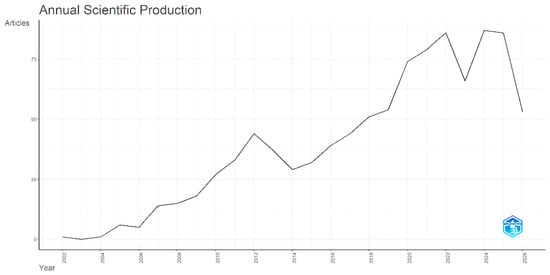
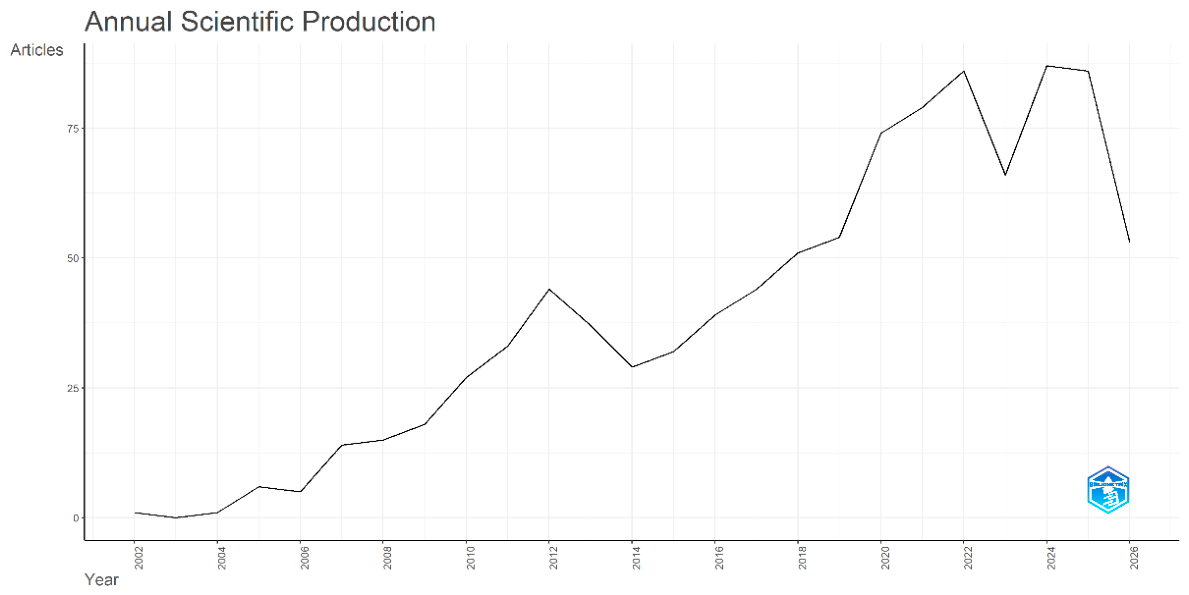
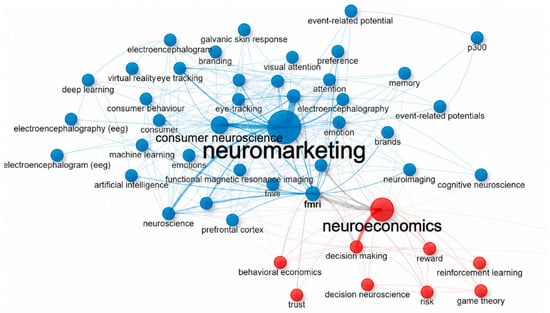
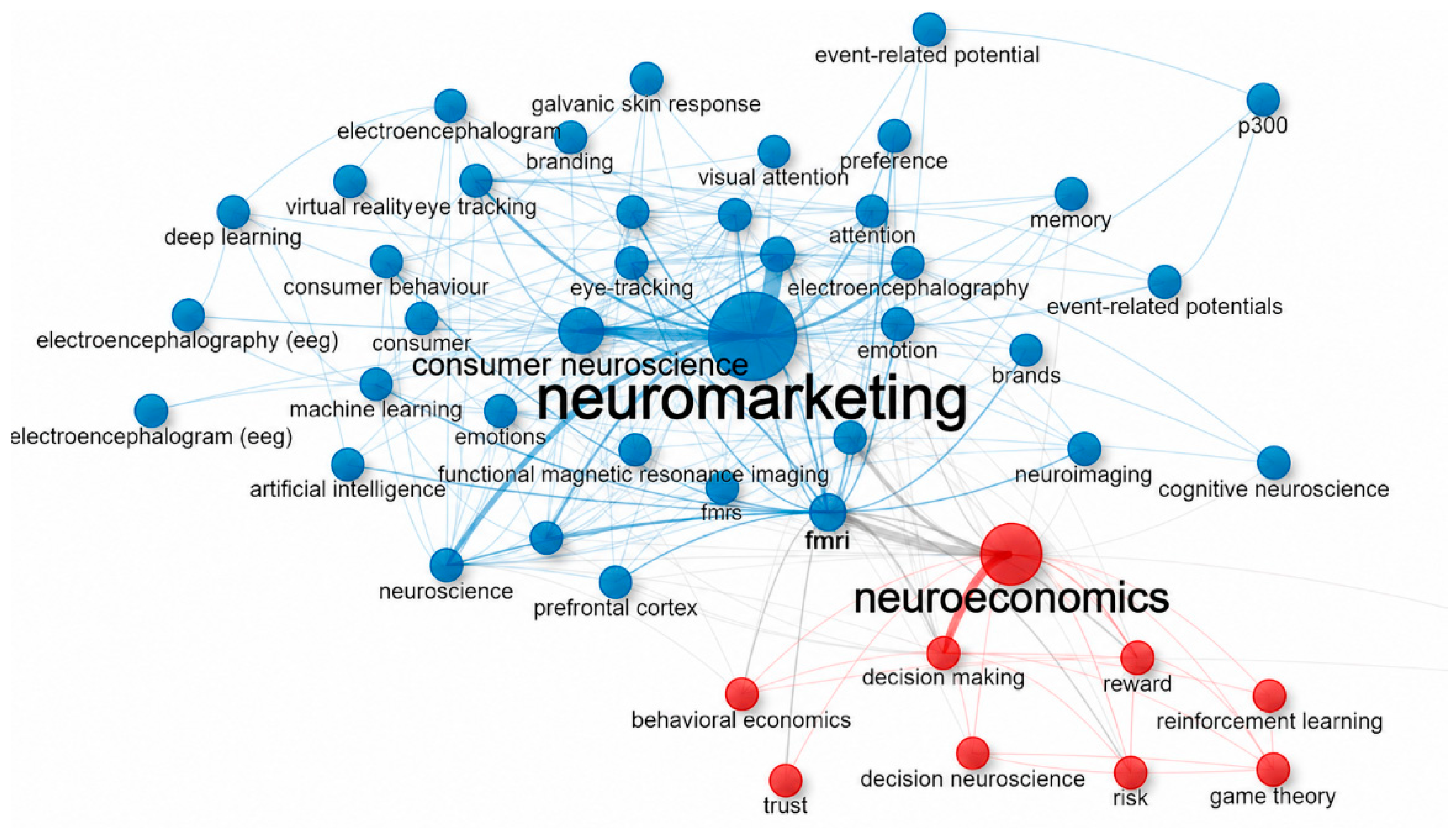
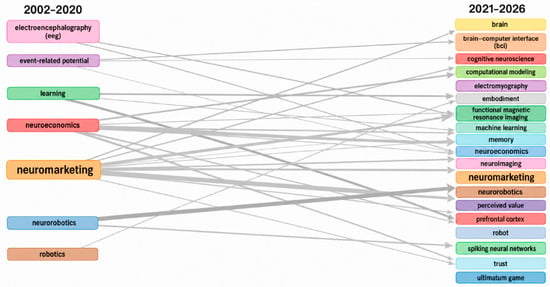
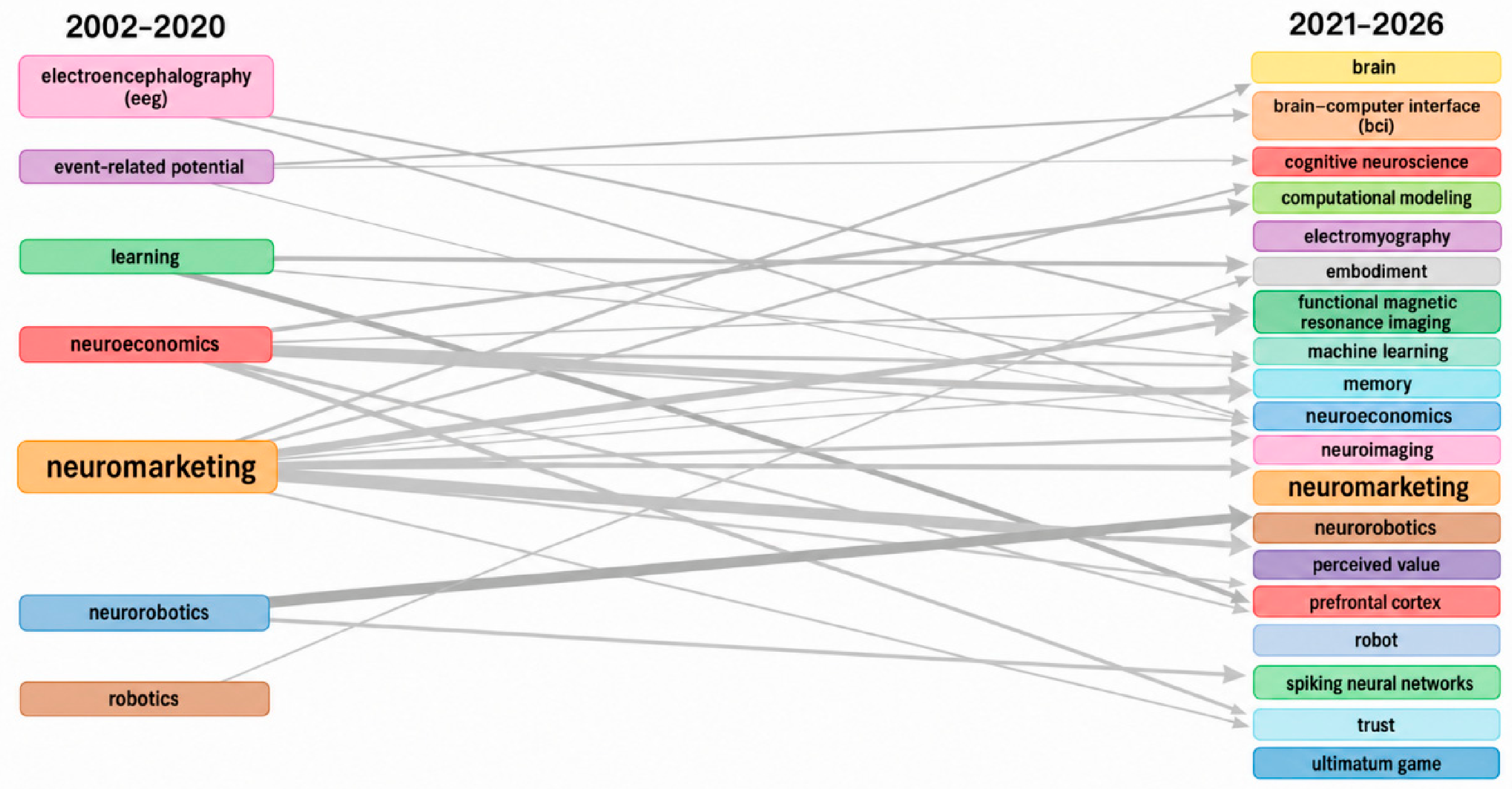

Disclaimer/Publisher’s Note: The statements, opinions and data contained in all publications are solely those of the individual author(s) and contributor(s) and not of MDPI and/or the editor(s). MDPI and/or the editor(s) disclaim responsibility for any injury to people or property resulting from any ideas, methods, instructions or products referred to in the content. |
© 2026 by the authors. Licensee MDPI, Basel, Switzerland. This article is an open access article distributed under the terms and conditions of the Creative Commons Attribution (CC BY) license.