


Abstract
Carrot pomace (CP) is a fibre-rich by-product of juice production whose application in food products is limited by the predominance of insoluble dietary fibre. This study aimed to evaluate differences in dietary fibre composition and technological and functional properties between untreated and enzyme-treated CP and to assess its potential application in food supplement formulations. CP was treated with the commercial enzyme preparation Sternzym® Oilex, containing pectinase and hemicellulolytic side activities. Soluble (SDF) and insoluble (IDF) dietary fibre contents, technological and functional properties, phenolic compounds, and antioxidant activity were determined. Bacterial growth promotion was evaluated in vitro using the prebiotic index (PI). Untreated and enzyme-treated CP were subsequently evaluated as carriers for Lactiplantibacillus plantarum in freeze-dried food supplement formulations, and bacterial viability was monitored during three months of storage. Compared with untreated CP, enzyme-treated CP contained less SDF and IDF and exhibited a different SDF:IDF ratio. Pomace modification increased water- and oil-retention capacities, solubility index, and the content of soluble phenolic compounds, but decreased water swelling capacity. The enzymatically modified CP exhibited higher PI values than inulin in assays with both L. plantarum and L. acidophilus. Enzymatic treatment also improved cholesterol- and sodium cholate-binding capacities under neutral pH conditions, while glucose adsorption decreased. During storage, the highest L. plantarum viability was maintained in the sample containing untreated CP and remained at approximately 8 log10 CFU/g after three months. Overall, CP is a promising source of dietary fibre and bioactive compounds and may serve as a carrier for probiotic bacteria in food supplements.
1. Introduction
Fruit and vegetable processing produces substantial quantities of by-products that remain underutilised and may contribute to environmental and economic problems. Carrot pomace (CP), the solid residue obtained during juice production, is currently used in bioethanol production, animal feed, and fertilisers, or discarded as waste [1]. However, it retains a considerable proportion of the nutrients and bioactive compounds found in carrots, making it a suitable raw material for developing value-added food ingredients.
Carbohydrates are the predominant constituents of carrots and include glucose, fructose and sucrose, together with small amounts of starch [2]. Their dietary fibre (DF) is composed mainly of cellulose, with lower proportions of hemicellulose and lignin [2]. Carrots also contain potassium, calcium, phosphorus and sodium, as well as smaller amounts of iron, magnesium and zinc [1,3]. Carrots are also a source of bioactive compounds, including carotenoids, phenolic compounds and polyacetylenes, as well as ascorbic acid and tocopherols. In orange carrots, β-carotene and α-carotene are the predominant carotenoids and serve as precursors of vitamin A, while phenolic compounds and other antioxidants contribute to their antioxidant and sensory properties. The concentrations of sugars, minerals and bioactive compounds vary among cultivars and may influence the composition of the resulting processing by-products [4].
After juice extraction, DF becomes concentrated in CP. The fibre fraction has been reported to contain 51.6% cellulose, 32.1% lignin, 12.3% hemicellulose and 3.88% pectin [5], although its composition may vary depending on the raw material and the juice-extraction method. Most of this fraction consists of insoluble dietary fibre (IDF). IDF supports intestinal motility, whereas soluble dietary fibre (SDF) forms viscous dispersions or gels in water, contributes to satiety and may serve as a substrate for beneficial intestinal microorganisms [6]. Both fractions are important in a balanced diet and perform complementary physiological functions. Nevertheless, the predominance of IDF in CP may restrict its use in food formulations because of its low solubility and its potential effects on texture, colour and flavour [6,7].
In addition to DF, CP contains residual minerals and bioactive compounds. These constituents have been associated with the regulation of digestive processes, blood cholesterol and glucose concentrations, and the maintenance of intestinal microbiota balance [1,8]. Consequently, the recovery of CP offers an opportunity to use available resources more efficiently and to obtain alternative sources of nutrients and other valuable food components [9]. CP has been investigated as an ingredient in bakery products, pasta, dairy products, beverages and meat products [1,10]. Depending on the type of product, reported inclusion levels reach up to 30% in bakery products, 12% in pasta, 5% in yoghurt and approximately 3–5% in meat products [10,11,12]. The amount that can be incorporated is largely determined by its effect on sensory characteristics, particularly colour, flavour, aroma and texture [10]. At suitable concentrations, CP may also improve water binding, moisture retention, texture and product stability while increasing DF intake [10,11,12]. Its potential prebiotic properties further support its application in the development of fibre-enriched foods [11,12].
The direct application of CP nevertheless remains limited by its high IDF content, low solubility and restricted interaction with other food components [1,9]. Physical, chemical and biological treatments, applied separately or in combination, have therefore been investigated to modify the structure and properties of DF [7]. Enzymatic hydrolysis is a selective biological approach that can partially degrade cell wall polysaccharides and alter the relative proportions of SDF and IDF. The resulting structural modifications may affect hydration, oil retention, solubility, emulsion stability, and the accessibility of compounds associated with the plant cell wall [7]. However, the effects depend on the enzyme preparation and the raw material composition. Although enzymatic modification has been investigated for various plant pomaces, its effects depend strongly on the composition and fibre structure of the raw material. For CP, comprehensive data on the effects of enzymatic treatment on DF composition, technological properties, including hydration, oil retention, solubility and emulsion stability, and in vitro functional properties, including GAC, CBC, SCBC and prebiotic potential, remain limited. In addition, the suitability of untreated and enzyme-treated CP for maintaining probiotic viability in freeze-dried synbiotic products requires further investigation. Therefore, this study aimed to determine the effect of enzymatic treatment on the DF composition, technological properties and in vitro functional characteristics of CP. Its prebiotic potential and suitability as a carrier for Lactiplantibacillus plantarum in freeze-dried dietary supplement formulations were also evaluated.
2. Materials and Methods
2.1. Carrot Pomace
Pre-washed orange carrots were purchased from a local supermarket. Before processing, the carrots were washed thoroughly, and any damaged or discoloured areas were removed. The prepared carrots were grated with a BETM-1 electric vegetable grater (Migiris, Mažeikiai, Lithuania), and the resulting material was pressed through cheesecloth to separate the juice. The obtained CP was dried in a drying oven (SLN 32, POL-EKO® sp.k, Wodzislaw Slaski, Poland) at 37 ± 2 °C for 48 ± 2 h, with periodic mixing. The dried pomace was milled at 6000 rpm using an ultracentrifugal mill (ZM 200, Retsch GmbH, Haan, Germany) fitted with a 0.2 mm sieve. The resulting homogeneous CP (particle size ≤ 0.2 mm) was stored in a sealed bag under refrigerated conditions (4 °C) until analysis.
2.2. Enzymatic Hydrolysis Using Commercial Enzyme Preparations
The commercial enzyme preparation Sternzym® Oilex (SternEnzym GmbH & Co. KG, Ahrensburg, Germany), containing pectinase and hemicellulolytic side activities produced by Aspergillus aculeatus, was used for the enzymatic hydrolysis of CP. According to the manufacturer’s specification, the preparation had a declared pectinase activity of 9000 units/g of preparation. Untreated CP powder, which was not subjected to the hydrolysis procedure, served as the control.
For enzymatic treatment, CP was combined with distilled water using a solid-to-liquid ratio of 1:15 (w/v). The resulting mixture, with a pH of 3.7, was held for 5 min at 50 ± 1 °C in a water bath (WNB 22, Memmert GmbH + Co. KG, Schwabach, Germany) at 50 ± 1 °C. Sternzym® Oilex was then added at 0.1 mL per gram of CP, and hydrolysis proceeded for 1 h at 50 ± 1 °C with agitation at200 rpm. The hydrolysates were subsequently heated at 90 °C for 20 min to inactivate the enzymes. After cooling to ambient temperature, the hydrolysates were transferred to freeze-drying containers and freeze-dried using a Harvest Right™ freeze dryer (Harvest Right LLC, Salt Lake City, UT, USA). The freeze-dried powders were kept at 4 °C in sealed containers until required for analysis. Three independent hydrolysis batches were prepared and processed separately, representing independent experimental replicates.
For the evaluation of prebiotic potential, only the soluble fraction obtained after hydrolysis was used. The procedure described above was repeated, except that, after cooling, the hydrolysates were centrifuged at 8000 rpm for 20 min using a UNIVERSAL 320 centrifuge (Andreas Hettich GmbH, Tuttlingen, Germany). The supernatant was collected and freeze-dried, and the resulting powder was stored in a sealed container at 4 °C until further analysis.
2.3. Determination of Dietary Fibre
The contents of total dietary fibre (TDF) and its soluble (SDF) and insoluble (IDF) fractions were quantified with a K-TDFR100A kit (Megazyme Ltd., Bray, Co. Wicklow, Ireland), following AOAC Method 991.43. Briefly, 1 g of untreated and enzyme-treated CP was combined with 40 mL of freshly prepared MES–Tris buffer (0.05 M, pH 8.2), comprising 2-(N-morpholino)ethanesulfonic acid monohydrate and tris(hydroxymethyl)aminomethane. The samples were then sequentially hydrolysed with 50 µL of thermostable α-amylase (90 °C for 30 min), 100 µL of protease (60 °C for 30 min) and 200 µL of amyloglucosidase (60 °C for 30 min). Before the addition of amyloglucosidase, the pH was adjusted to 4.1–4.8. Enzymatic hydrolysis was performed in a water bath (WNB 22, Memmert GmbH + Co. KG, Schwabach, Germany) with continuous shaking at 120 rpm.
After hydrolysis, the resulting suspension was filtered through a layer of Celite (Megazyme cat. No. G-CELITE) placed in a Gooch crucible using a Fibertec 1023 E filtration system (Foss A/S, Hilleroed, Denmark). The retained solids were washed with distilled water heated to 70 °C and considered the IDF fraction. It was subsequently dried in an oven (SLN 32, POL-EKO® sp.k, Wodzislaw Slaski, Poland) until a constant mass was reached at 105 ± 2 °C.
The collected filtrate was mixed with 96% ethanol (Stumbras AB, Kaunas, Lithuania) at 60 °C at a filtrate-to-ethanol ratio of 1:4 and left overnight to allow SDF precipitation. The resulting precipitate was recovered by filtration through a Celite-containing Gooch crucible and washed with 96% ethanol at 60 °C. The collected SDF fraction was oven-dried to a constant mass (105 ± 2 °C). After drying and weighing, the crucibles containing the SDF and IDF residues were used to determine their ash and protein contents. TDF was obtained by adding the corrected SDF and IDF contents.
2.4. Determination of D-Glucose, D-Fructose
Low-molecular-weight sugar contents were determined with the sucrose/D-fructose/D-glucose kit (Megazyme Ltd., Bray, Co. Wicklow, Ireland), following the protocol provided by the manufacturer. The assay is based on enzymatic reactions resulting in the formation of NADPH, which was quantified from absorbance readings at 340 nm recorded with a GENESYS™ 10 UV–Vis spectrophotometer (Thermo Fisher Scientific Inc., Waltham, MA, USA). D-Glucose was phosphorylated by hexokinase, and the resulting glucose-6-phosphate was subsequently oxidised by glucose-6-phosphate dehydrogenase. The amount of NADPH generated corresponded to the D-glucose concentration. D-Fructose was first phosphorylated to fructose-6-phosphate and converted to glucose-6-phosphate, after which it was quantified through the same NADPH-forming reaction. The D-glucose and D-fructose contents were calculated from the equations provided by the kit manufacturer and expressed on a dry-matter basis (g/100 g DM).
2.5. Evaluation of Hydration Properties
The water swelling capacity (WSC), water retention capacity (WRC), and solubility index (SI) of the untreated and enzyme-treated CP samples were evaluated following the method of Yu et al., with minor adjustments [13]. A 0.2 g CP sample was transferred to a graduated centrifuge tube, and the initial volume occupied by the dry material was recorded. For hydration, the sample was mixed with 6 mL of distilled water and maintained for 18 h at room temperature. After hydration, the swollen sample volume was measured, and the mixture was centrifuged at 5000 rpm for 20 min using a UNIVERSAL 320 centrifuge (Andreas Hettich GmbH, Tuttlingen, Germany). After decanting the supernatant, the hydrated residue was weighed before and after drying in an oven (SLN 32, POL-EKO® sp.k, Wodzislaw Slaski, Poland) at 105 ± 2 °C to constant mass. The experiment was performed in three independent replicates. WSC was determined according to Equation (1):
here V0 denotes the dry sample volume (mL); V1 denotes the swollen sample volume (mL); mDM is the sample mass on a dry-matter basis (g).
WSC (mL/g) = (V1 − V0)/mDM
WRC was calculated according to Equation (2):
here M1 represents the hydrated residue mass before drying (g) and M2 represents its mass after drying (g).
WRC (g/g) = (M1 − M2)/M2
WSI was calculated according to Equation (3):
here M denotes the mass of dried soluble material (g) and mDM is the sample mass expressed on a dry-matter basis (g).
WSI (%) = (M/mDM) × 100
2.6. Evaluation of Oil-Retention Capacity
The oil-retention capacity (ORC) was measured following the procedure of Yu et al., with modifications [13]. A 0.2 g portion of the untreated and enzyme-treated CP was combined with 2 g of sunflower oil (Natura, San Lorenzo, Argentina) and left for 1 h at room temperature. The mixture was subsequently subjected to centrifugation (3000 rpm, 10 min) using a UNIVERSAL 320 centrifuge (Andreas Hettich GmbH, Tuttlingen, Germany). After centrifugation, the liquid phase was carefully decanted, and the residue (sample + retained oil) was then weighed. The experiment was conducted in three independent replicates. ORC was calculated using Equation (4):
here m1 denotes the combined mass of the sample and retained oil (g) and m0 denotes the initial sample mass expressed on a dry-matter basis (g).
ORC (g/g) = (m1 − m0)/m0
2.7. Evaluation of Bulk Density
Bulk density (BD) was determined from the volume occupied by 1 g of the sample in a graduated tube. The experiment was conducted in three independent replicates. BD was calculated according to Equation (5):
here mDM is the sample mass expressed on a dry-matter basis (g), V is the volume occupied by the sample (mL).
BD (g/mL) = mDM/V
2.8. Evaluation of Emulsion Stability
Emulsions containing untreated and enzyme-treated CP were prepared by combining 0.16 g of CP with 8 g of distilled water and 8 g of rapeseed oil (Obelių, UAB Lomista, Kaišiadorys, Lithuania). The mixtures were homogenised for 5 min at 10,000 rpm using a T-25 digital Ultra-Turrax homogeniser (IKA-Werke GmbH & Co. KG, Staufen, Germany). The emulsions had a pH of 3.7 ± 0.3 and were not adjusted.
To evaluate stability under static conditions, the freshly prepared emulsions were immediately transferred into graduated tubes for storage at 4 °C over three weeks. The volume occupied by the stable emulsion layer was assessed visually every few days according to Huang et al. [14]. The experiment was performed in three independent replicates. Emulsion stability was calculated as the proportion of stable emulsion volume to total volume, expressed as a percentage, using Equation (6):
here VE is the remaining stable emulsion volume (mL) and VB denotes the total volume (mL).
For the thermal stability test, emulsions were prepared as described above and heated in graduated tubes for 30 min at 80 °C in a water bath (WNB 22, Memmert GmbH + Co. KG, Schwabach, Germany). The heated samples were allowed to cool to room temperature, and the stable emulsion volume was recorded. Storage was subsequently continued at 4 °C for three weeks, and the remaining stable emulsion volume was measured every few days. Thermal emulsion stability was calculated from the ratio of stable emulsion volume to total volume and expressed as a percentage using Equation (6).
2.9. Colour Analysis
The colour characteristics of untreated and enzyme-treated CP were determined with a colorimeter (Konica Minolta Japan, Inc., Tokyo, Japan) using the CIELAB colour space. L describes lightness on a scale from 0 (black) to 100 (white). The a coordinate distinguishes green (negative values) from red (positive values), whereas b* distinguishes blue (negative values) from yellow (positive values). Before measurement, each sample was homogenised using a mortar and evenly distributed within the measurement container to completely cover its bottom. The experiment was performed in three independent replicates.
The total colour difference (ΔE*) between enzyme-treated and untreated CP samples was derived from the measured L*, a* and b* values using Equation 7:
here L0, a0, and b0 denote the colour coordinates of untreated CP, whereas L, a, and b correspond to those of the enzyme-treated sample.
ΔE* = √ [(L0 − L)2 + (a0 − a)2 + (b0 − b)2]
2.10. Determination of Total Water-Soluble Phenolic Compounds
The total amount of water-soluble phenolic compounds was determined by the Folin–Ciocalteu assay [15]. Aqueous extracts of untreated and enzyme-treated CP were prepared by mixing each sample with distilled water using a sample-to-water ratio of 1:25 (w/v). The mixture underwent centrifugation for 15 min at 8000 rpm in a UNIVERSAL 320 centrifuge (Andreas Hettich GmbH, Tuttlingen, Germany), and the resulting supernatant was used for phenolic quantification and antioxidant activity measurements.
For the analysis, a 100 μL aliquot of the aqueous extract was combined with 3000 μL of a 3.3% aqueous Na2CO3 solution (≥99.8% purity, Eurochemicals, Kuprioniškės, Lithuania) together with 100 μL of Folin–Ciocalteu reagent (Sigma-Aldrich, St. Louis, MO, USA). The reaction mixture was thoroughly mixed and left for 30 min at room temperature. Absorbance at 760 nm was then recorded with a UV–Vis spectrophotometer (GENESYS™ 10 UV–Vis, Thermo Fisher Scientific Inc., Waltham, MA, USA). The experiment was conducted in three independent replicates.
Gallic acid solutions of different concentrations (≥97.5% purity, Sigma-Aldrich) were used to construct a calibration curve. The total water-soluble phenolic content was obtained from the calibration equation and reported as gallic acid equivalents on a dry-matter basis (mg GAE/100 g DM).
2.11. Determination of DPPH Radical-Scavenging Activity
DPPH radical-scavenging activity was determined with 2,2-diphenyl-1-picrylhydrazyl radicals according to Blois [16]. A freshly prepared 0.1 mM solution of DPPH in methanol (95% purity, Alfa Aesar, Ward Hill, MA, USA) was mixed in equal volumes with sodium acetate buffer (100 mM, pH 5.5). Subsequently, 3000 μL of this reagent was combined with 77 μL of the aqueous sample extract. The reaction mixture was kept at room temperature in the dark for 15 min, and its absorbance was recorded at 515 nm with a UV–Vis spectrophotometer (GENESYS™ 10 UV–Vis, Thermo Fisher Scientific Inc., Waltham, MA, USA). The experiment was conducted in three independent replicates.
A gallic acid calibration curve was prepared in parallel using standards of varying concentrations (≥97.5% purity, Sigma-Aldrich) and the same analytical procedure. DPPH radical-scavenging activity was obtained using the calibration equation and expressed as mg GAE/100 g DM.
2.12. Determination of ABTS Radical-Scavenging Activity
ABTS radical-scavenging activity was assessed following the method of Re et al., with modifications [17]. The ABTS radical cation (ABTS•+) solution was obtained by combining equal volumes of a 7 mM aqueous solution of 2,2′-azino-bis(3-ethylbenzothiazoline-6-sulphonic acid) diammonium salt (ABTS; 98% purity, Sigma-Aldrich) and a 2.45 mM potassium persulphate solution (≥99.0% purity, Eurochemicals). The mixture was left in the dark at room temperature for 16 h. Prior to measurement, the resulting ABTS•+ solution was diluted with methanol until its absorbance reached 0.700 ± 0.010 at 734 nm.
For the analysis, a 50 μL aliquot of the aqueous sample extract was mixed with 3950 μL of the diluted ABTS•+ solution. The reaction mixture was stirred for 30 min using a magnetic stirrer (MSH-300, SIA Biosan, Ryga, Latvia), after which its absorbance was recorded at 734 nm using a UV–Vis spectrophotometer (GENESYS™ 10 UV–Vis, Thermo Fisher Scientific Inc., Waltham, MA, USA). The experiment was performed in three independent replicates.
A gallic acid calibration curve was prepared in parallel using solutions of different concentrations (≥97.5% purity, Sigma-Aldrich). ABTS radical-scavenging activity was determined from the calibration equation and reported in mg GAE/100 g DM.
2.13. Determination of Glucose Adsorption Capacity
The glucose adsorption capacity (GAC) of untreated and enzyme-treated CP was determined following the procedure of Bhutkar et al., with modifications [18]. Each sample (0.1 g) was combined with 2.5 mL of D-glucose solution at a concentration of 5, 10, 50 or 100 mmol/L. A corresponding control was prepared by mixing the same amount of CP with 2.5 mL of distilled water containing no added glucose. Incubation was carried out for 6 h at 37 °C in a shaking water bath (WNB 22, Memmert GmbH + Co. KG, Schwabach, Germany), with periodic mixing at 120 rpm. After incubation, D-glucose was determined using the sucrose/D-fructose/D-glucose kit (Megazyme Ltd., Bray, Co. Wicklow, Ireland) following the manufacturer’s protocol. The method involves enzymatic reactions followed by spectrophotometric quantification based on NADPH formation. D-glucose was phosphorylated by hexokinase, and the resulting glucose-6-phosphate was subsequently oxidised by glucose-6-phosphate dehydrogenase, resulting in the formation of NADPH. Its absorbance at 340 nm was recorded with a UV–Vis spectrophotometer (GENESYS™ 10 UV–Vis, Thermo Fisher Scientific Inc., Waltham, MA, USA) and was proportional to the D-glucose concentration [12]. The experiment was performed in three independent replicates.
GAC was calculated according to Equation (8):
here C0 is the initial D-glucose concentration in the incubation solution (mmol/L), C1 denotes the D-glucose concentration measured after incubation of CP with the respective glucose solution (mmol/L), C2 represents the D-glucose concentration determined in the corresponding control without added glucose (mmol/L), V denotes the incubation mixture volume (0.0025 L); and mDM denotes the CP mass on a dry-matter basis (g).
2.14. Determination of Cholesterol-Binding Capacity
The in vitro cholesterol-binding capacity (CBC) of untreated and enzyme-treated CP was assessed using a modified version of the method described by Zhang et al. [19]. Fresh egg yolk, naturally containing approximately 15 mg/g cholesterol, was used as a model system because cholesterol is poorly soluble in water, even in the presence of emulsifiers [19]. After separation from the egg white, the yolk was homogenised with nine volumes of distilled water. Each CP sample (0.5 g) was combined with 25 mL of the diluted egg-yolk suspension. A suspension without CP was prepared as a control. The pH of the mixtures was adjusted to 7.0 or 2.0 using 1 M NaOH (≥99% purity, Eurochemicals) or HCl (37%, Eurochemicals), respectively, to simulate small-intestinal and gastric pH conditions. Incubation was carried out for 2 h at 37 °C in a shaking water bath (WNB 22, Memmert GmbH + Co. KG, Schwabach, Germany) at 120 rpm.
To reduce interference from sample colour, 10 mL of each incubated mixture was treated with 0.1 g of polyvinylpolypyrrolidone (particle size approximately 110 μm; Sigma-Aldrich). After mixing for 1 min, the adsorbent was removed by filtration through filter paper (QLDF-125-100, PRAT DUMAS, Couze-St-Front, France). Subsequently, a 0.25 mL portion of the filtrate was combined with 1 mL of ethanol (96%; Stumbras, Kaunas, Lithuania) and centrifuged for 20 min at 5000 rpm in a UNIVERSAL 320 centrifuge (Andreas Hettich GmbH, Tuttlingen, Germany).
Unbound cholesterol in the CP–egg-yolk mixtures was quantified by a modified colorimetric procedure described by Park [20]. The colour reagent was prepared by dissolving 0.05 g of o-phthalaldehyde (≥97% purity, Sigma-Aldrich, Germany) in glacial acetic acid (100 mL; 99.5%, Eurochemicals). The supernatant (1 mL) was combined with 4 mL of this reagent and left for 10 min. In the reagent blank, 96% ethanol (Stumbras, Kaunas, Lithuania) was used in place of the supernatant at the same volume. Subsequently, concentrated sulphuric acid (2 mL; 95%, Eurochemicals) was introduced. Following a further 10 min reaction period, absorbance at 550 nm was recorded with a UV–Vis spectrophotometer (GENESYS™ 10 UV–Vis, Thermo Fisher Scientific Inc., Waltham, MA, USA). The experiment was performed in three independent replicates.
A cholesterol calibration curve was prepared from a stock solution containing 1 mg/mL cholesterol (≥99% purity, Merck, Darmstadt, Germany) in ethanol. The stock solution was diluted to obtain concentrations ranging from 0.01 to 0.30 mg/mL, and these standards were analysed using the o-phthalaldehyde procedure described above. The concentration of unbound cholesterol was calculated from the equation fitted to the calibration data. CBC was calculated according to Equation (9) and reported on a dry-matter basis:
here C1 denotes the cholesterol concentration in the control egg-yolk suspension, whereas C2 denotes the concentration remaining in the CP–egg-yolk mixture after incubation; both are expressed in mg/mL, F accounts for dilution, V is the total volume of the incubation mixture (25 mL, excluding the negligible volume used for pH adjustment), and mDM is the CP mass expressed on a dry-matter basis (g).
2.15. Determination of Sodium Cholate-Binding Capacity
The in vitro sodium cholate-binding capacity (SCBC) of untreated and enzyme-treated CP was evaluated following the method described by Xu et al. [21]. Each sample (0.2 g) was combined with sodium cholate (0.2 g; ≥97% purity, Sigma-Aldrich) and dispersed in 100 mL of sodium chloride solution (125 mmol/L; ≥99% purity, Eurochemicals) at pH 7.0. A corresponding control without CP was included in parallel. Incubation was carried out for 2 h at 37 °C in a shaking water bath (WNB 22, Memmert GmbH + Co. KG, Schwabach, Germany) at 120 rpm. After incubation, centrifugation was performed for 20 min at 5000 rpm using a UNIVERSAL 320 centrifuge (Andreas Hettich GmbH, Tuttlingen, Germany), and the supernatants were collected to determine unbound sodium cholate.
The sodium cholate concentration in the supernatants was determined following the procedure of Shen et al. [22]. Each supernatant aliquot (0.5 mL) was combined with sulphuric acid (4.5 mL; 42%, Eurochemicals) and held at 70 °C for 20 min in a water bath. Calibration was performed with sodium cholate standards at concentrations of 0.1–1.0 mg/mL, prepared in 125 mmol/L sodium chloride solution. The standards were reacted with sulphuric acid as described above, and their absorbance at 387 nm was recorded with a UV–Vis spectrophotometer (GENESYS™ 10 UV–Vis, Thermo Fisher Scientific Inc., Waltham, MA, USA). Sodium cholate concentrations were calculated from the resulting calibration equation. The experiment was performed in three independent replicates. SCBC was calculated according to Equation (10):
here C1 denotes the sodium cholate concentration in the control, whereas C2 denotes the concentration remaining in the CP-containing sample; both are expressed in mg/mL, V represents the incubation mixture volume (100 mL), and mDM denotes the sample mass on a dry-matter basis (g).
2.16. Determination of Prebiotic Index
The prebiotic properties were evaluated using the method of Przyborska et al. [23]. Frozen cultures of Lactiplantibacillus plantarum DSM 24624 and Lactobacillus acidophilus DSM 20079 were reactivated and propagated in 10 mL of commercial MRS broth (Biolife), whereas Escherichia coli DSM 27503 was cultivated on 10 mL of slanted Nutrient agar (Biolife). The inoculated cultures were incubated for 24 ± 2 h at 37 °C in an incubator (Incucenter IC40, SalvisLab, Rotkreuz, Switzerland) during each stage: the first incubation was used for culture reactivation and the second for propagation.
To prepare the lactic acid bacteria (LAB) inocula, the contents of two tubes containing propagated cultures of the same strain were mixed with a Vortex V-1 Plus mixer (SIA Biosan, Riga, Latvia), transferred into a sterile centrifuge tube, and centrifuged for 15 min at 5000 rpm and 4 °C in a refrigerated centrifuge (Consul 22 R, Ortoalresa-Alvarez Redondo, S.A., Madrid, Spain). After removal of the supernatant, the bacterial pellet was suspended in sterile distilled water (20 mL). The centrifugation step, supernatant removal, and resuspension were repeated once, yielding separate aqueous suspensions of the two LAB strains. The E. coli suspension was prepared by washing the bacterial colonies from the agar surface with a small volume of sterile distilled water using an inoculation loop. The washing procedure was repeated several times, and the collected suspension was brought to 20 mL with sterile distilled water.
Commercial chicory-root inulin (100% inulin; SCUCO Superfoods, UAB Mosus, Vilnius, Lithuania) and the soluble fractions of untreated and enzyme-treated CP were used as alternative carbon sources. As commercial MRS and Nutrient media may contain an available carbon source, both broths were prepared from their individual components without glucose or another added carbohydrate. Glucose-free MRS broth contained 10 g of soy peptone (Liofilchem S.r.l., Roseto degli Abruzzi, Italy), 8 g of beef extract (Liofilchem), 5 g of sodium acetate (≥99% purity, Eurochemicals), 4 g of yeast extract (Liofilchem), 2 g of ammonium citrate (≥98% purity, Sigma-Aldrich), 2 g of dipotassium phosphate (≥98% purity, Sigma-Aldrich), 1 g of polysorbate 80 (Liofilchem), 0.2 g of magnesium sulphate heptahydrate (≥99.5% purity, Sigma-Aldrich) and 0.05 g of manganese(II) sulphate tetrahydrate (≥98.5% purity, Sigma-Aldrich) per litre of distilled water. Nutrient broth contained 15 g of soy peptone (Liofilchem), 6 g of sodium chloride (≥99% purity, Eurochemicals) and 3 g of yeast extract (Liofilchem) per litre of distilled water. The media were supplemented with D-glucose, inulin, or the freeze-dried soluble fraction of the respective CP sample at 1 g/L. Control media contained no added carbon source.
Aliquots of the prepared bacterial suspensions (100 μL) were used to inoculate 10 mL of the corresponding media. LAB strains were inoculated into MRS broth containing the respective carbon sources, whereas E. coli was grown in Nutrient broth containing the same carbon sources. Incubation was carried out for 48 ± 2 h at 37 °C in an incubator (Incucenter IC40, SalvisLab, Rotkreuz, Switzerland). Immediately after inoculation (0 h), a 1 mL aliquot was collected from each culture, and its optical density at 600 nm (OD600) was determined with a GENESYS™ 10 UV–Vis spectrophotometer (Thermo Fisher Scientific Inc., Waltham, MA, USA). Uninoculated media of the corresponding composition, including the respective carbon sources, were used as blanks for OD600 measurements. Measurements were repeated after 24 ± 2 and 48 ± 2 h of incubation to evaluate microbial growth in the presence of different carbon sources. The experiment was performed in three independent replicates, with each OD600 measurement conducted in duplicate.
The prebiotic index (PI) of each tested carbon source was calculated from the changes in OD600 between 0 and 24 h according to Equation (11) [22]:
here, ΔOD denotes the difference between OD600 values recorded at 24 and 0 h. The terms ΔODlₐᵦ with prebiotic, ΔODlₐᵦ control and ΔODlₐᵦ with glucose refer to LAB cultured with the tested substrate, without an added carbohydrate source and with glucose, respectively. The corresponding terms ΔODp with prebiotic, ΔODp control and ΔODp with glucose describe the changes measured for E. coli under the respective carbon-source conditions.
2.17. Preparation of Carrot Pomace-Based Food Supplements and Evaluation of Probiotic Viability
Three experimental products (LS) combining CP with Lactiplantibacillus plantarum DSM 24624 were prepared, and bacterial viability was monitored during refrigerated storage.
The reactivated L. plantarum culture was grown in MRS broth (Biolife) at 37 ± 1 °C. The bacterial biomass was harvested by centrifuging the cultures for 15 min at 5000 rpm and 4 °C (Consul 22 R, Ortoalresa-Alvarez Redondo, S.A., Madrid, Spain), washed twice and resuspended in sterile distilled water to obtain a concentrated inoculum.
The enzyme-treated CP used in LS products was obtained using the enzymatic hydrolysis procedure detailed in Section 2.2, with the quantities scaled up proportionally. For each batch, 7.5 g of CP was dispersed in 112.5 mL of distilled water and held for 5 min at 50 ± 1 °C in a water bath (WNB 22, Memmert GmbH + Co. KG, Schwabach, Germany) at 50 ± 1 °C for 5 min. Subsequently, 0.75 mL of Sternzym® Oilex (SternEnzym GmbH & Co. KG, Ahrensburg, Germany) was added, and hydrolysis was conducted at 50 ± 1 °C for 1 h with agitation at 200 rpm. The enzyme was inactivated by heating the hydrolysate for 20 min at 90 °C, followed by cooling to room temperature.
In parallel, the control product (LK) was prepared by combining 7.5 g of untreated CP with 113.25 mL of distilled water. The dispersion was incubated at 50 ± 1 °C for 1 h with agitation at 200 rpm, without enzyme addition, and then heated at 90 °C for 20 min. After cooling to room temperature, the control and the enzyme-treated CP were each mixed with 20 mL of the concentrated L. plantarum suspension. Both mixtures—control CP with L. plantarum (LK) and enzyme-treated CP with L. plantarum (LS)—were gently homogenised, frozen and freeze-dried using a Harvest Right™ freeze dryer (Harvest Right LLC, Salt Lake City, UT, USA).
An additional control product (LK + LB) was prepared to compare bacterial incorporation before freeze-drying with the subsequent mixing of separately freeze-dried components. Untreated CP (7.5 g) was processed under the same conditions as the CP used for LK, but was freeze-dried without bacteria. A 20 mL portion of the L. plantarum suspension was freeze-dried separately, and the resulting bacterial powder was subsequently combined with the freeze-dried CP (LK + LB). All products were stored at 4 °C in sealed containers wrapped with Parafilm® M (Bemis Company, Inc., Neenah, WI, USA).
The initial LAB concentration in the inoculum was estimated from optical density measurements at 600 nm and subsequently quantified by viable plate counting. Serial decimal dilutions were prepared in sterile 0.85% NaCl solution, and three appropriate dilutions were selected for pour-plating in duplicate, using 1 mL aliquots and MRS agar (Biolife). Following incubation at 37 ± 1 °C for 48 ± 2 h, plates with 10–300 colonies were selected for counting. Bacterial concentrations were reported as log10 CFU/mL.
LAB viability was assessed in the freeze-dried products after 24 h and 1, 2, 3, 4, 8 and 12 weeks of storage according to Boev et al., with modifications [24]. A 10 g portion of each product was mixed with 90 mL of sterile 0.85% NaCl solution and allowed to rehydrate for 10 min. Serial dilutions were prepared and pour-plated in duplicate on MRS agar as described above. Enumeration was based on plates with 5–300 colonies, and bacterial counts were reported as log10 CFU/g.
2.18. Statistical Analysis
All experiments were performed in three independent experimental replicates (n = 3). Data were processed using Microsoft Excel and are reported as means ± standard deviations. Between-sample differences were assessed by one-way analysis of variance (ANOVA) using the Brown–Forsythe and Welch tests, followed by Games–Howell multiple comparisons performed in GraphPad Prism software version 11 (GraphPad Software, Boston, MA, USA). Emulsion stability, glucose adsorption capacity and bacterial viability were analysed using two-way ANOVA followed by Šidák-adjusted multiple comparisons in RStudio (version 2023.12.0; Posit Software, PBC, Boston, MA, USA). The significance threshold was set at p < 0.05.
3. Results and Discussion
3.1. Effect of Enzymatic Modification on Dietary Fibre Composition and Sugar Content
The composition of dietary fibre (DF), particularly the ratio between its soluble (SDF) and insoluble (IDF) fractions, is closely related to its physiological effects. An SDF:IDF ratio ranging from 1:1 to 1:2 is considered nutritionally favourable, as this balance may provide the complementary health benefits associated with both fractions and contribute to the overall physiological functionality of DF [25,26]. In the untreated carrot pomace (CP), the SDF:IDF ratio was 1:1.6 (Table 1). Although this ratio was within the recommended range, the commercial enzyme preparation Sternzym® Oilex composed of pectinases and hemicellulases was used to improve the functionality of the CP by modifying its DF composition. Table 1 presents the DF composition and the contents of D-glucose and D-fructose in the untreated and enzyme-treated CP samples. Untreated CP was used as the control to assess the overall changes in composition and properties following the complete hydrolysis procedure, including enzyme action and the accompanying processing steps. This approach evaluates the combined effect of processing rather than the contribution of the enzyme alone and is relevant to potential industrial applications, where the properties of the resulting material determine its suitability for further use.
Table 1.
Dietary fibre and sugar contents of untreated and enzyme-treated carrot pomace.
Significant reductions in TDF contents were observed in enzyme-treated sample compared with the untreated material. The reduction in SDF content was 47.85%, whereas the reduction in IDF content was 46.36%. These changes shifted the SDF:IDF ratio to 1:1.7.
Similar reductions in TDF content have been reported in berry pomace following hydrolysis with commercial carbohydrase preparations, including Celluclast® 1.5 L, Viscozyme® L and Pectinex® Ultra Tropical, which collectively contain cellulases, hemicellulases, β-glucanases, xylanases and pectinases, depending on the specific formulation [27,28,29,30]. Although information on the modification of CP using commercial enzyme preparations remains limited, the findings of Yu et al. indicate that enzymatic modification is the most effective approach for increasing the SDF content of CP compared with ultrafine comminution and high hydrostatic pressure treatments [13]. The increases in SDF content after enzymatic hydrolysis are frequently reported in the literature. For example, enzymatic treatment with carbohydrase preparations such as Pectinex® Ultra SP-L, Viscozyme® L and Celluclast® 1.5 L increased the SDF content of various fruit and vegetable by-products [31]. The absence of an increase in SDF content in the present study may be related to the polysaccharide composition of the cell walls of the investigated plant material, the composition and substrate specificity of the enzyme preparation, the processing conditions and the limitations of the method used to determine DF. The lower measured SDF content may partly reflect the formation of ethanol-soluble, low-molecular-weight carbohydrates during treatment, although their contribution to the observed reduction in SDF requires further investigation. Yoon et al. [32] identified cellooligosaccharides and galactooligosaccharides, together with monosaccharides, in the alcohol-soluble fraction obtained following enzymatic hydrolysis of CP. As these products remain soluble in ethanol, they are not recovered as SDF when the AACC 32-07.01 and AOAC 991.43 methods are applied. Tobaruela et al. [33] noted that the exclusion of low-molecular-weight soluble DF, including non-digestible oligosaccharides, may lead to an underestimation of DF content. Therefore, the measured SDF values reflect only the precipitable fraction and do not account for all soluble compounds formed during hydrolysis [32,34].
The contents of D-glucose and D-fructose were significantly higher in enzyme-treated CP than in untreated CP (p < 0.05), reaching 2.8 and 1.26 times the corresponding values, respectively. This finding is consistent with that of Kitrytė et al. [35], who reported increased glucose and fructose contents in chokeberry pomace following hydrolysis with Viscozyme® L. Yoon et al. [32] reported that enzymatic hydrolysis of pretreated CP for 96 h increased glucose and galactose contents in the alcohol-soluble fraction by approximately 2.4- and 6.1-fold, respectively. The glucose contents of the untreated CP in the present study were lower than some values previously reported for CP. However, the concentrations of free sugars in CP vary considerably, with reported ranges of 7.9–30.4% for glucose and 5.4–14.2% for fructose [36]. The lower values obtained in the present study may be related to the juice extraction procedure, during which part of the soluble carbohydrates was removed with the juice, while DF, minerals and other cell wall-associated components remained concentrated in the pomace.
3.2. Technological Properties of Carrot Pomace
Determination of technological properties enables the behaviour of raw materials during processing to be evaluated and the influence of processing parameters on the texture, stability, colour and other quality characteristics of the final product to be predicted [37]. The technological properties of the untreated and enzyme-treated CP are presented in Table 2.
Table 2.
Colour and technological properties of untreated and enzyme-treated carrot pomace.
The untreated and enzyme-treated CP differed significantly in their technological properties. Compared with untreated CP, enzyme-treated CP exhibited a 70.27% lower water-swelling capacity (WSC), a 64.62% higher water retention capacity (WRC) and a 79.90% higher solubility index (WSI). The higher WSI indicates a greater proportion of water-soluble material following the treatment procedure. A similar trend in hydration properties was observed following the enzymatic hydrolysis of lingonberry pomace [27]. In another study, the values of both WSC and WRC increased following the enzymatic hydrolysis of CP. However, WRC values before and after modification were only approximately 4.5 and 5.75 g/g, respectively, and were lower than those determined in the present experiment [13]. In contrast, Sharoba et al. [38] reported a WRC of approximately 19.72 g/g for CP, exceeding the value obtained for untreated CP in the present study. The authors attributed this high WRC to the substantial SDF content, particularly pectin. Differences between the present findings and published results may reflect variation in the particle size of the starting material, DF composition and SDF:IDF ratio [39].
The oil-retention capacity (ORC) of enzyme-treated CP was 3.64 times that of untreated CP. ORC is mainly associated with surface properties, overall charge density and the hydrophilic properties of the raw-material constituents [40].
Bulk density (BD) decreased in modified CP sample. BD is related to particle structure and particle arrangement per unit volume: higher values are generally associated with denser particle packing, lower porosity and smaller particle size [41]. The lower BD may reflect differences in particle packing or porosity that could also contribute to the higher water- and oil-retention capacities of the enzyme-treated material.
The colour results presented in Table 2 showed significant differences between untreated and enzyme-treated CP. Enzyme-treated samples exhibited significantly lower L*, a* and b* values, which decreased by 35.13%, 21.51% and 40.90%, respectively. According to the CIE (International Commission on Illumination), colour differences with ΔE > 3.5 are perceptible to the human eye; therefore, the colour difference between untreated and enzyme-treated CP was visually perceptible. The colour differences may partly reflect the thermal steps applied to the enzyme-treated CP during the hydrolysis procedure, whereas untreated CP was not subjected to these steps.
Differences in CP colour primarily reflect variations in its pigment composition. Carotenoids, including compounds with provitamin A activity, make an important contribution to carrot pigmentation [42].
The significant decreases in the a* and b* values observed in the present study indicate reduced redness and yellowness, which may be related to the degradation of carotenoids and other red–yellow pigments present in CP [43]. The colour changes may also be associated with caramelisation and other forms of non-enzymatic browning during the thermal treatments applied for hydrolysis and enzyme inactivation [44]. One such reaction is the Maillard reaction, in which reducing sugars may react with free amino acids to form brown-coloured products. The higher reducing-sugar content measured in enzyme-treated CP could favour this reaction during heating [44].
Considerable variation in the colour parameters of CP has been reported, with differences linked to the raw material and processing conditions. For different carrot varieties, Luca et al. [5] obtained values of 66.02–73.30 for L*, 8.61–13.05 for a* and 18.85–19.61 for b*. Similarly, Vega-Gálvez et al. [45] showed that the drying method influenced CP colour, with L*, a* and b* ranging from 61.62 to 73.57, 19.57 to 33.79 and 28.66 to 40.51, respectively. By comparison, fresh CP had markedly lower lightness (L* = 49.10) but higher redness (a* = 37.68) and yellowness (b* = 48.63). The L* values recorded in the present study were below those generally reported for dried CP and were more similar to the value observed in fresh material.
The ability of untreated and enzyme-treated CP to stabilise emulsions during static storage and following heating is presented in Figure 1. During the first five days of storage, enzyme-treated CP provided greater emulsion stability than untreated CP under both sets of conditions. After the fifth day of storage, the emulsion containing enzyme-treated CP exhibited lower stability under static conditions. Both SDF and IDF fractions participate in emulsion stabilisation, although their mechanisms of action differ. SDF increases the viscosity of the continuous phase and may adsorb at the interface between oil and water, which may reduce droplet coalescence. IDF acts as a stabiliser by forming a physical barrier around the droplets and thus inhibiting their coalescence [46]. Therefore, an optimal SDF:IDF ratio may provide a synergistic effect between the fibre fractions in emulsion stabilisation.
Figure 1.
Effect of enzyme-modified carrot pomace on emulsion stability under static (a) and thermal (b) conditions. Values are presented as mean ± standard deviation (n = 3).
Thermal evaluation is important for determining whether emulsion stability can be maintained during technological processes such as pasteurisation, drying and other thermal operations. Heating increases particle movement, thereby increasing the probability of droplet collisions and phase separation. This is particularly relevant in food systems because these processes may affect product quality characteristics [29,30,46]. Emulsions containing enzyme-treated CP exhibited greater stability than those containing untreated CP under thermal conditions throughout the 21-day storage period. The greater emulsion stability under thermal than static conditions may be related to the ORC and WRC properties of CP fibre. Another study also reported improved thermal stability of emulsions containing modified IDF with enhanced water- and oil-retention properties [47]. Therefore, greater water binding may have reduced the amount of free water and restricted the mobility of the emulsion phases, thereby inhibiting droplet aggregation and phase separation during thermal treatment.
3.3. Functional Properties of Carrot Pomace
The total water-soluble phenolic content (TPC) and antioxidant activity determined using the DPPH and ABTS radical-scavenging assays are presented in Table 3.
Table 3.
Functional properties of untreated and enzyme-treated carrot pomace.
TPC was significantly higher in enzyme-treated CP than in untreated CP, with an increase of 23.53%. This difference may partly reflect the release of phenolic compounds associated with cell wall polysaccharides during the treatment procedure. A similar increase in phenolic compounds following the enzymatic modification of fruit and vegetable materials has also been reported in other studies [30,31,48]. Nevertheless, the aqueous extract of untreated CP contained more phenolic compounds than reported for carrots and carrot-processing products in earlier investigations [49,50]. Variations in the analytical methods, raw-material treatment, particle size, growing conditions and other factors may contribute to this difference.
The antioxidant properties of CP were subsequently assessed by measuring DPPH and ABTS radical-scavenging activity. DPPH radical-scavenging activity was significantly lower in enzyme-treated CP than in untreated CP, with a difference of 1.77%. No significant difference between the samples was observed in ABTS radical-scavenging activity. The differing assay responses may reflect differences in the underlying reaction mechanisms. Platzer et al. [51] reported that antioxidant activity determined using the DPPH and ABTS assays depends on several factors, including assay specificity and sensitivity to the molecular structure of antioxidants and reaction stoichiometry. The same study showed that hydroxycinnamic acids reacted more strongly with ABTS than with DPPH radicals [51]. As hydroxycinnamic acids and their derivatives are among the predominant phenolic acids in carrot by-products, their possible release from cell wall components during treatment may have influenced the assay responses [52,53]. This may have contributed to the differences between the antioxidant activity results obtained using the ABTS and DPPH assays. Increases or decreases in antioxidant activity following the enzymatic treatment of plant-based by-products, depending on the material analysed, enzymes used and analytical method applied, have also been reported in other studies [31,54,55]. It has also been noted that phenolic content correlates directly with antioxidant activity, meaning that the sample with the highest phenolic content exhibits the strongest free radical-scavenging activity [54,55]. However, such a direct relationship between these parameters was not observed in the present study.
The untreated and enzyme-treated CP differed significantly in their cholesterol-binding capacity (CBC) in vitro. Depending on the pH of the medium, enzyme-treated CP exhibited higher or lower CBC values than the untreated sample. CBC was higher in enzyme-treated CP under neutral conditions (pH 7), but lower under acidic conditions (pH 2). Improvements in the cholesterol-binding capacity of DF following enzymatic modification have also been reported in other studies [56,57,58]. Yu et al. reported CBC values of approximately 30 and 38 mg/g under neutral conditions for untreated CP and CP modified with cellulase and xylanase, respectively [13]. Differences between these values and those obtained in the present study may reflect differences in the investigated materials, enzyme preparations and processing conditions. Changes in cell wall polysaccharides during processing may alter the surface characteristics and accessibility of functional groups involved in cholesterol binding.
Sodium cholate-binding capacity (SCBC) was 42.86% higher in enzyme-treated CP than in untreated CP. The SCBC of the untreated CP was similar to that of lingonberry pomace (52.68 ± 2.07 mg/g) but lower than that of blackcurrant pomace (74.78 ± 1.39 mg/g) [59]. However, information on the bile salt-binding capacity of CP and the effect of enzymatic treatment on this property remains limited.
Sodium cholate-binding analysis evaluates the ability of DF to bind a model bile salt under in vitro conditions. The physiological relevance of bile salt retention has been discussed in the literature, as increased faecal excretion of bile acids may promote the use of cholesterol for the synthesis of new bile acids [60]. Several mechanisms have been proposed to explain interactions between DF and bile salts. Sodium cholate may be physically entrapped within hydrated SDF, which forms a gel-like mass and prevents the reabsorption of bile salts in the intestine [60]. It may also be retained through weak interactions with DF, including electrostatic and hydrophobic interactions, van der Waals forces and hydrogen bonding [61].
The glucose adsorption capacity (GAC) of DF enables its potential hypoglycemic properties to be evaluated by simulating gastrointestinal conditions in vitro. DF may contribute to reducing glucose diffusion and postprandial hyperglycemia [62]. In the present study, GAC values (Figure 2) depended on the initial glucose concentration. At a low glucose concentration (5 mmol/L), samples exhibited low adsorption values, whereas the values increased significantly with increasing glucose concentration. The untreated CP exhibited the highest GAC, when incubated with a 100 mmol/L glucose solution. Enzyme-treated CP exhibited lower GAC values than untreated CP at glucose concentrations of 5–50 mmol/L. However, its GAC value increased significantly when the initial glucose concentration reached 100 mmol/L.
Figure 2.
Glucose adsorption capacity (GAC) of untreated and enzyme-treated CP at different glucose concentrations (5, 10, 50 and 100 mmol/L). Values are presented as mean ± standard deviation (n = 3).
Both biological and physical methods of DF modification have been reported to improve GAC, with the highest values generally obtained at a glucose concentration of 100 mmol/L [13,57,59,63]. Untreated and enzyme-treated CP-derived DF have been reported to exhibit GAC values of approximately 1.00 and 2.45 mmol/g, respectively, at a glucose concentration of 100 mmol/L [13]. Therefore, GAC depends on the modification method and the chemical composition and structure of DF. Glucose retention by soluble and viscous DF may involve the formation of gel-like structures that adsorb or entrap small sugar molecules, potentially limiting their diffusion [62]. DF modification may also increase its surface area, porosity and number of functional groups, thus improving interactions with glucose [64]. In the present study, enzyme-treated CP did not exhibit greater glucose adsorption than untreated CP.
The ability of soluble fractions from untreated and enzyme-treated CP to promote bacterial growth was evaluated in vitro using two probiotic strains: Lactiplantibacillus plantarum DSM 24624 (L. plantarum) and Lactobacillus acidophilus DSM 20079 (L. acidophilus). Soluble CP fractions were selected for prebiotic index (PI) evaluation because SDF and water-soluble oligosaccharides are generally more accessible for bacterial fermentation than insoluble carbohydrates. The PI reflects the relative growth-promoting effect of the tested substrate on LAB and E. coli, with the response of each microorganism normalised to its growth on glucose. Higher PI values indicate a more favourable relative growth response of LAB under the conditions of the assay [65,66,67]. The PI values are presented in Figure 3.
Figure 3.
Prebiotic index of various carbon sources: inulin, untreated CP and enzyme-treated CP. Values are presented as mean ± standard deviation (n = 3).
The PI values obtained for the CP fractions were generally higher for L. plantarum than for L. acidophilus. The highest PI values for both bacterial strains were obtained with enzyme-treated CP, reaching 2.38 ± 0.09 for L. plantarum and 1.086 ± 0.126 for L. acidophilus. The untreated CP and enzyme-treated CP exhibited higher PI values than inulin. The PI of inulin was 0.341 ± 0.004 for L. plantarum and 0.127 ± 0.030 for L. acidophilus. Compared with inulin, enzyme-treated CP exhibited PI values that were 6.98 times as high for L. plantarum and 8.55 times as high for L. acidophilus. These results indicate that the soluble CP fraction were more favourable for the growth and proliferation of the tested probiotic bacteria than inulin. Similar findings regarding the prebiotic potential of CP were reported by Mall et al. [68], who found that this material promoted the growth of L. acidophilus and the production of short-chain fatty acids during in vitro fermentation.
Overall, the soluble fraction of enzyme-treated CP exhibited a greater ability to support bacterial growth in vitro than that of untreated CP. The possible formation of lower-molecular-weight, more readily fermentable oligosaccharides during treatment could help explain this response [69,70]. Free sugars present in the soluble fractions may also have contributed to the observed growth responses. These findings suggest that the growth-promoting properties of plant-derived materials may depend on their carbohydrate composition and the modification method applied.
3.4. Potential Applications of Carrot Pomace in the Development of a Food Supplement
Directive 2002/46/EC of the European Parliament and of the Council defines food supplements as products intended to complement the normal diet by providing concentrated sources of nutrients or other substances with nutritional or physiological effects [71]. Growing consumer interest in health-promoting products of natural origin has increased the demand for food supplements containing not only individual active substances but also complex ingredients with beneficial properties [72].
CP has potential for use in food supplement development owing to its high DF content and the presence of other bioactive compounds [1,10]. Incorporating plant-based by-products into these formulations supports circular economy principles by recovering valuable ingredients from food industry residues and reducing waste [1,10]. Therefore, the suitability of CP for food supplement formulations containing L. plantarum was evaluated by monitoring bacterial viability during refrigerated storage.
One of the most important criteria characterising probiotic products is sufficient bacterial stability during storage. The viability of bacteria in the different CP samples is presented in Figure 4. Bacterial viability at day one ranged from 8.70 to 8.86 log10 CFU/g. Evaluation of changes in bacterial viability during storage showed that the untreated CP sample provided the greatest stability, retaining 7.99 ± 0.01 log10 CFU/g of viable probiotic bacteria after three months of storage. In contrast, the greatest reduction in probiotic viability over the 84-day storage period was observed in the freeze-dried untreated CP sample mixed with separately freeze-dried bacteria. In the enzyme-treated CP, 5.08 ± 0.02 log10 CFU/g of viable bacteria remained after 84 days. The greatest changes in bacterial viability in this sample occurred during the first three weeks of storage, after which the concentration of viable bacteria remained more stable.
Figure 4.
Viability of L. plantarum in different carrot pomace (CP) samples during storage: LK—untreated CP freeze-dried with bacterial cells; LS—enzyme-treated CP freeze-dried with bacterial cells; LK + LB—freeze-dried untreated CP mixed with separately freeze-dried bacterial cells. Values are presented as mean ± standard deviation (n = 3). Different letters indicate statistically significant differences (p < 0.05): uppercase letters indicate differences among samples at the same storage time, whereas lowercase letters indicate differences among storage times within the same sample.
Differences in bacterial viability between the untreated and Sternzym® Oilex -modified CP samples may have resulted from differences in their DF composition. The untreated CP contained higher amounts of SDF, IDF and TDF than the enzyme-treated CP. According to the literature, SDF can form a viscous mass that creates a favourable environment for bacterial stabilisation, protects bacterial cells against external factors, and binds water, thereby reducing water activity [73,74]. IDF may contribute to the formation of a physical barrier and the immobilisation of bacteria within a porous fibre network [73,74]. Therefore, the higher DF content may have contributed to more favourable conditions for the stabilisation of probiotic bacteria. Differences in fibre structure and related technological properties could also influence bacterial survival. However, structural changes in the fibre network were not directly assessed, and their contribution to the observed viability differences remains a possible explanation.
Boev et al. [24] reported that the processing method affected the population of probiotic bacteria and that the highest viability of L. plantarum in carrot products was retained after freeze-drying. Other studies have also indicated that freeze-drying is a favourable method for preserving bioactive compounds compared with conventional hot-air drying [75]. These findings confirm that plant material can protect and immobilise viable cells and that freeze-drying may be suitable for producing high-quality products because it does not involve high temperatures and therefore preserves both the properties of the plant material and the structural characteristics of the cells [24,73,75]. EU legislation does not specify a minimum concentration of viable probiotic bacteria in food products. Concentrations of 106–107 CFU/g or CFU/mL have been suggested in the literature for probiotic formulations [24,72]. Hill et al. [76] emphasised that probiotic use requires evidence of a health benefit and administration of viable microorganisms in adequate amounts. Accordingly, the viable counts obtained during storage should be considered together with the intended serving size when evaluating the potential application of these formulations. The lower bacterial survival in the enzyme-treated formulation suggests that a shorter shelf life or a higher initial bacterial concentration may be necessary to achieve the intended viable count per serving at the time of consumption.
4. Conclusions
Carrot pomace (CP) is a dietary fibre-rich by-product with considerable potential for conversion into value-added food ingredients. CP treated with Sternzym® Oilex, containing pectinase and hemicellulolytic side activities, differed significantly in dietary fibre composition from untreated CP. SDF and IDF contents were 47.85% and 46.36% lower, respectively, with an SDF:IDF ratio of 1:1.7. D-glucose and D-fructose contents were 2.8 and 1.26 times higher than those of untreated CP, respectively, indicating the degradation of fibre components.
Compared with untreated CP, enzyme-treated CP exhibited higher water- and oil-retention capacities, solubility and emulsion stability, but lower swelling capacity and different colour characteristics. Its water-soluble phenolic content was approximately 24% higher, whereas ABTS radical-scavenging activity did not differ significantly and DPPH radical-scavenging activity was significantly lower. The enzyme-treated CP exhibited higher PI values in the growth assays with Lactiplantibacillus plantarum and Lactobacillus acidophilus, reaching 6.98 and 8.55 times those of commercial inulin, respectively. Cholesterol- and sodium cholate-binding capacities under neutral conditions were also higher in enzyme-treated CP. Glucose adsorption capacity was lower than in untreated CP, which exhibited the highest value of approximately 2 mmol/g at an initial glucose concentration of 100 mmol/L.
The untreated CP and enzyme-treated CP were combined with L. plantarum to produce freeze-dried formulations. During three months of storage at 4 °C, the untreated CP sample maintained the highest bacterial viability, retaining 7.99 log10 CFU/g. The product prepared from enzyme-treated CP contained approximately 3 log10 CFU/g fewer viable bacteria than the formulation containing untreated CP at the end of storage. Overall, CP represents a promising fibre-rich ingredient for the development of freeze-dried formulations containing L. plantarum. The enzyme-treated material exhibited several favourable technological and in vitro functional properties, including a greater growth-promoting effect of its soluble fraction, but supported lower bacterial survival during storage than the control formulation.
Author Contributions
Conceptualization, L.B. and D.Č.; methodology, U.G. and D.Č.; software, J.J. and U.G.; validation, U.G. and D.Č.; formal analysis, J.J., U.G., D.Č., and L.B.; investigation, U.G.; resources, D.Č.; data curation, L.B. and D.Č.; writing—original draft preparation, J.J. and D.Č.; writing—review and editing, L.B., D.Č., and J.J.; visualization, J.J. and D.Č.; supervision, D.Č. All authors have read and agreed to the published version of the manuscript.
Funding
This research was partly funded by the Research Council of Lithuania, project No. S-SV-25-283, under the programme “Student Research and Internship Projects”, financed by the Lithuanian state budget.
Institutional Review Board Statement
Not applicable.
Informed Consent Statement
Not applicable.
Data Availability Statement
The original contributions presented in the study are included in the article; further inquiries can be directed to the corresponding author.
Acknowledgments
The authors gratefully acknowledge UAB GENBA TASTE (Kaunas, Lithuania) for providing the Sternzym® Oilex enzyme preparation used in this study.
Conflicts of Interest
The authors declare no conflicts of interest.
Abbreviations
The following abbreviations are used in this manuscript:
| ABTS | 2,2′-azinobis-(3-ethylbenzothiazoline-6-sulfonic acid) |
| BD | bulk density |
| CBC | cholesterol-binding capacity |
| DF | dietary fibre |
| DPPH | 2,2-diphenyl-1-picrylhydrazyl |
| CP | carrot pomace |
| GAC | glucose adsorption capacity |
| IDF | insoluble dietary fibre |
| LAB | lactic acid bacteria |
| ORC | oil-retention capacity |
| PI | prebiotic index |
| SDF | soluble dietary fibre |
| SCBC | sodium cholate-binding capacity |
| TDF | total dietary fibre |
| TPC | total phenolic compounds |
| WRC | water retention capacity |
| WSI | water-solubility index |
| WSC | water-swelling capacity |
References
- Ikram, A.; Rasheed, A.; Ahmad Khan, A.; Khan, R.; Ahmad, M.; Bashir, R.; Hassan Mohamed, M. Exploring the Health Benefits and Utility of Carrots and Carrot Pomace: A Systematic Review. Int. J. Food Prop. 2024, 27, 180–193. [Google Scholar] [CrossRef] [Scilit]
- Mandrich, L.; Esposito, A.V.; Costa, S.; Caputo, E. Chemical Composition, Functional and Anticancer Properties of Carrot. Molecules 2023, 28, 7161. [Google Scholar] [CrossRef] [Scilit] [PubMed]
- Sharma, K.D.; Karki, S.; Thakur, N.S.; Attri, S. Chemical Composition, Functional Properties and Processing of Carrot-A Review. J. Food Sci. Technol. 2012, 49, 22–32. [Google Scholar] [CrossRef] [Scilit] [PubMed]
- Yusuf, E.; Tkacz, K.; Turkiewicz, I.P.; Wojdyło, A.; Nowicka, P. Analysis of Chemical Compounds’ Content in Different Varieties of Carrots, Including Qualification and Quantification of Sugars, Organic Acids, Minerals, and Bioactive Compounds by UPLC. Eur. Food Res. Technol. 2021, 247, 3053–3062. [Google Scholar] [CrossRef] [Scilit]
- Luca, M.I.; Ungureanu-Iuga, M.; Mironeasa, S. Carrot Pomace Characterization for Application in Cereal-Based Products. Appl. Sci. 2022, 12, 7989. [Google Scholar] [CrossRef] [Scilit]
- Mudgil, D. The Interaction Between Insoluble and Soluble Fiber. In Dietary Fiber for the Prevention of Cardiovascular Disease: Fiber’s Interaction Between Gut Micoflora, Sugar Metabolism, Weight Control and Cardiovascular Health; Academic Press: Cambridge, MA, USA, 2017; pp. 35–59. [Google Scholar] [CrossRef] [Scilit]
- Iqbal, S.; Tirpanalan-Staben, Ö.; Franke, K. Modification of Dietary Fibers to Valorize the By-Products of Cereal, Fruit and Vegetable Industry—A Review on Treatment Methods. Plants 2022, 11, 3466. [Google Scholar] [CrossRef] [Scilit] [PubMed]
- He, Y.; Wang, B.; Wen, L.; Wang, F.; Yu, H.; Chen, D.; Su, X.; Zhang, C. Effects of Dietary Fiber on Human Health. Food Sci. Hum. Wellness 2022, 11, 1–10. [Google Scholar] [CrossRef] [Scilit]
- Morales-Castro, J.; Langyan, S.; Moreno, D.A.; Fernando Ayala-Zavala, J.; Redzwan Sabran, M.; Qi Lau, K.; Raihanah Shafie, S. Utilization of Vegetable and Fruit By-Products as Functional Ingredient and Food. Front. Nutr. 2021, 8, 661693. [Google Scholar] [CrossRef] [Scilit] [PubMed]
- Kaur, A.; Kumar Tiwari, R.; Singh Gaur, S.; Choudhary, P. Carrot and Its By-Products in the Circular Economy: A Review of Valorisation Pathways. Sustain. Food Technol. 2026, 4, 3586–3604. [Google Scholar] [CrossRef] [Scilit]
- Ghadimi, N.S.; Houshmand-Dalir, M.; Jafarloo, H.R.; Ahmadi-Dastgerdi, A. Application of Carrot Pomace as Dietary Fiber in the Formulation of Bread. J. Food Biochem. 2025, 2025, 6016591. [Google Scholar] [CrossRef] [Scilit]
- Stoica, F.; Rațu, R.N.; Motrescu, I.; Cara, I.G.; Filip, M.; Țopa, D.; Jităreanu, G. Application of Pomace Powder of Black Carrot as a Natural Food Ingredient in Yoghurt. Foods 2024, 13, 1130. [Google Scholar] [CrossRef] [Scilit] [PubMed]
- Yu, G.; Bei, J.; Zhao, J.; Li, Q.; Cheng, C. Modification of Carrot (Daucus Carota Linn. Var. Sativa Hoffm.) Pomace Insoluble Dietary Fiber with Complex Enzyme Method, Ultrafine Comminution, and High Hydrostatic Pressure. Food Chem. 2018, 257, 333–340. [Google Scholar] [CrossRef] [Scilit] [PubMed]
- Huang, L.; Liu, J.; Addy, M.; Ding, B.; Cheng, Y.; Peng, P.; Wang, Y.; Liu, Y.; Chen, P.; Ruan, R. Physicochemical and emulsifying properties of orange fibers stabilized oil-in-water emulsions. LWT 2020, 133, 110054. [Google Scholar] [CrossRef] [Scilit]
- Singleton, V.L.; Orthofer, R.; Lamuela-Raventós, R.M. [14] Analysis of Total Phenols and Other Oxidation Substrates and Antioxidants by Means of Folin-Ciocalteu Reagent. Methods Enzymol. 1999, 299, 152–178. [Google Scholar] [CrossRef] [Scilit]
- Blois, M.S. Antioxidant Determinations by the Use of a Stable Free Radical. Nature 1958, 181, 1199–1200. [Google Scholar] [CrossRef] [Scilit]
- Re, R.; Pellegrini, N.; Proteggente, A.; Pannala, A.; Yang, M.; Rice-Evans, C. Antioxidant Activity Applying an Improved ABTS Radical Cation Decolorization Assay. Free Radic. Biol. Med. 1999, 26, 1231–1237. [Google Scholar] [CrossRef] [Scilit] [PubMed]
- Bhutkar, M.A.; Bhinge, S.D.; Randive, D.S.; Wadkar, G.H. Hypoglycemic Effects of Berberis Aristata and Tamarindus Indica Extracts in Vitro. Bull. Fac. Pharm. Cairo Univ. 2017, 55, 91–94. [Google Scholar] [CrossRef] [Scilit]
- Zhang, N.; Huang, C.; Ou, S. In Vitro Binding Capacities of Three Dietary Fibers and Their Mixture for Four Toxic Elements, Cholesterol, and Bile Acid. J. Hazard. Mater. 2011, 186, 236–239. [Google Scholar] [CrossRef] [Scilit] [PubMed]
- Park, Y.W. Cholesterol Contents of U.S. and Imported Goat Milk Cheeses as Quantified by Different Colorimetric Methods. Small Rumin. Res. 1999, 32, 77–82. [Google Scholar] [CrossRef] [Scilit]
- Xu, H.; Jiao, Q.; Yuan, F.; Gao, Y. In Vitro Binding Capacities and Physicochemical Properties of Soluble Fiber Prepared by Microfluidization Pretreatment and Cellulase Hydrolysis of Peach Pomace. LWT Food Sci. Technol. 2015, 63, 677–684. [Google Scholar] [CrossRef] [Scilit]
- Shen, J.; Yang, X.; Sun, X.; Gong, W.; Ma, Y.; Liu, L.; Yao, J. Amino-Functionalized Cellulose: A Novel and High-Efficiency Scavenger for Sodium Cholate Sorption. Cellulose 2020, 27, 4019–4028. [Google Scholar] [CrossRef] [Scilit]
- Przyborska, J.; Hall, M.C.; Concannon, M. In Vitro Determination of Prebiotic Potential of Aqueous Extract of Horse Chestnut By-Product. Bioact. Carbohydr. Diet. Fibre 2019, 19, 100190. [Google Scholar] [CrossRef] [Scilit]
- Boev, M.; Stănescu, C.; Turturică, M.; Cotârleţ, M.; Batîr-Marin, D.; Maftei, N.; Chiţescu, C.; Grigore-Gurgu, L.; Barbu, V.; Enachi, E.; et al. Bioactive Potential of Carrot-Based Products Enriched with Lactobacillus Plantarum. Molecules 2024, 29, 917. [Google Scholar] [CrossRef] [Scilit] [PubMed]
- Wang, L.; Wang, J.; Wang, J.; Guo, Z.; Li, Z.; Qiu, J.; Wang, L. Soluble and Insoluble Dietary Fiber at Different Ratios: Hydration Characteristics, Rheological Properties, and Ameliorative Effects on Constipation. Food Chem. X 2024, 24, 101996. [Google Scholar] [CrossRef] [Scilit] [PubMed]
- Khanpit, V.V.; Tajane, S.P.; Mandavgane, S.A. Dietary Fibers from Fruit and Vegetable Waste: Methods of Extraction and Processes of Value Addition. Biomass Convers. Biorefinery 2021, 15, 1667–1686. [Google Scholar] [CrossRef] [Scilit]
- Šimkutė, S.; Bašinskienė, L.; Syrpas, M.; Čižeikienė, D. Composition and Technological Properties of Modified Lingonberry (Vaccinium Vitis-Idaea L.) Pomace. Appl. Sci. 2025, 15, 3661. [Google Scholar] [CrossRef] [Scilit]
- Jagelaviciute, J.; Basinskiene, L.; Cizeikiene, D.; Syrpas, M. Technological Properties and Composition of Enzymatically Modified Cranberry Pomace. Foods 2022, 11, 2321. [Google Scholar] [CrossRef] [Scilit] [PubMed]
- Kairė, A.; Jagelavičiūtė, J.; Bašinskienė, L.; Syrpas, M.; Čižeikienė, D. Influence of Enzymatic Hydrolysis on Composition and Technological Properties of Black Currant (Ribes Nigrum) Pomace. Appl. Sci. 2025, 15, 6207. [Google Scholar] [CrossRef] [Scilit]
- Kaminskytė, G.; Jagelavičiūtė, J.; Bašinskienė, L.; Syrpas, M.; Čižeikienė, D. Effect of Modification Methods on Composition and Technological Properties of Sea Buckthorn (Hippophae Rhamnoides L.) Pomace. Appl. Sci. 2025, 15, 8722. [Google Scholar] [CrossRef] [Scilit]
- Ayuso, P.; Peñalver, R.; Quizhpe, J.; Rosell, M.d.l.Á.; Nieto, G. Broccoli, Artichoke, Carob and Apple By-Products as a Source of Soluble Fiber: How It Can Be Affected by Enzymatic Treatment with Pectinex® Ultra SP-L, Viscozyme® L and Celluclast® 1.5 L. Foods 2025, 14, 10. [Google Scholar] [CrossRef] [Scilit] [PubMed]
- Yoon, K.Y.; Cha, M.; Shin, S.R.; Kim, K.S. Enzymatic Production of a Soluble-Fibre Hydrolyzate from Carrot Pomace and Its Sugar Composition. Food Chem. 2005, 92, 151–157. [Google Scholar] [CrossRef] [Scilit]
- Tobaruela, E.d.C.; Santos, A.d.O.; Almeida-Muradian, L.B.d.; Araujo, E.d.S.; Lajolo, F.M.; Menezes, E.W. Application of Dietary Fiber Method AOAC 2011.25 in Fruit and Comparison with AOAC 991.43 Method. Food Chem. 2018, 238, 87–93. [Google Scholar] [CrossRef] [Scilit] [PubMed]
- Coleman, C.M.; Ferreira, D. Oligosaccharides and Complex Carbohydrates: A New Paradigm for Cranberry Bioactivity. Molecules 2020, 25, 881. [Google Scholar] [CrossRef] [Scilit] [PubMed]
- Kitrytė, V.; Kraujalienė, V.; Šulniūtė, V.; Pukalskas, A.; Venskutonis, P.R. Chokeberry Pomace Valorization into Food Ingredients by Enzyme-Assisted Extraction: Process Optimization and Product Characterization. Food Bioprod. Process. 2017, 105, 36–50. [Google Scholar] [CrossRef] [Scilit]
- Mousavi, S.N.; Parchami, M.; Ramamoorthy, S.K.; Soufiani, A.M.; Hakkarainen, M.; Zamani, A. Bioconversion of Carrot Pomace to Value-Added Products: Rhizopus Delemar Fungal Biomass and Cellulose. Fermentation 2023, 9, 374. [Google Scholar] [CrossRef] [Scilit]
- Manthei, A.; López-Gámez, G.; Martín-Belloso, O.; Elez-Martínez, P.; Soliva-Fortuny, R. Relationship between Physicochemical, Techno-Functional and Health-Promoting Properties of Fiber-Rich Fruit and Vegetable By-Products and Their Enhancement by Emerging Technologies. Foods 2023, 12, 3720. [Google Scholar] [CrossRef] [Scilit] [PubMed]
- Sharoba, A.M.; Farrag, M.A.E.-k.; Abd El-Salam, A.M. Utilization of Some Fruits and Vegetables Waste as a Source of Dietary Fiber and Its Effect on the Cake Making and Its Quality Attributes. J. Agroaliment. Process. Technol. 2013, 19, 429–444. [Google Scholar]
- Amin, S.; Jung, S.; Kang, I.; Duval, A. Valorization of Baby Carrot Processing Waste. J. Culin. Sci. Technol. 2023, 21, 1–17. [Google Scholar] [CrossRef] [Scilit]
- Jagelaviciute, J.; Staniulyte, G.; Cizeikiene, D.; Basinskiene, L. Influence of Enzymatic Hydrolysis on Composition and Technological Properties of Apple Pomace and Its Application for Wheat Bread Making. Plant Foods Hum. Nutr. 2023, 78, 307–313. [Google Scholar] [CrossRef] [Scilit] [PubMed]
- Caparino, O.A.; Tang, J.; Nindo, C.I.; Sablani, S.S.; Powers, J.R.; Fellman, J.K. Effect of Drying Methods on the Physical Properties and Microstructures of Mango (Philippine ‘Carabao’ Var.) Powder. J. Food Eng. 2012, 111, 135–148. [Google Scholar] [CrossRef] [Scilit]
- Dhar, P.; Nickhil, C.; Deka, S.C. Enzymatic Modification of Dietary Fiber Extracted from Queen Pineapple Waste: Implications for Functional and Structural Properties. J. Food Meas. Charact. 2025, 19, 2195–2207. [Google Scholar] [CrossRef] [Scilit]
- Elik, A. Hot Air-Assisted Radio Frequency Drying of Black Carrot Pomace: Kinetics and Product Quality. Innov. Food Sci. Emerg. Technol. 2021, 73, 102800. [Google Scholar] [CrossRef] [Scilit]
- Díaz-Núñez, A.; López-Gámez, G.; Martín-Belloso, O.; Soliva-Fortuny, R.; Elez-Martínez, P. Effects of Different Carbohydrase Complexes on Dietary Fiber Composition, Techno-Functional Properties, and Structural Characteristics of Apple Pomace. Food Bioprocess Technol. 2026, 19, 133. [Google Scholar] [CrossRef] [Scilit]
- Vega-Galvez, A.; Orellana-Palma, P.; Pasten, A.; Uribe, E.; Cortes, D.; Carvajal, M. Mild Temperature Conditions Applied to Carrot (Daucus Carota L.) Waste Using Different Drying Methods: Effect on the Kinetics and Some Chemical Parameters. Processes 2025, 13, 90. [Google Scholar] [CrossRef] [Scilit]
- Li, X.; Xianyu, Y. Dietary Fiber Emulsifiers: Performance Modulation, Stabilization Mechanisms, Multiscale Characterization, and Emerging Frontiers. Trends Food Sci. Technol. 2026, 170, 105598. [Google Scholar] [CrossRef] [Scilit]
- Liu, Y.; Yi, S.; Ye, T.; Leng, Y.; Alomgir Hossen, M.; Sameen, D.E.; Dai, J.; Li, S.; Qin, W. Effects of Ultrasonic Treatment and Homogenization on Physicochemical Properties of Okara Dietary Fibers for 3D Printing Cookies. Ultrason. Sonochem. 2021, 77, 105693. [Google Scholar] [CrossRef] [Scilit] [PubMed]
- Zhang, J.; Li, M.; Cheng, J.; Zhang, X.; Li, K.; Li, B.; Wang, C.; Liu, X. Viscozyme L Hydrolysis and Lactobacillus Fermentation Increase the Phenolic Compound Content and Antioxidant Properties of Aqueous Solutions of Quinoa Pretreated by Steaming with α-Amylase. J. Food Sci. 2021, 86, 1726–1736. [Google Scholar] [CrossRef] [Scilit] [PubMed]
- Araújo-Rodrigues, H.; Santos, D.; Campos, D.A.; Ratinho, M.; Rodrigues, I.M.; Pintado, M.E. Development of Frozen Pulps and Powders from Carrot and Tomato By-Products: Impact of Processing and Storage Time on Bioactive and Biological Properties. Horticulturae 2021, 7, 185. [Google Scholar] [CrossRef] [Scilit]
- Leja, M.; Kamińska, I.; Kramer, M.; Maksylewicz-Kaul, A.; Kammerer, D.; Carle, R.; Baranski, R. The Content of Phenolic Compounds and Radical Scavenging Activity Varies with Carrot Origin and Root Color. Plant Foods Hum. Nutr. 2013, 68, 163–170. [Google Scholar] [CrossRef] [Scilit] [PubMed]
- Platzer, M.; Kiese, S.; Herfellner, T.; Schweiggert-Weisz, U.; Miesbauer, O.; Eisner, P. Common Trends and Differences in Antioxidant Activity Analysis of Phenolic Substances Using Single Electron Transfer Based Assays. Molecules 2021, 26, 1244. [Google Scholar] [CrossRef] [Scilit] [PubMed]
- Argon, Z.Ü.; Gümüş, Z.P.; Doğu, S.; Akdağ, T. Bioactive Phytochemicals from Carrot (Daucus Carota) By-Products. In Bioactive Phytochemicals in By-Products from Leaf, Stem, Root and Tuber Vegetables; Springer Nature: Berlin, Germany, 2025; pp. 181–205. [Google Scholar] [CrossRef] [Scilit]
- Šeregelj, V.; Vulić, J.; Ćetković, G.; Čanadanovć-Brunet, J.; Tumbas Šaponjac, V.; Stajčić, S. Natural Bioactive Compounds in Carrot Waste for Food Applications and Health Benefits. Stud. Nat. Prod. Chem. 2020, 67, 307–344. [Google Scholar] [CrossRef] [Scilit]
- Wang, L.; Wu, Y.; Liu, Y.; Wu, Z. Complex Enzyme-Assisted Extraction Releases Antioxidative Phenolic Compositions from Guava Leaves. Molecules 2017, 22, 1648. [Google Scholar] [CrossRef] [Scilit] [PubMed]
- Rakariyatham, K.; Liu, X.; Liu, Z.; Wu, S.; Shahidi, F.; Zhou, D.; Zhu, B. Improvement of Phenolic Contents and Antioxidant Activities of Longan (Dimocarpus Longan) Peel Extracts by Enzymatic Treatment. Waste Biomass Valorization 2019, 11, 3987–4002. [Google Scholar] [CrossRef] [Scilit]
- Wang, S.; Liu, J.; Wang, X.; Liu, S.Q.; Lu, Y.; Wang, S.; Guo, Y.; Wang, X.; Cao, J. Targeted Modification of Dietary Fiber for Increasing Soluble Dietary Fiber and Its Application in Foods. Compr. Rev. Food Sci. Food Saf. 2026, 25, e70423. [Google Scholar] [CrossRef] [Scilit] [PubMed]
- Ma, Q.; Ma, Z.; Wang, W.; Mu, J.; Liu, Y.; Wang, J.; Stipkovits, L.; Hui, X.; Wu, G.; Sun, J. The Effects of Enzymatic Modification on the Functional Ingredient—Dietary Fiber Extracted from Potato Residue. LWT 2022, 153, 112511. [Google Scholar] [CrossRef] [Scilit]
- Wang, C.; Song, R.; Wei, S.; Wang, W.; Li, F.; Tang, X.; Li, N. Modification of Insoluble Dietary Fiber from Ginger Residue through Enzymatic Treatments to Improve Its Bioactive Properties. LWT 2020, 125, 109220. [Google Scholar] [CrossRef] [Scilit]
- Jurevičiūtė, I.; Keršienė, M.; Bašinskienė, L.; Leskauskaitė, D.; Jasutienė, I. Characterization of Berry Pomace Powders as Dietary Fiber-Rich Food Ingredients with Functional Properties. Foods 2022, 11, 716. [Google Scholar] [CrossRef] [Scilit] [PubMed]
- Zhang, S.; Xu, X.; Cao, X.; Liu, T. The Structural Characteristics of Dietary Fibers from Tremella Fuciformis and Their Hypolipidemic Effects in Mice. Food Sci. Hum. Wellness 2023, 12, 503–511. [Google Scholar] [CrossRef] [Scilit]
- Cheng, L.; Zhang, X.; Hong, Y.; Li, Z.; Li, C.; Gu, Z. Characterisation of Physicochemical and Functional Properties of Soluble Dietary Fibre from Potato Pulp Obtained by Enzyme-Assisted Extraction. Int. J. Biol. Macromol. 2017, 101, 1004–1011. [Google Scholar] [CrossRef] [Scilit] [PubMed]
- Goff, H.D.; Repin, N.; Fabek, H.; El Khoury, D.; Gidley, M.J. Dietary Fibre for Glycaemia Control: Towards a Mechanistic Understanding. Bioact. Carbohydr. Diet. Fibre 2018, 14, 39–53. [Google Scholar] [CrossRef] [Scilit]
- Tan, Y.; Li, S.; Li, C.; Liu, S. Glucose Adsorption and α-Amylase Activity Inhibition Mechanism of Insoluble Dietary Fiber: Comparison of Structural and Microrheological Properties of Three Different Modified Coconut Residue Fibers. Food Chem. 2023, 418, 135970. [Google Scholar] [CrossRef] [Scilit]
- Zhang, G.; Wang, D.; Ding, Y.; Zhang, J.; Ding, Y.; Lyu, F. Effect and Mechanism of Insoluble Dietary Fiber on Postprandial Blood Sugar Regulation. Trends Food Sci. Technol. 2024, 146, 104354. [Google Scholar] [CrossRef] [Scilit]
- Menon, A.; Ravindran, R.; Koopmans, S.; Sanders, J.P.M.; Rai, D.K.; Gaffey, J.; Augustyniak, A.; McMahon, H. Purification, Characterisation, and Determination of Prebiotic Potential of Fructooligosaccharide from Perennial Rye Grass. Int. J. Biol. Macromol. 2024, 279, 135031. [Google Scholar] [CrossRef] [Scilit] [PubMed]
- Figueroa-González, I.; Rodríguez-Serrano, G.; Gómez-Ruiz, L.; García-Garibay, M.; Cruz-Guerrero, A. Prebiotic Effect of Commercial Saccharides on Probiotic Bacteria Isolated from Commercial Products. Food Sci. Technol. 2019, 39, 747–753. [Google Scholar] [CrossRef] [Scilit]
- Plamada, D.; Simon, E.; Nemes, S.A.; Teleky, B.E.; Odocheanu, R.; Szabo, K.; Ranga, F.; Dulf, F.V.; Vodnar, D.C. Exploring the in Vitro Prebiotic Potential of Two Different Freeze-Dried Apple Pomace Cultivars. Food Biosci. 2025, 64, 105892. [Google Scholar] [CrossRef] [Scilit]
- Mall, U.P.; Patel, V.H. Carrot Pomace Powder: A Promising Source of Polyphenols and Prebiotics for Improving Gut Health. Nutrire 2024, 49, 9. [Google Scholar] [CrossRef] [Scilit]
- Dwivedi, S.; Sahrawat, K.; Puppala, N.; Ortiz, R. Plant Prebiotics and Human Health: Biotechnology to Breed Prebiotic-Rich Nutritious Food Crops. Electron. J. Biotechnol. 2014, 17, 238–245. [Google Scholar] [CrossRef] [Scilit]
- Lukova, P.; Nikolova, M.; Petit, E.; Elboutachfaiti, R.; Vasileva, T.; Katsarov, P.; Manev, H.; Gardarin, C.; Pierre, G.; Michaud, P.; et al. Prebiotic Activity of Poly- and Oligosaccharides Obtained from Plantago Major L. Leaves. Appl. Sci. 2020, 10, 2648. [Google Scholar] [CrossRef] [Scilit]
- Directive-2002/46-EN-EUR-Lex. Available online: https://eur-lex.europa.eu/eli/dir/2002/46/oj (accessed on 10 September 2026).
- Binda, S.; Hill, C.; Johansen, E.; Obis, D.; Pot, B.; Sanders, M.E.; Tremblay, A.; Ouwehand, A.C. Criteria to Qualify Microorganisms as “Probiotic” in Foods and Dietary Supplements. Front. Microbiol. 2020, 11, 563305. [Google Scholar] [CrossRef] [Scilit] [PubMed]
- Zhang, Y.; Amin, K.; Zhang, Q.; Yu, Z.; Jing, W.; Wang, Z.; Lyu, B.; Yu, H. The Application of Dietary Fibre as Microcapsule Wall Material in Food Processing. Food Chem. 2025, 463, 141195. [Google Scholar] [CrossRef] [Scilit] [PubMed]
- Xue, Z.; Chen, Z.; Gao, X.; Zhang, M.; Panichayupakaranant, P.; Chen, H. Functional Protection of Different Structure Soluble Dietary Fibers from Lentinus Edodes as Effective Delivery Substrate for Lactobacillus Plantarum LP90. LWT 2021, 136, 110339. [Google Scholar] [CrossRef] [Scilit]
- Kaur, N.; Aggarwal, P.; Kaur, S. Phytochemical Profile and Techno-Functional Properties of Black Carrot (Daucus Carota) Pomace Powder for the Formulation of Nutraceutical Tablets: An Impact of Drying Methods. Biomass Convers. Biorefinery 2023, 14, 23473–23483. [Google Scholar] [CrossRef] [Scilit]
- Hill, C.; Guarner, F.; Reid, G.; Gibson, G.R.; Merenstein, D.J.; Pot, B.; Morelli, L.; Canani, R.B.; Flint, H.J.; Salminen, S.; et al. The International Scientific Association for Probiotics and Prebiotics Consensus Statement on the Scope and Appropriate Use of the Term Probiotic. Nat. Rev. Gastroenterol. Hepatol. 2014, 11, 506–514. [Google Scholar] [CrossRef] [Scilit] [PubMed]
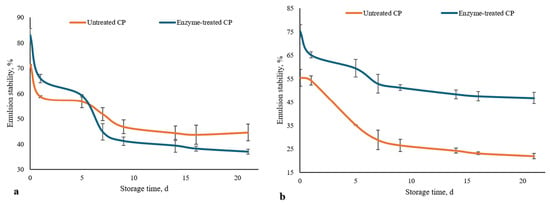
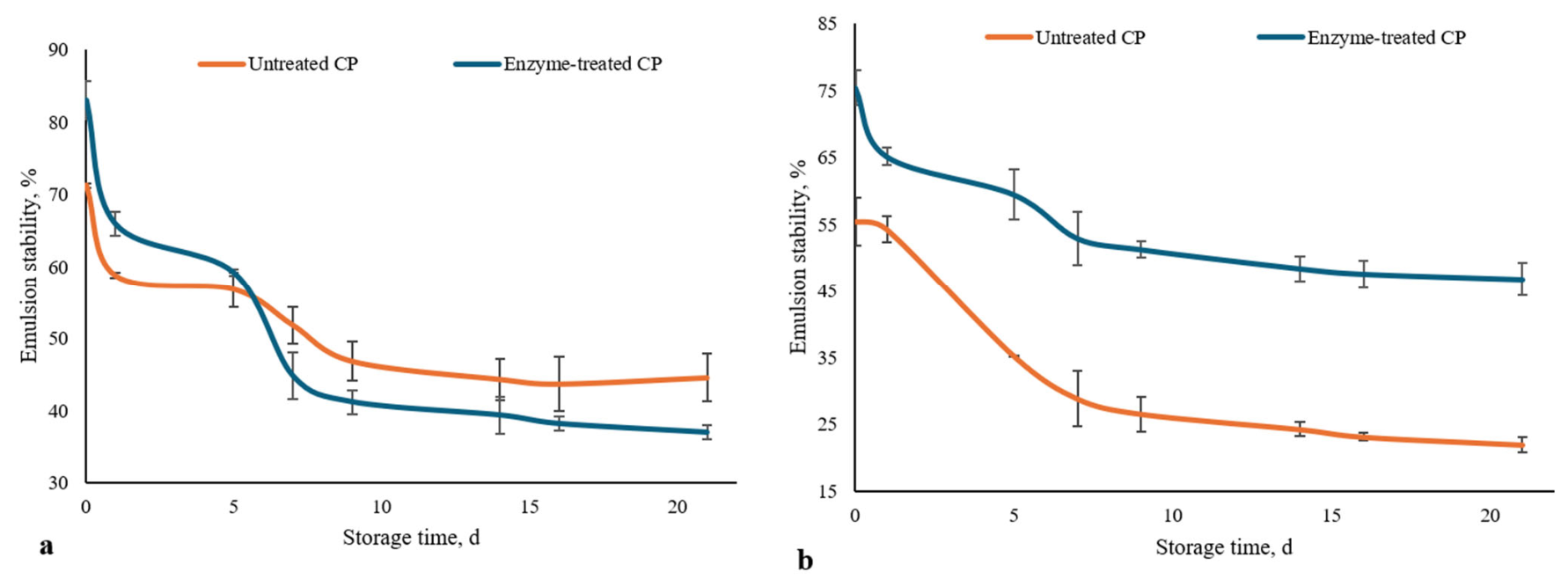
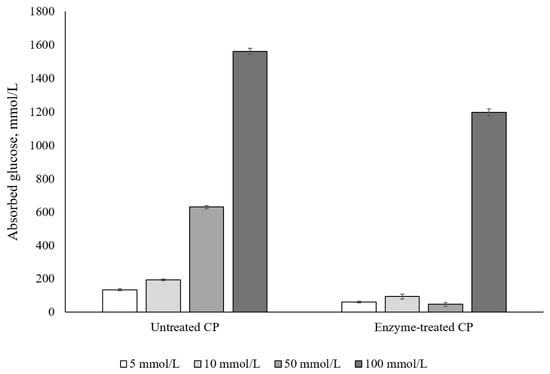
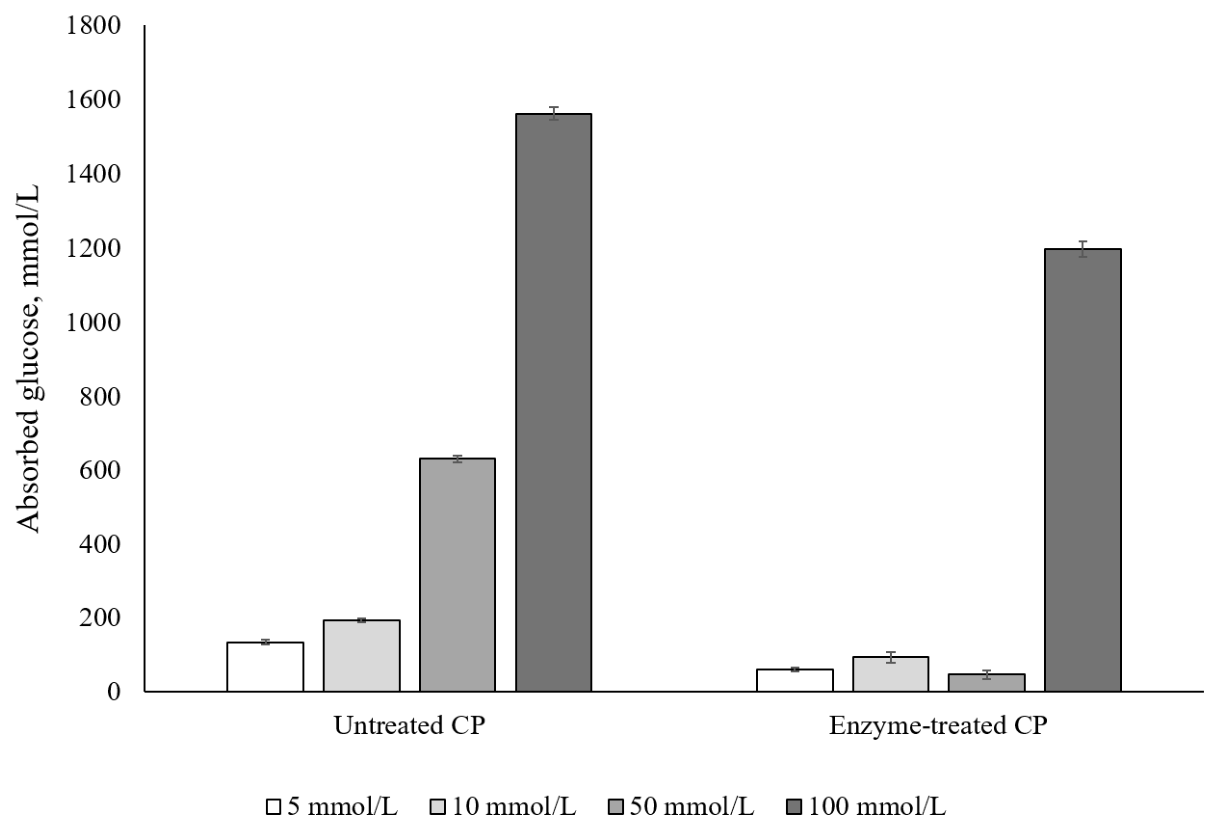
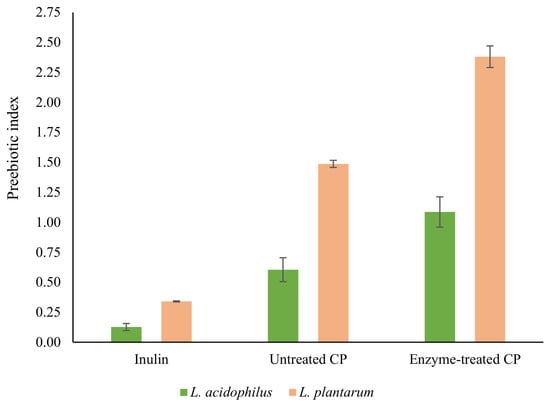
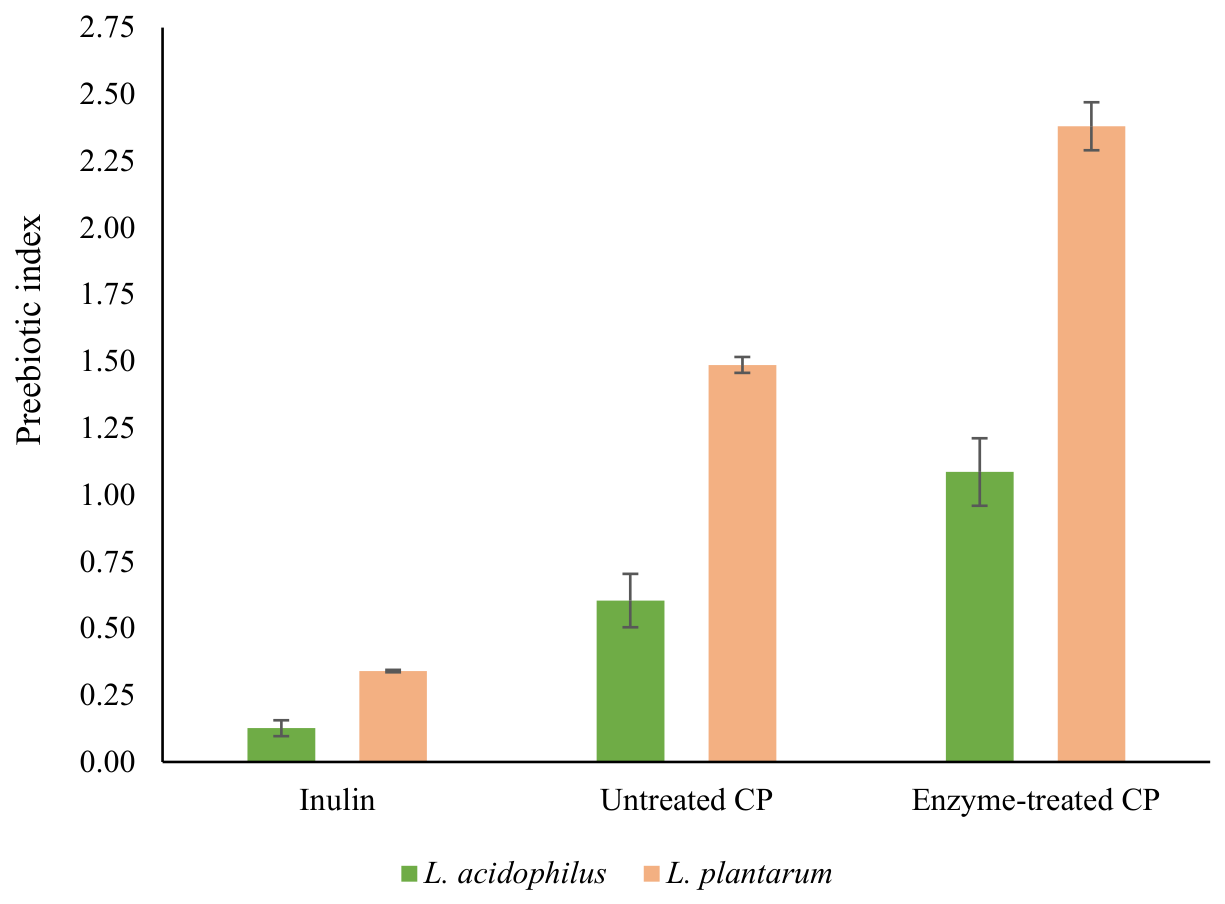
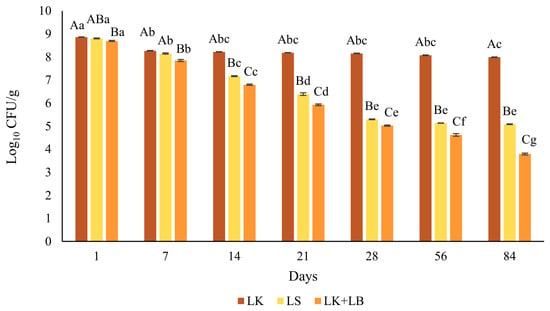
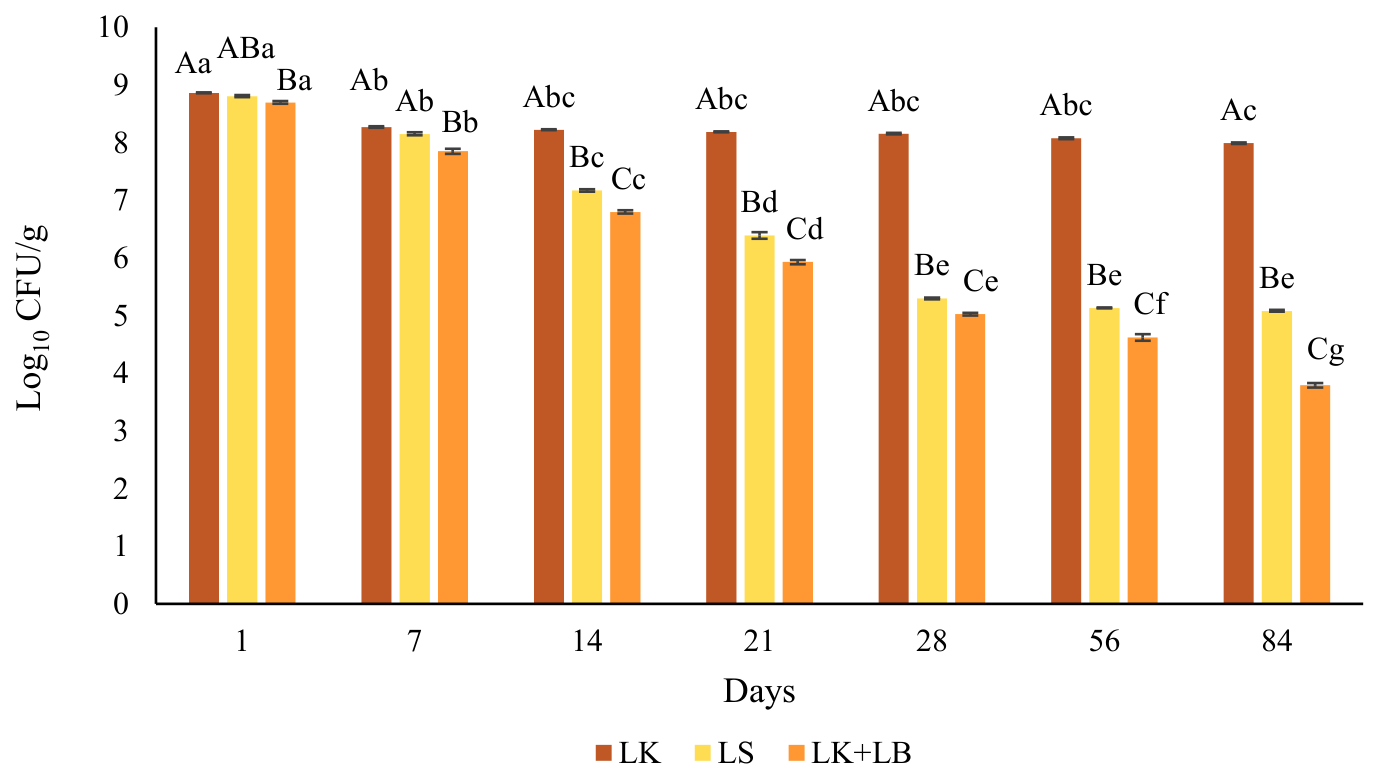

Disclaimer/Publisher’s Note: The statements, opinions and data contained in all publications are solely those of the individual author(s) and contributor(s) and not of MDPI and/or the editor(s). MDPI and/or the editor(s) disclaim responsibility for any injury to people or property resulting from any ideas, methods, instructions or products referred to in the content. |
© 2026 by the authors. Licensee MDPI, Basel, Switzerland. This article is an open access article distributed under the terms and conditions of the Creative Commons Attribution (CC BY) license.