


Featured Application
Research and development of carob-based food products utilizes carob as the main ingredient; a cost-effective and caffeine-free alternative to cocoa with the same sweetness, but with enhanced potential functional properties compared with conventional cocoa-based products.
Abstract
Carob has traditionally been used as a nutritious alternative to cocoa. The present study evaluated the physicochemical, microbiological, nutritional, sensorial, phenolic, and antioxidant profile, along with the bioaccessibility of phenolics and antioxidants, of a developed carob-based spreadable product in comparison with two commercially available similar chocolate–hazelnut spreads popular in Greece. Moreover, the implemented food safety management system and the economic impact of the new product were also considered. The carob-based product was slightly more acidic (pH 5.3) and had an increased water activity (aw = 0.67) when compared to the commercial chocolate spreads. Consumer acceptability for the developed product was almost 80%, and it had a shelf-life of over six months. In terms of nutritional value, the product is suitable for vegans with no added animal protein and preservatives, while it is also low in saturated fat, high in fiber, and very low in sodium. Comparatively, the carob-based product exhibited higher total phenolic (TPC) but lower total flavonoid (TFC) contents and increased DPPH activity than the other two cocoa-based spreads (p < 0.05). Predicted bioaccessibility in the newly developed product was 67% for TPC (p ≥ 0.05) and 10% for total antioxidant capacity (TAC; p < 0.05). Market analysis indicates that there is a considerable margin of profit for the developed product against competition. Conclusively, this research demonstrates that carob-based food products with functional properties can constitute a suitable, promising alternative to conventional cocoa-based similar products.
1. Introduction
Cocoa (or cacao) has a long history that spans many cultures. It is an important agricultural commodity and the main ingredient in the production of chocolate [1,2,3]. Cocoa is derived from the beans of the cocoa tree (Theobroma cacao L.), a small, broad-leaved, perennial tree that can reach up to 12–15 m in wild height [4]. The cocoa tree originates from Central and South America and is native to the Amazon tropical rainforest; nevertheless, nowadays cocoa trees are cultivated and are also abundant in West Africa and Southeast Asia [5,6]. In 2024–2025, global cocoa bean production reached 4.8 million tons, while the world’s main cocoa-producing countries are Ivory Coast (38%) and Ghana (12%) [7]. In early 2025, the International Cocoa Organization (ICCO) estimated that the 2024–2025 harvest of cocoa beans was expected to show a surplus, after three consecutive years of deficit [8]. Apparently, like in any other crop, cocoa bean production and thus cocoa supply are influenced by numerous factors, such as extreme weather conditions, pests, plant diseases, and existing or perceived economic instability in producing countries because of political and/or social changes in these countries [9,10,11]. Periods of drought, excessive rainfall, or strong winds can adversely affect yields, and these fluctuations are expected to intensify as climate change progresses [12,13,14]. Additionally, it is estimated that 30–40% of the global cocoa production is lost due to pest and disease infestation [8]. Aging cocoa trees that have surpassed their peak productivity and declining soil fertility stemming from insufficient or improper fertilizer use are further challenges hindering cocoa bean production and quality [3,6]. Hence, the exceptionally wet rainy season, as well as a viral cocoa disease that severely impacted the 2023–2024 harvest in West Africa, the latter being responsible for almost 60% of the global cocoa production [7,8], unavoidably led to a recent worldwide cocoa shortage that has driven up prices for chocolate products lately [8].
To address the aforementioned challenges posed by the rising cocoa demand, its supply fluctuations and the increasing market prices, valorization strategies of cocoa by-products (e.g., cocoa pod husks) have been employed [4,15,16], whereas at the same time the search for alternative sources and other plant-based ingredients that can serve as cocoa substitutes has extended in scope [17,18,19,20,21]. Among these alternatives, carob has shown very promising potential as a cocoa substitute based on its content in various phytochemicals and bioactive compounds (e.g., polyphenols, flavonoids) [20].
Carob comes from the seeds (10%) and pulp (90%) of the carob fruit, which is a tough-to-crack pod that contains the seeds of the plant [22,23]. The plant is an evergreen tree that provides those pods, which, apart from their common use as animal feed, have a long history of culinary applications in many forms (e.g., powder, syrup), with carob being used as a nutritious sweetener alternative to cocoa and chocolate-based products [23]. The carob tree (Ceratonia siliqua L.) is an endemic plant species that has been widely cultivated in the Mediterranean basin since ancient times [24,25]. Its botanical name derives from the Greek word keras (horn) and the Latin siliqua, referring to the hardness and shape of its pod [26]. Carob trees are considered an important component of the sustainable Mediterranean vegetation with a low environmental footprint, primarily because of their remarkable resilience reflected in the minimal water or fertilizer requirements and their natural pest resistance, which limits the use of pesticides [24,25,27,28]. Furthermore, carob tree cultivation has a significant economic benefit, providing a large profit to the farmers due to these minimal input requirements and the additional revenue from the locust bean gum, used as a high-value thickener by the food industry [29,30].
In this context, the present case study aimed to highlight the potential of carob as a suitable alternative to cocoa in food products through a comparative evaluation. To this end, functional properties and nutritional characteristics of a newly developed carob-based spreadable product were evaluated against two commercially available and widely consumed in Greece cocoa-based spreads. Moreover, the economic impact of the new product was also estimated by conducting a techno-economic analysis to emphasize the better economic benefits the carob-based spreads offer when compared to their cocoa-based counterparts.
2. Materials and Methods
2.1. Product Composition
The composition of the newly developed product participating in the study is presented in Table 1.
Table 1.
Product composition and ingredients of a carob-based developed spread.
All raw materials used for the development of the carob-based product were of plant origin and were supplied from the Greek market by certified suppliers working closely with the collaborating company (GAEA Products S.M. S.A.).
The composition of the commercially available cocoa-based spreads participating in the study is provided by their manufacturers in the nutrition labels, although the exact quantities of the ingredients and product formulation are not fully disclosed. Both these spreads contained sugar, palm oil, whey milk, skimmed milk powder, fat-reduced cocoa powder, and hazelnuts as their main ingredients. Cocoa powder and hazelnuts were 7.4 and 13% in one spread (cocoa-based product 1), while in the other were 6.5 and 4% (cocoa-based product 2), respectively, according to the manufacturer’s declaration.
2.2. Carob-Based Product Development, Food Safety Management System, and Industrial Manufacturing
The formulated carob-based spread was manufactured at an industrial level in the collaborating company’s facilities, after an initial small-scale experimentation conducted in the Department of Food Science and Technology (DFST) at the University of Patras in Agrinio Campus for optimization of the product’s consistency (i.e., thickness, firmness, and viscosity of the semi-solid product). The flowchart of the production process is given in Figure 1.
Figure 1.
Flowchart with designated critical control points (CCPs; in red) and operational prerequisite programs (OPRPs; in yellow) for the industrial manufacturing of a carob-based functional product. Each numbered CCP and OPRP also designates the controlled hazard (M = microbiological, Al = allergen, Ph = physical) at the relevant step of the manufacturing process. Arrows indicate the flow of the production process.
Product safety is ensured by the implementation of Hazard Analysis and Critical Control Point (HACCP) principles [31] and the control applied to the determined critical control points (CCPs) throughout the manufacturing process. Those CCPs, along with the operational prerequisite programs (OPRPs) of the ISO 22000 management system [32], integrating HACCP and implemented by the company to better safeguard the product’s integrity, are also depicted in Figure 1.
The whole industrial manufacturing process of the carob-based product uses the same production line as a plant-based bread spread manufactured by the same company, as previously described by Vardakas et al. [33], with some slight modifications as briefly stated below. Raw materials are received and checked by the facility’s personnel for product specifications (OPRP-1). Unless they do not comply with the specifications, raw materials are kept under dry storage at ambient temperature. There is a separate designated area in the facility, which is marked appropriately and where the allergens, like hazelnut paste, are stored until use (OPRP-2). Before use, raw materials in powder form (i.e., avocado, carob, hazelnut paste; Table 1) are sieved (CCP-1) and then mixed in a homogenizer (OPRP-3), whereas the mixture is heated to a temperature above or equal to 72 °C at least for 5 min to achieve hot filling of jars with the product (CCP-2). The spread is packaged in glass jars (OPRP-4) containing 125 g of product. The open jars filled with the product are continuously passed through the metal detector (CCP-3) before capping with the metal lids, while the product is then driven into the vacuum chamber (CCP-4). After exiting the vacuum chamber, the jars are checked with a lid vacuum detector (≥0.2 bar; CCP-5), and the end product is finally labeled (OPRP-5) and stored at ambient temperature until its distribution. Notwithstanding the foregoing, the product was practically kept at room temperature (20–25 °C), corresponding to its usual storage, until the requested analyses (physicochemical, sensorial, nutritional, microbiological, phenolic) were conducted.
2.3. Physicochemical Analysis
Active acidity (pH) and water activity (aw) of carob- and cocoa-based products were measured on-site with a handheld pH meter equipped with automatic temperature compensation and NIST (National Institute of Standards and Technology) traceable calibration (Oakton Instruments, 35613-51, Charleston, SC, USA) and an aw measurement device (Novasina AG, CH-8863, Lachen, Switzerland). The analysis was performed in triplicate for each product and each physicochemical parameter.
2.4. Sensory Evaluation
The manufactured carob-based spread and the other two cocoa-based spreads (Figure 2) were comparatively evaluated by an untrained panel of 67 consumers, who volunteered and were randomly picked between students and members of the faculty and teaching staff of the DFST in Agrinio Campus. Sensory analysis was based on a slight modification of the triangle test. Briefly, product samples were coded and labeled and were finally presented in randomized order during evaluation of the products (Figure 2). Panelists could not distinguish any product characteristics, and they did not have any prior knowledge or other information about the product, apart from the product number disclosed to them. Panelists participated only once in the product sensory evaluation. All participants were informed about allergens before testing of products. The spreads were evaluated against seven main attributes: color, odor, taste, sweetness, bitterness, consistency, and the product’s aftertaste (Supplementary Table S1). Acceptability of the product was based on the rating of the aforementioned sensorial attributes using a 5-point hedonic scale, where 1 = dislike extremely, 2 = dislike slightly, 3 = neither like nor dislike, 4 = like slightly, and 5 = like extremely. The final sensorial profile of each product was determined by the average score for each attribute compared to an acceptable limit value of 3.00 set up by the manufacturing company and based on the above scale. The data obtained for each attribute were also used to calculate the acceptability index (AI%) through Equation (1), as follows:
where A corresponds to the total average score obtained by the product, taking into account scoring for all seven attributes, while B is the maximum score (i.e., 5.00). Organoleptic testing for comparative product evaluation took place in June and October 2025, which corresponded to the second and sixth month of shelf-life for the carob-based product.
AI% = A/B × 100,
Figure 2.
Commercial packaging and appearance of a newly developed carob-based spread compared to two commercially available cocoa-based spreads during organoleptic testing for comparative product evaluation: (a) commercial packaging of the carob-based product; (b) appearance of the carob-based product (product code No. 3); (c) appearance of cocoa-based product 1 (product code No. 2); (d) appearance of cocoa-based product 2 (product code No. 1).
2.5. Nutritional Analysis
Nutritional analysis of the carob-based product under development for determining its nutrient content, especially in calories and macronutrients (i.e., fats, carbohydrates, proteins), was conducted in an accredited external laboratory (PPC Inspectra, Pallini, Attica, Greece). Analysis based on AOAC official methods [34] included determination of moisture after drying in an air oven (AOAC 925.10), solid residue (ash) determination in a muffle furnace (AOAC 942.05), and protein content determination using the Kjeldahl method (AOAC 955.04). Total fat was determined after acid hydrolysis of product samples and extraction in an organic solvent with the Soxhlet method (AOAC 954.02). Total carbohydrates were calculated based on the mass balance of moisture, ash, protein, fat, and dietary fiber. The energy content (calories) of the product was calculated based on the energy provided by fat, protein, carbohydrates, and dietary fiber according to Regulation (EU) No 1169/2011 [35]. Concentration (w/w) of saturated fatty acids, sugars, dietary fibers, and sodium were calculated from proximate analysis values [36]. Nutri-Score was additionally calculated per 100 g of product using the updated 2023 algorithm [37]. As all three spreads were classified as general solid foods, the negative component included energy, sugars, saturated fatty acids, and salt, whereas the potentially favorable component included dietary fiber, protein, and the proportion of qualifying fruits, vegetables, and legumes. Salt content was derived from sodium content using a conversion factor of 2.5. According to the algorithm’s computation rules, protein points were not deducted when the negative component was ≥11 points. The resulting nutritional scores were subsequently assigned to the corresponding Nutri-Score classes (A–E).
2.6. Microbiological Analysis
Analysis of the carob-based product for assessing the microbiological quality during storage and verifying the product’s expected shelf-life was conducted in the DFST. Enumeration of total viable count (TVC), yeasts and molds count (YMC), enterobacteria (Enterobacteriaceae), Escherichia coli, Staphylococcus spp. (coagulase-positive staphylococci) and Clostridium spp. (sulfite-reducing clostridia), as well as the detection of Salmonella spp. and Listeria monocytogenes, were carried out according to standard methods published by the International Organization for Standardization (ISO). Microbiological analyses were conducted in duplicate on two sampling units (125 g) of the product by aseptically taking 25 g and proceeding to enumeration or detection of the target organism as previously described by Andritsos et al. [38,39]. Culture media used for enumeration of TVC, YMC, enterobacteria, staphylococci, and clostridia were supplied by VWR International GmbH (Vienna, Austria), while E. coli was enumerated on Oxoid (Basingstoke, UK) medium. Detection and biochemical confirmation of presumptive Salmonella spp. and L. monocytogenes were performed on media supplied by Merck (Darmstadt, Germany) and Biokar Diagnostics (Pantin, France), respectively. The guidelines of the Public Health Laboratory Service (PHLS) of the United Kingdom were set as criteria for evaluating the microbiological quality of the product under study [40].
2.7. Sample Preparation and Chemicals Used for Phenolic Analysis and Antioxidant Assays
2.7.1. Chemicals
Hexane used in sample preparation was purchased from Supelco® (Darmstadt, Germany). Sodium carbonate (Na2CO3), sodium nitrite (NaNO2; 98% purity grade) and acetate buffer (CH3COONa × 3H2O) were supplied by Penta (Prague, Czech Republic). Folin–Ciocalteu and aluminum chloride (AlCl3) were obtained from Sigma-Aldrich (Darmstadt, Germany). 2,2-Diphenyl-1-picrylhydrazyl (DPPH) was purchased from TCI (Tokyo, Japan). Gallic acid of 99% purity was provided by JNK Tech. Co. (Seongnam, Republic of Korea). Sodium hydroxide (NaOH) was purchased from Lach-Ner (Zagreb, Croatia).
2.7.2. Sample Preparation
Samples were prepared from each one of the three products by dissolving each time 1.5 g of the spread in 15 mL of deionized water and following a procedure reported elsewhere [33]. Subsequently, the supernatant fraction extracted from this procedure (10 mL) was transferred to a separating funnel to remove any excess oil from the aqueous phase. Therefore, 10 mL of n-hexane (1:1 v/v) were added and the mixture was shaken vigorously for 2 min. The mixture was then allowed to rest for 2 min until the two phases (i.e., organic and aqueous) were separated. The aqueous phase was collected, and hexane washing was repeated twice until no excess oil remained. The aqueous solutions were eventually stored at 4 ± 1 °C until further analysis.
2.8. Phenolic Analysis
Analysis for determination of phenolics in the samples comprised spectrophotometric methods that were used to quantify total phenolic content (TPC) and total flavonoid content (TFC) in the respective spreads, relying on colorimetric reactions measured by UV-Vis spectrophotometry.
2.8.1. Total Phenolic Content (TPC)
The Folin–Ciocalteu assay was employed following the method of Lazaridis et al. [41] to quantify the TPC of samples. In brief, 0.2 mL of the aqueous solutions previously mentioned, together with 2.5 mL of distilled water and 0.25 mL of Folin–Ciocalteu reagent, were transferred to a 5 mL volumetric flask. After a 3 min period, 0.5 mL of saturated sodium carbonate (30% w/v Na2CO3) was also added to the mixture. The obtained solution was brought to a final volume of 5 mL using distilled water and left for 2 h in the dark at room temperature. Afterwards, the absorbance was measured at 760 nm using a UV-Vis spectrophotometer (UB-1280, Shimadzu, Tokyo, Japan). The results were expressed as mg of gallic acid equivalents per 100 g of sample (mg GAE/100 g), utilizing the calibration curve given by Equation (2) below:
where x corresponds to the concentration of gallic acid and y corresponds to the measured absorbance at 760 nm. Each sample was analyzed in triplicate.
y = 0.0041x + 0.39; R2 = 0.9856,
2.8.2. Total Flavonoid Content (TFC)
The TFC of samples was tested following the method of Ayele et al. [42]. In brief, 500 μL of each aqueous solution was transferred into a 10 mL test tube, and 2 mL of distilled water was added. Then, 150 μL of 5% w/v NaNO2 was added, and the mixture was left for 5 min in a dark place. Afterwards, 0.15 mL of 10% w/v AlCl3 was transferred to the mixture, followed by the addition of 1 mL NaOH 1N. The final volume was adjusted to 5 mL, and the mixture was left for 30 min in the dark at room temperature. The absorbance of the solution was then measured at 410 nm. Quercetin was used as a standard to express the TFC of samples as mg of quercetin equivalents per 100 g of sample (mg QE/100 g), using the standard curve described in Equation (3):
where x corresponds to the concentration of quercetin and y corresponds to the measured absorbance at 410 nm. Each sample was analyzed in triplicate.
y = 0.0019x + 0.0007; R2 = 0.9938,
2.9. Antioxidant Assays
The total antioxidant capacity (TAC) of the samples was measured spectrophotometrically by quantifying the samples’ ability to neutralize free radicals (DPPH) or reduce oxidants (FRAP).
2.9.1. DPPH Assay
The DPPH (2,2-diphenyl-1-picrylhydrazyl) assay was based on the method of Lazaridis et al. [41]. Specifically, 1.9 mL of DPPH· (1.01 × 10⁻⁴ mol/L), previously dissolved in ethanol, and 1 mL of acetate buffer 100 mmol/L (100 mM) were placed in a cuvette. The absorbance of the solution was measured at t = 0 (A0). Subsequently, 0.1 mL of each spread sample studied was added to the above solution, and the absorbance was measured at regular time intervals until the absorbance value reached a plateau (steady state, At). The reaction in all cases was completed in 30 min, and the absorbance was measured at a wavelength of 517 nm. Each sample was analyzed in triplicate, and the antioxidant capacity was expressed as DPPH· inhibition percentage (%), using the following Equation (4):
where TAC (%) corresponds to the percent inhibition of DPPH·, A0 is the initial absorbance of the radical solution at time zero, and At is the absorbance of the sample at a specific time t after the reaction with the free radical has started. Ethanol and acetate buffer (2:1, v/v) were used as a blank to calibrate the spectrophotometer.
TAC (%) = ((A0 − At)/A0) × 100,
2.9.2. Ferric Reducing Antioxidant Power (FRAP) Assay
The FRAP assay was also used to measure TAC of the samples. The FRAP assay relied on the original work of Benzie and Strain [43] and the reduction of TPTZ (2,4,6-Tris(2-pyridyl)-s-triazine)-Fe3+ to TPTZ-Fe2+, but was applied according to Kaloteraki et al. [44]. TAC in this case was determined with the use of a microplate reader (SPARK, TECAN, Männedorf, Switzerland) by measuring the absorbances at 595 nm and by utilizing a standard FeSO4 curve, whereas the results were expressed as mmol of Fe2+ per gram of sample extract. The assay was performed in triplicate.
2.10. In Vitro Gastrointestinal Assay
An adapted static in vitro digestion model based on the INFOGEST protocol [45] was implemented to simulate gastrointestinal processing of food and predict bioaccessibility percentages of phenolics (TPC) and antioxidants (TAC) for the products under study. The model was performed as already described elsewhere [33,44], but the procedure followed for the retention of polyphenols from the supernatant fraction involved centrifugation at a higher velocity (10,000 rpm, 15 min, 4 °C) in a benchtop refrigerated centrifuge (Thermo Fisher Scientific, Waltham, MA, USA). TPC and TAC, which were quantified by the Folin–Ciocalteu and FRAP assays, were further utilized in the calculation of predicted bioaccessibility for each content through Equation (5):
where Cf corresponds to the final concentration of the phenolic or antioxidant compounds after digestion, and C0 is the initial concentration of the respective compounds before digestion, as suggested by Mihaylova et al. [46].
Predicted bioaccessibility (%) = (Cf/C0) × 100,
2.11. Market Analysis
A techno-economic analysis for integrating process manufacturing with economic evaluation to assess product placement in the market was carried out for the newly developed carob spread, while the analysis focused on assessing the product’s economic viability through estimating raw material, packaging material, and end-product costs. The analysis was based on the concept of EX Works (EXW) pricing (Supplementary Table S2), which is the lowest quote provided by the collaborating company (GAEA Products S.M. S.A.), covering only the production and packaging costs of the carob spread. Based on product composition (Table 1) and product’s manufacturing process (Figure 1), the four ingredients and the primary (glass jar, lid) and secondary packaging materials (shrink film, paper tray) of the product were priced taking also into account the direct and indirect (waste and overheads) production costs, as well as a 25% margin of profit for the company.
2.12. Statistical Analysis
Data were tabulated in Excel 2019 spreadsheets (Microsoft, Redmond, WA, USA) and descriptive statistics were applied. Data were subjected to one-way analysis of variance (ANOVA) using SPSS v21.0 (SPSS Inc., Chicago, IL, USA) to investigate any statistically significant (p < 0.05) differences between the average values of the determined parameters for the carob-based spreadable product and the two commercially available similar chocolate–hazelnut products. The product’s identity was considered as the group factor variable, whereas the determined parameters were considered as the independent variables. Multiple comparison tests (post hoc analysis) were also carried out to indicate any statistically significant (p < 0.05) differences between the determined parameters in relation to the different products, according to Tukey’s honestly significant difference (HSD) test.
3. Results
3.1. Basic Product Ingredients
Our product developed herein comprises just four ingredients, with carob participating in the lowest quantity/percentage per product’s portion (Table 1). Agave syrup and hazelnut paste comprise approximately 75% of the product’s portion and are considered its main or primary ingredients. However, carob should be considered the basic ingredient of the recipe for the manufacturing of this particular spread, as carob substantially contributes to the final product attributes and gives the product its special character. For that reason, the developed spread acquired its commercial name “Harupella”, coming from the word harupi (carob) in Greek (Figure 2a).
As far as the other two commercially available chocolate spreads are concerned, cocoa is the basic ingredient in both these spreads, although it is not the ingredient participating in the highest absolute numbers in the product recipe, as it confers the special characteristics and profile for these spreads (chocolate–hazelnut spreads).
3.2. CCPs and OPRPs for the Industrial Manufacturing Process of the Carob-Based Product
Conducting the hazard analysis led to the determination of five CCPs for the industrial manufacturing of the carob-based product, which are depicted in Figure 1 and described in Section 2.2. The established critical limits for monitoring whether CCPs remain under control were the same as those provided for the production line of the plant-based bread spread in the study of Vardakas et al. [33], with some slight modifications. Briefly, absence of any foreign matter for sieving of powdered raw materials (CCP-1), temperature above or equal 72 °C at least for 5 min for hot filling of jars with the product (CCP-2), absence of foreign metal bodies (no detection of metal traces; CCP-3), achieving a specific level of pressure (≥ 200 mbar; CCP-4), and presence of vacuum with the use of a lid vacuum detection device (CCP-5), were set as critical limits throughout the manufacturing process.
In strict connection with the ISO 22000 food safety management system implemented by the company, OPRPs have been established, and the relevant action criteria were set in order to better safeguard the product’s integrity in terms of its safety. Therefore, visual inspection and checking for conformity with product specifications or obtaining a certificate of analysis upon receipt for the incoming raw materials (OPRP-1), segregation of hazelnut paste (allergen) from the rest of the received raw materials (OPRP-2), non-detectable levels of protein residues (<3 μg of protein) for effective allergen control and avoiding potential cross-contamination from another product prepared in the same production line (e.g., plant-based spread [33]; OPRP-3), monitoring the difference between the temperature (ΔT) of jars exiting the jar washer and the temperature during hot filling of product (ΔT < 20 °C) to avoid thermal shock and any cracks on the jars (OPRP-4), and finally proper labeling of the product’s allergen (i.e., hazelnut paste in bold on the product label; OPRP-5) to avoid any unintentional consumption, were set as action criteria that need to be met during operation of the production line.
3.3. Physicochemical, Microbiological Parameters and Product Shelf-Life Assessment
After the initial small-scale experimentation that concluded with the final product’s recipe and led to its industrial manufacturing, pH and aw for the carob spread were measured at 5.26 ± 0.01 and 0.67 ± 0.01, respectively. The other two cocoa-based spreads had significantly (p < 0.05) increased pH and reduced aw values when compared to the carob spread, measured at 6.12 ± 0.02 and 0.39 ± 0.01 (cocoa-based product 1), 5.59 ± 0.01 and 0.38 ± 0.04 (cocoa-based product 2), respectively.
Microbiological analyses together with macroscopic examination for obvious product alterations in appearance (e.g., color) and functionality (e.g., vacuum detection by pressing the jar lid) were performed at regular time intervals, during the first (days 3, 17), second (day 69), fifth (day 150), sixth (day 183), and thirteenth month (day 400) of the carob-based product’s shelf-life. Apart from TVC, YMC, and Staphylococcus spp., all other microbiological parameters were below the limit of detection (<10 cfu/g) or were not detected per 25 g of product during storage and analysis at ambient temperature. Distributions of microorganisms at the aforementioned sampling points during the product’s expected shelf-life ranged between 2.1–2.6, 2.0–2.5, and 1.8–2.4 log cfu/g for TVC, YMC, and Staphylococcus spp., respectively. Thus, the microbiological quality of the developed product is deemed satisfactory as compared to other ready-to-eat vegetarian spreads [33,47]. Those findings, taken together with the absence of any noticeable product alterations and combined with the ongoing evaluation of the product’s organoleptic characteristics, reveal that the shelf-life of Harupella is more than six months.
3.4. Sensorial Product Profile
Figure 3 summarizes the comparative sensory evaluation and consumer acceptability testing of the carob and cocoa-based products examined in this study.
Figure 3.
Comparative sensory evaluation and consumer acceptability scoring on a 5-point hedonic scale for seven main attributes of a carob-based versus two commercially available cocoa-based spreads. Results for each product’s attribute are expressed as the mean of the responses from 67 untrained panelists.
Based on the scoring achieved on the 5-point hedonic scale embedded in the above spider diagrams (Figure 3), the most favored attributes of the developed carob spread were bitterness (4.00) and aftertaste (4.16), which received the highest score when compared to the other two cocoa-based spreads (Supplementary Table S1). On the contrary, the least favored attributes were color (3.90), sweetness (3.93), and consistency (3.93). Table 2 presents in detail the scoring evaluation results for each attribute and in total, as well as the acceptability index for the three food products being tested.
Table 2.
Scoring evaluation results of sensorial attributes individually and in total for the three studied plant-based spreads. The final rating of each product (total score) corresponds to the average scoring of each attribute for the specific product. Acceptability index (AI%) is calculated from Equation (1) as described in Section 2.4.
All individual attributes and those taken in total for the products under study scored well above the limit value of 3.00 (Table 2) and according to the company’s evaluation protocol for consumer product acceptability the carob-based spread is suitable for industrial manufacturing and can be put into market. According to Meilgaard et al. [48], a product could be considered sensorially acceptable if it reaches an acceptability index of at least 70%. Based on the total average scoring of all attributes evaluated and the AI%, the developed carob spread was second in preference with a slight difference (~0.05 in total and ~1% in AI%) from the first one (cocoa-based product 1) among the three spreads examined (Table 2), but without any significant statistical differences (p ≥ 0.05) being noticed whatsoever between the acceptability of spreads.
3.5. Nutritional Value and Nutrition Claims for Product Labeling
The nutritional profile of the developed carob-based spread demonstrates notable differences when compared with the commercial chocolate spreads (Table 3).
Table 3.
Nutrition labeling of products under study. Quantities in bold depict specified ingredients for each product on which a nutrition claim can be inferred according to Regulation (EC) No 1924/2006 [47].
As presented in Table 3, the carob formulation has a lower fat (16.8 g/100 g) and markedly lower saturated fatty acid content (1.1 g/100 g) than typical commercial chocolate spreads, which are generally characterized by higher total fat (ca. 30 g/100 g) and saturated fat levels (7–11 g/100 g) due to palm oil and cocoa butter inclusion on the product formulation. In addition, although the carbohydrates and protein contained in the carob spread are comparable to those contained in the commercial cocoa-based spreads, the dietary fiber content is substantially higher in the carob spread (8.2 g/100 g), whereas the chocolate spreads typically contain much less fiber (<3 g/100 g) or are marginally considered as source of fiber (i.e., ≥3 g /100 g). The elevated fiber content is nutritionally advantageous, contributing to improved gastrointestinal function and glycemic response. In terms of sodium intake, all plant-based spreads, such as the ones studied herein, contain very low to low sodium (i.e., ≤40–120 mg Na/100 g).
The developed carob-based product (Harupella) contains no added dairy, eggs, and preservatives, thus it is suitable for vegans, while it is low in saturated fat, high in dietary fibers and very low in sodium, as per Regulation (EC) No 1924/2006 on nutrition claims [49]. Application of the updated Nutri-Score algorithm resulted in a nutritional score of 14 for the carob-based spread, corresponding to Nutri-Score D (i.e., orange color code label). The negative component totaled 19 points (energy: 4; sugars: 14; saturated fatty acids: 1; salt: 0), from which five points for dietary fiber were deducted. No points were assigned for the qualifying fruits, vegetables, and legumes component, while protein points were not included because the negative component was ≥11. Cocoa-based products 1 and 2 obtained nutritional scores of 28 and 30, respectively, both corresponding to Nutri-Score E (i.e., marked with a red color code label).
3.6. Phenolics, Antioxidants, and Τheir Predicted Bioaccessibility in Product Formulations
The estimated mean values for TPC, TFC, and TAC of the three products tested, including their predicted bioaccessibility in phenolics and antioxidants, are presented in Table 4. The phenolic analysis and antioxidant assays performed in the three spreads reveal significant compositional differences between the carob- and cocoa-based products. TPC was significantly higher (p < 0.05) in the carob spread compared to both cocoa-based products, indicating that carob constitutes a richer source of phenolic compounds, particularly in non-flavonoid constituents such as hydrolysable tannins and phenolic acids. Conversely, TFC was significantly lower (p < 0.05) in the less flavonoid-dense carob-based spread, with cocoa-based products 1 and 2 showing increasing concentrations of flavonoids. The carob spread exhibited numerically higher TAC values with greater variability (as expressed by standard deviations), likely reflecting heterogeneity in raw material composition or processing conditions.
Table 4.
TPC, TFC, and TAC values for the three plant-based spreads studied herein. Predicted bioaccessibility of phenolics and antioxidants for the products was based on the in vitro simulation of digestion. All measurements were performed in triplicate, and results are expressed as mean ± standard deviation.
The in vitro digestion model applied for testing bioaccessibility of the products’ extracts predicted a 67% and 10% availability in phenolics and antioxidants for the carob spread, respectively. Therefore, the newly developed product shows a relatively higher (p ≥ 0.05) bioaccessibility in phenolics (TPC), but a clearly increased (p < 0.05) bioaccessibility in antioxidants (FRAP TAC) when compared to the cocoa-based spreads (Table 4).
3.7. Harupella Pricing and Placement in the Market
EXW pricing (as per 2025 prices) in terms of the ingredients used for the industrial manufacturing of Harupella (Table 1), was as follows: 0.09, 0.12, 0.04, and 0.50 €/item (containing 125 g of product) for agave syrup, avocado, carob, and hazelnut paste, respectively. Primary and secondary packaging material costs of the product were 0.12, 0.04, 0.01, and 0.02 €/item for glass jar, lid, shrink film, and paper tray, respectively. To sum up, 0.75 and 0.19 €/item were the raw and packaging material costs, respectively.
The direct production cost (e.g., energy cost, wages) was estimated by the company at 0.042 €/item. By adding also the expected indirect extra costs inferred due to wastes (3% of raw and packaging material costs), depreciation and maintenance costs (2% of the production cost), as well as overheads (100% of direct production cost), the total cost of the product is 1.03 €/item which with a reasonable margin of profit (25%) is finally formulated at a final price of 1.37 €/item.
4. Discussion
The current case study comprises a comparative evaluation and thorough analysis of a recently developed carob-based spread against two commercially available, ready-to-eat cocoa-based (chocolate–hazelnut) spreadable products, widely consumed and rather popular for this product category in Greece. The study emphasizes on the functional properties and the nutritional and economic benefits of using carob in a product formulation as a sustainable alternative of cocoa, highlighting in this way the notable variations in the physicochemical, nutritional, sensorial, phenolic, and antioxidant profile, as well as the predicted bioaccessiblity of the tested products. Limitations of the comparative design setup should be considered, however, when interpreting the results. The present study is based solely on the comparison of a single production batch of a newly developed carob-based spread against two selected commercially available cocoa-based spreads. Because the complete formulations and exact ingredient quantities of the commercial products are not publicly disclosed, the comparisons presented herein are limited to the selected products and the formulation information available from their manufacturers. Therefore, the observed differences should not be generalized to all cocoa-based spreads or interpreted as demonstrating universal superiority of carob-based products, since it cannot be confidently excluded that the observed differences are due to any other formulation (e.g., sugar level, dairy ingredients, palm oil and hazelnut content) or processing differences in the products under study.
Physicochemical analysis showed that the carob-based product was slightly more acidic (pH 5.3) than the commercial chocolate spreads, likely due to the alkalization process which is followed during cocoa processing [5,50] and the presence of naturally occurring organic acids in the carob pods [51,52]. The increased water activity (aw = 0.67) of the carob spread is reflected in the reduced fat content and lower sugar contained in the product formulation of carob- as compared to that of the cocoa-based spreads. The combination of pH and aw highlights molds as the specific spoilage organism [53] for the newly developed product, whereas the extremely low water activity of the chocolate–hazelnut spreads (e.g., ranging between 0.20 and 0.40; [54,55]), being in any case below the critical cut-off value of 0.60 where microorganisms cannot thrive, provides the latter with adequate microbiological stability by inhibiting microbial growth in the product even after opening. Both studied chocolate spreads are heavily sugar-based spreads (56–63% in sugar; Table 3), having a shelf-life of about 12 to 24 months if stored properly in a cool, dry, dark place, while lasting for almost a year when jars are opened. On the other hand, in order to better maintain the microbiological quality and extend the product’s shelf-life, the carob spread was vacuum-packaged, while as disclosed on the product’s label, the latter is stored refrigerated after opening and is consumed within three days. Based on previous research conducted on similar plant-based products, cocoa-free and chocolate spreads with no added sugar have a minimum shelf-life of six months [21,33,56]. Nevertheless, the standardized industrial procedures and the effective quality management during the manufacturing process, possibly enhanced by inherent product features, may contribute to product’s shelf-life extension for over a year when stored at room temperature (20–25 °C), as suggested by the ongoing microbiological analysis and organoleptic testing of Harupella. In this context, and by also taking the microbiological profile into account, the use of a “best before date” to mark the shelf-life of the product seems more appropriate for it. Nutritionally speaking, the carob-based spread exhibited a comparatively more favorable nutritional profile than the other two commercial chocolate spreads. In particular, it had noticeably less saturated fatty acids and less overall fat, both of which are considered critical factors of cardiovascular health [57,58]. The product also contained an abundance of dietary fibers, which are typically lacking in traditional chocolate spreads and may help with glycemic control and digestive health [22,24,59,60,61]. Sugar concentration was comparable to that of similar commercial carob-based chocolate substitutes (i.e., 40–55% in sugar; [23,26]), although it remained high enough in our product formulation (48.5% in sugar; Table 3). To provide an integrated assessment of the nutritional composition of the three products, the updated Nutri-Score algorithm was applied. The carob-based spread was classified as a Nutri-Score D product, with a nutritional score of 14, whereas both commercial cocoa-based spreads were classified as Nutri-Score E products, with rated scores of 28 and 30. This comparative classification reflects the markedly lower saturated-fat content and higher dietary-fiber content of the carob formulation, as compared to its cocoa-based competitors. Nevertheless, its D rating also objectively highlights the adverse contribution of its high sugar content, despite the fact that no extra sugar was added to the product. Therefore, the Nutri-Score findings support a comparatively more favorable overall nutritional profile within the studied product category, but should not be interpreted as evidence of a specific physiological effect or of functional-food status. Reducing the sugar content while maintaining the product’s sensory acceptability should constitute an important objective for possible future product reformulation. Carob is naturally free from caffeine and the alkaloid theobromine [26,62] making it a suitable alternative of cocoa for less caffeine intake by children, while it is also lower in potassium than cocoa, offering a savory replacement of chocolate for people on a special diet with restrictions in chocolate consumption (e.g., patients on a renal diet), although consulting a specialized dietician in advance before altering meal choices should be considered the best practice. The absence of any preservatives or additives of animal origin (e.g., dairy, egg) in product formulation and the limited sodium intake, due to the inherently low salt levels present in the recipe, indicate that the developed product is suitable for a vegan diet and can be promoted for a clean-label product positioning. Accordingly, the nutrition claims “high in fiber” and “very low in sodium” made on the product label [49] are substantiated by the nutritional analysis of the carob spread (Table 3), increasing the marketability of Harupella. These claims describe specific nutritional characteristics and potential functional properties of the product; however, in view of the aforementioned Nutri-Score product rating, they should not be interpreted as evidence of a specific health effect or as regulatory confirmation of functional-food status. It is also noteworthy that only the nutritional composition was directly determined in this study and not the physiological health effects of the developed carob-based product. Thus, the lower saturated fat, higher dietary fiber and lower sodium content of the new formulation may have nutritional and health-related ramifications. However, gut health, glycemic response and cardiovascular consequences were not directly measured in the present study.
The developed carob-based spread outscored in total the minimum value (3.00) required by the company’s evaluation protocol for consumer product acceptability, in order to be considered for industrial manufacturing, while it has furthermore achieved a satisfactory acceptability index (ca. 80%) from the consumers, well-above the minimum threshold of 70% for consumer satisfaction [48]. Sensory evaluation of Harupella revealed exceptionally high aftertaste and bitterness scores (4.16 and 4.00; Table 2), indicating a good flavor persistence profile. In general, acceptability of the product did not differ significantly from that of the cocoa-based spreads, despite its lower rankings in preferences for color and consistency (Table 2). This suggests that carob can successfully mimic important sensory characteristics of products made with cocoa, further supporting its use as a cocoa substitute [20,63]. Color stability and consistency in product formulations where carob is used as a substitute for cocoa are usually better in those formulations with the lower content of carob powder [51,64]. Moreover, research has shown that the storage of alternative to cocoa products containing carob leads to the development of a chocolate aroma after six months of storage, due to the increase in specific volatile compounds, further enhancing the product’s cocoa-like character and sweetish/caramel attributes, along with the formation of a distinct woody, tree bark-like odor in the product [17,65]. It is worthy to comment on the differences in key solid components, with special reference to the variable fat composition affecting the structure and appearance of the product, which may be the cause of the observed lower ratings in visual and textural quality features for the carob spread. Besides that, a larger and more diverse consumer panel than that used in the study, combined with a trained descriptive panel, would make sensory evaluation test results more robust.
Different parts of the carob tree and fruit (e.g., leaves, pods, seeds) contain various phytochemicals and bioactive compounds, such as polyphenols and flavonoids [20,44,66], conferring antioxidant and antimicrobial properties to the extracts [66,67,68,69,70,71]. The availability of different extraction techniques and solvents should ensure the optimal polyphenolic composition and quantity of antioxidants in the extracts [72,73,74], with their use as food additives in various food systems being tempting and reasonable at the same time. However, application of green plant extracts in foods and eco-friendly solvents for the extraction of phenolic compounds should be regarded with restraint due to a series of issues, including among others, issues of stability, level of purity, compatibility of extracts with the food matrix itself, and sensorial aspects of the extracts (e.g., distinct taste) [75]. Bioactive derivatives from carob pods and seeds have been exploited in the development of functional foods [51,63,64,76], whereas they can be utilized as functional additives [70,77,78], food preservatives [52] and nutraceutical ingredients in the food and pharmaceutical industries [62,79].
In terms of bioactive phytochemicals, the carob-based spread developed herein showed considerably higher TPC but lower TFC when compared to the cocoa-based spreads (Table 4). In that sense, carob comprises a richer source of phenolic compounds, particularly non-flavonoid constituents, like tannins and phenolic acids [69,80]. These findings are in agreement with previous studies which reported elevated TPC values in carob-based products, despite the observed lower concentrations in flavonoids [68,81,82]. Conversely, TFC was significantly higher in the chocolate spreads as expected, because of the presence of the flavonoid-rich cacao in the products’ recipes, with cocoa-based product 2 exhibiting the highest TFC value for all the studied spreads (Table 4). This observation is consistent with the well-documented abundance of flavan-3-ols and procyanidins in cocoa matrices [83] and aligns with the findings of Gültekin-Ozgüven et al. [84] indicating higher TFC and lower TPC values in cocoa-based products, additionally showing increased pH due to the roasting process being followed (particularly in those products subjected to alkalization during their manufacturing process, as previously mentioned, like dark chocolate).
It is important to note, though, that not all phenolic compounds are created equal. Antioxidant capacity depends heavily on the specific chemical structure (e.g., number and position of hydroxyl groups). A sample might be rich in simple, non-reactive phenolics, driving a high TPC, but lack the highly reactive structural types needed for a high TAC. FRAP and DPPH antioxidant assays are used in combination most of the time to get a comprehensive profile of a sample’s antioxidant capacity. FRAP is conducted in aqueous extracts, whereas DPPH focuses primarily on extracts with organic solvents, like methanol and ethanol. Despite the differences in phenolics of the obtained aqueous extracts from the spread samples studied herein, TAC (FRAP) did not vary significantly between the carob spread and cocoa-based product 2 (Table 4), suggesting that antioxidant capacity is not solely dependent on flavonoid content but may also result from synergistic interactions among diverse phenolic compounds, including those predominant in carob. Thus, increased TAC may be the result of non-flavonoid phenolics (e.g., tannins) present in the product [85]. As such, the antioxidant profile significantly improves with the addition of carob compared with other plant-based product formulations, containing, apart from cocoa, for example, nuts and oats [86]. Besides the phenolics, major antioxidant categories include vitamins, carotenoids, enzymes, and minerals. In any case, higher TPC and TAC values in plant-based products are always desirable and meet growing consumer demand for clean-label, functional, and nutrient-dense foods [87].
Existing evidence suggests that the bioactivity of carob and its products is related to antioxidant capacity, especially to the presence of polyphenols. However, to exert their effects, phenolic compounds must be released from the food matrix and remain stable during gastrointestinal digestion; namely, they must become bioaccessible [88]. The in vitro digestion process followed herein typically reduced TPC and TAC of the carob-based product. Nonetheless, it is known that a considerable fraction of antioxidant compounds remains bioavailable upon post-digestion [89]. The chemical structure of polyphenols and the food matrix play a primary role in their stability during the process of simulating gastrointestinal digestion. There are reports that carob phenolic compounds are more resistant to enzymatic activity and pH changes occurring during the digestion process [88,90]. Based on existing research, the direct comparison of the predicted bioaccessibility of total antioxidants and phenolic compounds between the novel carob-based and the commercial chocolate spreads is something reported for the first time to the best of our knowledge. However, previous studies indicated that both the use of the appropriate form of raw material and preparation methods can further enhance the bioaccessibility of antioxidants [78,91,92], which could also explain the results obtained in this study. Notably, the significant increase in the bioaccessibility of FRAP TAC (%) observed in the carob-based product could eventually be attributed not only to the improved utilization of phenolics but also to the effective post-digestive exploitation of the product’s aforementioned other antioxidants. Therefore, inferences about better absorbance of non-phenolic compounds, such as vitamins and minerals, could be made for the carob-based product under study, which presented at least five times better assimilation of antioxidants than the cocoa-based spreads when FRAP TAC percentages were compared (Table 4).
Finally, market analysis indicates that there is a considerable margin of profit for the developed carob-based product against competition. Substituting cocoa with carob in food manufacturing offers significant economic and financial advantages. Carob is highly climate-resilient and costs a fraction of cocoa beans, offering supply chain stability. An economic feasibility and financial sustainability study conducted for the product under development, estimates pricing of Harupella at 1.37 euros (€) per 125 g (1.10 €/100 g) of product, as opposed to approximately 3.57 and 2.00 euros per 200 and 230 g of cocoa-based product 1 (1.79 €/100 g) and cocoa-based product 2 (0.87 €/100 g), respectively, revealing a highly favorable commercial landscape for product positioning on the market against major competitors. In better view of that, sensitivity testing should also be taken into account, in strict connection with the conducted techno-economic analysis, revealing any product price and/or profit alterations when input stability, such as different raw material prices, production scales, packaging costs, labor/energy costs, and retail margins, is questioned.
Overall, this research demonstrates that novel carob-based food products with functional properties can constitute a suitable, promising alternative to conventional cocoa-based similar products, combining gains in nutritional value and sustainability in agricultural practice with potential economic benefits. Current findings are consistent with those reported in the literature and support the potential use of carob as a functional and nutritionally valuable alternative to cocoa in spreadable products. Carob can function as a practical substitute for cocoa in spreadable products, providing similar sensorial acceptability, improved nutritional quality, and unique bioactive compounds with increased bioaccessibility, all while promoting food sustainability with financial viability.
5. Conclusions
In conclusion, the carob-based spread developed herein exhibited a comparatively more favorable nutritional profile than the two conventional chocolate spreads examined, particularly because of its higher dietary-fiber content and markedly lower saturated-fat and sodium contents. The product fulfilled the compositional conditions for the nutrition claims “high in fiber” and “very low in sodium” and obtained a Nutri-Score D, primarily due to its intrinsically high sugar content, as compared to Nutri-Score E for both the cocoa-based products. The carob-based spread also showed a distinctive phenolic composition, antioxidant capacity, and predicted in vitro bioaccessibility. Although these findings indicate potentially valuable bioactive attributes for the carob-based spreadable products, they should be interpreted with caution, since the exact formulations of the commercially available cocoa-based spreads with which they were compared are not fully disclosed, whereas product-specific physiological or health effects require confirmation through appropriate in vivo or human intervention studies. Overall, the results support the potential of carob as a nutritionally, technologically, and economically promising alternative to cocoa in the production of spreadable food products.
Supplementary Materials
The following supporting information can be downloaded at: https://www.mdpi.com/article/10.3390/app16178739/s1, Table S1: Sensory evaluation results of harupella and commercial cocoa-based spreads_rev; Table S2: EXW pricing for Harupella carob spread.
Author Contributions
Conceptualization, A.V. and N.D.A.; methodology, A.V. and N.D.A.; software, I.K.K.; validation, A.V., I.K.K., O.M., A.E.K. and N.D.A.; formal analysis, A.V., I.K.K., A.E.K. and N.D.A.; investigation, D.G.L., M.S., M.L., M.A.S., M.A.K., D.T., M.E.G., C.G., P.P., O.I.P. and O.M.; resources, A.V., D.G.L., M.S., I.K.K., A.E.K. and N.D.A.; data curation, A.V., D.G.L., I.K.K. and N.D.A.; writing—original draft preparation, A.V., D.G.L., I.K.K., O.I.P., A.E.K. and N.D.A.; writing—review and editing, A.V., I.K.K., O.M., A.E.K. and N.D.A.; visualization, A.V., A.E.K. and N.D.A.; supervision, A.V. and N.D.A.; project administration, N.D.A.; funding acquisition, N.D.A. All authors have read and agreed to the published version of the manuscript.
Funding
This research has received financial support from the University of Patras, through Funding of Student and Other Institutional Groups Activities (ELKE Code No. 60008) for the participation of Harupella food product in the student competition Ecotrophelia 2025.
Institutional Review Board Statement
A review and approval request was submitted to the Research Ethics Committee of the University of Patras with application ID number 18267/26 June 2026. The submitted research protocol entitled “Harupella” has been reviewed by the Scientific Officer responsible for its evaluation and, according to the assessment provided, does not require examination by the Research Ethics Committee.
Informed Consent Statement
Informed consent was obtained from all subjects involved in the food product sensory evaluation of this study.
Data Availability Statement
The original contributions presented in this study are included in the article/Supplementary Materials. Further inquiries can be directed to the corresponding author.
Acknowledgments
The authors would like to thank GAEA Products S.M. S.A. for the support provided during Harupella product development.
Conflicts of Interest
A.V. was employed by the company GAEA Products S.M. S.A. The remaining authors declare that the research was conducted in the absence of any commercial or financial relationships that could be construed as a potential conflict of interest.
Abbreviations
The following abbreviations are used in this manuscript:
| AOAC | Association of Official Agricultural Chemists |
| CCP | Critical Control Point |
| DFST | Department of Food Science and Technology |
| DPPH | 2,2-diphenyl-1-picrylhydrazyl |
| FRAP | Ferric reducing antioxidant power |
| HACCP | Hazard Analysis Critical Control Point |
| ICCO | International Cocoa Organization |
| ISO | International Organization for Standardization |
| NIST | National Institute of Standards and Technology |
| OPRP | Operational prerequisite program |
| TAC | Total antioxidant capacity |
| TFC | Total flavonoid content |
| TPC | Total phenolic content |
| TPTZ | 2,4,6-Tris(2-pyridyl)-s-triazine |
| TVC | Total viable count |
| YMC | Yeasts and molds count |
References
- Aprotosoaie, A.C.; Luca, S.V.; Miron, A. Flavor chemistry of cocoa and cocoa products—An overview. Compr. Rev. Food Sci. Food Saf. 2016, 15, 73–91. [Google Scholar] [CrossRef] [Scilit]
- De Araujo, Q.R.; Gattward, J.N.; Almoosawi, S.; Silva, M.D.; Dantas, P.A.; De Araujo Júnior, Q.R. Cocoa and human health: From head to foot–A review. Crit. Rev. Food Sci. Nutr. 2016, 56, 1–12. [Google Scholar] [CrossRef] [Scilit]
- Kongor, J.E.; Hinneh, M.; Walle, D.V.; Afoakwa, E.O.; Boeckx, P.; Dewettinck, K. Factors influencing quality variation in cocoa (Theobroma cacao) bean flavor profile—A review. Food Res. Int. 2016, 82, 44–52. [Google Scholar] [CrossRef] [Scilit]
- Nair, K.P.P. The Agronomy and Economy of Important Tree Crops of the Developing World; Elsevier Inc.: Burlington, MA, USA, 2010; pp. 131–180. [Google Scholar]
- Becket, S.T. The Science of Chocolate, 3rd ed.; Royal Society of Chemistry: Croydon, UK, 2018; pp. 11–38. [Google Scholar]
- Fowler, M.S.; Coutel, F. Cocoa beans: From tree to factory. In Beckett’s Industrial Chocolate Manufacture and Use, 5th ed.; Becket, S.T., Fowler, M.S., Ziegler, G.R., Eds.; John Wiley & Sons Ltd.: Chichester, UK, 2017; pp. 9–49. [Google Scholar] [CrossRef] [Scilit]
- Fleck, A. Cocoa: The Global Trade of “Brown Gold”. Available online: https://www.statista.com/chart/34325/main-cocoa-bean-producing-and-importing-countries/ (accessed on 4 January 2026).
- ICCO (International Cocoa Organization). Available online: https://www.icco.org/category/latest-news/ (accessed on 4 January 2026).
- Beg, M.S.; Ahmad, S.; Jan, K.; Bashir, K. Status, supply chain and processing of cocoa—A review. Trends Food Sci. Technol. 2017, 66, 108–116. [Google Scholar] [CrossRef] [Scilit]
- Dirks, M.W.; Schmidt, T. Political instability and economic growth: Causation and transmission. Eur. J. Polit. Econ. 2024, 85, 102586. [Google Scholar] [CrossRef] [Scilit]
- Goulas, A.; Tsotsas, I.; Papanikolaou, Z.; Karelakis, C. Farmers’ opinions on the European Green Deal: A focus group approach. Proceedings 2026, 134, 21. [Google Scholar] [CrossRef] [Scilit]
- Agbenyo, W.; Jiang, Y.; Ding, Z.; Titriku, J.K.; Ntim-Amo, G. Impact of climate change on cocoa production in Africa: An approach of cross-sectional ARDL. Int. J. Environ. Res. 2022, 16, 91. [Google Scholar] [CrossRef] [Scilit]
- Asante, P.A.; Rahn, E.; Anten, N.P.R.; Zuidema, P.A.; Morales, A.; Rozendaal, D.M.A. Climate change impacts on cocoa production in the major producing countries of West and Central Africa by mid-century. Agric. For. Meteorol. 2025, 362, 110393. [Google Scholar] [CrossRef] [Scilit]
- Kacou M’bo, A.A.; Cherif, M.; Kouadio, K.; Adolphe, M.G.; Bamba, A.; N’Datchoh Toure, E.; Kouadio Okou, A.; Brunelle, R.; Rouseau, Y.; Koné, D. Climate variability and outlook of cocoa production in Côte D’ Ivoire under future climate. In Shifting Frontiers of Theobroma Cacao—Opportunities and Challenges for Production; Agele, S.O., Ibiremo, O.S., Eds.; IntechOpen: London, UK, 2024. [Google Scholar] [CrossRef] [Scilit]
- Alava, C.; Moncayo, S.; Galarza, L. Cocoa husk in the circular bioeconomy: A perspective from Ecuador and other producer countries. Front. Food Sci. Technol. 2025, 5, 1726187. [Google Scholar] [CrossRef] [Scilit]
- Lu, F.; Rodriguez-Garcia, J.; Van Damme, I.; Westwood, N.J.; Shaw, L.; Robinson, J.S.; Warren, G.; Chatzifragkou, A.; McQueen Mason, S.; Gomez, L.; et al. Valorization strategies for cocoa pod husk and its fractions. Curr. Opin. Green Sustain. Chem. 2018, 14, 80–88. [Google Scholar] [CrossRef] [Scilit]
- Fadel, H.H.M.; Abdel Mageed, M.A.; Abdel Samad, A.K.M.E.; Lotfy, S.N. Cocoa substitute: Evaluation of sensory qualities and flavour stability. Eur. Food Res. Technol. 2006, 223, 125–131. [Google Scholar] [CrossRef] [Scilit]
- Kaur, G.; Kaur, D.; Kansal, S.K.; Garg, M.; Krishania, M. Potential cocoa butter substitute derived from mango seed kernel. Food Chem. 2022, 372, 131244. [Google Scholar] [CrossRef] [Scilit]
- Lee, Q.Y.; Chen, M.; Chew, K.W.; Park, S.-M.; Ong, C.W. A systematic review on the potential substitute of cocoa by aromatic compounds of Artocarpus heterophyllus seeds. Food Biomacromolecules 2025, 2, 206–223. [Google Scholar] [CrossRef] [Scilit]
- Loullis, A.; Pinakoulaki, E. Carob as cocoa substitute: A review on composition, health benefits and food applications. Eur. Food Res. Technol. 2018, 244, 959–977. [Google Scholar] [CrossRef] [Scilit]
- Smuda, S.S.; Mohammed, A.T.; Tsakali, E.; Van Impe, J.F.M.; Marie, A.M. Preparation and evaluation of functional cocoa-free spread alternatives from different sources. Food Sci. Nutr. 2024, 12, 4299–4310. [Google Scholar] [CrossRef] [Scilit]
- Brassesco, M.E.; Brandão, T.R.S.; Silva, C.L.M.; Pintado, M. Carob bean (Ceratonia siliqua L.): A new perspective for functional food. Trends Food Sci. Technol. 2021, 114, 310–332. [Google Scholar] [CrossRef] [Scilit]
- Ikram, A.; Khalid, W.; Zafar, K.-W.; Ali, A.; Afzal, M.F.; Aziz, A.; Rasool, I.F.; Al-Farga, A.; Aqlan, F.; Koraqi, H. Nutritional, biochemical, and clinical applications of carob: A review. Food Sci. Nutr. 2023, 11, 3641–3654. [Google Scholar] [CrossRef] [Scilit]
- Dahmani, W.; Elaouni, N.; Abousalim, A.; Akissi, Z.L.E.; Legssyer, A.; Ziyyat, A.; Sahpaz, S. Exploring carob (Ceratonia siliqua L.): A comprehensive assessment of its characteristics, ethnomedicinal uses, phytochemical aspects, and pharmacological activities. Plants 2023, 12, 3303. [Google Scholar] [CrossRef] [Scilit]
- Martins-Loução, M.A.; Correia, P.J.; Romano, A. Carob: A Mediterranean resource for the future. Plants 2024, 13, 1188. [Google Scholar] [CrossRef] [Scilit]
- Papaefstathiou, E.; Agapiou, A.; Giannopoulos, S.; Kokkinofta, R. Nutritional characterization of carobs and traditional carob products. Food Sci. Nutr. 2018, 6, 2151–2161. [Google Scholar] [CrossRef] [Scilit]
- Hourmatallah, I.; El Houssaini, S.E.I.; Guissi, S.; Hamzaoui, H.; El Forahi, Z.; Labioui, A.; Mokrini, F.; Aoujil, F.; El Bakkali, A.; Mrabet, R.; et al. Shifting from traditional to intensive carob (Ceratonia siliqua L.) production systems: Exploring major phytosanitary issues and emerging challenges. Physiol. Mol. Plant Pathol. 2025, 139, 102829. [Google Scholar] [CrossRef] [Scilit]
- Tous, J.; Romero, A.; Batlle, I. The carob tree: Botany, horticulture, and genetic resources. In Horticultural Reviews; Janick, J., Ed.; John Wiley & Sons Inc.: Hoboken, NJ, USA, 2013; Volume 41, pp. 385–456. [Google Scholar]
- Palaiogianni, A.; Stylianou, M.; Sarris, D.; Agapiou, A. Carob-agro-industrial waste and potential uses in the circular economy. In Mediterranean Fruits Bio-Wastes: Chemistry, Functionality, and Technological Applications; Ramadan, M.F., Farag, M.A., Eds.; Springer Nature: Cham, Switzerland, 2022; pp. 765–797. [Google Scholar]
- Tzatzani, T.-T.; Ouzounidou, G. Carob as an agrifood chain product of cultural, agricultural and economic importance in the Mediterranean region. J. Innov. Econ. Manag. 2023, 42, 127–147. [Google Scholar] [CrossRef] [Scilit]
- NACMCF (National Advisory Committee on Microbiological Criteria for Foods). Hazard analysis and critical control point principles and application guidelines. J. Food Prot. 1998, 61, 1246–1259. Available online: https://www.fda.gov/food/hazard-analysis-critical-control-point-haccp/haccp-principles-application-guidelines (accessed on 4 January 2026). [CrossRef] [Scilit]
- ISO 22000:2018; Food Safety Management Systems–Requirements for Any Organization in the Food Chain. ISO: Geneva, Switzerland, 2018.
- Vardakas, A.; Giannakas, A.E.; Dimitrakouda, M.; Ndreka, A.; Chaintari, C.; Iordanidis, G.; Vaggeli, N.; Angelari, T.; Almpounioti, K.; Potsaki, P.; et al. Sustainable development of an innovative spreadable plant-based product of high added value through the valorization of an agro-food by-product. Appl. Sci. 2024, 14, 6525. [Google Scholar] [CrossRef] [Scilit]
- Latimer, G.W. Official Methods of Analysis of AOAC International, 22nd ed.; AOAC Publications: New York, NY, USA, 2023. [Google Scholar] [CrossRef] [Scilit]
- European Parliament; Council of the European Union. Regulation (EU) No 1169/2011 on the Provision of Food Information to Consumers, Amending Regulations (EC) No 1924/2006 and (EC) No 1925/2006, and Repealing Commission Directive 87/250/EEC, Council Directive 90/496/EEC, Commission Directive 1999/10/EC, Directive 2000/13/EC, Commission Directives 2002/67/EC and 2008/5/EC and Commission Regulation (EC) No 608/2004. Off. J. Eur. Union 2011, L304, 18–63. Available online: https://eur-lex.europa.eu/eli/reg/2011/1169/oj/eng (accessed on 13 January 2026).
- USDA (U.S. Department of Agriculture)/Agricultural Research Service. FoodData Central. Available online: https://fdc.nal.usda.gov/ (accessed on 26 May 2026).
- Santé Publique France (French Public Health Agency). Nutri-Score: Questions & Answers—English Version. Version dated 17 March 2025. Available online: https://www.santepubliquefrance.fr/sites/default/files/rdd/document/FAQ-updatedAlgo-V11.pdf (accessed on 31 July 2026).
- Andritsos, N.D.; Mataragas, M.; Mavrou, E.; Stamatiou, A.; Drosinos, E.H. The microbiological condition of minced pork prepared at retail stores in Athens, Greece. Meat Sci. 2012, 91, 486–489. [Google Scholar] [CrossRef] [Scilit]
- Andritsos, N.D.; Mataragka, A.; Tzimotoudis, N.; Chatzopoulou, A.-S.; Kotsikori, M.; Ikonomopoulos, J. Serotyping and antibiotic resistance profiles of Salmonella spp. and Listeria monocytogenes strains isolated from pet food and feed samples: A One Health perspective. Vet. Sci. 2025, 12, 844. [Google Scholar] [CrossRef] [Scilit]
- Gilbert, R.J.; de Louvois, J.; Donovan, T.; Little, C.; Nye, K.; Ribeiro, C.D.; Richards, J.; Roberts, D.; Bolton, F.J. Guidelines for the microbiological quality of some ready-to-eat foods sampled at the point of sale. Commun. Dis. Public Health 2000, 3, 163–167. [Google Scholar]
- Lazaridis, D.G.; Karabagias, V.K.; Karabagias, I.K.; Andritsos, N.D.; Giannakas, A.E. Physicochemical and phytochemical characterization of green coffee, cinnamon clove, and nutmeg EEGO, and aroma evaluation of the raw powders. Eur. Food Res. Technol. 2024, 250, 83–96. [Google Scholar] [CrossRef] [Scilit]
- Ayele, D.T.; Akele, M.L.; Melese, A.T. Analysis of total phenolic contents, flavonoids, antioxidant and antibacterial activities of Croton macrostachyus root extracts. BMC Chem. 2022, 16, 30. [Google Scholar] [CrossRef] [Scilit]
- Benzie, I.F.F.; Strain, J.J. The ferric reducing ability of plasma (FRAP) as a measure of “antioxidant power”: The FRAP assay. Anal. Biochem. 1996, 239, 70–76. [Google Scholar] [CrossRef] [Scilit]
- Kaloteraki, C.; Bousdouni, P.; Almpounioti, K.; Ouzaid, C.; Papagianni, O.; Sfikti, F.; Dimitsa, E.; Tsami, D.; Sarivasilleiou, A.G.; Karantonis, H.C.; et al. Fortification of olive oil with herbs and waste by-products towards sustainable development: Total antioxidant capacity, phenolic content, and in vitro predicted bioavailability. Appl. Sci. 2023, 13, 8876. [Google Scholar] [CrossRef] [Scilit]
- Brodkorb, A.; Egger, L.; Alminger, M.; Alvito, P.; Assunção, R.; Ballance, S.; Bohn, T.; Bourlieu-Lacanal, C.; Boutrou, R.; Carrière, F.; et al. INFOGEST static in vitro simulation of gastrointestinal food digestion. Nat. Protoc. 2019, 14, 991–1014. [Google Scholar] [CrossRef] [Scilit]
- Mihaylova, D.; Desseva, I.; Stoyanova, M.; Petkova, N.; Terzyiska, M.; Lante, A. Impact of in vitro gastrointestinal digestion on the bioaccessibility of phytochemical compounds from eight fruit juices. Molecules 2021, 26, 1187. [Google Scholar] [CrossRef] [Scilit]
- Tuytschaever, T.; Jacxsens, L.; De Boeck, E.; Uyttendaele, M. Microbiological characteristics and applied preservation method of novel ready-to-eat vegetarian spreads and dips. Food Control 2023, 143, 109313. [Google Scholar] [CrossRef] [Scilit]
- Meilgaard, M.C.; Carr, B.T.; Civille, G.V. Sensory Evaluation Techniques, 3rd ed.; CRC Press: Boca Raton, FL, USA, 1999. [Google Scholar] [CrossRef] [Scilit]
- European Parliament; Council of the European Union. Regulation (EC) No 1924/2006 on Nutrition and Health Claims Made on Foods. Off. J. Eur. Union 2006, L404, 9–25. Available online: https://eur-lex.europa.eu/legal-content/en/ALL/?uri=CELEX:32006R1924 (accessed on 13 January 2026).
- Kamphuis, H.J. Production of cocoa mass, cocoa butter and cocoa powder. In Beckett’s Industrial Chocolate Manufacture and Use, 5th ed.; Becket, S.T., Fowler, M.S., Ziegler, G.R., Eds.; John Wiley & Sons Ltd.: Chichester, UK, 2017; pp. 50–71. [Google Scholar] [CrossRef] [Scilit]
- Arai, M.; Hudson, T.; Giacintucci, V.; Oloyede, O.O. The development and characterization of a sustainable plant-based sweet spread using carob as a cocoa and sugar replacement. Sustainability 2024, 16, 9806. [Google Scholar] [CrossRef] [Scilit]
- Ayache, S.B.; Reis, F.S.; Dias, M.I.; Pereira, C.; Glamočlija, J.; Soković, M.; Saafi, E.B.; Ferreira, I.C.F.R.; Barros, L.; Achour, L. Chemical characterization of carob seeds (Ceratonia siliqua L.) and use of different extraction techniques to promote its bioactivity. Food Chem. 2021, 351, 129263. [Google Scholar] [CrossRef] [Scilit]
- Boziaris, I.S.; Parlapani, F.F. Specific spoilage organisms in fish. In The Microbiological Quality of Food: Foodborne Spoilers, 2nd ed.; Bevilacqua, A., Corbo, M.R., Sinigaglia, M., Eds.; Woodhead Publishing: Cambridge, MA, USA, 2024; pp. 57–97. [Google Scholar]
- Aydemir, O.; Sattari, R.; Küçük, V.A. Technological quality parameters in chocolate spread: Hazelnut roasting process. J. Food Meas. Charact. 2025, 19, 3036–3047. [Google Scholar] [CrossRef] [Scilit]
- Cozentino, I.C.S.; de Paula, A.V.; Ribeiro, C.A.; Alonso, J.D.; Grimaldi, R.; Luccas, V.; Taranto, M.P.; Cavallini, D.C.U. Development of a potentially functional chocolate spread containing probiotics and structured triglycerides. LWT 2022, 154, 112746. [Google Scholar] [CrossRef] [Scilit]
- Tolve, R.; Tchuenbou-Magaia, F.L.; Sportiello, L.; Bianchi, F.; Radecka, I.; Favati, F. Shelf-life prediction and thermodynamic properties of no added sugar chocolate spread fortified with multiple micronutrients. Foods 2022, 11, 2358. [Google Scholar] [CrossRef] [Scilit]
- Baum, S.J.; Kris-Etherton, P.M.; Willett, W.C.; Lichtenstein, A.H.; Rudel, L.L.; Maki, K.C.; Whelan, J.; Ramsden, C.E.; Block, R.C. Fatty acids in cardiovascular health and disease: A comprehensive update. J. Clin. Lipidol. 2012, 6, 216–234. [Google Scholar] [CrossRef] [Scilit]
- Siri-Tarino, P.W.; Sun, Q.; Hu, F.B.; Krauss, R.M. Saturated fatty acids and risk of coronary heart disease: Modulation by replacement nutrients. Curr. Atheroscler. Rep. 2010, 12, 384–390. [Google Scholar] [CrossRef] [Scilit]
- Mao, T.; Huang, F.; Zhu, X.; Wei, D.; Chen, L. Effects of dietary fiber on glycemic control and insulin sensitivity in patients with type 2 diabetes: A systematic review and meta-analysis. J. Funct. Foods 2021, 82, 104500. [Google Scholar] [CrossRef] [Scilit]
- Gioxari, A.; Amerikanou, C.; Nestoridi, I.; Gourgari, E.; Pratsinis, H.; Kalogeropoulos, N.; Andrikopoulos, N.K.; Kaliora, A.C. Carob: A sustainable opportunity for metabolic health. Foods 2022, 11, 2154. [Google Scholar] [CrossRef] [Scilit]
- von Muhlenbrock, C.; Aronsohn, F.; Quera, R.; Madrid, A.M. The role of dietary fiber in the gastrointestinal tract: When, how, and why? Best Pract. Res. Clin. Gastroenterol. 2025, 79, 102080. [Google Scholar] [CrossRef] [Scilit]
- Rodrígue-Solana, R.; Romano, A.; Moreno-Rojas, J.M. Carob pulp: A nutritional and functional by-product worldwide spread in the formulation of different food products and beverages. A review. Processes 2021, 9, 1146. [Google Scholar] [CrossRef] [Scilit]
- Pawłowska, K.; Kuligowski, M.; Jasińska-Kuligowska, I.; Kidoń, M.; Siger, A.; Rudzińska, M.; Nowak, J. Effect of replacing cocoa powder by carob powder in the muffins on sensory and physicochemical properties. Plant Foods Hum. Nutr. 2018, 73, 196–202. [Google Scholar] [CrossRef] [Scilit]
- Akdeniz, E.; Yakişik, E.; Pirouzian, H.R.; Akkin, S.; Turan, B.; Tipigil, E.; Toker, O.S.; Ozcan, O. Carob powder as cocoa substitute in milk and dark compound chocolate formulation. J. Food Sci. Technol. 2021, 58, 4558–4566. [Google Scholar] [CrossRef] [Scilit]
- Ku, M.C.-Y.; Liu, S.-Q. Unveiling the cocoa-carob flavour gap in dark chocolates via instrumental and descriptive sensory analyses. Food Res. Int. 2024, 195, 114992. [Google Scholar] [CrossRef] [Scilit]
- Darwish, W.S.; Khadr, A.E.S.; Kamel, M.A.E.N.; Abd Eldaim, M.A.; El Sayed, I.E.T.; Abdel-Bary, H.M.; Ullah, S.; Ghareeb, D.A. Phytochemical characterization and evaluation of biological activities of Egyptian carob pods (Ceratonia siliqua L.) aqueous extract: In vitro study. Plants 2021, 10, 2626. [Google Scholar] [CrossRef] [Scilit]
- Aissani, N.; Coroneo, V.; Fattouch, S.; Caboni, P. Inhibitory effect of carob (Ceratonia siliqua) leaves methanolic extract on Listeria monocytogenes. J. Agric. Food Chem. 2012, 10, 9954–9958. [Google Scholar] [CrossRef] [Scilit]
- Ioannou, G.D.; Savva, I.K.; Christou, A.; Stavrou, I.J.; Kapnissi-Christodoulou, C.P. Phenolic profile, antioxidant activity, and chemometric classification of carob pulp and products. Molecules 2023, 28, 2269. [Google Scholar] [CrossRef] [Scilit]
- Kumazawa, S.; Taniguchi, M.; Suzuki, Y.; Shimura, M.; Kwon, M.-S.; Nakayama, T. Antioxidant activity of polyphenols in carob pods. J. Agric. Food Chem. 2002, 50, 373–377. [Google Scholar] [CrossRef] [Scilit]
- Pyrovolou, K.; Revelou, P.-K.; Trapali, M.; Strati, I.F.; Konteles, S.J.; Tarantilis, P.A.; Batrinou, A. Exploring the functional potential of xyrophytic Greek carob (Ceratonia siliqua, L.) cold aqueous and hydroethanolic extracts. Appl. Sci. 2025, 15, 8909. [Google Scholar] [CrossRef] [Scilit]
- Tassou, C.C.; Drosinos, E.H.; Nychas, G.-J.E. Weak antimicrobial effect of carob (Ceratonia siliqua) extract against food-related bacteria in culture media and model food systems. World J. Microbiol. Biotechnol. 1997, 13, 479–481. [Google Scholar] [CrossRef] [Scilit]
- Christou, A.; Stavrou, I.J.; Kapnissi-Christodoulou, C.P. Continuous and pulsed ultrasound-assisted extraction of carob’s antioxidants: Processing parameters optimization and identification of polyphenolic composition. Ultrason. Sonochem. 2021, 76, 105630. [Google Scholar] [CrossRef] [Scilit]
- Goulas, V.; Georgiou, E. Utilization of carob fruit as sources of phenolic compounds with antioxidant potential: Extraction optimization and application in food models. Foods 2019, 9, 20. [Google Scholar] [CrossRef] [Scilit]
- Lazaridis, D.G.; Karabagias, V.K.; Andritsos, N.D.; Giannakas, A.E.; Karabagias, I.K. A grape-derived solvent for the recovery of phenolic compounds from food waste by-products using ultrasonic-assisted and overnight extraction. Molecules 2025, 30, 3878. [Google Scholar] [CrossRef] [Scilit]
- Plaskova, A.; Mlcek, J. New insights of the application of water or ethanol-water plant extract rich in active compounds in food. Front. Nutr. 2023, 10, 1118761. [Google Scholar] [CrossRef] [Scilit]
- Rico, D.; De Linaje, A.A.; Herrero, A.; Asensio-Vegas, C.; Miranda, J.; Martínez-Villaluenga, C.; De Luis, D.A.; Martin-Diana, A.B. Carob by-products and seaweeds for the development of functional bread. J. Food Process. Preserv. 2018, 42, e13700. [Google Scholar] [CrossRef] [Scilit]
- Toufeili, I.; Itani, M.; Zeidan, M.; Al Yamani, O.; Kharroubi, S. Nutritional and functional potential of carob syrup versus date and maple syrups. Food Technol. Biotechnol. 2022, 60, 266–278. [Google Scholar] [CrossRef] [Scilit]
- Omrani, A.; Sboui, A.; Hamouda, M.; Dbara, M.; Hammadi, M.; Khorchani, T. Fortification of camel milk yogurt with carob syrup and powder: Impact on physicochemical, microbial, antioxidant, rheological, and sensory properties. Appl. Food Res. 2025, 5, 101333. [Google Scholar] [CrossRef] [Scilit]
- Khalil, A.M.; Fayek, N.M.; Sabry, O.M.; El Zalabani, S.M.; Mohamed, A.F.; El-Askary, H.I. Carob seeds as a source of bioactive flavonoid derivatives: Isolation, network pharmacology-guided anti-cancer activity, and HPLC standardization. Chem. Biodivers. 2025, 22, e202401248. [Google Scholar] [CrossRef] [Scilit]
- Avallone, R.; Plessi, M.; Baraldi, M.; Monzani, A. Determination of chemical composition of carob (Ceratonia siliqua): Protein, fat, carbohydrates, and tannins. J. Food Compos. Anal. 1997, 10, 166–172. [Google Scholar] [CrossRef] [Scilit]
- El Bouzdoudi, B.; El Ansari, Z.N.; Mangalagiu, I.; Mantu, D.; Badoc, A.; Lamarti, A. Determination of polyphenols content in carob pulp from wild and domesticated Moroccan trees. Am. J. Plant Sci. 2016, 7, 1937–1951. [Google Scholar] [CrossRef]
- El Mansouri, F.; Esteves Silva, J.C.G.; Cacciola, F.; Asraoui, F.; Tayeq, H.; Ben Amar, Y.M.; Lovillo, M.P.; Chouaibi, N.; Brigui, J. Evaluation of different extraction methods on the phenolic profile and the antioxidant potential of Ceratonia siliqua L. pods extracts. Molecules 2022, 27, 6163. [Google Scholar] [CrossRef] [Scilit]
- Acosta-Otálvaro, E.; Valencia-Gallego, W.; Mazo-Rivas, J.C.; Carcía-Viguera, C. Cocoa extract with high content of flavan 3-ols, procyanidins and methylxanthines. J. Food Sci. Technol. 2021, 59, 1152–1161. [Google Scholar] [CrossRef] [Scilit]
- Gültekin-Özgüven, M.; Berktaş, I.; Özçelik, B. Influence of processing conditions on procyanidin profiles and antioxidant capacity of chocolates: Optimization of dark chocolate manufacturing by response surface methodology. LWT 2016, 66, 252–259. [Google Scholar] [CrossRef] [Scilit]
- Cosme, F.; Aires, A.; Pinto, T.; Oliveira, I.; Vilela, A.; Gonçalves, B. A comprehensive review of bioactive tannins in foods and beverages: Functional properties, health benefits, and sensory qualities. Molecules 2025, 30, 800. [Google Scholar] [CrossRef] [Scilit]
- Kasapidou, E.; Basdagianni, Z.; Papatzimos, G.; Papadopoulos, V.; Tsiftsi, E.; Neki, I.; Nigianni, P.-A.; Mitlianga, P. Chemical composition, antioxidant profile and physicochemical properties of commercial non-cocoa and cocoa-flavoured plant-based milk alternatives. Eur. Food Res. Technol. 2023, 249, 3011–3026. [Google Scholar] [CrossRef] [Scilit]
- Park, C.-I.; Namkung, Y. Consumer values, attitudes, and behavior towards plant-based alternatives. Foods 2024, 13, 2561. [Google Scholar] [CrossRef] [Scilit]
- Zannini, M.; Cattivelli, A.; Nissen, L.; Conte, A.; Gianotti, A.; Tagliazucchi, D. Identification, bioaccessibility, and antioxidant properties of phenolic compounds in carob syrup. Foods 2024, 13, 2196. [Google Scholar] [CrossRef] [Scilit]
- Goulas, V.; Hadjisolomou, A. Dynamic changes in targeted phenolic compounds and antioxidant potency of carob fruit (Ceratonia siliqua L.) products during in vitro digestion. LWT 2019, 101, 269–275. [Google Scholar] [CrossRef] [Scilit]
- Gómez-Llorente, H.; Ortolá, M.D.; Fernández-Segovia, I.; Barat, J.M.; Pérez-Esteve, É. Reformulating gummy candies with carob flour: A nutritional strategy to enhance bioactive compounds and functional properties. Food Hydrocoll. Health 2026, 9, 100262. [Google Scholar] [CrossRef] [Scilit]
- Papagiannopoulos, M.; Wollseifen, H.R.; Mellenthin, A.; Galensa, R. Identification and quantification of polyphenols in carob fruits (Ceratonia siliqua L.) and derived products by HPLC-UV-ESI/MS. J. Agric. Food Chem. 2004, 52, 3784–3791. [Google Scholar] [CrossRef] [Scilit]
- Plessas, S. Designing antioxidant-rich functional breads: The role of fruit and vegetable fortification and sourdough fermentation. Int. J. Food Microbiol. 2026, 459, 111921. [Google Scholar] [CrossRef] [Scilit]
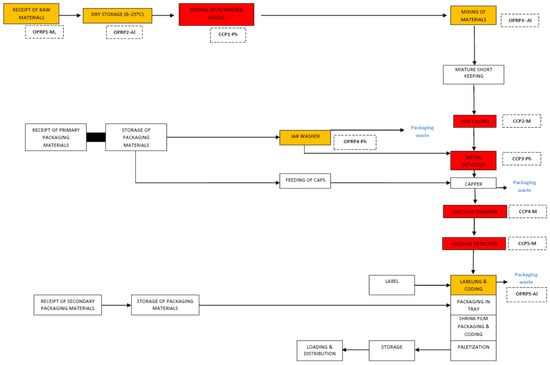
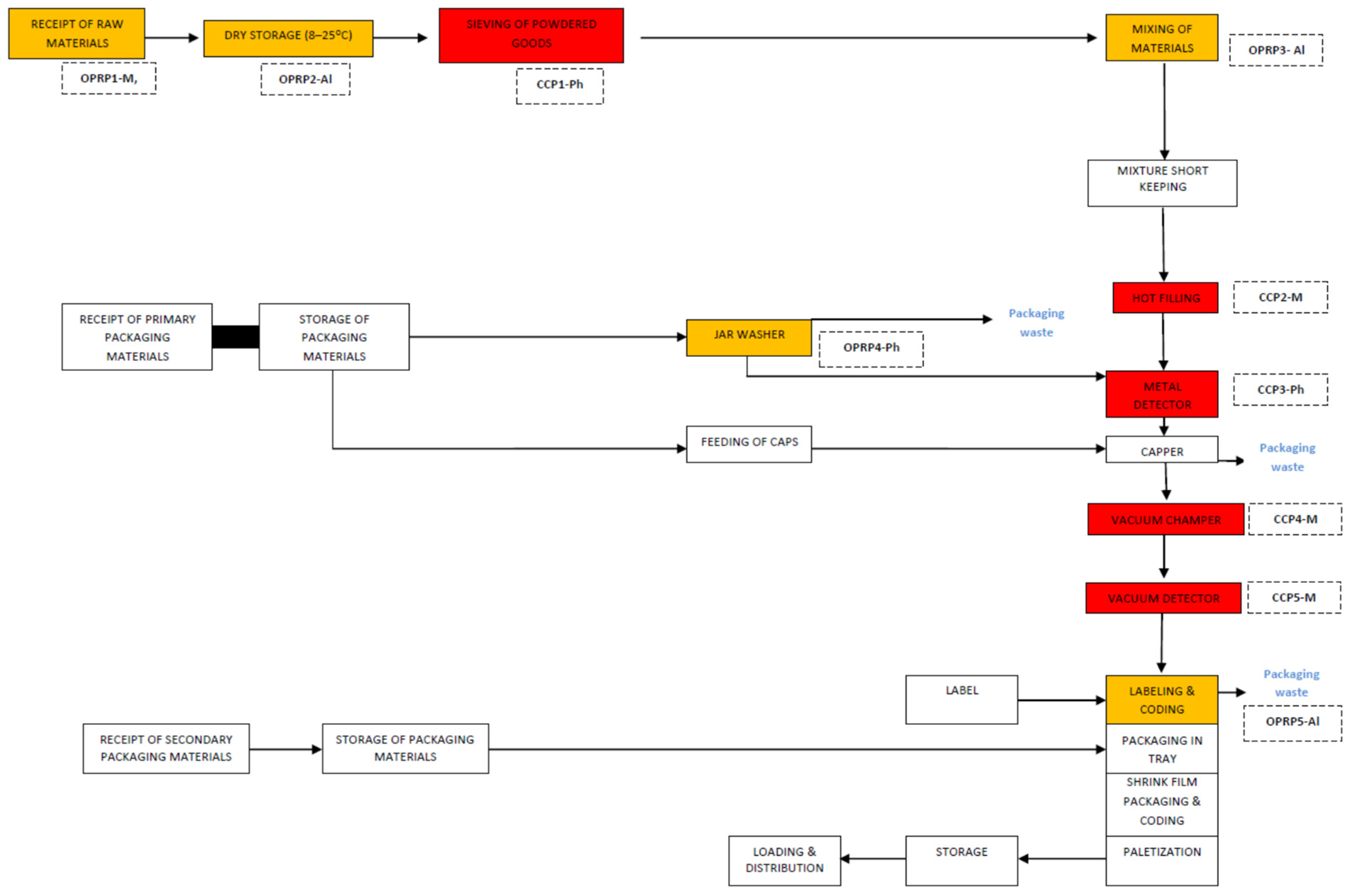
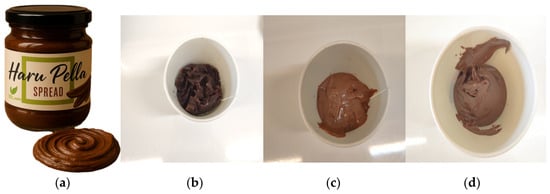
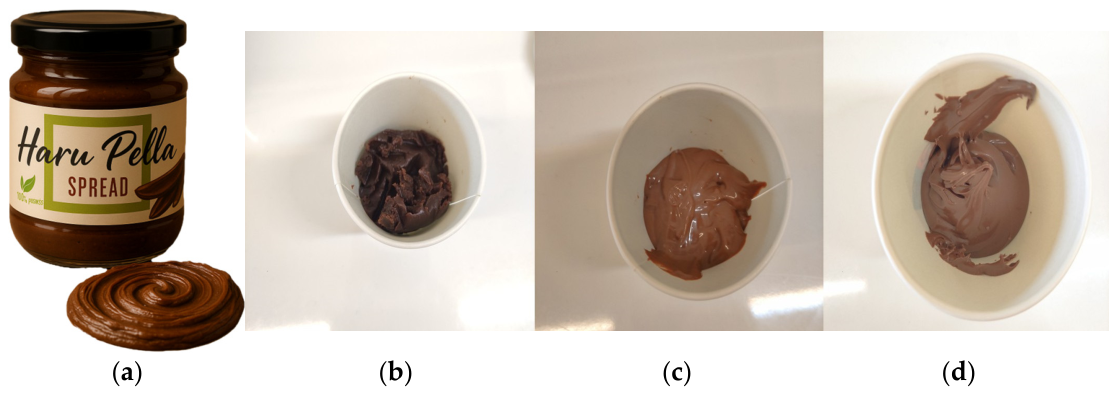
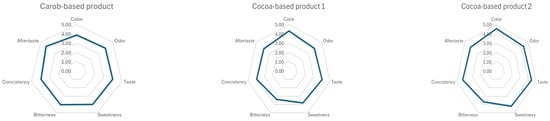
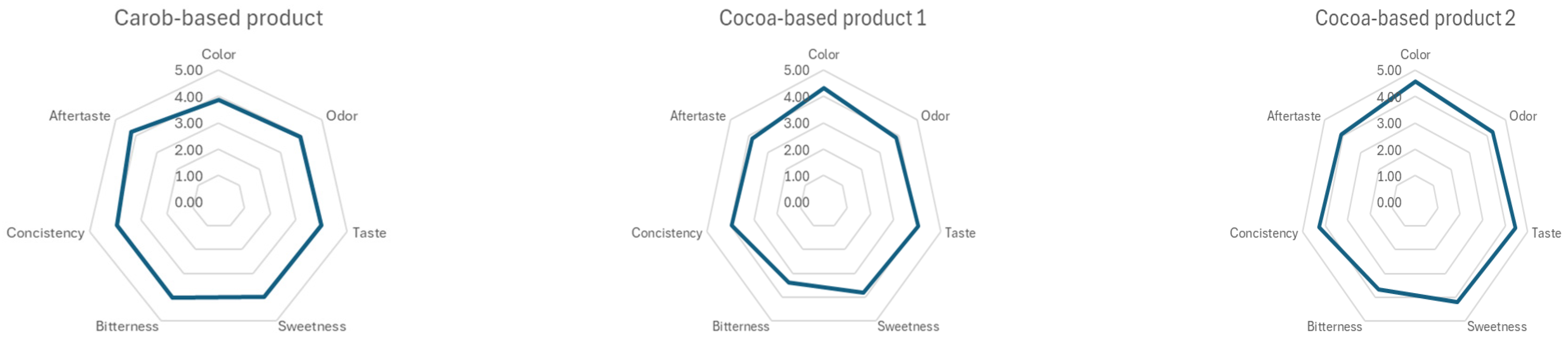

Disclaimer/Publisher’s Note: The statements, opinions and data contained in all publications are solely those of the individual author(s) and contributor(s) and not of MDPI and/or the editor(s). MDPI and/or the editor(s) disclaim responsibility for any injury to people or property resulting from any ideas, methods, instructions or products referred to in the content. |
© 2026 by the authors. Licensee MDPI, Basel, Switzerland. This article is an open access article distributed under the terms and conditions of the Creative Commons Attribution (CC BY) license.