


Abstract
Background: As construction safety training increasingly shifts toward virtual reality (VR)-based learning platforms, concerns have emerged regarding whether real ambient and virtual visual conditions may affect safety knowledge learning and cognitive responses; Methods: This study examined how real ambient factors (temperature and sound) and virtual visual factors (window view and visual complexity) influenced perceived environmental distraction, subjective workload, learning experience, and EEG-based cognitive responses in a VR classroom. Forty-eight university students completed a construction safety knowledge learning task and were categorized into high- and low-performing groups based on learning gains. Subjective responses were measured using post-experimental questionnaires, while EEG indicators included mental workload, attention, and mental fatigue. Results: Based on independent-samples t-tests, group-specific Spearman correlations, descriptive analyses, and two-way interaction regression, the results revealed: (1) Low-performing students reported greater disturbance from temperature and sound, and higher mental demand and effort. (2) Nominal associations between environmental factors and subjective outcomes were broader in the low-performing group. (3) The EEG results served mainly as supplementary descriptive evidence, showing individual variability in cognitive responses. (4) Learning scores varied across environmental combinations, with Temperature × Sound emerging as the only significant interaction. Conclusions: These findings guide cognitively supportive VR-based construction safety learning environments.
1. Introduction
Virtual reality (VR) is increasingly used as a learning platform for construction safety training because it can deliver safety knowledge in a controlled, repeatable, and risk-free environment [1]. Evidence from VR safety training implementation suggests that such training may contribute to accident prevention by improving safety-related knowledge, responses, and behavior [2]. For example, recent meta-analytic evidence shows that VR-based construction safety training is more effective than traditional training in improving safety-related behaviors, skills, and learning experiences, suggesting its potential contribution to accident prevention in construction safety education [3]. These findings indicate that improving the quality of VR-based safety knowledge learning is practically important. However, VR learning outcomes are not shaped by instructional content alone. In VR classrooms, trainees are exposed to real ambient factors, such as temperature and sound, while also processing virtual visual factors, such as window view and visual complexity [4]. Since thermal, acoustic, and visual conditions can influence comfort, attention, learning quality, and cognitive functioning, these environmental conditions may affect how trainees acquire construction safety knowledge during immersive learning tasks [5,6].
Existing VR construction safety studies have mainly focused on training effectiveness, simulation design, and safety-learning outcomes [3], while less attention has been paid to how the real and virtual environmental conditions of VR classrooms affect learners’ subjective and cognitive responses. Related studies have already shown that VR can be combined with controlled physical environments to examine human responses under specific environmental conditions [7,8,9]. However, these studies were not centered on construction safety knowledge learning in VR classrooms, and they did not examine real ambient factors and virtual visual factors together within the same safety-learning task. In addition, limited evidence is available on whether students with different learning performance levels experience the same VR classroom conditions differently, or on how these environmental factors are associated with immediate learning gains. Therefore, this study investigates how temperature, sound, virtual window view, and visual complexity influence construction safety knowledge learning in a VR classroom. Specifically, this study compares high-performing (HP) and low-performing (LP) students in perceived environmental distraction, subjective workload, and learning experience, examines group-specific associations between environmental factors and subjective outcomes, evaluates EEG-based cognitive responses during the learning task, and analyzes how different combinations of real ambient factors and virtual visual factors are associated with immediate learning gains. The contributions of this study are fourfold: (1) it identifies differences between HP and LP students in perceived environmental distraction, subjective workload, and learning experience during VR-based construction safety knowledge learning; (2) it examines whether real ambient factors and virtual visual factors show different subjective associations in HP and LP students; (3) it evaluates EEG-based cognitive responses, including mental workload, attention, and mental fatigue, under different environmental conditions; and (4) it evaluates learning-gain differences across four-factor environmental combinations and tests the main and two-way interaction effects of temperature, sound, virtual window view, and visual complexity using individual-level regression analysis.
2. Literature Review
2.1. Environmental Conditions and Construction Safety Knowledge Learning
Environmental conditions play an important role in VR-based construction safety knowledge learning because trainees experience not only instructional content but also the physical and virtual conditions under which the learning task occurs. These conditions include real ambient factors and virtual visual factors, such as real temperature and sound, and virtual window view and visual complexity [10]. Temperature affects comfort, attention, and cognitive functioning, and classroom studies have linked thermal conditions with learning performance and cognitive efficiency [5,6]. Sound can interfere with concentration, working memory, and learning, particularly when learners process information under limited attentional capacity [11,12]. Recent EEG-based evidence further suggests that noise exposure is related to attention, stress, and mental workload [13]. Window view may influence attention, satisfaction, and cognitive performance because access to outdoor views is associated with improved cognitive outcomes and reduced eyestrain [14,15,16]. Visual complexity affects cognitive load, attention allocation, and engagement in immersive learning environments; both overly simple and overly complex visual scenes can hinder performance depending on task demands [17,18,19].
Moreover, evidence suggests that learning-related outcomes are often influenced by combined environmental exposures rather than single factors alone. Thermal, acoustic, and visual conditions can interact to shape comfort, attention, and cognitive performance, indicating that the effect of one factor may depend on the presence of others [6,20]. This is especially relevant for VR classrooms, where learners are physically exposed to real ambient factors while cognitively immersed in virtual visual factors. VR and immersive learning research further highlight that cognitive load, engagement, and instructional design interact with environmental characteristics to influence learning outcomes [18,21]. In the context of construction safety knowledge learning, such combined exposure may affect perceived environmental distraction, subjective workload, learning experience, cognitive responses, and learning scores, emphasizing the importance of considering both physical and virtual classroom design for effective immersive safety training.
2.2. Virtual Reality for Construction Safety Knowledge Learning
VR has developed from an emerging instructional technology into a widely used platform for safety learning and immersive educational simulation. In educational research, studies across different countries and disciplines have reported the usefulness of VR for improving knowledge acquisition, engagement, motivation, spatial understanding, and skill development (see Table 1). Immersive VR is also recognized as a context-rich and embodied medium that allows learners to engage with complex scenarios under controlled and repeatable conditions, while recent theoretical work suggests that VR learning outcomes are shaped by presence, agency, engagement, cognitive load, and self-regulation rather than by exposure alone [20]. In construction safety specifically, VR has been used for general safety training, hazard-recognition learning, unsafe-behavior identification, and exposure to high-risk scenarios without physical danger [21,22]. VR-based construction safety training effectiveness has been examined through factors such as telepresence, risk perception, and training satisfaction, while VR construction teaching has also been shown to improve students’ learning enthusiasm and satisfaction in undergraduate construction education [23,24]. Recent synthesis studies further provide quantitative support for its effectiveness, showing that VR-based construction safety training outperforms traditional methods in behavioral, skill-related, and experiential outcomes [7].
Beyond training content itself, recent studies suggest that VR learning and simulation outcomes may also be influenced by the relationship between the real physical environment and the virtual scene. In construction-related research, VR has been combined with controlled physical environments to examine how real sensory exposure affects task performance; for example, VR and a climate chamber were used to evaluate construction noise exposure, showing that masonry productivity increased by 1.05% at 60 dBA but decreased by 2.33% at 100 dBA, with psychological and physiological responses also related to productivity [25]. Built-environment VR studies further show that virtual visual context can influence users’ perception of real environmental conditions. For instance, exposure to visually pleasing outdoor virtual environments increased subjective thermal comfort even when the physical environment remained unchanged [26]. Comparative studies of physical and immersive virtual environments also indicate that virtual classrooms can evoke psychological and neurophysiological responses comparable to real spaces, supporting their use for studying attention and memory-related processes [27]. These findings suggest that VR-based learning should be understood as an experience shaped by both real ambient factors and virtual visual factors, rather than by virtual instructional content alone. Therefore, in construction safety knowledge learning, the surrounding physical conditions and embedded virtual visual design may jointly influence learners’ performance, subjective workload, learning experience, and cognitive responses.
Table 1.
Empirical studies using VR in education and training.
2.3. Performance-Related Differences in Construction Safety Knowledge Learning
Differences in learning performance are important in construction safety knowledge learning because students may acquire and retain safety-related information to different degrees even when they receive the same instructional content. Previous construction safety research has shown that learners with different levels of safety-related performance may differ in how effectively they process and respond to safety information, including differences in attention to safety-relevant content [37]. In VR-based construction safety training, such performance differences are particularly relevant because immersive learning requires students to process instructional information while responding to the demands of the virtual learning environment. Empirical studies have indicated that individual learning performance in VR-based construction safety training can be explained or predicted through learners’ physiological responses and their responses to interactive learning elements [38,39]. More broadly, immersive learning research suggests that learning gains in VR are shaped by cognitive load, engagement, self-regulation, and prior knowledge, meaning that students may not benefit equally from the same VR learning task [21,40]. Accordingly, students with higher and lower learning gains may also differ in their responses to environmental conditions during VR-based construction safety knowledge learning. Higher-performing students may maintain more stable learning experiences under changing conditions, whereas lower-performing students may be more sensitive to distraction or additional cognitive demands. Examining HP and LP students separately therefore provides a performance-oriented perspective for understanding differences in perceived environmental distraction, subjective workload, learning experience, and cognitive responses during immersive construction safety knowledge learning.
3. Materials and Methods
3.1. Research Design
The research was conducted in four sequential stages using VR-based experiments with key factor identification, experiment design, formal experiment, and data analysis. In the first stage, a literature review was undertaken to identify the key ambient and virtual factors that were most relevant to subjective workload, learning experience, and cognitive responses in learning environments and to establish the theoretical and methodological basis for the study. In the second stage, the experimental platform and materials were developed. A VR-based virtual classroom was constructed as the core learning environment, and the corresponding learning tasks, assessment materials, and subjective evaluation instruments were prepared in alignment with the research objectives. The learning task required participants to watch a construction safety education video presented in the VR classroom and to learn and remember as much construction safety-related knowledge as possible. This task was designed to simulate a classroom-based safety knowledge learning process and to assess participants’ short-term acquisition of construction safety information after immersive video-based instruction. This stage ensured that the environmental manipulations, learning activities, and measurement tools could be implemented consistently within a controlled experimental setting. In the third stage, participant screening and data collection were carried out.
Participants completed the learning task in the VR-simulated classroom under different combinations of real ambient factors and virtual visual factors. The real ambient factors included temperature and sound conditions, while the virtual visual factors included virtual window view and visual complexity. EEG signals were recorded continuously throughout the session to capture participants’ cognitive responses under each environmental condition. After the task, participants completed the questionnaire survey, and their learning outcomes were used to categorize them into different performance groups for subsequent comparison. In the fourth stage, the collected data were processed and analyzed. EEG signals were preprocessed and transformed into relevant cognitive indicators, and the subjective and objective data were then statistically analyzed to examine both group differences and the relationships between environmental variables and cognitive responses (see Figure 1). Overall, this four-stage design provided an integrated framework linking environmental manipulation, immersive learning experience, measurement of participants’ subjective and objective responses, and comparative analysis, thereby allowing the study to investigate how real ambient factors and virtual visual factors shape subjective workload, learning experience, and cognitive responses in a VR-based safety knowledge learning context.
Figure 1.
Research design flowchart.
3.2. Generation of 3D Learning Environment Scenes
A virtual classroom was developed as the experimental platform to provide a realistic but controlled indoor safety knowledge learning environment and to examine how environmental conditions may influence subjective workload, learning experience, and cognitive responses (see Table 2). The experiment adopted a 2 × 2 × 2 × 2 factorial design, including two real ambient factors and two virtual visual factors. The real ambient factors were temperature and sound, while the virtual visual factors were window view and visual complexity. The classroom scene was designed to resemble a typical indoor learning space, including seating arrangement, desks, teaching perspective, wall finishes, windows, and general lighting style. To reduce confounding effects, room geometry, camera viewpoint, baseline illumination, major furniture layout, teaching screen position, and the overall viewing perspective were kept constant across all conditions. Within this standardized virtual classroom, two virtual visual factors were manipulated: window view and visual complexity. The window-view factor referred specifically to the virtual outdoor scene presented through the classroom window, with two levels: daytime and nighttime. The indoor classroom lighting and interior layout were kept constant, while the image outside the window was changed to represent either a daytime or nighttime scene. Therefore, differences in brightness, color tone, contrast, and visual salience outside the window were treated as part of the overall daytime–nighttime window-view manipulation, rather than as separate variables examined independently. To avoid excessive visual artifacts, glare and strong reflections were reduced in both window-view conditions. Visual complexity was manipulated by changing the amount and diversity of visual information in the classroom scene. The high-complexity condition included more classroom objects, learning materials, desk items, wall details, and textured surfaces, whereas the low-complexity condition used fewer objects, simpler surface finishes, and less decorative information. The manipulation was therefore operationalized as a difference in the richness and density of non-instructional visual elements in the virtual classroom. As a design-stage manipulation check, the two visual-complexity conditions were compared to ensure that the main instructional elements, viewing angle, furniture arrangement, and classroom function remained consistent, while the number and variety of peripheral visual elements clearly differed. This manipulation was designed to examine whether different levels of virtual visual richness would influence learners’ attention, workload, and learning experience during safety knowledge learning.
Table 2.
Overview of design attributes in classroom models.
In parallel, two real ambient factors, including temperature and sound conditions, were manipulated in the physical experimental room. Temperature was controlled using the indoor air-conditioning system and was set at either 22 °C or 30 °C. The 22 °C condition represented a thermally neutral indoor environment, whereas the 30 °C condition represented a warm but realistic indoor condition that may induce thermal discomfort and cognitive burden, consistent with previous indoor-environment research on thermal effects on workload and cognitive performance [41]. Before each session, the room temperature was stabilized at the assigned level. Temperature was measured at the participant’s seated position, approximately at head height, to reflect the thermal condition actually experienced during the VR learning task. The temperature was checked before the experiment and monitored during the session to ensure that it remained within the target range. Sound condition was implemented through standardized audio playback. The noisy condition was maintained within approximately 60–65 dB(A), representing a noticeable but realistic indoor noise exposure level, while the quiet condition was maintained within approximately 30–35 dB(A) without the additional noise track. These sound levels were selected to create a clear contrast between quiet and noise-exposed learning conditions, as previous research has shown that indoor noise can affect cognitive performance and perceived disturbance [42]. The same playback device, sound source, gain setting, and participant-to-speaker distance were used across sessions to maintain consistency. Sound level was measured near the participant’s seated position before the learning task and checked during the session to ensure that each condition remained within its intended range. By combining controlled real ambient factors with manipulated virtual visual factors, this experimental setup enabled the study to examine how physical and virtual environmental conditions jointly shape learning performance, subjective experience, and cognitive responses in a VR-based construction safety knowledge learning context.
3.3. Experimental Procedure
At the beginning of the experiment, the researcher introduced the overall procedure and explained the task requirements to each participant. Participants first completed a pre-test consisting of the same safety-related questions that were later used in the post-test. Both the pre-test and post-test contained 30 construction safety-related questions, with a total score of 100 points. The item order was kept the same in the pre-test and post-test to ensure that the two tests were directly comparable in content and structure. After completing the pre-test, participants did not receive any feedback on their answers, including correctness, scores, or explanations, in order to avoid additional learning effects before the VR-based instructional task. The use of identical items before and after the intervention was intended to provide a direct measure of immediate learning gain on the specific safety concepts addressed in the instructional video. In short-duration educational interventions, pre-test/post-test comparisons using the same question set are commonly adopted to evaluate immediate knowledge acquisition, although the resulting score difference should be interpreted as short-term learning change rather than long-term retention [43,44].
After the pre-test, each participant was seated comfortably in front of the display under the researcher’s guidance. The VR headset and EEG device were then fitted and adjusted to ensure both participant comfort and stable signal recording. During this stage, participants were instructed to remain relaxed and to avoid unnecessary movements before the formal task began. EEG recording was conducted from the beginning to the end of the instructional video, corresponding to the formal learning period of the experiment. Next, a short narrative script was presented in the virtual environment to create a classroom-based situational context. Immediately afterward, the instructional video on construction safety knowledge was played for approximately 10 min. The video was designed as a structured construction safety training material and covered several basic safety topics commonly involved in construction-site education. In the first part, approximately 0 to 2 min, the video introduced the general importance of construction safety and the main sources of safety risks on construction sites. From approximately 2 to 4 min, it explained the correct use of personal protective equipment, including safety helmets, reflective vests, protective gloves, and safety shoes. From approximately 4 to 6 min, the video focused on fall prevention and safe work at height, including the use of guardrails, safety belts, scaffolding precautions, and safe access routes. From approximately 6 to 8 min, it introduced safety requirements related to construction machinery, temporary electricity, and material storage, emphasizing the need to follow operating procedures and maintain safe distances from equipment and hazardous areas. In the final part, approximately 8 to 10 min, the video summarized emergency response principles, including reporting hazards, responding to accidents, and following evacuation instructions. The content was presented in a classroom-style instructional format and was intended to provide participants with standardized construction safety knowledge before the post-test. EEG signals were recorded continuously during video viewing in order to capture participants’ real-time neurophysiological responses throughout the learning process. To reduce motion-related contamination of the EEG signals, participants were required to maintain a stable sitting posture and minimize head movements, speaking, and excessive blinking during the recording session, as eye blinks and body motion are major sources of EEG artifacts [45]. After the video ended, participants completed the same set of questions again as a post-test and then filled out the post-experimental questionnaire. This procedure allowed the study to compare knowledge performance before and after the VR-based learning task while also capturing participants’ immediate subjective evaluations of the simulated environment, workload, and learning experience (see Figure 2).
Figure 2.
Experimental procedure diagram.
3.4. Post-Experiment Questionnaire Design
A post-task questionnaire was administered immediately after the VR learning session to collect participants’ subjective evaluations of the simulated learning environment. As shown in Table 3, the questionnaire covered four parts: VR adaptability and perceived realism, perceived environmental distraction, subjective workload, and learning experience. The first part was used to verify whether participants could adapt to the VR environment and whether the virtual classroom was perceived as realistic. The second part assessed participants’ perceived disturbance from the manipulated real ambient factors and virtual visual factors. Subjective workload was measured using the NASA Task Load Index (NASA-TLX), and the overall workload score was calculated using the raw NASA-TLX approach [46,47]. Learning experience was assessed using selected items adapted from the Course Experience Questionnaire (CEQ), focusing on instructional helpfulness and perceived skill development [48,49,50]. All items were completed after the learning task to avoid interrupting the VR learning process.
Table 3.
Items to evaluate students’ perceived environmental responses, workload, and learning-related evaluations.
3.5. Experimental Equipment
EEG data were collected using the Emotiv EPOC (EPOC X; EMOTIV Inc., San Francisco, CA, USA)system. The EEG cap included 14 electrode sites arranged according to the international 10–20 electrode placement system, covering frontal, central, temporal, parietal, and occipital regions. The electrode layout used in this study included AF3, AF4, F7, F3, F4, F8, FC5, FC6, T7, T8, P7, P8, O1, and O2. Due to differences in headset architecture across EEG devices, the exact positions of some electrodes may deviate slightly from the theoretical locations defined in the standard 10–20 system. This is common in portable EEG devices, which are designed to balance signal acquisition, portability, setup efficiency, and participant comfort in immersive experimental settings. EEG signals were recorded at a sampling rate of 128 Hz. During acquisition, electrode contact quality was checked before the formal task began, and the headset was adjusted until stable signals were obtained. The reference was set as the device-default CMS/DRL reference during acquisition and then re-referenced to the average reference during preprocessing.
The VR presentation was delivered through the HTC VIVE Pro Eye (HTC Corporation, New Taipei City, Taiwan, China), a head-mounted display with integrated eye-tracking capability, dual OLED displays, a combined resolution of 2880 × 1600 pixels, a 90 Hz refresh rate, and an approximately 110° field of view. These specifications allowed the system to provide a stable and immersive visual presentation for the controlled VR-based learning experiment.
3.6. EEG Data Collection and Analysis
EEG data were collected during the instructional video period to capture participants’ cognitive responses while learning construction safety knowledge in the VR classroom. Because the task required participants to continuously attend to the video, process safety-related information, and remember as much knowledge as possible, EEG indicators were selected to reflect three cognitive states that were most relevant to the learning process: mental workload, attention, and mental fatigue. These indicators allowed the study to examine whether different real ambient factors and virtual visual factors influenced not only participants’ subjective evaluations but also their neurophysiological responses during immersive safety knowledge learning. Raw EEG data were exported and processed in Python using MNE-Python (version 1.6.1). The continuous EEG signals were first visually inspected to identify segments with severe noise or signal loss. Data were then filtered using a zero-phase FIR band-pass filter from 1 Hz to 45 Hz. A notch filter at 50 Hz was applied to reduce power-line interference. The frequency bands used for subsequent EEG analysis were defined as follows: theta, 4–8 Hz; alpha, 8–13 Hz; and beta, 13–30 Hz. These bands were selected because they are commonly used to characterize workload-, attention-, and fatigue-related cognitive states in learning and task-performance studies. After filtering, independent component analysis (ICA) was applied to reduce non-neural artifacts [45]. ICA components were inspected based on their time courses, scalp distributions, and spectral characteristics. Components showing typical eye-blink, eye-movement, muscle activity, or motion-related patterns were removed before signal reconstruction. In particular, components with large frontal activity and blink-like temporal patterns were treated as ocular artifacts, while components dominated by high-frequency activity or irregular bursts were treated as muscle or movement artifacts. After preprocessing, all participants were retained for EEG analysis. The average usable EEG duration was 538.6 ± 32.4 s, corresponding to 89.8 ± 5.4% of the original instructional-video recording period. The retained data duration was considered sufficient for subsequent frequency-domain analysis because the EEG indicators were calculated from continuous video-viewing periods after artifact correction. Power spectral density (PSD) was then estimated from the cleaned EEG signals using Welch’s method in MNE-Python (version 1.6.1), with a sliding Hamming window of 2.0 s and 50% overlap. Welch’s method was used because it provides stable frequency-domain estimates by averaging power spectra across successive time windows, and MNE-Python (version 1.6.1) provides a reproducible framework for EEG preprocessing and spectral analysis [52,53].
Three EEG-derived indicators were calculated to reflect participants’ cognitive states during video-based learning. First, an EEG-based mental workload index was computed from frontal theta and parietal alpha relative power, following prior studies showing that frontal theta increases and parietal alpha changes are sensitive to workload demands. In thermal-environment research, this combination has been used to reflect workload-related changes under different indoor conditions [41,54]. In the present study, the workload index was calculated as:
Second, attention was indexed using the frontal beta/theta ratio. Previous EEG studies have shown that the frontal theta/beta ratio is negatively associated with attentional control and executive control, such that lower theta/beta values indicate better attention regulation [55,56,57,58]. For ease of interpretation, the present study used the reciprocal form, beta/theta, so that higher values directly represent better attentional control. This indicator was calculated from frontal channels AF3, AF4, F7, F3, F4, F8, FC5, and FC6:
Third, mental fatigue was quantified using the whole-brain (θ + α)/β ratio. Prior EEG studies have reported that mental fatigue is typically accompanied by increased alpha activity and reduced beta activity, making combined band-ratio measures useful for fatigue detection [59]. Similar ratio-based indicators have also been used in construction-related fatigue studies [60,61]. The fatigue index was calculated as:
3.7. Sample Selection
A total of 50 participants were recruited from the host university. University students were selected because the present study examined safety learning in an educational context, and a relatively homogeneous higher-education sample helps reduce between-subject variability in age, educational background, and prior learning experience, thereby improving the comparability of cognitive and environmental responses under controlled experimental conditions [62,63]. To ensure the feasibility and reliability of the VR-based experiment, participants were required to meet the following inclusion criteria: (1) no history of psychiatric disorders or cognitive impairment; (2) normal or corrected-to-normal vision (binocular visual acuity ≥ 1.0); (3) no color vision deficiency; (4) no severe motion sickness or contraindications to VR use; and (5) residence in on-campus dormitories rather than off-campus housing or their family home. The exclusion of participants with severe motion sickness or VR-related contraindications was necessary because immersive VR exposure may induce cybersickness symptoms such as nausea, dizziness, disorientation, and visual fatigue, which may interfere with task completion and data quality [64,65].
Before the formal experiment, all participants completed a screening form that collected demographic and background information, including gender, age, educational level, and prior familiarity with VR. In addition, several attention-related items adapted from the Swanson, Nolan, and Pelham Rating Scale (SNAP-IV) were included to assess baseline attentional characteristics, such as distractibility and difficulty sustaining attention. The SNAP-IV has been widely used as a screening instrument for inattentive and related behavioral symptoms; however, in the present study, it was used only as a non-clinical baseline screening tool rather than for diagnostic purposes [66]. After screening, 48 valid participants remained and were assigned to 16 experimental groups (see Table 4), defined by the four manipulated binary variables (window view, temperature, sound condition, and visual complexity), with three participants in each complete four-factor combination. Since each manipulated factor had two levels, each level of a single environmental factor included 24 participants. Therefore, the main analyses were conducted at the participant level by comparing the two levels of each environmental factor and examining their associations with subjective responses, EEG indicators, and learning gains. Similar VR-based environmental studies have also used participant-level samples of a comparable or smaller scale. For example, one study on the influence of virtual environments on thermal perception used 43 participants divided into three groups, while another study comparing immersive virtual and real indoor environments used 18 participants to examine thermal sensation and physiological responses [8,67]. These studies provide methodological references for conducting controlled VR and environmental-response experiments with moderate participant-level samples. This screening and grouping procedure was intended to reduce the influence of pre-existing attentional difficulties, visual limitations, and VR intolerance, while improving the comparability of participants under the simulated learning conditions.
Table 4.
Experimental groups and participants.
4. Results
4.1. Participant Characteristics and Performance Grouping
Following screening, participants with clearly abnormal responses on the Swanson, Nolan, and Pelham Rating Scale (SNAP-IV) were excluded from further analysis. Of the 50 students initially recruited, 2 were excluded, resulting in a final sample of 48 valid participants and 48 valid questionnaires. The final sample was balanced by gender (24 males, 50.0%; 24 females, 50.0%). Most participants were aged 18–25 years (46/48, 95.8%), and all were enrolled in undergraduate or higher education programs (100%). In terms of prior VR familiarity, 27 participants (56.3%) reported being familiar with VR, 14 (29.2%) reported being unfamiliar, and 7 (14.6%) reported being very unfamiliar. Post-task evaluation further indicated that participants were generally able to adapt to the VR environment (47/48, 97.92%) and regarded the virtual classroom as realistic (45/48, 93.75%), supporting the usability and face validity of the simulated setting. To examine whether environmental responses differed according to learning performance, participants were divided into HP and LP groups based on learning gain, calculated as the difference between post-test and pre-test scores. A median-split approach was applied using a median value of 13.33, such that participants scoring above the median were classified as the HP group and those scoring below the median were classified as the LP group, resulting in two equally sized groups of 24 participants each. This grouping strategy was adopted to facilitate direct comparison of subjective evaluations and EEG indicators between learners with relatively higher and lower levels of short-term learning improvement, while acknowledging that dichotomizing a continuous variable may reduce statistical power and obscure within-group variability.
4.2. Perceived Environmental Distraction, Subjective Workload, and Learning Experience Between HP and LP Students
To examine whether students with different levels of learning improvement responded differently to the experimental environment, independent-samples t-tests were conducted to compare the HP and LP groups across subjective measures, including perceived environmental distraction, subjective workload, and learning experience. To address multiple comparisons, Benjamini–Hochberg FDR correction was applied across the t-tests, and Cohen’s d with 95% confidence intervals was calculated to indicate effect size. Exact p-values, FDR-adjusted q-values, and effect sizes are reported in the note to Figure 3. The results showed clear group differences in several subjective dimensions. In terms of Perceived Environmental Distraction, compared with HP students, LP students perceived real ambient factors as significantly more disruptive to their learning process, whereas virtual visual factors did not show significant group differences (see Figure 3a). Differences were also evident in participants’ perceptions of subjective workload (see Figure 3b). The LP group reported significantly higher mental demand and effort, whereas the HP group reported significantly better self-evaluated performance. By contrast, no significant differences were observed in physical demand, temporal demand, frustration, or the overall NASA-TLX score. This pattern suggests that the distinction between the two groups was reflected more strongly in selected dimensions of subjective workload than in the overall workload measure. A similar pattern emerged in the learning experience (see Figure 3c). HP students gave more positive ratings for the helpfulness of the learning activity, reported stronger motivation, and perceived greater improvement in problem-solving skills. However, no statistically significant differences were found for interest, analytic skills, or unfamiliar problem-tackling skills.
Figure 3.
(a) Comparison of perceived environmental distraction between HP and LP groups; (b) subjective workload between HP and LP groups; (c) learning experience between HP and LP groups. Note: * p < 0.05, ** p < 0.01, *** p < 0.001; Temperature disturbance: p = 0.010, q = 0.026, d = −0.77, 95% CI [−1.36, −0.18]; sound disturbance: p < 0.001, q < 0.001, d = −1.54, 95% CI [−2.19, −0.90]; mental demand: p < 0.001, q < 0.001, d = −1.25, 95% CI [−1.87, −0.63]; self-evaluated performance: p = 0.009, q = 0.026, d = 0.79, 95% CI [0.20, 1.38]; effort: p < 0.001, q = 0.005, d = −1.02, 95% CI [−1.62, −0.42]; helpfulness: p = 0.014, q = 0.029, d = 0.74, 95% CI [0.15, 1.32]; motivated: p = 0.011, q = 0.026, d = 0.77, 95% CI [0.18, 1.35]; problem-solving skills: p = 0.002, q = 0.008, d = 0.95, 95% CI [0.35, 1.55]. Other comparisons were not significant after FDR correction.
4.3. Group-Specific Spearman Correlations Between Environmental Factors and Perceived Environmental Distraction, Subjective Workload, and Learning Experience
Spearman’s correlations were calculated separately for HP and LP students to examine whether the relationships between environmental factors and subjective outcomes differed by learning performance (see Table 5). Spearman’s ρ was reported as the effect size, and FDR-adjusted q-values were reported for all correlations. Exact p-values with approximate 95% confidence intervals were added for the associations that reached the uncorrected p < 0.05 level. Overall, correlations were selective rather than pervasive, with LP students showing a broader pattern of environment-related associations than HP students. Within perceived environmental distraction, LP students reported higher view-out disturbance under the real low-temperature condition and lower perceived sound disturbance under virtual daytime window view, suggesting that lower-performing learners showed more environment-related variation in distraction appraisal. HP students showed no significant correlations for perceived environmental distraction. In Subjective Workload, LP students showed specific associations: the virtual daytime window view was linked to lower self-evaluated performance and higher frustration, while low visual complexity corresponded to reduced effort. HP students exhibited no significant correlations across subjective workload dimensions. In learning experience, HP students showed associations primarily for specific evaluation measures: helpfulness ratings were higher under virtual daytime window view, while perceived problem-solving skills were lower under real ambient quiet sound conditions. LP students displayed selective correlations as well, with analytic skills higher under real low temperature, whereas other learning-related measures showed no consistent associations.
Table 5.
Correlation analysis between environmental factors and subjective outcomes.
4.4. EEG Results Under Different Environmental Conditions
After calculating the three EEG indicators, the four environmental factors showed no significant effects on EEG-based mental workload, attention, or mental fatigue in either the HP or LP group. The violin plots were therefore used to present the distribution of EEG indicators across environmental conditions and performance groups. As shown in Figure 4, LP students generally exhibited wider distributions in mental workload and mental fatigue than HP students, with more pronounced upper ranges under several environmental conditions. HP students showed relatively more compact distributions, suggesting smaller variation in EEG-based cognitive responses during the learning task. Among the three indicators, mental workload showed the most visible between-group dispersion, whereas attention remained within a comparatively narrow range in both groups. Across the four environmental contrasts, visual complexity showed a relatively clear descriptive pattern. Compared with the high-complexity condition, the low-complexity condition appeared to be accompanied by higher mental workload, lower attention, and greater fatigue in both groups. The other environmental factors, including window view, sound, and temperature, showed less consistent distributional changes across HP and LP students. Overall, the EEG results indicate that the environmental manipulations did not produce statistically significant changes in EEG-based cognitive responses, although the distributional patterns provide descriptive information about individual variability during VR-based construction safety knowledge learning.
Figure 4.
Violin plots of EEG-based cognitive responses between HP and LP groups under different environmental conditions: (a) mental workload; (b) attention; (c) mental fatigue. Note: VH = visual complexity is high; VL = visual complexity is low; VD = view out is daytime; VN = view out is night; SN = sound is noisy; SQ = sound is quiet; TH = temperature is high; TL = temperature is low; Different colors represent different performance × environment combinations; The black dots indicate the distribution of individual data points; The horizontal lines denote the median values.
4.5. Interactive Effects Analysis of Real and Virtual Environmental Factors on Student Performance
A post hoc sensitivity power analysis was conducted to clarify the detectable effect size under the present sample size. The experiment used a 24 factorial design with sixteen environmental combinations and 48 participants in total, resulting in three participants per combination. For single-degree-of-freedom effects in the factorial model, with α = 0.05 and N = 48, the present design had sufficient power to detect relatively large effects. Specifically, the sensitivity analysis indicated that approximately 80% power would require an effect size of about f = 0.42 for an individual main or interaction effect. For a medium effect size of f = 0.25, the estimated power was approximately 0.39, indicating limited power for detecting moderate interaction effects. Therefore, the factorial analysis was considered appropriate for exploratory analysis and for identifying relatively large environment-related associations, particularly for interaction effects. This analytical approach is also supported by comparable controlled-environment research with a similar participant-level sample size. For example, interaction effects among multiple environmental factors have been examined in a controlled indoor-environment experiment with 52 young adults, where temperature, lighting, and noise were analyzed in relation to cognitive performance and perceived comfort [20]. This provides methodological support for applying interaction analysis in controlled environmental experiments with a comparable overall sample size.
To examine how different combinations of real ambient factors and virtual visual factors were related to student learning performance, descriptive statistics were first calculated for each four-factor condition using learning gain scores, which were defined as the difference between the post-test score and the pre-test score (see Table 6). For each condition, the mean score, standard deviation, and sample size were computed. Since each environmental combination contained three participants, these descriptive statistics were used to show the observed distribution of learning gains across the sixteen experimental conditions. The descriptive results showed that relatively higher scores were generally observed under low-temperature conditions (22 °C). Several combinations with low temperature and noisy sound produced higher mean learning gains, including low temperature with noisy sound combined with high visual complexity and daytime window view, low visual complexity and nighttime window view, or low visual complexity and daytime window view. The lower mean score was observed under the combination of high temperature, noisy sound, high visual complexity, and nighttime window view. A two-way interaction regression model was conducted using individual-level learning gain scores from all 48 participants to further examine the main and combined effects of environmental factors on raw learning scores (see Table 7). The model included the four main effects of temperature, sound, window view, and visual complexity, as well as all six two-way interaction terms. The overall model was statistically significant, R2 = 0.673, adjusted R2 = 0.585, F(10, 37) = 7.622, p < 0.001. Among the main effects, temperature, visual complexity, and window view were significant predictors, indicating that low temperature, low visual complexity, and daytime window view were associated with higher learning scores. The main effect of sound was not significant. For the interaction effects, only the Temperature × Sound interaction reached statistical significance, indicating that these two real ambient factors jointly influenced learning performance. The other two-way interactions involving virtual visual factors were not statistically significant, although the Visual Complexity × Temperature interaction approached significance. Residual diagnostics were conducted to examine the regression assumptions. The Breusch–Pagan test showed no evidence of heteroscedasticity, LM = 14.835, p = 0.138, suggesting that the variance of residuals was acceptable. The Shapiro–Wilk test indicated a deviation from residual normality, W = 0.708, p < 0.001. Therefore, the regression results were interpreted as exploratory evidence of associations between environmental factors and learning gain scores.
Table 6.
Mean student scores across four-factor combinations.
Table 7.
Two-way Interaction Regression Results.
5. Discussion
5.1. Differences in Perceived Environmental Distraction, Subjective Workload, and Learning Experience Between HP and LP Students
The significant differences in perceived environmental distraction, subjective workload, and learning experience between HP and LP students indicate that VR-based construction safety knowledge learning is not only affected by instructional content but also by how learners perceive and regulate environmental demands. LP students reported higher mental demand and effort, as well as greater significance to real ambient disturbances such as temperature and sound. This suggests that these students may have allocated more cognitive resources to coping with the learning environment itself, leaving fewer resources available for understanding and retaining construction safety knowledge. This interpretation is consistent with immersive learning theory, which emphasizes that VR learning outcomes are shaped by cognitive load, motivation, self-efficacy, self-regulation, and affective engagement, rather than by immersion alone [21]. It also agrees with recent VR safety training reviews, which indicate that VR can support engagement and training effectiveness, but its effects depend on learner characteristics, training design, and implementation context [2,3]. Evidence from classroom and environmental conditions research further suggests that thermal, acoustic, lighting, and visual conditions can influence learning quality, short-term academic performance, and cognitive functioning [5,6]. Therefore, the present results extend previous research by showing that subjective responses to VR-based construction safety knowledge learning are performance-dependent. For learners with lower learning gains, environmental discomfort may increase perceived workload and reduce the perceived quality of the learning experience, which is especially relevant for safety education because trainees need to understand, remember, and apply procedural safety knowledge accurately.
5.2. Associations Between Environmental Factors and Perceived Environmental Distraction, Subjective Workload, and Learning Experience
The group-specific Spearman correlation results suggested possible associations between environmental conditions and perceived environmental distraction, subjective workload, and learning experience in HP and LP students during VR-based construction safety knowledge learning. For LP students, the daytime window view was nominally associated with lower self-evaluated performance and higher frustration, although it was also associated with lower perceived sound disturbance. This result differs from studies in conventional indoor environments, where daytime window views have generally been associated with improved comfort, satisfaction, and cognitive performance [14,15]. One possible explanation is that, during a video-based VR learning task, the daytime virtual view provided additional visual information that was not directly relevant to the safety content. For students with lower learning gains, this additional virtual visual information may have been experienced as less helpful for performance evaluation, even though it reduced perceived sound disturbance. In contrast, HP students showed a nominal positive association between daytime window view and helpfulness, suggesting that the subjective role of virtual visual information may differ according to learning performance. LP students also reported lower effort under the low visual-complexity condition, which is consistent with research indicating that reducing non-essential visual information can decrease unnecessary cognitive processing during learning tasks [18]. Regarding real ambient factors, low temperature showed a nominal association with higher perceived analytic skills among LP students, suggesting that a more comfortable thermal condition may support students’ evaluation of learning-related thinking skills. However, the finding that quiet sound was associated with lower perceived problem-solving improvement among HP students should be interpreted cautiously, as it reflects subjective evaluation rather than objective learning performance. Overall, these findings suggest that real ambient factors and virtual visual factors may be related to selected aspects of learners’ subjective evaluation, and that these associations may differ between students with higher and lower construction safety knowledge learning gains.
5.3. EEG-Based Cognitive Response Under Different Environmental Conditions
The EEG-based results showed that the manipulated real ambient factors and virtual visual factors did not produce significant differences in mental workload, attention, or mental fatigue in either performance group during VR-based construction safety knowledge learning. Although the EEG effects were not statistically significant, the distributional results still provide useful descriptive information. LP students showed broader distributions in mental workload and fatigue than HP students, suggesting greater individual variation in cognitive responses during the same learning task. This pattern is consistent with the idea that biometric responses in VR-based construction safety training may reflect individual differences in learning performance [27]. In addition, the violin plots showed a descriptive tendency in which low visual complexity was accompanied by relatively higher workload, lower attention, and greater fatigue, although this pattern was not statistically significant. These findings should be understood together with the broader results of the study. The subjective and learning-performance analyses provided stronger evidence that environmental conditions were related to learners’ perceived distraction, workload, learning experience, and learning gains, whereas EEG indicators mainly showed descriptive variation. Therefore, the role of virtual visual complexity in VR-based construction safety learning should not be evaluated only by assuming that simpler scenes are always better. Instead, visual design should be considered together with subjective experience and learning performance, while the EEG findings in this study serve as supplementary descriptive evidence rather than the main basis for practical recommendations.
5.4. Combined Effects of Real Ambient and Virtual Visual Factors on Construction Safety Knowledge Learning Performance
The descriptive and two-way interaction regression results provide complementary evidence on how environmental conditions were related to construction safety knowledge learning performance in the VR classroom. In the descriptive results, several higher-scoring combinations shared the same real ambient configuration of low temperature and noisy sound, whereas their virtual visual configurations differed. This pattern suggests that the real ambient environment was an important feature of the observed learning gains, but it does not indicate that noisy sound alone improved performance or that one virtual visual configuration was consistently optimal. The regression results provide further evidence for this pattern. Temperature, visual complexity, and window view were significantly associated with learning gain scores, while sound alone was not significant. The significant Temperature × Sound interaction indicates that the two real ambient factors acted jointly in relation to learning performance. This result is consistent with previous evidence that thermal and acoustic conditions can produce combined effects on cognitive performance and perceived comfort, rather than functioning as completely independent influences [19]. The importance of temperature in the present results also agrees with evidence from learning environments that thermal conditions are related to short-term learning quality and cognitive functioning [5,6]. The sound-related results need to be interpreted together with both the learning-gain results and the subjective results. In the descriptive learning-gain results, several combinations with relatively higher scores included noisy sound. However, the subjective results showed that LP students perceived sound as more disturbing. This means that the noisy sound was not experienced as comfortable by these students, even though some higher learning gains were observed under conditions that included noise. Importantly, sound was not a significant main effect in the regression model, so the results do not show that noise itself improved learning performance. Instead, the significant Temperature × Sound interaction suggests that the role of sound was related to the temperature condition. In other words, sound should be understood as part of the thermal-acoustic setting rather than as an independent beneficial factor. One possible explanation is that subjective disturbance and immediate learning gain reflect different aspects of the learning process. LP students may have felt that noise disturbed their learning, but this feeling did not always lead to lower immediate test scores. A moderate level of background sound may also have increased alertness during the short video-based learning task for some students, while still being perceived as disturbing. Therefore, the present findings should not be interpreted as evidence that noisy sound is helpful for VR safety learning. They only suggest that the relationship between sound, temperature, subjective disturbance, and short-term learning gain is more complex than a simple “quiet is always better” assumption.
In contrast, no significant interaction was identified between real ambient factors and virtual visual factors. Therefore, the significant terms for visual complexity and window view indicate that virtual scene characteristics were related to learning scores, but not that their effects were strengthened or weakened by the real ambient conditions in this experiment. For VR-based construction safety knowledge learning, these findings suggest that the physical conditions surrounding the learner, particularly the thermal-acoustic configuration, should be carefully considered alongside virtual scene design when creating environments that support the acquisition of safety knowledge.
6. Research Limitations and Future Study
Several limitations should be considered when interpreting the findings of this study. The sample was drawn from a single university and consisted mainly of young adults on-campus students with undergraduate or higher educational backgrounds. This may limit the generalizability of the findings to broader learner populations, such as vocational trainees, older adults, or workers with practical construction experience. Although the study included 48 participants, the 2 × 2 × 2 × 2 factorial design produced sixteen environmental combinations, with three participants in each condition. The experimental design involved four binary environmental factors, namely temperature, sound, window view, and visual complexity. Therefore, the sample size should not be interpreted only as sixteen separate environmental scenes with three participants in each scene. For each single environmental factor, the two levels each included 24 participants, and the main analyses were conducted at the participant level using the four manipulated factors and their corresponding levels. Nevertheless, when all four factors were considered simultaneously as complete environmental combinations, each combination contained only three participants. Therefore, the descriptive results for the sixteen environmental combinations should be interpreted as observed learning-gain patterns, while higher-order interaction effects would still require larger samples in future studies. The study mainly focused on main effects and two-way interactions because its purpose was to examine how real ambient factors and virtual visual factors were related to VR-based construction safety knowledge learning. Model fit, adjusted R2, degrees of freedom, and residual diagnostics were also reported to improve the transparency of the regression results. Previous controlled-environment studies with comparable participant-level samples have also used interaction analysis to examine combined environmental effects, which provides methodological support for this analytical approach. Future studies could include more diverse participant groups, increase the number of participants in each condition and further examine the full factorial structure, including higher-order interactions among temperature, sound, window view, and visual complexity.
The grouping and subjective-response analyses also have some limitations. HP and LP groups were created using a median split of learning gain, which helped compare students with different levels of learning improvement, but learning gain itself is a continuous measure. Therefore, the HP/LP comparison should be viewed as a way to describe performance-related response patterns rather than the only way to analyze learning performance. In this study, learning gain was also analyzed as an individual-level outcome in the interaction regression, which partly reduced the reliance on group comparison. In addition, the group-specific Spearman correlation analysis was used to explore possible associations between environmental factors and subjective outcomes. After multiple-comparison correction, the correlation results were interpreted mainly as preliminary evidence of possible response patterns rather than strong confirmatory findings. Future research could retain learning gain as a continuous variable and use larger samples to examine the relationships among environmental conditions, subjective responses, and learning outcomes in greater depth. Some subjective measures also need further improvement. In this study, perceived environmental distraction was measured separately for temperature, sound, window view, and visual complexity using one item for each environmental factor. This design allowed participants to directly report which environmental factor disturbed their learning process, but it also limited the assessment of internal reliability and construct validity. In addition, although NASA-TLX and the adapted CEQ items were used to collect broader subjective responses, reliability indices were not further analyzed in the present study. Therefore, the interpretation of subjective results should consider this measurement limitation. Future studies could develop multi-item scales for perceived environmental distraction in VR learning environments and report reliability indices, such as Cronbach’s alpha, for all multi-item subjective constructs to provide stronger evidence of measurement validity.
This study focused on immediate learning gains. The pre-test and post-test used the same set of construction safety questions, and no feedback was provided after the pre-test to reduce additional learning before the VR task. This design was suitable for measuring short-term knowledge change after the instructional video, but it cannot show whether the learned knowledge was retained over time. Future studies could use delayed post-tests, equivalent question sets, or transfer tasks to examine longer-term learning effects. EEG was also used as a complementary measure of cognitive responses, but the environmental conditions did not produce significant EEG differences in mental workload, attention, or mental fatigue. This may be because the environmental manipulations were realistic and moderate, and their effects were more visible in subjective evaluation and immediate learning gain than in EEG indicators. Future studies could combine EEG with eye tracking, heart-rate variability, skin conductance, or behavioral attention measures to provide a fuller understanding of how real ambient factors and virtual visual factors affect construction safety learning in VR classrooms.
7. Conclusions
This study examined how real ambient factors and virtual visual factors are related to construction safety knowledge learning in VR classrooms by considering perceived environmental distraction, subjective workload, learning experience, cognitive response, and immediate learning gain. The findings indicate that students with different levels of learning improvement responded differently to the experimental environment. LP students reported significantly greater disturbance from temperature and sound, as well as higher mental demand and effort, whereas HP students reported significantly better self-evaluated performance and more favorable ratings of helpfulness, motivation, and perceived improvement in problem-solving skills. The group-specific correlation results further showed that environmental manipulations had a nominal association with perceived environmental distraction, subjective workload, and learning experience in LP students, whereas nominal associations in HP students were confined to selected learning experience measures. Although no significant condition effects were identified for EEG-based mental workload, attention, or mental fatigue in either group, the descriptive patterns showed greater variability in cognitive responses among LP students and suggested possible attention–fatigue differences across visual complexity conditions.
The learning-performance results provide specific implications for the design of VR-based construction safety knowledge learning environments. Descriptively, several higher-gain environmental combinations shared the same real ambient configuration of 22 °C and noisy sound, while their virtual visual configurations differed, indicating that the present results do not support prescribing one optimal combination of window view and visual complexity. The regression analysis further identified significant condition-specific terms for temperature, visual complexity, and window view, together with a significant Temperature × Sound interaction, showing that temperature and sound were jointly associated with immediate learning gain. Accordingly, under the conditions tested in this study, the thermal-acoustic setting should be configured and evaluated as a combined learning condition rather than assuming that a quieter environment alone will necessarily produce better safety knowledge learning outcomes. In addition, virtual visual factors were related to learning gains, although their effects should be interpreted together with the broader subjective and performance results rather than based on EEG patterns alone. The EEG results did not show significant condition effects, but the descriptive results suggested that a visually simplified setting may be accompanied by reduced attention and greater fatigue. Therefore, the design of VR-based construction safety classrooms may need to maintain sufficient visual context to support engagement with safety-learning content while avoiding unnecessary visual distraction. These findings demonstrate that the effectiveness of immersive construction safety knowledge learning is related not only to the instructional content presented in VR, but also to the specific real ambient and virtual visual conditions under which short-term learning takes place.
Author Contributions
Conceptualization, X.G. and C.W.; methodology, X.G.; software, X.F.; validation, X.G., C.W.; formal analysis, X.G.; investigation, X.F.; resources, C.W.; data curation, X.G.; writing—original draft preparation, X.G.; writing—review and editing, C.W.; visualization, X.G.; supervision, C.W.; project administration, C.W.; funding acquisition, C.W. All authors have read and agreed to the published version of the manuscript.
Funding
This research was funded by a National Natural Science Foundation of China [grant number 72401129], a Social Science Foundation of Jiangsu Province [grant number 24EYC008] and an Education Reform Project of Nanjing Tech University [grant number 20250204).
Institutional Review Board Statement
The study was approved by the Ethics Committee of Science and Technology at Nanjing Tech University (NJTECH-1-48) on 1 June 2025.
Informed Consent Statement
Informed consent was obtained from all subjects involved in the study.
Data Availability Statement
The data presented in this study are available on request from the corresponding author (the data are not publicly available due to privacy).
Acknowledgments
We sincerely thank all those who contributed to this paper.
Conflicts of Interest
The authors declare no conflicts of interest.
Abbreviations
The following abbreviations are used in this manuscript:
| HP | High-performing |
| LP | Low-performing |
| NASA-TLX | NASA task load index |
| CEQ | Course experience questionnaire |
| ICA | Independent component analysis |
| PSD | Power spectral density |
| VH | High visual complexity |
| VL | Low visual complexity |
| VD | View out for daytime |
| VN | View out for night |
| SN | Sound is noisy |
| SQ | Quiet sound |
| TH | High temperature |
| TL | Low temperature |
References
- Alzarrad, A.A.; Miller, M.M.; Durham, L.D.; Chowdhury, S. Revolutionizing construction safety: Introducing a cutting-edge virtual reality interactive system for training US construction workers to mitigate fall hazards. Front. Built Environ. 2024, 10, 1320175. [Google Scholar] [CrossRef] [Scilit]
- Scorgie, D.; Feng, Z.; Paes, D.; Parisi, F.; Yiu, T.W.; Lovreglio, R. Virtual reality for safety training: A systematic literature review and meta-analysis. Saf. Sci. 2024, 171, 106372. [Google Scholar] [CrossRef] [Scilit]
- Man, S.S.; Wen, H.; So, B.C.L. Are virtual reality applications effective for construction safety training and education? A systematic review and meta-analysis. J. Saf. Res. 2024, 88, 230–243. [Google Scholar] [CrossRef] [Scilit]
- Hiyasat, R.; Luyten, L.; Bande, L. Integrating virtual reality to enhance thermal comfort in educational spaces: A pilot study towards sustainable learning environments. Sustainability 2025, 17, 5033. [Google Scholar] [CrossRef] [Scilit]
- Brink, H.W.; Loomans, M.G.L.C.; Mobach, M.P.; Kort, H.S.M. Classrooms’ indoor environmental conditions affecting the academic achievement of students and teachers in higher education: A systematic literature review. Indoor Air 2021, 31, 405–425. [Google Scholar] [PubMed]
- Wang, C.; Zhang, F.; Wang, J.; Doyle, J.K.; Hancock, P.A.; Mak, C.M.; Liu, S. How indoor environmental quality affects occupants’ cognitive functions: A systematic review. Build. Environ. 2021, 193, 107647. [Google Scholar] [CrossRef] [Scilit]
- Hong, J.; Choi, J.; Lee, J.; Cho, S.; Hong, T.; Han, S.; Park, H.S.; Lee, D.-E. Virtual reality-based analysis of the effect of construction noise exposure on masonry work productivity. Autom. Constr. 2023, 150, 104844. [Google Scholar] [CrossRef] [Scilit]
- Wu, C.; Cui, J.; Xu, X.; Song, D. The influence of virtual environment on thermal perception: Physical reaction and subjective thermal perception on outdoor scenarios in virtual reality. Int. J. Biometeorol. 2023, 67, 1291–1301. [Google Scholar] [CrossRef] [Scilit] [PubMed]
- Llinares, C.; Higuera-Trujillo, J.L.; Montañana, A. A comparative study of real and virtual environment via psychological and physiological responses. Appl. Sci. 2023, 14, 232. [Google Scholar] [CrossRef] [Scilit]
- Arowoiya, V.; Moehler, R.C.; Fang, Y. Application of virtual reality to assess thermal, visual perception, and users’ adaptive behaviors for sedentary activities. J. Inf. Technol. Constr. 2025, 30, 1277–1291. [Google Scholar] [CrossRef] [Scilit]
- Gheller, F.; Spicciarelli, G.; Scimemi, P.; Arfé, B. The effects of noise on children’s cognitive performance: A systematic review. Environ. Behav. 2023, 55, 698–730. [Google Scholar] [CrossRef] [Scilit]
- Fernández-Quezada, D.; Martínez-Fernández, D.E.; Fuentes, I.; García-Estrada, J.; Luquin, S. The influence of noise exposure on cognitive function in children and adolescents: A meta-analysis. NeuroSci 2025, 6, 22. [Google Scholar] [CrossRef] [Scilit] [PubMed]
- Astuti, R.D.; Suhardi, B.; Laksono, P.W.; Susanto, N. Investigating the relationship between noise exposure and human cognitive performance: Attention, stress, and mental workload based on EEG signals using power spectrum density. Appl. Sci. 2024, 14, 2699. [Google Scholar] [CrossRef] [Scilit]
- Jamrozik, A.; Clements, N.; Hasan, S.S.; Zhao, J.; Zhang, R.; Campanella, C.; Loftness, V.; Porter, P.; Ly, S.; Wang, S.; et al. Access to daylight and view in an office improves cognitive performance and satisfaction and reduces eyestrain: A controlled crossover study. Build. Environ. 2019, 165, 106379. [Google Scholar] [CrossRef] [Scilit]
- Ko, W.H.; Schiavon, S.; Zhang, H.; Graham, L.T.; Brager, G.; Mauss, I.; Lin, Y.W. The impact of a view from a window on thermal comfort, emotion, and cognitive performance. Build. Environ. 2020, 175, 106779. [Google Scholar] [CrossRef] [Scilit]
- Boubekri, M.; Lee, J.; MacNaughton, P.; Woo, M.; Schuyler, L.; Tinianov, B.; Satish, U. The impact of optimized daylight and views on the sleep duration and cognitive performance of office workers. Int. J. Environ. Res. Public Health 2020, 17, 3219. [Google Scholar] [CrossRef] [Scilit] [PubMed]
- Paas, F.; van Merriënboer, J.J.G. Cognitive-load theory: Methods to manage working memory load in the learning of complex tasks. Curr. Dir. Psychol. Sci. 2020, 29, 394–398. [Google Scholar] [CrossRef] [Scilit]
- Skulmowski, A.; Xu, K.M. Understanding cognitive load in digital and online learning: A new perspective on extraneous cognitive load. Educ. Psychol. Rev. 2022, 34, 171–196. [Google Scholar]
- Guo, Q.; Chen, Y. The effects of visual complexity and task difficulty on the comprehensive cognitive efficiency of cluster separation tasks. Behav. Sci. 2023, 13, 827. [Google Scholar] [CrossRef] [Scilit] [PubMed]
- Seyedrezaei, M.; Awada, M.; Becerik-Gerber, B.; Lucas, G.; Roll, S.C. Interaction effects of indoor environmental quality factors on cognitive performance and perceived comfort of young adults in open plan offices in North American Mediterranean climate. Build. Environ. 2023, 244, 110743. [Google Scholar] [CrossRef] [Scilit]
- Makransky, G.; Petersen, G.B. The cognitive affective model of immersive learning (CAMIL): A theoretical research-based model of learning in immersive virtual reality. Educ. Psychol. Rev. 2021, 33, 937–958. [Google Scholar] [CrossRef] [Scilit]
- Sacks, R.; Perlman, A.; Barak, R. Construction safety training using immersive virtual reality. Constr. Manag. Econ. 2013, 31, 1005–1017. [Google Scholar] [CrossRef] [Scilit]
- Li, X.; Yi, W.; Chi, H.-L.; Wang, X.; Chan, A.P.C. A critical review of virtual reality and augmented reality applications in construction safety. Autom. Constr. 2018, 86, 150–162. [Google Scholar] [CrossRef] [Scilit]
- Yoo, J.W.; Park, J.S.; Park, H.J. Understanding VR-based construction safety training effectiveness: The role of telepresence, risk perception, and training satisfaction. Appl. Sci. 2023, 13, 1135. [Google Scholar] [CrossRef] [Scilit]
- An, D.; Deng, H.; Shen, C.; Xu, Y.; Zhong, L.; Deng, Y. Evaluation of virtual reality application in construction teaching: A comparative study of undergraduates. Appl. Sci. 2023, 13, 6170. [Google Scholar] [CrossRef] [Scilit]
- Parong, J.; Mayer, R.E. Learning science in immersive virtual reality. J. Educ. Psychol. 2018, 110, 785–797. [Google Scholar] [CrossRef] [Scilit]
- Cheng, K.-H.; Tsai, C.-C. A case study of immersive virtual field trips in an elementary classroom: Students’ learning experience and teacher-student interaction behaviors. Comput. Educ. 2019, 140, 103600. [Google Scholar] [CrossRef] [Scilit]
- Liu, R.; Wang, L.; Lei, J.; Wang, Q.; Ren, Y. Effects of an immersive virtual reality-based classroom on students’ learning performance in science lessons. Br. J. Educ. Technol. 2020, 51, 2034–2049. [Google Scholar] [CrossRef] [Scilit]
- Al-Amri, A.Y.; Osman, M.; Al-Musawi, A.S. The effectiveness of a 3D-virtual reality learning environment (3D-VRLE) on the Omani eighth grade students’ achievement and motivation towards physics learning. Int. J. Emerg. Technol. Learn. 2020, 15, 4–16. [Google Scholar] [CrossRef] [Scilit]
- Alsufyani, N.; Alnamlah, S.; Mutaieb, S.; Alageel, R.; AlQarni, M.; Bukhari, A.; Alhajri, M.; AlSubaie, A.; Alabdulkarim, M.; Faden, A. Virtual reality simulation of panoramic radiographic anatomy for dental students. J. Dent. Educ. 2023, 87, 1200–1209. [Google Scholar] [CrossRef] [Scilit] [PubMed]
- Ronaghi, M.H. A new approach to business ethics education: Virtual reality-based flipped learning. Int. J. Manag. Educ. 2024, 22, 101076. [Google Scholar] [CrossRef] [Scilit]
- Jeong, S.; Cha, C. Effects of immersive virtual reality simulation–based maternity nursing education: A randomized controlled trial. Clin. Simul. Nurs. 2024, 97, 101631. [Google Scholar] [CrossRef] [Scilit]
- Irwanto, I.; Lintangnicita, T.; Cahyana, U.; Cha, J. Examining the effect of immersive virtual reality on 11th-grade students’ creative thinking disposition and academic achievement. Discov. Educ. 2025, 4, 438. [Google Scholar] [CrossRef] [Scilit]
- Furuheim, A.C.H.; Lindenskov, L. Virtual reality simulation as a learning activity for nursing students in mental health practice. Nurse Educ. Pract. 2025, 83, 104272. [Google Scholar] [CrossRef] [Scilit] [PubMed]
- Lin, H.C.; Huang, H.C.; Chang, C.-Y. The impact of a progressive prompting-based VR learning approach on improving nursing students’ entrustable professional activity competence. Virtual Real. 2026, 30, 18. [Google Scholar]
- Kurt, A.D.; Tomul, E. The Role of Virtual Reality in Teaching Fractions in Mathematics for Students with Learning Disabilities. Int. J. Sci. Math. Educ. 2026, 24, 5. [Google Scholar] [CrossRef] [Scilit]
- Hasanzadeh, S.; Esmaeili, B.; Dodd, M.D. Impact of construction workers’ hazard identification skills on their visual attention. J. Constr. Eng. Manag. 2017, 143, 04017070. [Google Scholar] [CrossRef] [Scilit]
- Choi, D.; Seo, S.; Park, H.; Hong, T.; Koo, C. Forecasting personal learning performance in virtual reality-based construction safety training using biometric responses. Autom. Constr. 2023, 156, 105115. [Google Scholar] [CrossRef] [Scilit]
- Seo, S.; Choi, D.; Kim, S.; Lee, D.-E. Impact of interactive learning elements on personal learning performance in immersive virtual reality-based construction safety training. Expert Syst. Appl. 2024, 250, 124099. [Google Scholar] [CrossRef] [Scilit]
- Han, J. Prior knowledge as a moderator between signaling and cognitive loads, motivations, and learning in immersive virtual reality environments. Front. Psychol. 2023, 14, 1118174. [Google Scholar] [CrossRef] [Scilit] [PubMed]
- Wang, X.; Li, D.; Menassa, C.C.; Kamat, V.R. Investigating the effect of indoor thermal environment on occupants’ mental workload and task performance using electroencephalogram. Build. Environ. 2019, 158, 120–132. [Google Scholar] [CrossRef] [Scilit]
- Jahncke, H.; Hygge, S.; Halin, N.; Green, A.M.; Dimberg, K. Open-plan office noise: Cognitive performance and restoration. J. Environ. Psychol. 2011, 31, 373–382. [Google Scholar] [CrossRef] [Scilit]
- Colt, H.G.; Davoudi, M.; Murgu, S.; Zamanian Rohani, N. Measuring learning gain during a one-day introductory bronchoscopy course. Surg. Endosc. 2011, 25, 207–216. [Google Scholar] [PubMed]
- Sana, F.; Forrin, N.D.; Sharma, M.; Dubljevic, T.; Ho, P.; Jalil, E.; Kim, J.A. Optimizing the efficacy of learning objectives through pretests. CBE Life Sci. Educ. 2020, 19, ar43. [Google Scholar] [CrossRef] [Scilit] [PubMed]
- Jiang, X.; Bian, G.-B.; Tian, Z. Removal of artifacts from EEG signals: A review. Sensors 2019, 19, 987. [Google Scholar] [CrossRef] [Scilit] [PubMed]
- Hart, S.G. NASA-Task Load Index (NASA-TLX); 20 years later. Proc. Hum. Factors Ergon. Soc. Annu. Meet. 2006, 50, 904–908. [Google Scholar] [CrossRef] [Scilit]
- Hart, S.G.; Staveland, L.E. Development of NASA-TLX (Task Load Index): Results of empirical and theoretical research. In Human Mental Workload; Hancock, P.A., Meshkati, N., Eds.; North-Holland: Amsterdam, The Netherlands, 1988; pp. 139–183. [Google Scholar]
- Ramsden, P. A performance indicator of teaching quality in higher education: The Course Experience Questionnaire. Stud. High. Educ. 1991, 16, 129–150. [Google Scholar] [CrossRef] [Scilit]
- Wilson, K.L.; Lizzio, A.; Ramsden, P. The development, validation and application of the Course Experience Questionnaire. Stud. High. Educ. 1997, 22, 33–53. [Google Scholar] [CrossRef] [Scilit]
- Byrne, M.; Flood, B. Assessing the teaching quality of accounting programmes: An evaluation of the Course Experience Questionnaire. Assess. Eval. High. Educ. 2003, 28, 135–145. [Google Scholar] [CrossRef] [Scilit]
- Frontczak, M.; Wargocki, P. Literature survey on how different factors influence human comfort in indoor environments. Build. Environ. 2011, 46, 922–937. [Google Scholar] [CrossRef] [Scilit]
- Welch, P.D. The use of fast Fourier transform for the estimation of power spectra: A method based on time averaging over short, modified periodograms. IEEE Trans. Audio Electroacoust. 1967, 15, 70–73. [Google Scholar] [CrossRef] [Scilit]
- Jas, M.; Larson, E.; Engemann, D.A.; Leppäkangas, J.; Taulu, S.; Hämäläinen, M.; Gramfort, A. A reproducible MEG/EEG group study with the MNE software: Recommendations, quality assessments, and good practices. Front. Neurosci. 2018, 12, 530. [Google Scholar] [CrossRef] [Scilit] [PubMed]
- Holm, A.; Lukander, K.; Korpela, J.; Sallinen, M.; Müller, K.M.I. Estimating brain load from the EEG. Sci. World J. 2009, 9, 639–651. [Google Scholar] [CrossRef] [Scilit]
- Putman, P.; Verkuil, B.; Arias-Garcia, E.; Pantazi, I.; van Schie, C. EEG theta/beta ratio as a potential biomarker for attentional control and resilience against deleterious effects of stress on attention. Cogn. Affect. Behav. Neurosci. 2014, 14, 782–791. [Google Scholar] [CrossRef] [Scilit] [PubMed]
- Angelidis, A.; Hagenaars, M.A.; van Son, D.; van der Does, W.; Putman, P. Do not look away! Spontaneous frontal EEG theta/beta ratio as a marker for cognitive control over attention to mild and high threat. Biol. Psychol. 2018, 135, 8–17. [Google Scholar] [CrossRef] [Scilit] [PubMed]
- Angelidis, A.; van der Does, W.; Schakel, L.; Putman, P. Frontal EEG theta/beta ratio as an electrophysiological marker for attentional control and its test-retest reliability. Biol. Psychol. 2016, 121, 49–52. [Google Scholar] [CrossRef] [Scilit] [PubMed]
- Picken, C.; Clarke, A.R.; Barry, R.J.; McCarthy, R.; Selikowitz, M. The theta/beta ratio as an index of cognitive processing in adults with the combined type of attention deficit hyperactivity disorder. Clin. EEG Neurosci. 2020, 51, 167–173. [Google Scholar] [PubMed]
- Fan, X.; Zhou, Q.; Liu, Z.; Xie, F. Electroencephalogram assessment of mental fatigue in visual search. Bio-Med. Mater. Eng. 2015, 26, S1455–S1463. [Google Scholar] [CrossRef] [Scilit]
- Tehrani, B.M.; Wang, J.; Truax, D. Assessment of mental fatigue using electroencephalography (EEG) and virtual reality (VR) for construction fall hazard prevention. Eng. Constr. Archit. Manag. 2021, 28, 3593–3616. [Google Scholar] [CrossRef] [Scilit]
- Wang, Y.; Huang, Y.; Gu, B.; Cao, S.; Fang, D. Identifying mental fatigue of construction workers using EEG and deep learning. Autom. Constr. 2023, 151, 104887. [Google Scholar] [CrossRef] [Scilit]
- Radianti, J.; Majchrzak, T.A.; Fromm, J.; Wohlgenannt, I. A systematic review of immersive virtual reality applications for higher education: Design elements, lessons learned, and research agenda. Comput. Educ. 2020, 147, 103778. [Google Scholar] [CrossRef] [Scilit]
- Makaremi, N.; Yildirim, S.; Morgan, G.T.; Touchie, M.F.; Jakubiec, J.A.; Robinson, J.B. Impact of classroom environment on student wellbeing in higher education: Review and future directions. Build. Environ. 2024, 265, 111958. [Google Scholar] [CrossRef] [Scilit]
- Chang, E.; Kim, H.T.; Yoo, B. Virtual reality sickness: A review of causes and measurements. Int. J. Hum.-Comput. Interact. 2020, 36, 1658–1682. [Google Scholar] [CrossRef] [Scilit]
- Caserman, P.; Garcia-Agundez, A.; Gámez Zerban, A.; Göbel, S. Cybersickness in current-generation virtual reality head-mounted displays: Systematic review and outlook. Virtual Real. 2021, 25, 1153–1170. [Google Scholar] [CrossRef] [Scilit]
- Swanson, J.M.; Schuck, S.; Porter, M.M.; Carlson, C.; Hartman, C.A.; Sergeant, J.A.; Clevenger, W.; Wasdell, M.; McCleary, R.; Lakes, K.; et al. Categorical and dimensional definitions and evaluations of symptoms of ADHD: History of the SNAP and the SWAN rating scales. Int. J. Educ. Psychol. Assess. 2012, 10, 51–70. [Google Scholar] [PubMed]
- Yeom, D.; Choi, J.H.; Kang, S.H. Investigation of the physiological differences in the immersive virtual reality environment and real indoor environment: Focused on skin temperature and thermal sensation. Build. Environ. 2019, 154, 44–54. [Google Scholar] [CrossRef] [Scilit]
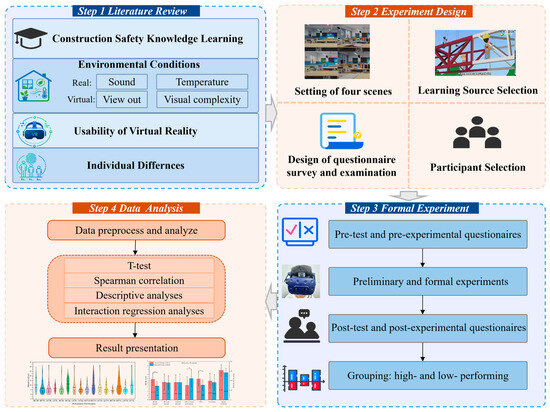
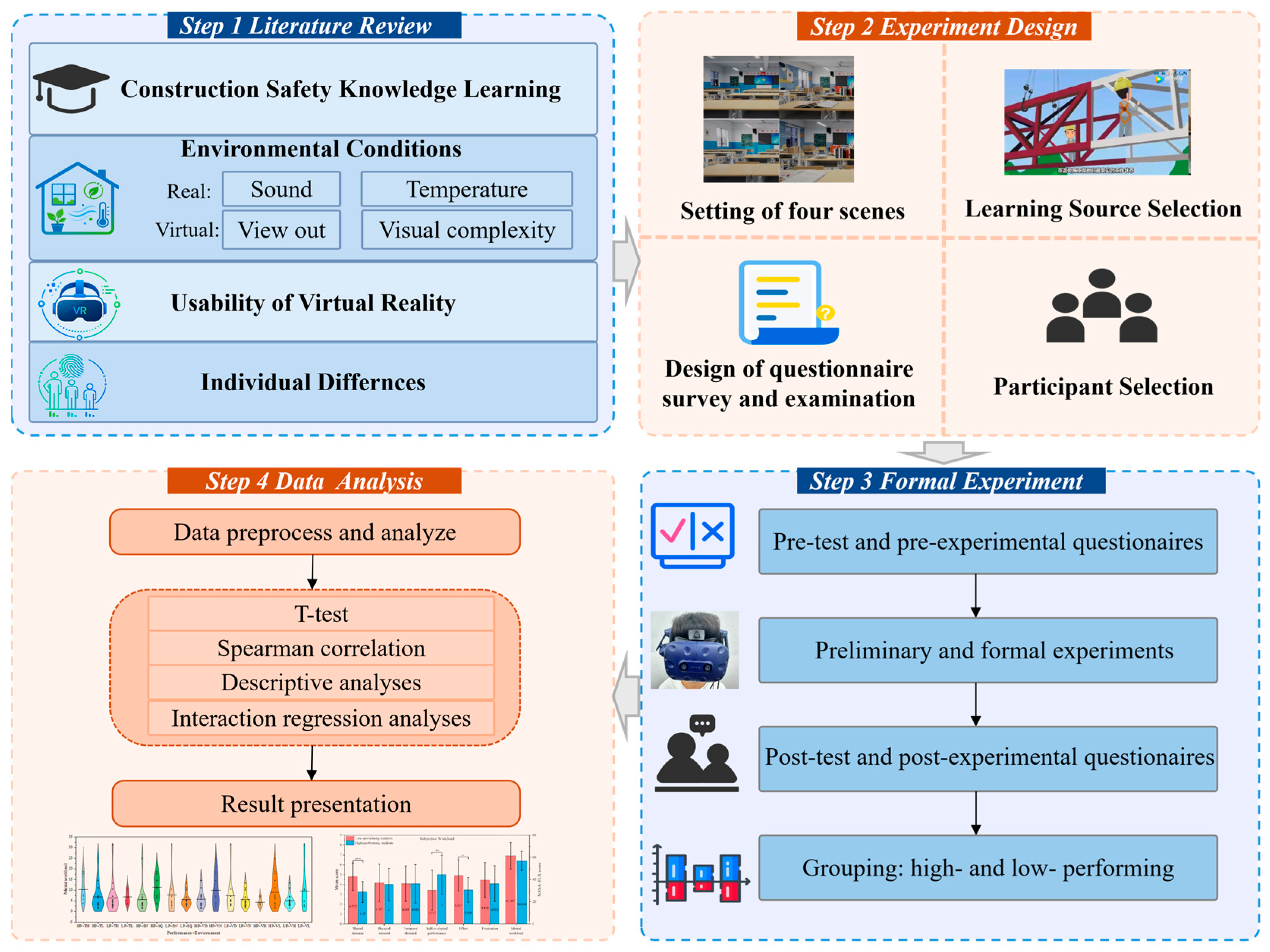
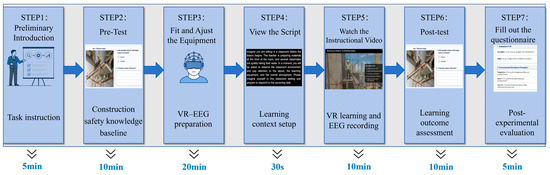
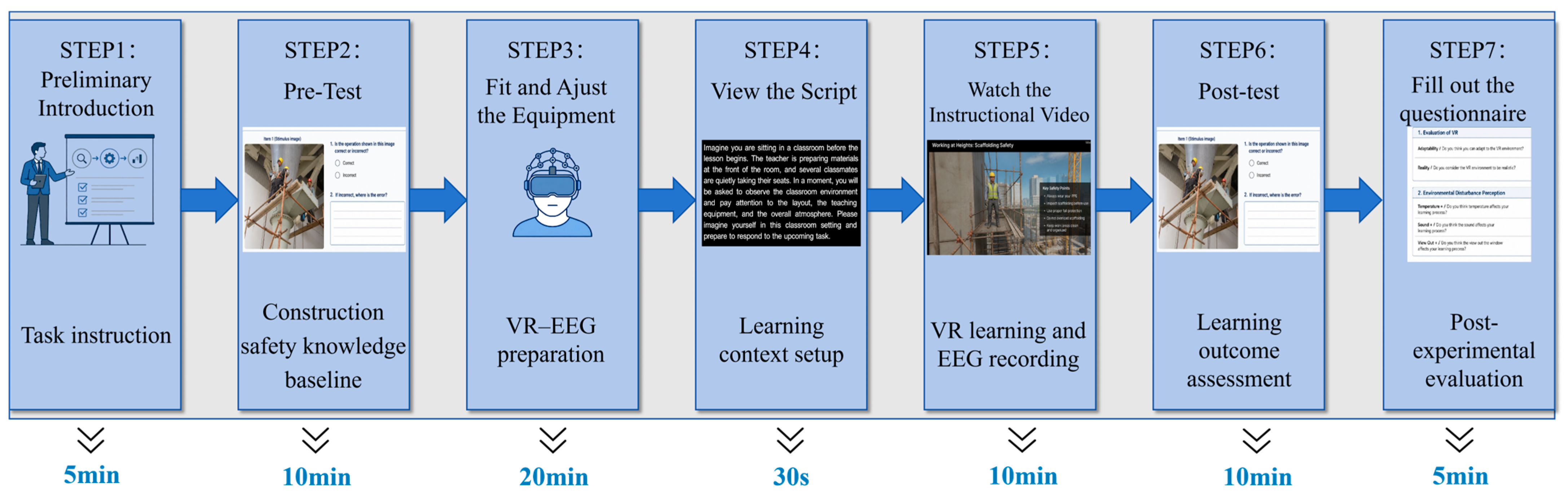
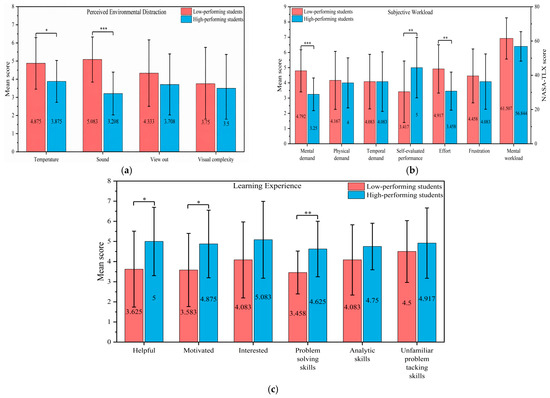
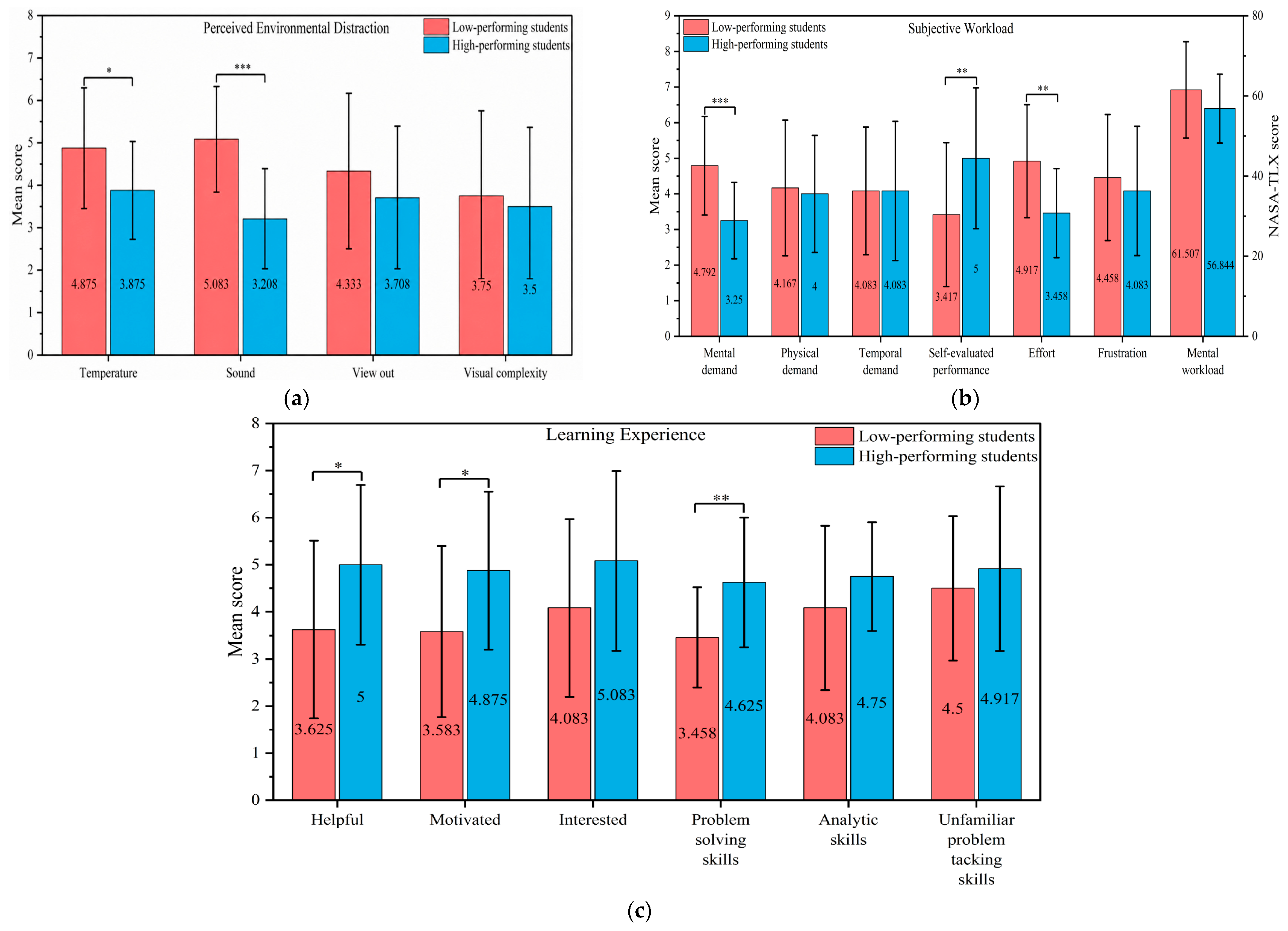
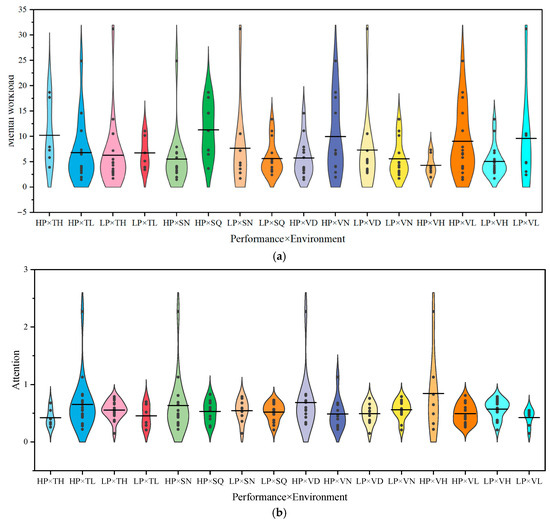
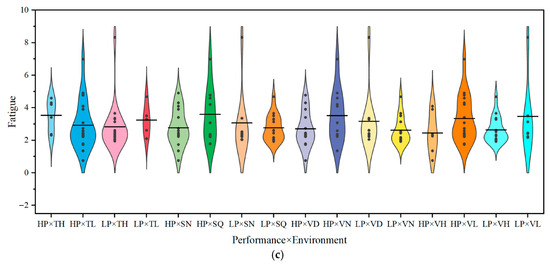
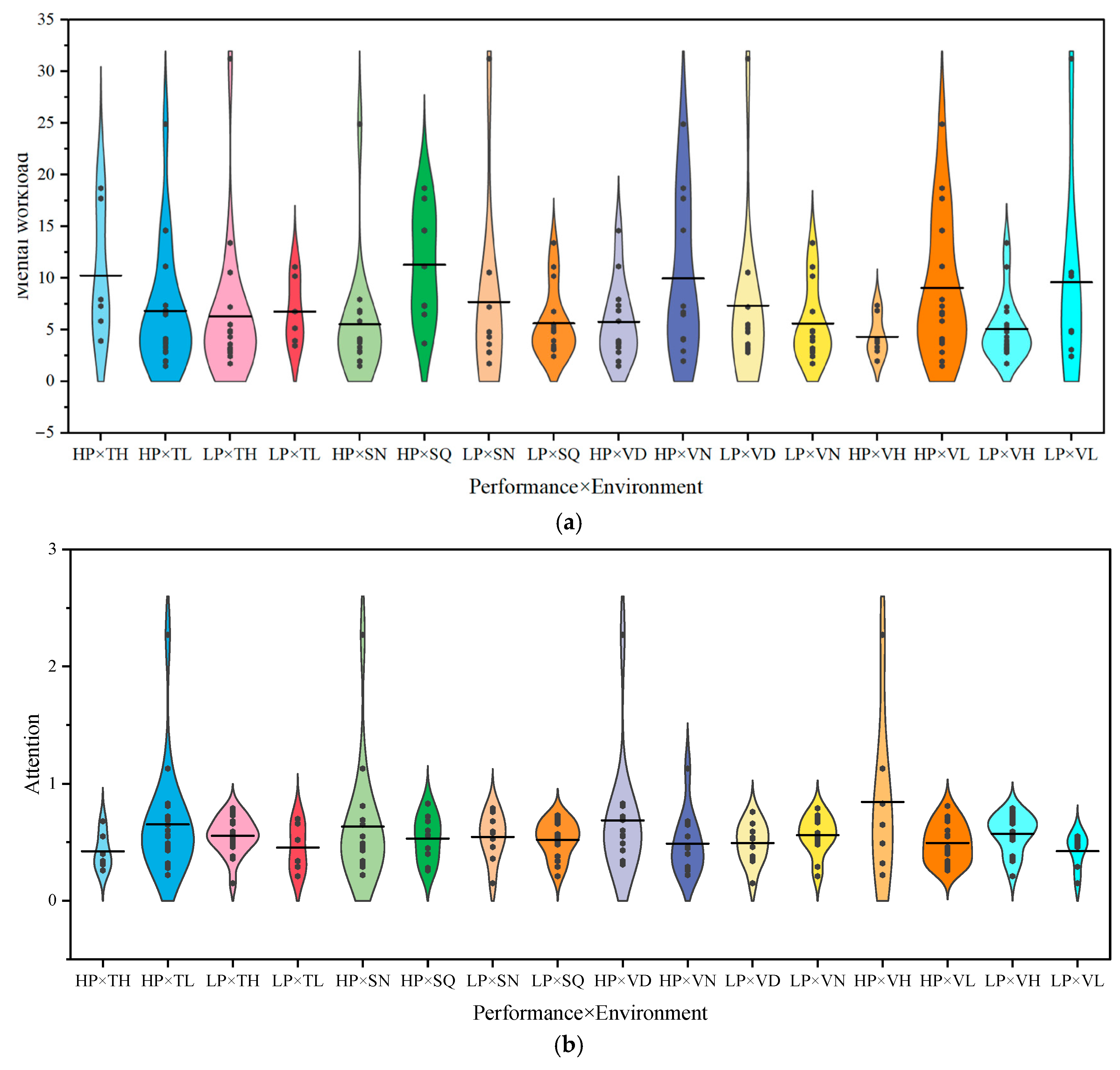
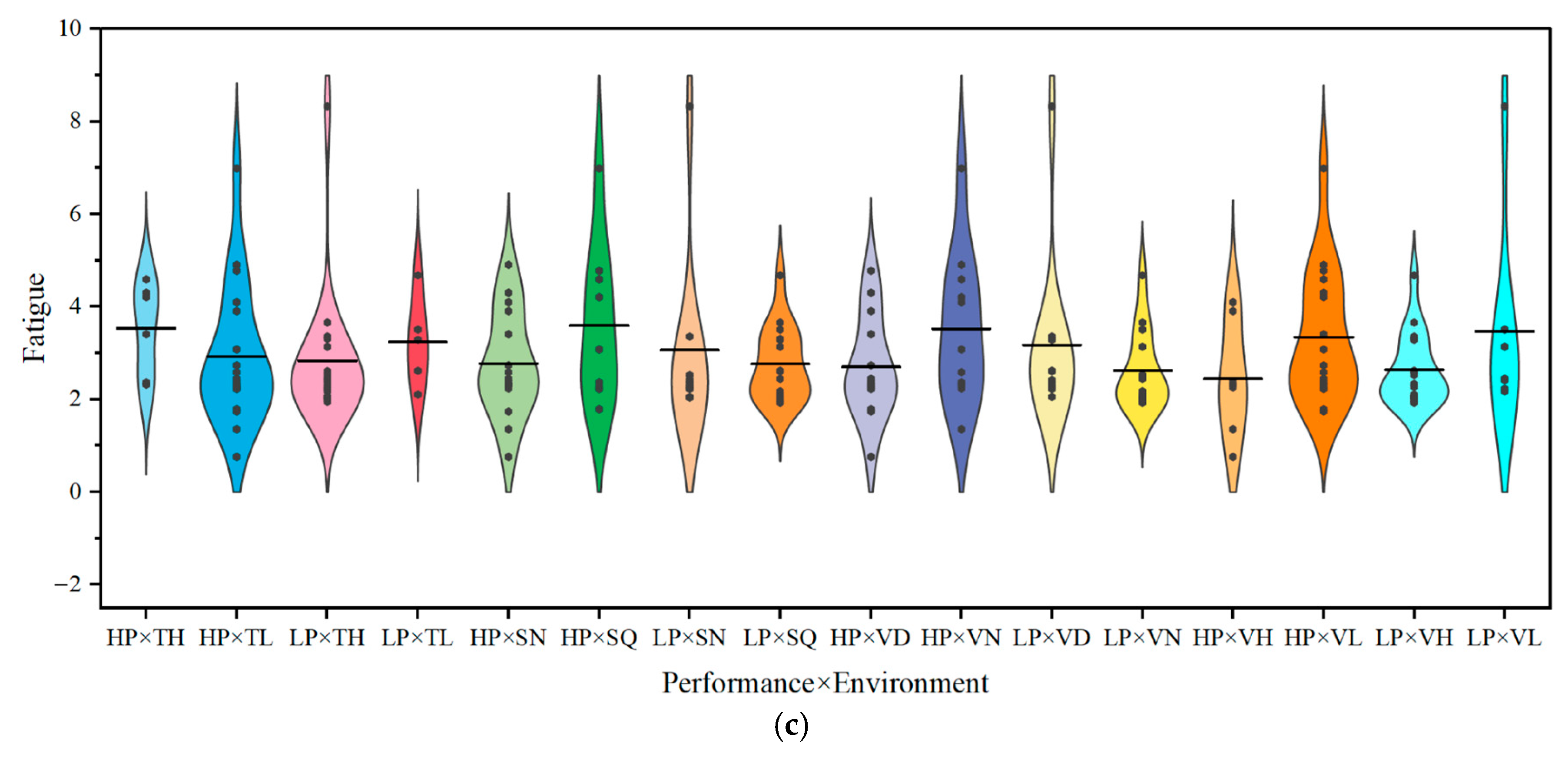

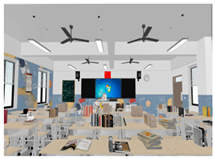
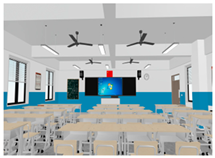


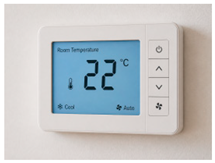
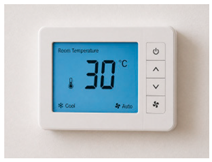
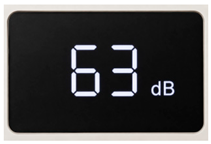
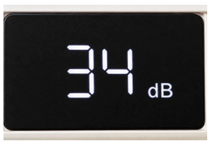
Disclaimer/Publisher’s Note: The statements, opinions and data contained in all publications are solely those of the individual author(s) and contributor(s) and not of MDPI and/or the editor(s). MDPI and/or the editor(s) disclaim responsibility for any injury to people or property resulting from any ideas, methods, instructions or products referred to in the content. |
© 2026 by the authors. Licensee MDPI, Basel, Switzerland. This article is an open access article distributed under the terms and conditions of the Creative Commons Attribution (CC BY) license.