


Abstract
Population growth, climate change, pollution, and prolonged droughts are contributing to increasing water scarcity, which poses a significant challenge to global sustainable water management. Among the available adaptation strategies, potable water reuse has emerged as a viable and increasingly adopted solution in areas facing water stress. This review examines evolution, regulatory frameworks, treatment technologies, and implementation strategies related to drinking water reuse worldwide. Through the historical review, it becomes clear that the idea of water reuse has deep roots (5000 years ago), while the analysis of modern legislative and intergovernmental approaches led to the conclusion that the rules governing water reuse vary depending on the country and are in most cases quite strict (e.g., the Urban Wastewater Treatment Directive (UWWTD) and the Water Framework Directive). To make potable water reuse possible, including direct and indirect systems, advanced wastewater treatment technologies are applied, among which membrane processes and advanced oxidation processes (AOPs) are most often chosen, while treatment trains are almost always used. The recent studies of potable water reuse presented highlight the interest of both the scientific community and the state. The economic review demonstrates that potable water reuse can be economically viable and more economical than other solutions, e.g., desalination. The review identifies the key challenges (technical, economic, institutional, and social) and opportunities for scaling up potable water reuse as a primary water supply option and discusses its potential role in enhancing long-term sustainable water management, especially in areas that are either arid or semi-arid.
1. Introduction
Freshwater resources are under increasing pressure due to population growth, agricultural and industrial demand, pollution, and climate change [1]. According to recent estimates, approximately 2.2 billion people lack access to safely managed drinking water services, while increasing frequency of droughts and water scarcity affect many regions worldwide [2]. These challenges highlight the need for sustainable water resource management and efficient use of available water resources. It is projected that by 2050 [3], more than 5 billion people, corresponding to over 50% of the current global population, will live in areas affected by water scarcity for at least one month each year [4]. In addition, the Arabian Peninsula, Iran, India, Algeria, Egypt, and Libya are expected to have utilized at least 80% of their accessible water resources. From 2015 to 2050, the average annual per capita rate of change in Annual Renewable Water Resources, ARWR (e.g., rainwater) ranges from −3.9% to +1.1% across different countries [5]. This means that the water corresponding to each inhabitant is decreasing dramatically in some countries each year, indicating a dramatic decrease in water availability. In order to halt this prediction, immediate measures must be taken by the state, and water reuse must be enhanced.
Water scarcity is a state of water stress that can be seasonal, annual or even multiple. Water scarcity is often assessed on an annual basis and occurs when the sustainable capacity of natural water systems (e.g., river basins) is insufficient to meet increasing water demands or when water pollution reduces the availability of clean and usable water resources [1]. An area is in a water scarcity situation when the amount of healthy, clean and natural water available is less than 1000 m3 per person per year and various indicators have been proposed to determine this fact [6]. According to 2023 statistics, the five countries with the highest water stress are Kuwait, Cyprus, Oman, Qatar, and Bahrain [7].
The 2024 Environmental Performance Index (EPI) [8] provides a data-driven assessment of global sustainability. Higher EPI scores indicate that a country or region is closer to achieving set environmental goals. Figure 1 presents the average scores for safe drinking water and sanitation (Sustainable Development Goal 6.3) across 180 countries grouped by geographic region. The results reveal significant disparities across regions. The lowest average scores are in South Asia (36) and Sub-Saharan Africa (23), indicating significant challenges in ensuring access to safe drinking water and sanitation. In contrast, the Global West achieves an average score of 96, reflecting near-achievement of the respective goals. Sub-Saharan Africa, in particular, continues to lag behind most other regions. In 2022, less than a third of its population had access to safely managed drinking water services, while less than a quarter had access to safely managed sanitation facilities.
Figure 1.
Regional scores on sanitation and drinking water according to EPI (2024) (data from [8]).
Inadequate access to safe water and sanitation limits social progress and economic development, while exacerbating existing inequalities. These challenges are particularly acute in economically disadvantaged areas, where limited financial resources hinder investment in basic water infrastructure. As a result, a self-reinforcing cycle emerges: inadequate water and sanitation services hinder social and economic development, while limited development further limits the capacity to create and maintain effective water management systems. The EPI data highlights the urgent need for alternative and sustainable water management strategies in areas facing water scarcity. Drinking water reuse, supported by advanced wastewater treatment technologies, offers a reliable supplementary water source and can reduce dependence on increasingly scarce conventional freshwater resources. Consequently, the regional disparities illustrated in Figure 1 support the growing recognition of water reuse as a critical element of integrated water resource management, particularly in areas facing chronic water scarcity and inadequate sanitation services.
In countries lacking access to seawater (e.g., inland regions) or where alternative natural water resources are scarce or unavailable, such as in arid areas, wastewater reuse for both non-potable and potable applications may represent one of the most viable solutions to water scarcity. According to the United Nations, wastewater is defined as a water resource that is currently underexploited, while United Nations Educational, Scientific and Cultural Organization (UNESCO) argues that better wastewater treatment and increased reuse will promote the transition to a circular economy at a global level as stated in Goal 6.3 (clean water and sanitation) of the Sustainable Development Goals (SDGs) [1,9]. Potable applications, however, raise questions about suitability in terms of hygiene and may provoke social reactions, because it is difficult for people to accept that they will drink their “wastewaters” [10]. Pathiranage et al. (2024) [11] observed that the acceptance of potable water reuse is related to the public’s knowledge about wastewater treatment and that only 8% of a total of 203 respondents were positive towards potable water reuse. The dissemination of information regarding advances in wastewater treatment technologies, together with transparent quality-control procedures and regulatory oversight by competent authorities, may enhance public confidence and facilitate the acceptance of water reuse practices.
This review contributes to the potable water reuse literature by providing an integrated analysis of regulatory frameworks, technological advancements, economic considerations, and practical implementation experiences. While many previous reviews have focused on specific treatment technologies or individual aspects of potable reuse, the present study adopts a broader perspective, examining the multiple factors that influence the successful implementation of potable water reuse systems. Particular attention is given to recent developments in treatment technologies, as well as contemporary case studies and evolving regulatory approaches. By bringing together these diverse dimensions, the review highlights key challenges, emerging trends, and research priorities that are critical for the sustainable adoption of potable water reuse, particularly in regions facing increasing water scarcity. Section 7.3 focuses primarily on recent advances in water treatment technologies for potable reuse and therefore mainly includes studies published between 2017 and the present. More broadly, the review emphasizes contemporary research, with 69% of the cited references published within the last six years and 12.7% published during 2025–2026.
2. Historical Evolution
The idea of water reuse has deep roots in time, as there are references to relevant systems from prehistoric civilizations (e.g., Minoan, Mesopotamian) while they were maintained in subsequent eras such as the Classical, Hellenistic and Roman. The Ionian philosophers, from the end of the Archaic period, observed that all freshwater on the planet is naturally recycled. Anaximander (c. 610–547 BC), in his writings on meteorological phenomena, pointed out that rain results from the evaporation of water from the Earth, and defined the hydrological processes and the meaning of the water cycle, while Aristotle observed the role of energy in the phase changes of water and recognized the conservation of mass on a global scale [1,12].
The earliest evidence of the use of wastewater for agricultural irrigation and fertilizer dates to about 5000 years ago, during the Bronze Age in the Minoan civilization and at Mohenjo-Daro in the Indus Valley. The Minoans developed advanced systems for drainage and sewage, in order to safely discharge wastewater into rivers, the sea, and agricultural lands [13].
Around 750–480 BC (Archaic period) and 480–336 BC (Classical period) in Ancient Greek Civilization, wastewater management technologies existed and were widely used throughout the region. Greek technologies were subsequently adopted by the Romans, who further developed them, while Islam introduced religious hygiene rules to Europe, resulting in the development of corresponding systems [13,14]. For millennia, untreated sewage was discharged into water bodies or fields, maintaining soil fertility and improving crops. During the Middle Ages, sewage treatment disappeared from Europe and Western citizens mainly disposed of their sewage in the streets or transported it by cart to waterways, resulting in epidemics such as typhoid and cholera (e.g., in England in 1830–1850), with 25% of the population dying from these waterborne diseases [15]. By the end of the 19th century, the modern concept of sewerage began to be implemented. Later, other types of sewage, e.g., from industries, were also treated [14].
The first water reuse projects for non-potable applications took place in California, USA, at the beginning of the 20th century, and in 1918 the world’s first regulations for water reuse in agriculture were established, prohibiting the use of raw wastewater for crop irrigation. Fifty years later, the World Health Organization established similar criteria, and in 1977, Italy was the first country to establish regulations for water reuse for irrigation in Europe, which were quite strict as they imposed the monitoring of 54 chemical parameters and implemented zero-tolerance limits for microbial presence to fully prevent risks to public health and the environment [16]. Most of the regulations that were subsequently put into effect in other countries were based on the California and World Health Organization (WHO) guidelines [17].
Summarizing the history of wastewater reuse (Figure 2), for over 3500 years there was significant utilization, but this was followed by a period of negligible reuse, which lasted about 150 years. However, developments in the scientific, legal and technological fields have led to a reevaluation of wastewater treatment and reuse in the last 100 years [18].
Figure 2.
Schematic diagram of historical evolution of the idea of water reuse 3200 BC–today.
3. Legislation
To ensure public health and environmental safety, it is necessary to implement standards and issue regulations for water reuse. Rules and guidelines for water reuse in developing countries are either non-existent or unclear. The following Table 1 summarizes global legislation, guidelines, standards, and criteria published on water reuse.
Table 1.
Global legislation, guidelines, and criteria published on water reuse. Definitions of acronyms: (a) WHO: World Health Organization, (b) US EPA: United States Environmental Protection Agency, (c) FAO: Food and Agriculture Organization, (d) UNEP: United Nations Environment Programme, (e) ISO: International Organization for Standardization, (f) EU: European Union [15,19,20,21,22].
Severe water scarcity and the pronounced impacts of climate change in the Eastern Mediterranean make this region one of the areas with the highest levels of water reuse (e.g., Jordan and Oman). In the absence of specific national guidelines, these countries often adopt or adapt international standards and recommendations, such as those issued by the United States Environmental Protection Agency (US EPA), the World Health Organization (WHO), the International Organization for Standardization (ISO 30500:2018), and the United Nations [17,23,24].
The protection of public health from pathogens is the primary concern of water reuse criteria [4]. Therefore, most criteria specify parameters to be monitored that are directly or indirectly related to the occurrence of pathogens during wastewater treatment, while also setting rules for the monitoring of chemical agents that may harm public health [16].
The most commonly used indicators are Total Coliforms (TCs), Fecal Coliforms (FCs) and Escherichia coli [25]. Escherichia coli is the most representative indicator indicating fecal contamination. Antibiotics should also be monitored because high concentrations (>1 mg/L) can lead to the creation of resistant bacterial strains. Finally, chemical compounds, mainly organic compounds found in trace amounts (e.g., medicines, cosmetics), are also monitored, as they can be dangerous when water is reused for direct consumption [16].
4. Water Reuse Categories
Wastewater after appropriate treatment can be used in both potable and non-potable applications (Figure 3). Non-potable uses include: (i) municipal uses, e.g., street cleaning; (ii) recreational uses, e.g., artificial lakes and ornamental fountains; (iii) environmental uses, e.g., irrigation of green spaces and agricultural irrigation; and (iv) industrial uses, e.g., in cooling towers. Potable water reuse is divided into direct (distribution for human consumption) and indirect, by storage in surface or groundwater [26]. Direct potable water reuse refers to the introduction of treated wastewater, either with or without temporary storage, directly into potable water distribution systems without undergoing further treatment. This also encompasses scenarios where treated wastewater is blended with raw water just before entering a drinking water treatment plant, as well as cases where it is mixed with treated water downstream of a conventional treatment facility. Indirect potable water reuse is defined as the intentional addition of treated wastewater into water systems for environmental management purposes [27]. These systems are a source of drinking water if they undergo additional treatment (e.g., rivers, lakes, reservoirs, and aquifers) [26]. Reuse of wastewater for urban purposes is preferable as it is close to its point of production. Irrigation of facilities such as parks, sports fields and golf courses can be satisfied by using treated wastewater. Some countries provide treated wastewater for domestic use such as in gardens or for toilet flushing [28,29].
Figure 3.
Schematic diagram of water reuse categories.
Reusing water in agriculture has a lot of advantages. For example, it reduces pressure on freshwater sources, promotes water conservation, provides nutrients to the soil and organic carbon to enhance crop growth, reduces the cost of using conventional fertilizers [30], and increases reliability due to stable yields. However, the use of wastewater for agricultural irrigation, and mainly for the irrigation of crops intended for consumption, requires appropriate treatment in order to avoid potential health risks [31]. In addition to health risks, problems arising from the use of treated wastewater for agricultural irrigation include increased soil salinity (leading to reduced productivity), potential soil contamination, and an increased sodium adsorption ratio (SAR), which could have adverse effects on crops and soil [30].
Depending on the industry sector, the degree of reuse of water for industrial purposes can vary. For example, the applications of the water, the processes taking place, local conditions, locations, and the amount of water used influence this degree. Many industries have been practicing water reuse near production processes for decades, including the galvanizing, paper, and cooling tower sectors [32]. Industrial wastewater varies significantly in composition depending on its industrial source, which makes the establishment of uniform regulatory standards challenging. In addition, due to its typically high organic load, the presence of poorly biodegradable compounds, and potential content of heavy metals, industrial effluents often require treatment processes that differ from those applied to municipal wastewater. Such treatments may include ozonation, advanced oxidation processes, chemical oxidation, chemical precipitation, coagulation, and membrane-based filtration [33].
Water Reuse Europe is a not-for-profit association for water reuse and according to Water Reuse Europe Review (2018), 787 reuse systems are located in Europe, mainly distributed in 16 countries [34]. Of these, 112 are in France, 36 in Germany and 28 in the Netherlands. This suggests that only 250 (in total) are in Northern Europe. The remaining 537 are located in Southern Europe and are distributed as follows: 361 in Spain, 99 in Italy [35] and 44 in Greece. These systems concern non-potable and indirect potable uses. The most common water reuse application in Europe is agriculture, which includes 39% of the schemes. Industrial reuse accounts for 15% and recreational reuse for 11%. Most industrial reuse systems (68%) are located in Northern Europe [1,36]. This uneven distribution of water reuse systems in Europe between northern and southern countries is expected, as southern countries (where most systems are located) face a greater problem of water scarcity.
Table 2 includes the different application categories and the amount of water reused in each of them for 2024 in m3 of reused water per day (m3/day). The total water reuse was about 183,000,000 m3/day while potable reuse was only 7,000,000 m3/day (3.8% of the total). For 2040, the total water reuse is predicted to be 840,000,000 m3/day and the industrial and potable uses will also increase (from 28.9% in 2024 to 51.2% in 2040) [37]. These data indicate that although potable water reuse is still limited and much less than it could be, it appears that it will increase in the coming years.
Table 2.
Classification of the amount of water reused per application in 2024 [37].
5. Pollutants in Wastewater
Population growth, the ease of water supply, rising living standards and economic development have dramatically increased the volume of wastewater produced. The global annual production of urban wastewater amounts to 380 billion m3 and is expected to increase by 24% by 2030, while by 2050 it is expected to increase by 51% [38].
Understanding the nature of wastewater is fundamental to designing and understanding the operation of processes for its collection, treatment, and reuse. Municipal waste consists of up to 99% water, while the remaining components can be categorized as suspended solids, biodegradable organic solids, nutrients (mainly nitrogen and phosphorus), dissolved inorganic components (e.g., calcium, sodium, sulfate ions), heavy metals, priority pollutants (organic and inorganic components known or suspected to be carcinogenic or teratogenic, or possess mutagenicity or high acute toxicity), persistent organic pollutants (e.g., detergents and pesticides), and pathogens [38,39]. The composition varies depending on the source. For example, industrial activities can produce wastewater characterized by a wide range of pollutants. During wastewater treatment, the above components must be removed, while at the same time the taste and odor must be restored, especially when the water is to be reused in drinking applications. Some of the components that affect the esthetics of reused water are aluminum, chloride, color, copper, corrosivity, fluoride, foaming agents, iron, manganese, odor, pH, silver, and sulfate [17].
6. Wastewater Treatment Technology
The United Nations World Water Development Report (WWDR) [40] states that in high-income countries wastewater treatment is quite high, reaching an average of 70% of total wastewater generated. This percentage is only 38% in upper-middle-income countries, while in lower-middle-income countries it is around 28%. This percentage is dramatically reduced in low-income countries, since only 8% of the total wastewater generated undergoes any form of treatment [38]. These data correlate wastewater treatment with the living and economic level of each area.
Nowadays, the variety of available effective technologies in wastewater treatment plants for water reuse is many and diverse [10]. For example, there are technologies that are based on biological, chemical, mechanical, or physical processes. When choosing the appropriate technology, the advantages and disadvantages of each must be considered, and the target and the pollutant to be removed must be determined. Usually, the technologies are applied in combination to achieve the best possible result, depending on the end use and the desired final quality [10,41].
Wastewater treatment is distinguished in primary, secondary, tertiary, and advanced treatment [39]. Primary treatment includes physical and/or chemical processes to settle at least 50% of total suspended solids (TSSs) in the incoming wastewater and reduce Biological Oxygen Demand (BOD5) by at least 20%. During secondary treatment, organic compounds are broken down by bacteria so that BOD5 is reduced by at least 70–90% in relation to the inflow load (with an effluent limit of 25 mg/L) and COD is reduced by at least 75% (effluent limit of 125 mg/L). Tertiary treatment refers to the removal of nutrients (nitrification/denitrification and phosphorus removal) by biological or chemical methods. The upper limit for the concentration of total nitrogen in wastewater is 15 mg/L in settlements with 10,000–100,000 p.e. (population equivalent) and 10 mg/L in those with more than 100,000 p.e. (or a minimum reduction of 70–80%) [42]. For the total phosphorus the same limit is 2 mg/L in settlements with 10,000–100,000 p.e. and 1 mg/L for more than 100,000 p.e. (or a reduction of at least 80%) [24]. Advanced treatment refers to technologies aimed at further reducing pollutants, which cannot be accomplished with other methods. It should be noted that quite often in the bibliography there is no distinction between tertiary treatment and advanced technologies [43]. Table 3 shows some of the technologies in each category of wastewater treatment.
Table 3.
Wastewater treatment technologies [39,44,45,46,47,48,49,50,51,52,53,54].
Primary, secondary, and tertiary wastewater treatment, including advanced treatment processes, are not uniformly implemented across all countries. Their application largely depends on national infrastructure, regulatory frameworks, and the technical and financial capacities of both public and private treatment facilities. As shown in Figure 4, secondary treatment is the most widely applied level of wastewater treatment globally. In addition, a substantial number of countries have introduced tertiary treatment processes, reflecting the growing emphasis on producing higher-quality reclaimed water suitable for a broader range of reuse applications, as well as the need to comply with increasingly stringent environmental and public health standards.
Figure 4.
Total wastewater flow treated (million m3) in 2022 disaggregated by type and level of treatment [55]. Panel (A) shows countries that treat more than 2000 million m3/year, while Panel (B) shows countries that treat 2000 million m3/year or less. The blue legend indicates treatment provided by urban wastewater treatment plants (primary, secondary and tertiary treatment), the orange legend indicates treatment provided by other treatment plants (primary, secondary and tertiary treatment) and the black symbol represents independent treatment facilities. Reprinted with permission.
Conventional urban wastewater treatment plants (UWTPs) cannot effectively remove most contaminants of emerging concern (CECs), including antibiotics, antibiotic-resistant bacteria, and antibiotic resistance genes (ARBs and ARGs). Therefore, advanced treatments such as ozonation, activated carbon adsorption, chemical oxidation and disinfection, ultraviolet (UV) irradiation, advanced oxidation processes (AOPs), and membrane filtration need to be implemented [56]. Table 4 presents the different technologies commonly used by pollutant.
Table 4.
Categorization of advanced treatment technologies by pollutants intended to be removed [4,57].
The technologies mentioned above use a variety of different materials, which are being studied for their effectiveness in removing various contaminants and there is a continuous need for their improvement. Table 5 presents various materials used in wastewater treatment and their effectiveness.
Table 5.
Materials used in wastewater treatment and their efficiency.
Wastewater treatment processes, to achieve better efficiency and water quality, while reducing energy consumption, need to be optimized. This goal can be achieved by using artificial intelligence (AI), which is capable—through machine learning models—of predicting, informing in a timely manner and increasing reliability and efficiency. The accuracy of wastewater treatment can be improved by 15–25% using AI and energy consumption can be reduced by approximately 7–30% compared to conventional treatment systems (mainly in decentralized reuse systems), resulting in reduced operating costs. The reduction in operating costs with the use of artificial intelligence reaches 10–20%, while at the same time, in agricultural applications, an increase in water reuse efficiency has been observed at rates of 29–93% [82].
However, for artificial intelligence (AI) to be successfully applied in wastewater treatment facilities, several challenges must be addressed. These include the lack of sufficient and continuously available data required for training AI models, the limited transferability of models to different facilities without retraining, the restricted interpretability of model outputs, and the need for continuous maintenance and updates, which may increase installation and operational costs. In addition, the implementation of AI is often constrained by the shortage of adequately trained personnel in wastewater treatment plants [82].
7. Potable Water Reuse
Over the past 60 years, high-quality water reuse has been implemented, in addition to simple applications, for potable purposes indirectly (indirect potable reuse, IPR) or directly (direct potable reuse, DPR). Potable reuse involves the production of safe drinking water from waste. Potable water reuse is increasing in the United States of America; Windhoek, Namibia; Australia; Belgium; France; the United Kingdom; Singapore; and South Africa [83]. Potable water reuse is not an easy task, as it requires a complex treatment sequence that combines technologies and requires full knowledge and understanding of these technologies. This is due both to the microbial load of municipal wastewater, but also to the risks of chemical contamination that must be addressed before the treated water can be reused for consumption.
7.1. Quality Standards of Drinking Water
According to the EU (DIRECTIVE (EU) 2020/2184, 2020) [84] and the WHO [85], drinking water should be free from microorganisms and parasites, as well as substances hazardous to health (or at least not exceeding permissible concentrations). The minimum requirements that water intended for drinking should meet are as follows:
- Microbiological parameters. Water must be completely free from:
- Intestinal enterococci;
- E. coli.
- Chemical parameters. Quantities of chemical substances must not exceed the values presented in Table 6.
Table 6.
Upper detection limit for each chemical parameter according to the EU [84] and WHO [85].
Parameters for domestic distribution systems, such as pipework and storage tanks, include limits for specific contaminants, with Legionella required to be below 1000 CFU/L and lead restricted to 10 μg/L. In addition, indicator parameters are used to monitor the presence of aggressive or corrosive agents within the system.
7.2. Potable Reuse Projects
The world map presented in Figure 5 shows some examples of water reuse cases and it is observed that most successful efforts for potable water reuse take place in the USA, South Africa, Australia and Northern Europe [86]. Indirect potable reuse has been practiced in California for more than 50 years without causing any problems to the health of citizens [87]. Namibia was a pioneer, using treated wastewater directly for drinking purposes in Windhoek since 1968, and it has been widely accepted by the public. The wastewater is highly treated and the recycled water is fed directly into the pipeline that supplies the area with drinking water. In order to maintain public confidence, the treatment systems are constantly being upgraded to further improve the quality of the recycled water, while sampling is also carried out for strict quality control. It should be noted that an important reason for the acceptance of this project of direct drinking reuse was the absence of any other alternative to address water scarcity, given the dry climate [4].
Figure 5.
Examples of water reuse attempts, where a successful potable case is represented by a turquoise circle [86]. Reprinted with permission.
Some examples of potable water reuse plants in various regions of the world are given below. An example of direct potable reuse is the Beaufort West WRP facility (in South Africa) with a water recycling capacity of approximately 2000 m3/d, which was commissioned in January 2011. The facility implements multiple treatments including prechlorination, sedimentation, intermediate chlorination, rapid sand filtration, UF, RO, advanced oxidation process (AOP; H2, O2/UV) and final chlorination. This combination of technologies results in the production of recycled water with a quality well above national standards. It is then mixed and stored directly with existing potable water—typically at a ratio of 1000 m3 of reclaimed water to 4000 m3/d of conventional potable water—and then distributed to the potable water supply network [88].
Two direct reuse drinking water facilities are currently operating in Texas to ensure the availability of drinking water during droughts. The Big Spring Raw Water Production Facility (BSRWPF) receives tertiary wastewater from the city’s adjacent wastewater treatment plant and applies additional treatment using microfiltration, reverse osmosis, and advanced oxidation technologies. This way, it produces up to 9500 m3/day of high-quality recycled water that is distributed directly into the drinking water network [89].
In Australia, the city of Perth was the first to implement an indirect potable reuse project in 2016–2017. The wastewater received by the facility undergoes intensive treatment and the purified water is fed into underground aquifers for future use as potable water. The initial treatment capacity of the plant was 14 billion liters per year and in 2022 it was upgraded to 28 billion liters per year, doubling the capacity to produce reclaimed water. The cost of producing clean water at this facility is $2700 per m3 per day, significantly less than that of desalination ($4300 per m3 per day). In 2022–2023, the reused water discharged underground by the facility represented 5% of the water sources in the region [37].
Most systems are based on enhanced clarification—usually UF or MF—followed by RO and then UV for final disinfection, with modern DPR systems tending to use advanced UV-based oxidation as the last step. Table 7 provides examples of established plans for reusing drinking water.
Table 7.
Examples of potable water reuse projects [85,90].
7.3. Research
The purpose of this section is to present key recent research findings and practical applications specifically related to wastewater treatment for potable water reuse. Therefore, representative studies focusing on advances in potable water reuse systems have been selected and discussed.
The first example is a pilot-scale study that took place at the Las Cruces Wastewater Treatment Plant (LCWWTP) in New Mexico (2022) [91]. Specifically, the combination of wastewater treatment with an algae-forward and reverse osmosis (ALGAL-FO-RO) system was studied. The primary wastewater was treated by the algae and then the treated water was directed to the dual membrane system for treatment. Algal wastewater treatment is a viable option to wastewater treatment and nutrient recovery. The dual FO-RO membrane system separates the algae so that they can be used for other purposes, e.g., for biofuel production, and at the same time produces high-quality water for reuse, meeting drinking water standards. Pretreatment with FO reduces energy consumption during RO and acts as an anti-pollutant. The system functions as a double barrier enhancing the quality of the effluent. With this system the removal of all pollutants reached almost 100% for both the algae wastewater and the secondary wastewater, with a water recovery of 90% [91]. This research includes the comparison of water quality parameters resulting from wastewater treatment with the ALGAL-FO-RO system, with the limits and standards of primary and secondary drinking water according to USEPA guidelines, and in fact these limits are met. Conventional RO systems can achieve high pollutant removal, but are often related to substantial energy consumption and membrane fouling [92]. MBR systems provide excellent solids removal and consistent wastewater quality, but may require additional advanced treatment steps to achieve potable reuse standards [93]. In comparison, the ALGA-FO-RO formulation combines biological nutrient uptake by microalgae with membrane-based separation processes, potentially reducing nutrient loads prior to membrane treatment and mitigating fouling, while producing water that meets drinking water quality requirements.
The greatest concern regarding drinking water reuse is consumer exposure to pathogenic microbes contained in wastewater. For this reason, Hogard et al. (2025) [94] studied the logarithmic reduction in pathogens by taking samples from the Hampton Roads Sanitation District treatment plant. The plant uses multiple treatment barriers, specifically a series of coagulation–flocculation–sedimentation, ozonation and biofiltration, granular activated carbon (GAC) adsorption, and ultraviolet (UV) disinfection, for indirect potable reuse (IPR) through managed aquifer recharge in southeastern Virginia. The average reduction values (LRV: log10 reduction values) for enteric viruses were 1.5 LRV in the coagulation/flocculation/sedimentation stage, 0.3 LRV in ozonation, and 2 LRV in biofiltration [94]. These reduction values indicate moderate pathogen removal by the individual treatment stages, highlighting the importance of the multi-barrier approach. The results of this study demonstrate—based on actual measurements and not theoretical models—that water reuse systems are safer than the regulations assume. It also performs an evaluation of various indicators, e.g., pepper mild mottle virus (PMMoV) and spore-forming bacteria (SFB), thus facilitating the selection of the appropriate one, which is particularly critical for potable water reuse.
Reverse osmosis (RO) prior to an advanced ultraviolet oxidation process (UV/AOP) is the most comprehensive and effective method used to treat wastewater intended for potable reuse. However, the brine produced during reverse osmosis is a significant problem and an obstacle to the widespread application of technology for this purpose. A similar potable water reuse system, without RO, and without the brine waste stream, was studied by Liu et al. (2025) [95]. The system included wastewater treatment with ozone and biologically active filtration (O3/BAF) followed by ultrafiltration and advanced oxidation processes (UV/AOP). The breakdown of ozone, which is a highly reactive oxidant, leads to the formation of hydroxyl radicals that react rapidly with many organic and inorganic compounds, such as NDMA and 1,4-dioxane. BAF removes dissolved organic carbon by up to 65%, and at the same time enhances the formation of hydroxyl radicals by interacting with ozone. UV/AOP is used for degrading trace contaminants and disinfection. According to the results, the O3/BAF treatment successfully removed five of the eight pollutants studied by at least 95%. Additional treatment with the UV/AOP system was applied using either hydrogen peroxide (H2O2) or hypochlorous acid (HOCl) as a radical initiator. Both radical initiators achieved degradation of most pollutants by at least 50% with HOCl having the same or even better performance than H2O2 for all eight selected chemicals. Furthermore, the use of O3/BAF, in addition to removing chemicals, also improved the ultraviolet transmission (UVT) for the UV/AOP system [95]. Compared with H2O2, residual HOCl does not require neutralization prior to water distribution, as it can contribute to maintaining disinfectant residuals within the distribution network. In addition, HOCl exhibits higher UV absorbance and greater chlorine quantum yields than H2O2, resulting in enhanced radical generation. Furthermore, the process produces secondary reactive species, including Reactive Chlorine Species (RCS), which can further contribute to the degradation of chemical contaminants [96].
Takman et al. (2024) [97], studied full-scale granular activated carbon (GAC) filtration at two wastewater treatment plants in Sweden, followed by ultraviolet (UV) disinfection at a laboratory scale. The combination of GAC and UV includes both a chemical and microbial barrier, without producing potentially toxic disinfection byproducts, while at the same time not producing a concentrate that requires further treatment as in reverse osmosis. The purpose of this study was to determine the effect of upstream treatment—a membrane bioreactor (MBR) and conventional activated sludge process (CAS) followed by sand filtration—on the treatment capabilities of GAC and UV. The results showed that after using UV radiation of 400 and 700 J/m2 for the disinfection of MBR + GAC wastewater, the recycled water met the criteria for use as drinking water. Without UV disinfection, MBR + GAC wastewater did not meet the specifications for drinking water but was in accordance with the quality of irrigation water category A [Regulation (EU) 2020/741] [98] in all cases. CAS + sand + GAC wastewater only met the criteria for water quality category D [97]. Comparing the two biological treatment technologies, the advantages of CAS include relatively low installation costs, high effluent quality, and a small footprint. Its disadvantages include high operating costs, sludge handling and disposal requirements, and sensitivity to variations in influent characteristics. In contrast, MBRs offer superior effluent quality due to membrane filtration, compact system design, and ease of automation. Additionally, in MBR systems, hydraulic retention time (HRT) and solids retention time (SRT) can be controlled independently, allowing for higher biomass concentrations, longer sludge retention times, and the growth of specialized microbial communities. However, MBRs also have several disadvantages, including membrane fouling, membrane maintenance requirements, foaming issues, electricity consumption that can be up to twice that of CAS systems, and higher capital and operating costs [52].
Arvaniti et al. (2022) [99] collected wastewater from a wastewater treatment plant (STP) in Athens (Greece) that had undergone biological treatment. After analysis, 38 different organic emerging pollutants (ECs) belonging to various chemical classes such as pharmaceuticals (PhCs), endocrine-disrupting chemicals (EDCs), benzotriazoles (BTRs), benzothiazoles (BTHs) and perfluorinated compounds (PFCs) were identified and quantified. Although there are various technologies for the removal of ECs, such as photocatalysis, electrochemical oxidation, Fenton-type (photo) reactions and the use of specific oxidizing agents, these processes are not yet industrially applicable. Also, physical processes such as ultraviolet (UV) disinfection, powdered activated carbon (PAC) adsorption and membranes would be preferable to avoid the formation of potentially toxic byproducts. The aim of this study was to investigate the effectiveness of microfiltration (MF), ultrafiltration (UF), nanofiltration (NF), ultraviolet radiation and PAC adsorption for the removal of selected ECs from secondary clarification wastewater. According to the researchers, no removal of the studied compounds was observed using MF, so the membrane can only be used as a pretreatment. Removal by nanofiltration and ultrafiltration membranes was also limited, while UV removed a small percentage of ECs and is considered an unviable solution. The results showed that PAC stands out due to its ability to adequately remove most ECs as can been seen in Table 8 [99].
Table 8.
Mean percentage removal of target emerging contaminants during different wastewater tertiary treatment processes.
Recent research has demonstrated the effectiveness of multi-barrier treatment systems for indirect drinking water reuse applications. At the municipal water reuse facility (WRRF) in Fasano, Italy [100], three treatment sequences were evaluated with the aim of achieving zero effluent discharge while avoiding brine and waste generation. Among the configurations tested, the combination of advanced oxidation processes (AOPs), granular activated carbon (GAC) adsorption, and ultraviolet (UV) disinfection was shown to be effective for treating secondary and tertiary wastewater destined for indirect drinking water reuse. Furthermore, the O3/H2O2 process achieved higher removal efficiency for compounds of emerging concern (CECs) than UV/H2O2, while the reverse osmosis–ultrafiltration–UV disinfection configuration provided comparable CEC removal efficiency [100].
A not-so-recent but very interesting case study was carried out to supply drinking water to the Davis Environmental Research Station in Antarctica (2017) [101]. The interest of this study lies in the fact that it presents a fully functional, real-scale application of direct potable reuse (DPR). Secondary wastewater from Selfs Point in Hobart, Tasmania, was treated for nine months in an advanced water treatment plant (AWTP) to produce water suitable for potable reuse. The plant used seven different treatment technologies: ozonation, ceramic microfiltration (MF), biologically activated carbon, reverse osmosis, ultraviolet disinfection, calcite contact and chlorination. The results showed that the recycled water was suitable for drinking and the resulting brine had a low environmental impact. The use of membranes played an important role in achieving this result, as they functioned as critical barriers to remove pathogens and micropollutants with verifiable integrity, ensuring that the produced water could safely reach drinking quality [101].
According to Chao et al. (2023) [102], solar–thermal interfacial evaporation shows great promise for direct potable reuse (DPR) of unconventional water resources, such as domestic wastewater. In a typical solar thermal system, a solar absorber floats on water, absorbs solar radiation and converts it into heat. Capillary forces force the water to rise to the surface of the solar absorber, where it is heated locally and continuously evaporates. The water vapor produced condenses at room temperature, resulting in the production of pure water. The method presents advantages such as the use of low-cost materials, a simple manufacturing process, self-sustaining operation and easy deployment. The production of drinking water for actual outdoor solar illumination (0.8–87.2 mW/cm2, 10 h) is ∼7.65 kg/(day·m2), which can support the daily use of 2–3 people [102].
Munné et al. (2023) [27] conducted a pilot test of indirect water reuse in the Llobregat River (northeastern Spain), with the aim of ensuring an adequate water supply downstream of Barcelona and coping with drought. The treatment applied included conventional secondary wastewater treatment with activated sludge and nutrient removal, followed by additional treatment with microfiltration and ultraviolet disinfection. The recycled water resulting from the pilot wastewater treatment plant was discharged into the Llobregat River. The analysis results showed that the addition of reclaimed water, even at a 1:1 ratio between river flow and discharged reclaimed water, did not significantly affect the basic quality of the river water, which was safe enough to sustain aquatic life, while at the same time its quality made it suitable for the supply of drinking water [27]. This work is one of the most comprehensive large-scale studies on indirect potable water reuse. Notably, 376 micropollutants and three microbial indicators were analyzed, while risks to aquatic ecosystems and human health were identified and assessed. Finally, the effect of chlorination on reclaimed water was evaluated and the results showed that the process did not improve microbiological quality, but increased disinfection byproducts.
Manyepa et al. (2024) [103] carried out the study of a hybrid wastewater treatment process for direct potable reuse, in which they analyzed 20 emerging contaminants (ECs) from many categories (pharmaceuticals, drugs, antiretrovirals, human activity indicators) and five heavy metals, evaluating the removal efficiency at each stage of the process, while in addition they carried out a risk assessment with three independent evaluation methods. They studied the wastewater treatment plant (WWTP) located on the KwaZulu-Natal coastline in Durban. In this wastewater treatment plant, wastewater is treated with an aerobic membrane biological reactor (MBR) followed by brackish water reverse osmosis (BWRO) treatment and the brine from BWRO is mixed with seawater after the seawater is treated through an ultrafiltration process. The wastewater from BWRO and REMIX reverse osmosis (RRO) then undergoes an advanced UV/H2O2 oxidation process, with the aim of producing reclaimed drinking water. The results showed that the MBR treatment, with abiotic and biotic processes plus a semi-permeable membrane, achieved an average removal of 87% for the targeted ECs and 90% for heavy metals. BWRO and RRO had average removals of 98% and 97%, respectively, for all ECs. The final recovered water contained heavy metals at concentrations below the World Health Organization (WHO) upper limits for drinking water [103].
MacDonald et al. (2025) [104] fully studied a pilot potable reuse plant with 120 days of continuous operation, in which the usual aerobic secondary wastewater treatment was replaced by anaerobic. Detailed data on pathogen removal are provided, while chemical pollutants such as 1,4-dioxane, organic pollutant indicators, 25 halogenated disinfection byproducts (DBPs) and eight nitrosamines are also examined. According to the researchers an RO-based potable reuse train of Membrane Aerated Bioreactor–Ultrafiltration–Reverse Osmosis–Advanced Oxidation Process (MABR-UF-RO-AOP) treating Staged Anaerobic Fluidized-Membrane Bioreactor (SAF-MBR) effluent can achieve potable reuse water quality goals under conditions (0.59 bar/LMH feed pressure for RO and ∼1110 mJ/cm2 average AOP UV fluence) employed for potable reuse treatment of activated sludge effluent. This train ($0.69/m3) would be cost-competitive with a conventional aerobic potable reuse train ($0.69/m3).
Masjoudi et al. (2025) [105] evaluated the performance of advanced oxidation processes for the removal of micropollutants from drinking water reuse systems. The target micropollutants examined were carbamazepine (CBZ) and 1,4-dioxane (1,4-D). The advanced oxidation technologies applied were vacuum-ultraviolet/ultraviolet (VUV/UV) and VUV/UV/Cl2 (with free chlorine). It has been found that the VUV/UV AOP system can produce •OH by photolysis of water molecules without the addition of oxidants. However, the combination of VUV/UV AOP with free chlorine (a widely used oxidant in water treatment) is being studied as a way to improve the degradation of certain micropollutants. Finally, the research results showed that the addition of free chlorine increased the removal of CBZ by 12%, but decreased the removal rate of 1,4-D, indicating the selectivity of the process.
The B-WaterSmart project (2025) piloted the direct reuse of drinking water (DPR) for craft beer production. Four different systems were evaluated, including ultrafiltration (UF), ozonation (O3), biologically active granular activated carbon (BAC) and reverse osmosis (RO). The first system included UF/O3/RO, the second UF/RO, the third UF/O3/BAC/RO and finally the O3/BAC/RO system was also studied. In this study, E. coli, organic matter and nutrients were monitored, as well as trace compounds such as pharmaceutical compounds (PhCs), hormones, oxidation byproducts, perfluorinated and polyfluoroalkyl substances (PFASs), alkylphenols and trace toxic compounds (Daphnia magna, Vibrio fischeri), while the parameters and indicators of pathogens (Clostridium perfringens, enteric viruses, protozoa) of the EU Drinking Water Directive were evaluated. All four treatment systems were effective in producing drinking water according to EU and Portuguese standards, meeting both the criteria for pathogens and other contaminants [106].
The reviewed studies demonstrate that drinking water reuse can reliably produce water that meets drinking water quality requirements when multi-barrier treatment lines are used. Membrane processes, particularly reverse osmosis and ultrafiltration, combined with advanced oxidation and disinfection technologies, were the most applied and effective approaches for removing pathogens, organic pollutants, and compounds of concern. However, most research was conducted on a pilot scale, indicating that additional full-scale and long-term operational data are still needed. The findings also highlight the importance of integrating multiple treatment barriers to achieve regulatory pathogen reduction goals and ensure robust water quality. Therefore, future research should focus on improving energy efficiency, reducing operating costs, and enhancing the removal of emerging contaminants to support the wider adoption of drinking water reuse in water-scarce regions.
8. Techno-Economical Studies
Water reuse can have economic benefits when there is collection infrastructure, and the treatment plant is close to the point of reuse. The cost per cubic meter of non-potable reused water, based on equivalent water treatment costs, ranges from $0.30 to $0.55, while the cost of potable reused water is $0.50 to $0.75—significantly lower than desalination, which ranges from USD 0.50 to USD 1.90 per cubic meter [37]. The total cost of the process is a crucial factor that leads to the acceptance or not of a proposed technology or a proposed wastewater treatment system for potable water reuse, since of course their effectiveness has been proven. This section presents some studies that conducted a techno-economic evaluation of water treatment technologies for potable reuse.
Mendret et al. (2019) [107] provided a complete techno-economic evaluation for the nanofiltration (NF) and ozonation processes. Specifically, they presented a detailed calculation of capital (CAPEX) and operating (OPEX) costs while also examining different water recovery scenarios (50%, 80% and 90%) and their impact on the total cost, thus examining the economic viability of the two water reuse technologies. This techno-economic study demonstrated that nanofiltration combined with ozonation can be used instead of reverse osmosis, as it allows for good rejection rates with lower operating and maintenance costs, saving $35,000/year for the supply of municipal wastewater for treatment at a rate of 125 m3/h.
Advanced membrane-based treatment processes (MATPs) consume substantial amounts of energy due to the operating pressure required. MATPs can be designed to recover water from wastewater treatment for indirect reuse as potable water for domestic use (potable), as deionized process water for industrial reuse (demi), and as irrigation water for agricultural reuse (irrigation). A 2021 techno-economic analysis showed that industrial and potable reuse is more economically advantageous than agricultural reuse [108]. Specifically, the Net Present Value (NPV) was calculated for each reuse scenario and it was found that the NPV was positive for industrial and potable reuse (+1.3 and +0.57 million €, respectively) while for the two different treatment scenarios for agricultural reuse (UF-UV or UF-RO) the NPV was negative (−1.16 and −1.25 million €, respectively). Also, another conclusion is that operating costs (OPEX) are much higher than investment costs (CAPEX). For example, for potable reuse OPEX is 0.67 €/m3 of reclaimed water, while CAPEX is only 0.08 €/m3 of reclaimed water.
A study on the reuse of industrial wastewater in a Model Industrial Park (WaReIp) in Germany showed that options for reusing larger volumes of treated water are preferable, as the cost per m3 of reused water decreases. In this study, three different water reuse scenarios were examined and each of them was compared with the case where all the effluent of the industrial park’s wastewater treatment plant ended up in a river (Non-Reuse Option, NRO). In the first scenario, O1, it is assumed that 5% of the water treated in the water reuse plant (WRP) (i.e., 5150 m3/d) is used to cover the demand for water for cleaning and irrigation of the roads. In the second scenario, O2, 7% (i.e., 6566 m3/d) is used to cover the demand for water for cleaning and irrigation of the roads, as well as for toilet flushing. In the third scenario (O3), 14% (i.e., 13,479 m3/d) is used to cover all water needs for infrastructure purposes, including cooling water. An example for the main result of the study is that the cost of UV treatment is €0.06/m3 in option 1 (O1) and is reduced by 33% to 0.04 €/m3 in option 3 (O3,) [109].
9. Circular Economy
Water, closely interacting with the agricultural, manufacturing and energy sectors, is crucial for economic development, as it is an integral part of them. The circular water economy is a business model that ensures sustainable production and consumption of water through reuse and recovery. In contrast to the linear economy model, in the circular economy model, wastewater management and the use of water resources are intricately linked. Protecting the environment, ensuring social equality, as well as achieving economic growth in parallel, are the main objectives of the circular economy [110]. In order for the planet to transition from a linear water economy to a circular one, it must go through a complex and time-consuming transition stage. Of course, this transition depends on the development of legislation governing the recovery of water from wastewater [111].
The circular water economy includes nine strategies: Rethink, Avoid, Reduce, Replace, Reuse, Recycle, Cascade, Store, and Recover [112]. Rethink involves redesigning and redefining how water is used to promote a more circular approach. Avoid means not using water at all, so it is rarely applied in practice (e.g., dry cleaning sprays). Reduce refers to reducing water use compared to the current situation. Replace is similar to Avoid, so it is difficult to implement. Reuse and Recycle are often used interchangeably in the literature. Cascading refers to a sequence of successive uses of water for different purposes. Store is the strategy whereby water, after use, is transferred to a reservoir where it will be available for future use. Finally, Recovery refers to the recovery of valuable materials (e.g., organic matter, chemical elements, biochemical compounds), energy, and even water itself [112].
The concept of a circular economy is intricately connected to the United Nations Sustainable Development Goals. Sustainable development is described as development that satisfies the needs of the present while ensuring that future generations can also meet their own needs [113]. As natural resources are becoming increasingly scarce and freshwater quality is increasingly degraded, resource recovery from wastewater appears to be an ideal way to support sustainable development. SDG Goal 6 calls for ensuring access to clean water and sanitation for all [114]. The target that explicitly addresses the need to reduce pollution and improve the disposal, management and treatment of wastewater and its impact on the quality of the aquatic environment is 6.3. However, wastewater treatment and resource recovery are closely linked to many other SDGs [115]. For example, energy recovery from wastewater treatment plants can contribute to Sustainable Development Goal 7 (affordable and clean energy [116]) and Goal 13 (climate action [117]). The development of sustainable urban water management systems is also linked to the development of sustainable urban ecosystems. Wastewater treatment and restoration of hydrological basins contribute to Goal 3 (good health and well-being [118]), Goal 11 (sustainable cities and communities [119]), and Goal 14 (life below water [120]), among others. Finally, nutrient recovery and water reuse will be critical to achieving Goal 2 (zero hunger [114]), which focuses on ensuring food security, enhancing nutrition, and promoting sustainable agricultural practices. Circular economy practices directly contribute to the reuse of wastewater in industry and agriculture and to reducing freshwater withdrawal [38,121].
10. Advantages and Challenges
Wastewater treatment for the purpose of reusing reclaimed water in various sectors is already being implemented, particularly in regions experiencing severe water scarcity. The reuse of treated effluents for potable purposes, including both direct and indirect potable reuse, offers numerous advantages; however, its widespread adoption remains limited due to a range of technical, regulatory, and social challenges.
One of the most important advantages of potable water reuse is the fact that wastewater can be considered a reliable and inexhaustible source, as billions of cubic meters are produced every year worldwide. Reclaimed water can be used initially to replenish aquifers (indirect reuse) that have been depleted by drought and overexploitation, thus addressing water scarcity [1,122]. In some areas there is no other source of clean water (e.g., zero availability of natural water resources and far from the sea), so reuse of drinking water is the only solution [4]. Considering the principles of the circular economy and sustainable development goals, reuse of drinking water is superior to other solutions to address water scarcity (e.g., desalination, rainwater harvesting and efficiency-enhancing practices), even if it is not necessary as it converts wastewater into a drinkable resource. Another important advantage is the cost-effectiveness, as the investment and operational costs of water reuse are much lower than those of desalination to recover the same volume of clean water [37]. The integrated and sustainable use of water resources, the reduction in surface and groundwater abstraction, the reduction in energy consumption [123] compared to the use of groundwater resources, water imports or desalination and the enhancement of environmental protection through the restoration of streams, wetlands and lakes are some of the other advantages of potable water reuse [124].
On the other hand, despite its many advantages, water reuse faces certain technical, economic, institutional and social barriers [86,110,125] (Figure 6). Technical barriers include the need for increasingly efficient wastewater treatment technologies, as new emerging pollutants associated with high risks to human health are constantly being identified. Furthermore, as treatment efficiency increases, so do the costs of the processes (although still lower than other technologies such as desalination), while the infrastructure for distributing reclaimed water also contributes to the increased costs of reuse projects. Also, the cost of a water reuse program, whether the reclaimed water is used for non-potable or potable uses, is affected by various factors, such as the location of the wastewater treatment plant (i.e., the source of the reclaimed water), the treatment infrastructure, the quality of the plant’s incoming water, customer usage requirements, transportation and pumping, storage needs, energy requirements, condensate disposal (e.g., when reverse osmosis is performed), licensing and financing costs [125]. Despite evidence demonstrating how effectively advanced treatment methods can clean urban wastewater to meet drinking water standards, many utilities face skepticism from citizens about the reuse of drinking water [11]. Regarding institutional barriers, decision-makers and politicians often lack sufficient information about wastewater reuse and are therefore hesitant to take measures to encourage water recovery. Citizens are also poorly informed and this, combined with a lack of trust in politicians, leads to an inability to gain public acceptance of the idea of water reuse [86,110,125].
Figure 6.
Advantages and barriers to potable water reuse.
Overall, in water-scarce regions, potable water reuse is increasingly recognized as a viable strategy for enhancing water security. The implementation of potable water reuse systems typically relies on advanced treatment processes, such as membrane filtration, reverse osmosis, ultraviolet disinfection, and advanced oxidation, to ensure the production of high-quality potable water [126]. In addition, the successful adoption of potable water reuse requires strong regulatory frameworks, continuous water quality monitoring, public participation, and risk management strategies [127]. As climate change and population growth continue to exacerbate water scarcity, potable water reuse is expected to play an increasingly important role in integrated water resources management.
11. Conclusions
This review integrates the historical development, regulatory perspectives, technological developments, and socio-economic parameters of potable water reuse into a single and comprehensive framework. As global water scarcity increasingly affects many regions and is projected to further intensify, the need to reduce dependence on conventional freshwater sources, while ensuring an adequate water supply for growing populations, has become critical. Water reuse, deeply rooted in historical practice, has emerged as a scientifically validated and sustainable solution applicable to both potable and non-potable uses, supported by strict regulations and guidelines established by organizations such as the World Health Organization, the European Union, and national authorities. For both direct and indirect potable water reuse programs, the treated water must meet stringent quality standards to protect human health. A wide range of conventional and advanced treatment technologies, including ozonation, activated carbon adsorption, chemical oxidation and disinfection, ultraviolet radiation, advanced oxidation processes, and membrane filtration, have been successfully applied in full-scale applications, such as in Perth, Australia, while ongoing research efforts are aimed at optimizing system performance and addressing the growing challenge of emerging contaminants. The selection of appropriate treatment sequences must be conducted on a case-by-case basis, with explicit consideration of economic viability. Despite the multiple benefits of drinking water reuse in the context of the circular economy and sustainable development goals, notable challenges remain, particularly with respect to treatment efficiency and public acceptance. By integrating recent case studies, advanced treatment methodologies, and techno-economic assessments, and identifying key research gaps and emerging implementation trends, particularly in water-stressed areas, this review provides a timely and authoritative reference for promoting drinking water reuse practices.
Author Contributions
Conceptualization, A.K.T. and I.A.K.; methodology, M.S.G., A.K.T. and I.A.K.; software, A.K.T. and I.A.K.; validation, A.K.T. and I.A.K.; formal analysis, M.S.G., A.K.T. and I.A.K.; investigation, M.S.G., A.K.T. and I.A.K.; resources, A.K.T. and I.A.K.; data curation, M.S.G., A.K.T. and I.A.K.; writing—original draft preparation, M.S.G., A.K.T. and I.A.K.; writing—review and editing, M.S.G., A.K.T. and I.A.K.; visualization, A.K.T. and I.A.K.; supervision, I.A.K. All authors have read and agreed to the published version of the manuscript.
Funding
This research received no external funding.
Informed Consent Statement
Not applicable.
Data Availability Statement
All data analyzed during this study are included in this published article.
Conflicts of Interest
The authors declare no conflicts of interest.
References
- Tzanakakis, V.A.; Capodaglio, A.G.; Angelakis, A.N. Insights into Global Water Reuse Opportunities. Sustainability 2023, 15, 13007. [Google Scholar] [CrossRef] [Scilit]
- Gordon, B.; Boisson, S.; Johnston, R.; Trouba, D.; Cumming, O. Unsafe Water, Sanitation and Hygiene: A Persistent Health Burden. Bull. World Health Organ. 2023, 101, 551. [Google Scholar] [CrossRef] [Scilit] [PubMed]
- Boretti, A.; Rosa, L. Reassessing the Projections of the World Water Development Report. npj Clean Water 2019, 2, 15. [Google Scholar] [CrossRef] [Scilit]
- Rich, D.; Andiroglu, E.; Gallo, K.; Ramanathan, S. A Review of Water Reuse Applications and Effluent Standards in Response to Water Scarcity. Water Secur. 2023, 20, 100154. [Google Scholar] [CrossRef] [Scilit]
- Baggio, G.; Qadir, M.; Smakhtin, V. Freshwater Availability Status across Countries for Human and Ecosystem Needs. Sci. Total Environ. 2021, 792, 148230. [Google Scholar] [CrossRef] [Scilit] [PubMed]
- Kumari, U.; Swamy, K.; Gupta, A.; Karri, R.R.; Meikap, B.C. Global Water Challenge and Future Perspective. In Green Technologies for the Defluoridation of Water; Elsevier: Amsterdam, The Netherlands, 2021; pp. 197–212. [Google Scholar]
- Khalaf, B.T.; Lopez Ferber, N.; Martins, M.; Chiesa, M.; Calvet, N. Long-Term Performance Evaluation of VCRS-Based Atmospheric Water Generation in Arid Climates. Case Stud. Chem. Environ. Eng. 2024, 10, 100855. [Google Scholar] [CrossRef] [Scilit]
- Block, S.; Emerson, J.W.; Esty, D.C.; Sherbinin, A.d.; Wendling, Z.A. 2024 Environmental Performance Index; Yale Center for Environmental Law & Policy: New Haven, CT, USA, 2024. [Google Scholar]
- Pedersen, C.S. The UN Sustainable Development Goals (SDGs) Are a Great Gift to Business! Procedia CIRP 2018, 69, 21–24. [Google Scholar] [CrossRef] [Scilit]
- Cagno, E.; Garrone, P.; Negri, M.; Rizzuni, A. Adoption of Water Reuse Technologies: An Assessment under Different Regulatory and Operational Scenarios. J. Environ. Manag. 2022, 317, 115389. [Google Scholar] [CrossRef] [Scilit] [PubMed]
- Pathiranage, W.B.; Bray, L.; Jones, K.; Redwine, N.; Saralvarez, J.; D’Alessio, M. Perception and Acceptance towards Water Reuse in the Southeast United States: A Public Survey. Sci. Total Environ. 2024, 908, 168224. [Google Scholar] [CrossRef] [Scilit] [PubMed]
- Angelakis, A.N.; Asano, T.; Bahri, A.; Jimenez, B.E.; Tchobanoglous, G. Water Reuse: From Ancient to Modern Times and the Future. Front. Environ. Sci. 2018, 6, 26. [Google Scholar] [CrossRef] [Scilit]
- Angelakis, A.N.; Tzanakakis, V.A.; Capodaglio, A.G.; Dercas, N. A Critical Review of Water Reuse: Lessons from Prehistoric Greece for Present and Future Challenges. Water 2023, 15, 2385. [Google Scholar] [CrossRef] [Scilit]
- Salgot, M.; Folch, M. Wastewater Treatment and Water Reuse. Curr. Opin. Environ. Sci. Health 2018, 2, 64–74. [Google Scholar] [CrossRef] [Scilit]
- Abbaszadegan, M.; Alum, A.; Kitajima, M.; Fujioka, T.; Matsui, Y.; Sano, D.; Katayama, H. Water Reuse—Retrospective Study on Sustainable Future Prospects. Water 2025, 17, 789. [Google Scholar] [CrossRef] [Scilit]
- Paranychianakis, N.V.; Salgot, M.; Snyder, S.A.; Angelakis, A.N. Water Reuse in EU States: Necessity for Uniform Criteria to Mitigate Human and Environmental Risks. Crit. Rev. Environ. Sci. Technol. 2015, 45, 1409–1468. [Google Scholar] [CrossRef] [Scilit]
- World Health Organization. European Standards for Drinking-Water. Am. J. Med. Sci. 1970, 242, 56. [Google Scholar]
- Santos, A.S.P.; Lima, M.A.D.M.; Paixão, M.M.; Jordão, E.P.; Vieira, J.M.P. A Perspective for the Acceptance of Water Reuse: History of the Valorization of Wastewater throughout the Development of Society. Water Policy 2024, 26, 336–358. [Google Scholar] [CrossRef] [Scilit]
- Eljarrat, E.; Barceló, D. Occurrence and Behavior of Brominated Flame Retardants in the Llobregat River Basin. In The Llobregat; Sabater, S., Ginebreda, A., Barceló, D., Eds.; The Handbook of Environmental Chemistry; Springer: Berlin/Heidelberg, Germany, 2012; Volume 21, pp. 135–150. [Google Scholar]
- Omar, S.A.; Gohar, A. Mahar Standards of Wastewater Reuse/Disposal in KSA: Reconsideration: Standards of Wastewater Reuse/Disposal in KSA: Reconsideration. Int. J. Econ. Environ. Geol. 2017, 8, 56–65. [Google Scholar] [CrossRef] [Scilit]
- Procházková, M.; Touš, M.; Horňák, D.; Miklas, V.; Vondra, M.; Máša, V. Industrial Wastewater in the Context of European Union Water Reuse Legislation and Goals. J. Clean. Prod. 2023, 426, 139037. [Google Scholar] [CrossRef] [Scilit]
- Tortajada, C.; Radcliffe, J.C.; Van Rensburg, P.; González-Gómez, F. Sustainable Water Reuse for Water Security. Environ. Res. Lett. 2025, 20, 021003. [Google Scholar] [CrossRef] [Scilit]
- Truchado, P.; Gil, M.I.; López, C.; Garre, A.; López-Aragón, R.F.; Böhme, K.; Allende, A. New Standards at European Union Level on Water Reuse for Agricultural Irrigation: Are the Spanish Wastewater Treatment Plants Ready to Produce and Distribute Reclaimed Water within the Minimum Quality Requirements? Int. J. Food Microbiol. 2021, 356, 109352. [Google Scholar] [CrossRef] [Scilit] [PubMed]
- ISO 30500:2018; Non-Sewered Sanitation Systems—Prefabricated Integrated Treatment Units—General Safety and Performance Requirements for Design and Testing. International Organization for Standardization: Geneva, Switzerland, 2018.
- Wen, X.; Chen, F.; Lin, Y.; Zhu, H.; Yuan, F.; Kuang, D.; Jia, Z.; Yuan, Z. Microbial Indicators and Their Use for Monitoring Drinking Water Quality—A Review. Sustainability 2020, 12, 2249. [Google Scholar] [CrossRef] [Scilit]
- Jeffrey, P.; Yang, Z.; Judd, S.J. The Status of Potable Water Reuse Implementation. Water Res. 2022, 214, 118198. [Google Scholar] [CrossRef] [Scilit] [PubMed]
- Munné, A.; Solà, C.; Ejarque, E.; Sanchís, J.; Serra, P.; Corbella, I.; Aceves, M.; Galofré, B.; Boleda, M.R.; Paraira, M.; et al. Indirect Potable Water Reuse to Face Drought Events in Barcelona City. Setting a Monitoring Procedure to Protect Aquatic Ecosystems and to Ensure a Safe Drinking Water Supply. Sci. Total Environ. 2023, 866, 161339. [Google Scholar] [CrossRef] [Scilit] [PubMed]
- Akpan, V.E.; Omole, D.O.; Bassey, D.E. Assessing the Public Perceptions of Treated Wastewater Reuse: Opportunities and Implications for Urban Communities in Developing Countries. Heliyon 2020, 6, e05246. [Google Scholar] [CrossRef] [Scilit] [PubMed]
- Brunner, N.; Das, S.; Singh, A.; Starkl, M. Using Treated Wastewater for Non-Potable Household Uses in Peri-Urban India: Is It Affordable for the Users? Water 2024, 16, 2838. [Google Scholar] [CrossRef] [Scilit]
- Ofori, S.; Puškáčová, A.; Růžičková, I.; Wanner, J. Treated Wastewater Reuse for Irrigation: Pros and Cons. Sci. Total Environ. 2021, 760, 144026. [Google Scholar] [CrossRef] [Scilit] [PubMed]
- Shoushtarian, F.; Negahban-Azar, M. Worldwide Regulations and Guidelines for Agricultural Water Reuse: A Critical Review. Water 2020, 12, 971. [Google Scholar] [CrossRef] [Scilit]
- Vajnhandl, S.; Valh, J.V. The Status of Water Reuse in European Textile Sector. J. Environ. Manag. 2014, 141, 29–35. [Google Scholar] [CrossRef] [Scilit] [PubMed]
- Singh, B.J.; Chakraborty, A.; Sehgal, R. A Systematic Review of Industrial Wastewater Management: Evaluating Challenges and Enablers. J. Environ. Manag. 2023, 348, 119230. [Google Scholar] [CrossRef] [Scilit] [PubMed]
- Ramm, K.; Smol, M. Water Reuse—Analysis of the Possibility of Using Reclaimed Water Depending on the Quality Class in the European Countries. Sustainability 2023, 15, 12781. [Google Scholar] [CrossRef] [Scilit]
- Gugliucci, W.; Pepe, O.; Ventorino, V. Biomass Conversion Strategies and Wastewater Reuse: A Deep Focus on Hydrothermal Liquefaction as a Circular Economy Approach. Chem. Biol. Technol. Agric. 2024, 11, 177. [Google Scholar] [CrossRef] [Scilit]
- Florides, F.; Giannakoudi, M.; Ioannou, G.; Lazaridou, D.; Lamprinidou, E.; Loukoutos, N.; Spyridou, M.; Tosounidis, E.; Xanthopoulou, M.; Katsoyiannis, I.A. Water Reuse: A Comprehensive Review. Environments 2024, 11, 81. [Google Scholar] [CrossRef] [Scilit]
- Khemka, R.; Eberhard, R. Scaling Water Reuse: A Tipping Point for Municipal and Industrial Use—Executive Summary (English); World Bank Group: Washington, DC, USA, 2025. [Google Scholar]
- European Investment Bank; Environment and Natural Resources Department. Wastewater as a Resource: May 2022; Publications Office: Luxembourg, 2022. [Google Scholar]
- Metcalf & Eddy, Inc.; Tchobanoglous, G.; David Stensel, H.; Tsuchihashi, R.; Burton, F.; Abu-Orf, M.; Bowden, G.; Pfrang, W. Wastewater Engineering: Treatment and Resource Recovery, 5th ed.; McGraw-Hill Education: New York, NY, USA, 2014. [Google Scholar]
- UNESCO World Water Assessment Programme (WWAP). Wasterwater: An Untapped Resource; UNESCO, Ed.; The United Nations World Water Development Report; UNESCO: Paris, France, 2017. [Google Scholar]
- Kalbar, P.P.; Karmakar, S.; Asolekar, S.R. Selection of an Appropriate Wastewater Treatment Technology: A Scenario-Based Multiple-Attribute Decision-Making Approach. J. Environ. Manag. 2012, 113, 158–169. [Google Scholar] [CrossRef] [Scilit] [PubMed]
- Derco, J.; Žgajnar Gotvajn, A.; Guľašová, P.; Kassai, A.; Šoltýsová, N. Nutrient Removal and Recovery from Municipal Wastewater. Processes 2024, 12, 894. [Google Scholar] [CrossRef] [Scilit]
- Riffat, R.; Husnain, T. Fundamentals of Wastewater Treatment and Engineering, 2nd ed.; CRC Press: London, UK, 2022. [Google Scholar]
- Bari, A.H.; Akolkar, H.N.; Hatvate, N.T.; Haghi, A.K. Tertiary and Advanced Treatment Technologies. In Wastewater Treatment; Synthesis Lectures on Sustainable Development; Springer Nature: Cham, Switzerland, 2026; pp. 79–110. [Google Scholar]
- Loh, Z.Z.; Zaidi, N.S.; Yong, E.L.; Anshori, M.Y.; Al-Kahtani, A.A.; Boopathy, R.; Ratnasari, A.; Syafiuddin, A. Comparative Assessments on Wastewater Treatment Technologies for Potential of Wastewater Recycling. Desalin. Water Treat. 2022, 261, 151–158. [Google Scholar] [CrossRef] [Scilit]
- Pei, M.; Zhang, B.; He, Y.; Su, J.; Gin, K.; Lev, O.; Shen, G.; Hu, S. State of the Art of Tertiary Treatment Technologies for Controlling Antibiotic Resistance in Wastewater Treatment Plants. Environ. Int. 2019, 131, 105026. [Google Scholar] [CrossRef] [Scilit] [PubMed]
- Ranjit, P.; Jhansi, V.; Reddy, K.V. Conventional Wastewater Treatment Processes. In Advances in the Domain of Environmental Biotechnology; Maddela, N.R., García Cruzatty, L.C., Chakraborty, S., Eds.; Environmental and Microbial Biotechnology; Springer: Singapore, 2021; pp. 455–479. [Google Scholar]
- Crini, G.; Lichtfouse, E. Advantages and Disadvantages of Techniques Used for Wastewater Treatment. Environ. Chem. Lett. 2019, 17, 145–155. [Google Scholar] [CrossRef] [Scilit]
- Zhou, P.; Brown, G.M.; Gu, B. Membrane and Other Treatment Technologies—Pros and Cons. In Perchlorate; Gu, B., Coates, J.D., Eds.; Kluwer Academic Publishers: Boston, MA, USA, 2006; pp. 389–404. [Google Scholar]
- Molinuevo-Salces, B.; Riaño, B.; Hernández, D.; Cruz García-González, M. Microalgae and Wastewater Treatment: Advantages and Disadvantages. In Microalgae Biotechnology for Development of Biofuel and Wastewater Treatment; Alam, M.A., Wang, Z., Eds.; Springer: Singapore, 2019; pp. 505–533. [Google Scholar]
- Fernandes, J.; Ramísio, P.J.; Puga, H. A Comprehensive Review on Various Phases of Wastewater Technologies: Trends and Future Perspectives. Eng 2024, 5, 2633–2661. [Google Scholar] [CrossRef] [Scilit]
- Kato, S.; Kansha, Y. Comprehensive Review of Industrial Wastewater Treatment Techniques. Environ. Sci. Pollut. Res. 2024, 31, 51064–51097. [Google Scholar] [CrossRef] [Scilit] [PubMed]
- Xie, S. Biosorption of Heavy Metal Ions from Contaminated Wastewater: An Eco-Friendly Approach. Green Chem. Lett. Rev. 2024, 17, 2357213. [Google Scholar] [CrossRef] [Scilit]
- Mohammadi, H.; Sabzali, A.; Gholami, M.; Dehghanifard, E.; Mirzaei, R. Comparative Study of SMBR and Extended Aeration Activated Sludge Processes in the Treatment of High-Strength Wastewaters. Desalination 2012, 287, 109–115. [Google Scholar] [CrossRef] [Scilit]
- Thevenon, F.; Alabaster, G.; Shantz, A.; Johnston, R. Progress on the Proportion of Domestic and Industrial Wastewater Flows Safely Treated Mid-Term Status of SDG Indicator 6.3.1 and Acceleration Needs, with a Special Focus on Climate Change, Wastewater Reuse and Health; United Nations Human Settlements Programme (UN-Habitat): Nairobi, Kenya; World Health Organization (WHO): Geneva, Switzerland, 2024. [Google Scholar]
- Rizzo, L.; Malato, S.; Antakyali, D.; Beretsou, V.G.; Đolić, M.B.; Gernjak, W.; Heath, E.; Ivancev-Tumbas, I.; Karaolia, P.; Lado Ribeiro, A.R.; et al. Consolidated vs. New Advanced Treatment Methods for the Removal of Contaminants of Emerging Concern from Urban Wastewater. Sci. Total Environ. 2019, 655, 986–1008. [Google Scholar] [CrossRef] [Scilit] [PubMed]
- Stefanakis, A.I. Modern Water Reuse Technologists: Tertiary Membrane and Activated Carbon Filtration. In Urban Water Reuse Handbook; Eslamian, S., Ed.; CRC Press: Boca Raton, FL, USA, 2016; pp. 407–418. [Google Scholar]
- Al-Ahmed, Z.A.; Alenazi, N.A.; Almotairy, A.R.Z.; Sallam, S.; Alharbi, H.; Ibarhiam, S.F.; Alkhathami, N.D.; El-Metwaly, N.M. Remarkable Recycling Processes of Conjugated Polymers with Titanium Dioxide Quantum Dots as Photocatalysts for Photodegradation of Hazardous Industrial Wastewater. Results Eng. 2024, 24, 103412. [Google Scholar] [CrossRef] [Scilit]
- Aaga, G.F. Zinc Oxide and Its Engineered Derivative Nanomaterials: Insight into Energy, Environmental, Medical, Agricultural, and Food Applications. Mater. Today Sustain. 2024, 28, 101051. [Google Scholar] [CrossRef] [Scilit]
- Won, G.; Kim, S.; Chang, Y.J.; Go, Y.; Kim, S.W. Magnetic Carbon Nanotube Sorbents with Macropores Formed by Salts for Oily Wastewater Treatment. J. Ind. Eng. Chem. 2025, 142, 463–475. [Google Scholar] [CrossRef] [Scilit]
- Li, L.; Wang, J.; Lin, M.; He, M.; Wang, X.; You, X. Sodium Alginate/Graphene Oxide (SA/GO) Gel Balls for Pb(II)-Containing Mine Wastewater Treatment: Molecular Design and Pb(II) Adsorption Characteristics. J. Water Process Eng. 2024, 61, 105333. [Google Scholar] [CrossRef] [Scilit]
- Tesnim, D.; Díez, A.M.; Ben Amor, H.; Angeles Sanromán, M.; Pazos, M. Synthesis and Characterization of Eco-Friendly Cathodic Electrodes Incorporating Nano Zero-Valent Iron (NZVI) for the Electro-Fenton Treatment of Pharmaceutical Wastewater. Chem. Eng. J. 2024, 502, 158099. [Google Scholar] [CrossRef] [Scilit]
- Phong, M.T.; Nguyen, T.A.; Nguyen Thi Yen, N.; Tran, V.K.; Vuong, V.-D.; Nguyen, M.H.; Pham, T.T.; Le, T.V. Evaluation of Green-Synthesized Silver Nanoparticle-Loaded Graphene Oxide (AgNPs@GO) Nanocomposite toward Bio Logical Wastewater Filtration. Case Stud. Chem. Environ. Eng. 2024, 10, 100765. [Google Scholar] [CrossRef] [Scilit]
- Rao, Z.; Feng, K.; Tang, B.; Wu, P. Surface Decoration of Amino-Functionalized Metal–Organic Framework/Graphene Oxide Composite onto Polydopamine-Coated Membrane Substrate for Highly Efficient Heavy Metal Removal. ACS Appl. Mater. Interfaces 2017, 9, 2594–2605. [Google Scholar] [CrossRef] [Scilit] [PubMed]
- Zhang, P.; Gong, J.-L.; Zeng, G.-M.; Deng, C.-H.; Yang, H.-C.; Liu, H.-Y.; Huan, S.-Y. Cross-Linking to Prepare Composite Graphene Oxide-Framework Membranes with High-Flux for Dyes and Heavy Metal Ions Removal. Chem. Eng. J. 2017, 322, 657–666. [Google Scholar] [CrossRef] [Scilit]
- Liu, W.; Wang, D.; Soomro, R.A.; Fu, F.; Qiao, N.; Yu, Y.; Wang, R.; Xu, B. Ceramic Supported Attapulgite-Graphene Oxide Composite Membrane for Efficient Removal of Heavy Metal Contamination. J. Membr. Sci. 2019, 591, 117323. [Google Scholar] [CrossRef] [Scilit]
- Shukla, A.K.; Alam, J.; Alhoshan, M.; Arockiasamy Dass, L.; Ali, F.A.A.; Mishra, U.; Ansari, M.A. Removal of Heavy Metal Ions Using a Carboxylated Graphene Oxide-Incorporated Polyphenylsulfone Nanofiltration Membrane. Environ. Sci. Water Res. Technol. 2018, 4, 438–448. [Google Scholar] [CrossRef] [Scilit]
- Zhang, Y.; Zhang, S.; Chung, T.-S. Nanometric Graphene Oxide Framework Membranes with Enhanced Heavy Metal Removal via Nanofiltration. Environ. Sci. Technol. 2015, 49, 10235–10242. [Google Scholar] [CrossRef] [Scilit] [PubMed]
- Zhang, Y.; Zhang, S.; Gao, J.; Chung, T.-S. Layer-by-Layer Construction of Graphene Oxide (GO) Framework Composite Membranes for Highly Efficient Heavy Metal Removal. J. Membr. Sci. 2016, 515, 230–237. [Google Scholar] [CrossRef] [Scilit]
- Abdi, G.; Alizadeh, A.; Zinadini, S.; Moradi, G. Removal of Dye and Heavy Metal Ion Using a Novel Synthetic Polyethersulfone Nanofiltration Membrane Modified by Magnetic Graphene Oxide/Metformin Hybrid. J. Membr. Sci. 2018, 552, 326–335. [Google Scholar] [CrossRef] [Scilit]
- Dong, J.; Li, J.; Zheng, S.; Chen, Q.; Wu, M.; Yi, P.; Huang, Y.; Pan, B. Understanding the Potential of Coal Gangue as Photocatalyst for Antibiotic Degradation: The Role of Abundant Oxygen Vacancies and Electron-Hole Pairs. J. Water Process Eng. 2024, 68, 106382. [Google Scholar] [CrossRef] [Scilit]
- He, S.; Luo, L.; Jiang, T.; Wang, G.; Liu, Y.; Fan, T.; Zhu, X.; Wei, X.; Wang, F.; Jing, J. One-Step Microwave Method Realizes Two-Step Strategy to Enhance the Photocatalytic Performance of Fly Ash: Enhance the Carrier Transfer Efficiency and Inhibit the Carrier Recombination. Mater. Today Sustain. 2022, 20, 100235. [Google Scholar] [CrossRef] [Scilit]
- Amariei, G.; Valenzuela, L.; Iglesias-Juez, A.; Rosal, R.; Visa, M. ZnO-Functionalized Fly-Ash Based Zeolite for Ciprofloxacin Antibiotic Degradation and Pathogen Inactivation. J. Environ. Chem. Eng. 2022, 10, 107603. [Google Scholar] [CrossRef] [Scilit]
- Hussain, M.; Riaz, A.; Zeb, H.; Ali, A.; Mujahid, R.; Ahmad, F.; Zafar, M.S. Paving the Path to Water Security: The Role of Advanced Adsorbents in Wastewater Treatment. J. Water Process Eng. 2025, 71, 107333. [Google Scholar] [CrossRef] [Scilit]
- Lin, J.; Ye, W.; Baltaru, M.-C.; Tang, Y.P.; Bernstein, N.J.; Gao, P.; Balta, S.; Vlad, M.; Volodin, A.; Sotto, A.; et al. Tight Ultrafiltration Membranes for Enhanced Separation of Dyes and Na2SO4 during Textile Wastewater Treatment. J. Membr. Sci. 2016, 514, 217–228. [Google Scholar] [CrossRef] [Scilit]
- Zou, D.; Qiu, M.; Chen, X.; Fan, Y. One-Step Preparation of High-Performance Bilayer α-Alumina Ultrafiltration Membranes via Co-Sintering Process. J. Membr. Sci. 2017, 524, 141–150. [Google Scholar] [CrossRef] [Scilit]
- Ye, W.; Ye, K.; Lin, F.; Liu, H.; Jiang, M.; Wang, J.; Liu, R.; Lin, J. Enhanced Fractionation of Dye/Salt Mixtures by Tight Ultrafiltration Membranes via Fast Bio-Inspired Co-Deposition for Sustainable Textile Wastewater Management. Chem. Eng. J. 2020, 379, 122321. [Google Scholar] [CrossRef] [Scilit]
- Tesha, J.M.; Dlamini, D.S.; Qaseem, S.; Cui, Z.; Li, J. Tight Ultrafiltration: Layer Deposition of Trimesoyl Chloride/β-Cyclodextrin onto Polysulfone/Poly (Styrene-Co-Maleic Anhydride) Membrane for Water Treatment. J. Environ. Chem. Eng. 2020, 8, 103733. [Google Scholar] [CrossRef] [Scilit]
- Hu, M.; Yang, S.; Liu, X.; Tao, R.; Cui, Z.; Matindi, C.; Shi, W.; Chu, R.; Ma, X.; Fang, K.; et al. Selective Separation of Dye and Salt by PES/SPSf Tight Ultrafiltration Membrane: Roles of Size Sieving and Charge Effect. Sep. Purif. Technol. 2021, 266, 118587. [Google Scholar] [CrossRef] [Scilit]
- Joshi, U.S.; Bhalani, D.V.; Chaudhary, A.; Jewrajka, S.K. Multipurpose Tight Ultrafiltration Membrane through Controlled Layer-by-Layer Assembly for Low Pressure Molecular Separation. J. Membr. Sci. 2022, 641, 119908. [Google Scholar] [CrossRef] [Scilit]
- Arooj, A.; Yin, J.; Li, K.; Li, M.; Zhang, X. Pressure-Driven Membranes for Advanced Treatment of Textile Wastewater: Dye/Salt Fractionation, Concentration, and Cleaning Strategies. Desalination 2024, 581, 117596. [Google Scholar] [CrossRef] [Scilit]
- Abdulameer, L.S.; Abdalrahem, M.K.; Al Maimuri, N.M.L.; Al-Dujaili, A.N.; Al-Shammari, M. Artificial Intelligence in Sustainable Drainage Water Reuse: A Comprehensive Review. Water Conserv. Sci. Eng. 2025, 10, 107. [Google Scholar] [CrossRef] [Scilit]
- Tortajada, C.; Nambiar, S. Communications on Technological Innovations: Potable Water Reuse. Water 2019, 11, 251. [Google Scholar] [CrossRef] [Scilit]
- European Union. Directive (EU) 2020/2184 of the European Parliament and of the Council of 16 December 2020 on the Quality of Water Intended for Human Consumption (Recast); Publications Office of the European Union: Luxembourg, 2020. [Google Scholar]
- World Health Organization. A Global Overview of National Regulations and Standards for Drinking-Water Quality, 2nd ed.; World Health Organization: Geneva, Switzerland, 2022. [Google Scholar]
- Sardana, P.; Javernick-Will, A.; Cook, S.M. Facilitators and Barriers of Global Water Reuse: A Systematic Literature Review. ACS ES&T Water 2025, 5, 3–19. [Google Scholar] [CrossRef] [Scilit]
- Wetterau, G.D.; Chalmers, R.B.; Liu, P.; Pearce, W. Advancing Indirect Potable Reuse in California. Water Pract. Technol. 2013, 8, 275–285. [Google Scholar] [CrossRef] [Scilit]
- Lahnsteiner, J.; Van Rensburg, P.; Esterhuizen, J. Direct Potable Reuse—A Feasible Water Management Option. J. Water Reuse Desalin. 2018, 8, 14–28. [Google Scholar] [CrossRef]
- Wester, J.; Broad, K. Direct Potable Water Recycling in Texas: Case Studies and Policy Implications. J. Environ. Policy Plan. 2021, 23, 66–83. [Google Scholar] [CrossRef] [Scilit]
- Burgess, J.; Meeker, M.; Minton, J.; O’Donohue, M. International Research Agency Perspectives on Potable Water Reuse. Environ. Sci. Water Res. Technol. 2015, 1, 563–580. [Google Scholar] [CrossRef] [Scilit]
- Bandara, G.L.C.L.; Abeysiriwardana-Arachchige, I.S.A.; Xu, X.; Lin, L.; Jiang, W.; Zhang, Y.; Johnson, D.C.; Nirmalakhandan, N.; Xu, P. Impacts of Seasonality and Operating Conditions on Algal-Dual Osmosis Membrane System for Potable Water Reuse: Part 2. J. Environ. Manag. 2022, 304, 114295. [Google Scholar] [CrossRef] [Scilit] [PubMed]
- Tayeh, Y.A.; Alazaiza, M.Y.D.; Alzghoul, T.M.; Bashir, M.J. A Comprehensive Review of RO Membrane Fouling: Mechanisms, Categories, Cleaning Methods and Pretreatment Technologies. J. Hazard. Mater. Adv. 2025, 18, 100684. [Google Scholar] [CrossRef] [Scilit]
- Jijingi, H.E.; Yazdi, S.K.; Abakar, Y.A.; Etim, E. Evaluation of Membrane Bioreactor (MBR) Technology for Industrial Wastewater Treatment and Its Application in Developing Countries: A Review. Case Stud. Chem. Environ. Eng. 2024, 10, 100886. [Google Scholar] [CrossRef] [Scilit]
- Hogard, S.; Yetka, K.; Pearce, R.; Thompson, H.; Curtis, K.; Gonzalez, R.; Bott, C. Demonstrating Pathogen Reduction in Coagulation/Flocculation/Sedimentation, Ozone, and Biofiltration Indirect Potable Water Reuse Treatment Trains. Water Reuse 2025, 15, 346–359. [Google Scholar] [CrossRef] [Scilit]
- Liu, B.; Knopf, A.; Watts, M.J.; Payne, E.M.; Linden, K.G. Improving Water Quality for Inland Potable Reuse via O3/Biologically Active Filtration Followed by UV/Advanced Oxidation. Water Reuse 2025, 15, 424–438. [Google Scholar] [CrossRef] [Scilit]
- Watts, M.J.; Linden, K.G. Chlorine Photolysis and Subsequent OH Radical Production during UV Treatment of Chlorinated Water. Water Res. 2007, 41, 2871–2878. [Google Scholar] [CrossRef] [Scilit] [PubMed]
- Takman, M.; Paul, C.J.; Davidsson, Å.; Jinbäck, M.; Blomqvist, S.; Cimbritz, M. MBR and GAC Filtration Followed by UV Disinfection—Implications for Wastewater Reuse at Full Scale. Water Reuse 2024, 14, 226–239. [Google Scholar] [CrossRef] [Scilit]
- European Union. Regulation (EU) 2020/741 of the European Parliament and of the Council of 25 May 2020 on Minimum Requirements for Water Reuse; Publications Office of the European Union: Luxembourg, 2020. [Google Scholar]
- Arvaniti, O.S.; Dasenaki, M.E.; Asimakopoulos, A.G.; Maragou, N.C.; Samaras, V.G.; Antoniou, K.; Gatidou, G.; Mamais, D.; Noutsopoulos, C.; Frontistis, Z.; et al. Effectiveness of Tertiary Treatment Processes in Removing Different Classes of Emerging Contaminants from Domestic Wastewater. Front. Environ. Sci. Eng. 2022, 16, 148. [Google Scholar] [CrossRef] [Scilit]
- Murgolo, S.; De Giglio, O.; De Ceglie, C.; Triggiano, F.; Apollonio, F.; Calia, C.; Pousis, C.; Marzella, A.; Fasano, F.; Giordano, M.E.; et al. Multi-Target Assessment of Advanced Oxidation Processes-Based Strategies for Indirect Potable Reuse of Tertiary Wastewater: Fate of Compounds of Emerging Concerns, Microbial and Ecotoxicological Parameters. Environ. Res. 2024, 241, 117661. [Google Scholar] [CrossRef] [Scilit] [PubMed]
- Zhang, J.; Duke, M.; Northcott, K.; Packer, M.; Allinson, M.; Allinson, G.; Kadokami, K.; Tan, J.; Allard, S.; Croué, J.-P.; et al. Small Scale Direct Potable Reuse (DPR) Project for a Remote Area. Water 2017, 9, 94. [Google Scholar] [CrossRef] [Scilit]
- Chao, W.; Pi, S.; Yang, Y.; Li, Z.; Yu, Y.; Yang, Y.; Yang, R.; Li, H.; Lu, L. Solar-Driven Interfacial Evaporation for Decentralized Direct Potable Reuse of Domestic Wastewater. Chem. Eng. J. 2023, 468, 143582. [Google Scholar] [CrossRef] [Scilit]
- Manyepa, P.; Gani, K.M.; Seyam, M.; Banoo, I.; Genthe, B.; Kumari, S.; Bux, F. Removal and Risk Assessment of Emerging Contaminants and Heavy Metals in a Wastewater Reuse Process Producing Drinkable Water for Human Consumption. Chemosphere 2024, 361, 142396. [Google Scholar] [CrossRef] [Scilit]
- MacDonald, J.A.; Najm, B.; Cath, T.; Mitch, W.A. Purifying Anaerobically Treated Municipal Secondary Wastewater Effluent by a Reverse Osmosis-Based Potable Reuse Treatment Train. ACS ES&T Water 2025, 5, 4877–4886. [Google Scholar] [CrossRef] [Scilit]
- Masjoudi, M.; Dixit, F.; Barbeau, B.; Mitch, W.; Mohseni, M. Photodegradation of Micropollutants by Vacuum-UV (VUV) Radiation in Potable Reuse Waters: Promotive and Inhibitory Effects of Free Chlorine Oxidant. J. Environ. Chem. Eng. 2025, 13, 115095. [Google Scholar] [CrossRef] [Scilit]
- Viegas, R.M.C.; Figueiredo, D.; Mesquita, E.; Charrua, S.; Costa, C.; Lourinho, R.; Rosa, M.J. Pilot-Scale Demonstration of Advanced Wastewater Treatment for Direct Potable Water Reuse for Beer Production. Sep. Purif. Technol. 2025, 372, 133419. [Google Scholar] [CrossRef] [Scilit]
- Mendret, J.; Azais, A.; Favier, T.; Brosillon, S. Urban Wastewater Reuse Using a Coupling between Nanofiltration and Ozonation: Techno-Economic Assessment. Chem. Eng. Res. Des. 2019, 145, 19–28. [Google Scholar] [CrossRef] [Scilit]
- Kehrein, P.; Jafari, M.; Slagt, M.; Cornelissen, E.; Osseweijer, P.; Posada, J.; Van Loosdrecht, M. A Techno-Economic Analysis of Membrane-Based Advanced Treatment Processes for the Reuse of Municipal Wastewater. J. Water Reuse Desalin. 2021, 11, 705–725. [Google Scholar] [CrossRef] [Scilit]
- Boysen, B.; Cristóbal, J.; Hilbig, J.; Güldemund, A.; Schebek, L.; Rudolph, K.-U. Economic and Environmental Assessment of Water Reuse in Industrial Parks: Case Study Based on a Model Industrial Park. J. Water Reuse Desalin. 2020, 10, 475–489. [Google Scholar] [CrossRef] [Scilit]
- Mannina, G.; Gulhan, H.; Ni, B.-J. Water Reuse from Wastewater Treatment: The Transition towards Circular Economy in the Water Sector. Bioresour. Technol. 2022, 363, 127951. [Google Scholar] [CrossRef] [Scilit] [PubMed]
- Fernandes, E.; Cunha Marques, R. Review of Water Reuse from a Circular Economy Perspective. Water 2023, 15, 848. [Google Scholar] [CrossRef] [Scilit]
- Morseletto, P.; Mooren, C.E.; Munaretto, S. Circular Economy of Water: Definition, Strategies and Challenges. Circ. Econ. Sustain. 2022, 2, 1463–1477. [Google Scholar] [CrossRef] [Scilit]
- Ruggerio, C.A. Sustainability and Sustainable Development: A Review of Principles and Definitions. Sci. Total Environ. 2021, 786, 147481. [Google Scholar] [CrossRef] [Scilit] [PubMed]
- Arora, N.K.; Mishra, I. Sustainable Development Goal 6: Global Water Security. Environ. Sustain. 2022, 5, 271–275. [Google Scholar] [CrossRef] [Scilit]
- Carlsen, L.; Bruggemann, R. The 17 United Nations’ Sustainable Development Goals: A Status by 2020. Int. J. Sustain. Dev. World Ecol. 2022, 29, 219–229. [Google Scholar] [CrossRef] [Scilit]
- Jayachandran, M.; Gatla, R.K.; Rao, K.P.; Rao, G.S.; Mohammed, S.; Milyani, A.H.; Azhari, A.A.; Kalaiarasy, C.; Geetha, S. Challenges in Achieving Sustainable Development Goal 7: Affordable and Clean Energy in Light of Nascent Technologies. Sustain. Energy Technol. Assess. 2022, 53, 102692. [Google Scholar] [CrossRef] [Scilit]
- Arora, N.K.; Mishra, I. Sustainable Development Goal 13: Recent Progress and Challenges to Climate Action. Environ. Sustain. 2023, 6, 297–301. [Google Scholar] [CrossRef] [Scilit]
- Das, T.; Holland, P.; Ahmed, M.; Husain, L. Sustainable Development Goal 3: Good Health and Well-Being. In South-East Asia Eye Health; Das, T., Nayar, P.D., Eds.; Springer: Singapore, 2021; pp. 61–78. [Google Scholar]
- Ramani, S.V.; Hettiarachchi, H. SDG 11, Sustainable Cities and Communities: Moving Forward with the Circular Economy, 1st ed.; Routledge: London, UK, 2022. [Google Scholar]
- Andriamahefazafy, M.; Touron-Gardic, G.; March, A.; Hosch, G.; Palomares, M.L.D.; Failler, P. Sustainable Development Goal 14: To What Degree Have We Achieved the 2020 Targets for Our Oceans? Ocean Coast. Manag. 2022, 227, 106273. [Google Scholar] [CrossRef] [Scilit]
- Raasens, J.; Van Leeuwen, E. The Evolving Concept of Circularity: From a Circular Economy to a Circular Society in 60 Years. In Regions, Cities and the Circular Economy; Bourdin, S., Torre, A., Van Leeuwen, E., Eds.; Edward Elgar Publishing: Cheltenham, UK, 2024; pp. 44–60. [Google Scholar]
- Rodriguez, C.; Van Buynder, P.; Lugg, R.; Blair, P.; Devine, B.; Cook, A.; Weinstein, P. Indirect Potable Reuse: A Sustainable Water Supply Alternative. Int. J. Environ. Res. Public Health 2009, 6, 1174–1203. [Google Scholar] [CrossRef] [Scilit] [PubMed]
- Tow, E.W.; Hartman, A.L.; Jaworowski, A.; Zucker, I.; Kum, S.; AzadiAghdam, M.; Blatchley, E.R.; Achilli, A.; Gu, H.; Urper, G.M.; et al. Modeling the Energy Consumption of Potable Water Reuse Schemes. Water Res. X 2021, 13, 100126. [Google Scholar] [CrossRef] [Scilit] [PubMed]
- Saurí, D.; Arahuetes, A. Water Reuse: A Review of Recent International Contributions and an Agenda for Future Research. Doc. Anàl. Geogr. 2019, 65, 399–417. [Google Scholar] [CrossRef] [Scilit]
- Voulvoulis, N. Water Reuse from a Circular Economy Perspective and Potential Risks from an Unregulated Approach. Curr. Opin. Environ. Sci. Health 2018, 2, 32–45. [Google Scholar] [CrossRef] [Scilit]
- Chabhadiya, K.; Smol, M. Water Reuse Developments and Policy Priorities in the European Union and India: A Review. Desalin. Water Treat. 2026, 325, 101691. [Google Scholar] [CrossRef] [Scilit]
- Franco-Quintero, J.; Rizo-Maestre, C.; Andújar-Montoya, M.D. Reuse of Drinking Water in the Cities: Types of Conflict, Legitimacy and Governance. Water 2026, 18, 1399. [Google Scholar] [CrossRef] [Scilit]
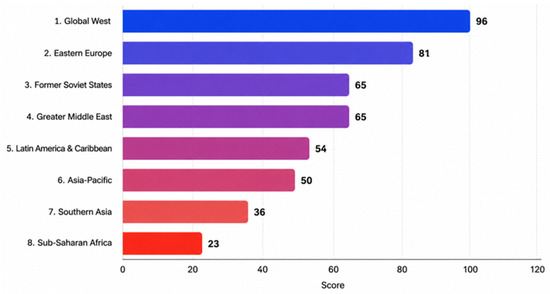
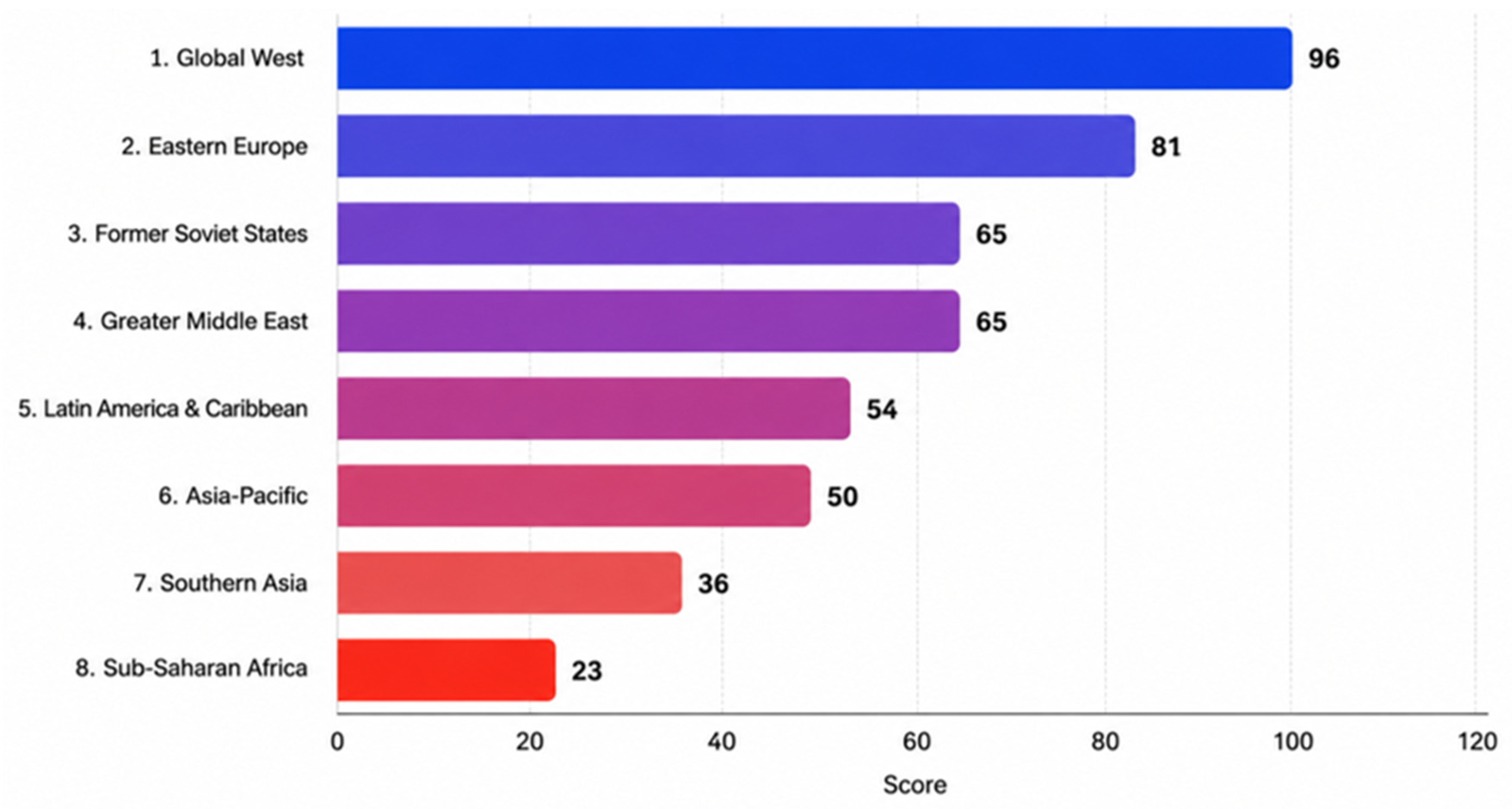
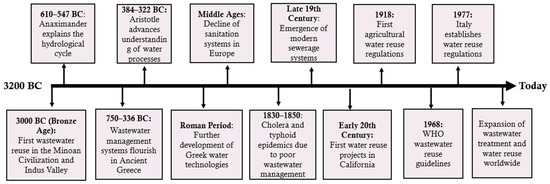
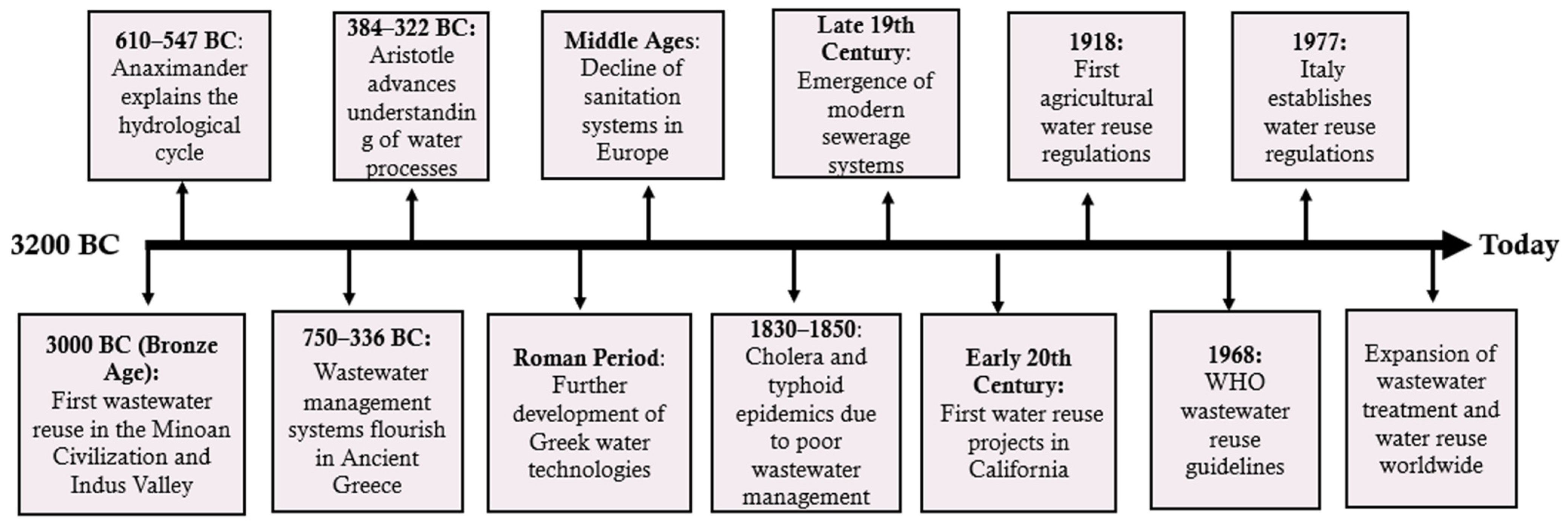
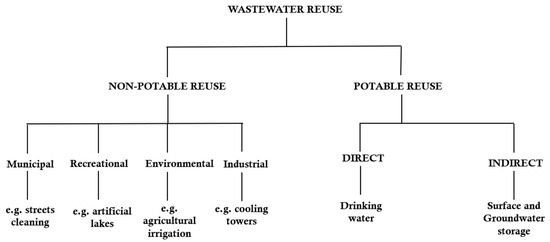
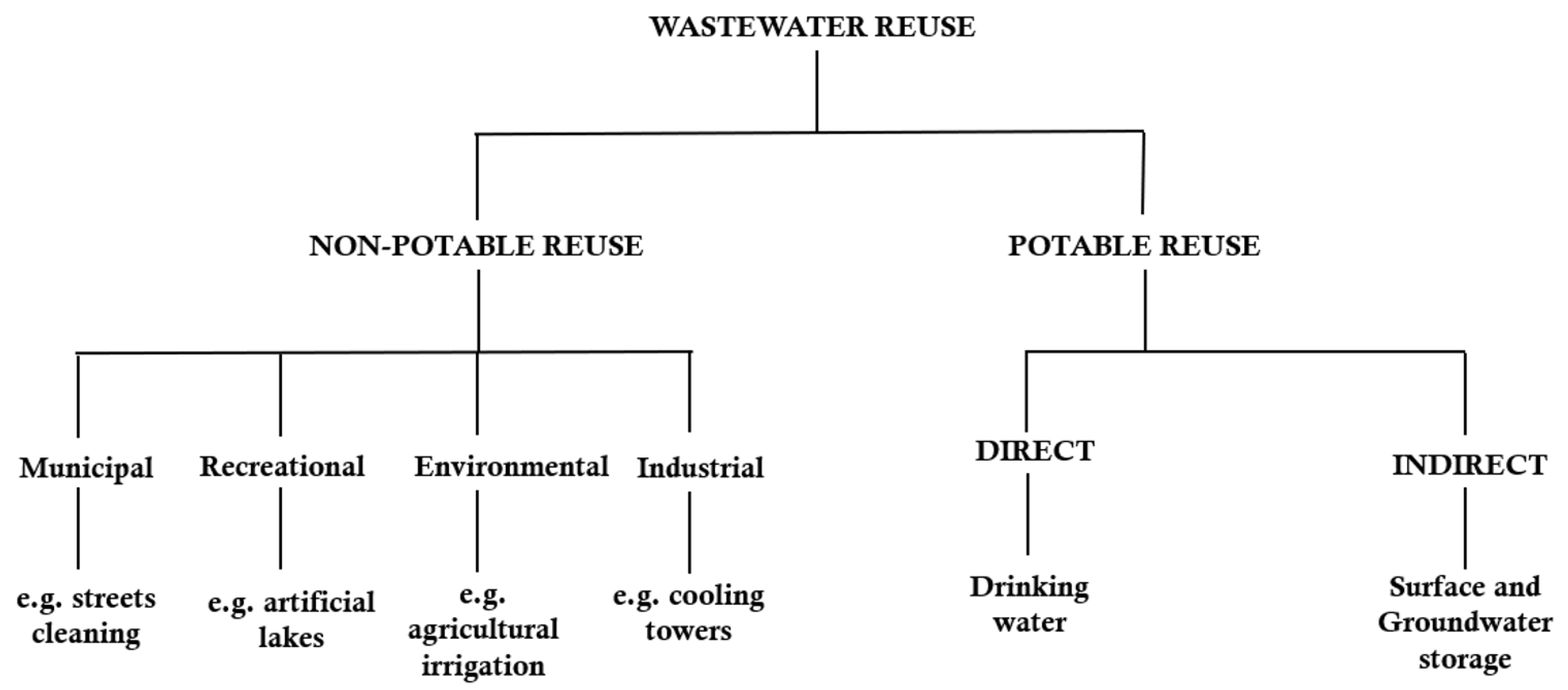
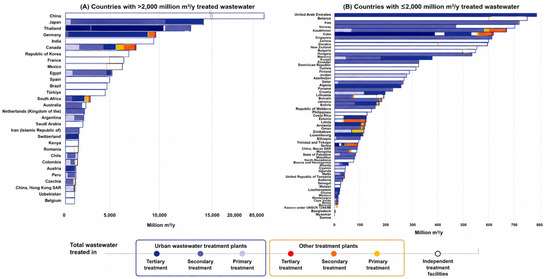
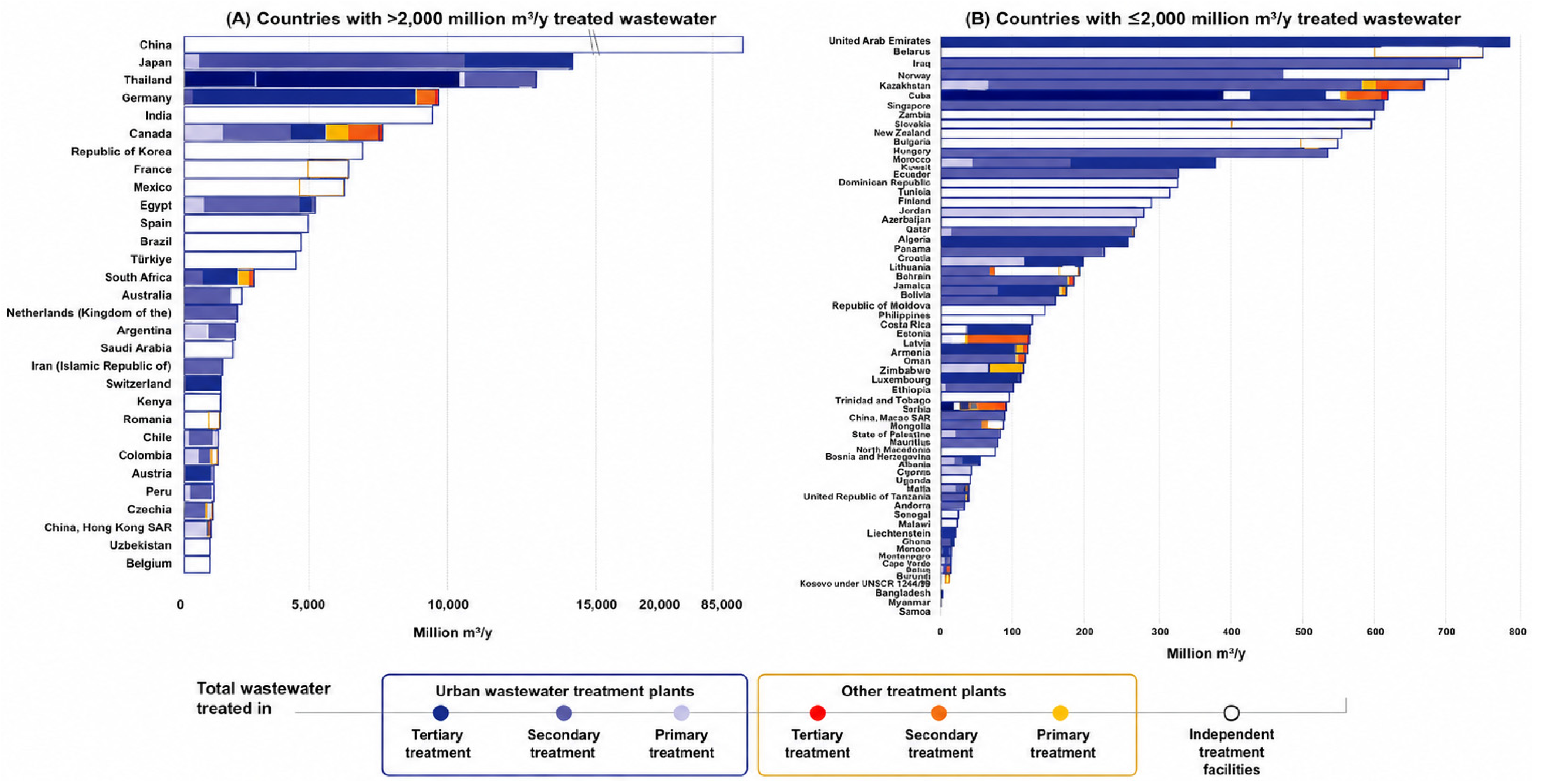
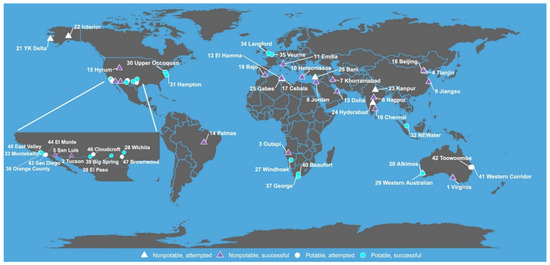
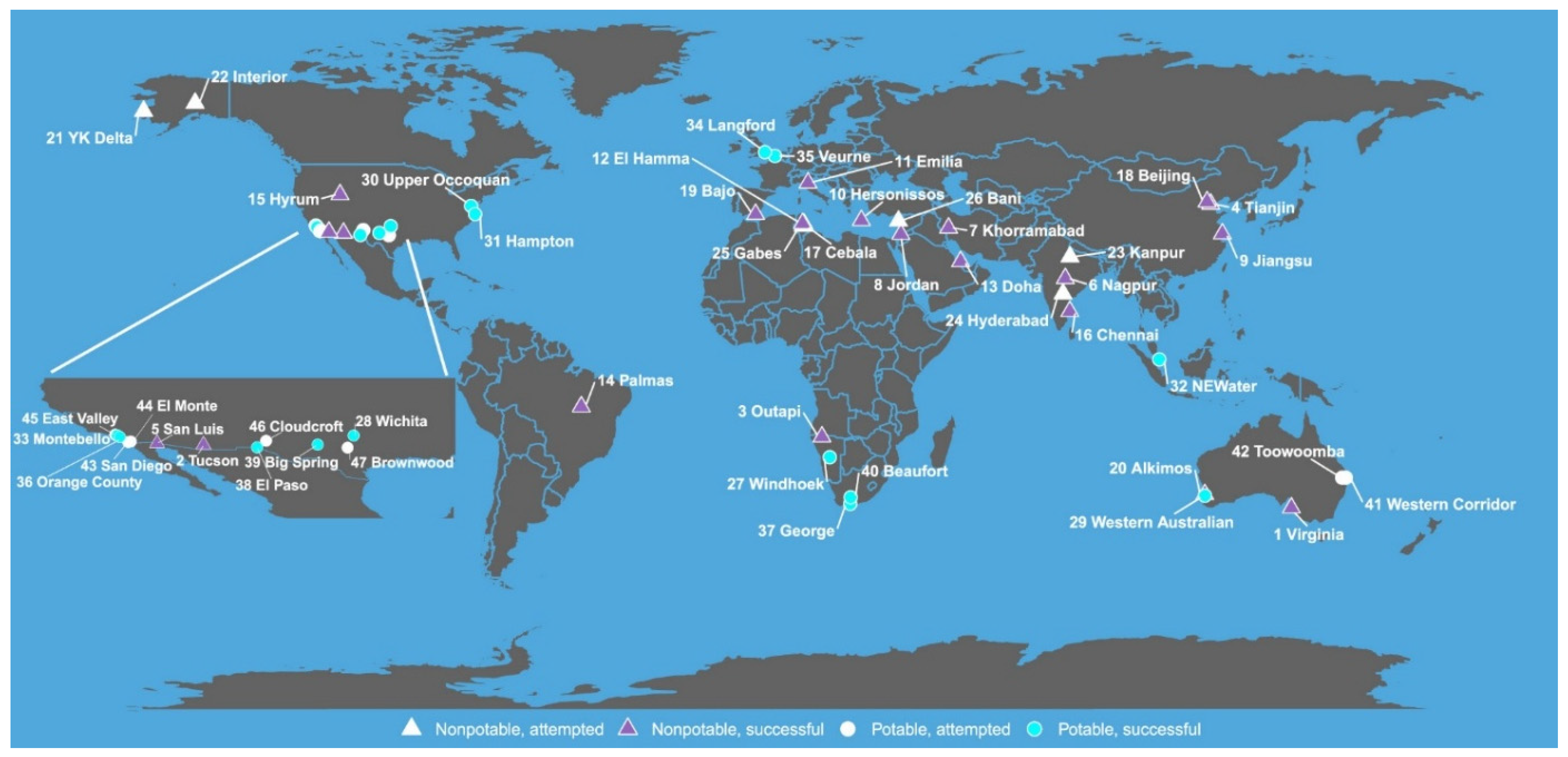
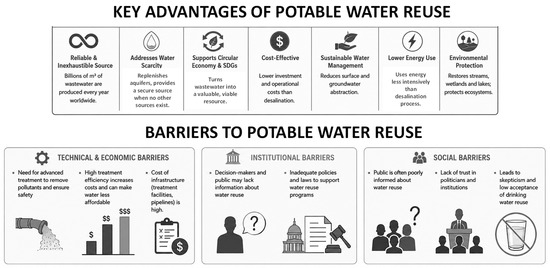
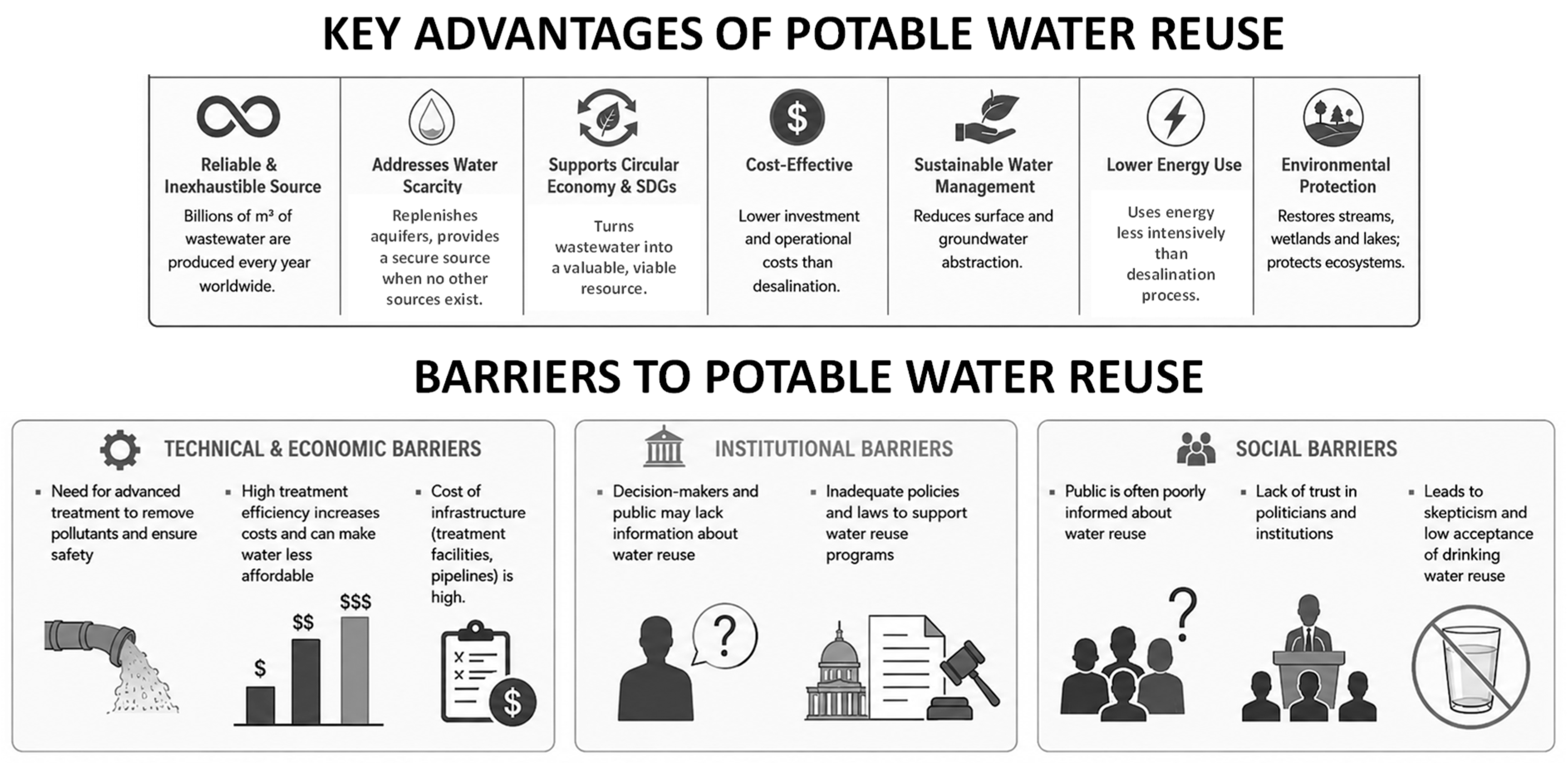

Disclaimer/Publisher’s Note: The statements, opinions and data contained in all publications are solely those of the individual author(s) and contributor(s) and not of MDPI and/or the editor(s). MDPI and/or the editor(s) disclaim responsibility for any injury to people or property resulting from any ideas, methods, instructions or products referred to in the content. |
© 2026 by the authors. Licensee MDPI, Basel, Switzerland. This article is an open access article distributed under the terms and conditions of the Creative Commons Attribution (CC BY) license.