


Abstract
Punica granatum L., commonly known as pomegranate, is a typical fruit of Asia, Mediterranean countries, the Middle East and the USA. While in ancient times pomegranate was considered an ornamental plant, nowadays numerous scientific studies have highlighted its antioxidant and anti-radical activities, making it a “superfood”. Pomegranate presents a high content of natural bioactive compounds (NBCs), and its consumption appears to exert numerous healthy effects, in particular, in several pathological conditions as metabolic syndrome, cancer, nephrolithiasis, urinary tract infections and neurodegenerative diseases. Moreover, recent studies have pointed out the possible beneficial action of pomegranate on oral health. For these reasons, the utility of pomegranate in internal medicine and dentistry represents a promising field, as it could enable the development of innovative natural adjuvant therapies and empower standard pharmaceutical therapies.
1. Introduction
The pomegranate (Punica granatum L.) is a typical crop in Asian and Mediterranean countries, the Middle East, and some USA areas [1,2]. Pomegranate fruit is composed of about 80% water and 15% carbohydrates, mainly sugars (such as fructose, sucrose, and glucose), and the remaining part is represented by fibers, vitamins (such as vitamin C), and natural bioactive compounds (NBCs), namely polyphenols [3].
Although the pomegranate has been present in our territories since ancient times, the data of the Italian “Istituto Nazionale di Statistica” (ISTAT) show that until 10 years ago, this kind of crop was uncommon in Italy [4]. Initially, pomegranate was considered a simple ornamental plant, but now it has registered a growing trend in its consumption, and this is due to the healthy properties that emerged from numerous scientific studies that have highlighted the antioxidant and anti-radical activities of this “superfood”. Thanks to the high content of NBCs, the consumption of pomegranate appears to exert significant beneficial effects on human health, allowing it to strengthen the immune system and counteract free radical formation, which is responsible for many pathophysiological processes [5].
According to Aviram et al. [6], it is estimated that in 1 kg of pomegranate, about 40% is represented by juice, while the components discarded amount to up to 60%. Of the latter, 50% is represented by mesocarp, endocarp, and exocarp, while 10% is represented by the seeds of the arils. These matrices, considered wastes from the agro-industrial sector, if properly managed, represent a precious resource, as they are a source of bioactive polyphenolic molecules, such as flavonoids, anthocyanins, tannins, and in particular ellagitannins (ETs) (such as punicalagin) [1,7,8,9]. These compounds have been identified using various analytical techniques of liquid chromatography–mass spectrometry (LC-MS), such as liquid chromatography–tandem mass spectrometry (LC-MS/MS) and liquid chromatography-high-resolution–mass spectrometry (LC-HR-MS) [10,11]. In recent years, the use of LC-HR-MS instrumentation has increased rapidly for the qualitative identification of polyphenolic compounds present in plant matrices, such as pomegranate, the object of this review, which is particularly rich in ETs.
The chemical composition of pomegranate differs based on the variety and cultivation conditions. The peel, comprising 50% of the fruit’s weight, is rich in phenolic compounds, such as phenolic acids, flavonoids, and tannins, which identify the biological activity of the pomegranate. Flavonoids, notably anthocyanins in arils, contribute to the red color and offer antimicrobial and antioxidant properties. Pomegranate components, including tannins, punicalagin, punicalin, strictinin A, and granatin B, inhibit nitric oxide production and suppress inflammatory cytokine expression due to ellagic acid (EA) (C14H6O8) action [12].
The use of pomegranate bioactive compounds for the realization of innovative products in the nutraceutical and biomedical sectors is partly based on the results deriving from tests aimed at the evaluation of their toxicity. In detail, in vivo toxicity tests were conducted on rats, administering a standardized pomegranate fruit extract (PFE) at a dose of 600 mg/kg body weight/day. At the end of the study, this extract did not induce any toxic effects. In particular, the authors found “no observed adverse effect level” (NOAEL) for the doses examined [13].
This review focuses on the biological activities of the polyphenolic compounds present in pomegranate, such as those antioxidant, anti-inflammatory, antiproliferative, and antimicrobial that can induce beneficial effects in internal medicine (such as in metabolic syndrome (MetS), cancer, urinary tract infections (UTIs), nephrolithiasis, inflammatory bowel diseases (IBDs), and neurodegenerative diseases) and in dentistry (such as in stomatitis, chronic periodontitis, dental caries, tooth decay, gingivitis, and gingival bleeding).
2. Search Literature Methods
The strategy of the literature search was performed using three online databases, such as PubMed, Scopus, and the Cochrane Library (Figure 1).
Figure 1.
Search methods.
The search was conducted according to the relevant terms: “pomegranate” in combination with “internal medicine” AND “diabetes mellitus” AND “metabolic syndrome” AND “arterial hypertension” AND “dyslipidemia” AND “cancer” AND “bowel inflammatory diseases” AND “nephrolithiasis” AND “neurodegenerative disorders” AND “urinary tract infections” AND “pomegranate” in combination with “oral health”. The full search was manually retrieved.
The inclusion criteria of the studies were limited to reviews, meta-analyses, and original articles written in the English language, while the exclusion criteria were represented by a different language from English: studies conducted before 1991, articles without abstracts, and studies of no interest.
The collected articles were composed between 1991 and 2023.
3. Bioactive Polyphenolic Compounds of Pomegranate and Their Biological Activities
Bioactive polyphenolic compounds of pomegranate exert numerous biological activities, as demonstrated by several in vitro and in vivo studies (Figure 2).
Figure 2.
Biological activities of bioactive polyphenolic compounds of pomegranate (punicalagin and ellagic acid).
Among the polyphenolic classes of pomegranate, there are ETs. They belong to the subclass of hydrolysable tannins (HTs) and represent one of the most diverse groups of polyphenols derived from plant matrix, as they comprise over 1000 identified NBCs [14]. Tannins, in general, exert a function of defense for the plant against attack by pathogens and herbivores. In fact, these compounds are found in the vacuoles and in the cytoplasm of plant cells and play an important protective role in natural growth conditions [15]. Furthermore, these compounds, with strong astringent properties, are capable of complexing proteins and polysaccharides [15]. They have a molecular weight between 300 and 20,000 Da and are found in the form of monomers (C-glycosidic ETs with an open-chain glucose portion), oligomers, and complex tannins [16,17]. All these molecules have in common the presence in the chemical structure of at least one hexahydroxydiphenic acid (HHDP) unit esterified in a polyol, generally glucose or quinic acid [18]. Several antimicrobial and antiviral properties are recognized in this subclass that also exert beneficial effects in the prevention of chronic degenerative non-communicable diseases [14,19,20,21,22,23].
To have a complete picture of their use in the biomedical field, scientific studies have also taken into account the bioavailability of these molecules, which are characterized by a complex structure that does not permit their absorption from the gut microflora [24,25]. Their effect can be attributed to the fact that these compounds undergo a hydrolysis process in the digestive system, which transforms ETs into smaller and less complex compounds, such as EA and urolithin, whose main effect on human health is attributable to their antioxidant and antiradical capacity. These molecules are able to counteract the action of free radicals and reactive oxygen species (ROS) [26].
The main bioactive compound present in pomegranate wastes is punicalagin [27,28], which, like the various polyphenolic compounds present in plant matrices, shows to have numerous biological and functional properties: antioxidant [21,29], antiviral [29], anti-inflammatory [30,31], antidiabetic [32], anticancer [33,34,35], cardio-protective [36,37,38], and antimicrobial [39,40,41,42,43,44].
The punicalagin (C48H28O30) is part of the subclass of ETs and is the most representative compound within the pomegranate waste; in fact, it represents about 70% of the total ETs in the peel of the fruit. Punicalagin is a water-soluble polyphenolic compound with a high degree of hydroxylation and a high molecular weight, equal to 1084.7 Da. This compound is naturally found in the forms of two α and β reversible anomers [10,45,46,47].
Another of the most representative compounds in pomegranate fruit is EA, which is a dimeric derivative of gallic acid (GA) (C7H6O5) [48]. EA is a thermostable molecule with a melting point of 350.3 C and a molecular weight of 302.19 g/mol, which is chemically identified as 2,3,7,8-tetrahydroxy-chromium [5,4,3-cde]chromene-5,10-dione [22]. EA is a natural bioactive polyphenolic compound; in particular, it is a secondary metabolite in many plant matrices [49,50,51].
This compound, identified as a dilatton (cyclic diester) of HHDP, showed beneficial effects in in vitro and in vivo models, and it is characterized by high free radical scavenging activity, as reported by Fischer et al. [28].
In addition to its antiradical ability, this compound has attracted particular attention from the scientific world in consideration of its antioxidant, anti-inflammatory, antimutagenic, antiproliferative, cardioprotective, hepatoprotective, nephroprotective, and neuroprotective properties [5,21,22,23].
Punicalagin and EA are the main compounds present in pomegranate wastes and are shown to have inhibitory activity against α-glucosidase [52], while another compound present in pomegranate wastes, in lower amounts, is GA.
Furthermore, some scientific studies have compared the antioxidant activity in vitro on cell lines of single analytical standards (namely punicalagin and EA) and of pomegranate extracts. The authors demonstrated the superior bioactivity of the latter [21], and this evidence confirms, as highlighted in tests relative to other vegetal matrices, that the phytocomplex has greater effectiveness compared to the purified standard.
4. Sustainable Application of a Circular Economy Model for Pomegranate Wastes Recovery
In recent years, scientific evidence has led to an increased demand for sustainable products with remarkable health properties, highlighting the need to recover polyphenolic compounds. The latter originates from waste matrices in order to promote sustainability goals through the application of circular economy principles based on the “zero waste” concept. Waste materials come from pomegranate cultivation and mainly consist of plant tissues, such as exocarp, mesocarp, endocarp, and seeds found in the arils.
Literature data showed that pomegranate wastes present several biological activities, as previously described. For this purpose, the recovery models of pomegranate peel through the integration of extraction and purification phases, during the transformation processes, have been developed. These processes aim to obtain concentrated fractions rich in HTs as active principles for various purposes. In fact, these compounds can be used primarily as food additives and secondarily as functional food ingredients, useful in the formulation and prototyping of products bound for different markets [53,54,55,56].
The extraction methods currently existing on a laboratory scale for obtaining polyphenolic extracts from pomegranate waste are different and are based on the use of high temperatures, ultrasound, pressure, and solvents.
Recent studies have carried out a comparative evaluation of pomegranate extracts obtained with different methods. In particular, the comparison was based on the examination of free and bound phenols, extracted using thermal and non-thermal methods. Polyphenolic compounds were analyzed by high-performance chromatographic techniques such as ultra-high-performance liquid chromatography coupled with quadrupole time-of-flight mass spectrometry (UHPLC-QTOF-MS) and ultra-performance liquid chromatography coupled to a triple quadrupole mass spectrometer (UPLC-QQQ-MS).
The total content of free phenolics, approximately 10 times higher compared to the bound phenolics, did not show significant differences in the concentration obtained by different extraction methods. The highest yield of bound phenols was obtained by heating and high-pressure methods, and the composition was strictly dependent on the degree of alkaline hydrolysis. The high-pressure method allowed for obtaining an extract with a higher percentage of compounds and larger dimensions, thus highlighting that this process alters to a lesser extent the initial composition of the plant matrix [57].
Moreover, as for pomegranate, as well as for other plant matrices, it is possible to use dried and micronized wastes in order to avoid the extraction process [58].
Beyond the primary utilization of high-quality fruits in the fresh market, the cultivation of Punica granatum L. can involve various processes. These include the innovative production of arils through functional green withering, the production of juices obtained through cold pasteurization, as well as concentrates or innovative-based gels, and finally, the production of depleted seed oil and/or flours for feed and food use. An appropriate dried process of fresh peels can lead to the production of powders such as micronized, natural pigmenting principles, and standardized phytocomplexes in the HTs content, extending up to energy production (Figure 3).
Figure 3.
Circular economy model for pomegranate waste recovery.
5. Pomegranate in Internal Medicine
The bioactive polyphenolic compounds of pomegranate are able to exert numerous beneficial properties useful in internal medicine (Figure 4).
Figure 4.
Beneficial effects of pomegranate in internal medicine.
5.1. Metabolic Syndrome
MetS is a chronic pathology characterized by the concomitant presence of at least three of the following conditions: (i) Abdominal obesity, (ii) alteration of glucose metabolism, (iii) arterial hypertension (AH), (iv) low high-density lipoprotein (HDL) cholesterols, and (v) hypertriglyceridemia. These conditions contribute to the onset of a low-grade inflammatory state and oxidative stress, typical of this syndrome [59]. The risk factors for MetS can be both genetic and environmental; the latter are often related to incorrect lifestyles, such as poor or no physical activity and unhealthy eating habits [60]. In recent years, the use of functional foods or oral food supplements (OFSs), based on NBCs, has become relevant for the clinical management of MetS patients [61], and currently it represents an adjuvant therapy to be associated with traditional pharmacological treatments [59,62,63].
Some different pomegranate extracts, such as peels, flowers, juice, and seeds, are able to regulate the lipid metabolism, as confirmed by some in vivo studies [64]. In fact, a study conducted on hypercholesterolemic mouse models nourished with feed supplemented by 15% pomegranate seed oil (PSO), for 28 days, highlighted a decrease in the plasma levels of triglyceride, total cholesterol, and low-density lipoprotein (LDL) cholesterols compared to the control group. This lipid-lowering effect was already highlighted by a previous study conducted on hypercholesterolemic type 2 diabetes mellitus (T2DM) patients, in which the supplementation of concentrated pomegranate juice (PJ), for 8 weeks, was able to reduce the atherogenic indices, such as LDL-cholesterol/HDL-cholesterol and cholesterol total/HDL cholesterol (Table 1) [65]. Moreover, in a following study, conducted on 23 MetS women, the possible effect of the daily consumption of 300 mL of PJ, for 6 weeks, on lipid peroxidation (LPO) and the phospholipid fatty acid composition of plasma and erythrocytes was investigated. The authors highlighted a significant decrease in arachidonic acid and an increase in mono-unsaturated fatty acids in the erythrocyte membrane. They also showed a decrease in LPO, evaluated by the reduction in levels of thiobarbituric acid-reactive substances in erythrocytes, in the treatment subjects compared to the control group. These results suggest a potential antioxidant, anti-inflammatory, and cardio-protective action of pomegranate in dyslipidemia patients [66].
Further studies have demonstrated the effectiveness of pomegranate fruit in the treatment of T2DM, as it contains fiber, minerals, vitamins, and other NBCs useful in glycemic control [67]. In this context, in an animal study, it has been demonstrated that the anti-diabetic effects of pomegranate extracts are exerted through the stimulation of the peroxisome proliferator-activated receptor (PPAR)-γ, a transcription factor involved in glucose metabolism [68]. Furthermore, PJ, rich in punicalagin, seems to be able to stimulate the release of insulin by β-cells, suggesting its potential role as an adjuvant treatment in anti-diabetic therapy [69]. To support these hypotheses, a study conducted by Hashemy et al. described the beneficial effects of the pomegranate seed powder assumption, at a dose of 5 g, twice per day, for 8 weeks, in T2DM patients. At the end of the study, the treated group showed a significant reduction in fasting blood glucose and glycated hemoglobin levels compared to the control group, suggesting that pomegranate can be used to control glycemia in diabetic patients [70]. A meta-analysis that included 32 clinical trials demonstrated that pomegranate consumption was able to reduce fasting blood glucose, insulin resistance, and the homeostasis model assessment of insulin resistance (HOMA-IR) [71].
The bioactive polyphenolic compounds of pomegranate appear to play a crucial role in reducing body weight and improving body composition in overweight or obese subjects [72,73]. In fact, a study conducted on obese non-diabetic premenopausal female patients, who daily consumed 300 mg of PSO, for 16 weeks, showed a significant reduction in body weight, waist circumference, and liver fat content, as well as in serum triglycerides and C-reactive protein (CRP) levels, of treated women compared to the control group [74].
Regarding blood pressure, pomegranate has also proven useful in counteracting AH, thanks to its anti-oxidative polyphenolic compounds. To confirm this, a single-blind placebo-controlled randomized study, conducted on 60 T2DM patients, who consumed 200 mL/day of PJ, for 6 weeks, highlighted a significant reduction in systolic and diastolic blood pressure, compared to the control group [75]. Recently, a meta-analysis analyzed 14 clinical trials for a total of 573 subjects and demonstrated a reduction in systolic blood pressure and diastolic blood pressure secondary to the PJ assumption. Interestingly, this beneficial effect was dose-dependent and observed when the daily intake was >300 mL, but this antihypertensive effect was lost after two months of PJ assumption [76].
Table 1.
Effects of pomegranate in internal medicine.
Finally, pomegranate seems useful for counteracting the oxidative stress and the chronic low-grade inflammatory state typical of MetS. In fact, in a study by Hossein et al., the authors described the beneficial effect of an OFS based on pomegranate on inflammatory and oxidative stress biomarkers in overweight and obese individuals. In particular, 48 obese and overweight subjects have consumed 1000 mg of pomegranate extract daily for 30 days. The pomegranate extract has significantly reduced interleukin (IL)-6 and high-sensitivity CRP levels, as well as total cholesterol, glucose, and insulin serum levels. This might suggest that pomegranate OFS may reduce those complications related to obesity, such as low-grade chronic systemic inflammation [77].
For the reasons previously discussed, the long-term daily assumption of pomegranate, both as fresh fruit and/or as OFS, can be considered an adjuvant therapy in subjects at risk of developing MetS or in patients affected by it.
5.2. Cancer
According to the current National Cancer Institute (NCI) definition, “cancer is a disease, in which some of the body’s cells grow uncontrollably and spread to other parts of the body” [103]. Cancer was conceptualized as a disease of genetic origin; however, research over the last several decades has established how environmental factors with epigenetic effects play a pivotal role in the phenomenon of carcinogenesis [104]. These environmental factors, capable of altering the spatial conformation of chromatin to regulate gene expression, include unhealthy nutrition, chemicals and industrial pollutants, and a poor lifestyle [105] (such as smoking, alcohol consumption, and physical inactivity) [106]. However, while an imbalanced diet, such as the Western diet, increases the risk of cancer onset, on the other hand, a balanced diet rich in fruit and vegetables, such as the Mediterranean diet (MD), is an important factor in cancer prevention [107,108]. MD, thanks to the ability to guarantee a wide variety of micronutrients and other NBCs, is able to counteract the cancer [109,110]. Among the NBCs are certainly included polyphenolic molecules, of which the pomegranate is rich. These molecules are capable of exerting chemo-preventive and chemotherapeutic effects through their antioxidant, anti-radical, and anti-inflammatory activities and through their anti-mutagenic and anti-proliferative properties. The latter include the induction of apoptosis in cancer cells, the stimulation of the immune system [111,112], the modulation of hormonal concentration and metabolism, the cell cycle arrest, the enzymatic detoxification, the activation of transcription factors and the induction of apoptosis, the cell adhesion, and finally, the production of growth factors against different type of cancer, such as breast cancer (BC), lung cancer (LC), colorectal cancer (CRC), and prostate cancer (PC) [113].
5.2.1. Pomegranate and Breast Cancer
BC, generally categorized into estrogen receptor (ER) positive and ER negative, is the most diagnosed cancer and the major cause of cancer-related death among females [114]. Many exogenous and endogenous risk factors could affect the onset and development of BC [115]. Among exogenous factors are early menarche, nulliparity, oral contraceptive use, never having or short duration of breast feeding, use of hormone replacement therapy, circadian disruption, and an unhealthy lifestyle (including smoking, alcohol consumption, an imbalanced diet, etc.). Endogenous risk factors, namely genetic factors, such as mutations on breast cancer gene 1 (BRCA1) and BRCA2, only account for approximately 5–10% of all BC incidences. For this reason, a possible strategy capable of counteracting BC carcinogenesis would be to modify the lifestyle and nutritional choices in order to guarantee proper prevention of this type of cancer. Several in vitro studies have highlighted how pomegranate by-products, namely PFE, PJ, and PSO, are involved in the process of breast carcinogenesis, exhibiting the following effects: (i) the anti-proliferative, anti-aromatase, and anti-estrogenic activities [78]; (ii) the regulation of the transforming growth factor beta (TGF-ß)/Smads pathway [79]; (iii) the anti-inflammatory effects, through the reduction in pro-inflammatory cytokines and chemokines; (iv) the reduction in vascular endothelial growth factor (VEGF) levels [80]; (v) the downregulation of the expression of the genes involved in the damage of DNA and the estrogen-responsive genes [116]; (vi) and the disruption of ER and Wnt/ß-catenin signaling pathways [117].
5.2.2. Pomegranate and Lung Cancer
LC is the most common cancer and the leading cause of death worldwide, due to its diagnosis at an advanced stage [118]. In addition to a positive family history of LC, other important risk factors for this type of disease are tobacco smoking, unhealthy eating habits (such as high intake of fried or well-cooked red meat and alcohol consumption), chronic inflammation related to infections, exposure to ionizing radiation, and occupational exposures (such as asbestos and indoor air pollution) [119]. Thanks to their countless nutrients, such as vitamins, minerals, phytochemicals, and dietary fibers, fruits could play a pivotal role in the prevention of LC and in the risk reduction in current smokers, thanks to the ability of these micronutrients to exert antioxidant activities, repair DNA from oxidative damage, inhibit tumor cell proliferation, and induce tumor cell apoptosis, caused by smoking [120]. It was highlighted how pomegranate polyphenols have potent chemotherapeutic properties that exert anti-cancerous activities on lung carcinoma. In more detail, several in vitro studies have pointed out how pomegranate leaf extract (PLE) has potential anti-proliferative, antimigratory [81], and anti-metastasis properties against lung carcinoma, while pomegranate peel extract (PPE), PJ, and PSO, tested both in vitro and in vivo have shown strong anti-inflammatory activities, reducing proinflammatory cytokine levels (IL-1β and IL-6), and strong antioxidant properties inactivating cellular oxygen radicals in the lungs [82]. In addition to the effects described above, PFE seems to play a pivotal role against the LC. In fact, both in vitro and in vivo studies have shown how PFE is involved in the downregulation and inhibition of several signaling pathways against lung cancerous cells, including nuclear factor kappa-light-chain enhancer of activated B cells (NF-κB) expression, mitogen-activated protein kinase (MAPK) phosphorylation, phosphoinositide 3-kinases (PI3K), and mechanistic target of rapamycin (mTOR) pathway activity and Akt phosphorylation, leading to reduced cell proliferation and angiogenesis in lungs [83,84].
5.2.3. Pomegranate and Colon Cancer
CRC is the third most common cancer and the fourth most frequent cause of cancer deaths worldwide. Several risk factors are thought to contribute to its etiopathogenesis, such as older age, genetics, and environment, including a diet rich in meat and fats and poor in fiber, folate, and calcium, a sedentary lifestyle, obesity, high alcohol intake, smoking, etc. [121]. It is well known through several clinical studies that a highly fiber-rich diet based on the computation of plant-based foods, such as fruits and vegetables, is a protective factor associated with a decrease in CRC incidence [122]. Dietary fiber is composed of plant-based carbohydrates that cannot be metabolized by digestive enzymes encoded in the human genome, such as amylase. However, this macronutrient, through an anaerobic fermentation process, can be metabolized by certain species of gut microbiota, producing short-chain fatty acids (SCFAs), which include acetate, propionate, and butyrate [123]. It has been shown that the latter may have anti-neoplastic properties in the colon, modulating the immune response, and thereby resulting in protection against CRC [124]. Moreover, the production of SCFAs reduces the colonic pH, preventing the conversion of bile acid metabolites into more toxic forms [125].
As well as being rich in vitamins, such as vitamins A, E, C, B1, and B2, minerals, and phytochemicals, namely polyphenolic compounds, the pomegranate micronized peel is a rich reservoir of dietary fiber. Thereby, it represents a byproduct useful in CRC prevention, thanks to its remarkable bioactivity [126]. It is also worth emphasizing how the gut microbiota plays a crucial role in polyphenol catabolism. Indeed, when colon bacteria degrade dietary fiber, the ETs, obtained from pomegranate, are hydrolyzed to form EA and transformed into urolithin by the gut microbiota. Thus, these compounds exert their action in the prevention of CRC carcinogenesis by remodeling the gut microbiota [127]. Furthermore, the consumption of PJ is capable of releasing ETs and urolithins in the colon, potentially reducing the risk of CRC development by inhibiting cell proliferation and inducing apoptosis [85]. Several studies have also highlighted how PJ plays an important role in the downregulation of the inflammatory signaling pathways in colon cancer cells through the inhibition of cyclooxygenase (COX)-2 expression [23,128]. The activity of this enzyme is increased in many cancers, such as CRC [129]. Moreover, PJ suppresses Akt activation, which is needed for NF-κB DNA binding. Finally, several in vitro studies have emphasized the PJ anti-proliferative and pro-apoptotic effects against CRC cells [23]. As regards the PSO, in vivo studies have shown how its consumption is significantly correlated with the inhibition of colon tumorigenesis due to the up-regulation of PPARγ protein expression in the rat colon [86].
5.2.4. Pomegranate and Prostate Cancer
PC is the second-most common form of cancer in men [130]. Non-modifiable risk factors for PC include age, genetic predisposition, and ethnicity, while modifiable risk factors include environmental factors, such as obesity, smoking, low physical exercise, and an unhealthy diet that play a pivotal role in the initiation, promotion, and progression of PC. In fact, several studies have highlighted how an excessive intake of saturated fats from dairy products and ultra-processed meat is associated with an increased risk of PC [131,132]. As for other types of cancer, a considerable number of in vitro and in vivo studies have shown how PJ and PFE possess anti-proliferative, proapoptotic, and anti-metastatic actions, decreasing the levels of pro-inflammatory cytokines and chemokines and inhibiting angiogenesis through a reduction in VEGF levels [87]. Moreover, these compounds are capable of acting on the canonical signaling pathways, namely NF-kB and PI3K/Akt/mTOR, in human PC cell lines and/or in mouse PC tumor models [88,89]. Moreover, the possible chemopreventive and chemotherapeutic effects exhibited by the ETs contained in PJ and PE against PC have also been found in both in vivo and in vitro studies. These studies demonstrated a reduction in the expression of androgen genes, which play a crucial role in PC cell growth and progression [90]. Several studies have highlighted the association between PC and gut microbiota dysbiosis, suggesting that the latter might be involved in not only gastrointestinal cancers (GC) but also in PC. In fact, there could exist a “microbiota–gut–prostate axis” so that the pro-inflammatory cytokines and the pathogen bacteria of the gut microbiota enter systemic circulation, thanks to the increased permeability of the gastrointestinal tract barrier and the altered tight junctions. These alterations seem to be induced by gut microbiota dysbiosis and local inflammation, suggesting the potential role of the diet on PC [133]. Different in vivo studies have focused attention on how PPE reshapes the gut microbiota thanks to the countless properties exerted by the phytochemical compounds contained therein, thus constituting a possible adjuvant therapy for PC [134].
5.3. Urinary Tract Infections
Pomegranate exerts antimicrobial effects against the main pathogens that cause UTIs [135]. In particular, it would seem that every part of the pomegranate plant has antimicrobial activity, suggesting that pomegranate-based OFSs can counteract UTIs. OFSs can also be formulated from the wastes of the pomegranate supply chain [136]. An interesting study investigated the antimicrobial activity of 17 medicinal plants in extracts of water, acetone, and ethanol against the main pathogens causing UTIs, highlighting how pomegranate ethanol extract shows strong antibacterial activity against Escherichia coli [91]. Among the numerous phytochemical compounds of pomegranate, those that have shown the highest antimicrobial activity are the EA and the HTs, such as punicalagin. In most studies, their combination showed the greatest benefits [136].
5.4. Nephrolithiasis
Numerous studies have highlighted a direct correlation between oxidative stress and nephrolithiasis, although the mechanism underlying the increased kidney stone development in the presence of oxidative stress has not been well defined yet [137]. In this context, PJ, which has been shown to exert important antioxidant scavenging actions against ROS, could represent a valid adjuvant strategy in the prevention of stone formation [92]. An in vitro study, conducted on tissues from murine models, observed a reduction in crystal deposits in the renal tubules in mice fed PJ compared to the control group [93]. Subsequently, Tracy et al. developed a clinical trial conducted on patients suffering from recurrent kidney stones, who had been administered a pomegranate polyphenolic extract, at a concentration of 1000 mg/day, for 90 days. The authors highlighted how patients suffering from recurrent kidney stones had high levels of oxidative stress and how the consumption of pomegranate polyphenols significantly reduced the oxidative stress itself and induced a trend in a reduction in calcium oxalate saturation levels [92]. Although these results are promising, they should be further investigated to confirm the beneficial role of pomegranate against nephrolithiasis because the data to support this thesis are not currently sufficient.
5.5. Inflammatory Bowel Diseases
IBDs are described as chronic diseases characterized by recurrent inflammation of the intestinal tract with multifactorial genesis, in which autoimmune, genetic, and environmental factors are involved. IBDs include Crohn’s disease and ulcerative colitis [138]. Numerous scientific studies highlight how a diet rich in polyphenols seems to play a key role in mitigating the chronic inflammation underlying IBDs [139]. A study conducted on murine models evaluated the effect of treatment with PJ, containing ETs and EA, in mice with colitis and colon ulceration, emphasizing how PJ is able to reduce the expression of pro-inflammatory cytokines, such as tumor necrosis factor (TNF)-α and IL-1β, and of COX-2. Furthermore, the gut microbiota of mice treated with PJ at the end of the study showed an increase in Ruminococcaceae, butyrate-producing bacteria [139].
IBDs are characterized by the inflammation of the colon mucosa, accompanied by the infiltration of inflammatory cells, including neutrophils, which represent the first line of defense in the immune system and produce a series of inflammatory molecules [140]. A randomized controlled trial, conducted on a group of IBD patients with a high rate of relapses, evaluated the effects of supplementation with PJ, rich in ETs, on the modulation of local and systemic inflammation biomarkers. The authors examined whether patients treated with PJ for 12 weeks showed a reduction in the fecal concentration of calprotectin (a protein derived from fecal neutrophils, a marker of inflammation of the intestinal mucosa) and in the serum concentration of CRP, erythrocyte sedimentation rate (ESR), TNF-α, and IL-6, markers of systemic inflammation [94].
Furthermore, in this context, it has been demonstrated that the pomegranate peel polyphenols seem to reduce the gut permeability to inflammatory cells induced by lipopolysaccharide (LPS), suggesting that wastes from the pomegranate agri-food chain could also be used as effective anti-inflammatory agents in the treatment of IBDs [95].
Finally, pomegranate seems to exert a protective role against IBDs in the acute phase. In fact, in murine models with ulcerative colitis in the acute phase, the EA supplementation appears to ameliorate the severity of the disease, both through the improvement in colon ulcerations and through the reduction in the inflammatory profile [96].
5.6. Neurodegenerative Diseases
PJ seems to be able to attenuate neuro-inflammation, suggesting that this fruit can be useful in counteracting the onset and symptoms of age-associated neurodegenerative pathologies, such as Alzheimer’s and Parkinson’s diseases [141].
Pomegranate polyphenolic compounds reduce neuro-inflammation by several mechanisms, which include: (i) the inhibition of NF-κB, a transcription factor involved in the inflammatory process [97]; (ii) the reduction in the pro-inflammatory cytokines, such as IL-2, IL-6, IL-1β, and TNF-α [98]; (iii) the reduction in the beta-site amyloid precursor protein cleaving enzyme 1 (BACE1) gene expression, responsible for the production and the deposition of the β-amyloid peptide, involved in Alzheimer’s disease; (iv) the reduction in COX-2 activity [99]; (v) the reduction in the catalytic activity of caspases [100].
Pomegranate polyphenols seem to improve synaptic function during Alzheimer’s disease. In fact, a study conducted on mouse models subjected to nutritional supplementation with pomegranate extracts (4% w/w) for 15 months highlighted the protective role of pomegranate against the proteins that improve the synaptic structure, such as synaptophysin, postsynaptic density protein-95 (PSD-95), mammalian uncoordinated-18-1 (Munc18-1) and synaptosomal-associated protein-25 (SNAP25) [101].
Finally, the supplementation with pomegranate extracts (4% w/w) would seem to protect the brain from oxidative damage in mouse models affected by Alzheimer’s through a reduction in LPO and carbonyl levels and the restoration of antioxidant enzyme activities, such as glutathione peroxidase (GPX), superoxide dismutase (SOD) and glutathione S-transferase (GST) [102].
Although clinical studies on humans are lacking, in vitro and animal models studies seem encouraging and suggest that pomegranate and its phenolic compounds possess important anti-inflammatory and neuroprotective properties that could be effective against the symptoms of neurodegenerative diseases with neuro-inflammatory etiopathology [142].
6. Pomegranate and Oral Health
Pomegranate has garnered significant attention in the field of dentistry for its potential therapeutic properties, particularly in the treatment of dental plaque, gingivitis, and periodontitis. The literature data about this fruit have revealed a multitude of benefits, making it a valuable candidate for promoting oral health.
Dental plaque, a biofilm of bacteria that forms on tooth surfaces, is a primary contributor to oral health problems. Pomegranate has been extensively studied for its ability to counteract dental plaque formation. The flavonoids present in pomegranate demonstrated a robust antibacterial action against key contributors to plaque formation, including Streptococcus sanguis and Eikenella corrodens (Table 2) [143,144]. Its antibacterial effect is attributed to tannins, compounds that enhance bacteriolysis and impair bacterial adherence to tooth surfaces. Comparative studies have highlighted the pomegranate’s superior inhibition capacity towards specific bacteria compared to chlorhexidine (CHX), a commonly used oral antiseptic [145]. Despite limited research about pomegranate’s impact on plaque and salivary proteins, a study conducted on adolescents revealed that pomegranate mouthrinse significantly reduced plaque accumulation and gingivitis compared to a placebo. This finding aligns with existing literature, suggesting pomegranate extract’s potential as an adjunct therapy for treating gingivitis with minimal side effects [146].
Moreover, pomegranate mouthwash has proven to be effective against periodontal pathogens, such as Aggregatibacter actinomycetemcomitans, Porphyromonas gingivalis, and Prevotella intermedia [147]. Notably, pomegranate plays a role in inhibiting quorum sensing in bacteria, which is a process vital for gene expression related to antibiotic resistance and biofilm development. This pomegranate function adds an intriguing dimension to its antibacterial properties [148,149].
Orthodontic patients, who often face challenges in maintaining oral hygiene, have benefited from a hydro-alcoholic extract of pomegranate, demonstrating a substantial reduction in dental plaque bacteria compared to CHX [150]. Punicalagin has been identified as a key contributor to pomegranate’s antibacterial activity [21].
Beyond its antibacterial prowess, pomegranate exhibits a positive synergistic effect with antibiotics against methicillin-resistant Staphylococcus aureus (MRSA) and methicillin-sensitive S. aureus, showcasing its potential as a complementary agent in the battle against antibiotic-resistant strains [151].
Gingivitis is characterized by chronic inflammation and early clinical manifestations such as gum bleeding [152,153,154]. This oral ailment leads to increased salivary albumin, cystatin C, and amylase. The enhancement of the latter is due to plasma protein leakage into the gingival crevicular fluid, thus offering a non-invasive diagnostic tool.
Clinical studies affirm pomegranate efficacy in reducing gingival bleeding and in diminishing colony-forming units (CFUs) of dental plaque organisms [155,156]. Mouthrinse containing pomegranate extract has also demonstrated effectiveness in reducing bacterial protein levels and activities related to cell injury, increasing antioxidant enzyme activity, thus highlighting its potential role in oral health maintenance [136,157].
For acute periodontitis, studies emphasize pomegranate’s anti-inflammatory effects and its potential as an adjuvant treatment to conventional periodontal therapy [158]. Biochemical investigations reveal significant decreases in inflammatory markers (IL-1β and IL-6), indicating pomegranate potentiality in managing periodontal disease [159].
Pomegranate also enhances the growth of enteric probiotic bacteria, suggesting potential benefits in decreasing the periodontal pathogen load [160]. Its antibacterial activity extends to Helicobacter pylori, associated with deep periodontal pockets. While its anti-viral properties may contribute to treating periodontitis triggered by viral infections [161,162].
For chronic periodontitis, pomegranate-based compounds have also proven effective. In fact, clinical studies have demonstrated the effectiveness of pomegranate extract in reducing inflammation in this chronic condition and inhibiting periodontopathogens. Moreover, it has shown its action against microbial growth, including the growth inhibition of S. aureus and of MRSA strains [155,163,164,165].
Pomegranate’s applications extend even further. It has demonstrated its ability in treating recurrent aphthous stomatitis, promoting wound healing, and acting as a storage medium for avulsed teeth [166,167,168].
An optimal therapeutic agent for plaque control must fulfill selected criteria, including specificity for plaque bacteria, substantivity, stability, lack of adverse reactions, toxic safety, ecological safety, and user-friendly features [169]. Pomegranate seems to align well with these criteria [12].
Research supporting pomegranate’s role in oral health is primarily limited to in vitro studies, although promising in vivo studies exist. Pomegranate rinsing reduces α-glucosidase activity and increases ceruloplasmin activity in saliva [12]. Pomegranate extract effectively treats denture stomatitis, associated with candidiasis [170]. Pomegranate tannins inhibit human salivary α-amylase, a substrate for cariogenic microbes [171,172]. Studies on periodontal therapy support the efficacy of a gel containing extracts of Centella asiatica and Punica granatum L. [159]. Pomegranate chewing seems to enhance antibacterial and antioxidant effects and boost the salivary flow rate. Pomegranate flower extract inhibits the bacterial sucrose-digesting enzyme linked to dental caries and gingivitis [173]. Antioxidant agents from pomegranate are hypothesized to have preventive effects against oral cavity diseases [174]. Pomegranate extracts reduce aspartate aminotransferase activities, suggesting benefits in periodontal pathology [175]. Hydroalcoholic extracts from pomegranate fruit significantly decrease dental plaque CFUs, offering an alternative for reducing plaque bacteria [150]. Pomegranate contributes to the maintenance of oral hygiene and reduces microorganisms cultured from dental plaque in one-minute rinses with a mouthwash containing pomegranate extract [157].
Punicic acid in PSO acts as an anti-inflammatory agent by down-regulating neutrophil activation and LPO [176,177].
Tooth decay, initiated by Streptococcus mutans in the oral cavity, is a prevalent chronic condition affecting children and young adults. Conventional mouthwashes, such as CHX, possess antimicrobial properties but are also associated with drawbacks, such as staining and taste alterations. A recent study explored the antibacterial potentiality of pomegranate peel and guava leaf extracts, comparing them with CHX in a group of children. The results indicate a significant reduction (p < 0.01) in S. mutans count after using pomegranate and guava leaf extracts. The beneficial effects seem to be directly correlated with the concentration of these extracts. However, the efficacy of CHX outperformed both extracts, emphasizing the need for further research on a combined antimicrobial approach [178]. In fact, CHX is the gold standard for its potent antibacterial and antiplaque properties, but its use is associated with certain side effects. Among these are xerostomia (dry mouth), hypogeusia (reduced sense of taste), and discoloration of the tongue. In particular, long-term use of CHX may lead to the development of calculus on teeth and extrinsic tooth staining. In this context, it is important to explore alternative oral care solutions with fewer associated side effects [179,180]. Among these, herbal products have been investigated, and pomegranate seems to represent one of the most effective herbal remedies. In this regard, a study aimed to evaluate the effectiveness of pomegranate mouthrinse compared to 0.12% CHX mouthrinse. In detail, this study examined the impact of these solutions on the reduction in bacterial plaque and gingivitis, among individuals aged 18–25 years. The results demonstrated the antiplaque and antigingivitis effects of both mouthrinses. In particular, pomegranate showed superior antigingivitis power, but it did not match the antiplaque effectiveness of CHX. Although pomegranate mouthrinse represents a convenient and styptic option with acceptable plaque reduction, further clinical trials are warranted to establish its real action and its advantages over CHX [181].
Table 2.
Effects of pomegranate in oral health.
7. Conclusions
In conclusion, the extensive body of research on pomegranate in internal medicine and dentistry underscores its multifaceted benefits and its potential applications in addressing both internal medicine chronic diseases and various aspects of oral health (Figure 5). For its distinct anti-inflammatory, antioxidant, anti-cancerous, and antibacterial properties, pomegranate emerges as a versatile and promising candidate in the prevention and treatment of diseases of internist relevance and in oral care regimens. However, while the existing studies provide valuable insights, the need for further extensive clinical trials and long-term assessments is evident to establish its real effectiveness, safety and its advantages over conventional treatments.
Figure 5.
Advantages and disadvantages of pomegranate use.
The ongoing exploration of pomegranate in internal medicine and dentistry promises the development of innovative and natural therapeutic approaches, useful for the clinical management of several pathologies of internal relevance and oral diseases.
Author Contributions
Conceptualization, G.M. (Giulia Marrone) and A.N.; writing—original draft preparation, G.M. (Giulia Marrone), M.B., M.D.L., C.V., C.M., F.G.K., K.C. and G.M. (Gianluca Maddaloni); writing—review and editing, P.B., A.D.L. and A.N.; visualization, G.M. (Giulia Marrone), M.D.L. and C.V.; supervision, P.B., A.D.L. and A.N. All authors have read and agreed to the published version of the manuscript.
Funding
This research received no external funding.
Institutional Review Board Statement
Not applicable.
Informed Consent Statement
Not applicable.
Data Availability Statement
Data are contained within the article.
Acknowledgments
We would like to thank Gabriella Venafro for English language revision and Giovanni Bruno for scientific support.
Conflicts of Interest
Author Gianluca Maddaloni was employed by the company Supreme Fruit SRL. The remaining authors declare that the research was conducted in the absence of any commercial or financial relationships that could be construed as a potential conflict of interest.
Abbreviation
| AH | Arterial hypertension |
| BACE1 | Beta-site amyloid precursor protein cleaving enzyme 1 |
| BC | Breast cancer |
| BRCA1 | Breast cancer gene 1 |
| CFUs | Colony-forming units |
| CHX | Chlorhexidine |
| COX | Cyclooxygenase |
| CRC | Colorectal cancer |
| CRP | C-reactive protein |
| EA | Ellagic acid |
| ER | Estrogen receptor |
| ESR | Erythrocyte sedimentation rate |
| ET | Ellagitannin |
| GA | Gallic acid |
| GC | Gastrointestinal cancers |
| GPX | Glutathione peroxidase |
| GST | Glutathione S-transferase |
| HDL | Low high-density lipoprotein |
| HHDP | Hexahydroxydiphenic acid |
| HOMA-IR | Homeostasis model assessment of insulin resistance |
| HTs | Hydrolysable tannins |
| IBDs | Inflammatory bowel diseases |
| IL | Interleukin |
| ISTAT | Istituto Nazionale Di Statistica |
| LC | Lung cancer |
| LC-HR-MS | Liquid chromatography-high-resolution–mass spectrometry |
| LC-MS | Liquid chromatography–mass spectrometry |
| LC-MS/MS | Liquid chromatography–tandem mass spectrometry |
| LDL | Low-density lipoprotein |
| LPO | Peroxidation |
| LPS | Lipopolysaccharide |
| MAPK | Mitogen-activated protein kinase |
| MD | Mediterranean diet |
| MetS | Metabolic syndrome |
| MRSA | Methicillin-resistant Staphylococcus aureus |
| mTOR | Mechanistic target of rapamycin |
| Munc18-1 | Mammalian uncoordinated-18-1 |
| NBCs | Natural bioactive compounds |
| NCI | National Cancer Institute |
| NF-Κb | Nuclear factor kappa-light-chain enhancer of activated B cells |
| OFS | Oral food supplement |
| PC | Prostate cancer |
| PFE | Pomegranate fruit extract |
| PI3K | Phosphoinositide 3-kinases |
| PJ | Pomegranate juice |
| PLE | Pomegranate leaf extract |
| PPAR | Peroxisome proliferator-activated receptor |
| PPE | Pomegranate peel extract |
| PSD-95 | Postsynaptic density protein-95 |
| PSO | Pomegranate seed oil |
| ROS | Reactive oxygen species |
| SCFAs | Short-chain fatty acids |
| SNAP25 | Synaptosomal-associated protein-25 |
| SOD | Superoxide dismutase |
| T2DM | Type 2 diabetes mellitus |
| TGF-ß | Transforming growth factor beta |
| TNF | Tumor necrosis factor |
| UHPLC-QTOF-MS | Ultra-high-performance liquid chromatography coupled with quadrupole time-of-flight mass spectrometry |
| UPLC-QQQ-MS | Ultra-performance liquid chromatography coupled with triple quadrupole mass spectrometer |
| UTIs | Urinary tract infections |
| VEGF | Vascular endothelial growth factor |
References
- Ambigaipalan, P.; de Camargo, A.C.; Shahidi, F. Phenolic Compounds of Pomegranate Byproducts (Outer Skin, Mesocarp, Divider Membrane) and Their Antioxidant Activities. J. Agric. Food Chem. 2016, 64, 6584–6604. [Google Scholar] [CrossRef] [Scilit]
- Liu, Y.; Seeram, N.P. Liquid chromatography coupled with time-of-flight tandem mass spectrometry for comprehensive phenolic characterization of pomegranate fruit and flower extracts used as ingredients in botanical dietary supplements. J. Sep. Sci. 2018, 41, 3022–3033. [Google Scholar] [CrossRef] [Scilit]
- Vucic, V.; Grabez, M.; Trchounian, A.; Arsic, A. Composition and Potential Health Benefits of Pomegranate: A Review. Curr. Pharm. Des. 2019, 25, 1817–1827. [Google Scholar] [CrossRef] [Scilit]
- ISTAT. Coltivazioni Legnose Fruttifere. Available online: http://dati.istat.it/index.aspx?queryid=33705# (accessed on 15 January 2024).
- Zarfeshany, A.; Asgary, S.; Javanmard, S.H. Potent health effects of pomegranate. Adv. Biomed. Res. 2014, 3, 100. [Google Scholar] [CrossRef] [Scilit]
- Aviram, M.; Dornfeld, L.; Rosenblat, M.; Volkova, N.; Kaplan, M.; Coleman, R.; Hayek, T.; Presser, D.; Fuhrman, B. Pomegranate juice consumption reduces oxidative stress, atherogenic modifications to LDL, and platelet aggregation: Studies in humans and in atherosclerotic apolipoprotein E-deficient mice. Am. J. Clin. Nutr. 2000, 71, 1062–1076. [Google Scholar] [CrossRef] [Scilit]
- Aguilar-Zarate, P.; Wong-Paz, J.E.; Michel, M.; Buenrostro-Figueroa, J.; Diaz, H.R.; Ascacio, J.A.; Contreras-Esquivel, J.C.; Gutierrez-Sanchez, G.; Aguilar, C.N. Characterisation of Pomegranate-Husk Polyphenols and Semi-Preparative Fractionation of Punicalagin. Phytochem. Anal. 2017, 28, 433–438. [Google Scholar] [CrossRef] [Scilit]
- Romani, A.; Campo, M.; Urciuoli, S.; Marrone, G.; Noce, A.; Bernini, R. An Industrial and Sustainable Platform for the Production of Bioactive Micronized Powders and Extracts Enriched in Polyphenols From Olea europaea L. and Vitis vinifera L. Wastes. Front. Nutr. 2020, 7, 120. [Google Scholar] [CrossRef] [Scilit]
- Yisimayili, Z.; Abdulla, R.; Tian, Q.; Wang, Y.; Chen, M.; Sun, Z.; Li, Z.; Liu, F.; Aisa, H.A.; Huang, C. A comprehensive study of pomegranate flowers polyphenols and metabolites in rat biological samples by high-performance liquid chromatography quadrupole time-of-flight mass spectrometry. J. Chromatogr. A 2019, 1604, 460472. [Google Scholar] [CrossRef] [Scilit] [PubMed]
- Barbieri, M.; Heard, C.M. Isolation of punicalagin from Punica granatum rind extract using mass-directed semi-preparative ESI-AP single quadrupole LC-MS. J. Pharm. Biomed. Anal. 2019, 166, 90–94. [Google Scholar] [CrossRef] [Scilit] [PubMed]
- Solakyildirim, K. Fast Punicalagin Content Analysis of Various Brands of Pomegranate (Punica granatum L.) Juices by UPLC-MS. Hacet. J. Biol. Chem. 2019, 47, 267–275. [Google Scholar] [CrossRef] [Scilit]
- Bielli, P.; Calabrese, L. Structure to function relationships in ceruloplasmin: A ‘moonlighting’ protein. Cell Mol. Life Sci. 2002, 59, 1413–1427. [Google Scholar] [CrossRef] [Scilit]
- Patel, C.; Dadhaniya, P.; Hingorani, L.; Soni, M.G. Safety assessment of pomegranate fruit extract: Acute and subchronic toxicity studies. Food Chem. Toxicol. 2008, 46, 2728–2735. [Google Scholar] [CrossRef] [Scilit]
- Yamada, H.; Wakamori, S.; Hirokane, T.; Ikeuchi, K.; Matsumoto, S. Structural Revisions in Natural Ellagitannins. Molecules 2018, 23, 1901. [Google Scholar] [CrossRef] [Scilit]
- Barbehenn, R.V.; Peter Constabel, C. Tannins in plant–herbivore interactions. Phytochemistry 2011, 72, 1551–1565. [Google Scholar] [CrossRef] [Scilit] [PubMed]
- Yoshida, T.; Amakura, Y.; Yoshimura, M. Structural features and biological properties of ellagitannins in some plant families of the order Myrtales. Int. J. Mol. Sci. 2010, 11, 79–106. [Google Scholar] [CrossRef] [Scilit] [PubMed]
- Khanbabaee, K.; van Ree, T. Tannins: Classification and definition. Nat. Prod. Rep. 2001, 18, 641–649. [Google Scholar] [CrossRef] [Scilit] [PubMed]
- Clifford, M.N.; Scalbert, A. Ellagitannins—Nature, occurrence and dietary burden. J. Sci. Food Agric. 2000, 80, 1118–1125. [Google Scholar] [CrossRef]
- Castonguay, A.; Gali, H.; Perchellet, E.; Gao, X.; Boukharta, M.; Jalbert, G.; Okuda, T.; Yoshida, T.; Hatano, T.; Perchellet, J. Antitumorigenic and antipromoting activities of ellagic acid, ellagitannins and oligomeric anthocyanin and procyanidin. Int. J. Oncol. 1997, 10, 367–373. [Google Scholar] [CrossRef] [Scilit] [PubMed]
- Quave, C.L.; Estevez-Carmona, M.; Compadre, C.M.; Hobby, G.; Hendrickson, H.; Beenken, K.E.; Smeltzer, M.S. Ellagic acid derivatives from Rubus ulmifolius inhibit Staphylococcus aureus biofilm formation and improve response to antibiotics. PLoS ONE 2012, 7, e28737. [Google Scholar] [CrossRef] [Scilit]
- Seeram, N.P.; Adams, L.S.; Henning, S.M.; Niu, Y.; Zhang, Y.; Nair, M.G.; Heber, D. In vitro antiproliferative, apoptotic and antioxidant activities of punicalagin, ellagic acid and a total pomegranate tannin extract are enhanced in combination with other polyphenols as found in pomegranate juice. J. Nutr. Biochem. 2005, 16, 360–367. [Google Scholar] [CrossRef] [Scilit]
- Sharifi-Rad, J.; Quispe, C.; Castillo, C.M.S.; Caroca, R.; Lazo-Velez, M.A.; Antonyak, H.; Polishchuk, A.; Lysiuk, R.; Oliinyk, P.; De Masi, L.; et al. Ellagic Acid: A Review on Its Natural Sources, Chemical Stability, and Therapeutic Potential. Oxid. Med. Cell Longev. 2022, 2022, 3848084. [Google Scholar] [CrossRef] [Scilit]
- Adams, L.S.; Seeram, N.P.; Aggarwal, B.B.; Takada, Y.; Sand, D.; Heber, D. Pomegranate juice, total pomegranate ellagitannins, and punicalagin suppress inflammatory cell signaling in colon cancer cells. J. Agric. Food Chem. 2006, 54, 980–985. [Google Scholar] [CrossRef] [Scilit]
- Espin, J.C.; Garcia-Conesa, M.T.; Tomas-Barberan, F.A. Nutraceuticals: Facts and fiction. Phytochemistry 2007, 68, 2986–3008. [Google Scholar] [CrossRef] [Scilit]
- Vora, A.K.; Londhe, V.Y.; Pandita, N.S. Preparation and characterization of standardized pomegranate extract-phospholipid complex as an effective drug delivery tool. J. Adv. Pharm. Technol. Res. 2015, 6, 75–80. [Google Scholar] [CrossRef] [Scilit]
- Fraga-Corral, M.; Otero, P.; Cassani, L.; Echave, J.; Garcia-Oliveira, P.; Carpena, M.; Chamorro, F.; Lourenco-Lopes, C.; Prieto, M.A.; Simal-Gandara, J. Traditional Applications of Tannin Rich Extracts Supported by Scientific Data: Chemical Composition, Bioavailability and Bioaccessibility. Foods 2021, 10, 251. [Google Scholar] [CrossRef] [Scilit]
- Khwairakpam, A.D.; Bordoloi, D.; Thakur, K.K.; Monisha, J.; Arfuso, F.; Sethi, G.; Mishra, S.; Kumar, A.P.; Kunnumakkara, A.B. Possible use of Punica granatum (Pomegranate) in cancer therapy. Pharmacol. Res. 2018, 133, 53–64. [Google Scholar] [CrossRef] [Scilit] [PubMed]
- Fischer, U.A.; Carle, R.; Kammerer, D.R. Identification and quantification of phenolic compounds from pomegranate (Punica granatum L.) peel, mesocarp, aril and differently produced juices by HPLC-DAD-ESI/MS(n). Food Chem. 2011, 127, 807–821. [Google Scholar] [CrossRef] [Scilit] [PubMed]
- Abid, M.; Yaich, H.; Cheikhrouhou, S.; Khemakhem, I.; Bouaziz, M.; Attia, H.; Ayadi, M. Antioxidant properties and phenolic profile characterization by LC–MS/MS of selected Tunisian pomegranate peels. J. Food Sci. Technol. 2017, 54, 2890–2901. [Google Scholar] [CrossRef] [Scilit] [PubMed]
- BenSaad, L.A.; Kim, K.H.; Quah, C.C.; Kim, W.R.; Shahimi, M. Anti-inflammatory potential of ellagic acid, gallic acid and punicalagin A&B isolated from Punica granatum. BMC Complement. Altern. Med. 2017, 17, 47. [Google Scholar] [CrossRef] [Scilit]
- Subkorn, P.; Norkaew, C.; Deesrisak, K.; Tanyong, D. Punicalagin, a pomegranate compound, induces apoptosis and autophagy in acute leukemia. PeerJ 2021, 9, e12303. [Google Scholar] [CrossRef] [Scilit] [PubMed]
- Abdulhadi, H.L.; Dabdoub, B.R.; Ali, L.H.; Othman, A.I.; Amer, M.E.; El-Missiry, M.A. Punicalagin protects against the development of pancreatic injury and insulitis in rats with induced T1DM by reducing inflammation and oxidative stress. Mol. Cell Biochem. 2022, 477, 2817–2828. [Google Scholar] [CrossRef] [Scilit] [PubMed]
- Cheng, X.; Yao, X.; Xu, S.; Pan, J.; Yu, H.; Bao, J.; Guan, H.; Lu, R.; Zhang, L. Punicalagin induces senescent growth arrest in human papillary thyroid carcinoma BCPAP cells via NF-kappaB signaling pathway. Biomed. Pharmacother. 2018, 103, 490–498. [Google Scholar] [CrossRef] [Scilit] [PubMed]
- Tamborlin, L.; Sumere, B.R.; de Souza, M.C.; Pestana, N.F.; Aguiar, A.C.; Eberlin, M.N.; Simabuco, F.M.; Rostagno, M.A.; Luchessi, A.D. Characterization of pomegranate peel extracts obtained using different solvents and their effects on cell cycle and apoptosis in leukemia cells. Food Sci. Nutr. 2020, 8, 5483–5496. [Google Scholar] [CrossRef] [Scilit] [PubMed]
- Berkoz, M.; Krosniak, M. Punicalagin induces apoptosis in A549 cell line through mitochondria-mediated pathway. Gen. Physiol. Biophys. 2020, 39, 557–567. [Google Scholar] [CrossRef] [Scilit] [PubMed]
- Peng, J.F.; Zhao, X.N.; Zhang, M.; Li, J.Y.; Zhao, C.C.; Wang, S.S.; Wang, J.L.; Shi, H.; Zhou, P.; Wang, L. Punicalagin attenuates ventricular remodeling after acute myocardial infarction via regulating the NLRP3/caspase-1 pathway. Pharm. Biol. 2023, 61, 963–972. [Google Scholar] [CrossRef] [Scilit]
- Alexandre, E.M.C.; Silva, S.; Santos, S.A.O.; Silvestre, A.J.D.; Duarte, M.F.; Saraiva, J.A.; Pintado, M. Antimicrobial activity of pomegranate peel extracts performed by high pressure and enzymatic assisted extraction. Food Res. Int. 2019, 115, 167–176. [Google Scholar] [CrossRef] [Scilit]
- Gullon, P.; Astray, G.; Gullon, B.; Tomasevic, I.; Lorenzo, J.M. Pomegranate Peel as Suitable Source of High-Added Value Bioactives: Tailored Functionalized Meat Products. Molecules 2020, 25, 2859. [Google Scholar] [CrossRef] [Scilit]
- Singh, B.; Singh, J.P.; Kaur, A.; Singh, N. Antimicrobial potential of pomegranate peel: A review. Int. J. Food Sci. Technol. 2018, 54, 146–161. [Google Scholar] [CrossRef] [Scilit]
- Negi, P.S. Plant extracts for the control of bacterial growth: Efficacy, stability and safety issues for food application. Int. J. Food Microbiol. 2012, 156, 7–17. [Google Scholar] [CrossRef] [Scilit] [PubMed]
- Smaoui, S.; Hlima, H.B.; Mtibaa, A.C.; Fourati, M.; Sellem, I.; Elhadef, K.; Ennouri, K.; Mellouli, L. Pomegranate peel as phenolic compounds source: Advanced analytical strategies and practical use in meat products. Meat Sci. 2019, 158, 107914. [Google Scholar] [CrossRef] [Scilit] [PubMed]
- Trigo, J.P.; Alexandre, E.M.C.; Saraiva, J.A.; Pintado, M.E. High value-added compounds from fruit and vegetable by-products—Characterization, bioactivities, and application in the development of novel food products. Crit. Rev. Food Sci. Nutr. 2020, 60, 1388–1416. [Google Scholar] [CrossRef] [Scilit] [PubMed]
- Farha, A.K.; Yang, Q.-Q.; Kim, G.; Li, H.-B.; Zhu, F.; Liu, H.-Y.; Gan, R.-Y.; Corke, H. Tannins as an alternative to antibiotics. Food Biosci. 2020, 38, 100751. [Google Scholar] [CrossRef] [Scilit]
- Xu, Y.; Shi, C.; Wu, Q.; Zheng, Z.; Liu, P.; Li, G.; Peng, X.; Xia, X. Antimicrobial Activity of Punicalagin Against Staphylococcus aureus and Its Effect on Biofilm Formation. Foodborne Pathog. Dis. 2017, 14, 282–287. [Google Scholar] [CrossRef] [Scilit] [PubMed]
- Almowallad, S.; Huwait, E.; Al-Massabi, R.; Saddeek, S.; Gauthaman, K.; Prola, A. Punicalagin Regulates Key Processes Associated with Atherosclerosis in THP-1 Cellular Model. Pharmaceuticals 2020, 13, 372. [Google Scholar] [CrossRef] [Scilit] [PubMed]
- Giamogante, F.; Marrocco, I.; Cervoni, L.; Eufemi, M.; Chichiarelli, S.; Altieri, F. Punicalagin, an active pomegranate component, is a new inhibitor of PDIA3 reductase activity. Biochimie 2018, 147, 122–129. [Google Scholar] [CrossRef] [Scilit]
- Kazemi, M.; Karim, R.; Mirhosseini, H.; Abdul Hamid, A. Optimization of pulsed ultrasound-assisted technique for extraction of phenolics from pomegranate peel of Malas variety: Punicalagin and hydroxybenzoic acids. Food Chem. 2016, 206, 156–166. [Google Scholar] [CrossRef] [Scilit]
- Jourdes, M.; Pouységu, L.; Quideau, S.; Mattivi, F.; Truchado, P.; Tomás-Barberán, F.A. Handbook of Analysis of Active Compounds in Functional Foods, 1st ed.; Francis, C.P.T., Ed.; CRC Press: Boca Raton, FL, USA, 2012. [Google Scholar]
- Akhtar, S.; Ismail, T.; Fraternale, D.; Sestili, P. Pomegranate peel and peel extracts: Chemistry and food features. Food Chem. 2015, 174, 417–425. [Google Scholar] [CrossRef] [Scilit]
- Bobasa, E.M.; Phan, A.D.T.; Netzel, M.E.; Cozzolino, D.; Sultanbawa, Y. Hydrolysable tannins in Terminalia ferdinandiana Exell fruit powder and comparison of their functional properties from different solvent extracts. Food Chem. 2021, 358, 129833. [Google Scholar] [CrossRef] [Scilit]
- Xie, J.; Chen, M.; Ren, T.; Zheng, Q. Optimization of ellagic acid extraction from blueberry pulp through enzymatic hydrolysis combined with ultrasound-assisted organic solvent. Environ. Technol. Innov. 2023, 31, 103147. [Google Scholar] [CrossRef] [Scilit]
- Bellesia, A.; Verzelloni, E.; Tagliazucchi, D. Pomegranate ellagitannins inhibit alpha-glucosidase activity in vitro and reduce starch digestibility under simulated gastro-intestinal conditions. Int. J. Food Sci. Nutr. 2015, 66, 85–92. [Google Scholar] [CrossRef] [Scilit]
- Hasnaoui, N.; Wathelet, B.; Jimenez-Araujo, A. Valorization of pomegranate peel from 12 cultivars: Dietary fibre composition, antioxidant capacity and functional properties. Food Chem. 2014, 160, 196–203. [Google Scholar] [CrossRef] [Scilit]
- Imperatori, F.; Barlozzari, G.; Scardigli, A.; Romani, A.; Macri, G.; Polinori, N.; Bernini, R.; Santi, L. Leishmanicidal activity of green tea leaves and pomegranate peel extracts on L. infantum. Nat. Prod. Res. 2019, 33, 3465–3471. [Google Scholar] [CrossRef] [Scilit]
- Mastrogiovanni, F.; Bernini, R.; Basirico, L.; Bernabucci, U.; Campo, M.; Romani, A.; Santi, L.; Lacetera, N. Antioxidant and anti-inflammatory effects of pomegranate peel extracts on bovine mammary epithelial cells BME-UV1. Nat. Prod. Res. 2020, 34, 1465–1469. [Google Scholar] [CrossRef] [Scilit]
- Mastrogiovanni, F.; Romani, A.; Santi, L.; Lacetera, N.; Bernini, R. Anti-proliferative effect of pomegranate peel extracts on bovine peripheral blood mononuclear cells (PBMCs). Nat. Prod. Res. 2021, 35, 1696–1701. [Google Scholar] [CrossRef] [Scilit]
- Man, G.; Ma, Y.; Xu, L.; Liao, X.; Zhao, L. Comparison of thermal and non-thermal extraction methods on free and bound phenolics in pomegranate peel. Innov. Food Sci. Emerg. Technol. 2023, 84, 103291. [Google Scholar] [CrossRef] [Scilit]
- Lucarini, M.; Durazzo, A.; Bernini, R.; Campo, M.; Vita, C.; Souto, E.B.; Lombardi-Boccia, G.; Ramadan, M.F.; Santini, A.; Romani, A. Fruit Wastes as a Valuable Source of Value-Added Compounds: A Collaborative Perspective. Molecules 2021, 26, 6338. [Google Scholar] [CrossRef] [Scilit] [PubMed]
- Noce, A.; Di Lauro, M.; Di Daniele, F.; Pietroboni Zaitseva, A.; Marrone, G.; Borboni, P.; Di Daniele, N. Natural Bioactive Compounds Useful in Clinical Management of Metabolic Syndrome. Nutrients 2021, 13, 630. [Google Scholar] [CrossRef] [Scilit] [PubMed]
- Fahed, G.; Aoun, L.; Bou Zerdan, M.; Allam, S.; Bou Zerdan, M.; Bouferraa, Y.; Assi, H.I. Metabolic Syndrome: Updates on Pathophysiology and Management in 2021. Int. J. Mol. Sci. 2022, 23, 786. [Google Scholar] [CrossRef] [Scilit] [PubMed]
- Laurindo, L.F.; Barbalho, S.M.; Marquess, A.R.; Grecco, A.I.S.; Goulart, R.A.; Tofano, R.J.; Bishayee, A. Pomegranate (Punica granatum L.) and Metabolic Syndrome Risk Factors and Outcomes: A Systematic Review of Clinical Studies. Nutrients 2022, 14, 1665. [Google Scholar] [CrossRef] [Scilit] [PubMed]
- Noce, A.; Romani, A.; Bernini, R. Dietary Intake and Chronic Disease Prevention. Nutrients 2021, 13, 1358. [Google Scholar] [CrossRef] [Scilit] [PubMed]
- Marrone, G.; Guerriero, C.; Palazzetti, D.; Lido, P.; Marolla, A.; Di Daniele, F.; Noce, A. Vegan Diet Health Benefits in Metabolic Syndrome. Nutrients 2021, 13, 817. [Google Scholar] [CrossRef] [Scilit]
- Hou, C.; Zhang, W.; Li, J.; Du, L.; Lv, O.; Zhao, S.; Li, J. Beneficial Effects of Pomegranate on Lipid Metabolism in Metabolic Disorders. Mol. Nutr. Food Res. 2019, 63, e1800773. [Google Scholar] [CrossRef] [Scilit]
- Esmaillzadeh, A.; Tahbaz, F.; Gaieni, I.; Alavi-Majd, H.; Azadbakht, L. Concentrated pomegranate juice improves lipid profiles in diabetic patients with hyperlipidemia. J. Med. Food 2004, 7, 305–308. [Google Scholar] [CrossRef]
- Kojadinovic, M.I.; Arsic, A.C.; Debeljak-Martacic, J.D.; Konic-Ristic, A.I.; Kardum, N.D.; Popovic, T.B.; Glibetic, M.D. Consumption of pomegranate juice decreases blood lipid peroxidation and levels of arachidonic acid in women with metabolic syndrome. J. Sci. Food Agric. 2017, 97, 1798–1804. [Google Scholar] [CrossRef] [Scilit]
- Banihani, S.; Swedan, S.; Alguraan, Z. Pomegranate and type 2 diabetes. Nutr. Res. 2013, 33, 341–348. [Google Scholar] [CrossRef] [Scilit]
- Huang, T.H.; Peng, G.; Kota, B.P.; Li, G.Q.; Yamahara, J.; Roufogalis, B.D.; Li, Y. Anti-diabetic action of Punica granatum flower extract: Activation of PPAR-gamma and identification of an active component. Toxicol. Appl. Pharmacol. 2005, 207, 160–169. [Google Scholar] [CrossRef] [Scilit]
- Koren-Gluzer, M.; Aviram, M.; Meilin, E.; Hayek, T. The antioxidant HDL-associated paraoxonase-1 (PON1) attenuates diabetes development and stimulates beta-cell insulin release. Atherosclerosis 2011, 219, 510–518. [Google Scholar] [CrossRef] [Scilit] [PubMed]
- Seyed Hashemi, M.; Namiranian, N.; Tavahen, H.; Dehghanpour, A.; Rad, M.H.; Jam-Ashkezari, S.; Emtiazy, M.; Hashempur, M.H. Efficacy of Pomegranate Seed Powder on Glucose and Lipid Metabolism in Patients with Type 2 Diabetes: A Prospective Randomized Double-Blind Placebo-Controlled Clinical Trial. Complement. Med. Res. 2021, 28, 226–233. [Google Scholar] [CrossRef] [Scilit] [PubMed]
- Bahari, H.; Ashtary-Larky, D.; Goudarzi, K.; Mirmohammadali, S.N.; Asbaghi, O.; Hosseini Kolbadi, K.S.; Naderian, M.; Hosseini, A. The effects of pomegranate consumption on glycemic indices in adults: A systematic review and meta-analysis. Diabetes Metab. Syndr. 2024, 18, 102940. [Google Scholar] [CrossRef] [Scilit] [PubMed]
- Gheflati, A.; Mohammadi, M.; Ramezani-Jolfaie, N.; Heidari, Z.; Salehi-Abargouei, A.; Nadjarzadeh, A. Does pomegranate consumption affect weight and body composition? A systematic review and meta-analysis of randomized controlled clinical trials. Phytother. Res. 2019, 33, 1277–1288. [Google Scholar] [CrossRef] [Scilit] [PubMed]
- Al-Muammar, M.N.; Khan, F. Obesity: The preventive role of the pomegranate (Punica granatum). Nutrition 2012, 28, 595–604. [Google Scholar] [CrossRef] [Scilit]
- Abidov, M.; Ramazanov, Z.; Seifulla, R.; Grachev, S. The effects of Xanthigen in the weight management of obese premenopausal women with non-alcoholic fatty liver disease and normal liver fat. Diabetes Obes. Metab. 2010, 12, 72–81. [Google Scholar] [CrossRef] [Scilit]
- Sohrab, G.; Roshan, H.; Ebrahimof, S.; Nikpayam, O.; Sotoudeh, G.; Siasi, F. Effects of pomegranate juice consumption on blood pressure and lipid profile in patients with type 2 diabetes: A single-blind randomized clinical trial. Clin. Nutr. ESPEN 2019, 29, 30–35. [Google Scholar] [CrossRef] [Scilit] [PubMed]
- Ghaemi, F.; Emadzadeh, M.; Atkin, S.L.; Jamialahmadi, T.; Zengin, G.; Sahebkar, A. Impact of pomegranate juice on blood pressure: A systematic review and meta-analysis. Phytother. Res. 2023, 37, 4429–4441. [Google Scholar] [CrossRef] [Scilit] [PubMed]
- Hosseini, B.; Saedisomeolia, A.; Wood, L.G.; Yaseri, M.; Tavasoli, S. Effects of pomegranate extract supplementation on inflammation in overweight and obese individuals: A randomized controlled clinical trial. Complement. Ther. Clin. Pract. 2016, 22, 44–50. [Google Scholar] [CrossRef] [Scilit] [PubMed]
- Adams, L.S.; Zhang, Y.; Seeram, N.P.; Heber, D.; Chen, S. Pomegranate ellagitannin-derived compounds exhibit antiproliferative and antiaromatase activity in breast cancer cells in vitro. Cancer Prev. Res. 2010, 3, 108–113. [Google Scholar] [CrossRef] [Scilit] [PubMed]
- Chen, H.S.; Bai, M.H.; Zhang, T.; Li, G.D.; Liu, M. Ellagic acid induces cell cycle arrest and apoptosis through TGF-beta/Smad3 signaling pathway in human breast cancer MCF-7 cells. Int. J. Oncol. 2015, 46, 1730–1738. [Google Scholar] [CrossRef] [Scilit] [PubMed]
- Costantini, S.; Rusolo, F.; De Vito, V.; Moccia, S.; Picariello, G.; Capone, F.; Guerriero, E.; Castello, G.; Volpe, M.G. Potential anti-inflammatory effects of the hydrophilic fraction of pomegranate (Punica granatum L.) seed oil on breast cancer cell lines. Molecules 2014, 19, 8644–8660. [Google Scholar] [CrossRef] [Scilit] [PubMed]
- Li, Y.; Yang, F.; Zheng, W.; Hu, M.; Wang, J.; Ma, S.; Deng, Y.; Luo, Y.; Ye, T.; Yin, W. Punica granatum (pomegranate) leaves extract induces apoptosis through mitochondrial intrinsic pathway and inhibits migration and invasion in non-small cell lung cancer in vitro. Biomed. Pharmacother. 2016, 80, 227–235. [Google Scholar] [CrossRef] [Scilit]
- Husari, A.; Khayat, A.; Bitar, H.; Hashem, Y.; Rizkallah, A.; Zaatari, G.; El Sabban, M. Antioxidant activity of pomegranate juice reduces acute lung injury secondary to hyperoxia in an animal model. BMC Res. Notes 2014, 7, 664. [Google Scholar] [CrossRef] [Scilit]
- Khan, N.; Hadi, N.; Afaq, F.; Syed, D.N.; Kweon, M.H.; Mukhtar, H. Pomegranate fruit extract inhibits prosurvival pathways in human A549 lung carcinoma cells and tumor growth in athymic nude mice. Carcinogenesis 2007, 28, 163–173. [Google Scholar] [CrossRef] [Scilit] [PubMed]
- Khan, N.; Afaq, F.; Kweon, M.H.; Kim, K.; Mukhtar, H. Oral consumption of pomegranate fruit extract inhibits growth and progression of primary lung tumors in mice. Cancer Res. 2007, 67, 3475–3482. [Google Scholar] [CrossRef] [Scilit] [PubMed]
- Kasimsetty, S.G.; Bialonska, D.; Reddy, M.K.; Ma, G.; Khan, S.I.; Ferreira, D. Colon cancer chemopreventive activities of pomegranate ellagitannins and urolithins. J. Agric. Food Chem. 2010, 58, 2180–2187. [Google Scholar] [CrossRef] [Scilit] [PubMed]
- Kohno, H.; Suzuki, R.; Yasui, Y.; Hosokawa, M.; Miyashita, K.; Tanaka, T. Pomegranate seed oil rich in conjugated linolenic acid suppresses chemically induced colon carcinogenesis in rats. Cancer Sci. 2004, 95, 481–486. [Google Scholar] [CrossRef] [Scilit] [PubMed]
- Albrecht, M.; Jiang, W.; Kumi-Diaka, J.; Lansky, E.P.; Gommersall, L.M.; Patel, A.; Mansel, R.E.; Neeman, I.; Geldof, A.A.; Campbell, M.J. Pomegranate extracts potently suppress proliferation, xenograft growth, and invasion of human prostate cancer cells. J. Med. Food 2004, 7, 274–283. [Google Scholar] [CrossRef]
- Wang, Y.; Zhang, S.; Iqbal, S.; Chen, Z.; Wang, X.; Wang, Y.A.; Liu, D.; Bai, K.; Ritenour, C.; Kucuk, O.; et al. Pomegranate extract inhibits the bone metastatic growth of human prostate cancer cells and enhances the in vivo efficacy of docetaxel chemotherapy. Prostate 2013, 74. [Google Scholar] [CrossRef] [Scilit] [PubMed]
- Lee, S.T.; Wu, Y.L.; Chien, L.H.; Chen, S.T.; Tzeng, Y.K.; Wu, T.F. Proteomic exploration of the impacts of pomegranate fruit juice on the global gene expression of prostate cancer cell. Proteomics 2012, 12, 3251–3262. [Google Scholar] [CrossRef] [Scilit]
- Hong, M.Y.; Seeram, N.P.; Heber, D. Pomegranate polyphenols down-regulate expression of androgen-synthesizing genes in human prostate cancer cells overexpressing the androgen receptor. J. Nutr. Biochem. 2008, 19, 848–855. [Google Scholar] [CrossRef] [Scilit]
- Sharma, A.; Chandraker, S.; Patel, V.K.; Ramteke, P. Antibacterial Activity of Medicinal Plants Against Pathogens causing Complicated Urinary Tract Infections. Indian J. Pharm. Sci. 2009, 71, 136–139. [Google Scholar] [CrossRef]
- Tracy, C.R.; Henning, J.R.; Newton, M.R.; Aviram, M.; Bridget Zimmerman, M. Oxidative stress and nephrolithiasis: A comparative pilot study evaluating the effect of pomegranate extract on stone risk factors and elevated oxidative stress levels of recurrent stone formers and controls. Urolithiasis 2014, 42, 401–408. [Google Scholar] [CrossRef] [Scilit]
- Tugcu, V.; Kemahli, E.; Ozbek, E.; Arinci, Y.V.; Uhri, M.; Erturkuner, P.; Metin, G.; Seckin, I.; Karaca, C.; Ipekoglu, N.; et al. Protective effect of a potent antioxidant, pomegranate juice, in the kidney of rats with nephrolithiasis induced by ethylene glycol. J. Endourol. 2008, 22, 2723–2731. [Google Scholar] [CrossRef] [Scilit]
- Scaioli, E.; Belluzzi, A.; Ricciardiello, L.; Del Rio, D.; Rotondo, E.; Mena, P.; Derlindati, E.; Danesi, F. Pomegranate juice to reduce fecal calprotectin levels in inflammatory bowel disease patients with a high risk of clinical relapse: Study protocol for a randomized controlled trial. Trials 2019, 20, 327. [Google Scholar] [CrossRef] [Scilit]
- Zhao, R.; Long, X.; Yang, J.; Du, L.; Zhang, X.; Li, J.; Hou, C. Pomegranate peel polyphenols reduce chronic low-grade inflammatory responses by modulating gut microbiota and decreasing colonic tissue damage in rats fed a high-fat diet. Food Funct. 2019, 10, 8273–8285. [Google Scholar] [CrossRef] [Scilit]
- Marin, M.; Maria Giner, R.; Rios, J.L.; Recio, M.C. Intestinal anti-inflammatory activity of ellagic acid in the acute and chronic dextrane sulfate sodium models of mice colitis. J. Ethnopharmacol. 2013, 150, 925–934. [Google Scholar] [CrossRef] [Scilit] [PubMed]
- Kim, Y.E.; Hwang, C.J.; Lee, H.P.; Kim, C.S.; Son, D.J.; Ham, Y.W.; Hellstrom, M.; Han, S.B.; Kim, H.S.; Park, E.K.; et al. Inhibitory effect of punicalagin on lipopolysaccharide-induced neuroinflammation, oxidative stress and memory impairment via inhibition of nuclear factor-kappaB. Neuropharmacology 2017, 117, 21–32. [Google Scholar] [CrossRef] [Scilit] [PubMed]
- Essa, M.M.; Subash, S.; Akbar, M.; Al-Adawi, S.; Guillemin, G.J. Long-term dietary supplementation of pomegranates, figs and dates alleviate neuroinflammation in a transgenic mouse model of Alzheimer’s disease. PLoS ONE 2015, 10, e0120964. [Google Scholar] [CrossRef] [Scilit] [PubMed]
- Velagapudi, R.; Baco, G.; Khela, S.; Okorji, U.; Olajide, O. Pomegranate inhibits neuroinflammation and amyloidogenesis in IL-1beta-stimulated SK-N-SH cells. Eur. J. Nutr. 2016, 55, 1653–1660. [Google Scholar] [CrossRef] [Scilit] [PubMed]
- Loren, D.J.; Seeram, N.P.; Schulman, R.N.; Holtzman, D.M. Maternal dietary supplementation with pomegranate juice is neuroprotective in an animal model of neonatal hypoxic-ischemic brain injury. Pediatr. Res. 2005, 57, 858–864. [Google Scholar] [CrossRef] [Scilit] [PubMed]
- Braidy, N.; Essa, M.M.; Poljak, A.; Selvaraju, S.; Al-Adawi, S.; Manivasagm, T.; Thenmozhi, A.J.; Ooi, L.; Sachdev, P.; Guillemin, G.J. Consumption of pomegranates improves synaptic function in a transgenic mice model of Alzheimer’s disease. Oncotarget 2016, 7, 64589–64604. [Google Scholar] [CrossRef] [Scilit]
- Subash, S.; Essa, M.M.; Al-Asmi, A.; Al-Adawi, S.; Vaishnav, R.; Braidy, N.; Manivasagam, T.; Guillemin, G.J. Pomegranate from Oman Alleviates the Brain Oxidative Damage in Transgenic Mouse Model of Alzheimer’s disease. J. Tradit. Complement. Med. 2014, 4, 232–238. [Google Scholar] [CrossRef] [Scilit]
- Brown, J.S.; Amend, S.R.; Austin, R.H.; Gatenby, R.A.; Hammarlund, E.U.; Pienta, K.J. Updating the Definition of Cancer. Mol. Cancer Res. 2023, 21, 1142–1147. [Google Scholar] [CrossRef] [Scilit] [PubMed]
- Pogribny, I.P.; Rusyn, I. Environmental toxicants, epigenetics, and cancer. Adv. Exp. Med. Biol. 2013, 754, 215–232. [Google Scholar] [CrossRef] [Scilit] [PubMed]
- Tiffon, C. The Impact of Nutrition and Environmental Epigenetics on Human Health and Disease. Int. J. Mol. Sci. 2018, 19, 3425. [Google Scholar] [CrossRef] [Scilit] [PubMed]
- Katzke, V.A.; Kaaks, R.; Kuhn, T. Lifestyle and cancer risk. Cancer J. 2015, 21, 104–110. [Google Scholar] [CrossRef] [Scilit] [PubMed]
- Narimatsu, H.; Yaguchi, Y.T. The Role of Diet and Nutrition in Cancer: Prevention, Treatment, and Survival. Nutrients 2022, 14, 3329. [Google Scholar] [CrossRef] [Scilit]
- Garcia-Montero, C.; Fraile-Martinez, O.; Gomez-Lahoz, A.M.; Pekarek, L.; Castellanos, A.J.; Noguerales-Fraguas, F.; Coca, S.; Guijarro, L.G.; Garcia-Honduvilla, N.; Asunsolo, A.; et al. Nutritional Components in Western Diet Versus Mediterranean Diet at the Gut Microbiota-Immune System Interplay. Implications for Health and Disease. Nutrients 2021, 13, 699. [Google Scholar] [CrossRef] [Scilit]
- Di Daniele, N.; Noce, A.; Vidiri, M.F.; Moriconi, E.; Marrone, G.; Annicchiarico-Petruzzelli, M.; D’Urso, G.; Tesauro, M.; Rovella, V.; De Lorenzo, A. Impact of Mediterranean diet on metabolic syndrome, cancer and longevity. Oncotarget 2017, 8, 8947–8979. [Google Scholar] [CrossRef] [Scilit]
- Marrone, G.; Urciuoli, S.; Candi, E.; Bernini, R.; Vanni, G.; Masci, C.; Guerriero, C.; Mancini, M.; De Lorenzo, A.; Vignolini, P.; et al. Biological Activities of Molecules Derived from Olea europaea L. Tested In Vitro. Life 2024, 14, 49. [Google Scholar] [CrossRef] [Scilit]
- Turati, F.; Rossi, M.; Pelucchi, C.; Levi, F.; La Vecchia, C. Fruit and vegetables and cancer risk: A review of southern European studies. Br. J. Nutr. 2015, 113 (Suppl. 2), S102–S110. [Google Scholar] [CrossRef] [Scilit]
- Tete, S.; Nicoletti, M.; Saggini, A.; Maccauro, G.; Rosati, M.; Conti, F.; Cianchetti, E.; Tripodi, D.; Toniato, E.; Fulcheri, M.; et al. Nutrition and cancer prevention. Int. J. Immunopathol. Pharmacol. 2012, 25, 573–581. [Google Scholar] [CrossRef] [Scilit]
- Sharma, P.; McClees, S.F.; Afaq, F. Pomegranate for Prevention and Treatment of Cancer: An Update. Molecules 2017, 22, 177. [Google Scholar] [CrossRef] [Scilit] [PubMed]
- Torre, L.A.; Bray, F.; Siegel, R.L.; Ferlay, J.; Lortet-Tieulent, J.; Jemal, A. Global cancer statistics, 2012. CA Cancer J. Clin. 2015, 65, 87–108. [Google Scholar] [CrossRef] [Scilit] [PubMed]
- Noce, A.; Marrone, G.; Materazzo, M.; Vanni, G. Editorial—Beyond breast cancer care: Exploring pleiotropic effects of nutritional treatment for breast cancer patients. Eur. Rev. Med. Pharmacol. Sci. 2022, 26, 5312–5315. [Google Scholar] [CrossRef] [Scilit]
- Shirode, A.B.; Kovvuru, P.; Chittur, S.V.; Henning, S.M.; Heber, D.; Reliene, R. Antiproliferative effects of pomegranate extract in MCF-7 breast cancer cells are associated with reduced DNA repair gene expression and induction of double strand breaks. Mol. Carcinog. 2014, 53, 458–470. [Google Scholar] [CrossRef] [Scilit]
- Mandal, A.; Bishayee, A. Mechanism of Breast Cancer Preventive Action of Pomegranate: Disruption of Estrogen Receptor and Wnt/beta-Catenin Signaling Pathways. Molecules 2015, 20, 22315–22328. [Google Scholar] [CrossRef] [Scilit] [PubMed]
- The, L. Lung cancer: Some progress, but still a lot more to do. Lancet 2019, 394, 1880. [Google Scholar] [CrossRef] [Scilit]
- Malhotra, J.; Malvezzi, M.; Negri, E.; La Vecchia, C.; Boffetta, P. Risk factors for lung cancer worldwide. Eur. Respir. J. 2016, 48, 889–902. [Google Scholar] [CrossRef] [Scilit]
- Wang, C.; Yang, T.; Guo, X.F.; Li, D. The Associations of Fruit and Vegetable Intake with Lung Cancer Risk in Participants with Different Smoking Status: A Meta-Analysis of Prospective Cohort Studies. Nutrients 2019, 11, 1791. [Google Scholar] [CrossRef] [Scilit]
- Weitz, J.; Koch, M.; Debus, J.; Hohler, T.; Galle, P.R.; Buchler, M.W. Colorectal cancer. Lancet 2005, 365, 153–165. [Google Scholar] [CrossRef] [Scilit]
- Ma, Y.; Hu, M.; Zhou, L.; Ling, S.; Li, Y.; Kong, B.; Huang, P. Dietary fiber intake and risks of proximal and distal colon cancers: A meta-analysis. Medicine 2018, 97, e11678. [Google Scholar] [CrossRef] [Scilit]
- Cronin, P.; Joyce, S.A.; O’Toole, P.W.; O’Connor, E.M. Dietary Fibre Modulates the Gut Microbiota. Nutrients 2021, 13, 1655. [Google Scholar] [CrossRef] [Scilit] [PubMed]
- Thanikachalam, K.; Khan, G. Colorectal Cancer and Nutrition. Nutrients 2019, 11, 164. [Google Scholar] [CrossRef] [Scilit]
- Gianfredi, V.; Salvatori, T.; Villarini, M.; Moretti, M.; Nucci, D.; Realdon, S. Is dietary fibre truly protective against colon cancer? A systematic review and meta-analysis. Int. J. Food Sci. Nutr. 2018, 69, 904–915. [Google Scholar] [CrossRef] [Scilit] [PubMed]
- Singh, J.; Kaur, H.P.; Verma, A.; Chahal, A.S.; Jajoria, K.; Rasane, P.; Kaur, S.; Kaur, J.; Gunjal, M.; Ercisli, S.; et al. Pomegranate Peel Phytochemistry, Pharmacological Properties, Methods of Extraction, and Its Application: A Comprehensive Review. ACS Omega 2023, 8, 35452–35469. [Google Scholar] [CrossRef] [Scilit]
- Wang, L.; Chen, J.; Chen, Q.; Song, H.; Wang, Z.; Xing, W.; Jin, S.; Song, X.; Yang, H.; Zhao, W. The Gut Microbiota Metabolite Urolithin B Prevents Colorectal Carcinogenesis by Remodeling Microbiota and PD-L1/HLA-B. Oxid. Med. Cell Longev. 2023, 2023, 6480848. [Google Scholar] [CrossRef] [Scilit]
- Cui, J.; Jia, J. Natural COX-2 Inhibitors as Promising Anti-inflammatory Agents: An Update. Curr. Med. Chem. 2021, 28, 3622–3646. [Google Scholar] [CrossRef] [Scilit]
- Fournier, D.B.; Gordon, G.B. COX-2 and colon cancer: Potential targets for chemoprevention. J. Cell Biochem. Suppl. 2000, 34, 97–102. [Google Scholar] [CrossRef] [Scilit]
- Nguyen-Nielsen, M.; Borre, M. Diagnostic and Therapeutic Strategies for Prostate Cancer. Semin. Nucl. Med. 2016, 46, 484–490. [Google Scholar] [CrossRef] [Scilit]
- Lopez-Ferber, M.; Comendador, M.A. Transmission of the hereditary S character in Drosophila simulans: Effects of aging and temperature treatments. J. Invertebr. Pathol. 1992, 59, 264–270. [Google Scholar] [CrossRef] [Scilit]
- Adjakly, M.; Ngollo, M.; Dagdemir, A.; Judes, G.; Pajon, A.; Karsli-Ceppioglu, S.; Penault-Llorca, F.; Boiteux, J.P.; Bignon, Y.J.; Guy, L.; et al. Prostate cancer: The main risk and protective factors-Epigenetic modifications. Ann. Endocrinol. 2015, 76, 25–41. [Google Scholar] [CrossRef] [Scilit]
- Matsushita, M.; Fujita, K.; Nonomura, N. Influence of Diet and Nutrition on Prostate Cancer. Int. J. Mol. Sci. 2020, 21, 1447. [Google Scholar] [CrossRef] [Scilit]
- Yin, Y.; Martinez, R.; Zhang, W.; Estevez, M. Crosstalk between dietary pomegranate and gut microbiota: Evidence of health benefits. Crit. Rev. Food Sci. Nutr. 2023, 1–27. [Google Scholar] [CrossRef] [Scilit] [PubMed]
- Marrone, G.; Di Lauro, M.; Izzo, F.; Cornali, K.; Masci, C.; Vita, C.; Occhiuto, F.; Di Daniele, N.; De Lorenzo, A.; Noce, A. Possible Beneficial Effects of Hydrolyzable Tannins Deriving from Castanea sativa L. in Internal Medicine. Nutrients 2023, 16, 45. [Google Scholar] [CrossRef] [Scilit] [PubMed]
- Howell, A.B.; D’Souza, D.H. The pomegranate: Effects on bacteria and viruses that influence human health. Evid. Based Complement. Alternat Med. 2013, 2013, 606212. [Google Scholar] [CrossRef] [Scilit] [PubMed]
- Holoch, P.A.; Tracy, C.R. Antioxidants and self-reported history of kidney stones: The National Health and Nutrition Examination Survey. J. Endourol. 2011, 25, 1903–1908. [Google Scholar] [CrossRef] [Scilit] [PubMed]
- McDowell, C.; Farooq, U.; Haseeb, M. Inflammatory Bowel Disease. In StatPearls; StatPearls Publishing: Treasure Island, FL, USA, 2023. [Google Scholar]
- Colombo, E.; Sangiovanni, E.; Dell’agli, M. A review on the anti-inflammatory activity of pomegranate in the gastrointestinal tract. Evid. Based Complement. Alternat Med. 2013, 2013, 247145. [Google Scholar] [CrossRef] [Scilit] [PubMed]
- Li, H.; Ruan, J.; Huang, J.; Yang, D.; Yu, H.; Wu, Y.; Zhang, Y.; Wang, T. Pomegranate (Punica granatum L.) and Its Rich Ellagitannins as Potential Inhibitors in Ulcerative Colitis. Int. J. Mol. Sci. 2023, 24, 17538. [Google Scholar] [CrossRef] [Scilit] [PubMed]
- Mehdi, A.; Lamiae, B.; Samira, B.; Ramchoun, M.; Abdelouahed, K.; Tamas, F.; Hicham, B. Pomegranate (Punica granatum L.) Attenuates Neuroinflammation Involved in Neurodegenerative Diseases. Foods 2022, 11, 2570. [Google Scholar] [CrossRef] [Scilit] [PubMed]
- Ciccone, L.; Nencetti, S.; Rossello, A.; Orlandini, E. Pomegranate: A Source of Multifunctional Bioactive Compounds Potentially Beneficial in Alzheimer’s Disease. Pharmaceuticals 2023, 16, 1036. [Google Scholar] [CrossRef] [Scilit]
- Bhadbhade, S.J.; Acharya, A.B.; Rodrigues, S.V.; Thakur, S.L. The antiplaque efficacy of pomegranate mouthrinse. Quintessence Int. 2011, 42, 29–36. [Google Scholar]
- Pereira, J.; Silva Filho, S.; LS, H.J. Antimicrobial activity of hyroalcoholic extract of Punica granatum Linn. on plaque forming microorganisms. Periodontics Rev. 2001, 12, 57–64. [Google Scholar]
- Pereira, J.; Pereira, M.; Higino, J.; Sampio, F.; Alves, P.; Araujo, C. Studies with the extract of the Punica granatum Linn.(Pomegranate): Antimicrobial effect “in vitro” and clinical evaluation of a toothpaste upon microorganisms of the oral biofilm. J. Dent. Sci. 2005, 20, 262–269. [Google Scholar]
- Deepak, J.C.; Samuel, S.R. Effectiveness of Pomegranate Mouthrinse in Reducing Bacterial Plaque, Gingival Inflammation and Total Salivary Proteins over a Period of 90 Days: A Double-Blind Randomized Trial. J. Int. Acad. Periodontol. 2018, 20, 110–114. [Google Scholar] [PubMed]
- Vahabi, S.; Najafi, E.; Alizadeh, S. In vitro antimicrobial effects of some herbal essences against oral pathogens. J. Med. Plants Res. 2011, 15, 4870–4878. [Google Scholar]
- Carranza, F.A.; Newman, M.G.; Takei, H.H.; Klokkevold, P.R. Carranza’s Clinical Periodontology, 10th ed.; Saunders Elsevier: St. Louis, MO, USA, 2006. [Google Scholar]
- Koh, K.H.; Tham, F.Y. Screening of traditional Chinese medicinal plants for quorum-sensing inhibitors activity. J. Microbiol. Immunol. Infect. 2011, 44, 144–148. [Google Scholar] [CrossRef] [Scilit] [PubMed]
- Menezes, S.M.; Cordeiro, L.N.; Viana, G.S. Punica granatum (pomegranate) extract is active against dental plaque. J. Herb. Pharmacother. 2006, 6, 79–92. [Google Scholar] [CrossRef] [PubMed]
- Deswal, H.; Singh, Y.; Grover, H.S.; Bhardwaj, A. Pomegranate as an Curative Therapy in Medical and Dental Sciences: A review. Innovare J. Med. Sci. 2016, 4, 15–18. [Google Scholar]
- Salgado, A.D.; Maia, J.L.; Pereira, S.L.; de Lemos, T.L.; Mota, O.M. Antiplaque and antigingivitis effects of a gel containing Punica granatum Linn extract: A double-blind clinical study in humans. J. Appl. Oral. Sci. 2006, 14, 162–166. [Google Scholar] [CrossRef] [Scilit]
- Sharma, U.; Jain, R.L.; Pathak, A. A clinical assessment of the effectiveness of mouthwashes in comparison to toothbrushing in children. J. Indian Soc. Pedod. Prev. Dent. 2004, 22, 38–44. [Google Scholar]
- Shaila, M.; Pai, G.P.; Shetty, P. Salivary protein concentration, flow rate, buffer capacity and pH estimation: A comparative study among young and elderly subjects, both normal and with gingivitis and periodontitis. J. Indian Soc. Periodontol. 2013, 17, 42–46. [Google Scholar] [CrossRef] [Scilit]
- Kote, S.; Kote, S.; Nagesh, L. Effect of pomegranate juice on dental plaque microorganisms (streptococci and lactobacilli). Anc. Sci. Life 2011, 31, 49–51. [Google Scholar]
- Ahuja, S.; Dodwad, V.; Kukreja, B.; Mehra, P.; Kukreja, P. A comparative evaluation of efficacy of Punica granatum and chlorhexidine on plaque and gingivitis. J. Int. Clin. Dent. Res. Organ. 2011, 3, 29. [Google Scholar] [CrossRef] [Scilit]
- DiSilvestro, R.A.; DiSilvestro, D.J.; DiSilvestro, D.J. Pomegranate extract mouth rinsing effects on saliva measures relevant to gingivitis risk. Phytother. Res. 2009, 23, 1123–1127. [Google Scholar] [CrossRef] [Scilit]
- Somu, C.A.; Ravindra, S.; Ajith, S.; Ahamed, M.G. Efficacy of a herbal extract gel in the treatment of gingivitis: A clinical study. J. Ayurveda Integr. Med. 2012, 3, 85–90. [Google Scholar] [CrossRef] [Scilit] [PubMed]
- Sastravaha, G.; Gassmann, G.; Sangtherapitikul, P.; Grimm, W.D. Adjunctive periodontal treatment with Centella asiatica and Punica granatum extracts in supportive periodontal therapy. J. Int. Acad. Periodontol. 2005, 7, 70–79. [Google Scholar] [PubMed]
- Bialonska, D.; Ramnani, P.; Kasimsetty, S.G.; Muntha, K.R.; Gibson, G.R.; Ferreira, D. The influence of pomegranate by-product and punicalagins on selected groups of human intestinal microbiota. Int. J. Food Microbiol. 2010, 140, 175–182. [Google Scholar] [CrossRef] [Scilit] [PubMed]
- Umeda, M.; Kobayashi, H.; Takeuchi, Y.; Hayashi, J.; Morotome-Hayashi, Y.; Yano, K.; Aoki, A.; Ohkusa, T.; Ishikawa, I. High prevalence of Helicobacter pylori detected by PCR in the oral cavities of periodontitis patients. J. Periodontol. 2003, 74, 129–134. [Google Scholar] [CrossRef] [Scilit] [PubMed]
- Prasad, D.; Kunnaiah, R. Punica granatum: A review on its potential role in treating periodontal disease. J. Indian Soc. Periodontol. 2014, 18, 428–432. [Google Scholar] [CrossRef] [Scilit] [PubMed]
- Narayan, T.; Deshpande, S.; Jha, A.; Vasthare, R. Punica granatum (Pomegranate) fruit and its relevance in Oral Hygiene. IOSR J. Dent. Med. Sci. 2014, 13, 29–34. [Google Scholar] [CrossRef] [Scilit]
- Gawor, J.P.; Ziemann, D.; Nicolas, C.S. A water additive with pomegranate can reduce dental plaque and calculus accumulation in dogs. Front. Vet. Sci. 2023, 10, 1241197. [Google Scholar] [CrossRef] [Scilit] [PubMed]
- Batista, A.L.; Lins, R.D.; de Souza Coelho, R.; do Nascimento Barbosa, D.; Moura Belem, N.; Alves Celestino, F.J. Clinical efficacy analysis of the mouth rinsing with pomegranate and chamomile plant extracts in the gingival bleeding reduction. Complement. Ther. Clin. Pract. 2014, 20, 93–98. [Google Scholar] [CrossRef] [Scilit]
- Ghalayani, P.; Zolfaghary, B.; Farhad, A.R.; Tavangar, A.; Soleymani, B. The efficacy of Punica granatum extract in the management of recurrent aphthous stomatitis. J. Res. Pharm. Pract. 2013, 2, 88–92. [Google Scholar] [CrossRef] [Scilit] [PubMed]
- Jha, M. In Vivo Topical Wound Healing Activity of Punica Granatum Peel Extract on Rats. Am. J. Phytomed. Clin. Ther. 2013, 1, 195. [Google Scholar]
- Tavassoli-Hojjati, S.; Aliasghar, E.; Babaki, F.A.; Emadi, F.; Parsa, M.; Tavajohi, S.; Ahmadyar, M.; Ostad, S.N. Pomegranate juice (Punica granatum): A new storage medium for avulsed teeth. J. Dent. 2014, 11, 225–232. [Google Scholar]
- van der Ouderaa, F.J. Anti-plaque agents. Rationale and prospects for prevention of gingivitis and periodontal disease. J. Clin. Periodontol. 1991, 18, 447–454. [Google Scholar] [CrossRef] [Scilit]
- Vasconcelos, L.C.; Sampaio, M.C.; Sampaio, F.C.; Higino, J.S. Use of Punica granatum as an antifungal agent against candidosis associated with denture stomatitis. Mycoses 2003, 46, 192–196. [Google Scholar] [CrossRef] [Scilit] [PubMed]
- Kandra, L.; Gyemant, G.; Zajacz, A.; Batta, G. Inhibitory effects of tannin on human salivary alpha-amylase. Biochem. Biophys. Res. Commun. 2004, 319, 1265–1271. [Google Scholar] [CrossRef] [Scilit]
- Scannapieco, F.A.; Torres, G.; Levine, M.J. Salivary alpha-amylase: Role in dental plaque and caries formation. Crit. Rev. Oral. Biol. Med. 1993, 4, 301–307. [Google Scholar] [CrossRef] [Scilit]
- Li, Y.; Wen, S.; Kota, B.P.; Peng, G.; Li, G.Q.; Yamahara, J.; Roufogalis, B.D. Punica granatum flower extract, a potent alpha-glucosidase inhibitor, improves postprandial hyperglycemia in Zucker diabetic fatty rats. J. Ethnopharmacol. 2005, 99, 239–244. [Google Scholar] [CrossRef] [Scilit]
- Halliwell, B.; Zhao, K.; Whiteman, M. The gastrointestinal tract: A major site of antioxidant action? Free Radic. Res. 2000, 33, 819–830. [Google Scholar] [CrossRef] [Scilit]
- Nomura, Y.; Tamaki, Y.; Tanaka, T.; Arakawa, H.; Tsurumoto, A.; Kirimura, K.; Sato, T.; Hanada, N.; Kamoi, K. Screening of periodontitis with salivary enzyme tests. J. Oral. Sci. 2006, 48, 177–183. [Google Scholar] [CrossRef] [Scilit]
- Boussetta, T.; Raad, H.; Letteron, P.; Gougerot-Pocidalo, M.A.; Marie, J.C.; Driss, F.; El-Benna, J. Punicic acid a conjugated linolenic acid inhibits TNFalpha-induced neutrophil hyperactivation and protects from experimental colon inflammation in rats. PLoS ONE 2009, 4, e6458. [Google Scholar] [CrossRef] [Scilit]
- Lee, C.-J.; Chen, L.-G.; Liang, W.-L.; Wang, C.-C. Anti-inflammatory effects of Punica granatum Linne in vitro and in vivo. Food Chem. 2010, 118, 315–322. [Google Scholar] [CrossRef] [Scilit]
- Elkarkhy, Y.; Mahmoud, G.; Alla, A.; Abass, A. The Antibacterial Effect of Pomegranate Peel and Guava Leave Extract Mouthwash on Oral Streptococcus Mutans in Scholar Students: A Controlled Clinical Study. Al-Azhar J. Dent. Sci. 2022, 25, 359–363. [Google Scholar] [CrossRef] [Scilit]
- Brookes, Z.L.S.; Bescos, R.; Belfield, L.A.; Ali, K.; Roberts, A. Current uses of chlorhexidine for management of oral disease: A narrative review. J. Dent. 2020, 103, 103497. [Google Scholar] [CrossRef] [Scilit] [PubMed]
- James, P.; Worthington, H.V.; Parnell, C.; Harding, M.; Lamont, T.; Cheung, A.; Whelton, H.; Riley, P. Chlorhexidine mouthrinse as an adjunctive treatment for gingival health. Cochrane Database Syst. Rev. 2017, 3, CD008676. [Google Scholar] [CrossRef] [Scilit] [PubMed]
- Marya, C.; Singroha, S.; Nagpal, R.; Taneja, P.; Kataria, S.; Kashyap, P. Effect of pomegranate mouthrinse on gingival health: A 21 day randomised controlled clinical trial. J. Indian Assoc. Public. Health Dent. 2022, 20, 427–431. [Google Scholar] [CrossRef] [Scilit]
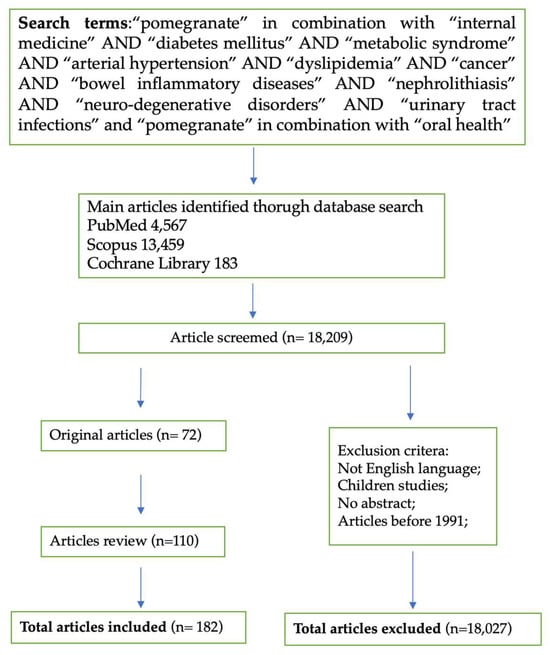
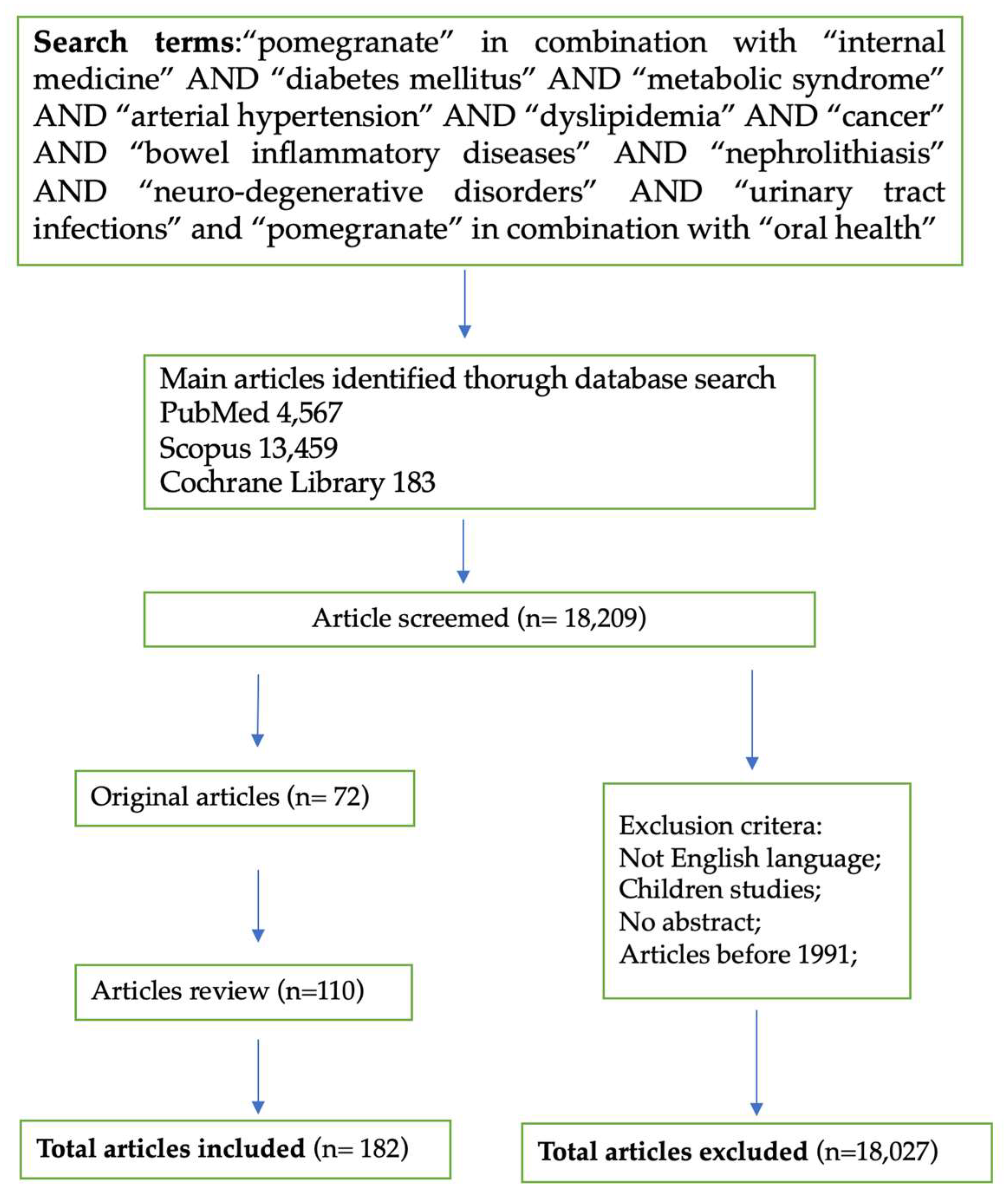
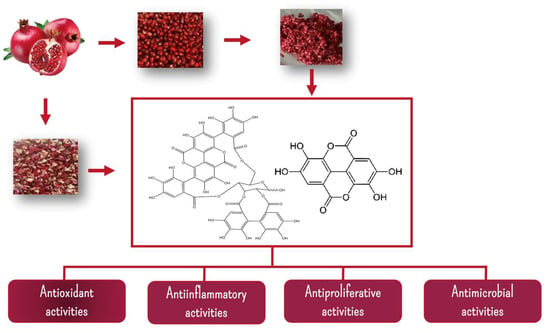
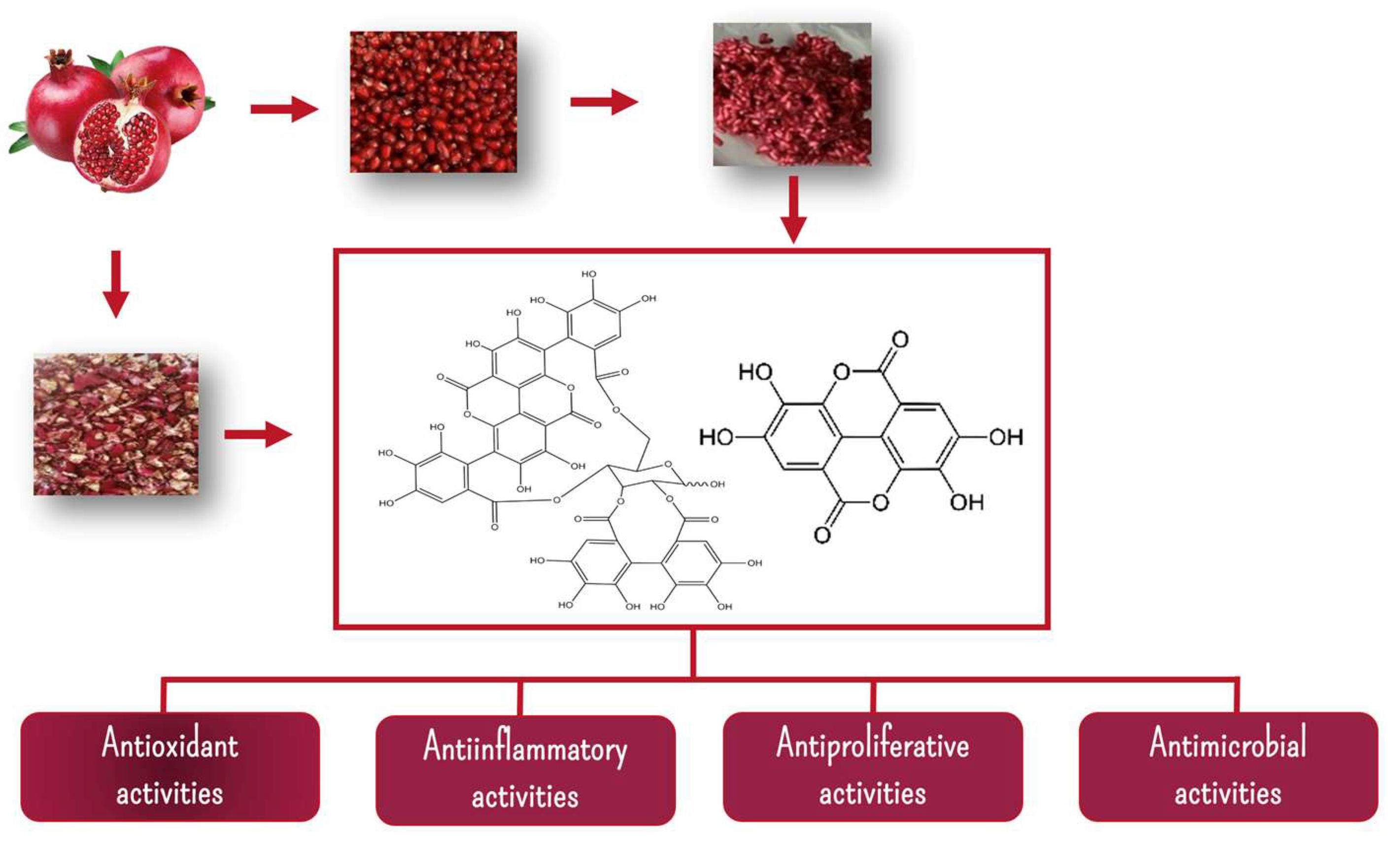
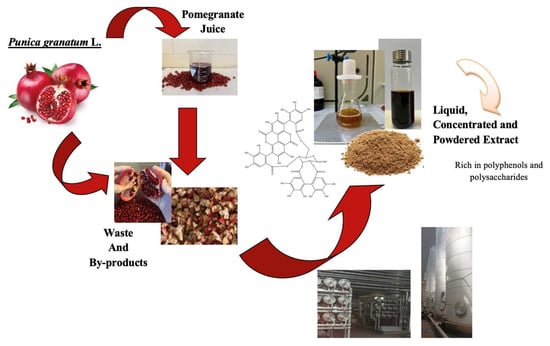
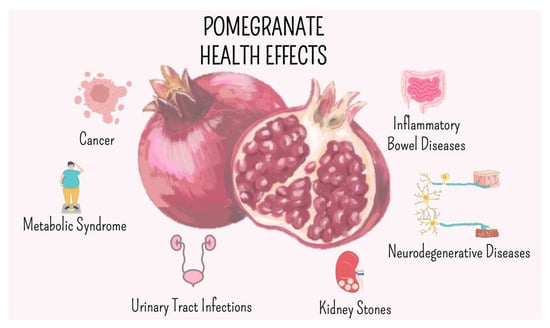
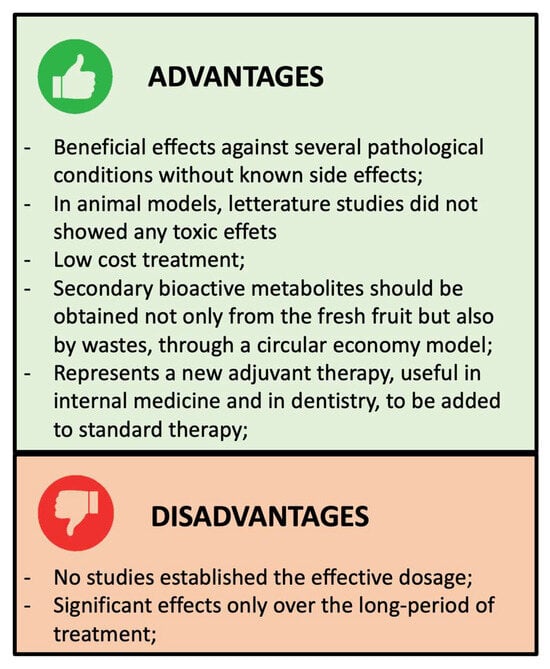
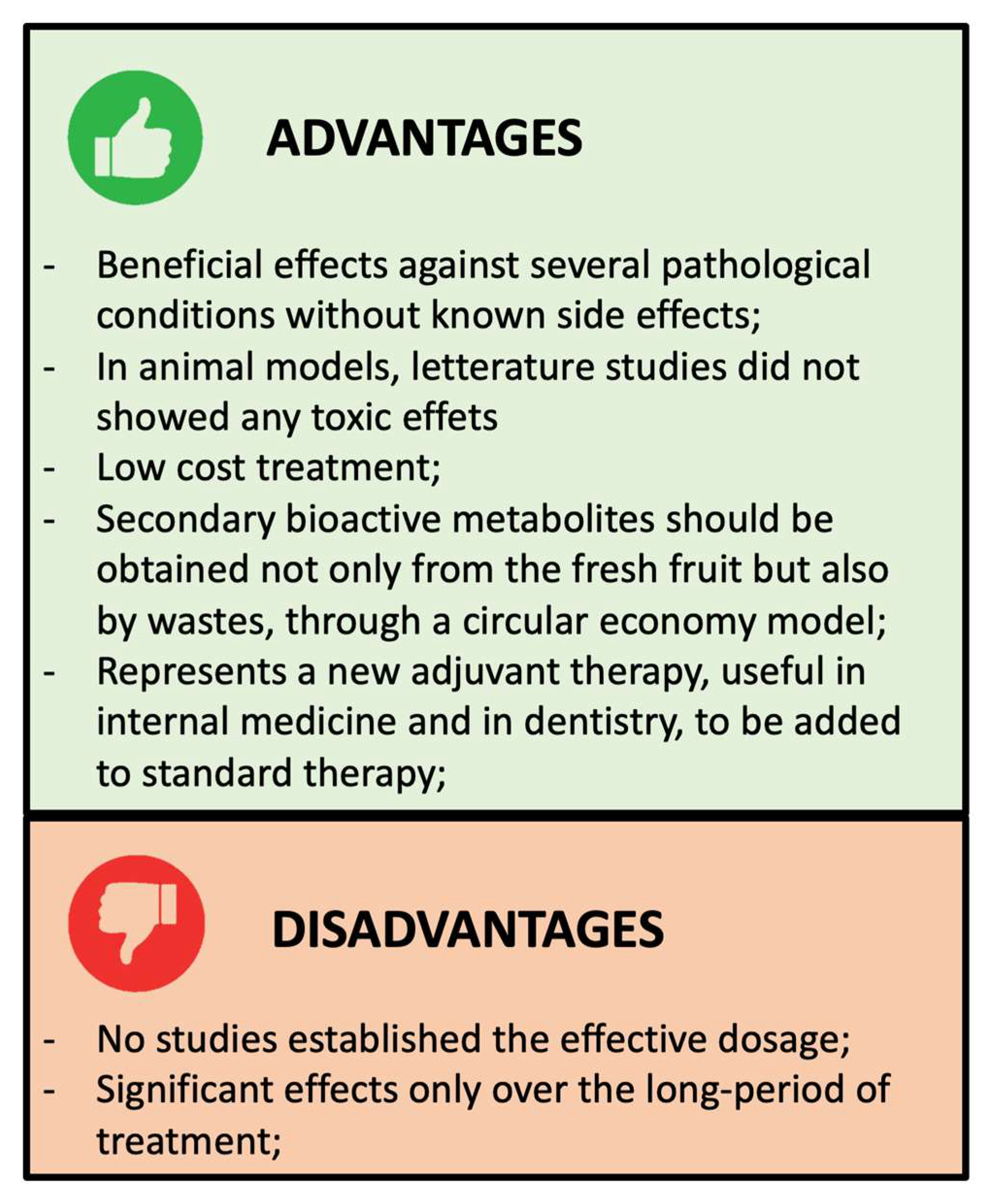
Disclaimer/Publisher’s Note: The statements, opinions and data contained in all publications are solely those of the individual author(s) and contributor(s) and not of MDPI and/or the editor(s). MDPI and/or the editor(s) disclaim responsibility for any injury to people or property resulting from any ideas, methods, instructions or products referred to in the content. |
© 2024 by the authors. Licensee MDPI, Basel, Switzerland. This article is an open access article distributed under the terms and conditions of the Creative Commons Attribution (CC BY) license (https://creativecommons.org/licenses/by/4.0/).