


Abstract
Integrating Corporate Social Responsibility (CSR) into business strategy requires organizational practices that convert sustainability- and stakeholder-related intentions into measurable and managerially usable information. This study examines whether distinct Business Performance Measurement (BPM) maturity profiles can be identified among hospitality SMEs and how these profiles are associated with sustainability- and stakeholder-oriented measurement practices. BPM maturity is defined as a multidimensional organizational capability reflected in the breadth, integration, monitoring, interpretation, and use of performance information, rather than merely in the possession of a formal measurement system. Using cross-sectional survey data from 600 decision-makers in Hungarian and Romanian accommodation and food service SMEs, the study applies Principal Component Analysis and Two-Step Cluster Analysis. Three profiles emerge: Integrated, Transitional, and Low BPM Maturity. Firms in the Integrated profile report broader use of financial, customer-related, employee-related, sector-specific, and sustainability-oriented performance information, whereas firms in the Low profile report more limited measurement practices. Sustainability- and development-related measurement practices provide the strongest relative contribution to profile differentiation in both national models. The findings demonstrate systematic associations between BPM maturity profiles and sustainability- and stakeholder-oriented measurement practices. They are consistent with the theoretical interpretation that BPM maturity may provide organizational conditions supporting the operationalization of responsible management intentions. However, the cross-sectional design does not establish causal direction, and the study does not directly measure formal CSR implementation or sustainability outcomes.
1. Introduction
The increasing complexity of the business environment, the growing importance of sustainability, and the rising expectations of stakeholders have fundamentally transformed the way organizations evaluate and manage performance. In recent decades, corporate success has increasingly been assessed not only through financial outcomes but also through an organization’s ability to create value for a broader range of stakeholders, including customers, employees, suppliers, local communities, and society as a whole (Barney & Harrison, 2020; Fatima & Elbanna, 2023b; Rodríguez-Fernández et al., 2020). This reflects the growing influence of stakeholder theory, which emphasizes that organizations must consider the interests and expectations of multiple stakeholder groups when defining corporate responsibility and long-term success (Freeman et al., 2021). Accordingly, Corporate Social Responsibility (CSR) and sustainability have become important strategic considerations for organizations seeking to maintain competitiveness, legitimacy, stakeholder trust, and organizational resilience in rapidly changing markets (Barney & Harrison, 2020; Ekwueme et al., 2013; Misani, 2017). More broadly, case-based research also suggests that strategic CSR may contribute to organizational resilience, although such evidence should be interpreted as general CSR background rather than hospitality-specific evidence (Liu & Zhou, 2025).
These developments are particularly relevant in hospitality, where growing stakeholder and sustainability expectations increase the need to integrate sustainability considerations into performance management and reporting (Guix & Font, 2020). Growing sustainability expectations have increased the importance of evaluating tourism development in relation to broader economic, social, and environmental sustainability objectives (Puig-Cabrera et al., 2025). Recent reviews of tourism and hospitality SMEs describe sustainability, competitiveness, resilience, and innovation as recurring themes, while also noting that stakeholder and institutional pressures increasingly shape managerial decisions (Aden et al., 2024; Arici et al., 2025). Empirical studies in hospitality SMEs show that customer expectations, regulatory pressure, and top management commitment are important drivers of environmental and CSR-related practices, and that these practices can support performance and competitiveness (Agkoli, 2024; Mu et al., 2024). At the same time, the literature repeatedly highlights barriers such as limited financial resources, insufficient knowledge, weak infrastructure, and lack of government support, which are especially acute for micro-, small-, and medium-sized enterprises (Agkoli, 2024). As a result, integrating sustainability and stakeholder considerations into managerial decision-making has become a central challenge for hospitality firms seeking both long-term viability and responsible business conduct (Agkoli, 2024; Mu et al., 2024).
The growing importance of sustainability and CSR has broadened the requirements of organizational performance evaluation. Performance measurement systems are increasingly expected to go beyond financial control and incorporate non-financial, stakeholder-related, and sustainability-oriented dimensions (Franco-Santos et al., 2007; Pun & White, 2005; Silva et al., 2019). Since its introduction by Kaplan and Norton (1992), the Balanced Scorecard has become an influential framework for linking financial and non-financial indicators to strategic objectives. In hospitality and sustainability contexts, this logic has been further extended to include stakeholder, materiality, environmental, and social dimensions (Phillips & Louvieris, 2005; Guix & Font, 2020; Chehimi & Naro, 2024).
In parallel, sustainability-focused studies argue that performance measurement must incorporate economic, environmental, and social dimensions; one paper proposes a balanced scorecard framework for measuring sustainability performance, while others show how CSR-oriented scorecards can translate non-financial initiatives into improved business performance. A recent systematic review adds that the literature on Balanced Scorecards and Sustainability Balanced Scorecards is split between instrumental work that supports strategic CSR alignment and more critical work that questions whether these tools can fully capture the complexity of sustainability (Chehimi & Naro, 2024). Consequently, BPM systems have evolved from simple financial control mechanisms into broader managerial systems that support strategic decision-making, stakeholder alignment, and organizational learning (Chehimi & Naro, 2024; Franco-Santos et al., 2007).
Within this context, BPM maturity reflects the extent to which performance measurement practices are systematically developed, integrated into managerial processes, and used for strategic decision-making. Performance-measurement maturity research treats maturity models as frameworks for assessing and improving how performance-management practices are developed, integrated, and used (Aho, 2009, 2012; Bititci et al., 2015; Jääskeläinen & Roitto, 2015). Related work emphasizes the importance of aligning managerial and operational processes with the desired maturity of performance management (Verweire & Van den Berghe, 2003). Empirical research further indicates that the organizational consequences of performance measurement depend substantially on how performance information is used in managerial decision-making and capability development (Grafton et al., 2010; Koufteros et al., 2014). More recent work shows that performance measurement can sustain internal strategic alignment through interpretive and cognitive processes (Bellisario et al., 2021).
Within the maturity-model literature, BPM systems characterized as more mature are generally associated with broader measurement frameworks, stronger strategic alignment, and more intensive use of performance information. A review of work on performance measurement systems emphasizes that strategic performance systems should be linked to corporate strategy and objectives, while maturity models can promote organizational learning and more effective assessment of PM practices (Bititci et al., 2015; Pun & White, 2005). Such systems may also facilitate the integration of sustainability objectives and stakeholder expectations into organizational management by providing managers with relevant information on social, environmental, and long-term performance outcomes. A systematic review of sustainability performance measurement found that stakeholder expectations are rarely considered explicitly (Silva et al., 2019). This limitation contributes to the perceived inadequacy of current approaches. Related studies on sustainability reporting and sustainable business performance highlight the growing demand for financial and non-financial indicators that cover economic, governance, social, ethical, and environmental dimensions, especially as sustainability reporting requirements increasingly push organizations toward more systematic environmental and non-financial performance measurement (Dobre et al., 2025; Silva et al., 2019).
Although CSR, sustainability-oriented management, and performance measurement have previously been connected in the literature, an important theoretical and empirical problem remains unresolved. Existing research provides limited evidence on how differences in the organizational development and managerial use of performance measurement practices are associated with the operational incorporation of sustainability- and stakeholder-related priorities in hospitality SMEs. In particular, it remains unclear whether distinct configurations of BPM maturity can be empirically identified and whether these configurations systematically differ in the breadth and use of sustainability-, customer-, employee-, and stakeholder-related information. This problem is especially relevant in resource-constrained hospitality SMEs, where responsible management intentions may remain informal unless they are accompanied by repeatable measurement, monitoring, and information-use routines. Prior work suggests that balanced, structured performance measurement systems can help SMEs track both financial and non-financial performance dimensions, while stakeholder orientation and CSR can also shape hospitality performance (Mu et al., 2024; Panno, 2020; Salvador et al., 2023). Furthermore, sustainable hospitality frameworks argue for integrating performance management with stakeholder engagement and sustainability reporting, yet they also note that current reporting often lacks clear cause-and-effect chains and robust system-level evidence (Guix & Font, 2020). In addition, relatively little is known about whether distinct BPM maturity profiles can be identified within the hospitality sector and whether these profiles are associated with sustainability-related measurement practices and organizational characteristics. Related hospitality studies show that maturity in information and control systems is associated with stronger process quality, guest relationships, and overall performance, but the evidence base remains small and often country-specific. This gap is especially evident in Central and Eastern European contexts, where empirical research on performance measurement maturity remains relatively limited. Previous regional exploratory studies examined selected performance measurement practices and organizational differences among hospitality enterprises, but did not provide a comprehensive cross-national classification of BPM maturity profiles in Hungary and Romania.
To address this unresolved problem, the present study investigates Business Performance Measurement practices among hospitality SMEs operating in Hungary and Romania. Using survey data collected from 600 decision-makers representing enterprises in accommodation services (NACE 55) and food and beverage service activities (NACE 56), the study aims to identify BPM maturity profiles and examine their relationships with sustainability-oriented measurement practices, stakeholder orientation, and selected organizational characteristics. Principal Component Analysis (PCA) and Two-Step Cluster Analysis are applied to identify distinct maturity profiles and explore the factors associated with their emergence.
The study makes one primary theoretical contribution. It extends the BPM maturity literature by identifying empirically derived maturity profiles among hospitality SMEs and by examining how these profiles are associated with the breadth and managerial use of sustainability- and stakeholder-oriented performance information. The study conceptualizes BPM maturity as a multidimensional organizational capability involving the generation, integration, interpretation, communication, and use of performance information rather than merely the possession of a formal measurement system. As secondary contributions, the study offers implications for the operational implementation of CSR and provides comparative evidence from the Hungarian and Romanian hospitality SME contexts.
Accordingly, the study addresses the following research questions:
RQ1: Can distinct BPM maturity profiles be identified among hospitality SMEs in Hungary and Romania?
RQ2: To what extent are BPM maturity profiles associated with sustainability-oriented and stakeholder-related performance measurement practices?
RQ3: Do the identified BPM maturity profiles differ in terms of organizational characteristics?
RQ4: How can the observed associations between BPM maturity profiles and sustainability- and stakeholder-oriented measurement practices be theoretically interpreted in relation to CSR implementation?
The remainder of the paper is structured as follows. Section 2 reviews the relevant literature on Business Performance Measurement, performance measurement maturity, stakeholder theory, CSR, and sustainability-oriented performance measurement. Section 3 presents the methodology and analytical procedures. Section 4 reports the empirical findings, while Section 5 discusses the theoretical and managerial implications of the results. Finally, Section 6 concludes the study and outlines limitations and directions for future research.
2. Theoretical Framework
The theoretical framework progressively connects stakeholder expectations, CSR and sustainability-oriented intentions, performance measurement, and BPM maturity. Stakeholder Theory explains why hospitality SMEs face demands for broader economic, social, environmental, customer-related, and employee-related accountability. The performance measurement and management control literature explains how such demands may become represented in indicators, monitoring routines, feedback, and decision-relevant information. Building on these two streams, BPM maturity is conceptualized as a multidimensional organizational capability that may provide organizational conditions supportive of CSR implementation, while remaining conceptually distinct from CSR integration itself.
2.1. Sustainability and CSR in Hospitality SMEs
Sustainability and Corporate Social Responsibility (CSR) have become important strategic concerns in the hospitality industry. Growing environmental and social challenges, stakeholder expectations, and demands for responsible business conduct have broadened the criteria for evaluating organizational success beyond purely financial outcomes. Accordingly, CSR is increasingly viewed not merely as a compliance or reputational activity, but as a strategic management issue involving the integration of environmental, social, and stakeholder-related considerations into organizational operations and long-term decision-making (Aden et al., 2024; Khatter, 2025; Mu et al., 2024).
In hospitality SMEs, CSR is closely connected to relationships with employees, customers, suppliers, local communities, and the natural environment. Existing studies associate CSR orientation and participation with organizational performance, stakeholder engagement, employee-related outcomes, customer responses, and longer-term organizational development (Aguinis & Glavas, 2019; Ahmad et al., 2023; Mu et al., 2024; Peña-Miranda et al., 2026). However, these potential benefits depend on whether responsible intentions are translated into concrete and consistently managed organizational practices.
Despite these potential benefits, implementing CSR and sustainability initiatives remains challenging for many SMEs. The literature identifies limited financial and human resources, insufficient institutional support, inadequate sustainability knowledge, and the absence of formalized management systems as important barriers (Agkoli, 2024; Khatter, 2025; Peña-Miranda et al., 2026). CSR activities in SMEs therefore often take the form of practical and locally embedded initiatives, such as community engagement, environmental stewardship, energy conservation, and support for local suppliers (Dewi et al., 2022). Formal sustainability strategies, reporting practices, and structured performance measurement systems remain unevenly developed because smaller hospitality firms often face limited managerial capacity and difficulties in formalizing non-financial indicators (Guix & Font, 2020; Khatter, 2025; Mjongwana & Kamala, 2018).
These implementation challenges indicate that managerial commitment alone may be insufficient for the systematic incorporation of CSR and sustainability priorities into everyday decisions. Hospitality SMEs also require organizational practices that convert broad commitments into measurable objectives, monitoring routines, assigned responsibilities, and decision-relevant information. This requirement links to performance measurement and BPM maturity, as developed in the following sections.
2.2. Stakeholder Theory and Sustainability-Oriented Management
Stakeholder Theory has become one of the most influential theoretical perspectives for understanding sustainability-oriented management. While originally developed to explain relationships between organizations and their stakeholders, contemporary stakeholder theory increasingly serves as a broader framework for integrating economic, social, and environmental objectives into organizational decision-making (Freudenreich et al., 2020; Valentinov, 2023).
The fundamental premise of Stakeholder Theory is that organizational success depends not only on maximizing shareholder value but also on creating value for a broader range of stakeholders, including employees, customers, suppliers, local communities, regulators, and society as a whole. Recent CSR research similarly shows that corporate responsibility has increasingly evolved toward integrating stakeholder relationships, strategic management, and sustainability-oriented objectives (Rodríguez-Fernández et al., 2020). From this perspective, sustainability can be understood as a complex coordination challenge in which organizations must simultaneously address the interests of multiple stakeholder groups while responding to environmental and social concerns.
Recent applications of Stakeholder Theory have further expanded its relevance to sustainability management. Sustainability-oriented management involves three key challenges: strengthening stakeholders’ sustainability interests, creating mutual interests among stakeholder groups, and empowering stakeholders to actively contribute to sustainable development (Hörisch et al., 2014). In this view, sustainability is not merely an internal organizational issue but a collaborative process that requires continuous interaction between firms and their stakeholder networks.
A similar perspective is advanced by Valentinov (2023), who emphasizes that stakeholder engagement is crucial for addressing the complexity and uncertainty associated with sustainability challenges. Through dialogue and collaboration with stakeholders, organizations can improve their understanding of environmental and social issues, identify sustainability-related risks more effectively, and develop business models that support long-term sustainable value creation (Valentinov, 2023). Consequently, stakeholder management can be viewed not only as a governance mechanism but also as an organizational learning and adaptation process.
Stakeholder-oriented management may support sustainability by broadening the range of interests considered in organizational decision-making and by facilitating collaboration, organizational learning, and sustainability-oriented value creation (Freudenreich et al., 2020; Valentinov, 2023; Hörisch et al., 2014).
However, the literature also highlights important implementation challenges. Although many organizations can be characterized as stakeholder-oriented, considerably fewer operate in a genuinely stakeholder-driven manner. The integration of stakeholder expectations into strategic and operational decision-making processes often remains incomplete or informal (Salimova et al., 2021). This challenge is particularly relevant for SMEs, which frequently operate with limited resources and less formalized management systems.
These issues are especially significant in the hospitality sector, where stakeholder expectations regarding environmental responsibility, employee well-being, community engagement, and sustainable service provision continue to increase. Recent research on responsible leadership also emphasizes that stakeholder considerations, ethical decision-making, social responsibility, and sustainability objectives are increasingly connected to strategic organizational governance (Koen & Grobler, 2026). Meeting these expectations requires organizations not only to recognize stakeholder interests but also to systematically monitor, evaluate, and manage stakeholder-related performance dimensions. Employees represent a particularly important stakeholder group in hospitality SMEs because employee-related organizational practices are closely connected to service delivery and customer experience.
Stakeholder Theory therefore explains the origin of broader organizational information demands but does not by itself specify how firms operationalize them. The performance measurement and management control perspective complements this explanation by focusing on the indicators, routines, feedback processes, and managerial uses through which stakeholder-related priorities may enter planning and control.
2.3. Performance Measurement in Hospitality SMEs
Performance measurement has become a critical managerial activity in hospitality SMEs due to the sector’s service-intensive nature, strong customer orientation, labor dependence, and exposure to dynamic market conditions. Consequently, organizational performance cannot be adequately assessed solely by financial indicators, as service quality, customer satisfaction, employee performance, and operational efficiency are equally important determinants of long-term competitiveness (Panno, 2020). More broadly, tourism destination performance is multidimensional and is associated with competitiveness, revenues, employment, economic activity, and growth (Purwono et al., 2024).
The literature consistently supports the adoption of balanced performance measurement systems that integrate financial and non-financial indicators. The Balanced Scorecard (BSC) is among the most frequently applied frameworks in hospitality research, emphasizing the simultaneous evaluation of financial performance, customer outcomes, internal processes, and organizational learning (Phillips & Louvieris, 2005). Accordingly, effective performance measurement extends beyond traditional accounting metrics and incorporates indicators reflecting service quality, customer experience, and organizational development.
Developing performance measurement systems in hospitality and tourism is challenging because organizational performance is multidimensional and requires the integration of financial, customer, employee, operational, and other non-financial information (Haktanir & Harris, 2005; Mjongwana & Kamala, 2018; Panno, 2020; Phillips & Louvieris, 2005; Sainaghi et al., 2017). Central and Eastern European tourism research further illustrates that external crises, such as the COVID-19 pandemic, can substantially affect the financial performance of tourism companies, reinforcing the importance of financial monitoring in crisis-sensitive contexts (Droj & Droj, 2021). To ensure empirical and structural homogeneity, this study bypasses general tourism activities and focuses strictly on enterprises within NACE 55 (Accommodation) and NACE 56 (Food and Beverage Service Activities) sub-sectors. Recent Central and Eastern European evidence from Slovak spa enterprises illustrates that sector-specific financial-performance indicators can be useful for identifying homogeneous performance-based clusters in tourism-related businesses (Vašaničová et al., 2025).
Within this framework, baseline operations rely on core metrics such as Occupancy Rate (OCC), Average Daily Rate (ADR), and Revenue per Available Room (RevPAR) (Singh & Corsun, 2023). Accommodation businesses commonly rely on sector-specific indicators such as occupancy rate, Average Daily Rate, Revenue per Available Room, Average Length of Stay, and Gross Operating Profit per Available Room (Gomes et al., 2025; Lee et al., 2019; Singh & Corsun, 2023). However, relying exclusively on basic revenue indicators may provide only a partial view of organizational performance. Hospitality SMEs with broader and more integrated performance measurement practices may incorporate a broader and more specialized range of indicators. In accommodation businesses, profitability-oriented measures such as GOPPAR may complement traditional room-based indicators such as RevPAR (Lee et al., 2019), whereas restaurant revenue management commonly applies time- and capacity-based measures such as RevPASH (Malheiros et al., 2025). More broadly, empirical evidence suggests that hospitality and tourism firms benefit from multidimensional performance information combining financial, operational, customer-related, and other non-financial indicators (Mjongwana & Kamala, 2018; Panno, 2020). Evidence from Slovak spa enterprises further illustrates that sector-specific financial rating models can support performance assessment in tourism-related businesses (Čabinová et al., 2021).
Hospitality SMEs commonly combine traditional financial measures with non-financial indicators related to customer satisfaction, employee competencies, service quality, and operational efficiency (Panno, 2020). Previous regional evidence indicates that employee performance measurement in hospitality enterprises is often conducted informally, while more formalized assessment practices tend to be more prevalent in larger firms (reference withheld for blind review). Evidence from hospitality and Central and Eastern European tourism-related research suggests that performance measurement and cluster-based approaches can help capture sectoral heterogeneity and structural performance differences, particularly in hotel, spa, and tourism-firm contexts (Panno, 2020; Phillips & Louvieris, 2005; Vašaničová et al., 2025). Firms with broader and more integrated measurement practices tend to use frameworks that extend beyond basic financial and operational indicators to include customer, employee, innovation, and sustainability-related dimensions. Beyond performance evaluation, measurement systems contribute to strategic management and competitiveness. Effective systems support budgetary control, customer relationship management, strategic planning, and organizational collaboration, while the capability to collect and utilize performance-related information has been identified as an important source of competitive advantage and organizational adaptation (Phillips & Louvieris, 2005).
Nevertheless, implementing sophisticated performance measurement systems remains challenging for many SMEs due to financial constraints, difficulties in measuring non-financial outcomes, limited managerial resources, and employee resistance (Mjongwana & Kamala, 2018). At the same time, growing sustainability and stakeholder-related expectations require hospitality firms to monitor an increasingly diverse set of financial, customer-related, employee-related, and sustainability-oriented indicators.
These developments suggest that the central issue is not simply whether hospitality SMEs possess performance indicators, but whether financial and non-financial information is regularly integrated, interpreted, communicated, and used in managerial processes. This distinction provides the basis for conceptualizing BPM maturity as an organizational capability rather than as the mere presence of a measurement system.
2.4. BPM Maturity as an Organizational Capability Relevant to CSR Implementation
For this study, Business Performance Measurement (BPM) maturity is defined as a multidimensional organizational capability reflecting the extent to which a firm can generate, integrate, interpret, communicate, and use financial and non-financial performance information in strategic and operational decision-making. It is considered a capability because it concerns the coordinated and repeated deployment of measurement-related resources and routines, including indicator selection, monitoring, feedback, communication, and the incorporation of performance information into managerial action.
BPM maturity is conceptually distinct from a well-developed performance measurement system. A performance measurement system refers to the indicators, methods, technologies, and formal procedures available within the organization. In contrast, BPM maturity refers to the organization’s capacity to use these elements coherently and repeatedly. A firm may possess sophisticated tools without using the resulting information systematically, while another firm may operate a relatively simple but highly integrated measurement process. Accordingly, maturity is reflected not only in system sophistication but also in the breadth, regularity, integration, and managerial use of performance information.
This distinction is consistent with research showing that the organizational consequences of performance measurement depend on how information is used for strategic alignment, learning, feedback, and decision-making rather than on the formal existence of a measurement system alone (Franco-Santos et al., 2012; Grafton et al., 2010; Koufteros et al., 2014). Earlier and more recent work similarly emphasizes the importance of organizational integration, adaptability, and managerial use in performance management systems (Bellisario et al., 2021; Bititci et al., 2015; Cosa & Torelli, 2024).
The relevance of BPM maturity to CSR implementation derives from the role of measurement and management control in operationalizing broad strategic intentions. Sustainability-management research indicates that CSR- and sustainability-related priorities become more managerially actionable when they are connected with indicators, targets, monitoring, planning, control, and reporting processes (Gond et al., 2012; Hansen & Schaltegger, 2016; Henri & Journeault, 2010; Maas et al., 2016). Recent SME and management-control research further suggests that sustainability strategies may require the adaptation and active use of sustainability-related control systems rather than the isolated adoption of additional indicators (Hasu et al., 2025; Pan Fagerlin et al., 2026).
Accordingly, BPM maturity is theorized here as a potentially enabling organizational condition rather than as CSR implementation itself. More integrated measurement capabilities may make sustainability- and stakeholder-related priorities more visible, monitorable, and usable in managerial processes. However, this relationship may also depend on managerial commitment, organizational resources, digital capabilities, stakeholder pressure, and institutional conditions. The present cross-sectional study therefore examines associations consistent with this theoretical interpretation; it does not establish a causal implementation process.
2.5. Research Gap and Conceptual Framework
Although prior research has connected CSR, sustainability, stakeholder management, performance measurement, and management control, the configuration-level role of BPM maturity in hospitality SMEs remains insufficiently understood. Existing studies have examined the integration of sustainability into management control and performance measurement systems and the alignment of CSR with stakeholder priorities and strategic management (Boesso et al., 2015; Gond et al., 2012; Hansen & Schaltegger, 2016; Maas et al., 2016). However, less is known about whether hospitality SMEs exhibit distinct configurations in the breadth, integration, monitoring, interpretation, and use of performance information, and whether these configurations are systematically associated with sustainability- and stakeholder-oriented measurement practices.
The proposed framework connects stakeholder expectations, CSR and sustainability-oriented intentions, BPM maturity, and observable measurement practices. Stakeholder expectations create demands for broader organizational accountability (Freeman et al., 2021; Valentinov, 2023). BPM maturity may provide the organizational capability through which broad priorities are converted into indicators, targets, monitoring routines, feedback, and decision-relevant information. Sustainability- and stakeholder-oriented measurement practices represent the observable incorporation of these priorities into managerial information and control processes (Franco-Santos et al., 2012; Gond et al., 2012; Grafton et al., 2010).
BPM maturity does not constitute CSR implementation or sustainability performance in itself. Rather, it is theorized as an organizational condition that may make CSR- and stakeholder-related priorities more measurable and managerially actionable. The empirical analysis therefore examines whether distinct BPM maturity profiles can be identified and whether these profiles differ systematically in sustainability- and stakeholder-oriented measurement practices and selected organizational characteristics.
The proposed sequence is not tested as a causal model. The observed associations are interpreted as being consistent with, rather than proving, the theoretical mechanism. Reverse causality also remains possible: firms with stronger sustainability commitments may develop broader and more integrated measurement practices, whereas firms with more developed managerial capabilities may be better positioned to introduce sustainability-related indicators (Hasu et al., 2025; Pan Fagerlin et al., 2026).
The relationships among stakeholder expectations, CSR and sustainability-oriented intentions, BPM maturity, observable measurement practices, and their potential incorporation into managerial processes are summarized in Figure 1. The figure also recognizes that these relationships may be shaped by contextual conditions, including managerial commitment, organizational resources, digital capabilities, and the institutional environment.
Figure 1.
Conceptual framework linking stakeholder expectations, CSR intentions, BPM maturity, and managerial implementation. Note: The figure presents a theoretically proposed mechanism rather than a causally tested model. The empirical analysis examines associations between BPM maturity profiles and sustainability- and stakeholder-oriented measurement practices.
3. Materials and Methods
3.1. Research Design
The aim of this study was to examine Business Performance Measurement (BPM) practices among hospitality micro-, small-, and medium-sized enterprises (SMEs) operating in Hungary and Romania and to identify distinct BPM maturity profiles. The study is guided by the theoretical proposition that the maturity of performance measurement practices may represent an organizational capability associated with the more systematic incorporation of sustainability objectives and stakeholder considerations into managerial decision-making. The empirical design does not directly test a causal implementation mechanism; rather, it examines whether distinct BPM maturity profiles are associated with differences in sustainability- and stakeholder-oriented measurement practices.
More specifically, the research sought to determine whether distinct BPM maturity profiles can be identified among hospitality SMEs and whether these profiles are associated with sustainability-, development-, and stakeholder-oriented performance measurement practices. Furthermore, the study examined whether BPM maturity is associated with selected organizational characteristics, specifically firm size, organizational age, and the presence of formalized performance measurement systems.
The study employed a quantitative cross-sectional research design. Empirical data were collected through a questionnaire survey conducted among managers of SMEs operating in accommodation services (NACE 55) and food and beverage service activities (NACE 56) in Hungary and Romania.
3.2. Sample and Data Collection
Data collection was conducted between 25 July and 11 September 2025 with the assistance of a professional market research company. The target population consisted of micro-, small-, and medium-sized enterprises operating in the accommodation and food service sectors.
The final sample comprised 600 enterprises, including 300 respondents from Hungary and 300 respondents from Romania (Table 1).
Table 1.
Main characteristics of the sample.
The questionnaires were completed by owners, managing directors, hotel managers, and other senior decision-makers who possessed direct knowledge of their organizations’ operations and performance management practices.
A stratified sampling approach with proportional allocation was employed using comprehensive national business databases in Hungary and Romania. The sampling frame included enterprises operating under NACE 55 (Accommodation) and NACE 56 (Food and Beverage Service Activities) as their primary business activity. To improve structural comparability and approximate the population distribution, strata were defined according to three key dimensions: regional distribution at the NUTS 2 level, enterprise size (micro-, small-, and medium-sized enterprises), and economic activity (NACE 55 vs. NACE 56). Within each predefined stratum, firms were randomly selected and contacted from the available business databases until the target sample size for each cell was achieved. This sampling procedure strengthened the structural comparability of the Hungarian and Romanian subsamples and helped ensure that key population characteristics were reflected in the final sample. Nevertheless, as with all survey-based research, the generalizability of the findings should be interpreted with appropriate caution.
3.3. Measurement Instrument
Data were collected using a structured questionnaire. The questionnaire design was based on widely accepted dimensions of Business Performance Measurement and performance management identified in the literature, with particular emphasis on integrated approaches combining financial and non-financial performance measurement (Franco-Santos et al., 2007; Kaplan & Norton, 1992; Neely et al., 1995). The questionnaire also incorporated insights derived from two previous exploratory studies of performance measurement practices in hospitality enterprises (Lőrincz, 2024a, 2024b).
The questionnaire was designed to capture the multidimensional nature of organizational performance measurement practices. Accordingly, the survey examined not only the use of specific performance indicators but also their practical application, the use of performance measurement systems, monitoring processes, and the strategic importance and organizational integration of different performance measurement dimensions.
The questionnaire consisted of several thematic blocks covering financial, customer-related, employee-related, sector-specific, and sustainability-oriented performance measurement practices, as well as the use of performance measurement systems, managerial utilization of performance information, monitoring practices, and the perceived impacts of major external crises. Most items were measured using five-point Likert scales, which are widely applied in studies examining organizational practices and managerial attitudes.
Table 2 summarizes the questionnaire items included in each analytical block and shows how the original variables were subsequently reduced into PCA-based performance measurement dimensions.
Table 2.
Questionnaire items, measurement domains, and derived PCA components.
To strengthen measurement validity, the questionnaire items were derived from the established literature on BPM, performance management, stakeholder, and sustainability measurement, and adapted to the hospitality SME context. The instrument was reviewed for conceptual clarity and sectoral relevance before data collection. Since the survey was administered in two national contexts, particular attention was paid to ensuring that the Hungarian and Romanian versions preserved the same conceptual meaning across items. The final questionnaire included both practice-oriented items, capturing the actual use of performance indicators and measurement routines, and perception-oriented items, capturing the perceived importance of different performance dimensions.
For conceptual clarity, the operationalization distinguished five related but non-identical elements: perceived importance, actual measurement practices, monitoring activities, managerial use of performance information, and system sophistication. Perceived importance reflects managers’ stated assessment of the relevance of a performance dimension, whereas actual measurement practices capture whether the corresponding indicators are used in organizational practice. Monitoring activities refer to the regularity with which performance information is reviewed, managerial information use reflects its application in planning, control, strategic decisions, development, and benchmarking, and system sophistication refers to familiarity with or use of formal and advanced performance management methods.
These elements were not treated as interchangeable indicators of BPM maturity. Components primarily reflecting perceived importance were excluded from the cluster analysis because stated importance does not necessarily indicate implementation. The maturity profiles were therefore derived from components representing enacted measurement practices, monitoring, information use, and the organizational use of performance measurement systems.
3.4. Data Analysis
The data were analyzed using IBM SPSS Statistics 31. This analytical setup is consistent with prior tourism and hospitality studies that apply multivariate and cluster-based methods to classify firms according to performance-related characteristics. For instance, component- and cluster-based analyses have been used to examine financial performance, financial position, liquidity, earnings, and debt among tourism companies (Opreana et al., 2024). Similarly, Vašaničová et al. (2025) classified Slovak spa enterprises into financial-performance-based clusters. Related tourism studies show that cluster-based approaches can be useful for examining performance-related heterogeneity among tourism enterprises (Opreana et al., 2024; Vašaničová et al., 2025). Building on this methodological logic, the present study applies PCA and Two-Step Cluster Analysis to identify BPM maturity profiles among hospitality SMEs.
Before proceeding with further analyses, the dataset was screened for missing and inconsistent responses. The number of such cases was negligible, and these observations were excluded from further analysis. Descriptive statistical analyses were first conducted to examine the sample characteristics and the distributions of the variables. Given the ordinal nature of the Likert-scale variables, non-parametric statistical procedures were then applied in the comparative analyses. Following these preparatory steps, the focus shifted to data reduction and structural exploration.
Principal Component Analysis (PCA) was employed primarily as a data reduction technique to consolidate theoretically defined performance measurement domains into a smaller set of analytically manageable components for subsequent cluster analysis. The analysis was not intended to explore an unknown latent structure but rather to reduce the dimensionality of conceptually established performance measurement domains derived from the literature and the questionnaire design. PCA is a widely used data reduction technique that condenses a large number of correlated variables into a smaller set of interpretable components (Hair et al., 2019). The suitability of the data for PCA was assessed using the Kaiser–Meyer–Olkin (KMO) measure of sampling adequacy and Bartlett’s test of sphericity.
Component retention (the process for deciding which components to keep in the analysis) was based on the Kaiser criterion (a rule for retaining components with eigenvalues, or variance measures, greater than 1), the proportion of variance explained (amount of variability accounted for by each component), and the substantive interpretability (clear theoretical meaning) of the resulting factor structure.
The PCA procedures, conducted after confirming data suitability, yielded several interpretable components summarizing organizational performance measurement practices, including financial measurement practices, customer-oriented measurement, employee-focused measurement, integrated sector-specific measurement, and sustainability- and development-related measurement practices.
In several cases, the extracted components clearly distinguished between the perceived strategic importance of a given performance measurement domain and its actual implementation in organizational practice, further supporting the substantive validity of the resulting factor structure.
To assess the measurement structure’s stability, separate PCA procedures were conducted for the Hungarian and Romanian subsamples, with results summarized in Table 3 and the analysis of the combined dataset reported in Appendix A.
Table 3.
Summary results of the principal component analyses for the Hungarian and Romanian subsamples.
The results indicated a broadly similar component structure across the two national subsamples, together with comparable proportions of explained variance, providing preliminary support for the comparability of the measurement structure and the use of the combined dataset in the subsequent cluster analysis.
Some caution is nevertheless required in interpreting dimensions with weaker sampling adequacy. As presented in Table 3, the KMO value in the Hungarian subsample was below the conventional threshold of 0.60 for the customer-oriented dimension (KMO = 0.544) and marginal for the sector-specific dimension (KMO = 0.593). However, Bartlett’s tests of sphericity were highly significant, the extracted components were theoretically interpretable, and the reliability statistics—cross-referenced with the full model structure in Appendix A—provided additional empirical support for retaining these dimensions. Specifically, Cronbach’s alpha values for the Hungarian subsample were acceptable for exploratory research: alpha = 0.660 for the sector-specific dimension and alpha = 0.680 for the customer-oriented dimension. The corresponding standardized alpha values (alpha = 0.685 and alpha = 0.669, respectively) further confirm that these item groups possess sufficient internal consistency for exploratory purposes. Accordingly, these KMO values warrant caution when interpreting the customer-oriented and sector-specific components in the Hungarian sample, but they do not by themselves invalidate the broader multidimensional measurement structure used in the study.
Business Performance Measurement maturity profiles were identified using Two-Step Cluster Analysis. As shown in Table 2, the questionnaire items were organized into eight theoretically defined analytical dimensions. Table 3 reports the component structures obtained from the block-specific Principal Component Analyses and shows that the dimensions were represented by either one or two components depending on the empirical structure.
In the Financial, Sector-Specific, Customer-Oriented, and Sustainability and Development dimensions, the two-component structures generally distinguished perceived importance or theoretical orientation from enacted measurement practice. Because stated importance does not necessarily indicate actual implementation, only the practice-oriented component from each of these dimensions was retained for the cluster analysis. The Monitoring Practices, Use of Performance Measurement Information, and Employee-Oriented dimensions each contributed one practice-oriented component.
The Performance Measurement Systems and Methods dimension was treated differently. Its two components did not represent an importance–practice distinction, but captured two substantively different forms of actual organizational practice: traditional or internally oriented control systems and advanced performance measurement systems and methods. Both components were therefore retained. Consequently, each of the Hungarian, Romanian, and combined-sample cluster models was based on nine component-score inputs derived from the same eight theoretical dimensions.
A sample-specific difference was observed in the PCA structure of the Sector-Specific Dimension. In the Hungarian sample, this dimension was represented by two components, whereas it formed one integrated component in the Romanian sample. In the Hungarian analysis, only the component reflecting enacted sector-specific measurement practice was retained for clustering, while the importance-oriented component was excluded. This selection procedure ensured that all three cluster models captured the same theoretical domains and used the same total number of nine practice-oriented component-score inputs.
Two-Step Cluster Analysis was first conducted separately for the Hungarian and Romanian subsamples using the corresponding PCA component scores. A separate analysis was subsequently estimated for the combined dataset to identify a harmonized cross-national BPM maturity profile structure and enable comparative interpretation.
From a substantive perspective, cluster analysis was appropriate because BPM maturity was conceptualized as a multidimensional organizational configuration rather than as a single directly observed score. Previous maturity research similarly describes performance management maturity as comprising multiple organizational, managerial, and information-use dimensions and shows that organizations may exhibit distinct maturity profiles rather than differing only along one uniform continuum (Aho, 2009; Jääskeläinen & Roitto, 2015). Hospitality SMEs may combine monitoring practices, financial and non-financial measurement, sector-specific indicators, sustainability-oriented measurement, system use, and managerial information use in different ways. The purpose of the analysis was therefore to identify recurring configurations of these enacted practices rather than to rank firms solely according to a predetermined composite score.
The resulting groups were interpreted as BPM maturity profiles because they displayed an ordered pattern in the breadth, regularity, integration, and managerial use of performance information. This interpretation is consistent with research emphasizing that the maturity and organizational value of performance measurement systems depend not only on the presence of indicators or formal tools, but also on their integration, adaptability, and use in managerial learning and decision-making (Bellisario et al., 2021; Bititci et al., 2015; Franco-Santos et al., 2012). The Integrated, Transitional, and Low labels therefore summarize substantively different configurations of organizational measurement capability. However, they should not be interpreted as universal developmental stages or as evidence that firms necessarily progress sequentially from one profile to another.
This method is particularly suitable for identifying homogeneous groups within larger datasets while simultaneously maximizing between-cluster differences and minimizing within-cluster variation (Bacher et al., 2004; Rousseeuw, 1987; Vargha et al., 2016).
Because the Hungarian, Romanian, and combined-sample cluster analyses were estimated separately, the repeated emergence of a three-cluster solution should be interpreted as evidence of solution-level structural comparability rather than identical firm-level classification. Similarity refers to the number, ordering, and substantive configuration of the profiles, not to equivalent assignment of firms across the separately estimated models.
The predictor importance values generated by the Two-Step Cluster Analysis are normalized relative measures. The predictor with the greatest contribution to cluster differentiation is assigned a value of 1.00 by definition, while the remaining values are expressed relative to this reference variable. A value of 1.00 therefore does not represent an absolute effect size or independent explanatory power.
Cluster solutions were evaluated using both statistical and substantive criteria. Alternative solutions containing two, three, four, and five clusters were examined by considering Bayesian Information Criterion (BIC) values, changes in BIC, ratios of BIC changes, ratios of distance measures, silhouette coefficients, cluster-size balance, parsimony, and substantive interpretability. These criteria are consistent with established approaches to evaluating cluster cohesion, separation, and homogeneous group structures (Rousseeuw, 1987; Vargha et al., 2016).
For the combined sample, the automatic Two-Step procedure selected three clusters. The two-cluster solution, although characterized by stronger separation, provided only a broad distinction between more limited and more integrated measurement configurations. The four-cluster solution had a lower absolute BIC, but the incremental improvement beyond three clusters was limited, the ratio of distance measures declined, and the additional cluster mainly subdivided the more integrated configuration. The five-cluster solution showed weaker separation and greater fragmentation. The detailed comparison of the alternative solutions is reported in Section 4.1.
The selected three-cluster solution had a silhouette coefficient of 0.30, indicating moderate rather than strong separation. It was retained because it produced adequately sized, substantively ordered, and parsimonious Low, Transitional, and Integrated BPM maturity profiles. Accordingly, the profiles are interpreted as partially overlapping empirical configurations rather than sharply separated organizational types. An additional random-subsample sensitivity analysis was conducted for the combined-sample cluster solution, with the procedure and results reported in Section 4.5. The overall research design and analytical procedure applied in the study are summarized in Figure 2.
Figure 2.
Research Design and Analytical Procedure.
To profile the resulting clusters, Kruskal–Wallis tests were applied to continuous and ordinal variables, while chi-square tests were used for categorical variables. Whenever the assumptions of the chi-square test were violated, Monte Carlo simulation-based significance estimates were used to ensure robust statistical inference.
3.5. Ethical Considerations
The study was conducted in accordance with the applicable institutional ethical requirements. Ethical approval was obtained from the competent institutional Research Ethics Committee; the approval details have been withheld for blind review and are provided separately to the Editorial Office as non-published material. Participation was voluntary and anonymous, and informed consent was obtained from all respondents before data collection. The authors received only the final cleaned and fully anonymized dataset for analytical purposes. No personally identifiable information was collected or processed by the authors during the study.
Generative artificial intelligence was not used for data collection, statistical analysis, or result interpretation. Any use of AI-assisted tools was limited to language refinement and editorial support.
4. Results
4.1. Identification of BPM Maturity Profiles
The Two-Step Cluster Analysis identified three distinct Business Performance Measurement (BPM) maturity profiles in both the Hungarian and Romanian samples. The distribution of firms across the clusters showed a highly similar pattern in both countries. In Hungary, 49.3% of firms (N = 148) were assigned to the first cluster, 32.0% (N = 96) to the second, and 18.7% (N = 56) to the third. In Romania, the corresponding proportions were 47.0% (N = 141), 38.0% (N = 114), and 15.0% (N = 45), respectively.
A separate Two-Step Cluster Analysis was subsequently conducted on the combined Hungarian–Romanian dataset to identify a harmonized cross-national BPM maturity profile structure. The automatic procedure selected three clusters. To provide greater transparency regarding the selection of the final solution, alternative models containing two, three, four, and five clusters were also examined, as reported in Table 4.
Table 4.
Comparison of alternative Two-Step Cluster solutions for the combined sample.
As shown in Table 4, the automatic Two-Step procedure selected the three-cluster solution. Although the two-cluster model showed stronger separation, it provided only a broad distinction between more limited and more integrated measurement configurations and did not identify a separate transitional profile. The selected three-cluster model produced adequately sized and substantively ordered Low, Transitional, and Integrated BPM maturity profiles.
The four-cluster solution had a lower absolute BIC, but the additional improvement beyond three clusters was limited, the ratio of distance measures declined, and the additional cluster mainly subdivided the more integrated configuration. The five-cluster solution showed weaker separation and greater fragmentation. The three-cluster solution was therefore retained as the most parsimonious and substantively interpretable representation of BPM maturity. Given its silhouette coefficient of 0.30, the profiles are interpreted as partially overlapping empirical configurations rather than sharply separated organizational types.
The selected three-cluster solutions produced substantively ordered BPM maturity profiles in the Hungarian, Romanian, and combined analyses. In the combined sample, 44.8% of firms were classified as Integrated, 37.8% as Transitional, and 17.3% as Low BPM Maturity. The country-specific and combined-sample distributions are presented in Table 5.
Table 5.
Distribution of BPM maturity profiles in Hungary, Romania, and the combined sample.
The independently estimated Hungarian, Romanian, and combined analyses each produced a three-profile structure with a comparable ordering from broader and more integrated measurement practices to more limited practices. This solution-level similarity provides evidence of structural comparability. It does not imply that the independently estimated models assigned the same firms to equivalent clusters.
It should be noted that the combined-sample cluster solution was estimated separately from the country-specific cluster analyses. Therefore, the combined-sample cluster sizes are not simple sums of the Hungarian and Romanian cluster memberships. Instead, they reflect the classification produced by the harmonized clustering procedure applied to the full dataset. This approach was used to assess whether the same maturity structure emerges when the two national samples are analyzed jointly. For this reason, country-specific cluster memberships and combined-sample cluster memberships should not be interpreted as identical classifications of the same firms.
4.2. Distinguishing Characteristics of the Identified BPM Maturity Profiles
The identified BPM maturity profiles revealed clear and consistent differences across the examined performance measurement dimensions. In both countries, firms in the Integrated BPM Maturity profile exhibited above-average values across the examined dimensions, whereas firms in the Low BPM Maturity profile consistently displayed below-average values. The Transitional BPM Maturity profile occupied an intermediate position between these two extremes (see Figure 3).
Figure 3.
BPM maturity profiles across performance measurement dimensions in Hungary and Romania. Note: The values represent standardized component scores, where 0 denotes the sample mean. Positive values indicate above-average levels, whereas negative values indicate below-average levels of the respective performance measurement practices.
This pattern indicates that BPM maturity is not associated with a single isolated measurement practice, but rather with the broader integration of multiple performance measurement dimensions.
Sustainability- and development-related measurement practices received the highest relative predictor importance in both country-specific models. Because predictor importance is normalized, the value of 1.00 indicates that this dimension was the strongest differentiator relative to the other predictors included in the respective model; it does not represent an absolute effect size or demonstrate that sustainability measurement causes BPM maturity (see Table 6).
Table 6.
Normalized Relative Predictor Importance of Performance Measurement Dimensions in the Country-Specific Two-Step Cluster Models.
Interestingly, traditional and advanced performance measurement systems exhibited relatively low predictor importance values in both countries. This indicates that the observed cluster differentiation was less strongly associated with the formal use of named performance measurement methods than with enacted measurement, information-use, and sustainability-oriented practices.
However, it is important to distinguish between the overall shape of the maturity profiles and the role of variables in forming clusters. When comparing the mean values across the three clusters for the examined dimensions, the Hungarian and Romanian profiles show a highly similar configuration. The Integrated BPM Maturity profile has consistently higher values, the Low BPM Maturity profile has lower values, and the Transitional BPM Maturity profile has intermediate values. This suggests the general structure and direction of BPM maturity are comparable across the two national samples.
At the same time, the predictor importance values reveal important country-specific differences. These differences concern the dimensions that most strongly differentiate the clusters. In Hungary, customer-oriented measurement practices ranked second among the most influential clustering variables. This was followed by the use of performance information and the sector-specific integrated approach. These findings indicate that the Integrated BPM Maturity profile in Hungary is particularly associated with stronger customer orientation and a more intensive use of performance information in managerial decision-making.
In Romania, by contrast, the sector-specific integrated approach, financial measurement practices, and employee-oriented measurement practices emerged as the most influential dimensions after sustainability-related measurement practices. This suggests that BPM maturity in the Romanian sample is more strongly associated with the integration of operational, financial, and human resource-related performance measurement practices. The substantially greater importance of financial measurement practices in Romania compared with Hungary points to a more financially anchored interpretation of BPM maturity in the Romanian context.
Therefore, the cross-country comparison should not be interpreted as evidence of an identical predictor structure. Rather, the similarity between the two countries lies in the general configuration and direction of their maturity profiles, while the country-specific differences lie in the relative weights of the dimensions that separate them. In other words, the Hungarian and Romanian samples show a similar maturity pattern, but the measurement dimensions differ in their relative contribution to cluster differentiation.
Notably, stakeholder-oriented dimensions also contributed to the differentiation of the maturity profiles, although their relative importance varied by country. Customer-oriented measurement practices played a particularly strong role in Hungary, whereas employee-oriented measurement practices were more influential in Romania. Given the dominant role of sustainability-related measurement practices, these findings suggest that more integrated BPM configurations are associated with a more comprehensive, stakeholder-oriented, and sustainability-focused approach to organizational performance evaluation.
Taken together, these results show that BPM maturity among hospitality SMEs reflects a broad organizational capability encompassing several dimensions of performance measurement. While sustainability- and development-related measurement practices constitute a common core of BPM maturity in both countries, the secondary dimensions contributing to profile differentiation differ. This dual finding highlights both the cross-country comparability of the general profile structure and the context-specific patterns associated with BPM maturity.
4.3. Profiling of and Between-Group Differences in the BPM Maturity Profiles
To describe the substantive differentiation among the identified BPM maturity profiles and to support subsequent within-country and cross-country comparisons, additional non-parametric analyses were conducted. Given the ordinal nature of the variables and the violation of normality in several cases, Kruskal–Wallis tests were used to compare six country-specific BPM maturity groups, defined by combining country and cluster membership: the three Hungarian and the three Romanian profiles. Accordingly, the tests were conducted with five degrees of freedom. Significant omnibus results were followed by Dunn–Bonferroni pairwise comparisons, reported in Appendix B. The summary results are presented in Table 7.
Table 7.
Kruskal–Wallis Tests of Between-Profile Differences in Performance Measurement Dimensions.
The results indicate that the clusters differed significantly across nearly all examined performance measurement dimensions. Particularly pronounced differences were observed in the use of performance measurement information, financial goal and expectation orientation, financial measurement practices, customer-oriented measurement, employee-oriented performance measurement, sector-specific integration, and sustainability- and development-related dimensions. By contrast, the dimension representing advanced performance measurement systems exhibited substantially lower discriminatory power, suggesting that the observed profile differentiation is less strongly associated with the formal adoption of sophisticated measurement tools than with the extent to which performance measurement information is embedded in managerial processes and organizational decision-making. The Dunn–Bonferroni post hoc analyses provided additional evidence of substantive differentiation among the empirically derived profiles. Because several examined dimensions were also involved in profile identification, these comparisons are interpreted primarily as internal and descriptive validation rather than fully independent external validation. Additional support is provided by perceived alignment between organizational objectives and performance measurement and satisfaction with current measurement practices, which were not direct clustering inputs. The detailed results consistently showed that the largest differences occurred between the Integrated BPM Maturity profile and the Low BPM Maturity profile in both countries (Appendix B). The Transitional BPM Maturity profile generally occupied an intermediate position between the two extremes, indicating an ordered empirical pattern across the profiles rather than isolated organizational categories. Additional evidence supporting the validity of the identified BPM maturity profiles was obtained by examining managerial perceptions related to performance measurement. Mean scores indicated systematic differences across the maturity profiles in perceived alignment between organizational objectives and performance measurement, as well as in satisfaction with current performance measurement practices (see Table 8). In both countries, firms in the Integrated BPM Maturity profile reported the highest levels of perceived alignment and satisfaction, whereas lower scores were observed among firms in the Transitional and Low BPM Maturity profiles. The statistical significance of these differences was confirmed by pairwise Mann–Whitney U tests; the detailed results are presented in Appendix C.
Table 8.
Mean Scores of Perceived Alignment between Organizational Objectives and Performance Measurement, and Satisfaction with Current Performance Measurement Practices across BPM Maturity Profiles.
Firms in the Integrated BPM Maturity profile in both countries reported stronger alignment between organizational objectives and performance measurement systems. In comparison, firms in the Transitional and Low BPM Maturity profiles reported weaker alignment. A similar pattern appeared for satisfaction with performance measurement practices. Firms in the Integrated BPM Maturity profile gave more favorable evaluations of their existing systems.
The Romanian sample is particularly noteworthy. Here, statistically significant differences were identified across all cluster pairs for both the perceived relationship between organizational objectives and performance measurement and satisfaction with current performance measurement practices (Appendix C). This finding suggests that the identified BPM maturity profiles differ not only in the extent of performance measurement practice implementation but also in how managers perceive the strategic role and value of performance measurement.
These results provide additional descriptive support for the substantive interpretability of the identified BPM maturity profiles. The profiles differ not only in enacted performance measurement practices but also in managers’ perceptions of the organizational alignment and usefulness of performance measurement. Because several examined dimensions were involved in profile identification, these findings should be interpreted as internal and descriptive evidence rather than as fully independent validation of the cluster structure.
4.4. Relationship Between BPM Maturity Profiles and Organizational Characteristics
The relationship between BPM maturity profiles and organizational characteristics was examined using chi-square tests. The objective of the analysis was to determine whether cluster membership was associated with key organizational attributes, including firm size, firm age, business activity, ownership structure, the organization of accounting functions, the respondent’s organizational position, and the existence of a formalized performance measurement system (see Table 9).
Table 9.
Relationship between BPM Maturity Profiles and Organizational Characteristics.
The results indicate that, in the Hungarian sample, cluster membership was significantly associated with firm size, firm age, and the existence of a formalized performance measurement system. In the Romanian sample, significant relationships were identified for firm size and the existence of a performance measurement system. By contrast, business activity, ownership structure, the organization of accounting functions, and the respondent’s organizational position did not exhibit significant associations with cluster membership in either country.
From a methodological perspective, it is important to note that Monte Carlo simulation-based significance estimates were used whenever the chi-square test assumptions were violated due to low expected cell frequencies. This approach provided more appropriate significance estimates when expected cell frequencies were low. To assess the practical significance of the identified relationships, Cramér’s V coefficients were also calculated. The observed effect sizes were generally low to moderate (Cramér’s V = 0.126–0.381), with the strongest association observed between the existence of a formalized performance measurement system and cluster membership in the Hungarian sample (Cramér’s V = 0.381).
The analysis of adjusted standardized residuals provided further insights into the nature of these relationships. In the Hungarian sample, small enterprises were overrepresented in the Integrated BPM Maturity profile, whereas micro-enterprises were underrepresented. Conversely, micro-enterprises were overrepresented in the Low BPM Maturity profile. A similar pattern emerged in the Romanian sample, where micro-enterprises were disproportionately represented in the Low BPM Maturity profile.
The most pronounced differences were observed regarding the existence of a formalized performance measurement system. In both countries, the presence of a formalized performance measurement system was significantly associated with BPM profile membership. Firms in the Integrated BPM Maturity profile were more likely to have a formalized performance measurement system, whereas firms in the Low BPM Maturity profile were more likely to operate without one. This pattern was particularly strong in the Hungarian sample. The existence of a formalized performance measurement system and the use of advanced named performance management methods represent different concepts. Formalization refers to whether measurement activities are systematically organized within the firm, whereas the advanced PMS component captures familiarity with or use of specific formal tools, such as the Balanced Scorecard or Performance Prism. A firm may therefore operate a formalized internal measurement system without adopting a sophisticated named framework.
The identified BPM maturity profiles can therefore be interpreted as substantively meaningful organizational configurations, while remaining empirically derived and sample-dependent groupings. Firm size, and especially the existence of a formalized performance measurement system, were consistently associated with cluster membership across both national contexts. These results indicate that BPM maturity is closely related to the level of organizational institutionalization and the formalization of managerial processes, whereas industry-specific and ownership-related characteristics appear to play a lesser role.
4.5. Sensitivity and Cross-Country Comparability of the BPM Maturity Profiles
To examine the sensitivity of the combined-sample cluster solution to random sample composition, the Two-Step Cluster Analysis was repeated on four independently selected random subsamples, each containing approximately 50% of the combined dataset. The analyses used the same previously derived nine component-score inputs and the same analytical settings as the full combined-sample model. In each subsample, the automatic BIC-based solution was examined first, followed by a fixed three-cluster specification to assess whether the substantive Low, Transitional, and Integrated BPM maturity configurations could be recovered. The results are presented in Table 10.
Table 10.
Repeated random-subsample sensitivity analysis of the combined-sample cluster solution.
As shown in Table 10, the automatic BIC-based procedure selected three clusters in three of the four random subsamples and two clusters in one. In the first three subsamples, the automatically selected three-cluster solutions yielded silhouette coefficients of 0.30 and reproduced substantively ordered Low, Transitional, and Integrated BPM maturity profiles.
In the fourth subsample (n = 277), the automatic procedure selected two clusters, with a BIC of 1467.148, a distance ratio of 3.631, and a silhouette coefficient of 0.40. Although the three-cluster alternative had a lower absolute BIC of 1442.025, the automatic procedure also considered the pattern of BIC changes and distance ratios rather than relying exclusively on the lowest absolute BIC. The separately estimated fixed three-cluster solution had a distance ratio of 1.290 and a silhouette coefficient of 0.30. Its groups accounted for 14.8%, 35.7%, and 49.5% of the subsample and displayed clearly ordered Low, Transitional, and Integrated centroid patterns.
Overall, the automatic procedure selected three clusters in three of the four replications. Under the fixed three-cluster specification, all four analyses reproduced the expected Low < Transitional < Integrated centroid ordering across all nine clustering inputs. The smallest cluster represented between 14.8% and 20.2% of the corresponding subsample, and no extremely small cluster emerged. These results provide additional support for the substantive three-profile structure, while also indicating that the selected number of clusters is partly sensitive to sample composition.
Cross-country comparability was further examined by comparing the separately estimated Hungarian and Romanian profiles across the performance measurement dimensions used in the clustering procedure. The detailed Dunn–Bonferroni pairwise comparisons are presented in Appendix D. The results indicated broadly comparable patterns in several dimensions, particularly monitoring practices, the use of performance measurement information, employee-oriented performance measurement, and sustainability- and development-related measurement practices.
At the same time, statistically significant country differences remained in selected dimensions, including financial measurement practices, sector-specific measurement, and some customer-oriented practices. The Hungarian and Romanian profiles should therefore not be interpreted as identical empirical classifications. Rather, the country-specific solutions showed comparability in their general ordering and substantive configuration, while retaining context-specific differences in individual performance measurement dimensions.
Taken together, the repeated combined-sample sensitivity analyses and the country-level comparisons provide additional support for the substantive comparability of the Low, Transitional, and Integrated BPM maturity profiles. However, the moderate silhouette coefficients, the two-cluster automatic solution observed in one random subsample, and the remaining country-specific differences indicate that the profiles are partially overlapping and sample-dependent empirical configurations. They should therefore be interpreted within the examined Hungarian and Romanian hospitality SME context rather than as universally fixed or fully country-independent organizational categories.
5. Discussion
5.1. Interpreting BPM Maturity Profiles in Hospitality SMEs
This study examined BPM maturity among hospitality SMEs in Hungary and Romania. The analysis identified three substantively ordered BPM maturity profiles: Integrated BPM Maturity, Transitional BPM Maturity, and Low BPM Maturity.
Rather than indicating a simple binary distinction between mature and immature firms, the profiles represent three empirically observed configurations of BPM maturity. The main differences among them concern the breadth of measurement practices and the extent to which performance information is monitored, integrated, interpreted, and used in managerial processes. Firms in the Integrated BPM Maturity profile report broader and more systematic use of performance information in strategic and operational decision-making, whereas firms in the Low BPM Maturity profile report more limited and less integrated measurement practices. This ordered pattern reflects differences in the breadth, integration, and managerial use of BPM practices, but the cross-sectional research design does not demonstrate that firms necessarily progress sequentially from one profile to another.
These patterns are consistent with research showing that performance measurement systems create value not through data collection alone, but through the interpretation and use of performance information in managerial processes (Franco-Santos et al., 2007). The findings also align with the multidimensional concept of performance management maturity developed in earlier studies, including Jääskeläinen and Roitto (2015), who identified maturity profiles using Finnish organizational data. Prior models similarly describe performance management maturity as a multidimensional construct involving several organizational and managerial elements (Aho, 2009, 2012).
In the present study, the three-profile structure shows that hospitality SMEs can be grouped according to the extent to which performance measurement is embedded in organizational routines. BPM maturity in this context is not merely about adopting advanced measurement tools. Rather, it concerns whether performance information supports managerial interpretation, communication, learning, and continuous improvement (Franco-Santos et al., 2007; Kaplan & Norton, 1992; Neely et al., 1995). From this perspective, BPM maturity can be interpreted as an organizational capability associated with the transformation of fragmented performance data into more integrated and managerially usable information.
5.2. Sustainability-Oriented Measurement as a Differentiating Feature of BPM Maturity
A central empirical finding is that sustainability- and development-related measurement practices made the strongest relative contribution to cluster differentiation in both national samples. Because predictor importance values in the Two-Step Cluster Analysis are normalized, this result indicates that the component differentiated the observed profiles more strongly than the other included variables. It does not represent an absolute effect size, independent explanatory power, or evidence that sustainability-related practices alone determine BPM maturity. Accordingly, the contribution is not that sustainability-oriented measurement produces BPM maturity. Rather, sustainability- and development-oriented measurement appears to be particularly characteristic of the empirical configurations associated with more integrated BPM practices.
Substantively, the finding suggests that differences between broader and more limited BPM maturity configurations extend beyond traditional financial and operational measurement. Firms in the Integrated BPM Maturity profile reported more extensive sustainability- and development-related measurement alongside broader financial, customer-related, employee-related, sector-specific, monitoring, and managerial information-use practices. Sustainability-oriented measurement therefore appears to be embedded within a wider configuration of organizational measurement capabilities rather than functioning as an isolated set of indicators.
This interpretation is consistent with research showing that sustainability-related priorities become more closely connected with organizational strategy when they are incorporated into management control systems, indicators, monitoring routines, planning, and managerial information use (Gond et al., 2012; Maas et al., 2016). Recent studies further suggest that sustainability strategies in SMEs are associated with sustainability management control systems and may require the adaptation and active use of existing control arrangements (Hasu et al., 2025; Pan Fagerlin et al., 2026). In hospitality, sustainability-oriented frameworks and stakeholder-based reporting may similarly support the connection between sustainability concerns and managerial decision-making (Fatima & Elbanna, 2023a; Guix & Font, 2020).
The observed association should not be interpreted causally. Broader BPM capabilities may facilitate the incorporation of sustainability-related information, but firms with stronger pre-existing sustainability commitments may also develop more extensive measurement practices. Moreover, the study did not directly assess formal CSR strategy or objective sustainability performance. The results therefore show that the more integrated BPM configurations are associated with broader sustainability- and stakeholder-oriented measurement practices, not that BPM maturity causes CSR implementation or superior sustainability outcomes.
5.3. Cross-Country Similarities and Differences
Despite the different economic and regulatory contexts of Hungary and Romania, the analysis revealed a broadly similar BPM maturity structure in both countries. The same three profiles emerged in each national sample, and the distribution of firms across these profiles was also relatively similar. This suggests that the identified profiles capture organizational patterns that are not limited to a single national context. This finding is consistent with earlier maturity research. Such research shows that performance management practices can form distinct multidimensional configurations across organizations (Aho, 2009; Jääskeläinen & Roitto, 2015).
However, these similarities do not imply that BPM maturity is expressed identically across the two national contexts. The profile structures were broadly comparable, yet the measurement dimensions with the greatest differentiating role differed. In Hungary, customer-oriented measurement practices were more prominent in maturity profiles. In Romania, sector-specific integration, financial measurement practices, and employee-oriented performance measurement were more influential. These differences are consistent with the broader view that performance measurement practices are context-dependent. Evidence from Slovak spa enterprises indicates that sector-specific financial rating models can support firm-level performance assessment (Čabinová et al., 2021). Complementary research shows that spa enterprises can also be classified into relatively homogeneous financial-performance clusters (Vašaničová et al., 2025). In the present study, this logic is extended from financial-performance classification to BPM maturity profiles among hospitality SMEs.
This combination of similarity and difference is important. The three-profile structure suggests that hospitality SMEs in Hungary and Romania face similar managerial challenges. These challenges concern the establishment and use of more integrated performance measurement practices. However, the different predictor patterns indicate that national, institutional, and market-specific factors may influence which performance dimensions managers prioritize. Thus, BPM maturity can be interpreted as a broad organizational capability whose specific organizational expression remains context-dependent.
The observed country-specific differences may also reflect national institutional conditions that were not directly measured. Regulatory expectations, accounting traditions, sustainability pressures, access to digital technologies, labor-market conditions, managerial education, and resource availability may shape which performance dimensions firms prioritize. Consequently, the cross-country findings do not demonstrate that national context is unimportant. Rather, they indicate that a broadly comparable maturity structure can coexist with context-dependent differentiating dimensions. From a theoretical perspective, this suggests that a comparable multidimensional BPM capability can be manifested through different measurement priorities depending on the institutional, stakeholder, and managerial context in which firms operate.
5.4. Theoretical and Practical Implications
The primary theoretical contribution of this study is to conceptualize BPM maturity as a multidimensional organizational capability rather than as the mere presence of indicators, formal methods, or technological systems. From this perspective, maturity reflects an organization’s capacity to generate, monitor, integrate, interpret, communicate, and use financial and non-financial performance information in recurring strategic and operational processes. This interpretation builds on research emphasizing the evolutionary, integrative, and use-oriented nature of performance measurement and management systems (Bellisario et al., 2021; Bititci et al., 2015; Cosa & Torelli, 2024), as well as evidence that their organizational value depends on how performance information is incorporated into managerial learning, control, and decision-making (Franco-Santos et al., 2012; Grafton et al., 2010).
The empirical profiles are consistent with this capability-based interpretation. Firms in the Integrated BPM Maturity profile reported broader measurement practices, more regular monitoring, and more extensive managerial use of information across financial, customer-related, employee-related, sector-specific, and sustainability-oriented dimensions. The contribution therefore lies in showing that sustainability- and stakeholder-oriented measurement is embedded within a broader configuration of organizational measurement capabilities rather than operating as an isolated CSR practice. In stakeholder terms, these capabilities may make a wider range of organizational expectations more visible and managerially actionable (Freeman et al., 2021). BPM maturity is not treated as CSR implementation itself, but as a potentially enabling organizational condition through which CSR- and sustainability-related priorities may become measurable, monitorable, and usable in managerial processes (Gond et al., 2012; Hasu et al., 2025; Maas et al., 2016; Pan Fagerlin et al., 2026). Because the study is cross-sectional, this represents a theoretically plausible interpretation of the observed configurations rather than a demonstrated causal mechanism.
From a managerial perspective, firms seeking to strengthen their BPM practices should prioritize the consistent use of relevant information rather than the acquisition of increasingly sophisticated systems. The comparatively limited differentiating role of formal performance measurement methods suggests that the presence of tools alone does not distinguish more integrated profiles. Managers should first establish regular monitoring, assign responsibilities for data collection and interpretation, and ensure that performance information is discussed and applied in recurring managerial processes.
For firms resembling the Low BPM Maturity profile, the immediate priority is to establish a manageable measurement foundation consisting of a limited set of financial, customer-related, employee-related, sector-specific, and sustainability-related indicators. Responsibilities and review intervals should be defined so that measurement is not undertaken only in response to immediate operational problems.
For firms resembling the Transitional BPM Maturity profile, the central challenge is to connect existing indicators with planning, control, and decision-making. Financial and non-financial information should be considered jointly and incorporated into budgeting, operational reviews, employee discussions, customer management, strategic planning, and regular management meetings.
For firms resembling the Integrated BPM Maturity profile, further refinement should focus on strategic relevance, adaptation, and organizational learning rather than simply increasing the number of indicators. Existing measures should be reviewed periodically, unnecessary indicators removed, and sustainability- and stakeholder-related measures connected with responsibilities, targets, and managerial decisions. Managers should also avoid excessive measurement complexity and ensure that the information collected remains timely and actionable.
Across all profiles, sustainability-related priorities should be translated into a limited number of context-specific measures, potentially covering resource and energy use, waste, employee well-being, customer satisfaction, supplier and community relationships, and sector-specific environmental impacts. These recommendations should not be interpreted as proven routes to improved financial or sustainability performance. Rather, the findings indicate that the systematic incorporation of such information into monitoring and managerial use is characteristic of more integrated BPM maturity configurations.
6. Conclusions
6.1. Main Findings
The study identifies three empirically derived BPM maturity profiles—Integrated, Transitional, and Low—in the Hungarian and Romanian hospitality SME samples. The independently estimated models show a comparable ordering in the breadth and managerial use of performance information, indicating structural similarity while retaining country-specific variation. Sustainability- and development-related measurement practices provided the strongest relative contribution to profile differentiation in both national models; this normalized predictor importance reflects relative differentiation rather than an effect size or causal relationship. Overall, the findings indicate that sustainability-oriented measurement is a salient characteristic of more integrated BPM configurations rather than evidence that sustainability practices produce BPM maturity.
6.2. Theoretical and Practical Contributions
The study’s primary theoretical contribution is a configuration-based conceptualization of BPM maturity as a multidimensional organizational capability reflected in enacted measurement, monitoring, integration, interpretation, and information use. The empirical profiles show that sustainability- and stakeholder-oriented measurement is embedded within this broader capability configuration rather than operating as an isolated CSR-related practice. The CSR, stakeholder, hospitality, and cross-country implications therefore represent secondary extensions of the primary BPM maturity contribution.
From a practical perspective, the findings suggest that more integrated BPM profiles are characterized by a more systematic incorporation of performance information into managerial decision-making, strategic planning, employee management, customer relationship management, and sustainability-related activities. Accordingly, hospitality SME managers seeking to strengthen their performance measurement practices should consider linking CSR and sustainability objectives to measurable targets, reviewing them regularly, and incorporating the resulting information into strategic and operational decision-making.
6.3. Limitations and Future Research Directions
Several limitations should be considered when interpreting the findings. First, the study relied on self-reported data provided by a single senior decision-maker from each enterprise. Although these respondents possessed direct knowledge of organizational practices, the responses may reflect managerial self-assessment, recall error, or social desirability bias.
Second, the use of one questionnaire and one respondent to measure multiple organizational practices creates the possibility of common method variance. The observed associations may partly reflect the common measurement context. Future studies should combine managerial surveys with objective records, sustainability indicators, financial data, multiple respondents, or independently collected stakeholder evaluations.
Third, the cross-sectional design does not permit conclusions regarding temporal ordering or causal direction. BPM maturity may support sustainability-oriented measurement, but firms with stronger sustainability commitments may also subsequently develop broader measurement systems. Longitudinal research is required to examine reciprocal processes and movement between profiles.
Fourth, micro-enterprises represented 72.2% of the total sample and 81.3% of the Romanian subsample, while the medium-sized group was small. Although this composition reflects the importance of micro-enterprises in hospitality, it limits generalization to small and especially medium-sized firms.
Fifth, the response rate was relatively low, which should be considered when interpreting the generalizability of the findings. Fieldwork disposition data were available for 18,794 firms in Hungary. Of these, contact was unsuccessful for 12,587 firms, 5834 firms were successfully contacted but declined participation, 73 questionnaires were incomplete or discontinued, and 300 complete and usable responses were obtained. In Romania, disposition data were available for 26,978 firms, of which contact was unsuccessful for 18,020 firms, 8416 firms were successfully contacted but declined participation, 242 questionnaires were incomplete or discontinued, and 300 complete and usable responses were obtained. Calculated relative to all firms recorded in the fieldwork disposition data, the response rate was 1.60% in Hungary and 1.11% in Romania, corresponding to an overall rate of 1.31% for the combined sample. These relatively low rates indicate a potential risk of non-response bias, as participating firms may differ systematically from firms that could not be reached or declined participation. However, a low response rate does not in itself demonstrate the presence or magnitude of non-response bias. The findings should therefore be generalized with appropriate caution.
Sixth, cluster analysis is exploratory and sample-dependent. The Integrated, Transitional, and Low labels represent substantively interpretable configurations within the analyzed samples rather than universal or normatively fixed stages. The silhouette coefficient of 0.30 indicates moderate separation and some overlap between profiles; therefore, the profiles should be interpreted as partially overlapping empirical configurations rather than sharply separated organizational categories.
Seventh, the Hungarian, Romanian, and combined cluster solutions were estimated independently. Their similarity indicates structural comparability in profile number, ordering, and configuration, not identical firm-level classification.
Eighth, the study focused on sustainability-, customer-, employee-, and stakeholder-oriented measurement practices that are theoretically relevant to CSR implementation. Although formal CSR strategy and objective sustainability outcomes were not examined as separate constructs, the selected dimensions capture important managerial practices through which responsible business priorities may become integrated into organizational decision-making. The findings should therefore be interpreted as evidence of associations between BPM maturity and CSR-relevant measurement practices rather than as a direct assessment of CSR implementation effectiveness.
Ninth, country-specific patterns may also be shaped by institutional and organizational conditions beyond the scope of the present analysis. Regulatory systems, accounting traditions, sustainability expectations, digital access, labor-market conditions, and managerial education may influence performance measurement practices. In addition, the analysis did not incorporate several potentially relevant organizational characteristics, including digital maturity, leadership orientation, managerial competence, resource availability, market positioning, and regulatory exposure. Future research could examine how these contextual factors contribute to differences in BPM maturity and sustainability-oriented measurement.
Future research should validate the profiles in additional countries and hospitality subsectors, apply longitudinal and repeated-measures designs, use multi-source and objective data, and directly measure CSR strategy implementation and sustainability outcomes. Confirmatory approaches, latent profile analysis, repeated resampling, and out-of-sample validation could further assess the stability of the configuration.
Author Contributions
Conceptualization, A.L. and V.F.; methodology, A.L. and V.F.; software, A.L. and V.F.; validation, A.L. and V.F.; formal analysis, A.L. and V.F.; investigation, A.L. and V.F.; resources, A.L. and V.F.; data curation, A.L. and V.F.; writing—original draft, A.L. and V.F.; writing—review & editing, A.L. and V.F.; visualization, A.L. and V.F.; supervision, A.L. and V.F.; project administration, A.L. and V.F.; funding acquisition, A.L. and V.F. All authors have read and agreed to the published version of the manuscript.
Funding
This research received no external funding.
Institutional Review Board Statement
The study was conducted in accordance with the Declaration of Helsinki, and approved by the Research Ethics Committee, Faculty of Economics and Business, University of Debrecen (protocol code: No. GTK-KB 014/2026; date of approval: 11 July 2026).
Informed Consent Statement
Verbal informed consent was obtained from all participants prior to the telephone interview. Before the questionnaire began, trained interviewers read a standardized introductory statement explaining the approximate duration of the survey, the voluntary and anonymous nature of participation, the confidential treatment of responses, and the researcher’s contact details. Participants indicated their consent by voluntarily agreeing to proceed with the interview. Written consent was not obtained because the study was conducted as an anonymous, minimal-risk telephone survey, and no directly identifying information was included in the research dataset provided to the authors.
Data Availability Statement
The datasets generated and analyzed during the current study are not publicly available due to confidentiality commitments made to the participating enterprises but are available from the corresponding author upon reasonable request.
Acknowledgments
During the preparation of this manuscript, the authors used ChatGPT (GPT-5.5, OpenAI), DeepL Write, and Grammarly for language refinement and editorial support. All outputs generated by these tools were critically reviewed, verified, and edited by the authors. The authors take full responsibility for the content of this publication.
Conflicts of Interest
The authors declare no conflicts of interest.
Abbreviations
The following abbreviations are used in this manuscript:
| Abbreviation | Full Form |
| ADR | Average Daily Rate |
| ALOS | Average Length of Stay |
| BIC | Bayesian Information Criterion |
| BPM | Business Performance Measurement |
| BSC | Balanced Scorecard |
| CPH | Cost per Head |
| CSR | Corporate Social Responsibility |
| DEA | Data Envelopment Analysis |
| ESG | Environmental, Social, and Governance |
| GOPPAR | Gross Operating Profit per Available Room |
| HORECA | Hotel, Restaurant, and Catering |
| HU | Hungary |
| KMO | Kaiser–Meyer–Olkin Measure of Sampling Adequacy |
| NACE | Statistical Classification of Economic Activities in the European Community |
| NUTS | Nomenclature of Territorial Units for Statistics |
| OCC | Occupancy Rate |
| PCA | Principal Component Analysis |
| PDCA | Plan–Do–Check–Act |
| PM | Performance Measurement |
| PMS | Performance Measurement System |
| RevPAR | Revenue per Available Room |
| RevPASH | Revenue per Available Seat Hour |
| RO | Romania |
| SME | Small and Medium-Sized Enterprise |
| SPSS | Statistical Package for the Social Sciences |
Appendix A
Table A1.
Summary Results of the Principal Component Analyses for the Combined Sample.
Appendix B
Table A2.
Dunn–Bonferroni Post Hoc Test Reslts for the Hungarian Sample.
Table A3.
Dunn–Bonferroni Post Hoc Test Results for the Romanian Sample.
Appendix C
Pairwise Comparisons of BPM Maturity Profiles Based on the Perceived Relationship between Organizational Objectives and Performance Measurement and Satisfaction with Current Performance Measurement Practices.
Table A4.
Mann–Whitney U Test Results for the Hungarian Sample.
Table A5.
Mann–Whitney U Test Results for the Romanian Sample.
Appendix D
Table A6.
Cross-Country Comparison of BPM Maturity Profiles Based on the Performance Measurement Dimensions Used in the Clustering Procedure.
References
- Aden, Y., Tzavara, D., Argyropoulou, M., Katsikas, E., & Koufopoulos, D. (2024, July 10–12). Corporate Social Responsibility (CSR) in the hospitality industry: A review of the literature and directions for future study. International Conference on Contemporary Marketing Issues, Heraklion, Greece. [Google Scholar] [CrossRef] [Scilit]
- Agkoli, P. (2024). SDGs strategies in greek hospitality SMEs: Overcoming barriers to sustainability implementations. HAPSc Policy Briefs Series, 5(2), 132–138. [Google Scholar] [CrossRef] [Scilit]
- Aguinis, H., & Glavas, A. (2019). On corporate social responsibility, sensemaking, and the search for meaningfulness through work. Journal of Management, 45(3), 1057–1086. [Google Scholar] [CrossRef] [Scilit]
- Ahmad, N., Ahmad, A., & Siddique, I. (2023). Responsible tourism and hospitality: The intersection of altruistic values, human emotions, and corporate social responsibility. Administrative Sciences, 13(4), 105. [Google Scholar] [CrossRef] [Scilit]
- Aho, M. (2009). A capability maturity model for corporate performance management—An empirical study in large Finnish manufacturing companies. In eBRF 2009: A research forum to understand business in knowledge society (pp. 1–20). Tampere University of Technology; University of Jyväskylä; University of Tampere. Available online: https://www.researchgate.net/publication/237480755_A_Capability_Maturity_Model_for_Corporate_Performance_Management_-_An_Empirical_Study_in_Large_Finnish_Manufacturing_Companies (accessed on 15 March 2026).
- Aho, M. (2012). What is your PMI? A model for assessing the maturity of performance management in organizations. In PMA 2012 conference. University of Cambridge. Available online: https://www.researchgate.net/publication/349929187_What_is_your_PMI_A_Model_for_Assessing_the_Maturity_of_Performance_Management_in_Organizations (accessed on 10 March 2026).
- Arici, H. E., Saydam, M. B., Sökmen, A., & Cakmakoglu Arici, N. (2025). Corporate social responsibility in hospitality and tourism: A systematic review. The Service Industries Journal, 45(7–8), 721–750. [Google Scholar] [CrossRef] [Scilit]
- Bacher, J., Wenzig, K., & Vogler, M. (2004). SPSS twoStep cluster—A first evaluation (Vols. 2004–2012). Universität Erlangen-Nürnberg, Wirtschafts-und Sozialwissenschaftliche Fakultät, Sozialwissenschaftliches Institut Lehrstuhl für Soziologie. Available online: https://www.ssoar.info/ssoar/handle/document/32715 (accessed on 13 March 2026).
- Barney, J. B., & Harrison, J. S. (2020). Stakeholder theory at the crossroads. Business & Society, 59(2), 203–212. [Google Scholar] [CrossRef] [Scilit]
- Bellisario, A., Pavlov, A., & van der Steen, M. P. (2021). The role of performance measurement in aligning operations with strategy: Sustaining cognitive processes of internal alignment. International Journal of Operations & Production Management, 41(12), 1879–1907. [Google Scholar] [CrossRef] [Scilit]
- Bititci, U. S., Garengo, P., Ates, A., & Nudurupati, S. S. (2015). Value of maturity models in performance measurement. International Journal of Production Research, 53(10), 3062–3085. [Google Scholar] [CrossRef] [Scilit]
- Boesso, G., Favotto, F., & Michelon, G. (2015). Stakeholder prioritization, strategic corporate social responsibility and company performance: Further evidence. Corporate Social Responsibility and Environmental Management, 22(6), 424–440. [Google Scholar] [CrossRef] [Scilit]
- Chehimi, M., & Naro, G. (2024). Balanced scorecards and sustainability balanced scorecards for corporate social responsibility strategic alignment: A systematic literature review. Journal of Environmental Management, 367, 122000. [Google Scholar] [CrossRef] [Scilit] [PubMed]
- Cosa, M., & Torelli, R. (2024). Digital transformation and flexible performance management: A systematic literature review of the evolution of performance measurement systems. Global Journal of Flexible Systems Management, 25(3), 445–466. [Google Scholar] [CrossRef] [Scilit]
- Čabinová, V., Burgerová, J., & Gallo, P. (2021). FH&P rating model and its application within the Slovak spa enterprises. GeoJournal of Tourism and Geosites, 38(4), 1143–1150. [Google Scholar] [CrossRef] [Scilit]
- Dewi, A. A. A. I. K., Sudiksa, I. N., Kalpikawati, I. A., & Pinaria, N. W. C. (2022). Corporate social responsibility in small and medium sized enterprises hotel in seminyak area. Jurnal Ilmiah Hospitality Management, 13(1), 1–6. [Google Scholar] [CrossRef] [Scilit]
- Dobre, C., Baba, C. M., Anton, C. E., Zamfirache, A., & Aldea, D. (2025). Sustainability reporting and environmental responsibility: The case of Romania. Administrative Sciences, 15(3), 103. [Google Scholar] [CrossRef] [Scilit]
- Droj, L., & Droj, G. (2021). Considerations regarding the impact of the COVID-19 pandemics over the financial performance at the level of the tourism companies operating in central and Eastern Europe. The Annals of the University of Oradea. Economic Sciences, 30(2), 291–298. [Google Scholar] [CrossRef] [Scilit] [PubMed]
- Ekwueme, C. M., Egbunike, C. F., & Onyali, C. I. (2013). Benefits of triple bottom line disclosures on corporate performance: An exploratory study of corporate stakeholders. Journal of Management and Sustainability, 3(2), 79–91. [Google Scholar] [CrossRef] [Scilit][Green Version]
- Fatima, T., & Elbanna, S. (2023a). Advancing sustainable performance management in the hospitality industry: A novel framework based on a health-inclusive balanced scorecard. Tourism Management Perspectives, 48, 101141. [Google Scholar] [CrossRef] [Scilit]
- Fatima, T., & Elbanna, S. (2023b). Corporate Social Responsibility (CSR) implementation: A review and a research agenda towards an integrative framework. Journal of Business Ethics, 183(1), 105–121. [Google Scholar] [CrossRef] [Scilit] [PubMed]
- Franco-Santos, M., Kennerley, M., Micheli, P., Martinez, V., Mason, S., Marr, B., Gray, D., & Neely, A. (2007). Towards a definition of a business performance measurement system. International Journal of Operations & Production Management, 27(8), 784–801. [Google Scholar] [CrossRef] [Scilit]
- Franco-Santos, M., Lucianetti, L., & Bourne, M. (2012). Contemporary performance measurement systems: A review of their consequences and a framework for research. Management Accounting Research, 23(2), 79–119. [Google Scholar] [CrossRef] [Scilit]
- Freeman, R. E., Dmytriyev, S. D., & Phillips, R. A. (2021). Stakeholder theory and the resource-based view of the firm. Journal of Management, 47(7), 1757–1770. [Google Scholar] [CrossRef] [Scilit]
- Freudenreich, B., Lüdeke-Freund, F., & Schaltegger, S. (2020). A stakeholder theory perspective on business models: Value creation for sustainability. Journal of Business Ethics, 166(1), 3–18. [Google Scholar] [CrossRef] [Scilit]
- Gomes, C., Campos, F., Lima Santos, L., & Malheiros, C. (2025). Success in hospitality industry: Evaluating performance through operating indicators. Tourism and Hospitality Management, 31(4), 507–519. [Google Scholar] [CrossRef] [Scilit]
- Gond, J.-P., Grubnic, S., Herzig, C., & Moon, J. (2012). Configuring management control systems: Theorizing the integration of strategy and sustainability. Management Accounting Research, 23(3), 205–223. [Google Scholar] [CrossRef] [Scilit]
- Grafton, J., Lillis, A. M., & Widener, S. K. (2010). The role of performance measurement and evaluation in building organizational capabilities and performance. Accounting, Organizations and Society, 35(7), 689–706. [Google Scholar] [CrossRef] [Scilit]
- Guix, M., & Font, X. (2020). The materiality balanced scorecard: A framework for stakeholder-led integration of sustainable hospitality management and reporting. International Journal of Hospitality Management, 91, 102634. [Google Scholar] [CrossRef] [Scilit]
- Hair, J. F., Black, W. C., Babin, B. J., & Anderson, R. E. (2019). Multivariate data analysis (8th ed.). Cengage. [Google Scholar]
- Haktanir, M., & Harris, P. (2005). Performance measurement practice in an independent hotel context: A case study approach. International Journal of Contemporary Hospitality Management, 17(1), 39–50. [Google Scholar] [CrossRef] [Scilit]
- Hansen, E. G., & Schaltegger, S. (2016). The sustainability balanced scorecard: A systematic review of architectures. Journal of Business Ethics, 133(2), 193–221. [Google Scholar] [CrossRef] [Scilit]
- Hasu, E., Saunila, M., & Ukko, J. (2025). Sustainability strategy and financial performance in SMEs—On the role of sustainability management control systems. Corporate Social Responsibility and Environmental Management, 32(4), 4819–4834. [Google Scholar] [CrossRef] [Scilit]
- Henri, J.-F., & Journeault, M. (2010). Eco-control: The influence of management control systems on environmental and economic performance. Accounting, Organizations and Society, 35(1), 63–80. [Google Scholar] [CrossRef] [Scilit]
- Hörisch, J., Freeman, R. E., & Schaltegger, S. (2014). Applying stakeholder theory in sustainability management: Links, similarities, dissimilarities, and a conceptual framework. Organization & Environment, 27(4), 328–346. [Google Scholar] [CrossRef] [Scilit]
- Jääskeläinen, A., & Roitto, J.-M. (2015). Designing a model for profiling organizational performance management. International Journal of Productivity and Performance Management, 64(1), 5–27. [Google Scholar] [CrossRef] [Scilit]
- Kaplan, R. S., & Norton, D. P. (1992). The balanced scorecard—Measures that drive performance. Harvard Business Review, 70(1), 71–79. [Google Scholar] [PubMed]
- Khatter, A. (2025). Challenges and solutions for corporate social responsibility in the hospitality industry. Challenges, 16(1), 9. [Google Scholar] [CrossRef] [Scilit]
- Koen, W., & Grobler, A. (2026). Responsible leadership in organisations (2000–2025): A PRISMA-guided systematic review of definitions, theories, trends, and research gaps. Administrative Sciences, 16(3), 146. [Google Scholar] [CrossRef] [Scilit]
- Koufteros, X., Verghese, A., & Lucianetti, L. (2014). The effect of performance measurement systems on firm performance: A cross-sectional and a longitudinal study. Journal of Operations Management, 32(6), 313–336. [Google Scholar] [CrossRef] [Scilit]
- Lee, S., Pan, B., & Park, S. (2019). RevPAR vs. GOPPAR: Property- and firm-level analysis. Annals of Tourism Research, 76, 180–190. [Google Scholar] [CrossRef] [Scilit]
- Liu, X., & Zhou, Y. (2025). The impact of strategic corporate social responsibility on organizational resilience—An exploratory case study based on tesla. Administrative Sciences, 15(6), 212. [Google Scholar] [CrossRef] [Scilit]
- Lőrincz, A. (2024a). Székelyföldi turizmus-vendéglátásban tevékenykedő vállalatok munkavállalói teljesítménymérési, értékelési, és menedzsment gyakorlatának vizsgálata (Különös tekintettel Hargita megyére). Economica, 15(1–2), 22–32. [Google Scholar] [CrossRef] [Scilit]
- Lőrincz, A. (2024b). Székelyföldi turizmus-vendéglátásban tevékenykedő vállalatok teljesítménymérési gyakorlata (különös tekintettel Hargita megyére). Controller Info, 12(3), 48–53. [Google Scholar] [CrossRef]
- Maas, K., Schaltegger, S., & Crutzen, N. (2016). Integrating corporate sustainability assessment, management accounting, control, and reporting. Journal of Cleaner Production, 136, 237–248. [Google Scholar] [CrossRef] [Scilit]
- Malheiros, C., Gomes, C., Lima Santos, L., & Campos, F. (2025). Monitoring revenue management practices in the restaurant industry—A systematic literature review. Tourism and Hospitality, 6(1), 44. [Google Scholar] [CrossRef] [Scilit]
- Misani, N. (2017). The organizational outcomes of corporate social responsibility: A review of the literature (SSRN scholarly paper No. 2968787). Social Science Research Network. [Google Scholar] [CrossRef] [Scilit]
- Mjongwana, A., & Kamala, P. (2018). Non-financial performance measurement by small and medium sized enterprises operating in the hotel industry in the city of Cape Town. African Journal of Hospitality, Tourism and Leisure, 7(1), 1–26. [Google Scholar]
- Mu, Z., Li, Y., & Hussain, H. (2024). Sustainability beyond profits: Assessing the impact of corporate social responsibility on strategic business performance in hospitality small and medium enterprises. Sustainability, 16(23), 10224. [Google Scholar] [CrossRef] [Scilit]
- Neely, A., Gregory, M., & Platts, K. (1995). Performance measurement system design: A literature review and research agenda. International Journal of Operations & Production Management, 15(4), 80–116. [Google Scholar] [CrossRef] [Scilit]
- Opreana, A., Vinerean, S., Mihaiu, D., Tileagă, C., & Șerban, R. (2024). Financial performance, financial position, liquidity, earnings, and debt in tourism companies from Asia and Europe. Revista de Turism-Studii Și Cercetări În Turism, (38), 1–8. [Google Scholar] [CrossRef] [Scilit]
- Pan Fagerlin, W., Wen, W., & Lövstål, E. (2026). The adaptation of management control systems in sustainability-oriented innovation strategy implementation. Management Accounting Research, 68, 100957. [Google Scholar] [CrossRef] [Scilit]
- Panno, A. (2020). Performance measurement and management in small companies of the service sector; evidence from a sample of Italian hotels. Measuring Business Excellence, 24(2), 133–160. [Google Scholar] [CrossRef] [Scilit]
- Peña-Miranda, D. D., Serra-Cantallops, A., & Ramón-Cardona, J. (2026). Corporate social responsibility in the hospitality industry. Sustainability, 18(8), 4091. [Google Scholar] [CrossRef] [Scilit]
- Phillips, P., & Louvieris, P. (2005). Performance measurement systems in tourism, hospitality, and leisure small medium-sized enterprises: A balanced scorecard perspective. Journal of Travel Research, 44(2), 201–211. [Google Scholar] [CrossRef] [Scilit]
- Puig-Cabrera, M., Santos, J. A. C., Calderón-Fajardo, V., & Santos, M. C. (2025). Tourism as a driver of sustainability: Empirical insights on the sustainable development goals. Journal of Tourism and Services, 16(31), 1–26. [Google Scholar] [CrossRef] [Scilit]
- Pun, K. F., & White, A. S. (2005). A performance measurement paradigm for integrating strategy formulation: A review of systems and frameworks. International Journal of Management Reviews, 7(1), 49–71. [Google Scholar] [CrossRef] [Scilit]
- Purwono, R., Esquivias, M. A., Sugiharti, L., & Rojas, O. (2024). Tourism destination performance and competitiveness: The impact on revenues, jobs, the economy, and growth. Journal of Tourism and Services, 15(28), 161–187. [Google Scholar] [CrossRef] [Scilit]
- Rodríguez-Fernández, M., Gaspar-González, A. I., & Sánchez-Teba, E. M. (2020). Sustainable social responsibility through stakeholders engagement. Corporate Social Responsibility and Environmental Management, 27(6), 2425–2436. [Google Scholar] [CrossRef] [Scilit]
- Rousseeuw, P. J. (1987). Silhouettes: A graphical aid to the interpretation and validation of cluster analysis. Journal of Computational and Applied Mathematics, 20, 53–65. [Google Scholar] [CrossRef] [Scilit]
- Sainaghi, R., Phillips, P., & Zavarrone, E. (2017). Performance measurement in tourism firms: A content analytical meta-approach. Tourism Management, 59(C), 36–56. [Google Scholar] [CrossRef] [Scilit]
- Salimova, T., Vatolkina, N., Biryukova, L., & Palkina, Y. (2021). Focus on sustainability and stakeholders in management practices: Exploiting the potential of self-assessment. In S. M. Dahlgaard-Park, & J. J. Dahlgaard (Eds.), Key challenges and opportunities for quality, sustainability and innovation in the fourth industrial revolution (pp. 333–352). World Scientific. [Google Scholar] [CrossRef] [Scilit]
- Salvador, R., Søberg, P. V., Jørgensen, M. S., Schmidt-Kallesøe, L.-L., & Larsen, S. B. (2023). Explaining sustainability performance and maturity in SMEs–Learnings from a 100-participant sustainability innovation project. Journal of Cleaner Production, 419, 138248. [Google Scholar] [CrossRef] [Scilit]
- Silva, S., Nuzum, A.-K., & Schaltegger, S. (2019). Stakeholder expectations on sustainability performance measurement and assessment. A systematic literature review. Journal of Cleaner Production, 217, 204–215. [Google Scholar] [CrossRef] [Scilit]
- Singh, A., & Corsun, D. L. (2023). Cross-sectional differences in hotel revenue performance during the COVID-19 pandemic. Cornell Hospitality Quarterly, 64(4), 415–435. [Google Scholar] [CrossRef] [Scilit]
- Valentinov, V. (2023). Sustainability and stakeholder theory: A processual perspective. Kybernetes, 52(13), 61–77. [Google Scholar] [CrossRef] [Scilit]
- Vargha, A., Bergman, L. R., & Takács, S. (2016). Performing cluster analysis within a person-oriented context: Some methods for evaluating the quality of cluster solutions. Journal for Person-Oriented Research, 2(1–2), 78–86. [Google Scholar] [CrossRef] [Scilit]
- Vašaničová, P., Košíková, M., Jenčová, S., Miškufová, M., & Korečko, J. (2025). Financial performance-based clustering of spa enterprises in Slovakia. Journal of Risk and Financial Management, 18(9), 482. [Google Scholar] [CrossRef] [Scilit]
- Verweire, K., & Van den Berghe, L. (2003). Integrated performance management: Adding a new dimension. Management Decision, 41(8), 782–790. [Google Scholar] [CrossRef] [Scilit]
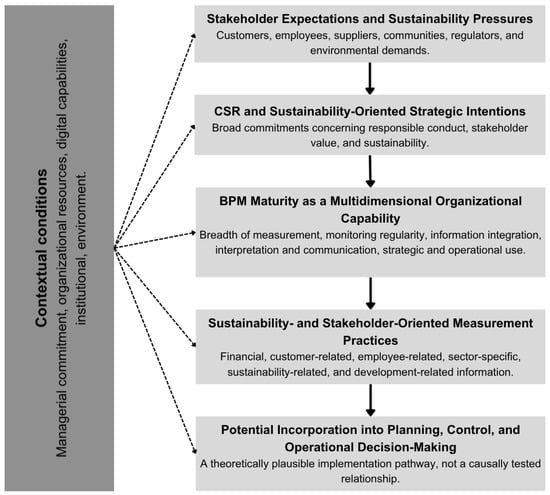
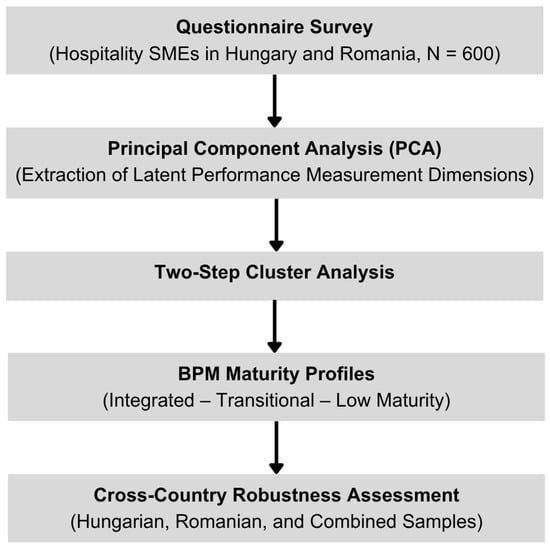
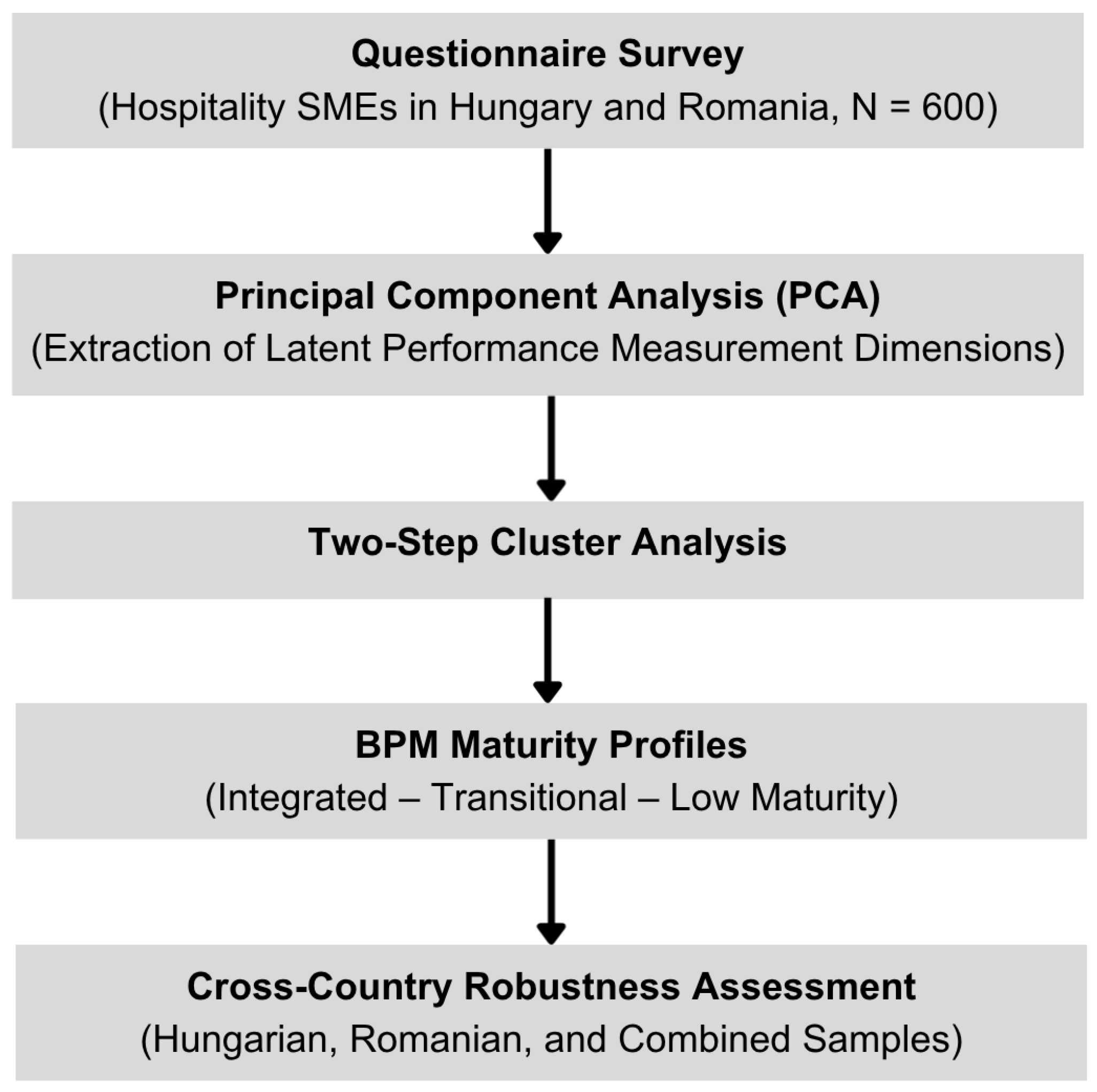
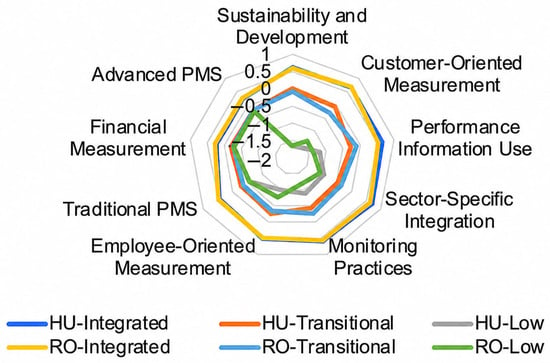
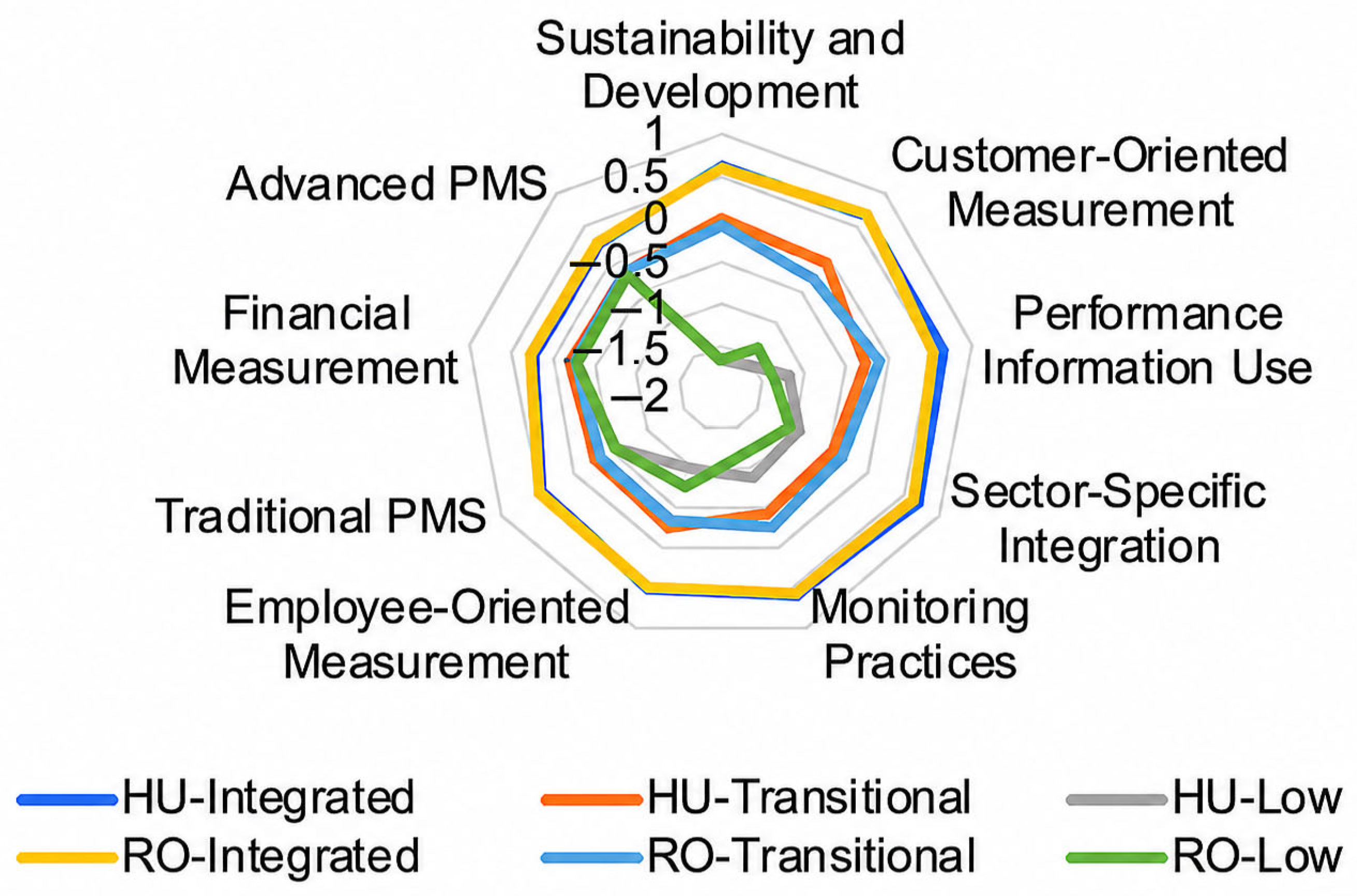

Disclaimer/Publisher’s Note: The statements, opinions and data contained in all publications are solely those of the individual author(s) and contributor(s) and not of MDPI and/or the editor(s). MDPI and/or the editor(s) disclaim responsibility for any injury to people or property resulting from any ideas, methods, instructions or products referred to in the content. |
© 2026 by the authors. Licensee MDPI, Basel, Switzerland. This article is an open access article distributed under the terms and conditions of the Creative Commons Attribution (CC BY) license.