


Abstract
This study sought to examine how micro and small customer-facing businesses sustain continuity of serving customers under conditions of disruption. Drawing on data collected from 230 owners of micro and small enterprises operating across various sectors, the study focuses on the roles of entrepreneurial bricolage and local supply network strength, as well as on the role of service agility as a connecting mechanism. The results showed that entrepreneurial bricolage is closely associated with both service agility and the ability of businesses to maintain continuity of serving customers under challenging conditions. Likewise, local supply network strength appeared to support service agility, although it did not show a direct relationship with continuity of serving customers. Significantly, service agility emerged as a central mechanism that helped turn available resources and network access into sustained continuity of serving customers. These findings highlight that, in resource-constrained and fragile contexts, maintaining continuity of serving customers depends less on resource availability alone and more on how businesses adapt and respond to changing conditions. The study contributes by offering initial insights into the mechanisms through which owners of micro and small enterprises can navigate disruption, emphasizing the importance of adaptive capabilities in sustaining continuity of serving customers.
1. Introduction
Micro and small enterprises (MSEs) are major contributors to economic development, employment creation, innovation, poverty alleviation, and entrepreneurial growth in many developed and emerging economies (Alshebami, 2026; Bittar et al., 2024; Teka, 2022). They have been described as the backbone of numerous economies as a result of their strong contribution to GDP, labor absorption, and local economic activity (Gano & Buccat, 2024). MSEs also promote self-employment, support household income, stimulate local markets, and increase economic independence, especially in developing countries and fragile economies (Teka, 2022). Both entrepreneurship and MSE development are therefore commonly regarded as the main drivers of economic resilience, innovation, and sustainable development.
Despite their importance, MSEs remain highly vulnerable to environmental disruptions, crises, and instability due to their limited financial, technological, and operational capabilities (Arraya et al., 2025; Mafimisebi et al., 2025). Compared to larger businesses, MSEs have weaker operational reserves, more restricted access to formal financing, and fragile supply systems, making them more exposed to environmental shocks and market disruptions (Chan et al., 2019; Gano & Buccat, 2024). Additionally, enterprises may become unable to maintain operational continuity and customer services due to unstable supply chains, customer uncertainty, declining purchasing power, and reduced market demands (Annarelli & Nonino, 2016; Conz & Magnani, 2020). Therefore, enterprises must demonstrate greater adaptiveness, resourcefulness, and flexibility to preserve customer relationships and continue business operations under such conditions (Arteta & Giachetti, 2004; Chan et al., 2019; S. Liu et al., 2018).
The Yemeni context provides a highly important setting for examining these issues. The country has experienced prolonged political conflict, economic collapse, inflation, institutional weakness, infrastructure deterioration, and severe disruptions to markets and supply chains that have persisted for many years (Abdullah et al., 2018; Al-hakimi et al., 2021; Alshebami, 2025). In Yemen, there has been continuous economic disruption resulting from years of conflict, leading to weakened institutions, limited access to finance, and declining consumer purchasing power. These conditions are so severe that they have negatively affected business continuity, transportation systems, and enterprise sustainability. Under these circumstances, MSEs face considerable difficulties in maintaining daily operations and retaining their customers. Given these constraints, many enterprises have shifted their priorities from business growth to business survival. This shift has compelled them to rely more heavily on the effective use of available resources, strong local relationships, and adaptive capabilities.
In this context, previous studies have suggested that entrepreneurs can create new opportunities and improve operational efficiency by making better use of their existing network relationships rather than relying solely on acquiring new resources (Chang et al., 2024). Bricolage can also help small businesses respond to disruptions by exploiting the resources already available to them (Park & Seo, 2024; Wu et al., 2024; P. Zhang, 2025). In Yemen, many past studies have mainly focused on issues such as e-business adoption, supply chain resilience, entrepreneurial orientation, and innovation among small and medium enterprises (Abdullah et al., 2018; Al-hakimi et al., 2021), while ignoring micro enterprises. For example, Abdullah et al. (2018) found that Yemeni small and medium enterprises (SMEs) face serious technological, financial, and operational barriers that hinder business development and adaptation. Similarly, Al-hakimi et al. (2021) highlighted the importance of entrepreneurial orientation, absorptive capacity, and innovation for improving supply chain resilience among Yemeni manufacturing SMEs operating under instability and uncertainty. National reports have also emphasized the critical economic role of SMEs in Yemen despite the severe challenges caused by conflict and economic deterioration (Alkhameri, 2021). Nevertheless, previous Yemeni studies have given limited attention to how customer-facing MSEs may maintain continuity of serving customers during prolonged periods of adversity and instability.
Accordingly, the present study aims to explore how customer-facing micro and small enterprises may sustain continuity of serving customers under adversity. For this purpose, it focuses on four important constructs that may help explain this mechanism: entrepreneurial bricolage (EB), local supply network strength (LSNS), service agility (SA), and continuity of serving customers (CSC). In comparison to prior studies, the current research places less emphasis on detailed conceptual descriptions and instead focuses on the practical relevance of these constructs within the Yemeni crisis context.
In this study, EB refers to the ability of enterprises to make use of available resources creatively and recombine existing resources to solve problems and seize opportunities under scarcity (Senyard et al., 2014). LSNS denotes the strength of connections among businesses and local suppliers, which may improve coordination, information exchange, trust, and access to resources during disruptions (Choi & Wu, 2009; Uzzi, 1997). Prior literature indicates that in addition to sustaining the continuity of enterprises’ operations, embedded relational networks may boost adaptability during unstable times.
SA reflects an enterprise’s quick response to the needs of customers and environmental changes (Chan et al., 2019; Worley & Lawler, 2010; Yusuf et al., 1999). In this respect, agile enterprises are known for their abilities to adjust operational procedures, service delivery, and reactions more efficiently during market instability (Özdemir & Erkasap, 2025). In the present study, SA does not refer exclusively to enterprises operating in the service sector. Instead, it represents the ability of micro and small enterprises to flexibly adapt their customer-serving activities, respond to customer needs, and maintain value delivery under changing conditions. CSC refers to the ability of enterprises to maintain continuity of serving customers despite crises and disruptions. Previous resilience literature has emphasized the instrumental role played by organizational resilience and operational stability in keeping enterprises alive during environmental shocks (Annarelli & Nonino, 2016; Conz & Magnani, 2020).
In terms of theory, the present study is grounded in the Resource-Based View (RBV) and Dynamic Capability Theory (DCT). RBV posits that firms achieve continuity and sustainability through valuable internal resources and capabilities (Barney, 1991). In this study, both EB and LSNS are important strategic resources that may support CSC under adversity. DCT explains how enterprises adapt and respond effectively to environmental uncertainty and rapid change (Chan et al., 2019; Teece et al., 1997). Within this viewpoint, SA represents an important adaptive capability in that it empowers enterprises to flexibly meet customer needs and withstand operational disruptions. RBV and DCT provide an appropriate framework for explaining how resource utilization and adaptive skills enable MSEs to maintain CSC during periods of instability. The interaction among the study variables can therefore be logically explained through these theoretical foundations. EB may help enterprises to resourcefully activate their potentials during adversity (P. Zhang, 2025), while LSNS can improve accessibility to products, materials, and operational support. As a whole, these capabilities are indispensable as they strengthen SA by enabling enterprises to respond swiftly and flexibly to both disruptions and customer demands. Improved service agility may subsequently play a large role in maintaining CSC during periods of uncertainty.
Drawing on these perspectives, this study examines the relationships among EB, LSNS, SA, and CSC. To the best of the researcher’s knowledge, these relationships have not previously been explored together in the Yemeni setting. Although previous studies have investigated resilience, entrepreneurial orientation, innovation, and supply chains, there appears to be a scarcity of research on CSC among micro and small customer-facing enterprises operating in fragile settings such as Yemen. Existing studies in Yemen have mainly focused on technology uptake, innovation, and resilience of supply chain (Abdullah et al., 2018; Al-hakimi et al., 2021), while international studies have emphasized resilience, adaptive competence, or operational continuity in wider contexts and among large organizations (Annarelli & Nonino, 2016; Chan et al., 2019; Conz & Magnani, 2020; Mafimisebi et al., 2025).
Consequently, this study contributes to the literature in several ways. First, instead of examining LSNS or SA in isolation, this study tests an integrated framework that explains how internal resourcefulness and external network resources jointly enhance SA and support CSC among MSEs in fragile environments such as Yemen. Second, the study extends RBV and DCT to fragile economies; introduces service agility as the mechanism linking internal and external capabilities to customer continuity; and provides evidence from conflict-affected micro and small enterprises. Finally, the findings are anticipated to offer practical insights for policymakers, development agencies, and owners of MSEs regarding how continuity of work and customer-serving capabilities may be strengthened during periods of instability and crisis.
2. Theoretical Framework
This study is grounded in RBV and DCT (Barney, 1991; Teece, 2007; Teece et al., 1997), which together explain how MSEs sustain CSC under disruptive circumstances. RBV argues that available resources and capabilities help firms achieve desired outcomes (Barney, 1991). In resource-scarce contexts such as those of MSEs, value does not necessarily come from abundant resources; rather, it depends largely on how existing resources are mobilized and recombined. In this respect, EB reflects the ability of businesses to effectively use limited resources at hand (Baker & Nelson, 2005), while LSNS emphasizes accessing external resources through establishing relationships with suppliers and partners (Zhou et al., 2007).
However, during times of disruption and adversity, sustaining CSC becomes more challenging. This difficulty is attributed to the fact that businesses face declining demand and an increased risk of losing customers. Economic instability makes customers more cautious, which reduces purchasing activity and weakens ongoing business relationships (Kraus et al., 2020). For MSEs with a limited customer base, losing clients can directly threaten their ability to remain operational. Maintaining CSC under such conditions entails two essential requirements: accessing resources and effectively retaining and serving customers over time. DCT directs firms’ attention to the need to adapt, integrate, and reconfigure resources in response to changing environments (Teece, 2007). In this study, SA represents such a capability, as it stresses the need for businesses to take prompt actions to respond to critical issues such as customer needs and fluctuating market conditions. From this perspective, EB and LSNS provide the basic resource base, whereas SA serves to equip businesses with the needed capability to translate these resources into effective responses aimed at preserving customer engagement. Accordingly, CSC is shaped by both the availability of resources and the capacity of businesses to deploy resources adaptively and responsively. This suggests that MSEs can maintain CSC during disruption by combining resourcefulness with responsiveness, where SA serves as a link between internal and external resources and sustained CSC.
2.1. EB, SA and CSC
In the current study, EB is defined as the ability of MSEs to innovatively employ, gather, and recombine their existing resources to solve problems and make the best use of new opportunities under resource constraints. The definition is consistent with the original conception of bricolage as “making do” by applying available resources to new problems and opportunities (Baker & Nelson, 2005; Senyard et al., 2014). This concept is applicable to MSEs characterized by inadequate financial, human, and material resources, especially in adverse and uncertain environments. More specifically, business operations in fragile settings such as Yemen are often constrained by numerous challenges. These constraints include limited financial resources, damaged infrastructure, shortages of essential inputs, and restricted access to business services. In such a scenario, EB becomes particularly important because business owners frequently rely on creative problem-solving, recombination of available resources, and reuse of existing materials and equipment to maintain operations and continuity of serving customers despite persistent disruptions (Baker & Nelson, 2005; Senyard et al., 2014).
The relationship between EB, SA, and CSC can be better understood through the RBV and DCT theories. From the perspective of RBV, bricolage is one of the strategic ways that MSEs with limited resources can use to create value and sustain their operations (Barney, 1991). From the DCT perspective, the theory suggests that bricolage helps reconfigure resources, respond to environmental changes, and promote SA (Teece, 2007; Teece et al., 1997). In this broader sense, bricolage is not only about surviving with scarce resources; rather, it is more about implementing flexible and practical responses to customer needs and service disruptions.
Recent empirical evidence provides substantial support for this argument. For instance, in a recent study examining 413 SMEs, Abukari et al. (2024) found that EB is positively related to competitive advantage, with resource orchestration capability partially mediating this relationship. Their findings suggest that small enterprises may benefit from the resources they own and from successfully combining and deploying them under constraints (Abukari et al., 2024). This highlights the importance of EB as an alternative mechanism for businesses’ continuity of serving customers and for developing effective business solutions. Furthermore, EB encourages business owners to creatively use and recombine existing resources to respond to unexpected challenges. This flexibility allows businesses to adjust their operations rapidly, thereby enhancing SA (Park & Seo, 2024). It also helps businesses to respond more quickly to changing customer needs (Wu et al., 2024). More specifically, enterprises with a bricolage capability tend to develop dynamic capabilities that allow entrepreneurs to use their existing resources to deal with business obstacles and seize available business opportunities (P. Zhang, 2025).
Likewise, Hashim et al. (2023) found that EB improved the business performance of 508 Malaysian women micro-entrepreneurs and helped businesses to convert limited resources into useful business outcomes. This confirms that EB can contribute positively to enhancing the business performance of micro enterprises. Furthermore, Chang et al. (2024) also argued that EB enables firms to make better use of existing relationships and available resources, thereby creating new opportunities to improve operational efficiency. This suggests that EB can enhance SA, particularly in resource-constrained environments.
Other studies also connect bricolage with agility and resilience. Using data from 335 SMEs in Sri Lanka, Jayampathi (2024) found that EB has a positive relationship with organizational agility and performance, and that agility mediates the relationship between bricolage and performance. This finding is related to the present study because it suggests that bricolage may first enhance agility, which then supports better business outcomes. Park and Seo (2024) used Korean Innovation Survey data from 3179 SMEs and found that SMEs using bricolage strategies showed stronger organizational resilience during the COVID-19 crisis. Their study highlights that bricolage can help SMEs to adapt, maintain operations, and respond to external shocks (Park & Seo, 2024). These findings indicate that bricolage use enhances MSEs’ ability to adapt, maintain operations, and respond to external shocks.
In the context of this study, EB may strengthen CSC by enabling MSEs to find alternative ways of operating when normal resources become unavailable. For example, enterprises may adjust service methods, use substitute materials, rely on informal solutions, or reorganize existing resources to meet their customers’ needs. At the same time, EB may strengthen SA because resourceful enterprises are more capable of responding quickly and flexibly to changing customer demands and operational disruptions. Based on this discussion, EB is expected to support both SA and CSC. In addition, SA may explain how bricolage is translated into CSC. Therefore, the following hypotheses are proposed:
H1.
EB has a positive relationship with SA.
H2.
EB has a positive relationship with CSC.
H3.
SA positively mediates the relationship between EB and CSC.
2.2. LSNS, SA and CSC
LSNS refers to the extent to which MSEs maintain reliable and supportive buyer–supplier relationships with nearby suppliers, distributors, and local operational partners to secure products, materials, and operational support during uncertain conditions (Choi & Wu, 2009). This view is consistent with previous literature emphasizing the importance of supplier coordination, integration, and collaborative operational relationships in improving responsiveness and continuity under uncertainty (Choi et al., 2001; Choi & Wu, 2009). RBV and DCT can better explain the connection between LSNS, CSC, and EB (Teece et al., 1997). RBV suggests that businesses can improve CSC and operational stability through valuable internal and external resources. In this context, stronger relationships with local suppliers enhance these enterprises’ ability to maintain CSC during disruptions. Relatedly, DCT claims that firms working in unstable environments should cultivate their adaptive skills so that they can remain viable amid operational problems and shifting customer conditions.
The importance of SA as a key adaptation mechanism for enterprise continuity during disruptions is widely acknowledged in the previous literature. For example, Naughton et al. (2019) observed that agility in British SMEs is strongly connected to collaborative supplier relationships, information access, and rapid response capability. Their findings stressed that SMEs that are vulnerable to disruptions may rely heavily on close operational relationships and coordination to reduce vulnerabilities and improve responsiveness. Similarly, J. Liu et al. (2021) emphasized that SMEs operating under uncertainty require resilient operational relationships and flexible response mechanisms to withstand disruptions. Their study highlighted that response capability, recovery capability, and operational coordination can significantly assist SMEs in securing their survival and continuity amidst unpredictable working conditions. This highlights the importance of developing better resilience and operational capabilities to deal with business difficulties and challenges.
Using data collected from 312 MSEs in Indonesia, Wandebori et al. (2025) also found that relationships with suppliers, customers, and supporting institutions can improve enterprise performance, particularly when enterprises operate in rapidly changing market environments. Their findings further revealed that rapid responsiveness alone may not be sufficient to avoid operational stoppage without strong supporting operational bonds.
Other studies have shed light on the necessity of coordination among operational partners during uncertain environments. Sègbotangni et al. (2025), for instance, highlighted that stronger integration with suppliers and customers improves transparency and operational responsiveness among SMEs under environmental instability. Their study also showed that closer coordination with operational partners helped SMEs to manage uncertainty more effectively. These findings confirm that owners of MSEs need to have good integration with their suppliers and clients.
Notably, operational agility research supports this relationship. Oyeyemi et al. (2024) found that agile operational practices help SMEs to respond more rapidly to market disruptions, improve product availability, reduce operational disruptions, and maintain customer satisfaction. The review conducted in their study pointed out that responsiveness, flexibility, and rapid operational adjustment enable firms to keep providing services during unstable conditions (Oyeyemi et al., 2024).
Furthermore, resilience research consistently highlights the importance of collaborative operational relationships in sustaining business continuity during crises. Roy et al. (2023), for example, noted that resilient operational systems depend largely on coordinated strategies to reduce disruption impacts and ensure continuity in uncertain settings. They highlight the need to develop strategies such as facility fortification, inventory prepositioning and vendor-managed inventory. They also recommend having multiple sourcing, centralized management, and supply chain digitalization to ensure business continuity and resilience during disruptions. Similarly, Bag et al. (2025) argued that resilience and operational endurance are strengthened through flexibility, adaptability, collaboration, and coordinated operational support among business actors. These findings highlight that enhancing supply chain endurance capabilities can bolster a firm’s sustainable supply chain resilience and the broader community’s resilience.
Within the context of this study, local supply networks are considered to improve CSC by providing MSEs access to products, alternative sourcing options, transportation support, and operational coordination during instability. These local operational relationships may also strengthen SA because enterprises with stronger LSNS may respond more rapidly and flexibly to operational disruptions and changing customer needs. Therefore, LSNS is expected to positively relate to SA and CSC. In addition, SA may explain how strong local supply networks are translated into CSC. Based on this discussion, the following hypotheses are proposed:
H4.
LSNS has a positive relationship with SA.
H5.
LSNS has a positive relationship with CSC.
H6.
SA positively mediates the relationship between LSNS and CSC.
2.3. SA and CSC
In this study, SA is operationally defined as the ability of MSEs to quickly and flexibly adapt and respond to customer needs, solve customer-related problems, and maintain CSC under changing conditions (Özdemir & Erkasap, 2025). Given the diversity of enterprises included in this study, SA is viewed broadly as the agility of customer-facing activities rather than being limited to service firms alone. This definition is consistent with the agility literature, which understands agility as the ability to sense change, respond rapidly, and adjust resources, processes, and services to maintain performance despite uncertainty (Arteta & Giachetti, 2004; Chan et al., 2019; Worley & Lawler, 2010; Yusuf et al., 1999). CSC, in turn, refers to an enterprise’s ability to maintain continuity of serving customers despite disruption, crisis, or resource constraints. Such a view aligns with resilience and continuity literature, which emphasizes the ability of firms to resist, adapt, recover, and continue core operations during adverse conditions (Annarelli & Nonino, 2016; Conz & Magnani, 2020).
The relationship between SA and CSC can be explained via DCT. This theory argues that enterprises operating in unstable environments need to adapt, reconfigure resources, and respond to external changes (Teece, 2007; Teece et al., 1997). In this study, SA represents a practical dynamic capability because it allows MSEs to adjust service delivery, respond to customer problems, and maintain customer access during disruption. Consequently, enterprises that are able to modify their services quickly, offer alternatives, and respond to customer needs with flexibility are expected to be more capable of sustaining CSC even during uncertainty.
Several recent studies support this argument. Demir et al. (2021), for example, examined service SMEs in Turkey during the COVID-19 pandemic using interviews with seven SME owners/managers to understand how service SMEs used agility-related capabilities to survive and adapt to the “new normal.” Their findings showed that service SMEs that developed strategic sensitivity, resourcefulness, resource fluidity, and relationship-building capabilities were better able to transform their service provision and retain customers during disruption (Demir et al., 2021). This confirms that SA helps service-based enterprises maintain CSC during crisis.
Alabi et al. (2024) also confirmed that SMEs may improve service delivery by adding online and offline channels, using customer feedback, providing timely responses, and maintaining consistent customer interactions across different touchpoints. Although their study is conceptual rather than based on a primary empirical sample, it reinforces the view that responsive and flexible service practices can strengthen customer satisfaction, loyalty, and CSC (Alabi et al., 2024).
Particularly compatible with the relationship between SA and CSC is a recent study conducted by Arno (2025), who concluded that agility in SMEs depends on capabilities such as flexibility, speed, responsiveness, and competency (Walter, 2021; Z. Zhang & Sharifi, 2007). Arno (2025) also emphasized that agility can help SMEs respond to market changes and maintain competitiveness when these enterprises become vulnerable to disruption due to limited resources. This argument is relevant to the present study because CSC requires enterprises to respond quickly to demand changes, supply challenges, and customer expectations (Arno, 2025).
More importantly, in their review of agile business practices for SME resilience during economic shocks, Omowole et al. (2024) emphasized core capabilities such as rapid decision-making, flexible resource use, customer-centric responses, digital tools, and iterative adjustment. They concluded that SMEs using agile practices are more likely to improve responsiveness, reduce operational risks, and maintain business continuity during crises (Omowole et al., 2024). This further supports the argument that agility is critical for promoting adaptation and maintaining CSC under disruption. Based on this theoretical and empirical support, SA is assumed to help MSEs to sustain CSC during unstable conditions. Agile enterprises can adjust their services, respond to customer needs, and manage disruptions more effectively than their less agile counterparts. Therefore, the following hypothesis is proposed:
H7.
SA has a positive relationship with CSC.
3. Conceptual Model
The model of the study, shown in Figure 1, encompasses four variables. Both EB and LSNS are considered independent variables, whereas SA is treated as a mediator and CSC as a dependent variable.
Figure 1.
Proposed model-Source: developed by authors.
4. Research Methodology
4.1. Collection of Data and Research Design
The nature and objective of this study required following the guidelines of an exploratory, quantitative, and deductive research design. This approach necessitated collecting primary data and testing the proposed hypotheses. The researchers collected 230 responses from owners of MSEs operating in Yemen, specifically in Sana’a Province, which is the capital of Yemen and hosts the largest number of MSEs. The study used convenience and snowball sampling methods, which are non-probability sampling techniques. These methods are cost-effective, allow reaching a large number of respondents, save time and effort, and can be used for both quantitative and qualitative research (Biernacki & Waldorf, 1981; Etikan et al., 2016; Sedgwick, 2013; Stratton, 2021).
The main reason for applying these sampling methods is that MSEs in Yemen are spread across different areas and cannot be traced easily. In Yemen, MSEs lack a valid registry or record for contacting owners of MSEs to collect their opinions about their business operations. Another noticeable characteristic is the continuous internal conflict in the country. The ongoing conflict has exacerbated the situation of MSEs, making most of them either close or shift to other areas. This made locating them a challenge for researchers. Hence, this type of sampling was deemed adequate under these circumstances. Despite these obstacles, the researchers collected the data from the business owners, responsible individuals, and persons in charge of the business to ensure accurate responses. These entrepreneurs have been rarely targeted in the literature, as most previous studies have focused on medium and large enterprises, leaving this segment unexplored. The survey targeted owners of micro and small enterprises, as well as individuals responsible for managing these enterprises who possessed sufficient knowledge of their business operations. Responses from individuals who did not meet these criteria were excluded from the analysis. In this study, we adopted the Yemeni classification of enterprise size to define MSEs. Specifically, micro enterprises are defined as businesses employing 1 to 3 workers, while small enterprises are those employing 4 to 9 workers (Abdullah et al., 2016). Based on this classification, owners of MSEs refer to individuals who own and operate these enterprises across sectors such as retail trade, services, and small-scale production (e.g., home-based food activities). The collected data were obtained by visiting the business owners’ locations and sending an online link via a Google form to those not physically reached. Furthermore, the respondents also helped invite their colleagues to respond to the questionnaire after carefully understanding its contents. Owners who met the study criteria were invited to participate in the survey. To reduce the potential for common method bias (CMB), respondents were assured of anonymity and confidentiality, and participation was voluntary. Furthermore, the questionnaire items were adapted from validated scales and carefully reviewed before data collection.
The original questionnaire was written in English and then translated into Arabic to suit the context of the study. The questionnaire was developed by adopting and adapting measurement items from previous studies. Minor wording modifications were made to improve clarity and ensure suitability for the context of Yemeni MSEs while maintaining the original meaning of the constructs. For additional confirmation, the questionnaire was checked and validated by a special translation agency to ensure that the respondents would face no difficulty in understanding its contents. A pilot study with 15 respondents was conducted to check for unclear statements or challenges that might arise in understanding them. Since no issues were identified, the questionnaire was sent and distributed to respondents during May 2026. Because the questionnaire was distributed using convenience and snowball sampling through online channels, the total number of individuals who received the survey invitation could not be determined. Therefore, a response rate could not be calculated. However, the questionnaire required respondents to complete all items before submission, resulting in no incomplete responses. The gathered sample, i.e., 230 responses, is considered adequate for this research according to the 10 times sampling rule (Hair et al., 2019; Kock & Hadaya, 2016). Sample adequacy was also assessed using the inverse square-root method (Kock & Hadaya, 2016). This method recommended a minimum sample size of 160 observations. As the final sample consisted of 230 respondents, the sample size was considered adequate for the proposed partial least squares structural equation modelling (PLS-SEM) model.
4.2. Measures of the Study
The current study applied different concepts, namely EB, LSNS, SA, and CSC. After carefully reviewing the extant literature, we measured these concepts by adapting measures from previous studies. The measures for the first concept namely EB, were adapted and inspired from the studies of Baker and Nelson (2005), Senyard et al. (2014), and Suresh et al. (2025). A sample of these measures included “My business uses limited resources in creative ways to overcome difficulties.”
The measures for the second concept, namely LSNS, were adapted from the studies of Choi and Wu (2009), Pfeffer and Salancik (1979), and Uzzi (1997), and a sample of them included “My business can easily find local suppliers to replace unavailable products.” The measures of the third concept, SA, were adapted and inspired from Worley and Lawler (2010), Yusuf et al. (1999), and S. Liu et al. (2018). An example of this measure involved “My business can adjust the way it serves customers when conditions change.” The measures for CSC were adapted from the studies conducted by Annarelli and Nonino (2016) and Conz and Magnani (2020) and a sample of them involved “My business maintains its service to customers during challenging times.” The questionnaire is attached for further clarification in Appendix A. Since the SA and LSNS scales were adapted and refined to fit the context of this study, exploratory factor analysis (EFA) was conducted to assess their dimensionality before proceeding with the main analysis. In contrast, the EB and CSC measures were adapted from previously validated scales and therefore were not subjected to separate EFA procedures. For the SA construct, the results confirmed the suitability of the data for factor analysis (KMO = 0.772; Bartlett’s test: χ2 = 297.164, df = 10, p < 0.001). The analysis extracted a single factor explaining 41.69% of the variance, with factor loadings ranging from 0.516 to 0.792. Similarly, the LSNS construct demonstrated satisfactory sampling adequacy (KMO = 0.790) and a significant Bartlett’s test of sphericity (χ2 = 263.495, df = 10, p < 0.001). A single factor was extracted, explaining 39.98% of the variance, with factor loadings ranging from 0.536 to 0.745. All item loadings exceeded the recommended threshold of 0.50, providing evidence of the unidimensionality and suitability of both constructs for subsequent analyses.
5. Analysis and Results
5.1. Respondent and Business Characteristics
As shown in Table 1, the sample consists of 230 owners of micro and small enterprises. Most respondents are relatively young, with approximately 83% of them aged between 18 and 39 years and possessing moderate educational backgrounds: primarily secondary and diploma qualifications. In terms of experience, the sample relatively balances early-stage and moderately experienced business owners, with most of them having less than 10 years of experience.
Table 1.
Respondent and Business Characteristics.
Sectorally, the sample appears to be concentrated in retail and trading micro-enterprises (n = 110, 47.8%), followed by small-scale manufacturing and service-based activities, reflecting a diverse yet market-oriented business environment. Notably, the majority of firms are micro-sized, with 78.3% (n = 180) employing between one and three workers, highlighting the micro-scale and resource-constrained nature of the businesses examined.
5.2. Data Analysis Approach
This research follows the PLS-SEM (version 4) technique. PLS-SEM is considered adequate for analyzing the model of the study because it aims to examine multiple relationships simultaneously, including mediation effects, while emphasizing prediction and theory extension in an underexplored research context. Additionally, PLS-SEM is adequate for exploratory studies and complex models involving latent constructs measured by multiple indicators (Hair et al., 2011, 2019). The PLS-SEM entails completing two steps: analysis of the measurement model as well as the structural model. Below is a detailed analysis of them.
5.2.1. Analysing the Measurement Model
The purpose of the measurement model is to assess the reliability and validity of the constructs and their respective indicators. In this step, different tests are performed: Composite reliability (CR) and Cronbach’s alpha (CA). These two tests measure the reliability of the study constructs. The factor loadings of the items measuring the variables in the study are also evaluated. This test is used to check the validity of these items. It also determines the strength of the relationship between items and their respective construct. Furthermore, the measurement model also includes testing the score of the Average Variance Extracted (AVE) to confirm the construct validity. More specifically, AVE confirms whether the selected items precisely represent the variables they are developed to measure.
In Table 2, both CA and CR values are above 0.60 for CSC, LSNS and SA. These values meet the recommended threshold for exploratory research and for context-specific studies (Hair et al., 2019). However, for EB, the value was below 0.60 highlighting that the convergent validity of this construct should be interpreted with some caution. Nevertheless, the CA for EB was relatively low. The construct demonstrated acceptable CR (CR = 0.764). Since CR is considered the preferred measure of internal consistency in PLS-SEM (Hair et al., 2019), the construct was retained for further analysis.
Table 2.
Reliability and Validity.
Concerning the AVE values, the EB construct shows a value below the threshold of 0.50. This is, however, considered acceptable for convergent validity because CR is greater than 0.70 and indicates satisfactory internal consistency. According to Fornell and Larcker (1981), convergent validity may still be considered adequate when AVE is below 0.50, provided that CR exceeds 0.60.
Likewise, the results of the items loadings showed an acceptable score of above 0.60 (Fan et al., 2021; Hair et al., 2011; Knekta et al., 2019). It is important to note that EB1 was removed for not meeting the loadings threshold of 0.60. EB1 demonstrated relatively weak measurement performance. Its removal improved the overall measurement properties of the construct while preserving the conceptual representation of EB.
Examining the discriminant validity is an important step in assessing the model of the study. Accordingly, a test known as Heterotrait-monotrait ratio (HTMT) was conducted. The results presented in Table 3 show that all HTMT values are below the conservative threshold of 0.90. This finding confirms that discriminant validity is established among the constructs (Henseler et al., 2015).
Table 3.
HTMT Result.
We also checked the correlation among the variables of the study. Table 4 indicates that the strongest correlation is between SA and CSC, i.e., (r = 0.64) highlighting that SA is important for CSC. This may also suggest that businesses with greater responsiveness and flexibility can maintain more CSC during disruption and unstable conditions. On the other hand, the weakest relationship is between LSNS and CSC (r = 0.458). This indicates that local operational relationships alone may not be adequate to directly support CSC. There may be a need for additional support and the presence of adaptive capabilities such as SA.
Table 4.
Correlations.
5.2.2. Structural Model
In the model of the study, a total of seven hypotheses were developed. We began by testing them using the bootstrapping method. Also, the mediation analysis was also conducted using the bootstrapping procedure in PLS-SEM with 5000 resamples. The significance of the indirect paths was evaluated with the help of bias-corrected confidence intervals. Table 5 below reveals the results of testing the hypotheses. Further elaboration about the results of these hypotheses is reported in the discussion Section 6. All tested hypotheses (1 to 7) were accepted except for hypothesis 5, which was rejected.
Table 5.
Results of Hypotheses.
The bootstrap confidence intervals further supported the robustness of the estimated relationships. For the direct relationships, the 95% confidence intervals for H1, H2, H4, and H7 did not include zero, confirming their statistical significance. In contrast, the confidence interval for H5 ranged from −0.015 to 0.211, indicating that the relationship was not statistically significant. Similarly, the confidence intervals for the indirect relationships (H3: 0.111–0.256; H6: 0.076–0.217) excluded zero, providing additional support for the proposed mediation hypotheses.
In Table 6, the quality of the structural model and the predictive relevance results are reported. The R2 results showed that EB, LSNS, and SA explain about 48.9% (Adjusted R2 = 48.2%) of the variance in CSC. The results also reveal that EB and LSNS explain about 39.1% (Adjusted R2 = 38.6%) of the variance in SA. According to Cohen (1988), both 48.9% and 39.1% represent large explanatory power.
Table 6.
Structural Model Evaluation Results.
With respect to F2, it can be observed from Table 6 that the largest effect size is between SA → CSC (F2 = 0.223) followed by EB → SA (F2 = 0.212), whereas the remaining relationships have a small size effect on each other (Cohen, 1988). This confirms that SA is important for CSC. EB is deemed essential for developing SA in businesses. Although the effect size might be small for some variables, it remains acceptable in context-specific and capability-building models. With regard to predictive relevance, Table 6 reveals that CSC and SA have values greater than zero indicating that the model has good predictive relevance.
Additionally, the PLSpredict with the default SmartPLS settings (10-fold cross-validation and 10 repetitions) was run to confirm the predictive relevance of the model. All Q2 predict values were positive, indicating that the model has predictive relevance. Moreover, the PLS-SEM model showed lower Root Mean Squared Error (RMSE) values than the benchmark linear model (LM) for all indicators, demonstrating good predictive performance (Shmueli et al., 2016).
Concerning collinearity statistics or the variance inflation factor (VIF), all the VIF scores are below 5 indicating the absence of multicollinearity (Hair et al., 2019).
For evaluating multicollinearity, CMB was assessed using Harman’s single-factor test through principal axis factoring. The results showed that the first factor accounted for 31.783% of the total variance. This result is below the commonly recommended threshold of 50% (Podsakoff et al., 2003). This suggests that no dominant single factor was present. Nevertheless, because the data were collected from the same respondents using a cross-sectional survey design, residual CMB cannot be completely ruled out.
Table 7 presents the descriptive statistics of the study constructs. The mean values indicate that respondents generally reported moderate to high levels of EB, LSNS, SA, and CSC, while the relatively low standard deviations suggest a reasonable level of consistency in their responses.
Table 7.
Descriptive Statistics.
Figure 2 shows the different paths of the model of the study and structural model.
Figure 2.
Structural Model and path coefficients-Source: generated by system.
6. Discussion
The results of the seven tested hypotheses highlighted key relationships between the variables of the study. First of all, the findings of H1 show that EB is positively associated with SA (β = 0.408, p < 0.001). In alignment with RBV (Barney, 1991), this finding indicates that when businesses make better use of their existing resources, they become more capable of responding rapidly to sudden changes in customer needs. This result matters greatly because in environments with very few resources, businesses cannot wait for more materials or financial resources. Instead, they have to make the most of what they already have to sustain CSC. In this context, EB enables enterprises to develop flexible responses by using existing resources in new ways. From the perspective of DCT, this result also supports the idea that adaptive capabilities emerge from how firms manage and arrange their resources (Teece, 2007). In customer-facing businesses, this adaptability takes the form of SA, which allows businesses to adjust their offerings, communication, and service processes in real time. This finding is particularly significant in the context of micro and small businesses in Yemen. Owners of MSEs in Yemen operate under severe resource constraints, including limited access to finance, damaged infrastructure, and supply chain disruptions. Under these conditions, EB enables business owners to improvise and develop alternative solutions using available resources, thereby helping their businesses remain responsive and adapt to changing customer needs. As evidenced in almost two decades of research (Baker & Nelson, 2005; Hashim et al., 2023; Jayampathi, 2024; Senyard et al., 2014), the findings of H1 highlight that EB increases adaptability, agility, and flexibility among resource-constrained enterprises.
Particularly interesting was the finding that EB is also related to CSC (β = 0.286, p < 0.001). This finding of H2 suggests that businesses that actively reuse existing resources demonstrate better ability to sustain CSC even under unprecedented conditions of instability. This finding extends the RBV by showing that being a resourceful enterprise contributes to improving capability as well as performance. In this case, EB empowers businesses to continue their operations despite shortages in materials or service interruptions. At the same time, this result highlights practical problem-solving as a vital factor in sustaining customer relationships. That is, if businesses find immediate solutions using whatever resources they have, they may avoid service disruptions and customer loss. In fragile environments, such as Yemen, where external support systems are weak, this direct role of EB becomes even more critical. Therefore, EB helps businesses to remain operational and continue interacting with customers even when formal systems fail. The findings of H2 echo those of past studies (Abukari et al., 2024; Baker & Nelson, 2005; Park & Seo, 2024; P. Zhang, 2025) in that they point out that EB is an important source of support for CSC, resilience, and sustained business functioning during adverse conditions.
Most significantly, the findings further revealed that SA mediates the relationship between EB and CSC (β = 0.177, p < 0.001). The results related to H3 indicate that part of the impact of EB on CSC is likely to operate through enhancing the ability of firms to adapt and stay responsive. This finding links RBV and dynamic capabilities, providing an important theoretical insight. While EB offers the resource base, SA may give the means through which these resources are transformed into effective outcomes. In other words, EB supplies businesses with what they need, whereas SA shows them what to do with what they have. Meanwhile, the presence of both direct and indirect relationships suggests that EB may be associated with CSC in multiple ways. This can be realized by helping businesses adapt through agility as well as supporting immediate problem-solving to directly maintain operations. The findings of H3 align particularly with Jayampathi (2024), who found that agility mediates the relationship between EB and the performance of organization among SMEs.
The data analysis further revealed that LSNS is positively related to SA (β = 0.317, p < 0.001). This means that firms with stronger relationships with local suppliers are quicker to deal with changing conditions. This result of H4 aligns with RBV and network-based perspectives, including the belief that external relationships are reliable resources (Granovetter, 1985) and the assumption that LSNS offers access to alternative suppliers, faster communication, and greater flexibility in sourcing products or materials. However, the key contribution offered here is that these networks do not directly create performance outcomes; rather, they improve the firm’s ability to respond.
In other words, networks contribute to SA rather than directly ensuring CSC. In practice, businesses that maintain close relationships with suppliers are more likely to secure alternative options during disruptions, allowing them to adjust their service offerings and maintain responsiveness to customers. Consistent with a number of past studies (J. Liu et al., 2021; Naughton et al., 2019; Sègbotangni et al., 2025), the present findings suggest that collaborative supplier relationships and operational coordination improve agility and responsiveness under uncertainty. To elaborate further, in the Yemeni setting, local supply networks are frequently affected by transportation disruptions, damaged infrastructure, shortages of raw materials, fluctuating prices, fuel shortages, and institutional instability. Such obstacles delay access to essential resources and reduce firms’ ability to respond promptly to customers’ demands. Therefore, enterprises that can maintain stronger local supplier relationships are better positioned to secure needed resources. They can also identify alternative suppliers easily and adapt more quickly to changing customer demands, thereby enhancing their SA.
Contrary to what was expected concerning H5, the results did not show a significant association between LSNS and CSC (β = 0.100, p = 0.088). This implies that simply having access to suppliers or networks is not sufficient to ensure CSC during times of disruption. This finding refines the assumptions of RBV by showing that external resources alone do not automatically translate into performance outcomes. Instead, the value of these resources is determined by how they are used within firms. In the context of this study, while supply networks appear at first sight to provide access to resources, they do not directly guarantee CSC. For firms to convert such resources into continued SA, they must possess the capability to adapt and respond effectively. This is particularly relevant in fragile environments. Supply chains in these weak settings are unstable and unpredictable, so even strong networks may not fully prevent disruptions unless businesses are able to act quickly and flexibly. The absence of a direct relationship between LSNS and CSC is partially consistent with prior research (Wandebori et al., 2025) and DCT, which suggests that relationships and networks alone may not directly improve continuity unless they are turned into adaptive operational proficiencies.
Turning now to H6, the findings concerning this hypothesis indicated that SA fully mediates the relationship between LSNS and CSC (β = 0.137, p < 0.001). This finding appears to suggest that supply networks contribute to CSC, provided that these networks develop the business’s ability to respond in an effective manner. It also reinforces the argument that external resources require internal capabilities to create value. Although networks can grant access to inputs, their influence largely depends on how businesses use them in reality. In the current study, LSNS is found to improve SA, which in turn enables businesses to preserve customer services. Unless enterprises have this adaptive capability, networks alone may not be sufficient to ensure CSC. This finding stresses the importance of combining external and internal resources, and in this way, it reinforces the role of dynamic capabilities in explaining firm behavior under uncertainty. These results align with previous literature (Naughton et al., 2019; Oyeyemi et al., 2024; Wandebori et al., 2025). Like the current study, these past studies suggested that operational relationships are more valuable as they improve responsiveness and agility.
Finally, the findings revealed that SA is strongly associated with CSC. This highlights the crucial role of responsiveness and flexibility in maintaining CSC under challenging conditions (β = 0.433, p < 0.001). By emphasizing the importance of adapting to changing environments, this result strongly supports DCT (Teece, 2007). In this respect, SA reflects a firm’s ability to regulate and adjust its operations, services, and communications in response to customer needs as well as external changes. In the context of customer-facing businesses, CSC may be realized by maintaining ongoing interaction with customers. It is by being capable of responding quickly, providing alternatives, and adjusting their services that businesses may retain customers and continue their operations. Related to this is the explanation this finding provides as to why some businesses demonstrate greater ability to survive during disruption while others struggle, even when they face similar resource constraints. The key difference, as implied in the present findings, lies in their ability to adapt and act promptly. The findings of H7 have been referred to in many previous studies (Arno, 2025; Demir et al., 2021; Omowole et al., 2024).
7. Theoretical Implications
This study offers several theoretical contributions as well as practical implications. The first contribution is that the study extends the RBV by showing that the value of resources does not lie only in their availability, but in how they are used. Specifically, EB represents a form of resource recombination that empowers businesses to work under limited conditions. EB contributes not only directly to CSC but also indirectly through enhancing SA. This endorses the view that it is resourcefulness, rather than resource abundance, which can drive performance in SMEs. Second, the study contributes to DCT by demonstrating that SA is a vital capability that links resources to outcomes. While prior research has emphasized sensing, seizing, and reconfiguring capabilities (Teece, 2007), this study shows that agility in service delivery in customer-facing contexts is critical. The strong relationship the study observed between SA and CSC indicates that responding rapidly and flexibly to customer needs is a key mechanism through which businesses sustain operations during periods of instability.
The third contribution concerns the role of external resources that this study highlights through examining LSNS. While RBV suggests that access to external resources can enhance firm performance, the results of the present study show that such access does not directly translate into CSC. Instead, its relationship operates via SA. By suggesting that external resources require internal adaptive capabilities to become valuable, this study refines existing theory. Fourth, the study shifts the focus from resource availability to adaptive processes. The finding that CSC is a matter of what you have and how you use them when conditions get worse necessitates the integration of RBV and DCT as a more suitable framework for understanding firms’ behavior under uncertainty. Finally, by focusing on micro and small customer-facing businesses in a fragile context, the study widens the scope of existing theory to encompass under-researched settings. Most prior studies examined large firms or stable environments. The chief contribution of this study lies in demonstrating that the combination of resourcefulness (EB) and adaptability (SA) is significant in contexts characterized by uncertainty, instability, and limited resources. Together, these findings extend the literature on entrepreneurial resilience by demonstrating how entrepreneurial resourcefulness and local collaborative capabilities support adaptive customer-serving capabilities in fragile environments. The findings also contribute to organizational resilience and business continuity research by highlighting SA as an important mechanism through which MSEs maintain CSC during crises.
8. Practical Implications
In terms of practice, this study offers clear practical insights for owners of micro and small businesses, as well as for policymakers working in fragile environments with scarce resources. First, the findings regarding the significant role played by SA in ensuring CSC indicated a need for business owners to focus on cultivating their abilities to adjust services, respond to changes in demand, and deal with customer problems promptly. For this purpose, simple practices such as flexible pricing, alternative delivery methods, and quick communication with customers can be followed as they make a significant difference in maintaining customer relationships. The finding that EB supports both SA and CSC also implicated the necessity that businesses consider reusing existing materials, combining different resources in creative ways, or relying on informal solutions to overcome shortages. Therefore, training programs and support initiatives should be implemented to promote practical problem-solving skills and creative use of limited resources.
Business owners should also make building strong relationships with multiple suppliers, maintaining regular communication, and developing backup options among their high priorities. The aim is to enable them to react faster when disruptions occur. There is also an obvious need for policymakers to move beyond traditional financial support.
More specifically, the study recommends that policymakers focus on strengthening the adaptive capabilities of MSEs rather than relying solely on financial assistance. Development organizations can support EB by providing practical training on resource optimization, problem-solving, and low-cost business adaptation strategies. They can also facilitate stronger local supply networks by enhancing collaboration among local suppliers, business associations, and community organizations to improve access to resources during periods of disruption. Additionally, MSEs’ support institutions should promote SA by offering advisory services that help businesses respond quickly to changing customer needs. They can also redesign their delivery methods and maintain customer relationships during crises. Such initiatives can improve the ability of MSEs to maintain CSC despite prolonged instability. In addition, policymakers can support digital tools that help businesses stay connected with customers. For example, mobile communication, social media, and digital payment systems can be utilized to improve responsiveness and survival. More importantly, although the institutional and economic conditions in Yemen differ substantially from those in Saudi Arabia, policymakers may select initiatives under Saudi Vision 2030 that show the potential value of supporting entrepreneurship, strengthening MSE capabilities, and encouraging business adaptability. These examples should therefore be viewed as broad policy inspirations rather than directly transferable models for Yemen. In general, the main message is that in unstable environments, sustaining CSC depends less on how many resources you have and more on how adaptable you are. Therefore, business owners and policymakers should focus on building practical, flexible, and responsive ways of operating instead of simply acquiring more resources.
9. Conclusions
This study explored how micro and small customer-facing businesses sustain CSC under conditions of disruption. Using data collected from owners of micro and small enterprises, the findings provided a clearer picture of how such businesses operate in areas marked by scarce resources and high uncertainty. The results suggested that CSC is not driven by resources alone; it is more a matter of how businesses respond and adapt to unreliable conditions. In particular, SA emerged as a pivotal factor that served to turn both internal resourcefulness and external network access into CSC. While EB supported both SA and CSC, the contribution of LSNS was reflected in promoting responsiveness rather than directly influencing CSC.
10. Limitations and Future Research Directions
Despite the contributions discussed above, a number of limitations can still be found and should be acknowledged here. First, the study relied on perceptual and self-reported data from owners of micro and small businesses. Even though this approach is deemed appropriate for exploratory research, it may not have fully captured actual business performance or outcomes in the long term. Second, the study adopted a cross-sectional design, which may have limited the ability to establish causal relationships among the study variables. Consequently, the findings should be interpreted as associations rather than definitive effects. Third, the data were collected from businesses located in Sana’a. The findings, therefore, may not be generalizable to other regions or contexts with different economic or institutional conditions. The use of non-probability sampling is also a limitation in this research as it may introduce selection bias and limit the generalizability of the findings beyond the study setting. Hence, future research should consider applying probability sampling techniques to reduce such sampling bias. Furthermore, although the SA construct demonstrated satisfactory reliability and validity, future studies may further refine and validate the scale across different sectors of MSEs. In particular, item SA2 may be broadened to capture products, services, and other customer-facing activities, thereby enhancing the applicability of the measure across diverse business contexts.
Furthermore, even though this research considered SA as the mediating mechanism, other organisational capabilities may also explain how EB and LSNS are associated with CSC. Accordingly, future studies may also consider alternative mediators, such as innovation capability, digital readiness, absorptive capacity, and organisational resilience. Future researchers may consider examining their relative importance across different industries and contexts. Additionally, even though the EB construct demonstrated acceptable CR, its relatively low CA suggests that future research should continue refining and validating the measurement scale in different contexts.
Future research can also build on this study in several ways. Researchers may use longitudinal designs to better understand how these relationships evolve over time, especially during different stages of disruption and recovery. In addition, future studies can incorporate objective performance indicators such as sales growth and customer retention rates to strengthen the measurement of business outcomes. Expanding the study to other regions, countries, or types of businesses would also help test the generalizability of the findings. Digital capabilities or customer relationship practices could also be explored in any future research to see how these additional mechanisms further explain how businesses maintain CSC in their risk settings.
Future research can also further refine and validate the measurement items of the study constructs to ensure that they fully capture the intended conceptual meaning and provide a more comprehensive representation of each construct. They may also focus on examining how family support, community networks, and other forms of informal social capital interact with supply networks to sustain CSC and support the continuity of MSEs in fragile environments.
Funding
This work was supported by the Deanship of Scientific Research, Vice Presidency for Graduate Studies and Scientific Research, King Faisal University, Saudi Arabia [KFU263017].
Institutional Review Board Statement
The study was conducted per the Declaration of Helsinki and approved by the King Faisal University–2026–KFU263017.
Informed Consent Statement
Informed consent was obtained from all subjects involved in the study.
Data Availability Statement
The data are available from the author upon request.
Conflicts of Interest
The author declares no conflicts of interest.
Appendix A. Questionnaire
| EB1 | My business uses the resources available to find solutions to problems. | Baker and Nelson (2005), Senyard et al. (2014), and Suresh et al. (2025) |
| EB2 | My business uses whatever is available to deal with new challenges. | |
| EB3 | My business tries to solve problems using existing resources instead of waiting for new ones. | |
| EB4 | My business combines available resources in different ways to meet customer needs. | |
| EB5 | My business uses limited resources in creative ways to overcome difficulties. | |
| LSNS1 | My business has strong relationships with local suppliers. | Uzzi (1997); Pfeffer and Salancik (1979); Choi and Wu (2009) |
| LSNS2 | My business can rely on local suppliers to provide products when needed. | |
| LSNS3 | My business has alternative local suppliers when products are not available. | |
| LSNS4 | My business can easily find local suppliers to replace unavailable products. | |
| LSNS5 | My business maintains good communication with local suppliers. | |
| SA1 | My business responds quickly to customer needs. | Yusuf et al. (1999); Worley and Lawler (2010), S. Liu et al. (2018) |
| SA2 | My business adapts its services when customer needs change. | |
| SA3 | My business can adjust the way it serves customers when conditions change. | |
| SA4 | My business finds quick solutions to customer problems. | |
| SA5 | My business can continue serving customers even when facing unexpected challenges. | |
| CSC1 | My business continues to serve customers even during difficult conditions. | Annarelli and Nonino (2016); Conz and Magnani (2020) |
| CSC2 | My business is able to provide products or alternatives when shortages occur. | |
| CSC3 | My business continues to meet customer needs despite disruptions. | |
| CSC4 | My business maintains its service to customers during challenging times. | |
| CSC5 | My business finds ways to keep serving customers even when facing serious difficulties. |
References
- Abdullah, A., Thomas, B., & Metcalfe, S. (2016). Measuring the E-Business activities of SMEs in Yemen. Asia Pacific Institute of Advanced Research (APIAR), 2, 1–8. [Google Scholar]
- Abdullah, A., Thomas, B., Murphy, L., & Plant, E. (2018). An investigation of the benefits and barriers of e-business adoption activities in Yemeni SMEs. Strategic Change, 27(3), 195–208. [Google Scholar] [CrossRef] [Scilit]
- Abukari, A. J., Wenyuan, L., Pomegbe, W. W. K., Alolo, A. R. A. A., & Assamala, I. R. E. (2024). Achieving competitive advantage through bricolage: A small business perspective. Business Strategy and Development, 7(1), e310. [Google Scholar] [CrossRef] [Scilit]
- Alabi, O. A., Okeke, N. I., Igwe, A. N., Ofodile, O. C., & Ewim, C. P. (2024). Omni-channel customer experience framework: Enhancing service delivery in SMEs. World Journal of Advanced Research and Reviews, 24(2), 655–670. [Google Scholar] [CrossRef] [Scilit]
- Al-hakimi, M. A., Hamod, M., & Borade, D. B. (2021). Entrepreneurial orientation and supply chain resilience of manufacturing SMEs in Yemen: The mediating effects of absorptive capacity and innovation. Heliyon, 7(10), e08145. [Google Scholar] [CrossRef] [Scilit] [PubMed]
- Alkhameri, K. (2021). The role of entrepreneurship in development and means to strengthening it the reality of SMEs .. Efforts and challenges .. Interventions. Yemenis for Sustainable Development & Empowerment Organization (YSEU). [Google Scholar]
- Alshebami, A. (2025). Crisis management and customer adaptation: Pathways to adaptive capacity and resilience in micro- and small-sized enterprises. Sustainability, 17(9), 3759. [Google Scholar] [CrossRef] [Scilit]
- Alshebami, A. (2026). From connectivity to continuity: The power of cashless mobile access and experience in micro and small businesses in fragile contexts. FinTech, 5(1), 6. [Google Scholar] [CrossRef] [Scilit]
- Annarelli, A., & Nonino, F. (2016). Strategic and operational management of organizational resilience: Current state of research and future directions. Omega, 62, 1–18. [Google Scholar] [CrossRef] [Scilit]
- Arno, P. (2025). SME business agility framework: A comprehensive review of capabilities, dimensions, and enablers. IEEE Access, 13, 91161–91181. [Google Scholar] [CrossRef] [Scilit]
- Arraya, M., Lisboa, P., & Covilh, P. (2025). Distinctive capabilities system in MSME’s business model adaptation: Evidence of the moderating and mediating effect of adaptive capability. Central European Management Journal, 33(2), 183–198. [Google Scholar] [CrossRef] [Scilit]
- Arteta, B. M. Ã., & Giachetti, R. E. (2004). A measure of agility as the complexity of the enterprise system. Robotics and Computer-Integrated Manufacturing, 20, 495–503. [Google Scholar] [CrossRef] [Scilit]
- Bag, S., Rahman, M. S., & Chiarini, A. (2025). Building sustainable supply chain resilience: Insights from a mixed-method study. Business Strategy and the Environment, 34(2), 2103–2127. [Google Scholar] [CrossRef] [Scilit]
- Baker, T., & Nelson, R. (2005). Creating something from nothing: Resource construction through entrepreneurial bricolage. Administrative Science Quarterly, 50(3), 329–366. [Google Scholar] [CrossRef] [Scilit]
- Barney, J. (1991). Firm resources and sustained competitive advantage. Journal of Management, 17(1), 99–120. [Google Scholar] [CrossRef] [Scilit]
- Biernacki, P., & Waldorf, D. A. N. (1981). Snowball sampling: Problems and techniques of chain referral samplin. Social Methods & Research, 10(2), 141–163. [Google Scholar] [CrossRef] [Scilit]
- Bittar, A. D. V., Carlos, L., & Serio, D. (2024). Do innovation policies support micro and small enterprises to overcome barriers? Innovation & Management Review, 21(2), 137–152. [Google Scholar] [CrossRef] [Scilit]
- Chan, Y. E., Denford, J. S., & Wang, J. (2019). The co-evolution of IT, knowledge, and agility in micro and small enterprises. Journal of Information & Knowledge Management, 18(3), 1950027. [Google Scholar] [CrossRef] [Scilit]
- Chang, F. Y. M., Webster, C. M., Aftab, M., & Chirico, F. (2024). Entrepreneurs’ network bricolage: Reconfiguring social ties for resource creation. Journal of Business Research, 185, 114931. [Google Scholar] [CrossRef] [Scilit]
- Choi, T., Dooley, K. J., & Rungtusanatham, M. (2001). Supply networks and complex adaptive systems: Control versus emergence. Journal of Operations Management, 19, 351–366. [Google Scholar] [CrossRef] [Scilit]
- Choi, T., & Wu, Z. (2009). Triads in supply networks: Theorizing buyer–supplier–supplier relationships. Journal of Supply Chain Management, 45(1), 8–25. [Google Scholar]
- Cohen, J. (1988). Statistical power analysis for the behavioral sciences (2nd ed.). Lawrence Erlbaum Associates. [Google Scholar]
- Conz, E., & Magnani, G. (2020). A dynamic perspective on the resilience of firms: A systematic literature review and a framework for future research. European Management Journal, 38(3), 400–412. [Google Scholar] [CrossRef] [Scilit]
- Demir, Ö., Okan, M., Altinigne, N., Isiksal, D. G., Idemen, E., & Karaosmanoglu, E. (2021). Building agility in service SMEs for post-pandemic era. In The future of service post-COVID-19 pandemic, volume 2 (pp. 135–173). Springer. [Google Scholar]
- Etikan, I., Musa, S. A., & Alkassim, R. S. (2016). Comparison of convenience sampling and purposive sampling. American Journal of Theoretical and Applied Statistics, 5(1), 1–4. [Google Scholar] [CrossRef] [Scilit]
- Fan, M., Qalati, S. A., Khan, M. A. S., Shah, S. M. M., Ramzan, M., & Khan, R. S. (2021). Effects of entrepreneurial orientation on social media adoption and SME performance: The moderating role of innovation capabilities. PLoS ONE, 16(4), e0247320. [Google Scholar] [CrossRef] [Scilit] [PubMed]
- Fornell, C., & Larcker, D. F. (1981). Evaluating structural equation models with unobservable variables and measurement error. Journal of Marketing Research, 18(1), 39–50. [Google Scholar] [CrossRef] [Scilit]
- Gano, D. A., & Buccat, R. R. (2024). Drawing insights from adversity: Business resilience strategies of agribusiness micro and small enterprises (MSEs) from COVID-19 pandemic and natural disasters. International Journal for Multidisciplinary Research (IJFMR), 6(3), 1–17. [Google Scholar] [CrossRef]
- Granovetter, M. (1985). Economic action and social structure: The problem of embeddedness. American Journal of Sociology, 91(3), 481–510. [Google Scholar] [CrossRef] [Scilit]
- Hair, J. F., Ringle, C. M., & Sarstedt, M. (2011). PLS-SEM: Indeed a silver bullet. Journal of Marketing Theory and Practice, 19(2), 139–152. [Google Scholar] [CrossRef] [Scilit]
- Hair, J. F., Risher, J. J., Sarstedt, M., & Ringle, C. M. (2019). When to use and how to report the results of PLS-SEM. European Business Review, 31(1), 2–24. [Google Scholar] [CrossRef] [Scilit]
- Hashim, N., Taleb, T. S. T., & Faudzi, M. S. (2023). Entrepreneurial bricolage and micro-business performance: A moderated mediation of innovation capability and digital marketing capabilities. Journal of Strategic Marketing, 32(8), 1274–1289. [Google Scholar] [CrossRef] [Scilit]
- Henseler, J., Ringle, C. M., & Sarstedt, M. (2015). A new criterion for assessing discriminant validity in variance-based structural equation modeling. Journal of the Academy of Marketing Science, 43(1), 115–135. [Google Scholar] [CrossRef] [Scilit]
- Jayampathi, E. K. (2024). Entrepreneurial bricolage, agility, and organizational performance: Evidence from small and medium scale enterprises. South Asian Journal of Business Insights, 4(2), 45–66. [Google Scholar] [CrossRef] [Scilit]
- Knekta, E., Runyon, C., & Eddy, S. (2019). One size doesn’t fit all: Using factor analysis to gather validity evidence when using surveys in your research. CBE—Life Sciences Education, 18(1), 1–17. [Google Scholar] [CrossRef] [Scilit] [PubMed]
- Kock, N., & Hadaya, P. (2016). Minimum sample size estimation in PLS-SEM: The inverse square root and gamma-exponential methods. Information Systems Journal, 28(1), 227–261. [Google Scholar] [CrossRef] [Scilit]
- Kraus, S., Clauss, T., Breier, M., Gast, J., & Zardini, A. (2020). The economics of COVID-19: Initial empirical evidence on how family firms in five European countries cope with the corona crisis. International Journal of Entrepreneurial Behavior & Research, 26(5), 1067–1092. [Google Scholar] [CrossRef] [Scilit]
- Liu, J., Chan, T. K., Ndukwe, C. V., & Liang, Y. (2021). Building resilient supply chains for construction small and medium sized enterprises. In Proceedings of the 37th annual ARCOM conference (pp. 147–157). Association of Researchers in Construction Management. [Google Scholar]
- Liu, S., Chan, F. T. S., Yang, J., & Niu, B. (2018). Understanding the effect of cloud computing on organizational agility: An empirical examination. International Journal of Information Management, 43, 98–111. [Google Scholar] [CrossRef] [Scilit]
- Mafimisebi, O., Obembe, D., & Ogunsade, A. I. (2025). Planned, improvised or resilience: Small business owner-managers’ perception and response to crises in crisis-prone environments. Journal of General Management, 51(1), 45–66. [Google Scholar] [CrossRef] [Scilit]
- Naughton, S., Golgeci, I., & Arslan, A. (2019). Supply chain agility as an acclimatisation process to environmental uncertainty and organisational vulnerabilities: Insights from British SMEs. Production Planning & Control, 31(14), 1164–1177. [Google Scholar] [CrossRef] [Scilit]
- Omowole, B. M., Olufemi-phillips, A. Q., Ofodile, O. C., Eyo-udo, L., & Ewim, S. E. (2024). Conceptualizing agile business practices for enhancing SME resilience to economic shocks. International Journal of Scholarly Research and Reviews, 05(02), 070–088. [Google Scholar] [CrossRef] [Scilit]
- Oyeyemi, O. P., Anjorin, K. F., & Ewim, S. E. (2024). The influence of supply chain agility on FMCG SME marketing flexibility and customer satisfaction. International Journal of Applied Research in Social Sciences, 6(10), 2546–2563. [Google Scholar] [CrossRef] [Scilit]
- Özdemir, İ., & Erkasap, A. (2025). Comparison of agility perception between industrial and service. Researches on Multidisiplinary Approaches (Romaya Journal), 5, 126–141. [Google Scholar]
- Park, J.-H., & Seo, R. (2024). A contingent value of bricolage strategy on SMEs’ organizational resilience: Lessons from the COVID-19 pandemic. Humanities and Social Sciences Communications, 11, 263. [Google Scholar] [CrossRef] [Scilit]
- Pfeffer, J., & Salancik, G. R. (1979). The external control of organizations: A resource dependence perspective. The Academy of Management Review, 4(2), 309–310. [Google Scholar] [CrossRef] [Scilit] [PubMed]
- Podsakoff, P. M., Mackenzie, S. B., Lee, J., & Podsakoff, N. P. (2003). Common method biases in behavioral research: A critical review of the literature and recommended remedies. Journal of Applied Psychology, 88(5), 879–903. [Google Scholar] [CrossRef] [Scilit] [PubMed]
- Roy, H. N., Almehdawe, E., & Kabir, G. (2023). Supply chain resilience strategies for times of unprecedented uncertainty. In Supply chain risk and disruption management (pp. 95–115). Flexible Systems Management (FLEXSYS). Springer. [Google Scholar]
- Sedgwick, P. (2013). Statistical question: Convenience sampling. BMJ, 348, g1215. [Google Scholar]
- Senyard, J., Baker, T., Steffens, P., & Davidsson, P. (2014). Bricolage as a path to innovativeness for resource-constrained new firms. Journal of Product Innovation Management, 31(2), 211–230. [Google Scholar] [CrossRef] [Scilit]
- Sègbotangni, E., Laguir, I., & Gupta, S. (2025). Exploring the effect of supply chain integration and supply chain transparency on SME environmental performance under conditions of environmental unpredictability. Journal of Environmental Management, 375, 124225. [Google Scholar] [CrossRef] [Scilit] [PubMed]
- Shmueli, G., Ray, S., Manuel, J., Estrada, V., & Chatla, S. B. (2016). The elephant in the room: Predictive performance of PLS models. Journal of Business Research, 69(10), 4552–4564. [Google Scholar] [CrossRef] [Scilit]
- Stratton, S. J. (2021). Population research: Convenience sampling strategies. Prehospital and Disaster Medicine, 36(4), 225–226. [Google Scholar] [CrossRef] [Scilit] [PubMed]
- Suresh, R., C, C., Alshebami, A., & Al Marri, S. (2025). Transforming lives: The power of entrepreneurial motivation, bricolage, and mobile payments in strengthening livelihoods for micro-entrepreneurs. Discover Sustainability, 6, 154. [Google Scholar] [CrossRef] [Scilit]
- Teece, D. (2007). Explicating dynamic capabilities: The nature and micro foundations of (sustainable) enterprise performance. Strategic Management Journal, 28(13), 1319–1350. [Google Scholar] [CrossRef] [Scilit]
- Teece, D., Pisano, G., & Shuen, A. (1997). Dynamic capabilities and strategic management. Strategic Management Journal, 18(7), 509–533. [Google Scholar] [CrossRef] [Scilit]
- Teka, B. M. (2022). Determinants of the sustainability and growth of micro and small enterprises (MSEs) in Ethiopia: Literature review. Journal of Innovation and Entrepreneurship, 11(1), 58. [Google Scholar] [CrossRef] [Scilit]
- Uzzi, B. (1997). Social structure and competition in interfirm networks: The paradox of embeddedness. Administrative Science Quarterly, 42(1), 35–67. [Google Scholar] [CrossRef] [Scilit]
- Walter, A. (2021). Organizational agility: Ill-defined and somewhat confusing? A systematic literature review and conceptualization. Management Review Quarterly, 71(2), 343–391. [Google Scholar] [CrossRef] [Scilit]
- Wandebori, H., Ashadi, M. F. R., Pinandhika, A. A. N. T., & Sitompoel, B. N. A. (2025). Move fast or build ties? Which strategy truly drives MSME performance? Lex Localis-Journal of Local Self-Government, 23(10), 1834–1855. [Google Scholar] [CrossRef] [Scilit]
- Worley, C. G., & Lawler, E. E., III. (2010). Agility and organization design: A diagnostic framework. Organizational Dynamics, 39(2), 194–204. [Google Scholar] [CrossRef] [Scilit]
- Wu, S., Luo, Y., Zhang, H., & Cheng, P. (2024). Entrepreneurial bricolage and entrepreneurial performance: The role of business model innovation and market orientation. Heliyon, 10(4), e26600. [Google Scholar] [CrossRef] [Scilit] [PubMed]
- Yusuf, Y. Y., Sarhadi, M., & Gunasekaran, A. (1999). Agile manufacturing: The drivers, concepts and attributes. International Journal of Production Economics, 62, 33–43. [Google Scholar]
- Zhang, P. (2025). Implementing circular supply chain in Chinese SMEs: The role of bricolage capability, frugal innovation, and entrepreneurial leadership. International Review of Economics and Finance, 103, 104526. [Google Scholar] [CrossRef] [Scilit]
- Zhang, Z., & Sharifi, H. (2007). A methodology for achieving agility in manufacturing organisations. International Journal of Operations & Production Management, 20(4), 496–512. [Google Scholar]
- Zhou, L., Wu, W., & Luo, X. (2007). Internationalization and the performance of born-global SMEs: The mediating role of social networks. Journal of International Business Studies, 38, 673–690. [Google Scholar] [CrossRef] [Scilit]
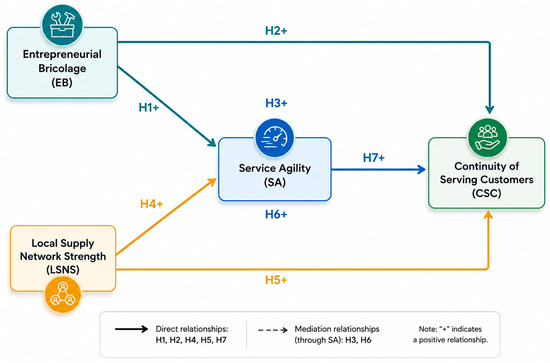
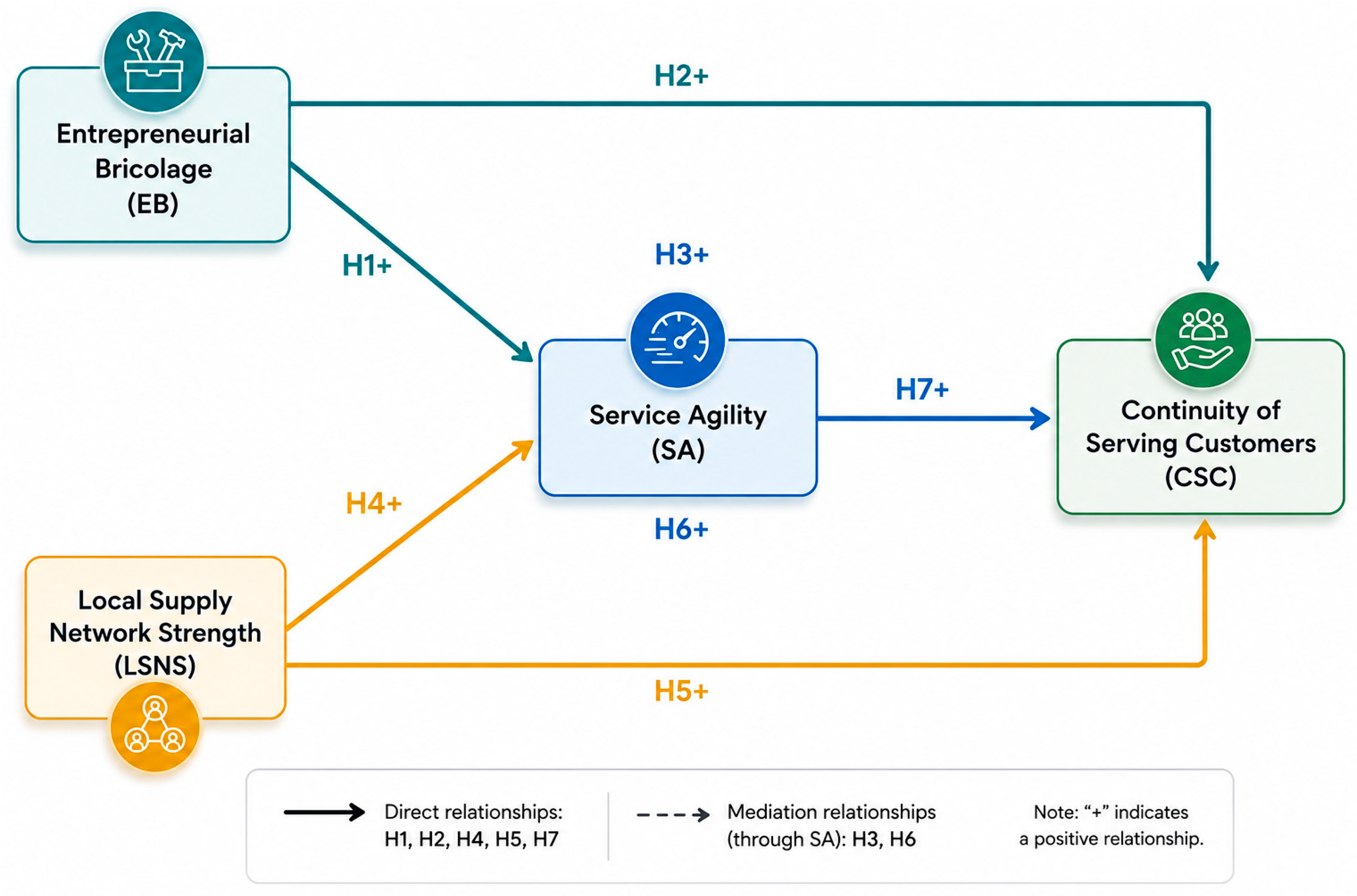
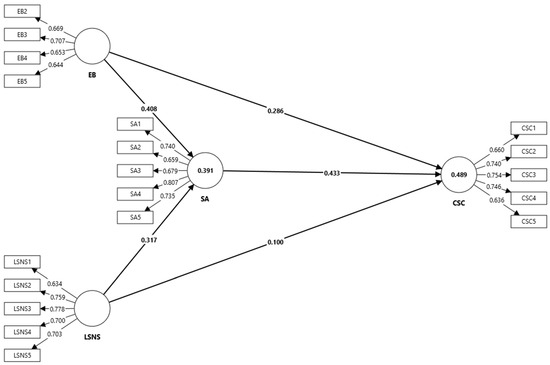
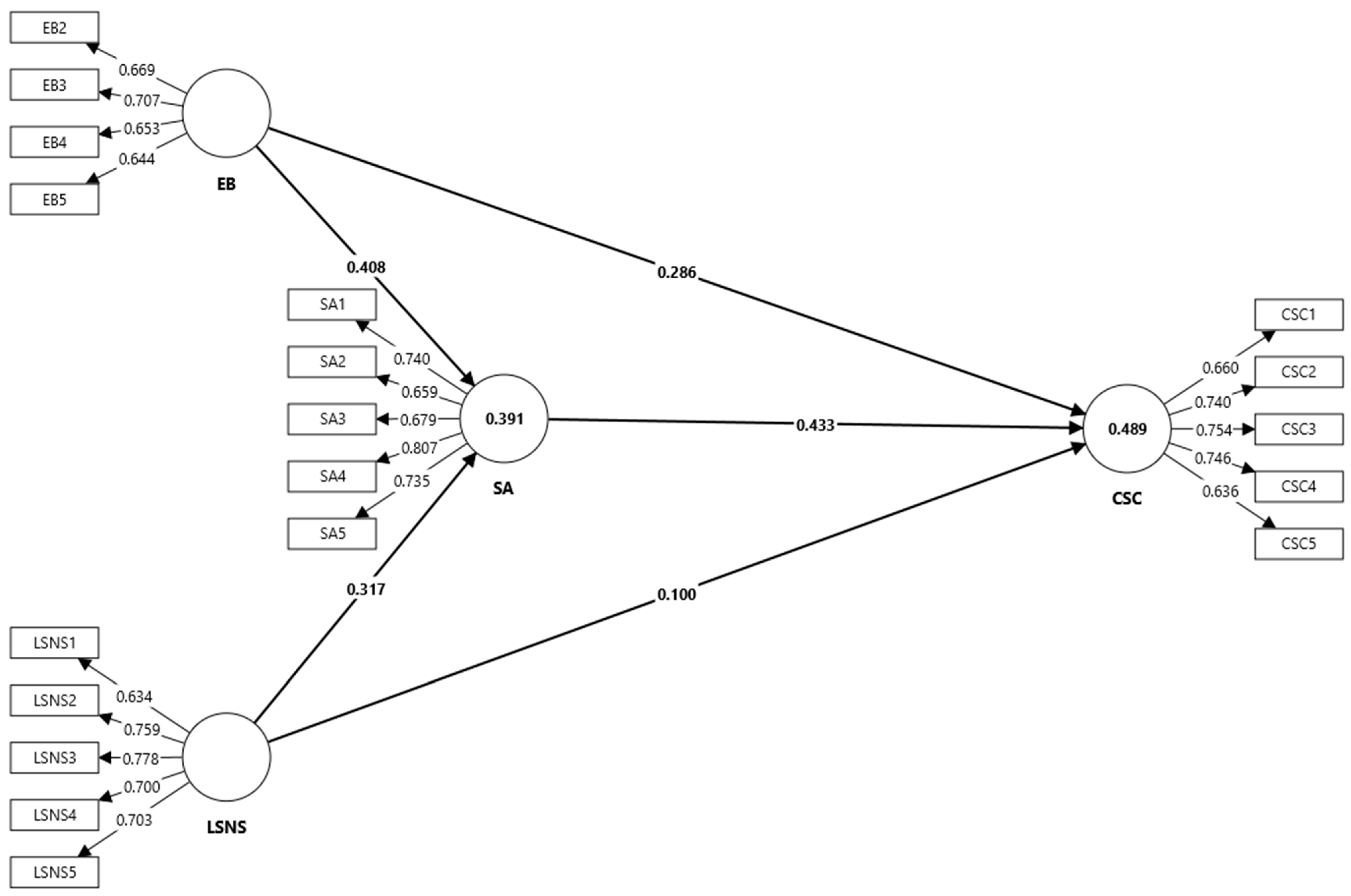

Disclaimer/Publisher’s Note: The statements, opinions and data contained in all publications are solely those of the individual author(s) and contributor(s) and not of MDPI and/or the editor(s). MDPI and/or the editor(s) disclaim responsibility for any injury to people or property resulting from any ideas, methods, instructions or products referred to in the content. |
© 2026 by the author. Licensee MDPI, Basel, Switzerland. This article is an open access article distributed under the terms and conditions of the Creative Commons Attribution (CC BY) license.