


Abstract
This empirical study positions hotel-based sport wellness programs as structured physical activity offerings embedded in co-created guest experiences in luxury hotels in Saudi Arabia. It examines how the quality of wellness sports programs relates to guests’ satisfaction with the program, loyalty intentions toward the hotel, and self-reported physical activity orientation and intention. The construct is operationalized as guests’ perceived increase in activity during the stay and their stated intention to maintain or increase activity afterward. The study also tests the mediating roles of perceived health benefits and enjoyment, as well as the moderating role of staff health communication. Drawing on service quality and expectancy disconfirmation perspectives, together with health belief and motor learning insights, a cross-sectional survey was conducted with 412 guests who had participated in structured sport-based wellness sessions during their stay in Saudi Arabian luxury hotels. Data were analyzed using partial least squares structural equation modeling (PLS SEM). Wellness sport program quality was positively associated with perceived health benefits, enjoyment, and program satisfaction, and both perceived health benefits and enjoyment partially mediated the quality satisfaction relationship, indicating parallel cognitive and affective pathways in the guest experience. Program satisfaction, in turn, was positively associated with guests’ loyalty intentions and their self-reported orientation toward maintaining healthier physical activity routines after their stay, while staff health communication significantly strengthened the association between program quality and perceived health benefits. These results contribute to wellness tourism and hospitality research by integrating sport pedagogy and health communication into an experience-centric framework and by clarifying how hotel-based sport wellness offerings can support satisfaction, loyalty, and self-reported physical activity orientation in an emerging tourism destination. Practical implications are offered for hotel managers seeking to design human-centered, health-oriented wellness services aligned with Vision 2030 and global physical activity promotion agendas, recognizing that the findings represent perception-based associations that are a promising foundation for future longitudinal and behavioral research.
1. Introduction
Wellness tourism has emerged as one of the fastest-growing segments of the global tourism industry, reflecting increasing consumer interest in health, well-being, and lifestyle improvement through travel experiences. Hotels and resorts have responded to this demand by integrating wellness services such as spa therapies, fitness programs, mindfulness activities, and sport-based recreational offerings into their hospitality products (K.-H. Chen et al., 2023; L. Liu et al., 2023). Among these offerings, sport-based wellness programs—such as guided fitness classes, yoga sessions, recreational sports, and wellness training activities—have become important tools for enhancing guest experiences while simultaneously promoting healthier lifestyles among tourists. The integration of such programs within hospitality settings has the potential to influence multiple outcomes, including guest satisfaction, loyalty intentions, and guests’ self-reported physical-activity orientation.
Positioning sport-based wellness programs within public health is increasingly important because physical inactivity has been characterized as a global pandemic and a major contributor to the noncommunicable disease burden (Kohl et al., 2012; I.-M. Lee et al., 2012). In response, the World Health Organization updated its 2020 Guidelines on Physical Activity and Sedentary Behavior, emphasizing that “some physical activity is better than none” and encouraging regular moderate-to-vigorous activity alongside strength-building activities (Bull et al., 2020). From this perspective, hotel-based sport and exercise offerings are not only recreational amenities; they can function as “micro settings” that reduce hypokinesia risk during travel, support well-being, and potentially encourage guests to reflect on their physical activity habits and express intentions to continue exercising after their stay, provided the experiences are enjoyable and well communicated.
At the same time, contemporary hospitality research increasingly conceptualizes guest experience not as a standardized outcome, but as a dynamic, multi-touchpoint, and co-created process unfolding across digital, physical, social, and cultural layers (Pine & Gilmore, 1999; Verhoef et al., 2009). Guests actively evaluate how different actors and touchpoints—frontline employees, wellness instructors, digital interfaces, and the servicescape—combine to support their personal values and well-being goals, rather than passively consuming predefined services (Erdly & Kesterson-Townes, 2003; Kandampully et al., 2018). Within this experience-economy perspective, hotel wellness and sport programs can be interpreted as service innovations that reconfigure the guest journey by embedding health-promoting, emotionally engaging activities into the core of the stay, thereby linking experiential value with longer-term health and loyalty outcomes (Filimonau, 2015; Buhalis & Sinarta, 2019).
Service quality has long been recognized as a key determinant of customer satisfaction and behavioral intentions within hospitality and tourism contexts. Numerous studies demonstrate that high-quality services significantly influence customer satisfaction, loyalty, and revisit intentions (Fatma & Kumar, 2024; Seow et al., 2024). In hospitality environments, service quality encompasses multiple dimensions, including staff professionalism, facility quality, service efficiency, and the overall servicescape that shapes the guest experience (Ben Haobin et al., 2021). Within fitness and wellness settings, service quality elements such as instructor competence, facility conditions, and program design are essential for ensuring positive experiences and long-term customer engagement (Xu et al., 2021; Gálvez-Ruiz et al., 2023).
Sport-based wellness programs represent a specialized form of service within the hospitality sector that combines elements of recreation, health promotion, and experiential tourism. Studies suggest that well-designed recreational and sports activities contribute to social engagement, personal development, and community interaction, thereby enhancing the overall tourism experience (Davies et al., 2021; García-Pascual et al., 2021). In addition, sport tourism research highlights the importance of activity quality, coaching expertise, and program structure in influencing participants’ satisfaction and behavioral outcomes (Yang et al., 2024). These findings suggest that the quality of wellness sport programs can play a significant role in shaping guest perceptions and experiences within hotel environments.
In tourism settings, satisfaction is widely considered a key predictor of tourists’ behavioral intentions, including loyalty and willingness to recommend destinations or services to others (Elahi et al., 2020). High levels of satisfaction often lead to stronger emotional attachment to service providers and increased likelihood of repeat visitation (S. Lee et al., 2020). In the wellness tourism sector, memorable experiences and emotional engagement have been shown to significantly influence revisit intentions and positive word-of-mouth communication (Hu et al., 2025; Suban, 2025). Consequently, hotels that successfully deliver high-quality wellness experiences may achieve stronger customer loyalty and improved competitive positioning.
In addition, staff communication and leadership play important roles in shaping wellness program outcomes. Effective communication between staff and participants can enhance understanding of health benefits, increase engagement in wellness activities, and improve the overall program experience (Y. Lee & Queenie Li, 2020). Similarly, supportive leadership and coaching behaviors can positively influence participants’ well-being and motivation within sport and recreational environments (H.-D. Kim & Cruz, 2022; J. Choi et al., 2020). When hotel staff actively communicate health information and provide professional guidance during sport activities, guests may perceive greater value in wellness programs and become more engaged in health-related behaviors.
The growing global demand for wellness tourism has also encouraged destinations to integrate sport and recreational activities into their tourism development strategies. Sport tourism and wellness tourism are increasingly viewed as complementary sectors capable of generating economic, social, and health benefits for destinations (Moradi & Hejazi, 2025; Ordiñana-Bellver et al., 2026). In Saudi Arabia, the rapid expansion of tourism under Vision 2030 has stimulated investment in wellness tourism infrastructure, including luxury resorts, sport facilities, and health-oriented tourism experiences. A systematic-quantitative synthesis on Saudi family travel decisions highlights how cultural and social influences shape destination choices, underscoring the need for tourism products that integrate meaningful experiences with family well-being and lifestyle aspirations (Abdelghani et al., 2025).
Beyond their tourism value, sport-based wellness programs can be interpreted as locally embedded physical-activity interventions that resonate with evidence on the health benefits of regular sport participation across the lifespan (e.g., improved cardiovascular, musculoskeletal, and psychosocial outcomes) (Greco, 2024; Malm et al., 2019). Recent MDPI special issues on “health and performance through sports” explicitly call for applied studies that connect concrete participation contexts, such as schools, community facilities, or organized programs, with measurable health and performance outcomes (Greco, 2024). Positioning hotel-based wellness sessions within this perspective means treating them not only as experiential products of wellness tourism, but also as structured opportunities to engage guests in guideline-consistent physical activity that may initiate or reinforce healthier movement habits beyond the stay.
In contemporary wellness tourism, visitors increasingly seek experiences that are both memorable and health-enhancing, with physical, psychological, and emotional benefits tightly interwoven (He et al., 2023; Backman et al., 2023). Structured sport-based activities such as guided fitness sessions, yoga, and recreational sports have been shown to support physical health, stress reduction, social connection, and lifestyle reflection, making them particularly suited to hotel environments where guests’ time and attention are constrained (Eather et al., 2023; Kurniawan et al., 2024). Participation in such programs can inspire guests to reconsider their everyday routines and to express stronger intentions to engage in regular physical activity after returning home, although most existing evidence rests on self-reported perceptions rather than objective behavioural tracking (Campón-Cerro et al., 2020; Valente-Mosqueda et al., 2025).
Despite the increasing importance of wellness tourism within the hospitality industry, limited research has examined how sport-based wellness program quality influences guest satisfaction, loyalty intentions, and self-reported physical activity orientation within hotel environments, particularly in emerging tourism destinations such as Saudi Arabia. Previous studies have primarily focused on spa services or general wellness tourism experiences rather than structured sport programs. Against this backdrop, the present study’s contribution operates on three analytically distinct levels. First, at the core model level, it extends service quality and guest experience theory by specifying wellness sport program quality, perceived health benefits, enjoyment, and satisfaction as a structurally linked set of latent constructs and by incorporating staff health communication as a moderator within a PLS SEM framework (Parasuraman et al., 1988; J. F. Hair et al., 2019; Y. Chen et al., 2023). Second, at the health behavior level, it positions self-reported physical activity orientation as a perception-based construct capturing guests’ retrospective self-assessment of activity during their stay and their prospective intention to maintain or increase physical activity afterward, rather than as objectively measured longitudinal change, thereby aligning hospitality satisfaction models with health belief and self-efficacy logics while explicitly acknowledging the limits of cross-sectional self-report data (Rosenstock, 1974; Craig et al., 2003). Third, at the contextual level, it situates Saudi Arabian luxury hotels as applied settings within national quality-of-life and tourism diversification strategies under Vision 2030, recognizing that high-quality, health-oriented wellness programs may complement policy efforts to promote physical activity and active lifestyles (Saudi Arabia Vision 2030, 2024). Importantly, the broader references to the Sustainable Development Goals (SDGs) and sport-for-health micro-settings that appear later in the manuscript should be understood as contextual lenses for interpreting the findings, not as constructs empirically tested in the PLS-SEM model.
2. Review of Literature
2.1. Theoretical Underpinnings
In developing the structural model, three theoretical strands form the core framework, while other perspectives serve as contextual lenses and policy-relevant extensions. At the core, service quality theory and expectancy disconfirmation logic underpin the conceptualization of wellness sport program quality and satisfaction, suggesting that guests’ evaluations depend on perceived performance relative to expectations (Oliver, 1980; Parasuraman et al., 1988). Health belief and self-efficacy concepts support the inclusion of perceived health benefits and self-reported physical activity orientation, emphasizing that perceived benefits and capability shape intentions to maintain physical activity (Rosenstock, 1974). Affective motivational approaches to enjoyment and physical activity adherence further justify modeling enjoyment as a distinct mediator linking program quality to satisfaction (Kendzierski & DeCarlo, 1991). By contrast, ecological dynamics, sustainability, the Sustainable Development Goals (SDGs), and Vision 2030 provide contextual and interpretive layers rather than directly operationalized constructs in the PLS SEM model; they are used to situate hotel-based sport wellness programs within broader debates on physical activity promotion, quality of life, and sustainable tourism development. This conceptual architecture ensures that the hypotheses tested in the structural model are grounded in the core theoretical strands, while the broader policy and sustainability discussions remain clearly contextual.
The concept of wellness tourism has gained significant academic and industry attention as travelers increasingly seek experiences that promote health, relaxation, and personal development. Wellness tourism involves travel activities designed to maintain or improve individuals’ well-being through physical, mental, and spiritual experiences (K.-H. Chen et al., 2023). Hotels and resorts have become major providers of wellness tourism services by offering integrated wellness facilities, including fitness centers, spas, recreational activities, and sport-based wellness programs. These services contribute to the creation of immersive tourism experiences that enhance guest satisfaction and emotional engagement (Backman et al., 2023).
Within the hospitality industry, service quality plays a crucial role in shaping customer perceptions and behavioral outcomes. Studies consistently demonstrate that perceived service quality positively influences customer satisfaction, loyalty intentions, and revisit behavior (Fatma & Kumar, 2024; Sevilmiş et al., 2022). In the context of wellness tourism, service quality includes both tangible elements, such as facilities and equipment, and intangible elements, such as staff professionalism and interaction quality (Xu et al., 2021). These elements collectively contribute to the overall wellness tourism experience and affect how guests evaluate hospitality services. Likewise, Ahmed et al. (2025) demonstrates how environmental commitment and green motivation shape guests’ intentions and behavior in hotels, reinforcing the notion that value-driven tourists respond positively when service offerings and communication explicitly reflect their deeper personal identities.
Sport-based wellness programs represent a unique dimension of wellness tourism that combines recreational activities with health promotion. Participation in sports activities has been widely recognized for its positive effects on mental health, social relationships, and physical well-being (Eather et al., 2023). Within tourism settings, sport programs provide opportunities for active participation, social interaction, and experiential learning, which enhance tourists’ satisfaction and engagement with destinations (Yfantidou et al., 2021). Moreover, sport tourism activities can contribute to the creation of memorable tourism experiences that strengthen emotional connections between tourists and destinations (Sthapit et al., 2025).
Guest satisfaction is one of the most widely studied outcomes in tourism research. It reflects the degree to which tourism experiences meet or exceed visitors’ expectations (Elahi et al., 2020). In wellness tourism contexts, satisfaction is often influenced by the quality of wellness facilities, the professionalism of staff, and the overall experience environment (Park et al., 2021). Satisfied tourists are more likely to revisit destinations, recommend services to others, and develop long-term loyalty toward tourism providers (Seow et al., 2024).
In addition to satisfaction and loyalty, wellness tourism experiences can influence tourists’ long-term health behaviors. Research suggests that participation in wellness activities during travel can inspire individuals to adopt healthier lifestyles after returning home (Valente-Mosqueda et al., 2025). Sport-based wellness programs, in particular, can encourage guests to engage in regular physical activity and develop positive health habits.
Given the increasing importance of wellness tourism in hospitality development, understanding how sport-based wellness program quality influences guest outcomes is essential for both researchers and practitioners. This study therefore examines the relationships between wellness sport program quality, guest satisfaction, loyalty intentions, and Physical Activity Orientation in the hotel context.
On other hand, Sport-based wellness programs are delivered through teaching-learning interactions—such as cueing technique, scaling intensity, providing feedback, and managing safety—which place them within the applied domain of motor learning and sport pedagogy. From an ecological dynamics’ perspective, skill and engagement emerge from the interaction of the participant with task and environmental constraints; therefore, the design of activities (progressions, variability, representativeness, and affordances) and the way instructors shape constraints can influence both perceived competence and the perceived benefits of participation (Vilar et al., 2012). In hospitality settings, these mechanisms become especially salient because guests often vary widely in fitness, experience, and confidence, meaning that “quality” is expressed not only through facilities and responsiveness but also through the instructor’s capacity to individualize tasks, communicate health-related rationales, and create psychologically safe conditions for participation. Recent work on ecological dynamics in physical education emphasizes that physical activity sessions can be deliberately designed as learning environments in which task and environmental constraints invite exploration, variability, and decision-making, thereby fostering both motor competence and cognitive life skills (Coppola et al., 2024). From this standpoint, high WSPQ in hotel sport programs implies more than good facilities or polite service; it also reflects constraint-led activity design, individualized affordances, and non-linear pedagogy that support guests’ sense of capability and meaning in movement, which are known antecedents of adherence to physical activity. Importantly, these sport pedagogy insights inform the interpretation of the results but were not directly operationalized as testable constructs in the PLS SEM model.
Health communication by staff can be interpreted as an applied coaching competence: it frames why an activity matters, how it should be performed, and how benefits can be transferred to everyday life. When communication is clear and autonomy-supportive, participants are more likely to interpret bodily sensations and progress as meaningful health gains, which strengthens perceived benefits and supports intention to maintain activity after the program. Consequently, the present model’s inclusion of staff health communication as a moderator is not merely a service-interaction feature; it represents a pedagogical mechanism through which sport professionals translate participation into perceived health outcomes.
2.2. Guest Experience, Co-Creation, and Wellness Service Innovation
Hospitality scholars have emphasized that guest experience is increasingly shaped through ongoing interactions among customers, employees, technologies, and the broader servicescape, rather than through isolated service encounters (Verhoef et al., 2009). In this view, experience emerges as a co-created phenomenon, with guests actively interpreting, combining, and even reshaping touchpoints to fit their personal goals and lifestyles (Kandampully et al., 2018). The experience economy perspective further suggests that organizations gain competitive advantage when they stage memorable, transformative experiences that resonate with customers’ deeper values, moving beyond functional service delivery toward orchestrated experiential “theatre” (Pine & Gilmore, 1999; Erdly & Kesterson-Townes, 2003).
Within wellness tourism, this has translated into a shift from generic spa offerings toward personalized, context-sensitive wellness journeys that integrate physical, emotional, and social dimensions of well-being (Filimonau, 2015). Smart and connected hospitality systems increasingly support this shift by enabling real-time customization, continuous feedback, and seamless integration between digital and on-site touchpoints (Buhalis & Sinarta, 2019). Against this backdrop, sport-based wellness programs in hotels can be seen as human-centered service innovations that restructure the guest journey around structured, health-oriented activities, delivered through intensive instructor–guest interactions and embedded in a distinctive servicescape. By examining how wellness sport program quality, enjoyment, perceived health benefits, and staff health communication jointly shape satisfaction, loyalty, and Physical Activity Orientation, the present study extends guest-experience and service-innovation discussions into an underexplored domain of activity-based hotel experiences in an emerging tourism destination.
2.3. Relationship with Sustainability and SDGs
Wellness tourism and sport-based wellness programs are conceptually aligned with several Sustainable Development Goals (SDGs), most directly with SDG 3 (Good Health and Well-Being), which emphasizes promoting physical activity and mental well-being across the lifespan. Participation in guided sport and wellness activities can improve perceived physical health, reduce stress, and enhance psychological well-being among tourists and residents, even when outcomes are captured through self-reported evaluations rather than objective health indicators (Eather et al., 2023; Valente-Mosqueda et al., 2025); (Moradi & Hejazi, 2025). The present study does not measure employment quality, urban sustainability, community infrastructure, or destination-level environmental impacts. The discussion of the SDGs in this manuscript is therefore intended to highlight the broader policy context in which wellness-oriented hotels can generate employment, foster active lifestyles, and contribute to destination attractiveness, rather than to imply that these outcomes were empirically tested (Davies et al., 2021;Ordiñana-Bellver et al., 2026). In other words, the SDG-related discussion provides an interpretive lens for considering the implications of the findings, not a set of empirically demonstrated effects.
2.4. Research Hypothesis
2.4.1. The Effect of Wellness Sport Program Quality on Guest Satisfaction with the Wellness Program
The quality of wellness sport programs is widely recognized as a key determinant of guest satisfaction within wellness and spa contexts. High-quality programs—characterized by professional trainers, well-maintained facilities, personalized guidance, and reliable service delivery—create positive evaluations and favorable emotional responses. Empirical evidence supports the direct relationship between quality attributes and satisfaction. For instance, Insuwanno and Thongklieng (2025) found that both subjective and objective quality attributes significantly influence spa-goers’ satisfaction and loyalty. Similarly, Xu et al. (2021) identified multiple service quality dimensions in health-fitness clubs, demonstrating that reliable and responsive services enhance customer satisfaction. In spa environments, Rodrigues et al. (2022) confirmed that higher service levels in thalassotherapy spas are strongly associated with improved satisfaction outcomes. Ekonomou et al. (2023) further emphasized that tourists’ preferences for revitalizing wellness products are shaped by the perceived quality of services, directly affecting satisfaction levels. Additionally, Hu et al. (2025) showed that memorable wellness experiences—often rooted in superior service quality—positively influence tourist satisfaction through emotionally engaging encounters. Beyond tangible elements, intangible factors such as atmosphere, staff interaction, and emotional fulfillment also shape satisfaction. Štumpf and Kubalová (2024) demonstrated that both tangible and intangible attributes play critical roles in determining visitor satisfaction in tourism destinations. Moreover, Valente-Mosqueda et al. (2025) highlighted the connection between wellness tourism experiences and mental health improvements, suggesting that high-quality wellness programs foster satisfaction by supporting psychological well-being. Taken together, these findings indicate that superior wellness sport program quality—encompassing both technical and experiential components—significantly enhances guest satisfaction with the wellness program. Overall, the following can be assumed:
H1.
Wellness sport program quality (WSPQ) is positively associated with guest satisfaction with the wellness program (GSAT).
2.4.2. The Influence of Wellness Sport Program Quality on Guests’ Perceived Health Benefits
The quality of wellness sport programs has become a central determinant of value creation in contemporary wellness tourism. High-quality wellness sport programs—characterized by professional supervision, well-designed activities, safe facilities, and personalized services—enhance guests’ holistic experiences and contribute to improved health perceptions. Prior research demonstrates that service quality is strongly associated with customer satisfaction and perceived outcomes in fitness and wellness settings. For instance, Pradeep et al. (2020) found that service quality significantly influences customer satisfaction in fitness firms, which subsequently shapes customers’ evaluations of the benefits received. In the context of spa and wellness tourism, Xia et al. (2024) confirmed that service quality positively affects tourist satisfaction and quality of life, indicating that structured wellness services can enhance perceived well-being. Furthermore, the experiential dimension of wellness tourism plays a crucial role in shaping perceived health benefits. A. X. Liu et al. (2023) reported that wellness tourism experiences significantly impact tourist well-being, with satisfaction acting as a mediating factor. Similarly, Dimitrovski et al. (2025) emphasized that the quality of spa hotel experiences leads to favorable psychological and physical outcomes among guests. The memorability and emotional richness of wellness experiences further reinforce these benefits, as Sthapit et al. (2025) highlighted that well-designed wellness activities produce enjoyable and meaningful outcomes. The emotional experience generated during wellness programs also influences satisfaction and behavioral intentions. Suban (2024, 2025) demonstrated that positive emotional experiences in spa tourism enhance satisfaction, destination image, and revisit intentions. This suggests that high-quality wellness sport programs not only improve immediate physical outcomes but also shape guests’ broader perceptions of health and well-being. Additionally, the perceived value of wellness services significantly enhances engagement and positive evaluations, as shown by Xie et al. (2025). Mikulić et al. (2024) further confirmed that attributes of wellness facilities asymmetrically influence tourist satisfaction, highlighting the importance of maintaining high-quality program components. Importantly, recreational and sport-based activities within hotels have been directly linked to improvements in guests’ mental health. Ristova et al. (2025) found that structured recreational activities positively impact guests’ psychological well-being, reinforcing the argument that wellness sport program quality contributes to perceived health benefits. Collectively, these findings indicate that well-structured, professionally delivered, and emotionally engaging wellness sport programs enhance satisfaction, perceived value, and well-being outcomes. High service quality strengthens guests’ perceptions of physical and mental health improvements, thereby reinforcing the positive link between program quality and perceived health benefits. Thus, the study hypothesizes:
H2.
Wellness sport program quality (WSPQ) is positively associated with guests’ perceived health benefits (PHB).
2.4.3. The Impact of Wellness Sport Program Quality on Guests’ Enjoyment of the Wellness Program
The quality of wellness sport programs plays a decisive role in shaping guests’ enjoyment during their participation in wellness activities. High-quality programs—characterized by well-designed activities, professional instructors, appropriate facilities, and supportive service environments—create engaging and emotionally rewarding experiences. Research consistently highlights that wellness tourism experiences significantly influence satisfaction and positive emotional outcomes. For example, Karagianni et al. (2025) emphasize that well-structured wellness experiences directly enhance tourist satisfaction, which is closely linked to enjoyment. Similarly, A. X. Liu et al. (2023) demonstrate that the quality of wellness tourism experiences contributes to tourist well-being through satisfaction, indicating that enjoyable experiences stem from well-delivered services. The memorability of wellness activities also reinforces enjoyment. Dahanayake et al. (2025) confirm that memorable wellness tourism experiences are rooted in high-quality experiential components. Kongtaveesawas et al. (2022) further validate that core wellness attributes—such as program design, facilities, and service interaction—form the foundation of positive tourist evaluations. In spa resort settings, Manhas et al. (2025) show that meaningful experiences significantly predict satisfaction, while Qin et al. (2024) highlight that service quality enhances tourists’ overall experiential perceptions. Moreover, hotel wellness attributes strongly influence satisfaction and emotional responses (Park et al., 2021). K.-H. Chen et al. (2023) explain that the wellness experiences cape stimulates positive emotions that drive revisit intentions, indicating enjoyment as a central mechanism. Engagement with restorative environments also deepens guests’ pleasurable experiences (Backman et al., 2023), while healthy water-based activities have been shown to enhance satisfaction and experiential enjoyment (Campón-Cerro et al., 2020). Collectively, these findings suggest that superior wellness sport program quality enhances emotional engagement, satisfaction, and experiential value, leading to greater enjoyment among guests. Therefore, the study proposes the following hypothesis:
H3.
Wellness sport program quality (WSPQ) is positively associated with guests’ enjoyment of the wellness program (ENR).
2.4.4. The Role of Guests’ Perceived Health Benefits in Shaping Satisfaction with the Wellness Program
In wellness tourism, satisfaction is rarely a cold, transactional judgment; it is coloured by the degree to which guests genuinely feel healthier, lighter, more balanced after the experience (Campón-Cerro et al., 2020). When visitors perceive tangible improvements in physical condition, stress reduction, and overall, well-being, they tend to appraise both the service encounter and its outcomes more favourably, translating cognitive appraisals of health gain into affective satisfaction (Valente-Mosqueda et al., 2025; Karagianni et al., 2025). Empirical work on healthy water-based tourism, community recreation, and wellness travel repeatedly shows that perceived health benefits feed directly into higher satisfaction and loyalty, because guests interpret health improvement as evidence that the provider “delivered on its promise” (Campón-Cerro et al., 2020; Yayla et al., 2023). Recent multi-country and destination-specific studies echo this logic: quality wellness experiences enhance subjective well-being, which in turn strengthens satisfaction, revisit intention, and positive word-of-mouth (Backman et al., 2023; Seow et al., 2024; K.-H. Chen et al., 2023). In other words, health gains are not a peripheral “bonus” but a central evaluative lens through which guests judge the worth of sport-based wellness programs. In this study, PHB captures guests’ perceptions of physical improvement, mental restoration, and confidence in sustaining activity; when these appraisals are high, satisfaction with the program should rise accordingly, as suggested by health-oriented tourism and recreation research (Campón-Cerro et al., 2020; Valente-Mosqueda et al., 2025; Karagianni et al., 2025). Accordingly, the following hypothesis is advanced:
H4.
Guests’ perceived health benefits (PHB) are positively associated with guest satisfaction with the wellness program (GSAT).
2.4.5. The Role of Guests’ Enjoyment in Shaping Satisfaction with the Wellness Program
If perceived health benefits speak to the “head,” enjoyment speaks to the “heart” of wellness program evaluation. A growing body of work in wellness and spa tourism demonstrates that emotionally rich, enjoyable experiences—marked by joy, relaxation, and playful engagement—strongly predict satisfaction and downstream behavioural intentions (Backman et al., 2023; Dahanayake et al., 2025; Suban, 2024). Studies of wellness experiences capes show that when guests find activities intrinsically pleasurable, the resulting positive affect significantly boosts their satisfaction and willingness to revisit (K.-H. Chen et al., 2023; Seow et al., 2024). Recreation and public-health research similarly indicate that high experience quality and hedonic value in organized activities increase perceived value, satisfaction, and behavioural intentions (Yayla et al., 2023). In wellness hotels, enjoyment functions as an immediate reward that reinforces guests’ sense that their time and money were well spent, especially when facilities, staff interactions, and program design converge to create “feel-good” moments (Park et al., 2021; Campón-Cerro et al., 2020). Conceptually, ENR in this study captures affective responses such as fun, enthusiasm, and emotional uplift during sport-based sessions; when these feelings are strong, satisfaction with the overall wellness program should rise in tandem, as suggested by emotional-experience models in spa and wellness tourism (Suban, 2024; Backman et al., 2023). Thus, the following hypothesis is proposed:
H5.
Guests’ enjoyment (ENR) is positively associated with guest satisfaction with the wellness program (GSAT).
2.4.6. The Mediating Role of Perceived Health Benefits in the Relationship Between Wellness Sport Program Quality and Guest Satisfaction
The relationship between wellness sport program quality and guest satisfaction is well established in service and hospitality research; however, perceived health benefits may serve as a critical mediating mechanism in this relationship. High-quality wellness sport programs—characterized by professional supervision, reliable services, and well-designed activities—enhance guests’ perceptions of physical and psychological improvements, which in turn foster satisfaction. Pradeep et al. (2020) demonstrated that service quality directly influences customer satisfaction in fitness firms, while Qasem Saeed et al. (2021) confirmed a strong positive association between service quality and satisfaction in the hotel industry. Similarly, Fatma and Kumar (2024) emphasized that service quality dimensions significantly predict guest satisfaction in hospitality contexts. Within fitness and wellness settings, perceived quality enhances not only satisfaction but also perceived value and behavioral outcomes (Sevilmiş et al., 2022). AbouRokbah and Salam (2023) further found that quality perceptions in fitness centers significantly affect satisfaction, suggesting that when guests perceive tangible health improvements, their overall evaluations become more favorable. Moreover, Gálvez-Ruiz et al. (2023) highlighted that perceived quality stimulates engagement and loyalty, outcomes closely linked to satisfaction. Importantly, wellness tourism research indicates that experiential outcomes, including improved well-being, drive satisfaction and revisit intention (Seow et al., 2024). This suggests that perceived health benefits function as a psychological pathway through which quality translates into satisfaction. When guests recognize improvements in their physical fitness, stress reduction, or mental wellness, the perceived effectiveness of the program strengthens their satisfaction judgments. Therefore, high wellness sport program quality enhances perceived health benefits, which subsequently increase guest satisfaction. Perceived health benefits thus act as a mediating variable connecting program quality to satisfaction outcomes. Hence, the following can be proposed:
H6a.
Guests’ perceived health benefits (PHB) mediate the relationship between wellness sport program quality (WSPQ) and guest satisfaction with the wellness program (GSAT).
2.4.7. The Mediating Role of Enjoyment in the Relationship Between Wellness Sport Program Quality and Guest Satisfaction
Wellness sport program quality contributes significantly to guests’ evaluative and emotional responses; however, enjoyment may function as a key psychological mechanism explaining how quality translates into satisfaction. High-quality wellness sport programs—characterized by immersive activities, professional guidance, and supportive environments—enhance the experiential value of participation. Research on wellness experience capes shows that well-designed environments stimulate positive emotions that influence satisfaction and behavioral intentions (K.-H. Chen et al., 2023). Similarly, M. Zhou and Wang (2024) found that immersive tourism experiences capes enhance emotional experiences, which subsequently strengthen positive evaluations. Emotional stimulation and inspiration are central to enjoyment in wellness tourism. He et al. (2023) demonstrated that wellness tourism experiences inspire tourists and foster engagement through emotionally uplifting encounters. In spa contexts, Suban (2025) confirmed that emotional experiences significantly predict satisfaction and revisit intentions. Furthermore, Q. Zhou et al. (2023) emphasized that memorable tourism experiences mediate the relationship between experience quality and behavioral outcomes, reinforcing the importance of enjoyment as an emotional bridge. Environmental design and servicescape attributes also intensify pleasurable experiences. Ben Haobin et al. (2021) highlighted that hotel servicescape enhances brand experience and mindfulness, contributing to positive emotions. Tiwari and Hashmi (2022) linked experiential enjoyment with favorable wellness travel intentions, while S. Lee et al. (2020) demonstrated that enjoyable experiences significantly influence satisfaction. Additionally, Cui et al. (2024) showed that experiences capes enhance subjective well-being through value co-creation, further supporting the emotional pathway to satisfaction. Overall, evidence suggests that superior wellness sport program quality fosters enjoyment, which in turn strengthens guest satisfaction. Enjoyment therefore acts as a mediating mechanism translating quality perceptions into satisfaction outcomes. Therefore, the following hypothesis is developed:
H6b.
Guests’ enjoyment (ENR) mediates the relationship between wellness sport program quality (WSPQ) and guest satisfaction with the wellness program (GSAT).
2.4.8. The Effect of Guest Satisfaction with Sport-Based Wellness Programs on Loyalty Intentions Toward the Hotel
Guest satisfaction has long been recognized as a primary predictor of loyalty intentions in hospitality and sport tourism contexts. When guests participate in sport-based wellness programs and perceive their experiences as satisfying, they are more likely to develop positive attitudes toward the hosting hotel and demonstrate intentions to revisit or recommend it. Research on sport tourism confirms that satisfaction significantly influences behavioral intentions. For example, Elahi et al. (2020) found that tourists’ satisfaction in sport events directly predicts loyalty outcomes, including revisit intention and positive word-of-mouth. Similarly, Moradi and Hejazi (2025) emphasized that aligning visitor expectations with destination performance strengthens competitiveness and enhances loyalty. Social and experiential dimensions also reinforce this relationship. Vidal-Matzanke et al. (2025) showed that visitor ratings and satisfaction expressed through social media significantly shape loyalty perceptions in accommodation businesses. Taheri et al. (2025) further demonstrated that positive affect in ski event contexts transfers into favorable behavioral responses. In fitness and boutique sport settings, personal choice and satisfaction with services influence continued patronage (Yıldız et al., 2021). Sport venues and recreation centers function as integrated tourism destinations where satisfaction plays a central role in repeat visitation (Vrondou, 2023; Yfantidou et al., 2021). Moreover, experiential factors such as novelty-seeking, perceived coolness, and servicescape significantly affect behavioral intentions (Pratminingsih et al., 2025). Broader discussions of sustainable and smart tourism development also stress satisfaction as a foundation for long-term loyalty (Katsoni & van Zyl, 2021). Collectively, these findings indicate that satisfaction with sport-based wellness programs enhances guests’ emotional attachment and intention to remain loyal to the hotel. Hence, the following can be proposed:
H7.
Guest satisfaction with sport-based wellness programs (GSAT) is positively associated with guests’ loyalty intentions toward the hotel (LOY).
2.4.9. Guest Satisfaction with Sport-Based Wellness Programs and Its Influence on Physical Activity Orientation
Guest satisfaction is widely recognized as a critical outcome of service experiences in sport and wellness settings, as it reflects how well programs meet participants’ expectations and personal needs. In sport-based wellness programs, satisfaction emerges when guests perceive high service quality, engaging program design, and meaningful participation in health-oriented activities. These positive experiences can influence individuals’ attitudes toward physical activity and motivate them to adopt healthier lifestyles. Previous studies in sport and fitness contexts indicate that when participants feel satisfied with their sport experiences, they are more likely to maintain participation and develop long-term health-related behaviors (Behnam et al., 2021). Sport experience design plays a significant role in shaping satisfaction levels. For example, integrating interactive elements, technology, and personalized activities enhances participants’ engagement and encourages continuous participation in physical activity (Pizzo et al., 2021). Similarly, effective sport management practices in fitness environments improve participants’ perceptions of service quality and satisfaction, which in turn influence their commitment to regular exercise (García-Pascual et al., 2021). Recreational sport programs also contribute to broader wellness outcomes by encouraging individuals to adopt healthier routines and improve their overall well-being (Kurniawan et al., 2024). Furthermore, sport participation within organized programs can generate positive social and psychological outcomes that reinforce health-oriented behaviors. Community-based sport initiatives, for instance, often promote social interaction and personal development, which strengthen participants’ motivation to maintain active lifestyles (Mamo et al., 2021). Satisfaction with sport services has also been linked to participant retention and ongoing engagement in physical activity programs (M. Kim et al., 2021). Moreover, the benefits derived from sport and leisure facilities contribute to long-term behavioral changes that support healthier lifestyles and community well-being (Davies et al., 2021). Overall, positive satisfaction with sport-based wellness programs can encourage guests to adopt and sustain healthier behaviors beyond the tourism experience. Overall, the following can be assumed:
H8.
Guest satisfaction with sport-based wellness programs (GSAT) is positively associated with guests’ self-reported physical activity orientation, including perceived increase in activity during the stay and the intention to maintain or increase physical activity after the stay (PAO).
2.4.10. The Moderating Role of Staff Health Communication in the Relationship Between Wellness Sport Program Quality and Perceived Health Benefits
The quality of wellness sport programs plays a central role in shaping participants’ perceptions of health-related outcomes. High-quality programs typically include structured activities, professional guidance, and supportive environments that encourage individuals to engage in physical activity and improve their overall well-being. Research indicates that participation in sport activities contributes significantly to mental health, social outcomes, and physical wellness, highlighting the importance of well-designed sport-based programs in promoting positive health perceptions (Eather et al., 2023). In sport tourism and wellness contexts, program quality is also linked to visitors’ perceptions of value and benefits derived from their experiences (Moradi & Hejazi, 2025). However, the impact of program quality on perceived health benefits may not occur independently. Staff communication, particularly health-related communication, can strengthen the relationship between program participation and the benefits perceived by participants. Effective communication helps participants understand the purpose of activities, the health value of exercises, and ways to integrate wellness practices into their daily lives. Studies show that internal communication processes improve individuals’ willingness to share and engage with health-related information, thereby enhancing awareness and behavioral outcomes (Y. Lee & Queenie Li, 2020). In sport and coaching environments, communication quality is also associated with stronger relationships between coaches and participants, improving psychological outcomes and reducing negative experiences such as burnout (H. Choi et al., 2020). Similarly, leadership and supportive guidance from staff can positively influence well-being and motivation among participants (H.-D. Kim & Cruz, 2022). When wellness program staff communicate effectively about health benefits, participants are more likely to recognize and appreciate the outcomes of their sport participation. Moreover, communication and coaching quality can enhance performance, confidence, and perceived benefits among participants (Yang et al., 2024). Within tourism experiences, the quality of the servicescape and interaction with service providers further shapes visitors’ perceptions and behavioral intentions (Pratminingsih et al., 2025). In sport tourism environments, staff engagement and community interaction are also essential for creating meaningful and beneficial visitor experiences (Ordiñana-Bellver et al., 2026). Therefore, strong health communication from staff can amplify the positive influence of program quality on perceived health benefits among guests. Therefore, the following hypothesis is suggested:
H9.
Staff health communication (SHC) moderates the relationship between wellness sport program quality (WSPQ) and guests’ perceived health benefits (PHB), such that the positive association between WSPQ and PHB is stronger when SHC is high.
2.5. Study Framework
The proposed conceptual model, illustrated in Figure 1, posits Wellness Sport Program Quality (WSPQ) as the primary exogenous construct influencing Guest Satisfaction (GSAT). The framework incorporates Guests’ Perceived Health Benefits (PHB) and Guests’ Enjoyment (ENR) as mediating variables to elucidate the mechanisms through which program quality translates into satisfaction outcomes. Subsequently, the model positions Guest Satisfaction as a key antecedent of two critical behavioral outcomes: Guests’ Loyalty Intentions (LOY) and Guests’ Self-Reported Physical Activity Orientation (PAO). Furthermore, to examine the contingent nature of these relationships, Staff Health Communication (SHC) is integrated as a moderating variable, specifically theorized to strengthen the relationship between program quality and perceived health benefits. This comprehensive framework thus captures both the direct and indirect pathways from program quality to guest outcomes, while accounting for the boundary conditions imposed by staff interactions.
Figure 1.
Conceptual model of the study.
3. Materials and Methods
3.1. Instruments and Scales
All constructs were measured with multi-item, theory-driven Likert-type scales adapted from validated instruments in service-quality, health-behavior, and sport psychology research. Wellness Sport Program Quality (WSPQ) was operationalized through four items reflecting tangibles, reliability, responsiveness, and assurance/empathy, adapted from SERVQUAL and recent work on wellness experiences capes in luxury hospitality. These items captured guests’ evaluations of instructors’ professionalism, the safety and maintenance of facilities, the clarity of scheduling, and the responsiveness and care shown by staff (Parasuraman et al., 1988; Y. Chen et al., 2023; Xu et al., 2021).
The questionnaire was originally developed in English, drawing on validated scales from the literature. To ensure conceptual equivalence and linguistic appropriateness for the Saudi Arabian context, the instrument was translated into Arabic using a rigorous translation/back-translation procedure. Two bilingual researchers independently translated the English version into Arabic, and a third bilingual translator, blinded to the original version, back-translated the Arabic version into English. Discrepancies were reconciled through discussion to produce a final Arabic version that maintained semantic, conceptual, and normative equivalence with the original items. Prior to full-scale data collection, the Arabic questionnaire was pretested with a pilot sample of 35 hotel guests who had participated in sport-based wellness programs during their stays. The pilot served to assess item clarity, face validity, and respondent comprehension and resulted in minor wording refinements to enhance readability and cultural relevance. No substantive modifications to the constructs or measurement model were made following the pilot.
Perceived Health Benefits (PHB) comprised three items assessing guests’ perceptions of physical improvement (e.g., feeling fitter or less tense), mental restoration (e.g., reduced stress or improved mood), and confidence in their ability to maintain activity after the stay. This operationalization is consistent with benefit and self-efficacy components in health-behavior theories and with prior work on wellness tourism and health and wellness tourists’ behavioral intentions (Rosenstock, 1974; Craig et al., 2003). Enjoyment (ENR) was measured using three items adapted from the Physical Activity Enjoyment Scale and its short forms, focusing on fun, pleasure, and positive affect during the sessions (Kendzierski & DeCarlo, 1991; Y. Chen et al., 2023).
Guest Satisfaction (GSAT) and Loyalty Intentions (LOY) were assessed with concise global items reflecting expectancy–disconfirmation logic and post-consumption loyalty tendencies, adapted from classic satisfaction and loyalty scales (Oliver, 1980, 1999). Self-Reported Physical Activity Orientation (PAO) was measured using two items adapted from the International Physical Activity Questionnaire guidelines (Craig et al., 2003). It is critical to state clearly that this construct is a perceptual measure of self-assessed behavioral intention and retrospective judgment; it captures guests’ subjective assessment of their activity during the stay and their self-reported motivation to sustain this level of activity afterward. We intentionally label this construct as ‘Orientation’ to distinguish it from objectively verified physical activity data, which our cross-sectional design cannot provide. While the IPAQ provides a comprehensive framework for assessing physical activity, the present study utilized only two adapted items to capture the specific perceptual and motivational dimensions most relevant to the hotel-based wellness context. This parsimonious operationalization was deemed sufficient for modeling PAO as a reflective latent construct, consistent with prior hospitality research that has used shortened scales to assess behavioral intentions and self-reported health orientations (Backman et al., 2023; Park et al., 2021). The two items demonstrated strong internal consistency (α = 0.736, CR = 0.883) and factor loadings exceeding 0.80, supporting the adequacy of this abbreviated measurement approach.
Staff Health Communication (SHC) was measured with three items assessing the extent to which instructors and staff explained the health rationale of activities, offered individualized guidance and safety cues, and provided suggestions on integrating practices into everyday life, in line with health communication and behavior-change technique taxonomies (Y. Lee & Queenie Li, 2020; Michie et al., 2013). All items were scored so that higher values indicated more favorable evaluations.
All latent variables were modeled reflectively, consistent with their conceptualization as underlying constructs that give rise to the observed indicators (Fornell & Larcker, 1981a; J. F. Hair et al., 2019). Internal consistency and convergent validity were established, with Cronbach’s alpha, composite reliability (CR), and average variance extracted (AVE) exceeding recommended thresholds. The measurement items and their exact wording are provided in Appendix A to enhance transparency and reproducibility.
3.2. Sampling and Participant Selection
Data collection followed a cross-sectional, on-site survey design conducted in collaboration with a group of luxury hotels in Saudi Arabia that offered structured sport-based wellness programs during the data collection period, aligning with contemporary wellness tourism investigations in hospitality settings (Backman et al., 2023; Park et al., 2021). The sampling frame consisted of international luxury (5-star) hotels located in Riyadh, Jeddah, and Al Ula. A total of seven luxury hotels participated in the study: three properties in Riyadh, two in Jeddah, and two in Al Ula. These properties were purposively selected in collaboration with hotel management, based on the presence of regular, instructor-led sports and wellness activities (guided fitness classes, yoga sessions, and group exercise programs) integrated into the guest stay. Data collection was reasonably distributed across the three locations, with approximately 38% of responses from Riyadh, 32% from Jeddah, and 30% from Al Ula, ensuring geographic representation. The sample comprised 412 respondents, of whom 50.3% (n = 207) were female and 49.7% (n = 205) were male, reflecting a nearly balanced gender distribution. In terms of age, the sample was well distributed across adult cohorts: participants aged 36–50 years represented the largest segment (35.9%, n = 148), closely followed by those aged 18–35 years (34.4%, n = 142), while respondents aged 51 years and above accounted for 29.7% (n = 122) of the sample. Regarding nationality, the vast majority of respondents were Saudi nationals (73.1%, n = 301), while 26.9% (n = 111) were non-Saudi visitors. This predominance of Saudi respondents should be considered when interpreting the findings, as the perspectives of domestic luxury hotel guests may differ from those of international visitors regarding cultural expectations, familiarity with wellness services, and physical activity norms.
The target population comprised adult guests who had participated in at least one guided fitness, yoga, or sport-based wellness session during their stay, reflecting the growing integration of activity-oriented wellness experiences into hotel products. On-site data collection was conducted in collaboration with participating properties; guests were informed about the voluntary nature of participation, the anonymity of responses, and the exclusive use of data for academic purposes, in line with the Declaration of Helsinki. Informed consent was obtained from all participants. The informed consent procedure ensured that participants fully understood before participating. In particular, participants were informed of the following: (a) about the academic nature of the study; (b) that their answers would be anonymous and confidential and no personal information other than demographic details was being collected; (c) on how their data would be stored securely in an aggregated form for analysis purposes and only utilized for research on this work; (d) that participation was not compulsory and there were no foreseeable risks associated with taking part in this study.
Data collection commenced on 1 March 2026 and concluded on 30 April 2026, covering both weekday and weekend stays. The researchers distributed the questionnaire link to 463 guests; they received 412 valid responses, yielding a response rate of 88.9%, which is a substantial sample size for PLS-SEM given the model’s complexity and the number of indicators (J. F. Hair et al., 2019). Recruitment procedures mirrored established survey practices in wellness and sport-tourism research, where hotel guests are approached in situ after engaging with wellness facilities or programs. Only guests aged 18 years and above who had confirmed participation in the hotel’s sport-based wellness activities were eligible, ensuring that responses reflected direct experiential evaluations rather than abstract brand perceptions. To minimize common method bias, respondents were assured of confidentiality, items were psychologically separated by construct blocks, and scale endpoints were varied, consistent with procedural remedies recommended for behavioral surveys (Podsakoff et al., 2012; J. F. Hair et al., 2019). This approach is consistent with prior studies that rely on non-probability samples of hotel and spa guests to examine satisfaction, loyalty, and wellness-related outcomes in real-world hospitality environments (Park et al., 2021; Dimitrovski et al., 2025).
3.3. Statistical Methods
The use of variance-based PLS-SEM, rather than covariance-based SEM, is justified by several design considerations. First, the study’s primary goal is prediction and explanation of key outcome constructs (GSAT, LOY, PAO), including mediation and moderation, which aligns well with PLS-SEM’s strengths in prediction-oriented modeling (J. F. Hair et al., 2019). Second, the model includes a relatively large number of indicators and mediating/moderating paths for a single empirical study, and PLS-SEM is known to handle such complex models with fewer restrictive assumptions regarding multivariate normality and sample size than CB-SEM, while maintaining acceptable statistical power. Third, preliminary assessment of skewness and kurtosis indicated deviations from perfect normality for several indicators, making PLS-SEM a pragmatic choice for estimating relationships without requiring strict distributional assumptions. Finally, PLS-SEM has been widely applied in hospitality and tourism research when exploring multi-construct models of satisfaction, loyalty, and experiential outcomes, providing a robust methodological precedent for the present application (J. Hair & Alamer, 2022; J. F. Hair et al., 2019).
To assess potential common method bias (CMB), we followed both procedural and statistical remedies. Procedurally, respondents were assured of anonymity and confidentiality, items from different constructs were psychologically separated into sections, and scale endpoints and wording were varied, reducing evaluation apprehension and acquiescence (Podsakoff et al., 2003). Statistically, we first applied Harman’s single-factor test, which indicated that the first unrotated factor accounted for 43.16% of the variance—below the commonly cited 50% threshold—but we recognize that this test alone is insufficient as a CMB diagnostic (Kock & Hadaya, 2018). We therefore complemented it with a full collinearity assessment, examining variance inflation factors (VIFs) for all latent constructs. The VIF values ranged from 1.478 to 2.856, comfortably below the more conservative 3.3 cutoff suggested for identifying common method bias and lateral collinearity in PLS SEM (Kock & Hadaya, 2018). Together with acceptable skewness and kurtosis statistics for the indicators (see Table 1), these results suggest that common method variance and multicollinearity are unlikely to pose serious threats to the validity of the structural estimates, although they cannot be ruled out entirely. The cross-sectional nature of the data, however, precludes claims about causal direction or long-term behavioral change.
Table 1.
Assessment of construct reliability and validity.
4. Results
4.1. Construct Validity and Reliability Assessment
Various criteria were used to assess the quality of the acquired data. Internal reliability for each construct was calculated using Cronbach’s alpha (α), with scores ranging from 0.725 to 0.884. These values exceed the commonly accepted threshold of 0.70, indicating satisfactory levels of internal consistency (Nunnally, 1994). Convergent validity was assessed following Fornell and Larcker’s guidelines (Fornell & Larcker, 1981b). Composite reliability (CR) values ranged from 0.878 to 0.928, all exceeding the recommended threshold of 0.70. Average variance extracted (AVE) values ranged from 0.705 to 0.811, all surpassing the 0.50 criterion. Factor loadings ranged from 0.800 to 0.915, all exceeding the recommended 0.70 threshold. These results collectively establish convergent validity for all constructs in the measurement model (see Table 1).
Discriminant validity (DV) was evaluated using the Fornell–Larcker criterion and the Heterotrait–Monotrait (HTMT) ratio of correlations. The Fornell–Larcker matrix states that the square root of the average variance extracted (√AVE) for each construct should be higher than its correlations with other constructs (Fornell & Larcker, 1981b). Table 2 shows that the √AVE scores, highlighted in bold along the diagonal, ranged from 0.840 to 0.901. As shown in Table 2, the square roots of AVE (on the diagonal) ranged from 0.840 to 0.901 and were higher than the corresponding inter-construct correlations, which ranged from 0.385 to 0.720, supporting discriminant validity according to the Fornell–Larcker criterion.
Table 2.
Fornell–Larcker criterion matrix for discriminant validity assessment.
For HTMT, values should be less than 0.90 and ideally below 0.85 (J. F. Hair et al., 2019). The highest HTMT value in Table 3 was 0.833, meeting this requirement. The Fornell–Larcker matrix and HTMT results support the measurement model DV in this study. Bold values along the diagonal represent the square roots of the Average Variance Extracted (√AVE) for each construct. Discriminant validity is established when each diagonal value exceeds the corresponding inter-construct correlations in the same row and column (Fornell & Larcker, 1981a). As shown, all √AVE values range from 0.840 to 0.901 and are greater than all off-diagonal correlations, confirming adequate discriminant validity.
Table 3.
Heterotrait–Monotrait (HTMT) ratio of correlations.
4.2. Hypotheses Testing (Inner Model)
The structural model assessment, as detailed in Table 4, confirms that all nine proposed hypotheses (H1–H9) are statistically supported. Regarding the direct effects, Wellness Sport Program Quality (WSPQ) exhibited a positive and significant influence on Guest Satisfaction (GSAT) (β = 0.181, t = 3.804, p < 0.001), Perceived Health Benefits (PHB) (β = 0.363, t = 6.518, p < 0.001), and Guests’ Enjoyment (ENR) (β = 0.521, t = 14.076, p < 0.001). Thus, H1, H2, and H3 are supported. Furthermore, both PHB (β = 0.349, t = 7.677, p < 0.001) and ENR (β = 0.334, t = 6.289, p < 0.001) were found to significantly predict GSAT, providing empirical support for H4 and H5. The outcomes also highlight the critical role of Guest Satisfaction (GSAT) in shaping guests’ perception-based orientations toward future behavior. Satisfaction showed positive and significant associations with loyalty intentions (LOY) (β = 0.519, t = 11.624, p < 0.001) and with self-reported physical activity orientation (PAO) (β = 0.515, t = 12.599, p < 0.001), where PAO denotes guests’ retrospective self-assessment of activity during the stay and their prospective intention to maintain or increase physical activity afterward. Thus, H7 and H8 are supported as statistical relationships between latent constructs representing guest satisfaction, loyalty intentions, and perceived health behavior orientation. It is crucial to reiterate that the cross-sectional nature of the data does not allow claims about actual long-term behavioral change, while recognizing that the cross-sectional nature of the data does not allow claims about actual long-term behavioral change or objective health outcomes.
Table 4.
Structural model hypotheses testing results.
In terms of indirect effects, the mediation analysis revealed that the relationship between WSPQ and GSAT is significantly mediated by both PHB (β = 0.127, t = 4.697, p < 0.001, CI [0.078, 0.181]) and ENR (β = 0.174, t = 5.333, p < 0.001, CI [0.117, 0.239]), confirming H6a and H6b. Additionally, the interaction effect (WSPQ × SHC → PHB) was significant (β = 0.126, t = 2.537, p = 0.011), which provides empirical support for the moderating role of staff health communication as proposed in H9. However, the effect size (f2) for this moderation effect was small (0.016), indicating that while statistically significant, the practical magnitude of the moderation should be interpreted with appropriate caution (Cohen, 2013). The results suggest that staff health communication strengthens the association between program quality and perceived health benefits, but the modest effect size implies that other factors also contribute to guests’ health perceptions. The estimated structural model, including path coefficients and their significance levels, is presented in Figure 2. And Figure 3 illustrates the moderating effect of Staff Health Communication (SHC) on the relationship between Wellness Sport Program Quality (WSPQ) and Perceived Health Benefits (PHB).
Figure 2.
Structural model estimation results with standardized path coefficients. Solid arrows represent statistically significant paths (p < 0.05), dashed lines indicate non-significant paths (none present in this model), and R2 values are shown within the endogenous construct circles. Path coefficients are standardized beta weights, with thicker arrows denoting stronger relationships.
Figure 3.
Moderating effect of staff health communication (SHC) on the relationship between wellness sport program quality (WSPQ) and perceived health benefits (PHB). Note: SHC strengthens the positive association between WSPQ and PHB.
The study further assessed the endogenous constructs using R2, Cohen’s f2, and Q2 metrics. Following the guidelines of (Cohen, 2013), effect sizes are classified as small (f2 ≥ 0.02), medium (f2 ≥ 0.15), and large (f2 ≥ 0.35). As presented in Table 4, the f2 values for all endogenous constructs in this study fell within the small-to- large range, suggesting that while the effects varied in magnitude, each contributed meaningfully to the overall explanatory capacity of the model. Regarding the model’s explanatory and predictive power, the results demonstrate high efficacy. The R2 for GSAT reached 0.508, explaining 50.8% of its variance, followed by ENR (R2 = 0.271), LOY (R2 = 0.269), PAO (R2 = 0.265), and PHB (R2 = 0.260). Finally, the predictive relevance of the framework was established as all Q2 values significantly exceeded zero, specifically for GSAT (0.375), ENR (0.204), LOY (0.201), PAO (0.200), and PHB (0.195), confirming the model’s robust predictive capacity (J. F. Hair et al., 2019). In addition, model fit was assessed using the standardized root mean square residual (SRMR) and the normed fit index (NFI), as recommended for PLS-SEM. The SRMR value of 0.052 fell below the accepted threshold of 0.08, indicating an acceptable and well-fitting model (Henseler et al., 2015). Acceptable NFI values are generally considered to fall within the range of 0.60 to 0.90 (Schuberth et al., 2023; Singh, 2009). In the present study, the obtained NFI value of 0.813 lies within this range, indicating an acceptable-fitting model.
5. Discussion
The findings of this study present a coherent and theoretically meaningful picture: the perceived quality of sport-based wellness programs in hotels appears to be a key factor associated with guests’ emotional, cognitive, and self-reported behavioral intentions. Wellness sport program quality demonstrated significant positive associations with perceived health benefits, enjoyment, and satisfaction, confirming H1–H3. This echoes a substantial body of prior work in wellness tourism and fitness contexts, where service quality and experiencescapes are linked to well-being and positive evaluative outcomes (Campón-Cerro et al., 2020; K.-H. Chen et al., 2023; A. X. Liu et al., 2023). The strength of the path from wellness program quality to enjoyment, in particular, is noteworthy. It suggests that carefully curated activity design, instructor competence, and supportive servicescapes are powerful levers for eliciting positive affect during hotel-based wellness experiences (Backman et al., 2023; Park et al., 2021). This is not merely about providing a treadmill; it is about cultivating an atmosphere where movement feels less like a chore and more like a rewarding part of the travel narrative.
From a guest-experience standpoint, these patterns point to a model in which sport-based wellness programs serve as co-created experience platforms. Guests and staff jointly construct meaning around health, enjoyment, and well-being. High-quality programs, when combined with skilled health communication, appear to enrich the overall customer journey by embedding structured moments of guidance, feedback, and emotional uplift into otherwise routine hotel days. In this sense, the hotel studio or pool deck becomes a stage for real-time human-centered service innovation, where instructors translate abstract wellness promises into lived, emotionally resonant experiences that anchor guests’ satisfaction and loyalty to the property. It is the quality of this interaction and the perceived authenticity of the experience, rather than the facility alone, that seems to matter most.
Equally compelling is the dual role of perceived health benefits and enjoyment as psychological conduits between program quality and satisfaction. Both mediating paths (H6a, H6b) were significant, reinforcing the idea that guests do not evaluate sport-based wellness offerings solely on technical quality, such as the cleanliness of the gym or the professionalism of the staff. Instead, their satisfaction is co-constructed through two complementary, yet distinct, lenses: the cognitive appraisal of whether they feel healthier and the affective experience of whether they genuinely enjoyed the process. This dovetails with evidence that wellness tourists’ satisfaction and revisit intention are anchored in perceived improvements in quality of life and mental health, as well as in memorable emotional encounters (Valente-Mosqueda et al., 2025; Hu et al., 2025; Dahanayake et al., 2025). The model therefore refines classic satisfaction frameworks (Oliver, 1980, 1999) by specifying PHB and enjoyment as distinct, complementary value pathways in wellness hospitality. Guests are not just judging the “quality” of a service; they are asking themselves, “Did I feel better?” and “Did I have fun?” The answers to both questions are central to their final evaluation.
The results also underscore guest satisfaction as a pivotal hinge, linking wellness program experiences to loyalty intentions and self-reported physical activity orientation (H7, H8). This is consistent with sport and event tourism studies that position satisfaction as a robust predictor of revisit intentions, advocacy, and continued engagement in physical activity (Elahi et al., 2020; Behnam et al., 2021). In our context, satisfaction with hotel-based wellness programs was positively associated with guests’ retrospective assessment of activity during their stay and their expressed intention to continue exercising afterward. While this finding is encouraging, it is vital to interpret it with appropriate caution. These are self-reported perceptions and intentions, not objectively measured behavioral changes. The results suggest that wellness tourism may create a context that encourages guests to reflect on their lifestyles and report stronger intentions to be more active. However, confirming whether such intentions translate into sustained health behavior change in the weeks and months following the stay requires the application of longitudinal research designs and objective physical activity measures (Campón-Cerro et al., 2020; Valente-Mosqueda et al., 2025).
Finally, the moderating effect of staff health communication on the link between program quality and perceived health benefits (H9) adds a subtle but crucial layer. Even high-quality programs may underperform in perceived health impact when staff fail to frame activities in health-promoting terms or coach guests on how to integrate practices into their daily lives (Y. Lee & Queenie Li, 2020; H. Choi et al., 2020). In contrast, strong health communication appears to amplify the translation of structured wellness activities into perceived health gains, aligning with broader evidence that communication and supportive leadership are essential for maximizing psychological and physical outcomes in sport settings (H.-D. Kim & Cruz, 2022; Yang et al., 2024). However, the effect size for this moderation was small (f2 = 0.016). This suggests that while statistically significant and theoretically important, the practical magnitude of staff communication’s influence should not be overstated. It is a meaningful piece of the puzzle, but it is not the entire picture. The results indicate that health communication strengthens guests’ health perceptions, but they do not, and cannot, demonstrate that communication produces measurable health gains or long-term behavioral change.
Taken together, the model offers a nuanced account of how hotel-based sport wellness programs, when well-designed and well-communicated, are associated with favorable guest perceptions in an emerging destination such as Saudi Arabia. Crucially, our interpretation is anchored in the nature of the data: these are robust, theory-driven associations that identify key psychological levers for enhancing the guest experience and influencing self-reported intentions. This is the clear and legitimate contribution of our cross-sectional study, and it provides a compelling foundation for future, more definitive research.
6. Study Implications
6.1. Theoretical Contributions
The study advances theory at the nexus of wellness tourism, service quality, and health behavior in at least three ways. First, by modeling wellness sport program quality as an exogenous construct associated with both cognitive (perceived health benefits) and affective (enjoyment) appraisals, it responds to calls for more integrative, experience-centric frameworks in wellness hospitality (K.-H. Chen et al., 2023; A. X. Liu et al., 2023). The significant paths from program quality to PHB and enjoyment empirically substantiate the proposition that high-quality wellness environments create value through simultaneous health-related and hedonic routes (Campón-Cerro et al., 2020; Backman et al., 2023).
Second, the study deepens understanding of satisfaction formation by demonstrating that perceived health benefits and enjoyment partially mediate the quality–satisfaction relationship, rather than functioning as peripheral outcomes. This dual mediation refines expectancy–disconfirmation and experience-quality models by showing that guests’ satisfaction with wellness programs is co-constructed through “feeling better” and “feeling good,” aligning with recent work on memorable wellness experiences and emotional experience in spa tourism (Hu et al., 2025; Suban, 2024; Dahanayake et al., 2025). Third, by incorporating Physical Activity Orientation and loyalty intentions as parallel downstream consequences of satisfaction, the model links hospitality research more explicitly to health psychology and sustainable behavior literature, where satisfaction and positive affect have been shown to sustain ongoing participation in physical activity (Behnam et al., 2021; Eather et al., 2023). The robust explanatory power for satisfaction, loyalty, and health behavior change, along with acceptable global model fit indices, further supports the structural soundness of this extended framework (J. F. Hair et al., 2019; Henseler et al., 2015).
A further contribution lies in repositioning hotels as applied settings in which sport and exercise science knowledge can be operationalized through hospitality service design. By showing how program quality, enjoyment, perceived health benefits, and staff health communication jointly shape satisfaction, loyalty, and self-reported physical activity orientation, the study suggests that sport professionals and wellness teams in hotels can serve as strategic actors in delivering experiential value and supporting guests’ health-related orientations beyond traditional fitness clubs or clinical contexts. This perspective broadens the theoretical lens on wellness hospitality by integrating insights from service quality, guest experience design, and sport-for-health frameworks into a single structural model. Importantly, the study does not claim to have demonstrated objective health improvement or sustained behavioral change; rather, it identifies perception-based associations that warrant further investigation through longitudinal and objective measurement approaches.
6.2. Practical Implications
For hotel managers and strategists, several practice-oriented messages emerge clearly from the findings. First, investment in the substantive quality of sport-based wellness programs should be viewed as a strategic service innovation capability rather than a discretionary amenity, because it appears to influence how guests experience the brand across multiple touchpoints. Second, enjoyment is not a by-product; it is a deliberate design target within the guest experience. Program directors should curate activities that blend challenge and pleasure—through varied class formats, atmosphere, opportunities for social interaction, and subtle gamification—so that wellness offerings become signature experiences that differentiate the hotel in an increasingly competitive market. Third, staff health communication needs structured, strategic attention, as it represents a human-centered interface where wellness promises are translated into personally meaningful guidance and support. While the results suggest that health communication strengthens the association between program quality and perceived health benefits, the small effect size indicates that managers should view this as one component of a broader strategy rather than a standalone solution.
Moreover, satisfaction with wellness programs should be systematically monitored through tailored feedback instruments rather than folded into generic hotel satisfaction surveys. Linking guest evaluations of WSPQ, PHB, enjoyment, and satisfaction to CRM systems can help identify high-value segments, trigger targeted loyalty campaigns, and guide resource allocation toward the most impactful program attributes. Recent evidence from Saudi tourism shows that AI-driven marketing and personalized digital engagement significantly enhance guest satisfaction, loyalty, and competitive advantage, reinforcing the strategic value of data-informed experience design in hospitality services (Zaki et al., 2025). Finally, marketing teams should communicate not only the luxury and aesthetic aspects of wellness facilities but also the evidence-based health and emotional benefits, positioning the property as a partner in guests’ ongoing wellness journeys rather than a one-off indulgence.
To operationalize SHC in practice, hotels can translate “health communication” into a brief, trainable delivery protocol aligned with behavior change technique taxonomies. For example, instructors can (i) state a simple health rationale for each session (“why this matter”), (ii) provide individualized options and safety cues (“how to do this correctly”), (iii) offer actionable transfer advice (“how to continue after checkout”), and (iv) reinforce progress through specific feedback. Using an established reporting language for behavior change techniques can help standardize staff training, strengthen accountability, and improve the reproducibility of wellness program delivery across properties (Michie et al., 2013).
6.3. Policy and National Vision Implications
Positioned within Saudi Arabia’s broader socio-economic transformation, the results speak directly to the Quality-of-Life Program of Vision 2030, which aims to increase public participation in sports and physical activity and to create vibrant, health-oriented cities (Saudi Arabia Vision 2030, 2024). While the present study does not explicitly model cultural or gender dimensions, its empirical setting—luxury hotels that host domestic families, business travelers, and international visitors—resonates with recent evidence that hotels, resorts, and urban leisure spaces are becoming important micro-arenas for physical-activity promotion, especially as tourism plays a growing role in economic diversification and leisure infrastructure development (Pratiwi & Muslikhati, 2024). The finding that higher perceived wellness sport program quality and staff health communication are associated with stronger perceived health benefits, enjoyment, satisfaction, and self-reported intentions to remain active suggests that hotel-based programs may complement state-led initiatives by offering environments that support physical activity engagement. However, the study did not directly measure cultural or gender dimensions, nor did it assess actual participation rates or objective health outcomes. The policy implications should therefore be understood as suggestive rather than demonstrative.
From a policy standpoint, integrating wellness-focused criteria into tourism classification systems and incentive schemes could encourage hotels to design structured sport-based programs aligned with national physical-activity targets and public-health priorities (Alshuwaikhat & Mohammed, 2017; Al-Hazzaa et al., 2025). Moreover, the strong satisfaction–loyalty path resonates with work showing tourism’s role in economic diversification and Vision 2030 tourism goals, including the expansion of domestic and international visitation. If supported through certification, training subsidies, and cross-sector partnerships, wellness-oriented hotels can contribute simultaneously to SDG 3 (Good Health and Well-Being), SDG 8 (Decent Work and Economic Growth), and SDG 11 (Sustainable Cities and Communities) by generating employment, fostering healthy leisure, and enhancing urban and resort livability (United Nations, 2021). These directions parallel international sports-science calls, which emphasize the need for scalable, context-sensitive physical-activity opportunities embedded in everyday environments (Greco, 2024). Recognizing hotel sport-based wellness programs within such frameworks would help position Saudi properties not only as tourism assets but also as partners in population-level strategies to combat physical inactivity and hypokinesia. In short, the hospitality wellness arena offers policymakers a concrete, experience-based platform where Vision 2030’s aspirations for health, quality of life, and tourism competitiveness can be jointly advanced.
7. Limitations and Future Research
First, the study relies on a cross-sectional, self-report design, which, although common in tourism and hospitality research, inherently limits causal inference and the ability to demonstrate actual Physical Activity Orientation over time. PLS-SEM allows the estimation of theoretically motivated associations among latent constructs, but the observed paths should be interpreted as statistical relationships between perceptions and intentions rather than as evidence that hotel wellness programs “produce” long-term behavioral transformation or public health outcomes. In particular, the construct labeled Self-Reported Physical Activity Orientation (PAO) captures guests’ self-reported post-stay health behavior orientation and intention to maintain physical activity, not objectively tracked changes in lifestyle.
While a cross-sectional design with self-reported data is common and accepted in early-stage tourism and hospitality research, it introduces specific limitations that warrant careful acknowledgment. First, self-reported physical activity measures are known to be subject to recall bias and social desirability effects, where respondents may overestimate their activity levels (Prince et al., 2008; Sallis & Saelens, 2000). This limitation is particularly relevant to our PAO construct, which captures retrospective self-assessments and prospective intentions. Second, the cross-sectional design captures a snapshot in time and cannot demonstrate whether the observed associations translate into actual behavioral change in the weeks or months following the hotel stay. Third, common method bias, while addressed through both procedural remedies and post hoc statistical tests, cannot be entirely ruled out given that all constructs were measured using the same self-report questionnaire (Spector & Brannick, 2011).
Second, data were collected from hotel guests in Saudi Arabia only, within properties offering structured sport-based programs. This single-country, context-specific focus enhances internal coherence but limits the generalizability of findings to other destinations, cultural settings, and hotel categories (Dimitrovski et al., 2025; Yfantidou et al., 2021). Third, all variables were self-reported, raising the possibility of common method variance and social desirability bias, despite procedural remedies and post hoc tests such as Harman’s single-factor test and VIF diagnostics; (Nunnally & Bernstein, 1994). Objective indicators of physical activity and health (for example, wearable-derived steps or heart-rate data) and behavioral tracking of repeat stays would enrich future work (Craig et al., 2003; Eather et al., 2023). Future research could also extend the model by incorporating additional psychological constructs such as autonomy, relatedness, or mindfulness, which have been highlighted in wellness tourism and sport psychology but were beyond the scope of this study (Backman et al., 2023; He et al., 2023). Comparative studies across different wellness formats—urban business hotels, desert resorts, retreat centers—and across demographic segments would help clarify for whom and under what conditions wellness sport program quality yields the strongest loyalty and health behavior effects.
8. Conclusions
This study set out to unpack how wellness sport program quality in Saudi hotels is associated with guests’ experiences and self-reported behavioral orientations within the rapidly expanding wellness tourism landscape. The results present a coherent picture: high-quality, sport-based programs are associated with stronger perceptions of health benefits, greater enjoyment, and higher satisfaction, which in turn are related to positive loyalty intentions and a stronger self-reported orientation toward post-stay physical activity. By demonstrating the significant mediating roles of perceived health benefits and enjoyment and the moderating influence of staff health communication, the model illuminates the psychological pathways through which wellness offerings are perceived to deliver experiential value (Campón-Cerro et al., 2020; K.-H. Chen et al., 2023; Valente-Mosqueda et al., 2025). Importantly, the associations identified in this cross-sectional study should not be interpreted as evidence of objective health improvement, sustained behavioral change, or public health impact.
From a sports science and medicine standpoint, the model clarifies how hotel-based programs may operationalize physical activity promotion through modifiable delivery levers. First, WSPQ represents more than “service excellence”: it reflects whether activities are safely prescribed, appropriately progressed, and taught in a way that participants experience both competence and positive affect—two conditions that support adherence to physical activity. Second, the significant moderation by staff health communication suggests that outcomes are not driven by participation alone but by whether instructors translate participation into understandable health meaning and credible transfer strategies, consistent with behavior change approaches that emphasize capability, opportunity, and motivation (Michie et al., 2013). This positions hotels as pragmatic, high-reach environments where sports professionals may contribute to supporting physical activity engagement during travel and potentially encouraging post-trip maintenance intentions. However, the cross-sectional and self-reported nature of the data means that these interpretations remain suggestive rather than demonstrative of actual behavioral change (Bull et al., 2020). This interpretation is compatible with ecological dynamics-oriented views of motor learning, in which instructors shape practice environments and informational constraints so that learners self-organize functional movement solutions and experience both competence and positive affect (Coppola et al., 2024). In our context, WSPQ and SHC collectively index how effectively hotel wellness professionals may assume this pedagogical role, translating short-term sport participation into perceived and intended health benefits in line with contemporary sport for health frameworks (Greco, 2024; Malm et al., 2019).
In a broader sense, the findings suggest that wellness tourism may serve as a bridge between individual quests for balance and national strategies aimed at enhancing quality of life and diversifying the economy under Vision 2030 (Al-Hazzaa et al., 2025). Hotels that invest seriously in the design, delivery, and communication of sport-based wellness programs are positioned not only to secure a competitive advantage through higher satisfaction and loyalty but also to potentially contribute to the promotion of active, health-conscious lifestyles among residents and visitors (Backman et al., 2023; Seow et al., 2024). For scholars, the study offers an empirically grounded framework that connects service quality, emotional experience, satisfaction, loyalty, and self-reported physical activity orientation within a single structural model. For practitioners and policymakers, the results suggest that hotel-based wellness programs represent a promising context for influencing guests’ positive perceptions and intentions. However, it is crucial to remember that these are perceptions and intentions captured at a single point in time. Translating these promising signals into demonstrable public health outcomes is the next, and more challenging, step for the field. However, the findings should be interpreted as perception-based associations rather than demonstrated health outcomes. Future research employing longitudinal designs and objective physical activity measures would be needed to substantiate claims about sustained health behavior change. The path to a vibrant, healthy society may well run through the hotel gym and the early morning yoga deck—but confirming that path requires evidence beyond self-reported perceptions.
Author Contributions
Conceptualization: A.A.A.A., S.F., A.M.Z. and H.A.M.A.; Data curation: A.M.Z. and A.M.Z.; Formal analysis: A.M.Z. and S.F.; Funding acquisition: A.A.A.A.; Investigation: A.A.A.A. and H.A.M.A.; Methodology: A.A.A.A., A.M.Z. and S.F.; Project administration: A.A.A.A., A.M.Z. and S.F.; Resources: S.F. and A.M.Z.; Software: S.F. and H.A.M.A.; Supervision: A.A.A.A. and H.A.M.A.; Validation: A.A.A.A. and A.M.Z.; Visualization: S.F., H.A.M.A. and A.M.Z.; Writing—original draft: A.A.A.A., S.F. and A.M.Z.; Writing—review and editing: A.A.A.A., H.A.M.A., S.F. and A.M.Z. All authors have read and agreed to the published version of the manuscript.
Funding
This research was funded by Prince Sattam bin Abdulaziz University, Saudi Arabia, grant number PSAU/2026/02/41616.
Institutional Review Board Statement
The study was conducted in accordance with the Declaration of Helsinki and was approved by the Institutional Review Board Ethics Committee of Suez Canal University (protocol code 1-21-2-2026, dated 21 February 2026).
Informed Consent Statement
Informed consent was obtained from all subjects involved in this study.
Data Availability Statement
The information provided in this research can be obtained by contacting the corresponding author.
Acknowledgments
The authors extend their appreciation to Prince Sattam bin Abdulaziz University for funding this research work through the project number (PSAU/2026/02/41616).
Conflicts of Interest
The authors declare no conflicts of interest.
Appendix A. Scales of the Study Variables
| Wellness Sport Program Quality (WSPQ) |
|
|
|
|
| Perceived Health Benefits (PHB) |
|
|
|
| Enjoyment/Affective Response (ENR) |
|
|
|
| Guest Satisfaction (GSAT) |
|
|
| Loyalty Intentions (LOY) |
|
|
|
| Self-Reported Physical Activity Orientation (PAO) |
|
|
| Staff Health Communication (SHC) |
|
|
|
References
- Abdelghani, A. A. A., Fayyad, S., Al-Romeedy, B. S., & Ahmed, H. A. M. (2025). Cultural and social influences on Saudi family travel decisions: A systematic-quantitative synthesis for enhancing domestic tourism competitiveness in the face of international tourism. Research Journal in Advanced Humanities, 6(2), 1–25. Available online: https://mail.royalliteglobal.com/advanced-humanities/article/view/2039/940 (accessed on 22 July 2026). [CrossRef] [Scilit]
- AbouRokbah, S., & Salam, M. A. (2023). Quality and satisfaction in female fitness centers and the moderating roles of age and income: Empirical evidence from Saudi Arabia. International Journal of Sports Marketing and Sponsorship, 24(4), 753–770. [Google Scholar] [CrossRef] [Scilit]
- Ahmed, H. A. M., Abdelghani, A. A. A., Fayyad, S., & Rashwan, K. A. (2025). From commitment to action: The mediating effect of environmental identity in green buying, with eco-conscious behavior as a moderator. Administrative Sciences, 15(8), 303. [Google Scholar] [CrossRef] [Scilit]
- Al-Hazzaa, H. M., Shubber, Z., AlMarzooqi, M., Alghannam, A. F., Alothman, S. A., AlQurashi, Y., AlAhmed, R., Hegazi, A., El-Saharty, S., Alsukait, R. F., Rakic, S., Cetinkaya, V., & Alqahtani, S. A. (2025). Stakeholder perspectives on surveillance of physical activity and monitoring and evaluation of interventions in Saudi Arabia. BMC Public Health, 25(1), 1381. [Google Scholar] [CrossRef] [Scilit] [PubMed]
- Alshuwaikhat, H., & Mohammed, I. (2017). Sustainability matters in national development visions—Evidence from Saudi Arabia’s vision for 2030. Sustainability, 9(3), 408. [Google Scholar] [CrossRef] [Scilit]
- Backman, S. J., Huang, Y.-C., Chen, C.-C., Lee, H.-Y., & Cheng, J.-S. (2023). Engaging with restorative environments in wellness tourism. Current Issues in Tourism, 26(5), 789–806. [Google Scholar] [CrossRef] [Scilit]
- Behnam, M., Sato, M., & Baker, B. J. (2021). The role of consumer engagement in behavioral loyalty through value co-creation in fitness clubs. Sport Management Review, 24(4), 567–593. [Google Scholar] [CrossRef] [Scilit]
- Ben Haobin, Y., Huiyue, Y., Peng, L., & Fong, L. H. N. (2021). The impact of hotel servicescape on customer mindfulness and brand experience: The moderating role of length of stay. Journal of Hospitality Marketing & Management, 30(5), 592–610. [Google Scholar] [CrossRef] [Scilit]
- Buhalis, D., & Sinarta, Y. (2019). Real-time co-creation and nowness service: Lessons from tourism and hospitality. Journal of Travel & Tourism Marketing, 36(5), 563–582. [Google Scholar] [CrossRef] [Scilit]
- Bull, F. C., Al-Ansari, S. S., Biddle, S., Borodulin, K., Buman, M. P., Cardon, G., Carty, C., Chaput, J.-P., Chastin, S., Chou, R., Dempsey, P. C., DiPietro, L., Ekelund, U., Firth, J., Friedenreich, C. M., Garcia, L., Gichu, M., Jago, R., Katzmarzyk, P. T., … Willumsen, J. F. (2020). World Health Organization 2020 guidelines on physical activity and sedentary behaviour. British Journal of Sports Medicine, 54(24), 1451–1462. [Google Scholar] [CrossRef] [Scilit] [PubMed]
- Campón-Cerro, A. M., Di-Clemente, E., Hernández-Mogollón, J. M., & Folgado-Fernández, J. A. (2020). Healthy water-based tourism experiences: Their contribution to quality of life, satisfaction and loyalty. International Journal of Environmental Research and Public Health, 17(6), 1961. [Google Scholar] [CrossRef] [Scilit] [PubMed]
- Chen, K.-H., Huang, L., & Ye, Y. (2023). Research on the relationship between wellness tourism experiencescape and revisit intention: A chain mediation model. International Journal of Contemporary Hospitality Management, 35(3), 893–918. [Google Scholar] [CrossRef] [Scilit]
- Chen, Y., Zhou, Y., Tan, L., Chen, S., Wu, C., Liang, Y., Sun, N., & Liu, J. (2023). Comparative analysis of transvaginal natural orifice transluminal endoscopic surgery versus laparoendoscopic single-site sacrocolpopexy for pelvic organ prolapse: A propensity score matching study. Heliyon, 9(9), e19698. [Google Scholar] [CrossRef] [Scilit] [PubMed]
- Choi, H., Jeong, Y., & Kim, S.-K. (2020). The relationship between coaching behavior and athlete burnout: Mediating effects of communication and the coach–athlete relationship. International Journal of Environmental Research and Public Health, 17(22), 8618. [Google Scholar] [CrossRef] [Scilit] [PubMed]
- Choi, J., Sohn, Y. W., & Lee, S. (2020). The effect of corporate social responsibility on employees’ organizational citizenship behavior: A moderated mediation model of grit and meaning orientation. Sustainability, 12(13), 5411. [Google Scholar] [CrossRef] [Scilit]
- Cohen, J. (2013). Statistical power analysis for the behavioral sciences. Routledge. [Google Scholar] [CrossRef] [Scilit]
- Coppola, S., D’Anna, C., Minghelli, V., & Vastola, R. (2024). Ecological dynamics approach in physical education to promote cognitive skills development. Journal of Human Sport and Exercise, 19(3), 792–802. [Google Scholar] [CrossRef] [Scilit]
- Craig, C. L., Marshall, A. L., Sjöström, M., Bauman, A. E., Booth, M. L., Ainsworth, B. E., Pratt, M., Ekelund, U., Yngve, A., Sallis, J. F., & Oja, P. (2003). International physical activity questionnaire: 12-Country reliability and validity. Medicine & Science in Sports & Exercise, 35(8), 1381–1395. [Google Scholar] [CrossRef] [Scilit] [PubMed]
- Cui, M., Cheng, L., & Shang, Y. (2024). The influence of experiencescape of home-based accommodation on tourists’ subjective well-being at cultural heritage sites: The role of value co-creation. Journal of Destination Marketing & Management, 31, 100845. [Google Scholar] [CrossRef] [Scilit]
- Dahanayake, S., Wanninayake, B., & Ranasinghe, R. (2025). Memorable wellness tourism experiences: Scale development and validation. Journal of Vacation Marketing. [Google Scholar] [CrossRef] [Scilit]
- Davies, L. E., Taylor, P., Ramchandani, G., & Christy, E. (2021). Measuring the social return on investment of community sport and leisure facilities. Managing Sport and Leisure, 26(1–2), 93–115. [Google Scholar] [CrossRef] [Scilit]
- Dimitrovski, D., Marinković, V., Djordjevic, A., & Sthapit, E. (2025). Wellness spa hotel experience: Evidence from spa hotel guests in Serbia. Tourism Review, 80(6), 1300–1319. [Google Scholar] [CrossRef] [Scilit]
- Eather, N., Wade, L., Pankowiak, A., & Eime, R. (2023). The impact of sports participation on mental health and social outcomes in adults: A systematic review and the ‘Mental Health through Sport’ conceptual model. Systematic Reviews, 12(1), 102. [Google Scholar] [CrossRef] [Scilit] [PubMed]
- Ekonomou, G., Kallioras, D., Menegaki, A. N., & Alvarez, S. (2023). Tourist preferences for revitalizing wellness products and reversing depopulation in rural destinations. Sustainability, 15(24), 16736. [Google Scholar] [CrossRef] [Scilit]
- Elahi, A., Moradi, E., & Saffari, M. (2020). Antecedents and consequences of tourists’ satisfaction in sport event: Mediating role of destination image. Journal of Convention & Event Tourism, 21(2), 123–154. [Google Scholar] [CrossRef] [Scilit]
- Erdly, M., & Kesterson-Townes, L. (2003). “Experience rules”: A scenario for the hospitality and leisure industry circa 2010 envisions transformation. Strategy & Leadership, 31(3), 12–18. [Google Scholar] [CrossRef] [Scilit]
- Fatma, M. A., & Kumar, M. (2024). Exploring the correlation between service quality and customer satisfaction in the hospitality industry. International Journal of Indian Psychology, 12, 1400–1410. [Google Scholar]
- Filimonau, V. (2015). Carbon management in tourism: Mitigating the impacts on climate change. Tourism Management, 46, 62–63. [Google Scholar] [CrossRef] [Scilit]
- Fornell, C., & Larcker, D. F. (1981a). Evaluating structural equation models with unobservable variables and measurement error. Journal of Marketing Research, 18(1), 39–50. [Google Scholar] [CrossRef] [Scilit]
- Fornell, C., & Larcker, D. F. (1981b). Structural equation models with unobservable variables and measurement error: Algebra and statistics. Journal of Marketing Research, 18(3), 382–388. [Google Scholar] [CrossRef] [Scilit]
- García-Pascual, F., Pérez-Campos, C., García Sánchez, J., Soto-Rubio, A., & Aguado Berenguer, S. (2021). Models of sports management in fitness centres. Influence of sex, age and sport frequency. Linear models vs. qualitative comparative analysis. Sustainability, 13(16), 8995. [Google Scholar] [CrossRef] [Scilit]
- Gálvez-Ruiz, P., Calabuig, F., Grimaldi-Puyana, M., González-Serrano, M. H., & García-Fernández, J. (2023). The effect of perceived quality and customer engagement on the loyalty of users of Spanish fitness centres. Academia Revista Latinoamericana de Administración, 36(4), 445–462. [Google Scholar] [CrossRef] [Scilit]
- Greco, G. (2024). Special issue “Health and performance through sports at all ages 2.0”. Journal of Functional Morphology and Kinesiology, 9(1), 36. [Google Scholar] [CrossRef] [Scilit] [PubMed]
- Hair, J., & Alamer, A. (2022). Partial least squares structural equation modeling (PLS-SEM) in second language and education research: Guidelines using an applied example. Research Methods in Applied Linguistics, 1(3), 100027. [Google Scholar] [CrossRef] [Scilit]
- Hair, J. F., Risher, J. J., Sarstedt, M., & Ringle, C. M. (2019). When to use and how to report the results of PLS-SEM. European Business Review, 31(1), 2–24. [Google Scholar] [CrossRef] [Scilit]
- He, M., Liu, B., & Li, Y. (2023). Tourist inspiration: How the wellness tourism experience inspires tourist engagement. Journal of Hospitality & Tourism Research, 47(7), 1115–1135. [Google Scholar] [CrossRef] [Scilit]
- Henseler, J., Ringle, C. M., & Sarstedt, M. (2015). A new criterion for assessing discriminant validity in variance-based structural equation modeling. Journal of the Academy of Marketing Science, 43(1), 115–135. [Google Scholar] [CrossRef] [Scilit]
- Hu, L., Aw, E. C., Cham, T., & Nilashi, M. (2025). How do memorable experiences influence wellness tourist satisfaction? Insights from user-generated content and machine learning. International Journal of Tourism Research, 27(4). [Google Scholar] [CrossRef] [Scilit]
- Insuwanno, P., & Thongklieng, S. (2025). Measuring the impact of subjective and objective quality attributes on spa-goer satisfaction and loyalty in wellness spas. International Journal of Spa and Wellness, 8(3), 512–531. [Google Scholar] [CrossRef] [Scilit]
- Kandampully, J., Zhang, T., & Jaakkola, E. (2018). Customer experience management in hospitality. International Journal of Contemporary Hospitality Management, 30(1), 21–56. [Google Scholar] [CrossRef] [Scilit]
- Karagianni, V., Kalantonis, P., Tsartas, P., & Sdrali, D. (2025). Wellness tourism experiences and tourists’ satisfaction: A multicriteria analysis approach. Tourism and Hospitality, 6(4), 179. [Google Scholar] [CrossRef] [Scilit]
- Katsoni, V., & van Zyl, C. (2021). Culture and tourism in a smart, globalized, and sustainable world. Springer International Publishing. [Google Scholar]
- Kendzierski, D., & DeCarlo, K. J. (1991). Physical activity enjoyment scale: Two validation studies. Journal of Sport and Exercise Psychology, 13(1), 50–64. [Google Scholar] [CrossRef] [Scilit]
- Kim, H.-D., & Cruz, A. B. (2022). Transformational leadership and psychological well-being of service-oriented staff: Hybrid data synthesis technique. International Journal of Environmental Research and Public Health, 19(13), 8189. [Google Scholar] [CrossRef] [Scilit] [PubMed]
- Kim, M., An, Y., & Kwon, W. (2021). A case study on service quality perceptions and member retention towards Taekwondo participants in North America. International Journal of Applied Sports Sciences, 33(2), 248–262. [Google Scholar] [CrossRef] [Scilit]
- Kock, N., & Hadaya, P. (2018). Minimum sample size estimation in PLS-SEM: The inverse square root and gamma-exponential methods. Information Systems Journal, 28(1), 227–261. [Google Scholar] [CrossRef] [Scilit]
- Kohl, H. W., Craig, C. L., Lambert, E. V., Inoue, S., Alkandari, J. R., Leetongin, G., & Kahlmeier, S. (2012). The pandemic of physical inactivity: Global action for public health. The Lancet, 380(9838), 294–305. [Google Scholar] [CrossRef] [Scilit] [PubMed]
- Kongtaveesawas, N., Prasarnphanich, P., Sinthupinyo, S., & Ashton, A. S. (2022). Attribute framework validation for wellness tourism within the context of Thailand. Sustainability, 14(10), 5953. [Google Scholar] [CrossRef] [Scilit]
- Kurniawan, R., Srijaroon, A., & Mousavi, S. H. (2024). Exploring the benefits of recreational sports: Promoting health, wellness, and community engagement. Journal Evaluation in Education, 3(4), 135–140. [Google Scholar] [CrossRef] [Scilit]
- Lee, I.-M., Shiroma, E. J., Lobelo, F., Puska, P., Blair, S. N., & Katzmarzyk, P. T. (2012). Effect of physical inactivity on major non-communicable diseases worldwide: An analysis of burden of disease and life expectancy. The Lancet, 380(9838), 219–229. [Google Scholar] [CrossRef] [Scilit] [PubMed]
- Lee, S., Jeong, E., & Qu, K. (2020). Exploring theme park visitors’ experience on satisfaction and revisit intention: A utilization of experience economy model. Journal of Quality Assurance in Hospitality & Tourism, 21(4), 474–497. [Google Scholar] [CrossRef] [Scilit]
- Lee, Y., & Queenie Li, J.-Y. (2020). The value of internal communication in enhancing employees’ health information disclosure intentions in the workplace. Public Relations Review, 46(1), 101872. [Google Scholar] [CrossRef] [Scilit]
- Liu, A. X., Wang, Y., & Zhang, J. (2023). The effects of linguistic coordination on perceived quality of consumer reviews: A dual process perspective. Journal of Interactive Marketing, 58(4), 361–379. [Google Scholar] [CrossRef] [Scilit]
- Liu, L., Zhou, Y., & Sun, X. (2023). The impact of the wellness tourism experience on tourist well-being: The mediating role of tourist satisfaction. Sustainability, 15(3), 1872. [Google Scholar] [CrossRef] [Scilit]
- Malm, C., Jakobsson, J., & Isaksson, A. (2019). Physical activity and sports—Real health benefits: A review with insight into the public health of Sweden. Sports, 7(5), 127. [Google Scholar] [CrossRef] [Scilit] [PubMed]
- Mamo, Y., Agyemang, K. J. A., & Andrew, D. P. S. (2021). Types of CSR initiatives and fans’ social outcomes: The case of professional sport organizations. Sport Marketing Quarterly, 30(2), 146–160. [Google Scholar] [CrossRef] [Scilit]
- Manhas, P. S., Sharma, P., & Quintela, J. A. (2025). Wellness tourism in the Himalayas: A structural analysis of motivation, experience, and satisfaction in spa resorts. Tourism and Hospitality, 6(2), 118. [Google Scholar] [CrossRef] [Scilit]
- Michie, S., Richardson, M., Johnston, M., Abraham, C., Francis, J., Hardeman, W., Eccles, M. P., Cane, J., & Wood, C. E. (2013). The behavior change technique taxonomy (v1) of 93 hierarchically clustered techniques: Building an international consensus for the reporting of behavior change interventions. Annals of Behavioral Medicine, 46(1), 81–95. [Google Scholar] [CrossRef] [Scilit] [PubMed]
- Mikulić, J., Šerić, M., & Krešić, D. (2024). Asymmetric effects of wellness destination and wellness facility attributes on tourist satisfaction. Tourism Review, 79(4), 969–980. [Google Scholar] [CrossRef] [Scilit]
- Moradi, E., & Hejazi, P. (2025). Bridging visitor expectations and destination performance: Evaluating sport tourism competitiveness in island destinations. International Journal of Hospitality & Tourism Administration, 1–31. [Google Scholar] [CrossRef] [Scilit]
- Nunnally, J. C. (1994). Psychometric theory 3E. McGraw-Hill. [Google Scholar]
- Nunnally, J. C., & Bernstein, I. H. (1994). Psychometric theory (3rd ed.). American Psychological Association. [Google Scholar]
- Oliver, R. L. (1980). A cognitive model of the antecedents and consequences of satisfaction decisions. Journal of Marketing Research, 17(4), 460–469. [Google Scholar] [CrossRef] [Scilit]
- Oliver, R. L. (1999). Whence consumer loyalty? Journal of Marketing, 63, 33–44. [Google Scholar] [CrossRef] [Scilit]
- Ordiñana-Bellver, D., González-García, R. J., Pérez-Campos, C., & Crespo-Hervás, J. (2026). Sport tourism as a driver of sustainable rural development: Community perceptions and strategic implications. Geojournal of Tourism and Geosites, 64(1), 198–205. [Google Scholar] [CrossRef] [Scilit]
- Parasuraman, A., Zeithaml, V. A., & Berry, L. L. (1988). SERVQUAL: A multiple item scale for measuring consumer perceptions of service quality. Journal of Retailing, 64(1), 12–37. [Google Scholar]
- Park, H., Lee, M., & Back, K.-J. (2021). Exploring the roles of hotel wellness attributes in customer satisfaction and dissatisfaction: Application of Kano model through mixed methods. International Journal of Contemporary Hospitality Management, 33(1), 263–285. [Google Scholar] [CrossRef] [Scilit]
- Pine, B. J., & Gilmore, J. H. (1999). The experience economy: Work is theatre & every business a stage. Harvard Business School Press. [Google Scholar]
- Pizzo, A. D., Baker, B. J., Jones, G. J., & Funk, D. C. (2021). Sport experience design: Wearable fitness technology in the health and fitness industry. Journal of Sport Management, 35(2), 130–143. [Google Scholar] [CrossRef] [Scilit]
- Podsakoff, P. M., MacKenzie, S. B., Lee, J.-Y., & Podsakoff, N. P. (2003). Common method biases in behavioral research: A critical review of the literature and recommended remedies. Journal of Applied Psychology, 88(5), 879–903. [Google Scholar] [CrossRef] [Scilit] [PubMed]
- Podsakoff, P. M., MacKenzie, S. B., & Podsakoff, N. P. (2012). Sources of method bias in social science research and recommendations on how to control it. Annual Review of Psychology, 63(1), 539–569. [Google Scholar] [CrossRef] [Scilit] [PubMed]
- Pradeep, S., Vadakepat, V., & Rajasenan, D. (2020). The effect of service quality on customer satisfaction in fitness firms. Management Science Letters, 10(9), 2011–2020. [Google Scholar] [CrossRef] [Scilit]
- Pratiwi, A., & Muslikhati, S. (2024). Implementation of Saudi Vision 2030 towards Saudi Arabia’s internationally open tourism industry. Jurnal Indonesia Sosial Sains, 5(1), 85–102. [Google Scholar] [CrossRef] [Scilit]
- Pratminingsih, S. A., Munawar, F., & Rudatin, C. L. (2025). Creative tourism experience: Exploring the influence of novelty-seeking, perceived coolness and servicescape on behavioral intention. Cogent Business & Management, 12(1), 1–17. [Google Scholar] [CrossRef] [Scilit]
- Prince, S. A., Adamo, K. B., Hamel, M., Hardt, J., Connor Gorber, S., & Tremblay, M. (2008). A comparison of direct versus self-report measures for assessing physical activity in adults: A systematic review. International Journal of Behavioral Nutrition and Physical Activity, 5(1), 56. [Google Scholar] [CrossRef] [Scilit] [PubMed]
- Qasem Saeed, M. M., Xizheng, Z., & Abdulwase, R. (2021). Measuring the relationship between service quality and customer satisfaction in the hotel industry. International Journal of Scientific and Research Publications, 11(8), 336–347. [Google Scholar] [CrossRef] [Scilit]
- Qin, C., Mazo, P. N. A., & Paulino, E. P. (2024). The role of destination image and sociability in boosting service quality for wellness tourism: Insights from hot spring resorts. European Journal of Business and Management, 16(10), 141–148. [Google Scholar] [CrossRef] [Scilit]
- Ristova, C., Magdinceva Sopova, M., & Stojanovska-Stefanova, A. (2025). The impact of recreational activities in hotels on the mental health of guests. Research in Kinesiology, 53(1), 11–18. [Google Scholar]
- Rodrigues, H., Brochado, A., Troilo, M., & Mohsin, A. (2022). Wellness comes in salty water: Thalassotherapy spas and service level of satisfaction. International Journal of Spa and Wellness, 5(1), 71–90. [Google Scholar] [CrossRef] [Scilit]
- Rosenstock, I. M. (1974). Historical origins of the health belief model. Health Education Monographs, 2(4), 328–335. [Google Scholar] [CrossRef] [Scilit]
- Sallis, J. F., & Saelens, B. E. (2000). Assessment of physical activity by self-report: Status, limitations, and future directions. Research Quarterly for Exercise and Sport, 71(sup2), 1–14. [Google Scholar] [CrossRef] [Scilit] [PubMed]
- Saudi Arabia Vision 2030. (2024). Saudi green initiative. Available online: https://www.vision2030.gov.sa/en/explore/projects/saudi-green-initiative (accessed on 12 April 2026).
- Schuberth, F., Rademaker, M. E., & Henseler, J. (2023). Assessing the overall fit of composite models estimated by partial least squares path modeling. European Journal of Marketing, 57(6), 1678–1702. [Google Scholar] [CrossRef] [Scilit]
- Seow, A. N., Foroughi, B., & Choong, Y. O. (2024). Tourists’ satisfaction, experience, and revisit intention for wellness tourism: E word-of-mouth as the mediator. Sage Open, 14(3), 1–12. [Google Scholar] [CrossRef] [Scilit]
- Sevilmiş, A., Özdemir, İ., García-Fernández, J., & Zhang, J. J. (2022). Examining the relationships among perceived quality, perceived value, customer satisfaction, and behavioral intention in Turkish fitness centers. Physical Culture and Sport. Studies and Research, 96(1), 40–54. [Google Scholar] [CrossRef] [Scilit]
- Singh, R. (2009). Does my structural model represent the real phenomenon?: A review of the appropriate use of structural equation modelling (SEM) model fit indices. The Marketing Review, 9(3), 199–212. [Google Scholar] [CrossRef] [Scilit]
- Spector, P. E., & Brannick, M. T. (2011). Methodological urban legends: The misuse of statistical control variables. Organizational Research Methods, 14(2), 287–305. [Google Scholar] [CrossRef] [Scilit]
- Sthapit, E., Ji, C., Li, M., Garrod, B., Ibrahim, B., & Björk, P. (2025). Memorable wellness tourism experiences: Antecedents that lead to enjoyable outcomes. International Journal of Spa and Wellness, 8(2), 155–181. [Google Scholar] [CrossRef] [Scilit]
- Suban, S. A. (2024). Spa tourism: Understanding the relationship of tourist’s emotional experience, destination image, satisfaction, and intention to recommend using an integrated model. International Journal of Spa and Wellness, 7(1), 1–22. [Google Scholar] [CrossRef] [Scilit]
- Suban, S. A. (2025). Visitor’s emotional experience in predicting destination image, satisfaction and intention to revisit: A spa tourism perspective. International Hospitality Review, 39(2), 355–376. [Google Scholar] [CrossRef] [Scilit]
- Štumpf, P., & Kubalová, T. (2024). Tangible or intangible satisfiers? Comparative study of visitor satisfaction in a nature-based tourism destination in the pre- and during-COVID pandemic. Journal of Outdoor Recreation and Tourism, 46, 100777. [Google Scholar] [CrossRef] [Scilit]
- Taheri, B., Lee, L. W., & Thompson, J. (2025). An investigation of affect transfer of social responsibility in ski events among tourists and employees. International Journal of Tourism Research, 27(3), 1–16. [Google Scholar] [CrossRef] [Scilit]
- Tiwari, R., & Hashmi, H. (2022). Integrating concepts of destination image, travel motivations, expectation, and future behavior to create a model of wellness travel intentions. International Journal of Spa and Wellness, 5(2), 185–206. [Google Scholar] [CrossRef] [Scilit]
- United Nations. (2021). On artificial intelligence strategies: Resource guide on AI for sustainable development. UN Department of Global Communications. [Google Scholar]
- Valente-Mosqueda, F., Thakur, P., Calero-Sanz, J., & Orea-Giner, A. (2025). The inspired wellness: Unveiling the connection between mental health and wellness tourism. Tourism Recreation Research, 51(3), 895–911. [Google Scholar] [CrossRef] [Scilit]
- Verhoef, P. C., Lemon, K. N., Parasuraman, A., Roggeveen, A., Tsiros, M., & Schlesinger, L. A. (2009). Customer experience creation: Determinants, dynamics and management strategies. Journal of Retailing, 85(1), 31–41. [Google Scholar] [CrossRef] [Scilit]
- Vidal-Matzanke, A., Sánchez-Sanz, V., & Vidal-González, P. (2025). Social media: Allies or enemies? Qualitative analysis of visitor ratings of small accommodation businesses in the mountains of Valencia, Spain. Journal of Sport & Tourism, 29(3), 185–199. [Google Scholar] [CrossRef] [Scilit]
- Vilar, L., Araújo, D., Davids, K., & Button, C. (2012). The role of ecological dynamics in analysing performance in team sports. Sports Medicine, 42(1), 1–10. [Google Scholar] [CrossRef] [Scilit] [PubMed]
- Vrondou, O. P. (2023). Sport venues as sport tourism destinations: Examining a dynamic multilinked leisure proposal. In Sport and tourism (pp. 211–227). Emerald Publishing Limited. [Google Scholar] [CrossRef] [Scilit]
- Xia, L., Lee, T. J., & Kim, D. (2024). Relationships between motivation, service quality, tourist satisfaction, quality of life, and spa and wellness tourism. International Journal of Tourism Research, 26(1), 1–10. [Google Scholar] [CrossRef] [Scilit]
- Xie, C., Lai, F., Huang, R., & Shen, S. (2025). Why recommend? Unlocking the factors and configurations influencing word-of-mouth intentions in continuing care retirement communities. International Journal of Hospitality Management, 125, 104012. [Google Scholar] [CrossRef] [Scilit]
- Xu, K. K., Chen, K. K., Kim, E., García-Fernández, J., Nauright, J., & Zhang, J. J. (2021). Dimensions of service quality in health-fitness clubs in China. International Journal of Environmental Research and Public Health, 18(20), 10567. [Google Scholar] [CrossRef] [Scilit] [PubMed]
- Yang, P., Xu, R., & Le, Y. (2024). Factors influencing sports performance: A multi-dimensional analysis of coaching quality, athlete well-being, training intensity, and nutrition with self-efficacy mediation and cultural values moderation. Heliyon, 10(17), e36646. [Google Scholar] [CrossRef] [Scilit] [PubMed]
- Yayla, O., Aytekin, A., Uslu, F., Ergun, G. S., Keles, H., & Guven, Y. (2023). How does the experience quality of recreational activities organized within the scope of public health affect perceived value, satisfaction and behavioral intentions of individuals? International Journal of Environmental Research and Public Health, 20(6), 5142. [Google Scholar] [CrossRef] [Scilit] [PubMed]
- Yfantidou, G., Spiliakos, C., Vrondou, O., Gargalianos, D., Kalafatzi, A., & Mami, E. (2021). Sport tourism: An analysis of possible developmental factors in sport and recreation centers. In V. Katsoni, & C. van Zyl (Eds.), Culture and tourism in a smart, globalized, and sustainable world. Springer proceedings in business and economics. Springer. [Google Scholar] [CrossRef] [Scilit]
- Yıldız, K., Yumuk, E. D., Ekim, N., & García-Fernández, J. (2021). “Because I choose to”: Reasons for women to choose boutique fitness centers. Podium Sport Leisure and Tourism Review, 10(1), 141–162. [Google Scholar] [CrossRef] [Scilit]
- Zaki, K., Abdelghani, A. A. A., Ahmed, H. A. M., Abdelfadel, T., Abusalim, E., Ahmed, K., Abuzaid, A. E., & Elnagar, A. K. (2025). Work decently: AI-driven marketing strategies for a competitive edge in tourism. Research Journal in Advanced Humanities, 6(1), 1–16. Available online: https://royalliteglobal.com/advanced-humanities/article/view/1970/894. [CrossRef] [Scilit]
- Zhou, M., & Wang, X. (2024). An analysis of the relationship linking immersive tourism experiencescape and emotional experience to tourists’ behavioral intentions. Sustainability, 16(17), 7598. [Google Scholar] [CrossRef] [Scilit]
- Zhou, Q., Pu, Y., & Su, C. (2023). The mediating roles of memorable tourism experiences and destination image in the correlation between cultural heritage rejuvenation experience quality and revisiting intention. Asia Pacific Journal of Marketing and Logistics, 35(6), 1313–1329. [Google Scholar] [CrossRef] [Scilit]
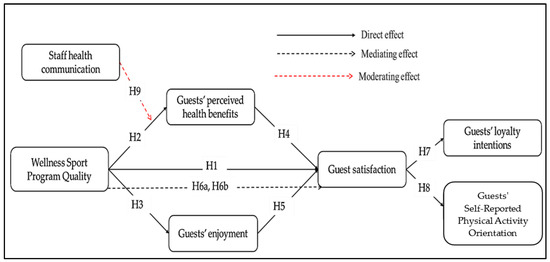
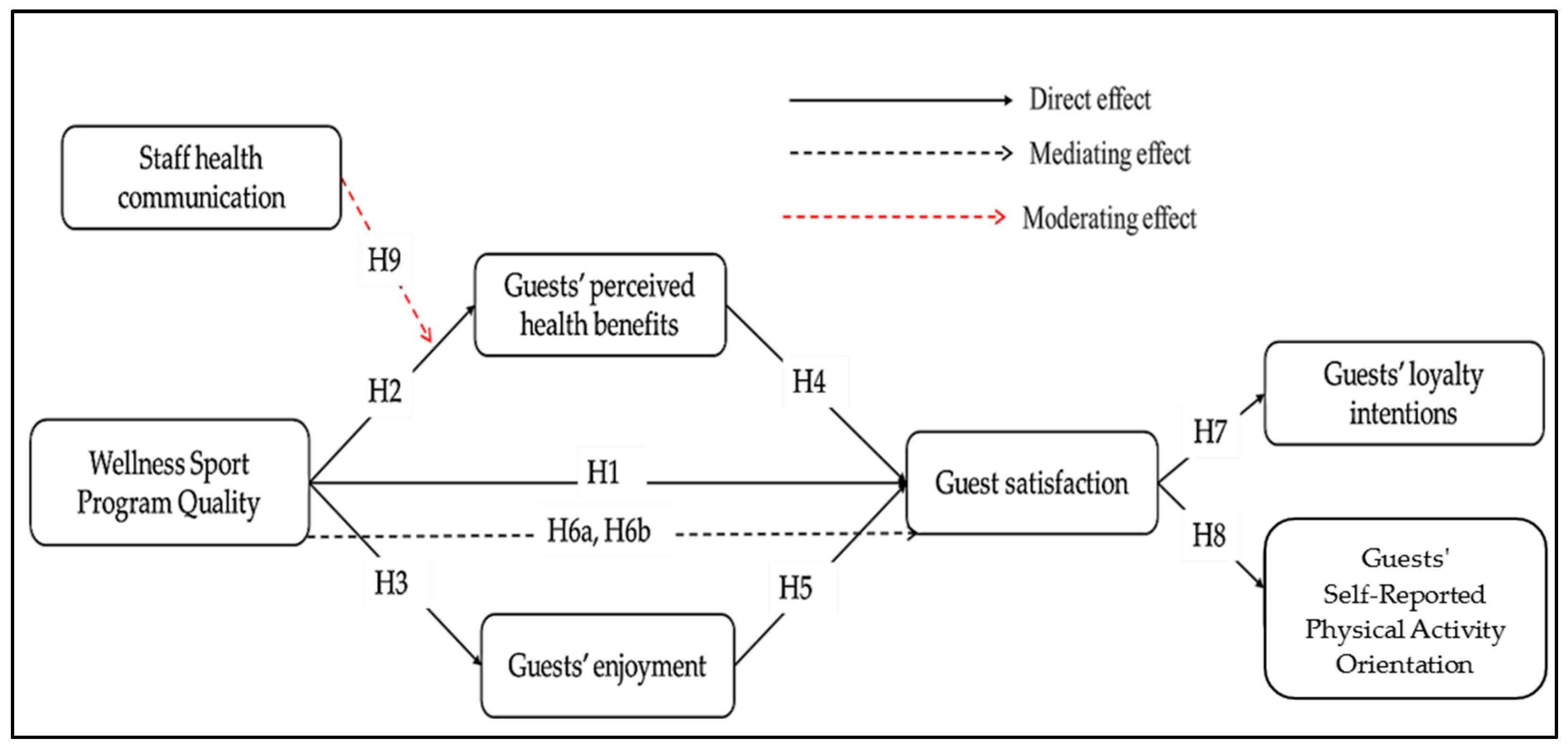
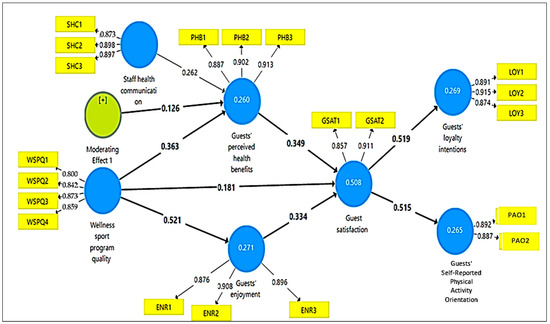
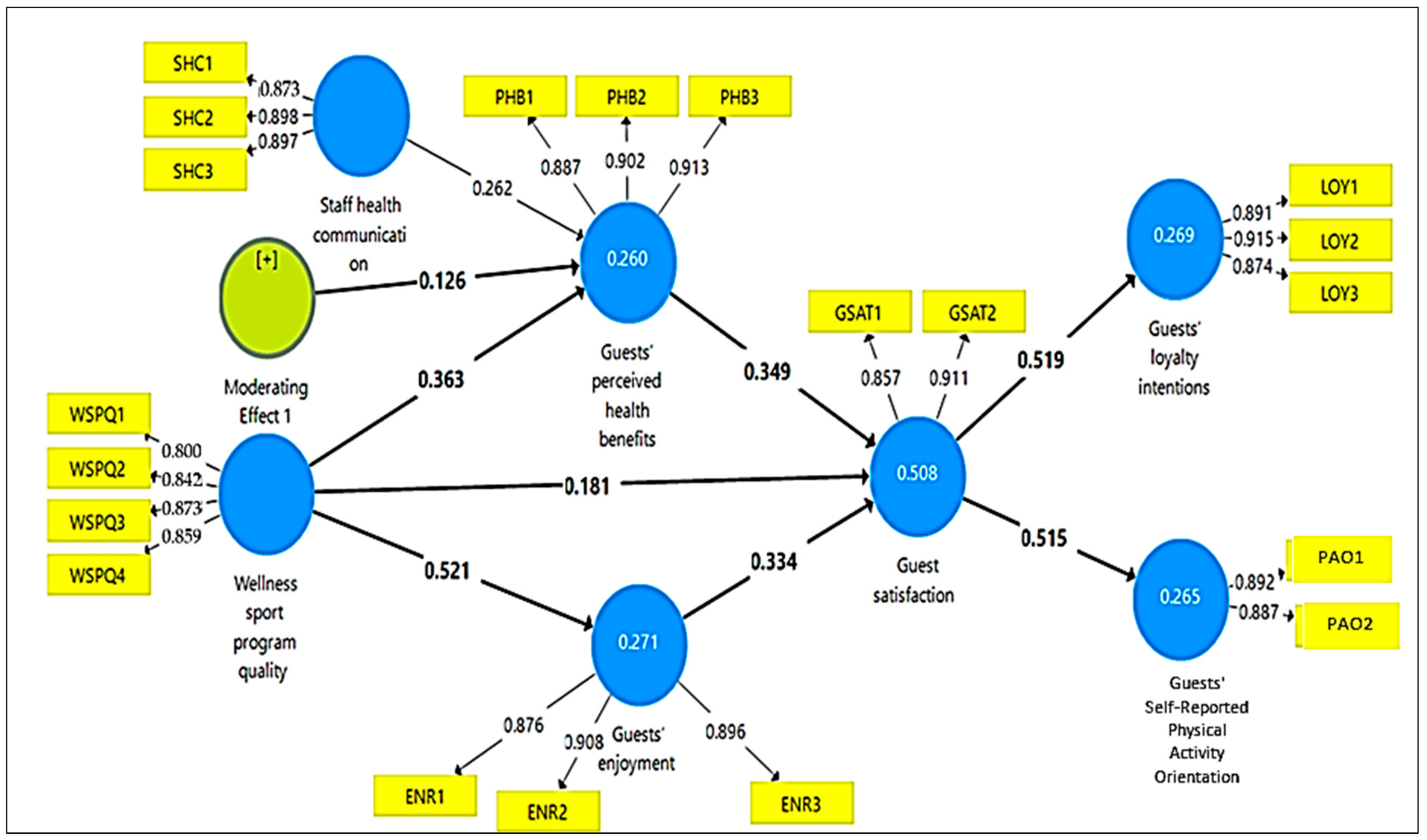
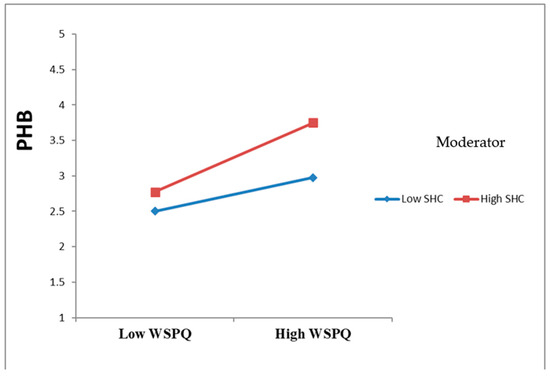
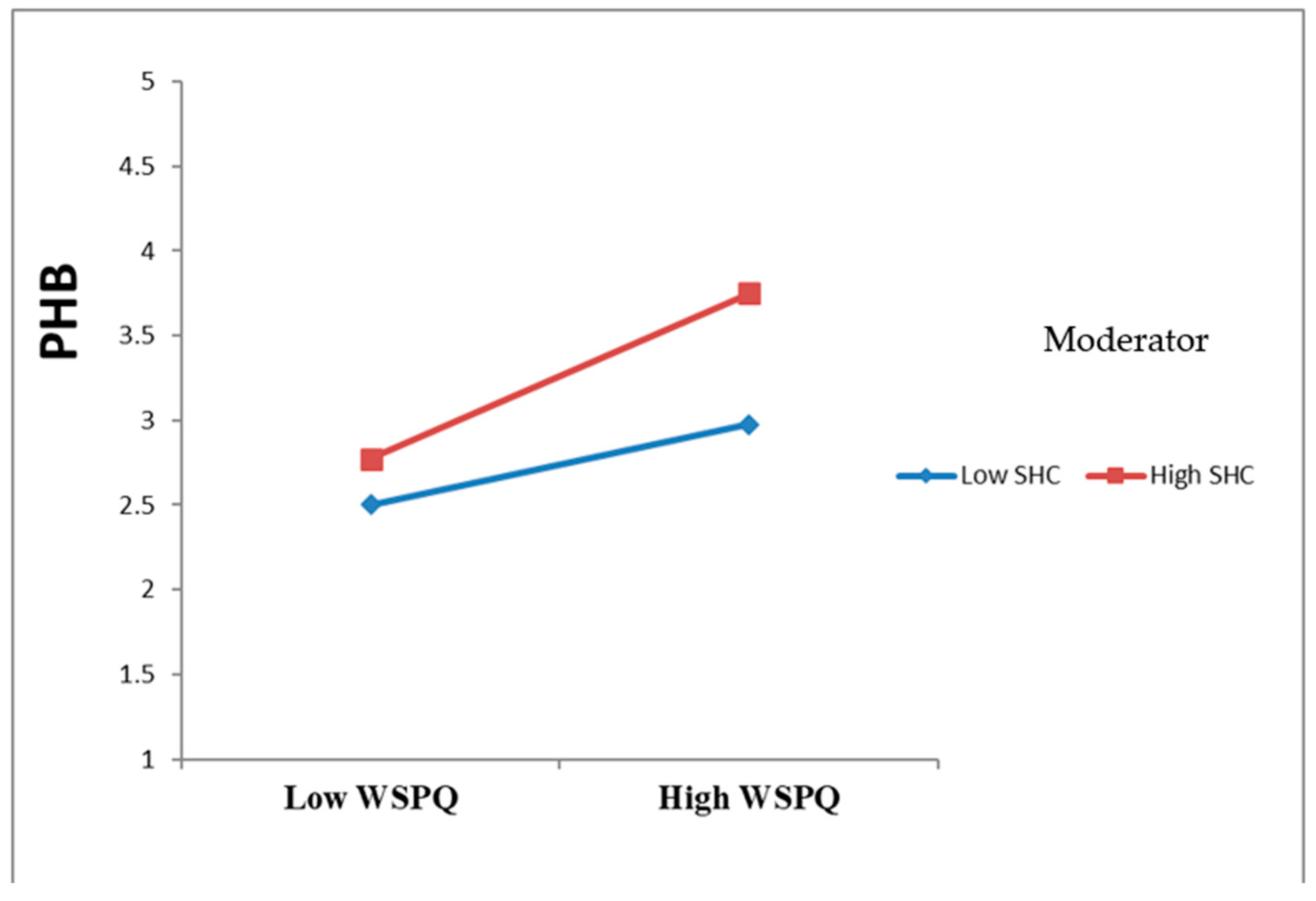

Disclaimer/Publisher’s Note: The statements, opinions and data contained in all publications are solely those of the individual author(s) and contributor(s) and not of MDPI and/or the editor(s). MDPI and/or the editor(s) disclaim responsibility for any injury to people or property resulting from any ideas, methods, instructions or products referred to in the content. |
© 2026 by the authors. Licensee MDPI, Basel, Switzerland. This article is an open access article distributed under the terms and conditions of the Creative Commons Attribution (CC BY) license.