


Abstract
Design management in Industry 5.0 faces a persistent gap due to fragmented conceptualizations that treat AI, human creativity, and machine capabilities as largely separate elements, limiting their effective integration within complex socio-technical systems. Addressing this gap, the present study develops and empirically validates a Design Management Model grounded in human-centered, ethical, and sustainability-oriented principles, framing design management as an adaptive and relational system rather than a linear or technology-driven process. Departing from the automation-oriented logic of Industry 4.0, the study adopts an augmented cognition perspective in which AI functions as a collaborative partner supporting, rather than replacing, human judgment. A sequential mixed-methods approach was employed, integrating systematic literature review, qualitative content analysis, expert evaluation, and Structural Equation Modeling (SEM) based on data from 316 participants, followed by empirical examination in two service-oriented case contexts, namely tourism/hospitality and healthcare services. The findings identify and validate six interrelated domains and demonstrate that Human–AI–Machine Synergy plays a central role in shaping design outcomes. More specifically, the results show that effective design management in Industry 5.0 depends on the coordinated interaction between cognitive processes, technological infrastructures, and organizational strategies, rather than on isolated technological advancement. Empirical applications further illustrate how the model supports ethically guided AI integration, enhances adaptive decision-making, and improves experience-oriented innovation across different contexts. By providing a validated structural framework that connects previously disjointed elements, this study contributes a clearer operational understanding of how human–AI collaboration can be embedded within design management practices in Industry 5.0.
1. Introduction
1.1. Industry 5.0 and the Need for a New Design Management Perspective
The transition toward Industry 5.0 marks a fundamental shift from the automation- and efficiency-oriented logic of Industry 4.0 toward a more human-centric, sustainable, and collaborative industrial paradigm. Rather than prioritizing productivity alone, Industry 5.0 emphasizes the purposeful integration of human expertise, artificial intelligence (AI), and machine capabilities to balance technological advancement with ecological responsibility, social equity, and human creativity. In this context, human–AI synergy emerges as a defining characteristic of Industry 5.0, enabling the combination of human intuition, ethical judgment, and contextual understanding with AI’s data-driven analytical power to support inclusive and sustainable industrial systems. Recent advances in AI, machine learning, and digital twin technologies have further expanded opportunities for optimizing resource use, reducing waste, and improving sustainability performance across design and manufacturing processes (Denuwara et al., 2022; Gyory et al., 2022; Zhang et al., 2023).
A key technological foundation of this paradigm is the increasing adoption of cyber-physical systems (CPS), which enable real-time interaction between physical processes, computational control, and intelligent decision-making. CPS facilitate more responsive, adaptive, and efficient workflows in domains such as manufacturing and healthcare, while simultaneously increasing the complexity of human–machine interaction (Fantini et al., 2020; Sedjelmaci et al., 2020). As AI-driven systems gain greater autonomy, the inclusion of human oversight becomes essential to ensure transparency, trust, and alignment with human values, particularly in ethically sensitive and sustainability-oriented applications (Cody & Beling, 2023). These developments collectively underscore the growing importance of design management as an integrative function capable of orchestrating human, technological, and organizational elements within Industry 5.0 environments.
1.2. Research Gap, Objectives, and Contributions
Despite the expanding body of research on Industry 5.0, human-centered design, and AI-enabled systems, existing studies remain largely fragmented in their treatment of design management. Prior work has typically addressed isolated aspects such as AI-driven optimization, sustainability practices, ethical AI, or CPS architectures, without offering a comprehensive design management framework that systematically integrates AI, human expertise, and machine capabilities. This gap is particularly problematic given that Industry 5.0 does not merely require the coexistence of human and artificial agents, but their effective coordination within complex socio-technical systems. Challenges related to AI bias, explainable AI (XAI), responsible technology use, and the evolving role of human designers further complicate the development of coherent management approaches for human–AI–machine collaboration (Baker & Xiang, 2023; Barari et al., 2021; Radanliev et al., 2021).
Motivated by this gap, the present study aims to develop and validate a comprehensive design management model tailored to the sustainability-oriented objectives of Industry 5.0. Drawing on a systematic analysis of the design management and Industry 5.0 literature, expert validation, and quantitative SEM, the research examines how human capabilities, AI-driven technologies, and organizational mechanisms can be harmonized to enhance design flexibility, decision-making, and sustainability performance. By proposing a theoretically grounded and empirically supported framework, this study contributes to the literature by positioning design management as a central mechanism for enabling human–AI–machine synergy, advancing responsible and ethical innovation, and aligning technological development with the broader environmental and societal goals of Industry 5.0 (Fantini et al., 2020; Jain et al., 2022).
2. Literature Review and Theoretical Background
2.1. Foundations and Evolution of Design Management
Design Management has progressively evolved from a tactical support function into a strategic organizational capability that aligns design activities with business objectives, user needs, and technological change. Its intellectual roots can be traced to Herbert Simon’s conceptualization of design as a systematic problem-solving process, which laid the foundation for modern design methodologies and managerial approaches (Hsieh et al., 2021). The formalization of design management in the mid-twentieth century marked a significant shift toward structured coordination of design processes, emphasizing multidisciplinary collaboration and strategic alignment (Lee et al., 2020). Integrating design into business strategy has been shown to generate tangible organizational value by ensuring that design initiatives directly support corporate goals, innovation outcomes, and competitive positioning (B. Wang, 2024).
During the 1980s, the emergence of strategic design expanded the scope of design management beyond operational execution to include branding, customer insights, and lean methodologies, strengthening the link between design and market performance. The twenty-first century further accelerated this evolution through digital transformation, as tools such as Building Information Modeling and virtual collaboration platforms fundamentally reshaped design workflows and coordination mechanisms (Meng, 2024; Windahl et al., 2020). Concurrently, design thinking gained prominence as a dominant innovation paradigm, enabling organizations to address complex and ill-defined problems through iterative ideation, experimentation, and human-centered exploration (Trivedi et al., 2024). This shift repositioned designers as strategic partners who actively influence business models, service systems, and organizational culture (Windahl et al., 2020).
Beyond strategic alignment, the literature highlights key functional dimensions of design management, including financial discipline to balance innovation with resource constraints (S. X. Liu & Cheng, 2024), continuous evaluation and learning, and leadership practices that foster trust, creativity, and collaboration (Saputra et al., 2022). Communication, adaptability, and organizational resilience are increasingly recognized as critical competencies in complex design environments (Gong & Abdullah, 2024). Early and continuous stakeholder engagement has been shown to improve project definition and outcomes (Maier et al., 2021), while collaborative narratives involving users, designers, and policymakers enhance design effectiveness across diverse contexts (Jolak et al., 2020). Empirical studies further demonstrate the relevance of design management across sectors, including healthcare services (Mosca et al., 2020), higher education systems (E. Chen et al., 2021), and benefits realization management linking design to measurable business outcomes (Hoffmann et al., 2020; Pavez et al., 2022). Collectively, this body of research establishes design management as a mature yet continuously evolving strategic discipline.
2.2. Design Management in Industry 5.0 and Human–Machine Collaboration
The transition to Industry 5.0 represents a paradigmatic shift in design management, emphasizing human-centricity, ethical responsibility, and sustainability alongside advanced technological integration. Unlike Industry 4.0, which prioritized automation and efficiency, Industry 5.0 seeks to harmonize artificial intelligence, human creativity, and machine capabilities within collaborative socio-technical systems. In this context, design management assumes a pivotal role in orchestrating human–AI interaction, ensuring that technological advancement remains aligned with human values and societal goals.
Recent studies highlight the growing importance of AI-driven tools and cyber-physical systems in design processes. Automated systems can enhance competency mapping and design coordination, while collaborative digital environments enable the integration of multi-specialty expertise across organizational boundaries (Lou et al., 2024; X. Wang et al., 2023). These developments necessitate robust design infrastructures in which data-driven decision-making complements human intuition through agile experimentation and iterative feedback cycles (Aheleroff et al., 2022; Trivedi et al., 2024). User-centered design, grounded in design thinking principles, remains central to this integration by emphasizing empathy, prototyping, and continuous user involvement. Empirical evidence demonstrates that participatory and co-design approaches improve usability, decision quality, and social outcomes in domains such as healthcare and housing (Simon, 2024; Verganti et al., 2021; Walden et al., 2020).
AI-augmented decision-making further enhances design efficiency by enabling predictive modeling, intelligent scheduling, and generative design optimization across sectors including architecture design, and consumer electronics (Lan & Chen, 2021). Explainable AI plays a critical role in building trust by increasing transparency and interpretability of AI-supported design decisions (Venkataramani et al., 2020), while hybrid intelligence frameworks illustrate the potential of combining human cognitive capabilities with AI’s analytical power to generate more innovative and context-sensitive solutions (Y. Liu & Fu, 2024). At the same time, the literature acknowledges persistent challenges related to algorithmic bias, ethical accountability, and the potential erosion of human agency, underscoring the need for balanced and responsible human–AI collaboration frameworks (Adeleye, 2024; Rezwana & Maher, 2023).
2.3. Sustainability Paradigms and Technological–Organizational Enablers
Sustainability has emerged as a defining pillar of design management in Industry 5.0, extending beyond environmental performance to encompass social equity, ethical technology use, and long-term organizational resilience. The literature documents a clear progression from reactive pollution control toward integrated sustainability strategies in which design serves as a proactive instrument for environmental stewardship (Ibrahim & Ahmed, 2022; Soh & Wong, 2021). Circular economy principles and eco-design practices are widely recognized as critical mechanisms for minimizing waste, maximizing lifecycle value, and simultaneously driving innovation and market differentiation (Dahmani et al., 2021; Soh & Wong, 2021).
Embedding sustainability into corporate strategy has been shown to enhance brand value, mitigate risk, and align organizational practices with regulatory and stakeholder expectations (Kazmi et al., 2021; Konietzko et al., 2023). In this regard, the alignment of quality management systems with corporate social responsibility initiatives remains essential, with Industry 5.0 placing greater emphasis on ethical technology deployment and inclusive design practices (Mukherjee et al., 2023). Design science research further illustrates how early-stage design decisions can act as leverage points for long-term ecological impact, particularly in construction and urban development contexts (Többen & Opdenakker, 2022; Wirani et al., 2024).
From an organizational perspective, effective design management in Industry 5.0 requires supportive technological and human infrastructures. Knowledge-sharing cultures accelerate innovation and responsiveness (Aysola et al., 2023), while diverse and inclusive teams contribute to more robust and equitable design outcomes (Zallio & Clarkson, 2021). The rise of knowledge workers operating without rigid role definitions creates demand for design leadership that fosters autonomy, creativity, and shared purpose (Y.-W. Chen, 2023; Moreno Romero et al., 2020). Technological enablers such as digital twins, augmented reality, and virtual reality further support human–machine symbiosis by enabling immersive prototyping, real-time simulation, and continuous feedback across the design lifecycle. However, without coherent governance structures, digital transformation initiatives risk underperforming due to misalignment between technology and user expectations, reinforcing the strategic importance of design management as a mediating and integrative capability (Vendraminelli et al., 2023; Budler & Trkman, 2023).
2.4. Design Management Models and Research Gap Synthesis
As design management operates at the intersection of human creativity, advanced technology, and organizational strategy, the development of integrative design management models has become a central concern in the Industry 5.0 literature. Scholars increasingly argue that fragmented or single-dimensional frameworks are insufficient for managing the complexity of contemporary design environments. Instead, effective models must systematically integrate human factors, AI capabilities, data infrastructures, sustainability objectives, and organizational governance mechanisms (Mugejjera & Nakakawa, 2023; Wen et al., 2022). Supporting this view, Pikas et al. (2018) conceptualize design management models as mediating artifacts that bridge conceptual rigor and operational applicability, facilitating alignment among diverse academic and industrial stakeholders.
Although these frameworks collectively contribute to the advancement of design management theory and practice, a closer examination reveals important differences in both their analytical focus and their capacity to address the systemic requirements of Industry 5.0. Existing approaches tend to emphasize particular dimensions of design management, often reflecting the disciplinary origins from which they emerge. For example, enterprise and architecture-oriented frameworks primarily focus on process alignment, governance structures, and technological coordination (Budianto et al., 2023), whereas design thinking and human-centered approaches emphasize stakeholder engagement, user value, creativity, and participatory innovation (Verganti et al., 2021; Vendraminelli et al., 2023). Similarly, Industry 5.0 and human-centric manufacturing studies have highlighted the importance of human involvement and collaboration with intelligent systems (Nahavandi, 2019; Zhang et al., 2023), while research on AI-enabled design has predominantly concentrated on decision support, automation, and computational augmentation of creative processes (Rezwana & Maher, 2023).
While these perspectives provide valuable insights, they largely conceptualize their focal dimensions independently and offer limited explanation of how these elements interact within an integrated design management environment. In particular, existing models rarely clarify how human creativity, AI capabilities, organizational decision-making structures, technological infrastructures, and sustainability objectives can be simultaneously coordinated and governed across the design process. As a result, the literature provides substantial knowledge regarding individual components of Industry 5.0 design systems but comparatively limited understanding of the mechanisms through which these components influence, reinforce, or constrain one another. This limitation becomes increasingly significant as Industry 5.0 shifts attention from technology adoption alone toward the orchestration of interconnected human, technological, organizational, and societal capabilities. Consequently, the current body of research offers valuable but fragmented perspectives, highlighting the need for a more integrative framework capable of capturing the multidimensional and interdependent nature of design management in Industry 5.0 contexts.
Enterprise architecture frameworks provide practical foundations for such integration. For example, The Open Group Architecture Framework has been proposed as a methodological backbone for aligning IT infrastructure with design strategy, enabling organizations to coordinate digital transformation initiatives with business objectives (Budianto et al., 2023). Parallel research highlights the expanding role of AI across the entire design lifecycle, from ideation to implementation, as illustrated by AI-driven frameworks for waste classification and sustainable service design (Zhang et al., 2023). These developments reflect the broader Industry 5.0 emphasis on “Operator 4.0,” where humans and intelligent machines collaborate symbiotically within adaptive and inclusive organizational systems (Kadir et al., 2019; Nahavandi, 2019; Bryson & Theodorou, 2019).
To synthesize prior research, this study reviews established design management models that address managerial, technological, organizational, and sustainability-related dimensions of design practice. As shown in Table 1, these frameworks focus on areas such as information and IT integration, AI-supported operational systems, human capital and leadership development, lean and collaborative coordination, stakeholder involvement, and sustainability-oriented design approaches. Their applications span digital transformation, construction, urban services, enterprise governance, and sustainable architecture, providing a structured empirical basis for framework development. Rather than representing competing perspectives, these frameworks offer complementary but often fragmented views of design management. Therefore, a comparative analysis is required to identify their respective contributions and limitations and to clarify the need for a more integrated Industry 5.0-oriented design management framework.
Table 1.
Design management models and frameworks and their key features, and application areas.
Despite the richness of existing studies, the literature reveals a persistent gap in the integration of the key dimensions required for effective design management in Industry 5.0. Existing frameworks provide valuable insights into areas such as AI-enabled systems, human-centered design, sustainability, organizational coordination, and technological infrastructures; however, these dimensions are typically examined independently or with limited interaction among them (Mugejjera & Nakakawa, 2023). As a result, current models offer only a partial understanding of how human expertise, artificial intelligence capabilities, organizational mechanisms, and sustainability objectives can be aligned within a coherent design management architecture (Barari et al., 2021; Radanliev et al., 2021; Yang, 2023).
This limitation is particularly important in Industry 5.0 contexts, where innovation increasingly depends on the dynamic interaction between humans, intelligent technologies, and organizational systems. While previous studies have addressed individual aspects of this challenge, few have proposed a comprehensive and empirically validated framework capable of simultaneously integrating human–AI–machine collaboration, intelligent decision-support environments, organizational alignment, technological enablers, and sustainability-oriented design practices. Consequently, there remains a need for a unified design management model that can explain and support the interdependencies among these dimensions in a systematic and operationally applicable manner. this study seeks to address this gap through the development and validation of an Industry 5.0-oriented Design Management Model that integrates these previously fragmented dimensions within a single conceptual framework. Accordingly, this study addresses the following research questions:
RQ1: What are the key components of a Design Management Model that effectively integrates AI, human expertise, and machine capabilities in the context of Industry 5.0?
RQ2: What design management mechanisms and structuring principles are required to enable effective human–AI–machine collaboration within an Industry 5.0-oriented framework?
RQ3: How can the proposed Industry 5.0-oriented Design Management Model be operationalized and applied in a real-world organizational context to support effective human–AI–machine collaboration?
3. Materials and Methods
This study employs a rigorous sequential mixed-methods methodology that integrates qualitative and quantitative evidence to develop and empirically validate a design management model aligned with the sustainability-oriented paradigm of Industry 5.0. The methodological logic is designed to ensure (a) strong theoretical grounding through systematic engagement with the scholarly knowledge base, (b) construct refinement through expert knowledge, (c) statistical validation of the proposed relationships through SEM, and (d) practical verification of applicability through real-world organizational case evidence. The overall research workflow and the interconnections among the methodological phases are summarized in Figure 1.
Figure 1.
Research process.
The research began with a systematic and comprehensive literature review to identify the conceptual foundations and critical dimensions of design management in relation to Industry 5.0 and sustainability goals. Relevant studies were retrieved from major academic databases, including Google Scholar, Scopus, Web of Science, JSTOR, and IEEE Xplore. The search strategy was based on a defined set of keywords such as “Design Management,” “Industry 5.0,” “Sustainability Goals,” “Industrial Design,” “Human–AI Synergy,” “Design Strategies,” and “Participatory Design,” which were applied both individually and in combination using Boolean operators (AND, OR) to ensure a broad yet focused coverage of the literature. To enhance the rigor and transparency of the review process, explicit inclusion and exclusion criteria were established. Studies were included if they were peer-reviewed, written in English, and conceptually or empirically addressed design management, Industry 5.0, sustainability, or human–AI interaction. Conversely, studies were excluded if they were not directly relevant to the research objectives, lacked sufficient methodological or conceptual rigor, or focused solely on technical aspects without a clear connection to design management or sustainability.
The selection process followed a multi-stage screening procedure. Initially, titles and abstracts were reviewed to remove duplicates and clearly irrelevant studies. Subsequently, full-text assessments were conducted to evaluate the alignment of each study with the research framework and objectives. Through this iterative refinement process, The initial search identified 114 design management articles and 98 Industry 5.0/sustainability articles. After duplicate removal, screening, and eligibility assessment, 88 design management articles and 52 Industry 5.0/sustainability articles were retained for qualitative analysis. While every effort was made to ensure a systematic and comprehensive selection process, it is acknowledged that potential sources of bias may remain, including those related to database selection, keyword formulation, and subjective judgment during screening. To mitigate these limitations, the selection process was conducted iteratively and with careful cross-validation to ensure consistency, thematic relevance, and alignment with the study’s conceptual focus.
Next, a qualitative thematic content analysis was conducted using the Braun and Clarke approach and implemented in Atlas.ti to systematically extract, code, and synthesize themes and subthemes from the selected literature. The analysis followed an iterative workflow consistent with Braun and Clarke’s principles, including familiarization with the dataset, generating initial codes, searching for themes, reviewing themes, defining and naming themes, and producing a coherent thematic account that directly informed model construction. Coding was performed with an explicit codebook and an audit trail to preserve transparency, including documented code definitions, inclusion/exclusion rules for assigning codes, and iterative memoing to capture analytic decisions. The outcome of this phase was an initial conceptual structure encompassing key categories relevant to Industry 5.0-oriented design management, including human–artificial intelligence collaboration, technological enablers, ethical and sustainability-centered design practices, organizational adaptability, and dynamic decision-making capabilities. This ensured that the emerging model was grounded in prior scholarship while also capturing contemporary conceptual gaps and actionable design management mechanisms.
To refine the conceptual structure and strengthen content validity, expert interviews were conducted with 11 specialists in industrial design, design management, and Industry 5.0-related practices. Participants were purposefully selected based on demonstrated expertise and direct engagement with sustainability-driven design and advanced socio-technical contexts. The interviews were designed to validate the relevance and completeness of the identified themes, refine construct definitions, assess the plausibility of the proposed relationships, and surface context-sensitive nuances needed for application in organizational settings characterized by intensive human–artificial intelligence interaction. Interview insights were analyzed in a structured and traceable manner and then integrated into the evolving model by revising construct boundaries, clarifying conceptual definitions, and tightening the hypothesized relational logic to improve interpretability and implementation feasibility.
The concurrent involvement of several participants in both academic and professional practice, including leadership roles within design-related organizations, was considered an important criterion for expert selection, as it ensured that the panel possessed both theoretical grounding and direct practical experience relevant to contemporary design management challenges. While such dual engagement may introduce perspective-related biases, it was intentionally leveraged to enhance the practical relevance and content validity of the emerging model. To mitigate potential bias and reduce the risk of confirmatory judgments, the consultation process was structured across three iterative sessions, each lasting approximately two hours, during which experts were systematically encouraged to critically evaluate, challenge, and refine the proposed constructs and relationships rather than merely endorse them. All feedback was documented, coded, and incorporated through a transparent, traceable, and auditable process, ensuring that divergent viewpoints were captured and reflected in subsequent model refinements. This approach is consistent with established purposive expert sampling practices in design research, where the objective is to maximize the depth, diversity, and applicability of domain-specific knowledge rather than achieve statistical representativeness.
The quantitative sample comprised 316 participants recruited from seven industry sectors: healthcare (16.1%), financial services (15.5%), manufacturing (15.5%), education (14.2%), automotive (13.6%), retail (13.6%), and information technology (11.4%). This cross-sectoral composition was intentional, as the study sought to develop a generalizable design management model applicable across diverse organizational contexts characterized by human–AI integration and sustainability imperatives. Data were collected via a structured self-administered online questionnaire distributed through professional networks and organizational contacts within each sector. Respondents represented a demographically diverse population: gender distribution included 109 non-binary individuals (34.5%), 105 female (33.2%), and 102 male (32.3%) participants. Educational background spanned high school diploma (29.1%), doctoral degree (25.6%), bachelor’s degree (23.7%), and master’s degree (21.5%). The mean age of participants was 40.76 years (SD = 11.55; range: 22–60), and mean professional experience was 18.28 years (SD = 10.09; range: 1–35), reflecting a sample with substantial organizational and industry exposure relevant to the constructs under investigation. Geographically, the sample was drawn from major industrial hubs in Europe (42%), North America (31%), and Asia (27%), ensuring a global perspective on Industry 5.0. Data collection was conducted between November 2023 and March 2024, with guaranteed anonymity to reduce common method bias.
Building on the consolidated qualitative outputs, the study developed a measurable conceptual design management model and conducted quantitative validation using SEM, implemented via the Partial Least Squares approach. Partial Least Squares SEM was selected because it is appropriate for theory development and prediction-oriented modeling, particularly when examining complex models with multiple latent constructs and exploratory relationships. The model specification defined the relationships among latent constructs such as human–artificial intelligence synergy, technological enablers, and dynamic design flexibility, operationalized through observable indicators such as artificial intelligence-supported decision assistance, real-time data utilization, and adaptive design and management practices.
The survey instrument was derived from the qualitative themes and refined using expert feedback to ensure clarity and conceptual alignment, with items worded to reflect the domain context of service-oriented organizations and human-centered sustainability objectives. Quantitative analysis was performed in SmartPLS (Version 4.1.1.5), beginning with evaluation of the measurement model to establish reliability and validity (including internal consistency reliability and convergent validity via composite reliability and average variance extracted). The structural model was then examined using path coefficients and coefficients of determination to assess explanatory power, along with predictive relevance assessment. Hypotheses were tested using bootstrapping procedures to generate inferential statistics, and statistical significance was evaluated at the 0.05 level. This stage provided empirical support for the model’s core relationships and quantified the relative influence of key constructs, clarifying the central contribution of human–artificial intelligence synergy and technological enablers to sustainability-oriented design management outcomes in Industry 5.0 contexts.
To strengthen external validity and demonstrate real-world applicability beyond statistical validation, the final phase employed an empirical multiple case study design. Two service-oriented organizations were purposefully selected to represent settings with strong human–artificial intelligence interaction and direct relevance to sustainability-oriented service delivery. One case was situated in tourism and hospitality, and the other in healthcare services, reflecting sectors where intelligent systems increasingly shape service design, operational decisions, and human-centered experiences. The validated model was contextualized within each organization by aligning constructs with sector-specific design processes and organizational structures and defining clear study boundaries and units of analysis. Evidence was collected through multiple sources, including semi-structured interviews, document analysis, and non-participant observations, enabling triangulation and improving credibility. The analysis included cross-case comparison to evaluate consistency, adaptability, and practical effectiveness of the model across heterogeneous service contexts, examining how the model supported ethical decision-making, adaptive design processes, and sustainability-oriented outcomes in practice. The convergence between case evidence and the quantitative results reinforced the robustness of the model and demonstrated its applicability as a human-centric, technology-enabled, and sustainability-driven design management framework aligned with Industry 5.0 objectives. The case study phase was intended as qualitative validation rather than quantitative performance measurement.
4. Results
4.1. Results of Qualitative Content Analysis
The qualitative content analysis aimed to explore and identify the key components of design management and sustainability goals within the context of Industry 5.0. A total of 114 articles related to design management and 98 articles on Industry 5.0 and sustainability were initially retrieved. After screening and eligibility assessment, 88 design management articles and 52 Industry 5.0/sustainability articles were retained for detailed qualitative analysis. These articles were retrieved from reputable academic databases such as Google Scholar, Scopus, Web of Science, JSTOR, and IEEE Xplore, using a range of targeted keywords, including “Design Management”, “Industry 5.0”, “Sustainability Goals”, “Human-AI Synergy”, “Design Strategies”, and “Participatory Design”. The qualitative analysis was conducted using Atlas.ti software (Version 23.2.3), which allowed for systematic coding and categorization of the content to identify key themes across both sets of articles. This process led to the extraction of distinct themes relevant to design management and Industry 5.0 sustainability goals. The results from both analyses revealed key factors shaping the future of design management in the age of Industry 5.0 and identified several critical areas where human expertise, AI, and machine capabilities must work together to achieve sustainability and innovation goals.
From the analysis of the 88 articles related to design management, the following core themes emerged, which represent the key factors influencing design processes and management strategies: Human-Centered Design, Collaborative Design Processes, Design Thinking and Innovation Strategies, Technology Integration in Design, Sustainable Design Practices, Design Management Leadership and Decision-Making, Agile Design and Flexibility, and Ethics in Design (Table 2).
Table 2.
Key Themes of design management in the context of Industry 5.0.
These themes reflect the core principles of design management, emphasizing human-focused approaches, collaboration, technological integration, and sustainability in design practices. The percentage of articles dedicated to each theme was as follows: Human-Centered Design (18%), Collaborative Design Processes (15%), Design Thinking and Innovation Strategies (13%), Technology Integration in Design (16%), Sustainable Design Practices (14%), Design Management Leadership and Decision-Making (10%), Agile Design and Flexibility (7%), and Ethics in Design (7%) (Figure 2).
Figure 2.
Key Themes of Design Management in the Context of Industry 5.0.
Beyond the reported percentages, Figure 2 highlights a clear concentration of emphasis around a few dominant themes, particularly Human-Centered Design (18%), Technology Integration in Design (16%), and Sustainable Design Practices (14%), which are also visually represented by the largest nodes. This pattern indicates that design management in the context of Industry 5.0 is primarily driven by the integration of human needs, technological capabilities, and sustainability considerations. Mid-range themes such as Collaborative Design Processes (15%) and Design Thinking (13%) play a complementary and connective role, supporting the implementation of these core priorities. In contrast, lower-percentage themes, including Agile Design and Ethics in Design (7% each), appear as more specialized or emerging areas with a less central influence. Overall, the figure suggests a structured hierarchy in which a small number of dominant themes shape the field, while other topics contribute in a supporting capacity.
The content analysis of Industry 5.0 and its sustainability goals led to the identification of the following key themes that reflect the evolving role of human expertise, AI, and technology in industrial design and manufacturing: Human-AI Collaboration in Industry 5.0, Sustainable Manufacturing and Circular Economy, AI-Driven Decision-Making for Sustainability, Adaptability and Flexibility in Design for Industry 5.0, Ethical AI and Responsible Technology Use, Technological and Infrastructural Enablers, Co-Creation and User-Centered Design, AI-Powered Personalization for Sustainable Innovation, Social Responsibility and Ethical Manufacturing, and Digital Twins and Simulation for Sustainable Design (Table 3).
Table 3.
Key Themes of Sustainability Goals in Industry 5.0.
These themes underscore the growing role of AI, human collaboration, sustainability, and technology in driving innovation and achieving the sustainability goals of Industry 5.0. The percentage of articles dedicated to each theme was as follows: Human-AI Collaboration in Industry 5.0 (20%), Sustainable Manufacturing and Circular Economy (18%), AI-Driven Decision-Making for Sustainability (15%), Adaptability and Flexibility in Design for Industry 5.0 (14%), Ethical AI and Responsible Technology Use (10%), Technological and Infrastructural Enablers (12%), Co-Creation and User-Centered Design (8%), AI-Powered Personalization for Sustainable Innovation (7%), Social Responsibility and Ethical Manufacturing (5%), and Digital Twins and Simulation for Sustainable Design (7%). The thematic categories are not mutually exclusive, as individual articles may address multiple themes. Therefore, percentages indicate the proportion of articles in which each theme appears and do not sum to 100% (Figure 3).
Figure 3.
Key Themes of Sustainability Goals in Industry 5.0.
A similar pattern is observed in Figure 3, where a limited number of themes account for the largest share of the literature and are visually emphasized by larger nodes. Human–AI Collaboration (20%) and Sustainable Manufacturing and Circular Economy (18%) emerge as the most dominant areas, followed by AI-Driven Decision-Making (15%) and Adaptability in Design (14%), indicating that Industry 5.0 is largely shaped by the convergence of intelligent technologies and sustainability-oriented transformation. Supporting themes such as Technological Enablers (12%) and Ethical AI (10%) reinforce these core areas by addressing infrastructural and governance aspects. Meanwhile, lower-percentage themes, including Social Responsibility (5%) and AI-Powered Personalization (7%), represent more specific or emerging directions. The figure reflects differences in thematic prevalence, where a small number of themes appear more frequently, while others provide complementary coverage.
4.2. Model Design and Development
After identifying the core themes from the literature analysis on design management and sustainability goals in Industry 5.0, the next phase of the research focused on the design and development of a Design Management Model aligned with the sustainability objectives of Industry 5.0. This process involved a collaborative effort between researchers, experts, and academics in the field of industrial design, ensuring that the proposed model was both theoretically grounded and practically viable for real-world applications. To design a robust and relevant model, the design process was undertaken with the active involvement of 11 experts in the field of industrial design, all of whom had experience with the Industrial Revolutions, particularly Industry 5.0. These experts were selected based on their expertise in design management and their academic contributions to the evolution of industrial design. All participants held at least a Ph.D. in Industrial Design and were either professors or researchers at leading universities. Moreover, all 11 experts owned their own design-related companies and were actively engaged in real-world design management and the transformations of Industry 5.0. Their involvement was crucial for validating the model’s applicability and ensuring that it met the high standards required for effective design management in the context of Industry 5.0.
The consultation process was carried out over three sessions, each lasting two hours. During these sessions, the model was iteratively refined based on the feedback, insights, and suggestions provided by the expert panel. In the first session, the initial version of the Design Management Model was presented to the panel of experts. The model had been developed based on the qualitative content analysis and the key themes identified from the literature. The objective of this session was to introduce the foundational concepts of the model and to seek initial feedback on its alignment with Industry 5.0 and its sustainability goals. During this session, the experts discussed the key components of the model. They provided valuable insights into areas that required further clarification or refinement, particularly around the integration of AI and human expertise in design management processes. Some experts raised concerns about the practical applicability of certain technological aspects, while others emphasized the importance of ensuring that the model was flexible enough to adapt to rapidly changing industry demands. Key outcomes of Session 1 included the refinement of AI-Human Synergy, an increased focus on Sustainability, clarification of the terminology used in the model, and the need to define certain concepts such as Cognitive Ecosystem and Technological Enablers more clearly.
Following the feedback from the first session, the second session focused on refining the model based on the suggestions provided by the expert panel. The researchers worked closely with the experts to integrate more specific examples of how AI and machine capabilities could complement human designers in a practical setting. The goal of this session was to create a more detailed, actionable model that could guide practitioners in integrating AI into their design workflows. A significant discussion point in the second session was the role of ethics in AI design processes. The experts emphasized the need for an explicit framework within the model that addresses the ethical implications of AI integration, particularly with regard to data privacy, transparency, and fairness. They also suggested that the model should include guidelines for ensuring social responsibility in design, ensuring that AI-driven design processes align with ethical standards and societal values. Key outcomes of Session 2 included the integration of ethical guidelines, clarification of AI-Human collaboration, strengthening of the Sustainability aspect within the model, and the need for better definitions of terms like Human-Centered Leadership and Design Flexibility.
In the final session, the revised version of the model was presented, incorporating all the suggestions and feedback provided in the previous sessions. This session focused on validating the model as a whole and ensuring that it met the expectations of the expert panel in terms of theoretical coherence and practical applicability in Industry 5.0. During this session, the panel closely examined the refined model, reviewing each component and its relevance to the emerging trends in sustainable design management and Industry 5.0. The experts confirmed that the model was comprehensive and aligned with both the technological advancements and the ethical considerations that define Industry 5.0. The panel unanimously agreed that the model provided a robust framework for integrating AI, human creativity, and sustainability in the design management process. Key outcomes of Session 3 included the final validation of the model, integration of sustainability and ethics, and approval for implementation in the context of Industry 5.0. The final version of the model emphasized dynamic design flexibility, knowledge management, and human-centered leadership, ensuring that it can be adapted to different industrial contexts (Figure 4).
Figure 4.
Design Management Model for Industry 5.0.
The proposed model offers a systemic, human-centered, and ethically grounded framework for design management in the context of Industry 5.0. While existing studies have addressed elements such as human-centered design, AI-driven processes, or sustainable manufacturing, they are often treated as fragmented or parallel streams. In contrast, this model integrates these dimensions into a unified and interdependent architecture, explicitly aligning technological capabilities with human values and sustainability objectives. What differentiates this model from prior frameworks is threefold. First, it adopts an integrative structure in which human, AI, and machine capabilities are conceptualized as a synergistic system rather than isolated components. Second, it embeds ethical considerations and sustainability principles as core structural elements rather than peripheral concerns. Third, it is developed and validated through a multi-method approach combining qualitative thematic analysis, expert consensus, structural equation modeling, and real-world case validation, ensuring both theoretical rigor and practical applicability.
The model is structured around six interrelated domains: Human–AI–Machine Synergy (HMS), Cognitive and Intelligent Design Ecosystem (CIDE), Design Management Strategies (DMS), Technological and Infrastructural Enablers (TIE), Organizational and Strategic Integration (O&SI), and Co-Creation and Experience Design (CCXD). Instead of functioning as independent layers, these domains operate as a dynamic and recursive system in which continuous feedback loops support adaptive and sustainable design management.
At the core of the model lies HMS, which reframes AI as an augmentative partner that enhances human creativity, decision-making, and ethical reasoning rather than replacing it. Drawing upon findings from (Rezwana & Maher, 2023), HMS facilitates ethical reasoning, design ideation, and strategic reflection through mutual learning loops. CIDE functions as the knowledge and learning backbone of the system, enabling data-driven insights through digital twins, simulations, and predictive analytics. DMS translates these insights into actionable strategies by incorporating ethical governance, human-centered leadership, and adaptive decision-making processes. TIE provides the technological foundation that enables real-time data processing, intelligent automation, and system connectivity, while O&SI ensures that these capabilities are embedded within organizational structures, culture, and strategic alignment (Sedjelmaci et al., 2020). Finally, CCXD extends the model toward user engagement by integrating co-creation, personalization, and experience-driven design practices. The interaction among these domains forms a non-linear and adaptive ecosystem. Insights generated within CIDE inform strategic decisions in DMS, technological capabilities from TIE enable both HMS and CCXD, and organizational mechanisms within O&SI institutionalize feedback loops that continuously refine the system.
The interactions among the six domains form a dynamic ecosystem rather than a linear hierarchy. For example The Decisions in DMS are contextually enriched by insights from CIDE, Technological affordances from TIE enable HMS interfaces and CCXD experiences, Organizational practices shaped by O&SI embed feedback loops from user interactions in CCXD back into strategic redesign cycles. This mirrors the systemic, recursive logic discussed by Budler and Trkman (2023) and aligns with the concept of adaptive learning ecosystems central to Industry 5.0. This interconnected structure allows the model to respond dynamically to changing technological, social, and environmental conditions. By explicitly integrating human creativity, AI capabilities, ethical considerations, and sustainability goals within a single framework, the proposed model advances beyond existing approaches and provides a coherent and scalable foundation for design management in Industry 5.0.
4.3. SEM Results
The results of the SEM analysis for this study were derived using SmartPLS 4. The analysis focused on assessing the measurement model and structural model for the proposed design management framework in the context of Industry 5.0. The SEM approach included evaluating descriptive statistics, the measurement model’s reliability and validity (convergent and discriminant), and the strength and significance of structural relationships among latent variables. This comprehensive examination enables a robust validation of the hypothesized model components, ensuring their theoretical alignment with the design management principles of Industry 5.0. The analysis began with the descriptive statistics of the latent variables. The constructs included in the model were CCXD, CIDE, Design Management Strategies, HMS, O&SI, and TIE. For each construct, the mean, median, standard deviation, skewness, kurtosis, minimum, and maximum values were computed based on responses from a sample of 316 participants. The mean scores ranged from 9.12 (O&SI) to 14.65 (TIE), while standard deviations ranged from 1.72 to 3.03, indicating acceptable levels of variability. Skewness and kurtosis values were within tolerable limits, suggesting no significant deviation from normal distribution (Table 4).
Table 4.
Descriptive Statistics of Latent Variables.
Following the descriptive analysis, the measurement model was evaluated in terms of reliability and validity. Convergent validity was assessed using outer loadings, AVE, and CR. All outer loadings exceeded the acceptable threshold of 0.6, with values such as 0.919 for AI-Powered Decision Support and 0.892 for Participatory Design, indicating that individual items significantly contribute to their respective constructs. The T-statistics for all loadings were significant at p < 0.001, confirming that the indicators reliably represent their latent constructs (Table 5).
Table 5.
Outer Loadings and T-values.
In addition to outer loadings, AVE and CR values were computed to further support convergent validity. The AVE values for all constructs were above 0.50, ranging from 0.554 (TIE) to 0.711 (O&SI), indicating satisfactory convergent validity. The CR values for most constructs exceeded the recommended threshold of 0.70, with the highest value being 0.881. However, the CR value for the Technological and Infrastructural Enablers (TIE) construct was 0.607, which is slightly below this threshold. Nevertheless, values above 0.60 are considered acceptable in exploratory research, particularly when dealing with complex or newly developed constructs. Therefore, the reliability of the TIE construct is deemed adequate, and overall, the results support the convergent validity of the measurement model (Table 6).
Table 6.
AVE and CR.
Discriminant validity was assessed using the Heterotrait–Monotrait Ratio (HTMT). All HTMT values were well below the conservative threshold of 0.90, with the highest being 0.871 between HMS and Design Management Strategies. These results confirm that the constructs are distinct from one another, and the model possesses adequate discriminant validity (Table 7).
Table 7.
HTMT Matrix for Discriminant Validity.
Reliability analysis was conducted using Cronbach’s Alpha and Composite Reliability (CR) values. All constructs demonstrated Cronbach’s Alpha values above the 0.70 threshold, indicating high internal consistency. For example, HMS had an Alpha of 0.818, and DMS scored 0.787. CR values generally supported the internal consistency of the measurement model. The TIE construct showed a CR value of 0.607, which is acceptable for exploratory research and newly developed constructs. Therefore, this construct was retained with cautious interpretation.
The structural model was then assessed by examining path coefficients, T-statistics, and p-values for hypothesized relationships among constructs. All direct relationships in the structural model, except for the moderating effect of design management strategies, were found to be statistically significant (p < 0.05). Specifically, HMS had a strong positive influence on DMS (β = 0.782, T = 14.418), and DMS significantly influenced O&SI (β = 0.722, T = 12.319). CIDE was significantly predicted by multiple constructs, including TIE (β = 0.595, T = 4.937), HMS (β = 0.530, T = 11.104), and CCXD (β = 0.438, T = 3.613), demonstrating the multidimensional nature of this construct within the model. One notable finding was that the moderating effect of DMS on the relationship between HMS and CIDE was not statistically significant (β = −0.005, T = 0.201, p = 0.841). This indicates that the presence of strategic design management practices does not significantly alter the influence of synergy among humans, AI, and machines on cognitive design processes. Nonetheless, all other hypothesized paths demonstrated robust statistical significance, substantiating the theoretical underpinnings of the model (Table 8).
Table 8.
Structural Model Path Coefficients and Significance Levels.
To visualize the structural relationships, several figures are included. The structural model diagram (Figure 5) displays the latent constructs and the directional relationships among them. Another diagram presents T-values on each path (Figure 6) to indicate statistical significance, while a third figure illustrates the standardized beta coefficients (path strengths) (Figure 7). These visuals serve as essential components for understanding the complex interrelations in the proposed model.
Figure 5.
Structural Model.
Figure 6.
T-values on Paths.
Figure 7.
Path Coefficients.
Beyond establishing statistical significance, the SEM results provide additional insight into the relative influence of the model constructs. The strongest relationship was observed between Human–AI–Machine Synergy (HMS) and Design Management Strategies (DMS) (β = 0.782, T = 14.418, p < 0.001), indicating that effective collaboration among human expertise, artificial intelligence, and machine capabilities is strongly associated with the development of strategic design management capabilities within Industry 5.0 environments. In turn, Design Management Strategies demonstrated substantial positive effects on both Organizational and Strategic Integration (β = 0.722, T = 12.319, p < 0.001) and Cognitive and Intelligent Design Ecosystems (β = 0.646, T = 10.394, p < 0.001), highlighting the importance of strategic and managerial mechanisms in translating collaborative intelligence into organizational and operational outcomes.
The results also show that Cognitive and Intelligent Design Ecosystems (CIDE) are influenced by several complementary dimensions. Human–AI–Machine Synergy exhibited a strong direct effect on CIDE (β = 0.530, T = 11.104, p < 0.001), while Technological and Infrastructural Enablers (β = 0.595, T = 4.937, p < 0.001) and Co-Creation and Experience Design (β = 0.438, T = 3.613, p < 0.001) also contributed significantly to its development. These findings suggest that intelligent design ecosystems emerge through the combined interaction of technological infrastructure, collaborative intelligence, and user-centered design practices rather than through any single factor operating independently. Although Organizational and Strategic Integration demonstrated the smallest direct effect on CIDE (β = 0.246, T = 2.214, p = 0.027), the relationship remained statistically significant, indicating that organizational alignment continues to play a supportive role within the broader ecosystem.
A notable result concerns the moderating role of Design Management Strategies. The moderation effect on the relationship between Human–AI–Machine Synergy and Cognitive and Intelligent Design Ecosystems was not statistically significant (β = −0.005, T = 0.201, p = 0.841). Therefore, no empirical evidence was found to suggest that Design Management Strategies significantly alter the strength of the relationship between Human–AI–Machine Synergy and Cognitive and Intelligent Design Ecosystems within the examined sample. Collectively, these results provide empirical support for the multidimensional structure of the proposed model and reinforce the view that Industry 5.0-oriented design management is shaped by the interaction of cognitive, technological, organizational, and experiential dimensions.
4.4. Case Study Findings
To complement the quantitative validation and assess the real-world applicability of the proposed Design Management Model for Industry 5.0, an empirical multiple case study was conducted in two service-oriented organizations characterized by intensive human–AI–machine interaction. The case studies were designed to examine how the validated model operates when embedded in actual organizational design processes and service delivery systems, and to observe the outcomes generated through its implementation. The findings reported in this section focus on how the model’s six interrelated domains were instantiated in practice, how they shaped design management activities at different organizational levels, and how their collective operation influenced human–AI synergy, adaptive design processes, and sustainability-oriented performance outcomes. The results are presented separately for each case to preserve contextual specificity while enabling cross-case comparability.
C1. Tourism and Hospitality Service Organization
In the tourism and hospitality organization, the implementation of the model was reflected in a systematic reconfiguration of service design and management practices around human–AI–machine collaboration. At the core of this transformation, the Human–AI–Machine Synergy domain materialized through the use of AI-enhanced travel scenario simulation systems that supported designers and service managers in exploring alternative customer journey configurations. AI agents generated multiple travel and accommodation scenarios by integrating real-time environmental, demographic, and demand data, while human designers actively interpreted, filtered, and refined these outputs based on cultural sensitivity, emotional resonance, and experiential quality. The results indicated that AI functioned as a cognitive amplifier rather than a decision authority, with human expertise remaining central in evaluating the desirability and ethical appropriateness of proposed service scenarios. This interaction led to more nuanced service concepts that balanced operational efficiency with emotionally meaningful guest experiences.
The Cognitive and Intelligent Design Ecosystem domain was operationalized through data-driven planning platforms that continuously aggregated environmental conditions, tourist flow patterns, and contextual information from digital and physical touchpoints. These platforms enabled dynamic simulations of service layouts, tourism routes, and spatial resource allocation. The findings showed that the recursive feedback loops embedded in this ecosystem allowed design teams to iteratively adjust service configurations in response to fluctuating conditions, such as seasonal demand or environmental constraints. As a result, design decisions became increasingly anticipatory rather than reactive, supporting adaptive design management practices aligned with sustainability and resilience objectives.
Within the Design Management Strategies domain, the organization integrated agile and ethically informed decision-making mechanisms into its service design governance. Design managers used AI-supported insights to prioritize design interventions, while simultaneously facilitating human-led deliberation sessions to assess the social and experiential implications of data-driven recommendations. The results demonstrated that this dual-layer decision structure enhanced transparency and accountability in design management, reduced the risk of over-automation, and reinforced the organization’s human-centered service ethos.
The Technological and Infrastructural Enablers domain was reflected in the deployment of augmented reality interfaces and intelligent recommendation engines that supported real-time co-creation with customers. Guests were able to personalize service attributes, such as room features or activity itineraries, through immersive digital environments, while AI systems dynamically adjusted recommendations based on behavioral and emotional engagement indicators. The findings showed that these infrastructures did not replace human service designers but extended their capacity to engage customers more deeply in the design process, leading to higher alignment between service offerings and user expectations.
Organizational and Strategic Integration was evident in the alignment of the model with the firm’s internal structures, knowledge management routines, and sustainability objectives. Cross-functional design teams were established to connect AI analytics, service operations, and experiential design, enabling the institutionalization of feedback loops between digital insights and human creativity. The results indicated that this integration strengthened organizational learning and supported continuous service innovation without disrupting existing operational workflows.
Finally, the Co-Creation and Experience Design domain played a central role in translating the model into tangible service outcomes. The findings revealed that customer involvement in the design process, mediated through AI-enabled platforms and guided by human designers, resulted in services that were perceived as more personalized, emotionally engaging, and contextually appropriate. At the organizational level, the collective operation of all model components provided qualitative evidence of improved design coherence, service adaptability, and human–AI collaboration, thereby validating the model’s effectiveness in a real tourism and hospitality context. Table 9 presents a concise overview of how the proposed design management model was operationalized in the tourism and hospitality organization and the resulting effects on design management practices, human–AI collaboration, and service experience outcomes.
Table 9.
Summary of Case Study Results for the Tourism and Hospitality Organization.
C2. Healthcare Service Organization
In the healthcare service organization, the application of the model focused on managing complex, high-stakes interactions between human professionals and intelligent systems, with a strong emphasis on ethics, transparency, and patient-centered care. The Human–AI–Machine Synergy domain was manifested through AI-supported clinical and operational decision systems that assisted healthcare professionals in tasks such as appointment scheduling, resource allocation, and treatment pathway simulation. The findings showed that while AI systems enhanced efficiency and predictive accuracy, final decisions consistently remained under human control. Medical staff actively interpreted AI-generated recommendations, integrating clinical judgment, contextual knowledge, and patient-specific considerations, which preserved human agency and ethical responsibility in care delivery.
The Cognitive and Intelligent Design Ecosystem was operationalized through the use of digital twins and simulation tools that modeled patient flows, treatment processes, and potential care outcomes. These tools enabled healthcare managers and designers to test alternative service configurations and anticipate system-level impacts before implementation. The results demonstrated that this ecosystem significantly improved adaptive process management, allowing rapid adjustments to changing patient needs and operational conditions without compromising safety or care quality.
Design Management Strategies in this case emphasized participatory governance and ethical oversight. The organization employed structured design management processes that involved clinicians, administrators, and patient representatives in service redesign initiatives. AI insights were used to inform discussions, but decisions were validated through collaborative review mechanisms. The findings indicated that this approach enhanced trust in AI-supported systems, improved alignment among stakeholders, and reduced resistance to technological integration.
The Technological and Infrastructural Enablers domain was reflected in the implementation of explainable AI systems that increased transparency in AI-supported medical decisions. Clinicians were able to access interpretable rationales behind algorithmic outputs, which facilitated informed human judgment and improved communication with patients. The results showed that Explainability was a critical factor in strengthening patient trust and ensuring the ethical acceptability of AI integration in healthcare services.
Organizational and Strategic Integration was achieved by embedding the model’s principles into institutional policies, training programs, and service design routines. The organization established formal mechanisms for knowledge sharing between AI specialists, healthcare professionals, and design managers, ensuring that insights generated by intelligent systems were systematically translated into service improvements. The findings indicated that this integration enhanced organizational coherence and supported the sustainable scaling of AI-enabled healthcare services.
The Co-Creation and Experience Design domain was primarily reflected in patient-centered service design initiatives that incorporated patient feedback into iterative redesign cycles. Although patients did not directly interact with design technologies to the same extent as in the tourism case, their experiential data informed AI models and human-led design decisions. The results showed improvements in perceived care quality, transparency, and responsiveness, indicating that the model effectively supported experience-driven design management in a sensitive service context.
Across the healthcare organization, the collective implementation of the model resulted in improved design management performance, more balanced human–AI collaboration, and strengthened ethical governance. The convergence between observed case outcomes and the previously validated quantitative relationships provided empirical support for the model’s applicability as a human-centric, ethically grounded, and technologically enabled design management framework aligned with Industry 5.0 objectives. Table 10 summarizes the empirical findings from the healthcare case study, highlighting how the validated model structured ethical human–AI interaction and adaptive design management in a high-stakes service environment.
Table 10.
Summary of Case Study Results for the Healthcare Service Organization.
Cross-case analysis provides a clearer understanding of how the six domains of the proposed Design Management Model operate as an integrated system rather than as isolated components. Across both the tourism and hospitality organization and the healthcare service organization, HMS consistently emerged as the primary mechanism enabling effective collaboration between human expertise and intelligent systems. In both contexts, AI enhanced analytical capacity and decision support, while final judgments remained under human supervision, preserving accountability and contextual reasoning. The CIDE translated this collaborative intelligence into adaptive learning processes through simulation, predictive analysis, and continuous feedback mechanisms, enabling organizations to respond more effectively to changing operational conditions.
The case studies further demonstrated that DMS functioned as the coordinating layer that transformed technological capabilities into actionable organizational practices. Through participatory governance structures, ethical oversight, and collaborative decision-making processes, DMS strengthened trust in AI-supported systems and facilitated stakeholder alignment. TIE provided the operational foundation for these activities through explainable AI systems, digital platforms, and simulation technologies that increased transparency and usability. O&SI ensured that the benefits generated through human–AI collaboration were institutionalized through policies, training programs, and knowledge-sharing mechanisms, supporting long-term implementation. Finally, CCXD connected organizational capabilities to user experiences by incorporating stakeholder feedback into iterative design processes, improving responsiveness, service quality, and perceived value. Taken together, these findings indicate that the observed outcomes in both case studies can be directly mapped to the six model domains, providing practical evidence that the proposed framework operates as a coherent and mutually reinforcing design management system within Industry 5.0 environments.
5. Discussion
This study set out to develop and validate a comprehensive design management model for Industry 5.0 that systematically integrates human expertise, artificial intelligence, and machine capabilities within an ethically grounded and sustainability-oriented framework. The findings, drawn from systematic literature analysis, expert panel validation, SEM, and empirical multiple case studies conducted in tourism and hospitality and healthcare service organizations, collectively confirm the viability and novelty of the proposed six-domain architecture. Rather than treating HMS, CIDE, DMS, TIE, O&SI, and CCXD as isolated constructs, the model conceptualizes them as interdependent, recursive, and co-evolving dimensions of a living design management ecosystem. The following discussion interprets these findings in depth, situating them within the broader theoretical landscape while drawing attention to the distinctive contributions and practical implications of the proposed framework.
5.1. An Integrated Architecture for Human–AI–Machine Design Intelligence
The central contribution of this study is the reconceptualization of design management as an integrative, systemic, and ethically reflexive function rather than a linear or compartmentalized process. While prior frameworks have often treated human-centered design, AI-driven optimization, and sustainable manufacturing as parallel streams (Baker & Xiang, 2023; Barari et al., 2021; Denuwara et al., 2022), the proposed model integrates these dimensions into a unified architecture in which cognitive, strategic, technological, organizational, and experiential layers interact dynamically. The SEM results support this integrative logic. The strong path coefficient from HMS to DMS (β = 0.782, p < 0.001) indicates that collaborative intelligence among human designers, AI systems, and products and services acts as the primary driver of strategic design management. This finding extends the theoretical position of Rezwana and Maher (2023), who proposed augmented cognition frameworks but did not empirically demonstrate how such collaboration propagates through organizational strategy and infrastructure. The present model addresses this gap by empirically tracing the pathway from synergistic collaboration to strategic orchestration, institutional embedding, and user experience.
The construct of CIDE further reflects this integrative mechanism. Significantly influenced by HMS (β = 0.530), TIE (β = 0.595), and CCXD (β = 0.438), CIDE serves as a convergence point where data-driven insights, human creativity, technological capabilities, and user experience combine to generate adaptive design knowledge. Unlike conventional knowledge management systems that function mainly as static repositories, CIDE represents a dynamic and co-evolving knowledge ecosystem. This structure aligns with second-order cybernetics and reflective practice theory (Ng et al., 2021; Schmidt et al., 2021), as recursive feedback pathways enable continuous learning and mutual adjustment across domains. In this way, the model departs from the predominantly unidirectional logic of earlier design management frameworks, where strategy typically flows top-down with limited mechanisms for iterative learning or cross-domain adaptation.
The empirical case studies conducted in the tourism and hospitality and healthcare service organizations provide practical grounding for these integrative claims. Across both organizational contexts, participants confirmed that the model captures key operational realities and emerging challenges associated with human–AI–machine collaboration in Industry 5.0 environments. Although the technological infrastructures and service processes differed across the two cases, the six-domain architecture consistently supported adaptive decision-making, ethical AI integration, user-centered innovation, and organizational learning. The mean scores for all constructs ranged from approximately 3.46 to 3.71 on a five-point Likert scale, indicating consistent agreement with the relevance and applicability of the proposed domains. The findings demonstrate that Human–AI–Machine Synergy, supported by Technological and Infrastructural Enablers and embedded within Organizational and Strategic Integration mechanisms, can effectively structure design management activities across heterogeneous service settings. These results reinforce the model’s conceptual robustness while providing initial empirical evidence of its transferability across different organizational contexts characterized by intensive human–AI interaction.
The model’s integrative architecture also manifests in how the six domains collectively address the fragmentation identified in the literature review. Where previous studies have examined AI ethics in isolation from design strategy (Cody & Beling, 2023), or sustainability practices apart from user experience design (Zhang et al., 2023), the present framework insists on their co-presence and mutual constitution. Ethics is not an add-on to DMS but is woven into its strategic logic; sustainability is not an output metric for TIE but a design principle embedded in its operational protocols; user co-creation through CCXD is not a front-end engagement tactic but a feedback mechanism that reshapes organizational strategy through O&SI. This systemic entanglement of values, technologies, and human agency is what distinguishes the proposed model from existing frameworks and positions it as a theoretically and empirically grounded contribution to the field.
The tourism, hospitality, and healthcare case study reinforced this systemic interpretation. Respondents consistently emphasized that effective design decisions increasingly rely on the fluid interaction between AI-generated simulations of client behavior and designers’ interpretations of cultural, emotional, and ergonomic factors. This co-evolutionary dynamic, formalized in the model through the HMS–DMS pathway, was recognized by practitioners as essential for managing the complexity of contemporary tourism, hospitality, and healthcare design, where safety regulations, user preferences, cultural expectations, and manufacturing constraints must be addressed simultaneously. Strong agreement on CCXD items (mean = 3.59) further confirmed that participatory design and immersive co-creation are becoming operational realities in the sector, with AR-based configurators and real-time feedback platforms enabling meaningful customer participation in the design process, as suggested by Wen et al. (2022) and Yang (2023).
Moreover, the mediating role analysis showed that DMS does not significantly moderate the HMS–CIDE relationship, a finding with important theoretical implications. It indicates that the cognitive and adaptive intelligence captured by CIDE emerges primarily from the direct interplay among collaborative agents, technological systems, and user experiences rather than being fully mediated by strategic management mechanisms. This challenges the assumption in traditional management theory that strategic oversight necessarily governs all organizational learning. Instead, the model points to a more distributed and emergent form of design intelligence, where knowledge creation occurs across multiple nodes and feeds back into strategy rather than originating from it. This interpretation aligns with Budler and Trkman’s (2023) concept of adaptive learning ecosystems, in which systemic intelligence arises from networked interactions rather than centralized control.
5.2. Integrating Case Study Insights with Quantitative Findings
The empirical case studies conducted in two service-oriented organizations—a tourism and hospitality firm and a healthcare provider—offer validation beyond the statistical confirmation provided by SEM. While SEM demonstrates the internal coherence and predictive validity of the proposed six-domain architecture, the case studies illustrate how these constructs operate within real organizations managing human–AI–machine collaboration. The convergence of quantitative and qualitative evidence supports the model not merely as a theoretical construct but as a practical framework for design management across diverse contexts.
In the tourism and hospitality organization, HMS was operationalized through AI-enhanced travel scenario simulation systems that generated multiple service configurations using real-time environmental, demographic, and demand data. Human designers retained interpretive authority over cultural sensitivity, emotional resonance, and experiential quality. This pattern aligns with the dominant SEM path from HMS to DMS and supports the principle that AI functions as a cognitive amplifier rather than a decision authority, consistent with augmented cognition frameworks proposed by Bryson and Theodorou (2019) and Rezwana and Maher (2023). The case thus provides concrete evidence that the statistical HMS–DMS relationship reflects a genuine organizational dynamic in which collaborative human–machine intelligence forms the basis for strategic design decisions.
The healthcare case further highlights the ethical dimension of this collaboration. AI-assisted systems supported appointment scheduling, resource allocation, and treatment simulations, yet final decisions remained under human control. Medical staff interpreted AI outputs using clinical judgment and contextual knowledge, preserving professional accountability in care delivery. This observation reinforces the model’s positioning of HMS as a domain where responsibility is shared between human and machine actors but ultimately guided by human moral reasoning, illustrating that the strength of the HMS–DMS relationship depends on maintaining human interpretive authority over AI outputs.
CIDE showed particularly strong operationalization across both contexts. In tourism, data-driven planning platforms aggregated environmental conditions, tourist flow patterns, and service data to simulate layouts and allocate resources dynamically. Feedback loops allowed design teams to iteratively adjust service configurations in response to changing demand or environmental constraints, shifting design decisions from reactive to anticipatory. In healthcare, digital twins and simulation tools modeled patient flows and treatment processes, enabling managers to test service configurations before implementation. These parallel observations reinforce the SEM finding that CIDE acts as a convergence point influenced by HMS (β = 0.530), TIE (β = 0.595), and CCXD (β = 0.438), demonstrating that adaptive design intelligence emerges from the interaction of collaborative cognition, technological infrastructure, and user feedback.
The DMS domain functioned as the strategic mediator between collaborative intelligence and institutional embedding through dual-layer decision structures combining AI-supported analysis with human deliberation. In tourism, design managers used AI insights to prioritize interventions while evaluating experiential and social implications through deliberative sessions. In healthcare, clinicians, administrators, and patient representatives participated in structured service redesign processes informed, but not determined, by AI analysis. These practices enhanced transparency and accountability while limiting over-automation. They also contextualize the SEM result indicating a non-significant moderating effect of DMS on the HMS–CIDE pathway (β = −0.005, p = 0.841), suggesting that DMS operates not as a gatekeeper but as a parallel governance mechanism that maintains strategic and ethical coherence without constraining distributed knowledge creation.
TIE manifested differently across sectors but consistently enabled adaptive cognitive ecosystems. The tourism organization implemented augmented reality interfaces and intelligent recommendation systems that allowed customers to co-create service experiences in immersive digital environments, with AI dynamically adjusting recommendations based on behavioral engagement. The healthcare organization adopted explainable AI systems that made algorithmic reasoning transparent to clinical staff. Despite these contextual differences, both implementations support the SEM finding that TIE is the strongest predictor of CIDE (β = 0.595), demonstrating that technological infrastructure enables simulation-rich, data-responsive design ecosystems while also shaping ethical and experiential dimensions of system use.
The O&SI domain acted as an institutional anchor that amplified design intelligence in both organizations. In tourism, cross-functional teams integrated AI analytics, service operations, and experiential design, institutionalizing feedback loops between digital insight and human creativity. In healthcare, model principles were embedded in policies, training routines, and knowledge-sharing systems linking service improvement initiatives with organizational learning. These practices validate the SEM pathways from DMS to O&SI (β = 0.722) and from O&SI to CIDE (β = 0.246), indicating that strategic design management becomes institutionalized through structures that subsequently reinforce adaptive cognitive ecosystems. Finally, CCXD emerged as a critical domain in both cases, reinforcing its SEM-supported contribution to CIDE (β = 0.438). In tourism, AI-enabled platforms allowed customers to participate directly in service configuration, producing experiences perceived as more personalized and emotionally engaging. In healthcare, systematic incorporation of patient feedback into redesign processes improved perceived care quality and alignment with patient expectations. These findings support the argument of Wen et al. (2022) and Yang (2023) that participatory design and user co-creation are central mechanisms through which design systems acquire experiential knowledge, enabling adaptive innovation and informing both strategic priorities and organizational practices.
Critically, the cross-case comparison reveals both convergent and divergent patterns that enrich the model’s theoretical interpretation. The convergent finding across both organizations that AI consistently functioned as a cognitive and operational amplifier rather than an autonomous decision-maker, validates the model’s foundational premise regarding the nature of human–AI collaboration in Industry 5.0. The divergent finding that TIE took on distinctly different technological forms across sectors while maintaining its structural role as the primary enabler of CIDE demonstrates the model’s capacity for contextual adaptation without loss of architectural coherence. This combination of structural stability and operational flexibility is precisely what distinguishes a robust design management framework from a rigid prescriptive template. The evidence from the tourism and hospitality and healthcare cases suggests that the model can be adapted across different service contexts while preserving its underlying architectural logic. However, broader cross-sectoral generalization should be interpreted cautiously and requires further validation in additional industrial and service sectors.
Both case studies provided qualitative and triangulated evidence suggesting improvements in design coherence, service adaptability, human–AI collaboration quality, and sustainability-oriented design practices. The collective operation of all six model domains in each organizational context produced systemic effects that exceeded the sum of individual domain contributions, suggesting emergent properties that arise from the recursive interactions among HMS, CIDE, DMS, TIE, O&SI, and CCXD. This emergent quality, visible in practice but only partially captured by the linear path coefficients of SEM, represents an important dimension for future research, particularly through longitudinal and complexity-informed methodological approaches that can trace the co-evolutionary dynamics of the model’s domains over time. The case study findings thus serve not only as validation of the proposed framework but also as a generative source of insight that opens new avenues for theoretical refinement and practical application in the evolving landscape of Industry 5.0 design management.
5.3. Practical Implications, Sustainability Integration, and Future Trajectories
The practical implications of the proposed model extend across multiple dimensions of organizational design, technology governance, and innovation strategy. For design practitioners and organizational leaders, the framework offers a structured yet adaptable roadmap for embedding AI-augmented design processes within ethically governed and sustainability-oriented institutional environments. The model’s six-domain architecture can serve as a diagnostic tool for assessing organizational readiness for Industry 5.0, identifying gaps in technological infrastructure, collaborative capacity, strategic alignment, or user engagement, and prioritizing interventions accordingly. The empirical case studies in the tourism and hospitality and healthcare sectors demonstrated this diagnostic utility. By mapping existing practices against the model’s domains, organizations were able to identify areas where AI-supported decision-making capabilities, human–AI collaboration mechanisms, technological infrastructure, and participatory design practices required further alignment to support Industry 5.0 objectives.
The sustainability implications of the model merit particular attention. Rather than treating sustainability as an isolated objective or a compliance requirement, the framework embeds environmental and social responsibility throughout its architecture. Within TIE, sustainability is operationalized through energy-efficient computational operations, low-waste prototyping protocols, and lifecycle-aware infrastructure design. Within DMS, sustainability goals are encoded into strategic decision criteria, ensuring that resource efficiency, durability, and circularity are considered alongside performance and cost metrics. Within CCXD, sustainability is democratized by enabling users to participate in design choices that affect environmental outcomes, such as material selection, energy consumption profiles, and end-of-life recyclability. This distributed approach to sustainability reflects the findings of Denuwara et al. (2022) and Zhang et al. (2023), who argued that meaningful sustainability in design requires systemic integration rather than piecemeal adoption. The findings from both service-sector case studies corroborated this perspective. Participants highlighted that sustainability-related considerations increasingly emerge through the interaction of technological systems, organizational governance mechanisms, and user-centered design processes, supporting the need for an integrated design management framework.
Ethics is not appended to the model but structurally embedded across its domains. The HMS domain ensures that AI augments rather than replaces human moral reasoning, preserving human oversight in ethically sensitive decisions. The DMS domain operationalizes ethical governance through mechanisms for algorithmic transparency, data equity, and stakeholder accountability, while the O&SI domain institutionalizes these principles through leadership practices, incentive systems, and governance structures that prevent ethical drift and function creep. The CCXD domain captures the ethical dimension of user experience by evaluating not only functionality but also the emotional, cultural, and symbolic impacts of design outcomes. This integrated ethical architecture responds to growing concerns about algorithmic opacity, data bias, and ethical misalignment in AI-mediated design (Cody & Beling, 2023; Radanliev et al., 2021) and advances prior work by offering an empirically grounded structure for operationalizing responsible innovation.
The empirical case studies offered concrete illustrations of how ethics and sustainability intersect in practice. Participants described situations in which AI-supported optimization needed to be balanced against human judgment, user experience considerations, organizational values, and broader societal expectations. The model’s recursive structure, where feedback from CCXD user experiences and O&SI governance mechanisms continuously inform DMS strategic priorities and HMS collaborative processes, was recognized as essential for managing these multidimensional trade-offs. This practical validation strengthens the claim that the proposed framework is not only a theoretical construct but also a functional tool for addressing ethical and sustainability challenges in real-world design. The model also opens several directions for future research. One key avenue is the longitudinal examination of how its domains evolve within organizational contexts. As AI capabilities advance, user expectations shift, and sustainability standards become stricter, the relative importance and interactions among HMS, CIDE, DMS, TIE, O&SI, and CCXD may change. Longitudinal and panel studies could capture these dynamics and refine the model. Another direction involves cross-sectoral application. Although the tourism, hospitality, and healthcare case study provides strong initial validation, the model should be tested in sectors with different design challenges and stakeholder structures, including automotive design, smart city planning, digital education, and social service innovation. Such applications may reveal sector-specific variations that further strengthen both theory and practice.
Further research should also examine cognitive and affective dimensions within HMS and CCXD. While this study recognizes the importance of cognitive ergonomics, neurofeedback, and emotional engagement, these factors were not examined at the level of detail enabled by recent developments in cognitive science and affective computing. Future studies could integrate physiological and neurological measures, including eye-tracking, galvanic skin response, and EEG-based cognitive load assessment, to better understand and optimize human–AI interactions for creativity, well-being, and ethical sensitivity. The ethical dimension of the model may also benefit from engagement with emerging issues in AI governance, including algorithmic justice, digital sovereignty, and the rights of non-human agents in design ecosystems. As Industry 5.0 evolves, these issues are likely to become central to design management discourse, and the proposed model can provide a useful foundation for such discussions.
Although the findings provide encouraging evidence regarding the adaptability of the proposed model across two distinct service sectors, the present study does not claim universal applicability. The empirical validation was limited to tourism and hospitality and healthcare organizations, both of which operate within service-oriented environments characterized by intensive human–AI interaction. Consequently, while the model demonstrates promising transferability across heterogeneous service contexts, further empirical validation in manufacturing, public-sector, educational, and other industrial domains is required before broader cross-sectoral generalizations can be established.
6. Conclusions
This study addressed a gap in the design management and Industry 5.0 literature by developing and empirically examining an integrated model that brings together human–AI–machine interaction, sustainability considerations, and organizational integration within a unified framework. Using a mixed-methods approach, including qualitative analysis, expert validation, SEM, and case studies, the findings provide evidence that design management in Industry 5.0 can be better understood as a coordinated system of interrelated dimensions rather than a set of isolated technological or managerial elements. The results support the internal coherence of the proposed model and its relevance for analyzing design management practices in complex socio-technical contexts.
In relation to prior Industry 4.0 and emerging Industry 5.0 research, the findings indicate a shift from technology-centered perspectives toward a more relational and systemic understanding of design management. While earlier studies often treated human expertise, AI capabilities, sustainability, and organizational strategy as loosely connected domains, the validated relationships among Human–AI–Machine Synergy, Design Management Strategies, Cognitive and Intelligent Design Ecosystems, and Organizational and Strategic Integration suggest that these elements operate as structurally interdependent components. The results indicate that effective design management emerges from the alignment of cognitive, technological, and organizational dimensions, rather than from the optimization of individual components in isolation.
The analysis of AI-supported design further clarifies the role of Human–AI–Machine Synergy within the model. Rather than positioning AI solely as a tool or an autonomous decision-maker, the findings indicate that its effectiveness depends on its integration within human-centered cognitive processes. The strong influence of Human–AI–Machine Synergy suggests that design outcomes are shaped through iterative interactions between human judgment and intelligent systems. This perspective is consistent with emerging views on augmented decision-making while providing empirical support for its relevance in design management contexts. The Cognitive and Intelligent Design Ecosystem component highlights the role of digital twins, data analytics, and simulation tools as part of a human-guided learning environment. The findings indicate that these systems are most effective when they enable continuous feedback between digital insights and human interpretation. The significant relationships among Technological and Infrastructural Enablers, Human–AI–Machine Synergy, Co-Creation and Experience Design, and Cognitive and Intelligent Design Ecosystems suggest that intelligence in Industry 5.0 design management is distributed and emergent, rather than centralized or purely algorithmic.
The findings also clarify the role of Design Management Strategies as an enabling mechanism within the model. Design Management Strategies shows a strong influence on Organizational and Strategic Integration and Cognitive and Intelligent Design Ecosystems, supporting its role in translating human–AI collaboration into organizational practice. However, the non-significant moderating effect suggests that once foundational conditions are established, cognitive interactions between humans and intelligent systems are not substantially shaped by managerial intervention. This indicates a degree of autonomy within human–AI collaborative processes in Industry 5.0 contexts. The empirical case studies support the practical relevance of the model across service contexts. The findings show that the model can accommodate sector-specific conditions while maintaining structural consistency. Compared with conventional service design and digital transformation approaches, the results suggest context-specific improvements in adaptability, ethical consideration, and experiential quality, based on qualitative case evidence. This suggests that the model functions as a flexible framework rather than a prescriptive structure.
From a sustainability perspective, the study’s findings align with and extend existing research on sustainable manufacturing and circular economy practices by embedding sustainability as a structural property of design management rather than as an external performance criterion. Unlike prior models that treat sustainability as an outcome to be optimized post hoc, the proposed framework integrates sustainability considerations into the cognitive, strategic, and organizational layers of design activity. The prominence of sustainability-related themes in the qualitative analysis and their implicit reinforcement through the validated structural relationships demonstrate that sustainability in Industry 5.0 is most effectively achieved when it is co-produced through human judgment, intelligent systems, and organizational learning. This integrative approach distinguishes the model from sustainability assessment frameworks that rely primarily on quantitative indicators without addressing the underlying design and decision-making processes.
The study also has limitations that inform its interpretation. The integrative nature of the model may require a certain level of organizational maturity for effective implementation. Additionally, the use of cross-sectional and self-reported data limits the analysis of long-term dynamics. Therefore, the model should be understood as a validated structural framework rather than a representation of temporal system evolution. From a practical perspective, the findings suggest that organizations should prioritize the development of Human–AI–Machine Synergy alongside technological investments. The findings suggest that without a clear framework for ethical collaboration and cognitive integration, technological investments alone are unlikely to yield sustainable or human-centered outcomes. Establishing conditions such as trust, transparency, and participatory governance appears more critical than direct managerial control over cognitive processes. The applicability of the model in service contexts also indicates its relevance beyond manufacturing environments.
Future research could further operationalize the proposed framework by addressing specific empirical and implementation-oriented questions. For example, researchers may investigate how different levels of Human–AI–Machine Synergy influence organizational innovation performance across industries, or examine which governance mechanisms are most effective for balancing AI autonomy with human oversight in design decision-making. Additional studies could explore how Cognitive and Intelligent Design Ecosystems evolve over time and identify the organizational conditions that facilitate or hinder their development. From a practical perspective, future work may also examine challenges related to data governance, employee acceptance of AI-supported design processes, explainability requirements, and the integration of human-centered design principles within large-scale Industry 5.0 transformations. Addressing these questions would contribute to both the theoretical refinement of the model and its practical applicability across diverse organizational contexts. Further-more, the successful application of the model in service contexts indicates that Industry 5.0 design management is not confined to manufacturing but is equally relevant to knowledge-intensive and human-centric service systems.
In conclusion, the study shows that design management in Industry 5.0 can be understood as a coordinated system of interactions among human capabilities, intelligent technologies, and organizational structures. The proposed model provides an empirically examined framework that clarifies these relationships and highlights the importance of aligning cognitive, technological, and strategic dimensions. Rather than offering a universally generalizable solution, the model contributes a structured basis for analyzing and implementing design management practices in contexts characterized by intensive human–AI interaction and evolving sustainability requirements.
Author Contributions
Conceptualization, A.M.A.N. and P.J.A.; methodology, S.P.; software, A.M.A.N. and M.S.; validation, P.J.A., S.P. and Z.H.A.; formal analysis, A.M.A.N.; investigation, Z.H.A. and M.S.; resources, P.J.A.; data curation, A.M.A.N.; writing—original draft preparation, A.M.A.N.; writing—review and editing, P.J.A. and S.P.; visualization, M.S.; supervision, P.J.A.; project administration, P.J.A. All authors have read and agreed to the published version of the manuscript.
Funding
This research received no external funding.
Institutional Review Board Statement
Ethical review and approval were waived for this study due to its non-invasive nature, involving only professional surveys and expert consultations without collecting sensitive personal or medical data. All participants provided informed consent, and data were analyzed anonymously. The study was conducted in accordance with the Declaration of Helsinki and followed the institutional guidelines of Tabriz Islamic Art University.
Informed Consent Statement
Informed consent was obtained from all subjects involved in the study.
Data Availability Statement
The data presented in this study are available on request from the corresponding author. The datasets generated and analyzed during the current study are not publicly available due to confidentiality and ethical restrictions related to participant-level research data.
Conflicts of Interest
The authors declare no conflicts of interest.
References
- Adeleye, I. O. (2024). The impact of artificial intelligence on design: Enhancing creativity and efficiency. Journal of Engineering and Applied Sciences, 3(1), 1–14. [Google Scholar] [CrossRef] [Scilit]
- Aheleroff, S., Huang, H., Xu, X., & Zhong, R. Y. (2022). Toward sustainability and resilience with Industry 4.0 and Industry 5.0. Frontiers in Manufacturing Technology, 2, 951643. [Google Scholar] [CrossRef] [Scilit]
- Aysola, J., Murdock, H. M., Lett, E., Williams, C., Wade, R., Jr., & Higginbotham, E. J. (2023). Operationalizing inclusion: Moving from an elusive goal to strategic action. Epidemiologic Reviews, 45(1), 140–145. [Google Scholar] [CrossRef] [Scilit] [PubMed]
- Baker, S., & Xiang, W. (2023). Explainable AI is responsible AI: How explainability creates trustworthy and socially responsible artificial intelligence. arXiv. [Google Scholar] [CrossRef] [Scilit]
- Barari, A., De Sales Guerra Tsuzuki, M., Cohen, Y., & Macchi, M. (2021). Editorial: Intelligent manufacturing systems towards Industry 4.0 era. Journal of Intelligent Manufacturing, 32(7), 1793–1796. [Google Scholar] [CrossRef] [Scilit]
- Bryson, J. J., & Theodorou, A. (2019). How society can maintain human-centric artificial intelligence. In M. Toivonen, & E. Saari (Eds.), Human-centered digitalization and services (pp. 305–323). Springer Nature Singapore. [Google Scholar]
- Budianto, W., Surahman, S., Komaruddin, K., & Yulianto, T. (2023). Digital architecture planning transformation based on the open group architecture framework ADM. Syntax Literate; Jurnal Ilmiah Indonesia, 8(7), 5153–5166. [Google Scholar] [CrossRef] [Scilit]
- Budler, M., & Trkman, P. (2023). The nature of management frameworks. Journal of Management & Organization, 29(2), 173–190. [Google Scholar]
- Chen, E., Neta, G., & Roberts, M. C. (2021). Complementary approaches to problem solving in healthcare and public health: Implementation science and human-centered design. Translational Behavioral Medicine, 11(5), 1115–1121. [Google Scholar] [PubMed]
- Chen, Y.-W. (2023). The human-centric predictors of entrepreneurial bricolage in small and medium-sized enterprises in culture and creative parks. IEEE Transactions on Engineering Management, 71, 4930–4939. [Google Scholar]
- Cody, T., & Beling, P. A. (2023, April 3–7). Towards operational resilience for AI-based cyber in multi-domain operations [Conference presentation]. Artificial Intelligence and Machine Learning for Multi-Domain Operations Applications V (Vol. 12538, pp. 368–373), Orlando, FL, USA. [Google Scholar]
- Dahmani, N., Benhida, K., Belhadi, A., Kamble, S., Elfezazi, S., & Jauhar, S. K. (2021). Smart circular product design strategies towards eco-effective production systems: A lean eco-design industry 4.0 framework. Journal of Cleaner Production, 320, 128847. [Google Scholar] [CrossRef] [Scilit]
- Denuwara, N., Kim, A., Atree, V., Newenhisen, P., Gibson, C., Schork, D., & Hakovirta, M. (2022). Corporate economic performance and sustainability indices: A study based on the Dow Jones Sustainability Index. SN Business & Economics, 2(7), 77. [Google Scholar] [CrossRef] [Scilit]
- Fantini, P., Pinzone, M., & Taisch, M. (2020). Placing the operator at the centre of Industry 4.0 design: Modelling and assessing human activities within cyber-physical systems. Computers & Industrial Engineering, 139, 105058. [Google Scholar] [CrossRef] [Scilit]
- Gong, Y., & Abdullah, M. Y. (2024). Exploring leadership styles and organisational resilience during crises in China. Uniglobal Journal of Social Sciences and Humanities, 3(2), 332–337. [Google Scholar] [CrossRef] [Scilit]
- Gyory, J. T., Soria Zurita, N. F., Martin, J., Balon, C., McComb, C., Kotovsky, K., & Cagan, J. (2022). Human versus artificial intelligence: A data-driven approach to real-time process management during complex engineering design. Journal of Mechanical Design, 144(2), 021405. [Google Scholar] [CrossRef] [Scilit]
- Hoffmann, D., Ahlemann, F., & Reining, S. (2020). Reconciling alignment, efficiency, and agility in IT project portfolio management: Recommendations based on a revelatory case study. International Journal of Project Management, 38(2), 124–136. [Google Scholar] [CrossRef] [Scilit]
- Hsieh, Y.-Y., Chen, C.-C., & Chen, W.-Y. (2021). How the design leadership and strategic design drive new value in enterprises and organizations. Strategic Design Research Journal, 14(3), 474–483. [Google Scholar]
- Ibrahim, I., & Ahmed, N. (2022). Investigating regenerative ideation within sustainable development goals. Sustainability, 14(16), 10137. [Google Scholar] [CrossRef] [Scilit]
- Jain, R., Garg, N., & Khera, S. N. (2022). Effective human–AI work design for collaborative decision-making. Kybernetes, 52(11), 5017–5040. [Google Scholar] [CrossRef] [Scilit]
- Jolak, R., Savary-Leblanc, M., Dalibor, M., Wortmann, A., Hebig, R., Vincur, J., Polasek, I., Le Pallec, X., Gérard, S., & Chaudron, M. R. V. (2020). Software engineering whispers: The effect of textual vs. graphical software design descriptions on software design communication. Empirical Software Engineering, 25(6), 4427–4471. [Google Scholar] [CrossRef] [Scilit]
- Kadir, B. A., Broberg, O., & da Conceição, C. S. (2019). Current research and future perspectives on human factors and ergonomics in Industry 4.0. Computers & Industrial Engineering, 137, 106004. [Google Scholar] [CrossRef] [Scilit]
- Kazmi, S. H. A., Shahbaz, M. S., Mubarik, M. S., & Ahmed, J. (2021). Switching behaviors toward green brands: Evidence from emerging economy. Environment, Development and Sustainability, 23(8), 11357–11381. [Google Scholar] [CrossRef] [Scilit]
- Konietzko, J., Das, A., & Bocken, N. (2023). Towards regenerative business models: A necessary shift? Sustainable Production and Consumption, 38, 372–388. [Google Scholar] [CrossRef] [Scilit]
- Lan, X., & Chen, H. (2021). Research on modeling and scheduling methods of an intelligent manufacturing system based on deep learning. Wireless Communications and Mobile Computing, 2021(1), 4586518. [Google Scholar] [CrossRef] [Scilit]
- Lee, S., Oh, H. Y., & Choi, J. (2020). Service design management and organizational innovation performance. Sustainability, 13(1), 4. [Google Scholar] [CrossRef] [Scilit]
- Liu, S. X., & Cheng, P. (2024). Transforming mature design management to better firm performance: The importance of top management involvement. Design Studies, 95, 101276. [Google Scholar] [CrossRef] [Scilit]
- Liu, Y., & Fu, Z. (2024). Hybrid intelligence: Design for sustainable multiverse via integrative cognitive creation model through human–computer collaboration. Applied Sciences, 14(11), 4662. [Google Scholar] [CrossRef] [Scilit]
- Lou, S., Hu, Z., Zhang, Y., Feng, Y., Zhou, M., & Lv, C. (2024). Human-cyber-physical system for industry 5.0: A review from a human-centric perspective. IEEE Transactions on Automation Science and Engineering, 22, 494–511. [Google Scholar]
- Maier, A. M., Eckert, C. M., & Clarkson, P. J. (2021). Factors influencing communication in collaborative design. Journal of Engineering Design, 32(12), 671–702. [Google Scholar] [CrossRef] [Scilit]
- Meng, X. (2024). Strategic design thinking: Integrating innovation into brand development. Available online: https://www.francis-press.com/uploads/papers/N0lRIUFHPjeEpGX8IGsBIBEs6LRyq7NyNOwFwBKK.pdf (accessed on 23 March 2026).
- Moreno Romero, A., Uruburu, Á., Jain, A. K., Acevedo Ruiz, M., & Gómez Muñoz, C. F. (2020). The path towards evolutionary—Teal organizations: A relationship trigger on collaborative platforms. Sustainability, 12(23), 9817. [Google Scholar] [CrossRef] [Scilit]
- Mosca, E. I., Steinfeld, E., & Capolongo, S. (2020). Universal design assessment tool to promote well-being and inclusion in healthcare environment. European Journal of Public Health, 30(Suppl. S5), ckaa165-589. [Google Scholar] [CrossRef] [Scilit]
- Mugejjera, E., & Nakakawa, A. (2023). Elements of an information management framework: Findings from existing literature. International Journal of Innovation in the Digital Economy (IJIDE), 14(1), 1–8. [Google Scholar] [CrossRef] [Scilit]
- Mukherjee, P. K., Das, B., Bhardwaj, P. K., Tampha, S., Singh, H. K., Chanu, L. D., Sharma, N., & Devi, S. I. (2023). Socio-economic sustainability with circular economy—An alternative approach. Science of the Total Environment, 904, 166630. [Google Scholar] [CrossRef] [Scilit] [PubMed]
- Nahavandi, S. (2019). Industry 5.0—A human-centric solution. Sustainability, 11(16), 4371. [Google Scholar] [CrossRef] [Scilit]
- Ng, K. K., Chen, C.-H., Lee, C. K., Jiao, J. R., & Yang, Z.-X. (2021). A systematic literature review on intelligent automation: Aligning concepts from theory, practice, and future perspectives. Advanced Engineering Informatics, 47, 101246. [Google Scholar] [CrossRef] [Scilit]
- Pavez, I., Gómez, H., Liu, C., & González, V. A. (2022). Measuring project team performance: A review and conceptualization. International Journal of Project Management, 40(8), 951–971. [Google Scholar] [CrossRef] [Scilit]
- Pikas, E., Koskela, L., Tredal, N., Knotten, V., & Bølviken, T. (2018, July 16–22). The dual nature of design management [Conference session]. Annual Conference of the International Group for Lean Construction, Chennai, India. [Google Scholar]
- Radanliev, P., De Roure, D., Van Kleek, M., Santos, O., & Ani, U. (2021). Artificial intelligence in cyber physical systems. AI & Society, 36(3), 783–796. [Google Scholar]
- Rezwana, J., & Maher, M. L. (2023). Designing creative AI partners with COFI: A framework for modeling interaction in Human-AI co-creative systems. ACM Transactions on Computer-Human Interaction, 30(5), 1–28. [Google Scholar] [CrossRef] [Scilit]
- Saputra, N., Rahmat, A., & Fasmadhi, D. (2022). The effect of leadership and collaborations on SME adaptability. Jurnal Manajemen Dan Organisasi, 13(2), 180–191. [Google Scholar] [CrossRef] [Scilit]
- Schmidt, A., Giannotti, F., Mackay, W., Shneiderman, B., & Väänänen, K. (2021). Artificial intelligence for humankind: A panel on how to create truly interactive and human-centered AI for the benefit of individuals and society. In C. Ardito, R. Lanzilotti, A. Malizia, H. Petrie, A. Piccinno, G. Desolda, & K. Inkpen (Eds.), Human-computer interaction—INTERACT 2021 18th IFIP TC 13 international conference, Bari, Italy, August 30–September 3, 2021, proceedings, part II (Vol. 12933). Springer Nature. [Google Scholar]
- Sedjelmaci, H., Guenab, F., Senouci, S.-M., Moustafa, H., Liu, J., & Han, S. (2020). Cyber security based on artificial intelligence for cyber-physical systems. IEEE Network, 34(3), 6–7. [Google Scholar] [CrossRef] [Scilit]
- Simon, N. O. (2024). Participatory design thinking: A user-centered approach to computer science innovation. European Journal of Information Technologies and Computer Science, 4(3), 1–3. [Google Scholar] [CrossRef] [Scilit]
- Soh, K. L., & Wong, W. P. (2021). Circular economy transition: Exploiting innovative eco-design capabilities and customer involvement. Journal of Cleaner Production, 320, 128858. [Google Scholar] [CrossRef] [Scilit]
- Többen, J., & Opdenakker, R. (2022). Developing a framework to integrate circularity into construction projects. Sustainability, 14(9), 5136. [Google Scholar] [CrossRef] [Scilit]
- Trivedi, C., Bhattacharya, P., Prasad, V. K., Patel, V., Singh, A., Tanwar, S., Sharma, R., Aluvala, S., Pau, G., & Sharma, G. (2024). Explainable AI for industry 5.0: Vision, architecture, and potential directions. IEEE Open Journal of Industry Applications, 5, 177–208. [Google Scholar] [CrossRef] [Scilit]
- Vendraminelli, L., Macchion, L., Nosella, A., & Vinelli, A. (2023). Design thinking: Strategy for digital transformation. Journal of Business Strategy, 44(4), 200–210. [Google Scholar]
- Venkataramani, S., Sun, X., Wang, N., Chen, C.-Y., Choi, J., Kang, M., Agarwal, A., Oh, J., Jain, S., & Babinsky, T. (2020). Efficient AI system design with cross-layer approximate computing. Proceedings of the IEEE, 108(12), 2232–2250. [Google Scholar] [CrossRef] [Scilit]
- Verganti, R., Dell’Era, C., & Swan, K. S. (2021). Design thinking: Critical analysis and future evolution. Journal of Product Innovation Management, 38(6), 603–622. [Google Scholar] [CrossRef] [Scilit]
- Walden, A., Garvin, L., Smerek, M., & Johnson, C. (2020). User-centered design principles in the development of clinical research tools. Clinical Trials, 17(6), 703–711. [Google Scholar] [CrossRef] [Scilit] [PubMed]
- Wang, B. (2024). A strategic study on the integration of design thinking and user needs in enterprise innovation. International Journal of Business and Management, 4(2), 40. [Google Scholar] [CrossRef] [Scilit]
- Wang, X., Yang, J., Wang, Y., Miao, Q., Wang, F.-Y., Zhao, A., Deng, J.-L., Li, L., Na, X., & Vlacic, L. (2023). Steps toward industry 5.0: Building “6S” parallel industries with cyber-physical-social intelligence. IEEE/CAA Journal of Automatica Sinica, 10(8), 1692–1703. [Google Scholar] [CrossRef] [Scilit]
- Wen, H., Zhang, L., Sheng, A., Li, M., & Guo, B. (2022). From “human-to-human” to “human-to-non-human”—Influence factors of artificial intelligence-enabled consumer value co-creation behavior. Frontiers in Psychology, 13, 863313. [Google Scholar] [CrossRef] [Scilit] [PubMed]
- Windahl, C., Karpen, I. O., & Wright, M. R. (2020). Strategic design: Orchestrating and leveraging market-shaping capabilities. Journal of Business & Industrial Marketing, 35(9), 1413–1424. [Google Scholar] [CrossRef] [Scilit]
- Wirani, Y., Eitiveni, I., & Sucahyo, Y. G. (2024). Framework of smart and integrated household waste management system: A systematic literature review using PRISMA. Sustainability, 16(12), 4898. [Google Scholar] [CrossRef] [Scilit]
- Yang, X. (2023). The effects of AI service quality and AI function-customer ability fit on customer’s overall co-creation experience. Industrial Management & Data Systems, 123(6), 1717–1735. [Google Scholar] [CrossRef] [Scilit]
- Zallio, M., & Clarkson, P. J. (2021). Inclusion, diversity, equity and accessibility in the built environment: A study of architectural design practice. Building and Environment, 206, 108352. [Google Scholar] [CrossRef] [Scilit]
- Zhang, C., Wang, Z., Zhou, G., Chang, F., Ma, D., Jing, Y., Cheng, W., Ding, K., & Zhao, D. (2023). Towards new-generation human-centric smart manufacturing in Industry 5.0: A systematic review. Advanced Engineering Informatics, 57, 102121. [Google Scholar] [CrossRef] [Scilit]
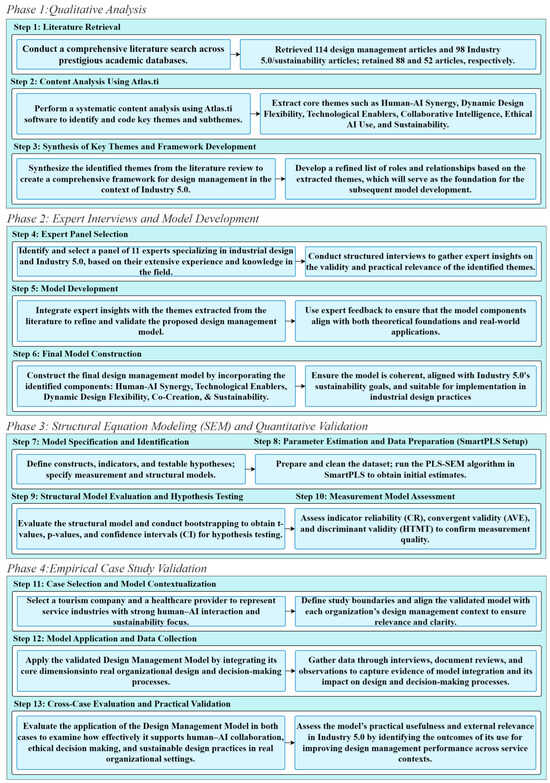
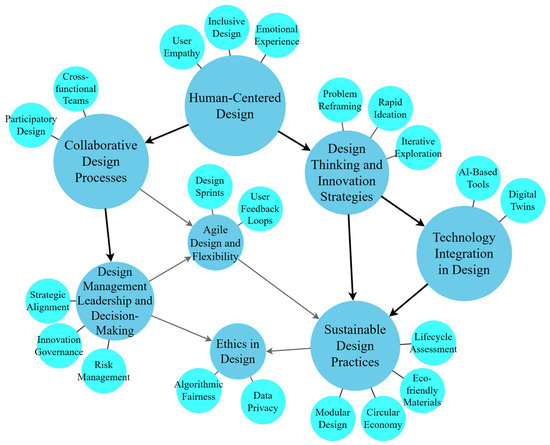
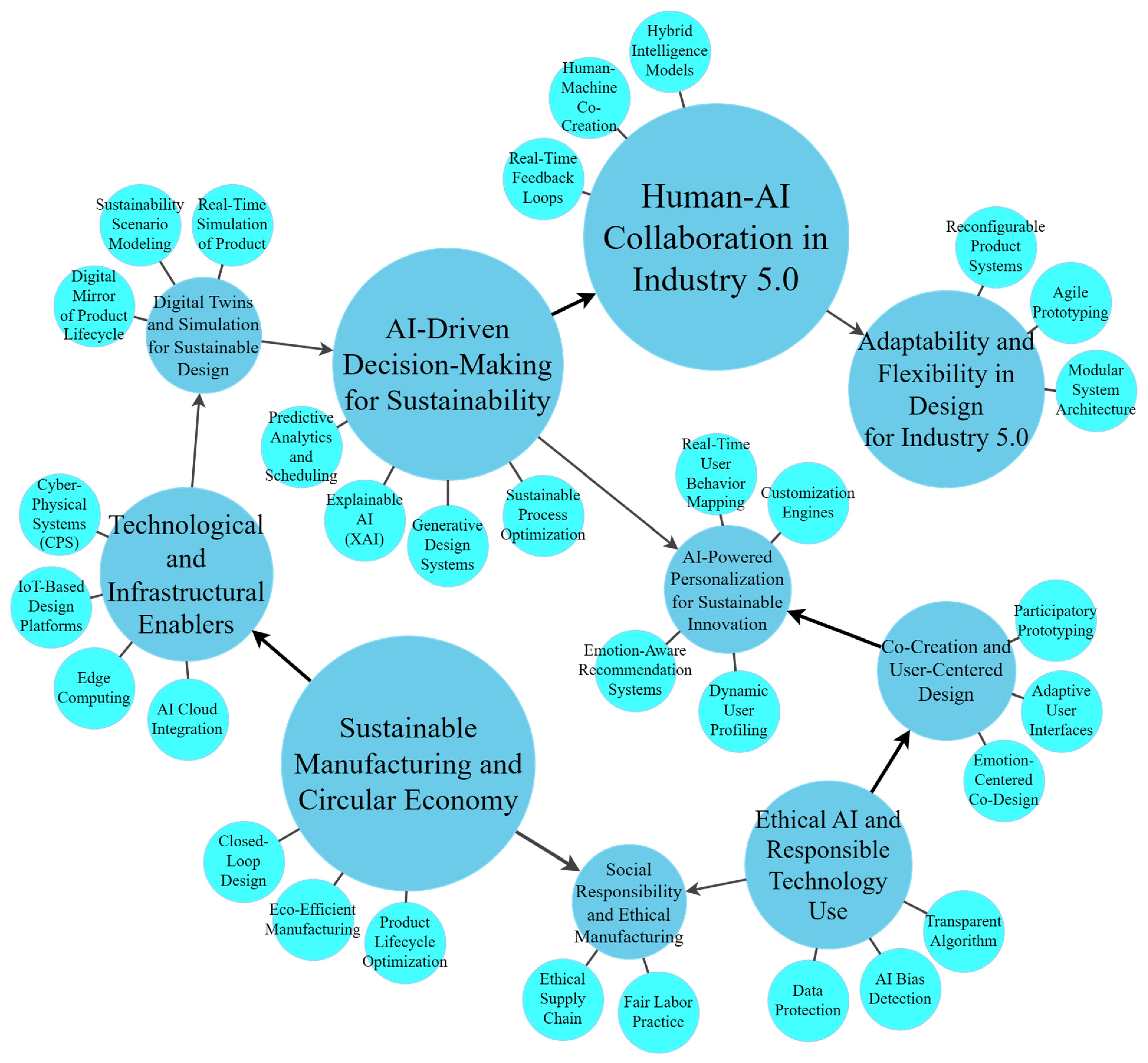
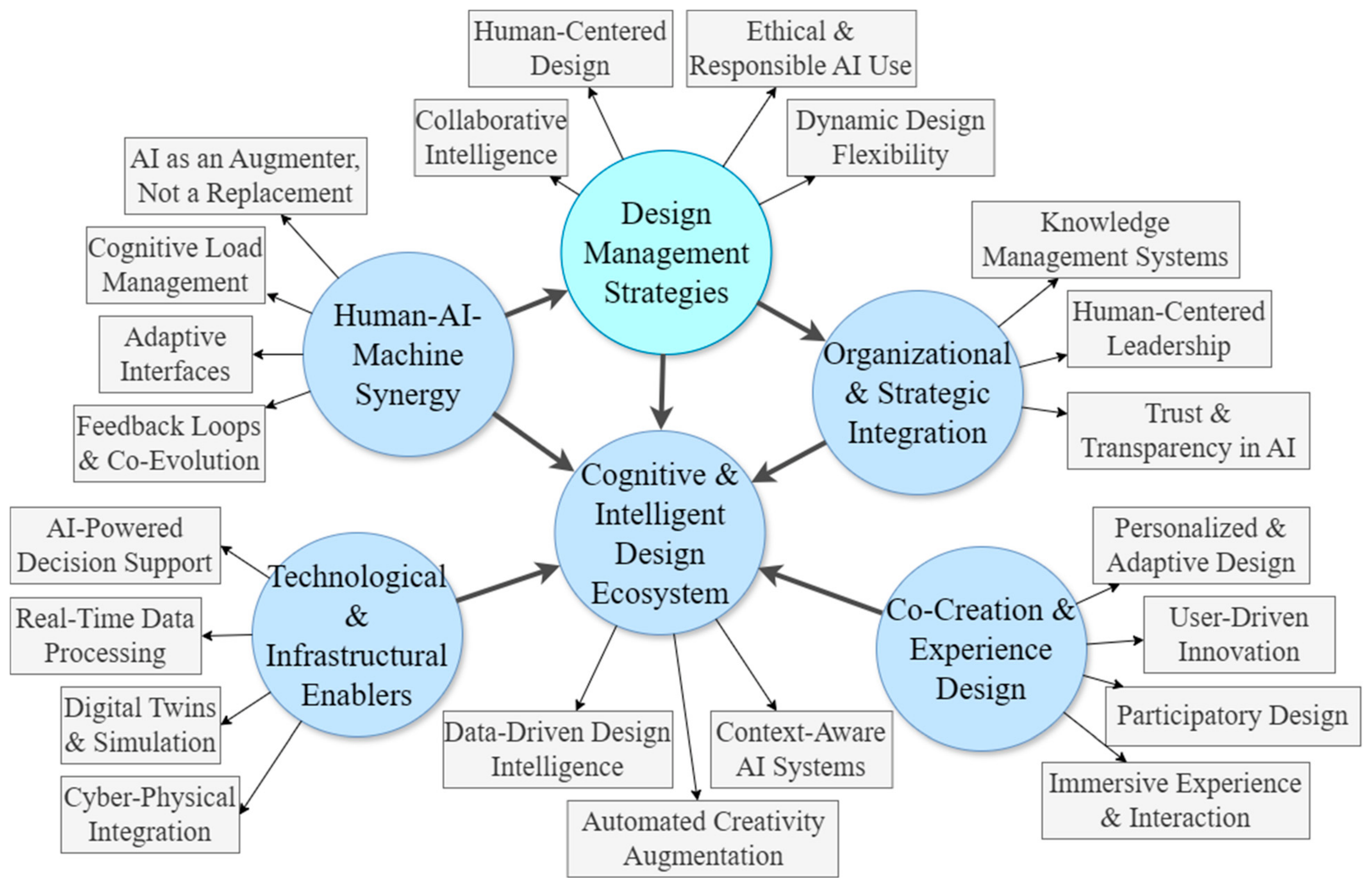
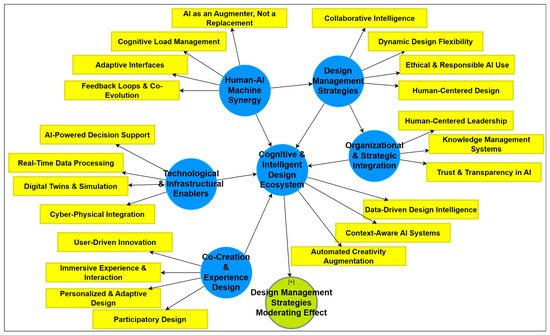
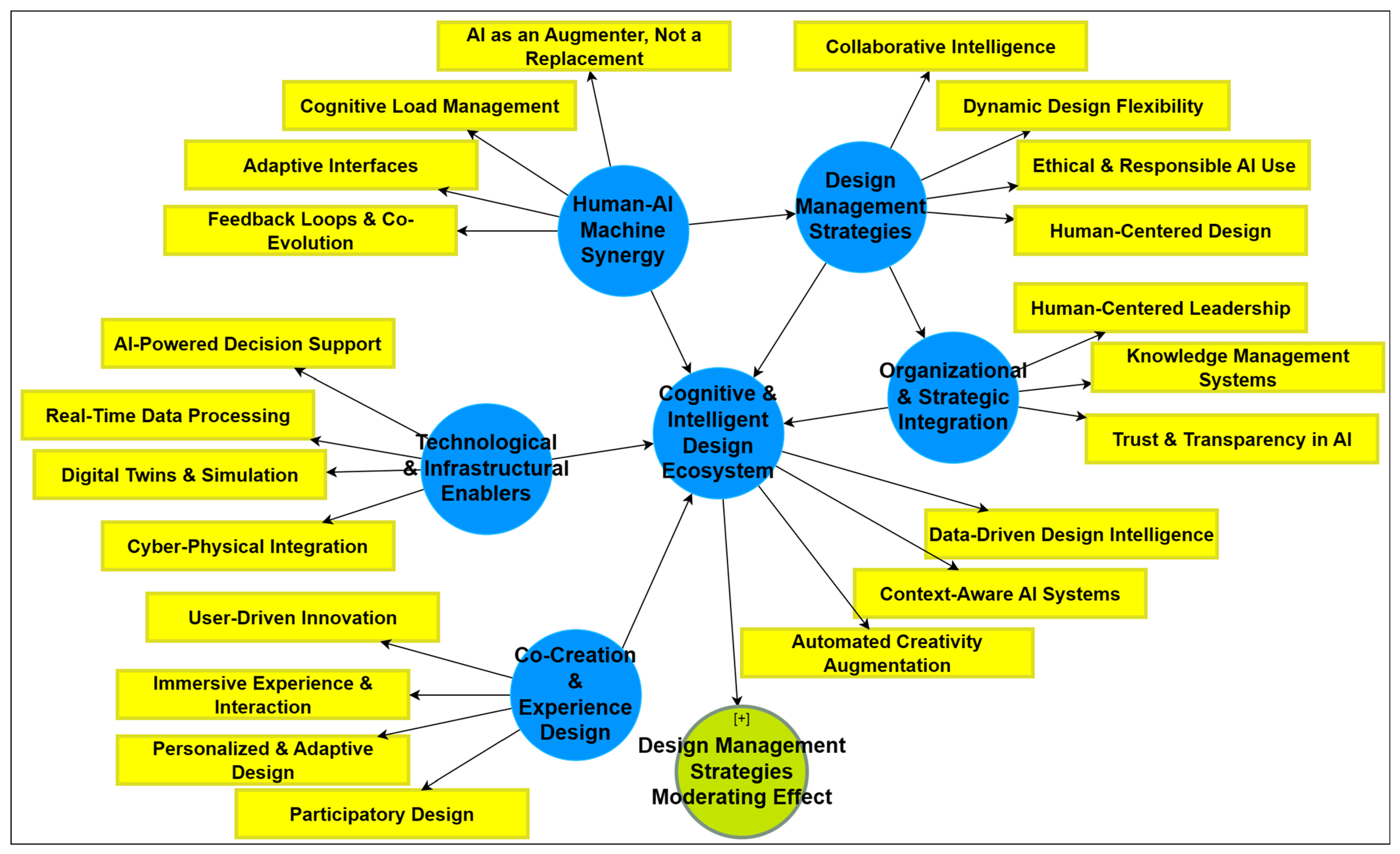
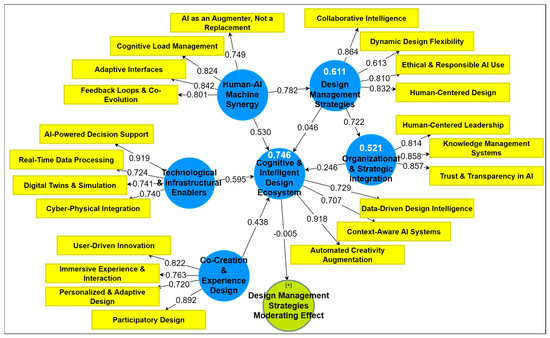
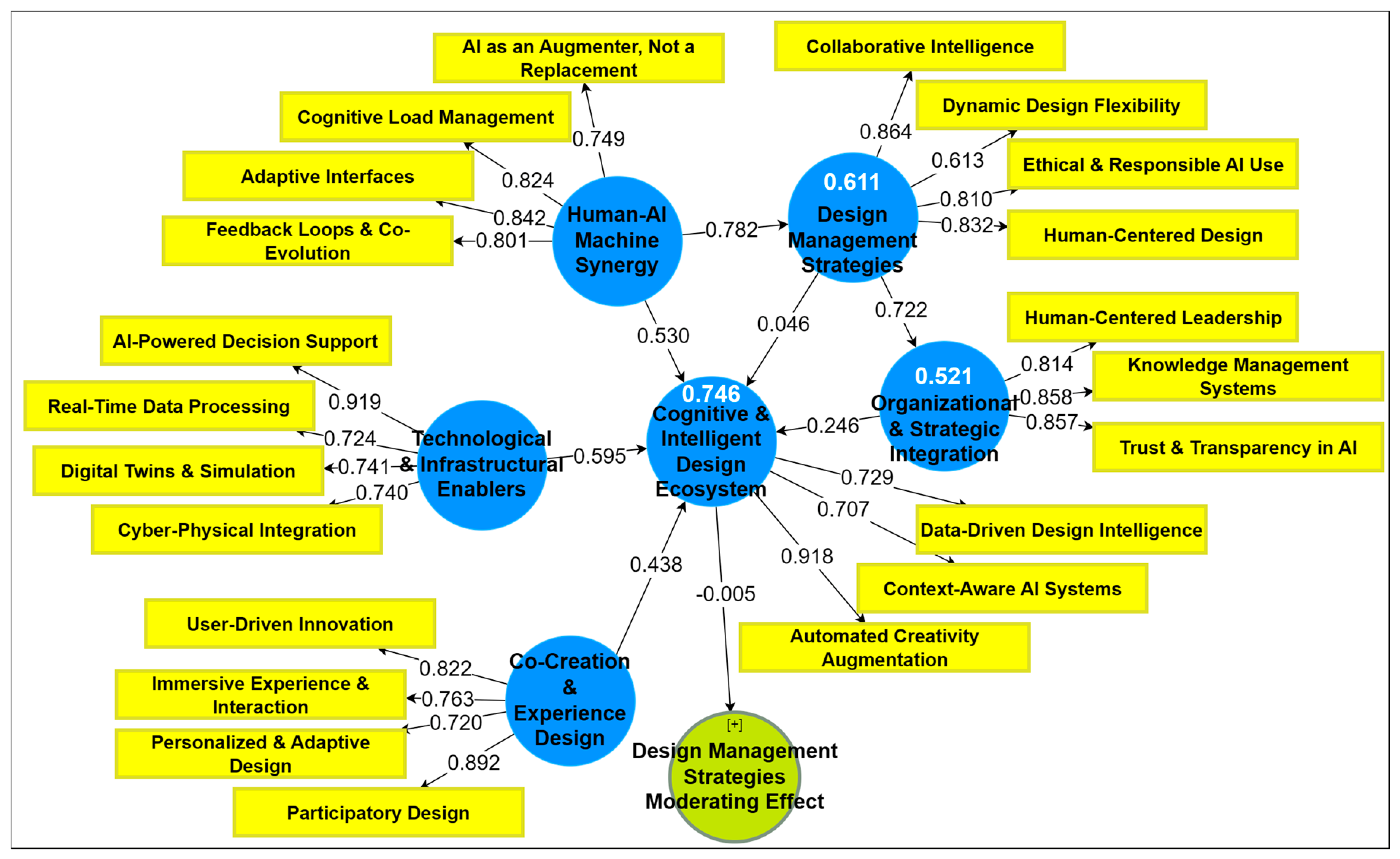
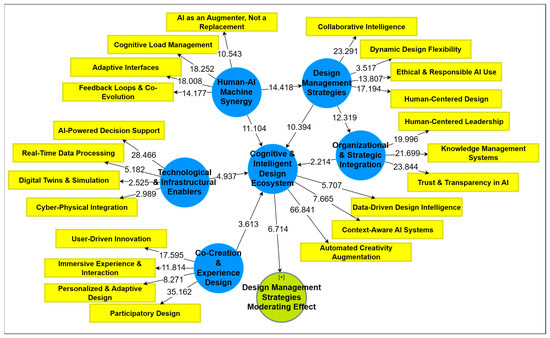
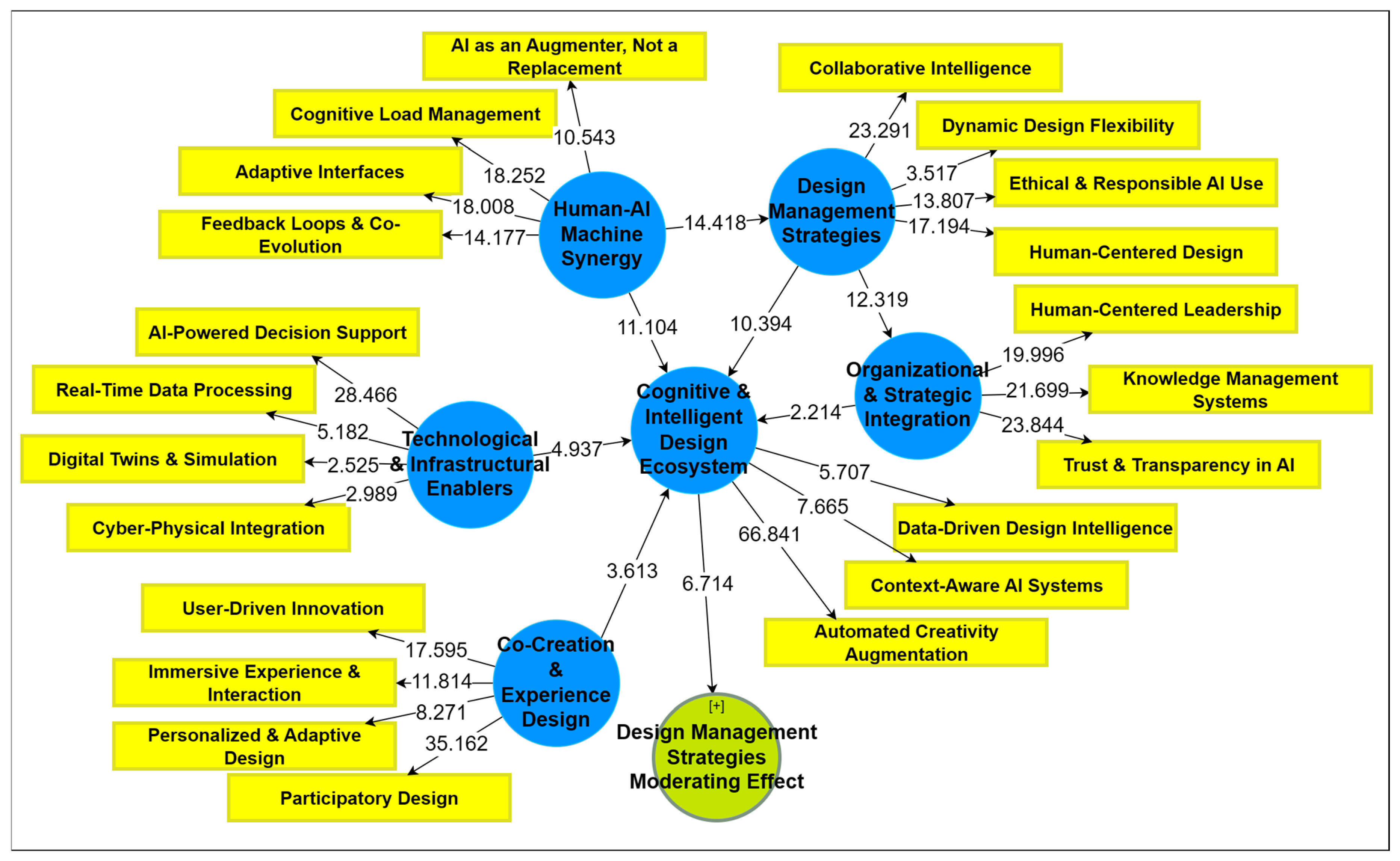

Disclaimer/Publisher’s Note: The statements, opinions and data contained in all publications are solely those of the individual author(s) and contributor(s) and not of MDPI and/or the editor(s). MDPI and/or the editor(s) disclaim responsibility for any injury to people or property resulting from any ideas, methods, instructions or products referred to in the content. |
© 2026 by the authors. Licensee MDPI, Basel, Switzerland. This article is an open access article distributed under the terms and conditions of the Creative Commons Attribution (CC BY) license.