


Abstract
Artificial intelligence (AI) and digital transformation are increasingly reshaping decision-making and governance processes in public universities, creating opportunities for administrative modernization and evidence-based institutional management. This systematic review aimed to analyze the scientific evidence regarding decision-making and governance in public universities in the era of artificial intelligence, identify the countries contributing to this field of research, and synthesize the principal lessons and conclusions reported in the literature. The study followed the PRISMA 2020 guidelines and conducted a systematic search in the Scopus database on 15 May 2025 using descriptors associated with university governance, academic management, Artificial Intelligence, and digital transformation. Original empirical studies published in English or Spanish were considered eligible. From 109 identified records, 10 studies met the inclusion criteria and were incorporated into the qualitative synthesis. The findings revealed that AI supports administrative efficiency, predictive analytics, academic planning, resource optimization, and data-driven governance. However, successful implementation depends on institutional readiness, leadership commitment, digital literacy, and ethical governance frameworks capable of addressing algorithmic bias, data privacy, and transparency concerns. The review highlights AI as both a strategic opportunity and a governance challenge for public universities, requiring responsible, human-centered, and context-sensitive implementation strategies.
1. Introduction
The rapid advancement of artificial intelligence (AI) and digital transformation technologies has generated profound changes across multiple sectors of society, including healthcare (Naik et al., 2022), business (Verhoef et al., 2021), public administration (Valle-Cruz et al., 2019), and education (Kasneci et al., 2023). Within the educational sector, public universities are increasingly adopting AI-driven systems and digital transformation strategies to improve academic administration, strengthen institutional governance, optimize decision-making processes, and enhance operational efficiency. In recent years, public higher education institutions have faced growing pressure to modernize their administrative structures and governance systems in response to technological change, social demands, financial constraints, and increasing expectations regarding educational quality and institutional accountability (Al-Dmour et al., 2025; Souli & Pierrakeas, 2025).
Public universities play a fundamental role in national development through the generation of knowledge, scientific research, social inclusion, and professional training (Martínez-Virto & Pérez-Eransus, 2021; Trinh, 2023). Unlike many private institutions, public universities often operate within complex bureaucratic environments characterized by governmental regulation, budget limitations, political influence, and public accountability requirements (Bertheussen, 2025; Modugno et al., 2022). Consequently, the integration of AI and digital transformation into higher education administration represents both an opportunity and a challenge for public universities seeking to improve institutional effectiveness while maintaining equitable access, transparency, and public service values (Schmidt et al., 2025).
Traditionally, higher education administration in public universities has focused on organizational planning, academic coordination, policy implementation, human resource management, student services, financial administration, and institutional governance (Musa & Maingari, 2025; Pekkola & Kivistö, 2022). However, the incorporation of AI technologies into these administrative processes is transforming the way universities manage information, allocate resources, formulate policies, and interact with stakeholders (Khairullah et al., 2025). AI applications such as predictive analytics, automated administrative services, intelligent decision-support systems, machine learning algorithms, virtual assistants, and data governance tools are increasingly being implemented to improve efficiency, reduce administrative burdens, and support evidence-based decision-making.
These technologies offer multiple potential benefits for public universities. AI-driven systems can facilitate enrollment forecasting, optimize resource allocation, improve student retention analysis, support institutional planning, automate repetitive administrative tasks, and enhance communication with students and faculty members (Idris Onia & Elkhalefa Elkhder, 2026; Zhou, 2025). Furthermore, digital transformation initiatives allow universities to strengthen transparency, responsiveness, and organizational adaptability in rapidly changing educational environments (Mabotha & Ngcamu, 2025). In contexts where public universities often face financial and operational limitations, AI technologies may contribute to improving institutional performance and administrative sustainability.
Nevertheless, the integration of AI into public university governance also raises important ethical, organizational, and social concerns. Issues related to data privacy, cybersecurity, algorithmic bias, transparency, digital inequality, workforce adaptation, and responsible governance have become increasingly relevant in discussions regarding AI implementation in higher education institutions (Marín et al., 2025; Xue et al., 2025). Public universities, due to their social mission and accountability obligations, must carefully balance technological innovation with ethical responsibility, democratic governance, and equitable access to educational opportunities (Gupta et al., 2025; Hidalgo Montesinos, 2026). Also, recent studies emphasize the importance of ethical AI governance as a foundation for responsible digital transformation and data-driven innovation in universities (Hine, 2021; Molina-Carmona & García-Peñalvo, 2025). Consequently, AI adoption in public higher education involves not only technological modernization but also broader transformations in institutional culture, leadership practices, and governance structures (Lawrence, 2026; Oncioiu & Bularca, 2025).
The importance of digital transformation in public universities became particularly evident following the COVID-19 pandemic (Laterza et al., 2023; Matsieli & Mutula, 2024; Ober & Kochmańska, 2022; Pazos et al., 2020). The global health crisis accelerated the digitalization of academic and administrative operations and exposed the need for flexible, technology-based management systems capable of supporting remote administration, online services, virtual communication, and data-driven institutional management (Tinjić & Nordén, 2024). Many public universities were forced to rapidly adopt digital platforms, cloud-based systems, and AI-supported administrative tools to ensure institutional continuity during periods of disruption (Ayaz et al., 2025). As a result, digital transformation emerged as a strategic priority for strengthening resilience and institutional sustainability within public higher education systems (Hughes, 2025).
Existing literature demonstrates that research on AI in higher education has primarily concentrated on pedagogical innovation, online learning, intelligent tutoring systems, student engagement, and academic performance prediction (Adamakis & Rachiotis, 2025; Long et al., 2026). Although these studies contribute significantly to understanding AI applications in teaching and learning, comparatively less attention has been given to the administrative and governance dimensions of AI implementation in public universities. The current body of knowledge regarding AI-driven transformation in university governance, academic management, institutional leadership, and administrative decision-making remains fragmented across disciplines such as educational management, information systems, organizational studies, and public administration.
Moreover, public universities represent a particularly important context for analyzing AI integration because they operate under specific institutional conditions associated with governmental oversight, public financing, accountability mechanisms, and social responsibility. Unlike private institutions that may possess greater financial flexibility, public universities often face limitations related to infrastructure investment, technological modernization, staff training, and bureaucratic procedures (Figueredo & Silva, 2026; Gkrimpizi et al., 2023; Gkrimpizi & Peristeras, 2022; Ly et al., 2026). Consequently, the adoption of AI technologies in public universities may involve additional challenges related to policy implementation, organizational resistance, funding availability, and digital inequality (Vatamanu & Tofan, 2025). Understanding how public universities are responding to these challenges is therefore essential for developing effective governance and digital transformation strategies (Henadirage & Gunarathne, 2025).
The growing institutional interest in AI governance is also reflected in the increasing number of scientific conferences, academic forums, and international initiatives dedicated to discussing the role of AI in higher education management and governance. For example, the International Association of University Presidents organized the 20th IAUP Triennial Conference under the theme “Generative AI and the Future of Higher Education,” where university leaders discussed the implications of AI for institutional governance, strategic leadership, and administrative transformation in universities (International Association of University Presidents [IAUP], 2024). Similarly, EDUCAUSE developed leadership discussions and institutional initiatives focused on AI governance, ethical implementation, and digital transformation in higher education institutions (EDUCAUSE, 2025).
Public universities themselves have increasingly promoted academic events and scientific forums to analyze AI-related governance challenges. For instance, Universidad Nacional Mayor de San Marcos (2026) organized the 1st International Congress on Scientific Research in the Era of Artificial Intelligence for Graduate Studies, highlighting the growing academic concern regarding the responsible integration of AI in graduate research processes. Likewise, the Tsinghua University Institute for AI International Governance (2024) organized international forums addressing AI governance, institutional responsibility, ethical regulation, and policy development associated with AI technologies in organizational contexts. These initiatives demonstrate that universities worldwide increasingly recognize AI governance and digital transformation as strategic issues requiring interdisciplinary debate and evidence-based policy development.
Despite these efforts, the current literature still reveals conceptual inconsistencies and methodological fragmentation. Concepts such as “digital transformation,” “AI integration,” “smart universities,” “intelligent administration,” and “data-driven governance” are frequently used interchangeably despite referring to different technological and organizational dimensions. Furthermore, studies vary considerably according to geographical context, institutional characteristics, technological maturity, and research methodology. Some investigations focus on universities in technologically advanced countries, whereas others examine institutions in developing economies with limited digital infrastructure and regulatory capacity. This diversity complicates the identification of coherent trends, implementation strategies, and governance models applicable to public higher education institutions.
Additionally, academic leadership in public universities is undergoing substantial transformation due to AI-driven organizational environments. University administrators and academic leaders are increasingly expected to possess digital competencies, technological vision, adaptive management skills, and the capacity to lead organizational change processes. Traditional governance approaches may no longer be sufficient in contexts characterized by rapid technological disruption, increasing data dependence, and evolving institutional demands. Therefore, examining how AI influences leadership practices, governance structures, administrative processes, and institutional culture constitutes an important area of scholarly inquiry.
Additionally, academic leadership and governance in public universities are undergoing substantial transformation due to AI-driven organizational environments. University administrators and academic leaders are increasingly expected to possess digital competencies, technological vision, adaptive management skills, and the capacity to support evidence-based and data-driven decision-making processes. Traditional governance and decision-making approaches may no longer be sufficient in contexts characterized by rapid technological disruption, increasing data dependence, and evolving institutional demands. Therefore, examining how AI influences decision-making processes, governance structures, leadership practices, administrative management, and institutional culture constitutes an important area of scholarly inquiry.
The research addresses the following research questions:
- What scientific evidence has been published regarding Decision-Making and Governance in Public Universities in the Era of Artificial Intelligence?
- From which institutions and countries do these scientific contributions originate?
- What lessons learned and conclusions have been derived from these studies?
From a research perspective, there is currently no comprehensive synthesis integrating artificial intelligence, decision-making, governance, academic management, and digital transformation specifically within the context of public universities. Existing reviews frequently prioritize educational technologies and pedagogical innovation while overlooking the broader organizational, administrative, and governance implications of AI adoption in higher education institutions. This gap limits the ability of researchers, policymakers, and university leaders to understand how AI technologies are reshaping institutional decision-making and governance systems within public universities.
The research pursues the following objectives:
- To identify and analyze the scientific evidence published on decision-making and governance in public universities in the era of artificial intelligence.
- To determine the institutions and countries from which these scientific contributions originate.
- To examine the lessons learned and the main conclusions derived from the analyzed studies.
In addition, this systematic review seeks to provide a comprehensive understanding of how artificial intelligence is influencing governance structures, administrative decision-making processes, institutional leadership, and organizational management within public universities. By synthesizing the available scientific literature, the review aims to identify emerging trends, research gaps, implementation challenges, and strategic opportunities associated with AI adoption in public higher education institutions. Furthermore, the study intends to contribute to the development of a more coherent body of knowledge regarding the role of AI in institutional governance and decision-making in the higher education sector.
Ultimately, this review is justified by the increasing strategic importance of AI and digital transformation in public higher education management and the need for evidence-based knowledge capable of guiding institutional decision-making, policy development, and governance reform. The findings may support university administrators, policymakers, researchers, and academic leaders in understanding current developments, identifying effective implementation strategies, and addressing future challenges associated with AI-driven transformation in public university governance and administration.
The urgency of this review is driven by the accelerated incorporation of artificial intelligence into university governance, administrative management, and institutional decision-making. Public universities are increasingly adopting AI-supported systems for strategic planning, resource allocation, quality assurance, academic analytics, and student services. However, scientific evidence remains fragmented across countries, institutional contexts, and technological applications, making it difficult for policymakers and university leaders to identify validated implementation strategies. Moreover, the rapid expansion of AI raises critical concerns regarding transparency, accountability, algorithmic bias, ethical governance, and institutional autonomy. Consequently, a systematic synthesis of the available evidence is urgently needed to consolidate current knowledge, identify research gaps, and provide evidence-based guidance for the responsible integration of AI into governance and decision-making processes within public universities.
2. Methodology
2.1. Research Design and Reporting Standard
This study employed a systematic literature review design following the Preferred Reporting Items for Systematic Reviews and Meta-Analyses (PRISMA 2020) guidelines. Compliance with the PRISMA 2020 reporting guidelines is documented in the completed checklist provided as Supplementary Material. The review aimed to identify, analyze, and synthesize the available scientific evidence regarding decision-making and governance processes in public universities within the context of artificial intelligence (AI) and digital transformation.
The systematic review followed the PRISMA 2020 reporting framework, which provides a transparent and reproducible methodology for identifying, selecting, evaluating, and synthesizing scientific evidence. The framework consists of four sequential stages.
First, during the identification stage, records were retrieved from the Scopus database using a predefined search strategy based on Boolean operators and keywords related to artificial intelligence, university governance, and decision-making.
Second, in the screening stage, duplicate records were removed when applicable, and titles, abstracts, and publication types were independently examined by the three authors to eliminate studies that did not satisfy the predefined inclusion criteria.
Third, during the eligibility stage, the remaining articles were evaluated through full-text assessment to determine their methodological relevance and their direct contribution to the research objectives concerning governance and decision-making in public universities.
Finally, in the inclusion stage, only studies that fully met all eligibility criteria were retained for qualitative synthesis. This structured procedure ensured methodological rigor, transparency, reproducibility, and minimized potential selection bias throughout the review process.
Prospective registration was not performed because the review falls within the field of higher education governance rather than health sciences, where protocol registration practices are more commonly established.
2.2. Research Team
The systematic review was collaboratively conducted by the three authors, all of whom possess academic and professional expertise in university governance, strategic decision-making, and digital transformation in higher education during the era of artificial intelligence.
The research team was composed of:
- (a)
- A Dean of a public university faculty.
- (b)
- A Vice Dean for Research and Graduate Studies.
- (c)
- An Editor-in-Chief of scientific research journals.
The three experts were purposively selected because they represent complementary perspectives in higher education governance, academic leadership, research management, and scientific publishing. The Dean contributes extensive experience in institutional governance and strategic decision-making at the faculty level, while the Vice Dean for Research and Graduate Studies provides expertise in research administration, innovation management, and postgraduate academic policies. The Editor-in-Chief contributes extensive knowledge of scientific quality standards, research evaluation, and evidence synthesis. Collectively, these complementary profiles strengthened the methodological rigor and credibility of the review.
Regarding their demographic and institutional backgrounds, the experts are affiliated with public universities and collectively possess extensive experience in university administration, research leadership, graduate education, and scholarly publishing. Their multidisciplinary expertise ensured that the selection, evaluation, and interpretation of the evidence were conducted from diverse but complementary academic perspectives, thereby enhancing the transparency and validity of the review process.
Their combined experience in university management, research leadership, and scientific publishing strengthened the interpretative rigor of the review process. All authors participated in the stages of study identification, screening, eligibility assessment, data extraction, synthesis of evidence, and interpretation of findings. Any disagreements were resolved through discussion and consensus.
2.3. Eligibility Criteria
The inclusion and exclusion criteria were established before the review process according to the objectives of the study and the PRISMA 2020 recommendations.
Inclusion Criteria:
- (a)
- Original empirical research articles.
- (b)
- Studies related to university governance, academic management, or institutional decision-making.
- (c)
- Research associated with artificial intelligence (AI)-based systems, digital transformation, or intelligent technological solutions in higher education.
- (d)
- Studies focused on higher education institutions, particularly public universities.
- (e)
- Articles published in English or Spanish.
- (f)
- Full-text accessible studies.
Exclusion Criteria
- (a)
- Literature reviews, editorials, conference abstracts, opinion papers, book chapters, and non-empirical publications.
- (b)
- Studies unrelated to decision-making or governance in higher education institutions.
- (c)
- Articles without accessible full text.
- (d)
- Duplicate records.
No restrictions regarding publication year or country of origin were applied.
2.4. Information Source
The literature search was conducted exclusively in the Scopus database because of its broad international coverage of peer-reviewed scientific literature, multidisciplinary indexing, and widespread use in systematic reviews within the social sciences and higher education. The search was performed on 15 May 2025, covering all documents indexed in Scopus from its inception until the search date, as shown in Table 1. No restrictions regarding publication year, country of origin, or document chronology were imposed. Although Scopus provides extensive coverage of international scientific literature, the exclusive use of a single database may have excluded relevant studies indexed only in other databases, such as Web of Science. This methodological decision was adopted to ensure a transparent, consistent, and reproducible search strategy and is acknowledged as a limitation of the present review.
Table 1.
Information Source.
2.5. Search Strategy
The search strategy combined descriptors associated with higher education governance and artificial intelligence using Boolean operators (“AND” and “OR”) to maximize retrieval sensitivity.
The search equation is presented in Table 2:
Table 2.
Search Strategy.
No temporal, geographical, or institutional filters were applied during the search process.
2.6. Selection Process
The selection process followed the PRISMA 2020 structure.
Initially, the search retrieved 109 records. No records were excluded based on publication year or country of origin because no restrictions were established for these criteria.
During the screening phase, titles, abstracts, and document types were reviewed independently by the three researchers. Eighteen records were excluded because they did not correspond to original research articles.
Subsequently, 91 reports were sought for retrieval. However, due to accessibility limitations and subscription restrictions, only 28 full-text articles could be obtained through the institutional databases available to the authors. Therefore, 63 records were excluded because full access was not available.
No duplicate records were identified during the review process.
Table 3 summarizes the full-text eligibility assessment. Of the remaining 28 articles, 18 were excluded because they did not specifically address decision-making, governance, or management processes in public universities linked to artificial intelligence. Consequently, 10 studies were included in the qualitative synthesis.
Table 3.
PRISMA 2020 Study Selection Process.
2.7. Data Collection Process
The selected studies were independently analyzed by the three researchers. The extracted information was systematically organized in Microsoft Excel to facilitate classification, comparison, thematic grouping, and qualitative synthesis.
The review focused on identifying institutional experiences, governance practices, digital transformation strategies, and artificial intelligence applications associated with university administration and academic decision-making.
The extracted data were reviewed repeatedly to ensure consistency and reliability in the interpretation of the findings.
2.8. Data Extraction Variables
The following variables were systematically extracted from each study included in the review in order to facilitate comparative analysis and evidence synthesis, as presented in Table 4:
Table 4.
Variable and description.
2.9. Data Synthesis and Analysis
A qualitative synthesis approach was employed to analyze the findings of the included studies.
The extracted evidence revealed recurring themes associated with:
- (a)
- Artificial intelligence as a strategically in university governance.
- (b)
- AI-supported decision-making systems for academic and administrative management.
- (c)
- Digital transformation in public universities.
- (d)
- Ethical challenges, privacy concerns, and algorithmic bias.
- (e)
- Leadership and institutional adaptability during technological transformation.
- (f)
- Smart systems for monitoring, planning, and resource optimization.
- (g)
- Organizational change and digital maturity in higher education institutions.
The analysis also identified common patterns regarding the benefits of AI integration in university governance, including operational efficiency, predictive analytics, automation of administrative processes, personalized learning support, and evidence-based decision-making.
Simultaneously, the reviewed studies emphasized the importance of ethical governance frameworks, human supervision, digital literacy, data protection, and institutional policies to ensure responsible and equitable AI adoption in higher education.
Thematic synthesis allowed the categorization of evidence into strategic governance, administrative digitalization, AI-assisted academic management, ethical governance challenges, and institutional transformation processes.
2.10. Risk of Bias Assessment
To reduce selection and interpretation bias, the screening and eligibility processes were independently conducted by the three researchers.
The authors compared inclusion decisions, extracted variables, and thematic categorizations to ensure methodological consistency. Any discrepancies were resolved through discussion and consensus. To further strengthen the validity of the review, the extracted data and thematic categorizations were independently verified by all three researchers. The consistency of article selection, variable extraction, and thematic interpretation was evaluated through iterative cross-checking and consensus meetings. This verification process minimized subjective interpretation and enhanced the trustworthiness and reproducibility of the qualitative synthesis. Because the included studies presented methodological heterogeneity, no standardized quantitative risk-of-bias assessment instrument was applied.
2.11. PRISMA 2020 Flow Description
The systematic review followed the four phases proposed by PRISMA 2020:
- Identification PhaseA total of 109 records were identified through database searching in Scopus.
- Screening PhaseTitles, abstracts, and document types were reviewed. Eighteen records were excluded because they were not original research articles.
- Eligibility PhaseNinety-one reports were sought for retrieval. Due to accessibility limitations, 63 reports could not be retrieved in full text. Twenty-eight studies were assessed for eligibility through full-text reading.
- Included Studies PhaseEighteen studies were excluded after full-text evaluation because they did not directly address governance or decision-making in public universities related to artificial intelligence. Finally, 10 studies were included in the qualitative synthesis.
Figure 1 presents the PRISMA Diagram.
Figure 1.
Flow diagram prepared in accordance with the PRISMA 2020 Statement.
3. Results
3.1. Scientific Evidence Has Been Published Regarding Decision-Making and Governance in Public Universities in the Era of Artificial Intelligence
Table 5 presents a synthesized overview of the selected studies included in the systematic review on decision-making and governance in public universities in the era of artificial intelligence. It compiles key information such as authorship, methodological approaches, institutional and geographic contexts, as well as the main lessons learned and conclusions derived from each study. This structured summary enables a comprehensive comparison of how artificial intelligence is being adopted and interpreted within higher education systems across different countries and institutional settings.
Table 5.
Code, citation, original article title, language, and scientific journal name of evidence regarding decision-making and governance in public universities in the era of artificial intelligence.
The evidence presented in Table 5 highlights that artificial intelligence is increasingly positioned as a strategic enabler of decision-making and institutional governance in public universities (Atmoko et al., 2026; Zhang & Goyal, 2024). Across the studies, AI-based tools are consistently associated with improvements in administrative efficiency, academic planning, resource allocation, and data-driven decision-making processes (Medina Romero et al., 2025; Quito Urgilés et al., 2025). AI-supported systems are shown to enhance the capacity of university authorities to manage complex institutional information and respond more effectively to dynamic academic environments.
However, the findings also indicate that the effective integration of artificial intelligence into university governance is not solely a technological issue but a multidimensional challenge. Institutional readiness, leadership commitment, and human capacity development emerge as critical determinants of successful implementation (Ossai et al., 2026; Rodríguez Castillo et al., 2025). Many studies emphasize that without adequate training, infrastructure, and organizational alignment, the potential benefits of AI in decision-making processes may be limited or unevenly distributed (Saner & Tratschin, 2026; Torres-Gómez, 2024).
Additionally, Table 4 shows the importance of ethical governance frameworks in guiding AI adoption within public universities. Concerns related to data privacy, algorithmic bias, transparency, and academic integrity are recurrent across the literature (Aflahah et al., 2026; Ossai et al., 2026; Tao & Wang, 2026). As a result, universities are increasingly required to develop regulatory and ethical guidelines that ensure responsible AI use while preserving academic values and institutional autonomy.
Overall, the table demonstrates that while artificial intelligence is reshaping governance and decision-making in public universities, its impact is contingent upon balanced integration strategies that combine technological innovation with human oversight and strong institutional governance structures (Ossai et al., 2026; Tao & Wang, 2026; Zhang & Goyal, 2024).
3.2. Institutions and Countries Contributing Scientific Evidence on Decision-Making and Governance in Public Universities in the Era of Artificial Intelligence
Table 6 presents the institutional and geographic distribution of the studies included in the systematic review on decision-making and governance in public universities in the era of artificial intelligence. It details the coded studies, their bibliographic references, the higher education institutions involved, and the countries where empirical evidence was generated. This overview allows for a clear identification of the global scope and diversity of contexts analyzed in the review.
Table 6.
Code, citation, referenced Institution(s), and country of evidence regarding decision-making and governance in public universities in the era of artificial intelligence.
The information summarized in Table 6 shows a wide geographical dispersion of research on artificial intelligence in higher education governance, covering institutions across Latin America, Europe, Africa, and Asia. This diversity reflects the global relevance of AI in transforming decision-making processes and academic management systems within public universities and related higher education institutions.
A notable pattern is the strong representation of Latin American institutions, particularly from countries such as Ecuador, Mexico, and Colombia (Medina Romero et al., 2025; Quito Urgilés et al., 2025; Rodríguez Castillo et al., 2025; Torres-Gómez, 2024). This suggests an increasing regional interest in exploring how artificial intelligence can support academic administration, digital transformation, and institutional modernization in public universities. At the same time, contributions from Europe and Asia indicate that AI-driven governance is also a significant research focus in more technologically advanced academic systems (Saner & Tratschin, 2026; Tao & Wang, 2026; Zhang & Goyal, 2024).
The table also reveals the presence of collaborative and multi-institutional studies, where multiple universities—sometimes across different countries—are analyzed within a single research framework (Aflahah et al., 2026; Medina Romero et al., 2025). This highlights the growing tendency toward comparative and transnational approaches in the study of artificial intelligence in higher education governance.
Additionally, several entries include both public and private institutions, suggesting that AI adoption in higher education is not limited to a specific institutional type. Instead, it is a cross-cutting phenomenon affecting diverse governance models, from highly centralized public universities to more flexible private institutions (Aflahah et al., 2026; Tao & Wang, 2026).
To emphasize the geographical distribution of the evidence, Figure 2 presents a graphical representation highlighting the countries from which the information was collected through the selected articles. This visualization allows for a clearer understanding of the global scope of the review and the regional concentration of research on artificial intelligence in higher education governance.
Figure 2.
Countries contributing scientific evidence on decision-making and governance in public universities in the era of artificial intelligence are highlighted in red.
Overall, Table 6 and Figure 2 demonstrate that the study of artificial intelligence in university decision-making is a globally distributed research field, with significant contributions from both developed and developing regions. This reinforces the idea that AI is becoming a universal driver of transformation in higher education governance, requiring context-sensitive but globally informed policy and management strategies.
Figure 2 also reveals a noticeable concentration of empirical evidence originating from Asian countries, particularly China and Indonesia. This pattern suggests that universities in these contexts have become important testing grounds for the implementation of AI-supported decision-making systems, reflecting sustained investments in digital transformation, smart campus initiatives, and data-driven institutional management. The reviewed studies demonstrate that AI is being applied to optimize administrative processes, faculty performance evaluation, academic planning, decision support systems, resource allocation, and institutional quality assurance.
These experiences offer valuable lessons that may be adapted by universities in other countries. Rather than replicating technological solutions directly, higher education institutions should adopt context-sensitive implementation strategies that integrate AI with institutional governance structures, leadership capacity, ethical oversight, faculty training, and digital infrastructure. The evidence indicates that successful AI adoption depends not only on technological capability but also on organizational readiness, transparent governance, and continuous human supervision. Consequently, the experiences documented in Asian universities provide transferable governance principles that can support the responsible implementation of AI-assisted decision-making in diverse higher education systems worldwide.
An additional finding emerging from the geographical distribution is that a substantial proportion of the reviewed studies originates from developing countries, including Indonesia, China, Ecuador, Mexico, Nigeria, and Colombia. One possible explanation is that universities in these countries are experiencing rapid digital transformation while simultaneously facing significant challenges related to limited financial resources, administrative complexity, and increasing demands for accountability. Under these circumstances, artificial intelligence is viewed not only as an innovative technology but also as a practical instrument for improving institutional efficiency, optimizing scarce resources, and strengthening evidence-based decision-making. Furthermore, governments and higher education institutions in many developing countries have actively promoted digital transformation initiatives as part of broader modernization agendas, encouraging researchers to evaluate AI implementation in real institutional settings. Therefore, the prominence of developing countries in the literature reflects both the urgency of governance modernization and the growing interest in assessing AI as a catalyst for institutional reform.
3.3. Lessons Learned and the Main Conclusions Regarding Decision-Making and Governance in Public Universities in the Era of Artificial Intelligence
Table 7 presents the main lessons learned and conclusions extracted from the studies included in the systematic review on decision-making and governance in public universities in the era of artificial intelligence. The table synthesizes the experiences reported by the selected investigations, highlighting the institutional implications, governance challenges, and strategic contributions of artificial intelligence to higher education management and decision-making processes.
Table 7.
Code, citation, referenced Institution(s), and country of evidence regarding decision-making and governance in public universities in the era of artificial intelligence.
The evidence summarized in Table 7 demonstrates that artificial intelligence is increasingly transforming university governance through the automation of administrative processes, predictive analytics, and data-driven decision-making systems (Atmoko et al., 2026; Zhang & Goyal, 2024). Several studies report that AI-based tools improve institutional efficiency by reducing operational workloads, optimizing academic planning, and supporting resource allocation processes (Medina Romero et al., 2025; Quito Urgilés et al., 2025). These technologies are particularly valuable for enhancing transparency, monitoring academic performance, and facilitating evidence-based strategic management within universities.
At the same time, the studies consistently emphasize that successful AI implementation depends not only on technological availability but also on institutional readiness and governance capacity. Factors such as staff training, organizational support, digital literacy, and change management emerge as critical conditions for sustainable adoption (Ossai et al., 2026; Rodríguez Castillo et al., 2025). In many cases, resistance to AI integration is linked to cultural and organizational barriers rather than technical limitations alone (Saner & Tratschin, 2026).
Another major theme identified across the studies is the growing importance of ethical governance frameworks. Concerns regarding algorithmic bias, data privacy, academic integrity, intellectual property, and unequal access to digital resources appear recurrently in the literature (Aflahah et al., 2026; Tao & Wang, 2026). Consequently, universities are increasingly required to establish transparent policies and ethical guidelines to ensure that artificial intelligence is implemented responsibly and aligned with institutional values.
Furthermore, the findings reveal that AI is reshaping institutional decision-making by enabling more agile, adaptive, and evidence-based governance models. However, the reviewed studies also stress that human oversight remains essential. Rather than replacing academic authorities and professional judgment, AI is presented as a complementary tool that supports strategic decision-making while preserving the humanistic and ethical dimensions of higher education governance (Ossai et al., 2026; Torres-Gómez, 2024).
4. Discussion
4.1. General Interpretation of the Results
The study coded S01 (Atmoko et al., 2026) evaluates the adoption of the “Web-CAMP” platform for faculty performance management in Indonesia using a mixed-methods approach. Their findings, based on the UTAUT II and Task-Technology Fit models, reveal that behavioral intention is the strongest predictor of system usage among university staff. The authors conclude that while the platform is highly functional and reduces administrative errors compared to manual systems, its success depends heavily on institutional support and professional training to overcome technical resistance.
Research conducted in article coded S02 (Aflahah et al., 2026) examines the intersection of AI ethics and Islamic higher education in Indonesia and Egypt through a qualitative lens. The study identifies a significant gap between lecturers’ practical risk mitigation (such as plagiarism detection) and religious normativity, which often remains at a declarative level rather than being institutionalized into governance. By reinterpreting the COSO ERM framework through maqāṣid al-sharīʿah, they propose an integrative model to ensure technological innovation aligns with moral accountability and spiritual integrity.
The study coded S03 (Saner & Tratschin, 2026) explores how Swiss universities construct “organizational actorhood” through digital strategies and educational entrepreneurship. Analyzing four public research universities, the authors find that digital strategies create spaces for entrepreneurs to build interdisciplinary alliances and secure funding for new academic units. They conclude that the effectiveness of these strategies varies based on institutional power relations and that universities use digitalization to refine their unique positioning within a landscape of “soft competition”.
The research in the article coded S04 (Ossai et al., 2026) analyzes strategic leadership in Nigerian public universities as they navigate the impact of AI on governance and research. Using a descriptive survey design, the study reveals that while AI improves data-driven decision-making and administrative productivity, leaders must manage critical risks such as algorithmic bias and the widening digital divide. They recommend that universities transition from traditional management to transformational leadership roles to develop robust, values-based AI governance frameworks.
The work presented in the article coded S05 (Tao & Wang, 2026) examines the challenges of AIGC-assisted design in modern art education in China through a 16-week controlled experiment. Their findings show that while AI tools significantly increase production speed and iteration frequency, they do not automatically improve the final creative quality of student work, which still relies on human aesthetic judgment. The study highlights structural tensions, such as intellectual property rights and a “crisis of subjectivity,” arguing for assessment models that prioritize design reasoning over automated outputs.
The study coded S06 (Quito Urgilés et al., 2025) proposes a technological solution to optimize professor assignments at the University of Cuenca, Ecuador, by integrating sentiment analysis and mathematical optimization. Utilizing the RoBERTuito model to analyze student feedback, the system achieves a high correlation with manual decisions made by program directors, particularly in technical fields. The authors conclude that this automated recommender system serves as a strategic tool that significantly reduces administrative workload while ensuring transparent, competency-based assignments.
The study coded S07 (Medina Romero et al., 2025) assesses the transition from traditional methods to AI in academic project management in Mexico and Ecuador. Using a mixed-methods approach, the research finds significant improvements in management efficiency (p = 0.002) and institutional adaptability to unforeseen project delays. The authors conclude that the use of advanced technology has a motivational effect on academic staff, though its sustainable adoption requires continuous training and ethical oversight to ensure responsible implementation.
Research in S08 (Rodríguez Castillo et al., 2025) analyzes “University Education 5.0” through a multinational comparative study in Ecuador and Colombia. Their mixed-methods results indicate that while AI is valued as a motor for personalized learning and automated assessment, adoption levels vary significantly across the Andean region due to infrastructure disparities. The authors conclude that Ecuador shows the highest institutional acceptance and that regional success depends on strengthening teacher digital literacy and inclusive policies to prevent further educational exclusion.
The work in the article coded S09 (Zhang & Goyal, 2024) investigates the impact of AI-driven Decision Support Systems (DSS) on higher education administration in Malaysia and China. Their quantitative cross-sectional study confirms that DSS tools are essential for strategic planning, enrollment management, and proactive student interventions. However, the researchers emphasize that for these systems to revolutionize administration, institutions must overcome persistent obstacles such as poor data quality, privacy concerns, and stakeholder resistance to change.
Finally, research presented in the article coded S10 (Torres-Gómez, 2024) focuses on the information needs and AI perceptions of doctoral students in Mexico. Using an exploratory-descriptive quantitative approach, the study determines that while students are highly familiar with digital tools and view AI favorably for academic production, they face significant barriers due to the high cost of subscription-based resources. The author recommends formal training to help doctoral researchers navigate the cognitive and ethical risks associated with generative AI algorithms.
4.2. Thematic Analysis
- (a)
- Artificial Intelligence as a strategically in university governance.
Artificial intelligence is no longer viewed merely as a technical tool but as a fundamental paradigm shift in university governance (Aflahah et al., 2026). It acts as a strategic ally by enhancing data-driven decision-making, increasing institutional competitiveness, and facilitating the transition from bureaucratic to agile leadership (Ossai et al., 2026). Strategic leadership involving AI facilitates managing changes as the technology continues to evolve within university administrative operations (Ossai et al., 2026). In Swiss universities, digital strategies are utilized to position the entire institution within digital transformation, constructing organizational actorhood through the internalization of digital transformation in governance mechanisms (Saner & Tratschin, 2026). Furthermore, AI governance is identified as an essential framework for aligning technological innovation with an institution’s normative mission (Aflahah et al., 2026). For example, State Islamic Higher Education (PTKIN) in Indonesia has the potential to pioneer an Islamic framework for AI ethics that aligns technological innovation with moral accountability, while national guidelines provide a universal foundation; individual institutions must expand these strategies to reflect their specific religious and cultural identities (Aflahah et al., 2026).
- (b)
- AI-supported decision-making systems for academic and administrative management.
Decision Support Systems (DSS) powered by AI have become essential tools for modern higher education administrators by promoting evidence-based choices (Zhang & Goyal, 2024). These systems revolutionize management by providing predictive analytics for enrollment patterns, resource allocation, and identifying at-risk students for proactive early interventions (Zhang & Goyal, 2024). For instance, automated recommender systems can optimize professor-course assignments by integrating student sentiment analysis with mathematical optimization (Quito Urgilés et al., 2025). Utilizing models like RoBERTuito allows for the classification of qualitative student feedback into structured data for better academic planning (Quito Urgilés et al., 2025). Furthermore, integrated platforms such as Web-CAMP automate faculty performance evaluations and research productivity tracking, significantly reducing the administrative burden and data errors associated with manual Excel-based systems (Atmoko et al., 2026). By transitioning from traditional bureaucratic knowledge to data-driven insights, DSS tools empower administrators to navigate complex challenges more efficiently (Atmoko et al., 2026). These innovations ultimately improve institutional responsiveness and student success efforts across diverse university departments (Zhang & Goyal, 2024).
- (c)
- Digital transformation in public universities.
Digital transformation in public universities is a complex organizational challenge that extends beyond the simple adoption of technical tools (Tao & Wang, 2026). It often involves the construction of “organizational actorhood,” where digital strategies open spaces for educational entrepreneurs to forge interdisciplinary alliances and secure institutional funding (Saner & Tratschin, 2026). In Switzerland, public research universities engage in “soft competition,” using digital strategies to refine their positioning within nested organizational fields (Saner & Tratschin, 2026). However, the level of institutional appropriation of AI technologies varies significantly by region (Rodríguez Castillo et al., 2025). In the Andean region, Ecuador shows higher levels of AI acceptance and adoption compared to Peru and Colombia, where neutral attitudes reflect contextual barriers like insufficient infrastructure (Rodríguez Castillo et al., 2025). Public universities in China also face structural tensions as they integrate generative AI, requiring proactive IT leadership to manage the shift in creative workflows (Tao & Wang, 2026). Ultimately, successful transformation depends on bridging the “digital divide” through robust institutional policies, teacher training, and inclusive national regulations (Rodríguez Castillo et al., 2025).
- (d)
- Ethical challenges, privacy concerns, and algorithmic bias.
The integration of AI into university leadership introduces profound ethical risks, notably algorithmic bias and discrimination that can institutionalize systemic injustices if not rigorously audited (Tao & Wang, 2026). Privacy and data sovereignty are also critical concerns, as cloud-based AI tools may expose students’ original work or sensitive information to third-party servers (Tao & Wang, 2026). Art and design education face a unique “crisis of subjectivity,” where heavy reliance on AI-generated content can dilute a student’s creative agency and original thinking (Tao & Wang, 2026). Furthermore, many AI systems operate as “black boxes,” making it difficult to justify decisions regarding hiring, funding, or student outcomes (Ossai et al., 2026). There is currently a significant gap between practical risk mitigation (such as plagiarism detection) and formal ethical governance rooted in institutional values (Aflahah et al., 2026). To address these dilemmas, researchers advocate for robust frameworks grounded in transparency, accountability, and the protection of “humanistic components”; integrating religious principles like maqāṣid al-sharīʿah provides a culturally relevant lens for balancing technological progress with spiritual and intellectual protection (Aflahah et al., 2026).
- (e)
- Leadership and institutional adaptability during technological transformation.
Successful technological transformation requires a shift from traditional managerial roles toward transformational leadership that can navigate the complexities of AI and ethics (Ossai et al., 2026). Strategic leadership is essential for fostering an institutional culture that is adaptable to rapid change, particularly when transitioning from rigid planning to AI-assisted agile management (Ossai et al., 2026). The move toward agile management significantly enhances an institution’s ability to respond to unforeseen project delays and environmental shifts; AI integration facilitates the identification of risk patterns and enables immediate adjustments to resource allocation, improving project execution quality (Medina Romero et al., 2025). Leaders must also proactively manage organizational resistance by framing AI as a supplement to human expertise through dedicated training and communication (Zhang & Goyal, 2024). In environments with limited funding, “entrepreneurial bricolage” becomes a key leadership strategy, allowing institutions to launch innovative programs by creatively reassembling existing resources (Saner & Tratschin, 2026). Ultimately, institutional adaptability depends on balancing top-down steering with bottom-up initiatives to ensure widespread staff commitment (Saner & Tratschin, 2026).
- (f)
- Smart systems for monitoring, planning, and resource optimization.
Smart systems are central to optimizing the utilization of human and material resources within modern higher education institutions; by leveraging predictive analytics, AI-driven platforms can forecast future needs and distribute resources based on empirical evidence rather than hearsay (Zhang & Goyal, 2024). For instance, monitoring platforms like Web-CAMP provide automated dashboards for tracking faculty KPIs and research productivity in real-time; this automation reduces manual administrative burdens by approximately 40% compared to manual digital platforms (Atmoko et al., 2026). In academic project management, AI tools facilitate the real-time monitoring of milestones and allow for the rapid reprogramming of tasks when facing unforeseen delays (Medina Romero et al., 2025). Furthermore, smart systems can automatically provide supportive features such as virtual academic advice by processing student profiles and historical performance data (Ossai et al., 2026). These systems identify struggling students early, allowing for proactive interventions that boost retention and academic success (Zhang & Goyal, 2024). Such optimizations not only improve operational productivity but also enhance the institution’s overall global visibility and competitiveness (Atmoko et al., 2026).
- (g)
- Organizational change and digital maturity in higher education institutions.
Organizational change toward digital maturity is largely driven by behavioral intentions and professional task-fit, rather than mere social pressure (Atmoko et al., 2026). Studies applying the UTAUT II model indicate that effort expectancy, habit, and facilitating conditions are significant predictors of whether staff will adopt new campus management platforms (Atmoko et al., 2026). Achieving digital maturity also involves reconfiguring information-seeking behaviors, as seen in doctoral students who recognize AI’s revolutionary potential but face barriers related to resource costs and a lack of formal algorithmic training (Torres-Gómez, 2024). As universities reach higher maturity levels, they must reconstruct their norms, assessment systems, and ethical responsibilities to support human-AI collaboration (Tao & Wang, 2026). This evolution often results in a “bricolage” of existing resources and new digital strategies that refine organizational identity (Saner & Tratschin, 2026). However, institutional readiness is key; without adequate infrastructure and teacher digital literacy, the benefits of AI remain confined to isolated pilot projects (Tao & Wang, 2026). Sustainable maturity requires moving beyond technical efficiency to foster an inclusive, human-centered path for education (Tao & Wang, 2026).
4.3. Alignment of Findings with the Research Objectives
The findings of this systematic review directly address the three research objectives established in the Introduction. Regarding the first objective, the reviewed studies consistently demonstrate that artificial intelligence contributes to improved governance and decision-making by enhancing administrative efficiency, supporting predictive analytics, optimizing resource allocation, and strengthening evidence-based institutional management.
Concerning the second objective, the review reveals that scientific contributions originate from institutions located in Asia, Latin America, Europe, and Africa, with a notable concentration of studies from developing countries such as China, Indonesia, Ecuador, Mexico, Nigeria, and Colombia. This geographical distribution reflects the growing interest of these higher education systems in leveraging AI to modernize university governance and improve institutional performance.
Finally, the third objective is addressed through the synthesis of lessons learned across the selected studies. The evidence highlights that successful AI implementation requires strong institutional leadership, adequate digital infrastructure, continuous staff training, ethical governance frameworks, transparent decision-making processes, and organizational readiness. Together, these findings provide practical guidance for public universities seeking to integrate artificial intelligence into governance and strategic decision-making.
4.4. Limitations
This systematic review presents several limitations that should be considered when interpreting the findings on decision-making and governance in public universities in the era of artificial intelligence. First, the literature search was conducted exclusively in the Scopus database. Although Scopus offers broad international coverage and multidisciplinary indexing, relevant studies published in other databases, institutional repositories, or regional scientific platforms may not have been included. Future studies could incorporate additional databases such as Web of Science, ERIC, Scielo, ProQuest, and other regional sources to broaden the scope of evidence. Although Scopus provides broad multidisciplinary coverage and indexes high-quality peer-reviewed journals, the use of a single database may have limited the retrieval of additional relevant studies available in Web of Science and other international databases. Future systematic reviews should integrate multiple bibliographic sources to increase the comprehensiveness of the evidence base and reduce potential database selection bias.
Second, only articles published in English and Spanish and with accessible full text were considered eligible for inclusion. Consequently, studies published in other languages or restricted by subscription barriers may have been omitted. Future systematic reviews may benefit from multilingual search strategies and expanded institutional access to scientific repositories to reduce accessibility and publication bias.
Another limitation relates to the relatively limited number of studies included in the qualitative synthesis. Although 109 records were initially identified, only 10 studies met all eligibility and accessibility criteria. This reflects the still emerging and fragmented nature of research specifically focused on artificial intelligence, governance, and decision-making in public universities. Future research may identify a broader and more consolidated body of literature as the field continues to evolve.
Additionally, the included studies showed important methodological and contextual heterogeneity, including differences in governance models, institutional characteristics, technological maturity, AI applications, and research methodologies. Such diversity limited direct comparison among findings. Future studies could develop comparative analyses according to institutional type, geographical region, governance structure, or specific AI implementation models in higher education.
Although this review synthesized evidence from studies conducted in multiple countries across Asia, Europe, Latin America, and Africa, the findings should not be interpreted as universally generalizable to all public universities. Differences in governance structures, institutional autonomy, technological infrastructure, financial resources, regulatory environments, and cultural contexts may influence the implementation and effectiveness of artificial intelligence. Therefore, the findings should be regarded as transferable evidence that requires contextual adaptation rather than universally applicable conclusions.
Finally, because artificial intelligence technologies and digital transformation processes evolve rapidly, some governance practices and institutional strategies identified in the reviewed studies may change significantly over time. Future longitudinal and empirical research is therefore recommended to examine the long-term impact of AI adoption on university governance, institutional leadership, administrative transformation, and evidence-based decision-making processes.
4.5. Implications
4.5.1. Theoretical Implications
This study contributes to the growing body of knowledge regarding artificial intelligence, governance, and institutional decision-making in public universities by demonstrating that AI is increasingly positioned as a strategic instrument for administrative modernization and digital transformation in higher education institutions.
The findings reinforce the idea that AI integration extends beyond technological implementation and involves broader organizational, ethical, and governance dimensions. Across the reviewed studies, AI-supported systems were associated with improvements in institutional planning, academic management, resource allocation, predictive analytics, administrative automation, and data-driven decision-making processes. Consequently, the review supports the conceptualization of AI as a multidimensional governance mechanism capable of reshaping institutional structures and management practices in public universities.
The review also contributes to theoretical discussions concerning ethical governance in AI-driven institutional environments. Recurrent concerns related to algorithmic bias, transparency, data privacy, cybersecurity, accountability, and academic integrity indicate that the integration of AI into public university governance requires balanced governance frameworks that combine technological innovation with ethical responsibility and human oversight.
Furthermore, the findings highlight the relevance of institutional adaptability, digital maturity, and leadership capacity in technological transformation processes. Public universities are increasingly required to develop governance models capable of responding to rapidly evolving digital environments while preserving institutional autonomy, public accountability, and equitable access to education. Future theoretical research may continue exploring the relationship between AI adoption, organizational culture, governance transformation, and evidence-based leadership in higher education systems.
4.5.2. Practical Implications
From a practical perspective, the findings suggest that public universities should prioritize the development of institutional strategies that support the responsible integration of artificial intelligence into governance and decision-making processes. This includes strengthening digital infrastructure, improving institutional technological capacity, and implementing continuous training programs for academic leaders, faculty members, and administrative personnel.
The review also suggests the importance of establishing institutional policies and ethical governance frameworks capable of regulating AI implementation in higher education environments. Universities should develop clear guidelines addressing issues such as data protection, algorithmic transparency, cybersecurity, responsible AI use, and academic integrity to ensure that technological innovation aligns with institutional values and governance principles.
Additionally, university authorities and policymakers should promote inclusive digital transformation strategies that reduce inequalities in access to AI technologies and strengthen institutional readiness for data-driven governance. The findings indicate that successful AI adoption depends heavily on leadership commitment, organizational alignment, institutional support, and the ability to manage resistance to technological change.
The evidence further suggests that AI systems should complement rather than replace human judgment in administrative and strategic decision-making processes. Therefore, universities must ensure balanced integration strategies that combine technological efficiency with human supervision, ethical responsibility, and participatory governance approaches.
5. Conclusions
Artificial intelligence is increasingly transforming governance and decision-making processes in public universities by improving administrative efficiency, institutional planning, academic management, resource optimization, and evidence-based governance practices. The scientific evidence analyzed in this systematic review suggests that AI-supported systems have significant potential to strengthen institutional responsiveness, automate administrative processes, enhance predictive decision-making, and support digital transformation within higher education institutions.
However, the findings also reveal that the successful integration of AI into university governance is not exclusively a technological issue but a multidimensional organizational challenge involving ethical, institutional, cultural, and leadership-related factors. Effective AI adoption requires institutional readiness, continuous staff training, strong governance structures, and clear ethical frameworks capable of addressing concerns related to transparency, data privacy, cybersecurity, algorithmic bias, and academic integrity.
The review further confirms that public universities face particular challenges associated with bureaucratic structures, financial limitations, technological inequalities, and organizational resistance during digital transformation processes.
The analysis revealed that the scientific contributions originate from a geographically diverse set of institutions across Asia, Latin America, Europe, and Africa. Nevertheless, the strongest concentration of empirical evidence comes from developing countries, particularly Indonesia, China, Ecuador, Mexico, Nigeria, and Colombia, reflecting their growing interest in leveraging artificial intelligence to modernize university governance and improve evidence-based decision-making. This finding suggests that innovation in AI-supported governance is not limited to technologically advanced nations but is increasingly driven by emerging higher education systems seeking efficient, transparent, and sustainable management practices.
Consequently, the implementation of AI-driven governance systems must be accompanied by institutional policies that promote inclusion, accountability, responsible innovation, and equitable access to technological resources.
The findings of this review also have practical implications beyond individual universities. Policymakers, ministries responsible for higher education, quality assurance agencies, and public funding organizations may use the evidence synthesized in this review to support the formulation of national strategies for artificial intelligence adoption in higher education. Likewise, funding agencies may consider prioritizing investments in digital infrastructure, institutional capacity building, ethical AI governance, and staff training to facilitate the responsible implementation of AI-supported decision-making across public universities.
Future research may also explore the application of artificial intelligence to the management of physical university infrastructure, including smart campus operations, facilities management, energy optimization, library systems, laboratory administration, and the maintenance of physical assets. These emerging applications have the potential to complement AI-supported academic and administrative governance, contributing to more efficient, sustainable, and resilient higher education institutions.
Overall, this systematic review concludes that artificial intelligence represents both a strategic opportunity and a governance challenge for public universities in the contemporary digital era. Its long-term contribution to institutional governance and decision-making will depend on the ability of universities to implement responsible, ethical, and human-centered AI strategies that balance technological innovation with democratic governance principles, institutional autonomy, and evidence-based leadership.
Supplementary Materials
The supporting information can be downloaded at https://www.mdpi.com/article/10.3390/admsci16070334/s1. Supplementary Material S1. Completed PRISMA 2020 Checklist. Page et al. (2021) is cited in the Supplementary Material.
Author Contributions
Conceptualization, V.H.F.-B., A.G.M.-O. and E.J.R.-V.; methodology, V.H.F.-B.; data curation, V.H.F.-B.; writing—original draft preparation, V.H.F.-B.; writing—review and editing, V.H.F.-B., A.G.M.-O. and E.J.R.-V.; supervision, V.H.F.-B.; project administration, V.H.F.-B.; funding acquisition, V.H.F.-B. All authors have read and agreed to the published version of the manuscript.
Funding
This research received no external funding.
Institutional Review Board Statement
Not applicable.
Informed Consent Statement
Not applicable.
Data Availability Statement
The systematic literature review methodology is based on the PRISMA Statement 2020. This study’s objectives were (a) to identify and analyze the scientific evidence published on decision-making and governance in public universities in the era of artificial intelligence; (b) to determine the institutions and countries from which these scientific contributions originate; (c) to examine the lessons learned and the main conclusions derived from the analyzed studies. The predefined keyword query yielded 109 research publications that satisfied the given requirements. After examination and application of eligibility criteria, a total of 10 documents were selected for further investigation.
Acknowledgments
We gratefully acknowledge the Universidad Nacional Mayor de San Marcos for providing access to databases such as Scopus, which make it possible to conduct high-quality research.
Conflicts of Interest
The authors declare no conflicts of interest.
References
- Adamakis, M., & Rachiotis, T. (2025). Artificial intelligence in higher education: A state-of-the-art overview of pedagogical integrity, artificial intelligence literacy, and policy integration. Encyclopedia, 5(4), 180. [Google Scholar] [CrossRef] [Scilit]
- Aflahah, S., Nisa, K., Aldeia, A. S., Marannu, B., Ramli, M., Windyasari, V. S., & Ruhutama, T. S. (2026). AI, ethics, and islamic higher education: Navigating the tensions between practical risk mitigation and religious normativity. Jurnal Ilmiah Islam Futura, 26(1), 1–24. [Google Scholar] [CrossRef] [Scilit]
- Al-Dmour, R., Al-Dmour, H., Iskandrani, M., & Al-Dmour, A. (2025). The impact of digital transformation on the reputation of public higher education institutions in Jordan. Sage Open, 15(4), 21582440251390962. [Google Scholar] [CrossRef] [Scilit]
- Atmoko, A., Yafie, E., Sari, Z. N., & Bariyyah, K. (2026). Adoption and effectiveness of a web-CAMP (web-based campus administration & management platform) for faculty performance management: A UTAUT II and task-technology fit model. Multidisciplinary Science Journal, 8(7), 2026244. [Google Scholar] [CrossRef] [Scilit]
- Ayaz, A., Aydın, K., İmamoğlu, M. B., & Bahçekapılı, E. (2025). Reimagining the digital future of public universities: Experiences, perceptions and institutional factors in open-source adoption. International Journal of Public Sector Management, 39(4), 431–454. [Google Scholar] [CrossRef] [Scilit]
- Bertheussen, B. A. (2025). Institutional logics and soft budget constraints: A study of financial management practices at a public university faculty. Journal of Public Budgeting, Accounting & Financial Management, 37(6), 129–155. [Google Scholar] [CrossRef] [Scilit]
- EDUCAUSE. (2025). EDUCAUSE summit|AI adoption across the institution: Governance, practice, and change strategies. Available online: https://events.educause.edu/educause-summit/2025 (accessed on 27 May 2026).
- Figueredo, E., Jr., & Silva, L. C. S. (2026). Challenges of digital services in public administration in the era of digital transformation: A systematic literature review. Journal of the Knowledge Economy. Advance online publication. [Google Scholar] [CrossRef] [Scilit]
- Gkrimpizi, T., & Peristeras, V. (2022, October 4–7). Barriers to digital transformation in higher education institutions. Proceedings of the 15th International Conference on Theory and Practice of Electronic Governance (pp. 154–160), Guimarães, Portugal. [Google Scholar] [CrossRef] [Scilit]
- Gkrimpizi, T., Peristeras, V., & Magnisalis, I. (2023). Classification of barriers to digital transformation in higher education institutions: Systematic literature review. Education Sciences, 13(7), 746. [Google Scholar] [CrossRef] [Scilit]
- Gupta, V. B., Chitranshi, N., Palanivel, V., Sheriff, S., Basavarajappa, D., & Gupta, V. (2025). Critical perspectives on ethical challenges in higher education: Analysing contemporary practices and future considerations. Journal of Education and Learning, 14(6), 119. [Google Scholar] [CrossRef] [Scilit]
- Henadirage, A., & Gunarathne, N. (2025). Barriers to and opportunities for the adoption of generative artificial intelligence in higher education in the global south: Insights from Sri Lanka. International Journal of Artificial Intelligence in Education, 35(1), 245–281. [Google Scholar] [CrossRef] [Scilit]
- Hidalgo Montesinos, K. P. (2026). Ethics in the governance of public universities: A systematic review. Universidad Ciencia y Tecnología, 30(131), 77–86. [Google Scholar] [CrossRef] [Scilit]
- Hine, C. (2021). Evaluating the prospects for university-based ethical governance in artificial intelligence and data-driven innovation. Research Ethics, 17(4), 464–479. [Google Scholar] [CrossRef] [Scilit]
- Hughes, J. (2025). Adoption of cloud-based management systems in higher education institutions in Asia. JBMI Insight, 2(12), 29–38. [Google Scholar]
- Idris Onia, S., & Elkhalefa Elkhder, E. (2026). Artificial Intelligence (AI) in educational management: Applications and challenges. International Journal of Management, Knowledge and Learning, 15(1), 59–73. [Google Scholar] [CrossRef] [Scilit]
- International Association of University Presidents [IAUP]. (2024). 20th IAUP triennial conference: “Generative AI and the future of higher education”. Available online: https://iaup.org/20th-iaup-triennial-conference-generative-ai-and-the-future-of-higher-education/?utm_source=chatgpt.com (accessed on 27 May 2026).
- Kasneci, E., Sessler, K., Küchemann, S., Bannert, M., Dementieva, D., Fischer, F., Gasser, U., Groh, G., Günnemann, S., Hüllermeier, E., Krusche, S., Kutyniok, G., Michaeli, T., Nerdel, C., Pfeffer, J., Poquet, O., Sailer, M., Schmidt, A., Seidel, T., … Kasneci, G. (2023). ChatGPT for good? On opportunities and challenges of large language models for education. Learning and Individual Differences, 103, 102274. [Google Scholar] [CrossRef] [Scilit]
- Khairullah, S. A., Harris, S., Hadi, H. J., Sandhu, R. A., Ahmad, N., & Alshara, M. A. (2025). Implementing artificial intelligence in academic and administrative processes through responsible strategic leadership in the higher education institutions. Frontiers in Education, 10, 1548104. [Google Scholar] [CrossRef] [Scilit]
- Laterza, V., Asante, M. O., Tømte, C. E., & Pinheiro, R. (2023). Implementing digital transformations in higher education following COVID-19: A norwegian case study. In Digital transformations in nordic higher education (pp. 243–266). Springer International Publishing. [Google Scholar] [CrossRef] [Scilit] [PubMed]
- Lawrence, S. (2026). Artificial intelligence in higher education: Stakeholder perceptions and policy implications. Journal of Applied Research in Higher Education, ahead-of-print. [Google Scholar] [CrossRef] [Scilit]
- Long, D. Y., Wang, S., Md Rashid, S., & Lu, X. T. (2026). Artificial intelligence in higher education: A systematic review of its impact on student engagement and the mediating role of teaching methods. Frontiers in Education, 10, 1648661. [Google Scholar] [CrossRef] [Scilit]
- Ly, B., Ly, R., & Ma, S. (2026). Digital transformation and flexibility in public services: Knowledge, culture and digital infrastructures. Journal of Innovation & Knowledge, 13, 100947. [Google Scholar] [CrossRef] [Scilit]
- Mabotha, P. A. P., & Ngcamu, B. S. (2025). Digital transformation in the higher education sector: A systematic literature review. Administrative Sciences, 16(1), 1. [Google Scholar] [CrossRef] [Scilit]
- Marín, Y. R., Caro, O. C., Rituay, A. M. C., Llanos, K. A. G., Perez, D. T., Bardales, E. S., Tuesta, J. N. A., & Santos, R. C. (2025). Ethical challenges associated with the use of artificial intelligence in university education. Journal of Academic Ethics, 23(4), 2443–2467. [Google Scholar] [CrossRef] [Scilit]
- Martínez-Virto, L., & Pérez-Eransus, B. (2021). The role of the public university of navarre in achieving the 1st SDG for the end of poverty. Sustainability, 13(17), 9795. [Google Scholar] [CrossRef] [Scilit]
- Matsieli, M., & Mutula, S. (2024). COVID-19 and digital transformation in higher education institutions: Towards inclusive and equitable access to quality education. Education Sciences, 14(8), 819. [Google Scholar] [CrossRef] [Scilit]
- Medina Romero, M. Á., Erazo Arteaga, V. A., Barzola Jaya, D. W., Rodríguez Mireles, M. Á., Rivas-Díaz, J. P., Salinas Montemayor, A. D., & Guerrero Vaca, D. I. (2025). Transition from the traditional method to artificial intelligence: A new vision for academic project management. Seminars in Medical Writing and Education, 4, 424. [Google Scholar] [CrossRef] [Scilit]
- Modugno, G., Di Carlo, F., & Lucchese, M. (2022). Causes and effects of processes’ complexity in public institutions: Some experiences from italian universities. Administrative Sciences, 12(1), 37. [Google Scholar] [CrossRef] [Scilit]
- Molina-Carmona, R., & García-Peñalvo, F. J. (2025). Safeguarding knowledge: Ethical Artificial Intelligence governance in the university digital transformation. In Advanced technologies and the university of the future (pp. 201–220). Springer Nature Switzerland. [Google Scholar] [CrossRef] [Scilit]
- Musa, A., & Maingari, D. (2025). Administrative management in higher education institutions: A theoretical framework of process management. International Journal of Research and Innovation in Social Science, IX(IX), 7420–7433. [Google Scholar] [CrossRef] [Scilit]
- Naik, N., Hameed, B. M. Z., Sooriyaperakasam, N., Vinayahalingam, S., Patil, V., Smriti, K., Saxena, J., Shah, M., Ibrahim, S., Singh, A., Karimi, H., Naganathan, K., Shetty, D. K., Rai, B. P., Chlosta, P., & Somani, B. K. (2022). Transforming healthcare through a digital revolution: A review of digital healthcare technologies and solutions. Frontiers in Digital Health, 4, 919985. [Google Scholar] [CrossRef] [Scilit] [PubMed]
- Ober, J., & Kochmańska, A. (2022). Remote learning in higher education: Evidence from Poland. International Journal of Environmental Research and Public Health, 19(21), 14479. [Google Scholar] [CrossRef] [Scilit] [PubMed]
- Oncioiu, I., & Bularca, A. R. (2025). Artificial intelligence governance in higher education: The role of knowledge-based strategies in fostering legal awareness and ethical artificial intelligence literacy. Societies, 15(6), 144. [Google Scholar] [CrossRef] [Scilit]
- Ossai, A. G., Okokoyo, I. E., & Asabor, M. B. (2026). Strategic leadership in higher education: Navigating the impact of artificial intelligence on university governance, teaching, and research. International Journal of Education and Practice, 14(2), 108–124. [Google Scholar] [CrossRef] [Scilit]
- Page, M. J., McKenzie, J. E., Bossuyt, P. M., Boutron, I., Hoffmann, T. C., Mulrow, C. D., Shamseer, L., Tetzlaff, J. M., Akl, E. A., Brennan, S. E., & Chou, R. (2021). The PRISMA 2020 statement: An updated guideline for reporting systematic reviews. BMJ, 372, n71. [Google Scholar] [CrossRef] [Scilit] [PubMed]
- Pazos, A. J. B., Ruiz, B. C., & Pérez, B. M. (2020). Digital transformation of university teaching in communication during the COVID-19 emergency in spain: An approach from students’ perspective. Revista Latina de Comunicacion Social, 2020(78), 265–287. [Google Scholar] [CrossRef] [Scilit]
- Pekkola, E., & Kivistö, J. (2022). Higher education governance and reforms. In Global encyclopedia of public administration, public policy, and governance (pp. 6171–6182). Springer International Publishing. [Google Scholar] [CrossRef] [Scilit]
- Quito Urgilés, P. E., Valdiviezo Armijos, J. J., & Maldonado-Mahauad, J. (2025). Sistema recomendador para la asignación de profesores en la Universidad de cuenca. Revista Tecnológica-ESPOL, 37(E1), 127–145. [Google Scholar] [CrossRef] [Scilit]
- Rodríguez Castillo, N. E., Posada González, J., Amores Campaña, F. A., Yacchirema Jiménez, M. G., Yacchirema Jiménez, S. A., & Balseca Guzmán, C. E. (2025). University education 5.0: Artificial intelligence and emerging technologies for innovation in higher education. Seminars in Medical Writing and Education, 4, 433. [Google Scholar] [CrossRef] [Scilit]
- Saner, P., & Tratschin, L. (2026). Educational entrepreneurship and digital strategies: Constructing organizational actorhood in Swiss universities. Minerva. Advance online publication. [Google Scholar] [CrossRef] [Scilit]
- Schmidt, D. A., Alboloushi, B., Thomas, A., & Magalhaes, R. (2025). Integrating artificial intelligence in higher education: Perceptions, challenges, and strategies for academic innovation. Computers and Education Open, 9, 100274. [Google Scholar] [CrossRef] [Scilit]
- Souli, S. P., & Pierrakeas, C. (2025). Contemporary trends in university administration with the integration of digital/new technologies. Administrative Sciences, 15(11), 437. [Google Scholar] [CrossRef] [Scilit]
- Tao, Y., & Wang, Z. (2026). The position and challenges of AIGC-assisted design in modern art and design education. Journal of Cases on Information Technology, 28(1), 1–19. [Google Scholar] [CrossRef] [Scilit]
- Tinjić, D., & Nordén, A. (2024). Crisis-driven digitalization and academic success across disciplines. PLoS ONE, 19(2), e0293588. [Google Scholar] [CrossRef] [Scilit] [PubMed]
- Torres-Gómez, A. (2024). Necesidades de información y percepción sobre las herramientas de inteligencia artificial en estudiantes de doctorado en investigación educativa en Tlaxcala, México. Investigación Bibliotecológica: Archivonomía, Bibliotecología e Información, 38(98), 79–98. [Google Scholar] [CrossRef] [Scilit]
- Trinh, N. T. H. (2023). Higher education and its role for national development. A research agenda with bibliometric analysis. Interchange, 54(2), 125–143. [Google Scholar] [CrossRef] [Scilit] [PubMed]
- Tsinghua University Institute for AI International Governance. (2024). International AI cooperation and governance forum 2024 opens at the National University of Singapore. Available online: https://aiig.tsinghua.edu.cn/en/info/1031/1413.htm (accessed on 27 May 2026).
- Universidad Nacional Mayor de San Marcos. (2026). I congreso internacional de investigación científica en la era de la inteligencia artificial para posgrado. Available online: https://posgradoadministracion.unmsm.edu.pe/actualidad/agenda-publica/i-congreso-internacional-investigacion-cientifica-era-inteligencia-artificial-posgrado (accessed on 27 May 2026).
- Valle-Cruz, D., Alejandro Ruvalcaba-Gomez, E., Sandoval-Almazan, R., & Ignacio Criado, J. (2019, June 18–20). A review of artificial intelligence in government and its potential from a public policy perspective. Proceedings of the 20th Annual International Conference on Digital Government Research (pp. 91–99), Dubai, United Arab Emirates. [Google Scholar] [CrossRef] [Scilit]
- Vatamanu, A. F., & Tofan, M. (2025). Integrating artificial intelligence into public administration: Challenges and vulnerabilities. Administrative Sciences, 15(4), 149. [Google Scholar] [CrossRef] [Scilit]
- Verhoef, P. C., Broekhuizen, T., Bart, Y., Bhattacharya, A., Dong, J. Q., Fabian, N., & Haenlein, M. (2021). Digital transformation: A multidisciplinary reflection and research agenda. Journal of Business Research, 122, 889–901. [Google Scholar] [CrossRef] [Scilit]
- Xue, Y., Chinapah, V., & Zhu, C. (2025). A comparative analysis of AI privacy concerns in higher education: News coverage in China and western countries. Education Sciences, 15(6), 650. [Google Scholar] [CrossRef] [Scilit]
- Zhang, J., & Goyal, S. B. (2024). AI-driven decision support system innovations to empower higher education administration. Journal of Computers, Mechanical and Management, 3(2), 35–41. [Google Scholar] [CrossRef] [Scilit]
- Zhou, R. (2025). Transforming university academic management into data aggregation of artificial intelligence. Creative Education, 16(03), 330–344. [Google Scholar] [CrossRef]
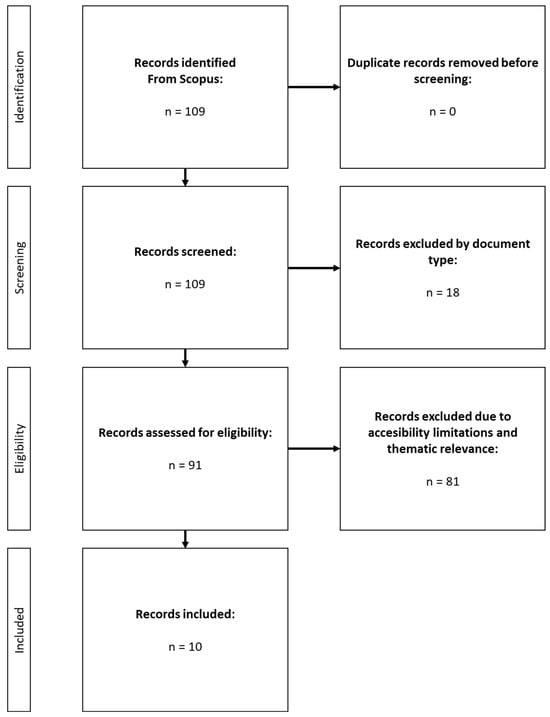
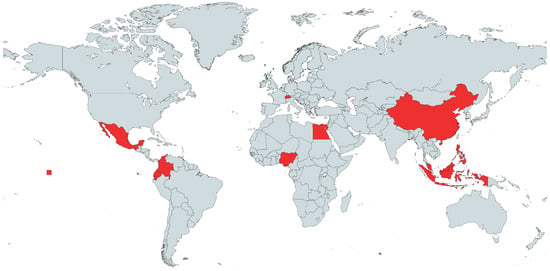

Disclaimer/Publisher’s Note: The statements, opinions and data contained in all publications are solely those of the individual author(s) and contributor(s) and not of MDPI and/or the editor(s). MDPI and/or the editor(s) disclaim responsibility for any injury to people or property resulting from any ideas, methods, instructions or products referred to in the content. |
© 2026 by the authors. Licensee MDPI, Basel, Switzerland. This article is an open access article distributed under the terms and conditions of the Creative Commons Attribution (CC BY) license.