


Abstract
This study examines the effect of values-based leadership on workplace engagement and explores the moderating role of sustainable social responsibility. The proposed study is based on the social learning theory, the leader–member exchange theory, and the social exchange theory, proposing a multidimensional model of values-based leadership, leadership qualities (LQ), ethical values (EV) and balance in achieving interests (BAI). The quantitative survey design was employed in the collection of data amongst 390 employees of the Ministry of Interior, Qatar. The measurement and the structural models were tested using the partial least squares structural equation modeling (PLS-SEM) using WarpPLS V. 7 Software. The findings show that the three dimensions of values-based leadership make important and positive contributions to engagement in the workplace. The results indicated that sustainable social responsibility had no significant moderating effect on the relationship between leadership qualities and workplace engagement, or on the relationship between achieving a balance of interests and workplace engagement. However, sustainable social responsibility significantly moderated the relationship between ethical values and workplace engagement. The study adds value to the literature on leadership and workplace engagement by separating the dimensions of values-based leadership and the contextualized enhancing role of sustainable social responsibility.
1. Introduction
Ethical issues, fast change, and the growing expectations of stakeholders in the modern organizational framework form the basis of the rapid change, compelling leadership approaches that have received considerable scholarly and managerial interest (Boeske, 2023; Maak & Pless, 2006). The current time organizations are not only expected to perform well financially, but also to act with integrity, transparency and social responsibility while responding to evolving societal demands and sustainability pressures (Carroll, 1999; Sheehy & Farneti, 2021). Recent research suggests that sustainability-oriented organizational environments increasingly require leadership approaches capable of balancing ethical decision-making with long-term stakeholder value creation, as organizations face growing pressures to simultaneously achieve economic, social, and environmental objectives while responding to stakeholder expectations and sustainability challenges (Boeske, 2023; Gorski & Dumitraşcu, 2023). Public institutions are increasingly expected to translate ethical values and social responsibility into participatory, adaptive, and socially meaningful organizational practices. In this regard, recent public-sector research highlights that effective institutional responses to complex societal challenges rely on adaptive structures, community participation, local knowledge integration, and cross-sector coordination, which collectively strengthen socially responsible governance and sustainability outcomes (Putera et al., 2025).
In this context, values-based leadership has become a significant leadership concept that focuses on leading decisions and behavior in the organization based on mutual ethical values, ethical standards, and integrity (Copeland, 2014). Values-based leaders ensure that their behaviours are consistent with the organizational values and encourage employees to internalize these values in their work-related behaviours. These leadership behaviours establish a workplace environment that is founded on trust, fairness, and respect, which is vital towards promoting positive employee attitudes and behaviours (Pruzan, 2008). Recent evidence suggests that ethical and sustainability-oriented leadership practices positively influence employee engagement, sustainable behaviors, and organizational performance outcomes by fostering trust, meaningful work environments, and stronger employee commitment (Dey et al., 2022). Consequently, understanding how values-based leadership influences employee outcomes, particularly workplace engagement, has become an increasingly important area of organizational research. Furthermore, recent studies emphasize that ethical leadership represents a critical mechanism for developing sustainable and socially responsible workplaces because it promotes ethical cultures, stakeholder-oriented behaviors, and long-term organizational sustainability (Boeske, 2023; Sarwar et al., 2020).
Engagement at the workplace has been the major concept in the field of organizational behavior and human resource management since engaged employees show increased enthusiasm, commitment and participation in work. The engagement concept was first introduced by Kahn (1990), who defined personal engagement as the psychological manifestation of individuals in their occupational functions, where the employees got to express themselves physically, cognitively, and emotionally as they undertook their duties. This view was later extended by other studies, which understood the engagement with work as a positive, satisfying work-related state of energy, commitment, and engagement (Schaufeli et al., 2002). The engaged employees tend to be more proactive and productive towards the organizational objectives and show greater organizational commitment (Bakker & Demerouti, 2017). As a result, organizations have been on the hunt to identify leadership strategies that have the capacity to cultivate employee involvement and improve organizational performance.
It is well known that leadership is one of the most influential factors that shape the engagement of employees. Leaders contribute significantly towards ensuring that work environments are favorable, and that they communicate organizational values and inspire their employees to work better than the bare minimum. Ethical and moral concept-based leadership styles have been found to have an impact on the psychological attachment of employees towards their work. Values-based leadership focuses on integrity, fairness, and respect for the stakeholders, which helps in building trust between the leader and their followers (Brown & Treviño, 2006). The ability of employees to feel valued and respected because their leaders are seen to be ethical and principled increases their chances of becoming more involved in their work roles. This view elaborates the relevance of looking at leadership styles that not only emphasize the achievement of tasks but also consider the ethical and moral aspects of leadership.
There are several theoretical viewpoints to describe the relationship between leadership based on values and engagement at the workplace. According to social learning theory, people develop proper behaviors by watching role models (Bandura, 1986). Leaders are important role models in organizations whose behaviour determines the attitudes and behaviours of employees. Leaders should be able to model ethical behaviour, transparency, and respect for values on a regular basis, and the employees would tend to adopt the same behaviours, and this would further enhance commitment and engagement. By so doing, the values held by leaders are internalized by the employees, which particularly improves purpose and organization-focused goals. Leader–member exchange theory (LMX) also elaborates this association by highlighting the quality of leader–follower interaction (Graen & Uhl-Bien, 1995). A good working relationship based on trust, respect and support will create a good working environment in which employees feel respected and motivated. Values-based leadership improves such relationships through fostering fair and ethical behaviour that builds trust and spurs engagement and discretionary efforts. Another useful theory is the social exchange theory, which suggests that the relationship at the workplace must be rooted in mutual exchange (Blau, 1964). Employees also feel obliged to have increased dedication and engagement as leaders are seen to be fair and concerned about the well-being of employees. This instills an atmosphere of trust and reciprocal commitment, which makes employees more motivated to play a greater role in organizational success.
In recent years, organizations have faced increasing pressure to balance economic objectives with broader social, ethical, and environmental responsibilities. This shift has contributed to the growing importance of sustainable social responsibility (SSR), which extends traditional corporate social responsibility (CSR) by integrating sustainability principles into organizational strategies and practices. SSR emphasizes not only fulfilling stakeholder expectations but also ensuring long-term social welfare, environmental stewardship, and sustainable organizational development (Ashrafi et al., 2020).
The growing attention to SSR reflects the increasing recognition that organizations are expected to operate responsibly toward employees, customers, society, government, and the environment while simultaneously contributing to sustainable development goals (Sheehy & Farneti, 2021). Unlike traditional CSR approaches that often focus on short-term philanthropic or compliance activities, SSR adopts a more strategic and long-term orientation that integrates economic, social, and environmental sustainability dimensions into organizational decision-making processes.
Moreover, contemporary organizations increasingly recognize that sustainable responsibility practices can enhance organizational legitimacy, employee commitment, stakeholder trust, and long-term organizational performance (Ashrafi et al., 2020; Turker, 2009). Consequently, SSR has become an important area of research in organizational behavior and management studies, particularly in relation to employee attitudes, ethical leadership, organizational engagement, and sustainable organizational performance (Glavas & Kelley, 2014; Sheehy & Farneti, 2021). In this study, SSR is conceptualized as the organization’s sustainable commitment toward its stakeholders through ethical, socially responsible, and environmentally conscious practices.
Although the values of leadership are significant to the creation of employee engagement, modern organizations need to face increased demands to become responsible in society and the environment. Social responsibility is one issue that has gained vital relevance in strategy and leadership practice in organizations in recent years. Social responsibility can be defined as the organizational actions that strive to consider the interests of different stakeholders, such as the employees, communities, customers, and the environment, in decisions as well as in the implementation of business operations (Carroll, 1999). Companies that actively practice socially responsible approaches are seen to be more ethical, trustworthy, and sustainable. The attitudes of the employees toward the organization can be positively impacted by these perceptions, and make them feel proud and identified with the organization. The responsible leadership concept has emerged because of integrating social responsibility into leadership practices that focus on ethical decision-making and stakeholder involvement (Maak & Pless, 2006). Leaders who are responsible are not only interested in the realization of organizational goals but also in the social and environmental impacts of their work in the broadest sense. These leadership styles are very much related to the values-based leadership styles since both leadership styles dwell on ethical practices, moral values, and long-term sustainability. When leaders show that they are socially responsible, they convey the message that the organization does not just prioritize financial prosperity but also the welfare of society. This image has the potential to augment the level of meaning and purpose in the work of employees, which also improves the level of engagement.
The terminology related to social responsibility has evolved considerably in the management and sustainability literature, resulting in the use of interconnected concepts such as social responsibility (SR), corporate social responsibility (CSR), and sustainable social responsibility (SSR). Although related, these concepts differ in scope and emphasis. SR is the broadest concept and refers to the ethical responsibility of organizations and institutions to consider the social and environmental consequences of their activities. SR involves transparent and ethical behavior that contributes to sustainable development and stakeholder welfare. This perspective emphasizes accountability, ethics, and stakeholder engagement (Sheehy & Farneti, 2021).
CSR represents a more organization-focused perspective, emphasizing business responsibilities toward society beyond economic and legal obligations. Carroll (1999) conceptualized CSR as encompassing economic, legal, ethical, and philanthropic responsibilities. Over time, CSR evolved from a philanthropy-based concept into a strategic and stakeholder-oriented organizational philosophy emphasizing social welfare, environmental responsibility, and sustainable business practices (Ashrafi et al., 2020).
More recently, SSR emerged as an extension of CSR by integrating sustainability principles into organizational responsibility practices. SSR emphasizes long-term environmental stewardship, social equity, stakeholder welfare, and sustainable organizational performance (Ashrafi et al., 2020). Accordingly, SSR can be viewed as a sustainability-oriented evolution of CSR (Sheehy & Farneti, 2021). In the present study, SSR is adopted to emphasize the long-term sustainability dimension of organizational responsibility. However, the construct is operationalized using the stakeholder-based CSR scale developed by Turker (2009).
Theoretically, sustainable social responsibility can also have a significant moderate part in the correlation between values-based leadership and engagement at work. The social exchange theory indicates that when employees feel that their organization takes the interests of society and its stakeholders seriously, its positive organizational practices are more likely to be returned by the employees (Cropanzano & Mitchell, 2005). When the leaders manifest great values and correlate them with socially responsible behaviors, the employees could feel that they can be more authentic and credible in their leadership actions. This correspondence enhances the trust that employees have in the leadership, as well as the chances of employees responding with a greater level of engagement (De Roeck & Farooq, 2018), On the other hand, when the organizational practices fail to reflect social responsibility, the employees might tend to feel that there is a mismatch between the values being proclaimed and the reality, thus making the values-based leadership less effective on engagement.
The increased focus on sustainable social responsibility in organizations has been emphasized both in the academic literature and in the practice of management. Studies also show that socially responsible organizations are more likely to have increased employee satisfaction, organizational commitment, and employee retention (Glavas & Kelley, 2014). Socially responsible practices are seen by employees as an indication that their company has a serious attitude toward ethical principles and stakeholder welfare. This perception raises the level of emotional attachment of workers to the organization and their readiness to make efforts in their working activity. Thus, sustainable social responsibility may be a contextual factor that reinforces the positive impacts of the leadership values on employee attitudes and behaviors (Valentine & Fleischman, 2008).
Employee engagement has received considerable attention because of its positive effects on employee performance, organizational commitment, and organizational sustainability. Prior studies have consistently identified leadership as a key antecedent of employee engagement, demonstrating that leadership attributes, ethical conduct, and leadership values significantly influence employee attitudes and workplace outcomes (Brown & Treviño, 2006; Saks, 2019). For example, Rasheed et al. (2025) found that leadership attributes positively influence employee engagement through psychological empowerment, highlighting the importance of leadership characteristics in shaping employee behavior and organizational outcomes. However, existing research has largely examined leadership as a unified construct or focused on broad leadership styles, providing limited understanding of how distinct dimensions of values-based leadership—such as leadership qualities, ethical values, and balance in achieving interests—differentially influence workplace engagement.
In parallel, sustainability research has increasingly emphasized the role of leaders’ attributes, values, and personal characteristics in shaping organizational sustainability and social responsibility outcomes. Aguirre-Pérez and García-Sánchez (2025) concluded that leaders’ socio-psychological characteristics significantly influence sustainability-oriented decision-making and organizational commitment to responsible business practices. Similarly, Jarboui (2025) reported that CEO demographic characteristics affect firms’ commitment to corporate social responsibility, suggesting that leadership characteristics influence not only organizational performance but also broader stakeholder-related outcomes. Furthermore, García-Sánchez et al. (2025) highlighted the importance of CEO personality traits in shaping strategic and sustainability-related decisions, particularly in balancing organizational objectives with stakeholder expectations and long-term sustainability goals.
Despite these advances, leadership and sustainability have often been examined independently, leaving limited understanding of how socially responsible organizational practices influence the effectiveness of values-based leadership. While prior studies have demonstrated the importance of leadership characteristics for employee engagement (Rasheed et al., 2025) and sustainability outcomes (Aguirre-Pérez & García-Sánchez, 2025; Jarboui, 2025; García-Sánchez et al., 2025), little is known about how sustainable social responsibility shapes the relationship between values-based leadership and employee engagement. Moreover, previous studies have predominantly focused on private-sector organizations and executive-level outcomes, while evidence from public-sector institutions remains limited. Accordingly, this study addresses these gaps by conceptualizing values-based leadership as a multidimensional construct comprising leadership qualities, ethical values, and balance in achieving interests. It further examines the moderating role of sustainable social responsibility in the relationship between values-based leadership and workplace engagement. By focusing on the Ministry of Interior in the State of Qatar, this study extends the leadership, sustainability, and employee engagement literature by providing evidence from an underrepresented public-sector context in the Middle East and Gulf region.
2. Literature Review and Hypothesis Development
2.1. Conceptualization of Values-Based Leadership
Values-based leadership was conceptualized in this study as a multidimensional construct consisting of leadership qualities, ethical values, and balance in achieving interests. This conceptualization was adopted because values-based leadership extends beyond the traditional focus on ethical conduct alone and reflects a broader leadership philosophy centered on moral guidance, stakeholder consideration, and value-driven decision-making (Pruzan, 2008; Maak & Pless, 2006). The decomposition into these three dimensions allows for a more comprehensive understanding of how leaders translate organizational and personal values into leadership behavior and workplace practices.
The first dimension, leadership qualities, reflects the personal and behavioral characteristics that enable leaders to positively influence followers, such as integrity, transparency, trustworthiness, empathy, and accountability. This dimension emphasizes leaders’ ability to inspire confidence and create supportive relationships with employees. Unlike transformational leadership, which mainly focuses on motivation, vision, and performance enhancement (Breevaart et al., 2014), leadership qualities within values-based leadership are grounded primarily in moral credibility, authenticity, and alignment between values and actions. Furthermore, while authentic and ethical leadership emphasize leader integrity and ethical conduct (Banks et al., 2016; Brown & Treviño, 2006), values-based leadership incorporates these attributes within a broader value-centered leadership philosophy aimed at promoting both organizational and societal well-being.
The second dimension, ethical values, refers to the degree to which leaders adhere to fairness, honesty, integrity, and ethical decision-making in organizational practices. This dimension is closely associated with ethical leadership theory, which emphasizes normatively appropriate conduct and ethical role modeling (Brown et al., 2005). However, values-based leadership differs from ethical leadership in scope and orientation. Ethical leadership primarily focuses on ethical behavior within leader–follower interactions, whereas values-based leadership integrates ethical conduct with broader organizational values, stakeholder considerations, and long-term organizational sustainability (Pruzan, 2008). Therefore, ethical values represent the moral foundation of values-based leadership but do not fully capture the multidimensional nature of the construct.
The third dimension, balance in achieving interests, reflects the leader’s ability to reconcile organizational objectives with the interests of employees, stakeholders, and society. This dimension distinguishes values-based leadership from organizational justice and stakeholder-oriented leadership. Organizational justice mainly concerns employees’ perceptions of fairness related to procedures, interactions, and organizational outcomes (Colquitt et al., 2001; Greenberg, 1990). In contrast, balance in achieving interests emphasizes leaders’ strategic and ethical capability to consider multiple stakeholder expectations simultaneously while maintaining organizational effectiveness and sustainability. Similarly, stakeholder-oriented leadership focuses primarily on managing stakeholder relationships and organizational responsibilities toward external groups (Freeman, 2010), whereas values-based leadership integrates stakeholder consideration into a broader framework that includes ethical conduct, leadership behavior, and internal organizational values.
Furthermore, values-based leadership differs from responsible leadership. Responsible leadership emphasizes accountability toward stakeholders and socially responsible decision-making, particularly in relation to sustainability and societal obligations (Maak & Pless, 2006). Although responsible leadership overlaps with values-based leadership regarding ethical responsibility and stakeholder orientation, values-based leadership places greater emphasis on the internalization of moral values and the role of leader behavior in shaping employee attitudes, trust, and workplace engagement. Accordingly, responsible leadership can be considered conceptually related to, but narrower than, the broader value-centered perspective adopted in this study.
Based on these distinctions, the decomposition of values-based leadership into leadership qualities, ethical values, and balance in achieving interests provides a theoretically grounded and conceptually distinct framework that captures the interpersonal, ethical, and stakeholder-oriented dimensions of leadership behavior. This multidimensional structure enables a more comprehensive examination of how leadership values influence workplace engagement within organizational settings.
2.2. Values-Based Leadership and Workplace Engagement
Values-based leadership is focused on ethical leadership, moral integrity, fairness, and correspondence between the activities of leaders and the organizational values. In contrast with transactional-only approaches, values-based leadership pays attention to the internalized ethical principles and encouragement of the shared values. According to ethical leadership theory, leaders who show normatively appropriate behavior can impact the followers when they employ social learning motivation processes which uphold trust, fairness, and moral responsibility (Brown et al., 2005). Workplace engagement is a good, satisfying work-related mental condition that is typified by vitality, commitment and concentration (Schaufeli et al., 2002).
The engagement theory states that employees get engaged when they feel meaningful, psychologically safe and available (Kahn, 1990). The leadership role is specifically important in shaping these psychological conditions through clarification of expectations, creating conditions of trust and developing supportive environments. Recent research is affirming that there is a positive correlation between ethical and values-oriented leadership behaviors and the outcome of engagement (Saks, 2019). Fair, transparent, and morally consistent leaders promote psychological safety and value congruence, which enhances the emotional and cognitive commitment of the employees to their jobs. Values-based leadership is also postulated in terms of a multidimensional construct, which in this study consists of leadership qualities (LQ), ethical values (EV) and balance in achieving interests (BAI).
2.2.1. Leadership Qualities and Workplace Engagement
Leadership qualities are competency, clarity of communication, strategy, and guidance and support of the leaders. Effective and inspiring leaders contribute to the improved motivation and involvement of followers due to their ability to share their appealing vision and provide personal attention (Schaufeli, 2015). The quality of leadership is a very important job resource that promotes motivation and other ways of reducing stress (Bakker & Demerouti, 2017). Leaders who give direction and positive feedback minimize role ambiguity and increase the sense of purpose in employees. Supportive leadership behavior has been found to be positively related when it comes to engagement, being a well-documented fact in empirical research (Breevaart et al., 2014). Hypothesized accordingly, it is said that:
H1:
Leadership qualities have a positive effect on engagement in the workplace.
2.2.2. Ethical Values and Workplace Engagement
Ethical values are applied in the leadership and integrity of leaders, fairness, accountability, and moral judgment. Ethical leadership theory is based on the idea that leaders impact employees as they lead through the example of ethical behavior and support moral principles (Brown et al., 2005). Ethical leaders will be seen as fairer and more trustworthy, and this will boost employee commitment and engagement in the organization (Bedi et al., 2016). The social exchange theory goes on to state that employees will give back ethical treatment with the mood of positivity, such as increased engagement. Empirical evidence suggests that ethical leadership enhances the level of employee voice, trust, and psychological safety, which are the factors that lead to engagement (Banks et al., 2016). Furthermore, recent evidence indicates that integrity-oriented organizational environments contribute to stronger organizational citizenship behaviors, improved employee attitudes, and better public management outcomes because employees respond positively when ethical principles are embedded within leadership and organizational practices (Saputra et al., 2026). Therefore, ethical values may play an important role in enhancing workplace engagement by strengthening employees’ perceptions of organizational integrity, fairness, and value congruence. Accordingly, the hypothesis is as follows:
H2:
Ethical values have a positive effect on engagement at the workplace.
2.2.3. Balance in Achieving Interests and Workplace Engagement
Balancing interests is the capacity of leaders in consideration, which is fair to the needs of the organization and stakeholders during decision-making. The presence of fairness in the decision-making process increases the trust and work attitude (Colquitt et al., 2001; Greenberg, 1990). Employees feel a sense of procedural and distributive justice when leaders assume a balanced judgment and treat them equally, and the perception enhances engagement and organizational identification (Cropanzano et al., 2007). And even with a small effect size, fairness perceptions become one of the building blocks of beneficial employee behavior. Therefore:
H3:
Balance in achieving interests has a positive effect on engagement at the workplace.
2.3. The Moderating Role of Sustainable Social Responsibility
Sustainable social responsibility (SSR) is based on the intersection of organizational social responsibility, sustainability, and the stakeholder theory. It shows a transitional change between reactive compliance and proactive involvement in social and environmental issues. The organizations that embrace SSR strive to strike a balance between profit-making and the welfare of society and environmental conservation. SR includes economic, legal, ethical, and philanthropic responsibilities. SSR extends this framework by introducing sustainability in every dimension (Aguinis & Glavas, 2019; Carroll, 1999). Although social responsibility has always been studied in terms of the external effect (e.g., reputation, market performance), new studies are putting an emphasis on the internal effect thereof on the psychological condition and behaviors of employees (Glavas & Kelley, 2014). Socially, social responsibility influences the social categorization of the employees. Employees tend to build a positive organizational identity and internalize organizational values when they feel that their organization is socially responsible. This identification increases the psychological closeness of the employees to the workplace environment, and thus ethical acts of leadership become more salient and inspiring (Ashforth et al., 2008).
Recent research proves that SR makes the employees feel much prouder, more belonging, and share values, which are easily linked to engagement (Rupp & Mallory, 2015). Indicatively, Kim and Thapa established that social responsibility signals institutional ethics that strengthen the sense that employees attach to the morality of leaders in their behaviors. In case of high social responsibility, employees do not view values-based leadership as a separate individual behavior but as a consistent set of values, which reinforces engagement reactions (Kim & Thapa, 2018). Congruence between personal and organizational moral values and conscientious activities supports the psychological attachment and investment motivation of the individual (Zonghua et al., 2023).
New research suggests that sustainability orientation and responsible organizational practices are associated with organizational contexts that can improve the effectiveness of leadership behaviors and the positive outcomes of employees (Aguinis & Glavas, 2019). Sustainable social responsibility (SSR) could serve as a meaningful contextual process that shapes the context within which the employees interpret behaviors of the leaders and how they can translate these into employees’ attitudes and engagement at work. Values-based leadership focuses on ethical behavior, integrity, fairness, stakeholder focus and congruence of values and managerial actions. These leadership practices foster employees’ internalization of the organization’s values and the development of their psychological attachment to their work and organization (Copeland, 2014). Employees, however, are more willing to be receptive to leadership practices when organizational actions reinforce and support these values. Leaders’ behaviors—when demonstrated as socially responsible and sustainability-oriented—appear more credible and authentic in the eyes of the employees.
According to social exchange theory, employees establish reciprocal relations with organizations because of their perceptions of the support they receive from the organization, its fairness, and their treatment by the organization. When organizations offer indicators that employee well-being, stakeholder interests and long-term sustainability are important, employees feel more willing to pay this back in the form of engagement and good behaviors at work. Thus, the benefits associated with values-led leadership might be magnified if employees believe that their companies are more responsible (Cropanzano & Mitchell, 2005). Moreover, SSR fosters stakeholders’ orientation, trust, transparency, and ethical climates in organizations. Organizational conditions like this can increase leadership effectiveness, as employees feel consistent messages from leadership and consistent actions from the organization. Leadership behaviors and organizational practices are associated with increased employees’ perceptions of authenticity, organizational identification, and trust in the organization, which in turn leads to higher levels of engagement (Glavas & Kelley, 2014).
Organizational identification theory can also be used to understand the moderating effect of SSR. More people are looking to organizations that share their values and social and environmental concerns. Sustainability-oriented organizational practices foster greater perceptions of meaningfulness because the employees feel their work is helping to achieve outcomes in the broader society. If the organizational values are echoed by the leadership behaviors, then the employees might feel more attached to the organization and have more engagement (Aguinis & Glavas, 2019). In this regard, the recent literature highlights that sustainable public and organizational management increasingly relies on collaborative governance approaches that align stakeholder interests and promote long-term societal well-being (Valentina et al., 2025). Accordingly, SSR reflects a broader governance-oriented perspective that emphasizes cooperation among stakeholders, ethical responsibility, and sustainability-driven decision-making within both public and organizational contexts. Empirical studies have shown the positive effects of socially responsible organizational practices on employee attitudes and outcomes in the workplace. Researchers have found that CSR and sustainability-oriented practices have positive effects on employee engagement, organizational commitment, trust, and organizational identification since employees are more likely to positively respond to CSR organizations they perceive as such (Glavas, 2016; Turker, 2009). Likewise, research on ethical leadership indicates that ethical leadership practices have a greater impact on an organization’s ethical climate and perceptions of fairness, especially when such environments are seen as responsible (Brown & Treviño, 2006).
Therefore, SSR may not only function as a direct antecedent of workplace engagement but also as a contextual factor that shapes the strength of the relationship between values-based leadership and employee engagement. Specifically, organizations characterized by stronger sustainability-oriented responsibility practices are expected to create conditions where leadership behaviors become more meaningful, credible, and influential in promoting workplace engagement. Accordingly, this study proposes that SSR moderates the relationship between values-based leadership and workplace engagement such that higher levels of SSR strengthen the positive influence of values-based leadership dimensions on employee engagement. Based on that, the following hypotheses are set:
H4:
Sustainable social responsibility moderates the relationship between leadership qualities and workplace engagement.
H5:
Sustainable social responsibility moderates the relationship between ethical values and workplace engagement.
H6:
Sustainable social responsibility moderates the relationship between balance in achieving interests and workplace engagement.
3. Materials and Methods
3.1. Research Design and Population and Sampling
This study adopted a quantitative research design to examine the impact of values-based leadership on workplace engagement, considering sustainable social responsibility as a moderating variable to strengthen or weaken the impact of values-based leadership on workplace engagement. The quantitative approach was considered appropriate as it allows for objective measurement of relationships among variables and supports statistical testing of direct and indirect effects. The target population of the study consisted of employees working at the Ministry of Interior in the State of Qatar. Due to the specificity of the target population and accessibility considerations, a convenience sampling technique was employed. Participants must be full-time employees with sufficient work experience and knowledge of the organizational environment and study variables. A total of 430 questionnaires were distributed electronically to employees across different departments between June and September 2025, of which 390 valid questionnaires were returned and used for statistical analysis, yielding a response rate of 90.69%. Incomplete questionnaires (17) and questionnaires that were not returned (23) were excluded from the final analysis to ensure the accuracy and reliability of the collected data.
3.2. Data Collection Instrument and Measures
Data were collected using a structured questionnaire developed based on validated measurement scales from previous studies. The values-based leadership in the current research is conceptualized as a multidimensional construct that includes leadership qualities, ethical values, and balance in achieving interests. The constructs used in this study were operationalized based on previously validated scales from the existing literature. Leadership qualities, ethical values, and balance in achieving interests were modeled as first-order reflective constructs within the PLS-SEM framework. Each construct was measured directly through its observed indicators representing a single latent variable.
Due to the absence of a comprehensive and validated instrument specifically designed to measure values-based leadership with the multidimensional structure adopted in the present study—namely leadership qualities, ethical values, and balance in achieving interests—it was necessary to develop a new measurement instrument grounded in a solid theoretical foundation and conceptual framework reflecting the nature of the construct. Accordingly, the questionnaire measuring values-based leadership was developed based on an extensive review of the relevant theoretical and empirical literature, with reliance on the studies of Al-Subaey (2025) and Baaji (2018). These studies were selected because they were conducted within the Arab context and addressed dimensions closely related to the objectives and conceptualization of the current study. Furthermore, adapting these regionally relevant studies enhanced the contextual suitability and cultural appropriateness of the measurement instrument for the study environment. The development process also involved refining and adapting the measurement items to ensure conceptual clarity, content validity, and alignment with the proposed dimensions of values-based leadership in this study (See Appendix A).
Leadership qualities reflect competence, knowledge, and skills. This dimension was measured using 6 items. Ethical values embody ethical behavior, rules and organizational culture. This scale consists of four items. Balancing interests demonstrates a stakeholder-centered approach and decision-making based on fairness and equality among the interests of the business, employees, the community, and partners. This scale also consists of four items. Some sources (i.e., Bakker & Demerouti, 2017; Brown et al., 2005; Colquitt et al., 2001) were used to provide theoretical support for conceptually related dimensions and guide item adaptation procedures rather than to suggest that these studies originally developed direct measurement scales for leadership qualities, ethical values, or balance in achieving interests.
The Workplace engagement was assessed according to the scale designed by Schaufeli et al. (2002) that tested the vigor, dedication and absorption in work using 12 items. The scale used in the measurement of sustainable social responsibility was created by Turker (2009), which emphasizes the perceptions of the employees of the organizational responsibility to different stakeholder groups (in 10 items). The study adopted the corporate social responsibility (scale developed by Turker) because it is one of the most widely validated and theoretically comprehensive instruments for measuring CSR perceptions across multiple stakeholder dimensions. The scale is particularly suitable for the present study as it captures organizational responsibility toward employees, the environment, society, and government, which aligns closely with the multidimensional nature of sustainable social responsibility examined in this research. The measurement items were adapted carefully to fit the context of the current study while maintaining the conceptual meaning and structure of the original scale proposed by Turker (2009). To ensure content validity, the questionnaire items were adapted from the established literature and reviewed by 8 subject-matter experts, then administered to a pilot sample of 30 employees. The data collected was analyzed using WarpPLS V. 7 Software. Structural equation modeling (SEM) was used to examine direct relationships among variables. Moderation analysis was employed to test the interactive effects of values-based leadership dimensions on workplace engagement through sustainable social responsibility. We rated answers based on a five-point Likert scale (strongly disagree = 1, strongly agree = 5). To enhance the understanding of participants, all the measures were translated into Arabic with a standard back-translation procedure, hence having the reliability and validity of the translated forms (Brislin, 1970).
3.3. Ethical Considerations
Ethical approval for this study was secured from the Institutional Review Board at Police Academic, Police College (Code: R. 2025/07), (dated 3 May 2025). This approval ensured that all procedures complied with institutional and international ethical standards for research involving human participants. Before administering the questionnaire, informed consent was obtained from all study participants, ensuring that they were fully aware of the study’s purpose and procedures. Participants were informed that their participation was entirely voluntary and that they could withdraw from the study at any time without any consequences. Moreover, they were assured of the confidentiality of their responses, with data being anonymized and used solely for research purposes. The informed consent process involved providing participants with a detailed explanation of the study’s objectives, the nature of their involvement, and the expected duration of their participation.
3.4. Common Method Variance (CMV)
Given that the variables’ data were collected using the same respondents and using the same questionnaire, the issue of common method variance (CMV) was thoroughly addressed at both the procedural and statistical levels to ensure the soundness of the findings. First, several procedural remedies were implemented in the research design phase to reduce the risk of CMV. The respondents were given anonymity and confidentiality, which minimizes evaluation apprehension and social desirability bias. To minimize consistency of response pattern, the questionnaire was well structured with clear instructions, simple words and psychological separation between the predictor variables and the outcome variable. Moreover, the measurement items were based on the already tested scales to improve the content validity and decrease ambiguity.
Second, statistical tests were carried out following the data collection to determine the level of CMV. In accordance with the existing guidelines in the literature, the single-factor test of Harman was conducted using SPSS software V. 25; the results indicated that the first (largest) factor represents 42.22 percent of the total variance, which is less than the generally accepted level of 50 (Durrah et al., 2025), indicating that CMV does not pose a serious concern in the dataset. Moreover, full collinearity analysis based on variance inflation factors (VIFs) was done in WarpPLS, with all VIF values being less than the recommended value of 3.3, as shown in Table 3, indicating that the common method bias is unlikely to contaminate the structural relationships. Overall, both procedural safeguards and statistical diagnostics indicate that common method variance does not pose a significant threat to the validity of the results in this study.
4. Results
The section provides the methods and the results of the empirical analysis performed to test the relationships of leadership qualities (LQ), ethical values (EV), balance in achieving the interests (BAI), sustainable social responsibility (SSR) and workplace engagement (WE). Partial least squares structural equation modeling (PLS-SEM) in WarpPLS, a variance-based structural modeling approach, was used to carry out the analysis because this technique is suitable when conducting predictive research studies and complex relationships are considered (Chin, 1998; Hair et al., 2019). In WarpPLS, bootstrapping was employed to assess the statistical significance of the structural paths. The standardized path coefficients (β), t-statistics, p-values, and effect sizes (f2) were used to interpret the path estimates. The bootstrapping procedure was conducted using 5000 subsamples with two-tailed significance testing, percentile bootstrap confidence intervals, and a significance level of 0.05.
4.1. Demographic Characteristics
The demographic analysis shows that the study sample comprised 390 respondents who were spread across various educational levels, years of experience and age categories as shown in Table 1. In the case of educational qualification, respondents with a diploma or lower qualification had the highest proportion (47.18%), followed by respondents with a bachelor’s degree (35.38%) and a postgraduate degree (17.44%). The distribution indicates that people’s educational backgrounds are likely to be diverse, leading to a wide range of views and experiences around the study variables. With respect to work experience, the respondents having 5 years to less than 10 years of work experience were found to be 35.90%, followed closely by those with less than 5 years of work experience (32.82%) and 10 years and above of work experience (31.28%).
Table 1.
Basic demographic profile of respondents.
The distribution by experience category is relatively balanced, which helps to make the data representative as it includes employees at the early career stage as well as those who are more experienced. In terms of age, the respondents aged 30–40 years old constituted the biggest proportion of 36.67%, followed by respondents aged under 30 years old at 30.00%. In between, the age group 40 to below 50 years accounted for 19.74%, while those who are 50 years and above accounted for 13.59% of the sample. These results indicate that most respondents belong to the young and middle-aged workforce categories, which may reflect active participation in organizational activities and workplace engagement. Overall, the demographic characteristics indicate that the sample had a wide range in education, age, and professional experiences, which helps to enhance the reliability and generalizability of the study findings.
4.2. Descriptive Statistics and Normality
Table 2 presents descriptive statistics and the normality indicators of the constructs of the study. The descriptive statistics demonstrate moderate perceptions of values-based leadership dimensions, sustainable social responsibility, and the level of workplace engagement is relatively low. This low level of workplace engagement may indicate limited psychological attachment and enthusiasm toward work roles. Previous research suggests that workplace engagement is influenced not only by leadership practices but also by broader organizational conditions such as job demands, organizational support, workload pressures, and work environment characteristics (Bakker & Demerouti, 2017; Schaufeli, 2015). Therefore, the relatively low engagement level may reflect the influence of contextual and organizational factors beyond leadership and social responsibility practices alone. In addition, the standard deviation figures indicate that there is a reasonable spread of constructs. Normality tests demonstrate that the values of skewness and kurtosis are within acceptable coefficients ±2 (Kline, 2016), which proves the data to be appropriate to continue with the multivariate analysis. These results from preliminary evidence concerning the reliability and stability of the dataset were tested before the measurement and structural models.
Table 2.
Descriptive statistics of constructs.
4.3. Measurement Model Assessment
Table 3 demonstrates the outcomes of the measurement model that were made, including indicator reliability, multicollinearity diagnostics, internal consistency reliability, and convergent validity. The evaluation is done in accordance with the conventional standards of partial least squares structural equation modeling (PLS-SEM) (Chin, 1998). The highest compliance with the recommendations of 0.70 is the outer loading of all items, which means high reliability of indicators (Hair et al., 2019). On the aspect of leadership qualities (LQ), the loadings vary between 0.878 and 0.950, which shows that all six items are strongly indicative of the construct. High loadings of 0.838 to 0.938 against ethical values (EV) also affirm the healthiness of the four indicators used in ethical values. Balance in achieving interests (BAI) has very high loadings of between 0.926 and 0.990, which imply very strong relations between items and the latent construct. Sustainable social responsibility (SSR) has loadings that range between 0.717 and 0.871, all above the acceptable limit, although a little more diverse than other constructs. The loadings in workplace engagement (WE) range between 0.791 and 0.900, meaning that it has high item reliability because of its twelve indicators. This outcome by itself confirms the adequacy of the measurement of the construct of all the observed variables because having a loading exceeding 0.70 implies that well above half of the variance in each indicator is accounted for by the construct (Fornell & Larcker, 1981).
Table 3.
Assessment of the measurement model.
The values of variance inflation factor (VIF) are within the 1.193–2.581 range, which is much lower than the conservative value of 3.3 and the widely accepted upper limit of five (Kock, 2015). This means that there is no sign of multicollinearity nor that the common method bias is likely to compromise the validity of the measurement model. Cronbach alpha (α) and Composite Reliability (CR) were evaluated to assess internal consistency reliability, and both surpassed the recommended value, which is 0.70 (Hair et al., 2019). These values suggest that there was excellent internal consistency in all the constructs. The reliability values are very high, specifically in the case of BAI and WE, which implies high homogeneity between the respective indicators. Very high levels of reliability coefficients (exceeding 0.95) can at times indicate that some items are redundant, but they can be considered as acceptable methodological parameters (Hair et al., 2019).
The evaluations of convergent validity were based on the Average Variance Extracted (AVE). Each construct has a score above the value of 0.50 (Fornell & Larcker, 1981). The results prove that both constructs have a significant percentage of accounted variance in indicators and thus adequate convergent validity. Overall, the measurement model has good psychometric properties. The constructs all have satisfactory indicator reliability, internal consistency reliability and convergent validity. Also, there is no issue of multicollinearity. Hence, it is concluded that the measurement model is strong and can be used in further structural model analysis.
4.4. Discriminant Validity Assessment
Two complementary methods that assess the discriminant validity of a measurement model include the Fornell–Larcker and Heterotrait-Monotrait ratio of correlations (HTMT) tests and have been used to determine discriminant validity, in accordance with accepted principles of structural equation modeling (Fornell & Larcker, 1981; Henseler et al., 2015).
- Fornell–Larcker Criterion:
Table 4 gives the correlations of the latent constructs with the square root of the Average Variance Extracted (AVE) on the diagonal. Different authors define discriminant validity as the finding in which the square root of the construct AEV is greater than its correlations with other constructs (Fornell & Larcker, 1981).
Table 4.
Correlations among latent variables with the square root of AVEs.
In every instance, the square root of the AVE of every construct exceeds its maximum correlation with any other construct. As an illustration, EV has the lowest correlation with SSR (r = 0.627) compared to its AVE square root (0.901). Likewise, the highest correlation is also observed between LQ and SSR (r = 0.572), lower than its diagonal (0.906). These findings ensure that every construct has a higher amount of variance with its indicators when compared to other latent variables. Interestingly, the correlations between BAI and others show weak, though slightly negative correlations with LQ (−0.059), EV (−0.020), and SSR (−0.025), which also support the conceptual specificity of the construct in the model. Generally, the Fornell–Larcker criterion is useful in supporting sufficient discriminant validity between constructs.
- Heterotrait-Monotrait Ratio (HTMT):
As an even more strict measure, the discriminant validity was also studied facet-based on the HTMT ratio (Henseler et al., 2015). Values within the range of 0.85 (conservative level) or 0.90 (liberal level) perform well on the rating of discriminant validity (Hair et al., 2019). The values of all the HTMT ratios are much lower than the conservative value of 0.85, as indicated in Table 5. The greatest ratio (EV-SSR = 0.677) is already well within acceptable values, which means that these constructs are empirically different even though their relationship is moderate. The low and stable HTMT values are very good indicators that the constructs are not associated with the discriminant validity problem, and they are not used to operationalize the same conceptual facet. These results affirm the empirical difference between the constructs and that the measurement model meets the criteria of discriminant validity, and, consequently, justify the strength of the further analysis of the structural model.
Table 5.
Discriminant validity (HTMT).
4.5. Structural Model Assessment and Hypothesis Testing
The findings of the structural model analysis, comprising the direct impact of the values-based aspect of values-based leadership dimensions on the workplace engagement (WE), the role of sustainable social responsibility (SSR) to moderate the impacts and key predictive and model fit indicators are provided in Table 6 and Figure 1.
Table 6.
Hypothesis testing (direct and moderated paths).
Figure 1.
Structural model.
Table 6 results show that all the suggested direct relationships are significant and positive. H1 is supported as leadership qualities (LQ) show a significant positive influence on the engagement at the workplace (β = 0.274, p = 0.001). The effect size (f2 = 0.124) indicates that there is a small to moderate practical effect, and this means that leadership qualities approaching improvement have a significant effect on employee engagement. In the case of H2, ethical values (EV) have the highest direct impact on workplace engagement (β = 0.450, p = 0.001). The size of effect (f2 = 0.288) is also close to a large effect, and the large implications of ethical leadership behaviors as an approach to promote employee engagement. EV becomes the most powerful predictor of engagement among other predictors. H3 is also accurate since significant workplace engagement is highly predicted by balance in achieving interests (BAI) (β = 0.191, p < 0.001). Nevertheless, this contribution is relatively small since the effect size (f2 = 0.044) is small relative to LQ and EV. On the one hand, behavioral properties are also important, but other impacts are less significant. Overall, these results substantiate the assumption that values-based leadership dimensions are important in the explanation of differences in workplace engagement, and such an impact is the strongest when an ethical value is considered.
The terms of interaction between SSR and each dimension of leadership based on values were investigated to determine the moderating role of sustainable social responsibility. The correlation of leadership qualities and sustainable social responsibility (LQ × SSR) was not significant (β = 0.040, p = 0.217), and hence H4 was rejected. The effect size (f2 = 0.009) is very insignificant, meaning that sustainable social responsibility does not have any significant effect on the relationship between the leadership qualities and engagement. Likewise, the interaction of balance in achieving interests and sustainable social responsibility (BAI × SSR) was not significant (β = 0.036, p = 0.237), which led to rejecting H6. The insignificant magnitude of the effect (f2 = 0.010) also supports the fact that there is no significant moderating effect. Conversely, interaction between ethics values and sustainable social responsibility (EV × SSR) was positive and significant (β = 0.096, p = 0.028), and H5 is proven. Though f2 = 0.043 is significant, it indicates a small effect size. Furthermore, sustainable social responsibility reinforces the positive correlation that exists between ethical values and workplace engagement. This result implies that the role of ethical leadership in engagement is even stronger under the circumstances when there is a greater degree of sustainable social responsibility within an organization.
The model explains 39.4 percent of the variance in engagement at the workplace (R2 = 0.394), and this implies that it has modest explanatory capability. This implies that dimensions of based values leadership and the interaction with sustainable social responsibility explain a significant percentage of engagement of employees, but the contribution of other factors is also possible. The Q2 = 0.500 indicates the high predictive relevance, and therefore the model has a good out-of-sample predictive power. The adequacy of the overall model is also validated by the index of Goodness-of-Fit (GoF) of 0.584. Also, the average full collinearity variance inflation factor (AFVIF = 2.132) is less than the recommended threshold, indicating that multicollinearity and the common method bias are not severe problems in the model.
5. Discussion
The study explored the direct effects of the dimensions of leadership, namely leadership qualities (LQ), ethical values (EV), and balance in the pursuit of interests (BAI), in workplace engagement (WE) and how sustainable social responsibility (SSR) moderated them. The results of the study are strong empirical evidence to support the hypothesis being used and present valuable information on the values-based leadership processes. These results support the main idea underlying the theory of values-based leadership, according to which ethical leadership of integrity, fairness, and moral responsibility can create an increased psychological attachment and involvement amongst the employees. The structural model shows that the greatest direct impact on workplace engagement (WE) is to be exerted by ethical values (EV), then leadership qualities (LQ), and balance in achieving interests (BAI). The high impact of EV is aligned with leadership theories that focus on ethical behavior as a basis of trust, identification, and substantial work (Brown et al., 2005). Previous studies indicate that ethical leadership creates trust, fairness impressions, and value congruence that, respectively, facilitate employee engagement and organizational identification (Niraula et al., in press; Saks, 2019). This finding is further supported by recent evidence suggesting that integrity-oriented leadership and ethical organizational environments contribute to stronger employee attitudes, organizational citizenship behaviors, and improved organizational outcomes because employees tend to reciprocate ethical treatment through greater discretionary effort and psychological investment in their work (Saputra et al., 2026). Therefore, the stronger influence of ethical values observed in this study may indicate that integrity-based leadership behaviors play a more central role in shaping employee engagement than broader leadership competencies or balancing stakeholder interests alone.
Leadership qualities (LQ) show a significant and statistically significant impact on engaging in the workplace, which is instrumental in terms of the skill of the competent leader, proper communication, and strategic focus to internalize the psychological investment of the employees. When leaders have a clear vision, provide systematic direction and demonstrate professional competence, they build an environment where employees feel comfortable with the course of the organization and their place within the organization. This observation is in line with the ideas of the engagement theory, which points to meaningfulness, psychological safety and availability as the fundamental elements that can allow employees to devote themselves to their jobs (Kahn, 1990). The leadership of high quality directly leads to these psychological conditions as it helps to decrease ambiguity, role clarity, and interpersonal relationships between those in power and subordinates. Leadership traits are a key job resource, which helps to increase motivation and mitigate job-related stress (Bakker & Demerouti, 2017). Empirical studies prove that effective and positive leadership impacts bring about elevated levels of employee engagement through fostering empowerment, trust, and perceived organizational support (Saks, 2019; Schaufeli, 2015). Additionally, strategically and inclusively communicating with leaders helps employees feel a voice and belonging, which improves their cognitive as well as emotional attachment to work (Breevaart et al., 2014).
Even though the effect size in balance in achieving interests (BAI) is smaller, the result of statistical significance is noteworthy in theory. BAI displays the capacity of leaders to equitably take into consideration the needs of various stakeholders during the decision-making process. This balancing aspect is directly related to organizational justice theory, according to which the balance in the process of decision-making and fair results increases trust, commitment and positive attitudes towards work (Colquitt et al., 2001; Greenberg, 1990). When employees get the perception that leaders are fair in balancing organizational goals with employee and stakeholder interests, they tend to make the management action look legitimate and credible. Even a small influence of BAI is theoretically significant since the perceptions of fairness are considered determinants of organizational attitudes. It has been found that perceptions of justice are a significant predictor of engagement, organizational commitment, and extra-role behaviors (Cropanzano et al., 2007). Balanced leadership discourages the feeling of favoritism or prejudice, and the subsequent effect is enhancing psychological safety and organizational identification. Thus, since BAI might not be able to have such a strong impact as ethical values or qualities of leadership, its role in engaging actions facilitates itself in terms of strengthening trust, legitimacy, or fairness norms in the corporate machine. All these findings imply the possibility that, even though ethical values can become the major driving force of the engagement process, leadership ability and balancing behaviors, based on fairness, can become the structural and relationship frameworks that support the employees in remaining psychologically invested in their work.
The model is also enhanced by the moderating impact of sustainable social responsibility (SSR). The great interconnection between EV and SSR means that ethical leadership is wielded even more when placed within a socially responsible organizational environment. This is in line with the social identity theory (Tajfel et al., 2001) that indicates that employees gain pride and identification with organizations that are believed to be socially responsible. The more strongly these actions of ethical leaders are supported by the manifestation of SSR activities, the more closely employees’ personal values align with organizational missions, causing them to feel significantly more engaged. The results are also consistent with the report that SSR also facilitates the creation of an ethical climate in organizations (Glavas & Kelley, 2014; Aguinis & Glavas, 2019). An ethical climate justifies and legalizes the moral acts of leaders and makes it seem quite normal and acceptable within the organizational norms, and not an individual characteristic among leaders. In turn, SSR is a situational booster of the moral power of leaders and an intensifier of the behavioral effectiveness of ethical values (Valentine & Fleischman, 2008).
On the other hand, the processes that impact leadership qualities and balance in achieving interests could be different from those that impact sustainability-oriented organizational practices. Leadership traits like competence, communication, decision-making, and influence can impact employee perceptions directly because they are manifested in the managerial interactions and effectiveness that occur day to day, irrespective of other organizational responsibility practices (Yukl, 2013). Likewise, balancing interests is primarily about fairness, consideration of stakeholders, and distributive processes that can have an impact on employee attitudes without necessarily needing to be reinforced by other forms of organizational practices that are designed to foster sustainability (Colquitt et al., 2001).
Furthermore, the effect of SSR could be more pronounced in the context of high value congruence between organizational practices and leadership behaviors. Ethical values share a greater conceptual overlap with social responsibility as both constructs are basically grounded on moral values, stakeholder orientation, ethical behavior and decision-making for social responsibility (Sheehy & Farneti, 2021; Turker, 2009). In contrast, leadership and balancing of interests are more general dimensions of behavior that can be more dependent on interpersonal skills, managerial skills, organizational arrangements and operations than on sustainable practices per se (Cropanzano & Mitchell, 2005).
The results indicate that, if SSR is expected to uniformly reinforce all aspects of values-based leadership, it is not the case. SSR operates as a contextual amplifier of leadership dimensions that show a higher conceptual connection with ethical values, stakeholder orientation, and organizational responsibility practices.
6. Theoretical Implications
This study contributes to the literature in several important ways. It extends previous leadership research by conceptualizing values-based leadership as a multidimensional construct rather than treating it as a single aggregated leadership style. Prior studies have demonstrated that leadership attributes influence employee engagement and organizational outcomes (Brown & Treviño, 2006; Saks, 2019; Rasheed et al., 2025), yet limited attention has been given to understanding how distinct leadership dimensions operate differently. By decomposing values-based leadership into leadership qualities, ethical values, and balance in achieving interests, this study provides a more nuanced understanding of how different leadership dimensions influence workplace engagement.
The findings contribute to the leadership and sustainability literature by demonstrating that sustainable social responsibility does not function as a universal contextual mechanism across all leadership dimensions. Instead, sustainable social responsibility selectively strengthens the relationship between ethical values and workplace engagement, suggesting that ethical leadership behaviors are more sensitive to socially responsible organizational practices. This finding extends recent sustainability research highlighting the importance of leaders’ values, demographic characteristics, and personal attributes in shaping sustainability and corporate social responsibility outcomes (Aguirre-Pérez & García-Sánchez, 2025; Jarboui, 2025; García-Sánchez et al., 2025). However, unlike prior studies that primarily focused on executive-level and organizational-level outcomes, the present study demonstrates how sustainability-oriented organizational practices influence employee-level outcomes through values-based leadership mechanisms.
This finding contributes to extending existing theoretical perspectives by demonstrating boundary conditions under which values-based leadership becomes more effective. Also, this finding expands ethical leadership theory by emphasizing the centrality of moral conduct and integrity in shaping employee attitudes (Brown et al., 2005). Recent research further supports the argument that ethical leadership enhances psychological safety, trust, and employee voice, thereby strengthening engagement outcomes (Niraula et al., in press). By distinguishing between leadership qualities, ethical values, and balance in achieving interests, the study refines theoretical understanding of how different leadership components variably contribute to engagement. The study contributes to engagement theory by positioning leadership values as fundamental antecedents of employee engagement. Engagement theory suggests that meaningfulness, safety, and availability are core psychological conditions for engagement (Kahn, 1990). Contemporary research grounded in the Job Demands–Resources (JD–R) model highlights leadership as a critical job resource that fosters engagement (Bakker & Demerouti, 2017). The present findings extend this perspective by demonstrating that ethical values represent a particularly powerful motivational resource.
This study contributes to public management and the values-based leadership literature by integrating insights from collaborative governance and ethical leadership perspectives. Recent public management research emphasizes that sustainable organizational outcomes are increasingly achieved through collaborative governance approaches that integrate stakeholder participation, ethical responsibility, and long-term societal considerations (Valentina et al., 2025). In this context, sustainable social responsibility can be understood as a governance-oriented mechanism that strengthens the link between leadership values and employee outcomes, particularly in complex, multi-stakeholder environments. Furthermore, the findings support emerging evidence that ethical and integrity-oriented leadership practices create organizational conditions that foster stronger employee attitudes and discretionary workplace behaviors (Saputra et al., 2026). Accordingly, ethical values extend beyond a leadership dimension to function as a key mechanism through which organizations cultivate sustainable employee engagement and socially responsible workplace environments, thereby reinforcing the role of integrity-based leadership in enhancing positive organizational outcomes.
Integrating sustainable social responsibility as a moderate variable enriches SSR and stakeholder theory (Freeman, 2010). While SSR research has increasingly focused on employee-related outcomes, recent studies indicate that SSR enhances organizational identification, pride, and engagement (Glavas, 2016). The present findings extend this literature by demonstrating that SSR strengthens the impact of ethical leadership on engagement, thereby supporting multilevel integration between leadership ethics and institutional responsibility. The findings provide support for social exchange theory and social identity theory. Ethical leadership and socially responsible practices create reciprocal obligations and enhance employees’ identification with their organization. Recent empirical work confirms that perceived organizational support and value congruence moderate the relationship between ethical leadership and engagement outcomes (Newman et al., 2014). Thus, the study integrates relational and identity-based mechanisms within a coherent explanatory framework. The absence of moderation effects for LQ and BAI introduces a theoretical nuance. It suggests that not all leadership dimensions are equally sensitive to contextual ethical climates. Ethical values appear to be context-dependent and reinforced by SR, whereas leadership qualities and balanced decision-making operate more directly and independently. This differentiation encourages future theorizing about boundary conditions and contextual amplifiers of leadership effectiveness.
Finally, this study contributes to the limited evidence emerging from public-sector organizations by providing empirical evidence from a governmental context, thereby extending the generalizability of leadership and engagement research beyond the private-sector environments that dominate the existing literature. In sum, this study enriches theoretical understanding by integrating leadership theory, engagement theory, the SSR literature, social exchange mechanisms, and identity-based perspectives into a coherent explanatory model, thereby offering a more comprehensive account of how and when values-based leadership fosters workplace engagement.
7. Managerial Implications
The findings provide important practical implications for organizational leaders, policymakers, and human resource practitioners seeking to strengthen employee engagement through values-oriented leadership practices. Specifically, the results suggest that organizations should move beyond focusing exclusively on leadership competencies and managerial capabilities by placing greater emphasis on ethical leadership behaviors. Because ethical values represent a strong predictor of workplace engagement, organizations should systematically embed ethics into leadership development frameworks (Brown et al., 2005). This can be achieved by incorporating ethics-based decision-making modules, integrity assessments, and accountability mechanisms into leadership training, appraisal systems, and promotion criteria. Leaders should be evaluated not only on performance outcomes but also on fairness, transparency, and moral conduct, as these behaviors directly enhance employee trust and psychological attachment to the organization (Saks, 2019). Furthermore, the findings indicate that investments in sustainable social responsibility initiatives may strengthen employee engagement when such initiatives reinforce leaders’ ethical behaviors and organizational values. Public-sector organizations may therefore benefit from integrating ethical leadership development programs with broader sustainability and stakeholder-oriented initiatives to create stronger alignment between organizational values and employee experiences (Aguinis & Glavas, 2019).
Also, the significant moderate role of sustainable social responsibility indicates that SSR initiatives should move beyond symbolic or compliance-driven activities. Organizations need to ensure that sustainable social responsibility is authentically integrated into their strategic vision and internal culture. Communicating SSR initiatives clearly to employees and involving them in socially responsible projects can strengthen alignment between personal and organizational values, thereby amplifying engagement. When employees perceive coherence between ethical leadership behaviors and institutional social commitments, their sense of pride, belonging, and purpose increases.
Improving leadership qualities remains essential. Organizations should invest in leadership capability-building programs that enhance communication clarity, participative management, emotional intelligence, and inclusive decision-making. Leaders who articulate a clear vision, provide constructive feedback, and demonstrate competence contribute to psychological safety and meaningfulness at work—core drivers of engagement. Additionally, the findings suggest that promoting fairness and balance in stakeholder interests supports a healthy organizational climate. Leaders should adopt transparent procedures and equitable resource allocation practices to maintain organizational justice perceptions, which are closely associated with positive employee attitudes. Overall, organizations that cultivate a values-based leadership culture—reinforced by credible sustainable social responsibility initiatives—are more likely to experience higher levels of employee engagement, reduced turnover intentions, improved service quality, and stronger institutional reputation.
From a managerial perspective, public organizations are encouraged to operationalize ethical values and social responsibility through participatory, adaptive, and context-sensitive governance practices. Evidence from public-sector studies indicates that institutional resilience and effectiveness can be enhanced through community participation, local knowledge utilization, and cross-sector collaboration, thereby supporting more socially meaningful and sustainable organizational practices (Putera et al., 2025). Moreover, recent public management research emphasizes that sustainable organizational outcomes can be achieved through collaborative governance approaches that integrate stakeholder participation, ethical responsibility, and long-term societal considerations (Valentina et al., 2025). Accordingly, managers are encouraged to align leadership development programs and organizational policies with sustainability-oriented and ethics-based frameworks to strengthen employee engagement and long-term organizational effectiveness.
8. Limitations and Future Research
Despite its contributions, the research has some limitations that provide a new avenue that can be used in future research. One limitation of this study is that the data were collected from employees within a single organization, which may limit the generalizability of the findings to other organizational settings, industries, or cultural contexts. Although the sample size was adequate, the reliance on a single organizational context may reduce the external validity of the results. Therefore, future research is encouraged to replicate the study across multiple organizations, sectors, and geographical regions to enhance the generalizability and robustness of the findings. Second, a cross-sectional design does not allow causal interpretation. Longitudinal research may help look at the effect of continuing exposure to values-based leadership and sustainable social responsibility practice in terms of engagement in the long run. Third, there may be common method variance in the use of self-reported data. To extend methodological rigor, future research can also use multi-source (e.g., supervisor rating or objective performance indicator) data. Fourth, the perception of values in leadership and SSR has some likelihood of being affected by cultural context. A comparison between the cross-cultural study may be undertaken to gauge whether the moderating effect of SSR among collectivist and individualistic cultures differs.
Fifth, future research may explore how to strengthen any of these moderating factors, like organizational identification, trust in leadership, and perceived organizational support, which may be undertaken in future research to determine the manner in which organizational or ethical leadership is converted to engagement outcomes. Sixth, other moderators, including organizational climate, the psychological safety or the authenticity of leadership, might give more insight into the engagement under conditions of boundary spanning. Lastly, qualitative methods may advance the knowledge regarding how employees perceive the values-based leadership practices among socially responsible organizations.
Author Contributions
Conceptualization, F.S.A.-S.; methodology, O.D.; software, O.D.; validation, F.S.A.-S. and O.D.; formal analysis, O.D.; investigation, F.S.A.-S.; resources, F.S.A.-S.; data curation, F.S.A.-S.; writing—original draft preparation, O.D.; writing—review and editing, O.D.; visualization, F.S.A.-S.; supervision, O.D.; project administration, O.D. All authors have read and agreed to the published version of the manuscript.
Funding
This research received no external funding.
Institutional Review Board Statement
The study was conducted in accordance with the Declaration of Helsinki, and approved by the Institutional Review Board (or Ethics Committee) of Police Academic, Police College (protocol code R. 2025/07 and date of approval 3 May 2025).
Informed Consent Statement
Informed consent was obtained from all subjects involved in the study.
Data Availability Statement
The data that support the findings of this study are available from the corresponding author upon reasonable request.
Conflicts of Interest
The authors declare no conflicts of interest.
Appendix A
Table A1.
Questionnaire.
References
- Aguinis, H., & Glavas, A. (2019). On corporate social responsibility, sensemaking, and the search for meaningfulness through work. Journal of Management, 45(3), 1057–1086. [Google Scholar] [CrossRef] [Scilit]
- Aguirre-Pérez, G. Á., & García-Sánchez, I. M. (2025). Influence of CEO attributes on sustainability: From a bibliometric overview to a systematic review of the socio-psychological aspects. Corporate Social Responsibility and Environmental Management, 32(5), 6732–6765. [Google Scholar] [CrossRef] [Scilit]
- Al-Subaey, F. S. (2025). Value-based leadership and its impact on job engagement according to Islamic perspective: A study on employees of the ministry of interior Qatar [Ph.D. Thesis, Malaya University]. [Google Scholar]
- Ashforth, B. E., Harrison, S. H., & Corley, K. G. (2008). Identification in organizations: An examination of four fundamental questions. Journal of Management, 34(3), 325–374. [Google Scholar] [CrossRef] [Scilit]
- Ashrafi, M., Magnan, G. M., Adams, M., & Walker, T. R. (2020). Understanding the conceptual evolutionary path and theoretical underpinnings of corporate social responsibility and corporate sustainability. Sustainability, 12(3), 760. [Google Scholar] [CrossRef] [Scilit]
- Baaji, S. (2018). A proposed model for values-based leadership from an Islamic perspective. Journal of Global Islamic Economics, 72, 45–54. [Google Scholar]
- Bakker, A. B., & Demerouti, E. (2017). Job demands–resources theory: Taking stock and looking forward. Journal of Occupational Health Psychology, 22(3), 273–285. [Google Scholar] [CrossRef] [Scilit]
- Bandura, A. (1986). Social foundations of thought and action: A social cognitive theory. Prentice-Hall. [Google Scholar]
- Banks, G. C., McCauley, K. D., Gardner, W. L., & Guler, C. E. (2016). A meta-analytic review of authentic and trans-formational leadership: A test for redundancy. The Leadership Quarterly, 27(4), 634–652. [Google Scholar] [CrossRef] [Scilit]
- Bedi, A., Alpaslan, C. M., & Green, S. (2016). A meta-analytic review of ethical leadership outcomes and moderators. Journal of Business Ethics, 139(3), 517–536. [Google Scholar] [CrossRef] [Scilit]
- Blau, P. M. (1964). Exchange and power in social life. Wiley. [Google Scholar]
- Boeske, J. (2023). Leadership towards sustainability: A review of sustainable, sustainability, and environmental leadership. Sustainability, 15(16), 12626. [Google Scholar] [CrossRef] [Scilit]
- Breevaart, K., Bakker, A. B., Hetland, J., Demerouti, E., Olsen, O. K., & Espevik, R. (2014). Daily transactional and transformational leadership and daily employee engagement. Journal of Occupational and Organizational Psychology, 87(1), 138–157. [Google Scholar] [CrossRef] [Scilit]
- Brislin, R. W. (1970). Back-translation for cross-cultural research. Journal of Cross-Cultural Psychology, 1(3), 185–216. [Google Scholar] [CrossRef] [Scilit]
- Brown, M. E., & Treviño, L. K. (2006). Ethical leadership: A review and future directions. The Leadership Quarterly, 17(6), 595–616. [Google Scholar] [CrossRef] [Scilit]
- Brown, M. E., Treviño, L. K., & Harrison, D. A. (2005). Ethical leadership: A social learning perspective for construct development and testing. Organizational Behavior and Human Decision Processes, 97(2), 117–134. [Google Scholar] [CrossRef] [Scilit]
- Carroll, A. B. (1999). Corporate social responsibility: Evolution of a definitional construct. Business & Society, 38(3), 268–295. [Google Scholar]
- Chin, W. W. (1998). The partial least squares approach to structural equation modeling. In G. A. Marcoulides (Ed.), Modern methods for business research (pp. 295–336). Lawrence Erlbaum Associates. [Google Scholar]
- Colquitt, J. A., Conlon, D. E., Wesson, M. J., Porter, C. O., & Ng, K. Y. (2001). Justice at the millennium: A meta-analytic review of 25 years of organizational justice research. Journal of Applied Psychology, 86(3), 425–445. [Google Scholar] [CrossRef] [Scilit] [PubMed]
- Copeland, M. K. (2014). The emerging significance of values-based leadership: A literature review. International Journal of Leadership Studies, 8(2), 105–135. [Google Scholar]
- Cropanzano, R., Bowen, D. E., & Gilliland, S. W. (2007). The management of organizational justice. Academy of Management Perspectives, 21(4), 34–48. [Google Scholar] [CrossRef] [Scilit]
- Cropanzano, R., & Mitchell, M. S. (2005). Social exchange theory: An interdisciplinary review. Journal of Management, 31(6), 874–900. [Google Scholar] [CrossRef] [Scilit]
- De Roeck, K., & Farooq, O. (2018). Corporate social responsibility and ethical leadership: Investigating their interactive effect on employees’ socially responsible behaviours. Journal of Business Ethics, 151(4), 923–939. [Google Scholar] [CrossRef] [Scilit]
- Dey, M., Bhattacharjee, S., Mahmood, M., Uddin, M. A., & Biswas, S. R. (2022). Ethical leadership for better sustainable performance: Role of employee values, behavior and ethical climate. Journal of Cleaner Production, 337, 130527. [Google Scholar] [CrossRef] [Scilit]
- Durrah, O., Hannawi, S., Elgammal, I., & Soliman, M. (2025). Workplace frustration and organisational cynicism in hospitality industry: Work alienation and silence behaviour as antecedents. International Journal of Hospitality & Tourism Administration, 1–27. [Google Scholar] [CrossRef] [Scilit]
- Fornell, C., & Larcker, D. F. (1981). Evaluating structural equation models with unobservable variables and measurement error. Journal of Marketing Research, 18(1), 39–50. [Google Scholar] [CrossRef] [Scilit]
- Freeman, R. E. (2010). Strategic management: A stakeholder approach. Cambridge University Press. [Google Scholar]
- García-Sánchez, I. M., Cunha Araujo, D. J., & Enciso-Alfaro, S.-Y. (2025). What do we need to know about the CEO’s personality traits? A review on the influence on strategic and sustainability decisions. Corporate Social Responsibility and Environmental Management, 32(3), 4081–4134. [Google Scholar] [CrossRef] [Scilit]
- Glavas, A. (2016). Corporate social responsibility and employee engagement: Enabling employees to employ more of their whole selves at work. Frontiers in Psychology, 7, 796. [Google Scholar] [CrossRef] [Scilit]
- Glavas, A., & Kelley, K. (2014). The effects of perceived corporate social responsibility on employee attitudes. Business Ethics Quarterly, 24(2), 165–202. [Google Scholar] [CrossRef] [Scilit]
- Gorski, A. T., & Dumitraşcu, D. D. (2023). Stakeholder ecosystems and corporate sustainability: A nexus for value creation in the age of sustainability. Studies in Business and Economics, 18(2), 158–177. [Google Scholar] [CrossRef] [Scilit]
- Graen, G. B., & Uhl-Bien, M. (1995). Relationship-based approach to leadership: Development of leader–member exchange theory. The Leadership Quarterly, 6(2), 219–247. [Google Scholar] [CrossRef] [Scilit]
- Greenberg, J. (1990). Organizational justice: Yesterday, today, and tomorrow. Journal of Management, 16(2), 399–432. [Google Scholar] [CrossRef] [Scilit]
- Hair, J. F., Hult, G. T. M., Ringle, C. M., & Sarstedt, M. (2019). A primer on partial least squares structural equation modeling (PLS-SEM) (2nd ed.). Sage. [Google Scholar]
- Henseler, J., Ringle, C. M., & Sarstedt, M. (2015). A new criterion for assessing discriminant validity in variance-based structural equation modeling. Journal of the Academy of Marketing Science, 43(1), 115–135. [Google Scholar] [CrossRef] [Scilit]
- Jarboui, A. (2025). How do the CEO demographic characteristics affect CSR commitment in European firms? Society and Business Review, 20(2), 347–368. [Google Scholar] [CrossRef] [Scilit]
- Kahn, W. A. (1990). Psychological conditions of personal engagement and disengagement at work. Academy of Management Journal, 33(4), 692–724. [Google Scholar] [CrossRef] [Scilit]
- Kim, M. S., & Thapa, B. (2018). Relationship of ethical leadership, corporate social responsibility and organizational performance. Sustainability, 10(2), 447. [Google Scholar] [CrossRef] [Scilit]
- Kline, R. B. (2016). Principles and practice of structural equation modeling (4th ed.). Guilford Press. [Google Scholar]
- Kock, N. (2015). Common method bias in PLS-SEM. International Journal of e-Collaboration, 11(4), 1–10. [Google Scholar] [CrossRef] [Scilit]
- Maak, T., & Pless, N. M. (2006). Responsible leadership in a stakeholder society. Journal of Business Ethics, 66(1), 99–115. [Google Scholar] [CrossRef] [Scilit]
- Newman, A., Kiazad, K., Miao, Q., & Cooper, B. (2014). Examining the cognitive and affective trust-based mechanisms underlying the relationship between ethical leadership and organisational citizenship. Journal of Business Ethics, 123(1), 113–123. [Google Scholar] [CrossRef] [Scilit]
- Niraula, G. P., Kharel, S., & Koirala, K. B. (in press). Impact of leadership empowerment dynamics on work engagement: A mediation model in Nepalese commercial banks. International Journal of Sociology and Social Policy. [CrossRef] [Scilit]
- Pruzan, P. (2008). Spiritual-based leadership in business. Journal of Human Values, 14(2), 101–114. [Google Scholar] [CrossRef] [Scilit]
- Putera, R. E., Mohamed, N. B., Wanaeloh, W., Fathani, A. T., Saputra, N., Valentina, T. R., & Purnama, T. H. (2025). A hybrid model of disaster-resilient schools in Padang City, Indonesia. International Journal of Safety and Security Engineering, 15(12), 2541–2549. [Google Scholar] [CrossRef] [Scilit]
- Rasheed, R., Rashid, A., Tunio, M. N., & Noor, N. A. A. (2025). Measuring the impact of leadership attributes on employee engagement through psychological empowerment: A study from the pharmaceutical industry. Evidence-Based HRM: A Global Forum for Empirical Scholarship, 14(1), 154–170. [Google Scholar] [CrossRef] [Scilit]
- Rupp, D. E., & Mallory, D. B. (2015). Corporate social responsibility: Psychological, person-centric, and progressing. Annual Review of Organizational Psychology and Organizational Behavior, 2, 211–236. [Google Scholar] [CrossRef] [Scilit]
- Saks, A. M. (2019). Antecedents and consequences of employee engagement revisited. Journal of Organizational Effectiveness: People and Performance, 6(1), 19–38. [Google Scholar] [CrossRef] [Scilit]
- Saputra, N., Putera, R. E., Zetra, A., Azwar, A., Valentina, T. R., & Mulia, R. A. (2026). Enhancing public management through integrity and organizational citizenship behavior: A systematic review. International Journal of Public Administration, 1–16. [Google Scholar] [CrossRef] [Scilit]
- Sarwar, H., Ishaq, M. I., Amin, A., & Ahmed, R. (2020). Ethical leadership, work engagement, employees’ well-being, and performance: A cross-cultural comparison. Journal of Sustainable Tourism, 28(12), 2008–2026. [Google Scholar] [CrossRef] [Scilit]
- Schaufeli, W. B. (2015). Engaging leadership in the job demands-resources model. Career Development International, 20(5), 446–463. [Google Scholar] [CrossRef] [Scilit]
- Schaufeli, W. B., Salanova, M., González-Romá, V., & Bakker, A. B. (2002). The measurement of engagement and burnout: A two sample confirmatory factor analytic approach. Journal of Happiness Studies, 3(1), 71–92. [Google Scholar] [CrossRef] [Scilit]
- Sheehy, B., & Farneti, F. (2021). Corporate social responsibility, sustainability, sustainable development and corporate sustainability: What is the difference, and does it matter? Sustainability, 13(11), 5965. [Google Scholar] [CrossRef] [Scilit]
- Tajfel, H., Turner, J. C., Austin, W. G., & Worchel, S. (2001). An integrative theory of intergroup conflict. In M. A. Hogg, & D. Abrams (Eds.), Intergroup relations: Essential readings (pp. 94–109). Psychology Press. [Google Scholar]
- Turker, D. (2009). Measuring corporate social responsibility: A scale development study. Journal of Business Ethics, 85(4), 411–427. [Google Scholar] [CrossRef] [Scilit]
- Valentina, T. R., Putera, R. E., & Purnama, T. H. (2025). Harmonizing Pancasila principles with collaborative governance politics for sustainable waste management in Padang. International Journal of Environmental Impacts, 8(5), 865–875. [Google Scholar] [CrossRef] [Scilit]
- Valentine, S., & Fleischman, G. (2008). Ethics programs, perceived corporate social responsibility and job satisfaction. Journal of Business Ethics, 77(2), 159–172. [Google Scholar] [CrossRef] [Scilit]
- Yukl, G. (2013). Leadership in organizations (8th ed.). Pearson Education. [Google Scholar]
- Zonghua, L., Junyun, L., Yulang, G., Ming, Z., & Xu, W. (2023). The effect of corporate social responsibility on unethical pro-organizational behaviour: The mediation of moral identity and moderation of supervisor-employee value congruence. Current Psychology, 42, 14283–14296. [Google Scholar] [CrossRef] [Scilit]
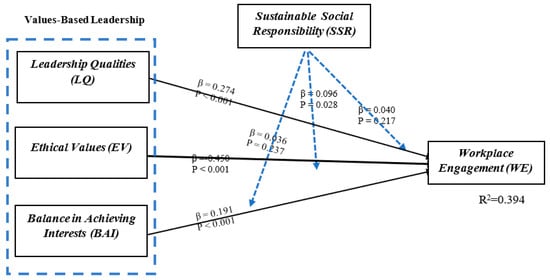

Disclaimer/Publisher’s Note: The statements, opinions and data contained in all publications are solely those of the individual author(s) and contributor(s) and not of MDPI and/or the editor(s). MDPI and/or the editor(s) disclaim responsibility for any injury to people or property resulting from any ideas, methods, instructions or products referred to in the content. |
© 2026 by the authors. Licensee MDPI, Basel, Switzerland. This article is an open access article distributed under the terms and conditions of the Creative Commons Attribution (CC BY) license.