


Abstract
This study comprehensively reviews the literature on knowledge management (KM) to explain its impact on organizational performance and business sustainability. It examines the dominant KM frameworks and theories; performance and sustainability outcomes; and key contextual enablers and constraints across sectors. Following the PRISMA 2020 guidelines (Preferred Reporting Items for Systematic Reviews and Meta-Analysis), a systematic review was used to find and collect relevant empirical and theoretical studies through Google Scholar, Scopus, and Web of Science. Thematic descriptive analysis of articles published between January 2020 and January 2026 revealed major themes, research trends, and conceptual gaps, which informed the key research agenda. A total of 70 studies were included after screening and eligibility assessment. The findings indicate that KM consistently enhances innovation capability and operational efficiency to boost competitive advantage and support social, economic, and environmental outcomes. These relationships are largely mediated by organizational learning and innovation, especially green innovation, and are moderated by leadership, organizational culture, and technological integration. Adoption patterns vary across industries and sectors based on differences in resources, digital maturity, and regulatory environments. Ongoing challenges include resistance to change, difficulties in managing tacit knowledge, measurement limitations, and limited longitudinal and cross-sectoral research. Overall, this systematic review highlights the need for integrated KM frameworks that align leadership, culture, and technology to strengthen performance and sustainability outcomes. It advances KM theory by clarifying the dominant models and mechanisms to offer actionable insights for managers and policymakers.
1. Introduction
Knowledge management (KM) systematically creates, shares, stores, and applies knowledge to improve organizational outcomes in the face of rapid technological change, global competition, and sustainability pressures. It has evolved into a multidisciplinary field that integrates management, information systems, and organizational behavior. Concurrently, business sustainability (e.g., environmental stewardship, social responsibility, and long-term economic viability) has changed from a peripheral concern to a core strategic priority. Despite the broad recognition of the strategic importance of KM, significant gaps and inconsistencies remain in the scholarly understanding of how KM theories are implemented and translated into sustainable organizational outcomes. KM theory remains fragmented and fails to combine different theoretical perspectives that jointly explain organizational performance and sustainability outcomes. This review addresses these gaps by synthesizing KM theories and empirical evidence to clarify their implications for organizational performance and sustainability.
Previous studies identified unresolved questions about the mechanisms through which KM influences business sustainability, particularly the mediating roles of green innovation, organizational culture, leadership, and technological competence (Martínez-Falcó et al., 2024; Nasir et al., 2024). The studies differ in focus and describe inconsistent drivers and outcomes of KM. Some studies identify technological infrastructure as the primary enabler of effective KM (Pai et al., 2022), while others argue that human-centered factors such as leadership, trust, and organizational culture play a greater role (Lee et al., 2026; Wu et al., 2024). Similarly, although many empirical findings across studies do not fully align. Some research reports strong, positive effects of KM practices on sustainability outcomes (Coffie et al., 2023). Others find weak, indirect, or context-dependent relationships (Demir et al., 2023; Shrivastav et al., 2025). This inconsistency makes it difficult to draw generalizable conclusions about how KM contributes to sustainable performance. Thus, there are fragmented, conflicting interpretations of KM success. The literature on the topic of knowledge creation and knowledge sharing is unclear and fails to explain how they differentially contribute to sustainable performance across industries and organizations. Likewise, it is not clear how contextual factors moderate these relationships (Sapta et al., 2021; Zairbani & Kumar, 2025).
Organizations frequently struggle to integrate tacit and explicit knowledge, face resistance to change, and encounter difficulties in measuring the direct impact of KM on performance. This leads to the inconsistent application of established frameworks. This is particularly true among small and medium-sized enterprises (SMEs) without formal KM systems (Chin et al., 2025; Demir et al., 2023). Collectively, these inconsistencies contribute to suboptimal KM adoption and missed opportunities for innovation, which impede the success of long-term sustainability objectives (Darmawan et al., 2023; Shahzad et al., 2020). Persisting debates on whether KM strategies should prioritize technological infrastructure or human-centric approaches reflect deeper theoretical controversies (Wu et al., 2024). These competing perspectives demonstrate that existing studies do not converge on a unified explanation of how KM should be designed or implemented.
Although KM is widely recognized as a strategic technique to enhance organizational performance and sustainability, there are limitations to the previous investigations. Previous studies focused on “KM and performance” or “KM and sustainability,” with limited integration of these underlying theories to explain the mechanisms and conditions that shape both business performance and sustainability outcomes. As a result, the partial explanations provided by existing research have limited abilities to capture the full complexity of KM outcomes across different organizational contexts. Existing research tends to focus on specific aspects of KM or sustainability independently (Ojha et al., 2025).
Studies often examine KM theories from isolated theoretical perspectives (e.g., the resource-based view, the knowledge-based view, or organizational learning theory) (Sapta et al., 2021) and only marginally integrate these frameworks to explain organizational outcomes. Studying the complementary relationship between these theories serves the field of KM. Despite the well-known roles of KM practices as drivers of innovation and competitive advantage, the mechanisms through which KM contributes to organizational performance and business sustainability largely remain opaque (Kordab et al., 2020).
Conceptual inconsistencies, empirical contradictions, and fragmented theoretical perspectives indicate that the current body of literature does not yet have a coherent, unified understanding of how KM influences organizational performance and sustainability, which reinforces the need for a theory-driven synthesis that integrates KM theories with performance and sustainability outcomes. This systematic review addresses the relationships among KM, organizational performance, and business sustainability by summarizing the latest peer-reviewed research in the field. It investigates two main research questions: (1) What KM theories and practices do organizations adopt to improve performance and sustainability? (2) What insights does recent KM research provide into the mechanisms that link KM practices with organizational performance and business sustainability? By analyzing theoretical frameworks, empirical findings, and practical applications, this review provides a comprehensive view of how KM catalyzes sustainable organizational transformation.
In addition to reviewing previous studies, this paper proposes an integrative conceptual framework to clarify how KM influences organizational performance and business sustainability. The framework suggests that KM processes, particularly knowledge creation, sharing, storage, and application, do not affect outcomes directly or in isolation. Instead, their effects are realized via organizational mechanisms, such as organizational learning, absorptive capacity, innovation capability, and green innovation. The strength of their impact depends on organizational mechanisms, such as leadership commitment, organizational culture, technological infrastructure, and measurement systems. In addition to describing individual KM theories, the review offers a unified explanation of how KM resources are translated into economic, social, and environmental outcomes. It consolidates existing knowledge, clarifies the theoretical foundations linking KM to organizational performance and sustainability, and identifies directions for future research.
2. Literature Review Methodology
This study adopted the preferred reporting items for systematic literature reviews (PRISMA) method to retrieve data and classify the literature via a structured, systematic review, which enabled an examination of the relationship between KM, organizational performance, and business sustainability (Moher et al., 2010). The review process was guided by established recommendations (Intezari et al., 2017; Aljuwaiber, 2016) and followed a multi-stage procedure designed to ensure transparency and methodological rigor. Furthermore, the PRISMA approach contributes to enhancing the transparency of systematic reviews and reducing the potential for subjective bias. Each study was assessed based on the clarity of its research design, methodological transparency, validity of its data sources, and their relevance to the research objectives (Moher et al., 2010).
2.1. Literature Search Strategy
To identify relevant studies based on the PRISMA guidelines, a systematic search of major academic databases was conducted on three search engines: Google Scholar, Scopus, and Web of Science. Google Scholar provided an initial broad overview of the literature. Scopus and Web of Science were consulted to verify that the selected studies were indexed in reputable peer-reviewed sources.
The search strategy relied on a combination of keywords (i.e., “knowledge management,” “knowledge management theories,” “knowledge sharing,” “organizational performance,” and “business sustainability”) and Boolean operators (i.e., “AND” and “OR”) to refine the search.
The search process was designed to balance completeness and relevance by combining broad database coverage and keyword optimization. Results were sorted based on titles, abstracts, keywords, and the suitability of the full texts. This approach helped to ensure that the final sample set reflected conceptual relevance and methodological quality.
2.2. Inclusion and Exclusion Criteria
To ensure academic rigor and relevance, the study applied several inclusion and exclusion criteria during the screening process. Only peer-reviewed journal articles that addressed KM, organizational performance, or business sustainability were considered. Both empirical and conceptual studies were included to ensure a comprehensive view of the topic.
Conference papers, book chapters, and non-peer-reviewed publications were excluded to ensure the quality and reliability of the reviewed literature. Only articles written in English that are accessible on academic databases were included. The review primarily focused on studies published between January 2020 and January 2026 to reflect the most recent developments in KM research, particularly the growing relationship among KM, sustainability, digital transformation, and environmental, social, and governance (ESG) considerations. However, pioneering work prior to 2020 was selectively retained where needed to reinforce the theoretical discussion.
2.3. Screening and Article Selection Process
Articles were selected after a multi-stage screening procedure. The initial database search generated 1012 articles. After removing duplicates and conducting an initial relevance screening based on titles and abstracts, the number of articles was reduced to 549. A second screening assessed the relevance of the articles to the research questions. During this stage, studies that did not directly address KM, organizational performance, or business sustainability were excluded. This reduced the sample to 140 articles.
Finally, a full-text assessment was conducted to identify the most relevant, methodologically robust studies for in-depth analysis. After removing articles that were inaccessible, written in other languages, or not directly relevant to the research objectives (i.e., the inclusion criteria), the final sample consisted of 70 articles.
2.4. Data Extraction and Synthesis
The selected studies were analyzed with thematic analysis, which enabled the identification of recurring themes and theoretical perspectives within the KM literature. This study focused on three key dimensions: (1) the theoretical foundations of KM, (2) the relationship between KM practices and organizational performance, and (3) the role of KM in supporting business sustainability. In addition to thematic analysis, a structured data extraction process was applied. Key information extracted from each study included author(s), year of publication, research context, methodology, key constructs, and main findings. This ensured consistency and transparency in synthesizing the literature. Given the diversity of study contexts and methodologies, heterogeneity was assessed narratively by comparing findings across different industries and research approaches.
To enhance methodological rigor, the included studies were qualitatively assessed for potential risk of bias based on research design clarity, methodological transparency, and relevance to the study objectives. Reporting bias was also considered by examining the consistency of findings across studies. The overall certainty of evidence was assessed qualitatively based on consistency, methodological rigor, and convergence of findings across the reviewed studies. Figure 1 summarizes the structured steps followed for this systematic review, which are based on the PRISMA approach.
Figure 1.
Flow diagram depicting the steps of the systematic review based on the PRISMA method. Source: Developed by the author.
2.5. Registration Statement
This review was not registered in a public database, and no formal protocol was published prior to conducting the review.
3. Theoretical Foundations of Knowledge Management
3.1. Knowledge Creation and the SECI Model
Nonaka’s (1994) SECI model remains the most influential KM framework. It conceptualizes knowledge creation as a dynamic interaction between tacit and explicit knowledge through the processes of socialization, externalization, combination, and internalization. This model underpins much of the empirical literature that links KM to innovation and learning, particularly in knowledge-intensive and technology-driven sectors.
3.2. Resource-Based and Knowledge-Based Views
The resource-based view (RBV) emphasizes the effective management and deployment of organizational resources, including knowledge assets, to create value (Chin et al., 2025). Several studies demonstrate that organizations with superior KM capabilities are better positioned to integrate sustainability into strategic planning, develop green innovations, and comply with environmental regulations (Abbas et al., 2020; Alqatan et al., 2025). The knowledge-based view (KBV), an extension of the RBV, posits that knowledge is the most strategically significant organizational resource because it provides the foundation for sustainable competitive advantage (Baskerville & Dulipovici, 2006; Farooq, 2023). This perspective characterizes knowledge as valuable, rare, and inimitable, with non-substitutable attributes that allow organizations to develop distinctive capabilities (Kaur, 2023). The KBV suggests that knowledge of environmental technologies, stakeholder engagement practices, and circular economy principles can be strategic differentiators in sustainability-conscious markets (Marjerison et al., 2022; Wu et al., 2024). Integrating the KBV and RBV provides a theoretical rationale for investing in KM infrastructure and practices to build sustainability competencies.
3.3. Dynamic Capabilities Theory
Dynamic capabilities theory builds on the RBV by focusing on organizational responses to changing conditions (Kaur, 2023). In sustainability contexts, it helps organizations adapt to evolving regulations, stakeholder expectations, and market demands (Marjerison et al., 2022). KM processes, particularly knowledge acquisition, sharing, and application, enable organizations to exercise dynamic capabilities (Shahzad et al., 2021). Marjerison et al. (2022) found that knowledge sharing enhances agility and allows organizations to rapidly reconfigure in response to sustainability challenges. Overall, KM practices strengthen resilience and adaptability, which help organizations navigate the complexities and uncertainties of sustainable development (Fadillah et al., 2025).
3.4. Intellectual Capital Theory
Intellectual capital theory provides a complementary theoretical lens for understanding how KM contributes to business sustainability by conceptualizing organizational knowledge as a strategic asset with interrelated human, structural, and social components (Han & Li, 2015). Human capital includes employee knowledge, skills, and competencies. Structural capital encompasses codified organizational knowledge, such as databases, processes, and systems. Social capital reflects knowledge embedded in stakeholder relationships (Elnagar & Aljuwaiber, 2026; Paoloni et al., 2020). In sustainability contexts, organizations leverage these dimensions to build sustainability capabilities. Human capital is developed through training programs (Marjerison et al., 2022); structural capital via green KM systems and documented practices for sustainable strategies (Fadillah et al., 2025); and social capital via stakeholder engagement and collaborative innovation (Konno & Schillaci, 2021). This theoretical framework suggests that effective KM requires balancing all three dimensions to integrate individual expertise, organizational systems, and external relationships (Han & Li, 2015; Istikhoroh et al., 2025).
3.5. Organizational Learning Theory
Organizational learning theory provides another foundational perspective that focuses on the ways organizations can leverage knowledge to improve performance and adapt to environmental changes (Ekung et al., 2023). Kokkaew et al. (2022) differentiated single-loop learning (incremental improvements within existing frameworks) from double-loop learning (questioning and transforming underlying assumptions). They noted that sustainability transitions often require the latter. KM systems facilitate both forms of learning by capturing lessons from sustainability initiatives, disseminating best practices, and creating forums for critical reflection (Kordab et al., 2020). Ekung et al. (2023) demonstrated that organizational learning is essential for developing new capabilities and overcoming barriers to sustainable supply chain practices. Integrating KM with organizational learning creates feedback loops to continuously refine and expand sustainability knowledge to support environmental and social performance (Kokkaew et al., 2022).
3.6. Integrated Conceptual Models
Recent scholarship uses conceptual models to explicitly link KM processes to sustainability outcomes. Abbas et al. (2020) proposed a structural model that connects knowledge creation, acquisition, sharing, and application to green innovation and corporate sustainable development. Alam (2025) explored KM critical success factors and their mediated effects on organizational performance through an integrated conceptual framework. Shahzad et al. (2020) presented a framework that integrates sustainable KM with green innovation to emphasize the strategic alignment of KM with sustainability objectives. These integrated models reflect the field’s maturation and clarify how KM drives and supports sustainable transformation.
Despite their theoretical richness, the operationalization of these models in diverse organizational contexts is limited. Thus, there are challenges to practical implementation, and organizations may overlook the nuanced social and cultural dimensions of KM (Fadillah et al., 2025). However, it can be argued that the theoretical perspectives discussed here are conceptualized as complementary, structurally integrated perspectives, not competing ones. Importantly, these perspectives contribute to knowledge at different analytical levels. RBV and KBV explain the strategic value of knowledge assets, but they offer limited insight into how those assets are renewed and operationalized in dynamic contexts (Yudhistira et al., 2024). The dynamic capabilities and organizational learning theories address this limitation by explaining adaptation, renewal, and knowledge use over time (Kokkaew et al., 2022; Marjerison et al., 2022), while intellectual capital theory extends the analysis to show how knowledge resources become embedded in human, structural, and relational methods of value creation (Han & Li, 2015). Rather than operating in parallel, these theories collectively form a unified, multi-layered conceptual framework in which knowledge resources are mobilized, developed, and converted into long-term performance and sustainability outcomes (Alam, 2025). This perspective helps position the framework proposed in this study as an explanatory synthesis, not a descriptive listing of theories.
3.7. Proposed Integrative Conceptual Framework
Building on the aforementioned theoretical perspectives, this research proposes an integrative conceptual framework that explains how KM simultaneously contributes to organizational performance and business sustainability. Figure 2 presents the integrative conceptual framework derived from the literature review. The framework illustrates how KM processes, such as knowledge creation, sharing, storage, and application, act as foundational organizational capabilities. These processes support key organizational mechanisms, such as organizational learning, innovation capability, leadership commitment, organizational culture, and technological support. They enable KM to contribute to improved organizational performance and broader business sustainability outcomes. Thus, this framework explains how the effectiveness of KM practices is shaped within organizations.
Figure 2.
Proposed integrative framework to link KM, organizational performance, and business sustainability. Source: Developed by the author.
In this framework, KM processes are the primary capability base of an organization: knowledge creation, sharing, storage, and application shape the organization’s capacity to generate, retain, and mobilize strategic knowledge. However, the research in this study indicates that KM does not influence performance and sustainability through direct effects. Instead, it relies on a set of intermediate mechanisms. First, KM strengthens organizational learning and absorptive capacity by enabling firms to acquire, interpret, and apply internal and external knowledge. Second, these learning-based capabilities support organizational innovation capability and green innovations in sustainability-oriented contexts. Third, the innovation and learning mechanisms improve organizational outcomes in two related directions: performance outcomes (e.g., efficiency, adaptability, decision quality, and competitiveness) and sustainability outcomes (e.g., environmental improvement, social value creation, and long-term economic viability).
The framework suggests that these relationships are conditioned by contextual enablers and constraints. Leadership commitment, collaboration culture, trust, employee competencies, digital infrastructure, and performance measurement systems can strengthen or weaken KM’s effect on learning, innovations, and final outcomes. This review confirmed that KM should not be considered a standalone practice. Instead, it should be viewed as part of a broader organizational system in which knowledge resources are transformed into innovation, performance, and sustainability through organizational and contextual mechanisms.
4. Knowledge Management and Organizational Performance
The relationship between KM and performance supports sustainable competitive advantage through its positive effects on innovation, decision quality, operational efficiency, and financial performance (Farooq, 2023). As a driver of performance, effective KM depends on organizational, technological, and human factors (Yudhistira et al., 2024). The literature has identified several critical success factors and enablers that determine how KM initiatives contribute to organizational performance outcomes.
4.1. Leadership and Strategic Alignment
Leadership commitment and strategic alignment have emerged as fundamental enablers of KM for sustainability outcomes (Alqatan et al., 2025; Elnagar & Aljuwaiber, 2026), although some studies reported non-significant moderation between leadership commitment and the KM–performance relationship (Coffie et al., 2023). In this context, leaders articulate sustainability visions, allocate resources to KM initiatives, and model knowledge sharing behaviors. Pellegrini et al. (2020) emphasized the need to align KM with overall business strategy and sustainability objectives through clear learning goals that connect KM activities to sustainability outcomes. Meanwhile, Al-Faouri (2023) proposed a framework to incorporate sustainability into organizational strategy by enhancing sustainable KM—strategic integration ensures the necessary support and resources for KM initiatives. Her study suggests that organizations that embed sustainability into strategic planning are more likely to develop effective KM systems that drive sustainability performance. Leadership must champion KM and create organizational structures and incentive systems that support knowledge creation, sharing, and application (Alqatan et al., 2025). Without clear leadership commitment, KM initiatives may remain disconnected from core business operations and sustainability goals (Coffie et al., 2023).
4.2. Organizational Culture and Trust
An organizational culture that promotes collaboration, trust, openness, and learning significantly influences the effectiveness of KM for sustainability outcomes (Aljuwaiber, 2016; Figueiredo et al., 2025; Marjerison et al., 2022). Lee et al. (2026) called trust foundational, noting that employees are more inclined to share knowledge when they trust their colleagues and believe their contributions will be valued. Marjerison et al. (2022) demonstrated that organizational culture mediates the relationship between knowledge sharing and sustainability outcomes. Collaborative cultures amplify the positive effects of knowledge sharing on organizational performance, which suggests that culture change may be a necessary prerequisite for effective KM in organizations with competitive or siloed cultures. Shahzad et al. (2020) showed that a green organizational culture—characterized by environmental values, pro-environmental norms, and sustainability commitment—enhances the effectiveness of KM processes in driving green innovation. To maximize performance and sustainability outcomes, organizations must cultivate cultures that value knowledge sharing and environmental responsibility.
4.3. Technological Infrastructure
Information and communication technologies provide essential KM infrastructure for knowledge storage, sharing, and retrieval. However, the adoption of new technology is a challenge. The difficulties of integration and user resistance are not adequately addressed in the literature, which limits practical application. Wahdan et al. (2021) demonstrated that e-learning and virtual platforms facilitate sustainability KM by providing accessible, scalable mechanisms to deliver education and document best practices. Smuts and Van der Merwe (2022) examined how sustainability can be embedded into the organization through sociotechnical KM guidelines for digital decarbonization in the Society 5.0 era. They state that artificial intelligence (AI), big data, the Internet of Things, and other technologies enable organizations to manage knowledge at scale. Their study suggests that technological infrastructure should be designed with sustainability objectives in mind to support both KM and environmental goals (e.g., through energy-efficient systems). However, other studies caution against technology-centric approaches that neglect human and social dimensions (Aljuwaiber, 2020). Technology should therefore be seen as an enabler rather than a solution in itself; its effectiveness at improving business performance depends on how well it is integrated into organizational processes, culture, and human capabilities (Pellegrini et al., 2020).
4.4. Employee Competencies and Motivation
Employee knowledge, skills, and motivation are critical human factors that influence KM effectiveness (Yudhistira et al., 2024). Gao et al. (2025) argued that inadequate knowledge and competence hinder employees in formulating sustainable strategies, which limits organizational performance and capacity development. Darmawan et al. (2023) found that employee motivation and engagement played vital roles in promoting both tacit and explicit knowledge sharing and interactions, which are critical for successful KM. Organizations must invest in developing employee competencies in sustainability domains and create motivational systems (e.g., recognition, rewards, and career development) to encourage desired behaviors (Mohaghegh et al., 2024; Shahzad et al., 2021). Organizations should also equip employees with the appropriate training, resources, and autonomy to enhance KM-related performance and create feedback loops that support continuous improvement (Marjerison et al., 2022).
4.5. Performance Measurement and Evaluation Systems
Performance measurement and evaluation systems enable an assessment of KM effectiveness that can guide continuous improvement. Abou-Moghli (2025) identified baseline assessment and performance measurements as key components of strategic KM systems that allow organizations to evaluate initiatives, allocate resources, and demonstrate value. However, his study included intangible, context-dependent knowledge assets, which made it difficult to quantitatively measure the results. Cardoni et al. (2020) explored KM in the context of sustainability reporting to show that reporting frameworks create a structure to measure and communicate sustainability performance. However, measurement challenges persist, particularly in quantifying tacit knowledge, assessing knowledge quality, and attributing sustainability outcomes to specific KM practices (Aljuwaiber, 2020; Chin et al., 2025). Several studies suggested that organizations must develop balanced measurement systems that capture both quantitative metrics (e.g., knowledge repository usage and training completion rates) and qualitative indicators (e.g., knowledge-sharing culture and learning climate; Gupta & Agarwal, 2023; Ojha et al., 2025; Pai et al., 2022).
Although leadership, culture, technology, competencies, and measurement systems are widely considered critical success factors of KM, their impact is not always clear. For example, strong hierarchical leadership may discourage the free exchange of knowledge in some cultural contexts (Alqatan et al., 2025), while digital transformation initiatives may unintentionally widen digital skills gaps (Gao et al., 2025). In the same way, rigid measurement systems may encourage conformity instead of real learning. These contradictions suggest that the relationship between KM and performance is highly dependent on context, rather than being a uniformly linear relationship (Sahibzada & Mumtaz, 2023). Table 1 summarizes representative studies that link KM to organizational performance, which highlights the main conceptual and methodological differences in the literature.
Table 1.
Summary of representative studies on KM and organizational performance.
Taken together, these studies indicate that the effectiveness of KM depends on an organization’s ability to adopt multiple practices and the suitability of these practices to the organizational context in which they are implemented. What constitutes a critical success factor in one environment may be a hindrance in another, which partially explains why studies have observed varying impacts across sectors, company sizes, and organizational environments.
5. Knowledge Management and Business Sustainability
KM contributes to sustainability through multiple pathways. Environmentally, KM enables green innovation, cleaner production, and sustainable supply chain practices (Chopra et al., 2021). Economically, it enhances productivity, risk management, and competitiveness (Cardoni et al., 2020). Socially, KM supports employee development, a knowledge-sharing culture, and stakeholder engagement (Gupta & Agarwal, 2023). Green KM and sustainability-oriented KM frameworks demonstrate that knowledge sharing and application are critical to achieve sustainable outcomes (Khan et al., 2024). The literature provides strong evidence that KM practices drive dimensions of social, economic, and environmental sustainability.
5.1. Environmental Sustainability and Green Innovation
Green innovation is a primary pathway for KM to contribute to environmental sustainability (Olaleye et al., 2024). Multiple studies have demonstrated strong positive relationships between KM practices and green innovation outcomes. For example, Abbas et al. (2020) showed that knowledge acquisition, sharing, and application significantly influence green innovation, which in turn drives corporate sustainable development. Their study suggests that organizations with robust KM processes are more likely to develop environmental technologies, design eco-friendly products, and adopt cleaner production processes. Shahzad et al. (2020) corroborated these findings by demonstrating that KM processes—particularly in combination with green organizational culture—enhance green innovation and performance.
Shahzad et al. (2021) extended this research by examining the interactions between KM processes and sustainable development practices, which revealed their synergistic effects on green innovation. Integrating KM with sustainability practices achieves higher levels of environmental innovation than either approach in isolation, suggesting that KM and sustainability initiatives should be strategically aligned and mutually reinforcing. Fadillah et al. (2025) introduced the concept of dual-focus knowledge innovation and demonstrated that KM enables organizations to build sustainable core competencies by simultaneously attending to technological innovation and environmental sustainability objectives. In their view, green KM enables organizations to embed environmental considerations directly into innovation and operational decision-making. Zairbani and Kumar (2025) demonstrated that the combination of green knowledge sharing and green dynamic capabilities facilitates green service innovation (i.e., the development of environmentally sustainable service offerings). This research showed that KM contributes to product innovation in addition to innovations in service and business models that support sustainability.
5.2. Economic Sustainability and Competitive Advantage
In addition to producing environmental benefits, KM helps organizations become more efficient and economically competitive (Alfiero et al., 2025). Several studies have demonstrated that KM-enabled sustainability initiatives generate value by reducing costs and risks (Idrees et al., 2023; Kassaneh et al., 2021). Qalati (2025) found that KM adds value by enhancing operational efficiency and reducing waste, which improves both environmental and economic performance.
Di Vaio et al. (2021) examined the relationship between KM strategy and business sustainability. They found that organizations with mature KM systems achieve superior financial performance, environmental outcomes, and social outcomes. Aboelmaged et al. (2024) argued that KM enables organizations to identify and exploit sustainability-related business opportunities, such as green markets, sustainable supply chains, and circular economy models. Kordab et al. (2020) demonstrated that, from a sustainability perspective, KM contributes to economic gains by optimizing production planning, inventory management, and logistics. The application of sustainability knowledge helps organizations reduce costs associated with energy consumption, material waste, and regulatory compliance while enhancing customer satisfaction and brand reputation (Zairbani & Kumar, 2025). According to Wu et al. (2024), KM strengthens corporate sustainable development by improving the quality of managerial decisions, which enables innovation and improves organizational capabilities to create short-term and long-term value.
5.3. Social Sustainability and Organizational Learning
KM also contributes to social dimensions of sustainability, such as employee development, stakeholder engagement, and organizational culture transformation (Istikhoroh et al., 2025). Zhang et al. (2021) demonstrated that KM practices enhance employee competencies and improve employees’ organizational commitment and job satisfaction, thus contributing to social sustainability. Their study also found that investing in KM infrastructure and practices creates learning environments that support employee development and well-being.
Figueiredo et al. (2025) state that knowledge sharing practices require sustainable organizational cultures characterized by trust, collaboration, and visionary leadership. These cultural attributes, fostered through KM initiatives, contribute to social sustainability by creating inclusive work environments where diverse perspectives are valued and employees feel empowered (Alqatan et al., 2025). Wahdan et al. (2021) found that sustainability-focused KM e-learning systems enhanced employee competencies in environmental, health, and safety domains by contributing to workplace safety and employee well-being. Systematic approaches to sustainability education can improve employees’ awareness of social and environmental responsibility in addition to their attitudes and behaviors (Wu et al., 2024).
Ekung et al. (2023) demonstrated that organizational learning facilitated by KM practices enables the implementation of sustainable supply chain practices that consider social issues, such as labor rights, fair wages, and community impacts. Their study also demonstrated that KM supports stakeholder engagement and collaborative problem solving, which helps organizations address complex social sustainability challenges. This perspective highlights KM’s contributions to social sustainability by developing employees’ skills and raising their awareness of and commitment to social responsibility. Table 2 summarizes the representative studies based on their research context, methodological orientation, sustainability dimension, and key findings.
Table 2.
Summary of representative studies on KM and business sustainability.
6. Emerging Trends and Research Gaps
Recent literature highlights several emerging trends that are reshaping the relationship between KM and sustainability to reflect evolving business contexts, technological capabilities, and societal expectations. Many of these emerging trends express technological optimism, but their theoretical foundations remain incomplete. Information is particularly lacking for governance mechanisms and potential cross-sector scalability. Persisting knowledge gaps include limited longitudinal studies, the underrepresentation of certain regions and sectors, and a lack of unified measurement frameworks. Future research should adopt longitudinal and mixed-methods designs, explore cross-sectoral comparisons, and further integrate sustainability and ethical perspectives into KM theory. Table 3 outlines emerging trends within the field of KM.
Table 3.
Key Emerging Trends and Contemporary Research in Knowledge Management.
6.1. Integration of Knowledge Management with Environmental, Social, and Governance Frameworks
ESG frameworks have gained prominence as comprehensive approaches to corporate sustainability. Recent literature exploring how KM supports ESG integration identified varied methods of realizing these outcomes (Alfiero et al., 2025; Ferreira et al., 2020). In some contexts, KM practices directly support sustainability goals. In others, their effects are indirect or limited by organizational priorities and resource constraints. A study by Su et al. (2025) examined the role of KM in integrating ESG practices into organizational strategies. They demonstrated that effective KM allows organizations to develop ESG competencies, monitor their ESG performance, and communicate their ESG commitments to stakeholders. This trend reflects the broadening of the concept of sustainability beyond environmental concerns to encompass social and governance dimensions. It requires organizations to manage diverse knowledge domains, such as community relations, employee welfare, and transparency (Paluseri et al., 2025). Although it can be argued that sustainability-oriented KM primarily focuses on environmental and economic outcomes, responsible KM embeds ESG principles into knowledge creation, sharing, and use processes.
6.2. Digital Transformation and Society 5.0
Digital transformation is reshaping KM capabilities and creating new opportunities for sustainability (Shrivastav et al., 2025; Zhang et al., 2021). The rise of digitalization in the 20th century laid the foundation for modern KM systems. A study by Panda and Puri (2025) observed that the evolution of technology used by organizations has been dramatically accelerated by AI. Their study noted that the AI’s effect on KM integration is influenced by environmental dynamism, which shapes the urgency of response and places greater demands on organizational adaptability. Therefore, it can be argued that digital literacy among employees plays a crucial role in shaping how comfortably and effectively when they use AI tools.
Although digital technologies are frequently presented as enablers of KM, the literature reveals inconsistent outcomes across contexts. Advanced digital systems can enhance knowledge accessibility and decision-making or introduce complexity, fragmentation, or underutilization. Smuts and Van der Merwe (2022, p. 2) investigated the role of KM in the context of “Society 5.0” from the Fifth Science and Technology Basic Plan, which focuses on the need for organizations to leverage their KM capabilities and learning agility. Society 5.0 is a vision of a human-centered society that balances economic advances with the resolution of social problems by integrating cyberspace and physical space, which ultimately provides a new context to reimagine KM for sustainability (Konno & Schillaci, 2021). This perspective emphasizes the idea that digital technologies should be deployed not just for efficiency but to advance sustainability and human well-being, and KM is central to ensuring that digital transformation supports sustainability objectives (Di Vaio et al., 2021). The impact of digital transformation on KM is highly contingent on organizational readiness, user capabilities, and alignment with existing knowledge processes (Gao et al., 2025).
6.3. Responsible Knowledge Management
The concept of responsible KM is an emerging paradigm that explicitly incorporates ethical considerations and sustainability values (Rocha et al., 2024). This perspective suggests that KM should be guided by principles of social responsibility, environmental supervision, and ethical conduct. In this view, KM systems should be designed to promote sustainable behaviors and decision-making (Broccardo et al., 2025; Durst, 2024). Responsible KM develops employee competencies in sustainability, embeds sustainable values in organizational knowledge bases, and ensures that knowledge creation and sharing processes consider environmental and social impacts (Paluseri et al., 2025). Despite its growing relevance, the concept of responsible KM has received little attention in existing research, and further work is needed in this era of intelligent machines. The emerging focus on responsible KM reflects the growing recognition that KM is not value-neutral; it carries significant ethical implications that shape organizational priorities, behaviors, and outcomes (Durst, 2024).
6.4. Post-Pandemic Sustainability and Resilience
The COVID-19 pandemic heightened attention to organizational resilience and sustainability, which prompted the reconsideration of KM strategies (Martínez-Falcó et al., 2024). Dutta et al. (2023) examined the redesign of KM as a corporate sustainability strategy in the post-pandemic era based on the vulnerabilities in global supply chains, business models, and organizational practices exposed by the pandemic. Their study describes how effective KM enables rapid organizational adaptation and notes that organizations with idiosyncratic approaches to hybrid work arrangements are more likely to revert to legacy KM systems. In the post-pandemic context, the interconnection of business continuity, resilience, and sustainability has received more attention, and KM helps organizations anticipate and effectively adapt to changing conditions (Fadillah et al., 2025; Ul-Durar et al., 2023). This trend suggests that future KM systems should be designed with flexibility and sustainability as key objectives (Dutta et al., 2023; Pai et al., 2022).
6.5. Green Knowledge Management
Recent studies on green knowledge management (GKM) highlight its growing importance as a strategy for embedding environmental considerations into organizational knowledge processes (Khan et al., 2024; Phung et al., 2024). GKM studies in the literature display a clear shift from a primarily technical orientation toward an integrated perspective that combines green innovation, digital transformation, and organizational learning. Technological enablers, such as blockchain, big data analytics, and AI, are increasingly viewed as critical for supporting the creation, sharing, and application of green knowledge (Al-Faouri, 2023; Hu et al., 2024). While GKM is often discussed in relation to broader sustainability initiatives, such as green supply chain management and green human resource management, these topics mainly serve as contextual examples of how green knowledge is operationalized across functions (Aboelmaged et al., 2024; Ulhaq et al., 2024). Despite its growing relevance, GKM research remains fragmented. Few integrative frameworks link KM practices to corporate sustainability objectives, and there is a lack of understanding of the enablers and barriers that affect green knowledge processes (Fadillah et al., 2025; Zairbani & Kumar, 2025). Future research should deepen the theoretical development of GKM and examine how leadership, strategy, and digital capabilities shape its effectiveness (Paluseri et al., 2025). Despite these limitations, the literature identifies GKM as a central mechanism that organizations can use to align knowledge practices for environmental sustainability and long-term competitive advantages (Phung et al., 2024; Ulhaq et al., 2024).
6.6. Sector-Specific Applications of Knowledge Management
Although KM research spans diverse organizational contexts and sectors, much of the literature is sector specific. KM sustainability practices vary across industries due to differences in technological maturity, knowledge intensity, and operational requirements (Kosklin et al., 2023). Empirical evidence demonstrates that sector-specific configurations of KM significantly influence innovation and contribute to sustainability-related outcomes (Panda & Puri, 2025). For example, Khan et al. (2024) found that variations in KM practices within the construction industry shape innovation and sustainability performance in context-dependent environments. Similarly, studies conducted in the Indian manufacturing and service sectors indicate that KM practices are adapted to fit sector-specific circumstances; organizations tailor their knowledge processes to align with their capabilities and operational complexity. It is important to note that studies show that the effectiveness of KM is highly context dependent. Practices that yield positive results in one sector or organizational environment may have limited or even negative impacts in another. These findings highlight the need to move beyond general assumptions and develop more context-sensitive KM models. A recent review by Fadillah et al. (2025) highlighted the growing need for more nuanced insights into how KM strategies can address industry-specific needs. While sector-specific studies offer valuable contextual understanding, they also highlight the importance of identifying patterns that can inform broader KM practices (Figueiredo et al., 2025). However, data on emerging economies and underexplored industries remains limited (Ojha et al., 2025). This research therefore confirms that contextual variation is not a marginal issue but a key explanatory factor in KM research. Accordingly, a critical review of the literature suggests that future theories must move beyond generalizations to pay greater attention to sectoral, organizational, and institutional conditions (Ferreira et al., 2020).
7. Challenges and Limitations in Knowledge Management Studies
Although the literature offers substantial evidence that KM can drive sustainability, it also identifies significant challenges for organizations. Table 4 compiles the most significant challenges identified in the literature covered in this review.
Table 4.
Knowledge Management Challenges for Business Sustainability and Performance.
7.1. Knowledge–Action Gaps
A persistent challenge is the gap between sustainability knowledge and action, where organizations with substantial sustainability knowledge may fail to change their practices or translate knowledge into improved outcomes (Lejealle et al., 2026). Multiple factors contribute to knowledge–action gaps, such as organizational inertia, competing priorities, resource constraints, and a misalignment between KM systems and decision-making processes (Darmawan et al., 2023; Hu et al., 2024). This diversity in conceptualizations enriches the field, but it also creates challenges for theory development and empirical comparisons. Abbas et al. (2020) observed that knowledge creation alone is not enough; organizations must also invest in creating mechanisms and incentives for knowledge application. Bridging knowledge and action gaps requires increased attention to the organizational factors (e.g., structures, processes, and cultures) that facilitate or impede the translation of knowledge into practice (Chopra et al., 2021).
7.2. Tacit Knowledge Management
Managing tacit knowledge presents persistent challenges. It is inherently experiential and context-specific, and it can be difficult to formally articulate and document (Abbas et al., 2020). Organizational processes, such as problem solving, often rely heavily on tacit knowledge. For example, directing an intuitive understanding of complex systems and experiential learning from past initiatives toward contextual judgments (Demir et al., 2023). However, it is hard to capture tacit knowledge in formal KM systems or transfer it across organizational boundaries. It is also challenging to preserve tacit knowledge when experienced employees leave (Gao et al., 2025). Broccardo et al. (2025) therefore concluded that organizations must balance explicit KM practices (e.g., documentation, databases, and formal training) with practices that preserve and transfer tacit knowledge (e.g., mentoring, communities of practice, and collaborative work). Success requires moving beyond technology-centric KM approaches to embrace the social and relational dimensions of knowledge sharing (Aljuwaiber, 2020).
7.3. Measuring Knowledge Management Effectiveness
Determining how to measure KM effectiveness and the ratios of sustainability outcomes to specific KM practices presents methodological challenges that are reflected in the literature (Pellegrini et al., 2020). Sustainability outcomes are affected by multiple factors, so it is difficult to isolate the specific contributions of KM (Qalati, 2025). Additionally, many sustainability benefits (e.g., enhanced reputation, reduced regulatory risk, and improved stakeholder relationships) are difficult to quantify (Arduini et al., 2023). Organizations struggle to develop metrics that reflect the full value of KM for sustainability outcomes (Ferreira et al., 2020), so they often use indicators that are easy to measure but may not serve the purpose. For example, organizations may track statistics, such as the number of training hours or the use of knowledge platforms, instead of capturing the actual application of knowledge and its impact (Istikhoroh et al., 2025). More sophisticated measurement approaches that combine quantitative and qualitative methods and account for time lags between KM investments and sustainability outcomes are needed (Arduini et al., 2023; Chopra et al., 2021).
7.4. Resource Constraints and Competing Priorities
Resource constraints and competing priorities are another challenge to implementing successful KM. Substantial investments are needed for technology, training, career development, and change management, but resources may be scarce, particularly in SMEs (Sapta et al., 2021). Organizations face competing demands, and KM initiatives may struggle for priority, especially when their benefits are uncertain or long-term (Ferreira et al., 2020). Additionally, sustainability itself may not be a top organizational priority under conditions of short-term financial pressure or weak regulatory requirements (Cardoni et al., 2020; Kosklin et al., 2023). In some contexts (e.g., healthcare), KM for sustainability may receive insufficient support and resources, which hinders its effectiveness (Fadillah et al., 2025).
7.5. Cultural and Knowledge Sharing Barriers
Cultural and knowledge sharing barriers have been identified in organizations that emphasize competition and individual achievement, which can lead to knowledge hoarding (Al Mamun et al., 2025). Employees may be reluctant to share knowledge if they perceive it to be a source of personal power or advantage (Park & Hong, 2022), or they do not trust their colleagues and the organization’s leadership (Lee et al., 2026). In the same vein, knowledge sharing beyond organizational boundaries is not uniformly beneficial. Some research emphasizes trust and collaboration as key enablers (Figueiredo et al., 2025; Gupta & Agarwal, 2023), while other studies highlight concerns of knowledge leakage, exploitative behavior, and coordination challenges (Idrees et al., 2023; Yudhistira et al., 2024). These conflicting results suggest that inter-organizational KM requires careful governance and should not be assumed to generate positive outcomes in all settings (Alfiero et al., 2025). Changing cultural norms and behaviors requires sustained efforts that may meet with resistance (Marjerison et al., 2022). Sustainability itself may also face cultural resistance when environmental and social concerns are seen as peripheral to core business objectives or as constraints on profitability (Olaleye et al., 2024; Zairbani & Kumar, 2025). Building a culture that values knowledge sharing and sustainability requires leadership commitment, consistent messaging, and incentives for desired behaviors (Al Mamun et al., 2025; Mohaghegh et al., 2024).
7.6. Complexity and Information Overload
Complexity and information overload also pose challenges to sustainability that could overwhelm organizational KM systems (Wu et al., 2024). Sustainability encompasses diverse environmental fields, such as the preservation of natural resources and climate change (Al-Faouri, 2023; Al Mamun et al., 2025), and knowledge and information fields, such as human capital (Istikhoroh et al., 2025). Thus, knowledge must be integrated from multiple disciplines and diverse stakeholder perspectives (Georgakellos et al., 2024). Organizations may struggle to manage information meaningfully (Pellegrini et al., 2020), which can lead to paralysis if they lack clarity around priorities and action steps (Shrivastav et al., 2025). Effective KM for sustainability includes accumulating information and developing the capabilities to work with it strategically (Marjerison et al., 2022).
8. Conclusions and Implications
This comprehensive conceptual review has shown that KM is a vital strategic resource that significantly affects organizational performance and enhances business sustainability across industries and contexts. The review presents strong evidence that KM practices—particularly knowledge creation, sharing, and application—contribute significantly to the social, economic, and environmental dimensions of sustainability. This conclusion aligns with the findings of Shahzad et al. (2021). The theoretical foundations for the relationship between KM and sustainability are the knowledge perspective, the resource perspective, dynamic capability theory, and organizational learning theory. These perspectives share the idea that knowledge is a strategic resource that enables organizations to manage and develop sustainability competencies, drives green innovation, and builds adaptive capacity to address complex sustainability challenges.
Empirical evidence has identified multiple pathways through which KM contributes to sustainability and business performance. Knowledge creation and acquisition allow organizations to develop novel environmental technologies and sustainable business models. Knowledge sharing facilitates the dissemination of sustainability best practices and builds a collective understanding of challenges. The application of knowledge translates sustainability knowledge into improved decisions, processes, or innovations. Knowledge storage preserves organizational learning and ensures continuity of efforts. Effective KM results in diverse, substantial sustainability outcomes. From an environmental perspective, KM, particularly GKM, plays a role in driving green innovations, reducing organizational environmental impacts, and supporting circular economy transitions. Economically, KM enhances efficiency and competitiveness to contribute to long-term value creation. In the social dimension, KM supports employee development and strengthens relationships with stakeholders, which gradually transforms the organizational culture. These outcomes demonstrate that KM-enabled sustainability creates value across multiple domains that extend beyond organizations to benefit society and the environment.
Critical success factors for KM in sustainability contexts include leadership commitment, alignment with organizational and sustainability strategies, collaborative work cultures, technological infrastructure, employee competencies, and measurement systems (Fadillah et al., 2025). Organizations that prioritize these enabling factors are best positioned to realize KM’s potential to enhance sustainability performance. Emerging trends—including the integration of ESG criteria, digital transformation, responsible KM, and post-pandemic resilience—are reshaping the KM and sustainability landscape, which creates new opportunities and challenges (Alfiero et al., 2025; Paluseri et al., 2025). Organizations must adapt their KM strategies to fit these evolving contexts while remaining focused on the fundamental principles of knowledge creation, sharing, and application.
Persistent challenges include knowledge and application gaps, difficulties in managing tacit knowledge, measurement complexities, limited resources, cultural barriers, and information overload. Sustained commitments and innovative approaches, informed by the understanding that effective KM for sustainability encompasses both technical and contextual systems, are needed to address these challenges. Looking ahead, the integration of KM and sustainability represents a fundamental shift in the processes organizations use to create value and compete. In the face of escalating environmental issues and social concerns, such as stakeholder expectations of corporate responsibility, organizations that excel at managing sustainability knowledge will be better positioned to adapt and thrive. Effective KM catalyzes sustainable organizational performance and allows organizations to balance financial motivations with environmental and social responsibilities to create enduring value.
The sequence of events proposed in this review suggests that KM capabilities foster organizational learning and absorptive capacity first, then these factors enable green innovation and strategic alignment to influence sustainability outcomes. These mechanisms appear to a greater extent under boundary conditions, such as leadership commitment, digital infrastructure maturity, and resilient organizational structure. Green innovation and its culture are viewed as mediators in the relationship between KM capabilities and sustainability outcomes, while environmental disruptions and governance structures are considered to be moderators of this relationship.
The main theoretical contribution of this review lies in the development of an integrative framework that explains how KM affects organizational performance and business sustainability. Instead of treating KM, innovation, organizational learning, and sustainability as separate concepts, the proposed framework brings them together in one explanatory model: (1) KM processes provide a knowledge base; (2) organizational learning and absorptive capacity convert the knowledge base into dynamic capability; and (3) innovation (especially green innovation) acts as the major pathway through which knowledge is translated into performance and sustainability outcomes. This contribution clarifies the mechanisms, boundary conditions, and outcome dimensions previously given fragmented coverage in the literature.
8.1. Managerial and Practical Implications
Several recommendations can be made based on the literature. First, organizations should align their KM initiatives with their sustainability goals by explicitly articulating how KM contributes to sustainability outcomes and embedding KM practices into sustainability planning processes (Pai et al., 2022). This requires the systematic capture, storage, and sharing (across organizational units) of knowledge generated through environmental initiatives, green innovation projects, and sustainability programs. Digital knowledge repositories and collaborative platforms can support this process by preserving the lessons learned and facilitating continuous organizational learning (Zairbani & Kumar, 2025).
Second, although all KM processes are important, organizations should prioritize knowledge sharing and application because of their key roles in driving sustainability outcomes (Abbas et al., 2020; Marjerison et al., 2022). To this end, organizations should invest in creating cultures and systems that facilitate knowledge exchange and incentivize the application of sustainability knowledge in decision-making and operations. Cross-functional collaboration and knowledge sharing platforms can help organizations leverage collective expertise and accelerate sustainable innovation.
Third, inadequate sustainability knowledge and competencies hinder sustainable development (Rocha et al., 2024), so organizations should prioritize formal training and experiential learning opportunities that enhance employees’ sustainability knowledge and skills (Ekung et al., 2023). These initiatives strengthen the organization’s absorptive capacity and its ability to translate knowledge into sustainable practices.
Fourth, organizations should foster cultures of trust, collaboration, learning, and knowledge sharing (Lee et al., 2026). To achieve this, leaders must model and reward desired behaviors and create a psychologically safe environment where employees feel comfortable sharing ideas and admitting mistakes (Alqatan et al., 2025).
Fifth, technology provides valuable infrastructure for KM, but organizations must leverage it appropriately, without overlooking the human and social dimensions (Aljuwaiber, 2020). Technology should not be considered a final solution for achieving KM. Instead, it should be seen as a tool that enables knowledge sharing, collaboration, and learning (Elnagar & Aljuwaiber, 2026).
Sixth, organizations should develop balanced approaches that combine formal documentation and databases with practices that preserve and transfer tacit knowledge. These can include mentoring programs, communities of practice, and collaborative work arrangements (Gao et al., 2025).
Seventh, a visible commitment to KM and sustainability by leadership is essential to integrate KM into sustainability strategies and overcome resistance to change (Al-Faouri, 2023). Leaders should articulate clear visions that link KM to sustainability objectives and allocate adequate resources to support KM initiatives. In addition, they must encourage employees to actively participate in knowledge sharing activities (Coffie et al., 2023).
Finally, organizations should look for and learn from sector-specific examples of effective sustainability KM, while recognizing that best practices may vary across industries. Knowledge exchange can be facilitated by industry associations, sustainability networks, and academic–practitioner partnerships, which diffuse effective KM practices and help organizations adapt them to their contexts (Cardoni et al., 2020).
8.2. Future Directions and Limitations
The analytical review identified several directions for future research and practice. First, longitudinal studies should examine the evolution of the KM–sustainability relationship and assess the long-term impacts of KM initiatives on sustainable performance. Thus far, most studies have been cross-sectional, so their design limits an understanding of causal mechanisms and temporal dynamics. These studies should therefore be complemented by mixed-methods approaches that integrate environmental, social, and governance issues with KM capacity.
Second, research should explore the contextual factors that moderate the effectiveness of sustainability KM, such as industry characteristics, organizational size, national culture, and regulatory environments. Comparative studies would provide additional insights into adapting KM strategies for different contexts.
Third, the social and governance dimensions of sustainability deserve greater attention; most of the existing research has focused on environmental outcomes. Understanding how KM supports social sustainability (e.g., labor practices, community engagement, diversity, and inclusion) and governance (e.g., ethical conduct, transparency, and stakeholder participation) would provide a more comprehensive understanding of how KM contributes to overall sustainability performance.
Fourth, research should examine the role of inter-organizational KM in sustainability, focusing on knowledge sharing in supply chains, industry collaborations, and multi-stakeholder partnerships. Many sustainability challenges require collective action and knowledge exchange across organizational boundaries.
Fifth, methodological innovations are needed to more efficiently measure tacit knowledge, assess knowledge quality, and connect sustainability outcomes to KM practices. In particular, mixed-methods approaches that combine quantitative analysis with qualitative case studies may provide richer insights than either approach alone.
Several limitations of this review must be acknowledged. First, the articles in the sample were selected based on specific criteria that excluded other knowledge fields and types of publications, notably book chapters and conference papers. Since the review relied on indexed databases and peer-reviewed journal articles written in English, it may reflect a degree of publication bias. Likewise, relevant KM studies published in other languages or less obvious scientific sources were not included, which may have limited the comprehensiveness of the review. Second, the limited target publication period (1/2020–1/2026) means that previous and subsequent developments may not have been fully captured. Although this approach allowed the analysis of contemporary trends, earlier foundational studies that significantly shaped the development of KM theories and practices may have been excluded as a result. Future reviews could expand this time period to integrate foundational papers and more recent contributions. Third, the interpretation of themes through thematic synthesis, the method used to identify patterns and relationships across the literature, inherently involves some subjective judgment. Although systematic procedures were followed to enhance consistency, alternative interpretations of the literature may also be possible. Future research could complement this qualitative synthesis by using a bibliometric or meta-analytic approach to provide additional insights into the relationships among KM, performance, and sustainability. Finally, the integrative framework proposed in this systematic review is theoretical and has not been empirically tested. Future research should empirically validate this framework across various sectors and contexts to evaluate and refine its theoretical foundations and explore its applicability to diverse institutional settings.
Funding
This research received no external funding.
Institutional Review Board Statement
Not applicable.
Informed Consent Statement
Not applicable.
Data Availability Statement
The study is based entirely on published literature, all of which is cited in the reference list.
Conflicts of Interest
The author declares no conflicts of interest.
References
- Abbas, J., Zhang, Q., Hussain, I., Akram, S., Afaq, A., & Shad, M. A. (2020). Sustainable innovation in small medium enterprises: The impact of knowledge management on organizational innovation through a mediation analysis by using SEM approach. Sustainability, 12(6), 2407. [Google Scholar] [CrossRef] [Scilit]
- Aboelmaged, M., Alhashmi, S. M., Hashem, G., Battour, M., Ahmad, I., & Ali, I. (2024). Unveiling the path to sustainability: Two decades of knowledge management in sustainable supply chain—A scientometric analysis and visualization journey. Benchmarking: An International Journal, 31(10), 3497–3533. [Google Scholar] [CrossRef] [Scilit]
- Abou-Moghli, A. (2025). The interplay between knowledge management and organizational performance measurement through the mediating effect of innovation capability. Knowledge and Performance Management, 9(1), 45–61. [Google Scholar] [CrossRef] [Scilit] [PubMed]
- Alam, S. (2025). Exploring success variables of knowledge management for enhanced organisational performance: An integrated framework. Knowledge Management Research & Practice, 1–29. [Google Scholar] [CrossRef] [Scilit]
- Al-Faouri, A. H. (2023). Green knowledge management and technology for organizational sustainability: The mediating role of knowledge-based leadership. Cogent Business & Management, 10(3), 2262694. [Google Scholar] [CrossRef] [Scilit]
- Alfiero, S., Battisti, E., Nirino, N., & Papa, A. (2025). Exploring sustainability in start-ups: The impact of knowledge management on achieving sustainable goals. Journal of Knowledge Management, 29(4), 1191–1208. [Google Scholar] [CrossRef] [Scilit]
- Aljuwaiber, A. (2016). Communities of practice as an initiative for knowledge sharing in business organisations: A literature review. Journal of Knowledge Management, 20(4), 731–748. [Google Scholar] [CrossRef] [Scilit]
- Aljuwaiber, A. (2020). Business development through knowledge sharing among members of sectoral committees. Business Process Management Journal, 26(6), 1349–1377. [Google Scholar] [CrossRef] [Scilit]
- Al Mamun, A., Reza, M. N. H., Aziz, N. A., Hui, G., & Fazal, S. A. (2025). Production-led sustainability: Synergy of orientations, innovative climate and knowledge management practices. Business Process Management Journal. [Google Scholar] [CrossRef] [Scilit]
- Alqatan, A., Simmou, W., Shehadeh, M., AlReshaid, F., Elmarzouky, M., & Shohaieb, D. (2025). Strategic pathways to corporate sustainability: The roles of transformational leadership, knowledge sharing, and innovation. Sustainability, 17(12), 5547. [Google Scholar] [CrossRef] [Scilit]
- Arduini, S., Manzo, M., & Beck, T. (2023). Corporate reputation and culture: The link between knowledge management and sustainability. Journal of Knowledge Management, 28(4), 1020–1041. [Google Scholar] [CrossRef] [Scilit]
- Baskerville, R., & Dulipovici, A. (2006). The theoretical foundations of knowledge management. Knowledge Management Research & Practice, 4(2), 83–105. [Google Scholar] [CrossRef] [Scilit]
- Broccardo, L., Giordino, D., Yaqub, M. Z., & Alshibani, S. M. (2025). Implementing sustainability: What role do knowledge management and management accounting play? Agenda for environmentally friendly businesses. Corporate Social Responsibility and Environmental Management, 32(1), 383–403. [Google Scholar] [CrossRef] [Scilit]
- Cardoni, A., Zanin, F., Corazza, G., & Paradisi, A. (2020). Knowledge management and performance measurement systems for SMEs’ economic sustainability. Sustainability, 12(7), 2594. [Google Scholar] [CrossRef] [Scilit]
- Chin, T. L., Amy, Y. C. M., & Ling, C. P. (2025). Growing success with sustainable business practices among Small and Medium Enterprises (SMEs): A resource orchestration theory perspective. Sustainable Development, 34, 523–537. [Google Scholar] [CrossRef] [Scilit]
- Chopra, M., Saini, N., Kumar, S., Varma, A., Mangla, S. K., & Lim, W. M. (2021). Past, present, and future of knowledge management for business sustainability. Journal of Cleaner Production, 328, 129592. [Google Scholar] [CrossRef] [Scilit]
- Coffie, R. B., Boateng, K. A., & Alhassan, A. U. (2023). Knowledge management practices for enhanced organisational performance: Can leadership style be a moderator? Electronic Journal of Knowledge Management, 21(1), 13–28. [Google Scholar] [CrossRef] [Scilit]
- Darmawan, S., Agusvina, N., Lusa, S., & Sensuse, D. I. (2023). Knowledge management factors and its impact on organizational performance: A systematic literature review. JOIV: International Journal on Informatics Visualization, 7(1), 161–167. [Google Scholar] [CrossRef] [Scilit]
- Demir, A., Budur, T., Omer, H. M., & Heshmati, A. (2023). Links between knowledge management and organisational sustainability: Does the ISO 9001 certification have an effect? Knowledge Management Research & Practice, 21(1), 183–196. [Google Scholar]
- Di Vaio, A., Palladino, R., Pezzi, A., & Kalisz, D. E. (2021). The role of digital innovation in knowledge management systems: A systematic literature review. Journal of Business Research, 123, 220–231. [Google Scholar] [CrossRef] [Scilit]
- Durst, S. (2024). A plea for responsible and inclusive knowledge management at the world level. VINE Journal of Information and Knowledge Management Systems, 54(1), 211–219. [Google Scholar] [CrossRef] [Scilit]
- Dutta, D., Vedak, C., & Sawant, H. (2023). “The old order Changeth!” building sustainable knowledge management post COVID-19 pandemic. VINE Journal of Information and Knowledge Management Systems, 53(2), 210–231. [Google Scholar] [CrossRef] [Scilit]
- Ekung, S., Opoku, A., & Okonkwo, C. (2023). Organisational learning and sustainability of service-based firms: A canonical correlation analysis. International Journal of Construction Management, 23(13), 2160–2170. [Google Scholar] [CrossRef] [Scilit]
- Elnagar, A. K., & Aljuwaiber, A. (2026). The nexus of green intellectual capital and sustainable performance: Leadership commitment and knowledge sharing as influences. Journal of Intellectual Capital, 27(1), 110–138. [Google Scholar] [CrossRef] [Scilit]
- Fadillah, M. I., Hadijah, H. S., & Gunawan. (2025). Navigating green knowledge management: A systematic literature review on implementation, challenges and best practices. Journal of Information & Knowledge Management, 2550113. [Google Scholar] [CrossRef] [Scilit]
- Farooq, R. (2023). Knowledge management and performance: A bibliometric analysis based on Scopus and WOS data (1988–2021). Journal of Knowledge Management, 27(7), 1948–1991. [Google Scholar] [CrossRef] [Scilit]
- Ferreira, J., Mueller, J., & Papa, A. (2020). Strategic knowledge management: Theory, practice and future challenges. Journal of Knowledge Management, 24(2), 121–126. [Google Scholar] [CrossRef] [Scilit]
- Figueiredo, P., Rodrigues, R., & Diogo, A. (2025). From safety to sharing: A bibliometric mapping of psychological safety, knowledge management, and organizational learning. Administrative Sciences, 15(11), 427. [Google Scholar] [CrossRef] [Scilit]
- Gao, S., Chen, J., & Jiang, P. (2025). How does digital knowledge management drive employees’ innovative behavior? Sustainability, 17(17), 7823. [Google Scholar] [CrossRef] [Scilit]
- Georgakellos, D. A., Agoraki, K. K., & Fousteris, A. E. (2024). Pioneering sustainability: Insights from the integrative role of knowledge management processes and technological innovation. Sustainability, 16(10), 4296. [Google Scholar] [CrossRef] [Scilit]
- Gupta, M., & Agarwal, S. (2023). Enablers of knowledge sharing for organizational sustainability: Proposing a conceptual framework. Industrial and Commercial Training, 55(2), 199–212. [Google Scholar] [CrossRef] [Scilit]
- Han, Y., & Li, D. (2015). Effects of intellectual capital on innovative performance: The role of knowledge-based dynamic capability. Management Decision, 53(1), 40–56. [Google Scholar] [CrossRef] [Scilit]
- Hu, L., Zhou, J., Zhang, J. Z., & Behl, A. (2024). Blockchain technology adaptation and organizational inertia: Moderating role between knowledge management processes and supply chain resilience. Kybernetes, 53(2), 515–542. [Google Scholar] [CrossRef] [Scilit]
- Idrees, H., Xu, J., Haider, S. A., & Tehseen, S. (2023). A systematic review of knowledge management and new product development projects: Trends, issues, and challenges. Journal of Innovation & Knowledge, 8(2), 100350. [Google Scholar] [CrossRef] [Scilit]
- Intezari, A., Taskin, N., & Pauleen, D. J. (2017). Looking beyond knowledge sharing: An integrative approach to knowledge management culture. Journal of Knowledge Management, 21(2), 492–515. [Google Scholar] [CrossRef] [Scilit]
- Istikhoroh, S., Ardhiani, M. R., & Miradji, M. A. (2025). Empirical study of human capital management as a knowledge-based strategic asset in building sustainability of public companies in Indonesia. International Journal of Management and Sustainability, 14(2), 481–498. [Google Scholar] [CrossRef] [Scilit]
- Kassaneh, T. C., Bolisani, E., & Cegarra-Navarro, J. G. (2021). Knowledge management practices for sustainable supply chain management: A challenge for business education. Sustainability, 13(5), 2956. [Google Scholar] [CrossRef] [Scilit]
- Kaur, V. (2023). Knowledge-based dynamic capabilities: A scientometric analysis of marriage between knowledge management and dynamic capabilities. Journal of Knowledge Management, 27(4), 919–952. [Google Scholar] [CrossRef] [Scilit]
- Khan, A. N., Mehmood, K., & Kwan, H. K. (2024). Green knowledge management: A key driver of green technology innovation and sustainable performance in the construction organizations. Journal of Innovation & Knowledge, 9(1), 100455. [Google Scholar]
- Kokkaew, N., Peansupap, V., & Jokkaw, N. (2022). An empirical examination of knowledge management and organizational learning as mediating variables between HRM and sustainable organizational performance. Sustainability, 14(20), 13351. [Google Scholar] [CrossRef] [Scilit]
- Konno, N., & Schillaci, C. E. (2021). Intellectual capital in Society 5.0 by the lens of the knowledge creation theory. Journal of Intellectual Capital, 22(3), 478–505. [Google Scholar] [CrossRef] [Scilit]
- Kordab, M., Raudeliūnienė, J., & Meidutė-Kavaliauskienė, I. (2020). Mediating role of knowledge management in the relationship between organizational learning and sustainable organizational performance. Sustainability, 12(23), 10061. [Google Scholar] [CrossRef] [Scilit]
- Kosklin, R., Lammintakanen, J., & Kivinen, T. (2023). Knowledge management effects and performance in health care: A systematic literature review. Knowledge Management Research & Practice, 21(4), 738–748. [Google Scholar]
- Lee, S., Kim, K. N., Ha, Y., & Han, C. S. H. (2026). How trust and IT usage empower knowledge sharing for sustainability goals. New Horizons in Adult Education and Human Resource Development, 38(1), 22–36. [Google Scholar] [CrossRef] [Scilit]
- Lejealle, C., Rezaee Vessal, S., Khelladi, I., Damay, C., & Beulque, R. (2026). Closing the sustainability knowledge–action gap: A dual knowledge management framework combining SECI and the persuasion knowledge model. Journal of Knowledge Management, 1–21. [Google Scholar] [CrossRef] [Scilit]
- Marjerison, R. K., Andrews, M., & Kuan, G. (2022). Creating sustainable organizations through knowledge sharing and organizational agility: Empirical evidence from China. Sustainability, 14(8), 4531. [Google Scholar] [CrossRef] [Scilit]
- Martínez-Falcó, J., Marco-Lajara, B., Zaragoza-Sáez, P., & Sánchez-García, E. (2024). The effect of knowledge management on sustainable performance: Evidence from the Spanish wine industry. Knowledge Management Research & Practice, 22(3), 298–313. [Google Scholar]
- Mohaghegh, F., Zaim, H., Dzenopoljac, V., Dzenopoljac, A., & Bontis, N. (2024). Analyzing the effects of knowledge management on organizational performance through knowledge utilization and sustainability. Knowledge and Process Management, 31(3), 261–272. [Google Scholar] [CrossRef] [Scilit]
- Moher, D., Liberati, A., Tetzlaff, J., Altman, D. G., & Prisma Group. (2010). Preferred reporting items for systematic reviews and meta-analyses: The PRISMA statement. International Journal of Surgery, 8(5), 336–341. [Google Scholar] [CrossRef] [Scilit]
- Nasir, A., Zakaria, N., Cuong, N., & Velásquez, S. G. (2024). The impact of knowledge management on sustainable performance with mediation effect of green innovation in Malaysian SMEs. VINE Journal of Information and Knowledge Management Systems. [Google Scholar] [CrossRef] [Scilit]
- Nonaka, I. (1994). A dynamic theory of organizational knowledge creation. Organization Science, 5(1), 14–37. [Google Scholar] [CrossRef] [Scilit]
- Ojha, M., Bhardwaj, S., Mishra, A. K., & Singh, A. (2025). Towards a unified framework of knowledge management in India: A bibliometric review. Journal of Information & Knowledge Management, 25, 2530002. [Google Scholar] [CrossRef] [Scilit]
- Olaleye, B. R., Lekunze, J. N., & Sekhampu, T. J. (2024). Examining structural relationships between innovation capability, knowledge sharing, environmental turbulence, and organisational sustainability. Cogent Business & Management, 11(1), 2393738. [Google Scholar] [CrossRef] [Scilit]
- Pai, R. Y., Shetty, A., Shetty, A. D., Bhandary, R., Shetty, J., Nayak, S., Dinesh, T. K., & D’souza, K. J. (2022). Integrating artificial intelligence for knowledge management systems–synergy among people and technology: A systematic review of the evidence. Economic Research-Ekonomska Istraživanja, 35(1), 7043–7065. [Google Scholar] [CrossRef] [Scilit]
- Paluseri, A. H., Kaihatu, T. S., Cws, T. F., & Bernandus, D. (2025). The influence of green knowledge management and management commitment on ESG performance mediated by aggressive low carbon innovation. Journal of Asian Scientific Research, 15(3), 571. [Google Scholar] [CrossRef] [Scilit]
- Panda, M., & Puri, R. (2025). Understanding the role of artificial intelligence in knowledge management systems: A systematic review using the antecedent, consequences and intervention framework. Journal of Work-Applied Management, 1–14. [Google Scholar] [CrossRef] [Scilit]
- Paoloni, M., Coluccia, D., Fontana, S., & Solimene, S. (2020). Knowledge management, intellectual capital and entrepreneurship: A structured literature review. Journal of Knowledge Management, 24(8), 1797–1818. [Google Scholar] [CrossRef] [Scilit]
- Park, Y. C., & Hong, P. (2022). Knowledge sharing practices for corporate sustainability: An empirical investigation of sharing economy firms in Japan. Sustainability, 14(24), 16655. [Google Scholar] [CrossRef] [Scilit]
- Pellegrini, M. M., Ciampi, F., Marzi, G., & Orlando, B. (2020). The relationship between knowledge management and leadership: Mapping the field and providing future research avenues. Journal of Knowledge Management, 24(6), 1445–1492. [Google Scholar] [CrossRef] [Scilit]
- Phung, P. T., Luu, N. T. M., Nguyen, A. T., Siriwardana, A., & Halibas, A. (2024). A bibliometric perspective: Three stages of green knowledge management thematic evolution in business literature. VINE Journal of Information and Knowledge Management Systems. [Google Scholar] [CrossRef] [Scilit]
- Qalati, S. A. (2025). Linking managerial ties and organizations sustainability outcomes via knowledge management and business model innovation: The role of environmental turbulence. International Studies of Management & Organization, 55(4), 388–414. [Google Scholar]
- Rocha, R. G., Paço, A., Alves, H., & Dias-Cabral, C. (2024). Unleashing the power of responsible knowledge management: A catalyst for sustainable business transformation. Knowledge Management & E-Learning, 16(4), 791–810. [Google Scholar]
- Sahibzada, U. F., & Mumtaz, A. (2023). Knowledge management processes toward organizational performance—A knowledge-based view perspective: An analogy of emerging and developing economies. Business Process Management Journal, 29(4), 1057–1091. [Google Scholar] [CrossRef] [Scilit]
- Sapta, I. K. S., Sudja, I. N., Landra, I. N., & Rustiarini, N. W. (2021). Sustainability performance of organization: Mediating role of knowledge management. Economies, 9(3), 97. [Google Scholar] [CrossRef] [Scilit]
- Shahzad, M., Qu, Y., Zafar, A. U., & Appolloni, A. (2021). Does the interaction between the knowledge management process and sustainable development practices boost corporate green innovation? Business Strategy and the Environment, 30(8), 4206–4222. [Google Scholar] [CrossRef] [Scilit]
- Shahzad, M., Qu, Y., Zafar, A. U., Rehman, S. U., & Islam, T. (2020). Exploring the influence of knowledge management process on corporate sustainable performance through green innovation. Journal of Knowledge Management, 24(9), 2079–2106. [Google Scholar] [CrossRef] [Scilit]
- Shrivastav, S. K., Bag, S., & Bhattacharya, R. (2025). Sustainable knowledge management in the digital era: Leveraging natural language processing to identify trends, challenges and future directions. Journal of Knowledge Management, 29(9), 2843–2872. [Google Scholar] [CrossRef] [Scilit]
- Smuts, H., & Van der Merwe, A. (2022). Knowledge management in society 5.0: A sustainability perspective. Sustainability, 14(11), 6878. [Google Scholar] [CrossRef] [Scilit]
- Su, R., Mohapatra, A. K., Albishri, N., Liguori, R., & Stilo, P. (2025). A knowledge management perspective on ESG 2.0 and policy implications toward corporate sustainability. Journal of Knowledge Management, 29(10), 3281–3314. [Google Scholar] [CrossRef] [Scilit]
- Ul-Durar, S., Awan, U., Varma, A., Memon, S., & Mention, A. L. (2023). Integrating knowledge management and orientation dynamics for organization transition from eco-innovation to circular economy. Journal of Knowledge Management, 27(8), 2217–2248. [Google Scholar] [CrossRef] [Scilit]
- Ulhaq, I., Nayak, R., George, M., Nguyen, H., & Quang, H. (2024). Green knowledge management: A bibliometric analysis, research trends and future directions. VINE Journal of Information and Knowledge Management Systems. [Google Scholar] [CrossRef] [Scilit]
- Wahdan, A., Hantoobi, S., Salloum, S. A., & Shaalan, K. (2021). The role of knowledge management in virtual learning environments: A systematic review. International Journal of Knowledge Management Studies, 12(4), 325–351. [Google Scholar] [CrossRef] [Scilit]
- Wu, S., Gao, Y., & Alam, S. (2024). Optimizing sustainable manufacturing: An integrated approach of green information’s systems and knowledge-based decisions in Industry 4.0: A comparative analysis. Engineering Management Journal, 38(1), 48–62. [Google Scholar] [CrossRef] [Scilit]
- Yudhistira, P. G. A., Riana, I. G., Supartha, I. W., & Wibawa, I. (2024). Knock! Knock! How does knowledge management maintain organizational performance in organization? A systematic literature review. Global Business & Finance Review, 29(6), 129–142. [Google Scholar]
- Zairbani, A., & Kumar, S. J. P. (2025). How does green knowledge sharing improve sustainable business performance? Knowledge and Process Management, 32(1), 42–53. [Google Scholar] [CrossRef] [Scilit]
- Zhang, B., Comite, U., Yucel, A. G., Liu, X., Khan, M. A., Husain, S., Sial, M. S., Popp, J., & Oláh, J. (2021). Unleashing the importance of TQM and knowledge management for organizational sustainability in the age of circular economy. Sustainability, 13(20), 11514. [Google Scholar] [CrossRef] [Scilit]
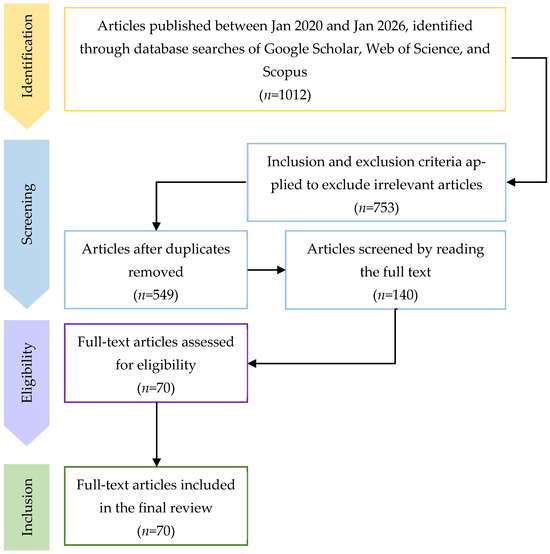
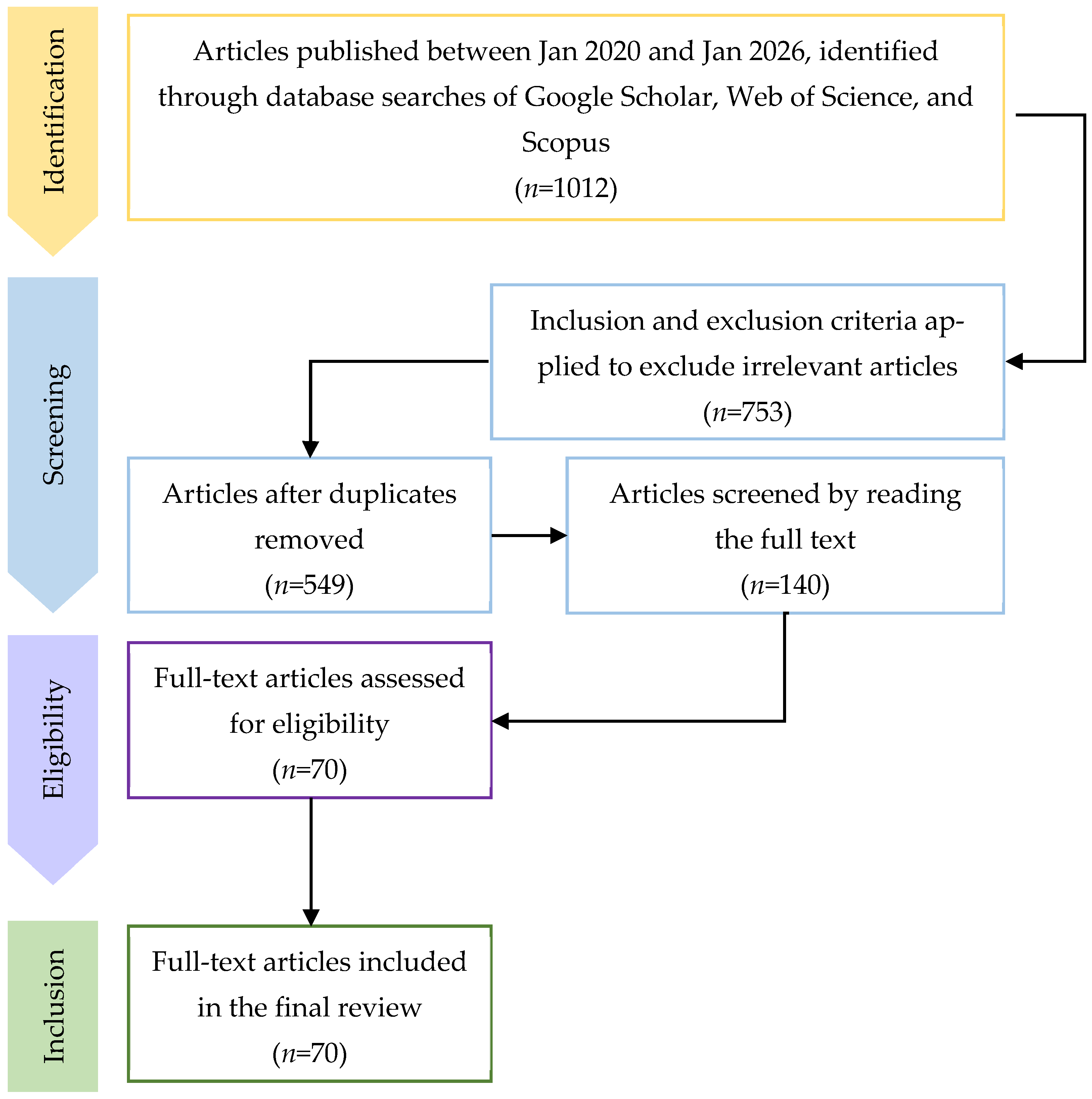
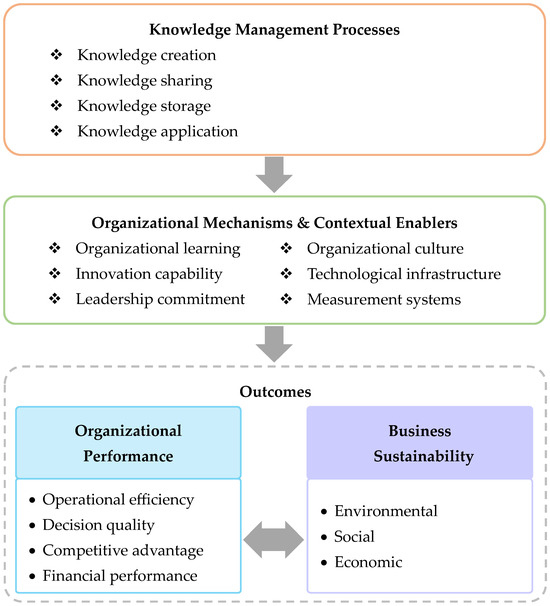
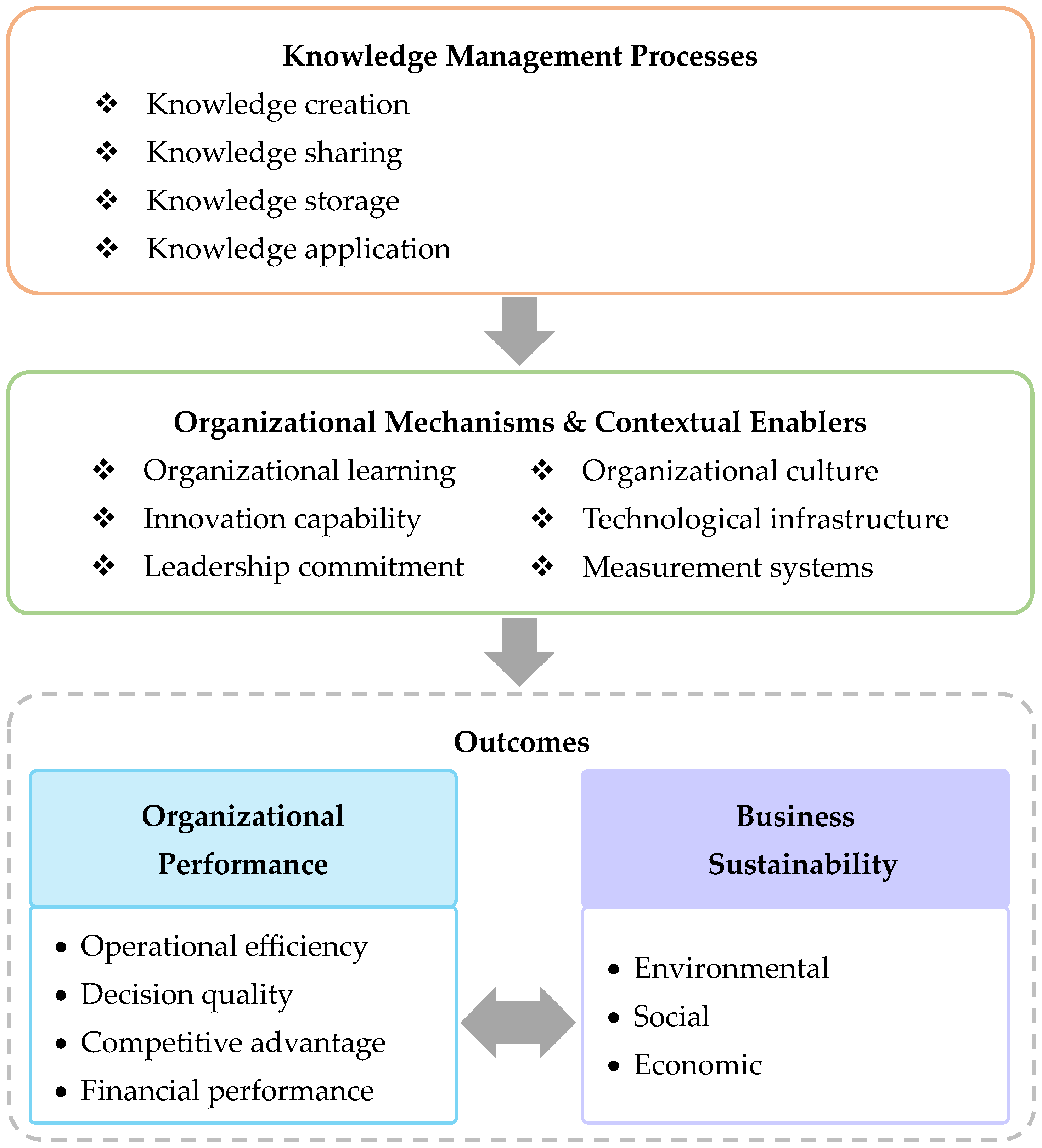

Disclaimer/Publisher’s Note: The statements, opinions and data contained in all publications are solely those of the individual author(s) and contributor(s) and not of MDPI and/or the editor(s). MDPI and/or the editor(s) disclaim responsibility for any injury to people or property resulting from any ideas, methods, instructions or products referred to in the content. |
© 2026 by the author. Licensee MDPI, Basel, Switzerland. This article is an open access article distributed under the terms and conditions of the Creative Commons Attribution (CC BY) license.