


Abstract
Background: Professional burnout, characterized by three distinct psychological dimensions—emotional exhaustion, depersonalization, and reduced personal achievement—threatens elementary teachers’ well-being and educational quality. Limited research examines burnout patterns in elementary education contexts experiencing economic crisis, particularly the interplay between workplace stress and societal stressors. Notably, the bidirectional relationship between workplace burnout and economic crisis burden, a distinctive contribution of this study, remains underexplored. Methods: A cross-sectional study surveyed 128 Greek elementary education teachers (response rate: 87.7%) during October 2024 using the Maslach Burnout Inventory-Educators Survey (MBI-ES) and demographic questionnaires. Statistical analysis examined relationships among burnout dimensions, demographic factors, and the psychological impact of the economic crisis. Results: Teachers demonstrated moderate emotional exhaustion (M = 25.09, SD = 11.05), with 35.9% experiencing high levels. Personal accomplishment was largely preserved, with 64.1% maintaining at least moderate levels, while depersonalization remained low, with 51.6% scoring in the low range and only 20.3% exhibiting high levels. Substitute teachers showed significantly higher depersonalization than permanent staff (7.92 vs. 4.73, p < 0.001). Male teachers reported nearly twice the level of depersonalization as females (9.66 vs. 5.36, p = 0.050). Emotional exhaustion strongly predicted the psychological impact of the economic crisis (β = 0.416, p < 0.001), explaining 27.4% of the variance. Most notably, this study establishes a bidirectional relationship between burnout and economic crisis burden—a distinctive contribution to the literature—revealing that emotional exhaustion predicts economic crisis psychological impact (β = 0.416, p < 0.001) while economic stress equally predicts emotional exhaustion (β = 0.413, p < 0.001), creating a reciprocal vulnerability cycle between occupational and societal stressors. The asymmetrical burnout pattern—moderate emotional exhaustion alongside preserved personal accomplishment (64.1% at least moderate) and low depersonalization (51.6% low)—suggests Greek teachers maintain professional efficacy despite emotional depletion. Conclusions: Emotional exhaustion, explaining 27.4% of the variance in economic crisis psychological burden (β = 0.416, p < 0.001), emerges as the central vulnerability linking workplace stress to broader societal stressors. Crucially, bidirectional analyses revealed that economic stress equally predicts emotional exhaustion (β = 0.413, p < 0.001), establishing a reciprocal vulnerability cycle between occupational and societal stressors. The asymmetrical burnout pattern—moderate emotional exhaustion alongside preserved personal accomplishment and low depersonalization—suggests Greek teachers maintain professional efficacy despite emotional depletion. These findings support targeted interventions prioritizing emotional recovery, employment security for substitute teachers, and gender-specific support in primary education.
1. Introduction
Professional exhaustion is a significant issue that has attracted widespread attention across educational studies, particularly in primary education. It encompasses many factors that contribute to threats to well-being, teaching quality, and learning outcomes on large scales. Teaching has long been considered a secure and rewarding profession, but it has lost its simplicity and has become complex and challenging, and primary education teachers experience distinct circumstances that are not shared with others within other educational contexts (Klusmann et al., 2022; Nwoko et al., 2023; Tran et al., 2024; Farley & Chamberlain, 2021; Wang et al., 2024).
Professional exhaustion manifests through three distinct psychological dimensions that collectively define the syndrome. Emotional exhaustion represents the depletion of emotional resources and chronic fatigue resulting from excessive psychological demands. Depersonalization involves the development of cynical attitudes and emotional detachment from students and colleagues. Personal achievement reflects educators’ self-evaluation of professional competence and effectiveness in their educational roles. These three dimensions interact in complex ways, creating varied patterns of burnout that affect teachers differently based on individual, organizational, and contextual factors (Rocha et al., 2025; Korhonen & Komulainen, 2023; Edú-Valsania et al., 2022; Alshurtan et al., 2024; Nagle et al., 2024; Taube et al., 2024; Montañés Muro et al., 2023).
1.1. Effects of Professional Exhaustion
1.1.1. Effects on the Individual
Professional exhaustion has major implications for teachers’ health, leading to physical and psychological symptoms that extend beyond the work environment. Teachers experiencing professional exhaustion exhibit a range of symptoms that affect their bodies, behavior, and psychology in complex ways. General symptoms include chronic fatigue, insomnia, gastrointestinal problems, respiratory difficulties, and changes in appetite. More specific symptoms include chronic tension, headaches, muscle aches, and even sexual dysfunction in extreme cases. More often than not, these symptoms tend to add up to create a progressively worsening cycle of ill health that hinders their capacity to deal with work-related stress or exhaustion (Madigan et al., 2023; Chen et al., 2025; Emeljanovas et al., 2023; Portilla et al., 2022; Springer et al., 2023; Agyapong et al., 2022; Mijakoski et al., 2022; Santiago et al., 2023).
Behavioral manifestations include low job satisfaction, ineffectiveness, reduced productivity, aggression, peculiar behaviors, and shunning responsibility. Teachers can exhibit absenteeism, loss of interest in things they once enjoyed, excessive working hours with little or no productivity, and turning to unhealthy coping behaviors, which include using tranquilizers or drugs to reduce stress at work (Goga et al., 2025; O’Sullivan, 2022; Dewaele & Li, 2021; Klein et al., 2022; Da’as, 2021; Pekrun, 2021; Al-Said, 2023; Y. Li et al., 2025).
The psychological symptoms include anxiety and stress reactions, inability to concentrate, ill moods, depression, low self-esteem and confidence, no respect for oneself, low morale, mood swings, irritability, suspicion, feelings of failure, loss of initiative, and alienation. It is apparent that psychological symptoms usually generate inadequacy and isolation that pervades every sphere of life for teachers (Körkkö et al., 2024; Duby et al., 2022; Manasia & Parvan, 2025; Khurshid et al., 2025; Littman-Ovadia & Russo-Netzer, 2024).
Regarding its occurrence among primary education teachers, research has identified three forms of burnout. The first form is that of the exhausted teacher who becomes disillusioned and unmotivated about work, and habitually abrogates their duties while physically remaining on the job. The second form is that of the exhausted teacher who becomes disinterested in their work and in doing their job effectively, going through the motions but not meaning to participate. The third form is that of the exhausted teacher, trying to cope with exhaustion and stress by working too much, and finding themselves in an ironic situation where they work themselves into exhaustion (Alexaki et al., 2025; Roloff et al., 2022; Tikkanen et al., 2022).
Professional burnout can create chronic conditions that linger for many years, leaving educators to face situations that require long healing processes to recover from. This problem affects not only the educator but also spills into their environment. Burnout educators tend to develop unhealthy interpersonal relationships, struggle to control their emotions, and experience conflicts with colleagues, students, parents, and other administrators in schools. This can result in becoming isolated in their school environments, leaving them more isolated and burned out (Cui, 2022; Heffernan et al., 2022; Maslach & Leiter, 2022; Falk et al., 2022; Wink et al., 2021).
1.1.2. Impact on the School
Burnout has direct and identifiable implications for schools and classrooms. Burnout among teachers has been shown to decrease productivity, efficiency, and effectiveness in classrooms. The deficiencies demonstrated by burned-out teachers can also affect students and classroom environments, leading students to become disinterested in education and, consequently, perform poorly in class (Madigan & Kim, 2021; Beames et al., 2023; Oliveira et al., 2021; Granger et al., 2023; Brown et al., 2023; Sasere & Matashu, 2025; G. Li & Tsang, 2023).
A professionally drained teacher affects not only the class environment but also the entire organizational environment within schools. This has serious implications for creating a conducive environment for the effective implementation of teaching practices. Teachers who are demotivated and lack commitment may resort to punitive rather than constructive practices. This can deprive children of their right to education. Lack of patience and ineffective crisis management skills lead to problematic behaviors intensifying rather than being addressed effectively (Ma et al., 2023; Jensen, 2021; L. T. Nguyen et al., 2023; Nwoko et al., 2024; Fang & Qi, 2023; Heinla & Kuurme, 2024).
This has important implications for image, functionality, and the future of schools. Burnout tends to lead to higher employee turnover in schools with higher levels of teacher burnout. This affects continuity, which has severe implications for schools: leaving qualified personnel to experience burnout has detrimental effects on school performance and interpersonal relations, and adds additional stress on other employees who must cover for lost expertise. This has implications for schools, as teacher burnout can create a cycle in which other teachers also develop the problem, eventually resulting in significant employee burnout (DeMatthews et al., 2022; Räsänen et al., 2024; Räsänen et al., 2022; Van Eycken et al., 2024; T. D. Nguyen & Kremer, 2022; F. Liu et al., 2021; Van Droogenbroeck et al., 2021).
1.2. Research Context in Elementary Education
The issue of burnout in primary education is also context-specific, with a varying nature and challenges. Teachers working with children in their formative years need to provide extensive supervision and support. This also involves working with children at various stages within classrooms. Emotional labor in primary education is rather demanding for teachers, as they are primarily child-care providers, instructors, and emotional supports for children within their classrooms during their formative stages (McGrew et al., 2023; Ghasemi, 2025; Nápoles, 2022; Carroll et al., 2022).
The present-day context within which elementary education is imparted is plagued by mounting demands and shrinking resources. Teachers are under tremendous pressure to ensure standardized achievement on evaluation tests while also meeting the social-emotional development needs of ever-diversifying students. The administrative tasks assigned to teachers have escalated to levels beyond imagination, leaving precious little class time for actual teaching and classroom engagement with students. This has resulted in conflicting role perceptions and feelings of inadequacy and fatigue among teachers (Jerrim & Sims, 2022; Rubin et al., 2023; Morford, 2021; Daliri-Ngametua & Hardy, 2022).
Greek primary education teachers are also confronted with challenges peculiar to their country. The economic crisis has also deeply affected the resources devoted to education, reducing budgets for materials and services. Some teaching positions are temporarily filled by substitute teachers. Their working terms are precarious and do not ensure the same stability as other permanent jobs. This precarious work life also adds to the already challenging stress in this profession (Tzotzou et al., 2021; Perifanou et al., 2022; Antonopoulou et al., 2021a, 2021b, 2022; Gkintoni et al., 2022, 2025a; Stylianou & Zembylas, 2021; Koutsoklenis & Papadimitriou, 2024).
1.3. The Need for Mentally Resilient Teachers
Teaching has become more challenging, complex, and demanding than ever, and present-day teachers are confronted with tasks and pressures that are unthinkable to previous generations. Issues in the education context include difficulties with the structure and approach to learning, legislative frameworks, working relations, limitations on autonomy, insufficient resources and technology, fluctuating working terms, and ever-growing workloads. This context has created a situation where employee stress and undesirable work emotions are more common among teaching personnel than in other occupations (Kraft & Lyon, 2024; Lutovac et al., 2024; Amitai & Van Houtte, 2022; Demerouti & Bakker, 2023; Stewart & Jansky, 2022; Munir, 2022; Alam, 2021; Akour & Alenezi, 2022; Antonopoulou et al., 2019).
Also, mental resilience has emerged as one important element for teachers to overcome these difficulties effectively. Mental resilience refers to “the ability to effectively handle unfavorable circumstances and turn them into beneficial experiences for personal development.” It has three essential elements: control, which refers to one’s ability to shape one’s own circumstances; commitment, which entails active involvement in life situations; and challenge, which implies seeing change as development rather than threat (Palamarchuk & Vaillancourt, 2021; Flood & Keegan, 2022; Riepenhausen et al., 2022; Gkintoni et al., 2025c; S. Li, 2023).
It has been shown that mental resilience has a great impact on job satisfaction and protection against burnout. Teachers with high mental resilience are more satisfied with their working environment and organization and are able to overcome difficulties in the ever-changing educational environment. On the other hand, teachers with lower levels of mental resilience are more likely to experience burnout, displaying symptoms of exhaustion, disconnectedness, and reduced feelings of personal achievement (Martínez-Ramón et al., 2021; García-Rivera et al., 2022; Sharifian et al., 2023; Yang et al., 2023; Ratanasiripong et al., 2022; Polat et al., 2023; Romano et al., 2021).
Building mental resilience is not only the responsibility of individuals but also needs to be encouraged at the systemic level. The existence of good relations within schools acts as a buffer, improving teachers’ resilience. Providing professional development sessions on stress management and regulation can serve as strategies to improve resilience. Support, communication, and appreciation from administration also foster resiliency in teachers (Boatsi & Van Der Merwe, 2024; Mullen et al., 2021; Hunsu et al., 2023; Keane & Evans, 2022; Berdida et al., 2023; Coyle et al., 2022; Doll & Song, 2023; Zhu et al., 2022).
The protective function of resilience factors—including age, experience, and social support—will be examined in relation to burnout dimensions in this study. Specifically, we hypothesize that older, more experienced teachers will demonstrate lower depersonalization and higher personal accomplishment, reflecting accumulated psychological capital developed through professional tenure.
1.4. Scope of the Research
This study fills important gaps in the current literature on professional burnout among primary education teachers by conducting a broader cross-sectional analysis. The issue tackled by this study forms a wider systemic review for all three aspects of professional burnout, including emotional exhaustion, depersonalization, and personal accomplishments within a general framework: primary education settings in Greek schools. This method allows for a better understanding of how primary education professionals experience professional burnout at various levels and for the development of intervention strategies for them to work on (Ali et al., 2024; Verhoef & Blomme, 2022; Ayachit & Chitta, 2022; Canu et al., 2021; Delgado et al., 2023; Cadena-Povea et al., 2025; Madigan et al., 2024; Listopad et al., 2021; Ede & Mawila, 2025).
The research moves forward, from documenting simple prevalence to examining complex interrelations among various dimensions of burnout and demographic variables. What is examined includes gender, age, experience, education, work status, and work context as variables that may relate to other burnout variables. This is also understood to recognize that burnout does not affect everyone in the same way, but rather each person in their own manner (Van Dam, 2021; Barker et al., 2021; Garcia, 2023; Prentice et al., 2023; Mueller & Kubatova, 2025; Boamah et al., 2023; Demerouti, 2024).
Furthermore, this research investigates current stressors, examining how economic crisis-related stressors affect the psychological burden on primary education teachers. This part of the research is of great importance with respect to the harsh economic difficulties Greece has encountered over the last decade and how they have influenced educational resources and working conditions. This research investigates how teaching-related stressors are interrelated with stressors stemming from economic difficulties, offering valuable insights into how societal stressors interact with occupational stressors to contribute to employee well-being (Antonopoulou et al., 2025; Swigonski et al., 2021; Rahmani et al., 2024; Robinson et al., 2023; Baker et al., 2021; Ozamiz-Etxebarria et al., 2021; Kotowski et al., 2022).
The research uses standardized research instruments, namely the Maslach Burnout Inventory-Educators Survey (MBI-ES), to ensure that findings can and do compare with other studies on a global scale while also being tailored to Greek primary education teachers. It also uses a methodological approach to explore relations among variables, providing data to inform interventions and policies on this topic (Piperac et al., 2021; Deroncele-Acosta et al., 2023).
It is expected that this unified approach will enable this research to contribute to both theory and practice. Theoretically, this research will enhance the existing body of knowledge on patterns of burnout in elementary education and on how work and societal factors are interrelated from a stress perspective. It can provide practical recommendations for improving teacher well-being, thereby enhancing educational quality for pupils.
Theoretical Propositions
This study tests several theoretical propositions derived from the literature reviewed above. First, based on the Conservation of Resources (COR) theory (Hobfoll, 1989), we predict that teachers experiencing emotional exhaustion will demonstrate heightened vulnerability to external stressors, including economic crisis impact, as depleted emotional resources reduce capacity to manage additional demands. Second, drawing from phase models of burnout (Maslach & Leiter, 2008), we examine whether the expected progression from emotional exhaustion to depersonalization occurs in this sample, or whether cultural factors specific to Greek education (e.g., philotimo) may buffer against cynical attitudes. Third, informed by resilience research (Beltman et al., 2011), we investigate whether age and professional experience serve protective functions. Fourth, recognizing the importance of contextual influences, we examine how structural factors—particularly employment insecurity among substitute teachers—relate to both burnout manifestation and economic stress vulnerability. Fifth, and most distinctively, we test bidirectional relationships between burnout and economic crisis burden, examining whether workplace exhaustion increases vulnerability to societal stressors and whether societal stressors increase vulnerability to workplace exhaustion. These theoretical propositions directly inform the interpretation of findings presented in the Discussion section, enabling explicit mapping between empirical results and their theoretical implications.
1.5. Research Questions
Based on the identified gaps in the literature and the specific objectives of this study, the following research questions guide the investigation:
RQ1: What are the levels at which the dimensions of burnout (emotional exhaustion, personal accomplishment, and depersonalization) are observed in Greek elementary education teachers? [Analytical approach: Descriptive statistics and categorical classification using established MBI-ES cutoff scores].
RQ2: What is the degree of correlation between the three dimensions of professional burnout and demographic factors, including gender, age, years of service, employment status, educational level, and school characteristics? [Analytical approach: Spearman correlations for continuous variables; Mann–Whitney U tests for two-group comparisons; Kruskal–Wallis H tests for multi-group comparisons].
RQ3: What is the degree of impact of the three dimensions of professional burnout on the psychological burden experienced by teachers due to the economic crisis? [Analytical approach: Simple and multiple linear regression with burnout dimensions as predictors of economic crisis impact].
RQ4: What is the degree of impact of psychological burden due to the economic crisis on the three dimensions of professional burnout, examining the reciprocal relationship between external stressors and workplace burnout? [Analytical approach: Reverse regression analysis with economic crisis impact as predictor of burnout dimensions, enabling bidirectional relationship assessment].
These research questions collectively address the need for a comprehensive understanding of burnout in elementary education, providing a foundation for evidence-based interventions and policy recommendations to support teacher well-being and educational quality.
2. Materials and Methods
2.1. Study Design and Setting
The aim of this cross-sectional quantitative study was to explore professional burnout in Greek primary education teachers in October 2024. This investigation took place in the Thessaloniki prefecture, the second-largest educational district in Greece, encompassing 120 primary schools serving students in both urban and rural areas. This geographical location was chosen for its representative schools, ranging from very small units with fewer than 5 classes in rural areas to large schools in urban areas with more than 15 classes, mirroring the Greek educational context. The nature of this cross-sectional design allowed analyses of burnout and its factors to be conducted simultaneously during typical months, thereby excluding variations likely to occur near the start or end of education sessions.
2.2. Participants
The sampling frame included all active elementary education educators employed in public primary schools within the prefecture of Thessaloniki for the 2024–2025 academic year. Starting with a sampling frame of 146 active educators for this period who could participate in this kind of research, 128 completed the research questionnaire, yielding a very impressive response rate of 87.7%.
Inclusion criteria consisted of participants’ active involvement in working as elementary education teachers and their direct responsibility for class tasks for at least one full year. Leave-taking educators, non-education administration personnel, and special education specialists remained ineligible to ensure sample homogeneity in terms of work requirements and students taught (Table 1).
Table 1.
Participant Demographic and Professional Characteristics (N = 128).
2.3. Data Collection Procedures
Data were collected via an anonymous online questionnaire for 3 weeks, from 13 to 31 October 2024. This period was chosen to obtain data about normal working conditions, avoiding both the start-of-semester adjustment stress and any evaluation pressures at term ends. The data retrieval method began with an official notification to school principals, allowing classroom teacher involvement. Information letters outlining research goals, volunteerism, and anonymization strategies were sent to every qualified teacher. Each participant was given their own, non-trackable link to the online survey to ensure full anonymity. One reminder was dispatched one week after data retrieval to optimize response rates without compromising participants’ volition. This online form took about 10 min to fill out.
2.4. Instruments
2.4.1. Demographic and Contextual Variables
The questionnaire method was employed to investigate participants’ attributes and work-related variables identified in the literature as related to teacher burnout. Personal variables comprised age, gender, marital status, and level of education. Professional variables included work status, teaching experience, tenure at the current school, and role within institutions. Organizational factors included geographic location (i.e., whether schools were urban or rural) and institutional size, measured by the number of classes. Economic crisis impact was measured using a single item: “To what extent (%) do you estimate that the economic crisis has affected your psychological state?” The answer options are in percentages ranging from 0 percent (not impacted at all) to 100 percent (extremely impacted), making it very intuitive to assess personal psychological distress.
While single-item measures have inherent limitations regarding internal consistency assessment, research supports their validity for global, unambiguous constructs when items are clear and face-valid (Wanous et al., 1997). The percentage format provides intuitive interpretability and has been successfully employed in stress and well-being research. This methodological choice is acknowledged as a limitation in Section 4.8 and addressed through the robust statistical relationships observed.
2.4.2. Maslach Burnout Inventory-Educators Survey (MBI-ES)
Professional burnout was measured using the Greek version of the MBI-ES (Kokkinos, 2006), comprising 22 items across three dimensions. Each item is rated on a 7-point frequency scale from 0 (never) to 6 (every day) to assess the frequency of burnout-related experiences (Table 2).
Table 2.
MBI-ES Dimensions, Items, and Psychometric Properties.
Burnout levels were categorized using established cutoff scores validated for educational populations (Table 3). High burnout is characterized by high emotional exhaustion (≥31), high depersonalization (≥11), and low personal accomplishment (≤35).
Table 3.
Burnout Level Classification Criteria.
2.5. Statistical Analysis
2.5.1. Software and Significance Level
Data analysis was carried out using IBM SPSS Statistics version 23.0 (IBM Corp., Armonk, NY, USA), with statistical significance set at p < 0.05. Correlation coefficients were interpreted following Cohen’s (1988) guidelines: r = 0.10–0.29 (small effect), r = 0.30–0.49 (moderate effect), and r ≥ 0.50 (large effect).
2.5.2. Preliminary Analyses
Preliminary analyses examined missing data, outliers, and distributional characteristics. Little’s MCAR test confirmed that missing data (<2% for all variables) were missing completely at random, supporting listwise deletion.
2.5.3. Normality Assessment and Test Selection
Normality assessment using Shapiro–Wilk tests revealed significant deviations for depersonalization (W = 0.89, p < 0.001) and economic crisis impact (W = 0.92, p < 0.001). While the Central Limit Theorem suggests parametric robustness with n = 128, we employed non-parametric analyses (Spearman’s ρ, Mann–Whitney U, Kruskal–Wallis H) as a conservative approach given: (a) the notably skewed distribution of depersonalization (skewness = 1.23, kurtosis = 1.87), (b) presence of ceiling effects in personal accomplishment, and (c) unequal group sizes in key comparisons (e.g., gender: 110 females vs. 18 males). Parametric alternatives were conducted as sensitivity analyses; the results yielded consistent conclusions and are available upon request.
2.5.4. Analysis by Research Question
For RQ1, descriptive statistics revealed differences in the degree of burnout across the three Burnout Dimension scales. Continuous data was analyzed via means and standard deviations, while non-continuous data described the estimated rates at which participants experienced Low, Medium, or High levels of Burnout. For RQ2, non-parametric Spearman’s Rank-Order correlation analyses investigated links between the Burnout Dimensions and Continuous Demographic variables age and work experience. For between-group analyses, data on gender, work status, and school location were analyzed using Mann–Whitney U tests. One-way analyses for age categories, educational levels, and marital status groupings used the Kruskal–Wallis H test. RQs 3 & 4 proceeded with Linear Regression analyses to investigate links between the Burnout Dimensions and perceptions of the Economic Crisis’s influence on schools. This was analyzed using individual Linear Regression analyses for each Burnout Dimension, predicting outcomes using simple regression models for each variable. For RQs 2 & 4, Linear Regression analyses analyzed groupings of Burnout Dimensions predicting Economic Crisis Influence using multiple regression models (Table 4).
Table 4.
Statistical Analysis Strategy by Research Question.
2.5.5. Regression Assumptions
For regression analyses (RQ3, RQ4), variance inflation factors (<2) confirmed absence of multicollinearity. Residual plots evaluated homoscedasticity, and Q-Q plots confirmed normal residual distribution. The reverse regression approach (RQ4) warrants methodological clarification. While RQ3 examines whether burnout dimensions predict economic crisis psychological burden, RQ4 reverses this analytical direction to examine whether economic crisis burden predicts burnout dimensions. This bidirectional analytical strategy enables assessment of reciprocal relationships, distinguishing whether burnout increases vulnerability to economic stress perceptions (burnout → crisis impact) or whether economic stress contributes to burnout development (crisis impact → burnout). Such bidirectional testing is essential for understanding the temporal and causal dynamics between workplace and societal stressors, and for informing intervention priorities. If relationships are unidirectional, interventions should target the causal factor; if bidirectional, interventions must address both pathways to interrupt reinforcing cycles.
2.6. Ethical Considerations
This study was reviewed by the University of Patras Research Ethics Committee (Protocol Review Date: October 2024). In accordance with Greek national regulations and institutional guidelines, the study was granted an exemption from formal ethics approval for an anonymous survey of healthy adult professionals that poses minimal risk. The exemption was confirmed through the University’s General Research Activity Programme review process, which verified that the research: (a) does not involve children, patients, or individuals unable to consent; (b) does not involve biological samples or genetic material; (c) does not collect sensitive personal data requiring explicit consent; and (d) does not involve vulnerable populations. Informed consent was established through a prefacing warning prior to commencing the questionnaire, informing participants about the research goals, volunteer status, the right to withdraw, guarantees of anonymity, and data use. Proceeding to answer questions implied consent. No identifiable information was gathered, nor IP addresses traced. Data were archived on encrypted media accessible only to research personnel for 5 years post-publication.
2.7. Quality Assurance
Some strategies that added to the validity and reliability of the research include:
- The MBI-ES has shown good reliability and validity in many cultures and education settings, and its Greek version has shown to be equivalent to the original scale. Cronbach’s alpha for the scales was very satisfactory, ranging between 0.74 and 0.90.
- To reduce response bias, anonymous data administration and neutral item presentation were ensured. Furthermore, the relatively high response rate of 87.7% minimized selection bias within the accessible sampling frame. Standardized e-administration ensured equal presentation of the questionnaire to all participants. Statistical control for demographic variables in regression analyses accounted for any confounding factors.
- The convenience sampling method is essentially the strongest limitation, as it could restrict generalizability to other areas than the prefecture of Thessaloniki. The cross-sectional method does not support making predictions about causes but records correlations instead. Both self-reporting sessions and the method could generate common method variance, but anonymity likely controls for social-desirability biases. Although it is a single item and lacks a full assessment enabled by multi-item indexes, it has very good face validity. This method has provided very credible data about burnout manifestation for Greek elementary education instructors.
- The sample reflects the gender composition of Greek primary education (approximately 85% female), resulting in substantially unequal group sizes for gender comparisons (110 females, 18 males). This imbalance limits statistical power to detect gender differences and increases the risk of Type II error. Findings related to gender should be interpreted as preliminary and requiring replication.
3. Results
3.1. Prevalence of Burnout Dimensions
Analysis of the three burnout scale scores revealed that, for elementary education professionals, professional exhaustion scores had moderate means. Table 5 presents descriptive statistics for all burnout dimensions. Emotional exhaustion scores fell within the moderate range, though substantial variance indicates heterogeneous experiences across the sample. Personal accomplishment remained relatively high, suggesting preserved professional efficacy, while depersonalization was generally low. The combination of moderate exhaustion, maintained accomplishment, and low cynicism represents an asymmetrical burnout pattern warranting theoretical interpretation.
Table 5.
Descriptive Statistics for Burnout Dimensions (N = 128).
Categorized on the basis of predetermined cut-off scores, characteristic patterns did emerge on the three factors. For emotional exhaustion, 43.8% of educators scored low, and 35.9% scored high, reflecting a significant risk in this group. Personal accomplishment scored relatively well, with 67.5% scoring high on their levels. Depersonalization remained relatively low, with 73.7% of educators scoring low on cynicism with students (Table 6).
Table 6.
Categorical Distribution of Burnout Levels (N = 128).
Item-level analysis revealed specific manifestations of burnout. Within the emotional exhaustion subscale, the highest-rated item was “I feel that I work very hard at school” (M = 4.52, SD = 1.68), while “Working closely with students causes me great tension/stress” received the lowest ratings (M = 1.97, SD = 1.86). This pattern suggests that workload rather than student interaction primarily drives emotional exhaustion. Regarding personal accomplishment, teachers most strongly endorsed “I can create a comfortable atmosphere with my students” (M = 5.14, SD = 1.00), indicating that they maintained positive relationships despite exhaustion. The depersonalization item “I feel that my students blame me for some of their problems” received the highest ratings (M = 1.77, SD = 1.97), though overall depersonalization remained low. Figure 1 is a four-panel visualization showing burnout patterns among 128 Greek elementary education teachers.
Figure 1.
Comprehensive Overview of Burnout Dimensions Among Greek Elementary Education Teachers (N = 128). This figure summarizes key findings across four panels: (A) burnout severity distribution showing 35.9% with high emotional exhaustion but 73.7% with low depersonalization; (B) significant demographic differences, with male and substitute teachers showing elevated depersonalization; (C) correlations among variables, with emotional exhaustion strongly related to economic crisis impact; (D) regression results confirming emotional exhaustion as the sole significant predictor of economic crisis burden (R2 = 0.274). EE = Emotional Exhaustion; PA = Personal Accomplishment; DP = Depersonalization; EC = Economic Crisis Impact. * p < 0.05. ** p < 0.01. *** p < 0.001.
3.2. Relationships Between Burnout Dimensions and Demographic Factors
Correlation analysis revealed significant associations between burnout dimensions and demographic variables. Age demonstrated a negative correlation with depersonalization (rs = −0.386, p < 0.01) and a positive correlation with personal accomplishment (rs = 0.245, p < 0.01), suggesting that older teachers experience less cynicism and maintain higher professional efficacy. Years of service showed similar patterns, though correlations were slightly weaker (Table 7). The three burnout dimensions showed expected intercorrelations, with emotional exhaustion positively associated with depersonalization (rs = 0.417, p < 0.01) and negatively with personal accomplishment (rs = −0.234, p < 0.05).
Table 7.
Spearman Correlations Between Burnout Dimensions and Continuous Variables.
Gender differences emerged specifically for depersonalization, with male teachers reporting significantly higher levels (M = 9.66, SD = 8.16) compared to female teachers (M = 5.36, SD = 5.03), U = 687.50, p = 0.050, r = 0.17. No significant gender differences were observed for emotional exhaustion or personal accomplishment (Table 8). These findings suggest gender-specific vulnerability to the development of cynical attitudes toward students, particularly among male teachers in this predominantly female profession.
Table 8.
Burnout Dimensions by Gender.
Employment status significantly affected burnout dimensions, particularly depersonalization. Kruskal–Wallis tests revealed significant differences across employment categories for personal accomplishment, H(2) = 9.02, p = 0.011, and depersonalization, H(2) = 17.89, p < 0.001. Post hoc analysis using Dunn’s test with Bonferroni correction showed that substitute teachers reported higher depersonalization (M = 7.92, SD = 5.47) compared to permanent teachers (M = 4.73, SD = 5.68), p < 0.001. This pattern suggests that employment insecurity contributes to emotional distancing from students (Table 9).
Table 9.
Burnout Dimensions by Employment Status.
Marital status showed significant associations with depersonalization, H(3) = 14.84, p = 0.002. Single teachers (M = 8.00, SD = 6.06) and married teachers without children (M = 9.22, SD = 6.41) reported higher depersonalization than married teachers with children (M = 4.91, SD = 5.13) and divorced teachers (M = 1.25, SD = 0.46). This pattern suggests that family responsibilities may serve as a protective factor against the development of cynical attitudes, possibly by providing perspective and emotional support outside the workplace.
School location also influenced burnout patterns. Teachers in urban schools reported significantly higher depersonalization (M = 6.88, SD = 6.00) compared to rural school teachers (M = 2.71, SD = 2.44), U = 865.00, p = 0.002, r = 0.27. Urban teachers also showed slightly higher emotional exhaustion (M = 25.86, SD = 11.23) versus rural teachers (M = 22.35, SD = 9.93), though this difference did not reach statistical significance, U = 1196.50, p = 0.138.
3.3. Economic Crisis Impact and Burnout Relationships
The perceived psychological impact of the economic crisis averaged 52.03% (SD = 22.96), indicating moderate to high subjective burden. Correlation analysis revealed a strong positive association between emotional exhaustion and economic crisis impact (rs = 0.416, p < 0.001), whereas personal accomplishment and depersonalization showed no significant correlations with economic crisis burden (rs = 0.056, p = 0.532; rs = 0.121, p = 0.174, respectively) (Table 10).
Table 10.
Correlations Between Burnout Dimensions and Economic Crisis Impact.
Simple linear regression analysis confirmed emotional exhaustion as a significant predictor of economic crisis psychological impact, F(1, 126) = 47.60, p < 0.001, R2 = 0.274. The regression equation indicated that each unit increase in emotional exhaustion was associated with a 0.87% increase in perceived economic crisis burden (B = 0.87, SE = 0.13, β = 0.416, p < 0.001). Neither personal accomplishment nor depersonalization significantly predicted economic crisis impact when examined individually (Table 11).
Table 11.
Simple Linear Regression: Burnout Dimensions Predicting Economic Crisis Impact.
Multiple linear regression, including all three burnout dimensions simultaneously, revealed that emotional exhaustion remained the sole significant predictor, F(3, 124) = 16.23, p < 0.001, R2 = 0.282. The model explained 28.2% of the variance in economic crisis impact, with emotional exhaustion maintaining its predictive strength (β = 0.418, p < 0.001) while controlling for the other dimensions (Table 12).
Table 12.
Multiple Linear Regression: Combined Burnout Dimensions Predicting Economic Crisis Impact.
Reverse regression analysis examined whether the economic crisis impact predicted burnout dimensions. The results indicated that economic crisis burden significantly predicted emotional exhaustion, F(1, 126) = 26.45, p < 0.001, R2 = 0.174, with each 10% increase in crisis impact associated with a 2.0-point increase in emotional exhaustion (B = 0.20, SE = 0.04, β = 0.413, p < 0.001). Economic crisis did not significantly predict personal accomplishment (p = 0.479) or depersonalization (p = 0.071).
3.4. Comparative Analysis of Burnout Levels by Categories
The following analyses extend beyond the primary hypothesis-driven tests (RQ1–RQ4) to explore additional patterns across demographic categories. These exploratory comparisons contextualize the main findings and identify potential subgroups warranting further investigation. Given their post hoc nature, these results should be interpreted as hypothesis-generating rather than confirmatory, with appropriate caution regarding multiple comparisons (Table 13).
Table 13.
Economic Crisis Impact by Burnout Level Categories.
When emotional exhaustion was categorized into low, moderate, and high levels, significant differences emerged in economic crisis impact. Teachers with high emotional exhaustion reported substantially greater economic crisis burden (M = 63.91%, SD = 18.45) compared to those with moderate (M = 45.00%, SD = 21.67) or low exhaustion (M = 45.00%, SD = 22.34), H(2) = 23.78, p < 0.001. Post hoc comparisons using Dunn’s test confirmed that the high exhaustion group differed significantly from both moderate and low groups (p < 0.001), while moderate and low groups did not differ from each other.
Position within the school showed significant effects on emotional exhaustion, F(3, 124) = 2.83, p = 0.041. Teachers in regular classroom positions reported higher emotional exhaustion (M = 27.26, SD = 11.63) compared to specialist teachers (M = 23.16, SD = 10.28). School directors showed the highest levels (M = 29.50, SD = 1.73), though the small sample size (n = 4) limits interpretation. These differences suggest that direct classroom responsibilities and administrative duties contribute differentially to emotional exhaustion.
Age group comparisons revealed significant differences in both emotional exhaustion, H(6) = 16.89, p = 0.003, and depersonalization, H(6) = 15.78, p = 0.012. Younger teachers (under 30 years) had the highest depersonalization scores (M = 8.14, SD = 6.45), while older teachers (over 50 years) had the lowest (M = 3.67, SD = 3.89). This age-related pattern suggests that experience and maturity may provide protective factors against the development of cynical attitudes toward students.
The comprehensive analysis reveals that Greek elementary education teachers experience moderate levels of professional burnout, with emotional exhaustion emerging as the primary vulnerability. The strong relationship between emotional exhaustion and economic crisis psychological burden indicates that workplace stress amplifies susceptibility to broader societal stressors. Employment status, gender, age, and school location represent key demographic factors influencing burnout manifestation, with substitute teachers, males, younger teachers, and urban school teachers showing heightened vulnerability to specific burnout dimensions.
4. Discussion
This cross-sectional study among 128 Greek primary education teachers provides comprehensive insight into patterns of professional burnout during a protracted period of economic difficulty. It becomes apparent that moderate levels of burnout exist overall, with variations across distinct areas, exploring the complex issue of teacher exhaustion in present-day environments. The data obtained illustrate how primary education teachers appear to be very resilient in certain areas but also very prone to others, specifically to the concept of emotional exhaustion, which is established as a mediating factor within larger psychological burdens.
4.1. Addressing RQ1: Prevalence of Burnout Dimensions
The first research question pertained to how often the levels identified for each scale are exhibited by Greek primary education personnel. The data indicate that while 35.9% are identified as experiencing very high levels of emotional exhaustion and only 43.8% are classified as very low, this is even more pronounced than in other studies in Greek culture prior to this period of crisis, indicative of more challenging pressures placed on educators. The score for emotional exhaustion was in the moderately severe range at 25.09, but had a large standard deviation of 11.05, indicating that while many educators are doing okay, they are pushing themselves to severe levels of exhaustion.
Personal Accomplishment remained relatively intact, with 67.5% of educators scoring high on exhaustion and on personal accomplishment. This apparent incongruity between exhaustion and personal accomplishment indicates that Greek primary educators find meaning and effectiveness in their work even when they are exhausted. The score of 37.95 means they feel they are making a difference for children, perhaps helping to buffer against full-blown burnout. This is consistent with Conservation of Resources (COR) theory (Hobfoll, 1989; Hobfoll et al., 2018), which describes how individuals will try to protect precious resources, personal achievement, even when experiencing depletion in other resources, such as emotional exhaustion.
Depersonalization had the most beneficial pattern, with 51.6% experiencing low depersonalization and only 20.3% experiencing high depersonalization. The mean score of 5.97 (SD = 5.68) indicates that most teachers maintain good personal relationships with their students, even when they are exhausted. This pattern does not align with the progression expected in burnout, in which depersonalization serves as a coping mechanism for exhaustion (Taris et al., 2005). Phase models of burnout suggest that prolonged emotional exhaustion typically leads to depersonalization as a defensive psychological response (Golembiewski et al., 1983; Leiter & Maslach, 1988). However, our findings indicate that Greek primary teachers maintain interpersonal engagement despite emotional depletion, a pattern also observed in other Mediterranean contexts (Fiorilli et al., 2015) and potentially attributable to cultural values emphasizing relational obligations. This is perhaps influenced by Greek education culture, where students’ personal relations and philotimo play important ethical roles in ensuring respect for students’ personhood.
This differential presentation across dimensions defies unitary conceptualizations of burnout. Teachers do not experience uniform elevation across all dimensions; instead, they are selectively susceptible to the emotional resources dimension while maintaining their professional and interpersonal ties. This also indicates that interventions focusing solely on emotional exhaustion, rather than on overall stress management for burnout, can prove most helpful to them.
The finding that 35.9% of teachers experience high emotional exhaustion, while only 35.9% exhibit high burnout on the personal accomplishment dimension (i.e., low personal accomplishment), and only 20.3% show high depersonalization, represents a significant departure from linear or phase models of burnout. Notably, 64.1% of teachers maintained at least moderate personal accomplishment, and 79.7% demonstrated low-to-moderate depersonalization, suggesting that the majority preserve professional efficacy and interpersonal engagement despite emotional strain. Classical theory suggests depersonalization emerges as a defensive mechanism against sustained emotional exhaustion. However, our data indicate that Greek primary teachers may employ alternative coping mechanisms. We propose three explanations: (1) The cultural construct of philotimo may create a moral imperative to maintain genuine student relationships; (2) Preserved personal accomplishment aligns with COR theory’s proposition that individuals prioritize protecting valued resources; (3) Teachers may express detachment through reduced extra-role behaviors rather than cynical attitudes.
These findings align with international research showing comparable levels of emotional exhaustion among teachers in crisis-affected contexts. Studies from Spain during economic austerity reported moderate-to-high levels of emotional exhaustion (Martínez-Ramón et al., 2021), while research from Portugal documented elevated burnout during economic downturns (Marôco et al., 2016). However, our depersonalization rates (51.6% low) are notably lower than those reported in Northern European contexts (Skaalvik & Skaalvik, 2017), suggesting potential cultural buffering effects in Mediterranean educational settings.
4.2. Addressing RQ2: Demographic Correlates of Burnout
The second research question examined associations between burnout and demographic variables, uncovering important patterns of vulnerability. Gender was identified as a significant predictor of depersonalization, with male educators reporting almost twice as much depersonalization as their female counterparts (9.66 vs. 5.36, p = 0.050). This finding, though requiring cautious interpretation given the sample imbalance (18 males vs. 110 females), suggests potential role incongruity between masculine norms and primary education’s caregiving demands.
Employment status emerged as the most important predictor for vulnerability to burnout, especially depersonalization. Substitutes reported higher depersonalization scores (7.92) than permanent faculty members (4.73), p < 0.001, and also perceived lower personal accomplishments. This may be attributed to the very challenging nature of substitute teaching, as 42.2% in our sample did not have permanent jobs. This can create various sources of stress for them, including uncertainty about future work and development opportunities, involvement in decision-making, and difficulty forming long-term bonds with students and colleagues, given that they are only working for a short period. The psychological contract between substitute faculty and schools can therefore remain transactional and serve as a buffer.
The preventive factor was age, showing a negative correlation with depersonalization (−0.386) and a positive correlation with personal accomplishments (0.245). This preventive function regarding age indicates that experience offers skills for overcoming classroom difficulties and inner resources for maintaining teacher efficacy. Teachers under 30 years of age reported the highest depersonalization scores, perhaps experiencing “Reality Shock” as they moved from idealistic preparation to the realities of the classroom. This preventive function for age also encompasses survival bias, wherein those unable to develop resiliency tend to leave teaching relatively early.
School location affected burnout patterns, with urban teachers scoring higher on depersonalization than rural teachers (6.88 vs. 2.71, p = 0.002). Urban schools in Thessaloniki face distinct pressures, including larger class sizes, greater student heterogeneity, bureaucracy, and, ironically, weaker community support despite their proximity to resources. Rural schools, operating with limited resources, could serve as buffers through their strong sense of community, smaller class sizes that permit individualized attention, and clearer role definitions untouched by bureaucracy.
The marital status variable showed unexpected patterns: married teachers with children reported lower levels of depersonalization. This variable indicates that experience as a parent can improve empathetic and tolerant attitudes towards pupils, while personal experience provides a platform to reduce work-related cynicism. The convergence of both roles as parents and teachers can create synergies rather than tensions, with parenting skills informing pupil management skills.
Finally, the gender finding warrants cautious interpretation given the substantial imbalance in the sample (18 males vs. 110 females). While the effect size was notable (r = 0.17), the small male subsample limits statistical power and generalizability. This finding should be treated as hypothesis-generating rather than definitive, and should be replicated using purposive sampling.
4.3. Addressing RQ3: Burnout Impact on Economic Crisis Burden
The third research question concerned how burnout factors affected psychological burden resulting from the economic crisis. The fact that the rescaled variable for emotional exhaustion showed a very strong, positive correlation with crisis impact (rs = 0.416, p < 0.001) illustrates how vulnerability can feed on itself when exhaustion exists in work environments and shapes reactions to societal pressures. Teachers reporting above-average emotional exhaustion reported 63.91% in their perceptions of crisis impact, compared with 45.00% among those reporting below-average emotional exhaustion, representing an additional psychological burden of 18.91%.
The regression analysis verifies that EE was the only significant predictor in BOS for perceived crisis impact, accounting for 27.4% of the variance. With every unit increase in EE, perceived crisis burden increases by 0.87%. This link can be explained by the idea that exhausted educators lack the resources to cope with economic concerns. The Greek crisis has brought reduced salaries, higher living costs, job instability, and generalized pessimism about the future, factors hard to deal with for individuals already exhausted.
Neither personal accomplishment nor depersonalization predicted crisis impact, suggesting that emotion resources, rather than professional efficacy or interpersonal attitudes, are factors in stress susceptibility. Teachers with personal accomplishment experience stress during crises, becoming emotionally drained, suggesting that personal resources are depleted when exposed to societal stress, regardless of job satisfaction.
4.4. Addressing RQ4: Economic Crisis Impact on Burnout
The fourth research question examined the reverse relationship, exploring whether economic crisis burden predicts Burnout Dimensions. The bidirectional relationship between Crisis Impact and Emotional Exhaustion (β = 0.413, p < 0.001) indicates a cycle of vulnerability. Economic stress generates depletion of emotional resources, which in turn affects one’s ability to deal with economic stress, escalating into a cycle where distress spirals out of control.
The specificity of this link to EE, but not to personal accomplishments or depersonalization, reveals that economic stress has only a draining effect on emotional energy, not on professional or interpersonal esteem. Teachers can detach themselves from economic stress so that it does not infiltrate their professional efficacy or interpersonal boundaries, but cannot detach themselves from its draining effect on their energy.
A notable finding is the absence of significant relationships between economic crisis impact and depersonalization (rs = 0.121, p = 0.174). We propose that economic stress primarily operates through emotional resource depletion rather than through interpersonal detachment. The economic crisis represents a diffuse, external stressor depleting emotional resources required for coping. In contrast, depersonalization reflects a specific defensive response to student-related demands. The implication is that external stressors may affect distinct burnout dimensions through different mechanisms.
4.5. Theoretical Discontinuities
Theoretical Discontinuities and Their Implications. Our findings reveal discontinuities with established theory warranting explicit acknowledgment. Discontinuity 1: Non-Linear Burnout Progression—Phase models predict that depersonalization follows emotional exhaustion, but our data show independence. Discontinuity 2: Preserved Efficacy Under Exhaustion—High emotional exhaustion co-occurs with high personal accomplishment, contradicting assumptions of uniform degradation. Discontinuity 3: Economic Stress Selectivity—Strong EE-economic crisis relationships alongside null relationships with DP and PA suggest external stressors target specific dimensions. These discontinuities suggest universal burnout models may require cultural adaptation for Mediterranean contexts.
4.6. Theoretical Implications
What we have discovered has implications for theoretical development in burnout research. For one, our data raises doubts about stage models on the grounds of differential vulnerability to either exhaustion, depersonalization, or reduced accomplishments. Indeed, we find sequences for each dimension separately, in which emotional exhaustion can emerge on its own and does not automatically trigger defensive depersonalization or damage one’s sense of professional accomplishment. This has implications for interventions on CD.
Secondly, the circular associations between EE and ESC support ecologically valid models of EE that view burnout as influenced by factors situated in the context of work rather than within it. The main focus of traditional conceptualizations of burnout is on work factors, but our data provide clear support for interactive associations between work and societal stressors.
Thirdly, the buffering function described for certain demographic variables (age, permanent work, family status) underscores the need for experience to develop resilience. What emerges is that, instead of treating susceptibility to burnout as essentially an individual problem, our data focus on structural variables, including work security, to form the basis for psychological well-being.
4.7. Practical Implications
The prominence of emotional exhaustion in predicting both burnout progression and susceptibility to external stressors indicates that this dimension should receive priority in intervention strategies. Emotional exhaustion functions as a ‘gateway vulnerability’—its mitigation may prevent cascading effects across life domains. Evidence-based strategies include workload reduction, peer support groups, mindfulness training (Klingbeil & Renshaw, 2018), and scheduled recovery time within the school day. Importantly, emerging neuroscience research highlights the need to move beyond traditional cognitive load management approaches, recognizing that effective learning and professional functioning require attention to emotional, motivational, and contextual factors that influence teacher well-being (Sortwell et al., 2026).
The vulnerability of substitute teachers demands urgent attention. With 42.2% of our sample in temporary positions, employment insecurity represents a systemic contributor to burnout. Policy responses should include pathways to permanent employment, equal access to professional development, representation in decision-making, and equivalent support services regardless of contract type.
Gender-specific interventions may benefit male teachers in primary education, potentially addressing role conflict through mentoring networks and validating diverse expressions of care and authority.
Protective factors identified—age, experience, family support, and rural school characteristics—suggest resilience-building strategies. Mentorship programs pairing early-career teachers with experienced colleagues (Richter et al., 2013) could accelerate the development of protective resources. Recent advances in neuroplasticity research demonstrate that targeted interventions can enhance adaptive cognitive and emotional functioning, suggesting that well-designed professional development programs may help teachers build resilience against burnout through neurobiological adaptation mechanisms (Gkintoni et al., 2025d). Family-supportive workplace policies acknowledge that parenting experience may enhance rather than compete with professional capabilities.
Furthermore, these findings underscore the critical importance of integrating neuroscience-informed approaches into initial teacher education curricula. Bridging the gap between neuroscience research and classroom practices could equip pre-service teachers with evidence-based strategies for managing emotional demands and preventing burnout from the outset of their careers (Sortwell et al., 2023). Such curricular innovations would represent a proactive, preventive approach to teacher well-being rather than reactive interventions after burnout has manifested. These recommendations are derived directly from empirical findings and provide actionable guidance for educational administrators and policymakers.
4.8. Proposed Framework for Understanding and Addressing Teacher Burnout
Grounded in our results, we introduce our conceptual framework for understanding teacher burnout as a complex dynamic system operating through the interlinkage among individual, organizational, and societal variables (see Figure 2). This conceptual framework identifies points in teacher burnout where interventions can occur via yellow diamonds to thwart the development of teacher burnout. The identified factors are risk factors and protective factors placed in green pathways denoted in our conceptual framework.
Figure 2.
Integrated Framework for Teacher Burnout in Economic Crisis Contexts. Note: Red arrows = Risk pathway; Green arrows = Protective pathway; Orange dashed arrows = Primary relationship (bidirectional arrows indicate reciprocal influence); Yellow diamonds = Intervention points. Model explains 27.4% of economic crisis impact variance (F(1,126) = 47.60, p < 0.001). Emotional exhaustion is the sole significant predictor among burnout dimensions. ** p < 0.01, *** p < 0.001.
The framework shows many important findings from our research. Emotional exhaustion is placed at the central point, mediating between work demands and other effects, such as susceptibility to economic crisis. Risk factors primarily contribute to emotional exhaustion, whereas protective factors help prevent its occurrence. The link between emotional exhaustion and economic crisis impact reflects how our research has specified its circular pattern. Yellow diamonds mark places where interventions can be applied to counteract the stage progression of worker burnout.
4.9. Limitations
Certain limitations need to be borne in mind when analyzing this data. For example, using a cross-sectional research design means that it is not possible to draw conclusions about causal links between the observed factors. While it is possible to recognize links between factors, it is not possible to say whether they reflect emotional exhaustion leading to susceptibility to economic pressures or follow other patterns over time. Longitudinal studies could provide more information on this topic.
The convenience sampling method within the prefecture of Thessaloniki does not allow for generalization to other areas in Greece or to other countries. Moreover, it can be assumed that there are differences between urban and other geographical locations regarding demographic factors and economic data between other cities within Greece, for example, Athens. Furthermore, though high, the questionnaire response rate of 87.7% could lead to biased sampling, as non-participants may be more exhausted than participants, meaning they lacked sufficient energy to participate in studies.
Dependence on self-report data can introduce standard-method variance and social desirability bias. Teachers can tend to underestimate the negative experience, such as depersonalization, to appear professionally competent, or overstate personal achievements to project higher esteem. More objective variables, such as classroom observations or physiological stress measures, can enhance validity. The single question on economic crisis experience, though yielding face validity and straightforward interpretability, lacks the psychometric properties of scales used to measure stress or economic anxiety.
The research period, October 2024, is also a specific context that does not account for seasonality in burnout levels. Teachers are usually expected to experience stress at various points in the year, with pressure at the start, during mid-session assessments, and again towards the end. The October assessment can well identify a period when stress levels are relatively stable, perhaps suggesting lower stress levels than those experienced.
Culturally Greek factors in education can contribute to non-generalizability. Philotimo (love of honor), extended family support, and Mediterranean cultural patterns may shape the manifestation of burnout in Greek contexts, which could potentially differ from patterns in non-Mediterranean cultures, though this interpretation requires cross-cultural validation. It is also important to acknowledge that Greek culture has experienced extreme economic stress, which can amplify the effects of variables.
4.10. Future Research Directions
Some directions for future research include addressing the current limitations by conducting longitudinal studies to trace patterns from entry into and exit from one’s career. This would focus on important points for intervention, patterns in the development of exhaustion and depersonalization, and whether precipitation into depersonalization and a decreased sense of accomplishment can be predicted by earlier exhaustion. Tracking new teacher cohorts would provide insight into whether patterns are developing or cohort factors (Golembiewski et al., 1983; Leiter & Maslach, 1988; Fiorilli et al., 2015; Marôco et al., 2016; Skaalvik & Skaalvik, 2017; Klingbeil & Renshaw, 2018; Sortwell et al., 2026; Richter et al., 2013; Gkintoni et al., 2025d; Sortwell et al., 2023; Vansoeterstede et al., 2023).
Intervention studies must assess how our framework can inform strategies to reduce work, support coping groups, provide tailored mindfulness education for teachers, or address work insecurity. Emotional exhaustion is so central to our construct that research on interventions to reduce or remove it has priority. It must investigate whether preventing exhaustion can delay other carnage or reduce susceptibility to environmental stressors (McCullough et al., 2022; Pate et al., 2023; He et al., 2022; Pan et al., 2023; Cece et al., 2022; Otto et al., 2021; Van Hoy & Rzeszutek, 2023; Mäkikangas et al., 2021; Fleuren et al., 2023; Junker et al., 2021).
Cross-cultural verification would indicate the extent to which discovered patterns are universal or culture-specific. Comparing Greek educators with educators in other Mediterranean and European countries with varying educational ideologies, and with educators in countries not experiencing an economic crisis, would reveal to what degree certain associations are universal or context-dependent. This type of research would uncover risk factors applicable to the global community versus culture-specific factors that are preventive within individual cultures (Dišlere et al., 2025; Freeman et al., 2021; Munson et al., 2022; Cash et al., 2023; Klaic et al., 2022; Chmiel & Kurpas, 2025; Burnette et al., 2023).
Methods that integrate both assessment and exploration would provide more information about educator burnout. Interviews can provide insight into how educators perceive and manage tasks related to emotional exhaustion, how personal accomplishments vary across cultures, and how economic pressures affect educator identity. Observations can provide data on how educator burnout affects classrooms and their environments, including educator-pupil interactions and practices (De Groot et al., 2021; Karabinski et al., 2021; Lee et al., 2024; R. W. Liu et al., 2025; Yuan et al., 2025; Den Hartog & De Hoogh, 2024; Haq & Kwok, 2024; Thalmayer et al., 2022).
Biological stress indices need to be integrated with psychological evaluation. Cortisol patterns, heart rate variability, and indices of inflammation may indicate chronic stress. Neuroimaging research could identify how long-term emotional exhaustion influences brain regions known to regulate emotion and empathetic responses, helping explain how individuals develop depersonalization symptoms (Salihu et al., 2022; Cruchinho et al., 2024; Askarizad et al., 2025; Fischer et al., 2025; Soames & Willis, 2024; Han et al., 2025; Gkintoni et al., 2025b, 2025e; Fleckman et al., 2022; Song, 2024; Postigo-Zegarra et al., 2025; Darnai et al., 2023).
Finally, studies must investigate positive deviates—those educators who endure low levels of burnout despite various risk factors. Identifying factors that lead to successful substitute teachers, male educators, or city educators could lead to new ways to improve educator well-being by utilizing new concepts centered on strengths rather than deficits for educator burnout strategies (Walter et al., 2023; Kim et al., 2021; Watson, 2024; Chmiel & Kurpas, 2025; Gkintoni & Halkiopoulos, 2025; Arnsten & Shanafelt, 2021; Arya et al., 2021; Chmiel & Malinowska, 2025; Fynes-Clinton et al., 2022; Knighton, 2022; Sharma & Chillakuri, 2023; Wisdom et al., 2025; Yaacob et al., 2023).
5. Conclusions
This study provides evidence that burnout dimensions operate independently in Greek primary education, challenging assumptions of uniform syndrome progression. Emotional exhaustion emerged as the dominant vulnerability, affecting over one-third of teachers severely, while personal accomplishment and interpersonal engagement remained preserved. This asymmetrical pattern suggests Greek teachers maintain professional efficacy despite emotional depletion, possibly through cultural mechanisms such as philotimo. The bidirectional relationship between emotional exhaustion and economic crisis psychological burden represents the study’s central theoretical contribution—workplace exhaustion heightens vulnerability to societal stressors while financial stress depletes emotional resources, creating a reinforcing vulnerability cycle. Employment insecurity emerged as a significant structural vulnerability, with substitute teachers showing elevated depersonalization. The protective function of age and experience supports early-career intervention strategies. Limitations include a cross-sectional design precluding causal inference, convenience sampling limiting generalizability, and gender sample imbalance. Future research should employ longitudinal designs and test whether the observed patterns replicate across Mediterranean education systems. These findings translate directly into actionable policy recommendations. Educational authorities should consider: (a) implementing systematic emotional well-being monitoring and early intervention programs for teachers showing signs of exhaustion; (b) prioritizing employment stability by creating pathways for converting substitute positions to permanent appointments; (c) establishing formal mentorship programs that pair early-career teachers with experienced colleagues to accelerate resilience development; (d) allocating additional support resources to high-stress urban schools; and (e) developing gender-sensitive support initiatives recognizing the distinct challenges faced by male teachers in primary education. Investment in teacher psychological well-being represents not merely a workforce management concern but a strategic investment in educational quality and, ultimately, in the cognitive, emotional, and social development of future citizens.
Author Contributions
Conceptualization, E.K. and H.A.; methodology, E.K., H.A. and C.H.; software, C.H.; validation, E.K., H.A. and C.H.; formal analysis, E.K., H.A. and C.H.; investigation, E.K.; resources, E.K. and G.I.; data curation, H.A. and C.H.; writing—original draft preparation, E.K. and H.A.; writing—review and editing, E.K., H.A., G.I. and C.H.; visuali-zation, H.A. and C.H.; supervision, C.H.; project administration, H.A.; funding acquisition, G.I. All authors have read and agreed to the published version of the manuscript.
Funding
The publication fees of this manuscript have been financed by the Research Council of the University of Patras, Greece.
Institutional Review Board Statement
Ethical review and approval were waived for this study due to the study does not meet the criteria requiring formal ethical approval according to the University of Patras Ethics Committee and Research Ethics guidelines. The questionnaire verifies that the research: Does not involve children, patients, or individuals who cannot consent Does not involve human biological samples or genetic material Does not collect sensitive personal data requiring explicit consent (such as health records, audio recordings, photographs, or identifiable personal information) Does not involve vulnerable populations Therefore, the study qualifies for exemption from formal ethical review under the University’s established guidelines.
Informed Consent Statement
Informed consent was obtained from all subjects involved in this study.
Data Availability Statement
The data presented in this study are available upon request from the corresponding authors.
Acknowledgments
The authors acknowledge the limited use of ChatGPT (version 4) solely for copy-editing purposes, including grammar, wording, and readability improvements. No generative AI was used for study design, data generation, analysis, interpretation, or the creation of original content. The authors have reviewed and verified all text and take full responsibility for the accuracy, integrity, and originality of the manuscript.
Conflicts of Interest
The authors declare no conflicts of interest.
References
- Agyapong, B., Obuobi-Donkor, G., Burback, L., & Wei, Y. (2022). Stress, burnout, anxiety and depression among teachers: A scoping review. International Journal of Environmental Research and Public Health, 19(17), 10706. [Google Scholar] [CrossRef] [Scilit]
- Akour, M., & Alenezi, M. (2022). Higher education future in the era of digital transformation. Education Sciences, 12(11), 784. [Google Scholar] [CrossRef] [Scilit]
- Alam, A. (2021). Possibilities and apprehensions in the landscape of artificial intelligence in education. In 2021 international conference on computational intelligence and computing applications (pp. 1–8). IEEE. [Google Scholar] [CrossRef] [Scilit]
- Alexaki, P. S., Antonopoulou, H., Gkintoni, E., Adamopoulos, N., & Halkiopoulos, C. (2025). Psychological dimensions of professional burnout in special education: A cross-sectional behavioral data analysis of emotional exhaustion, personal achievement, and depersonalization. International Journal of Environmental Research and Public Health, 22(9), 1420. [Google Scholar] [CrossRef] [Scilit] [PubMed]
- Ali, S. A., Alaghbari, M. A., & Al Astal, A. Y. M. (2024). Burnout and its impact on employee performance: A comprehensive systematic review. In Innovative and intelligent digital technologies: Towards an increased efficiency (pp. 543–551). Springer. [Google Scholar] [CrossRef] [Scilit]
- Al-Said, K. (2023). Influence of teacher on student motivation: Opportunities to increase motivational factors during mobile learning. Education and Information Technologies, 28(10), 11977–11997. [Google Scholar] [CrossRef] [Scilit]
- Alshurtan, K. S., Aldhaifi, S. Y., Alshammari, K. A., Alodayli, O. M., Alqahtani, K. F., & Aldhaifi, S. Y. (2024). Burnout syndrome among critical care health providers in Saudi Arabia. Journal of Multidisciplinary Healthcare, 17, 843–854. [Google Scholar] [CrossRef] [Scilit]
- Amitai, A., & Van Houtte, M. (2022). Being pushed out of the career: Former teachers’ reasons for leaving the profession. Teaching and Teacher Education, 110, 103540. [Google Scholar] [CrossRef] [Scilit]
- Antonopoulou, H., Halkiopoulos, C., Barlou, O., & Beligiannis, G. (2019). Transition from educational leadership to e-leadership: A data analysis report from TEI of Western Greece. International Journal of Learning, Teaching and Educational Research, 18(9), 238–255. [Google Scholar] [CrossRef] [Scilit]
- Antonopoulou, H., Halkiopoulos, C., Barlou, O., & Beligiannis, G. N. (2021a). Associations between Traditional and Digital Leadership in Academic Environment: During the COVID-19 Pandemic. Emerging Science Journal, 5(4), 405–428. [Google Scholar] [CrossRef] [Scilit]
- Antonopoulou, H., Halkiopoulos, C., Barlou, O., & Beligiannis, G. N. (2021b). Transformational leadership and digital skills in higher education institutes: During the COVID-19 pandemic. Emerging Science Journal, 5(1), 1–15. [Google Scholar] [CrossRef] [Scilit]
- Antonopoulou, H., Halkiopoulos, C., Gkintoni, E., & Katsibelis, A. (2022). Application of gamification tools for identification of neurocognitive and social function in distance learning education. International Journal of Learning, Teaching and Educational Research, 21(5), 367–400. [Google Scholar] [CrossRef] [Scilit]
- Antonopoulou, H., Matzavinou, P., Giannoukou, I., & Halkiopoulos, C. (2025). Teachers’ digital leadership and competencies in primary education: A cross-sectional behavioral study. Education Sciences, 15(2), 215. [Google Scholar] [CrossRef] [Scilit]
- Arnsten, A. F. T., & Shanafelt, T. (2021). Physician distress and burnout: The neurobiological perspective. Mayo Clinic Proceedings, 96(3), 763–769. [Google Scholar] [CrossRef] [Scilit]
- Arya, N., Vaish, A., Zhao, K., & Rao, H. (2021). Neural mechanisms underlying breast cancer related fatigue: A systematic review of neuroimaging studies. Frontiers in Neuroscience, 15, 735945. [Google Scholar] [CrossRef] [Scilit]
- Askarizad, R., Lamíquiz-Daudén, P. J., Dastoum, M., Khotbehsara, E. M., Sharifi, A., & Garau, C. (2025). A cross-cultural study to identify social behaviours of pedestrians in urban public spaces: Evidence from Iran, Spain, Italy, and Australia. Scientific Reports, 15(1), 31338. [Google Scholar] [CrossRef] [Scilit] [PubMed]
- Ayachit, M., & Chitta, S. (2022). A systematic review of burnout studies from the hospitality literature. Journal of Hospitality Marketing & Management, 31(3), 279–301. [Google Scholar] [CrossRef] [Scilit]
- Baker, C. N., Peele, H., Daniels, M., Saybe, M., Whalen, K., Overstreet, S., & The New Orleans Trauma-Informed Schools Learning Collaborative. (2021). The experience of COVID-19 and its impact on teachers’ mental health, coping, and teaching. School Psychology Review, 50(4), 491–504. [Google Scholar] [CrossRef] [Scilit]
- Barker, G. G., Volk, F., & Peters, C. (2021). Cultural influences on burnout: A Swedish–American comparison. International Journal of Workplace Health Management, 14(2), 181–200. [Google Scholar] [CrossRef] [Scilit]
- Beames, J. R., Spanos, S., Roberts, A., McGillivray, L., Li, S., Newby, J. M., O’dEa, B., & Werner-Seidler, A. (2023). Intervention programs targeting the mental health, professional burnout, and/or wellbeing of school teachers: Systematic review and meta-analyses. Educational Psychology Review, 35(1), 26. [Google Scholar] [CrossRef] [Scilit] [PubMed]
- Beltman, S., Mansfield, C., & Price, A. (2011). Thriving not just surviving: A review of research on teacher resilience. Educational Research Review, 6(3), 185–207. [Google Scholar] [CrossRef] [Scilit]
- Berdida, D. J. E., Lopez, V., & Grande, R. A. N. (2023). Nursing students’ perceived stress, social support, self-efficacy, resilience, mindfulness and psychological well-being: A structural equation model. International Journal of Mental Health Nursing, 32(5), 1390–1404. [Google Scholar] [CrossRef] [Scilit] [PubMed]
- Boamah, S. A., Kalu, M., Stennett, R., Belita, E., & Travers, J. (2023). Pressures in the ivory tower: An empirical study of burnout scores among nursing faculty. International Journal of Environmental Research and Public Health, 20(5), 4398. [Google Scholar] [CrossRef] [Scilit]
- Boatsi, T., & Van Der Merwe, M. (2024). Protective factors that enhance teacher resilience in a private school in Johannesburg. South African Journal of Childhood Education, 14(1), 1–11. [Google Scholar] [CrossRef] [Scilit]
- Brown, J. L., Jennings, P. A., Rasheed, D. S., Cham, H., Doyle, S. L., Frank, J. L., Davis, R., & Greenberg, M. T. (2023). Direct and moderating impacts of the CARE mindfulness-based professional learning program for teachers on children’s academic and social-emotional outcomes. Applied Developmental Science, 29(1), 14–33. [Google Scholar] [CrossRef] [Scilit]
- Burnette, J. L., Billingsley, J., Banks, G. C., Knouse, L. E., Hoyt, C. L., Pollack, J. M., & Simon, S. (2023). A systematic review and meta-analysis of growth mindset interventions: For whom, how, and why might such interventions work? Psychological Bulletin, 149(3–4), 174–201. [Google Scholar] [CrossRef] [Scilit]
- Cadena-Povea, H., Hernández-Martínez, M., Bastidas-Amador, G., & Torres-Andrade, H. (2025). What pushes university professors to burnout? A systematic review of sociodemographic and psychosocial determinants. International Journal of Environmental Research and Public Health, 22(8), 1214. [Google Scholar] [CrossRef] [Scilit] [PubMed]
- Canu, I. G., Marca, S. C., Dell’Oro, F., Balázs, Á., Bergamaschi, E., Besse, C., Bianchi, R., Bislimovska, J., Bjelajac, A. K., Bugge, M., Busneag, C. I., Çağlayan, Ç., Cernițanu, M., Pereira, C. C., Hafner, N. D., Droz, N., Eglite, M., Godderis, L., Gündel, H., … Wahlen, A. (2021). Harmonized definition of occupational burnout: A systematic review, semantic analysis, and Delphi consensus in 29 countries. Scandinavian Journal of Work, Environment & Health, 47(2), 95–107. [Google Scholar] [CrossRef] [Scilit]
- Carroll, A., Forrest, K., Sanders-O’Connor, E., Flynn, L., Bower, J. M., Fynes-Clinton, S., York, A., & Ziaei, M. (2022). Teacher stress and burnout in Australia: Examining the role of intrapersonal and environmental factors. Social Psychology of Education, 25(2), 441–469. [Google Scholar] [CrossRef] [Scilit]
- Cash, P., Daalhuizen, J., & Hekkert, P. (2023). Evaluating the efficacy and effectiveness of design methods: A systematic review and assessment framework. Design Studies, 84, 101204. [Google Scholar] [CrossRef] [Scilit]
- Cece, V., Guillet-Descas, E., & Lentillon-Kaestner, V. (2022). The longitudinal trajectories of teacher burnout and vigour across the school year: The predictive role of emotional intelligence. Psychology in the Schools, 59(3), 589–606. [Google Scholar] [CrossRef] [Scilit]
- Chen, W., Huang, Z., Peng, B., Li, L., & Chen, J. (2025). Work engagement among secondary school physical education teachers: The multiple mediating roles of occupational stress, emotional exhaustion, and professional achievement. Frontiers in Psychiatry, 16, 1530413. [Google Scholar] [CrossRef] [Scilit]
- Chmiel, J., & Kurpas, D. (2025). Burnout and the brain: A mechanistic review of magnetic resonance imaging (MRI) studies. International Journal of Molecular Sciences, 26(17), 8379. [Google Scholar] [CrossRef] [Scilit]
- Chmiel, J., & Malinowska, A. (2025). Neural correlates of burnout syndrome based on electroencephalography (EEG): A mechanistic review and discussion of burnout syndrome cognitive bias theory. Journal of Clinical Medicine, 14(15), 5357. [Google Scholar] [CrossRef] [Scilit]
- Cohen, J. (1988). Statistical power analysis for the behavioral sciences (2nd ed.). Lawrence Erlbaum. [Google Scholar]
- Coyle, S., Weinreb, K. S., Davila, G., & Cuellar, M. (2022). Relationships matter: The protective role of teacher and peer support in understanding school climate for victimized youth. Child & Youth Care Forum, 51(5), 941–962. [Google Scholar] [CrossRef] [Scilit]
- Cruchinho, P., López-Franco, M. D., Capelas, M. L., Almeida, S., Bennett, P. M., Miranda da Silva, M., Teixeira, G., Nunes, E., Lucas, P., & Gaspar, F. (2024). Translation, cross-cultural adaptation, and validation of measurement instruments: A practical guideline for novice researchers. Journal of Multidisciplinary Healthcare, 17, 2701–2728. [Google Scholar] [CrossRef] [Scilit]
- Cui, L. (2022). The role of teacher–student relationships in predicting teachers’ occupational wellbeing, emotional exhaustion, and enthusiasm. Frontiers in Psychology, 13, 896813. [Google Scholar] [CrossRef] [Scilit]
- Da’as, R. (2021). School principals’ skills and teacher absenteeism during Israeli educational reform: Exploring the mediating role of participation in decision-making, trust and job satisfaction. Journal of Educational Change, 22(3), 421–446. [Google Scholar] [CrossRef] [Scilit]
- Daliri-Ngametua, R., & Hardy, I. (2022). The devalued, demoralized and disappearing teacher: The nature and effects of datafication and performativity in schools. Education Policy Analysis Archives, 30, 142. [Google Scholar] [CrossRef] [Scilit]
- Darnai, G., Matuz, A., Alhour, H. A., Perlaki, G., Orsi, G., Arató, Á., Szente, A., Áfra, E., Nagy, S. A., Janszky, J., & Csathó, Á. (2023). The neural correlates of mental fatigue and reward processing: A task-based fMRI study. NeuroImage, 265, 119812. [Google Scholar] [CrossRef] [Scilit]
- De Groot, J. I., Bondy, K., & Schuitema, G. (2021). Listen to others or yourself? The role of personal norms on the effectiveness of social norm interventions to change pro-environmental behavior. Journal of Environmental Psychology, 78, 101688. [Google Scholar] [CrossRef] [Scilit]
- Delgado, N., Delgado, J., Betancort, M., Bonache, H., & Harris, L. T. (2023). What is the link between different components of empathy and burnout in healthcare professionals? A systematic review and meta-analysis. Psychology Research and Behavior Management, 16, 447–463. [Google Scholar] [CrossRef] [Scilit] [PubMed]
- DeMatthews, D. E., Knight, D. S., & Shin, J. (2022). The principal–teacher churn: Understanding the relationship between leadership turnover and teacher attrition. Educational Administration Quarterly, 58(1), 76–109. [Google Scholar] [CrossRef] [Scilit]
- Demerouti, E. (2024). Burnout: A comprehensive review. Zeitschrift für Arbeitswissenschaft, 78(2), 151–168. [Google Scholar] [CrossRef] [Scilit]
- Demerouti, E., & Bakker, A. B. (2023). Job demands–resources theory in times of crises: New propositions. Organizational Psychology Review, 13(1), 36–58. [Google Scholar] [CrossRef] [Scilit]
- Den Hartog, D. N., & De Hoogh, A. H. (2024). Cross-cultural leadership: What we know, what we need to know, and where we need to go. Annual Review of Organizational Psychology and Organizational Behavior, 11, 535–566. [Google Scholar] [CrossRef] [Scilit]
- Deroncele-Acosta, A., Gil-Monte, P. R., Norabuena-Figueroa, R. P., & Gil-LaOrden, P. (2023). Psychometric properties of the Spanish Burnout Inventory in university teachers in hybrid education. Chronic Stress, 7, 24705470231214950. [Google Scholar] [CrossRef] [Scilit]
- Dewaele, J. M., & Li, C. (2021). Teacher enthusiasm and students’ social-behavioral learning engagement: The mediating role of student enjoyment and boredom in Chinese EFL classes. Language Teaching Research. [Google Scholar] [CrossRef] [Scilit]
- Dišlere, B. E., Mārtinsone, K., & Koļesņikova, J. (2025). A scoping review of longitudinal studies of athlete burnout. Frontiers in Psychology, 16, 1502174. [Google Scholar] [CrossRef] [Scilit]
- Doll, B., & Song, S. Y. (2023). Enhancing resilience in classrooms. In S. Goldstein, & R. B. Brooks (Eds.), Handbook of resilience in children (3rd ed., pp. 541–555). Springer. [Google Scholar] [CrossRef] [Scilit]
- Duby, Z., Maruping, K., Jonas, K., McClinton Appollis, T., Vanleeuw, L., & Mathews, C. (2022). “We can’t share things with our teachers”: Narratives of mistrust and disconnect between South African female learners and their teachers. Frontiers in Education, 7, 882959. [Google Scholar] [CrossRef] [Scilit]
- Ede, M. O., & Mawila, D. (2025). Predictive influence of psychosocial work hazards on work-related burnout and organizational deviance among primary school teachers. Al-Musyrif: Jurnal Bimbingan dan Konseling Islam, 8(1), 26–37. [Google Scholar] [CrossRef] [Scilit]
- Edú-Valsania, S., Laguía, A., & Moriano, J. A. (2022). Burnout: A review of theory and measurement. International Journal of Environmental Research and Public Health, 19(3), 1780. [Google Scholar] [CrossRef] [Scilit] [PubMed]
- Emeljanovas, A., Sabaliauskas, S., & Mežienė, B. (2023). The relationships between teachers’ emotional health and stress coping. Frontiers in Psychology, 14, 1276431. [Google Scholar] [CrossRef] [Scilit] [PubMed]
- Falk, D., Shephard, D., & Mendenhall, M. (2022). “I always take their problem as mine”: Understanding the relationship between teacher–student relationships and teacher well-being in crisis contexts. International Journal of Educational Development, 95, 102670. [Google Scholar] [CrossRef] [Scilit]
- Fang, J., & Qi, Z. (2023). The influence of school climate on teachers’ job satisfaction: The mediating role of teachers’ self-efficacy. PLoS ONE, 18(7), e0287555. [Google Scholar] [CrossRef] [Scilit] [PubMed]
- Farley, A. N., & Chamberlain, L. M. (2021). The teachers are not alright: A call for research and policy on teacher stress and well-being. The New Educator, 17(4), 305–328. [Google Scholar] [CrossRef] [Scilit]
- Fiorilli, C., De Stasio, S., Benevene, P., Iezzi, D. F., Pepe, A., & Albanese, O. (2015). Copenhagen Burnout Inventory (CBI): A validation study in an Italian teacher group. TPM: Testing, Psychometrics, Methodology in Applied Psychology, 22(4), 537–551. [Google Scholar] [CrossRef] [Scilit]
- Fischer, R., Karl, J. A., Luczak-Roesch, M., & Hartle, L. (2025). Why we need to rethink measurement invariance: The role of measurement invariance for cross-cultural research. Cross-Cultural Research, 59(2), 147–179. [Google Scholar] [CrossRef] [Scilit]
- Fleckman, J. M., Petrovic, L., Simon, K., Peele, H., Baker, C. N., Overstreet, S., & New Orleans Trauma-Informed Schools Learning Collaborative. (2022). Compassion satisfaction, secondary traumatic stress, and burnout: A mixed methods analysis in a sample of public-school educators working in marginalized communities. School Mental Health, 14(4), 933–950. [Google Scholar] [CrossRef] [Scilit]
- Fleuren, B. P., Nübold, A., Uitdewilligen, S., Verduyn, P., & Hülsheger, U. R. (2023). Troubles on troubled minds: An intensive longitudinal diary study on the role of burnout in the resilience process following acute stressor exposure. European Journal of Work and Organizational Psychology, 32(3), 373–388. [Google Scholar] [CrossRef] [Scilit]
- Flood, A., & Keegan, R. J. (2022). Cognitive resilience to psychological stress in military personnel. Frontiers in Psychology, 13, 809003. [Google Scholar] [CrossRef] [Scilit] [PubMed]
- Freeman, R., Knights, J., Beaton, L., Araujo, M., Yuan, S., Clarkson, J., Young, L., & Humphris, G. (2021). Prediction of emotional exhaustion over the course of the COVID-19 pandemic in primary care dental staff: An intensive longitudinal study. BMJ Open, 11(12), e054827. [Google Scholar] [CrossRef] [Scilit]
- Fynes-Clinton, S., Sherwell, C., Ziaei, M., York, A., O’Connor, E. S., Forrest, K., Flynn, L., Bower, J., Reutens, D., & Carroll, A. (2022). Neural activation during emotional interference corresponds to emotion dysregulation in stressed teachers. npj Science of Learning, 7, 5. [Google Scholar] [CrossRef] [Scilit]
- Garcia, J. C. (2023). Burnout as a social pathology in nursing professionals: An analysis based on the theory of recognition. Revista Brasileira de Medicina do Trabalho, 21(2), 245–252. [Google Scholar] [CrossRef] [Scilit]
- García-Rivera, B. R., Mendoza-Martínez, I. A., García-Alcaraz, J. L., Olguín-Tiznado, J. E., Camargo Wilson, C., Araníbar, M. F., & García-Alcaraz, P. (2022). Influence of resilience on burnout syndrome of faculty professors. International Journal of Environmental Research and Public Health, 19(2), 910. [Google Scholar] [CrossRef] [Scilit]
- Ghasemi, F. (2025). Teachers’ mental health challenges and contributing risk factors: A systematic narrative review based on the socio-ecological model. Psychology in the Schools, 62, 2111–2135. [Google Scholar] [CrossRef] [Scilit]
- Gkintoni, E., Antonopoulou, H., Sortwell, A., & Halkiopoulos, C. (2025a). Challenging cognitive load theory: The role of educational neuroscience and artificial intelligence in redefining learning efficacy. Brain Sciences, 15(2), 203. [Google Scholar] [CrossRef] [Scilit]
- Gkintoni, E., Aroutzidis, A., Antonopoulou, H., & Halkiopoulos, C. (2025b). From neural networks to emotional networks: A systematic review of EEG-based emotion recognition in cognitive neuroscience and real-world applications. Brain Sciences, 15(3), 220. [Google Scholar] [CrossRef] [Scilit] [PubMed]
- Gkintoni, E., Dimakos, I., & Nikolaou, G. (2025c). Cognitive insights from emotional intelligence: A systematic review of EI models in educational achievement. Emerging Science Journal, 8, 262–297. [Google Scholar] [CrossRef] [Scilit]
- Gkintoni, E., & Halkiopoulos, C. (2025). Mapping EEG metrics to human affective and cognitive models: An interdisciplinary scoping review from a cognitive neuroscience perspective. Biomimetics, 10(11), 730. [Google Scholar] [CrossRef] [Scilit] [PubMed]
- Gkintoni, E., Halkiopoulos, C., & Antonopoulou, H. (2022). Neuroleadership an asset in educational settings: An overview. Emerging Science Journal. Emerging Science Journal, 6(4), 893–904. [Google Scholar] [CrossRef] [Scilit]
- Gkintoni, E., Sortwell, A., Vassilopoulos, S. P., & Nikolaou, G. (2025d). Neuroplasticity-informed learning under cognitive load: A systematic review of functional imaging, brain stimulation, and educational technology applications. Multimodal Technologies and Interaction, 10(1), 5. [Google Scholar] [CrossRef] [Scilit]
- Gkintoni, E., Vassilopoulos, S. P., & Nikolaou, G. (2025e). Mindfulness-based cognitive therapy in clinical practice: A systematic review of neurocognitive outcomes and applications for mental health and well-being. Journal of Clinical Medicine, 14(5), 1703. [Google Scholar] [CrossRef] [Scilit]
- Goga, Y. M., Idris, M. B., & Sahnun, L. (2025). Effect of job burnout on workplace deviant behaviour among university academic staff. KIU Journal of Social Sciences, 5(1), 45–59. [Google Scholar]
- Golembiewski, R. T., Munzenrider, R., & Carter, D. (1983). Phases of progressive burnout and their work site covariants: Critical issues in OD research and praxis. The Journal of Applied Behavioral Science, 19(4), 461–481. [Google Scholar] [CrossRef] [Scilit]
- Granger, K. L., Sutherland, K. S., Conroy, M. A., Dear, E., & Morse, A. (2023). Teacher burnout and supporting teachers of students with emotional and behavioral disorders. Journal of Emotional and Behavioral Disorders, 31(2), 144–153. [Google Scholar] [CrossRef] [Scilit]
- Han, X., Jiao, M., & Perey, G. M. (2025). A longitudinal mixed-methods examination of emotional intelligence, mindfulness, and burnout among Chinese educators. Frontiers in Psychology, 16, 1599585. [Google Scholar] [CrossRef] [Scilit]
- Haq, S. U., & Kwok, R. Y. (2024). Encountering “the Other” in religious social media: A cross-cultural analysis. Social Media + Society, 10(4). [Google Scholar] [CrossRef] [Scilit]
- He, Q., Zhao, B., Wei, H., & Huang, F. (2022). The relationship between parental phubbing and learning burnout of elementary and secondary school students: The mediating roles of parent–child attachment and ego depletion. Frontiers in Psychology, 13, 963492. [Google Scholar] [CrossRef] [Scilit]
- Heffernan, A., Bright, D., Kim, M., Longmuir, F., & Magyar, B. (2022). “I cannot sustain the workload and the emotional toll”: Reasons behind Australian teachers’ intentions to leave the profession. Australian Journal of Education, 66(2), 196–209. [Google Scholar] [CrossRef] [Scilit]
- Heinla, E., & Kuurme, T. (2024). The impact of school culture, school climate, and teachers’ job satisfaction on the teacher–student relationship: A case study in four Estonian schools. Research Papers in Education, 39(2), 194–214. [Google Scholar] [CrossRef] [Scilit]
- Hobfoll, S. E. (1989). Conservation of resources: A new attempt at conceptualizing stress. American Psychologist, 44(3), 513–524. [Google Scholar] [CrossRef]
- Hobfoll, S. E., Halbesleben, J., Neveu, J. P., & Westman, M. (2018). Conservation of resources in the organizational context: The reality of resources and their consequences. Annual Review of Organizational Psychology and Organizational Behavior, 5, 103–128. [Google Scholar] [CrossRef] [Scilit]
- Hunsu, N. J., Oje, A. V., Tanner-Smith, E. E., & Adesope, O. (2023). Relationships between risk factors, protective factors and achievement outcomes in academic resilience research: A meta-analytic review. Educational Research Review, 41, 100548. [Google Scholar] [CrossRef] [Scilit]
- Jensen, M. T. (2021). Pupil–teacher ratio, disciplinary problems, classroom emotional climate, and turnover intention: Evidence from a randomized control trial. Teaching and Teacher Education, 100, 103415. [Google Scholar] [CrossRef] [Scilit]
- Jerrim, J., & Sims, S. (2022). School accountability and teacher stress: International evidence from the OECD TALIS study. Educational Assessment, Evaluation and Accountability, 34(1), 5–32. [Google Scholar] [CrossRef] [Scilit]
- Junker, N. M., Kaluza, A. J., Häusser, J. A., Mojzisch, A., van Dick, R., Knoll, M., & Demerouti, E. (2021). Is work engagement exhausting? The longitudinal relationship between work engagement and exhaustion using latent growth modeling. Applied Psychology, 70(2), 788–815. [Google Scholar] [CrossRef] [Scilit]
- Karabinski, T., Haun, V. C., Nübold, A., Wendsche, J., & Wegge, J. (2021). Interventions for improving psychological detachment from work: A meta-analysis. Journal of Occupational Health Psychology, 26(3), 224–244. [Google Scholar] [CrossRef] [Scilit] [PubMed]
- Keane, K., & Evans, R. R. (2022). The potential for teacher–student relationships and the whole school, whole community, whole child model to mitigate adverse childhood experiences. Journal of School Health, 92(9), 1088–1094. [Google Scholar] [CrossRef] [Scilit] [PubMed]
- Khurshid, S., Khurshid, S., & Toor, H. K. (2025). Burnout as a mental health challenge among medical students in Pakistan: A qualitative study of its triggers, impacts, and support needs. BMC Medical Education, 25, 7762. [Google Scholar] [CrossRef] [Scilit]
- Kim, S., Crooks, C. V., Bax, K., & Shokoohi, M. (2021). Impact of trauma-informed training and mindfulness-based social-emotional learning program on teacher attitudes and burnout: A mixed-methods study. School Mental Health, 13(1), 55–68. [Google Scholar] [CrossRef] [Scilit]
- Klaic, M., Kapp, S., Hudson, P., Chapman, W., Denehy, L., Story, D., & Francis, J. J. (2022). Implementability of healthcare interventions: An overview of reviews and development of a conceptual framework. Implementation Science, 17(1), 10. [Google Scholar] [CrossRef] [Scilit]
- Klein, M., Sosu, E. M., & Dare, S. (2022). School absenteeism and academic achievement: Does the reason for absence matter? AERA Open, 8, 23328584211071115. [Google Scholar] [CrossRef] [Scilit]
- Klingbeil, D. A., & Renshaw, T. L. (2018). Mindfulness-based interventions for teachers: A meta-analysis of the emerging evidence base. School Psychology Quarterly, 33(4), 501–511. [Google Scholar] [CrossRef] [Scilit]
- Klusmann, U., Aldrup, K., Roloff, J., Lüdtke, O., & Hamre, B. K. (2022). Does instructional quality mediate the link between teachers’ emotional exhaustion and student outcomes? A large-scale study using teacher and student reports. Journal of Educational Psychology, 114(6), 1442–1461. [Google Scholar] [CrossRef] [Scilit]
- Knighton, R. (2022). Positive deviant teachers: How beliefs, relational dynamics with students, and administrator leadership style impact their success with disengaged students [Doctoral dissertation, University of Lethbridge]. [Google Scholar]
- Kokkinos, C. M. (2006). Factor structure and psychometric properties of the Maslach Burnout Inventory-Educators Survey among elementary and secondary school teachers in Cyprus. Stress and Health, 22(1), 25–33. [Google Scholar] [CrossRef] [Scilit]
- Korhonen, M., & Komulainen, K. (2023). Individualizing the burnout problem: Health professionals’ discourses of burnout and recovery in the context of rehabilitation. Health, 27(1), 56–72. [Google Scholar] [CrossRef] [Scilit]
- Kotowski, S. E., Davis, K. G., & Barratt, C. L. (2022). Teachers feeling the burden of COVID-19: Impact on well-being, stress, and burnout. Work, 71(2), 407–415. [Google Scholar] [CrossRef] [Scilit]
- Koutsoklenis, A., & Papadimitriou, V. (2024). Special education provision in Greek mainstream classrooms: Teachers’ characteristics and recruitment procedures in parallel support. International Journal of Inclusive Education, 28(5), 561–576. [Google Scholar] [CrossRef] [Scilit]
- Körkkö, M., Lutovac, S., & Korte, S. M. (2024). The sense of inadequacy and uncertainty arising from teacher work: Perspectives of pre- and in-service teachers. International Journal of Educational Research, 127, 102410. [Google Scholar] [CrossRef] [Scilit]
- Kraft, M. A., & Lyon, M. A. (2024). The rise and fall of the teaching profession: Prestige, interest, preparation, and satisfaction over the last half century. American Educational Research Journal, 61, 1192–1236. [Google Scholar] [CrossRef] [Scilit]
- Lee, U., Jung, H., Jeon, Y., Sohn, Y., Hwang, W., Moon, J., & Kim, H. (2024). Few-shot is enough: Exploring ChatGPT prompt engineering method for automatic question generation in English education. Education and Information Technologies, 29(9), 11483–11515. [Google Scholar] [CrossRef] [Scilit]
- Leiter, M. P., & Maslach, C. (1988). The impact of interpersonal environment on burnout and organizational commitment. Journal of Organizational Behavior, 9(4), 297–308. [Google Scholar] [CrossRef] [Scilit]
- Li, G., & Tsang, K. K. (2023). Does accountability aggravate the risk of teacher burnout? Evidence from the Chinese education system. Behavioral Sciences, 13(9), 772. [Google Scholar] [CrossRef] [Scilit]
- Li, S. (2023). The effect of teacher self-efficacy, teacher resilience, and emotion regulation on teacher burnout: A mediation model. Frontiers in Psychology, 14, 1185079. [Google Scholar] [CrossRef] [Scilit]
- Li, Y., Zheng, X., Yang, Z., Yan, W., Li, Q., Liu, Y., & Wang, A. (2025). The mediating effect of job burnout on the relationship between practice environment and workplace deviance behavior of nurses in China: A cross-sectional study. BMC Nursing, 24, 63. [Google Scholar] [CrossRef] [Scilit]
- Listopad, I. W., Michaelsen, M. M., Werdecker, L., & Esch, T. (2021). Bio-psycho-socio-spirito-cultural factors of burnout: A systematic narrative review of the literature. Frontiers in Psychology, 12, 722862. [Google Scholar] [CrossRef] [Scilit]
- Littman-Ovadia, H., & Russo-Netzer, P. (2024). Exploring the lived experience and coping strategies of Fear of Missing Out (FoMO) among emerging adults. Current Psychology, 43, 32665–32685. [Google Scholar] [CrossRef] [Scilit]
- Liu, F., Chen, H., Xu, J., Wen, Y., & Fang, T. (2021). Exploring the relationships between resilience and turnover intention in Chinese high school teachers: Considering the moderating role of job burnout. International Journal of Environmental Research and Public Health, 18(12), 6418. [Google Scholar] [CrossRef] [Scilit] [PubMed]
- Liu, R. W., Zhuang, J., & Li, X. (2025). Synthesizing the role of culture in social norms influence: A systematic review of cross-cultural studies. Journal of Intercultural Communication Research, 54, 433–489. [Google Scholar] [CrossRef] [Scilit]
- Lutovac, S., Uitto, M., Keränen, V., Kettunen, A., & Flores, M. A. (2024). Teachers’ work today: Exploring Finnish teachers’ narratives. Teaching and Teacher Education, 137, 104378. [Google Scholar] [CrossRef] [Scilit]
- Ma, P., Zhang, L., Dong, H., & Yu, J. (2023). The relationships between teachers’ emotional labor and display rules, trait emotions, exhaustion, and classroom emotional climate. Frontiers in Psychology, 14, 957856. [Google Scholar] [CrossRef] [Scilit] [PubMed]
- Madigan, D. J., & Kim, L. E. (2021). Does teacher burnout affect students? A systematic review of its association with academic achievement and student-reported outcomes. International Journal of Educational Research, 105, 101714. [Google Scholar] [CrossRef] [Scilit]
- Madigan, D. J., Kim, L. E., & Glandorf, H. L. (2024). Interventions to reduce burnout in students: A systematic review and meta-analysis. European Journal of Psychology of Education, 39(1), 95–115. [Google Scholar] [CrossRef] [Scilit]
- Madigan, D. J., Kim, L. E., Glandorf, H. L., & Kavanagh, O. (2023). Teacher burnout and physical health: A systematic review. International Journal of Educational Research, 119, 102173. [Google Scholar] [CrossRef] [Scilit]
- Manasia, L., & Parvan, A. (2025). Engagement and connection. In Advances in the psychology of well-being. IntechOpen. [Google Scholar]
- Marôco, J., Marôco, A. L., Leite, E., Bastos, C., Vazão, M. J., & Campos, J. (2016). Burnout in Portuguese healthcare professionals: An analysis at the national level. Acta Médica Portuguesa, 29(1), 24–30. [Google Scholar] [CrossRef]
- Martínez-Ramón, J. P., Morales-Rodríguez, F. M., & Pérez-López, S. (2021). Burnout, resilience, and COVID-19 among teachers: Predictive capacity of an artificial neural network. Applied Sciences, 11(17), 8206. [Google Scholar] [CrossRef] [Scilit]
- Maslach, C., & Leiter, M. P. (2008). Early predictors of job burnout and engagement. Journal of Applied Psychology, 93(3), 498–512. [Google Scholar] [CrossRef] [Scilit]
- Maslach, C., & Leiter, M. P. (2022). The burnout challenge: Managing people’s relationships with their jobs. Harvard University Press. [Google Scholar] [CrossRef] [Scilit]
- Mäkikangas, A., Leiter, M. P., Kinnunen, U., & Feldt, T. (2021). Profiling development of burnout over eight years: Relation with job demands and resources. European Journal of Work and Organizational Psychology, 30(5), 720–731. [Google Scholar] [CrossRef] [Scilit]
- McCullough, S. N., Granger, K. L., Sutherland, K. S., Conroy, M. A., & Pandey, T. (2022). A preliminary study of BEST in CLASS–Elementary on teacher self-efficacy, burnout, and attributions. Behavioral Disorders, 47(2), 84–94. [Google Scholar] [CrossRef] [Scilit]
- McGrew, J., Ruble, L., Cormier, C. J., & Dueber, D. (2023). Special educators’ mental health and burnout: A comparison of general and teacher-specific risk factors. Teaching and Teacher Education, 132, 104209. [Google Scholar] [CrossRef] [Scilit]
- Mijakoski, D., Cheptea, D., Marca, S. C., Shoman, Y., Caglayan, C., Bugge, M. D., Gnesi, M., Godderis, L., Kiran, S., McElvenny, D. M., Mediouni, Z., Mesot, O., Minov, J., Nena, E., Otelea, M., Pranjic, N., Mehlum, I. S., van der Molen, H. F., & Canu, I. G. (2022). Determinants of burnout among teachers: A systematic review of longitudinal studies. International Journal of Environmental Research and Public Health, 19(9), 5776. [Google Scholar] [CrossRef] [Scilit]
- Montañés Muro, M. P., Ayala Calvo, J. C., & Manzano Garcia, G. (2023). Burnout in nursing: A vision of gender and “invisible” unrecorded care. Journal of Advanced Nursing, 79(6), 2148–2154. [Google Scholar] [CrossRef] [Scilit]
- Morford, A. E. (2021). The impact of standardized testing on the mental health of teachers, parents, and students [Unpublished manuscript]. Bethel University.
- Mueller, M., & Kubatova, J. (2025). A systematic review of managerial burnout and personal crisis: Navigating the interplay of individual, organizational, and environmental factors. German Journal of Human Resource Management, 40, 15–55. [Google Scholar] [CrossRef] [Scilit]
- Mullen, C. A., Shields, L. B., & Tienken, C. H. (2021). Developing teacher resilience and resilient school cultures. Journal of Scholarship & Practice, 18(1), 8–24. [Google Scholar]
- Munir, F. (2022). More than technical experts: Engineering professionals’ perspectives on the role of soft skills in their practice. Industry and Higher Education, 36(3), 254–262. [Google Scholar] [CrossRef] [Scilit]
- Munson, M. R., Raghavan, R., Shimizu, R., Rodwin, A. H., & Jaccard, J. (2022). Methodologies to advance a “Science of How”: Identifying and engaging intervention targets and outcomes. Psychiatric Services, 73(9), 1039–1046. [Google Scholar] [CrossRef] [Scilit]
- Nagle, E., Griskevica, I., Rajevska, O., Ivanovs, A., Mihailova, S., & Skruzkalne, I. (2024). Factors affecting healthcare workers’ burnout and their conceptual models: Scoping review. BMC Psychology, 12, 637. [Google Scholar] [CrossRef] [Scilit]
- Nápoles, J. (2022). Burnout: A review of the literature. Update: Applications of Research in Music Education, 40(2), 19–26. [Google Scholar] [CrossRef] [Scilit]
- Nguyen, L. T., Dang, V. H., & Pham, H. T. (2023). The effects of school climate on high school teacher stress and self-efficacy in Ho Chi Minh City. Educational Psychology, 43(4), 425–444. [Google Scholar] [CrossRef] [Scilit]
- Nguyen, T. D., & Kremer, K. P. (2022). Burned out and dissatisfied? The relationships between teacher dissatisfaction and burnout and their attrition behavior. The Elementary School Journal, 123(1), 75–101. [Google Scholar] [CrossRef] [Scilit]
- Nwoko, J. C., Anderson, E., Adegboye, O., Malau-Aduli, A. E., & Malau-Aduli, B. S. (2024). Navigating teachers’ occupational well-being in the tides of classroom processes and school structures. Education Sciences, 14(11), 1225. [Google Scholar] [CrossRef] [Scilit]
- Nwoko, J. C., Emeto, T. I., Malau-Aduli, A. E., & Malau-Aduli, B. S. (2023). A systematic review of the factors that influence teachers’ occupational wellbeing. International Journal of Environmental Research and Public Health, 20(12), 6070. [Google Scholar] [CrossRef] [Scilit]
- Oliveira, S., Roberto, M. S., Veiga-Simão, A. M., & Marques-Pinto, A. (2021). A meta-analysis of the impact of social and emotional learning interventions on teachers’ burnout symptoms. Educational Psychology Review, 33(4), 1779–1808. [Google Scholar] [CrossRef] [Scilit]
- O’Sullivan, M. (2022). Teacher absenteeism, improving learning, and financial incentives for teachers. Prospects, 51(3), 271–286. [Google Scholar] [CrossRef] [Scilit]
- Otto, M. C., Van Ruysseveldt, J., Hoefsmit, N., & Van Dam, K. (2021). Investigating the temporal relationship between proactive burnout prevention and burnout: A four-wave longitudinal study. Stress and Health, 37(4), 766–777. [Google Scholar] [CrossRef] [Scilit]
- Ozamiz-Etxebarria, N., Berasategi Santxo, N., Idoiaga Mondragon, N., & Dosil Santamaría, M. (2021). The psychological state of teachers during the COVID-19 crisis: The challenge of returning to face-to-face teaching. Frontiers in Psychology, 11, 620718. [Google Scholar] [CrossRef] [Scilit]
- Palamarchuk, I. S., & Vaillancourt, T. (2021). Mental resilience and coping with stress: A comprehensive, multi-level model of cognitive processing, decision making, and behavior. Frontiers in Behavioral Neuroscience, 15, 719674. [Google Scholar] [CrossRef] [Scilit] [PubMed]
- Pan, C. X., Crupi, R., August, P., Sundaram, V., Norful, A. A., Schwartz, J. E., Miele, A. S., Simons, R. R., Mikrut, E. E., & Brondolo, E. (2023). An intensive longitudinal assessment approach to surveilling trajectories of burnout over the first year of the COVID pandemic. International Journal of Environmental Research and Public Health, 20(4), 2930. [Google Scholar] [CrossRef] [Scilit] [PubMed]
- Pate, A. N., Reed, B. N., Cain, J., & Schlesselman, L. (2023). Improving and expanding research on burnout and stress in the academy. American Journal of Pharmaceutical Education, 87(1), 8907. [Google Scholar] [CrossRef] [Scilit]
- Pekrun, R. (2021). Teachers need more than knowledge: Why motivation, emotion, and self-regulation are indispensable. Educational Psychologist, 56(4), 312–322. [Google Scholar] [CrossRef] [Scilit]
- Perifanou, M., Economides, A. A., & Tzafilkou, K. (2022). Greek teachers’ difficulties and opportunities in emergency distance teaching. E-Learning and Digital Media, 19(4), 361–379. [Google Scholar] [CrossRef] [Scilit]
- Piperac, P., Todorovic, J., Terzic-Supic, Z., Maksimovic, A., Karic, S., Pilipovic, F., & Soldatovic, I. (2021). The validity and reliability of the Copenhagen Burnout Inventory for examination of burnout among preschool teachers in Serbia. International Journal of Environmental Research and Public Health, 18(13), 6805. [Google Scholar] [CrossRef] [Scilit]
- Polat, H., Karakose, T., Ozdemir, T. Y., Tülübaş, T., Yirci, R., & Demirkol, M. (2023). An examination of the relationships between psychological resilience, organizational ostracism, and burnout in K–12 teachers through structural equation modelling. Behavioral Sciences, 13(2), 164. [Google Scholar] [CrossRef] [Scilit] [PubMed]
- Portilla, A., Meza, M. F., & Lizana, P. A. (2022). Association between emotional exhaustion and tobacco consumption in teachers. International Journal of Environmental Research and Public Health, 19(5), 2606. [Google Scholar] [CrossRef] [Scilit]
- Postigo-Zegarra, S., Valero-Moreno, S., Romero-Reignier, V., & Schoeps, K. (2025). Teachers’ perceived interplay between emotional intelligence, school climate and burnout: A mixed-method study. Psychology in the Schools, 62(6), 1841–1851. [Google Scholar] [CrossRef] [Scilit]
- Prentice, S., Elliott, T., Dorstyn, D., & Benson, J. (2023). Burnout, wellbeing and how they relate: A qualitative study in general practice trainees. Medical Education, 57(5), 533–542. [Google Scholar] [CrossRef] [Scilit]
- Rahmani, F., Asghari, E., Naghdi Sadeh, R., Hosseinzadeh, M., & Gholizadeh, L. (2024). Psychological distress and associated factors among elementary school teachers: A cross-sectional study. Journal of School Health, 94(11), 1019–1030. [Google Scholar] [CrossRef] [Scilit]
- Ratanasiripong, P., Ratanasiripong, N. T., Nungdanjark, W., Thongthammarat, Y., & Toyama, S. (2022). Mental health and burnout among teachers in Thailand. Journal of Health Research, 36(3), 404–416. [Google Scholar] [CrossRef] [Scilit]
- Räsänen, K., Pietarinen, J., Soini, T., Väisänen, P., & Pyhältö, K. (2022). Experienced risk of burnout among teachers with persistent turnover intentions. Teacher Development, 26(3), 317–337. [Google Scholar] [CrossRef] [Scilit]
- Räsänen, K., Pietarinen, J., Väisänen, P., Pyhältö, K., & Soini, T. (2024). Experienced burnout and teacher–working environment fit: A comparison of teacher cohorts with or without persistent turnover intentions. Research Papers in Education, 39(2), 277–300. [Google Scholar] [CrossRef] [Scilit]
- Richter, D., Kunter, M., Lüdtke, O., Klusmann, U., Anders, Y., & Baumert, J. (2013). How different mentoring approaches affect beginning teachers’ development in the first years of practice. Teaching and Teacher Education, 36, 166–177. [Google Scholar] [CrossRef] [Scilit]
- Riepenhausen, A., Wackerhagen, C., Reppmann, Z. C., Deter, H. C., Kalisch, R., Veer, I. M., & Walter, H. (2022). Positive cognitive reappraisal in stress resilience, mental health, and well-being: A comprehensive systematic review. Emotion Review, 14(4), 310–331. [Google Scholar] [CrossRef] [Scilit]
- Robinson, L. E., Valido, A., Drescher, A., Woolweaver, A. B., Espelage, D. L., LoMurray, S., Long, A. C. J., Wright, A. A., & Dailey, M. M. (2023). Teachers, stress, and the COVID-19 pandemic: A qualitative analysis. School Mental Health, 15(1), 78–89. [Google Scholar] [CrossRef] [Scilit]
- Rocha, E. K. G. T., de França, H. S., de Vasconcelos, C. P. C., dos Santos Neto, V. J., & Teles, J. M. L. (2025). Exhaustion and performativity: The relationship between psychosocial factors and burnout syndrome in companies. Revista Brasileira de Medicina do Trabalho, 23(1), e20251427. [Google Scholar] [CrossRef] [Scilit]
- Roloff, J., Kirstges, J., Grund, S., & Klusmann, U. (2022). How strongly is personality associated with burnout among teachers? A meta-analysis. Educational Psychology Review, 34(3), 1613–1650. [Google Scholar] [CrossRef] [Scilit]
- Romano, L., Consiglio, P., Angelini, G., & Fiorilli, C. (2021). Between academic resilience and burnout: The moderating role of satisfaction on school context relationships. European Journal of Investigation in Health, Psychology and Education, 11(3), 770–780. [Google Scholar] [CrossRef] [Scilit]
- Rubin, E., Roch, C., & Roch, S. (2023). Grading teacher performance appraisal systems: Understanding the implications of student test scores and performance information use. Public Performance & Management Review, 46(2), 257–284. [Google Scholar] [CrossRef] [Scilit]
- Salihu, A. T., Hill, K. D., & Jaberzadeh, S. (2022). Neural mechanisms underlying state mental fatigue: A systematic review and activation likelihood estimation meta-analysis. Reviews in the Neurosciences, 33(5–6), 395–417. [Google Scholar] [CrossRef] [Scilit]
- Santiago, I. S. D., Dos Santos, E. P., da Silva, J. A., de Sousa Cavalcante, Y., Gonçalves Júnior, J., de Souza Costa, A. R., & Cândido, E. L. (2023). The impact of the COVID-19 pandemic on the mental health of teachers and its possible risk factors: A systematic review. International Journal of Environmental Research and Public Health, 20(3), 1747. [Google Scholar] [CrossRef] [Scilit]
- Sasere, O. B., & Matashu, M. (2025). The direct and cascading impacts of school leaders’ emotional intelligence on teachers and students: A systematic review. Education Sciences, 15(9), 1168. [Google Scholar] [CrossRef] [Scilit]
- Sharifian, M. S., Hoot, J. L., Shibly, O., & Reyhanian, A. (2023). Trauma, burnout, and resilience of Syrian primary teachers working in a war zone. Journal of Research in Childhood Education, 37(1), 115–135. [Google Scholar] [CrossRef] [Scilit]
- Sharma, N., & Chillakuri, B. K. (2023). Positive deviance at work: A systematic review and directions for future research. Personnel Review, 52(9), 2376–2396. [Google Scholar] [CrossRef] [Scilit]
- Skaalvik, E. M., & Skaalvik, S. (2017). Dimensions of teacher burnout: Relations with potential stressors at school. Social Psychology of Education, 20(4), 775–790. [Google Scholar] [CrossRef] [Scilit]
- Soames, M., & Willis, M. (2024). Making sense of burnout: A reflexive thematic analysis of how teachers in England discuss and encounter the term burnout. Qualitative Health Research, 34(3), 227–241. [Google Scholar] [CrossRef] [Scilit] [PubMed]
- Song, Y. (2024). Assessing the interactions between learning enjoyment, motivation, burnout, and grit in EFL students: A mixed-methods approach. BMC Psychology, 12, 303. [Google Scholar] [CrossRef] [Scilit] [PubMed]
- Sortwell, A., Evgenia, G., Zagarella, S., Granacher, U., Forte, P., Ferraz, R., Ramirez-Campillo, R., Carter-Thuillier, B., Konukman, F., Nouri, A., Bentley, B., Marandi, P., & Jemni, M. (2023). Making neuroscience a priority in Initial Teacher Education curricula: A call for bridging the gap between research and future practices in the classroom. Neuroscience Research Notes, 6(4), 266.1–266.7. [Google Scholar] [CrossRef] [Scilit]
- Sortwell, A., Gkintoni, E., Díaz-García, J., Ellerton, P., Ferraz, R., & Hine, G. (2026). Beyond cognitive load theory: Why learning needs more than memory management. Brain Sciences, 16(1), 109. [Google Scholar] [CrossRef] [Scilit]
- Springer, A., Oleksa-Marewska, K., Basińska-Zych, A., Werner, I., & Białowąs, S. (2023). Occupational burnout and chronic fatigue in the work of academic teachers: Moderating role of selected health behaviours. PLoS ONE, 18(1), e0280080. [Google Scholar] [CrossRef] [Scilit]
- Stewart, T. T., & Jansky, T. A. (2022). Novice teachers and embracing struggle: Dialogue and reflection in professional development. Teaching and Teacher Education: Leadership and Professional Development, 1, 100002. [Google Scholar] [CrossRef] [Scilit]
- Stylianou, P., & Zembylas, M. (2021). Dealing with issues of death, loss, and grief in elementary school: Teachers’ perceptions and affective experiences of an in-service training program on death education in Cyprus. Theory & Research in Social Education, 49(2), 151–184. [Google Scholar] [CrossRef] [Scilit]
- Swigonski, N. L., James, B., Wynns, W., & Casavan, K. (2021). Physical, mental, and financial stress impacts of COVID-19 on early childhood educators. Early Childhood Education Journal, 49(5), 799–806. [Google Scholar] [CrossRef] [Scilit]
- Taris, T. W., Le Blanc, P. M., Schaufeli, W. B., & Schreurs, P. J. G. (2005). Are there causal relationships between the dimensions of the Maslach Burnout Inventory? A review and two longitudinal tests. Work & Stress, 19(3), 238–255. [Google Scholar] [CrossRef] [Scilit]
- Taube, M. E., Carlotto, M. S., Gondim, S. M. G., & Carvalho, C. (2024). Burnout syndrome and emotional labor in leaders and subordinates: A dyad analysis. Social Sciences, 13(4), 211. [Google Scholar] [CrossRef] [Scilit]
- Thalmayer, A. G., Saucier, G., & Rotzinger, J. S. (2022). Absolutism, relativism, and universalism in personality traits across cultures: The case of the Big Five. Journal of Cross-Cultural Psychology, 53(7–8), 935–956. [Google Scholar] [CrossRef] [Scilit]
- Tikkanen, L., Haverinen, K., Pyhältö, K., Pietarinen, J., & Soini, T. (2022). Differences in teacher burnout between schools: Exploring the effect of proactive strategies on burnout trajectories. Frontiers in Education, 7, 858896. [Google Scholar] [CrossRef] [Scilit]
- Tran, T. T., Pham, T. T., & Le, T. T. (2024). Balancing quality and well-being: A study on the impact of quality assurance measures on burnout among EFL teachers in Vietnam. Frontiers in Education, 9, 1403755. [Google Scholar] [CrossRef] [Scilit]
- Tzotzou, M., Poulou, M., Karalis, T., & Ifanti, A. (2021). Reflecting upon the Greek state-school teacher’s changing role in the 21st century: An “ecosystemic” approach. Preschool and Primary Education, 9(2), 324–354. [Google Scholar] [CrossRef] [Scilit]
- Van Dam, A. (2021). A clinical perspective on burnout: Diagnosis, classification, and treatment of clinical burnout. European Journal of Work and Organizational Psychology, 30(5), 732–741. [Google Scholar] [CrossRef] [Scilit]
- Van Droogenbroeck, F., Spruyt, B., Quittre, V., & Lafontaine, D. (2021). Does the school context really matter for teacher burnout? Review of existing multilevel teacher burnout research and results from the teaching and learning international survey 2018 in the Flemish- and French-speaking communities of Belgium. Educational Researcher, 50(5), 290–305. [Google Scholar] [CrossRef] [Scilit]
- Van Eycken, L., Amitai, A., & Van Houtte, M. (2024). Be true to your school? Teachers’ turnover intentions: The role of socioeconomic composition, teachability perceptions, emotional exhaustion and teacher efficacy. Research Papers in Education, 39(1), 24–49. [Google Scholar] [CrossRef] [Scilit]
- Van Hoy, A., & Rzeszutek, M. (2023). Trajectories of burnout and psychological well-being among psychotherapists during the COVID-19 pandemic: Results of a 1-year prospective study. Stress and Health, 39(4), 857–870. [Google Scholar] [CrossRef] [Scilit]
- Vansoeterstede, A., Cappe, E., Lichtle, J., & Boujut, E. (2023). A systematic review of longitudinal changes in school burnout among adolescents: Trajectories, predictors, and outcomes. Journal of Adolescence, 95(2), 224–247. [Google Scholar] [CrossRef] [Scilit]
- Verhoef, N. C., & Blomme, R. J. (2022). Burnout among general practitioners: A systematic quantitative review of the literature on determinants of burnout and their ecological value. Frontiers in Psychology, 13, 1064889. [Google Scholar] [CrossRef] [Scilit]
- Walter, H. L., Tuckwiller, B. D., Howard, L. C., Spencer, K. H., & Frey, J. R. (2023). A mixed-methods approach to understanding early childhood special educators’ well-being. Early Childhood Research Quarterly, 65, 374–384. [Google Scholar] [CrossRef] [Scilit]
- Wang, X., Yang, L., Chen, K., & Zheng, Y. (2024). Understanding teacher emotional exhaustion: Exploring the role of teaching motivation, perceived autonomy, and teacher–student relationships. Frontiers in Psychology, 14, 1342598. [Google Scholar] [CrossRef] [Scilit]
- Wanous, J. P., Reichers, A. E., & Hudy, M. J. (1997). Overall job satisfaction: How good are single-item measures? Journal of Applied Psychology, 82(2), 247–252. [Google Scholar] [CrossRef]
- Watson, J. G. (2024). The effect of transformational leadership on teacher burnout: A sequential explanatory mixed methods study [Doctoral dissertation, Columbus State University]. [Google Scholar]
- Wink, M. N., LaRusso, M. D., & Smith, R. L. (2021). Teacher empathy and students with problem behaviors: Examining teachers’ perceptions, responses, relationships, and burnout. Psychology in the Schools, 58(12), 2382–2403. [Google Scholar] [CrossRef] [Scilit]
- Wisdom, J. P., Yanchus, N., Brancu, M., Drevo, S., Mack, M., & Osatuke, K. (2025). Learning from the best: A positive deviance approach to Veterans Health Administration leadership practices. Psychological Services. [Google Scholar] [CrossRef] [Scilit]
- Yaacob, H., Hossain, F., Shari, S., Khare, S. K., Ooi, C. P., & Acharya, U. R. (2023). Application of artificial intelligence techniques for brain–computer interface in mental fatigue detection: A systematic review (2011–2022). IEEE Access, 11, 74736–74758. [Google Scholar] [CrossRef] [Scilit]
- Yang, Z., Wang, D., Fan, Y., Ma, Z., Chen, X., Zhang, Y., & Fan, F. (2023). Relationship between sleep disturbance and burnout among Chinese urban teachers: Moderating roles of resilience. Sleep Medicine, 103, 40–47. [Google Scholar] [CrossRef] [Scilit] [PubMed]
- Yuan, D., Wang, H., & Guo, L. (2025). Cultural-behavioral network fingerprinting for Asia-Pacific cross-border securities trading. Academia Nexus Journal, 7(1), 1–20. [Google Scholar]
- Zhu, Q., Cheong, Y., Wang, C., & Sun, C. (2022). The roles of resilience, peer relationship, teacher–student relationship on student mental health difficulties during COVID-19. School Psychology, 37(1), 69–80. [Google Scholar] [CrossRef] [Scilit] [PubMed]
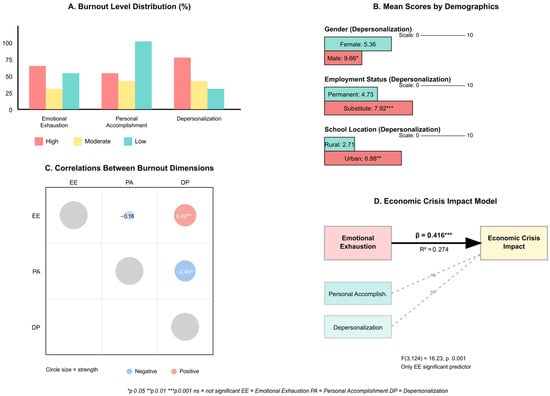
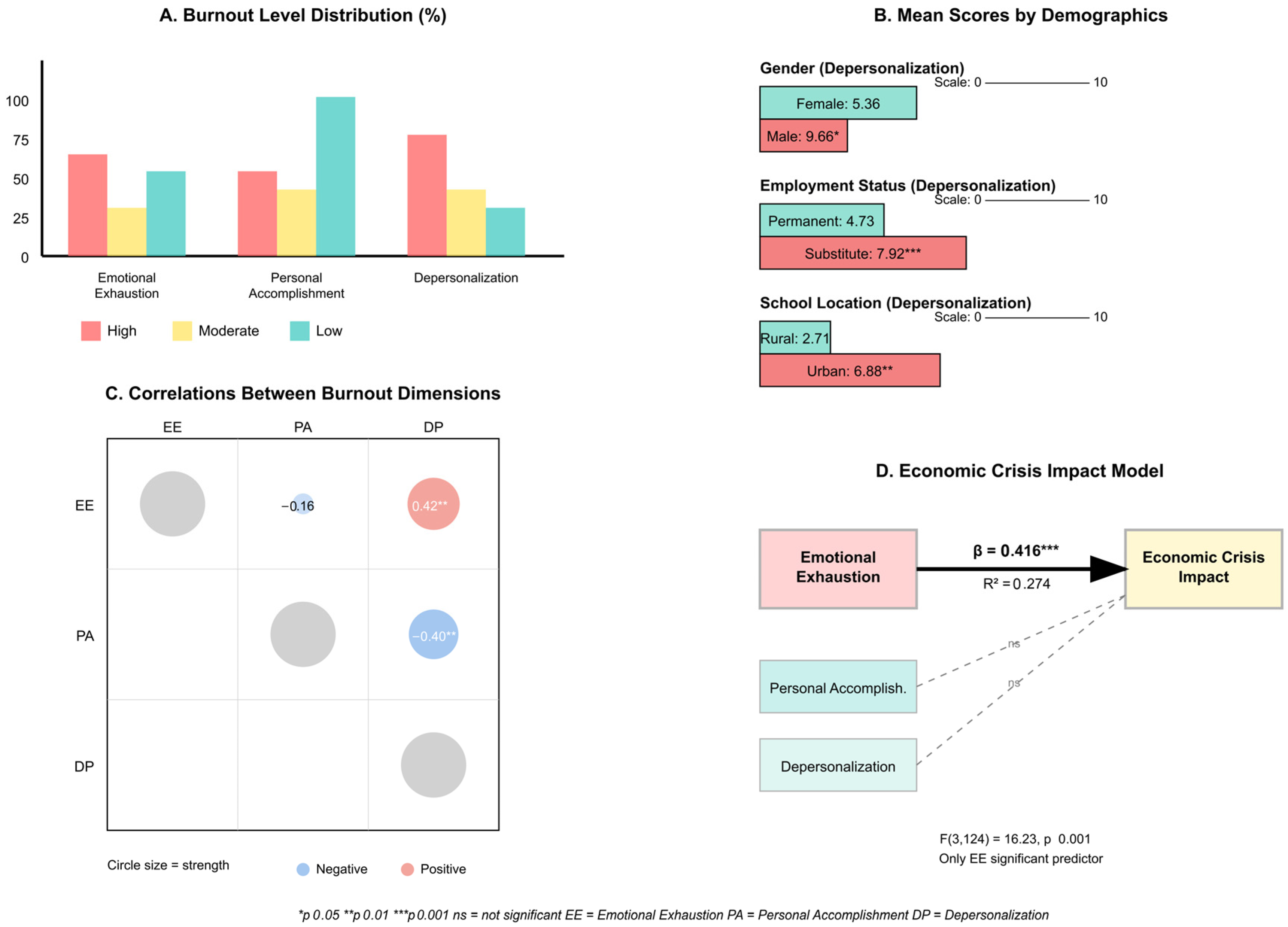
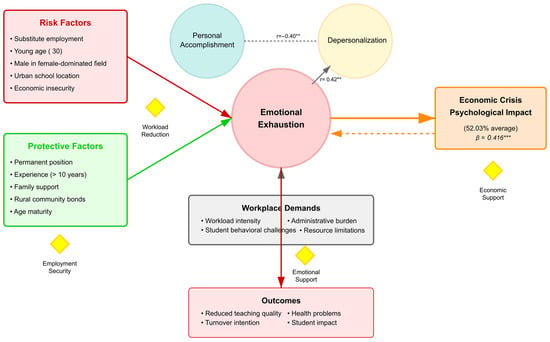
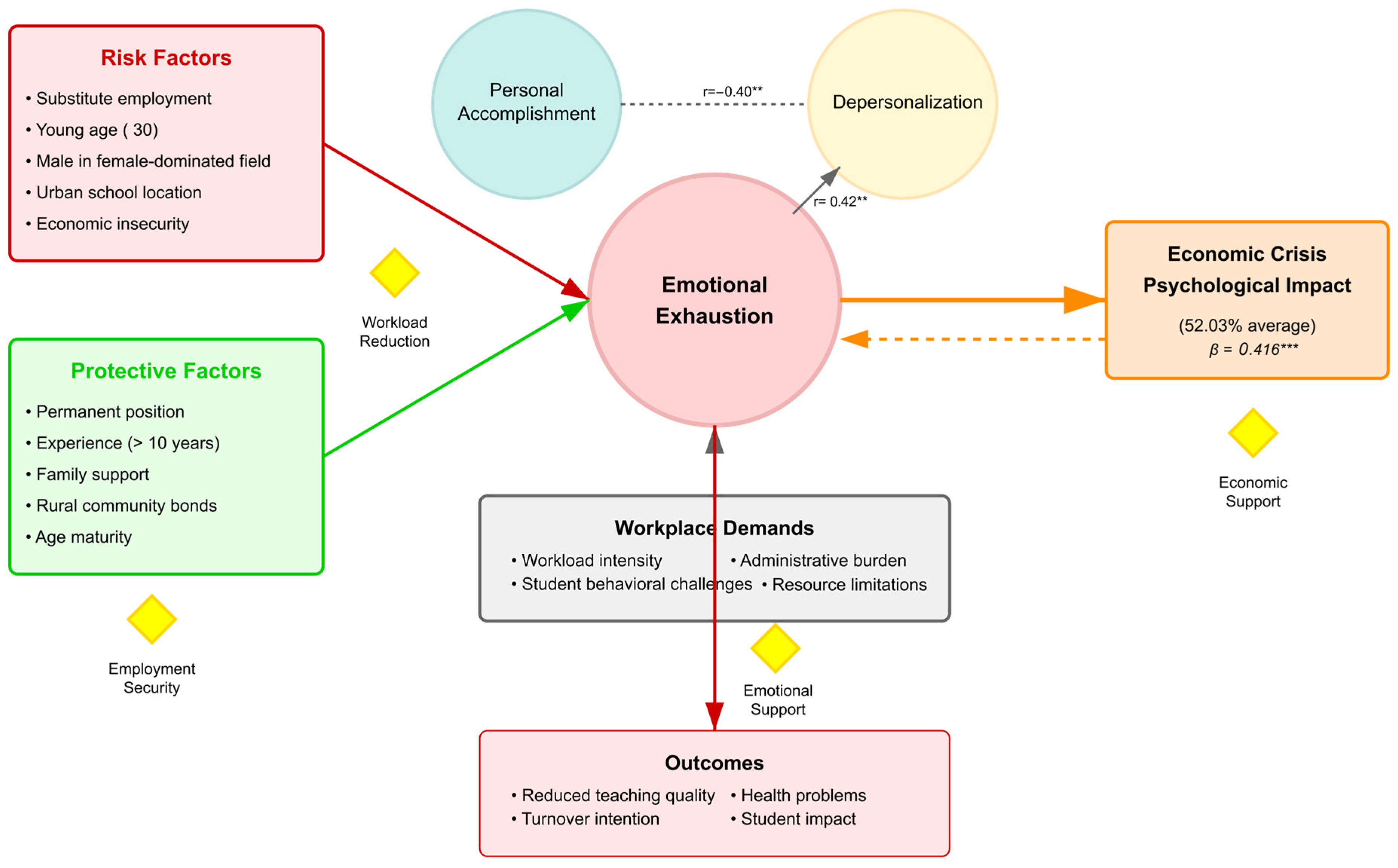

Disclaimer/Publisher’s Note: The statements, opinions and data contained in all publications are solely those of the individual author(s) and contributor(s) and not of MDPI and/or the editor(s). MDPI and/or the editor(s) disclaim responsibility for any injury to people or property resulting from any ideas, methods, instructions or products referred to in the content. |
© 2026 by the authors. Licensee MDPI, Basel, Switzerland. This article is an open access article distributed under the terms and conditions of the Creative Commons Attribution (CC BY) license.