


Abstract
People encounter many environmental chemicals simultaneously, yet the combined effects of these exposures on kidney function and underlying biological pathways remain poorly understood. This study examined the joint association of a mixture of per- and polyfluoroalkyl substances (PFAS) and metals with estimated glomerular filtration rate (eGFR) and evaluated whether systemic or dietary inflammation mediated this association. The analytic sample comprised 1303 adults (≥18 years) drawn from the 2017–2018 cycle of the National Health and Nutrition Examination Survey. The exposure mixture consisted of six PFAS: perfluorodecanoic acid (PFDeA), perfluorohexane sulfonic acid (PFHxS), perfluorononanoic acid (PFNA), perfluoroundecanoic acid (PFUA), perfluorooctanoic acid (PFOA), and perfluorooctane sulfonic acid (PFOS), along with three metals: cadmium, lead and mercury. Systemic inflammation was assessed using C-reactive protein (CRP), and the Dietary Inflammatory Index (DII) captured the inflammatory potential of diet. The analyses used multivariable linear regression, Bayesian kernel machine regression (BKMR), and BKMR-causal mediation analysis. In the regression models, PFDeA, PFHxS, PFUA, PFOA, and PFOS were each linked to higher eGFR, whereas cadmium and lead were each linked to lower eGFR. BKMR showed that the association between the mixture and eGFR differed across age levels. At the 10th percentile of age, the total effect was −5.04 mL/min/1.73 m2 (95% credible interval: −9.39, −0.83), whereas at the 90th percentile, it was 6.37 mL/min/1.73 m2 (95% credible interval: 2.20, 10.48). PFOS had highest posterior inclusion probability in the outcome and total-effect models. Posterior medians of the natural direct effect matched the total-effect estimates in sign and approximate size, but uncertainty was substantial. Posterior distributions for the natural indirect effects were centered near zero with appreciable mass on both sides, so indirect effects through CRP and DII were not resolved. The findings suggest that the association may vary with age, warranting further investigation.
1. Introduction
Environmental contaminants reach people as complex mixtures via diet, drinking water, ambient air, indoor dust, consumer goods, and workplace settings, among other routes. Among these contaminants are per- and polyfluoroalkyl substances (PFAS), cadmium, lead, mercury, and arsenic, which have been linked to diverse adverse health effects [1,2]. The public health relevance of these chemicals is heightened by their widespread occurrence, persistence, resistance to degradation, and potential to accumulate in biological systems [3,4]. For example, PFAS, which are used in non-stick cookware and in food storage containers, personal care products, textiles, and household products, and may contaminate drinking water, are associated with immunotoxicity in children, endocrine disruptions, and kidney disorders, with a high likelihood of carcinogenic and negative prenatal effects [5]. Cadmium, lead, and mercury are also related to cardiovascular disorders, renal impairments, cancers, and diabetes [6]. The burden of exposure is particularly heightened for vulnerable populations, especially those in areas of high environmental contamination [2]. Exposure to these chemicals may adversely affect multiple organ systems, including the kidneys.
Chronic Kidney Disease (CKD) places a large burden on health worldwide, with a prevalence estimated at approximately 14.2%, particularly among older adults, individuals with hypertension or diabetes, and populations experiencing socioeconomic disadvantages [7]. CKD is defined by sustained abnormalities of kidney structure or function, such as an estimated glomerular filtration rate (eGFR) under 60 mL/min/1.73 m2 or raised albuminuria persisting for three months or longer [8,9]. In addition, CKD imposes considerable healthcare costs related to long-term management, medication use, and renal replacement therapy [10,11]. By 2050, CKD is projected to become one of the foremost causes of mortality around the world [12]. Therefore, it is of great importance that modifiable risk factors and biological mechanisms are identified to support prevention and management efforts [13].
One of the reasons the kidneys may be susceptible to environmental toxicants is because they receive a substantial proportion of cardiac output and continuously filter circulating substances and metabolic waste [14]. As a result, their contact with toxicants and inflammatory mediators is increased, while their limited antioxidant defenses may contribute to oxidative stress, inflammation, fibrosis, nephron injury, and progressive loss of kidney function [15,16,17]. Epidemiologic evidence has linked PFAS exposure with lower eGFR and greater CKD risk [18]. Metals such as cadmium, lead, and mercury may also impair renal function through proximal tubular injury, oxidative stress, mitochondrial dysfunction, endothelial damage, and inflammatory signaling [19,20,21].
Most environmental health studies have traditionally considered chemicals individually, even though real-world exposure usually involves several contaminants simultaneously. The health consequences of such co-exposures can depart substantially from those of each single component examined in isolation [22,23]. Analyzing mixtures, however, is complicated by correlations among exposures, possible nonlinear exposure-response shapes, and interplay among mixture constituents that may strengthen or weaken their combined effects. These features can limit the usefulness of conventional single-exposure models and support the use of statistical methods designed specifically for complex environmental mixtures [2,24].
Systemic inflammation may be an important biological pathway through which environmental chemical exposures influence kidney function. Exposure to environmental toxicants can promote oxidative stress and inflammatory signaling, potentially contributing to persistent low-grade inflammation and subsequent renal injury [15,16,25,26]. C-reactive protein (CRP), an acute-phase reactant synthesized by the liver, is a widely used clinical marker of systemic inflammation. Elevated CRP levels have additionally been linked to poorer kidney function and greater CKD risk [27]. Diet may also influence kidney health through its effects on inflammatory processes. The Dietary Inflammatory Index (DII) quantifies how inflammatory an individual’s diet is, based on the intake of foods and nutrients with known pro- or anti-inflammatory actions. Higher DII scores indicate a dietary pattern that tends to promote inflammation, and such scores have been tied to CKD [28]. Although several lines of evidence link systemic and dietary inflammation with CKD, their potential roles as mediators of the association between environmental chemical mixtures and kidney function are poorly understood.
Despite growing interest in environmental mixture research, evidence about how simultaneous exposure to several correlated chemicals affects health is still limited. There are still unanswered important questions about the biological pathways linking these mixtures to kidney function, including the possible roles of systemic and dietary inflammation. Bayesian Kernel Machine Regression (BKMR) offers a framework for assessing complex mixture associations, and BKMR-based causal mediation analysis extends it to estimate direct and indirect pathways through specified mediators [29,30].
Accordingly, the present study assessed the joint effects of PFAS, cadmium, lead, and mercury on kidney function among US adults and examined whether systemic and dietary inflammation mediate these associations using BKMR-causal mediation analysis (BKMR-CMA).
2. Methods
2.1. Study Design and Population
This cross-sectional analysis drew on data from the 2017–2018 cycle of the National Health and Nutrition Examination Survey (NHANES), administered by the National Center for Health Statistics of the Centers for Disease Control and Prevention (CDC). The survey gathers demographic and health data through in-home interviews and performs physical examinations and laboratory testing within its mobile examination centers. Interview data used in this study included education, annual household income, smoking status, and doctor-diagnosed diabetes. Serum PFAS measurements were available for a randomly selected one-third subsample of examined participants, which formed the initial eligible population for this analysis. Participants aged 18 years or older were retained if they also had complete data available on the chemical exposures, eGFR, mediators, and model covariates. After applying these criteria, 1303 participants remained in the analytic sample. Because complete-case analysis was used and BKMR/BKMR-CMA do not incorporate NHANES weights, the analyses were unweighted. Accordingly, the results describe associations within the analytic sample and should not be interpreted as nationally representative estimates for U.S. adults.
2.2. Exposure Assessment
The chemical mixture consisted of nine exposures, including six PFAS: perfluorodecanoic acid (PFDeA), perfluorohexane sulfonic acid (PFHxS), perfluorononanoic acid (PFNA), perfluoroundecanoic acid (PFUA), perfluorooctanoic acid (PFOA), and perfluorooctane sulfonic acid (PFOS), and three metals (cadmium, lead, and mercury). Whole-blood cadmium, lead, and total mercury were quantified at the CDC Division of Laboratory Sciences, National Center for Environmental Health (Atlanta, GA, USA), by inductively coupled plasma dynamic reaction cell mass spectrometry (ICP-DRC-MS) on an ELAN DRC II instrument (PerkinElmer, Norwalk, CT, USA), in accordance with CDC method DLS 3016.8-06 [31]. The same CDC division quantified serum PFAS with online solid-phase extraction followed by high-performance liquid chromatography and turbo ion spray tandem mass spectrometry (online SPE-HPLC-TIS-MS/MS), on a Symbiosis online SPE system (Spark Holland/iChrom Solutions, Plainsboro, NJ, USA) with a SCIEX triple quadrupole mass spectrometer (SCIEX, Foster City, CA, USA), following CDC method 6304.09 [32]. Because the exposure distributions were right-skewed, their concentrations were log-transformed before analysis and subsequently standardized before mixture modelling to improve model stability and comparability across mixture components.
PFOA and PFOS concentrations were obtained as the sum of linear and branched isomers (n-PFOA + Sb-PFOA and n-PFOS + Sm-PFOS, respectively), in accordance with the 2017–2018 NHANES PFAS data structure. PFAS concentrations were expressed in ng/mL, cadmium and total mercury in µg/L, and lead in µg/dL. Detection limits (LODs) were 0.10 ng/mL (each PFAS analyte), 0.10 µg/L (cadmium), 0.070 µg/dL (lead), and 0.28 µg/L (total mercury). NHANES replaced values falling below the LOD with a value equal to the LOD divided by √2, and we retained these substituted values unchanged for the present analysis. Detection was near universal for blood lead and exceeded 85% for PFDeA, PFHxS, PFNA, PFOA, and PFOS. Detection was lower for blood cadmium and total blood mercury, and PFUA had the lowest detection frequency among the nine analytes. Detection frequencies in the analytic sample were 89.4% for PFDeA, 99.3% for PFHxS, 92.6% for PFNA, 67.9% for PFUA, 99.8% for PFOA, 99.8% for PFOS, 92.9% for cadmium, 100.0% for lead, and 83.5% for mercury. Because single-value substitution compresses variability at the low end of the concentration distribution, analytes with lower detection frequencies carry less information about the shape of the exposure-response surface than their nominal sample size implies, and this was taken into account when interpreting their contribution to the mixture.
2.3. Outcome Assessment
Kidney function was indexed by eGFR, which was computed from serum creatinine with the race-free 2021 Chronic Kidney Disease Epidemiology Collaboration (CKD-EPI) equation. The equation estimates kidney function using serum creatinine together with age and sex and has demonstrated good performance across diverse populations [33,34]. Serum creatinine was measured by an enzymatic (creatininase) method at the University of Minnesota Advanced Research and Diagnostic Laboratory (Minneapolis, MN, USA) on a Roche Cobas 6000 chemistry analyzer (c501 module; Roche Diagnostics Corporation, Indianapolis, IN, USA) [35].
The CKD-EPI-2021 formula:
- Scr = serum creatinine concentration (mg/dL)
- Age = age (years)
- K = 0.7 (females) or 0.9 (males)
- α = −0.241 (females) or −0.302 (males)
- min = the minimum of Scr/K or 1
- max = the maximum of Scr/K or 1
2.4. Mediator Assessment
Systemic and dietary inflammation were examined as potential mediators of the relationship between the environmental chemical mixture and kidney function. Serum CRP served as the marker of systemic inflammation. As an acute-phase protein that tracks inflammatory activity, CRP is routinely used to gauge inflammation in epidemiological and clinical work [36]. Serum CRP concentrations (mg/L) were obtained from the NHANES 2017–2018 laboratory data. CRP was quantified by a two-reagent immunoturbidimetric assay run on a Roche Cobas 6000 chemistry analyzer (c501 module; Roche Diagnostics Corporation, Indianapolis, IN, USA) [37].
The inflammatory potential of diet was quantified with the Dietary Inflammatory Index (DII). Nutrient and food-component intakes were obtained from the NHANES 24-h dietary recall data. For each dietary component, participant intake was standardized relative to the global reference values used in the DII methodology and multiplied by its corresponding literature-derived inflammatory effect score. The component scores were then added together to yield each participant’s overall total DII score. DII values were calculated separately for the first and second dietary recall days, and the mean of the available recall-day scores was used in the analysis [38,39]. NHANES provided 27 of the 45 food parameters in the original DII, and all 27 were used in this analysis: total energy and alcohol; carbohydrate, protein, fiber, cholesterol, and total fat; saturated, monounsaturated, and polyunsaturated fatty acids and the n-3 and n-6 fatty acids; vitamins A, B6, B12, C, D, and E, beta-carotene, thiamine, riboflavin, niacin, and folate; and the minerals magnesium, iron, selenium, and zinc. Reduced versions containing a similar number of parameters have been shown to correspond closely with the complete index. The conventional DII, rather than the energy-adjusted DII (E-DII), was used [40,41].
2.5. Covariates
Covariates in all models comprised age, gender, race/ethnicity, education, annual household income, body mass index (BMI), smoking status, and doctor-diagnosed diabetes. These variables were chosen based on prior epidemiologic research examining environmental chemical exposures in relation to kidney function [42,43]. Age and gender both enter the CKD-EPI equation from which eGFR is derived, while BMI is also relevant to kidney function [8,34]. In addition to serving as a covariate, age was evaluated as a potential effect modifier because renal function and inflammatory responses change across the lifespan and may influence susceptibility to environmental exposures [44].
2.6. Statistical Analysis
2.6.1. Descriptive Statistics and Regression Analysis
Study variables, which included sociodemographic characteristics, environmental chemical exposures, kidney function, mediators, and covariates, were summarized using descriptive statistics. Continuous variables were summarized as means with standard deviations or, where appropriate, as medians with interquartile ranges, and categorical variables were summarized as frequencies with percentages. Spearman rank correlations were computed to quantify the pairwise associations among the environmental chemical exposures and to describe the relationships among mixture components. Associations between individual chemical exposures and eGFR were examined in multivariable linear regression models with adjustment for age, gender, BMI, race/ethnicity, education, annual household income, smoking status, and diabetes. Nine separate models were fitted, each containing a single chemical exposure together with the full covariate set, so each coefficient reported is a covariate-adjusted association for one chemical and is not mutually adjusted for the remaining eight; joint and mutually adjusted associations are addressed by the BKMR models described below. Environmental chemical concentrations were log-transformed to reduce right skew and then converted to z-scores (mean of zero, standard deviation of one), so that each regression coefficient expresses the expected difference in eGFR for a one standard deviation higher log-transformed concentration of that particular chemical. Data cleaning, descriptive statistics, and multivariable linear regression analyses were carried out in StataNow 19.5 SE (StataCorp LLC, College Station, TX, USA), and the BKMR and BKMR-CMA analyses were implemented in R version 4.4.0 (R Foundation for Statistical Computing, Vienna, Austria).
2.6.2. Bayesian Kernel Machine Regression (BKMR)
BKMR was applied to assess the joint association of the environmental chemical mixture taken as a whole with kidney function. This flexible semiparametric method simultaneously models multiple correlated chemical exposures using a kernel-based framework to accommodate nonlinear exposure-response patterns and interactions across mixture components while adjusting for covariates. Unlike conventional regression models, BKMR does not assume that the chemical relationships are linear or additive. This makes it well suited for environmental mixture analysis. Because age was evaluated as an effect modifier, it was included in the kernel with the nine chemical exposures. The BKMR model took the following form:
where Yi denotes participants’ eGFR, zi represents the nine chemical exposures, h(zi, Ai) is the unknown exposure-response function of the nine chemicals in the exposure mixture and age, Xi denotes the covariates (age, gender, BMI, race/ethnicity, education, annual household income, smoking status, and diabetes), β represents the regression coefficients, and Ɛi is the random error term.
Yi = β0 + h(zi, Ai) + XiT β+ Ɛi
Age enters this specification in two places. In the covariate vector it adjusts for the association between age and eGFR and holds the confounding structure identical across the mediator, outcome, and total-effect models. In the kernel, it allows the exposure-response surface to vary across the age distribution, which is how BKMR represents effect modification. Because the kernel and the linear predictor enter additively, the linear term absorbs the smooth global age trend while the kernel captures departures from it that depend jointly on age and the mixture. All mixture effects reported below are contrasts evaluated at a fixed age percentile with the covariate vector held constant, so the linear age term differences out of every reported estimate.
Because eGFR is derived from an equation containing age, effect modification by age warrants comment. eGFR combines measured serum creatinine with age and sex, so among participants who share the same age and sex, between-person differences in eGFR are driven by serum creatinine. Since every mixture effect is estimated as a contrast at a fixed age percentile, the CKD-EPI-2021 equation’s age and sex terms remain fixed within every single contrast. Neither mediator is constructed from age: CRP is a directly measured serum analyte and the DII is a composite of weighted dietary intakes.
Posterior Inclusion Probabilities (PIPs) obtained from the BKMR variable selection procedure were used to gauge the relative importance of the individual chemicals in the mixture [29,30]. Overall and single-variable risk summaries were generated to evaluate the joint mixture association and the exposure-response relationships for individual chemicals, respectively. All models were fitted with the bkmr package (version 0.2.2) using the Gaussian kernel and component-wise variable selection, under the package default priors for the residual variance and the kernel bandwidth parameter. Each chain was run for 25,000 iterations, of which the first 12,500 were discarded as burn-in, leaving 12,500 retained posterior draws for inference. Trace plots of the regression coefficients, the residual variance, and the kernel parameter were inspected visually to check for convergence. Effect modification was assessed at the 10th and 90th percentiles of age, which corresponded to 23 and 75 years in this sample.
2.6.3. Bayesian Kernel Machine Regression-Causal Mediation Analysis (BKMR-CMA)
BKMR-CMA was used to investigate whether systemic inflammation (assessed using CRP) or dietary inflammatory potential (assessed using DII) mediated the association between the chemical mixture and kidney function [45]. Separate analyses were conducted for CRP and DII. The causal ordering assumed for DII is weaker than that assumed for CRP, because dietary intake may also precede or contribute to environmental chemical exposure; the DII mediation analysis is therefore reported as exploratory. Given its right-skewed distribution, CRP was log-transformed prior to the mediation analysis, whereas DII was kept on its original scale.
For each mediator, three BKMR models were fitted:
Mediator model: Models the relationship between the chemical mixture and the mediator.
where Mi denotes the mediator (CRP or DII), hM represents the joint exposure-response function for the chemical mixture, Zi represents the nine chemical exposures, Xi represents the covariates, and ƐMi is the random error term.
Mi = hM(Zi) + XiTα + ƐMi
Outcome model: Models the association of the chemical mixture, the mediator, and kidney function (eGFR).
where Yi denotes the participants’ eGFR, hY represents the joint exposure-response function for the chemical mixture, mediator, and age, and ƐYi is the random error term.
Yi = hY(Zi, Mi, Ai) + XiT β + ƐYi
Total effect model: Models the overall association between the chemical mixture and kidney function without accounting for mediation.
where hTE represents exposure-response function relating the environmental chemical mixture and age to eGFR.
Yi = hTE(Zi, Ai) + XiT γ + ƐTEi
From the fitted models, we then estimated the total effect (TE), natural direct effect (NDE), natural indirect effect (NIE), and controlled direct effect (CDE):
TE = E(Ya − Ya*)
NDE = E(YaMa* − Ya*Ma*)
NIE = E(YaMa − YaMa*)
CDE(m) = E(Yam − Ya*m)
The TE represents the overall effect of the chemical mixture on eGFR, the NDE represents the effect not operating through the mediator, the NIE represents the effect operating through the mediator, and the CDE is the effect of the mixture on eGFR when the mediator is held fixed at a specified level. Mixture effects were estimated by comparing eGFR when all nine chemical exposures were simultaneously set at their 75th percentiles versus their 25th percentiles. To evaluate potential effect modification by age, effects were estimated at the 10th and 90th percentiles of age. For the CDEs, the mediator was set at the 10th, 50th, and 75th percentiles of its distribution. All of the BKMR and BKMR-CMA models were run for 25,000 Markov chain Monte Carlo (MCMC) iterations using the bkmr and causalbkmr (version 0.1.0) packages [30,45].
Interpretation of the natural direct and indirect effects rests on four identification assumptions: no unmeasured confounding of the mixture-eGFR relationship, no unmeasured confounding of the mediator-eGFR relationship, no unmeasured confounding of the mixture-mediator relationship, and no confounder of the mediator-outcome relationship that is itself affected by the mixture. Covariate adjustment for age, gender, BMI, race/ethnicity, education, annual household income, smoking status, and diabetes here addresses these assumptions only to the extent that these variables capture the relevant confounding. Because the exposures, mediators, and outcome were all measured at the same examination, the assumed ordering from mixture to mediator to eGFR is imposed by the analytic model rather than established by the data. The controlled direct effect requires only the first two assumptions and is therefore less sensitive to violations of the last two, which is one reason it is reported alongside the natural effects. These quantities are best read as what the decomposition would imply if the assumptions held, rather than as verified causal effects.
3. Results
3.1. Descriptive Characteristics of the Study Population
The final analytical sample consisted of 1303 adults with a mean age of 48.77 ± 18.49 years and a mean BMI of 29.68 ± 7.77 kg/m2. The mean eGFR was 95.34 ± 23.67 mL/min/1.73 m2, and the mean DII score was 1.52 ± 1.68, while the median CRP concentration was 1.81 mg/L (interquartile range [IQR]: 0.80–4.45). Gender was approximately equally distributed in the population, with 50.04% male and 49.96% female participants. The largest racial/ethnic group comprised Non-Hispanic White participants (39.06%), followed by Non-Hispanic Black participants (21.11%). Approximately 34.15% of participants had some college education, 30.01% reported annual household income of ≥$75,000, 59.55% had never smoked, and 15.12% reported doctor-diagnosed diabetes (Table 1).
Table 1.
Characteristics of study participants (N = 1303).
3.2. Spearman Correlation Analysis
Pairwise Spearman correlations were computed to describe the relationships among all of the exposure variables, the outcome variable (eGFR), and each mediator (ln-CRP and DII). The analysis showed moderate to strong positive correlations among several PFAS, with the strongest observed between PFDeA and PFUA (0.78), PFNA and PFDeA (0.74), PFNA and PFOS (0.73), and PFOS and PFHxS (0.71). Correlations between PFAS and metals were generally weak, while cadmium and lead were moderately correlated (0.36). eGFR was negatively correlated with all nine chemical exposures, with the strongest correlations observed for PFOS (−0.36) and lead (−0.35). Correlations between the chemical exposures and either ln-CRP or DII were generally weak (Figure 1A,B).
Figure 1.
Spearman correlation matrices of environmental chemical exposures, kidney function, and inflammatory mediators. (A) Correlations among the nine environmental chemical exposures, eGFR, and ln-transformed C-reactive protein (ln-CRP). (B) Correlations among the nine environmental chemical exposures, eGFR, and Dietary Inflammatory Index (DII). Correlation coefficients range from −1 to 1, with red denoting positive correlations and blue denoting negative correlations. Abbreviations: eGFR, estimated glomerular filtration rate; CRP, C-reactive protein; DII, Dietary Inflammatory Index; ln-CRP, natural log-transformed C-reactive protein; PFDeA, perfluorodecanoic acid; PFHxS, perfluorohexane sulfonic acid; PFNA, perfluorononanoic acid; PFUA, perfluoroundecanoic acid; PFOA, perfluorooctanoic acid; PFOS, perfluorooctane sulfonic acid.
3.3. Multivariable Linear Regression
Each environmental chemical exposure was related to eGFR in a separate multivariable linear regression model, with each model adjusted for the covariates age, gender, BMI, race/ethnicity, education, annual household income, smoking status, and diabetes. Higher PFDeA, PFHxS, PFUA, PFOA, and PFOS each accompanied higher eGFR, and higher cadmium and lead each accompanied lower eGFR, with confidence intervals excluding the null in each case. Estimates for PFNA and mercury were smaller in magnitude and their confidence intervals spanned the null value, so the sign of these two associations is not resolved in these data (Table 2).
Table 2.
Multivariable Linear Regression Analysis of Standardized Environmental Chemical Exposures and eGFR.
The direction of several exposure-eGFR associations differed between the unadjusted correlation analysis and the adjusted regression models. In the Spearman analysis, all nine exposures were inversely correlated with eGFR, whereas after adjustment, five of the six PFAS showed positive associations with eGFR. This reversal is consistent with confounding by age, although these analyses do not establish age as its sole source. Serum PFAS concentrations tend to rise with age because of long elimination half-lives and cumulative exposure, and eGFR declines with age, so age is a plausible contributor to the unadjusted correlations. Once the full covariate set including age was entered, the residual PFAS-eGFR associations changed sign. Separating the contribution of age from that of the remaining covariates would require exposure-age correlations and a sequential adjustment analysis, which were not undertaken here. Consistent with this interpretation, cadmium and lead retained their negative direction after adjustment, indicating that the reversal was specific to the PFAS components of the mixture rather than a general consequence of covariate adjustment.
3.4. Variable Importance
The relative importance of the individual chemical exposures in the mediator, outcome, and total-effect models was assessed with the use of posterior inclusion probabilities (PIPs). The PIPs varied across the models as shown in Figure 2. In the CRP mediator model, PFDeA (0.556) and mercury (0.513) had the largest PIPs of all nine chemicals, whereas in the DII mediator model several chemicals had high PIPs, particularly mercury (1.000), PFNA (0.886), PFOA (0.809), and lead (0.752). However, in both outcome models, PFOS was the predominant chemical with PIPs of 0.990 for CRP and 0.992 for DII, while PIPs for the remaining chemicals were ≤0.010. A similar pattern was observed in the total-effect models, where PFOS had a PIP of 0.994 and all other chemicals had PIPs ≤ 0.006.
Figure 2.
Posterior Inclusion Probabilities for Chemical Mixture Components Across CRP and DII Mediation Models. PIPs for the nine chemical mixture components in the mediator, outcome, and total-effect models. Panels (A–C) show the CRP models and panels (D–F) show the DII models. Higher values indicate greater posterior support for inclusion in the corresponding BKMR model. Abbreviations: PIP, posterior inclusion probability; CRP, C-reactive protein; DII, Dietary Inflammatory Index; BKMR, Bayesian Kernel Machine Regression; PFDeA, perfluorodecanoic acid; PFHxS, perfluorohexane sulfonic acid; PFNA, perfluorononanoic acid; PFUA, perfluoroundecanoic acid; PFOA, perfluorooctanoic acid; PFOS, perfluorooctane sulfonic acid.
3.5. Total Effect Risk Summaries
The overall association of the chemical mixture with eGFR was examined across joint mixture percentiles at the 10th and 90th percentiles of age, with the 50th mixture percentile of the mixture as the reference (Figure 3). At the 10th percentile of age, the CRP model showed a steady decline in eGFR across increasing mixture percentiles. Between the 25th and 75th percentiles of the mixture it declined from about 2.3 mL/min/1.73 m2 above the reference to 2.8 mL/min/1.73 m2 below the reference. The DII model showed the same downward pattern. This pattern was, however, reversed at the 90th percentile of age, where eGFR increased from about 3.8 mL/min/1.73 m2 below the reference at the 25th percentile to about 2.6 mL/min/1.73 m2 above the reference at the 75th percentile.
Figure 3.
Overall effect of the Chemical Mixture on eGFR by Age. Estimated eGFR differences across mixture percentiles: (A) CRP model, 10th percentile of age; (B) CRP model, 90th percentile of age; (C) DII model, 10th percentile of age; (D) DII model, 90th percentile of age. Shaded regions represent 95% credible intervals, with the 50th mixture percentile as the reference. Abbreviations: eGFR, estimated glomerular filtration rate; CRP, C-reactive protein; DII, Dietary Inflammatory Index.
3.6. Single-Variable Risk Summaries
Associations of the single chemicals with eGFR were assessed at the 10th and 90th percentiles of age, with the other mixture components fixed at each of their 25th, 50th, and 75th percentiles (Figure 4). At the 10th percentile of age, PFOS showed the strongest association with eGFR, with estimates of approximately −5.1 mL/min/1.73 m2 across the three fixed mixture levels. Estimates for the remaining chemicals were smaller in magnitude with intervals spanning zero, so their individual contributions at this exposure contrast are not resolved. At the 90th percentile of age, the association for PFOS was reversed, with estimates of approximately 6.1 mL/min/1.73 m2 across the fixed mixture levels. Estimates for the remaining chemicals again were smaller and less precisely resolved. The same pattern was observed in both the CRP and DII models.
Figure 4.
Single-Variable Associations of Chemical Mixture Components with eGFR by Age. Single-variable risk summaries: (A) CRP model, 10th percentile of age; (B) CRP model, 90th percentile of age; (C) DII model, 10th percentile of age; (D) DII model, 90th percentile of age. Estimates contrast the 75th and 25th percentiles of each chemical, with the other mixture components held fixed at their 25th, 50th, or 75th percentiles. Horizontal lines represent 95% credible intervals. Abbreviations: eGFR, estimated glomerular filtration rate; CRP, C-reactive protein; DII, Dietary Inflammatory Index; PFDeA, perfluorodecanoic acid; PFHxS, perfluorohexane sulfonic acid; PFNA, perfluorononanoic acid; PFUA, perfluoroundecanoic acid; PFOA, perfluorooctanoic acid; PFOS, perfluorooctane sulfonic acid.
3.7. Bayesian Kernel Machine Regression-Causal Mediation Analysis
BKMR-CMA provided estimates of the total, natural direct, and natural indirect effects of the chemical mixture on eGFR, with CRP and DII evaluated separately as mediators and age as the effect modifier.
3.7.1. Total, Natural Direct and Natural Indirect Effects
Separate estimates of the mixture TE, NDE, and NIE were obtained for CRP and DII at the 10th and 90th percentiles of age (Figure 5). At the 10th percentile of age, the TE was −5.04 mL/min/1.73 m2 (95% credible interval [CrI]: −9.39, −0.83) in both models, with posterior mass concentrated below zero. The NDE was negative in both the CRP and DII models, with a posterior median of the same sign and comparable magnitude to the TE. At the 90th percentile of age, the TE was 6.37 mL/min/1.73 m2 (95% CrI: 2.20, 10.48) and the NDE was correspondingly positive in both mediator models. The credible intervals for the NDE were wide at both age levels, so the posterior is compatible with direct effects ranging from small to substantially larger in magnitude than the total effect; the width reflects the precision with which the direct effect is quantified rather than whether one is present. Posterior distributions for the NIE were centered near zero at both age levels and in both mediator models, with appreciable mass on either side of zero. These posteriors do not resolve the magnitude or the direction of transmission through CRP or DII.
Figure 5.
TE, NDE, and NIE of the Chemical Mixture on eGFR by Age. Panels (A,B) present the CRP mediation model and panels (C,D) the DII mediation model at the 10th and 90th percentiles of age. Points show the estimates, and the horizontal lines show the matching 95% credible intervals. Abbreviations: TE, total effect; NDE, natural direct effect; NIE, natural indirect effect; eGFR, estimated glomerular filtration rate; CRP, C-reactive protein; DII, Dietary Inflammatory Index.
3.7.2. Controlled Direct Effects (CDE)
The CDE quantified the effect of the chemical mixture on eGFR with the relevant mediator held constant at each of its 10th, 50th, and 75th percentiles. The CDEs were obtained with CRP and DII each set, in two separate models, to their 10th, 50th, and 75th percentiles (Figure 6). In the CRP model, at the 10th percentile of age, the CDE estimates were −4.92, −4.97, and −4.99 mL/min/1.73 m2 with CRP at its 10th, 50th, and 75th percentiles, respectively. At the 90th percentile of age, the corresponding estimates were 6.24, 6.36, and 6.44 mL/min/1.73 m2.
Figure 6.
Controlled Direct Effects of the Chemical Mixture on eGFR by Age. Panels (A,B) present the CRP model and panels (C,D) the DII model at the 10th and 90th age percentiles. Points denote the estimates and horizontal lines denote 95% credible intervals. Abbreviations: CDE, controlled direct effect; eGFR, estimated glomerular filtration rate; CRP, C-reactive protein; DII, Dietary Inflammatory Index.
For DII, at the 10th percentile of age, the CDE estimates were −4.50, −4.81, and −4.83 mL/min/1.73 m2 with DII at its 10th, 50th, and 75th percentiles, respectively. At the 90th percentile of age, the estimates increased from 3.89 at the 10th percentile to 6.63 at the 50th percentile and 7.72 mL/min/1.73 m2 at the 75th percentile.
3.7.3. Controlled Direct Effect Risk Summaries
The CDE risk summaries were used to describe how the chemical mixture related to eGFR when CRP and DII were each held at the fixed levels (Figure 7). At the 10th percentile of age, CDE estimates decreased as the mixture percentile increased. In the CRP model, estimates declined from about 2.2 mL/min/1.73 m2 at the 25th mixture percentile to about −2.8 mL/min/1.73 m2 at the 75th percentile. The DII model showed a similar pattern.
Figure 7.
CDE Risk Summaries for the Chemical Mixture on eGFR. Panels (A,B) present the CRP model and panels (C,D) the DII model at the 10th and 90th age percentiles. Points and lines show CDE estimates across the mixture percentiles, and vertical bars show 95% credible intervals. The dashed horizontal line marks the null value of zero. Abbreviations: CDE, controlled direct effect; eGFR, estimated glomerular filtration rate; CRP, C-reactive protein; DII, Dietary Inflammatory Index.
At the 90th percentile of age, the pattern was reversed. In the CRP model, estimates increased from about −3.8 mL/min/1.73 m2 at the 25th mixture percentile to about 2.6 mL/min/1.73 m2 at the 75th percentile. The DII model also showed an upward pattern, although the estimates varied more across the fixed DII levels.
4. Discussion
We examined how combined exposure to PFAS, cadmium, lead, and mercury related to kidney function, and further assessed whether CRP and DII acted as potential mediators of this association. In single-exposure regression models, PFDeA, PFHxS, PFUA, PFOA, and PFOS were each related positively to eGFR, and cadmium and lead were each related inversely, with 95% confidence intervals excluding the null in each case (Table 2). The mixture analysis revealed an age-related pattern where higher mixture exposure was associated with lower eGFR at the 10th percentile of age, but at the 90th percentile, higher mixture exposure was associated with higher eGFR. Among the chemicals in the mixture, PFOS had the greatest posterior support for inclusion in the outcome and total-effect models. There was considerable uncertainty about whether either CRP or DII mediated the association between the chemical mixture and eGFR. These findings highlight the complex relationship between environmental chemical exposures and kidney function and suggest that this relationship may vary with age.
4.1. Chemical Mixture and Kidney Function
Here, higher PFDeA, PFHxS, PFUA, PFOA, and PFOS concentrations accompanied higher eGFR, while the estimate for PFNA was smaller in magnitude with a confidence interval that included the null. However, previous studies that examined PFAS exposure and kidney function have reported mixed findings, with variations in the directions of these associations across individual PFAS. Liang et al. similarly reported a positive association between PFHxS and eGFR and a negative association for PFOS, while the remaining PFAS were not significantly associated in multivariable regression [46]. In a longitudinal and cross-sectional analysis, Eklund et al. observed that PFNA, PFUnDA, and PFDA were positively related to eGFR, whereas PFOS and PFHxS had positive but nonsignificant trends, and negative associations were observed for other PFAS [47]. Zhang et al. reported contrasting findings, with PFOA, PFOS, and PFHxS each inversely related to eGFR, while the overall mixture of PFAS was negatively associated with eGFR [48]. Using a longitudinal design, a diabetes prevention program also showed that higher baseline levels of a six-PFAS mixture predicted lower eGFR at subsequent follow-up visits over follow-up [49]. Other studies using mixture analyses have also reported variation in PFAS-kidney associations. In addition to the inverse association for the overall PFAS mixture reported by Zhang et al. [48], Haruna and Obeng-Gyasi found PFOA to be positively associated with CKD in logistic regression, while PFOA and PFOS were identified as notable contributors within a mixture of PFAS and metals using BKMR [42]. In another mixture study, Adetunji and Obeng-Gyasi reported negative associations of PFOS and PFOA with eGFR, and PFOS also emerged as one of the most influential exposures in the BKMR model [50]. These inconsistencies across studies may stem from differences in the populations examined, in their exposure profiles and levels, and in the study designs used.
The positive direction of the adjusted PFAS-eGFR associations requires a mechanistic account, because a higher eGFR should not be read as evidence that PFAS benefit the kidney. Three considerations are relevant. First, the renal handling of PFAS makes serum concentration partly a consequence of kidney function rather than only a cause of it. PFAS are not appreciably metabolized in humans; they circulate bound almost entirely to serum albumin, and their elimination depends on glomerular filtration followed by extensive, transporter-mediated reabsorption in the proximal tubule by organic anion transporters. Serum concentration is therefore a function of filtration rate, reabsorptive capacity, and the integrity of the tubular epithelium. Individuals with reduced glomerular filtration or with proximal tubular injury will differ in serum PFAS for reasons that originate in the kidney, so a cross-sectional association between PFAS and eGFR is not cleanly directional [51,52].
Second, albumin binding provides a specific route by which impaired kidney function can lower rather than raise serum PFAS. Because the great majority of circulating PFAS is protein-bound, loss of albumin into the urine carries bound PFAS with it. Participants with early glomerular injury and albuminuria, who also tend to have lower eGFR, may therefore show lower serum PFAS concentrations, which produces a positive PFAS-eGFR association in the absence of any protective effect. Proximal tubular damage acts in the same direction by reducing transporter-mediated reabsorption and increasing urinary loss of PFAS. Third, an elevated eGFR is not uniformly favorable. In adults with obesity, glomerular hyperfiltration has been associated with albuminuria and may indicate early kidney injury rather than preserved renal function [53]. If PFAS exposure contributes to hyperfiltration, a positive cross-sectional association with eGFR would be a marker of early injury rather than of preserved function [54,55].
These mechanisms also help interpret the age pattern. Younger participants in this sample have lived a greater proportion of their lives after the principal U.S. PFOS phase-out than older participants and accumulated their body burdens under a different historical exposure regime, so a high PFOS concentration carries a different meaning at the two ends of the age distribution. Older participants additionally have a wider distribution of subclinical kidney injury, which strengthens the pharmacokinetic pathways described above. The observed reversal in direction across age is therefore consistent with a shifting balance between exposure-driven and kidney-driven determinants of serum PFAS, and it should not be taken to mean that the mixture protects kidney function in older adults. Longitudinal data with repeated measures of both exposure and kidney function are needed to separate these explanations.
Cadmium and lead were inversely associated with eGFR in this study, while the estimate for mercury was smaller in magnitude with a confidence interval that included the null in the multivariable regression analysis. This pattern agrees with earlier reports describing adverse relationships between cadmium, lead, and kidney function. An NHANES 2013–2016 analysis linked higher blood lead and cadmium levels to reduced renal function overall, and the combined metal mixture was also associated with poorer kidney function and greater CKD risk; lead and cadmium were identified as the main contributors in the mixture [56]. Similar adverse kidney associations with cadmium and lead have been reported in other recent population-based studies, including studies examining individual and combined metal exposures [6,57,58]. Using a longitudinal design, Wu et al. likewise reported that blood lead exposure was related to impaired kidney function across multiple biomarkers [59]. Mixture studies of various metals have provided further supporting evidence. For example, in a study that used a weighted quantile sum regression model and BKMR to evaluate exposure impact and potential interaction of a mixture of metals, Shi et al. showed that greater metal mixture exposure was linked to a higher overall CKD risk across blood glucose strata [21]. Thus, current evidence supports the observations of this study for the association of cadmium and lead with kidney function, while findings for mercury have been less consistent across studies and are not resolved here.
Beyond the associations observed for individual chemicals, mixture analyses provided additional insight into how these relationships varied with age. At the 10th percentile of age, increasing mixture exposure was associated with lower eGFR, whereas at the 90th percentile of age, the direction was reversed, where increasing mixture exposure was associated with higher eGFR. This suggested that age may modify the relationship between the chemical mixture and kidney function. Previous studies have reported similar age-related differences between chemical exposures and kidney function. Wang et al. found that the association between a mixture of lead, cadmium, mercury, and manganese and decreased kidney function varied by age, and the risk was increased among older individuals [56]. Fang et al. found PFOA, PFOS, and PFHxS to be inversely related to eGFR, along with greater susceptibility to PFAS-related decreases in kidney function among individuals aged 45 years or younger [43]. Age-related differences have also been observed in mixed-metal analyses, with patterns varying according to the exposure matrix and analytical approach used [21]. Although the direction of effect has been inconsistent across studies, the available evidence does support age as a modifier of the associations between environmental exposures and renal function. However, the mechanisms underlying the directional difference observed across age levels in the present study remain unclear and warrant further investigation.
Further examination of the components of the mixture offered further insight into how the individual chemicals within the mixture each contributed to kidney function. Among the nine chemicals in the exposure mixture, PFOS showed the greatest PIP in the outcome and total-effect models, suggesting that it may be a key driver of the observed overall association. Previous studies have also associated PFOS exposure with adverse kidney outcomes. Combining epidemiologic analysis with network toxicology, molecular docking, and animal experiments, Zuo et al. described a nonlinear relationship of PFOS exposure with the risk of CKD, with the association varying across exposure levels [60]. This evidence was further strengthened by Chen et al.’s prospective cohort in which branched PFOS was linked at baseline to reduced eGFR and to an elevated CKD risk and predicted greater eGFR decline over four years of follow-up [18]. Previous evidence raises nephrotoxicity concerns about PFOS; however, its relative contribution within a chemical mixture may vary with the mixture composition, population characteristics, and analytical approaches. In the age-specific BKMR analyses, the direction of the PFOS-eGFR association differed between the two age levels evaluated. Comparing the 75th with the 25th percentile of PFOS, with the other mixture components held fixed, eGFR was approximately 5.1 mL/min/1.73 m2 lower at the 10th percentile of age (23 years) and approximately 6.1 mL/min/1.73 m2 higher at the 90th percentile of age (75 years), and this pattern was consistent across the three fixed levels of the remaining mixture components (Figure 4). Age was the only effect modifier evaluated in these models; whether sex, baseline kidney function, or other characteristics also modify the PFOS association was not assessed.
4.2. Mediation by CRP and DII
The posterior for the mixture’s indirect effect on eGFR operating through CRP was again centered near zero and spanned both directions, so its magnitude is not resolved in these data. This differs from previous studies that have identified inflammatory pathways in the relationship between environmental chemical exposures and kidney function. For example, Wu et al. found that IL-1β and hs-CRP partially mediated associations between selected heavy metals and kidney function in a longitudinal study [59]. Zhong et al., applying the Systemic Inflammation Response Index (SIRI), which is derived from neutrophil, monocyte, and lymphocyte counts, showed that systemic inflammation mediated the links of single and combined heavy-metal exposures with kidney function [61]. Tumor necrosis factor-alpha was found to partially mediate associations between combined metal exposures and kidney function [62]. Similarly, Liang et al. found that inflammatory markers, including CRP and leukocyte-based measures, partially mediated the associations between PFAS and eGFR, although the extent of mediation varied across PFAS and inflammatory markers [63].
Several of the pollutants examined here have been characterized as components of the obesogenic environment, with PFAS, cadmium, lead, and mercury linked to metabolic disturbances, increased adiposity, oxidative stress, and chronic low-grade inflammation [64]. This has two implications for the present analysis. First, adiposity is a major determinant of circulating CRP, so part of any exposure-inflammation pathway may operate through adiposity rather than through systemic inflammation independently of body composition. Second, if these chemicals contribute to weight gain, BMI may sit partly on the causal pathway from exposure to kidney function, and adjustment for BMI, as was done here, could attenuate the estimated total effect. Obesity-related glomerular hyperfiltration, discussed in Section 4.1, is a further route by which an obesogenic exposure profile could produce higher rather than lower eGFR in cross-sectional data. Separating these pathways would require longitudinal measures of adiposity alongside repeated measures of exposure and kidney function.
Although previous studies have linked higher dietary inflammatory potential with poorer kidney outcomes, the posterior for the mixture’s indirect effect on eGFR operating through DII was likewise centered near zero and was too diffuse to quantify. DII was reported to be associated with greater kidney function decline over time among older women [65], and lower eGFR and more advanced CKD among U.S. adults with CKD [66]. In the context of environmental exposure, Zhong et al. examined DII as a modifier of heavy metal and kidney associations and found that a more pro-inflammatory diet strengthened some of the adverse associations between metal exposure and kidney function [61]. These findings suggest that DII may be relevant to kidney function and chemical-related kidney effects, but its role as a mediating pathway remains unclear. The causal ordering of DII is particularly uncertain, because diet is a route of exposure to both PFAS and metals and dietary intake may therefore precede or contribute to the chemical exposures rather than follow them. A mediator must lie downstream of the exposure, and that ordering is imposed by the model here rather than established by the design. The DII mediation analysis should accordingly be read as exploratory, and the observed pattern may instead reflect effect modification by diet or other interrelationships between dietary pattern and chemical exposure. The controlled direct effects retained the same age-specific directional pattern when CRP and DII were held at fixed levels, so the association is present across the observed range of both inflammatory measures, although the magnitude varied more across fixed levels of DII than of CRP.
The wide credible intervals around the natural direct and indirect effects are an expected feature of BKMR-CMA rather than a sign that the models failed. These quantities are not read off a single posterior distribution. They are constructed by combining posterior draws from both the mediator model and outcome model, then averaging over a simulated distribution of counterfactual mediator values, so each decomposed effect inherits the uncertainty of both models plus the additional variability introduced by that simulation step. The total effect, which is estimated from a single model, carries none of this compounding. As a result, intervals for the natural direct and indirect effects are wider than the single total-effect interval in most applications of this method, and interval width alone is not informative about the presence or absence of mediation. Two distinct statements follow from these posteriors, and they should not be collapsed into one. First, the natural direct effect posterior medians are of the same sign and comparable magnitude to the total effect at each age level and in both mediator models. The uncertainty around them is nonetheless substantial, and these data do not establish that a direct pathway has been demonstrated; what they show is that the decomposition does not localize the association to CRP or DII. The width of the posterior constrains the precision with which the direct effect can be quantified and is not by itself a statement about whether the effect is present. Second, the posterior for the natural indirect effect is centered near zero with appreciable mass on both sides. This describes what the data resolves, not a demonstration that the inflammatory pathways are inactive. A posterior of this width remains compatible with a modest indirect effect in either direction, and reading it as evidence of no mediation would impose a null-hypothesis framework on a quantity that was never estimated under one. The controlled direct effects are informative on this point. Fixing CRP at its 10th, 50th, and 75th percentiles moved the estimate by 0.2 mL/min/1.73 m2 or less at either age level, indicating that the direct pathway is stable across the observed range of systemic inflammation. Fixing DII produced a larger spread at the 90th percentile of age, where the estimate rose from 3.89 to 7.72 mL/min/1.73 m2 across the 10th to 75th percentiles of DII, a pattern more consistent with dietary inflammatory potential modifying the mixture-eGFR association than with transmitting it.
The limited resolution of the indirect effects through CRP and DII may reflect the complexity of the pathways linking environmental chemical exposures to kidney function. Because environmental chemicals can act on the kidney through numerous distinct biological pathways, CRP and DII may not fully capture the pathways involved in these relationships [67,68].
4.3. Strengths and Limitations
This study has several notable strengths. Applying BKMR allowed for the simultaneous evaluation of multiple environmental chemical exposures and the assessment of potential nonlinear and interactive relationships within the mixture. BKMR-CMA further allowed the investigation of potential mediation through CRP and DII. The evaluation of age as an effect modifier also provided additional insight into how the relationship between the chemical mixture and kidney function may vary across age levels.
Several limitations nonetheless warrant careful consideration. First, the cross-sectional design prevents firm conclusions regarding the temporality between the chemical exposures, proposed mediators, and kidney function; because exposures, mediators, and outcome were measured at a single examination, the ordering required by the mediation decomposition is assumed rather than observed. Second, the primary analyses were conducted without survey weights because BKMR-CMA does not accommodate complex survey designs, so the estimates apply to this analytic sample and should not be read as population estimates for U.S. adults. Third, although the analyses adjusted for relevant covariates, residual confounding by unmeasured or imperfectly measured factors remains a possibility; in particular, antihypertensive and non-steroidal anti-inflammatory medication use, hypertension, and albuminuria were not included in the models and each may influence both inflammatory status and measured kidney function. Fourth, kidney function was assessed only through creatinine-based eGFR, which is sensitive to muscle mass and dietary protein and does not distinguish glomerular hyperfiltration from preserved function; cystatin C-based estimates and albumin-to-creatinine ratio would provide a more complete picture. Fifth, chemical exposures were measured on only one occasion, which may not fully reflect how exposure varies over time and could result in exposure misclassification, and analytes with lower detection frequency contribute correspondingly less information to the mixture models. Sixth, limiting the sample to participants with complete data for all model variables could have introduced selection bias if missingness depended on exposure or kidney function. Seventh, inflammation was represented only by CRP and the DII; other inflammatory biomarkers, such as the inflammation-promoting cytokines interleukin (IL)-1, IL-6, and tumor necrosis factor-alpha (TNF-α), were not evaluated because these measures were not available in the NHANES 2017–2018 public-use laboratory data. Eighth, arsenic, which has also been linked to kidney injury, was not included in the mixture because NHANES measures it in urine rather than whole blood, and combining urinary and blood matrices would have required additional dilution adjustment and restriction to participants with both measurements. Finally, the natural direct and indirect effects each depend on two fitted models and a simulated counterfactual mediator distribution, and their posteriors are correspondingly diffuse; the present sample constrains the total effect well but does not constrain the decomposed effects tightly enough to quantify the share of the association carried by either inflammatory pathway.
Longitudinal designs will be needed in future studies to better clarify the temporal relationship between chemical mixture exposures and kidney function. Studies with repeated exposure measurements may also provide a better representation of changes in exposure over time. Given the observed variation in the chemical mixture and eGFR associations across age levels, additional research should investigate how and why age may modify these relationships. Future studies may also consider additional biological pathways to clarify the mechanisms by which exposure to chemical mixtures may affect kidney function.
5. Conclusions
This study evaluated the relationship between a mixture of environmental chemicals and kidney function and examined the potential mediating roles of CRP and DII. The findings showed variation in the associations of individual chemicals with eGFR and suggested that the mixture was associated with eGFR, and this differed across age levels. PFOS showed the greatest posterior support for inclusion in the outcome and total-effect models, indicating its potential importance within the mixture. Posterior medians of the natural direct effect matched the total-effect estimates in sign and approximate size, but uncertainty was substantial, and the indirect effects through CRP and DII were not resolved. Taken together, the results underscore the complex nature of chemical mixture-kidney relationships, and support continued investigation of mixture effects, age-related differences, and multiple potential biological pathways involved in kidney function.
Author Contributions
Conceptualization, E.O.-G.; methodology, C.U. and E.O.-G.; software, C.U. and E.O.-G.; validation, C.U. and E.O.-G.; formal analysis, C.U. and E.O.-G.; investigation, C.U. and E.O.-G.; resources, E.O.-G.; data curation, C.U. and E.O.-G.; writing—original draft preparation, C.U. and E.O.-G.; writing—review and editing, C.U. and E.O.-G.; visualization, C.U.; supervision, E.O.-G.; project administration, E.O.-G. All authors have read and agreed to the published version of the manuscript.
Funding
This research was supported by the National Science Foundation under Award Number RISE-2401878. The content is solely the responsibility of the authors and does not necessarily represent the official views of the National Science Foundation.
Institutional Review Board Statement
The National Center for Health Statistics Research Ethics Review Board approved the NHANES protocol. Because this was a secondary analysis of publicly available, de-identified data, further institutional review was not required.
Informed Consent Statement
Not applicable.
Data Availability Statement
The data used in this analysis can be freely accessed through the National Health and Nutrition Examination Survey (NHANES) 2017–2018 cycle at https://wwwn.cdc.gov/nchs/nhanes/ (accessed on 22 September 2026).
Conflicts of Interest
The authors declare no conflicts of interest.
References
- Boberg, J.; Bredsdorff, L.; Petersen, A.; Löbl, N.; Jensen, B.H.; Vinggaard, A.M.; Nielsen, E. Chemical Mixture Calculator-A novel tool for mixture risk assessment. Food Chem. Toxicol. 2021, 152, 112167. [Google Scholar] [CrossRef] [Scilit] [PubMed]
- Domingo, J.L.; Nadal, M. Mixture Toxicity in Human Health: Integrating One Health, Exposomics, and Modern Risk Assessment Strategies. Chem. Res. Toxicol. 2026, 39, 738–751. [Google Scholar] [CrossRef] [Scilit] [PubMed]
- Landrigan, P.J.; Fuller, R.; Acosta, N.J.; Adeyi, O.; Arnold, R.; Baldé, A.B.; Bertollini, R.; Bose-O’Reilly, S.; Boufford, J.I.; Breysse, P.N. The Lancet Commission on pollution and health. Lancet 2018, 391, 462–512, Erratum in Lancet 2018, 391, 430.. [Google Scholar] [CrossRef] [Scilit]
- Brunn, H.; Arnold, G.; Körner, W.; Rippen, G.; Steinhäuser, K.G.; Valentin, I. PFAS: Forever chemicals—Persistent, bioaccumulative and mobile. Reviewing the status and the need for their phase out and remediation of contaminated sites. Environ. Sci. Eur. 2023, 35, 20, Correction in Environ. Sci. Eur. 2023, 35, 30.. [Google Scholar] [CrossRef] [Scilit]
- Habib, Z.; Song, M.; Ikram, S.; Zahra, Z. Overview of Per-and polyfluoroalkyl substances (PFAS). Their applications, sources, and potential impacts on human health. Pollutants 2024, 4, 136–152. [Google Scholar] [CrossRef] [Scilit]
- Yao, X.; Xu, X.S.; Yang, Y.; Zhu, Z.; Zhu, Z.; Tao, F.; Yuan, M. Stratification of population in NHANES 2009–2014 based on exposure pattern of lead, cadmium, mercury, and arsenic and their association with cardiovascular, renal and respiratory outcomes. Environ. Int. 2021, 149, 106410. [Google Scholar] [CrossRef] [Scilit] [PubMed]
- Mark, P.B.; Stafford, L.K.; Grams, M.E.; Aalruz, H.; Abd ElHafeez, S.; Abdelgalil, A.A.; Abdulkader, R.S.; Abeywickrama, H.M.; Abiodun, O.O.; Abramov, D. Global, regional, and national burden of chronic kidney disease in adults, 1990–2023, and its attributable risk factors: A systematic analysis for the Global Burden of Disease Study 2023. Lancet 2025, 406, 2461–2482. [Google Scholar] [CrossRef] [Scilit] [PubMed]
- Kalantar-Zadeh, K.; Jafar, T.H.; Nitsch, D.; Neuen, B.L.; Perkovic, V. Chronic kidney disease. Lancet 2021, 398, 786–802. [Google Scholar] [CrossRef] [Scilit] [PubMed]
- Bikbov, B.; Purcell, C.A.; Levey, A.S.; Smith, M.; Abdoli, A.; Abebe, M.; Adebayo, O.M.; Afarideh, M.; Agarwal, S.K.; Agudelo-Botero, M. Global, regional, and national burden of chronic kidney disease, 1990–2017: A systematic analysis for the Global Burden of Disease Study 2017. Lancet 2020, 395, 709–733. [Google Scholar] [CrossRef] [Scilit] [PubMed]
- Chadban, S.; Arıcı, M.; Power, A.; Wu, M.-S.; Mennini, F.S.; Álvarez, J.J.A.; Sanchez, J.J.G.; Barone, S.; Card-Gowers, J.; Martin, A. Projecting the economic burden of chronic kidney disease at the patient level (Inside CKD): A microsimulation modelling study. eClinicalMedicine 2024, 72, 102615. [Google Scholar] [CrossRef] [Scilit] [PubMed]
- Jha, V.; Al-Ghamdi, S.M.; Li, G.; Wu, M.-S.; Stafylas, P.; Retat, L.; Card-Gowers, J.; Barone, S.; Cabrera, C.; Garcia Sanchez, J.J. Global economic burden associated with chronic kidney disease: A pragmatic review of medical costs for the inside CKD research programme. Adv. Ther. 2023, 40, 4405–4420. [Google Scholar] [CrossRef] [Scilit] [PubMed]
- Vollset, S.E.; Ababneh, H.S.; Abate, Y.H.; Abbafati, C.; Abbasgholizadeh, R.; Abbasian, M.; Abbastabar, H.; Abd Al Magied, A.H.; Abd ElHafeez, S.; Abdelkader, A. Burden of disease scenarios for 204 countries and territories, 2022–2050: A forecasting analysis for the Global Burden of Disease Study 2021. Lancet 2024, 403, 2204–2256. [Google Scholar] [CrossRef] [Scilit] [PubMed]
- World Health Organization. Reducing the Burden of Noncommunicable Diseases Through Promotion of Kidney Health and Strengthening Prevention and Control of Kidney Disease; World Health Organization: Geneva, Switzerland, 2025. [Google Scholar]
- Mihai, S.; Codrici, E.; Popescu, I.D.; Enciu, A.-M.; Albulescu, L.; Necula, L.G.; Mambet, C.; Anton, G.; Tanase, C. Inflammation-related mechanisms in chronic kidney disease prediction, progression, and outcome. J. Immunol. Res. 2018, 2018, 2180373. [Google Scholar] [CrossRef] [Scilit] [PubMed]
- Chen, Y.; Nie, Y.; Wu, J.; Li, C.; Zheng, L.; Zhu, B.; Min, Y.; Ling, T.; Liu, X. Association between systemic inflammatory indicators with the survival of chronic kidney disease: A prospective study based on NHANES. Front. Immunol. 2024, 15, 1365591. [Google Scholar] [CrossRef] [Scilit] [PubMed]
- Fang, S.; Qiu, J.; Zhang, Y.; Zhu, B. Association between the aggregate index of systemic inflammation and chronic kidney disease in adults: A cross-sectional study of NHANES 2007–2018. Medicine 2025, 104, e42480. [Google Scholar] [CrossRef] [Scilit] [PubMed]
- Qian, Q. Inflammation: A key contributor to the genesis and progression of chronic kidney disease. Contrib. Nephrol. 2017, 191, 72–83. [Google Scholar] [CrossRef] [Scilit] [PubMed]
- Chen, C.-Y.; Lee, C.-C.; Sun, C.-Y.; Chen, Y.-T.; Pan, H.-C.; Liu, Y.-A.; Hsu, C.-K.; Hsu, H.-J. Perfluoroalkyl substances exposure and kidney function decline in a community-based prospective cohort. Ecotoxicol. Environ. Saf. 2025, 303, 119015. [Google Scholar] [CrossRef] [Scilit] [PubMed]
- Genchi, G.; Sinicropi, M.S.; Lauria, G.; Carocci, A.; Catalano, A. The effects of cadmium toxicity. Int. J. Environ. Res. Public Health 2020, 17, 3782. [Google Scholar] [CrossRef] [Scilit] [PubMed]
- Luch, A. Molecular, Clinical and Environmental Toxicology: Volume 3: Environmental Toxicology; Springer: Basel, Switzerland, 2012; Volume 101. [Google Scholar]
- Shi, X.; Wang, X.; Zhang, J.; Dang, Y.; Ouyang, C.; Pan, J.; Yang, A.; Hu, X. Associations of mixed metal exposure with chronic kidney disease from NHANES 2011–2018. Sci. Rep. 2024, 14, 13062. [Google Scholar] [CrossRef] [Scilit] [PubMed]
- Kortenkamp, A. Ten years of mixing cocktails: A review of combination effects of endocrine-disrupting chemicals. Environ. Health Perspect. 2007, 115, 98–105. [Google Scholar] [CrossRef] [Scilit] [PubMed]
- Martin, O.; Scholze, M.; Ermler, S.; McPhie, J.; Bopp, S.K.; Kienzler, A.; Parissis, N.; Kortenkamp, A. Ten years of research on synergisms and antagonisms in chemical mixtures: A systematic review and quantitative reappraisal of mixture studies. Environ. Int. 2021, 146, 106206. [Google Scholar] [CrossRef] [Scilit] [PubMed]
- Braun, J.M.; Gennings, C.; Hauser, R.; Webster, T.F. What can epidemiological studies tell us about the impact of chemical mixtures on human health? Environ. Health Perspect. 2016, 124, A6–A9. [Google Scholar] [CrossRef] [Scilit] [PubMed]
- Kadatane, S.P.; Satariano, M.; Massey, M.; Mongan, K.; Raina, R. The role of inflammation in CKD. Cells 2023, 12, 1581. [Google Scholar] [CrossRef] [Scilit] [PubMed]
- Nowak, K.L.; Chonchol, M. Targeting Inflammation in CKD. Am. J. Kidney Dis. 2025, 86, 803–813. [Google Scholar] [CrossRef] [Scilit] [PubMed]
- Amdur, R.L.; Feldman, H.I.; Gupta, J.; Yang, W.; Kanetsky, P.; Shlipak, M.; Rahman, M.; Lash, J.P.; Townsend, R.R.; Ojo, A. Inflammation and progression of CKD: The CRIC study. Clin. J. Am. Soc. Nephrol. 2016, 11, 1546–1556. [Google Scholar] [CrossRef] [Scilit] [PubMed]
- Mazidi, M.; Shivappa, N.; Wirth, M.D.; Hébert, J.R.; Kengne, A.P. Greater Dietary Inflammatory Index score is associated with higher likelihood of chronic kidney disease. Br. J. Nutr. 2018, 120, 204–209. [Google Scholar] [CrossRef] [Scilit] [PubMed]
- Bobb, J.F.; Valeri, L.; Claus Henn, B.; Christiani, D.C.; Wright, R.O.; Mazumdar, M.; Godleski, J.J.; Coull, B.A. Bayesian kernel machine regression for estimating the health effects of multi-pollutant mixtures. Biostatistics 2015, 16, 493–508. [Google Scholar] [CrossRef] [Scilit] [PubMed]
- Bobb, J.F.; Claus Henn, B.; Valeri, L.; Coull, B.A. Statistical software for analyzing the health effects of multiple concurrent exposures via Bayesian kernel machine regression. Environ. Health 2018, 17, 67. [Google Scholar] [CrossRef] [Scilit] [PubMed]
- Centers for Disease Control and Prevention. Laboratory Procedure Manual: Cadmium, Lead, Manganese, Mercury, and Selenium; Method No. DLS 3016.8-06; National Center for Environmental Health, Division of Laboratory Sciences: Atlanta, GA, USA, 2018. Available online: https://wwwn.cdc.gov/nchs/data/nhanes/public/2017/labmethods/PBCD-J-PBY-J-R-MET-508.pdf (accessed on 22 September 2026).
- Centers for Disease Control and Prevention. Laboratory Procedure Manual: Perfluoroalkyl and Polyfluoroalkyl Substances (PFAS) in Serum; Method No. 6304.09; National Center for Environmental Health, Division of Laboratory Sciences: Atlanta, GA, USA, 2018. Available online: https://wwwn.cdc.gov/nchs/data/nhanes/public/2017/labmethods/PFAS-J-MET-508.pdf (accessed on 22 September 2026).
- Khader, N.A.; Kamath, V.G.; Kamath, S.U.; Rao, I.R.; Prabhu, A.R. Kidney function estimation equations: A narrative review. Ir. J. Med. Sci. (1971–) 2025, 194, 725–743. [Google Scholar] [CrossRef] [Scilit] [PubMed]
- Inker, L.A.; Eneanya, N.D.; Coresh, J.; Tighiouart, H.; Wang, D.; Sang, Y.; Crews, D.C.; Doria, A.; Estrella, M.M.; Froissart, M. New creatinine-and cystatin C–based equations to estimate GFR without race. N. Engl. J. Med. 2021, 385, 1737–1749. [Google Scholar] [CrossRef] [Scilit] [PubMed]
- National Center for Health Statistics. Laboratory Procedure Manual: Creatinine (Serum), NHANES 2017–2018; Advanced Research and Diagnostic Laboratory, University of Minnesota: Minneapolis, MN, USA, 2018. Available online: https://wwwn.cdc.gov/nchs/data/nhanes/public/2017/labmethods/BIOPRO-J-MET-Creatinine-508.pdf (accessed on 22 September 2026).
- Plebani, M. Why C-reactive protein is one of the most requested tests in clinical laboratories? Clin. Chem. Lab. Med. (CCLM) 2023, 61, 1540–1545. [Google Scholar] [CrossRef] [Scilit] [PubMed]
- National Center for Health Statistics. High Sensitivity C-Reactive Protein: NHANES 2017–2018 Laboratory Procedure Manual; Centers for Disease Control and Prevention: Hyattsville, MD, USA, 2020. Available online: https://wwwn.cdc.gov/nchs/data/nhanes/public/2017/labmethods/HSCRP-J-MET-508.pdf (accessed on 22 September 2026).
- National Center for Health Statistics. NHANES 2017–2018 Dietary Interview—Total Nutrient Intakes, First Day (DR1TOT_J). Available online: https://wwwn.cdc.gov/Nchs/Data/Nhanes/Public/2017/DataFiles/DR1TOT_J.htm (accessed on 15 September 2026).
- National Center for Health Statistics. NHANES 2017–2018 Dietary Interview—Total Nutrient Intakes, Second Day (DR2TOT_J). Available online: https://wwwn.cdc.gov/Nchs/Data/Nhanes/Public/2017/DataFiles/DR2TOT_J.htm (accessed on 15 September 2026).
- Shivappa, N.; Steck, S.E.; Hurley, T.G.; Hussey, J.R.; Hébert, J.R. Designing and developing a literature-derived, population-based dietary inflammatory index. Public Health Nutr. 2014, 17, 1689–1696. [Google Scholar] [CrossRef] [Scilit] [PubMed]
- Hébert, J.R.; Shivappa, N.; Wirth, M.D.; Hussey, J.R.; Hurley, T.G. Perspective: The Dietary Inflammatory Index (DII)—Lessons learned, improvements made, and future directions. Adv. Nutr. 2019, 10, 185–195. [Google Scholar] [CrossRef] [Scilit] [PubMed]
- Haruna, I.; Obeng-Gyasi, E. Association of combined per-and polyfluoroalkyl substances and metals with chronic kidney disease. Int. J. Environ. Res. Public Health 2024, 21, 468. [Google Scholar] [CrossRef] [Scilit] [PubMed]
- Fang, H.; Chang, H.; Chen, D.; Qiu, W.; Fang, J.; Wu, Y.; Peng, X.-E. Association between exposure to perfluoroalkyl and polyfluoroalkyl substances with estimated glomerular filtration rate: Mediating role of serum albumin. Ecotoxicol. Environ. Saf. 2025, 290, 117599. [Google Scholar] [CrossRef] [Scilit] [PubMed]
- O’Sullivan, E.D.; Hughes, J.; Ferenbach, D.A. Renal aging: Causes and consequences. J. Am. Soc. Nephrol. 2017, 28, 407–420. [Google Scholar] [CrossRef] [Scilit] [PubMed]
- Devick, K.L.; Bobb, J.F.; Mazumdar, M.; Claus Henn, B.; Bellinger, D.C.; Christiani, D.C.; Wright, R.O.; Williams, P.L.; Coull, B.A.; Valeri, L. Bayesian kernel machine regression-causal mediation analysis. Stat. Med. 2022, 41, 860–876. [Google Scholar] [CrossRef] [Scilit] [PubMed]
- Liang, Y.; Zhou, H.; Zhang, J.; Li, S.; Shen, W.; Lei, L. Exposure to perfluoroalkyl and polyfluoroalkyl substances and estimated glomerular filtration rate in adults: A cross-sectional study based on NHANES (2017–2018). Environ. Sci. Pollut. Res. 2023, 30, 57931–57944. [Google Scholar] [CrossRef] [Scilit] [PubMed]
- Eklund, A.; Taj, T.; Dunder, L.; Lind, P.; Lind, L.; Salihovic, S. Longitudinal and cross-sectional analysis of perfluoroalkyl substances and kidney function. J. Expo. Sci. Environ. Epidemiol. 2025, 35, 1041–1049. [Google Scholar] [CrossRef] [Scilit] [PubMed]
- Zhang, X.; Cao, Y.; Yang, X.; Ma, F.; Zhang, H.; Xiao, W. Association between exposure to per-and polyfluoroalkyl substances and kidney function: A population study. Front. Med. 2025, 12, 1569031. [Google Scholar] [CrossRef] [Scilit] [PubMed]
- Lin, P.-I.D.; Cardenas, A.; Hauser, R.; Gold, D.R.; Kleinman, K.P.; Hivert, M.-F.; Calafat, A.M.; Webster, T.F.; Horton, E.S.; Oken, E. Per-and polyfluoroalkyl substances and kidney function: Follow-up results from the Diabetes Prevention Program trial. Environ. Int. 2021, 148, 106375. [Google Scholar] [CrossRef] [Scilit] [PubMed]
- Adetunji, A.G.; Obeng-Gyasi, E. Investigation of Combined Toxic Metals, PFAS, Volatile Organic Compounds, and Essential Elements in Chronic Kidney Disease. J. Xenobiotics 2025, 15, 202. [Google Scholar] [CrossRef] [Scilit] [PubMed]
- Watkins, D.J.; Josson, J.; Elston, B.; Bartell, S.M.; Shin, H.-M.; Vieira, V.M.; Savitz, D.A.; Fletcher, T.; Wellenius, G.A. Exposure to perfluoroalkyl acids and markers of kidney function among children and adolescents living near a chemical plant. Environ. Health Perspect. 2013, 121, 625–630. [Google Scholar] [CrossRef] [Scilit]
- Stanifer, J.W.; Stapleton, H.M.; Souma, T.; Wittmer, A.; Zhao, X.; Boulware, L.E. Perfluorinated chemicals as emerging environmental threats to kidney health: A scoping review. Clin. J. Am. Soc. Nephrol. 2018, 13, 1479–1492. [Google Scholar] [CrossRef] [Scilit] [PubMed]
- Basolo, A.; Salvetti, G.; Giannese, D.; Genzano, S.B.; Ceccarini, G.; Giannini, R.; Sotgia, G.; Fierabracci, P.; Piaggi, P.; Santini, F. Obesity, hyperfiltration, and early kidney damage: A new formula for the estimation of creatinine clearance. J. Clin. Endocrinol. Metab. 2023, 108, 3280–3286. [Google Scholar] [CrossRef] [Scilit] [PubMed]
- Dhingra, R.; Winquist, A.; Darrow, L.A.; Klein, M.; Steenland, K. A study of reverse causation: Examining the associations of perfluorooctanoic acid serum levels with two outcomes. Environ. Health Perspect. 2017, 125, 416–421. [Google Scholar] [CrossRef] [Scilit] [PubMed]
- Han, X.; Nabb, D.L.; Russell, M.H.; Kennedy, G.L.; Rickard, R.W. Renal elimination of perfluorocarboxylates (PFCAs). Chem. Res. Toxicol. 2012, 25, 35–46. [Google Scholar] [CrossRef] [Scilit] [PubMed]
- Wang, Y.; Zhang, H.; Tang, P.; Jiao, B.; Chen, Y.; Liu, S.; Yi, M.; Dai, Y. Association between blood metals mixture and chronic kidney disease in adults: NHANES 2013–2016. J. Trace Elem. Med. Biol. 2024, 83, 127395. [Google Scholar] [CrossRef] [Scilit] [PubMed]
- Akinleye, A.; Oremade, O.; Xu, X. Exposure to low levels of heavy metals and chronic kidney disease in the US population: A cross sectional study. PLoS ONE 2024, 19, e0288190. [Google Scholar] [CrossRef] [Scilit] [PubMed]
- Nan, Y.; Yang, J.; Yang, J.; Wei, L.; Bai, Y. Associations Between Individual and Combined Metal Exposures in Whole Blood and Kidney Function in US Adults Aged 40 Years and Older. Biol. Trace Elem. Res. 2024, 202, 850–865. [Google Scholar] [CrossRef] [Scilit] [PubMed]
- Wu, J.; Yin, G.; Dong, Z.; Xu, J.; Xu, Q. Inflammation mediates the association of heavy metal exposures with kidney function: Evidence from a longitudinal study. Ecotoxicol. Environ. Saf. 2026, 316, 120174. [Google Scholar] [CrossRef] [Scilit]
- Zuo, X.; Tan, S.; Zhang, Y.; Zhang, C.; Ma, L.; Hou, X.; Wang, W.; Sun, R.; Yin, L.; Pu, Y. Linking PFOS exposure to chronic kidney disease: A multimodal study integrating epidemiology, network toxicology, and experimental validation. Ecotoxicol. Environ. Saf. 2025, 302, 118770. [Google Scholar] [CrossRef] [Scilit]
- Zhong, Z.; Wei, Z.; Liu, J.; Wei, K.; Yan, L. Mediation and moderation by inflammation and dietary patterns in heavy metal exposure effects on kidney function. Sci. Rep. 2025, 15, 41406. [Google Scholar] [CrossRef] [Scilit] [PubMed]
- Luo, K.-H.; Tu, H.-P.; Chang, H.-C.; Yang, C.-C.; Weng, W.-C.; Chen, T.-H.; Yang, C.-H.; Chuang, H.-Y. Mediation analysis for TNF-α as a mediator between multiple metal exposure and kidney function. Ecotoxicol. Environ. Saf. 2024, 283, 116837. [Google Scholar] [CrossRef] [Scilit] [PubMed]
- Liang, L.-X.; Bao, W.-W.; Chu, C.; Wu, L.-Y.; Amjad, M.; Zhang, Y.-T.; He, W.-T.; Huang, J.-W.; Lin, L.-Z.; Zhou, Y.; et al. Inflammation mediates the association between per- and polyfluoroalkyl substance exposure and kidney function: Integrating epidemiological and animal evidence. J. Hazard. Mater. 2026, 504, 141320. [Google Scholar] [CrossRef] [Scilit] [PubMed]
- Martínez-Esquivel, A.; Trujillo-Silva, D.J.; Cilia-López, V.G. Impact of environmental pollution on the obesogenic environment. Nutr. Rev. 2022, 80, 1787–1799. [Google Scholar] [CrossRef] [Scilit]
- Bondonno, N.P.; Blekkenhorst, L.C.; Bird, A.L.; Lewis, J.R.; Hodgson, J.M.; Shivappa, N.; Hébert, J.R.; Woodman, R.J.; Wong, G.; Kerr, D.A. Dietary inflammatory index and the aging kidney in older women: A 10-year prospective cohort study. Eur. J. Nutr. 2020, 59, 3201–3211. [Google Scholar] [CrossRef] [Scilit] [PubMed]
- Xu, Z.; Li, L.; Jiang, L.; Zhai, Y.; Tang, Y.; Liu, D.; Wu, Q. Association of Dietary Inflammatory Index with CKD progression and estimated glomerular filtration rate in the American CKD population: A cross-sectional study. PLoS ONE 2024, 19, e0297916. [Google Scholar] [CrossRef] [Scilit] [PubMed]
- Lee, S.E.; Park, Y.S. Environmental Pollution and Its Impact on Kidney Diseases: A Comprehensive Review of Current Evidence. Life 2026, 16, 291. [Google Scholar] [CrossRef] [Scilit] [PubMed]
- Kataria, A.; Trasande, L.; Trachtman, H. The effects of environmental chemicals on renal function. Nat. Rev. Nephrol. 2015, 11, 610–625. [Google Scholar] [CrossRef] [Scilit] [PubMed]
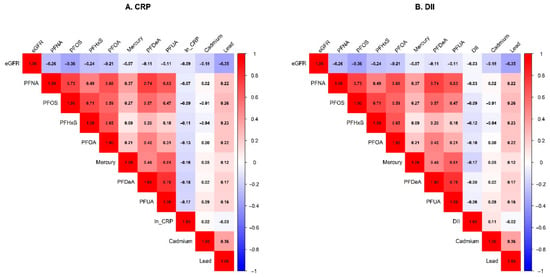
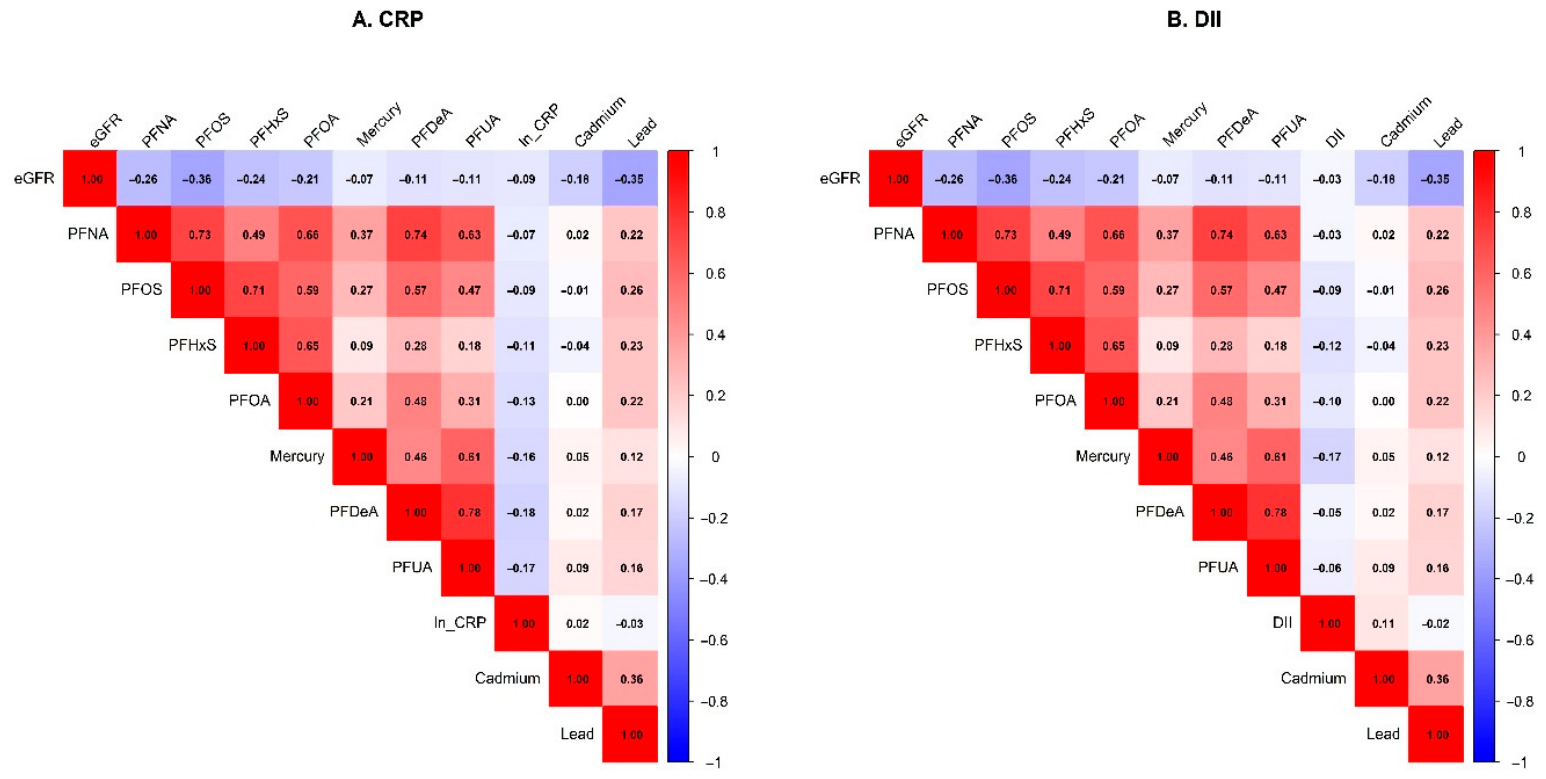
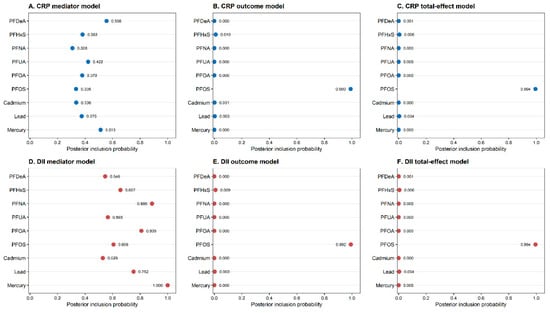
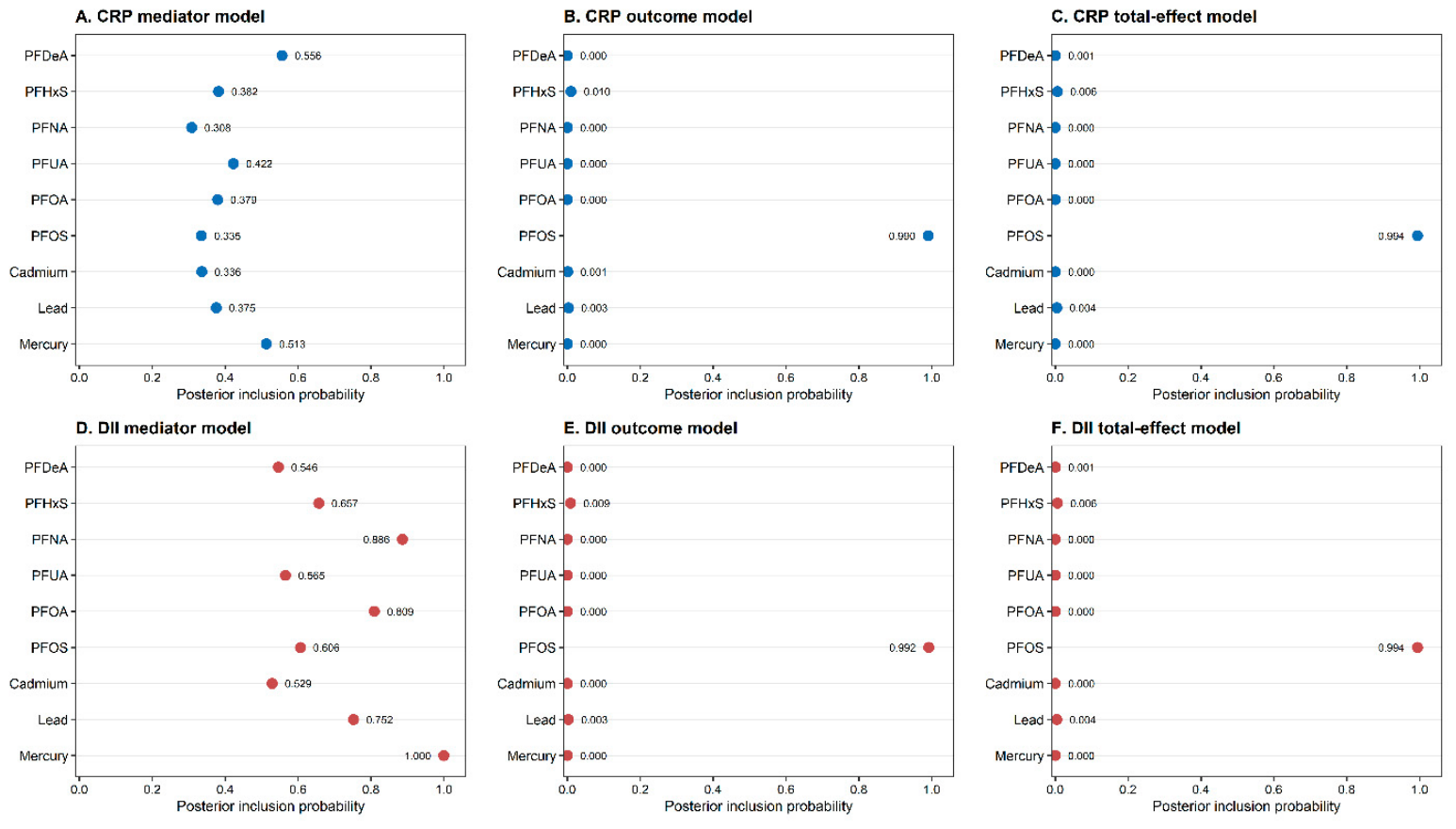
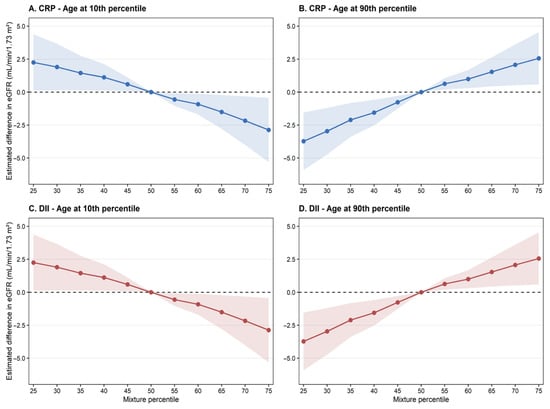
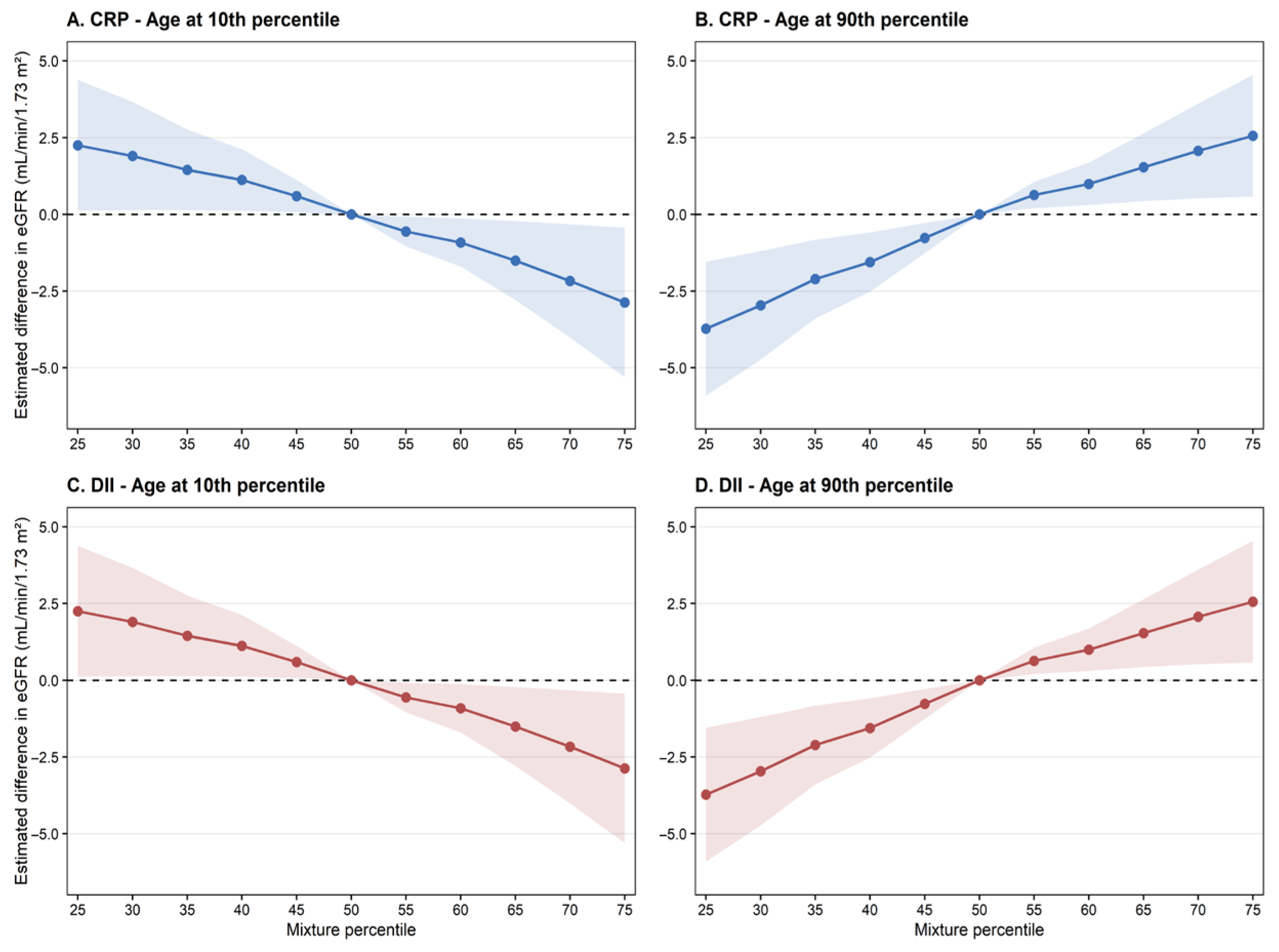
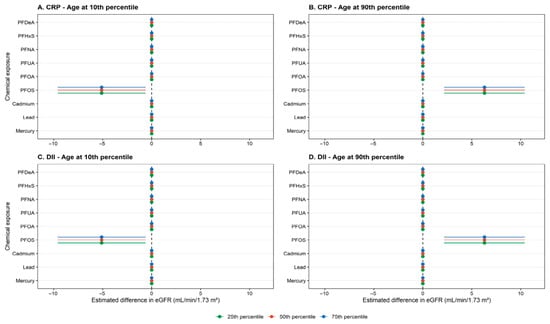
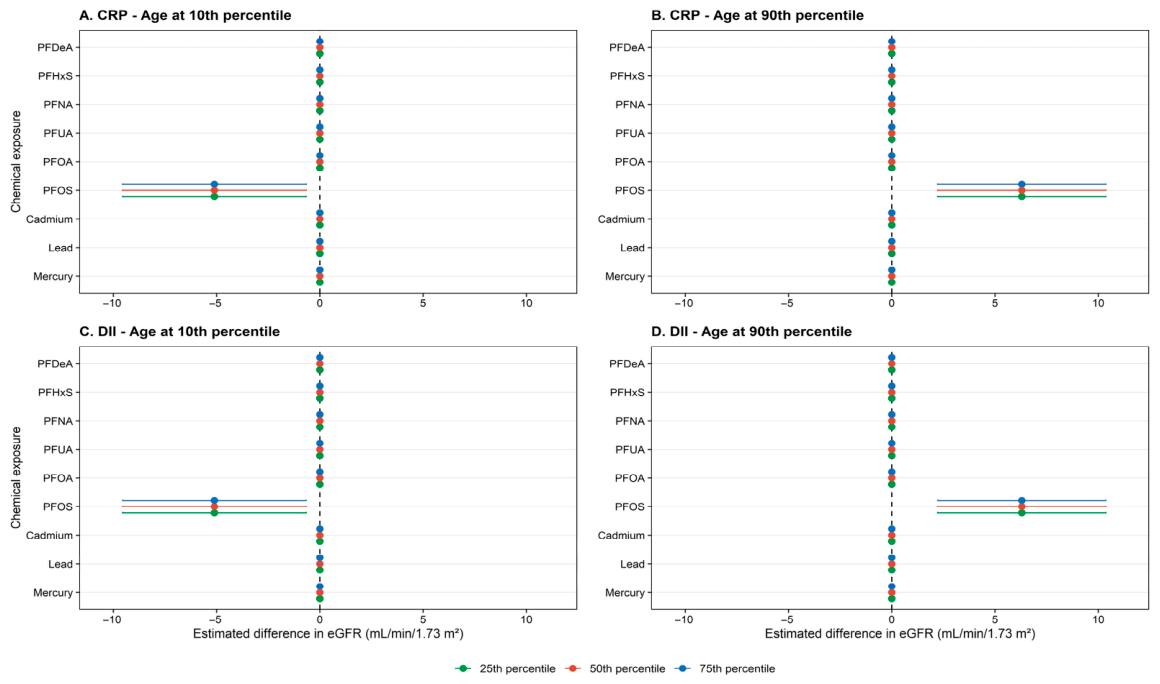
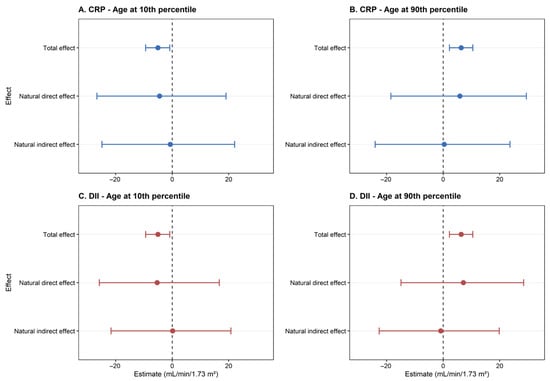
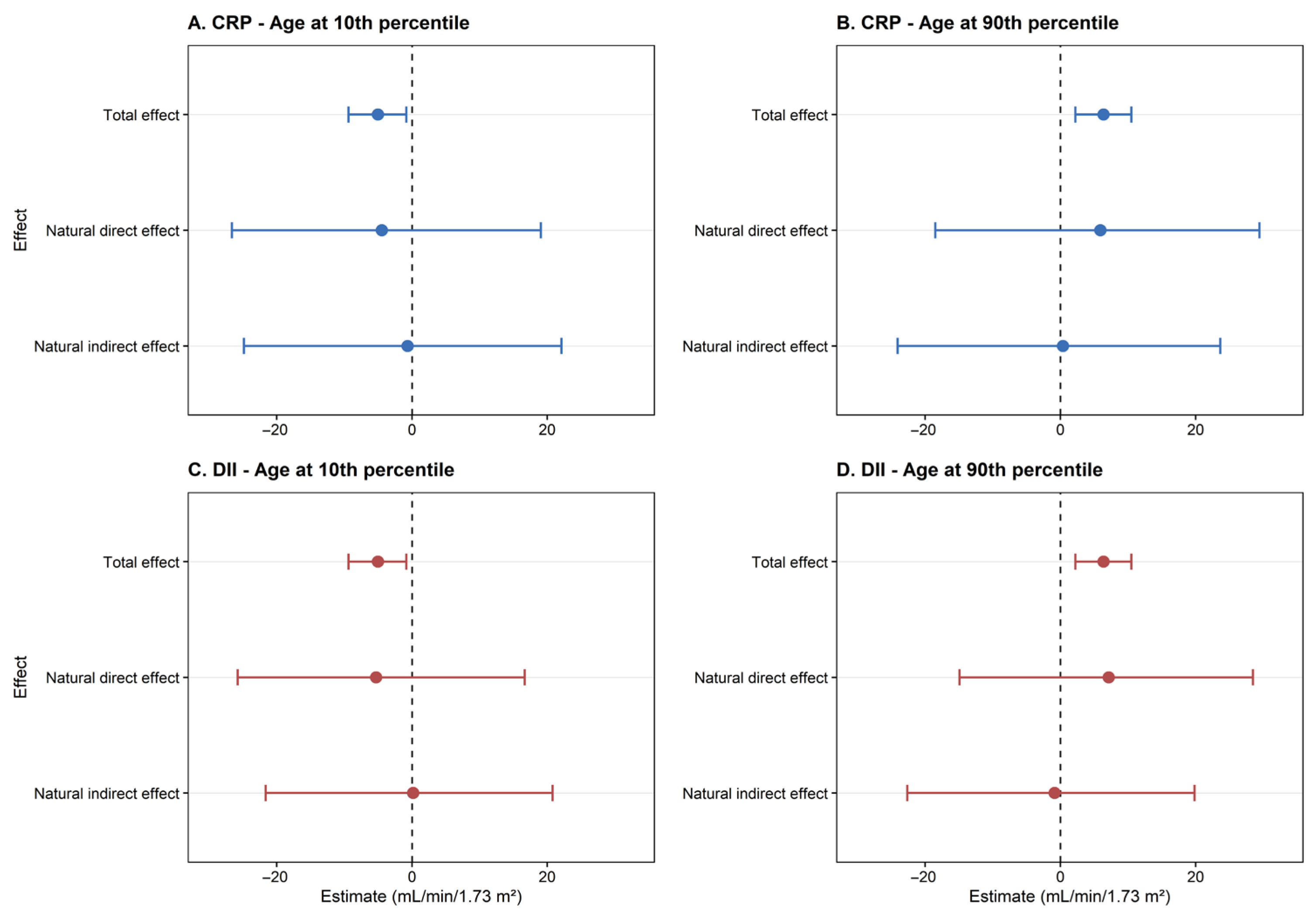
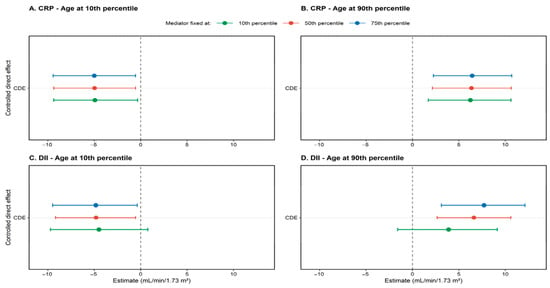
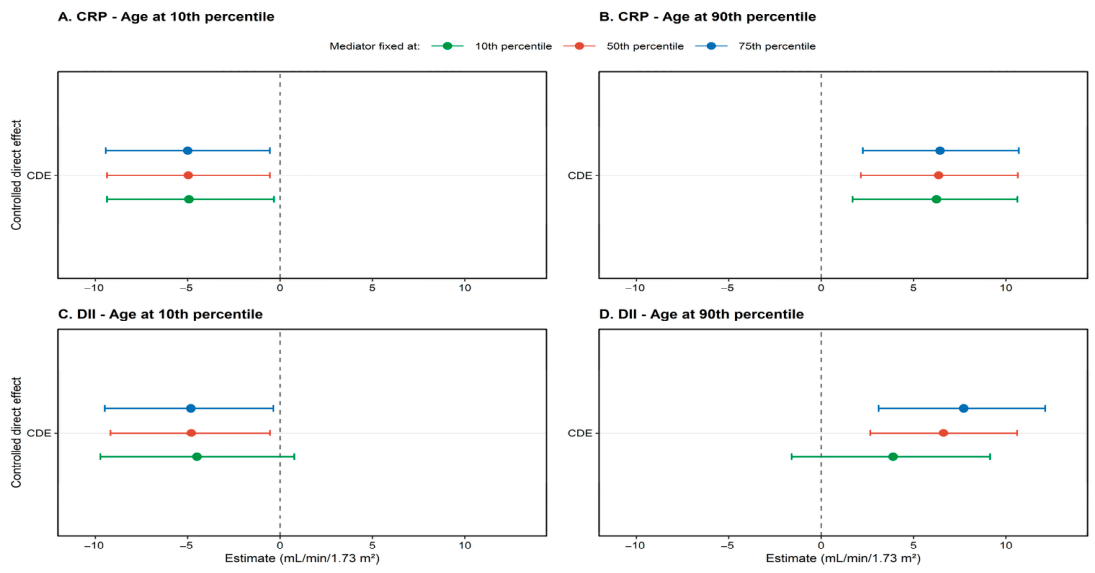
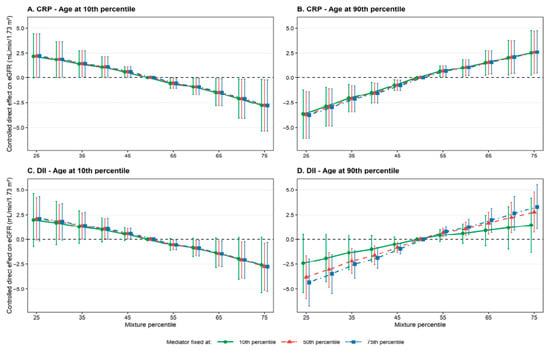
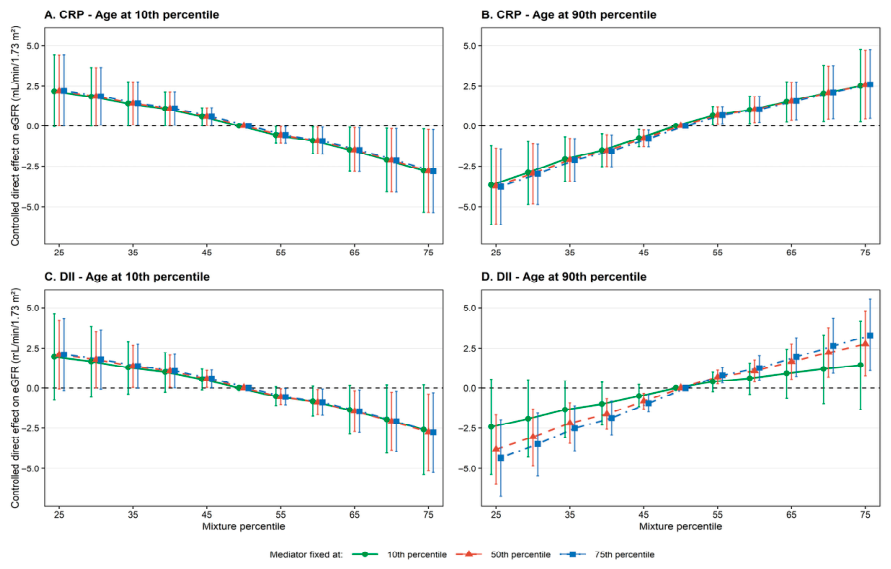

Disclaimer/Publisher’s Note: The statements, opinions and data contained in all publications are solely those of the individual author(s) and contributor(s) and not of MDPI and/or the editor(s). MDPI and/or the editor(s) disclaim responsibility for any injury to people or property resulting from any ideas, methods, instructions or products referred to in the content. |
© 2026 by the authors. Licensee MDPI, Basel, Switzerland. This article is an open access article distributed under the terms and conditions of the Creative Commons Attribution (CC BY) license.