Impaired Testicular Function without Altering Testosterone Concentration Using an Anti-Follicular-Stimulating Hormone Receptor (Anti-FSHr) Single-Chain Variable Fragment (scFv) in Long-Tailed Macaques (Macaca fascicularis)
by
 ,
,
Pakpoom Navanukraw
1,
Sroisuda Chotimanukul
1,
Taratorn Kemthong
2,
Kiattawee Choowongkomon
3 and
Kaywalee Chatdarong
1,* 1
Department of Obstetrics, Gynecology and Reproduction, Faculty of Veterinary Science, Chulalongkorn University, Bangkok 10330, Thailand
2
National Primate Research Center of Thailand, Chulalongkorn University, Saraburi 18110, Thailand
3
Department of Biochemistry, Faculty of Science, Kasetsart University, Bangkok 10900, Thailand
*
Author to whom correspondence should be addressed.
Animals 2023, 13(14), 2282; https://doi.org/10.3390/ani13142282
Submission received: 3 May 2023
/
Revised: 5 June 2023
/
Accepted: 5 July 2023
/
Published: 12 July 2023
(This article belongs to the Section Animal Reproduction)
Simple Summary
The overlapping presence of free-ranging long-tailed macaques (Macaca fascicularis) and humans in tropical and southeast Asian countries, for example, Thailand and Indonesia, has resulted in instances of physical harm, vandalism, and potential transmission of zoonotic diseases. The development of contraception in the free-ranging long-tailed macaques is aimed at maintaining testosterone production to keep the social hierarchy and dominance behavior. Using phage-display library technology, this study developed a novel form of contraceptive for the long-tailed macaques, consisting of small antibody fragments called single-chain variable fragments (scFvs) against the extracellular domain of the follicular-stimulating hormone receptor (anti-FSHr). The purity, size, and binding efficiency of the anti-FSHr scFv were characterized. Then, the study evaluated the effects of intratesticular administration of the anti-FSHr scFv on testicular function and serum testosterone levels in three adult macaques. The results indicated that the anti-FSHr scFv reduced sperm output without altering testosterone levels. This study provides promising insights into the development of new methods of contraception for long-tailed macaques.
Abstract
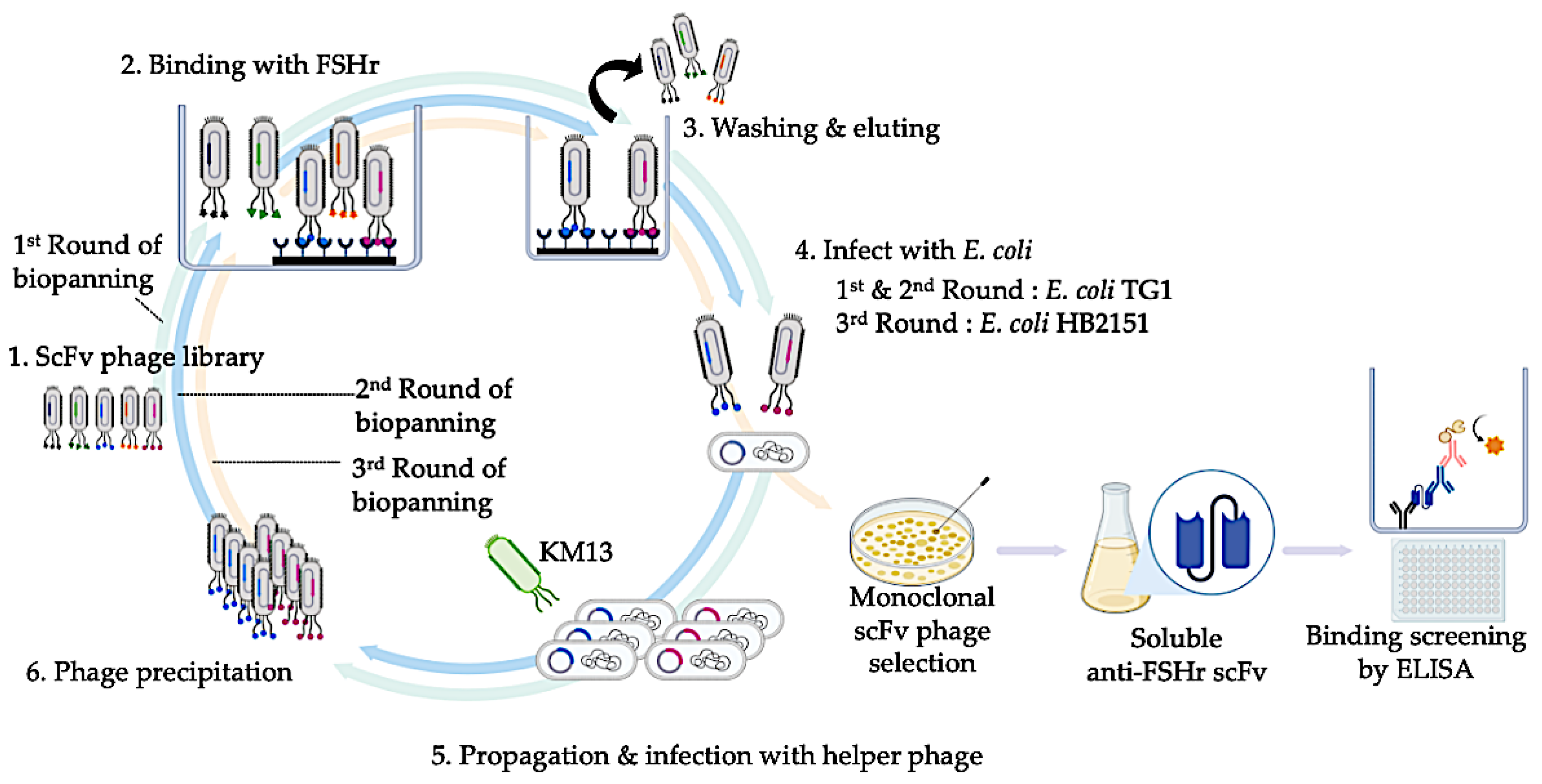
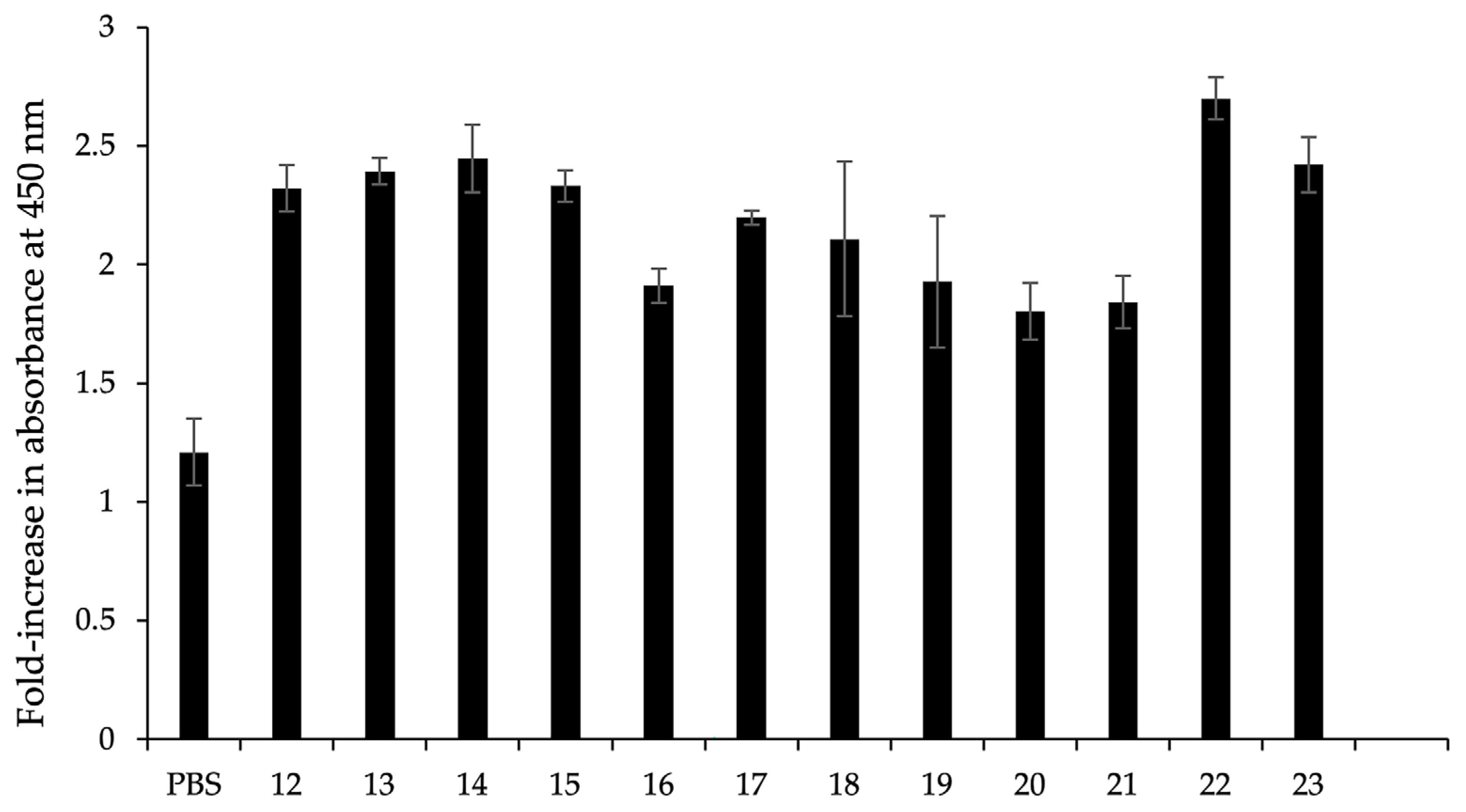
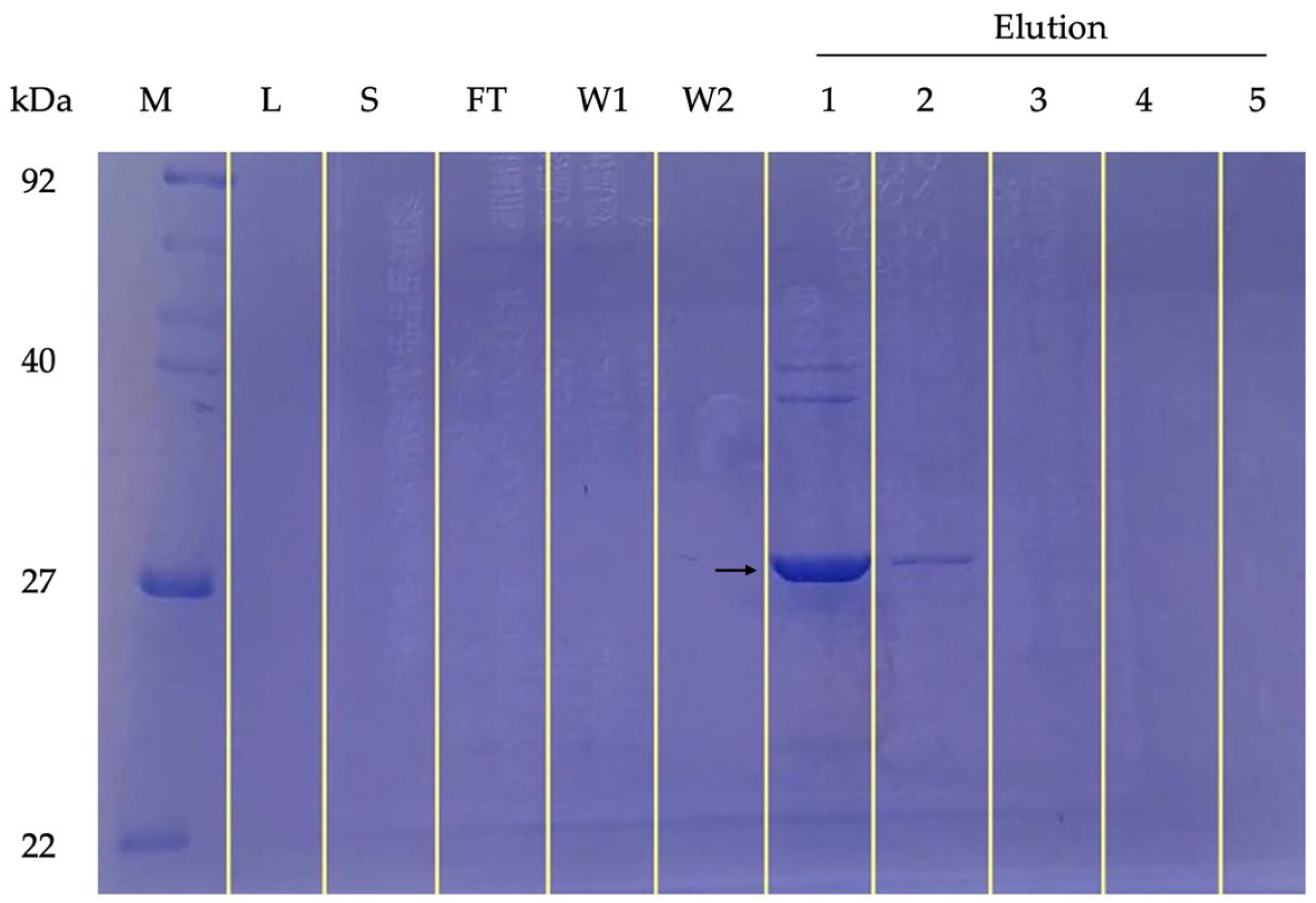
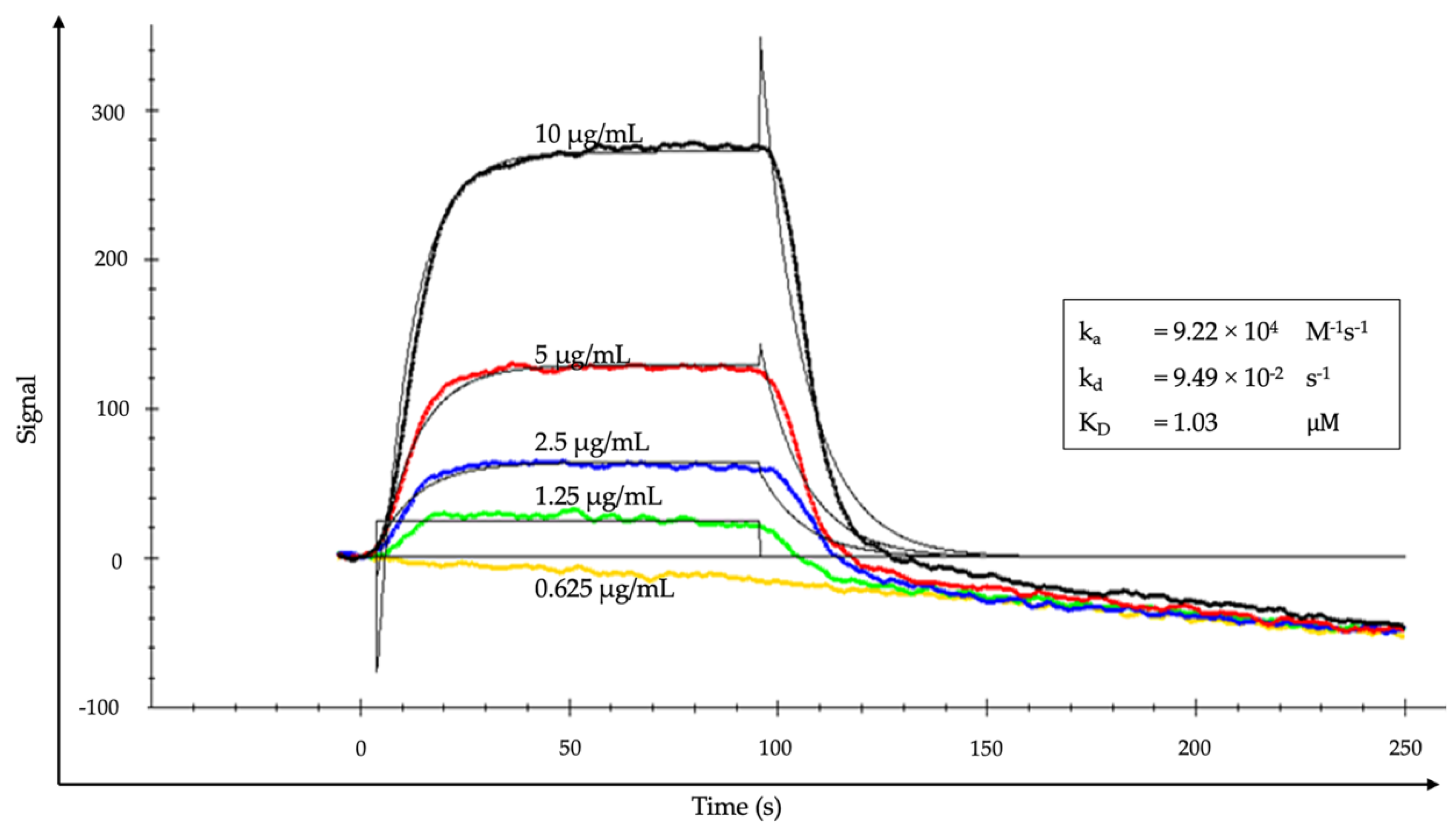
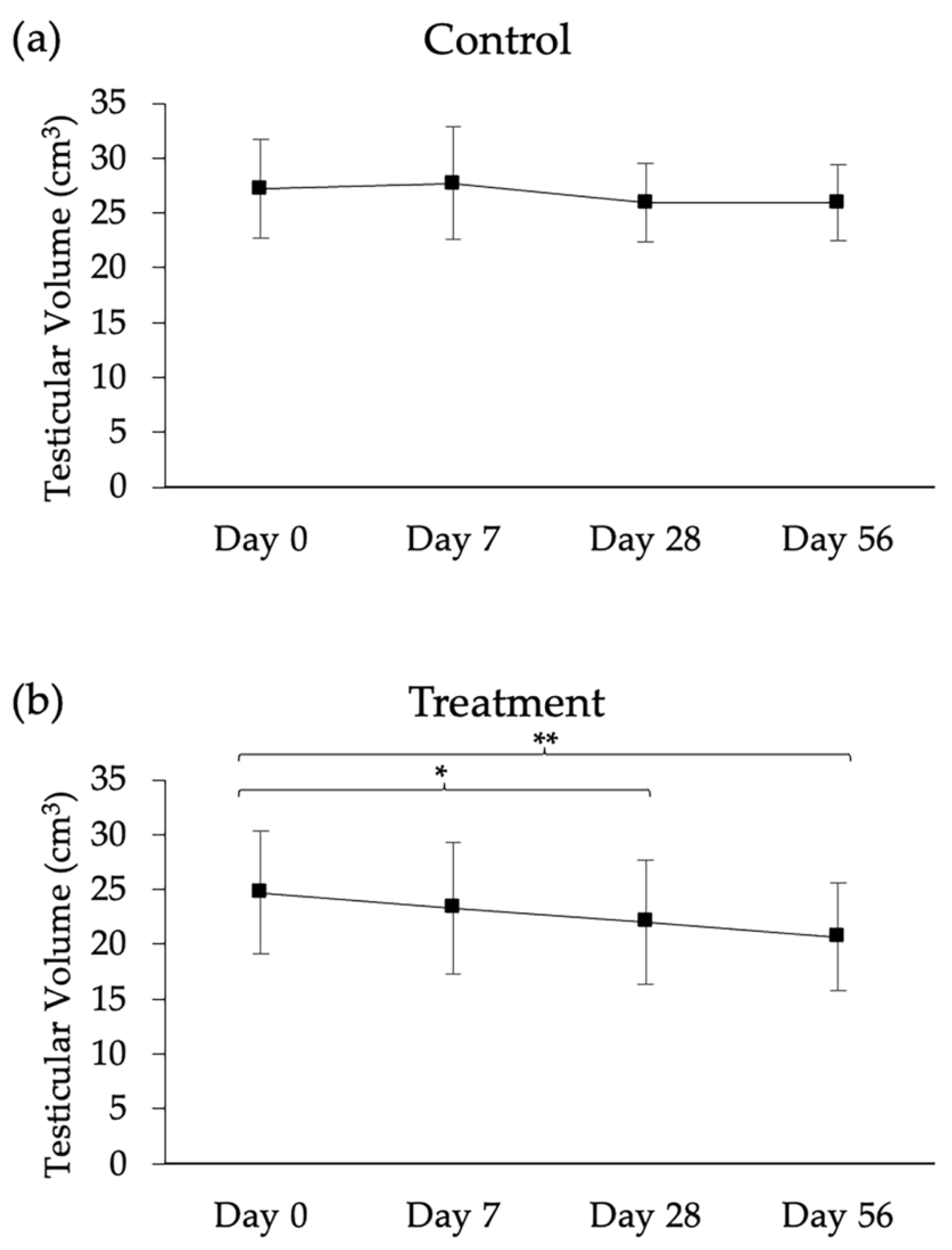
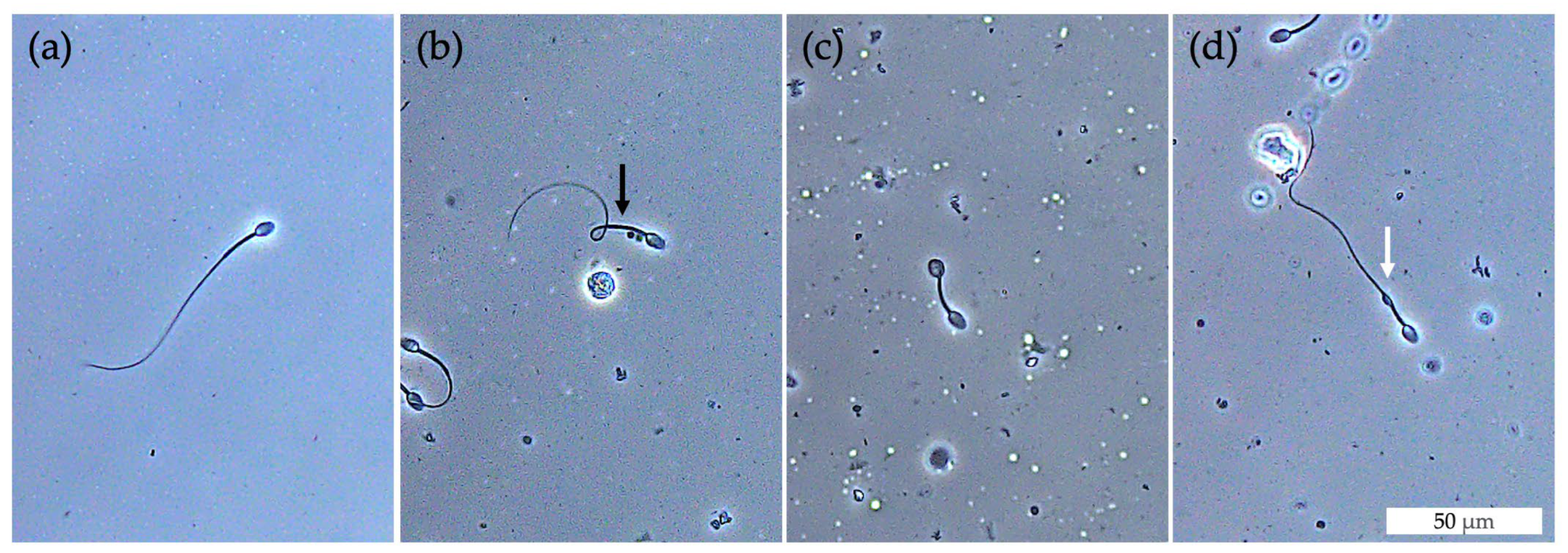
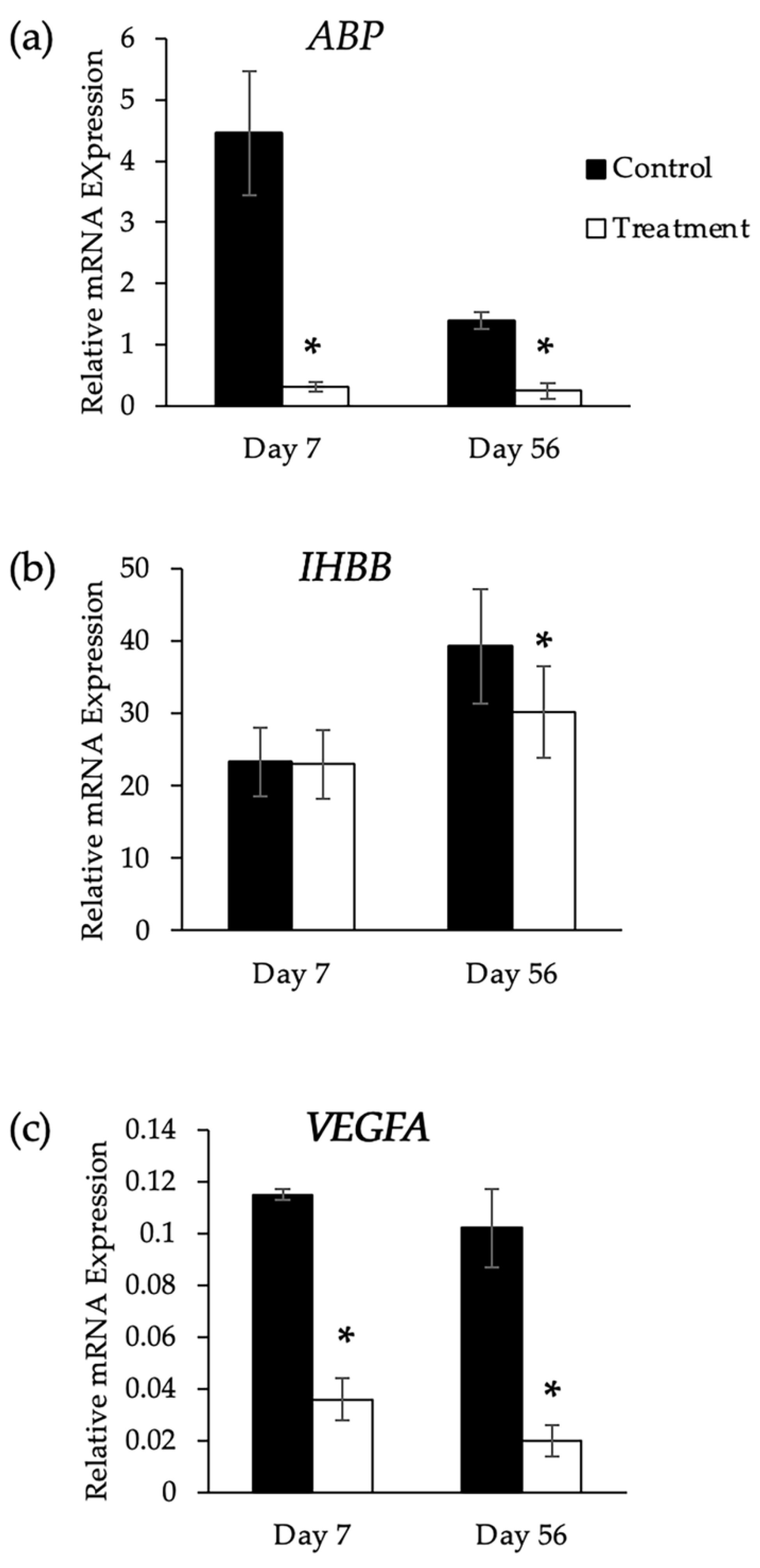
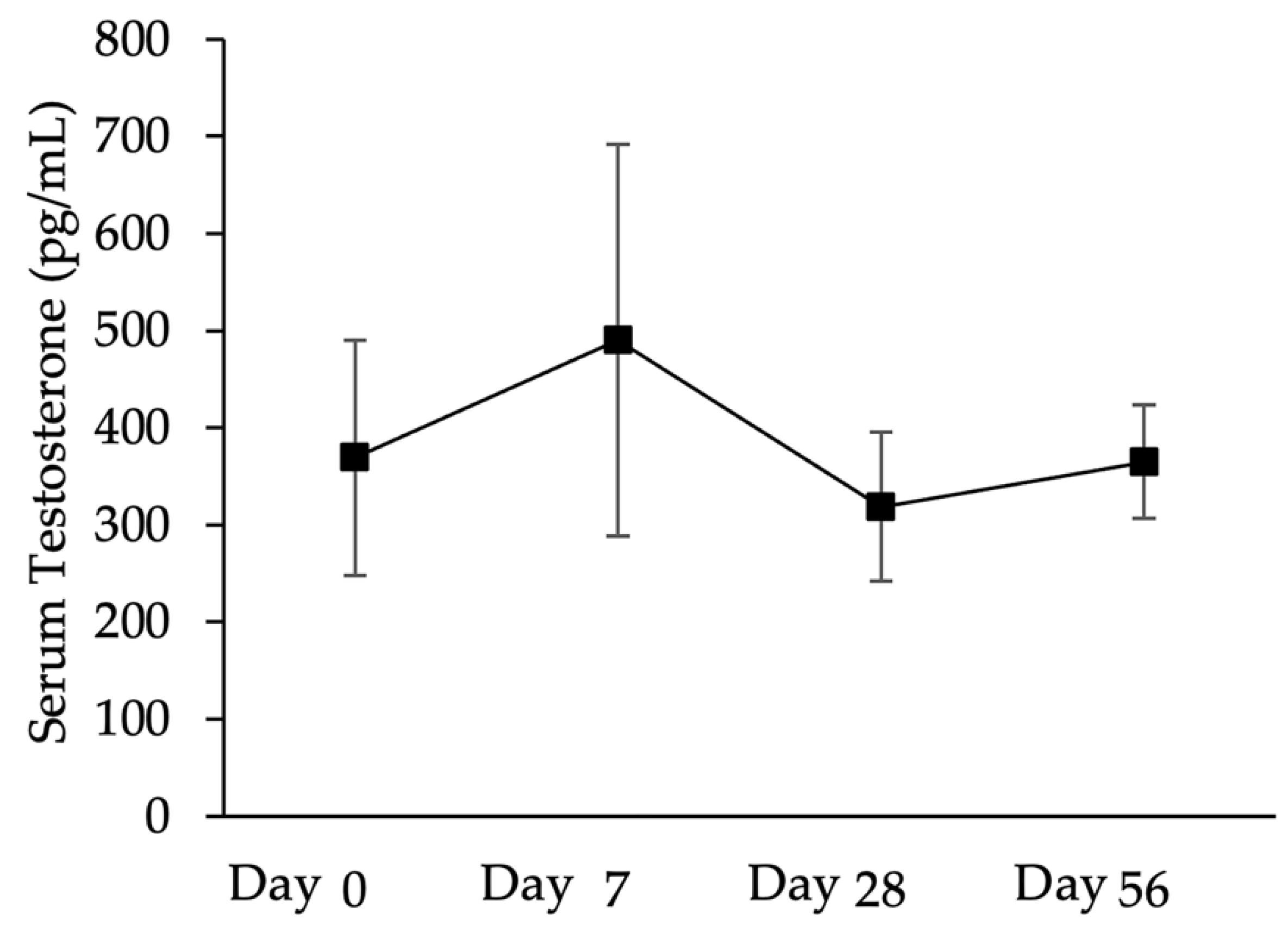
FSHr antibodies have been shown to inhibit the differentiation of spermatogonia to primary spermatocytes, resulting in infertility without a pathological effect on reproductive organs. The aim of this study was to develop single-chain variable fragments (scFvs) against the follicular-stimulating hormone receptor (anti-FSHr) using phage-display technology and to evaluate the effects of intratesticular administration of the anti-FSHr scFv on testicular function and testosterone production. A phage clone against the extracellular domain of FSHr selected from a scFv phagemid library was analyzed for binding kinetics by surface plasmon resonance. Using ultrasound guidance, three adult macaques (M. fascicularis) were administered with 1 mL of 0.4 mg/mL anti-FSHr scFv (treatment) and 1 mL sterile phosphate buffer solution (control) into the left and right rete testis, respectively. Testicular appearance and volume, ejaculate quality, and serum testosterone levels were recorded on day 0 (before injection) and on days 7, 28, and 56 (after injection). Testicular tissue biopsies were performed on day 7 and day 56 to quantify the mRNA expressions of androgen binding protein (ABP), inhibin subunit beta B (IHBB), and vascular endothelial growth factor A (VEGFA). The results demonstrated that the anti-FSHr scFv molecule was calculated as 27 kDa with a dissociation constant (KD) of 1.03 µM. The volume of the anti-FSHr scFv-injected testicle was reduced on days 28 and 56 compared with day 0 (p < 0.05). Total sperm number was reduced from day 0 (36.4 × 10⁶ cells) to day 56 (1.6 × 10⁶ cells) (p < 0.05). The percentage of sperm motility decreased from day 0 (81.7 ± 1.0%) to day 7 (23.3 ± 1.9%), day 28 (41.7 ± 53.4%), and day 56 (8.3 ± 1.9%) (p < 0.05). Sperm viability on day 0 was 86.8 ± 0.5%, which reduced to 64.2 ± 1.5%, 67.1 ± 2.2%, and 9.3 ± 1.1% on days 7, 28, and 56, respectively (p < 0.05). The expression of ABP and VEGFA on days 7 (14.2- and 3.2-fold) and 56 (5.6- and 5.5-fold) was less in the scFv-treated testicle compared with the controls (p < 0.05). On day 56, the expression of IHBB was less (p < 0.05) in the treated testis (1.3-fold) compared with the controls. Serum testosterone levels were unchanged throughout the study period (p > 0.05). This study characterized the anti-FSHr scFv and demonstrated that treatment with anti-FSHr ameliorates testicular function without altering testosterone levels, offering a potential alternative contraceptive for the long-tailed macaques.
Keywords:
contraceptive; monkey; nanobody; phage display; single-domain antibody