


Abstract
Environmental pollution is a pressing global issue, characterized by diverse contaminants and the unsustainability of traditional treatment methods. Biodegradation offers an effective strategy to address this challenge, targeting pollutants such as antibiotics, pharmaceuticals, pesticides, dyes, polycyclic aromatic hydrocarbons, petroleum-derived compounds, plastics, persistent polymers, gaseous substances and so on. This review systematically summarizes recent advances in the use of microorganisms and enzymes for pollutant removal or transformation. Studies on microorganisms and enzymes capable of degrading different pollutant classes are presented, along with their degradation mechanisms and practical feasibility, providing guidance for researchers and industry practitioners and highlighting candidates with higher degradation potential. Furthermore, emerging approaches, including enzyme evolution and gene editing, synergistic strategies, immobilization technologies, and machine-learning-assisted optimization, are discussed as ways to enhance biodegradation stability and efficiency. Notably, directed evolution has achieved up to 400-fold enhancement in catalytic efficiency, while machine-learning models have reached high classification accuracy (AUC = 0.99) in predicting pollutant degradation.
1. Introduction
Global environmental integrity faces unprecedented threats from diverse pollutants released through industrial, agricultural, and urban activities. Pollutants such as persistent organic pollutants (POPs) and industrial chemicals accumulate across terrestrial and aquatic ecosystems, exhibiting high toxicity and long-term persistence [1,2]. The escalating scale of contamination necessitates developing efficient, sustainable remediation strategies that can effectively mitigate these complex environmental challenges.
Biodegradation is a fundamental natural process in which animals, plants, microorganisms or purified enzymes convert hazardous organic compounds into benign products through specific metabolic pathways [3]. Unlike physical or chemical remediation methods that often demand high energy inputs and produce secondary waste, biodegradation proceeds under ambient conditions and reduces ecological disturbance. The broad metabolic capabilities of microorganisms allow them to degrade contaminants across diverse environmental matrices, including polluted soils and aquatic systems, positioning bioremediation as an increasingly important component of modern environmental management [4].
Recent advances in genomics have greatly accelerated the discovery of highly efficient pollutant-degrading organisms and related enzymes, and molecular-level studies have also elucidated the enzymatic mechanisms involved in the degradation of persistent contaminants [5,6]. Genetic engineering has further refined these native pathways, improving microbial performance for specific pollutant classes. Furthermore, several scientific developments have enabled the application of advanced strategies in biodegradation, including enzyme evolution and gene editing, synergistic approaches, immobilization technologies, and machine-learning-assisted optimization [7,8]. By combining mechanistic insights with these innovative approaches, researchers can design more effective and resilient bioremediation systems. Collectively, these advances bridge the gap between laboratory-scale research and practical field applications, promoting the deployment of sustainable, efficient, and scalable biological solutions for the remediation of diverse environmental pollutants.
Despite the growing number of reviews on bioremediation, most existing works focus on specific pollutant classes or individual technologies, lacking an integrated and critical synthesis that bridges fundamental microbial and enzymatic mechanisms with emerging frontier tools. This review addresses this gap by providing a comprehensive and critical analysis of microbial and enzymatic degradation across diverse recalcitrant contaminants, while systematically evaluating how frontier technologies, including directed evolution, CRISPR-Cas9, immobilization platforms, metal–organic frameworks, and machine learning, can be integrated to overcome current bottlenecks. Unlike previous reviews, we emphasize the translational potential and limitations of these hybrid strategies, offering a roadmap for future research and practical implementation. By critically assessing the current state of the art, this review aims to identify knowledge gaps and propose actionable strategies for scaling up bioremediation technologies in diverse environmental settings, as illustrated in Figure 1.
Figure 1.
Scheme of the biodegradation of various environmental pollutants using microbiology or enzymes.
Literature Search and Selection
A structured literature search was conducted to ensure transparency and reproducibility. The following databases were searched: Scopus, Web of Science, and PubMed. The search covered publications from January 2015 to December 2025, with key updates until February 2026. Boolean search strings combined pollutant terms such as antibiotics, pesticides, dyes, polycyclic aromatic hydrocarbons, petroleum hydrocarbons, plastics, heavy metals, and air pollutants, with degradation terms such as biodegradation, bioremediation, microbial degradation, and enzymatic degradation, and with frontier technology terms such as CRISPR-Cas9, directed evolution, immobilization, metal–organic frameworks, machine learning, and synthetic biology. Inclusion criteria were peer-reviewed articles in English; original research or authoritative reviews; studies reporting microbial or enzymatic degradation mechanisms, efficiencies, or engineering strategies; and publications with complete bibliographic records. Exclusion criteria were conference abstracts, non-English publications, duplicate records, studies focused solely on physicochemical treatment, and articles without full text. After removing duplicates, titles and abstracts were screened, followed by full-text assessment. A total of 146 publications were finally selected and cited in this review.
2. Biodegradation Strategies for Various Pollutant Remediation
2.1. Antibiotics
The extensive use of antibiotics has led to their widespread presence in environmental matrices, including water, soil, and sediments. Residual antibiotics pose substantial ecological and public health risks by disrupting microbial ecosystems and facilitating the emergence and dissemination of antibiotic-resistant genes (ARGs). Although traditional physicochemical treatments can remove part of these contaminants, their effectiveness is often constrained by high costs, considerable energy demands, and incomplete degradation. Biodegradation offers an environmentally friendly alternative by employing various organisms to metabolize and transform antibiotics into less harmful products [9]. However, a deeper understanding of molecular mechanisms and metabolic and ecological processes is urgently needed to guide the development of efficient bioremediation technologies capable of mitigating antibiotic pollution.
Tetracyclines, including tetracycline (TC), oxytetracycline (OTC), and chlortetracycline, are among the most extensively used antibiotics worldwide and are frequently detected in agricultural runoff and livestock manure, underscoring the need for effective treatment strategies. Providencia stuartii TX2, isolated from the gut of black soldier fly larvae, shows strong TC-degrading capacity, achieving 72.17% removal within 48 h through epimerization, hydroxylation, and ring-opening pathways [10]. Similarly, Cladosporium colombiae T1 isolated from chicken manure efficiently degrades TC [11], while Pseudomonas strain T4 achieves 69.5% OTC removal in soil via demethylation and oxidation mechanisms [12]. Algae-based processes also demonstrate potential; a symbiotic Chlorella system removed tetracyclines while reducing ARG abundance [13]. In addition, engineered constructed wetlands amended with MgFe-layered double hydroxides (LDHs) significantly improved the degradation of TC, OTC, and chlortetracycline by modulating microbial communities and enhancing metabolic activity [14]. As shown in Figure 2a, tetracyclines are mainly biodegraded through epimerization, hydroxylation, and ring-opening pathways.
Figure 2.
Representative biodegradation pathways of tetracyclines and sulfonamides. (a) Tetracyclines are transformed via epimerization, hydroxylation, and ring-opening by Providencia stuartii TX2, Cladosporium colombiae T1, and Pseudomonas sp. T4, with additional removal in Chlorella-based systems and MgFe-LDH-amended constructed wetlands. (b) Sulfonamides are degraded via ipso-hydroxylation and S-N bond cleavage by Paenarthrobacter sp., plant–microbe systems, black soldier fly gut microbiota, and Rhodopseudomonas palustris. Arrows indicate transformation steps; enzymes are indicated where known.
Sulfonamides, including sulfadiazine (SDZ) and sulfamethazine (SMZ), represent another major class of antibiotics of environmental concern. Their biodegradation typically involves oxidative and reductive transformations. Ryegrass–soil systems achieved more than 95% SDZ removal, supported by the upregulation of CYP450 and phenylpropanoid pathways and the enrichment of microbial taxa such as Vicinamibacteraceae and Microvirga [15]. The gut microbiota of black soldier fly larvae removed 73.99% of SDZ, with Clostridium, Nesterenkonia, and Bacillus playing central roles in SDZ catabolism [16]. Anaerobic photosynthetic bacteria such as Rhodopseudomonas palustris further enhance SDZ degradation by extracellular ferrihydrite reduction and upregulation of electron-transport and light-responsive genes [17]. At the molecular scale, Paenarthrobacter sp. completely degraded ten sulfonamides through ipso-hydroxylation and S–N bond cleavage, with degradation efficiency largely governed by electronic structure and bond energy [18]. Figure 2b summarizes the key sulfonamide degradation pathways, including ipso-hydroxylation and S–N bond cleavage.
Fluoroquinolones, including ciprofloxacin (CIP) and norfloxacin (NFX), are highly persistent in the environment. Effective removal often requires advanced microbial systems or physicochemical–biological hybrid approaches. In laboratory-scale acid hydrolysis batch systems supplemented with zero-valent iron or Fe(II), CIP biodegradation was significantly enhanced, accompanied by increased dehydrogenase activity [19]. In another laboratory-scale study, a machine-learning-optimized microbial consortium achieved 95.5% CIP removal under controlled conditions [20]. In laboratory composting experiments, sludge-derived microbial communities removed 75–82.5% of CIP alongside tetracyclines [21]. In laboratory algal cultures, Chlorella vulgaris removed up to 97.2% of NFX and 90.5% of SMZ via bioaccumulation and chlorophyll-mediated processes [22]. Other studies highlight the importance of minimizing heavy metal stress (e.g., Zn(II)), which otherwise suppresses antibiotic degradation and favors ARG transfer [23].
For other types of antibiotic biodegradation, such as removing β-lactams, macrolides aminoglycosides, and chloramphenicol, potential solutions have been reported recently. For example, Sphingobacterium sp. SQW1 efficiently degraded PGNa through β-lactam hydrolysis, decarboxylation, and oxidative reactions [24]. Roxithromycin (RTM), a macrolide, can be effectively removed by algal–bacterial consortia in quaternary treatment systems, with removal reaching 99.9% in setups using Chlorella vulgaris [22]. Biodegradation of aminoglycosides such as neomycin is less common due to their structural stability. Nevertheless, Cupriavidus basilensis and Bacillus velezensis isolated from mangrove soils demonstrated significant degradation capacities (up to 58.4%), especially under co-metabolism of soluble starch [25]. CAP biodegradation was observed in both bacteria and cyanobacteria, Synechocystis sp. degraded 94.27% of CAP via a nitroreductase (NTR), and recombinant strains expressing this gene showed comparable removal performance [26]. Exiguobacterium sp. CAP4 could simultaneously degrade CAP and microplastics, emphasizing its potential in complex pollution contexts [27].
Overall, biodegradation has been reported for most major antibiotic classes, but the dominant enzymes and pathways differ among compounds and are discussed in the corresponding subsection above. Future research should focus on elucidating molecular mechanisms, optimizing microbial consortia, and integrating emerging technologies to achieve reliable, scalable antibiotic removal in complex environmental matrices.
While much of the current research on pharmaceutical pollution focuses on antibiotics, a growing work highlights the persistence and toxicity of non-antibiotic drugs. These substances are also frequently detected in municipal wastewater, surface water, and even drinking water. Biodegradation is also increasingly recognized as a viable approach for remediating these compounds.
Carbamazepine (CBZ) is an anticonvulsant which is notoriously resistant to biodegradation and commonly persists through wastewater treatment plants. A recent study evaluated the CBZ biodegradation potential of Rhodococcus zopfii, a Gram-positive actinobacterium [28]. The dominant enzymes secreted during the degradation process were identified as aldehyde oxidase, oxygen oxidoreductase, and catechol 1,2- and 2,3-dioxygenases, all of which play key roles in the oxidative cleavage of aromatic rings. The detection of catechol dioxygenases suggests a probable degradation pathway involving hydroxylation and ring fission, indicating that R. zopfii may metabolize CBZ via aromatic intermediate breakdown, making it a promising candidate for further development in bioreactors or constructed wetlands.
Acetaminophen (APAP) is commonly detected in wastewater and surface waters, raising concerns due to its persistence and potential ecological impacts. Fungal systems have proven effective in degrading APAP through enzymatic activity. The white-rot fungus Ganoderma parvulum, known for producing ligninolytic enzymes, efficiently degrades APAP [29]. When these enzymes were immobilized on chitosan microspheres, both their catalytic efficiency and stability were significantly improved. This immobilization enabled continuous degradation of APAP in aqueous systems, providing a practical enzymatic treatment approach for wastewater effluents. The chitosan matrix offered mechanical support and protection against environmental stress, enhancing enzyme durability and making the method suitable for application in engineered treatment units [29].
2.2. Pesticide and Herbicide
The extensive and prolonged use of pesticides and herbicides in agriculture has led to their ubiquitous presence in soil and water environments. These compounds, such as organochlorines, sulfonylureas, triazines, and neonicotinoids, are often persistent, toxic, and poorly biodegradable in natural conditions. Residual accumulation in agricultural soils and leaching into groundwater and surface water has caused significant ecological disruption, bioaccumulation in food chains, and potential health hazards for humans and animals. Microbial biodegradation has emerged as a sustainable, cost-effective, and environmentally friendly alternative. By leveraging bacteria and fungi capable of enzymatically transforming or mineralizing these pollutants, bioremediation technologies offer promising solutions for restoring contaminated ecosystems.
Several studies have explored microbial degradation of herbicides, especially atrazine and 2,4-dichlorophenoxyacetic acid (2,4-D), two of the most widely used and persistent compounds. For instance, Paenarthrobacter ureafaciens PC, a newly isolated halotolerant bacterium, demonstrated effective degradation of s-triazine herbicides under saline stress, with insights into both metabolic pathways and salt tolerance mechanisms [30]. Another study employed biochar derived from peanut shells as both an adsorbent and biofilm support to enhance atrazine degradation. The dominant microbial taxa Firmicutes and Proteobacteria contributed to a biodegradation rate over six times greater than that of pure adsorption, illustrating the synergy between physical support and microbial activity [31]. In parallel, genetically engineered E. coli was constructed to achieve complete mineralization of 2,4-D, showcasing how synthetic biology can target otherwise recalcitrant herbicides [32].
In laboratory-scale liquid culture experiments, Bacillus sp. 6F isolated from Savannah soil degraded 88% of spirodiclofen (100 mg L−1) within 3 days under optimized conditions (peptone G medium, pH 5, 40 °C, 200 rpm) [33]. Cladosporium herbarum was identified as the first fungus capable of degrading imazalil (IMZ), a persistent fungicide commonly released in wastewater from fruit packaging industries. Transcriptomic and genomic analyses revealed the crucial involvement of cytochrome P450s, whose inhibition blocked IMZ degradation, underlining their enzymatic centrality [34]. Malathion, a widely used organophosphate insecticide, was degraded by Shewanella oneidensis MR-1, and this process was accompanied by oxidative stress responses, suggesting a broader metabolic mechanism for organophosphate degradation [35]. Neonicotinoid insecticides (NEOs) were shown to be effectively metabolized via cytochrome P450-mediated pathways. This research not only elucidated the mechanistic basis for NEO biodegradation but also presented predictive models to optimize microbial systems for field application [36]. For sulfonylurea herbicides such as nicosulfuron, the fungal strain Talaromyces flavus LZM1 exhibited strong degradation capacity. Proteomics revealed the upregulation of glycosylphosphatidylinositol transaminase and P450s under specific environmental conditions, such as pH and nutrient availability, emphasizing the dynamic regulation of enzymatic pathways [37].
Microbial consortia and mixed cultures offer another promising strategy for pesticide bioremediation. In the case of DDT, one of the most persistent and bioaccumulative pesticides, genome-guided microbial consortia were assembled and experimentally validated. The multi-species approach resulted in significantly enhanced degradation compared to single strains [38]. Additionally, novel halophilic bacteria have been isolated and characterized for their broad-spectrum degradation abilities, including pesticides and industrial effluents, highlighting their applicability in saline environments [39]. Lastly, the interaction between soil amendments and microbial communities was explored in biochar-amended sludge, which facilitated atrazine degradation by increasing its bioavailability and shaping a favorable microbial community [40].
Bacteria and fungi whether naturally isolated, enriched through consortia, or genetically engineered have demonstrated the capacity to transform or mineralize even the most recalcitrant agrochemicals. Enzymatic pathways such as those involving cytochrome P450s, transaminases, and oxidoreductases are central to these processes, and ongoing studies continue to elucidate their regulatory mechanisms. Looking forward, integrating microbial technologies with environmental engineering approaches will be crucial for developing scalable, site-specific bioremediation systems. The representative biodegradation systems and performance for antibiotics, pharmaceuticals, pesticides, and herbicides are summarized in Table 1.
Table 1.
Summary of biodegradation performance for antibiotics, pharmaceuticals, pesticides and herbicides.
2.3. Dyes
Synthetic dyes, especially azo dyes, are extensively utilized in the textile, leather, food, and cosmetic industries due to their structural diversity and colorfastness. However, their widespread use and improper disposal have led to significant environmental challenges. These compounds are often recalcitrant, toxic, and resistant to natural degradation, thereby contaminating aquatic ecosystems and affecting both microbial and higher trophic life forms. Biodegradation as a strategy also shows good potential for dye remediation as shown in Figure 3.
Figure 3.
Biodegradation methods for the treatment of dyes.
For instance, Reactive Red 195 (RR-195), a commonly used dye in textiles, exhibits strong aromaticity and persists in water due to its low fixation rate during dyeing processes. Recent studies have explored eco-friendly materials such as papaya peel biomass in various processed forms—granules, powders, and extracts—for the efficient decolorization and degradation of RR-195, demonstrating its potential as a low-cost adsorbent and biocatalyst [46]. Similarly, the use of horseradish peroxidase (HRP) immobilized on Pd(II)-containing polymeric microspheres showed promising degradation of Methyl Orange and Rhodamine B dyes, reinforcing the utility of plant-based and enzyme-assisted strategies [47]. Expanding upon this, HRP immobilized on calcium alginate–starch hybrid supports has also shown robust catalytic properties for the breakdown of phenol red, indicating that hybrid immobilization matrices can enhance enzyme stability and reusability for industrial dye remediation [48].
Recent years, a growing number of studies highlight the utility of bacterial strains for dye decolorization and detoxification. For example, indigenous isolates such as Bacillus licheniformis, Glutamicibacter uratoxydans, and Pseudomonas aeruginosa have demonstrated significant decolorization efficiencies across red, blue, and violet dyes, attributed to their production of oxidoreductase enzymes activated by dye substrates [49]. Further optimization of Pseudomonas aeruginosa ED24, isolated from textile wastewater, led to a 98.7% removal of malachite green using nutrient supplementation. Degradation products such as leucomalachite green and benzoic acid were identified [50]. Similarly, Pseudomonas aeruginosa JU_CHE_01 has been isolated and characterized for its degradation ability for Reactive Red 120, underlining its potential in industrial-scale applications [51]. In addition, Rhizobium sp. PS1 has been reported to biodegrade azo dye Blue GSL while promoting plant growth by alleviating dye-induced stress, reflecting a multifunctional approach that bridges bioremediation and agriculture [52]. In parallel, Marinospirillum alkaliphilum strain N, coupled with Cu nanoparticles, has been applied for the biodegradation of Acid Red 88, suggesting that nanomaterial-enhanced microbial systems could serve as next-generation solutions [53]. Additionally, Clostridium acetobutylicum, a strict anaerobe, demonstrated effective degradation of Reactive Black 5 while concurrently producing hydrogen gas, indicating a dual benefit in pollutant removal and bioenergy production [54]. 3,6-dibromocarbazole (3,6-DBCZ), used in the dye and electronic industries, has raised ecological concerns due to its brominated structure and poor biodegradability. Streptomyces sp. FW-32, isolated from contaminated soil, exhibited the ability to metabolize 3,6-DBCZ effectively [44]. Metabolic profiling revealed that the strain could initiate debromination and subsequent ring-cleavage pathways, representing a novel mechanism for the detoxification of halogenated organic pollutants.
Fungal and algal organisms also offer effective dye biodegradation through the secretion of extracellular oxidative enzymes. White-rot fungi, particularly Trametes cingulata, are known for their potent ligninolytic enzyme systems which facilitate the decolorization of reactive dyes such as Reactive Red 239 [55]. Similarly, Aspergillus flavus has shown promising degradation of various azo dyes [56]. Yeast-like fungi such as Geotrichum candidum have also been employed to degrade Congo Red, and metabolite toxicity assessments indicate a substantial decrease in genotoxicity after treatment [57]. Furthermore, some identified enzymes from bacterial strains have been used for dye degradation. For example, laccase from Bacillus atrophaeus enabled targeted and efficient degradation of multiple dye types under varying environmental conditions [58].
To further improve environmental safety, recent research has increasingly focused on assessing the toxicity of both parent dyes and their transformation products. For instance, the degradation pathway of the anthraquinone dye Vat Blue 4 by Pseudomonas aeruginosa WYT was elucidated. Key transformation products, including dibenzo[b,e]oxepine-6,11-dione and 2-(2-hydroxybenzoyl)benzoic acid, were identified, and their genotoxicity was assessed, revealing that total genotoxicity across oxidative, protein, membrane, DNA, and general stress categories gradually decreased as VB4 degradation progressed [59]. Similarly, studies on Reactive Green 12 (RG12) degradation by Bacillus cereus SSC showed successful decolorization (up to 97.8% within 12 h), with HPLC and FTIR analyses confirming the cleavage of the azo bond (–N=N–) and the formation of smaller molecular metabolites. Subsequent phytotoxicity (100% Triticum aestivum seed germination) and genotoxicity (no chromosomal aberrations in Allium cepa root cells) assessments confirmed complete toxicity removal, reinforcing the environmental viability of the approach [60]. Ozonation–biodegradation integration methods have also been proposed for complex dye mixtures, where the pre-oxidation of dye molecules enhances their biodegradability. Toxicity quantification through bioluminescence and phytotoxicity assays confirms that this hybrid approach substantially improves water quality compared to standalone treatments [61].
2.4. Polycyclic Aromatic Hydrocarbons (PAHs)
Polycyclic aromatic hydrocarbons (PAHs), particularly high-molecular-weight (HMW) compounds like benzo[a]pyrene (BaP) and pyrene, pose a significant environmental threat due to their persistence and toxicity. Microbial degradation, leveraging the catalytic power of enzymes, presents a sustainable remediation strategy. The process fundamentally relies on enzymatic systems, including laccases (EC 1.10.3.2; multi-copper oxidases that oxidize phenolic substrates), peroxidases (EC 1.11.1.x), and dioxygenases such as ring-hydroxylating dioxygenases (EC 1.14.12.-), which catalyze the initial incorporation of molecular oxygen into the aromatic ring [62]. These enzymatic mechanisms have been comprehensively reviewed by Ghosal et al. [63], who summarized the environmental factors and microbial diversity involved in PAH degradation, and by Peng et al. [64], who emphasized the biochemical principles and genetic regulation of bacterial PAH catabolism, and particularly the central role of dioxygenases.
Fungi, especially white-rot species, are primary agents in this process. Trametes versicolor achieves degradation of BaP through the action of its extracellular laccases [65]. Similarly, the degradation of pyrene by Trichoderma sp. CNSC-2 is closely associated with the peak activity of its laccase enzymes [66]. Beyond solo activity, fungi can form synergistic partnerships; for instance, Aspergillus brasiliensis enhances BaP degradation in consortia with bacteria [67].
Bacteria contribute extensive catabolic diversity. Isolates such as Sarocladium terricola from contaminated sediments exhibit high HMW-PAH degradation capacity [68]. Modern molecular techniques have expanded the known genetic toolbox for bacterial PAH metabolism, identifying novel dioxygenases and peroxidases from environmental samples [69] and unique catabolic gene clusters in marine bacteria like Sagittula sp. [70]. A key rate-limiting step—cellular uptake—is facilitated by specialized bacterial components such as newly identified FadL-family outer membrane transporters, which mediate the transport of hydrophobic substrates across the outer membrane, thereby promoting PAH uptake into cells [71].
The practical efficacy of these microbial and enzymatic processes is amplified through integrated engineering and ecological strategies. The construction of defined consortia enables the simultaneous degradation of PAHs and other co-pollutants like phthalates [72]. Process innovations, including macroemulsion bioreactors, are designed to overcome solubility limits and enhance the biodegradation of HMW PAHs [73]. Unlike conventional bioreactors that rely on dissolved pollutants in the aqueous phase, macroemulsion bioreactors create an oil-in-water emulsion that increases the solubility of hydrophobic PAHs and improves their contact with microorganisms. Bioavailability, a major constraint, can be addressed by adding biosurfactants or surfactant-producing microbes to facilitate microbial uptake [74]. Environmental modulation is also critical: the addition of electron acceptors like iron oxides can stimulate microbial gene expression and degradation activity [75], while the presence of lighter PAHs can promote the co-metabolic breakdown of HMW compounds [76]. Furthermore, anaerobic biodegradation pathways can be significantly activated through biostimulation with agents such as rhamnolipids and earthworm casts [77].
In conclusion, effective PAH bioremediation is underpinned by diverse microbial catalysts and their enzymatic pathways. Translating this understanding into field-scale applications requires the integrated application of consortia design, bioavailability enhancement, and environmental modulation strategies to optimize the inherent degradative potential of microbial communities.
2.5. Petroleum and Petroleum Products
The extensive environmental contamination caused by petroleum hydrocarbons, which range from linear alkanes to complex asphaltenes, presents significant risks to ecosystems and human health. These compounds are typically persistent, hydrophobic, and toxic, leading to long-term degradation of both soil and water quality. In this context, biodegradation has become an increasingly important remediation strategy. By utilizing diverse microbial communities, catalytic enzymes, biosurfactants, and engineered materials, bioremediation offers a promising and environmentally sustainable approach to addressing hydrocarbon pollution.
A wide range of microbial species have demonstrated capabilities to degrade hydrocarbons by using them as carbon sources. For instance, Streptomyces strains isolated from fuel-contaminated gas station soils were found to express hydrolytic enzymes such as pectinase, cellulase, and lipase, and a high percentage (97.68%) carried the alkB gene, enabling direct alkane oxidation [78]. A wide range of bacterial genera are capable of aerobic alkane degradation, including Rhodococcus, Acinetobacter, Nocardia, Mycobacterium, Pseudomonas, and Alcanivorax, among others [79]. Similarly, a marine strain, Alcanivorax borkumensis, known for thriving in oil-polluted environments, utilizes alkanes from oil spills and phytoplankton. The key to its degradation ability lies in its production of glycine–glucolipid biosurfactants. An important ability that enhances its degradation capacity is the production of glycine–glucolipid biosurfactants, which facilitate cell adhesion to oil droplets and alkane uptake [80]. Filamentous fungi also play important roles: Aspergillus niger AM1 was identified for its ability to degrade crude oil and petroleum derivatives efficiently, likely due to its diverse enzymatic toolkit [81]. Algal systems such as Spirulina platensis have additionally been shown to assist in the biodegradation of naphthenic acids from oil-sands tailings, providing low-energy options for aquatic remediation [82]. Petroleum-derived pollutants, exemplified by toluene, are prevalent in industrial effluents and oil-sands tailings. Microbial catabolism can be enhanced by redox-active metals. For instance, Fe3+ was shown to promote toluene degradation by Rhodococcus sp. TG-1. Fe3+ is taken up into the cells and serves as a component of the active center of catechol 1,2-dioxygenase (C12O), significantly enhancing C12O enzyme activity and promoting protein synthesis, thereby accelerating toluene degradation [83].
Several studies have focused on the use of microbial consortia, which combine indigenous and exogenous species to broaden the substrate spectrum and enhance degradation efficiency. In Brazil, a large-scale oil spill on the tropical coast prompted the deployment of autochthonous microbes for in situ bioremediation, demonstrating strong adaptability to real-world polluted environments [81]. Another experiment evaluated soil samples from petrochemical sites using mixed microbial communities including yeasts (S. cerevisiae, C. utilis, R. benthica) and bacteria (B. thuringiensis, L. plantarum) for the degradation of total petroleum hydrocarbons (TPHs), volatile organic compounds (VOCs), and semivolatile organic compounds (SVOCs), showcasing their collective metabolic flexibility [84]. In a terrestrial context, a microbial consortium comprising Pseudomonas, Bacillus, and Sphingomonas strains was used for asphaltene degradation. The study revealed how functional complementarity among microbes enabled substrate partitioning and cooperative metabolism, ultimately reducing the chemical stability and mechanical strength of asphalt [85].
Enzyme-mediated hydrocarbon degradation has attracted attention due to its specificity and efficiency. For aerobic alkane degradation, the critical enzymes are monooxygenases, particularly alkane hydroxylases such as those encoded by alkB genes, which catalyze the initial and rate-limiting oxidation of linear alkanes to alcohols. The detection of alkB genes across multiple hydrocarbon-degrading isolates highlights their fundamental role in aerobic alkane biodegradation [78]. In addition to monooxygenases, laccases (EC 1.10.3.2) also participate in the degradation of the aromatic fractions of petroleum hydrocarbons. Laccases are multi-copper oxidases that primarily catalyze the oxidation of phenolic compounds and aromatic amines; their action on non-phenolic aromatic hydrocarbons typically requires mediator-assisted systems. Enterobacter sp. GR18, a halotolerant strain isolated from the high-salinity Grawan mineral spring in Iran, produced high levels of laccase that facilitated the breakdown of aromatic hydrocarbon components in crude oil under high-salinity conditions [86]. Optimal laccase production was achieved at 30 °C over 14 days at pH 5 using wheat straw as substrate, and NMR analysis confirmed substantial degradation of complex hydrocarbons in crude oil after enzyme treatment [86]. These laccases are oxidative enzymes capable of attacking aromatic rings, and their activity can be regulated to optimize remediation processes. Biosurfactants can enhance hydrocarbon biodegradation by improving pollutant solubility and microbial access. The glycine–glucolipid from A. borkumensis not only acts as a surfactant but also mediates biofilm formation and oil adhesion, critical for efficient alkane uptake [80]. Expanding this concept, an innovative system oleophilic porous activated sludge material (OPAS-M) was developed by loading microorganisms into activated sludge, followed by hydrophobic surface modification of the sludge granules. This allowed selective oil–water separation and promoted effective microbial degradation of organic pollutants in wastewater [87].
2.6. Plastics and Synthetic Polymers
Plastic pollution has emerged as one of the most pressing environmental challenges due to the recalcitrance and ubiquity of synthetic polymers in terrestrial and aquatic ecosystems. Conventional plastics such as polyethylene terephthalate (PET), low-density polyethylene (LDPE), polystyrene (PS), polypropylene (PP), and polylactic acid (PLA) are extensively used in packaging, consumer goods, and industrial applications. However, their environmental persistence, fragmentation into microplastics (MPs), and potential to leach toxic additives have raised global concerns regarding biodiversity loss, ecosystem disruption, and public health. In this context, microbial and enzymatic degradation of plastics presents a promising alternative to traditional waste management techniques, offering the potential for eco-friendly and sustainable remediation strategies (as shown in Figure 4).
Figure 4.
The scheme of biodegradation of plastics and synthetic polymers.
PET, a widely used polyester, generates terephthalic acid (TPA) upon degradation, which is toxic to ecosystems. Immobilized Rhodococcus erythropolis MTCC 3951 on kappa-carrageenan effectively biodegraded TPA, demonstrating the utility of carrier-assisted microbial systems for targeted plastic monomer removal [88]. Advances in synthetic biology have enabled Pseudomonas sp. JY-Q to co-express PETase, MHETase, and phthalate ester-degrading enzymes on the cell surface, allowing simultaneous degradation of PET and PAE pollutants [89].
LDPE degradation has been achieved by diverse microbial consortia. Marine isolates such as Micrococcus luteus, Bacillus cereus, Enterococcus faecalis, and Actinomyces sp. caused up to 22.5% weight loss of LDPE films, facilitated by biofilm formation, biosurfactant secretion, and enzymatic oxidation [90]. Soil-derived bacteria including Bacillus subtilis, Pseudomonas putida, and Acinetobacter calcoaceticus further illustrate the versatility of bacterial degraders across environments [91]. Filamentous fungi, such as Aspergillus niger, Phanerochaete chrysosporium, and Trichoderma harzianum, contribute via extracellular hydrolases and oxidative enzymes [92,93]. PS degradation has been reported in Stenotrophomonas indicatrix DAI2m/c, which metabolizes styrene monomers intracellularly [94], while PLA decomposition is enhanced by microbial strains (Amycolatopsis orientalis, A. thailandensis) following mild thermal pretreatment [95].
PP microplastics can also be processed by biological agents; for instance, superworm larvae (Zophobas atratus) ingest PP films, with degradation occurring via combined mechanical and enzymatic action, indicating potential for integrated biotic treatment systems [96]. Environmental pretreatment, such as photodegradation, enhances microbial colonization and degradation of PE and PP films. Additives like dioctyl phthalate (DOP) and bisphenol A (BPA) further promote microbial degradation, whereas benzotriazole (BTA) inhibits it by blocking UV-induced photofragmentation [97]. Novel strains, such as Paenarthrobacter sp. PE0901, respond to PE exposure with elevated reactive oxygen species (ROS) production and laccase activity, highlighting oxidative mechanisms in polymer breakdown [98]. Biofilm formation varies by polymer type, affecting co-contaminant degradation; PET, PLA, and PS biofilms accelerate processes, while PVC biofilms may inhibit degradation due to toxicity [99].
Emerging synthetic polymer pollutants, including per- and polyfluoroalkyl substances (PFASs) and tire and road wear particle (TRWP) derivatives (phenylenediamines, quinones), remain highly resistant to conventional treatment. PFASs are a class of highly persistent anthropogenic pollutants known as “forever chemicals,” exhibiting endocrine disruption, immunotoxicity, and reproductive impairments in exposed organisms. TRWPs, identified as a major microplastic source, contain tire-derived chemicals such as 6PPD-quinone that exert acute toxicity to aquatic species. Integrated approaches that combine microbial degradation with electrochemical oxidation, adsorption, or reductive defluorination show promise [100,101]. Halotolerant laccases from Curvularia lunata MLK46 retain activity in saline matrices, enabling remediation in estuarine and coastal systems [102].
Overall, microbial and enzymatic systems—including bacteria, fungi, and insect symbionts—offer versatile strategies for polymer degradation. Advances in synthetic biology, carrier-based immobilization, and pretreatment technologies improve degradation efficiency and substrate range. Future efforts should focus on optimizing microbial consortia, understanding biofilm dynamics, and integrating physical–chemical pretreatments to develop scalable, eco-friendly strategies for persistent synthetic polymer pollution.
2.7. Halogenated Aromatic Amines and Halogenated Organic Solvents
Halogenated aromatic amines, exemplified by chloroanilines, are widely used in pesticides and dyes and pose significant environmental risks. These compounds are amenable to rapid enzymatic detoxification through protein engineering. Rational modification of P450BM3 (CYP102A1 from Bacillus megaterium), specifically substitution of the highly conserved Thr-268 with Asp, conferred artificial peroxygenase activity, enabling near-complete removal (98.38–99.18%) of five chloroaniline congeners (4-chloroaniline, 2-chloroaniline, 2,4-dichloroaniline, 3,4-dichloroaniline, and 3,5-dichloroaniline), each at an initial concentration of 10 mM, within 10–15 min without requiring NAD(P)H cofactors [97]. This demonstrates the potential of tailored biocatalysts for expedited and sustainable degradation of halogenated aromatic pollutants [103]. Halogenated solvents such as 1,4-dioxane are highly mobile and persistent contaminants in groundwater. Natural attenuation is often limited, but microbial activity can be stimulated by nutrient amendments. In laboratory microcosm experiments using sediments from three impacted sites and four agricultural soils, minimal intrinsic degradation was observed at contaminated sites, whereas supplementation with yeast extract and defined mineral media (BSM) significantly enhanced 1,4-dioxane removal. Notably, agricultural soils exhibited intrinsic biodegradation potential, enabling bioaugmentation at otherwise inactive sites and highlighting soil microbiomes as a practical resource for in situ remediation [96].
2.8. Industrial Phenolics and Catechol
Phenolic compounds and catechol, abundant in effluents from pulp and paper processing, are major recalcitrant pollutants. Immobilized microbial systems and enzyme carriers have been applied to improve stability and catalytic efficiency. For example, Pseudomonas putida entrapped in polyvinyl alcohol–sodium alginate (PVA-SA) and polyvinyl alcohol–agar–agar (PVA-AA) gels provided operational stability in continuous processes, while partially purified laccase immobilized on biodegradable polyhydroxyalkanoate (PHA) microbeads effectively oxidized catechol, demonstrating the synergistic benefits of biopolymer supports and oxidoreductases [104,105]. Such strategies enhance enzyme resilience and support scalable industrial wastewater treatment.
2.9. Other Emerging and Industrial Contaminants
Biotoxins: Biological toxins and complex aquatic pollutants can also be mitigated through microbial and enzymatic approaches. Microcystins are cyclic heptapeptide hepatotoxins produced by cyanobacteria (mainly Microcystis, Anabaena, and Planktothrix), and they pose serious health risks to humans, livestock, wildlife, and aquatic organisms through inhibition of protein phosphatases 1 and 2A. Bacillus species capable of microcystin degradation offer a microbial mitigation avenue for harmful algal blooms [106]. Patulin (PAT) is a polyketide mycotoxin produced by Penicillium and Aspergillus species that contaminates fruits and their products, exhibiting genotoxic, immunotoxic, and reproductive toxicity in humans and animals. Meyerozyma guilliermondii produces an enzyme capable of detoxifying patulin, thereby addressing food-safety challenges [107].
Agricultural residues: Agricultural residues such as grape pomace and olive mill solid waste (OMSW) contain concentrated polyphenols and lignin-derived compounds that can be both pollutants and feedstocks for valorization. The microalga Chlamydomonas reinhardtii degraded catechin and epicatechin in grape pomace extracts, while ligninolytic fungi (e.g., Anthracophyllum discolor, Stereum hirsutum) decomposed OMSW phenolics [108]; supplementation with trace metals (Cu, Mn) enhanced enzymatic activity and pollutant breakdown, supporting cofactor-dependent strategies for biowaste remediation and valorization [109].
Air pollutants: Formaldehyde (HCHO) is a common indoor air pollutant released from building materials, furniture, and consumer products. Even low-level, long-term exposure can lead to respiratory irritation, skin sensitization, and elevated cancer risk. The World Health Organization recommends limiting indoor HCHO concentrations to 0.1 mg/m3 (≈0.08 ppm), yet measurements in many residential and occupational environments frequently exceed this threshold, underscoring the need for effective remediation technologies. A recent study [110] evaluated the biodegradation of gaseous HCHO using a haloalkaliphilic bacterium, Salipaludibacillus agaradhaerens NRC-R, isolated from hypersaline soda lakes. The strain was immobilized in an alginate polyvinyl alcohol chitosan gel and exposed to air streams containing 0.7 and 7 ppm HCHO. The immobilized system achieved efficient degradation under laboratory conditions, indicating that extremophilic microorganisms can function effectively in biofiltration applications for volatile organic compounds. Extremophiles offer inherent advantages for gas-phase bioremediation, including tolerance to harsh conditions and compatibility with immobilization matrices. Comparable removal efficiencies (>90%) have been reported for other HCHO-degrading bacteria, such as Paracoccus denitrificans, Pseudomonas putida, and Bacillus cereus, supporting the broader potential of microbial strategies for indoor air purification.
3. Applications of Frontier Technologies in the Biodegradation of Environmental Pollutants
In recent years, the rapid advancement of frontier technologies such as gene editing, nanomaterials, and artificial intelligence has markedly enhanced both the efficiency and the scope of biological degradation of environmental pollutants. This part discusses recent progress in enzyme evolution and gene editing, multi-technology integration strategies, immobilization techniques, machine-learning approaches, and other emerging tools for pollutant biodegradation as shown in Figure 5, with the aim of providing theoretical guidance and technical support for the future development of environmental biotechnology. Table 2 summarizes representative emerging biodegradation and bioremediation technologies, including directed evolution, gene editing, immobilization, and machine-learning approaches.
Figure 5.
Enzyme evolution and gene editing, multi-technology integration strategies, immobilization techniques, machine-learning approaches, and other emerging tools for pollutant biodegradation.
Table 2.
Summary of emerging biodegradation and bioremediation technologies.
3.1. Enzyme Evolution and Gene-Editing
Enzyme-catalyzed reactions govern most microbial pathways responsible for pollutant biodegradation. However, naturally occurring enzymes often display limited catalytic efficiency, narrow substrate specificity, and insufficient stability under environmental conditions. Directed evolution has therefore been extensively employed to improve enzyme performance through iterative cycles of mutagenesis and functional screening. Using site-saturation mutagenesis combined with DNA shuffling, a methyl parathion hydrolase (MPH) variant, R2F3, was generated with an approximately 100-fold increase in catalytic efficiency toward ethyl paraoxon and enhanced activity against poorly hydrolyzed organophosphate pesticides such as chlorpyrifos [114]. In a related example, directed evolution of the metal-independent α/β-hydrolase P91 using ultrahigh-throughput microfluidic screening resulted in a ~400-fold improvement in phosphotriesterase activity (kcat/Km ≈ 106 M−1 s−1), approaching the catalytic efficiency of native metal-dependent phosphotriesterases [115]. P91 is particularly important because it functions without metal cofactors, making it more robust and cost-effective for field-scale bioremediation of organophosphate pesticides, which are among the most widely used and toxic agricultural pollutants.
Rational enzyme design provides a complementary strategy by enabling targeted modification of catalytic residues based on structural and computational insights. Advances in molecular docking, molecular dynamics simulations, and energy calculations have improved the prediction of enzyme–substrate interactions and informed residue substitution. For example, a nitroreductase from Enterobacter cloacae was redesigned using Rosetta-based structure-guided methods to enhance degradation of the explosive compound HMX. Computational analyses indicated improved hydrogen bonding and more favorable substrate positioning in the engineered variant, resulting in increased binding affinity and catalytic efficiency [116]. Similarly, integration of consensus sequence analysis, structure-guided mutagenesis, and machine learning led to the development of an optimized plastic depolymerase for PBAT-based mulch films. The resulting variant, DCTPC_4M_S122H, exhibited a 33.9 °C increase in melting temperature and up to a 91-fold improvement in degradation efficiency across 37–70 °C [131].
Targeted engineering of specific enzyme families further expands the range of degradable pollutants. Extradiol dioxygenases (EDOs) play a key role in the aerobic degradation of aromatic compounds, where substrate specificity strongly influences pathway performance. Site-directed mutagenesis of the EDO MhpB from Escherichia coli altered substrate preferences both in vitro and in vivo, enabling metabolism of a broader range of catechol-derived compounds [43].
Beyond individual enzymes, gene-editing technologies allow systematic optimization of entire biodegradation pathways. CRISPR-Cas9 enables precise modification of degradative genes and regulatory elements, facilitating coordinated pathway engineering. In Bacillus subtilis RLI2019, chromosomal integration of three cellulase genes generated a synergistic cellulase system with enhanced lignocellulose degradation [132]. At the community level, CRISPR-based approaches combined with multi-omics analyses have been used to identify and manipulate key catabolic genes, such as opd (organophosphate degradation) and mpd (methyl parathion degradation), which encode parathion hydrolase (PH) and methyl parathion hydrolase (MPH), respectively, in soil bacteria including Pseudomonas and Sphingomonas, enabling degradation of mixed pesticide residues [133,134].
Overall, directed evolution, rational design, and genome editing act at complementary levels—protein, pathway, and host organism—to improve enzymatic biodegradation. Future advances are likely to depend on tighter integration of these approaches with high-throughput screening, multi-omics analyses, and machine learning to construct robust microbial systems capable of degrading complex pollutant mixtures under environmentally relevant conditions. Despite these advances, the release of genetically modified organisms into open ecosystems raises biosafety concerns, including horizontal gene transfer, disturbance of native microbial communities, and regulatory uncertainty. Therefore, future applications should prioritize containment strategies, biocontainment circuits, and case-by-case risk assessment.
3.2. Synergistic Strategies
Single treatment technologies often show limited effectiveness when applied to complex environmental pollutants, particularly in systems containing coexisting organic and inorganic contaminants. Synergistic strategies that integrate complementary physical, chemical, and biological processes have therefore attracted increasing attention, as they can overcome the intrinsic limitations of individual technologies and improve overall degradation efficiency.
Intimately coupled photocatalysis and biodegradation (ICPB) represents a representative synergistic approach that integrates photocatalytic oxidation and microbial degradation within a single reactor system [111]. In ICPB systems, recalcitrant organic pollutants are first transformed by photocatalysis into more biodegradable intermediates, which are subsequently mineralized by microorganisms. This configuration reduces the accumulation of toxic byproducts associated with standalone photocatalysis while enhancing the treatment efficiency compared with conventional biological processes [135]. Recent studies demonstrate the versatility of ICPB systems across diverse pollutant types. For example, an ICPB system based on a TiO2/g-C3N4 photocatalyst achieved a 26.3% increase in nitrate reduction while consuming 12.2% less organic carbon than traditional biological treatment under hypotrophic conditions [111]. In antibiotic wastewater treatment, a UiO-66-NH2 foam-supported ICPB system combined with Pseudomonas putida removed 96.9% of tetracycline hydrochloride and 87.9% of ciprofloxacin within 8 h, maintaining stable performance over multiple cycles [117]. Similarly, ICPB systems employing BiOBr-modified g-C3N4 biofilms or CdS-based photocatalysts achieved crude oil degradation and antibiotic removal efficiencies exceeding 89% within 12–48 h [118,119]. More complex co-contaminant removal has also been reported; for instance, an AgPO/BiTiO-based ICPB system enabled complete degradation of sulfamethoxazole alongside 81.8% nitrate reduction [120], while a Z-scheme g-CN/TiO2-enhanced ICPB system simultaneously removed antibiotics, COD, total nitrogen, and total phosphorus with sustained stability over 120 h [121].
Electroactive biofilms (EABs) provide another effective synergistic platform by coupling microbial metabolism with electrochemical processes, enabling concurrent pollutant removal and energy recovery [136]. Engineering strategies targeting biofilm structure and resilience have significantly improved system performance. Acid- and copper-resistant EABs enriched from acid mine drainage sediments maintained high power density and achieved over 92% Cu2+ removal under extreme conditions (pH 3.0, 50 mg L−1 Cu2+) [122]. In a separate study, a flexible cellulose–lignin anode mechanically rejuvenated aged EABs by removing inactive biomass and excess extracellular polymeric substances, restoring ionic transport and enhancing power output [123]. Furthermore, incorporation of electroactive algal–bacterial biofilms into constructed wetland–microbial fuel cell systems improved COD, NH4+–N, and TP removal while simultaneously increasing power density and reducing global warming potential [124].
In addition, nanomaterials have increasingly been incorporated into synergistic biodegradation systems to facilitate interspecies electron transfer between microorganisms and reactive substrates. Metallic nanoparticles and carbon-based nanomaterials, such as carbon nanotubes and graphene, have been shown to enhance microbial electron transfer and metabolic activity, thereby improving degradation efficiency. When integrated into hybrid systems, these materials further strengthen the coupling between abiotic and biotic processes, offering new opportunities for designing high-performance synergistic biodegradation platforms. However, several operational constraints remain. In opaque or highly colored wastewater, light attenuation limits the penetration depth of photocatalysts, reducing the efficiency of intimately coupled photocatalysis and biodegradation systems. In addition, some nanomaterials used to enhance electron transfer can exert cytotoxicity on microbial hosts, and their long-term ecological effects are not yet fully understood.
3.3. Immobilization Technology
Immobilization of enzymes and microorganisms is an effective strategy for improving biodegradation efficiency by enhancing biocatalyst stability, reusability, and tolerance to environmental stresses. By restricting catalyst mobility and creating favorable microenvironments, immobilization significantly improves the operational feasibility and economic viability of bioremediation processes.
Carrier-based immobilization remains the most widely applied approach, relying on solid supports to stabilize enzymes or microbial cells while preserving catalytic activity. Conventional polymeric carriers such as alginate and chitosan have been extensively used, while advanced nanomaterials offer additional advantages, including high specific surface area, tunable surface chemistry, and improved mass transfer [125]. For example, nanocarriers such as carbon nanotubes, superparamagnetic nanoparticles, and nanofibers have demonstrated strong capability in stabilizing enzymes under harsh conditions, enabling repeated use in contaminated environments [125]. Beyond physical adsorption, covalent immobilization can further enhance enzyme robustness. Immobilization on partially hydrophobic carriers has been shown to extend enzyme operational lifetime substantially, with treatment time required to reduce activity increased by up to 44-fold compared with free enzymes [126]. Similarly, immobilized unspecific peroxygenases (UPOs) exhibited prolonged half-lives and retained activity over multiple catalytic cycles, supporting their application in oxidative pollutant degradation [127]. These studies indicate that carrier selection and immobilization chemistry are critical determinants of long-term biocatalyst performance.
Self-immobilization strategies provide an alternative route by exploiting microbial extracellular polymeric substances (EPSs) to achieve natural cell fixation without introducing external carriers. Biofilm-based systems and aerobic granular sludge represent typical examples, forming dense microbial aggregates with enhanced resistance to hydraulic shear and toxic shocks [128]. Aerobic granular sludge enables the coexistence of aerobic and anoxic microzones, facilitating simultaneous removal of multiple pollutants within a single reactor [112]. In microalgal–bacterial biofilms, EPS stratification plays a key role in system function: soluble EPSs promote initial biofilm formation, whereas tightly bound EPSs enhance phosphorus removal and nutrient accumulation [137]. Studies on biofilm-forming bacteria adapted to oligotrophic conditions further confirm that enhanced EPS production contributes to stable reactor performance under environmentally relevant conditions [128].
Recently, metal–organic frameworks (MOFs) have emerged as advanced immobilization platforms due to their high porosity, large surface area, and tunable microenvironments [129]. Enzymes immobilized within MOFs consistently show improved stability and reusability. For instance, chitosanase immobilized in a Fe2+/Mn2+-doped ZIF-8 retained 72% activity after 14 reuse cycles [130]. Lipase encapsulated in NKMOF-101-Mn exhibited three-fold higher catalytic activity than that immobilized in MCM-41 and maintained over 80% activity after five cycles [138]. Similarly, aspartic acid-modified amorphous ZIF carriers optimized the internal microenvironment for snailase, resulting in a 6.06-fold increase in catalytic efficiency and sustained activity over repeated use [139].
Whole-cell immobilization further extends these advantages by preserving native metabolic networks and cofactor regeneration, eliminating enzyme purification steps. Immobilized microbial systems have been successfully applied to degrade petroleum hydrocarbons, pesticides, and synthetic dyes, offering simplified reactor operation and enhanced biological stability. Together, advances in immobilization materials and strategies provide a robust foundation for scalable and resilient biodegradation of complex environmental pollutants. At industrial scale, the high synthesis cost of metal–organic frameworks, the limited availability of some organic ligands, and the difficulty of large-scale production and regeneration remain major barriers. Cheaper and greener immobilization carriers are therefore needed to improve the economic feasibility of immobilized biocatalysts.
3.4. Machine-Learning Approach
The rapid expansion of big data resources and artificial intelligence has enabled the increasing application of machine learning (ML) in pollutant biodegradation, particularly for enzyme discovery, pathway inference, microbial community assessment, and process optimization. By extracting patterns from large and complex datasets, ML provides data-driven tools that complement experimental approaches in environmental bioremediation.
At the molecular level, ML has accelerated the identification and optimization of pollutant-degrading enzymes from genomic and metagenomic data. The GutBug platform integrates machine learning with neural networks to predict enzyme functions involved in xenobiotic and endogenous compound transformation. Trained on a curated dataset of 363,872 enzymes from nearly 700 gut bacterial strains, the model predicts complete EC numbers with high accuracy (0.78–0.97 across reaction classes), enabling rapid screening of candidate biocatalysts [140]. On a broader scale, ML-assisted analysis of large metagenomic datasets identified landfills as major reservoirs of plastic-degrading enzymes, predicting over 978,000 candidate genes and revealing previously unrecognized degradation potential in engineered ecosystems [141]. Beyond enzyme discovery, ML-guided protein engineering has also proven effective; integration of rational design with the EvolvePro model significantly improved the thermal stability and degradation efficiency of a plastic depolymerase targeting PBAT-based mulch films [131].
ML approaches have also been applied to infer biodegradation pathways and transformation networks. By integrating metabolic databases with network analysis, ML-based pathway prediction systems have been developed to elucidate the complex degradation routes of polycyclic aromatic hydrocarbons (PAHs). One such system successfully predicted 48% of commonly observed PAH metabolites and identified previously unreported intermediates, enabling construction of more comprehensive degradation networks [142]. In parallel, artificial neural network (ANN) models have been used to simulate the biodegradation dynamics of fluoranthene by Mycobacterium litorale, accurately capturing non-linear degradation behavior under varying environmental conditions [143].
At the community level, ML enables functional prediction directly from microbial composition data. The FUGAsseM model integrates multi-omics datasets to infer gene product functions within microbial communities, identifying numerous previously unannotated protein families and expanding functional resolution [144]. In contaminated groundwater systems, support vector machine (SVM) models have been used to identify microbial bioindicators associated with chlorinated aliphatic hydrocarbons and BTEX pollution, achieving high classification accuracy (AUC = 0.99) and linking community structure to dominant degradation mechanisms [113].
Finally, ML has been increasingly adopted for operational optimization of biodegradation systems. Reinforcement learning (RL) frameworks have demonstrated improved control of anaerobic digestion under variable feedstock conditions, achieving faster target tracking and greater stability than conventional strategies [145,146]. When combined with Bayesian optimization, RL enables adaptive multi-objective control, dynamically balancing treatment efficiency and energy consumption in wastewater treatment processes [145]. Nevertheless, machine-learning predictions are constrained by data quality, limited standardization, and poor transferability from laboratory datasets to field conditions. Model interpretability and data sharing also need further improvement before these tools can be reliably applied in full-scale bioremediation.
4. Bottlenecks and Perspectives
4.1. Bottlenecks
Limited Biodegradability of Emerging Pollutants: Many pollutants such as pharmaceuticals, per- and polyfluoroalkyl substances (PFASs), chlorinated solvents, and synthetic polymers exhibit extreme persistence due to their stable chemical structures. These compounds often resist enzymatic breakdown, especially under natural environmental conditions, significantly hindering complete mineralization.
Low Bioavailability and Sorption to Environmental Matrices: Hydrophobic pollutants tend to adsorb onto organic matter in soils or sediments, reducing their mobility and accessibility to degrading microorganisms. In aquatic systems, certain micropollutants are present at extremely low concentrations, making them less likely to be metabolized by microbial populations.
Inconsistency in Microbial Performance in the Field: Microbial strains or consortia that exhibit high biodegradation potential under controlled laboratory conditions often fail to replicate these results in real-world applications. Environmental stress, competition with native microbiota, and loss of viability can all compromise performance after bioaugmentation.
Enzyme Stability and Cofactor Limitations: Many of the key enzymes involved in biodegradation (e.g., oxygenases, peroxidases, dehydrogenases) are sensitive to environmental conditions such as pH, temperature, and salinity. Furthermore, enzyme activity often relies on cofactors like NAD(P)H or heme groups, which may be absent or degraded in contaminated environments.
Challenges in Scaling and Integration with Existing Infrastructure: Biodegradation technologies developed at laboratory or pilot scales face challenges in scalability, especially when dealing with large, contaminated sites or high-throughput industrial wastewater. Physical heterogeneity, regulatory limitations, and operational costs hinder widespread implementation of microbial or enzymatic systems.
4.2. Perspectives
Advances in synthetic biology, enzyme engineering, and systems microbiology provide a foundation for overcoming current bottlenecks, but translating these advances into field-scale practice requires more than technical optimization. Three priorities are particularly important.
First, machine-learning models should be integrated with field-scale bioremediation dynamics. Most current models are trained on laboratory datasets and cannot capture the spatial heterogeneity, fluctuating redox conditions, and microbial competition found in contaminated sites. Future work should combine mechanistic models with machine learning to predict degradation rates under variable field conditions, optimize amendment dosing, and support real-time monitoring. Techno-economic analysis (TEA) and life cycle assessment (LCA) should be embedded in this process to evaluate whether model-guided strategies actually reduce cost and environmental footprint.
Second, regulatory frameworks for engineered microorganisms must be established. The release of genetically modified organisms into open ecosystems raises concerns about horizontal gene transfer, ecological disturbance, and public acceptance. Clear guidelines are needed for risk assessment, containment, monitoring, and liability. These frameworks should be developed through collaboration among researchers, regulators, industry, and local communities, so that innovation is not blocked but is responsibly governed.
Third, comparative economic feasibility studies are needed. Advanced biotechnology should be assessed against classical physicochemical remediation in terms of capital cost, operating cost, energy consumption, greenhouse gas emissions, and treatment efficiency. TEA and LCA can provide quantitative benchmarks for different pollutant classes, site conditions, and scales. Such studies will help identify where biological approaches are genuinely competitive and where hybrid systems are more appropriate.
In summary, the future of bioremediation depends not only on better enzymes and microbes but also on integrated assessment, responsible regulation, and realistic economic evaluation. These elements are essential for moving from laboratory promise to field-scale impact.
Author Contributions
Conceptualization, C.S.,X.G. and J.Z.; methodology, C.S.,J.L.; validation, Z.Z., N.L. and W.P.; investigation, C.S.; writing—original draft preparation, C.S., J.L. and X.G.; writing—review and editing, N.L.,W.P. and J.Z.; supervision, N.L. and W.P.; project administration, X.G., J.Z. and W.P.; funding acquisition, X.G., J.Z. and W.P. All authors have read and agreed to the published version of the manuscript.
Funding
This work was supported by the Natural Science Foundation of Hebei Province (B2021208018; B2024208084).
Institutional Review Board Statement
Not applicable.
Informed Consent Statement
Not applicable.
Data Availability Statement
No new data were created or analyzed in this study. Data sharing is not applicable to this article.
Conflicts of Interest
The authors declare no conflicts of interest.
References
- Jones, K.C. Persistent Organic Pollutants (POPs) and Related Chemicals in the Global Environment: Some Personal Reflections. Environ. Sci. Technol. 2021, 55, 9400–9412. [Google Scholar] [CrossRef] [Scilit] [PubMed]
- Zhang, X.; Li, L.; Xie, Z.; Ma, J.; Li, Y.-F.; Cai, M.; Ren, N.-Q.; Kallenborn, R.; Zhang, Z.-F.; Zhang, X.; et al. Exploring global oceanic persistence and ecological effects of legacy persistent organic pollutants across five decades. Sci. Adv. 2024, 10, eado5534. [Google Scholar] [CrossRef] [Scilit] [PubMed]
- Song, Q.; Zhang, Y.; Ju, C.; Zhao, T.; Meng, Q.; Cong, J. Microbial strategies for effective microplastics biodegradation: Insights and innovations in environmental remediation. Environ. Res. 2024, 263, 120046. [Google Scholar] [CrossRef] [Scilit] [PubMed]
- Lei, H.; Wang, Z.; Li, S.; Zhu, M. Recent advancements in the chemical recycling and biodegradation of post-consumer polystyrene waste. Green Chem. 2025, 27, 9357–9413. [Google Scholar] [CrossRef] [Scilit]
- Chathangad, S.N.; Bovas, N.A.; Kothari, M.; Sadhukhan, S. Gene Modification and Omics Technology for Pollution Management. In Biotechnology for Environmental Sustainability; Springer: Singapore, 2025; pp. 469–506. [Google Scholar]
- Pohl, C.; Rau, C.; Schuster, L.; Gutbier, U.; Beil, S.; Lehmann, K.; Bornick, H.; Ostermann, K.; Stolte, S. Genetically Engineered Yeast for Enhanced Biodegradation of Beta-lactam Antibiotics. Appl. Biochem. Biotechnol. 2025, 197, 5649–5667. [Google Scholar] [CrossRef] [Scilit] [PubMed]
- Ren, T.; Bi, Y.; Li, J.; Li, J.; Gao, D.; Yu, F.; Wang, J.; Zhang, K. Synthetic biology-enabled, biodegradable, performance-tunable and melt-processable bioplastics. Chem. Eng. J. 2025, 515, 163593. [Google Scholar] [CrossRef] [Scilit]
- Lin, C.; Zhang, H. Polymer Biodegradation in Aquatic Environments: A Machine Learning Model Informed by Meta-Analysis of Structure-Biodegradation Relationships. Environ. Sci. Technol. 2025, 59, 1253–1263. [Google Scholar] [CrossRef] [Scilit] [PubMed]
- Jing, K.; Li, Y.; Li, Y.; Meng, Q.; Guan, Q. The treated wastewater enhances the biodegradation of sulfonamide antibiotics in biofilm-sediment downstream of the receiving river outlet. Environ. Res. 2025, 277, 121600. [Google Scholar] [CrossRef] [Scilit] [PubMed]
- Pei, Y.; Lei, A.; Yang, S.; Chen, H.; Liu, X.; Liu, L.; Kang, X. Biodegradation and bioaugmentation of tetracycline by Providencia stuartii TX2: Performance, degradation pathway, genetic background, key enzymes, and application risk assessment. J. Hazard. Mater. 2024, 477, 135231. [Google Scholar] [CrossRef] [Scilit] [PubMed]
- Ma, Y.; Wang, J.; Leng, S. Biodegradation of tetracycline by Cladosporium colombiae T1: Performance and degradative pathway. In International Microbiology: The Official Journal of the Spanish Society for Microbiology; Springer Nature: Cham, Switzerland, 2025. [Google Scholar]
- Guo, X.; Qi, W.; Feng, Y.; Li, Z. Degradation of oxytetracycline in soil by a Pseudomonas strain. J. Integr. Agric. 2024, 24, 2002–2014. [Google Scholar] [CrossRef] [Scilit]
- Zhao, C.; Lu, B.; Wang, Z.; Wei, J.; Zhao, Y.; Wang, S. Enhanced antibiotics and antibiotics resistance genes removal from aquaculture wastewater by microalgae-based system induced with plant hormones. Int. Biodeterior. Biodegrad. 2025, 200, 106045. [Google Scholar] [CrossRef] [Scilit]
- Zhong, Y.Q.; He, X.L.; Li, Y.H.; Zhu, H.; Li, J.W.; Xu, H.; Liu, C.; Lin, L.C.; Wang, J.F. Enhancing antibiotic removal in constructed wetlands: A MgFe-LDHs-based strategy for optimizing microbial communities and metabolic functions. J. Hazard. Mater. 2025, 488, 137412. [Google Scholar] [CrossRef] [Scilit] [PubMed]
- Wang, J.X.; Li, P.; Chen, C.Z.; Liu, L.; Li, Z.H. Biodegradation of sulfadiazine by ryegrass (Lolium perenne L.) in a soil system: Analysis of detoxification mechanisms, transcriptome, and bacterial communities. J. Hazard. Mater. 2024, 462, 132811. [Google Scholar] [CrossRef] [Scilit] [PubMed]
- Xia, J.; Ge, C.; Yao, H. Identification of functional microflora underlying the biodegradation of sulfadiazine-contaminated substrates by Hermetia illucens. J. Hazard. Mater. 2024, 463, 132892. [Google Scholar] [CrossRef] [Scilit] [PubMed]
- Bai, X.; Yu, Q.; Sun, J.; Xie, Y.; Yuan, Y. Photoheterotrophic extracellular reduction of ferrihydrite activates diverse intracellular metabolic pathways in Rhodopseudomonas palustris for enhanced antibiotic degradation. Water Res. 2025, 273, 123088. [Google Scholar] [CrossRef] [Scilit] [PubMed]
- Hu, J.; Li, R.; Zhang, J.; Cao, L.; Lei, H.; Zhao, R.; Lin, L.; Li, X.Y.; Zhang, W.; Li, B. Deciphering the N(1)-substituent effects on biodegradation of sulfonamides: Novel insights revealed from molecular biology and computational chemistry approaches. Water Res. 2025, 274, 123037. [Google Scholar] [CrossRef] [Scilit] [PubMed]
- Wang, Y.; Hui, X.; Wang, H.; Chen, H. Transcriptome deciphered the mechanisms of iron facilitating enzyme-mediated ciprofloxacin biodegradation and regulating antibiotic resistance gene dissemination through inducing genes expression. Chem. Eng. J. 2024, 488, 151184. [Google Scholar] [CrossRef] [Scilit]
- Kamal, N.; Saha, A.K.; Singh, E.; Pandey, A.; Bhargava, P.C. Biodegradation of ciprofloxacin using machine learning tools: Kinetics and modelling. J. Hazard. Mater. 2024, 470, 134076. [Google Scholar] [CrossRef] [Scilit] [PubMed]
- Mousavi, S.F.; Zazouli, M.A.; Gholami-Borujeni, F. Biodegradation of Tetracycline and Ciprofloxacin in Aerobic Composting Using Different Microbial Sources. Waste Biomass Valorization 2024, 15, 4761–4772. [Google Scholar] [CrossRef] [Scilit]
- Long, S.; Hamilton, P.B.; Wang, C.; Li, C.; Xue, X.; Zhao, Z.; Wu, P.; Gu, E.; Uddin, M.M.; Li, B.; et al. Bioadsorption, bioaccumulation and biodegradation of antibiotics by algae and their association with algal physiological state and antibiotic physicochemical properties. J. Hazard. Mater. 2024, 468, 133787. [Google Scholar] [CrossRef] [Scilit] [PubMed]
- Zheng, J.; Wang, S.; Gong, Q.; Zhou, A.; Liang, B.; Zhao, B.; Li, H.; Zhang, X.; Yang, Y.; Yue, X. Fate of antibiotic resistance genes and EPS defence mechanisms during simultaneous denitrification and methanogenesis, coupled with the biodegradation of multiple antibiotics under zinc stress. Water Res. 2024, 261, 121996. [Google Scholar] [CrossRef] [Scilit] [PubMed]
- Zhang, S.; Liu, Y.; Mohisn, A.; Zhang, G.; Wang, Z.; Wu, S. Biodegradation of penicillin G sodium by Sphingobacterium sp. SQW1: Performance, degradation mechanism, and key enzymes. J. Hazard. Mater. 2024, 468, 133485. [Google Scholar] [CrossRef] [Scilit] [PubMed]
- Yang, Q.; Huang, W.; Yan, X.; Ding, Q.; Liu, J.; Cheng, B.; Duan, T. Efficient degradation of neomycin by Bacillus velezensis and Cupriavidus basilensis isolated from mangrove soil and pharmaceutical wastewater. Front Microbiol. 2025, 16, 1544888. [Google Scholar] [CrossRef] [Scilit] [PubMed]
- Zhong, Q.L.; Xiong, J.Q. A Globally Distributed Cyanobacterial Nitroreductase Capable of Conferring Biodegradation of Chloramphenicol. Research 2025, 8, 0692. [Google Scholar] [CrossRef] [Scilit] [PubMed]
- Tan, Z.; Luo, Y.; Sun, X.; Huang, Y.; Sun, W. Biodegradation and bioaugmentation of the co-contamination of chloramphenicol and microplastics by Exiguobacterium sp. CAP4 isolated from a contaminated plastisphere. J. Hazard. Mater. 2025, 491, 137973. [Google Scholar] [CrossRef] [Scilit] [PubMed]
- Kasri, S.S.; Mohamad-Nasir, N.; Abdul-Talib, S.; Lokman, N.F.; Hashim, S.N.; Liu, Z.; Tay, C.C. Strategic enzymatic biodegradation of pharmaceutical pollutant carbamazepine by bacteria Rhodococcus zopfii. Environ. Technol. Innov. 2024, 34, 103567. [Google Scholar] [CrossRef] [Scilit]
- Flórez-Restrepo, M.A.; López-Legarda, X.; Rostro-Alanis, M.d.J.; Parra-Saldívar, R.; Segura-Sánchez, F. Biotransformation of Acetaminophen by Ganoderma parvulum Ligninolytic Enzymes Immobilized on Chitosan Microspheres. Fermentation 2025, 11, 387. [Google Scholar] [CrossRef] [Scilit]
- Fu, C.; Jiang, Y.; Xu, B.; Fu, X.; Tan, L.; Jin, M. Biodegradation of S-Triazine Herbicides Under Saline Conditions by Paenarthrobacter ureafaciens PC, a New Halotolerant Bacterial Isolate: Insights into Both the Degradative Pathway and Mechanisms of Tolerance to High Salt Concentrations. Microorganisms 2025, 13, 649. [Google Scholar] [CrossRef] [Scilit] [PubMed]
- Wang, Y.; Chen, Y.; Wang, L.; Mo, Y.; Lin, X.; Gao, S.; Chen, M. Efficient removal of atrazine in wastewater by washed peanut shells biochar: Adsorption behavior and biodegradation. Process Biochem. 2025, 154, 22–34. [Google Scholar] [CrossRef] [Scilit]
- Wang, Y.; Tian, Y.S.; Gao, J.J.; Xu, J.; Li, Z.J.; Fu, X.Y.; Han, H.J.; Wang, L.J.; Zhang, W.H.; Deng, Y.D.; et al. Complete biodegradation of the oldest organic herbicide 2,4-Dichlorophenoxyacetic acid by engineering Escherichia coli. J. Hazard. Mater. 2023, 451, 131099. [Google Scholar] [CrossRef] [Scilit] [PubMed]
- dos Anjos, C.S.; Lima, R.N.; Magnani, R.F.; Porto, A.L.M. Biodegradation of Spirodiclofen by Bacillus sp. Isolated from Savannah and Citrus Fruits Soils. Water Air Soil Pollut. 2024, 235, 534. [Google Scholar] [CrossRef] [Scilit]
- Papazlatani, C.V.; Vasileiadis, S.; Panagopoulou, E.I.; Damalas, D.E.; Karas, P.A.; Gerovasileiou, E.; Thomaidis, N.S.; Karpouzas, D.G. Genomic, Transcriptomic and Suspect/Non-Target Screening Analyses Reveal the Role of CYP450s in the Degradation of Imazalil and Delineate Its Transformation Pathway by Cladosporium herbarum. Microb. Biotechnol. 2025, 18, e70102. [Google Scholar] [CrossRef] [Scilit] [PubMed]
- Pan, Q.; Li, Y.; Zhang, J.; Hu, T.; Hou, Y.; Tang, S. Mechanisms of oxidative response during biodegradation of malathion by S. oneidensis MR-1. Environ. Sci. Pollut. Res. Int. 2024, 31, 16832–16845. [Google Scholar] [CrossRef] [Scilit] [PubMed]
- Wang, Z.; Zhang, R.; Zhang, Q.; Wang, Q.; Wang, W. Mechanistic and predictive insights into biodegradation mechanism of Neonicotinoid insecticides by Cytochrome P450 enzymes: N-dealkylation mechanism. J. Clean. Prod. 2025, 496, 145116. [Google Scholar] [CrossRef] [Scilit]
- Gao, Z.; Gu, C.; Fan, X.; Shen, L.; Jin, Z.; Wang, F.; Jiang, X. Biochemical insights into the biodegradation mechanism of typical sulfonylureas herbicides and association with active enzymes and physiological response of fungal microbes: A multi-omics approach. Environ. Int. 2024, 190, 108906. [Google Scholar] [CrossRef] [Scilit] [PubMed]
- Vu, P.H.; Nguyen, D.H.; Vu, T.S.; Le, A.H.; Tran, T.Q.T.; Nguyen, Y.T.; Nguyen, T.T.T.; Mai, L.D.T.; Bui, H.V.T.; Tran, H.M.; et al. Biodegradation of DDT using multi-species mixtures: From genome-mining prediction to practical assessment. Microb. Biotechnol. 2024, 17, e70021. [Google Scholar] [CrossRef] [Scilit] [PubMed]
- Mihoubi, N.; Ferhat, S.; Nedjhioui, M.; Zenati, B.; Lekmine, S.; Boudraa, R.; Ola, M.S.; Zhang, J.; Amrane, A.; Tahraoui, H. A Novel Halophilic Bacterium for Sustainable Pollution Control: From Pesticides to Industrial Effluents. Water 2025, 17, 888. [Google Scholar] [CrossRef] [Scilit]
- Li, S.; Li, X.; Li, Y.; Zhao, Y. Effects of Bioavailability and Microbial Community on the Degradation of Atrazine in Sewage Sludge Biochar-Amended Soils. Energies 2025, 18, 3158. [Google Scholar] [CrossRef] [Scilit]
- Rodrigues, D.; da Cunha, C.; Pereira, A.R.; Espirito Santo, D.R.D.; Silva, S.Q.; Starling, M.; Santiago, A.D.F.; Afonso, R. Biodegradation of trimethoprim and sulfamethoxazole in secondary effluent by microalgae-bacteria consortium. Int. J. Hyg. Environ. Health 2025, 264, 114517. [Google Scholar] [CrossRef] [Scilit] [PubMed]
- Tian, Y.; Li, J.; Liu, J.; Meng, J.; Li, J. Insights into the microbiological mechanism of antibiotic removal in an aerobic-microaerobic process treating manure-free piggery wastewater. Chem. Eng. J. 2024, 484, 149634. [Google Scholar] [CrossRef] [Scilit]
- Dong, X.; Xu, M.; Wu, M.; Wang, Y.; Cheng, X.; Jiang, W.; Zheng, D.; Omar, A.H.; Cheng, Y.; Li, A.; et al. Structural and catalytic insights into MhpB: A dioxygenase enzyme for degrading catecholic pollutants. J. Hazard. Mater. 2025, 488, 137431. [Google Scholar] [CrossRef] [Scilit] [PubMed]
- Feng, M.; Zhao, J.; Lu, Y.; Luo, X.; Feng, X.; Huang, Y.; Chen, Z.; Fu, D.; Chen, J. Unravelling the biodegradation performance and mechanism of 3,6-dibromocarbazole by a novel strain Streptomyces sp. FW-32. J. Water Process Eng. 2025, 75, 108060. [Google Scholar] [CrossRef] [Scilit]
- Xu, S.; Li, R.; Liao, Y.; Bian, J.; Liu, R.; Liu, H. Biodegradation of organic micropollutants by anoxic denitrification: Roles of extracellular polymeric substance adsorption, enzyme catalysis, and reactive oxygen species oxidation. Water Res. 2025, 268, 122563. [Google Scholar] [CrossRef] [Scilit] [PubMed]
- Yadav, M.; Singh, A.L.; Srivastava, A. Decolorization and biodegradation of RR-195 dye using papaya peels: A green technology. Bioremediat. J. 2025, 1–22. [Google Scholar] [CrossRef] [Scilit]
- Kurnaz Yetim, N.; Hasanoğlu Özkan, E.; Sarı, N. Immobilization of HRP enzyme on polymeric microspheres and its use in decolourisation of organic dyes. J. Environ. Sci. Health Part A 2024, 59, 379–388. [Google Scholar] [CrossRef] [Scilit] [PubMed]
- Weber, A.C.; da Silva, B.E.; Cordeiro, S.G.; Henn, G.S.; Costa, B.; Dos Santos, J.S.H.; Corbellini, V.A.; Ethur, E.M.; Hoehne, L. Immobilization of Horseradish Peroxidase on Ca Alginate-Starch Hybrid Support: Biocatalytic Properties and Application in Biodegradation of Phenol Red Dye. Appl. Biochem. Biotechnol. 2024, 196, 4759–4792. [Google Scholar] [CrossRef] [Scilit] [PubMed]
- Hussain, K.; Aman, A.; Ullah, A.; Khan, M.Q.; Ansari, A. Enzymatic biodegradation and detoxification of azo and anthraquinone dyes by indigenously isolated bacterial monocultures and their synergistic behaviour in developed consortia. Water Environ. J. 2023, 38, 108–120. [Google Scholar] [CrossRef] [Scilit]
- Pandey, A.; Kumar, S.; Bithel, N.; Kumar, S.; Mir, M.A. Sustainable biodegradation of malachite green dye by novel non-pathogenic Pseudomonas aeruginosa ED24. World J. Microbiol. Biotechnol. 2025, 41, 44. [Google Scholar] [CrossRef] [Scilit] [PubMed]
- Goswami, D.; Sarkar, P.; Mukherjee, J.; Mondal, C.; Bhunia, B. Improved Biodegradation of Reactive Red 120 by Pseudomonas aeruginosa JU_CHE_01: Isolation, Characterization, and Statistical Optimization. Clean-Soil Air Water 2025, 53, e70017. [Google Scholar] [CrossRef] [Scilit]
- Pimpalse, M.N.R.; Supriya, G. A multifaceted approach of Rhizobium sp. PS1 for biodegradation of azo dye blue GSL and plant growth promotion by alleviating dye induced stress. World J. Microbiol. Biotechnol. 2025, 41, 210. [Google Scholar] [CrossRef] [Scilit] [PubMed]
- Eshghi, S.; Jookar Kashi, F. Acid Red 88 biodegradation by Cu nanoparticles stabilized on Marinospirillum alkaliphilum strain N. Sci. Rep. 2025, 15, 18903. [Google Scholar] [CrossRef] [Scilit] [PubMed]
- Kim, H.J.; Kim, S.; Hwang, J.H.; Lee, Y.; Shin, Y.; Choi, S.; Oh, J.; Koh, J.; Lee, S.H.; Choi, Y.K.; et al. Biodegradation of azo dye Reactive Black 5 by strict anaerobe and evaluation of its effects for hydrogen production. Biotechnol. Bioprocess Eng. 2024, 29, 1118–1130. [Google Scholar] [CrossRef] [Scilit]
- Daniel, J.F.D.; Cardoso, F.R.; Angilelli, K.B.; Gomes, C.A.; Abreu, L.M.; de Carvalho, O.J. Trametes cingulata: A white rot fungus in decolorization of azo dye reactive red 239. J. Chem. Technol. Biotechnol. 2025, 100, 577–590. [Google Scholar] [CrossRef] [Scilit]
- Ghanaim, A.M.; Mahdy, O.M.E.; Mohamed, H.I. Biodegradation of azo dyes by Aspergillus flavus and its bioremediation potential using seed germination efficiency. BMC Microbiol. 2025, 25, 7. [Google Scholar] [CrossRef] [Scilit] [PubMed]
- Aounallah, F.; Hkiri, N.; Fouzai, K.; Elaoud, A.; Ayed, L.; Asses, N. Biodegradation Pathway of Congo Red azo dye by and Toxicity Assessment of Metabolites. Catal. Lett. 2024, 154, 6064–6079. [Google Scholar] [CrossRef] [Scilit]
- Kocak, K.; Yavuz, A.A.; Berberler, S.; Iscen, C.F. Optimisation of Laccase Activity from Bacillus atrophaeus Using Response Surface Methodology: A Proof-Of-Concept Dye Decolourisation Study. Environ. Microbiol. Rep. 2025, 17, e70138. [Google Scholar] [CrossRef] [Scilit] [PubMed]
- Wang, Y.; Qiu, X.; Xu, W.; Yang, H.; Yang, F.; Liu, Y.; Wu, W.; Zhou, X.; Zheng, X. Mechanisms of anthraquinone dye Vat Blue 4 biodegradation by Pseudomonas aeruginosa WYT and genotoxicity assessment of its transformation products. Bioresour. Technol. 2025, 418, 131978. [Google Scholar] [CrossRef] [Scilit] [PubMed]
- Singh, S.; Gautam, R.L.; Chaudhary, D.K.; Singh, D.; Naraian, R. Biodecolorization and biodegradation of Reactive Green 12 textile industry dye and their post-degradation phytotoxicity-genotoxicity assessments. Arch. Microbiol. 2024, 206, 262. [Google Scholar] [CrossRef] [Scilit] [PubMed]
- Chaturvedi, A.; Singh, M.; Jaiswal, R.P. Quantitative Toxicity Assessment of Dye Wastewater Treated via Ozonation-Biodegradation Integration: Phyto- and Bioluminescence Studies. Water Air Soil Pollut. 2025, 236, 542. [Google Scholar] [CrossRef] [Scilit]
- Tesfaye, E.L.; Bogale, F.M.; Aragaw, T.A. Biodegradation of polycyclic aromatic hydrocarbons: The role of ligninolytic enzymes and advances of biosensors for in-situ monitoring. Emerg. Contam. 2025, 11, 100424. [Google Scholar] [CrossRef] [Scilit]
- Ghosal, D.; Ghosh, S.; Dutta, T.K.; Ahn, Y. Current State of Knowledge in Microbial Degradation of Polycyclic Aromatic Hydrocarbons (PAHs): A Review. Front Microbiol. 2016, 7, 1369, Erratum in Front Microbiol. 2016, 7, 1837. https://doi.org/10.3389/fmicb.2016.01837. [Google Scholar] [CrossRef] [Scilit] [PubMed]
- Peng, R.H.; Xiong, A.S.; Xue, Y.; Fu, X.Y.; Gao, F.; Zhao, W.; Tian, Y.S.; Yao, Q.H. Microbial biodegradation of polyaromatic hydrocarbons. FEMS Microbiol. Rev. 2008, 32, 927–955. [Google Scholar] [CrossRef] [Scilit] [PubMed]
- Li, Y.; Zhao, H.; Wang, L.; Bai, Y.; Tang, T.; Liang, H.; Gao, D. New insights in the biodegradation of high-cyclic polycyclic aromatic hydrocarbons with crude enzymes of Trametes versicolor. Environ. Technol. 2023, 45, 2243–2254. [Google Scholar] [CrossRef] [Scilit] [PubMed]
- Behera, A.D.; Chittoria, N.; Kumari, S.; Chatterjee, S.; Das, S. Homology Modeling of Laccase Enzyme of Filamentous Fungus Trichoderma sp. CNSC-2 and Its Role in Pyrene Degradation. Geomicrobiol. J. 2023, 41, 404–416. [Google Scholar] [CrossRef] [Scilit]
- Hamzah, N.; Ismail, N.; Kasmuri, N. Benzo(a)pyrene degradation by the interaction of Aspergillus brasilensis and Sphigobacterium spiritovorum in wastewater: Optimisation and kinetic response. Environ. Technol. 2024, 46, 2268–2280. [Google Scholar] [CrossRef] [Scilit] [PubMed]
- Ge, H.; Peng, Z.; Lu, D.; Yang, Z.; Li, H. Biodegradation of high molecular weight polycyclic aromatic hydrocarbons by Sarocladium terricola strain PYR-233 isolated from petrochemical contaminated sediment. J. Environ. Manag. 2024, 363, 121419. [Google Scholar] [CrossRef] [Scilit] [PubMed]
- Nagy, K.K.; Takacs, K.; Nemeth, I.; Varga, B.; Grolmusz, V.; Molnar, M.; Vertessy, B.G. Novel enzymes for biodegradation of polycyclic aromatic hydrocarbons identified by metagenomics and functional analysis in short-term soil microcosm experiments. Sci. Rep. 2024, 14, 11608. [Google Scholar] [CrossRef] [Scilit] [PubMed]
- Abe, M.; Sakai, M.; Kanaly, R.A.; Mori, J.F. Identification of a putative novel polycyclic aromatic hydrocarbon-biodegrading gene cluster in a marine Roseobacteraceae bacterium Sagittula sp. MA-2. Microbiol. Spectr. 2025, 13, e0107424. [Google Scholar] [CrossRef] [Scilit] [PubMed]
- Meng, Q.; Liang, Y.; Xu, Y.; Li, S.; Huang, H.; Xu, Y.; Cao, F.; Yin, J.; Zhu, T.; Gao, H.; et al. A novel FadL family outer membrane transporter is involved in the uptake of polycyclic aromatic hydrocarbons. Appl. Environ. Microbiol. 2025, 91, e0082724. [Google Scholar] [CrossRef] [Scilit] [PubMed]
- Chen, Y.S.; Huang, Y.H.; Lu, H.; Zhao, H.M.; Xiang, L.; Li, H.; Mo, C.H.; Li, Y.W.; Cai, Q.Y. Simultaneous biodegradation of polycyclic aromatic hydrocarbons and phthalates by bacterial consortium and its bioremediation for complex polluted soil and sewage sludge. Bioresour. Technol. 2024, 408, 131161. [Google Scholar] [CrossRef] [Scilit] [PubMed]
- Han, K.; Li, R.; Lu, Y.; Sun, X.; Cui, J.; Wang, Y.Z.; Wang, Y.; Lv, H.; Hu, Y.; Mi, L. Enhancing Biodegradation of Insoluble High Molecular Weight Polycyclic Aromatic Hydrocarbons in Macroemulsion (ME) Bioreactors with a Liquid-Liquid Interface. ACS Appl. Mater. Interfaces 2025, 17, 6116–6124. [Google Scholar] [CrossRef] [Scilit] [PubMed]
- Xu, X.; He, Z.; Ji, F.; Zhang, M.; Bai, J.; Wang, B. Insight into the interactions between surfactants and microorganisms for the biodegradation of polycyclic aromatic hydrocarbons: Enhancing efficiency, cellular response, and elucidating mechanisms. Int. Biodeterior. Biodegrad. 2024, 187, 105710. [Google Scholar] [CrossRef] [Scilit]
- Xiaofang, S.; Xiaosi, S.; Yuyu, W.; Guigui, X.; Qichen, Z.; Shinian, W.; Hang, L.; Weihong, D. Effect mechanisms of hematite and goethite on naphthalene biodegradation, insight from electron transfer and microbial gene expression. J. Clean. Prod. 2025, 486, 144496. [Google Scholar] [CrossRef] [Scilit]
- Gundlapalli, M.; Sivagami, K.; Gopalakrishnan, M.; Harshini, P.; Janjaroen, D.; Ganesan, S. Biodegradation of low molecular weight polycyclic aromatic hydrocarbons in soil: Insights into bacterial activities and bioremediation techniques. Sustain. Chem. Environ. 2024, 7, 100146. [Google Scholar] [CrossRef] [Scilit]
- Chen, T.; Ma, Y. Enhanced Anaerobic Biodegradation of PAHs by Rhamnolipid and Earthworm Casts in Contaminated Soil. Sustainability 2025, 17, 5417. [Google Scholar] [CrossRef] [Scilit]
- Saadoun, I.; Alawawdeh, M.; Jaradat, Z.; Ababneh, Q.; Al-Joubori, B.M.; Elsheikh, E.A.E. Characterization of diesel-degrading, hydrolytic enzymes-producing Streptomyces spp. isolated from fuel-oil polluted soils. Arab J. Basic Appl. Sci. 2023, 30, 248–255. [Google Scholar] [CrossRef] [Scilit]
- Brzeszcz, J.; Kaszycki, P. Aerobic bacteria degrading both n-alkanes and aromatic hydrocarbons: An undervalued strategy for metabolic diversity and flexibility. Biodegradation 2018, 29, 359–407. [Google Scholar] [CrossRef] [Scilit] [PubMed]
- Cui, J.; Fassl, M.; Vasanthakumaran, V.; Dierig, M.M.; Holzl, G.; Karmainski, T.; Tiso, T.; Kubicki, S.; Thies, S.; Blank, L.M.; et al. Biosurfactant biosynthesis by Alcanivorax borkumensis and its role in oil biodegradation. Nat. Chem. Biol. 2025, 21, 1631–1641. [Google Scholar] [CrossRef] [Scilit] [PubMed]
- Pereira, J.E.S.; Borowski, J.V.B.; Napp, A.P.; Oliveira, M.M.; Ribeiro, I.D.A.; de Castro, L.G.Z.; Staats, C.C.; Schrank, A.; Passaglia, L.M.P.; Maciel Melo, V.M.; et al. Enhanced biodegradation of petroleum in seawater using an autochthonous microbial consortium from the northeast coast of Brazil affected by the Venezuelan oil spill. Chemosphere 2025, 384, 144485. [Google Scholar] [CrossRef] [Scilit] [PubMed]
- Gheorghe, C.G.; Dusescu-Vasile, C.M.; Popovici, D.R.; Bombos, D.; Dragomir, R.E.; Dima, F.M.; Bajan, M.; Vasilievici, G. Monitoring the Biodegradation Progress of Naphthenic Acids in the Presence of Spirulina platensis Algae. Toxics 2025, 13, 368. [Google Scholar] [CrossRef] [Scilit] [PubMed]
- Qiao, Y.; Ma, J.; Huang, L.; Gao, G.; Zhao, Y.; Antunes, A.; Li, M. Study on the Mechanism by Which Fe(3+) Promotes Toluene Degradation by Rhodococcus sp. TG-1. Microorganisms 2025, 13, 468. [Google Scholar] [CrossRef] [Scilit] [PubMed]
- Li, C.; Cui, C.; Zhang, J.; Shen, J.; He, B.; Long, Y.; Ye, J. Biodegradation of petroleum hydrocarbons based pollutants in contaminated soil by exogenous effective microorganisms and indigenous microbiome. Ecotoxicol. Environ. Saf. 2023, 253, 114673. [Google Scholar] [CrossRef] [Scilit] [PubMed]
- Xia, Q.; Shi, L.; Ma, D.; Xia, W.; Xu, T. Microorganism interaction in microbial community, metabolic behavior and biodegradation effect on bitumen. Bioresour. Technol. 2025, 430, 132555. [Google Scholar] [CrossRef] [Scilit] [PubMed]
- Hosseini, S.M.; Sepahi, A.A.; Razavi, M.R.; Saffarian, P. Optimizing Laccase Production from Halotolerant Enterobacter sp. GR18 for Hydrocarbon Bioremediation. Remediat. J. 2025, 35, e70006, Erratum in Remediat. J. 2025, 35, e70020. https://doi.org/10.1002/rem.70020. [Google Scholar] [CrossRef] [Scilit]
- Zhang, Y.; Xu, J.; Jiang, X.; Mu, X.; Hasi, Q.; Xu, K.; Li, G.; Chen, L. Selective absorption and efffcient biodegradation of petroleum pollutants by oleophilic porous activated sludge loading with microorganism. J. Environ. Chem. Eng. 2023, 11, 12. [Google Scholar] [CrossRef] [Scilit]
- Maurya, A.C.; Bhattacharya, A.; Khare, S.K. Freeze-thaw assisted immobilization of Rhodococcus erythropolis MTCC 3951 in kappa carrageenan for efficient terephthalic acid biodegradation. Prep. Biochem. Biotechnol. 2025, 55, 1155–1165. [Google Scholar] [CrossRef] [Scilit] [PubMed]
- Wang, H.; Zhu, J.; Sun, M.; Gu, M.; Xie, X.; Ying, T.; Zhang, Z.; Zhong, W. Biodegradation of combined pollutants of polyethylene terephthalate and phthalate esters by esterase-integrated Pseudomonas sp. JY-Q with surface-co-displayed PETase and MHETase. Synth. Syst. Biotechnol. 2025, 10, 10–22. [Google Scholar] [CrossRef] [Scilit] [PubMed]
- Afify, M.G.E.; Gomaa, O.M.; El Kareem, H.A.; Zeid, M.A.A. Promoting bacterial colonization and biofilm formation for enhanced biodegradation of low-density polyethylene microplastics. Bioresour. Bioprocess. 2025, 12, 59. [Google Scholar] [CrossRef] [Scilit] [PubMed]
- Pathak, V.M.; Navneet. Exploitation of bacterial strains for microplastics (LDPE) biodegradation. Chemosphere 2023, 316, 137845. [Google Scholar] [CrossRef] [Scilit] [PubMed]
- Sutkar, P.R.; Hadkar, S.S.; Dhulap, V.P.; Kamble, S.A. Biodegradation potential of low-density polyethylene (LDPE) using Aspergillus niger and Phanerochaete chrysosporium. Discov. Environ. 2024, 3, 7. [Google Scholar] [CrossRef] [Scilit]
- Ahmed, M.; Iram, S.; Tabassum, N.; Sajid, M.; Paseutsakoun, K.; Aleksza, L.; Szekacs, A. Biodegradation Efficacy of Aspergillus niger and Trichoderma harzianum on Low-Density Polyethylene. Polymers 2025, 17, 1303. [Google Scholar] [CrossRef] [Scilit] [PubMed]
- Zarra, F.; Funari, R.; Cucini, C.; Nardi, F.; Carapelli, A.; Marri, L.; Frati, F. Novel insights into insect mediated polystyrene biodegradation through bacterial genome analyses. Sci. Rep. 2025, 15, 1047, Erratum in Sci. Rep. 2025, 15, 35207. https://doi.org/10.1038/s41598-025-22322-6. [Google Scholar] [CrossRef] [Scilit] [PubMed]
- Yasin, N.M.; Polanska, M.; Verbeken, K.; Van Impe, J.F.M.; Akkermans, S. Optimizing thermal and thermal-alkaline pretreatments for polylactic acid biodegradation by Amycolatopsis orientalis and Amycolatopsis thailandensis. Bioresour. Technol. 2025, 420, 132114. [Google Scholar] [CrossRef] [Scilit] [PubMed]
- Sun, H.; Wang, Y.; Wang, S.; Zhao, J.; Shi, Y.; Wang, M.; Han, X.; Zhao, X.; Liu, B. New evidence for plastics biodegradation in larval guts of superworms Zophobas atratus: Different contributions in the mouthpart and hindgut. J. Environ. Chem. Eng. 2025, 13, 116123. [Google Scholar] [CrossRef] [Scilit]
- Niu, L.; Shen, J.; Li, Y.; Chen, Y.; Zhang, W.; Wang, L. Plastic additives alter the influence of photodegradation on biodegradation of polyethylene/polypropylene polymers in natural rivers. J. Hazard. Mater. 2025, 489, 137542. [Google Scholar] [CrossRef] [Scilit] [PubMed]
- Kang, Z.; Li, N.; Wang, C.; Yue, J.; Yu, H. Biodegradation of low-density polyethylene by a novel Paenarthrobacter sp. PE0901 from oilfield soil: Isolation, characterization, and degradation mechanism. J. Environ. Chem. Eng. 2025, 13, 117418. [Google Scholar] [CrossRef] [Scilit]
- Guo, W.; Li, D.; Chen, B.; Li, J.; Li, Z.; Cao, X.; Qiu, H.; Zhao, L. Microbial colonization on four types of microplastics to form biofilm differentially affecting organic contaminant biodegradation. Chem. Eng. J. 2025, 503, 158060. [Google Scholar] [CrossRef] [Scilit]
- Chen, Z.; Zhao, Y.; Wei, T.; Shen, C. Leading Techniques for Per- and Polyfluoroalkyl Substances (PFASs) Remediating in Water and Wastewater. Water 2025, 17, 1319. [Google Scholar] [CrossRef] [Scilit]
- Han, L.; Seiwert, B.; Lichtenwald, E.; Weyrauch, S.; Zahn, D.; Reemtsma, T. Biodegradation pathways and products of tire-related phenylenediamines and phenylenediamine quinones in solution—A laboratory study. Water Res. 2025, 286, 124235. [Google Scholar] [CrossRef] [Scilit] [PubMed]
- Alshammary, M.; Kotb, E.; Ababutain, I.M.; Alabdalall, A.H.; Aldakeel, S.A.; Alsanie, S.I.; Alhamad, S.; Alshwyeh, H.; Albarrag, A.M. Production, Biochemical Characterization, and Application of Laccase from Halophilic Curvularia lunata MLK46 Recovered from Mangrove Rhizosphere. Biology 2025, 14, 402. [Google Scholar] [CrossRef] [Scilit] [PubMed]
- Yang, R.; Shoji, O.; Lin, Y.; Wang, F.; Che, H.; Xu, J. Construction of P450 scaffold biocatalysts for the biodegradation of five chloroanilines. J. Hazard. Mater. 2025, 488, 137305. [Google Scholar] [CrossRef] [Scilit] [PubMed]
- Haq, I.; Kalamdhad, A.S. Enhanced biodegradation of toxic pollutants from paper industry wastewater using Pseudomonas sp. immobilized in composite biocarriers and its toxicity evaluation. Bioresour. Technol. Rep. 2023, 24, 101674. [Google Scholar] [CrossRef] [Scilit]
- Garg, K.; Sehgal, R.; Sharma, D.; Gupta, R. Immobilization of partially purified laccase on polyhydroxyalkanoate (PHA) microbeads and its application in biodegradation of catechol. J. Chem. Technol. Biotechnol. 2024, 99, 1609–1615. [Google Scholar] [CrossRef] [Scilit]
- Wijesooriya, M.M.; Masakorala, K.; Kumari, W.G.S.M. The role of genus Bacillus in biodegradation of microcystins: Implications for the removal of cyanotoxins from tropical freshwaters. AWWA Water Sci. 2024, 6, e70005. [Google Scholar] [CrossRef] [Scilit]
- Zhang, Y.; Zhao, Q.; Dhanasekaran, S.; Godana, E.A.; Zhang, Y.; Bai, X.; Yang, Q.; Zhang, H. Identification and Application of a Novel Patulin Degrading Enzyme from Meyerozyma guilliermondii. Adv. Sci. 2025, 12, e2501146. [Google Scholar] [CrossRef] [Scilit] [PubMed]
- Belenioti, M.; Mathioudaki, E.; Spyridaki, E.; Ghanotakis, D.; Chaniotakis, N. Biodegradation of phenolic compounds from grape pomace of Vitis vinifera Asyrtiko by Chlamydomonas reinhardtii. J. Chem. Technol. Biotechnol. 2023, 99, 2149–2154. [Google Scholar] [CrossRef] [Scilit]
- Benavides, V.; Serrano, A.; Ibieta, F.P.; Rubilar, O.; Ciudad, G. Biodegradation of olive mill solid waste by Anthracophyllum discolor and Stereum hirsutum: Effect of copper and manganese supplementation. Bioresour. Bioprocess. 2024, 12, 14. [Google Scholar] [CrossRef] [Scilit] [PubMed]
- Mohamed, E.F.; Awad, G.; Ibrahim, A.S.S. Biodegradation of formaldehyde gas pollutant by a novel immobilized haloalkaliphilic Salipaludibacillus agaradhaerens strain NRC-R isolated from hypersaline soda lakes. Results Eng. 2023, 19, 101374. [Google Scholar] [CrossRef] [Scilit]
- Ng, T.K.; Gahan, L.R.; Schenk, G.; Ollis, D.L. Altering the substrate specificity of methyl parathion hydrolase with directed evolution. Arch. Biochem. Biophys. 2015, 573, 59–68. [Google Scholar] [CrossRef] [Scilit] [PubMed]
- Schnettler, J.D.; Klein, O.J.; Kaminski, T.S.; Colin, P.Y.; Hollfelder, F. Ultrahigh-Throughput Directed Evolution of a Metal-Free alpha/beta-Hydrolase with a Cys-His-Asp Triad into an Efficient Phosphotriesterase. J. Am. Chem. Soc. 2023, 145, 1083–1096. [Google Scholar] [CrossRef] [Scilit] [PubMed]
- Pitsawong, W.; Haynes, C.A.; Koder, R.L., Jr.; Rodgers, D.W.; Miller, A.F. Mechanism-Informed Refinement Reveals Altered Substrate-Binding Mode for Catalytically Competent Nitroreductase. Structure 2017, 25, 978–987 e974. [Google Scholar] [CrossRef] [Scilit] [PubMed]
- Li, X.; Chen, W.; Wang, L.; Zheng, P.; Xu, J.; Tao, X.; Yu, H.; Xu, S. Integrating rational design and machine learning to engineer a novel plastic depolymerase to break down PBAT-based mulch film for sustainable recycling. J. Hazard. Mater. 2025, 500, 140581. [Google Scholar] [CrossRef] [Scilit] [PubMed]
- Liu, G.; Gong, H.; Tang, H.; Meng, Z.; Wang, Z.; Cui, W.; Zhang, K.; Chen, Y.; Yang, Y. Enhanced lignocellulose degradation in Bacillus subtilis RLI2019 through CRISPR/Cas9-mediated chromosomal integration of ternary cellulase genes. Int. J. Biol. Macromol. 2025, 306, 141727. [Google Scholar] [CrossRef] [Scilit] [PubMed]
- Shahid, M. Molecular engineering and in-silico biotechnological innovations for microbial degradation of persistent pesticides. Pestic. Biochem. Physiol. 2025, 217, 106833. [Google Scholar] [CrossRef] [Scilit] [PubMed]
- Song, J.; Nong, X.; Li, Y.; Liao, Y.; Xu, B.; Zhang, W.; Qin, X.; Liu, L.; Wang, Y.; Ai, C. Effective treatment of Cu(2+)-containing acid mine drainage with acidic-cupric resistant electroactive biofilms. J. Environ. Manag. 2025, 387, 125875. [Google Scholar] [CrossRef] [Scilit] [PubMed]
- Liu, X.; Zhang, Z.; Zheng, Q.; Suo, C.; Dong, B.; Song, H.; Wang, J.; Liu, J.; Yuan, R.; Milanbieke, S.; et al. Elastic Deformation of Cellulose/Lignin-Based Anode for Rejuvenating Aged Mix-Cultured Electroactive Biofilms. Adv. Sci. 2025, 12, e2417788. [Google Scholar] [CrossRef] [Scilit] [PubMed]
- Yang, G.; Wu, H.; Chen, D.; Zhang, S.; Zhai, C.; Kong, F.; Wang, S. Performance and mechanism of constructed wetland-microbial fuel cells on synergistic reduction in pollution and carbon emissions: The effect of electroactive algal-bacterial biofilm. Chem. Eng. J. 2025, 507, 160403. [Google Scholar] [CrossRef] [Scilit]
- Dirks, T.; Yayci, A.; Klopsch, S.; Krewing, M.; Zhang, W.; Hollmann, F.; Bandow, J.E. Immobilization protects enzymes from plasma-mediated inactivation. J. R. Soc. Interface 2023, 20, 20230299. [Google Scholar] [CrossRef] [Scilit] [PubMed]
- De Santis, P.; Petrovai, N.; Meyer, L.E.; Hobisch, M.; Kara, S. A holistic carrier-bound immobilization approach for unspecific peroxygenase. Front. Chem. 2022, 10, 985997. [Google Scholar] [CrossRef] [Scilit] [PubMed]
- Zi, X.; Sun, X.; Yin, F.; Gao, J.; Huang, J.; Zhang, Y.; Chen, Y.; Fu, Y. Fe/Mn bimetal-doped ZIF-8-encapsulated chitosanase for highly efficient synthesis of chitosan oligosaccharide. Int. J. Biol. Macromol. 2025, 335, 149201. [Google Scholar] [CrossRef] [Scilit] [PubMed]
- An, H.; Gong, N.; Chen, H.; Xie, B.; Zhang, Y.; Luo, D. Metal-organic framework-based tunable platform for the immobilization of lipase with enhanced activity in non-aqueous systems. Int. J. Biol. Macromol. 2025, 300, 140272. [Google Scholar] [CrossRef] [Scilit] [PubMed]
- Li, R.; Tian, D.; Liu, X.; Zhu, N.; Wu, Z. Immobilization of snailase for ginsenoside CK catalysis via defect-engineered metal-organic framework with internal environment modification. Appl. Surf. Sci. 2026, 720, 165241. [Google Scholar] [CrossRef] [Scilit]
- Malwe, A.S.; Srivastava, G.N.; Sharma, V.K. GutBug: A Tool for Prediction of Human Gut Bacteria Mediated Biotransformation of Biotic and Xenobiotic Molecules Using Machine Learning. J. Mol. Biol. 2023, 435, 168056. [Google Scholar] [CrossRef] [Scilit] [PubMed]
- Lin, X.; Zhang, R.; Cui, F.Q.; Hong, W.; Yang, S.; Ju, F.; Xi, C.; Sun, X.; Song, L. Natural-selected plastics biodegradation species and enzymes in landfills. PNAS Nexus 2025, 4, gaf066. [Google Scholar] [CrossRef] [Scilit] [PubMed]
- Sleight, T.W.; Khanna, V.; Gilbertson, L.M.; Ng, C.A. Network Analysis for Prioritizing Biodegradation Metabolites of Polycyclic Aromatic Hydrocarbons. Environ. Sci. Technol. 2020, 54, 10735–10744. [Google Scholar] [CrossRef] [Scilit] [PubMed]
- Dudhagara, D.R.; Rajpara, R.K.; Bhatt, J.K.; Gosai, H.B.; Dave, B.P. Bioengineering for polycyclic aromatic hydrocarbon degradation by Mycobacterium litorale: Statistical and artificial neural network (ANN) approach. Chemom. Intell. Lab. Syst. 2016, 159, 155–163. [Google Scholar] [CrossRef] [Scilit]
- Zhu, Z.; Dong, S.; Zhang, H.; Parker, W.; Yin, R.; Bai, X.; Yu, Z.; Wang, J.; Gao, Y.; Ren, H. Bayesian Optimization-Enhanced Reinforcement learning for Self-adaptive and multi-objective control of wastewater treatment. Bioresour. Technol. 2025, 421, 132210. [Google Scholar] [CrossRef] [Scilit] [PubMed]
- Gao, J.; Wahlen, A.; Ju, C.; Chen, Y.; Lan, G.; Tong, Z. Reinforcement learning-based control for waste biorefining processes under uncertainty. Commun. Eng. 2024, 3, 38. [Google Scholar] [CrossRef] [Scilit]
- Xue, B.; Tian, L.; Liu, Y.; Peng, L.; Iqbal, W.; Li, L.; Mao, Y. Enhanced nitrate reduction in hypotrophic waters with integrated photocatalysis and biodegradation. Environ. Sci. Ecotechnol. 2024, 21, 100390. [Google Scholar] [CrossRef] [Scilit] [PubMed]
- Wang, Y.; Cai, X.; Chen, Y.; Zhang, L.; Lin, L.; Dai, X.; Jiang, Y.; Chen, H.; Liao, J.; Zhang, Y. High Internal Phase Emulsion Template Strategy for the Preparation of UiO-66-NH2 Foam Photocatalysts: A Pseudomonas putida Intimately Coupled UiO-66-NH2 System for Efficient Removal of Antibiotics. J. Phys. Chem. C 2023, 127, 10114–10126. [Google Scholar] [CrossRef] [Scilit]
- Hu, X.; Pan, Y.; Zhao, S.; Zhang, F.; Li, F.; Li, Z.; Li, H.; Li, Y.; Lu, J.; Yang, X.; et al. A step closer to real practice: Integrated tandem photocatalysis-biofilm process towards degradation of crude oil. J. Environ. Manag. 2023, 342, 118357. [Google Scholar] [CrossRef] [Scilit] [PubMed]
- Yang, G.; Wei, L.; Lv, Y.; He, Y.; Zhu, B.; Wu, X.; He, J.; Wang, Q.; Zhu, W.; Chen, T. Photo-Assisted Enhancement of Uranium Mine Wastewater Purification by a Self-Assembled Shewanella putrefaciens-CdS Biohybrid System. ACS Mater. Lett. 2024, 6, 4606–4616. [Google Scholar] [CrossRef] [Scilit]
- Si, Q.; Feng, X.; Teng, Y.; Shi, H.; Kuang, J.; Xiao, Z.; Wang, W.; Jiang, C.; Guo, W.; Ren, N. Constructing effective and low-toxic removal of combined contaminants by intimately coupled Z-scheme heterojunction photocatalysis and biodegradation system. Appl. Catal. B Environ. Energy 2025, 365, 124909. [Google Scholar] [CrossRef] [Scilit]
- Sheng, Z.; Xu, J.; Liu, S.; Gao, Y.; Bi, X.; Huang, S.; Chen, D.; Li, L. Recovery mechanisms of deteriorated nitrogen removal in aerobic granular sludge with/without salinity stress: Enhanced nitrification and transformed denitrification pathways. Environ. Res. 2025, 289, 123363. [Google Scholar] [CrossRef] [Scilit] [PubMed]
- Xia, F.; Fan, T.; Wang, M.; Yang, L.; Ding, D.; Wei, J.; Zhou, Y.; Jiang, D.; Deng, S. Biodegradation of CAHs and BTEX in groundwater at a multi-polluted pesticide site undergoing natural attenuation: Insights from identifying key bioindicators using machine learning methods based on microbiome data. Ecotoxicol. Environ. Saf. 2025, 291, 117609. [Google Scholar] [CrossRef] [Scilit] [PubMed]
- Zhao, F.; Ding, X.; Liu, Z.; Yan, X.; Chen, Y.; Jiang, Y.; Chen, S.; Wang, Y.; Kang, T.; Xie, C.; et al. Application of CRISPR/Cas9-based genome editing in ecotoxicology. Environ. Pollut. 2023, 336, 122458. [Google Scholar] [CrossRef] [Scilit] [PubMed]
- Yang, J.; Yang, R.; He, C.; Xu, C.; Xu, L.; Hu, Z.-H.; Wang, W. Novel insights into ammonia nitrogen removal: TiO2-based photocatalysts and potential of intimate coupling biodegradation. J. Environ. Chem. Eng. 2025, 13, 115962. [Google Scholar] [CrossRef] [Scilit]
- Hu, F.; Ye, J.; Zhang, J.; Zhang, W.; Chen, P.; Yuan, Z.; Xu, Z. Synergistic removal of bio-recalcitrant organic compounds and nitrate: Coupling photocatalysis and biodegradation to enhance the bioavailability of electron donors. J. Hazard. Mater. 2024, 479, 135605. [Google Scholar] [CrossRef] [Scilit] [PubMed]
- Mahto, K.U.; Das, S. Electroactive biofilm communities in microbial fuel cells for the synergistic treatment of wastewater and bioelectricity generation. Crit. Rev. Biotechnol. 2025, 45, 434–453. [Google Scholar] [CrossRef] [Scilit] [PubMed]
- Thakur, K.; Attri, C.; Seth, A. Nanocarriers-based immobilization of enzymes for industrial application. 3 Biotech 2021, 11, 427. [Google Scholar] [CrossRef] [Scilit] [PubMed]
- Bandaranayake, U.S.; Ikarashi, T.; Mizuta, Y.; Watari, T.; Yamaguchi, T.; Hatamoto, M. Advanced isolation strategies for mimicking the actual environment to reveal key biofilm-forming bacteria in an actual sewage-treating membrane bioreactor. Environ. Technol. Innov. 2025, 40, 104519. [Google Scholar] [CrossRef] [Scilit]
- Zhang, J.T.; Wang, J.X.; Liu, Y.; Wang, J.H.; Chi, Z.Y. Effects of stratified microbial extracellular polymeric substances on microalgae dominant biofilm formation and nutrients turnover under batch and semi-continuous operation. Bioresour. Technol. 2025, 420, 132120. [Google Scholar] [CrossRef] [Scilit] [PubMed]
- Saddique, Z.; Imran, M.; Javaid, A.; Rizvi, N.B.; Akhtar, M.N.; Iqbal, H.M.N.; Bilal, M. Enzyme-Linked Metal Organic Frameworks for Biocatalytic Degradation of Antibiotics. Catal. Lett. 2023, 154, 81–93. [Google Scholar] [CrossRef] [Scilit]
- Zhang, Y.; Bhosle, A.; Bae, S.; Eckenrode, K.; Huang, X.; Tang, J.; Lavrentovich, D.; Awad, L.; Hua, J.; Wang, Y.; et al. Predicting functions of uncharacterized gene products from microbial communities. Nat. Biotechnol. 2025, 44, 1126–1141. [Google Scholar] [CrossRef] [Scilit] [PubMed]
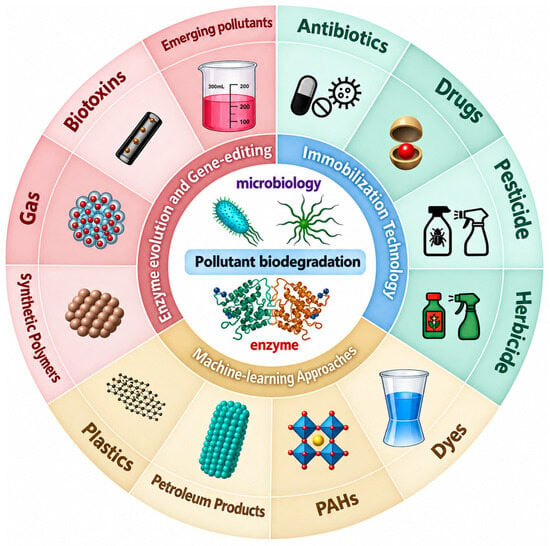
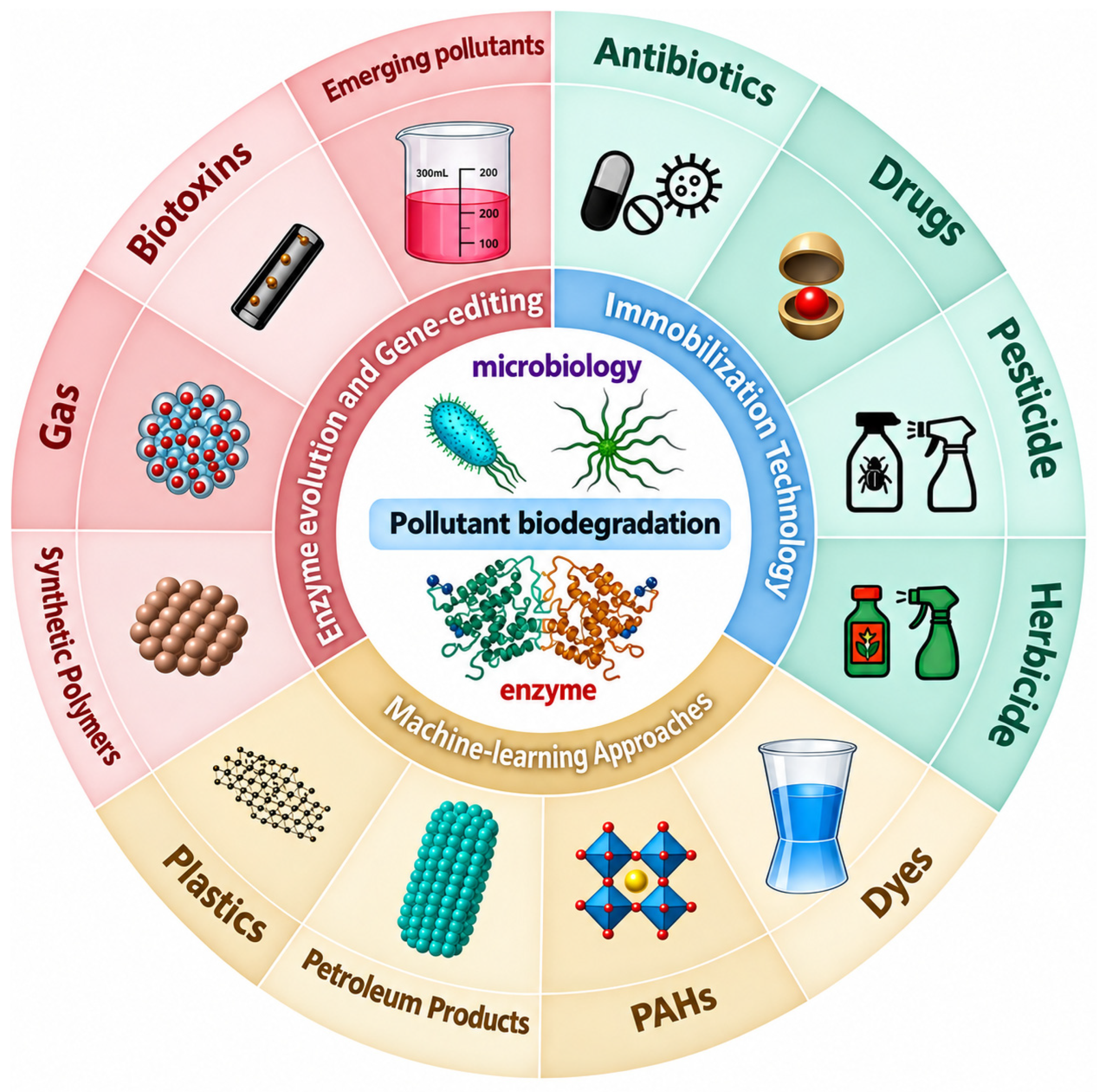
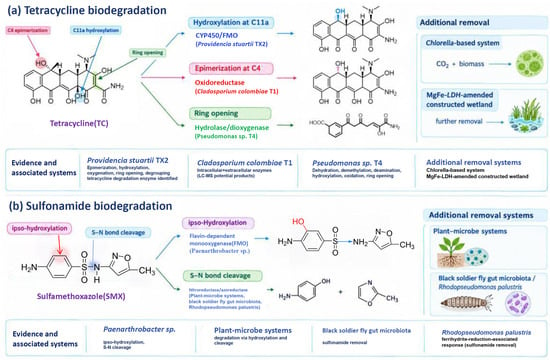
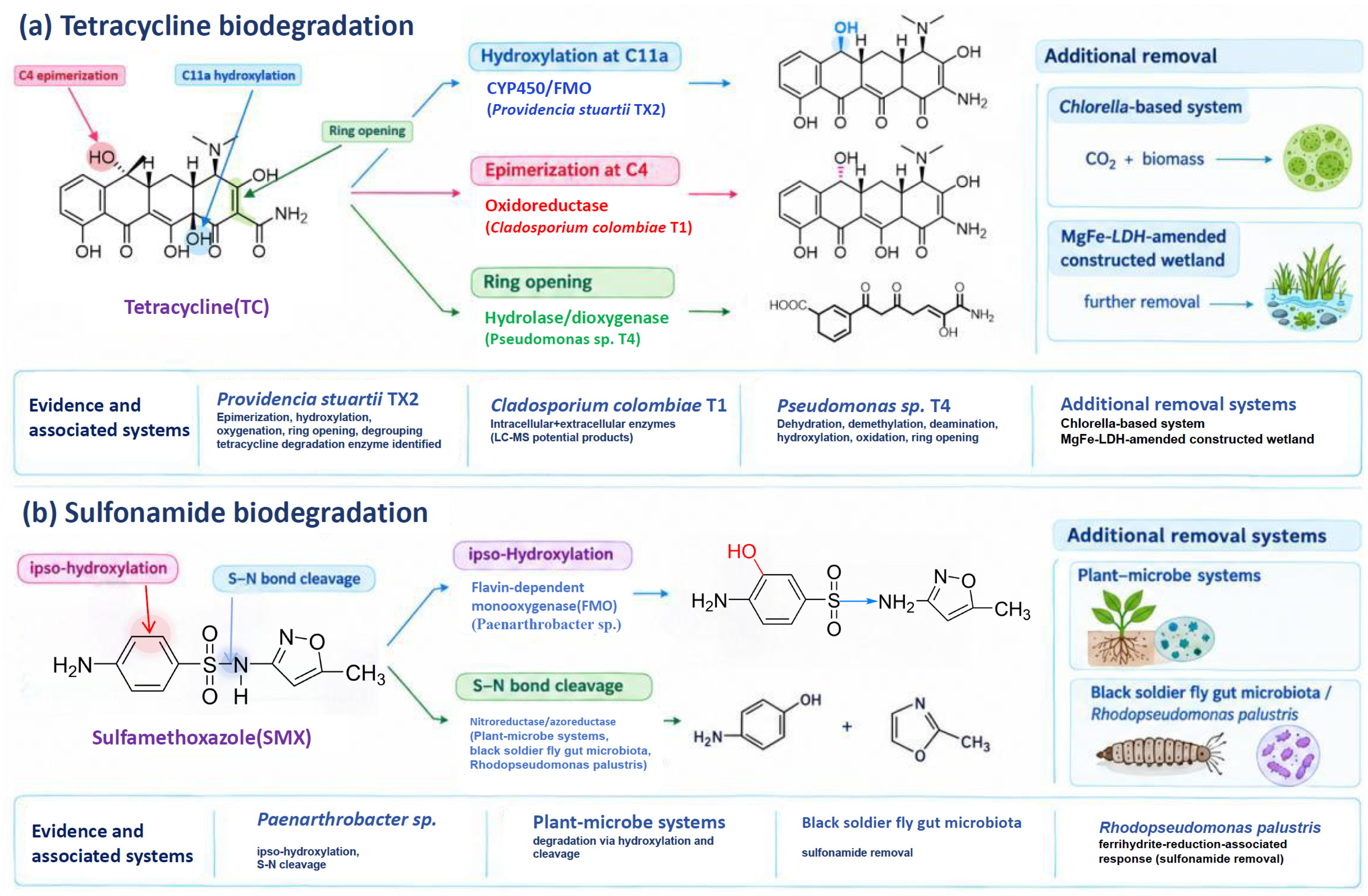
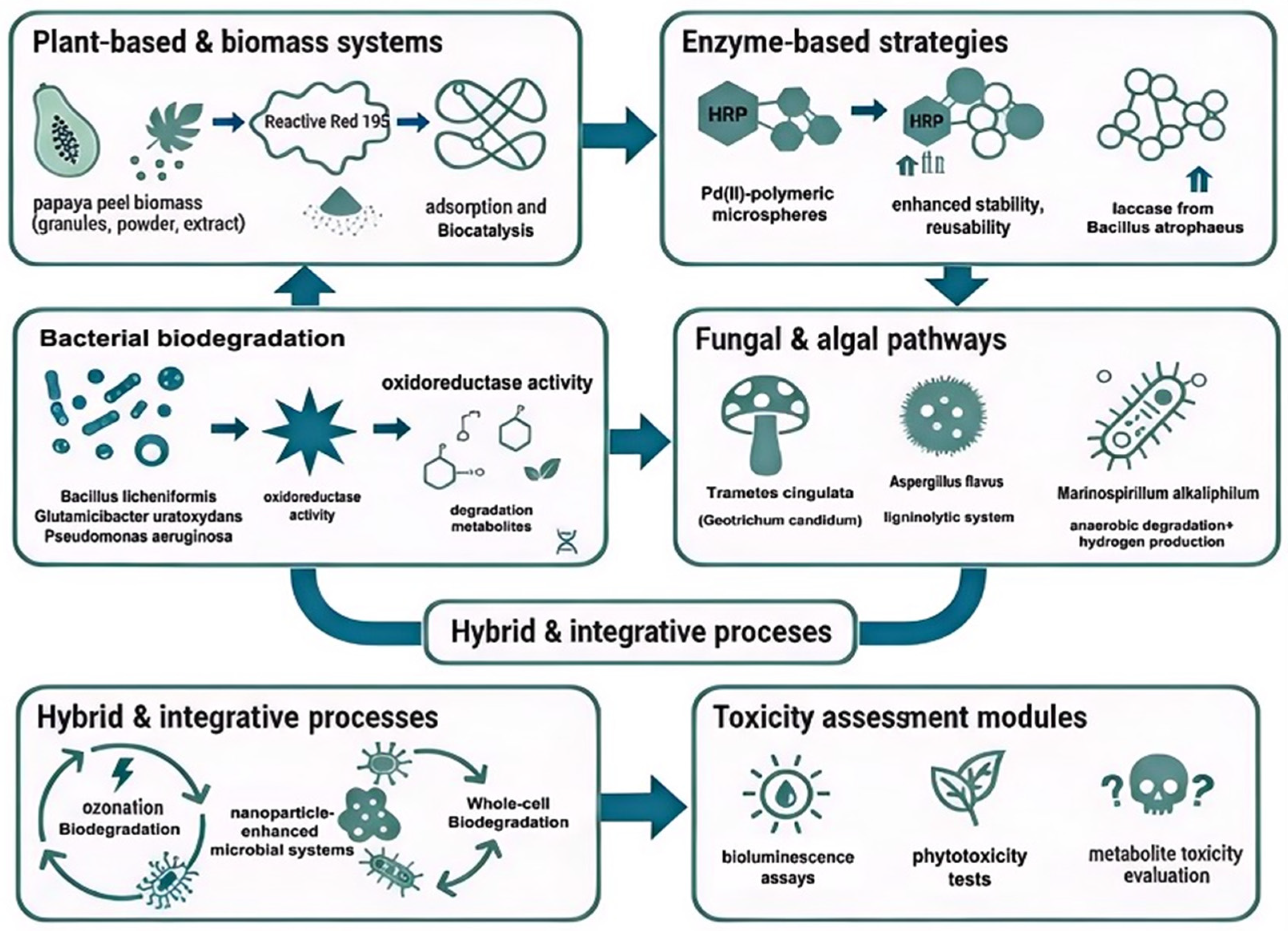
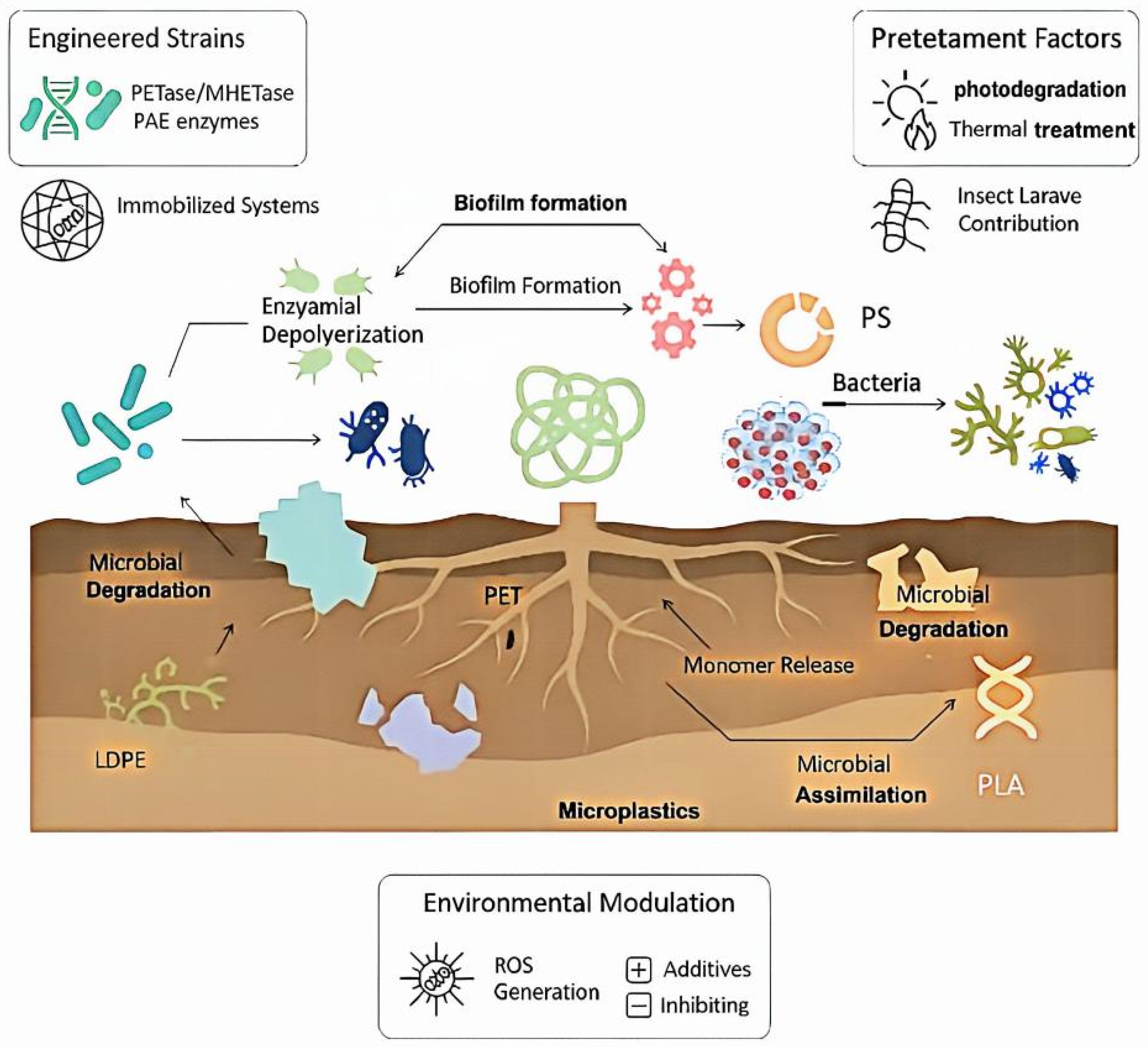
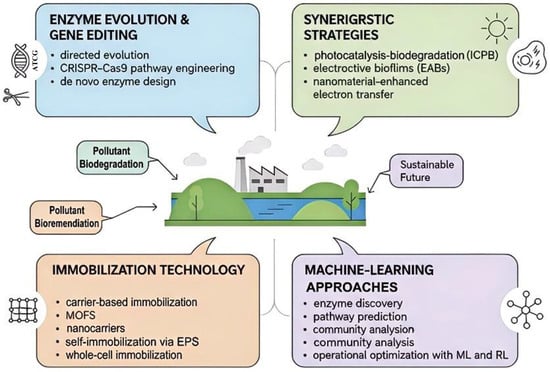
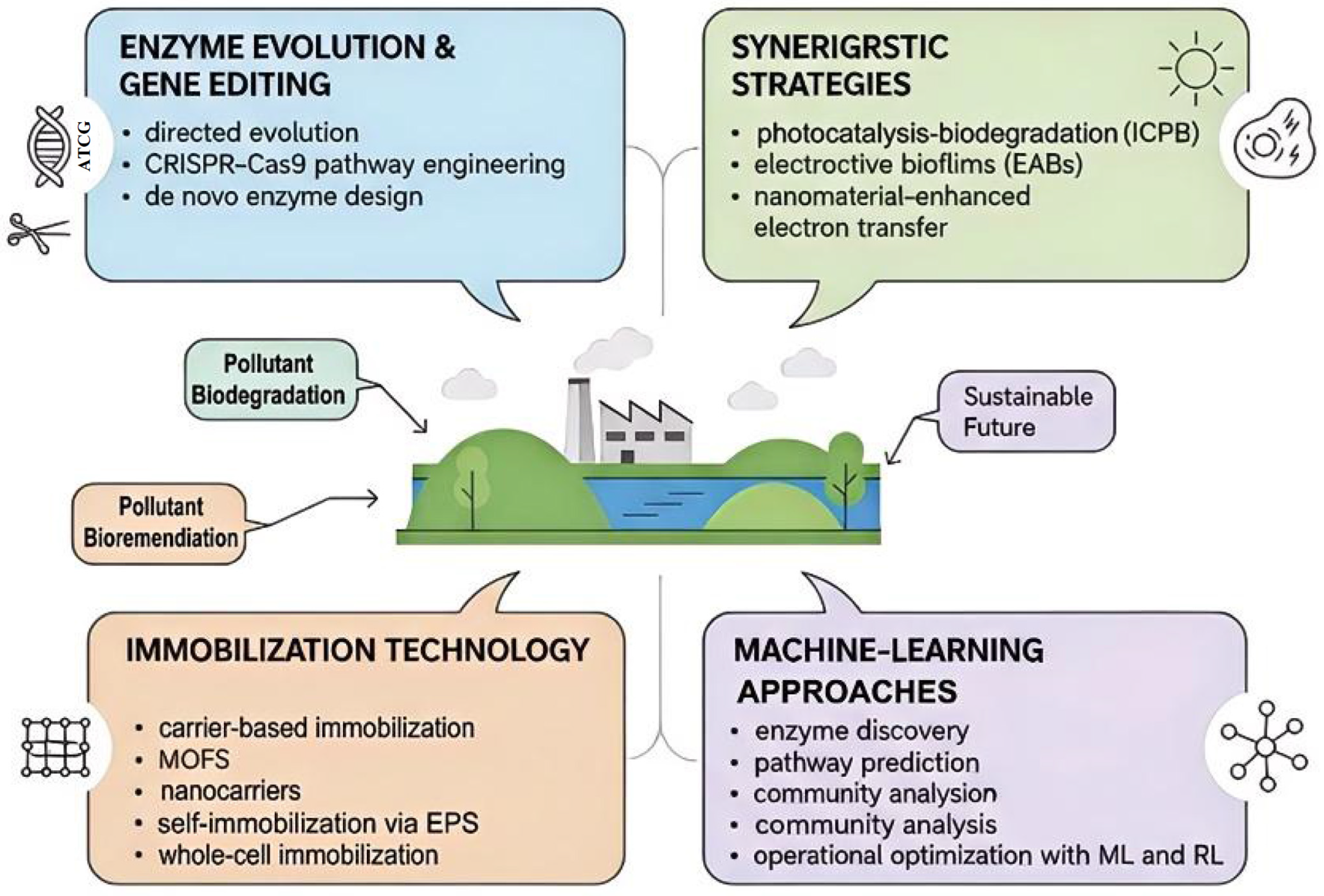

Disclaimer/Publisher’s Note: The statements, opinions and data contained in all publications are solely those of the individual author(s) and contributor(s) and not of MDPI and/or the editor(s). MDPI and/or the editor(s) disclaim responsibility for any injury to people or property resulting from any ideas, methods, instructions or products referred to in the content. |
© 2026 by the authors. Licensee MDPI, Basel, Switzerland. This article is an open access article distributed under the terms and conditions of the Creative Commons Attribution (CC BY) license.