


Abstract
Vaccination remains a cornerstone of infection prevention in adult solid organ transplant (SOT) recipients, a population at heightened risk for vaccine-preventable diseases due to chronic immunosuppression and comorbidities. Updated guidelines from the American Society of Transplantation Infectious Diseases Community of Practice (AST IDCOP) and other international bodies emphasize the need for timely and comprehensive vaccination strategies before and after transplantation. This review synthesizes current literature and practice guidelines on vaccination in adult solid organ transplant (SOT) candidates and recipients. Published peer-reviewed studies, clinical trials, and consensus guidelines were evaluated, with emphasis on vaccination timing, safety, immunogenicity, dosing strategies, and serologic response monitoring in the SOT population. Comprehensive vaccination planning before transplantation, combined with appropriate post-transplant booster strategies, remains vital to improving long-term outcomes in SOT recipients. This review provides clinicians with an updated, evidence-based framework for integrating evolving vaccination guidelines into the care of adult transplant patients.
1. Introduction
Immunization can avert illnesses that carry a significant risk of death and their associated complications in individuals with compromised immune systems [1]. Adult solid organ transplant (SOT) recipients are at markedly increased risk for vaccine-preventable infections due to chronic immunosuppression and comorbid conditions [2,3]. The American Society of Transplantation’s Infectious Diseases Community of Practice (AST IDCOP) recommends reviewing and updating immunizations pre-transplant, with inactivated vaccines administered at least two weeks prior to transplantation and live-attenuated vaccines at least four weeks before transplantation [4,5].
The current review provides details of comprehensive care for transplant candidates, both pre- and post-transplantation, discussing specific scenarios like the elderly population.
2. Pre-Transplant Vaccination and Timing
Patients with end-organ dysfunction/failure are at significantly increased risk of infections due to reduced innate and adaptive immune responses [6]. Vaccination provides a significant intervention, as some of these could be life-saving. Concerns remain regarding the efficacy of vaccination due to reduced seroconversion rate, reduced duration of effective protection, timing of vaccination in relation to organ transplantation, and the need for different dosing strategies compared to the general healthy population. For example, as chronic kidney disease (CKD) progresses, the efficacy of hepatitis B vaccinations also decreases. In healthy adults, seroconversion rates exceed 95%. In comparison, the rates drop to about 90% in patients with CKD stages 3–4, and further decline to only 40–50% in those with end-stage renal disease (ESRD) [7].
As a general recommendation, proper full vaccination should be performed at least 4 weeks prior to organ transplantation for live vaccinations and at least 2 weeks before organ transplantation for inactivated vaccines [4,5].
2.1. Influenza
Influenza is associated with significant morbidity in SOT recipients. This includes higher rates of hospitalization and intensive care unit admission, increased mortality, and association with impaired allograft outcomes [8]. Annual vaccination with the seasonal influenza vaccine for all patients with chronic medical conditions, including patients on dialysis, is highly recommended [9,10]. Currently, influenza vaccines come in an inactivated injectable form and the live attenuated form. Specifically, the high-dose regimen is approved for individuals 65 years and older; otherwise, there is no specific preference for any vaccine for adults [9]. Vaccination is recommended to be started in September or October, though it can be given throughout the influenza season. Early vaccination is not recommended due to the possibility of waning response. Booster dosing is also not recommended.
2.2. Pneumococcal Vaccine
As per the United States Advisory Committee on Immunization Practices (ACIP), all solid organ transplant candidates and recipients should be vaccinated against Streptococcus pneumoniae [11]. There are four types of pneumococcal vaccines: three are conjugate vaccines (PCV15, PCV20, PCV21) and one is a polysaccharide vaccine (PPSV23). The number denotes protection against types of pneumococcal bacteria.
On 17 June 2024, the Food and Drug Administration approved the 21-valent pneumococcal conjugate vaccine PCV21 for adults aged ≥19 years. While current guidelines do not specifically address the administration of PCV21 in immunocompromised individuals, we propose that PCV21 may be considered a viable option for this patient population.
For immunocompromised patients, including patients with SOT, the ACIP recommends that patients aged >19 years receive a single dose of the PCV21 vaccine. If PCV21 is not available, PCV20 alone or PCV15 followed by PPSV23 ≥ 1 year later are recommended alternatives. Table 1 provides details regarding the vaccination schedule in different age groups and based on vaccination status.
Table 1.
Pre-transplant pneumococcal vaccine schedule in solid organ transplantation for unvaccinated individuals *.
2.3. Hepatitis B
Patients with end-stage organ dysfunction, especially the ESRD population, are already at an increased risk of hepatitis B infection due to contact with healthcare workers, equipment contamination, dialysis patient population, and the need for blood transfusions [12]. Hepatitis B vaccination (HBV) in end-stage liver disease yields seroconversion rates of between 44 and 54%, compared to over 90% in healthy controls—a decline attributed to both disease severity and immunosuppressive therapy [13]. One recent study showed that patients with chronic liver disease who were vaccinated against hepatitis B had a low seroconversion rate of 35% [14].
Currently, hepatitis B vaccination in the United States is yeast-derived: the conventional hepatitis B vaccine, Recombivax HB and Engerix-B; and the recently approved Heplisav-B, derived using recombinant hepatitis B antigen with adjuvant cytidine–phosphate–guanosine (CpG). Conventional vaccines require a three-dose regimen for 6 months, while the Heplisav-B vaccine needs a two-dose regimen over 1 month apart [15].
Dosing strategies for the ESRD population, as compared to other organ dysfunction, are different. In this patient population, strategies such as doubling the vaccine dose or administering booster doses may be considered [16]. There are two recommended hepatitis B vaccination regimens for adults in ESRD patients on dialysis:
- Recombivax HB (dialysis formulation, 40 mcg): Administered as a series of three doses at 0, 1, and 6 months.
- Engerix-B (double dose, 2 mL = 40 mcg): Given as four separate doses at 0, 1, 2, and 6 months.
The Heplisav-B vaccine can be administered one month apart without any change in dosage. In a multicenter trial, CKD patients who received Heplisav-B maintained longer persistence of antibody levels ≥ 100 mIU/mL than those receiving Engerix-B. The geometric mean titers (GMTs) of anti-HBs were significantly higher in the Heplisav-B group (p ≤ 0.0001) [17]. Another study evaluated four doses of Heplisav-B [18]. A high seroprotection rate of 89% (anti-HBs ≥ 10 mIU/mL) was achieved by week 20, with 81% achieving antibody titers ≥ 100 mIU/mL. The geometric mean concentration of anti-HBs reached 1061 mIU/mL, indicating robust immunogenicity in this population. Heplisav-B was well tolerated, with no significant safety concerns reported. It is recommended to give two doses of Heplisav-B and review the response [18]. We suggest that if there is an inadequate response with two doses, then another two doses can be administered. Currently, Heplisav-B is not approved for patients on dialysis as the safety and effectiveness of Heplisav-B have not been established in this patient population. In subjects with liver disease, Heplisav-B was more effective in providing a better seroconversion (45% with Engerix-B as compared to 63% with Heplisav-B) [19]. Heplisav-B resulted in a 2.7 times increased likelihood of achieving seroconversion. As per AST IDCOP Guidelines 2019, patients undergoing liver or heart transplantation can also receive hepatitis B vaccination at an accelerated schedule (either at 0, 1, and 2 months or at 0, 7, and 21 days) [4,20].
It is important to check for the response rate to hepatitis B vaccination 1–2 months after finishing the recommended scheduled series. Lack of response may require another booster series [21,22,23]. If there is still no response to the booster series, then further attempts to vaccinate should not be made. It is prudent to check the antibody titer periodically pre-transplantation and after transplantation, as immunity can wane, requiring additional doses or readministration with the entire series [21,22,23].
2.4. Herpes Zoster
Compared to the general population, patients with CKD have a significantly higher risk of herpes zoster infections [24,25]. There are two vaccine formulations available: the live attenuated vaccine (zoster vaccine live [ZVL], which is no longer available in the United States) and the recombinant glycoprotein E vaccine (recombinant zoster vaccine [RZV], marketed as Shingrix). The Centers for Disease Control (CDC) recommends the recombinant zoster vaccine (RZV, Shingrix) for adults aged 19 years and older who are immunodeficient or immunosuppressed, which includes organ transplant candidates and recipients. Two doses of RZV are recommended, administered 2–6 months apart. For those who might benefit from a shorter interval, the second dose can be given 1–2 months after the first. A systematic review and meta-analysis found that the herpes zoster vaccine (HZV) is effective and has a low adverse event profile in patients with CKD. The effectiveness is strongest in non-dialysis CKD patients [26]. Similar recommendations are applied to patients with other organ dysfunctions.
2.5. Hepatitis A
Transmission of the hepatitis A virus is through the fecal–oral route, especially in countries with low sanitation standards. In a small study assessing the response of the hepatitis A vaccine in patients with ESRD, antibody response was almost 100% in those who received the vaccine intramuscularly and was well tolerated [27]. Similarly, hepatitis A infection in patients with chronic liver disease can carry significant morbidity and mortality due to underlying liver dysfunction. The response rate may depend on the stage of liver disease, with compensated liver disease having a higher seroconversion rate (71%) compared to decompensated liver disease (37%), and an increased response with the booster/second dose [28,29]. The recommendation is to follow up with the same dosing schedule for the general population.
2.6. Respiratory Syncytial Virus (RSV)
RSV is recommended for the patient population aged 60–74 who are at higher risk for developing severe disease and those older than 75 years old [30]. No booster dosing is required as a single dose is protective for at least two seasons. We do not have data regarding additional dosing of the RSV vaccine beyond a single dose. Limited data show that the vaccine may be effective in patients with underlying medical conditions, with an efficacy rate above 80% based on the underlying comorbid condition [31]. It is our opinion that the RSV vaccine should be considered in subjects who are candidates for transplantation, irrespective of age, as long as insurance coverage is available.
2.7. Tetanus–Diphtheria (Td) and Tetanus–Diphtheria–Acellular Pertussis (TdaP) Vaccines
The general recommendations for the Tetanus Toxoid, Reduced Diphtheria Toxoid, and Acellular Pertussis (TdaP) vaccine are similar to those for the general population.
Persons aged ≥19 years who have never received a dose of TdaP should receive one dose of TdaP, followed by a second dose four weeks later and a third dose 6–12 months after the second dose. To maintain ongoing protection against tetanus and diphtheria, one booster dose of either Td or TdaP should be given every decade throughout their lives [32].
2.8. Meningococcal Vaccination
Two types of meningococcal vaccination are available, targeting different serotypes: MenACWY is a quadrivalent vaccine (A, C, W, and Y), and MenB targets the B serotype. The vaccination strategy should be guided by prior vaccination status and ongoing risk.
For meningococcal vaccine-naïve adults at increased risk, a two-dose primary series of MenACWY administered 8 weeks apart is recommended, followed by a booster dose every 5 years if risk persists. MenB vaccination should be administered as a two- or three-dose series, depending on the product used.
For individuals previously vaccinated with MenACWY, a booster dose is recommended every 5 years while risk remains. MenB boosters may be considered every 2–3 years in patients, if the risk remains.
2.9. Live Vaccines
Rates of seronegativity to measles, mumps, rubella (MMR), and varicella remain high at around 32% pre-transplantation [33]. If MMR serology is negative, the vaccine should be administered at least 4 weeks prior to transplant. A repeat dose can be given if the patient remains seronegative. For individuals who have never received a varicella-containing vaccine, a two-dose series should be administered, with the doses spaced 4 to 8 weeks apart. If the individual has previously received only one dose of a varicella-containing vaccine, a second dose should be provided at least 4 weeks after the initial dose to ensure adequate immunization.
3. Post-Transplant Vaccination, Including Timing
Vaccination plays a vital role in preventing infections following SOT. Strategies are individualized, mainly influenced by the net degree of immunosuppression, organ type, age, recent infections, and rejection episodes. Data is lacking in adult solid organ transplantation regarding the need for monitoring the persistence of serological response post-transplantation in patients who have received pre-transplant vaccination. However, in general, patients are more likely to remain positive based on pre-transplant response and the timing of vaccination. Ideally, vaccination should be completed pre-transplant. The following section outlines the post-transplant vaccination schedule for patients who did not complete the recommended pre-transplant vaccinations; the schedule may differ for those who received their vaccines prior to transplantation [34,35]. It is generally agreed to avoid vaccinations in the immediate post-transplant period [36] as vaccine efficacy may be decreased due to impaired immune response with a high degree of immunosuppression [35]. The AST IDCOP recommends that inactivated vaccines can be administered starting at 3 months post-transplant [4]. We assume that there is variability across transplant centers regarding the timing of vaccination post-transplantation based on post-transplant events, type of vaccination, and possible concerns for potential vaccine-related complications [34,35].
Vaccination in SOT recipients typically includes a combination of inactivated vaccines and certain non-live vaccines, which are deemed safer compared to live-attenuated vaccines (Table 2).
Table 2.
Post-transplant vaccination. The table summarizes the key post-transplant vaccines and their types, timing, and rationale for adult solid organ transplant recipients.
3.1. Influenza
Influenza vaccination in SOT recipients is associated with reducing the morbidity and mortality associated with influenza infection [51]. Lung transplant recipients face unique challenges with higher rates of viral infection, like influenza infection, compared to other SOT groups, due to increased exposure to the environment. Lung transplant recipients are also at a higher risk of developing secondary complications, including chronic lung allograft dysfunction [52,53]. Timing is crucial, with recommendations to administer the vaccine at least one month post-transplant to achieve good outcomes without compromising graft function [4]. In a multicenter trial, receiving annual influenza vaccination was associated with a decreased incidence of pneumonia by 65% and requiring ICU admission by 51% [54]. The American Society of Transplantation (AST) recommends annual inactivated influenza vaccination for all SOT recipients and their close contacts [55]. Studies have shown no concern for increased risk for allograft rejection from influenza vaccination. Both the standard and high-dose influenza vaccines have been well tolerated in SOT recipients [56,57]. It is suggested that vaccination should be carried out annually, as in pre-transplant populations; though different dosing strategies have been tried, a firm recommendation regarding preferences over one dosing strategy versus another cannot be given [58].
3.2. Pneumococcal Vaccination
The AST IDCOP and Advisory Committee on Immunization Practices (ACIP) recommends pneumococcal vaccination for SOT recipients [4,37]. Recommendations include either the 20-valent pneumococcal conjugate vaccine (PCV20) or PCV21. Given that these conjugate vaccines provide broad coverage against pneumococcal serotypes, re-vaccination is not necessary. Alternatively, if the 15-valent pneumococcal conjugate vaccine (PCV15) is administered, then it is followed by the 23-valent polysaccharide pneumococcal vaccine (PPSV23) more than 8 weeks apart. If PPSV-23 was administered pre-transplant, a repeat dose is recommended at least 5 years after the initial dose.
3.3. Hepatitis B Vaccination
Post-transplant response to HBV is variable and often suboptimal due to immunosuppression. This underscores the importance of timely and appropriate pre-transplant HBV. High-dose vaccine series with Recombivax HB (40 µg) or Engerix-B (40 µg) may be preferred, though there are no consensus guidelines regarding this. Heplisav-B can also be given as a two-dose series. If anti-HBs titers are <10 mIU/mL 1–2 months after completing the vaccine series, revaccination can be considered [21,23]. SOT recipients receiving grafts from hepatitis core antibody (anti-HBc)-positive kidney donors are generally considered safe with a rate of seroconversion around 3.2% [59]; however, the risk is quite high in liver transplantation [60]. Antiviral prophylaxis varies across the transplant centers in this type of condition, and more consensus guidelines are required.
3.4. Human Papillomavirus
Female SOT recipients are at increased risk of developing Human Papillomavirus (HPV)-related diseases, including cervical intraepithelial neoplasia and other HPV-related cancers [40,41]. However, studies indicate that SOT recipients demonstrate suboptimal seroconversion for different HPV types. Factors include early post-transplant vaccination, lung transplantation, and higher tacrolimus levels associated with reduced immunogenicity [42].
Given these findings, current evidence suggests that standard HPV vaccination schedules may not provide optimal protection in this population. Future studies are needed to evaluate whether modified vaccination strategies, such as alternative timing relative to transplantation, additional booster doses, or enhanced immunogenic formulations, can improve immune responses and clinical protection in female SOT recipients.
3.5. Meningococcal Vaccination
Meningococcal vaccination is recommended for SOT recipients with specific risk factors for invasive meningococcal disease, such as asplenia or anticipated use of eculizumab. The AST IDCOP guidelines recommend that meningococcal vaccination should be completed at least 2 weeks before the initiation of eculizumab. However, despite vaccination, antibiotic prophylaxis is given due to the potential for suboptimal immune responses and incomplete strain coverage [4].
3.6. Tetanus–Diphtheria (Td) and Tetanus–Diphtheria–Acellular Pertussis (TdaP) Vaccines
The TdaP, DTaP, and Td vaccines can be safely administered to solid organ transplant recipients according to the same indications and schedules as the general population [4].
3.7. Respiratory Syncytial Virus
The recommendations for RSV vaccinations and prophylaxis in SOT recipients are based on recent advancements. In 2023, the Food and Drug Administration (FDA) approved two recombinant subunit RSV vaccines for the prevention of RSV-associated lower respiratory tract disease for SOT recipients aged ≥60 years. However, we recommend considering RSV vaccination for all solid organ transplant recipients, regardless of age, provided it is covered by insurance. Palivizumab is primarily recommended for high-risk pediatric SOT recipients under 24 months of age and is not typically recommended for adults [49].
3.8. Herpes Zoster
The recombinant zoster vaccine (RZV) is recommended for all SOT recipients given the increased risk for herpes zoster and its complications. The RZV can be administered at 3 to 6 months post-transplant [43,44].
3.9. Live Vaccines
Live vaccines are generally contraindicated following SOT. However, emerging evidence suggests that certain live-attenuated vaccines, such as the varicella vaccine, may be safe for select post-transplant patients with low-level immunosuppression without recent allograft rejection [4,35,45,46]. Concerns remain regarding uncontrolled replication of the attenuated pathogens due to impaired immune response from immunosuppressive medications. This can result in severe infections, including life-threatening disseminated disease. A recent systematic review and meta-analysis encompassing pediatric and adult SOT recipients found that the varicella vaccine was generally well tolerated with a pooled seroconversion rate of 88.2% and negligible instances of vaccine-strain varicella disease [46]. Recipients were typically at least one year post-transplant, two months after a rejection episode, and on low-dose immunosuppressive therapy [46]. Similarly, another systematic review involving SOT recipients concluded that live vaccines, including the varicella vaccine, were generally safe when administered under low-level immunosuppression. The review found that most patients achieved satisfactory seroconversion rates with an uncommon occurrence of serious vaccine-related adverse events [45]. Consequently, vaccination with live-attenuated vaccines should be especially considered during outbreaks or travel to endemic regions, following a thorough assessment of the patient’s immune status and a careful weighing of the potential benefits and risks with the transplant team [4,35,45,46]. Table 3 reviews the seroconversion of vaccines post-transplantation. Figure 1 illustrates vaccination based on candidacy status.
Table 3.
Immunogenicity/serologic response ranges in solid organ transplant recipients.
Figure 1.
Recommendation for vaccination based on candidate status.
4. COVID-19 Vaccination Pre- and Post-Transplantation, Including the Need for Yearly Vaccination
COVID-19 vaccination with BNT162b2 or mRNA-1273 has been associated with a lower risk of acquiring the infection as well as decreased risk of death and hospitalization in patients with end-stage renal disease [77]. In patients with chronic liver disease, COVID-19 vaccination has reduced the risk of developing the infection, though the immunogenicity of the vaccines appeared to be lower than in healthy individuals [78]. Cohort studies have shown that BNT162b2 mRNA and mRNA-1273 vaccines reduced the development of COVID-19 infection by 65% after the first dose and 79% after the second dose [79].
The immunosuppression in SOT patients increases the mortality and morbidity of COVID-19 infection in this population. COVID-19 vaccination is generally considered safe in SOT patients, but the response to the vaccine is limited given the immunosuppression [47]. Seroconversion rates to vaccinations against COVID-19 in SOT recipients were only 9% and 34% following the first and second dose in one systematic review [47]. The third dose improved response to about 66% in a subset, but not in all patients [47]. Therefore, a primary COVID-19 series in SOT patients either pre- or post-transplant is considered complete after three mRNA vaccines [48]. Given the limited efficacy, it is crucial that patients continue to follow safety measures post-transplant and seek timely care and management if they acquire the infection [47].
The clinical effectiveness of mRNA vaccines in SOT recipients is significantly limited when compared to the general population, but it may be improved by booster vaccine doses despite limited data [48]. However, the consensus is that SOT patients should receive age-appropriate booster vaccine doses regardless of how many doses they received in the past [48]. They should also be considered for yearly vaccination given the expected waning of immunity against the vaccine with time, new mutations, and their continued immunosuppression [48].
SARS-CoV-2 is constantly changing, and new variants and subvariants are expected to continue to emerge, while some variants may disappear (COVID-19 Data Tracker—CDC). The Omicron subvariant XBB of SARS-CoV-2 was first identified in the US in August 2022, and by January of 2023, it made up around 50% percent of cases across the US [80]. To evaluate vaccine efficacy against the emerging subvariants, a study reviewed data from the national Increasing Community Access to Testing, Treatment, and Response program (ICATT) and found that the relative vaccine efficacy of bivalent boosters among immunocompetent persons aged 18–49 years was around 52% against symptomatic BA.5 infection and 48% against symptomatic XBB/XBB.1.5 infection [80]. It was then concluded that staying current with recommended COVID-19 vaccination recommendations is advised as it continues to offer a good level of immunity [80]. The most recent COVID-19 vaccination schedule according to the Centers for Disease Control and Prevention for ages 12 years and older can be found on the website [81].
5. Special Situations
Special vaccination considerations in solid organ transplant recipients include the use of complement inhibitors, the need for post-exposure prophylaxis, advanced age, and close contact with individuals or household pets receiving live vaccines; these scenarios are discussed in the following section (Figure 2).
Figure 2.
Vaccination in special situations.
- a.
- Complement inhibitors
The inflammatory response generated by complement activation is an important cause of the tissue damage caused by antibody-mediated rejection in organ transplant recipients [82]. Downstream products of complement activation include biologically active protein complexes such as C5a and C5b-9 or the membrane attack complex (MAC). While MAC is responsible for the formation of pores through the cellular outer membranes, resulting in cell lysis and causing endothelial inflammation [83,84,85], C5a is needed for the upregulation of phagocytosis, an important mechanism in the destruction of encapsulated bacteria. The humanized monoclonal IgG antibody, eculizumab, binds to complement protein C5 and prevents its cleavage into C5a and C5b, thus inhibiting the formation of its terminal product, MAC. In addition to its use in aHUS, PNH, refractory myasthenia gravis, and neuromyelitis optica, eculizumab has also been used for perioperative desensitization and the prevention or treatment of AMR in kidney [86,87], heart [88], lung [89], and intestine [90] transplant recipients. The risk of life-threatening and fatal Neisseria meningitidis infection is increased up to 2000 times in those treated with complement inhibitors including eculizumab compared to healthy individuals, and has been included in the US FDA prescribing information for complement inhibitors as a black box warning. Similarly, recommendations are in place for the long-acting C5 inhibitor ravulizumab and the new C3 and C5 inhibitors, which may be used for different indications besides antibody mediated rejection. The CDC Advisory Committee on Immunization Practices recommends a complete vaccine series of MenACWY and MenB vaccinations and subsequent booster series throughout complement inhibitor therapy. It is recommended to complete or update meningococcal vaccination at least 2 weeks before the first dose of complement inhibitor [91] unless the risk of delaying the complement inhibitor therapy is outweighed by the risk of meningococcal disease. However, most often in our experience, physicians do not have the liberty to administer the vaccine 2 weeks before therapy starts, as eculizumab is most commonly initiated urgently for antibody-mediated rejection. In such cases, we recommend administering the vaccination just before the medication administration, if possible. We recommend administering the booster doses as per schedule to give antibiotic prophylaxis during the duration of therapy and continuing for at least 6 weeks post-therapy completion. Physicians must be enrolled in the REMS program to administer eculizumab or ravulizumab.
- b.
- Elderly Population
The age distribution of solid organ transplant recipients varies by organ type. While >50% of end-stage renal disease patients are ≥65 years of age, they only constitute 3% of renal transplant recipients [92]. On the other hand, 19% [93] of heart transplant recipients, 23% of liver candidates [94], and 33% of those on the lung transplant wait list are ≥65 years of age [95]. The proportion of elderly people on solid organ transplant wait lists has nearly doubled from a decade prior, keeping pace with the aging world population. The short-term and medium-term outcomes of graft and overall survival are generally comparable in older and younger transplant recipients; however, cardiovascular disease and malignancies remain the main barriers to long-term survival. Aging also results in important changes in the immune system with altered innate immune response, exaggerated inflammation, and a decline in cell-mediated immunity [96,97]. The phenomenon described as immunosenescence results in a decrease in vaccine efficacy in elderly people [98]. There is both a reduced pool of initial vaccine-responsive cells and reduced survival of vaccine-specific memory cells. Several strategies to increase protective immunity in elderly individuals are recommended, including high-dose vaccines (influenza) [99], pneumococcal vaccination during hospitalization [100], and a multi-pronged strategy of using high-dose vaccines, multivalent vaccines, adjuvanted vaccines, and mRNA vaccines [101]. There are ongoing vaccine trials for inhibiting chronic inflammation or immunosenescence [101].
- c.
- Post-exposure
Vaccinations given after exposure to a virus, known as post-exposure prophylaxis (PEP), aim to reduce disease severity or prevent disease entirely. This strategy is beneficial for several viral exposures, including measles, varicella zoster virus (VZV), smallpox, hepatitis A, influenza, and tetanus. For immunocompromised patients, if a live vaccine is the only option, immune globulins are the preferred PEP regimen [102]. Generally, PEP should be given as soon as possible following a high-risk exposure.
- i.
- The MMR vaccine can serve as effective PEP for measles exposure, but it is not effective for mumps or rubella [103]. For non-immune individuals, the MMR vaccine should be administered within 72 h of exposure to prevent or mitigate measles infection [104]. For immunocompromised individuals, however, a single dose of immune globulin can be given from one day before rash onset to four days after rash resolution [102].
- ii.
- Post-exposure VZV vaccination within five days of exposure is recommended for unvaccinated healthy individuals aged 12 months or older to prevent cutaneous lesions [102]. For immunocompromised patients at risk for severe complications, VZV immunoglobulin or antiviral therapy is recommended as PEP. This treatment should be initiated as soon as possible, up to 10 days post-exposure [102,103].
- iii.
- The influenza vaccine can be used as PEP for unvaccinated individuals exposed from one day before symptom onset until one day after fever abatement, or potentially longer for immunocompromised patients [102]. High-risk patients with confirmed influenza may also be treated with antiviral agents [104].
- iv.
- The tetanus vaccine is recommended as PEP for any individual with an incomplete vaccine history or if the most recent dose was administered more than 5–10 years prior, depending on wound cleanliness [102,105]. Tetanus PEP can also be administered several months after exposure due to the variable incubation period [102]. Tetanus is nearly entirely preventable with vaccination, and timely PEP significantly reduces disease severity [34].
- v.
- The hepatitis A vaccine is recommended as PEP within 14 days of exposure [105]. Studies show that both the hepatitis A vaccine and immune globulins offer protection post-exposure, but the vaccine may provide longer-term immunity [106]. The hepatitis A vaccine is effective in preventing secondary infections and should be recommended for contacts of primary cases [107].
In the United States, updated COVID-19 vaccines are not typically used as post-exposure prophylaxis (PEP); instead, antivirals are generally administered. However, one study reported a significant reduction in mortality among patients vaccinated shortly after exposure compared with unvaccinated controls [108]. Emerging evidence suggests the need to further explore COVID-19 vaccines as potential PEP tools in specific cases.
Patients exposed to an infection and treated with PEP should be assessed at baseline and monitored while they remain at risk. Ensuring the completion of prophylactic regimens is crucial [102]. The current body of evidence highlights that there is still much to learn about post-exposure vaccination.
- d.
- Contacts with pediatric population who undergo live vaccination
It is recommended that close contacts and family members of SOT patients be vaccinated, as these patients are at heightened risk of infection. The pediatric population may be exposed to live vaccines, as discussed below.
- i.
- MMR vaccine: Viral shedding after MMR vaccination is not uncommon and may be detectable for up to 29 days in some individuals [109]. However, there is no evidence of human-to-human transmission of the measles vaccine virus, even among thousands of studies conducted worldwide [109]. Shedding from this vaccine is not considered a risk to SOT recipients [4].
- ii.
- Varicella vaccine: Reactivation of the vaccine virus has been reported in rare cases, leading to conditions such as vaccine-associated rash, herpes zoster ophthalmicus, encephalitis, and meningitis [110]. Shedding occurs through vesicular fluid in cases where a rash develops post-vaccination [111]. Since 1995, only 11 immunocompetent vaccinated individuals have been documented to spread the virus to 13 unvaccinated contacts [112]. Covering lesions and practicing good hygiene minimizes transmission risk. Immunocompromised individuals should avoid contact with vaccinated individuals until the rash resolves, when possible.
- iii.
- Rotavirus vaccine: The live-attenuated rotavirus vaccine can result in virus shedding in stool, particularly during the first week after vaccination [113,114,115]. Immunocompromised individuals should avoid contact, especially diaper changes, with vaccinated infants for up to four weeks, particularly for at least the first 14 days [113,116]. Rigorous hand hygiene, including the use of alcohol-based hand sanitizers, can help mitigate transmission risks [116,117].
- iv.
- Live-attenuated influenza vaccine: The live-attenuated influenza vaccine (LAIV) is given annually to protect against the strains of influenza predicted to be most prevalent each year. Studies suggest that children tend to prefer the nasal spray over the intramuscular injection [118,119]. In September 2024, the FDA approved the FluMist nasal spray for both self-administration and caregiver administration, making it available for the 2025–2026 flu season. This approval could lead to increased use of FluMist across the US.Studies show that individuals, especially children, vaccinated with the live-attenuated influenza vaccine may shed the virus for up to 11 days post-vaccination [120,121,122]. However, while viral shedding is minimal and rarely leads to transmission [120,123], immunocompromised individuals should avoid close contact with those recently vaccinated with the live-attenuated flu vaccine. Close contacts of SOT patients should receive the inactivated influenza vaccine instead of LAIV. When this is not feasible, good hygiene practices, like frequent handwashing and covering the nose and mouth when coughing, can reduce transmission risks.
- v.
- Oral polio vaccines: The oral polio vaccine is a live-attenuated vaccine and is not available in the US, but is available internationally in some countries. The oral polio vaccine was replaced by the inactivated polio vaccine in 2000 [124]. The oral polio vaccine has the potential for viral replication and shedding; therefore, SOT patients should avoid contact with vaccine recipients’ stool, unhealed vaccination sites, or bandages during the first four weeks post-vaccination [125,126].
- vi.
- Vaccination strategies for close contacts: To protect SOT recipients, the vaccination of close contacts—family members and healthcare workers—is critical. Whenever possible, inactivated vaccines should be used to minimize exposure risks [4]. When unavoidable, strict adherence to proper hygiene practices and the avoidance of close contact during periods of viral shedding are important to reduce the risk of transmission to immunocompromised patients.
- e.
- SOT recipients with pets who receive live vaccination
The presence of pets in the home provides significant emotional and mental health benefits, but it also requires consideration of potential health risks, especially for immunocompromised individuals [127]. Some animals, such as reptiles, poultry, and rodents, are considered higher risk compared to dogs and cats [128]. Pets that receive live vaccines can occasionally shed the vaccine strain in their saliva, urine, or feces, posing a possible risk of zoonotic transmission. While this risk is minimal, immunocompromised individuals may be more susceptible [129].
Human disease due to pet-associated zoonoses is generally considered rare; the true incidence is not well known due to sporadic cases that are often unreported [130]. It is generally recommended that immunocompromised individuals avoid any contact with vaccinated pets and their excretions for up to six weeks after vaccination [129].
Just as with human vaccines, immunocompromised patients should opt for non-live vaccines for their pets [129]. Additionally, they should minimize direct contact with pet bodily fluids, avoid bites or scratches, and maintain proper hand hygiene to reduce risks [130,131]. However, studies on the transmission of zoonotic agents through live vaccines in pets are limited [127], and research is needed to assess the full extent of potential risks. A survey of physicians and veterinarians revealed that while veterinarians should play a key role in advising pet owners about zoonotic risks, patients do not always view veterinarians as the primary source of this information [127]. Further studies are warranted to clarify the potential risk of contracting zoonotic disease transmission from live vaccines in pets.
6. Vaccine Response Concerns Pre- and Post-Transplant
The use of immunosuppressive medications post-transplant predisposes recipients to infections that may otherwise be preventable. However, it is important to note that an immunosuppressed state also exists pre-transplant due to end-stage organ disease, which increases their susceptibility to various infections [132]. This immune system dysfunction is a result of dysregulated innate and adaptive immune responses with reduced expression of Toll-like receptors, reduced B cell and T cell proliferation, impaired leukocyte and endothelial function, and the presence of an inflammatory state. Pre-existing comorbid conditions such as diabetes mellitus and severe protein calorie malnutrition, or the concurrent use of immunomodulatory medications for the management of end-stage organ disease, also increase susceptibility to infections and may affect the immunogenicity of vaccinations. Therefore, it is important to consider vaccinations for preventable diseases in both organ transplant candidates and recipients, but vaccinations before and after solid organ transplantation bring up several important questions, which are discussed here.
- a.
- What is the ideal timing for vaccinations?
There is a general consensus that the best time to vaccinate is pre-transplant, and a systematic approach to making vaccinations part of the transplant candidate evaluation process is recommended [133]. This is particularly important for immunization with live attenuated vaccines (MMR, Yellow Fever, varicella, herpes zoster, oral typhoid, oral polio, rotavirus) as they are often avoided in the post-transplant phase. However, the science on live vaccination post-transplantation is evolving, as discussed above. The AST clinical practice guidelines recommend that live virus vaccination precede organ transplantation by a minimum of 4 weeks [4]. The reported vaccine-related infection rate is 4.7% and infections are generally mild to moderate without any mortality [45]. Serious risk–benefit assessment is needed before the administration of live attenuated vaccines in organ transplant recipients. The absence of primary vaccination and the usually higher immunogenicity of live attenuated vaccines in pediatric solid organ transplant recipients suggest greater benefits than harms in children, with mounting evidence regarding the safety of MMR and varicella vaccines post-transplant. Other live vaccines like polio, oral typhoid, and inhaled influenza vaccine remain contraindicated post-transplant [134].
Inactivated vaccines are safe during the post-transplant phase, but both primary and secondary vaccine series should be delayed by 3–6 months after transplant, with a possible need to repeat the dose after 1 year to achieve maximum immunogenicity [4]. A notable exception to this is the influenza vaccine, which may be given as early as 1 month post-transplant, especially in lung transplant recipients, but may need to be repeated in 3 months to achieve the best effect.
- b.
- Is the assessment of vaccine response needed?
Assessing the serologic response to vaccination should be considered a standard part of vaccination practices before transplantation, but data on the post-transplant monitoring of serologic response remain a subject of debate. Response rates to vaccines in SOT recipients are generally 10–16% lower than in healthy controls [64]. Several factors determine the immunogenicity to vaccines including the type of vaccine (tetanus and diphtheria vaccines elicit a response comparable to healthy controls, while hepatitis A and B vaccines have significantly reduced response in SOT recipients), type and dose of immunosuppressive agent (SOT recipients had better response to calcineurin inhibitors and azathioprine than sirolimus and mycophenolate), level of net immunodeficiency, and host factors such as age of the recipients. The duration of the protective response is less understood, as there is a paucity of studies with >12 months of response data. The initial vaccine response is a strong predictor of the duration of protective effects. In a study of renal transplant recipients that evaluated the response to hepatitis B vaccination, about 25% of recipients had lost protective anti-HBsAb by 12 months, and the majority (93%) of those who maintained protective titers had a robust initial response (≥100 IU/L) at baseline after vaccination [135]. However, data is currently lacking to support revaccination against most diseases after transplant, but the benefits of revaccination may outweigh any risks involved in most transplant recipients. Therefore, revaccination after 12 months of the initial dose should be considered if the infection risk remains.
The ideal timing of assessing vaccine response is unknown, as assessing the response too early may result in low titers, while waiting several months after vaccination may also be unhelpful, since the natural decline in antibody titers will render it difficult to assess whether the recipient had a suboptimal response to vaccination. The serologic titers of vaccine-induced antibodies may be assessed a minimum of 4 weeks after vaccination [4]. An additional consideration should be made if the organ recipient has received replacement intravenous immune globulins, either as part of the treatment for a rejection episode or for treatment or prevention of certain infections. The reliability of serologic assessment in the presence of other immunobiologics is questionable, as antibodies may be of either donor or recipient origin.
Not all vaccines require the monitoring of serologic response. The vaccines that are recommended for evaluation include the inactivated vaccines hepatitis A, hepatitis B, H influenza type B, and rabies; and the live-attenuated vaccines varicella (Varivax) and MMR [4].
- c.
- Does vaccination pre- or post-transplant increase the risk for rejection?
As with natural infections, the immune response to vaccine antigens can theoretically produce cross-reactivity with alloantigens. Additionally, the adjuvants used in vaccines may also stimulate the immune system non-specifically and possibly result in allosensitization. The safety of vaccinations after a solid organ transplant has been a topic of intense debate, and several small studies and meta-analyses have addressed this. A large meta-analysis on this topic by Mulley et al. included 15,645 vaccinated transplant recipients and 42,924 control patients. The overall incidence of rejection episodes was 2.1%, with no increase in rejection risk reported with vaccination compared with non-vaccinated individuals [136]. An increase in annual de novo donor-specific antibody (DSA) (7–22% in vaccinated vs. 2.5–5% in controls) was reported for kidney, liver, and heart transplant recipients, but not lung transplant recipients (up to 17% in controls). Despite this slight increase in de novo DSA, no increase in allograft loss incidence was noted in vaccinated individuals for up to 12 months following vaccination.
Although there are no clear predictors of DSA response to vaccinations, individual vaccines have been evaluated as a potential cause. A cohort of solid organ transplant recipients who were vaccinated with pandemic-adjuvanted influenza vaccines had an increase in the development of de novo anti-HLA antibodies, more prominent with the second vaccination dose, but only 1% of these were donor-specific antibodies and no graft rejection was noted in this group [137]. Similarly, no graft-directed immune activation has been found following SARS-CoV-2 vaccination [138]. There is some evidence that females may experience greater non-specific HLA antibody induction after vaccination compared to males [139]. Overall, current evidence suggests the safety of vaccinations with no significant allograft-directed de novo antibody development in organ transplant recipients.
7. Travel Vaccination
Immunocompromised hosts are not excluded from the increasing rates of global and adventurous traveling worldwide [140]. A review of 1130 SOT recipients showed that 27% traveled outside the US and Canada, with 49% traveling to destinations that are considered high risk [141]. There are low rates of pre-travel vaccination in this population, with low rates of following mosquito avoidance measures [140]. Engaging in high-risk activities while traveling has been reported among immunocompromised patients [140].
Transplant recipients are at increased risk for vaccine-preventable infectious diseases [4,140]. Patients should be advised to avoid traveling, especially to high-risk destinations, in the first 12 months post-transplant [140]. We also recommend avoiding travel immediately following rejection therapy, though there is no specific recommendation, and waiting time may depend on the type of rejection and therapy administered. It also depends on the graft status, net degree of immunosuppression at the time of travel, and knowledge of endemic infections.
Advice about traveling post-transplant and its risks should be part of routine pre-transplant evaluation and counseling [142]. SOT recipients who wish to travel after transplant should be highly advised to consult a travel care specialist before traveling, especially before visiting a high-risk destination [142]. Patients are encouraged to visit the travel clinic several months before their planned travel as vaccinations take several months to complete and to ensure maximum effectiveness before traveling [142]. Evaluating serological response after vaccinations to determine whether a repeat dose is needed has not been studied in the SOT population and is generally not recommended [142]. Table 4 provides guidance for travel-related vaccinations.
Table 4.
Travel-related vaccine recommendations for solid organ transplant recipients * [142].
8. Current Vaccine Trials
As of December 2024, there are over fifty active vaccine-related clinical trials listed on ClinicalTrials.gov covering a range of topics, including COVID-19, shingles, RSV, rotavirus, influenza, and immunization for special populations such as immunocompromised individuals. However, only a limited number of these trials focus specifically on SOT recipients (Table 5). These trials are critical in addressing key questions about vaccine safety and immunogenicity in SOT recipients. Due to immunosuppression, SOT patients often have suboptimal vaccine responses and increased risk of complications. These current trials aim to evaluate factors such as optimal vaccine dosing, timing of administration, and the use of different formulations to improve immune responses.
Table 5.
Current vaccine trials in solid organ transplantation.
Additionally, these studies will help establish the safety and efficacy of newer vaccines and provide evidence-based guidance on vaccine scheduling in relation to transplantation. For instance, determining ideal timing for administration—whether pre-transplant for immunogenicity or post-transplant to minimize graft rejection risk—is a key area of focus.
9. Conclusions
Vaccination remains a critical component of comprehensive care in SOT recipients, balancing infection prevention with immunological safety. Pre-transplant immunization provides an essential opportunity to establish protective immunity while minimizing risks associated with live-attenuated vaccines. Post-transplantation, vaccination strategies must be individualized, accounting for immunosuppressive regimens, time since transplant, and serological response.
Transplant teams must work closely with infectious disease specialists to ensure that SOT recipients are appropriately protected without compromising graft function or patient safety.
A proactive, evidence-informed, and patient-centered approach to vaccination can reduce morbidity and mortality in this vulnerable population, reinforcing the pivotal role of preventive medicine in long-term transplant success.
Author Contributions
G.M.—manuscript writing and editing; S.D.P.—manuscript writing and editing; P.M.—manuscript writing and editing; U.G.—manuscript writing and editing; J.S.—manuscript writing and editing; L.P.—manuscript writing and editing; S.P.: project conception, manuscript writing and editing, and overall supervisor for the project. All authors have read and agreed to the published version of the manuscript.
Funding
This research received no external funding.
Institutional Review Board Statement
Not applicable.
Informed Consent Statement
Not applicable.
Data Availability Statement
No new data were created or analyzed in this study. Data sharing is not applicable to this article.
Conflicts of Interest
The authors declare no conflicts of interest.
Abbreviations
| ACIP | Advisory Committee on Immunization Practices |
| AST | American Society of Transplantation |
| AST IDCOP | American Society of Transplantation’s Infectious Diseases Community of Practice |
| CDC | Centers for Disease Control |
| CKD | chronic kidney disease |
| DSA | donor-specific antibody (DSA) |
| ESRD | end-stage renal disease |
| FDA | Food and Drug Administration |
| HBV | hepatitis B vaccination |
| HPV | Human Papillomavirus |
| LAIV | live-attenuated influenza vaccine |
| MMR | measles, mumps, and rubella |
| PEP | post-exposure prophylaxis |
| RSV | respiratory syncytial virus |
| RZV | recombinant zoster vaccine |
| SOT | solid organ transplant |
| Td | tetanus–diphtheria |
| TdaP | tetanus–diphtheria–acellular pertussis |
| VZV | varicella zoster virus |
References
- Ljungman, P. Vaccination of immunocompromised patients. Clin. Microbiol. Infect. 2012, 18, 93–99. [Google Scholar] [CrossRef] [Scilit]
- Kumar, D.; Humar, A.; Plevneshi, A.; Green, K.; Prasad, G.; Siegal, D.; McGeer, A. Invasive pneumococcal disease in solid organ transplant recipients—10-year prospective population surveillance. Am. J. Transplant. Off. J. Am. Soc. Transplant. Am. Soc. Transpl. Surg. 2007, 7, 1209–1214. [Google Scholar] [CrossRef] [Scilit]
- Walti, L.N.; Mugglin, C.; Mombelli, M.; Manuel, O.; Hirsch, H.H.; Khanna, N.; Mueller, N.J.; Berger, C.; Boggian, K.; Garzoni, C.; et al. Vaccine-Preventable Infections Among Solid Organ Transplant Recipients in Switzerland. JAMA Netw. Open 2023, 6, e2310687. [Google Scholar] [CrossRef] [Scilit]
- Danziger-Isakov, L.; Kumar, D.; AST ID Community of practice. Vaccination of solid organ transplant candidates and recipients: Guidelines from the American society of transplantation infectious diseases community of practice. Clin. Transplant. 2019, 33, e13563, Erratum in Clin. Transplant. 2020, 34, e13806. [Google Scholar] [CrossRef] [Scilit]
- Radcliffe, C.; Kotton, C.N. Vaccination strategies for solid organ transplant candidates and recipients: Insights and recommendations. Expert. Rev. Vaccines 2025, 24, 313–323. [Google Scholar] [CrossRef] [Scilit]
- Kato, S.; Chmielewski, M.; Honda, H.; Pecoits-Filho, R.; Matsuo, S.; Yuzawa, Y.; Tranaeus, A.; Stenvinkel, P.; Lindholm, B. Aspects of immune dysfunction in end-stage renal disease. Clin. J. Am. Soc. Nephrol. CJASN 2008, 3, 1526–1533. [Google Scholar] [CrossRef] [Scilit] [PubMed]
- DaRoza, G.; Loewen, A.; Djurdjev, O.; Love, J.; Kempston, C.; Burnett, S.; Kiaii, M.; Taylor, P.A.; Levin, A. Stage of chronic kidney disease predicts seroconversion after hepatitis B immunization: Earlier is better. Am. J. Kidney Dis. Off. J. Natl. Kidney Found. 2003, 42, 1184–1192. [Google Scholar] [CrossRef] [Scilit]
- Mombelli, M.; Kampouri, E.; Manuel, O. Influenza in solid organ transplant recipients: Epidemiology, management, and outcomes. Expert. Rev. Anti Infect. Ther. 2020, 18, 103–112. [Google Scholar] [CrossRef] [Scilit] [PubMed]
- Available online: https://www.cdc.gov/flu/hcp/acip/ (accessed on 1 February 2025).
- Kumar, D.; Blumberg, E.A.; Danziger-Isakov, L.; Kotton, C.N.; Halasa, N.B.; Ison, M.G.; Avery, R.K.; Green, M.; Allen, U.D.; Edwards, K.M.; et al. Influenza vaccination in the organ transplant recipient: Review and summary recommendations. Am. J. Transplant. Off. J. Am. Soc. Transplant. Am. Soc. Transpl. Surg. 2011, 11, 2020–2030. [Google Scholar] [CrossRef] [Scilit] [PubMed]
- Kobayashi, M.; Leidner, A.J.; Gierke, R.; Xing, W.; Accorsi, E.; Moro, P.; Kamboj, M.; Kuchel, G.A.; Schechter, R.; Loehr, J.; et al. Expanded Recommendations for Use of Pneumococcal Conjugate Vaccines Among Adults Aged ≥ 50 Years: Recommendations of the Advisory Committee on Immunization Practices-United States, 2024. MMWR Morb. Mortal. Wkly. Rep. 2025, 74, 1–8. [Google Scholar] [CrossRef] [Scilit]
- Tokars, J.I.; Alter, M.J.; Miller, E.; Moyer, L.A.; Favero, M.S. National surveillance of dialysis associated diseases in the United States—1994. ASAIO J. 1997, 43, 108–119. [Google Scholar]
- Van Thiel, D.H.; el-Ashmawy, L.; Love, K.; Gavaler, J.S.; Starzl, T.E. Response to hepatitis B vaccination by liver transplant candidates. Dig. Dis. Sci. 1992, 37, 1245–1249. [Google Scholar] [CrossRef] [Scilit]
- Kim, Y.; Loucks, J.; Shah, M. Efficacy of Hepatitis B Vaccine in Adults with Chronic Liver Disease. J. Pharm. Pract. 2023, 36, 839–844. [Google Scholar] [CrossRef] [Scilit]
- Available online: https://www.cdc.gov/vaccines/hcp/imz-schedules/adult-notes.html#:~:text=Hepatitis%20B%20vaccination-,Routine%20vaccination,booster%20dose%20at%2012%20months (accessed on 4 January 2026).
- Mitwalli, A. Responsiveness to hepatitis B vaccine in immunocompromised patients by doubling the dose scheduling. Nephron 1996, 73, 417–420. [Google Scholar] [CrossRef] [Scilit]
- Girndt, M.; Houser, P.; Manllo-Karim, R.; Ervin, J.E.; Charytan, C.; Chow, S.; Symonian-Silver, M.; Lehrner, L.; Linfert, D.; Shemin, D.; et al. Long-term immunogenicity and safety of the hepatitis B vaccine HepB-CpG (HEPLISAV-B) compared with HepB-Eng (Engerix-B) in adults with chronic kidney disease. Vaccine 2023, 41, 3224–3232. [Google Scholar] [CrossRef] [Scilit]
- Awad, A.M.; Ntoso, A.; Connaire, J.J.; Hernandez, G.T.; Dhillon, K.; Rich, L.; Henderson, H.; Lynn, R.; Hyer, R.N.; Xie, F.; et al. An open-label, single-arm study evaluating the immunogenicity and safety of the hepatitis B vaccine HepB-CpG (HEPLISAV-B(R)) in adults receiving hemodialysis. Vaccine 2021, 39, 3346–3352. [Google Scholar] [CrossRef] [Scilit] [PubMed]
- Amjad, W.; Alukal, J.; Zhang, T.; Maheshwari, A.; Thuluvath, P.J. Two-Dose Hepatitis B Vaccine (Heplisav-B) Results in Better Seroconversion Than Three-Dose Vaccine (Engerix-B) in Chronic Liver Disease. Dig. Dis. Sci. 2021, 66, 2101–2106. [Google Scholar] [CrossRef] [Scilit] [PubMed]
- Engler, S.H.; Sauer, P.W.; Golling, M.; Klar, E.A.; Benz, C.; Stremmel, W.; Kallinowski, B. Immunogenicity of two accelerated hepatitis B vaccination protocols in liver transplant candidates. Eur. J. Gastroenterol. Hepatol. 2001, 13, 363–367. [Google Scholar] [CrossRef] [Scilit] [PubMed]
- Huprikar, S.; Danziger-Isakov, L.; Ahn, J.; Naugler, S.; Blumberg, E.; Avery, R.K.; Koval, C.; Lease, E.D.; Pillai, A.; Doucette, K.E.; et al. Solid organ transplantation from hepatitis B virus-positive donors: Consensus guidelines for recipient management. Am. J. Transplant. Off. J. Am. Soc. Transplant. Am. Soc. Transpl. Surg. 2015, 15, 1162–1172. [Google Scholar] [CrossRef] [Scilit]
- Rubin, L.G.; Levin, M.J.; Ljungman, P.; Davies, E.G.; Avery, R.; Tomblyn, M.; Bousvaros, A.; Dhanireddy, S.; Sung, L.; Keyserling, H.; et al. Executive Summary: 2013 IDSA clinical practice guideline for vaccination of the immunocompromised host. Clin. Infect. Dis. Off. Publ. Infect. Dis. Soc. Am. 2014, 58, 309–318, Erratum in Clin. Infect. Dis. Off. Publ. Infect. Dis. Soc. Am. 2014, 59, 144. [Google Scholar] [CrossRef] [Scilit]
- Terrault, N.A.; Lok, A.S.F.; McMahon, B.J.; Chang, K.-M.; Hwang, J.P.; Jonas, M.M.; Brown, R.S., Jr.; Bzowej, N.H.; Wong, J.B. Update on prevention, diagnosis, and treatment of chronic hepatitis B: AASLD 2018 hepatitis B guidance. Hepatology 2018, 67, 1560–1599. [Google Scholar] [CrossRef] [Scilit]
- Lin, S.Y.; Liu, J.H.; Yeh, H.C.; Lin, C.-L.; Tsai, I.-J.; Chen, P.-C.; Sung, F.-C.; Yang, Y.-F.; Huang, C.-C.; Morisky, D.E.; et al. Association between herpes zoster and end stage renal disease entrance in chronic kidney disease patients: A population-based cohort study. Eur. J. Clin. Microbiol. Infect. Dis. 2014, 33, 1809–1815. [Google Scholar] [CrossRef] [Scilit] [PubMed]
- Wu, M.Y.; Hsu, Y.H.; Su, C.L.; Lin, Y.F.; Lin, H.W. Risk of herpes zoster in CKD: A matched-cohort study based on administrative data. Am. J. Kidney Dis. Off. J. Natl. Kidney Found. 2012, 60, 548–552. [Google Scholar] [CrossRef] [Scilit]
- Hamad, M.A.; Allam, H.; Sulaiman, A.; Murali, K.; Cheikh Hassan, H.I. Systematic Review and Meta-analysis of Herpes Zoster Vaccine in Patients With CKD. Kidney Int. Rep. 2021, 6, 1254–1264. [Google Scholar] [CrossRef] [Scilit] [PubMed]
- Fleischmann, E.H.; Kruppenbacher, J.; Bock, H.L.; Weber, M. Active immunization against hepatitis A in dialysis patients. Nephrol. Dial. Transplant. Off. Publ. Eur. Dial. Transpl. Assoc. Eur. Ren. Assoc. 2002, 17, 1825–1828. [Google Scholar] [CrossRef] [Scilit]
- Arguedas, M.R.; Johnson, A.; Eloubeidi, M.A.; Fallon, M.B. Immunogenicity of hepatitis A vaccination in decompensated cirrhotic patients. Hepatology 2001, 34, 28–31. [Google Scholar] [CrossRef] [Scilit]
- de Artaza Varasa, T.; Sanchez Ruano, J.J.; Garcia Vela, A.; Rodríguez, R.G.; Gutiérrez, M.R.; Pérez, G.d.l.C.; Moreno, A.Z.G.; Jiménez, J.M.C. Eficacia y seguridad de la vacunacion para la hepatitis A y la hepatitis B en pacientes con hepatopatia cronica [Efficacy and safety of vaccination against hepatitis A and B in patients with chronic liver disease]. Gastroenterol. Hepatol. 2009, 32, 483–488. [Google Scholar] [CrossRef] [Scilit]
- Papi, A.; Ison, M.G.; Langley, J.M.; Lee, D.-G.; Leroux-Roels, I.; Martinon-Torres, F.; Schwarz, T.F.; van Zyl-Smit, R.N.; Campora, L.; Dezutter, N.; et al. Respiratory Syncytial Virus Prefusion F Protein Vaccine in Older Adults. N. Engl. J. Med. 2023, 388, 595–608. [Google Scholar] [CrossRef] [Scilit]
- Feldman, R.G.; Antonelli-Incalzi, R.; Steenackers, K.; Lee, D.-G.; Papi, A.; Ison, M.G.; Fissette, L.; David, M.-P.; Maréchal, C.; Van der Wielen, M.; et al. Respiratory Syncytial Virus Prefusion F Protein Vaccine Is Efficacious in Older Adults With Underlying Medical Conditions. Clin. Infect. Dis. Off. Publ. Infect. Dis. Soc. Am. 2024, 78, 202–209. [Google Scholar] [CrossRef] [Scilit]
- Available online: https://www.cdc.gov/mmwr/volumes/69/wr/mm6903a5.htm (accessed on 1 February 2025).
- Javaid, H.; Prasad, P.; De Golovine, A.; Hasbun, R.; Jyothula, S.; Machicao, V.; Bynon, J.S.; Ostrosky, L.; Nigo, M. Seroprevalence of Measles, Mumps, Rubella, and Varicella-Zoster Virus and Seroresponse to the Vaccinations in Adult Solid Organ Transplant Candidates. Transplantation 2023, 107, 2279–2284. [Google Scholar] [CrossRef] [Scilit] [PubMed]
- Bader, M.S.; Brooks, A.; Kelly, D.V.; Srigley, J.A. Postexposure management of infectious diseases. Clevel. Clin. J. Med. 2017, 84, 65–80. [Google Scholar] [CrossRef] [Scilit]
- Kidney Disease: Improving Global Outcomes Transplant Work Group. KDIGO clinical practice guideline for the care of kidney transplant recipients. Am. J. Transplant. Off. J. Am. Soc. Transplant. Am. Soc. Transpl. Surg. 2009, 9, S1–S155. [CrossRef] [Scilit]
- Velikova, T.; Gerasoudis, S.; Batselova, H. Vaccination for solid organ transplanted patients: Recommendations, efficacy, and safety. World J. Transplant. 2024, 14, 92172. [Google Scholar] [CrossRef] [Scilit] [PubMed]
- Kobayashi, M.; Farrar, J.L.; Gierke, R.; Britton, A.; Childs, L.; Leidner, A.J.; Campos-Outcalt, D.; Morgan, R.L.; Long, S.S.; Talbot, H.K.; et al. Use of 15-Valent Pneumococcal Conjugate Vaccine and 20-Valent Pneumococcal Conjugate Vaccine Among U.S. Adults: Updated Recommendations of the Advisory Committee on Immunization Practices-United States, 2022. MMWR Morb. Mortal. Wkly. Rep. 2022, 71, 109–117. [Google Scholar] [CrossRef] [Scilit] [PubMed]
- Gunther, M.; Stark, K.; Neuhaus, R.; Reinke, P.; Schroder, K.; Bienzle, U. Rapid decline of antibodies after hepatitis A immunization in liver and renal transplant recipients. Transplantation 2001, 71, 477–479. [Google Scholar] [CrossRef] [Scilit]
- Stark, K.; Gunther, M.; Neuhaus, R.; Reinke, P.; Schröder, K.; Linnig, S.; Bienzle, U. Immunogenicity and safety of hepatitis A vaccine in liver and renal transplant recipients. J. Infect. Dis. 1999, 180, 2014–2017. [Google Scholar] [CrossRef] [Scilit]
- Chin-Hong, P.V.; Reid, G.E.; AST Infectious Diseases Community of Practice. Human papillomavirus infection in solid organ transplant recipients: Guidelines from the American Society of Transplantation Infectious Diseases Community of Practice. Clin. Transplant. 2019, 33, e13590. [Google Scholar] [CrossRef] [Scilit]
- Nailescu, C.; Ermel, A.C.; Shew, M.L. Human papillomavirus-related cancer risk for solid organ transplant recipients during adult life and early prevention strategies during childhood and adolescence. Pediatr. Transplant. 2022, 26, e14341. [Google Scholar] [CrossRef] [Scilit]
- Kumar, D.; Unger, E.R.; Panicker, G.; Medvedev, P.; Wilson, L.; Humar, A. Immunogenicity of quadrivalent human papillomavirus vaccine in organ transplant recipients. Am. J. Transplant. Off. J. Am. Soc. Transplant. Am. Soc. Transpl. Surg. 2013, 13, 2411–2417. [Google Scholar] [CrossRef] [Scilit] [PubMed]
- Provost-Olewczynska, J.X.; Eberhardt, C.S. Adjuvanted recombinant zoster vaccine in solid organ transplant and hematopoietic stem-cell transplant recipients. Curr. Opin. Infect. Dis. 2022, 35, 312–320. [Google Scholar] [CrossRef] [Scilit]
- Xia, Y.; Zhang, X.; Zhang, L.; Fu, C. Efficacy, effectiveness, and safety of herpes zoster vaccine in the immunocompetent and immunocompromised subjects: A systematic review and network meta-analysis. Front. Immunol. 2022, 13, 978203. [Google Scholar] [CrossRef] [Scilit]
- Croce, E.; Hatz, C.; Jonker, E.F.; Visser, L.G.; Jaeger, V.K.; Buhler, S. Safety of live vaccinations on immunosuppressive therapy in patients with immune-mediated inflammatory diseases, solid organ transplantation or after bone-marrow transplantation-A systematic review of randomized trials, observational studies and case reports. Vaccine 2017, 35, 1216–1226. [Google Scholar] [CrossRef] [Scilit]
- Piche-Renaud, P.P.; Yue Lee, E.; Ji, C.; Huang, J.Y.Q.; Uleryk, E.; Teoh, C.W.; Morris, S.K.; Top, K.A.; Upton, J.E.; Vyas, M.V.; et al. Safety and immunogenicity of the live-attenuated varicella vaccine in pediatric solid organ transplant recipients: A systematic review and meta-analysis. Am. J. Transplant. Off. J. Am. Soc. Transplant. Am. Soc. Transpl. Surg. 2023, 23, 1757–1770. [Google Scholar] [CrossRef] [Scilit]
- Sakuraba, A.; Luna, A.; Micic, D. A Systematic Review and Meta-Analysis of Serologic Response following Coronavirus Disease 2019 (COVID-19) Vaccination in Solid Organ Transplant Recipients. Viruses 2022, 14, 1822. [Google Scholar] [CrossRef] [Scilit] [PubMed]
- Vafea, M.T.; Haidar, G. COVID-19 Prevention in Solid Organ Transplant Recipients: Current State of the Evidence. Infect. Dis. Clin. N. Am. 2023, 37, 459–473. [Google Scholar] [CrossRef] [Scilit]
- Trubin, P.; Azar, M.M.; Kotton, C.N. The respiratory syncytial virus vaccines are here: Implications for solid organ transplantation. Am. J. Transplant. Off. J. Am. Soc. Transplant. Am. Soc. Transpl. Surg. 2024, 24, 897–904. [Google Scholar] [CrossRef] [Scilit]
- Available online: https://www.fda.gov/news-events/press-announcements/fda-approves-first-respiratory-syncytial-virus-rsv-vaccine (accessed on 5 January 2026).
- Harboe, Z.B.; Modin, D.; Gustafsson, F.; Perch, M.; Gislason, G.; Sørensen, S.S.; Rasmussen, A.; Biering-Sørensen, T.; Nielsen, S.D. Effect of influenza vaccination in solid organ transplant recipients: A nationwide population-based cohort study. Am. J. Transplant. Off. J. Am. Soc. Transplant. Am. Soc. Transpl. Surg. 2022, 22, 2409–2417. [Google Scholar] [CrossRef] [Scilit]
- Permpalung, N.; Liang, T.; Gopinath, S.; Bazemore, K.; Mathew, J.; Ostrander, D.; Durand, C.M.; Shoham, S.; Zhang, S.X.; Marr, K.A.; et al. Invasive fungal infections after respiratory viral infections in lung transplant recipients are associated with lung allograft failure and chronic lung allograft dysfunction within 1 year. J. Heart Lung Transplant. Off. Publ. Int. Soc. Heart Transplant. 2023, 42, 953–963. [Google Scholar] [CrossRef] [Scilit] [PubMed]
- Kumar, D.; Husain, S.; Chen, M.H.; Moussa, G.; Himsworth, D.; Manuel, O.; Studer, S.; Pakstis, D.; McCurry, K.; Doucette, K.; et al. A prospective molecular surveillance study evaluating the clinical impact of community-acquired respiratory viruses in lung transplant recipients. Transplantation 2010, 89, 1028–1033. [Google Scholar] [CrossRef] [Scilit]
- Kumar, D.; Ferreira, V.H.; Blumberg, E.; Silveira, F.; Cordero, E.; Perez-Romero, P.; Aydillo, T.; Danziger-Isakov, L.; Limaye, A.P.; Carratala, J.; et al. A 5-Year Prospective Multicenter Evaluation of Influenza Infection in Transplant Recipients. Clin. Infect. Dis. Off. Publ. Infect. Dis. Soc. Am. 2018, 67, 1322–1329. [Google Scholar] [CrossRef] [Scilit]
- Manuel, O.; Estabrook, M. American Society of Transplantation Infectious Diseases Community of Practice. RNA respiratory viral infections in solid organ transplant recipients: Guidelines from the American Society of Transplantation Infectious Diseases Community of Practice. Clin. Transplant. 2019, 33, e13511. [Google Scholar] [CrossRef] [Scilit]
- Chong, P.P.; Handler, L.; Weber, D.J. A Systematic Review of Safety and Immunogenicity of Influenza Vaccination Strategies in Solid Organ Transplant Recipients. Clin. Infect. Dis. Off. Publ. Infect. Dis. Soc. Am. 2018, 66, 1802–1811. [Google Scholar] [CrossRef] [Scilit]
- Hirzel, C.; Kumar, D. Influenza vaccine strategies for solid organ transplant recipients. Curr. Opin. Infect. Dis. 2018, 31, 309–315. [Google Scholar] [CrossRef] [Scilit] [PubMed]
- Haddadin, Z.; Krueger, K.; Thomas, L.D.; Overton, E.T.; Ison, M.; Halasa, N. Alternative strategies of posttransplant influenza vaccination in adult solid organ transplant recipients. Am. J. Transplant. Off. J. Am. Soc. Transplant. Am. Soc. Transpl. Surg. 2021, 21, 938–949. [Google Scholar] [CrossRef] [Scilit] [PubMed]
- Mahboobi, N.; Tabatabaei, S.V.; Blum, H.E.; Alavian, S.M. Renal grafts from anti-hepatitis B core-positive donors: A quantitative review of the literature. Transpl. Infect. Dis. Off. J. Transplant. Soc. 2012, 14, 445–451. [Google Scholar] [CrossRef] [Scilit]
- Khiangte, B.; Kothakota, S.R.; Sasidharan, M.; Kareem, H.; Nair, A.K.; Kumar, V.V.; Kanala, J.R.; Kumar, P.C. Hepatitis B Reactivation in Liver Transplant Recipients With Hepatitis B Virus Core Antibody Positive Grafts: A Retrospective Study. J. Clin. Exp. Hepatol. 2020, 10, 548–554. [Google Scholar] [CrossRef] [Scilit]
- Cordero, E.; Perez-Ordonez, A.; Aydillo, T.A.; Torre-Cisneros, J.; Gavalda, J.; Lara, R.; Segura, C.; Len, O.; Cabral, E.; Gasch, A.; et al. Therapy with m-TOR inhibitors decreases the response to the pandemic influenza A H1N1 vaccine in solid organ transplant recipients. Am. J. Transplant. Off. J. Am. Soc. Transplant. Am. Soc. Transpl. Surg. 2011, 11, 2205–2213. [Google Scholar] [CrossRef] [Scilit]
- Manuel, O.; Pascual, M.; Hoschler, K.; Giulieri, S.; Alves, D.; Ellefsen, K.; Bart, P.-A.; Venetz, J.-P.; Calandra, T.; Cavassini, M. Humoral response to the influenza A H1N1/09 monovalent AS03-adjuvanted vaccine in immunocompromised patients. Clin. Infect. Dis. Off. Publ. Infect. Dis. Soc. Am. 2011, 52, 248–256. [Google Scholar] [CrossRef] [Scilit]
- Osterholm, M.T.; Kelley, N.S.; Sommer, A.; Belongia, E.A. Efficacy and effectiveness of influenza vaccines: A systematic review and meta-analysis. Lancet Infect. Dis. 2012, 12, 36–44. [Google Scholar] [CrossRef]
- Eckerle, I.; Rosenberger, K.D.; Zwahlen, M.; Junghanss, T. Serologic vaccination response after solid organ transplantation: A systematic review. PLoS ONE 2013, 8, e56974. [Google Scholar] [CrossRef] [Scilit]
- Garcia Garrido, H.M.; Veurink, A.M.; Leeflang, M.; Spijker, R.; Goorhuis, A.; Grobusch, M.P. Hepatitis A vaccine immunogenicity in patients using immunosuppressive drugs: A systematic review and meta-analysis. Travel Med. Infect. Dis. 2019, 32, 101479. [Google Scholar] [CrossRef] [Scilit] [PubMed]
- Chiu, C.Y.; Sampathkumar, P.; Brumble, L.M.; Vikram, H.R.; Watt, K.D.; Beam, E. Optimizing hepatitis B virus seroprotection in thoracic organ transplantation: The role of HepB-CpG (Heplisav-B) vaccination schedule. Vaccine 2025, 47, 126705. [Google Scholar] [CrossRef] [Scilit] [PubMed]
- Lee, Y.; Seong, J.; Ahn, S.; Han, M.; Lee, J.A.; Kim, J.H.; Ahn, J.Y.; Ku, N.S.; Choi, J.Y.; Yeom, J.-S.; et al. Hepatitis B Reactivation and Vaccination Effectiveness after Solid Organ Transplantation: A Matched Case-Control Study. Vaccines 2024, 12, 804. [Google Scholar] [CrossRef] [Scilit] [PubMed]
- Wyplosz, B.; Derradji, O.; Hong, E.; François, H.; Durrbach, A.; Duclos-Vallée, J.; Samuel, D.; Escaut, L.; Launay, O.; Vittecoq, D.; et al. Low immunogenicity of quadrivalent meningococcal vaccines in solid organ transplant recipients. Transpl. Infect. Dis. Off. J. Transplant. Soc. 2015, 17, 322–327. [Google Scholar] [CrossRef] [Scilit]
- Kobayashi, T.; Fujiwara, S.; Ide, A.; Toya, T.; Shingai, N.; Shimizu, H.; Najima, Y.; Kobayashi, T.; Doki, N.; Jo, A. Impact of DTaP-IPV and DTaP Vaccination Among Adult Allogeneic Hematopoietic Stem Cell Transplant Recipients: A Prospective Observational Study. Vaccines 2025, 13, 275. [Google Scholar] [CrossRef] [Scilit]
- Hirzel, C.; L’Huillier, A.G.; Ferreira, V.H.; Marinelli, T.; Ku, T.; Ierullo, M.; Miao, C.; Schmid, D.S.; Juvet, S.; Humar, A.; et al. Safety and immunogenicity of adjuvanted recombinant subunit herpes zoster vaccine in lung transplant recipients. Am. J. Transplant. Off. J. Am. Soc. Transplant. Am. Soc. Transpl. Surg. 2021, 21, 2246–2253. [Google Scholar] [CrossRef] [Scilit]
- L’Huillier, A.G.; Hirzel, C.; Ferreira, V.H.; Ierullo, M.M.; Ku, T.M.; Selzner, N.; Schiff, J.; Juvet, S.; Miao, C.; Schmid, D.S.; et al. Evaluation of Recombinant Herpes Zoster Vaccine for Primary Immunization of Varicella-seronegative Transplant Recipients. Transplantation 2021, 105, 2316–2323. [Google Scholar] [CrossRef] [Scilit]
- Lindemann, M.; Baumann, C.; Wilde, B.; Gäckler, A.; Meller, L.; Horn, P.A.; Krawczyk, A.; Witzke, O. Prospective, Longitudinal Study on Specific Cellular Immune Responses after Vaccination with an Adjuvanted, Recombinant Zoster Vaccine in Kidney Transplant Recipients. Vaccines 2022, 10, 844. [Google Scholar] [CrossRef] [Scilit]
- Vink, P.; Ramon Torrell, J.M.; Sanchez Fructuoso, A.; Kim, S.-J.; Kim, S.-I.; Zaltzman, J.; Ortiz, F.; Plana, J.M.C.; Rodriguez, A.M.F.; Rodrigo, H.R.; et al. Immunogenicity and Safety of the Adjuvanted Recombinant Zoster Vaccine in Chronically Immunosuppressed Adults Following Renal Transplant: A Phase 3, Randomized Clinical Trial. Clin. Infect. Dis. Off. Publ. Infect. Dis. Soc. Am. 2020, 70, 181–190. [Google Scholar] [CrossRef] [Scilit]
- Aslam, S.; Adler, E.; Mekeel, K.; Little, S.J. Clinical effectiveness of COVID-19 vaccination in solid organ transplant recipients. Transpl. Infect. Dis. Off. J. Transplant. Soc. 2021, 23, e13705. [Google Scholar] [CrossRef] [Scilit]
- Giannella, M.; Righi, E.; Pascale, R.; Rinaldi, M.; Caroccia, N.; Gamberini, C.; Palacios-Baena, Z.R.; Caponcello, G.; Morelli, M.C.; Tamè, M.; et al. Evaluation of the Kinetics of Antibody Response to COVID-19 Vaccine in Solid Organ Transplant Recipients: The Prospective Multicenter ORCHESTRA Cohort. Microorganisms 2022, 10, 1021. [Google Scholar] [CrossRef] [Scilit]
- Levy, L.; Yahav, D.; Benzimra, M.; Bezalel, Y.; Hoffman, T.; Shirin, N.; Sinai, T.; Jurkowicz, M.; Deri, O.; Matalon, N.; et al. Neutralizing Antibody Response to the AreXvy Respiratory Syncytial Virus Vaccine in Lung Transplant Recipients: Assessment Against Reference and Seasonal Strains. Vaccines 2025, 13, 398. [Google Scholar] [CrossRef] [Scilit]
- Sibbel, S.; McKeon, K.; Luo, J.; Wendt, K.; Walker, A.G.; Kelley, T.; Lazar, R.; Zywno, M.L.; Connaire, J.J.; Tentori, F.; et al. Real-World Effectiveness and Immunogenicity of BNT162b2 and mRNA-1273 SARS-CoV-2 Vaccines in Patients on Hemodialysis. J. Am. Soc. Nephrol. JASN 2022, 33, 49–57. [Google Scholar] [CrossRef] [Scilit] [PubMed]
- Ozaka, S.; Kobayashi, T.; Mizukami, K.; Murakami, K. COVID-19 vaccination and liver disease. World J. Gastroenterol. 2022, 28, 6791–6810. [Google Scholar] [CrossRef] [Scilit] [PubMed]
- John, B.V.; Deng, Y.; Scheinberg, A.; Mahmud, N.; Taddei, T.H.; Kaplan, D.; Labrada, M.; Baracco, G.; Dahman, B. Association of BNT162b2 mRNA and mRNA-1273 Vaccines With COVID-19 Infection and Hospitalization Among Patients with Cirrhosis. JAMA Intern. Med. 2021, 181, 1306–1314. [Google Scholar] [CrossRef] [Scilit] [PubMed]
- Link-Gelles, R.; Ciesla, A.A.; Mak, J.; Miller, J.D.; Silk, B.J.; Lambrou, A.S.; Paden, C.R.; Shirk, P.; Britton, A.; Smith, Z.R.; et al. Early Estimates of Updated 2023-2024 (Monovalent XBB.1.5) COVID-19 Vaccine Effectiveness Against Symptomatic SARS-CoV-2 Infection Attributable to Co-Circulating Omicron Variants Among Immunocompetent Adults-Increasing Community Access to Testing Program, United States, September 2023–January 2024. MMWR Morb. Mortal. Wkly. Rep. 2024, 73, 77–83. [Google Scholar] [CrossRef]
- Available online: https://www.cdc.gov/vaccines/covid-19/clinical-considerations/interim-considerations-us.html#routine-vaccination-guidance (accessed on 15 March 2025).
- Stites, E.; Le Quintrec, M.; Thurman, J.M. The Complement System and Antibody-Mediated Transplant Rejection. J. Immunol. 2015, 195, 5525–5531. [Google Scholar] [CrossRef] [Scilit]
- Kobashigawa, J.; Crespo-Leiro, M.G.; Ensminger, S.M.; Reichenspurner, H.; Angelini, A.; Berry, G.; Burke, M.; Czer, L.; Hiemann, N.; Kfoury, A.G.; et al. Report from a consensus conference on antibody-mediated rejection in heart transplantation. J. Heart Lung Transplant. Off. Publ. Int. Soc. Heart Transplant. 2011, 30, 252–269. [Google Scholar] [CrossRef] [Scilit]
- Trpkov, K.; Campbell, P.; Pazderka, F.; Cockfield, S.; Solez, K.; Halloran, P.F. Pathologic features of acute renal allograft rejection associated with donor-specific antibody, Analysis using the Banff grading schema. Transplantation 1996, 61, 1586–1592. [Google Scholar] [CrossRef] [Scilit]
- Wallace, W.D.; Weigt, S.S.; Farver, C.F. Update on pathology of antibody-mediated rejection in the lung allograft. Curr. Opin. Organ. Transplant. 2014, 19, 303–308. [Google Scholar] [CrossRef] [Scilit]
- Locke, J.E.; Magro, C.M.; Singer, A.L.; Segev, D.L.; Haas, M.; Hillel, A.T.; King, K.E.; Kraus, E.; Lees, L.M.; Melancon, J.K.; et al. The use of antibody to complement protein C5 for salvage treatment of severe antibody-mediated rejection. Am. J. Transplant. Off. J. Am. Soc. Transplant. Am. Soc. Transpl. Surg. 2009, 9, 231–235. [Google Scholar] [CrossRef] [Scilit]
- Kocak, B.; Arpali, E.; Demiralp, E.; Yelken, B.; Karatas, C.; Gorcin, S.; Gorgulu, N.; Uzunalan, M.; Turkmen, A.; Kalayoglu, M. Eculizumab for salvage treatment of refractory antibody-mediated rejection in kidney transplant patients: Case reports. Transplant. Proc. 2013, 45, 1022–1025. [Google Scholar] [CrossRef] [Scilit]
- Yerly, P.; Rotman, S.; Regamey, J.; Aubert, V.; Aur, S.; Kirsch, M.; Hullin, R.; Pascual, M. Complement blockade with eculizumab to treat acute symptomatic humoral rejection after heart transplantation. Xenotransplantation 2022, 29, e12726. [Google Scholar] [CrossRef] [Scilit] [PubMed]
- Dawson, K.L.; Parulekar, A.; Seethamraju, H. Treatment of hyperacute antibody-mediated lung allograft rejection with eculizumab. J. Heart Lung Transplant. Off. Publ. Int. Soc. Heart Transplant. 2012, 31, 1325–1326. [Google Scholar] [CrossRef] [Scilit] [PubMed]
- Fan, J.; Tryphonopoulos, P.; Tekin, A.; Nishida, S.; Selvaggi, G.; Amador, A.; Jebrock, J.; Weppler, D.; Levi, D.; Vianna, R.; et al. Eculizumab Salvage Therapy for Antibody-Mediated Rejection in a Desensitization-Resistant Intestinal Re-Transplant Patient. Am. J. Transplant. Off. J. Am. Soc. Transplant. Am. Soc. Transpl. Surg. 2015, 15, 1995–2000. [Google Scholar] [CrossRef] [Scilit]
- Available online: https://www.cdc.gov/meningococcal/hcp/clinical-guidance/complement-inhibitor.html (accessed on 15 March 2025).
- Artiles, A.; Dominguez, A.; Subiela, J.D.; Boissier, R.; Campi, R.; Prudhomme, T.; Pecoraro, A.; Breda, A.; Burgos, F.J.; Territo, A.; et al. Kidney Transplant Outcomes in Elderly Population: A Systematic Review and Meta-analysis. Eur. Urol. Open Sci. 2023, 51, 13–25. [Google Scholar] [CrossRef] [Scilit]
- Golob, S.; Leiva, O.; Goldberg, R.; Kadosh, B.; Nazeer, H.; Alam, A.; Rao, S.; Moazami, N.; Dodson, J.A.; Reyentovich, A. Heart Transplant Outcomes in Older Adults in the Modern Era of Transplant. Clin. Transplant. 2024, 38, e70032. [Google Scholar] [CrossRef] [Scilit]
- Stepanova, M.; Kabbara, K.; Mohess, D.; Verma, M.; Roche-Green, A.; AlQahtani, S.; Ong, J.; Burra, P.; Younossi, Z.M. Nonalcoholic steatohepatitis is the most common indication for liver transplantation among the elderly: Data from the United States Scientific Registry of Transplant Recipients. Hepatol. Commun. 2022, 6, 1506–1515. [Google Scholar] [CrossRef] [Scilit]
- Iyanna, N.; Chan, E.G.; Ryan, J.P.; Furukawa, M.; Coster, J.N.; Hage, C.A.; Sanchez, P.G. Lung Transplantation Outcomes in Recipients Aged 70 Years or Older and the Impact of Center Volume. J. Clin. Med. 2023, 12, 5372. [Google Scholar] [CrossRef] [Scilit]
- Hu, J.; Pan, M.; Reid, B.; Tworoger, S.; Li, B. Quantifiable blood TCR repertoire components associate with immune aging. Nat. Commun. 2024, 15, 8171. [Google Scholar] [CrossRef] [Scilit] [PubMed]
- Shaw, A.C.; Joshi, S.; Greenwood, H.; Panda, A.; Lord, J.M. Aging of the innate immune system. Curr. Opin. Immunol. 2010, 22, 507–513. [Google Scholar] [CrossRef] [Scilit]
- Gustafson, C.E.; Kim, C.; Weyand, C.M.; Goronzy, J.J. Influence of immune aging on vaccine responses. J. Allergy Clin. Immunol. 2020, 145, 1309–1321. [Google Scholar] [CrossRef] [Scilit] [PubMed]
- Wilkinson, K.; Wei, Y.; Szwajcer, A.; Rabbani, R.; Zarychanski, R.; Abou-Setta, A.M.; Mahmud, S.M. Efficacy and safety of high-dose influenza vaccine in elderly adults: A systematic review and meta-analysis. Vaccine 2017, 35, 2775–2780. [Google Scholar] [CrossRef] [Scilit]
- Lawrence, H.; Pick, H.; Baskaran, V.; Daniel, P.; Rodrigo, C.; Ashton, D.; Edwards-Pritchard, R.C.; Sheppard, C.; Eletu, S.D.; Litt, D.; et al. Effectiveness of the 23-valent pneumococcal polysaccharide vaccine against vaccine serotype pneumococcal pneumonia in adults: A case-control test-negative design study. PLoS Med. 2020, 17, e1003326. [Google Scholar] [CrossRef] [Scilit]
- Hou, Y.; Chen, M.; Bian, Y.; Hu, Y.; Chuan, J.; Zhong, L.; Zhu, Y.; Tong, R. Insights into vaccines for elderly individuals: From the impacts of immunosenescence to delivery strategies. NPJ Vaccines 2024, 9, 77. [Google Scholar] [CrossRef] [Scilit] [PubMed]
- Bader, M.S.; McKinsey, D.S. Postexposure prophylaxis for common infectious diseases. Am. Fam. Physician 2013, 88, 25–32. [Google Scholar]
- Kowalzik, F.; Faber, J.; Knuf, M. MMR and MMRV vaccines. Vaccine 2018, 36, 5402–5407. [Google Scholar] [CrossRef] [Scilit] [PubMed]
- Woo, T.M. Postexposure Management of Vaccine-Preventable Diseases. J. Pediatr. Health Care 2016, 30, 173–182; quiz 183-4. [Google Scholar] [CrossRef] [Scilit]
- Gallagher, T.; Lipsitch, M. Postexposure Effects of Vaccines on Infectious Diseases. Epidemiol. Rev. 2019, 41, 13–27. [Google Scholar] [CrossRef] [Scilit]
- Victor, J.C.; Monto, A.S.; Surdina, T.Y.; Suleimenova, S.Z.; Vaughan, G.; Nainan, O.V.; Favorov, M.O.; Margolis, H.S.; Bell, B.P. Hepatitis A vaccine versus immune globulin for postexposure prophylaxis. N. Engl. J. Med. 2007, 357, 1685–1694. [Google Scholar] [CrossRef] [Scilit]
- Sagliocca, L.; Amoroso, P.; Stroffolini, T.; Adamo, B.; Tosti, M.E.; Lettieri, G.; Esposito, C.; Buonocore, S.; Pierri, P.; Mele, A. Efficacy of hepatitis A vaccine in prevention of secondary hepatitis A infection: A randomised trial. Lancet 1999, 353, 1136–1139. [Google Scholar] [CrossRef] [Scilit]
- Shmuelian, Z.; Warszawer, Y.; Or, O.; Arbel-Alon, S.; Giladi, H.; Tsadok, M.A.; Cohen, R.; Shefer, G.; Shlomi, D.; Hoshen, M.; et al. Postexposure-vaccine-prophylaxis against COVID-19. J. Med. Virol. 2023, 95, e28274. [Google Scholar] [CrossRef] [Scilit]
- Greenwood, K.P.; Hafiz, R.; Ware, R.S.; Lambert, S.B. A systematic review of human-to-human transmission of measles vaccine virus. Vaccine 2016, 34, 2531–2536. [Google Scholar] [CrossRef] [Scilit] [PubMed]
- Iyer, S.; Mittal, M.K.; Hodinka, R.L. Herpes zoster and meningitis resulting from reactivation of varicella vaccine virus in an immunocompetent child. Ann. Emerg. Med. 2009, 53, 792–795. [Google Scholar] [CrossRef] [Scilit]
- Skull, S.A.; Wang, E.E. Varicella vaccination—A critical review of the evidence. Arch. Dis. Child. 2001, 85, 83–90. [Google Scholar] [CrossRef] [Scilit]
- Marin, M.; Leung, J.; Gershon, A.A. Transmission of Vaccine-Strain Varicella-Zoster Virus: A Systematic Review. Pediatrics 2019, 144, e20191305. [Google Scholar] [CrossRef] [Scilit] [PubMed]
- Anderson, E.J. Rotavirus vaccines: Viral shedding and risk of transmission. Lancet Infect. Dis. 2008, 8, 642–649. [Google Scholar] [CrossRef] [Scilit]
- Burke, R.M.; Payne, D.C.; McNeal, M.; Conrey, S.C.; Burrell, A.R.; Mattison, C.P.; Casey-Moore, M.C.; Mijatovic-Rustempasic, S.; Gautam, R.; Esona, M.D.; et al. Correlates of Rotavirus Vaccine Shedding and Seroconversion in a US Cohort of Healthy Infants. J. Infect. Dis. 2024, 230, 754–762. [Google Scholar] [CrossRef] [Scilit]
- Cowley, D.; Boniface, K.; Bogdanovic-Sakran, N.; Kirkwood, C.D.; Bines, J.E. Rotavirus shedding following administration of RV3-BB human neonatal rotavirus vaccine. Hum. Vaccin. Immunother. 2017, 13, 1908–1915. [Google Scholar] [CrossRef] [Scilit]
- Hochwald, C.; Kivela, L. Rotavirus vaccine, live, oral, tetravalent (RotaShield). Pediatr Nurs. 1999, 25, 203–204, 207. [Google Scholar] [PubMed]
- Dennehy, P.H. Transmission of rotavirus and other enteric pathogens in the home. Pediatr. Infect. Dis. J. 2000, 19, S103–S105. [Google Scholar] [CrossRef] [Scilit]
- Flood, E.M.; Ryan, K.J.; Rousculp, M.D.; Beusterien, K.M.; Block, S.L.; Hall, M.C.; Mahadevia, P.J. A survey of children’s preferences for influenza vaccine attributes. Vaccine 2011, 29, 4334–4340. [Google Scholar] [CrossRef] [Scilit] [PubMed]
- Garai, R.; Janosi, A.; Krivacsy, P.; Herczeg, V.; Kói, T.; Nagy, R.; Imrei, M.; Párniczky, A.; Garami, M.; Hegyi, P.; et al. Head-to-head comparison of influenza vaccines in children: A systematic review and meta-analysis. J. Transl. Med. 2024, 22, 903. [Google Scholar] [CrossRef] [Scilit]
- Block, S.L.; Yogev, R.; Hayden, F.G.; Ambrose, C.S.; Zeng, W.; Walker, R.E. Shedding and immunogenicity of live attenuated influenza vaccine virus in subjects 5-49 years of age. Vaccine 2008, 26, 4940–4946. [Google Scholar] [CrossRef] [Scilit] [PubMed]
- Jackson, D.; Pitcher, M.; Hudson, C.; Andrews, N.; Southern, J.; Ellis, J.; Höschler, K.; Pebody, R.; Turner, P.J.; Miller, E.; et al. Viral Shedding in Recipients of Live Attenuated Influenza Vaccine in the 2016-2017 and 2017-2018 Influenza Seasons in the United Kingdom. Clin. Infect. Dis. Off. Publ. Infect. Dis. Soc. Am. 2020, 70, 2505–2513. [Google Scholar] [CrossRef] [Scilit] [PubMed]
- Mallory, R.M.; Nyborg, A.; Kalyani, R.N.; Yuan, Y.; Block, S.L.; Dubovsky, F. A study to evaluate the immunogenicity and shedding of live attenuated influenza vaccine strains in children 24–<48 months of age. Vaccine 2020, 38, 1001–1008. [Google Scholar] [CrossRef] [Scilit]
- Mallory, R.M.; Yi, T.; Ambrose, C.S. Shedding of Ann Arbor strain live attenuated influenza vaccine virus in children 6–59 months of age. Vaccine 2011, 29, 4322–4327. [Google Scholar] [CrossRef] [Scilit]
- Famulare, M.; Selinger, C.; McCarthy, K.A.; Eckhoff, P.A.; Chabot-Couture, G. Assessing the stability of polio eradication after the withdrawal of oral polio vaccine. PLoS Biol. 2018, 16, e2002468. [Google Scholar] [CrossRef] [Scilit]
- Cono, J.; Casey, C.G.; Bell, D.M. Centers for Disease Control and Prevention. Smallpox vaccination and adverse reactions. Guid. Clin. MMWR Recomm. Rep. 2003, 52, 1–28. [Google Scholar]
- Modlin, J.F.; Bandyopadhyay, A.S.; Sutter, R. Immunization Against Poliomyelitis and the Challenges to Worldwide Poliomyelitis Eradication. J. Infect. Dis. 2021, 224, S398–S404. [Google Scholar] [CrossRef] [Scilit]
- Grant, S.; Olsen, C.W. Preventing zoonotic diseases in immunocompromised persons: The role of physicians and veterinarians. Emerg. Infect. Dis. 1999, 5, 159–163. [Google Scholar] [CrossRef] [Scilit] [PubMed]
- Available online: https://www.cdc.gov/healthy-pets/risk-factors/index.html (accessed on 1 February 2025).
- Moore, J.E.; Rendall, J.C.; Millar, B.C. A doggy tale: Risk of zoonotic infection with Bordetella bronchiseptica for cystic fibrosis (CF) patients from live licenced bacterial veterinary vaccines for cats and dogs. J. Clin. Pharm. Ther. 2022, 47, 139–145. [Google Scholar] [CrossRef] [Scilit]
- Chan, M.M.; Tapia Rico, G. The “pet effect” in cancer patients: Risks and benefits of human-pet interaction. Crit. Rev. Oncol. Hematol. 2019, 143, 56–61. [Google Scholar] [CrossRef] [Scilit]
- Trevejo, R.T.; Barr, M.C.; Robinson, R.A. Important emerging bacterial zoonotic infections affecting the immunocompromised. Vet. Res. 2005, 36, 493–506. [Google Scholar] [CrossRef] [Scilit]
- Vigano, M.; Beretta, M.; Lepore, M.; Abete, R.; Benatti, S.V.; Grassini, M.V.; Camagni, S.; Chiodini, G.; Vargiu, S.; Vittori, C.; et al. Vaccination Recommendations in Solid Organ Transplant Adult Candidates and Recipients. Vaccines 2023, 11, 1611. [Google Scholar] [CrossRef] [Scilit]
- Blanchard-Rohner, G.; Enriquez, N.; Lemaitre, B.; Cadau, G.; Combescure, C.; Giostra, E.; Hadaya, K.; Meyer, P.; Gasche-Soccal, P.M.; Berney, T.; et al. Usefulness of a systematic approach at listing for vaccine prevention in solid organ transplant candidates. Am. J. Transplant. Off. J. Am. Soc. Transplant. Am. Soc. Transpl. Surg. 2019, 19, 512–521. [Google Scholar] [CrossRef] [Scilit] [PubMed]
- Casotti, V.; Stroppa, P.; Bravi, M.; Tebaldi, A.; Loglio, A.; Viganò, M.; Fagiuoli, S.; D’antiga, L. Vaccinations in Paediatric Solid Organ Transplant Candidates and Recipients. Vaccines 2024, 12, 952. [Google Scholar] [CrossRef] [Scilit]
- Moal, V.; Motte, A.; Vacher-Coponat, H.; Tamalet, C.; Berland, Y.; Colson, P. Considerable decrease in antibodies against hepatitis B surface antigen following kidney transplantation. J. Clin. Virol. Off. Publ. Pan Am. Soc. Clin. Virol. 2015, 68, 32–36. [Google Scholar] [CrossRef] [Scilit]
- Mulley, W.R.; Dendle, C.; Ling, J.E.H.; Knight, S.R. Does vaccination in solid-organ transplant recipients result in adverse immunologic sequelae? A systematic review and meta-analysis. J. Heart Lung Transplant. Off. Publ. Int. Soc. Heart Transplant. 2018, 37, 844–852. [Google Scholar] [CrossRef] [Scilit] [PubMed]
- Tracey, K.J.; Legaspi, A.; Albert, J.D.; Jeevanandam, M.; Matthews, D.E.; Brennan, M.F.; Lowry, S.F. Protein and substrate metabolism during starvation and parenteral refeeding. Clin. Sci. 1988, 74, 123–132. [Google Scholar] [CrossRef] [Scilit]
- Kueht, M.; Kirk, K.; Scott Lea, A.; Stevenson, H.L.; Fair, J.; Gamilla-Crudo, A.K.; Hussain, S.; Mujtaba, M. Donor-directed immunologic safety of COVID-19 vaccination in renal transplant recipients. Hum. Immunol. 2022, 83, 607–612. [Google Scholar] [CrossRef] [Scilit] [PubMed]
- Lindemann, M.; Oesterreich, S.; Wilde, B.; Eisenberger, U.; Muelling, N.; Horn, P.A.; Heinemann, F.M.; Witzke, O. Sex-Specific Differences in HLA Antibodies after Pneumococcal Vaccination in Kidney Transplant Recipients. Vaccines 2019, 7, 84. [Google Scholar] [CrossRef] [Scilit]
- Trubiano, J.A.; Johnson, D.; Sohail, A.; Torresi, J. Travel vaccination recommendations and endemic infection risks in solid organ transplantation recipients. J. Travel Med. 2016, 23, taw058. [Google Scholar] [CrossRef] [Scilit]
- Uslan, D.Z.; Patel, R.; Virk, A. International travel and exposure risks in solid-organ transplant recipients. Transplantation 2008, 86, 407–412. [Google Scholar] [CrossRef] [Scilit] [PubMed]
- Buchan, C.A.; Kotton, C.N.; AST Infectious Diseases Community of Practice. Travel medicine, transplant tourism, and the solid organ transplant recipient-Guidelines from the American Society of Transplantation Infectious Diseases Community of Practice. Clin. Transplant. 2019, 33, e13529. [Google Scholar] [CrossRef] [Scilit] [PubMed]
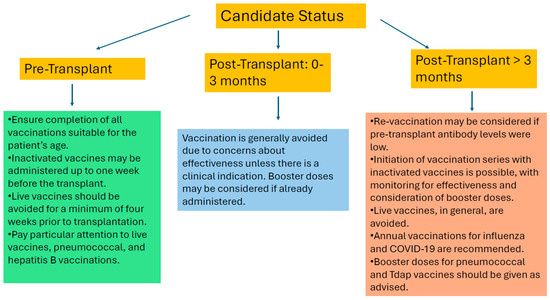
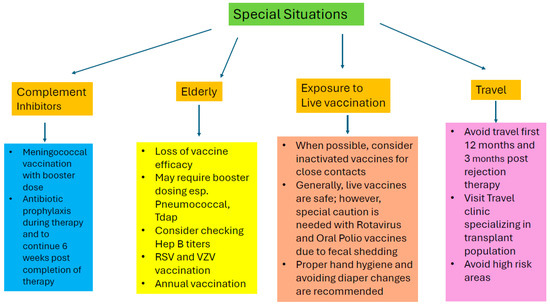

Disclaimer/Publisher’s Note: The statements, opinions and data contained in all publications are solely those of the individual author(s) and contributor(s) and not of MDPI and/or the editor(s). MDPI and/or the editor(s) disclaim responsibility for any injury to people or property resulting from any ideas, methods, instructions or products referred to in the content. |
© 2026 by the authors. Licensee MDPI, Basel, Switzerland. This article is an open access article distributed under the terms and conditions of the Creative Commons Attribution (CC BY) license.