Article

Analysis of Robot–Environment Interaction Modes in Anguilliform Locomotion of a New Soft Eel Robot


by
Mostafa Sayahkarajy
* and
Hartmut Witte
Group of Biomechatronics, Fachgebiet Biomechatronik, Technische Universität Ilmenau, D-98693 Ilmenau, Germany
*
Author to whom correspondence should be addressed.
Actuators 2024, 13(10), 406; https://doi.org/10.3390/act13100406
Submission received: 5 September 2024 / Revised: 27 September 2024 / Accepted: 4 October 2024 / Published: 7 October 2024
(This article belongs to the Special Issue Bio-Inspired Soft Robotics)

Abstract

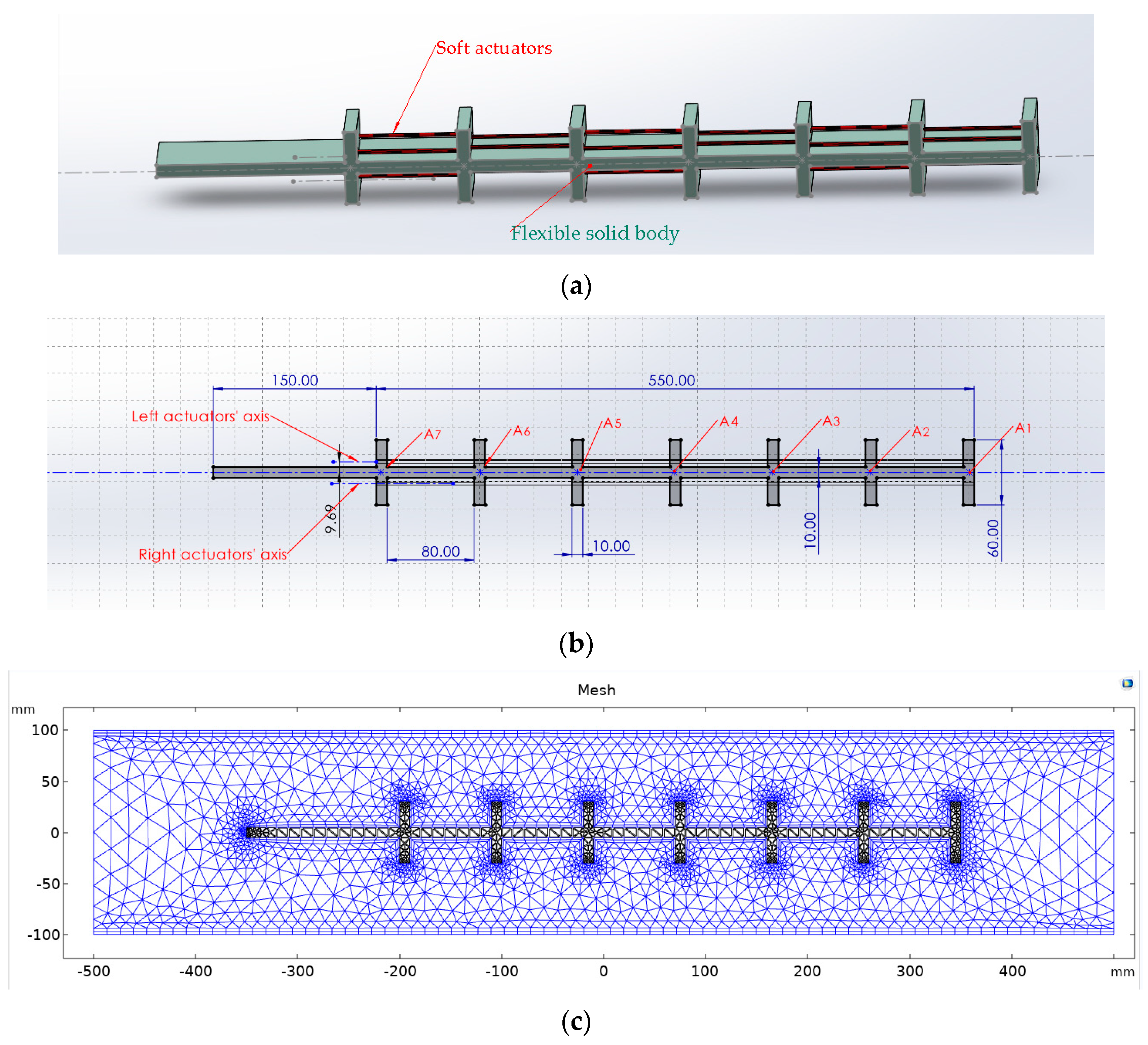
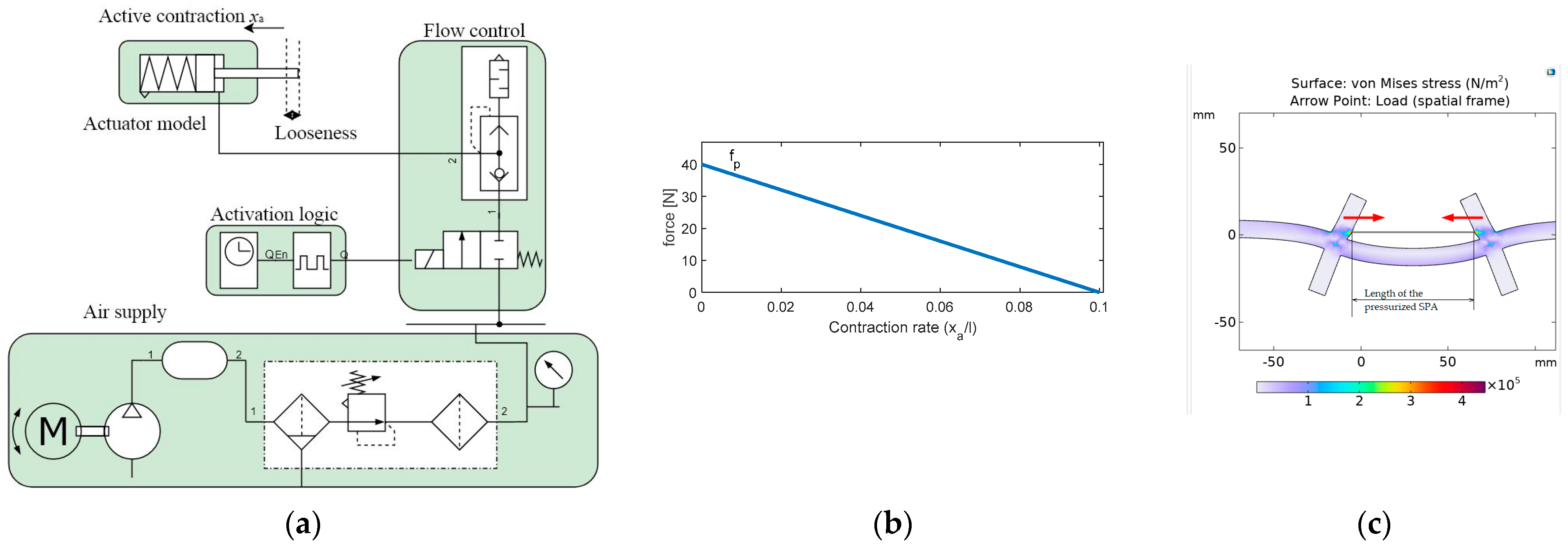
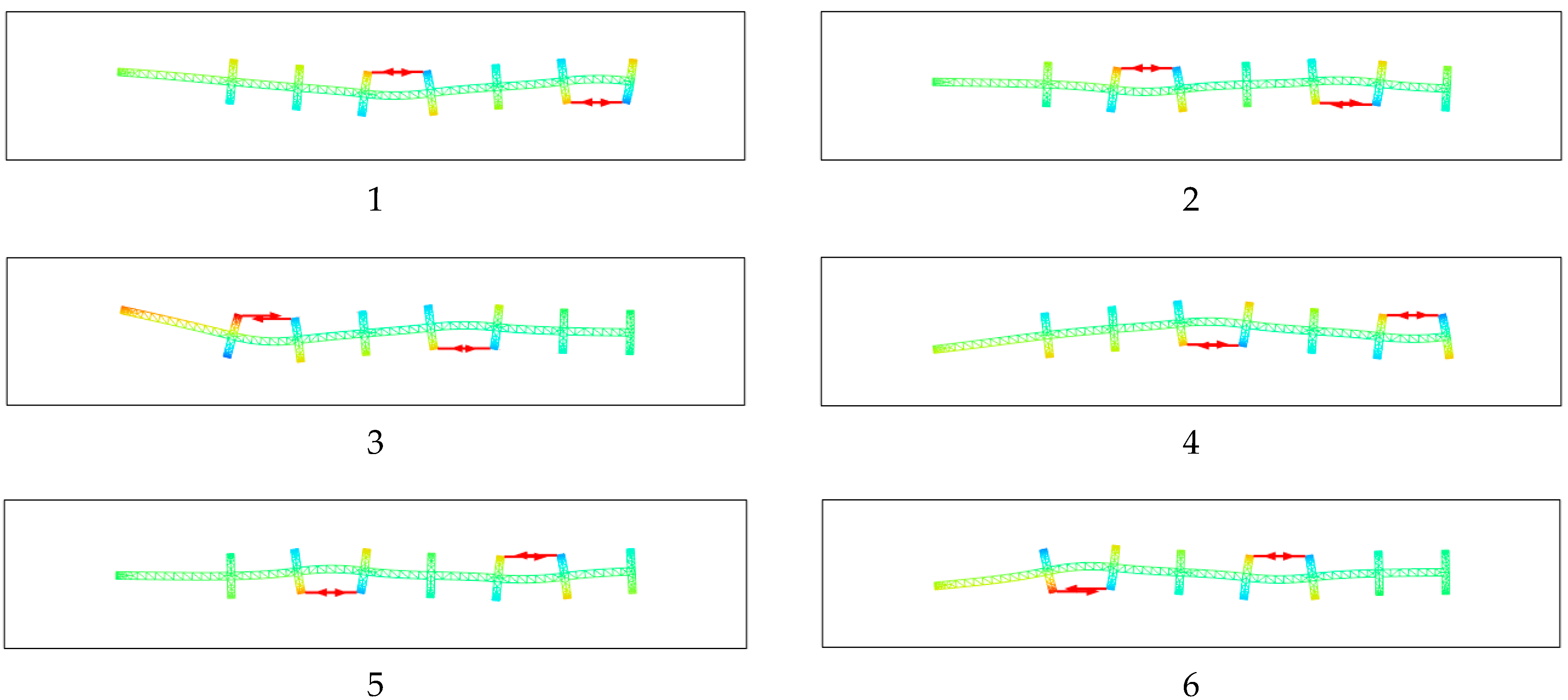
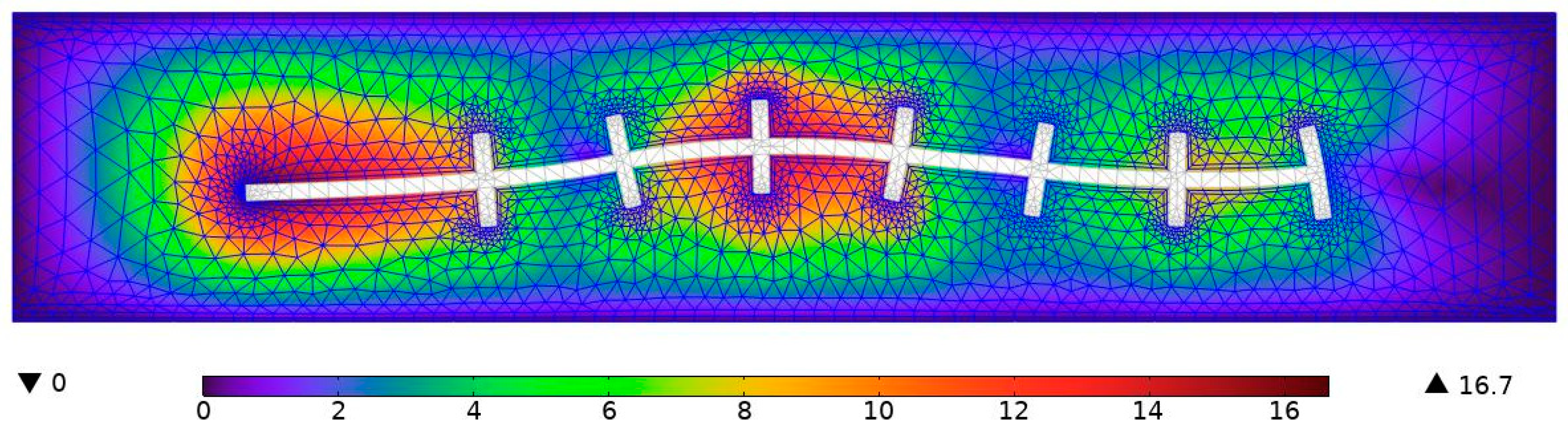
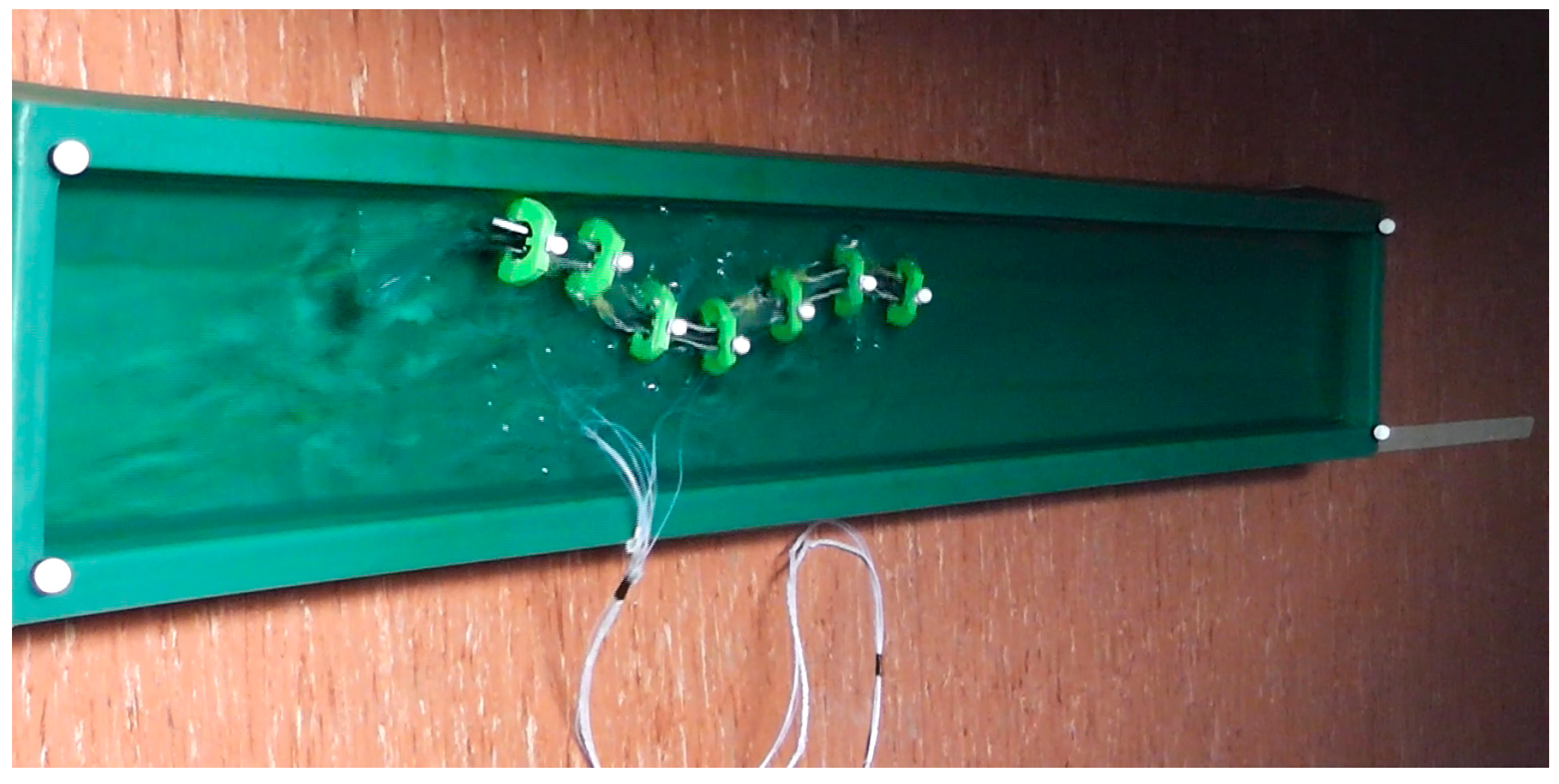
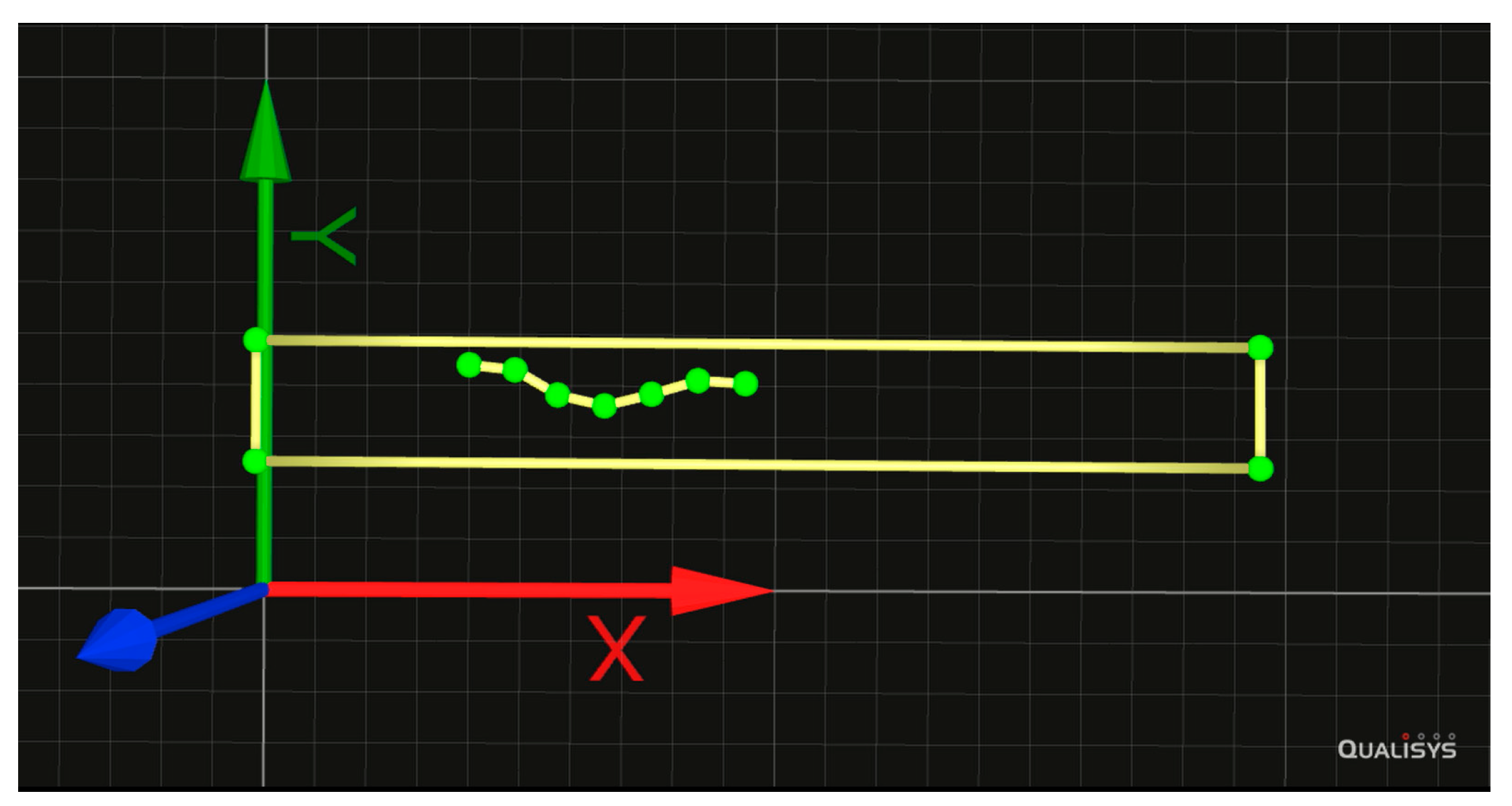
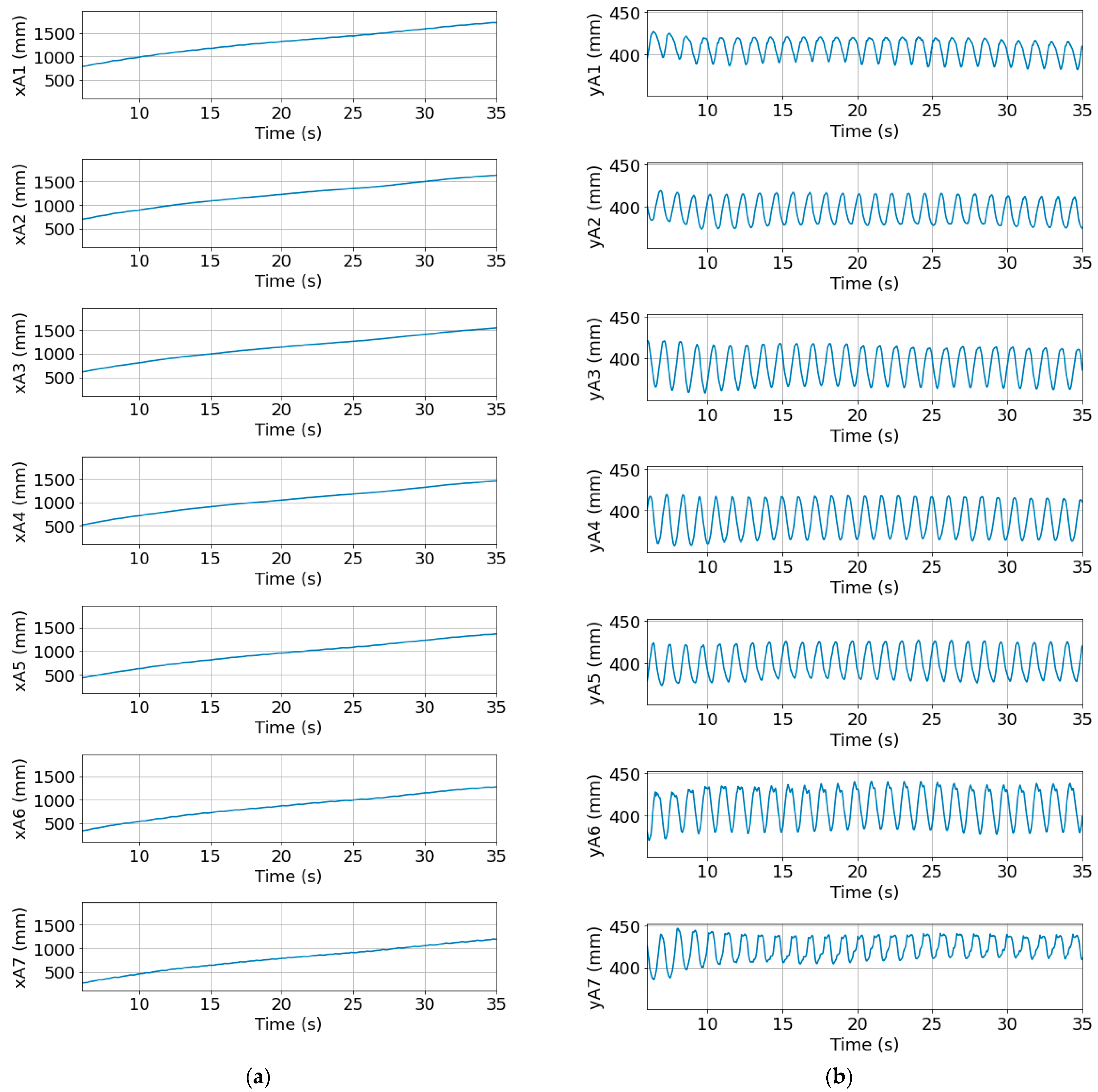
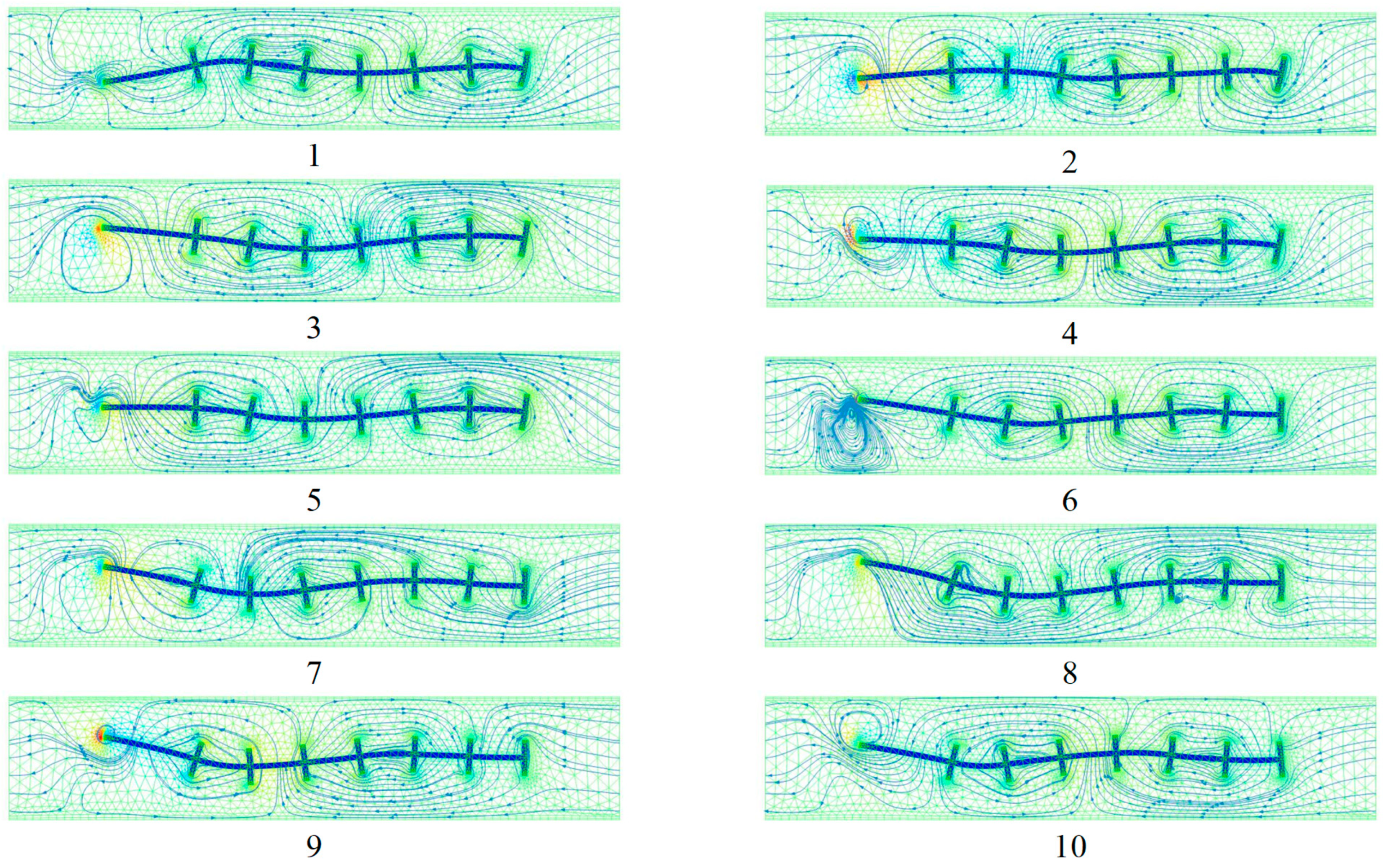
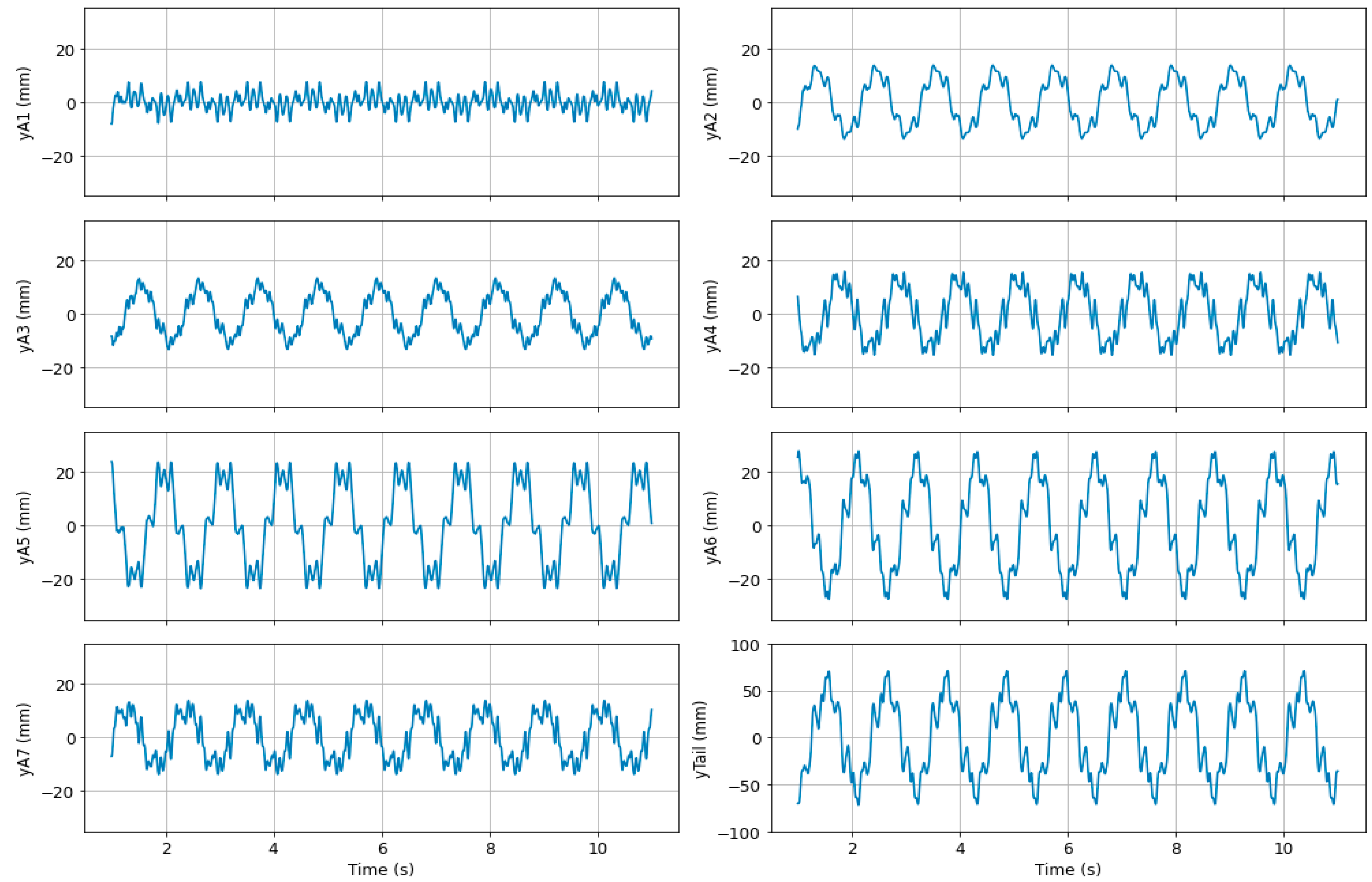
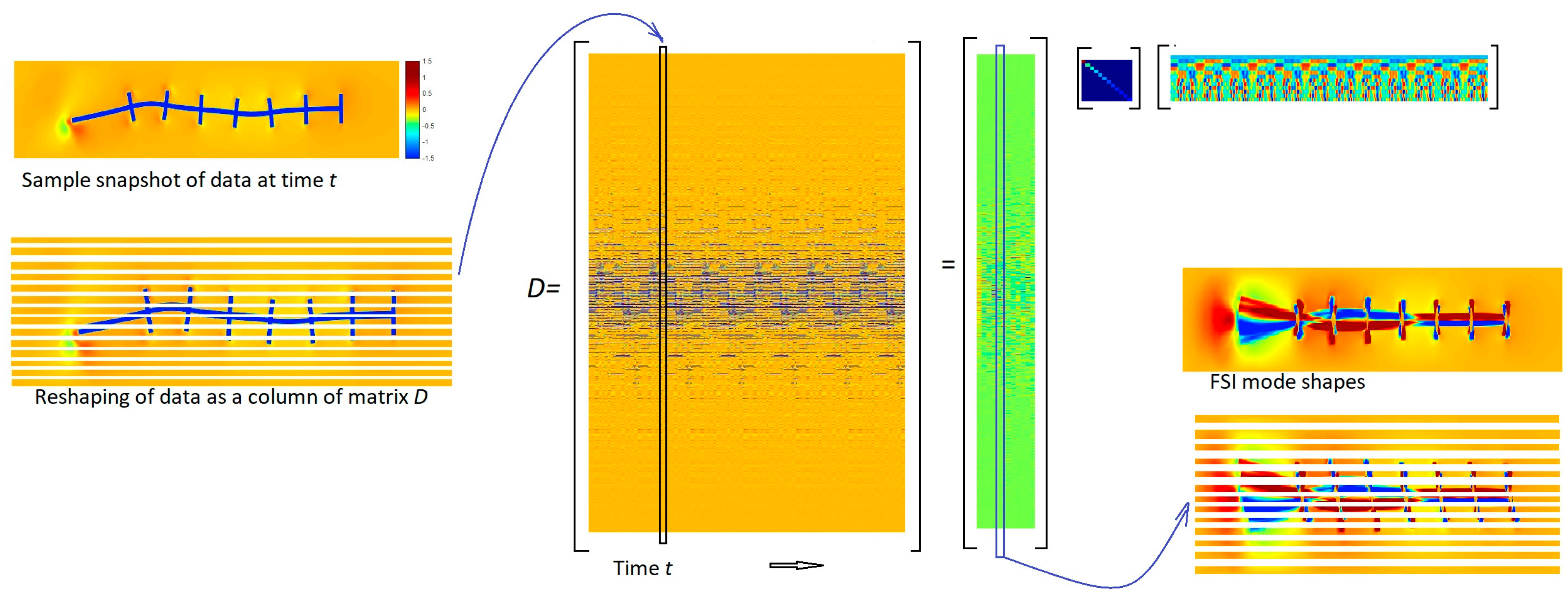
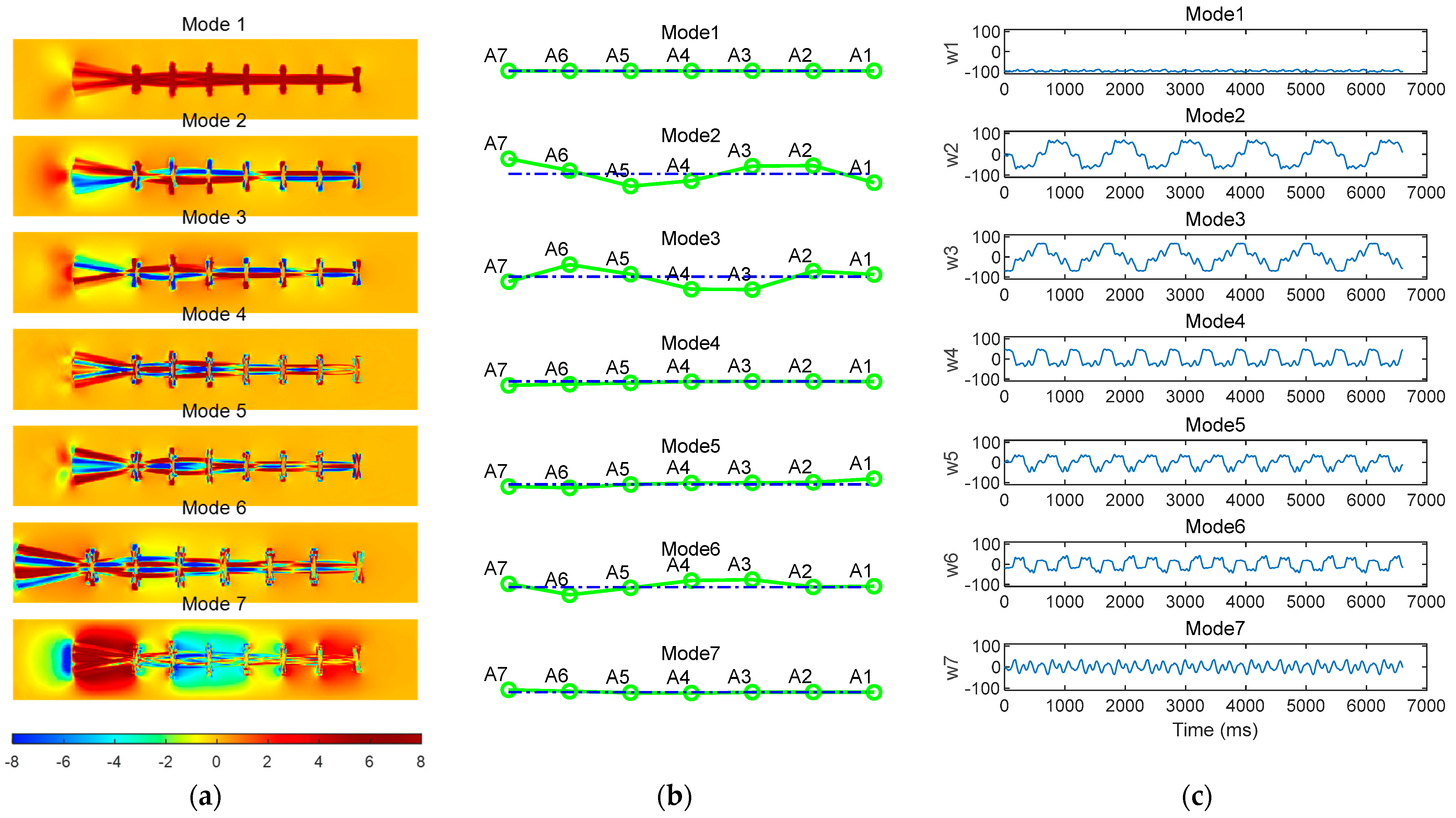
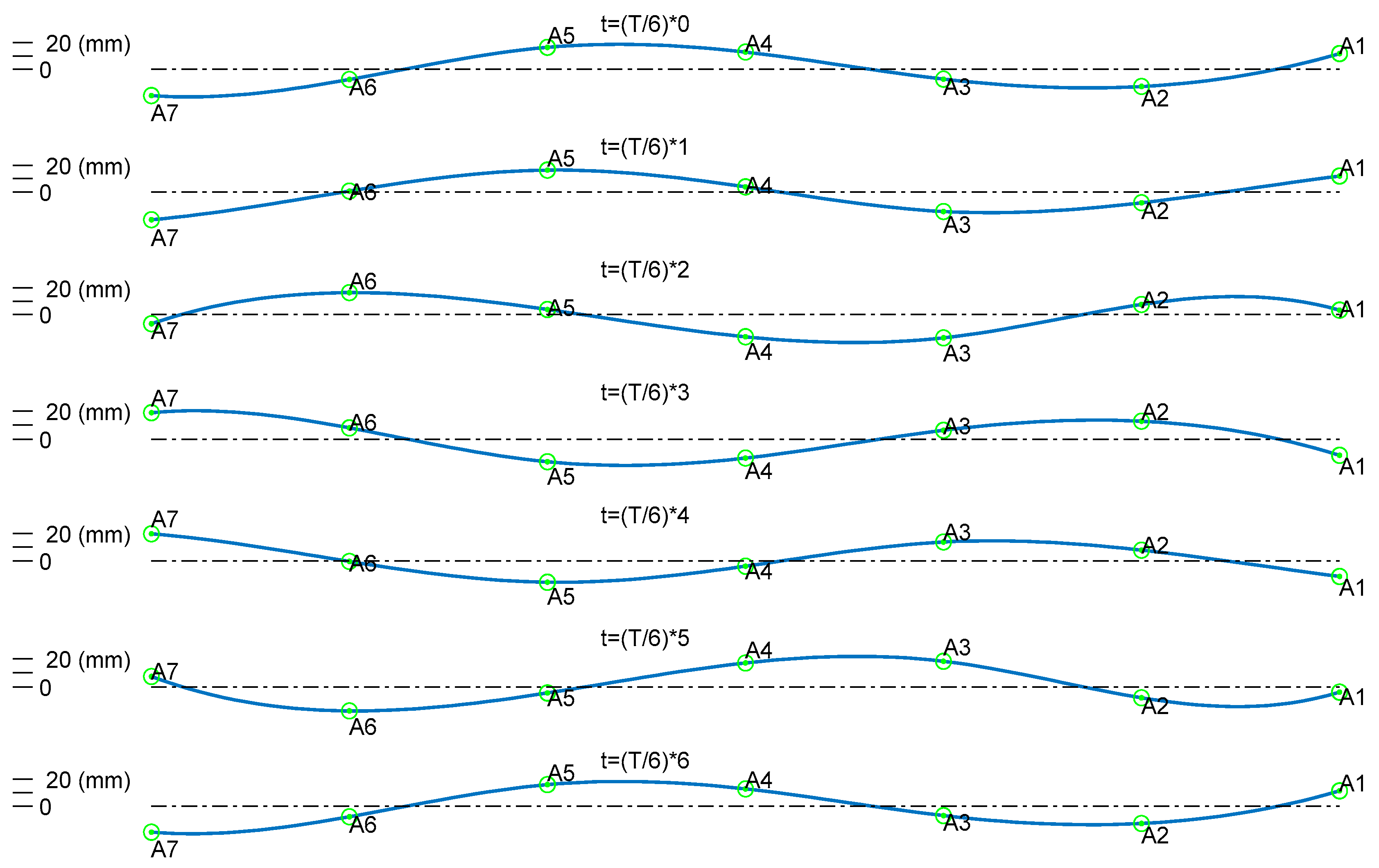
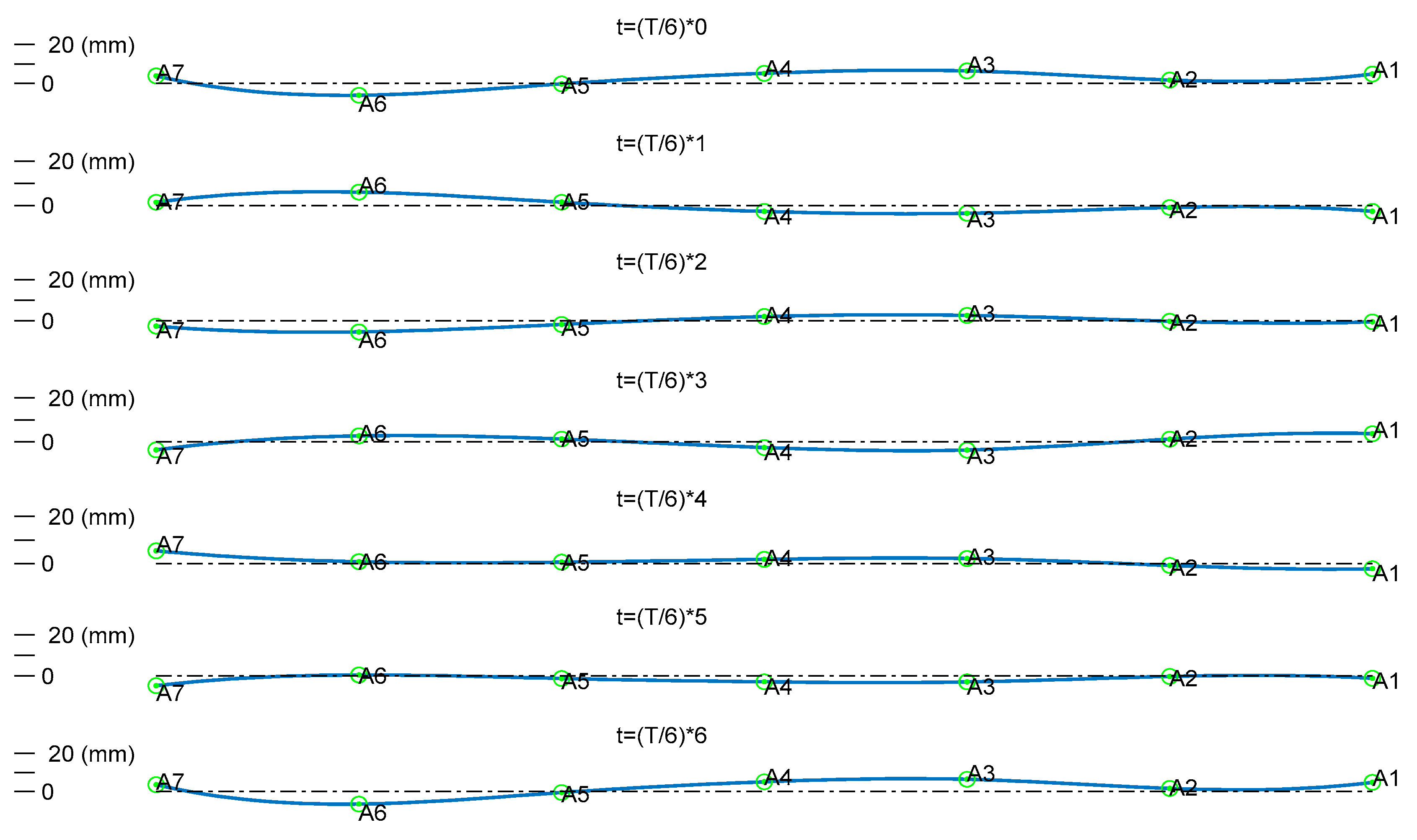
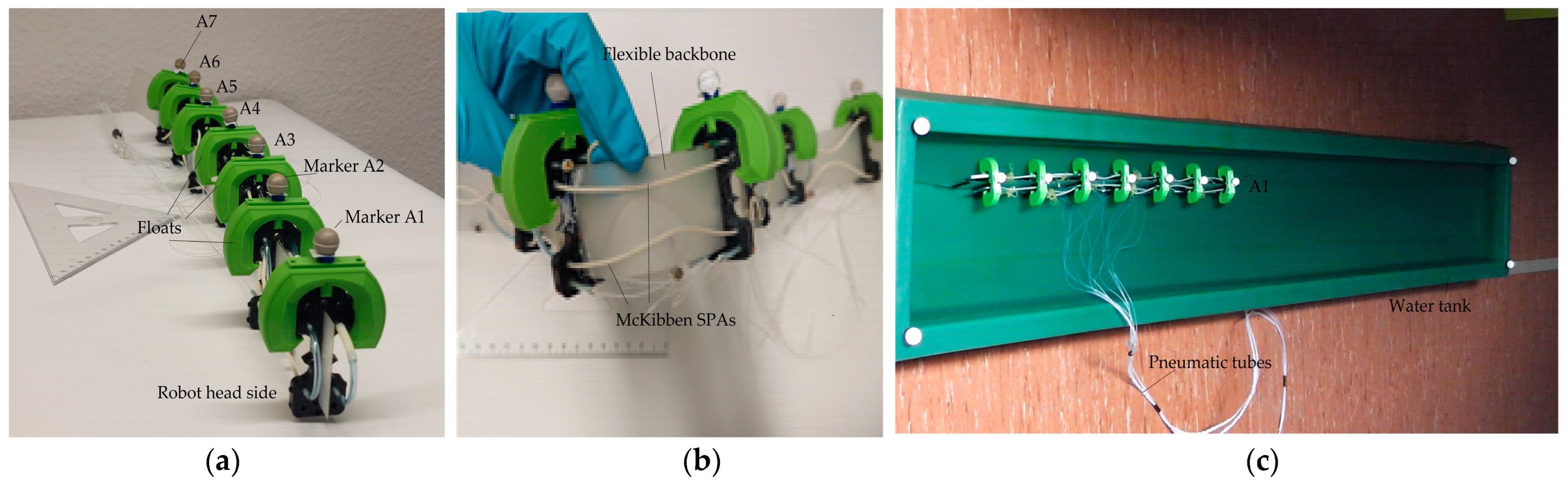
Bio-inspired robots with elongated anatomy, like eels, are studied to discover anguilliform swimming principles and improve the robots’ locomotion accordingly. Soft continuum robots replicate animal–environment physics better than noncompliant, rigid, multi-body eel robots. In this study, a slender soft robot was designed and tested in an actual swimming experiment in a still-water tank. The robot employs soft pneumatic muscles laterally connected to a flexible backbone and activated with a rhythmic input. The position of seven markers mounted on the robot’s backbone was recorded using QualiSys® Tracking Manager (QTM) 1.6.0.1. The system was modeled as a fully coupled fluid–solid interaction (FSI) system using COMSOL Multiphysics® 6.1. Further data postprocessing and analysis were conducted, proposing a new mode decomposition algorithm using simulation data. Experiments show the success of swimming with a velocity of 28 mm/s and at a frequency of 0.9 Hz. The mode analysis allowed the modeling and explanation of the fluctuation. Results disclose the presence of traveling waves related to anguilliform waves obtained by the superposition of two main modes. The similarities of the results with natural anguilliform locomotion are discussed. It is concluded that soft robot undulation is ruled by dynamic modes induced by robot–environment interaction.
Keywords: locomotion of bio-inspired soft robots; anguilliform locomotion; steady swimming; fluid–solid interaction; biorobotics locomotion of bio-inspired soft robots; anguilliform locomotion; steady swimming; fluid–solid interaction; biorobotics