


Abstract
On a planet intending to move toward carbon neutrality while ensuring food security, maximizing water and nutrient use efficiency in agriculture is essential. Soilless cultivation offers a promising solution for food production, yet in substrate-based systems, excess nutrient solution (drainage) is often discarded to maintain phytosanitary safety, resulting in considerable water and nutrient waste. Reusing this drainage requires disinfection to eliminate pathogens. Among available methods, slow sand filtration (SSF) is ecological, economical, and simple, showing strong biological control potential, though not always fully effective against Fusarium oxysporum. Trichoderma atroviride, an antagonistic fungus, may enhance SSF performance. Its antagonistic capacity was evaluated in vitro via direct confrontation assays and in vivo using a closed-loop soilless cucumber cultivation system with eight treatment combinations of SSF, T. atroviride, and F. oxysporum. SSF reduced F. oxysporum incidence by approximately 48%, T. atroviride in irrigation by 44%, and SSF enriched with T. atroviride reached 58% disease incidence reduction, though this increase was not statistically significant. These results confirm that both SSF and T. atroviride can partially suppress F. oxysporum, but further optimization is needed for consistent and complete pathogen control.
1. Introduction
Soilless cultivation is revolutionizing food production and holds significant potential to be a highly efficient and sustainable solution for meeting the food needs of a continuous growing global population [1,2,3,4,5,6]. Soilless cultivation involves the cultivation of plants, mostly vegetables or small fruits, without the use of soil, and can be performed in two primary ways: (i) Hydroponic cultivation—where plants are grown using only a complete nutrient solution, with no solid medium involved [7,8,9]; or (ii) Substrate cultivation—where plants are grown in a solid, porous medium that can be either organic (e.g., coconut fiber, peat) or inert (e.g., rockwool), irrigated with a nutrient solution [10,11,12]. The excess nutrient solution resulting from plant irrigation is referred to as drainage, and its management determines whether the soilless cultivation system is classified as open, closed, or semi-closed [2,13,14]. In an open system, the drainage is not reused to irrigate the same crop; instead, it is either discarded or used to irrigate a different crop [15,16]. In a closed system, the drainage is fully recycled for irrigating the same crop [13,17,18]. A semi-closed system typically operates like a closed system, but the drainage is only partially reused, to maintain the quality of the irrigation solution [2,10,15]. When crops are grown in a substrate, an open system is more common, with the drainage being discarded [2,18].
The use of open systems results in higher water consumption compared to closed systems, with usage being up to 42% higher [19,20,21,22,23]. In the Mediterranean region, which faces water scarcity [24,25,26] and where soilless cultivation is widely adopted, mostly in open systems, exploring strategies to reuse drainage is essential for reducing water demand. Additionally, open systems consume 15% to 80% more fertilizers than closed systems [22,27,28,29]. This results in unnecessary economic costs for producers, as well as environmental impacts related to greenhouse gas emissions, particularly nitrous oxide (N2O), which is closely associated with the production and use of nitrogen-based synthetic fertilizers [30,31,32]. However, these are not the only negative environmental impacts associated with open systems. Improper disposal of drainage can lead to soil and aquifer contamination [33]. Some countries regulate drainage disposal due to the environmental damage it may cause [34,35]. Reusing drainage is crucial for improving water and fertilizer use efficiency while avoiding or reducing various negative environmental impacts [18].
Reusing drainage for irrigation of the same crop in a closed system requires phytosanitary control to prevent the spread of phytopathogenic organisms. Without proper control, these organisms could rapidly disperse and infect a significant portion of the crop [36]. In a closed system, various phytopathogens, including oomycetes, fungi, bacteria, viruses, and nematodes, can be easily spread through [37,38,39,40,41], causing large economic losses [40,42]. Although it is not usually as problematic in soilless cultivation systems as Pythium spp. or Phytophthora spp., Fusarium oxysporum can cause significant losses if it occurs.
F. oxysporum (Figure 1a) is a soil-borne, saprophyte fungus that is a significant plant pathogen, affecting a wide range of crops [43] by invading the vascular system of plants [44]. Being resistant to common control measures, it may cause substantial economic losses [45]. It can be particularly concerning in soilless systems due to its ability to spread rapidly through water [46], and persistence in growing media [47,48]. F. oxysporum infects plants through a multi-step process, starting with spore germination in response to root exudates (e.g., sugars, amino acids), forming hyphae [49,50,51]. Spore germination seems not to be host-specific and has been reported in tomato, sweet pepper, bean, barley, watermelon, rice, tobacco and cucumber [52,53]. The fungus penetrates the root system, usually through the root tips or small wounds, using specialized hyphae [54]. It then advances through the cortex of the root by secreting cell wall-degrading enzymes, such as pectinases and cellulases, which degrade plant cell walls, allowing to advance deeper into the root [55,56]. Once inside the xylem, F. oxysporum colonizes the vascular system, where it forms mycelium and produces spores that are carried through the plant’s sap flow, spreading the infection [44]. The fungus also secretes gels and toxins, clogging the xylem vessels and obstructing water and nutrient transport [44,57,58]. This results in wilting, yellowing, and stunted growth, despite the plant having access to sufficient water. As the infection progresses, the plant’s health declines, and F. oxysporum forms chlamydospores, highly resistant structures that enable the fungus to survive in soil or growing media for extended periods [59,60].
Figure 1.
In vitro assessment of antagonistic capacity three days after inoculation: (a) F. oxysporum; (b) direct confrontation between F. oxysporum (left) and T. atroviride (right), showing the interaction zone (arrow); (c) T. atroviride.
To prevent the spread of F. oxysporum and other pathogens, it is crucial to implement a disinfection system for the drainage before it is reintroduced for irrigation. Various water disinfection methods can be adopted, including physical treatments (e.g., heat, UV radiation, reverse osmosis), chemical treatments (e.g., iodine, chlorine, hydrogen peroxide, or ozone) [61,62], or biological methods (e.g., antagonistic microorganisms present in a filtration system) [63]. The slow sand filtration system (SSF) is an ecological, low-cost method that combines physical and biological actions, making it highly effective in controlling many pathogens in soilless cultivation systems [64]. Its low cost and ease of maintenance can be important advantages over other systems.
SSF, developed in 1804 by John Gibbs in Scotland, was initially used to purify water by physically removing suspended solids, before its effectiveness in controlling pathogenic microorganisms was known [65,66]. Adopted for public water treatment in 1829 and widely implemented after 1885, SSF proved highly effective during a cholera outbreak in Germany, which led to the recognition of its ability to control pathogenic microorganisms [66,67]. By the late 1980s, SSF was also applied in horticulture for disinfecting irrigation drainage, extending its utility beyond potable water treatment [64,68].
SSF is based on the slow flow of the nutrient solution through a granular medium, typically composed of fine sand or other materials with controlled grain size [64,68]. The low flow velocity and continuous retention of the solution above the filter medium promote the development of an active biological layer on the filter surface [68,69].
The biological layer and the filter bed operate through several mechanisms: (i) Physical filtration—suspended particles are retained within the filter bed, forming a layer of organic matter on its surface [64,69]; (ii) Biological layer formation—microbial community develops on the surface, decomposing the retained organic material and forming a biologically active layer known as the schmutzdecke [69,70]; (iii) Direct biological control—microorganisms within the schmutzdecke exert biocontrol over pathogenic organisms through various biological interactions as drainage flows through the filter [63,71]; and (iv) Chemical adsorption—dissolved compounds, nutrients, and pathogenic microorganisms are retained by the filter media through ion exchange, electrostatic attraction, and surface complexation processes as the drainage water percolates through the filter [72,73,74].
Pioneering authors in the use of this system for soilless cultivation recommend a filtration rate between 0.1 and 0.4 m−3 m−2 h, a filter bed height of 0.7–1.2 m, and surface cleaning every 4–12 weeks to maintain filtration efficiency [42,64,68,69,71]. This procedure scrapes the top 1–2 cm of sand, removes the old biofilm, allows regeneration of a new one, and may require replenishing part of the filter medium after repeated scrapes [69,70]. The sand used as filter media should present an effective grain size between 0.15 and 0.3 mm and a uniformity coefficient of up to 3, which may reach a maximum value of 5 [42]. This drainage disinfection system offers significant advantages over alternative methods: (i) It has low installation and maintenance costs, and requires minimal energy [41,70,75]; (ii) it is easy to operate [41]; (iii) it is not too much affected by water flow variations and does not require prior filtration [41,75]; and (iv) is highly effective against several pathogens. It has been shown to completely remove Phytophthora spp. [63,76], Pythium spp. [77,78], Botrytis cinerea [79], and others. However, it does not always fully eliminate F. oxysporum [63,76]. For large volumes of drainage to be treated, the filter requires considerable space, which also limits its mobility, as relocating involves transporting substantial amounts of sand [41,75].
Considering its limited effectiveness in eliminating F. oxysporum, enriching the microbial community within the filter could be a promising approach to enhance its overall efficiency. Trichoderma atroviride (Figure 1c) is a widely distributed filamentous soil fungus known for its strong ability to control various plant pathogens, including Fusarium oxysporum [80,81,82], Rhizoctonia spp. [18], Sclerotinia spp. [83], Botrytis spp. [84,85,86], Pythium spp. [87], and Phytophthora spp. [88].
T. atroviride employs multiple biocontrol mechanisms, both direct and indirect. Direct mechanisms include the following: (i) Mycoparasitism—parasitism of a host fungus, involving host detection, chemotropism, attachment, coiling, and host cell lysis [89,90,91], as observed against F. oxysporum [92]; (ii) Cell wall-degrading enzymes—production of extracellular enzymes such as chitinases, β-glucanases, and proteases that hydrolyze key fungal cell wall components [93,94,95]; (iii) Antibiotic synthesis—production of secondary metabolites, including peptaibols and volatile organic compounds, which disrupt F. oxysporum membranes and inhibit growth through antibiosis [82,96,97,98]; (iv) Competition for space and nutrients—rapid colonization of shared habitats, efficient carbohydrate metabolism, mobilization of essential elements, and siderophore-mediated iron sequestration restrict pathogen growth [99,100,101,102,103].
Indirect mechanisms include the induction of plant resistance in response to biotic stresses through induced systemic resistance. T. atroviride colonizes plant roots and produces signaling molecules that activate defense pathways, priming the plant to respond more rapidly and robustly to subsequent pathogen attacks without causing disease [104,105,106].
Due to its biocontrol mechanisms, which are effective against a wide range of plant pathogens, T. atroviride has been employed in the biological control of various diseases across multiple crops [107,108,109,110]. In soilless cultivation systems, Trichoderma spp. has been employed for biological control of F. oxysporum [111] and other plant pathogens [18,112,113,114].
We found that T. atroviride was able to enhance the efficacy of the slow filtration system in controlling Rhizoctonia solani [18]. Therefore, it was relevant to assess whether this effect also extends to F. oxysporum, since previous studies reported that SSF alone is not effective against this pathogen [63,76]. The objective of this study was thus to evaluate whether inoculating SSF with T. atroviride would improve its efficacy in controlling F. oxysporum.
2. Materials and Methods
2.1. Evaluation of Antagonistic Capacity—In Vitro
An in vitro assay was conducted to assess the antagonistic potential of the isolated strains of T. atroviride against F. oxysporum. T. atroviride was isolated from an agro-industrial waste compost obtained at the University of Algarve and identified using molecular methods [115]. The isolate showed 97% sequence coverage and 100% identity with the T. atroviride sequence MIAE00220. F. oxysporum was isolated from infected spinach (Spinacia oleracea) plants in parallel trials at the University of Algarve. The culture was initially identified macroscopically and microscopically (Labovert FS, Leitz, Germany) [116] and subsequently confirmed by molecular analysis. Both microorganisms were maintained on potato dextrose agar (PDA) (Biolife, Milan, Italy) at 24 °C (±1) in the dark.
The antagonistic potential was assessed using the direct confrontation method in Petri dishes containing PDA as the growth medium [117]. Two mycelial discs (6.5 mm in diameter), one of T. atroviride and one of F. oxysporum, were placed opposite each other in the same dish (Figure 1b). Additionally, the growth of each fungus, F. oxysporum (Figure 1a) and T. atroviride (Figure 1c), was evaluated individually under the same conditions. All plates were incubated at 24 °C for seven days to allow mycelial development.
The radial growth of each fungus, both in individual culture and in confrontation, was measured daily. The inhibition percentage (IP) was then calculated using the following formula:
where the following definitions are used:
Rc—radius of the growth zone of the pathogen growing alone (mm);
R1—radius of the growth zone of the pathogen growing in the presence of the antagonist (mm).
2.2. Evaluation of Antagonistic Capacity—In Vivo
2.2.1. Treatments and Experimental Design
Five consecutive in vivo trials were carried out using a closed soilless substrate cultivation system, in which organic cucumber seeds [Cucumis sativus L. ‘Marketer’, Semillas Fitó, Spain] were sown. This crop served as an indicator of disease presence due to its rapid and homogeneous germination, its susceptibility to F. oxysporum, and the easy identification of the symptoms. Each trial extended up to two weeks after seedling emergence, during which the plants served as indicators to assess the incidence and severity of F. oxysporum. The cultivation system was established in an unheated plastic-film greenhouse, equipped with natural ventilation through roof and side openings, located at the experimental field of the University of Algarve (Campus de Gambelas, Portugal).
The experimental design tested three factors: (i) the slow sand filter (F); (ii) the antagonist Trichoderma atroviride (T); (iii) the pathogen Fusarium oxysporum (P). The experimental treatments consisted of a combination of the presence (+) and absence (−) of each one of these factors, resulting in a total of 8 treatments: 1. F+T+P+; 2. F+T+P−; 3. F+T−P+; 4. F+T−P−; 5. F−T+P+; 6. F−T+P−; 7. F−T−P+; and 8. F−T−P−. Each of the treatments contained five pots that served as replications. In each pot were sown five cucumber seeds.
2.2.2. Slow Sand Filter (SSF)
For treatments with the SSF (1. F+T+P+; 2. F+T+P−; 3. F+T−P+; 4. F+T−P−), the filter consisted of a vertical PVC column, 1 m in height and 10 cm in diameter, filled with 6 L of filtering material. This consisted of fine silica sand (0.85 m) (Maxmat, Porto, Portugal), layered above a 0.1 m layer of gravel at the base.
The particle size distribution of the filter media was determined by sieving [118]. The sand presented an effective particle size (d10) of 0.15 mm and a uniformity coefficient (UC) of 1.46, which falls within the range recommended by the pioneering authors in the development of slow sand filters (SSF) [42]. The gravel presented a d10 of 2.5 mm and a UC of 1.04. d10 corresponds to the particle diameter below which 10% of the particles are finer. The UC was calculated as the ratio between the sieve opening through which 60% (by weight) of the grains will pass and the effective grain size (UC = d60/d10).
For treatments without filtering (5. F−T+P+; 6. F−T+P−; 7. F−T−P+; 8. F−T−P−), the PVC columns were left empty.
2.2.3. Trichoderma atroviride Growth and Inoculation
T. atroviride was introduced into the cultivation system as a conidial suspension at 106 conidia mL−1 (T+ treatments: 1. F+T+P+; 2. F+T+P−; 5. F−T+P+; 6. F−T+P−), a standard concentration in biocontrol studies [119]. Prior to each trial, seven-day-old pure cultures of T. atroviride grown on PDA were washed with water to obtain the conidial suspension. Conidia concentrations were determined using a Neubauer chamber under a ×400 microscope (Labovert FS, Leitz, Germany). The required volume to achieve 106 conidia mL−1 in the 6 L filter column was calculated and applied uniformly across all T+ treatments. For treatments with SSF (1. F+T+P+; 2. F+T+P−), the suspension was applied directly to the top sand layer of the filter, whereas in treatments without filtration (5. F−T+P+; 6. F−T+P−), it was added to the irrigation water. Inoculation was performed seven days before sowing.
2.2.4. Fusarium oxysporum Growth and Inoculation
F. oxysporum was propagated in Petri dishes containing 40 mL of sterilized and neutralized blond peat, the same substrate used for plant growth. Each dish received five mycelial plugs (6.5 mm in diameter) and was incubated at 24 °C in the dark for seven days, until the peat was fully colonized by its mycelium. The colonized substrate was then transferred to pots matching the diameter of the Petri dishes, on the day of sowing. In P+ treatments (1. F+T+P+; 3. F+T−P+; 5. F−T+P+; 7. F−T−P+), these pots were placed on top of the PVC columns to receive the drainage from the irrigation channels.
2.2.5. Cultivation System
The cultivation system used was a prototype of a closed-loop substrate cultivation setup (Figure 2). Eight inclined gutters were installed, one for each treatment (Figure 2a), with five pots in each channel (Figure 2b). The pots were filled with blond peat, whose pH was adjusted to 7.0 by the addition of fine calcium carbonate. Five cucumber (Cucumis sativus) seeds were sown per pot, (Figure 2c).
Figure 2.
Scheme of the cultivation system used: (a) cultivation channel; (b) pot; (c) cucumber plants (Cucumis sativus L. ‘Marketer’); (d) microtube; (e) drainage collection; (f) substrate, with the pathogen only in the R+ treatments; (g) PVC pipe with sand in the F+ treatments and empty in the F− treatments; (h) (½” PE pipe) filtered drainage recover; (i) drainage collection tank (10 L); (j) submersible pump; (k) irrigation pipe. Black arrows indicate the direction of the irrigation water flow. This figure is identical to that published in a previous article by the same authors (DOI: https://doi.org/10.1016/j.cropro.2024.106917 [18]), who retain the intellectual property rights to the original version.
Irrigation was supplied via a drip system (Figure 2d), and the drainage from each pot flowed into the channel, which collected the drainage from all pots and directed it into the PVC tube equipped either with a filter (1. F+T+P+; 2. F+T+P−; 3. F+T−P+; 4. F+T−P−) or left empty (5. F−T+P+; 6. F−T+P−; 7. F−T−P+; and 8. F−T−P−) (Figure 2e). In the P+ treatments (1. F+T+P+; 3. F+T−P+; 5. F−T+P+; 7. F−T−P+), an additional pot was placed on top of the PVC tube, filled with blond peat previously fully colonized in the laboratory by F. oxysporum (Figure 2f). The drainage passed through the filtering material (1. F+T+P+; 2. F+T+P−; 3. F+T−P+; 4. F+T−P−) or directly to an empty PVC tube (5. F−T+P+; 6. F−T+P−; 7. F−T−P+; and 8. F−T−P−) (Figure 2g): in all the filters, the drainage exited through an outlet (Figure 2h) connected to a 10 L reservoir (Figure 2i). From each drainage reservoir, a pump (Figure 2j) recirculated the solution back to the irrigation system, thus maintaining continuous irrigation (Figure 2k).
2.2.6. Measurements
Disease assessment included evaluating disease severity (DS) and the percentage of infected plants (p), which were used to calculate disease incidence (DI), efficacy (E), consistency (C), the biological control index (BCI), and the control percentage (CP).
DS was rated for each plant using a 5-level visual symptom scale adapted from Baayen and van der Plas (1992) [120]: Lvl. 1—no symptoms; Lvl. 2—mild lesions; Lvl. 3—severe lesions; Lvl. 4—post-emergence death; Lvl. 5—pre-emergence death (Figure 3).
Figure 3.
Visual scale of symptoms of Fusarium oxysporum on cucumber, to evaluate disease severity: Level 1—no symptoms; Level 2—mild lesions; Level 3—severe lesions; Level 4—post-emergence death; Level 5—pre-emergence death.
The presence or absence of disease on each plant was scored as 0 (healthy) or 1 (diseased). The number of infected plants per pot was counted to calculate the percentage of infected plants and, subsequently, the DI.
Efficacy (E) per pot was calculated as
Consistency (C) for each treatment was expressed as the standard deviation of efficacy across replicates. The biological control index (BCI) per treatment was calculated following Byrne et al. (2005) [121]:
The control percentage (CP) was calculated for each treatment using
where DIT7 is the DI in plants inoculated only with F. oxysporum (7. F−T−P+), and DIT is the DI for each other treatment.
2.2.7. Statistical Analysis
Statistical analyses were performed using IBM® SPSS® Statistics 26. Disease severity (DS), assessed on a five-level scale, was analyzed using the non-parametric Kruskal–Wallis test due to the non-normal distribution of the data. Mean values were reported for descriptive purposes, and the percentage occurrence of each severity level was calculated. ANOVA followed by Duncan’s test was used to compare means of severity levels across treatments. Disease incidence (DI), efficacy (E), consistency (C), biological control index (BCI), and control percentage (CP) were analyzed using ANOVA and Duncan’s test. Pearson correlation coefficients between DS and DI were also calculated.
3. Results
3.1. Evaluation of Antagonistic Capacity—In Vitro
The antagonist T. atroviride displayed an average growth radius of 32 mm 72 h after its inoculation in Petri dishes. The pathogen F. oxysporum had a growth radius of 16 mm in the absence of T. atroviride and 11 mm in its presence, a reduction of 5 mm, resulting in a 28% inhibition rate.
3.2. Evaluation of Antagonistic Capacity—In Vivo
3.2.1. Disease Severity
The disease severity showed a clear pattern across all trials and in the overall average (Figure 4). In the treatments where the pathogen was not inoculated (2: F+T+P−; 4: F+T−P−; 6: F−T+P−; and 8: F−T−P−), the disease severity was consistently lower than in any other treatment (except only for treatment 1 in the fourth trial).
Figure 4.
Distribution of disease severity levels per treatment, including its median (thicker lines), quartiles, interquartile range, and outliers: (a) first trial; (b) second trial; (c) third trial; (d), fourth trial; (e) fifth trial; (f) average of all trials. Equal letters indicate the absence of statistical difference, according to the non-parametric Kruskal–Wallis statistical test. F, filter; T, Trichoderma atroviride; P, Fusarium oxysporum; +/−, presence/absence.
Treatments that included the pathogen and some form of control method, whether SSF alone (3: F+T−P+), SSF with T. atroviride (1: F+T+P+), or T. atroviride in the irrigation water (5: F−T+P+), exhibited similar levels of disease severity, but these were higher than in the treatments without the pathogen (2, 4, 6, and 8). The highest level of disease severity consistently occurred when the pathogen was present, and no control method was applied (7: F−T−P+). In this case, severity was always higher than in any other situation. Summarizing, we can group the treatments into three categories based on disease severity: (i) a minimal level, which includes all treatments without F. oxysporum, where the plants showed no disease symptoms; (ii) an intermediate level, including all treatments where F. oxysporum was present but a control method was applied; and (iii) the highest level, where the treatment contained F. oxysporum with no control method applied.
The occurrence of each severity level (%) shows that the lowest severity (Lvl. 1) consistently occurred in a higher percentage of plants in the treatments without the pathogen (2: F+T+P−; 4: F+T−P−; 6: F−T+P−; and 8: F−T−P−), except for treatment 1 in the fourth trial (Figure 5). In these treatments, 100% of the plants exhibited Lvl. 1 disease severity, meaning that none of the plants showed disease symptoms, as previously observed (Figure 4). All other treatments consistently showed lower percentages of Lvl. 1 disease severity. When F. oxysporum was present and no control method was applied (7: F−T−P+), plants almost never reached Lvl 1. This treatment consistently showed the lowest percentage of plants at Lvl 1 compared to all other treatments.
Figure 5.
Average percentage of plants with each disease severity level (Lvl.), per treatment: (a) first trial; (b) second trial; (c) third trial; (d) fourth trial; (e) fifth trial; (f) average of the five trials. For each level of disease severity (Lvl.). Between treatments, the Lvl values with the same letter showed no statistical differences (p < 0.05), according to Duncan statistical Test. F, filter; T, Trichoderma atroviride; P, Fusarium oxysporum; +/−, presence/absence.
The remaining treatments (1: F+T+P+; 3: F+T−P+; and 5: F−T+P+) showed an intermediate percentage of plants at Lvl. 1. When these treatments showed severity levels above 1, it was almost always at level 2 (the second least severe level). When level 3 was observed, these treatments consistently had some of the lowest percentages of plants at that level. On average, in treatments with the pathogen and some form of control (1: F+T+P+; 3: F+T−P+; and 5: F−T+P+), between 37% and 52% of the plants showed disease symptoms. This percentage was significantly higher when no control method was used (7: F−T−P+), rising to 98%. This treatment also had, on average, a mortality rate of 13%, which was higher than any other treatment, although treatment 3 had a mortality rate of 5%.
3.2.2. Disease Incidence
As observed in disease severity, disease incidence showed that the plants from the treatments without the pathogen (2: F+T+P−; 4: F+T−P−; 6: F−T+P−; and 8: F−T−P−) were never infected by F. oxysporum (Table 1). These treatments consistently exhibited an incidence of 0.0, which was statistically lower than the remaining treatments, except for treatment 1 in the fourth trial (Table 1). When F. oxysporum was present without any control method (7: F−T−P+), the disease incidence was higher than in any other treatment in the second and fourth trials, and overall mean, while in the remaining trials, it was similar to one of the treatments with a control method (1: F+T+P+; 3: F+T−P+; or 5: F−T+P+). In this treatment (7: F−T−P+), the disease incidence ranged from 83.3 to 100, reaching 100 in four out of five trials. Treatments with a control method (1: F+T+P+; 3: F+T−P+; and 5: F−T+P+) showed similar disease incidence in the first and second trials, as well as in the overall mean. In the third trial, disease incidence was higher in treatment 3 (F+T−P+) than in treatment 1 (F+T+P+); in the fourth and fifth trials, it was higher in treatment 5 (F−T+P+) than in treatments 1 (F+T+P+) and 3 (F+T−P+). On mean across the trials, these treatments (1: F+T+P+; 3: F+T−P+; and 5: F−T+P+) showed disease incidence values ranging from 39.2 to 52.4, which were 46% to 60% lower than in the absence of a control method (7: F−T−P+).
Table 1.
Disease incidence, caused by Fusarium oxysporum, in five trials (First–Fifth) and the mean of the five trials (Mean). The values presented are the mean ± standard error.
Just like disease severity, disease incidence appears to group the treatments into three distinct categories: (i) zero incidence group, with no disease—treatments without the pathogen (2: F+T+P−; 4: F+T−P−; 6: F−T+P−; and 8: F−T−P−); (ii) intermediate group, where the disease was partially present—treatments with the pathogen and some form of control method (1: F+T+P+; 3: F+T−P+; and 5: F−T+P+); and (iii) high incidence group—treatment with the pathogen and no control method (7: F−T−P+).
Disease incidence follows a pattern similar to that of disease severity. The strong and statistically significant correlation between these variables (Table 2) reinforces this similarity. This correlation indicates that as disease incidence increases, the disease severity also rises, and the reverse is true as well.
Table 2.
Correlation coefficient and significance between disease severity and disease incidence in five trials (First–Fifth) and the mean of the five trials (Mean).
3.2.3. Efficacy, Consistency, and Biological Control Index
Efficacy, consistency, and the biological control index once again demonstrate that there are differences between certain treatment groups (Table 3). Treatments without the pathogen (2: F+T+P−; 4: F+T−P−; 6: F−T+P−; and 8: F−T−P−) consistently achieved 100% efficacy, which was always higher than in all other treatments, except for treatment 1 in the fourth trial. In these treatments, consistency was always 0.0 because efficacy was 100% in all pots, and no biological control index was observed.
Table 3.
Efficacy (E), consistency (C) and biological control index (BCI) in five trials (First–Fifth) and the mean of the five trials (Mean).
When F. oxysporum was present without any control method (7: F−T−P+), efficacy ranged from 0.0% to 16.7%, with 0.0% in four out of the five trials, almost always lower than all other treatments (except for treatments 1, 3, and 5 in the first trial, treatment 3 in the third trial, and treatment 5 in the fifth trial, where efficacy was similar). Whenever efficacy was 0.0%, consistency was also 0.0 because all pots were infected by the pathogen, leading to the absence of a biological control index. The average efficacy across all trials showed an efficacy of 3.3% in this treatment (7: F−T−P+), statistically lower than in all other treatments, with a consistency of 11.8, which resulted in a 0.71 biological control index. The remaining treatments, which included F. oxysporum and a control method (1: F+T+P+; 3: F+T−P+; and 5: F−T+P+), generally showed intermediate efficacy between the two situations previously discussed, with efficacy values that were almost always similar to each other. On average across all trials, these treatments (1: F+T+P+; 3: F+T−P+; and 5: F−T+P+) had efficacy ranging from 47.6% to 60.8%, statistically similar to each other, and higher to treatment 7 (F−T−P+) and lower than treatments 2 (F+T+P−), 4 (F+T−P−), 6 (F−T+P−), and 8 (F−T−P−). Consistency ranged from 37.6 to 41.3, resulting in a similar biological control index with values between 1.34 and 1.42, which was 47% to 50% higher than treatment 7.
3.2.4. Control Percentage
The disease control percentage (Table 4) represents the level of control observed in each treatment and trial compared to the scenario where the pathogen was present without a control method (7: F−T−P+).
Table 4.
Control percentage (CP) in five trials (First–Fifth) and the mean of the five trials (Mean). Values presented are the mean ± standard error.
When no control method was applied and F. oxysporum was present (7: F−T−P+), the percentage of control was always 0.0%, statistically lower than all other treatments, except for treatments 1, 3, and 5 in the first trial, treatment 3 in the fifth trial, and treatment 5 in the fifth trial.
When the pathogen was absent (2: F+T+P−; 4: F+T−P−; 6: F−T+P−; and 8: F−T−P−), the control percentage was always 100%, higher than any other treatment, except for treatment 1 in the fourth trial. The remaining treatments, which included F. oxysporum and some control method (1: F+T+P+; 3: F+T−P+; and 5: F−T+P+), generally showed similar control percentages among themselves, with some variations in the third, fourth, and fifth trials. Whenever these treatments differed, treatment 1 consistently had the highest control percentage among the three treatments. On average, the percentage of control for these treatments ranged from 45.7% to 58.2%. This indicates that the tested control methods, SSF alone (3: F+T−P+), T. atroviride in the irrigation water (5: F−T+P+), or SSF combined with T. atroviride (1: F+T+P+), allowed the control of 45.7% to 58.2% of the pathogen.
4. Discussion
The in vitro antagonistic capacity results demonstrated that T. atroviride exhibits some control degree over F. oxysporum, achieving an inhibition rate of 28%. Other researchers have reported even higher inhibition rates, indicating that T. atroviride possesses some capacity to inhibit F. oxysporum [80,81,82].
In the in vivo trials, the disease did not develop when the pathogen was not inoculated, as evidenced by minimal disease severity, 0% disease incidence, and a control percentage and efficacy consistently at 100%, while the biological control index was not observed, as no biological control occurred. These results show that there was no cross-contamination between the treatments where the pathogen was inoculated and those where it was not.
When the pathogen was inoculated without any control method, F. oxysporum effectively spread throughout the cultivation system and successfully infected the plants, reaching an average disease incidence of 97%, the highest among all treatments (Table 1). This further shows that cucumber (C. sativus) is a crop affected by F. oxysporum [122,123,124]. With nearly all plants infected, disease symptoms were also most severe compared to other treatments, with a median severity level of 3 (Figure 4) and an average mortality rate of 13% (Figure 5). In 4 out of 5 trials, efficacy was zero, with an average of just 3%. The absence of healthy plants resulted in no BCI being observed in 4 out of 5 trials, where efficacy was 0% (Table 3). These results align with the findings of other researchers and demonstrate that when F. oxysporum is present, it can spread through water [125] and consequently in soilless cultivation systems, leading to plant infection [40,126]. In a closed substrate cultivation system (with drainage recirculation), F. oxysporum colonizes the substrate and infects the plants [48]. Therefore, for drainage reuse and in the presence of this pathogen, disinfecting the drainage is crucial to limit its spread within the cultivation system.
Three control methods were tested: (i) SSF; (ii) T. atroviride inoculated in the irrigation water; and (iii) T. atroviride inoculated in the sand of the filter. We found that these three methods showed similar effectiveness in controlling F. oxysporum, as evidenced by similar disease severity (Figure 4), disease incidence (Table 1), efficacy, BCI (Table 3), and control percentages (Table 4) across all three control methods. None of these methods were able to completely control F. oxysporum, as disease severity and incidence were always higher than when the pathogen was not inoculated. However, they were effective when compared to the absence of a control method, where disease severity and incidence were significantly higher and efficacy significantly lower. On average, those control methods achieved a control percentage between 46% and 58%, meaning that between 46% and 58% of the plants were not infected by the pathogen due to the respective control method. Although there were no significant differences between methods, the sand filter enhanced with T. atroviride showed, on average, the lowest incidence and the highest efficacy and control percentage.
Some researchers found that SSF was not able to reduce Fusarium spp. [76], others have found that SSF can partially reduce F. oxysporum without eliminating it [63,69], while others found that SSF can be highly effective in eliminating F. oxysporum and Pythium spp. from soilless tomato culture systems, achieving removal rates of 98% to 99.9% [127]. In this study, we observed that SSF achieved an average control percentage of 48%, meaning that nearly half of the plants were not infected, due to the presence of the SSF. Other researchers found that a different version of SSF, the horizontal-flow slow sand filter, effectively reduced viable F. oxysporum propagules by over 99.9% due to physical entrapment in the sand bed [36]. Certain design modifications to the SSF system, such as changing the filtration material, could potentially achieve 100% efficacy in controlling F. oxysporum, as grain size, pore diameter, and porosity impact filter performance [71]. Also, constructing a filter with a supernatant water layer of at least 21 cm above the sand layer can lead to a 99.9% reduction in F. oxysporum inoculum [64].
The use of T. atroviride in irrigation water has also proven to be a possible solution, achieving results similar to those achieved with SSF. Other researchers found that the application of Trichoderma spp. in irrigation water (via chemigation) significantly reduced the presence of white mold (Sclerotinia sclerotiorum) in tomatoes, while also increasing yield [128]. Other studies have shown that applying Trichoderma harzianum through irrigation water in soil-based tomato crops reduced the incidence of F. oxysporum by 13.3% to 52.5% [129]. In our observations, applying T. atroviride via irrigation resulted in a similar disease incidence of 52.4%, which is 44.3% lower than the incidence observed without any control method.
Although SSF alone (3: F+T−P+) and T. atroviride in the irrigation water (5: F−T+P+) showed similar results, enhancing SSF with the addition of T. atroviride (1: F+T+P+) did not significantly improve its ability to control F. oxysporum compared to SSF without T. atroviride (3: F+T−P+). Analyzing the effect of SSF with T. atroviride in controlling R. solani, we previously observed a 49% higher control rate compared to SSF without the antagonist, reducing the disease caused by R. solani by 75% to 100% [18]. For F. oxysporum control, the results were similar between SSF with T. atroviride and SSF alone, and the SSF with T. atroviride reducing the disease caused by F. oxysporum by an average of 58%. Other researchers, although they observed lower disease incidence values against F. oxysporum compared to ours, found no significant differences between SSF alone (5.8%) and SSF with Trichoderma spp. (4.3%) [130]. Similarly, other studies also found no differences in F. oxysporum disease incidence between SSF (3.7%) and SSF enhanced with Trichoderma spp. (4.0%) [131].
This lack of additional control provided by the filter inoculated with T. atroviride (1. F+T+P+) compared to the presence of the filter alone (3. F+T−P+) or T. atroviride applied in the irrigation water (5. F-T+P+) may be attributed to several factors. Although T. atroviride exhibits antagonistic activity against F. oxysporum, it is not able to eliminate the pathogen, which could explain why the results were not superior to those obtained with application solely through the irrigation water. In our in vitro tests, T. atroviride achieved an inhibition rate of 28% against F. oxysporum, whereas T. harzianum has been reported to reach 87% [132] to 92% [133]. Other species, such as T. asperellum [134,135] and T. koningii [136], have also shown promising results in controlling F. oxysporum. Furthermore, the filter itself could potentially benefit from prolonged colonization by T. atroviride, as its antagonistic capacity increases with the duration of inoculation [137,138]. Modifications in the filter design, the selection of the antagonist species, and the inoculation period may ultimately enhance the efficacy of the inoculated filter against this pathogen.
5. Conclusions
Slow sand filtration (SSF) enriched with Trichoderma atroviride showed moderate efficacy in controlling Fusarium oxysporum in substrate cultivation systems. Although none of the tested control methods completely suppressed the pathogen, they all significantly reduced disease severity and incidence compared to the control.
The SSF alone achieved an efficacy of 49.5%, while the application of T. atroviride through irrigation had an efficacy of about 47.6%. T. atroviride with SSF resulted in an efficacy of 60.8%, although it was not statistically higher to the previous cases. Compared to the pathogenic treatment without any control method, the control percentage of SSF alone and T. atroviride in water ranged from 47.5% to 45.7%, respectively. When SSF was inoculated with T. atroviride, the control reached 58.2%, although the differences were not statistically significant.
Overall, SSF and T. atroviride applications both demonstrated partial control of F. oxysporum. However, to achieve higher efficacy, further optimization of filter design, filtration media, and inoculation strategies is required.
Author Contributions
Conceptualization, M.R., L.C. and P.M.; methodology, M.R., L.C. and P.M.; validation, M.R. and L.C.; formal analysis, P.M.; investigation, P.M. and L.C.; resources, M.R.; data curation, P.M.; writing—original draft preparation, P.M.; writing—review and editing, M.R., L.C. and P.M.; visualization, P.M.; supervision, M.R. and L.C.; project administration, M.R.; funding acquisition, M.R. All authors have read and agreed to the published version of the manuscript.
Funding
This work is funded by National Funds through FCT—Foundation for Science and Technology under Project UID/05183/2025.
Institutional Review Board Statement
Not applicable.
Informed Consent Statement
Not applicable.
Data Availability Statement
The data will be made available upon request to the authors.
Acknowledgments
The authors thank Lídia Pó for all her comments on microbiology-related matters. They also thank laboratory technicians João Duarte and Rosário Lopes for all their tireless assistance. The authors also acknowledge the R&D unit MED—Mediterranean Institute for Agriculture, Environment and Development (https://doi.org/10.54499/UID/05183/2025) and the Associate Laboratory CHANGE—Global Change and Sustainability Institute (https://doi.org/10.54499/LA/P/0121/2020). It was also supported by CIMA–Centre for Marine and Environmental Research (https://doi.org/10.54499/UIDP/00350/2020).
Conflicts of Interest
The authors declare no conflicts of interest.
Abbreviations
The following abbreviations are used in this manuscript:
| SSF | Slow sand filtration |
| F | Sand filter |
| T | Trichoderma atroviride |
| P | Fusarium oxysporum |
| PVC | Polyvinyl Chloride |
| UC | Uniformity coefficient |
| PDA | Potato dextrose agar |
| IP | Inhibition percentage |
| DS | Disease severity |
| p | Percentage of infected plants |
| DI | Disease incidence |
| E | Efficacy |
| C | Consistency |
| BCI | Biological control index |
| CP | Control percentage |
References
- Barrett, G.E.; Alexander, P.D.; Robinson, J.S.; Bragg, N.C. Achieving Environmentally Sustainable Growing Media for Soilless Plant Cultivation Systems—A Review. Sci. Hortic. 2016, 212, 220–234. [Google Scholar] [CrossRef] [Scilit]
- Massa, D.; Magán, J.J.; Montesano, F.F.; Tzortzakis, N. Minimizing Water and Nutrient Losses from Soilless Cropping in Southern Europe. Agric. Water Manag. 2020, 241, 106395. [Google Scholar] [CrossRef] [Scilit]
- Shin, J.H.; Son, J.E. Development of a Real-Time Irrigation Control System Considering Transpiration, Substrate Electrical Conductivity, and Drainage Rate of Nutrient Solutions in Soilless Culture of Paprika (Capsicum annuum L.). Eur. J. Hortic. Sci. 2015, 80, 271–279. [Google Scholar] [CrossRef] [Scilit]
- Bryszewski, K.Ł.; Rodziewicz, J.; Mielcarek, A.; Janczukowicz, W.; Jóźwiakowski, K. Investigation on the Improved Electrochemical and Bio-Electrochemical Treatment Processes of Soilless Cultivation Drainage (SCD). Sci. Total Environ. 2021, 783, 146846. [Google Scholar] [CrossRef] [Scilit] [PubMed]
- Rodríguez, D.; Reca, J.; Martínez, J.; Urrestarazu, M. Automatic Irrigation Control System for Soilless Culture Based on Feedback from Drainage Hydrograph. Appl. Eng. Agric. 2017, 33, 531–542. [Google Scholar] [CrossRef] [Scilit]
- Ahn, T.I.; Yang, J.-S.; Park, S.H.; Moon, H.W.; Lee, J.Y. Translation of Irrigation, Drainage, and Electrical Conductivity Data in a Soilless Culture System into Plant Growth Information for the Development of an Online Indicator Related to Plant Nutritional Aspects. Agronomy 2020, 10, 1306. [Google Scholar] [CrossRef] [Scilit]
- Atherton, H.R.; Li, P. Hydroponic Cultivation of Medicinal Plants—Plant Organs and Hydroponic Systems: Techniques and Trends. Horticulturae 2023, 9, 349. [Google Scholar] [CrossRef] [Scilit]
- Norén, H.; Svensson, P.; Andersson, B. A Convenient and Versatile Hydroponic Cultivation System for Arabidopsis thaliana. Physiol. Plant 2004, 121, 343–348. [Google Scholar] [CrossRef] [Scilit]
- Lee, J.G.; Lee, B.Y.; Lee, H.J. Accumulation of Phytotoxic Organic Acids in Reused Nutrient Solution during Hydroponic Cultivation of Lettuce (Lactuca sativa L.). Sci. Hortic. 2006, 110, 119–128. [Google Scholar] [CrossRef] [Scilit]
- Reis, M. Sugestões Para a Uniformização Das Designações Relativas Aos Sistemas de Cultivo Sem Solo. Rev. Da APH 2014, 115, 16–19. [Google Scholar]
- Sonneveld, C.; Welles, G.W.H. Yield and Quality of Rockwool-Grown Tomatoes as Affected by Variations in EC-Value and Climatic Conditions. Plant Soil 1988, 111, 37–42. [Google Scholar] [CrossRef] [Scilit]
- Xiong, J.; Tian, Y.; Wang, J.; Liu, W.; Chen, Q. Comparison of Coconut Coir, Rockwool, and Peat Cultivations for Tomato Production: Nutrient Balance, Plant Growth and Fruit Quality. Front. Plant Sci. 2017, 8, 1327. [Google Scholar] [CrossRef] [Scilit]
- Qaryouti, M.M.; Qawasmi, W.; Hamdan, H.; Edwan, M. Influence of nacl salinity stress on yield, plant water uptake and drainage water of tomato grown in soilless culture. Acta Hortic. 2007, 747, 539–545. [Google Scholar] [CrossRef] [Scilit]
- Dyśko, J.; Szczech, M.; Kaniszewski, S.; Kowalczyk, W. Parameters of Drainage Waters Collected during Soilless Tomato Cultivation in Mineral and Organic Substrates. Agronomy 2020, 10, 2009. [Google Scholar] [CrossRef] [Scilit]
- Massa, D.; Incrocci, L.; Maggini, R.; Carmassi, G.; Campiotti, C.A.; Pardossi, A. Strategies to Decrease Water Drainage and Nitrate Emission from Soilless Cultures of Greenhouse Tomato. Agric. Water Manag. 2010, 97, 971–980. [Google Scholar] [CrossRef] [Scilit]
- Santos, M.G.; Moreira, G.S.; Pereira, R.; Carvalho, S.M.P. Assessing the Potential Use of Drainage from Open Soilless Production Systems: A Case Study from an Agronomic and Ecotoxicological Perspective. Agric. Water Manag. 2022, 273, 107906. [Google Scholar] [CrossRef] [Scilit]
- Carmassi, G.; Incrocci, L.; Maggini, R.; Malorgio, F.; Tognoni, F.; Pardossi, A. An Aggregated Model for Water Requirements of Greenhouse Tomato Grown in Closed Rockwool Culture with Saline Water. Agric. Water Manag. 2007, 88, 73–82. [Google Scholar] [CrossRef] [Scilit]
- Matias, P.; Coelho, L.; Reis, M. Efficacy of Slow Sand Filtration Enriched with Trichoderma atroviride in the Control of Rhizoctonia solani in Soilless Culture. Crop Prot. 2024, 186, 106917. [Google Scholar] [CrossRef] [Scilit]
- Christie, E. Water and Nutrient Reuse within Closed Hydroponic Systems. Electron. Theses Diss. 2014, 1096. Available online: https://digitalcommons.georgiasouthern.edu/cgi/viewcontent.cgi?article=2154&context=etd (accessed on 11 January 2026).
- Goumopoulos, C.; O’Flynn, B.; Kameas, A. Automated Zone-Specific Irrigation with Wireless Sensor/Actuator Network and Adaptable Decision Support. Comput. Electron. Agric. 2014, 105, 20–33. [Google Scholar] [CrossRef] [Scilit]
- Komosa, A.; Piróg, J.; Weber, Z.; Markiewicz, B. Comparison of Yield, Nutrient Solution Changes and Nutritional Status of Greenhouse Tomato Grown in Recirculating and Non-Recirculating Nutrient Solution Systems. J. Plant Nutr. 2011, 34, 1473–1488. [Google Scholar] [CrossRef] [Scilit]
- Zamora-Izquierdo, M.A.; Santa, J.; Martínez, J.A.; Martínez, V.; Skarmeta, A.F. Smart Farming IoT Platform Based on Edge and Cloud Computing. Biosyst. Eng. 2019, 177, 4–17. [Google Scholar] [CrossRef] [Scilit]
- Blok, C.; Barbagli, T.; Voogt, W.; Savvas, D. Overview of Developments in Recirculation of Drainage Solution for Crops in Soilless Production Systems. Acta Hortic. 2023, 1377, 605–622. [Google Scholar] [CrossRef] [Scilit]
- Boithias, L.; Acuña, V.; Vergoñós, L.; Ziv, G.; Marcé, R.; Sabater, S. Assessment of the Water Supply:Demand Ratios in a Mediterranean Basin under Different Global Change Scenarios and Mitigation Alternatives. Sci. Total Environ. 2014, 470–471, 567–577. [Google Scholar] [CrossRef] [Scilit] [PubMed]
- Nikolaou, G.; Neocleous, D.; Christou, A.; Kitta, E.; Katsoulas, N. Implementing Sustainable Irrigation in Water-Scarce Regions under the Impact of Climate Change. Agronomy 2020, 10, 1120. [Google Scholar] [CrossRef] [Scilit]
- Fader, M.; Shi, S.; von Bloh, W.; Bondeau, A.; Cramer, W. Mediterranean Irrigation under Climate Change: More Efficient Irrigation Needed to Compensate for Increases in Irrigation Water Requirements. Hydrol. Earth Syst. Sci. 2016, 20, 953–973. [Google Scholar] [CrossRef] [Scilit]
- Tüzel, İ.H.; Tüzel, Y.; Gül, A.; Meriç, M.K.; Yavuz, Ö.; Eltez, R.Z. Comparison of Open and Closed Systems on Yield, Water and Nutrient Consumption and Their Environmental Impact. Acta Hortic. 2001, 554, 221–228. [Google Scholar] [CrossRef] [Scilit]
- Tüzel, Í.H.; Írget, M.E.; Gül, A.; Tuncay, Ö.; Eltez, R.Z. Soilless Culture of Cucumber in Glasshouses: II. A Comparison of Open and Closed Systems on Water and Nutrient Consumption. Acta Hortic. 1999, 486, 395–400. [Google Scholar] [CrossRef] [Scilit]
- Van Os, E.A. Closed Soilless Growing Systems: A Sustainable Solution for Dutch Greenhouse Horticulture. Water Sci. Technol. 1999, 39, 105–112. [Google Scholar] [CrossRef] [Scilit]
- Karlowsky, S.; Gläser, M.; Henschel, K.; Schwarz, D. Seasonal Nitrous Oxide Emissions From Hydroponic Tomato and Cucumber Cultivation in a Commercial Greenhouse Company. Front. Sustain. Food Syst. 2021, 5, 626053. [Google Scholar] [CrossRef] [Scilit]
- Liang, X.; Zhou, W.; Yang, R.; Zhang, D.; Wang, H.; Li, Q.; Qi, Z.; Li, Y.; Lin, W. Microbial Mechanism of Biochar Addition to Reduce N2O Emissions from Soilless Substrate Systems. J. Environ. Manag. 2023, 348, 119326. [Google Scholar] [CrossRef] [Scilit]
- Lin, W.; Li, Q.; Zhou, W.; Yang, R.; Zhang, D.; Wang, H.; Li, Y.; Qi, Z.; Li, Y. Insights into Production and Consumption Processes of Nitrous Oxide Emitted from Soilless Culture Systems by Dual Isotopocule Plot and Functional Genes. Sci. Total Environ. 2023, 856, 159046. [Google Scholar] [CrossRef] [Scilit]
- Pomoni, D.I.; Koukou, M.K.; Vrachopoulos, M.G.; Vasiliadis, L. A Review of Hydroponics and Conventional Agriculture Based on Energy and Water Consumption, Environmental Impact, and Land Use. Energies 2023, 16, 1690. [Google Scholar] [CrossRef] [Scilit]
- European Union Council Directive 91/676/EEC of 12 December 1991 Concerning the Protection of Waters Against Pollution Caused by Nitrates from Agricultural Sources. Official Journal of the European Communities. Available online: https://eur-lex.europa.eu/legal-content/EN/TXT/?uri=CELEX%3A31991L0676 (accessed on 4 October 2025).
- European Union Directive 2000/60/EC of the European Parliament and of the Council of 23 October 2000 Establishing a Framework for Community Action in the Field of Water Policy. Official Journal of the European Communities. Available online: https://eur-lex.europa.eu/legal-content/EN/TXT/?uri=CELEX%3A32000L0060 (accessed on 4 October 2025).
- Prenafeta-Boldú, F.X.; Trillas, I.; Viñas, M.; Guivernau, M.; Cáceres, R.; Marfà, O. Effectiveness of a Full-Scale Horizontal Slow Sand Filter for Controlling Phytopathogens in Recirculating Hydroponics: From Microbial Isolation to Full Microbiome Assessment. Sci. Total Environ. 2017, 599–600, 780–788. [Google Scholar] [CrossRef] [Scilit]
- Bergstrand, K.-J. Variables Limiting Efficacy of Slow Filters Integrated into Closed Hydroponic Growing Systems; Department of Horticulture, Swedish University of Agricultural Sciences: Uppsala, Sweden, 2009; ISBN 9789186197100. [Google Scholar]
- Dong, C.J.; Li, Q.; Wang, L.L.; Shang, Q.M. Dynamic Changes in Bacterial Communities in the Recirculating Nutrient Solution of Cucumber Plug Seedlings Cultivated in an Ebb- and-Flow Subirrigation System. PLoS ONE 2020, 15, e0232446. [Google Scholar] [CrossRef] [Scilit] [PubMed]
- Lévesque, S.; Graham, T.; Bejan, D.; Lawson, J.; Zhang, P.; Dixon, M. Inactivation of Rhizoctonia solani in Fertigation Water Using Regenerative in Situ Electrochemical Hypochlorination. Sci. Rep. 2019, 9, 14237. [Google Scholar] [CrossRef] [Scilit] [PubMed]
- Rodriguez, M.H.; Bandte, M.; Gaskin, T.; Fischer, G.; Büttner, C. Efficacy of Electrolytically-Derived Disinfectant against Dispersal of Fusarium oxysporum and Rhizoctonia solani in Hydroponic Tomatoes. Sci. Hortic. 2018, 234, 116–125. [Google Scholar] [CrossRef] [Scilit]
- Stewart-Wade, S.M. Plant Pathogens in Recycled Irrigation Water in Commercial Plant Nurseries and Greenhouses: Their Detection and Management. Irrig. Sci. 2011, 29, 267–297. [Google Scholar] [CrossRef] [Scilit]
- Ehret, D.; Alsanius, B.; Wohanka, W.; Menzies, J.; Utkhede, R. Disinfestation of Recirculating Nutrient Solutions in Greenhouse Horticulture. Agron. EDP Sci. 2001, 21, 322–339. [Google Scholar] [CrossRef] [Scilit]
- Davis, R.L.; Hayter, J.T.; Marlino, M.L.; Isakeit, T.; Chappell, T.M. Pathogenic and Saprophytic Growth Rates of Fusarium oxysporum f. sp. vasinfectum Interact to Affect Variation in Inoculum Density and Interannual Infection Risk. Phytopathology 2023, 113, 1447–1456. [Google Scholar] [CrossRef] [Scilit]
- Yadeta, K.A.; Thomma, B.P.H.J. The Xylem as Battleground for Plant Hosts and Vascular Wilt Pathogens. Front. Plant Sci. 2013, 4, 97. [Google Scholar] [CrossRef] [Scilit]
- Rahman, M.Z.; Ahmad, K.; Bashir Kutawa, A.; Siddiqui, Y.; Saad, N.; Geok Hun, T.; Hata, E.M.; Hossain, M.I. Biology, Diversity, Detection and Management of Fusarium oxysporum f. sp. niveum Causing Vascular Wilt Disease of Watermelon (Citrullus lanatus): A Review. Agronomy 2021, 11, 1310. [Google Scholar] [CrossRef] [Scilit]
- Hong, C.X.; Moorman, G.W. Plant Pathogens in Irrigation Water: Challenges and Opportunities. CRC Crit. Rev. Plant Sci. 2005, 24, 189–208. [Google Scholar] [CrossRef] [Scilit]
- Thomas, P.; Knox, O.G.G.; Powell, J.R.; Sindel, B.; Winter, G. The Hydroponic Rockwool Root Microbiome: Under Control or Underutilised? Microorganisms 2023, 11, 835. [Google Scholar] [CrossRef] [Scilit]
- Minuto, A.; Clematis, F.; Gullino, M.L.; Garibaldi, A. Induced Suppressiveness to Fusarium oxysporum f. sp. radicis lycopersici in Rockwool Substrate Used in Closed Soilless Systems. Phytoparasitica 2007, 35, 77–85. [Google Scholar] [CrossRef] [Scilit]
- Scheffknecht, S.; Mammerler, R.; Steinkellner, S.; Vierheilig, H. Root Exudates of Mycorrhizal Tomato Plants Exhibit a Different Effect on Microconidia Germination of Fusarium oxysporum f. sp. lycopersici than Root Exudates from Non-Mycorrhizal Tomato Plants. Mycorrhiza 2006, 16, 365–370. [Google Scholar] [CrossRef] [Scilit] [PubMed]
- Steinkellner, S.; Mammerler, R.; Vierheilig, H. Germination of Fusarium oxysporum in Root Exudates from Tomato Plants Challenged with Different Fusarium oxysporum Strains. Eur. J. Plant Pathol. 2008, 122, 395–401. [Google Scholar] [CrossRef] [Scilit]
- Wu, H.; Liu, D.; Ling, N.; Bao, W.; Ying, R.; Shen, Q. Influence of Root Exudates of Watermelon on Fusarium oxysporum f. sp. niveum. Soil Sci. Soc. Am. J. 2009, 73, 1150–1156. [Google Scholar] [CrossRef] [Scilit]
- Hao, W.; Ren, L.; Ran, W.; Shen, Q. Allelopathic Effects of Root Exudates from Watermelon and Rice Plants on Fusarium oxysporum f. sp. niveum. Plant Soil 2010, 336, 485–497. [Google Scholar] [CrossRef] [Scilit]
- Steinkellner, S.; Mammerler, R.; Vierheilig, H. Microconidia Germination of the Tomato Pathogen Fusarium oxysporum in the Presence of Root Exudates. J. Plant Interact. 2005, 1, 23–30. [Google Scholar] [CrossRef] [Scilit]
- Lü, G.; Guo, S.; Zhang, H.; Geng, L.; Martyn, R.D.; Xu, Y. Colonization of Fusarium Wilt-Resistant and Susceptible Watermelon Roots by a Green-Fluorescent-Protein-tagged Isolate of Fusarium oxysporum f. sp. niveum. J. Phytopathol. 2014, 162, 228–237. [Google Scholar] [CrossRef] [Scilit]
- Benhamou, N.; Garand, C. Cytological Analysis of Defense-Related Mechanisms Induced in Pea Root Tissues in Response to Colonization by Nonpathogenic Fusarium oxysporum Fo47. Phytopathology 2001, 91, 730–740. [Google Scholar] [CrossRef] [Scilit]
- Di Pietro, A.; García-Maceira, F.I.; Méglecz, E.; Roncero, M.I.G. A MAP Kinase of the Vascular Wilt Fungus Fusarium oxysporum Is Essential for Root Penetration and Pathogenesis. Mol. Microbiol. 2001, 39, 1140–1152. [Google Scholar] [CrossRef]
- Houterman, P.M.; Speijer, D.; Dekker, H.L.; De Koster, C.G.; Cornelissen, B.J.C.; Rep, M. The Mixed Xylem Sap Proteome of Fusarium oxysporum-infected Tomato Plants. Mol. Plant Pathol. 2007, 8, 215–221. [Google Scholar] [CrossRef] [Scilit]
- Zvirin, T.; Herman, R.; Brotman, Y.; Denisov, Y.; Belausov, E.; Freeman, S.; Perl-Treves, R. Differential Colonization and Defence Responses of Resistant and Susceptible Melon Lines Infected by Fusarium oxysporum Race 1·2. Plant Pathol. 2010, 59, 576–585. [Google Scholar] [CrossRef] [Scilit]
- Jangir, P.; Mehra, N.; Sharma, K.; Singh, N.; Rani, M.; Kapoor, R. Secreted in Xylem Genes: Drivers of Host Adaptation in Fusarium oxysporum. Front. Plant Sci. 2021, 12, 628611. [Google Scholar] [CrossRef] [Scilit] [PubMed]
- Smolinska, U. Survival of Sclerotium Cepivorum Sclerotia and Fusarium oxysporum Chlamydospores in Soil Amended with Cruciferous Residues. J. Phytopathol. 2000, 148, 343–349. [Google Scholar] [CrossRef]
- Savvas, D.; Gruda, N. Application of Soilless Culture Technologies in the Modern Greenhouse Industry—A Review. Eur. J. Hortic. Sci. 2018, 83, 280–293. [Google Scholar] [CrossRef] [Scilit]
- Vallance, J.; Déniel, F.; Floch, G.; Guérin-Dubrana, L.; Blancard, D.; Rey, P. Pathogenic and Beneficial Microorganisms in Soilless Cultures. Agron. Sustain. Dev. 2011, 31, 191–203. [Google Scholar] [CrossRef] [Scilit]
- van Os, E.A.; van Kuik, F.J.; Runia, W.T.; van Buuren, J. Prospects of Slow Sand Filtration to Eliminate Pathogens from Recirculating Nutrient Solutions. Acta Hortic. 1998, 458, 377–384. [Google Scholar] [CrossRef] [Scilit]
- Wohanka, W. Disinfection of Recirculating Nutrient Solutions by Slow Sand Filtration. Acta Hortic. 1995, 382, 246–255. [Google Scholar] [CrossRef] [Scilit]
- Huisman, L.; Wood, W.E. Slow Sand Filtration; World Health Organization: Genebra, Switzerland, 1974; ISBN 92 4 154037 0. [Google Scholar]
- Österdahl, M. Slow Sand Filtration as a Water Treatment Method. Bachelor’s Thesis, Universidade de Karlstad, Karlstad, Sweden, 2015. [Google Scholar]
- Tyrrell, S. From London Soup and “Chimera Dire” to Clear, Bright, Agreeable and Palatable. 2011. Available online: https://www.seethingwellswater.org (accessed on 1 January 2025).
- Wohanka, W.; Luedtke, H.; Ahlers, H.; Luebke, M. Optimization of Slow Filtration as a Means for Disinfecting Nutrient Solutions. Acta Hortic. 1999, 481, 539–544. [Google Scholar] [CrossRef] [Scilit]
- Brand, T.; Wohanka, W. Importance and Characterization of the Biological Component in Slow Filters. Acta Hortic. 2001, 554, 313–322. [Google Scholar] [CrossRef] [Scilit]
- Hijnen, W.A.M.; Schijven, J.F.; Bonné, P.; Visser, A.; Medema, G.J. Elimination of Viruses, Bacteria and Protozoan Oocysts by Slow Sand Filtration. Water Sci. Technol. 2004, 50, 147–154. [Google Scholar] [CrossRef] [Scilit] [PubMed]
- van Os, E.A.; Bruins, M.; Wohanka, W.; Seidel, R. Slow filtration: A technique to minimise the risks of spreading root-infecting pathogens in closed hydroponic systems. Acta Hortic. 2001, 559, 495–502. [Google Scholar] [CrossRef] [Scilit]
- Muhammad, N.; Parr, J.; Smith, M.; Wheatley, A. Removal of Heavy Metals from Storm and Surface Water by Slow Sand Filtration: The Importance of Speciation. Urban Water J. 2005, 2, 33–37. [Google Scholar] [CrossRef] [Scilit]
- Khan, T.; Ali, Q.; Ullah, I.; Baig, S.A.; Shams, D.F.; Xu, X.; Danish, M. Modified Slow Sand Filter Amended Magnetic Corncob Biochar and Zero-Valent Iron for Arsenic Removal from Drinking Water. Environ. Earth Sci. 2025, 84, 235. [Google Scholar] [CrossRef] [Scilit]
- Cucina, M.; Castro, L.; Escalante, H.; Ferrer, I.; Muñoz Muñoz, A.; Santamaría Bravo, J.L.; Murcia Ordóñez, A.F.; Toro Vidiella, E.; Garfí, M. Evaluating Slow Sand Filtration for Digestate Post-Treatment: A Step toward Safe Agricultural Reuse in Rural Communities in Colombia. J. Water Process Eng. 2025, 71, 107282. [Google Scholar] [CrossRef] [Scilit]
- Louro, M.; Reis, M. Manual de Cultivo Sem Solo; Quântica, E., Ed.; Agrobook: Porto, Portugal, 2020; ISBN 9789898927798. [Google Scholar]
- Lee, E.; Oki, L.R. Slow Sand Filters Effectively Reduce Phytophthora after a Pathogen Switch from Fusarium and a Simulated Pump Failure. Water Res. 2013, 47, 5121–5129. [Google Scholar] [CrossRef] [Scilit]
- Bergstrand, K.-J.; Khalil, S.; Hultberg, M.; Alsanius, B.W. Cross Response of Slow Filters to Dual Pathogen Inoculation in Closed Hydroponic Growing Systems. Open Hortic. J. 2011, 4, 1–9. [Google Scholar] [CrossRef] [Scilit]
- Kubiak, K.; Błaszczyk, M.; Sierota, Z.; Tkaczyk, M.; Oszako, T. Slow Sand Filtration for Elimination of Phytopathogens in Water Used in Forest Nurseries. Scand. J. For. Res. 2015, 30, 664–677. [Google Scholar] [CrossRef] [Scilit]
- Ferreira, M.A.; Alfenas, A.C.; Binoti, D.H.B.; Machado, P.S.; Mounteer, A.H. Slow Sand Filtration Eradicates Eucalypt Clonal Nursery Plant Pathogens from Recycled Irrigation Water in Brazil. Trop. Plant Pathol. 2012, 37, 319–325. [Google Scholar] [CrossRef] [Scilit]
- Yogalakshimi, S.; Thiruvudainambi, S.; Kalpana, K.; Thamizh Vendan, K.; Oviya, R. Antifungal Activity of Trichoderma atroviride against Fusarium oxysporum f. sp. lycopersici Causing Wilt Disease of Tomato. J. Hortic. Sci. 2021, 16, 241–250. [Google Scholar] [CrossRef] [Scilit]
- Zhang, C.; Wang, W.; Hu, Y.; Peng, Z.; Ren, S.; Xue, M.; Liu, Z.; Hou, J.; Xing, M.; Liu, T. A Novel Salt-Tolerant Strain Trichoderma atroviride HN082102.1 Isolated from Marine Habitat Alleviates Salt Stress and Diminishes Cucumber Root Rot Caused by Fusarium oxysporum. BMC Microbiol. 2022, 22, 67. [Google Scholar] [CrossRef] [Scilit] [PubMed]
- Rao, Y.; Zeng, L.; Jiang, H.; Mei, L.; Wang, Y. Trichoderma atroviride LZ42 Releases Volatile Organic Compounds Promoting Plant Growth and Suppressing Fusarium Wilt Disease in Tomato Seedlings. BMC Microbiol. 2022, 22, 88. [Google Scholar] [CrossRef] [Scilit] [PubMed]
- Kowalska, B.; Smolińska, U.; Szczech, M.; Winciorek, J. Application of Organic Waste Material Overgrown with Trichoderma atroviride as a Control Strategy for Sclerotinia sclerotiorum and Chalara thielavioides in Soil. J. Plant Prot. Res. 2017, 57, 205–211. [Google Scholar] [CrossRef] [Scilit]
- Bello, F.; Montironi, I.D.; Medina, M.B.; Munitz, M.S.; Ferreira, F.V.; Williman, C.; Vázquez, D.; Cariddi, L.N.; Musumeci, M.A. Mycofumigation of Postharvest Blueberries with Volatile Compounds from Trichoderma atroviride IC-11 Is a Promising Tool to Control Rots Caused by Botrytis Cinerea. Food Microbiol. 2022, 106, 104040. [Google Scholar] [CrossRef] [Scilit]
- Henríquez-Urrutia, M.; Spanner, R.; Olivares-Yánez, C.; Seguel-Avello, A.; Pérez-Lara, R.; Guillén-Alonso, H.; Winkler, R.; Herrera-Estrella, A.; Canessa, P.; Larrondo, L.F. Circadian Oscillations in Trichoderma atroviride and the Role of Core Clock Components in Secondary Metabolism, Development, and Mycoparasitism against the Phytopathogen Botrytis Cinerea. eLife 2022, 11, e71358. [Google Scholar] [CrossRef] [Scilit]
- Li, T.; Zhang, J.; Tang, J.; Liu, Z.; Li, Y.; Chen, J.; Zou, L. Combined Use of Trichoderma atroviride CCTCCSBW0199 and Brassinolide to Control Botrytis cinerea Infection in Tomato. Plant Dis. 2020, 104, 1298–1304. [Google Scholar] [CrossRef] [Scilit]
- Mounier, E.; Heysch, P.; Cortes, F.; Cadiou, M.; Pajot, E. Trichoderma atroviride, Strain I-1237, Reduces the Impact of Pythium spp. in Carrot Crop Production. Acta Hortic. 2017, 1153, 169–174. [Google Scholar] [CrossRef] [Scilit]
- Macías-Rodríguez, L.; Guzmán-Gómez, A.; García-Juárez, P.; Contreras-Cornejo, H.A. Trichoderma atroviride Promotes Tomato Development and Alters the Root Exudation of Carbohydrates, Which Stimulates Fungal Growth and the Biocontrol of the Phytopathogen Phytophthora cinnamomi in a Tripartite Interaction System. FEMS Microbiol. Ecol. 2018, 94, fiy137. [Google Scholar] [CrossRef] [Scilit]
- Ghorbanpour, M.; Omidvari, M.; Abbaszadeh-Dahaji, P.; Omidvar, R.; Kariman, K. Mechanisms Underlying the Protective Effects of Beneficial Fungi against Plant Diseases. Biol. Control 2018, 117, 147–157. [Google Scholar] [CrossRef] [Scilit]
- Kubicek, C.P.; Herrera-Estrella, A.; Seidl-Seiboth, V.; Martinez, D.A.; Druzhinina, I.S.; Thon, M.; Zeilinger, S.; Casas-Flores, S.; Horwitz, B.A.; Mukherjee, P.K.; et al. Comparative Genome Sequence Analysis Underscores Mycoparasitism as the Ancestral Life Style of Trichoderma. Genome Biol. 2011, 12, R40. [Google Scholar] [CrossRef] [Scilit] [PubMed]
- Mukherjee, P.K.; Horwitz, B.A.; Kenerley, C.M. Secondary Metabolism in Trichoderma—A Genomic Perspective. Microbiology 2012, 158, 35–45. [Google Scholar] [CrossRef] [Scilit] [PubMed]
- Nofal, A.M.; El-Rahman, M.A.; Abdelghany, T.M.; Abd El-Mongy, M. Mycoparasitic Nature of Egyptian Trichoderma Isolates and Their Impact on Suppression Fusarium Wilt of Tomato. Egypt. J. Biol. Pest Control 2021, 31, 103. [Google Scholar] [CrossRef] [Scilit]
- Kang, X.; Kirui, A.; Muszyński, A.; Widanage, M.C.D.; Chen, A.; Azadi, P.; Wang, P.; Mentink-Vigier, F.; Wang, T. Molecular Architecture of Fungal Cell Walls Revealed by Solid-State NMR. Nat. Commun. 2018, 9, 2747. [Google Scholar] [CrossRef] [Scilit] [PubMed]
- Tyśkiewicz, R.; Nowak, A.; Ozimek, E.; Jaroszuk-ściseł, J. Trichoderma: The Current Status of Its Application in Agriculture for the Biocontrol of Fungal Phytopathogens and Stimulation of Plant Growth. Int. J. Mol. Sci. 2022, 23, 2329. [Google Scholar] [CrossRef] [Scilit]
- Ribeiro, M.S.; de Paula, R.G.; Voltan, A.R.; de Castro, R.G.; Carraro, C.B.; de Assis, L.J.; Steindorff, A.S.; Goldman, G.H.; Silva, R.N.; Ulhoa, C.J.; et al. Endo-β-1,3-Glucanase (GH16 Family) from Trichoderma harzianum Participates in Cell Wall Biogenesis but Is Not Essential for Antagonism against Plant Pathogens. Biomolecules 2019, 9, 781. [Google Scholar] [CrossRef] [Scilit]
- Sood, M.; Kapoor, D.; Kumar, V.; Sheteiwy, M.S.; Ramakrishnan, M.; Landi, M.; Araniti, F.; Sharma, A. Trichoderma: The “Secrets” of a Multitalented Biocontrol Agent. Plants 2020, 9, 762. [Google Scholar] [CrossRef] [Scilit]
- Tamandegani, P.R.; Marik, T.; Zafari, D.; Balázs, D.; Vágvölgyi, C.; Szekeres, A.; Kredics, L. Changes in Peptaibol Production of Trichoderma Species during in Vitro Antagonistic Interactions with Fungal Plant Pathogens. Biomolecules 2020, 10, 730. [Google Scholar] [CrossRef] [Scilit]
- Oh, S.-U.; Yun, B.-S.; Lee, S.-J.; Kim, J.-H.; Yoo, I.-D. Atroviridins A~C and Neoatroviridins A~D, Novel Peptaibol Antibiotics Produced by Trichoderma atroviride F80317. I. Taxonomy, Fermentation, Isolation and Biological Activities. J. Antibiot. 2002, 55, 557–564. [Google Scholar] [CrossRef] [Scilit]
- Abbas, A.; Mubeen, M.; Zheng, H.; Sohail, M.A.; Shakeel, Q.; Solanki, M.K.; Iftikhar, Y.; Sharma, S.; Kashyap, B.K.; Hussain, S.; et al. Trichoderma spp. Genes Involved in the Biocontrol Activity Against Rhizoctonia solani. Front. Microbiol. 2022, 13, 884469. [Google Scholar] [CrossRef] [Scilit] [PubMed]
- Sarma, B.K.; Yadav, S.K.; Patel, J.S.; Singh, H.B. Molecular Mechanisms of Interactions of Trichoderma with Other Fungal Species. Open Mycol. J. 2014, 8, 140–147. [Google Scholar] [CrossRef] [Scilit]
- Mahmood, A.; Kataoka, R. Potential of Biopriming in Enhancing Crop Productivity and Stress Tolerance. In Advances in Seed Priming; Springer: Singapore, 2018; pp. 127–145. ISBN 9789811300325. [Google Scholar]
- Gajera, H.; Domadiya, R. Molecular Mechanism of Trichoderma as Bio-Control Agents against Phytopathogen System—A Review. Curr. Res. Microbiol. Biotechnol. 2013, 1, 133–142. [Google Scholar]
- Vinale, F.; Sivasithamparam, K.; Ghisalberti, E.L.; Marra, R.; Woo, S.L.; Lorito, M. Trichoderma-Plant-Pathogen Interactions. Soil Biol. Biochem. 2008, 40, 1–10. [Google Scholar] [CrossRef] [Scilit]
- Vinale, F.; Sivasithamparam, K.; Ghisalberti, E.L.; Marra, R.; Barbetti, M.J.; Li, H.; Woo, S.L.; Lorito, M. A Novel Role for Trichoderma Secondary Metabolites in the Interactions with Plants. Physiol. Mol. Plant Pathol. 2008, 72, 80–86. [Google Scholar] [CrossRef] [Scilit]
- Adnan, M.; Islam, W.; Shabbir, A.; Khan, K.A.; Ghramh, H.A.; Huang, Z.; Chen, H.Y.H.; Lu, G. Plant Defense against Fungal Pathogens by Antagonistic Fungi with Trichoderma in Focus. Microb. Pathog. 2019, 129, 7–18. [Google Scholar] [CrossRef] [Scilit]
- Salas-Marina, M.A.; Isordia-Jasso, M.I.; Islas-Osuna, M.A.; Delgado-Sánchez, P.; Jiménez-Bremont, J.F.; RodrÃguez-Kessler, M.; Rosales-Saavedra, M.T.; Herrera-Estrella, A.; Casas-Flores, S. The Epl1 and Sm1 Proteins from Trichoderma atroviride and Trichoderma Virens Differentially Modulate Systemic Disease Resistance against Different Life Style Pathogens in Solanum Lycopersicum. Front. Plant Sci. 2015, 6, 77. [Google Scholar] [CrossRef] [Scilit] [PubMed]
- Coelho, L.; Reis, M.; Guerrero, C.; Dionísio, L. Biological Control of Turfgrass Diseases with Organic Composts Enriched with Trichoderma atroviride. Biol. Control 2021, 159, 104620. [Google Scholar] [CrossRef] [Scilit]
- Boureghda, H.; Bouznad, Z. Biological Control of Fusarium Wilt of Chickpea Using Isolates of Trichoderma atroviride, T. harzianum and T. longibrachiatum. Acta Phytopathol. Entomol. Hung. 2009, 44, 25–38. [Google Scholar] [CrossRef] [Scilit]
- Ponmurugan, P. Biosynthesis of Silver and Gold Nanoparticles Using Trichoderma atroviride for the Biological Control of Phomopsis Canker Disease in Tea Plants. IET Nanobiotechnol. 2017, 11, 261–267. [Google Scholar] [CrossRef] [Scilit]
- Wang, M.; Ma, J.; Fan, L.; Fu, K.; Yu, C.; Gao, J.; Li, Y.; Chen, J. Biological Control of Southern Corn Leaf Blight by Trichoderma atroviride SG3403. Biocontrol. Sci. Technol. 2015, 25, 1133–1146. [Google Scholar] [CrossRef] [Scilit]
- Segarra, G.; Casanova, E.; Avilés, M.; Trillas, I. Trichoderma asperellum Strain T34 Controls Fusarium Wilt Disease in Tomato Plants in Soilless Culture Through Competition for Iron. Microb. Ecol. 2010, 59, 141–149. [Google Scholar] [CrossRef] [Scilit] [PubMed]
- Bolton, A.T. Control of Pythium aphanidermatum in Poinsettia in a Soilless Culture by Trichoderma viride and a Streptomyces sp. Can. J. Plant Pathol. 1980, 2, 93–95. [Google Scholar] [CrossRef] [Scilit]
- Minuto, A.; Grasso, V.; Gullino, M.L.; Garibaldi, A. Chemical, non-chemical and biological control of Phytophthora cryptogea on soilless-grown gerbera. Acta Hortic. 2005, 698, 153–158. [Google Scholar] [CrossRef] [Scilit]
- Martínez, F.; Flores, F.; Vázquez-Ortiz, E.; López-Medina, J. Persistence of Trichoderma asperellum population in strawberry soilless culture growing systems. Acta Hortic. 2009, 842, 1003–1006. [Google Scholar] [CrossRef] [Scilit]
- Coelho, L.; Reis, M.; Guerrero, C.; Dionísio, L. Use of Organic Composts to Suppress Bentgrass Diseases in Agrostis stolonifera. Biol. Control 2020, 141, 104154. [Google Scholar] [CrossRef] [Scilit]
- Watanabe, T. Pictorial Atlas of Soil and Seed Fungi: Morphologies of Cultured Fungi and Key to Species; CRC Press: Boca Raton, FL, USA, 2002. [Google Scholar]
- Dharmaputra, O.; Putri, A.; Retnowati, I.; Ambarwati, S. Antagonistic Effect of Three Fungal Isolates to Aflatoxin-Producing Apergillus flavus. Biotropia Southeast Asian J. Trop. Biol. 2003, 21, 19–31. [Google Scholar] [CrossRef] [Scilit]
- Martinez, F.X. Propuesta de Metodología Para La Determinación de Las Propriedades Fisicas de Los Substratos. Actas Hortic. 1992, 294, 55–65. [Google Scholar]
- Sokhandani, Z.; Moosavi, M.R.; Basirnia, T. Optimum Concentrations of Trichoderma longibrachiatum and Cadusafos for Controlling Meloidogyne javanica on Zucchini Plants. J. Nematol. 2016, 48, 54–63. [Google Scholar] [CrossRef] [Scilit] [PubMed]
- Baayen, R.P.; van der Plas, C.H. Localization Ability, Latent Period and Wilting Rate in Eleven Carnation Cultivars with Partial Resistance to Fusarium Wilt. Euphytica 1992, 59, 165–174. [Google Scholar] [CrossRef] [Scilit]
- Byrne, J.M.; Dianese, A.C.; Ji, P.; Campbell, H.L.; Cuppels, D.A.; Louws, F.J.; Miller, S.A.; Jones, J.B.; Wilson, M. Biological Control of Bacterial Spot of Tomato under Field Conditions at Several Locations in North America. Biol. Control 2005, 32, 408–418. [Google Scholar] [CrossRef] [Scilit]
- Liu, Z.; Zhang, J.; Fan, C.; Sun, S.; An, X.; Sun, Y.; Gao, T.; Zhang, D. Influence of Bacillus Subtilis Strain Z-14 on Microbial Ecology of Cucumber Rhizospheric Vermiculite Infested with Fusarium oxysporum f. sp. cucumerinum. Pestic. Biochem. Physiol. 2024, 201, 105875. [Google Scholar] [CrossRef] [Scilit]
- Melo-Sabogal, D.V.; García-Sánchez, E.N.; Alonso-Segura, D.; Contreras-Morales, E.; Ojeda-Rodríguez, D.; Salinas-Botello, A.; Meas, Y.; Hernández-Pimentel, V.M. In Vitro Assay of Neutral Electrolyzed Water against Fusarium oxysporum and Its Application as Germination Pretreatment on Tomato (Lycopersicon esculentum), Lettuce (Lactuca sativa L.) and Cucumber (Cucumis sativus) Seeds. Energy Nexus 2023, 12, 100249. [Google Scholar] [CrossRef] [Scilit]
- Wang, R.; Yu, X.; Yin, Y.; Norvienyeku, J.; Asad Ali Khan, R.; Zhang, M.; Ren, S.; Chen, J.; Liu, T. Biocontrol of Cucumber Fusarium Wilt by Trichoderma asperellum FJ035 Dependent on Antagonism and Spatiotemporal Competition with Fusarium oxysporum. Biol. Control 2023, 186, 105334. [Google Scholar] [CrossRef] [Scilit]
- Ullah, S.; Mostert, D.; Serfontein, K.; Viljoen, A. The Survival and Treatment of Fusarium oxysporum f. sp. cubense in Water. J. Fungi 2021, 7, 796. [Google Scholar] [CrossRef] [Scilit] [PubMed]
- McGovern, R.J. Management of Tomato Diseases Caused by Fusarium oxysporum. Crop Prot. 2015, 73, 78–92. [Google Scholar] [CrossRef] [Scilit]
- Rey, P.; Déniel, F.; Guillou, A.; Le Quillec, S. Management of bacteria to improve slow filtration efficiency in tomato soilless culture. Acta Hortic. 2005, 691, 349–356. [Google Scholar] [CrossRef] [Scilit]
- de Aguiar, R.A.; da Cunha, M.G.; Lobo Junior, M. Management of White Mold in Processing Tomatoes by Trichoderma spp. and Chemical Fungicides Applied by Drip Irrigation. Biol. Control 2014, 74, 1–5. [Google Scholar] [CrossRef] [Scilit]
- McGovern, R.J.; Datnoff, L.E.; Secker, I.; Vavrina, C.S.; Capece, J.C.; Noling, J.W. New Development in the Management of Fusarium Crown and Root Rot of Tomato in Southwest Florida. pp. 45–64. Available online: https://www.redalyc.org/journal/5770/577074107015/html/ (accessed on 11 January 2026).
- Minuto, A.; Gaggero, L.; Gullino, M.L.; Garibaldi, A. Influence of PH, Nutrient Solution Disinfestation and Antagonists Application in a Closed Soilless System on Severity of Fusarium Wilt of Gerbera. Phytoparasitica 2008, 36, 294–303. [Google Scholar] [CrossRef] [Scilit]
- Nosir, W. New Technique for Rose Production in Soilless Culture System and Disease Reduction. J. Plant Nutr. 2016, 39, 181–188. [Google Scholar] [CrossRef] [Scilit]
- El Zawawy, N.A.; El-Esawi, M.A.; Attia, N.; Mahmoud, Y.A.-G. Biocontrol Potential of Endophytic Trichoderma harzianum AUMC 14897 against Fusarium Seedling Blight Disease in Oat. BMC Plant Biol. 2025, 25, 586. [Google Scholar] [CrossRef] [Scilit]
- Hugar, A.; Nayaka, S. Trichoderma harzianum Isolate AKH-5 Enhances Defense Response in Cajanus cajan (L.) Millsp. against Fusarium oxysporum f. sp. udum and Promotes Plant Growth. Microbe 2025, 8, 100454. [Google Scholar] [CrossRef] [Scilit]
- Almasrahi, A.; Alamin, M.Y.; Molan, Y.Y.; Alhashel, A.F.; Widyawan, A.; Ibrahim, Y.E.; El-Komy, M.H. Synergistic Effects of Trichoderma asperellum Mixture Strains and Biochar-Amended Soil on Fusarium Wilt of Strawberry. J. Plant Pathol. 2025, 107, 1397–1412. [Google Scholar] [CrossRef] [Scilit]
- Sarma, M.; Zorrilla-Fontanesi, Y.; Uma, S.; Vanderschuren, H.; Swennen, R.; De Coninck, B. Suppression of Fusarium Wilt in Banana and Growth Promotion by the Beneficial Fungus Trichoderma asperellum TRC900 Is Cultivar-Dependent. Biol. Control 2025, 210, 105878. [Google Scholar] [CrossRef] [Scilit]
- Rhouma, A.; Matrood, A.A.A.; Hajji-hedfi, L. Determination of the Efficacy of Trichoderma koningii and Rhizophagus irregularis against Fusarium Wilt Disease in Tomato. Bitki Koruma Bülteni 2025, 65, 40–50. [Google Scholar] [CrossRef] [Scilit]
- Daryaei, A.; Jones, E.E.; Ghazalibiglar, H.; Glare, T.R.; Falloon, R.E. Effects of Temperature, Light and Incubation Period on Production, Germination and Bioactivity of Trichoderma atroviride. J. Appl. Microbiol. 2016, 120, 999–1009. [Google Scholar] [CrossRef] [Scilit]
- Lu, Z.; Tombolini, R.; Woo, S.; Zeilinger, S.; Lorito, M.; Jansson, J.K. In Vivo Study of Trichoderma-Pathogen-Plant Interactions, Using Constitutive and Inducible Green Fluorescent Protein Reporter Systems. Appl. Environ. Microbiol. 2004, 70, 3073–3081. [Google Scholar] [CrossRef] [Scilit] [PubMed]
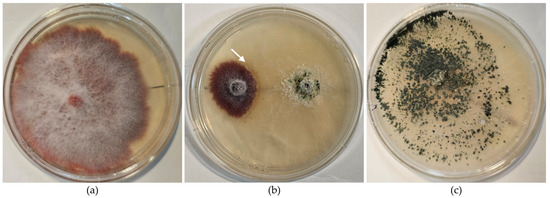
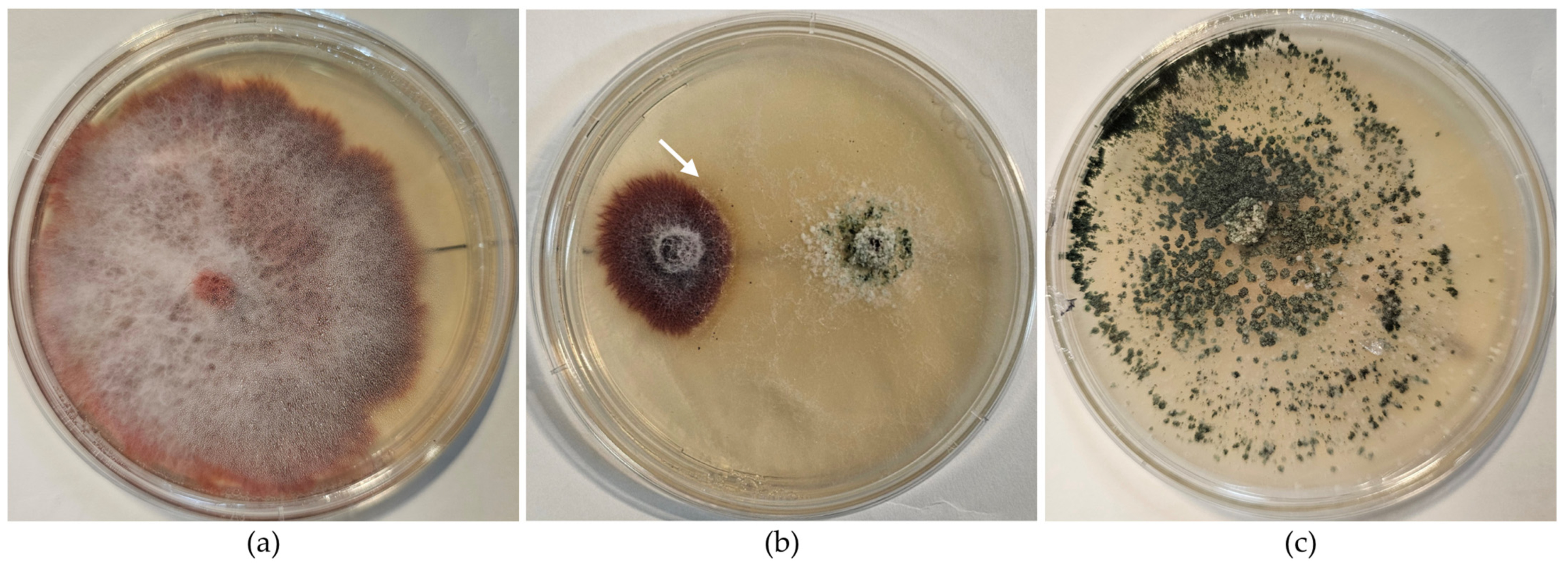
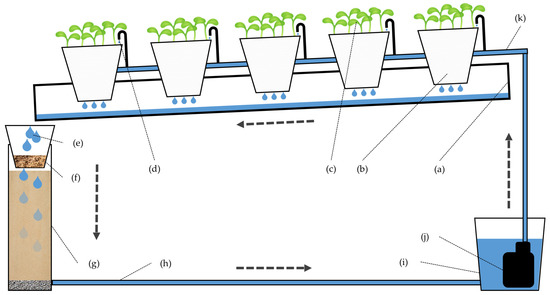
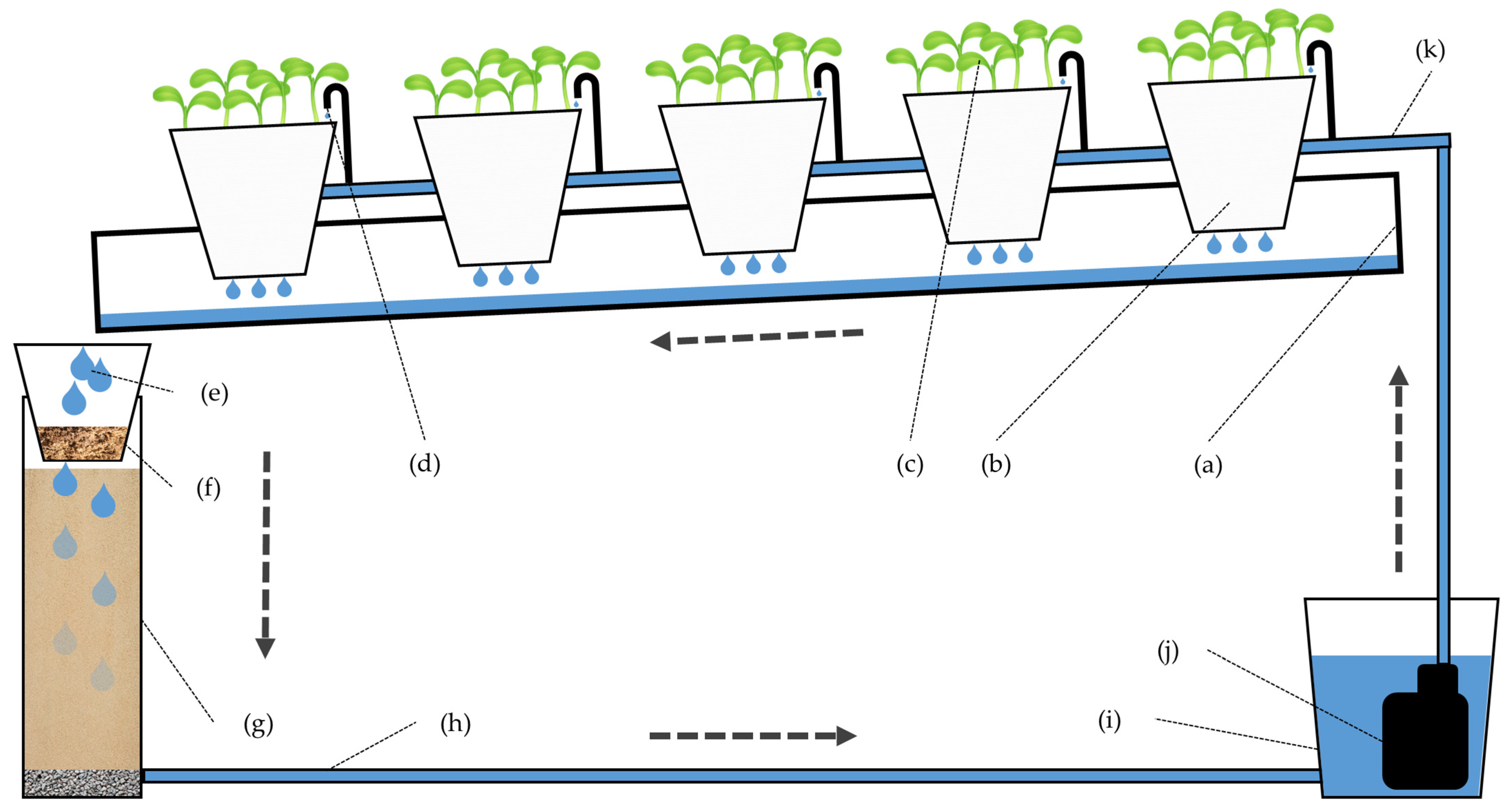
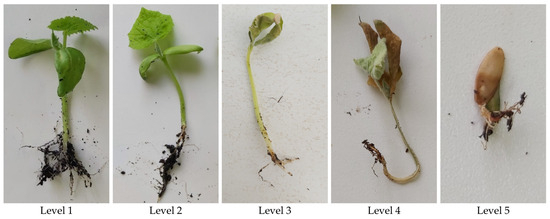
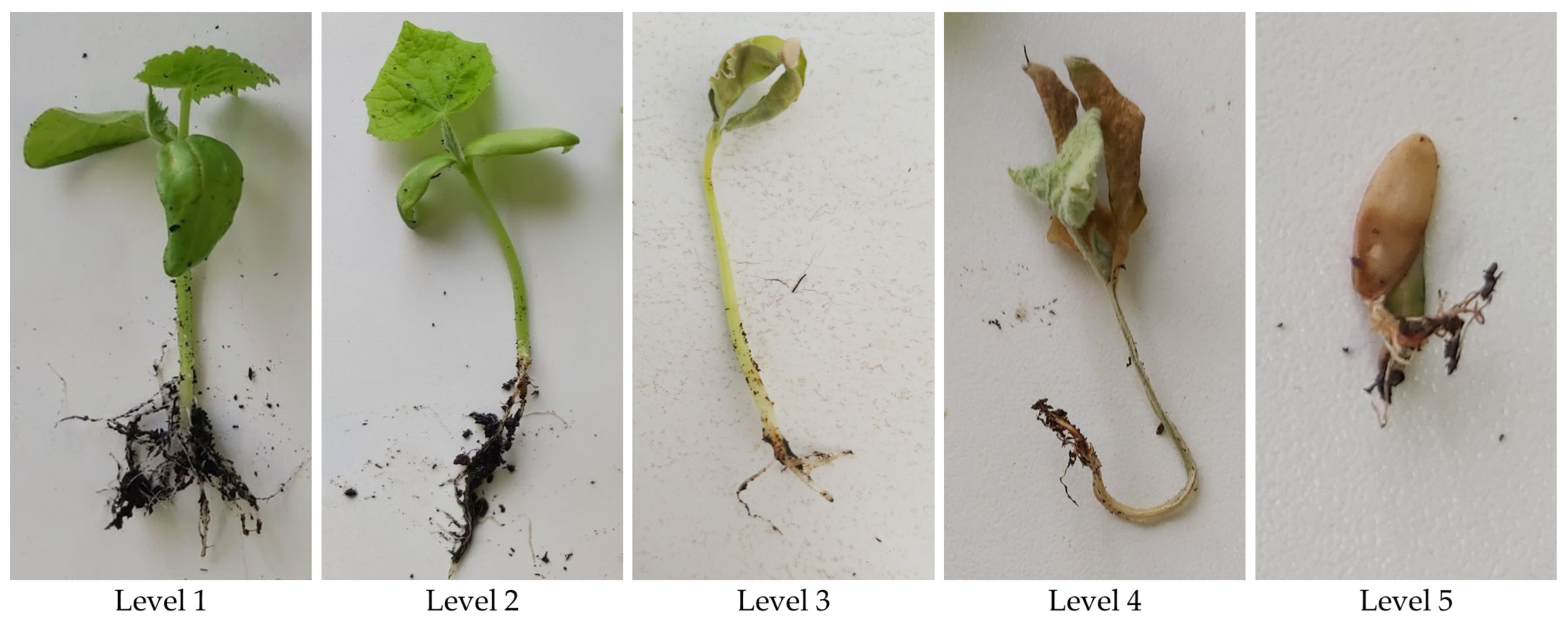
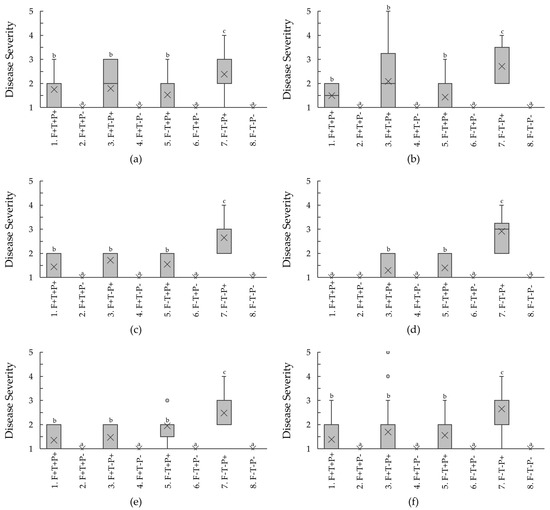
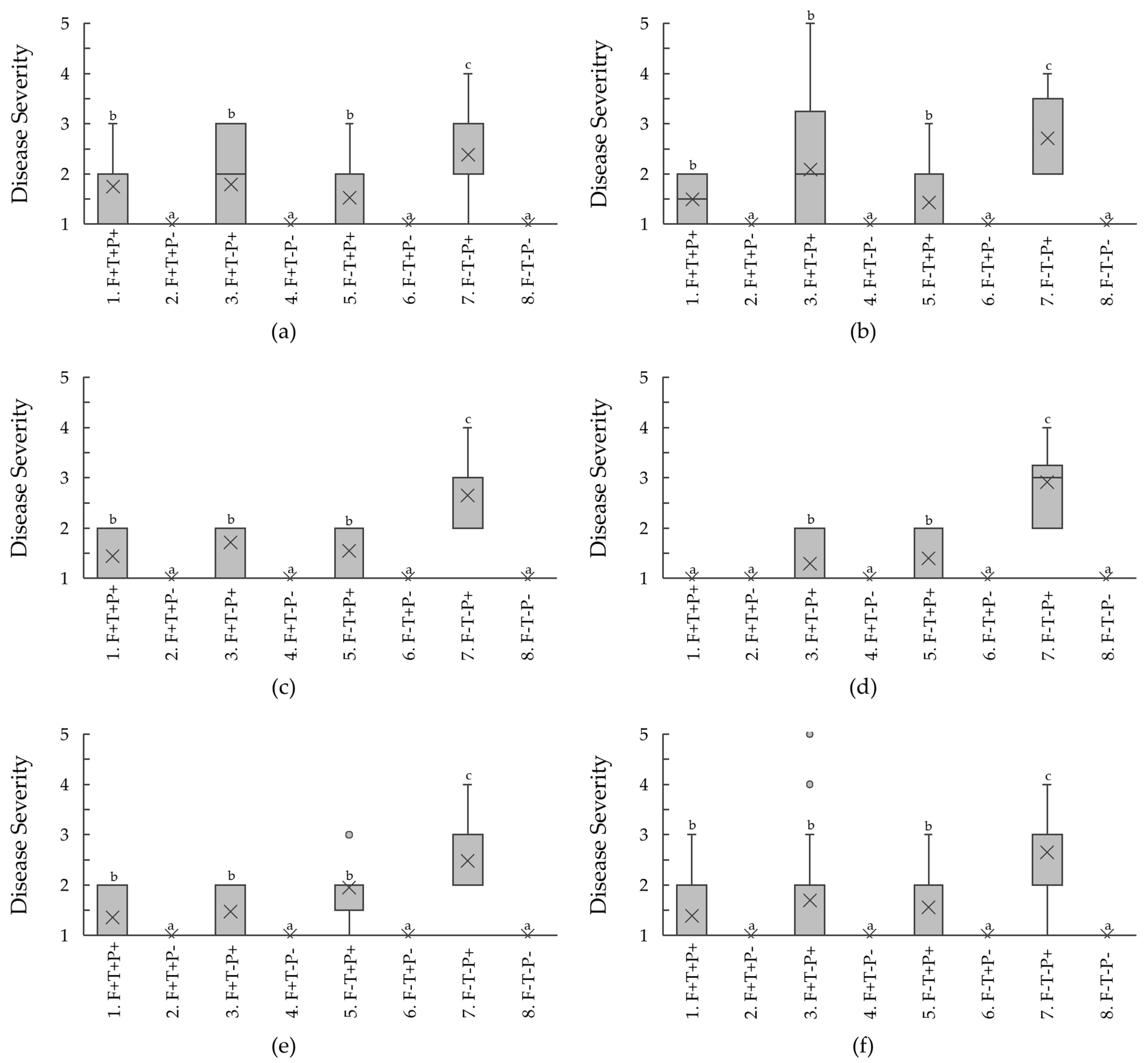
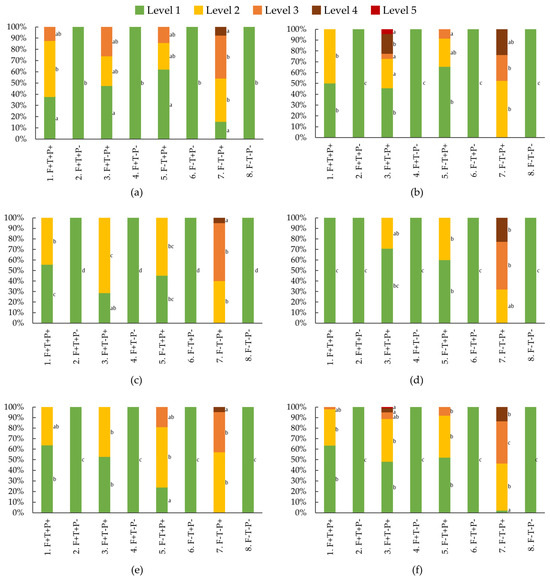
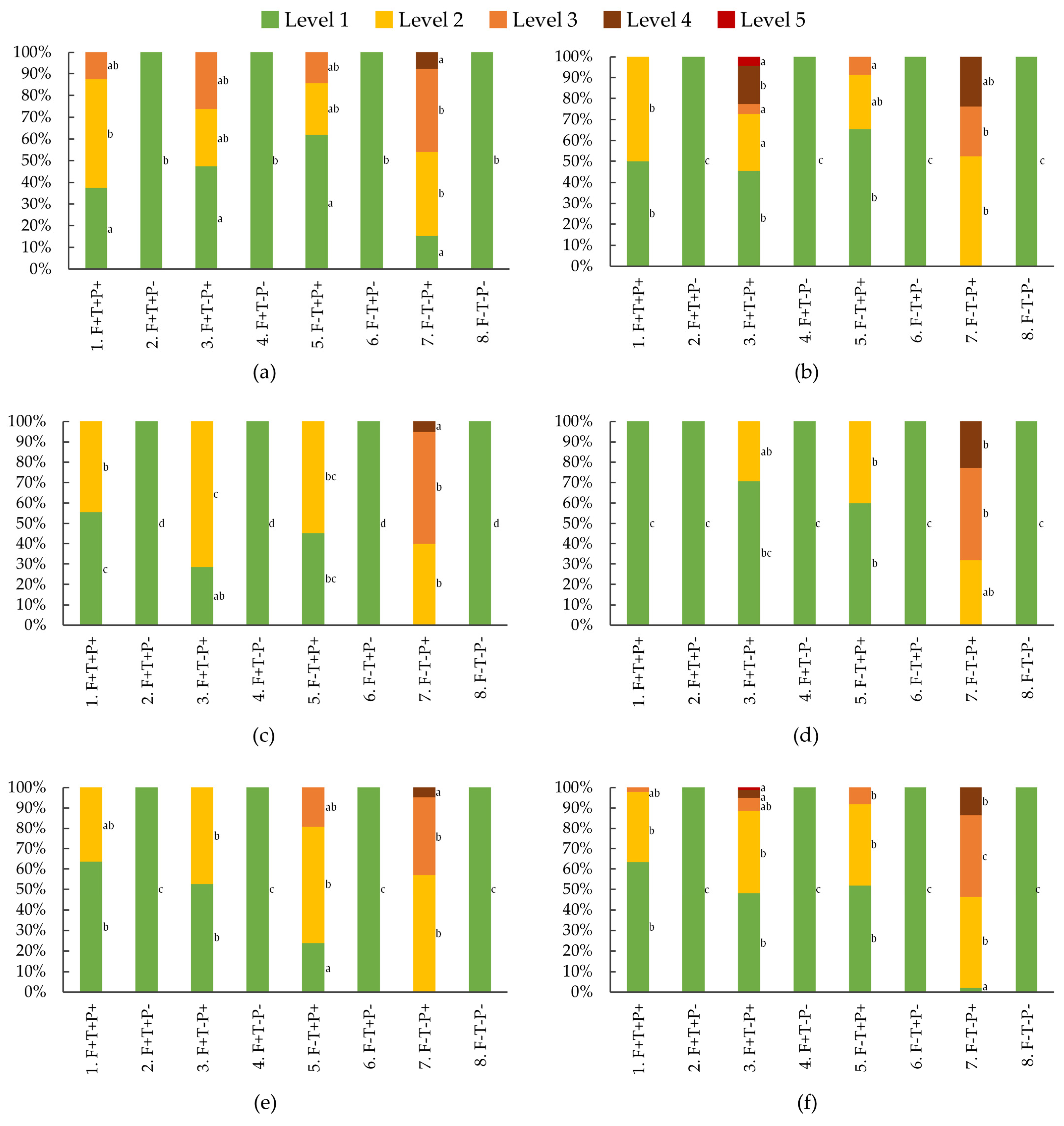

Disclaimer/Publisher’s Note: The statements, opinions and data contained in all publications are solely those of the individual author(s) and contributor(s) and not of MDPI and/or the editor(s). MDPI and/or the editor(s) disclaim responsibility for any injury to people or property resulting from any ideas, methods, instructions or products referred to in the content. |
© 2026 by the authors. Licensee MDPI, Basel, Switzerland. This article is an open access article distributed under the terms and conditions of the Creative Commons Attribution (CC BY) license.