


Abstract
The current study fills several research gaps by conducting a meta-analysis to evaluate (1) how overall influencer source credibility and its dimensions (expertise, trustworthiness, and attractiveness) impact purchase intention and (2) the moderating role of influencer type (virtual vs. human) and cultural orientation (individualistic vs. collectivistic) between influencer credibility and purchase intention. Web of Science, Scopus, ProQuest, Google Scholar, and other academic sources were searched, most recently in July 2026. Eligible studies were English-language, peer-reviewed quantitative investigations published between January 2018 and July 2026 that reported sufficient statistics for effect-size estimation. Random-effects meta-analysis and mixed-effects meta-regression were conducted on 50 studies with 17,642 participants, contributing a total of 117 effect sizes. Positive pooled associations were found for overall credibility (r = 0.38, 95% CI [0.30, 0.47]), expertise (r = 0.38, 95% CI [0.28, 0.47]), trustworthiness (r = 0.30, 95% CI [0.23, 0.37]), and attractiveness (r = 0.26, 95% CI [0.19, 0.32]). Moderator analysis revealed that influencers’ overall-credibility association was stronger for virtual (r = 0.52) than human influencers (r = 0.32), whereas the trustworthiness association was stronger in individualistic (r = 0.42) than collectivistic cultures (r = 0.25). Substantial between-study heterogeneity and the absence of a formal study-level risk-of-bias assessment warrant caution. The findings support the relevance of Source Credibility Theory to influencer marketing while highlighting contextual differences in association with purchase intention. This study received no external funding and was not registered.
1. Introduction
Influencer marketing has become a dominant promotional strategy across social media platforms (Influencity 2025). However, the persuasive power of different influencers can vary widely. A single post from one influencer may encourage thousands of consumers to purchase a product within hours, whereas a similar post from another influencer with more followers may generate far less consumer response. This contrast raises one of the most fundamental questions in influencer marketing: Why are some influencers more effective at influencing consumer purchase decisions than others?
Although several narrative reviews have summarized the influencer marketing literature, quantitative evidence integrating these findings remains limited. Existing meta-analyses have primarily focused on broader influencer marketing mechanisms. For example, Ao et al. (2023) examined how influencer characteristics relate to customer engagement and purchase intention. Han and Balabanis (2024) reviewed the antecedents, outcomes, and moderators of influencer marketing. More recently, Barari et al. (2026) compared social media influencers with celebrities, virtual influencers, and brand-generated content. Nguyen and Wu (2026) focused on virtual influencers and summarized the effects of human-likeness, credibility, and engagement on consumer responses. Chu et al. (2026) compared the effectiveness of human and virtual influencers across multiple consumer outcomes.
Despite these initial empirical efforts to ascertain the multidimensional effects of human and virtual influencers, meta-analysis has yet to examine the effects of influencer source credibility and its three dimensions on purchase intention while simultaneously considering both influencer type (human vs. virtual) and cultural orientation (individualistic vs. collectivistic) as moderators. To address these gaps, the present study conducts a comprehensive meta-analysis examining the relationship between influencer credibility and consumer purchase intention.
Specifically, this study investigates the effects of overall source credibility and its three sub-dimensions on purchase intention. In addition, this study also explores whether influencer type (human versus virtual) and cultural orientation (individualistic versus collectivistic cultures) of the target country moderate these relationships. By synthesizing the evidence across published empirical studies, this research provides a more comprehensive understanding of how different dimensions of influencer credibility influence consumer purchase intention across diverse marketing contexts.
2. Literature Review
2.1. Conceptual Framework
Among the many factors that determine influencer effectiveness, source credibility has consistently been identified as one of the most important predictors of consumer response factors. According to Source Credibility Theory, persuasive messages are more likely to be accepted when they are delivered by sources perceived as credible (Hovland and Weiss 1951). Ohanian (1990) further conceptualized source credibility as a multidimensional construct consisting of expertise, trustworthiness, and attractiveness, and this framework has been widely adopted in influencer marketing research. Previous studies have shown that consumers are more willing to trust influencer recommendations and purchase endorsed products when influencers are perceived as knowledgeable, honest, and attractive (Garg and Bakshi 2024; Lou and Yuan 2019).
Recent developments in artificial intelligence have introduced a new wrinkle to influencer marketing. Virtual influencers, defined as computer-generated or AI-created agents, are managed by creative teams or brands to create and post content, interact with followers, and endorse products (Sorosrungruang et al. 2024). Alongside traditional human influencers, brands are increasingly utilizing virtual influencers, digitally created characters that interact with consumers through social media (Hwang et al. 2024). Although virtual influencers have attracted considerable academic attention, findings regarding their effectiveness remain mixed.
Some studies suggest that human influencers generate stronger perceptions of authenticity, emotional connection, and parasocial relationships (Kim and Wang 2024), whereas others report that virtual influencers can achieve comparable levels of credibility and purchase intention when they provide high-quality content and communicate consistently (Dhiman and Bhati 2025; Jayasingh et al. 2025). These conflicting findings raise an important question regarding whether influencer type changes the relationship between credibility and purchase intention.
At the same time, influencer marketing has become increasingly global, making cultural context another important consideration. Previous studies have suggested that cultural values influence how consumers engage with influencer content, develop identification with influencers, and respond to marketing messages (Yang 2022; Silva et al. 2023). For instance, consumers from individualistic and collectivistic cultures may evaluate influencer characteristics differently because of how they interpret interpersonal relationships in their decision-making processes (Hofstede 2001, 2011). However, existing evidence remains fragmented, and it is unclear whether cultural orientation will systematically change the relationship between influencer credibility and purchase intention.
2.2. Influencer Credibility
Influencer credibility has long been recognized as a key determinant of persuasion effectiveness in marketing communication. Drawing on source credibility theory (Ohanian 1990; Hovland and Weiss 1951), an influencer’s credibility is commonly conceptualized through dimensions such as expertise, trustworthiness, and attractiveness, all of which have been shown to positively influence consumers’ attitudes and behavioral intentions (e.g., Lin et al. 2021). Prior empirical studies consistently suggested that influencers perceived as more credible were more likely to generate favorable consumer responses and stronger purchase intention (Janssen et al. 2022; Lou and Yuan 2019) across diverse product categories and social media platforms (Sokolova and Kefi 2020).
For example, Sesar et al. (2022) found that influencer credibility significantly increased consumers’ purchase intention after advertising disclosure, while Shaheen et al. (2025) reported that influencer credibility remained one of the strongest predictors of purchase intention after controlling for content value. Similar findings have been reported in tourism marketing (Najar et al. 2024), destination branding (Najar et al. 2024), beauty products (Khuong An et al. 2024), and social media retail contexts (Saad et al. 2025).
Recent virtual influencer studies further indicate that credibility remains an important antecedent of purchase intention even when influencers are AI-generated, although the underlying mechanisms may differ (Agnihotri et al. 2025; Luo and Hussain 2026; van Heerden and Verbeek 2026). Collectively, these findings suggest that higher perceived influencer credibility consistently enhances consumers’ purchase intention. To validate the relationship between perceived influencer credibility and purchase intention, the following hypothesis is postulated.
H1.
Perceived overall influencer credibility will be positively associated with consumer purchase intention.
Perceived influencer expertise reflects consumers’ perceptions of an influencer’s knowledge, competence, and experience regarding endorsed products. According to the Source Credibility Model (Ohanian 1990), expert communicators are perceived as more persuasive because they reduce information uncertainty and increase message diagnosticity. In influencer marketing, consumers are more likely to rely on recommendations from influencers who demonstrate product knowledge and provide informative content (Liu and Zheng 2024).
Similar positive relationships have been observed in health influencer contexts, including the effects of influencer type and expertise on influencer credibility, trust, and behavioral intentions (Eng et al. 2026). These positive connections have also been validated in empirical research addressing beauty product marketing (Khuong An et al. 2024), Instagram influencers (Srinivas 2024), and retail settings (Mya et al. 2025). Recent virtual influencer studies, including Chaihanchanchai et al. (2026), Tseng and Ou (2025), and Angmo et al. (2026) further support the role of expertise in shaping consumers’ purchasing decisions. To further confirm this body of empirical evidence, a hypothesis is posited below.
H2.
Perceived influencer expertise will be positively associated with consumer purchase intention.
Spokesperson trustworthiness refers to consumers’ perceptions that a product endorser is honest, reliable, and sincere when recommending products or services (Ohanian 1990). Among the three credibility dimensions, trustworthiness has received the greatest attention in influencer marketing research because influencer recommendations are largely based on perceived interpersonal trust and parasocial relationships. Existing studies consistently report that trustworthy influencers enhance consumers’ confidence in product recommendations and subsequently increase purchase intention (Saima and Khan 2021; Weismueller et al. 2020).
For instance, positive effects have been observed across multiple product-influencer contexts, including food marketing, beauty products (Garg and Bakshi 2024), dietary supplements (Wang 2025), and destination marketing (Najar et al. 2024), as well as endorsements on the Instagram platform (Kumar et al. 2023). Additional findings have also been reported for virtual influencers, where transparency, authenticity, and trustworthy communication strengthen consumers’ willingness to purchase the endorsed products (Agnihotri et al. 2025; Luo and Hussain 2026; van Heerden and Verbeek 2026).
Although the magnitude of the relationship varies across studies and product categories, the existing evidence consistently supports a positive association between perceived trustworthiness and purchase intention. To ascertain the validity of this literature, a hypothesis is proposed below.
H3.
Perceived influencer trustworthiness will be positively associated with consumer purchase intention.
Influencer attractiveness represents the extent to which consumers perceive an influencer as physically appealing, charismatic, and socially desirable. The Match-Up Hypothesis (Kamins 1990; Till and Busler 2000) and Source Credibility Theory (Ohanian 1990) both suggest that attractive endorsers are more effective because they generate favorable affective responses and facilitate consumer–endorser identification. In particular, the match-up hypothesis refers to the perceived congruence between an influencer’s image, characteristics, and expertise and the endorsed product, suggesting that endorsements are more effective when consumers perceive a good fit between the influencer and the product (Till and Busler 2000).
Consistent with this perspective, prior research has demonstrated that influencer attractiveness positively influences purchase intention, particularly for hedonic and appearance-related products (Duffett and Mxunyelwa 2025). Significant positive relationships have been reported in fashion, cosmetics, and lifestyle marketing (Kumar et al. 2023; Mya et al. 2025). Chiu and Ho (2023) also maintained that attractiveness significantly influenced purchase intention across celebrity, micro-celebrity, and virtual influencer contexts, suggesting that attractiveness remains an important persuasion cue regardless of influencer type. Recent studies have also demonstrated that attractive virtual influencers can enhance purchase intention when consumers perceive them as authentic and credible (Chaihanchanchai et al. 2026; Kim and Park 2023; Rehman et al. 2026).
To verify the conceptual connection between influencer attractiveness and purchase intention, the following hypothesis will be examined.
H4.
Perceived influencer attractiveness will be positively associated with consumer purchase intention.
2.3. Human vs. Virtual Influencers
Extant research has identified a series of moderators on influencer credibility such as follower size (Janssen et al. 2022), influencer-brand fit (Janssen et al. 2022), audience comments/attitudes (Reinikainen et al. 2020), and gender (Chetioui et al. 2022). No meta-analysis studies have yet to examine the effect of human vs. virtual influencers on the relationship between influencer credibility and consumer behavior. Hence, it remains unclear whether influencer type (human vs. virtual) is a potential moderator between perceived influencer credibility and purchase intention remains unknown.
When comparing a human influencer to a virtual influencer, some studies have found that human influencers were often perceived as more authentic, emotionally expressive, and capable of forming stronger parasocial relationships than virtual influencers, which may enhance the persuasive impact of their credibility (Chu et al. 2026; Kim and Wang 2024). In contrast, virtual influencers, despite offering higher levels of visual consistency and brand control over appearance, messaging, and behavior compared to human influencers, may suffer from lower perceived agency and authenticity, potentially weakening the influence of credibility on purchase intention (Chen et al. 2025; Moustakas et al. 2020).
Still, Stein et al. (2024) revealed that parasocial interaction with a human or a virtual influencer did not differ significantly, while virtual influencers were perceived as slightly more trusted for their expertise than human influencers (Kästner and Baczynski 2025). Other studies have suggested that virtual influencers can generate branding effects similar to human influencers when they are highly humanlike (Ma and Li 2024), with comparable effects also observed across different product types and influencer genders (Zeng and Lin 2025). Based on the current literature which suggests that human influencers are deemed more credible than virtual influencers, a hypothesis is proposed below to examine the potential moderation effect of influencer type on the relationship between perceived influencer credibility and purchase intention.
H5.
The effect of perceived influencer credibility on purchase intention will be stronger for human influencers than for virtual influencers.
2.4. Cultural Factors and Influencer Credibility
According to Hofstede’s cultural framework, consumers in individualistic cultures tend to emphasize personal judgment and independent decision-making, whereas those in collectivistic cultures place greater importance on making decisions based on social relationships, group harmony, and shared norms (Hofstede 2001, 2011). Research has shown that influencer content in individualistic cultures often emphasizes information, self-promotion, and personal achievement, while influencer content in collectivistic cultures more frequently highlights interaction, emotional connection, and group-related meaning (Silva et al. 2023).
Cross-cultural studies also indicate that consumers do not always respond to influencer characteristics in the same way across countries. For example, cultural values can affect how users engage with influencer content, evaluate follower numbers, and translate identification with an influencer into behavioral responses (Kikumori et al. 2025; Yang 2022). Alternatively, other studies have found that the effects of influencer authenticity, value, and credibility are relatively similar across individualistic and collectivistic cultural settings, suggesting that some credibility mechanisms may be broadly stable across cultures (Gadekar et al. 2025).
Based on these mixed findings, cultural orientation is expected to influence the strength of the relationship between influencer credibility and purchase intention. To explore the potential role of country-level cultural orientation as a moderator in this relationship, the following research question is proposed.
- RQ1: Will cultural orientation, classified as individualistic versus collectivistic, moderate the relationship between influencer credibility and consumer purchase intention?
3. Materials and Methods
The literature search was conducted using multiple electronic databases, including Web of Science, Scopus, ProQuest, ScienceDirect, Emerald Insight, Wiley Online Library, SpringerLink, Taylor & Francis Online, and Google Scholar. A combination of keywords related to influencer marketing and source credibility was used, including “influencer,” “social media influencer,” “virtual influencer,” “AI influencer,” “source credibility,” “credibility,” “expertise,” “trustworthiness,” “attractiveness,” and “purchase intention.” Search terms were applied primarily to titles, abstracts, and keywords where database functions allowed.
To ensure comprehensive coverage, the reference lists of relevant review articles and eligible studies were also manually searched to identify additional publications. The literature search included studies published between January 2018 and July 2026 to ensure that the meta-analysis reflected the most recent developments in influencer marketing research. Studies published prior to 2018 were excluded because the rapid evolution of social media platforms and the emergence of virtual influencers have substantially changed the influencer marketing landscape in recent years. The study selection process followed the Preferred Reporting Items for Systematic Reviews and Meta-Analyses (PRISMA) guidelines (Page et al. 2021).
3.1. Inclusion and Exclusion Criteria
To be included in the current analysis, existing studies must meet the following inclusion criteria: (1) they examined either human influencers or virtual influencers, or both in a social media or digital marketing context; (2) they reported the relationship between source credibility as a single construct or at least one source credibility dimension (i.e., expertise, trustworthiness, or attractiveness) and consumer purchase intention; (3) they were empirical studies using quantitative methods; (4) they provided sufficient statistical information to calculate an effect size (e.g., Pearson’s r, standardized regression coefficient (β), standardized path coefficient, or other convertible statistics); and (5) they were published in English in peer-reviewed journals or conference proceedings. Studies were excluded if they were qualitative studies, conceptual papers, literature reviews, dissertations, book chapters, duplicate publications, or did not report sufficient statistical information for effect-size estimation.
In screening, articles were included which contained an endorser who was either a real person or a digitally created persona, and this criterion was used to code influencer type (human vs. virtual) later on. Drawing on Gräve (2017) and Ouvrein (2025), human influencers were defined as real individuals who use social media to communicate with audiences and influence their attitudes or behaviors. This category included social media influencers, micro- and macro-influencers, micro-celebrities, and celebrities when they appeared as endorsers in a social media context. Virtual influencers were defined as computer-generated, AI-powered, or digitally created personas that perform similar influencer functions (e.g., Lil Miquela, Noonoouri), such as creating social media content, interacting with audiences, and endorsing products or brands (Sorosrungruang et al. 2024).
After screening titles, abstracts, and full-text articles, 50 independent studies met the inclusion criteria. A total of 117 usable effect sizes were extracted after excluding effect sizes that could not be converted into Pearson’s r due to not reporting sufficient information, which constituted the final dataset for the meta-analysis. The 14 records classified as being removed for “other reasons” in Figure 1 included full texts unavailable, records with conference abstracts only or insufficient full reports. Figure 1 below provides a description of the step-by-step procedure adopted for identifying, screening, and selecting the studies for inclusion.
Figure 1.
Study Selection and Inclusion Procedure.
3.2. Study Screening and Coding Procedure
The title and abstract screening and full-text eligibility assessment were conducted by one researcher using the predefined inclusion and exclusion criteria. To avoid potential coding errors, all included studies were reviewed again by the primary coder after the initial coding was completed, and the extracted information was cross-checked against the original articles. In terms of data coding, a primary coder and a secondary coder (one of the co-authors) coded different parts of the entire data set. To ensure coding validity, all authors contributed to verifying coding results to help identify inconsistencies, which were resolved through discussion and recoding. Specifically, the primary coder checked the coding for the moderator cultural orientation; the secondary coder checked all eligibility decisions and extracted fields except the ones regarding the moderator cultural orientation; the third co-author checked all eligibility decisions and extracted fields by comparing extracted statistics with original statistics provided in the sampled articles. In terms of coding criteria, a standard coding sheet was used to maintain consistency across studies throughout the coding process. Particular attention was given to sample size, effect-size statistics, influencer type, cultural orientation, and the different credibility dimensions examined in each study. Any inconsistencies identified during this verification process were resolved by returning to the original article and correcting the coding accordingly.
A formal study-level risk-of-bias assessment was not conducted in this meta-analysis. Although the included studies were screened using predefined eligibility criteria and the extracted data were verified against the original publications, these procedures were intended to ensure the accuracy and consistency of study selection and coding rather than to evaluate methodological bias. Consequently, potential biases related to sampling, construct measurement, confounds, and statistical reporting were not systematically assessed.
3.3. Effect Size Calculation and Statistical Analysis
The extracted effect sizes included the relationships between purchase intention and one of the following: (1) expertise; (2) trustworthiness; (3) attractiveness; and (4) overall source credibility. The final dataset for the main-effect meta-analyses consisted of 117 effect sizes, including 17 for overall source credibility, 32 for expertise, 35 for trustworthiness, and 33 for attractiveness. The target estimand was the association between source credibility and purchase intention, with zero-order Pearson’s r treated as the preferred effect-size metric. Because studies reported different effect-size metrics (e.g., Pearson’s r, standardized regression coefficients (β), and standardized path coefficients from SEM/PLS-SEM), all coefficients were first harmonized into a common metric before synthesis. Pearson’s r values were retained as reported, whereas standardized β coefficients were converted to approximate correlation coefficients following the procedure recommended by Peterson and Brown (2005). This conversion was treated as an approximation rather than as evidence that regression coefficients are equivalent to zero-order correlations. All correlation coefficients were subsequently transformed to Fisher’s z values to stabilize sampling variance prior to the meta-analysis. Sampling variances were calculated as 1/(n − 3), and pooled estimates were back-transformed to Pearson’s r for interpretation.
Random-effects meta-analysis was conducted because substantial methodological and contextual heterogeneity was expected across studies, including differences in influencer type (human vs. virtual), countries, social media platforms, product categories, and research designs. Between-study variance (τ2) was estimated using a random-effects model in R (version 4.5.3, R Foundation for Statistical Computing, Vienna, Austria) with the metafor package (version 5.0). Multilevel random-effects models were estimated using REML, with effect sizes nested within studies and study ID used as the clustering variable. Robust cluster-adjusted standard errors were applied to account for statistical dependence among multiple effect sizes extracted from the same study, using multilevel modeling. Separate meta-analyses were performed for the three source credibility dimensions (expertise, trustworthiness, attractiveness) and overall source credibility, respectively.
In addition, moderator analyses were conducted to examine whether the relationships between source credibility and purchase intention differed (1) between human influencers and virtual influencers; and (2) between individualistic and collectivistic cultures, using subgroup analyses and mixed-effects meta-regression. Moderator analyses were conducted on Fisher’s z scale, while subgroup estimates were back-transformed to Pearson’s r for presentation. Heterogeneity was evaluated using Cochran’s Q statistic and the I2 index, and sensitivity analyses were performed to examine the robustness of the findings under alternative effect-size harmonization approaches, including analyses restricted to directly reported zero-order correlations.
A formal certainty-of-evidence assessment was not conducted in this meta-analysis. Therefore, no structured certainty ratings were assigned to the synthesized associations, and the findings should be interpreted in light of the substantial between-study heterogeneity and the absence of a formal study-level risk-of-bias assessment.
3.4. Moderator Coding Process
Influencer type was coded as a dichotomous moderator based on the primary information source featured in each study. Studies examining endorsements delivered by human influencers, including celebrities, macro-influencers, micro-influencers, and other real individuals, were coded as human influencers (0). Studies investigating computer-generated or AI-powered virtual influencers (e.g., Lil Miquela, Noonoouri, or other digital avatars) were coded as virtual influencers (1). When a study included both human and virtual influencers but did not report separate effect sizes for each condition, it was excluded from the moderator analysis to avoid ambiguous classification.
This coding procedure enabled a direct comparison of the credibility–purchase intention relationship across human and virtual influencer contexts. Altogether, 111 effect sizes were included in the influencer-type moderator analysis. Six effect sizes from the main meta-analysis were excluded because they could not be reliably classified into the human or virtual influencer categories. Three studies containing both human and virtual influencer conditions were excluded from direct subgroup comparisons when separate effect sizes could not be identified.
Cultural orientation was coded based on Hofstede’s cultural dimensions theory (Hofstede 2001) and the website for country index scores (Hofstede Insights 2024). Each study was classified according to the country in which the sample was collected. Countries with an Individualism Index (IDV) score of 50 or above on the website were coded as individualistic cultures, whereas countries with an IDV score below 50 were coded as collectivistic cultures, according to the website instructions and previous cross-cultural empirical studies (e.g., Pergelova and Angulo-Ruiz 2017). This coding procedure resulted in two cultural groups (individualism and collectivism) that were subsequently used in the moderator analysis to examine whether the relationship between influencer credibility and purchase intention differed across cultural contexts.
4. Results
The meta-analysis included 50 studies consisting of 117 effect sizes. The characteristics of the included studies, including publication year, country, sample size, research design, influencer type, and credibility dimensions, are summarized in Supplementary Table S1.
4.1. Perceived Influencer Credibility and Purchase Intention
Hypotheses 1 through 4 tested the relationship between the overall perceived influencer source credibility, influencer expertise, influencer trustworthiness, and influencer attractiveness factors and purchase intention. Table 1 below summarizes the testing results of all four hypotheses.
Table 1.
Main Meta-analysis Results for Testing H1 through H4.
Detailed information on the individual effect sizes, including sample sizes, original statistical coefficients, coefficient types, and moderator classifications, is provided in Supplementary Table S2. This supplementary dataset allows the individual effect sizes to be traced to their original studies and corresponding meta-analytic comparisons.
H1 predicted that overall influencer credibility would be positively associated with consumers’ purchase intention. A random-effects meta-analysis was conducted based on 17 independent effect sizes. The results revealed a significant positive relationship between overall influencer credibility and purchase intention, with a pooled effect size of r = 0.38 (95% CI [0.30, 0.47], p < 0.001). This indicates that consumers are more likely to purchase products recommended by influencers perceived as more credible. However, substantial between-study heterogeneity was observed (I2 = 92.0%), suggesting that the strength of this relationship varies across studies and that moderator analyses are warranted. Therefore, H1 was supported.
H2 proposed that influencer expertise would be positively associated with purchase intention. A random-effects meta-analysis including 32 independent effect sizes demonstrated a significant positive association between perceived expertise and purchase intention (r = 0.38, 95% CI [0.28, 0.47], p < 0.001). The findings suggest that consumers are more likely to purchase products endorsed by influencers whom they perceive as knowledgeable and competent. The analysis also indicated considerable heterogeneity across studies (I2 = 96.8%), implying that additional study characteristics may influence the magnitude of this relationship. Thus, H2 was supported.
H3 predicted that influencer trustworthiness would positively influence consumers’ purchase intention. Based on 35 independent effect sizes, the random-effects meta-analysis revealed a significant positive relationship between trustworthiness and purchase intention (r = 0.30, 95% CI [0.23, 0.37], p < 0.001). The findings indicate that trustworthy influencers are more effective in encouraging consumers’ purchase intentions. Significant heterogeneity was again detected across studies (I2 = 94.7%), indicating that the effect of trustworthiness differs across research contexts. Accordingly, H3 was supported.
H4 proposed that influencer attractiveness would be positively associated with consumers’ purchase intention. The random-effects meta-analysis based on 33 independent effect sizes found a significant positive relationship between attractiveness and purchase intention (r = 0.26, 95% CI [0.19, 0.32], p < 0.001). Despite a weak correlation, the results indicate that physically attractive influencers are still more likely to increase consumers’ purchase intentions than less attractive influencers. The analysis also revealed substantial heterogeneity (I2 = 93.1%), suggesting that the effect of attractiveness may vary depending on study characteristics. Therefore, H4 was supported. Given that multiple moderator comparisons were conducted across the four credibility constructs, the statistically significant moderator findings should be interpreted cautiously and require replication.
4.2. Moderator Analysis: Influencer Type
H5 proposed that influencer type (human vs. virtual influencer) would moderate the relationship between influencer credibility and purchase intention. A mixed-effects meta-regression was conducted to examine the moderating effect of influencer type. Studies that included both human and virtual influencers without reporting separate effect sizes were excluded from this analysis. As shown in Table 2 below, a significant moderating effect was found only for overall source credibility, with virtual influencers (r = 0.52) exhibiting a significantly stronger relationship with purchase intention than human influencers (r = 0.32, p = 0.02). The differences between human and virtual influencers were not found to be significant for expertise (Human: r = 0.39; Virtual: r = 0.33, p = 0.67), trustworthiness (Human: r = 0.30; Virtual: r = 0.31, p = 0.93), or attractiveness (Human: r = 0.24; Virtual: r = 0.31, p = 0.34). H5 was not supported. For overall credibility, although statistically significant, the reported association with purchase intention was stronger for virtual than for human influencers, contrary to the hypothesized direction; no statistically significant differences were detected for the three individual credibility dimensions.
Table 2.
Moderator Analysis: Human vs. Virtual Influencers.
4.3. Moderator Analysis: Cultural Orientation
RQ1 asked whether cultural orientation (individualistic vs. collectivistic cultures) would moderate the relationship between influencer credibility and purchase intention. A mixed-effects meta-regression was conducted using Hofstede’s cultural classification. The results (see Table 3 below) showed that cultural orientation significantly moderated the relationship between trustworthiness and purchase intention (β = 0.19, p = 0.03). Specifically, the effect of trustworthiness was stronger in individualistic cultures (r = 0.42) than in collectivistic cultures (r = 0.25). However, cultural orientation did not significantly moderate the relationships between overall source credibility (β = −0.11, p = 0.35), expertise (β = −0.03, p = 0.80), or attractiveness (β = 0.06, p = 0.44) and purchase intention. These findings suggest that cultural orientation only influences the effect of perceived trustworthiness on purchase intention.
Table 3.
Moderator Analysis: Collectivistic vs. Individualistic.
4.4. Sensitivity Analysis
Leave-one-study-out sensitivity analyses were conducted to examine the influence of individual studies on the pooled associations. For each analysis, all effect sizes contributed by one study were removed, and the random-effects model was re-estimated. The pooled correlations ranged from 0.36 to 0.40 for overall source credibility, 0.36 to 0.39 for expertise, 0.29 to 0.32 for trustworthiness, and 0.24 to 0.26 for attractiveness. These findings indicate that the overall positive associations were relatively insensitive to the removal of individual studies, although substantial between-study heterogeneity remained.
Additional leave-one-study-out analyses were conducted for the two statistically significant moderator findings. For influencer type, the overall credibility moderator effect remained statistically significant in 15 of the 16 iterations, with p-values ranging from 0.01 to 0.11. For cultural orientation, the trustworthiness moderator effect remained statistically significant in 32 of the 34 iterations, with p-values ranging from 0.01 to 0.07. These findings suggest that both moderator effects were generally maintained across study exclusions but were sensitive to the removal of particular studies. Accordingly, the moderator findings should be interpreted cautiously.
A supplementary sensitivity analysis was also conducted using only effect sizes identified in the extraction sheet as directly reported correlations. The restricted pooled associations were positive for expertise (r = 0.25, 95% CI [0.04, 0.44], k = 7), trustworthiness (r = 0.33, 95% CI [0.16, 0.48], k = 8), and attractiveness (r = 0.32, 95% CI [0.18, 0.44], k = 8). Compared to the full analyses, the expertise association was weaker, indicating potential sensitivity to effect-size harmonization. The restricted analysis could not be reliably estimated for overall credibility because only one effect size was identified as correlation-based.
These findings provide preliminary evidence regarding the sensitivity of the pooled estimates to study inclusion and coefficient type. However, the results remain conditional on verification of the extracted coefficient types and the final dependence-adjusted statistical models.
4.5. Publication Bias Assessment
Publication bias was examined across the four primary relationships. Egger’s regression tests showed no significant evidence of funnel-plot asymmetry for expertise (p = 0.94), trustworthiness (p = 0.70), attractiveness (p = 0.42), or overall source credibility (p = 0.76). Overall, these results did not indicate statistically significant small-study effects across the four relationships. However, given the substantial heterogeneity among the studies included for analysis, these findings should be interpreted with caution. Nonsignificant Egger tests were interpreted as indicating that funnel-plot asymmetry was not detected, rather than as evidence for the absence of publication bias.
No formal certainty-of-evidence assessment was conducted for the four synthesized credibility–purchase intention associations. Accordingly, no certainty ratings were assigned, and the pooled findings should be interpreted cautiously, particularly given the substantial between-study heterogeneity and the absence of a formal study-level risk-of-bias assessment.
5. Discussion
The present meta-analysis synthesized evidence from 50 articles comprising 117 effect sizes to examine the relationship between influencer credibility and consumers’ purchase intention. Overall credibility and its three sub-dimensions—expertise, trustworthiness, and attractiveness—all produced significant positive effects, although their magnitudes differed. Expertise showed the strongest relationship with purchase intention, followed by trustworthiness and attractiveness. These findings support Source Credibility Theory by demonstrating that consumers are more willing to act on recommendations from influencers perceived as knowledgeable, dependable, and socially appealing (Garg and Bakshi 2024; Weismueller et al. 2020; Lou and Yuan 2019).
The results also extend recent meta-analytic research with an expanded landscape. For instance, Nguyen and Wu (2026) found that source credibility was strongly related to purchase intention in virtual-influencer marketing, but much of its influence operated indirectly through engagement and attitude alone. Chu et al. (2026) similarly showed that human and virtual influencers differed more in source evaluations rather than in behavioral intentions. Together, these studies suggest that credibility is a central persuasion mechanism across influencer formats, although it may influence purchase intention through both direct and indirect psychological pathways.
5.1. Overall Influencer Credibility
The positive relationship between overall source credibility and purchase intention (H1) suggests that consumers utilize perceived influencer credibility as a general judgment when deciding whether an influencer’s recommendation should be accepted. Specifically, promotional messages on social media are often mixed with personal stories, reviews, product demonstrations, or lifestyle content. Because of this, consumers need to decide whether the influencer is providing useful information or simply promoting a paid message. When an influencer is perceived as credible, consumers may feel less uncertain and more confident about the recommendation (Lou and Yuan 2019; Mammadli 2021; Shaheen et al. 2025). This result is also consistent with Nguyen and Wu’s (2026) meta-analysis, which found that source credibility significantly influenced purchase intention in virtual influencer marketing. Of note, although the credibility–purchase intention relationship is revealed with the meta-analytic finding, the noticeable heterogeneity suggests that the magnitude of such a relationship is context-dependent. Potential sources of heterogeneity may include differences in social media platforms, product categories, sample composition, measurement schemes, and study designs. Additional meta-analytical and empirical tests are needed to gain further understanding of the influence and interaction of these factors between studies.
5.2. Influencer Expertise
Perceived influencer expertise (H2) has a positive pooled effect on purchase intention (r = 0.38, p < 0.001). This means that consumers likely pay close attention to whether an influencer seems knowledgeable, experienced, and able to provide accurate product information. Influencers who could (1) explain product features clearly, (2) demonstrate how a product is used in a professional manner, or (3) provide category-related knowledge, could also make their content more useful for consumer decision-making (Hsiao and Lin 2025; Li and Peng 2021). Influencer expertise may be especially important to followers, if the endorsed products involve functional, financial, health, or performance risks.
Moreover, in cases where expertise matters in product endorsement, even though influencer attractiveness may help gain follower attention, expertise remains the key reason for consumers to accept the recommendation (Barari et al. 2026; Han and Balabanis 2024). Expertise is also important for virtual influencers when competence is communicated through high-quality information, specialization, and good fit between the influencer and the product (Dhiman and Bhati 2025; Jayasingh et al. 2025). These findings suggest that influencer effectiveness depends not only on individual popularity, but also on clear and relevant knowledge.
5.3. Influencer Trustworthiness
Perceived influencer trustworthiness (H3) again has a positive relationship with consumers’ purchase intention (r = 0.30, p < 0.001). Because influencers often have a monetized relationship with the brands they endorse, consumers may question whether the recommendation is honest or mainly motivated by the influencer’s financial motive. When an influencer is seen as sincere, reliable, and transparent, consumers are more likely to accept and utilize the influencer endorsement when engaging in purchase decision-making (Garg and Bakshi 2024; Kemeç and Yüksel 2021; Weismueller et al. 2020).
Studies addressing influencer effects on food, health, beauty, and other high-risk product categories show that trustworthy influencers can reduce uncertainty and improve consumers’ evaluations of the product or brand (Najar et al. 2024; Wang 2025). For virtual influencers, trust may come from the presentation of a defined and consistently presented persona, a transparent communication style, a consistent behavioral pattern, and understandable social cues, rather than from real human-like experience alone (Chaihanchanchai et al. 2026; Yoo et al. 2025).
5.4. Influencer Attractiveness
Finally, perceived influencer attractiveness (H4) also has a positive pooled effect on purchase intention (r = 0.26, p < 0.001), but the effect is still positive and significant. In influencer marketing, attractiveness does not only refer to physical beauty. It can also include likability, style, familiarity, similarity, and social appeal. These qualities can increase followers’ attention, positive feelings, and identification with the influencer (Bi and Zhang 2023; Duffett and Mxunyelwa 2025; Garg and Bakshi 2024).
However, the potential effect of influencer attractiveness is often weaker when expertise, trustworthiness, parasocial interaction, or influencer–product fit are included in the same model. This may explain why some studies found only limited direct effects of attractiveness, especially for AI or virtual influencers (Jayasingh et al. 2025; Kim and Park 2023; Rehman et al. 2026). Therefore, attractiveness as a peripheral cue may mainly help attract attention and create identification, but its persuasive value may become stronger when it is supported by credibility and product relevance.
5.5. Human vs. Virtual Influencer
Influencer type (H5), i.e., human vs. virtual influencer, was found to be a significant moderator for the relationship between overall source credibility and purchase intention. The same is not true for the three sub-dimensions of the credibility constructs including expertise, trustworthiness, and attractiveness. These results are not necessarily surprising, as previous research comparing human and virtual influencers has produced mixed findings (Kim and Wang 2024; Stein et al. 2024; Chu et al. 2026).
The nonsignificant differences for expertise, trustworthiness, and attractiveness indicate that the separate effects of these credibility dimensions on purchase intention are relatively similar for human and virtual influencers. On one hand, these findings are consistent with those reported by previous research (e.g., Zeng and Lin 2025), which suggest that consumers who perceive an influencer as knowledgeable, trustworthy, or attractive are more likely to report purchase intention regardless of whether the influencer is human or virtual. On the other hand, this may also suggest the limitation of applying traditional source credibility dimensions to virtual influencers, as virtual influencers lack human sensory capabilities and lived personal realities (Sorosrungruang et al. 2024).
Virtual influencers showed a stronger credibility–purchase intention relationship when credibility was evaluated as an overall construct, contrary to the proposed direction. One possible explanation is that the appearance, communication style, personality, and content for a virtual influencer can be deliberately designed and managed, allowing greater consistency in their online presentation (Conti et al. 2022; Sands et al. 2022). In particular, these digital humanoids are created based on computational advertising processes that utilize big data analytics, machine learning algorithms, and behavioral prediction to target, personalize, and optimize content success (Gao et al. 2023). Such a precision approach could mitigate negative perceptions of virtual influencers (Chen et al. 2025; Moustakas et al. 2020) and may generate content consistency, which is not as easily maintained for human influencers and may be particularly important for the formation of an overall credibility judgment.
Previous studies have often compared whether human or virtual influencers are generally more credible or effective (Kim and Wang 2024; Sands et al. 2022). Notably, our results showed that the number of virtual influencer effect sizes in the present meta-analysis was smaller than the number of human influencer effect sizes. The significant moderating finding should therefore be interpreted with caution and examined further as more empirical research on virtual influencers becomes available. Our finding contributes to the influencer marketing literature by demonstrating that the human–virtual distinction may operate differently across the overall level of source credibility.
5.6. Cultural Orientation
Contrary to expectations, except for perceived influencer trustworthiness, culture did not significantly moderate the effects of overall source credibility, expertise, and attractiveness on purchase intention. These findings suggest that regardless of cultural background, consumers appear to value influencers who are knowledgeable, reliable, and socially appealing when making purchase decisions.
Perceived influencer trustworthiness revealed a stronger effect on purchase intention in individualistic than collectivistic cultures. By implication, followers from a more individualistic culture may evaluate influencer trustworthiness more independently, compared to their counterparts from a more collectivistic culture who may also rely on social and community cues. This finding thus both disconfirms past work (Gadekar et al. 2025) and confirms previous research (Kikumori et al. 2025; Yang 2022) as well.
As influencer marketing becomes increasingly global, users across different countries are exposed to similar platform features, content formats, and recommendation algorithms, which may reduce some of the traditional cultural differences in information processing. Previous research has similarly suggested that expertise and credibility remain important determinants of influencer effectiveness across different cultural contexts, although consumers may interact with influencers differently (Yang 2022). Future research could move beyond broad national classifications and examine individual-level cultural values, such as individualism and collectivism, together with factors including parasocial relationships, consumer identification, perceived authenticity, and community engagement (Omeish et al. 2025; Wang 2025).
Culture is a complex and multi-dimensional concept, whose influence cannot be fully examined in one meta-analytic study. We adopted Hofstede’s classification of individualistic vs. collectivist cultures to capture a contextually relevant macro- and societal-level framework. Although presumably other cultural differences were canceled out when evaluating the individualism dimension, potential concurrent overlap between countries (e.g., product category, publication year, research design) may have also contributed to inter-country differences. As influencers can exert impacts on individuals who also identify with a micro-culture or sub-culture, future research should investigate these other cultural factors that extend beyond the macro level. For instance, research addressing individual cultural values, platform-specific sociality, transnational consumer cultures, or algorithmically homogenized communication spaces will likely help deepen our understanding of how micro-level cultural idiosyncrasies may explain the relation between influencer credibility (human vs. virtual) and purchase intention.
5.7. Theoretical and Practical Implications
This study makes three important contributions to the influencer marketing literature. First, it provides one of the most comprehensive quantitative syntheses of the relationships between overall source credibility, expertise, trustworthiness, attractiveness, and purchase intention. Second, it extends previous research by comparing whether these relationships differ between human and virtual influencers. Third, it incorporates cultural orientation as a moderator to examine whether the effectiveness of influencer credibility varies across individualistic and collectivistic cultures. Together, these findings contribute to demonstrating how Source Credibility Theory can be applied within a particular and developing domain of influencer marketing research. They also offer practical guidance for brands seeking to select appropriate influencers to engage their consumer targets in a rapidly changing digital marketing environment around the world.
Our findings further strengthen the role of Source Credibility Theory in explaining influencer credibility in that they do not have the same level of impact across human vs. virtual influencers or individualistic vs. collectivistic cultures. Specifically, for high-risk or difficult-to-evaluate products, influencer trustworthiness should be treated as a strategic requirement. For instance, health, food, beauty, financial, tourism, and technology campaigns should incorporate balanced claims, transparent sponsorship disclosure, credible evidence, and consistency between past content and current endorsements. Influencer attractiveness remains useful for hedonic, aesthetic, fashion, beauty, lifestyle, and experiential products. Brands should understand that physical attractiveness is most effective when accompanied by product fit, similarity, recognizable expertise, and a coherent influencer identity.
Results also revealed that virtual influencers demonstrated a stronger relationship between overall credibility and purchase intention than human influencers. When developing virtual influencers, brands should clearly communicate the virtual identity of the influencer to maintain transparency and gain consumer trust. Adopting a virtual influencer could bring even stronger behavioral outcomes than a human influencer, given that consumers trust the influencer. Nevertheless, the significant moderating effect of influencer type on concrete dimensions of source credibility suggests that credibility functions as a general psychological mechanism across different types of influencers. Although human and virtual influencers may develop credibility through different processes and manifest in different dimensions, once credibility is established, its positive relationship with purchase intention stands for both influencer types.
Finally, findings associated with cultural orientations are theoretically noteworthy because the individualistic vs. collectivistic demarcation may be overly broad against a global consumer culture. Case in point, the Korean pop group BTS’s global stardom has created a form of transcultural communication that helps engender a shared cultural value (Lin et al. 2024). In the same vein, certain cultural values are fairly constant across the board, as discovered by Dam et al.’s (2023) national study in the U.S., which contradicted Hofstede’s classification of the U.S. as one of the most individualistic cultures with the lowest tolerance level of uncertainty avoidance. Instead, their findings indicated that Americans’ demographic characteristics were related to collectivistic tendency and uncertainty avoidance, both of which predicted intention to adopt COVID-19 prevention measures.
While the effectiveness of influencer expertise and attractiveness appears to be generally transferable between cultures, trust-building tactics, however, may still require some cultural adaptation. In particular, additional research is needed to develop a better theoretical and empirical understanding of influencer characteristics such as independence (from brands endorsed), honesty, and personal integrity—which may converge or diverge from characteristics such as community interaction, social endorsement, shared identity, and relationship continuity—across cultures.
5.8. Limitations and Future Research
The findings should be interpreted with the following limitations. First, there is substantial heterogeneity across the studies analyzed. These studies differed in product type, platform, country, influencer type, sample characteristics, and statistical model. Future research should consider examining additional moderators such as platform affordances, sponsorship disclosure, influencer–product fit, and follower size. Furthermore, as the meta-analysis only included published articles, this inclusion criterion could have introduced a publication bias as well. Likewise, even though the combined use of a primary coder, a secondary coder, and a third “code checker” is an acceptable practice, having at least two coders code the entire sample will better ensure the desired intercoder reliability. The sensitivity analysis also indicates that the expertise estimate was more sensitive to coefficient harmonization, and the limited number of directly reported zero-order correlations warrants caution when interpreting the pooled estimates. Another limitation is the absence of a formal study-level risk-of-bias assessment. As methodological differences and potential biases across the included studies may have influenced the pooled associations, the findings should be interpreted cautiously. Future meta-analyses should incorporate systematic risk-of-bias assessments to strengthen confidence in the synthesized evidence.
Second, the current research only measured influencer credibility from Ohanian’s three source credibility dimensions (Ohanian 1990). Future research could examine influencer credibility as part of a broader persuasion system, including authenticity, parasocial relationships, skepticism, engagement, social presence, etc. Because the present meta-analysis specifically focused on purchase intention rather than actual purchasing behavior, the findings should not be interpreted as evidence of completed purchases or sales conversions. Future studies are recommended to utilize sales data, affiliate-link conversions (e.g., product purchases and subscription sign-ups), click-through statistics, or other purchase-action metrics to measure purchase behavior.
Finally, the literature on virtual influencers is still emerging. Current measures of virtual influencer credibility remain relatively underdeveloped, and their reliability and validity require further verification. Moreover, consumer acceptance and evaluation of virtual influencers will continue to shift, as AI technologies and digital communication continue to evolve. Consequently, the moderating effect of influencer type (virtual vs. human) should be revisited in additional meta-analyses when more empirical studies become available and the conceptualization and measurement of virtual influencer credibility is more established.
All told, influencer marketing continues to thrive as a viable marketing strategy, as audience fragmentation continues and social media becomes a reliable platform for marketing message placement (Naceva 2026). Importantly, the rise of AI in all facets of advertising strategy development and marketing communication campaigns (Feng 2025) is a clear reminder of the need for deepening our theoretical understanding of how followers/consumers interact with both human and virtual influencers in different product endorsement and consumer culture contexts in the global market. Such understanding is essential for marketers to better develop their messaging content and strategies to engage their consumers, AI forecasting, algorithmic knowledge and big data notwithstanding.
Supplementary Materials
The following supporting information can be downloaded at https://www.mdpi.com/article/10.3390/socsci15110762/s1. File S1: PRISMA 2020 checklist (Page et al. 2021); File S2: Table S1: Study characteristics; Table S2: Individual effects.
Author Contributions
Conceptualization: X.W., C.A.L. and X.X.; Methodology, X.W., X.X. and C.A.L.; Software, X.W. and X.X.; Validation, X.W., X.X. and C.A.L.; Formal Analysis, X.W.; Data Curation: X.W.; Original Draft Preparation, X.W.; Review & Editing, X.W., C.A.L. and X.X.; Visualization, X.W. All authors have read and agreed to the published version of the manuscript.
Funding
This research received no external funding.
Institutional Review Board Statement
Not applicable.
Informed Consent Statement
Not applicable.
Data Availability Statement
Data are available upon request.
Registration and Protocol
This systematic review and meta-analysis was not registered, and no formal review protocol was prepared.
Conflicts of Interest
The authors declare no conflicts of interest.
References
- Agnihotri, Durgesh, Pallavi Chaturvedi, and Vikas Tripathi. 2025. ‘Virtual Bonds and Actual Transactions’: Investigating the Impact of Virtual Influencers’ Credibility on Buying Behavior through Virtual Engagement. Journal of Communication Management 29: 35–52. [Google Scholar] [CrossRef] [Scilit]
- Angmo, Padma, Rachna Mahajan, and G. P. Ranjitha. 2026. Unveiling the Power of Virtual Influencers: Impact of Content and Credibility on Consumer Engagement and Purchase Intentions. Journal of Relationship Marketing 25: 58–89. [Google Scholar] [CrossRef] [Scilit]
- Ao, Lie, Rohit Bansal, Nishita Pruthi, and Muhammad Bilawal Khaskheli. 2023. Impact of Social Media Influencers on Customer Engagement and Purchase Intention: A Meta-Analysis. Sustainability 15: 2744. [Google Scholar] [CrossRef] [Scilit]
- Barari, Mojtaba Moji, Martin Eisend, and Shailendra Pratap Jain. 2026. A Meta-Analysis of the Effectiveness of Social Media Influencers: Mechanisms and Moderation. Journal of the Academy of Marketing Science 54: 28–48. [Google Scholar] [CrossRef] [Scilit]
- Bi, Nicky Chang, and Ruonan Zhang. 2023. ‘I Will Buy What My “Friend” Recommends’: The Effects of Parasocial Relationships, Influencer Credibility and Self-Esteem on Purchase Intentions. Journal of Research in Interactive Marketing 17: 157–75. [Google Scholar] [CrossRef] [Scilit]
- Chaihanchanchai, Papaporn, Saravudh Anantachart, and Nalinnipa Ruangthanakorn. 2026. Unlocking the Persuasive Power of Virtual Influencer on Brand Trust and Purchase Intention: A Parallel Mediation of Source Credibility. Journal of Marketing Communications 32: 17–39. [Google Scholar] [CrossRef] [Scilit]
- Chen, Huan, Chen Lou, Ye Wang, and Yugyung Lee. 2025. Social Virtual Influencer Effectiveness: Environmental Factor and Source Trust. Social Marketing Quarterly 31: 199–219. [Google Scholar] [CrossRef] [Scilit]
- Chetioui, Youssef, Irfan Butt, Anass Fathani, and Hind Lebdaoui. 2022. Organic Food and Instagram Health and Wellbeing Influencers: An Emerging Country’s Perspective with Gender as a Moderator. British Food Journal 125: 1181–205. [Google Scholar] [CrossRef] [Scilit]
- Chiu, Candy Lim, and Han-Chiang Ho. 2023. Impact of Celebrity, Micro-Celebrity, and Virtual Influencers on Chinese Gen Z’s Purchase Intention Through Social Media. Sage Open 13: 21582440231164034. [Google Scholar] [CrossRef] [Scilit]
- Chu, Tsz Hang, Jiemin Looi, and Dandan Liu. 2026. A Meta-Analytic Comparison of Human Influencers and Virtual Influencers Across Different Levels of Human-Likeness: Is Humanness More Persuasive? Journal of Advertising Research 66: 1–18. [Google Scholar] [CrossRef] [Scilit]
- Conti, Mauro, Jenil Gathani, and Pier Paolo Tricomi. 2022. Virtual Influencers in Online Social Media. IEEE Communications Magazine 60: 86–91. [Google Scholar] [CrossRef] [Scilit]
- Dam, Linda, Anne-Marie B. Basaran, Carolyn A. Lin, and Dana Rogers. 2023. Exploring the Influence of Cultural and Health Beliefs on Intentions to Adopt COVID-19 Prevention Measures. Atlantic Journal of Communication 31: 189–206. [Google Scholar] [CrossRef] [Scilit]
- Dhiman, Rohit, and Narender Singh Bhati. 2025. When AI Meets Influencers: Role of AI-Powered Instagram Influencers Driving Consumers’ Purchase Intentions: An Integration of SMIV & SOR Framework. Journal of Open Innovation: Technology, Market, and Complexity 11: 100591. [Google Scholar] [CrossRef] [Scilit]
- Duffett, Rodney, and Ayabonga Mxunyelwa. 2025. Instagram Mega-Influencers’ Effect on Generation Z’s Intention to Purchase: A Technology Acceptance Model and Source Credibility Model Perspective. Journal of Theoretical and Applied Electronic Commerce Research 20: 94. [Google Scholar] [CrossRef] [Scilit]
- Eng, Nicholas, Olivia Reed, Maranda Goke, Jin Chen, Triwik Kurniasari, and Denise Bortree. 2026. Health Influencers: Effects of Influencer Type and Expertise on Credibility, Trust, and Behavioral Intentions. International Journal of Strategic Communication 20: 1–26. [Google Scholar] [CrossRef] [Scilit]
- Feng, Yang. 2025. The AI Genie in the Bottle: Charting AI Evolution and Aversion in Advertising. Journal of Interactive Advertising 25: 365–80. [Google Scholar] [CrossRef] [Scilit]
- Gadekar, Mahesh, Mbaye Fall Diallo, and Victoria-Sophie Osburg. 2025. Digital Influencers in Different Cultural Contexts: Effects of Authenticity and Value Perceptions. Internet Research 35: 1353–78. [Google Scholar] [CrossRef] [Scilit]
- Gao, Biao, Yiming Wang, Huiqin Xie, Yi Hu, and Yi Hu. 2023. Artificial Intelligence in Advertising: Advancements, Challenges, and Ethical Considerations in Targeting, Personalization, Content Creation, and Ad Optimization. Sage Open 13: 21582440231210759. [Google Scholar] [CrossRef] [Scilit]
- Garg, Mukta, and Apurva Bakshi. 2024. Exploring the Impact of Beauty Vloggers’ Credible Attributes, Parasocial Interaction, and Trust on Consumer Purchase Intention in Influencer Marketing. Humanities and Social Sciences Communications 11: 235. [Google Scholar] [CrossRef] [Scilit]
- Gräve, Jan-Frederik. 2017. Exploring the Perception of Influencers vs. Traditional Celebrities: Are Social Media Stars a New Type of Endorser? In #SMSociety17: Proceedings of the 8th International Conference on Social Media & Society. New York: Association for Computing Machinery, pp. 1–5. [Google Scholar] [CrossRef] [Scilit]
- Han, Jiseon, and George Balabanis. 2024. Meta-Analysis of Social Media Influencer Impact: Key Antecedents and Theoretical Foundations. Psychology & Marketing 41: 394–426. [Google Scholar] [CrossRef] [Scilit]
- Hofstede, Geert. 2001. Culture’s Consequences: Comparing Values, Behaviors, Institutions, and Organizations Across Nations. Behaviour Research and Therapy 41: 861–62. [Google Scholar] [CrossRef] [Scilit]
- Hofstede, Geert. 2011. Dimensionalizing Cultures: The Hofstede Model in Context. Online Readings in Psychology and Culture 2: 8–26. [Google Scholar] [CrossRef] [Scilit]
- Hofstede Insights. 2024. Available online: https://www.theculturefactor.com/resources/report/global-report-2024 (accessed on 6 July 2026).
- Hovland, Carl Iver, and Walter Weiss. 1951. The Influence of Source Credibility on Communication Effectiveness. Public Opinion Quarterly 15: 635–50. [Google Scholar] [CrossRef] [Scilit] [PubMed]
- Hsiao, Yu-Hsiang, and Yi-Yi Lin. 2025. Decoding Influencer Marketing Effectiveness on Instagram: Insights from Image, Text, and Influencer Features. Journal of Retailing and Consumer Services 85: 104285. [Google Scholar] [CrossRef] [Scilit]
- Hwang, Serim, Shunyuan Zhang, Xiao Liu, and Kannan Srinivasan. 2024. Should Your Brand Hire a Virtual Influencer? Marketing. Harvard Business Review. May 1. Available online: https://hbr.org/2024/05/should-your-brand-hire-a-virtual-influencer (accessed on 6 July 2026).
- Influencity. 2025. Social Media Influencers: A Complete Guide for 2025. Influencity. October 3. Available online: https://influencity.com/blog/en/the-complete-2025-guide-to-social-media-influencers (accessed on 6 July 2026).
- Janssen, Loes, Alexander P. Schouten, and Emmelyn A. J. Croes. 2022. Influencer Advertising on Instagram: Product-Influencer Fit and Number of Followers Affect Advertising Outcomes and Influencer Evaluations via Credibility and Identification. International Journal of Advertising 41: 101–27. [Google Scholar] [CrossRef] [Scilit]
- Jayasingh, Sudarsan, Arunkumar Sivakumar, and Arputha Arockiaraj Vanathaiyan. 2025. Artificial Intelligence Influencers’ Credibility Effect on Consumer Engagement and Purchase Intention. Journal of Theoretical and Applied Electronic Commerce Research 20: 17. [Google Scholar] [CrossRef] [Scilit]
- Kamins, Michael A. 1990. An Investigation into the ‘Match-up’ Hypothesis in Celebrity Advertising: When Beauty May Be Only Skin Deep. Journal of Advertising 19: 4–13. [Google Scholar] [CrossRef] [Scilit]
- Kästner, Evelyn, and Melanie Baczynski. 2025. Believe Me, Even Though I’m Fake: How the Credibility of Real and Virtual Influencers Affects Purchase Intention. Journal of Media Business Studies 20: 1–25. [Google Scholar] [CrossRef] [Scilit]
- Kemeç, Umut, and Hale Fulya Yüksel. 2021. The Relationships among Influencer Credibility, Brand Trust, and Purchase Intention: The Case of Instagram. Tüketici ve Tüketim Araştırmaları Dergisi 13: 159–93. [Google Scholar]
- Khuong An, Gia, Thi Thuy An Ngo, Thanh Tu Tran, and Phuong Thy Nguyen. 2024. Investigating the Influence of Social Media Influencer Credibility on Beauty Product Purchase Behaviors: A Case Study from Vietnam. Innovative Marketing 20: 261–76. [Google Scholar] [CrossRef] [Scilit]
- Kikumori, Mai, Yudai Maruyama, and Ryuta Ishii. 2025. Influencers’ Follower Numbers, Consumers’ Cultural Value Orientation, and Purchase Intention: Evidence from Japan, the United Kingdom, and Singapore. Journal of International Consumer Marketing 37: 350–61. [Google Scholar] [CrossRef] [Scilit]
- Kim, Donggyu, and Zituo Wang. 2024. Social Media Influencer vs. Virtual Influencer: The Mediating Role of Source Credibility and Authenticity in Advertising Effectiveness within AI Influencer Marketing. Computers in Human Behavior: Artificial Humans 2: 100100. [Google Scholar] [CrossRef] [Scilit]
- Kim, Hyojung, and Minjung Park. 2023. Virtual Influencers’ Attractiveness Effect on Purchase Intention: A Moderated Mediation Model of the Product–Endorser Fit with the Brand. Computers in Human Behavior 143: 107703. [Google Scholar] [CrossRef] [Scilit]
- Kumar, Kancharla Laveen, Pulidindi Venugopal, S. Anjani Devi, S. Aswinipriya, and Ch Vinoda Rao. 2023. Instagram Influencers Credibility Dimensions and Purchase Intention of Followers: Empirical Evidence. Studies in Media and Communication 11: 12–24. [Google Scholar] [CrossRef] [Scilit]
- Li, Yi, and Yangying Peng. 2021. Influencer Marketing: Purchase Intention and Its Antecedents. Marketing Intelligence & Planning 39: 960–78. [Google Scholar] [CrossRef] [Scilit]
- Lin, Carolyn A., Julia Crowe, Louvins Pierre, and Yukyung Lee. 2021. Effects of Parasocial Interaction with an Instafamous Influencer on Brand Attitudes and Purchase Intentions. The Journal of Social Media in Society 10: 55–78. [Google Scholar]
- Lin, Carolyn A., Suji Park, Xiaowen Xu, and Yukyung Yang. 2024. Exploring Transcultural Communication via Perceived Social Distance and Intergroup Acceptance toward K-Pop and Asian Culture. Howard Journal of Communications 35: 200–16. [Google Scholar] [CrossRef] [Scilit]
- Liu, Xiao, and Xiaoyong Zheng. 2024. The Persuasive Power of Social Media Influencers in Brand Credibility and Purchase Intention. Humanities and Social Sciences Communications 11: 15. [Google Scholar] [CrossRef] [Scilit]
- Lou, Chen, and Shupei Yuan. 2019. Influencer Marketing: How Message Value and Credibility Affect Consumer Trust of Branded Content on Social Media. Journal of Interactive Advertising 19: 58–73. [Google Scholar] [CrossRef] [Scilit]
- Luo, Xueting, and Wan Mohd Hirwani Wan Hussain. 2026. Virtual Influencer Credibility and Purchase Intention: The Mediating Role of Consumer Skepticism in China. Mercados y Negocios 27: 89–112. [Google Scholar] [CrossRef] [Scilit]
- Ma, Yanni, and Jingren Li. 2024. How Humanlike Is Enough?: Uncover the Underlying Mechanism of Virtual Influencer Endorsement. Computers in Human Behavior: Artificial Humans 2: 100037. [Google Scholar] [CrossRef] [Scilit]
- Mammadli, Galandar. 2021. The Role of Brand Trust in the Impact of Social Media Influencers on Purchase Intention. SSRN Scholarly Paper No. 3834011. Rochester: Social Science Research Network (SSRN). [Google Scholar] [CrossRef] [Scilit]
- Moustakas, Evangelos, Nishtha Lamba, Dina Mahmoud, and C. Ranganathan. 2020. Blurring Lines between Fiction and Reality: Perspectives of Experts on Marketing Effectiveness of Virtual Influencers. In 2020 International Conference on Cyber Security and Protection of Digital Services (Cyber Security). Piscataway: IEEE, pp. 1–6. [Google Scholar] [CrossRef] [Scilit]
- Mya, Chanel Chai Ker Er, Rajeev Bhardwaj, Hariharan N. Krishnasamy, Ramzia Albakri, Abdul Rahman Bin S. Senathirajah, and Rasheedul Haque. 2025. From Posts to Purchases: Insights into the Influence of Social Media’s Influencers on Retail Consumers’ Purchase Intention. Journal of Posthumanism 5: 1714–39. [Google Scholar] [CrossRef] [Scilit]
- Naceva, Nadica. 2026. Influencer Marketing 2025: Balancing AI Efficiency, Budget Pressure, and Human-Centric Creativity. Influencer Marketing Hub. March 3. Available online: https://influencermarketinghub.com/influencer-marketing-experts-report/ (accessed on 6 July 2026).
- Najar, Ashaq Hussain, Iram Sadia Wani, and Ab Hamid Rather. 2024. Impact of Social Media Influencers Credibility on Destination Brand Trust and Destination Purchase Intention: Extending Meaning Transfer Model? Global Business Review 25: 09721509241225354. [Google Scholar] [CrossRef] [Scilit]
- Nguyen, Ba Phong, and Weishen Wu. 2026. How and When Do Virtual Influencers Work? A Meta-Analysis of Mechanisms and Moderators in Digital Commerce. Journal of Theoretical and Applied Electronic Commerce Research 21: 124. [Google Scholar] [CrossRef] [Scilit]
- Ohanian, Roobina. 1990. Construction and Validation of a Scale to Measure Celebrity Endorsers’ Perceived Expertise, Trustworthiness, and Attractiveness. Journal of Advertising 19: 39–52. [Google Scholar] [CrossRef] [Scilit]
- Omeish, Fandi, Ahmad Shaheen, Sager Alharthi, and Aisyah Alfaiza. 2025. Between Human and AI Influencers: Parasocial Relationships, Credibility, and Social Capital Formation in a Collectivist Market: A Study of TikTok Users in the Middle East. Discover Sustainability 6: 116. [Google Scholar] [CrossRef] [Scilit]
- Ouvrein, Gaëlle. 2025. Followers, Fans, Friends, or Haters? A Typology of the Online Interactions and Relationships between Social Media Influencers and Their Audiences Based on a Social Capital Framework. New Media & Society 27: 5659–90. [Google Scholar] [CrossRef] [Scilit]
- Page, Matthew J., Joanne E. McKenzie, Patrick M. Bossuyt, Isabelle Boutron, Tammy C. Hoffmann, Cynthia D. Mulrow, Larissa Shamseer, Jennifer M. Tetzlaff, Elie A. Akl, Sue E. Brennan, and et al. 2021. The PRISMA 2020 Statement: An Updated Guideline for Reporting Systematic Reviews. BMJ 372: n71. [Google Scholar] [CrossRef] [Scilit] [PubMed]
- Pergelova, Albena, and Fernando Angulo-Ruiz. 2017. Comparing advertising effectiveness in South-American and North-American contexts: Testing Hofstede’s and Inglehart’s cultural dimensions in the higher education sector. International Journal of Advertising 36: 870–92. [Google Scholar] [CrossRef] [Scilit]
- Peterson, Robert A., and Steven P. Brown. 2005. On the Use of Beta Coefficients in Meta-Analysis. Journal of Applied Psychology 90: 175–81. [Google Scholar] [CrossRef] [Scilit] [PubMed]
- Rehman, Anis Ur, Siti Hasnah Hassan, and Rajat Kumar Behera. 2026. Attractiveness vs Similarity: How Attributes of AI-Based Virtual Influencers Impact Credibility, Parasocial Interaction and Purchase Intentions of Social-Media Users. Asia Pacific Journal of Marketing and Logistics 38: 205–22. [Google Scholar] [CrossRef] [Scilit]
- Reinikainen, Hanna, Juha Munnukka, Devdeep Maity, and Vilma Luoma-aho. 2020. ‘You Really Are a Great Big Sister’—Parasocial Relationships, Credibility, and the Moderating Role of Audience Comments in Influencer Marketing. Journal of Marketing Management 36: 279–98. [Google Scholar] [CrossRef] [Scilit]
- Saad, Mudathir, Abdelrehim Awad, Adel Fathy Aziz, and Talaat Rashad Shma. 2025. Influencer Marketing’s Impact on Credibility and Purchase Intention: A Study on University of Bisha Students in Saudi Arabia. Innovative Marketing 21: 326–37. [Google Scholar] [CrossRef] [Scilit]
- Saima, and M. Altaf Khan. 2021. Effect of Social Media Influencer Marketing on Consumers’ Purchase Intention and the Mediating Role of Credibility. Journal of Promotion Management 27: 503–23. [Google Scholar] [CrossRef] [Scilit]
- Sands, Sean, Carla Ferraro, Vlad Demsar, and Garreth Chandler. 2022. False Idols: Unpacking the Opportunities and Challenges of Falsity in the Context of Virtual Influencers. Business Horizons 65: 777–88. [Google Scholar] [CrossRef] [Scilit]
- Sesar, Vesna, Ivana Martinčević, and Monika Boguszewicz-Kreft. 2022. Relationship between Advertising Disclosure, Influencer Credibility and Purchase Intention. Journal of Risk and Financial Management 15: 276. [Google Scholar] [CrossRef] [Scilit]
- Shaheen, Ahmad, Abdullah Khataan, Abdelrehim Awad, Anwar Yahia Shams Eldin, and Awadia Elnour. 2025. The Role of Influencer Content Value and Credibility in Purchase Intention. Innovative Marketing 21: 14–30. [Google Scholar] [CrossRef] [Scilit]
- Silva, Marianny Jessica de Brito, Salomão Alencar de Farias, and Claudine Julia Silva. 2023. Endorsement on Instagram and Cultural Dimensions: An Analysis of Digital Influencers. The Bottom Line 36: 1–28. [Google Scholar] [CrossRef] [Scilit]
- Sokolova, Karina, and Hajer Kefi. 2020. Instagram and YouTube Bloggers Promote It, Why Should I Buy? How Credibility and Parasocial Interaction Influence Purchase Intentions. Journal of Retailing and Consumer Services 53: 101742. [Google Scholar] [CrossRef] [Scilit]
- Sorosrungruang, Tippayanet, Nisreen Ameen, and Chris Hackley. 2024. How Real Is Real Enough? Unveiling the Diverse Power of Generative AI-Enabled Virtual Influencers and the Dynamics of Human Responses. Psychology & Marketing 41: 3124–43. [Google Scholar] [CrossRef] [Scilit]
- Srinivas, Vidhya. 2024. Transition from Traditional Celebrities to Social Media Influencer: An Empirical Study of Role of Instagram Influencers on Consumer Purchase Intention. Journal of Informatics Education and Research 4: 1279–81. [Google Scholar]
- Stein, Jan-Philipp, Priska Linda Breves, and Nora Anders. 2024. Parasocial Interactions with Real and Virtual Influencers: The Role of Perceived Similarity and Human-Likeness. New Media & Society 26: 3433–53. [Google Scholar] [CrossRef] [Scilit]
- Till, Brian D., and Michael Busler. 2000. The Match-up Hypothesis: Physical Attractiveness, Expertise, and the Role of Fit on Brand Attitude, Purchase Intent and Brand Beliefs. Journal of Advertising 29: 1–13. [Google Scholar] [CrossRef] [Scilit]
- Tseng, Wei-Kuo, and Chueh-Chu Ou. 2025. Can Virtual Influencers Drive Online Consumer Behavior? An Applied Examination of ELM Model Investigating the Marketing Effects of Virtual Influencers. Sustainability 17: 10721. [Google Scholar] [CrossRef] [Scilit]
- van Heerden, Danita, and Jade Verbeek. 2026. Unveiling the Power of Credibility: How Virtual Influencers Shape Consumer Attitudes and Purchase Intentions in Fashion. Journal of Marketing and Consumer Behaviour in Emerging Markets 2026: 48–70. [Google Scholar] [CrossRef] [Scilit]
- Wang, Edward Shih-Tse. 2025. Effects of Social Media Influencer Credibility on Their Followers’ Dietary Supplement Evaluations and Purchase Intentions. Journal of Marketing Communications 31: 1–24. [Google Scholar] [CrossRef] [Scilit]
- Weismueller, Jason, Paul Harrigan, Shasha Wang, and Geoffrey N. Soutar. 2020. Influencer Endorsements: How Advertising Disclosure and Source Credibility Affect Consumer Purchase Intention on Social Media. Australasian Marketing Journal 28: 160–70. [Google Scholar] [CrossRef] [Scilit]
- Yang, Yang. 2022. TikTok/Douyin Use and Its Influencer Video Use: A Cross-Cultural Comparison Between Chinese and US Users. Online Media and Global Communication 1: 339–68. [Google Scholar] [CrossRef] [Scilit]
- Yoo, Joon Woo, Junsung Park, and Heejun Park. 2025. How Can I Trust You If You’re Fake? Understanding Human-like Virtual Influencer Credibility and the Role of Textual Social Cues. Journal of Research in Interactive Marketing 19: 730. [Google Scholar] [CrossRef] [Scilit]
- Zeng, Huai-Kuan, and Carolyn A. Lin. 2025. Consumer Evaluation of Virtual vs. Human Influencers via Source Credibility, Perceived Social Similarity, and Consumption Motivation. Journal of Theoretical and Applied Electronic Commerce Research 20: 168. [Google Scholar] [CrossRef] [Scilit]
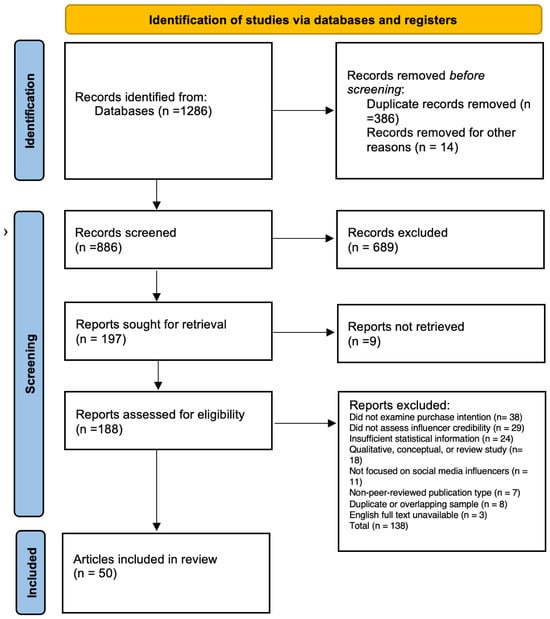

Disclaimer/Publisher’s Note: The statements, opinions and data contained in all publications are solely those of the individual author(s) and contributor(s) and not of MDPI and/or the editor(s). MDPI and/or the editor(s) disclaim responsibility for any injury to people or property resulting from any ideas, methods, instructions or products referred to in the content. |
© 2026 by the authors. Licensee MDPI, Basel, Switzerland. This article is an open access article distributed under the terms and conditions of the Creative Commons Attribution (CC BY) license.