


Abstract
Museums serve as experimental spaces for smart cities. The hypothesis suggests that museums can offer insights into transitioning smart cities from a mainly data-centric model to one that emphasises sensory experiences. This qualitative study investigates how digitalisation shapes the sensory experiences of museum engagement among older adults in Istanbul, with a particular focus on how digital tools mediate embodied, sensory experiences in museum environments. A case study was conducted at Istanbul Modern, employing sensewalking as a mobile, sensory method to capture embodied perceptions during movement through space. Data analysis focused on four sensory modalities—visual, auditory, haptic and olfactory—and their interaction with museum digital interfaces. The findings reveal a predominantly visual museum experience, where lighting design and the legibility of digital labels enhance orientation and interpretive clarity. Auditory engagement is shaped by layered ambient sounds combined with digital audio content. Haptic experiences emerge through both material textures and interactive digital interfaces, while olfactory perceptions remain subtle. Importantly, digital tools extend engagement beyond vision by introducing complementary auditory and haptic layers, thereby enhancing accessibility for older users. The study situates its insights within broader discussions of age-friendly, accessible museum design and practices of the smart city.
1. Introduction
Museums are places for participation, learning, and sociocultural engagement, and sensory museum experiences are integral to the city [1,2]. Museums often reflect the culture, intangible heritage and history of the communities they serve. Museum visits often elicit sensory responses by allowing visitors to engage with the themes and stories presented, ultimately adding depth to museum experiences [3,4,5]. The museum experiences combine education and belonging, providing visitors with knowledge and opportunities for sensory engagement [2,6,7,8,9]. Through themes, narratives, curations, and scents, museum environments significantly impact visitors’ sensory museum experiences [10,11,12,13].
The motivation was the idea that research must go beyond visually based perspectives to understand sensory museum experiences [14,15,16,17,18,19]. The museum’s physical space, including its lighting, layout, and user profile, all contribute to the sensory experiences in the museum environment [20,21]. In particular, museum environments incorporate digital elements and encourage active participation, making museum experiences more sensorially engaging [22,23,24,25,26]. Digital tools stimulate more than just visual senses by incorporating auditory, tactile, and olfactory elements, accommodating various experiences in the city [27,28]. So, integrating sensory methodologies and participatory practices can bridge the gap between museums and smart cities.
The study hypothesis is that museums can provide an understanding for shifting the smart city from a predominantly data-driven paradigm to a sensory-informed, human-centred approach. This study advances a sensory-informed framework for smart city discussion by positioning museums as micro-scale experimental environments in which digitally mediated sensory experiences can be systematically translated into urban design principles. By linking embodied, multisensory engagement to domains such as digital accessibility and sensory well-being, the research redefines smart cities as systems that integrate lived sensory experience alongside data-driven infrastructures. Despite growing calls for human experience-centric smart cities, methods for capturing lived, sensory encounters with digital urban interfaces remain limited—especially for older adults. Existing studies often privilege measurable, visual indicators, leaving a methodological gap in the evaluation of sensory museum experiences. This study addresses that gap by using the sensewalking method in a digitally mediated museum environment as a proxy for everyday smart-city interface encounters and translating sensory dimensions into transferable design and governance principles for age-friendly smart cities.
Guided by the core research question—how do older people perceive and engage with museum environments, and how does digitalisation shape these sensory interactions?—the study explored how these insights can inform smart cities. Specifically, the study examined how sensory-based visiting experiences could inform the development of sensory museum design strategies, models, and toolkits tailored to the needs of older audiences. The data collected from older visitors’ sensory experiences provided a valuable overview of sensory experiences in Istanbul’s museum environment and contributed to the growing discourse on age-inclusive museology and sensory-aware smart cities. The study emphasised the importance of developing sensory-oriented museum design and practical solutions that address smart city challenges.
2. Conceptual Background: Museums for the Smart Cities
Museums can be understood as experimental laboratories for smart cities. They offer a micro-scale environment where sensory, spatial, and digital interactions can be tested, observed, and refined [29,30]. Smart cities are technologically driven urban systems that increasingly converge around human-centred, experiential, and participatory approaches [31,32,33]. Smart cities rely on digital infrastructures to influence how urban spaces are perceived and used [34,35,36].
Museums function as environments where sensory perception is deliberately curated in the city. The visual, auditory, haptic, and olfactory elements shape the visitors’ sensory responses [37,38]. Lighting, materiality, soundscapes, and spatial organisation are not incidental; they are design tools that participatory construction shapes the sensory characteristics of the city. The museums are operational environments for smart cities. Translating this attitude to the urban context aligns with emerging perspectives in smart cities that advocate for human-based approaches rather than top-down technological control [39,40,41].
The visitors are the active interpreters and co-creators of the museums, emphasising subjective perception, emotional engagement, and sensory diversity. In the museum environment, digital tools such as augmented reality, audio guides, and interactive displays enhance sensory engagement rather than replacing it. These tools provide personalised experiences for the visitors. Digital technologies are most effective when they complement physical and sensory experiences. This insight has direct implications for smart cities, where technology should be embedded in ways that enrich human experiences with the urban environment [42,43,44,45].
Museums successfully integrate the sensory layers—such as sound, touch, and smell—to create immersive environments. Smart cities often neglect non-visual sensory dimensions, focusing primarily on visual interfaces and digital displays. By incorporating soundscapes, tactile materials, air quality awareness, and olfactory cues, smart cities can be transformed into more sensory environments [46]. In this model, data is co-produced with the users through embodied experiences. This approach challenges conventional smart city models and proposes a more sensory framework—one that values lived experience alongside technological data [47,48]. By adopting a sensory perspective, smart cities can evolve beyond purely technological constructs into environments that are inclusive and deeply connected to human experience.
To address this conceptual linkage more explicitly, this study introduces a translation framework that positions museums as micro-scale laboratories for sensory-informed smart city development. In this framework, the curated sensory environment of the museum—comprising lighting conditions, soundscapes, material textures, spatial organisation, and digitally mediated interfaces—is understood as an analogue of urban systems in which similar sensory interactions occur at a larger scale. For instance, visual elements such as lighting design and label legibility correspond to urban wayfinding systems and public information displays; auditory environments shaped by ambient sounds and audio guides parallel city soundscapes and acoustic planning; tactile interactions with materials and interfaces relate to haptic engagement in public infrastructure and responsive urban surfaces; and olfactory cues connect to environmental quality and place-based sensory identity in cities. By establishing these parallels, the museum becomes a controlled environment in which sensory–digital interactions can be observed, interpreted, and translated into broader urban design logics.
The study conceptualises a structured mapping between sensory modalities and smart city domains. Visual, auditory, haptic, and olfactory experiences are analytically linked to key urban design dimensions, including legibility and navigation, digital accessibility, sensory well-being, and participatory sensing. This mapping provides a theoretical basis for translating embodied, in situ experiences into transferable design and governance principles for smart cities. Rather than treating sensory data as anecdotal or purely descriptive, the framework positions these experiences as actionable knowledge that can inform inclusive, age-friendly, and human-centred urban systems. In doing so, the study advances the argument that smart cities should not only process data about users but also integrate lived sensory experience as a core component of urban identity.
This study conceptualises the museum as a “smart micro-environment” in which digital, spatial, and sensory systems are integrated at a controlled scale. In this context, “smartness” is not limited to backend data infrastructures but is understood as the interaction between users and digitally mediated spatial environments, including interfaces such as digital labels, audio guides, interactive displays, and navigation systems. The museum therefore operates as a bounded, observable system in which human–technology–space interactions can be examined in real time, enabling analysis of how sensory experiences are shaped by digital mediation. This framing makes explicit that the smart dimension of the museum lies in its capacity to combine physical space with digital interfaces to enhance perception, accessibility, and engagement.
The sensory qualities, such as lighting, soundscapes, and material interactions, are not independent from the smart dimension but are actively mediated and structured through digital tools that function similarly to urban smart systems. The micro-scale equivalents of urban wayfinding systems, audio guides, and personalised information delivery systems used in transport and public service environments are being used in parallel in museum environments. For example, legible digital labels and spatially integrated screens pose questions about in what sense the museum can be considered a smart environment. Interactive and tactile interfaces resemble responsive urban infrastructures that enable user participation and feedback, linking sensory engagement to broader concepts of smart governance and user-centred design. By explicitly identifying these correspondences, the study clarifies how sensory observations are inherently connected to the smart city paradigm rather than existing as separate domains.
The study addresses scalability by proposing that insights from museum environments can inform urban-level applications through a process of conceptual and operational upscaling. The controlled nature of the museum allows for the identification of design principles—such as multimodal accessibility, sensory legibility, and user-oriented interface design—that can be translated into larger, more complex urban systems. In this sense, the museum functions as a prototype environment for testing sensory-informed digital interactions before their implementation in public spaces. Scaling up does not imply direct replication but rather the adaptation of these principles into diverse urban contexts, including streets, transport networks, and public information systems. This approach strengthens the study’s positioning within the smart city literature by explicitly linking micro-scale sensory evidence to macro-scale urban design and governance frameworks.
3. Methodology Design
3.1. Istanbul Modern as the Case Study Place
The case study was conducted at Istanbul Modern, a prominent cultural institution located within the Galataport redevelopment project in Istanbul. As one of the city’s most visible contemporary art venues, Istanbul Modern occupies a strategic position at the intersection of cultural production, tourism, and waterfront-led urban transformation. This urban context is relevant to the study because the museum is not only a site of exhibition but also part of a wider redevelopment environment where digital infrastructures, navigation systems, and curated visitor services are increasingly embedded in the everyday experience of the city [49,50].
Istanbul Modern presents a wide range of modern and contemporary artworks and is characterised by architectural qualities such as high ceilings, expansive galleries, and flexible exhibition spaces. The building’s spatial configuration supports continuous movement through large-scale interiors while also allowing visitors to pause and re-orient at key thresholds. In addition to permanent and temporary exhibition areas, the museum complex includes a library, educational and workshop rooms, administrative offices, and cafes [51,52,53]. Together, the functions create a layered environment in which sensory impressions are produced not only by artworks and exhibition layouts, but also by the building’s materiality, its ambient acoustics, and the social rhythms of circulation.
This spatial and programmatic diversity made Istanbul Modern a suitable research setting for examining how older adults navigate, interpret, and respond to sensory cues within a contemporary museum. The museum’s openness, wide circulation zones, and multi-level organisation provide a realistic testing ground for exploring age-related accessibility and wayfinding concerns in a public cultural environment. At the same time, its contemporary exhibition approach and the presence of digital elements in the galleries provided an appropriate context for investigating how digitalisation intersects with sensory engagement. The museum, therefore, enabled the study to observe sensory experience as a situated practice—shaped by architecture, exhibition design, and the broader redevelopment setting—while foregrounding how older visitors perceive and make sense of these conditions through embodied, in-the-moment interaction.
3.2. Study Method: Sensewalking
Sensory experiences refer to how people perceive and interpret stimuli through bodily sensations. Sensory experiences significantly shape how people connect with and perceive the world. Sensory input enables people to perceive, remember, and experience the surroundings based on what they see, hear, feel, taste, and smell. Visual sensory experiences are directly related to perceiving the environment’s light, colours, and movement. Visual components are crucial for navigating the environment, identifying objects, and processing visual information [54,55,56]. The auditory qualities include the sounds that help people perceive the world through air vibrations. The aural sensation is essential for communication, navigation, and understanding environmental changes. The sounds can evoke sensory notifications when the body interacts with the environment [57]. Haptic sensations are linked with the surrounding temperature, pressure, and texture. Through haptic experiences, we can sense the tactile qualities of the environment and generate physical interaction [17,58]. Gustatory markers are related to olfactory experience; they allow us to perceive flavours through smell. Smell experiences produce olfactory sensations, shaping our perception of food and culinary products. Smells are linked to the sense of place, as some scents can trigger memories [59,60].
In museum spaces, we are constantly surrounded by various sensory compositions. Our sensory experiences are shaped by the modes, connotations, definitions, and practices that connect our bodies to the museum setting. Our surroundings’ sights, sounds, scents, and textures are the foundation for sensory museum visits [61,62]. Walking is a helpful way to observe the sensory interactions in museum environments [63,64]. The museum experience refers to a visitor’s multifaceted interaction and engagement within the museum, encompassing the actions during the walking practice [63]. The museum walking practices relate to the design of exhibitions, collections, artworks, artefacts, displays and digital tools. Particularly, the digital tools not only transform how visitors engage with museum content but also reshape the overall sensory experience in museum environments. In particular, the digitalisation of exhibitions has the potential to enrich sensory engagement, moving beyond traditional visual-dominant modes of interaction. This study conducted a sensory investigation to identify and articulate the sensory experiences embedded in museum environments and to develop a sensory-informed understanding of how digital tools influence and enhance these experiences.
In this study, we used a public participatory approach, sensewalking [65], to get data on the sensory characteristics of museum experiences related to the digitalisation. A combination of data collection ways, including walking, has been employed in previous studies to analyse sensory experiences [66,67,68,69]. Sensewalking is the practice of engaging in a sensory-based walk (see Figure 1). The sensewalking involves becoming more aware of our surroundings through our bodily senses—sight (with the help of the eye), sound (with the help of the ear), smell (by the help of the nose), touch (with the help of the skin and tactile references), and taste (by the help of the tongue)—while walking. The goal is to focus on the present moment and realise and catch the sensory details of the environment, fostering a deep connection with the surroundings we are walking through [69,70].
Figure 1.
Figure answering what sensewalking is as a research method.
Sensewalking was selected because it enables the capture of real-time, embodied experiences as they unfold within the museum environment, rather than relying on retrospective accounts. Unlike conventional interviews or static observations, this approach integrates movement, perception, and spatial interaction, allowing participants to articulate sensory impressions in direct relation to their immediate surroundings. It is particularly suitable for this study as it reduces recall bias and reveals how sensory engagement is dynamically shaped through walking practices. Furthermore, sensewalking facilitates a participant-led and participatory mode of data generation, empowering older visitors to actively interpret and document their experiences through multiple modalities, including verbal reflection and photography. By combining sensory awareness with spatial navigation, the method provides a holistic and context-sensitive understanding of how digital and physical elements co-produce sensory museum experiences.
3.3. Data Collection
3.3.1. Participant Profile and Sample Size
The study’s objectives were to explore and define the sensory perceptions of museum environments as experienced by older adult visitors (aged 64 and above). The qualitative, sensory approach prioritised depth of experience over large sample sizes. Sensewalking is an intensive, in situ method that captures real-time, embodied sensory perceptions as participants move through space. The data collection focused on understanding how the individuals interact with and interpret the museum space through a sensory lens. This methodological approach emphasised the museum’s immediate sensory dimensions, aligning with the experiential frameworks proposed by [69,71,72].
Because the method requires guided walking, stopping points, sensory documentation, and immediate reflection, it yields highly detailed, data-rich accounts of experience. For this reason, sensewalking was particularly suitable for small groups of participants, as it enables close observation of individual sensory responses while maintaining methodological rigour. The study involved 24 participants in total, including 12 pre-fieldwork in-depth interviews and two group sensewalking sessions with 12 older adults. The interview and sensewalking samples were distinct. This sample size is consistent with qualitative sensory research, where the aim is not statistical generalisation but the production of rich, experiential insights into embodied perception. The combination of interviews, walking-based observation, and participant-generated photography provided methodological consistency, strengthening the depth and validity of the findings despite the relatively small sample.
Older adults were selected as the primary participant group in alignment with the research aim of investigating age-friendly and inclusive museum experiences in digitally mediated environments. The selection of older adults as the primary participant group was theoretically and methodologically grounded in the study’s focus on age-friendly design and inclusive smart city development. Older individuals represent a critical user group for evaluating sensory accessibility and digital usability, as ageing is commonly associated with changes in visual acuity and auditory perception. These characteristics make older adults particularly relevant for examining how sensory environments and digital interfaces interact to support—or hinder—engagement. Focusing on this group allows the study to identify design conditions that are not only inclusive for older users but also beneficial for a broader population, aligning with universal design principles in both museum and smart city contexts.
Regarding sampling and recruitment, the study employed a purposive sampling strategy to select participants aged 64 and above who had prior experience visiting the case study museum. Participants were recruited through direct outreach and voluntary participation, ensuring that individuals were both familiar with museum environments and able to engage in the sensewalking process. The inclusion criteria required participants to be aged 64+, cognitively capable of providing informed consent, and physically able to participate in guided walking sessions; individuals with severe mobility limitations were excluded due to the study’s methodological requirements. This approach prioritised participants who could provide rich, experience-based sensory insights within the constraints of the sensewalking method, rather than aiming for statistical representativeness.
Also, ageing is associated with changes in mobility and cognitive processing [73,74], making older visitors a particularly relevant group for examining how digital tools interact with sensory engagement. This rationale positions older adults not as a marginal group but as key informants for testing the effectiveness of sensory-informed and digitally mediated environments. Focusing on this group enabled the study to critically evaluate accessibility, usability, and inclusivity in museum design and to generate insights directly transferable to broader discussions on age-friendly environments in smart cities.
3.3.2. Application of Sensewalking in the Site
Central to the data collection process was the implementation of a walking-based method that enabled the capture of firsthand, individually identified sensory experiences during museum visits. By examining how older adults perceive and navigate museum spaces through touch, sound, and smell, the study emphasises the significance of sensory engagement and accessibility in spatial design. The case specifically concentrated on sensory modalities—visual, auditory, olfactory, and haptic—through which older visitors perceive and engage with the museum environment. This approach enabled a grounded, immersive investigation of how older adults experience the spatial aspects of museum settings in real time.
The sensewalking technique of this study was developed in three stages. Open-ended question-based interviews preceded the initial stages. Twelve face-to-face, in-depth interviews were conducted with visitors to explore the museum’s sensory qualities. During the interviews, we focused on the ideas and principles that guided visitors’ spatial perception and sensory experiences in the museum. Speaking with museum visitors before the primary fieldwork helped clarify their initial thoughts and perceptions of the museum environments.
The second stage, fieldwork, consisted of two group sensewalking sessions in the museum environment. The ground and second floors were used for the study. The museum shop, cafe, and library on the ground floor were within 5 stops. On the second floor, the permanent gallery, the temporary gallery, and the audio–visual area were visited during the 3 stops (see Figure 2). The sensewalking fieldwork was conducted by 12 older individuals—six male and six female participants aged 64 or older, with no reported physical disabilities, according to their statements. The older museum visitors were required to walk along a designated path through the museum’s exhibition areas under the researcher’s supervision. The stops along the route were for discussion and observation, and the walkers focused on the sensory aspects of the surroundings as they walked. In March 2025, two sensewalking sessions were conducted, and participants provided signed informed consent. The walking sessions were conducted between 1 and 5 pm on weekdays. The group sensewalking sessions included walking, observing, and writing down on a template related to questions. The template helped the older adults define sensory relationships with digital tools in the museum setting. Participants filled out their walking templates, snapped pictures, and answered questions during the walks.
Figure 2.
The template of sensewalking in the place. This illustrates the predefined sensewalking route and the selection of observation points across the ground and second floors of the museum. The eight stops were strategically positioned to capture diverse spatial conditions, including circulation areas, exhibition zones, and social spaces such as the cafe and library. The structured route ensured consistency across participants, enabling comparable sensory observations at each location. The figure supports the methodological framework by showing how movement through space was organised and how specific points were used to prompt sensory reflection, discussion, and data recording.
The final stage involved museum photography, with photos of objects, exhibitions, and installations taken within the museum. Museum photography is one of the most effective ways to capture the sensory relationships between visitors and the museum environment [75,76,77]. The images aimed to present how museum visitors sense the surroundings visually, haptically, olfactorily, and auditorily. The photos were related to the older visitors’ immediate sensory experiences during the museum visit (see Figure 3).
Figure 3.
The sensewalking application on the site. This is a visual summary of the three-stage sensewalking process: pre-fieldwork interviews, group sensewalking, and participant photography. The figure clarifies how initial perceptions inform in situ sensory observations, which are then documented using visual evidence. It demonstrates the structured procedure, including predefined routes, stopping points, and sensory templates. The figure shows how sensory data (visual, auditory, haptic, olfactory) were generated.
The 12 sensewalking participants were recruited through voluntary sampling, targeting individuals aged 64+ who had prior experience visiting the museum and were able to participate in guided walking activities, beyond the basic criterion of no reported physical disabilities. Each sensewalking session lasted approximately 60–90 min, allowing sufficient time for movement, observation, discussion, and documentation at designated points. The selection of spatial points—five on the ground floor and three on the second floor—was based on functional diversity (e.g., exhibition areas, circulation zones, and social spaces) and their relevance to capturing varied sensory conditions and digital interactions. To ensure consistency, both participant groups followed the same predefined route and stopping points under researcher supervision, with identical instructions, observation templates, and timing structures applied in each session. This structured approach ensured that sensory observations were comparable across participants while still allowing for individual experiential variation.
4. Analysis and Findings
This study treats museum digital interfaces as proxies for urban digital infrastructures (wayfinding, signage, audio guidance, accessibility tools) in the context of the smart city. Specifically, Istanbul Modern’s visitor-facing technologies—digital labels, interactive screens, audio guides, and on-site navigation cues—are used as proxies for common smart-city interfaces, such as wayfinding systems, public information displays, and accessibility technologies deployed in transport hubs, cultural districts, and waterfront redevelopment areas. In this framing, ‘smartness’ is not approached as backend sensing alone but as the lived encounter between visitors and digital–spatial infrastructures. Accordingly, the sensewalking was designed to document how older adults perceive, interpret, and act on digital cues as they move through space, and how these cues shape visual, auditory, haptic, and olfactory modalities.
This study introduces a functional classification of digital entities based on their interfaces and user interactions. These include visual information systems (e.g., digital labels, maps, screens), auditory systems (e.g., audio guides, multimedia narration), and interactive haptic systems (e.g., touchscreens, responsive interfaces). This classification helps to systematically analyse how different types of digital tools mediate sensory engagement and support accessibility for older users. By distinguishing digital entities by their functional roles, the study provides a clearer analytical framework for understanding their contributions to sensory experience and smart environment design.
Analytically, we translated sensory observations into smart city-relevant design dimensions through a structured coding bridge. First-cycle coding followed the four sensory modalities (visual/auditory/haptic/olfactory) plus movement/wayfinding, capturing both environmental stimuli (e.g., lighting contrast, ambient noise, surface textures, micro-environmental smells) and digital mediation features (e.g., label legibility, interface responsiveness, audio narrative clarity). Second-cycle coding then mapped these themes onto smart city application categories: (1) legibility and navigation (signage, spatial comprehension, threshold points), (2) digital accessibility (multimodal alternatives, usability, cognitive load), (3) sensory well-being (soundscape comfort, glare/fatigue, thermal and tactile comfort), and (4) participatory sensing (visitor-generated experiential knowledge via templates and photographs). The analysis enables the findings to be interpreted not only as museum experience outcomes but also as transferable evidence for age-friendly, sensory-informed smart city interface and policy design, where experiential sensory data complements conventional quantitative urban data streams.
The data obtained was based on three steps. The first was based on interviews, the second on conducting sensewalking sessions in the museum environment, and the last on museum photographs. The primary objective was to elicit high-quality, relevant responses and to capture the sensory qualities of the museum environment through photography. Qualitatively, the interviews were decoded, the walking templates were interpreted, and the images were evaluated. We gathered data on the visual, auditory, haptic, and olfactory experiences within the museum environment.
Beyond descriptive reporting, the findings can be interpreted as evidence of how digitally mediated sensory environments structure user experience in ways that are directly relevant to design and intelligent systems. Rather than functioning as isolated sensory inputs, visual, auditory, and haptic elements operate together as integrated systems that guide perception, influence behaviour, and support decision-making processes during spatial navigation. For example, lighting clarity and digital label legibility do not merely enhance visibility but actively organise attention, reduce cognitive effort, and facilitate wayfinding, while auditory cues such as audio guides and ambient soundscapes contribute to temporal orientation and narrative comprehension. From this perspective, the museum environment can be understood as a designed interaction system in which sensory cues and digital interfaces co-produce user experience, highlighting the importance of coordination between physical and digital layers in intelligent environments.
This interpretive perspective allows the findings to be extended toward broader implications for the design of intelligent environments and smart city systems. The results suggest that effective digital environments should not rely solely on information provision but must be designed as multisensory, adaptive systems that respond to users’ perceptual and cognitive needs, particularly in ageing populations. In this context, sensory-informed design becomes a key operational principle for intelligent environments, where factors such as interface legibility, multimodal feedback, and spatial clarity directly affect usability and inclusion. By translating descriptive sensory observations into design-relevant principles—such as cognitive load reduction, multimodal accessibility, and user-oriented interaction—the study advances its contribution from empirical description to actionable insight, strengthening its relevance for both research and applied design practice.
The visual-based sensewalking result revealed that the museum environment used a combination of natural and artificial lighting to highlight artworks while preserving the integrity of the interior design. The responses noted white and grey columns, and the abundant use of steel in the interior design dominated the visual experience of the interior spaces. Large, high-ceilinged walls, ceilings, and halls were the basic features of the museum’s architectural identity (see Figure 4). The exhibition spotlights illuminated specific gallery areas, while ambient lighting creates an inviting atmosphere for visitors. The use of controlled lighting helped prevent distractions for the visitors. Regarding spatial organisation, the older adults described the museum environment as featuring wide, open spaces that allow easy movement and contemplation throughout the building. The easy accessibility of the stairs and elevators, combined with the simple architectural features of the interior, improved the place’s visual qualities for older adults’ experiences.
Figure 4.
The images illustrate lighting, material quality, and interior design elements that shape the museum environment’s visual experience. The photos were taken during the sensewalkings by the author.
The responses of the older people visitors showed that the plan layout was successfully designed to guide visitors through the exhibition using specific pathways. The museum’s colour scheme was neutral, with grey, pastel, and earth tones predominating. The scheme allowed the artworks and artefacts to stand out and capture visitors’ attention. Displays were carefully curated, featuring minimalist pedestals or walls that showcased artworks. The findings revealed that the arrangement varied from tight clusters to more spread-out installations, allowing different interactions with the artefacts’ pieces. The museum’s visual components incorporated marble, stainless steel, and glass. The visual materials created an authentic feel that reflects the building’s background. The colours, shapes, sizes, and textures all contributed to the museum’s spatial perception.
Regarding visual experience, the sensewalking study found that legible signage for digital tools was crucial in the museum setting for older people; it provided sensory context for the exhibit. Labels were easy to read, accompanied by images or maps that enhanced the museum experience. The digital tools in the exhibition area brought their visual qualities into the museum environment. Participants noted that digital tools added dynamic elements to the visual landscape, enabling people to explore, engage, and react to exhibits in various ways, thereby altering the tactile perception of the museum environment. The findings stressed that digital tools, such as screens and maps, were designed to create a visually and haptically engaging museum environment that enhances visitors’ immersive experience.
According to the haptic experience resulting from the sensewalking, the older visitors engaged with exhibition materials, such as smooth, cold marble sculptures, glossy, touchable surfaces, and the soft fabric of the artworks, offering a unique tactile experience (see Figure 5). The museum interior was designed with glass, steel, marble, and craft, offering visitors an authentic tactile experience. The metal frames and glass edges had a modern and rustic texture. The sensation of flooring materials—such as marble and concrete—varied, and the older visitors walked through different areas, which affected the museum’s tactile experience. The museum building has vast open spaces with windows or doors, allowing older visitors to sense variations in temperature, from chilly air drafts to warmer spots near heating vents. The sensation of air movement in the space, whether from air conditioning systems or natural ventilation, created a light breeze felt on the skin, especially in vast gallery spaces.
Figure 5.
The images show the tactile exhibition qualities that changed the museum environment’s haptic experiences. The images were taken during the sensewalkings by the author.
The tactile qualities contributed to the museum’s multifaceted experience, allowing visitors to engage more physically with the exhibition content [78,79]. The Istanbul Modern Museum featured hands-on exhibits that allowed visitors to interact with buttons, levers, and other digital elements, providing a range of tactile feedback. The sensewalking revealed that the museum environment integrated tactile elements into digital tools that responded to visitors’ resistance, vibration, or movement during the actions. The museum offered sensory experiences that allowed visitors to connect with the digital setting, which was designed to be tactile. Findings indicated that touching the surfaces of the digital setting created a sense of connection and enhanced the museum’s sensory engagement. Visitors experienced tactile sensations while walking, watching, and sitting in the museum. The findings showed that visitors haptically sensed the surfaces of handrails and stairs as they navigated the museum’s different levels.
The findings indicated that the artefacts radiated a distinct metallic, musty, or rustic scent. The smells of marble, steel, craft, and texture were prominent in the galleries where displays were featured. The artworks have a strong odour, while the museum’s outdoor spaces have a more pronounced sea and earthy smell. The paint, varnish, and art materials smells were detectable in exhibition sections. Depending on the museum’s location, visitors experienced external scents, such as moist, sea smells, as the museum was near the sea and carried a hint of seawater. The restaurant within the museum detected the aroma of coffee, creating a comforting atmosphere (see Figure 6). The air quality in the museum influenced smell, as the air may hold onto the building’s natural materials. The sensewalking study found that digital installations contributed indirectly to olfactory perception through nearby materials and micro-environments, thereby altering the olfactory atmosphere.
Figure 6.
The image shows the restaurant entrance, permeated with distinct aromas of food and drink. The picture was taken during the author’s sensewalkings.
The museum’s auditory ambience, along with its plan schema and spatial layout, affects how well visitors engage with the exhibits [15]. The auditory-based sensewalking findings showed that the sound of footsteps echoing on various surfaces—whether marble or metal—on the floor and stairs created a distinct auditory backdrop. The rhythm and intensity of footsteps varied depending on the number of visitors (see Figure 7). The low but consistent voice of the heating and ventilation systems contributed to the ambient noise level. The air conditioning sound was subtle but created a constant backdrop. The museum design fostered a quiet atmosphere, resulting in subdued sensory experiences. Museum visitors whispered or spoke in low tones as they discussed the exhibits or shared their impressions. The calmer environment offered a more reflective experience. The museum’s digital tools featured audio guides that provided information about the museum exhibition. Museum visitors heard a narrator’s voice in audio from multimedia displays. Human voices accompanied the documentaries displayed on the digital displays. The exhibition area’s digital environment produced a range of sounds and effects, and visitors engaged with technology through maps, screens, and audio installations. The museum has a terrace on the top floor that serves as an open-air space. Older visitors said they could hear sounds from natural elements such as wind, birds and trees. These sounds contributed to the museum’s auditory atmosphere, creating a unique aural experience.
Figure 7.
The image captures the moment when museum visitors’ footsteps echo on the floor’s surface. The image was taken during the sensewalkings by the author.
According to the findings, visual experience was dominant, reported by all the participants. As artworks, artefacts, exhibitions, and displays drew the most attention through their various colours and forms [80]. The museum’s sound experience was also prominent, with ambient noise from other visitors and digital tools contributing to the overall soundscape, enhancing the museum experience. While touch was an important sense—particularly in interactive exhibitions that allowed tactile engagement [81]—it was generally less rich than visual and auditory experiences. Smell was the least dominant sense in the museum environment; odours derived from artefact materials typically played a minimal role compared to visual or auditory stimuli.
The findings show that digitalisation in the museum area enhanced the museum experience, and its effectiveness depended on digital tools such as touchscreens, augmented reality, and virtual reality, which could make exhibits more engaging (see Table 1). They allowed museum visitors to engage with content and participate in immersive experiences, thereby deepening their understanding of the museum. Digital tools gave background information about the exhibition that was unavailable through traditional practices. Multimedia presentations offered visual, auditory, and interactive elements. Digital applications assisted with navigation, helping visitors find their way around the museum environment. They provided new museum features for older people, ensuring greater accessibility and a more inclusive experience. The digital tools offered additional layers of information about individual experiences, such as videos or stories behind the artefacts, enhancing appreciation and understanding. The museum experience featured more interactive and immersive exhibits that utilised digital tools (see Figure 8).
Table 1.
The table summarises the study findings related to sensory engagement of older visitors in the museum environment.
Figure 8.
The collage above illustrates how older visitors interact with digital tools within the museum environment. The images were taken during the sensewalkings by the author.
Beyond descriptive sensory observations, the findings indicate that digital tools play a mediating role in shaping how older adults perceive, interpret, and navigate the museum environment. Table 1 shows that visual elements are the most influential in shaping older visitors’ experiences, with lighting, colour, and spatial clarity strongly supported by digital tools. Auditory features enhance immersion through audio guides and soundscapes, while tactile interactions provide moderate engagement via materials and touch-based interfaces. Olfactory elements play a minor but atmospheric role. Movement and spatial design improve accessibility and physical engagement. The digital integration strengthens all sensory dimensions, increasing immersion and participation. Effective design should prioritise inclusivity, combining clear layouts, assistive technologies, tactile features, and user-friendly digital interfaces tailored to older adults’ needs.
Just as the method employed sensewalking to explore how individuals perceive and engage with the museum environment, the findings reveal that sensory-aware and participatory methods can inform smart city models. In particular, the findings say the interaction between sensory modalities and digital interfaces suggests that these tools function not only as sources of information but also as mechanisms that structure cognitive processing, support orientation, and influence usability during the museum experience. Smart cities are often characterised by their technological infrastructures—networks of sensors, data systems, and digital governance tools aimed at improving efficiency, sustainability, and quality of life [82,83,84]. However, the technological focus can mask the lived, sensory aspects of city experience. Applying this insight to research methods, innovative smart city development must similarly take into account how people sense and interact with their environments, rather than just how they use or move through them [85,86,87].
5. Discussion: Sensory Engagement of Older People in the Museum Environment
The museum is inherently visual, with older visitors experiencing a range of colours, textures, forms, and compositions through paintings, sculptures, photographs, and artefacts. The exhibition pieces evoke sensory experiences, provoke sensations, and communicate sensory stories in the museum environment [11,88]. The Istanbul Modern used lighting strategically to highlight specific artworks, create a unique visitor experience, and guide visitors through the museum. Different lighting styles—such as spotlights, soft ambient lighting, or natural light—transformed the sensory perception of the exhibitions. The walls of the exhibition halls, which were grey and white, and the interior design of the exhibition spaces, including their layout, plan organisation, size, and architectural features, played a visual role in how older people perceived the museum area. Large, open galleries offered a variety of visual experiences.
The museum curates authentic sounds to complement specific exhibits. The museum’s space may host various auditory performances that change and enhance visitors’ sensory experience; the dynamic elements add unique qualities to the museum environment [89,90]. The sound of footsteps, whispers, and the general hum of the museum environment at Istanbul Modern created a subtle auditory backdrop that shaped the place’s sound quality. The museum provided audio guides or headphones for visitors to listen to detailed explanations of exhibits tailored to individual interests and needs. The exhibition areas used storytelling as an auditory tool to help older visitors engage with a narrative and embark on a sensory journey. The exhibition design incorporated sound elements to engage older visitors, including recorded historical speeches and documentaries, natural sounds, and thematic music that enhanced the exhibit’s narrative.
The tactile experience, which is primarily based on touch, is often prevalent in museums. The haptic elements of museum environments may include three-dimensional works, interactive screens, touch-based buttons, maps, or natural elements such as wood, crafts, textures, and touchable artefacts in the exhibition design [78,79,91]. Istanbul Modern has included touchable objects and interactive displays that allow older visitors to engage with the exhibits physically. The tactile-based museum opportunities involved touching a replica of an artefact, feeling textures of materials like craft, fabrics or stone, or manipulating a physical object as part of the exhibitions. Museum visitors may experience the feeling of glass or metal, the roughness of steel, and the rigidness of sculpted materials.
Museums are key laboratories where visitors can experience different types of smells [92]. According to the sensewalking data, olfactory experiences included smells reminiscent of the sea, botanicals, flowers, and trees, creating a distinct olfactory atmosphere. The museum features a cafe and a restaurant where visitors can experience the distinct aromas of coffee and tea. The exhibit emitted scents related to the period, such as leather or wood, to enhance the immersive experience.
The museum environment evokes introspection through walking and movement [93,94]. We achieved the movement and physical engagement through sensewalking. Walking through the museum itself was a physical experience. Istanbul Modern has transparent glass, which encourages movement in the museum environment. Older visitors could walk through large open spaces, climb stairs, or move from room to room, each offering a different level of physical engagement with the environment. The digital tools encouraged physical participation among older people. This situation enabled older visitors to move through the museum and interact with the exhibition in a more physically immersive way.
The museum environment combines visual, auditory, tactile, and olfactory cues, creating a sensory atmosphere to experience [38,95]. At Istanbul Modern, the temporal and continuous galleries, with interactive maps, digital screens, and audio documentaries, created a unique sensory impact. Whether through direct interaction with artworks, immersive audio–visual experiences, or even through the atmosphere the paintings and artefacts evoked, museums were designed to engage visitors’ senses and deepen their connection to the museum exhibitions. The museum created a unique sensory environment that engaged older visitors through sight, sound, touch, smell, and movement. We see digital tools of museum exhibitions create a more holistic and impactful sensory experience for visitors.
While the findings indicate that digital tools enhanced sensory engagement, a closer examination reveals that their impact operates through specific mechanisms particularly relevant to older adults. In the visual domain, high-contrast digital labels, screen-based maps, and clearly legible interfaces function to reduce cognitive load and support orientation, especially for users experiencing age-related visual decline. Rather than simply adding information, these tools structure perception by guiding attention, simplifying spatial interpretation, and enabling faster recognition of key exhibition elements. In this sense, digital visual interfaces act not only as informational devices but also as cognitive aids that compensate for reduced processing speed and visual acuity. Similarly, auditory tools such as audio guides and multimedia narration extend engagement beyond visual dependence by supporting narrative comprehension and reinforcing interpretive clarity through multimodal input, allowing older visitors to process information at their own pace.
The interaction between digital tools and sensory modalities reveals a more complex dynamic in the haptic and multimodal domains. Touch-based interfaces, including screens and interactive displays, facilitate embodied engagement by enabling physical interaction with content, strengthening the connection between users and the exhibition environment. However, these interfaces also introduce potential usability challenges, such as touchscreen sensitivity, interface responsiveness, and the need for intuitive navigation, which may affect older users differently depending on their familiarity with digital technologies. This indicates that digitalisation does not uniformly enhance accessibility but rather reconfigures sensory engagement, enabling and constraining interaction. Consequently, the effectiveness of digital tools lies in their ability to balance sensory augmentation with usability, ensuring that multimodal interfaces remain cognitively manageable, physically accessible, and responsive to age-related sensory changes.
According to the findings, difficulties with digital technology were not prominently reported within this sample and context for older individuals. This outcome should be interpreted in light of existing research on ageing, digital literacy, and technology use. Studies have shown that older adults’ engagement with digital systems is shaped by factors such as prior experience, confidence, perceived usefulness, and interface design. In this study, all participants were university graduates with prior experience visiting the museum, suggesting a relatively high level of familiarity with both cultural environments and, potentially, digital tools. This may have reduced the likelihood of reporting usability difficulties, indicating that the absence of reported challenges should not be interpreted as universal ease of use, but rather as context-dependent and shaped by participant characteristics. Existing literature further emphasises that older users often adapt to digital environments when systems are perceived as intuitive and relevant, particularly in settings where engagement is voluntary and interest-driven.
At the same time, research on ageing and technology highlights that usability challenges—such as reduced visual acuity, slower information processing, and interaction difficulties—often emerge in less supportive or more complex digital environments. Within the context of this study, the design of digital tools at the museum—characterised by legible interfaces, multimodal interaction (visual, auditory, and tactile), and intuitive navigation—may have mitigated common barriers associated with age-related decline. This suggests that the findings reflect not only participant characteristics but also the role of context-sensitive, user-oriented design in enabling accessibility. The limited reporting of difficulties can also be interpreted as a combined effect of relatively digitally literate participants and well-designed sensory-digital interfaces, rather than as evidence that digital technologies are inherently unproblematic for older populations.
During the museum visit to Istanbul Modern, the digital tools helped explore the layout and spatial organisation of the museum’s exhibitions. The exhibition’s visual experiences were directly related to the use of digital tools in the museums. The background colours and screen size influenced the visual and haptic experiences. The material quality of the digital equipment in media installations has had a noticeable impact on the haptic sensations of older people during their museum visit. Digital tools significantly enhanced older people’s auditory experiences during a museum visit. The digital auditory tools helped to ensure the effectiveness of the auditory museum experiences. They made older people feel more involved in the auditory museum dimensions. The opportunities offered by digital tools were integral to the museum’s sensory experiences. Increased awareness of the sensory features of digital tool use in museum environments is crucial for enriching and engaging experiences that are more inclusive for older visitors. Museums can foster deeper connections between older adult visitors and museum environments, ultimately enhancing visitor sensory knowledge.
5.1. Future Possibilities for Older People in the Smart City
The sensewalking serves as a tool for participatory design, enabling the museum visitors to share their real-time perceptions of noise, lighting, and spatial density. Sensory-based qualitative information, collected through physical experience and digital means, has the potential to lead to more responsive smart cities. Such an approach may shift the focus from surveillance-based sensing towards individual-centred sensing in museum environments. Instead of viewing the visitors as mere data points, smart cities would see them as co-creators of the sensory and digital environment. This reflects the study’s emphasis on participant-led documentation and interpretation—an inclusive, sensory approach to knowledge production.
Smart cities often rely on abstract, data-driven decision-making that can disconnect policymakers from people’s actual experiences [34,35,96]. The study reframes smart cities not only as a technological enterprise but also as an embodied, sensory, and inclusive process that must account for accessibility and sensory diversity in both digital and physical structures. Thus, we argue smart city through the lens of sensory engagement and museum visitor experience. We argue that smart cities should adopt a sensory-informed approach, in which digital tools are designed to enhance inclusivity, participation, and sensory awareness.
The sensewalking approach used in museum research offers an alternative, highlighting participatory and experiential involvement. Integrating insights from sensory research into smart city understanding transforms the city into an intangible heritage element rather than just a tangible entity [39,40,41]. This holistic approach emphasises the interconnectedness of sensory perception, smart city design, and digital mediation [31,32,33]. The effectiveness of a smart city relies on harmonising digital infrastructure with human experience. The smart city that is pleasing to the ear, comfortable to the touch, and stimulates participation through all senses. To better accommodate older audiences, innovative design solutions, spatial models, and museum experience kits can be developed and implemented (see Figure 9).
Figure 9.
The graph depicts how sensory experience-based challenges can be overcome in practice. The table outlines key challenges older adults face in museums and corresponding design solutions. These include clear signage, optimal lighting, audio support, tactile exhibits, seating, simplified content, and digital navigation. The content emphasises inclusive, sensory-rich, and age-friendly design to enhance accessibility, engagement, and comprehension for older visitors.
Older adults experience museum environments through complex interactions with various sensory factors that shape their engagement and accessibility [97,98]. Ageing is often accompanied by sensory changes—such as diminished vision and hearing—that can affect how museum content is perceived and interpreted. For instance, age-related visual decline can make it difficult for older visitors to read small text, perceive intricate artistic details, or distinguish low-contrast displays. Museums can address these challenges by providing larger, high-contrast text labels, optimising lighting conditions, and designing exhibits with greater visual clarity. Similarly, hearing loss, which is prevalent among older populations, may hinder access to auditory components such as audio guides, live lectures, or sound-based installations. To promote inclusivity, museums can integrate assistive technologies such as personal hearing devices, captioned content, and alternative audio cues. These solutions ensure that auditory experiences remain accessible and meaningful to all visitors (see Figure 9).
Physical interaction with museum content is a crucial component of sensory engagement for older people. Interactive, tactile displays—particularly those offering high-stimulation environments—can enhance the visitor experience by engaging the haptic sense. Touch-based exhibits, sensory-friendly spaces, and multimodal digital interactives that incorporate captioning and audio descriptions can significantly improve the accessibility and inclusiveness of the museum environment [99,100,101,102] (see Figure 9).
Mobility is a key concern for older adults. Many may experience reduced physical stamina or difficulties navigating large or complex museum spaces. Pre-navigated interactive displays or guided paths can further assist older visitors in accessing content without physical strain [28,103,104]. Museums that incorporate age-friendly design features—such as strategically placed seating, smooth and unobstructed pathways, rest areas, and the availability of mobility aids—can foster a more inclusive and comfortable visiting experience (see Figure 9).
Cognitive changes related to ageing, including reduced short-term memory and slower information processing, also shape the museum experience. Exhibitions that present clear, concise, and repeatable information—using both text and digital formats—can accommodate diverse learning needs. Multiple media formats not only support cognitive engagement but also appeal to various learning preferences. Additionally, designing exhibitions with shorter, thematically coherent segments and offering spaces for breaks can help maintain focus and reduce cognitive fatigue. Clear signage and intuitive spatial organisation can further support orientation and ease of navigation within the museum. Museums can also enhance engagement by offering programs specifically tailored to older visitors, such as creative workshops, guided tours, and participatory events that encourage social interaction and cognitive stimulation [105,106]. These programs can foster a sense of belonging, contributing positively to the cognitive well-being of older individuals (see Figure 9).
Features such as accessible restrooms, ramps, clear signage, and digital navigation tools can significantly improve the inclusiveness of museum spaces. Digital tools that facilitate interpretation, discussion, and wayfinding further empower older adults to engage meaningfully with exhibits. By prioritising accessibility, inclusivity, and sensory engagement in their design principles, museums can create enriched environments that support both learning and social connectivity among older audiences [20,95,107]. Moreover, the cultural dimension of museum engagement should not be overlooked. Museums can further support cultural inclusion by curating programs and exhibitions that reflect the diverse backgrounds, identities, and interests of older adults [108,109]. Older visitors may have strong cultural or emotional connections to specific artworks or exhibitions. Exhibitions that reflect personal or collective cultural memories can foster deeper emotional and intellectual engagement (see Figure 9).
An effective smart city fosters innovation and requires policy frameworks that balance technological advancement and sensory well-being. This study highlights that urban policies should utilise technology not only to improve systems but also to enhance human engagement and accessibility. For instance, digital strategies could include sensory accessibility audits, mapping the sensory qualities of museum spaces, and ensuring that technological solutions—such as digital signage—enhance rather than diminish sensory experiences. Policies might also require adaptive design tools to meet diverse sensory needs, echoing the museum’s appeal for flexible digital models. Implementing sensory-aware policies can promote urban health, social cohesion, and intergenerational inclusion [29,30]. By prioritising sensory diversity, cities become more than just smart- they become sensory, embodying a care ethic that aligns technological governance with human experience [47,48].
5.2. The Implications and Contributions for Theory and Practice
The sensewalking demonstrated how spatial perception extends beyond visual stimuli. In a smart city, a similar approach would involve viewing cities as sensory infrastructures—spaces that manage soundscapes, tactile qualities, olfactory cues, and visual rhythms [46]. While smart cities often focus on visual interfaces, such as dashboards and augmented reality, they tend to overlook other sensory experiences [43,44,45]. A smart city incorporates acoustic mapping, temperature variations, awareness of air quality, and material tactility into planning. This approach promotes inclusivity, particularly for older adults and individuals with sensory impairments, aligning with the museum’s goal of making spaces more accessible through sensory experiences [110,111]. Adding these sensory dimensions transforms the smart city from a primarily data-driven system into a vibrant environment that acknowledges the diverse range of human perceptions. Achieving this would require collaboration among urban planners and technologists, much as the museum study did, combining digital tools with embodied research methods.
Digital tools, in particular, offer opportunities to augment sensory engagement—whether through virtual touch, immersive soundscapes, or personalised multimedia content. Understanding how older adults perceive and respond to different sensory features can inform curators, designers, and educators in making meaningful sensory innovations. This study proposes transforming sensory museum visit experiences into an open, publicly participatory digital platform that invites contributions from a diverse range of users. The sensory data collected during the study—comprising audio, visual, and experiential elements—can be curated into a dynamic digital database that serves as a sustainable, long-term archive for documenting and sharing sensory museum experiences. This online platform would not only facilitate access to sensory data but also allow museum visitors to actively contribute by uploading visual graphics, photographs, audio recordings, or personal reflections related to their sensory encounters within the museum environment. Such a platform has the potential to evolve into a collaborative digital space that captures and reflects the richness of sensory engagement in museums. By enabling the co-creation of content, this approach fosters positions of museum visitors, particularly older adults, as active agents in knowledge production. The study advocates integrating this digital participatory model into both future academic research and professional museum practice, highlighting its value in enhancing the visibility and significance of sensory dimensions in cultural experiences.
The sensory museum experience data have related to broader implications beyond the specific case of Istanbul Modern. Participants’ responses pointed out that sensory engagement plays a direct role in enhancing the quality of life for older individuals by supporting cognitive stimulation, emotional well-being, and social connection. The sensewalking method emerged as a humanistic tool that sheds light on the lived experiences of older museum visitors. It enabled the exploration of museums not only as places of cultural consumption but also as sensory spaces that can be more meaningfully designed to serve ageing populations.
While this study is grounded in a single case at Istanbul Modern, the findings are interpreted in relation to Istanbul’s broader urban context to address a potential gap between the museum environment and the city. The museum is situated within the Galataport redevelopment area, a site characterised by high levels of digital infrastructure, tourism flow, and urban transformation, making it representative of contemporary smart city interventions in Istanbul. Rather than treating the museum as an isolated case, the study conceptualises it as an embedded urban node where cultural, spatial, and digital systems intersect, reflecting conditions found in wider urban environments such as public spaces, waterfronts, and transport hubs. The sensory interactions observed within the museum—particularly those mediated by digital tools—are therefore interpreted as micro-scale manifestations of broader urban processes, enabling the findings to be meaningfully related to the city scale. This approach bridges the gap between the case study and the smart city context by positioning the museum as a representative and transferable model for understanding sensory-informed smart city dynamics in Istanbul.
The study’s findings open the way for the development of adaptable, customisable museum toolkits that centre on the needs and preferences of older adults. Such toolkits may include sensory templates, digital guides, or interactive applications that enhance navigation, interpretation, and engagement. Museum professionals and policymakers are encouraged to explore new strategies rooted in age-friendly design, inclusive coding practices, and targeted branding efforts that promote accessibility for all visitors. These strategies may involve rethinking both internal (e.g., lighting, layout, soundscapes) and external (e.g., digital access, transportation, outreach) components of the museum experience.
The integration of sensory awareness into museum planning and practice has the potential to foster more age-friendly environments. By recognising the sensory needs of older adults, museums can play a transformative role in shaping more equitable and engaging public spaces. The study thus contributes to a growing body of work that calls for innovation at the intersection of sensory research, digital participation and museum design. The smart city listens as well as it calculates—sensing alongside its people rather than merely for them. By utilising sensory-based design, participatory governance, and adaptable policies, urban spaces can evolve into areas of well-designed sensory environments.
This study advances smart city discourse by reframing digital urbanism through a sensory and human-centred lens, positioning museums as micro-scale laboratories for testing how digital technologies interact with embodied experience. Rather than treating smart cities as systems primarily driven by data extraction, optimisation, and visual interfaces, the findings demonstrate that meaningful engagement emerges through the integration of multisensory perception—visual, auditory, haptic, and olfactory—within digitally mediated environments. The study introduces the concept of sensory-informed digitalisation, in which technology augments rather than replaces embodied experience.
The discussion offers a framework that connects museum-based sensory evidence to broader smart city applications, particularly in the context of ageing populations. The findings highlight that older adults act as a critical user group for evaluating the accessibility and effectiveness of digital systems, revealing how sensory-aware design—such as legible interfaces, adaptive lighting, assistive audio systems, and tactile interaction—can enhance participation and reduce exclusion [36,112]. By integrating sensewalking as a methodological tool, the study further proposes that smart cities can move toward co-produced sensing models, in which people actively contribute to understanding urban environments through lived, sensory experience. This contribution extends current smart city frameworks by embedding sensory diversity and embodied interaction into the core of digital urban design and policy thinking.
This study proposes a set of actionable design and policy guidelines for smart city interfaces, particularly regarding age-friendly design. Translating the insights into the smart city context suggests that urban digital interfaces—such as wayfinding systems, public information displays, and interactive platforms—should be designed as multisensory, accessible, and cognitively supportive environments. The following guidelines (see Table 2) synthesise the study’s findings into transferable principles for smart city design and governance.
Table 2.
The conceptual framework translates museum-based sensory insights into smart city design and governance applications.
While Table 3 presents a synthesis of sensory findings translated into smart city applications, it should be understood that these mappings are not direct one-to-one empirical outputs but conceptually derived extensions grounded in the qualitative evidence. The sensewalking data revealed how participants experienced sensory conditions—such as lighting clarity, ambient sound, material textures, and environmental smells—within the museum context. However, translating these observations into smart city technologies (e.g., adaptive lighting systems, acoustic monitoring, or environmental sensing tools) involves a theoretical extrapolation that connects situated sensory experiences to broader urban design and governance frameworks. Table 2 functions as a conceptual bridge rather than a strictly data-driven mapping, aiming to demonstrate how micro-scale sensory insights can inform macro-scale urban applications.
Table 3.
The table represents conceptual interpretations derived from sensory observations, intended to illustrate potential applications rather than direct empirical equivalences.
Each proposed smart city application in Table 2 and Table 3 is anchored in observed sensory phenomena, even if not always explicitly articulated by participants in technological terms. For example, participants’ references to material-related smells, sea breeze, and atmospheric qualities point to an awareness of environmental conditions, which are here interpreted through the lens of urban environmental monitoring and air quality awareness systems. Similarly, observations on lighting legibility, sound environments, and tactile engagement provide empirical grounding for corresponding design recommendations. Rather than claiming direct equivalence, the table should therefore be read as a forward-looking framework that translates experiential, sensory knowledge into potential smart city strategies, extending the empirical findings into a design-oriented and policy-relevant domain.
Together, these principles reposition smart city development from a purely data-driven paradigm toward a sensor-informed, human-centred model in which digital technologies enhance rather than override lived urban experience.
To enhance the practical applicability of these guidelines, each design dimension can be operationalised through specific implementation strategies. For instance, legibility standards may involve minimum font sizes, contrast ratios, and screen positioning guidelines, while cognitive load reduction can be addressed through simplified interface hierarchies and reduced information density. Similarly, soundscape governance may be implemented through acoustic zoning and adaptive audio systems, and participatory sensory audits can be operationalised through user-feedback platforms and real-time sensory data collection tools. These examples demonstrate how the proposed framework can be translated into concrete design and policy interventions in smart city environments.
This study highlights practical values and implications for both museum design policy and smart city governance. Rather than reiterating sensory modalities, the findings suggest that policy frameworks should move toward integrating sensory-informed design principles into digital and spatial planning, particularly in environments serving ageing populations. Museums can act as testing grounds for such policies by implementing standards for legibility, multimodal accessibility, and sensory well-being, which can then be scaled to urban systems such as transport hubs, public information infrastructures, and cultural districts. In the context of smart cities, this implies a shift from efficiency-driven digitalisation toward human-centred governance models that prioritise inclusivity, accessibility, and lived sensory experience as key performance indicators. These insights position sensory engagement not as an aesthetic addition, but as a strategic component of urban policy and design decision-making.
The study outlines concrete next steps for implementing the proposed sensory-informed toolkit. The findings support the development of operational design guidelines, digital interface standards, and participatory evaluation tools that can be implemented by museum professionals, urban designers, and policymakers. For example, the sensewalking approach demonstrated in this research can be expanded into practical toolkits for conducting sensory audits, user testing protocols, and co-design workshops with older adults. In smart city contexts, this could involve integrating sensory data into planning processes, developing pilot projects in public spaces, and establishing cross-sector collaborations between cultural institutions and urban governance bodies. These steps move the contribution from conceptual proposal toward actionable implementation, ensuring that sensory-informed approaches can be embedded in real-world design and policy practices.
5.3. Research Limitations and Suggestions
We knew it was impossible to decode the totality of the sensory experiences of museum environments using qualitative methods or quantitative inquiries. If participants’ educational attainment were examined further, it would yield more dimensional results (in this study, all participants graduated from a university). A sensewalking does not fully represent all sensory experiences of the museum environment, even though they can be caught or decoded using the available technology.
The study involved two distinct participant groups: the 12 interview participants and the 12 sensewalking participants were separate samples, resulting in a total of 24 individuals contributing to the research. The interviews captured preliminary perceptions and general reflections on museum experiences, while the sensewalking sessions focused on in situ, embodied sensory engagement within the museum environment. These data sources were analysed in a complementary manner, with interviews providing contextual framing and sensewalking generating detailed experiential insights. However, it is important to acknowledge that all participants were university graduates, which may limit the diversity of perspectives, particularly regarding digital literacy, cultural familiarity, and accessibility challenges. This relatively homogeneous sample may have influenced the findings, especially the limited reporting of difficulties with digital technologies, as participants may have been more confident or experienced in navigating such environments. Recognising this limitation clarifies the scope and transferability of the findings. Future research should include participants with more diverse educational and digital literacy backgrounds to evaluate the robustness of these findings across different user groups.
We have considered the relatively small sample of participants, as sensewalking has been shown to work well as a qualitative method with fewer participants. We adopted a qualitative, sensory design in which depth of insight is prioritised over sample size. While the number of participants in the sensewalking sessions was limited, this was consistent with the methodological requirements of sensewalking, which is inherently intensive and produces data-rich, embodied accounts of experience. Rather than aiming for statistical representativeness, the study seeks to uncover in-depth sensory interactions between visitors, the museum environment, and digital interfaces. The inclusion of multiple data sources—pre-fieldwork interviews, in situ sensewalking sessions, and participant photography—provides the robustness of the findings.
The focus on older adults (ages 64+) was intentional and theoretically grounded, as the study aimed to explore sensory accessibility and digital inclusivity in museum environments. Older individuals often experience age-related sensory and mobility changes, making them a critical user group for evaluating the effectiveness of sensory and digital design strategies. However, this targeted sampling approach means the findings are not intended to be generalised across all visitor groups, but rather to offer in-depth insights into a specific, underrepresented population. Future research may expand the sample to include more diverse demographic profiles to build on these findings.
Still, if the participants’ educational backgrounds and professions were taken into account, the result would be enhanced. We recognise that the result cannot provide a comprehensive picture of the museum’s sensory qualities. Biological and psychological facts would affect the sensory perception of the environment. All the participants lived in Turkey; they had visited the case museum before, so familiarity may have influenced the sensory experiences of the older visitors. This focus on local participants may limit the transferability of the findings to non-local visitors, such as tourists or first-time users, whose sensory experiences and interactions with digital tools may differ due to unfamiliarity with the cultural and spatial context. Physical health, sociocultural demographic factors, gender, and mood may also affect individual sensory perception, and considering these aspects within a qualitative method would offer additional advantages for future studies.
At the same time, the study acknowledges methodological limitations associated with the use of sensewalking in digitally mediated environments. While the method is effective in capturing real-time, embodied sensory perceptions, it is less capable of systematically documenting complex digital interactions, interface usability metrics, and longitudinal user adaptation to technology. Participants’ engagement with digital tools was observed and reported in situ, but the method does not fully capture cognitive processes such as decision-making, interaction errors, or learning curves associated with digital systems. Therefore, future research should consider combining sensewalking with complementary methods—such as usability testing, eye-tracking, or interaction logging—to provide a more comprehensive understanding of how digital interfaces are experienced by older users.
6. Conclusions
This study used sensewalking to explore the sensory dimensions of museum experiences in Istanbul, focusing on how older adults perceive and interpret sensory environments. Data were collected through interviews, sensewalking sessions, and photo analysis. Through qualitative examination of visual, auditory, haptic, and olfactory stimuli, the research revealed how sensory experiences shape the accessibility and interpretive potential of museum environments for older visitors.
The key findings showed that the museum employed natural and artificial lighting to accentuate artworks, maintain clarity, and support orientation. Neutral colour schemes—mainly white and grey tones—and materials such as steel and glass contributed to a minimalist interior that enabled artworks to stand out while facilitating navigation for older adults. Digital tools, including screens, interactive signage, and orientation displays, enhanced visual engagement and helped visitors interact dynamically with exhibition content. Haptic experiences were shaped by material textures such as marble, steel, and glass, as well as temperature and airflow. Interactive digital exhibits with buttons, levers, and tactile interfaces provided additional opportunities for physical engagement. Physical features—stairs, handrails, textured walls, and sculptural surfaces—supported both tactile exploration and the mobility needs of older visitors. Olfactory sensations, although subtle, played a role in fostering place attachment. Participants noted scents associated with construction materials, the museum’s seaside location, and surrounding cafes. Digital tools contributed to olfactory engagement by suggesting environmental cues that complemented the visual and auditory atmosphere. Auditory experiences consisted of layered ambient sounds—footsteps, conversations, movement—as well as digital audio guides and multimedia. Natural sounds on terraces, such as wind and birds, enriched the sensory landscape and provided moments of reflection. While vision remained the dominant modality, sound, touch, and smell collectively contributed to a holistic sensory environment.
Digital tools improved accessibility for visitors with mobility limitations, visual or hearing impairments, and other age-related challenges. Interactive screens, maps, projections, and audio installations deepened sensory immersion and supported meaningful engagement with the exhibits. Digital installations allowed older visitors to shape aspects of their sensory experience, enabling deeper visual, tactile, and auditory interaction. The tools encouraged movement and active participation, demonstrating the importance of combining physical and digital modalities in contemporary museum design. The methodological approach proved effective in understanding how older adults adapt to digitised environments and how museums might respond to evolving sensory needs.
Designers, museum professionals, urban practitioners, and policymakers should reconsider how digital technologies can be integrated to support sensory engagement, particularly in smart cities. The results may inform future museum studies and guide decision-making processes within Istanbul’s municipal institutions regarding design and planning. Sensory-responsive design and age-friendly policy frameworks can help smart cities foster accessibility.
The findings underscore the need to develop new frameworks for sensory-based discourse within museum studies—particularly those that support human-centred approaches to smart cities. The discussion was especially relevant to advancing sensory awareness that benefits older adults, a demographic that is often underrepresented in digital and design innovations. The study therefore recommends the broad dissemination and application of age-friendly technologies, sensory design principles, and accessible interaction models in the development of future museum infrastructures and smart city toolkits. The research highlights a conceptual shift from ‘data-centric smartness’ to ‘experiential smartness,’ in which human experience becomes a central component of how digital environments are designed, evaluated, and understood.
Author Contributions
Conceptualization, A.N.K. and H.B.K.; Methodology, A.N.K. and H.B.K.; Software, A.N.K. and H.B.K.; Validation, A.N.K. and H.B.K.; Formal analysis, A.N.K. and H.B.K.; Investigation, A.N.K. and H.B.K.; Resources, A.N.K. and H.B.K.; Data curation, A.N.K. and H.B.K.; Writing—original draft, A.N.K.; Writing—review and editing, A.N.K. and H.B.K.; Visualization, A.N.K. and H.B.K.; Funding acquisition, A.N.K. All authors have read and agreed to the published version of the manuscript.
Funding
The study (project no: 124C091) was conducted under the 2218—National Postdoctoral Research Fellowship Program of TUBITAK (Scientific and Technological Research Council of Türkiye).
Institutional Review Board Statement
The study was approved by the Galatasaray University Scientific Research and Publication Ethics Board (protocol code: 23/012; date of approval: 29 March 2023).
Informed Consent Statement
Informed consent was obtained from all subjects involved in the study.
Data Availability Statement
The data presented in this study are available on request from the corresponding author. The data are not publicly available because they are being used in an ongoing study that will be reported in a future publication.
Conflicts of Interest
The authors declare no conflicts of interest regarding the publication of this paper.
Abbreviations
| HVAC | Heating, Ventilation, and Air Conditioning |
| AR | Augmented Reality |
| VR | Virtual Reality |
References
- Osborne, H. Museums and Their Functions. J. Aesthetic Educ. 1985, 19, 41–51. [Google Scholar] [CrossRef] [Scilit]
- Hooper-Greenhill, E. Museums and Their Visitors; Routledge: Oxfordshire, UK, 2013. [Google Scholar]
- Scott, C. Museums: Impact and Value. Cult. Trends 2006, 15, 45–75. [Google Scholar] [CrossRef] [Scilit]
- Coats, A. Who or What Are Museums For? The Essence of the Museum Message. Int. J. Incl. Mus. 2010, 3, 1–22. [Google Scholar] [CrossRef] [Scilit]
- Preziosi, D.; Farago, C. General Introduction. In Grasping the World; Routledge: Oxfordshire, UK, 2019; pp. 1–10. [Google Scholar]
- Jones, P. Museums and the Meanings of Their Contents. New Lit. Hist. 1992, 23, 911–921. [Google Scholar] [CrossRef] [Scilit]
- Boyd, W.L. Museums as Centers of Learning. Teach. Coll. Rec. 1993, 94, 761–770. [Google Scholar] [CrossRef] [Scilit]
- Burton, C.; Scott, C. Museums: Challenges for the 21st Century. In Museum Management and Marketing; Routledge: Oxfordshire, UK, 2007; pp. 49–66. [Google Scholar]
- Roederer, C.; Filser, M. Revisiting the Museum Experience. Qual. Mark. Res. 2018, 21, 567–587. [Google Scholar] [CrossRef] [Scilit]
- Pitman, B. Muses, Museums, and Memories. Daedalus 1999, 128, 1–31. [Google Scholar]
- Davis, P. Place Exploration: Museums, Identity, Community. In Museums and Their Communities; Routledge: Oxfordshire, UK, 2007; pp. 53–75. [Google Scholar]
- Pallud, J.; Monod, E. User Experience of Museum Technologies. Eur. J. Inf. Syst. 2010, 19, 562–580. [Google Scholar] [CrossRef] [Scilit]
- Verbeek, C.; Leemans, I.; Fleming, B. How Can Scents Enhance the Impact of Guided Museum Tours? Senses Soc. 2022, 17, 315–342. [Google Scholar] [CrossRef] [Scilit]
- Zardini, M. Toward a Sensorial Urbanism. In Sense of the City; Zardini, M., Ed.; Canadian Centre for Architecture: Montreal, QC, Canada, 2005; pp. 17–27. [Google Scholar]
- Bubaris, N. Sound in Museums—Museums in Sound. Mus. Manag. Curatorship 2014, 29, 391–402. [Google Scholar] [CrossRef] [Scilit]
- Stevensen, R.J. The Forgotten Sense. In The Multisensory Museum; Bloomsbury Publishing: London, UK, 2014; pp. 151–166. [Google Scholar]
- Vi, C.T.; Ablart, D.; Gatti, E.; Velasco, C.; Obrist, M. Not Just Seeing, but Also Feeling Art: Mid-air haptic experiences integrated in a multisensory art exhibition. Int. J. Hum.-Comput. Stud. 2017, 108, 1–14. [Google Scholar] [CrossRef] [Scilit]
- Brown, K. Touch, Taste, Smell: Fostering Museum Visitor Engagement with Multisensory Spaces. In The Interior Architecture Theory Reader; Routledge: Oxfordshire, UK, 2018; pp. 202–211. [Google Scholar]
- Velasco, C.; Obrist, M. Multisensory Experiences: Where the Senses Meet Technology; Oxford University Press: Oxford, UK, 2020. [Google Scholar]
- Black, G. The Engaging Museum: Developing Museums for Visitor Involvement; Routledge: Oxfordshire, UK, 2005. [Google Scholar]
- Howes, D. Introduction to Sensory Museology. Senses Soc. 2014, 9, 259–267. [Google Scholar] [CrossRef] [Scilit]
- Levent, N.; Pascual-Leone, A. (Eds.) The Multisensory Museum; Rowman & Littlefield: Lanham, MD, USA, 2014. [Google Scholar]
- Devine, C.; Tarr, M. The Digital Layer in the Museum Experience. In Museums and Digital Culture: New Perspectives and Research; Springer International Publishing: Cham, Switzerland, 2019; pp. 295–307. [Google Scholar]
- Pietroni, E. Experience Design, Virtual Reality and Media Hybridisation. Appl. Syst. Innov. 2019, 2, 35. [Google Scholar] [CrossRef] [Scilit]
- Trunfio, M.; Jung, T.; Campana, S. Mixed Reality Experiences in Museums. Inf. Manag. 2022, 59, 103698. [Google Scholar] [CrossRef] [Scilit]
- Pavlović, D. Digital Tools in Museum Learning. Ser. Teach. Learn. Teach. Educ. 2022, 5, 167–178. [Google Scholar] [CrossRef] [Scilit]
- Mason, M. The Elements of Visitor Experience in Post-Digital Museum Design. Des. Princ. Pract. 2020, 14, 1–14. [Google Scholar] [CrossRef] [Scilit]
- Elgammal, I.; Ferretti, M.; Risitano, M.; Sorrentino, A. Does Digital Technology Improve the Visitor Experience? A Comparative Study in the Museum Context. Int. J. Tour. Policy 2020, 10, 47–67. [Google Scholar] [CrossRef] [Scilit]
- Alpopi, C.; Silvestru, R. Urban Development towards Smart City: A Case Study. Adm. Si Manag. Public 2016, 27, 107–118. [Google Scholar]
- Szpilko, D. Foresight as a Tool for Smart City Development. Energies 2020, 13, 1782. [Google Scholar] [CrossRef] [Scilit]
- Zubizarreta, I.; Seravalli, A.; Arrizabalaga, S. Smart City Concept. J. Urban Plan. Dev. 2016, 142, 04015005. [Google Scholar] [CrossRef] [Scilit]
- Law, K.H.; Lynch, J.P. Smart City: Technologies and Challenges. IT Prof. 2019, 21, 46–51. [Google Scholar] [CrossRef] [Scilit]
- Lin, C.; Zhao, G.; Yu, C.; Wu, Y.J. Smart City Development and Residents’ Well-Being. Sustainability 2019, 11, 676. [Google Scholar] [CrossRef] [Scilit]
- Stratigea, A. The Concept of “Smart Cities”. Netcom 2012, 26, 375–388. [Google Scholar] [CrossRef] [Scilit]
- Lee, J.H.; Phaal, R.; Lee, S.H. An Integrated Service–Device–Technology Roadmap for Smart City Development. Technol. Forecast. Soc. Change 2013, 80, 286–306. [Google Scholar] [CrossRef] [Scilit]
- Wong, Y.; Neo, X.S. Smart Cities for Aging Populations: Future Trends in Age-Friendly Public Health Policies. J. Foresight Health Gov. 2025, 2, 11–20. [Google Scholar]
- Pekarik, A.J.; Doering, Z.D.; Karns, D.A. Exploring Satisfying Experiences in Museums. Curator 1999, 42, 152–173. [Google Scholar] [CrossRef] [Scilit]
- Goulding, C. The Museum Environment and the Visitor Experience. Eur. J. Mark. 2000, 34, 261–278. [Google Scholar] [CrossRef] [Scilit]
- Chianese, A.; Piccialli, F. Designing a Smart Museum: When Cultural Heritage Joins IoT. In Proceedings of the 2014 Eighth International Conference on Next Generation Mobile Apps, Services and Technologies; IEEE: New York, NY, USA, 2014; pp. 300–306. [Google Scholar]
- Borda, A.; Bowen, J. Smart Cities and Cultural Heritage: A Review of Developments and Future Opportunities. In EVA Conference Proceedings; BCS: Bryan, TX, USA, 2017. [Google Scholar]
- Grincheva, N. City Museums in the Age of Datafication: Could Museums Be Meaningful Sites of Data Practice in Smart Cities? Mus. Manag. Curatorship 2023, 38, 367–393. [Google Scholar] [CrossRef] [Scilit]
- Skouby, K.E.; Kivimäki, A.; Haukiputo, L.; Lynggaard, P.; Windekilde, I.M. Smart Cities and the Ageing Population. In Proceedings of the 32nd Meeting of WWRF, Marrakech, Morocco, 15 May 2014; Volume 15, pp. 1–12. [Google Scholar]
- Yigitcanlar, T. Smart Cities: An Effective Urban Development and Management Model? Aust. Plan. 2015, 52, 27–34. [Google Scholar] [CrossRef] [Scilit]
- Mora, L.; Deakin, M.; Reid, A. Strategic Principles for Smart City Development. Technol. Forecast. Soc. Change 2019, 142, 70–97. [Google Scholar] [CrossRef] [Scilit]
- Chen, Z.; Chan, I.C.C. Smart Cities and Quality of Life: A Quantitative Analysis of Citizens’ Support for Smart City Development. Inf. Technol. People 2023, 36, 263–285. [Google Scholar] [CrossRef] [Scilit]
- Papa, R.; Gargiulo, C.; Galderisi, A. Towards an Urban Planners’ Perspective on Smart City. TeMA 2013, 6, 5–17. [Google Scholar]
- Trindade, E.P.; Hinnig, M.P.F.; da Costa, E.M.; Marques, J.S.; Bastos, R.C.; Yigitcanlar, T. Sustainable Development of Smart Cities: A systematic review of the literature. J. Open Innov. 2017, 3, 1–14. [Google Scholar] [CrossRef] [Scilit]
- Ji, T.; Chen, J.H.; Wei, H.H.; Su, Y.C. Towards People-Centric Smart City Development: Investigating Citizens’ Preferences and Perceptions about Smart-City Services in Taiwan. Sustain. Cities Soc. 2021, 67, 102691. [Google Scholar] [CrossRef] [Scilit]
- Çiçek, E.; Ceylanlı, Z. Art Museum Architecture as Discourse: Differentiating Institutional Identities in Istanbul. Turk. Online J. Des. Art Commun. 2025, 15, 491–512. [Google Scholar] [CrossRef] [Scilit]
- Demir, H.A.; Yüceer, H. New Buildings in Historic Settings: Revisiting Renzo Piano’s Design Approach. Hist. Environ. Policy Pract. 2025, 16, 289–317. [Google Scholar] [CrossRef] [Scilit]
- Yakışkan, N.N. Sergileme Mekânlarının Sanal ve Fiziksel Ortam Arasındaki Farkının İncelenmesi: Istanbul Modern Örneği. Yedi 2024, 327–337. [Google Scholar] [CrossRef] [Scilit]
- Şahin, B. Modern Sanat Müzelerinde Sergileme Tasarımı: Odunpazarı Modern Müze, Istanbul Modern ve CerModern Örneği. Bingöl ÜNiversitesi Tek. Bilim. Derg. 2024, 5, 28–42. [Google Scholar]
- Karataş, G.K.; Şalgamcioğlu, M.E. Navigating Attention: The Interplay of Spatial Configuration and Artwork Characteristics at Istanbul Modern Museum. In Proceedings of the International Art and Design Symposium, Istanbul, Türkiye, 24–25 October 2025. [Google Scholar]
- Pink, S. Analysing Visual Experience. In Research Methods for Cultural Studies; Edinburgh University Press: Edinburgh, UK, 2008; pp. 125–149. [Google Scholar]
- Timmerer, C.; Waltl, M.; Rainer, B.; Murray, N. Sensory Experience. In Quality of Experience; Springer International Publishing: Cham, Switzerland, 2014; pp. 351–365. [Google Scholar]
- Orr, N.; Wagstaffe, A.; Briscoe, S.; Garside, R. How Do Older People Describe Their Sensory Experiences of the Natural World? BMC Geriatr. 2016, 16, 116. [Google Scholar] [CrossRef] [Scilit] [PubMed]
- Grace, J. Sensory-Being for Sensory Beings: Creating Entrancing Sensory Experiences; Routledge: Oxfordshire, UK, 2017. [Google Scholar]
- Schneider, O.; MacLean, K.; Swindells, C.; Booth, K. Haptic Experience Design. Int. J. Hum.-Comput. Stud. 2017, 107, 5–21. [Google Scholar] [CrossRef] [Scilit]
- Candau, J. The Olfactory Experience: Constants and Cultural Variables. Water Sci. Technol. 2004, 49, 11–17. [Google Scholar] [CrossRef] [Scilit]
- Henshaw, V. Urban Smellscapes: Understanding and Designing City Smell Environments; Routledge: Oxfordshire, UK, 2013. [Google Scholar]
- Soren, B.J. Museum Experiences That Change Visitors. Mus. Manag. Curatorship 2009, 24, 233–251. [Google Scholar] [CrossRef] [Scilit]
- Dal Falco, F.; Vassos, S. Museum Experience Design: A Modern Storytelling Methodology. Des. J. 2017, 20, S3975–S3983. [Google Scholar] [CrossRef] [Scilit]
- Madsen, T.A. Walking and Sensing at Faaborg Museum. Nord. Museol. 2017, 2, 124–141. [Google Scholar]
- Skov, M.; Lykke, M.; Jantzen, C. Introducing Walk-Alongs. Visit. Stud. 2019, 21, 189–210. [Google Scholar] [CrossRef] [Scilit]
- Adams, M.D.; Askins, K. Sensewalking: Sensory Walking Methods for Social Scientists. In Proceedings of the RGS–IBG Annual Conference, Manchester, UK, 26–28 August 2009. [Google Scholar]
- Matos Wunderlich, F. Walking and Rhythmicity: Sensing Urban Space. J. Urban Des. 2008, 13, 125–139. [Google Scholar] [CrossRef] [Scilit]
- Jung, Y. Mindful Walking: The Serendipitous Journey of Community-Based Ethnography. Qual. Inq. 2014, 20, 621–627. [Google Scholar] [CrossRef] [Scilit]
- Simmons, P. Walking as Bodily Readying for Engagement with Natural Environments. Fusion J. 2016, 10, 22–38. [Google Scholar]
- Parker, M.; Spennemann, D.H.; Bond, J. Recognising Tactual Aspects of the Urban Environment through Walking. Urban Sci. 2024, 8, 238. [Google Scholar] [CrossRef] [Scilit]
- McLean, K.J. Nose-First: Practices of Smellwalking and Smellscape Mapping. Doctoral Dissertation, Royal College of Art, London, UK, 2019. [Google Scholar]
- Springgay, S.; Truman, S.E. Walking Methodologies in a More-Than-Human World; Routledge: Oxfordshire, UK, 2017. [Google Scholar]
- Korzun, D.; Varfolomeyev, A.; Yalovitsyna, S.; Volokhova, V. Semantic Infrastructure of a Smart Museum. Pers. Ubiquitous Comput. 2017, 21, 345–354. [Google Scholar] [CrossRef] [Scilit]
- Buchman, A.S.; Boyle, P.A.; Leurgans, S.E.; Barnes, L.L.; Bennett, D.A. Cognitive Function Is Associated with the Development of Mobility Impairments in Community-Dwelling Elders. Am. J. Geriatr. Psychiatry 2011, 19, 571–580. [Google Scholar] [CrossRef] [Scilit]
- Demnitz, N.; Esser, P.; Dawes, H.; Valkanova, V.; Johansen-Berg, H.; Ebmeier, K.P.; Sexton, C. A Systematic Review and Meta-Analysis of Cross-Sectional Studies Examining the Relationship between Mobility and Cognition in Healthy Older Adults. Gait Posture 2016, 50, 164–174. [Google Scholar] [CrossRef] [Scilit]
- Zuromskis, C. Ordinary Pictures and Accidental Masterpieces: Snapshot Photography in the Modern Art Museum. Art J. 2008, 67, 104–125. [Google Scholar] [CrossRef] [Scilit]
- Moschovi, A. A Gust of Photo-Philia: Photography in the Art Museum; Leuven University Press: Leuven, Belgium, 2020. [Google Scholar] [CrossRef] [Scilit]
- Sontag, S. On Photography. In Illuminations; Routledge: Oxfordshire, UK, 2021; pp. 230–234. [Google Scholar]
- McLaughlin, M.L.; Sukhatme, G.; Shahabi, C.; Hespanha, J. The Haptic Museum. In Proceedings of the EVA 2000: Electronic Imaging and the Visual Arts, Edinburgh, UK, 26–29 July 2000. [Google Scholar]
- Novak, M.; Phelan, S.; Lewalter, D.; Schwan, S. There Is More to Touch than Meets the Eye. Int. J. Sci. Educ. 2020, 42, 3026–3048. [Google Scholar] [CrossRef] [Scilit]
- Tröndle, M.; Tschacher, W. The Physiology of Phenomenology. Empir. Stud. Arts 2012, 30, 75–113. [Google Scholar] [CrossRef] [Scilit]
- Candlin, F. The Dubious Inheritance of Touch: Art History and Museum Access. J. Vis. Cult. 2006, 5, 137–154. [Google Scholar] [CrossRef] [Scilit]
- Lim, Y.; Edelenbos, J.; Gianoli, A. Identifying the Results of Smart City Development: Findings from Systematic Literature Review. Cities 2019, 95, 102397. [Google Scholar] [CrossRef] [Scilit]
- Caird, S.P.; Hallett, S.H. Towards Evaluation Design for Smart City Development. J. Urban Des. 2019, 24, 188–209. [Google Scholar] [CrossRef] [Scilit]
- Khan, H.H.; Malik, M.N.; Zafar, R.; Goni, F.A.; Chofreh, A.G.; Klemeš, J.J.; Alotaibi, Y. Challenges for Sustainable Smart City Development: A Conceptual Framework. Sustain. Dev. 2020, 28, 1507–1518. [Google Scholar] [CrossRef] [Scilit]
- Sikora-Fernandez, D.; Stawasz, D. The Concept of Smart City. Rom. J. Reg. Sci. 2016, 10, 86–97. [Google Scholar]
- Angelidou, M. Smart City Planning and Development Shortcomings. TeMA—J. Land Use Mobil. Environ. 2017, 10, 77–94. [Google Scholar]
- Angelidou, M.; Psaltoglou, A.; Komninos, N.; Kakderi, C.; Tsarchopoulos, P.; Panori, A. Enhancing Sustainable Urban Development through Smart City Applications. J. Sci. Technol. Policy Manag. 2018, 9, 146–169. [Google Scholar] [CrossRef] [Scilit]
- Maxwell, L.E.; Evans, G.W. Museums as Learning Settings. J. Mus. Educ. 2002, 27, 3–7. [Google Scholar] [CrossRef] [Scilit]
- Kannenberg, J. Listening to Museums: Sound Mapping towards a Sonically Inclusive Museology. Museol. Rev. 2016, 20, 6–17. [Google Scholar]
- Orhan, C.; Yilmazer, S. Harmony of Context and the Built Environment. Appl. Acoust. 2021, 173, 107709. [Google Scholar] [CrossRef] [Scilit]
- Comes, R. Haptic Devices and Tactile Experiences in Museum Exhibitions. J. Anc. Hist. Archaeol. 2016, 3, 60–64. [Google Scholar] [CrossRef] [Scilit]
- Drobnick, J. The Museum as Smellscape. In The Multisensory Museum: Cross-Disciplinary Perspectives on Touch, Sound, Smell, Memory, and Space; Rowman & Littlefield: Lanham, MD, USA, 2014; Volume 17, pp. 177–196. [Google Scholar]
- Witcomb, A. Cultural Pedagogies in the Museum. In Cultural Pedagogies and Human Conduct; Routledge: Oxfordshire, UK, 2015; pp. 158–170. [Google Scholar]
- Thobo-Carlsen, M. Walking the Museum. Senses Soc. 2016, 11, 136–157. [Google Scholar] [CrossRef] [Scilit]
- Leahy, H.R. Museum Bodies: The Politics and Practices of Visiting and Viewing; Ashgate: Surrey, UK, 2012. [Google Scholar]
- Angelidou, M. Smart City Policies: A Spatial Approach. Cities 2014, 41, S3–S11. [Google Scholar] [CrossRef] [Scilit]
- Grácio, R. Museums Working with Older People in Times of Pandemic. Work. Older People 2020, 24, 313–319. [Google Scholar] [CrossRef] [Scilit]
- Kasemsarn, K.; Sawadsri, A.; Harrison, D.; Nickpour, F. Museums for Older People and Mobility-Impaired People: Applying Inclusive Design Principles and Digital Storytelling Guidelines—A Review. Heritage 2024, 7, 1893–1916. [Google Scholar] [CrossRef] [Scilit]
- Kostoska, G. Museum Visits for Older People with Mobility Constraints: Sharing and Participation Through Technology. Doctoral Dissertation, University of Trento, Trento, Italy, 2015. [Google Scholar]
- Hilton, D.; Levine, A.; Zanetis, J. Don’t Lose the Connection: Virtual Visits for Older People. J. Mus. Educ. 2019, 44, 253–263. [Google Scholar] [CrossRef] [Scilit]
- Barrie, H.; La Rose, T.; Detlor, B.; Julien, H.; Serenko, A. “Because I’m Old”: The Role of Ageism in Older People’s Experiences of Digital Literacy Training in Public Libraries. J. Technol. Hum. Serv. 2021, 39, 379–404. [Google Scholar] [CrossRef] [Scilit]
- Presti, O.L. COVID-19 and the Cultural Life of Older People. Mus. Manag. Curatorship 2022, 37, 342–352. [Google Scholar] [CrossRef] [Scilit]
- Hill, R.; Betts, L.R.; Gardner, S.E. Older People’s Experiences and Perceptions of Digital Technology: (Dis)Empowerment, Well-Being, and Inclusion. Comput. Hum. Behav. 2015, 48, 415–423. [Google Scholar] [CrossRef] [Scilit]
- Thomas, L.; Briggs, P. An Older Adult Perspective on Digital Legacy. In Proceedings of the 8th Nordic Conference on Human–Computer Interaction; Association for Computing Machinery (ACM): New York, NY, USA, 2014; pp. 237–246. [Google Scholar]
- Thongnopnua, S. Art Museum Experiences of Older People. Doctoral Dissertation, Florida State University, Tallahassee, FL, USA, 2015. [Google Scholar]
- Yi, X.; Liu, Z.; Li, H.; Jiang, B. Immersive Experiences in Museums for Elderly with Cognitive Disorders. Sci. Rep. 2024, 14, 1971. [Google Scholar] [CrossRef] [Scilit]
- Roederer, C.; Revat, R.; Pallud, J. Does Digital Mediation Really Change the Museum Experience? Int. J. Arts Manag. 2020, 22, 108–123. [Google Scholar]
- Lafontaine, C.; Sawchuk, K. Virtual Museum Visits in a Pandemic: Older People Discuss Experiences of Art, Culture and Social Connection. In International Conference on Human–Computer Interaction; Springer: Berlin/Heidelberg, Germany, 2022; pp. 383–397. [Google Scholar]
- Song, Z.; Evans, L. The Museum of Digital Things. Front. Virtual Real. 2024, 5, 1396280. [Google Scholar] [CrossRef] [Scilit]
- Rocha, N.P.; Bastardo, R.; Pavao, J.; Santinha, G.; Rodrigues, M.; Rodrigues, C.; Queirós, A.; Dias, A. Smart Cities’ Applications to Facilitate the Mobility of Older Adults: A Systematic Review of the Literature. Appl. Sci. 2021, 11, 6395. [Google Scholar] [CrossRef] [Scilit]
- Tupasela, A.; Devis Clavijo, J.; Salokannel, M.; Fink, C. Older People and the Smart City: Developing Inclusive Practices to Protect and Serve a Vulnerable Population. Internet Policy Rev. 2023, 12, 1–21. [Google Scholar] [CrossRef] [Scilit]
- Li, M.; Woolrych, R. Experiences of Older People and Social Inclusion in Relation to Smart “Age-Friendly” Cities: A Case Study of Chongqing, China. Front. Public Health 2021, 9, 779913. [Google Scholar] [CrossRef] [Scilit]
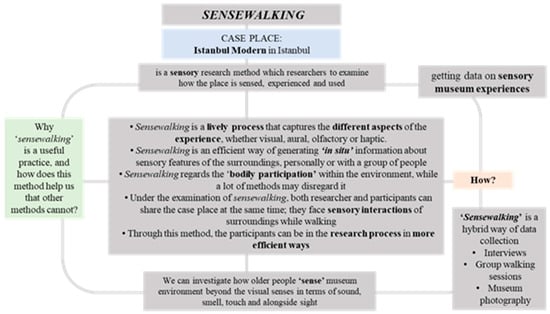
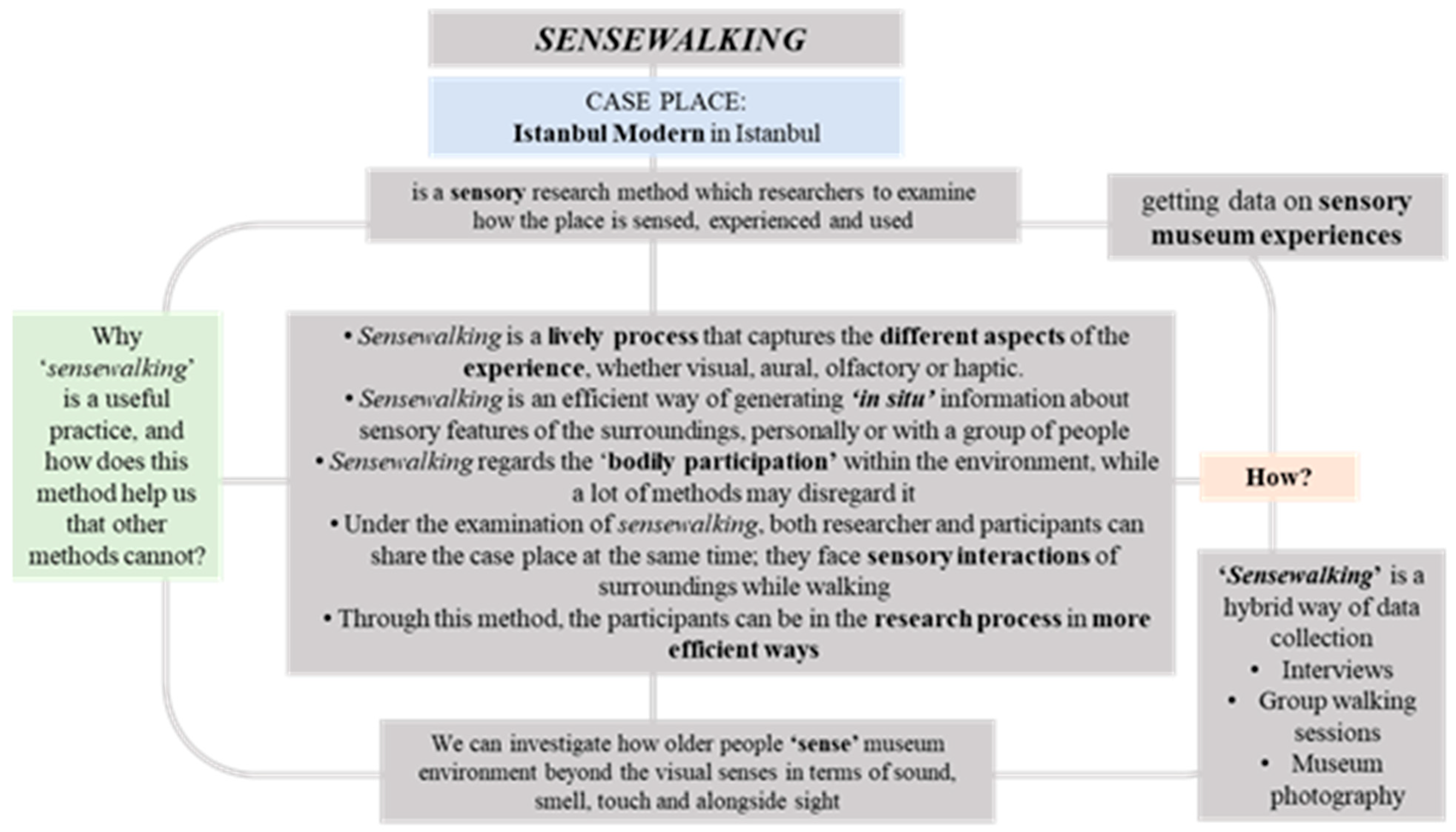
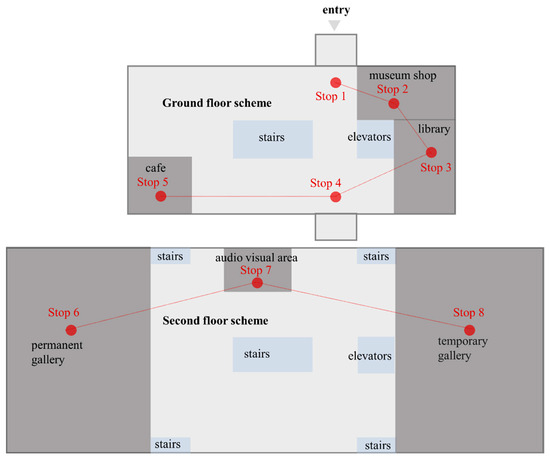
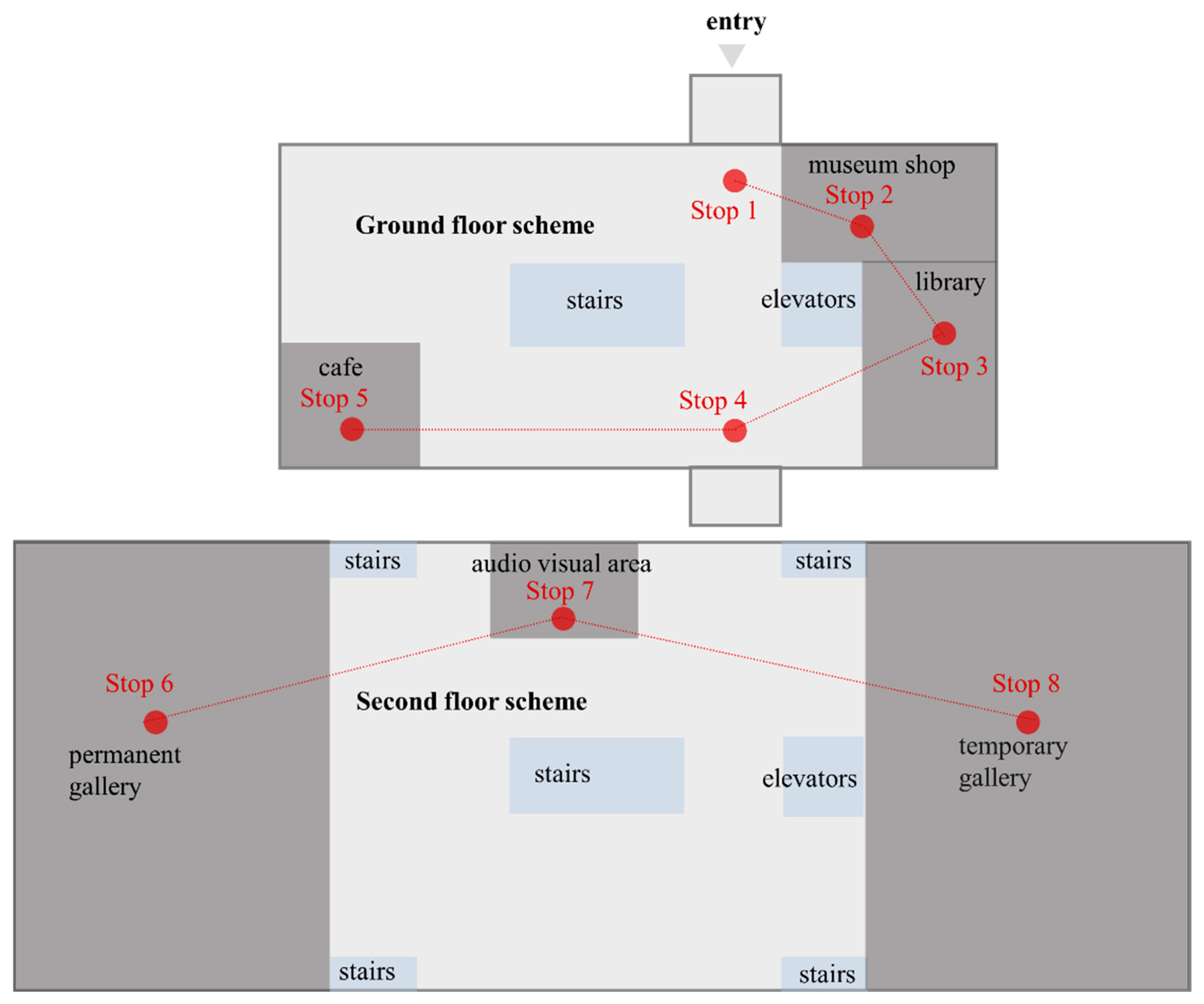
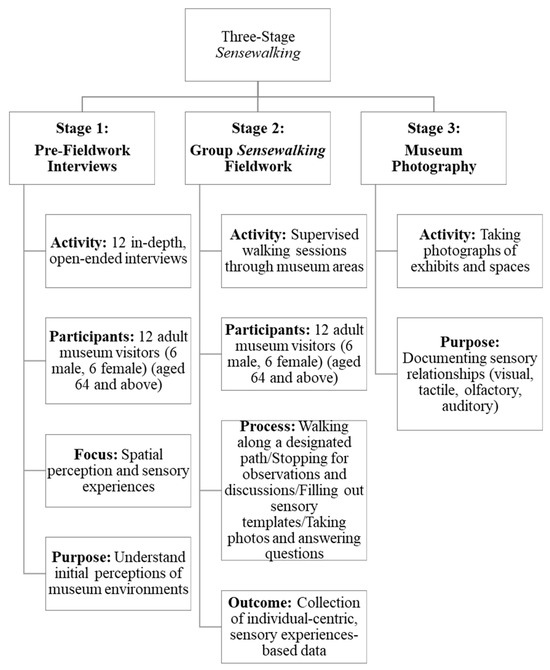
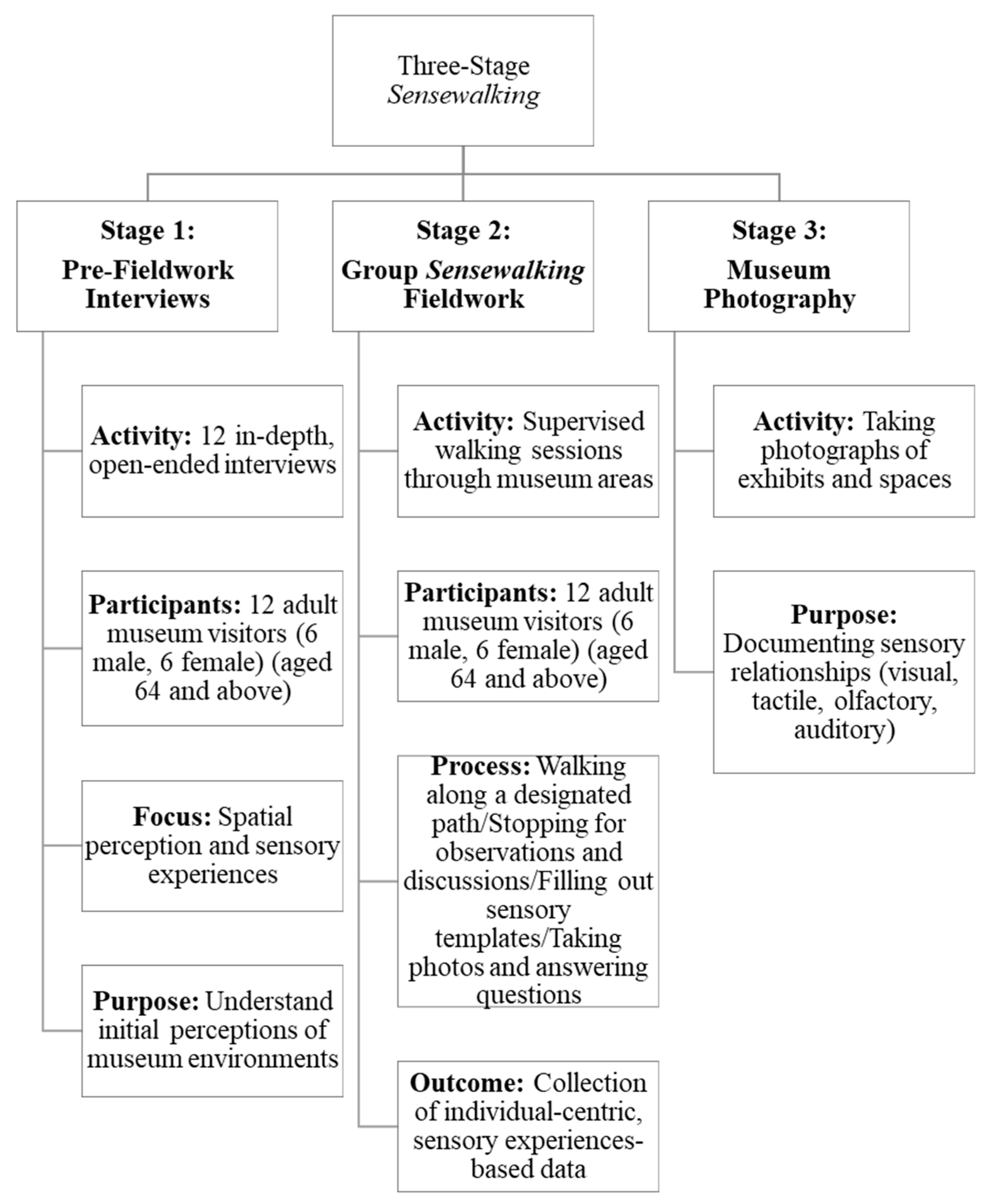
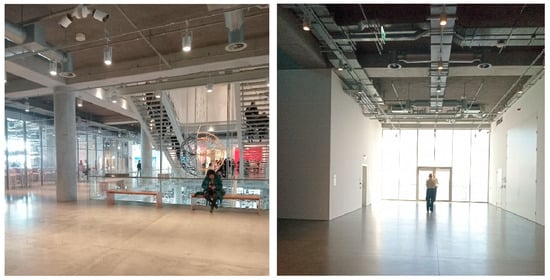
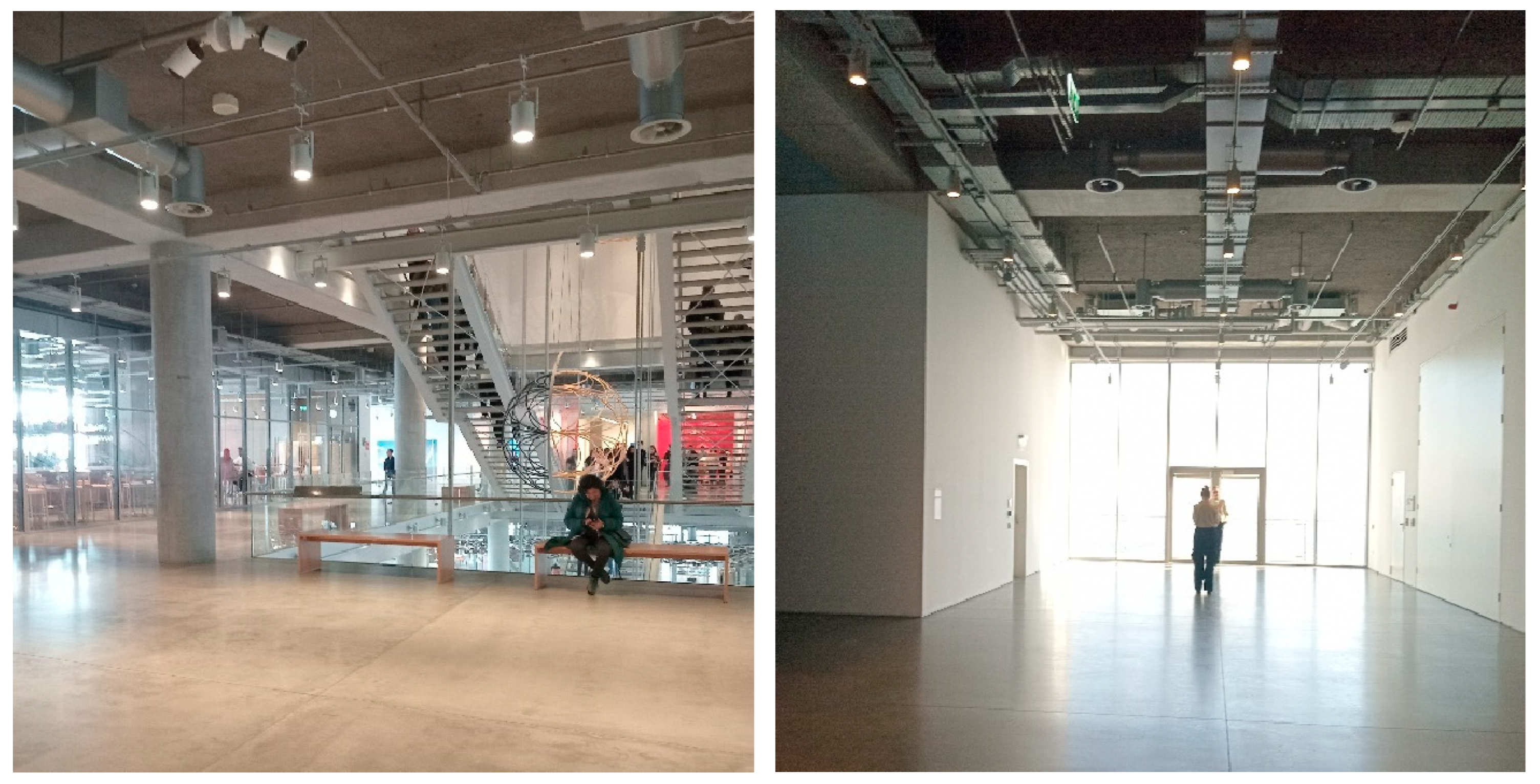
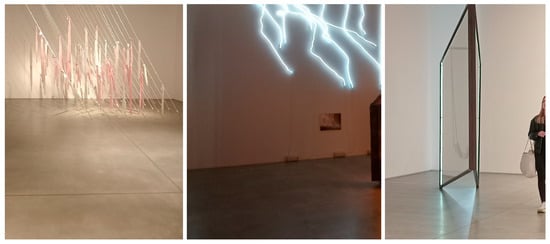
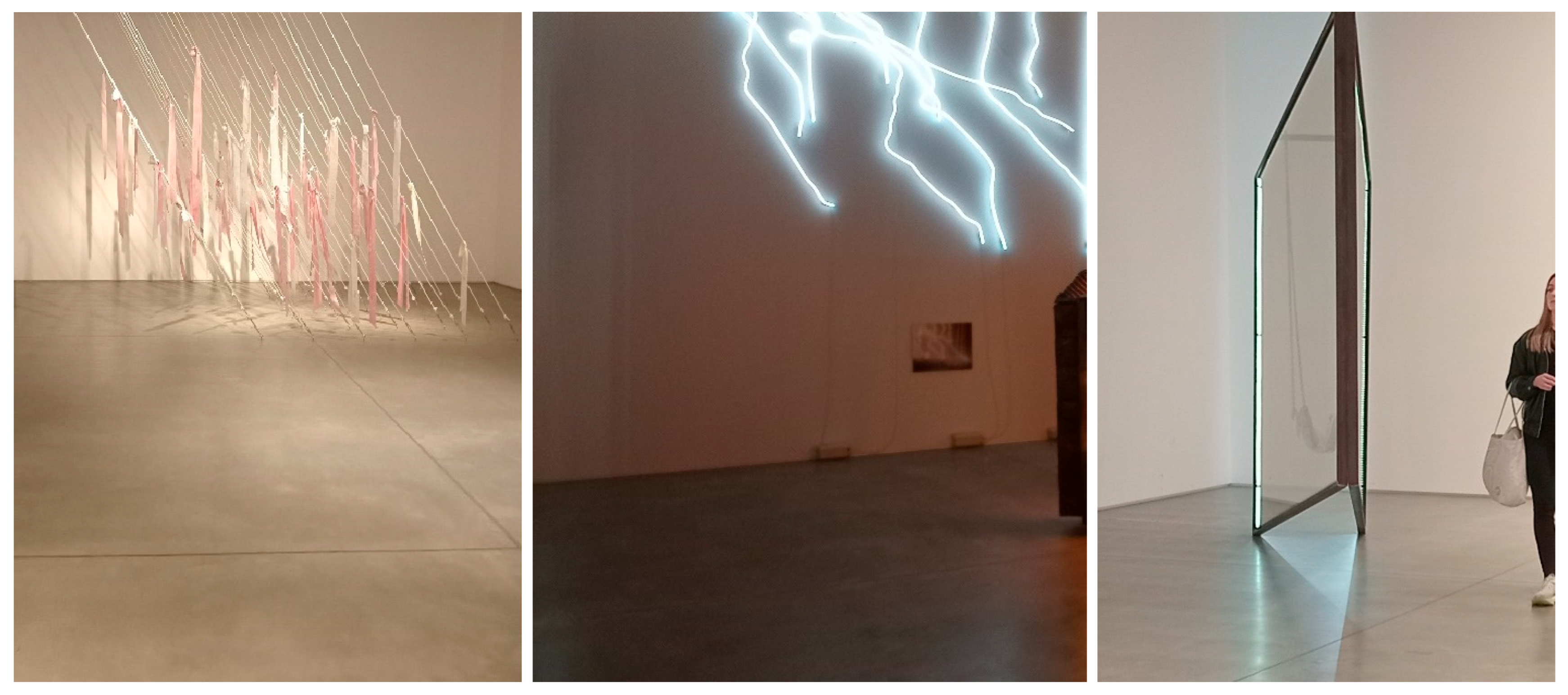
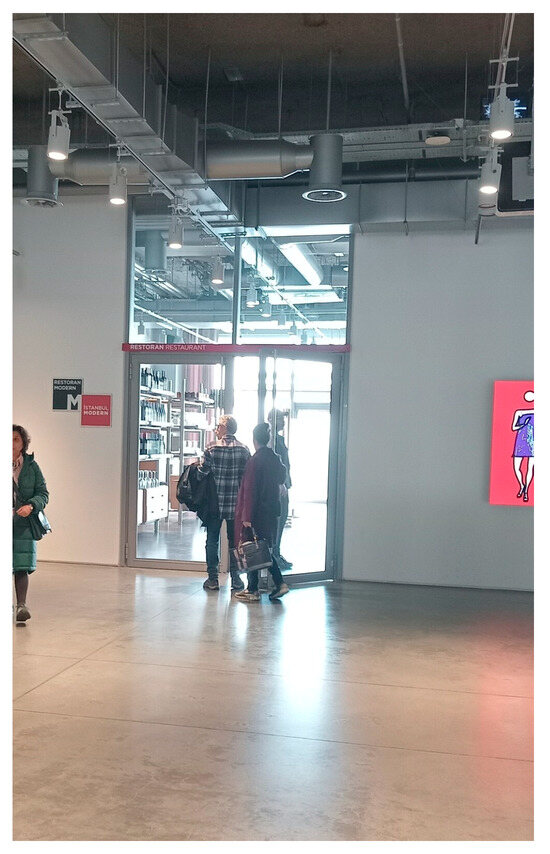
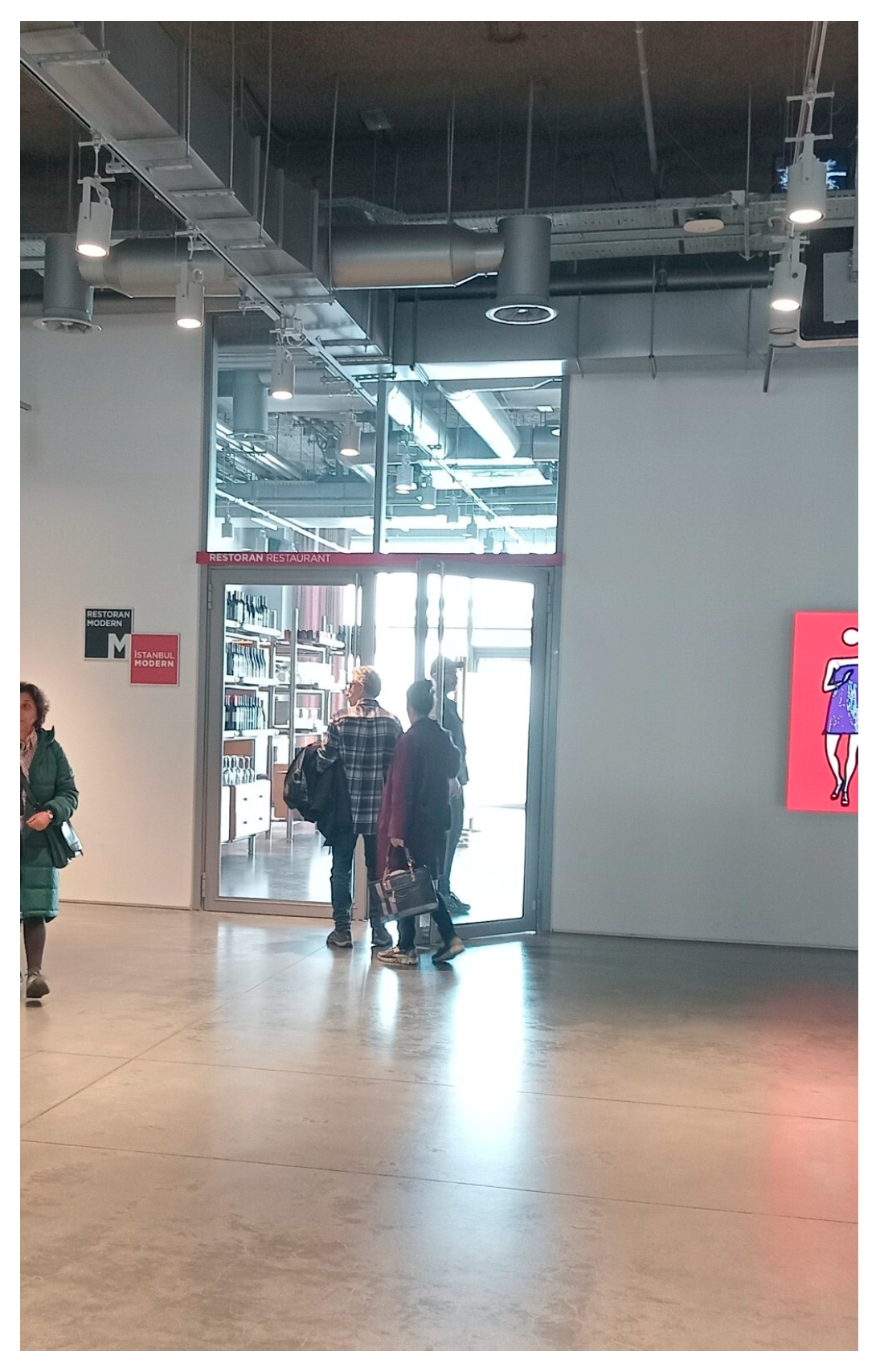
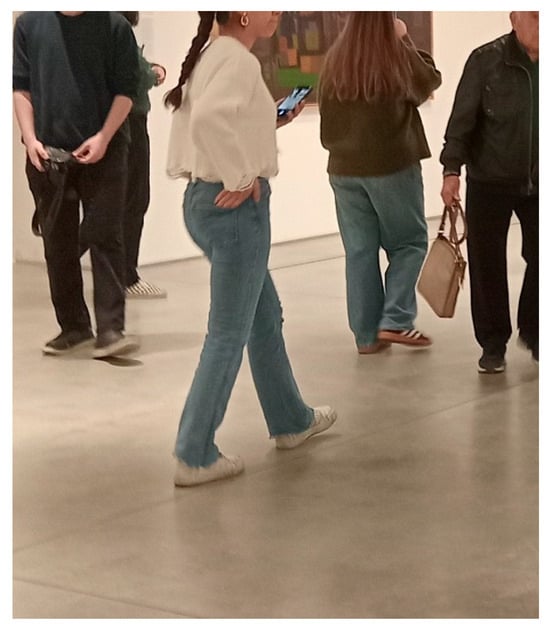
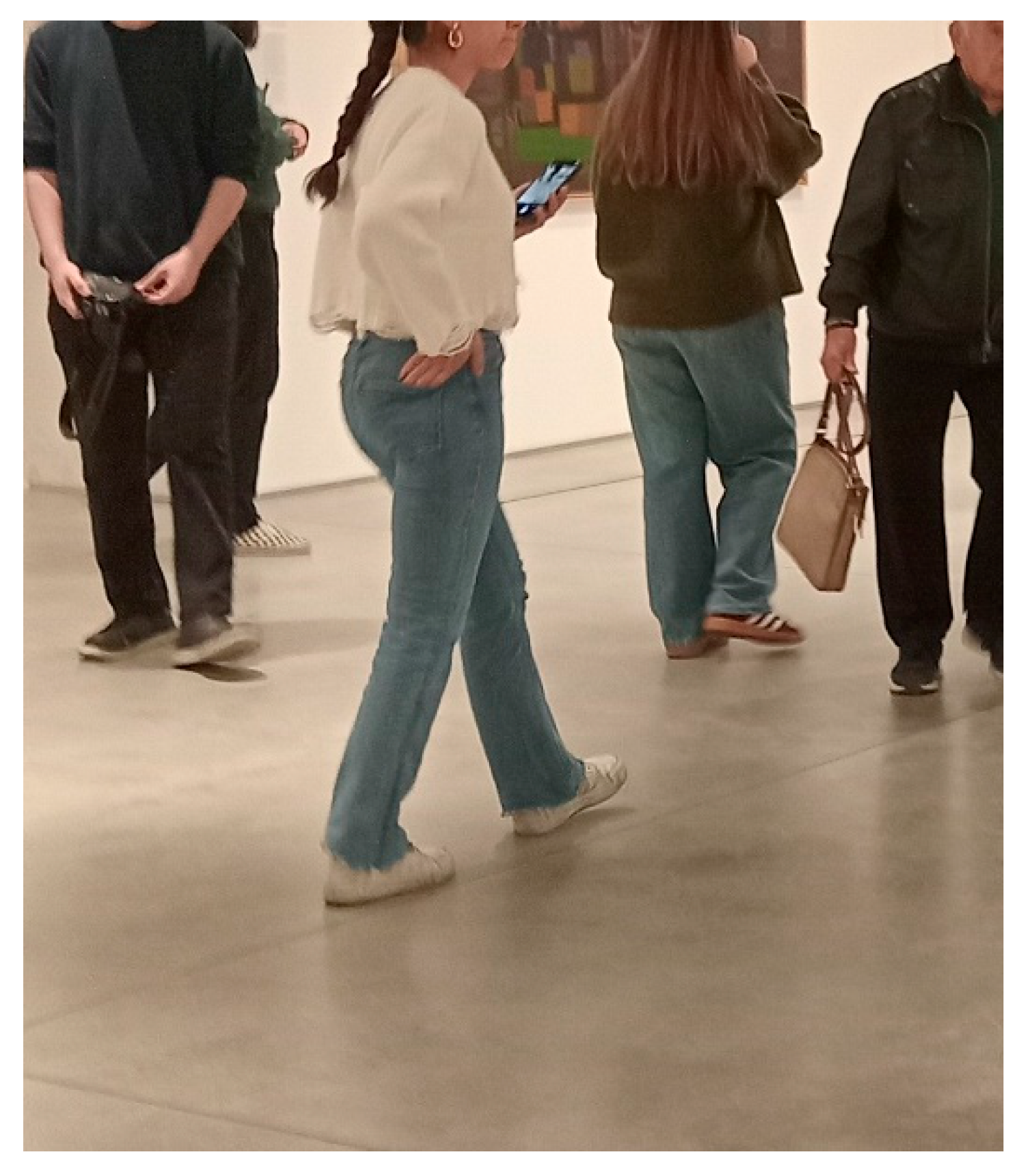
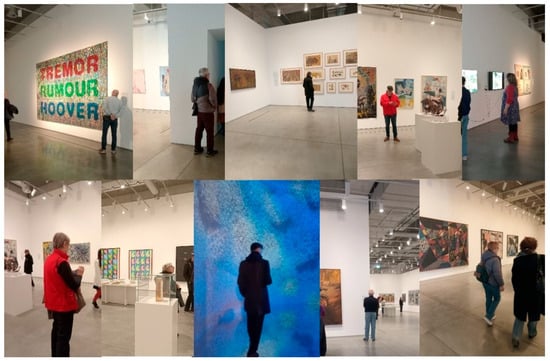
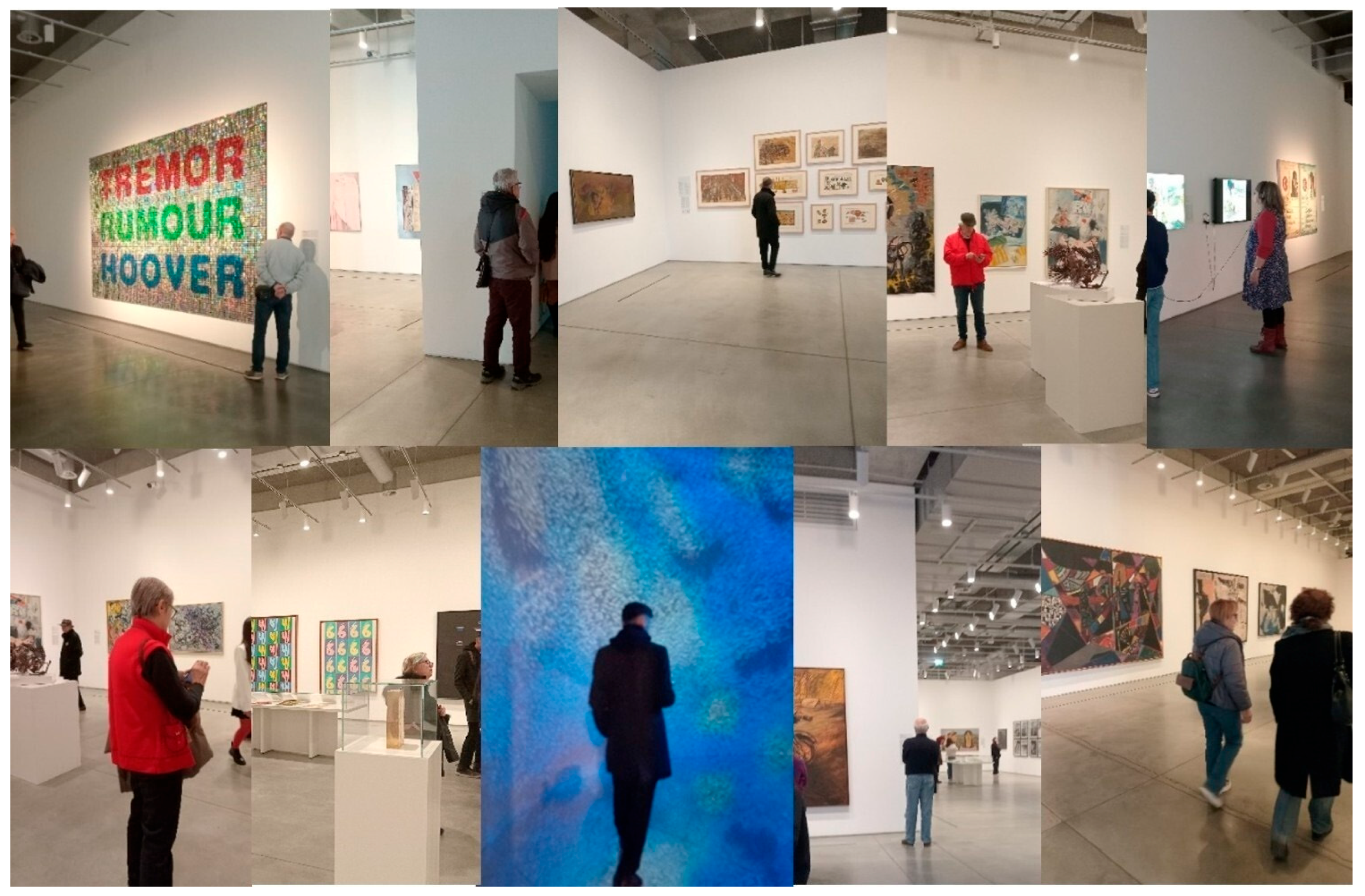
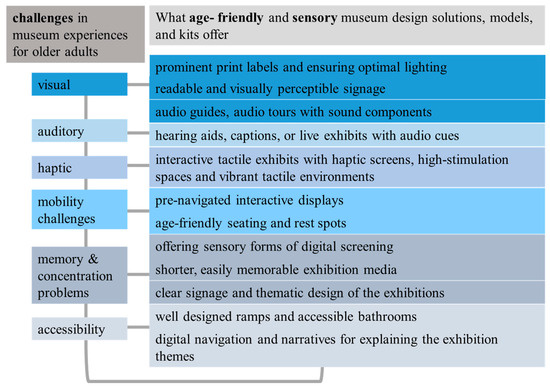
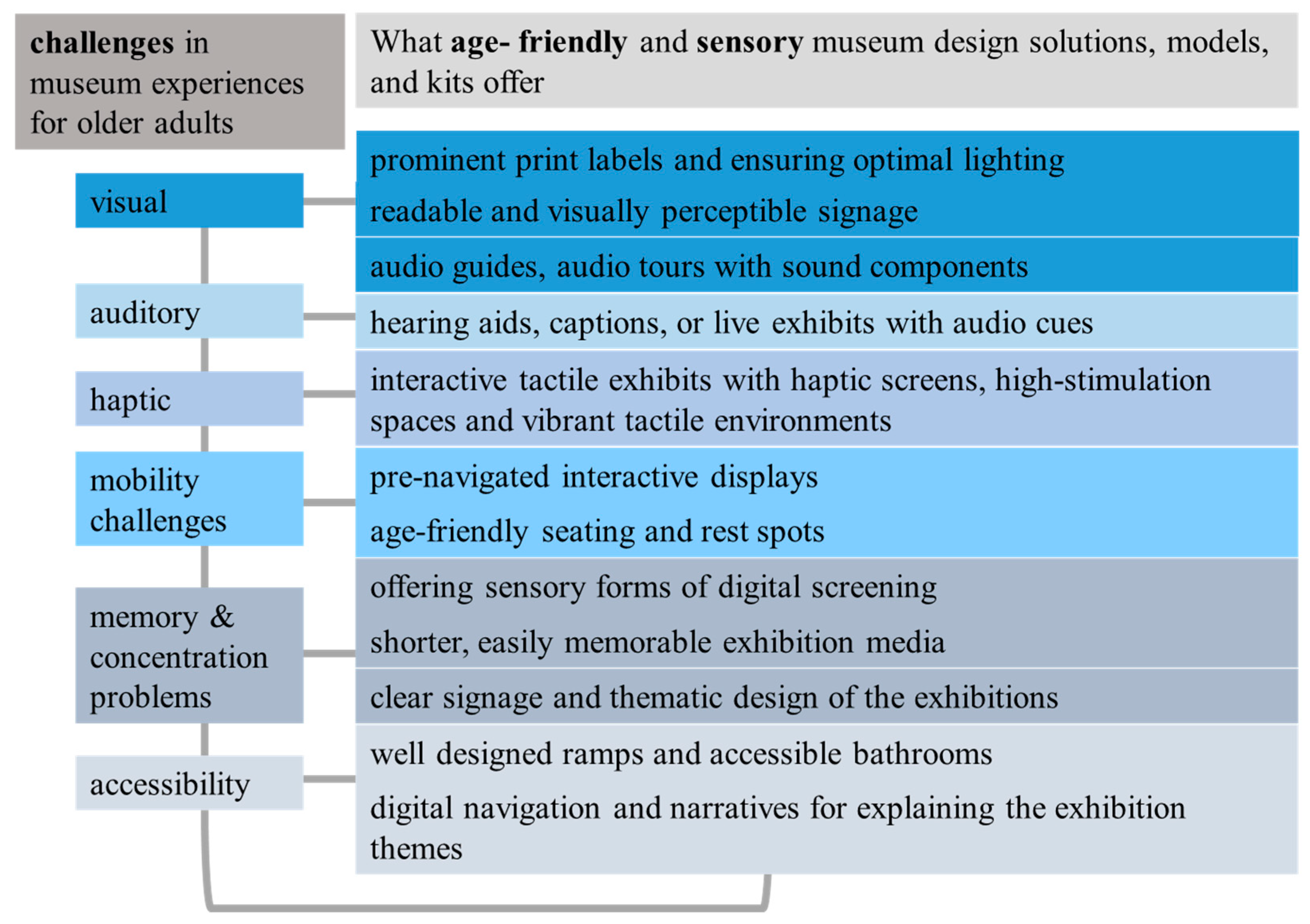

Disclaimer/Publisher’s Note: The statements, opinions and data contained in all publications are solely those of the individual author(s) and contributor(s) and not of MDPI and/or the editor(s). MDPI and/or the editor(s) disclaim responsibility for any injury to people or property resulting from any ideas, methods, instructions or products referred to in the content. |
© 2026 by the authors. Licensee MDPI, Basel, Switzerland. This article is an open access article distributed under the terms and conditions of the Creative Commons Attribution (CC BY) license.