


Abstract
In the Industry 4.0 era, the Architecture, Engineering, Construction, and Operation (AECO) sector faces a strategic challenge in integrating Mechanical, Electrical, and Plumbing (MEP) systems during early design stages, where a lack of “Design for Maintainability” contributes to building defect rates of up to 28%. These failures not only incur significant resource waste but also undermine long-term building sustainability. This study evaluates a digital innovation framework synthesizing Serious Games and Cooperative Problem-Based Learning (CPBL) via Minecraft to foster systemic thinking and spatial reservation logic at Level of Development (LOD) 100–150 as a catalyst for digital transformation. Utilizing a mixed-methods design (n = 25), the curriculum employed a “Mirror Mapping” mechanism, translating game physics into real-world electrical and plumbing logic. While results showed 93% management competency, a significant 13% “Symbolic Transformation Gap (STG)” (80% in system analogy) persisted, indicating that symbolic fluency does not automatically yield professional engineering reasoning. These findings validate the framework’s potential for spatial externalization and emphasize the necessity of “bridging activities” and Digital Twin linkages to optimize building lifecycle performance and reduce carbon footprints, ultimately achieving sustainable building goals.
1. Introduction
The rapid advancement of digital construction technologies in the Industry 4.0 era has fundamentally transformed the Architecture [1], Engineering, Construction, and Operation (AECO) sector, particularly in the pursuit of sustainable building development. Building Information Modeling (BIM) has emerged as a critical enabler for integrating design, construction, and lifecycle management processes, allowing for data-driven decision-making and improved coordination across disciplines [2,3].
Despite these advancements, the early-stage integration of Mechanical, Electrical, and Plumbing (MEP) systems remains a persistent challenge, often resulting in design conflicts, construction rework, and increased carbon emissions. These inefficiencies are particularly critical at the conceptual design stages (Level of Development (LOD) 100–150), where decisions have a disproportionate impact on lifecycle performance and long-term sustainability outcomes. Existing approaches to BIM-based coordination are predominantly reactive, focusing on clash detection after design development rather than proactive spatial planning.
To address this gap, this study proposes a digital innovation framework that integrates Serious Games and Cooperative Problem-Based Learning (CPBL) to enhance spatial awareness and systemic coordination in early-stage MEP design. By embedding sustainability considerations and maintainability principles into conceptual design workflows, the proposed framework contributes to digital construction practices that support circular resource use, waste reduction, and carbon footprint minimization across the building lifecycle.
1.1. Research Background and Industry Needs
Modern construction industrialization requires robust interdisciplinary collaboration to minimize design conflicts and lifecycle inefficiencies. However, the strategic integration of MEP systems remains a persistent bottleneck in BIM adoption. Empirical research indicates that plumbing and MEP-related issues account for the highest proportion of building defects, with failure rates reaching up to 28% in prior defect assessment studies, particularly in MEP-related systems [4], highlighting the persistent challenges in maintainability-oriented design. Such high failure rates not only escalate operational costs but also significantly increase the embodied carbon footprint of buildings due to frequent rework and material replacements. Research indicates that optimization strategies in BIM-enabled design and construction processes contribute to construction waste reduction and sustainability performance [5,6]. Thus, implementing systemic coordination at the LOD 100–150 stage is not only a technical necessity but also a vital pathway toward global sustainable building goals.
1.2. Current State and Gaps in Architectural Education
A critical gap exists in training for the early conceptual design stages, specifically LOD 100–150 [7,8]. In the Taiwanese architectural curriculum, this issue is pronounced due to a fragmented focus on isolated components rather than integrated systemic logic [9]. The disparity between academic focus and industry requirements is summarized below:
- Traditional Formal Expression: Focuses on aesthetic specifications, design theory, and fragmented technical knowledge.
- Systemic Engineering Logic: Requires holistic coordination, spatial reservation for pipelines, and early-stage route optimization to prevent costly rework [10,11].
Without hands-on simulation, students fail to internalize how early spatial decisions impact maintenance. This lack of practical engagement necessitates an innovative framework to bridge the gap between academic theory and professional AEC practice.
1.3. Innovative Pedagogy: Serious Games and CPBL
This study proposes a framework synthesizing Serious Games and CPBL [12,13]. Minecraft, a voxel-based sandbox environment, is utilized here not merely as an engagement tool but as a “representational laboratory” that provides a rule-governed symbolic system functional as an analog to engineering principles [14] for its capacity to support “spatial externalization,” allowing learners to offload complex spatial rules into simplified symbolic mechanics—a process known as cognitive compression [15]. Compared to traditional 2D drafting or professional BIM software (Autodesk Revit 2023), which may impose high technical barriers for novices, Minecraft offers an intuitive interface that prioritizes systemic logic over manual dexterity, making it an ideal epistemic scaffold for early-stage design coordination [16,17]. This approach builds upon recent literature using Minecraft to teach architectural circulation [18] and lean construction principles [19,20], extending these applications into the specialized domain of MEP coordination at LOD 100–150.
Unlike prior studies that primarily focus on engagement outcomes or procedural fluency in digital tools, this research uniquely positions the early-stage coordination challenge as a “symbolic-to-systemic” transfer problem. Minecraft is utilized here not merely as an engagement tool but as a “representational laboratory” that facilitates “cognitive compression”—allowing learners to offload complex spatial rules into simplified symbolic mechanics. By introducing the Symbolic–Analogical Transfer Model (SATM), this study moves beyond mere outcome reporting toward a mechanism-based explanation of how students internalize engineering logic through representational scaffolding. This theoretical anchoring addresses a significant gap in current digital pedagogy—the failure to explain how simulation fluency translates into professional systemic reasoning, a phenomenon conceptualized as the “STG”. This approach extends the application of voxel-based modeling from general circulation or lean principles into the specialized, under-theorized domain of MEP coordination at LOD 100–150.
This framework facilitates the “externalization” of logic to address a critical technical and cognitive bottleneck in digital transformation—the “STG.” This research focuses on exploring the phenomenon where procedural mastery of digital tools does not automatically yield professional engineering reasoning, a gap that often leads to lifecycle inefficiencies. The research objectives are:
- To evaluate the feasibility and student acceptance of the Minecraft-based instructional model.
- To assess how this approach enhances systemic understanding of MEP logic through externalization and “Mirror Mapping.”
- To identify differences in learning outcomes between lower-level and upper-level student cohorts, specifically regarding the “Symbolic Transformation” hurdle.
This study makes three key contributions to the field of sustainable digital construction:
- It introduces a novel BIM-oriented pedagogical framework that integrates serious gaming with early-stage MEP coordination, addressing the lack of systemic training at LOD 100–150.
- It establishes a causal linkage between spatial awareness, clash reduction, and lifecycle sustainability performance, bridging the gap between design cognition and environmental outcomes.
- It provides empirical evidence on the effectiveness of game-based learning in supporting digital transformation and sustainable building practices, offering practical implications for both architectural education and industry adoption.
2. Literature Review
The theoretical foundation of this study rests on three pillars: the technical challenges of BIM-MEP integration, the psychological benefits of student-centered pedagogy, and the unique affordances of Minecraft as a digital simulation tool. This grounding is essential for addressing the identified gap in early-stage design education.
2.1. BIM-Enabled Digital Construction for Sustainable Buildings
The rapid evolution of digital construction in AECO sector has positioned Building Information Modeling (BIM) as a central platform for integrating design, construction, and lifecycle management. BIM enables data-driven coordination across disciplines, facilitating improved decision-making and enhancing overall building performance [2,3]. Within the context of sustainable buildings, BIM plays a crucial role in supporting lifecycle assessment, material optimization, and resource efficiency, thereby contributing to the transition toward circular construction practices [2].
Recent studies further demonstrate that BIM-based digital construction strategies can significantly reduce carbon emissions by optimizing material usage and minimizing inefficiencies in design and construction workflows [21,22]. These capabilities highlight the importance of embedding sustainability considerations into early design stages, where critical decisions exert a disproportionate influence on lifecycle environmental performance.
2.2. MEP Coordination, Clash Detection, and Construction Waste
MEP systems represent one of the most complex and conflict-prone domains within building design. In conventional workflows, the lack of integrated coordination frequently results in spatial clashes, leading to costly rework, material waste, and extended construction timelines. Empirical studies indicate that MEP-related issues account for a significant proportion of building defects, with failure rates reaching up to 28% [4].
BIM-enabled clash detection has emerged as a critical solution for addressing these inefficiencies by enabling early identification and resolution of spatial conflicts. Systematic reviews confirm that BIM-based coordination significantly reduces construction and demolition waste (CDW) by minimizing design errors and rework [23].
Recent studies further extend this perspective by integrating semantic BIM frameworks capable of quantifying and optimizing construction waste during the design phase, thereby enabling proactive waste reduction strategies rather than reactive mitigation [24].
Furthermore, the relationship between BIM application and sustainability performance has been empirically validated, demonstrating that digital coordination and green innovation mechanisms jointly enhance project-level environmental outcomes [5]. These findings establish a clear linkage between MEP coordination efficiency and broader sustainability objectives in digital construction.
2.3. Early-Stage Design (LOD 100–150) and Spatial Decision-Making
The effectiveness of BIM in improving sustainability outcomes is highly dependent on its application during early design stages, particularly at Levels of Development (LOD) 100–150. These conceptual phases define the fundamental spatial configuration and system integration strategies that determine downstream constructability and maintainability [8,25].
Early-stage decision-making plays a critical role in shaping lifecycle performance, as spatial allocation and routing strategies for MEP systems directly influence maintenance accessibility, operational efficiency, and system reliability. Research suggests that LOD 100–150 should function as a shared communication platform between architects and engineers, enabling interdisciplinary coordination before detailed design development [8].
Optimization approaches within BIM-supported environments, including spatial configuration and path planning strategies, have been shown to improve design efficiency and reduce downstream conflicts [6]. By incorporating spatial reservation principles at the conceptual stage, designers can proactively mitigate clashes and avoid costly rework during construction.
2.4. Digital Pedagogy for BIM-MEP Integration: CPBL and Serious Games
Despite advancements in BIM technologies, a critical gap persists in architectural education, particularly in training students to integrate MEP systems during early design stages. Traditional pedagogical approaches often emphasize isolated technical knowledge rather than systemic coordination, limiting students’ ability to address real-world interdisciplinary challenges [10,11].
Student-centered pedagogies, such as CPBL, have been shown to enhance engagement, autonomy, and collaborative problem-solving skills by situating learners within realistic professional contexts [26]. When combined with Serious Games, these approaches further promote experiential learning and intrinsic motivation, enabling students to internalize complex engineering concepts through interactive simulation [12,27].
Game-based learning platforms, particularly sandbox environments such as Minecraft, provide intuitive and flexible spaces for simulating spatial and systemic relationships. Previous studies demonstrate that Minecraft can support architectural education by enabling the visualization of circulation, spatial logic, and environmental systems [13,18]. However, existing applications remain limited in their integration with BIM-based MEP coordination and sustainability objectives.
2.5. Research Gap: From Reactive Coordination to Proactive Spatial Intelligence
Although prior research has demonstrated the potential of BIM in enhancing sustainability, reducing construction waste, and improving MEP coordination, several critical gaps remain. First, current BIM-based coordination practices are largely reactive, focusing on clash detection after design development rather than proactive spatial planning during early conceptual stages. Second, the integration of circular construction principles into early-stage BIM workflows remains underexplored, particularly in relation to MEP system configuration and maintainability. Third, existing educational approaches lack effective mechanisms for translating abstract engineering logic into spatial decision-making processes.
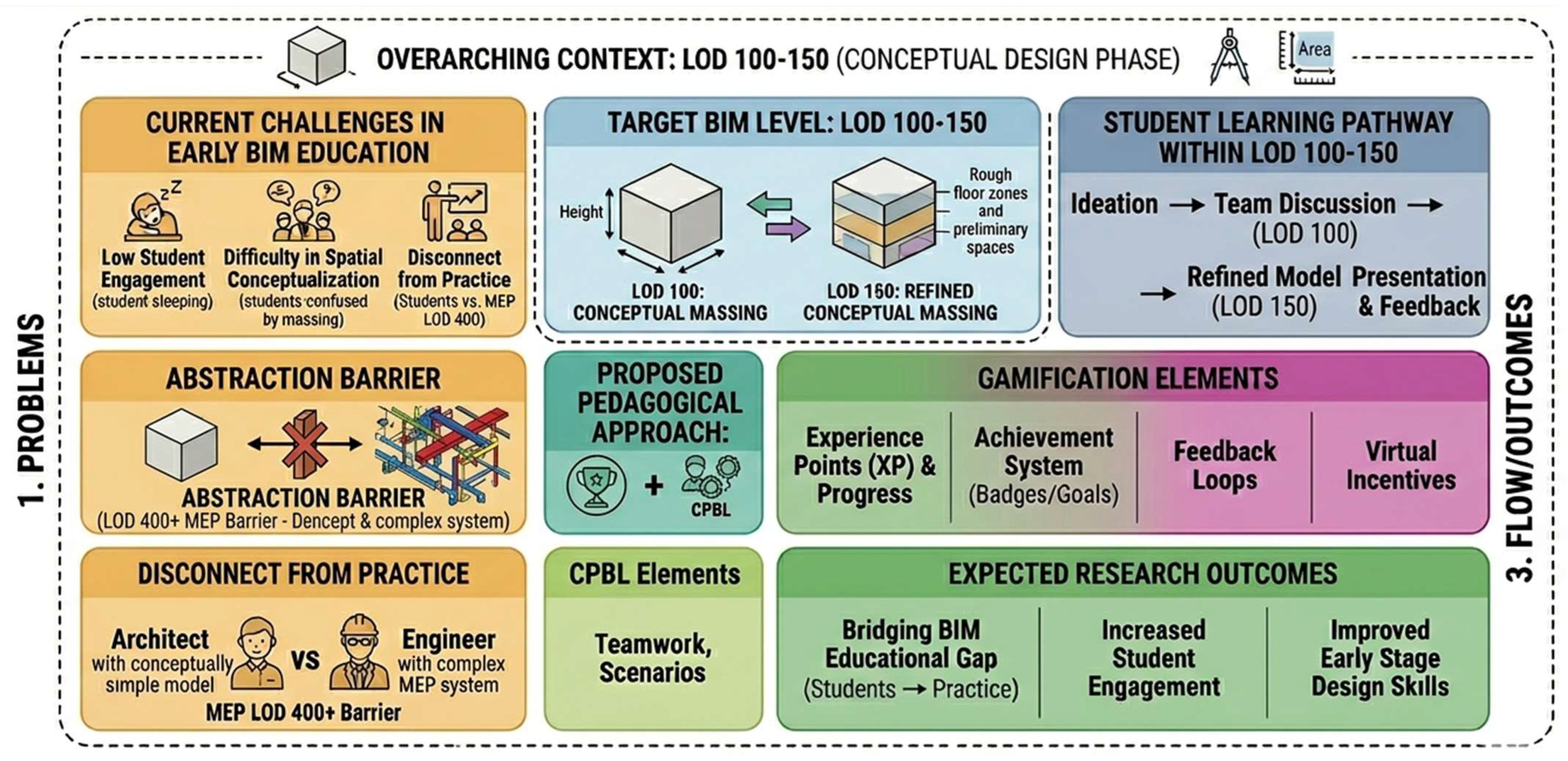
To address these limitations, this study proposes a digital innovation framework that is explicitly distinguished from established literature across three axes. First, while traditional BIM-based education primarily focuses on late-stage tool proficiency and technical specifications at LOD 400+ [10], this research uniquely targets the conceptual “abstraction zone” of LOD 100–150, addressing the systemic thinking deficiencies noted by Jadhav (2022) [11]. Second, unlike prior studies utilizing Minecraft for architectural circulation [18] or lean construction principles [20], this framework introduces the SATM as an epistemic scaffold to explain the mediational pathway between symbolic play and engineering logic. Third, departing from typical engagement-centric reports in digital pedagogy (e.g., [14,16]), our approach adopts a mechanism-oriented analysis to quantify the “STG”. By embedding these distinctions into the framework (Figure 1), the study moves beyond mere pedagogical intervention toward a generative theoretical model for early-stage engineering design education.
Figure 1.
Integrated framework of the Gamified CPBL pedagogical approach for early-stage BIM learning (LOD 100–150), bridging the gap between conceptual design and digital transformation. [Note: This figure was optimized for visual hierarchy and organizational layout using AI design assistance (Google Gemini and NotebookLM); the underlying conceptual framework is the original work of the author].
This approach establishes a causal linkage between early-stage spatial intelligence, MEP coordination efficiency, and sustainable building outcomes, contributing to the advancement of BIM-enabled digital construction and circular design practices. This highlights the need to establish a robust framework that bridges the gap between early-stage conceptual massing and the technical MEP requirements. The proposed “Digital Innovation Framework” is a multi-layered synthesis of pedagogical strategy and cognitive mechanics (Figure 1). Conceptually, it is anchored in the SATM, which operationalizes “Mirror Mapping” through the lens of Structure-Mapping Theory [28]. This mechanism functions as a formal structural alignment process where game-based symbolic relations (e.g., Redstone energy flow) are mapped onto functional engineering analogues (e.g., electrical circuit logic). This identifies three hierarchical cognitive layers: (1) Procedural Fluency within the simulation, (2) Structural Alignment via “Mirror Mapping,” and (3) Systemic Abstraction into professional engineering logic. Methodologically, this allows learners to externalize spatial reservation logic at LOD 100–150 by utilizing voxel-based environments as “representational laboratories” for analogical reasoning.
In this integrated approach, LOD 100–150 is defined not merely as a sequential step, but as the primary target environment where foundational spatial intelligence is formed to proactively reduce construction waste and rework. The modular layout of the framework identifies current challenges in BIM education—such as the disconnect between architectural conceptualization and technical MEP requirements (typically LOD 400+)—and introduces Gamified CPBL (Serious Games) as the core mediating mechanism. By utilizing intuitive game physics to simulate “spatial reservation logic,” the framework enables students to internalize professional intuition during the conceptual design phase. This pedagogical pathway ensures that early design interventions at LOD 100–150 contribute directly to long-term sustainability outcomes, such as reduced construction waste and improved maintainability, by fostering proactive coordination skills before students encounter the high-entry barriers of traditional BIM software.
3. Methodology
This study employs a mixed-methods quasi-experimental design. The “Mirror Mapping” mechanism is central to the methodology, aiming to reduce cognitive load by using familiar game mechanics to represent abstract engineering principles [17].
3.1. Experimental Design and Participants
This study employs a mixed-methods quasi-experimental research design to evaluate the efficacy of a digital innovation framework as a catalyst for digital transformation in the early stages of the AECO sector. The participant pool comprised 25 architecture students from a public university in southern Taiwan, stratified into a “Foundational Logic Group” (lower-level) and a “Systemic Integration Group” (upper-level and graduate) to contrast performance variances in addressing LOD 100–150 spatial configuration challenges. Specifically, the Lower-Level Group (n = 15) consisted of 2nd-year undergraduates focusing on foundational spatial logic and basic Minecraft operations. The Upper-Level Group (n = 10) included 3rd-year and graduate students focusing on advanced system integration, collaborative problem-solving, and professional LOD awareness. While the sample size (n = 25) is relatively small for broad statistical generalization, it is consistent with established mixed-methods quasi-experimental designs in engineering education that prioritize in-depth cognitive analysis and the examination of internal learning mechanisms over large-scale population surveying. This sample size allowed for the collection of detailed qualitative artifacts and intensive semi-structured interviews necessary to validate the layers of the SATM framework.
The study was conducted in accordance with the Declaration of Helsinki. All participants were informed about the research objectives and data confidentiality protocols, and they provided written informed consent prior to the commencement of the workshop. The ethical aspects of this study were overseen and approved as part of the research program funded by the Ministry of Education (MOE-113-TPRHA-0019-001Y1). This direct textual stratification ensures clarity regarding academic seniority and its influence on the internalization of engineering logic while maintaining a concise manuscript structure.
- Lower-Level Group: 2nd-year students focusing on foundational spatial logic and basic Minecraft operations.
- Upper-Level Group: 3rd-year and graduate students focusing on advanced system integration and collaborative problem-solving.
3.2. The “Mirror Mapping” Technical Framework
The core of this framework lies in establishing a functional correspondence between game physics and construction engineering logic. Utilizing the “Mirror Mapping” mechanism, Minecraft’s Redstone circuits, fluid mechanics, and automated machinery were mapped onto real-world electrical, plumbing, and mechanical systems, respectively. This approach translates abstract construction rules into intuitive geometric constraints, assisting designers in performing effective spatial reservation and route optimization during the LOD 100–150 phase [8,25,29].
To create an intuitive and analogous learning environment, the study implemented a “Mirror Mapping” approach, establishing a direct functional correspondence between Minecraft’s game mechanics and real-world Mechanical, MEP systems. The specific system mappings are defined as follows (Table 1):
Table 1.
Functional correspondence framework: mapping digital simulation mechanics to BIM-MEP engineering logic.
- Electrical System: Simulated via Redstone circuits to replicate complex circuit logic, energy distribution, and centralized switch control.
- Plumbing System: Represented by water flow mechanics and hoppers to simulate fluid transport, irrigation logic, and waste management paths.
- Mechanical Equipment: Signified by automated farming machines, representing engineering systems that necessitate specific spatial allocation and operate based on output-driven requirements.
This framework establishes a functional correspondence between game physics and professional systems to foster intuitive learning and the externalization of abstract engineering rules (Table 1) [17].
3.3. Parameterized Constraints and Maintainability Simulation
To simulate real-world “Design for Maintainability,” the research enforced rigorous parameterized constraints within the virtual environment: a 10-block height limit for mechanical components and a 13-block vertical envelope for MEP networks. These “artificial design rules” compelled participants to perform clash coordination and maintenance path planning within restricted spaces, thereby quantifying their ability to mitigate building defects (which impact up to 28% of projects) during the early design phase [4].
The virtual environment utilized an ATERNOS.org server, enabling real-time collaboration and professional role-playing. To simulate real-world constraints and the “clash coordination” challenges of LOD 100, “Artificial Design Rules” and economic constraints were enforced:
- Economic Simulation: Teams were required to bid for land using a limited in-game currency, fostering resource management skills.
- Mechanical Components: Maximum height restriction of 10 blocks.
- MEP Networks: Maximum vertical envelope of 13 blocks.
These constraints forced students to strategically optimize spatial reservations, mimicking the limitations inherent in professional engineering [20,26].
3.4. Workshop Implementation
The workshop was delivered and facilitated by the primary investigator (the author), supported by two teaching assistants who provided on-site technical guidance during simulation sessions. The intervention was structured as a two-month pedagogical cycle. The initial month focused on the core instructional phase, comprising four weekly sessions (one per week, four weeks total). Each session lasted approximately 2 h, divided into a technical briefing followed by intensive group discussions and Minecraft simulations. Following this, students were provided an additional one-month period for independent, in-depth team collaboration to refine their MEP designs and prepare for the final performance evaluation. The outcomes of this deepening phase—where students successfully resolved spatial conflicts within artificial constraints—are consistent with the project prototypes detailed in the empirical results (see Section 4.3). This progression simulates a realistic AEC project lifecycle, as outlined in Table 2 [24,25].
Table 2.
Phased digital workflow and task schemes for project lifecycle simulation.
3.5. Assessment Instruments and Data Analysis
The study evaluates the framework’s efficacy through multi-dimensional scales, encompassing “spatial configuration logic,” “MEP integration rationality,” and “systemic analogy capability”. In addition to pre- and post-test questionnaires and semi-structured interviews, the analysis focuses on the “ within the virtual construction outputs to quantify the cognitive friction inherent in the transition from digital simulation to professional engineering semantics.
A mixed-methods approach was adopted, utilizing a variety of instruments for comprehensive data collection and analysis [17]. The rubric assesses student outputs across four dimensions: Spatial Configuration (circulation and logic), MEP Integration (path rationality), Creativity and Problem-Solving, and Teamwork (Appendix A). This multi-faceted framework, comprising teacher assessment, peer review, and self-evaluation, ensures a robust evaluation of the learning process.
The pre-test and post-test questionnaires were developed by aligning standard BIM/MEP curriculum requirements with the cognitive layers of SATM framework to assess four dimensions: LOD comprehension, system configuration logic, resource management, and GBL perception (refer to Table A2 in Appendix B). To ensure content validity, the instruments were reviewed and validated by a panel of three experts—including two senior academics in AEC education and one professional BIM coordinator—to confirm that the items accurately reflected LOD 100–150 competencies. Similarly, the semi-structured interview protocol was designed to elicit reasoning patterns related to representational transfer. The interview questions were pilot-tested with a focus group of three senior students to refine linguistic clarity and ensure that the prompts effectively captured the “STG” experienced during simulations.
Quantitative data from the questionnaires were analyzed using IBM SPSS Statistics (Version 25.0, IBM Corp., Armonk, NY, USA) for paired-sample t-tests. To ensure statistical rigor despite the exploratory sample size (n = 25), the study reported significance levels (p-values) and calculated Cohen’s d to measure effect size, following established quality considerations in engineering education research [30]. Instrument validation was achieved through a multi-stage process: (1) Content Validity: The pre/post-test items were reviewed by a panel of three experts (two senior AEC academics and one industry BIM coordinator) to ensure alignment with LOD 100–150 competencies; (2) Reliability: Qualitative data from semi-structured interviews and classroom observations were managed and analyzed using Microsoft Excel to facilitate a structured thematic analysis.
The coding process followed a six-phase inductive approach: (1) data familiarization through transcription, (2) initial code generation focusing on representational reasoning, (3) searching for themes across cohorts, (4) reviewing themes against the SATM framework, (5) defining and naming ten specific themes (e.g., Architectural Planning, MEP Configuration, and Resource Management), and (6) final reporting of keyword frequencies. Specifically, transcripts were coded for recurring keywords such as “System Analogy” and “Spatial Reservation” to identify where conceptual transfer succeeded or fractured. This multi-layered analysis ensures that the study provides a robust, evidence-based assessment of the internal cognitive mechanisms of the teaching model.
4. Results and Discussion
The following findings provide rigorous empirical evidence of the pedagogical model’s efficacy in bridging the gap between simplified game mechanics and complex MEP engineering logic. By synthesizing quantitative performance metrics with qualitative thematic analysis, this section demonstrates how the “Mirror Mapping” mechanism facilitates the externalization of abstract concepts, fostering systemic thinking during the critical LOD 100–150 phase. The data suggests that this framework effectively addresses the pedagogical disconnect between theoretical design and early-stage system integration.
4.1. Quantitative Findings: Engagement and Knowledge Acquisition
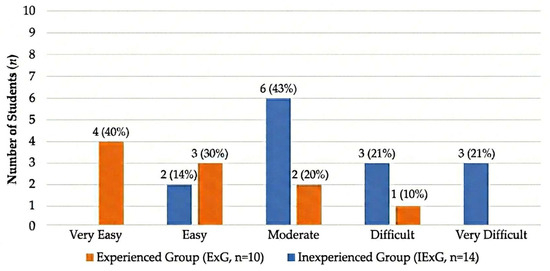
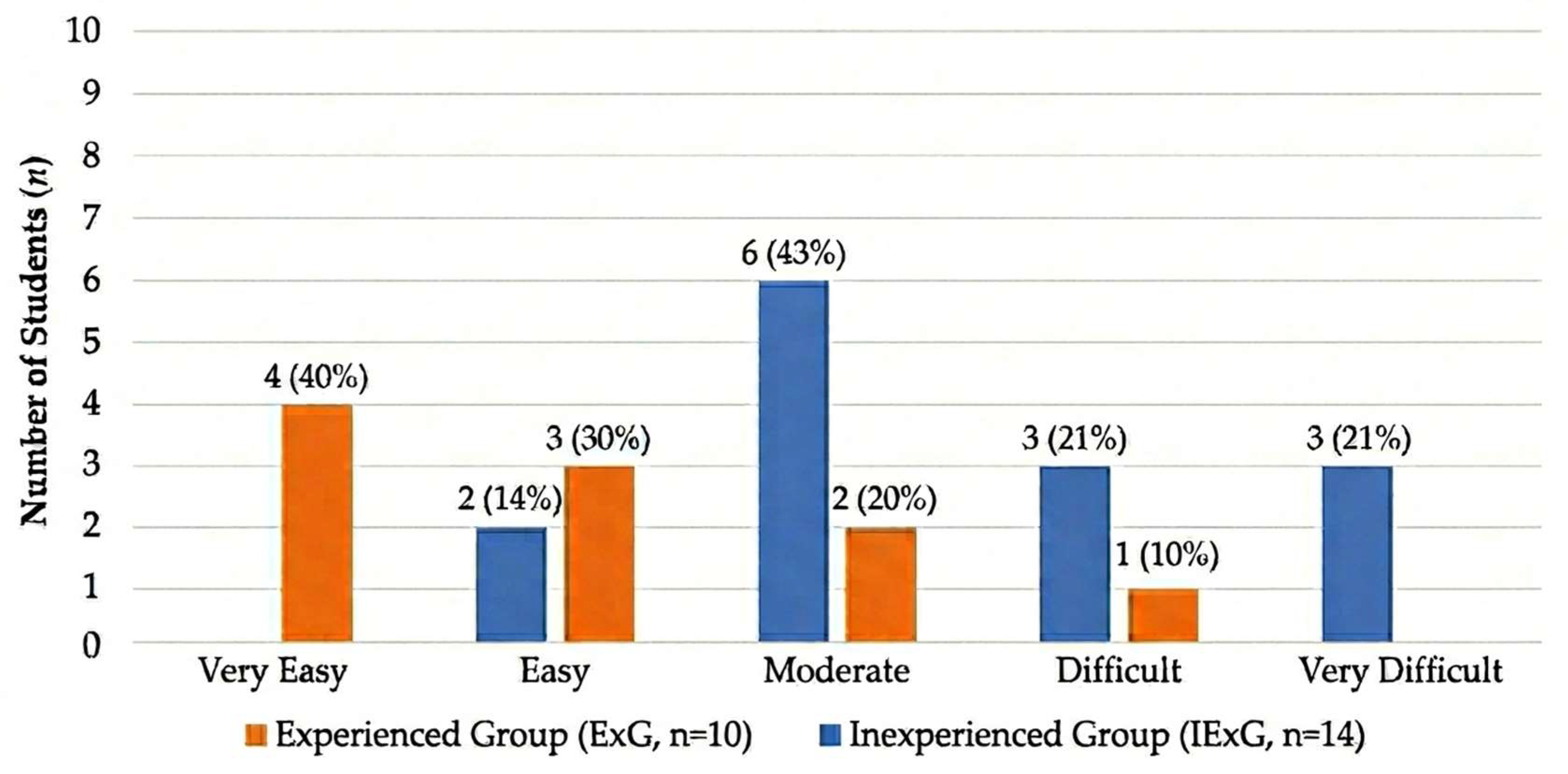
The research evaluated the impact of prior gaming experience on pedagogical success to determine the model’s scalability across diverse student backgrounds. To ensure terminological consistency, participants were categorized via a pre-workshop survey regarding their familiarity with “game mechanics” and Minecraft control interfaces. Specifically, those with no prior exposure were defined as the Inexperienced Group (IExG, n = 14, 56%), while those familiar with digital sandbox environments and game mechanics were defined as the Experienced Group (ExG, n = 10, 40%). The data indicates that prior gaming proficiency was not a primary determinant of conceptual understanding [29]. As illustrated in Figure 2, which consolidates the technical barrier assessment data, novices (IExG) initially encountered greater operational hurdles compared to experienced players (ExG), with 16% of the total sample reporting controls as “very challenging”. However, the high levels of engagement and autonomous learning behavior observed in both cohorts suggest that the platform’s intrinsic motivation effectively compensated for the technical learning curve. This finding is of critical strategic importance: it establishes Minecraft as a universal pedagogical solution for AEC departments, proving that the model’s success is contingent upon the mastery of engineering logic rather than manual gaming dexterity.
Figure 2.
Assessment of Technical Barriers: Distribution of Perceived Game Control Difficulty between Inexperienced (IExG, n = 14) and Experienced (ExG, n = 10) Groups.
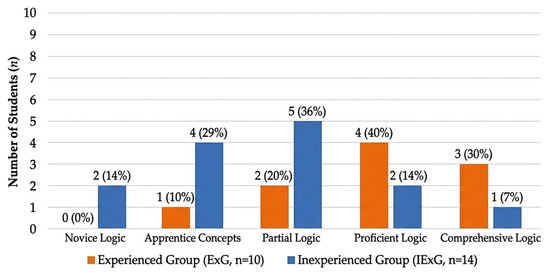
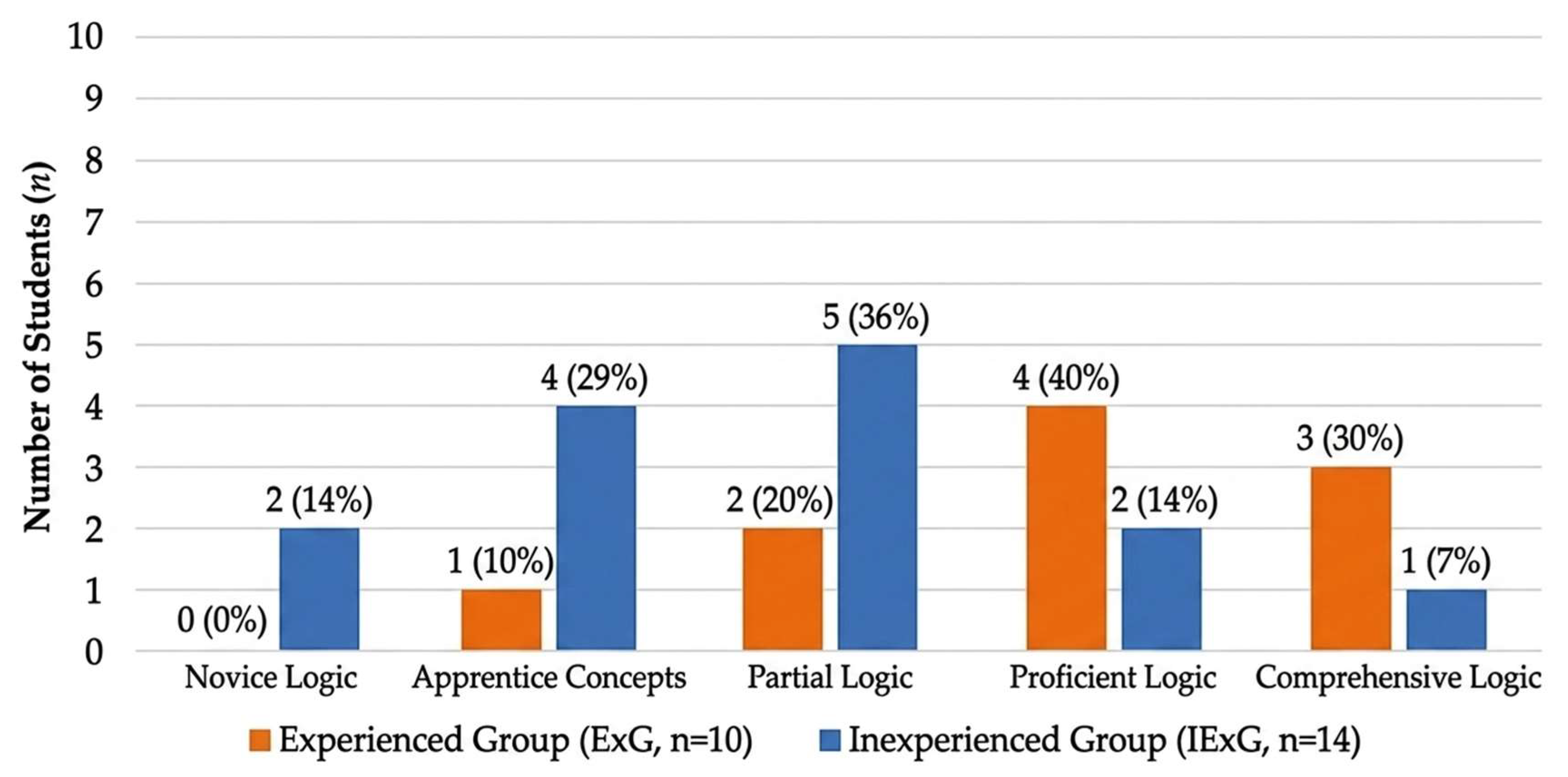
Data represented in Figure 2 and Figure 3 confirm that a total of 17 students (approximately 70.8% of all students) achieved at least a “Partial Logic” level of conceptual comprehension regarding MEP systems post-workshop. As detailed by the specific categories within Figure 3 and Table 3, a majority of participants—comprising 57.1% of the inexperienced group (IExG) and 90% of the experienced group (ExG)—attained this level following the pedagogical intervention.
Figure 3.
Cognitive Acquisition Profiles of BIM-MEP Systemic Logic: Comparison between Inexperienced (IExG, n = 14) and Experienced (ExG, n = 10) Groups.
Table 3.
Comparative analysis of MEP conceptual understanding post-workshop: novice vs. experienced players (N = 25).
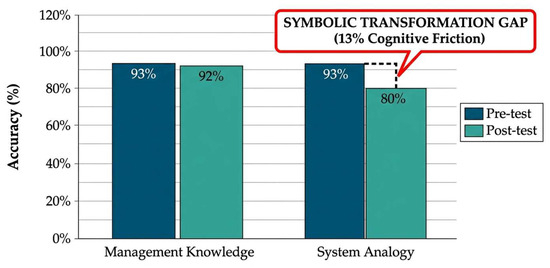
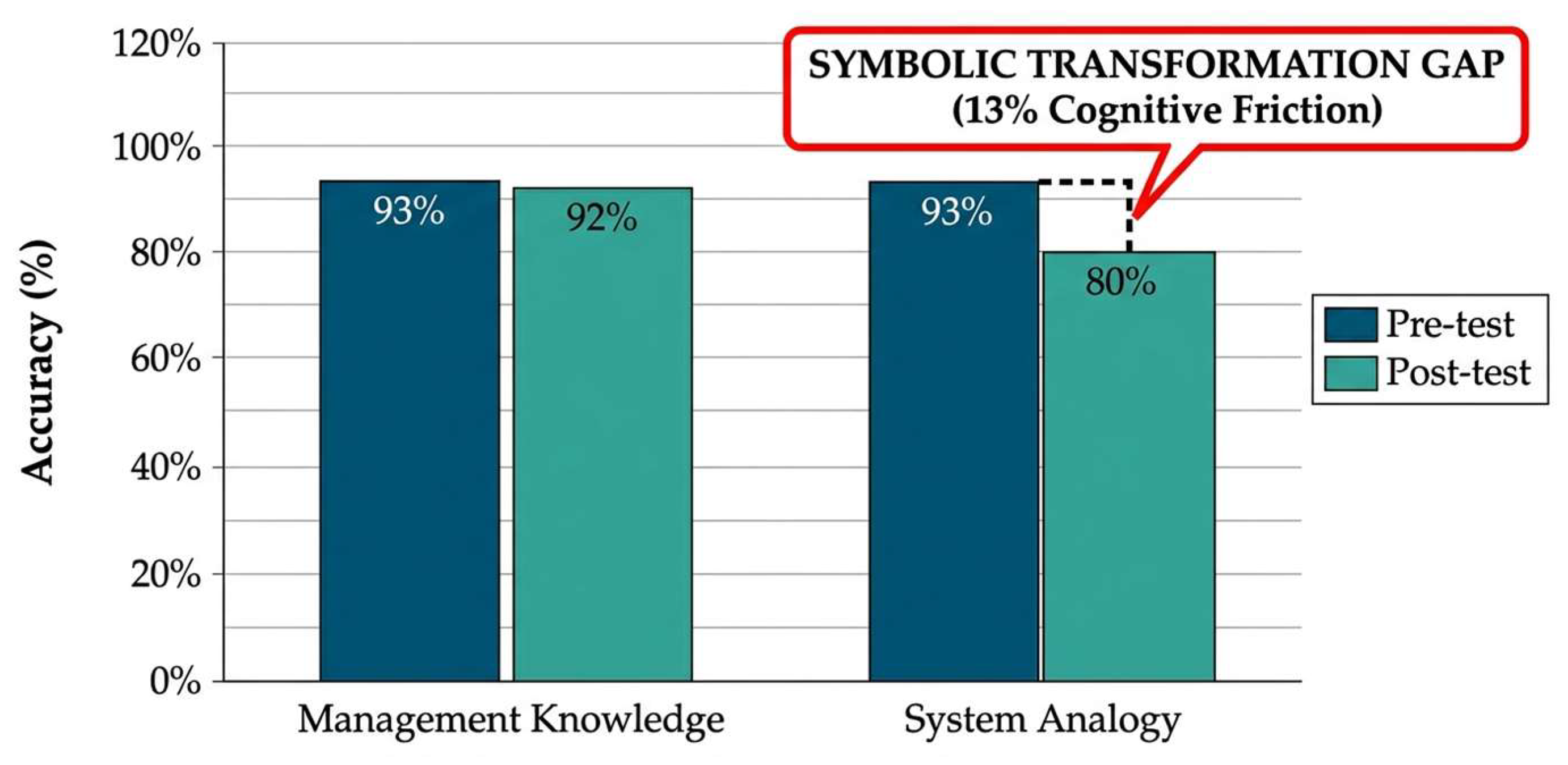
The absence of statistically significant differences between the novice and experienced cohorts reinforces the efficacy of the “Mirror Mapping” approach in prioritizing systemic logic over mechanical gaming skills. These findings suggest that while game familiarity may facilitate an easier entry into the virtual environment, core pedagogical success is contingent upon the mastery of abstract MEP system logic rather than technical gaming proficiency. Furthermore, the high degree of engagement and immersion afforded by the Minecraft platform effectively compensated for the technical learning curve among inexperienced users, facilitating a seamless transition from general engagement to specialized knowledge acquisition. This trajectory is most evident in the performance of the upper-level cohort, who successfully translated virtual mechanics into professional engineering reasoning. Furthermore, a comparative analysis of performance across cognitive dimensions revealed a measurable “STG.” While participants demonstrated a high baseline of 93% in “Basic Management Knowledge” (procedural rule-following), their competency in “System Analogy” (the ability to map game logic to real-world engineering constraints) reached only 80%. This 13% discrepancy quantifies the cognitive friction encountered during the representational transfer process, indicating that symbolic fluency in a simulated environment does not automatically translate into professional engineering abstraction.
4.2. Knowledge Acquisition and LOD Perception
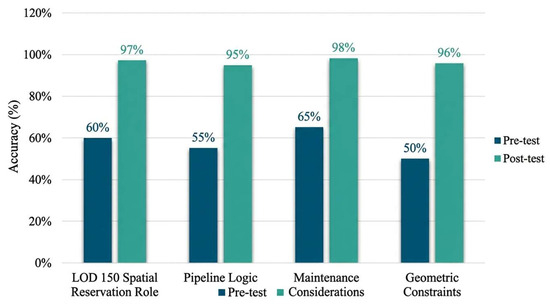
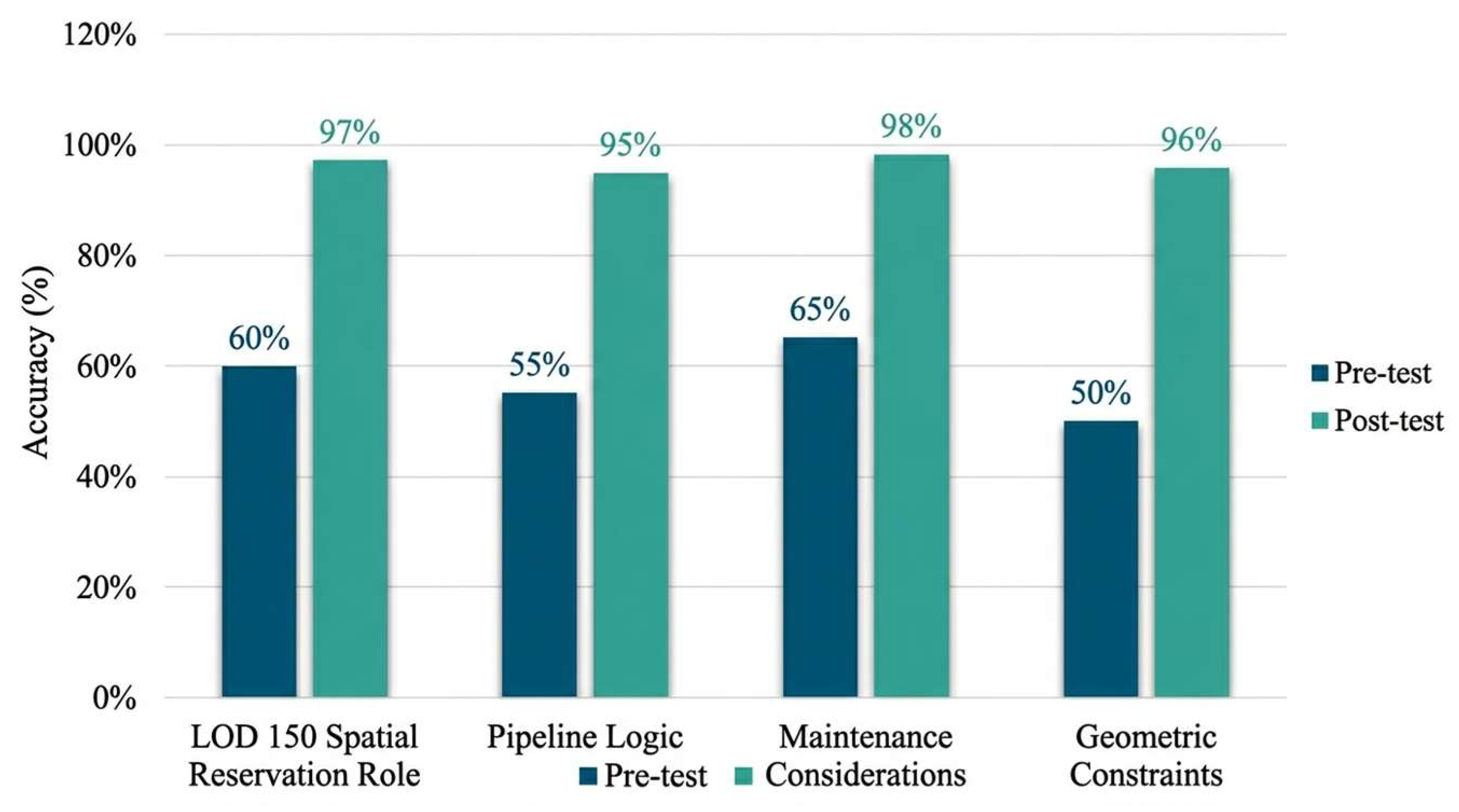
A fundamental outcome for the upper-level cohort was the shift from abstract LOD definitions to “concrete geometric constraint thinking. Post-test results demonstrated significant gains across all categories (p < 0.001), particularly in pipeline logic and maintenance considerations (Table 4). As shown in Figure 4, scores for the upper-level cohort reached nearly 100% accuracy in identifying the role of LOD 150 in spatial reservation, a marked improvement from the pre-test baseline (averaging 50–65%). This near-perfect accuracy represents a large effect size (Cohen’s d > 0.8), confirming that the intervention had a substantial impact on students’ cognitive shift toward spatial reservation logic (Table 4). These gains are directly attributed to the “Mirror Mapping” of Redstone circuits and water flow mechanics, which forced students to visualize physical boundaries and resource capacities. As argued by Shin & Park (2022) [29], linking LOD with MEP items is vital for automated design; our findings suggest this simulation provides the necessary cognitive foundation for such professional competencies. This statistical evidence, triangulated with qualitative thematic patterns, validates the effectiveness of the digital innovation framework as a robust pedagogical tool. The transition from these quantitative gains to qualitative feedback provides the “why” behind this improved conceptual internalization.
Table 4.
Paired-sample t-test and descriptive statistics of knowledge gain for upper-level cohort (N = 25).
Figure 4.
Comparative analysis of pre-test and post-test accuracy regarding LOD 150 awareness and spatial reservation competencies.
4.3. Qualitative Feedback: Collaboration and Self-Learning
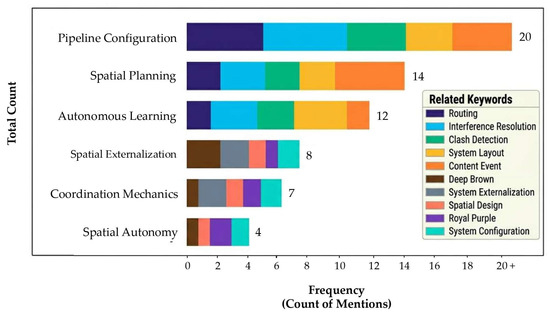
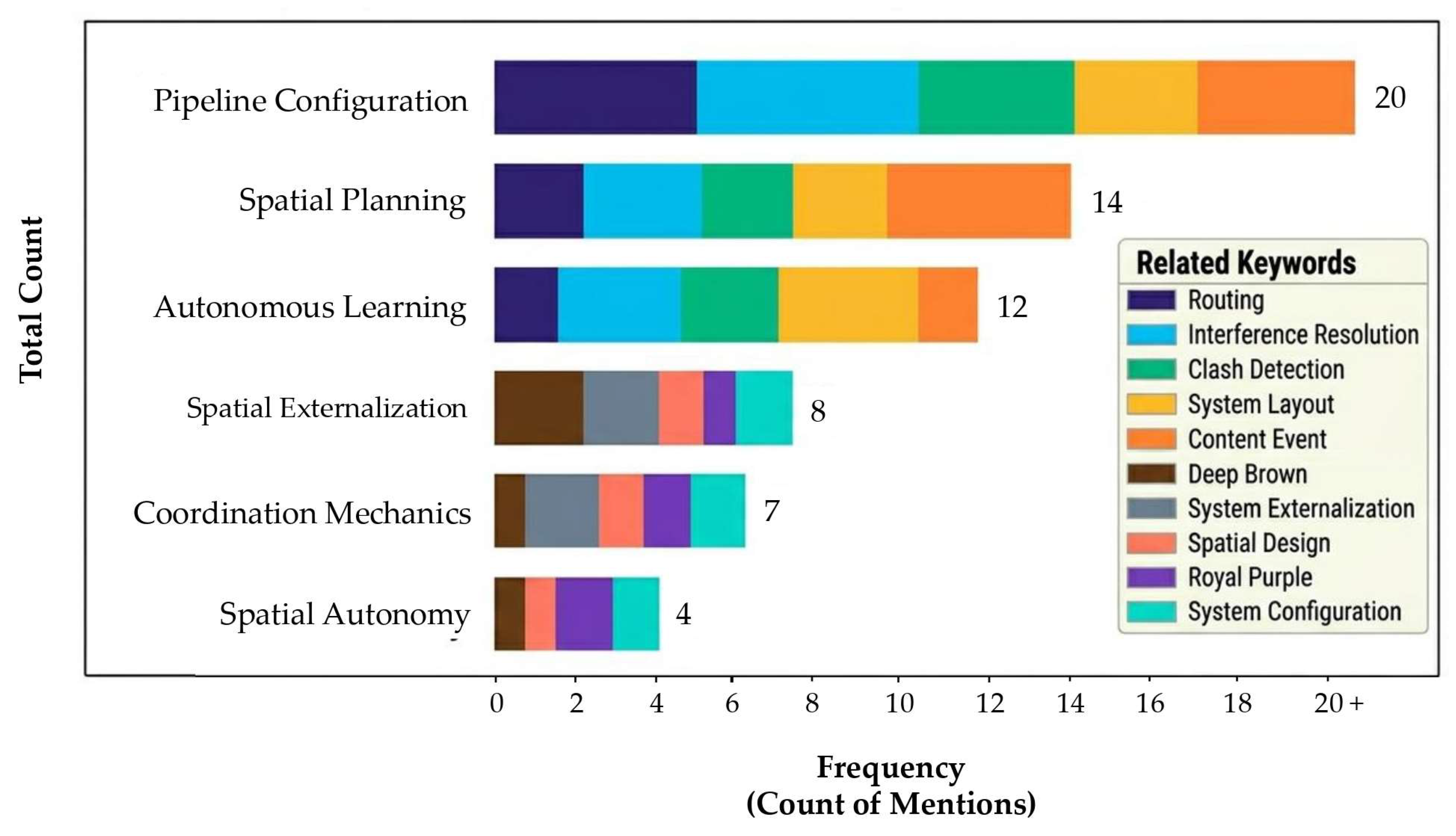
Thematic analysis of student feedback identified “Autonomous Learning” and “Spatial Externalization” as dominant themes. Keyword frequency analysis (Figure 5) in which the “total count” (presented as frequency) represents the number of times a theme or its “related keywords” (specific sub-terms) were mentioned in qualitative feedback, highlighted “Spatial Planning” and “Pipeline Configuration” as the primary cognitive focus. While the coding process initially identified ten distinct themes (see Section 3.5), Figure 5 prioritizes the six most frequent themes to maintain analytical focus on the core cognitive mechanisms observed.
Figure 5.
Thematic mapping of cognitive focus areas in digital coordination workflows. [Note: This figure was optimized for visual hierarchy and organizational layout using AI design assistance (Google Gemini and NotebookLM); the underlying conceptual framework is the original work of the author].
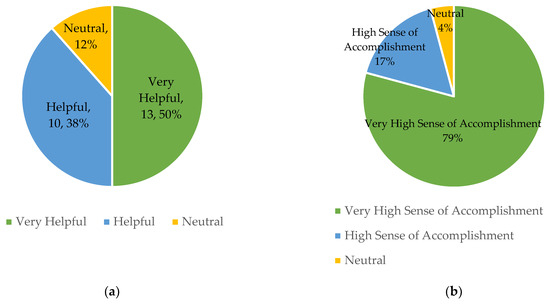
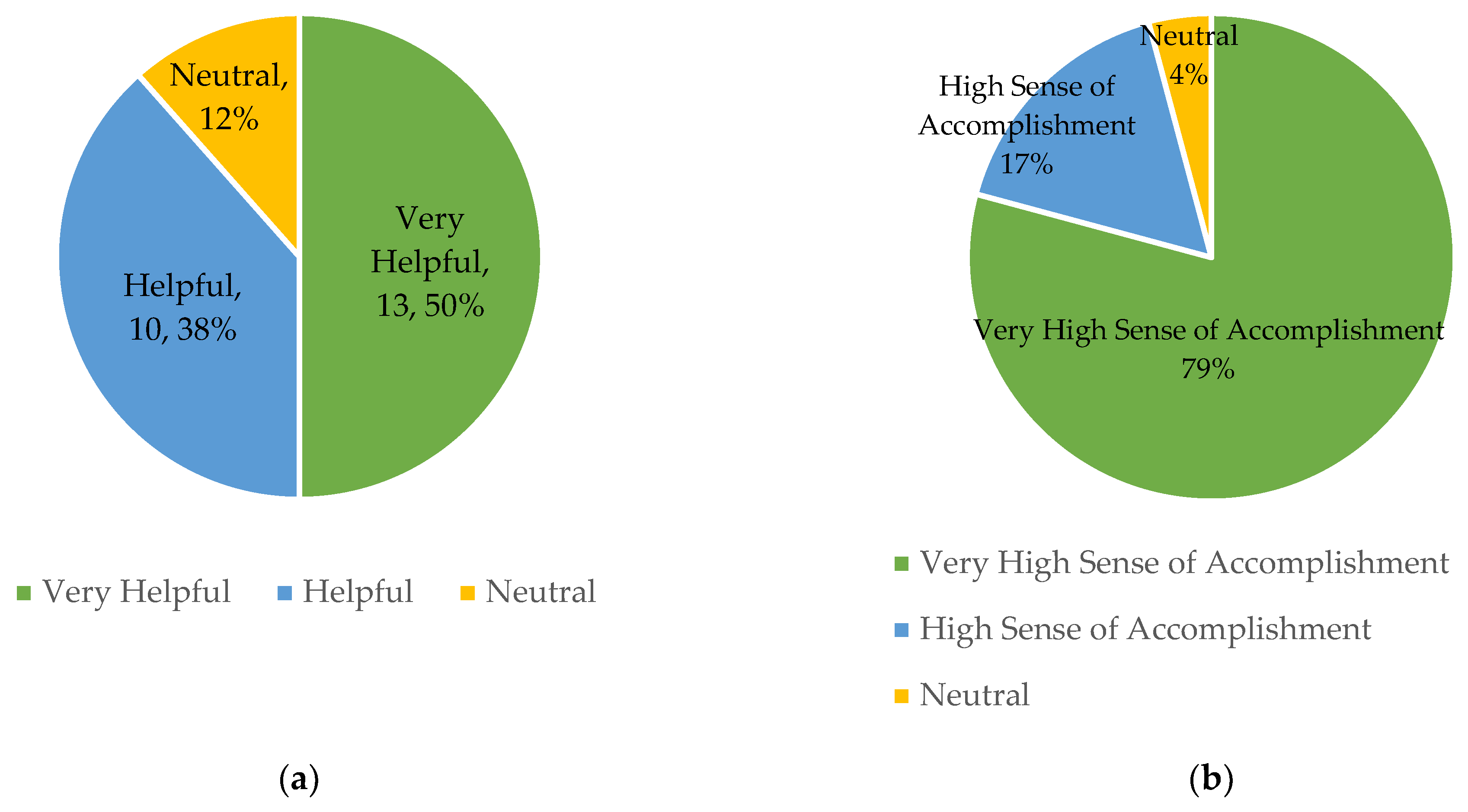
The findings demonstrate that the instructional model stimulated high levels of intrinsic motivation, with 88% of students proactively utilizing external instructional resources, such as YouTube tutorials, to overcome technical Redstone logic puzzles (Figure 6a). Furthermore, upon the successful construction of complex MEP simulations, 79% of participants reported a profound sense of accomplishment (Figure 6b). These results further validate the strategic value of the gamified environment in reinforcing autonomous learning and satisfying the psychological needs for competence and autonomy.
Figure 6.
(a) High utilization rate (88%) of external instructional resources (YouTube) for self-directed problem-solving; (b) Reported sense of accomplishment (79%) following the successful construction of complex MEP simulations.
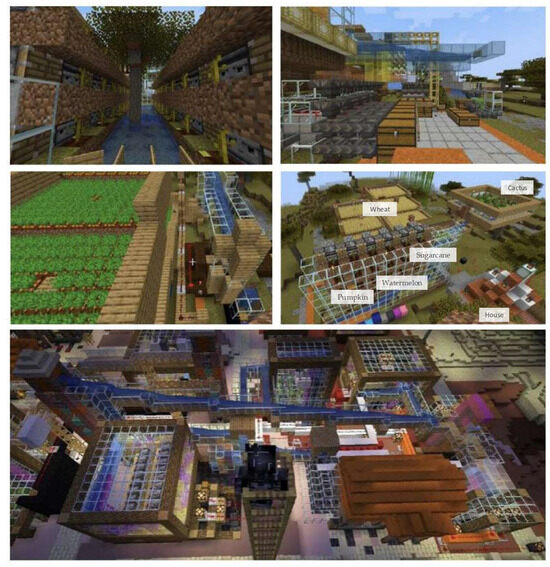
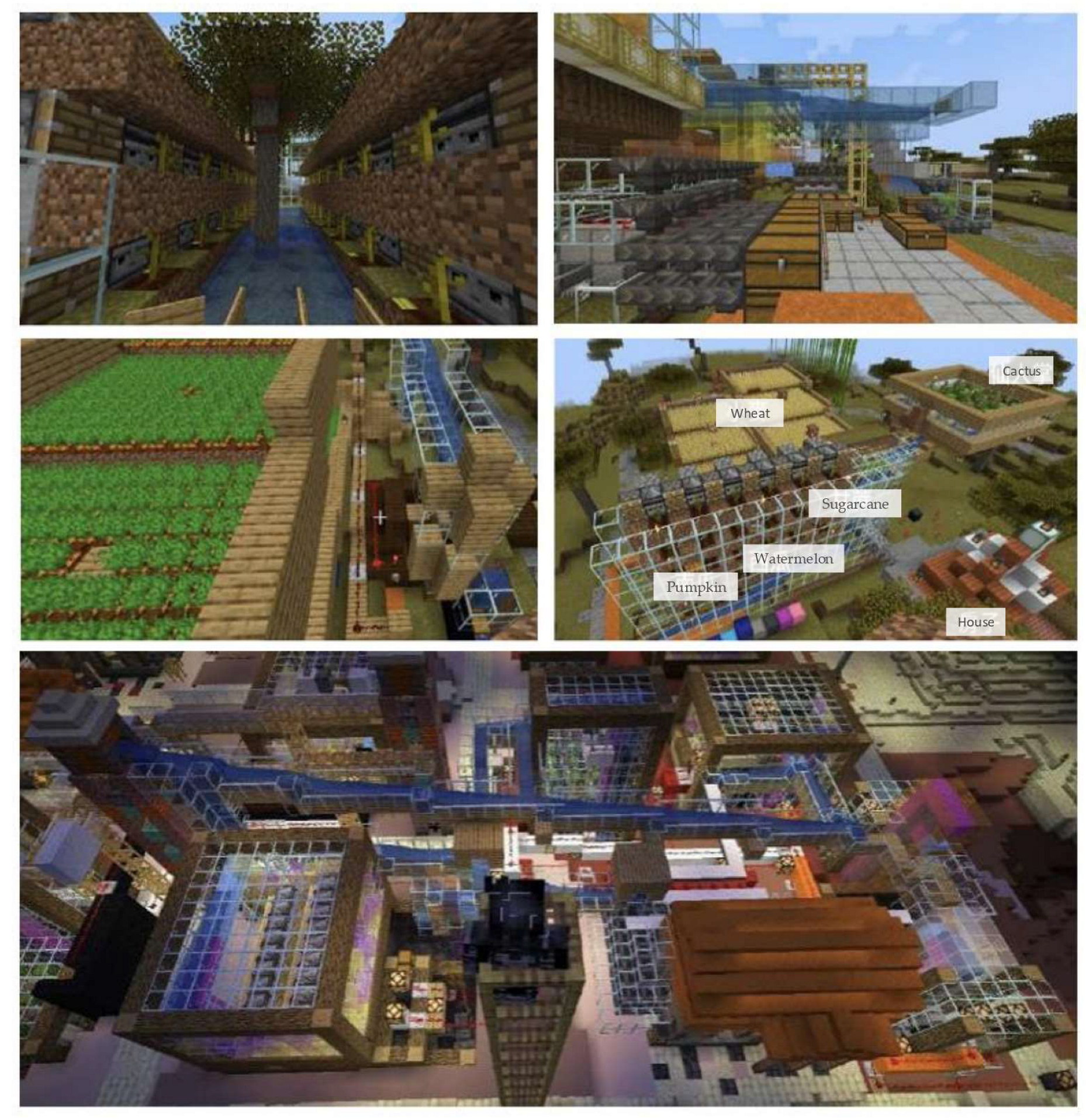
This externalization process is visually synthesized in Figure 7, which presents representative samples of final projects developed by student teams during the workshop. These prototypes illustrate how students navigated the “Mirror Mapping” mechanism to resolve complex spatial conflicts at the LOD 150 stage. Specifically, Figure 7 demonstrates the logical integration of Redstone-based electrical networks and water-based plumbing systems within the strictly enforced 13-block vertical envelope. The images show different team strategies—such as tiered routing for sloped terrains and centralized hub configurations for flat sites—to optimize pipeline efficiency and ensure maintenance accessibility (Figure 7). By manually positioning these symbolic components within a shared virtual environment, students were forced to confront real-time clash coordination, effectively bridging the gap between abstract design theory and physical construction constraints. While these results validate the framework’s pedagogical efficacy, the observed performance also provides the empirical basis for the “STG” discussed in Section 5.2.
Figure 7.
Integrated BIM-MEP coordination prototypes: automated systems and spatial conflict resolution.
5. Discussion
The “Mirror Mapping” mechanism serves as a strategic cognitive bridge, facilitating the externalization of abstract engineering rules during the critical LOD 100–150 phase. By translating complex systems into intuitive game mechanics, the model allows students to move beyond theoretical absorption toward practical spatial reasoning and interdisciplinary coordination.
5.1. Empirical Advantages: Epistemic Scaffolding and Cognitive Compression
The academic contribution of this study lies in its shift from “black-box” pedagogical assessments to a transparent, mechanism-oriented analysis of learning transfer. The primary empirical advantage of this framework is its function as an “epistemic scaffold”. While existing scholarship in engineering education emphasizes outcome reporting, our findings provide evidence for the “STG”, identifying the specific fracture points where digital mastery fails to trigger systemic abstraction. This identifies a new analytical lens for evaluating the efficacy of Serous Games in the AECO sector, offering a more rigorous foundation than traditional engagement-centric evaluations.
The “Mirror Mapping” mechanism serves as a strategic technical bridge for externalizing abstract engineering rules during the critical LOD 100–150 phase. By utilizing Minecraft as a representational laboratory, the framework facilitates “cognitive compression”—allowing students to offload complex spatial rules into simplified symbolic mechanics. This enables novices to prioritize systemic logic over high-entry technical barriers, fostering an early-stage intuition for spatial reservation that is often obscured in traditional 2D drafting
5.2. Empirical Challenges: The Symbolic Transformation Gap (STG)
To provide a precise operational definition, the “ STG” is conceptualized as the measurable performance discrepancy between symbolic proficiency and systemic engineering reasoning. This aligns with Barnett & Ceci’s (2002) [31] taxonomy of “Far Transfer,” representing a phenomenon where high performance in a simplified symbolic domain does not spontaneously translate into systemic abstraction in a professional domain. As quantified in Figure 8, the 13% accuracy decrement (from 93% management knowledge to 80% systemic analogy) serves as the primary empirical indicator of this gap. This fracture point reflects Chi’s (2008) [32] mental model transformation theory, suggesting that students face a “categorical shift” hurdle where they master the simulation “rules” but struggle to re-interpret them as lifecycle-aware engineering constraints. This gap underscores that digital tool proficiency does not automatically yield professional engineering reasoning; without targeted “bridging activities” linked to professional workflows, digital skills remain a “hollow competency”.
Figure 8.
Quantifying the symbolic transformation gap (STG): cognitive friction in digital-to-engineering semantic mapping.
5.3. Skill Transferability: From Symbolic Play to Professional BIM-MEP Design
The “spatial reservation logic” developed through this framework functions as a cognitive bridge to professional BIM competencies in Revit. This aligns with the findings of Shin & Park (2022) [29], who emphasize the necessity of linking LOD with MEP items for automated design; the manual avoidance habits formed under Minecraft’s 13-block height constraint serve as essential precursors to managing MEP zoning and floor-to-floor clearance checks in Revit. Specifically, the experience of navigating these symbolic vertical constraints translates into an intuitive awareness of maintenance access and system hierarchy. Unlike novice users who often treat Revit as a static drafting tool, students trained via this framework learn to prioritize system topology and logical connectivity—mirroring how Revit manages “Systems” (e.g., Plumbing or Power circuits) rather than just geometric shapes. In line with the perspective of Zhang et al. (2021) [10], such pedagogical interventions support next-generation engineering education by transforming game-based “System Topology” intuition into professional systemic connections, thereby improving collaborative efficiency and digital transformation within the future AECO industry. This habit of “proactive clash avoidance” is a critical precursor to mastering LOD 400+ coordination in Navisworks or Revit Interoperability, ensuring that serviceability is embedded in the digital twin from its conceptual inception.
5.4. Design for Maintainability and Sustainable Buildings
The framework effectively integrates “Design for Maintainability” into early-stage design, addressing the urgent industry need to reduce building defect rates, which currently reach up to 28%. The findings demonstrate that the “Symbolic Transformation” developed in Minecraft facilitates a shift from reactive clash detection to proactive spatial reservation. By internalizing the 13-block vertical constraint as a proxy for professional MEP zoning, students develop “Design for Maintainability” habits that directly translate into a measurable reduction in late-stage field clashes. In professional AEC practice, ensuring such spatial coherence at the LOD 100–150 stage significantly enhances lifecycle performance by optimizing maintenance access and preventing systemic failures associated with poorly coordinated MEP routing. This proactive digital simulation prepares future architects for the demands of Industry 4.0, ensuring that long-term operational efficiency is embedded from the project’s outset to achieve sustainable building goals such as resource waste reduction and carbon footprint optimization.
The spatial awareness fostered by this framework directly supports the circular construction concepts emphasized in this Special Issue. By minimizing clashes in pipeline configurations, the proposed digital innovation framework effectively reduces construction waste and rework, thereby contributing to improved material efficiency [23]. This is consistent with systematic findings indicating that BIM-enabled coordination plays a critical role in reducing construction waste and enhancing sustainability performance [23]. This aligns with recent BIM-based semantic frameworks that enable design-stage quantification and optimization of construction waste, reinforcing the importance of embedding waste-aware decision-making into early design processes [24].
Such BIM-enabled coordination further facilitates resource conservation and circularity across the project lifecycle [2], while supporting carbon footprint reduction through optimized material use and digital construction strategies [3]. This establishes a causal linkage between early-stage spatial intelligence and lifecycle sustainability performance, demonstrating how proactive design coordination serves as a vital industrial mechanism for achieving low-carbon construction and long-term building resilience.
5.5. Key Limitations: Limited Sample Size and Generalizability
The study was confined to architecture students at a single university with a relatively small sample size (n = 25). This constraint limits the statistical generalizability of the results to broader populations. However, the use of a stratified cohort structure (n = 15 vs. n = 10) provided meaningful contrasts between academic seniority levels, offering preliminary evidence of the “STG” that can be further tested in larger populations. Future research should employ multi-institutional and longitudinal designs to validate the robustness of these cognitive mechanisms across diverse engineering disciplines.
- Limited Sample Size and Generalizability: The study was confined to architecture students at a single university with a relatively small sample size, which limits the generalizability of the findings to students from other institutions or academic backgrounds.
- Short-Term Intervention: The four-session workshop format only allows for the assessment of short-term learning outcomes and engagement. It does not measure long-term knowledge retention or skill transfer to other contexts. Conceptual Focus (LOD 100–150): The simulation was intentionally restricted to the early conceptual phase, thereby excluding the more detailed and complex engineering challenges found in later stages of MEP design.
- Minecraft as a Proxy for Engineering Environments: A critical limitation is the use of a voxel-based gaming platform as a proxy for professional engineering workflows. While Minecraft effectively externalizes spatial reservation logic at the LOD 100–150 stage, its simplified mechanics represent an abstraction of real-world physics and lack the parametric depth, regulatory rigor, and interoperability of industry-standard BIM software. Consequently, digital proficiency within this environment may not fully capture the complex data-driven decision-making required in later project phases. To strengthen academic rigor, future research should explore hybrid digital ecosystems that connect serious games with professional modeling platforms. This includes investigating voxel-based digital twins—particularly for earthwork or environmental simulations—to evaluate whether such representational continuity can further reduce the “STG” identified in this study.
6. Conclusions and Recommendations
The Minecraft-CPBL model provides a strategic roadmap for modernizing architectural pedagogy by synthesizing serious gaming with collaborative problem-solving. This framework successfully addresses the critical deficiency in traditional MEP education, fostering a new generation of lifecycle-aware designers.
6.1. Summary of Research Contribution
This study validates a digital innovation framework synthesizing Serious Gaming and CPBL as a strategic tool for bridging the gap between architectural education and the digital transformation of the AECO sector. The findings demonstrate that the “Mirror Mapping” mechanism at the LOD 100–150 stage effectively enhances systemic spatial planning, with upper-level participants achieving nearly 100% accuracy in pipeline logic. By mandating the externalization of abstract MEP engineering rules, this framework successfully bridges the historical divide between aesthetic design theory and construction reality, offering a proactive solution for Design for Maintainability to mitigate the 28% defect rate prevalent in the industry [4].
6.2. The Symbolic Transformation Gap (STG) and Digital Transformation Challenges
A pivotal finding of this research is the quantification of a 13% “STG,” which unveils a critical cognitive hurdle in the digital transformation process: mastery of simulation platforms (e.g., Minecraft) does not automatically translate into professional engineering reasoning. This data serves as a strategic reminder to the AECO industry that digital proficiency remains a “hollow competency” without explicit bridging mechanisms to link virtual symbols with real-world construction semantics. Overcoming this gap is essential for facilitating authentic Digital Twin integration and enhancing building lifecycle performance through data-centric approaches.
6.3. Actionable Recommendations and Future Directions
Based on the empirical evidence, this study proposes three actionable recommendations for sustainable construction:
- Strengthen Professional Semantic Mapping: Digital learning activities must be supplemented with explicit professional contexts, utilizing bridging exercises to translate simulations into professional BIM representations to mitigate the “STG”.
- Integrate Hybrid Digital Workflows and Voxel-based Digital Twins: Future research should prioritize establishing a multi-stage technical roadmap for “Digital Twin Linkages”. This path should involve the systematic export of voxel-based spatial reservation data (LOD 100–150) into parametric BIM environments (e.g., Revit/Navisworks) to function as early-stage geometric bounding boxes. Specifically, the integration of voxel-based digital twins should be prioritized for large-scale earthwork analysis, terrain modification, and site-environmental simulations, where the low-resolution advantage of voxels allows for rapid iteration of MEP routing strategies before committing to high-fidelity modeling. Utilizing this representational continuity—from Minecraft’s symbolic mechanics to Navisworks’ coordination workflows—can provide a more intuitive platform for interdisciplinary decision-making. This technical integration aims to evaluate whether a consistent voxel-to-parametric logic can mitigate the “STG” by maintaining cognitive coherence across the project lifecycle.
- Expand Cross-Curricular Sustainability Modules: Future research should extend this framework to energy management and smart building systems, employing multi-institutional and longitudinal designs to evaluate the long-term impact of digital tools on enhancing building resilience.
Funding
This research was funded by the National Science and Technology Council, grant number NSTC 113-2121-M-390-001, and the Ministry of Education’s Teaching Practice Research Program, grant number MOE-113-TPRHA-0019-001Y1. The APC was funded by the National Science and Technology Council.
Institutional Review Board Statement
The study was conducted in accordance with the Declaration of Helsinki and approved by the relevant institutional research program.
Informed Consent Statement
Informed consent was obtained from all subjects involved in the study.
Data Availability Statement
The data presented in this study are available on request from the corresponding author. The data are not publicly available due to privacy and ethical considerations regarding student participants.
Acknowledgments
The author expresses sincere appreciation to Rou-Syuan Guo and Tsung-Wei Cheng for their essential technical support during the software development and instructional phases of the Minecraft-MEP workshop. Finally, the author thanks the students at the National University of Kaohsiung whose active participation provided the foundational data for this research.
Conflicts of Interest
The author declares no conflict of interest. The funders had no role in the design of the study; in the collection, analyses, or interpretation of data; in the writing of the manuscript; or in the decision to publish the results.
Abbreviations
The following abbreviations are used in this manuscript:
| AEC | Architecture, Engineering, and Construction |
| AECO | Architecture, Engineering, Construction, and Operation |
| APC | Article Processing Charge |
| BIM | Building Information Modeling |
| CPBL | Cooperative Problem-Based Learning |
| DGBL | Digital Game-Based Learning |
| DOI | Digital Object Identifier |
| ExG | Inexperienced Group (Sample subgroup, n = 14) |
| GBL | Game-Based Learning |
| IExG | Experienced Group (Sample subgroup, n = 10) |
| LOD | Level of Development (e.g., LOD 100–150) |
| MEP | Mechanical, Electrical, and Plumbing |
| MoE | Ministry of Education (Taiwan) |
| n = 25 | Total Sample Size |
| NSTC | National Science and Technology Council (Taiwan) |
| SPSS | Statistical Package for the Social Sciences |
| SATM | Symbolic–Analogical Transfer Model |
| STG | Symbolic Transformation Gap |
Appendix A
Table A1.
Assessment rubric for Minecraft-MEP projects.
Appendix B
Table A2.
Classification principles for pre- and post-test.
References
- Li, J.; Yang, H. A research on development of construction industrialization based on BIM technology under the background of Industry 4.0. MATEC Web Conf. 2017, 100, 02046. [Google Scholar] [CrossRef] [Scilit]
- Xue, K.; Hossain, M.U.; Liu, M.; Ma, M.; Zhang, Y.; Hu, M.; Chen, X.; Cao, G. BIM integrated LCA for promoting circular economy towards sustainable construction: An analytical review. Sustainability 2021, 13, 1310. [Google Scholar] [CrossRef] [Scilit]
- Zhang, H.; Huang, B.; Ullah, H.; Gong, Y. BIM-based digital construction strategies to evaluate carbon emissions in green prefabricated buildings. Buildings 2024, 14, 1689. [Google Scholar] [CrossRef] [Scilit]
- Das, S.; Chew, M.Y. Generic method of grading building defects using FMECA to improve maintainability decisions. J. Perform. Constr. Facil. 2011, 25, 522–533. [Google Scholar] [CrossRef] [Scilit]
- Zhang, M.; Fan, L.; Liu, Y.; Zhang, S.; Zeng, D. The relationship between BIM application and project sustainability performance: Mediation role of green innovation and moderating role of institutional pressures. Buildings 2023, 13, 3126. [Google Scholar] [CrossRef] [Scilit]
- Wu, F.; Mei, S.; Xu, H.; Hsu, W.-L. Urban construction waste recycling path: Robust optimization. Buildings 2023, 13, 2802. [Google Scholar] [CrossRef] [Scilit]
- Wagiri, F.; Shih, S.-G.; Harsono, K.; Cheng, T.-W.; Lu, M.-K. Exploration of Building Information Modeling and Integrated Project Cloud Service in early architectural design stages. VITRUVIO 2023, 8, 26–37. [Google Scholar] [CrossRef] [Scilit]
- Abualdenien, J.; Borrmann, A. Levels of detail, development, definition, and information need: A critical literature review. J. Inf. Technol. Constr. 2022, 27, 243–262. [Google Scholar] [CrossRef] [Scilit]
- Palomera-Arias, R.; Liu, R. Mechanical, electrical, and plumbing systems in construction management: A literature review of existing MEP textbooks. In Proceedings of the 2015 ASEE Annual Conference & Exposition, Seattle, WA, USA, 14–17 June 2015. [Google Scholar]
- Zhang, J.; Zhang, Z.; Philbin, S.P.; Huijser, H.; Wang, Q.; Jin, R. Toward next-generation engineering education: A case study of an engineering capstone project based on BIM technology in MEP systems. Comput. Appl. Eng. Educ. 2021, 30, 146–162. [Google Scholar] [CrossRef] [Scilit]
- Jadhav, T. Integrating knowledge of project management and BIM for MEP education: Review and recommendations. J. Archit. Eng. 2022, 28, 04022021. [Google Scholar] [CrossRef] [Scilit]
- Caponetto, I.; Earp, J.; Ott, M. Gamification and education: A literature review. In Proceedings of the ECGBL2014-8th European Conference on Games Based Learning: ECGBL2014, Berlin, Germany, 9–10 October 2014; pp. 50–57. [Google Scholar]
- Andrade, B.; Crowley, S.; Cocco, C.; McNally, B. A videogame for architectural design? Minecraft for young people to imagine desirable climate futures. In Videogame Sciences and Arts; Springer: Cham, Switzerland, 2024; Volume 1984, pp. 150–165. [Google Scholar]
- Plass, J.L.; Homer, B.D.; Kinzer, C.K. Foundations of game-based learning. Educ. Psychol. 2015, 50, 258–283. [Google Scholar] [CrossRef] [Scilit]
- Daly, S.R.; Adams, R.S.; Bodner, G.M. What does it mean to design? A qualitative investigation of design professionals’ experiences. J. Eng. Educ. 2012, 101, 187–219. [Google Scholar] [CrossRef] [Scilit]
- Clark, D.B.; Tanner-Smith, E.E.; Killingsworth, S.S. Digital games, design, and learning: A systematic review and meta-analysis. Rev. Educ. Res. 2016, 86, 79–122. [Google Scholar] [CrossRef] [Scilit] [PubMed]
- Ma, Y.-P.; Cheng, T.-W.; Guo, R.-S.; Harsono, K.; Wagiri, F.; Shih, S.-G. Game-based learning with Minecraft: Fostering engagement in mechanical-electrical-plumbing systems education. Int. Multidiscip. Res. J. 2025, 3, 45–56. [Google Scholar] [CrossRef] [Scilit]
- Méndez, M.D.C.L.; Arrieta, A.G.; Dios, M.Q.; Encinas, A.H.; Queiruga-Dios, A. Minecraft as a tool in the teaching-learning process of the fundamental elements of circulation in architecture. In Advances in Intelligent Systems and Computing; Springer: Cham, Switzerland, 2017; pp. 728–735. [Google Scholar]
- Bar-El, D.; Ringland, K.E. Crafting game-based learning: An analysis of lessons for Minecraft Education Edition. In Proceedings of the 15th International Conference on the Foundations of Digital Games, Bugibba, Malta, 15–18 September 2020; pp. 1–4. [Google Scholar]
- Tagliabue, L.C.; Mastrolembo Ventura, S.; Teizer, J.; Ciribini, A.L. A serious game for lean construction education enabled by internet of things. In Smart Innovation, Systems and Technologies; Springer: Singapore, 2020; pp. 225–233. [Google Scholar]
- Zhang, S.; Tang, Y.; Zou, Y.; Yang, H.; Chen, Y.; Liang, J. Optimization of architectural design and construction with integrated BIM and PLM methodologies. Sci. Rep. 2024, 14, 26153. [Google Scholar] [CrossRef] [Scilit]
- Doan, D.T.; Atencio, E.; Muñoz La Rivera, F.; Alnajjar, O. A systematic literature review of building information modelling (BIM) and offsite construction (OSC) integration. Appl. Sci. 2025, 15, 9981. [Google Scholar] [CrossRef] [Scilit]
- Lins, E.J.M.; Palha, R.P.; Sobral, M.D.C.M.; Araujo, A.G.D.; Marques, É.A.T. Application of building information modelling in construction and demolition waste management: Systematic review and future trends supported by a conceptual framework. Sustainability 2024, 16, 9425. [Google Scholar] [CrossRef] [Scilit]
- Sivashanmugam, S.; Trejo, S.R.; Rahimian, F. BIM-integrated semantic framework for construction waste quantification and optimisation. Autom. Constr. 2024, 168, 105842. [Google Scholar] [CrossRef] [Scilit]
- Latiffi, A.A.; Brahim, J.; Mohd, S.; Fathi, M.S. Building Information Modeling (BIM): Exploring Level of Development (LOD) in construction projects. Appl. Mech. Mater. 2015, 773–774, 933–937. [Google Scholar] [CrossRef] [Scilit]
- Yusof, K.M.; Hassan, S.A.H.S.; Jamaludin, M.Z.; Harun, N.F. Cooperative Problem-based Learning (CPBL): Framework for Integrating Cooperative Learning and Problem-based Learning. Procedia Soc. Behav. Sci. 2012, 56, 223–232. [Google Scholar] [CrossRef] [Scilit]
- Sancho, P.; Moreno-Ger, P.; Fuentes-Fernández, R.; Fernández-Manjón, B. Adaptive role playing games: An immersive approach for problem based learning. J. Educ. Technol. Soc. 2009, 12, 110–124. [Google Scholar]
- Gentner, D. Structure-mapping: A theoretical framework for analogy. Cogn. Sci. 1983, 7, 155–170. [Google Scholar] [CrossRef] [Scilit]
- Shin, M.; Park, S. Linking LOD and MEP items towards an automated LOD elaboration of MEP design. In International Conference on Construction Engineering and Project Management 2022; Korea Institute of Construction Engineering and Management: Seoul, Republic of Korea, 2022; pp. 768–775. [Google Scholar]
- Hjalmarson, M.A.; Moskal, B. Quality considerations in education research: Expanding our understanding of quantitative evidence and arguments. J. Eng. Educ. 2018, 107, 179–185. [Google Scholar] [CrossRef] [Scilit]
- Barnett, S.M.; Ceci, S.J. When and where do we apply what we learn? A taxonomy for far transfer. Psychol. Bull. 2002, 128, 612–637. [Google Scholar] [CrossRef]
- Chi, M.T.H. Three types of conceptual change: Belief revision, mental model transformation, and categorical shift. In International Handbook of Research on Conceptual Change; Routledge: Abingdon, UK, 2008; pp. 61–82. [Google Scholar]

Disclaimer/Publisher’s Note: The statements, opinions and data contained in all publications are solely those of the individual author(s) and contributor(s) and not of MDPI and/or the editor(s). MDPI and/or the editor(s) disclaim responsibility for any injury to people or property resulting from any ideas, methods, instructions or products referred to in the content. |
© 2026 by the author. Licensee MDPI, Basel, Switzerland. This article is an open access article distributed under the terms and conditions of the Creative Commons Attribution (CC BY) license.