


Abstract
This study investigates the combined effect of incorporating recycled concrete aggregates (RCAs) and glass fibers (GFs) on the properties of geopolymer concrete. The precursor binder consisted of a blend of ground granulated blast furnace slag and fly ash. Furthermore, two types of GFs (i.e., short and long) were incorporated, either individually or in hybrid combinations, to enhance the performance of the concrete. Experimental results revealed that replacing natural aggregates (NAs) with RCAs in geopolymer concrete production had no tangible impact on workability but resulted in a slight reduction in the density, ultrasonic pulse velocity, and bulk resistivity. Similarly, the compressive strength and modulus of elasticity decreased by up to 18 and 57%, respectively. Meanwhile, the addition of GFs, particularly in hybrid configurations, effectively mitigated these reductions. Among the hybrid mixtures, a short-to-long fiber ratio (A:B) of 1:3 yielded the most significant improvements of the physical, mechanical, and durability properties, with increases of up to 16%, 91%, and 61%, respectively. Several correlation equations were established to describe the relationships between the physical, mechanical, and durability properties of GF-reinforced geopolymer concrete and were compared with existing codified models. The outcomes provide critical insights into the synergistic roles of RCA and GFs in tailoring high-performance, eco-efficient concrete systems. This research supports the advancement of sustainable concrete production and promotes the broader structural adoption of geopolymer technologies.
1. Introduction
The rapid acceleration in global urbanization, renovation, and infrastructure evolution has created an unprecedented demand for innovative and sustainable construction solutions. This demand is driven by the need to replace traditional concrete, which is associated with several negative long-term environmental consequences. For over two centuries, traditional concrete has been a key material in the construction industry, with Portland cement consistently serving as the primary binding component that glues the concrete ingredients together [1]. In 2016, the global production of cement reached around 4 billion metric tons, reflecting a growth of nearly 25% compared to the volume produced in 2010 [2]. Annually, cement production contributes to CO2 emissions equivalent to those emitted by approximately 300 million automobiles [3]. Additionally, the manufacturing, processing, and transportation of cement produce sulfur dioxide, nitrous oxide, dust, and sludge, which pose significant health-related humanitarian challenges by rapidly accelerating the rise in the average global temperature, thereby contributing to the global warming phenomenon [4,5]. Additionally, these pollutants have also hindered access to clean potable water in many underdeveloped nations. Unfortunately, due to ongoing revolutions and advancements in the construction sector, cement production in 2050 is expected to be five times higher than the levels recorded in 1990 [6]. Actually, cement is a major contributor to global CO2 emissions, accounting for almost 5–8% of the total global emissions [7,8]. Its production is known as an energy-intensive process that involves the halting of limestone at extremely high temperatures, which demands a substantial amount of energy and exhausts considerable natural resources. A statistical analysis conducted in 2018 estimated that producing 2.4 billion tons of cement required a minimum energy consumption of 3.2 GJ. Additionally, similar research has shown that manufacturing one ton of cement consumes approximately 3.4 GJ of thermal energy and between 100 and 110 kWh of electrical energy [9,10].
Significant efforts have been directed toward reducing emissions associated with industrial sectors, particularly the cement industry. A prevalent strategy for mitigating anthropogenic emissions involves substituting cement, either partially or entirely, with supplementary cementitious materials (SCMs). These SCMs can originate from natural resources such as clay or be sourced as by-products of industrial processes, including ground granulated blast-furnace slag, fly ash, silica fume, and metakaolin. To maximize the benefit of using SCMs in concrete, full replacement is more appealing. The resultant binder is known as a geopolymer. Unlike hydrated cement, these materials are activated by alkaline solutions. Actually, the performance of geopolymer binders is mainly determined by the type and quality of the aluminosilicate materials, the chemical composition of the alkaline activating solution, and the curing method employed during the production process [11]. While these materials are capable of producing concrete with enhanced durability properties, they often exhibit reduced resistance to cracking due to their brittle nature and limited tensile strength [12,13].
Numerous studies have explored the incorporation of fibers into concrete, showing their significant potential to enhance the post-cracking behavior of concrete by improving its ductility, residual strength, energy absorption and toughness. Fibers play a critical role in controlling crack propagation and enhancing the structural integrity of concrete elements. While steel fibers significantly enhance concrete properties, their susceptibility to corrosion in harsh environments limits their long-term durability [14,15]. In contrast, non-metallic fibers (i.e., GFs and BFs) offer superior corrosion resistance, making them ideal for concrete applications exposed to aggressive conditions. These fibers are cost-effective, require less energy to produce, and are capable of improving the mechanical, physical, and durability properties of geopolymer concrete [16,17]. The impact of the addition of fibers on the characteristics of geopolymer concrete has been widely documented in previous research [18,19,20,21,22,23,24,25]. A summary of these findings is presented in Table 1, which includes both the compressive strength values of plain geopolymer concrete and the corresponding types of fibers used in each study. The percentage changes in the compressive strength of geopolymer concrete due to fiber incorporation are illustrated in Figure 1a. In general, the inclusion of fibers exhibited a notable positive influence on compressive strength, regardless of the fiber type. Yet, at a volume fraction (vf) ˃ 1%, BF exhibited the most significant improvement in compressive strength, surpassing the performance of other fiber types and highlighting their superior effectiveness at higher dosages. On the other hand, the GF was more effective in enhancing the strength of geopolymer concrete at vf ˂ 1%. Generally, the addition of fibers improved physical and mechanical performance and durability, owing to their crack-bridging effect and ability to enhance the load-bearing capacity of geopolymer concrete. While most past studies focused on the incorporation of a single type of fiber, limited research has explored the effects of employing hybrid fiber combinations in a single mixture. Notably, recent studies [24,26,27,28] have shown that incorporating a hybrid combination of GFs or SFs in geopolymer concrete was more effective in increasing the mechanical strength than utilizing a single type of either fiber or even increasing the volume fraction.
Table 1.
Relevant studies on the impact of fibers on the compressive strength of geopolymer concrete.
Figure 1.
Percentage variation in the mechanical strength of geopolymer concrete specimens resulting from the incorporation of: (a) GF; (b) RCA.
The constant growth in concrete production has driven the extensive consumption of natural aggregates, the second main component in concrete, with over 165 million tons utilized annually across diverse construction projects [29]. Indeed, this rising demand for aggregates within the construction industry not only heightens the risk of depleting essential natural resources pertinent to these materials but also exacerbates the generation of construction and demolition waste (CDW) [30]. Simultaneously, the inadequate management of these wastes presents serious challenges, particularly in terms of limited landfill capacity, necessitating the development of additional landfills to accommodate disposal needs. Actually, insufficient waste management systems often lead to the unsustainable disposal of CDW, causing severe environmental pollution, social disruptions, and economic losses. For instance, the United States generates approximately 30 million tons of concrete waste annually, while Hong Kong contributes around 11 million tons, highlighting the danger of the issue [31]. Such volumes highlight the critical and urgent need for sustainable strategies to mitigate the environmental footprint of construction activities and alleviate the pressure on landfill capacity [32]. To tackle this growing challenge posed by waste materials, including CDW, recycling these materials and reusing them again in the construction field has been proposed as a promising solution. Moreover, this approach promotes economic growth, reduces carbon emissions from aggregate production, and aligns with the principles of sustainable development in the construction sector.
The integration of waste materials, such as recycled concrete aggregates (RCAs), as a sustainable alternative to NAs in geopolymer concrete production has garnered significant attention in recent research. Numerous investigations, including those conducted by Shaikh [33], Srinivas et al. [34] and Parthiban et al. [35], have examined the impact of substituting NAs with RCAs on the physical, mechanical, and durability characteristics of geopolymer concrete. These studies consistently highlight that the performance of RCA-incorporated geopolymer concrete is typically inferior to that of concrete made with NAs. Figure 1b highlights the negative impact of the RCA inclusion on the compressive strength of geopolymer concrete. This decline is primarily attributed to the lower quality of RCA, its higher water absorption, and the presence of weak mortar adhered to its surface. Nevertheless, these adverse effects can be significantly mitigated through the inclusion of reinforcing fibers, such as SFs, GFs, or basalt fibers (BF). While the combined use of fibers and RCAs has seldom been investigated in geopolymer concrete, past literature has experimented with this combination in cement-based concrete. For instance, Adam et al. [21] and Ganesan et al. [23] reported that the addition of SFs enhanced the compressive strength of the RCA-based concrete by up to 26%. Similarly, notable improvements in compressive strength, measured as 13% and 24%, were achieved with the inclusion of 0.2% BF and 0.2% GF, respectively [36,37]. Based on these findings, it is plausible that the addition of fibers to RCA-based geopolymer concrete should counter the adverse effects of RCA incorporation.
To date, no study has systematically examined the synergic effect of incorporating GF in various configurations and dosages and RCA at different replacement levels on the performance of fly ash–slag blended geopolymer concrete. In response to this identified research gap, the current study provides a comprehensive evaluation of the behavior of GF-reinforced concrete in both its fresh and hardened states. The binder material consisted of a slag–fly ash blend. Natural aggregates were replaced by up to 100% RCAs derived from a local construction and demolition waste recycling facility. Meanwhile, the fine aggregates were in the form of natural desert sand. Two types of GF were utilized in this study, i.e., type A with a 24 mm length and type B with a 42 mm length. The performance of GF-reinforced RCA geopolymer concrete was evaluated using the slump cone test, fresh and hardened density, compressive strength, modulus of elasticity, abrasion resistance, water absorption, sorptivity, ultrasonic pulse velocity, bulk resistivity and hydrochloric acid resistance. A set of empirical correlations was developed to characterize the relationships among the physical, mechanical, and durability properties of said geopolymer concrete. Subsequently, these correlations were compared to existing models in codes and past research. In short, this study provides novel insights and substantiates the feasibility of incorporating sustainable building materials as a viable alternative to traditional cement concrete, without compromising their key performance characteristics.
2. Materials and Methods
2.1. Materials
The binder materials utilized in this study consisted of a blend of low-calcium, class F fly ash (FA) and ground granulated blast-furnace slag (or simply slag), obtained from Transgulf Readymix, Abu Dhabi, UAE. The chemical composition analysis of the binder materials was determined via X-ray fluorescence (XRF) analysis and described in Table 2. The analysis showed that slag was comprised mainly of calcium oxide (CaO), at 42% of the total composition, followed by silica (SiO2). On the other hand, FA primarily consisted of silica and alumina (Al2O3), being 48 and 23% of the total composition, respectively. Furthermore, the Blaine fineness values for class F fly ash and slag were 368 and 425 m2/kg, respectively, while their corresponding particle sizes were in the ranges of 0.2–40 µm and 2–80 µm. A detailed particle size distribution curve can be found elsewhere [24]. In terms of specific gravity, fly ash had a value of 2.32, and slag had a value of 2.70.
Table 2.
Chemical composition and properties of binder materials.
The coarse aggregates employed in the concrete specimens were NAs and/or RCAs. These aggregates were selected based on their availability in the market and their compatibility with the production of this type of concrete. The NAs were collected from Ras Al-Khaimah, UAE, and were composed of crushed dolomitic limestone. The NA utilized in the geopolymer concrete specimens was prepared by mixing 10 and 20 mm aggregates to meet ASTM C33 [38]. Contrarily, the RCA was obtained from a local CDW recycling facility in Abu Dhabi, UAE, that specializes in recycling old, demolished and construction concrete elements with varying compressive strength. The RCA had a similar particle size and nominal maximum size as the NA, satisfying the requirements of ASTM C33 [38]. Notably, no chemical or physical treatment was applied to the NA or RCA. Additionally, both types of aggregates were utilized in saturated surface-dry condition before being introduced into the geopolymer mixtures to account for their water absorption. Table 3 summarizes the physical characteristics of the NA and RCA. Compared to NA, RCA had lower specific gravity and dry-rodded density, which is mainly owed to the weakly adhered mortar and the presence of voids. Meanwhile, abrasion, water absorption, fineness modulus, and soundness were greater in RCA than in NA. Actually, these attributes highlight the inherent weaknesses in the structure of RCA particles compared to those of NA. As for the fine aggregates, dune sand was employed in the mixes, exhibiting a specific gravity of 2.77 and a dry-rodded density of 1663 kg/m3. Both values were notably higher than those corresponding to NA and RCA. However, its fineness modulus of 1.45 was the lowest among the aggregates used herein, indicating a fine particle gradation, which is further reflected in its comparatively high surface area.
Table 3.
Physical properties of coarse and fine aggregates.
Alkaline solutions, comprising a combination of sodium silicate (Na2SiO3, SS) and sodium hydroxide (NaOH, SH), served as the activators in the production of geopolymer concrete herein. The two solutions were obtained from Alrama Chemicals, Sharjah, UAE. To prepare the SH solution, flakes with purity ranging from 97% to 99% were dissolved in tap water, which resulted in a 14 M liquid solution. Meanwhile, the SS solution used in this study was classified as grade N and procured from a local supplier. It comprised 26.3% Na2O, 10.3% SiO2, and 63.4% H2O. The SS-to-SH ratio was set to 2.5. This SH concentration and SS/SH ratio have been identified in previous research as optimal for achieving the desired balance between strength and workability in geopolymer concrete [44]. To further enhance the workability of the geopolymer concrete mixes, a polycarboxylic ether-based superplasticizer, acquired from Sika, Dubai, UAE, was incorporated into the mix at 2.5% by binder mass based on recommendations from the past literature [24,44].
Moreover, two distinct types of GF were used in this study: type A with 24 mm length and type B with 42 mm length. The fibers were sourced from ReinforceTech, Røyken, Norway. Both fiber types were alkali-resistant and exhibited identical characteristics, including a diameter of 0.7 mm, a specific gravity of 2.0, a Young’s modulus of 42 GPa, and a tensile strength of 1000 MPa, as per the manufacturer [45]. However, they differ in terms of aspect ratio, with type A having a value of 35, while type B has a value of 64. This variation in aspect ratio was anticipated to influence the mechanical performance and fiber–matrix interaction within the geopolymer concrete. Figure 2 presents the two types of GF used in this study.
Figure 2.
Glass fibers: (a) type A and (b) type B.
2.2. Mixture Proportions
The mixture proportions of the geopolymer concrete are presented in Table 4. The mixes were formulated to achieve cube compressive strength in the vicinity of 30 MPa, along with a slump value of at least 100 mm, even after RCA replacement and GF incorporation. The primary binder materials utilized in this study were a combination of slag and fly ash, with 75% slag and 25% fly ash. These particular percentages were selected to eliminate the necessity for heat curing in fly ash-based geopolymer concrete, while also reducing shrinkage cracks and extending the setting time of slag-based geopolymers [24]. In fact, the contents of binders, alkaline solution, coarse aggregates, and fine aggregates were 450, 225, 1100, and 600 kg/m3, respectively. In preparing the alkali-activated solution, the sodium silicate to sodium hydroxide ratio was maintained at 2.5, while the superplasticizer dosage was set at 11.25 kg/m3, equivalent to 2.5% of the total binder mass.
Table 4.
Proportions of the geopolymer concrete mixtures (kg/m3).
Cluster R displayed the control mix and two additional mixes that were prepared without incorporating GFs. These mixes were specifically cast to assess the impact of partially (50%) and fully (100%) replacing NA with RCA. Meanwhile, the remaining ten mixes were prepared with different types, vf, and combinations of GF to investigate their influence on concrete performance, i.e., clusters A, B, and H. In cluster A, the volume fraction of type A GF reached 2% in geopolymer concrete made with 50% and 100% RCA. The GF volume was limited to 2%, as higher volume fractions led to fiber balling and difficulty in casting. Meanwhile, cluster B mixes were made with up to 1% type B GF by volume, as trial mixes showed that increasing the vf of type B GF from 1 to 2% did not yield any enhancement in the mechanical characteristics of geopolymer concrete. For this reason, as well, cluster H utilized 1% GF volume fraction in a hybrid configuration, with varying ratios between types A and B GFs. These ratios included 1:3, 1:1, and 3:1. In this context, geopolymer concrete specimens were designated as RwAxByGFz, where w, x, y, and z correspond to specific attributes. Specifically, w denotes the percentage of RCA, x and y represent the proportions of 24 mm and 43 mm fibers, respectively, while z indicates the total fiber volume fraction (%).
2.3. Sample Preparation
Geopolymer concrete sample preparation, casting, and demolding were carried out under controlled laboratory conditions with a temperature of 24 ± 2 °C and relative humidity of 51 ± 5%. The binder materials and aggregates (i.e., fine and coarse) were mixed in a lab concrete mixer for at least 3 min. It is noteworthy that the NA and RCA were used in a saturated surface dry condition (SSD) to consider their water absorption capacity. The SH solution was formed by dissolving a specific amount of SH flakes in water. Once cooled to room temperature, it was mixed with the SS solution to formulate the alkaline solution. After cooling once more, the alkaline activator solution, water, and superplasticizers were combined and gradually added to the dry concrete ingredients and mixed thoroughly for 3 min to obtain a homogenous mixture. In mixes incorporating fibers, the GFs were incorporated into the dry materials before mixing to guarantee their uniform and effective dispersion throughout the mixture. After mixing, geopolymer concrete specimens were poured into various molds for mechanical and durability testing. The freshly poured concrete specimens were compacted using a vibrating table for around 10 s. Then, the compacted samples were carefully covered with polythene sheets to reduce the evaporation of the solution from the mix. After 24 h, the concrete samples were demolded and kept under laboratory conditions until the testing date.
2.4. Test Methods
Table 5 shows a comprehensive summary of the studied properties, standard testing procedures, and specimen details. To ensure result accuracy, each mix was tested using replicate specimens, and the results are reported as mean values with their corresponding standard deviations, wherever applicable. In the figures, error bars are used to represent one standard deviation. The slump cone test was conducted to assess the impact of the addition of RCA and GF with different types, dosages and configurations on the workability of freshly mixed concrete following ASTM C143 [46]. The density of geopolymer concrete was systematically evaluated using cylindrical specimens to capture both its fresh and hardened states. The fresh density was measured immediately after casting, while the hardened density was determined after a 28-day curing period following ASTM C138 [47] and C642 [48], respectively.
Table 5.
Geopolymer concrete characterization tests.
The assessment of compressive strength for fly ash–slag blended geopolymer concrete was carried out using a Wykeham Farrance testing machine, Italy, with a 2000 kN capacity following BS EN 12390-3 [49] and ASTM C39 [50]. During testing, an axial load was applied on the surface of the specimens at a constant rate of 7 kN/s to ensure consistency. To capture the strength development over time, cube specimens were tested at 1, 7, and 28 days, whereas cylinder specimens were evaluated exclusively at 28 days. In order to ensure result accuracy, each mix was tested using three replicate specimens, and the average strength was recorded.
In addition, cylindrical specimens were instrumented with two identical 60 mm vertical strain gauges positioned at mid-height to monitor the compressive stress–strain behavior, following ASTM C469 [51]. Throughout the loading process, the applied load was accurately recorded using a high-precision load cell, while the strain gauges monitored the corresponding strain measurements. The collected data were transmitted to a DRA-30A digital strain meter acquisition system from TML, Tokyo, Japan, facilitating the construction of stress–strain curves. From these curves, key mechanical properties, including the modulus of elasticity (Ec), peak stress, and peak strain, were systematically derived, providing comprehensive insight into the deformation characteristics of the specimens under compression.
The abrasion resistance of fly ash–slag geopolymer concrete was performed on concrete disk samples with dimensions of 100 mm in diameter and 50 mm in height at the age of 28 days, using the Los Angeles abrasion testing machine following ASTM C1747 [52]. Initially, the mass of the dry disks was measured before any revolutions. Then, subsequent measurements were taken after every 100 revolutions, continuing until a total of 500 revolutions were reached. The mass loss is a direct indication of abrasion resistance, whereby lesser mass loss signifies better abrasion resistance.
Similarly, the water absorption test was carried out on disk samples, following the procedure of ASTM C642 [48]. Three samples per mix were dried in the oven for 24 h at a specific temperature of 105 °C, and their initial oven-dry masses were determined. Subsequently, the disks were submerged in water for one day, and their SSD masses were obtained. In parallel, the sorptivity test, which evaluates the rate of water absorption, was performed on concrete disks similar to those used in the water absorption test after 28 days of curing as per the procedure of ASTM C1585 [53]. The disk specimens were wrapped with adhesive tape around the sides, except for the bottom side. This approach allowed water to permeate through the exposed side only during testing. The mass of the sample was recorded before placing it into a water-filled bowl. Inside the bowl, the disk samples were set into circular steel supports, ensuring a water head of approximately 1–3 mm above the bottom of each sample [57]. Subsequently, the specimens were removed from the water and weighed at a time interval of 1, 5, 10, 15, 20, 30, and 60 min, and then at hourly intervals up to a total of 6 h. The absorption rate was first calculated and then graphed against the square root of time to obtain the initial sorptivity, which represents the slope of the best-fit line through the data points collected between 1 min and 6 h.
Moreover, the ultrasonic pulse velocity (UPV) test was performed according to ASTM C597 [54] on cylinder specimens at 28 days by recording the transit time (T) of ultrasonic waves traveling from a transmitter to a receiver transducer placed at a clear distance (L). Once the travel time of the pulse through the concrete was measured, the UPV value was determined accordingly.
The bulk resistivity test was also performed on 28-day water-saturated cylinders following ASTM C1876 [55]. The specimens were placed between two holder plates with moist sponges at their interfaces to ensure proper conductivity. The bulk resistivity value was then automatically recorded and displayed on the Giatec RCON2™ device, Ottawa, ON, Canada. Furthermore, to verify the long-term durability of the proposed geopolymer concrete mixtures under aggressive environmental conditions, specimens were evaluated for acid resistance using a 10% hydrochloric acid solution according to ASTM C267 [56]. At intervals of 1, 7, 14, 21, and 28 days, the samples were removed from the solution, cleaned of any debris, and weighed. Thereafter, the compressive strength and weight changes were analyzed to evaluate the effects of acid exposure on the concrete performance.
3. Experimental Results and Discussion
3.1. Slump
The workability of fly ash–slag geopolymer concrete incorporating different replacement percentages of RCA and GF was evaluated through the slump cone test, with the corresponding results summarized in Table 6. The slump values ranged from 105 to 260 mm, with standard deviations of less than 5%, indicating acceptable repeatability of workability measurements. Plain geopolymer concrete mixtures (cluster R) exhibited slump values ranging between 243 and 260 mm. The highest slump was that of the 0% RCA mixture, while the lowest was that of the 100% RCA mixture. The replacement of 50–100% RCA resulted in a 4 to 7% reduction in workability compared to the control NA-based mixture. Such a reduction in slump values associated with the incorporation of RCA aligns with findings observed from previous studies [58,59]. This reduction in the workability of geopolymer concrete upon RCA replacement is mainly related to the presence of large pores and the rough surface of the RCA [60,61]. These characteristics lead to higher water absorption and inter-particle friction, which negatively affect the slump [62,63].
Table 6.
Slump of geopolymer concrete with variation in the mix design.
The addition of GF led to a further reduction in slump, particularly at higher volume fractions. Clusters A and B were proportioned to evaluate the effect of introducing two types of GF on the slump. Cluster A exhibited a reduction in workability by 20/5% and 26/14% when type A GF was added to mixes made with 50/100% RCA at vf of 1 and 2%, respectively, compared to the control plain mixture. However, as the length and aspect ratio of the GF increased (i.e., incorporating type B GF instead of type A GF), the workability of the geopolymer concrete further decreased. In fact, the addition of 0.5% type B GF fibers reduced the slump measurements from 243 mm to 230 and 175 mm when the fiber vf was increased to 0.5 and 1.0%, respectively. A balling effect for type B GF was noticed when 1.5% vf was added to the concrete mixture, making casting not possible. For this reason, unlike type A GF, the maximum vf used for type B GF was limited to 1%. The higher slump reduction in the case of adding type B GF was owed to the need for more paste to cover the longer GF to maintain workability, as reported in previous studies [64,65]. Yet, this additional paste was not present in the mix, thereby leading to a significant loss in workability.
The impact of incorporating a hybrid combination of type A and type B GF was evaluated through cluster H. For these concrete mixtures, the total volume fraction of GF was maintained at 1%, regardless of the ratio of type A and type B fibers. The hybrid combinations of GFs were formulated with blends of type A and B fibers (A:B) at ratios of 1:3, 1:1, and 3:1. Geopolymer concrete mixtures with 1% of either type A or type B GF served as references to assess the impact on workability when both fiber types were combined in a single mixture. The experimental findings revealed that the workability of geopolymer concrete with hybrid fiber combinations was lower than that of reference mixes. The inclusion of hybrid GFs in the concrete mixture reduced the slump to the range of 105–170 mm. In comparison, mixes with either type A or B GF had slump values of 230 and 175 mm, respectively. Such results indicated that the workability of geopolymer concrete was negatively impacted by the combination of the two types of GF in a single mix. The highest workability within the hybrid combinations was achieved with a (A:B) ratio of 3:1, yielding a slump of 170 mm and a reduction percentage of 30% compared to the control plain mixture. Conversely, when the replacement percentage of type B with type A GF reached 25% (R100A25B75GF1), the slump value decreased to 120 mm. These findings suggested a notable decrease in workability with higher type B GF content, even in hybrid mixtures. This decline was likely due to the greater aspect ratio of type B fibers compared to type A, which may negatively hinder the flowability of the geopolymer concrete. It is also possible that the reduction in the workability was due to the increased fiber interaction and enhanced interlocking effects [66,67]. Previous studies also reported a similar reduction in workability when hybrid fibers were incorporated into the NA-based concrete mix [68,69]. Nevertheless, it should be mentioned that all mixes attained a slump above 100 mm, justifying the ability to use any of these mixes for most construction applications.
3.2. Fresh and Hardened Density
The fly ash–slag blended geopolymer concrete mixtures exhibited a fresh density (ρf) within the range of 2472–2874 kg/m3. However, after 28-day curing, the hardened density (ρh) declined to values between 2136 and 2539 kg/m3, as presented in Table 7. Noteably, the standard deviation of fresh and hardened density was less than 3%, indicating acceptable repeatability of experimental measurements. The inclusion of 50 and 100% RCA into geopolymer concrete led to 4 and 6% reductions in the fresh density, respectively, while the hardened density decreased by 5 and 8% compared to the R0A0B0GF0 mixture. Such lower densities are typically attributed to the lower density of RCA than NA, as noted earlier in Table 3. Past studies highlighted that geopolymer concrete mixtures incorporating RCA were indeed lighter than those made of NA [70,71].
Table 7.
Fresh and hardened density of geopolymer concrete mixes.
The addition of type A GF at a vf of 1 and 2% resulted in fresh density enhancements of 12 and 15%, respectively, whereas the incorporation of type B GF at a vf of 0.5 and 1% yielded corresponding increases of 9 and 13%. A similar trend was observed in hardened densities, where the inclusion of 1 and 2% type A GF led to increases of 11 and 16%, respectively, relative to the control mixture. Likewise, the addition of type B GF at a vf of 0.5 and 1% contributed to 11 and 14% increases in hardened density, respectively, when compared to the RCA control mixture (R100A0B0GF0). This enhancement in density is attributed to the fiber’s ability to improve the bonding inside concrete by filling the large gaps between the aggregates, which accordingly resulted in enhancing the density [72,73]. Still, it is noteworthy that type B GF was more effective in improving the density of geopolymer concrete than type A due to its larger aspect ratio.
Meanwhile, hybrid combinations of GFs increased the fresh and hardened density of geopolymer concrete by at least 13%, regardless of the specific ratio used. Among the investigated mixtures, the hybrid mixture of R100A25B75GF1 achieved the highest fresh and hardened densities, reaching 2834 kg/m3 and 2486 kg/m3, respectively. In the case of hybrid combinations, mixes with type B GF being dominant over type A GF exhibited higher densities compared to the other mixtures. Such a finding can be linked to the greater aspect ratio of type B fibers, which effectively filled the permeable voids within the concrete caused by the addition of RCA and led to increased density. In this regard, it should be noted that mix R100A25B75GF1 had the highest fresh and hardened densities among the tested geopolymer mixes.
A strong linear correlation (Equation (1)) was observed between the two densities (fresh density, ρf, and hardened density, ρh), as shown in Figure 3, with an R2 value of 0.94. This correlation allows for the possible estimation of the hardened density of concrete mixtures at an early stage without the need to wait 28 days. However, it should be noted that the empirical formula was generated using the experimental results presented herein and its applicability to other mixes cannot be confirmed except after validation against an external independent dataset. Accordingly, Equation (1) should be treated as study-specific. Notably, even minor changes in the fresh density of concrete are mirrored by corresponding changes in the hardened density. Such an outcome can facilitate more efficient quality control and optimization in concrete mix design, particularly for the fly ash–slag blended geopolymer concrete developed in this work.
Figure 3.
Correlation between fresh and hardened densities of geopolymer concrete mixtures.
3.3. Compressive Strength
The cube compressive strength (fcu) of geopolymer concrete mixes incorporating RCA and different proportions of GF was assessed at the ages of 1, 7, and 28 days. Table 8 presents a comprehensive summary of the compressive strengths for each mixture, including the percentage increase in fcu observed from 1 to 7 days, as well as from 7 to 28 days. The compressive strength values ranged from 16 to 23.4 MPa at 1 day, 25.3–32.3 MPa at 7 days, and 25.3–36.4 MPa at 28 days. With standard deviation values within 10%, the deviation among samples of the same mix is considerably low, signifying good repeatability of results. Incorporating RCA into concrete mixtures resulted in a notable decline in the fcu. In comparison with the NA-based control mixture, the fcu of 28-day geopolymer concrete dropped from 31 MPa to 30.3 and 25.3 MPa with the replacement of 50% and 100% of RCA, respectively, representing respective reductions of 2% and 18%. These reductions can be attributed to the inferior quality of the mortar adhered to the surface of the RCA particles and their porous nature, which could dramatically decrease the compressive strength of geopolymer concrete [74,75].
Table 8.
Compressive strength and modulus of elasticity of GF-RCA geopolymer mixes.
Meanwhile, it was clear that the incorporation of GF exhibited a substantial positive influence on the compressive strength of geopolymer concrete, by effectively mitigating the strength reduction caused by the intrinsic drawbacks in the natural structure of RCA-based geopolymer concrete. Upon the addition of 1 and 2% type A GF, the 1-day fcu increased by 18% and 21%, while the 28-day fcu improved to 16% and 19%, respectively. Similarly, the inclusion of type B GF enhanced the concrete cube compressive strength, with slightly greater enhancement due to their higher aspect ratio. Specifically, at the same vf of 1%, type B GF increased the 28-day fcu by 17%, compared to the 16% increase reported with type A GF. Notably, longer GF (i.e., type B) were more effective in reducing crack formation and thus improving the overall compressive strength [76,77].
It is important to note that mixtures made with a hybrid combination of GF had the highest strength among the other specimens. A concrete mixture with a hybrid combination of GFs at a (A:B) ratio of 1:3 achieved the optimum 28-day fcu of 31.6 MPa among the other combinations. Replacing type B GF with 25, 50, and 75% of type A led to 25, 12, and 13% enhancements in the 28-day fcu compared to the non-reinforced mixture. Compared to the mixtures made with one type of GF but at the same volume fraction, the hybrid mixture with a (A:B) ratio of 1:3 provided a higher fcu at 28 days. For example, the hybrid mixture (R100A25B75GF1) exhibited notable strength improvements over R100A100B0GF1 in series A, with average increases of 2, 16, and 7% in 1-, 7-, and 28-day fcu, respectively. Likewise, in comparison to R100A0B100GF1 in cluster B, the respective strength gains were 0, 4, and 6%. This highlights that incorporating a hybrid combination of GF in geopolymer concrete was more effective in increasing the compressive strength than utilizing a single type of GF or even increasing the vf. Actually, the hybrid fibers were more effective in bridging cracks of different sizes and improving the overall integrity of the concrete mixtures. Additionally, the variation in aspect ratios among the fibers helped in arresting the propagation of cracks more effectively than using a single fiber type alone [24]. Figure 4 shows the role of long and short fibers in bridging cracks within fiber-reinforced concrete.
Figure 4.
Role of (a) short fibers and (b) long fibers in mitigating cracks in concrete [78].
As evidenced in Table 8, the strength development between 1 and 7 days was notably more pronounced compared to the subsequent increment observed between 7 and 28 days. This phenomenon can be attributed to the rapid acceleration of the geopolymerization reaction during the early stages, promoting the formation of both C-A-S-H and N-A-S-H gels, which play a pivotal role in enhancing the early-age strength gain. It is noteworthy to state that the inclusion of RCA in the mixture resulted in an increase in strength development between the 1st and 7th day, as well as between the 7th and 28th day, compared to the NA-based mixture. Such an outcome could be attributed to the high absorption of RCA compared to NA, which may help keep the concrete moist for a longer time, thus promoting a continuous geopolymerization reaction. Conversely, the inclusion of GFs caused a marginal adverse effect on compressive strength development during the first 1 to 7 days. As the proportion of GF increased, the reduction in strength development became more tangible. This indicated that higher quantities of fibers could hinder early compressive strength development.
The impact of RCA inclusion and GF addition on the 28-day cylinder compressive strength (f′c) of fly ash–slag geopolymer concrete was thoroughly investigated and comprehensively presented in Table 8. It was clearly proven that replacing NA with RCA led to a minimal reduction in the f′c. The partial and full replacement of RCA with NA decreased f′c by 2% and 4%, respectively. These reductions have likely occurred due to the old, adhered mortar surrounding the RCA, along with its high porosity and inherent microcracks [79]. Actually, these values are significantly lower than the corresponding cube compressive strength, suggesting a synergistic influence of specimen geometry, stress distribution, and the extent of RCA replacement on the overall compressive performance, as shown in Figure 5 [80,81]. Meanwhile, the inclusion of 1% and 2% type A GF, by volume, improved the cylinder compressive strength by 17% and 77%, respectively. On the other hand, the addition of 0.5 and 1% type B GF by volume led to a further enhancement in the strength by 10% and 66%, compared to their counterpart, plain RCA concrete. These outcomes confirmed that fibers with a higher aspect ratio had a more substantial impact on improving the strength than those with a shorter length [82,83]. The combination of hybrid fibers with a vf of 1% was also studied herein. Similarly, the hybrid combination of GF increased the strength, regardless of the specific percentages of type A or B GF used in every single mixture. Replacing type B fibers with 25, 50, and 75% of type A in a hybrid mixture resulted in 119, 97, and 100% increases in 28-day f′c compared to the non-reinforced mixture. In fact, the plain RCA-based concrete had an f′c value of 9.8 MPa, while the hybrid mixtures with A:B ratios of 1:3, 1:1, and 3:1 achieved strengths of 21.5 MPa, 19.3 MPa, and 19.6 MPa, respectively. Similar to the observations in fcu, the findings suggest that a hybrid combination of GF tangibly enhanced the f′c of geopolymer concrete. This approach is more effective than increasing just the vf of any single type of GF. Specifically, if the aim is to maximize RCA replacement (i.e., 100%), then an A:B ratio of 1:3 (i.e., mix R100A25B75GF1) would provide superior compressive strength.
Figure 5.
Cube and cylinder compressive strength of geopolymer concrete mixes.
As the f′c and fcu results followed a similar trend, the ratio of f′c-to-fcu for alkali-activated fly ash/slag blended geopolymer concrete mixes was calculated and presented in Table 8. The control plain geopolymer concrete mix made with 100% NA and no GF showed a f′c-to-fcu ratio of 0.33. Meanwhile, a slight increase in the ratio was noted with the inclusion of RCA. This suggests that the disparity between cube and cylinder compressive strengths decreased as the RCA content increased, likely due to the weaker interfacial transition zone (ITZ) in RCA-based concrete, which limited the confinement effect in cube specimens, making the strength differences less pronounced. Such an outcome was aligned with observations obtained from a previous research study examining the synergic impact of RCA and steel fibers in cement-based concrete [79]. Furthermore, the addition of GF had a pronounced positive effect on the f′c-to-fcu ratio. The inclusion of 1% and 2% type A GF, by volume, increased the ratio to almost 0.39 and 0.57, respectively. Yet, for mixtures made with 0.5 and 1% type B GF, by volume, the ratio increased to 0.40 and 0.55. In fact, the hybrid mix, denoted as R100A25B75GF1, achieved a ratio of 0.68. This shows that the slenderness effect decreased with RCA incorporation and GF addition, especially when the latter was added in a hybrid format.
Based on these outcomes, a feasible correlation could be established between the 28-day f′c and fcu, as shown in Figure 6. There is a considerably high scatter between these two characteristics. Therefore, a multivariable linear regression equation was developed, considering RCA replacement percentage (RCA) and GF volume fraction (GF) as independent factors. This correlation helps estimate one property from the other instead of measuring both separately. Equation (2) showed a strong correlation between f′c and fcu, allowing for accurate prediction of one value from the other, with an R2 value of 0.97. Yet, it should be noted that the developed empirical formula was produced from the data presented herein and may not be universally applicable for different mixes. For this reason, future work may be needed to validate Equation (2) using independent external data.
Figure 6.
Correlation between f′c and fcu of geopolymer concrete mixes.
3.4. Compressive Stress–Strain Response
The compressive stress–strain responses for fly ash–slag blended geopolymer concrete mixes are presented in Figure 7. Experimentally, the control NA-based concrete mixture (R0A0B0GF0) exhibited the highest compressive stress, while the mix with 100% RCA, R100A0B0GF0, showed the lowest compressive stress [Figure 7a]. With an increase in RCA content, there was a corresponding decrease in compressive stress; however, the strain capacity exhibited an increase. The peak stress measurements for geopolymer concrete mixes with 50 and 100% RCA were found to be 18.3 and 13.0 MPa, respectively. This corresponds to 7 and 35% reductions compared to their counterpart NA-based mix. Conversely, the strain capacity of the concrete mixes containing 100% RCA increased to 0.003 compared to 0.002 for the NA-based mix. This high strain at peak stress reflects the concrete’s ability to undergo greater deformation before failing or cracking.
Figure 7.
Stress–strain response for geopolymer mixes: (a) cluster R; (b) cluster A; (c) cluster B; (d) cluster H.
The influence of type A GF at different volume fractions was illustrated in Figure 7b. An increase in the type A GF content led to a notable rise in the peak stress of the RCA-based concrete mixture. Specifically, the peak stress increased from 13.0 MPa to 14.7 MPa when the GF content increased to 1%. Similarly, a 30% increase in the peak stress was observed when 2% GF by volume was added to the mix. Moreover, the inclusion of type B GF showed a similar trend in enhancing the peak stress of geopolymer concrete mixtures, as displayed in Figure 7c, whereby improvements of 13% and 26% in respective peak stress were noted. Moreover, the corresponding peak strains for these mixes increased to 0.00314 and 0.0038. Compared with type A counterparts, type B GFs were more effective in increasing the stress and strain at the same vf and were therefore the more preferable of the two types of GF. Similar findings were observed in geopolymer concrete made with NA [73,79,84].
The stress–strain response for concrete mixes incorporating a combination of hybrid GFs with different (A:B) ratios is shown in Figure 7d. Hybrid specimens exhibited the highest peak stress and corresponding peak strain compared to those containing only one type of GF or the control mixture. Replacing type B GF with 25, 50, and 75% of type A led to 50, 122, and 57% increases in peak stress, respectively, compared to the non-reinforced plain mixture. Similarly, the peak strain for mixes made with a hybrid combination of GFs ranged from 0.0032 to 0.0037. Based on the test results, the deformability of RCA-based geopolymer concrete was enhanced by adding GFs, especially in the hybrid combinations. Notably, a mix incorporating equal proportions of type A and B GF surpassed those containing only one type of GF as well as other combinations. In this aspect, mix R100A25B75GF1, made with 25% type A GF and 75% type B GF, led to superior performance.
3.5. Modulus of Elasticity
The results of modulus of elasticity, (Ec) in GPa, of the fly ash–slag blended geopolymer concrete made with RCA and GF at 28 days were obtained from the stress–strain response and are presented in Figure 8. Replacing 50 and 100% of NA with RCA led to 28 and 57% reductions in Ec, respectively. This substantial reduction was associated with the presence of old mortar on the surface of RCA and the potential for mechanical damage during the recycling process [85]. Both factors adversely impacted the structure of the RCAs, leading to a substantial decrease in their compressive strength and Ec.
Figure 8.
Impact of RCA replacement and GF incorporation on Ec of geopolymer concrete.
To potentially address this issue, GFs with varying lengths and volume fractions were incorporated. These fibers have shown the potential to improve the deformation characteristics of the concrete by mitigating the reduction in strength caused by the usage of RCA. Indeed, improvements in Ec by 4 and 6% were obtained with the addition of 1 and 2% type A GF, respectively. On the other hand, type B GF was found to be more effective in improving the Ec values. For instance, adding 0.5 and 1% type B GF by volume led to an enhancement of 5 and 7%, compared to plain geopolymer concrete. This enhanced performance was owed to the higher aspect ratio of type B GF, which prevented crack formation and propagation [86]. It is noteworthy to emphasize that hybrid specimens exhibited the highest Ec compared to mixes with a single type of GF or the control mix. Actually, replacing 25, 50, and 75% of type B with type A GF led to 46, 43, and 44% increases in the modulus of elasticity, respectively, compared to the non-reinforced plain geopolymer concrete mixture. Although the addition of GF improved the Ec of geopolymer concrete, none of the mixes incorporating RCA and GF exceeded the Ec of the NA-based geopolymer concrete. This indicates that the significant adverse pronounced impact of RCA outweighs the improvement provided by the GF. Similar outcomes were obtained in a study conducted on the impact of steel fiber incorporation into RCA-based geopolymer concrete [87]. Still, among the RCA-based mixes, mix R100A25B75GF1 exhibited the highest modulus of elasticity.
A multivariable linear regression equation (i.e., Equation (3)) was developed to determine the correlation between the Ec and f′c of alkali-activated fly ash–slag blended geopolymer concrete incorporating RCA and fibers. It is crucial to highlight that the standard linear regression model was found to be unsuitable due to its low correlation coefficient, owing to a high scatter between the two properties. Numerous researchers have developed empirical formulas to describe the correlation between the Ec and f′c of geopolymer concrete. Table 9 presents codified formulas along with those derived from previous research used for comprehensive comparison purposes. Figure 9 indicates that Equation (3) provided the closest agreement with the experimental Ec data of fly ash–slag blended geopolymer concrete incorporating RCA and GF produced exclusively in this study. Indeed, Equation (3) was calibrated using only the experimental database generated herein and was not validated against an independent external dataset. Therefore, Equation (3) should be interpreted as a study-specific empirical relationship, and its broader applicability should be confirmed through future validation using independent datasets with wider ranges of binder compositions, curing conditions, RCA qualities, and fiber characteristics. Notably, the previously codified equations provided by ACI-318 [88], CEB-FIB [89], AS3600 [90], as well as those by El-Hassan and Elkholy [91], El-Hassan et al. [87], and El-Hassan et al. [80], tended to overestimate the Ec values. Therefore, these codified equations and those derived from previous research are not feasible for the specific mixes studied here; the codified equations were proposed mainly for cement-based concrete without the addition of any fibers or RCA replacement. In contrast, the previous research equations were formulated for mixes incorporating steel fibers with different binder material ratios.
Table 9.
Current and past literature and codified equations for correlating Ec and f′c in concrete.
Figure 9.
Predicted versus experimental Ec results [80,87,88,89,90,91].
3.6. Abrasion Resistance
The capacity of concrete to resist surface wear and deterioration caused by impact, friction, and/or rubbing is defined as abrasion resistance. Basically, it is a common indicator that signifies the resistance of the concrete surface to wear when subjected to continuous abrasive loads [92,93]. Following 500 revolutions in the Los Angeles abrasion testing machine, the mass loss of the concrete disk specimens was recorded and plotted with respect to the number of revolutions, as illustrated in Figure 10. A direct proportional relationship was observed between abrasion mass loss and the content of RCA [Figure 10a]. Non-reinforced geopolymer concrete mixtures with 50 and 100% RCA exhibited abrasion mass losses of 87 and 100%, respectively, after 500 resolutions. In comparison, its NA-based counterpart had a lower mass loss of 83%. These results correspond to increases in mass loss of 5 and 21% for 50 and 100% RCA replacements, respectively. These increases in mass loss are due to the structural weakness of the RCA, which occurs during the mechanical process of CDW into RCA. Similarly, the weakness in the mortar attached to the aggregates further reduced the strength of the aggregates, consequently reducing the overall strength of the concrete, which corroborates the previous experimental studies [79].
Figure 10.
Abrasion mass loss of geopolymer concrete: (a) cluster R; (b) cluster A; (c) cluster B; (d) cluster H.
The influence of incorporating various types of GF at different vf on abrasion resistance is presented in Figure 10b,c. The incorporation of GFs into concrete specimens was a successful step in reducing abrasion-induced mass loss, regardless of the fiber type or dosage applied. A concrete mixture made with 1% type A GF and 100% RCA showed an abrasion mass loss of 78%, reflecting an improvement of approximately 22%. In turn, increasing the vf of type A GF up to 2% resulted in a mass loss of 64%, representing a 36% enhancement compared to the plain RCA-based geopolymer concrete. Furthermore, incorporating type B GF also reduced the abrasion mass loss. When 0.5 and 1% volume fractions of type B GF were introduced to 100% RCA mixes, the mass loss decreased from 100% to 86% and 62%, respectively. Such results prove the superior impact of type B GF compared to type A due to the larger aspect ratio of type B GF, which significantly resists the propagation of cracks. Additionally, the mass loss of geopolymer concrete mixtures incorporating a hybrid combination of GFs is illustrated in Figure 10d. These hybrid combinations of GFs exhibited the lowest abrasion mass loss. Specifically, mix R100A2575GF1, incorporating a hybrid combination of GFs at an A:B ratio of (1:3), achieved the lowest mass loss of 45%, representing a 46% decrease compared to the plain control made with NA. Comparatively, mixes with an A:B ratio of 1:1 and 3:1 experienced a reduction of 34% and 49% in the abrasion mass loss compared to the control geopolymer concrete mixture. Such outcomes reflect the superior effect of hybrid GF inclusion in enhancing the strength of the concrete and consequently reducing mass loss. These findings are also well aligned with the compressive strength and density, where hybrid GF incorporation led to superior performance.
Accordingly, a relationship was developed between compressive strength and abrasion resistance. A strong inverse linear correlation, with R2 = 0.90, was noticed between the two properties, as displayed in Figure 11. Clearly, the concrete with the highest compressive strength exhibited the lowest abrasion mass loss. This relationship was valid for all mixes, whether plain and made with NA or RCA, reinforced with GF at any volume fraction, or even in mixtures with hybrid combinations of GF. By relying on Equation (4), the abrasion mass loss (AR) can be predicted from compressive strength or vice versa with high accuracy.
Figure 11.
Correlation between abrasion mass loss and f′c of GF-reinforced RCA geopolymer concrete.
3.7. Water Absorption
Water acts as the primary carrier of harmful ions into concrete. Accordingly, the water absorption capacity of concrete is a key indicator of its overall durability and ability to withstand severe environmental conditions [94]. Therefore, water absorption and sorptivity tests are commonly employed as indirect measures of concrete porosity and its durability. Table 10 shows the effect of RCA on the water absorption of geopolymer concrete mixtures by comparing three distinct mixtures varying in the quantity of RCA (i.e., cluster R). In this context, it is worth noting that the standard deviations of the tested mixes were less than 3%, indicating high accuracy, repeatability, and dependability of the experimental results. The partial (50%) and full replacement (100%) of NA with RCA increased the absorption from 4.93% to 6.20% and 9.52%, representing 26% and 93% higher values compared to those of the NA-based geopolymer concrete. Such an increase in water absorption aligns with the decrease in compressive strength reported earlier, which is owed to the addition of RCA and is attributed to the existence of weak mortar on the surface of the RCA, the presence of large permeable pores within the RCA, and microcracks in the structure of the RCA caused by the recycling process [95,96]. These findings were consistent with studies conducted previously on the effect of water absorption on RCA-based concrete [97,98,99].
Table 10.
Absorption, sorptivity and abrasion mass loss of geopolymer concrete mixes.
Meanwhile, the incorporation of type A GF at vf of 1 and 2% led to a notable reduction in water absorption values from 9.52% to 7.20% and 6.98%, respectively, for mixes made with 100% RCA, representing reductions of 24% and 27%, respectively. Similarly, adding GF at the same vf to mixes made with 50% RCA reduced the water absorption by 2% and 9%, respectively. Comparatively, the impact of type B GF on water absorption was found to be more pronounced, with a decrease of up to 30% upon incorporating 1% type B GF. This outcome highlights the positive impact of GF on the water absorption capacity, especially with the use of GFs with a larger aspect ratio. Such an enhancement is accompanied by a higher density and superior mechanical properties, as noted earlier. The hybridization of GFs in geopolymer concrete further reduced the water absorption capacity compared to that of mixes made with a single type of GF. In fact, at a constant vf of 1%, the respective water absorption for concrete mixes with type A to B ratio (A:B) of 1:3, 1:1, and 3:1 decreased by 35, 36, and 34%, compared to the plain RCA-based geopolymer concrete mixture. The low water absorption of hybrid geopolymer concrete mixes is indicative of a low void content, which led to superior physical and mechanical properties, evidenced by the density and compressive strength results. It seems that the combination of both GFs (i.e., short and long GFs) fills the micropores and macropores within the matrix, thereby densifying the matrix, decreasing the water absorption, and improving the overall mechanical strength [86].
3.8. Sorptivity
The rate of absorption (I), also known as sorptivity, is a common indirect method utilized to evaluate the porosity and durability of geopolymer concrete [100]. The rate at which concrete absorbs water through capillary action depends mainly on the penetrability of its pore and their structure, the strength of the capillary forces, as well as the porosity of the concrete specimens. Meanwhile, the entry of water or other liquids is primarily governed by capillary absorption [33]. Typically, sorptivity is classified into two phases, initial and secondary, each associated with distinct moisture transport mechanisms within the concrete matrix. In fact, the secondary sorptivity is always lower than the initial sorptivity [101]. This is because capillary pores dominate the initial sorption process, while the secondary sorption process is controlled entirely by gel pores [102,103]. Effectively, the water fills the larger capillary pores more quickly than the smaller gel pores, which results in higher initial sorption values. As such, the study herein concentrated only on the initial sorptivity.
Table 10 summarizes the sorptivity results for fly ash–slag blended geopolymer concrete made with RCA and GF. Notably, the standard deviation of sorptivity was within 3%, signifying an acceptable repeatability of the experimental measurements. The sorptivity curve exhibits a distinct two-phase absorption trend, as shown in Figure 12: an initial rapid uptake within the first 60 min, followed by a progressively slower rate with time. This behavior reflects the rapid saturation of large capillary pores in the early stages, followed by a gradual filling of micropores at later exposure times. As illustrated in Figure 12a, the sorptivity values for the plain geopolymer concrete mixtures ranged from 0.022 to 0.0348 mm/s0.5. The control plain geopolymer concrete mix made entirely with NA had the lowest sorptivity value of 0.022 mm/s0.5. Yet, the inclusion of RCA increased the absorption rate in plain geopolymer concrete mixtures. Specifically, when NA was replaced with 50% and 100% RCA, the absorption rate increased by 46% and 75%, respectively. These findings were consistent with the outcomes from other studies, which also found that the partial substitution of NA with RCA resulted in a substantial increase in sorptivity values of up to 67% [24,33]. These observed increases are attributed to the existence of attached porous mortar and the microcracks that formed during the recycling process of RCA.
Figure 12.
Absorption of alkali-activated geopolymer concrete over time: (a) cluster R; (b) cluster A; (c) cluster B; (d) cluster H.
The inclusion of GFs reduced the sorptivity of the RCA-based geopolymer concrete, as illustrated in Figure 12b,c. The addition of 1 and 2% by volume of type A GF resulted in a reduction in the rate of absorption from 0.0384 m/s−1 to 0.0354 and 0.0352 mm/s0.5, representing corresponding decreases of 8% and 9%, respectively. At a vf of 1%, type B GF was more effective in reducing the absorption rate than type A GF (8% versus 9%). Apparently, GF can densify the microstructure of the geopolymer concrete and, at the same time, can restrict the movement and penetration of the water by filling the voids in the matrix. This improvement in density and reduction in porosity consequently reduced sorptivity. Meanwhile, the larger aspect ratio of type B GF led to a further reduction in the sorptivity of geopolymer concrete mixtures. Ganesan et al. [92] also reported a similar decrease in sorptivity when steel fibers were added to concrete at varying fractions. Furthermore, incorporating types A and B GFs in RCA-based geopolymer concrete positively influenced the absorption rate [Figure 12d]. Regardless of the ratio between type A and type B (A:B), hybridizing the GFs caused a tangible decrease in the sorptivity. Actually, a decrease in the sorptivity values of 20, 14, and 17% was associated with replacing type B fibers with 25, 50, and 75% of type A. This decrease could be attributed to the filling of capillary voids and pathways within the concrete mixtures, which decreased the water penetration within the geopolymer concrete.
3.9. Ultrasonic Pulse Velocity (UPV)
Assessment of concrete quality, homogeneity, and internal uniformity can be effectively achieved through non-destructive testing methods, among which the ultrasonic pulse velocity (UPV) technique is commonly utilized [104]. This technique also provides indirect insight into the presence of cracks or voids by measuring the time it takes for ultrasonic waves to travel through the concrete medium [105]. The UPV result of fly ash–slag blended geopolymer concrete is summarized in Figure 13. The error bars, representing the standard deviation of each mix, did not exceed 10%, indicating relatively high accuracy and repeatability of test results. Geopolymer concrete mixes exhibited UPV values ranging from 2804 to 4808 m/s, with plain NA- and RCA-based mixtures showing the highest and lowest values, respectively. It has been shown that UPV values above 4500 m/s indicate excellent concrete quality, 3500–4500 m/s represent good quality, 3000–3500 m/s signify medium quality, while values below 3500 m/s are designated as poor concrete [106,107]. The increase in the content of RCA from 0% to 50% and 100% led to 29% and 42% decreases in UPV values, respectively. Actually, the concrete specimen made entirely with RCA was classified to have poor quality, while the mixture made fully with NA had excellent quality. This outcome was owed to the porous structure of RCA, which increased the travel time of the ultrasonic pulse waves, consequently reducing the velocity.
Figure 13.
UPV of GF-reinforced RCA geopolymer concrete mixes.
Nevertheless, the addition of 1 and 2% GF enhanced the UPV by, on average, 22 and 32%, respectively. In contrast, incorporating 0.5 and 1% type B GF by volume increased the UPV by 9% and 29%, respectively. These results show that GFs with a higher aspect ratio had a more substantial impact on reducing the voids inside the concrete, thereby increasing the UPV values. Experimental findings revealed that incorporating a minimum of 1% GF, regardless of the fiber configuration (i.e., single or hybrid), was necessary for the RCA-based geopolymer concrete to transition its classification from poor to medium quality. Indeed, the hybrid mixtures achieved UPV values of 4538, 4440, and 4505 m/s, representing respective improvements of 62, 58, and 61% over the control mix. Based on these results, hybrid mixes were classified as excellent quality. Typically, this enhancement in the UPV values is attributed to the sufficient synergistic effects achieved by incorporating the two fiber types (i.e., type A and B GF), which work collaboratively to decrease the porosity of geopolymer concrete by filling the porous voids introduced by the RCA [24].
3.10. Bulk Resistivity
The bulk resistivity of 28-day fly ash–slag blended geopolymer concrete ranged from 3.0 to 6.7 kΩ.cm, as displayed in Figure 14, with error bars within 8%, indicating relatively high accuracy and repeatability of test results. The control plain NA-based geopolymer concrete exhibited a high bulk resistivity of 6 kΩ.cm, indicating moderate corrosion protection according to the classification provided in ACI 222R-01 [108]. Meanwhile, the replacement of NA with 50% and 100% RCA showed 33 and 50% decreases in bulk resistivity, respectively. These reductions correspond to a shift in classification to the ‘moderate’ and ‘high’ chloride ion penetration categories, respectively. Similar outcomes were reported by Saloni et al. [109], who concluded that increasing RCA content within the concrete specimens resulted in lower electrical resistivity, reaching a high chloride penetration category.
Figure 14.
Bulk resistivity of geopolymer concrete made with RCA and GF.
The inclusion of GFs reduced the risk of chloride ion penetration by effectively increasing the bulk resistivity. Specifically, adding 1% and 2% of type A GF to mixes made with 100% RCA increased bulk resistivity by 60% and 101%, respectively, compared to the plain RCA mixture. These enhancements shifted the concrete mixtures from the high chloride penetration category to the moderate category. Similar observations were identified in the case of incorporating type B GF, where the inclusion of 0.5 and 1% raised the bulk resistivity from 3.0 kΩ.cm to 4.4 and 5.9 kΩ.cm, respectively, representing enhancements of 45 and 98%. In a comparison between type A and type B GF, at the same vf of 1%, type B GF had a more tangible effect on reducing the risk of chloride ion penetration by effectively enhancing the bulk resistivity and filling the existing pore space. Meanwhile, the bulk resistivity for hybrid mixtures ranged from 5.3 to 5.9 kΩ.cm. These results provided evidence for the positive influence of GFs on the concrete by shifting the classification from the high to the moderate chloride penetration category. Based on these results, hybrid fibers at (A:B) GF ratios of 1:3, 1:1, and 3:1 enhanced electrical resistivity by approximately 96%, 93%, and 78%, respectively. As such, hybrid fibers effectively bridge cracks and prevent the propagation of microcracks, which helps in reducing the connectivity of the pores and enhancing the density and electrical resistivity [110]. Such findings are aligned with those of physical and mechanical properties, where the hybrid mixtures with an A:B GF ratio of 1:3 provided superior performance.
3.11. Hydrochloric Acid Resistance
The mass retained after exposing NA- and RCA-based plain geopolymer concrete to 10% hydrochloric acid over 28 days is displayed in Figure 15. For this performance criterion, selected mixes were examined to evaluate the effect of RCA replacement (0, 50, and 100%), GF volume fraction (1 and 2% for type A and 0.5 and 1% for type B), and GF configuration (single or hybrid). Plain geopolymer concrete experienced a dramatic drop in terms of mass after being immersed in hydrochloric acid. The NA-based geopolymer concrete had a mass reduction of 41%. As such, increasing the RCA content from 0 to 50% and 100% led to mass losses of 43% and 46%, respectively. Based on these results, RCA-based geopolymer concrete had a somewhat similar acid resistance to NA-based concrete. Despite having higher water absorption and sorptivity, it seems that the hydrochloric acid resistance of the geopolymeric binding matrix was not impacted by the type of aggregates used.
Figure 15.
Mass retained in (a) plain and (b) GF-reinforced geopolymer concrete mixtures.
Meanwhile, GFs significantly enhanced hydrochloric acid resistance with reduced mass loss. Concrete mixes reinforced with 1% and 2% type A GF experienced a mass loss of around 20% after 28 days. Meanwhile, type B GF displayed a more positive influence on hydrochloric acid resistance, with a reduction in the mass loss of 16%. At a 1% vf, type B GF outperformed type A in reducing mass loss. As the former GFs more effectively reduced porosity than the latter, less acid reached the binding matrix, leading to a lower mass loss and a higher acid resistance. Similar observations were reported by Qiu and Kumosa [111], who concluded that GFs had high acid resistance, which effectively reduced mass loss in the cement-based concrete samples. Likewise, hybridization of GFs further enhanced the hydrochloric acid resistance of concrete (i.e., 14% mass loss). In fact, the variation in the length of GFs within the concrete improved the concrete toughness, reduced water absorption and porosity, and lowered mass loss compared to plain RCA-based geopolymer concrete. Therefore, incorporating GFs, especially type B fibers and hybrid combinations, considerably enhanced the hydrochloric acid resistance of geopolymer concrete.
Figure 16 illustrates the compressive strength of geopolymer concrete mixtures before and after immersion in hydrochloric acid. The results indicate a notable reduction in the compressive strength of RCA-based geopolymer concrete after immersion in hydrochloric acid. For instance, the control mix R0A0B0GF0 had an initial strength of 10.2 MPa, which was later reduced to 4.8 MPa (i.e., 53% strength loss) after 28 days of acid exposure. In comparison, R50A0B0GF0 with 50% RCA and R100A0B0GF0 with 100% RCA experienced compressive strength losses of 68% and 71%, respectively. The negative impact of RCA on geopolymer concrete hydrochloric acid resistance is due to its porous structure and inferior characteristics. Nevertheless, the addition of GFs improved the resistance of the concrete specimens against acid attack by minimizing the interconnectivity of pores. On average, the incorporation of 1 and 2% type A GF, by volume, resulted in strength losses of 16 and 12%, respectively, due to acid exposure. Similarly, the addition of 0.5 and 1% type B GF, by volume, led to reductions in f′c of 31 and 10%, respectively, after 28-day acid exposure. Apparently, as the aspect ratio of the GFs increased, the reduction in the compressive strength after 28 days of immersion decreased. This is mainly owed to the ability of longer GFs to better fill the pore space in the concrete. Furthermore, the hybrid mixture, R100A25B75GF1, exhibited a reduction in 28-day compressive strength by only 8% after immersion in hydrochloric acid. It is clear that using 1% vf of hybrid GFs in geopolymer concrete made with RCA resulted in limited strength loss after acid exposure. This could be owed to the synergistic effects achieved by combining both types of GFs (i.e., type A and B) into a single mixture. These fibers work collaboratively to improve the resistance of geopolymer concrete to acid attack by preventing the propagation of microcracks and filling the permeable pores, as shown earlier in Figure 4, which can hinder the penetration of corrosive agents and protect the concrete from damage [112].
Figure 16.
Compressive strength of GF-reinforced RCA geopolymer concrete before and after immersion in hydrochloric acid.
4. Conclusions
The fresh, physical, mechanical, and durability properties of fly ash–slag blended geopolymer concrete incorporating glass fibers (GFs) and recycled concrete aggregates (RCAs) were comprehensively investigated in this study. The research particularly focused on assessing the effects of incorporating RCA as a partial and full replacement for NA, aiming to enhance the sustainability of concrete production. Furthermore, the influence of GF reinforcement with different types (i.e., type A and type B), vf (i.e., 0.5, 1.0, and 2.0%), and hybrid configurations were thoroughly evaluated. Table 11 summarizes the principal insights derived from the investigation into the influence of RCA incorporation and GF addition on the functional and structural attributes of geopolymer concrete mixtures. The plus symbol (+) denotes an improvement in the performance of the concrete specimens, whereas the minus symbol (−) indicates a detrimental effect. In cases where the impact was less than 10%, it was considered non-tangible and is represented by the dot symbol (•).
Table 11.
Impact of RCA replacement and GF incorporation on properties of geopolymer concrete.
The replacement of NA with RCA either did not impact or negatively impacted the fresh and hardened properties of fly ash–slag blended geopolymer concrete. Meanwhile, the incorporation of GFs led to performance enhancement—except for the slump, which experienced a decrease. Such research findings show that the incorporation of GFs presents a promising avenue to mitigate the reduction in performance caused by using RCA, especially when incorporated in a hybrid configuration. In fact, the addition of GFs improved all mechanical properties of geopolymer concrete specimens, with superior performance observed in a hybrid mixture having a 1% volume fraction and a short-to-long GF ratio (A:B) of 1:3. To further substantiate these macro-scale performance test results, microstructure characterization is recommended to be carried out in future work. Furthermore, the empirical correlations proposed in this study were developed from the present experimental database and should therefore be considered preliminary and mixture-specific. Additional validation using independent experimental datasets is needed before generalizing these equations to other geopolymer concrete systems. Durability assessments revealed that GF-reinforced geopolymer mixtures exhibited enhanced resistance to acid attacks, characterized by lower mass loss and reduced strength degradation compared to the control specimen. Nevertheless, future studies should investigate the changes in the pore structure and underlying degradation mechanisms responsible for this durability improvement.
From a practical implementation perspective, several limitations should be noted. First, although alkali-resistant glass fibers were used and the mixtures showed improved 28-day durability performance, the long-term stability of glass fibers in the highly alkaline geopolymer matrix was not directly evaluated and should be verified through extended exposure testing. Second, the RCA used herein was incorporated in a saturated surface-dry condition without chemical or mechanical pre-treatment to improve the practicality and sustainability of the proposed approach. However, in real-life field applications, the variability of RCA quality may require pre-treatment or tighter quality control depending on the source and intended structural use. Third, despite providing superior overall mechanical and durability performance, hybrid GF mixtures reduced workability significantly, which may complicate mixing, placement, and compaction in real construction scenarios. Therefore, practical implementation may require adjustments in the mix design, fiber dosage, or admixture content to balance performance and constructability.
Author Contributions
Conceptualization, H.E.-H. and T.E.-M.; methodology, M.A. and H.E.-H.; software, M.A.; validation, H.E.-H. and T.E.-M.; formal analysis, M.A. and H.E.-H.; investigation, M.A.; resources, H.E.-H.; data curation, M.A.; writing—original draft preparation, M.A.; writing—review and editing, H.E.-H. and T.E.-M.; visualization, H.E.-H. and T.E.-M.; supervision, H.E.-H. and T.E.-M.; project administration, H.E.-H. and T.E.-M.; funding acquisition, H.E.-H. All authors have read and agreed to the published version of the manuscript.
Funding
This research was funded by the United Arab Emirates University (UAEU), grant number 12N236.
Data Availability Statement
The original contributions presented in this study are included in the article. Further inquiries can be directed to the corresponding author.
Acknowledgments
The support and technical assistance provided by the lab specialists throughout the experimental phase at UAE University are highly appreciated.
Conflicts of Interest
The authors declare no conflicts of interest.
References
- Ren, D.; Yan, C.; Duan, P.; Zhang, Z.; Li, L.; Yan, Z. Durability performances of wollastonite, tremolite and basalt fiber-reinforced metakaolin geopolymer composites under sulfate and chloride attack. Constr. Build. Mater. 2017, 134, 56–66. [Google Scholar] [CrossRef] [Scilit]
- Mohamad, N.; Muthusamy, K.; Embong, R.; Kusbiantoro, A.; Hashim, M.H. Environmental impact of cement production and Solutions: A review. Mater. Today Proc. 2022, 48, 741–746. [Google Scholar] [CrossRef] [Scilit]
- Belaïd, F. How does concrete and cement industry transformation contribute to mitigating climate change challenges? Resour. Conserv. Recycl. Adv. 2022, 15, 200084. [Google Scholar] [CrossRef] [Scilit]
- Zhu, X.; Yang, J.; Huang, Q.; Liu, T. A Review on Pollution Treatment in Cement Industrial Areas: From Prevention Techniques to Python-Based Monitoring and Controlling Models. Processes 2022, 10, 2682. [Google Scholar] [CrossRef] [Scilit]
- Ogedengbe, K.; Oke, A. Pollution impact of cement production on air, soil and water in a production location in Nigeria. J. Sci. Technol. 2011, 31, 46–56. [Google Scholar] [CrossRef] [Scilit]
- Hajek, P. Concrete Structures for Sustainability in a Changing World. Procedia Eng. 2017, 171, 207–214. [Google Scholar] [CrossRef] [Scilit]
- Gao, T.; Shen, L.; Shen, M.; Chen, F.; Liu, L.; Gao, L. Analysis on differences of carbon dioxide emission from cement production and their major determinants. J. Clean. Prod. 2015, 103, 160–170. [Google Scholar] [CrossRef] [Scilit]
- Benhelal, E.; Zahedi, G.; Shamsaei, E.; Bahadori, A. Global strategies and potentials to curb CO2 emissions in cement industry. J. Clean. Prod. 2013, 51, 142–161. [Google Scholar] [CrossRef] [Scilit]
- Wang, A.; Zheng, Y.; Zhang, Z.; Liu, K.; Li, Y.; Shi, L.; Sun, D. The Durability of Alkali-Activated Materials in Comparison with Ordinary Portland Cements and Concretes: A Review. Engineering 2020, 6, 695–706. [Google Scholar] [CrossRef] [Scilit]
- Mossie, A.T.; Khatiwada, D.; Palm, B.; Bekele, G. Investigating energy saving and climate mitigation potentials in cement production—A case study in Ethiopia. Energy Convers. Manag. 2023, 287, 117111. [Google Scholar] [CrossRef] [Scilit]
- Raza, A.; Hechmi El Ouni, M.; Azab, M.; Ali, K.; Haider, H.; Rashedi, A. A scientometric review on mechanical and durability performance of geopolymer Paste: Effect of various raw materials. Constr. Build. Mater. 2022, 345, 128297. [Google Scholar] [CrossRef] [Scilit]
- Obaida, F.A.; El-Maaddawy, T.; El-Hassan, H. Bond Behavior of Carbon Fabric-Reinforced Matrix Composites: Geopolymeric Matrix versus Cementitious Mortar. Buildings 2021, 11, 207. [Google Scholar] [CrossRef] [Scilit]
- Thomas, R.J. On drying shrinkage in alkali-activated concrete: Improving dimensional stability by aging or heat-curing. Cem. Concr. Res. 2017, 91, 13–23. [Google Scholar] [CrossRef] [Scilit]
- Tai, Y.; Yang, L.; Gao, D.; Kang, K.; Cao, Z.; Zhao, P. Properties evolution and deterioration mechanism of steel fiber reinforced concrete (SFRC) under the coupling effect of carbonation and chloride attack. J. Build. Eng. 2024, 95, 110275. [Google Scholar] [CrossRef] [Scilit]
- Granju, J.-L.; Ullah Balouch, S. Corrosion of steel fibre reinforced concrete from the cracks. Cem. Concr. Res. 2005, 35, 572–577. [Google Scholar] [CrossRef] [Scilit]
- Farzana, M.; Haque, M.M.; Sonali, S.; Mollah, M.; Amin, M.A.; Khan, S.A.; Islam, F.; Khan, R.A. Thermo-Mechanical Properties and Applications of Glass Fiber Reinforced Polymer Composites. Mod. Concepts Mater. Sci. 2023, 5, 1–9. [Google Scholar] [CrossRef] [Scilit]
- Abughali, M.; El-Maaddawy, T.; El-Hassan, H. Properties of Geopolymer Concrete Made with Recycled Concrete Aggregates and Glass Fibers. In Proceedings of the 9th International Conference on Civil, Structural and Transportation Engineering, Toronto, ON, Canada, 13–15 June 2024. [Google Scholar] [CrossRef] [Scilit]
- Abdulkareem, F.S.; Aljalawi, N.M.F. Effect of Basalt Fiber on the Mechanical Properties of Sustainable Geopolymer Lightweight Concrete. Eng. Technol. Appl. Sci. Res. 2025, 15, 25858–25863. [Google Scholar] [CrossRef] [Scilit]
- Chakkor, O. Durability and Mechanical Analysis of Basalt Fiber Reinforced Metakaolin–Red Mud-Based Geopolymer Composites. Buildings 2025, 15, 2010. [Google Scholar] [CrossRef] [Scilit]
- Kumutha, R.; Fathima, I.S.; Vijai, D.K. Experimental Investigation on Properties of Basalt Fiber Reinforced Geopolymer Concrete. IOSR J. Mech. Civ. Eng. 2017, 14, 105–109. [Google Scholar] [CrossRef] [Scilit]
- Adam, R.; Zuaiter, H.; ElMaoued, D.; Tamimi, A.; AlHamaydeh, M. Mechanical Properties Quantification of Steel Fiber-Reinforced Geopolymer Concrete with Slag and Fly Ash. Buildings 2025, 15, 3533. [Google Scholar] [CrossRef] [Scilit]
- Islam, A.; Alengaram, U.J.; Jumaat, M.Z.; Ghazali, N.B.; Yusoff, S.; Bashar, I.I. Influence of steel fibers on the mechanical properties and impact resistance of lightweight geopolymer concrete. Constr. Build. Mater. 2017, 152, 964–977. [Google Scholar] [CrossRef] [Scilit]
- Ganesan, N.; Indira, P.V. Engineering properties of steel fibre reinforced geopolymer concrete. Adv. Concr. Constr. 2013, 1, 305. [Google Scholar] [CrossRef] [Scilit]
- Zuaiter, M.; El-Hassan, H.; El-Maaddawy, T.; El-Ariss, B. Properties of Slag-Fly Ash Blended Geopolymer Concrete Reinforced with Hybrid Glass Fibers. Buildings 2022, 12, 1114. [Google Scholar] [CrossRef] [Scilit]
- Zuaiter, M.; El-Hassan, H.; El-Maaddawy, T. Shear behavior of glass fiber-reinforced slag-fly ash blended geopolymer concrete beams. Constr. Build. Mater. 2025, 466, 140331. [Google Scholar] [CrossRef] [Scilit]
- Kang, S.-T.; Choi, J.-I.; Koh, K.-T.; Lee, K.S.; Lee, B.Y. Hybrid effects of steel fiber and microfiber on the tensile behavior of ultra-high performance concrete. Compos. Struct. 2016, 145, 37–42. [Google Scholar] [CrossRef] [Scilit]
- Ramkumar, K.B.; Kannan Rajkumar, P.R. Impact of hybrid steel fibres on fresh and mechanical properties of Self-compacting concrete. Case Stud. Constr. Mater. 2022, 17, e01274. [Google Scholar] [CrossRef] [Scilit]
- Khan, M.Z.N.; Hao, Y.; Hao, H.; Shaikh, F.U.A. Mechanical properties of ambient cured high strength hybrid steel and synthetic fibers reinforced geopolymer composites. Cem. Concr. Compos. 2018, 85, 133–152. [Google Scholar] [CrossRef] [Scilit]
- Limbachiya, M.; Meddah, M.S.; Ouchagour, Y. Use of recycled concrete aggregate in fly-ash concrete. Constr. Build. Mater. 2012, 27, 439–449. [Google Scholar] [CrossRef] [Scilit]
- Ismail, S.; Hoe, K.W.; Ramli, M. Sustainable Aggregates: The Potential and Challenge for Natural Resources Conservation. Procedia-Soc. Behav. Sci. 2013, 101, 100–109. [Google Scholar] [CrossRef] [Scilit]
- Ghanbari, M.; Abbasi, A.M.; Ravanshadnia, M. Production of natural and recycled aggregates: The environmental impacts of energy consumption and CO2 emissions. J. Mater. Cycles Waste Manag. 2018, 20, 810–822. [Google Scholar] [CrossRef] [Scilit]
- Chkhachirou, M.; El-Hassan, H.; El-Maaddawy, T. Durability of BFRP bars embedded in geopolymer concrete under hygrothermal exposure and sustained loading. Case Stud. Constr. Mater. 2025, 23, e05571. [Google Scholar] [CrossRef] [Scilit]
- Shaikh, F.U.A. Mechanical and durability properties of fly ash geopolymer concrete containing recycled coarse aggregates. Int. J. Sustain. Built Environ. 2016, 5, 277–287. [Google Scholar] [CrossRef] [Scilit]
- Srinivas, T.; Reddy, G.S. Mechanical Properties of Geopolymer Concrete Made with Partial Replacement of Coarse Aggregate by Recycled Aggregate. Int. J. Eng. Adv. Technol. 2019, 9, 2301–2304. [Google Scholar] [CrossRef] [Scilit]
- Parthiban, K.; Saravana Raja Mohan, K. Influence of recycled concrete aggregates on the engineering and durability properties of alkali activated slag concrete. Constr. Build. Mater. 2017, 133, 65–72. [Google Scholar] [CrossRef] [Scilit]
- Huang, M.; Zhao, Y.; Wang, H.; Lin, S. Mechanical Properties Test and Strength Prediction on Basalt Fiber Reinforced Recycled Concrete. Adv. Civ. Eng. 2021, 2021, 6673416. [Google Scholar] [CrossRef] [Scilit]
- Jacob, A.; John, E.; Student, P.G. Mechanical Properties of Glass Fiber Reinforced Concrete Using Recycled Concrete. Al-Rafidain Eng. J. 2007, 5, 128–135. [Google Scholar]
- ASTM C33/C33M-18; Standard Specification for Concrete Aggregates. C09 Committee: West Conshohocken, PA, USA, 2023. [CrossRef] [Scilit]
- ASTM C127-07; Standard Test Method for Density, Relative Density (Specific Gravity), and Absorption of Coarse Aggregate. C09 Committee: West Conshohocken, PA, USA, 2024. [CrossRef] [Scilit]
- ASTM C29/C29M-23; Standard Test Method for Bulk Density (“Unit Weight”) and Voids in Aggregate. C09 Committee: West Conshohocken, PA, USA, 2023. [CrossRef] [Scilit]
- ASTM C136-06; Standard Test Method for Sieve Analysis of Fine and Coarse Aggregates. C09 Committee: West Conshohocken, PA, USA, 2006. [CrossRef] [Scilit]
- ASTM C131-06; Standard Test Method for Resistance to Degradation of Small-Size Coarse Aggregate by Abrasion and Impact in the Los Angeles Machine. C09 Committee: West Conshohocken, PA, USA, 2006. [CrossRef] [Scilit]
- ASTM C88-13; Standard Test Method for Soundness of Aggregates by Use of Sodium Sulfate or Magnesium Sulfate. C09 Committee: West Conshohocken, PA, USA, 2013. [CrossRef] [Scilit]
- Nakum, A.V.; Arora, N.K. The impact of alkaline solution to fly ash ratio with different molarities of sodium hydroxide on self-compacted geopolymer concrete. Mater. Today Proc. 2022, 62, 4168–4176. [Google Scholar] [CrossRef] [Scilit]
- High Performance Composite Macrofiber for Concrete Reinforcement. 2023. Available online: https://reforcetech.com/technology/minibars/ (accessed on 21 April 2026).
- ASTM C143/C143M-20; Standard Test Method for Slump of Hydraulic-Cement Concrete. ASTM International, C09 Committee: West Conshohocken, PA, USA, 2026. [CrossRef] [Scilit]
- ASTM C138/C138M-17A.; Standard Test Method for Density (Unit Weight), Yield, and Air Content (Gravimetric) of Concrete. C09 Committee: West Conshohocken, PA, USA, 2017. [CrossRef] [Scilit]
- ASTM C642-21; Standard Test Method for Density, Absorption, and Voids in Hardened Concrete. ASTM International: West Conshohocken, PA, USA, 2021. Available online: https://www.astm.org/c0642-21.html (accessed on 21 April 2026).
- BS EN 12390-3:2019; Testing hardened Concrete. Part 3, Compressive Strength of Test Specimens. BSI: London, UK, 2019.
- ASTM C39/C39M; Standard Test Method for Compressive Strength of Cylindrical Concrete Specimens. ASTM International, C09 Committee: West Conshohocken, PA, USA, 2021. [CrossRef] [Scilit]
- ASTM C469/C469M-14; Standard Test Method for Static Modulus of Elasticity and Poisson’s Ratio of Concrete in Compression. ASTM International, C09 Committee: West Conshohocken, PA, USA, 2014. [CrossRef] [Scilit]
- ASTM C1747/C1747M-13; Test Method for Determining Potential Resistance to Degradation of Pervious Concrete by Impact and Abrasion. ASTM International, C09 Committee: West Conshohocken, PA, USA, 2013. [CrossRef] [Scilit]
- ASTM C1585-20; Standard Test Method for Measurement of Rate of Absorption of Water by Hydraulic-Cement Concretes. ASTM International, C09 Committee: West Conshohocken, PA, USA, 2020. [CrossRef] [Scilit]
- ASTM C597-22; Standard Test Method for Ultrasonic Pulse Velocity Through Concrete. ASTM International, C09 Committee: West Conshohocken, PA, USA, 2022. [CrossRef] [Scilit]
- ASTM C1876-19; Test Method for Bulk Electrical Resistivity or Bulk Conductivity of Concrete. C09 Committee: West Conshohocken, PA, USA, 2019. [CrossRef] [Scilit]
- ASTM C267-20; Standard Test Methods for Chemical Resistance of Mortars, Grouts, and Monolithic Surfacings and Polymer Concretes. ASTM International, C09 Committee: West Conshohocken, PA, USA, 2020. [CrossRef] [Scilit]
- Nuaklong, P.; Sata, V.; Chindaprasirt, P. Influence of recycled aggregate on fly ash geopolymer concrete properties. J. Clean. Prod. 2016, 112, 2300–2307. [Google Scholar] [CrossRef] [Scilit]
- Manzi, S.; Mazzotti, C.; Bignozzi, M.C. Short and long-term behavior of structural concrete with recycled concrete aggregate. Cem. Concr. Compos. 2013, 37, 312–318. [Google Scholar] [CrossRef] [Scilit]
- Durak, U.; Bayram, U. Recycled concrete aggregates in geopolymer mortars: Performance and environmental assessment. Constr. Build. Mater. 2025, 505, 144696. [Google Scholar] [CrossRef] [Scilit]
- Nagajothi, S.; Elavenil, S.; Angalaeswari, S.; Natrayan, L.; Mammo, W.D. Durability Studies on Fly Ash Based Geopolymer Concrete Incorporated with Slag and Alkali Solutions. Adv. Civ. Eng. 2022, 2022, 7196446. [Google Scholar] [CrossRef] [Scilit]
- Behera, M.; Bhattacharyya, S.K.; Minocha, A.K.; Deoliya, R.; Maiti, S. Recycled aggregate from C&D waste & its use in concrete—A breakthrough towards sustainability in construction sector: A review. Constr. Build. Mater. 2014, 68, 501–516. [Google Scholar] [CrossRef] [Scilit]
- Wagih, A.M.; El-Karmoty, H.Z.; Ebid, M.; Okba, S.H. Recycled construction and demolition concrete waste as aggregate for structural concrete. HBRC J. 2013, 9, 193–200. [Google Scholar] [CrossRef] [Scilit]
- Saravanakumar, P. Strength and Durability Studies on Geopolymer Recycled Aggregate Concrete. Int. J. Eng. Technol. 2018, 7, 370. [Google Scholar] [CrossRef] [Scilit]
- Lakew, A.M.; Al-Mashhadani, M.M.; Canpolat, O. Strength and abrasion performance of recycled aggregate based geopolymer concrete. Sigma J. Eng. Nat. Sci. 2021, 40, 155–161. [Google Scholar] [CrossRef] [Scilit]
- Sivanantham, P.A.; Prabhu, G.G.; Vimal Arokiaraj, G.G.; Sunil, K. Effect of Fibre Aspect-Ratio on the Fresh and Strength Properties of Steel Fibre Reinforced Self-Compacting Concrete. Adv. Mater. Sci. Eng. 2022, 2022, 1207273. [Google Scholar] [CrossRef] [Scilit]
- Alrawashdeh, A.; Eren, O. Mechanical and physical characterisation of steel fibre reinforced self-compacting concrete: Different aspect ratios and volume fractions of fibres. Results Eng. 2022, 13, 100335. [Google Scholar] [CrossRef] [Scilit]
- Vairagade, V.S.; Dhale, S.A. Hybrid fibre reinforced concrete—A state of the art review. Hybrid Adv. 2023, 3, 100035. [Google Scholar] [CrossRef] [Scilit]
- Das, S.; Sobuz, M.H.R.; Tam, V.W.Y.; Akid, A.S.M.; Sutan, N.M.; Rahman, F.M.M. Effects of incorporating hybrid fibres on rheological and mechanical properties of fibre reinforced concrete. Constr. Build. Mater. 2020, 262, 120561. [Google Scholar] [CrossRef] [Scilit]
- Sahmaran, M.; Yurtseven, A.; Ozgur Yaman, I. Workability of hybrid fiber reinforced self-compacting concrete. Build. Environ. 2005, 40, 1672–1677. [Google Scholar] [CrossRef] [Scilit]
- Dawood, E.T.; Ramli, M. Contribution of Hybrid Fibers on the Properties of High Strength Concrete Having High Workability. Procedia Eng. 2011, 14, 814–820. [Google Scholar] [CrossRef] [Scilit]
- Hu, Y.; Tang, Z.; Li, W.; Li, Y.; Tam, V.W.Y. Physical-mechanical properties of fly ash/GGBFS geopolymer composites with recycled aggregates. Constr. Build. Mater. 2019, 226, 139–151. [Google Scholar] [CrossRef] [Scilit]
- Junak, J.; Sicakova, A. Concrete Containing Recycled Concrete Aggregate with Modified Surface. Procedia Eng. 2017, 180, 1284–1291. [Google Scholar] [CrossRef] [Scilit]
- Bhalchandra, S.A.; Bhosle, A.Y. Properties of Glass Fibre Reinforced Geopolymer Concrete. Int. J. Mod. Eng. Res. IJMER 2013, 3, 2007–2010. [Google Scholar]
- Shakouri, H.; Nadimi, G.R.; Ghaderi, F. Fuzzy linear regression models with absolute errors and optimum uncertainty. In Proceedings of the 2007 IEEE International Conference on Industrial Engineering and Engineering Management; IEEE: Singapore, 2007; pp. 917–921. [Google Scholar] [CrossRef] [Scilit]
- Ayob, A.; Razali, M.E.; Alias, S.; Ahmad, A.G.; Ali, D.S.H. Engineering Behavior of Concrete with Recycled Aggregate. MATEC Web Conf. 2017, 87, 01002. [Google Scholar] [CrossRef] [Scilit]
- McNeil, K.; Kang, T.H.-K. Recycled Concrete Aggregates: A Review. Int. J. Concr. Struct. Mater. 2013, 7, 61–69. [Google Scholar] [CrossRef] [Scilit]
- Kumar, S.; Kumar, R.; Mehrotra, S.P. Influence of granulated blast furnace slag on the reaction, structure and properties of fly ash based geopolymer. J. Mater. Sci. 2010, 45, 607–615. [Google Scholar] [CrossRef] [Scilit]
- Tahwia, A.M.; Noshi, A.; Abdellatief, M.; Matthana, M.H. Experimental investigation of rubberized concrete slab-on-grade containing tire-recycled steel fibers. Innov. Infrastruct. Solut. 2024, 9, 46. [Google Scholar] [CrossRef] [Scilit]
- Kachouh, N.; El-Hassan, H.; El-Maaddawy, T. Effect of steel fibers on the performance of concrete made with recycled concrete aggregates and dune sand. Constr. Build. Mater. 2019, 213, 348–359. [Google Scholar] [CrossRef] [Scilit]
- El-Hassan, H.; Hussein, A.; Medljy, J.; El-Maaddawy, T. Performance of Steel Fiber-Reinforced Alkali-Activated Slag-Fly Ash Blended Concrete Incorporating Recycled Concrete Aggregates and Dune Sand. Buildings 2021a, 11, 327. [Google Scholar] [CrossRef] [Scilit]
- De La Rosa, Á.; Ruiz, G. A new approach to the study of the size and the geometry effect on compressive strength in concrete. Results Eng. 2025, 25, 104261. [Google Scholar] [CrossRef] [Scilit]
- Mohamed, O.; Zuaiter, H. Fresh Properties, Strength, and Durability of Fiber-Reinforced Geopolymer and Conventional Concrete: A Review. Polymers 2024, 16, 141. [Google Scholar] [CrossRef] [Scilit] [PubMed]
- Castillo, H.; Collado, H.; Droguett, T.; Sánchez, S.; Vesely, M.; Garrido, P.; Palma, S. Factors Affecting the Compressive Strength of Geopolymers: A Review. Minerals 2021, 11, 1317. [Google Scholar] [CrossRef] [Scilit]
- Zhu, H.; Khanna, S.K. A Novel Transparent Glass Fiber-Reinforced Polymer Composite Interlayer for Blast-Resistant Windows. J. Eng. Mater. Technol. 2016, 138, 031007. [Google Scholar] [CrossRef] [Scilit]
- Li, Z.; Li, L.; Cheng, S. Evaluation of modulus of elasticity of concrete containing both natural and recycled concrete aggregates. J. Clean. Prod. 2024, 447, 141591. [Google Scholar] [CrossRef] [Scilit]
- Berndt, M.L. Properties of sustainable concrete containing fly ash, slag and recycled concrete aggregate. Constr. Build. Mater. 2009, 23, 2606–2613. [Google Scholar] [CrossRef] [Scilit]
- El-Hassan, H.; Medljy, J.; El-Maaddawy, T. Properties of Steel Fiber-Reinforced Alkali-Activated Slag Concrete Made with Recycled Concrete Aggregates and Dune Sand. Sustainability 2021b, 13, 8017. [Google Scholar] [CrossRef] [Scilit]
- ACI CODE-318-19(22); Building Code Requirements for Structural Concrete and Commentary (Reapproved 2022). ACI Committee 318: Farmington Hills, MI, USA, 2019. Available online: https://www.concrete.org/store/productdetail.aspx?ItemID=318U19&Language=English&Units=US_Units (accessed on 21 April 2026).
- CEB-FIP Model Code 1990: Design Code. In Bulletin D’Information; T. Telford: London, UK; Comité Euro-International Du Béton: Lausanne, Switzerland, 1993.
- Chowdhury, S.; Loo, Y.-C. The New Australian Concrete Structures Standard AS 3600:2018—Aspects of its Complexity and Effectiveness. Athens J. Technol. Eng. 2019, 6, 163–178. [Google Scholar] [CrossRef] [Scilit]
- El-Hassan, H.; Elkholy, S. Enhancing the performance of Alkali-Activated Slag-Fly ash blended concrete through hybrid steel fiber reinforcement. Constr. Build. Mater. 2021, 311, 125313. [Google Scholar] [CrossRef] [Scilit]
- Ganesan, N.; Abraham, R.; Deepa Raj, S. Durability characteristics of steel fibre reinforced geopolymer concrete. Constr. Build. Mater. 2015, 93, 471–476. [Google Scholar] [CrossRef] [Scilit]
- Boulekbache, B.; Hamrat, M.; Chemrouk, M.; Amziane, S. Influence of yield stress and compressive strength on direct shear behaviour of steel fibre-reinforced concrete. Constr. Build. Mater. 2012, 27, 6–14. [Google Scholar] [CrossRef] [Scilit]
- Mehta, P.K.; Monteiro, P.J.M.; Monteiro, P.J. Concrete: Microstructure, Properties, and Materials, 3rd ed.; McGraw-Hill: New York, NY, USA, 2006. [Google Scholar]
- Jindal, B.B.; Singhal, D.; Sharma, S.K. Parveen, prediction of mechanical properties of alccofine activated low calcium fly ash based geopolymer concrete. ARPN J. Eng. Appl. Sci. 2017, 12, 3022–3031. [Google Scholar]
- Niveditha, M.; Koniki, S. Effect of Durability properties on Geopolymer concrete—A Review. E3S Web Conf. 2020, 184, 01092. [Google Scholar] [CrossRef] [Scilit]
- Azmi, N.B.; Khalid, F.S.; Irwan, J.M.; Anting, N.; Mazenan, P.N. A study on the performance of concrete containing recycled aggregates and ceramic as materials replacement. IOP Conf. Ser. Mater. Sci. Eng. 2017, 271, 012081. [Google Scholar] [CrossRef] [Scilit]
- Théréné, F.; Keita, E.; Naël-Redolfi, J.; Boustingorry, P.; Bonafous, L.; Roussel, N. Water absorption of recycled aggregates: Measurements, influence of temperature and practical consequences. Cem. Concr. Res. 2020, 137, 106196. [Google Scholar] [CrossRef] [Scilit]
- Duan, Z.; Deng, Q.; Xiao, J.; Zhang, H.; Nasr, A.; Li, L.; Zou, S. Early-stage water-absorbing behavior and mechanism of recycled coarse aggregate. Constr. Build. Mater. 2023, 394, 132138. [Google Scholar] [CrossRef] [Scilit]
- Şanal, İ. Performance of Macrosynthetic and Steel Fiber–Reinforced Concretes Emphasizing Mineral Admixture Addition. J. Mater. Civ. Eng. 2018, 30, 04018101. [Google Scholar] [CrossRef] [Scilit]
- Mermerdaş, K.; Mulapeer, E.S.; Oleiwi, S.M. Effect of glass fiber addition on the strength properties and pore structure of fly ash based geopolymer composites. Eskişeh. Tech. Univ. J. Sci. Technol.—Appl. Sci. Eng. 2019, 20, 427–435. [Google Scholar] [CrossRef] [Scilit]
- McDonald, P.J.; Istok, O.; Janota, M.; Gajewicz-Jaromin, A.M.; Faux, D.A. Sorption, anomalous water transport and dynamic porosity in cement paste: A spatially localised 1H NMR relaxation study and a proposed mechanism. Cem. Concr. Res. 2020, 133, 106045. [Google Scholar] [CrossRef] [Scilit]
- Janardhan, P.; Venkata Krishnaiah, R.; Raju, K.V.B. Experimental study on the performance of strength and sorptivity of fiber reinforced alkali activated geopolymer concrete. Mater. Today Proc. 2024, 84, 1610–1616. [Google Scholar] [CrossRef] [Scilit]
- Lorenzi, A.; Tisbierek, F.T.; Silva, L.C.P. Ultrasonic Pulse Velocity Analysis in Concrete Specimens. In Proceedings of the IV Conferencia Panamericana De Endocrinología, Buenos Aires, Argentina, 22–26 October 2007. [Google Scholar]
- Yaman, I.O.; Inci, G.; Yesiller, N.; Aktan, H.M. Ultrasonic Pulse Velocity in Concrete Using Direct and Indirect Transmission. ACI Mater. J. 2001, 98, 26–32. [Google Scholar] [CrossRef] [Scilit] [PubMed]
- Wang, L.; Zeng, X.; Li, Y.; Yang, H.; Tang, S. Influences of MgO and PVA Fiber on the Abrasion and Cracking Resistance, Pore Structure and Fractal Features of Hydraulic Concrete. Fractal Fract. 2022, 6, 674. [Google Scholar] [CrossRef] [Scilit]
- Arora, H.C.; Bhushan, B.; Kumar, A.; Kumar, P.; Hadzima-Nyarko, M.; Radu, D.; Cazacu, C.E.; Kapoor, N.R. Ensemble learning based compressive strength prediction of concrete structures through real-time non-destructive testing. Sci. Rep. 2024, 14, 1824. [Google Scholar] [CrossRef] [Scilit] [PubMed]
- ACI Committee 222. ACI 222R-01 Protection of Metals in Concrete Against Corrosion; ACI: Farmington Hills, MI, USA, 2001. [Google Scholar]
- Lim, Y.Y.; Pham, T.M. Effective utilisation of ultrafine slag to improve mechanical and durability properties of recycled aggregates geopolymer concrete. Clean. Eng. Technol. 2021, 5, 100330. [Google Scholar] [CrossRef] [Scilit]
- Payakaniti, P.; Pinitsoontorn, S.; Thongbai, P.; Amornkitbamrung, V.; Chindaprasirt, P. Electrical conductivity and compressive strength of carbon fiber reinforced fly ash geopolymeric composites. Constr. Build. Mater. 2017, 135, 164–176. [Google Scholar] [CrossRef] [Scilit]
- Qiu, Q.; Kumosa, M. Corrosion of E-glass fibers in acidic environments. Compos. Sci. Technol. 1997, 57, 497–507. [Google Scholar] [CrossRef] [Scilit]
- Rajendran, M.; Bakthavatchalam, K.; Leela Bharathi, S.M. Review on the Hybridized Application of Natural Fiber in the Development of Geopolymer Concrete. J. Nat. Fibers 2023, 20, 2178578. [Google Scholar] [CrossRef] [Scilit]
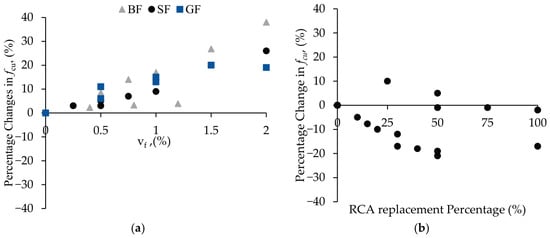
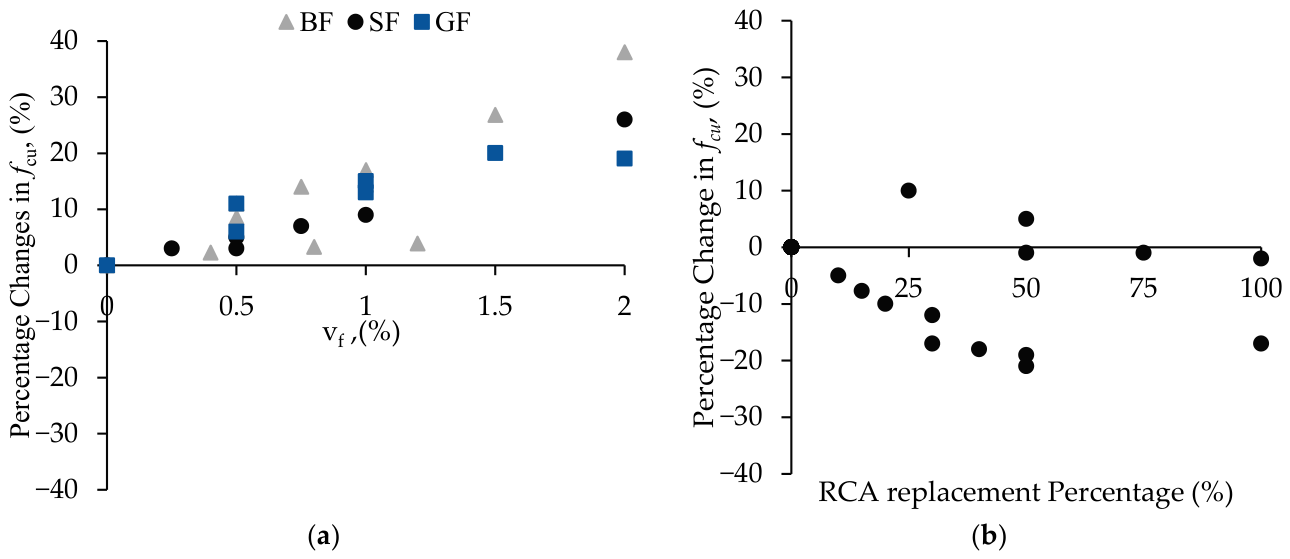
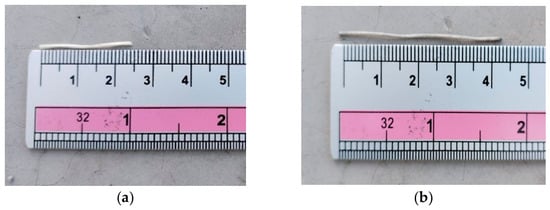
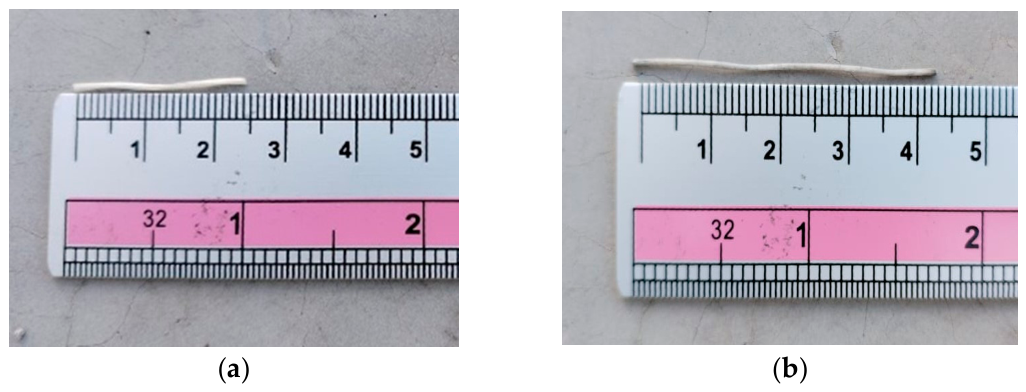
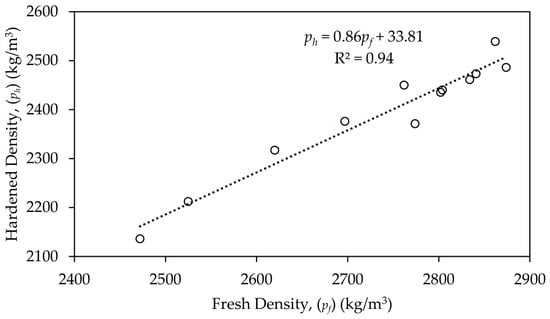
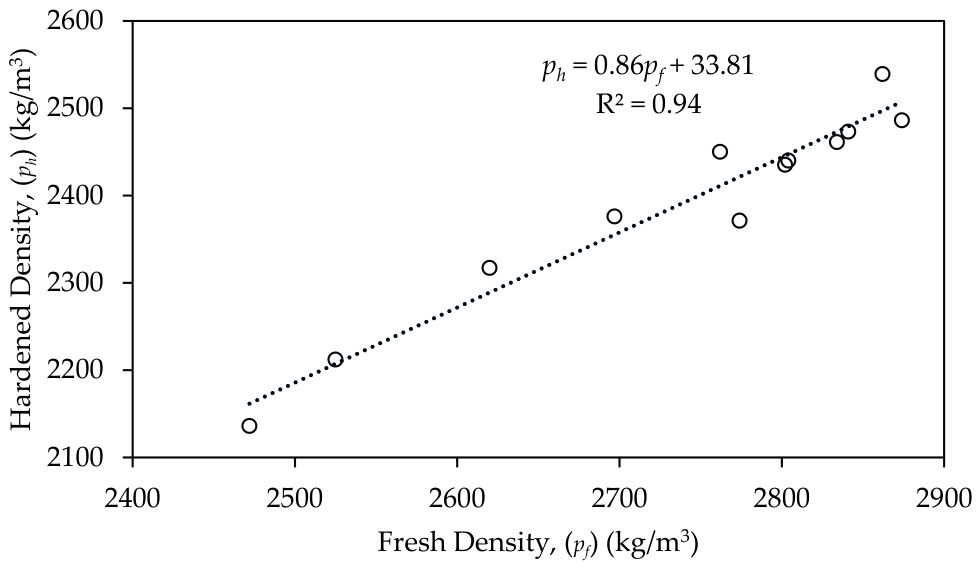
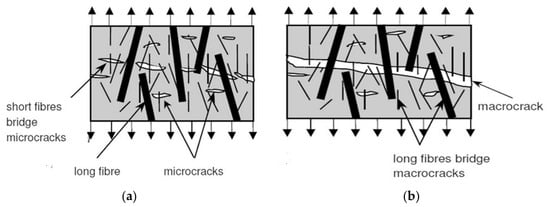
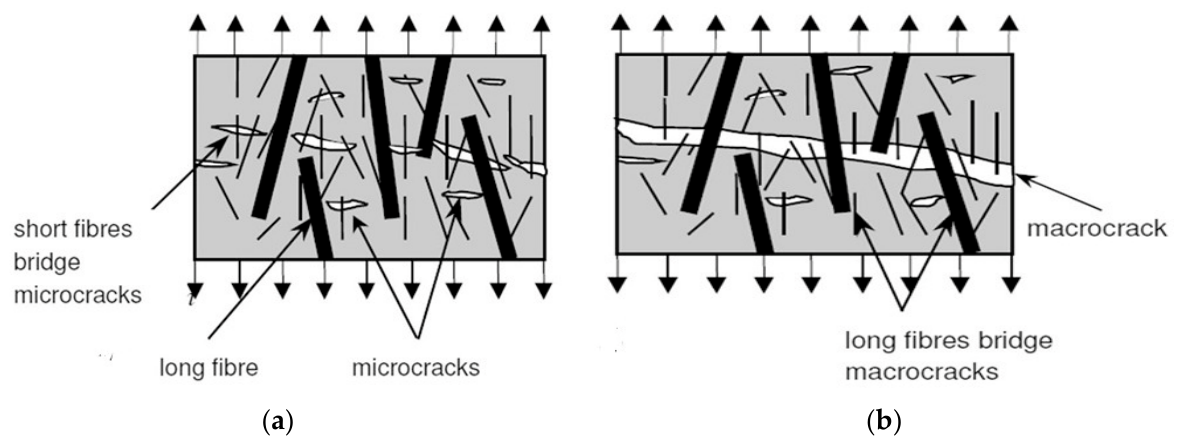
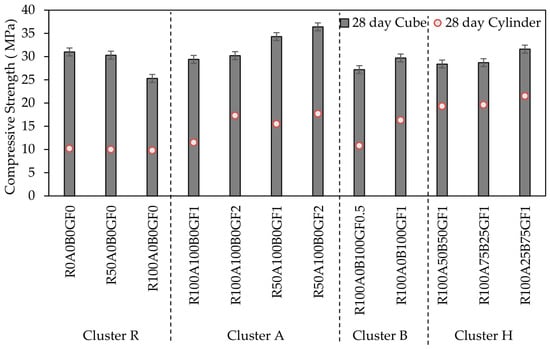
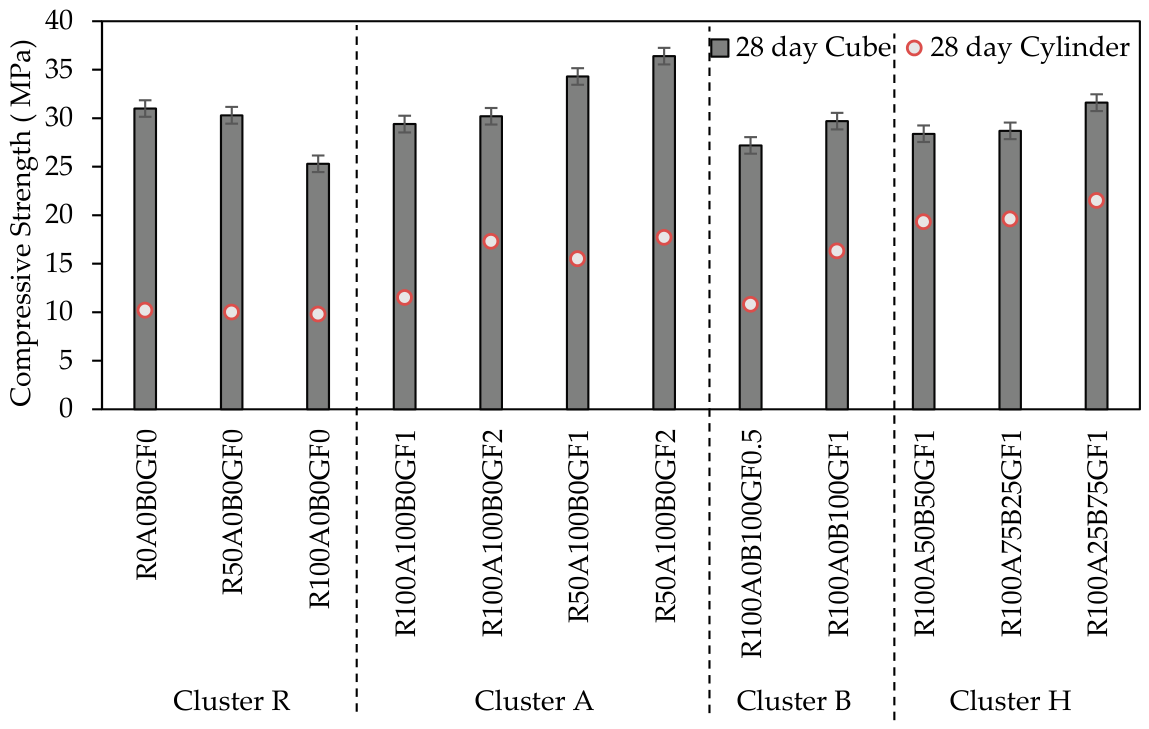
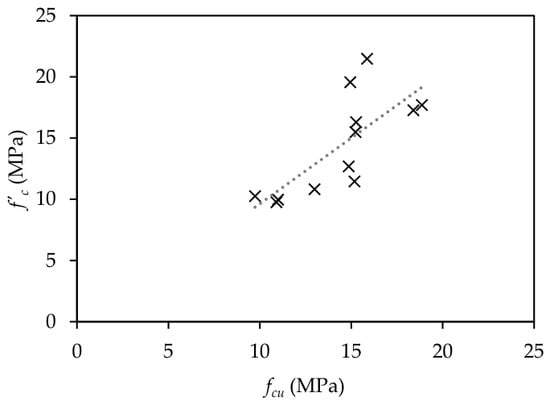
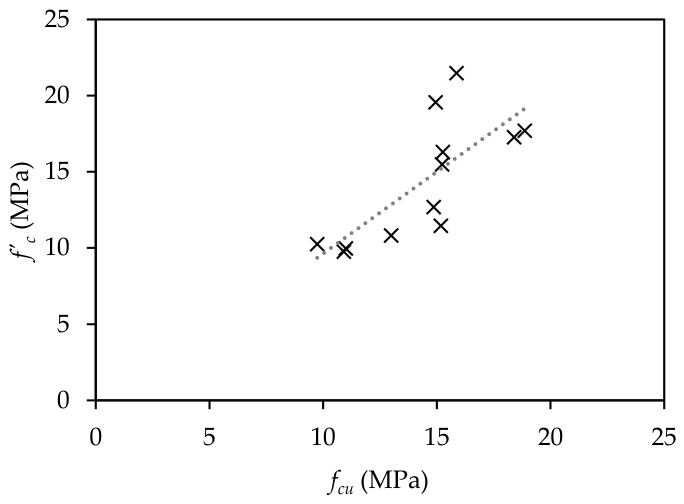
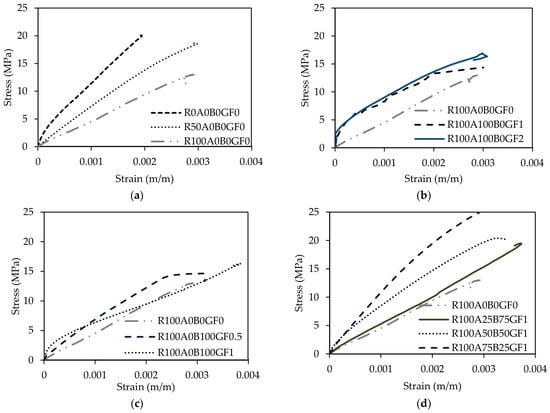
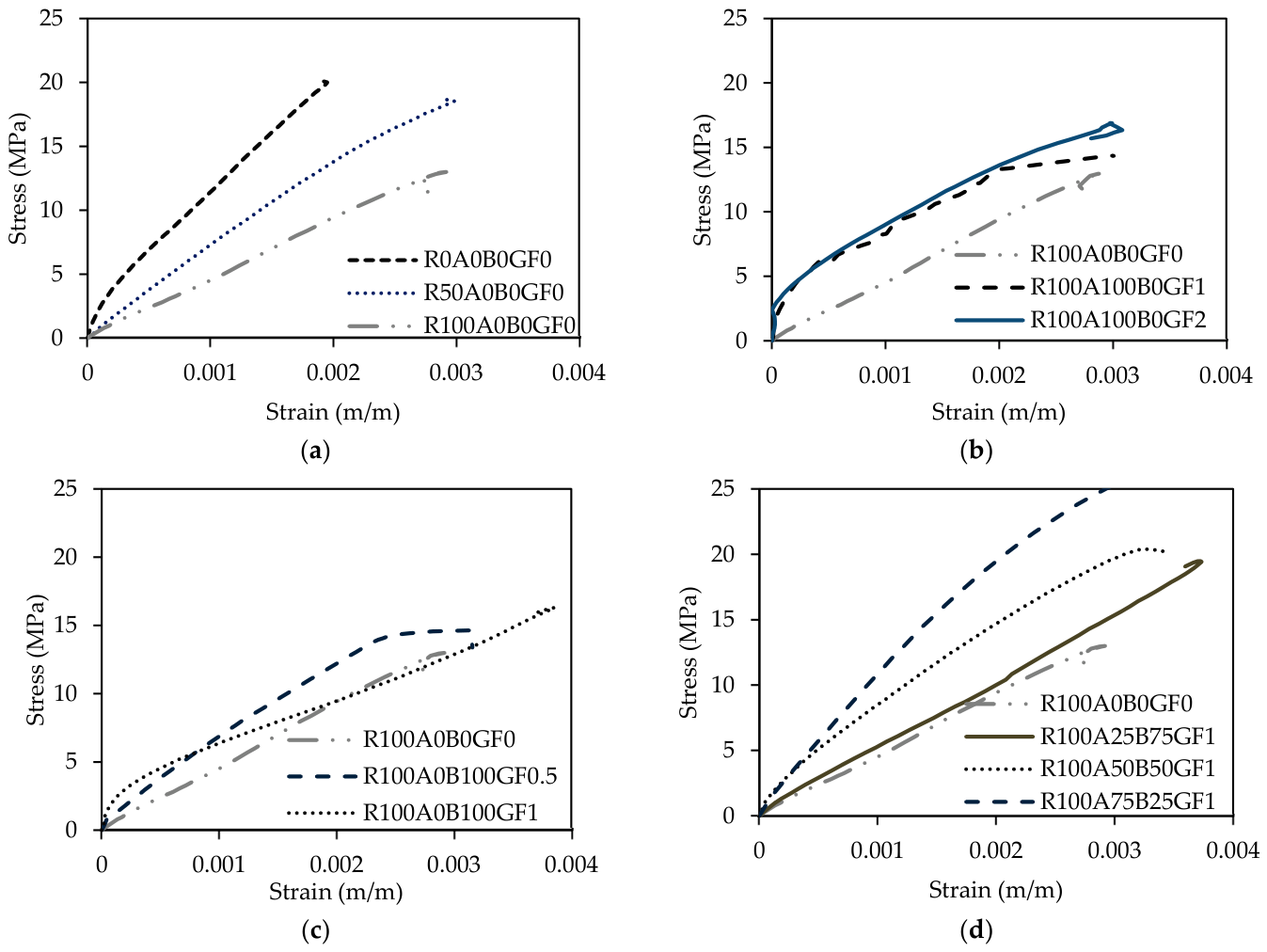
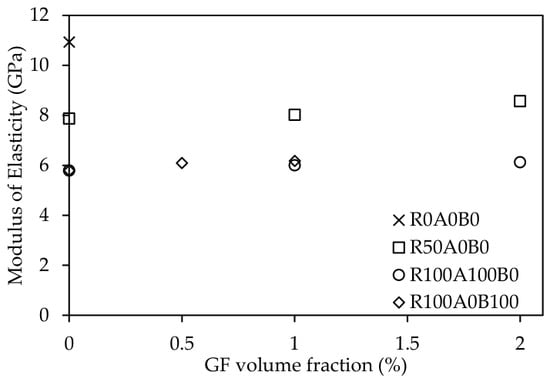
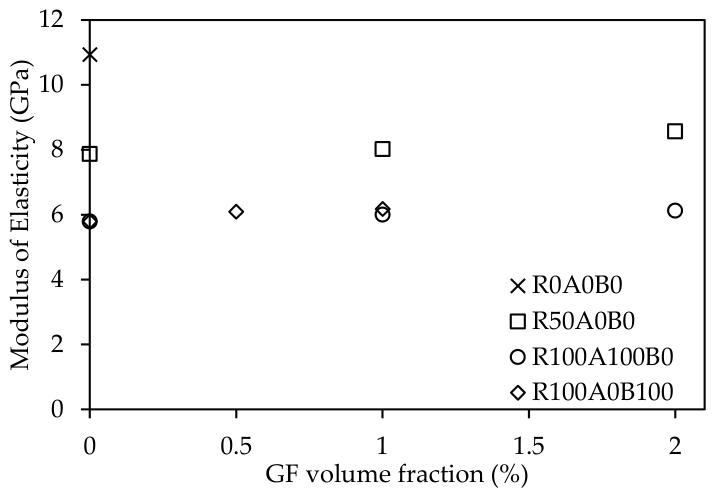
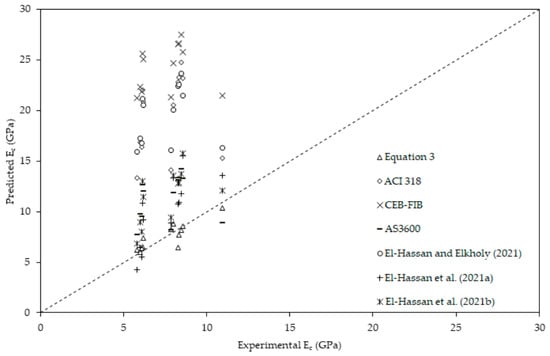
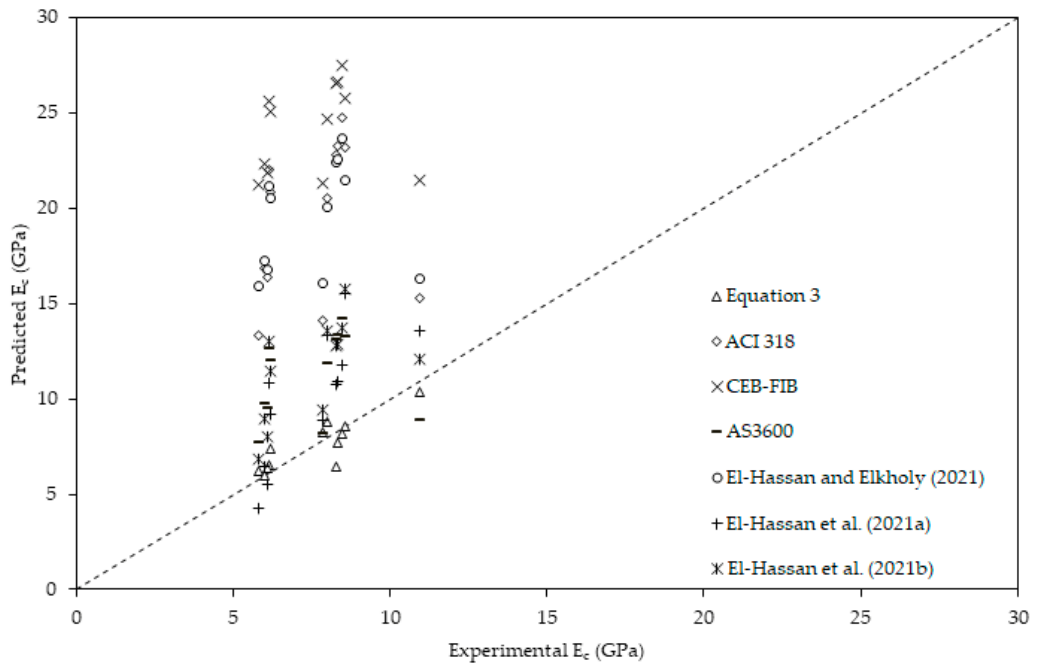
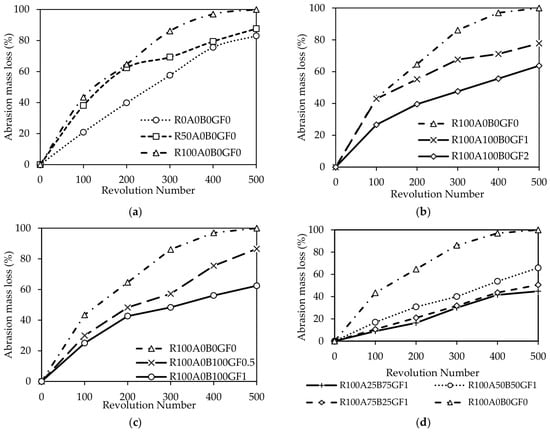
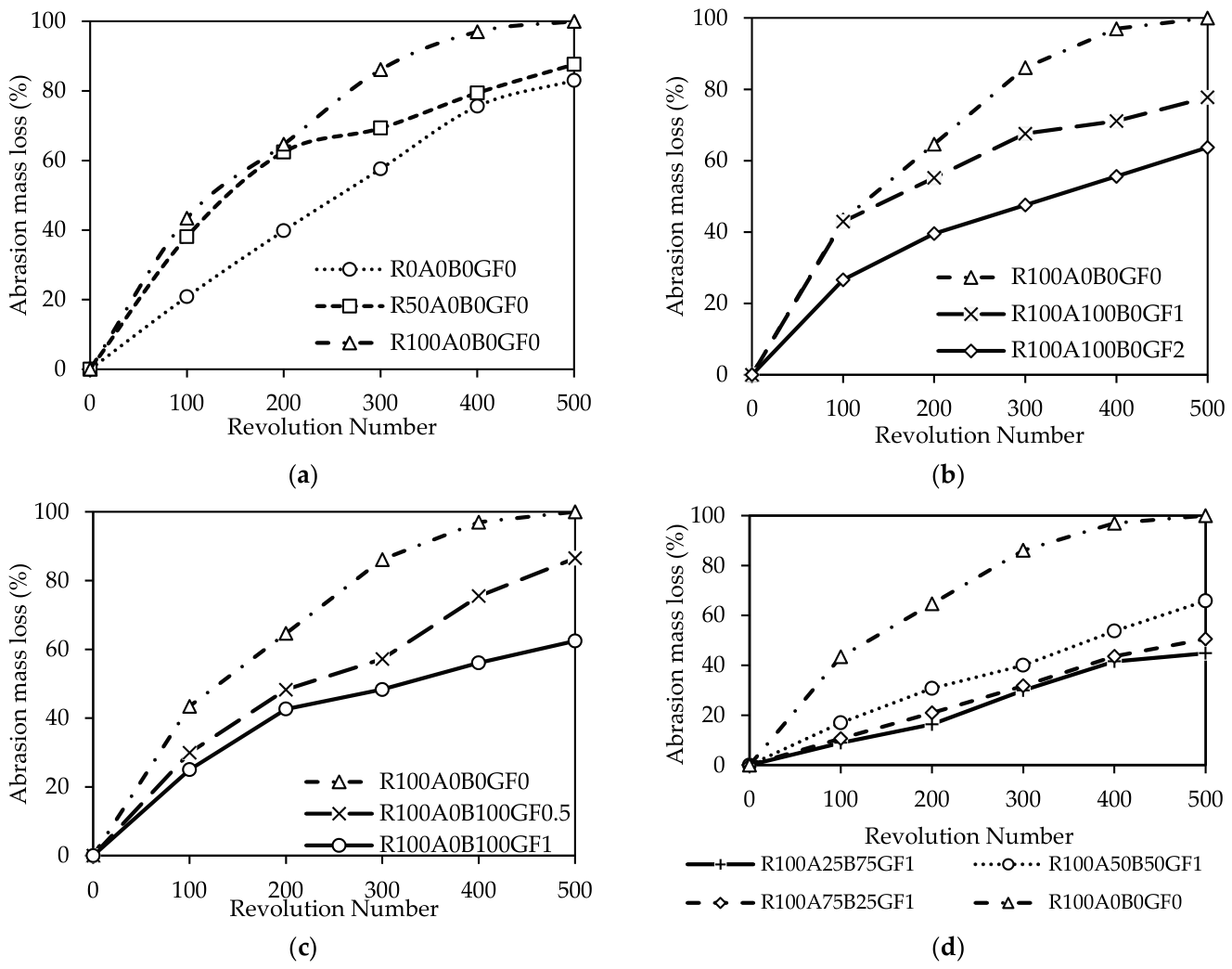
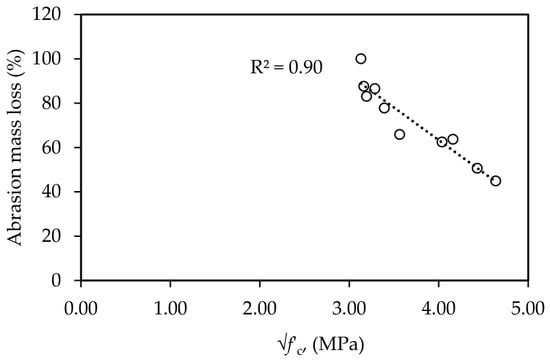
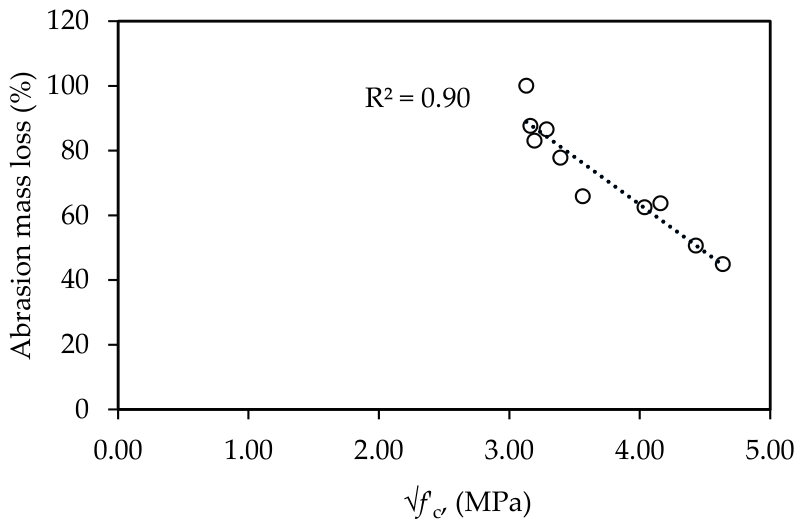
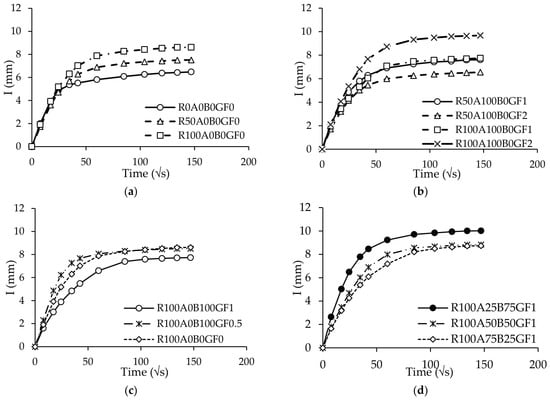
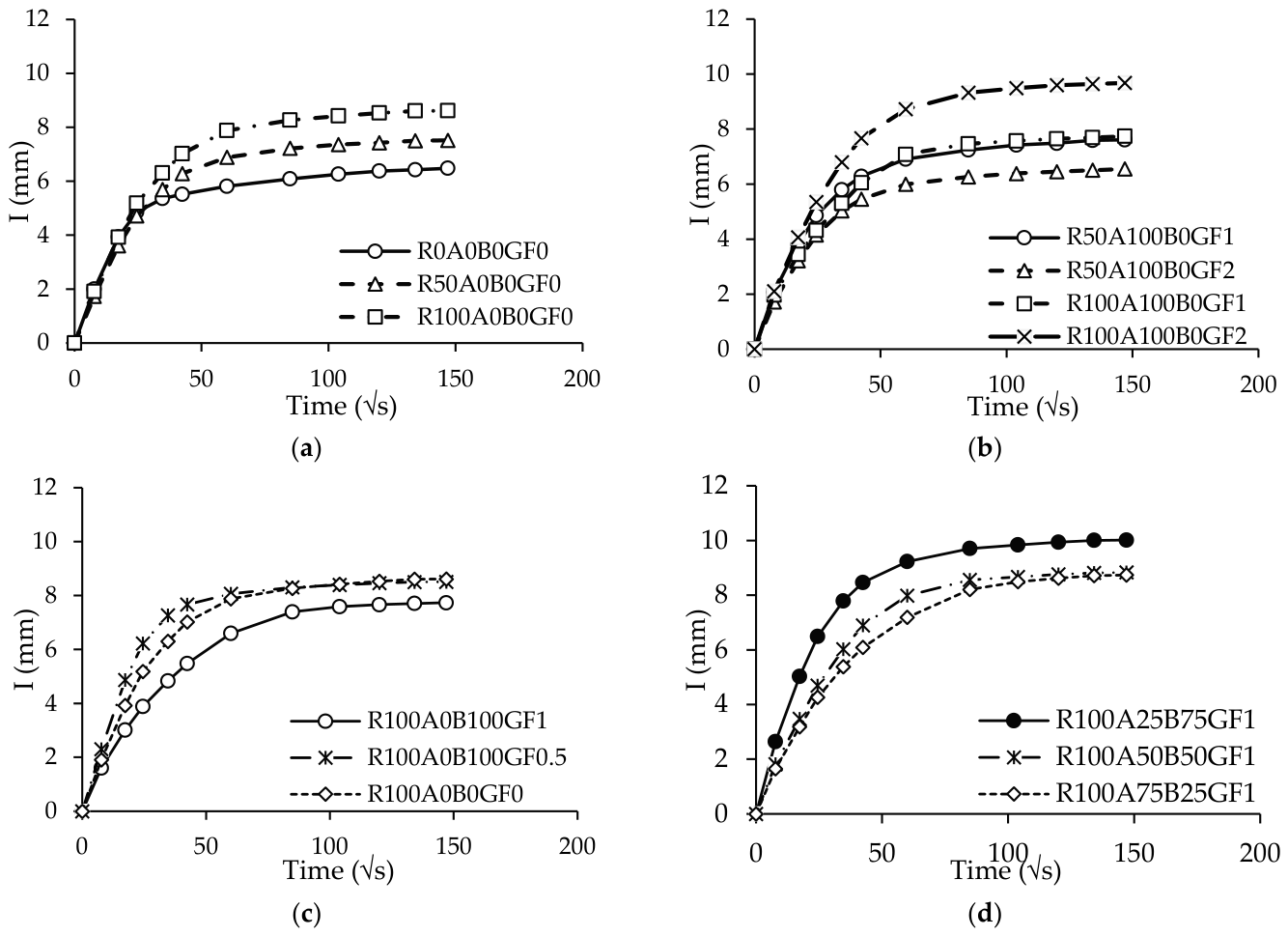
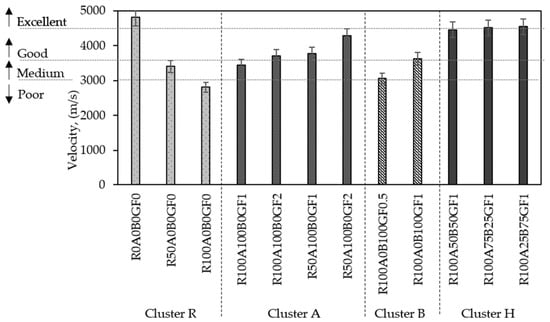
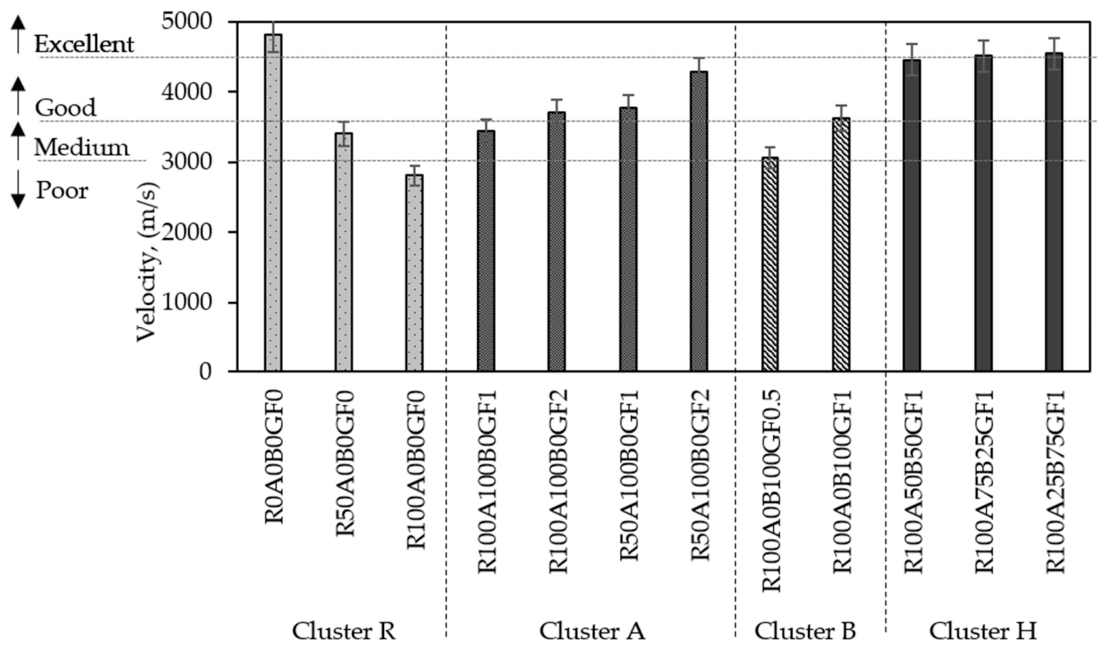
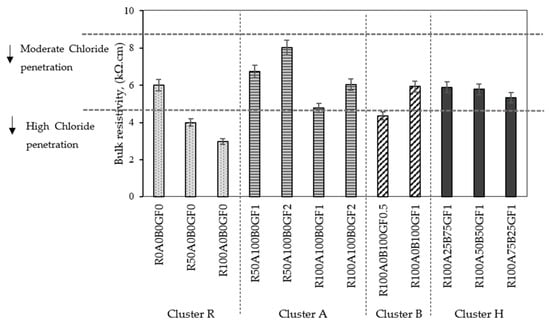
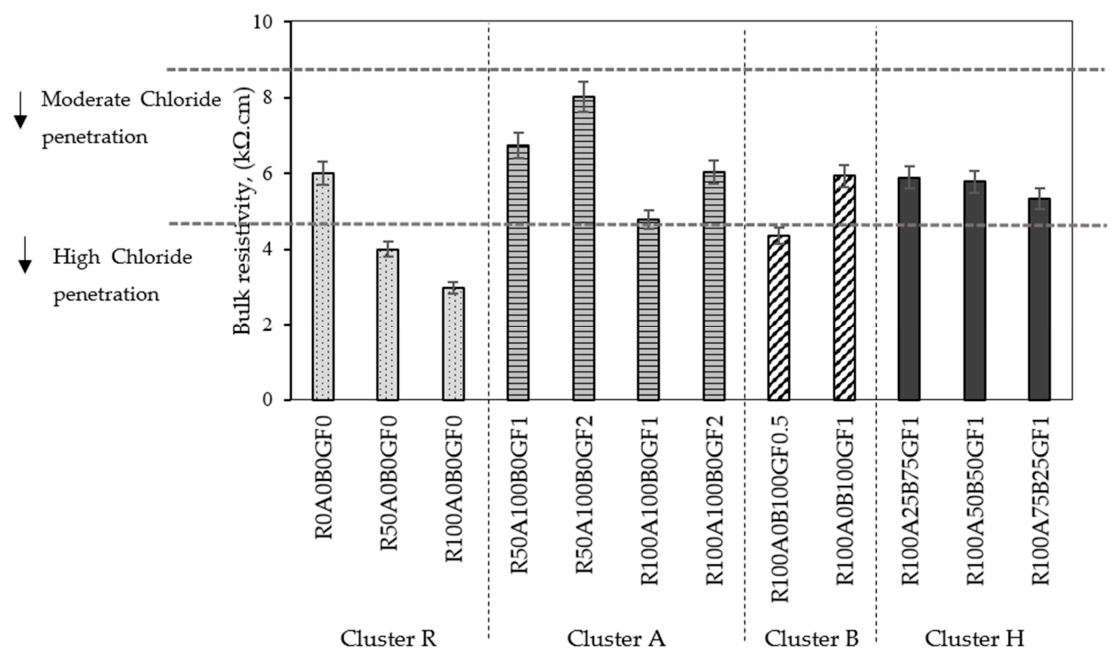
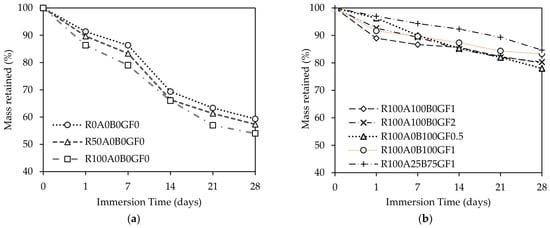
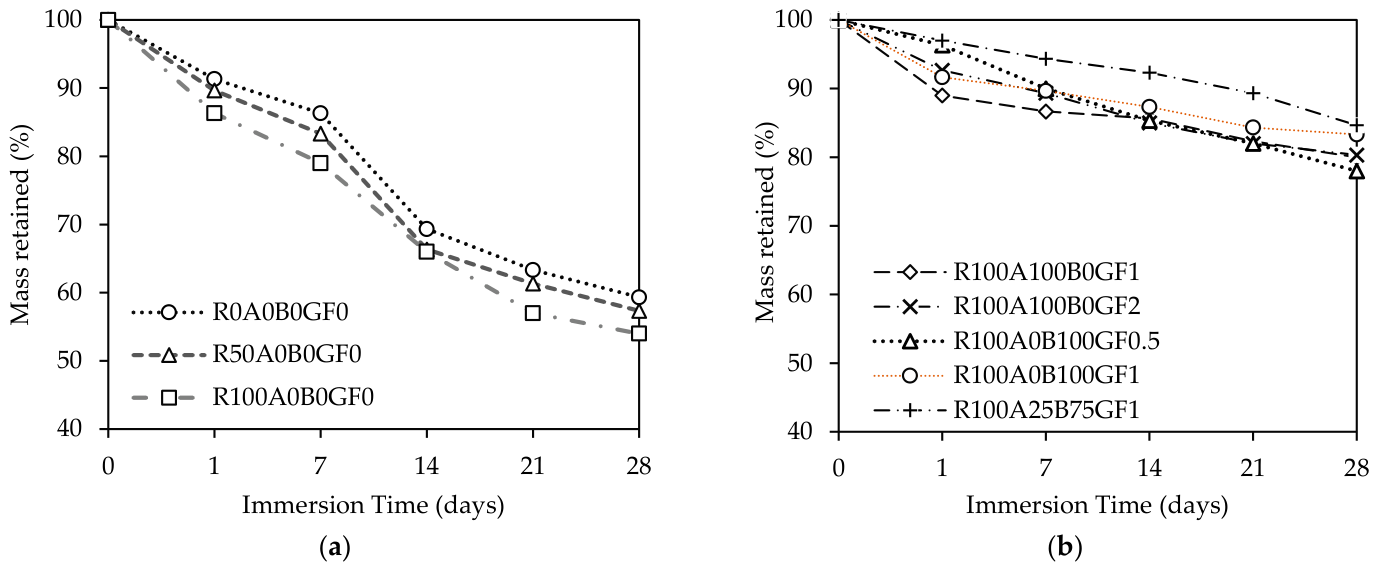
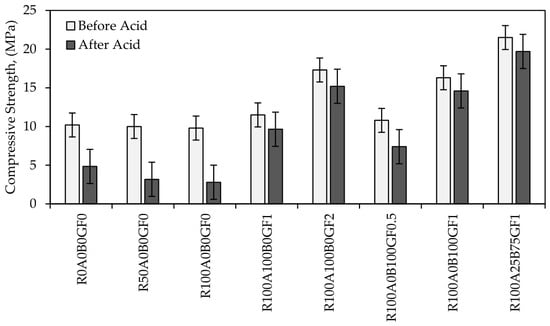
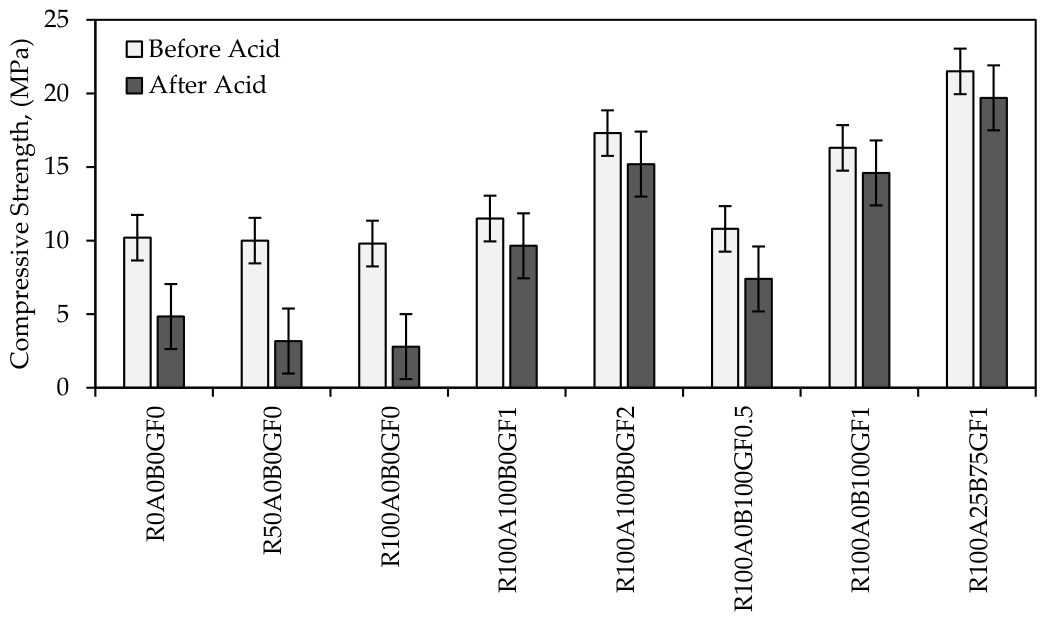

Disclaimer/Publisher’s Note: The statements, opinions and data contained in all publications are solely those of the individual author(s) and contributor(s) and not of MDPI and/or the editor(s). MDPI and/or the editor(s) disclaim responsibility for any injury to people or property resulting from any ideas, methods, instructions or products referred to in the content. |
© 2026 by the authors. Licensee MDPI, Basel, Switzerland. This article is an open access article distributed under the terms and conditions of the Creative Commons Attribution (CC BY) license.