


Abstract
Clay-based composite materials offer a low-carbon pathway for improving the environmental performance of the construction sector while maintaining relevance for architectural and heritage applications. A structured qualitative literature review was conducted, supported by thematic classification and exploratory bibliometric mapping (VOSviewer), based on peer-reviewed studies published between 2015 and 2025 relevant to the topic of clay minerals, stabilization, fibers, polymers, alkali activation, properties, performance, and applicability in architecture. According to the results obtained from the synthesized literature, it is seen that clay-based composites achieve performance improvement through complementary mechanisms: fiber reinforcement improves ductility, crack behavior, and energy absorption, polymer modification helps improve cohesion and water resistance and alkali activation transforms calcined aluminosilicate precursors into high-strength binding systems. The synthesis identifies three dominant performance mechanisms governing clay-based composites. Selected alkali-activated clay composite materials are reported to exhibit compression strengths higher than 60 MPa, and certain optimized systems may be able to provide lower thermal conductivity and lower levels of carbon emission in comparison with ordinary cement-based materials. The contribution of this paper lies in the synthesis of these material modification techniques and resulting performance aspects for their applicability in architecture, clarifying the potential of clay-based composites for sustainable construction, heritage compatible interventions, and future material development. By integrating material science with architectural applications, this study identifies the potential of clay-based composites for sustainable and heritage-compatible approaches to contribute to sustainable and circular construction practices, while also outlining key challenges and future research directions focused on optimization, large-scale implementation, and heritage-compatible innovation.
1. Introduction and Research Scope
The construction sector is witnessing a significant change driven by the need to lower carbon emissions and rapid depletion of natural resources associated with conventional construction materials. While the use of Portland cement results in a reliable structure, it remains one of the major contributors to carbon emissions globally, with the building sector using around 32% of global energy and producing around 34% of CO2 emissions, while cement and steel contribute additional emissions and generate significant construction waste [1,2].
Within this context, clay-based composite materials have once again become a relevant research field, not only because to their historical use in construction but also because of their potential to act as low environmental impact binders. Mousavi et al. demonstrated that clay can partially replace cement in concrete mixes to some, typically within a 10–30% substitution range, without compromising the performance of the concrete while reducing the environmental impact [1]. However, natural clay material alone cannot address modern construction needs due to its poor compressive strength, shrinkage, and moisture sensitivity. Therefore, the scientific interest is no longer focused only on clay as a traditional material, but on how clay can be transformed into an engineered composite system.
To overcome such limitations, current scientific research focuses on the use of composite systems based on clays, where clay is used in combination with stabilizers or enhancers. Nong et al. demonstrated that unburned bricks made from construction by-product soils can achieve improved compressive strength through optimized formulations while reducing energy usage [3]. Furthermore, Hegyi et al. show that adding industrial waste to clay plaster results in better durability and functionality [4]. Together, these studies show that clay-based composites are increasingly being developed as engineered systems whose performance depends on formulation, waste incorporation, and stabilization strategy, rather than on the clay matrix alone.
Meanwhile, the application of additives has become widely researched to improve structural and durability performance. In particular, Méndez-Robles et al. demonstrated that the introduction of polymers and organic additives is able to provide higher mechanical properties of clay-based composites [5]. As well, there is evidence that fiber reinforcement contributes to improving tensile strength, ductility, and fracture toughness in optimized clay-based composites [6,7,8,9]. This literature indicates that the mechanical improvement in clay composite materials is achieved through different mechanisms. Polymer enhances the cohesion and matrix homogeneity, whereas fibers control crack propagation and improve ductility. Nonetheless, the long-term durability of clay-based composites exposed to variable environmental conditions requires additional attention from researchers.
A further research direction is related to the implementation of alkali activation. According to studies conducted by Provis et al. and Bernal et al., alkali-activated clay-based materials can achieve high durability and reach compressive strengths exceeding 40 MPa while being low in carbon footprint. Alkali activation presents an entirely different approach compared to physical stabilization or fiber reinforcement, as it involves changing the way the binder is formed altogether, allowing clay-based composites to move closer to cementitious materials in terms of strength and durability [10,11]. This makes clay-based composites another group of low-carbon binders alongside cementitious systems, thus combining both the traditional and innovative construction material classes.
Further, along with material formulation, the usage of clay-based composites in current construction practices becomes an important research direction in itself. The feasibility of extrusion-based additive manufacturing using clay-rich mixes was demonstrated by Buswell et al. and Perrot et al. [12,13]. However, clay-based composites are highly relevant from the viewpoint of heritage conservation due to their compatibility with existing buildings [14]. Dual functionality is important because clay-based composite materials also have applications in conservation, where material compatibility, reversibility, and vapor permeability are vital.
At the level of sustainability, the assessment of construction material properties and characteristics takes place with regard to their applicability to large-scale systems. Thus, Mobaraki et al. claimed that sustainable design should be perceived hierarchically, considering material characteristics as factors influencing the performance of buildings and urban systems [15]. In turn, clay-based composites possess low embodied energy, local availability, recyclability, and good hygrothermal behavior [16,17]. Consequently, their sustainability should not be evaluated in terms of the environmental impact associated with production alone, but in consideration of their role in achieving passive performance, material circularity, and architectural suitability.
Parallel with this trend, there are also new approaches that have emerged in relation to assessing materials during the processes of construction. For example, Porras et al. showed that monitoring systems are now used to evaluate the development and serviceability of construction materials, providing a better quality of construction work. Moreover, the introduction of data-driven construction opens up new perspectives for clay-based composite materials research as well [18,19,20]. This suggests that future studies of clay-composite systems should not only focus on how such composite systems can be prepared but also how they can be characterized, regulated, and verified during actual construction practices. However, such approaches tend to focus on cement-based systems, without always being applied to clay-based composites, especially in relation to their architectural and heritage applications.
Therefore, the literature reveals two parallel directions: one that is concerned primarily with material engineering and performance improvement and another that is concerned mainly with sustainability, architecture, and conservation. However, both approaches are rarely studied together. Several review studies have already addressed sustainable construction materials, earthen materials, and low-carbon cementitious systems. However, many of these works focus on specific aspects, such as cement replacement, material characterization, stabilization methods, or environmental performance. In particular, Zhang et al. and Mora-Ruiz et al. noted that most of the studies are focused on addressing different aspects of clay-based materials without bringing together the characteristics of minerals used, the process of composite formation, and potential uses in construction projects [21,22]. Therefore, a clearer synthesis is needed to connect material behavior, composite modification, performance, sustainability, and architectural relevance.
Thus, the current review aims to fill the gap between material science and architectural practice by reviewing and synthesizing literature on clay-based composite materials as engineered systems rather than as traditional earthen materials alone. This review uses a structured qualitative literature review approach, meaning that the selected literature is organized and discussed according to the main topics, which are clay mineralogy, stabilizing and reinforcing techniques, alkali activation, polymer–clay nanocomposites, structural and functional properties, sustainability, cultural appropriateness, and new monitoring technology. The main objective of this review is to illustrate the connection between the above topics so that clay-based composites can be used in sustainable construction and architecture applications, while the main contribution of this study is represented by:
- (i)
- Classification of clay-based composites based on modification mechanisms;
- (ii)
- Synthesis of the relationship between mineralogy and performance;
- (iii)
- Integration of materials science with architectural and heritage applications.
The paper is structured as follows: Section 2 presents the historical context and evolution of clay use; Section 3 discusses the fundamental mineralogical and physicochemical properties of clay minerals; Section 4 examines modern clay-based composite systems, including stabilization techniques, fiber and polymer reinforcement, and alkali-activated materials; Section 5 evaluates structural and functional performance, with emphasis on mechanical behavior, durability, and emerging monitoring approaches; Section 6 and Section 7 address comparative aspects, sustainability, and architectural implications, including environmental performance and applicability in both contemporary construction and heritage contexts; and Section 8 discusses research gaps and future directions.
2. Context and Evolution of Clay Use
2.1. Origins and Early Applications
Clay stands among the earliest and most enduring building materials in human history. Archaeological evidence demonstrates its use for construction and decoration as early as the 10th millennium B.C., with early examples of molded earth bricks and plasters found across the Near and Middle East [23]. The material’s abundance, malleability, and natural cohesion made it a primary choice for shelter construction before the emergence of fired ceramics and lime-based mortars [24].
In ancient civilizations, clay played a dual role both as a structural element and as a binder within composite systems. Early builders mixed clay with plant fiber or grasses to form compacted masses for huts and enclosures. Over 6000 years ago, Egyptian builders combined straw with clay to produce sun-dried bricks, an innovation that enhanced strength and dimensional stability, marking one of the earliest engineered forms of clay-based composite materials [24].
In Mesopotamia, advanced production of both sun-dried and kiln-fired bricks enabled the construction of monumental structures such as ziggurats, whose durability remains evident today. Meanwhile, in ancient China, rammed earth and clay plasters were used in both domestic and defensive architecture, reflecting the adaptability of earthen construction to local climates and resources [25].
These early practices demonstrate that the concept of composite behavior combining clay with reinforcing or stabilizing materials has historical roots, even if not formally defined within modern material science frameworks.
2.2. Traditional Techniques and Regional Variations
Across Europe and the Mediterranean, a rich diversity of clay-based construction traditions emerged. Techniques such as cob, a mixture of clay, straw, and aggregates and wattle and daub where clay plaster was applied to interwoven wooden lattices, were particularly prevalent in rural architecture [26,27]. These systems offered excellent thermal inertia and humidity regulation, contributing to comfortable interior microclimates long before the advent of mechanical systems.
In North Africa and the Middle East, adobe construction became the dominant vernacular technique, using hand-molded clay bricks dried in the sun. These methods continue to be practiced today, particularly in regions with arid climates, where their performance remains unmatched in terms of thermal regulation and environmental integration [28].
The durability and resilience of these traditional systems underline clay’s ability to adapt across cultures and time periods. Whether used as bricks, plasters, mortars, or rammed earth, clay has consistently served as a locally sourced, low-carbon, and reversible building solution [29].
From a contemporary perspective, these traditional techniques can be reinterpreted as early composite systems, where natural fibers, aggregates, and binders were combined to enhance mechanical performance and environmental adaptability [30].
2.3. Transition to Modern Applications
Modern research and technological innovation have revived clay’s role in construction, transforming it from a vernacular material into a subject of scientific and industrial development. While traditional clay structures were empirical, contemporary clay-based composites are engineered materials systems, developed through controlled modification of mineralogy additive incorporation, and curing processes [30].
In architecture and heritage conservation, clay’s re-emergence reflects both environmental and cultural motivations. Modern architects and material scientists are now exploring how innovative clay formulations, including alkali-activated binders, fiber-reinforced systems, and polymer–clay nanocomposites—can address global sustainability challenges without compromising the material’s cultural authenticity. These developments represent a convergence between traditional knowledge and advanced material science, enabling the design of composites that combine low environmental impact with improved structural and functional performance. Importantly, this transition marks a conceptual shift from viewing clay as a standalone material to understanding it as a component within engineered composite systems, which is essential for its integration into contemporary construction practices.
The evolution of clay—from prehistoric shelters to advanced composites—illustrates not only its technological adaptability but also its symbolic continuity as a material that connects human culture, environment, and innovation. The following section examines modern clay-based composite systems, focusing on the mechanisms through which stabilization, reinforcement, and activation processes enhance performance and expand application potential in sustainable construction [30].
3. Fundamentals of Clay and Composite Materials
3.1. Clay Minerals: Classification and Characteristics
It is important to distinguish between clay and clay materials. While clay refers to a natural fine-grained material composed of a mixture of minerals, organic matter and impurities, clay minerals are the crystalline phyllosilicate phases that define its physico-chemical behavior. The properties of clay-based composites are primarily governed by the type and proportion of clay minerals present [6].
Clay minerals are hydrous aluminum silicates that exhibit a wide range of structural, chemical, and physical properties. These intrinsic properties govern the behavior of clay when used as a constituent within composite systems and therefore directly influence the performance of clay-based composites in construction applications. The four main types of clay—kaolinite, illite, montmorillonite, and chlorite—differ in their layer structures and cation exchange capacities (CEC), which in turn affect workability, plasticity, and mechanical behavior [31,32,33].
- Kaolinite is a 1:1 layered silicate mineral characterized by low plasticity and minimal shrink–swell behavior. With a CEC ranging from 3–15 meq/100 g, kaolinite offers dimensional stability and chemical inertness, making it a reliable base for stabilized clay-based composite systems [31].
- Illite, a 2:1 non-expanding clay, exhibits moderate plasticity and a CEC of 20–40 cmolc/kg. Its abundance in soils and balanced workability make it suitable for general-purpose clay composites [32].
- Montmorillonite, belonging to the smectite group, is a 2:1 expanding clay known for its high CEC and water absorption capacity. While its swelling properties enhance flexibility, stabilization is often required to control shrinkage and cracking [33].
- Chlorite has a 2:2 structure, low CEC, and limited swelling potential, contributing marginally to mechanical strength but providing stability in multi-phase composite systems [6,8].
As illustrated in Figure 1, the structural differences between 1:1 and 2:1 clay minerals directly influence their cation exchange capacity and swelling behavior, which in turn affect the performance of clay-based composites.
Figure 1.
Classification of main clay minerals (kaolinite, illite, montmorillonite, chlorite) based on layer structure (adapted from [6,8,31,32,33]).
3.2. Mineralogical and Physical Properties:
The performance of clay-based composites is governed by fundamental parameters such as plasticity index, cation exchange capacity, and water absorption behavior which controls the interaction between clay particles and stabilizing or reinforcing agents within composite systems. These parameters, therefore, influence workability, dimensional stability, and mechanical performance [34,35].
- The plasticity index (PI) influences moldability and workability; higher PI values improve shaping capacity but may increase the risk of cracking during drying and long-term service [34].
- The cation exchange capacity (CEC) determines the interaction potential between clay particles and stabilizers or additives. A higher CEC allows better ion exchange with polymers, alkalis, or calcium-based agents, enhancing the strength and durability of the composite [34].
- Water absorption and swelling behavior strongly affect shrinkage and dimensional stability. High-swelling clays, if not properly stabilized, may lead to cracking or loss of mechanical integrity under variable humidity conditions [35].
It is essential that the link between mineral composition and the performance of clays be defined. The presence of kaolinite ensures dimensional stability and moderate strength, while montmorillonite may improve ductility but needs stabilization for controlling expansion and fracturing. Illite represents a composition where workability and mechanical behavior are balanced [31,32,33,35].
3.3. Influence on Composite Performance
Although some performance-related aspects are introduced in this section to illustrate the implications of mineralogical properties, a detailed evaluation of composite performance is provided in Section 5 to maintain continuity between material fundamentals and engineering behavior.
The mineral composition of clay dictates the mechanical and environmental performance of the resulting composites. Kaolinite-rich clays produce stable composites with moderate compressive strength and low shrinkage, suitable for structural and finishing layers. In contrast, montmorillonite-rich clays provide flexibility and higher ductility but require reinforcement—often through natural fibers—to limit deformation and cracking [36].
Thermal performance is another key aspect influenced by mineralogy. Clays with higher aluminosilicate content exhibit improved thermal resistance and insulation capacity, an advantage in both modern energy-efficient buildings and traditional earthen structures [37]. Moreover, stabilization techniques—including lime addition, alkali activation, or polymer modification—can significantly reduce shrinkage and water sensitivity, thereby extending the material’s service life [38].
3.4. From Clay to Composite: Material Definition
A composite is formed by blending two or more materials with distinct physical and chemical characteristics to achieve enhanced performance. In the context of construction materials, clay-based composites are engineered systems in which clay acts as a primary matrix or reactive precursor combined with reinforcing or stabilizing agents such as fibers, polymers, or alkali activators. These additions address clay’s inherent weaknesses, chiefly low tensile strength and high-water absorption, while maintaining its ecological advantages [39].
- Stabilization refers to the modification of clay behavior through natural or synthetic agents that reduce shrinkage, limit cracking, and improve moisture resistance within composite matrices. Additives such as lime, natural polymers, or plant fibers have proven effective in extending durability and structural reliability [40].
- Alkali activation, represents a distinct chemical transformation process in which clay or aluminosilicate-rich materials react with alkaline solutions such as sodium hydroxide or sodium silicate. This reaction forms hardened aluminosilicate binders with high compressive strength and durability, offering a sustainable alternative to Portland cement [41].
It is important to distinguish alkali-activated systems from stabilized clay composites, as they rely on fundamentally different reaction mechanisms and result in different microstructural formations and performance characteristics.
Through the integration of these approaches, clay-based composites emerge as engineered material systems rather than traditional earthen materials, capable of bridging vernacular construction knowledge with contemporary performance requirements.
This structured presentation of clay mineralogy and its implications is intended to provide a clear conceptual framework that supports the understanding of subsequent sections on composite engineering and performance.
4. Modern Clay-Based Composites
The growing environmental concerns and the pursuit of circular construction practices have redefined clay’s role in architecture and materials science. Advances in material engineering have transformed clay from a traditional building material into a component of diverse engineered composite systems with enhanced performance characteristics. Modern clay-based composites can be broadly categorized into distinct systems based on their modification mechanisms, including fiber-reinforced and stabilized systems, alkali-activated composites, and polymer–clay nanocomposites. These systems differ fundamentally in their microstructural formation and performance behavior [38,41].
4.1. Stabilized and Fiber-Reinforced Systems
Stabilization and fiber reinforcement represent the most direct approaches to improving the physical and mechanical performance of clay within composite systems. Through the addition of natural or synthetic stabilizers, such as lime, biopolymers, or fibers, clay shrinkage, cracking, and moisture sensitivity can be significantly reduced, resulting in improved mechanical integrity and service life [40]. The use of natural fibers such as sheep’s wool, hemp, or jute introduces reinforcement mechanisms that enhance tensile and compressive strength by improving crack bridging and energy dissipation capacity [1].
Experimental studies have demonstrated that the addition of wool fibers can increase compressive strength by up to 37%, while biopolymer additives like alginate improve cohesion and matrix density, raising compressive strength from 2.23 MPa to 3.77 MPa [1]. Similarly, lime–fiber combinations have been found to enhance both ductility and dimensional stability under cyclic thermal and mechanical stresses [39]. These systems primarily rely on physical reinforcement and chemical stabilization mechanisms, rather than fundamental microstructural transformation, distinguishing them from alkali-activated composites.
These bio-based stabilization techniques are especially relevant in heritage conservation, where material compatibility, breathability, and reversibility are essential. Unlike cement-based mortars, stabilized clay composites maintain vapor permeability and can be adapted to match the physical and aesthetic properties of historical masonry, minimizing risks of incompatibility and decay [14,40].
4.2. Alkali-Activated Clay Composites (AACC)
Among advanced composite systems, alkali-activated clay composites (AACC) represent a fundamentally different approach based on chemical transformation rather than physical stabilization. In this process, clays or aluminosilicate-rich materials react with alkaline solutions—typically sodium hydroxide or sodium silicate—to form hardened aluminosilicate gel networks (e.g., N–A–S–H and C–S–H phases). These binders can improve superior mechanical strength and durability while reducing CO2 emissions compared to Portland cement [41,42,43].
4.2.1. Composition and Activation
Alkali-activated clay composites can be produced using natural clays or industrial by-products such as fly ash, slag, or water potabilization sludge, serving as aluminosilicate sources. The reaction between the clay and the activator generates C–S–H (calcium silicate hydrate) and N–A–S–H (sodium aluminosilicate hydrate) gels, responsible for the hardened matrix. Optimizing the clay-to-activator ratio, activator concentration, and curing conditions is critical to achieving desired mechanical properties [44,45].
4.2.2. Mechanical Properties
Research indicates that AACC can reach compressive strengths exceeding 60 MPa, particularly when incorporating supplementary materials such as calcined clay and slag [46,47]. For instance, a mixture activated at 70 °C with 60% humidity achieved compressive strength of 67.8 MPa, while ambient-cured blends of calcined clay and slag yielded 41–53 MPa, satisfying structural requirements for both interior and exterior environments [48]. These results demonstrate the potential of AACC to approach the performance range of conventional cementitious materials under optimized conditions.
4.2.3. Environmental Performance
The sustainability of AACC derives from the use of industrial by-products and low-temperature curing, which together minimize energy consumption and CO2 emissions. Substituting cement with alkali-activated clays and slags not only reduces reliance on virgin resources but also aligns with circular economy principles by valorizing waste materials [49]. The development of alkali-activated foams and lightweight variants further enhances thermal insulation while maintaining sufficient mechanical performance for non-structural elements.
Unlike stabilized systems, AACC relies on chemical restructuring of the material matrix, resulting in significantly different mechanical behavior and long-term performance characteristics.
Figure 2 illustrates the fundamental differences in microstructural organization between natural clay, fiber-reinforced systems and alkali-activated composites. These differences explain the transition from physically stabilized matrices to chemically bonded aluminosilicate networks, which is responsible for the significant increase in mechanical strength observed in alkali-activated systems. The schematic representation is conceptual and intended to support the interpretation of mechanisms described in the literature.
Figure 2.
Schematic illustration of microstructural differences between natural clay, fiber-reinforced clay and alkali-activated clay composites (original illustration developed by the authors based on concepts from [41,42,43,44,45,46,47]).
During calcination, dihydroxylation transforms clay minerals into reactive amorphous aluminosilicates, enabling geopolymeric reactions under alkaline activation.
It should be emphasized that alkali-activated clay composites are not based on raw clay, but on calcinated aluminosilicate precursors, so the original clay structure is fundamentally transformed, and their behavior differs significantly from that of traditional or stabilized clay systems.
4.3. Polymer-Clay Nanocomposites
A third category of clay-based composite systems is represented by polymer–clay nanocomposites, which operate at the nanoscale and involve fundamentally different reinforcement mechanisms. These materials incorporate nanometric clay particles—typically smaller than 100 nm—into polymer matrices to achieve improved mechanical, thermal, and barrier properties [50].
4.3.1. Composition and Structure
The clay minerals used in these nanocomposites, often montmorillonite, consist of stacked lamellae with thicknesses around 1 nm and aspect ratios up to 800 nm. When uniformly dispersed within the polymer matrix, these platelets create an intercalated or exfoliated structure, dramatically increasing the interfacial surface area and improving load transfer [50]. Achieving homogeneous dispersion, however, remains a key processing challenge influenced by factors such as polymer type, mixing technique, and surface modification.
4.3.2. Mechanical and Functional Properties
Even at low filler contents (typically 1–5 wt%), nano clay additions significantly enhance elastic modulus (up to 20–50%), tensile strength (up to 30%), and thermal stability. This improvement is mostly attributed to the high specific surface area of the nano clay platelets, which enhances the interfacial bonding within the matrix, restricts polymer chain mobility, and acts like a barrier to limit the crack propagation and heat transfer, contributing to improved mechanical integrity and durability at both micro and nanoscale levels [51,52,53,54]. Moreover, the functionalization of clay nanoparticles enables tailored self-assembled morphologies suited for applications ranging from construction coatings to biomedical and packaging materials [55,56].
4.3.3. Environmental Considerations
Despite their high performance, polymer–clay nanocomposites present environmental challenges related to polymer production and nanoparticle processing. While the inclusion of nano clays can extend material lifespans and reduce maintenance needs, the production of certain nanoparticles may generate greenhouse gas emissions that offset part of the ecological benefit. Therefore, ongoing research aims to balance enhanced performance with low-impact synthesis, particularly using bio-based or recycled polymer matrices [57].
Overall, the diversity of modern clay-based composites—ranging from physically stabilized materials to chemically activated binders and nanoscale hybrid systems—demonstrates the versatility of clay as a component within engineered materials. This classification clarifies the distinct mechanisms governing performance and avoids the conceptual overlap frequently observed in existing literature.
5. Structural and Functional Performance
The mechanical and functional behavior of clay-based composites defines their suitability for structural and architectural applications. Recent studies have demonstrated that their performance can be significantly enhanced through stabilization techniques and material optimization [57,58].
5.1. Mechanical and Seismic Behavior
5.1.1. Dynamic Response and Damping Capacity
Clay composites demonstrate distinct dynamic properties under seismic and cyclic loading due to their intrinsic damping behavior and microstructural flexibility. Unlike conventional concrete, which is relatively brittle, clay matrices exhibit natural energy dissipation capabilities that can be further enhanced through fiber reinforcement. The incorporation of natural fibers such as hemp, jute, or wool introduces a viscoelastic response, allowing micro-slippage between particles and improving the overall ductility of the composite [57,58].
Experimental studies have shown that fiber-reinforced clay composites can achieve damping ratios between 8–12%, significantly higher than those of typical concrete structures, which average around 2–5% [59]. This enhanced damping performance is attributed to the frictional interaction at the clay–fiber interface and the viscoelastic deformation of the reinforcing fibers themselves [60]. This behavior contributes to improved energy absorption during dynamic loading, which is crucial for the seismic resilience of earthen and hybrid structures.
5.1.2. Seismic Resilience and Structural Integrity
The seismic resilience of clay composites depends on their capacity to maintain integrity while accommodating deformations induced by ground motion. Experimental shake table tests have confirmed that well-designed clay composite elements can sustain moderate to strong seismic excitations without catastrophic failure if reinforcement and stabilization are appropriately optimized [61]. The key design parameters include the clay-to-binder ratio, fiber content, and stabilizer type, all of which influence ductility and crack propagation.
Notably, alkali-activated clay composites (AACC) exhibit enhanced resilience under simulated seismic loading. Studies report that such materials retain significant load-bearing capacity after multiple deformation cycles, owing to the geopolymeric gel network that provides superior cohesion and crack resistance [62]. Moreover, some formulations display limited self-healing behavior, where minor cracks are naturally sealed through ongoing hydration and carbonation reactions within the matrix, further improving durability under repeated stresses [63].
These findings suggest that properly engineered clay-based composites can contribute to seismic-resistant construction, particularly in low- to medium-rise buildings and regions with moderate seismic activity. Their energy-dissipative characteristics and damage tolerance, provide a potential alternative to conventional concrete in specific applications, whose stiffness and brittleness often lead to sudden structural failure.
5.2. Thermal, Durability, and Environmental Properties
5.2.1. Thermal Performance
The thermal behavior of clay-based composites is strongly influenced by their mineralogy, porosity, and composition. The intrinsic low thermal conductivity of clay, combined with the potential for tailored microstructures, allows these materials to achieve favorable insulation properties. Alkali-activated clay–slag composites form dense matrices that minimize heat transfer while maintaining structural strength [64].
When lightweight aggregates or air-entraining agents are incorporated, these materials can reach even lower thermal conductivity values, improving their suitability for energy-efficient building envelopes [65,66]. Furthermore, the high aluminosilicate content of calcined clays enhances heat resistance, providing advantages in high-temperature or fluctuating environments. Compared to conventional concrete—whose thermal conductivity ranges between 1.4–3.4 J/s·m2 and decreases when wet, clay-based composites can exhibit improved thermal stability and lower heat transfer, contributing to reduced building energy demand.
5.2.2. Durability and Aging Resistance
Durability remains a crucial factor determining the long-term applicability of clay composites. Advances in stabilization and alkali activation have led to formulations capable of withstanding extreme aging conditions, including up to 300 wet–dry cycles without significant degradation of mechanical properties [67]. The inclusion of fibers, particularly polypropylene or natural fibers, mitigates microcracking and compensates for swelling and shrinkage, ensuring structural continuity over time.
In comparison to conventional concrete systems, alkali-activated clay composites exhibit lower permeability and enhanced resistance to moisture ingress. This resilience is especially advantageous for heritage restoration, where moisture management and material reversibility are critical. However, long-term field validation remains more limited compared to conventional concrete, laboratory results confirm that AACC and stabilized clays can maintain mechanical stability in aggressive or variable environmental conditions.
5.2.3. Environmental Impact and Life-Cycle Considerations
From an environmental perspective, clay-based composites are recognized for their low embodied carbon, local resource use, and compatibility with circular economic strategies. The production of alkali-activated clays operates at lower temperatures than cement calcination, significantly reducing energy demand and CO2 emissions [41,48]. Moreover, by incorporating industrial by-products such as slag or fly ash, these materials promote waste valorization and reduce dependency on virgin raw materials.
In addition to reducing production-related emissions, clay composites can contribute to operational energy savings due to their favorable hygrothermal behavior and passive temperature regulation. This dual benefit—low production impact and improved building performance—positions them as relevant components of sustainable construction systems, particularly when combined with heritage-compatible practices that emphasize material longevity and reversibility.
Overall, clay-based composites demonstrate a balanced combination of mechanical resilience, thermal efficiency, and environmental responsibility. Their damping capacity and thermal inertia complement their low-carbon characteristics, making them suitable for both modern green building initiatives and the conservation of traditional architecture.
6. Comparative Assessment with Concrete
Concrete remains the most widely used construction material worldwide, valued for its versatility, strength, and availability. However, its significant environmental impact—especially from Portland cement production, which contributes approximately 8% of global CO2 emissions—has intensified the search for greener alternatives. In this context, alkali-activated clay-based composites offer a potential lower-carbon alternative in specific applications that balances structural performance with sustainability, depending on application and design conditions.
This section provides a comparative analysis of mechanical strength, durability, thermal performance, sustainability, and production methods between conventional concrete and alkali-activated clay-based composites, highlighting the conditions under which the latter may serve as an effective alternative.
6.1. Mechanical Strength
Concrete’s compressive strength is one of its main advantages, and the principal metric used in structural design [68]. Depending on the application and mix composition, conventional concrete typically achieves compressive strengths ranging from 13.8–20.7 MPa for simple pavements, up to 69 MPa or more for high-performance structural members [0002] and even exceeding 100 MPa for ultra-high-strength variants [69,70,71,72]. Achieving such strength levels, however, depends heavily on the use of Portland cement, whose production is energy-intensive and environmentally harmful.
By contrast, alkali-activated clay composites can reach compressive strengths between 40–67 MPa under optimized curing conditions [41,73,74]. The mechanical properties depend on factors such as clay type, activator concentration, and curing temperature. For instance, mixtures of calcined clay and slag activated with sodium silicate and cured at 70 °C achieved compressive strengths of 67.8 MPa, while ambient-cured samples reached 41–53 MPa—values suitable for structural and architectural applications [48,75].
Although ultra-high-strength concretes still outperform alkali-activated clay-based composites in specialized engineering contexts, the latter demonstrate comparable strength within specific structural ranges and controlled conditions, offering a potential alternative without the carbon burden of cement-based binders.
6.2. Durability and Service Life
Durability is a major factor in the life-cycle performance of construction materials. Concrete, while robust, faces challenges such as freeze–thaw degradation, chloride penetration, sulfate attack, and carbonation, which can lead to reinforcement corrosion and structural deterioration [76,77,78,79]. Its long-term durability, therefore, relies on mix optimization, curing control, and maintenance, which increase cost and environmental impact.
In contrast, alkali-activated clay composites exhibit enhanced resistance to moisture and chemical attack, especially when reinforced with fibers or hydrophobic agents. Studies have shown that AACC can endure up to 300 wet–dry cycles without significant loss of strength [80]. Moreover, the absence of embedded steel reinforcement eliminates corrosion-related deterioration, enhancing service life in aggressive environments. Their microstructure, rich in N–A–S–H and C–S–H gels, provides improved chemical stability against sulfates and chlorides, making them suitable for coastal and industrial zones where concrete often suffers degradation.
Thus, while concrete benefits from a well-documented performance history, alkali-activated clay-based composites are demonstrating promising resistance in laboratory conditions, with the potential for improved durability in field applications once standardized curing and mix designs are established.
6.3. Thermal Insulation and Energy Performance
Thermal insulation represents a key functional advantage of clay-based composites over concrete. The relatively low thermal conductivity of AACC—especially in foamed or lightweight formulations—enhances energy efficiency in buildings. Clay–slag matrices exhibit dense microstructures that reduce heat transfer, and when combined with porous aggregates, they can outperform traditional concrete in insulation capacity [65,66,81].
Concrete, by comparison, has high thermal conductivity (typically 1.4–3.4 J/s·m2), which, while beneficial for thermal mass, results in poor insulation and higher heating and cooling loads. Clay composites’ ability to regulate humidity and temperature contributes to passive thermal comfort and reduced operational energy use, complementing their already lower embodied energy during production.
6.4. Sustainability and Environmental Impact
The sustainability differential between concrete and clay-based composites is primarily driven by the carbon footprint of cement production. Studies estimate that Portland cement accounts for 74–81% of total CO2 emissions in concrete manufacturing, largely due to the calcination of limestone and high-temperature kilning [82,83]. In contrast, alkali activation of clay and slag occurs at much lower temperatures and incorporates industrial by-products, such as fly ash or blast furnace slag, resulting in substantial emission reductions.
Life-cycle analyses reveal that AACC can reduce CO2 emissions by 40–80% compared to conventional cement-based concrete, depending on mix composition and curing method. Additionally, the use of locally sourced raw materials and low-energy processing enhances sustainability by minimizing transportation and resource extraction impacts. The integration of waste valorization, as seen in composites using water potabilization sludge or construction residues, further aligns these materials with circular economy principles, turning industrial waste into durable construction resources [65,76,77,78,80,81].
6.5. Production Methods and Cost Implications
Concrete benefits from well-established industrial infrastructure and standardized production processes, which enable large-scale manufacturing and cost efficiency. However, its reliance on high-temperature cement kilns and non-renewable aggregates contribute significantly to global energy use.
Alkali-activated clay composites, while still emerging, can be produced with low-energy methods and accessible raw materials. The main cost driver is the alkali activator, such as sodium hydroxide or sodium silicate, which can increase initial expenses. However, these costs may be partially offset by reduced energy requirements and the ability to incorporate low-cost industrial residues. As research progresses, one-part activation systems and ambient curing techniques are expected to make AACC more economically competitive while retaining superior environmental credentials [46,47].
6.6. Summary of Comparative Findings
In summary, while concrete remains indispensable for certain high-performance applications, alkali-activated clay-based composites represent a technically promising and environmentally potential alternative in specific structural and architectural applications. Their thermal performance, durability potential, and reduced carbon footprint align them with the priorities of sustainable and climate-conscious construction, as presented in Table 1. However, their application remains limited compared to conventional concrete due to lack of standardization and large-scale validation.
Table 1.
Comparative summary of concrete and alkali-activated clay composites.
7. Sustainability and Circular Economy Considerations
The shift toward sustainable and regenerative construction practices has accelerated interest in materials that balance ecological responsibility, performance, and cultural continuity. In this context, clay-based composites—particularly alkali-activated systems—embody the core principles of the circular economy, offering opportunities for waste reduction, carbon mitigation, and resource efficiency.
7.1. Low-Carbon and Energy-Efficient Production
The environmental benefits of clay-based composites systems primarily from their low embodied energy and reduced carbon emissions compared to conventional Portland cement-based materials. Unlike cement, which requires calcination at temperatures exceeding 1400 °C, the alkali activation of clays and aluminosilicate materials occurs at much lower thermal thresholds, often below 100 °C. This fundamental difference in processing energy translates into significant CO2 savings, with reductions estimated between 40–80% depending on formulation and curing conditions [83,84,85].
Moreover, the abundance of natural clay resources and the possibility of local production make these composites inherently sustainable, minimizing transportation-related emissions and fostering regional self-sufficiency in material supply. The development of one-part alkali activation, which dry activators are pre-mixed with raw materials—further simplifies production, enabling low-energy and low-waste manufacturing pathways suited for decentralized and community-based building practices.
7.2. Integration of Industrial By-Products and Waste Valorization
Clay-based composites systems also play a crucial role in promoting waste valorization and resource circularity. Industrial by-products such as blast furnace slag, fly ash, metakaolin, and even water potabilization sludge can serve as reactive precursors in alkali-activated systems [41,47,48,49]. Their incorporation reduces the demand for virgin materials while preventing large volumes of industrial waste from entering landfills.
Figure 3 presents a qualitative comparative visualization of key performance indicators, such as mechanical strength, durability, thermal performance and sustainability), synthetized from the reviewed literature between conventional concrete and alkali activated clay-based composite.
Figure 3.
Qualitative comparison of performance indicators (mechanical strength, durability, thermal performance and sustainability) between conventional concrete and clay-based composites based on literature synthesis [44,48,64].
This reuse aligns with the United Nations Sustainable Development Goals (SDGs), particularly SDG 12 on responsible production and consumption. In addition, studies show that substituting up to 50% of the binder phase with such waste materials does not compromise mechanical performance, demonstrating that environmentally responsible choices can also yield technically competitive outcomes [44,48].
In fiber-reinforced clay-based systems, similar sustainability benefits arise from the use of renewable or recycled natural fibers, including hemp, flax, straw, and wool. These reinforcements are often by-products of agricultural or textile industries, providing a double environmental benefit by reducing both waste and reliance on synthetic additives. These strategies demonstrate that performance enhancement and sustainability are achieved simultaneously through composite design, rather than material substitution alone.
7.3. Contribution to Life-Cycle Sustainability
Beyond production, clay composites systems contribute to sustainability through their long service life, recyclability, and indoor environmental benefits. Their hygroscopic and thermal regulation capacities contribute to improved indoor comfort and reduced energy use in heating and cooling systems. At the end of their life cycle, clay composites can be recycled or rehydrated for reuse in new mixtures, unlike cementitious materials, which generally require high-energy crushing and reprocessing.
Furthermore, the compatibility of clay composites with heritage materials enhances their role in sustainable conservation. Their breathability and chemical affinity with traditional masonry allow them to serve as reversible interventional principles aligned with heritage conservation ethics that value minimal intervention and material integrity. Through this lens, the adoption of clay composites in restoration not only reduces environmental impact but also preserves cultural continuity.
7.4. Social and Architectural Dimensions of Sustainability
Sustainability extends beyond material properties to include social and cultural aspects of architecture. This wider definition is consistent with the multi-scale approach towards sustainability suggested by Mobaraki et al. [15]. According to this framework, material attributes should not only be considered as technical aspects but also as elements influencing building functionality, quality of urban environment, and environmental benefits. With this in mind, clay composite materials should be analyzed not only based on their physical and environmental attributes but also considering their influence on local material culture, passive comfort, preservation of heritage and circular architecture [15].
Clay-based composites exemplify this integrative perspective: they are accessible, locally producible, and culturally embedded, encouraging community participation in sustainable construction practices. In developing regions, these materials can provide affordable housing solutions while supporting local economies and craft traditions.
In contemporary architecture, the revival of clay as a modern material reinforces an aesthetic and ethical commitment to environmental harmony and authenticity. By bridging technological innovation and traditional craftsmanship, clay-based composites challenge the conventional dichotomy between modernity and heritage, suggesting a future in which innovation serves continuity rather than disruption.
7.5. Toward Regenerative and Circular Design
The future of sustainable construction depends on a transition from linear material flows—extraction, production, use, and disposal—to regenerative cycles that restore ecological balance. Clay-based composites, with their recyclability and ability to incorporate waste and renewable resources, offer a promising model for this transition. They can contribute to minimizing environmental burdens during production but can also be returned to the biosphere or reintegrated into new construction cycles with minimal processing.
Emerging research on bio-based alkali activators, nanoclay-enhanced self-healing mechanisms, and hybrid clay–geopolymer formulations suggests that the next generation of composites will further close the loop between ecological performance and engineering functionality. These advances position clay-based materials as low-impact alternatives, with potential for regenerative construction approaches restoring value to waste, reducing dependency on carbon-intensive resources, and contributing to more sustainable material systems.
8. Discussion, Research Gaps and Future Directions
Although the research on clay-based composites has expanded significantly over the past decade, several scientific, technological, and implementation gaps still limit their widespread adoption in construction. To consolidate their position as a potential sustainable alternative to conventional materials, future investigations must integrate material optimization with architectural applicability, long-term performance validation, and policy support (Figure 4). The present study follows a qualitative narrative review methodology, but to better visualize keyword relationships and to better support thematic interpretation, a limited bibliometric mapping was conducted using VOSviewer (version 1.6.20). This analysis is used for illustrative purposes only and does not constitute a quantitative bibliometric study. The bibliometric analysis followed a structured workflow including:
Figure 4.
Co-occurrence of the keywords in existing scientific literature.
- (1)
- Keyworks selection: ‘clay’, ‘composite’, ‘alkali activation’, ‘sustainability’, ‘heritage’;
- (2)
- Database filtering: Scopus, Web of Science;
- (3)
- Time range limitation: 2015–2025;
- (4)
- Co-occurrence analysis using VOSviewer: minimum occurrence threshold 5;
- (5)
- Qualitative interpretation of clusters.
8.1. Standardization and Material Characterization
One of the primary challenges in advancing clay-based composites lies in the lack of standardized testing methodologies and reference parameters. Unlike concrete, which benefits from a well-established set of international codes and performance criteria, clay composites remain underrepresented in construction standards. This deficiency hampers their comparability, quality control, and regulatory acceptance.
Future work should focus on developing comprehensive characterization frameworks that account for the wide variability in clay mineralogy, particle size distribution, and additive interaction. Establishing standardized test protocols for mechanical strength, moisture dynamics, and long-term durability will be crucial to facilitating large-scale implementation and inclusion in building codes.
8.2. Optimization of Alkali Activation Processes
While alkali-activated clay composites (AACC) show significant potential, their performance remains sensitive to parameters such as activator concentration, SiO2/Na2O ratio, and curing regime. Optimizing these factors is essential for ensuring consistent mechanical and environmental performance. Further studies should investigate ambient curing alternatives to replace energy-intensive thermal activation and assess the long-term stability of geopolymeric gels in varying climatic conditions.
In parallel, research should prioritize the development of eco-friendly activators, possibly derived from biogenic or waste-based alkalis, to further minimize environmental impact. Understanding the reaction kinetics and microstructural evolution of such systems through advanced analytical tools (e.g., XRD, SEM-EDS, FTIR, NMR) will be vital to improving predictability and reproducibility.
8.3. Long-Term Durability and Field Performance
Most experimental studies on clay composites have been performed under controlled laboratory conditions. However, field-scale validation remains limited. There is a pressing need for long-term monitoring of structures built with clay-based composites to evaluate their aging behavior, resistance to freeze–thaw cycles, and interaction with natural weathering processes.
Durability assessments should include cyclic environmental exposure tests, salt crystallization studies, and chemical resistance evaluations to better simulate real-world conditions. Such data will inform the development of service-life prediction models, which are currently scarce for earthen and geopolymer materials.
In this context, the use of inexpensive monitoring tools, as discussed by Porras et al., appears to be a constructive direction that could be adopted by future researchers in the study of clay-based composites. Although the work of Porras et al. focuses on concrete monitoring at its early age stages, this concept can easily be applied to clay-based composites via the measurement of parameters including temperature, humidity, moisture movement, shrinkage, and curing behavior [20].
8.4. Integration in Heritage Conservation and Adaptive Reuse
The potential of clay composites extends beyond new construction into the field of architectural conservation, where compatibility with historic substrates and environmental sensitivity is critical. Future research should address how alkali-activated and stabilized clay composites can be tailored for heritage interventions, maintaining reversibility, vapor permeability, and chromatic harmony with existing materials.
Interdisciplinary collaborations between materials scientists, architects, and conservation specialists are essential to bridge the persistent gap between laboratory innovation and on-site application. Additionally, comparative analyses between traditional clay mortars and modern hybrid composites could guide the formulation of restoration materials that combine structural enhancement with cultural authenticity.
8.5. Life-Cycle and Circular Design Modeling
Although several studies highlight the environmental benefits of clay composites, quantitative life-cycle assessments (LCA) remain limited. Comprehensive LCAs covering raw material sourcing, production energy, operational efficiency, and end-of-life recyclability are necessary to validate sustainability claims. These should be complemented by Life Cycle Costing (LCC) analyses to assess long-term economic feasibility.
Future research should also explore the integration of digital tools such as Building Information Modeling (BIM) for material traceability and Design for Deconstruction (DfD) strategies to ensure that clay composites contribute effectively to circular construction systems.
8.6. Bridging Disciplinary Divides Through Bibliometric Analysis
A bibliometric mapping of keywords such as clay, sustainability, innovation, heritage, and composite reveals a clear noticeable gap between materials science research and architectural application. As shown in recent mapping studies using VOSviewer software version 1.6.20, materials-related investigations tend to concentrate on chemical and mechanical aspects, whereas architectural literature emphasizes cultural and design dimensions. Bridging this gap requires integrative research frameworks capable of linking material innovation with architectural design thinking and sustainability assessment.
Future work should foster transdisciplinary research clusters, connecting laboratories with design studios and conservation institutions to ensure that new materials are developed in alignment with both technical standards and architectural realities. This cross-pollination will be critical in transforming clay-based composites from niche materials into mainstream sustainable solutions for contemporary and heritage contexts alike.
A bibliometric analysis was conducted to highlight research opportunities in this field (Figure 5). Aiming to clarify the interconnections and distinctions between materials science and application in architecture, a Boolean diagram was developed. Using VOSviewer software version 1.6.20 [86], an illustration was obtained by analyzing the research topics to demonstrate their relevance and significance (the node sizes) as well as the connections between the research areas (the linking lines). As shown in Figure 5, the bibliometric mapping reveals a clear clustering of research themes, with limited overlap between material science and architectural application, highlighting the need for interdisciplinary integration.
Figure 5.
Bibliometric mapping of keyword co-occurrence related to clay-based composites generated using VOSviewer (version 1.6.20).
By addressing these gaps, future research can advance clay-based composites from experimental development to practical, code-compliant, and culturally integrated materials. As understanding deepens and standardization evolves, these composites may soon form the backbone of a new paradigm in sustainable and regenerative construction—one that reconciles scientific innovation with architectural heritage and ecological responsibility.
A new research direction becomes clear from this critical analysis, as future studies should investigate the challenges faced by the designers in addressing this conflicting issue.
9. Conclusions
The use of clay-based composite systems appears to be a promising direction in the field of sustainable construction. The current literature review demonstrates that the main features of such materials are achieved not as inherent properties of clay but through an engineering approach based on stabilization, reinforcement, alkali activation, and composite design.
As the review reveals, clay-based composite systems can compete with existing alternatives regarding mechanical performance, ductility, and durability. Moreover, the ability of such systems to regulate temperature and maintain their hygroscopic behavior makes them relevant for green building design and heritage-compatible interventions.
Regarding sustainability and energy efficiency, the reviewed studies show that clay-based composite systems can offer a few benefits, including low embodied energy, lower CO2 emission levels, and the possibility of using waste materials produced in industrial or construction activities. These aspects support their relevance not only as material alternatives, but also as components of broader circular and sustainable architectural strategies.
Despite the numerous benefits that clay-based composite systems could provide, their implementation into building design still Requires further research, considering that there are still limitations when it comes to test procedures, field validation, and construction procedures. It is also required to conduct monitoring-based evaluations so that one can understand how moisture acts in the environment.
Therefore, future research should focus on several key directions, such as:
- (i)
- The development of standardized methods of testing and characterization methods for clay-based composites;
- (ii)
- The optimization of the alkali activation processes using eco-friendly or waste-derived activators;
- (iii)
- The long-term durability field validation under real environmental conditions;
- (iv)
- Incorporation of monitoring technology to assess the behavior of moisture, curing, shrinkage, and performance over service life.
- (v)
- Evaluation of clay composites in a sustainable context to establish correlations between their physical attributes and building performance, circular economy, cultural heritage, and architecture.
- (vi)
- The integration of these materials into digital design frameworks.
Author Contributions
Conceptualization, M.M.B. and I.O.; methodology, M.M.B.; validation, M.M.B. and I.O.; formal analysis, M.M.B.; investigation, M.M.B.; resources, M.M.B.; data curation, M.M.B. and I.O.; writing—original draft preparation, M.M.B.; writing—review and editing, I.O.; visualization, M.M.B.; supervision, I.O.; project administration, I.O.; funding acquisition, I.O. All authors have read and agreed to the published version of the manuscript.
Funding
This research received no external funding.
Data Availability Statement
The original contributions presented in this study are included in the article. Further inquiries can be directed at the corresponding author.
Acknowledgments
The author acknowledges the use of the AI-based tool DALL·E 3 for the creation of Figure 2, which was built upon the scientific references presented in this document. The ai tool was used only for the purpose of visualizing the already known facts without affecting their interpretation or originality in any way. Moreover, the language editing services of Microsoft Word have been used for the purpose of enhancing the language of the essay.
Conflicts of Interest
The authors declare no conflicts of interest.
References
- Mousavi, S.S.; Bhojaraju, C.; Ouellet-Plamondon, C. Clay as a sustainable binder for concrete—A review. Constr. Mater. 2021, 1, 134–168. [Google Scholar] [CrossRef] [Scilit]
- United Nations Educational, Scientific and Cultural Organisation. Convention Concerning the Protection of the World Cultural and Natural Heritage. In Proceedings of the General Conference of UNESCO, Paris, France, 17 October–21 November 1972. [Google Scholar]
- Nong, X. Development of low-consumption unburned bricks using construction residue soil: Compressive strength and preparation optimization. Buildings 2024, 14, 3213. [Google Scholar] [CrossRef] [Scilit]
- Hegyi, A.; Petcu, C.; Ciobanu, A.A.; Calatan, G.; Bradu, A. Development of clay-composite plasters integrating industrial waste. Materials 2023, 16, 4903. [Google Scholar] [CrossRef] [Scilit]
- Ben, F.; Olubambi, P.A. Comparative study on mechanical performance of eco-friendly ceramic composites reinforced with polymer and sawdust additives. Discov. Mater. 2025, 5, 162. [Google Scholar] [CrossRef] [Scilit]
- Bergaya, F.; Theng, B.K.G.; Lagaly, G. Handbook of Clay Science; Elsevier: Amsterdam, The Netherlands, 2006. [Google Scholar]
- James, K.; Mitchell, K.S. Fundamentals of Soil Behavior. J. Hazard. Mater. 2005, 125, 275–276. [Google Scholar]
- Grim, R.E. Clay Mineralogy, 2nd ed.; McGraw-Hill: Columbus, OH, USA, 1968. [Google Scholar]
- Binici, H.; Aksogan, O.; Shah, T. Investigation of fibre reinforced mud brick as a building material. Constr. Build. Mater. 2005, 19, 313–318. [Google Scholar] [CrossRef] [Scilit]
- Provis, J.L. Alkali-activated materials. Cem. Concr. Res. 2018, 114, 40–48. [Google Scholar] [CrossRef] [Scilit]
- Provis, J.L.; Bernal, S.A. Geopolymers and related alkali-activated materials. Annu. Rev. Mater. Res. 2014, 44, 299–327. [Google Scholar] [CrossRef] [Scilit]
- Buswell, R.A. 3D printing in construction. Autom. Constr. 2018, 87, 1–13. [Google Scholar]
- Perrot, A. Additive manufacturing of earth materials. Mater. Struct. 2016, 49, 1213–1223. [Google Scholar] [CrossRef] [Scilit]
- Avrami, E.; Mason, R.; de la Torre, M. Values and Heritage Conservation; Getty Conservation Institute: Los Angeles, CA, USA, 2000. [Google Scholar]
- Mobaraki, A.; Nikoofam, M.; Mobaraki, B. The Nexus of Morphology and Sustainable Urban Form Parameters as a Common Basis for Evaluating Sustainability in Urban Forms. Sustainability 2025, 17, 3967. [Google Scholar] [CrossRef] [Scilit]
- Fabbri, A.; Morel, J.C. Earthen materials in sustainable construction. Constr. Build. Mater. 2014, 67, 337–348. [Google Scholar]
- Hall, M.; Djerbib, Y. Hygrothermal behavior of earth walls. Build. Environ. 2012, 52, 39–45. [Google Scholar]
- Dragašius, E.; Eidukynas, D.; Jūrėnas, V.; Mažeika, D.; Galdikas, M.; Mystkowski, A.; Mystkowska, J. Piezoelectric Transducer-Based Diagnostic System for Composite Structure Health Monitoring. Sensors 2021, 21, 253. [Google Scholar] [CrossRef] [Scilit]
- Jiang, Y.; Li, M.; Li, M.; Liu, X.; Zhong, R.Y.; Pan, W.; Huang, G.Q. Digital Twin-Enabled Real-Time Synchronization for Planning, Scheduling, and Execution in Precast On-Site Assembly. Autom. Constr. 2022, 141, 104397. [Google Scholar] [CrossRef] [Scilit]
- Porras, R.; Mobaraki, B.; Liu, Z.; Muñoz, T.; Lozano, F.; Lozano, J.A. Assessment of Low-Cost Sensors in Early-Age Concrete: Laboratory Testing and Industrial Applications. Appl. Sci. 2025, 15, 8701. [Google Scholar] [CrossRef] [Scilit]
- Zhang, Y.; Jiang, S.; Quan, D.; Fang, K.; Wang, B.; Ma, Z. Properties of Sustainable Earth Construction Materials: A State-of-the-Art Review. Sustainability 2024, 16, 670. [Google Scholar] [CrossRef] [Scilit]
- Mora-Ruiz, V.; Soto-Paz, J.; Attia, S.; Mejía-Parada, C. Sustainable Earthen Construction: A Meta-Analytical Review of Environmental, Mechanical, and Thermal Performance. Buildings 2025, 15, 918. [Google Scholar] [CrossRef] [Scilit]
- Fabheads. The Age of Composite Materials: History, Classification & Applications. Available online: https://fabheads.com/blogs/the-age-of-composite-materials-history-classification-applications (accessed on 11 November 2024).
- Atzeni, C.; Pia, G.; Sanna, U.; Spanu, N. Surface wear resistance of chemically or thermally stabilized earth-based materials. Mater. Struct. 2008, 41, 751–758. [Google Scholar] [CrossRef] [Scilit]
- Hnaien, M. The appearance of bricks in ancient Mesopotamia: Production processes and types of bricks used. Athens J. Hist. 2020, 6, 73–96. [Google Scholar] [CrossRef] [Scilit]
- Li, Y.; Xu, X. Architectural energetics for rammed-earth compaction in ancient Chinese architecture. J. Archaeol. Sci. 2020, 117, 105117. [Google Scholar]
- Smith, M. Natural Building Colloquium. History of Cob Construction. Network Earth. Available online: https://www.networkearth.org/naturalbuilding/history.html (accessed on 6 September 2025).
- Fouseki, K.; Cassar, M. Composite vernacular constructions: Lessons from wattle-and-daub techniques. Built Herit. 2014, 1, 45–59. [Google Scholar]
- Getty Conservation Institute. Adobe Conservation: Teaching guidelines for Heritage Professionals; Getty Conservation Institute: Los Angeles, CA, USA, 2006. [Google Scholar]
- Zami, M.S.; Lee, A. Earthen materials in sustainable construction: A review of mechanical, environmental, and technological advancements. Buildings 2023, 13, 414. [Google Scholar]
- Moore, D.M.; Reynolds, R.C. X-Ray Diffraction and the Identification and Analysis of Clay Minerals, 2nd ed.; Oxford University Press: Oxford, UK, 1997. [Google Scholar]
- Eberl, D.D. User’s Guide to Rock-Forming Minerals; Open-File Report 03-78; US Geological Survey: Reston, VA, USA, 2003.
- Van Olphen, H. An Introduction to Clay Colloid Chemistry, 2nd ed.; Wiley: Hoboken, NJ, USA, 1977. [Google Scholar]
- Theng, B.K.G. Formation and Properties of Clay-Polymer Complexes; Elsevier: Amsterdam, The Netherlands, 1979. [Google Scholar]
- Sposito, G. The Chemistry of Soils; Oxford University Press: Oxford, UK, 1989. [Google Scholar]
- Gao, X.; Liu, X.; Li, Y. Mechanical properties and durability of clay-based composites: A review. Constr. Build. Mater. 2021, 291, 123439. [Google Scholar]
- Pacheco-Torgal, F.; Jalali, S. Earth Construction: Lessons from the Past for Future Eco-Efficient Construction. Constr. Build. Mater. 2012, 29, 512–519. [Google Scholar] [CrossRef] [Scilit]
- Abdullah, M.M.A. Stabilization of clay-based materials using natural fibers and additives. Appl. Clay Sci. 2015, 104, 101–110. [Google Scholar]
- Bekki, H.; Berrahou, F.; Bendjilali, L.; Katbi, N. Combined stabilization of clay using lime and PVC fibers. AGG+ 2025, 13, 2–15. [Google Scholar] [CrossRef] [Scilit]
- Menadi, S.; Hadidane, Y.; Benzerara, M.; Saidani, M.; Khorami, M.; Belouettar, R.; Slimani, F.; Gouider, N.; Rehab-Bekkouche, S. Optimizing polymer-stabilized raw earth composites with plant fibers reinforcement for historic building rehabilitation. Buildings 2023, 13, 2681. [Google Scholar] [CrossRef] [Scilit]
- Girardi, G.; Pinto, D. Alkali Activation of Clay and Water Potabilization Sludge Binary Blends: Influence of Composition and Curing Conditions. Sustainability 2023, 15, 16623. [Google Scholar] [CrossRef] [Scilit]
- Almusaed, A.; Yitmen, I.; Almssad, A. Contemporary Innovations and Sustainable Practices in the Application of Clay Materials within Architectural Design and Construction Methodologies. In Developments in Clay Science and Construction Techniques; IntechOpen: London, UK, 2024. [Google Scholar]
- Kriven, W.M.; Leonelli, C.; Provis, J.L.; Boccaccini, A.R.; Attwell, C.; Ducman, V.S.; Ferone, C.; Rossignol, S.; Luukkonen, T.; van Deventer, J.S.J.; et al. Why Geopolymers and Alkali-Activated Materials Are Key Components of a Sustainable World: A Perspective Contribution. Am. Ceram. Soc. 2024, 107, 5159–5177. [Google Scholar] [CrossRef] [Scilit]
- Komnitsas, K.; Bartzas, G. Alkali Activated Materials: Advances, Innovations, Future Trends. Minerals 2021, 11, 75. [Google Scholar] [CrossRef] [Scilit]
- Kaze, R.C. Condition Synthesis and Performance of Alkali-Activated Composites Incorporating Clay-Based Materials—A Review. Eng. Sci. Technol. 2024, 5, 427–449. [Google Scholar] [CrossRef] [Scilit]
- Sood, D. Development and Performance Evaluation of One-Part Alkali-Activated Binders, Mortars and Engineered Composites. Ph.D. Thesis, Ryerson University, Toronto, ON, Canada, 2024. [Google Scholar]
- El-Seidy, E.; Chougan, M.; Nemat, Y.; Al-Kheetan, M. The impact of waste brick and geo-cement aggregates as sand replacement on the mechanical and durability properties of alkali-activated mortar composites. Results Eng. 2024, 21, 101797. [Google Scholar] [CrossRef] [Scilit]
- Gomes, S.D.C.; Nguyen, Q.D.; Li, W. Effects of Mix Composition on the Mechanical, Physical and Durability Properties of Alkali-Activated Calcined Clay/Slag Concrete Cured under Ambient Condition. Constr. Build. Mater. 2024, 453, 139064. [Google Scholar] [CrossRef] [Scilit]
- Lanjewar, A.M.; Chippagiri, R. Advances in alkali activation of clay minerals: A review. Mater. Today Proc. 2023, 72, 240–246. [Google Scholar]
- Franco-Urquiza, E.A. Clay-Based Polymer Nanocomposites: Essential Work of Fracture. Polymers 2021, 13, 2399. [Google Scholar] [CrossRef] [Scilit]
- Al-Abduljabbar, A. An Improved Model for Estimation of Mechanical Properties of Polymer-Clay Nano-Composites. J. Mater. Sci. Res. 2023, 12, 1–8. [Google Scholar] [CrossRef] [Scilit]
- Sahoo, B.P.; Tripathy, D.K. Introduction to Clay- and Carbon-Based Polymer Nanocomposites: Materials, Processing, and Characterization. In Properties and Applications of Polymer Nanocomposites; Springer: Berlin/Heidelberg, Germany, 2017. [Google Scholar]
- Mathew, S.; Radhakrishnan, E.K. Characterization of Polymer/Clay Nanocomposites. In Nano-Innovations in Food Packaging; Apple Academic Press: Point Pleasant, NJ, USA, 2022. [Google Scholar]
- Anju, P.; Prasad, V.S.; Satyanarayana, K.G. Clay nanoparticle-incorporated in situ polymer composites. In Nanoparticle-Based Polymer Composites; Woodhead Publishing: Cambridge, UK, 2022. [Google Scholar]
- Das, P.S.; Manna, S.; Behera, A.K.; Shee, M.; Basak, P.; Sharma, A.K. Current synthesis and characterization techniques for clay-based polymer nano-composites and its biomedical applications: A review. Environ. Res. 2022, 212, 113534. [Google Scholar] [CrossRef] [Scilit]
- Syahra, A. Impact of Nanoparticles on the Environmental Sustainability of Polymer Nanocomposites Based on Bioplastics or Recycled Plastics: A Review of Life-Cycle Assessment Studies. J. Clean. Prod. 2022, 335, 130322. [Google Scholar]
- Zhang, L.; Wang, Y.; Chen, M. Dynamic properties and energy dissipation mechanisms of fiber-reinforced clay composites under cyclic loading. Constr. Build. Mater. 2023, 385, 131502. [Google Scholar]
- Kumar, S.; Patel, R.; Singh, A. Seismic behavior of natural fiber reinforced clay composites: An experimental investigation. Eng. Struct. 2024, 298, 117045. [Google Scholar]
- Rodriguez, P.; Martinez, C.; Lopez, J. Damping characteristics of clay-based composite materials for seismic applications. Earthq. Eng. Struct. Dyn. 2023, 52, 2341–2358. [Google Scholar]
- Thompson, R.; Anderson, K.; Wilson, D. Micro-mechanisms of energy dissipation in clay-fiber composites under dynamic loading. Compos. Sci. Technol. 2024, 245, 110312. [Google Scholar]
- Liu, X.; Brown, S.; Taylor, M. Shake table testing of clay composite structural elements: Performance evaluation under seismic excitation. J. Struct. Eng. 2023, 149, 04023089. [Google Scholar]
- Nakamura, T.; Suzuki, H.; Tanaka, K. Seismic performance of alkali-activated clay composites: Experimental and numerical analysis. Mater. Struct. 2024, 57, 78. [Google Scholar]
- Garcia, F.; Morales, E.; Hernandez, L. Self-healing mechanisms in clay-based geopolymer composites subjected to cyclic loading. Cem. Concr. Compos. 2023, 142, 105189. [Google Scholar]
- Cheng, T.; Li, Z.; Wang, H. Thermal properties of low-carbon insulating geopolymer binders: A comprehensive review. Sustainability 2023, 17, 6898. [Google Scholar]
- Kirubajiny, P.; Sayanthan, R.; Jay, S. Enhancing the mechanicam and thermal properties of aerated geopolymer concrete using porous lightweight aggregates. Constr. Build. Mater. 2020, 264, 120713. [Google Scholar] [CrossRef] [Scilit]
- Traven, K.; Wisniewski, W.; Češnovar, M.; Ducman, V. Microstructural Characterization of Alkali-Activated Composites of Lightweight Aggregates (LWAs) Embedded in Alkali-Activated Foam (AAF) Matrices. Polymers 2022, 14, 1729. [Google Scholar] [CrossRef] [Scilit]
- Ojo, E.B.; Forioni, C.; Savastano, H., Jr. Durability of Alkali Activated Clay-Based Composites. In Proceedings of the 4th International Conference on Service Life Design for Infrastructures (SLD4), Delft, The Netherlands, 26–29 August 2018. [Google Scholar]
- Neville, A.M.; Brooks, J.J. Concrete Technology, 2nd ed.; Pearson Education: Harlow, UK, 2012. [Google Scholar]
- Kabashi, N.; Krasniqi, C.; Dautaj, A. Evaluation the Compressive Strength in Concrete Structures Using the In-situ Test Methods. J. Civ. Eng. Environ. Sci. 2016, 2, 1–4. [Google Scholar] [CrossRef] [Scilit]
- ACI 318-19; Building Code Requirements for Structural Concrete. American Concrete Institute: Farmington Hills, MI, USA, 2019.
- American Association of State Highway and Transportation Officials. AASHTO LRFD Bridge Design Specifications; American Association of State Highway and Transportation Officials: Washington, DC, USA, 2017. [Google Scholar]
- ASCE 7-16; Minimum Design Loads and Associated Criteria for Buildings and Other Structures. American Society of Civil Engineers: Reston, VA, USA, 2018.
- Aliabdo, A.A.; Abd Elmoaty, A.M.; Fawzy, H.A. High-Temperature Performance of Clay-Enhanced Alkali-Activated Binders: A Sustainable Alternative to Portland Cement. Constr. Build. Mater. 2022, 453, 138860. [Google Scholar]
- Tuyan, M. Influence of Activator Concentration on the Properties of Alkali-Activated Slag. Mater. Struct. 2018, 51, 1–10. [Google Scholar]
- Shen, L. Compressive Strength and Microstructure of Alkali-Activated Materials. Constr. Build. Mater. 2022, 265, 120352. [Google Scholar]
- Neville, A.M. Properties of Concrete, 5th ed.; Pearson Education Limited: London, UK, 2012. [Google Scholar]
- Bertolini, L.; Elsener, B.; Pedeferri, P.; Redaelli, E. Corrosion of Steel in Concrete: Prevention, Diagnosis, Repair; Wiley-VCH: Hoboken, NJ, USA, 2004. [Google Scholar]
- Hewlett, P.C. Lea’s Chemistry of Cement and Concrete, 4th ed.; Butterworth-Heinemann: Oxford, UK, 2004. [Google Scholar]
- Rowles, M.R.; O’Connor, J.J. Compressive Strength of Slag-Based Geopolymers. Cem. Concr. Res. 2003, 33, 687–692. [Google Scholar]
- NCBI. Development of Alkali-Activated Inorganic Foams Based on Waste Materials. Available online: https://www.ncbi.nlm.nih.gov (accessed on 9 January 2025).
- Habert, G.; Ouellet-Plamondon, C. Recent update on the environmental impact of geopolymers. RILEM Tech. Lett. 2016, 1, 17–23. [Google Scholar] [CrossRef]
- Flower, D.J.M.; Sanjayan, J.G. Green house gas emissions due to concrete manufacture. Int. J. Life Cycle Assess. 2007, 12, 282–288. [Google Scholar] [CrossRef]
- Lanjewar, B.; Chippagiri, R.; Dakwale, V.; Ralegaonkar, R.V. Application of alkali-activated sustainable materials: A step towards net zero binder. Energies 2023, 16, 969. [Google Scholar] [CrossRef] [Scilit]
- Turner, L.K.; Collins, F.G.; Onyango, M.O.A. Carbon footprint and uncertainties of geopolymer concrete production: A comparative life cycle assessment. Materials 2018, 11, 55. [Google Scholar]
- Sofi, M. Effect of low-calcium fly ash on carbon emissions of geopolymer concrete. Constr. Build. Mater. 2016, 124, 20–28. [Google Scholar]
- Alias, N.F.; Syala, N.; Ismail, N.H.; Elrawi, O. Mapping the digital frontier: A bibliometric exploration of heritage preservation technologies. J. Inf. Syst. Technol. Manag. 2025, 10, 1–21. [Google Scholar] [CrossRef] [Scilit]
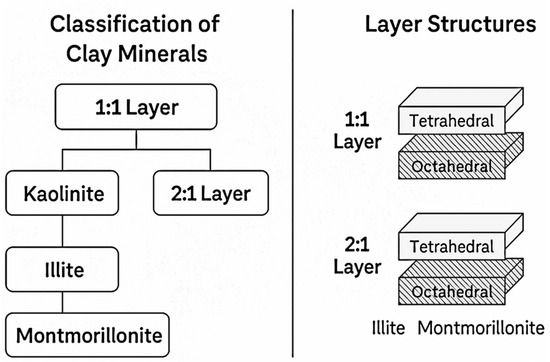
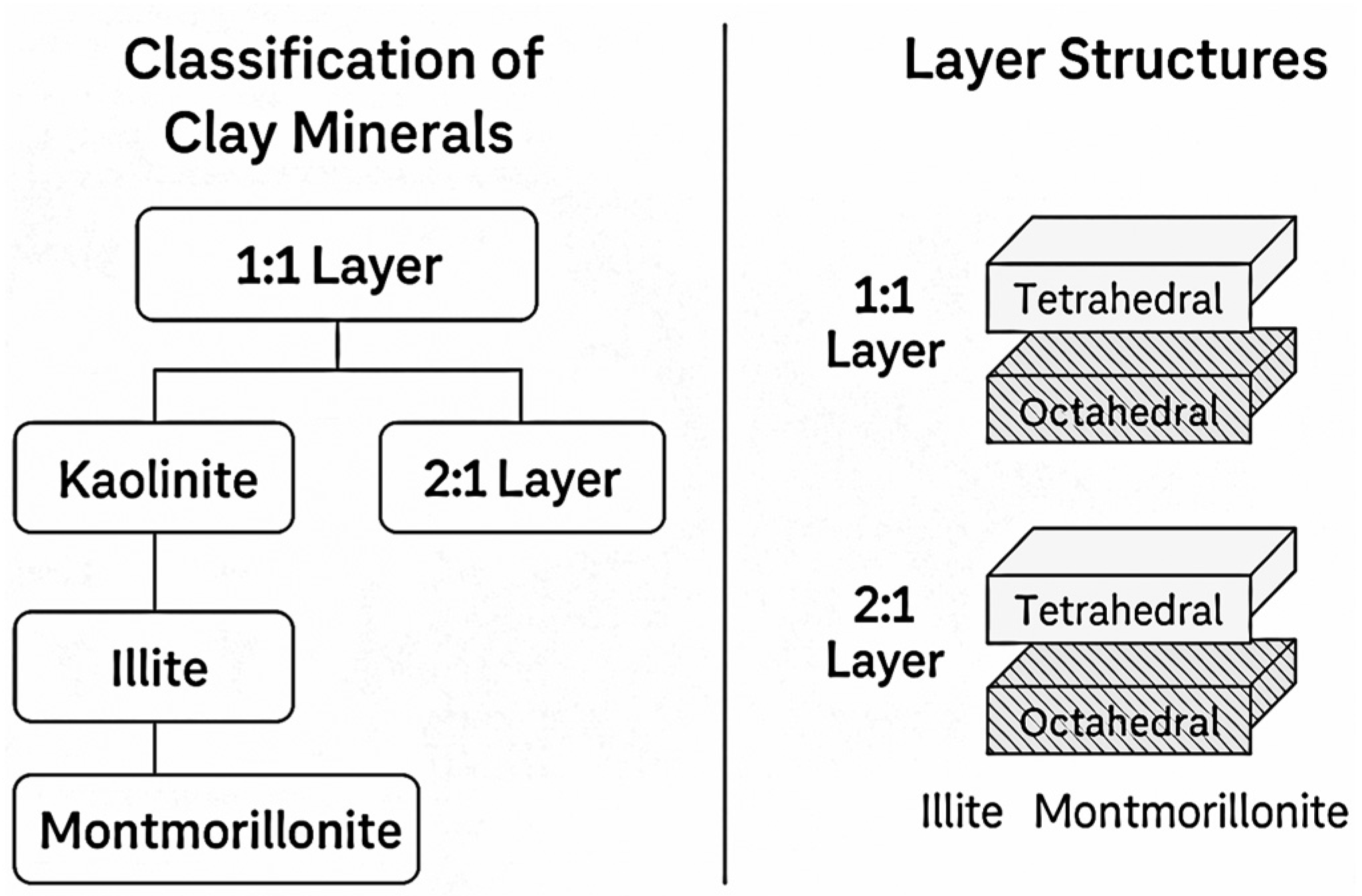
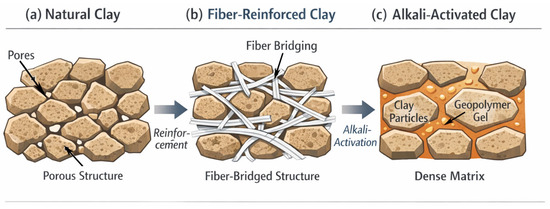
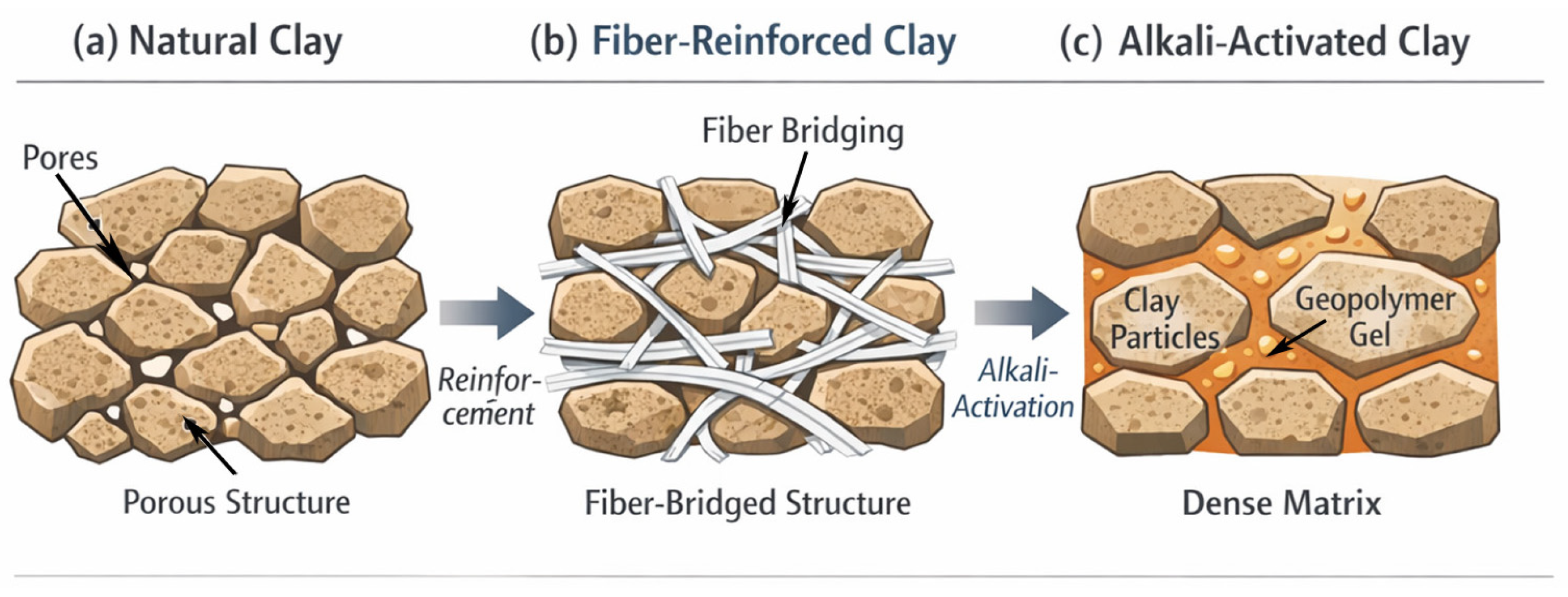
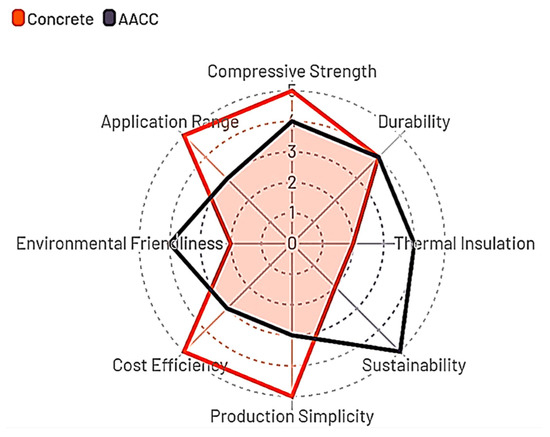
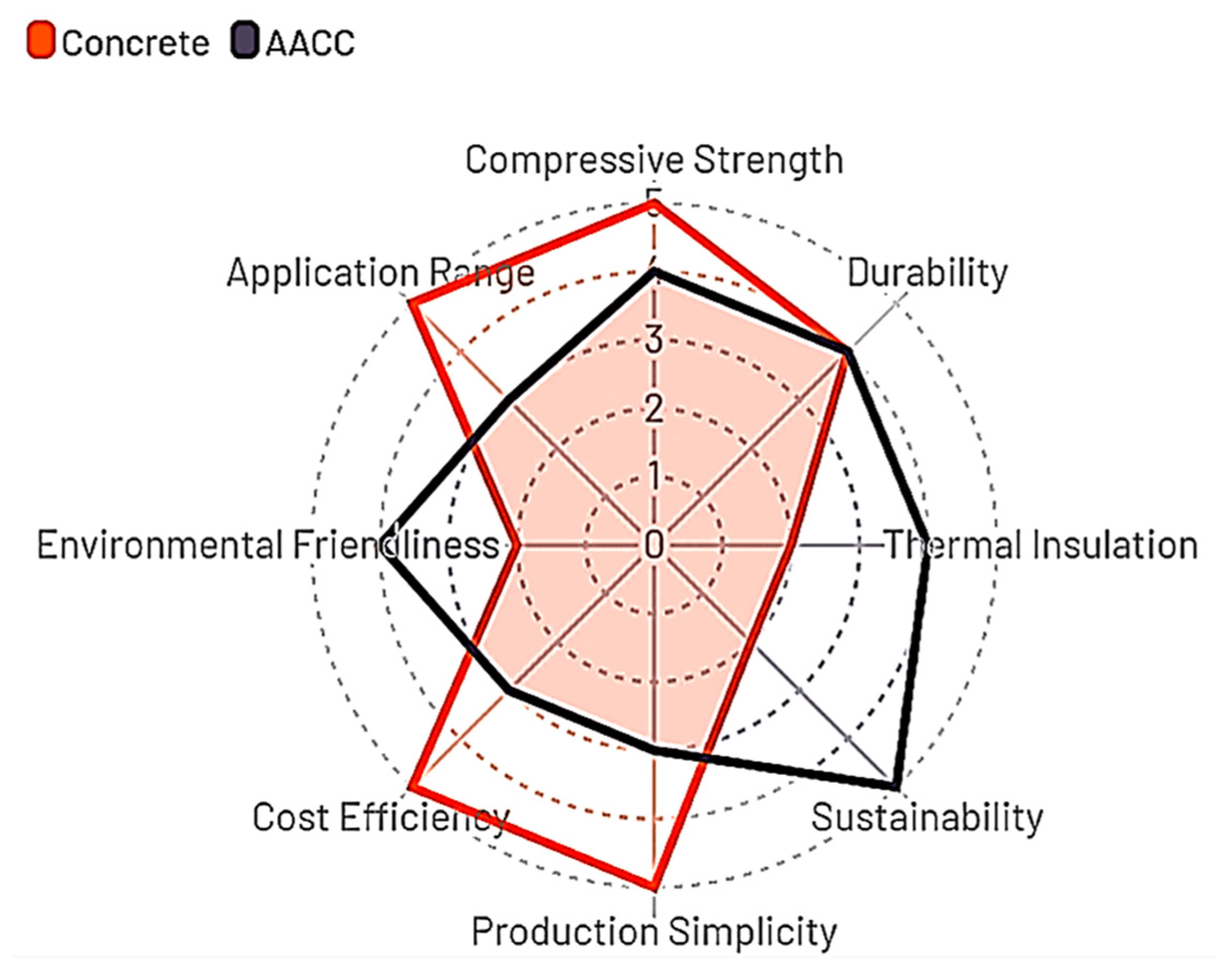
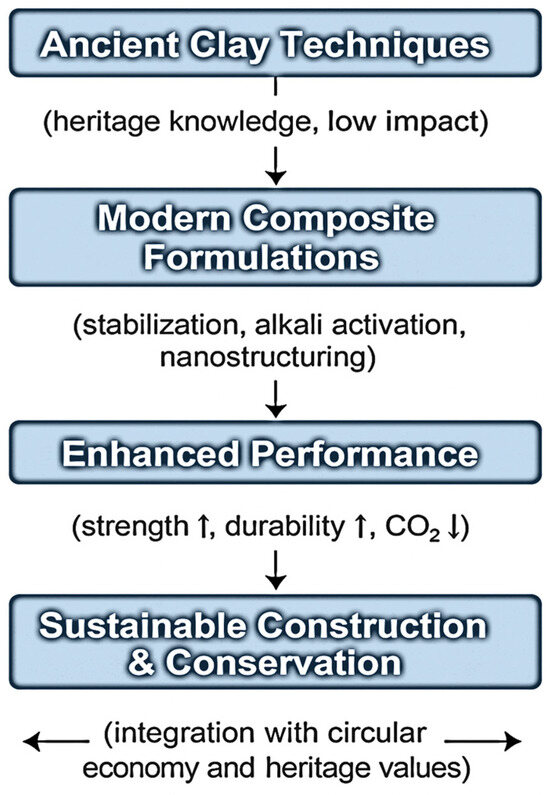
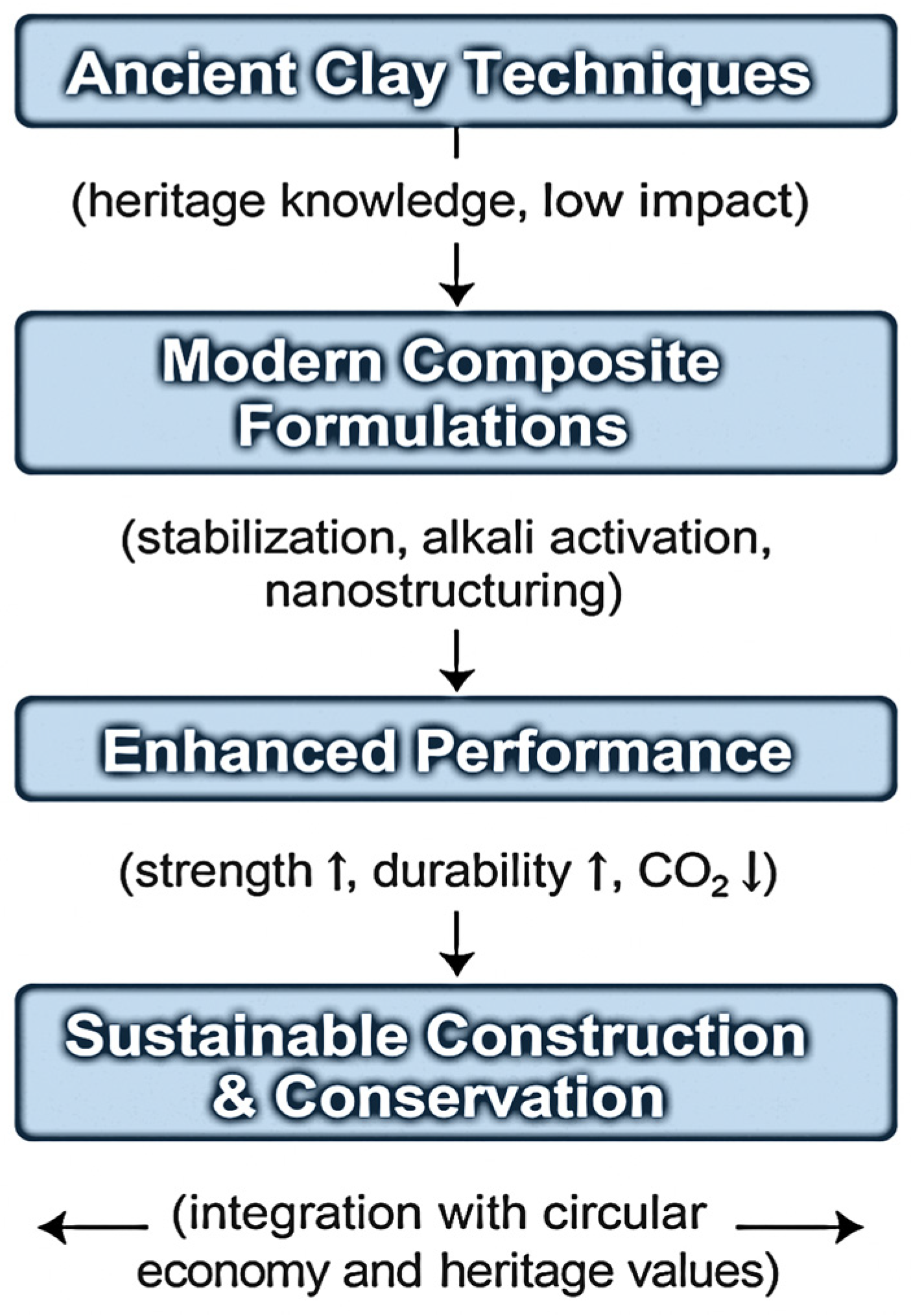
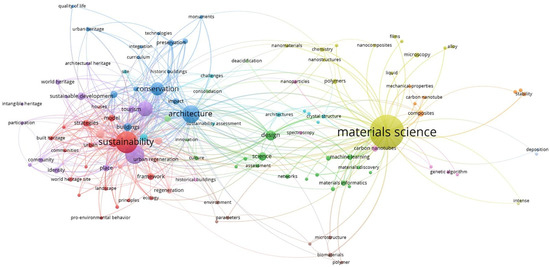
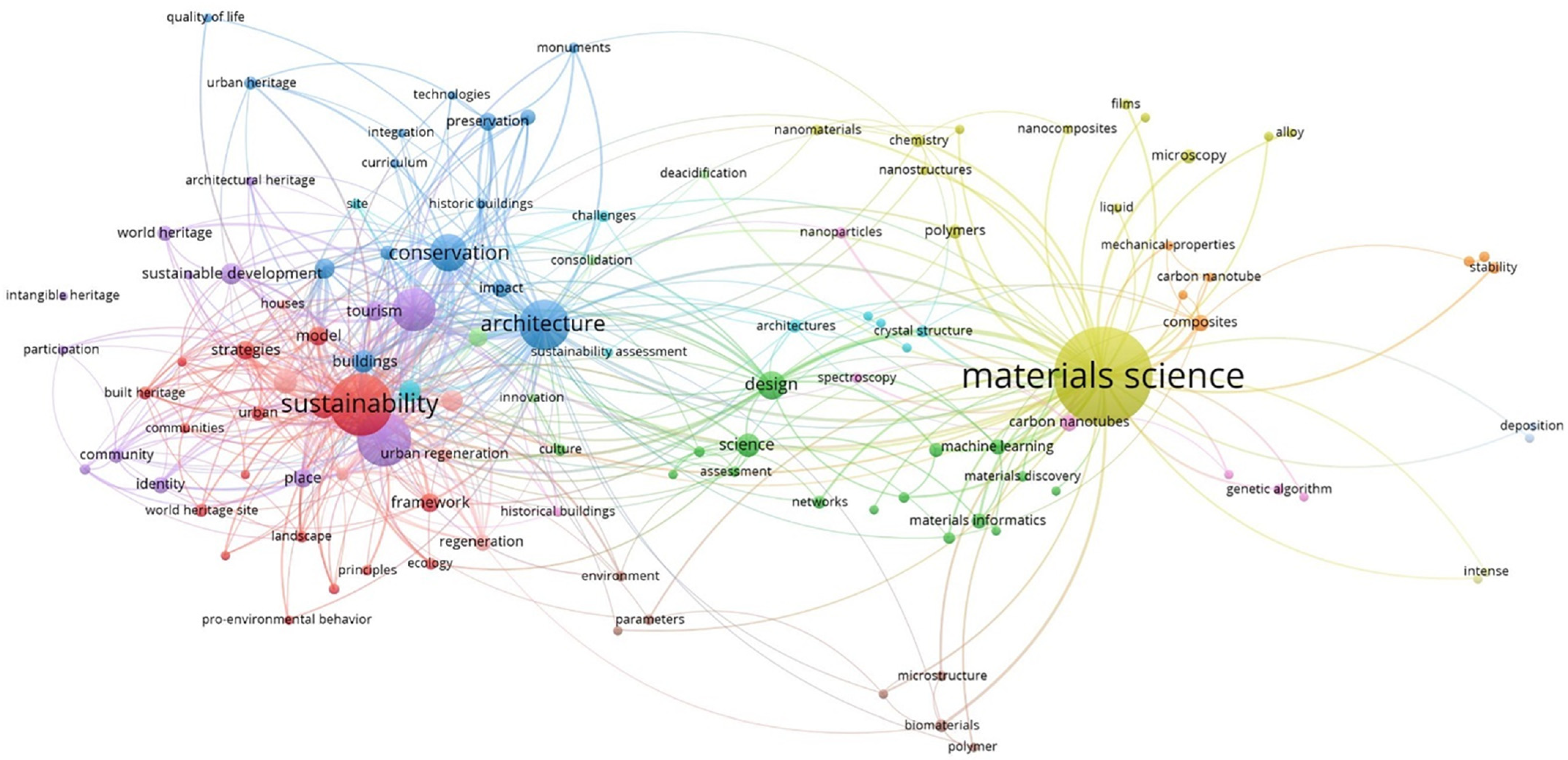

Disclaimer/Publisher’s Note: The statements, opinions and data contained in all publications are solely those of the individual author(s) and contributor(s) and not of MDPI and/or the editor(s). MDPI and/or the editor(s) disclaim responsibility for any injury to people or property resulting from any ideas, methods, instructions or products referred to in the content. |
© 2026 by the authors. Licensee MDPI, Basel, Switzerland. This article is an open access article distributed under the terms and conditions of the Creative Commons Attribution (CC BY) license.