


Abstract
Against the backdrop of climate change and rapid urbanization, urban water resource management faces increasing complexity. Based on the OECD’s Twelve Principles of Water Governance, this paper aims to clarify the interaction relationships and relative priorities among dimensions and indicators, providing a structured basis for decision-making in urban water governance. The DANP method is applied to construct an analytical framework encompassing three major dimensions: effectiveness, efficiency, and trust and participation, together with twelve indicators. This study moves the OECD framework from a static structure toward a causal network. By identifying causal relationships and calculating local and global weights, the analysis reveals the driving structure and evaluation focus of governance elements. The results indicate that, from a causal perspective, efficiency (D2) and effectiveness (D1) are the primary driving dimensions of the governance system, while trust and participation (D3) is primarily an outcome dimension. Weight analysis reveals that trust and participation have the highest weight, at 35.28%, reflecting the strong emphasis placed on transparency, public participation, and accountability in urban water governance evaluations. At the indicator level, Monitoring and Evaluation (C12) ranks highest with a global weight of 9.44%. Overall, the study offers theoretical and practical insights for coordinating institutional efficiency and governance legitimacy in climate adaptation contexts.
1. Introduction
Global climate change and widespread rapid urbanization pose multiple challenges to urban water resource systems. Among these, frequent urban flooding, exacerbated water shortages, and the failures in water governance systems are particularly prominent, impacting human safety and basic living conditions [1]. On the one hand, extreme rainfall and sea-level rise exacerbate pluvial flooding in urban areas and coastal backwater flooding, respectively; both severely contaminate urban water supply systems [2,3]. On the other hand, the surge in water demand resulting from population concentration is placing increasingly severe pressure on urban water supplies [4]. These challenges stemming from natural and social structural issues may be exacerbated by poor urban governance, leading to unequal water resource allocation and insufficient water governance facilities, among other fairness issues. Statistics show that 40% of the world’s population lives in water-scarce basins, and global water demand is projected to increase by another 55% by 2050, leaving hundreds of millions of people still without safe drinking water [5]. Against this backdrop, without effective water governance, even with sufficient water conservancy projects and technological means, urban water systems will still struggle to cope with the severe challenges posed by climate change [5]. Therefore, the water crises, such as pluvial flooding, coastal backwater flooding and water shortages, jointly triggered by climate change and urbanization, present unprecedented challenges to building urban water governance systems.
In the face of the aforementioned water crises, water resource governance plays a crucial role in enhancing the resilience of crisis management and the climate adaptability of cities and infrastructure. Previous research indicates that the water crisis is essentially a governance crisis, and improving water governance is one of the core approaches to resolving it [6,7]. Water governance emphasizes guiding water resources toward sustainable development through institutional, policy, and management measures, and is widely considered a necessary condition for achieving Integrated Water Resources Management (IWRM) and the United Nations Sustainable Development Goals [8]. With the intensification of global environmental change, the mainstream concept of governance has undergone a multi-dimensional evolution in academia and policy practice [9]. Early water policy reforms favored simple governance models, such as privatization and local agency self-management. However, this approach, lacking systematic thinking, has been replaced by a more comprehensive governance framework [10]. Contemporary water governance emphasizes multi-stakeholder participation, cross-sectoral collaboration, and multi-level coordination to enhance the adaptability of urban water resource systems to multiple challenges, such as climate change and social structural changes [10]. For example, Pahl-Wostl and Knieper [11] define water governance as “the integrated function of political, social, economic, and administrative institutions that regulate water resource development, management, and water supply services at different social levels,” emphasizing that it is a multi-layered process involving state and non-state actors. This evolution reflects a shift from traditional government-led approaches to collaborative governance, with a focus on multiple objectives, including efficiency, equity, and sustainability. The updated water governance concept provides important theoretical support for addressing contemporary water crises, but the continuous expansion of new concepts has also led to confusion regarding its ambiguous connotations and inconsistent definitions. Different researchers and international institutions hold differing views on the connotations, scope, and principles of water governance, and may even disagree because of differing interests. These diverse theories and concepts require more systematic integration to provide clearer and more effective guidance for water resource governance.
The international community has established common goals and principles for water governance, aiming to clarify its core elements and serve as a reference for policy-making and evaluation across countries. Among these, one widely accepted water governance framework is the Twelve Principles of Water Governance published by the OECD in 2015, which has become an important theoretical cornerstone and guiding framework [6,12]. The OECD water governance principles cover multiple dimensions of governance, focusing on improving effectiveness and efficiency, as well as enhancing trust and participation. Specifically, these twelve principles can be divided into three main areas. First, governance system design and capacity (Principles 1, 2, 4, 8), emphasizing the clarification of responsibilities at an appropriate scale, the establishment of innovative institutions, and the enhancement of governance capacity. Second, policy coherence and implementation (Principles 3, 5–7), focuses on cross-sectoral coordination, stable financing, and regulatory enforcement. Finally, democratic and ethical appeals (Principles 9–12) highlight transparency, integrity, accountability, and broad stakeholder participation. The introduction of these principles theoretically propelled water governance from an abstract concept to an operational framework, providing direction for measuring and improving governance. Subsequently, the OECD further proposed 36 water governance indicators based on this framework of principles to assess the efficiency, effectiveness, and participation of a region’s governance system. However, as a non-mandatory governance framework, the actual impact and applicability of these principles and indicators have also sparked some controversy.
Water governance still faces many structural dilemmas and practical obstacles. First, the fragmentation of the governance system and the lack of coordination among multiple stakeholders severely restrict the effectiveness of responses to water crises [13]. Traditionally, water resource management is often carried out separately along administrative boundaries or by departmental functions. The different decision-making directions across departments are often too decentralized, making it difficult to build a consensus-based, systematic governance system [11,14]. This leads to information asymmetry and policy incoordination between vertical levels and horizontal departments, making it impossible to respond to cross-regional and cross-departmental water crises in a timely and effective manner [11]. Empirical studies show that governance systems lacking coordination, such as decentralized responsibilities or excessive centralization, often lead to poor governance performance [11]. Conversely, introducing a multi-center governance model into the governance structure, by clarifying the roles of each level and strengthening vertical and horizontal coordination can significantly improve the ability to respond to complex water crises. However, many countries and cities currently suffer from long-standing path dependence and institutional inertia in their water governance systems, hindering the progress of governance reforms [15]. For example, in developing regions, numerous cases demonstrate lagging capacity-building in governance systems, weak stakeholder participation mechanisms, and insufficient policy implementation and regulatory enforcement [5]. These structural weaknesses weaken the resilience of governance systems to the overexploitation of water resources, pollution, and extreme climate events. Whether in the Global North or the Global South, water governance practices are generally hampered by institutional fragmentation, a lack of systemic thinking, and insufficient accountability. These obstacles hinder the implementation of policies aimed at improving water governance performance, resulting in limited practical effectiveness of governance innovation and transformation. This also suggests that isolated or fragmented policy reforms are insufficient to effectively address long-standing systemic problems in water governance; only a systemic approach to reform can overcome these difficulties [15].
However, existing research has also failed to provide effective guidance on performance evaluation for water governance reform. The academic community has not yet reached a consensus on how to measure the effectiveness of water governance. Current research mainly focuses on objective data on resources and services, or on the standardization of governance processes and participation, but lacks comparability across various evaluation frameworks [5]. Although some countries have adopted internationalized water governance indicator systems, governance evaluation in most countries and localities remains in the exploratory stage [16]. Traditional environmental performance indicators focus primarily on end-state outcomes, such as water quality and quantity, and do not directly reflect the quality of the governance process. Furthermore, the application of some governance indicators in practice has revealed problems such as limited applicability, difficulties in data acquisition, and subjective interpretation of indicators. For example, in cross-border water governance evaluation, differences in systems and backgrounds across different regions make it difficult for unified indicators to be universally applicable [15]. More importantly, current assessment frameworks often fail to fully cover key dimensions of governance, such as fairness and justice as well as collaborative governance, making it difficult for assessment results to fully reveal the deep-seated defects in the governance system [12].
Furthermore, while existing research highlights the importance of water governance, its understanding of the internal structure, mechanisms of action, and interrelationships among the elements of the governance system remains relatively limited, generally at the conceptual or descriptive analysis level. Particularly in water governance performance evaluation, relevant theoretical frameworks and methods often focus on single-dimensional indicators or static evaluations, failing to fully reflect the correlations and dynamic processes between governance principles. This, to some extent, limits the effectiveness of research conclusions in guiding actual policy-making and governance practices. Therefore, it is necessary to introduce a more systematic and comprehensive analytical framework to deeply characterize the multi-level relationships within the water governance system from structural and causal perspectives, thereby improving the scientific rigor and operational applicability of evaluation results and providing more targeted governance recommendations to optimize water governance decisions. While structural decision-making models such as DANP have been applied in water resource management to address some of these methodological gaps, the recent literature demonstrates that these applications predominantly focus on evaluating localized operational challenges or specific technical alternatives [17,18], which inherently introduces regional biases. Therefore, a critical research gap remains: the absence of a comprehensive, non-context-bound analytical model that quantifies the dynamic, causal interrelationships among global water governance principles. Based on these research shortcomings, this paper aims to address the following research questions:
- What are the causal mechanisms and influence networks among different governance principles in the water governance system?
- How important is each water governance principle within the overall system?
- How can a water governance performance evaluation model with explanatory power and practical significance be constructed to support more effective policy-making and governance optimization?
In summary, the paper applies the DEMATEL-based ANP (DANP) approach to construct a systematic evaluation model that simultaneously reflects causal relationships and weighting structures, thereby providing a more systematic analytical application of the OECD framework and measuring the relative importance and mutual influence paths of water governance principles within the overall governance system. This method not only helps identify key driving factors and core governance principles but also reveals the dependencies and directions of action among the principles, providing a clearer analytical perspective on the internal logic of the water governance system. By establishing this standardized reference framework, the study provides a foundational analytical tool that precedes localized implementation. This enables decision-makers to subsequently refine the governance model by adjusting indicator weights to align with specific regional economic conditions and resource capacities.
2. Literature Reviews
2.1. Multiple Challenges of Urban Water Governance in the Context of Climate Change
Urban water governance is currently facing multiple challenges brought about by climate change. Global warming is leading to more frequent extreme droughts and floods, exacerbating the imbalance between water supply and demand [4]. Many studies have predicted that by 2025, nearly two-thirds of the world’s population may be under water stress [15]. As centers of population and economic activity, cities not only face water shortages but also pollution, aging infrastructure, and multi-sectoral water competition [19]. These challenges often interact, further complicating urban water governance. For example, Southern Europe has recently experienced frequent and severe droughts due to climate change, significantly impacting urban water security and agricultural production [20]. The risk of urban flooding caused by extreme rainfall is also increasing, and coupled with rapid urbanization and the rise of large cities, water resource management requires coordination between watersheds and urban water supply and drainage services [4].
Against this backdrop, effective water governance is considered a key element in enhancing climate resilience [12]. Compared to traditional adaptation measures primarily based on engineering and management, contemporary research emphasises improving system resilience and synergy through coordinated, participatory, and adaptive governance [21]. For example, Johns and VanNijnatten [15] called for adaptive governance to address uncertainty, requiring the establishment of a coordinated, interconnected, and flexible multi-level governance system, and promoting broader stakeholder participation and knowledge sharing. Research by Pahl-Wostl and Knieper [11] supports this view, showing that multi-center governance structures are highly capable of addressing cross-sectoral and cross-scale water issues, and can alleviate the fragmentation of decision-making under a single government-led model. However, progress in implementing and improving these capabilities remains slow, and water governance deficiencies remain significant in many countries [11,22,23]. Therefore, against the backdrop of climate change, the academic and policy communities have gradually reached a consensus to systematically incorporate water governance into the urban climate adaptation framework [20].
2.2. OECD’s Twelve Principles of Water Governance
To provide a universal framework for addressing water governance challenges, the Organization for Economic Cooperation and Development (OECD) proposed twelve principles for water governance in 2015 [6,16]. This system of principles aims to define the key elements of “good water governance” and provide guidance for countries to improve their water governance [12]. The theoretical logic of the OECD principles lies in constructing an efficient and widely accepted governance framework by comprehensively considering institutional, policy, and participatory aspects [12,24]. The principles cover everything from clarifying government functions to public participation, helping to shape a global approach to water governance. Although these principles are not mandatory standards, their comprehensive structure has led many countries and research institutions to use them to assess and guide water governance reforms [12].
The OECD’s twelve principles are categorized into three main objectives: effectiveness, efficiency, and trust and participation [12]. Each dimension contains specific principles that, together, form the framework for water governance.
Effectiveness
The effectiveness dimension emphasizes that the capacity for water governance is a condition for achieving predetermined goals. This includes clarifying the roles and responsibilities of each stakeholder, managing at an appropriate scale, ensuring coordination across levels, and enhancing the governance system’s human, technological, and financial capacity. The principles under this dimension aim to ensure that water governance is carried out effectively and appropriately, requiring decision-makers to have the capacity to manage various sectors to address water resource issues.
Efficiency
The efficiency dimension focuses on achieving governance goals through optimal resource allocation, emphasizing the full utilization of data and information to support decision-making, establishing sustainable financing mechanisms, improving regulatory frameworks, and encouraging governance innovation. This dimension reflects the need for decision-makers to allocate resources from a systemic perspective, continuously monitor the cost-effectiveness and institutional enforcement of the water governance process, and avoid policy fragmentation and resource waste.
Trust and Participation
The trust and participation dimension emphasizes enhancing the credibility and inclusiveness of water governance, including ensuring transparency and integrity in decision-making, promoting broad stakeholder participation, equitably balancing conflicts of interest among different water users, between urban and rural areas, and across generations, and establishing regular monitoring, evaluation, and adaptation mechanisms. This dimension aims to strengthen public trust in water governance through participation and openness, ensuring the legitimacy of decisions and their effective implementation.
The three objectives mentioned above together constitute the structural system of the OECD water governance principles, with each principle setting forth normative requirements for key aspects of governance. This systematic framework embodies a balanced approach, ensuring effective governance outcomes while emphasizing process efficiency and equitable participation [12]. Therefore, the twelve OECD principles are hailed as a “robust and internationally recognized framework for water governance,” providing a common language for countries to assess and improve water governance [12]. For example, France’s evolution in water governance since the 1960s has generally been consistent with the OECD principles, covering both water resource management and water supply services [16]. This demonstrates the universality of the OECD principles as an analytical tool. However, different countries will exhibit their own characteristics and problems in implementing these principles, due to varying contexts, requiring assessment in specific situations.
2.3. Improvement of OECD Principles
Further improvements to the OECD principles are necessary, and numerous studies have developed assessment tools and analytical models based on these principles [16,25]. For example, in evaluating French water governance, the twelve OECD principles were categorized into three groups: institutional design, policy implementation, and democratic ethics, and the implementation of each group was systematically examined [16]. The study comprehensively assessed the performance of French water policy, affirming overall successes while also identifying shortcomings such as insufficient cross-sectoral coordination and a need to strengthen funding mechanisms. This research emphasizes the importance of establishing quantitative indicators to measure the impact of governance changes, arguing that only through such indicators can it be objectively determined whether governance improvements have enhanced water environmental conditions and service performance.
Furthermore, some studies have developed governance assessment tools with a focus on localization and contextualization, attempting to incorporate regional characteristics and emerging issues while adhering to general principles to enhance their practical guidance. In 2024, Nguyen et al. [5] provided a systematic review of Asian countries, summarizing the common challenges identified in mainstream water governance frameworks (including OECD guidelines), and proposed an improved governance framework comprising 13 elements to encourage policy reform. This framework essentially covers the effectiveness, efficiency, trust, and participation elements emphasized by the OECD principles, but incorporates content specific to the Asian context, such as a greater emphasis on cross-border cooperation and community participation, thus making the assessment tool more targeted.
Beyond indicator systems, water governance research has also incorporated structural analysis tools to examine the relationships among governance elements and their impacts on performance. For example, Qualitative Comparative Analysis (QCA) has been used to identify correlations among different combinations of governance conditions and performance. Pahl-Wostl and Knieper [11] conducted a QCA study on 26 countries and regions, finding that governance systems with a multi-center structure and good vertical and horizontal coordination tend to achieve higher performance. Conversely, single-centralized or fragmented governance is insufficient to effectively address multiple water issues. The study further indicates that high-level institutional capacity is a necessary condition for effective coordination, and that there is a strong interdependence between vertical (different levels) coordination and horizontal (cross-sectoral/regional) coordination. This finding suggests that governance performance depends less on the separate inclusion of these elements than on how coordination, institutional capacity, and incentives interact in practice. Similarly, Santos [20] integrated information economics and composite governance theory into water governance research, constructing a multi-level governance reform analysis framework based on the OECD Twelve Principles. Through scenario simulations and institutional comparisons, he identified three key structural parameters influencing drought governance performance: institutional friction, information costs, and incentive intensity. He demonstrated that single policy interventions are ineffective, necessitating a combination of reforms to significantly improve equity and effectiveness. This research not only provides a quantitative tool for assessing governance capacity but also highlights the importance of simultaneously focusing on efficiency and equity in adaptive water governance.
In summary, the OECD principles have been used for water governance assessments at multiple scales, ranging from national policy reviews to watershed management diagnoses and comparisons of urban water supply governance performance [15,24,26]. Therefore, recent research has increasingly focused on transforming governance frameworks, such as the OECD principles, into specific assessment tools and empirical analytical methods. These tools provide an important methodological foundation for comparing governance across regions, monitoring the effectiveness of governance improvements, and supporting the design of institutional reform programs. However, research has largely focused on institutional diagnoses and cross-sectional comparisons at the national or watershed level, lacking a systematic and operational analytical framework for the structural relationships among urban water resource governance elements. While previous studies have successfully operationalized the OECD principles, they predominantly apply them as static compliance checklists or through qualitative institutional diagnoses [16]. Existing assessments conceptually treat the twelve principles as parallel, independent objectives, failing to quantify their internal causal dependencies. The conceptual and methodological advancement of this study lies in transforming the OECD framework from a flat checklist into a dynamic relational network. Based on this gap, this study uses the OECD water governance principles (Table 1) and adopts DANP to develop a systematic assessment model that simultaneously captures causal relationships and weight structures.
Table 1.
OECD water governance principles.
3. Methodology and Data Collection
DANP was adopted instead of Analytic Hierarchy Process (AHP), Interpretive Structural Modeling (ISM), or QCA. AHP assumes independence among criteria and a strict hierarchical structure, which is inconsistent with the interdependent nature of governance factors. ISM can identify structural relationships but does not quantify the relative importance of factors. QCA is primarily designed to identify configurational pathways leading to particular outcomes, but it does not explicitly measure influence intensity, feedback effects, or network interdependencies among criteria. By integrating Decision-Making Trial and Evaluation Laboratory (DEMATEL) and ANP, DANP captures both causal interdependencies and relative weights, making it more appropriate for analyzing complex governance systems.
The DANP calculations were performed using Microsoft Excel 2007, following a step-by-step implementation based on the mathematical formulas and procedures presented in this study. This implementation facilitated transparent checking and verification of the results at each step of the calculation process and enhanced the traceability and reproducibility of the analysis.
The analysis uses the OECD’s 12 principles of water governance as its assessment basis and constructed an urban water governance performance evaluation system using the DANP method. The research process was divided into three stages. First, based on a literature review and expert opinions, evaluation dimensions and indicators are constructed, covering the three major OECD governance dimensions (effectiveness, efficiency, and trust and participation). Next, the DEMATEL method was used to construct a direct impact matrix, calculate the total impact matrix, and draw an Influence Network-Relation Map (INRM) to identify the influencing and influenced dimensions (indicators). Finally, the ANP method was introduced to obtain the network weights. By combining the weights and impact relationships, an evaluation network for governance performance and optimization path suggestions are generated. This study systematically integrates governance dimension identification, causal analysis, and weight assessment, enhancing the pertinence of governance performance evaluation. The research process is shown in Figure 1.
Figure 1.
Three-stage analytical framework based on the OECD principles and DANP method.
3.1. Research Methods and Procedures
3.1.1. DEMATEL
In practical decision-making contexts, the factors involved often exhibit highly complex and intertwined relationships, making it difficult for traditional analytical approaches to uncover the underlying causal mechanisms. To address this challenge, Gabus and Fontela [27] introduced the DEMATEL method, developed to assist researchers and decision-makers in identifying direct and indirect influences among factors through a systems-thinking perspective, thereby elucidating the causal structure underlying complex problems.
The DEMATEL method is employed to reveal the complex causal relationships and influencing pathways in water governance. DEMATEL effectively differentiates between driving and affected factors and constructs a clear structure of interdependencies [28,29,30,31]. The analytical procedure is outlined as follows:
Step 1: Calculate the initial average matrix A.
Experts were invited to perform pairwise comparisons among the factors and assigned scores on a scale from 0 to 4, representing levels of influence: “no influence,” “low influence,” “moderate influence,” “high influence,” and “very high influence.” The assessments were then aggregated using Equation (1) to compute the resulting initial average matrix A, where N denotes the total number of kth experts involved in the evaluation.
Equation (2) was then applied to assess the degree of consensus among the experts. A confidence level exceeding 95% suggests that the expert evaluations are stable. If the confidence level falls below 95%, Equation (2) must be recalculated, the reliability of the collected data should be verified, and the necessity of including additional experts should be evaluated.
The average gap-ratio in DEMATEL measures the relative change in the average direct influence matrix when an additional expert is included. A smaller value indicates stronger convergence of expert judgments, and a value below 5% is commonly interpreted as implying a confidence level above 95%, suggesting that the expert panel is sufficiently stable.
Step 2: Normalization for Constructing the Direct Influence Matrix D.
In this step, the initial average matrix A was normalized using Equations (3) and (4) to construct the direct influence matrix D, where is the normalization factor.
Step 3: Derivation of the Total Influence Matrix T.
After the convergence of the Markov process, the total influence matrix T is derived, where I denotes the identity matrix obtained after an infinite number of influence interactions, as shown in Equation (5).
Step 4: Identification of Interrelationships Among Indicators.
The analysis of interrelationships involves computing four key metrics for each indicator: influence r (the sum of rows in the total influence Matrix T), receptivity s (the sum of columns in the total influence Matrix T), causality ri − si, and centrality ri + si. Specifically, the influence score quantifies the extent to which a given indicator affects others and is represented as a vector, as shown in Equation (6).
The receptivity score quantifies the extent to which a given indicator is influenced by others. As shown in Equation (7), it is represented in vector s form in this study.
The causality score is defined as the difference between the extent to which an indicator influences others and the extent to which it is influenced. The result is represented in Equation (8), a positive result indicates that the indicator acts as a driving factor, while a negative result implies that it functions as a resulting factor.
The centrality score, as shown in Equation (9), is computed as the sum of an indicator’s influence and receptivity scores, reflecting the relative importance of the indicator.
Step 5: Construction of the Influence Network-Relation Map (INRM).
Based on the calculated causality (ri − si) and centrality (ri + si) scores, the INRM is generated to visualize the causal interrelationships and relative importance of the indicators.
Step 6: Construction of the Total Influence Matrix for Criteria and Dimensions.
As shown in Equation (10), the total influence matrix for the criteria , comprising n criteria is established. Similarly, the total influence matrix for the dimensions , comprising m dimensions clustered under the criteria, is also constructed.
3.1.2. DANP
When making decisions, decision-makers not only consider the interrelationships among various factors but also attach importance to prioritizing them. Determining such priorities involves assessing the relative importance of each factor. To address this need, Saaty [32] proposed the Analytic Network Process (ANP), a systematic approach for comparison. ANP extends the Analytic Hierarchy Process (AHP) by accounting for interdependencies among factors, thereby overcoming the AHP’s assumption of factor independence and offering decision-makers a more realistic basis for decision-making [32].
To date, the integration of the ANP with DEMATEL—commonly referred to as the DANP method—has been widely applied in various fields, including smart city development [33,34], improvements in smart homes [35], green open spaces for the elderly [36,37], public open space design [31], and housing for healthy older adults [38]. Therefore, this study further employs the DANP method to clarify the interdependencies among the 12 water governance principles proposed by the OECD, determine the relative influence weights of each principle, prioritize the water governance guidelines, and provide a scientific basis for decision-making.
Step 1: Normalization of the total influence matrix within each dimension.
To derive the unweighted supermatrix, the total influence matrix is normalized within each dimension using Equation (11).
The total influence matrix normalized by dimension is denoted as . As illustrated by dimension , this matrix can be derived using Equations (12) and (13).
Step 2: Construction of the unweighted supermatrix .
Following the pairwise comparison mechanism of ANP, the total influence matrix normalized by dimension is transposed using Equation (14) to construct the unweighted supermatrix , denoted as .
Step 3: Calculation of the total influence matrix normalized by dimension .
Using Equations (15) and (16), the total influence matrix is divided by the dimensional sum matrix , which yields the dimension-normalized total influence matrix .
Step 4: Calculation of the weighted supermatrix .
Using Equation (17), the dimension-normalized total influence matrix is multiplied by the unweighted supermatrix to derive the weighted supermatrix .
Step 5: Computation of the limiting weighted supermatrix and weight derivation.
According to Equation (18), the weighted supermatrix is iteratively raised to the power of zth until convergence is reached, resulting in the limiting weighted supermatrix, denoted as . The local weight of each dimension is obtained by summing the weights of all its associated criteria. Subsequently, the global weight of each criterion is divided by the local weight of its corresponding dimension to obtain the criterion’s local weight.
3.2. Data Collection
To ensure the reliability, diversity, and professional relevance of expert input, this study invited 18 experts from a wide range of disciplinary and institutional backgrounds to participate in the DANP questionnaire survey (see Table 2). The expert panel covers multiple fields closely related to water resources governance assessment, including environmental governance, urban design, urban and rural planning, public governance, decision evaluation, water policy and governance, environmental engineering, and water resources engineering. This interdisciplinary composition provides a broad and balanced knowledge base for evaluating the complex interrelationships among the criteria.
Table 2.
Background characteristics of the expert panel.
In terms of institutional affiliation, the invited experts come from universities, research organizations, government departments, public policy institutes, water governance agencies, and water supply enterprises. Such institutional diversity ensures that the panel incorporates both academic perspectives and practical decision-making experience, thereby reducing the risk of bias associated with a single professional or organizational background. In addition, most experts hold doctoral degrees, and the panel includes both academic researchers and senior practitioners with substantial professional experience. This combination strengthens the authority, credibility, and contextual relevance of the expert judgments.
Overall, the diversified expert panel enhances the representativeness and reliability of the data used in the DANP analysis. The integration of interdisciplinary expertise and cross-sectoral experience provides a strong foundation for capturing the causal interdependencies and priority structure of factors in water resources governance assessment. This expert-based consultation was exempt from formal ethical approval, given its non-invasive nature and the complete anonymization of all professional evaluative data provided by participants.
4. Results and Discussion
4.1. The Influence Relationship Between Dimensions and Metrics
By applying the DEMATEL method, the analysis further clarifies the interrelationships among the OECD water governance dimensions (indicators). A consensus test on expert opinions was conducted based on Formula (2), and the consensus index of the experts was 99.42%, exceeding 95%, indicating a high level of representativeness and agreement among the experts. In addition, to further validate the reliability of the expert judgments, a leave-one-out Pearson correlation analysis was conducted between each expert and the group consensus. The results show that all correlation coefficients are positive and statistically significant at the 0.001 level, ranging from 0.366 to 0.829, with an average value of 0.694. Notably, the vast majority of correlation coefficients exceed 0.65, indicating a consistently strong level of agreement across experts (see Table A1 in Appendix A).
This indicates a generally high level of agreement among experts. Although a small number of experts exhibit relatively lower correlation values, these remain statistically significant, suggesting that no substantial deviation exists within the expert panel.
Combined with the high consensus level (99.42%) and the robustness of the sensitivity analysis results, these findings provide strong evidence that the expert judgments are consistent, reliable, and not driven by individual bias.
The total influence matrix is calculated from the direct influence matrix (see Table A2 in Appendix A) obtained by expert evaluation. Then, the total influence and net influence of each core factor are projected onto the coordinate axis to obtain the INRM of the entire system, as shown in Figure 2. The solid line in the figure represents the influence between two factors.
Figure 2.
DEMATEL-based cause-and-effect relationships at the dimension and criterion levels: (a) Inter-dimensional influence relationships; (b) Intra-dimensional influence relationships among indicators within dimension D1; (c) Intra-dimensional influence relationships among indicators within dimension D2; (d) Intra-dimensional influence relationships among indicators within dimension D3. In the INRM, the horizontal axis represents causality (), where positive values indicate net cause factors and negative values indicate net effect factors, while the vertical axis represents centrality ().
By calculating the row and column sums of each indicator in the overall influence matrix, four indicators can be constructed to characterize their roles in the influence relationship network (see Table A3 in Appendix A). The influence r (row sum) measures the overall strength of an indicator’s impact on other indicators; the receptivity s (column sum) reflects the extent to which the indicator is influenced by other indicators. Furthermore, adding r and s yields the centrality, which characterizes the comprehensive correlation level of the indicator in the overall influence network; while subtracting r and s yields the causality, which characterizes the causal attributes of the indicator in the network and its dominant influence.
When the influence of an indicator is greater than the influence it receives (i.e., is positive), it means that the indicator’s effect on other indicators is stronger than the effect of other indicators on it. This indicator can be defined as an active factor in the influence network, belonging to the category of “cause.” Conversely, when the impact of an indicator exceeds its influence (i.e., is negative), the indicator is primarily influenced by other factors and occupies a more downstream position in the network, which can be considered an “effect.” This reveals the interaction structure among the empirical elements and helps identify multiple potential causal transmission pathways between indicators.
Based on the DEMATEL analysis results (Table 3), the influence and causal attributes of each evaluation indicator in the water resources governance assessment system were systematically characterized. In terms of overall influence, C7 had the highest value, indicating that it plays the most significant dominant role in the influence network and is a key driving factor in shaping water resources governance performance. In contrast, several indicators, including C3, C5, C6, and C8, showed negative values, indicating that they were primarily influenced by other indicators and thus occupied relatively downstream positions within the overall structure.
Table 3.
DEMATEL results for influence, centrality, and causality among dimensions and criteria.
The influence network diagram, drawn based on the and indicators (see Figure 2), further reveals the interaction paths among the various dimensions and criteria in the water resource governance assessment framework. Comprehensive analysis shows that the indicators do not operate in isolation but rather form a complex network structure through multi-level, multi-directional influence relationships. This network starts from institutional and governance conditions, proceeds through resource allocation and implementation mechanisms, and ultimately aims at governance effectiveness and public trust. Among these, indicators such as governance capacity, policy coherence, clear roles and responsibilities, and the regulatory framework (represented by C1, C2, C4, and C7) are in upstream positions and have a strong guiding and constraining influence on other indicators. Indicators such as C9 to C12, which involve transparency, stakeholder participation, and monitoring and evaluation, primarily reflect feedback from the comprehensive interaction among the aforementioned governance elements.
According to the OECD water governance framework, water governance evaluation encompasses three dimensions: effectiveness, efficiency, and trust and participation, each containing several specific indicators [6]. DEMATEL results show that efficiency (D2) is the most influential dimension, driving trust and participation (D3) alongside effectiveness (D1). This finding indicates that within the OECD principles framework, efficiency elements (Principles 5–8), centered on data sharing, sustainable financing, sound regulations, and innovative practices, constitute the core of the entire governance system, promoting the achievement of other governance objectives [6]. In contrast, trust and participation (D3) primarily functions as an outcome dimension, with changes within this dimension having a weaker impact on the overall governance system. This causal positioning aligns with the view of Nguyen et al. [5], who argue that water governance effectiveness depends on the completeness of fundamental conditions, including framework completeness, cross-level coordination mechanisms, and governance capacity.
A clear causal path structure is also presented among the indicators in each dimension:
In the Effectiveness (D1) dimension, the causal path is: Capacity (C1) > Policy Coherence (C2) > Clear Roles and Responsibilities (C4) > Basin-Scale Matching (C3), indicating that effective alignment between the basin and administrative scales depends on prior capacity-building, policy coordination, and clear roles and responsibilities [39].
In the Efficiency (D2) dimension, the causal path is: Regulatory Framework (C7) > Data and Information (C5) > Finance (C6) > Innovative Governance (C8), showing that institutional rules are the starting point for efficiency improvement, with information and funding mechanisms playing a supporting role, while governance innovation is more of a result of mature institutional and resource conditions. For instance, without the legal mandate provided by regulatory frameworks (C7), sustainable financing (C6) like water tariffs cannot be legally enforced, rendering institutional capacity building impossible [40,41]. This illustrates that when regulations are sound and effectively implemented, data monitoring and disclosure, as well as funding mechanisms, will also improve [5].
In the Trust and Participation (D3) dimension, the causal path is as follows: Stakeholder Participation (C10) > Integrity and Transparency (C9) > Cross-Group, Urban-Rural, and Intergenerational Trade-offs (C11) > Monitoring and Evaluation (C12). This reflects that trust-based governance performance gradually accumulates through participation and transparency, ultimately culminating in governance feedback that can be monitored and evaluated. Notably, all indicators are generally outcome-oriented, a characteristic that echoes the causal path at the dimension level. Specifically, the trust and participation dimension is largely downstream in the causal structure and is primarily driven by preceding dimensions such as effectiveness and efficiency. This aligns with the view of Johns and VanNijnatten [15] who argue that only by ensuring institutional transparency and fair participation can improvements in policy implementation and monitoring be better facilitated.
This structural pattern suggests that the OECD principles do not function as parallel governance criteria, but as elements with different roles in the governance process. Effectiveness and efficiency mainly constitute the institutional and operational conditions of governance, while trust, participation, and evaluation reflect how governance performance is made visible, judged, and adjusted in practice. This helps explain why trust and participation appear more outcome-oriented in the causal structure, even though it remains central in evaluating governance quality. Rather than merely confirming previous studies, this finding clarifies how institutional arrangements are translated into governance processes and then into governance outcomes, a pattern also noted in recent research on collaborative water governance and cross-departmental coordination [42,43]. Taken together, these results clarify how the OECD water governance principles interact within the overall system and reveal the causal pathways through which different governance elements shape governance performance.
4.2. Weights of Dimensions and Metrics
Based on this, the DANP method is used to derive the weight distributions for each governance dimension and its indicators, including global weights (comprehensive weights that account for mutual influence between dimensions) and local weights (relative weights within a dimension) (Table 4).
Table 4.
DANP-derived local and global weights of all criteria.
To examine the robustness of the DANP results, a sensitivity analysis was conducted by applying ±3% and ±5% perturbations to the criterion weights while keeping the remaining conditions unchanged. The consistency between the original ranking and the perturbed rankings was then assessed using Spearman’s rank correlation coefficient. The results show that the coefficients under the +3%, −3%, +5%, and −5% scenarios are 0.916, 0.916, 0.783, and 0.759, respectively (Table 5). Overall, the ranking structure remains highly stable under small perturbations, and although some rank changes occur under ±5% perturbations, the overall ordering still preserves a relatively high level of consistency, indicating satisfactory robustness of the model.
Table 5.
Sensitivity analysis of the DANP ranking based on Spearman’s rank correlation.
More specifically, the perturbation scenarios do not lead to a substantial restructuring of the top-priority criteria. Rank fluctuations are mainly observed among middle- and lower-ranked criteria whose original weights are relatively close. This suggests that the observed rank changes primarily reflect marginal exchanges among adjacent criteria rather than a fundamental shift in the overall priority structure. Therefore, the main findings derived from the DANP model remain stable and reliable within a reasonable perturbation range.
The results show that the trust and participation dimension (D3) has the highest global weight, exceeding the weights of the effectiveness (D1) and efficiency (D2) dimensions. This means that in urban water resource governance evaluation, governance elements involving transparency, integrity, and public participation are given the greatest relative importance. This result indicates that governance quality is increasingly judged not only by how institutions perform, but also by how legitimate and inclusive governance processes are. In this sense, trust and participation are not merely a supplementary dimension, but a key normative criterion of contemporary water governance [44,45]. The governance system will place greater emphasis on improving stakeholder trust and social participation. This trend aligns with the focus of water governance research in recent years, with many studies considering public participation a key component of water governance and emphasizing the crucial importance of improving governance inclusiveness and credibility in addressing complex water crises [5,19]. For example, participation and stakeholder collaboration are among the most widely discussed topics in water governance research, reflecting the academic community’s general concern for improving trust and participation [19]. Therefore, D3, as the most important dimension in the weighting structure of this study, reveals the high importance that governance evaluation places on democratic participation and transparent accountability in the urban context [16].
Within the trust and participation dimension, monitoring and evaluation (indicator C12) has the highest global weight, making it one of the most influential evaluation elements in the entire system. This indicates that establishing a sound performance monitoring and feedback mechanism is crucial for improving water governance. This also suggests that monitoring and evaluation should be understood not only as technical tools, but as institutional mechanisms for feedback, learning, and adaptive adjustment [46]. Continuous monitoring and evaluation to track policy implementation and environmental effects can provide a scientific basis for decision-making, strengthen accountability mechanisms, and adjust governance strategies when necessary [47]. For example, in urban practice, monitoring and evaluation can inform adjustments to flood control planning, drought response, and infrastructure investment as new risk and performance data emerge. This finding echoes the OECD water governance principles’ emphasis on periodic assessment and adaptation, namely that good governance requires continuous self-diagnosis and improvement [6]. Simultaneously, the multi-center governance theory also points out that governance systems need to continuously adjust through feedback learning to address complex challenges, and that monitoring and evaluation are among the core measures to achieve this goal [11]. Research by Barraqué et al. [16] supports this point: in the water governance practices of developed economies such as France, long-term, well-established monitoring systems have significantly improved data quality and transparency in decision-making. Besides C12, other indicators within the Trust and Participation dimension, such as Integrity and Transparency (C9) and Stakeholder Participation (C10), also have relatively high local weights, reflecting the importance of strengthening anti-corruption efforts and increasing participation in this dimension [15]. For the Efficiency dimension, Regulation and Compliance (C7) is also one of the indicators with the highest local weights, confirming its core role in driving data sharing and financial security. This aligns with the findings of Nguyen et al. [5], namely, the soundness of the legal system determines the overall performance of water governance. Similarly, in the Effectiveness dimension, indicators such as Institutional Capacity Building (C4) and Clarity of Responsibilities (C1) have relatively high weights, indicating that strengthening managers’ capacity and clarifying the responsibilities of all parties are crucial for improving policy implementation effectiveness. This is also supported by empirical evidence from Pahl-Wostl and Knieper [11], namely that high-level institutional capacity and coordination mechanisms are necessary conditions for achieving effective water governance.
Overall, the trust and participation dimension emphasizes improving governance performance through enhanced monitoring, accountability, and public involvement; the efficiency dimension focuses on providing a supportive environment with data, funding, and institutional guarantees; and the effectiveness dimension focuses on implementing policies at the appropriate level and capacity building [48]. Conceptually, this weighting structure explains why D3 dominates despite its outcome-oriented nature: in urban water resource governance, building public trust and collaborative participation are the ultimate goals, while sound institutions and resource supply serve as supporting means to ensure governance effectiveness [6,24]. The weight distribution within each dimension highlights the causal path of the OECD principles system in systemic governance contexts, providing a scientific basis for decision-makers. The weighting results further complement the causal analysis by showing which governance dimensions and criteria occupy more prominent positions in the overall evaluation framework.
4.3. Causality and Priority
The combined analysis of DEMATEL and DANP reveals that OECD water governance principles exhibit a clear but not linearly consistent structural characteristic in urban contexts; that is, causal drivers and evaluation priorities do not completely overlap. From a causal structure perspective, the efficiency dimension (D2) and effectiveness dimension (D1) are located upstream in the governance system, constituting key drivers of overall governance operation. Fundamental elements, including the legal framework, institutional capacity, and policy coordination, determine whether the governance system can operate effectively and produce subsequent governance outcomes. This result indicates that improvements in urban water governance depend primarily on the improvement of preconditions such as institutional design, organizational capacity, and policy coordination, rather than the optimization of a single outcome element [39,41]. This distinction implies that what makes governance work is not fully identical to what makes governance appear legitimate. Institutional capacity and coordination shape operational performance, whereas transparency and participation more directly shape the normative evaluation of governance outcomes [42,45].
In contrast, the trust and participation dimension (D3) is given the highest overall priority in the weighting structure, indicating that transparency, public participation, and accountability mechanisms are considered the most important metrics in governance performance evaluation. This difference reveals the ideal operating model for urban water governance. Governance operations rely on effectiveness and efficiency, while governance value and performance judgments emphasize trust, participation, and legitimacy [49,50]. In other words, trust and participation are more directly reflected in the outcomes that effective governance should produce, while D1 and D2 are the decisive dimensions for effective governance.
Further analysis at the indicator level reveals that this tension also exists within each dimension. While fundamental indicators such as institutional capacity (C1) and regulatory frameworks (C7) do not hold the highest weights, they function as the most powerful catalysts in the causal network. Conversely, indicators such as monitoring and evaluation (C12), stakeholder participation (C10), and trade-offs across users (C11), while occupying prominent positions in the evaluation, are highly dependent on the continuous accumulation of robust institutional practices. As noted in previous research, formal legal channels and institutional mandates are essential prerequisites; without them, sustainable financing mechanisms cannot be enforced, and public engagement lacks orderly structures [39,40]. This structure illustrates that, without the support of the dimensions of effectiveness and efficiency, simply emphasizing participation or transparency is unlikely to produce substantial improvements to the overall governance system [49]. This apparent inconsistency is not a real contradiction, but rather reflects the different analytical purposes of DEMATEL and ANP. DEMATEL identifies the extent to which a criterion drives changes in other criteria, whereas the ANP global weight represents its relative importance in governance evaluation and priority setting for improvement efforts. Accordingly, C7 may serve as a strong institutional driver of the governance system, while still receiving a lower global weight because governance assessments place greater emphasis on the outcome-oriented dimensions of performance, such as transparency, participation, and monitoring [6,24].
Therefore, from a comprehensive perspective, urban water governance reform should prioritize strengthening institutional capacity, legal foundations, and cross-level coordination mechanisms. In terms of governance goals and evaluation orientation, enhancing trust, participation, and accountability should be the core objectives. The mismatch between causal influence and evaluative priority does not reveal a contradiction in the governance system, but rather reflects a governance logic in which effective reform depends on both operational capacity and normative legitimacy. This also highlights the interpretive value of the expert-based DANP assessment framework for identifying reform priorities and evaluation focus in urban water governance.
5. Conclusions
This paper extends the OECD’s 12 Principles of Water Governance from a normative framework to a causal–priority analytical model for urban water governance assessment. Using the DANP approach, it shows that the dimensions driving governance performance are not fully identical to those assigned the highest evaluative priority. Effectiveness and efficiency function as upstream enabling conditions, whereas trust and participation emerge as the most highly weighted outcome-oriented dimension. At the indicator level, monitoring and evaluation ranks first, highlighting the importance of adaptive feedback in climate-resilient urban water governance. Overall, this study clarifies the structural relationship between governance enablers and governance outcomes within the OECD framework, providing a more explanatory and broadly applicable basis for governance assessment, reform sequencing, and policy prioritization in urban water governance.
5.1. Theoretical Implications
From a theoretical perspective, this study contributes to water governance research by showing that the OECD principles are better understood not as isolated evaluation criteria, but as an interdependent governance structure in which enabling conditions and governance outcomes are closely related yet analytically distinct. The DANP approach adds explanatory value to the OECD framework by showing that effectiveness and efficiency function mainly as upstream governance enablers, while trust and participation are better understood as outcome-oriented dimensions of governance quality. This finding reinforces the systemic nature of water governance and supports the argument that governance performance should be understood through the interaction among institutional, procedural, and participatory elements rather than through single-dimensional improvements.
Furthermore, the dimensional weighting structure reveals a shift in the priorities of water governance decision-making. Theoretically, this suggests that urban water governance should be understood not only in terms of institutional efficiency, but also in terms of governance legitimacy and inclusiveness. This shift echoes the recent emphasis on equity and legitimacy in the water governance literature [51]. For example, research on drought management in Southern Europe shows that water governance is not only about efficiency, but also about the distribution of power, public representation, and the equitable sharing of risks and benefits [20].
Finally, the UN World Water Development Report also clearly states that achieving equitable, participatory, and accountable water governance requires multifaceted guarantees, including sound legal systems, effective institutions, and transparent accountability mechanisms [52]. Therefore, this study supports an emerging view that water governance should be evaluated not only by instrumental performance, but also by procedural quality. Good water governance is not only about achieving water security outcomes, but also about ensuring transparent, participatory, and accountable decision-making processes. This evolution in governance focus adds new meaning to water governance theory, emphasizing that resilient cities require a balance between “hard governance” and “soft governance”: efficient institutions and infrastructure, along with high levels of trust, cooperation, and social capital [53].
In summary, this study demonstrates the academic value of the OECD water governance principles as an evaluation tool from a theoretical perspective, deepens the understanding of the interactions among governance elements through the DANP method, and reveals the shifting focus of contemporary water governance.
5.2. Managerial Implications
From a practical perspective, the main value of this analysis lies in clarifying governance sequencing for climate-resilient urban water governance. Based on the DANP results and the OECD principles framework, the findings suggest the following managerial implications:
A multi-level collaborative governance framework is essential. Water issues arising from climate change transcend administrative boundaries and levels, necessitating a highly coordinated, multi-center governance system both vertically and horizontally. Single-authority or fragmented governance is ill-suited to addressing complex water problems. Research indicates that fragmented or siloed systems perform poorly, while well-coordinated multi-center governance (both vertically (at all levels of government) and horizontally (across departments and multiple stakeholders) achieves high performance [54]. Therefore, city managers should design institutionalized coordination mechanisms, such as establishing watershed-city integrated governance platforms or cross-departmental climate and water affairs coordination committees, to ensure seamless decision-making at the watershed level and across city communities. At the same time, it is essential to cultivate sufficient institutional implementation capacity and technical personnel to support the effective operation of these collaborative mechanisms. Only when institutions at all levels possess high-level capabilities (Principle 4) and clearly define their responsibilities (Principle 1) can multi-level collaboration truly take root, preventing coordination from becoming merely a formality.
Focus on priority reforms in key governance areas. This study’s priority mapping provides a strategic roadmap for urban practice. Integrative governance lacking prioritization often leads to a waste of public funds. Urban managers should use these weighted rankings to scientifically schedule reforms, rather than treating all governance principles as equally urgent [55]. Focusing first on core driving factors helps avoid the fallacy of blindly allocating resources, thereby optimizing the allocation of social capital and maximizing governance efficiency [56]. Based on previous research findings, the current bottlenecks restricting urban water governance performance are often concentrated at the institutional and participation levels. Managers should prioritize reforms in the following areas: (1) Improve the legal and institutional framework. Improve water governance-related laws and regulations, clarify the responsibilities of each department and level (in line with principle 1), and address institutional loopholes. Many Asian countries’ water governance problems stem from an imperfect legal system. Clear rules and enforcement mechanisms will reduce functional overlap and shirking of responsibility, and improve policy implementation. (2) Enhance information disclosure and data sharing. Build a unified water information platform and promptly disclose water resources and risk information (corresponding to principle 5). Information asymmetry has been proven to weaken coordination, response, and regulatory effectiveness. By reducing the cost for departments and the public to obtain water data, forecasting, early warning, and scientific decision-making can be strengthened, and inter-departmental collaboration can be promoted. (3) Deepen stakeholder participation. Establish a normalized mechanism for public and stakeholder participation (corresponding to principle 10), such as watershed councils and community water affairs dialogues, to ensure that decisions fully incorporate public opinion and professional knowledge. Studies show that even in transboundary water governance, introducing a wider range of stakeholders can help identify governance blind spots and enhance adaptability. (4) Enhance transparency and accountability mechanisms. Implement the Integrity Pact and information disclosure system in the water governance process (corresponding to principle 9), and integrate anti-corruption and open decision-making throughout the entire governance process to improve the credibility of decision-making and compliance. (5) Strengthen cross-regional cooperation. For upstream and downstream or transboundary issues of urban water security, proactively strengthen the cooperative governance framework with surrounding areas (corresponding to principles 2 and 11), such as signing regional water resource sharing and emergency mutual assistance agreements, and coordinating water use rights and risk sharing between urban and rural areas and upstream and downstream areas of river basins. These reform areas are consistent with the OECD principles and with the key weaknesses identified by the DANP results. Prioritizing them would significantly improve governance effectiveness.
Introducing innovative governance tools and resilient strategies is crucial. Managers should encourage the adoption of innovative water governance practices advocated by OECD Principle 8, such as integrating Nature-based Solutions (NbS) into urban water planning to enhance urban buffering capacity through the restoration of urban wetlands and stormwater parks [57] and leveraging digital technologies and the Artificial Intelligence of Things (AIoT) to strengthen real-time monitoring and intelligent scheduling, improving the response speed and refined management of water systems during extreme weather events [58]. These innovative initiatives require support from governance mechanisms, such as updating technical standards, establishing inter-departmental data-sharing agreements, and innovative pilot tolerance mechanisms. Experience with OECD water governance indicators shows that these indicators can point to areas for improvement; for example, strengthening cross-sectoral knowledge production and expanding participation are key to enhancing resilience. Therefore, urban water departments should cultivate a learning-oriented governance culture by incorporating new technologies and methods through pilot projects, monitoring, and evaluation, thereby enhancing resilience and learning capacity.
Promoting basic capacity building and knowledge equality. Effective climate adaptation governance relies on enhancing the capabilities of all stakeholders. This study emphasizes the importance of improving the professional capabilities and knowledge levels of governance stakeholders, consistent with the requirements of Principle 4. Some cases of governance failure demonstrate that if committee members lack understanding of water governance systems, have limited technical knowledge, and lack accountability, decisions can be dominated by a minority and deviate from the public interest. To avoid such governance failures caused by “knowledge asymmetry,” cities should continuously implement capacity-building programs. For example, cities can provide climate change and water governance training to civil servants and community representatives to improve their technical literacy; establish cross-departmental professional exchange platforms to bridge information and knowledge gaps; and improve accountability mechanisms to incentivize representatives to actively fulfill their duties. Sufficient capacity building not only narrows the knowledge gap among participants but also improves the quality of decision-making and the effectiveness of implementation, ensuring future water security. For urban policy-makers, improving urban water governance should begin with upstream institutional reforms, especially stronger interdepartmental coordination, clearer responsibilities, and better regulatory and data systems. At the same time, transparency, stakeholder participation, and routine monitoring should be institutionalized as core governance practices rather than treated as secondary outcomes. This would help cities build more adaptive and climate-resilient water governance systems. Overall, personnel capabilities and institutional knowledge systems should be viewed as long-term investments in governance resilience.
5.3. Limitations and Future Research
Although this study offers meaningful insights, several limitations remain. As an expert-based method, DANP is inevitably affected by expert selection, disciplinary background, and subjective judgment. The findings are also constrained by the OECD-based analytical framework, and different frameworks or indicator settings may produce different structural relationships and priority rankings. Therefore, the conclusions should be empirically validated and refined in specific contexts. Future studies should prioritize the empirical validation of this refined evaluation framework within diverse urban contexts. As noted by the United Nations Development Programme (UNDP), the application of governance assessment tools must be critically contextualized to account for local socio-political dynamics [59]. Therefore, future research should involve local stakeholders and experts to verify the feasibility of the structural weights identified in this study. Comparative analyses across cities with varying developmental stages will be essential to bridge the gap between universal governance principles and localized management practices. Regarding the research subjects, this study did not fully consider specific analytical topics such as governance simulation analysis in response to water crises. Future research can test the actual benefits of governance optimization by simulating the quantitative impact of different governance improvement measures on water security and disaster resilience. For example, the scenario simulation method of Santos [20] can be applied to incorporate governance parameters, such as institutional friction and information costs, into water governance evaluation models in order to evaluate the effectiveness of different governance reforms in mitigating drought and flood risks. Such comprehensive assessments will help correlate governance performance with actual changes in water resource risks, enhancing the practical significance of the research.
Author Contributions
W.-Q.Z., X.Q. and X.W. made major contributions to the conception and study design of the study. W.-Q.Z. wrote the main manuscript. W.-Q.Z., X.Q., X.W. and X.H. were responsible for data collection. W.-Q.Z., X.Q., X.W. and X.H. participated in the analysis and interpretation of the data. W.-Q.Z., X.Q., X.W. and X.H. made important revisions to the manuscript. X.H. supervised the study. All authors have read and agreed to the published version of the manuscript.
Funding
This research was supported by the Ministry of Education, People’s Republic of China (No. 24YJC760040). And this research was supported by the Faculty Research Grants funded by Macau University of Science and Technology (No. FRG-26-004-FA).
Data Availability Statement
The datasets generated during and/or analysed during the current study are available from the corresponding author on reasonable request.
Acknowledgments
The datasets generated during and/or analyzed during the current study are available from the corresponding author on reasonable request.
Conflicts of Interest
The Authors declare that there is no conflict of interest.
Abbreviations
The following abbreviations are used in this manuscript:
| DANP | DEMATEL base on ANP |
| OECD | Organization for Economic Cooperation and Development |
| INRM | Influence Network-Relation Map |
| AHP | Analytic Hierarchy Process |
| ISM | Interpretive Structural Modeling |
| QCA | Qualitative Comparative Analysis |
| DEMATEL | Decision-Making Trial and Evaluation Laboratory |
Appendix A
Table A1.
Pearson correlation results for expert consensus using the leave-one-out method.
Table A2.
Direct influence relationships among the evaluation criteria.
Table A3.
Total influence relationships among the evaluation criteria.
References
- Koop, S.H.; Grison, C.; Eisenreich, S.J.; Hofman, J.; van Leeuwen, K. Integrated Water Resources Management in Cities in the World: Global Solutions. Sustain. Cities Soc. 2022, 86, 104137. [Google Scholar] [CrossRef] [Scilit]
- Liang, B.; Shi, G.; Wu, Y.; Zhu, Y.; Wang, M.; Sun, Z. Assessment of the Compound Impact of Sea Level Rise, Land Subsidence and Storm Surge under Climate Change in Shanghai. PLoS ONE 2026, 21, e0343974. [Google Scholar] [CrossRef] [Scilit] [PubMed]
- Li, M.; Najjar, R.G.; Kaushal, S.; Mejia, A.; Chant, R.J.; Ralston, D.K.; Burchard, H.; Hadjimichael, A.; Lassiter, A.; Wang, X. The Emerging Global Threat of Salt Contamination of Water Supplies in Tidal Rivers. Environ. Sci. Technol. Lett. 2025, 12, 881–892. [Google Scholar] [CrossRef] [Scilit] [PubMed]
- He, H.; Li, F.; Qi, Y.; Chen, X. Optimal Allocation of High Quality Water Resources Supply and Demand between Urban and Rural Areas in the Dongting Lake Area. Discov. Sustain. 2025, 6, 1431. [Google Scholar] [CrossRef] [Scilit]
- Duc, N.H.; Kumar, P.; Long, P.T.; Meraj, G.; Lan, P.P.; Almazroui, M.; Avtar, R. A Systematic Review of Water Governance in Asian Countries: Challenges, Frameworks, and Pathways toward Sustainable Development Goals. Earth Syst. Environ. 2024, 8, 181–205. [Google Scholar] [CrossRef] [Scilit]
- OECD. OECD Principles on Water Governance; OECD: Paris, France, 2015.
- Kashyap, A. Water Governance: Learning by Developing Adaptive Capacity to Incorporate Climate Variability and Change. Water Sci. Technol. 2004, 49, 141–146. [Google Scholar] [CrossRef] [Scilit]
- Di Vaio, A.; Trujillo, L.; D’Amore, G.; Palladino, R. Water Governance Models for Meeting Sustainable Development Goals: A Structured Literature Review. Util. Policy 2021, 72, 101255. [Google Scholar] [CrossRef] [Scilit]
- Pahl-Wostl, C. The Role of Governance Modes and Meta-Governance in the Transformation towards Sustainable Water Governance. Environ. Sci. Policy 2019, 91, 6–16. [Google Scholar] [CrossRef] [Scilit]
- Woodhouse, P.; Muller, M. Water Governance—An Historical Perspective on Current Debates. World Dev. 2017, 92, 225–241. [Google Scholar] [CrossRef] [Scilit]
- Pahl-Wostl, C.; Knieper, C. Pathways towards Improved Water Governance: The Role of Polycentric Governance Systems and Vertical and Horizontal Coordination. Environ. Sci. Policy 2023, 144, 151–161. [Google Scholar] [CrossRef] [Scilit]
- Taylor, K.S.; Longboat, S.; Grafton, R.Q. Whose Rules? A Water Justice Critique of the OECD’s 12 Principles on Water Governance. Water 2019, 11, 809. [Google Scholar] [CrossRef] [Scilit]
- Edelenbos, J.; Teisman, G.R. Symposium on Water Governance. Prologue: Water Governance as a Government’s Actions between the Reality of Fragmentation and the Need for Integration. Int. Rev. Adm. Sci. 2011, 77, 5–30. [Google Scholar] [CrossRef] [Scilit]
- Pahl-Wostl, C. Water Governance in the Face of Global Change: From Understanding to Transformation; Water Governance—Concepts, Methods, and Practice; Springer International Publishing: Cham, Switzerland, 2015; ISBN 978-3-319-21854-0. [Google Scholar]
- Johns, C.; Van Nijnatten, D. Using Indicators to Assess Transboundary Water Governance in the Great Lakes and Rio Grande-Bravo Regions. Environ. Sustain. Indic. 2021, 10, 100102. [Google Scholar] [CrossRef] [Scilit]
- Barraqué, B.; Barbier, R.; Laigneau, P. France’s Performance Vis-a-Vis the 12 OECD Principles on Water Governance. Water Int. 2022, 47, 160–180. [Google Scholar] [CrossRef] [Scilit]
- Zamani, A.A.; Abbasi, H.R.; Alipour, V.; Peyravi, M.; Shojaei, P.; Goli, A.; Mohammadinia, L. Alternative Water Resources Selection to Supply Drinking Water in Flood Disasters by Multicriteria Decision-Making Techniques (DANP and VIKOR). J. Environ. Public Health 2022, 2022, 5445786. [Google Scholar] [CrossRef] [Scilit]
- Chukwuma, E.C.; Okonkwo, C.C.; Afolabi, O.O.D.; Pham, Q.B.; Anizoba, D.C.; Okpala, C.D. Groundwater Vulnerability to Pollution Assessment: An Application of Geospatial Techniques and Integrated IRN-DEMATEL-ANP Decision Model. Environ. Sci. Pollut. Res. 2023, 30, 49856–49874. [Google Scholar] [CrossRef] [Scilit]
- Özerol, G.; Vinke-de Kruijf, J.; Brisbois, M.C.; Flores, C.C.; Deekshit, P.; Girard, C.; Knieper, C.; Mirnezami, S.J.; Ortega-Reig, M.; Ranjan, P. Comparative Studies of Water Governance. Ecol. Soc. 2018, 23, 43. [Google Scholar] [CrossRef] [Scilit]
- Santos, E. Thirst for Change in Water Governance: Overcoming Challenges for Drought Resilience in Southern Europe. Water 2025, 17, 2170. [Google Scholar] [CrossRef] [Scilit]
- Saikia, P.; Jiménez, A. Governance Attributes for Building Water Resilience: A Literature Review. Water Int. 2023, 48, 809–838. [Google Scholar] [CrossRef] [Scilit]
- United Nations. Sustainable Development Goal 6 Synthesis Report 2018 on Water and Sanitation; United Nations: New York, NY, USA, 2018.
- UN-Water. The Sustainable Development Goal 6 Global Acceleration Framework; UN-Water: Geneva, Switzerland, 2020. [Google Scholar]
- Akhmouch, A.; Correia, F.N. The 12 OECD Principles on Water Governance–When Science Meets Policy. Util. Policy 2016, 43, 14–20. [Google Scholar] [CrossRef] [Scilit]
- Martín Velasco, M.J.; Calderon, G.; Lima, M.L.; Matencón, C.L.; Massone, H.E. Water Governance Challenges at a Local Level: Implementation of the OECD Water Governance Indicator Framework in the General Pueyrredon Municipality, Buenos Aires Province, Argentina. Water Policy 2023, 25, 623–638. [Google Scholar] [CrossRef] [Scilit]
- Jetoo, S. An Assessment of the Baltic Sea Action Plan (BSAP) Using the OECD Principles on Water Governance. Sustainability 2019, 11, 3405. [Google Scholar] [CrossRef] [Scilit]
- Gabus, A.; Fontela, E. World Problems, an Invitation to Further Thought Within the Framework of DEMATEL; Battelle Geneva Research Center: Geneva, Switzerland, 1972; Volume 1, pp. 12–14. [Google Scholar]
- Zheng, W.-Q.; Cheung, S.-M.; Wang, X. Developing Age-Friendly Spaces through a Gerontechnological Lens: A Systemic Framework Based on FDM-DANP Analysis. Front. Med. 2025, 12, 1681486. [Google Scholar] [CrossRef] [Scilit] [PubMed]
- Zheng, W.-Q.; Cheung, S.-M.; Zhu, B.-W.; Xiong, L.; Tzeng, G.-H. A Hybrid Multi-Attribute Decision-Making Model for the Systematic Evaluation of Exoticism-Themed Retail Spaces from the Perspective of Consumer Experience. J. Retail. Consum. Serv. 2024, 79, 103848. [Google Scholar] [CrossRef] [Scilit]
- Zhu, B.-W.; Xiao, Y.H.; Zheng, W.-Q.; Xiong, L.; He, X.Y.; Zheng, J.-Y.; Chuang, Y.-C. A Hybrid Multiple-Attribute Decision-Making Model for Evaluating the Esthetic Expression of Environmental Design Schemes. Sage Open 2022, 12, 21582440221087268. [Google Scholar] [CrossRef] [Scilit]
- Zhu, B.-W.; Zhang, J.-R.; Tzeng, G.-H.; Huang, S.-L.; Xiong, L. Public Open Space Development for Elderly People by Using the DANP-V Model to Establish Continuous Improvement Strategies towards a Sustainable and Healthy Aging Society. Sustainability 2017, 9, 420. [Google Scholar] [CrossRef] [Scilit]
- Saaty, T.L. Fundamentals of the Analytic Network Process—Dependence and Feedback in Decision-Making with a Single Network. J. Syst. Sci. Syst. Eng. 2004, 13, 129–157. [Google Scholar] [CrossRef] [Scilit]
- Shao, Q.-G.; Jiang, C.-C.; Lo, H.-W.; Liou, J.J.H. Establishing a Sustainable Development Assessment Framework for a Smart City Using a Hybrid Z-Fuzzy-Based Decision-Making Approach. Clean Technol. Environ. Policy 2023, 25, 3027–3044. [Google Scholar] [CrossRef] [Scilit]
- Li, R.; Lu, Y. Toward a Resilient and Smart City: Analysis on Enablers for Smart City Resilience Using an Integrated DEMA℡–ISM–ANP Method. Technol. Forecast. Soc. Change 2025, 215, 124081. [Google Scholar] [CrossRef] [Scilit]
- Liu, Y.; Li, M.; Chen, Y.; Tzeng, G.-H. Evaluation of and Improvement Planning for Smart Homes Using Rough Knowledge-Based Rules on a Hybrid Multiple Attribute Decision-Making Model. Soft Comput. 2020, 24, 7781–7800. [Google Scholar] [CrossRef] [Scilit]
- Li, S.-J.; Luo, Y.-F.; Liu, Z.-C.; Xiong, L.; Zhu, B.-W. Exploring Strategies for Improving Green Open Spaces in Old Downtown Residential Communities from the Perspective of Public Health to Enhance the Health and Well-Being of the Aged. J. Healthc. Eng. 2021, 2021, 5547749. [Google Scholar] [CrossRef] [Scilit]
- Wu, Z.; Qi, X.; Qin, J.; Cai, B.; Kuang, S. Using the DANP-V Model to Assess Community Environmental Factors Affecting the Mental Health of Elderly Migrants and to Develop Strategies for Improvement. Front. Med. 2026, 13, 1753627. [Google Scholar]
- Feng, I.-M.; Chen, J.-H.; Zhu, B.-W.; Xiong, L. Assessment of and Improvement Strategies for the Housing of Healthy Elderly: Improving Quality of Life. Sustainability 2018, 10, 722. [Google Scholar] [CrossRef] [Scilit]
- Raja Ariffin, R.N.; Sawon, S.; Abd Rahman, N.H.; Hanafi, H.; Zahari, R.K. Contextualizing Institutional Capacity in Water Governance Framework: A Literature Review. Water Policy 2024, 26, 18–36. [Google Scholar] [CrossRef] [Scilit]
- Jiménez, A.; Saikia, P.; Giné, R.; Avello, P.; Leten, J.; Liss Lymer, B.; Schneider, K.; Ward, R. Unpacking Water Governance: A Framework for Practitioners. Water 2020, 12, 827. [Google Scholar] [CrossRef] [Scilit]
- Hassenforder, E.; Barone, S. Institutional Arrangements for Water Governance. Int. J. Water Resour. Dev. 2019, 35, 783–807. [Google Scholar] [CrossRef] [Scilit]
- Zhou, X.; Lin, Y.; Hooimeijer, P.; Monstadt, J. Institutional Design of Collaborative Water Governance: The River Chief System in China. Environ. Policy Gov. 2025, 35, 525–537. [Google Scholar] [CrossRef] [Scilit]
- Peng, M.; Yan, H.; Wang, L.; Liu, S. Factors Influencing Cross-Departmental Collaborative Performance: Evidence from 452 Water Governance Cases in Guangzhou, China. J. Chin. Gov. 2025, 10, 128–163. [Google Scholar] [CrossRef] [Scilit]
- Liu, Y.; Cheng, Y.; Li, T.; Ni, J.; Norman, S. Information Disclosure and Public Participation in Environmental Management: Evidence from the River Chief System in China. China Econ. Rev. 2024, 85, 102168. [Google Scholar] [CrossRef] [Scilit]
- Buelow, F.A.; Delsault, L.; Brower, A. How Does Collaborative Freshwater Governance Affect Legitimacy? Comparative Analysis of 14 Cases of Collaboration in Aotearoa New Zealand between 2009 and 2017. Policy Stud. 2025, 46, 391–414. [Google Scholar] [CrossRef] [Scilit]
- Pollard, S.; Riddell, E.; Du Toit, D.; Retief, D.; Ison, R. Toward Adaptive Water Governance: The Role of Systemic Feedbacks for Learning and Adaptation in the Eastern Transboundary Rivers of South Africa. Ecol. Soc. 2023, 28, art47. [Google Scholar] [CrossRef] [Scilit]
- Amjad, U.Q.; Dalcanale, F.; Kayser, G.; Bentley, P.; Bartram, J. Evidence-Based Decision-Making on Water Quality in Domestic Water Supply in Malawi, Ecuador, and Brazil. Water Policy 2018, 20, 530–545. [Google Scholar] [CrossRef] [Scilit]
- Linh, H.T.; Truc, D.T.; Binh, N.T.; Tri, V.P.D. Assessing Water Governance Trends and Challenges at a Local Level—An Application of the OECD Water Governance Framework in Soc Trang Province, Vietnam. Water 2025, 17, 320. [Google Scholar] [CrossRef] [Scilit]
- Ahopelto, L.; Sojamo, S.; Belinskij, A.; Soininen, N.; Keskinen, M. Water Governance for Water Security: Analysing Institutional Strengths and Challenges in Finland. Int. J. Water Resour. Dev. 2024, 40, 153–173. [Google Scholar] [CrossRef] [Scilit]
- Voogd, R.; Rudberg, P.M.; de Vries, J.R.; Beunen, R.; Espiritu, A.A.; Methner, N.; Larsen, R.K.; Fedreheim, G.E.; Goes, S.; Kruger, E. A Systematic Review on the Role of Trust in the Water Governance Literature. Water Res. X 2022, 16, 100147. [Google Scholar] [CrossRef] [Scilit] [PubMed]
- Schulz, C.; Martin-Ortega, J.; Glenk, K.; Ioris, A.A. The Value Base of Water Governance: A Multi-Disciplinary Perspective. Ecol. Econ. 2017, 131, 241–249. [Google Scholar] [CrossRef] [Scilit]
- England, M.; Connor, R. UN World Water Development Report 2024: Water for Prosperity and Peace; UNESCO: Paris, France, 2024. [Google Scholar]
- OECD. Water Governance in Cities; OECD: Paris, France, 2016.
- Rieiro, F.; LeDeunff, H.; Jaraiseh, A.; Thungren, G.; Gine, R. Advancing Water Governance: Reference Guide for Programming; EU Horizon InnWater Project: Paris, France, 2025. [Google Scholar]
- Carriço, N.; Covas, D.; Almeida, M.D.C. Multi-Criteria Decision Analysis in Urban Water Asset Management. Urban Water J. 2021, 18, 558–569. [Google Scholar] [CrossRef] [Scilit]
- Huang, I.B.; Keisler, J.; Linkov, I. Multi-Criteria Decision Analysis in Environmental Sciences: Ten Years of Applications and Trends. Sci. Total Environ. 2011, 409, 3578–3594. [Google Scholar] [CrossRef] [Scilit]
- Wang, M.; Zhao, J.; Xiong, Z.; Zhang, M.; Wang, L.; Tan, S.K. Strategic Deployment of Nature-Based Solutions for Urban Flood Management in High-Density Urban Landscapes. Ecol. Indic. 2025, 176, 113681. [Google Scholar] [CrossRef] [Scilit]
- Amanatidis, P.; Lyratzis, E.; Angelopoulos, V.; Kouloumpris, E.; Skaperdas, E.; Bassiliades, N.; Vlahavas, I.; Maris, F.; Emmanouloudis, D.; Karampatzakis, D. Intelligent Water Management through Edge-Enabled IoT, AI, and Big Data Technologies. IoT 2025, 7, 5. [Google Scholar] [CrossRef] [Scilit]
- Jacobson, M.; Meyer, F.; Oia, I.; Reddy, P.; Tropp, H. User’s Guide on Assessing Water Governance; UNDP Water Governance Facility at SIWI: Stockholm, Sweden, 2013. [Google Scholar]
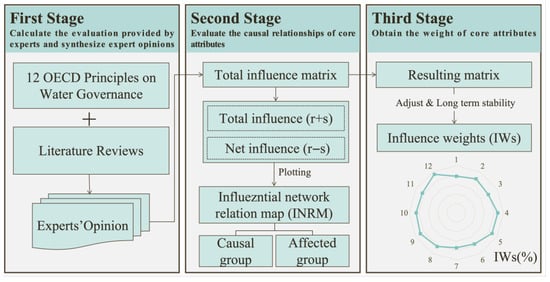
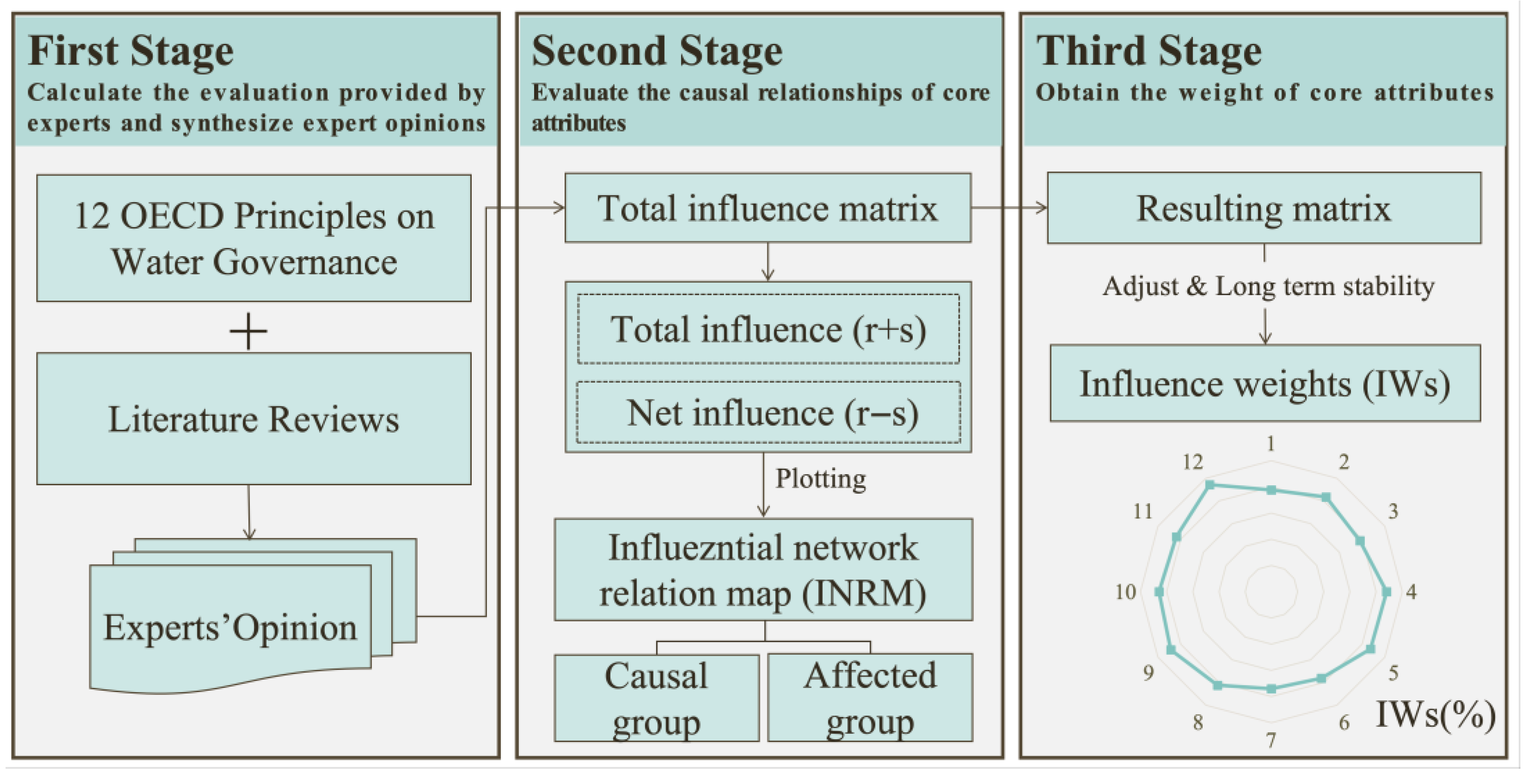
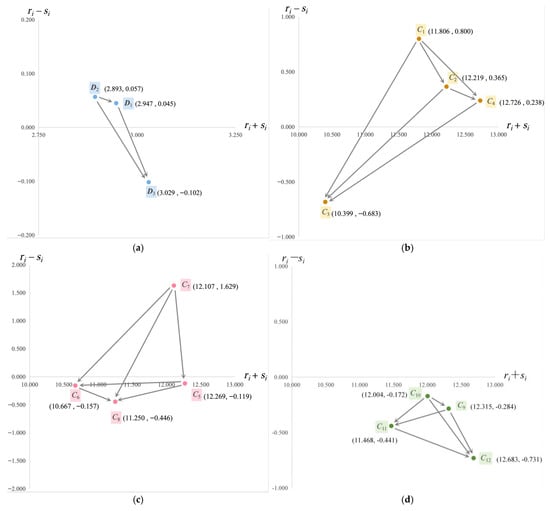
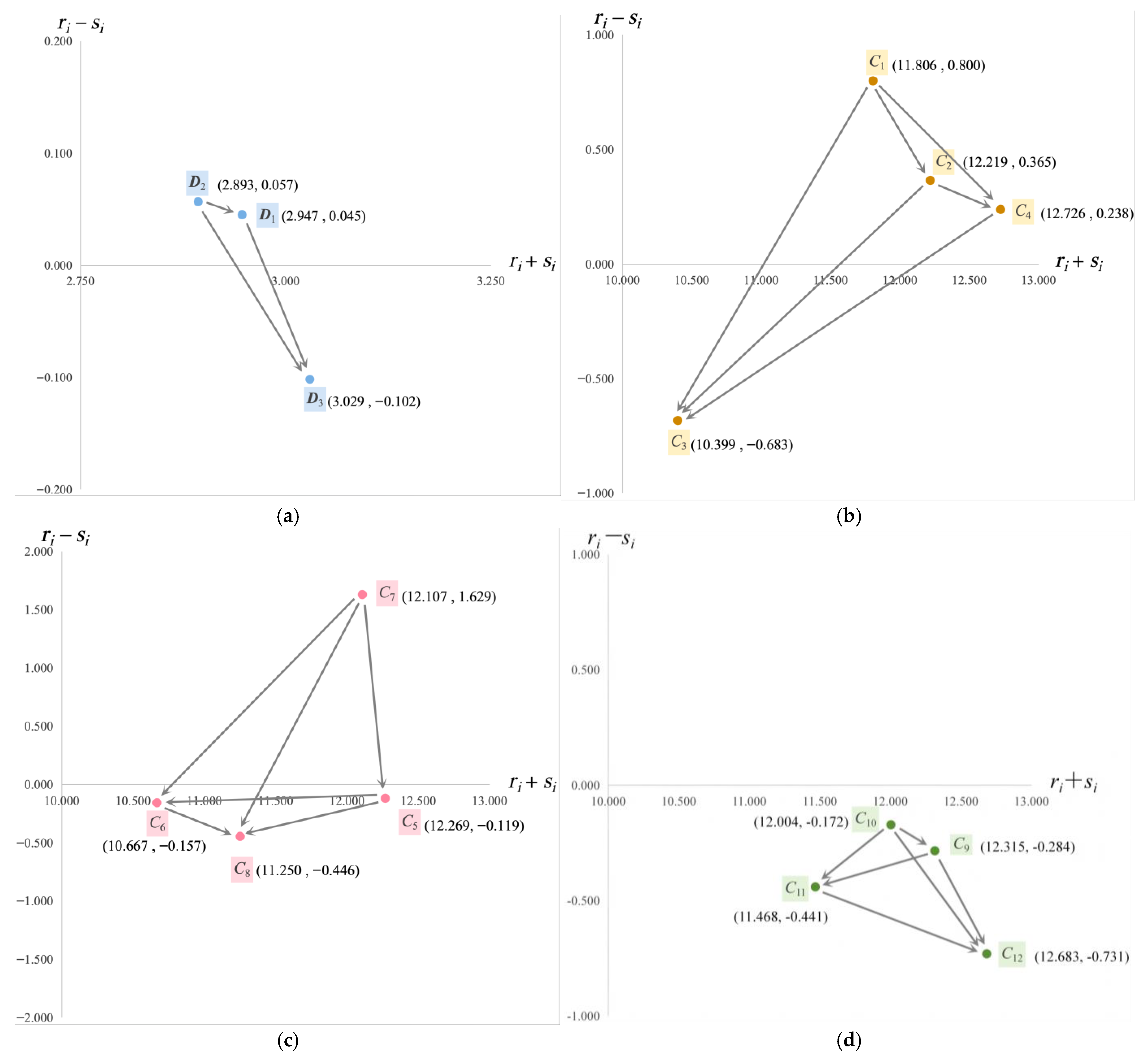

Disclaimer/Publisher’s Note: The statements, opinions and data contained in all publications are solely those of the individual author(s) and contributor(s) and not of MDPI and/or the editor(s). MDPI and/or the editor(s) disclaim responsibility for any injury to people or property resulting from any ideas, methods, instructions or products referred to in the content. |
© 2026 by the authors. Licensee MDPI, Basel, Switzerland. This article is an open access article distributed under the terms and conditions of the Creative Commons Attribution (CC BY) license.