


Abstract
Stone Mastic Asphalt (SMA) mixtures are widely used in high-capacity road pavements due to their durability and resistance to permanent deformation. However, although electric arc furnace (EAF) steel slag and recycled crumb rubber have been individually investigated as alternative materials in asphalt mixtures, evidence regarding their simultaneous incorporation in SMA mixtures under full-scale construction and real traffic conditions remains limited. Moreover, quantitative environmental assessments are often restricted to simplified or qualitative approaches, with limited reporting of carbon footprint results. This study investigates the combined use of electric arc furnace (EAF) steel slag aggregates and recycled crumb rubber in SMA mixtures, integrating laboratory evaluation with full-scale field application on a high-traffic motorway. Two SMA 11 mixtures were designed and assessed: one incorporating steel slag aggregates as a replacement for natural coarse aggregates, and another combining steel slag aggregates with recycled crumb rubber added through the dry process (0.8% by mixture mass). Laboratory testing included volumetric characterization, moisture sensitivity and rutting resistance, while field validation covered surface macrotexture, skid resistance, executed thickness and interlayer bonding. Both mixtures fully complied with the applicable technical specifications, achieving indirect tensile strength ratios (ITSR) above 90% and wheel-tracking slopes below 0.07 mm/103 cycles. A simplified comparative life-cycle assessment (LCA), limited to modules A1–A3, showed a reduction in CO2-equivalent emissions of approximately 2% for the mixture containing steel slag and up to 27% for the mixture combining steel slag and recycled crumb rubber, mainly due to the valorization of industrial by-products and end-of-life tyres. Overall, the results demonstrate the technical feasibility and potential environmental benefits of these SMA mixtures within the defined scope of laboratory verification, short-term field performance and screening LCA. The contribution of this study lies in providing applied evidence from a full-scale motorway intervention, complementing predominantly laboratory-based studies and offering a quantified environmental comparison under consistent methodological assumptions.
1. Introduction
The road construction sector faces the challenge of developing solutions that combine adequate technical performance with a reduced environmental impact, in line with circular economy principles and climate neutrality targets [1]. Within this context, Stone Mastic Asphalt (SMA) mixtures have become one of the most widely used bituminous materials in high-capacity roadways, owing to their high rutting resistance, good durability, and low tyre–pavement noise levels [2,3]. Nevertheless, their conventional production relies heavily on natural aggregates and virgin materials, which entails significant consumption of non-renewable resources and associated environmental burdens [4].
In recent years, several studies have explored the incorporation of industrial by-products and recycled materials into asphalt mixtures as a means of advancing towards more sustainable construction models. Among these materials, steel slag—a by-product generated during steel manufacturing—has been investigated as a substitute for conventional aggregates, showing in many cases favourable mechanical properties, good abrasion resistance, and strong performance against permanent deformation [5,6,7,8,9]. Likewise, recycled crumb rubber, obtained from end-of-life tyres, has been used both in binders and asphalt mixtures, providing improvements in flexibility, cracking resistance, and durability, while helping to mitigate one of the most problematic waste streams worldwide [10,11].
Beyond asphalt applications [12,13,14,15,16,17,18], electric arc furnace (EAF) steel slags have been extensively investigated in other construction materials, including structural concrete [19,20,21,22], geopolymer binders [23,24,25,26] and granular layers [27,28,29]. Recent studies have addressed their mechanical performance, volumetric stability, leaching behaviour and long-term durability, contributing to the consolidation of regulatory frameworks for their use in civil engineering applications. This broader body of research supports the technical viability of EAF slag as a secondary raw material, while highlighting the importance of application-specific validation when incorporated into high-performance surface courses such as SMA.
The interest in incorporating recycled crumb rubber into asphalt mixtures lies both in its technical benefits and its environmental contribution. Previous studies have shown that its inclusion in the binder or in the mixture itself can improve cracking resistance, increase elasticity, and extend pavement service life. These effects are attributed to the ability of rubber to modify the rheological behaviour of the bitumen, increasing its viscosity and softening point, which translates into enhanced performance against permanent deformation and fatigue phenomena [30].
Although numerous studies have examined the use of steel slag or recycled rubber individually in asphalt mixtures, the combined incorporation of both materials in SMA mixtures remains comparatively underexplored, particularly under real construction and service conditions. Existing research is largely focused on laboratory-scale characterization, with limited evidence of full-scale application and field performance in high-traffic road environments. Furthermore, the potential environmental benefits of combining industrial by-products and recycled materials are often discussed qualitatively, while quantitative assessments are frequently restricted to simplified or partial life-cycle stages.
In addition to steel slag and crumb rubber, several recent studies have investigated the incorporation of other waste materials specifically in Stone Mastic Asphalt (SMA) mixtures [31]. Construction and demolition waste (CDW) aggregates, reclaimed asphalt (RA), and industrial by-products have been evaluated in SMA formulations, with research addressing densification behaviour under repeated loading [32], mechanical performance, and durability aspects [33]. Systematic reviews have highlighted the growing interest in replacing natural aggregates in SMA with alternative materials, while also noting that most studies remain limited to laboratory-scale characterization without full-scale field validation. These findings confirm the technical potential of waste-based SMA mixtures, but also underline the need for integrated studies combining laboratory verification, real construction conditions and quantified environmental assessment.
To address these gaps, this study presents the use of steel slag aggregates and recycled crumb rubber in SMA-type mixtures, integrating laboratory characterization with full-scale field application on a high-capacity roadway. The BI-637 motorway in Bizkaia carries very high traffic volumes and includes both tunnel and open-air sections and was selected as a demanding test site to evaluate the practical feasibility of these mixtures under real service conditions.
To address the identified research gaps, this study adopts an applied yet scientifically structured approach integrating laboratory characterization, full-scale field implementation and simplified environmental assessment. From a scientific perspective, the objectives are to design and characterize SMA mixtures incorporating EAF steel slag aggregates, with and without recycled crumb rubber, and to evaluate their volumetric properties, moisture sensitivity and rutting resistance in accordance with standardized testing procedures, verifying compliance with the technical requirements established for SMA surfacing courses. From an applied perspective, the study aims to assess constructability and short-term functional performance through in situ quality control of the executed pavement, and to estimate, by means of a simplified life-cycle assessment limited to modules A1–A3, the relative carbon footprint of the proposed mixtures compared with a conventional SMA formulation manufactured with natural aggregates. The research is conceived as an integrated validation under real construction conditions and does not seek to provide a full parametric isolation of the individual effects of each material. Accordingly, the study does not aim to isolate the individual contribution of steel slag, recycled crumb rubber or binder type. The mixtures were defined within project-specific operational constraints, and the results are interpreted in terms of compliance and applied feasibility rather than causal performance attribution.
2. Case Study and Project Context
This section describes the project background, site characteristics and practical constraints that motivated the selection and implementation of the SMA mixtures analysed in this study.
The mixtures described in this article were tested on the BI-637 road. This roadway forms the main connection axis along the right bank of the metropolitan area of Bilbao, facilitating traffic between Getxo, Leioa, Uribe-Kosta, and the city centre, as well as with the high-capacity routes linking to the Left Bank and the Txorierri corridor. It is a metropolitan dual carriageway with high traffic volumes, reaching average daily intensities of nearly 100,000 vehicles, which leads to recurrent congestion, particularly during weekday peak hours. Its alignment crosses densely urbanised areas, such as Leioa, where a 310-m section is buried in the so-called La Avanzada Tunnel (Figure 1).
Figure 1.
Location of La Avanzada within the provincial road network of Bizkaia.
The issues identified in this project were multifaceted. On the one hand, the roadway acted as an urban barrier, hindering pedestrian permeability and generating negative impacts on quality of life and the environment due to noise and air pollution. On the other hand, the La Avanzada Tunnel, built in the 1980s, exhibited structural and technological deficiencies with respect to current safety regulations [34,35], posing risks both for users and for the surrounding urban environment. These limitations made an upgrading and modernisation intervention necessary, within which the mixtures presented in this study were designed and implemented.
According to the construction project [36], intervention on the motorway’s wearing course was required, consisting of milling the existing layer and replacing it with 3 cm of new bituminous mixture.
From a practical and applied perspective, the selection of steel slag aggregate for this study was also supported by previous experience in real construction projects. In particular, urban regeneration works carried out in Bilbao, such as the Zorrotzaurre Island redevelopment, involved the use of approximately 5000 m3 of concrete pavement incorporating this type of aggregate. This prior experience has shown that the use of steel slag aggregate can contribute to avoiding the extraction of natural quarry aggregates, reducing landfill demand, and promoting circular economy strategies in the construction sector [37,38].
With the aim of reducing traffic noise, the possibility of using porous noise-absorbing mixtures (PA) or noise-reducing SMA mixtures was evaluated. Since porous mixtures are not recommended for urban traffic conditions, SMA mixtures were selected. According to [39], the SMA mixtures that provide the greatest noise reduction are those manufactured with crumb rubber. However, due to the potential fire risk in the tunnel section of the works, two different SMA mixtures were used: an SMA 11 SURF PMB 45/80-65 mixture for the carriageways running inside the tunnel, and an SMA 11 SURF 50/70 0.8 NFVU mixture for the two carriageways outside the tunnel. In both cases, the coarse aggregate consisted of steel slag aggregate obtained from the valorisation of black slags generated in electric arc furnace steelmaking.
Accordingly, this study adopts an applied approach focused on constructability, laboratory verification, and short-term functional performance, while long-term durability and use-phase behaviour are considered beyond the scope of the present work.
Field Application and Execution Context
The rehabilitation works on the BI-637 motorway consisted of the replacement of the existing wearing course with the SMA mixtures designed in this study. Prior to paving operations, the existing surface layer was milled to the required depth, and the milled surface was cleaned to ensure proper bonding with the new layer. The selection of this tunnel section was primarily driven by project availability and construction scheduling constraints, rather than by tunnel-specific performance considerations.
A tack coat was subsequently applied to the prepared surface in order to promote adequate adhesion between the existing pavement and the new SMA wearing course. The SMA mixtures were manufactured in a conventional asphalt plant using standard production procedures, with no modifications required as a result of the incorporation of steel slag aggregates or recycled crumb rubber.
The placement and compaction of the SMA mixtures were carried out using conventional paving techniques, adapted to the specific geometric constraints of the project (Figure 2). In the tunnel section, clearance limitations (5.0 m) prevented the use of a standard paver; the mixture was therefore placed using dumper-type equipment, followed by mechanical compaction. This construction approach was dictated solely by the geometry of the tunnel and was not related to the properties of the materials used. In the open-air sections, the SMA mixtures were placed and compacted using standard paving equipment.
Figure 2.
Placement of the bituminous mixture inside the tunnel with dumper-type equipment.
All construction activities were conducted in accordance with the project specifications [36] and under controlled conditions to ensure continuity of the paving process, adequate compaction and proper surface finishing of the SMA wearing course.
3. Materials and Methods
The overall methodological framework adopted in this study is summarised in Figure 3.
Figure 3.
Methodological outline of the experimental programme and environmental assessment.
3.1. Materials
3.1.1. Steel Slag Aggregate
The steel slag aggregate used in the SMA mixtures analysed in this study originates from the slag produced at the SIDENOR steel plant, located in Basauri (Bizkaia, Spain). This by-product is generated in electric arc furnaces during steel manufacturing and corresponds to black slag, which is the fraction most commonly used in civil engineering applications [40,41].
Prior to its use as aggregate, the slag was subjected to a valorisation and conditioning process that included controlled cooling, crushing, screening and particle-size classification, with the aim of obtaining aggregate fractions suitable for use in bituminous mixtures (Figure 4). A distinctive feature of the processing route applied in this study is the incorporation of quarry-type crushing operations, which enhance fragmentation and angularity and promote the production of aggregates with shape characteristics comparable to those of conventional quarry materials.
Figure 4.
Electric arc furnace (EAF) steel slag in its as-received and processed conditions prior to incorporation in SMA mixtures.
The processed steel slag aggregate was used as a replacement for the natural coarse aggregate fraction in the SMA mixtures, specifically in the 4/12 mm size range. Its use was defined in accordance with the General Technical Specifications for Road and Bridge Works (PG-3) [42], the Spanish Structural Code [43], and the regional pavement design regulations of the Basque Country [44].
The steel slag aggregates were supplied after industrial aging and stockpiling, in accordance with standard practice to ensure volumetric stability [45]. Prior to incorporation into the mixtures, the steel slag aggregate was verified to meet the applicable technical and environmental requirements for its use in bound pavement layers, according to Decree 64/2019 of the Basque Government, which establishes the criteria for its valorisation and use in granular layers, concrete, and bituminous mixtures [45]. In particular, its volumetric stability was verified through documented expansion testing provided by the producer as part of the material’s regulatory compliance framework. The expansion value (0.3%) was determined in accordance with the applicable standard procedure for steel slag aggregates and remained well below the maximum limit established for use in bound pavement layers. Its environmental suitability was assessed through leaching tests performed in accordance with UNE-EN 12457-4 [46], ensuring an inert behaviour compatible with its application in asphalt mixtures.
The conditioned aggregate was supplied to the asphalt plant following standard handling and storage procedures, ensuring homogeneity and preventing contamination or segregation prior to mixture production.
3.1.2. Recycled Crumb Rubber
The recycled crumb rubber used in this study originates from end-of-life tyres (ELTs) managed in accordance with the applicable regulatory framework and valorised through controlled shredding and grinding processes (Figure 5). The resulting material consists of fine rubber particles, with sizes ranging from micrometric to millimetric fractions, and is free of metallic or textile components. Particle-size homogeneity and product cleanliness were considered essential to ensure adequate dispersion of the rubber within the asphalt mixture and proper interaction with the bituminous binder [47].
Figure 5.
Recycled crumb rubber supplied for incorporation in the SMA mixtures.
The recycled crumb rubber was incorporated into one of the SMA mixtures through the dry process, by direct addition to the mineral aggregate skeleton during mixing. The rubber content was fixed at 0.8% by total mixture mass based on technical and operational considerations associated with dry incorporation in SMA surfacing mixtures. In this approach, rubber contents are generally maintained at moderate levels to preserve mixture workability, ensure proper compaction and maintain the integrity of the stone-on-stone aggregate structure characteristic of SMA. Excessive rubber incorporation may affect compactability, alter binder distribution and compromise volumetric stability, particularly when conventional penetration-grade binders are used without prior modification.
The selected 0.8% dosage represents a balanced value compatible with the adopted SMA 11 grading and with the use of a 50/70 penetration-grade bitumen, allowing adequate dispersion of rubber particles while maintaining compliance with the volumetric and performance requirements established for SMA surfacing courses. The satisfactory laboratory and field results obtained in this study confirm the technical suitability of the adopted rubber content within the defined experimental scope.
In addition, environmental information available for recycled crumb rubber indicates a reduced or even negative CO2-equivalent contribution in early life-cycle stages (modules A1–A3), which was considered in the environmental assessment approach adopted in this study [48].
3.1.3. Bituminous Binders and Filler
Two different bituminous binders were used in the SMA mixtures analysed in this study, selected in accordance with the functional requirements of the pavement sections and the specific constraints of the project. For the SMA mixture applied inside the tunnel section, a polymer-modified bitumen PMB 45/80-65 was used. For the SMA mixture incorporating recycled crumb rubber and applied in the open-air sections, a conventional penetration-grade bitumen 50/70 was selected.
In addition to coarse steel slag aggregate and recycled crumb rubber, a mineral filler was incorporated into the mixtures to ensure the stability of the stone-on-stone skeleton characteristic of SMA. Portland cement was used as filler material, contributing to the filling of voids in the mineral aggregate and to the stabilization of the bituminous binder during mixing and placement. The filler content was selected in accordance with the requirements established for SMA mixtures and remained consistent for both mixture types. The use of two different binders was driven by project-specific operational constraints and should not be interpreted as an experimental variable within a controlled comparative design. The use of two different binders was determined by operational and safety considerations associated with the tunnel environment, as well as by the selected method for incorporating recycled crumb rubber. In the mixture containing rubber, the dry process was adopted, consisting of the direct addition of recycled crumb rubber to the mixture, which allowed the use of a conventional bitumen without prior modification. Both binders complied with the applicable technical specifications for use in SMA mixtures.
3.2. SMA Mixture Design
3.2.1. Mixture Types and Composition
The design procedure for the Stone Mastic Asphalt (SMA) mixtures analysed in this study was carried out in accordance with UNE-EN 13108-5 [49], the General Technical Specifications for Road and Bridge Works (PG-3) [42], and the technical order governing this type of mixture [50]. SMA mixtures are characterised by a stone-on-stone skeleton structure, in which the coarse aggregates form a mineral framework resistant to permanent deformation, complemented by a relatively high content of stabilised bituminous binder.
The design approach adopted aimed to achieve an appropriate balance between mechanical performance, durability and sustainability, taking into consideration the incorporation of alternative materials such as steel slag aggregates and recycled crumb rubber, while ensuring full compliance with the applicable technical specifications for SMA surfacing courses.
Within this framework, two SMA 11 surfacing mixtures were designed and produced. Both mixtures shared the same aggregate grading structure and incorporated steel slag as a replacement for the natural coarse aggregate fraction, while differing in the type of bituminous binder used and in the incorporation of recycled crumb rubber.
The first mixture was classified as SMA 11 SURF PMB 45/80-65 and incorporated a polymer-modified bitumen. This mixture was designed for application in the tunnel section of the project, where specific operational and safety requirements applied. The second mixture was classified as SMA 11 SURF 50/70 0.8 NFVU and incorporated recycled crumb rubber added through the dry process, combined with a conventional 50/70 penetration-grade bitumen. This mixture was applied in the open-air sections of the roadway.
In both cases, a compensating limestone sand and a mineral filler were used to complete the aggregate skeleton characteristic of SMA mixtures. The overall composition of the mixtures was defined to ensure compatibility with conventional production, placement and compaction procedures.
No stabilizing fibres were incorporated in the mixtures. Binder stabilization was achieved through the selected gradation, the filler content and the interaction between the binder and the aggregate skeleton, consistent with the design philosophy adopted for the SMA formulations analysed.
3.2.2. Aggregate Gradation and Rubber Content Selection
The aggregate grading for the SMA mixtures was designed to comply with the grading envelope established for SMA 11 surfacing courses in the applicable technical specifications [42,49,50]. A single grading curve was adopted for both mixtures in order to ensure direct comparability between the formulations and to isolate the effects associated with the type of bituminous binder and the incorporation of recycled crumb rubber.
The grading was selected to promote the development of a stone-on-stone skeleton, in which the coarse aggregate fraction plays a dominant role in providing resistance to permanent deformation. In both mixtures, steel slag aggregate was used as the coarse fraction, complemented by a compensating limestone sand and a mineral filler to achieve the target grading and to ensure adequate void structure.
The content of recycled crumb rubber in the rubberised SMA mixture was set at 0.8% by total mixture mass. This value was selected based on current technical practice for dry-process rubberised mixtures, previous experience with similar formulations, and compatibility with the conventional 50/70 penetration-grade bitumen used. The selected rubber content was intended to ensure adequate workability and mixture stability while complying with the requirements established for SMA mixtures.
The final grading curve adopted for the SMA mixtures is presented graphically in Figure 6, together with the specification limits, while the detailed numerical sieve data are provided to support reproducibility and comparison with other studies.
Figure 6.
Proposed grading curve for the SMA mixtures.
3.3. Laboratory Testing Program
Only standard verification tests required for SMA surfacing courses were considered, as the experimental programme was designed to support mix validation and field application rather than advanced performance characterisation. The mechanical programme was therefore intentionally limited to specification-based verification tests, as the primary objective was validation under real construction conditions rather than advanced performance modelling.
3.3.1. Specimen Preparation
Laboratory specimens for the evaluation of the SMA mixtures were prepared using the Marshall compaction method, in accordance with the procedures established for Stone Mastic Asphalt mixtures [42,49,50]. Cylindrical specimens with a nominal diameter of 101.6 mm were manufactured in the laboratory for all volumetric and mechanical tests. Marshall compaction was selected to ensure consistency with the applicable specifications and with routine quality-control procedures used during field construction.
The mixing and compaction temperatures were selected according to the characteristics of the bituminous binders used in each mixture, ensuring adequate coating of the aggregates and proper workability during specimen preparation. The number of compaction blows was set at 50 blows per face, as commonly specified for SMA surfacing mixtures, in order to achieve representative densities consistent with field conditions.
For each laboratory test and mixture type, a minimum of three replicate specimens was prepared to ensure the consistency and repeatability of the results. All specimens were allowed to cool under laboratory conditions prior to testing, and handling procedures were adopted to avoid damage or moisture loss before the corresponding tests were performed. Given the applied nature of the study and the minimum replicate number required by specification, the results are presented descriptively and interpreted in relation to specification thresholds rather than through inferential statistical comparison.
3.3.2. Volumetric Properties
The volumetric properties of the SMA mixtures were determined as part of the mix design and verification process, in accordance with the procedures established in the applicable standards for bituminous mixtures [42,49,50]. The parameters evaluated included maximum density, bulk density and air void content, which are essential for assessing the internal structure and compaction state of SMA mixtures.
Maximum density was determined to establish the reference value required for the calculation of volumetric parameters, while bulk density was measured on compacted Marshall specimens. These values were subsequently used to calculate the percentage of air voids in the mixture, ensuring compliance with the requirements specified for SMA surfacing courses.
The volumetric characterization was carried out for both mixture types and formed the basis for the selection and verification of the final mix design parameters prior to mechanical testing and field application. All procedures were conducted under controlled laboratory conditions, following the relevant test standards to ensure consistency and repeatability.
3.3.3. Moisture Sensitivity
The moisture sensitivity of the SMA mixtures was evaluated to assess their resistance to water-induced damage, following the standard procedures established for bituminous mixtures [42,49,50], in accordance with EN 12697-12 [51]. This assessment was carried out by means of the indirect tensile strength test, performed on dry and moisture-conditioned specimens, and expressed in terms of the indirect tensile strength ratio (ITSR).
For each mixture type, cylindrical Marshall specimens were divided into two subsets: dry specimens and wet specimens subjected to conditioning in the presence of water prior to testing. Indirect tensile strength tests were conducted at controlled temperature conditions in accordance with the applicable standard, and the ITSR was calculated as the ratio between the average indirect tensile strength of the conditioned specimens and that of the dry specimens.
A minimum of three replicate specimens was tested for each condition and mixture type. The moisture sensitivity evaluation formed part of the mix design verification process, ensuring that the designed SMA mixtures met the requirements established for wearing courses in terms of durability and resistance to moisture damage.
3.3.4. Rutting Resistance
The resistance of the SMA mixtures to permanent deformation was evaluated using the wheel tracking test, which is commonly applied to assess the rutting performance of asphalt mixtures under simulated high-temperature service conditions. The test was conducted in accordance with the applicable standard procedure for bituminous mixtures [42,49,50].
Compacted slab specimens were prepared from the laboratory-produced mixtures and tested at elevated temperatures to represent severe loading conditions typical of high-capacity road pavements. The wheel tracking test was performed under controlled conditions for a predefined number of load cycles, during which the development of permanent deformation was continuously monitored.
The parameters obtained from the test included the wheel tracking slope and the rut depth at the end of the test, which are commonly used indicators of rutting susceptibility in SMA mixtures. The rutting resistance assessment formed part of the mechanical verification of the mix design prior to field application, ensuring compliance with the requirements established for SMA surfacing courses.
3.3.5. Binder Draindown
Binder draindown was evaluated to verify the stability of the bituminous binder during production, transport and placement of the SMA mixtures. The test was conducted in accordance with EN 12697-18 [52] under temperature conditions representative of those applied during mixing and handling. Loose mixture samples were subjected to the prescribed conditioning period, after which the amount of separated binder was quantified.
The test was performed on three replicate specimens for each mixture. The measured draindown values were below the detection threshold of the method and were therefore reported as 0.0%. In this context, the result indicates that no measurable binder drainage occurred under the specified test conditions, confirming adequate binder stabilization prior to field application.
3.4. Field Application and Quality Control
In Situ Testing and Core Extraction
Following the placement and compaction of the SMA wearing courses, an in situ quality control programme was implemented to verify the execution of the works and the functional characteristics of the finished pavement. The programme included surface tests performed directly on the pavement and the extraction of cores for further evaluation (Figure 7).
Figure 7.
Pendulum and macrotexture tests.
Surface characteristics were assessed through standard in situ tests aimed at verifying the functional performance of the SMA mixtures. These tests included the measurement of surface macrotexture and skid resistance, carried out in accordance with the applicable test procedures for wearing courses. The purpose of these tests was to confirm that the executed pavement surface met the requirements established for high-capacity road pavements in terms of texture and friction.
In addition, cylindrical cores were extracted from the finished pavement to assess the geometric and bonding characteristics of the wearing course. The extracted cores were used to determine the executed layer thickness and to evaluate the adhesion between the SMA wearing course and the underlying layer. The adhesion assessment was carried out using shear testing procedures commonly applied for the evaluation of interlayer bonding in asphalt pavements.
No further mechanical characterization, such as stiffness, fatigue or permanent deformation testing, was performed on the extracted cores. The core analysis was limited to thickness and interlayer bonding verification, as part of the construction quality control process.
3.5. Simplified Life-Cycle Assessment (LCA) Methodology
A simplified life-cycle assessment (LCA) was conducted to estimate and compare the carbon footprint associated with the production of the SMA mixtures analysed in this study. The purpose of this assessment was to provide a comparative indication of the potential environmental benefits derived from the incorporation of steel slag aggregates and recycled crumb rubber, rather than to perform a full life-cycle evaluation of pavement performance [53].
The LCA was limited to modules A1–A3, covering raw material supply, transport to the asphalt plant and the manufacturing processes of the mixture components. The functional unit was defined as one tonne of SMA mixture produced. The system boundaries therefore excluded the construction, use, maintenance and end-of-life phases of the pavement.
Emission factors for the different materials were obtained from Environmental Product Declarations (EPDs) and relevant literature sources. These included emission data for natural and artificial aggregates [54,55], bituminous binders [56,57], mineral filler [58] and recycled crumb rubber [48]. In the case of recycled crumb rubber, the environmental information reflected its status as a valorised material derived from end-of-life tyres, resulting in a reduced or negative CO2-equivalent contribution in the early life-cycle stages considered.
The modelling of recycled crumb rubber followed a cut-off allocation approach consistent with the environmental product declaration referenced for this material. Under this framework, end-of-life tyres are treated as secondary raw materials entering the product system without upstream environmental burdens associated with their original production and use. Consequently, only the impacts related to the collection, shredding, grinding and transport processes were accounted for within modules A1–A3. This approach avoids the application of system expansion or avoided burden assumptions and ensures consistency with the recycled content methodology commonly adopted in construction product EPDs.
Material quantities were derived from the mixture compositions defined during the mix design process. Generic assumptions regarding transport distances and production processes were applied consistently across all scenarios in order to ensure a fair comparison between the conventional SMA mixture and the mixtures incorporating valorised materials.
The LCA was conceived as a comparative screening assessment between the analysed solutions, rather than as a complete evaluation of all possible reference mixtures. The results of the simplified LCA are intended to be interpreted as relative differences between scenarios rather than as absolute indicators of the overall environmental impact of the pavement. This approach allows the environmental implications of material substitution to be discussed in a transparent manner, while acknowledging the limitations associated with the restricted system boundaries adopted.
4. Results
4.1. Aggregate Characterization
The aggregates used in the SMA mixtures were characterised in order to verify their suitability for use in surfacing courses and their compliance with the applicable technical specifications [42]. The characterisation programme included the steel slag aggregate used as the coarse fraction and the compensating limestone sand incorporated into the mixtures.
The main properties characterising the steel slag aggregate include its high density, with measured values in the range of approximately 3.7–3.9 g/cm3, and its high resistance to wear and fragmentation, as indicated by Los Angeles abrasion values below 12%. In addition, the aggregate exhibits a rough surface texture and high angularity, as reflected by the results obtained in the accelerated polishing test. These properties are relevant for the performance of SMA mixtures, in which the coarse aggregate skeleton plays a key structural role.
Table 1 summarises the results of the basic characterisation tests carried out on the steel slag aggregate, together with those obtained for the compensating limestone sand used in the SMA mixtures. The table also includes, for reference, the specification limits established by the applicable standards for coarse aggregates. All the measured properties of both materials were within the required limits, confirming their suitability for use in SMA surfacing courses.
Table 1.
Basic characterization of the aggregates used in the SMA mixtures analysed.
4.2. Mix Design and Laboratory Performance
4.2.1. Volumetric Properties
Table 2 summarises the optimal binder contents and volumetric parameters selected for each mixture following the design process, while Table 3 presents the main volumetric results obtained for the two SMA mixtures in comparison with the applicable specification limits. Both mixtures achieved air void contents within the target range required for SMA mixtures, together with VMA and VFB values consistent with the development of a stable stone-on-stone aggregate skeleton.
Table 2.
Recommended optimal values based on the tests performed for each mixture type.
The volumetric optimisation process resulted in binder contents within the range typically specified for SMA surfacing courses. For the SMA 11 SURF PMB 45/80-65 mixture, the selected binder content corresponded to a polymer-modified bitumen, whereas for the rubberised SMA mixture, a conventional 50/70 penetration-grade bitumen was used in combination with recycled crumb rubber added at 0.8% by total mixture mass [59]. The selected binder contents and associated volumetric parameters are reported in Table 2.
Minor differences were observed between the two mixtures in terms of air void content, with the mixture incorporating polymer-modified bitumen exhibiting slightly higher air voids than the mixture containing recycled crumb rubber, while comparable bulk density values were obtained in both cases. In all cases, the volumetric properties complied with the applicable specification requirements, confirming the adequacy of the selected mix designs for SMA surfacing applications.
Table 3.
Characteristics of the mix designs of the two SMA mixtures.
4.2.2. Moisture Sensitivity
The moisture sensitivity of the SMA mixtures was evaluated through indirect tensile strength testing on dry and moisture-conditioned specimens, with the results expressed in terms of the indirect tensile strength ratio (ITSR). This parameter is commonly used to assess the resistance of asphalt mixtures to moisture-induced damage.
The results obtained for indirect tensile strength under dry and wet conditions, as well as the corresponding ITSR values for both SMA mixtures, are presented in Table 3. In both cases, the ITSR values exceeded the minimum requirement established for SMA surfacing courses, indicating adequate resistance to the detrimental effects of moisture.
The mixture incorporating polymer-modified bitumen and the mixture containing recycled crumb rubber exhibited comparable ITSR values, with both formulations showing a limited reduction in indirect tensile strength after moisture conditioning. These results confirm that the incorporation of steel slag aggregates, with and without recycled crumb rubber, did not adversely affect the moisture sensitivity of the SMA mixtures analysed.
4.2.3. Rutting Resistance and Draindown
The resistance of the SMA mixtures to permanent deformation was evaluated using the wheel tracking test, while mixture stability was verified through the binder draindown test. These parameters are particularly relevant for SMA surfacing courses subjected to heavy traffic and elevated service temperatures.
The results obtained from the wheel tracking test, including the wheel tracking slope and the rut depth at the end of the test, are presented in Table 3. Both SMA mixtures satisfied the applicable specification limits for rutting resistance. The mixture incorporating recycled crumb rubber exhibited lower wheel tracking slope and rut depth values than the mixture containing polymer-modified bitumen, indicating a reduced susceptibility to permanent deformation under the test conditions applied.
Binder draindown was not detected in either mixture, as indicated by the test results reported in Table 3. This confirms that the selected binder contents and mixture compositions provided adequate stability during production and handling, consistent with the requirements for SMA mixtures.
The absence of measurable draindown is consistent with the mixture design adopted for both SMA formulations. The selected gradation ensured the development of a stable stone-on-stone aggregate skeleton, while the relatively high filler content promoted the formation of a cohesive mastic capable of effectively retaining the bituminous binder within the mixture structure. The angularity and surface texture of the aggregates further enhanced binder adhesion. In the mixture incorporating recycled crumb rubber, the presence of rubber particles may also have contributed to additional physical stabilization of the binder through absorption and interaction mechanisms, reducing its tendency to migrate under elevated temperature conditions. These combined effects explain the absence of detectable binder drainage under the prescribed test conditions.
4.3. Field Performance and Quality Control
4.3.1. Surface Characteristics
The surface characteristics of the SMA wearing courses were evaluated after construction in order to verify their functional performance in terms of texture and skid resistance. These properties are essential for ensuring adequate safety and serviceability in high-capacity road pavements.
Surface macrotexture was assessed using the volumetric method. A total of eleven measurements were performed on the SMA 11 SURF PMB 45/80-65 mixture applied in the tunnel section, and nine measurements were carried out on the SMA 11 SURF 50/70 0.8 NFVU mixture applied in the open-air sections. The average macrotexture values obtained were 1.8 mm and 1.2 mm, respectively. In both cases, the measured values exceeded the minimum requirement established for SMA surfacing courses.
Skid resistance was evaluated using the pendulum test. The average pendulum test values obtained were 78 for the mixture incorporating polymer-modified bitumen and 67 for the mixture containing recycled crumb rubber. These results are above the threshold values specified for wearing courses, confirming adequate friction performance of both SMA mixtures.
The results of the surface macrotexture and skid resistance tests are summarised in Table 4. Overall, the measured surface characteristics indicate that the executed SMA wearing courses meet the functional requirements established for high-capacity road pavements (Figure 8).
Table 4.
Control tests on the finished pavement.
Figure 8.
Surface texture of the executed SMA pavement section on the BI-637 motorway.
4.3.2. Thickness and Interlayer Bonding
The performance of the executed SMA wearing courses was further evaluated through the analysis of cores extracted from the pavement after construction. The extracted cores were used to assess the executed layer thickness and the interlayer bonding between the SMA wearing course and the underlying layer.
For the SMA 11 SURF PMB 45/80-65 mixture applied in the tunnel section, the measured layer thicknesses ranged from 32.8 to 47.3 mm, with an average value of approximately 39.4 mm. The interlayer bonding values determined through shear testing ranged from 0.61 to 0.74 MPa, resulting in an average value of 0.66 MPa.
In the case of the SMA 11 SURF 50/70 0.8 NFVU mixture applied in the open-air sections, the measured thicknesses varied between 32.5 and 38.9 mm, with an average thickness of approximately 35.5 mm. The corresponding interlayer bonding values ranged from 0.61 to 0.89 MPa, yielding an average value of 0.73 MPa.
In both cases, the measured interlayer bonding values exceeded the minimum requirement established for wearing courses, indicating adequate adhesion between layers and consistent execution quality of the SMA wearing courses.
4.4. Simplified Life-Cycle Assessment Results
From a sustainability perspective, the use of recycled crumb rubber in asphalt mixtures represents an effective strategy for valorising a waste material considered problematic worldwide, namely end-of-life tyres. Its incorporation helps reduce the volume sent to landfill and promotes the circular economy within the road construction sector [63,64]. In this regard, the use of recycled crumb rubber contributes to closing the material life cycle, aligning with the objectives of transitioning towards more sustainable and resilient infrastructures.
The results of the simplified life-cycle assessment (LCA), limited to modules A1–A3, are presented in Table 5. The analysis compares a conventional SMA mixture manufactured with natural aggregates with the two alternative SMA mixtures incorporating steel slag aggregates, with and without recycled crumb rubber.
Table 5.
Simplified life-cycle assessment of the SMA mixtures used.
The conventional SMA mixture used as the reference scenario exhibited a total carbon footprint of 71.71 kg CO2-eq per tonne of mixture. When natural aggregates were replaced by steel slag aggregates, the resulting SMA 11 SURF PMB 45/80-65 mixture showed a reduction in CO2-equivalent emissions to 70.26 kg CO2-eq per tonne, corresponding to an approximate reduction of 2.0% relative to the reference scenario.
The lowest carbon footprint was obtained for the SMA 11 SURF 50/70 0.8 NFVU mixture, which combines steel slag aggregates with recycled crumb rubber. In this case, the total emissions were estimated at 52.56 kg CO2-eq per tonne of mixture, representing a reduction of approximately 26.7% compared with the conventional SMA mixture. This reduction is mainly associated with the substitution of natural aggregates by steel slag and with the contribution of recycled crumb rubber, which presents a reduced or negative CO2-equivalent impact in the early life-cycle stages considered.
Overall, the simplified LCA results indicate that the incorporation of valorised materials into SMA mixtures leads to a progressive reduction in carbon footprint when compared with a conventional formulation. These results should be interpreted as relative differences between scenarios under consistent assumptions, providing a comparative indication of the potential environmental benefits associated with material substitution in SMA mixtures.
Sensitivity Analysis of Key Assumptions
A simplified sensitivity analysis was performed to evaluate the influence of the main parameters associated with the incorporation of recycled crumb rubber. The analysis considered variations in the emission factor attributed to crumb rubber processing and in the adopted rubber content (0.8% by total mixture mass). A ±20% variation was applied independently to both parameters in order to reflect plausible uncertainty ranges in secondary data and mixture composition. Although absolute CO2-equivalent values varied proportionally under these assumptions, the relative environmental advantage of the mixture incorporating steel slag and crumb rubber remained favourable when compared to the conventional SMA mixture within the defined system boundaries (A1–A3). These results indicate that the comparative conclusions derived from the simplified LCA are not dependent on a single modelling assumption and can be considered robust within the uncertainty range typical of screening-level assessments.
5. Discussion
The results obtained in this study confirm that the incorporation of steel slag aggregates and recycled crumb rubber into Stone Mastic Asphalt (SMA) mixtures can be achieved without compromising compliance with the technical requirements established for SMA surfacing courses. The discussion below addresses the observed laboratory and field performance of the mixtures, as well as the implications of the simplified environmental assessment, in relation to existing literature and within the defined scope of the experimental programme. The absence of a laboratory-produced reference SMA mixture with natural aggregates is acknowledged as a limitation of the study and reflects the applied nature of the project. Given the applied scope and limited number of test replicates, no statistical analysis was performed, and the results are interpreted in terms of compliance with specification thresholds and comparative trends. For this reason, the comparisons presented between the two SMA mixtures should be understood as descriptive within the defined project context, and not as evidence of performance superiority attributable to a single material variable.
5.1. Influence of Steel Slag Aggregates on SMA Performance
The aggregate characterisation results highlight the suitability of electric arc furnace (EAF) steel slag as a replacement for natural coarse aggregates in SMA mixtures. The high density, low Los Angeles abrasion values and adequate polishing resistance measured for the slag are consistent with those reported in previous studies on steel slag asphalt mixtures. These characteristics are particularly relevant for SMA mixtures, where the stone-on-stone skeleton plays a dominant role in providing resistance to permanent deformation.
The satisfactory volumetric properties obtained for both mixtures indicate that the use of steel slag aggregates does not hinder the achievement of appropriate air void contents, VMA and VFB values when conventional SMA design procedures are applied. This finding is in line with previous research showing that steel slag can be successfully integrated into SMA mixtures without requiring substantial modifications to standard mix design practices.
The favourable rutting resistance observed in the wheel tracking tests further supports the potential of steel slag aggregates for use in high-capacity pavements. Although this study does not aim to isolate individual mechanisms, the observed behaviour is consistent with the rough surface texture and angularity typically associated with steel slag aggregates, which have been reported to enhance interlock within the aggregate skeleton.
5.2. Effect of Recycled Crumb Rubber in the Rubberised SMA Mixture
The SMA mixture incorporating recycled crumb rubber through the dry process exhibited volumetric and mechanical properties comparable to those of the mixture containing polymer-modified bitumen. The moisture sensitivity results indicate that the addition of crumb rubber did not adversely affect resistance to water damage, with ITSR values exceeding the minimum specification requirements.
In terms of rutting resistance, the rubberised SMA mixture showed lower wheel tracking slope and rut depth values than the mixture containing polymer-modified bitumen under the test conditions applied. While no direct conclusions regarding long-term performance can be drawn from these results alone, the observed trend is consistent with findings reported in the literature, where crumb rubber has been shown to contribute to increased mixture elasticity and improved resistance to permanent deformation.
It should be noted that the mechanical characterisation conducted in this study was limited to standard SMA verification tests. More advanced performance-related tests, such as fatigue resistance or stiffness characterisation under repeated loading, were not included and would be required to fully assess the long-term mechanical behaviour of rubberised SMA mixtures.
5.3. Field Performance and Constructability Considerations
The field application of both SMA mixtures on the BI-637 motorway demonstrated that the incorporation of steel slag aggregates and recycled crumb rubber does not pose significant constructability challenges. The mixtures were produced using conventional asphalt plant equipment and placed using standard paving procedures, with adaptations in the tunnel section dictated solely by geometric constraints rather than material behaviour.
The surface macrotexture and skid resistance values measured after construction indicate that both mixtures provide adequate functional performance for high-capacity road applications. The results obtained from core analysis further confirm consistent execution quality, with layer thicknesses close to the design values and interlayer bonding values exceeding the minimum requirements.
These findings support the practical feasibility of using SMA mixtures incorporating valorised materials in real construction projects, provided that appropriate quality control measures are implemented during production and placement.
5.4. Environmental Implications and Limitations of the Simplified LCA
The simplified life-cycle assessment highlights the potential environmental benefits associated with the substitution of natural aggregates by steel slag and the incorporation of recycled crumb rubber. The progressive reduction in CO2-equivalent emissions observed across the analysed scenarios reflects the contribution of material valorisation to reducing the carbon footprint of SMA mixtures in the early life-cycle stages considered.
The significant reduction obtained for the rubberised SMA mixture is largely influenced by the environmental allocation associated with recycled crumb rubber, which presents a reduced or negative CO2-equivalent contribution in modules A1–A3. While this approach is consistent with the available environmental product declarations, the results should be interpreted with caution, as they do not account for the use, maintenance or end-of-life phases of the pavement.
Accordingly, the LCA results should be regarded as indicative of relative differences between mixture formulations rather than as absolute indicators of overall environmental performance. A more comprehensive life-cycle assessment, including long-term performance and maintenance considerations, would be required to fully quantify the environmental benefits of these SMA mixtures.
5.5. Limitations and Applicability
Several limitations of the present study should be acknowledged. The mechanical characterisation was limited to standard SMA verification tests, including volumetric properties, moisture sensitivity and rutting resistance. Advanced performance-related assessments, such as fatigue behaviour, stiffness evolution under repeated loading or long-term ageing effects, were not included and would be necessary to fully evaluate the structural durability of the proposed mixtures under extended service conditions. The scope of the mechanical testing programme should therefore be interpreted within the framework of applied compliance verification rather than as a comprehensive mechanistic evaluation of long-term pavement behaviour.
The environmental assessment was restricted to modules A1–A3 and conceived as a comparative screening analysis. Consequently, the results do not account for potential differences in service life, maintenance frequency or end-of-life scenarios, which could significantly influence the overall life-cycle performance of the pavement system. A full cradle-to-grave LCA would be required to provide a comprehensive sustainability evaluation.
In addition, the crumb rubber content was fixed at 0.8% by total mixture mass and no parametric optimisation study was conducted. While the selected dosage proved technically suitable within the defined experimental scope, further research should investigate the influence of varying rubber contents, particle sizes and binder types on both mechanical performance and environmental outcomes.
From an applicability perspective, the results are bounded by the specific materials, gradation and binder types adopted in this study. Variations in the chemical composition and physical properties of steel slag from different production sources, as well as differences in recycled rubber characteristics, may influence mixture behaviour. Therefore, project-specific material characterisation is recommended prior to large-scale implementation.
The proposed SMA mixtures are particularly suitable for high-capacity road pavements subjected to heavy traffic loads, such as motorways, ring roads, freight corridors and industrial access routes, where rutting resistance and surface durability are critical. However, restrictions may arise in projects where strict regulatory frameworks limit the use of secondary aggregates, where long-term performance guarantees require extended validation periods, or where supply chain availability of valorised materials is constrained.
Despite these limitations, the study provides applied validation under real construction conditions and contributes quantitative environmental evidence supporting the technical feasibility of incorporating EAF steel slag and recycled crumb rubber in SMA surfacing mixtures.
6. Conclusions
This study evaluated the incorporation of electric arc furnace (EAF) steel slag aggregates and recycled crumb rubber in Stone Mastic Asphalt (SMA) mixtures designed for high-capacity road pavements, combining laboratory characterisation, full-scale field validation and a simplified life-cycle assessment. The main conclusions are as follows:
- Scientific validation of EAF steel slag in SMA mixtures:
Steel slag aggregates can replace natural coarse aggregates in SMA mixtures without compromising compliance with applicable technical specifications. The mixtures achieved satisfactory volumetric properties, adequate moisture resistance and compliant rutting performance, confirming the suitability of EAF slag for SMA surfacing courses subjected to demanding traffic conditions.
- 2.
- Mechanical behaviour of dry-process rubberised SMA:
The incorporation of 0.8% recycled crumb rubber through the dry process, in combination with a conventional 50/70 penetration-grade bitumen, produced an SMA mixture with volumetric and mechanical performance comparable to that of a polymer-modified reference mixture. Under the laboratory test conditions applied, the rubberised SMA exhibited favourable rutting resistance and adequate moisture sensitivity, indicating that recycled crumb rubber can be integrated without detrimental short-term mechanical effects.
- 3.
- Environmental performance within defined system boundaries:
The simplified life-cycle assessment limited to modules A1–A3 demonstrated a reduction in CO2-equivalent emissions when natural aggregates were replaced by steel slag, and a more pronounced reduction when steel slag was combined with recycled crumb rubber. Within the adopted cut-off allocation framework and screening scope, the environmental advantage of valorised materials was shown to be robust with respect to key modelling assumptions. The results should therefore be interpreted as comparative indicators within the defined assessment scope rather than as a complete sustainability evaluation.
- 4.
- Operational feasibility and constructability under real conditions:
Full-scale implementation on the BI-637 motorway confirmed that both mixtures can be produced, transported and placed using conventional asphalt plant and paving procedures. Quality control of the executed pavement demonstrated adequate macrotexture, skid resistance, thickness control and interlayer bonding, indicating that the use of EAF slag and crumb rubber does not introduce significant constructability constraints when appropriate control measures are applied.
- 5.
- Applicability and future development needs:
Within the scope of laboratory verification, short-term field validation and simplified environmental assessment, SMA mixtures incorporating steel slag aggregates, with or without recycled crumb rubber, represent a technically viable alternative for high-capacity road pavements. Nevertheless, further research involving advanced mechanical testing, long-term monitoring and extended life-cycle assessment boundaries is required to comprehensively evaluate long-term structural performance and sustainability.
Author Contributions
Conceptualization, J.M.B. and P.R.; methodology, J.M.B., M.S. and I.E.; validation, M.S., G.R. and L.d.L.; formal analysis, J.M.B., M.S. and L.d.L.; investigation, J.M.B., G.R., I.E. and M.S.; resources, G.R., I.E. and P.R.; data curation, M.S., J.M.B. and I.E.; writing—original draft preparation, J.M.B. and M.S.; writing—review and editing, P.R., L.d.L. and G.R.; visualization, J.M.B., I.E. and G.R.; supervision, P.R. and L.d.L.; project administration, P.R., G.R. and J.M.B. All authors have read and agreed to the published version of the manuscript.
Funding
This research received no external funding.
Data Availability Statement
The data presented in this study are available upon request from the corresponding author due to privacy restrictions.
Acknowledgments
The authors would like to express their gratitude to INTERBIAK for its support as the project’s promoting entity and for facilitating access to the necessary technical information. The collaboration of CEMOSA EuskoControl is also acknowledged for carrying out the laboratory tests and overseeing the quality control procedures. The authors likewise thank HARRIGREEN RECYCLING and RENECAL for supplying the steel slag aggregate and the recycled crumb rubber used in the mixtures studied. The work of the construction team from VIUDA DE SAINZ is also recognised, as their participation was essential for the execution of the project, as well as the collaboration of ASFALTOS OLARRA, responsible for manufacturing the bituminous mixtures. The authors extend their sincere appreciation to all of them for their support and contribution to the development of this study.
Conflicts of Interest
Author José Manuel Baraibar is employed by the Harrigreen Recycling. Authors Iñigo Escobal and Gustavo Roca are employed by the Viuda de Sainz, author Pedro Rivas is employed by the Interbiak, author Manuel Salas is employed by the Cemosa Euskocontrol and author Luis de León is employed by the Trs-Renecal. The authors declare that the research was conducted in the absence of any commercial or financial relationships that could be construed as a potential conflict of interest.
References
- Suprayoga, I.; Wicaksono, A.; Tjahjono, B. A systematic review of indicators to assess the sustainability of road infrastructure projects. Eur. Transp. Res. Rev. 2020, 12, 19. [Google Scholar] [CrossRef] [Scilit]
- Vázquez, V.F.; Terán, F.; Luong, J.; Paje, S.E. Functional performance of stone mastic asphalt pavements in Spain: Acoustic assessment. Coatings 2019, 9, 123. [Google Scholar] [CrossRef] [Scilit]
- Baek, C.; Kwon, O.; Lee, J. Laboratory and field performance evaluation of NMAS 9.5, 8.0, and 5.6 mm SMA mixtures for sustainable pavement systems. Sustainability 2024, 16, 7840. [Google Scholar] [CrossRef] [Scilit]
- Izaks, R.; Riekstins, A.; Haritonovs, V.; Ponomarenko, J.; Sparans, R. Performance evaluation of stone mastic asphalt (SMA) containing reclaimed asphalt (RA) and biopolymer lignin. Constr. Build. Mater. 2025, 489, 142261. [Google Scholar] [CrossRef] [Scilit]
- Wu, Y.; Cao, W.; Xu, C.; Meng, F.; Wang, G.; Liu, S. Performance evaluation of stone mastic asphalt involving coarse steel slag and fine RAP. Materials 2025, 18, 2598. [Google Scholar] [CrossRef] [Scilit]
- Pasetto, M.; Baliello, A.; Giacomello, G.; Pasquini, E. The use of steel slags in asphalt pavements: A state-of-the-art review. Sustainability 2023, 15, 8817. [Google Scholar] [CrossRef] [Scilit]
- Neves, J.; Crucho, J. Performance evaluation of steel slag asphalt mixtures for sustainable road pavement rehabilitation. Appl. Sci. 2023, 13, 5716. [Google Scholar] [CrossRef] [Scilit]
- Guo, J.; Wei, J.; Xu, F.; Xu, Q.; Kang, L.; Wu, W.; Shi, W.; Yan, X. Research on Pavement Performance of Steel Slag Asphalt Mastic and Mixtures. Coatings 2025, 15, 525. [Google Scholar] [CrossRef] [Scilit]
- Coelho, L.M.; dos Santos, W.W.; Guimarães, A.C.R.; Monteiro, S.N. Influence of the Bailey Gradation Method on the Mechanical Behavior of Asphalt Mixture Containing Steel Slag as an Alternative Aggregate. Buildings 2024, 14, 3942. [Google Scholar] [CrossRef] [Scilit]
- Alfayez, S.A.; Suleiman, A.R.; Nehdi, M.L. Recycling tire rubber in asphalt pavements: State of the art. Sustainability 2020, 12, 9076. [Google Scholar] [CrossRef] [Scilit]
- Ban, I.; Barišić, I.; Cuculić, M.; Zvonarić, M. Performance evaluation of waste rubber-modified asphalt mixtures: A comparative study of asphalt concrete and stone mastic asphalt gradings. Infrastructures 2025, 10, 107. [Google Scholar] [CrossRef] [Scilit]
- Plati, C.; Tsakoumaki, M.; Loizos, A. Quality assurance of steel slag asphalt mixtures for sustainable pavement surface courses. Recycling 2024, 9, 91. [Google Scholar] [CrossRef] [Scilit]
- Gowda, K.N.C.; Naveen, G.M. Laboratory performance of asphalt mixtures incorporating electric arc furnace slag and basic oxygen furnace slag as partial replacement for conventional aggregates. Energy Ecol. Environ. 2023, 8, 586–595. [Google Scholar] [CrossRef] [Scilit]
- Xue, Y.; Wu, S.; Hou, H.; Zha, J. Experimental investigation of basic oxygen furnace slag used as aggregate in asphalt mixture. J. Hazard. Mater. 2006, 138, 261–268. [Google Scholar] [CrossRef] [Scilit] [PubMed]
- Salas, I.; Cifrián, E.; Lastra-González, P.; Castro-Fresno, D.; Andrés, A. Assessment of dynamic surface leaching of asphalt mixtures incorporating electric arc furnace steel slag as aggregate for sustainable road construction. Sustainability 2025, 17, 3737. [Google Scholar] [CrossRef] [Scilit]
- Sun, Z.; Zhang, Z.; Lu, G.; Luo, S. Recent advances in research on steel slag for asphalt pavements: A review. Case Stud. Constr. Mater. 2025, 22, e04698. [Google Scholar] [CrossRef] [Scilit]
- Ibrahimi, I.; Deda, N. Alternative recipes SMA 11 with EAF Fe-Ni slag aggregates: The only possibility of increasing the safety and comfort of driving on the highway. RGSA—Rev. Gestão Soc. E Ambient. 2024, 18, e07756. [Google Scholar] [CrossRef] [Scilit]
- Shiva Kumar, G.; Nitin, G.C.; Ganesh, G.; Siddaraju, S.; Mallaiah, U.; Ramaraju, H.K. Laboratory performance of sustainable stone matrix asphalt mixtures utilizing electric arc furnace slag and waste plastic. J. Road Eng. 2025, 5, 343–352. [Google Scholar] [CrossRef] [Scilit]
- Salas, I.; Tamayo, P.; Cifrián, E.; Thomas, C.; Andrés, A. Application of electric arc furnace slag in building concrete: Environmental and structural characterization. J. Build. Eng. 2025, 110, 112993. [Google Scholar] [CrossRef] [Scilit]
- Santamaría, A.; Revilla-Cuesta, V.; Setien, J.; Vegas, I.; González, J.J. 25 years working with green steel slag concrete. In Building for the Future: Durable, Sustainable, Resilient. Fib Symposium 2023; Ilki, A., Çavunt, D., Çavunt, Y.S., Eds.; Lecture Notes in Civil Engineering; Springer: Cham, Switzerland, 2023; Volume 349. [Google Scholar] [CrossRef] [Scilit]
- Tamayo, P.; Pacheco, J.; Thomas, C.; de Brito, J.; Rico, J. Mechanical and Durability Properties of Concrete with Coarse Recycled Aggregate Produced with Electric Arc Furnace Slag Concrete. Appl. Sci. 2020, 10, 216. [Google Scholar] [CrossRef] [Scilit]
- Thomas, C.; Rosales, J.; Polanco, J.A.; Agrela, F. Steel slags. In New Trends in Eco-Efficient and Recycled Concrete; de Brito, J., Agrela, F., Eds.; Woodhead Publishing: Cambridge, UK, 2019; pp. 169–190. [Google Scholar] [CrossRef] [Scilit]
- Kishore, K.; Sheikh, M.N.; Hadi, M.N.S. A critical analysis of electric arc furnace (EAF) slag for sustainable geopolymer concrete production. Mater. Today Sustain. 2025, 29, 101064. [Google Scholar] [CrossRef] [Scilit]
- Rashad, A.M.; Khafaga, S.A.; Gharieb, M. Valorization of fly ash as an additive for electric arc furnace slag geopolymer cement. Constr. Build. Mater. 2021, 294, 123570. [Google Scholar] [CrossRef] [Scilit]
- Mishra, A.; Lahoti, M.; Yang, E.H. Mitigating environmental impact by development of ambient-cured EAF slag and fly ash blended geopolymer via mix design optimization. Environ. Sci. Pollut. Res. 2024, 31, 38908–38925. [Google Scholar] [CrossRef] [Scilit] [PubMed]
- Apithanyasai, S.; Supakata, N.; Papong, S. The potential of industrial waste: Using foundry sand with fly ash and electric arc furnace slag for geopolymer brick production. Heliyon 2020, 6, e03697. [Google Scholar] [CrossRef] [Scilit] [PubMed]
- Roque, A.J.; da Silva, P.F.; de Almeida, R.P.M. Recycling of crushed concrete and steel slag in drainage structures of geotechnical works and road pavements. J. Mater. Cycles Waste Manag. 2022, 24, 2385–2400. [Google Scholar] [CrossRef] [Scilit]
- Godson, M.D.; Rajesh, B.G.; Kumar, P. Electric arc furnace slag—A prospective alternative for railway sub-ballast layer. Constr. Build. Mater. 2025, 483, 141702. [Google Scholar] [CrossRef] [Scilit]
- Mica, N.G.; Rios, S.; Viana da Fonseca, A.J.P.; Fortunato, E.C. The use of steel slags in transport infrastructures: A critical review. Geotech. Test. J. 2024, 47, 425–443. [Google Scholar] [CrossRef] [Scilit]
- Picado-Santos, L.G.; Capitão, S.D.; Neves, J.M.C. Crumb rubber asphalt mixtures: A literature review. Constr. Build. Mater. 2020, 247, 118577. [Google Scholar] [CrossRef] [Scilit]
- Babalghaith, A.M.; Koting, S.; Sulong, N.H.R.; Khan, M.Z.H.; Milad, A.; Yusoff, N.I.M.; Ibrahim, M.R.; Mohamed, A.H.B.N. A systematic review of the utilization of waste materials as aggregate replacement in stone matrix asphalt mixes. Environ. Sci. Pollut. Res. 2022, 29, 35557–35582. [Google Scholar] [CrossRef] [Scilit]
- Abdulrahman, S.; Babalghaith, A.M.; Rafiq, W.; Al-abdul Wahhab, H.; Farouk, A.B.; Abba, S.I. Densification behavior of warm stone mastic asphalt with construction and demolition waste aggregate under repeated compressive loading. Constr. Build. Mater. 2025, 494, 143483. [Google Scholar] [CrossRef] [Scilit]
- Rafiq, W.; Al Abdul Wahhab, H.I.; Abdulrahman, S.; Babalghaith, A.M.; Baig, M.G. Performance evaluation of construction and demolished waste in stone mastic asphalt mixtures. In Proceedings of the RILEM Spring Convention and Conference 2025 (RSCC 2025); D’Erme, C., Paglia, C., Cordero, E.G., Eds.; RILEM Bookseries; Springer: Cham, Switzerland, 2026; Volume 65. [Google Scholar] [CrossRef] [Scilit]
- Diputación Foral de Bizkaia. Decreto Foral 135/2006, de 23 de Agosto, Sobre Seguridad de Túneles en Carreteras del Territorio Histórico de Bizkaia. Boletín Oficial de Bizkaia. 2006. Available online: https://www.bizkaia.eus/documents/880295/11316645/20061011a195.pdf/a4e15777-ffd8-babc-8868-f668934f9907?t=16476057224161#page=3 (accessed on 12 February 2026).
- Diputación Foral de Bizkaia. Decreto Foral 45/2025, de 30 de Abril, Por el Que se Aprueban las Instrucciones Técnicas de Seguridad y Explotación en Túneles, Boletín Oficial de Bizkaia. 2025. Available online: https://www.bizkaia.eus/lehendakaritza/Bao_bob/2025/05/02/I-327_cas.pdf?hash=ada068d3b314058bcfe36464aec9028c&idioma=CA (accessed on 12 February 2026).
- Interbiak, S.A.U. Proyecto de Construcción de adecuación del túnel de La Avanzada, Bilbao. In Proyecto Constructive; Interbiak, S.A.U.: Bilbao, Spain, 2022. [Google Scholar]
- Baraibar-Díez, J.M.; González-Cavia, M.; Escobal-Marcos, I.; Sinde-Echebarría, J.C. Use of recycled and siderurgic aggregates in the new urban area of the island of Zorrotzaurre (Bilbao). DYNA Energía Y Sostenibilidad 2020, 9, 12. [Google Scholar] [CrossRef] [Scilit]
- Baraibar, J.M. Use of recycled and siderurgic aggregates in the urban development of the island of Zorrotzaurre (Bilbao). In Proceedings of the WASCON2023—Hong Kong: Innovative Valorization of Alternative Materials and Waste Towards Circular construction—11th International Conference on the Environmental and Technical Implications of Construction with Alternative Materials, Hong Kong, China, 13–16 December 2023; Department of Civil and Environmental Engineering, The Hong Kong Polytechnic University: Hong Kong, China, 2023; p. 47. [Google Scholar]
- Junta de Andalucía. Recomendaciones Sobre Pavimentos Sono-Reductores de Tipo LIFE SOUNDLESS; Consejería de Fomento, Infraestructuras y Ordenación del Territorio: Sevilla, Spain, 2017. [Google Scholar]
- Jiménez, F.; Ayuso, J. Utilización de escorias de horno eléctrico en capas de firmes de carretera. Rev. Obras Públicas 2010, 157, 7–20. [Google Scholar]
- Vegas, I.; Azkarate, I.; Urzelai, A. Investigación y Valorización de Escorias Siderúrgicas Como Áridos Para Hormigones y Carreteras; Gobierno Vasco–Ihobe: Vitoria, Spain, 2008. [Google Scholar]
- Ministerio de Transportes, Movilidad y Agenda Urbana. Pliego de Prescripciones Técnicas Generales para Obras de Carreteras y Puentes (PG-3); Centro de Publicaciones del Ministerio de Fomento: Madrid, Spain, 2015. [Google Scholar]
- Ministerio de Transportes, Movilidad y Agenda Urbana. Código Estructural. Boletín Oficial del Estado, 2 November 2021.
- Gobierno Vasco. Departamento de Planificación Territorial, Vivienda y Transportes. In Normas Para El Dimensionamiento de Firmes de la Comunidad Autónoma del País Vasco; Servicio Central de Publicaciones del Gobierno Vasco: Vitoria, Spain, 2017. [Google Scholar]
- Gobierno Vasco. Decreto 64/2019, de 9 de abril, del régimen jurídico aplicable a las actividades de valorización de escorias negras procedentes de la fabricación de acero en hornos de arco eléctrico. Boletín Oficial del País Vasco, nº 80. 30 April 2019. Available online: https://www.euskadi.eus/bopv2/datos/2019/04/1902045a.pdf (accessed on 12 February 2026).
- UNE-EN 12457-4:2003; Characterisation of Waste. Leaching. Compliance Test for Leaching of Granular Waste Materials and Sludges. Part 4: One Stage Batch Test at a Liquid to Solid Ratio of 10 L/kg for Materials with Particle Size Below 10 mm (with or Without Size Reduction). Spanish Association for Standardisation (AENOR): Madrid, Spain, 2003.
- Dong, Y.M.; Tan, Y.Q. Laboratory evaluation on performance of crumb rubber SMA. Adv. Mater. Res. 2010, 168–170, 1749–1755. [Google Scholar] [CrossRef] [Scilit]
- Reciclado de Neumáticos de Castilla y León, SL. Environmental Product Declaration: Tyrexol™ MMA (EPD HUB, HUB-3808). EPD Hub. Published 14 August 2025, valid until 14 August 2030. Available online: https://manage.epdhub.com/declarations/any-other-construction-product/reciclado-de-neumticos-de-castilla-y-len-sl/4323/tyrexol-mma/ (accessed on 12 February 2026).
- UNE-EN 13108-5; Mezclas Bituminosas. Especificaciones de Los Materiales. Parte 5: SMA. Asociación Española de Normalización: Madrid, Spain, 2007.
- Ministerio de Fomento, Dirección General de Carreteras. Orden Circular OC 3/2019 Sobre Mezclas Bituminosas Tipo SMA; Gobierno de España: Madrid, Spain, 2019. [Google Scholar]
- UNE-EN 12697-12; Bituminous Mixtures—Test Methods—Part 12: Determination of the Water Sensitivity of Bituminous Specimens. Asociación Española de Normalización: Madrid, Spain, 2019.
- UNE-EN 12697-18; Bituminous Mixtures—Test Methods—Part 18: Binder Drainage. Asociación Española de Normalización: Madrid, Spain, 2018.
- Tasala Gradin, K.; Björklund, A. The common understanding of simplification approaches in published LCA studies—A review and mapping. Int. J. Life Cycle Assess. 2021, 26, 50–63. [Google Scholar] [CrossRef] [Scilit]
- Federación de Áridos (FdA). Environmental Product Declaration (EPD): Natural Aggregates (GlobalEPD EN15804-025); AENOR Internacional S.A.U.: Madrid, Spain, 2022. [Google Scholar]
- Federación de Áridos (FdA). Environmental Product Declaration (EPD): Artificial Aggregates (GlobalEPD EN15804-027 Rev1); AENOR Confía S.A.U.: Madrid, Spain, 2022. [Google Scholar]
- Repsol Lubricantes y Especialidades, S.A. Environmental Product Declaration: Polymer modified bitumens (GlobalEPD EN15804-012); AENOR Internacional S.A.U.: Madrid, Spain, 2020. [Google Scholar]
- Repsol Lubricantes y Especialidades, S.A. Environmental Product Declaration: Conventional Asphalt Bitumens (GlobalEPD EN15804-011); AENOR Internacional S.A.U.: Madrid, Spain, 2020. [Google Scholar]
- Heidelberg Materials Hispania Cementos. Environmental Product Declaration (EPD): CEM IV/A (V) 52.5 R-SR—Arrigorriaga Plant (EPD-IES-0016918); The International EPD® System: Bilbao, Spain, 2024. [Google Scholar]
- Cemosa Eusko Control. Quality control MBC SMA: Services for the quality control of the Construction Project for the Adaptation of the La Avanzada Tunnel (Bilbao) (File No. OT/2309375/1/01). Interbiak, S.A.U., M.P. n.d. Unpublished Work.
- UNE-EN 12697-22; Bituminous Mixtures—Test Methods—Part 22: Wheel Tracking Test. Asociación Española de Normalización: Madrid, Spain, 2019.
- UNE-EN 13036-1; Características Superficiales de Carreteras y Aeropuertos. Métodos de Ensayo. Parte 1: Medición de la Profundidad de la Macrotextura Superficial del Pavimento Mediante el Método Volumétrico. Asociación Española de Normalización: Madrid, Spain, 2010.
- UNE-EN 13036-4; Características Superficiales de Carreteras y Superficies Aeroportuarias. Métodos de Ensayo. Parte 4: Método para la Medición de la Resistencia al Deslizamiento/Derrape. Ensayo del Péndulo. Asociación Española de Normalización: Madrid, Spain, 2012.
- Siverio Lima, M.S.; Makoundou, C.; Sangiorgi, C.; Gschösser, F. Life Cycle Assessment of Innovative Asphalt Mixtures Made with Crumb Rubber for Impact-Absorbing Pavements. Sustainability 2022, 14, 14798. [Google Scholar] [CrossRef] [Scilit]
- Farina, A.; Zanetti, M.C.; Santagata, E.; Blengini, G.A. Life cycle assessment applied to bituminous mixtures containing recycled materials: Crumb rubber and reclaimed asphalt pavement. Resour. Conserv. Recycl. 2017, 117, 204–212. [Google Scholar] [CrossRef] [Scilit]
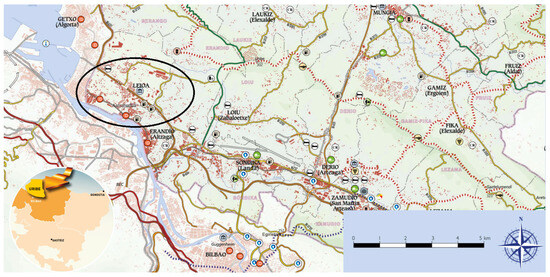
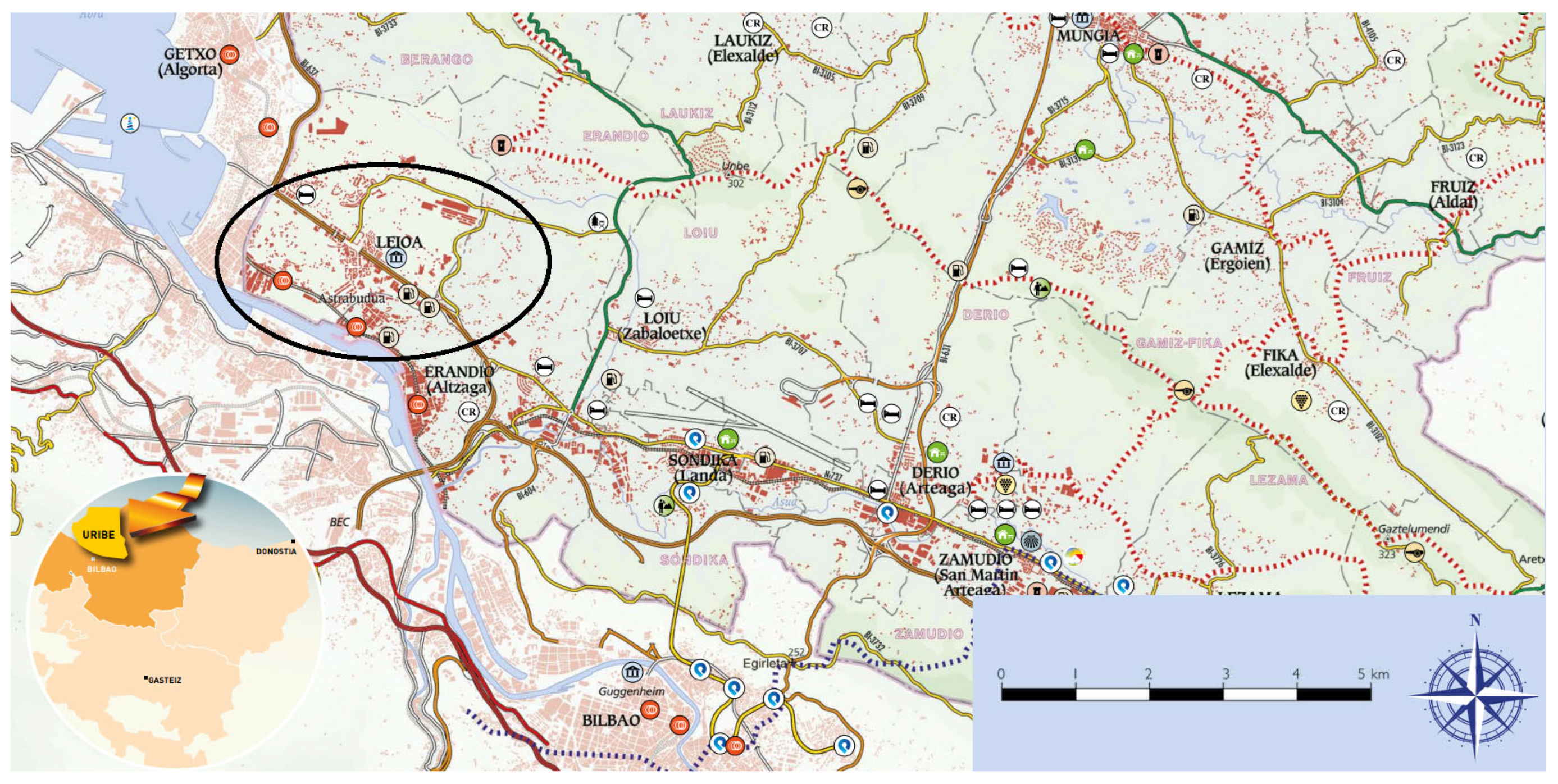
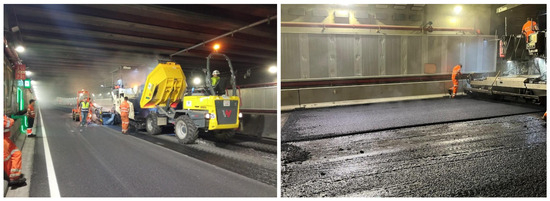
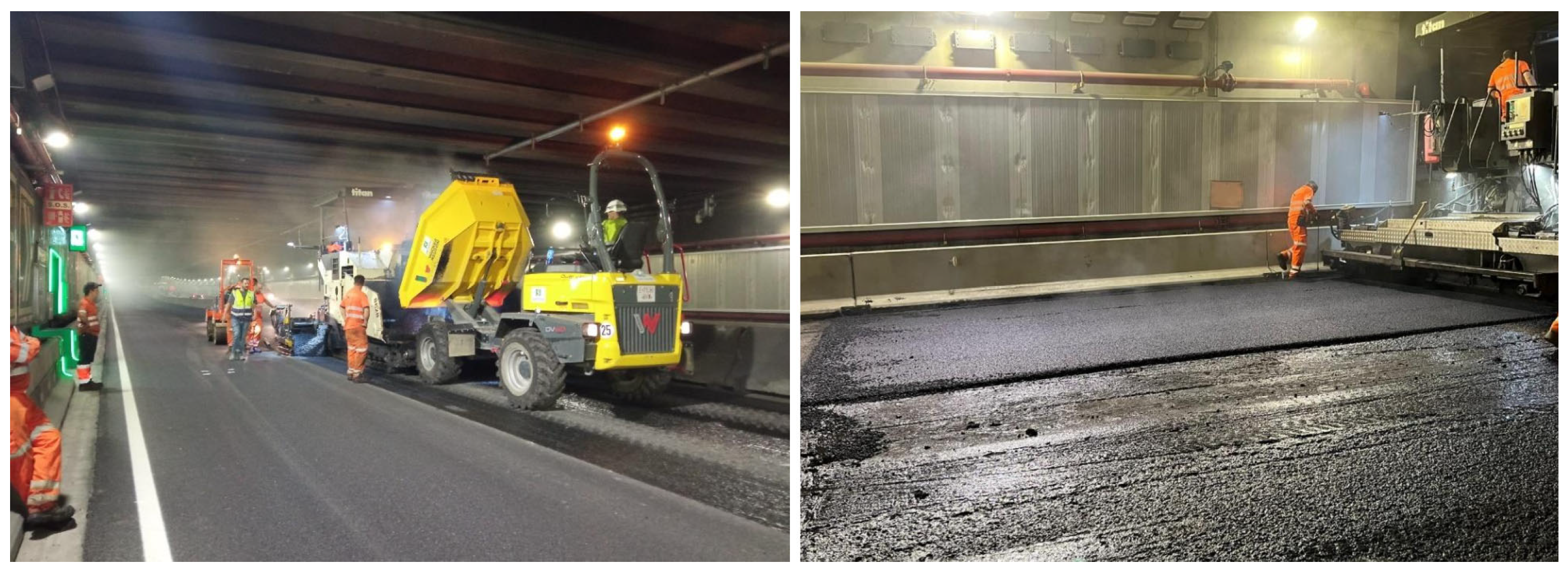


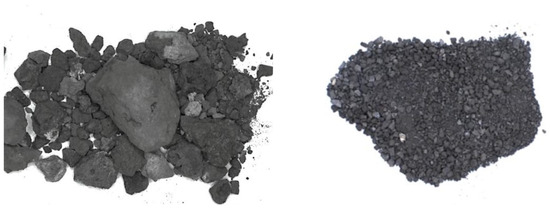
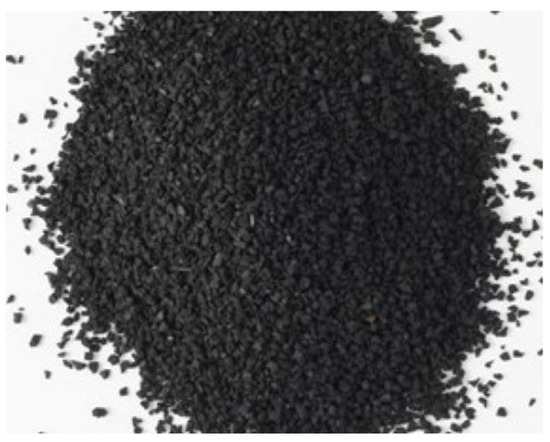
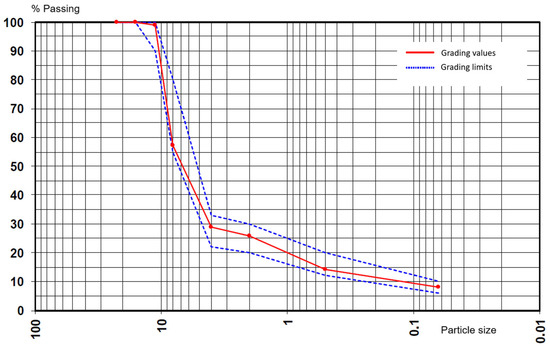
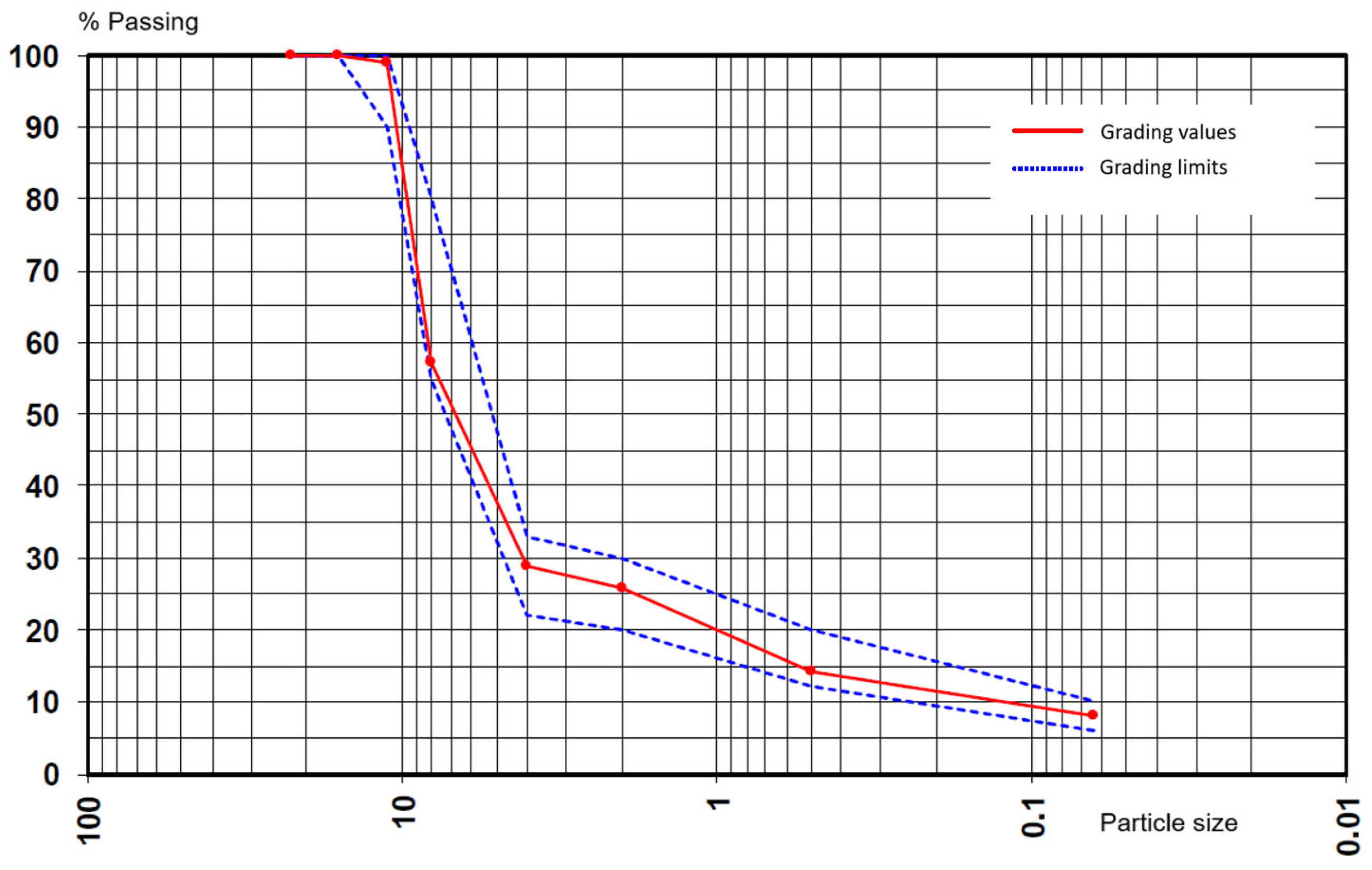
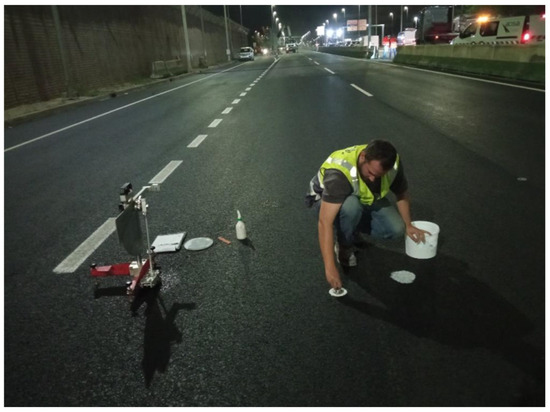
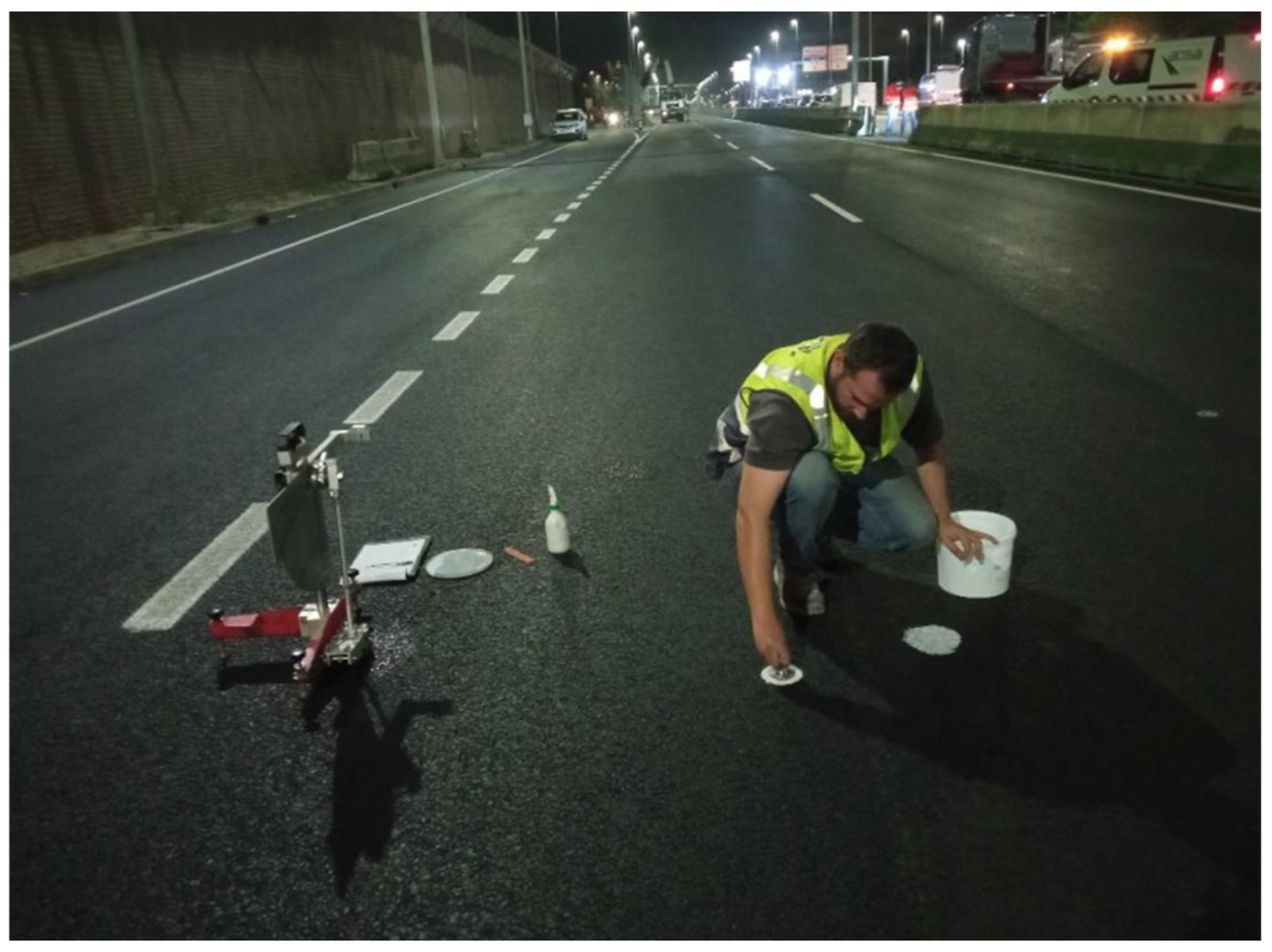
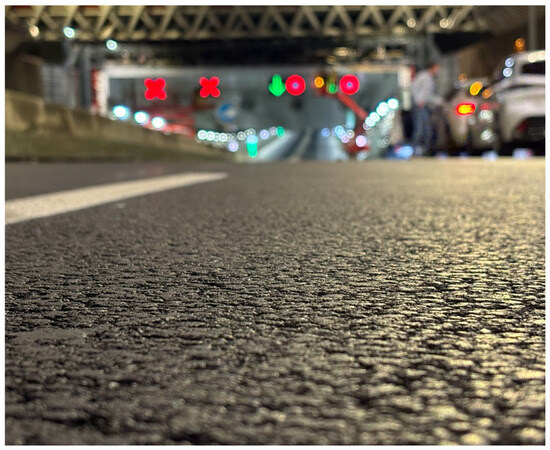
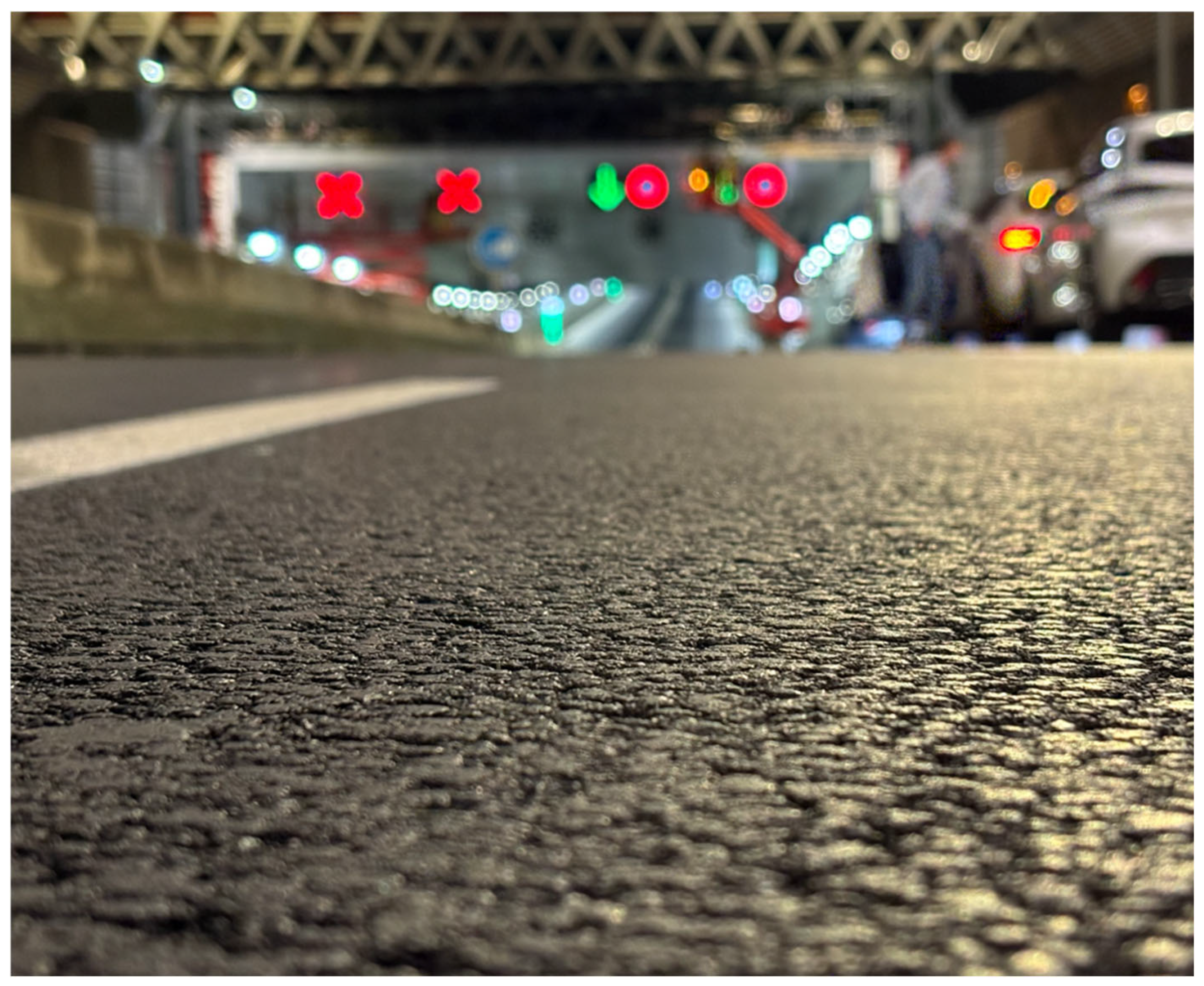

Disclaimer/Publisher’s Note: The statements, opinions and data contained in all publications are solely those of the individual author(s) and contributor(s) and not of MDPI and/or the editor(s). MDPI and/or the editor(s) disclaim responsibility for any injury to people or property resulting from any ideas, methods, instructions or products referred to in the content. |
© 2026 by the authors. Licensee MDPI, Basel, Switzerland. This article is an open access article distributed under the terms and conditions of the Creative Commons Attribution (CC BY) license.